태그 보관용: PMMA 사출 성형

아크릴 사출 성형: 전체 가이드

Acrylic injection molding can be defined as a new technology of manufacturing plastic products with high quality. The technique has a wide application in the automotive industry, healthcare sector, consumer goods, and electronics. It is particularly renowned for making transparent, tough, and attractive products.

China is a major part of the acrylic molding business. China has large quantities of factories that manufacture high-quality acrylic molds and parts. They offer cost-effective, dependable, and scalable production to the international markets.

This paper covers the process of injection molding, types of molds, applications, and best practices in acrylic injection molding.

What is Acrylic Injection Molding?

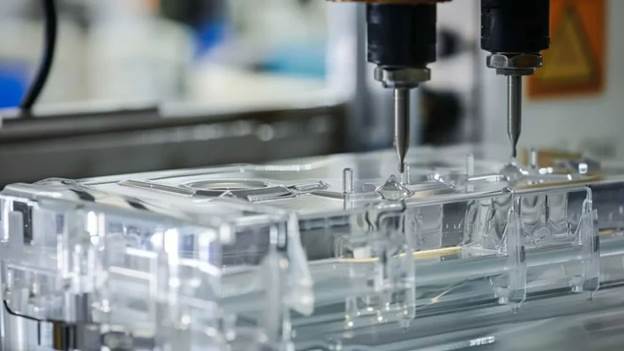
Acrylic injection molding is an aircraft production technique in which acrylic plastic is warmed up until it melts and then injected into a mold. The plastic is cured and solidifies into a given shape. The process is very useful in the large-scale production of complex and consistent parts.

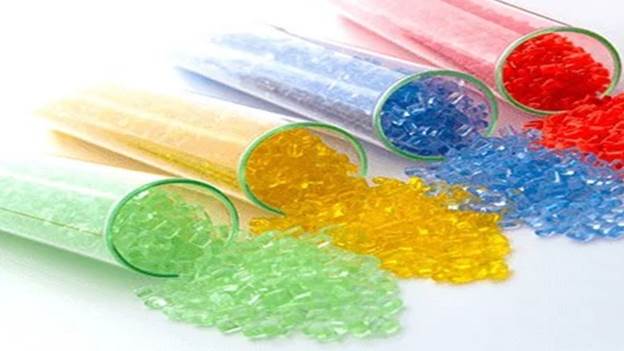
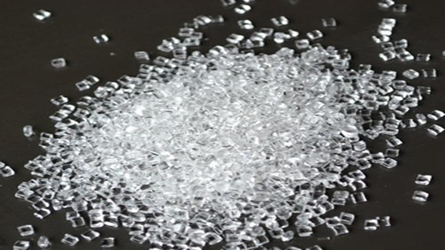
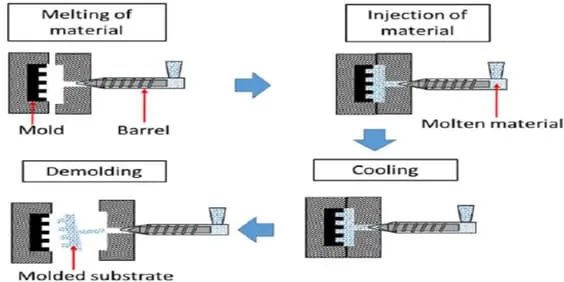
The acrylic pellets are small and used as the starting food materials. These are poured into a heated barrel until it melts. Then the molten acrylic is injected into high pressure mold with acrylic molds. The molds are cooled and opened, and the finished product is ejected.

The process is fast, accurate, and economical, unlike other methods of molding. It suits industries where the quantity of production is needed without necessarily touching on the quality.

What is Acrylic Injection Molding?

Benefits of Acrylic Molding

There are numerous benefits of acrylic molding.

  • Large Transparency: Acrylic products are very transparent. They are frequently applied in situations when it is necessary to be visual.
  • 내구성: Acrylic is durable and scratch-resistant.
  • Complex Shapes: It is able to do complex designs, which are hard to do with other plastics.
  • 비용 효율적: After creating molds, thousands of pieces can be created in a short time, which makes the process less expensive.
  • 일관성: Each batch is the same as the preceding one, and quality is ensured in high quantities.

The acrylic molding is quick and accurate, and hence a good option where quality and speed are expected in industries.

Acrylic Injection Molding was discovered

In the mid-20th century, the manufacturers of the process started to develop the process of acrylic injection molding because the manufacturers wanted to find a quicker and more accurate method of shaping PMMA. Previously, casting was used as the primary process of acrylic molding, which was a slow and work-consuming process.

Machines that could melt acrylic pellets at temperatures of 230-280 °C and inject them into small acrylic molds were invented by engineers in Germany and the United States in the 1940s and 1950s. This invention made it possible to manufacture intricate and high-quality parts that had uniform dimensions.

Injection techniques of acrylic to produce what is today known as the molding of acrylic transformed industries such as automotive, medical devices, and consumer products. Acrylic plastic molding not only reduced the time but also increased efficiency, but it also made parts that had tight tolerances (+-0.1 mm) and those that were optically clear (>90% light transmission).

Acrylic Injection Molding was discovered

Types of Acrylic Molds

There are several types of acrylic molds; each model is produced according to the required production nature and complexity of the product. The selection of a suitable type guarantees results of high quality and efficiency in acrylic molding.

단일 캐비티 몰드

 Single-cavity molds are made to make a single part after each injection cycle. They can be used when the production run is small or in prototypical projects. With single-cavity molds, the process of injection molding acrylic material is done using the term under consideration in order not to have to deal with the problem of incorrect shaping and vague surfaces.

다중 캐비티 몰드

 Multi-cavity molds are able to manufacture many copies within one cycle. This gives them ideal suitability for massive production. Multi-cavity molds are frequently molded with acrylic to accomplish consistency and minimize the time of production.

패밀리 몰드

In a single cycle, family molds generate some of the various parts. This is a type that is practical in formulating components that constitute a product assembly. Family molds can use acrylic plastic molding that enables multiple pieces to be manufactured at the same time, which saves both time and cost.

핫 러너 몰드

The Hot runner molds allow the plastic to be kept in channels to minimize wastage and enhance efficiency. Hot runner systems use acrylic molds that fit high-precision products with smooth surfaces and fewer defects.

콜드 러너 몰드

Cold runner molds employ channels that cool together with the part being molded. They are less costly and easier to produce. A lot of small to medium-sized manufacturers would rather use acrylic molding by using cold runner molds to do their production cheaply.

The choice of the appropriate type of the so-called acrylic molds is determined by the volume of production, the design of the product, and the budget. Correct selection of molds leads to better performance of acrylic injection molding and finished products of high quality.

The techniques of Acrylic Plastic Molding

Acrylic plastic molding is the process of using several methods to convert acrylic substances into useful and attractive items. Both approaches have strengths, which are determined by design, volume of production, and the needs of the product.

The techniques of Acrylic Plastic Molding

사출 성형

The most popular one, which is called acrylic injection molding, consists of heating acrylic subunits, called acrylic pellets, until molten, and its injection into acrylic molds. Upon cooling, the plastic will solidify in the intended shape. This is the best method to make a high-precision product in massive quantities.

압축 성형

 Acrylic sheets are put in a hot mold and pressed to form in compression molding. This technique can be applied to thicker sections and plain designs. Compression molding of acrylic is used to make it uniform in thickness and strength.

압출

Long continuous profiles are made by extrusion, where molten acrylic is forced into a shaped die. By extrusion, acrylic molding is used on such items as tubes, rods, and sheets. It is even in cross-sections and surfaces.

열성형

The thermoforming technique heats acrylic sheets until pliable and shapes them over a mold with the vacuum or pressure. The approach works well with huge or non-huge products. Thermoforming is a technique of manufacturer of low to medium volumes of acrylic plastic molds at a reasonably low cost.

Rotational Molding

Rotational molding is also used with acrylic, but the mold is rotated during heating to evenly coat the inside of the mold. Shapes with hollows can be made effectively using this technique. In rotational molds, there is the flexibility of molding acrylic to fit some designs.

Process of Molding Acrylic

Molding acrylic is an important and technical process through which the raw acrylic material is changed into finished parts of high quality. The procedure comes with several processes, and each process entails precise control of temperature, pressure, and time to provide the optimal outcome in the process of acrylic molding.

Process of Molding Acrylic

재료 준비

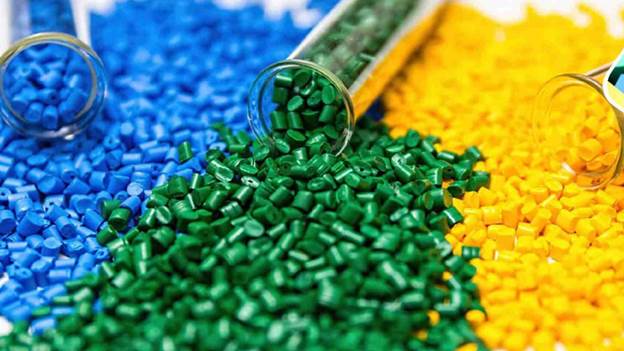
The reaction begins with acrylic high-quality pellets, which can be of different sizes (usually 2-5 mm in diameter). The moisture content of the pellets should be less than 0.2, and any further moisture may lead to bubbles in the process of molding. The pellets are normally dried in a hopper dryer at 80-90 deg C in not less than 2-4hours before usage.

Melting and Injection

The dried pellets are introduced into the barrel of the injection molding machine. The temperature of the barrel is maintained at 230-280 °C, with acrylic grade depending on the grade used. The pellets are melted by the screw mechanism to form a homogeneous acrylic mixture in molten form.

The acrylic is then injected at high pressure – normally 70-120 MPa – into acrylic molds once molten. The time of injection depends on the size of the part, with the small to medium parts taking about 5 to 20 seconds.

냉각

A pressurized mold is placed after injection as the acrylic cools and solidification takes place. The time of cooling varies with the thickness of parts:

  • 1-2 mm thickness: 15-20 seconds
  • 3-5 mm thickness: 25-40 seconds
  • Above 5 mm thickness: 45-60 seconds

The cooling is necessary to eliminate warping, shrinkage, or surface defects. Established molds may also make use of water pipes or oil cooling to maintain the temperatures in the required specifications.

Mold Opening and Ejection

The mold is opened once it has cooled, and the part is ejected with mechanical or hydraulic ejector pins. It should be noted that the force of ejection should be limited to ensure that it does not damage the surface or deform it.

Post-Processing

The part may also go through finishing procedures like clipping off or polishing the part after ejection, or annealing. Aging at temperatures of 80-100 deg C 1-2 hours of aging assists in removing internal stresses and enhancing clarity and strength.

Quality Inspection

Individual components are checked against defects such as air bubbles, warping, and dimensionality. Calipers are utilized, or a laser scan is undertaken, and tolerance is allowed to be within + 0.1 mm when dealing with high precision components. The application of acrylic plastic molding, which is of good quality, has ensured that all its products are industry standard.

Summary of Process Parameters:

Step매개변수Value
DryingTemperature80–90°C
DryingDuration2–4 hours
Barrel TemperatureMelt Acrylic230–280°C
사출 압력70–120 MPa
냉각 시간1–2 mm thick15–20 sec
냉각 시간3–5 mm thick25–40 sec
냉각 시간>5 mm thick45–60 sec
AnnealingTemperature80–100°C
AnnealingDuration1–2 hours
Dimensional Tolerance±0.1 mm

The acrylic molding with the following technological characteristics guarantees the quality, accuracy, and efficiency of each product. The process of acrylic injection molding can be used to manufacture clear, durable, and dimensionally accurate components by using optimized conditions, which ensure consistent production of the components.

Uses of Acrylic Injection Molding

The acrylic injection molding is heavily applied in sectors where accuracy, clarity, and longevity are required.

Uses of Acrylic Injection Molding

자동차 산업

Tail lights, dashboards, and trims are made as a result of acrylic molds. Parts are typically 1.5-5 mm thick, and with a temperature range of -40 °C to 80 °C. Clarity and longevity are guaranteed by Molding acrylic.

Health care and medical equipment.

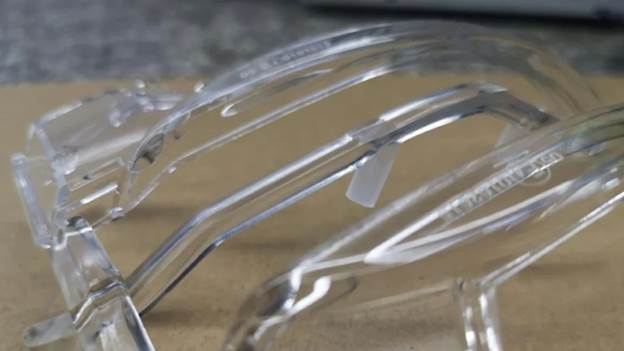
Lab equipment, instrument covers, and protective shields are manufactured by the process of Acrylic plastic molding. There is a requirement for parts with tolerances of +-0.1 mm and the ability to be sterilized. Acrylic injection molding ensures smooth and correct surfaces.

소비자 가전

Smartphone covers, LED housings, and protective screens are molded with acrylic. Part must have a gloss on the surface exceeding 90% and accurate dimensions.

Amphetamine, Methamphetamine, and amphetamines in household and decoral products.

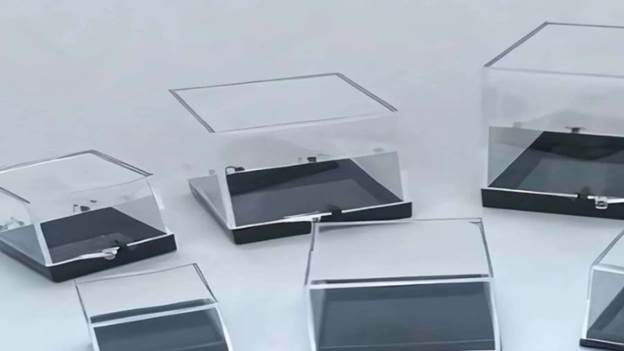
Such products as cosmetic containers, display cases, and panels are manufactured with the help of using the so-called acrylic plastic molding. The average thickness varies between 2 and 8 mm, which provides even finishes with smooth, clear, and colorful finishes.

Electrical Components, Lighting, and Optics.

The acrylic injection molding is used in the clarity of LED lenses, light diffusers, and signage. The parts attain transmission of light to the tune of over 90% at specific angles and thickness.

산업 장비

There is the use of machine guards, instrument panels, and transparent containers, which are based on acrylic molding. Components require an impact strength of 15-20 kJ/m2 and be clear.

Typical Applications
This Framework is applied in situations when the government controls all the main features of healthcare services, such as quality, cost, and accessibility, and the amount of provided services.

산업

  • Product Examples
  • Key Specifications
  • 자동차
  • Tail lights, dashboards
  • thickness 1.5-5 mm, Temp 40 °C to 80 °C

Healthcare

  • Test tube racks, shields
  • Tolerance -0.1 mm, sterilization-resistant.

전자 제품

  • Covers, housings
  • Surface gloss 90, dimensional stability.

소비재

  • Containers containing cosmetics, exhibition boxes.
  • Thickness 2-8 mm, smooth finish
  • Lighting
  • LED lenses, diffusers
  • Transmission of light greater than 90, accurate geometry.
  • Industrial
  • Guards, containers
  • Impact strength 15-20 kJ/m 2, clear.

Quality Control of Acrylic Molding

In acrylic molding, quality is essential in order to have parts that are up to standard. Some minor flaws can have an impact on performance and appearance.

Inspection of Parts

All the components are inspected against air bubbles, bending, and scratches on the surface. Calipers or laser scanners are used to measure so that tolerance is not exceeded by +-0.1 mm. The process of acrylic injection molding depends on regular checks as a way to ensure high quality of the output.

금형 유지 관리

Defects are prevented, and the life of the mold is lengthened by ensuring that it is regularly cleaned and inspected. The old molds may lead to inaccuracy in the dimensions or uneven surfaces.

Process Monitoring

Temperature, pressure, and cooling times are continuously checked during the process of molding acrylic. Barrel temperatures average 230-280°C and injection pressure ranges from 70 to 120 Mpa, to avoid mistakes.

Final Testing

Complete components are tested through functional and visual tests. As an illustration, optical components have to be inspected regarding the transfer of light (greater than 90 per cent) and structural parts regarding impact strength (15-20 kJ/m2).

This can be achieved by keeping a tight rein on the quality of the final product to generate dependable, accurate, and aesthetically flawless individual parts of acrylic plastic molding.

Selecting the appropriate Acrylic Injection Molding Alliance

When it comes to high-quality production, the correct choice of the manufacturer of the acrylic injection molding is crucial.

Selecting the appropriate Acrylic Injection Molding Alliance

경험 및 전문성

Find partners who have experience in acrylic molding and acrylic molding. Experienced engineers would be able to maximize the mold design, injection, and finishing to specifications.

Equipment and Technology

Innovative machines that regulate temperature (230-280 °C), injection pressure (70-120 Mpa) are very specific in enhancing product consistency. The errors and waste are minimized with the help of high-quality acrylic molds and automated systems.

품질 보증

When it comes to a trusted supplier, they include rigorous checks of their parts, such as dimension checks (within -0.1 mm tolerance) and surface checks. With correct QA, it is ensured that the components of the acrylic plastic will be clear, durable, and defect-free.

Communication and Support

Good manufacturers interact during the designing and manufacturing process. They assist in the optimization of molds, propose materials, and material cycle time optimization.

Suggestions on Successful Acrylic Molding

It is advisable to follow best practices in acrylic molding to have high-quality, accurate, and durable parts.

Suggestions on Successful Acrylic Molding

Use High-Quality Material

Begin with acrylic 2-5 mm size pellets of less than 0.2 moisture content. Drying at 80-90°C 2-4 hours help in eliminating the bubbles and surface defects when molding acrylic.

Optimize Mold Design

Create an appropriate vented design and design acrylic molds with appropriate cooling channels and injection points. It minimizes warping, contraction, and cycle time in the process of injection molding of acrylic.

Control Process Parameters

Keep barrel temperature at 230-280 °C and injection pressure at 70-120 Mpa. Cooling time should be equivalent to part thickness:

  • 1-2 mm – 15-20 sec
  • 3-5 mm – 25-40 sec
  • 5 mm – 45-60 sec

Inspect Regularly

Check parts’ dimensions (maximum error in dimensions 0.1 mm), light spots, and optical clearness (transmission greater than 90%). The advantage of acrylic plastic molding lies in the ability to perform consistent inspection.

Maintain Molds

Wash and clean molds so as to avoid wear and ensure smooth and consistent production. Molded acrylic finds increased efficiencies and quality of parts.

All these tips will give the process of acrylic injection molding a sure, no less attractive, and perfectly correct components every time.

Widespread Defects and Prevention

Defects can be experienced even in the case of accurate acrylic injection molding. Knowledge of causes and solutions guarantees the quality of acrylic molding.

Widespread Defects and Prevention

Air Bubbles

Any air present in acrylic molds may produce bubbles on the surface.

Recommendation: Drying of acrylic NP with less than 0.2 percent moisture, correct ventilation of molds, and injection pressure of 70-120 Mackey’s.

워핑

Warping occurs, whereby the parts do not cool equally, hence they are distorted.

Resolution: homogeneous cooling channels, temperature of part, and part cooling time depending on part thickness (e.g., 1-2 mm – 15-20 sec, 3-5 mm – 25-40 sec).

싱크 마크

The sink marks are formed when the thick parts contract during cooling.

솔루션: maximize the wall thickness, packing pressure, and adequate cooling rates in molding acrylic.

쇼트 샷

Short shots occur when the molten acrylic fails to fill the mold.

Resolution: Turn on more pressure in the injection press, clear blockages in acrylic molds, and verify correct barrel temperature (230-280 °C).

Surface Defects

Rough or scratches decrease transparency in acrylic plastic molding.

해결 방법: Polish molds, do not use too much ejection power, and keep processing areas clean.

Outlook of Acrylic Injection Molding

Technology, efficiency, and sustainability are the future of acrylic injection molding.

Outlook of Acrylic Injection Molding

Advanced Automation

The acrylic molding is becoming more and more automated and robotic. Temperatures (230-280°C) and injection pressures (70-120 Mpa) can be controlled with accuracy by machines. Automation in the production of acrylic by molding lowers human error and enhances the cycle times.

3D Printing and Prototyping

The molds in the acrylic prototype are accomplished by 3D printing within a limited time. This allows the engineers to carry out experimentation with designs and optimization of molds before the production is done in full. Acrylic plastic molding is faster and cheaper due to the quick prototyping.

Sustainable Materials

It is becoming a norm to recycle the acrylic waste and develop materials that are friendly to the environment. Pellets recycled in the production of acrylic products under the injection molding process will result in a reduced environmental impact, though it will not impact the quality of the product.

Improved Product Quality

In the future, there will be increased optical clarity (>90 percent light transmission), surface finish, and dimensional controls (+-0.1 mm) in what is termed acrylic molding. This strengthens products, making them clearer and more precise.

Industry Growth

With the growing need for durable, lightweight, and clear products, the market will be broadening on the activities of molding acrylic in the automotive, medical, electronic, and consumer goods sectors.

Through technology and sustainability adoption, acrylic injection molding will continue to be one of the manufacturing processes used in high-quality and efficient production.

Sincere Tech: Your Reliable Provider of Acrylic Injection Molding.

Sincere Tech (Plas.co) offers services of precision plastic molding and acrylic 사출 성형, which can be trusted. We have strong, accurate, and appealing parts, which are guaranteed by our high-technology and skilled workforce. We deal with custom-made acrylic molds and solutions that we make according to your design specifications.

Wholesome and Trustworthy Solutions.

We perform one-stop shopping prototype and product design up to large-scale production. You will be handling high-quality, durable, and reliable parts in our hands with our experience in acrylic molding and molding acrylic.

Reason to select Sincere Tech (Plas.co)?

The examples of our work can be viewed at https://plas.co. If you are seeking the best in terms of quality, precision, and good service, then Sincere Tech (Plas.co) is your partner when you are in search of the best in molding solutions.

결론

Acrylic molding and acrylic injection molding are essential processes in the current production. They provide quality, long-lasting, and fashionable products that can be used in most industries. It is efficient and reliable, starting with the design of acrylic molds, to the creation of the consistent parts.

When manufacturers adhere to the best practices and select the appropriate partner, high-quality products can be produced with the help of the use of molding acrylic. The further maturation of technology means that acrylic injection molding will be one of the most important in the development of innovative, accurate, and aesthetic products.

PMMA 사출 성형

PMMA 사출 성형: 다양한 기능을 위한 확실한 대안

'아크릴'로도 알려진 폴리메틸 메타크릴레이트(PMMA)는 매우 강하고 투명하며 날씨에 매우 강한 것으로 유명한 투명한 열가소성 소재입니다. 이 글에서는 PMMA 사출 성형의 장단점 및 평판이 좋은 PMMA 사출 성형 업체를 선택하는 중요한 요소에 대해 이야기합니다.

PMMA는 어떻게 만들어지는가:

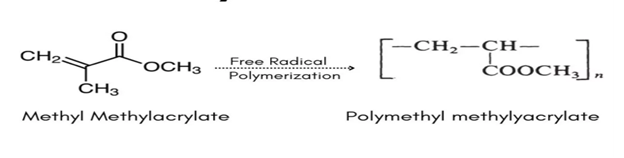
아크릴은 단량체 메틸 메타크릴레이트의 반복 단위로 만들어진 합성 소재입니다. 일반적으로 폴리메틸 메타크릴레이트(PMMA)라고도 합니다. PMMA는 분자 수준에서 메틸 아크릴레이트 그룹에 의해 결합된 여러 사슬의 메틸 메타크릴레이트 분자로 구성됩니다. 빛이 물질을 통과할 때 왜곡이 거의 또는 전혀 없기 때문에 이 광학 구조는 투명성을 향상시킵니다. 특정 상황에서는 PMMA의 뛰어난 광학적 투명성이 유리의 투명성을 능가할 수도 있습니다. 섬유는 가볍고 광학적인 특성으로 인해 투명 제품 및 애플리케이션에 가장 적합한 소재입니다.

PMMA 사출 성형

아크릴의 종류는?

아크릴 소재에는 다음과 같은 다양한 종류가 있습니다. PMMA 사출 성형 각각 장단점이 있습니다. 

1. 폴리메틸 메타크릴레이트(PMMA):

폴리메틸메타크릴레이트(PMMA)는 아크릴 또는 플렉시글라스라고도 하며 가장 일반적인 아크릴 유형입니다. 뛰어난 내후성, 내충격성 및 광학 품질이 특징입니다.

2. 폴리(메틸 메타크릴레이트-코메틸 아크릴레이트)(PMMA-MA) :

공중 합체 조성물에서 메틸 메타 크릴 레이트와 메틸 아크릴 레이트로 구성됩니다. 또한 유연성과 내충격성이 향상되었을 뿐만 아니라 PMMA의 특성을 가지고 있습니다.

3. PMMA-EA:

에틸 아크릴레이트 모노머를 도입한 공중합체 중 하나로, PMMA-MA와 매우 유사합니다. 유연성과 충격 내구성이 더 뛰어난 것으로 알려져 있습니다. 

4. PMMA-BA(폴리 에틸 메틸 메타크릴레이트-코-부틸 아크릴레이트):

이 모노머는 부틸 아크릴레이트를 함유하고 있어 유연성, 내충격성 및 내화학성이 개선된 PMMA의 장점과 결합된 공중합체입니다.

PMMA의 색상은 무엇인가요?

이 모노머는 부틸 아크릴레이트를 함유하고 있어 유연성, 내충격성 및 내화학성이 개선된 PMMA의 장점과 결합된 공중합체입니다.

PMMA는 어떻게 생겼나요?

"PMMA"라는 이름은 투명하고 무색의 물질인 폴리메틸 메타크릴레이트의 약자입니다. 그러나 생산 공정의 어느 시점에서든 페인트나 염료를 첨가하여 색상을 변경할 수 있습니다. 이 때문에 PMMA는 투명한 흰색, 검은색 및 투명하고 불투명한 여러 가지 색상으로 제공됩니다.

PMMA 소재 

PMMA 사출 성형

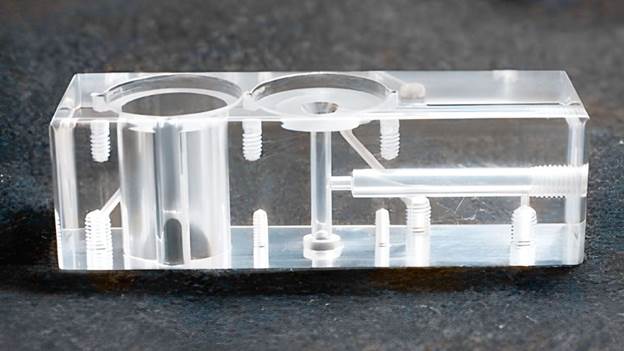
PMMA 성형은 매우 유연한 제작 방식입니다. 사출 성형 공정에서는 먼저 재료를 고온에서 녹여 액체 또는 용융 형태가 될 때까지 가열합니다. 그런 다음 용융된 형태를 금속 금형에 많은 압력을 가하면서 부은 다음 금형을 식히도록 둡니다. 잠시 후 원하는 형태의 부품이 만들어집니다. 고품질 플라스틱 부품과 샘플을 만드는 인기 있고 효과적인 방법 중 하나는 사출 성형 PMMA입니다.


PMMA 성형의 장점


PMMA 사출 성형은 다른 제조 방식에 비해 많은 장점이 있습니다. 가장 중요한 이점은 다음과 같습니다:

탁월한 광학 선명도:

PMMA는 일반적으로 사용되는 모든 열가소성 플라스틱 중에서 가장 투명합니다. 잘 보이기 때문에 안경 렌즈, 자동차 제어판, 디지털 기기 화면 등 가시성이 중요한 곳에 사용하기에 좋습니다.

뛰어난 내화학성:

PMMA의 내화학성은 매우 높습니다. 산, 알칼리, 알코올에 대한 내성이 매우 강합니다. 이러한 특성으로 인해 의료 도구 및 실험실 장비와 같이 다양한 화학 물질에 노출되는 제품에 사용할 수 있습니다.

탁월한 내후성:

PMMA 사출 성형은 자외선 및 눈, 비, 고온과 같은 악천후에 매우 강합니다. 따라서 간판이나 건축 부품과 같은 실외 용도로 사용하기에 적합합니다.

가볍고 튼튼합니다:

PMMA의 무게 대 강도 비율은 양호합니다. 이러한 방식으로 물체를 너무 무겁게 만들지 않으면서도 필요한 강도를 제공합니다. 이러한 유형의 품질은 항공우주 및 자동차 비즈니스에 매우 중요합니다.

비교적 낮은 처리 온도:

PMMA는 다른 열가소성 플라스틱에 비해 저온에서 제조할 수 있습니다. 따라서 생산에 필요한 에너지의 양이 줄어들고 환경 친화적인 옵션이 됩니다.

디자인 및 색상 옵션의 다양성:

PMMA는 다양한 디자인 요구 사항을 충족하기 위해 다양한 방식으로 모양과 배열이 가능합니다. 또한 다양한 색상으로 제공되므로 용도에 따라 스타일을 다양하게 변경할 수 있습니다.

가공 및 마감의 용이성:

PMMA 부품을 쉽게 성형하고 연마하여 원하는 바닥 마감과 기능을 얻을 수 있습니다. 이 기능을 사용하면 더 많은 변경을 할 수 있으므로 첫 번째 성형 프로세스 후에 추가하는 것이 좋습니다.

PMMA 사출 성형 제품의 응용 분야

PMMA 사출 성형은 고유한 특성으로 인해 다양한 유형의 비즈니스에 유용한 소재입니다. 다음은 PMMA로 만든 잘 알려진 제품의 몇 가지 예입니다:

자동차 산업:

미등, 컨트롤 패널, 전조등 및 후미등 렌즈 등 자동차 인테리어를 위한 다양한 투명 부품을 제작할 수 있습니다.

PMMA 플라스틱 몰딩

조명 산업:

일관된 빛 확산을 위한 디퓨저, 다양한 조명 요구 사항에 맞는 렌즈, 친환경적인 빛 투과를 위한 경량 안내판.

의료 산업:

여기에는 진단 도구, 의료 도구 하우징 및 가독성과 내화학성이 필요한 부품이 포함됩니다.

소비재:

디지털 기기용 디스플레이, 전자 케이스 및 가전제품용 투명 부품이 많이 있습니다.

건축에서:

소음을 차단하는 도어 및 조명 커버, 창문, 전화 부스 등에 사용할 수 있습니다.

운송 애플리케이션에서:

PMMA는 자동차, 기차, 기타 차량의 문과 창문에 사용됩니다.

올바른 PMMA 사출 성형 파트너 선택하기

좋은 제품을 얻고 작업을 성공적으로 완료하려면 올바른 PMMA 사출 성형 회사를 선택하는 것이 매우 중요합니다. 선택할 때 명심해야 할 몇 가지 중요한 사항이 있습니다:

PMMA 몰딩에 대한 전문성:

PMMA 성형 경험이 풍부한 업체를 선택하세요. 이 업체는 재료를 다루는 방법을 알고 있으며 최상의 결과를 위해 성형 공정을 최적화할 수 있습니다.

품질 관리 조치:

강력한 품질 관리 시스템을 갖춘 회사를 찾아보세요. 이를 통해 생산 전반에 걸쳐 일관된 품질을 보장하고 결함의 위험을 줄이며 최종 제품이 높은 기준을 충족하도록 보장합니다.

디자인 도움말 및 프로토타이핑 기능:

프로토타입을 계획하고 제작하는 데 도움을 줄 수 있는 파트너가 있다는 것은 정말 멋진 일입니다. 파트너는 제품 디자인이 PMMA 사출 주조 공정과 호환되는지 확인할 수 있도록 도와줍니다. 이를 통해 궁극적으로 시간과 비용을 모두 절약할 수 있습니다.

경쟁력 있는 가격 및 배송 시간:

비용, 품질, 납기 사이의 균형을 찾는 것이 중요합니다. 품질 저하 없이 요구 사항을 충족하고 경쟁력 있는 가격을 제시할 수 있는 신뢰할 수 있는 파트너를 찾아 프로젝트를 순조롭게 진행해야 합니다.

구매자 서비스에 대한 헌신:

좋은 파트너십의 핵심은 서로 대화하고 함께 일할 수 있는 능력입니다. PMMA 사출 성형 업체를 찾을 때는 열린 커뮤니케이션을 중시하고 유연하며 프로젝트 전반에 걸쳐 훌륭한 고객 서비스를 제공하기 위해 최선을 다하는 업체인지 확인해야 합니다.

PMMA 사출 성형에 대한 추가 우려 사항

사출 성형 PMMA에는 많은 장점이 있지만, 여기에 몇 가지 더 고려해야 할 사항이 있습니다:

부품 두께:

PMMA의 저항은 두께가 증가함에 따라 감소합니다. 필요한 벽 두께를 고려하여 에너지와 성능 모두를 위한 최상의 설계를 달성하기 위해 PMMA 사출 성형 회사와 협력하는 것이 중요합니다.

표면 마감:

PMMA는 훌륭한 바닥 마감재를 얻을 수 있지만 고광택 마감 처리가 필요합니다. 연마와 같은 후처리 단계를 더 수행해야 할 수도 있습니다. 파트너와 만나 가능한 바닥 마감 옵션에 대해 이야기하고 애플리케이션을 처리하는 가장 좋은 방법을 찾아보세요.

재료 선택:

PMMA는 유연한 소재입니다. 그러나 열가소성 플라스틱의 종류는 용도에 따라 다른 요구 사항을 충족하는 데 더 적합할 수 있습니다. 프로젝트에 더 적합한 다른 소재가 있다면 PMMA 사출 성형 파트너가 이를 제안할 수 있을 것입니다.

지속 가능한 고려 사항:

PMMA는 튼튼하고 오래 지속되므로 좋은 선택이 될 수 있습니다. 잘 만들어진 PMMA 제품은 몇 년 동안 사용할 수 있으므로 자주 교체할 필요가 없습니다. 앞서 말했듯이 PMMA는 비교적 낮은 온도에서 작업할 수 있다는 점도 생산에 필요한 에너지를 줄이는 데 도움이 됩니다.

PMMA 성형 부품

플라스틱몰드닷넷과 협력하여 PMMA 성형 요구사항 충족하기

PMMA 사출 성형 회사를 찾고 계십니까? Plasticmold.net은 최고 수준의 PMMA 성형 제품입니다. 우리는 PMMA로 작업 한 많은 경험과 고유 한 특성을 사용하여 고유 한 결과를 얻을 수있는 지식을 보유하고 있습니다. 우리의 열심히 일하는 전문가 팀은 첫 번째 디자인 아이디어를 생각해내는 것부터 모든 것이 완벽한 지 확인하는 것까지 모든 단계에서 귀하와 함께 할 것입니다.

이것이 바로 Plasticmold.net이 하는 일입니다:

품질에 대한 강력한 헌신:

제조 공정의 모든 단계에서 품질 관리는 매우 중요합니다. 이를 통해 귀사의 PMMA 사출 성형 부품이 최고 품질 표준을 충족하도록 보장합니다.

전문성과 최첨단 기술:

당사는 최첨단 도구를 사용하며 고객의 요구에 가장 적합한 PMMA 사출 성형에 대한 지식을 보유하고 있습니다.

디자인 및 프로토타이핑 도움말:

저희 팀이 제품 디자인을 개선하고 샘플을 제작하여 생산으로 쉽게 이동할 수 있도록 도와드립니다.

경쟁력 있는 가격과 정시 배송:

합리적인 가격을 제공하며 요청하신 응답 시간을 맞추기 위해 최선을 다하고 있습니다.

우수한 고객 서비스:

업무를 수행하는 동안 고객과 좋은 관계를 유지하는 것이 중요합니다. 저희는 유용한 고객 서비스와 열린 소통을 제공합니다.

결론:

PMMA 플라스틱 사출 성형 는 최고의 선명도, 내화학성, 내후성 및 디자인 유연성을 제공합니다. 따라서 많은 비즈니스에 적합합니다. Plasticmold.net과의 파트너십을 통해 기업은 아이디어를 실현하는 데 도움을 줄 수 있는 숙련되고 신뢰할 수 있는 회사를 이용할 수 있습니다. 이러한 회사는 디자인 및 프로토타이핑에 대한 도움은 물론 경쟁력 있는 가격과 우수한 고객 서비스를 받을 수 있습니다. 간판, 의료 기기, 자동차 부품, 쇼핑 품목 등 모든 프로젝트에 대해 Plasticmold.net에서 맞춤형 선택을 할 수 있습니다. PMMA 주조는 오늘날의 어려운 시장에서 성공하는 데 필요한 선명도와 품질을 제공합니다.

귀사의 비즈니스에 PMMA 사출성형을 활용할 준비가 되셨나요?

신뢰할 수 있고 숙련 된 PMMA 성형 회사가 필요한 경우 Plasticmold.net을 권장합니다. 프로젝트 요구 사항을 논의하고 최상의 PMMA 선택 및 전체 프로세스 정보를 제공합니다. PMMA 기반 제품 아이디어를 실현하는 방법을 보여 드리겠습니다.

자주 묻는 질문:

Q. Plasticmold.net은 PMMA 성형에서 어떻게 고품질을 보장합니까?

답변. Plasticmold.net은 재료 선택, 성형 파라미터 최적화 및 검사 프로토콜과 함께 제조 공정의 각 단계에서 엄격한 품질 관리 조치를 통해 고품질을 보장합니다.

Q. PMMA 사출 금형에 대해 Plasticmold.net과 파트너 관계를 맺으면 어떤 이점이 있습니까?

답변. Plasticmold.net과의 파트너십은 집중적인 전문 지식, 우수한 전문성, 디자인 및 프로토타입 제작 지원, 공격적인 가격, 적시 공급, 차별화된 고객 지원 등의 이점을 제공합니다.

Q. PMMA를 위해 Plasticmold.net을 시작하려면 어떻게 해야 하나요?     

답변. Plasticmold.net을 시작하려면 프로젝트의 요구 사항에 대해 이야기하고, 전문가의 조언을 받고, 첫 번째 디자인 아이디어부터 최종 제작까지 팀과 협력해야 합니다.

Q. PMMA 몰드의 한계는 무엇인가요?

답변. PMMA 사출 성형은 특히 두꺼운 부분의 경우 내충격성 측면에서 한계가 있을 수 있습니다. 에너지와 성능을 최적화하려면 신중한 설계 문제와 재료 선택이 필수적입니다.

Q. 일반적으로 어떤 산업에서 PMMA 사출 성형 제품을 사용하나요?

답변. 자동차, 조명, 의료, 쇼핑용품, 사이니지 등의 산업에서는 일반적으로 가독성, 에너지, 내후성 등의 특징 때문에 PMMA 사출 성형 제품을 사용합니다.

Q. PMMA 사출 성형의 환경적 이점은 무엇인가요?

답변. PMMA 몰딩은 내구성, 긴 수명, 생산 시 에너지 사용량 감소와 같은 환경적 이점을 제공합니다. 이는 쓰레기와 자원 사용을 줄여 지속 가능성에 도움이 됩니다.