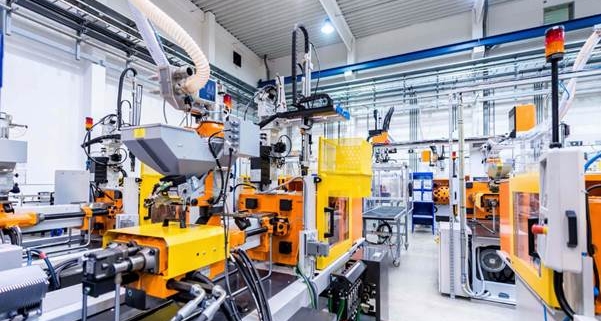
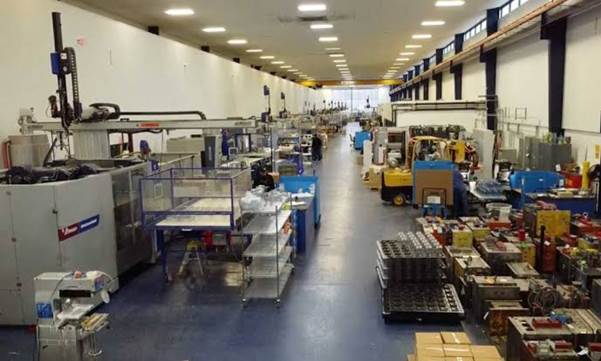
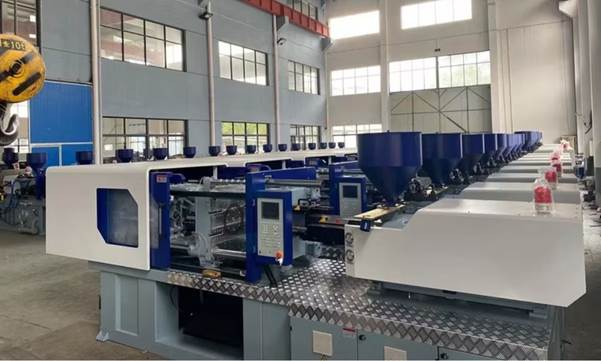
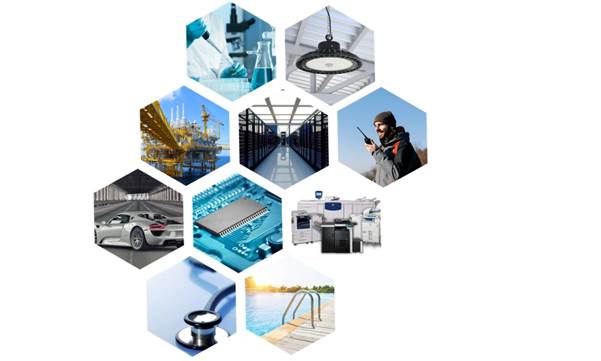
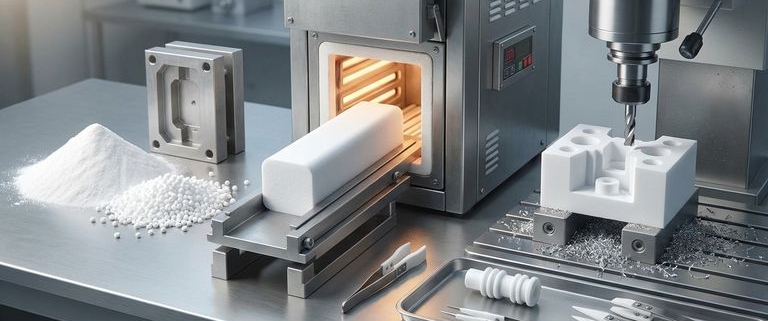
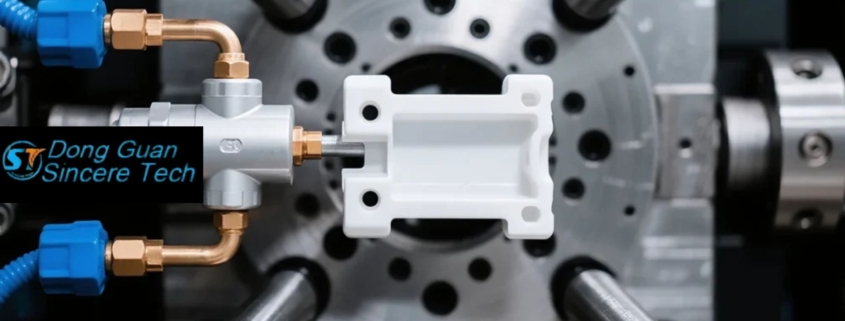
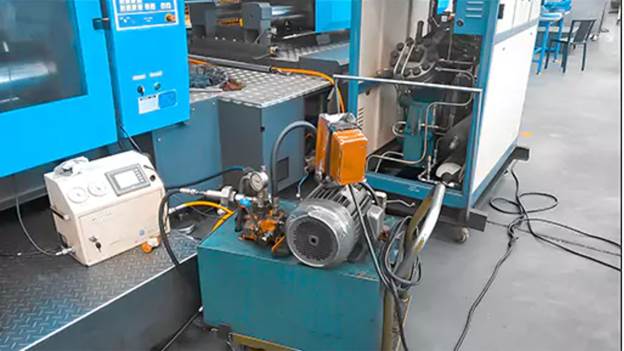
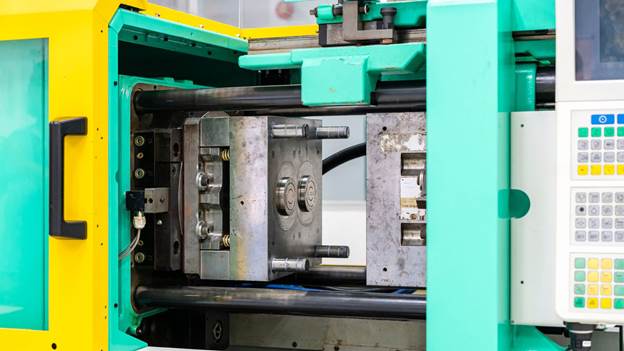
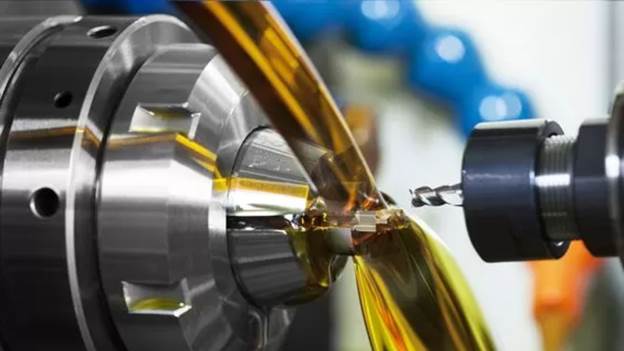
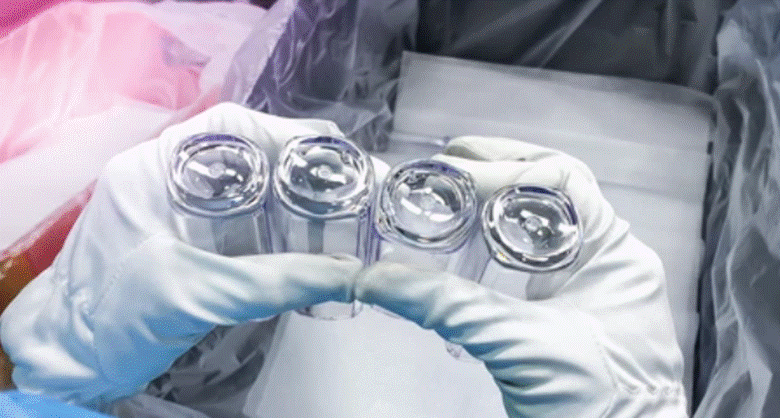
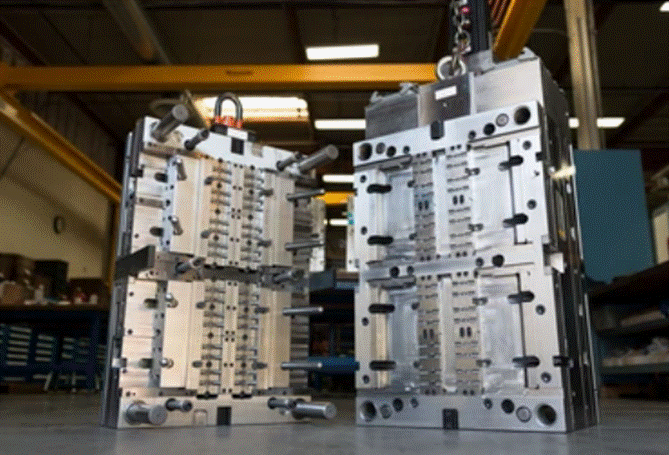
The plastic injection molding contract manufacturing is the integration of advanced molding technology and professional production services. This enables a business to concentrate on designing, marketing and growing the business while letting the manufacturers take care of production. Efficiency in the manufacturing of products is one of the primary concerns of businesses in a vast array of industries. Companies are looking for good quality parts, consistent production and affordable solutions. Plastic Injection Molding Contract Manufacturing is an important role in this. It allows businesses to create plastic parts without the need for costly equipment, facilities, and specialized personnel.
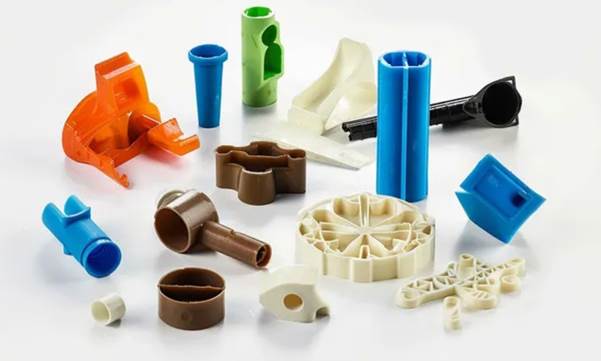
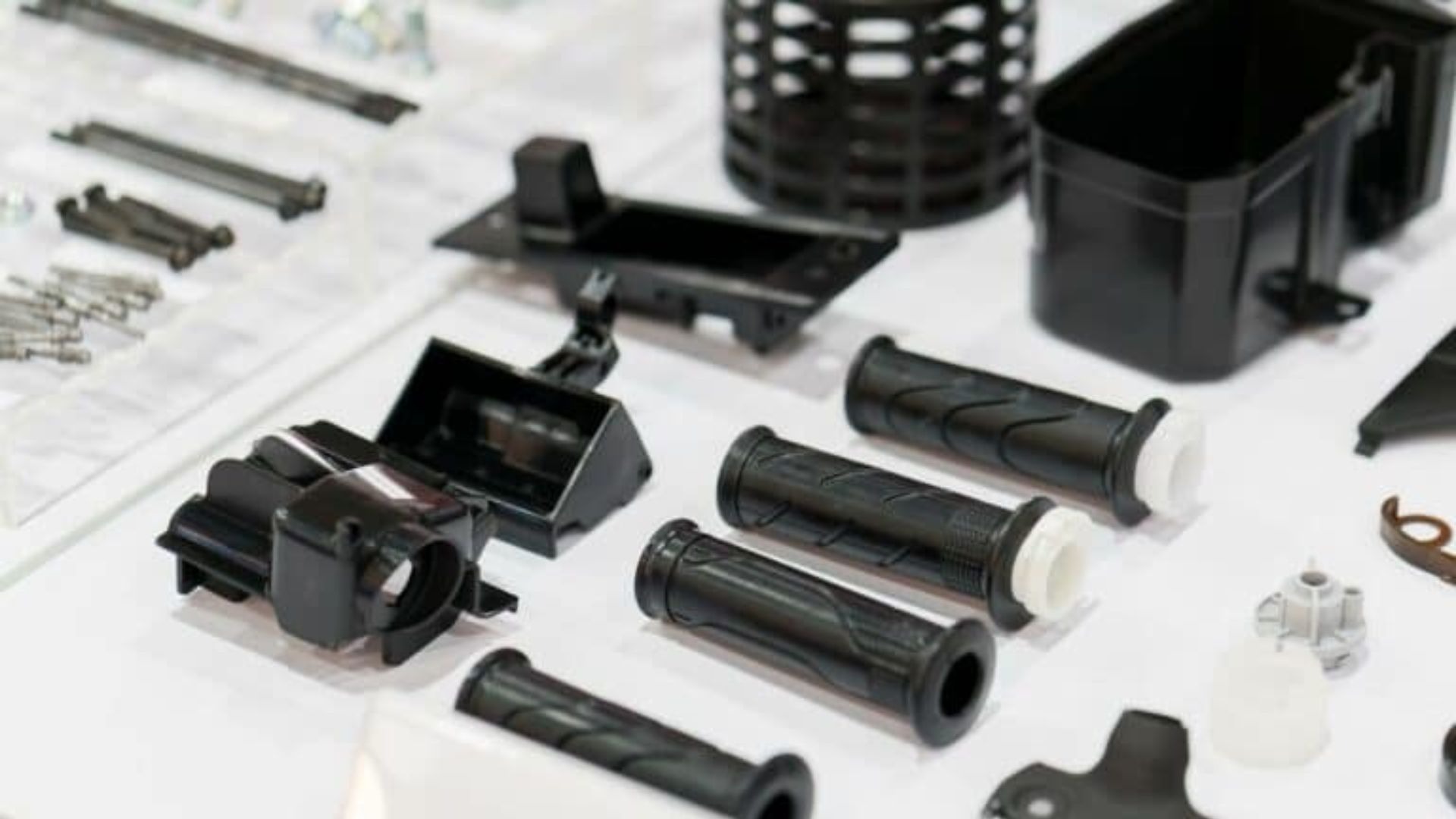
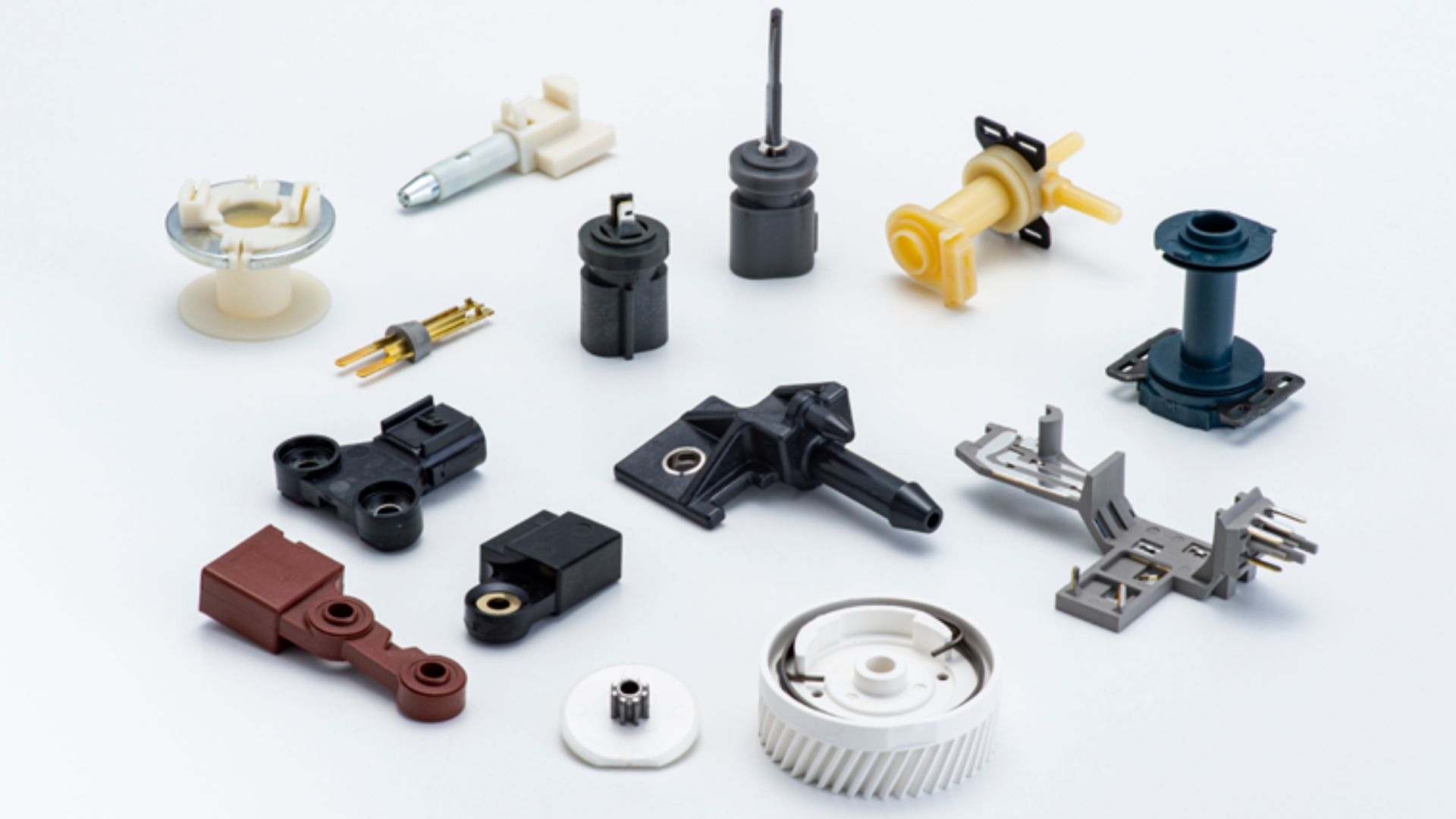
Plastic components can be seen everywhere. They are applied in automotive parts, medical devices, consumer goods, electronics, packaging and industrial machinery. Many businesses use contract manufacturing partners to produce precision plastic products and goods as demand for such precision continues to rise.
This article will provide you with all you need to know about プラスチック射出成形 contract manufacturing, ranging from its advantages to its process and applications, expenses, challenges, and future prospects.
Contract manufacturing by plastic injection molding is a production method that entails assigning a specialized manufacturer to manufacture plastic parts for a particular company. The contract manufacturer will be responsible for molding, QC, tooling, production scheduling and sometimes assembly and packaging. As businesses don’t need to invest in the equipment and the expertise to produce products, they instead choose to outsource manufacturing to experts who already possess both.
It is widely used due to its consistency, scalability and efficiency. Businesses can release their product in a timely manner, while minimizing their risk of operations and with high product quality. To many contract manufacturers, it is their job to help customers from concept to production. This allows for a quicker manufacturing process, and minimizes expensive errors.
How Does Plastic Injection Molding Work?
Plastic injection molding is a manufacturing process that is employed to produce plastic parts in high volume. It is a procedure that consists of the extraction of plastic material and its injection into a special-shaped mould at high pressure. After cooling and solidifying, the mold is opened, and the molded parts are removed. This is a process that will yield very accurate and repeatable parts. Can form simple shapes, as well as more complicated components with detailed features.
The following are all reasons why injection molding is a commonly used process:
High production efficiency
Consistent quality
Excellent dimensional accuracy
Low UDC at high volumes
Wide material selection
As a result, injection molding is a widely used manufacturing process in the world.
How Plastic Injection Molding Contract Manufacturing Works?
The process begins much before production commences. Successful contract manufacturers will usually adhere to a number of key steps.
Product Design Evaluation
Manufacturer’s review of client’s design and specification. Engineers examine geometry and material specifications, and feasibility for manufacturing. Suggestions may be made for the design to enhance moldability and/or lower production costs. This step is sometimes referred to as Design for Manufacturability (DFM). It is useful for pinpointing potential problems prior to tooling.
素材の選択
It is important to choose the correct plastic material. Various properties are required for various applications.
Common materials include:
ポリプロピレン(PP)
ポリエチレン(PE)
ABS
ポリカーボネート(PC)
ナイロン
Acrylic
覗き見
PVC
The properties of each material are different including strength, flexibility, heat resistance, chemical resistance, etc. The manufacturer is involved in the selection of the appropriate material for the application.
金型設計と金型製作
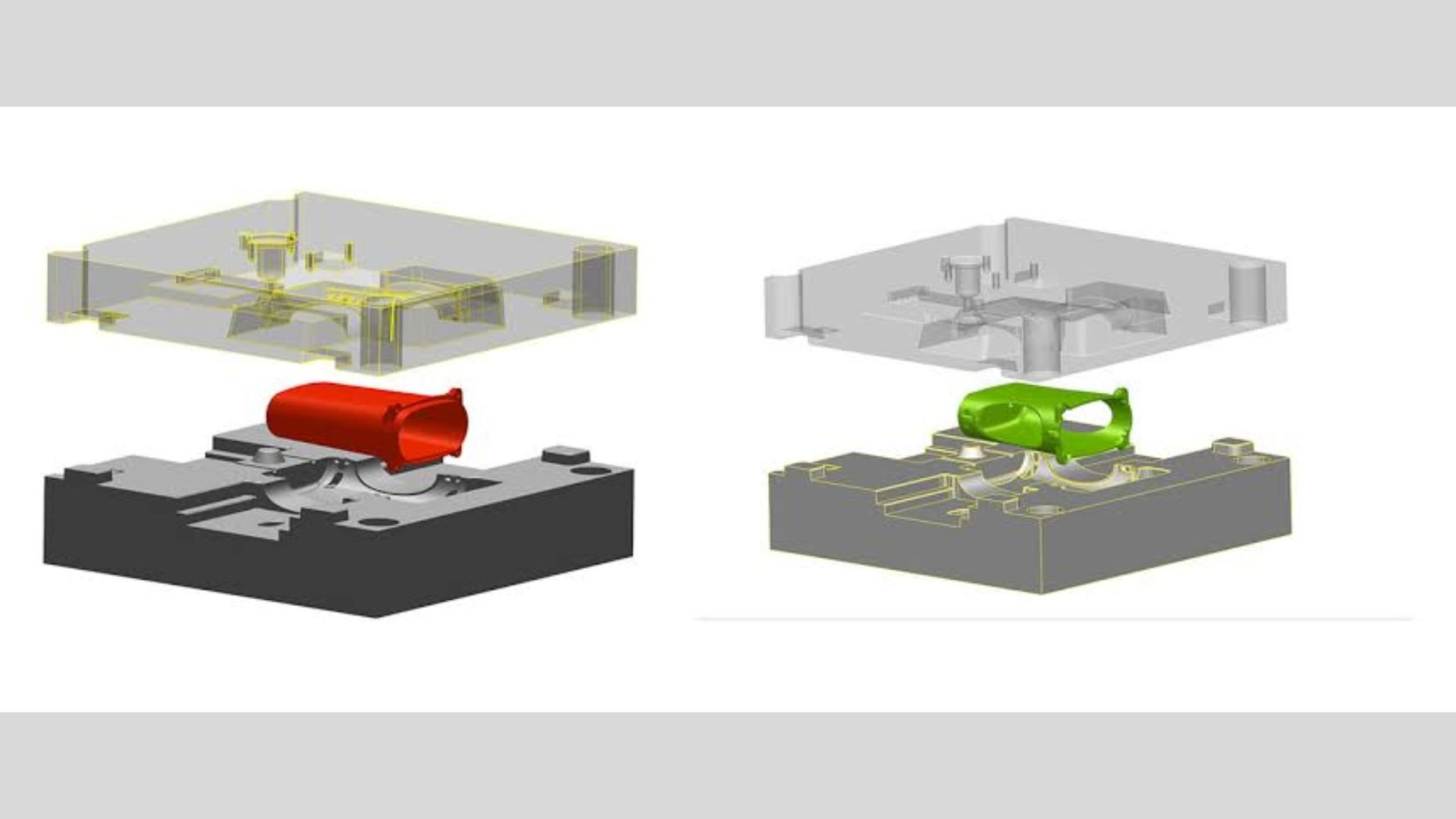
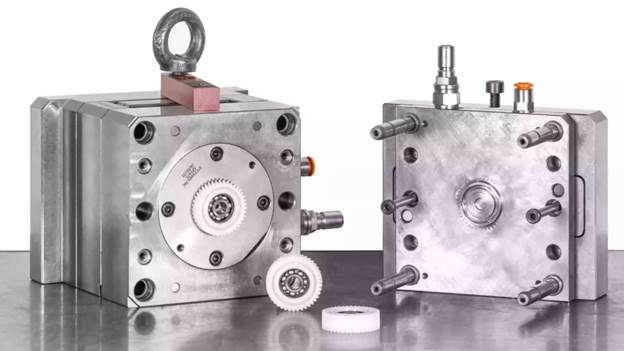
One of the most crucial parts in the injection molding process is the mould. Engineers make a custom mould according to the requirements of the product. The mold will then be produced by precision machining. The expense of moulds might be considerable, however, a quality mould can make hundreds of thousands or even millions of components.
Production Setup
The mold is finished and then put into an injection molding machine.
The production parameters (such as:
Injection pressure
温度
Cooling time
Cycle time
Material flow rate
These settings have been optimized to guarantee quality.
Manufacturing Process
Injection Molding Machine: Plastic pellets are added to the machine. The material is melted by heating it up. Under pressure, the melted plastic is forced into the mold cavity. The mold is then cooled, opened and the product is ejected. This process is repeated continually until the production need is satisfied.
品質検査
In plastic injection molding contract manufacturing, quality control is an important aspect. Manufacturers check/inspect parts during manufacturing to verify compliance with specifications.
Inspections may include:
Dimensional verification
Visual inspection
Material testing
Functional testing
Surface finish evaluation
This helps in maintaining the consistency of the products as well as satisfaction of the customers.
Benefits of Plastic Injection Molding Contract Manufacturing
A lot of companies opt for contract manufacturing due to its many advantages.
Reduced Capital Investment
To establish an in-house injection molding facility, a significant investment is needed. Businesses need to buy machinery, train their workers and keep their factories going. Businesses have to buy the equipment, employ trained workers and keep the factories running. With contract manufacturing, all these costs are removed. Companies get high-level production attributes without significant investment costs.
Access to Industry Expertise
An experienced contract manufacturer will have a wealth of knowledge about injection molding processes. They are familiar with the characteristics of materials, the mould design, quality control and the production optimization of their engineering teams. This knowledge can help to increase the quality of the product produced and decrease manufacturing risk.
Faster Time to Market
In competitive markets, it is crucial to get their products to market in a timely manner. The equipment, manpower and production processes are already in place with contract manufacturers. This enables products to go from design to production quicker. A faster development time brings a big edge to the competition.
スケーラビリティ
The production requirements may vary from year to year. Businesses benefit from plastic injection molding contract manufacturing because they can scale up their manufacturing based on the demand. Client does not need to buy extra equipment to keep the production volume up when the manufacturer wants to scale down to fewer items or scale it up to more items being produced.
Improved Quality
Professional manufacturers have a good use of advanced equipment and quality management systems.
There are many facilities with certifications like:
ISO 9001
ISO 13485
IATF 16949
These standards contribute to uniform production standards.
コスト効率
Scale economies are a benefit to large scale manufacturers. They buy materials in bulk and work out optimised production processes to minimise costs. The efficiencies often lead to reduced production costs for clients.
Industries That Use Plastic Injection Molding Contract Manufacturing
Plastic injection molding contract manufacturing is an important part of many industries.
自動車産業
Automotive manufacturers have a huge dependence on injection molded parts.
Examples include:
Dashboard components
Interior trim
Connectors
Housings
Engine compartment parts
The process is durable, accurate and economical.
医療業界
Medical devices must be made in a quality way and must be compliant with the regulations.
Injection molding is a process that makes products like:
注射器
Diagnostic equipment components
手術器具
Drug delivery devices
Medical housings
Compliance with industry regulations is made easy with the assistance of contract manufacturers that have experience in the medical field.
消費者製品
Injection molding is used to produce a variety of common components.
Examples include:
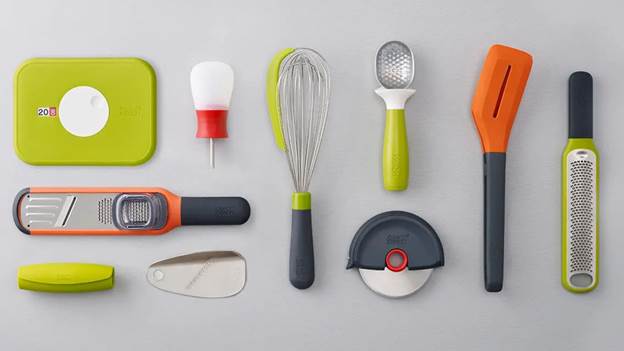
Kitchen tools
Toys
Storage containers
Personal care products
Household appliances
It is a process that can be used for mass production and still ensure consistent quality.
エレクトロニクス産業
Numerous molded parts are used in electronic devices.
These include:
Device housings
Connectors
Switches
Battery compartments
Protective covers
Injection molding offers electronic assembly the exact dimensions that are needed.
産業機器
Industrial applications call for tough plastic parts.
Manufacturers produce:
Machine parts
Protective covers
Control panels
Valves
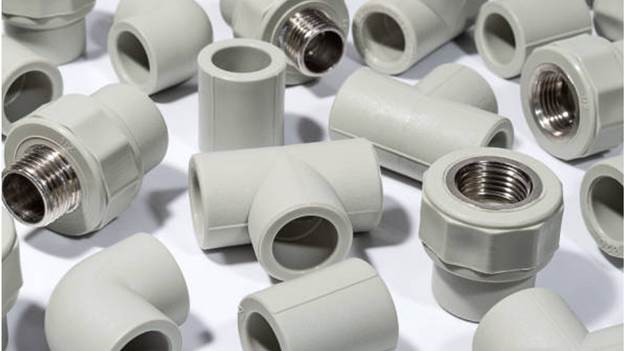
Fluid handling components
Contract manufacturing is to guarantee reliability and performance.
Choosing the Right Plastic Injection Molding Contract Manufacturing Partner
Choosing the right manufacturing partner can be essential to success.
Evaluate Experience
Find manufacturers who have experience in your industry. The experience gained in the industry may result in more effective design suggestions and product results. Check their work and past works.
Assess Manufacturing Capabilities
Consider:
Machine capacity
Material expertise
Tooling capabilities
Automation systems
Secondary services
A good manufacturer will be able to handle current and future needs.
Review Quality Systems
Quality is always to be taken for granted.
Ask about:
認証
Inspection procedures
Testing methods
Documentation practices
Good quality systems reduce problems with production and defects.
Consider Communication
Communication has a positive impact on project management. Select a manufacturer who is responsive and offers transparency. Effective communication is very important to avoid misunderstandings and delay.
Analyze Production Capacity
Make sure the manufacturer is able to fulfill your quantity needs. With high growth rates, the ability to produce is particularly critical. An expanding partner is able to help with business longevity.
Common Plastic Materials Used in Injection Molding
There are different types of materials that offer different benefits.
ポリプロピレン(PP)
Polypropylene is light, durable and economical. It has excellent chemical resistance and it is used in consumer products and packaging.
ABS
ABS is a combination of strength, impact resistance and good surface finishes. It is commonly used in auto and electronic parts.
ポリカーボネート
The polycarbonate offers excellent impact resistance and transparency. Also widely used in safety equipment and electronic devices.
ナイロン
Nylon is highly durable and has good mechanical properties. Nylon components are often used in the automotive as well as industrial sector.
ポリエチレン
Polyethylene has flexible, tough and moisture resistant properties. Very popular in containers and packaging.
Secondary Services Offered by Contract Manufacturers
There are a number of contract manufacturers that offer extra services other than molding.
Product Assembly
It is possible to put components together prior to shipment. This helps to minimise handling and to streamline the supply chain.
Decorating and Labelling
Manufacturers may offer:
パッド印刷
Screen printing
Laser marking
Label application
These services enhance the appearance of the product and the product’s branding.
Packaging Services
Custom packaging solutions are used to prepare products for distribution.
These are a few of the packaging services that are available:
Retail packaging
Bulk packaging
Custom labeling
Barcoding
Warehousing and Logistics
Some manufacturers offer inventory management and shipping services. This makes operations simpler and supply chain more efficient.
Cost Factors in Plastic Injection Molding Contract Manufacturing
There are a number of determinants of production costs.
Tooling Costs
One of the biggest initial costs is for custom molds. In general, more complex shapes will be more expensive than simpler shapes.
Material Costs
The cost of the plastics varies. The price of the engineered grades is generally higher than commodity plastics.
生産量
As the numbers of a given product are increased, the cost of each product is typically decreased. This is one of the reasons why injection molding is an ideal process for mass production.
部品の複雑さ
Advanced tooling, and longer production cycles are sometimes needed to achieve the required complex geometries. This can lead to higher manufacturing costs.
Secondary Operations
Other services like assembly and packaging are extra to project costs. They might be able to lower overall chain of supply expenses, however.
Quality Control in Plastic Injection Molding Contract Manufacturing
Quality control is a process for assuring that products satisfy the needs of customers. There are different inspection techniques used by the manufacturers.
Incoming Material Inspection
All raw materials are checked prior to production. This helps to guarantee consistency and performance of material.
In-Process Monitoring
The production parameters are continuously monitored. The operators monitor performance to identify issues in early stages.
Final Product Inspection
Finally manufactured components are inspected prior to delivery. Measurements and functional tests are used to check against specifications.
Statistical Process Control
A lot of manufacturers are employing statistical approaches to check the quality of production. This way, trends are identified and defects can be prevented.
Sustainability in Plastic Injection Molding
Environmental care is getting more and more significant. Manufacturers are implementing environmentally friendly measures.
Recycled Materials
Increasingly, recycled plastics are being used in many applications. This means that there is less waste and resources are saved.
Energy-Efficient Equipment
In today’s world of injection molding machines, the energy that is consumed is lower. The energy efficiency reduces environmental footprint and operating costs.
Waste Reduction
The manufacturers have taken measures to minimize waste and make the best use of materials. The reduction in waste generation is achieved through better process control.
Sustainable Product Design
Engineers create products that use less material, but still perform the same function. This helps to achieve sustainability goals without compromising quality.
Challenges in Plastic Injection Molding Contract Manufacturing Despite the advantages to contract manufacturing there are some disadvantages.
Supply Chain Disruptions
Depending on the materials, production may be delayed due to material shortages and transport delays. Manufacturers seek to build tough supply chains.
Design Changes
Production delays and cost overruns can be caused by late changes to the design. Disruption is minimised by careful planning.
Quality Consistency
Quality Control and Quality Monitoring must be continuous, to maintain consistent quality. Advanced systems are employed by experienced manufacturers to overcome this challenge.
Regulatory Compliance
Medical and automotive industries have some strict compliance criteria. The manufacturers are required to keep and develop documentation and quality systems.
Future Trends in Plastic Injection Molding Contract Manufacturing
The industry is still a dynamic one.
オートメーション
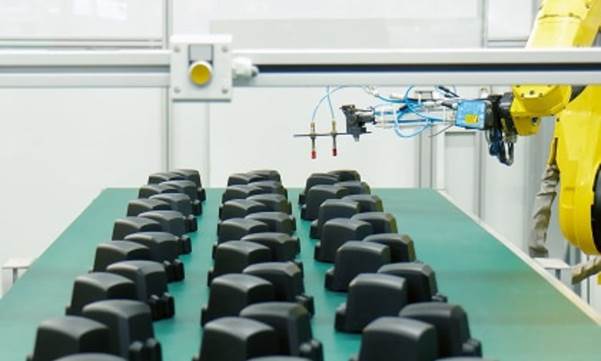
Automation automates, streamlines and decreases manpower. It is not uncommon to find robotic systems in today’s modern facilities.
スマート・マニュファクチャリング
Connecting equipment allows real-time monitoring and data analysis. This enhances the productivity and quality control.
先端材料
The new materials have improved performance properties. Plastics manufacturers keep on innovating new materials that are stronger, tougher and more eco-friendly.
Industry 4.0
Digital technologies are revolutionising manufacturing processes. Data-driven decision making is used to optimize production processes.
持続可能な製造
Environmental responsibility will continue to be a key priority. Manufacturers investing in greener technologies and recycling.
Why Businesses Continue to Choose Plastic Injection Molding Contract Manufacturing
The demands for businesses to produce high-quality products on timelines and at a budget are growing. プラスチック射出成形 contract manufacturing can help reach these objectives by offering specialty expertise, cutting-edge technology, and scalable manufacturing. Companies may concentrate on innovation and business growth, while the skilled manufacturers take care of manufacturing operations.
This collaboration approach helps minimise risk, increase effectiveness and help achieve sustainable outcomes. Contract manufacturing will continue to be a great option for companies in several verticals as the manufacturing technology continues to evolve.
結論
Manufacture of plastic injection molded parts through contract molding has emerged as a vital solution for companies looking for effective, top quality plastic part production. It brings with it precision of injection molding and professional manufacturing partners. Automotive and medical manufacturing, consumer goods and electronics are just some of the industries that rely on contract manufacturing. Reduced costs, quicker production, quality, and flexibility for businesses.
It is very important to select the right manufacturing partner. Before choosing a company, they should consider things like their communication methods, production capabilities, quality systems and experience. With the technology constantly improving, plastic injection molding contract manufacturing will become more important for businesses to fulfill the market’s growing demands. By tapping into expert manufacturing partners, businesses can gain a competitive edge, streamline the product launch process, and ensure sustainable growth.
よくある質問
What is plastic injection molding contract manufacturing?
Plastic injection molding contract manufacturing is a service provision if a manufacturer has the expertise in plastic manufacturing, they can make plastic parts for other manufacturers using injection molding technology. The manufacturer is responsible for manufacturing, quality control and sometimes assemble and packaging.
Who uses plastic injection molding contract manufacturing?
It is a part of many industries, such as automotive, medical, electronics, consumer goods, packaging, aerospace and industrial equipment manufacturing.
How does injection molding help to lower the cost of production?
Injection molding has high production efficiency, less waste of material and low per-unit costs at high production volumes. These factors help reduce overall manufacturing expenses.
What materials are commonly used in plastic injection molding?
Typically used materials are polypropylene, polyethylene, ABS, nylon, polycarbonate, PVC, acrylic and engineering plastic.
How to select the most suited plastic injection molding contract manufacturing company?
Seek a manufacturer with industry experience, good quality certifications, up-to-date equipment, material experience, communication and production needs.
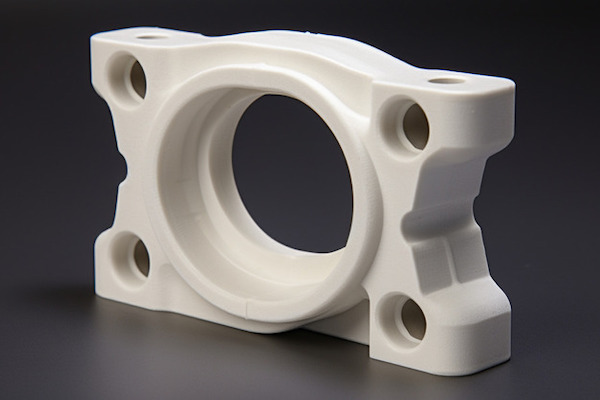
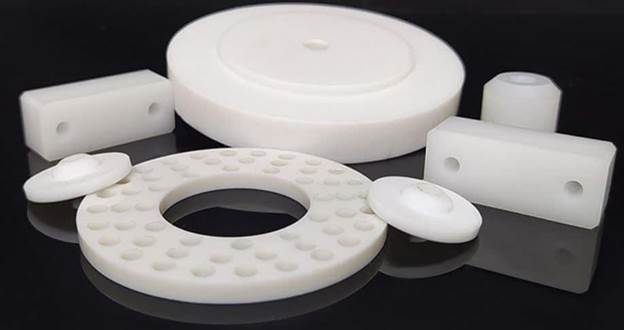
PTFE has been recognized as one of the most critical engineering plastics of today’s industry because of its outstanding chemical resistance, low friction coefficient and its thermal stability. Precision manufacturing involves the use of machined ptfe parts in situations where a metal part would not function properly because of corrosion, wear or contamination issues. PTFE parts are highly reliable and durable, and are used in a broad variety of applications such as in the aerospace industry and medical devices.
Industries of today require materials that can resist extreme environment and still have dimensional accuracy and performance stability. This is where PTFE comes into play. It is a popular material for engineers around the world, due to its non-stick characteristic, electrical insulation properties and resistance to almost all industrial chemicals. But it’s not quite as easy as it sounds to machine PTFE. It demands expertise in CNC processes, the right tools and attention to detail to produce accurate, functional parts and assemblies.
In high tech manufacturing facilities, ptfe machined parts may be specifically engineered to conform with the operating conditions of the application. Beyond being basic plastic components, these parts are designed solutions, critical for efficiency, safety, and durability within essential systems.
Whether you are interested in the material properties, the manufacturing process, or the applications, cost considerations, quality control, or the latest industry trends, this article has you covered with a deep, practical and technical understanding of PTFE machining. This guide is designed for engineers, procurement specialists, or technical buyers seeking an understanding of the design, manufacturing and optimization of PTFE components for use in industry.
What is PTFE and Why It Matters in Engineering
The PTFE is a fluoropolymer with outstanding chemical inertness and thermal resistance. It has many applications in areas where other plastics break down rapidly. PTFE has a very low coefficient of friction which makes it suitable for use in sliding and sealing applications.
PTFE is useful in engineering systems as it will not react with acids, bases or solvents. It also has a good performance in extreme low or high temperatures. This allows it to be used in a variety of applications, including chemical processing, pharmaceuticals, automotive and aerospace.
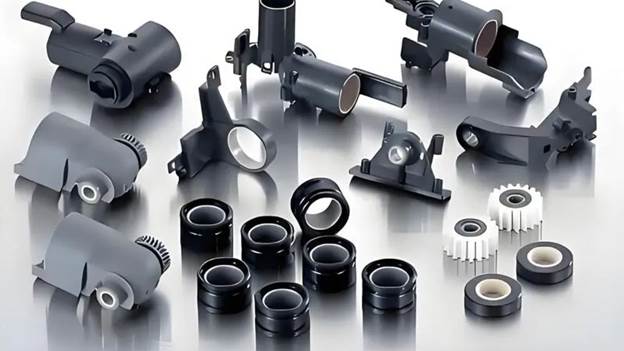
Various industries have come to depend on machined ptfe parts to obtain precision performance from their seals, bushings and insulation parts. These parts will be used in extreme environments, where conventional materials cannot be used.
Overview of PTFE Machining Processes
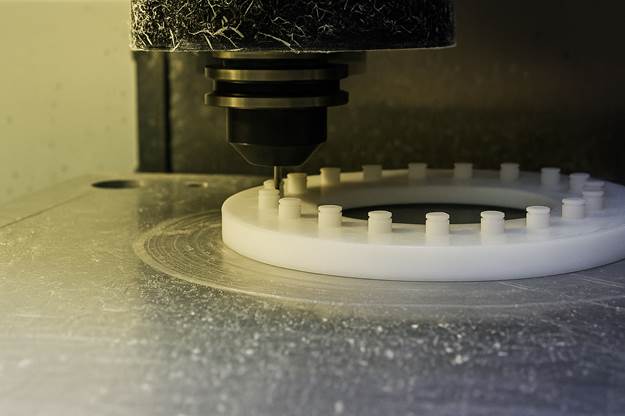
PTFE machining involves the cutting, shaping and finishing of raw PTFE stock into functional components, and is a specialized process. While PTFE is soft and flexible, unlike metals it is not easy to machine without deforming it.
The common methods used in CNC are turning, milling, drilling and precision finishing. The most important consideration is temperature control or tool sharpness and getting the correct results.
In high volume manufacturing situations, engineers would often rather have cnc machined ptfe parts because of its dimensional accuracy and repeatability.
A close look at the material properties of PTFE (Technical Table)
プロパティ
価値
Engineering Significance
Density
2.1–2.3 g/cm³
Lightweight yet durable
融点
327°C
High thermal resistance
引張強度
20–35 MPa
Moderate mechanical strength
Coefficient of Friction
0.05–0.10
Extremely low friction
絶縁耐力
高い
Excellent electrical insulation
耐薬品性
素晴らしい
Resistant to nearly all chemicals
PTFE’s unique combination of properties makes it ideal for precision engineering applications. The term ptfe machined parts is used in many industries for choosing parts because they can withstand extreme conditions.
PTFE component is manufactured using the CNC manufacturing process
There are a few precautions to be taken when CNC machining PTFE. When pressure is applied to PTFE it is soft enough to cause it to deform.
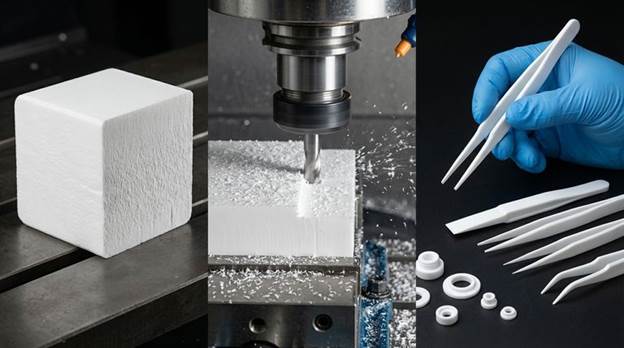
Step-by-step process:
The choice of material used (virgin or filled PTFE)
Create and simulate 3D models in CAD. Design & simulate 3D objects in CAD.
CNC programming
Rough machining
Fine finishing
Internal control of the equipment and quality checking
For the highest quality of service, the processes are optimized every step of the way, including by using facilities like a cnc machined ptfe parts factory.
Manufacturing Parameters Table
パラメータ
推奨範囲
備考
Cutting Speed
200–500 m/min
Prevents melting
Feed Rate
0.1–0.3 mm/rev
Ensures surface accuracy
Tool Material
Carbide
Reduces wear
Cooling Method
Air / Dry
Avoids contamination
Tolerance Level
±0.01–0.05 mm
High precision standard
For more sophisticated applications, cnc machined ptfe parts are manufactured in automated systems that help minimize human error and improve batch-to-batch consistency.
The use of PTFE components in industry
Overview of PTFE in Industry
PTFE has a wide range of applications in the modern industry as it can serve the purpose of many other materials in tough conditions. It has high resistance to heat, chemicals and rubbing, thus is a good material for precision elements. Thus, PTFE parts are used in various critical systems that require safety and durability.
Chemical Processing Industry
PTFE is used in the chemical industry since it does not react with most acids, alkalis or solvents. It is commonly used in the following ways:
Pipe linings
Seals and gaskets
Valve seats
Pump components
These components help to prevent corrosion and safe chemical handling.
Electrical and Electronics Industry
PTFE has excellent electrical insulating properties, making it very useful in the electronics industry. It is used in:
The insulation of wires and cables is done.
Connectors and sockets
Circuit board components
High-frequency equipment
It enhances safety and performance of electrical systems.
自動車産業
In the automotive industry, PTFE is employed in automotive components where low friction and extremely long-lasting properties are required, including:
Bushings
Bearings
Seals in Engine and Transmission Parts
燃料系統部品
Such components decrease wear and increase the efficiency.
Aerospace Industry
The use of PTFE in aerospace applications is another area of its use, as it will resist extreme temperature and pressure conditions. It is used in:
Hydraulic seals
Insulation components
Fuel system parts
Bearing surfaces
This provides assured performance in flight critical systems.
医療業界
PTFE is applied in medical industry due to its safety, non-reactive and biocompatibility. Common applications include:
Surgical instruments coatings
Catheters and tubing
Implantable devices
Laboratory equipment
It assists to maintain hygiene and chemistry safety in medical settings.
Food Processing Industry
The non-stick and non-toxic nature of PTFE makes it suitable for a wide range of applications for food. It is used in:
Food conveyor systems
Mixing equipment linings
Seals and gaskets
Processing machinery parts
It keeps things clean and doesn’t allow for contamination.
Advantages and Limitations of PTFE
Advantages of PTFE
Due to its excellent performance in various conditions, PTFE is a very useful engineering material. It is known for its very low friction, which ensures that parts move easily and smoothly over time, and minimizes wear. It is also highly resistant to chemicals such that it does not react with most acids, bases and harsh industrial chemicals. One of its other great advantages is the remarkable thermal stability, which means that it can operate in environments with extremely hot and cold temperatures without affecting performance. PTFE also possesses very good anti-stick properties, meaning that materials will not stick on it. Further, it is a very good electrical insulator and is suitable for electrical and electronic applications.
Limitations of PTFE
Although it is beneficial, there are some drawbacks to PTFE. It is less resistant mechanically than metals, and so can’t be used for heavy load applications. It also has a high thermal expansion rate which may cause a change in critical dimensions as the temperature changes. Limited Assembly Options—PTFE is challenging to bond or to glue to other materials. Last but not least, it needs high precision machining to ensure accuracy and reliability of the components.
Even with these drawbacks, cnc machined ptfe parts are indispensable in industries where performance reliability is paramount.
Tolerances and Quality Control
One of the main parts of PTFE machining is the quality control. In a high-pressure system, even slight dimensions can cause failure of the system.
Quality inspection methods:
Coordinate Measuring Machine (CMM):
It is a machine designed to measure the size of parts.
Surface roughness testing
Dimensional verification
Microscopic examination; using a magnifying glass to look closely at something.
Tolerance Standards Table
Feature Type
Standard Tolerance
Precision Grade
Outer Diameter
±0.02 mm
High precision
Inner Bore
±0.01 mm
Ultra precision
Flatness
0.03 mm
Engineering grade
表面仕上げ
Ra 0.8–1.6 µm
Smooth finish
The machined ptfe parts are produced with strict quality control, which can ensure that the parts have high performance and no risk of failure in the industrial production process.
Prices and costs of goods and services
The price of PTFE machining varies according to type of material, complexity of design, tolerances, and quantity of items produced. Here are some important considerations to take into account when it comes to pricing:
The type of material used (virgin vs filled PTFE)
CNC machining time
The maintenance and wear of tools.
Design complexity
Batch size
When understanding the term best cnc machined ptfe parts price, one must take into account both efficiency in production, and quality of the materials. When considering the best cnc machined ptfe parts price, it is important to consider the overall performance of the part in the procurement process for an industrial component.
There are several suppliers that provide competitive ‘best cnc machined ptfe parts price’ options as per the customisation requirement. However, the following also needs to be taken into account when looking for the best cnc machined ptfe parts price: quality and manufacturing precision. Shipping, tooling and lead time are also factors in the global sourcing best cnc machined ptfe parts price.
Choosing the Right Manufacturing Partner
Selecting a reliable supplier is crucial for ensuring product quality and consistency.
A professional cnc machined ptfe parts factory will offer you:
Advanced CNC machinery
Skilled engineering teams
Tight Quality Management procedures
Custom design support
Scalable production capacity
As you check out a cnc machined ptfe parts factory, check their certifications, production capabilities, and industry experience. When the parts are made in a trusted cnc machined ptfe parts factory, timely delivery and precise quality are guaranteed. Furthermore, a certified cnc machined ptfe parts factory minimizes risks when purchasing on a large scale in the industrial field. The selection of the suitable cnc machined ptfe parts factory can have significant effects on the performance and cost efficiency of the product.
The future of PTFE Machining
Automation, AI-enabled CNC programming, and cutting-edge material science are leading the way for the future of PTFE machining.
Key trends include:
Smart CNC machining systems
Hybrid polymer composites
Micro-precision components
Sustainable manufacturing practices
These innovations are enhancing the precision, durability, and applicability of modern cnc machined ptfe parts.
よくある質問 (FAQ)
PTFE machined components is used for what?
They find applications in sealing and insulating, chemical processing and high performance mechanical systems.
Why can’t PTFE be easily machine?
Due to its softness, flexibility and tendency to being compressed under pressure.
Is the price of parts with PTFE high?
The cost may vary with complexity of the design and the grade of the material.
Is it possible to use PTFE in high temperature?
Yes, it will work up to 327C.
The applications of the PTFE parts are most in what industry?
Industries such as aerospace, medical, chemical, automotive and electronics.
In conclusion, a summary of the main points
PTFE is a material with the greatest versatility among engineering materials for today’s manufacturing. Because of its exceptional chemical resistance, thermal stability and low friction properties it is essential for critical industrial uses. CNC precision machining can manufacture detailed parts with higher precision, which can meet the strict requirements of engineering.
To conclude, machined ptfe parts are an essential component in guaranteeing productivity and reliability throughout industries. They are used in sealing systems or as electrical insulation and still outperform others under extreme conditions. Likewise, ptfe machined parts are still a popular choice for engineers looking for durability and precision when operating in harsh conditions.
The demand for superior quality PTFE parts is progressively increasing as manufacturing technology progresses, with innovation, automation and advanced engineering needs driving these demands.
The modern production is concerned with efficiency and precision. Some of the techniques that are in use include gas-assisted injection molding. Gas assisted injection molding is a technological production method that helps to produce light, durable, and complex plastic parts. The hollow sections are created by injecting the mold with inert gas, which reduces the amount of material used and also shortens the cycle time.
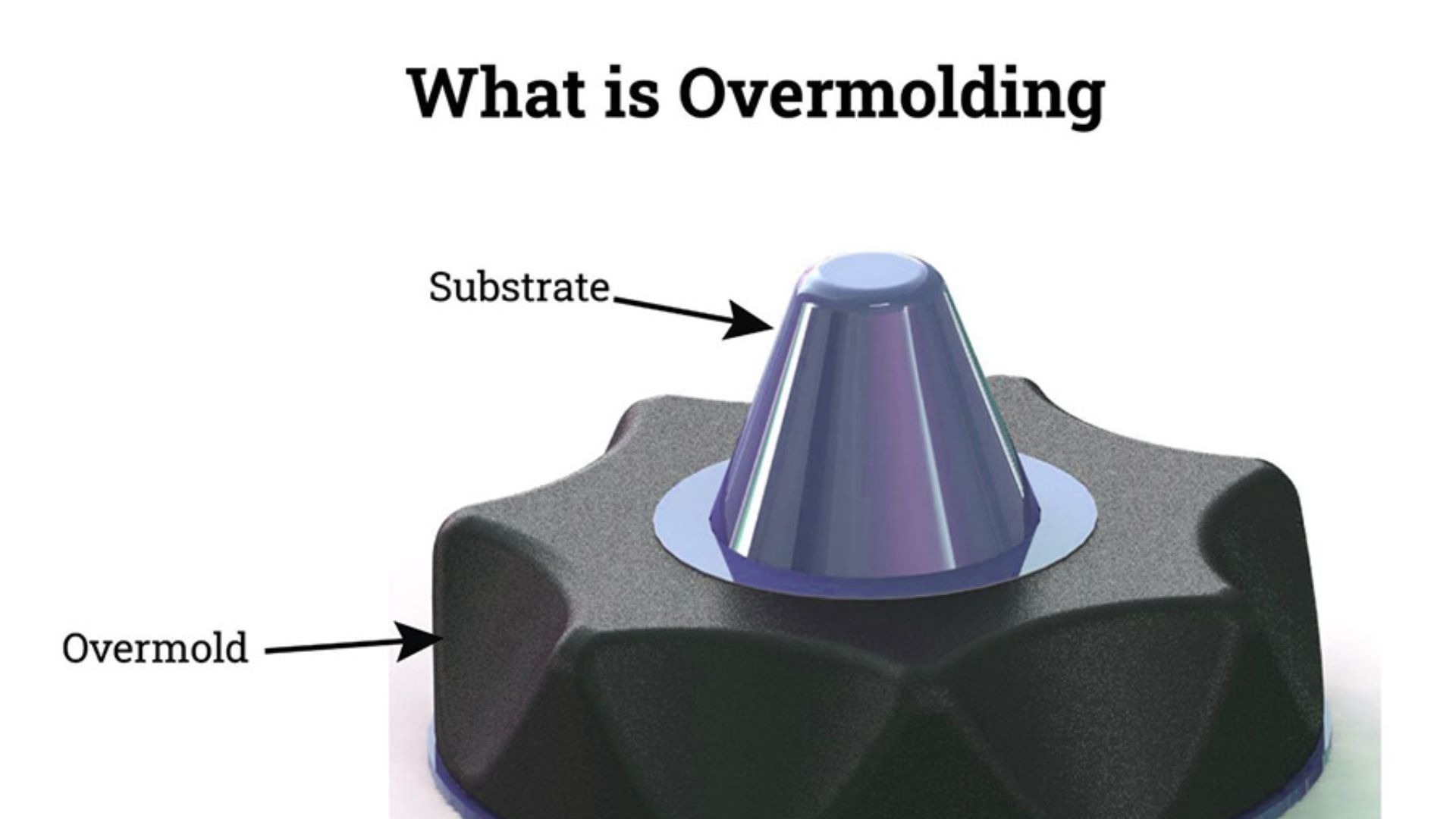
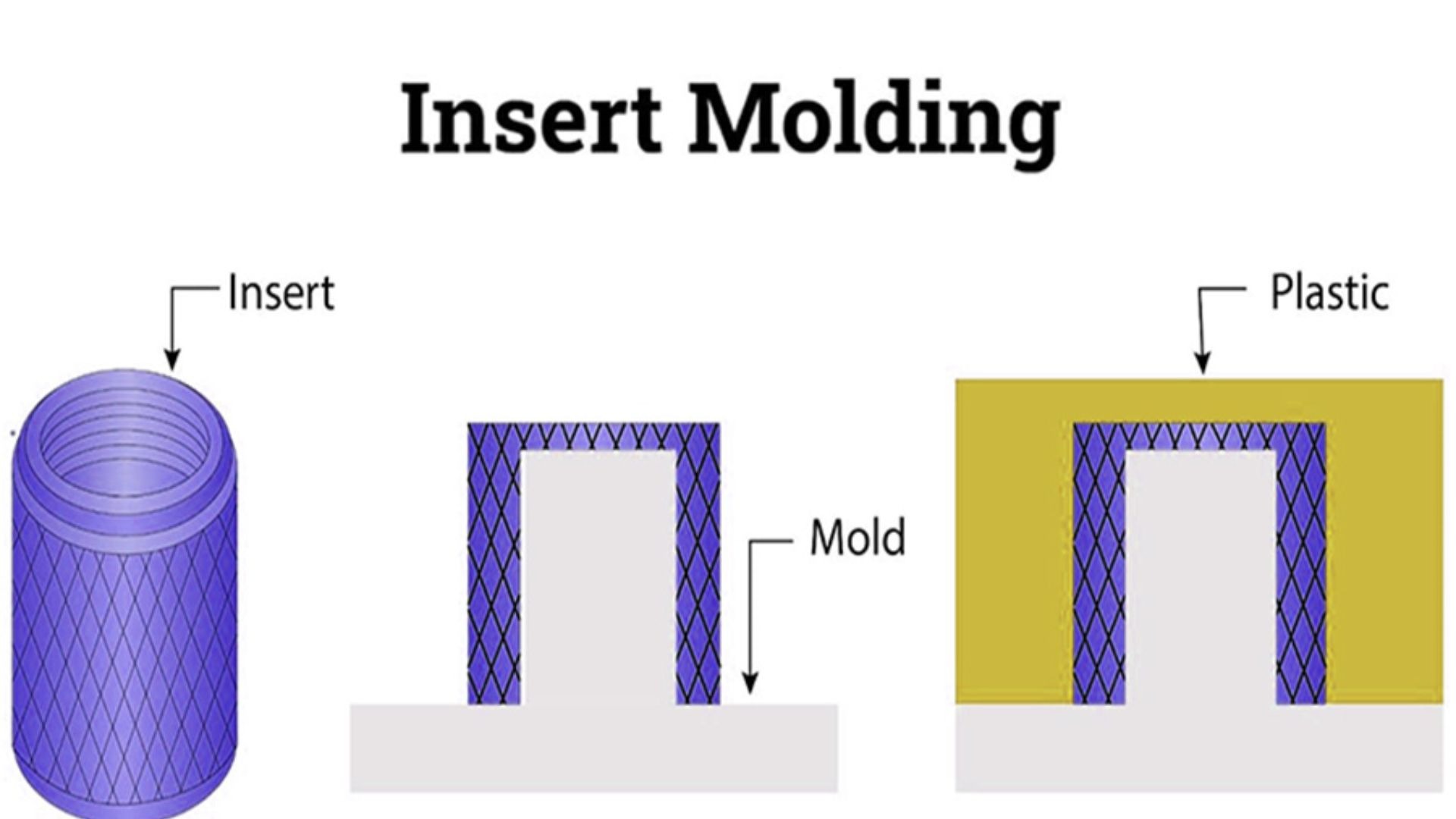
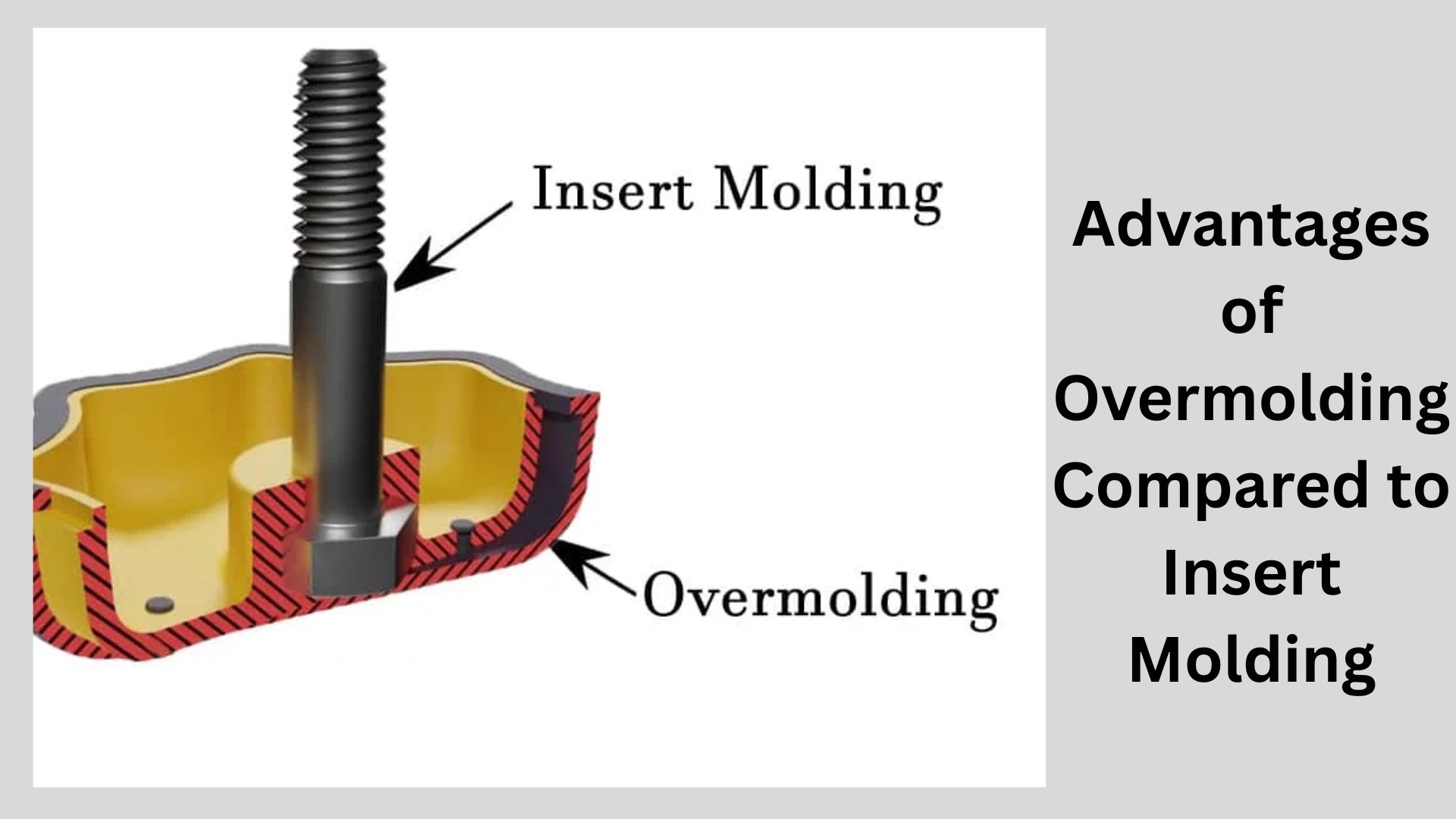
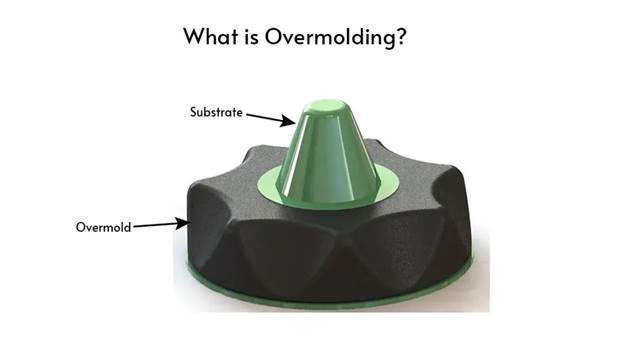
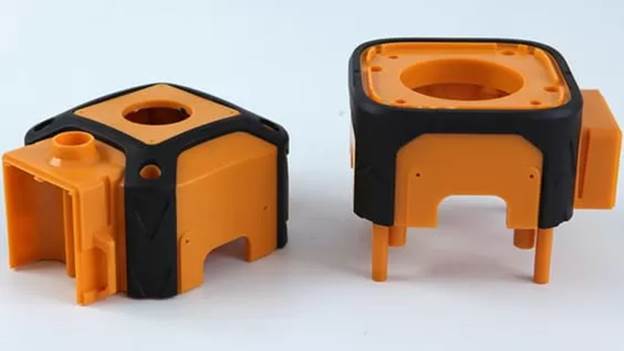
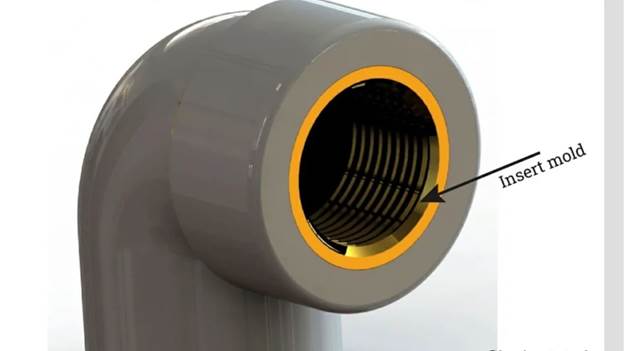
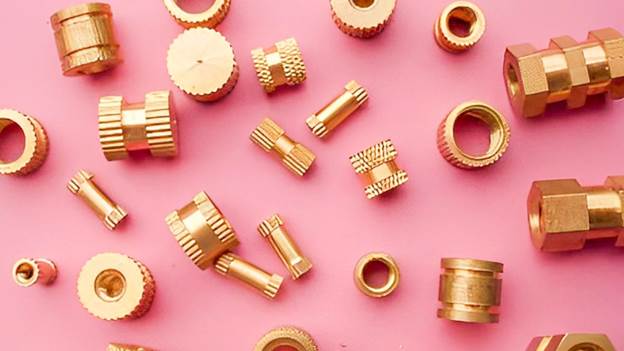
The choice of the right molding process plays a very crucial role in the manufacturing world. One of the more common comparisons in manufacturing is overmolding vs insert molding. Overmolding is the process of applying a second material on top of an existing part, while insert molding involves fitting a pre-manufactured insert into the mold before molding the plastic.Two of the common techniques are overmolding and insert molding. Each of them possesses its strong sides, applications, and challenges. The differences may be time-saving and cost-saving, which in case when choosing between them. In the case of manufacturing products, the manufacture of the product depends on the use of the right molding process in order to determine the quality and efficiency of the product. These two are over-molding and insert molding. In spite of the fact that they both utilize several materials, they are applied to different purposes.
Overmolding is focused on comfort, appearance, and soft touch surface, whilst insert molding is grounded on strength, durability, and mechanical bonds. The experience regarding the distinction, advantages, and application of these methods allows the manufacturers to make good decisions. The following paper addresses its most significant points, like design, cost, time of production, and future tendency, which can allow professionals to choose between insert mold vs overmold and how they can produce their goods in the most appropriate way.