PLAS.CO
  • ホーム
  • 会社概要
  • ギャラリー
    • 自動車用金型
    • ホーム
    • 医療部品
  • マシンリスト
  • エンジニアリング
    • 金型設計
    • プロジェクト管理
  • 品質
  • ニュース
  • お問い合わせ
  • クリックして検索入力フィールドを開く クリックして検索入力フィールドを開く 検索
  • メニュー メニュー
射出成形, 金型メーカー 中国

特注プラスチック製電子機器筐体:現代の電子機器ガイド。.

特注プラスチック製電子機器筐体:現代の電子機器ガイド。.

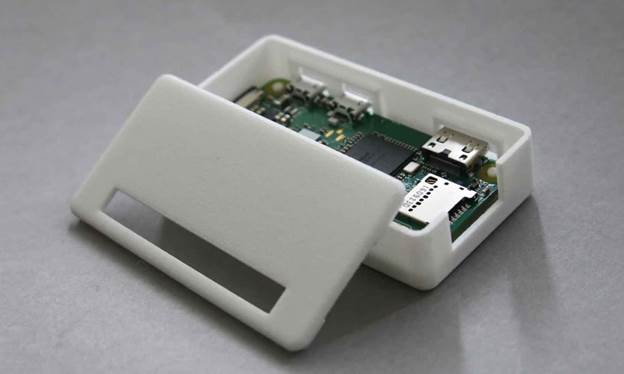
Electronic devices are used in everyday life. They are used at home, in offices, factories and even outside! All electronic equipment should be protected. Dust, moisture, heat, vibration and simply a knock could damage sensitive parts. Custom plastic electronic enclosures are where they come in handy.

If the enclosure is designed properly, it will safeguard the electronic components and enhance a product’s performance. It also enhances the looks and makes a product more easy to use. Electronic device manufacturers prefer to opt for customized electronic enclosures since the standard ones might not be sufficient for their specific needs.

Companies are required to have products that are reliable and attractive and will last a long time in today’s day and age. All these benefits can be accomplished with a custom enclosure. It can be customized to meet the requirements of a particular circuit board, battery, display, connector or control panel. This will ensure that a professional product is available, which will be a differentiator in the market.

This guide will delve into the various aspects of creating custom plastic electronic enclosures, such as their advantages, materials used, design steps, applications, and future trends.

What Is Custom Plastic Electronic Enclosures?

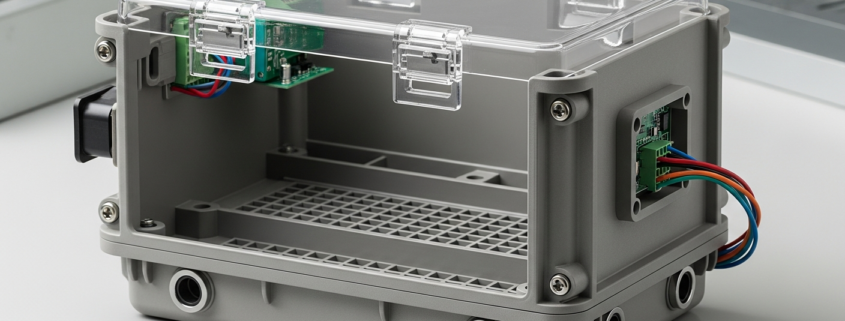
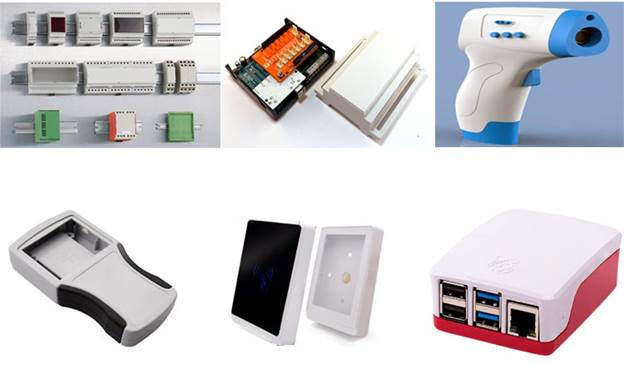
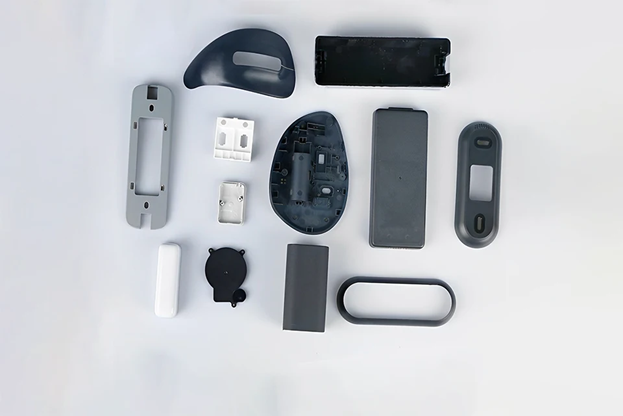
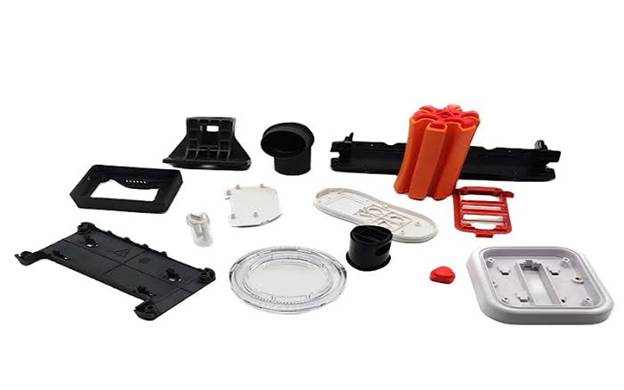
Custom plastic electronic enclosures are specially-designed enclosures that provide protection for electronic components. They are different from the normal boxes which are made to suit the specifications and requirements of a particular device.

The enclosures may be made of various shapes and sizes. They can contain a variety of openings, such as for a button, display, connector, ventilation and mounting options.

What Is Custom Plastic Electronic Enclosures?

In fact, many companies opt for the custom plastic electronic enclosures due to the flexibility that it offers, as well as its performance in relation to products. A special enclosure guarantees all the parts fit snugly in the enclosure.

The primary purpose for an enclosure is protection. On the other hand, modern enclosures can also help to create a brand for the product, make it more functional and user-friendly.

The reason why plastic is so popular

Plastic is one of the most ubiquitous materials that are used for enclosures used on electronics. It has a number of reasons for its popularity.

Firstly, plastic is light. This makes the devices more portable and convenient to use.

Secondly, plastic is in low cost. It is generally more cost-effective to manufacture plastic parts than metal parts.

Thirdly, plastics are capable of being shaped into complex forms. This enables the designers to develop appealing and useful products.

One of the other advantages is electrical insulation. Unlike metal, plastic doesn’t conduct electricity. This helps to safeguard users and electronic parts.

Due to such benefits, numerous manufacturers choose to use custom plastic enclosures electronics during the production of new electronics.

Benefits of Custom Plastic Electronic Enclosures

Benefits of Custom Plastic Electronic Enclosures

Perfect Fit

A custom enclosure is a specially-built enclosure for a particular product. All internal components are allocated to a specific area.

This will help to increase the order and minimize the risk of injury.

より良い保護

Features that can be added to custom enclosures include protection from dust, water, vibration and impact.

This can be particularly useful for industrial and outdoor uses.

Improved Appearance

For a professional appearance, a unique enclosure will make all the difference.

It’s common for customers to determine the quality of a product by its appearance. An enclosure that is well-designed can enhance the brand image.

Enhanced Functionality

Special features like cable management, venting, mounting points and user-friendly controls can be added thanks to custom designs.

Strong Brand Identity

Firms can incorporate logos, colors, labels, and also distinct design features.

This assists products to be identified in competitive markets.

All these benefits make businesses to invest in custom electronic enclosures plastic solutions.

Common Materials Used

There are various types of plastic materials that can be used to make enclosures.

ABSプラスチック

  • ABS is one of the most-used materials.
  • It has a good strength, durability and low cost.
  • Consumer electronics and products for industry are common applications for ABS.

ポリカーボネート

  • Polycarbonate has a high impact resistance.
  • It is commonly used in settings where it is important for it to be durable.

PVC

  • PVC has fairly good resistance to chemicals.
  • It has a wide range of applications in industry.

Acrylic

  • Acrylic provides clear and excellent looks.
  • It is suitable for products which need to be transparent for viewing components.

ナイロン

  • ナイロン has high strength and durability.
  • It is a good performer in challenging applications.

It depends on the product’s environment and performance requirements to choose the right material.

Applications of Custom Plastic Electronic Enclosures

コンシューマー・エレクトロニクス

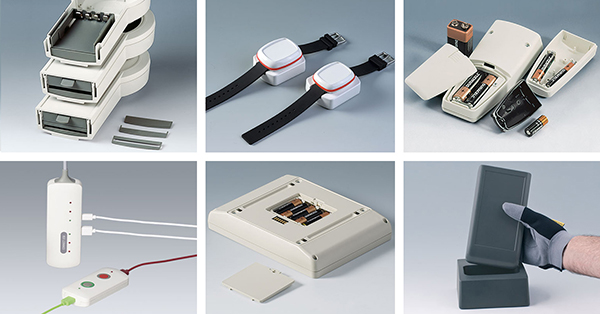
  • Custom enclosures are used in many every day devices.
  • They range from smart home devices like remote controls and charging systems, to routers and other components.

医療機器

  • Medical devices must be safe and secure.
  • Custom enclosures help to ensure safe operation.

産業オートメーション

  • Electronic Systems with harsh operating environments are used in factories.
  • Sensitive electronic products need the protection from dust and vibration by custom enclosures.

Telecommunications

  • Special housing may be needed for communication equipment.
  • Space is available for custom designs, connectors and cooling systems.

Automotive Electronics

  • Today’s cars are equipped with numerous electronic parts.
  • Custom enclosures provide more protection from heat and movement to these systems.

Custom plastic enclosure for electronics solutions are applicable to many industries, due to their versatility.

Important Design Considerations

Size and Dimensions

  • All parts need to be properly installed within the enclosure.
  • Space for wiring, connectors and future expansion should be allowed for.

Ventilation

  • Electronic devices produce temperatures. Electronic devices produce temps.
  • Good ventilation keeps temperatures safe while in operation.

Accessibility

  • Controls, ports and displays should be easily accessible to users.
  • A well-designed interface makes for increased usability.

耐久性

  • The enclosure needs to be able to withstand the environmental factors that are expected.
  • This can be moisture, impact, chemicals or changes in temperature.

Safety

  • Safety is a very important consideration.
  • The enclosure should be designed to keep the users and electronics safe.

Process of Making Custom Plastic Electronic Enclosures

The process of developing electronic enclosures is a step-by-step, systematic process. All steps are crucial to ensure that the finished product is robust, reliable and appropriate for its intended function.

Requirement Analysis

Understanding of the product needs is the first step. The electronic components, size, shape and environment in which the device will be used are studied by engineers. This will aid in the proper design of the enclosure from the beginning.

Design Planning

Once designers have gained an understanding of requirements, they make initial sketches. Basic shapes, sizes and features of enclosure are indicated in these designs. Brainstorming and refining of ideas occurs at this point.

3D CAD Modeling

A detailed 3D model is created in this step, using computer software. This model indicates actual size and cavity dimensions of components. It will aid the engineer to ensure they have all the components fitted correctly.

プロトタイプ開発

A test enclosure is built and a sample is placed within it. A test enclosure is made, and a sample is put in. It has been helpful in the early identification of design issues with this prototype. Engineers test it for the fit, strength and usability.

Testing and Improvements

Prototype is put to the test in actual situations. Changes are effected when necessary. This process will result in improved performance, durability and safety.

Final Production

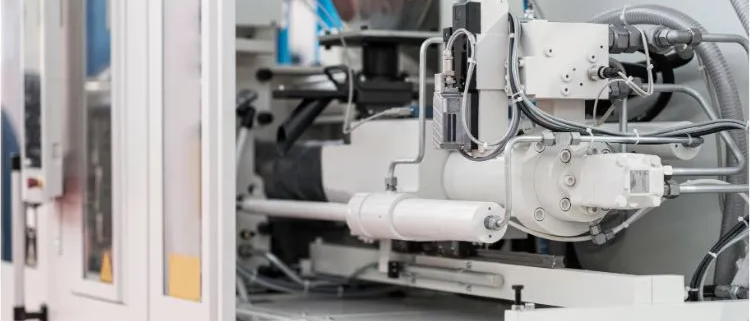
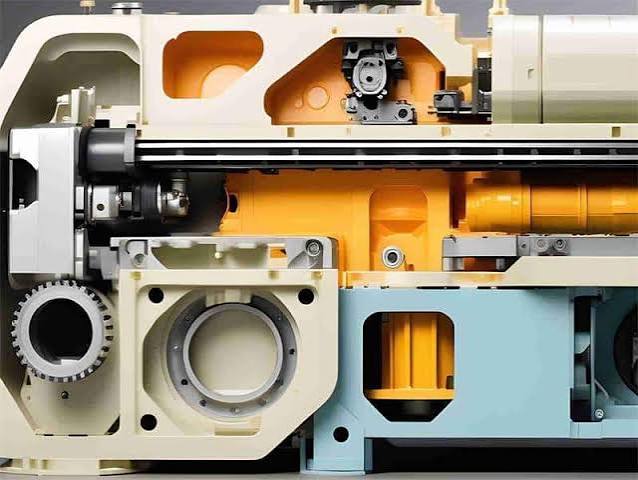
Mass production of the design is started once it is approved. The final enclosures are manufactured by high-quality methods such as injection molding process in large quantities.

品質管理

All products are carefully checked prior to delivery. This guarantees that there are no defects and each enclosure is up to industry standard.

This is a common procedure used by many companies to develop reliable custom plastic enclosure for electronics that satisfy the technical and market needs.

Manufacturing Methods

射出成形

  • Injection molding is one of the most popular methods of manufacturing.
  • The molten plastic material is fed into a mould.
  • This is a suitable method for big production quantities.

CNC加工

  • The CNC machines are able to process materials with high precision.
  • This technique can be used for prototypes and low volumes of production.

Vacuum Forming

  • Vacuum forming is a technique that involves heating and under pressure shaping plastic sheets.
  • It is suitable for large parts, and is often used.

3D Printing

  • Rapid Prototyping is possible with 3D printing.
  • prototypes can be manufactured as rapidly as before the full scale manufacturing.

Custom Features That Add Value

In the modern enclosure, there are many additional features being added that enhance performance, safety and user experience. The features are based on the requirements of the electronic device and the working environment.

Display Windows

Transparent sections enable users to easily see the LED or indicator or screens without opening the enclosure. This makes it simple and secure to track devices’ status. It also enhances user-friendliness of consumer and industrial products.

Mounting Options

Flexibility of installation using wall mounts, brackets and panel mounts. They simplify the way of mounting the device on various surfaces like walls, machines or control panels. This will provide stability and will help in managing the space.

Cable Management

Built-in cable routing helps to organize and keep products clean. Helps keep wires from tangling or damage. Proper cable management also helps to keep the air flowing and minimizes maintenance problems.

Waterproof Seals

Seals prevent damage of the electronics from moisture, dust and environment. This is particularly true for any devices located in the outdoors or industrial setting. Giving the product a good seal extends product life and reliability under harsh conditions.

Ventilation Systems

These cooling features help to enhance performance and reliability. Flow holes and/or built-in airflow ways provide temperature control. This helps to avoid overheating and the smooth functioning of electronic components.

Additional Protective Features

Other enclosures are made with shock resistance, UV protection and anti-corrosion coatings as well. These features are beneficial in the heavy-duty device as the devices get a lot of stress.

Branding and Custom Design Elements

Branding and Custom Design Elements of Custom Plastic Electronic Enclosures

Manufacturers are also able to put logos, custom colors, texture and surface finishes. This will help enhance the identity of the brand and make products more professional and appealing in the marketplace.

Custom electronic enclosures plastic can be easily incorporated into many manufacturers and designed to meet project needs. This will make the end product more useful, long-lasting and ready for sale.

Importance of Aesthetic Design

  • The look of a product has an impact on how customers view the product.
  • Trust is made by a professional enclosure.
  • Today’s consumers demand products to be beautiful and well designed.
  • Custom enclosures can be customized to follow businesses’ branding.
  • Colors, textures and logos can be added to the design.
  • This makes it possible to have a uniform brand image throughout product lines.

Environmental Considerations

  • There’s an increasing focus on sustainability.
  • A lot of companies are utilizing reusable plastics.
  • There is also an exploration of manufacturers for environmentally friendly manufacturing processes.
  • Minimizing material wastage decreases the environmental impact.

Creating longer product life is also a key aspect of durability, helping to create a more sustainable product.

With an increasing awareness toward a more environmentally conscious world, the manufacture of custom plastic electronic enclosures is becoming more environmentally friendly.

Problems with Enclosures!

But it’s not always easy to design a custom enclosure.

There can be a number of problems.

Space Constraints: There’s a need to make best use of the space within compact devices.

Heat Management: There is a considerable amount of heat generated by electronics that are high-performance.Cooling solutions need to be integrated in.

Cost Control: There is a need to balance costs and quality on the part of manufacturers.

Compliance Requirements: Some companies have specific requirements and regulations.

All designs are required to abide by these requirements.

With adequate planning, these problems can be solved successfully.

How Custom Enclosures Improve Product Success

There are numerous business benefits with custom enclosures.

  • They are beneficial for enhancing product reliability.
  • They enhance appearance.
  • They help to enhance the user experience.
  • They aid in brand recognition.
  • First of all, they contribute to products satisfying customers’ expectations.
  • Businesses with the quality enclosure design outperform the market performance.

One of the reasons for the worldwide increase in demand for custom plastic enclosure for electronics.

Future Trends in Custom Plastic Electronic Enclosures

Future Trends in Custom Plastic Electronic Enclosures

There is a quick evolution in technology.

There are new trends that are being set for the future of enclosure design.

Smart Enclosures

High-tech monitoring equipment can be added to enclosures.

These systems can be used to monitor systems and temperature.

サステイナブル素材

More and more, eco friendly plastics are becoming popular.

There is an increasing emphasis on minimizing environmental footprints by the manufacturers.

Lightweight Designs

Companies keep on looking for lighter products.

New materials to achieve reduced weight but retain strength.

Advanced Manufacturing

The modern production technologies enhance in accuracy and efficiency.

Improved Customization

Highly personalized products are what customers are looking for.

Enclosure solutions will be even more flexible in the future.

With ongoing innovation, custom plastic electronic enclosures will be an integral part of electronic product development in the future.

結論

To effectively function, electronic devices require dependable protection. Custom plastic enclosures offer that protection, and offer an improvement in terms of appearance, usability and value of the product.

These enclosures play a crucial role in various applications, such as consumer electronics, industrial equipment, and other areas. They can be created to satisfy precise requirements, making sure that they fit just correctly and perform effectively.

The reason why businesses select custom plastic enclosures electronics is that they are flexible, economical and professional. Their other materials include custom electronic enclosures plastic from which they design long-lasting and aesthetically pleasing products. With the fast advancement of technology, the demand for custom plastic enclosure for electronics is now on the rise. Meanwhile, the custom plastic electronic enclosures solution continues to be one of the popular ways to keep sensitive electronic components safe.

With the continued innovation of industries, custom enclosure solutions will be even more crucial. These firms that invest in good design and manufacturing will be more likely to have a long-term of success.

2026年6月23日/0 コメント/作成者: 記事作成者
https://plas.co/wp-content/uploads/2026/06/article_83d4ba89-fc07-47a0-ba8d-a9e3d7f8c3c1_1-1764928089726-eqz7537t.png 768 1408 記事作成者 http://plas.co/wp-content/uploads/2023/02/plas-co-1.jpg 記事作成者2026-06-23 20:14:522026-06-23 20:26:06特注プラスチック製電子機器筐体:現代の電子機器ガイド。.
射出成形プラスチック, 射出成形

HDPE射出成形:材料、プロセス、メリット、および用途に関する完全ガイド

HDPE射出成形:材料、プロセス、メリット、および用途に関する完全ガイド

HDPE injection molding is an important technology in today’s manufacturing industry. This process is used by companies to manufacture long lasting plastic components for various sectors, such as packaging, construction, and more. HDPE is one of the most commonly used thermoplastics due to its strength, low cost and durability.

Manufacturers are still investing in this hdpe plastic injection molding as it allows them to make high quality products at an affordable price. From small consumer goods to large components for industry HDPE is suitable for a wide range of applications.

Introduction

Plastic products have become a part of everyday life. They are common to houses, offices, factories, hospitals and construction sites. Many of these have an effective manufacturing process called injection molding. This technique allows manufacturers to produce thousands of identical components that are of the same quality with very little loss.

HDPE has a good reputation among the various materials that are made use of for injection molding. It is resistant to chemical, durable, low weight and can be used in many applications. These features appeal to manufacturers that want solutions that will last and be cost-effective.

Increased demand for long-lasting plastic products has led to the rise in popularity of injection molding HDPE. The material has excellent performance in harsh environments and is cost-effective in production, which is beneficial to the enterprises. By being aware of the product and the manufacturing process, buyers may be able to make better decisions regarding manufacturing processes and suppliers.

What Is HDPE?

HDPE stands for High-Density Polyethylene. It belongs to a (thermoplastic) polymer derived from petroleum. It is also widely used in manufacturing as it is strong, durable and can be used for producing a variety of plastic products.

What Is HDPE?

The property of this material is that it has excellent strength-to-weight ratio. HDPE is not as brittle as some plastics and will remain durable under some harsh conditions. It is impact resistant, water repellent and resistant to a large variety of chemicals.

One of the other benefits of the HDPE is its versatility. It can be utilized by the manufacturers to make goods of various sizes and shapes. HDPE is used in a variety of applications, such as bottle caps, industrial containers and more.

Table 1: Key Properties of HDPE

プロパティ説明ベネフィット
強さHigh structural durabilityLonger product life
耐衝撃性Resists cracking and breakageImproved reliability
耐薬品性Withstands many chemicalsSuitable for industrial use
Moisture ResistanceLow water absorptionBetter outdoor performance
軽量Easy to handle and transportLower shipping costs
リサイクル性Can be reused after processingEnvironmental benefits

These aspects of the materials are closely related to the success of hdpe injection molding . They enable manufacturers to create consistent products, at an affordable price.

Knowing about the HDPE Injection Molding Process

Whereas in the injection molding process, the resin pellets that are used are HDPE resin. These pellets are then put into a molding machine where the heat melts the pellets into plastic. The melted material is then pumped into a precisely manufactured mould at a controlled pressure.

When the mould cavity is filled the material starts to cool and harden. The cooling channels in the mold ensure uniform temperature in the cooling process. To ensure proper cooling, it can impact part quality, dimensional accuracy and cycle time.

When the product is cooled, it is ejected from the mold by an ejection system. The component is then checked to make sure that it is of acceptable quality. All necessary finishing operations are done prior to packaging and delivery.

The advantage of hdpe plastic injection molding is that it can make a large quantity of identical parts. Today’s molding machines include state-of-the-art controls to ensure consistency between production runs. This helps to minimize waste and enhances the manufacturing process.

In order to achieve the most uniform performance, the manufacturers need to control the following parameters: injection pressure, melt temperature, cooling time and mold design. Changes of any kind will have a considerable impact on the finished product. These variables are continually checked by experienced production teams for reliability.

Some advantages of HDPE Injection Molding are as follows

HDPE has a number of benefits making it a material of choice for manufacturing.

  • Superb impact resistance for challenging applications.
  • Excellent chemical resistance in the industrial environment.
  • Light weight and easy to transport.
  • Long and low maintenance life.
  • A low cost material as compared to many others.
  • Can be produced in large volumes.
  • Recyclable and environmentally friendly.
  • A constant quality of product in a mass production process.

Several companies choose China hdpe plastic injection molding suppliers as it can offer such material benefits along with large scale production capabilities.

Common Products that are made from HDPE are available

HDPE can be utilized for a range of products.

  • Bottle caps, closures
  • 食品容器
  • Industrial storage bins
  • Utility boxes
  • Pipe fittings
  • Water management components
  • Agricultural equipment parts
  • Outdoor furniture
  • Protective housings
  • 包装製品

Table 2: Common HDPE Products

Product Type産業Main Advantage
Bottle CapsパッケージングChemical resistance
Pipe Fittings建設Corrosion resistance
Storage Containers消費財耐久性
Agricultural Components農業Weather resistance
Utility BoxesインダストリアルImpact strength
Outdoor Furniture消費財Long lifespan

The wide variety of products just illustrates the many different reasons injection molding HDPE is still one of the most popular manufacturing methods in the plastics industry.

Industries That Use HDPE Injection Molded Parts

HDPE is used in a variety of industries due to its versatility and durability.

HDPE is used in the automotive industry for reservoirs, protective covers and functional parts. It is also favored by manufacturers for its lightweight, yet high strength properties.

Industries That Use HDPE Injection Molded Parts

HDPE is used in construction for protective enclosures, pipe fittings and drainage systems. The water repellency of the material is particularly beneficial for outdoor uses.

HDPE products are essential for agricultural operations including components for irrigation systems, containers for storage and equipment. Durable materials that can perform over time are required when the materials are exposed to sunlight, moisture and chemicals.

 hdpe injection molding is also heavily used by consumer goods manufacturers to produce products for home use that are durable.

Design Considerations for HDPE Components

Product design is the first step to successful molding.

The thickness of the walls should be as uniform as possible in the part. A uniform thickness can help to ensure uniform cooling and minimize the likelihood of defects.

Draft angles are used to allow parts to be molded easily out of molds. If the draft is not sufficient, it can cause parts to stick together and damage.

Corners are important, too. Sharp corners can form stress points that can cause weakness in the final product. Most rounded edges are more durable and have a longer product life.

In the hdpe plastic injection molding process, the engineers can collaborate closely with the mold designer to ensure the best performance of the product before production.

HDPE is compared to other plastic materials

When choosing materials for manufacturing, manufacturers often make comparisons with other plastics.

Table 3: HDPE vs Other Plastic Materials

特徴HDPEPPABS
耐衝撃性高いMedium高い
耐薬品性素晴らしいグッド中程度
コスト低い低いより高い
Moisture Resistance素晴らしいグッド中程度
耐久性高いMedium高い
リサイクル性素晴らしいグッド中程度

Chemical resistance and durability are important considerations that may make HDPE the preferred material choice. There are other types of plastics with their own merits however, HDPE gives a good balance of performance and cost.

品質管理とテスト

Quality control is the most important aspect of manufacture.

During manufacturing processes, manufacturers are looking to see if the molded parts have defects before the products are sold to customers. Inspection procedures are used to ensure the consistency and minimization of expensive failures.

 品質管理とテスト

Typical testing procedures are dimensional checking, visual examination, impact test and material analysis. These tests ensure the products fulfill as per design specifications and satisfy the customer’s expectations.

For companies that are engaged in the China hdpe plastic injection molding, it is better to use automated inspection systems in order to enhance accuracy and production efficiency.

Challenges and Solutions in HDPE Injection Molding

As with all manufacturing processes, there are some problems with injection molding.

Warping may occur if the rate of cooling is different in various areas of the part. This is helped by the proper design and control of the moulds and cooling.

Another factor of concern is shrinkage. Manufacturers make up for this by changing the sizes of the molds and/or processing parameters.

Surface defects can occur due to contamination, improper temperatures or due to mold wear. These issues can be avoided through regular maintenance and monitoring of the processes.

Manufacturers that are successful continually refine production processes to ensure they produce a consistent quality product.

Why Many Companies Choose China for Manufacturing

China is still considered as a big plastic injection molding production hub.

With the rich manufacturing lines and huge manufacturing capability, many companies opt to use the Chinese suppliers. Highly efficient large-scale production is provided by advanced machinery and experienced production teams.

Why Many Companies Choose China for Manufacturing

When looking for cost effective and quality production capabilities, international buyers are likely to come across a China hdpe plastic injection molding service provider.

Manufacturing efficiency is also provided by having strong supply chains. Having access to materials, tooling resources and logistics services helps to reduce production lead times.

Cost Factors in HDPE Injection Molding

There are a number of factors that affect production costs.

 The factors listed in this table will affect the cost of injection molding

Table 4: Factors Affecting Injection Molding Costs

Cost FactorImpact on PriceOptimization Method
材料費Direct effect on budgetEfficient material use
工具High initial investmentLong-term production planning
LaborAffects operating expensesオートメーション
生産量Influences cost per partLarger production runs
品質管理Additional inspection costsProcess optimization
ShippingImpacts final delivered costLogistics planning

For companies that want to take a look at projects involving injection molding HDPE , there are numerous costs to consider prior to choosing a provider.

The benefits of sustainability and recycling

In the manufacturing industry, the concept of sustainability has gained significance over the years.

The benefits of using HDPE include its ability to be recycled and used in a variety of applications, making it an environmentally friendly material. Recycling is a way to minimize waste and promote responsible resource management.

As more and more manufacturers have realized that recycling is appropriate in certain instances, they are now making use of recycled materials in their manufacturing processes. This is to reduce the environmental impact at minimal loss of product performance.

HDPE’s recyclable properties also help it retain its popularity in various industries.

Choosing the Right Manufacturing Partner

There are a number of criteria that need to be taken into account when choosing the right supplier.

The manufacturers should evaluate the production capacity, quality system, technical knowledge, and communication skill. Having a trusted partner can help to enhance product quality and minimize project risks.

Also, experience with similar products is beneficial. Those suppliers who are familiar with industry expectations can be more effective in providing successful results.

Before you make the decision, you should check certifications, production capabilities and quality control processes of companies that are doing hdpe injection molding .

The future of HDPE injection molding

The industry is still a dynamic one.

As businesses strive for increased efficiency and uniformity, automation is gaining popularity. Advanced robotics can increase the speed of production with a decrease in labor expenses.

Digital monitoring systems enable manufacturers to monitor their performance in real time. These technologies assist in detection of the problems in the future before it impacts on product quality.

The future of HDPE injection molding

There is growing interest in sustainable manufacturing, as well. Numerous organisations are still looking for ways to enhance recycling and minimize material waste.

The future of hdpe plastic injection molding is likely to involve more efficient and environmentally friendly production methods, including the development of advanced production equipment and systems.

結論

HDPE is still one of the most useful and popular plastics to use today for manufacturing. It is strong, durable, chemically resistant and cheap, and can be used in a variety of applications in various industries.

The use of China hdpe plastic injection molding solutions is still continuing with businesses since it enables them to acquire the production capabilities that are efficient and also competitive manufacturing costs. Meanwhile, the introduction of new technologies in automation, quality control and sustainability are helping manufacturers to enhance their performance and minimise waste.

From packaging materials, industrial products, agricultural goods to consumer goods, hdpe injection molding is a trusted manufacturing method. Businesses that have a grasp of the material, optimize product design and collaborate with seasoned suppliers can ensure consistency in product quality and sustainable value in production initiatives.

Frequently Asked Questions (FAQ)

What are some of the uses of HDPE?

Due to its strength and durability, HDPE is widely used in various applications such as containers, pipe fittings, packaging products, industrial components, and consumer goods.

Why is HDPE being used for injection molding?

HDPE has high impact resistance, chemical resistance and is very cost effective. These attributes enable it to be used for various manufacturing purposes.

Is HDPE recyclable?

Yes. HDPE is one of the most popular plastics to be recycled and can be used in a variety of applications.

Is there an application for HDPE outside?

Yes. HDPE is moisture resistant and weather proof making it suitable for outdoor use.

Which industries do you find HDPE products being utilized in?

HDPE components are used in the automotive, construction, agriculture, packaging, healthcare and consumer goods industries.

What are the factors that influence the cost of injection molding?

Project cost is affected by material costs, tooling, labor, production volume, quality control and shipping costs.

What are the reasons for companies to import components from China?

There are also significant manufacturing production capacity, professional production teams and competitive prices for many plastic products in China.

What are the ways for manufacturers to enhance their products’ quality?

Correct mold design, process control, material selection and thorough mold inspections all help to improve the quality of the product.

2026年6月21日/0 コメント/作成者: 記事作成者
https://plas.co/wp-content/uploads/2026/06/Technology-to-Optimize-the-HDPE-Molding-Process.webp 500 750 記事作成者 http://plas.co/wp-content/uploads/2023/02/plas-co-1.jpg 記事作成者2026-06-21 23:55:122026-06-21 23:58:51HDPE射出成形:材料、プロセス、メリット、および用途に関する完全ガイド
射出成形ゴム, プラスチック金型

PTFE機械加工部品:精密ポリマー製造の完全ガイド

PTFE機械加工部品:精密ポリマー製造の完全ガイド

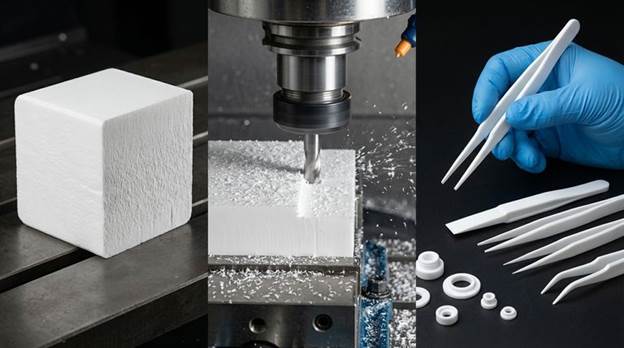
PTFE has been recognized as one of the most critical engineering plastics of today’s industry because of its outstanding chemical resistance, low friction coefficient and its thermal stability. Precision manufacturing involves the use of machined ptfe parts in situations where a metal part would not function properly because of corrosion, wear or contamination issues. PTFE parts are highly reliable and durable, and are used in a broad variety of applications such as in the aerospace industry and medical devices.

Industries of today require materials that can resist extreme environment and still have dimensional accuracy and performance stability. This is where PTFE comes into play. It is a popular material for engineers around the world, due to its non-stick characteristic, electrical insulation properties and resistance to almost all industrial chemicals. But it’s not quite as easy as it sounds to machine PTFE. It demands expertise in CNC processes, the right tools and attention to detail to produce accurate, functional parts and assemblies.

In high tech manufacturing facilities, ptfe machined parts may be specifically engineered to conform with the operating conditions of the application. Beyond being basic plastic components, these parts are designed solutions, critical for efficiency, safety, and durability within essential systems.

Whether you are interested in the material properties, the manufacturing process, or the applications, cost considerations, quality control, or the latest industry trends, this article has you covered with a deep, practical and technical understanding of PTFE machining. This guide is designed for engineers, procurement specialists, or technical buyers seeking an understanding of the design, manufacturing and optimization of PTFE components for use in industry.

What is PTFE and Why It Matters in Engineering

What is PTFE and Why It Matters in Engineering

The PTFE is a fluoropolymer with outstanding chemical inertness and thermal resistance. It has many applications in areas where other plastics break down rapidly. PTFE has a very low coefficient of friction which makes it suitable for use in sliding and sealing applications.

PTFE is useful in engineering systems as it will not react with acids, bases or solvents. It also has a good performance in extreme low or high temperatures. This allows it to be used in a variety of applications, including chemical processing, pharmaceuticals, automotive and aerospace.

Various industries have come to depend on machined ptfe parts to obtain precision performance from their seals, bushings and insulation parts. These parts will be used in extreme environments, where conventional materials cannot be used.

Overview of PTFE Machining Processes

PTFE machining involves the cutting, shaping and finishing of raw PTFE stock into functional components, and is a specialized process. While PTFE is soft and flexible, unlike metals it is not easy to machine without deforming it.

The common methods used in CNC are turning, milling, drilling and precision finishing. The most important consideration is temperature control or tool sharpness and getting the correct results.

In high volume manufacturing situations, engineers would often rather have cnc machined ptfe parts because of its dimensional accuracy and repeatability.

A close look at the material properties of PTFE (Technical Table)

プロパティ価値Engineering Significance
Density2.1–2.3 g/cm³Lightweight yet durable
融点327°CHigh thermal resistance
引張強度20–35 MPaModerate mechanical strength
Coefficient of Friction0.05–0.10Extremely low friction
絶縁耐力高いExcellent electrical insulation
耐薬品性素晴らしいResistant to nearly all chemicals

PTFE’s unique combination of properties makes it ideal for precision engineering applications. The term ptfe machined parts is used in many industries for choosing parts because they can withstand extreme conditions.

PTFE component is manufactured using the CNC manufacturing process

There are a few precautions to be taken when CNC machining PTFE. When pressure is applied to PTFE it is soft enough to cause it to deform.

Step-by-step process:

  • The choice of material used (virgin or filled PTFE)
  • Create and simulate 3D models in CAD. Design & simulate 3D objects in CAD.
  • CNC programming
  • Rough machining
  • Fine finishing
  • Internal control of the equipment and quality checking

For the highest quality of service, the processes are optimized every step of the way, including by using facilities like a cnc machined ptfe parts factory.

Manufacturing Parameters Table

パラメータ推奨範囲備考
Cutting Speed200–500 m/minPrevents melting
Feed Rate0.1–0.3 mm/revEnsures surface accuracy
Tool MaterialCarbideReduces wear
Cooling MethodAir / DryAvoids contamination
Tolerance Level±0.01–0.05 mmHigh precision standard

For more sophisticated applications, cnc machined ptfe parts are manufactured in automated systems that help minimize human error and improve batch-to-batch consistency.

The use of PTFE components in industry

The use of PTFE components in industry

Overview of PTFE in Industry

PTFE has a wide range of applications in the modern industry as it can serve the purpose of many other materials in tough conditions. It has high resistance to heat, chemicals and rubbing, thus is a good material for precision elements. Thus, PTFE parts are used in various critical systems that require safety and durability.

Chemical Processing Industry

PTFE is used in the chemical industry since it does not react with most acids, alkalis or solvents. It is commonly used in the following ways:

  • Pipe linings
  • Seals and gaskets
  • Valve seats
  • Pump components

These components help to prevent corrosion and safe chemical handling.

Electrical and Electronics Industry

PTFE has excellent electrical insulating properties, making it very useful in the electronics industry. It is used in:

  • The insulation of wires and cables is done.
  • Connectors and sockets
  • Circuit board components
  • High-frequency equipment

It enhances safety and performance of electrical systems.

自動車産業

In the automotive industry, PTFE is employed in automotive components where low friction and extremely long-lasting properties are required, including:

  • Bushings
  • Bearings
  • Seals in Engine and Transmission Parts
  • 燃料系統部品

Such components decrease wear and increase the efficiency.

Aerospace Industry

The use of PTFE in aerospace applications is another area of its use, as it will resist extreme temperature and pressure conditions. It is used in:

  • Hydraulic seals
  • Insulation components
  • Fuel system parts
  • Bearing surfaces

This provides assured performance in flight critical systems.

医療業界

PTFE is applied in medical industry due to its safety, non-reactive and biocompatibility. Common applications include:

  • Surgical instruments coatings
  • Catheters and tubing
  • Implantable devices
  • Laboratory equipment

It assists to maintain hygiene and chemistry safety in medical settings.

Food Processing Industry

The non-stick and non-toxic nature of PTFE makes it suitable for a wide range of applications for food. It is used in:

  • Food conveyor systems
  • Mixing equipment linings
  • Seals and gaskets
  • Processing machinery parts

It keeps things clean and doesn’t allow for contamination.

Advantages and Limitations of PTFE

Advantages and Limitations of PTFE

Advantages of PTFE

Due to its excellent performance in various conditions, PTFE is a very useful engineering material. It is known for its very low friction, which ensures that parts move easily and smoothly over time, and minimizes wear. It is also highly resistant to chemicals such that it does not react with most acids, bases and harsh industrial chemicals. One of its other great advantages is the remarkable thermal stability, which means that it can operate in environments with extremely hot and cold temperatures without affecting performance. PTFE also possesses very good anti-stick properties, meaning that materials will not stick on it. Further, it is a very good electrical insulator and is suitable for electrical and electronic applications.

Limitations of PTFE

Although it is beneficial, there are some drawbacks to PTFE. It is less resistant mechanically than metals, and so can’t be used for heavy load applications. It also has a high thermal expansion rate which may cause a change in critical dimensions as the temperature changes. Limited Assembly Options—PTFE is challenging to bond or to glue to other materials. Last but not least, it needs high precision machining to ensure accuracy and reliability of the components.

Even with these drawbacks, cnc machined ptfe parts are indispensable in industries where performance reliability is paramount.

Tolerances and Quality Control

One of the main parts of PTFE machining is the quality control. In a high-pressure system, even slight dimensions can cause failure of the system.
Quality inspection methods:

Coordinate Measuring Machine (CMM):

  • It is a machine designed to measure the size of parts.
  • Surface roughness testing
  • Dimensional verification

Microscopic examination; using a magnifying glass to look closely at something.

Tolerance Standards Table

Feature TypeStandard TolerancePrecision Grade
Outer Diameter±0.02 mmHigh precision
Inner Bore±0.01 mmUltra precision
Flatness0.03 mmEngineering grade
表面仕上げRa 0.8–1.6 µmSmooth finish

The machined ptfe parts are produced with strict quality control, which can ensure that the parts have high performance and no risk of failure in the industrial production process.

Prices and costs of goods and services

The price of PTFE machining varies according to type of material, complexity of design, tolerances, and quantity of items produced. Here are some important considerations to take into account when it comes to pricing:

  • The type of material used (virgin vs filled PTFE)
  • CNC machining time
  • The maintenance and wear of tools.
  • Design complexity
  • Batch size

When understanding the term best cnc machined ptfe parts price, one must take into account both efficiency in production, and quality of the materials. When considering the best cnc machined ptfe parts price, it is important to consider the overall performance of the part in the procurement process for an industrial component.

There are several suppliers that provide competitive ‘best cnc machined ptfe parts price’ options as per the customisation requirement. However, the following also needs to be taken into account when looking for the best cnc machined ptfe parts price: quality and manufacturing precision. Shipping, tooling and lead time are also factors in the global sourcing best cnc machined ptfe parts price.

Choosing the Right Manufacturing Partner

Selecting a reliable supplier is crucial for ensuring product quality and consistency.

A professional cnc machined ptfe parts factory will offer you:

  • Advanced CNC machinery
  • Skilled engineering teams
  • Tight Quality Management procedures
  • Custom design support
  • Scalable production capacity

As you check out a cnc machined ptfe parts factory, check their certifications, production capabilities, and industry experience. When the parts are made in a trusted cnc machined ptfe parts factory, timely delivery and precise quality are guaranteed. Furthermore, a certified cnc machined ptfe parts factory minimizes risks when purchasing on a large scale in the industrial field. The selection of the suitable cnc machined ptfe parts factory can have significant effects on the performance and cost efficiency of the product.

The future of PTFE Machining

The future of PTFE Machining

Automation, AI-enabled CNC programming, and cutting-edge material science are leading the way for the future of PTFE machining.

Key trends include:

  • Smart CNC machining systems
  • Hybrid polymer composites
  • Micro-precision components
  • Sustainable manufacturing practices

These innovations are enhancing the precision, durability, and applicability of modern cnc machined ptfe parts.

よくある質問 (FAQ)

PTFE machined components is used for what?

They find applications in sealing and insulating, chemical processing and high performance mechanical systems.

Why can’t PTFE be easily machine?

Due to its softness, flexibility and tendency to being compressed under pressure.

Is the price of parts with PTFE high?

The cost may vary with complexity of the design and the grade of the material.

Is it possible to use PTFE in high temperature?

Yes, it will work up to 327C.

The applications of the PTFE parts are most in what industry?

Industries such as aerospace, medical, chemical, automotive and electronics.

In conclusion, a summary of the main points

PTFE is a material with the greatest versatility among engineering materials for today’s manufacturing. Because of its exceptional chemical resistance, thermal stability and low friction properties it is essential for critical industrial uses. CNC precision machining can manufacture detailed parts with higher precision, which can meet the strict requirements of engineering.

To conclude, machined ptfe parts are an essential component in guaranteeing productivity and reliability throughout industries. They are used in sealing systems or as electrical insulation and still outperform others under extreme conditions. Likewise, ptfe machined parts are still a popular choice for engineers looking for durability and precision when operating in harsh conditions.

The demand for superior quality PTFE parts is progressively increasing as manufacturing technology progresses, with innovation, automation and advanced engineering needs driving these demands.

2026年6月16日/0 コメント/作成者: 記事作成者
https://plas.co/wp-content/uploads/2026/06/main_image_1764475167_692bc11f40854.jpg 428 768 記事作成者 http://plas.co/wp-content/uploads/2023/02/plas-co-1.jpg 記事作成者2026-06-16 20:58:042026-06-16 20:58:06PTFE機械加工部品:精密ポリマー製造の完全ガイド
OEM製造 中国

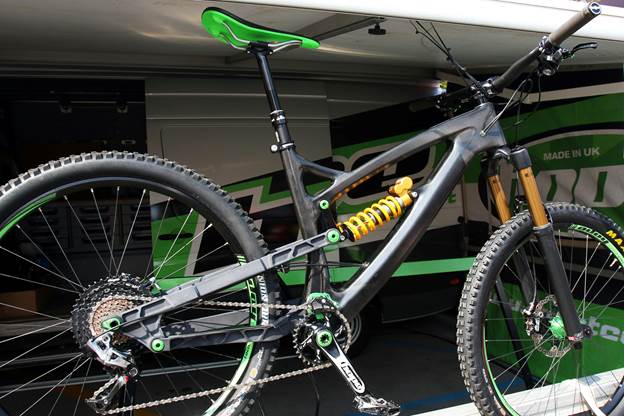
CNC加工された自転車部品:現代のサイクリングを支える精密技術

CNC加工された自転車部品:現代のサイクリングを支える精密技術

The cycling industry has experienced remarkable innovation over the last few decades. Today’s bikes are not just mechanical devices comprised of metal parts! In today’s world they are extremely engineered products with performance, durability and rider comfort in mind. CNC machining technology is one of the foremost technologies that facilitated this change.

CNC machining is widely used in the production of bicycle parts by manufacturers all over the world, as it can achieve high precision. CNC machining has become a necessary technique in the bicycle industry, ranging from creating light cranksets to constructing robust hubs and creating handlebars with custom designs.

Manufacturers are still working on advanced production processes as the riders call for more performance and reliable products. Hence many high quality bike companies incorporate CNC Machined Bicycle Parts into their products. These components provide a greater degree of accuracy, uniformity and are of excellent strength when compared to conventionally produced components.

If you are a bike fan, a professional rider, a distributor or a manufacturer, it’s important that you know about CNC-machined parts to make the best choices. This book discusses the technology, the advantages, the materials, the manufacturing methods and future trends that are driving the industry.

What are CNC Machined Bike Parts?

What are CNC Machined Bike Parts?

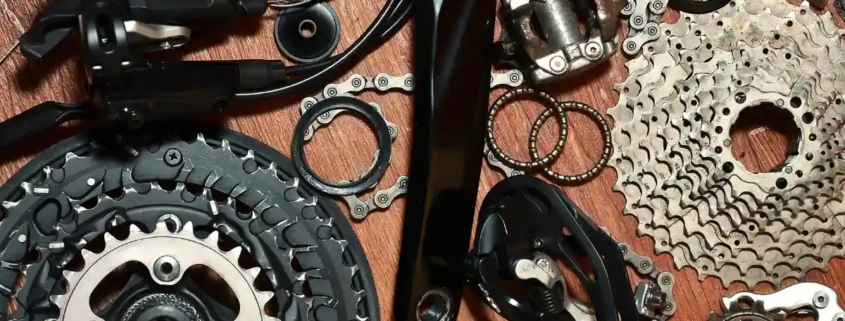
Bicycle parts that are made using Computer Numerical Control (CNC) machines are known as CNC machined bicycle parts. These machines perform cutting, shaping, drilling and finishing of raw materials with great precision following the programmed instructions.

Unlike manual processes, CNC machines can be used to automate the production process. This automation decreases mistakes and makes sure that all components are created to exact specifications.

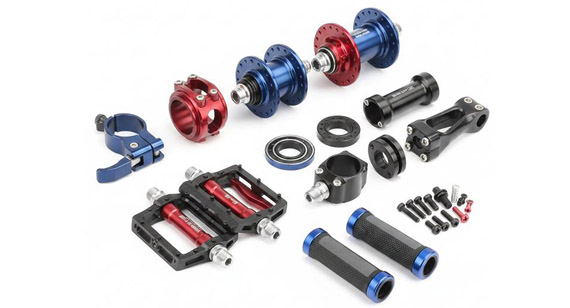
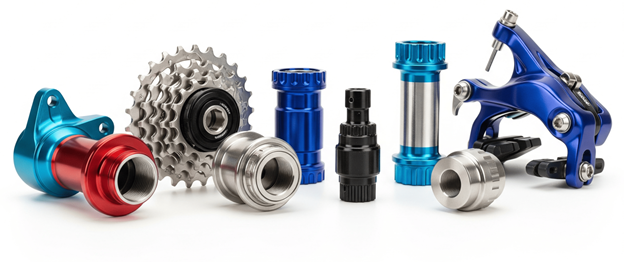
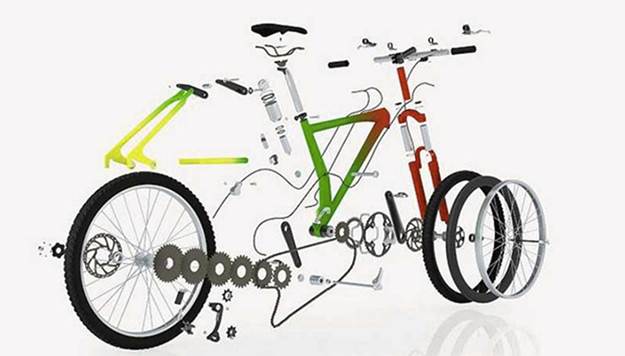
Today, the most popular bicycles have a lot of parts produced by CNC technology, such as:

  • クランクセット
  • ペダル
  • Stems
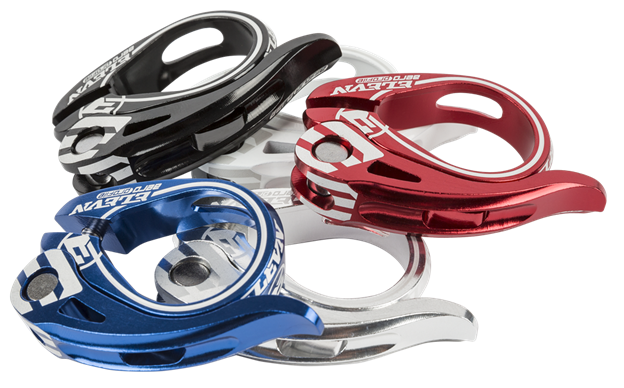
  • Seat clamps
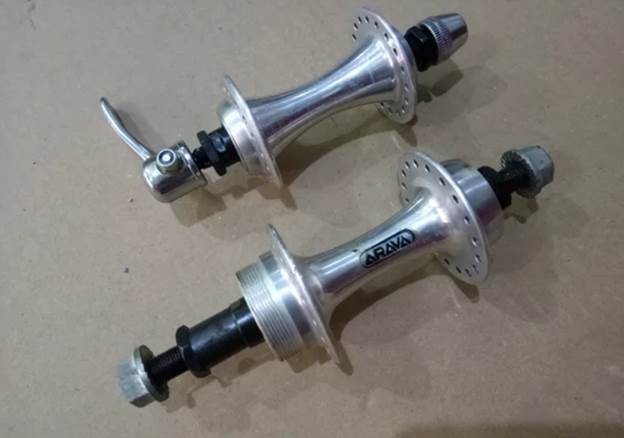
  • ハブ
  • Brake adapters
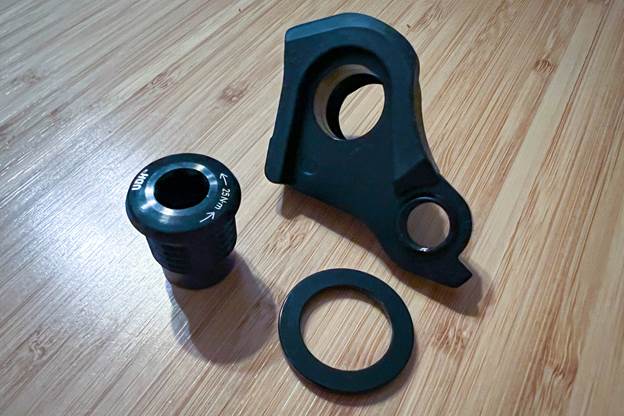
  • Derailleur hangers
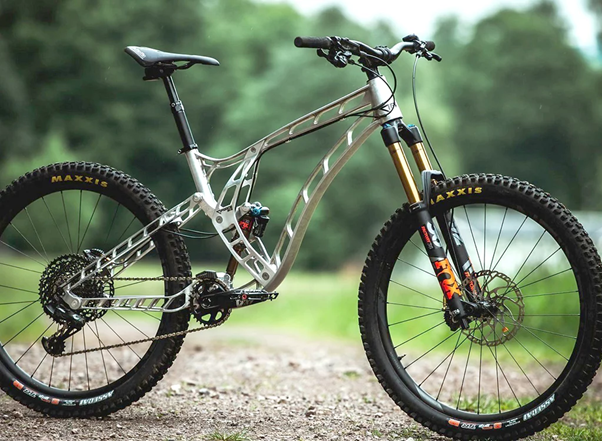
  • Custom frame components

Some performance-based bicycle manufacturers rely on bicycle milling cnc machining parts for the reason that they can be manufactured by the industry with higher precision and quality.

Understanding CNC Machining Technology

Computer Numerical Control (CNC) is the name given to this system. During this process, engineers design a virtual product in the form of a computer artifact with the CAD software. The design is then translated into machine code.
These instructions are fed into the CNC machine, which cuts precisely according to the instructions. It can be used for various materials that are often used in the manufacture of bicycles like aluminum, titanium and stainless steel.

The advantage of CNC systems over traditional manufacturing techniques is that they are able to create identical parts with very little variation from part to part. In the bicycle industry, it is especially crucial to be consistent in manufacturing, as it can impact performance and safety, even with minor variations.

With the advent of improved technology, manufacturers are now creating everything from cnc machine bike parts to cater to the needs of both professional riders and everyday users.

Table 1: Comparison of Materials Used for CNC Machined Bicycle Components

素材密度 (g/cm³)引張強さ (MPa)Corrosion ResistanceWeight Reduction vs SteelCNC Machinability (%)Common Bicycle Applications
6061-T6 Aluminum2.70310素晴らしい65% Lighter90%Stems, Handlebars, Seat Clamps
7075-T6 Aluminum2.81570Very Good64% Lighter85%Cranksets, Pedals, Hubs
Titanium Grade 54.43950Outstanding43% Lighter45%Premium Bolts, Axles, Frames
Stainless Steel 3048.00515素晴らしいBaseline70%Fasteners, Axles, Brackets
Carbon Fiber Composite*1.60600–1500素晴らしい80% Lighter該当なしFrames, Aero Components

Benefits of CNC Machining in the Bicycle Industry

Benefits of CNC Machining in the Bicycle Industry

CNC加工 offers a number of benefits, which is why it’s the preferred method of manufacturing a high quality bicycle component.

精度と正確さ

An excellent advantage of CNC machining is precision.

All bicycle parts need to be flawlessly fitted to their surrounding parts. A small mistake may cause a problem in running, noise, vibration or failure.

The tolerances of CNC machines are very small. This enables the companies to produce very precise components, which easily fit into one another.

This is one of the many reasons why many high performance products are being marketed as CNC Machined Bicycle Parts .

耐久性と強度

Bicycles are subjected to a lot of stress when riding them.

Riders put stress on their pedals, cranksets, hubs and handlebars all the time. Such forces are even higher during racing, mountain biking and touring anywhere for long periods of time.

The CNC machining process is highly efficient at cutting material with precision without compromising the material’s structure. They are robust enough to endure the rigours of riding.

Bicycle milling cnc machining parts is a preferred option by manufacturers for creating parts of high durability and precision, especially for critical applications.

Lightweight Performance

Reducing weight is one of the most important aspects in bicycle performance.

Lighter bikes always are desired by cyclists because they have a better acceleration, climbing ability and handling.

The engineers can remove the unnecessary material, and maintain the strength during CNC machining. This optimization results in lightweight design, while maintaining reliability.

Because of this, many competitive cyclists would choose products that are produced by CNC.

Consistent Quality

In mass production consistency is a key.

Slight variations can occur between parts produced using traditional production processes. These discrepancies can be minimized with automated processes in CNC machining.

Digital specifications for each component are the same. This will guarantee uniform quality from batch to batch.

There are a lot of china cnc machining bike parts suppliers who have invested quite heavily in the advanced CNC machines which enable them to have the manufacturing quality up to the world class standards.

Here are some common CNC Machined Bicycle Parts

Here are some common CNC Machined Bicycle Parts

There are a vast number of different bicycle components made with CNC.

Handlebars and Stems

The ride control and comfort is directly linked to the handlebars and stems.

These parts need to be lighter than the car they are installed in, and still be tough enough to withstand the harsh environment and abrupt shocks.

Handlebars and Stems

CNC machining allows to produce intricate designs that have good structural strength. Improved control and confidence in riding.

Some high-end brands employ cnc machine bike parts technology for making sophisticated handlebar and stem systems.

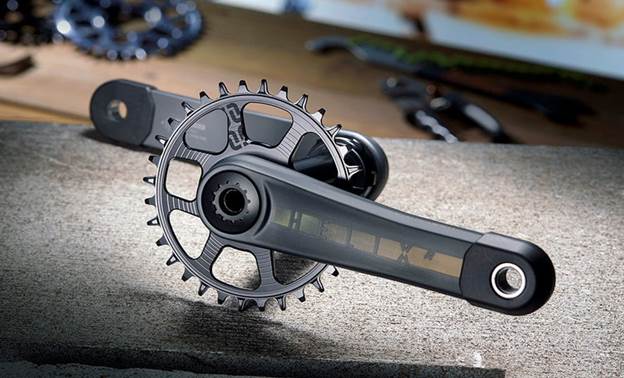
クランクセット

A crankset is a component of the drivetrain that conveys power from the rider.

It’s a constant stress situation and that’s why precision manufacturing is imperative.

クランクセット

CNC-machined cranksets offer:

  • Improved strength
  • Reduced weight
  • Better power transfer
  • Enhanced durability

The benefits of these make CNC cranksets sought-after by performance enthusiasts and avid cyclists.

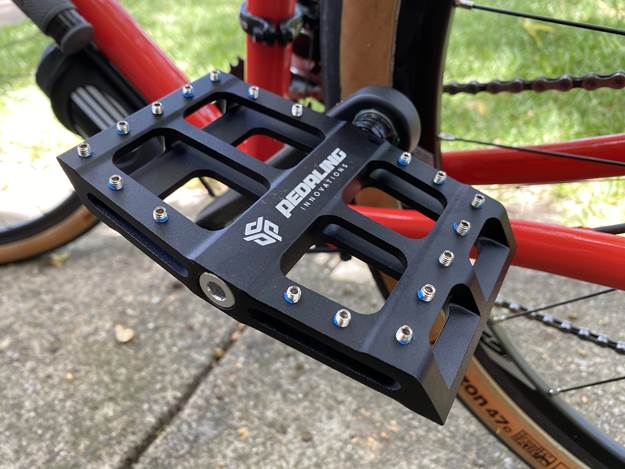
ペダル

Another part of the bicycle that is key is the pedals.

The pedals should be made from high-quality materials and be able to withstand repeated impact and heavy loads without causing any issues.

ペダル

This CNC processing service enables the manufacturers to produce pedal bodies that are light and have outstanding strength properties plus the intricate designs.

High-quality bicycle parts that are CNC-machined are used in many contemporary bicycle collections, such as bike systems for competitive bicycle racing.

ハブ

Hubs are a key component in the performance of wheels.

A properly designed hub helps to ensure smooth rotation, efficient power transfer and longevity of the system.
ハブ

CNC Machined Hubs can come with the following:

  • Tight manufacturing tolerances
  • Lightweight construction
  • Enhanced bearing alignment
  • Improved durability

Overall performance and rider satisfaction will be enhanced by these qualities.

Derailleur Hangers

The derailleur hangers are the most important factors when it comes to shifting performance.

Gear changes can be impacted by a slight misalignment.

Derailleur Hangers

The dimensional accuracy of derailleur hangers made by CNC machining is outstanding. This will help ensure good driveline alignment and fluid shifting.

This is a common situation in which manufacturers often create custom bicycle milling cnc machining parts which are required to have a high degree of accuracy.

Seat Clamps

Seat clamps hold the seatpost in place, and enhance rider comfort and safety.

They are small, but need to be machined accurately and to have good strength.

Seat Clamps

The CNC-made seat clamps offer:

  • Secure fastening
  • Lightweight construction
  • Attractive appearance
  • Long-term durability

They’re a popular upgrade among cycling enthusiasts for these features.

Table 2: CNC Machining Accuracy and Manufacturing Parameters for Bicycle Parts

Manufacturing ParameterStandard CNC ProductionPrecision CNC ProductionHigh-End Aerospace Grade CNC
寸法公差±0.10 mm±0.05 mm±0.01 mm
Surface Roughness (Ra)3.2 μm1.6 μm0.4 μm
Hole Position Accuracy±0.08 mm±0.03 mm±0.01 mm
再現性95%98%99.9%
Material Utilization Efficiency78%85%92%
Defect Rate3–5%1–2%<0.5%
Production Consistency94%98%99.8%
CNC Cycle OptimizationStandardAdvancedAI-Assisted
Quality Inspection Coverage70%90%100%

Materials Used in CNC Bicycle Manufacturing

Materials Used in CNC Bicycle Manufacturing

The choice of materials can have a significant effect on the performance of bicycle components.

Materials provide a variety of strengths, weights, corrosion resistances and cost.

アルミニウム合金

Most of the bicycles for CNC production are still made of aluminium.

It is so popular because it has a number of benefits:

  • Lightweight properties
  • Good strength-to-weight ratio
  • Corrosion resistance
  • Excellent machinability
  • 費用対効果

The aerospace aluminum alloys are widely used by many suppliers in the manufacture of high quality bicycle parts, which are known as china cnc machining bike parts .

チタン

Titanium has an outstanding strength and is highly corrosion resistant.

It is more costly than aluminum, but provides superior performance advantages.

  • Titanium components provide:
  • High durability
  • Low weight
  • Excellent fatigue resistance
  • Long service life

This lends titanium to appeal for high-end bicycle uses.

ステンレス鋼

Stainless steel still makes an important use in certain bike parts.

It has a good wear resistance and durability, and can be used for parts that are required to bear heavy loads.

Stainless steel is commonly used in many manufacturing processes, including:

  • Fasteners
  • Axles
  • Specialized brackets
  • Structural hardware

Precision and reliability are critical when it comes to components, and CNC machining guarantees that such requirements are met.

Carbon Fiber Compatible Components

Most of today’s bicycles feature CNC machined metal parts and a carbon fiber frame.

The components have to be designed meticulously to fit in with the light weight carbon structures.

Precision machining can be used to produce parts that enhance the frame’s advanced design without compromising strength and reliability.

In conclusion, cnc machine bike parts will continue to play a vital role in the world of cycling, as the demand for high-quality bicycles grows.

Custom CNC Bicycle Parts for OEM & ODM Projects

Bicycle industry is rapidly becoming competitive. Brands are always looking for new opportunities to distinguish themselves in the marketplace. One of the best ways to do this is to provide custom-built parts that have a unique performance, style and function.

It’s here that the services from the Original Equipment Manufacturing (OEM) and Original Design Manufacturing (ODM) become significant.

The bicycle industry can create very precise and personalized bicycle parts with the use of CNC machining. From a custom-designed stem to a lightweight crankset, a custom-made pedal body to a specialized mounting bracket, CNC technology can make visions reality, whether the company requires a unique stem design, a lightweight crankset, a custom-made pedal body, or a specialized mounting bracket.

Lots of bicycle manufacturers from around the world work with skilled vendors to create CNC Machined Bicycle Parts specifically for their clients.

Benefits of Custom CNC Manufacturing

Custom CNC production presents a number of benefits:

To be able to develop original designs. To have the freedom to develop original designs.

  • Consistent manufacturing quality
  • The ability to quickly prototype and test ideas.
  • Improved brand differentiation
  • Greater design flexibility
  • Better product performance
  • Reduced development risks
  • Easier design modifications

Since CNC machines operate directly off of a digital design, changes can be made quickly throughout the development of a product.

ラピッドプロトタイピング

There are likely to be several design changes in the process of product development.

The manufacturers can make the prototypes quickly and accurately with CNC machining. Before entering into mass production, engineers can test fit, strength, weight and functionality.

This function cuts down the development process and enables brands to launch products quicker.

Rapid prototyping is used by plenty of companies involved in the development of revolutionary bicycle milling cnc machining parts , to have a look at designs before they go for commercial release.

Small Batch and Large Scale Production

Scalability is yet another benefit of CNC machining.

Manufacturers can make a lot of things:

  • Single prototypes
  • Small production runs
  • Medium-volume batches
  • Large-scale manufacturing orders

This is an advantage to startups as well as established bicycle brands.

CNC Technology is used to efficiently produce a limited edition part or thousands of parts for global distribution.

Meeting Specialized Market Needs

There are different types of bikes to use for different types of cycling.

For example:

  • Road bikers look for a lightweight bike.
  • Bicyclists are looking for durability on mountain bikes.
  • Gravel bikes are looking for multipurpose capabilities.
  • The components used by e-bike users need to be more robust.

The custom CNC manufacturing method enables companies to create products that can be tailored to these markets.

This has led to a rise in the demand for specialized bicycle components.

Table 3: Performance Benefits of CNC-Machined Bicycle Components

コンポーネントTraditional Manufacturing PerformanceCNC-Machined PerformanceImprovement (%)
Crankset StiffnessStandardOptimized Structure+20–35%
Pedal StrengthStandard CastingPrecision Machined+15–25%
Hub Rotational Efficiency92–94%97–99%+5–7%
Handlebar Weight ReductionBaselineLightweight CNC Design15–30% Lower Weight
Derailleur Alignment Accuracy±0.5 mm±0.05 mm90% Better Accuracy
Component Lifespan100% Baseline120–160%+20–60%
Failure Rate Under LoadBaselineReduced Stress Points30–50% Lower
Assembly Fit Accuracy95%99.5%+4.5%
Product Consistency90–94%98–99.9%+6–10%
Overall Rider Performance EfficiencyBaselineEnhanced Mechanical Efficiency+3–10%

The future of CNC Bicycle Manufacturing

The future of CNC Bicycle Manufacturing

Technological innovation is a vital part of the current and future development of bicycle production.

With the development of software, automation, materials, and manufacturing methods, CNC machining will keep developing.

There are several trends that are taking shape in the industry in the next few years that will impact the industry.

オートメーション

In today’s manufacturing world, automation is increasingly gaining importance.

Automated systems can contribute to enhancing:

  • Production speed
  • 一貫性
  • Accuracy
  • Cost efficiency

In order to improve the process efficiency, the many factories now introduced a combination of the robot and CNC machine systems.

An automation material handling and inspection system is also available to improve productivity and human error.

In the era of automated technology, manufacturers producing china cnc machining bike parts are likely to be even more efficient and of superior quality.

スマート・マニュファクチャリング

Smart manufacturing is revolutionizing manufacturing.Smart manufacturing revolutionizes the manufacturing.

Today the modern CNC facilities are increasingly adopting:

  • Real-time monitoring
  • Data analytics
  • Artificial intelligence
  • Predictive maintenance
  • Cloud-based production systems

These technologies enable manufacturers to detect problems before they get bad.

They also have benefits of optimizing machine use and production planning.

This ensures more effective manufacturing that is more efficient.

先端材料

The field of material science is developing and progressing very rapidly.

Developing new alloys and composite materials with improved characteristics.

Bicycle pieces could be improved with the help of:

  • Higher strength-to-weight ratios
  • Improved fatigue resistance
  • Better corrosion protection
  • Enhanced impact resistance

These high-tech materials are likely to be used by manufacturers making CNC Machined Bicycle Parts to make lighter, stronger parts.

Sustainable Production

The manufacturing industry has sustainability as a key priority.

Consumers are more and more interested in environmentally friendly products.

To meet these expectations manufacturers are making:

  • Energy-efficient machinery
  • Recycling programs
  • Waste reduction initiatives
  • Sustainable material sourcing
  • Cleaner production processes

Through precise cutting operations, CNC machining already helps to reduce material waste, which is good for the environment.

Improvements in the environment are anticipated with future developments.

Digital Design Integration

Digital engineering tools are further integrated into enhance product development.

Engineers are now able to simulate:

  • Structural loads
  • Stress distribution
  • Fatigue performance
  • Manufacturing feasibility

These simulations save development costs, while enhancing the quality of the product.

This will continue to be a trend in the bicycle industry as advanced software and CNC technology will keep innovating.

The Role of CNC Machining in Performance Cycling

Equipment is subjected to very high stresses in performance cycling.

The components that a professional rider needs must provide the maximum efficiency in challenging conditions.

This can be accomplished with the help of CNC machining that boasts engineering precision.

When components are manufactured accurately then they contribute to:

  • Improved rider confidence
  • Better mechanical efficiency
  • Reduced maintenance requirements
  • Enhanced durability
  • Consistent performance

That is why many high quality bicycle companies are dedicated to high levels of investment in CNC technology.

Precision manufacturing is becoming an increasingly vital aspect in the world of competitive cycling, as can be seen in the popularity of the term cnc machine bike parts .

Why Quality Matters in Bicycle Components

Bicycle parts have an impact on the safety and performance of the rider.

Manufacturing that is not well done can result in:

  • Mechanical failures
  • Reduced efficiency
  • Increased maintenance
  • Safety risks
  • Shorter product lifespan

Many of these problems can be avoided by using high quality cnc manufacturing.

Each component is carefully monitored and controlled for exact specification before reaching the customers.

This dedication to excellence fosters trust and contributes to the brand’s long-term success.

The China CNC machining bike parts companies are spreading out in quality, innovation and technical skills, and not just on price.

Market Opportunities for Manufacturers & Suppliers

This global bicycle market keeps on growing.

There are a number of reasons for optimism:

  • Increased health awareness
  • Rising fuel costs
  • Urban transportation challenges
  • Environmental concerns

The increasing popularity of the use of cycling for recreational purposes.The rising trend of recreational cycling.

With an increase in bicycles demand for high quality parts is also expected to go up.

Manufacturers who embrace the latest in CNC technology will be poised to take advantage of these opportunities.

The market is expected to continue growing for the bicycle milling cnc machining parts due to the ongoing demand for high-quality and efficient products.

結論

The bicycle manufacturing industry has been revolutionized with the advent of the CNC machining. This process has now become a very precise and efficient production system that is able to produce complex, high performance components, which would previously have been produced by a labour intensive process.

CNC technology is used to manufacture reliable parts with very high accuracy from cranksets and pedals, to hubs, stems and custom assemblies. These advantages affect the rider – it is lighter, more durable, more efficient and more giving.

As the popularity of CNC Machined Bicycle Parts grows, the industry is taking a step toward innovation and quality. With the continuous development of technology, CNC machining will become even more influential in the future development of cycling.

The manufacturers all over the world are investing in the advanced production equipment, automation systems, and engineering skills. Meanwhile, the market for cnc machine bike parts is growing as cyclists understand that the importance of precision engineered parts.

China is still a significant producer of bikes, and the worldwide demand for china cnc machining bike parts is likely to rise with the increasing popularity of biking. As the innovative bicycle milling cnc machining parts continues to evolve, bicycle performance will increasingly be enhanced.

From the professional racing community to the recreational rider, from the adventure bike to the gravel grinder, and even for urban commuters, today’s riders have come to expect CNC Machined Bicycle Parts for their bicycle’s reliability, efficiency, and performance.

2026年6月13日/0 コメント/作成者: 記事作成者
https://plas.co/wp-content/uploads/2026/06/custom-mountain-bike-parts.webp 800 1200 記事作成者 http://plas.co/wp-content/uploads/2023/02/plas-co-1.jpg 記事作成者2026-06-13 22:40:412026-06-15 17:36:37CNC加工された自転車部品:現代のサイクリングを支える精密技術
射出成形プラスチック, 射出成形

射出成形用プラスチック:材料、プロセス、および産業用途の完全ガイド

射出成形用プラスチック:材料、プロセス、および産業用途の完全ガイド

Plastics for injection molding is one of the most significant materials used in today’s manufacturing process. These are used to manufacture thousands of products consumed on a daily basis in a quick and economical manner. This process can be found in household items, car parts, and so on.

Demand for plastics for injection molding has been steadily increasing due to the requirement for industries to have a strong, lightweight and cheap material. These plastics are formulated to flow readily to form molds accurately.

For manufacturing, plastic pellets for injection molding may serve as a starting point of the manufacturing process. The small-sized raw materials are in a molten state and are formed into finished products.

Another important form is plastic resin for injection molding which offers strength, flexibility and durability according to the requirements of the products.

Another reason for the use of common plastics for injection molding is that they are easy to process and readily available.

In sum, plastics for injection molding have a significant impact on the contemporary industrial world.

Basic Injection Molding Knowledge

In injection molding, plastic is heated until it turns into a fluid, and it is injected into a mold. When the shape cools it turns into a solid.

Machines can be used to manufacture thousands of identical parts in a very short time in a factory. This results in rapid and efficient production.

Most of the time, plastic pellets for injection molding are utilized in the machines to begin the process. Such pellets melt consistently when heated.

Production is dependent on material quality. Quality plastic resin for injection molding makes for a smoother flow and strength of the product.

Various materials are selected for different industries, based on the products they make.

Those that can be mass-produced in a uniform manner are preferred, and that is why plastics for injection molding are used.

Materials used in injection molding

There are numerous thermoplastics used for injection molding. These materials can be heated, melted and re-formed many times.

The most common raw form is pellets. One of the other popular types is resin.

The plastic pellets for injection molding are tiny, uniform particles which are easily shipped and stored. They are evenly melted in machines.

 plastic resin for injection molding is a term that is used to enhance the strength and flexibility of the products that are used at the end.

Also, common plastics for injection molding are used by manufacturers, as they are cheap and can be utilized in lots of applications.

These materials are combined to produce plastic manufacturing industries.

The plastics for injection molding are chosen according to the specific demands of durability, heat resistance, and flexibility that are required for the application.

What is plastic pellets for injection molding?

The most basic raw material used in production is plastic pellets for injection molding. Small, easy to handle and round.

These pellets are then fed into injection machines at factories. The machine brings them up to temperature until they are melted into a liquid state.

Liquid plastic is next poured into moulds to form various shapes.

Because of the certainty of quality in mass production, plastic pellets for injection molding are very popular.

They also can be stored for a long time without harm.

The pellets are of various types, for various industries, for strong industrial parts or for soft consumer goods.

Manufacturers test plastic pellets for injection molding thoroughly before they can be used to prevent imperfections during manufacturing.

These pellets are vital to any large-scale plastic manufacturing systems.

To understand plastic resin for injection molding

To understand plastic resin for injection molding

 plastic resin for injection molding is one of the key materials which is used to enhance the quality and performance of the products.

Resin is frequently provided in a solid form which will soften upon heating. Then it is formed in molds.

The type of the resin used is a crucial factor in the strength and flexibility of the final product.

The choice of plastic resin for injection molding will depend on the temperature resistance and durability requirements of the injection-molded product.

Many industrial applications are associated with it and it is much used for high performance materials.

Some resins can be flexible, others can be hard and tough.

 Plastic resin for injection molding is preferred by the factories as it minimizes defect and enhances the quality of production.

It also supports the smoothness of the flow in the injection process.

Common Types of Plastics Used

Common Types of Plastics Used

There are a number of familiar plastic materials that are utilized in injection molding. Each type has its own name and can be selected according to the requirements of strength, flexibility or heat resistance of the product.

ポリエチレン(PE)

Polyethylene is a material that is used in the manufacture of many products. It is lightweight, flexible and waterproof. Commonly used for packaging, bottles and containers. Polyethylene is one of the common plastics for injection molding because it costs little and is easy to work with.

ポリプロピレン(PP)

Polypropylene is a material which is strong, lightweight, heat resistant and chemical resistant. It is used in many food containers, medical apparatuses, and automobile parts. Is one of the most favored plastics for injection molding thanks to its combination of strength and flexibility.

Acrylonitrile Butadiene Styrene (ABS)

ABS is a tough, impact resistant plastic. Applications include toys, electronic enclosures and automotive components. It is commonly chosen as a plastic resin for injection molding when durability and toughness is needed

ポリスチレン(PS)

Polystyrene is a cheap and rigid plastic. Easy to mold and used in disposable cups, packaging, simple containers. It is included in many common plastics for injection molding parts because it is so cheap.

ポリ塩化ビニル(PVC)

PVC, a hard yet tough, flexible or hard plastic. Used in pipes, fittings and cables. It is broadly used in the plastics for injection mold construction and industrial field.

ポリカーボネート(PC)

ポリカーボネート is a high-performance plastic, which is transparent and has high impact resistance. It is applied to safety products, lenses and electronic components. Frequently, it is used as a plastic resin for injection molding of premium quality.

ナイロン(ポリアミド、PA)

Nylon is strong, wear resistant and has a good heat stability. Applied in mechanical parts, gears and industrial components. It is generally applied for the plastics for injection molding advanced applications.

Table 1: High-Impact Plastics for Injection Molding (Most Used Materials)

This table shows the most important plastics used in global injection molding industries. It is optimized for keywords like plastics for injection molding and common plastics for injection molding.

プラスチックタイプKey PropertiesIndustrial ImportanceMain Uses
ポリプロピレン(PP)Lightweight, heat resistant, chemical resistantOne of the most widely used plastics worldwideAutomotive parts, packaging, medical tools
ポリエチレン(PE)Flexible, moisture resistant, low costHigh-volume production plastic across industriesBottles, films, containers, packaging
Acrylonitrile Butadiene Styrene (ABS)Strong, impact resistant, durableCommon engineering plastic for strong componentsElectronics housings, toys, automotive parts

The injection molding process

The injection molding process

Simple, yet extremely accurate injection molding process.

The first step is to put the raw materials into the machine. Typically, this step is performed by using plastic pellets for injection molding.

At this point, the pellets are again heated until they become a thick liquid.

Under high pressure the liquid plastic is then injected into a mold.

The mold is cooled and the finished product is ejected.

 plastic resin for injection moulding has different quality levels, which affect the smoothness of the flow in this process.

The fewer the defects, the better the surface finish is provided by good material.

 The plastics for injection molding allow to achieve complex shapes in a short time, and with efficiency.

Applications in Industries

Therefore, injection molding is widely used and is fast, reliable, and cost-efficient for various industries. It is used to allow manufacturers to manufacture large numbers of identical plastic components and maintain a uniform quality.

  • In the automotive industry: plastics for injection molding are utilized to produce interior parts, panels, and dashboards that are tough and resilient. These materials are capable of enhancing the performance of vehicles at a low production cost.
  • In the medical industry: precision and safety are very important. Syringes, surgical instruments, containers and other products are manufactured with plastic resin for injection molding, which guarantees hygiene and reliability.
  • Consumer goods: Everyday items like bottles, storage boxes, and toys can often be shaped using plastic pellets for injection molding because they can be shaped smoothly and produced in a short amount of time.
  • In electronics: common plastics for injection molding are used for manufacturing protective casings, switches, and device housings for their combination of strength and cost.

In summary, plastics for injection molding play a crucial role in the production of a vast array of items, catering to the needs of virtually every major industry through their flexibility and production efficiency.

Table 2: Injection Molding Plastics by Industry Applications

This table is designed for SEO traffic targeting industrial and commercial searches like plastic resin for injection molding and material applications.

プラスチックタイプ自動車産業医療業界消費者製品エレクトロニクス産業
ポリプロピレン(PP)Interior trims, dashboardsSyringes, medical containersStorage boxes, kitchen itemsBattery cases
ポリエチレン(PE)Fuel tanks, linersMedical bottles, packagingBags, films, packaging itemsCable insulation
ABSCar panels, interior partsDevice housingsToys, home appliancesPhone and laptop shells

Control of quality in manufacturing

Control of quality in manufacturing

Quality control is crucial in an injection moulding manufacturing process.

Careful testing of raw materials before use is carried out in factories.

The plastic pellets for injection molding are tested for size, purity and consistency.

The flow rate and strength of plastic resin for injection molding is tested.

The common plastics for injection molding are tested for uniformity in quality.

Materials, if not good, may cause defects such as bubbles or cracks in the products.

Good quality plastics for injection molding ensure smooth production and fewer errors.

Injection Molding Materials’ Benefits

The injection molding process has numerous benefits for manufacturers.

  • It facilitates quick manufacture of huge numbers.
  • Lowers the average cost of production.
  • It makes long-lasting, sturdy products.

As a result of the efficient mass production which they support, plastics for injection molding are largely used.

  • They are also adaptable and can be used in a variety of industries.
  • In order to keep manufacturing consistency, there are plastic pellets for injection molding.
  •  plastic resin for injection molding enhances the product’s quality and durability.

As mentioned above, common plastics for injection molding is a practice that makes it easy to lower the cost and scale up production.

Injection molding challenges

  • Although injection molding is an efficient process, it has its problems.
  • Product Quality can be impacted by material defects.
  • Weak structures may result from improper heating.
  • With poor quality plastic pellets for injection molding, there can be uneven melting.
  • Surface defects can be caused by low-grade plastic resin for injection molding .
  • If the wrong common plastics for injection molding are used, it may affect the performance of the product.

Temperature and pressure are important factors for manufacturers to carefully control, as they could create problems if not.

Even in the face of difficulties, plastics for injection molding still are the most reliable means of mass production.

Sustainability and Recycling

Control of quality in manufacturing

Environmental protection is increasingly gaining significance in manufacturing.

Today, there are numerous businesses that recycle plastic materials.

The term common plastics for injection molding can be recycled after processing in many situations.

Using recycled materials helps to decrease waste and pollution.

Development of Eco-friendly plastics for injection molding is being promoted for sustainable production.

There are also better plastic resin for injection molding industries which help to reduce environmental impact.

Recycling helps save energy and raw materials.

射出成形の未来

  • Injection molding technologies are advanced and look like a bright future.
  • New technology making things faster and more accurate.
  • The use of smart systems in factories to achieve better production control.
  • More precise new plastic pellets for injection molding are being developed.
  • Also, a stronger plastic resin for injection molding is being developed for industrial applications.
  •  plastics for injection molding will continue to play a major role in global manufacturing.
  •  common plastics for injection molding will continue to play an important role in high-quality and inexpensive production.
  • This will be even more efficient with automation and AI.

結論

Injection molding is one of the most important technologies in modern production, which can help to realize the quick production, low error and mass production. It assists in the production of strong and cost-effective plastic products for the use of daily life inside the industries.

 plastics for injection molding are the foundation of this whole process, and enable mass production in various industries. The term plastic pellets for injection molding guarantees that the material will be processed smoothly and produce high-quality injection molded products in the factory. Meanwhile, plastic resin for injection molding is crucial to enhancing strength, durability and quality of final products.

Furthermore, common plastics for injection molding offer adaptable and affordable options to satisfy a variety of applications, varying from home items to industrial components.

In conclusion, plastics for injection molding will continue to play a crucial role in the future of various industries, driven by ongoing advancement in technologies that enhance efficiency, sustainability, and product quality.

FAQ

What are plastics for injection molding?

Molding plastics can be either melted, molded and cooled into various products using injection molding machines, which are called plastics for injection molding. Because they are efficient and cost-effective, these plastics are utilized in medical, automotive, packaging and electronics applications.

The term plastic pellets for injection molding refers to what?

 plastic pellets for injection molding are small plastic pellets that serve as raw materials for injection molding machines. These are poured into a mold and hardened to make a final product. These pellets have the advantage of uniform melting and product quality.

What is the definition of plastic resin for injection molding?

Base material which is used to manufacture molded plastic products is plastic resin for injection molding. Depending on the type of resin, it offers strength, durability and flexibility. Specific Resins are chosen by various industries depending on the performances that are needed.

What are the reasons for the use of plastics for injection molding in the industries?

Because of the ability of fast production, low manufacturing cost and high precision, plastics for injection molding are widely used. As well, they can be recycled and reused, making them suitable for large-scale industrial applications.

What is the difference between plastic pellets and plastic resin?

 plastic pellets for injection molding is the physical raw material of the plastic used in machines, and plastic resin for injection molding is the type of base material used, it determines the strength, flexibility and performance of the final product.

Can injection molding plastics be recycled?

Yes, there are many plastics for injection molding which can be recycled. Common materials that are reused in manufacturing to minimize waste and promote sustainable production are polypropylene and polyethylene.

2026年6月6日/0 コメント/作成者: 記事作成者
https://plas.co/wp-content/uploads/2026/06/dgdf.webp 300 600 記事作成者 http://plas.co/wp-content/uploads/2023/02/plas-co-1.jpg 記事作成者2026-06-06 00:28:162026-06-15 17:59:35射出成形用プラスチック:材料、プロセス、および産業用途の完全ガイド
射出成形プラスチック, 射出成形, ザ・モールディング・カンパニー

近くの射出成形会社:適切な製造パートナーを選ぶための完全ガイド

近くの射出成形会社:適切な製造パートナーを選ぶための完全ガイド

高品質のプラスチック製品を必要とする企業にとって、近くの信頼できる射出成形会社を見つけることは非常に重要です。射出成形は、最も一般的で広く使用されている製造プロセスの1つであり、正確で強度が高く、安価なプラスチック部品を大規模に生産することができます。多くの産業が、自動車部品、医療機器など、日常的な生産ニーズをプロの成形サービスに頼っています。.

最近の企業が必要としているのは、迅速な生産、高品質の製品、そして製造コストの削減です。そのため、多くの企業が近くのプラスチック射出成形会社を探し、生産のニーズを満たすことができる適格なプラスチックメーカーを見つけることができます。良い射出成形会社は、製品の設計、金型、材料の選択、テスト、および製品の最終的な生産をサポートすることができます。.

さらに、多くのメーカーは、プロトタイプの開発とカスタム金型を供給することができます。最適なパートナーを選択するために、ビジネスは私の近くに金型射出成形会社の数を比較します。生産能力、材料の品質、価格、納期は、決定的な重要な要因の一つです。.

これらの専門射出成形会社は、正確なプラスチック部品を作成するための最先端の機械と革新的な技術を採用しています。これらの企業は、様々な熱可塑性材料を使用し、大規模および小ロット生産のためのサービスを提供しています。.

産業界が丈夫で軽いプラスチック製品を求めているため、私の近くのプラスチック金型射出成形会社の需要は増え続けている。市場の需要を満たすために、メーカーは現在、自動化、品質管理、効率的な生産システムに重点を置いています。.

カスタムパッケージングから医療部品、自動車部品、消費者製品に至るまで、お近くの信頼できる射出成形会社は、お客様が必要とする製造ソリューションを提供することができます。.

射出成形を理解する

射出成形は、プラスチック部品を製造するために、金型キャビティに溶融プラスチックを注入する製造プロセスの一種です。材料は冷却後、希望の形状に固まります。このプロセスは、生産速度、精度、再現性などが高いため、広く使用されています。.

多くの企業がこの言葉を探している。 近くのプラスチック射出成形会社 なぜなら、リーズナブルな価格で大量に部品を製造する必要があるからだ。このプロセスは複雑な設計にも使用でき、メーカーは一貫した製品品質を維持できる。.

近くの射出成形会社

私の近くの典型的な金型射出成形会社は、ABS、ポリプロピレン、ナイロン、ポリエチレン、ポリカーボネートなどの材料を利用する傾向がある。それぞれの材料からは、用途に応じて異なる機械的特性が得られます。.

現在、「私の近くの射出成形金型会社」は、精度を高め、無駄を最小限に抑えるために、コンピューター操作の機械に頼っている。さらに、これらの企業は、各パーツが許容可能な品質であることを保証するために、生産に品質チェックを実施しています。.

射出成形は、エレクトロニクス、ヘルスケア、自動車、パッケージング、家庭用品など様々な分野で使用されているため、私の近くのプラスチック金型射出成形会社の需要が増加している。.

テクニカルテーブル一般的な射出成形材料

素材溶融温度 (°C)引張強さ (MPa)収縮率(%)一般的なアプリケーション
ABS220-26040-500.4-0.7自動車部品
ポリプロピレン200–25025–401.0-2.5包装製品
ナイロン240–29060-900.7–1.5機械部品
ポリカーボネート260–32055–750.5-0.7電子ハウジング
ポリエチレン180-24020–351.5–3.0容器とボトル

会社概要

Sincere Tech (PlasticMold.net)は中国の専門的なプラスチック射出成形会社である。同社は、プラスチック金型製造、プラスチック射出成形、プラスチックCNC加工、プラスチックダイカスト、プラスチック製品組立を提供しています。自動車、医療、電子、消費者製品業界で使用されています。.

Sincere Techは、高品質な製品の生産、納期厳守の納品、世界中のすべてのお客様への費用対効果の高い製造ソリューションの提供を専門としています。.

選ばれる理由

  • 20年以上の経験。.
  • 使い捨て可能な高品質のプラスチック金型と部品。.
  • 熟練したエンジニアリング・チーム
  • 先端製造機械
  • 迅速な生産と納品
  • 手頃な価格設定
  • 強力な品質管理
  • プロフェッショナルなカスタマーサポート

射出成形会社の仕組み

私の近くの射出成形会社のほとんどは、製品の品質を向上させ、効率的に製造が行われるように体系的な製造手順を遵守しています。通常、それは製品の設計とエンジニアリング分析から始まります。.

設計段階が完了したら、エンジニアは鉄やアルミニウムで金型を作る。私の近くのプラスチック射出成形会社の多くは、精密金型を作成するためにCNC機械加工とCADソフトウェアを採用しています。.

射出成形会社の仕組み

金型が準備されると、射出成形機でプラスチックペレットが溶かされる。溶けたプラスチックは高圧で金型に押し込まれる。.

私の近くの金型射出成形会社は経験豊富で、製造工程の温度、圧力、冷却時間に注意を払っています。これは、欠陥や寸法誤差を減少させるのに役立ちます。.

冷却後、最終製品は金型から投げ出され、品質チェックが行われる。私の近くの高品質の射出成形金型企業はまた、塗装、研磨、組み立てや包装などの他の仕上げ作業を提供します。.

私の近くの多くのプラスチック金型射出成形会社は、今日、生産性を向上させ、製造エラーを最小限に抑えるために、自動化されたロボットシステムの使用を活用しています。.

射出成形会社と協力するメリット

射出成形のプロを雇うメリットは数多くあります。最大の利点は生産効率です。射出成形は、メーカーが短いスパンで多くの部品を製造することを可能にします。.

近くのプラスチック射出成形会社」を選ぶもう一つの大きなメリットは、製品の一貫性です。各成形部品は、同じ材料から同じサイズ、同じ材料特性で製造されます。.

さらに、私の近くの金型射出成形会社は、彼らはすべてのラウンドの製造コストを削減することができますので、企業に好まれている。金型を作るための初期投資は必要ですが、大量生産時の部品あたりのコストはほとんどかかりません。.

私の近くの射出成形金型会社は、エンジニアリング支援と設計最適化サービスを提供しています。これは、企業が製品の性能を向上させ、製造上の問題を低減するのに役立ちます。.

私の近くの近代的なプラスチック金型射出成形会社は、様々な産業用途のための軽量かつ強力なプラスチック製品を製造することができます。.

私の近くにある優れた射出成形会社はまた、迅速な生産時間を提供し、企業がより早く製品を市場に投入することを可能にします。.

射出成形サービスを利用する業界

射出成形を利用する産業は数多い。プラスチック製品は軽量、耐久性、低コストの利点があるため、ほとんどすべての産業分野で射出成形を採用しています。.

 自動車業界では、ダッシュボード、インテリアパネル、自動車用コネクター、その他の自動車部品を作るために、近くのプラスチック射出成形会社が一般的に使用されています。.

医療メーカーは、注射器、手術器具、検査器具、医療機器を製造するために、私の近くの金型射出成形会社を選択します。.

射出成形サービスを利用する業界

携帯電話ケース、コンピューター部品、コネクター、電子筐体など、電子機器メーカーは射出成形金型メーカーに頼っている。.

その上、パッケージングメーカーは、私の近くのプラスチック金型射出成形会社と協力して、貯蔵製品、包装容器、トレイ、ボトル用キャップを作ることもできる。.

消費者製品ブランドは、玩具、台所用品、家具部品、家庭用品を生産するために、近くの射出成形会社を頻繁に探している。.

正しい射出成形会社の選択

最良の「近くの射出成形会社」を選ぶには、評価が必要です。企業の場合、経験、生産能力、品質基準を分析する必要があります。.

技術的な専門知識は、私の近くのプラスチック射出成形会社を選択する際に考慮すべき重要な要素の一つです。プロの製造業者は、複雑なスタイルや作成の要件に対処することができます。.

また、企業はその地域の企業と、彼らが私の近くに金型射出成形会社を使用するマシンを比較する必要があります。高レベルの設備は、通常、生産の品質と効率を向上させます。.

私の近くにある信頼できる射出成形金型会社は、顧客と明確にコミュニケーションを取り、生産工程中のエンジニアリング支援とプロジェクト管理を提供します。.

材料の選択も重要な要素です。私の近くのプラスチック射出成形の専門会社は、用途に応じて使用する熱可塑性プラスチックの選択肢をいくつか持っているはずです。.

企業にとってもう一つの重要な検討事項は、近くの射出成形会社を選ぶ前に、生産リードタイム、認証、価格体系、顧客レビューをチェックすることです。.

射出成形に使用される一般的なプラスチック材料

射出成形の専門家は、製品の要件に応じてさまざまなプラスチック材料を使用します。素材には、柔軟性や強度、温度や化学薬品に対する耐性など、さまざまな特性があります。.

近くのプラスチック射出成形会社として知られている会社は、耐衝撃性と表面仕上げが良いので、ABSプラスチックを使用しています。.

私の近くの金型射出成形会社で使用されるもう一つの人気のある材料は、ポリプロピレンです。耐薬品性があり、柔軟で軽量です。.

 私の近くの射出成形会社は、その強度と耐久性のためにナイロンを選択することが多い。.

 私の近くのプラスチック金型射出企業は、非常に耐衝撃性と透明であるポリカーボネート材料を使用しています。.

ポリエチレンの使用が私の近くの射出成形会社で普及したもう一つの重要な理由は、それが製造するのに安価であるということです。.

射出成形の先端技術

私の近くの近代的な射出成形会社は、製造プロセスの品質と効率を高めるために高度な技術を採用しています。自動化は今日の製造システムの重要な要素です。.

私の近くのプラスチック射出成形会社の多くでは、部品の取り外し、組み立て、梱包はロボットアームを使って行われています。自動化は人件費と生産ミスを節約する方法です。.

 私の近くの金型射出成形会社はまた、製品開発と金型製造のためのコンピュータ支援設計ソフトウェアの広範な活用を確立しています。.

高精度のCNCマシニングシステムは、射出成形金型会社にとって重要な、要求される複雑な形状の金型を正確に製造することができる。.

また、成形圧力、成形温度、成形冷却条件を最適化するために、科学的な成形方法を適用する会社もある。.

この技術は、製品の一貫性を高め、製造の無駄を最小限に抑え、近くの射出成形会社を支援します。.

テクニカルテーブル射出成形機パラメータ

パラメータ典型的な範囲
射出圧力50-200 MPa
金型温度20-120 °C
冷却時間10~60秒
サイクルタイム20~120秒
クランプ力50~5000トン
射出速度50~500mm/秒

射出成形における品質管理

身近な射出成形の専門会社が採用される最も重要な分野の一つは、品質管理である。製造業者は、各パーツが顧客の仕様に従って正しいことを確認する必要があります。.

私の近くのプラスチック射出成形会社の多くは、三次元測定機(CMM)やデジタル検査装置を使って寸法検査を行っている。.

私の近くの信頼できる金型射出成形会社は、射出圧力、溶融温度、冷却速度などの生産環境もチェックします。.

専門家である私の近くの射出成形金型企業は、ISO認証のような国際的な品質基準を遵守する傾向がある。.

私の近くのプラスチック金型射出成形会社によって使用されるもう一つの重要なプロセスは、材料試験である。メーカーは強度、柔軟性、耐久性、耐薬品性をテストします。.

品質システムは、不良を最小限に抑え、満足度を高めるために、私の近くの射出成形会社にとって非常に重要です。.

射出成形におけるコスト要因

私の近くの射出成形会社で作業する価格に影響を与える複数の要因があります。製造コストの最大の要因の一つは、金型の複雑さです。.

金型が大きかったり、非常に複雑な場合は、近くのプラスチック射出成形会社が機械加工を行うために、より多くの時間が必要になります。材料の種類も製造コストに影響します。.

近くの金型射出成形会社を選ぶ際に考慮すべき最も重要な要素の一つは、生産量である。一般的に、生産量が多ければ多いほど、部品あたりのコストは低くなります。.

塗装、組み立て、梱包など、射出成形金型会社が提供するその他のサービスは、プロジェクト全体のコストの増加につながる可能性があります。.

工具のメンテナンスや生産速度も、私の近くのプラスチック金型射出成形会社の価格に影響を与えます。.

多くの企業は、いくつかの異なる検索を行う。 射出成形 私の近くの会社のオプションは、最高の品質と予算を発見する。.

射出成形における環境の持続可能性

私の近くには、環境に優しい製造に重点を置いている最新の射出成形会社がたくさんあります。プラスチック業界では、持続可能性が重要な目標になっています。.

私の近くのプラスチック射出成形会社の中には、環境への影響を削減するためにリサイクルされたプラスチック材料を採用しています。.

電力使用量は、エネルギー効率の高い機械の使用によって削減され、今日、私の近くの金型射出成形会社で広く採用されている。.

また、金型設計と製造精度を最適化することで、材料の無駄を最小限に抑えます。.

私の近くにある多くのプラスチック金型射出成形会社のリサイクルシステムには、製造工程で発生するプラスチックくずを回収するシステムが含まれています。.

持続可能な製造方法を採用することで、近くの射出成形会社は環境パフォーマンスを向上させ、製品の品質を確保することができます。.

テクニカルテーブル射出成形の利点

ベネフィット説明
高速生産大量生産に対応
優れた精度一貫した寸法を出す
低廃棄物効率的な材料使用
デザインの柔軟性複雑な形状に対応
強い耐久性高強度プラスチック部品の製造
コスト効率大量生産時の単価が安い

射出成形業界の将来

世界中のプラスチック製品の需要が増加しているため、私の近くの射出成形会社の見通しはかなり明るいです。.

 私の近くのプラスチック射出成形会社は、生産効率を高めるために自動化と人工知能の恩恵を受けるでしょう。スマートな製造システムによって、製品のダウンタイムと一貫性が削減されます。.

また、耐久性と耐熱性に優れた新素材にお金をかけている金型射出成形業者も私の近くには数多くある。.

射出成形業界の将来

 私の近くの射出成形金型企業は、製品開発を合理化するためにデジタル製造技術を使用しています。.

将来、私の近くのプラスチック金型射出成形会社は、ますます環境に優しいプラスチックとエネルギー効率の高い製造プロセスを利用することができる。.

進化し続ける製造業の世界では、一流のプラスチック部品を生産するために、身近にある射出成形の専門企業が重要な役割を果たし続けるだろう。.

結論

射出成形会社という言葉は、製造業の世界では非常に重要である。自動車、医療、エレクトロニクス、パッケージング、消費者セクターにおけるプラスチック部品の効率的、正確かつ経済的な製造を保証するソリューションを提供しています。.

企業が次のようなものを探すとき 近くのプラスチック射出成形会社, メーカーを選ぶ前に、そのメーカーの生産品質、素材知識、技術支援、生産能力などを見極める必要がある。.

私の近くの信頼できる金型射出成形会社は、製造コストを削減し、商品の品質を向上させ、製造スケジュールを加速することができます。.

今日、射出成形金型を提供する大手企業は、最先端の技術、自動化、持続可能な製造方法を採用し、業界の高まるニーズに応えている。.

刻々と変化する産業環境の中で、特に安定した信頼性の高い品質を必要とする企業にとって、身近なプラスチック金型射出成形企業は、プラスチック製品の製造において重要な役割を果たし続けるだろう。.

実績のある近くの射出成形会社と協力することで、多くの製造上のメリット、製品品質の向上、市場競争力の強化が期待できます。.

2026年5月20日/0 コメント/作成者: 記事作成者
https://plas.co/wp-content/uploads/2026/05/image-9.png 357 624 記事作成者 http://plas.co/wp-content/uploads/2023/02/plas-co-1.jpg 記事作成者2026-05-20 21:38:182026-06-15 18:03:01近くの射出成形会社:適切な製造パートナーを選ぶための完全ガイド
射出成形, ザ・モールディング・カンパニー

プロトタイプ射出成形:現代の製品開発のための完全ガイド

プロトタイプ射出成形:現代の製品開発のための完全ガイド

Today’s manufacturing environment is more competitive and companies require faster manufacturing, lower manufacturing cost and better product quality. One of the best approaches that have been used to achieve these goals is prototype injection molding. This process is used for manufacturers to produce sample products before entering into full-scale production. It enables businesses to conduct product design testing, refine the functionality and eliminate costly production errors.

Manufacturing has undergone significant transformation in the past couple of decades. Businesses are now expected to introduce products on to the market in a timely manner, but with a high quality. They also want reliable and long-lasting products. As a result of this, manufacturers have taken serious measures to ensure that they maintain their competitive edge in the industry through the use of advanced production methods. prototype injection molding is a very important process that helps modern manufacturing.

Companies typically start with a design concept when they are creating a new product. The product needs to be thoroughly tested before it enters production. This is where injection mold prototype solutions come in handy. A prototype helps manufacturers to see if the product functions correctly, looks good and fulfills customer expectations.

This injection molding prototype techniques are a useful approach for many industries to enhance product development. The automotive, medical, electronics, packaging, aerospace and consumer goods industries are included. Companies can find design issues early and fix them for cheaper, without having to pay for costly corrections later, by using prototypes.

In the creation of a new business product, the use of injection molded prototypes is a necessity to shorten the development time for businesses around the world. Companies don’t have to wait for months to make improvements to their product ideas when they can quickly assess them. This reduces the time and costs.
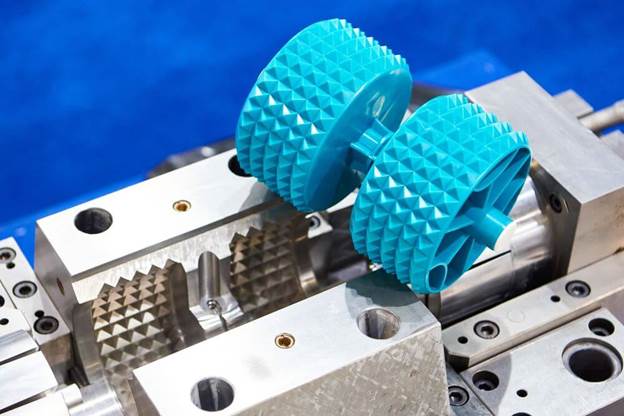
This article covers the concept of prototype injection molding in a simple and easy to understand manner. You will be taught about the process, benefits, materials, applications, challenges, design considerations, costs and future trends.

Understanding Prototype Injection Molding

Prototype injection molding is a manufacturing method for plastic prototypes to be used for production before the scale production. It enables companies to evaluate the design, functionality and quality of a product, before it goes into production. It is a widely used method due to its speed, reliability and cost-effectiveness.

This involves using a specially-made mold into which molten plastic is poured to create a particular form. Production molds are typically more complex and expensive than the mold used for the prototypes. A part of the plastic is removed after it cools and hardens and examined for accuracy and performance.
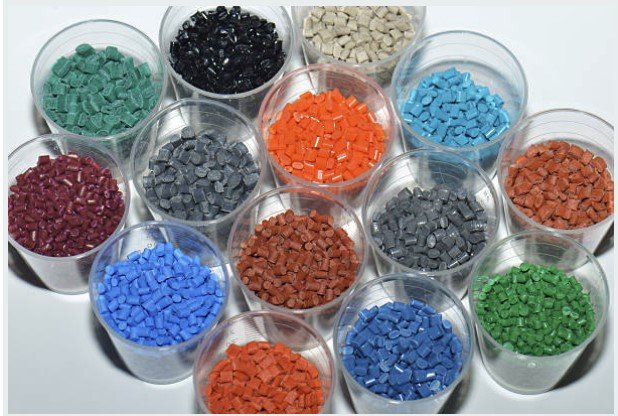
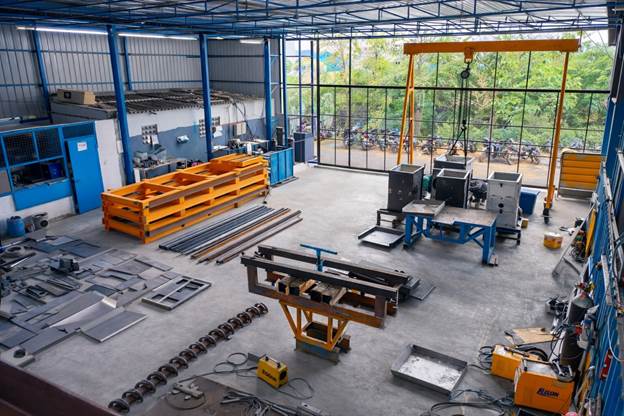
プロトタイプ射出成形:現代の製品開発のための完全ガイド

Prototype injection molded products offer manufacturers the opportunity to uncover design issues before it is time for mass production. When there is any problem, it can be rectified quickly without wasting considerable money or materials. This enhances product quality, and decreases the risk in production.

The other significant advantage is quick product development. They can create a sample in a few days and present it to clients, engineers or investors for approval. Various materials may also be tried to select the most durable and strong material.

In conclusion, prototype injection molding is a vital process in the modern manufacturing industry that empowers companies to develop superior products while minimizing time and expenses.

The Prototype Injection Molding Process Steps

Several steps are important in the process of prototype injection molding. Every step is important in the process of producing accurate, functional prototype parts.

製品デザイン

The first step in developing the injection mold prototype is to make a product design. The computer-aided design (CAD) software is used by engineers to design a detailed 3-D model of the part. Dimensions, wall thickness, surface details and functional features are included in the design.

The success of the injection molding prototype production is enhanced by a well-designed model. The engineer needs to make sure the design will allow for the smooth flow of material and easy mold release.

Mold Creation

Once the design is finished, the manufacturers will make a mold for prototype plastic injection molding. Aluminum is generally the material used for prototype molds as it is easier and quicker to machine.

The mould is a shape that has a cavity similar to the desired product. In the process of injection molded prototypes production, the liquid plastic is injected into this cavity to make the part.

素材の選択

Selecting an appropriate plastic material is a critical factor of prototype injection molding. Various plastics offer various characteristics, including flexibility, strength, heat resistance and transparency.

During the injection mold prototype production, the manufacturers will test several materials to choose the most suitable one for the final production.

Injection Process

In the injection molding prototype manufacturing, the plastic pellets are heated and melted. The molten plastic material is then injected into the mold cavity at a high pressure.

By doing this, prototype plastic injection molding can be used to produce highly detailed and precise parts. The molten plastic fills all the corners of the mold.

Cooling Stage

The plastic then cools inside the mould following injection. A key aspect of developing robust and solid injection molded prototypes is cooling.

Cooling time is dependent upon material type, wall thickness, and mold design. Warping and shrinkage are avoided due to appropriate cooling.

Part Removal

After cooling, the mold is opened and the product is taken out. If more parts are required, the prototype injection molding process is then repeated.

テストと評価

Engineers pay extra close attention to the injection mold prototype after production. They verify size, look, strength and usability.

In the process of testing, the company can make improvements on the injection molding prototype before mass production. Design changes can be achieved early, therefore the manufacturing cost is minimized later.

The flexibility of prototype plastic injection molding is suitable for the rapid development of products. Businesses can rapidly and effectively test several design variants.

As ‘injection molded prototypes’ are very similar to the actual parts manufactured, the manufacturer will acquire significant insights into the behavior of their products in the real world.

Table 1: Mechanical Properties of Common Prototype Injection Molded Materials

素材引張強さ (MPa)Flexural Modulus (GPa)衝撃強度 (kJ/m²)Heat Deflection Temp (°C)密度 (g/cm³)Water Absorption (%)
ABS40-502.0–2.515-3085–1001.040.2-0.5
PC60–752.2–2.660-90125–1401.200.15–0.35
PP25–401.2–1.85–1590-1100.90<0.03
Nylon 670–902.0–3.08–20170–2001.131.0-2.5
覗き見90-1003.5–4.520–35280–3151.30<0.1

The advantages of Prototype Injection Molding include

Prototype Injection Molding: A Complete Guide

Companies may use prototype injection molding for any number of reasons when developing a product.

Faster Product Development

The injection mold prototype manufacturing process has a great speed. Sample products can be easily developed and tested before production takes place.

Quick testing facilitates rapid improvements of products by businesses. The processes injection molding prototype are therefore very useful in competitive industries.

コスト削減

It can be a costly error to develop a product without testing. Prototype plastic injection molding is used to identify problems early on in the company.

Addressing design problems prior to mass production can save money. That is why injection molded prototypes is the most popular method used.

Better Product Quality

Prototyping helps to create a better product. The decision regarding strength, durability, fit, and appearance can be made during prototype injection molding.

There is a relationship between the quality of a product and the quality of testing done. Businesses that are employing injection mold prototype service will generally end up with better products.

Material Testing

Materials will have various reactions to the manufacturing process. In the case of plastic, manufacturers can test out various plastic materials through Injection molding prototype methods.

This versatility can be helpful when choosing the optimal material to ensure performance and durability in prototype plastic injection molding.

Accurate Results

The injection molded prototypes are very similar to end-of-production parts, unlike some quick manufacturing techniques.

The accuracy enables engineers to make informed design decisions in prototype injection molding.

Reduced Manufacturing Risks

Testing products early helps companies minimize production risks. Testing performed on the Injection mold prototype can find weak points and manufacturing problems.

In the industries where safety and reliability are the main concern, it is important to reduce risks.

Improved Communication

Physical prototypes have a positive effect on communication amongst engineers, manufacturers and customers. Injection molding prototype samples enable everyone to have a better understanding of the final product.

This is helpful for teamwork and customer acceptance due to the value of prototype plastic injection molding.

Faster Market Entry

The firms which use injection molded prototypes are able to launch products quicker. Having a quick turnaround in product development is essential for businesses to remain competitive.

Often prototype injection molding is able to give the company a significant edge in the market.

Materials used in Prototype Injection Molding

プロトタイプ射出成形:現代の製品開発のための完全ガイド

One of the key points in prototype injection molding is material selection. Various plastic materials have various properties.

ABSプラスチック

Strong, tough and inexpensive, ABS is commonly used in the manufacturing of injection mold prototype.

It is widely used for automotive components, electronic enclosures and consumer goods.

ポリプロピレン

Another widely used material for the production of injection molding prototype is polypropylene. It is flexible, resistant to chemicals and lightweight.

Polypropylene is used in many packaging and household products.

ポリカーボネート

Polycarbonate is a material with a very high impact resistance and transparency. This material is commonly employed in prototype plastic injection molding to make protective covers and medical products.

ナイロン

It is nylon which gives good resistance to wear and strength. Nylon is used in the manufacture of injection molded prototypes that are widely used in industry and in the automotive sector.

ポリエチレン

Polyethylene is flexible, long lasting, and water proof. Used in prototype injection molding often in the packaging sector.

Acrylic

Acrylic is a material that has good transparency and weather resistance. It is employed in injection mold prototype use by manufacturers, where the appearance of the product is important.

TPU

A flexible plastic called TPU is used in the products that need elasticity and toughness, which are called injection molding prototype.

Custom Materials

There are certain companies that require specialized materials that are known as prototype plastic injection molding. The materials could be flaming retardant, UV resistant, or medical grade plastic.

Pre-production injection molded prototypes are tested to verify that the materials will meet the product requirements prior to production.

Table 2: Technical Processing Parameters for Prototype Injection Molding

素材タイプ溶融温度 (°C)Mold Temperature (°C)射出圧力 (MPa)Cooling Time (sec)収縮率(%)Typical Cycle Time (sec)
ABS220-26040-8070-12015-300.4-0.725–60
ポリプロピレン(PP)200–25020-7050–10010–251.0-2.520-50
ポリカーボネート(PC)280–32080–12080–14020–400.5-0.735–70
Nylon (PA6)230–29070–10075–12518–350.7–1.530–65
覗き見360–400120–160100–16040-901.1–1.380–140

Prototype Injection Molding applications include

 Prototype injection molding is used in many industries around the world.

自動車産業

Injection mold prototype manufacturing is a key technology in the automotive industry. Prototype is used in companies for dashboards, clips, handles, housings and interior parts.

Testing aids in the enhancement of vehicle safety and durability.

医療業界

To make prototype devices and equipment, medical companies employ injection molding prototype methods.

The prototype plastic injection molding is of great value due to its high precision in medical products.

エレクトロニクス産業

Phone casings, connectors, housings and device parts are produced by electronic firms with injection molded prototypes.

The process enables manufacturers to run that functionality tests prior to production.

消費者製品

 Prototype injection molding is used to make many household products. This may be something like kitchen utensils, toys, containers, or personal care items.

Aerospace Industry

The aerospace industry employs injection mold prototype solutions to prototype for lightweight, durable parts.

In aerospace applications safety testing is particularly important.

包装業界

The application of injection molding prototype development is used by packaging companies to develop bottle caps, containers, and packaging accessories.

産業機器

The prototype plastic injection molding is used in factories and machinery manufacturers to create mechanical components.

Medical Packaging

For sterile packaging and healthcare containers, the term Injection molded prototypes is also applied.

The applications demonstrate that prototype injection molding is very useful in many industries.

Differences Between Prototype and Production Injection Molding

Although prototype injection molding and production injection molding are similar, they have several differences.

生産量

The manufacturing of Injection mold prototype is based on low-volume production. Production molding is done to produce thousands or millions of parts.

金型材料

Typically prototype molds are produced from aluminum. Hardened steel is commonly used for the production molds.

As a result, the difference between the two is that injection molding prototype tooling is faster and cheaper.

コスト

Generally, the cost of prototype plastic injection molding is lower due to the relatively simpler prototype molds.

Speed

Prototyping can be done quickly by the manufacturers to produce injection molded prototypes . More time to create production tooling.

Purpose

The main usage of prototype injection molding is test and evaluation. Production molding is mainly related to mass production.

Design Changes

It is convenient to make design changes in Injection mold prototype processes. Modifying production tooling is more complex.

柔軟性

The use of Injection molding prototype development for material testing and material experiment design.

When it comes to production molding, consistency and efficiency are the priorities.

Risk Reduction

The prototype plastic injection molding process can be used prior to production to minimize manufacturing risks.

Test can be used to enhance product quality.

Accuracy

In today’s world, the injection molded prototypes will give you highly accurate results that would compare to your final product.

This makes prototype injection molding very useful in the product development process.

Table 3: CNC Machined Prototype Mold vs Aluminum Prototype Mold

プロパティCNC Steel MoldAluminum Prototype Mold
Average Tool Life100,000+ cycles5,000–20,000 cycles
Thermal Conductivity25–35 W/mK120–180 W/mK
Machining Time2–6 weeks5–10 days
金型費用高いMedium
Surface Finish Quality素晴らしいVery Good
寸法安定性非常に高い中程度
Recommended Production VolumeMedium to HighLow to Medium
Hardness48–52 HRC70–95 HB

Design considerations for prototype injection molding

プロトタイプ射出成形:現代の製品開発のための完全ガイド

The key factor in successful prototype injection molding is good product design.

壁厚

The uniform wall thickness will help in material flow during injection mold prototype manufacturing.

The warping and defects are caused due to the uneven wall.

ドラフト角度

Angles that are created in the draft eliminates parts from the mold during injection molding prototype production.

If the correct draft angles are not provided parts can become stuck in the mold.

Material Shrinkage

The shrinkages of various plastics are different in the process of prototype plastic injection molding .

Shrinkage has to be taken into account when designing a product.

Gate Location

The placement of the gates has an impact on the inflow of plastic into the mold. The quality of injection molded prototypes is enhanced by the proper design of the gate.

リブ・デザイン

A rib is used to reinforce products without adding more wall thickness to them.

Good rib design for prototype injection molding.

表面仕上げ

Some products need to be smooth and some need to be textured.

The appearance of injection mold prototype is influenced by the surface design.

Tolerance Requirements

Precise dimensions are important in injection molding prototype manufacturing.

Engineers need to take care to establish tolerances.

排気

In the course of so-called prototype plastic injection molding, air that remains in the mold can lead to defects.

Air can be released through proper venting.

Cooling Design

Quality of injection molded prototypes and cycle time are improved through efficient cooling.

The prototype injection molding project can be more successful due to good design practices.

Table 4: Mold Design Engineering Specifications

パラメータRecommended ValueEngineering Purpose
Draft Angle1°–3° per sideEasier part ejection
壁厚1.0–4.0 mmPrevent sink marks and warpage
Gate Diameter0.8–2.5 mmControls material flow
Vent Depth0.01–0.05 mmRemoves trapped air
Ejector Pin Diameter2-10 mmSupports smooth ejection
Runner Diameter3–8 mmMaintains balanced flow
表面仕上げSPI A1 to D3Controls appearance quality
Mold Steel Hardness28–52 HRCImproves mold life

Challenges in Prototype Injection Molding

While there are many advantages to prototype injection molding, there are also some drawbacks.

Tooling Costs

Even after creating the molds, an investment is still necessary to make injection mold prototype manufacturing.

The more complex the molds, the higher the development costs.

材料の制限

The injection molding prototype production process is sometimes difficult to process some materials.

Manufacturers need to choose materials judiciously.

デザインの複雑さ

 Prototype plastic injection molding can be challenging in the case of complex product shapes.

Engineers tend to streamline designs to make them easier to manufacture.

収縮と反り

Plastic materials can shrink or warp when they are cooled.

This influences the accuracy of the injection molded prototypes.

生産時間

Faster than production tooling, prototype injection molding does still take time for the mold to be made.

Mold Durability

Prototype molds may wear out quicker than production molds.

This can restrict the production quantity of injection mold prototype.

表面欠陥

The in-production injection molding prototype process may cause products to be affected by sink marks, flash, or flow lines.

Material Waste

During prototype plastic injection molding, there is some generating of waste.

Process optimization is a goal of manufacturers for minimizing waste.

技術的専門知識

The key to successful injection molded prototypes is experience with the engineers and mold designers.

Despite these difficulties, prototype injection molding is still very useful in today’s product development process.

Table 5: Quality Defect Analysis in Prototype Injection Molding

Defect TypeMain CauseEngineering SolutionTypical Tolerance Impact
シンクマークThick wall sectionsReduce wall thickness±0.15 mm
反りUneven coolingOptimize cooling channels±0.30 mm
フラッシュExcessive pressureReduce clamp force±0.10 mm
Short ShotLow injection pressureIncrease pressure and venting±0.25 mm
溶接ラインImproper flow meetingModify gate locationCosmetic defect only
火傷の跡Trapped gas overheatingImprove venting systemSurface degradation

Future Trends in Prototype Injection Molding

The prospects for prototype injection molding are excellent.

オートメーション

Efficiency of injection mold prototype manufacturing is enhanced by automation.

Robotic Systems help to minimize production time and labor costs.

スマート・マニュファクチャリング

The injection molding prototype quality control is enhanced by digital monitoring systems.

The production data can be tracked in real time for the manufacturers.

サステイナブル素材

In the prototype plastic injection molding industry, eco-friendly plastics come in more and more.

The companies are working on minimizing environmental footprint.

Faster Tooling Methods

The production speed of injection molded prototypes has been improved by advanced machining technologies.

This means quicker product development.

Artificial Intelligence

The use of AI systems enables optimization of prototype injection molding processes.

AI enhances quality and minimizes defects.

Advanced Simulation

The engineers use simulation software to predict the behavior of the materials when they are being produced with injection mold prototype.

This helps to make designs more accurate.

Hybrid Manufacturing

Some companies take advantage of the injection molding prototype methods and 3D printing at the same time.

This provides more flexible development solutions.

Improved Materials

The possibilities of prototype plastic injection molding are growing as a result of the development of new materials.

There are now tougher, lighter plastics available for manufacturers.

Global Manufacturing Growth

The worldwide demand for injection molded prototypes is still increasing.

The growth of industries will make prototype injection molding a vital manufacturing solution in the future.

結論

Prototype 射出成形 has emerged as one of the most significant manufacturing techniques in today’s product design. It enables firms to prototype products in a timely manner, validate design and minimize manufacturing risks prior to going into large-scale production.

In many industries, injection mold prototype solutions are the backbone of businesses to enhance product quality and accelerate product launches. Prototype testing aids companies in creating better products, whether they are producing automotive components, medical devices, electronics, or consumer goods.

The prototype plastic injection molding has one significant benefit that is one of the sample parts injection moulding with high accuracy can be produced. These prototypes are more representative of the final products for more reliable testing.

Today the injection molded prototypes are still used for innovation and effectiveness for modern industries. Prototype processes are now faster, smarter and more sustainable with the advances in manufacturing technology.

With the rising demand of high-quality products, prototype injection molding values are becoming more and more significant than ever. Businesses that invest in a robust prototyping process may find that their success in the market and customer satisfaction is greater.

 prototype injection molding will undoubtedly be a huge cornerstone of world manufacturing in the years to come.

2026年5月19日/0 コメント/作成者: 記事作成者
https://plas.co/wp-content/uploads/2026/05/rapid-injection-molding-machine.webp 408 612 記事作成者 http://plas.co/wp-content/uploads/2023/02/plas-co-1.jpg 記事作成者2026-05-19 21:56:312026-06-15 18:06:03プロトタイプ射出成形:現代の製品開発のための完全ガイド
射出成形プラスチック, 射出成形

アルミニウム射出成形金型:コスト、メリット、用途の完全ガイド

アルミニウム射出成形金型

アルミ射出成形金型は、そのスピード、効率、手頃な価格により、今日の製造業において重要な役割を担っている。より速い生産サイクルとデザインの柔軟性が求められる中、産業界はアルミ金型の有用性を見出している。プラスチック部品は、溶融したプラスチック材料を精密に作られたキャビティに注入することで作られ、プラスチック材料は冷却されながらキャビティの形状になります。アルミ金型は、鋼鉄金型に比べてリードタイムがはるかに短く、機械加工が容易で、重量も大幅に軽い。試作品や中・少量生産に最適です。アプリケーションを構築する時間を節約し、ルーチンが高品質で開発されることを保証するので、これは企業にとって好ましい方法です。技術の向上に伴い、アルミニウム射出成形金型の用途は、自動車、医療、電子機器、消費財などさまざまな業界で急速に拡大しています。.

アルミ射出成形金型とは?

アルミ射出成形金型は、プラスチック部品を成形するための金型である。鉄ではなくアルミニウムでできている。プラスチックは溶かされ、金型の空洞に注入される。材料が冷えると、金型の形状が再現される。冷却後、最終製品が取り出される。生産工程で何度も繰り返される。最大の利点は、プラスチックのような他の材料よりも速く冷却し、速く生産することです。最も重要な利点は、素早く冷却し、プラスチック材料よりも早く生産することです。だから今日、アルミ射出成形金型が使われているのです。.

射出成形におけるアルミニウム金型の仕組み

アルミニウム 射出成形金型 には特定の手順が必要であり、かなり効率的である。どの工程も他の工程に依存しており、高品質のプラスチック部品を迅速かつ確実に生産するために極めて重要である。.

ステップ1:材料の選択と準備

最初にすべきことは、適切なプラスチックを選ぶことだ。ABS、ポリプロピレン、ポリエチレンなどが代表的な素材だ。強度、柔軟性、耐熱性など、さまざまな特性を持つ素材がある。これは通常、機械上部のホッパーにペレット状で供給される。使用前の材料は清潔で乾燥した状態でなければならず、そうでなければ水分が製品に欠陥を生じさせる可能性がある。.

ステップ2:プラスチックを機械に投入する

その後、金型がセットアップされ、プラスチックペレットが射出成形機に入れられる。これらはホッパーに投入され、バレル内で加熱される。バレル内で回転するスクリューがプラスチックを押し進める。動いている間、材料は加熱され始め、材料を溶かし始める。.

ステップ 3: プラスチックを溶かす

スクリューから発生する熱と圧力が、バレル内のプラスチックを溶かす。時間が経つにつれて、固形のペレットはゆっくりと「溶融プラスチック」として知られる厚い物質に変換されます。ここで温度をコントロールすることが非常に重要である。熱すぎると材料にダメージを与え、冷たすぎると溶融に問題が生じる可能性がある。.

ステップ4:アルミ型への注入

完全に溶解すると、プラスチックが注入される。スクリューは押されることで高い圧力を発生させる。溶けたプラスチックは、ノズルの助けを借りてアルミ射出成形金型に押し込まれる。金型キャビティの形状は、正確な結果を得るために、生産される製品の形状によって決定される。.

ステップ5:金型の空洞を埋める

プラスチックを溶かして型に流し込み、すべてのスペースを完全に埋める。すべての情報と形を埋め、すべての形を完全に作る。気泡や空洞を防ぐために、適切な圧力をかけます。この工程は非常に重要であり、そうしないと製品に欠陥が生じるからである。.

ステップ5:金型の空洞を埋める

充填後、冷却プロセスが始まる。アルミニウムは熱伝導率が非常に高いため、プラスチックは急速に冷却される。冷却溝を使うことで温度を一定に保つ。プラスチックが冷えるにつれて固まり、金型の形状が作られる。金属が冷えれば冷えるほど、このサイクルは早くなり、生産も早くなる。.

ステップ 7: 型開き

プラスチック材料が完全に固まったら、金型をプラスチックから慎重にゆっくりと外す。これは金型に傷がつかないようにするためである。この段階で金型は2つの部分からなり、分離します。部品が成形されると、金型から簡単に排出される。この工程は非常に時間がかかる。製品が曲がったり、形が崩れたりする可能性があるため、金型を早く開けすぎないことが重要だ。メーカーが金型を開ける前に必ず行うのは、プラスチックが固まるまで待つことだ。.

ステップ8:完成品の排出

部品が成形されると、エジェクターピンが作用して成形品を金型から排出します。慎重に部品を取り出す。その後、次の手順のために取り出される。うまく設計された排出システムがあれば、表面に跡や欠陥は残りません。.

ステップ9:検査と仕上げ

工場から搬出された後、品質チェックが行われる。メーカーは、形状不良、気泡、亀裂がないかを検査する。必要に応じて、いくつかの仕上げ(切断や平滑化)が行われます(マイナー)。アルミ金型は表面品質が良く、一般的に仕上げは最小限で済みます。.

ステップ10:サイクルを繰り返す

金型を閉じると、金型が排出され、このサイクルが繰り返される。これにより、一品生産から大量生産まで、部品の生産が可能になる。アルミニウムの冷却が速くなるとサイクルタイムが短縮されるため、工程が効率化され、生産コストの削減につながります。.

スチール金型ではなくアルミ金型を選ぶ理由

アルミ金型とスチール金型を比較したことがある人は少なくないだろう。鋼鉄の金型は高価で、時間がかかり、作るのが難しい。アルミ金型に比べれば、早く、安く、簡単に改造できる。これらはテストや短期間での生産に最適です。現代の産業では、このように、アルミ射出成形金型を使用することをお勧めします。.

アルミニウム射出成形の主な利点

アルミ射出成形金型の最大の利点はスピードである。アルミは冷却速度が速いため、鉄に比べて生産時間が短縮されます。もう一つの大きな利点はコストです!アルミ射出成形金型のコストは、鋼製金型のコストに比べてはるかに低く、コスト削減プロセスで企業を支援することができます。さらに、デザインに変更があった場合、アルミ金型は簡単に交換することができます。また、優れた表面仕上げを提供するため、製品の品質を向上させることができます。.

アルミニウム射出成形金型コストの理解

アルミニウム射出成形金型の価格は、いくつかの要因によって決定することができます。金型が大きければ大きいほど、より多くの材料が必要になるため、金型のサイズは重要です。コストはまた、金型の設計によって影響されます:シンプルな金型は複雑な金型よりも安価です。また、キャビティの数も重要です。複数のキャビティがある金型はコストが高くなりますが、より多くの部品を作ることができます。これらの費用にもかかわらず、アルミ金型はスチール金型よりも費用対効果が高いのです。.

アルミニウム射出成形金型を使用する場合

アルミ金型は少量から中量の生産に最適です。試作や製品のテストに最適です。これらは一般的に、製品を迅速に販売したい企業や、製品の設計変更を行わなければならないと考えている企業が使用します。生産用のスチール金型が必要な場合は、スチール金型の方が耐久性が高いため、アルミ金型よりも適している場合があります。しかし、ほとんどのプロジェクトでは、射出成形用のアルミ金型を効果的に使用することができます。.

アルミニウム射出成形金型を使用する産業

アルミニウム射出成形金型は、多くの産業で生産に使用されている。自動車産業では部品のテストに採用されている。また、医療分野でも機器の開発に応用されている。エレクトロニクス企業では、スピーディーな製品製造のために採用されている。消費財や家庭用品の包装にも利用されている。かなり柔軟性があり、多くの方法で使用することができる。.

アルミニウム射出成形に使用される材料

製品の種類や要求性能によっては、アルミニウム射出成形金型に他のプラスチック材料を使用することもできます。材料は、強度、柔軟性、耐久性、耐熱性など、さまざまな特性を持つことができます。製品の品質は、材料の選択によって大きく左右されます。.

一般的な使用材料

ABS(アクリロニトリル・ブタジエン・スチレン): ABSは、様々な産業で使用されている高衝撃性、高強度プラスチックです。その耐久性と靭性から非常に人気がある。電子機器筐体、玩具、車両部品などに使用されている。かなりの強度と剛性を持っているので、毎日使うものにはとても強い。.

  • ポリプロピレン(PP): 柔らかく、低コストで柔軟なプラスチックである。耐薬品性があり、様々な用途に適している。包装、貯蔵容器、消費者製品に広く使用されている。また、非常に軽量で成形が容易なため、大量生産に適している。.
  • ポリエチレン(PE): ポリエチレンは強靭で耐久性に優れたプラスチックである。包装用フィルム、ペットボトル、パイプなどに使用される。ポリエチレンは、低温で効果を発揮することが主な利点のひとつです。そのため、工業用にも家庭用にも最適です。.
  • ナイロン(ポリアミド): エンジニアリングプラスチック。熱に強く、長持ちする。機械部品及び産業部品で使用される。.

ポリカーボネート(PC)のような非常に耐久性のある透明プラスチック。耐衝撃性に優れているため、レンズや保護カバー、安全装置などに使用される。.

アルミニウム射出成形の限界

アルミ射出成形金型には多くの利点があるが、欠点もある。鉄製金型ほど耐久性がなく、消耗が早い。非常に複雑な製品や非常に高い圧力(HP)にはお勧めできません。しかし、ほとんどの用途ではこのような欠点はなく、メリットの方が多い。アルミは表面品質が良いものを使用する必要があり、長時間の使用では経時的な影響を受ける可能性がある。また、スチールよりも傷がつきやすい。そのため、アルミの使用は主に低・中レベルの生産に限られます。しかし、プロトタイプやテストには非常に有効です。.

アルミ射出成形金型コスト削減のヒント

アルミ射出成形金型のコスト削減が可能。シンプルなデザインで加工時間を短縮。また、標準部品のコストを下げることができます。不要な機能を一掃すれば、時間とコストの節約につながります。また、経験豊富なメーカーに依頼すれば、より効率的な工程に改善することも可能です。生産のために設計する場合、重要なヒントは、生産開始前に設計プロセスを完了させることです。その後に設計変更を行うと、費用が高くなる可能性がある。もう1つの重要な要素は、製品要件に適した材料を使用することである。適切な準備さえすれば、全体の予算は常に減少する。.

アルミ射出成形金型とスチール金型の比較

生産ニーズに応じて、アルミ金型とスチール金型のそれぞれが選択される。アルミ金型は、様々な種類の金型の中で最も速く、最も安価です。スチール金型は耐久性に優れ、生産期間が長く、長持ちします。アルミ金型はスチール金型よりも安価で強度が高いが、機械加工が容易で軽く、製造に時間がかかる。.

アルミ金型は作りやすく、品質も優れているため、市場テスト用金型として最適です。スチール金型は、数百万個の部品を生産する大量生産に適しています。柔軟性とスピードが重要な場合は、アルミニウムの使用が適しています。長寿命が望まれる場合は、スチールが適しています。.

設計上の考慮事項

アルミ射出成形金型の設計は重要な役割を果たす。シンプルな設計がベストです。良い肉厚では、その強度は冷却に依存する。部品を取り出しやすくするための角度。冷却水路の設計は、より効率的にする。良い金型はミスを最小限に抑え、製品の品質を高めます。また、パーツを作る時の金型のストレスを最小限に抑えることができます。スムーズな流路でヘアピンターンやエアトラップ、亀裂の発生を防ぎます。エンジニアは常にコスト、スピード、強度を見極めなければなりません。金型の寿命と性能は、適切な設計によって向上します。.

生産スピードと効率

アルミ金型は高速で作られる。アルミは鉄よりも早くプラスチックを冷却するため、サイクルタイムが短縮されるからだ。これにより、生産性と効率が向上します。より速い生産はまた、企業が納期を守り、利益を高めるのを助けます。多くの場合、サイクルタイムは大幅に短縮できます。これは、短い生産時間で部品数を増やすことにつながる。また、各部品のエネルギー使用量を削減することもできる。急成長している産業で射出成形用金型にアルミ金型が広く使われているのは、それが優れた選択肢だからです。.

メンテナンスと寿命

アルミ射出成形金型はメンテナンスが必要です。グリスやクリーナーを定期的に使用することで、部品の寿命を延ばすことができる。何千もの部品を作るために使用することができ、スチール金型ほどの耐久性はありません。低~中程度の生産量に最適です。使用しないときは、金型を正しく保管する必要があります。湿気やほこりは、表面を保つのに役立ちます。点検は初期の摩耗を助け、抑制します。正しく使用すれば長持ちします。.

環境面でのメリット

アルミ金型は環境へのダメージが少ない。生産・操業エネルギーも少なくて済みます。また、アルミニウムはリサイクル可能で、持続可能です!さらに、生産量の増加はエネルギー使用量の削減にもつながります。環境に配慮した製造業に適しています。エネルギー消費の削減は、カーボンフットプリントの削減につながります。もうひとつの利点は、アルミニウムをリサイクルする際に、産業廃棄物の発生が少なくなることです。これは、現代の持続可能な生産システムの付加価値です。.

一般的なアプリケーション

アルミ射出成形金型はさまざまな産業で使用されている。自動車産業ではプロトタイプとして使用されます。医療分野では器具の製作に使われています。評判が高く、エレクトロニクス企業でスピーディーな製造に採用されています。消費財メーカーで消費財の製造に利用されている。また、包装、家庭用、工業用アプリケーションにも応用されている。汎用性が高いため、中小規模のプロジェクトでも使用できる。多くの新興企業にとっては、製品発表のテストに適した選択肢である。これは、今日の市場において、より大きな価値を与えている。.

課題

アルミ型にはいくつかの問題がある。スチールほど長持ちせず、磨耗や破損の可能性がある。大量生産には向かない。しかし、適切な設計と使用により、これらの問題は最小限に抑えることができる。他には、高圧での強度が弱く、防水性がない。非常に複雑な設計の場合、時間の経過とともに性能が低下する可能性がある。しかし、全体的に見れば、一般的な使用ケースでは十分な性能を発揮できる。メンテナンスも容易で、適切に使用すれば非常に効果的な性能を発揮する。.

最終的な感想

時代はアルミニウム射出成形のためのインテリジェントで効率的な生産方法です。迅速性、汎用性、節約を提供します。迅速な製品開発、少量生産、試作品に最適です。アルミニウムの低価格 射出成形金型 そのため、新興企業や規模を拡大するビジネスにも手頃な価格で提供できる。一方、性能も申し分なく、巨大な産業でも活用できる。これらすべての利点と欠点が彼らのビジネスに知られているため、彼らはその利点を最大限に活用することができます。技術の発展に伴い、将来の生産に与える影響は、アルミ金型にさらに大きくなるだろう。.

よくある質問

アルミニウム射出成形金型とは何ですか?

アルミニウム射出成形は、プラスチック製品を作るために形状キャビティに軟化したプラスチックを注入するために利用することができるプレスです。アルミ射出成形の重要性は、短時間での生産、生産コストの削減、高品質な製品の生産を可能にすることです。プロトタイピングや、短期間での生産におけるスピードと柔軟性の要求のために好んで使用される材料であり、様々な産業で使用されている。.

アルミ射出成形金型の価格に影響を与える要因は何ですか?

アルミニウム射出成形金型のコストに影響を与える可能性のある様々な要因には、金型のサイズ、金型設計の複雑さ、金型の数、金型材料の種類が含まれます。価格は金型の複雑さによって異なり、単純な金型は複雑な金型よりも安価になります。また、生産数や完成品の仕様によっても価格は異なります。.

射出成形において、なぜアルミ金型はスチール金型よりも速く使用できるのですか?

アルミの導電率は高いので、射出成形に使用されるアルミタイプの金型は高速です。熱伝導率が高いため、金型キャビティ内でプラスチックが素早く冷却されます。そのため、サイクルタイムが短縮されるだけでなく、生産速度も速くなり、効率的です。.

アルミ射出成形金型とスチール成形金型、どちらを選ぶ?

アルミ射出成形金型は、生産スピード、低コスト、設計の柔軟性という点で考慮すべき良い選択肢です。試作やテスト、少量から中量の生産に使用できる。多くの製品を作る場合でも、スチール金型の方が長持ちするため、より効果的です。.

アルミ射出成形金型の良いところは何ですか?

アルミ射出成形金型の主な利点は以下の通りです:生産速度が速く、コストが安く、汎用性が高く、表面仕上げが良いことです。これらの利点により、効率的で柔軟な製造ソリューションを求める企業にとって、魅力的な選択肢となります。.

2026年5月15日/0 コメント/作成者: 記事作成者
https://plas.co/wp-content/uploads/2026/05/image-13.jpeg 361 601 記事作成者 http://plas.co/wp-content/uploads/2023/02/plas-co-1.jpg 記事作成者2026-05-15 00:48:272026-06-15 18:07:50アルミニウム射出成形金型:コスト、メリット、用途の完全ガイド
射出成形プラスチック, 射出成形

小ロットプラスチック射出成形:現代製造業のための完全情報ガイド

小ロットプラスチック射出成形

Short run plastic injection molding is an effective manufacturing technology that is employed to manufacture a few plastic parts. It is best suited to businesses, which do not require a lot of production, but would like to achieve high-quality outcomes. This technique is very popular in testing of products, prototyping and small-scale manufacturing.

This process is popular among many companies as it will ensure that there is less initial investment and flexibility. Businesses are able to produce smaller quantities and have better control as opposed to producing thousands of units. This renders short run injection molding to be viable in startups and companies in their growth phase.

What is Short Run Plastic Injection Molding?

In short run plastic injection molding, a few plastic parts are produced by applying the injection molding technology. It is normally associated with reduced volumes of production as opposed to the mass production. This is appropriate in projects which have to be completed within a short time, and a small amount. This is accomplished by producing a short run injection mold that is designed to efficiently make parts without the big tooling that would be required in long-term tooling. The design of these molds usually has shorter life-cycle which assists in cutting down costs generally without compromising on the quality of the product.

What a Short Run Injection Molding Works?

This starts with the designing of the product and designing of a mold. Engineers come up with a design, which satisfies the product specifications but at low production costs. Then the mold is produced out of such materials as aluminum or soft steel. After having prepared the mold, plastic material is melted and injected into the mold. The material solidifies and becomes the shape that is desired. The same is repeated to yield a low number of parts through short run plastic injection molding.

Benefits of Short Run Plastic Injection Molding

Plastic injection molding (Short run) has numerous benefits to the companies. It is an adaptable and affordable approach which facilitates innovations and quicker product development. The process enables companies to start with small productions but without investing a lot. It is also useful in testing their products prior to large scale production. Short run injection molding is less risky and decision making is enhanced.

Key Points

  • Reduced initial cost of tools.
  • Faster production time
  • Perfect when it comes to prototypes, and testing.
  • Reduced financial risk
  • Ability to change design.

Short Run Injection Moulding Cost

One of the most significant or important factors to businesses is cost. Small-scale production is usually cheaper than the large-scale production in terms of cost incurred in injection molding as the little tooling and set up is required. Nevertheless, its price per unit might be a bit more than a mass production. The reason behind this is that this fixed cost will be spread among a lesser number of parts. Nonetheless, with this amount, this technique is economical and feasible.

Key Points

  • Lower initial investment
  • Higher unit cost as compared to mass production.
  • Design and material of the mold would depend on the cost.
  • Suited to a low volume production.
  • Cost effective on minor projects.

Materials Used in Short Run Injection Molding

The use of various kinds of plastic materials varies in accordance to the needs of the product. Commonly used are ABS, polypropylene, polyethylene and polycarbonate. It has certain properties of each material which include strength, flexibility and heat resistance. The correct choice of the material is a factor of product performance. In short run injection molding of plastics, selection of the material assists in the attainment of the desired quality without going too high in terms of cost.

Applications of Short Run Plastic Injection Molding

It is flexible in various industries and is employed in this process. It is appropriate in projects which demand low amounts and high-speed production. Short run injection molding is used in industries such as the automotive industry, medical, electronics and consumer goods in prototyping and production of small production runs. It assists the businesses to fulfill the demand in the market without having to make substantial investments.

Key Points

  • Product prototyping
  • Medical device components
  • Automotive parts testing
  • Consumer product development
  • Low-volume production

Benefits of the 3D printing as compared to conventional production

Plastic injection molding can be used in short run mode which has a number of benefits over the conventional manufacturing techniques. It enables a quicker product development and simplifies a product design change. This technique does not involve huge commitments, as it is in the case of mass production. Companies have the capability to make small batches, and modify designs according to feedback. This renders short run injection molding a very flexible process.

Injection Mold Design considerations- Short Run

Design is one of the important factors of the successful production. Properly designed short run injection mold guarantees a seamless production process and the quality of the product. Engineers are concerned with simplicity and efficiency in order to save on the cost. A well-designed mold is also useful in enhancing the durability and performance of the mold in the production process.

Key Points

  • Clearly and straightforward design.
  • Proper material selection
  • Balanced mold structure
  • Less complicated to be less expensive.
  • Easy maintenance

Difficulties of short run injection molding

As much as this process has numerous advantages, there are a few challenges that come along with it. Higher unit cost can be experienced as a result of low volume of production. The durability of mold can also be reduced as opposed to long run molds. These issues can be overcome by proper planning and design. Through collaborating with experienced manufacturers, companies will have a greater success with short run plastic injection molding.

Selecting the proper Manufacturer

There is a great deal to do with picking the appropriate manufacturer. A manufacturer with a good reputation guarantees that there is quality, on time delivery and cost efficiency. The important ones in selecting a partner are experience and technology. An experienced short run injection moulding supplier would be able to streamline production, minimizing mistakes.

When to opt to use short run Plastic Injection Molding

The most suitable type of plastic injection molding would be short run plastic injection molding where the production volume is low and speed is a concern. It is effective when a startup is being launched, when testing a product or when launching a product with a small market. This technique is popular with businesses which wish to minimize risk. It can also be applied in cases where the designs of products are yet to be perfected. Companies can easily change performance and make any changes without investing in long-term injection molds, as a short run injection mold can be used to test the performance. This contributes towards the saving of time and money.

Key Points

  • Suited to a low volume production.
  • Good in product testing/prototyping.
  • Economical with start-ups and small-businesses.
  • Reduces financial risk
  • Helps develop designs fast.

Comparison with Long Run Injection Molding

Also very different is the short run injection molding of plastics as opposed to long run production. Large scale production with large quantities is done using long run molding. It has high-cost molds but has a lesser unit cost. Short run injection molding, on the other hand is concerned with limited numbers, which have less initial expenditure. The unit cost might be more expensive, but is more flexible and can be produced more quickly. This renders it to be appropriate in short term projects.

Tooling Options for Short Run Injection Mold

Tooling is one of the significant elements. Molds that are to be used in short run production are typically made out of aluminium or lighter steel. Less costly and expeditiously machineable are these materials. A short run injection mold is not meant to be used extensively and therefore, it does not require as long as production molds. This can be used to minimize the tooling cost and yet achieve a good quality to small batches.

Key Points

  • Cost saving aluminium moulds.
  • Reduced time of production of moulds.
  • Appropriate in the small production cycles.
  • Lower maintenance cost
  • Quick adjustments possible

Lead Time and Speed of production

The benefit of shorter lead time is one of the greatest of this method. Molds are also simpler to produce and low quantities of production result in parts that are produced in haste. This assists companies in adhering to deadlines, and in responding to the market need in a shorter time. With short run plastic injection molding, companies are able to introduce products within a short period as opposed to the traditional methods.

Part in Product Development

Increasingly, short run plastic injection molding is significant in the development of products. It enables companies to experiment with designs under the real-world conditions before it is taken to mass production. Companies can in this way create small batches to refer to feedback and enhance their products. This renders short run injection molding to be a useful innovation and development tool.

Key Points

  • Supports product testing
  • Assists in enhancing quality of the design.
  • Reduces development risk
  • Allows market feedback
  • Accelerates innovation of products.

Quality- Short Run Production

Although the volume of production is low, quality nevertheless should be ensured. The right design, choice of materials and control of the process is needed. Testing and inspection are done to provide uniformity to manufacturers. Short run プラスチック射出成形 can be done using high standards to give high quality results.

Cost Optimization Strategies

With clever choices in the design and production, businesses can minimize short run injection molding cost. Easy designs, correct choice of materials can contribute to reduction of costs. It also works with the experienced manufacturers which enhances efficiency. Cost optimization is to provide the improved results without any compromising of product quality.

Key Points

  • Simplify product design
  • Choose cost-effective materials
  • Optimize mold design
  • Collaborate with a team of competent manufacturers.
  • Minimise wastage and inaccuracies.

Environmental Advantages

Sustainable production can also be supported by the short run production. Manufacturing the exact number of products saves on wastage, and the unnecessary consumption of materials. The use of energy is also reduced as opposed to mass production. This renders the short run plastic injection molding, more eco-friendly in some situations.

Common Mistakes in Short Run Plastic Injection Molding

When short run production is initiated by many companies, they end up making a lot of mistakes. Mistakes that could be made include bad design of moulds. Otherwise, the short run injection mold may lead to defects and inconsistency of quality products, when it is not properly designed. The other error is that of selecting the inappropriate material. Spoilage of plastic of low quality or otherwise inappropriate can lead to more failures. Short run injection molding is very critical in proper planning to prevent wastage and re-work.

Importance of Proper Mold Maintenance

Although the molds are not used on long production cycles, maintenance is also considered even though the short run molds are used. Washing and good storage can assist in increasing the life of moulds and quality. A molded item can have issues with the surface finish and accuracy of products, unless a mold is kept. Scanning, routinely, guarantees a smooth operation in short run plastic injection molding ventures.

The use of Technology in Short Run Production

The short run manufacturing has been enhanced with the use of modern technology. The computer-aided design (CAD) and computer-assisted manufacturing (CAM) software can be used to create accurate molds. This minimizes mistakes, and enhances productivity. Less human error is also guaranteed by automated machines in ensuring consistency in production. This causes short run injection molding to be quicker, more precise and dependable than the conventional ones.

Short run injection molding Customization

Customization happens to be one of the largest benefits of this process. Changes of designs by businesses need not be greatly invested. This proves quite handy whereby alternative version of product needs to be tested. Quickly, a short run injection mold can be modified and hence the manufacturers can make product development improvements, based on customer feedback. It is flexible and helps in innovation and success in the market.

Supply Chain Benefits

Another way in which short run production enhances the supply chain management is through supply chain management. There is no need of companies to hold large inventories. They are able to generate just what is needed. This saves on storage cost and wastes. Businesses can be able to respond to market demand more quickly, and minimize the risk of overproduction using short run plastic injection molding.

Market Trends and Development of the industry

The need to produce in small scales and customized is on the rise. The companies are desiring quicker production and versatile manufacturing options. This is creating an expansion in short run injection molding towards the global markets. This practice is becoming a popular way of remaining competitive and innovative by more companies.

Outlook in short run plastic injection molding

The future of this process has a good prospect. With the growth in demand of customized products, there is an increasing number of companies, which use small-batch production methods. High technologies are enhancing productivity and decreasing the expenses. This will render short run plastic injection molding even more popular in the next couple of years.

Summary

Plastic injection molding (short run) is a convenient and versatile manufacturing process. It enables companies to make small amounts at a low initial investment and quicker turnaround. Through short run injection mold, companies are able to test products, make it better and eliminate risks prior to the large-scale production. The approach aids innovation and assists companies to react swiftly to any market changes.

について 小ロット射出成形 cost per unit might be more expensive, but it can be a worthwhile investment by most industries because of the overall benefits. It is particularly applicable in case of startups, product development and a limited production requirement. In the current dynamic market, short run plastic injection molding offers the flexibility and efficiency required in order to be successful.

よくある質問

What is the short run plastic injection molding?

It is a process employed in manufacturing a few plastic components that are cheaper to tool, and possess reduced time to manufacture.

What do we use short run injection molding?

It finds its primary application in prototyping, testing of the product and small-scale production in industries.

What is the cost of short run injection moulding?

The cost of short run injection molding is influenced by the design of the mold, the material and the number of the molds. It is normally less in the case of small projects.

In short run injection molding what materials do we use?

Some of the common materials used are ABS, polypropylene and polycarbonate based on the need of the product.

What does mean a short run injection mold?

It is a mold intended to be used to produce small production runs. It can be typically constructed with less expensive materials and has a reduced life span.

2026年5月3日/0 コメント/作成者: 記事作成者
https://plas.co/wp-content/uploads/2026/05/image-6.jpeg 361 601 記事作成者 http://plas.co/wp-content/uploads/2023/02/plas-co-1.jpg 記事作成者2026-05-03 18:01:172026-06-15 18:09:47小ロットプラスチック射出成形:現代製造業のための完全情報ガイド
射出成形

射出成形クリーンルーム:高精度製造への完全ガイド

射出成形クリーンルーム

現代の製造業で最も重要な技術の一つは射出成形クリーンルーム技術である。射出成形クリーンルーム技術は、製品の純度を極限まで高め、コンタミネーションを排除する必要がある場合に適用される。医療、製薬、エレクトロニクス、ヘルスケアなどの業界では、このプロセスを排除することはできません。.

通常の生産環境とは異なり、管理されたクリーンな空間が必要だ。これにより、最終製品に影響を与えるほこり、粒子、細菌がないことを確認することができます。クリーンルーム射出成形は、高水準の品質を保証するために多くの産業で使用されています。.

射出成形クリーンルームについて

射出成形用クリーンルームは、高度に清潔に管理された製造施設で、プラスチック部品の製造に使用されます。空気はクリーンで、温度調節が行われ、汚染は最小限に抑えられます。通常の成形とは全く異なるプロセスである。安全性と衛生面が重視される製品に適用される。これが、クリーンルーム射出成形サービスが主に医療や精密産業で求められている理由です。.

クリーンルーム射出成形はなぜ重要か?

繊細な製品は、クリーンな製造方法で製造されなければならない。たった一粒の粒子が性能や安全性に影響を及ぼす可能性があるからだ。管理された環境が適用されるのはこのためだ。ヘルスケアや医薬品などの製品に関しては、製品の純度が最も重要です。クリーンルームでの射出成形は、製品の安全性が国際基準や規制に適合していることを保証します。.

射出成形クリーンルームの仕組み

射出成形クリーンルームは、汚染のない環境を必要とする製品に採用される管理された生産です。クリーンルームは一般的に医療、製薬、電子分野で使用されています。製品の衛生、精度、安全性を確保するために、各工程は細心の注意を払って処理されます。.

ステップ1:原材料の選択と準備

それは、高品質で製品のニーズに合ったプラスチック素材を選ぶことから始まる。材料は通常ペレット状で、高純度でなければならない。ペレットは、ほこりや汚染を避けるために、使用前にキャップ付きの容器に保管される。これらはすべて、常に清潔に保たれるよう管理された環境で行われる。.

ステップ2:クリーンルームでの作業

準備後の材料はクリーンルームに移動される。この際、外気に触れないよう、密閉されたシステムやエアロックを使用する。このステップでは、作業員が厳しい衛生習慣を採用する。また、無菌環境を保つため、手袋、マスク、クリーンルーム用スーツなどの防護服を着用する。.

ステップ3:プラスチックが溶ける

プラスチックペレットは射出成形機で射出するためにクリーンルーム内で使用される。材料は加熱され、溶けて液状になる。この溶融は、一貫性が保たれるよう慎重にモニターされる。生産時の環境汚染を避けるため、クリーンで安定した環境が保たれている。.

ステップ4:金型への射出

プラスチックを溶かした後、正確に設計された金型に圧入する。これはすでにクリーンルーム内の金型に入っている。管理された条件下では、工程にほこりや粒子が入らないことも保証されます。これは、射出成形クリーンルームでの高品質生産に不可欠なステップです。.

ステップ5:冷却と固化

溶融プラスチックの射出が完了すると、プラスチックは金型内で冷却を開始する。冷却システムは、製品の形状の正確さと強度を保証するために適切に制御されている。材料が冷却されると硬くなり、金型のキャビティの正確な形状になります。この措置により、最終製品の精度と寿命が保証される。.

ステップ6:型開きと製品の取り外し

製品が完全に固まった後、金型は自動または手動(システムによる)で開く。完成した部分は削り取られる。このステップは、汚染されないように特別な配慮のもとに行われる。クリーンルーム環境は、製品が取り出された時点で無菌であることを確認する。.

ステップ7:チェックと品質管理

すべての製品は、搬出後に入念な検査を受ける。品質管理部門は、欠陥、汚染、製造上のミスを検査する。基準に達していない製品は、それ以上使用することはできません。これにより、射出成形のクリーンルーム生産が保証されます。.

ステップ8:梱包と保管

製品の包装は、無菌環境での最後の手順となる。特別な包装資材を使用することで、清潔さと安全性が確保される。製品はその後、管理された条件下で保管または出荷される。これにより、エンドユーザーが使用するまで汚染されることはありません。.

クリーンルームの分類レベル

クリーンルームは空気の質によって様々なクラスに分類される。空気中に含まれる粒子の数は、それぞれのレベルによって決められている。パーティクルの数が少なければ少ないほど清浄度が高いことを意味する。医療機器に使用されるクリーンルームは、高い清浄度が要求されます。これは、クリーンルーム射出成形の精度と安全性を保証します。.

Industries which employ cleanroom Injection Molding

Clean manufacturing processes are important to many industries. All industries have stringent standards on product hygiene and safety. It is used in medical industry as a syringe, implants and surgical instruments. It is used in sensitive parts in electronics industry. Cleanroom injection molding services are of great importance in these industries.

Medical Industry Applications

Medical is another sector that has the highest usage of cleanroom molding. The products should be sterile and fit to be used by humans. The controlled environment is used to manufacture items such as IV components, surgical instruments and diagnostic tools. This guarantees the high level of safety in injecting molding of the clean rooms.

Electronics Industry Applications

Dust and contaminations are very sensitive to electronic components. Damaging performance can be done by even small particles. The reliability and durability are guaranteed by cleanroom production. It assists in creating micro-elements and accuracy devices with the help of injection molding cleanroom.

Advantages of Cleanroom Injection Molding

Manufacturers and industries have numerous benefits with this process. It is safe, accurate and of high-quality production.

Key benefits include:

  • Good level of cleanliness.
  • Reduced contamination risk
  • Better product safety
  • High precision manufacturing
  • Meeting the industry standards.

All these advantages render cleanroom injection molding essential to the critical industries.

Materials Used in Cleanroom Molding

Depending on the needs of the products special materials are utilized. These are materials which have to be of high quality. Typical materials are plastics, of medical grade, and high-purity polymers. They guarantee cleanroom injection molding services which are safe.

Comparison of normal and cleanroom Molding

Normal molding in a normal factory atmosphere where there is no total control of air is done. The dust, particles and small impurities may be involved throughout the production. This is tolerable in the case of general plastic products, in which there is no need of high sterility. Cleanroom molding, however is done in a fully filtered and controlled setting. Air is constantly purified and any risk of contamination is kept to minimum. This renders it very appropriate to medical, pharmaceutical as well as electronic products.

The other major distinction is with regard to handling and hygiene control. Normal moulding gives an opportunity to have more people in the production. To ensure purity of products, cleanroom molding minimizes contact, and observes high safety standards.

Key Points

  • The open-air conditions at the factory are normal.
  • Cleanroom molding involves use of filtered and controlled air.
  • Increased risk of contamination of normal molding.
  • Stringent cleanroom hygienic regulations.
  • Sensitive and medical products are cleaned in cleanroom.

In Cleanroom Injection Molding, Equipment is Utilized

Cleanroom injection molding involves special equipment which is used to provide sterile environment. Machines are enclosed and are designed in such a way that they minimize the chances of contamination during manufacturing. To ensure that the air is kept clean at all times air filtration systems such as HEPA filters are employed. Temperature, and humidity are also regulated to ensure that everything is at constant. To prevent the entry of particles to the cleanroom, operators have protective clothing.

Key Equipment Points

  • Sealed high-precision molding machines with high precision.
  • Clean air HEPA air filters.
  • The units of temperature and humidity control.
  • Clean room protective clothes and gloves.
  • Controlled access airlocks.

All these tools and systems are combined to assist injection molding cleanroom requirements and production quality to remain high and contamination free.

Cleanroom Production of Quality Control

There is high level of quality control in clean rooms. All products are checked at the correctness and safety. The inspection procedures make sure that none of the defective or contaminated products are discharged. This is one of the important components of cleanroom injection molding services.

Cleanroom Injection Molding price

More costly than regular molding, this procedure is involved. This is due to sophisticated machines and test conditions. Nevertheless, the price is compensated by quality and safety of the products. Precision-based industries opt to use cleanroom injection molding although it is expensive.

Injection Molding Cleanroom Problems

Despite being very successful, there are challenges of this process. Strict rules and monitoring of the environment are needed to maintain a controlled environment. Challenges are high costs of operation and technical needs. Nonetheless cleanroom injecting molding is still used in the critical applications of industries.

Standards and Compliance Requirements of Cleanrooms

Cleanroom injection molding is based on the strict international standards in order to guarantee the safety of products and their consistency. These criteria indicate the level of cleanliness that the environment should be and the level of control in production. The facilities should have common checks on the quality of air, temperature and humidity. Even the minimal contamination risks have to be controlled. This is necessary to industries which have critical products that are injected in a cleanroom.

Air Filtration and Control of the environment

The most significant aspect in cleanroom manufacturing is air quality. Dust, particles and bacteria are removed by the use of special HEPA and ULPA filters to clean the air. Humidity and temperature are also kept at a low level. The stable conditions also aid in ensuring that there is no contamination of a product during the cleanroom production of injection molding. This will avoid flaws and pollution.

Safety and Hygiene measures of the operators

Cleanroom workers have to abide by stringent hygiene regulations. To avoid contamination, they put on special suits, gloves, masks as well as shoe covers. Air showers and cleaning processes are implemented on operators prior to getting into the production area. These measures guarantee safe injecting molding activities in the cleanroom, without the introduction of external particles.

Automation Cleanroom injection molding

In cleanroom production, automation has a significant role to play in the contemporary world. Most of the production process is done by machines and there is minimum human contact. This minimizes risk of contamination and boosts efficiency. The cleanroom injection molding services are also enhanced by automated systems particularly in high volume production.

Precision and Accuracy in making

The cleanroom is a facility that is developed to produce very precise manufacturing. The slightest mistakes can have an impact on the safety and performance of products. The use of advanced machinery makes every part to be specific to the specifications. Such accuracy is among the primary reasons why industries would choose cleanroom injection molding to sensitive applications.

Cleanroom Facility cleaning

To maintain cleanroom environments, regular maintenance is needed. Air systems, filters and machines should be periodically checked. The smallest failure can have an impact on the product quality. Clean injection molding cleanrooms are properly maintained to guarantee a smooth operation and reliability.

Cleanroom Systems – Energy Efficiency

Advanced systems that use energy are necessitated in cleanroom facilities. But with the new technology we have in use energy consumption is being minimized. The effectiveness of machines and intelligent systems is enhancing sustainability. This assists in minimizing the cost of operation in the clean room injection molding service whilst still producing high quality.

Cleanroom Injection Molding Demand all over the world

Cleanroom manufacturing is on the upswing throughout the world. Industries are prioritizing on safety, hygiene and precision. The high medical and electronics industries of these countries are also investing on cleanroom injecting molding technologies in order to support the increased demands.

Cleanroom Technology Innovation

The technology of cleanrooms is advancing fast with the new automation and electronic systems. One of the areas that manufacturers are currently preoccupying is the ability to produce more precise, safe and highly controlled production environment. The above enhancements are useful in minimizing chances of contamination and enhancing the quality of products in sensitive sectors.

Cleanroom production has become largely a part of automation. Machines have replaced a lot of the work which was done manually. This minimizes human interaction, minimizes the possibility of contamination and enhances uniformity of the production process.

Modern cleanrooms also have a high usage of smart sensors and monitoring systems. These systems monitor the air quality, temperature, humidity and pressure at all times. In case any change has been identified, automatic changes are done in order to keep the conditions within the environment stable.

The technologies based on AI are also enhancing output and identifying possible problems in the early stages and facilitating the efficient manufacturing process. All these innovations are collectively transforming 射出成形 cleanroom systems to be efficient, reliable and advanced.

The future of Cleanroom Injection Molding

Cleanroom injection molding has great potential to continue to grow in the future as the need in a variety of industries rises. Such industries as medicine, electronics, and pharmaceutical are becoming more and more in need of clean, and precise production facilities. This is propelling an expedited progress in cleanroom technologies.

Even more automated and intelligent production systems are likely to be implemented in the next few years. Most processes will be done with little human intervention as machines will help in speeding up processes, providing accuracy and efficiency and minimizing errors.

Another significant part of the enhancement of the cleanroom operations will be digital technologies. The systems based on data will assist with monitoring the production in real time and aid the improved decision making. This will streamline manufacturing and make it cost effective.

Meanwhile, the world industries are facing a trend towards even more stringent cleanliness requirements. This trend is on the rise and is creating a need of injection molding cleanroom solutions across the globe. With the ever-growing technological advancements, cleanroom systems are bound to be more efficient, reliable and a necessity in current manufacturing.

Making a decision in Favor of Cleanroom Injection Molding Services

It is quite crucial to choose the appropriate manufacturer. Care should be taken in terms of experience, technology and certifications. A good supplier will guarantee quality production and adherence. It is ensured that professional cleanroom injection molding services are offered and this ensures enhanced performance as well as safety.

最終的な感想

The clean room technology of injection molding is vital to the present day precision manufacturing. It guarantees safe, clean and high-quality production. It is very important to industries such as medical and electronics. As demand increases, cleanroom injection molding will proceed to grow all over the world. It is still considered one of the surest techniques of manufacturing sensitive and high precision plastic products.

Frequently Asked questions

What is the use of injection molding cleanroom?

Plastic parts are manufactured in a most controlled and sterile environment in injection molding cleanroom. It is primarily utilized in medical equipment, pharmaceutical products and highly sensitive electronic parts in which cleanliness is highly valued.

What is the significance of cleanroom in injection molding?

The significance of a cleanroom is that the space where production is done is free of dust, particles and contamination. This will guarantee high quality, safe and products that are appropriate in sensitive applications such as healthcare and electronics.

What are some of the industries where cleanroom injection molding is applicable?

Medical, pharmaceutical, electronics and food packaging industries are the common applications of this process. These industries need high hygienic conditions and accuracy in the production process in order to guarantee safety and performance of the product.

Is it costly to do cleanroom injection molding?

Yes, it is typically costly as compared to normal injection molding. This is because of sophisticated equipment, stringent environmental procedures and special safety needs which make it more expensive. Nonetheless, it is of better quality and reliability.

What is a normal and cleanroom injection molding?

Normal injection molding occurs under normal factory conditions that may have dust, and particles. The injection molding is carried out under a cleanroom environment that is filtered with minimal contamination and results in high purity of products.

2026年5月2日/0 コメント/作成者: 記事作成者
https://plas.co/wp-content/uploads/2026/05/2.png 580 968 記事作成者 http://plas.co/wp-content/uploads/2023/02/plas-co-1.jpg 記事作成者2026-05-02 00:06:502026-06-15 18:11:30射出成形クリーンルーム:高精度製造への完全ガイド
1の11ページ123'"

カテゴリー

  • CNCプラスチック加工
  • 受託製造 中国
  • 射出成形プラスチック
  • 射出成形ゴム
  • 射出成形
  • 金型メーカー 中国
  • ニュース
  • OEM製造 中国
  • オーバーモールディング
  • プラスチック金型
  • ザ・モールディング・カンパニー
  • TPU射出成形

最近の投稿

  • 特注プラスチック製電子機器筐体:現代の電子機器ガイド。.
  • HDPE射出成形:材料、プロセス、メリット、および用途に関する完全ガイド
  • PTFE機械加工部品:精密ポリマー製造の完全ガイド
  • CNC加工された自転車部品:現代のサイクリングを支える精密技術
  • 射出成形用プラスチック:材料、プロセス、および産業用途の完全ガイド


    Sincere Tech

    Sincere Techは モールドサプライヤー 2005年に中国に設立されました。今日、私たちは、製品の設計と製造、プロトタイピング、テスト、プラスチック金型の設計と製造、2K成形からオールインワンサービスを提供しています、 オーバーモールディングPCB設計、ダイカスト金型製作、CNC機械加工、証明書、大量生産、組立、検査、梱包。


      営業時間

      中国広東省東莞市橋頭鎮景連村東湖路N041号101室523000.

      携帯電話+86 135 30801277
      ヴァイチャット/ワッツアップ番号:+ 86 135 3080 1277
      Eメール steve@sincere-tech.com
      ウェブ:http://plas.co

      • 特注プラスチック製電子機器筐体:現代の電子機器ガイド。.
        特注プラスチック製電子機器筐体:現代の電子機器ガイド。.2026年6月23日 - 午後8:14
      • HDPE射出成形:材料、プロセス、メリット、および用途に関する完全ガイド
        HDPE射出成形:材料、プロセス、メリット、および用途に関する完全ガイド2026年6月21日 - 午後11:55
      • PTFE機械加工部品:精密ポリマー製造の完全ガイド
        PTFE機械加工部品:精密ポリマー製造の完全ガイド2026年6月16日 - 午後8:58
      • CNC加工された自転車部品:現代のサイクリングを支える精密技術
        CNC加工された自転車部品:現代のサイクリングを支える精密技術2026年6月13日 - 午後10:40
      • 射出成形用プラスチック:材料、プロセス、および産業用途の完全ガイド
        射出成形用プラスチック:材料、プロセス、および産業用途の完全ガイド2026年6月6日 - アム12:28
      © 著作権 - PLAS.CO - 東莞Sincere Tech有限公司
      トップに戻る トップに戻る トップに戻る
      JA
      EN IT FR DE RU NL PL TR AR ES KO PT CS DA FI NB EL SV HU RO ES_MX