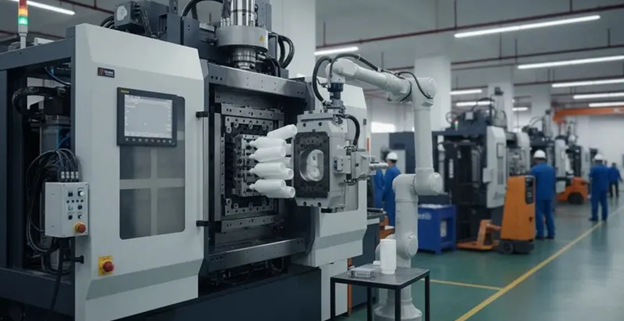
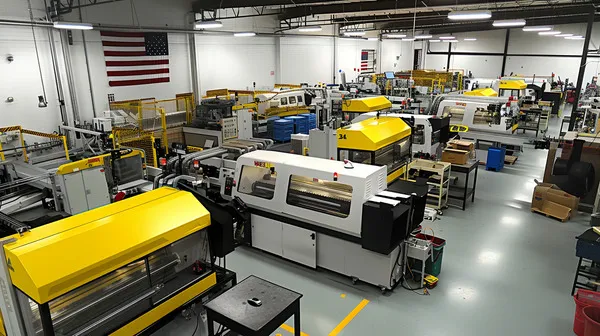
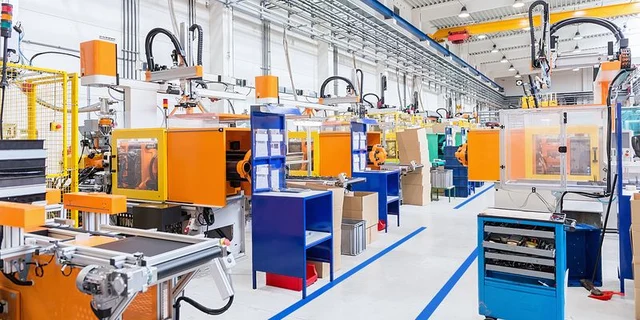
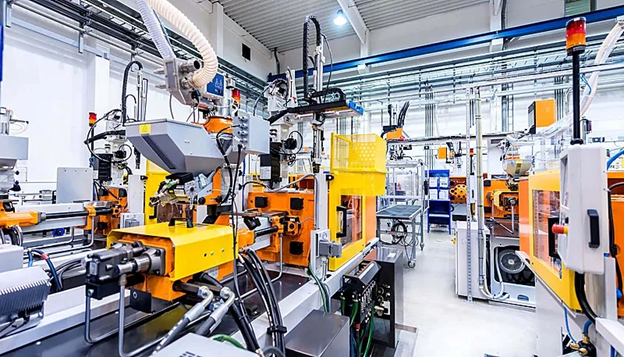
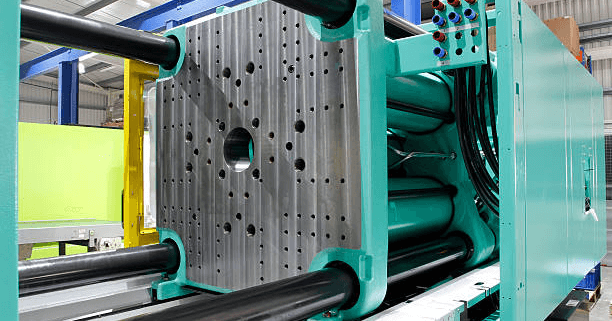
Today’s manufacturing environment is more competitive and companies require faster manufacturing, lower manufacturing cost and better product quality. One of the best approaches that have been used to achieve these goals is prototype injection molding. This process is used for manufacturers to produce sample products before entering into full-scale production. It enables businesses to conduct product design testing, refine the functionality and eliminate costly production errors.
Manufacturing has undergone significant transformation in the past couple of decades. Businesses are now expected to introduce products on to the market in a timely manner, but with a high quality. They also want reliable and long-lasting products. As a result of this, manufacturers have taken serious measures to ensure that they maintain their competitive edge in the industry through the use of advanced production methods. prototype injection molding is a very important process that helps modern manufacturing.
Companies typically start with a design concept when they are creating a new product. The product needs to be thoroughly tested before it enters production. This is where injection mold prototype solutions come in handy. A prototype helps manufacturers to see if the product functions correctly, looks good and fulfills customer expectations.
This injection molding prototype techniques are a useful approach for many industries to enhance product development. The automotive, medical, electronics, packaging, aerospace and consumer goods industries are included. Companies can find design issues early and fix them for cheaper, without having to pay for costly corrections later, by using prototypes.
In the creation of a new business product, the use of injection molded prototypes is a necessity to shorten the development time for businesses around the world. Companies don’t have to wait for months to make improvements to their product ideas when they can quickly assess them. This reduces the time and costs.
This article covers the concept of prototype injection molding in a simple and easy to understand manner. You will be taught about the process, benefits, materials, applications, challenges, design considerations, costs and future trends.
Understanding Prototype Injection Molding
Prototype injection molding is a manufacturing method for plastic prototypes to be used for production before the scale production. It enables companies to evaluate the design, functionality and quality of a product, before it goes into production. It is a widely used method due to its speed, reliability and cost-effectiveness.
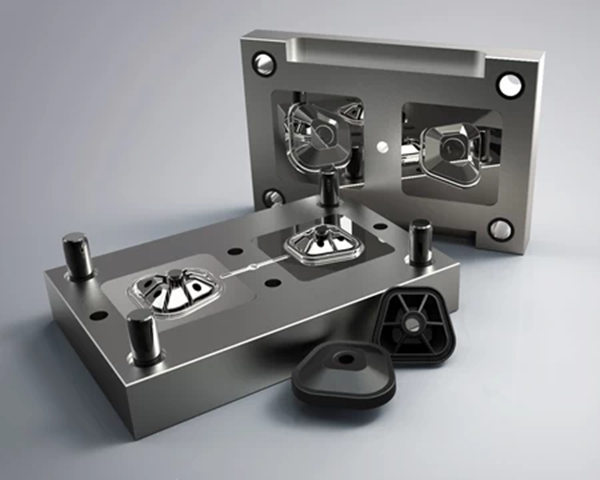
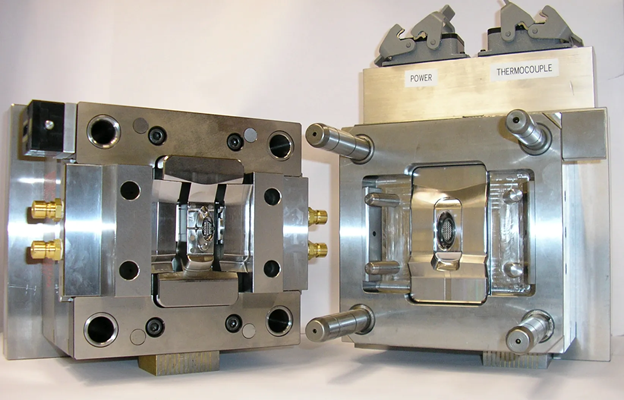
This involves using a specially-made mold into which molten plastic is poured to create a particular form. Production molds are typically more complex and expensive than the mold used for the prototypes. A part of the plastic is removed after it cools and hardens and examined for accuracy and performance.
Prototype injection molded products offer manufacturers the opportunity to uncover design issues before it is time for mass production. When there is any problem, it can be rectified quickly without wasting considerable money or materials. This enhances product quality, and decreases the risk in production.
The other significant advantage is quick product development. They can create a sample in a few days and present it to clients, engineers or investors for approval. Various materials may also be tried to select the most durable and strong material.
In conclusion, prototype injection molding is a vital process in the modern manufacturing industry that empowers companies to develop superior products while minimizing time and expenses.
The Prototype Injection Molding Process Steps
Several steps are important in the process of prototype injection molding. Every step is important in the process of producing accurate, functional prototype parts.
製品デザイン
The first step in developing the injection mold prototype is to make a product design. The computer-aided design (CAD) software is used by engineers to design a detailed 3-D model of the part. Dimensions, wall thickness, surface details and functional features are included in the design.
The success of the injection molding prototype production is enhanced by a well-designed model. The engineer needs to make sure the design will allow for the smooth flow of material and easy mold release.
Mold Creation
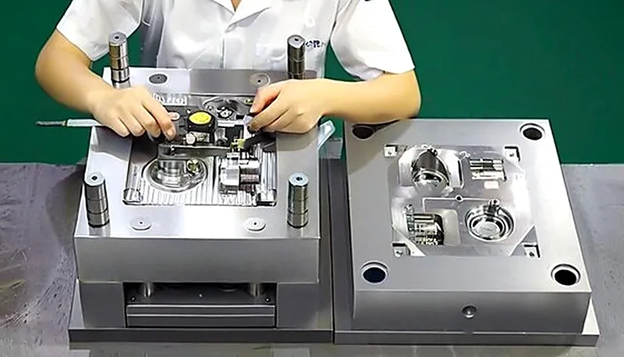
Once the design is finished, the manufacturers will make a mold for prototype plastic injection molding. Aluminum is generally the material used for prototype molds as it is easier and quicker to machine.
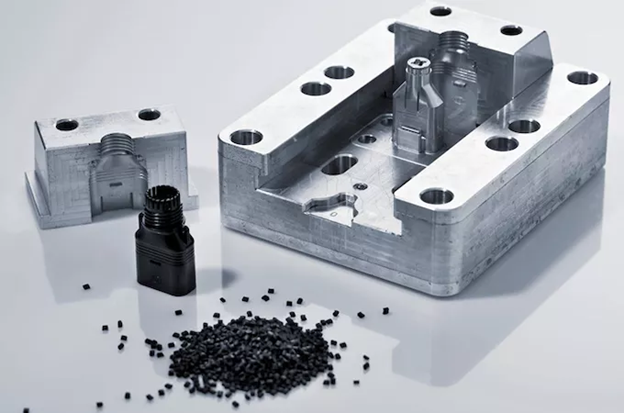
The mould is a shape that has a cavity similar to the desired product. In the process of injection molded prototypes production, the liquid plastic is injected into this cavity to make the part.
素材の選択
Selecting an appropriate plastic material is a critical factor of prototype injection molding. Various plastics offer various characteristics, including flexibility, strength, heat resistance and transparency.
During the injection mold prototype production, the manufacturers will test several materials to choose the most suitable one for the final production.
Injection Process
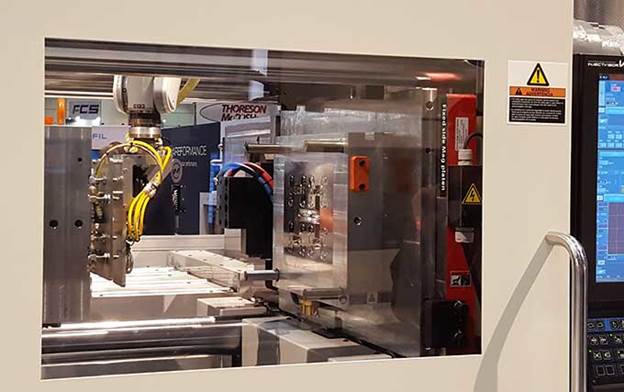
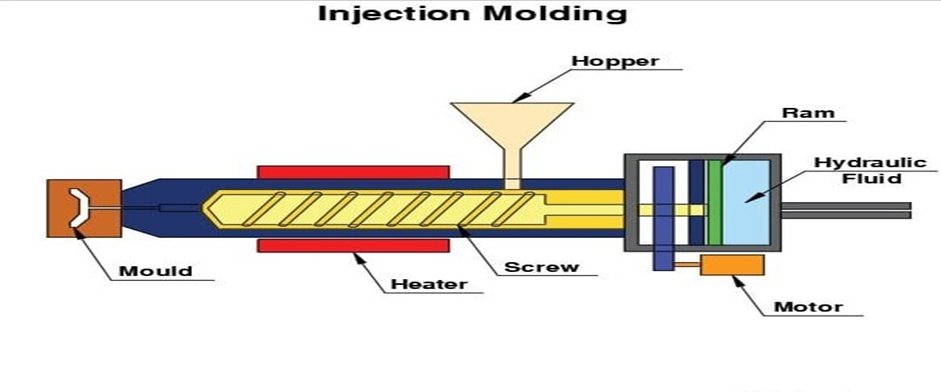
In the injection molding prototype manufacturing, the plastic pellets are heated and melted. The molten plastic material is then injected into the mold cavity at a high pressure.
By doing this, prototype plastic injection molding can be used to produce highly detailed and precise parts. The molten plastic fills all the corners of the mold.
Cooling Stage
The plastic then cools inside the mould following injection. A key aspect of developing robust and solid injection molded prototypes is cooling.
Cooling time is dependent upon material type, wall thickness, and mold design. Warping and shrinkage are avoided due to appropriate cooling.
Part Removal
After cooling, the mold is opened and the product is taken out. If more parts are required, the prototype injection molding process is then repeated.
テストと評価
Engineers pay extra close attention to the injection mold prototype after production. They verify size, look, strength and usability.
In the process of testing, the company can make improvements on the injection molding prototype before mass production. Design changes can be achieved early, therefore the manufacturing cost is minimized later.
The flexibility of prototype plastic injection molding is suitable for the rapid development of products. Businesses can rapidly and effectively test several design variants.
As ‘injection molded prototypes’ are very similar to the actual parts manufactured, the manufacturer will acquire significant insights into the behavior of their products in the real world.
Table 1: Mechanical Properties of Common Prototype Injection Molded Materials
素材
引張強さ (MPa)
Flexural Modulus (GPa)
衝撃強度 (kJ/m²)
Heat Deflection Temp (°C)
密度 (g/cm³)
Water Absorption (%)
ABS
40-50
2.0–2.5
15-30
85–100
1.04
0.2-0.5
PC
60–75
2.2–2.6
60-90
125–140
1.20
0.15–0.35
PP
25–40
1.2–1.8
5–15
90-110
0.90
<0.03
Nylon 6
70–90
2.0–3.0
8–20
170–200
1.13
1.0-2.5
覗き見
90-100
3.5–4.5
20–35
280–315
1.30
<0.1
The advantages of Prototype Injection Molding include
Companies may use prototype injection molding for any number of reasons when developing a product.
Faster Product Development
The injection mold prototype manufacturing process has a great speed. Sample products can be easily developed and tested before production takes place.
Quick testing facilitates rapid improvements of products by businesses. The processes injection molding prototype are therefore very useful in competitive industries.
コスト削減
It can be a costly error to develop a product without testing. Prototype plastic injection molding is used to identify problems early on in the company.
Addressing design problems prior to mass production can save money. That is why injection molded prototypes is the most popular method used.
Better Product Quality
Prototyping helps to create a better product. The decision regarding strength, durability, fit, and appearance can be made during prototype injection molding.
There is a relationship between the quality of a product and the quality of testing done. Businesses that are employing injection mold prototype service will generally end up with better products.
Material Testing
Materials will have various reactions to the manufacturing process. In the case of plastic, manufacturers can test out various plastic materials through Injection molding prototype methods.
This versatility can be helpful when choosing the optimal material to ensure performance and durability in prototype plastic injection molding.
Accurate Results
The injection molded prototypes are very similar to end-of-production parts, unlike some quick manufacturing techniques.
The accuracy enables engineers to make informed design decisions in prototype injection molding.
Reduced Manufacturing Risks
Testing products early helps companies minimize production risks. Testing performed on the Injection mold prototype can find weak points and manufacturing problems.
In the industries where safety and reliability are the main concern, it is important to reduce risks.
Improved Communication
Physical prototypes have a positive effect on communication amongst engineers, manufacturers and customers. Injection molding prototype samples enable everyone to have a better understanding of the final product.
This is helpful for teamwork and customer acceptance due to the value of prototype plastic injection molding.
Faster Market Entry
The firms which use injection molded prototypes are able to launch products quicker. Having a quick turnaround in product development is essential for businesses to remain competitive.
Often prototype injection molding is able to give the company a significant edge in the market.
Materials used in Prototype Injection Molding
One of the key points in prototype injection molding is material selection. Various plastic materials have various properties.
ABSプラスチック
Strong, tough and inexpensive, ABS is commonly used in the manufacturing of injection mold prototype.
It is widely used for automotive components, electronic enclosures and consumer goods.
ポリプロピレン
Another widely used material for the production of injection molding prototype is polypropylene. It is flexible, resistant to chemicals and lightweight.
Polypropylene is used in many packaging and household products.
ポリカーボネート
Polycarbonate is a material with a very high impact resistance and transparency. This material is commonly employed in prototype plastic injection molding to make protective covers and medical products.
ナイロン
It is nylon which gives good resistance to wear and strength. Nylon is used in the manufacture of injection molded prototypes that are widely used in industry and in the automotive sector.
ポリエチレン
Polyethylene is flexible, long lasting, and water proof. Used in prototype injection molding often in the packaging sector.
Acrylic
Acrylic is a material that has good transparency and weather resistance. It is employed in injection mold prototype use by manufacturers, where the appearance of the product is important.
TPU
A flexible plastic called TPU is used in the products that need elasticity and toughness, which are called injection molding prototype.
Custom Materials
There are certain companies that require specialized materials that are known as prototype plastic injection molding. The materials could be flaming retardant, UV resistant, or medical grade plastic.
Pre-production injection molded prototypes are tested to verify that the materials will meet the product requirements prior to production.
Table 2: Technical Processing Parameters for Prototype Injection Molding
素材タイプ
溶融温度 (°C)
Mold Temperature (°C)
射出圧力 (MPa)
Cooling Time (sec)
収縮率(%)
Typical Cycle Time (sec)
ABS
220-260
40-80
70-120
15-30
0.4-0.7
25–60
ポリプロピレン(PP)
200–250
20-70
50–100
10–25
1.0-2.5
20-50
ポリカーボネート(PC)
280–320
80–120
80–140
20–40
0.5-0.7
35–70
Nylon (PA6)
230–290
70–100
75–125
18–35
0.7–1.5
30–65
覗き見
360–400
120–160
100–160
40-90
1.1–1.3
80–140
Prototype Injection Molding applications include
Prototype injection molding is used in many industries around the world.
自動車産業
Injection mold prototype manufacturing is a key technology in the automotive industry. Prototype is used in companies for dashboards, clips, handles, housings and interior parts.
Testing aids in the enhancement of vehicle safety and durability.
医療業界
To make prototype devices and equipment, medical companies employ injection molding prototype methods.
The prototype plastic injection molding is of great value due to its high precision in medical products.
エレクトロニクス産業
Phone casings, connectors, housings and device parts are produced by electronic firms with injection molded prototypes.
The process enables manufacturers to run that functionality tests prior to production.
消費者製品
Prototype injection molding is used to make many household products. This may be something like kitchen utensils, toys, containers, or personal care items.
Aerospace Industry
The aerospace industry employs injection mold prototype solutions to prototype for lightweight, durable parts.
In aerospace applications safety testing is particularly important.
包装業界
The application of injection molding prototype development is used by packaging companies to develop bottle caps, containers, and packaging accessories.
産業機器
The prototype plastic injection molding is used in factories and machinery manufacturers to create mechanical components.
Medical Packaging
For sterile packaging and healthcare containers, the term Injection molded prototypes is also applied.
The applications demonstrate that prototype injection molding is very useful in many industries.
Differences Between Prototype and Production Injection Molding
Although prototype injection molding and production injection molding are similar, they have several differences.
生産量
The manufacturing of Injection mold prototype is based on low-volume production. Production molding is done to produce thousands or millions of parts.
金型材料
Typically prototype molds are produced from aluminum. Hardened steel is commonly used for the production molds.
As a result, the difference between the two is that injection molding prototype tooling is faster and cheaper.
コスト
Generally, the cost of prototype plastic injection molding is lower due to the relatively simpler prototype molds.
Speed
Prototyping can be done quickly by the manufacturers to produce injection molded prototypes . More time to create production tooling.
Purpose
The main usage of prototype injection molding is test and evaluation. Production molding is mainly related to mass production.
Design Changes
It is convenient to make design changes in Injection mold prototype processes. Modifying production tooling is more complex.
柔軟性
The use of Injection molding prototype development for material testing and material experiment design.
When it comes to production molding, consistency and efficiency are the priorities.
Risk Reduction
The prototype plastic injection molding process can be used prior to production to minimize manufacturing risks.
Test can be used to enhance product quality.
Accuracy
In today’s world, the injection molded prototypes will give you highly accurate results that would compare to your final product.
This makes prototype injection molding very useful in the product development process.
Table 3: CNC Machined Prototype Mold vs Aluminum Prototype Mold
プロパティ
CNC Steel Mold
Aluminum Prototype Mold
Average Tool Life
100,000+ cycles
5,000–20,000 cycles
Thermal Conductivity
25–35 W/mK
120–180 W/mK
Machining Time
2–6 weeks
5–10 days
金型費用
高い
Medium
Surface Finish Quality
素晴らしい
Very Good
寸法安定性
非常に高い
中程度
Recommended Production Volume
Medium to High
Low to Medium
Hardness
48–52 HRC
70–95 HB
Design considerations for prototype injection molding
The key factor in successful prototype injection molding is good product design.
壁厚
The uniform wall thickness will help in material flow during injection mold prototype manufacturing.
The warping and defects are caused due to the uneven wall.
ドラフト角度
Angles that are created in the draft eliminates parts from the mold during injection molding prototype production.
If the correct draft angles are not provided parts can become stuck in the mold.
Material Shrinkage
The shrinkages of various plastics are different in the process of prototype plastic injection molding .
Shrinkage has to be taken into account when designing a product.
Gate Location
The placement of the gates has an impact on the inflow of plastic into the mold. The quality of injection molded prototypes is enhanced by the proper design of the gate.
リブ・デザイン
A rib is used to reinforce products without adding more wall thickness to them.
Good rib design for prototype injection molding.
表面仕上げ
Some products need to be smooth and some need to be textured.
The appearance of injection mold prototype is influenced by the surface design.
Tolerance Requirements
Precise dimensions are important in injection molding prototype manufacturing.
Engineers need to take care to establish tolerances.
排気
In the course of so-called prototype plastic injection molding, air that remains in the mold can lead to defects.
Air can be released through proper venting.
Cooling Design
Quality of injection molded prototypes and cycle time are improved through efficient cooling.
The prototype injection molding project can be more successful due to good design practices.
Table 4: Mold Design Engineering Specifications
パラメータ
Recommended Value
Engineering Purpose
Draft Angle
1°–3° per side
Easier part ejection
壁厚
1.0–4.0 mm
Prevent sink marks and warpage
Gate Diameter
0.8–2.5 mm
Controls material flow
Vent Depth
0.01–0.05 mm
Removes trapped air
Ejector Pin Diameter
2-10 mm
Supports smooth ejection
Runner Diameter
3–8 mm
Maintains balanced flow
表面仕上げ
SPI A1 to D3
Controls appearance quality
Mold Steel Hardness
28–52 HRC
Improves mold life
Challenges in Prototype Injection Molding
While there are many advantages to prototype injection molding, there are also some drawbacks.
Tooling Costs
Even after creating the molds, an investment is still necessary to make injection mold prototype manufacturing.
The more complex the molds, the higher the development costs.
材料の制限
The injection molding prototype production process is sometimes difficult to process some materials.
Manufacturers need to choose materials judiciously.
デザインの複雑さ
Prototype plastic injection molding can be challenging in the case of complex product shapes.
Engineers tend to streamline designs to make them easier to manufacture.
収縮と反り
Plastic materials can shrink or warp when they are cooled.
This influences the accuracy of the injection molded prototypes.
生産時間
Faster than production tooling, prototype injection molding does still take time for the mold to be made.
Mold Durability
Prototype molds may wear out quicker than production molds.
This can restrict the production quantity of injection mold prototype.
表面欠陥
The in-production injection molding prototype process may cause products to be affected by sink marks, flash, or flow lines.
Material Waste
During prototype plastic injection molding, there is some generating of waste.
Process optimization is a goal of manufacturers for minimizing waste.
技術的専門知識
The key to successful injection molded prototypes is experience with the engineers and mold designers.
Despite these difficulties, prototype injection molding is still very useful in today’s product development process.
Table 5: Quality Defect Analysis in Prototype Injection Molding
Defect Type
Main Cause
Engineering Solution
Typical Tolerance Impact
シンクマーク
Thick wall sections
Reduce wall thickness
±0.15 mm
反り
Uneven cooling
Optimize cooling channels
±0.30 mm
フラッシュ
Excessive pressure
Reduce clamp force
±0.10 mm
Short Shot
Low injection pressure
Increase pressure and venting
±0.25 mm
溶接ライン
Improper flow meeting
Modify gate location
Cosmetic defect only
火傷の跡
Trapped gas overheating
Improve venting system
Surface degradation
Future Trends in Prototype Injection Molding
The prospects for prototype injection molding are excellent.
オートメーション
Efficiency of injection mold prototype manufacturing is enhanced by automation.
Robotic Systems help to minimize production time and labor costs.
スマート・マニュファクチャリング
The injection molding prototype quality control is enhanced by digital monitoring systems.
The production data can be tracked in real time for the manufacturers.
サステイナブル素材
In the prototype plastic injection molding industry, eco-friendly plastics come in more and more.
The companies are working on minimizing environmental footprint.
Faster Tooling Methods
The production speed of injection molded prototypes has been improved by advanced machining technologies.
This means quicker product development.
Artificial Intelligence
The use of AI systems enables optimization of prototype injection molding processes.
AI enhances quality and minimizes defects.
Advanced Simulation
The engineers use simulation software to predict the behavior of the materials when they are being produced with injection mold prototype.
This helps to make designs more accurate.
Hybrid Manufacturing
Some companies take advantage of the injection molding prototype methods and 3D printing at the same time.
This provides more flexible development solutions.
Improved Materials
The possibilities of prototype plastic injection molding are growing as a result of the development of new materials.
There are now tougher, lighter plastics available for manufacturers.
Global Manufacturing Growth
The worldwide demand for injection molded prototypes is still increasing.
The growth of industries will make prototype injection molding a vital manufacturing solution in the future.
結論
Prototype 射出成形 has emerged as one of the most significant manufacturing techniques in today’s product design. It enables firms to prototype products in a timely manner, validate design and minimize manufacturing risks prior to going into large-scale production.
In many industries, injection mold prototype solutions are the backbone of businesses to enhance product quality and accelerate product launches. Prototype testing aids companies in creating better products, whether they are producing automotive components, medical devices, electronics, or consumer goods.
The prototype plastic injection molding has one significant benefit that is one of the sample parts injection moulding with high accuracy can be produced. These prototypes are more representative of the final products for more reliable testing.
Today the injection molded prototypes are still used for innovation and effectiveness for modern industries. Prototype processes are now faster, smarter and more sustainable with the advances in manufacturing technology.
With the rising demand of high-quality products, prototype injection molding values are becoming more and more significant than ever. Businesses that invest in a robust prototyping process may find that their success in the market and customer satisfaction is greater.
prototype injection molding will undoubtedly be a huge cornerstone of world manufacturing in the years to come.
例えば、Advance Plus Moulds & Injections Sdn Bhd、YPC (Malaysia) Sdn Bhd、MDP Plastics Sdn Bhdは世界市場に進出している。マレーシアの工場は、ISO9001、ISO14001、RoHSに象徴されるように、品質基準に強くコミットしている。これは、マレーシアがASEANのFX製造業輸出において最も貢献度の高い国のひとつであることを反映しており、このようなコミットメントは、継続的な技術革新とR&D投資によって推進されている。
ウェブサイト https://plasticmouldinjection.com.my/ Eメール clleong@apmisb.com.my 電話 +603 8723 280 住所 27 Jalan P 4/6, Semenyih, Selangor, Malaysia
会社概要
Advance Plus Moulds & Injections Sdn Bhdは、1987年にAdvance Engineering Workとして設立され、高精度の金型製作とプラスチック射出成形を提供するマレーシアの主力企業に成長した。1993年、生産拠点をチェラス県デサ・トゥン・ラザックに拡大。同社は2000年にブランド名を変更し、2004年にはバンダル・テクノロギー・カジャンに27,600平方フィートの施設を開設して拡張した。2015年にはタイにも支社を持ち、国際的なプレゼンスでスタートを切った。同社はISO 9001:2008の認証を取得しており、品質、革新性、グローバル・エクセレンスに対する継続的な義務を負っている。
ウェブサイト https://glasfil.com/ Eメール info@glasfil.com 電話 +603-8961 8509 住所 19, Jalan Taming, P/1 Off Lebuh Taming, Taman Taming Jaya,43300, Balakong, Selangor Darul Ehsan , Malaysia.
Nam Keong Sdn.Bhdの主な事業所はクラン・セランゴール州にあり、25,000平方フィートの工場と12,000平方フィートの倉庫でプラスチック射出成形を行っている。高度な機械設備(70~650トン)が、エレクトロニクスや自動車、建設業界向けのこの材料の製造を支えている。Nam Keong Sdn. Bhd.の製造施設では、エアコン部品、ギア、カム、ワイヤーコネクターとともに自動車部品を生産している。Nam Keong Sdn Bhdの製造工場では、モジュール部品、コンクリート製バーチェア、プラスチック製電気部品を製造している。製造品質管理システムは、ISO 9001など複数のISO認証を取得した徹底したシステムを採用している。
ウェブサイト https://www.hhmould.com/ Eメール admin@hhmould.com 電話 +(603)-5510 7972 住所 Lot 6, Jalan Halba 16/16, Section 16, 40200 Shah Alam, Selangor Darul Ehsan, Malaysia.
ティツィアーノ・アルベルティンと息子のシモーネは、熱可塑性プラスチック射出成形を専門とするオール・サーモプラストをイタリアのモンティチャーリに設立した。1982年からヨーロッパでサービスを提供し、産業界と関わってきた。ハイテク・プレスを備えた先進的な生産ライン、集中化された原材料供給、精度と効率のためのロボット。革新的なソフトウェアを使用して複雑な金型を作成し、UNI EN ISO 9001:2015認証の下で厳格な品質管理を維持している。顧客満足と持続可能性を約束する企業として、オール熱可塑性プラスチックは最高水準に基づく製造を保証し、産業用途に信頼できるオーダーメイドのキットオプションを提供する。
ウェブサイト https://www.ideastampi.com/ Eメール webmarketing@ideastampi.com 電話 +39 0464 466281 住所 38068 Rovereto (TN), ITALY, Via G. Caproni, 15
会社概要
イデア・スタンピ社は1986年にイタリアで設立され、熱可塑性プラスチック用アクションモールドの製造とメンテナンスを行っている。インド企業は自動車、電気、電気機械、医療などの業界にサービスを提供している。高精度の金型、プロトタイプの製造、大規模製造のためのマルチキャビティ金型。UNI EN ISO 9001: 品質と環境責任、2015、およびUNI EN ISO 14001:2015を取得。2009年以来、金型修正用のレーザー溶接サービスを提供。専門家は、あらゆる産業ニーズに対する革新的で信頼できる効率的なソリューションを保証します。
ウェブサイト https://www.silconplastic.it/ Eメール info@silconplastic.com 電話 (+39) 0437.787441 住所 Zona Industriale, n. 2, 32012 VAL DI ZOLDO, Belluno, (イタリア)
会社概要
1986年の設立以来、シリコンプラスチック社はイタリアでプラスチック射出成形、金属射出成形、ng、物理蒸着などのサービスを提供している。シリコンプラスチック社は、高級品、眼鏡製造、医療用アプリケーションの分野で事業を展開している。この組織は、品質管理のためのUNI EN ISO 9001と環境の持続可能性のためのISO 14001:2015の2つの認証規格の下で運営されています。シリコンプラスチックは、革新的な手法、持続可能な方法、正確な製造基準に重点を置いている。先進的な成形技術の選択は、この会社の豊富な経験の恩恵を受けており、信頼できるパートナーとなっている。
Rowad National Plastic Company Ltdは、最先端の射出成形技術を用いたサウジアラビアのプラスチック製品製造をリードしている。この事業グループは、産業用および消費財の要件に対応する、耐久性のあるプラスチック部品を開発しています。ロワドは、国内市場と国際市場の両方を成功裏にリードしているため、業界のリーダーであり続けています。
について射出成形 サウジアラビアの生産部門は、複数の市場で産業の成長を支える専門的なサービスを提供するため、高い回復力を持って運営されている。サウジアラビアの生産部門は、Zamil Plastic Industries National Plastic Factoryと前衛的なリーダーRowad National Plastic Company Ltdで構成され、総体としてこの部門を牽引している。次世代射出成形技術、個別ソリューション、優れた顧客ケアを完全に統合したこれらの企業は、業界をリードしています。サウジアラビアの射出成形部門は、カスタム射出成形部品、包装システムおよび自動車市場向けのプラスチック成形品、複雑な金型運用サポートおよびメンテナンスプログラムの提供を通じて、あらゆる業界の要件に重要なサポートを提供しています。サウジアラビアの射出成形サービスをお探しでしたら、専門家によるガイダンスや具体的な製造サポートが受けられるこの記事で紹介した企業にお気軽にお問い合わせください。
Artis Matriz社はブラジル発祥の会社で、プラスチック産業用の射出成形金型の設計・製作とプラスチック射出成形のサービスを提供している。同社は30年以上の歴史を持ち、ISO9001に登録され、適正製造基準(GMP)を遵守し、自動車、化粧品から医療まで幅広い産業に製品を販売している。パラナ州カンポ・ラルゴに設立されたArtis Matriz社は、ソリューション、最新技術、品質、精度、顧客に対するコミットメントを提示することで、競合他社との差別化を図っています。
ウェブサイト https://tecniplas.com.br Eメール tecniplas@tecniplas.com.br 電話 +55 11 97547-9212 住所 ロッドVereador José de Moraes, Km 2,8 Bairro Pedregulho Cabreúva/SP
https://plas.co/wp-content/uploads/2025/01/Top-5-Injection-Molding-Companies-in-Sweden-2_enhanced.png8281472記事作成者http://plas.co/wp-content/uploads/2023/02/plas-co-1.jpg記事作成者2025-01-13 10:11:312025-01-13 10:14:44ブラジルの射出成形サプライヤー Top 8
Asian Moulds & Dies Industries, Indiaは、プラスチック射出成形金型とブロー成形金型の設計と製造サービスを提供しています。製品は、キャップ、口紅容器、いたずら防止&ピルファー防止キャップ、フリップトップキャップ、医薬品金型が含まれています。同社は、洗練されたツールルームと経験豊富な従業員に支えられ、標準的で正確な金型を製造している。現在、同社は1000を超える金型を設計した実績を誇り、プラスチック成形業界にとって理想的なパートナーとなっている。