Formowanie wtryskowe akrylu można zdefiniować jako nową technologię wytwarzania produktów z tworzyw sztucznych o wysokiej jakości. Technika ta ma szerokie zastosowanie w przemyśle motoryzacyjnym, sektorze opieki zdrowotnej, towarach konsumpcyjnych i elektronice. Jest szczególnie znana z wytwarzania przezroczystych, wytrzymałych i atrakcyjnych produktów.
Chiny są główną częścią branży formowania akrylu. Chiny mają wiele fabryk, które produkują wysokiej jakości formy i części akrylowe. Oferują one opłacalną, niezawodną i skalowalną produkcję na rynki międzynarodowe.
Niniejszy artykuł obejmuje proces formowania wtryskowego, rodzaje form, zastosowania i najlepsze praktyki w formowaniu wtryskowym akrylu.
Czym jest formowanie wtryskowe akrylu?
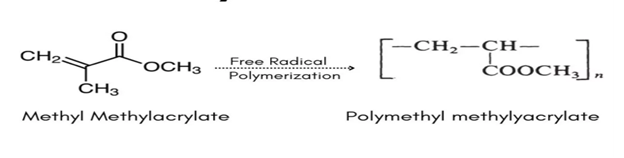
Formowanie wtryskowe akrylu to technika produkcji samolotów, w której tworzywo akrylowe jest podgrzewane aż do stopienia, a następnie wtryskiwane do formy. Tworzywo sztuczne jest utwardzane i zestala się do określonego kształtu. Proces ten jest bardzo przydatny w produkcji na dużą skalę złożonych i spójnych części.
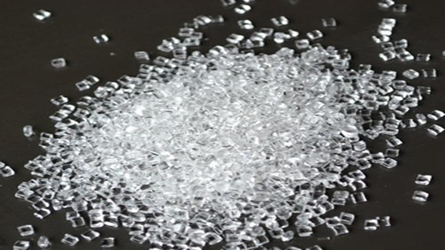
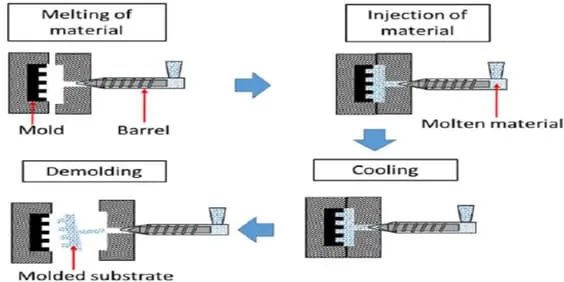
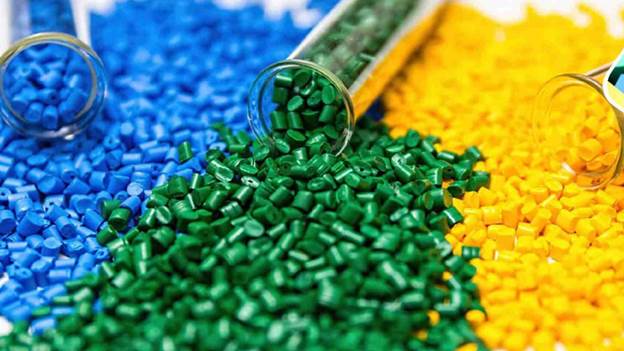
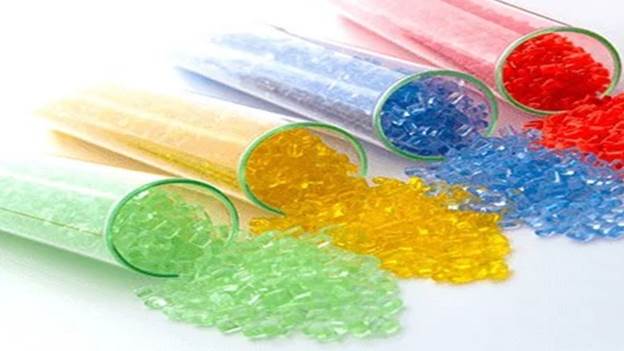
Granulki akrylu są małe i używane jako wyjściowy materiał spożywczy. Są one wsypywane do podgrzewanej beczki, aż się stopią. Następnie roztopiony akryl jest wtryskiwany do wysokociśnieniowych form akrylowych. Formy są chłodzone i otwierane, a gotowy produkt jest wyrzucany.
Proces ten jest szybki, dokładny i ekonomiczny, w przeciwieństwie do innych metod formowania. Nadaje się do branż, w których wymagana jest ilość produkcji bez konieczności dotykania jakości.
Zalety formowania akrylowego
Istnieje wiele zalet formowania akrylowego.
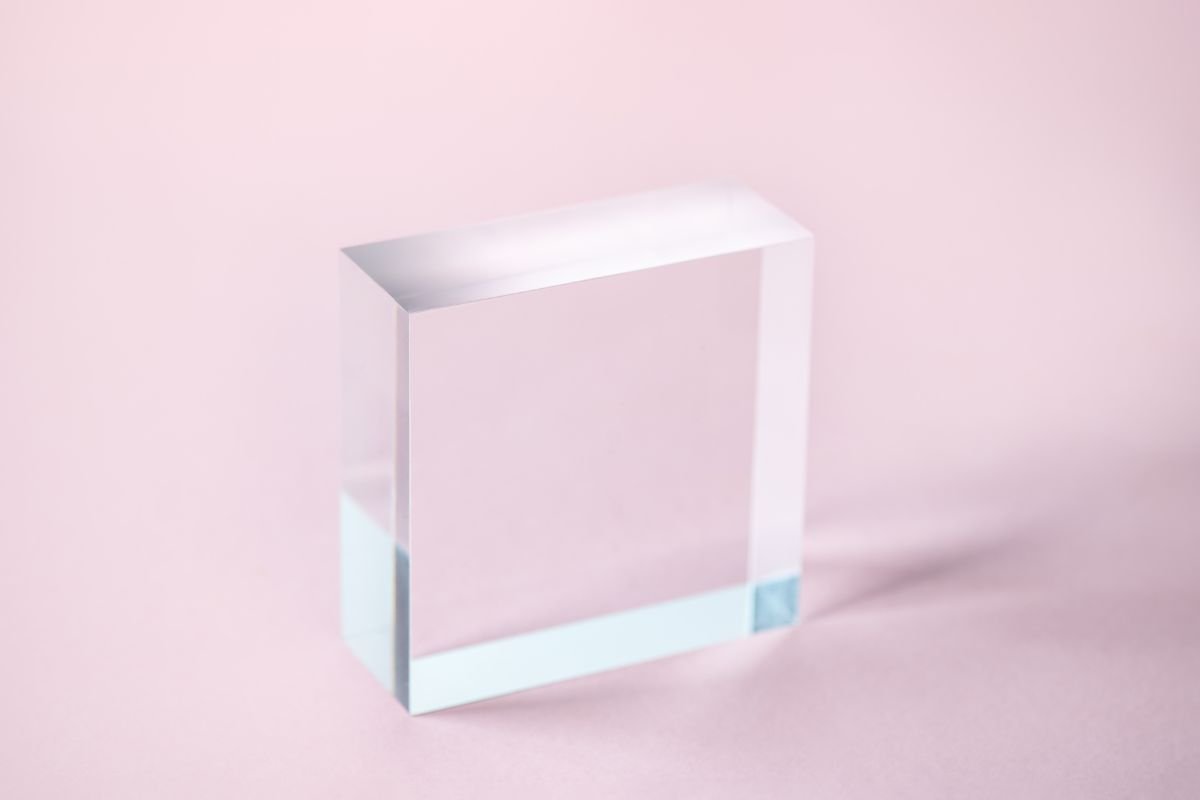
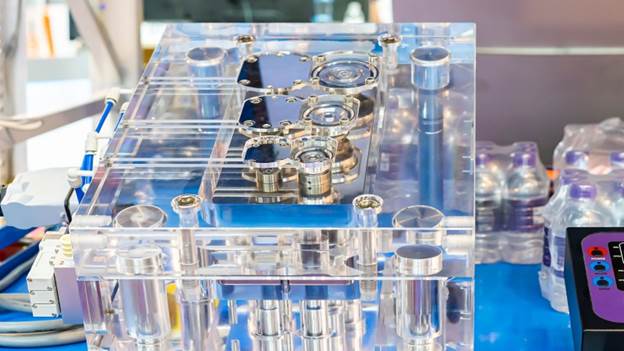
- Duża przejrzystość: Produkty akrylowe są bardzo przezroczyste. Są często stosowane w sytuacjach, w których konieczne jest zachowanie wizualnej przejrzystości.
- Trwałość: Akryl jest trwały i odporny na zarysowania.
- Złożone kształty: Jest w stanie wykonywać złożone projekty, które są trudne do wykonania z innymi tworzywami sztucznymi.
- Opłacalność: Po stworzeniu form, w krótkim czasie można stworzyć tysiące sztuk, co sprawia, że proces ten jest tańszy.
- Spójność: Każda partia jest taka sama jak poprzednia, a jakość jest zapewniona w dużych ilościach.
Formowanie akrylowe jest szybkie i dokładne, a zatem jest dobrą opcją tam, gdzie w przemyśle oczekuje się jakości i szybkości.
Formowanie wtryskowe akrylu zostało odkryte
W połowie XX wieku producenci zaczęli opracowywać proces formowania wtryskowego akrylu, ponieważ chcieli znaleźć szybszą i dokładniejszą metodę kształtowania PMMA. Wcześniej jako podstawowy proces formowania akrylu stosowano odlewanie, które było procesem powolnym i pracochłonnym.
Maszyny, które mogły topić granulki akrylu w temperaturze 230-280 °C i wtryskiwać je do małych form akrylowych, zostały wynalezione przez inżynierów w Niemczech i Stanach Zjednoczonych w latach 40. i 50. ubiegłego wieku. Wynalazek ten umożliwił produkcję skomplikowanych i wysokiej jakości części o jednolitych wymiarach.
Techniki wtrysku akrylu do produkcji tego, co dziś znane jest jako formowanie akrylu, przekształciły branże takie jak motoryzacja, urządzenia medyczne i produkty konsumenckie. Formowanie tworzyw akrylowych nie tylko skróciło czas, ale także zwiększyło wydajność, ale także pozwoliło na produkcję części o wąskich tolerancjach (+-0,1 mm) i optycznie przejrzystych (>90% przepuszczalności światła).
Rodzaje form akrylowych
Istnieje kilka rodzajów form akrylowych; każdy model jest produkowany zgodnie z wymaganym charakterem produkcji i złożonością produktu. Wybór odpowiedniego typu gwarantuje wysoką jakość i wydajność formowania akrylu.
Formy jednogniazdowe
Formy jednogniazdowe są wykonywane w celu wytworzenia pojedynczej części po każdym cyklu wtrysku. Mogą być używane, gdy seria produkcyjna jest niewielka lub w projektach prototypowych. W przypadku form jednogniazdowych proces formowania wtryskowego tworzywa akrylowego odbywa się przy użyciu rozważanego terminu, aby nie musieć radzić sobie z problemem nieprawidłowego kształtowania i niewyraźnych powierzchni.
Formy wielokomorowe
Formy wielogniazdowe są w stanie wyprodukować wiele egzemplarzy w jednym cyklu. Dzięki temu idealnie nadają się do masowej produkcji. Formy wielogniazdowe są często formowane z akrylu, aby osiągnąć spójność i zminimalizować czas produkcji.
Formy rodzinne
W jednym cyklu formy rodzinne generują niektóre z różnych części. Jest to typ, który jest praktyczny w formułowaniu komponentów stanowiących zespół produktu. Formy rodzinne mogą wykorzystywać akrylowe formowanie tworzyw sztucznych, które umożliwia jednoczesne wytwarzanie wielu elementów, co oszczędza zarówno czas, jak i koszty.
Formy do gorących kanałów
Formy gorącokanałowe pozwalają na utrzymanie tworzywa sztucznego w kanałach, aby zminimalizować straty i zwiększyć wydajność. Systemy gorącokanałowe wykorzystują formy akrylowe, które pasują do precyzyjnych produktów o gładkich powierzchniach i mniejszej liczbie defektów.
Formy do pracy na zimno
Formy zimnokanałowe wykorzystują kanały, które chłodzą się wraz z formowaną częścią. Są tańsze i łatwiejsze w produkcji. Wielu małych i średnich producentów woli używać formowania akrylowego przy użyciu form zimnokanałowych, aby tanio produkować.
Wybór odpowiedniego rodzaju tzw. form akrylowych jest zdeterminowany wielkością produkcji, projektem produktu oraz budżetem. Prawidłowy dobór form prowadzi do lepszej wydajności formowania wtryskowego akrylu i gotowych produktów o wysokiej jakości.
Techniki formowania tworzyw akrylowych
Akrylowe formowanie tworzyw sztucznych to proces wykorzystujący kilka metod przekształcania substancji akrylowych w użyteczne i atrakcyjne przedmioty. Oba podejścia mają swoje mocne strony, które zależą od projektu, wielkości produkcji i potrzeb produktu.
Formowanie wtryskowe
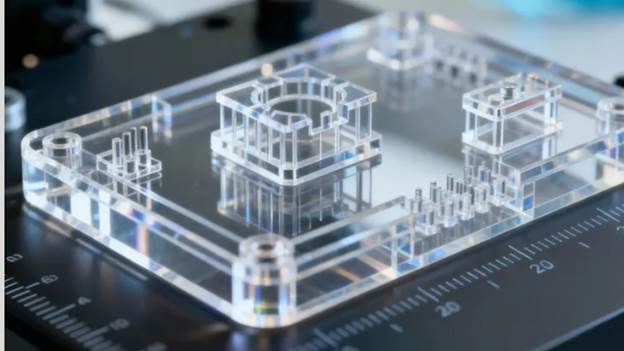
Najpopularniejsza z nich, zwana formowaniem wtryskowym akrylu, polega na podgrzewaniu podjednostek akrylowych, zwanych granulkami akrylu, aż do stopienia, a następnie wtryskiwaniu ich do form akrylowych. Po schłodzeniu tworzywo sztuczne zestali się w zamierzonym kształcie. Jest to najlepsza metoda wytwarzania precyzyjnych produktów w dużych ilościach.
Formowanie tłoczne
Arkusze akrylowe są umieszczane w gorącej formie i prasowane w celu uformowania w procesie formowania tłocznego. Technika ta może być stosowana do grubszych przekrojów i gładkich wzorów. Formowanie tłoczne akrylu jest stosowane w celu uzyskania jednolitej grubości i wytrzymałości.
Wytłaczanie
Długie ciągłe profile są wytwarzane przez wytłaczanie, w którym stopiony akryl jest wtłaczany do ukształtowanej matrycy. Formowanie akrylowe przez wytłaczanie jest stosowane do takich elementów jak rury, pręty i arkusze. Jest równomierny w przekrojach i powierzchniach.
Termoformowanie
Technika termoformowania polega na podgrzewaniu arkuszy akrylu, aż staną się giętkie, a następnie kształtowaniu ich nad formą za pomocą próżni lub ciśnienia. Podejście to sprawdza się dobrze w przypadku dużych i małych produktów. Termoformowanie to technika produkcji małych i średnich ilości form z tworzywa akrylowego przy stosunkowo niskich kosztach.
Formowanie rotacyjne
Formowanie rotacyjne jest również stosowane z akrylem, ale forma jest obracana podczas ogrzewania, aby równomiernie pokryć wnętrze formy. Kształty z wgłębieniami mogą być skutecznie wykonane przy użyciu tej techniki. W przypadku form rotacyjnych istnieje możliwość elastycznego formowania akrylu w celu dopasowania do niektórych projektów.
Proces formowania akrylu
Formowanie akrylu jest ważnym i technicznym procesem, w którym surowy materiał akrylowy jest zamieniany w gotowe części o wysokiej jakości. Procedura obejmuje kilka procesów, a każdy z nich wymaga precyzyjnej kontroli temperatury, ciśnienia i czasu, aby zapewnić optymalny wynik w procesie formowania akrylu.
Przygotowanie materiału
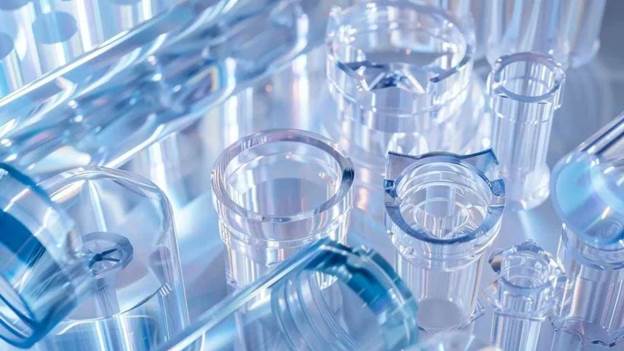
Reakcja rozpoczyna się od wysokiej jakości granulek akrylowych, które mogą mieć różne rozmiary (zwykle 2-5 mm średnicy). Zawartość wilgoci w granulkach powinna być mniejsza niż 0,2, a jakakolwiek dodatkowa wilgoć może prowadzić do powstawania pęcherzyków w procesie formowania. Granulki są zwykle suszone w suszarce lejowej w temperaturze 80-90 stopni C w czasie nie krótszym niż 2-4 godziny przed użyciem.
Topienie i wtryskiwanie
Wysuszone granulki są wprowadzane do cylindra wtryskarki. Temperatura cylindra jest utrzymywana na poziomie 230-280°C, w zależności od zastosowanego gatunku akrylu. Granulki są topione przez mechanizm ślimakowy, tworząc jednorodną mieszankę akrylową w postaci stopionej.
Akryl jest następnie wtryskiwany pod wysokim ciśnieniem - zwykle 70-120 MPa - do form akrylowych po stopieniu. Czas wtrysku zależy od rozmiaru części, przy czym małe i średnie części zajmują około 5 do 20 sekund.
Chłodzenie
Forma ciśnieniowa jest umieszczana po wtrysku, gdy akryl ostygnie i nastąpi zestalenie. Czas chłodzenia różni się w zależności od grubości części:
- 1-2 mm grubości: 15-20 sekund
- Grubość 3-5 mm: 25-40 sekund
- Grubość powyżej 5 mm: 45-60 sekund
Chłodzenie jest konieczne, aby wyeliminować wypaczenia, skurcze lub wady powierzchni. Istniejące formy mogą również wykorzystywać rury wodne lub chłodzenie olejem w celu utrzymania temperatury w wymaganych specyfikacjach.
Otwieranie i wyrzucanie formy
Forma jest otwierana po ostygnięciu, a część jest wyrzucana za pomocą mechanicznych lub hydraulicznych trzpieni wyrzutnika. Należy zauważyć, że siła wyrzutu powinna być ograniczona, aby nie uszkodzić powierzchni ani jej nie zdeformować.
Przetwarzanie końcowe
Część może również przejść przez procedury wykończeniowe, takie jak odcinanie lub polerowanie części po wyrzuceniu lub wyżarzanie. Starzenie w temperaturze 80-100 stopni C przez 1-2 godziny pomaga w usuwaniu naprężeń wewnętrznych i zwiększaniu przejrzystości i wytrzymałości.
Kontrola jakości
Poszczególne komponenty są sprawdzane pod kątem wad, takich jak pęcherzyki powietrza, wypaczenia i wymiary. Wykorzystywane są suwmiarki lub skanowanie laserowe, a tolerancja może wynosić + 0,1 mm w przypadku elementów o wysokiej precyzji. Zastosowanie formowania z tworzywa akrylowego, które jest dobrej jakości, zapewniło, że wszystkie produkty są standardem branżowym.
Podsumowanie parametrów procesu:
| Krok | Parametr | Wartość |
| Suszenie | Temperatura | 80-90°C |
| Suszenie | Czas trwania | 2-4 godziny |
| Temperatura beczki | Stopiony akryl | 230-280°C |
| Ciśnienie wtrysku | 70-120 MPa | |
| Czas chłodzenia | 1-2 mm grubości | 15-20 sekund |
| Czas chłodzenia | Grubość 3-5 mm | 25-40 s |
| Czas chłodzenia | Grubość >5 mm | 45-60 s |
| Wyżarzanie | Temperatura | 80-100°C |
| Wyżarzanie | Czas trwania | 1-2 godziny |
| Tolerancja wymiarów | ±0,1 mm |
Formowanie akrylowe o następujących cechach technologicznych gwarantuje jakość, dokładność i wydajność każdego produktu. Proces formowania wtryskowego akrylu może być wykorzystywany do produkcji przezroczystych, trwałych i dokładnych wymiarowo komponentów przy użyciu zoptymalizowanych warunków, które zapewniają stałą produkcję komponentów.
Zastosowania akrylowego formowania wtryskowego
Formowanie wtryskowe akrylu jest szeroko stosowane w sektorach, w których wymagana jest dokładność, przejrzystość i trwałość.
Przemysł motoryzacyjny
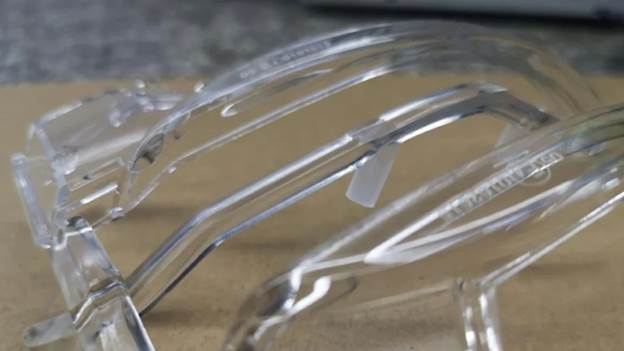
Światła tylne, deski rozdzielcze i listwy wykończeniowe są wytwarzane w wyniku form akrylowych. Części mają zazwyczaj grubość 1,5-5 mm i zakres temperatur od -40 °C do 80 °C. Formowanie akrylu gwarantuje przejrzystość i trwałość.
Opieka zdrowotna i sprzęt medyczny.
Sprzęt laboratoryjny, osłony instrumentów i osłony ochronne są wytwarzane w procesie formowania tworzyw sztucznych akrylowych. Wymagane są części o tolerancji +-0,1 mm oraz możliwość sterylizacji. Formowanie wtryskowe akrylu zapewnia gładkie i prawidłowe powierzchnie.
Elektronika użytkowa
Pokrowce na smartfony, obudowy LED i ekrany ochronne są formowane z akrylu. Część musi mieć połysk na powierzchni przekraczający 90% i dokładne wymiary.
Amfetamina, metamfetamina i amfetamina w produktach gospodarstwa domowego i produktach dekoracyjnych.
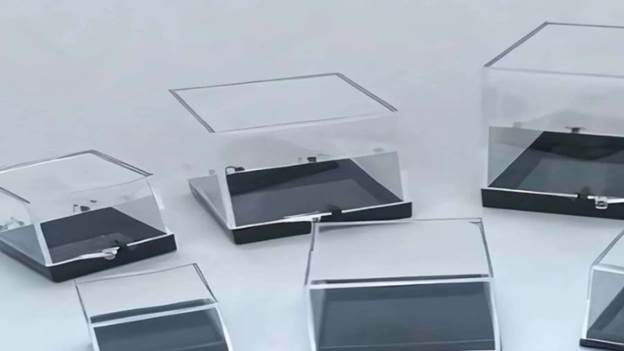
Takie produkty jak pojemniki kosmetyczne, gabloty i panele są wytwarzane przy użyciu tak zwanego formowania tworzyw sztucznych akrylowych. Średnia grubość waha się od 2 do 8 mm, co zapewnia równomierne wykończenie z gładkimi, przezroczystymi i kolorowymi wykończeniami.
Komponenty elektryczne, oświetlenie i optyka.
Formowanie wtryskowe akrylu jest stosowane w przejrzystości soczewek LED, dyfuzorów światła i oznakowania. Części te osiągają przepuszczalność światła na poziomie ponad 90% przy określonych kątach i grubości.
Urządzenia przemysłowe
Stosuje się osłony maszyn, tablice przyrządów i przezroczyste pojemniki, które są oparte na formowaniu akrylowym. Komponenty wymagają wytrzymałości na uderzenia 15-20 kJ/m2 i muszą być przezroczyste.
Typowe zastosowania
Ramy te są stosowane w sytuacjach, gdy rząd kontroluje wszystkie główne cechy usług opieki zdrowotnej, takie jak jakość, koszt i dostępność oraz ilość świadczonych usług.
Przemysł
- Przykłady produktów
- Kluczowe specyfikacje
- Motoryzacja
- Światła tylne, deski rozdzielcze
- grubość 1,5-5 mm, temperatura od 40 °C do 80 °C
Opieka zdrowotna
- Stojaki na probówki, osłony
- Tolerancja -0,1 mm, odporny na sterylizację.
Elektronika
- Pokrywy, obudowy
- Połysk powierzchni 90, stabilność wymiarowa.
Towary konsumpcyjne
- Pojemniki zawierające kosmetyki, pudełka wystawowe.
- Grubość 2-8 mm, gładkie wykończenie
- Oświetlenie
- Soczewki LED, dyfuzory
- Przepuszczalność światła większa niż 90, dokładna geometria.
- Przemysłowy
- Osłony, pojemniki
- Udarność 15-20 kJ/m 2, przezroczysty.
Kontrola jakości formowania akrylu
W formowaniu akrylowym jakość jest niezbędna, aby uzyskać części spełniające standardy. Niektóre drobne wady mogą mieć wpływ na wydajność i wygląd.
Kontrola części
Wszystkie komponenty są sprawdzane pod kątem pęcherzyków powietrza, wygięć i zadrapań na powierzchni. Suwmiarki lub skanery laserowe są używane do pomiaru, aby tolerancja nie została przekroczona o +-0,1 mm. Proces formowania wtryskowego akrylu zależy od regularnych kontroli w celu zapewnienia wysokiej jakości produkcji.
Konserwacja pleśni
Zapobieganie wadom i wydłużanie żywotności formy odbywa się poprzez jej regularne czyszczenie i kontrolę. Stare formy mogą prowadzić do niedokładności wymiarów lub nierównych powierzchni.
Monitorowanie procesów
Temperatura, ciśnienie i czas chłodzenia są stale sprawdzane podczas procesu formowania akrylu. Temperatura beczki wynosi średnio 230-280°C, a ciśnienie wtrysku waha się od 70 do 120 Mpa, aby uniknąć błędów.
Testy końcowe
Kompletne komponenty są testowane poprzez testy funkcjonalne i wizualne. Przykładowo, komponenty optyczne muszą być sprawdzane pod kątem przepuszczalności światła (ponad 90 procent), a elementy konstrukcyjne pod kątem wytrzymałości na uderzenia (15-20 kJ/m2).
Można to osiągnąć poprzez utrzymywanie ścisłej kontroli nad jakością produktu końcowego w celu wygenerowania niezawodnych, dokładnych i estetycznie nieskazitelnych poszczególnych części akrylowych form z tworzyw sztucznych.
Wybór odpowiedniego systemu formowania wtryskowego akrylu
Jeśli chodzi o produkcję wysokiej jakości, kluczowy jest właściwy wybór producenta akrylowych form wtryskowych.
Doświadczenie i wiedza
Znajdź partnerów, którzy mają doświadczenie w formowaniu akrylu i formowaniu akrylu. Doświadczeni inżynierowie będą w stanie zmaksymalizować projekt formy, wtrysk i wykończenie zgodnie ze specyfikacjami.
Sprzęt i technologia
Innowacyjne maszyny, które regulują temperaturę (230-280 °C), ciśnienie wtrysku (70-120 Mpa) są bardzo specyficzne w zwiększaniu spójności produktu. Błędy i odpady są zminimalizowane dzięki wysokiej jakości formom akrylowym i zautomatyzowanym systemom.
Zapewnienie jakości
Jeśli chodzi o zaufanego dostawcę, obejmuje on rygorystyczne kontrole swoich części, takie jak kontrole wymiarów (w granicach tolerancji -0,1 mm) i kontrole powierzchni. Prawidłowa kontrola jakości gwarantuje, że elementy z tworzywa akrylowego będą przezroczyste, trwałe i wolne od wad.
Komunikacja i wsparcie
Dobrzy producenci współdziałają podczas procesu projektowania i produkcji. Pomagają w optymalizacji form, proponują materiały i optymalizują czas cyklu materiałowego.
Sugestie dotyczące skutecznego formowania akrylu
Zaleca się przestrzeganie najlepszych praktyk w zakresie formowania akrylu, aby uzyskać wysokiej jakości, dokładne i trwałe części.
Używaj materiałów wysokiej jakości
Należy rozpocząć od granulatu akrylowego o wielkości 2-5 mm i wilgotności poniżej 0,2. Suszenie w temperaturze 80-90°C przez 2-4 godziny pomaga wyeliminować pęcherzyki i wady powierzchni podczas formowania akrylu.
Optymalizacja projektu formy
Stwórz odpowiednią wentylowaną konstrukcję i zaprojektuj formy akrylowe z odpowiednimi kanałami chłodzącymi i punktami wtrysku. Minimalizuje to wypaczanie, kurczenie się i czas cyklu w procesie formowania wtryskowego akrylu.
Kontrola parametrów procesu
Temperatura cylindra powinna wynosić 230-280°C, a ciśnienie wtrysku 70-120 Mpa. Czas chłodzenia powinien być równoważny grubości części:
- 1-2 mm - 15-20 s
- 3-5 mm - 25-40 s
- 5 mm - 45-60 s
Regularna kontrola
Sprawdź wymiary części (maksymalny błąd wymiarów 0,1 mm), plamy świetlne i przejrzystość optyczną (transmisja większa niż 90%). Zaletą formowania tworzyw akrylowych jest możliwość przeprowadzania spójnej kontroli.
Konserwacja form
Myj i czyść formy, aby uniknąć zużycia i zapewnić płynną i spójną produkcję. Formowany akryl zwiększa wydajność i jakość części.
Wszystkie te wskazówki sprawią, że proces formowania wtryskowego akrylu będzie pewny, nie mniej atrakcyjny i idealnie poprawny za każdym razem.
Powszechne wady i zapobieganie im
Wady mogą wystąpić nawet w przypadku dokładnego formowania wtryskowego akrylu. Znajomość przyczyn i rozwiązań gwarantuje jakość formowania akrylowego.
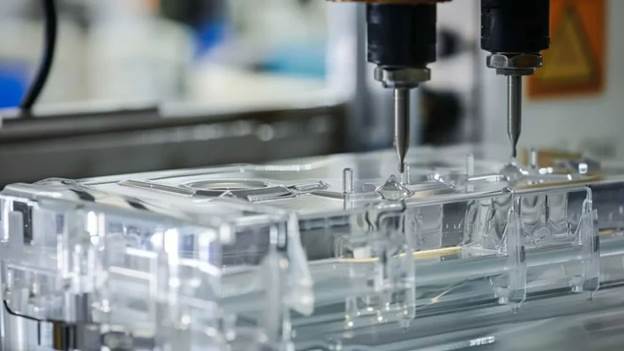
Bąbelki powietrza
Powietrze obecne w formach akrylowych może powodować powstawanie pęcherzyków na powierzchni.
Zalecenie: Suszenie akrylowego NP przy wilgotności poniżej 0,2%, prawidłowa wentylacja form i ciśnienie wtrysku 70-120 Mackey's.
Wypaczenie
Dochodzi do wypaczenia, w wyniku którego części nie stygną równomiernie, przez co ulegają zniekształceniu.
Rozdzielczość: jednorodne kanały chłodzące, temperatura części i czas chłodzenia części w zależności od grubości części (np. 1-2 mm - 15-20 s, 3-5 mm - 25-40 s).
Znaki zlewu
Ślady zapadania powstają, gdy grube części kurczą się podczas chłodzenia.
Rozwiązanie: zmaksymalizować grubość ścianki, ciśnienie pakowania i odpowiednie szybkości chłodzenia w formowaniu akrylu.
Krótkie ujęcia
Krótkie strzały występują, gdy stopiony akryl nie wypełnia formy.
Rozdzielczość: Zwiększ ciśnienie w prasie wtryskowej, usuń zatory w formach akrylowych i sprawdź prawidłową temperaturę cylindra (230-280 °C).
Wady powierzchni
Szorstkość lub zadrapania zmniejszają przezroczystość akrylowych form plastikowych.
Rozwiązanie: Poleruj formy, nie używaj zbyt dużej siły wyrzutu i utrzymuj obszary przetwarzania w czystości.
Perspektywy akrylowego formowania wtryskowego
Technologia, wydajność i zrównoważony rozwój to przyszłość formowania wtryskowego akrylu.
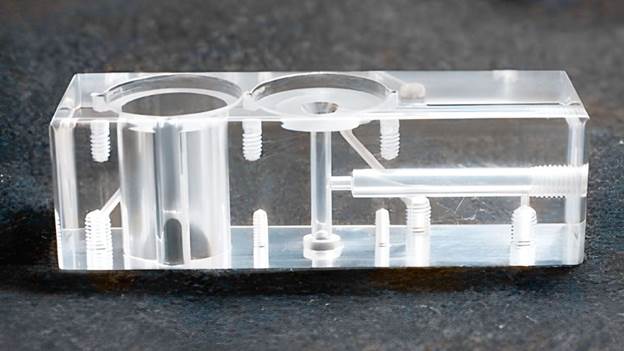
Zaawansowana automatyzacja
Formowanie akrylu staje się coraz bardziej zautomatyzowane i zrobotyzowane. Temperatury (230-280°C) i ciśnienia wtrysku (70-120 Mpa) mogą być precyzyjnie kontrolowane przez maszyny. Automatyzacja produkcji akrylu poprzez formowanie zmniejsza błąd ludzki i wydłuża czas cyklu.
Druk 3D i prototypowanie
Formy w prototypie akrylowym są wykonywane za pomocą druku 3D w ograniczonym czasie. Pozwala to inżynierom na przeprowadzenie eksperymentów z projektami i optymalizację form przed rozpoczęciem pełnej produkcji. Formowanie tworzyw akrylowych jest szybsze i tańsze dzięki szybkiemu prototypowaniu.
Zrównoważone materiały
Normą staje się recykling odpadów akrylowych i opracowywanie materiałów przyjaznych dla środowiska. Pelety poddane recyklingowi w produkcji wyrobów akrylowych w procesie formowania wtryskowego spowodują zmniejszenie wpływu na środowisko, choć nie wpłynie to na jakość produktu.
Lepsza jakość produktu
W przyszłości zwiększy się przejrzystość optyczna (>90% przepuszczalności światła), wykończenie powierzchni i kontrola wymiarów (+-0,1 mm) w tak zwanym formowaniu akrylowym. Wzmacnia to produkty, czyniąc je bardziej przejrzystymi i precyzyjnymi.
Wzrost branży
Wraz z rosnącym zapotrzebowaniem na trwałe, lekkie i przezroczyste produkty, rynek będzie rozszerzał działalność w zakresie formowania akrylu w sektorach motoryzacyjnym, medycznym, elektronicznym i dóbr konsumpcyjnych.
Dzięki zastosowaniu technologii i zrównoważonemu rozwojowi, formowanie wtryskowe akrylu będzie nadal jednym z procesów produkcyjnych stosowanych w wysokiej jakości i wydajnej produkcji.
Sincere Tech: niezawodny dostawca akrylowych form wtryskowych.
Sincere Tech (Plas.co) oferuje usługi precyzyjnego formowania tworzyw sztucznych i akrylu. formowanie wtryskowe, którym można zaufać. Mamy mocne, dokładne i atrakcyjne części, które są gwarantowane przez naszą zaawansowaną technologię i wykwalifikowaną siłę roboczą. Zajmujemy się niestandardowymi formami akrylowymi i rozwiązaniami, które wykonujemy zgodnie ze specyfikacjami projektowymi.
Zdrowe i godne zaufania rozwiązania.
Wykonujemy kompleksowe prototypowanie i projektowanie produktów, aż po produkcję na dużą skalę. Dzięki naszemu doświadczeniu w formowaniu akrylu i formowaniu akrylu będziesz mieć do czynienia z wysokiej jakości, trwałymi i niezawodnymi częściami.
Dlaczego warto wybrać Sincere Tech (Plas.co)?
Przykłady naszej pracy można obejrzeć na stronie https://plas.co. Jeśli szukasz najlepszych pod względem jakości, precyzji i dobrej obsługi, to Sincere Tech (Plas.co) jest Twoim partnerem, gdy szukasz najlepszych rozwiązań w zakresie formowania.
Wnioski
Formowanie akrylowe i formowanie wtryskowe akrylu są niezbędnymi procesami w obecnej produkcji. Zapewniają wysokiej jakości, trwałe i modne produkty, które mogą być stosowane w większości branż. Jest wydajny i niezawodny, począwszy od projektowania form akrylowych, aż po tworzenie spójnych części.
Gdy producenci stosują się do najlepszych praktyk i wybierają odpowiedniego partnera, wysokiej jakości produkty mogą być wytwarzane przy pomocy formowania akrylu. Dalsza dojrzałość technologii oznacza, że formowanie wtryskowe akrylu będzie jednym z najważniejszych w rozwoju innowacyjnych, precyzyjnych i estetycznych produktów.