Arquivo para Tag: moldagem por injeção

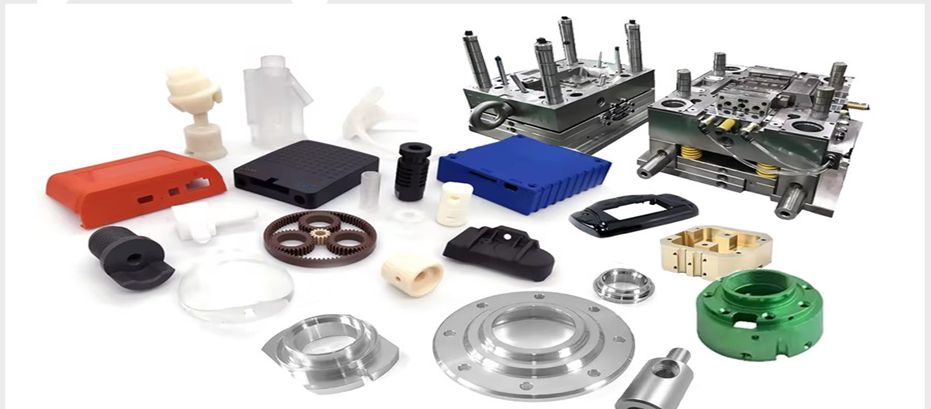
Molde de injeção de alumínio

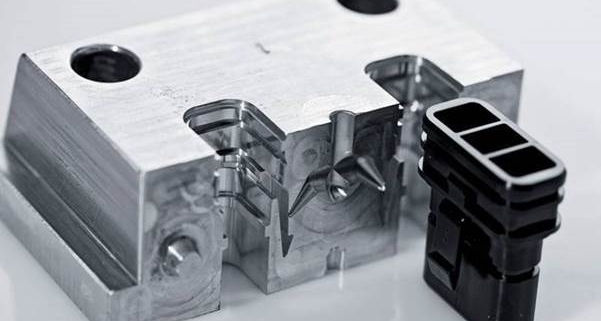
The aluminum injection mold is a key part of the manufacturing industry today due to its speed, efficiency and affordability. With the need for faster production cycles and flexibility of design, industries have found aluminum molds to be useful. The plastic pieces are created by injecting the melted plastic material into a cavity precisely made, and the plastic material assumes the shape of the cavity while cooling. Aluminum molds have a much shorter lead time, are easier to machine and are significantly lighter in weight than steel molds. This is a great option for prototypes and low and medium production runs. This is a preferred method for companies, since it saves them time in constructing their application and guarantees that the routine is developed with high quality. With the improvement of technology, the application of aluminum injection molds is rapidly increasing in various industries including automotive, medical, electronics and consumer goods.

What is an Aluminum Injection Mold?

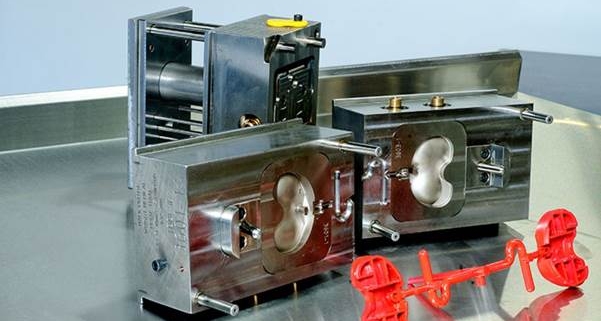
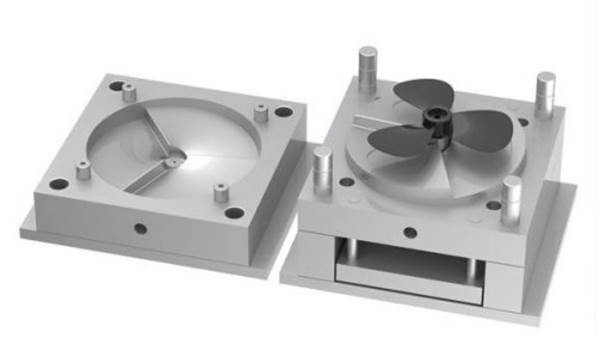
An aluminum injection mold is a mould that is utilized to form plastic parts. It is made out of aluminum and not steel. In this, the plastic is melted and then injected into a mold cavity. The material cools then replicate the shape of the mould. After it’s cooled, the final product is removed. Occurs in numerous repetitions in production process. The greatest benefit is that it cools faster and produces faster than other materials, such as plastic. The most important benefit is that it cools down quickly, and produces faster than plastic materials. That’s why today, aluminum injection molds are used.

How Aluminum Molds Work in Injection Molding?

Aluminum injection molding molds need to have a specific procedure to undertake and they are fairly efficient. Every step is dependent on the others and is crucial to producing high quality plastic components in a fast and reliable manner.

Step 1: Material Selection and Preparation

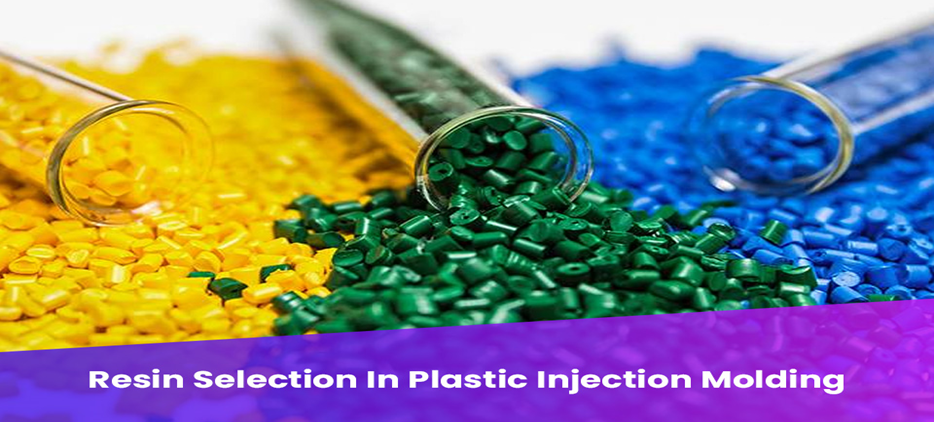
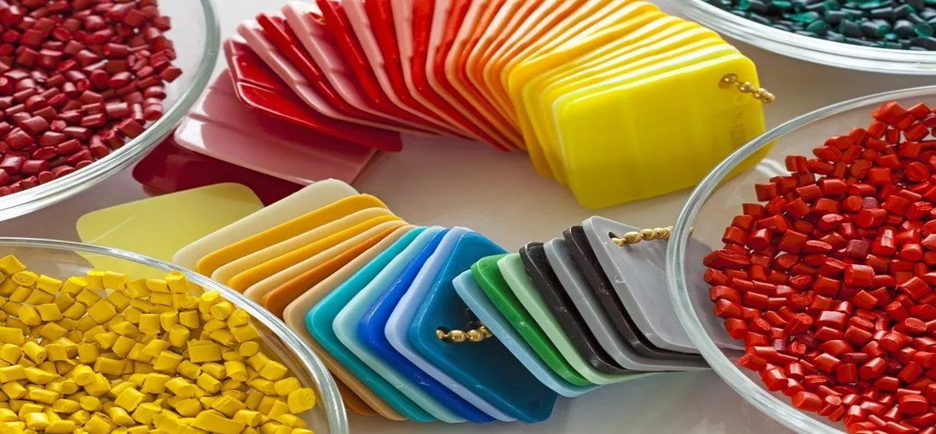
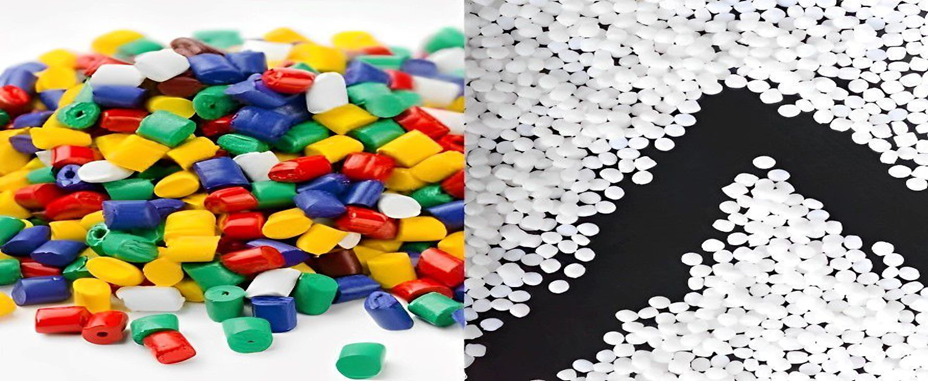
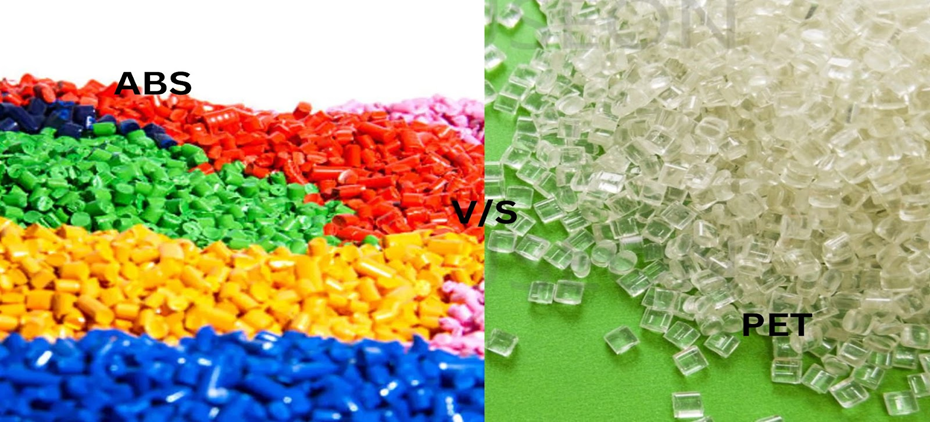
The first thing to do is to select a suitable plastic. ABS, polypropylene and polyethylene are typical materials used. There are a number of materials with different characteristics, such as strength, flexibility and resistance to heat. This is normally given in the pellets form in a hopper above the machine. Prior to use the material must be clean and dry, otherwise moisture can cause defects in the product.

Step 2: Feeding the Plastic into the Machine

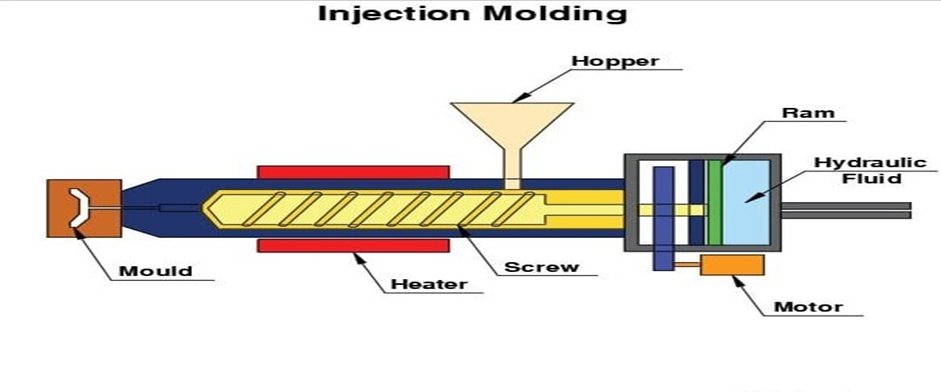
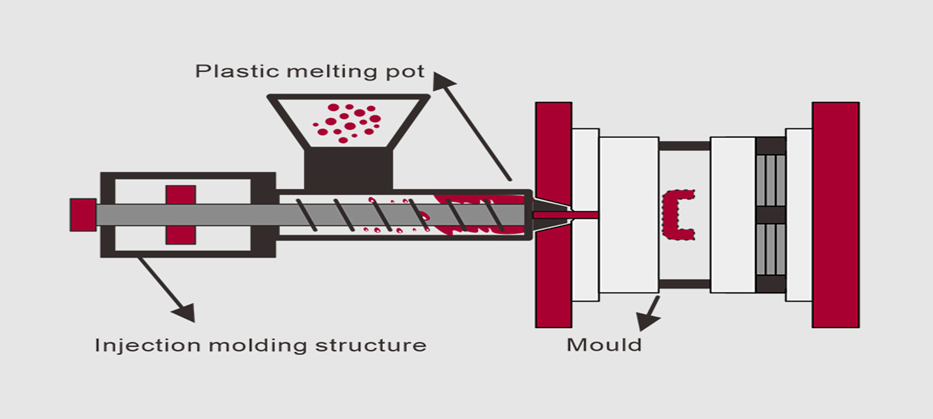
Then the mould is set up and plastic pellets are placed in the injection molding machine. These are fed into the hopper where they are heated in a barrel. A screw which rotates inside the barrel pushes plastic forward. While moving, the material starts to heat up which begins to melt the material.

Step 3: Melting the Plastic

The heat and pressure generated by the screw, melts the plastic in the barrel. As time goes on, solid pellets will slowly be converted into a thick substance known as “molten plastic”. It is very important to have control on temperature here. Too hot could cause damage to material while too cool could cause a problem with melting.

Step 4: Injection into the Aluminum Mold

When it is completely dissolved, the plastic will be injected. The screw imparts a high pressure on being pushed. The molten plastic is forced into the aluminum injection mould with the help of a nozzle. The shape of the mold cavity is determined by the shape of the product to be produced, in order to get accurate results.

Step 5: Filling the Mold Cavity

The plastic is melted and poured into the mould to completely fill in all of the spaces. Fills out all the information and forms, and makes all the shapes completely. To prevent an air bubble and void, the proper pressure is applied. This step is very significant as it is otherwise the product will be faulty.

Step 5: Filling the Mold Cavity

After being filled, the cooling process begins. Aluminum has a very high heat transfer, thus the plastic cools rapidly. The temperature is kept constant by using cooling channels. The plastic hardens and the shape of the mold is created as the plastic cools. The colder the metal, the quicker will the cycle take and the quicker will production be.

Step 7: Mold Opening

When the plastic material is completely set, the mould is carefully and slowly removed from the plastic. This is to ensure that there will be no damage to the mold. At this stage the mold consists of two parts which separate. Once the part is molded, it is easily ejected from the mold. This process is very time sensitive. It is important that the mold is not opened too early, as the product could bend or lose its shape. Manufacturers always wait until the plastic is solid before opening the mold that is why.

Step 8: Ejection of the Finished Part

When the part is molded, the ejector pins act to eject the molded part from the mold. Careful removal of component – no damage. It is then to be taken away for the next procedure. If you have a well-designed ejection system, then no marks or defects will be left on the surface.

Step 9: Inspection and Finishing

They are quality checked after being removed from the plant. Manufacturers test for any shape defect, bubbles or cracks. Some finishing (cutting and/or smoothing) is done as needed (minor). Aluminum moulds provide a good surface quality, and generally require minimal finishing.

Step 10: Repeat the Cycle

The mold will be ejected and the cycle repeated when the mold is closed. This allows for parts to be produced from one-off to mass production. Faster cooling of aluminum results in reduced cycle time, which makes the process more efficient and helps to reduce production costs.

Why Choose Aluminum Instead of Steel Molds?

There are a number of people who have made the comparison between aluminum mold and steel mold. Steel molds are expensive, time consuming and difficult to make. Compared to aluminum molds, they are more quickly, cheaply and easily modifiable. These are perfect for testing, as well as for short production runs. For modern day industry, thus, it is recommended to use aluminium injection moulds.

Key Benefits of Aluminum Injection Molds

The advantage of aluminium injection molds is among the largest, which is speed. The production time is reduced as compared to steel because of the quick cooling speed of Aluminum. Another major advantage—COST! Cost of aluminium injection mold is much low as compared to the cost of steel molds which can help the businesses in the cost cutting process. In addition, if there is a change in design, then the aluminum molds can be easily replaced. They also provide a superb surface finish; therefore, enhancing the quality of the products.

Understanding Aluminum Injection Mold Cost

The prices of the aluminum injection mould can be determined by several factors. The size of the mold is important since larger molds will need more material. The cost is also influenced by the design of the mold: A simple mold requires less expensive than a complex one. Also, the number of cavities is important. Multi-cavity moulds will cost more, but will yield a greater number of parts. Despite these expenses, aluminum molds are still more cost effective than steel molds.

When to Use Aluminum Injection Molds

Aluminum molds are the best recommended for a low to medium production run. They are excellent to be used for prototyping and testing products. These are generally used by companies desiring to sell the product quickly or companies that think they will have to make design changes in the product. If the production steel mould is desired, it may be more appropriate than aluminium moulds as the steel moulds are more durable. For most projects however, an aluminum mold for injection molding can be used to great effect.

Industries Using Aluminum Injection Molds

Aluminum injection molds are used to produce a number of industries. They have been employed to test parts in the automotive industry. They also have applications in medicine for the development of equipment. They’re employed by electronics companies for speedy product production. They are utilized in packaging for consumer goods and household goods by companies. They are fairly flexible and can be used in a multitude of ways.

Materials Used in Aluminum Injection Molding

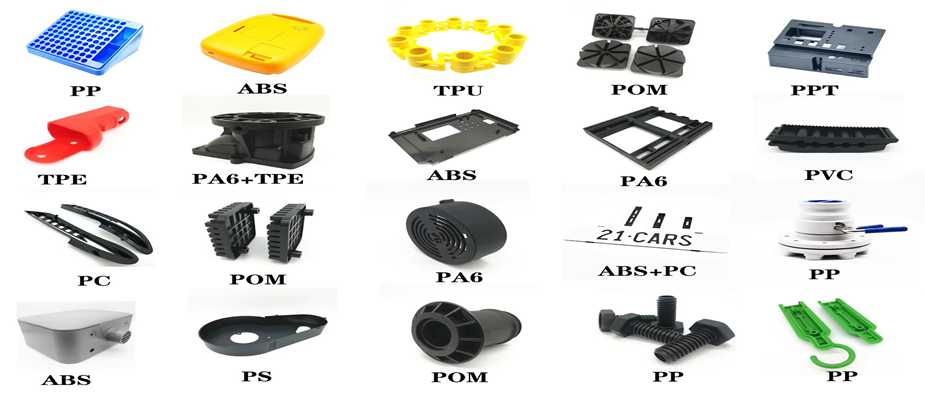
Depending on the product type and the performance requirements of the product, other plastic materials can be used with the aluminum injection mold. Materials can have different properties such as being strong, flexible, durable and resistant to heat. The quality of the product will be very dependent on the selection of material.

Common materials used

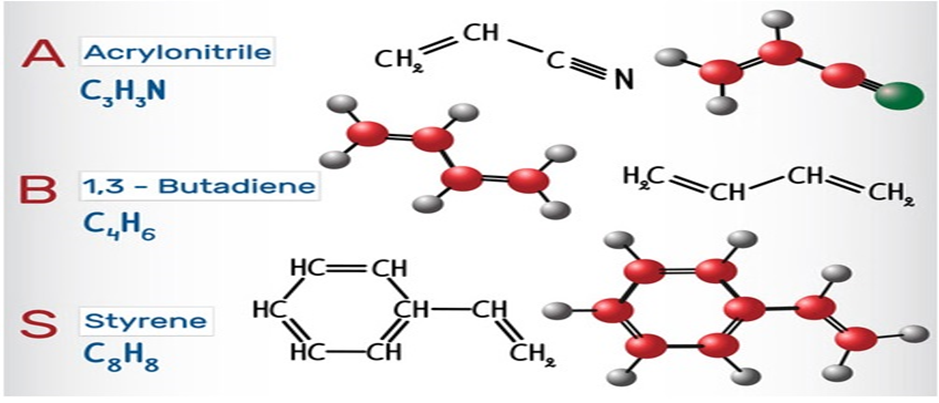
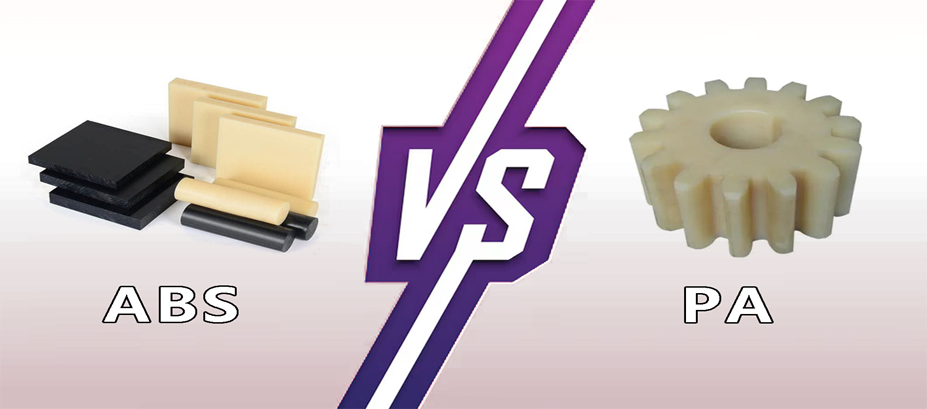
ABS (Acrilonitrila Butadieno Estireno): ABS is a high-impact, strong plastic that is used in a variety of industries. Very popular due to its durability and toughness. It is found in electronic enclosures, toys and vehicle components. Has a fair amount of strength and rigidity, so it is very strong for use every day.

  • Polipropileno (PP): This is a soft, low cost and flexible plastic. It is chemically resistant, thus well suited for a variety of applications. It is widely used in packaging, storage containers and consumer products. It is also very light and is easy to shape, making it suitable for large scale production.
  • Polyethylene (PE): Polyethylene is a tough, strong and durable plastic. It can be employed in packaging films, plastic bottles and pipes. It is one of the main benefits as it is effective at low temperatures. This makes it ideal for industrial and domestic purposes.
  • Náilon (poliamida): Engineering Plastic; strong. Resistant and long lasting to heat. Used in mechanical component & industrial parts.

A very durable clear plastic such as polycarbonate (PC). It is used for lenses and in protective covers, safety equipment, due to its high impact resistance.

Limitations of Aluminum Injection Molds

While there are a number of advantages to aluminum injection molds, there are also some drawbacks. They are not as durable as steel molds, and may be worn out earlier. Not recommended for very complicated productions or very high pressure (HP). But most uses don’t have these disadvantages and the benefits are more. Aluminium should be used with a good surface quality, which can be affected over time in long runs. May also be more susceptible to scratching than steel. Thus, the use of it is limited to low or medium levels of production, primarily. It will work extremely well for prototypes and testing, however.

Tips to Reduce Aluminum Injection Mold Cost

It’s possible to save money on aluminum injection mold. Less machining time is achieved with simple designs. It also lowers the costs of standard parts. Clean up any unnecessary features, it helps to save time and money. It can also be improved to a more efficient process if it’s done with experienced manufacturers. When designing for production, an important tip is to complete the design process prior to the beginning of production. The expenses may be higher if design changes are made thereafter. The other significant factor is to use the appropriate material for the product requirement. As long as one is properly prepared, the overall budget is always decreased.

Aluminum Injection Mold vs Steel Mold

Depending on the production needs, each of the aluminum moulds and steel moulds will be chosen. Aluminum molds are the fastest and least expensive of the various types of molds. Steel molds are more durable, longer production runs and last longer. Aluminum molds are less expensive and stronger than steel molds, but are also easier to machine and lighter, and take longer to make.

Aluminum molds make excellent market testing molds as they are easy to make and are excellent quality. Steel molds are more suitable for mass production – millions of parts produced. If flexibility and speed are key, then use of aluminum is better. When long life is desired, steel is the material that is preferred.

Considerações sobre o projeto

The design of the aluminium injection mould plays an important part. Simple designs are best. In good wall thickness, their strength will depend on their cooling. Angles to make it easy to remove parts. The design of cooling channel makes it more efficient. A good mould minimises mistakes and enhances the product quality. It also helps to minimize stress in the mold when it’s time to make the part. Preventing the formation of hair pin turns or air traps or crack in smooth flow paths. Engineers always have to determine the cost, speed and strength. Mold life and performance is enhanced by proper design.

Production Speed and Efficiency

Aluminum molds are made at a high speed. This is because aluminum cools plastic faster than steel, thus decreasing cycle time. This will help to increase productivity and efficiency. Faster production also assists companies to fulfil deadlines and boost profit. Cycle time can be shortened in many instances to a great extent. This translates to increased number of parts in shorter production times. It also can reduce the energy use of each component. The reason for the extensive use of aluminum mold for injection mold in the fast-growing industry is that it is an excellent choice.

Maintenance and Lifespan

Aluminum injection mould needs to be maintained. The grease and cleaners are used on a regular basis to extend the life of the parts. They can be used to make thousands of parts, and are not quite as durable as steel molds. They are a great choice for low to medium production. When not in use, molds need to be stored properly along with their correct use. Moisture and dust will help to preserve the surface. Inspection will aid and inhibit early wear. If used correctly it will last a long time.

Environmental Benefits

Aluminium moulds do not cause as much damage to the environment. They need less production/operating energy. Aluminium is also sustainable being recyclable! In addition, the increased production also leads to less energy use. They are appropriate for business that are green manufacturing. Reducing energy consumption translates to reduced carbon footprint. The other benefit is that during recycling of the aluminum, less industrial waste is produced. This is an added value to the modern sustainable production systems.

Aplicativos comuns

The Aluminium injection moulds are used in different industries. They are employed in the automotive industry as prototypes. They are employed in the medical sector in the creation of devices. Reputable and adopted by electronics firms for speedy manufacturing. They’re utilized by consumer goods manufacturers for consumer goods. They also have application in packaging, house-hold and industrial applications. They can be used in small and medium projects due to their versatility. For many start-ups, they are the preferred option for testifying their product launch. This gives them a greater value in today’s markets.

Desafios

Some problems with the aluminium moulds. Not as long lasting as steel and can be subject to wear and tear. Not recommended for highly large amounts. But, with proper design and use, these issues can be minimized. The others are that it has a weak strength at high pressures and it is not waterproof. Very complicated designs can lead to a loss of performance with time. Overall, however, they are able to perform well in the typical use cases. They can be well maintained and if used appropriately, perform very effectively.

Considerações finais

The times are intelligent and efficient production methods for the aluminum injection molding. It provides quickness, versatility, and savings. Ideal for rapid product development, low volume production and prototypes. Lower price point of the aluminum molde de injeção allows it to be affordable for startups and scaling businesses. Meanwhile, it also performs perfectly and can be utilized in huge industries. With all these advantages and disadvantages that are known to their business they can then take the benefit of it to the full extent. With the technology development, the influence on the future production will even be more on aluminum molds.

Perguntas frequentes

What is an aluminum injection mold and why is it important?

Aluminium Injection Moulding is a press which can be utilized to inject softened plastic in the shape cavity to make plastics products. The importance of it is because it could enable them to produce in a short time, reduce production cost and also produce good quality products. It is a favorite material for prototyping and for the demands of speed and flexibility in short production runs and is used in a variety of industries.

What are the influencing factors of the price of aluminum injection mold?

The various factors that might impact aluminum injection mold cost include mold size, the complexity of the mold design, the number of molds and the type of mold material. The price will vary based on the complexity of the mold – simple molds will be less expensive than more complicated molds. The price also varies depending on the number of the production and the specifications of the finished product.

Why are aluminium moulds faster to use in injection moulding than the steel moulds?

Since the conductivity of aluminium is high, the aluminium type molds used for injection molding are fast. It has high thermal conductivity, making plastic quickly cool in mold cavity. This not only decreases the cycle time, but also speeds up the production rate, which in turn is more efficient.

When choosing between Aluminium injection molding die and Steel molding die, which one to use?

Aluminum injection molds are a good option to be considered when it comes to speed of production, low cost and flexibility of design. They can be used to prototype, test and for low to medium volumes. Even if many items are to be created, steel moulds could be more effective, as they last longer too.

What is the best thing about the Aluminium Injection Mold?

The major advantages of aluminium injection molds are: They are faster in production, cheaper, very versatile and offer a good surface finish. All these benefits make them an attractive option for companies seeking efficient and flexible manufacturing solutions.

Sala limpa para moldagem por injeção

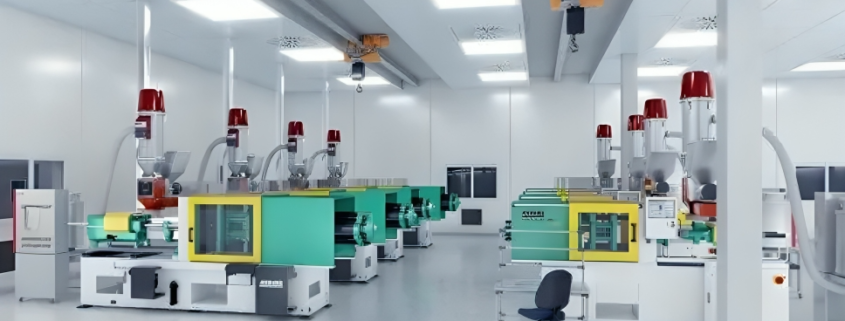
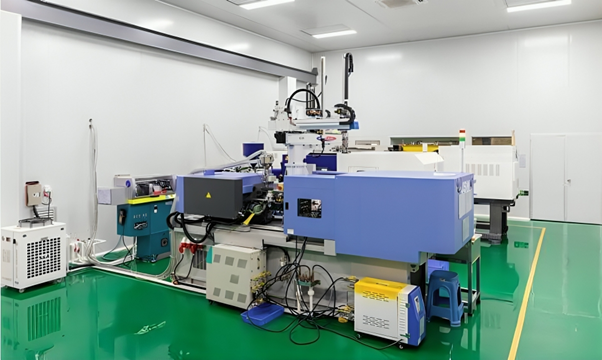
One of the most significant technologies in the contemporary manufacturing is injection molding cleanroom technology. It is applied in the situations when the products have to be of the utmost purity and free of any contamination. The industries such as medical, pharmaceutical, electronics and healthcare cannot do away with this process.

A clean space that is controlled is necessary as opposed to normal production environments. This will make sure that there are no dust, particles or bacteria that will be able to influence the end product. Cleanroom injection molding is used in many industries to ensure that there are high standards of quality.

Understanding Injection Molding Cleanroom

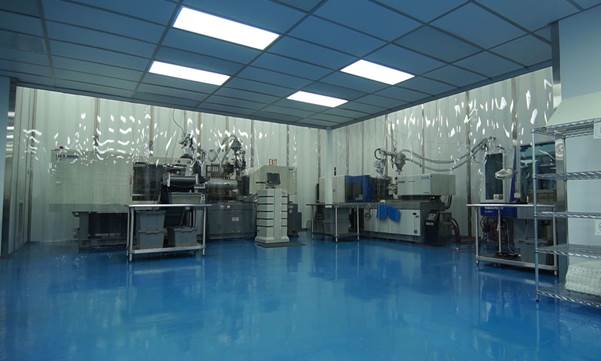
An injection molding cleanroom is a manufacturing facility that is controlled, with a high degree of cleanliness and it is used to create plastic components. The air is clean; there is regulation of temperature and minimization of contamination. It is a completely different process as compared to normal molding. It is applicable to products whose safety and hygiene is important. This is the reason why cleanroom injection molding services are mainly in demand in medical and precision industries.

Why Cleanroom Injection Molding is Important?

Sensitive products are to be manufactured with clean manufacturing. A single particle can have an impact on the performance or safety. The reason why controlled environments are applied is because of this. When it comes to products such as healthcare and pharmaceuticals, the purity of the products is of paramount importance. The cleanroom injecting molding guarantees that the products are up to international standards and regulations in terms of safety.

How Injection Molding Cleanroom Works?

Injection molding cleanroom is a controlled production that is employed in products which need contamination-free environment. It is typically applied in the medical, pharmaceutical and electronic fields. Each of the steps is handled with utmost care to ensure hygiene, precision and safety of the products.

Step 1: Raw Material choice and Preparation

It starts with the choice of plastic materials which are high quality and according to the needs of the product. The materials are normally in the form of pellets and have to be highly pure. Pellets are stored in capped containers before use, to avoid dust or contamination. All these are done in a controlled environment to ensure that it remains clean at all times.

Step 2: Work to Cleanroom

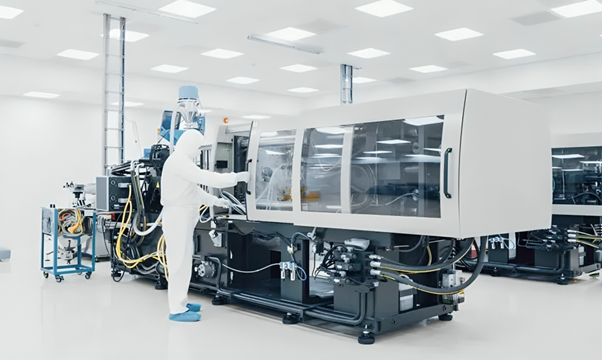
The materials after preparation are moved into the cleanroom. This is through sealed systems and airlocks so as not to be exposed to the outside air. This step is followed by workers employing stringent hygienic practices. They also put on protective attires including gloves, masks and cleanroom suits in order to have a sterile environment.

Step 3: Plastic Material is Melting

The plastic pellets are used inside the cleanroom to inject them in the injection molding machine. The material is heated and melts down to be in the form of liquid. This melting is cautiously monitored so as to be consistent. The environment is clean and stable to avoid contamination of the environment in case of production.

Step 4: Injection into Mold

After melting the plastic, it is then pressurized into an accurately designed mold. This is already in the mold within the cleanroom. The controlled conditions also guarantee an absence of dust or particles to the process. This is an essential step towards a high-quality production in injection molding cleanroom.

Step 5: Cooling and Solidification

Once the injection of molten plastic is completed, the plastic begins to cool in the mold. The cooling system is well controlled to ensure the accuracy of shape and strength of products. As the material is cooled it becomes hard and assumes the precise shape of the cavity of the mold. This measure makes certain accuracy and longevity in the end product.

Step 6: Mold Opening and Removal of products

After the product is completely solidified, the mold will automatically or manually (depending on the system) open it. The completed portion is scraped away. This step is done with special consideration so as not to be contaminated. The cleanroom environment will make sure that products are sterile upon their removal.

Step 7: Check and Quality Control

All the products are subjected to careful inspection after removal. The quality control departments examine the defects, contamination or any error in manufacturing. Products which are not up to standard are not allowed to be further used. This guarantees cleanroom production of injection molding.

Step 8: Clean Packing and storage

Packaging of the products will be the last procedure in a sterile environment. Cleanliness and safety is ensured by using special packaging materials. Products are then stored or shipped and under controlled conditions. This makes them not contaminated even up to the time they are used by the end user.

Cleanroom Classification Levels

Various classes of cleanrooms are classified according to the air quality. The number of particles to be in the air is decided by each level. Less level of particles implies an increased cleanliness. High-class cleanrooms are often needed when it comes to medical devices. This guarantees accuracy and safety of cleanroom injection molding.

Industries which employ cleanroom Injection Molding

Clean manufacturing processes are important to many industries. All industries have stringent standards on product hygiene and safety. It is used in medical industry as a syringe, implants and surgical instruments. It is used in sensitive parts in electronics industry. Cleanroom injection molding services are of great importance in these industries.

Medical Industry Applications

Medical is another sector that has the highest usage of cleanroom molding. The products should be sterile and fit to be used by humans. The controlled environment is used to manufacture items such as IV components, surgical instruments and diagnostic tools. This guarantees the high level of safety in injecting molding of the clean rooms.

Electronics Industry Applications

Dust and contaminations are very sensitive to electronic components. Damaging performance can be done by even small particles. The reliability and durability are guaranteed by cleanroom production. It assists in creating micro-elements and accuracy devices with the help of injection molding cleanroom.

Advantages of Cleanroom Injection Molding

Manufacturers and industries have numerous benefits with this process. It is safe, accurate and of high-quality production.

Key benefits include:

  • Good level of cleanliness.
  • Reduced contamination risk
  • Better product safety
  • High precision manufacturing
  • Meeting the industry standards.

All these advantages render cleanroom injection molding essential to the critical industries.

Materials Used in Cleanroom Molding

Depending on the needs of the products special materials are utilized. These are materials which have to be of high quality. Typical materials are plastics, of medical grade, and high-purity polymers. They guarantee cleanroom injection molding services which are safe.

Comparison of normal and cleanroom Molding

Normal molding in a normal factory atmosphere where there is no total control of air is done. The dust, particles and small impurities may be involved throughout the production. This is tolerable in the case of general plastic products, in which there is no need of high sterility. Cleanroom molding, however is done in a fully filtered and controlled setting. Air is constantly purified and any risk of contamination is kept to minimum. This renders it very appropriate to medical, pharmaceutical as well as electronic products.

The other major distinction is with regard to handling and hygiene control. Normal moulding gives an opportunity to have more people in the production. To ensure purity of products, cleanroom molding minimizes contact, and observes high safety standards.

Pontos principais

  • The open-air conditions at the factory are normal.
  • Cleanroom molding involves use of filtered and controlled air.
  • Increased risk of contamination of normal molding.
  • Stringent cleanroom hygienic regulations.
  • Sensitive and medical products are cleaned in cleanroom.

In Cleanroom Injection Molding, Equipment is Utilized

Cleanroom injection molding involves special equipment which is used to provide sterile environment. Machines are enclosed and are designed in such a way that they minimize the chances of contamination during manufacturing. To ensure that the air is kept clean at all times air filtration systems such as HEPA filters are employed. Temperature, and humidity are also regulated to ensure that everything is at constant. To prevent the entry of particles to the cleanroom, operators have protective clothing.

Key Equipment Points

  • Sealed high-precision molding machines with high precision.
  • Clean air HEPA air filters.
  • The units of temperature and humidity control.
  • Clean room protective clothes and gloves.
  • Controlled access airlocks.

All these tools and systems are combined to assist injection molding cleanroom requirements and production quality to remain high and contamination free.

Cleanroom Production of Quality Control

There is high level of quality control in clean rooms. All products are checked at the correctness and safety. The inspection procedures make sure that none of the defective or contaminated products are discharged. This is one of the important components of cleanroom injection molding services.

Cleanroom Injection Molding price

More costly than regular molding, this procedure is involved. This is due to sophisticated machines and test conditions. Nevertheless, the price is compensated by quality and safety of the products. Precision-based industries opt to use cleanroom injection molding although it is expensive.

Injection Molding Cleanroom Problems

Despite being very successful, there are challenges of this process. Strict rules and monitoring of the environment are needed to maintain a controlled environment. Challenges are high costs of operation and technical needs. Nonetheless cleanroom injecting molding is still used in the critical applications of industries.

Standards and Compliance Requirements of Cleanrooms

Cleanroom injection molding is based on the strict international standards in order to guarantee the safety of products and their consistency. These criteria indicate the level of cleanliness that the environment should be and the level of control in production. The facilities should have common checks on the quality of air, temperature and humidity. Even the minimal contamination risks have to be controlled. This is necessary to industries which have critical products that are injected in a cleanroom.

Air Filtration and Control of the environment

The most significant aspect in cleanroom manufacturing is air quality. Dust, particles and bacteria are removed by the use of special HEPA and ULPA filters to clean the air. Humidity and temperature are also kept at a low level. The stable conditions also aid in ensuring that there is no contamination of a product during the cleanroom production of injection molding. This will avoid flaws and pollution.

Safety and Hygiene measures of the operators

Cleanroom workers have to abide by stringent hygiene regulations. To avoid contamination, they put on special suits, gloves, masks as well as shoe covers. Air showers and cleaning processes are implemented on operators prior to getting into the production area. These measures guarantee safe injecting molding activities in the cleanroom, without the introduction of external particles.

Automation Cleanroom injection molding

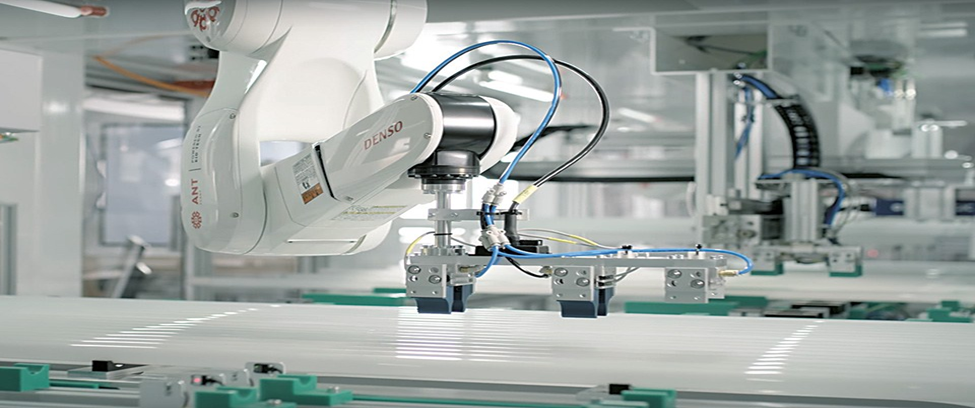
In cleanroom production, automation has a significant role to play in the contemporary world. Most of the production process is done by machines and there is minimum human contact. This minimizes risk of contamination and boosts efficiency. The cleanroom injection molding services are also enhanced by automated systems particularly in high volume production.

Precision and Accuracy in making

The cleanroom is a facility that is developed to produce very precise manufacturing. The slightest mistakes can have an impact on the safety and performance of products. The use of advanced machinery makes every part to be specific to the specifications. Such accuracy is among the primary reasons why industries would choose cleanroom injection molding to sensitive applications.

Cleanroom Facility cleaning

To maintain cleanroom environments, regular maintenance is needed. Air systems, filters and machines should be periodically checked. The smallest failure can have an impact on the product quality. Clean injection molding cleanrooms are properly maintained to guarantee a smooth operation and reliability.

Cleanroom Systems – Energy Efficiency

Advanced systems that use energy are necessitated in cleanroom facilities. But with the new technology we have in use energy consumption is being minimized. The effectiveness of machines and intelligent systems is enhancing sustainability. This assists in minimizing the cost of operation in the clean room injection molding service whilst still producing high quality.

Cleanroom Injection Molding Demand all over the world

Cleanroom manufacturing is on the upswing throughout the world. Industries are prioritizing on safety, hygiene and precision. The high medical and electronics industries of these countries are also investing on cleanroom injecting molding technologies in order to support the increased demands.

Cleanroom Technology Innovation

The technology of cleanrooms is advancing fast with the new automation and electronic systems. One of the areas that manufacturers are currently preoccupying is the ability to produce more precise, safe and highly controlled production environment. The above enhancements are useful in minimizing chances of contamination and enhancing the quality of products in sensitive sectors.

Cleanroom production has become largely a part of automation. Machines have replaced a lot of the work which was done manually. This minimizes human interaction, minimizes the possibility of contamination and enhances uniformity of the production process.

Modern cleanrooms also have a high usage of smart sensors and monitoring systems. These systems monitor the air quality, temperature, humidity and pressure at all times. In case any change has been identified, automatic changes are done in order to keep the conditions within the environment stable.

The technologies based on AI are also enhancing output and identifying possible problems in the early stages and facilitating the efficient manufacturing process. All these innovations are collectively transforming moldagem por injeção cleanroom systems to be efficient, reliable and advanced.

The future of Cleanroom Injection Molding

Cleanroom injection molding has great potential to continue to grow in the future as the need in a variety of industries rises. Such industries as medicine, electronics, and pharmaceutical are becoming more and more in need of clean, and precise production facilities. This is propelling an expedited progress in cleanroom technologies.

Even more automated and intelligent production systems are likely to be implemented in the next few years. Most processes will be done with little human intervention as machines will help in speeding up processes, providing accuracy and efficiency and minimizing errors.

Another significant part of the enhancement of the cleanroom operations will be digital technologies. The systems based on data will assist with monitoring the production in real time and aid the improved decision making. This will streamline manufacturing and make it cost effective.

Meanwhile, the world industries are facing a trend towards even more stringent cleanliness requirements. This trend is on the rise and is creating a need of injection molding cleanroom solutions across the globe. With the ever-growing technological advancements, cleanroom systems are bound to be more efficient, reliable and a necessity in current manufacturing.

Making a decision in Favor of Cleanroom Injection Molding Services

It is quite crucial to choose the appropriate manufacturer. Care should be taken in terms of experience, technology and certifications. A good supplier will guarantee quality production and adherence. It is ensured that professional cleanroom injection molding services are offered and this ensures enhanced performance as well as safety.

Considerações finais

The clean room technology of injection molding is vital to the present day precision manufacturing. It guarantees safe, clean and high-quality production. It is very important to industries such as medical and electronics. As demand increases, cleanroom injection molding will proceed to grow all over the world. It is still considered one of the surest techniques of manufacturing sensitive and high precision plastic products.

Frequently Asked questions

What is the use of injection molding cleanroom?

Plastic parts are manufactured in a most controlled and sterile environment in injection molding cleanroom. It is primarily utilized in medical equipment, pharmaceutical products and highly sensitive electronic parts in which cleanliness is highly valued.

What is the significance of cleanroom in injection molding?

The significance of a cleanroom is that the space where production is done is free of dust, particles and contamination. This will guarantee high quality, safe and products that are appropriate in sensitive applications such as healthcare and electronics.

What are some of the industries where cleanroom injection molding is applicable?

Medical, pharmaceutical, electronics and food packaging industries are the common applications of this process. These industries need high hygienic conditions and accuracy in the production process in order to guarantee safety and performance of the product.

Is it costly to do cleanroom injection molding?

Yes, it is typically costly as compared to normal injection molding. This is because of sophisticated equipment, stringent environmental procedures and special safety needs which make it more expensive. Nonetheless, it is of better quality and reliability.

What is a normal and cleanroom injection molding?

Normal injection molding occurs under normal factory conditions that may have dust, and particles. The injection molding is carried out under a cleanroom environment that is filtered with minimal contamination and results in high purity of products.

Moldes familiares Moldagem por injeção

One of the intelligent manufacturing solutions that are adopted today by most industries is family mold injection molding. It enables various components to be cast in one mold. This renders the process of production cheaper and quicker to businesses.

This is the choice of many manufacturers, as it is a time- and cost-saving method that lowers the tooling costs. Using family tool injection molding, the companies are able to make various parts during a single cycle. This enhances efficiency and productivity.

What is Family Mold Injection Molding?

Family mold injection molding is a process in which various parts are made out of a single mold. These components tend to be associated and are consumed together in a product. This renders the process more effective than individual molds. This technique has several cavities of the parts in a single mold. The cavities are created with great care so as to guarantee an adequate filling and cooling of the cavities. That is why, family mold injection molding is very popular in the contemporary production.

How Family Mold Injection Molding Works?

The family mold injection molding is a process that is structured. It is made to make several related parts at a time. Every step is valuable to guarantee a smooth production and quality assurance.

1. Product Design and Planning

This begins with the design of all the parts to be manufactured as one. Each component is designed in 3D detail by the engineers. These components tend to be interrelated and are employed together in the same product. With good planning, it is possible to have all the components molded together. This is a crucial step to a successful family mold injection molding and prevent production problems in the future.

Step 2: Mold Design Multiple Cavities

Once the design of the product is completed, a mold is made which has several cavities. Each hole is in the shape of a different part. Engineers ensure that there is balance in all cavities. The design needs to enable the same amount of flow of material into each cavity. This can be compared to family tool injection molding where a number of parts is made together cost-effectively.

Step 3: Mold Manufacturing

After the design is prepared, the mold is made of powerful materials such as steel or aluminum. It is done by high-precision machines to guarantee accuracy. This is tested on the mold prior to production. This guarantees that family parts are all manufacturable with the right injection molding through family molding.

Step 4: Material Preparation

The choice of plastic material depends on the requirements of the product. It is normally in the shape of small pellets. The injection molding machine is fed with these pellets. The same material is used for all parts in the mold. This is done to provide smooth processing of the tool and uniform results of the family tool injection molding.

Step 5: Melting and injection

The plastic is melted into liquid by heating the plastic pellets. High pressure is then applied to inject this molten plastic in the mold. The flow of the material is simultaneous in all cavities. This enables two or more components to be fabricated in family mold injection molding.

Step 6: Cooling and Solidification

Once injected the plastic starts cooling in the mold. When it is cooled, it solidifies and assumes precisely the shape of every cavity. It should be properly cooled in order to prevent defects. This measure will guarantee good and robust parts in family tool injection molding.

Step 7: Discard of Parts

As soon as the material is completely cooled, the mold is opened. Ejector pins are used to remove the finished parts. Each of the parts is ejected within a single cycle. This renders family mold injection molding quick and effective.

Step 8: Finalisation and Checking

The parts might require trimming or finishing after being ejected. Any additional material is done away with to make it look better. The quality checks are done to make sure that all parts are up to standard. This process provides uniformity of family tool injection molding.

Step 9: A Cycle Repetition

This is repeated to produce the mass production. The identical mould is reused to make the same sets of parts. This process goes on until the desired amount is obtained. This renders family mold injection molding very effective when it comes to high volume production.

The major advantages of Family Mold Injection Molding

There are numerous benefits that family mold injection molding is beneficial to manufacturers. It assists in lowering the cost of production as well as enhancing efficiency. This renders it a favorite in various sectors. A significant advantage is time savings in the production. Fewer cycles are required since a variety of components are manufactured simultaneously. This renders family mold injection molding an economic choice to conduct mass production.

Economy in the Production

Cost savings is one of the greatest benefits of this technique. A single mold is utilized in producing more than one part as opposed to producing individual molds. This saves tooling and maintenance expenses. China family mold injection molding services find a wide range of companies as they have competitive prices. It is also a favorable choice to businesses across the world due to the low labor costs and high level of manufacturing.

Design to Family Molds

Design is very significant in this process. The material and processing of all parts used in the mold should be similar. This guarantees quality uniformity. The flow of substance on the inside of every cavity should be well balanced by engineers. Successful family tool injection molding and easy production relies on proper design.

Difficulties with Family Mold Injection Molding

Despite numerous advantages of this way, there are certain difficulties. Balancing of the flow of plastic is one of the primary issues. Otherwise, not all parts might fill in. The other problem is to sustain uniform quality of all parts. It needs finely expertise engineering and machine settings. Nevertheless, family mold injection molding is very successful despite these difficulties.

Applications of Family Mold Injection Molding

Due to its efficiency and cost-saving nature, family mold injection molding is being extensively applied in various industries. It enables manufacturers to create various related components in a single cycle. This renders it a viable option when it comes to products which need a number of components.

1.     Automotive Industry

This process can be used in the automotive industry to manufacture interior and small functional parts. Products such as clips, covers, connectors and fasteners are usually produced as a combination. These parts are required in the same system hence it is more efficient to manufacture them in a single mold. This renders family mold injection molding quite convenient in vehicles production.

2.     Electronics Industry

This approach is also beneficial to the electronics industry. Smaller components such as casings, buttons, switches and connectors are usually made in large quantities. This guarantees quality uniformity and less production time. Family tool injection molding assists manufacturers in being consistent throughout all the parts.

3.     Consumer Products

This process is used to manufacture many of the things that people use on their daily activities. Packaged products such as bottle caps, lids, containers and packaging parts are usually manufactured in a single cycle. The approach assists businesses to minimize the cost and enhance the rate of production. It is particularly applicable to consumer goods that are in high demand.

4.     Packaging and Managing Industry

There are various related components that may be required in the packaging industry. Family molds enable the manufacturers to manufacture these parts in two ways: with maximum efficiency. China family mold injection molding services are used by many businesses to make packaging components quickly, and at a lower cost without compromising on quality.

Family Mold vs Single Cavity Mold

Single cavity molds do not resemble family molds. Only one part is formed with a single cavity mold. Family molds on the other hand develop more than one part at a time. This renders family tool injection molding more effective when it comes to products that have many parts. Nevertheless, it will have to be designed and planned so that it can deliver good results.

China Injection Molding role in Family Mold Injection Molding

China has a significant contribution in injection molding industry of the world. Chinese manufacturers are the preferred vendors in many companies due to their low-cost solution. They provide high-tech solutions and professional workforce. This is the reason why China family Mold injection molding is so popular. Companies are able to save money as well as uphold high quality standards.

Choice of Materials in Family Molds

It is quite important to select the correct material in this process. The same material should be used in all parts of a family mold. This guarantees uniform melting and solidifying. Some of the common materials are ABS, polypropylene and polyethylene. Family mold injection molding can be enhanced by proper selection of materials.

Speed and Efficiency of Production

The main benefits of this approach are the speed of production. Several components are made per cycle, which saves on time of production. This effectiveness makes family tool injection molding the ideal one in high volume production. It assists companies to address the demand in the market in a timely manner.

Family Mold Injection Molding Quality Control

It is important to maintain quality in manufacturing. All the components should fit the necessary standards and requirements. Testing and inspection is one of the techniques used by manufacturers to guarantee quality. Mold injection of family moulds should be properly controlled so as to provide reliable and consistent products.

Success tips in Family Mold Projects

This process requires a lot of planning to achieve success. Evident design specifications and effective communication with the manufacturers is critical. Experienced professionals aid in avoiding mistake. An experienced team makes family tool injection molding the most effective.

In-depth Dynamics of Mold Injection into Family

It is not just family mold injection molding that is concerned with cost saving. It also enhances planning of production and minimizes the use of machines. This technique is employed by many companies to deal with numerous elements within a process. This will provide a better inventory control. It also minimizes the time and handling of production. This is why complex products are more likely to be molded using family mold injection molding as preferred by many manufacturers.

The main Favourable Family Mold Injection Molding

The approach has a number of key advantages to business. It assists in enhancing efficiency and lower manufacturing cost.

Pontos principais:

  • Several components are being manufactured in a cycle.
  • Less expensive tooling than single molds.
  • Reduced production time
  • Improved conformity of related components.
  • Less machine usage and energy consumption

These benefits make family tool injection molding an excellent option to the contemporary manufacturing.

When Family Mold Injection Molding is to be used?

This method is not suitable to all projects. It is most effective in cases where components are interrelated and are used in a single product. In cases where component parts are of nearly equal size, content and manufacturing needs, this technique is quite efficient. China family mold injection molding is favored by lots of companies that have products with various parts.

Restrictions You ought to be aware

Although it has numerous advantages, there are certain limitations. To prevent production problems, there must be proper planning.

Pontos principais:

  • The entire sections should be made of the same material.
  • The imbalance can be due to the use of different part sizes.
  • Mold cost can be raised by the complexity of the design.
  • Maintaining it may be a little bit challenging.

Knowing these, it can be better used in family mold injection molding.

Design Principles to achieve the best

A well-designed design guarantees a smooth production and quality production. Planning of every cavity in the mold should be done with care by the engineers.

Pontos principais:

  • Maintain similar size parts.
  • Make sure that there is an equal flow of the material in every cavity.
  • Employ adequate system design of cooling.
  • Avoid over-complicated shapes

These hints enhance success in family tool injection molding undertakings.

Comparison Family Mold and Multi-Cavity Mold

Family molds are mists that many people mix with multi-cavity molds. They both differ in design and functionality. Family Molds make various components in a single mold. Multi-cavity molds are used to make the same part in more than one mold. China family mold injection molding companies usually select according to the need of the product.

Comparison of costs and efficiency

Molds in the family lower the cost of tooling but need to be carefully designed. The first design can be complicated, yet in the long-term the savings are high. Family mold injection molding is one of the preferred businesses that aim at cutting down costs. It offers a trade off between the cost and production efficiency.

Industrial Use Cases

This technique is common in sectors in which a combination of several parts is required. It enhances the speed of assembly and shortens the production time.

Pontos principais:

  • Automotive parts production
  • Electronic components manufacturing
  • Packaging products
  • Household plastic items

Family tool injection molding is very beneficial in these industries.

The Future Challenges of Family Mold injection Molding

The prospects of this process are quite positive. The new technologies are enhancing precision of designs and efficiency in production. Automation is making a significant contribution too. Organizations are embracing new innovative ways of enhancing performance. This will further enhance the benefits of China family Mold injection molding in the coming years.

Resumo

Family mold injection molding is a high-tech manufacturing solution that is more efficient and cost-effective. It enables the companies to manufacture numerous parts related to each other within a cycle. Properly designed and planned, this method produces great results. China family mold injection molding is important to many companies in order to remain competitive in the global market.

With knowledge of its advantages, disadvantages, and uses, businesses will be able to apply family mold moldagem por injeção successfully and be successful in the long-term.

Frequently asked questions

1. What does family mold injection molding mean?

Family mold injection molding is a process in which various different parts are made in one mold. These components tend to be interrelated and are employed together in the same product. This process is useful in saving time and lessening the cost of production.

2. What problems do I need to use family mold injection molding?

This is the most appropriate when you require a number of related parts that are composed of the same material. It is effective when the components of the products are of similar dimensions and manufacturing specifications.

3. What is the difference of family mold and multi-cavity mold?

A family mold is used to manufacture various components in a single mold, whereas a multi-cavity mold manufactures the same component many times. They are both effective however they are applied to various production requirements.

4. Is it cost effective to use family mold injection molding?

Yes, it is economical in producing more than one part. It minimizes tooling expenses, and saves time in production. Nevertheless, it is necessary to design it properly to obtain the maximum outcomes.

5. What is the industries of family mold injection molding?

The application of this process is prevalent in the automotive, electronic, packaging and consumer goods sectors. It is perfect in products which have several plastic parts.

Moldagem de plástico personalizada: Guia completo para a fabricação moderna

One of the most significant processes of manufacturing that is applied nowadays is custom plastic molding. It assists companies in developing plastic products which are unique according to their needs. It is applied extensively in such industries as automotive, medical, electronics and packaging.

Most businesses are willing to use custom solutions as it is flexible and has higher quality products. Using the assistance of a custom plastic molding company, companies are able to make your ideas come to life. This streamlines the production process and makes it more dependable.

What does Custom Plastic Molding mean?

Custom plastic molding involves the use of plastic material, which is molded into a particular design by the use of a mold. The mold is particularly designed depending on the product needs. This will enable manufacturers to come up with distinct and quality products.

Custom molding in comparison to standard molding is geared towards particular designs and functions. A custom plastic mold would be designed in a way that would guarantee accuracy and consistency. This is the reason why it is popular in the current production systems.

How Custom Plastic Molding Works?

Custom plastic molding consists of a series of steps to be followed. All steps are significant in order to achieve high-quality production and the correct results. Being informed about such steps would assist business in planning to prevent some expensive mistakes.

Step 1 Product Design and Planning

The initial one is to design the product in line with certain requirements. The engineers are able to produce a 3D model of the product by use of sophisticated software. This design will contain size, shape and all technicalities. It is important that it is well planned at this stage. An illustrative design will minimize mistakes and create a smooth production. It assists in making a powerful and precise mould as well.

Step 2: Mold Design and Development

Once the product design has been complete, then the mold design is to be developed. The mold is precisely designed so as to fit perfectly into the shape of the product. The mold is made out of materials such as steel or aluminum. The material selected will be based on the quantity of production and its longevity. A properly designed mold will guarantee uniformity.

Step 3: Mold Manufacturing

After the design is prepared, the mold is made out of the precision machines. It is very precise as any little error can have an impact on the end product. Post-manufacturing testing of the mold is done to ensure that it is within all specifications. This measure will make sure that the mold is ready to be used in the production.

Step 4: Selecting and preparing the materials

The selection of the appropriate plastic material is extremely crucial. Strength, flexibility and heat resistance are some of the properties of different materials. The plastic chosen is normally in a form of tiny pellets. These pellets are ready and put through the injection molding machine to be processed.

Step 5: Melted and Injection

The plastic pellets are heated in the machine until they melt to the form of a liquid. High pressure is then applied to high pressure injection into the mold with this molten plastic. The pressure is high enough to make sure that the material occupies all the components of the mold. This is essential in order to obtain the correct shape and fineness.

Step 6: Cool and Solidify

Following the injection of the molten plastic, it starts cooling in the mold. It solidifies as it cools, and assumes the shape of the cavity of the mold. The time to cool is dependent on the size of the product and the material. They should be cooled properly in order to prevent defects and provide strength of products.

Step 7: Squeezing out the Product

After the material is completely cooled and solidified the mold opens. The end product is then taken away with the help of ejector pins. This should be done with caution so as not to destroy it. The product will not lose its shape or quality, as a result of having a smooth ejection process.

Step 8: Finishing Check and Quality Check

The product can undergo finishing processes after it has been ejected. These also involve the trimming, polishing or surface treatment where necessary. Quality tests are also conducted so as to maintain all the standards of the product. This will ensure that all the pieces are uniform and can be used.

Step 9: Repeat of Production Cycle

After the process has been completed, the process is repeated to move to mass production. The identical products are manufactured with the help of the same mold. This is repeated, making the process quick and economical. It enables manufacturers to come up with large production volumes that are of the same quality.

Types of Custom Plastic Molding Processes

Custom plastic molding has various processes that are applied depending on the nature of the product, material and the production needs. The processes are each with their advantages and are selected depending on complexity of design, cost and volume of production. The knowledge of such techniques assists companies in choosing the most appropriate one.

1.Injection Molding

The most popular technique in the production of plastics is injection molding. It is a process of applying high pressure to molten plastic in a mold, to produce finely detailed and precise parts. It is the most suitable way to manufacture more complicated designs and a large production volume. It possesses very high accuracy, reproducibility and surface finish. It is used in high accuracy industries such as automotive, medical and electronics hence its popular use.

2. Blow Molding

Hollow plastic products are the major products made via blow molding. In this, molten plastic is blown into air to create the shape such as bottles and containers. It is very effective in production of light, and homogenous products. This is an affordable technique when producing on a large scale. It is widely applied in the packaging sector in the provision of products like water bottles, storage containers and fuel tanks.

3. Thermoforming

Thermoforming is a low cost and easy to use molding process. It is a technique that uses the heating of plastic sheets and pressing the sheets over a mold to form products. This technique is appropriate in designs that are not very expensive and intricate. It finds extensive application in creation of packaging trays, disposable containers and basic plastic products. Its cost of tooling is low thus it can be used in small production runs.

Benefits of Custom Plastic Molding

Custom plastic molding has numerous benefits to companies. It enables businesses to develop products that suit their very needs. This enhances performance of the products and customer satisfaction. The other significant advantage is the cost efficiency with high production. After designing the mold, then the manufacturing process is quick and inexpensive. An efficient custom plastic molding firm can aid in minimizing waste and enhance efficiency.

Importance of Custom Plastic Mold Design

One of the most important steps of the process is the design of the mold. An effective mold design will guarantee easy production and quality products. The lack of design might translate to flaws and high expenses. Designs are developed by engineers using sophisticated software to come up with perfect designs. The firm and accurate custom plastic mold may be used thousands of times. This renders it a worthy investment to use in the long run.

Raw Materials in Custom Molding of Plastic

The plastic materials are of different types, which are used based on the product needs. Each of the materials possesses some special characteristics including strength, flexibility or heat resistance. The typical materials are ABS, polypropylene, polyethylene and polycarbonate. Such materials are very popular in manufacturing custom molded plastics to the various industries. The correct material should be selected to have a durable product.

Custom plastic Molding Uses

The flexibility and efficiency of custom plastic molding make it applicable in most industries. It assists in developing a variety of products of various shapes and sizes. It is applied in the automotive industry, in dash boards and interior components. It is applied in the medical industry in terms of devices and equipment. A large number of companies are dependent on a custom plastic molding company in order to have a high quality of components.

Custom Plastic Molding with the Small Businesses

Custom plastic molding can also be used among the small businesses. It enables them to produce distinct products and be able to compete in the market. Even small-scale production is cost-effective, with proper planning. With custom molding plastic, businesses are able to come up with new innovative products that address customer needs.

Before selecting a manufacturer, there are factors to be taken into consideration. It is crucial to select an appropriate manufacturer to be successful in production. A good manufacturer is one that is quality, timely and cost conscious. Find experience, technology and customer reviews and then make a choice of a custom plastic molding company. Having a trustworthy partner can mean a lot in the success of the product.

Price of Custom Molding Plastic

Custom plastic molding is a cost that is determined by a number of factors. These are the design of the molds, choice of materials and volume of production. The production cost per unit will be less in large production although the initial cost of developing a custom plastic mold may be high. This will make it a long-term cost-effective solution.

Custom Plastic Molding-Quality Control

It is necessary to have quality control in the production process. It makes sure that all the products are at the standards and specifications required. Testing and inspection are some of the measures that manufacturers employ to uphold quality. Good quality molded plastics are customized which enhances customer trust and minimizes failure of products.

Environmental Effectiveness and Sustainability

In manufacturing, sustainability is an emerging significant aspect. A large number of corporations are currently recycling and making the use of environmentally friendly procedures. Less wastage and use of energy help to sustain the environment. A conscientious custom plastic molding company is oriented on the sustainable production practices.

Typical Problems of Making custom plastic moulds

Although it has its advantages, there exist a few difficulties in making custom plastic moulds. The process can be subject to design errors, problems with the choice of materials and delays in production. These issues may be prevented by collaborating with the professionals. With good planning the production of custom molded plastics will go on smoothly.

Best practices in successful molding projects of custom plastics

The most important thing about a project in molding is planning. It is very important that there are clear design requirements and that there be the appropriate choice of materials. Your manufacturer also makes a great contribution to communication. An expert custom plastic molding firm can help in taking you through the process, and guarantee maximum outcomes.

The way to select the appropriate custom plastic molding company

It is very important to select the appropriate partner in order to be successful in production. A professional manufacturer knows what you need, and provides quality work. In this, experience and technical skills hold a significant role.

Before deciding on something, it is always a good idea to review previous projects and review with the clients. An established custom plastic making firm will help you in designing, through to the final production. This guarantees a well flowing work process and quality products.

Prototyping plays a role in Custom Plastic Molding

Before full production is carried out, prototyping is very crucial. It enables the companies to experiment on the design of their products and correct in case they are required. This is to prevent expensive mistakes in the future. A prototype provides a good understanding of the final product and how it will appear and operate. Through testing at an early stage, companies are in a position to enhance their custom plastic mold design and attain better outcome in production.

Importance of Precision and Accuracy

One of the most crucial issues of plastic molding is precision. Any little mistake in designing can make a difference to the product. This is the reason why they need sophisticated machines and competent workers. Proper production guarantees all the products to be the same. Medical, electronics and other industries that require high precision of the plastics molded need to be of high precision.

Speed and Efficiency of production

The major benefit of this is its rapid production rate. After having prepared the mold, it is possible to make a lot of them within a short period of time. This is what makes it suitable to mass production.

Efficiency assists in lowering the general expenses as well. When done well, molding plastic can provide high volume production but at the same time, produce quality.

Plastic Molding of products- Custom

Custom molding assists companies to develop innovated products. It enables a firm to make distinct shapes and features, which cannot be made using the conventional methods. This is flexible and puts a business at an advantage. The new ideas of products can be developed swiftly and efficiently with the assistance of an experienced custom plastic molding company.

Major Success Factors Necessary over Time

Businesses require being quality-driven, consistent and well planned in order to achieve long-term success. The material and design used is a significant factor in attaining good results. The moulds should also be taken care of regularly, which means an extended life and high performance. A custom plastic mold of high quality which is well maintained can yield thousands of products of high quality without any problems.

Plastic Molding of Custom Products in the various industries

There are various applications of custom plastic molding in various industries. There is a standard of requirement and standards per industry. This renders the process to be very versatile. Custom molded plastics are found everywhere, in the automotive parts, as well as medical devices. This extensive application demonstrates the significance of this process in today manufacturing.

Creating less waste during Plastic Molding

Less wastage is a current day objective of manufacturers. The effective production processes will reduce the amount of loss of materials and enhance sustainability. Recycling of used materials is also a norm. A lot of companies that have been employing the custom molding plastic are now targeting at environmentally friendly solutions to conserve the environment.

Improvement in Product Quality by improving design

The high-quality products are orchestrated by good design. Having a proper design will facilitate a smooth production and minimize defects. The advanced tools and software can be used to enhance accuracy. An aptly made custom plastic mold will also lead to a superior finish, strength and durability.

The future of Custom Plastic Molding

The prospects of custom plastic molding are bright. The procedure is being expedited by new technologies and made more efficient. The automation and smart production are enhancing the quality of production. High-tech custom molding plastic methods are being embraced by many companies, in a bid to remain competitive in the market.

Final Extended Conclusion

Plastic molding is a crucial process in the contemporary manufacturing industry. It allows flexibility, efficiency and creates high quality production to various industries. It is used by businesses to develop individual and trusted products. Companies can get the best results by concentrating on the right design, selection of materials and selecting the appropriate custom plastic molding company. This will not only enhance the quality of the products but also minimize the costs in the long-run.

Even more efficient and sustainable, in the future, will be custom molding plastic with the help of advanced technologies. Companies that embrace such practices will remain competitive and be successful in satisfying the rising market expectations.

Perguntas frequentes

1. What do you use custom plastic molding?

Unique plastic products are produced through custom plastic molding, which is employed to produce products according to certain designs and needs. It is widely applied in such industries as automotive, medical, packaging and electronics to achieve high quality and precision of components.

2. What kind of molding process is suitable to complex products?

Complex and detail products are the best that should be injection molded. It has a high level of precision, consistency and smooth finishing; thus, it is suitable in an advanced and high-volume production requirement.

3. What does it mean by blow molding and injection molding?

H hollow products such as bottles, containers, etc are made through blow molding. Solid and detailed parts that have complex shapes are molded over injection molding. The two processes have various applications depending on the design of products.

4. Is it costly to custom plastic mold?

The price is determined by the factors such as the shape of mould, material and quantity of production. Although the initial cost may be expensive, it would prove to be cost effective in large production as the cost per unit will reduce.

5. What is the correct molding process that I pick?

The selection of the process is dependent on your product design, type of material and quantity of productions. Being aware of your needs and talking to an expert manufacturer can make them make the most optimal choice.

Moldagem por injeção de alto volume

High volume injection molding is an extensive manufacturing procedure that is applied in large production of plastic parts. It is recognized to be efficient, consistent and cost effective. This approach is used by many industries to address the increasing demand of the products. High volume injection molding is a process that is preferred by businesses that are interested in scaling their production since it is a reliable way of producing the results.

This is suitable in companies which require mass production and do not compromise on quality. It is also useful in minimizing the expenditure in the long run. This guide will tell you all about the high volume injection molding, its process, advantages, material, as well as its use.

What is High Volume Injection Molding?

High volume injection molding is a production method, which is applied to manufacture thousands or even millions of similar plastic parts. Molten plastic is injected in a mold in this process, which cools down and solidifies to shape into the required shape. This process is repeated several more times in order to produce uniform products.

O high volume plastic injection molding is normally applied when bulk production is necessary. It makes certain that all of the parts are of the same size, shape and quality. High volume custom injection molding is normally used by such businesses where they need the unique product design, but at the same time, the production volume needs to be large. The china high volume injection molding is also favored by many companies since it is cost effective and has large scale production.

Operation of the Process

The high volume injection molding requires a number of crucial steps. The first stage involves the selection of the plastic material that is to be used depending on the requirements of the products. The various materials have varying strength, flexibility and durability.

The plastic is then heated till it is melted. This liquid plastic is next forced into a mold at a high pressure. The mold is made to have a shape that is the same as that of the final product. After the mold is filled with the plastic material, it is then left to cool down and harden.

The complete part is ejected out of the mold after it is cooled. The process is repeated in order to create additional components. The high volume plastic injection molding is very efficient and suitable in the mass production as it is a continuous process.

Advantages of the High Volume Injection Molding

Cost effectiveness is one of the largest benefits of high volume injection molding. Its initial set up cost may be expensive but the unit cost is very low in the case of large production of the products. This ensures that it is a cost-effective solution to the businesses. The other advantage is that of quality consistency. The high volume plastic injection molding is used to produce each part, and this way the part is almost the same and hence reliable and consistent. This is particularly crucial to those industries that are concerned with precision.

It is also very fast in the production speed. The contemporary machines are capable of making thousands of parts within a short period of time. This will enable the businesses to satisfy rigid deadlines and demand. Flexibility of design is the other strength. High volume custom injection molding enables the companies to produce an intricate and detailed design. It becomes easier to come up with unique and innovative products.

Moreover, wastage of materials is also minimal due to the fact that sometimes it is possible to reuse the surplus plastic. This renders the process to be more environmentally friendly than other manufacturing processes.

Uses of High Volume Injection Molding

The injection molding is done in high volume in most industries. It is also employed in the manufacture of parts like dashboards, panels as well as covers in the automotive industry. Such elements have to be very precise and durable. High volume plastic injection molding is applied in the production of small plastic elements in the electronics industry. These components find application in smartphones, computers and home appliances.

This also is applied in the medical industry to manufacture products such as syringes, containers, and medical tools. Such products demand great amount of cleanliness and precision. Another significant area of use is the consumer goods. The high volume injection molding is usually used in production of everyday products like bottles, containers and packaging materials.

Why Should High Volume Custom Injection Molding be chosen?

There are numerous companies where products have to be unique and brand oriented. High volume custom injection molding makes companies be able to produce customized design and still enjoy the mass production.

This allows the business to retain brand identity in the way that they can design the products that are unique in the market. It will also make sure that certain requirements are fulfilled without being at cost to production. Consequently, the high volume custom injection molding is ideal in cases where firms wish to have the customization as well as scalability.

Why Should China High Volume Injection Molding?

The manufacturing outsourcing is not a new trend and china high volume injection molding is a favored option to many companies. Reduction in the cost of production is among the primary causes. The cost of labor and operation in most cases is less and this saves the companies money. The other competitive edge is availability of advanced technology. Modern machinery is applied in most of the manufacturing industries in China that dictate high quality production.

The other advantage is a large production capacity. China high volume injection molding is appropriate when dealing with international companies since factories have the capacity of dealing with bulk orders. Furthermore, China boasts of great supply chain and logistics network. This facilitates to deliver products to different parts of the world in good time.

Plastics of High Volume Injection Molding

High volume injection molding is carried out using different forms of plastic materials based on the needs of the products. ABS is a brand of choice as it is durable and strong. It is generally applied in the automotive and electronic products. The other material that is commonly used is polypropylene. It is also light and elastic hence it is applicable in packaging and consumer goods. Nylon is also a strong material that is resistant to heat and this fact has rendered it suitable in industrial use.

Polycarbonate is also commonly applied in the production of items that need to be transparent and have impact resistance like safety gears. The material used should be chosen well since it has a direct influence on the performance and the durability of the product.

Design Hints to greater Success

High volume injection molding is highly dependent on good design. The simple designs tend to be less expensive and the production is simpler. Complicated designs may raise the cost and time. The thickness of the walls should be uniform, due to the fact that it avoids defects and enhances the product strength. Lack of evenness of the thickness may create problems when cooling.

The design is aided with addition of draft angles to assist in easy extraction of the parts out of the mold. This minimizes the chances of being damaged. One should also avoid sharp edges since rounded edges will be more durable and will contain fewer stress points. These design tips should enhance the quality of products produced through high volume plastic injection molding.

Difficulties in High Volume Injection Molding

The high volume injection molding has several challenges even though it has many advantages. Making molds may be expensive, and this might be an issue of concern to small businesses. Nevertheless, this is normally offset in the long run by large production.

Problems can also be generated by design errors. Failure to optimize the design in the right way may result in defects and delays in production. Another major consideration is the choice of materials. The performance and quality of the end product can be influenced by the incorrect choice of material.

It is also necessary to maintain the machines. Timely maintenance also means smooth running and avoidance of the untimely breakdown in high volume injection molding operations.

The Question of Selecting the appropriate Manufacturer

It is important to select the manufacturer in order to have a successful high volume injection molding. One should choose the company that is experienced and skilled in the sphere. Proficiency in manufacturing will give more credible manufacturers a higher chance of producing quality outcomes.

The quality standards must also be looked into. A quality manufacturer will be dependent on a strict quality control. The other factor is pricing. Competitive rates should be found, but quality must not be lost. Capacity of production is also important. The manufacturer ought to have the capabilities of managing large orders particularly where there is a high volume plastic injection molding project.

High Volume Injection Molding Factors of Cost

It is extremely important to the businesses to know the cost structure. The injection molding can be performed in high volume which can be costly initially, but in the long run it will prove to be cost effective. The main cost factor is the mold. The manufacturing and the design of molds involve a lot of money particularly when dealing with a complicated part.

Material cost is another factor that is important. Various plastics carry different prices basing on their properties and quality. The correct material selection can be used in the high volume plastic injection molding to manage the overall costs.

Operation of machines and workforce also add to the overall cost. Automation has however minimized the labor dependency of contemporary production. This is because high volume injection molding is more efficient and cost effective.

The volume of production is also important in pricing. The more the units the less the cost per unit. That is the reason why most companies would use high volume custom injection molding to produce in large quantity. China high volume injection molding is usually adopted by companies because it is relatively cheap and has high capacity of production.

High volume injection molding Quality Control

In high volume injection molding it is critical to maintain quality. This means that production runs are large and therefore any minor mistake may result in a huge loss. This is why the quality control should be on strict measures. Manufacturers have high-technology inspection instruments to test size and functionality of products. The high volume plastic injection molding is normally done by automated systems to identify defects at the initial stage. This will enable uniformity in all products.

There is also the importance of the material testing. It makes sure that the plastic chosen is of the desired standards. The quality checks are even more of critical concern in the high volume custom injection molding since the products are designed to be used to fulfill particular needs. A number of manufacturers in the china high volume injection molding practice international quality standards. This will guarantee that products are in line with the demands of the world and expectations of the customers.

Injection Molding High Volume Tooling

One of the most significant issues of high volume injection molding is tooling. The final shape and quality of the product is dependent on the mold. Good quality molds may have millions of cycles. The design of the tooling should be accurate. Any minor mistake will have an impact on the whole production process. In large volume plastic injection molding, there is the need to have durable molds so that production can run over a long period of time.

Molds are used in manufacturing of different types. Single-cavity molds are used to produce a part at a time and multi-cavity molds are used to produce many parts within a cycle. Multi cavity molds are usually applied in high volume custom injection molding since they enhance efficiency.

China high volume injection molding is always used by many companies to have tools due to the cost benefit and technical experience. Properly made molds enhance faster production and minimize the defects.

High Volume Injection Molding: Automation

The manufacturing industry is undergoing a change with automation. The injection molding processes have been increased to a higher volume and the machines and robotic systems are used to enhance efficiency. The parts are handled by robots; the products are removed out of molds and quality checks performed. This minimizes the human error and maximizes the speed of production. Automation is highly beneficial when it comes to the high volume plastic injection molding since it must be operating at all times.

Intelligent machines have the ability to check temperature, pressure and cycle time. This guarantees stability and minimizes poor performance. Automation in high volume custom injection molding is used in keeping accuracy in customized designs. Due to the need to remain competitive in the world arena, most of the factories with china high volume injection molding are embracing automation. This results in increased speed of production and quality products.

Practicality of Sustainability in High Volume Injection Molding

One of the concerns that are taking center stage in manufacturing is sustainability. High volume injection molding is developing in the direction of environmental safeguarding. Minimal waste of the material is one of the primary benefits of this process. Unnecessary plastic may be recycled and reused. Plastic injection molding of high volume is used to promote eco-friendly production.

Most firms are currently adopting biodegradable and recyclable substances. This minimizes pollution and sustenance objectives. With the high volume custom injection molding, businesses are able to select materials that will conform to their environmental policies. The China high volume injection molding producers are also going green. They are adopting the environmentally friendly machines and minimizing emissions. This assists in developing a more sustainable production process.

Troublesome flaws and the ways to prevent them

High volume injection molding has defects even with the advanced technology. The awareness of these problems assists in the enhancement of the quality of products. Warping is one of the defects. This occurs due to uneven cooling of parts. This can be avoided in high volume plastic injection molding by proper designing of the mold and ensuring there is uniformity in the wall thickness.

The other problem is sinking marks. These come in form of tiny dents on the product surface. They tend to be as a result of poor cooling or shrinkage of materials. This problem can be resolved by changing the parameters of the processes. The other common defect is flash. It takes place when there is a leakage of excess material in the mold. This problem is avoided in high volume custom injection molding by ensuring that the molds are aligned correctly.

The manufacturers operating in the china high volume injection molding employ superior mechanisms in order to identify and correct flaws within a short period of time. This guarantees quality production.

A comparison of High Volume and Low Volume Injection Molding

One should know the difference between high volume and low volume production. The high volume injection molding is geared towards mass production whereas low volume is applied to the smaller quantity. Injection molding of plastics can be done in high volumes to provide low cost per unit because of high volumes of production. It suits well with products which have a steady demand.

Low volume production on the other hand is appropriate in prototypes or small batches. It is cheaper in terms of initial costs but expensive in terms of unit costs. High volume custom injection molding is most preferred in a business that would like to increase production and yet retain individual design. China high volume injection molding is preferred by many companies and is applied in cases where quantities are required in large numbers and at competitive costs.

Most Benefiting industries

High volume injection molding is very useful in a number of industries. This is a process that is used in the automotive industry to come up with durable and precise components. Electronics industry is the sector that depends on the high volume plastic injection molding of small and complicated parts. These are the elements of the modern devices.

This is also the method used in the packaging industry. Goods such as bottles, caps and containers are done in bulk. The high volume custom injection molding is applied in the medical industry to produce safe and sterile products. This makes sure that they are in line with strict regulations.

China high volume injection molding does a significant contribution towards provision of products to such industries across the world.

The Future of High Volume Injection Molding

High volume injection molding has a brighter future. Automation is getting prevalent and this makes the work smoother and less human error. The production processes are being enhanced with the use of smart machines. It is also developing new materials that can be used to improve the performance of products. These are more powerful, flexible and sustainable materials.

The concept of sustainability is taking center stage. Recyclable plastics in high volume injection molding are now being put into high use in many companies where environment impacts are to be minimized.

Conclusão

High volume injection molding is a critical production procedure that is necessary to companies that need to produce in mass. It has numerous benefits such as being cost effective, fast and of the same quality. High volume plastic injection molding is more suitable when producing large numbers of the same product where high volume custom injection molding can be used to have unique and customized designs. China high volume injection molding is affordable and has a high production volume thus many companies prefer it.

Having the knowledge of the process, materials and best practices, business can make a more informed decision and attain positive production results. Moldagem por injeção de alto volume is still a major aspect of the contemporary production and will still be significant in the future.

Perguntas frequentes

5. What are the saved costs which are high volume injection molding?

The initial set up costs are also quite expensive, but the unit cost reduces in large quantities of productions. There are also advantages on automation and effective use of materials which help in minimizing the costs in general.

What does high volume injection molding mean?

High volume injection molding is a manufacturing technique which is employed in the manufacturing of majority of plastic components according to a brief duration of time. It entails the use of melted plastic that is injected in the mold to produce the same products that are of the same quality.

2. Why does the business have high volume injection molding?

This is the one that the businesses would like since it consumes less time and it is not costly per unit in case of mass production. It further makes all products to appear and work in the same way.

3. In what are the common areas where high volume injection molding is applied?

This has been applied majorly in the automobile sector, electronics, health and house goods. It is best when it comes to the manufacture of products that require mass production.

4. Does it possess high volume injection molding that is cost effective?

Yes, it is very cost effective in cases where large batches of production are taken. Although the initial arrangement might be costly, the general cost is reduced with increase in the production of the units.

Moldagem por injeção de termoplásticos

Thermoplastic injection molding is one such material that has continued to be popular in the world manufacturing industry due to the increased demand of lightweight and high-quality materials. Efficiency, accuracy and cost effectiveness are some of the success factors in the fast production world today. Among the most common processes that fulfill all these requirements is thermoplastic injection molding. It is a high level of production since it enables the companies to make plastic components of the required quality in a consistent and accurate manner.

The process is applied in other businesses within the consumer goods sector, automotive components and others. The businesses will be in a position to make a better production decision because they will know how the same works and what the benefits are.

What is Thermoplastic Injection Molding?

Moldagem por injeção de termoplástico or injection molding is a manufacturing process that involves forcing a thermoplast in a melt form into a mold and then molded to a required shape. Once the mold is cool and solid the final product is forcefully de-molded.

It is also very efficient as far as mass production is concerned. It enables the manufacturers to come up with detailed designs that are very accurate. Thermoplastic injection molding is also a good method of production in large scale production due to the reusability of molds.

Thermoplastics refer to those materials that can be melted and moulded again and again without the decline of its property. This predisposes them to be very versatile and can be adapted to other applications.

Thermoplastic Injection Molding Manufacturing Process

1. Material Selection

The first step in thermoplastic injection molding process is the process of selecting the right material. e.g. polypropylene, ABS, polycarbonate, normally thermoplastic pellets. Such materials are selected depending on their characteristics such as strength, plastics, heat resistant characteristics and cost. The injection molded thermoplastic is the appropriate material that provides optimum functionality and strength to the part.

2. Melting of the Thermoplastic

This entails melting of the Thermoplastic to acquire the required shape and volume to fill the molding machine. Melting of the Thermoplastic: It is done to melt the Thermoplastic to the shape and volume required and pour into the molding machine.

In a hot barrel of the injection molding machine, the raw plastic pellets are put. The fuse of the pellets in the barrel is homogenous and viscous. The temperature of this stage is very pertinent so that the degradation and smooth run of the molding process can be assured.

The Mold is used to inject the new product into the market.

3. Injection into the Mold

When the thermoplastic is exposed to the appropriate temperature, it is pressed in a mold cavity of the desired size. The shape and nature of the part is determined by the mold. Gates, vents and channels will be constructed in the correct manner that will cause flow of the molten material into the mold to flow evenly to minimise defects. This is one of the required operations of injecting thermoplastic.

4. Freezing and Refreezing

Once the plastic is in the mold it melts and solidifies. Time required in the cooling process would be determined by the material, thickness of the walls and complexity of the component. The cooling must be uniform in order that it lacks warps, sinks or shrinkages.

5. Mold Opening and Part Ejection

The part is then solidified then the mold is opened, and the complete product is ejected. This is then repeated through continuous production. The modern machines are automated and they have computer controls which ensure that the same part is used in the different runs that yield the same part which is of high quality.

6. Processing and Finishing

Even the thermoplastic components that are injection molded could need further finishing i.e. trimming, painting or assembling. These are processes that make the part to be functionally and aesthetically acceptable.

7. Quality Control

Quality check is done by the manufacturers in the process to be acquainted with the dimensions, tolerance and material integrity. Quality maintenance has resulted in thermoplastic injection molding that makes reliable and strong parts to other industries.

Types of Injection Molded Thermoplastic Materials

Manufacture of injection molded thermoplastic material has many different types. The types possess peculiarities which make them suitable to be used in some application.

Materials of some of the forms are:

  • Polypropylene (PP): it is light and non-chemical.
  • Polyethylene (PE): Soft and tough.
  • Acrylonitrile Butadiene Styrene (ABS): Impact resistant and strong.
  • Polycarbonate (PC): Heat resistant and transparent.
  • Nylon (PA): Strong, tough and hard.

The selection of the thermoplastic injection molded material plays a critical role in the determination of the preferred performance and life of the end product.

Benefits of Thermoplastic Injection Molding

Thermoplastic injection molding is advantageous in production in several ways:

  • High efficiency: First in the mass production.
  • Precision: Development of advanced and advanced designs.
  • Custo-benefício: Will decrease material wastes.
  • Reusability: The materials could be reused and recycled.
  • Diversity: It can be applied in other industries.

Such advantages render thermoplastic injection molding as an option worth consideration by those firms that would want to enhance the efficiency of the production.

Thermoset vs Thermoplastic Injection Molding

The difference between thermoset and thermoplastic injection molding needs to be considered in the event that someone is making the correct decision regarding the process. Thermoplastics may be recycled and molten and remodeled at other times therefore making it flexible. Thermoset plastics, on the other hand, do not melt in the curing process and change chemically.

Comparatively, thermoset and thermoplastic injection molding are not easy to handle in comparison to thermoplastics. Thermosets are however, more resistant to heat and their structural stability is greater. The choice of either the thermoset or the thermoplastic injection molding would depend on the application.

Aplicações em todos os setores

The thermoplastics injection molding process is flexible and efficient and thus it can find application in most industries.

  • Auto parts: auto interior components, bumpers and dashboard.
  • Medical: Surgical equipment, syringes and medical equipment.
  • Eletrônicos: Housing, connections and insulations.
  • Bens de consumo: Household and toys.

The thermoplastic injection molding is now a mandatory practice in the current production due to the ability to create lightweight and strong products.

Quality Control in Injection Molding

In any production, quality is an issue of concern. Injection molding thermoplastic follows the same idea of quality control which is aimed at making sure that each product is up to standard. The manufacturers have the sophisticated tools and test procedures to verify the dimensions, strength and durability. The quality control minimizes the defects and leaves the customers happy.

One of the highest benefits of injection molding thermoplastic is consistency and this is the reason why it can be used in the large-scale production.

Cost Factors in Thermoplastic Injection Molding

The thermoplastic injection molding prices will vary depending on a sequence of aspects such as the nature of materials that should be employed, shape of the mold and the quantity of units that ought to be produced. The first mold fees are high when done in large volumes but made up by reduced cost of production. Cost saving may also be performed through lavish building and a correct choice of the materials.

Long-term saving and enhanced efficiency in production is one of the aspects that is shared in long-term businesses investing in injection molding of thermoplastics.

Impacto ambiental e sustentabilidade

Much emphasis is being laid on sustainability in the manufacturing industry. The concept of the thermoplastic injection molding stimulates the green operations because of the possibility of the recycling of the material and the decrease of the waste. Most of the thermoplastics are recyclable in several occasions hence lower pollution to the environment. This makes the process more sustainable as compared to the other manufacturing processes.

The companies that have implemented the application of the thermoplastic injection molding will be in a position to help in the creation of the greener future and be productive at the same time.

Common Defects in Thermoplastic Injection Molding and How to Avoid Them

This is an extremely efficient process that may defect when the production process is taking place. The injection molding is thermoplastic and is known to possess warping, sink marks, short shots and flash. When the part cools in another rate, it gets warped thus bends the part. Good cooling systems can be used to minimize this. The sink marks are tiny dots that are marked on the surface and are normally attributed to the inappropriate pressure or cooling time.

Short shots are done when the mold has not been filled completely as is common due to low injection pressure. But the excess pouring out of the cavity of the mold is flash. Such issues would be prevented by designing appropriate molds and machine configuration during injection molding of thermoplastics.

Importance of Mold Design in Injection Molding Thermoplastic

Designs of molds are very crucial in the success of injection molding thermoplastic. Good material flow, easy cooling, easy to eject the complete part, is given by a good mold.

The considerations of the design of the mold are the location of gates, cooling, and venting. The material can fill up the mold evenly creating minimal defects when the gates are appropriately placed. The cooling channels are applied to maintain the homogenous temperatures and this improves the product quality.

An injection molding thermoplastic has a high quality mold that does not only improve efficiency but also improves the length of production.

Role of Temperature and Pressure Control

Temperature and pressure are some of the most significant parameters involved in the process. When thermoplastics are injected, right temperature will ensure that the substance flows properly and it fills the mold completely. Unwanted heat can destroy the material. With low values, there is a probability of having defects due to the non-flowing of the material as expected. Similarly, sufficient pressure is required to ensure that the mold has a uniform fill.

These variables are closely controlled in order to improve product quality and reduce wastage during injection thermoplastic molding.

Advantages of Injection Molded Thermoplastic in Product Design

The thermoplastic injected plastic is very beneficial in product design. Designers can also come up with complicated shapes, thin wall and detailed features that would have been difficult to accomplish by other means. The advantage of injection molded thermoplastic is the other benefit as there is a possibility of adding several parts in a single component. This saves time on assembling and increases products durability.

The design is adaptable; thus a company can become creative and can invent unique products that can be differentiated in the market.

Comparing Injection Molding Thermoplastic with Other Plastic Processes

There are different processes of plastic manufacturing but thermoplastic through injection molding is efficient and accurate. The shape and detail control of injection molding is better than processes like blow molding and extrusion. It is most appropriate in the case of hard materials of complex profiles.

Despite the fact that injection molding thermoplastic may not be suitable to some of the usages, it becomes suitable in high volume production where the quality of the items used should be constant.

Global Manufacturing Trends and China’s Role

Thermoplastic injection molding has seen China become one of the major nations of production of plastics. Many firms prefer outsourcing production because it is cost effective and efficient in production. The Chinese manufacturers are capable of offering the current machine, workforce, and the capacity to handle massive quantities of manufacturing. They also have good prices hence making them a good option to businesses all over the world.

Moreover, many businesses in China are compliant with the world quality standards, and it ensures the quality and reliability of results. That is why they create such a formidable presence in the global market because of such a combination of cheapness and quality.

Custom Thermoplastic Injection Molding Solutions

Customization is one of the biggest benefits of injection molding of thermoplastics. The manufacturers can come up with products that satisfy individual needs like the size, shape, color and material characteristics. Customized solutions are especially useful in those industries that have special requirements, e.g., aerospace and medical. This is ensured by the fact that it is produced with special components that ensure that they are superior in terms of performance and functionality.

The companies are able to liaise with the manufacturers in developing custom made designs which suit their specifications.

Maintenance and Longevity of Molds

The long life of the molds which will be used in the injection molding of the thermoplastics is a major factor because of maintenance. The cleaning and the inspection are performed on a regular basis in order to avoid the damage and maintain the performance.

Wear and tear may also occur as time goes by due to repetition in the molds. This can be improved by doing a replacement of worn-out parts and routine services.

Maintained molds are known not only to improve the quality of products, but also to reduce the time of production.

Tips for Choosing the Right Material

The material used is critical in the process of defining the outcomes that would be achieved. Some factors must be taken into account in working with injection molded thermoplastic because they contain strength, flexibility, heat resistance and cost.

There are numerous advantages of the media. Using ABS as a case in point, ABS is said to be strong whereas polyethylene is valued to be flexible. These properties will be known and this knowledge will help in making the right choice.

You also get a chance of seeking the recommendation of professionals in order to decide on which injection molded thermoplastic to apply in your project.

Final Words

The thermoplastic moldagem por injeção is important in the modern manufacturing process due to its efficiency, precision, and versatility. The technology and materials are becoming more reliable and inexpensive with the increase in the process, which is making it more cost effective.

It is advantageous to business in industries not only on its flexibility of design but also on mass production. Firms can maximize this powerful manufacturing process through knowledge about the process, materials and best practices.

Perguntas frequentes

1. What is injection thermoplastic molding?

Injection molding is a thermoplastic process of manufacturing where a form of plastic known as thermoplastic molten material is injected into a mold to make the perfect parts of the plastics. It is widely used in production of complex shapes and in high volume production.

2. What is the thermoplastic injection molded components materials?

These materials include polypropylene (PP), ABS, polycarbonate (PC), polyethylene (PE) and nylon (PA). Each injected dose of thermoplastic material is determined depending on its strength, flexibility, heat resistance and requirement of usage.

3. What is the distinction between injection molding thermoplastic and other processes?

Thermoplastic injection molding creates shapes of an exact, detailed, and repeatable nature, which cannot be achieved with extrusion and blow molding. It is applied effectively in the production of solid components of complicated geometry and it is quite efficient in large scale production.

4. What is the difference between thermoset and thermoplastic injection molding?

Through thermoset/ thermoplastic injection molding, thermoplastics are capable of being melted and remodeled several times, whilst thermosets are unable to melt and are subject to chemical curing. Thermoplastics are easier and can be recycled, whereas thermosets are more resistant to heat and chemicals.

5. What will I do to avoid defect in injection molding of thermoplastic?

Warping, sink marks and flash are the defects that are normally experienced. Their defects are reduced through the proper design of the mold, the control of temperature and pressure, and the use of high-quality thermoplastic material of high quality, which results in the production that is consistent and reliable.

Empresas chinesas de moldagem por injeção: Líderes em manufatura de precisão

Atualmente, a China solidificou sua posição como líder global em empresas de moldagem por injeção e se tornou uma solução de fabricação valiosa para empresas de todos os tamanhos no mundo, a preços competitivos. Graças ao grande número de empresas de moldagem por injeção, a China se tornou uma área especializada na produção de componentes plásticos para todo o espectro de setores, desde automotivo, eletrônico, saúde e embalagens até bens de consumo. Elas fazem o trabalho pesado da tecnologia avançada, da engenharia de precisão e da automação usada para fabricar peças moldadas com precisão e eficiência imbatíveis. Várias vantagens importantes constroem o setor chinês de moldagem por injeção, pelo qual as empresas tendem a optar. Uma das maiores forças de atração em relação à produção econômica é que os custos de mão de obra e produção são mais baratos na China do que nos países ocidentais. Além disso, as empresas chinesas de moldagem estão cada vez mais equipadas com maquinário e sistemas robóticos de alta eficiência e de última geração, o que permite uma produção eficiente e de alto volume ao mesmo tempo em que mantém a qualidade. A empresa possui certificações reconhecidas internacionalmente, como a ISO 9001, a ISO 13485 (dispositivos médicos) e a IATF 16949 (componentes automotivos), para atender aos padrões globais de qualidade do setor.

As empresas chinesas de moldagem por injeção também têm a força da personalização e da inovação. Os fabricantes da China têm a capacidade técnica e a experiência para fornecer moldes personalizados para moldes de múltiplas cavidades, sobremoldagem, moldagem por inserção e projetos complicados de um cliente. Para as empresas que buscam velocidade e confiabilidade, sua capacidade de fornecer tempo de resposta rápido e produção em grande escala é a escolha preferida.

O que é moldagem por injeção?

Esse é um processo de fabricação de peças plásticas por injeção de material fundido em um molde. Ele é amplamente utilizado nos setores automotivo, médico, eletrônico, de embalagens plásticas e de produtos domésticos. Esse processo leva peças complexas à produção em massa com alta precisão e consistência.

Por que usar uma empresa chinesa de moldagem por injeção?

Em primeiro lugar, a China se tornou um importante centro de moldagem por injeção por vários motivos:

1. Produção econômica

O preço é um dos principais motivos pelos quais as empresas optam por empresas chinesas de moldagem. Como os custos de mão de obra e operação na China são mais baixos do que nos países ocidentais, é possível produzir componentes moldados de alta qualidade por uma fração do custo.

2. Tecnologia de fabricação avançada

Nas modernas empresas chinesas de moldagem por injeção, são feitos grandes investimentos em automação e em maquinário de última geração. A precisão e a mais alta produtividade são garantidas por muitas empresas que usam sistemas robóticos, design auxiliado por computador (CAD) e sistemas de controle de qualidade em tempo real.

3. Padrões de alta qualidade

A maioria das respeitáveis empresas chinesas de moldagem obedece a padrões internacionais de qualidade, como ISO 9001, ISO 13485 (para dispositivos médicos) e IATF 16949 (peças automotivas). Essas certificações garantem que o produto se qualifica para atender aos requisitos de alta qualidade.

4. Personalização e inovação

Muitas empresas chinesas de moldagem oferecem soluções personalizadas adequadas a diferentes necessidades comerciais. Os fabricantes chineses têm uma resposta para cada necessidade do cliente, desde a sobremoldagem e a moldagem por inserção até a necessidade do cliente de modelos complexos com várias cavidades.

5. Tempos de resposta rápidos

As empresas chinesas de moldagem podem produzir em grandes volumes com mais eficiência e rapidez do que a maioria dos concorrentes, devido às cadeias de suprimentos eficientes e aos processos de produção simplificados. As empresas que dependem da velocidade para colocar produtos no mercado precisarão do apoio dessa velocidade.

6. Experiência e conhecimento especializado

Há milhares de empresas especializadas no setor de moldagem por injeção da China que têm profunda experiência em todas essas áreas. Elas são consideradas a escolha preferida das empresas globais em seus domínios de projeto de moldes e seleção de materiais, bem como de engenharia de precisão.

Setores que se beneficiam das empresas chinesas de moldagem por injeção

O uso da moldagem por injeção é bastante amplo e se espalha por diferentes setores, cada um deles com seus próprios padrões e tecnologias.

1. Setor automotivo

As empresas chinesas de moldagem produzem peças como painéis de instrumentos, para-choques, painéis internos e componentes de iluminação para o setor automotivo, que depende muito dessas empresas. Uma das principais vantagens é a capacidade de fabricar peças plásticas leves, mas duráveis.

2. Eletrônicos e bens de consumo

Para o setor de eletrônicos e bens de consumo e vários outros produtos, as empresas chinesas de moldagem por injeção são especializadas na produção de peças de alta precisão. São necessários cada vez mais componentes plásticos esteticamente agradáveis, duráveis e funcionais.

3. Medicina e saúde

Dispositivos como instrumentos cirúrgicos, seringas e conectores intravenosos usam peças fresadas por injeção de alta qualidade, e o setor médico não pode ficar sem elas. Dependendo do fabricante de produtos médicos, muitas empresas chinesas de moldagem têm instalações de sala limpa para padrões rigorosos de higiene e segurança de acordo com a fabricação de produtos médicos.

4. Indústria de embalagens e alimentos

A moldagem por injeção também é usada para outra aplicação importante, ou seja, embalagens plásticas, que incluem recipientes, tampas e garrafas. Por um lado, os fabricantes chineses produzem soluções de embalagem duráveis e de alta qualidade e, por outro, são ecologicamente corretos.

Principais participantes do setor chinês de moldagem por injeção

A moldagem por injeção surgiu como líder na China para setores que vão desde o automotivo, saúde e eletrônicos até bens de consumo com alta qualidade e custo-benefício. A China empresas de moldagem por injeção continuam a liderar o mercado global por meio de recursos avançados de fabricação, equipamentos de última geração e condução de acordo com padrões internacionais de qualidade. Existem algumas dessas conhecidas empresas chinesas de fabricação de moldes de moldagem china moldes de fabricação de peças plásticas.

Sincere Tech: um dos principais fornecedores de soluções de moldagem por injeção de plástico 

A Sincere Tech, fundada em 2005 e localizada na cidade da província de Dongguan, na China, é conhecida por mais de 10 anos de fornecimento de serviços comerciais de moldes de injeção de plástico moldado. A empresa expandiu seus recursos para incluir itens como moldes de fundição Eddie, moldagem de borracha de silicone, usinagem CNC e montagem completa de produtos e participa de uma ampla variedade de setores em todo o mundo.

Gama diversificada de serviços

A Sincere Tech fornece soluções completas de fabricação para os clientes com os seguintes tipos de produtos:

  • A empresa fornece produtos como moldes de injeção plástica personalizados com a capacidade de projetar e fabricar moldes de alta precisão para a fabricação em massa de componentes plásticos duráveis e precisos.
  • Usinagem de precisão - A usinagem CNC, fresamento, perfuração, torneamento e retificação realizados pela Sincere Tech são feitos com total expertise, garantindo que cada peça fabricada seja de precisão e alta qualidade.
  • Para aprimorar o processo de fabricação, a empresa de fabricação de moldes de fundição sob pressão obtém sucesso fabricando moldes de fundição sob pressão de alta qualidade e alto desempenho e montando-os para produzir componentes metálicos duráveis que atendam às especificações dos rigorosos requisitos do setor.
  • Fornecemos serviços de moldagem por injeção utilizando máquinas avançadas de moldagem por injeção de plástico para produzir componentes feitos dos seguintes materiais, como PP, ABS, PPS, PEEK, PA66+GF30.
  • Serviços de montagem de produtos - A empresa monta com eficiência subconjuntos, montagens simples e produtos totalmente montados, seguindo rigorosos padrões de qualidade.
  • A Sincere Tech fornece soluções de moldagem de silicone para projetos específicos em vários setores.

Compromisso com a qualidade e o avanço tecnológico

No entanto, a sincerely tech mantém o mais alto padrão de qualidade ao cumprir normas internacionais como a ISO 9001:2015 e a QS 9000:2015. Para fabricar moldes e peças da melhor qualidade, a empresa utiliza maquinário avançado, incluindo máquinas CMM, máquinas CNC de 5 eixos e maquinário FANUC. A Sincere Tech também oferece aos clientes NDAs (Acordos de Não Divulgação) para a proteção da propriedade intelectual e dos projetos proprietários dos clientes para fins de confidencialidade.

Atendendo a setores globais

Uma empresa internacionalmente forte, a Sincere Tech fornece componentes de plástico e metal para vários setores (automotivo, médico, eletrônico, eletrodomésticos, jardinagem, cosméticos, embalagens de alimentos e conectores elétricos). A empresa tem vendas muito boas no mercado de exportação, cujos produtos são enviados para diferentes mercados globais, inclusive para a Finlândia, já que ela pode atender a diferentes padrões e requisitos específicos do setor.

Abordagem com foco no cliente

A Sincere Tech valoriza preços competitivos, fabricação de alta qualidade e serviços de boa qualidade. Por outro lado, como um parceiro confiável para empresas internacionais, as habilidades de gerenciamento de projetos da empresa são sólidas, a comunicação em inglês técnico é clara e a satisfação do cliente é alta.

Seasky Medical

Uma empresa chinesa de moldagem por injeção, a Seasky Medical fabrica plásticos para uso médico. A empresa está sediada em Shenzhen, Guangdong, desde 1999 e fornece as melhores soluções de moldagem por injeção. Eles oferecem projetos de moldes finos, seleção de materiais e moldagem por injeção, além de cuidar do desenvolvimento de produtos, para que os componentes médicos atendam aos mais altos padrões de qualidade e segurança.

A operação com certificação ISO 8 da Seasky Medical garante a produção de dispositivos médicos, como seringas, componentes intravenosos e instrumentos cirúrgicos, em um ambiente livre de contaminação. Como uma empresa com mais de uma década de experiência, ela é conhecida por fornecer moldagem por injeção médica confiável e precisa, na qual atende a provedores globais de serviços de saúde.

Shenzhen Silver Basis Technology Co., Ltd

A Shenzhen Silver Basis Technology é uma empresa chinesa profissional de moldagem, dedicada à fabricação de moldes automotivos e industriais. Formada em 1993, a empresa é um dos fornecedores mais confiáveis para marcas famosas do mundo, como Peugeot e ZTE, fornecendo modelos para diversos usos.

A Silver Basis oferece uma ampla gama de serviços de estampagem de metais, fundição sob pressão, fabricação de moldes e testes de produtos. Devido à sua experiência em moldagem por injeção automotiva, a empresa pode fabricar peças internas e externas de veículos que são duráveis e precisas. Como o foco da empresa é a qualidade, ela recebeu os certificados ISO 9001 e ISO 14001 e, por isso, é uma empresa escolhida por fabricantes internacionais de automóveis e eletrônicos.

JMT Automotive Mold Co., Ltd

A JMT Automotive Mold Co., Ltd é uma conceituada empresa chinesa de moldagem por injeção que atua no projeto e na fabricação de moldes automotivos. Desde sua fundação em 2005 e com sede em Taizhou, Zhejiang, a empresa construiu um sólido sistema de fabricação para atender às crescentes necessidades do setor automotivo.

A JMT Automotive Mold tem experiência operacional em um local de produção de 23.000 metros quadrados e é um dos fabricantes especializados em moldes SMC, moldes para eletrodomésticos e moldes industriais. A empresa tem maquinário CNC de alta velocidade, equipamentos de teste de precisão e maquinário de moldagem por injeção de última geração, o que leva a um alto padrão de produção. A JMT Automotive mantém a operação de inovação tecnológica e engenharia de precisão, e ainda oferece fabricação confiável de moldes para clientes nacionais e estrangeiros.

TK Mold Ltd

Fundada em 1978, a TK Mold Ltd é uma conhecida empresa chinesa de moldagem com mais de 40 anos de experiência na fabricação de moldes de plástico. A empresa foi fundada em 1983 e é especializada no desenvolvimento de moldes de alta precisão para aparelhos médicos, eletrônicos de consumo, aparelhos domésticos inteligentes e componentes automotivos.

A TK Mold oferece soluções avançadas de moldagem por injeção para seu grupo global de clientes a partir de sua base de 5 fábricas, incluindo uma na Alemanha. Como pioneira na adoção de tecnologia de ponta, automação e fabricação de precisão, a empresa é muito apreciada pelos setores que exigem componentes plásticos de alto desempenho. Todos os produtos da TK Mold são certificados de acordo com as normas ISO 9001, ISO 13485 e ISO 14001 para garantir que estejam dentro dos padrões internacionais de qualidade e segurança.

Guangdong Yizumi Precision Machinery Co., Ltd

A Guangdong Yizumi é uma empresa chinesa líder em moldagem por injeção que produz máquinas de moldagem por injeção de alto desempenho, bem como componentes plásticos. A Yizumi foi fundada em 2002 e sua sede está localizada em Foshan, Guangdong. Com uma base de produção de mais de 600.000 metros quadrados e quase 3.000 funcionários, a Yizumi se tornou uma marca mundial.

A Yizumi ganhou inúmeros prêmios do setor por suas inovações em tecnologia de moldagem por injeção e é conhecida por suas soluções inovadoras de moldagem. Em 2015, a empresa se tornou a primeira empresa chinesa de moldagem a ser listada na Bolsa de Valores de Shenzhen. A Yizumi está se concentrando em aplicações automotivas, de eletrônicos de consumo e industriais e se tornando líder no setor com seu maquinário de última geração e moldagem de alta precisão.

Desafios e considerações na escolha de uma empresa chinesa de moldagem 

As empresas de mineração chinesas apresentam muitas vantagens, mas, antes de se comprometer com um fabricante, as empresas devem estar cientes de alguns aspectos.

1. Controle de qualidade e conformidade

Nem todos os fabricantes seguem os mesmos padrões de qualidade. Antes de escolher um fornecedor, você deve verificar as certificações e testar uma amostra primeiro.

2. Proteção da propriedade intelectual

A fabricação na China pode ser um problema para a terceirização da proteção da propriedade intelectual (PI). Para evitar a perda de seus designs e mantê-los seguros, as empresas devem trabalhar com parceiros confiáveis e acordos legais.

3. Barreiras de comunicação e idioma

Embora vários fabricantes chineses tenham equipes de vendas que falam inglês, a comunicação nem sempre é direta. A documentação e o acordo são preparados para evitar mal-entendidos.

4. Logística e expedição

Entretanto, lidar com grandes pedidos internacionais pode ser complexo e caro. As empresas chinesas de moldagem devem ser compreendidas dentro das regulamentações alfandegárias, prazos de entrega e custos de frete das empresas.

Tendências futuras na moldagem por injeção chinesa

Com as novas tecnologias, surge o desenvolvimento do setor de moldagem chinês para atender às novas demandas do mercado. As principais tendências incluem:

1. Materiais sustentáveis e ecologicamente corretos

Com o aumento das preocupações com os resíduos plásticos na China, muitas empresas de moldagem passaram a se preocupar mais com as regulamentações ambientais e agora estão desenvolvendo materiais plásticos biodegradáveis e reciclados.

2. Manufatura inteligente e Indústria 4.0

A automação e o controle de qualidade orientado por IA, a mudança completa de um processo centrado no ser humano para uma fábrica inteligente habilitada para IoT transformaram completamente o processo de moldagem por injeção e tornam a produção mais eficiente e com menos desperdício.

3. Aumento da personalização e da produção sob demanda

O foco das empresas está mudando para a produção sob demanda e em pequenos lotes para nichos de mercado e desenvolvimento rápido de produtos.

Conclusão

As empresas chinesas de moldagem por injeção são parte integrante do setor de manufatura global, pois fornecem soluções econômicas, de alta qualidade e inovadoras para os clientes. Alguns desses fabricantes usinam peças plásticas para componentes automotivos, dispositivos médicos e outros setores relacionados. Ao escolher uma empresa chinesa de moldagem, as entidades comerciais devem examinar rigorosamente os padrões de qualidade, a conveniência da comunicação e a logística para garantir uma parceria bem-sucedida. Devido à tendência contínua de avanços tecnológicos e práticas sustentáveis, as empresas chinesas de moldagem continuarão a liderar o caminho da moldagem por injeção por muitos anos. No entanto, se forem consideradas as muitas vantagens, as empresas devem levar em conta o controle de qualidade, a proteção da propriedade intelectual, os desafios de comunicação e a logística antes de escolher um parceiro chinês de moldagem. No entanto, se a pesquisa tiver sido conduzida minuciosamente e a colaboração com fabricantes que produzem com qualidade e são certificados para o trabalho, as empresas poderão colher os benefícios da experiência da China em moldagem por injeção. No futuro, a moldagem por injeção na China será caracterizada por materiais sustentáveis, manufatura inteligente, produção em alta velocidade e automação orientada para a produção, juntamente com plásticos biodegradáveis e tecnologias da Indústria 4.0. A China ainda terá os maiores avanços na moldagem por injeção global. À medida que as empresas chinesas de moldagem avançarem continuamente e fizerem o possível para alterar a face da manufatura chinesa, elas continuarão a impulsionar a manufatura moderna.

Perguntas frequentes (FAQs)

1. Por que a fabricação de moldagem por injeção na China é popular?

A escolha da China para moldagem por injeção oferece a vantagem de uma produção econômica, tecnologia moderna, mão de obra bem treinada e cadeia de suprimentos bem organizada. Há muitos fabricantes que seguem os padrões internacionais de qualidade e oferecem soluções personalizadas com um tempo de resposta muito mais rápido.

2. Como as empresas chinesas de moldagem por injeção beneficiam os setores?

Todos esses setores dependem da moldagem por injeção chinesa, incluindo o automotivo, o eletrônico, o de dispositivos médicos, o de embalagens e o de bens de consumo. Os fabricantes chineses podem produzir de forma eficaz e mais barata os componentes plásticos de alta precisão necessários para esses setores.

3. Como as empresas chinesas de moldagem por injeção garantem a qualidade do produto?

As empresas confiáveis de moldagem da China controlam rigorosamente a qualidade desde as matérias-primas até os produtos acabados e obtêm os seguintes certificados: ISO 9001, ISO 13485 (médica) e IATF 16949 (peças automotivas). Seu nível de processos de teste e sistemas de inspeção automatizados os mantêm em altos padrões.

4. A seleção de um fabricante chinês de moldes é o quê?

As certificações de qualidade, a experiência, os recursos de produção, a proteção da propriedade intelectual e a capacidade de se comunicar e fornecer suporte logístico devem ser levados em consideração pelas empresas. Testes de amostras e a garantia da capacidade de entrega da empresa devem ser realizados para preparar o caminho para uma boa parceria.

5. Qual é a perspectiva do setor chinês de moldagem por injeção?

Os tempos em que vivemos exigem que o setor encontre novas tendências para resolvê-los, incluindo plásticos sustentáveis e biodegradáveis, automação alimentada por IA, fábricas inteligentes e produção sob demanda. Esses avanços tornarão a manufatura mais eficiente, com menos desperdício, e atenderão à crescente demanda por respostas de manufatura ecologicamente corretas.

Um guia abrangente para moldagem por injeção de plástico transparente

A moldagem por injeção de plástico transparente é um processo de fabricação especializado também usado na produção de componentes plásticos transparentes de alta qualidade para vários setores. Essa técnica é diferente da moldagem de plástico padrão, pois os materiais, o projeto do molde e todas as variáveis devem ser controlados com precisão para que essa técnica proporcione excepcional clareza óptica e durabilidade. As peças de plástico transparente aparecem em instrumentos médicos e lentes automotivas, eletrônicos de consumo e iluminação arquitetônica em todos os lugares, e em todos os outros também. O sucesso da moldagem por injeção de plástico transparente depende da seleção do material certo, como acrílico, policarbonato e borracha de silicone óptica, com suas propriedades específicas, como resistência ao impacto, estabilidade aos raios UV e transmissão de luz. 

O processo em si exige a preparação delicada do molde, a secagem do material, a injeção de maneira controlada e o resfriamento lento para evitar defeitos, como bolhas, estrias e névoa. Além disso, as técnicas de pós-processamento e os revestimentos avançados aprimoram ainda mais o desempenho óptico dos componentes plásticos opticamente transparentes. Apesar de todas essas vantagens, a moldagem de plástico transparente está enfrentando desafios como transparência perfeita, prevenção de defeitos de superfície e sensibilidade do material. No entanto, a taxa de progresso na moldagem está aumentando e os profissionais do setor estão aproveitando inovações como a otimização de moldagem orientada por IA, moldes personalizáveis de impressão 3D e plásticos autocurativos para melhorar a eficiência e os produtos produzidos.

Neste artigo, abordamos o processo de moldagem por injeção de plástico transparente, os principais materiais usados, os desafios, as aplicações e os avanços futuros. Se estiver no setor médico, automotivo, eletrônico ou de iluminação, se precisar conhecer o mistério de como fazer ferramentas de plástico transparente, esse conhecimento poderá ajudá-lo a escolher um componente plástico de alto desempenho e visualmente agradável.

O que é moldagem por injeção de plástico transparente? 

A moldagem por injeção de plástico transparente é um tipo de fabricação em que o material plástico transparente ou semitransparente é derretido e injetado em um molde para criar determinadas formas. Diferentemente da moldagem por injeção comum, esse processo é muito sensível à seleção do material (incluindo a seleção dos tipos de fluxos), ao projeto do molde e às técnicas de resfriamento para evitar defeitos como turvação, bolhas e distorções.

Ele é amplamente utilizado na fabricação de produtos que devem ter excelentes propriedades ópticas, como instrumentos médicos, iluminação automotiva e displays eletrônicos.

Processo de moldagem por injeção de plástico transparente 

É um processo muito preciso para obter componentes plásticos transparentes. Aqui está um detalhamento de algumas das etapas essenciais deste curso on-line.

1. Projeto e preparação do molde

A moldagem por injeção de plástico transparente requer um molde bem projetado. O molde deve ter:

  • Polido em níveis muito altos para evitar marcas ou distorções do som.
  • Ele pode ser ventilado para remover bolhas de ar e evitar o aprisionamento de gases.
  • Mecanismos de controle da temperatura para regular as taxas de resfriamento

2. Secagem de material

As resinas plásticas com muito teor de umidade são conhecidas por causar turvação, bolhas ou pontos fracos. Os materiais de policarbonato e acrílico precisam ser secos em temperaturas controladas antes da injeção para remover a umidade.

3. Fusão e injeção

A cavidade do molde é preenchida sob alta pressão com a resina seca aquecida até seu ponto de fusão. As principais considerações incluem:

  • Evita marcas de fluxo e fraturas por estresse por meio da velocidade e pressão de injeção
  • A temperatura mais alta ajuda a manter a clareza óptica
  • Resfriamento uniforme e evita o encolhimento: Enchimento uniforme

4. Resfriamento e solidificação

O resfriamento deve ser lento e uniforme para evitar o empenamento ou a distorção do material. Os plásticos transparentes geralmente exigem:

  • Resfriamento gradual para manter a claridade
  • Podem ser usados canais de resfriamento avançados dentro do molde.
  • Em alguns casos, o recozimento pós-molde reduz a tensão interna.

5. Ejeção e pós-processamento

A peça é ejetada cuidadosamente depois de solidificada para evitar arranhões ou marcas. Técnicas de pós-processamento, como:

Polimento

  • Revestimento UV para proteção
  • Corte a laser para precisão
  • Isso também pode melhorar a aparência e a durabilidade do produto. 

Moldagem por injeção transparente Usa os principais materiais.

Os plásticos transparentes moldados por injeção exigem a escolha do material, que é importante para proporcionar alta resistência e alta transparência. Os materiais mais comumente usados são apresentados a seguir:

Acrílico (PMMA)

O polimetilmetacrilato (PMMA), ou como é conhecido cientificamente como acrílico, é um dos materiais mais usados para moldagem por injeção de plástico transparente devido à sua excelente transparência óptica. Com uma taxa de transmissão de luz de aproximadamente 92%, ele foi projetado para aplicações que exigem alta transparência, como luminárias, vitrines e componentes automotivos.

Além da resistência superior aos raios ultravioleta, que resulta em ausência de amarelamento ao longo do tempo, e da alta resistência a arranhões, o acrílico também não é tóxico em uma série de aplicações. O acrílico, no entanto, é muito frágil e propenso a rachaduras ou trincas por impacto. Além disso, é muito sensível à umidade e requer uma pré-secagem para ser usado em moldagem sem defeitos.

Polietileno de alta densidade (HDPE)

O polietileno de alta densidade ou HDPE é um material relativamente barato e versátil, com transparência translúcida, o que o torna adequado para produtos que não exigem transparência total. Devido à sua resistência aos raios UV, é uma boa opção para uso em ambientes externos, pois pode tolerar longa exposição ao sol sem se degradar.

O HDPE tem mais resistência ao impacto do que o acrílico, portanto, é menos provável que se quebre. É usado principalmente na produção de garrafas, tubos e recipientes de embalagem devido ao baixo custo de fabricação e à incrível durabilidade. Por outro lado, o HDPE não é suficientemente rígido como outros plásticos transparentes, o que o torna inadequado para aplicações que envolvam alta resistência estrutural.

Policarbonato (PC) 

O policarbonato (PC) é um plástico transparente de alto desempenho, com boa ótica e resistência mecânica muito alta. Em aplicações que exigem transparência e durabilidade, ele é amplamente utilizado, por exemplo, óculos de segurança, faróis automotivos, janelas à prova de balas.

Ao contrário do acrílico, o policarbonato é extremamente resistente a impactos e não se estilhaça sob forças severas. Além disso, é uma boa resistência aos raios UV e não amarelará por um longo período de tempo. Uma desvantagem, porém, é que a superfície do policarbonato é propensa a arranhões superficiais e geralmente precisa de outra camada de algum produto para torná-la realmente durável. O PC também requer dopagem prévia antes da moldagem por injeção para evitar defeitos relacionados à umidade (como o acrílico).

Polieterimida (PEI)

O plástico de engenharia de alto desempenho Polieterimida (PEI) é um plástico excepcional que resiste a raios UV, calor e produtos químicos. A aplicação da liga é principalmente em setores que exigem alta resistência mecânica e alta estabilidade térmica, como os setores aeroespacial, automotivo e de fabricação de equipamentos médicos.

Como resultado, o PEI tem excelente resistência ao calor para qualquer coisa que seja exposta a temperaturas extremas. Embora seja mais caro e difícil de moldar na superfície de um produto, ele é usado ocasionalmente em produtos de consumo. Em muitos casos, a moldagem por injeção de PEI requer o uso de moldes de aço, a fim de ser precisa e manter a durabilidade.

Polipropileno (PP)

O polipropileno (PP) é um termoplástico amplamente utilizado que tem flexibilidade, resistência química e condutividade elétrica. É amplamente utilizado em materiais de embalagem, têxteis e componentes automotivos devido à sua durabilidade e versatilidade.

O benefício mais significativo do PP está em sua capacidade de ser fechado e reaberto várias vezes sem quebrar. Portanto, ele é especialmente adequado para aplicações como tampas de garrafas flip-top e dobradiças vivas. No entanto, o polipropileno não é tão transparente quanto o acrílico ou o policarbonato - ele é mais adequado para ser translúcido do que transparente. Além disso, ele não é rígido o suficiente para ser usado como componente estrutural ou de suporte de carga.

Borracha de silicone líquida (LSR)

A borracha de silicone líquido (LSR) é um elastômero de alto desempenho, conhecido por ser extremamente biocompatível, ter excelente estabilidade térmica e resistência química. Mecanicamente, é bastante forte e flexível e é amplamente utilizado em aplicações médicas, automotivas e eletrônicas.

A grande vantagem do LSR é sua capacidade de manter a forma e as propriedades sob condições de ciclos térmicos extremos ou de exposição a produtos químicos ou solventes e calor. O LSR tem elasticidade e durabilidade, o que o torna adequado para vedações, gaxetas e tubos médicos. Isso também amplia ainda mais seus usos em ambientes exigentes, graças à sua resistência ao calor e a produtos químicos.

Borracha de silicone óptica (OSLR)

Essa borracha de silicone óptica (OSLR) foi desenvolvida especificamente para alta transmissão de luz e alta clareza óptica. Em lentes ópticas, iluminação LED, dispositivos de imagens médicas e outros campos em que é necessária uma maior transmissão de luz e uma distorção extremamente baixa, como em um circuito fechado de televisão.

O OSLR tem excelente resistência a condições climáticas adversas e não amarela durante a vida útil esperada. É uma escolha adequada para luminárias externas e componentes ópticos de alta precisão devido à sua capacidade de manter a estabilidade óptica ao longo do tempo.

Polietileno (PE) 

O polietileno (PE) é um termoplástico criado a partir de materiais derivados do petróleo por meio de tratamento térmico e de pressão. Utilizado devido à sua relação custo-benefício e moldabilidade, é comumente usado em garrafas, tubos, embalagens e bens de consumo.

É bem resistente aos raios UV, portanto, ótimo para uso externo. Embora não chegue perto da clareza óptica do acrílico ou do policarbonato, é melhor para aplicações translúcidas do que para as totalmente transparentes.

Resinas elastoméricas (TPR) 

A borracha termoplástica (TPR) é um material flexível que contém as características do plástico e da borracha. Ele é usado com frequência em aplicações médicas, industriais e de consumo descartáveis que exigem resistência química e elasticidade.

O TPR é usado em aplicações comuns, como dispensadores de fluidos, cateteres médicos e mangueiras flexíveis. É um material ideal para produtos que exigem resistência a ácidos e produtos químicos agressivos devido ao fato de poder suportar condições difíceis.
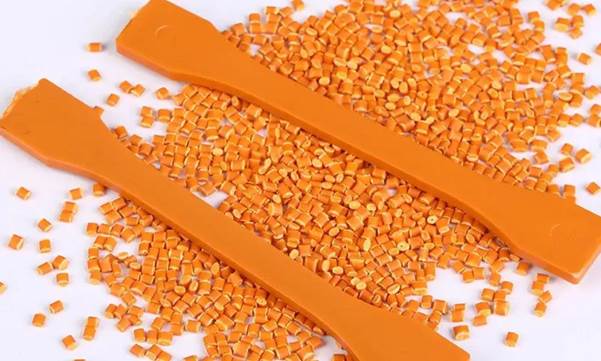
Poliuretano termoplástico (TPU) 

O poliuretano termoplástico (TPU) é um elastômero de alta resistência usado com frequência em artigos esportivos, peças automotivas e alças ergonômicas. Como material, ele é conhecido por sua textura macia, elasticidade superior e excelente resistência a rasgos.

O TPU dá uma sensação de borracha à sua composição e, por isso, é amplamente usado em punhos e peças flexíveis. Embora essa versão do plástico seja mais cara do que os plásticos padrão, sua durabilidade e capacidade de resistir a impactos o tornam uma boa opção de plástico para aplicações de alto desempenho.
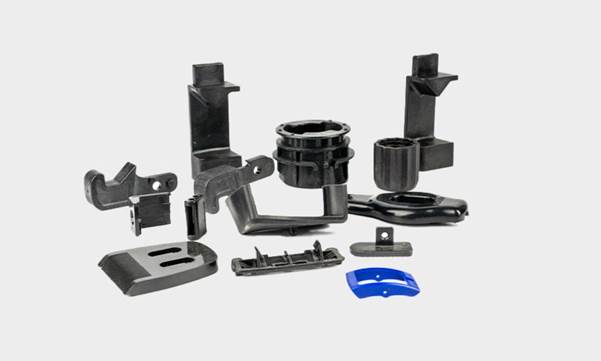
Transmissividade da luz, suas características e melhor uso

Há esta tabela que ajuda a comparar o desempenho de diferentes materiais transparentes e translúcidos em termos de transmissividade de luz, seus recursos e o melhor caso de uso.

MaterialTransmissão de luz (%)Principais recursosAplicativos comuns
Acrílico (PMMA)~92%É um produto transparente, resistente a raios UV e a arranhõesDispositivos de iluminação, telas de exibição, lentes ópticas
Policarbonato (PC)88-90%Alta resistência ao impacto, resistência aos raios UV, transparência ligeiramente inferior à do PMMAÓculos de segurança, faróis automotivos, janelas à prova de balas
Borracha de silicone óptica (OSLR)~90-94%Transparência semelhante à do vidro, flexível e resistente a altas temperaturasIluminação LED, lentes ópticas, dispositivos de imagens médicas
Borracha de silicone líquida (LSR)~85-90%Flexível, biocompatível, resistente ao calor e a produtos químicosDispositivos médicos, eletrônicos, iluminação especializada
Polipropileno (PP)~80-85%Translúcido, resistente a produtos químicos, flexível, de baixo custoTampas foscas, contêineres, soluções de embalagem
Polietileno de alta densidade (HDPE)~75-85%Translúcido, durável, econômico e resistente a impactosGarrafas, tubos, embalagens, bens de consumo

Desafios na moldagem por injeção transparente

Embora os plásticos transparentes ofereçam vários benefícios, eles ainda têm desvantagens:

1. Obtenção de alta clareza óptica

A transparência pode ser reduzida por qualquer imperfeição no molde ou no resfriamento. O molde deve ser liso e altamente polido e o processamento deve ser feito em temperaturas precisas.

2. Como evitar bolhas e linhas de fluxo

Bolhas ou linhas de fluxo de ar retidas durante o processo de injeção podem ser vistas no produto final. Para evitar isso:

É necessária uma ventilação adequada no molde. Isso ajuda a manter o fluxo suave por meio de velocidades de injeção lentas e controladas.

3. Sensibilidade do material

O policarbonato e o acrílico são plásticos transparentes muito sensíveis à umidade, ao calor e à exposição aos raios UV. Se a secagem e o armazenamento forem feitos adequadamente, o resultado será de qualidade.

4. Arranhões e defeitos de superfície

Isso se deve ao fato de que as imperfeições aparecem claramente em plásticos transparentes, por isso os fabricantes precisam usar:

  • Revestimentos anti-riscos
  • Embalagem protetora durante o transporte 

Defeitos comuns em peças plásticas transparentes e suas soluções

Para a fabricação de peças plásticas transparentes, são necessárias transparência e suavidade perfeitas. No entanto, há muitos defeitos que podem afetar a transparência e a qualidade geral do produto final. Aqui estão alguns problemas comuns na moldagem por injeção de plástico transparente e como resolvê-los.

1. Bolhas

Causa

O ar ou gás preso que não consegue escapar durante o processo de moldagem geralmente é a causa das bolhas. Isso pode ocorrer devido a:

  • Enchimento incompleto do molde.
  • Resfriamento rápido na superfície de condensação.
  • Resina com umidade que causa a formação de vapor.

Solução

  • Certifique-se de que o molde seja ventilado adequadamente para que os gases saiam.
  • Aumente a pressão de injeção para melhorar o fluxo do material.
  • O excesso de umidade deve ser removido da resina plástica antes da moldagem.

2. Raias prateadas

Causa

As variações de tensão interna durante o fluxo do material causam as listras prateadas. Ao aplicar pressão sobre a resina, ela é empurrada em diferentes direções, criando uma matriz de índice de refração desigual e resultando em um efeito listrado ou semelhante ao da seda. Se esse estresse se acumular, acabará provocando rachaduras.

Solução

  • Para promover o resfriamento uniforme, a temperatura do molde deve ser otimizada.
  • Aumente a velocidade e a pressão da injeção para minimizar o acúmulo de tensão.
  • Evite o alinhamento direcional do material durante a moldagem com técnicas de moldagem de baixa tensão.

3. Padrões sísmicos

Causa

Esse defeito é caracterizado por padrões sulcados ou ondulados na superfície, resultantes da alta viscosidade do material fundido. Se a resina não fluir suavemente e se condensar muito cedo na cavidade, isso arruinará a homogeneidade do material.

Solução

  • Aumente a temperatura de fusão para aumentar o fluxo de material.
  • A viscosidade é reduzida com o ajuste das condições de plastificação.
  • Altere o design do jito e do canal para obter uma melhor distribuição do material.

4. Baixo brilho da superfície

Causa

A causa de um acabamento de superfície opaco ou irregular geralmente são as superfícies ásperas do molde ou a solidificação total da resina muito cedo, antes que ela se adapte totalmente ao molde.

Solução

  • Para obter um acabamento mais suave, faça o polimento da cavidade do molde.
  • Aumente a temperatura do molde para melhorar o fluxo do material.
  • Devem ser usadas resinas de alta qualidade com melhores características de fluxo.

5. Fumaça branca / manchas pretas

Causa

A degradação da resina dentro do cilindro de moldagem por injeção devido ao calor excessivo é a causa desses defeitos. Pontos pretos podem ocorrer quando o material superaquecido pode queimar e fumaça branca pode ocorrer quando o gás é emitido pela resina degradada.

Solução

  • Evite o superaquecimento do barril diminuindo a temperatura.
  • Os finlandeses devem limpar e manter a máquina de injeção regularmente para evitar o acúmulo de resina.
  • Garanta tempos de ciclo consistentes para que o material não seja degradado.

6. Clareamento / Haze

Causa

Quando a umidade ou as partículas de poeira contaminam o material plástico, há neblina ou turvação. A difração da luz devido à secagem inadequada ou a impurezas transportadas pelo ar reduzirá a transparência.

Solução

  • Processe as matérias-primas depois de secá-las completamente.
  • A contaminação pode ser evitada mantendo-se os materiais armazenados em um ambiente limpo e controlado.
  • Mantenha a poeira fora do ar com o uso de filtros e purificadores de ar na área de produção.

Vantagens da moldagem por injeção de plástico transparente

No entanto, há muitos benefícios na moldagem por injeção de plástico transparente, apesar de suas desvantagens.

1. Excelente transparência óptica

A alta transmissão de luz se presta bem a plásticos injetados transparentes usados em itens como lentes, equipamentos médicos e telas de exibição.

2. Precisão e consistência

A moldagem por injeção é altamente precisa e repetível, resultando em peças idênticas com pouquíssimos defeitos em cada uma.

3. Produção em massa econômica

Depois que o molde é criado, os custos de produção caem significativamente em comparação com os subsequentes, sendo, portanto, uma maneira eficaz de fabricar em massa.

4. Leve e durável

Como as peças de plástico transparente são mais leves do que a maioria dos vidros, resistentes a estilhaços e a impactos, elas são excelentes para uso em aplicações de segurança.

Aplicações de plásticos transparentes moldados por injeção

Os plásticos com moldes de injeção transparentes são comumente usados nas indústrias porque têm clareza óptica, durabilidade, resistência química e menor peso. Os plásticos que podem criar componentes transparentes e de alta precisão, aumentando a funcionalidade e a estética, são esses. Alguns dos principais setores aos quais se aplica a moldagem por injeção de plástico transparente são os seguintes.

1. Setor médico 

O mercado médico exige componentes plásticos transparentes nos quais a esterilidade e a precisão são cruciais, bem como a necessidade de visibilidade. Os usos comuns incluem:

  • Inclui seringas e tubos IV transparentes ou instrumentos cirúrgicos que permitem que a equipe monitore ou verifique o fluxo de fluidos e evite a superdosagem.
  • Rigidez do escudo protetor transparente sobre a máscara facial ou os óculos de proteção médica para proteger sem comprometer a visão.
  • Alojamentos de equipamentos de diagnóstico para aparelhos de raios X, ressonância magnética e scanner de ultrassom, nos quais a clareza é muito importante.

2. Setor automotivo

Os plásticos moldados por injeção podem tornar os veículos mais funcionais e com design mais agradável. Eles são usados em:

  • Lentes de alta transparência óptica e durabilidade para faróis e lanternas traseiras que resistem a condições climáticas adversas.
  • Tampas superiores transparentes do painel de instrumentos e painéis do velocímetro para tornar visíveis os controles e mostradores.
  • É feita menção a plásticos transparentes resistentes a impactos em alguns projetos automotivos leves que exigem tetos solares e janelas laterais.

3. Eletrônicos de consumo 

Os plásticos moldados transparentes, para a fabricação de peças leves, duráveis e esteticamente agradáveis, são usados no setor de eletrônicos.

  • Para aplicações de toque protetoras e sensíveis ao custo em telas de smartphones e capas de monitores.
  • Também inclui telas transparentes para TVs e laptops com resistência a arranhões e alta clareza.
  • Os componentes da tela da tecnologia vestível, como smartwatches e telas de rastreadores de condicionamento físico, também são flexíveis e têm resistência a impactos.

4. Indústria de embalagens 

Nas embalagens, os plásticos transparentes são comumente usados por serem laváveis, leves e esteticamente agradáveis. Algumas das principais aplicações incluem:
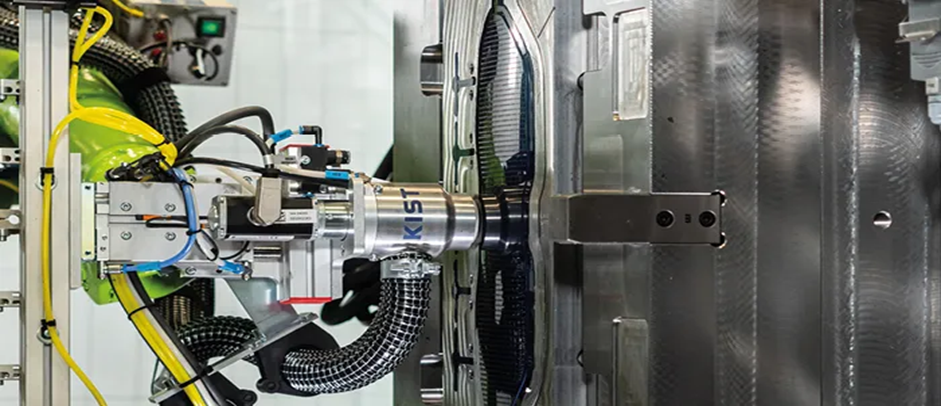
  • Uma seleção de recipientes e garrafas transparentes de grau alimentício para manter os alimentos frescos e visualizar o conteúdo.
  • O tipo de embalagem transparente para cosméticos e produtos farmacêuticos, para que os clientes possam ver o produto com segurança durante o armazenamento.
  • Embalagens transparentes à prova de violação e herméticas, como as usadas para medicamentos, suplementos ou produtos alimentícios mais premium.

5. Indústria de iluminação 

Os plásticos que são usados com mais frequência como materiais eletricamente isolantes, chamados de plásticos transparentes ou plásticos, são essenciais para as aplicações modernas de iluminação, proporcionando maior eficiência e funcionalidade. Eles são usados em:

  • Coberturas de LED e difusores de lâmpadas para distribuição uniforme da luz, além de proteger os componentes do LED.
  • Os painéis transparentes para iluminação arquitetônica, como os painéis transparentes, podem ser usados como soluções de iluminação personalizadas para design interno e externo.
  • As lentes ópticas de alto desempenho são usadas em postes de iluminação pública, iluminação de estádios e faróis automotivos para a flexibilidade da direção e do foco da luz.

6. Aeroespacial e defesa

Além disso, materiais transparentes leves e resistentes a impactos são necessários para muitas aplicações do setor aeroespacial e de defesa, como:

  • Alta transparência óptica com resistência a mudanças de pressão, necessária para janelas de aeronaves e painéis de cabine.
  • Viseiras transparentes para capacetes, que protegem o máximo que os olhos podem ver.
  • Lentes ópticas para equipamentos de defesa, como óculos de visão noturna e telêmetros.

7. Equipamentos ópticos e científicos

Os plásticos transparentes são necessários para aplicações ópticas de alta precisão para uma transmissão precisa da luz sem distorção. Os exemplos incluem:

  • Congruentemente, suas lentes têm sido usadas em microscópios e telescópios, dando origem à alta ampliação da clarividência.
  • Os sensores ópticos e os componentes de laser são usados em pesquisas científicas e na automação industrial.
  • Protetores preventivos de instrumentos de laboratório para proteger o manuseio de materiais perigosos.

Os plásticos transparentes moldados por injeção são insubstituíveis, devido à sua versatilidade e propriedades avançadas, para muitos setores, como o médico, o automotivo, o eletrônico, o de embalagens, o de iluminação, o aeroespacial e o científico, onde a inovação é auxiliada pela disponibilidade desses plásticos.

Tendências futuras na moldagem por injeção de plástico transparente

O setor de moldagem por injeção de plástico transparente verá grandes avanços com o avanço da tecnologia. Nos próximos anos, será necessário melhorar a durabilidade dos materiais, sua sustentabilidade e fabricação, bem como o desempenho do produto. O setor será definido por algumas tendências importantes, que são enumeradas a seguir.

1. Inovações em materiais aprimorados

O campo dos plásticos transparentes está avançando em um ritmo acelerado para desenvolver plásticos mais duráveis, sustentáveis e funcionais. As principais inovações incluem:

  • Reparos automáticos de pequenos arranhões feitos em plásticos transparentes autocurativos, aumentando a vida útil de produtos como lentes automotivas e telas de smartphones.
  • Compostos leves e de alta resistência que são altamente transparentes e têm uma combinação de boa resistência ao impacto e permitem o choque de resistência quando os materiais termoplásticos são impossíveis ou difíceis de usar.

2. Tecnologias avançadas de moldagem

A moldagem por injeção de plástico transparente passa por várias novas técnicas de fabricação que permitem maior eficiência e precisão:

  • Integração à impressão 3D para personalizar o molde para prototipagem rápida e produção em massa e de baixo custo de peças complexas, como a transparente.
  •  Otimização de moldagem em tempo real com IA, capaz de se adaptar dinamicamente para causar menos defeitos, produzindo produtos mais consistentes e com menor tempo de ciclo.
  • Utilizado para moldagem por injeção aprimorada por nanotecnologia na criação de plásticos com melhor capacidade de afetar a clareza óptica, a resistência a arranhões e a tolerância ao calor.

3. Revestimentos resistentes a UV e antiembaçantes

Para produzir futuros plásticos transparentes com melhor funcionalidade em várias aplicações, os plásticos serão equipados com revestimentos especializados.

  • Proteção UV aprimorada, de modo que não causará amarelamento ou degradação de materiais expostos à luz solar, como faróis de carros ou painéis de iluminação externa.
  • Oferece propriedades antiembaçantes, melhorando a visibilidade em para-brisas automotivos, aparelhos médicos e dispositivos ópticos.
  • Revestimentos resistentes a arranhões para aumentar a durabilidade de telas de smartphones, óculos, equipamentos de proteção industrial, etc.

4. Plásticos transparentes inteligentes e funcionais

À medida que o plástico transparente se torna mais procurado como material multifuncional, tecnologias inteligentes, como a malha, serão integradas a ele.

  • Também sensores incorporados em plásticos transparentes para aplicações industriais e médicas para monitoramento em tempo real de temperatura, pressão e exposição a produtos químicos.
  • Cortes que permitem a formação de plásticos transparentes condutores para telas eletrônicas transparentes e superfícies sensíveis ao toque em dispositivos de última geração.
  • E revestimentos autolimpantes que precisam de menos manutenção para uso em produtos médicos, ópticos e automotivos.

Se esses avanços forem alcançados, teremos a garantia de uma moldagem por injeção de plástico mais clara, que certamente atenderá às crescentes demandas dos setores atuais de uma forma ainda mais inteligente e sustentável, entre outras características.

Conclusão

A moldagem por injeção de plástico transparente é uma função importante que transformou os setores de manufatura que exigem alta transparência e precisão. Materiais avançados, como policarbonato, acrílico e borracha de silicone óptico, permitem que o fabricante projete componentes leves, duráveis e opticamente transparentes, substituindo as antigas soluções de vidro. Tudo isso levou a uma demanda crescente por plásticos transparentes devido ao seu uso em dispositivos médicos, iluminação automotiva, eletrônicos e embalagens. No entanto, apesar de problemas como sensibilidade à umidade, defeitos na superfície do objeto e requisitos rigorosos de processamento, a tecnologia de moldagem progrediu muito no aumento da eficiência e na melhoria da qualidade do produto. A IA, a impressão 3D e a nanotecnologia continuam a avançar a tecnologia, integrando o processo em um nível mais barato e mais preciso, e os revestimentos resistentes a UV e os plásticos autocicatrizantes aumentaram ainda mais a durabilidade dos produtos moldados transparentes.

O futuro da moldagem por injeção de plástico transparente está voltado para a sustentabilidade, materiais inteligentes e maior capacidade funcional. Os plásticos transparentes biodegradáveis e recicláveis serão cada vez mais procurados pelos setores que buscam alternativas ecologicamente corretas para seus produtos comuns. Além disso, aplicações nas áreas médica e eletrônica podem ser realizadas com plásticos inteligentes que tenham sensores incorporados e propriedades condutoras. Em suma, a moldagem por injeção de plástico transparente continua sendo uma tecnologia muito importante, que ainda se desenvolve e oferece soluções criativas para setores que exigem transparência, resistência e apelo estético.

Perguntas frequentes

1. Quais são os materiais mais comumente usados na moldagem por injeção de plástico transparente?

O PMMA é um material de alta transparência óptica, usado com mais frequência, o PC para alta resistência ao impacto, o OSLR para a mais alta transmissão de luz disponível e o PP para aplicações translúcidas e de menor custo. A escolha de cada material é feita com relação às suas propriedades correspondentes e à necessidade industrial.

2. Quais são as principais dificuldades na moldagem por injeção de plástico transparente?

Os principais problemas são garantir que o material tenha alta clareza óptica, sem defeitos de bolhas ou estrias, lidar com a sensibilidade à umidade e superfícies resistentes a arranhões. Para superar esses desafios, são necessárias condições precisas de moldagem, boa secagem e moldes muito bons.

3. Quais setores usam mais a moldagem por injeção de plástico transparente?

A moldagem por injeção de plástico transparente é uma das peças essenciais nos setores de manufatura, como aplicações médicas (seringas, tubos intravenosos, equipamentos de diagnóstico) e automotivas (lentes de farol, tampas de painel), eletrônicos de consumo (telas de smartphone, painéis de exibição), embalagens (recipientes de grau alimentício, frascos de cosméticos) e iluminação (tampas de LED, difusores de lâmpadas).

4. Qual é o papel da tecnologia na moldagem por injeção de plástico transparente?

O aprimoramento do processo por IA, a impressão 3D para personalização do molde, os plásticos autocicatrizantes e os revestimentos resistentes a UV aprimorados estão melhorando a eficiência da produção e a durabilidade do produto. Essas reduções estão permitindo processos mais confiáveis, melhor desempenho do material e processos mais sustentáveis.
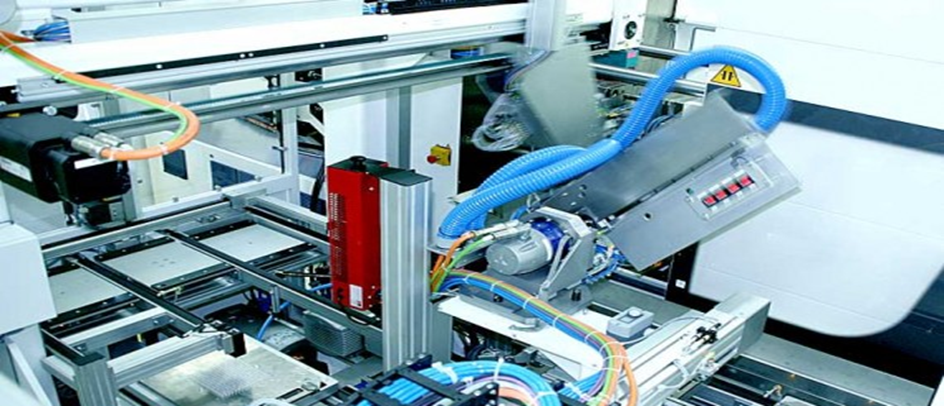
5. Os materiais plásticos transparentes são ecologicamente corretos?

Os plásticos transparentes tradicionais derivados do petróleo parecem ter melhorado em termos de sustentabilidade, embora os plásticos transparentes biodegradáveis e reciclados tenham se desenvolvido nos últimos anos. Alternativas de base biológica e técnicas de produção ecologicamente corretas também são exploradas pelos fabricantes para reduzir o impacto ambiental.

Moldagem por injeção de ABS: Um guia abrangente

A moldagem por injeção de ABS tem boa resistência ao impacto e um acabamento de superfície liso e é um método preferido para a fabricação de peças plásticas de alta qualidade em vários setores. O acrilonitrila butadieno estireno (ABS) é um termoplástico muito usado na moldagem por injeção devido à sua resistência, durabilidade e facilidade de processamento. A moldagem por injeção de plástico ABS é econômica e confiável para produzir grandes quantidades do produto para produção em massa, incluindo componentes automotivos, eletrônicos de consumo e dispositivos médicos. Os plásticos básicos, como o ABS, são compostos de acrilonitrila para resistência química, butadieno para resistência e estireno para rigidez e uma aparência brilhante que o torna excelente para moldagem. Isso é reforçado ainda mais pela excelente temperatura de fusão (entre 200 e 250°C), sua excelente usinabilidade e resistência moderada ao calor. No entanto, a moldagem em ABS tem seus prós e contras, como qualquer outro material, incluindo a sensibilidade aos raios UV e a resistência moderada ao calor, etc.

Para produzir produtos sem defeitos com o processo de moldagem de plástico ABS, cada um dos fatores envolvidos no resfriamento do material seco, no controle de temperatura, na espessura da parede, na pressão de injeção e no projeto do molde deve ser cuidadosamente considerado. Outros plásticos, além do ABS, usados pelos fabricantes incluem o polipropileno (PP), o policarbonato (PC), o polietileno (PE), a poliamida (nylon) e o PET, cada um com suas vantagens. A seleção de um ABS ou de um material alternativo depende da compreensão das propriedades do material em questão.

Este artigo discorre detalhadamente sobre as principais características da moldagem por injeção de ABS, como sua composição química é processada, suas vantagens e desvantagens e a comparação com outros plásticos. O leitor terminará a página com conhecimento detalhado sobre por que o ABS ainda é o material preferido na fabricação atual.  

O processo chamado de moldagem por injeção de ABS ajuda a produzir peças plásticas duráveis, leves e à prova de choque a partir de acrilonitrila butadieno estireno (ABS). O plástico ABS é aquecido até derreter, depois é injetado em um molde, resfriado e solidificado na forma desejada. Ele é conhecido por ser forte, resistente ao calor e fácil de moldar, sendo usado em componentes automotivos, eletrônicos, brinquedos e eletrodomésticos. É um método que permite a produção em massa com qualidade consistente, proporcionando uma solução acessível e versátil para muitos setores. Além disso, peças de ABS polidas, texturizadas ou coloridas podem ser usadas para melhorar a estética e a funcionalidade.

O ABS é composto por:

  • Acrilonitrila (C₃H₃N) - Oferece resistência química e estabilidade térmica.
  • Butadieno (C₄H₆) - Aumenta a tenacidade e a resistência ao impacto.
  • Estireno (C₈H₈) - Contribui para a rigidez e o acabamento brilhante.

Estrutura molecular

O ABS é um arranjo molecular com a espinha dorsal de uma longa cadeia de polímeros preenchida com partículas de borracha de butadieno na matriz de acrilonitrila-estireno. A combinação dessas duas características o torna excelente para a moldagem de plástico ABS. 

Propriedades químicas do plástico ABS 

Algumas das propriedades químicas mais importantes do ABS fazem dele um material popular para moldagem por injeção de ABS.

  • Fácil processamento com um ponto de fusão de cerca de 200-250 C.
  • É leve, porém resistente, com uma densidade de 1,04-1,07 g/cm³.
  • Ácidos, álcalis e óleos são resistentes, mas solventes orgânicos, como a acetona, o afetam.
  • Temperaturas: Resistente ao calor até 80-100°C, mas a exposição prolongada a altas temperaturas degradará o material. 

Natureza e características físicas da moldagem de ABS 

O ABS não é um termoplástico de ponto de fusão acentuado como a maioria dos outros plásticos (ou seja, é amorfo), mas pode ser derretido. Em vez disso, ele amolece em uma faixa de temperaturas e se adapta muito bem a aplicações de moldagem. As principais características físicas incluem: 

  • Alta resistência ao impacto - resiste a choques e tensões repentinos.
  • Boa estabilidade dimensional - Mantém a forma sob diferentes condições.
  • Acabamento brilhante e liso - Oferece um apelo estético para produtos de consumo.
  • Pode ser usinado e moldado com precisão, além de ser fácil de cortar e perfurar.

Veja a seguir as etapas do processo de moldagem por injeção de plástico ABS. 

  • Secagem do material - Os pellets de ABS são secos para remover a umidade.
  • Aquecendo-o a 200-250°C e forçando-o sob alta pressão em um molde (fusão e injeção).
  • Resfriamento e solidificação - O plástico resfria o molde onde o plástico tomou a forma do molde.
  • Ejeção e acabamento - O produto solidificado é ejetado, aparado, pintado ou revestido. 

Aplicações da moldagem de ABS  

Devido à versatilidade do ABS, ele é amplamente utilizado em todos os tipos de setores.

  • Painéis, para-choques e revestimentos internos constituem o setor automotivo.
  • Carcaças de laptops, teclados, capas de telefones etc.
  • Produtos domésticos: Utensílios de cozinha, aspiradores de pó e brinquedos (por exemplo, peças de LEGO).
  • Equipamentos médicos: Instrumentos cirúrgicos e caixas para dispositivos de diagnóstico. 

Vantagens e desvantagens da moldagem por injeção de ABS 

Vantagens 

  • O plástico ABS (sigla para acrilonitrila butadieno estireno) tem alta resistência ao impacto, o que significa que é resistente e durável a choques e, portanto, é usado para fabricar produtos duráveis.
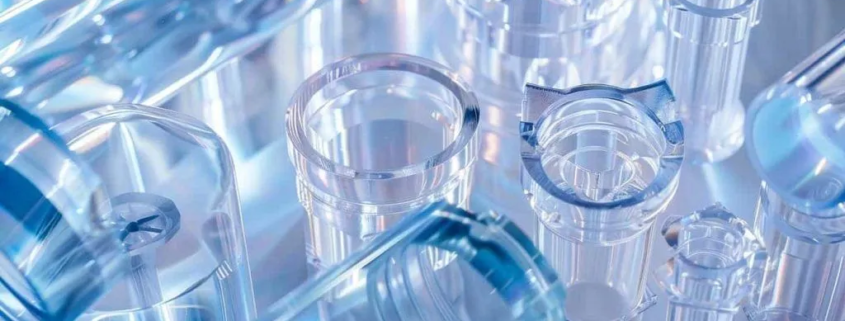
  •  É facilmente moldado, cortado, perfurado e processado - excelente usinabilidade.
  • Boa resistência química e ao calor - Ácidos, álcalis e calor moderado não os afetam, como acontece com as peças fundidas de ferro inferiores.
  • Acabamento de superfície lisa - Produz peças brilhantes e estéticas adequadas para produtos de consumo.
  • Por ser mais barato do que a maioria dos plásticos de engenharia, o ABS é econômico.
  • Resistente, porém leve - Um excelente material para aplicações que precisam de resistência sem aumentar o volume.
  •  Biodegradável - O ABS é um material plástico reciclável que pode ser reprocessado, pois é ecologicamente correto por natureza.

Desvantagens 

  • A exposição prolongada à luz solar causará amarelamento e fragilidade.
  •  Inflamável - A menos que seja modificado com aditivos retardadores de chama, ele queimará facilmente.
  • As peças de ABS são propensas a deformação - quando as peças esfriam em uma velocidade inadequada, elas podem encolher ou se deformar.
  • Baixa resistência a intempéries - Suscetível à degradação em condições externas extremas.
  • O ABS é propenso à sensibilidade química, portanto, solventes como a acetona o dissolverão.
  • Resistência moderada ao calor - Derrete em altas temperaturas (100°C), portanto não é adequado para uso em ambientes extremamente quentes.

A fabricação de moldagem por injeção de ABS tem muitos fatores importantes. 

Para produzir peças de plástico ABS moldadas por injeção, é essencial levar em conta muitas variáveis e trabalhar da maneira correta para obter uma produção de alta qualidade, forte e econômica. Veja abaixo os fatores a serem considerados:

Seleção de materiais

  • Para obter a força, a resistência ao calor e o acabamento de superfície necessários, use resina ABS de alta qualidade. 
  • No entanto, com base nos requisitos da aplicação, como resistência a UV, retardamento de chama ou resistência ao impacto, podem ser escolhidos graus específicos de ABS.

Pré-tratamento de resinas ABS secas

Absorvem umidade e, portanto, são higroscópicos e devem ser secos adequadamente, ou podem ocorrer defeitos como bolhas e imperfeições na superfície.

Processo de secagem

  • É recomendável secar os grânulos de ABS a 80-90°C por 2 a 4 horas na preparação para a moldagem.
  • A hidrólise enfraquece as propriedades mecânicas e leva a resultados de moldagem inconsistentes, o que é evitado pela secagem adequada.

 Controle de temperatura

  • O fluxo ideal e o preenchimento do molde ocorrem a uma temperatura de fusão de 200 a 250 °C.
  • 50 - 80°C Temperatura do molde para evitar empenamento, encolhimento desigual e defeitos.

A taxa de resfriamento deve ser lenta e uniforme para melhorar a precisão dimensional e a resistência mecânica.

 Espessura uniforme da parede no projeto de peças de plástico ABS

Por que isso é importante? 

  • Quando a espessura da parede não é consistente, isso causa empenamento, marcas de afundamento, estresse no material e acúmulo de material.
  • A instabilidade dimensional nas peças finais pode ser causada pelo resfriamento desigual.

Recomendações de design

  • Os melhores resultados são obtidos quando há uma espessura estritamente consistente entre 1,2 e 3,5 mm.
  • As transições graduais de seção para seção evitarão pontos de tensão ou áreas fracas.
  • Use cantos arredondados em vez de cantos afiados, pois isso equalizará a tensão.

Pressão e velocidade de injeção

No entanto, a pressão ideal deve ser definida entre 50-150 MPa para garantir o preenchimento completo e sem defeitos do molde.

Velocidade controlada

  • Em seguida, vêm as marcas de queimadura, o aumento da tensão interna e a degradação do material, devido à → velocidade excessiva.
  • Erros → tiros curtos (preenchimento incompleto), linhas de solda e falta de adesão.

A pressão e a velocidade são ajustadas adequadamente para melhorar o acabamento da superfície, a resistência e a precisão das peças moldadas.

Projeto e ventilação de moldes

Isso garante que não haja armadilhas de ar, marcas de queimadura e defeitos causados por gases presos.

  • O posicionamento do portão deve ser otimizado para um fluxo de material suave e sem estresse.
  • A redução do risco de marcas de fluxo e defeitos de superfície se deve às superfícies lisas e uniformes do molde.
  • Se a ferramenta for um molde com várias cavidades, o preenchimento e o resfriamento devem ser equilibrados para preencher e resfriar as cavidades uniformemente.

 Encolhimento e deformação

  • Talvez a consideração mais importante ao projetar moldes para ABS seja sua alta taxa de encolhimento de 0,4-0,7%, portanto, as variações de tamanho após o resfriamento devem ser levadas em conta.
  • O resfriamento gradual é essencial para evitar a distorção dimensional ou a deformação da peça.
  • As estruturas de reforço, como nervuras e reforços, são adequadas quando ajudam a manter a forma e a estabilidade.

 Pós-processamento e acabamento

  • As peças de ABS podem ser pintadas, chapeadas, polidas ou gravadas a laser para melhorar a aparência.
  • Esta etapa consiste em garantir que as bordas estejam lisas e remover o excesso de material por meio de corte, lixamento e rebarbação.
  • A cromagem ou o revestimento UV na superfície torna a solução durável e resistente a fatores ambientais.

Propriedades do material ABS 

Características gerais do plástico ABS

O Acrilonitrila Butadieno Estireno (ABS) é um termoplástico atóxico e inodoro que normalmente se apresenta como pó ou grânulos de cor marfim, translúcidos ou transparentes. A densidade, que varia de 1,05 a 1,18 g/cm³, permite que ele seja leve, porém resistente. Como o ABS, a taxa de encolhimento é de 0,4% a 0,9% e garante boa estabilidade dimensional nas peças moldadas. Seu módulo de elasticidade é de 2 GPa e seu coeficiente de Poisson é de 0,394, o que significa que não é nem muito fraco nem muito rígido. Ele absorve menos de 1% de umidade, sua temperatura de fusão está entre 217°C e 237°C e a decomposição térmica começa acima de 250°C.

Resistência mecânica do plástico ABS 

O ABS é amplamente conhecido por sua altíssima resistência ao impacto e excelente durabilidade em baixas temperaturas. A resistência ao desgaste é boa, por isso é adequado para peças que exigem movimento ou atrito constantes. Esse plástico proporciona a estabilidade dimensional de uma peça moldada, de modo que ela manterá sua forma. Além disso, o ABS tem resistência moderada ao óleo e, portanto, é uma alternativa aceitável para aplicações de rolamentos de baixa velocidade e carga média.

Resistência ao calor e estabilidade térmica

O ABS tem uma temperatura de deflexão térmica (HDT) entre 93°C e 118°C, o que indica que ele sustenta sua estrutura apenas com calor moderado. No entanto, sua resistência ao calor pode melhorar em cerca de 10°C se estiver sendo recozido, o que aumentaria sua aplicabilidade em aplicações que exigem mais desempenho térmico.

Capacidades de isolamento elétrico

O plástico ABS é um excelente isolante elétrico e, por isso, é a escolha de material para caixas de eletrônicos e componentes elétricos. As propriedades de isolamento são estáveis em várias condições de temperatura, umidade e frequência, de modo que o desempenho é consistente em diferentes situações.

Resistência química e ambiental

O ABS é resistente à água, a sais inorgânicos, a álcalis e a uma ampla variedade de ácidos, sendo adequado para uso em aplicações industriais e de consumo. No entanto, ele não se degrada quando em contato com cetonas, aldeídos ou hidrocarbonetos clorados, mas pode desenvolver rachaduras por tensão quando em contato com ácido acético, óleo vegetal etc.

Com todas as suas vantagens, o ABS como polímero tem baixa resistência a intempéries. O material se torna mais fraco quando exposto à radiação ultravioleta (UV). Seus estudos indicam que, após seis meses de exposição ao ar livre, sua resistência ao impacto pode cair quase 50%, dependendo da aplicação e do conteúdo inicial da resina, o que aponta para a necessidade do uso de estabilizadores de UV ou revestimento de proteção nas aplicações externas. 

Custo do plástico ABS e da moldagem por injeção 

Os fatores que determinam o custo do plástico ABS são o custo das matérias-primas, o custo do processamento e o custo de qualquer pós-processamento que possa ser necessário. Esses são os custos que provavelmente serão incorridos no processo de moldagem por injeção de ABS:

Custo da matéria-prima

O preço da resina ABS depende do preço de mercado, do fornecimento do fabricante, da qualidade e de quaisquer características adicionais que possam ser necessárias, como ABS retardante de chamas, estabilidade UV ou graus de resistência mais altos de ABS. Em geral, o custo da resina ABS padrão é o seguinte:

  • $1,50 - $3,50 por kg para grânulos de ABS padrão.
  • $3,00 - $5,00 por kg para ABS especial, que inclui ABS com retardante de chamas, estabilizado contra raios UV ou de alto impacto.
  • De todos esses tipos, o ABS é mais caro que o polipropileno (PP), mas mais barato que o policarbonato (PC) e o nylon (PA).

Custos de moldagem por injeção

A seguir estão alguns dos fatores que influenciam o custo da moldagem por injeção de plástico ABS:

 Custo do molde

  • Moldes simples: $3.000 - $10.000
  • Moldes complexos de múltiplas cavidades: $10.000 - $50.000+
  • Moldes de prototipagem (produção de baixo volume): $500 - $5.000

 Custo de produção por peça

  • Peças pequenas e simples: $0,50 - $2,00 por peça
  • Peças maiores ou complexas: $2,00 - $10,00+ por peça
  • Alto volume de produção: Os custos diminuem devido a fatores como a compra em massa dos insumos.

Custos de processamento

  • Taxas horárias da máquina: $20 - $100 por hora (dependendo do tamanho e do tipo de máquina).
  • Custo da mão de obra: Varia de acordo com a região, mas custa entre US$ 5 e US$ 50 por hora.
  • Custos de energia: Como o ABS precisa ser aquecido até a faixa de 200-250°C, ele implica um uso significativo de energia elétrica.

Custos adicionais 

  • Pintura, galvanização e polimento: $0,50 - $5,00 por peça.
  • Desperdício de material e reprocessamento: Dependendo do caso específico, isso pode aumentar o custo de 5- 10%.
  • Multifuncional: Dependendo da magnitude da peça e do local de produção.

O ABS é econômico?

Prós: O custo das matérias-primas é moderado e o material é fácil de usinar, enquanto a maior parte da sucata pode ser reciclada, o que o torna adequado para invenções de médio a alto volume.

Contras: Mais caro que o PP e o PE, mas mais barato que o PC e o Nylon. Os altos custos dos moldes também podem ser considerados uma desvantagem, especialmente quando se trata de produção em pequena escala.

Em geral, a moldagem por injeção de ABS é econômica, durável e fácil de processar, e é por isso que muitos setores preferem esse material para processamento.

Outros plásticos usados na moldagem por injeção

Além do plástico ABS, muitos outros termoplásticos são comumente usados na moldagem por injeção. No entanto, cada material tem propriedades diferentes dos outros, o que os torna adequados para diferentes aplicações. Veja a seguir uma comparação entre os plásticos de moldagem por injeção mais comuns e o ABS.

Polipropileno (PP) vs. ABS 

Vantagens do PP

  • Excelente resistência química e à umidade.
  • Uma opção econômica, leve e de baixo custo.
  • Boa resistência ao impacto, mas inferior à do ABS.

Limitações do PP

  • A resistência ao calor e a rigidez são inferiores às do ABS.
  • Não é tão resistente quanto o ABS em aplicações de alta tensão.
  • Usos comuns: Embalagens, peças automotivas, recipientes médicos e artigos domésticos.

Policarbonato (PC) vs. ABS 

Vantagens do PC

  • Às vezes usado para resistência superior a impactos - vidro à prova de balas e outros tipos de equipamentos de proteção.
  • Alta resistência ao calor e durabilidade.
  • Esse material pode ser transparente e facilmente tingido ou colorido.

Limitações do PC

  • Mais caro que o ABS.
  • É propenso a arranhões e precisará de revestimentos para fortalecê-lo.
  • Usos comuns: Componentes automotivos, capacetes de segurança, lentes para óculos e gabinetes elétricos.

Polietileno (PE) vs. ABS 

Vantagens do PE

  • Altamente resistente a produtos químicos, água e corrosão.
  • Ele tem propriedades de baixo atrito adequadas para peças móveis.
  • Extremamente flexível e leve.

 Limitações do PE

  • Rigidez e resistência mecânica inferiores às do ABS.
  • Baixa resistência ao calor - derrete em temperaturas mais baixas.
  • Sacos plásticos, garrafas, canos e recipientes de alimentos usam plástico.

Tereftalato de polietileno (PET) vs. ABS 

Vantagens do PET

  • Muito leve, mas com excelentes propriedades de barreira contra umidade e gases.
  • Alta estabilidade dimensional - mantém bem a forma.
  • Boa resistência química e capacidade de reciclagem.

Limitações do PET

  • Tem menor resistência ao impacto do que o ABS.
  • Não é tão resistente ao calor quanto outros plásticos de engenharia.
  • Aplicações: Garrafas de água, embalagens de alimentos, fibras de roupas e recipientes de cosméticos.

Poliamida (PA/Nylon) vs. ABS 

Vantagens do nylon

  • Alta resistência mecânica e excelente tenacidade.
  • Boa resistência ao calor, de modo que é adequado para ambientes de alta temperatura.
  • Resistente ao desgaste e ao atrito, usado para peças móveis.

 Limitações do nylon

  • Ele absorve umidade, o que afeta a estabilidade dimensional.
  • Mais caro que o ABS.
  • Peças automotivas, engrenagens, rolamentos, componentes industriais, conectores elétricos.

Seleção do tipo certo de material para a moldagem por injeção

Fatos como resistência mecânica, resistência química, tolerância a temperaturas e custos afetarão a escolha do plástico para moldagem por injeção. O ABS atinge um equilíbrio entre resistência, durabilidade e preço acessível, mas outros plásticos, como PP, PC, PE, PET e Nylon, para citar alguns, têm a vantagem de algumas aplicações. Esse conhecimento permite que os fabricantes tomem as melhores decisões para seus produtos em termos de desempenho. 

Conclusão

A moldagem por injeção de ABS é uma forma altamente versátil, eficiente e de baixo custo para fabricar componentes plásticos de alta qualidade. É um material ideal para os setores automotivo, eletrônico, de bens de consumo e de equipamentos médicos, devido à sua boa resistência ao impacto, ao acabamento suave da superfície e à boa capacidade de processamento. Para obter os melhores resultados na moldagem de ABS, os fabricantes devem prestar atenção especial ao controle de temperatura, à espessura uniforme da parede, à pressão de injeção ideal e aos moldes suficientemente projetados. A absorção de umidade nas resinas de ABS também exige pré-tratamento, pois pode gerar bolhas e outros defeitos, além de propriedades mecânicas ruins. Técnicas de pós-processamento, como pintura, revestimento e acabamento de superfície, podem levar a uma durabilidade muito maior e à aparência final das peças moldadas em ABS.

O ABS ainda é líder no setor de plásticos moldagem por injeçãoO policarbonato é um material de alta qualidade, mas o PP, o PC, o PE, o PET e o náilon são outras opções superiores com base nas necessidades da aplicação. O policarbonato tem um impacto superior ao do náilon e o polipropileno é mais resistente quimicamente. As propriedades mecânicas, o custo, as questões ambientais e o uso pretendido determinam a escolha correta do material. Em geral, a moldagem de plástico ABS continua sendo uma força importante na fabricação moderna, pois sua combinação perfeita de desempenho, preço e produção a torna ideal. O ABS é um termoplástico confiável e comumente usado na moldagem por injeção, independentemente de sua aplicação nos mercados automotivo, doméstico ou industrial.

Perguntas frequentes sobre moldagem por injeção de ABS

1. O plástico ABS pode ser usado em ambientes externos?

Essa forma específica de motor CC sem escovas síncrono de tensão mínima tem baixa resistência aos raios UV e é suscetível a se tornar quebradiço e descolorido devido à exposição à luz solar. Apesar disso, os estabilizadores ou revestimentos UV também podem aumentar sua durabilidade para uso externo.

2. Como a moldagem por injeção de ABS tem suas vantagens? 

O ABS é resistente ao calor, extremamente forte, mas leve, tem alta resistência ao impacto, oferece boa usinabilidade e é fácil de dar acabamento em uma superfície lisa. Além disso, ele ainda é leve, mas robusto.

3. O plástico ABS é resistente a produtos químicos?

A água, os ácidos, os álcalis e, às vezes, os solventes orgânicos, como a acetona, afetam o ABS. Ele pode melhorar o grau da capacidade do ABS de resistir a produtos químicos.

O indústria de moldagem por injeção trabalha em toda a França com capacidade total e fornece suporte fundamental para todas as aplicações de fabricação nacional. As empresas francesas com experiência em engenharia de precisão dão suporte a diferentes setores do mercado, começando pela produção automotiva e estendendo-se à fabricação aeroespacial, produção de produtos médicos, bens de consumo, fabricação de embalagens e produção de eletrônicos. A indústria francesa de moldagem por injeção é bem-sucedida com o apoio nacional à inovação e à sustentabilidade e com a qualidade superior de fabricação que a posiciona como líder mundial. A produção de peças plásticas se baseia no preenchimento de moldes de materiais fundidos como uma técnica de fabricação amplamente difundida. O processo de moldagem automatizado permite a produção de várias peças complexas e precisas, além de custos acessíveis e excelente repetibilidade durante a fabricação. Os clientes do mercado confiam nas empresas francesas de moldagem por injeção porque elas oferecem soluções tecnológicas inovadoras e maquinário potente com ofertas de produtos personalizáveis.  

As empresas francesas de moldagem por injeção de alto nível oferecem uma gama completa de serviços que abrangem o desenvolvimento de produtos, a fabricação de moldes de ferramentas e os serviços de prototipagem, que são seguidos pelas etapas de fabricação e pelo acabamento do produto antes da montagem final. Os serviços prestados por ambas as partes se combinam para desenvolver novos componentes plásticos de acordo com os padrões ISO, que exigem especificações de qualidade do produto e normas ambientais e de segurança. A combinação de métodos sustentáveis dessas empresas utiliza materiais reciclados e operações com eficiência energética para reduzir sua pegada ecológica.  

O artigo destaca as dez maiores empresas de moldagem por injeção da França por meio de suas capacidades organizacionais e impactos industriais.

1. Moldagem de plásticos

Ano de estabelecimento: 2007
Número de funcionários: 45+ 
Tipo de negócio: A Plast Moulding usa o design de peças plásticas como seu foco principal e, em seguida, desenvolve processos industriais para a fabricação por meio de moldagem por injeção.

Site e contato 

Site: https://www.plast-moulding.fr/
Telefone: +33 (0)3 81 88 90 35
Endereço: 23, rue Thomas Edison, 25000 BESANÇON - FRANÇA

Perfil da empresa

A Plast Moulding iniciou suas atividades de fabricação em 2007 em Besançon, na França, desenvolvendo peças plásticas técnicas e estéticas por meio de moldagem por injeção de mono e bimateriais e técnicas de sobremoldagem. A Plast Moulding produz 1,5 milhão de peças por mês, empregando 45 funcionários e usando fornecedores nacionais confiáveis como parte de sua operação. As principais atividades da Plast Moulding consistem em processos de moldagem por injeção de plástico, e a empresa mantém uma produção de qualidade com um forte foco em práticas de sustentabilidade e inovação em engenharia. A Plast Moulding representa um elemento estratégico essencial nos processos de moldagem por injeção de plástico ecologicamente corretos por meio de equipamentos de última geração e medidas de solução inovadoras. Ela fornece serviços confiáveis para os setores automotivo, de produtos de consumo e de ferramentas.

Serviços 

  • A empresa oferece moldagem por injeção
  • A empresa fornece Injeção de material único
  • A empresa fornece injeção de biomateriais
  • A empresa oferece Overmolding

Prós

1. A empresa oferece aos clientes um serviço completo do início ao fim, o que garante a continuidade de todo o processo de fabricação.

2. Forte compromisso com a sustentabilidade, com certificação ISO 14001 e iniciativas ecológicas.

3. Por meio de sua parceria comercial estabelecida, a empresa fornece peças precisas e, ao mesmo tempo, soluções inovadoras e de alta qualidade que atendem precisamente às necessidades dos clientes.

Contras

1. A percepção do mercado global sobre a empresa sofre com a publicidade inadequada dos prêmios e com o reconhecimento restrito.

2. Seu setor de negócios especializado cria uma limitação para o crescimento em diferentes mercados.

3. A empresa enfrenta desafios para a expansão global do mercado porque sua produção precisa de equipamentos especializados, que dependem de cadeias de suprimentos específicas. 

Essa empresa oferece serviços de moldagem por injeção de alta qualidade a todos que procuram seus serviços.

2. Plastilim SAS

Ano de estabelecimento: 1996
Número de funcionários: 50-100
Tipo de negócio: A empresa se concentra no desenvolvimento de produtos semiacabados de plástico, combinando usinagem de precisão com recursos de fabricação de moldagem por injeção. 

Site e contato 

Site:  https://www.plastilim.com/
E-mail: plastilim.sarl@wanadoo.fr
Telefone: +33 9 74 56 68 32
Endereço: Battlelou, 87600 CHERONNAC, FRANÇA

Perfil da empresa

A Plastilim SAS estabeleceu sua base corporativa em Chéronnac, na França, em 1996, para executar operações de fabricação de produtos plásticos por meio de serviços de fabricação de precisão e moldagem por injeção. A empresa executa operações de fabricação por meio de moldagem por injeção e usinagem de precisão de materiais de aço e alumínio com produtos plásticos. A empresa acumulou duas décadas de experiência atendendo às necessidades comerciais personalizadas dos clientes. A Plastilim fornece resultados precisos com prazos de entrega esperados para agradar seus clientes. As atividades de produção dessa empresa abrangem os dias da semana, começando na segunda-feira e terminando nos fins de semana, para manter seu compromisso com resultados excepcionais de fabricação.

Serviços 

  • A empresa oferece a fabricação de produtos plásticos
  • A empresa fornece Injeção de plástico
  • A empresa oferece Corte de plástico
  • A empresa oferece fabricação de ferramentas de plástico

Prós

1. A Plastilim oferece pacotes de serviços abrangentes que começam com o planejamento do produto, vão até o desenvolvimento do protótipo e concluem a fabricação final, tornando o fluxo de produção do cliente mais eficiente.

2. A organização atende a várias necessidades dos clientes porque combina métodos de produção de plástico com recursos de materiais de alumínio e aço.

3. A empresa oferece soluções especializadas que levam à conclusão bem-sucedida das especificações de projeto definidas pelo cliente.

Contras

1. Os clientes em potencial mantêm a incerteza sobre a autenticidade da empresa devido à falta de informações sobre a certificação e os detalhes do prêmio em seu site.

2. As limitações financeiras decorrentes da localização de Chéronnac, na França, dificultam o acesso da empresa a clientes internacionais que precisam de alianças de produção em territórios vizinhos.

3. A disponibilidade de serviços de suporte nos finais de semana representa um desafio para os clientes, pois a empresa mantém suas portas fechadas durante esse período.

Essa empresa oferece serviços de moldagem por injeção de alta qualidade a todos que procuram seus serviços.

3. CME Plast

Ano de estabelecimento: 1968
Número de funcionários: 614+ 
Tipo de negócio: A empresa atua como uma entidade de fabricação que fornece peças técnicas usando processos de moldagem por injeção de plástico e fabrica ferramentas de moldagem.

Site e contato 

Site: https://www.cmeplast.com/
E-mail: contact@cmeplast.com
Telefone: +33 3 44 30 14 70
Endereço: 2 Rue Lavoisier, ZAC de Royallieu, 60200 Compiègne

Perfil da empresa

Jean-Jacques Leveque fundou a CME como uma empresa francesa em 1968 para fabricar ferramentas e prestar serviços de moldagem por injeção de plástico para peças técnicas em sua unidade de produção em Compiègne. A empresa manteve mais de 50 anos de operação, fornecendo serviços de projeto para unidades de produção de moldes e recursos completos de moldagem por injeção. A CME conduz seus negócios em um espaço de produção de 3.600 m² com equipamentos automatizados de última geração para atender às necessidades de fabricação de peças técnicas de plástico das indústrias. Desde 2019, a empresa se integrou ao Simorgh Plastic Group para expandir seu alcance comercial no mercado. A CME opera sob a certificação ISO 9001:2015, que permite que a empresa ofereça serviços de qualidade, melhorando ao longo do tempo e respeitando a proteção ambiental e o relacionamento com o cliente.

Serviços 

  • A empresa oferece design e desenvolvimento
  • A empresa fornece produção de moldes
  • A empresa oferece Moldagem por Injeção de Plástico
  • A empresa fornece acabamento e montagem

Prós

1. A capacidade de serviço completo da CME se materializa por meio de soluções de projeto que se convertem em operações de trabalho de montagem tranquilas para os clientes.

2. A organização comprovou seu status de líder do setor por meio de seu legado comercial de longa data, com mais de cinquenta anos.

3. A empresa comprova seu compromisso com a qualidade e a responsabilidade ambiental ao receber a certificação ISO 9001:2015 por suas iniciativas de melhoria contínua do desempenho.

Contras

1. Todas as operações comerciais da CME são realizadas na França, criando obstáculos para outros clientes internacionais que precisam de seus serviços.

2. A empresa pode enfrentar dificuldades para desenvolver novas tecnologias devido ao seu processo de criação existente.

3. A empresa opera sob risco porque seu desempenho comercial depende diretamente de setores individuais que podem sofrer quedas nas condições de mercado.

Essa empresa oferece serviços de moldagem por injeção de alta qualidade a todos que procuram seus serviços.

4. Plastic Electromechanic Company

Ano de estabelecimento: 2002
Número de funcionários: 43+
Tipo de negócio:  A empresa opera vários segmentos de negócios principais, que incluem moldes de injeção, processamento técnico de plásticos, montagens elétricas, fiação automotiva e fabricação de dispositivos médicos.

Site e contato 

Site:  https://groupepec.com/en/
E-mail: infos@groupepec.com
Telefone: +33 241 809200
Endereço: 27 Avenue de la Fontaine 49070 Beaucouze França.

Perfil da empresa

O PEC Group, fundado em 2002, opera como uma empresa que fabrica moldes de injeção enquanto processa plásticos técnicos, realiza trabalhos de montagem elétrica, fornece soluções de fiação automotiva e produz dispositivos médicos. A empresa ativa suas operações comerciais em toda a Europa e atende a clientes dos setores médico, automotivo e aeroespacial na África e na Ásia. A PEC France entrou na empresa por meio da aquisição da Poschmann France em 2013. A empresa opera em um território de 3.500 m² usando 16 máquinas de moldagem por injeção entre 35 e 420 toneladas e emprega uma equipe de 43 funcionários. Como especialista industrial, a PEC France executa o projeto de moldes juntamente com o trabalho de montagem de serviços de moldagem por injeção de plástico e atividades de tampografia, que criam produções diárias de 10.000 a 15.000 peças com base em sua capacidade atual de pedidos.

Serviços 

  • A empresa oferece projeto e produção de moldes
  • A empresa oferece integração de montagem e submontagem
  • A empresa fornece Injeção de plástico
  • A empresa fornece Decoração e tampografia

Prós

1. A empresa oferece várias opções de serviços que atendem a vários setores de negócios, reduzindo assim a dominação do mercado.

2. A empresa amplia o alcance do mercado mundial para todas as regiões internacionais por meio de suas subsidiárias globais, que atendem a clientes de diferentes áreas geográficas.

3. A empresa demonstra excelência tecnológica por meio de suas áreas especializadas de foco, que incluem produtos automotivos e tecnologias médicas.

Contras

1. A Salvage Masters não apresenta evidências claras de seus certificados ou prêmios porque mantém essas informações fora do acesso público.

2. A execução de operações por meio de várias filiais em mercados regionais torna-se mais complicada devido ao sistema complexo que foi implementado.

3. A empresa enfrenta ameaças de instabilidade do mercado, pois atua no mercado automotivo.

Essa empresa oferece serviços de moldagem por injeção de alta qualidade a todos que procuram seus serviços.

5. Eva Tech França

Ano de estabelecimento: 1997
Número de funcionários: 200-250
Tipo de negócio: É uma empresa de manufatura que desenvolve peças técnicas de plástico que são usadas na produção de moldagem por injeção.

Site e contato 

Site:  http://www.evatech.fr/
Telefone: 03 85 72 55 78
Endereço: 341, route des Tupins - 71480 - THE MIRROR França

Perfil da empresa

A E.V.A. Tech. A França estabeleceu suas operações como uma empresa de fabricação de plásticos especializada em moldagem por injeção, projeto e ferramental de moldes quando começou a operar em Le Miroir em 1997. A sede francesa supervisiona a produção completa de moldes de injeção para as instalações de Izmir e Ancara por meio do monitoramento regular de todos os aspectos operacionais. A EVATECH opera um modelo de serviço eficiente que oferece soluções práticas para grandes corporações e PMEs do setor de componentes plásticos e metálicos por meio de prazos de entrega rápidos. A EVATECH se estabelece como um parceiro de negócios confiável por meio de seus serviços aos clientes.

Serviços 

  • A empresa oferece Moldagem por Injeção de Plástico
  • A empresa oferece manutenção e otimização de ferramentas
  • A empresa oferece projeto e fabricação de moldes
  • A empresa oferece uma instalação de produção na França
  • A empresa oferece fabricação personalizada de componentes de plástico e metal

Prós

1. A Evatech oferece um espectro holístico de serviços profissionais que começam na concepção do projeto da peça até a fabricação da ferramenta para proporcionar operações ininterruptas para seus clientes.

2. A empresa comprova sua experiência no desenvolvimento de projetos técnicos complexos por meio de sua especialização no desenvolvimento de peças técnicas de plástico.

3. A Evatech oferece soluções personalizadas que permitem o desenvolvimento de serviços sob medida para as necessidades individuais dos clientes em diferentes setores industriais.

Contras

1. O site tem detalhes limitados da empresa porque não exibe registros históricos ou certificações oficiais, o que dificulta a avaliação da organização pelo cliente.

2. A especialização da Evatech em tecnologia técnica de moldagem por injeção de plástico restringe suas chances de negócios em vários segmentos de mercado.

3. Os clientes comerciais enfrentam obstáculos para avaliar a competência da empresa em projetos de grande escala devido à insuficiência de informações sobre a capacidade de produção e as habilidades operacionais no banco de dados.

Essa empresa oferece serviços de moldagem por injeção de alta qualidade a todos que procuram seus serviços.

6. SINCOPLAS

Ano de estabelecimento: 1946
Número de funcionários: 200-300
Tipo de negócio: É uma empresa de manufatura e fornecedora de soluções de embalagens plásticas para os setores de cosméticos, produtos farmacêuticos e alimentos.

Site e contato 

Site: http://www.sincoplas.com/
E-mail: folembray@sincoplas.fr
Telefone: +33 (0)3 23 52 74 39
Endereço: PRODUCTION 1, RUE DES HAUTES AVESNES, 02670 FOLEMBRAY,FRANCE

Perfil da empresa

A empresa francesa SINCOPLAS (Société Industrielle et Commerciale de Matières Plastiques) produz soluções em embalagens plásticas. A SINCOPLAS, fundada em 1946, opera a produção de garrafas e potes de primeira classe, incluindo elementos cosméticos para os mercados alimentício, farmacêutico e de beleza. A SINCOPLAS opera sua sede em Folembray, na França, para oferecer serviços de moldagem de alta tecnologia, soluções de decoração e recursos técnicos de moldagem aos clientes. A empresa fornece soluções sustentáveis por meio de tecnologias de ponta e habilidades especializadas superiores para atender à satisfação do cliente em nível nacional e internacional.

Serviços 

  • A empresa oferece fabricação de embalagens plásticas 
  • A empresa oferece moldagem por injeção e sopro 
  • A empresa oferece Hot Stamping e Metalização 
  • A empresa oferece soluções sustentáveis  
  • A empresa oferece rotulagem e mangas

Prós

1. A empresa fornece produtos de embalagem plástica de primeira linha, combinando técnicas avançadas de processamento de moldagem com métodos avançados de desenvolvimento de acabamento.

2. A empresa oferece soluções personalizadas complementadas por serigrafia, juntamente com procedimentos técnicos de decoração de metalização.

3. Abordagem sustentável - Investe em práticas ecologicamente corretas e tecnologia avançada para uma fabricação responsável.

Contras

1. As operações de fabricação de plástico criam problemas ambientais, pois causam poluição e prejudicam as metas de sustentabilidade.

2. Atualmente, fortes fabricantes internacionais de embalagens competem com a empresa, diminuindo assim seu domínio do mercado.

3. As modificações influenciam os níveis de lucratividade da empresa e a abordagem de preços no mercado de materiais plásticos.

Essa empresa oferece serviços de moldagem por injeção de alta qualidade a todos que procuram seus serviços.

7. ADOP França

Ano de estabelecimento: 1971
Número de funcionários: 100-250
Tipo de negócio: A ADOP France fabrica moldes de precisão exata para todas as três técnicas de embalagem plástica, que incluem IBM, EBM e ISBM.

Site e contato 

Site:  https://www.adopfrance.fr/
E-mail: william.docherty@adopfrance.fr
Telefone: +33 (0)2 35 85 53 34
Endereço: Rue Gabrielle d'Estrees, 76880 Arques La Bataille

Perfil da empresa

A ADOP France iniciou suas operações em 1971 para se tornar a principal produtora de moldes para embalagens plásticas do setor. A empresa, estabelecida em Arques-la-Bataille, opera várias unidades de fabricação que produzem máquinas IBM, máquinas EBM e máquinas ISBM. A empresa ADOP desenvolve soluções de moldes de ponta para cosméticos e produtos farmacêuticos, bem como para o setor de FMCG, fornecendo serviços dedicados com total confidencialidade das informações. Em 2024, a ADOP France colaborou com a Hammonton Mold Inc. para obter uma presença internacional e aprimorar suas capacidades de produção de moldes de injeção por sopro.

Serviços 

  • Peças moldadas por injeção e sopro
  • Peças moldadas por injeção e sopro
  • Peças moldadas por extrusão e sopro
  • Moldagem por injeção de plástico 

Prós

1. Expertise em moldagem - Décadas de experiência na fabricação de moldes de alta precisão.

2. Aplicações em diversos setores - Atende aos setores de cosméticos, produtos farmacêuticos, alimentos e FMCG.

3. A ADOP fortaleceu sua penetração no mercado mundial por meio de sua parceria comercial com a Hammonton Mold Inc.

Contras

1. Alta concorrência - concorre com fabricantes globais de moldes em um mercado especializado.

2. Uma excelente posição de liderança exige inovação constante como um requisito competitivo essencial.

3. O valor de mercado das matérias-primas está sempre mudando, o que leva a custos de produção mais altos e taxas de lucratividade alteradas.

Essa empresa oferece serviços de moldagem por injeção de alta qualidade a todos que procuram seus serviços.

8. ARRK FRANÇA

Ano de estabelecimento: 1948
Número de funcionários: 200-300
Tipo de negócio: A ARKR funciona como um fornecedor mundial que oferece serviços de suporte ao desenvolvimento de produtos que geram soluções completas, desde protótipos até a produção mínima de produtos e soluções de engenharia.

Site e contato 

Site:  https://fr.arrk.com/
Telefone: +33 450 681 239
Endereço: ZI OF THE BIG VRIS, 194 FIELD ALLEY GALLERY, 74540 ALBY-SUR-CHERAN

FRANÇA

Perfil da empresa

A ARRK Corporation é hoje líder mundial em serviços de suporte ao desenvolvimento de produtos, tendo iniciado suas operações em 1948. A divisão francesa da ARRK LCO Protomoule oferece serviços de prototipagem rápida combinados com a produção de pequenas séries para sua clientela. Como fornecedora de serviços de impressão 3D, usinagem CNC e moldagem por injeção, a empresa atende aos setores automotivo, aeroespacial e de fabricação de dispositivos de saúde. A ARKR se destaca como organização devido à sua ênfase em inovação, competência especializada e sistemas de controle total de projetos. Vários padrões internacionais, como ISO 9001, 14001, 27001, 45001 e 17025, servem à empresa para defender a qualidade, sustentar práticas e proteger o gerenciamento de dados.

Serviços 

  • Série pequena
  • Fundição a vácuo
  • Molde de protótipo e injeção de plástico
  • Fundição sob pressão
  • Moldagem por compressão
  • Composto
  • Trabalho com chapas metálicas

Prós

1. A ARC usa soluções tecnológicas avançadas para operar sua plataforma de impressão 3D e integrá-la com máquinas CNC e moldagem por injeção para lidar com o desenvolvimento rápido de produtos.

2. Alcance de diversos setores - Atende aos setores automotivo, aeroespacial, médico e de bens de consumo.

3. A empresa obtém várias certificações ISO que fornecem uma verificação independente de como ela alcança a excelência em qualidade, além da conformidade com a segurança e a proteção de dados.

Contras

1. A organização enfrenta uma concorrência substancial de empresas mundiais que operam em prototipagem e fabricação.

2. As soluções de prototipagem elevadas da StartMichel(custos) excedem a acessibilidade orçamentária para novas empresas que tentam sustentar suas operações.

3. O alto nível de complexidade do projeto aumenta a complexidade do gerenciamento em grandes projetos, o que leva a tempos de produção mais longos. 

Essa empresa oferece serviços de moldagem por injeção de alta qualidade a todos que procuram seus serviços.

9. ROCTOOL França

Ano de estabelecimento: 2000
Número de funcionários: 100-200
Tipo de negócio: A empresa global Roctool lidera o desenvolvimento de equipamentos avançados de controle de temperatura para o setor de injeção de plástico e processos de fabricação de compostos.

Site e contato 

Site:  https://www.roctool.com/
E-mail: hello@roctool.com
Telefone: +33 7 63 13 47 67
Endereço: Savoie Technolac, Modul R BP 80341, 73370 Le Bourget du Lac

FRANÇA

Perfil da empresa 

A Roctool iniciou suas operações em 2000 como líder global em tecnologia de moldagem por calor e resfriamento em sua base em Le Bourget-du-Lac, na França. As plataformas de aquecimento por indução da empresa atingem níveis de desempenho ideais na moldagem por injeção de plástico e na fabricação de compostos, produzindo uma melhor qualidade de superfície, melhorando a velocidade de operação e reduzindo as taxas de erro. A Roctool mantém suas operações comerciais em quatro setores distintos que abrangem a fabricação do setor automotivo, o processamento de produtos eletrônicos e a produção de produtos de luxo, bem como aplicações médicas. A empresa acelera os processos de fabricação sustentável ao incentivar o uso de materiais reciclados e de base biológica. A Roctool realiza negócios nos mercados europeus, bem como nas regiões da Ásia-Pacífico e nos Estados Unidos por meio de sua expansão global de avanços em soluções de moldagem em todo o mundo.

Serviços 

  • Moldagem por compressão avançada
  • Injeção de plástico
  • Moldagem por compressão
  • USR™ - Replicação de Superfície Ultra 

Prós

1. As falhas do produto diminuem durante a produção, pois essa tecnologia proporciona acabamentos de superfície impecáveis.

2. Essa tecnologia aumenta a velocidade operacional e reduz as necessidades de energia elétrica que afetam os níveis de produção.

3. Apoia a sustentabilidade com moldagem ecológica usando materiais reciclados e de base biológica.

Contras

1. A instalação de sistemas sofisticados de aquecimento por indução exige que as empresas invistam uma quantia substancial de dinheiro.

2. A combinação de ferramentas de hardware caras e talentos especializados regula as possibilidades de fabricação que permanecem disponíveis para as empresas que não aumentam a escala das operações.

3. As empresas de moldagem tradicionais têm dificuldades com o processo de mudança para novos processos de fabricação.

Acesse este site para obter serviços precisos de moldagem por injeção a um preço confiável.

10. SINCERE TECH

Ano de estabelecimento: 2005
Número de funcionários: 100
Tipo de negócio: A Plasticmold.net oferece serviços especializados para moldagem precisa por injeção de plástico, prototipagem de produtos e fabricação de componentes plásticos exatos.

Site e contato 

Site:  plasticmold.net
E-mail:  info@plasticmold.net
Telefone: + 86 135 3080 1277
Endereço: Building 1, No. 30 Huan Zhen Rd, Shang Dong village, Qi Shi Town, Dongguan City, Guangdong province China, 523000

Perfil da empresa

Os serviços de fabricação da PlasticMold.net incluem moldagem por injeção de plástico personalizada combinada com soluções precisas de projeto e prototipagem de moldes. A PlasticMold.net trabalha com quatro setores principais: automotivo, médico, eletrônico e de bens de consumo. Nossa tecnologia avançada, aliada à engenharia especializada e aos rígidos padrões de qualidade, nos permite fornecer às empresas componentes plásticos práticos e de qualidade superior que se adaptam a vários requisitos comerciais.

Serviços

  • Molde de injeção de plástico
  • Moldagem por injeção automotiva
  • Moldes de fundição sob pressão
  • Serviços de moldagem de plástico
  • Serviços de montagem de produtos na China

Prós

1. Componentes de alta precisão

2. Tecnologia de fabricação avançada

3 .Atende a diversos setores

Contras

1 . Altos custos de configuração inicial

2 .Ao produzir moldes elaborados, a duração da fabricação é estendida.

3 .Menos flexível para pedidos pequenos

Essa empresa oferece serviços de moldagem por injeção de alta qualidade a todos que procuram seus serviços.

Conclusão

O setor de moldagem por injeção na França permite que as principais empresas forneçam soluções sustentáveis para plataformas de transporte, que se estendem à produção aeroespacial, itens de saúde e ramos de bens de consumo. As organizações exibem experiência em engenharia de precisão, juntamente com a fabricação de moldes e capacidades de processamento de plástico de ponta. O setor de negócios implementa operações comerciais sustentáveis padronizadas para ajudar as empresas a alcançar um crescimento progressivo constante ao longo do tempo. Os desafios da concorrência de mercado e o aumento dos custos das matérias-primas, juntamente com as interrupções tecnológicas, persistem como questões comerciais essenciais para o setor. Francês empresas de moldagem por injeção manter seu principal valor industrial por meio de soluções progressivas à medida que o setor de manufatura alcança um desenvolvimento avançado.