
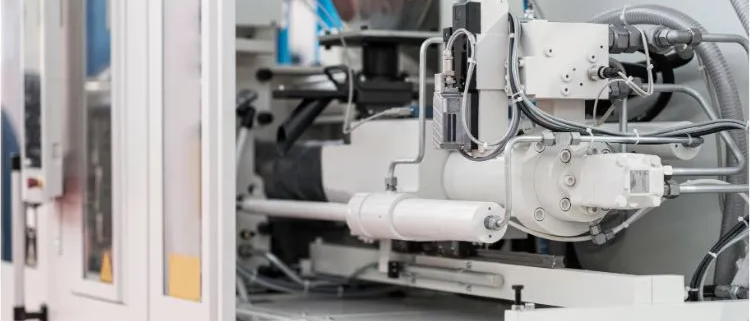
Turnarea prin injecție a HDPE-ului este o tehnologie importantă în industria prelucrătoare actuală. Acest proces este utilizat de companii pentru fabricarea componentelor din plastic cu durată lungă de viață destinate diverselor sectoare, precum ambalajele, construcțiile și altele. HDPE-ul este unul dintre cele mai utilizate materiale termoplastice datorită rezistenței sale, costului redus și durabilității.
Producătorii continuă să investească în acest proces de turnare prin injecție a plasticului HDPE, deoarece le permite să realizeze produse de înaltă calitate la un preț accesibil. De la mici bunuri de larg consum până la componente de mari dimensiuni pentru industrie, HDPE-ul este potrivit pentru o gamă largă de aplicații.
Introducere
Produsele din plastic au devenit parte integrantă a vieții de zi cu zi. Acestea sunt prezente în case, birouri, fabrici, spitale și șantiere de construcții. Multe dintre acestea sunt fabricate printr-un proces eficient numit turnare prin injecție. Această tehnică permite producătorilor să fabrice mii de componente identice, de aceeași calitate, cu pierderi minime.
HDPE se bucură de o bună reputație printre diversele materiale utilizate în turnarea prin injecție. Este rezistent la substanțe chimice, durabil, are o greutate redusă și poate fi utilizat într-o gamă largă de aplicații. Aceste caracteristici sunt atractive pentru producătorii care caută soluții durabile și rentabile.
Creșterea cererii de produse din plastic cu durată lungă de viață a dus la creșterea popularității turnare prin injecție a HDPE-ului. Materialul prezintă performanțe excelente în medii dificile și este rentabil din punct de vedere al producției, ceea ce reprezintă un avantaj pentru întreprinderi. Cunoscând produsul și procesul de fabricație, cumpărătorii pot lua decizii mai bune în ceea ce privește procesele de fabricație și furnizorii.
Ce este HDPE?
HDPE este prescurtarea de la polietilenă de înaltă densitate. Este un polimer (termoplastic) derivat din petrol. De asemenea, este utilizat pe scară largă în industria prelucrătoare, deoarece este rezistent, durabil și poate fi folosit pentru fabricarea unei game variate de produse din plastic.
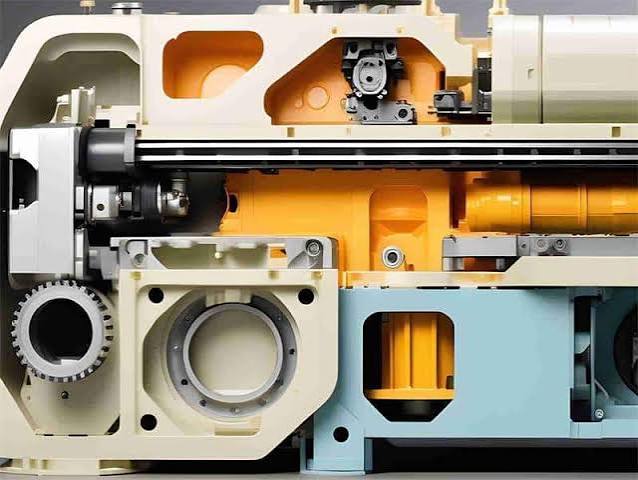
Caracteristica principală a acestui material este raportul excelent între rezistență și greutate. HDPE nu este la fel de fragil ca unele materiale plastice și își păstrează durabilitatea chiar și în condiții dificile. Este rezistent la impact, hidrofug și rezistent la o mare varietate de substanțe chimice.
Unul dintre celelalte avantaje ale HDPE-ului este versatilitatea sa. Acesta poate fi utilizat de producători pentru fabricarea de produse de diverse dimensiuni și forme. HDPE-ul este folosit într-o gamă largă de aplicații, precum capace de sticle, recipiente industriale și multe altele.
Tabelul 1: Proprietățile principale ale HDPE-ului
| Proprietate | Descriere | Avantaj |
| Putere | Durabilitate structurală ridicată | Durată de viață mai lungă a produsului |
| Rezistența la impact | Rezistent la fisurare și rupere | Fiabilitate îmbunătățită |
| Rezistență chimică | Rezistă la numeroase substanțe chimice | Potrivit pentru utilizare industrială |
| Rezistența la umiditate | Absorbție redusă a apei | Performanță îmbunătățită în aer liber |
| Greutate redusă | Ușor de manevrat și de transportat | Costuri de transport mai mici |
| Reciclabilitate | Poate fi refolosit după prelucrare | Beneficii pentru mediu |
Aceste caracteristici ale materialelor sunt strâns legate de succesul procesului de turnare prin injecție a HDPE. Ele permit producătorilor să realizeze produse de calitate constantă, la un preț accesibil.
Informații despre procesul de turnare prin injecție a HDPE-ului
În timp ce, în procesul de turnare prin injecție, granulele de rășină utilizate sunt din HDPE. Aceste granule sunt apoi introduse într-o mașină de turnare, unde căldura le topește, transformându-le în plastic. Materialul topit este apoi pompat într-o matriță fabricată cu precizie, la o presiune controlată.
Odată ce cavitatea matriței este umplută, materialul începe să se răcească și să se întărească. Canalele de răcire din matriță asigură o temperatură uniformă pe parcursul procesului de răcire. Asigurarea unei răciri adecvate poate influența calitatea piesei, precizia dimensională și durata ciclului.
După răcirea produsului, acesta este scos din matriță cu ajutorul unui sistem de ejectare. Componenta este apoi verificată pentru a se asigura că prezintă o calitate acceptabilă. Toate operațiunile de finisare necesare sunt efectuate înainte de ambalare și livrare.
Avantajul turnării prin injecție a plasticului HDPE constă în faptul că permite producerea unui număr mare de piese identice. Mașinile de turnare din prezent sunt dotate cu sisteme de control de ultimă generație, care asigură uniformitatea între seriile de producție. Acest lucru contribuie la reducerea la minimum a deșeurilor și la îmbunătățirea procesului de fabricație.
Pentru a obține performanțe cât mai uniforme, producătorii trebuie să controleze următorii parametri: presiunea de injecție, temperatura materialului topit, timpul de răcire și proiectarea matriței. Orice modificare va avea un impact considerabil asupra produsului finit. Aceste variabile sunt verificate în mod continuu de echipe de producție cu experiență, pentru a asigura fiabilitatea.
Iată câteva dintre avantajele turnării prin injecție a HDPE:
HDPE prezintă o serie de avantaje care îl fac un material preferat în domeniul producției.
- Rezistență excelentă la impact pentru aplicații solicitante.
- Rezistență chimică excelentă în mediul industrial.
- Ușor și ușor de transportat.
- Durată lungă de viață și întreținere redusă.
- Un material ieftin în comparație cu multe altele.
- Poate fi produs în cantități mari.
- Reciclabil și ecologic.
- O calitate constantă a produsului într-un proces de producție în serie.
Mai multe companii optează pentru furnizorii chinezi de produse turnate prin injecție din plastic HDPE, deoarece aceștia pot oferi atât avantajele acestui material, cât și capacități de producție la scară largă.
Sunt disponibile produse obișnuite fabricate din HDPE
HDPE poate fi utilizat pentru o gamă variată de produse.
- Capacele de sticlă, dispozitive de închidere
- Recipiente pentru alimente
- Containere industriale de depozitare
- Cutii pentru utilități
- Fitinguri pentru țevi
- Componente ale gestionării resurselor de apă
- Piese pentru utilaje agricole
- Mobilier de exterior
- Carcase de protecție
- Produse de ambalare
Tabelul 2: Produse obișnuite din HDPE
| Tipul produsului | Industrie | Avantajul principal |
| Capacele de sticlă | Ambalaje | Rezistența la substanțe chimice |
| Fitinguri pentru țevi | Construcții | Rezistența la coroziune |
| Containere de depozitare | Bunuri de larg consum | Durabilitate |
| Componente agricole | Agricultură | Rezistența la intemperii |
| Cutii pentru utilități | Industrial | Rezistența la impact |
| Mobilier de exterior | Bunuri de larg consum | Durată lungă de viață |
Marea varietate de produse ilustrează tocmai numeroasele motive pentru care turnarea prin injecție a HDPE-ului rămâne una dintre cele mai populare metode de fabricație din industria materialelor plastice.
Sectoare industriale care utilizează piese turnate prin injecție din HDPE
HDPE este utilizat într-o gamă largă de industrii datorită versatilității și durabilității sale.
HDPE este utilizat în industria auto pentru rezervoare, capace de protecție și piese funcționale. De asemenea, este preferat de producători datorită greutății reduse și rezistenței ridicate.
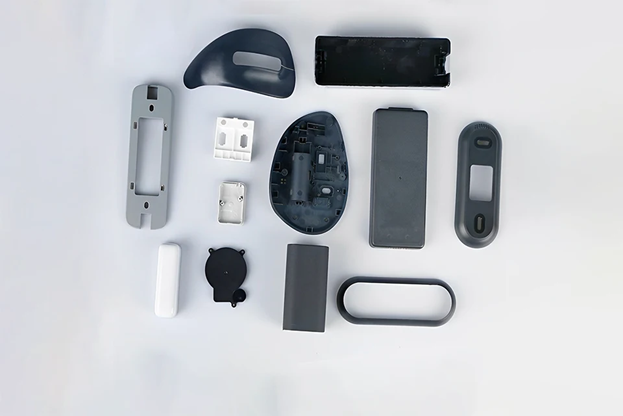
HDPE este utilizat în construcții pentru carcase de protecție, fitinguri pentru țevi și sisteme de drenaj. Proprietățile hidrofuge ale materialului sunt deosebit de avantajoase pentru utilizările în exterior.
Produsele din HDPE sunt esențiale pentru activitățile agricole, inclusiv componentele sistemelor de irigații, recipientele de depozitare și echipamentele. Atunci când materialele sunt expuse la lumina soarelui, umiditate și substanțe chimice, este necesar să se utilizeze materiale durabile, care să-și păstreze performanțele în timp.
Turnarea prin injecție a polietilenei de înaltă densitate (HDPE) este, de asemenea, utilizată pe scară largă de producătorii de bunuri de larg consum pentru a fabrica produse de uz casnic care se remarcă prin durabilitate.
Considerații privind proiectarea componentelor din HDPE
Proiectarea produsului reprezintă primul pas către o turnare reușită.
Grosimea pereților trebuie să fie cât mai uniformă posibil în cadrul piesei. O grosime uniformă poate contribui la asigurarea unei răciri uniforme și la reducerea la minimum a riscului de apariție a defectelor.
Unghiurile de degajare sunt utilizate pentru a permite scoaterea cu ușurință a pieselor din matrițe. Dacă unghiul de degajare nu este suficient, acest lucru poate duce la lipirea pieselor între ele și la deteriorarea acestora.
Și colțurile sunt importante. Colțurile ascuțite pot crea puncte de solicitare care pot duce la slăbirea produsului final. Majoritatea muchiilor rotunjite sunt mai rezistente și au o durată de viață mai lungă.
În cadrul procesului de turnare prin injecție a plasticului HDPE, inginerii pot colabora îndeaproape cu proiectantul matriței pentru a asigura performanța optimă a produsului înainte de începerea producției.
HDPE este comparat cu alte materiale plastice
Atunci când aleg materialele pentru producție, producătorii fac adesea comparații cu alte materiale plastice.
Tabelul 3: HDPE comparativ cu alte materiale plastice
| Caracteristică | HDPE | PP | ABS |
| Rezistența la impact | Înaltă | Mediu | Înaltă |
| Rezistență chimică | Excelentă | Bun | Moderat |
| Costuri | Scăzut | Scăzut | Mai mare |
| Rezistența la umiditate | Excelentă | Bun | Moderat |
| Durabilitate | Înaltă | Mediu | Înaltă |
| Reciclabilitate | Excelentă | Bun | Moderat |
Rezistența chimică și durabilitatea sunt aspecte importante care pot face din HDPE materialul preferat. Există și alte tipuri de materiale plastice cu propriile lor avantaje; cu toate acestea, HDPE oferă un echilibru bun între performanță și cost.
Controlul și testarea calității
Controlul calității este cel mai important aspect al procesului de fabricație.
În cadrul proceselor de fabricație, producătorii verifică dacă piesele turnate prezintă defecte înainte ca produsele să fie vândute clienților. Procedurile de inspecție sunt utilizate pentru a asigura calitatea constantă a produselor și pentru a reduce la minimum defectele costisitoare.
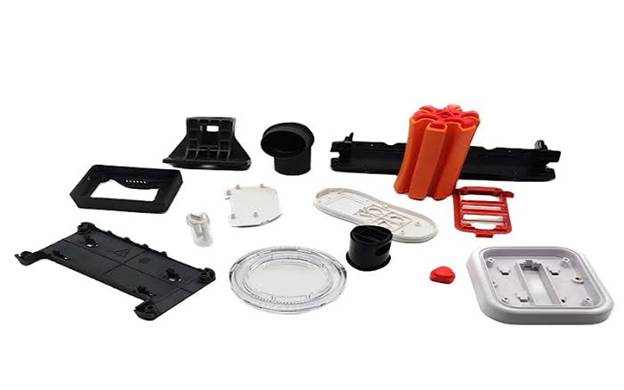
Procedurile tipice de testare includ verificarea dimensiunilor, examinarea vizuală, testul de impact și analiza materialelor. Aceste teste garantează că produsele respectă specificațiile de proiectare și îndeplinesc așteptările clientului.
Pentru companiile care activează în domeniul turnării prin injecție a materialelor plastice HDPE în China, este recomandabil să utilizeze sisteme automatizate de inspecție pentru a spori precizia și eficiența producției.
Provocări și soluții în turnarea prin injecție a HDPE-ului
La fel ca în cazul tuturor proceselor de fabricație, există și în cazul turnării prin injecție câteva probleme.
Pot apărea deformații dacă viteza de răcire diferă în diverse zone ale piesei. Acest lucru poate fi prevenit prin proiectarea și controlul corespunzător al matrițelor și al sistemului de răcire.
Un alt motiv de îngrijorare îl reprezintă contracția. Producătorii compensează acest fenomen prin modificarea dimensiunilor matrițelor și/sau a parametrilor de procesare.
Defectele de suprafață pot apărea din cauza contaminării, a temperaturilor necorespunzătoare sau a uzurii matriței. Aceste probleme pot fi evitate prin întreținerea regulată și monitorizarea proceselor.
Producătorii de succes își perfecționează continuu procesele de producție pentru a se asigura că fabrică un produs de calitate constantă.
De ce multe companii aleg China pentru producție
China este în continuare considerată un important centru de producție în domeniul turnării prin injecție a materialelor plastice.
With the rich manufacturing lines and huge manufacturing capability, many companies opt to use the Chinese suppliers. Highly efficient large-scale production is provided by advanced machinery and experienced production teams.
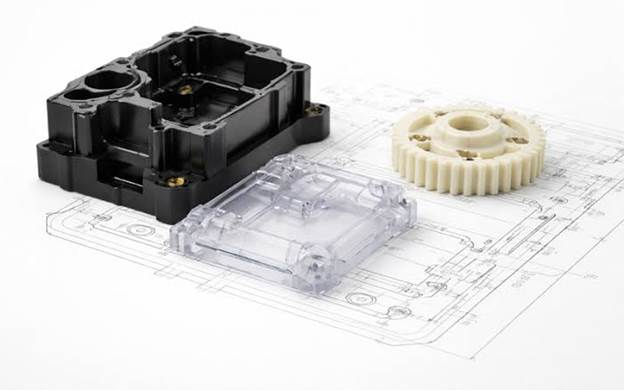
When looking for cost effective and quality production capabilities, international buyers are likely to come across a China hdpe plastic injection molding service provider.
Manufacturing efficiency is also provided by having strong supply chains. Having access to materials, tooling resources and logistics services helps to reduce production lead times.
Cost Factors in HDPE Injection Molding
There are a number of factors that affect production costs.
The factors listed in this table will affect the cost of injection molding
Table 4: Factors Affecting Injection Molding Costs
| Cost Factor | Impact on Price | Optimization Method |
| Costul materialului | Direct effect on budget | Efficient material use |
| Scule | High initial investment | Long-term production planning |
| Labor | Affects operating expenses | Automatizare |
| Volumul producției | Influences cost per part | Larger production runs |
| Controlul calității | Additional inspection costs | Process optimization |
| Shipping | Impacts final delivered cost | Logistics planning |
For companies that want to take a look at projects involving injection molding HDPE , there are numerous costs to consider prior to choosing a provider.
The benefits of sustainability and recycling
In the manufacturing industry, the concept of sustainability has gained significance over the years.
The benefits of using HDPE include its ability to be recycled and used in a variety of applications, making it an environmentally friendly material. Recycling is a way to minimize waste and promote responsible resource management.
As more and more manufacturers have realized that recycling is appropriate in certain instances, they are now making use of recycled materials in their manufacturing processes. This is to reduce the environmental impact at minimal loss of product performance.
HDPE’s recyclable properties also help it retain its popularity in various industries.
Alegerea partenerului potrivit pentru producție
There are a number of criteria that need to be taken into account when choosing the right supplier.
The manufacturers should evaluate the production capacity, quality system, technical knowledge, and communication skill. Having a trusted partner can help to enhance product quality and minimize project risks.
Also, experience with similar products is beneficial. Those suppliers who are familiar with industry expectations can be more effective in providing successful results.
Before you make the decision, you should check certifications, production capabilities and quality control processes of companies that are doing hdpe injection molding .
The future of HDPE injection molding
The industry is still a dynamic one.
As businesses strive for increased efficiency and uniformity, automation is gaining popularity. Advanced robotics can increase the speed of production with a decrease in labor expenses.
Digital monitoring systems enable manufacturers to monitor their performance in real time. These technologies assist in detection of the problems in the future before it impacts on product quality.
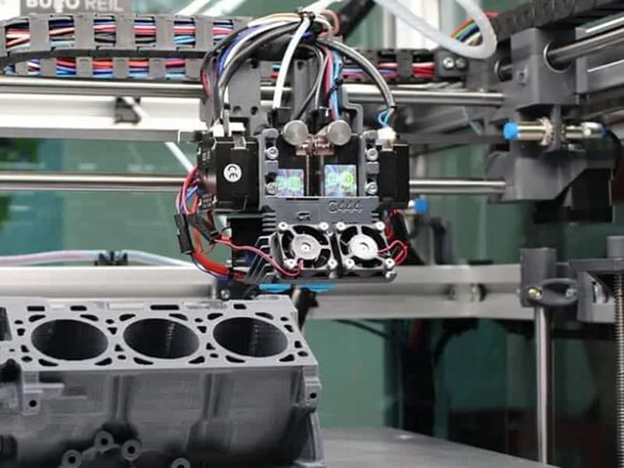
There is growing interest in sustainable manufacturing, as well. Numerous organisations are still looking for ways to enhance recycling and minimize material waste.
The future of hdpe plastic injection molding is likely to involve more efficient and environmentally friendly production methods, including the development of advanced production equipment and systems.
Concluzie
HDPE is still one of the most useful and popular plastics to use today for manufacturing. It is strong, durable, chemically resistant and cheap, and can be used in a variety of applications in various industries.
The use of China hdpe plastic injection molding solutions is still continuing with businesses since it enables them to acquire the production capabilities that are efficient and also competitive manufacturing costs. Meanwhile, the introduction of new technologies in automation, quality control and sustainability are helping manufacturers to enhance their performance and minimise waste.
From packaging materials, industrial products, agricultural goods to consumer goods, hdpe injection molding is a trusted manufacturing method. Businesses that have a grasp of the material, optimize product design and collaborate with seasoned suppliers can ensure consistency in product quality and sustainable value in production initiatives.
Frequently Asked Questions (FAQ)
What are some of the uses of HDPE?
Due to its strength and durability, HDPE is widely used in various applications such as containers, pipe fittings, packaging products, industrial components, and consumer goods.
Why is HDPE being used for injection molding?
HDPE has high impact resistance, chemical resistance and is very cost effective. These attributes enable it to be used for various manufacturing purposes.
Is HDPE recyclable?
Yes. HDPE is one of the most popular plastics to be recycled and can be used in a variety of applications.
Is there an application for HDPE outside?
Yes. HDPE is moisture resistant and weather proof making it suitable for outdoor use.
Which industries do you find HDPE products being utilized in?
HDPE components are used in the automotive, construction, agriculture, packaging, healthcare and consumer goods industries.
What are the factors that influence the cost of injection molding?
Project cost is affected by material costs, tooling, labor, production volume, quality control and shipping costs.
What are the reasons for companies to import components from China?
There are also significant manufacturing production capacity, professional production teams and competitive prices for many plastic products in China.
What are the ways for manufacturers to enhance their products’ quality?
Correct mold design, process control, material selection and thorough mold inspections all help to improve the quality of the product.


