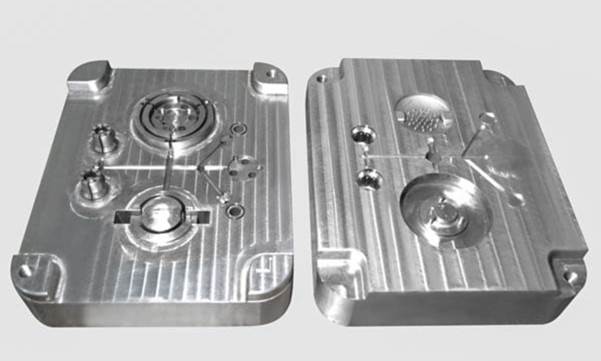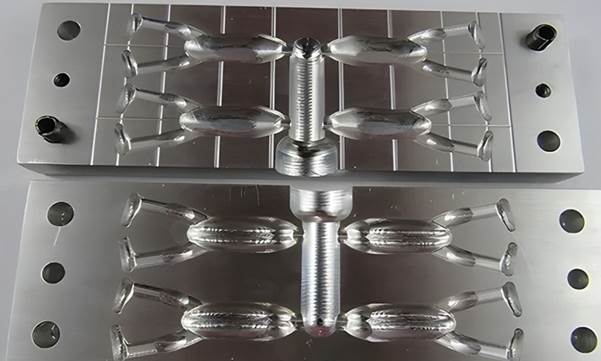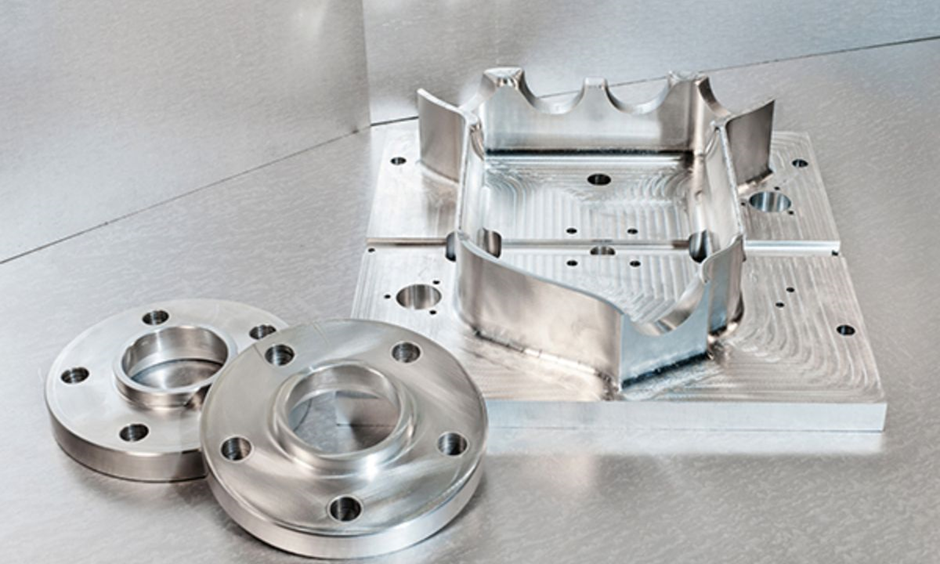
Aluminiu de injecție Mold

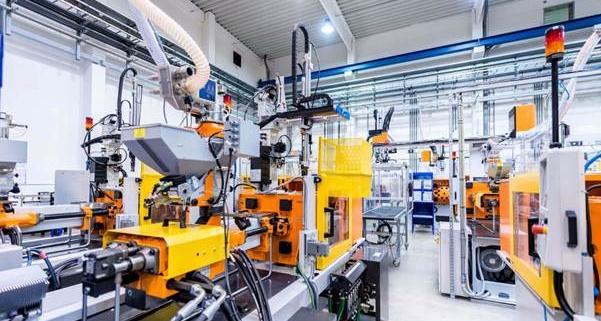
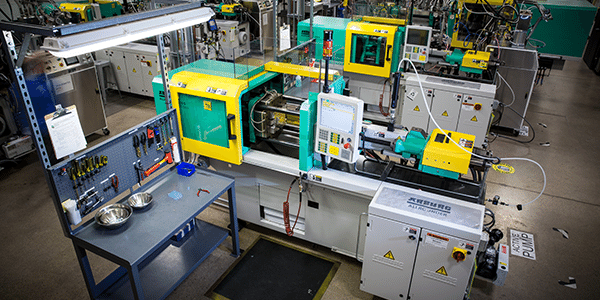
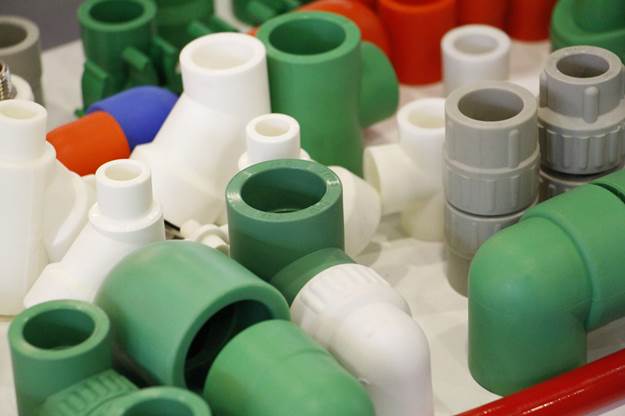
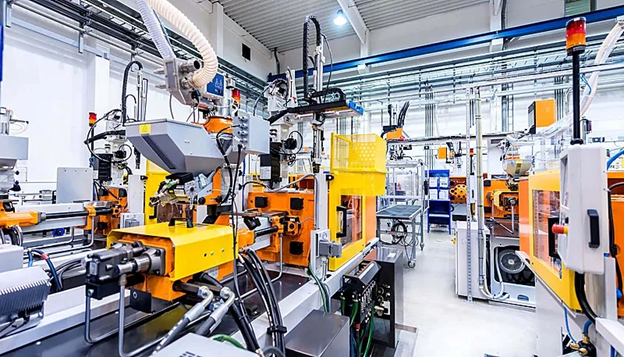
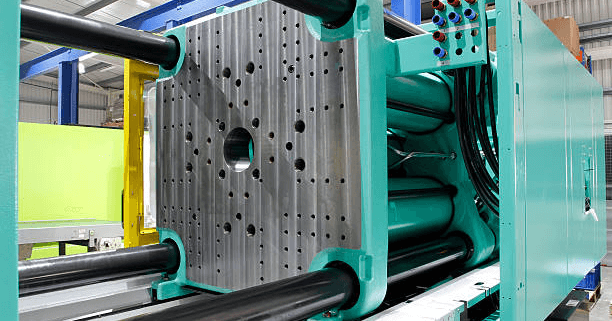
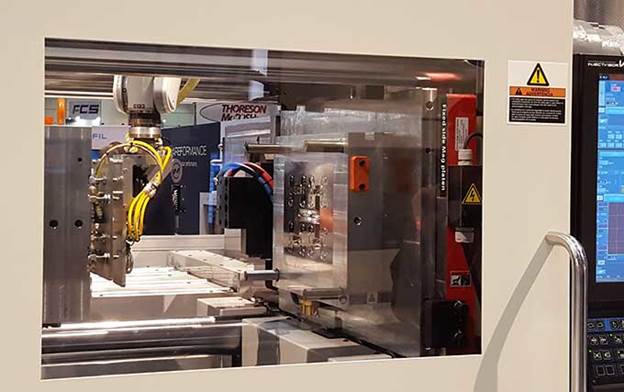
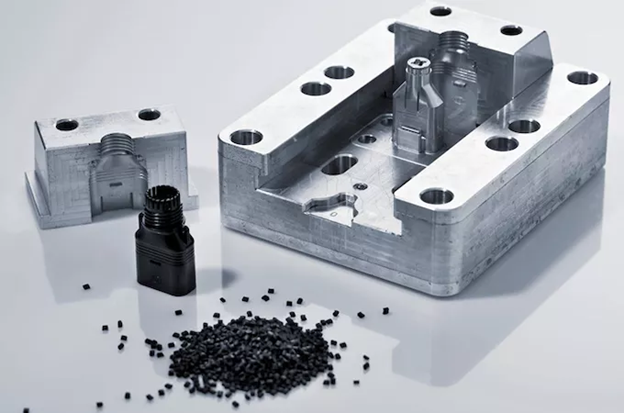
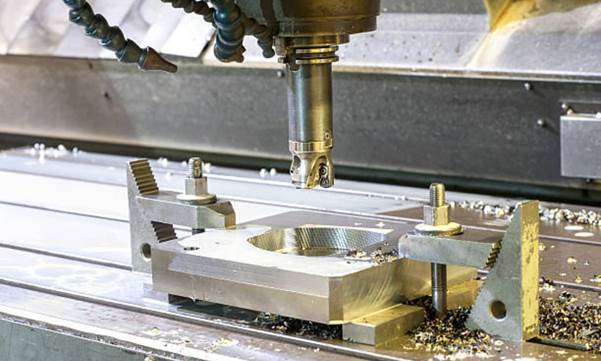
The aluminum injection mold is a key part of the manufacturing industry today due to its speed, efficiency and affordability. With the need for faster production cycles and flexibility of design, industries have found aluminum molds to be useful. The plastic pieces are created by injecting the melted plastic material into a cavity precisely made, and the plastic material assumes the shape of the cavity while cooling. Aluminum molds have a much shorter lead time, are easier to machine and are significantly lighter in weight than steel molds. This is a great option for prototypes and low and medium production runs. This is a preferred method for companies, since it saves them time in constructing their application and guarantees that the routine is developed with high quality. With the improvement of technology, the application of aluminum injection molds is rapidly increasing in various industries including automotive, medical, electronics and consumer goods.

What is an Aluminum Injection Mold?

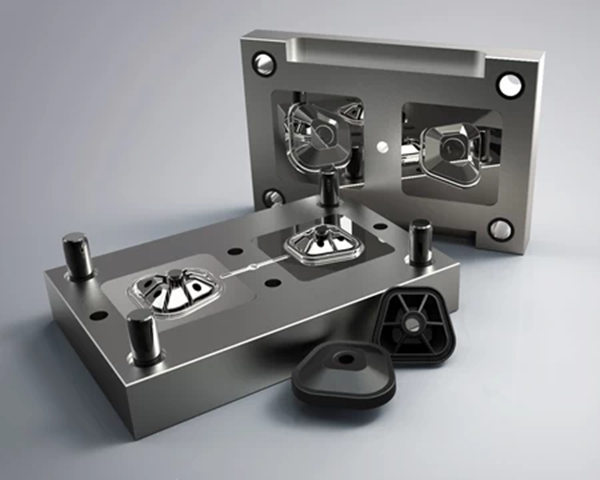
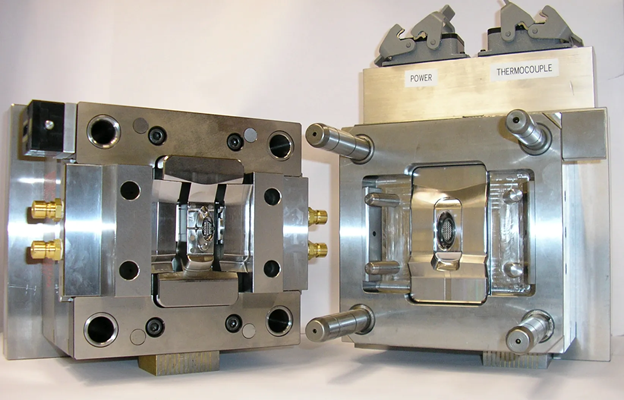
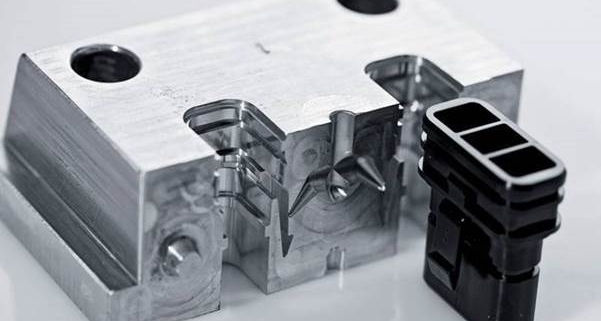
An aluminum injection mold is a mould that is utilized to form plastic parts. It is made out of aluminum and not steel. In this, the plastic is melted and then injected into a mold cavity. The material cools then replicate the shape of the mould. After it’s cooled, the final product is removed. Occurs in numerous repetitions in production process. The greatest benefit is that it cools faster and produces faster than other materials, such as plastic. The most important benefit is that it cools down quickly, and produces faster than plastic materials. That’s why today, aluminum injection molds are used.

How Aluminum Molds Work in Injection Molding?

Aluminum injection molding molds need to have a specific procedure to undertake and they are fairly efficient. Every step is dependent on the others and is crucial to producing high quality plastic components in a fast and reliable manner.

Step 1: Material Selection and Preparation

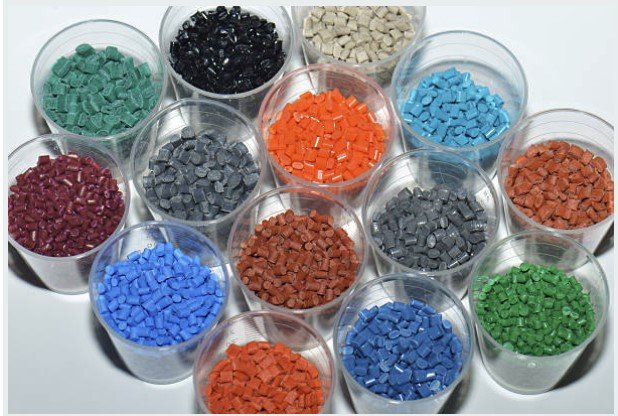
The first thing to do is to select a suitable plastic. ABS, polypropylene and polyethylene are typical materials used. There are a number of materials with different characteristics, such as strength, flexibility and resistance to heat. This is normally given in the pellets form in a hopper above the machine. Prior to use the material must be clean and dry, otherwise moisture can cause defects in the product.

Step 2: Feeding the Plastic into the Machine

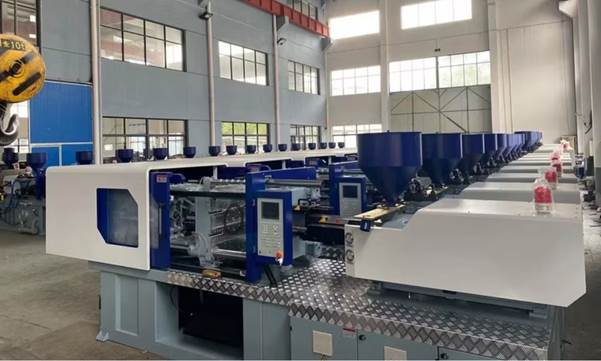
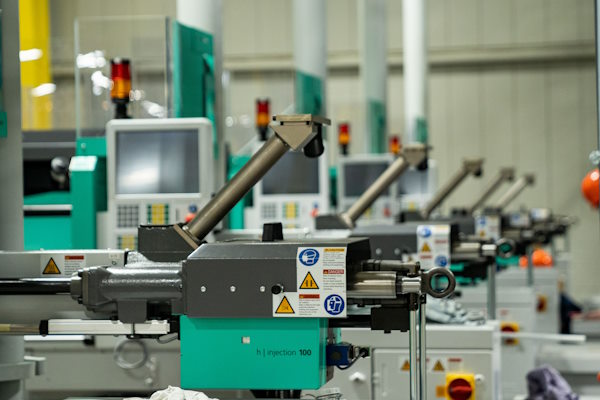
Then the mould is set up and plastic pellets are placed in the injection molding machine. These are fed into the hopper where they are heated in a barrel. A screw which rotates inside the barrel pushes plastic forward. While moving, the material starts to heat up which begins to melt the material.

Step 3: Melting the Plastic

The heat and pressure generated by the screw, melts the plastic in the barrel. As time goes on, solid pellets will slowly be converted into a thick substance known as “molten plastic”. It is very important to have control on temperature here. Too hot could cause damage to material while too cool could cause a problem with melting.

Step 4: Injection into the Aluminum Mold

When it is completely dissolved, the plastic will be injected. The screw imparts a high pressure on being pushed. The molten plastic is forced into the aluminum injection mould with the help of a nozzle. The shape of the mold cavity is determined by the shape of the product to be produced, in order to get accurate results.

Step 5: Filling the Mold Cavity

The plastic is melted and poured into the mould to completely fill in all of the spaces. Fills out all the information and forms, and makes all the shapes completely. To prevent an air bubble and void, the proper pressure is applied. This step is very significant as it is otherwise the product will be faulty.

Step 5: Filling the Mold Cavity

After being filled, the cooling process begins. Aluminum has a very high heat transfer, thus the plastic cools rapidly. The temperature is kept constant by using cooling channels. The plastic hardens and the shape of the mold is created as the plastic cools. The colder the metal, the quicker will the cycle take and the quicker will production be.

Step 7: Mold Opening

When the plastic material is completely set, the mould is carefully and slowly removed from the plastic. This is to ensure that there will be no damage to the mold. At this stage the mold consists of two parts which separate. Once the part is molded, it is easily ejected from the mold. This process is very time sensitive. It is important that the mold is not opened too early, as the product could bend or lose its shape. Manufacturers always wait until the plastic is solid before opening the mold that is why.

Step 8: Ejection of the Finished Part

When the part is molded, the ejector pins act to eject the molded part from the mold. Careful removal of component – no damage. It is then to be taken away for the next procedure. If you have a well-designed ejection system, then no marks or defects will be left on the surface.

Step 9: Inspection and Finishing

They are quality checked after being removed from the plant. Manufacturers test for any shape defect, bubbles or cracks. Some finishing (cutting and/or smoothing) is done as needed (minor). Aluminum moulds provide a good surface quality, and generally require minimal finishing.

Step 10: Repeat the Cycle

The mold will be ejected and the cycle repeated when the mold is closed. This allows for parts to be produced from one-off to mass production. Faster cooling of aluminum results in reduced cycle time, which makes the process more efficient and helps to reduce production costs.

Why Choose Aluminum Instead of Steel Molds?

There are a number of people who have made the comparison between aluminum mold and steel mold. Steel molds are expensive, time consuming and difficult to make. Compared to aluminum molds, they are more quickly, cheaply and easily modifiable. These are perfect for testing, as well as for short production runs. For modern day industry, thus, it is recommended to use aluminium injection moulds.

Key Benefits of Aluminum Injection Molds

The advantage of aluminium injection molds is among the largest, which is speed. The production time is reduced as compared to steel because of the quick cooling speed of Aluminum. Another major advantage—COST! Cost of aluminium injection mold is much low as compared to the cost of steel molds which can help the businesses in the cost cutting process. In addition, if there is a change in design, then the aluminum molds can be easily replaced. They also provide a superb surface finish; therefore, enhancing the quality of the products.

Understanding Aluminum Injection Mold Cost

The prices of the aluminum injection mould can be determined by several factors. The size of the mold is important since larger molds will need more material. The cost is also influenced by the design of the mold: A simple mold requires less expensive than a complex one. Also, the number of cavities is important. Multi-cavity moulds will cost more, but will yield a greater number of parts. Despite these expenses, aluminum molds are still more cost effective than steel molds.

When to Use Aluminum Injection Molds

Aluminum molds are the best recommended for a low to medium production run. They are excellent to be used for prototyping and testing products. These are generally used by companies desiring to sell the product quickly or companies that think they will have to make design changes in the product. If the production steel mould is desired, it may be more appropriate than aluminium moulds as the steel moulds are more durable. For most projects however, an aluminum mold for injection molding can be used to great effect.

Industries Using Aluminum Injection Molds

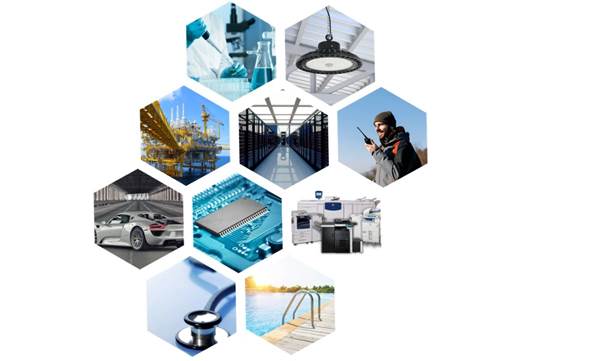
Aluminum injection molds are used to produce a number of industries. They have been employed to test parts in the automotive industry. They also have applications in medicine for the development of equipment. They’re employed by electronics companies for speedy product production. They are utilized in packaging for consumer goods and household goods by companies. They are fairly flexible and can be used in a multitude of ways.

Materials Used in Aluminum Injection Molding

Depending on the product type and the performance requirements of the product, other plastic materials can be used with the aluminum injection mold. Materials can have different properties such as being strong, flexible, durable and resistant to heat. The quality of the product will be very dependent on the selection of material.

Common materials used

ABS (acrilonitril butadien stiren): ABS is a high-impact, strong plastic that is used in a variety of industries. Very popular due to its durability and toughness. It is found in electronic enclosures, toys and vehicle components. Has a fair amount of strength and rigidity, so it is very strong for use every day.

  • Polipropilenă (PP): This is a soft, low cost and flexible plastic. It is chemically resistant, thus well suited for a variety of applications. It is widely used in packaging, storage containers and consumer products. It is also very light and is easy to shape, making it suitable for large scale production.
  • Polyethylene (PE): Polyethylene is a tough, strong and durable plastic. It can be employed in packaging films, plastic bottles and pipes. It is one of the main benefits as it is effective at low temperatures. This makes it ideal for industrial and domestic purposes.
  • Nylon (poliamidă): Engineering Plastic; strong. Resistant and long lasting to heat. Used in mechanical component & industrial parts.

A very durable clear plastic such as polycarbonate (PC). It is used for lenses and in protective covers, safety equipment, due to its high impact resistance.

Limitations of Aluminum Injection Molds

While there are a number of advantages to aluminum injection molds, there are also some drawbacks. They are not as durable as steel molds, and may be worn out earlier. Not recommended for very complicated productions or very high pressure (HP). But most uses don’t have these disadvantages and the benefits are more. Aluminium should be used with a good surface quality, which can be affected over time in long runs. May also be more susceptible to scratching than steel. Thus, the use of it is limited to low or medium levels of production, primarily. It will work extremely well for prototypes and testing, however.

Tips to Reduce Aluminum Injection Mold Cost

It’s possible to save money on aluminum injection mold. Less machining time is achieved with simple designs. It also lowers the costs of standard parts. Clean up any unnecessary features, it helps to save time and money. It can also be improved to a more efficient process if it’s done with experienced manufacturers. When designing for production, an important tip is to complete the design process prior to the beginning of production. The expenses may be higher if design changes are made thereafter. The other significant factor is to use the appropriate material for the product requirement. As long as one is properly prepared, the overall budget is always decreased.

Aluminum Injection Mold vs Steel Mold

Depending on the production needs, each of the aluminum moulds and steel moulds will be chosen. Aluminum molds are the fastest and least expensive of the various types of molds. Steel molds are more durable, longer production runs and last longer. Aluminum molds are less expensive and stronger than steel molds, but are also easier to machine and lighter, and take longer to make.

Aluminum molds make excellent market testing molds as they are easy to make and are excellent quality. Steel molds are more suitable for mass production – millions of parts produced. If flexibility and speed are key, then use of aluminum is better. When long life is desired, steel is the material that is preferred.

Considerații privind proiectarea

The design of the aluminium injection mould plays an important part. Simple designs are best. In good wall thickness, their strength will depend on their cooling. Angles to make it easy to remove parts. The design of cooling channel makes it more efficient. A good mould minimises mistakes and enhances the product quality. It also helps to minimize stress in the mold when it’s time to make the part. Preventing the formation of hair pin turns or air traps or crack in smooth flow paths. Engineers always have to determine the cost, speed and strength. Mold life and performance is enhanced by proper design.

Production Speed and Efficiency

Aluminum molds are made at a high speed. This is because aluminum cools plastic faster than steel, thus decreasing cycle time. This will help to increase productivity and efficiency. Faster production also assists companies to fulfil deadlines and boost profit. Cycle time can be shortened in many instances to a great extent. This translates to increased number of parts in shorter production times. It also can reduce the energy use of each component. The reason for the extensive use of aluminum mold for injection mold in the fast-growing industry is that it is an excellent choice.

Maintenance and Lifespan

Aluminum injection mould needs to be maintained. The grease and cleaners are used on a regular basis to extend the life of the parts. They can be used to make thousands of parts, and are not quite as durable as steel molds. They are a great choice for low to medium production. When not in use, molds need to be stored properly along with their correct use. Moisture and dust will help to preserve the surface. Inspection will aid and inhibit early wear. If used correctly it will last a long time.

Environmental Benefits

Aluminium moulds do not cause as much damage to the environment. They need less production/operating energy. Aluminium is also sustainable being recyclable! In addition, the increased production also leads to less energy use. They are appropriate for business that are green manufacturing. Reducing energy consumption translates to reduced carbon footprint. The other benefit is that during recycling of the aluminum, less industrial waste is produced. This is an added value to the modern sustainable production systems.

Aplicații comune

The Aluminium injection moulds are used in different industries. They are employed in the automotive industry as prototypes. They are employed in the medical sector in the creation of devices. Reputable and adopted by electronics firms for speedy manufacturing. They’re utilized by consumer goods manufacturers for consumer goods. They also have application in packaging, house-hold and industrial applications. They can be used in small and medium projects due to their versatility. For many start-ups, they are the preferred option for testifying their product launch. This gives them a greater value in today’s markets.

Provocări

Some problems with the aluminium moulds. Not as long lasting as steel and can be subject to wear and tear. Not recommended for highly large amounts. But, with proper design and use, these issues can be minimized. The others are that it has a weak strength at high pressures and it is not waterproof. Very complicated designs can lead to a loss of performance with time. Overall, however, they are able to perform well in the typical use cases. They can be well maintained and if used appropriately, perform very effectively.

Gânduri finale

The times are intelligent and efficient production methods for the aluminum injection molding. It provides quickness, versatility, and savings. Ideal for rapid product development, low volume production and prototypes. Lower price point of the aluminum matriță de injecție allows it to be affordable for startups and scaling businesses. Meanwhile, it also performs perfectly and can be utilized in huge industries. With all these advantages and disadvantages that are known to their business they can then take the benefit of it to the full extent. With the technology development, the influence on the future production will even be more on aluminum molds.

Întrebări frecvente

What is an aluminum injection mold and why is it important?

Aluminium Injection Moulding is a press which can be utilized to inject softened plastic in the shape cavity to make plastics products. The importance of it is because it could enable them to produce in a short time, reduce production cost and also produce good quality products. It is a favorite material for prototyping and for the demands of speed and flexibility in short production runs and is used in a variety of industries.

What are the influencing factors of the price of aluminum injection mold?

The various factors that might impact aluminum injection mold cost include mold size, the complexity of the mold design, the number of molds and the type of mold material. The price will vary based on the complexity of the mold – simple molds will be less expensive than more complicated molds. The price also varies depending on the number of the production and the specifications of the finished product.

Why are aluminium moulds faster to use in injection moulding than the steel moulds?

Since the conductivity of aluminium is high, the aluminium type molds used for injection molding are fast. It has high thermal conductivity, making plastic quickly cool in mold cavity. This not only decreases the cycle time, but also speeds up the production rate, which in turn is more efficient.

When choosing between Aluminium injection molding die and Steel molding die, which one to use?

Aluminum injection molds are a good option to be considered when it comes to speed of production, low cost and flexibility of design. They can be used to prototype, test and for low to medium volumes. Even if many items are to be created, steel moulds could be more effective, as they last longer too.

What is the best thing about the Aluminium Injection Mold?

The major advantages of aluminium injection molds are: They are faster in production, cheaper, very versatile and offer a good surface finish. All these benefits make them an attractive option for companies seeking efficient and flexible manufacturing solutions.

Modelare prin injecție de plastic de scurtă durată

Short run plastic injection molding is an effective manufacturing technology that is employed to manufacture a few plastic parts. It is best suited to businesses, which do not require a lot of production, but would like to achieve high-quality outcomes. This technique is very popular in testing of products, prototyping and small-scale manufacturing.

This process is popular among many companies as it will ensure that there is less initial investment and flexibility. Businesses are able to produce smaller quantities and have better control as opposed to producing thousands of units. This renders short run injection molding to be viable in startups and companies in their growth phase.

What is Short Run Plastic Injection Molding?

In short run plastic injection molding, a few plastic parts are produced by applying the injection molding technology. It is normally associated with reduced volumes of production as opposed to the mass production. This is appropriate in projects which have to be completed within a short time, and a small amount. This is accomplished by producing a short run injection mold that is designed to efficiently make parts without the big tooling that would be required in long-term tooling. The design of these molds usually has shorter life-cycle which assists in cutting down costs generally without compromising on the quality of the product.

What a Short Run Injection Molding Works?

This starts with the designing of the product and designing of a mold. Engineers come up with a design, which satisfies the product specifications but at low production costs. Then the mold is produced out of such materials as aluminum or soft steel. After having prepared the mold, plastic material is melted and injected into the mold. The material solidifies and becomes the shape that is desired. The same is repeated to yield a low number of parts through short run plastic injection molding.

Benefits of Short Run Plastic Injection Molding

Plastic injection molding (Short run) has numerous benefits to the companies. It is an adaptable and affordable approach which facilitates innovations and quicker product development. The process enables companies to start with small productions but without investing a lot. It is also useful in testing their products prior to large scale production. Short run injection molding is less risky and decision making is enhanced.

Key Points

  • Reduced initial cost of tools.
  • Faster production time
  • Perfect when it comes to prototypes, and testing.
  • Reduced financial risk
  • Ability to change design.

Short Run Injection Moulding Cost

One of the most significant or important factors to businesses is cost. Small-scale production is usually cheaper than the large-scale production in terms of cost incurred in injection molding as the little tooling and set up is required. Nevertheless, its price per unit might be a bit more than a mass production. The reason behind this is that this fixed cost will be spread among a lesser number of parts. Nonetheless, with this amount, this technique is economical and feasible.

Key Points

  • Lower initial investment
  • Higher unit cost as compared to mass production.
  • Design and material of the mold would depend on the cost.
  • Suited to a low volume production.
  • Cost effective on minor projects.

Materials Used in Short Run Injection Molding

The use of various kinds of plastic materials varies in accordance to the needs of the product. Commonly used are ABS, polypropylene, polyethylene and polycarbonate. It has certain properties of each material which include strength, flexibility and heat resistance. The correct choice of the material is a factor of product performance. In short run injection molding of plastics, selection of the material assists in the attainment of the desired quality without going too high in terms of cost.

Applications of Short Run Plastic Injection Molding

It is flexible in various industries and is employed in this process. It is appropriate in projects which demand low amounts and high-speed production. Short run injection molding is used in industries such as the automotive industry, medical, electronics and consumer goods in prototyping and production of small production runs. It assists the businesses to fulfill the demand in the market without having to make substantial investments.

Key Points

  • Product prototyping
  • Medical device components
  • Automotive parts testing
  • Consumer product development
  • Low-volume production

Benefits of the 3D printing as compared to conventional production

Plastic injection molding can be used in short run mode which has a number of benefits over the conventional manufacturing techniques. It enables a quicker product development and simplifies a product design change. This technique does not involve huge commitments, as it is in the case of mass production. Companies have the capability to make small batches, and modify designs according to feedback. This renders short run injection molding a very flexible process.

Injection Mold Design considerations- Short Run

Design is one of the important factors of the successful production. Properly designed short run injection mold guarantees a seamless production process and the quality of the product. Engineers are concerned with simplicity and efficiency in order to save on the cost. A well-designed mold is also useful in enhancing the durability and performance of the mold in the production process.

Key Points

  • Clearly and straightforward design.
  • Proper material selection
  • Balanced mold structure
  • Less complicated to be less expensive.
  • Easy maintenance

Difficulties of short run injection molding

As much as this process has numerous advantages, there are a few challenges that come along with it. Higher unit cost can be experienced as a result of low volume of production. The durability of mold can also be reduced as opposed to long run molds. These issues can be overcome by proper planning and design. Through collaborating with experienced manufacturers, companies will have a greater success with short run plastic injection molding.

Selecting the proper Manufacturer

There is a great deal to do with picking the appropriate manufacturer. A manufacturer with a good reputation guarantees that there is quality, on time delivery and cost efficiency. The important ones in selecting a partner are experience and technology. An experienced short run injection moulding supplier would be able to streamline production, minimizing mistakes.

When to opt to use short run Plastic Injection Molding

The most suitable type of plastic injection molding would be short run plastic injection molding where the production volume is low and speed is a concern. It is effective when a startup is being launched, when testing a product or when launching a product with a small market. This technique is popular with businesses which wish to minimize risk. It can also be applied in cases where the designs of products are yet to be perfected. Companies can easily change performance and make any changes without investing in long-term injection molds, as a short run injection mold can be used to test the performance. This contributes towards the saving of time and money.
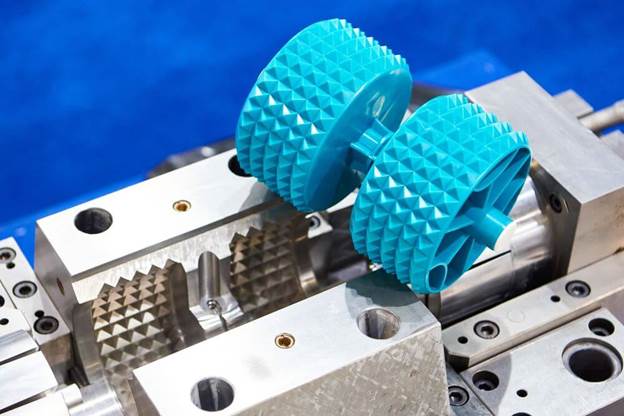
Key Points

  • Suited to a low volume production.
  • Good in product testing/prototyping.
  • Economical with start-ups and small-businesses.
  • Reduces financial risk
  • Helps develop designs fast.
Comparison with Long Run Injection Molding

Also very different is the short run injection molding of plastics as opposed to long run production. Large scale production with large quantities is done using long run molding. It has high-cost molds but has a lesser unit cost. Short run injection molding, on the other hand is concerned with limited numbers, which have less initial expenditure. The unit cost might be more expensive, but is more flexible and can be produced more quickly. This renders it to be appropriate in short term projects.
Tooling Options for Short Run Injection Mold

Tooling is one of the significant elements. Molds that are to be used in short run production are typically made out of aluminium or lighter steel. Less costly and expeditiously machineable are these materials. A short run injection mold is not meant to be used extensively and therefore, it does not require as long as production molds. This can be used to minimize the tooling cost and yet achieve a good quality to small batches.

Key Points

  • Cost saving aluminium moulds.
  • Reduced time of production of moulds.
  • Appropriate in the small production cycles.
  • Lower maintenance cost
  • Quick adjustments possible

Lead Time and Speed of production

The benefit of shorter lead time is one of the greatest of this method. Molds are also simpler to produce and low quantities of production result in parts that are produced in haste. This assists companies in adhering to deadlines, and in responding to the market need in a shorter time. With short run plastic injection molding, companies are able to introduce products within a short period as opposed to the traditional methods.

Part in Product Development

Increasingly, short run plastic injection molding is significant in the development of products. It enables companies to experiment with designs under the real-world conditions before it is taken to mass production. Companies can in this way create small batches to refer to feedback and enhance their products. This renders short run injection molding to be a useful innovation and development tool.

Key Points

  • Supports product testing
  • Assists in enhancing quality of the design.
  • Reduces development risk
  • Allows market feedback
  • Accelerates innovation of products.

Quality- Short Run Production

Although the volume of production is low, quality nevertheless should be ensured. The right design, choice of materials and control of the process is needed. Testing and inspection are done to provide uniformity to manufacturers. Short run turnare prin injecție a plasticului can be done using high standards to give high quality results.

Cost Optimization Strategies

With clever choices in the design and production, businesses can minimize short run injection molding cost. Easy designs, correct choice of materials can contribute to reduction of costs. It also works with the experienced manufacturers which enhances efficiency. Cost optimization is to provide the improved results without any compromising of product quality.

Key Points

  • Simplify product design
  • Choose cost-effective materials
  • Optimize mold design
  • Collaborate with a team of competent manufacturers.
  • Minimise wastage and inaccuracies.

Environmental Advantages

Sustainable production can also be supported by the short run production. Manufacturing the exact number of products saves on wastage, and the unnecessary consumption of materials. The use of energy is also reduced as opposed to mass production. This renders the short run plastic injection molding, more eco-friendly in some situations.

Common Mistakes in Short Run Plastic Injection Molding

When short run production is initiated by many companies, they end up making a lot of mistakes. Mistakes that could be made include bad design of moulds. Otherwise, the short run injection mold may lead to defects and inconsistency of quality products, when it is not properly designed. The other error is that of selecting the inappropriate material. Spoilage of plastic of low quality or otherwise inappropriate can lead to more failures. Short run injection molding is very critical in proper planning to prevent wastage and re-work.

Importance of Proper Mold Maintenance

Although the molds are not used on long production cycles, maintenance is also considered even though the short run molds are used. Washing and good storage can assist in increasing the life of moulds and quality. A molded item can have issues with the surface finish and accuracy of products, unless a mold is kept. Scanning, routinely, guarantees a smooth operation in short run plastic injection molding ventures.

The use of Technology in Short Run Production

The short run manufacturing has been enhanced with the use of modern technology. The computer-aided design (CAD) and computer-assisted manufacturing (CAM) software can be used to create accurate molds. This minimizes mistakes, and enhances productivity. Less human error is also guaranteed by automated machines in ensuring consistency in production. This causes short run injection molding to be quicker, more precise and dependable than the conventional ones.

Short run injection molding Customization

Customization happens to be one of the largest benefits of this process. Changes of designs by businesses need not be greatly invested. This proves quite handy whereby alternative version of product needs to be tested. Quickly, a short run injection mold can be modified and hence the manufacturers can make product development improvements, based on customer feedback. It is flexible and helps in innovation and success in the market.

Supply Chain Benefits

Another way in which short run production enhances the supply chain management is through supply chain management. There is no need of companies to hold large inventories. They are able to generate just what is needed. This saves on storage cost and wastes. Businesses can be able to respond to market demand more quickly, and minimize the risk of overproduction using short run plastic injection molding.

Market Trends and Development of the industry

The need to produce in small scales and customized is on the rise. The companies are desiring quicker production and versatile manufacturing options. This is creating an expansion in short run injection molding towards the global markets. This practice is becoming a popular way of remaining competitive and innovative by more companies.

Outlook in short run plastic injection molding

The future of this process has a good prospect. With the growth in demand of customized products, there is an increasing number of companies, which use small-batch production methods. High technologies are enhancing productivity and decreasing the expenses. This will render short run plastic injection molding even more popular in the next couple of years.

Summary

Plastic injection molding (short run) is a convenient and versatile manufacturing process. It enables companies to make small amounts at a low initial investment and quicker turnaround. Through short run injection mold, companies are able to test products, make it better and eliminate risks prior to the large-scale production. The approach aids innovation and assists companies to react swiftly to any market changes.

The turnare prin injecție de scurtă durată cost per unit might be more expensive, but it can be a worthwhile investment by most industries because of the overall benefits. It is particularly applicable in case of startups, product development and a limited production requirement. In the current dynamic market, short run plastic injection molding offers the flexibility and efficiency required in order to be successful.

Întrebări frecvente

What is the short run plastic injection molding?

It is a process employed in manufacturing a few plastic components that are cheaper to tool, and possess reduced time to manufacture.

What do we use short run injection molding?

It finds its primary application in prototyping, testing of the product and small-scale production in industries.

What is the cost of short run injection moulding?

The cost of short run injection molding is influenced by the design of the mold, the material and the number of the molds. It is normally less in the case of small projects.

In short run injection molding what materials do we use?

Some of the common materials used are ABS, polypropylene and polycarbonate based on the need of the product.

What does mean a short run injection mold?

It is a mold intended to be used to produce small production runs. It can be typically constructed with less expensive materials and has a reduced life span.

Camera curată de turnare prin injecție

One of the most significant technologies in the contemporary manufacturing is injection molding cleanroom technology. It is applied in the situations when the products have to be of the utmost purity and free of any contamination. The industries such as medical, pharmaceutical, electronics and healthcare cannot do away with this process.

A clean space that is controlled is necessary as opposed to normal production environments. This will make sure that there are no dust, particles or bacteria that will be able to influence the end product. Cleanroom injection molding is used in many industries to ensure that there are high standards of quality.

Understanding Injection Molding Cleanroom

An injection molding cleanroom is a manufacturing facility that is controlled, with a high degree of cleanliness and it is used to create plastic components. The air is clean; there is regulation of temperature and minimization of contamination. It is a completely different process as compared to normal molding. It is applicable to products whose safety and hygiene is important. This is the reason why cleanroom injection molding services are mainly in demand in medical and precision industries.

Why Cleanroom Injection Molding is Important?

Sensitive products are to be manufactured with clean manufacturing. A single particle can have an impact on the performance or safety. The reason why controlled environments are applied is because of this. When it comes to products such as healthcare and pharmaceuticals, the purity of the products is of paramount importance. The cleanroom injecting molding guarantees that the products are up to international standards and regulations in terms of safety.

How Injection Molding Cleanroom Works?

Injection molding cleanroom is a controlled production that is employed in products which need contamination-free environment. It is typically applied in the medical, pharmaceutical and electronic fields. Each of the steps is handled with utmost care to ensure hygiene, precision and safety of the products.

Step 1: Raw Material choice and Preparation

It starts with the choice of plastic materials which are high quality and according to the needs of the product. The materials are normally in the form of pellets and have to be highly pure. Pellets are stored in capped containers before use, to avoid dust or contamination. All these are done in a controlled environment to ensure that it remains clean at all times.

Step 2: Work to Cleanroom

The materials after preparation are moved into the cleanroom. This is through sealed systems and airlocks so as not to be exposed to the outside air. This step is followed by workers employing stringent hygienic practices. They also put on protective attires including gloves, masks and cleanroom suits in order to have a sterile environment.

Step 3: Plastic Material is Melting

The plastic pellets are used inside the cleanroom to inject them in the injection molding machine. The material is heated and melts down to be in the form of liquid. This melting is cautiously monitored so as to be consistent. The environment is clean and stable to avoid contamination of the environment in case of production.

Step 4: Injection into Mold

After melting the plastic, it is then pressurized into an accurately designed mold. This is already in the mold within the cleanroom. The controlled conditions also guarantee an absence of dust or particles to the process. This is an essential step towards a high-quality production in injection molding cleanroom.

Step 5: Cooling and Solidification

Once the injection of molten plastic is completed, the plastic begins to cool in the mold. The cooling system is well controlled to ensure the accuracy of shape and strength of products. As the material is cooled it becomes hard and assumes the precise shape of the cavity of the mold. This measure makes certain accuracy and longevity in the end product.

Step 6: Mold Opening and Removal of products

After the product is completely solidified, the mold will automatically or manually (depending on the system) open it. The completed portion is scraped away. This step is done with special consideration so as not to be contaminated. The cleanroom environment will make sure that products are sterile upon their removal.

Step 7: Check and Quality Control

All the products are subjected to careful inspection after removal. The quality control departments examine the defects, contamination or any error in manufacturing. Products which are not up to standard are not allowed to be further used. This guarantees cleanroom production of injection molding.

Step 8: Clean Packing and storage

Packaging of the products will be the last procedure in a sterile environment. Cleanliness and safety is ensured by using special packaging materials. Products are then stored or shipped and under controlled conditions. This makes them not contaminated even up to the time they are used by the end user.

Cleanroom Classification Levels

Various classes of cleanrooms are classified according to the air quality. The number of particles to be in the air is decided by each level. Less level of particles implies an increased cleanliness. High-class cleanrooms are often needed when it comes to medical devices. This guarantees accuracy and safety of cleanroom injection molding.

Industries which employ cleanroom Injection Molding

Clean manufacturing processes are important to many industries. All industries have stringent standards on product hygiene and safety. It is used in medical industry as a syringe, implants and surgical instruments. It is used in sensitive parts in electronics industry. Cleanroom injection molding services are of great importance in these industries.

Medical Industry Applications

Medical is another sector that has the highest usage of cleanroom molding. The products should be sterile and fit to be used by humans. The controlled environment is used to manufacture items such as IV components, surgical instruments and diagnostic tools. This guarantees the high level of safety in injecting molding of the clean rooms.

Electronics Industry Applications

Dust and contaminations are very sensitive to electronic components. Damaging performance can be done by even small particles. The reliability and durability are guaranteed by cleanroom production. It assists in creating micro-elements and accuracy devices with the help of injection molding cleanroom.

Advantages of Cleanroom Injection Molding

Manufacturers and industries have numerous benefits with this process. It is safe, accurate and of high-quality production.

Key benefits include:

  • Good level of cleanliness.
  • Reduced contamination risk
  • Better product safety
  • High precision manufacturing
  • Meeting the industry standards.

All these advantages render cleanroom injection molding essential to the critical industries.

Materials Used in Cleanroom Molding

Depending on the needs of the products special materials are utilized. These are materials which have to be of high quality. Typical materials are plastics, of medical grade, and high-purity polymers. They guarantee cleanroom injection molding services which are safe.

Comparison of normal and cleanroom Molding

Normal molding in a normal factory atmosphere where there is no total control of air is done. The dust, particles and small impurities may be involved throughout the production. This is tolerable in the case of general plastic products, in which there is no need of high sterility. Cleanroom molding, however is done in a fully filtered and controlled setting. Air is constantly purified and any risk of contamination is kept to minimum. This renders it very appropriate to medical, pharmaceutical as well as electronic products.

The other major distinction is with regard to handling and hygiene control. Normal moulding gives an opportunity to have more people in the production. To ensure purity of products, cleanroom molding minimizes contact, and observes high safety standards.

Key Points

  • The open-air conditions at the factory are normal.
  • Cleanroom molding involves use of filtered and controlled air.
  • Increased risk of contamination of normal molding.
  • Stringent cleanroom hygienic regulations.
  • Sensitive and medical products are cleaned in cleanroom.

In Cleanroom Injection Molding, Equipment is Utilized

Cleanroom injection molding involves special equipment which is used to provide sterile environment. Machines are enclosed and are designed in such a way that they minimize the chances of contamination during manufacturing. To ensure that the air is kept clean at all times air filtration systems such as HEPA filters are employed. Temperature, and humidity are also regulated to ensure that everything is at constant. To prevent the entry of particles to the cleanroom, operators have protective clothing.

Key Equipment Points

  • Sealed high-precision molding machines with high precision.
  • Clean air HEPA air filters.
  • The units of temperature and humidity control.
  • Clean room protective clothes and gloves.
  • Controlled access airlocks.

All these tools and systems are combined to assist injection molding cleanroom requirements and production quality to remain high and contamination free.

Cleanroom Production of Quality Control

There is high level of quality control in clean rooms. All products are checked at the correctness and safety. The inspection procedures make sure that none of the defective or contaminated products are discharged. This is one of the important components of cleanroom injection molding services.

Cleanroom Injection Molding price

More costly than regular molding, this procedure is involved. This is due to sophisticated machines and test conditions. Nevertheless, the price is compensated by quality and safety of the products. Precision-based industries opt to use cleanroom injection molding although it is expensive.

Injection Molding Cleanroom Problems

Despite being very successful, there are challenges of this process. Strict rules and monitoring of the environment are needed to maintain a controlled environment. Challenges are high costs of operation and technical needs. Nonetheless cleanroom injecting molding is still used in the critical applications of industries.

Standards and Compliance Requirements of Cleanrooms

Cleanroom injection molding is based on the strict international standards in order to guarantee the safety of products and their consistency. These criteria indicate the level of cleanliness that the environment should be and the level of control in production. The facilities should have common checks on the quality of air, temperature and humidity. Even the minimal contamination risks have to be controlled. This is necessary to industries which have critical products that are injected in a cleanroom.

Air Filtration and Control of the environment

The most significant aspect in cleanroom manufacturing is air quality. Dust, particles and bacteria are removed by the use of special HEPA and ULPA filters to clean the air. Humidity and temperature are also kept at a low level. The stable conditions also aid in ensuring that there is no contamination of a product during the cleanroom production of injection molding. This will avoid flaws and pollution.

Safety and Hygiene measures of the operators

Cleanroom workers have to abide by stringent hygiene regulations. To avoid contamination, they put on special suits, gloves, masks as well as shoe covers. Air showers and cleaning processes are implemented on operators prior to getting into the production area. These measures guarantee safe injecting molding activities in the cleanroom, without the introduction of external particles.

Automation Cleanroom injection molding

In cleanroom production, automation has a significant role to play in the contemporary world. Most of the production process is done by machines and there is minimum human contact. This minimizes risk of contamination and boosts efficiency. The cleanroom injection molding services are also enhanced by automated systems particularly in high volume production.

Precision and Accuracy in making

The cleanroom is a facility that is developed to produce very precise manufacturing. The slightest mistakes can have an impact on the safety and performance of products. The use of advanced machinery makes every part to be specific to the specifications. Such accuracy is among the primary reasons why industries would choose cleanroom injection molding to sensitive applications.

Cleanroom Facility cleaning

To maintain cleanroom environments, regular maintenance is needed. Air systems, filters and machines should be periodically checked. The smallest failure can have an impact on the product quality. Clean injection molding cleanrooms are properly maintained to guarantee a smooth operation and reliability.

Cleanroom Systems – Energy Efficiency

Advanced systems that use energy are necessitated in cleanroom facilities. But with the new technology we have in use energy consumption is being minimized. The effectiveness of machines and intelligent systems is enhancing sustainability. This assists in minimizing the cost of operation in the clean room injection molding service whilst still producing high quality.

Cleanroom Injection Molding Demand all over the world

Cleanroom manufacturing is on the upswing throughout the world. Industries are prioritizing on safety, hygiene and precision. The high medical and electronics industries of these countries are also investing on cleanroom injecting molding technologies in order to support the increased demands.

Cleanroom Technology Innovation

The technology of cleanrooms is advancing fast with the new automation and electronic systems. One of the areas that manufacturers are currently preoccupying is the ability to produce more precise, safe and highly controlled production environment. The above enhancements are useful in minimizing chances of contamination and enhancing the quality of products in sensitive sectors.

Cleanroom production has become largely a part of automation. Machines have replaced a lot of the work which was done manually. This minimizes human interaction, minimizes the possibility of contamination and enhances uniformity of the production process.

Modern cleanrooms also have a high usage of smart sensors and monitoring systems. These systems monitor the air quality, temperature, humidity and pressure at all times. In case any change has been identified, automatic changes are done in order to keep the conditions within the environment stable.

The technologies based on AI are also enhancing output and identifying possible problems in the early stages and facilitating the efficient manufacturing process. All these innovations are collectively transforming turnare prin injecție cleanroom systems to be efficient, reliable and advanced.

The future of Cleanroom Injection Molding

Cleanroom injection molding has great potential to continue to grow in the future as the need in a variety of industries rises. Such industries as medicine, electronics, and pharmaceutical are becoming more and more in need of clean, and precise production facilities. This is propelling an expedited progress in cleanroom technologies.

Even more automated and intelligent production systems are likely to be implemented in the next few years. Most processes will be done with little human intervention as machines will help in speeding up processes, providing accuracy and efficiency and minimizing errors.

Another significant part of the enhancement of the cleanroom operations will be digital technologies. The systems based on data will assist with monitoring the production in real time and aid the improved decision making. This will streamline manufacturing and make it cost effective.

Meanwhile, the world industries are facing a trend towards even more stringent cleanliness requirements. This trend is on the rise and is creating a need of injection molding cleanroom solutions across the globe. With the ever-growing technological advancements, cleanroom systems are bound to be more efficient, reliable and a necessity in current manufacturing.

Making a decision in Favor of Cleanroom Injection Molding Services

It is quite crucial to choose the appropriate manufacturer. Care should be taken in terms of experience, technology and certifications. A good supplier will guarantee quality production and adherence. It is ensured that professional cleanroom injection molding services are offered and this ensures enhanced performance as well as safety.

Gânduri finale

The clean room technology of injection molding is vital to the present day precision manufacturing. It guarantees safe, clean and high-quality production. It is very important to industries such as medical and electronics. As demand increases, cleanroom injection molding will proceed to grow all over the world. It is still considered one of the surest techniques of manufacturing sensitive and high precision plastic products.

Frequently Asked questions

What is the use of injection molding cleanroom?

Plastic parts are manufactured in a most controlled and sterile environment in injection molding cleanroom. It is primarily utilized in medical equipment, pharmaceutical products and highly sensitive electronic parts in which cleanliness is highly valued.

What is the significance of cleanroom in injection molding?

The significance of a cleanroom is that the space where production is done is free of dust, particles and contamination. This will guarantee high quality, safe and products that are appropriate in sensitive applications such as healthcare and electronics.

What are some of the industries where cleanroom injection molding is applicable?

Medical, pharmaceutical, electronics and food packaging industries are the common applications of this process. These industries need high hygienic conditions and accuracy in the production process in order to guarantee safety and performance of the product.

Is it costly to do cleanroom injection molding?

Yes, it is typically costly as compared to normal injection molding. This is because of sophisticated equipment, stringent environmental procedures and special safety needs which make it more expensive. Nonetheless, it is of better quality and reliability.

What is a normal and cleanroom injection molding?

Normal injection molding occurs under normal factory conditions that may have dust, and particles. The injection molding is carried out under a cleanroom environment that is filtered with minimal contamination and results in high purity of products.

Familia Mold Injecție de turnare

One of the intelligent manufacturing solutions that are adopted today by most industries is family mold injection molding. It enables various components to be cast in one mold. This renders the process of production cheaper and quicker to businesses.

This is the choice of many manufacturers, as it is a time- and cost-saving method that lowers the tooling costs. Using family tool injection molding, the companies are able to make various parts during a single cycle. This enhances efficiency and productivity.

What is Family Mold Injection Molding?

Family mold injection molding is a process in which various parts are made out of a single mold. These components tend to be associated and are consumed together in a product. This renders the process more effective than individual molds. This technique has several cavities of the parts in a single mold. The cavities are created with great care so as to guarantee an adequate filling and cooling of the cavities. That is why, family mold injection molding is very popular in the contemporary production.

How Family Mold Injection Molding Works?

The family mold injection molding is a process that is structured. It is made to make several related parts at a time. Every step is valuable to guarantee a smooth production and quality assurance.

1. Product Design and Planning

This begins with the design of all the parts to be manufactured as one. Each component is designed in 3D detail by the engineers. These components tend to be interrelated and are employed together in the same product. With good planning, it is possible to have all the components molded together. This is a crucial step to a successful family mold injection molding and prevent production problems in the future.

Step 2: Mold Design Multiple Cavities

Once the design of the product is completed, a mold is made which has several cavities. Each hole is in the shape of a different part. Engineers ensure that there is balance in all cavities. The design needs to enable the same amount of flow of material into each cavity. This can be compared to family tool injection molding where a number of parts is made together cost-effectively.

Etapa 3: Fabricarea matriței

After the design is prepared, the mold is made of powerful materials such as steel or aluminum. It is done by high-precision machines to guarantee accuracy. This is tested on the mold prior to production. This guarantees that family parts are all manufacturable with the right injection molding through family molding.

Step 4: Material Preparation

The choice of plastic material depends on the requirements of the product. It is normally in the shape of small pellets. The injection molding machine is fed with these pellets. The same material is used for all parts in the mold. This is done to provide smooth processing of the tool and uniform results of the family tool injection molding.

Step 5: Melting and injection

The plastic is melted into liquid by heating the plastic pellets. High pressure is then applied to inject this molten plastic in the mold. The flow of the material is simultaneous in all cavities. This enables two or more components to be fabricated in family mold injection molding.

Step 6: Cooling and Solidification

Once injected the plastic starts cooling in the mold. When it is cooled, it solidifies and assumes precisely the shape of every cavity. It should be properly cooled in order to prevent defects. This measure will guarantee good and robust parts in family tool injection molding.

Step 7: Discard of Parts

As soon as the material is completely cooled, the mold is opened. Ejector pins are used to remove the finished parts. Each of the parts is ejected within a single cycle. This renders family mold injection molding quick and effective.

Step 8: Finalisation and Checking

The parts might require trimming or finishing after being ejected. Any additional material is done away with to make it look better. The quality checks are done to make sure that all parts are up to standard. This process provides uniformity of family tool injection molding.

Step 9: A Cycle Repetition

This is repeated to produce the mass production. The identical mould is reused to make the same sets of parts. This process goes on until the desired amount is obtained. This renders family mold injection molding very effective when it comes to high volume production.

The major advantages of Family Mold Injection Molding

There are numerous benefits that family mold injection molding is beneficial to manufacturers. It assists in lowering the cost of production as well as enhancing efficiency. This renders it a favorite in various sectors. A significant advantage is time savings in the production. Fewer cycles are required since a variety of components are manufactured simultaneously. This renders family mold injection molding an economic choice to conduct mass production.

Economy in the Production

Cost savings is one of the greatest benefits of this technique. A single mold is utilized in producing more than one part as opposed to producing individual molds. This saves tooling and maintenance expenses. China family mold injection molding services find a wide range of companies as they have competitive prices. It is also a favorable choice to businesses across the world due to the low labor costs and high level of manufacturing.

Design to Family Molds

Design is very significant in this process. The material and processing of all parts used in the mold should be similar. This guarantees quality uniformity. The flow of substance on the inside of every cavity should be well balanced by engineers. Successful family tool injection molding and easy production relies on proper design.

Difficulties with Family Mold Injection Molding

Despite numerous advantages of this way, there are certain difficulties. Balancing of the flow of plastic is one of the primary issues. Otherwise, not all parts might fill in. The other problem is to sustain uniform quality of all parts. It needs finely expertise engineering and machine settings. Nevertheless, family mold injection molding is very successful despite these difficulties.

Applications of Family Mold Injection Molding

Due to its efficiency and cost-saving nature, family mold injection molding is being extensively applied in various industries. It enables manufacturers to create various related components in a single cycle. This renders it a viable option when it comes to products which need a number of components.

1.     Automotive Industry

This process can be used in the automotive industry to manufacture interior and small functional parts. Products such as clips, covers, connectors and fasteners are usually produced as a combination. These parts are required in the same system hence it is more efficient to manufacture them in a single mold. This renders family mold injection molding quite convenient in vehicles production.

2.     Electronics Industry

This approach is also beneficial to the electronics industry. Smaller components such as casings, buttons, switches and connectors are usually made in large quantities. This guarantees quality uniformity and less production time. Family tool injection molding assists manufacturers in being consistent throughout all the parts.

3.     Consumer Products

This process is used to manufacture many of the things that people use on their daily activities. Packaged products such as bottle caps, lids, containers and packaging parts are usually manufactured in a single cycle. The approach assists businesses to minimize the cost and enhance the rate of production. It is particularly applicable to consumer goods that are in high demand.

4.     Packaging and Managing Industry

There are various related components that may be required in the packaging industry. Family molds enable the manufacturers to manufacture these parts in two ways: with maximum efficiency. China family mold injection molding services are used by many businesses to make packaging components quickly, and at a lower cost without compromising on quality.

Family Mold vs Single Cavity Mold

Single cavity molds do not resemble family molds. Only one part is formed with a single cavity mold. Family molds on the other hand develop more than one part at a time. This renders family tool injection molding more effective when it comes to products that have many parts. Nevertheless, it will have to be designed and planned so that it can deliver good results.

China Injection Molding role in Family Mold Injection Molding

China has a significant contribution in injection molding industry of the world. Chinese manufacturers are the preferred vendors in many companies due to their low-cost solution. They provide high-tech solutions and professional workforce. This is the reason why China family Mold injection molding is so popular. Companies are able to save money as well as uphold high quality standards.

Choice of Materials in Family Molds

It is quite important to select the correct material in this process. The same material should be used in all parts of a family mold. This guarantees uniform melting and solidifying. Some of the common materials are ABS, polypropylene and polyethylene. Family mold injection molding can be enhanced by proper selection of materials.

Speed and Efficiency of Production

The main benefits of this approach are the speed of production. Several components are made per cycle, which saves on time of production. This effectiveness makes family tool injection molding the ideal one in high volume production. It assists companies to address the demand in the market in a timely manner.

Family Mold Injection Molding Quality Control

It is important to maintain quality in manufacturing. All the components should fit the necessary standards and requirements. Testing and inspection is one of the techniques used by manufacturers to guarantee quality. Mold injection of family moulds should be properly controlled so as to provide reliable and consistent products.

Success tips in Family Mold Projects

This process requires a lot of planning to achieve success. Evident design specifications and effective communication with the manufacturers is critical. Experienced professionals aid in avoiding mistake. An experienced team makes family tool injection molding the most effective.

In-depth Dynamics of Mold Injection into Family

It is not just family mold injection molding that is concerned with cost saving. It also enhances planning of production and minimizes the use of machines. This technique is employed by many companies to deal with numerous elements within a process. This will provide a better inventory control. It also minimizes the time and handling of production. This is why complex products are more likely to be molded using family mold injection molding as preferred by many manufacturers.

The main Favourable Family Mold Injection Molding

The approach has a number of key advantages to business. It assists in enhancing efficiency and lower manufacturing cost.

Puncte cheie:

  • Several components are being manufactured in a cycle.
  • Less expensive tooling than single molds.
  • Reduced production time
  • Improved conformity of related components.
  • Less machine usage and energy consumption

These benefits make family tool injection molding an excellent option to the contemporary manufacturing.

When Family Mold Injection Molding is to be used?

This method is not suitable to all projects. It is most effective in cases where components are interrelated and are used in a single product. In cases where component parts are of nearly equal size, content and manufacturing needs, this technique is quite efficient. China family mold injection molding is favored by lots of companies that have products with various parts.

Restrictions You ought to be aware

Although it has numerous advantages, there are certain limitations. To prevent production problems, there must be proper planning.

Puncte cheie:

  • The entire sections should be made of the same material.
  • The imbalance can be due to the use of different part sizes.
  • Mold cost can be raised by the complexity of the design.
  • Maintaining it may be a little bit challenging.

Knowing these, it can be better used in family mold injection molding.

Design Principles to achieve the best

A well-designed design guarantees a smooth production and quality production. Planning of every cavity in the mold should be done with care by the engineers.

Puncte cheie:

  • Maintain similar size parts.
  • Make sure that there is an equal flow of the material in every cavity.
  • Employ adequate system design of cooling.
  • Avoid over-complicated shapes

These hints enhance success in family tool injection molding undertakings.

Comparison Family Mold and Multi-Cavity Mold

Family molds are mists that many people mix with multi-cavity molds. They both differ in design and functionality. Family Molds make various components in a single mold. Multi-cavity molds are used to make the same part in more than one mold. China family mold injection molding companies usually select according to the need of the product.

Comparison of costs and efficiency

Molds in the family lower the cost of tooling but need to be carefully designed. The first design can be complicated, yet in the long-term the savings are high. Family mold injection molding is one of the preferred businesses that aim at cutting down costs. It offers a trade off between the cost and production efficiency.

Industrial Use Cases

This technique is common in sectors in which a combination of several parts is required. It enhances the speed of assembly and shortens the production time.

Puncte cheie:

  • Automotive parts production
  • Electronic components manufacturing
  • Packaging products
  • Household plastic items

Family tool injection molding is very beneficial in these industries.

The Future Challenges of Family Mold injection Molding

The prospects of this process are quite positive. The new technologies are enhancing precision of designs and efficiency in production. Automation is making a significant contribution too. Organizations are embracing new innovative ways of enhancing performance. This will further enhance the benefits of China family Mold injection molding in the coming years.

Summary

Family mold injection molding is a high-tech manufacturing solution that is more efficient and cost-effective. It enables the companies to manufacture numerous parts related to each other within a cycle. Properly designed and planned, this method produces great results. China family mold injection molding is important to many companies in order to remain competitive in the global market.

With knowledge of its advantages, disadvantages, and uses, businesses will be able to apply family mold turnare prin injecție successfully and be successful in the long-term.

Frequently asked questions

1. What does family mold injection molding mean?

Family mold injection molding is a process in which various different parts are made in one mold. These components tend to be interrelated and are employed together in the same product. This process is useful in saving time and lessening the cost of production.

2. What problems do I need to use family mold injection molding?

This is the most appropriate when you require a number of related parts that are composed of the same material. It is effective when the components of the products are of similar dimensions and manufacturing specifications.

3. What is the difference of family mold and multi-cavity mold?

A family mold is used to manufacture various components in a single mold, whereas a multi-cavity mold manufactures the same component many times. They are both effective however they are applied to various production requirements.

4. Is it cost effective to use family mold injection molding?

Yes, it is economical in producing more than one part. It minimizes tooling expenses, and saves time in production. Nevertheless, it is necessary to design it properly to obtain the maximum outcomes.

5. What is the industries of family mold injection molding?

The application of this process is prevalent in the automotive, electronic, packaging and consumer goods sectors. It is perfect in products which have several plastic parts.

Turnare plastică personalizată: Ghid complet pentru fabricarea modernă

Unul dintre cele mai importante procese de fabricație care se aplică în prezent este turnarea la comandă a plasticului. Acesta ajută companiile să dezvolte produse din plastic care sunt unice în funcție de nevoile lor. Acesta este aplicat pe scară largă în industrii precum cea auto, medicală, electronică și de ambalare.

Majoritatea întreprinderilor sunt dispuse să utilizeze soluții personalizate, deoarece acestea sunt flexibile și au produse de calitate superioară. Utilizând asistența unei companii de turnare a plasticului personalizat, companiile sunt capabile să dea viață ideilor dumneavoastră. Acest lucru raționalizează procesul de producție și îl face mai fiabil.

Ce înseamnă Custom Plastic Molding?

Turnarea personalizată a plasticului implică utilizarea de material plastic, care este turnat într-un anumit design prin utilizarea unei matrițe. Matrița este concepută special în funcție de nevoile produsului. Acest lucru va permite producătorilor să creeze produse distincte și de calitate.

În comparație cu turnarea standard, turnarea la comandă este orientată către modele și funcții specifice. O matriță din plastic personalizată ar fi proiectată într-un mod care ar garanta acuratețea și consecvența. Acesta este motivul pentru care este populară în sistemele de producție actuale.

Cum funcționează mulajul din plastic personalizat?

Turnare de plastic la comandă constă într-o serie de pași care trebuie urmați. Toate etapele sunt importante pentru a obține o producție de înaltă calitate și rezultate corecte. Informarea cu privire la acești pași ar ajuta întreprinderea în planificare pentru a preveni unele greșeli costisitoare.

Etapa 1 Proiectarea și planificarea produsului

Prima constă în proiectarea produsului în conformitate cu anumite cerințe. Inginerii sunt capabili să producă un model 3D al produsului prin utilizarea unui software sofisticat. Acest design va conține dimensiunea, forma și toate detaliile tehnice. Este important ca acesta să fie bine planificat în această etapă. Un design ilustrativ va minimiza greșelile și va crea o producție fără probleme. De asemenea, ajută la realizarea unei matrițe puternice și precise.

Etapa 2: Proiectarea și dezvoltarea matriței

Odată ce designul produsului a fost finalizat, urmează să fie dezvoltat designul matriței. Matrița este proiectată cu precizie, astfel încât să se potrivească perfect cu forma produsului. Matrița este fabricată din materiale precum oțel sau aluminiu. Materialul selectat se va baza pe cantitatea de producție și pe longevitatea acestuia. O matriță proiectată corespunzător va garanta uniformitatea.

Etapa 3: Fabricarea matriței

După ce designul este pregătit, matrița este realizată de mașinile de precizie. Aceasta este foarte precisă, deoarece orice mică eroare poate avea un impact asupra produsului final. Testarea post-fabricare a matriței se face pentru a se asigura că aceasta respectă toate specificațiile. Această măsură va asigura că matrița este pregătită pentru a fi utilizată în producție.

Etapa 4: Selectarea și pregătirea materialelor

Selectarea materialului plastic adecvat este extrem de importantă. Rezistența, flexibilitatea și rezistența la căldură sunt câteva dintre proprietățile diferitelor materiale. Materialul plastic ales este în mod normal sub formă de granule mici. Aceste granule sunt pregătite și introduse în mașina de turnare prin injecție pentru a fi prelucrate.

Etapa 5: topit și injectat

Peletele de plastic sunt încălzite în mașină până când se topesc sub forma unui lichid. Se aplică apoi o presiune ridicată pentru injectarea la presiune ridicată în matriță cu acest plastic topit. Presiunea este suficient de mare pentru a se asigura că materialul ocupă toate componentele matriței. Acest lucru este esențial pentru a obține forma și finețea corecte.

Pasul 6: Răcire și solidificare

După injectarea plasticului topit, acesta începe să se răcească în matriță. Acesta se solidifică pe măsură ce se răcește și capătă forma cavității matriței. Timpul de răcire depinde de dimensiunea produsului și de material. Acestea trebuie răcite corespunzător pentru a preveni defectele și pentru a asigura rezistența produselor.

Pasul 7: Extragerea produsului

După ce materialul este complet răcit și solidificat, matrița se deschide. Produsul finit este apoi scos cu ajutorul unor pini de ejecție. Acest lucru trebuie făcut cu precauție pentru a nu-l distruge. Produsul nu își va pierde forma sau calitatea, ca urmare a unui proces de ejecție fără probleme.

Etapa 8: Verificarea finisării și verificarea calității

Produsul poate fi supus unor procese de finisare după ce a fost ejectat. Acestea implică, de asemenea, tăierea, lustruirea sau tratarea suprafeței, acolo unde este necesar. Testele de calitate sunt, de asemenea, efectuate pentru a menține toate standardele produsului. Acest lucru va garanta că toate piesele sunt uniforme și pot fi utilizate.

Etapa 9: Repetarea ciclului de producție

După finalizarea procesului, acesta se repetă pentru a trece la producția în serie. Produsele identice sunt fabricate cu ajutorul aceleiași matrițe. Acest lucru se repetă, ceea ce face ca procesul să fie rapid și economic. Aceasta permite producătorilor să realizeze volume mari de producție care au aceeași calitate.

Tipuri de procese personalizate de turnare a materialelor plastice

Turnarea la comandă a plasticului are diverse procese care sunt aplicate în funcție de natura produsului, materialul și nevoile de producție. Procesele au fiecare avantajele lor și sunt selectate în funcție de complexitatea designului, costul și volumul de producție. Cunoașterea acestor tehnici ajută companiile să o aleagă pe cea mai potrivită.

1.Turnare prin injecție

Cea mai populară tehnică de producție a materialelor plastice este turnarea prin injecție. Acesta este un proces de aplicare a unei presiuni ridicate asupra plasticului topit într-o matriță, pentru a produce piese fin detaliate și precise. Este cel mai potrivit mod de a fabrica modele mai complicate și un volum mare de producție. Posedă o precizie, o reproductibilitate și o finisare a suprafeței foarte ridicate. Este utilizat în industrii de mare precizie, cum ar fi industria auto, medicală și electronică, de unde și utilizarea sa populară.

2. Turnare prin suflare

Produsele goale din plastic sunt principalele produse realizate prin turnare prin suflare. În acest caz, plasticul topit este suflat în aer pentru a crea o formă, cum ar fi sticlele și recipientele. Este foarte eficientă în producția de produse ușoare și omogene. Aceasta este o tehnică accesibilă atunci când se produce pe scară largă. Este aplicată pe scară largă în sectorul ambalajelor pentru furnizarea de produse precum sticle de apă, containere de depozitare și rezervoare de combustibil.

3. Termoformare

Termoformarea este un proces de turnare cu costuri reduse și ușor de utilizat. Este o tehnică care utilizează încălzirea foilor de plastic și presarea foilor peste o matriță pentru a forma produse. Această tehnică este adecvată în cazul modelelor care nu sunt foarte scumpe și complicate. Se aplică pe scară largă în crearea de tăvi de ambalaj, containere de unică folosință și produse de bază din plastic. Costul său de scule este scăzut, astfel încât poate fi utilizată în producții mici.

Beneficiile turnării personalizate a plasticului

Turnarea la comandă a plasticului are numeroase beneficii pentru companii. Aceasta permite întreprinderilor să dezvolte produse care se potrivesc nevoilor lor. Acest lucru sporește performanța produselor și satisfacția clienților. Celălalt avantaj semnificativ este eficiența costurilor cu o producție ridicată. După proiectarea matriței, procesul de fabricație este rapid și ieftin. O firmă eficientă de turnare a plasticului personalizat poate ajuta la minimizarea deșeurilor și la creșterea eficienței.

Importanța proiectării personalizate a matrițelor din plastic

Una dintre cele mai importante etape ale procesului este proiectarea matriței. O proiectare eficientă a matriței va garanta o producție ușoară și produse de calitate. Lipsa de proiectare s-ar putea traduce prin defecte și cheltuieli ridicate. Proiectele sunt dezvoltate de ingineri care utilizează software sofisticat pentru a veni cu modele perfecte. Matrița de plastic personalizată fermă și precisă poate fi utilizată de mii de ori. Acest lucru o face o investiție demnă de utilizat pe termen lung.

Materii prime în turnarea la comandă a plasticului

Materialele plastice sunt de diferite tipuri, care sunt utilizate în funcție de nevoile produsului. Fiecare dintre materiale posedă anumite caracteristici speciale, inclusiv rezistență, flexibilitate sau rezistență la căldură. Materialele tipice sunt ABS, polipropilena, polietilena și policarbonatul. Aceste materiale sunt foarte populare în fabricarea materialelor plastice turnate la comandă pentru diverse industrii. Materialul corect trebuie selectat pentru a obține un produs durabil.

Utilizări personalizate de turnare a plasticului

Flexibilitatea și eficiența turnării personalizate a plasticului o fac aplicabilă în majoritatea industriilor. Aceasta ajută la dezvoltarea unei varietăți de produse de diferite forme și dimensiuni. Se aplică în industria auto, în tablourile de bord și componentele interioare. Este aplicată în industria medicală în ceea ce privește dispozitivele și echipamentele. Un număr mare de companii sunt dependente de o companie de turnare a plasticului personalizat pentru a avea o calitate ridicată a componentelor.

Turnare personalizate din plastic cu întreprinderile mici

Turnarea personalizată a plasticului poate fi utilizată și în rândul întreprinderilor mici. Aceasta le permite să producă produse distincte și să fie capabile să concureze pe piață. Chiar și producția la scară mică este rentabilă, cu o planificare adecvată. Cu ajutorul plasticului turnat la comandă, întreprinderile sunt capabile să vină cu noi produse inovatoare care răspund nevoilor clienților.

Înainte de a selecta un producător, există factori care trebuie luați în considerare. Este esențial să selectați un producător adecvat pentru a avea succes în producție. Un producător bun este unul care este de calitate, în timp util și conștient de costuri. Găsiți experiența, tehnologia și recenziile clienților și apoi faceți o alegere a unei companii de turnare a plasticului personalizat. A avea un partener de încredere poate însemna mult în succesul produsului.

Preț de plastic personalizate de turnare

Turnarea la comandă a plasticului este un cost care este determinat de o serie de factori. Aceștia sunt proiectarea matrițelor, alegerea materialelor și volumul de producție. Costul de producție pe unitate va fi mai mic în cazul producției mari, deși costul inițial al dezvoltării unei matrițe din plastic personalizate poate fi ridicat. Acest lucru va face ca aceasta să fie o soluție rentabilă pe termen lung.

Turnare personalizate din plastic-Controlul calității

Este necesar să existe un control al calității în procesul de producție. Acesta garantează că toate produsele corespund standardelor și specificațiilor necesare. Testarea și inspecția sunt unele dintre măsurile pe care producătorii le utilizează pentru a menține calitatea. Plasticele turnate de bună calitate sunt personalizate, ceea ce sporește încrederea clienților și minimizează eșecul produselor.

Eficacitatea și durabilitatea mediului

În industria prelucrătoare, durabilitatea este un aspect semnificativ în curs de dezvoltare. În prezent, un număr mare de întreprinderi reciclează și utilizează proceduri ecologice. Reducerea risipei și a consumului de energie contribuie la susținerea mediului. O companie conștiincioasă de turnare a plasticului personalizat este orientată către practicile de producție durabile.

Probleme tipice de realizare a matrițelor din plastic personalizate

Deși are avantajele sale, există câteva dificultăți în realizarea matrițelor din plastic personalizate. Procesul poate fi supus erorilor de proiectare, problemelor cu alegerea materialelor și întârzierilor în producție. Aceste probleme pot fi prevenite prin colaborarea cu profesioniștii. Cu o bună planificare, producția de mase plastice turnate la comandă va decurge fără probleme.

Cele mai bune practici în proiectele de succes de turnare a materialelor plastice personalizate

Cel mai important aspect al unui proiect de turnare este planificarea. Este foarte important să existe cerințe clare de proiectare și să existe o alegere adecvată a materialelor. Producătorul dvs. are, de asemenea, o mare contribuție la comunicare. O firmă expertă de turnare a plasticului la comandă vă poate ajuta să parcurgeți procesul și vă poate garanta rezultate maxime.

Modul de selectare a companiei adecvate de turnare a plasticului personalizat

Este foarte important să selectați partenerul potrivit pentru a avea succes în producție. Un producător profesionist știe de ce aveți nevoie și oferă o muncă de calitate. În acest sens, experiența și competențele tehnice dețin un rol semnificativ.

Înainte de a lua o decizie, este întotdeauna o idee bună să analizați proiectele anterioare și să discutați cu clienții. O firmă consacrată de confecționare a produselor din plastic personalizate vă va ajuta la proiectare, până la producția finală. Acest lucru garantează un proces de lucru bine derulat și produse de calitate.

Prototiparea joacă un rol în modelarea personalizată a plasticului

Înainte de realizarea producției complete, prototiparea este foarte importantă. Aceasta permite companiilor să experimenteze asupra designului produselor lor și să le corecteze în cazul în care sunt necesare. Acest lucru are rolul de a preveni greșelile costisitoare în viitor. Un prototip oferă o bună înțelegere a produsului final și a modului în care acesta va apărea și va funcționa. Prin testarea într-un stadiu incipient, companiile sunt în măsură să își îmbunătățească proiectarea matrițelor din plastic personalizate și să obțină rezultate mai bune în producție.

Importanța preciziei și acurateței

Unul dintre cele mai importante aspecte ale turnării plasticului este precizia. Orice mică greșeală în proiectare poate face diferența la nivelul produsului. Acesta este motivul pentru care au nevoie de mașini sofisticate și lucrători competenți. Producția adecvată garantează că toate produsele sunt la fel. Industria medicală, electronică și alte industrii care necesită o precizie ridicată a materialelor plastice turnate trebuie să fie de mare precizie.

Viteza și eficiența producției

Avantajul major al acestuia este rata sa rapidă de producție. După ce s-a pregătit matrița, este posibil să se facă o mulțime de matrițe într-o perioadă scurtă de timp. Aceasta este ceea ce o face potrivită pentru producția de masă.

Eficiența contribuie, de asemenea, la scăderea cheltuielilor generale. Atunci când este bine realizată, turnarea plasticului poate asigura un volum mare de producție, dar, în același timp, și calitate.

Turnare din plastic a produselor- Personalizat

Turnarea la comandă ajută companiile să dezvolte produse inovatoare. Aceasta permite unei firme să realizeze forme și caracteristici distincte, care nu pot fi realizate prin metode convenționale. Acest lucru este flexibil și avantajează o afacere. Noile idei de produse pot fi dezvoltate rapid și eficient cu ajutorul unei companii de turnare a plasticului la comandă cu experiență.

Factorii majori de succes necesari de-a lungul timpului

Pentru a avea succes pe termen lung, afacerile trebuie să fie orientate către calitate, consecvente și bine planificate. Materialul și designul utilizate reprezintă un factor semnificativ în obținerea unor rezultate bune. De asemenea, matrițele trebuie îngrijite în mod regulat, ceea ce înseamnă o durată de viață prelungită și performanțe ridicate. O matriță din plastic personalizată de înaltă calitate care este bine întreținută poate produce mii de produse de înaltă calitate fără probleme.

Turnare din plastic a produselor personalizate în diverse industrii

Există diverse aplicații ale turnare de plastic la comandă în diverse industrii. Există un standard de cerințe și standarde pentru fiecare industrie. Acest lucru face ca procesul să fie foarte versatil. Materialele plastice turnate la comandă se găsesc peste tot, în piesele auto, precum și în dispozitivele medicale. Această aplicare extinsă demonstrează importanța acestui proces în producția de astăzi.

Crearea de mai puține deșeuri în timpul turnării plasticului

Reducerea risipei este un obiectiv actual al producătorilor. Procesele de producție eficiente vor reduce cantitatea de pierderi de materiale și vor spori durabilitatea. Reciclarea materialelor folosite este, de asemenea, o normă. O mulțime de companii care au utilizat plasticul de turnare personalizat vizează acum soluții ecologice pentru a conserva mediul.

Îmbunătățirea calității produselor prin îmbunătățirea proiectării

Produsele de înaltă calitate sunt orchestrate de un design bun. Un design adecvat va facilita o producție fără probleme și va minimiza defectele. Instrumentele și software-ul avansate pot fi utilizate pentru a spori precizia. O matriță din plastic personalizată realizată corespunzător va duce, de asemenea, la un finisaj superior, rezistență și durabilitate.

Viitorul turnării personalizate a materialelor plastice

Perspectivele turnării personalizate a plasticului sunt luminoase. Procedurile sunt accelerate de noile tehnologii și devin mai eficiente. Automatizarea și producția inteligentă îmbunătățesc calitatea producției. Metodele high-tech de turnare la comandă a plasticului sunt adoptate de multe companii, în încercarea de a rămâne competitive pe piață.

Concluzie finală extinsă

Turnarea plasticului este un proces crucial în industria de producție contemporană. Acesta permite flexibilitate, eficiență și creează o producție de înaltă calitate pentru diverse industrii. Este utilizat de întreprinderi pentru a dezvolta produse individuale și de încredere. Companiile pot obține cele mai bune rezultate concentrându-se pe designul corect, selectarea materialelor și selectarea companiei de turnare a plasticului personalizat adecvat. Acest lucru nu numai că va spori calitatea produselor, dar va minimiza și costurile pe termen lung.

În viitor, și mai eficientă și durabilă va fi turnarea la comandă a plasticului cu ajutorul tehnologiilor avansate. Companiile care adoptă astfel de practici vor rămâne competitive și vor reuși să satisfacă așteptările în creștere ale pieței.

Întrebări frecvente

1. Ce folosiți pentru modelarea personalizată a plasticului?

Produsele unice din plastic sunt fabricate prin turnarea la comandă a plasticului, care este utilizată pentru a produce produse în conformitate cu anumite modele și nevoi. Aceasta este aplicată pe scară largă în industrii precum cea auto, medicală, de ambalare și electronică pentru a obține o calitate și o precizie ridicate ale componentelor.

2. Ce tip de proces de turnare este potrivit pentru produsele complexe?

Produsele complexe și detaliate sunt cele mai bune care ar trebui să fie turnate prin injecție. Acesta are un nivel ridicat de precizie, consistență și finisare netedă; astfel, este potrivit într-o cerință de producție avansată și de volum mare.

3. Ce se înțelege prin turnare prin suflare și turnare prin injecție?

Produsele goale H, cum ar fi sticlele, recipientele etc., sunt realizate prin suflare. Piesele solide și detaliate care au forme complexe sunt turnate prin injecție. Cele două procese au diverse aplicații în funcție de designul produselor.

4. Este costisitoare mucegaiul de plastic personalizat?

Prețul este determinat de factori precum forma matriței, materialul și cantitatea de producție. Deși costul inițial poate fi scump, acesta se va dovedi rentabil în cazul unei producții mari, deoarece costul pe unitate se va reduce.

5. Care este procesul corect de turnare pe care îl aleg?

Selectarea procesului depinde de designul produsului, de tipul de material și de cantitatea de producție. Fiind conștienți de nevoile dumneavoastră și discutând cu un producător expert, aceștia pot face cea mai optimă alegere.

Cât costă o matriță de injecție? Ghid complet de stabilire a prețurilor

Knowledge of the cost of an injection mold is highly significant in business and newcomers who would wish to venture into plastic product manufacturing. Many industries use injection molding due to the speed and trustworthiness of injection molding. However, the prices of molds may be baffling to new customers.

Before one embarks on an injection molding project, many people will ask: How much does injection molding cost? The solution varies depending on various criteria such as design, material and volume of production. You will come to know all in easy and simple words in this guide.

Ce este turnarea prin injecție?

Injecting a hot material into a cavity is a production technique of plastic components called injection molding. The mixture is left to dry and it takes the form of the mold. The latter process is common since it provides precise and reproducible results. It finds application especially in the automotive, packaging and electronic industries. A mold needs to be produced prior to production. That is the reason why many people would inquire on how much does a matriță de injecție din plastic cost when they are planning to do a project.

What Does an injection Mold Cost?

It might depend on the project greatly as cost. Generally, the cost of injection mold can be between 1,000 and above 100,000. The molds that are small and simple are less expensive whereas large and complex molds are costly. As an example, a simple mold can be between 1,000-5,000. A medium-level mold may cost $5,000 to $25,000. Molding in the industrial industry can exceed 50 000. That is why it is recommended to comprehend the extent to which injection molding cost is before the start.

Factors That Affect Injection Mold Cost

The amount that a plastic injection mold will cost is determined by a number of factors. All the factors contribute significantly to the end price. Knowing these aspects will assist you to make a more budget-friendly plan. We can consider the factors which have the greatest influence on the cost of a particular injection mold in real projects.

1. Mold Size and Complexity

The cost is dependent on the size of the mold. Large molds require additional material and time to be manufactured. This adds up to the aggregate price. Complex designs are also costly as it makes use of sophisticated tools and labour. Hence, the extent to which injection molding cost may vary depending on the design complexity.

2. Material Used for Mold

Molds are typically produced out of steel or aluminum. Steel molds are tough and have a better life span. They are however pricier than aluminum molds. The molds made of aluminum are less expensive and quicker to make. They are however not applicable towards high production. The decision you make will determine the amount of cost of a plastic injection mold.

3. Production Volume

It also depends on the quantity of parts that you wish to manufacture. The molds need to be strong and durable in order to produce a lot. These are more expensive molds that have a long life. In case of low production, low-cost molds can be used. That is why the cost of an injection mold varies according to your objectives of production.

4. Design and Engineering

A design has to be crafted and tried prior to the creation of a mold. The design and its design are checked by engineers to prevent any mistakes. This will be an additional cost. In case of a complex design, it will be time-consuming and more laborious. This adds to the overall costs of injection molding.

5. Mold Cavities

There may be a cavity or many cavities in a mold. Multi-cavity molds are able to make numerous parts simultaneously. This improves efficiency. They are however, more costly to construct. Therefore, the number of cavities has an influence on the cost of a plastic injection mold too.

What is the Cost of Injection Molding a Part?

Other than the cost of the mold, you should know the cost of production per part. Much of the population would like to have an idea of the cost of injection molding per unit. Smaller, plastic components may be as cheap as a few cents each. Bigger ones will require a couple of dollars. The cost is lower with the increase in the volume of production hence less costly.

Cost Breakdown of injection Molding

In order to grasp the extent of a cost of an injection mold, it is worthwhile to review various elements of the cost. All these are a contribution to the overall price. These expenses consist of tooling, materials, labor and the operation of the machine. All these factors add up to find out the extent to which injection molding will cost in total.

1.Tooling Cost

The largest cost of injection molding is tooling cost. It involves designing and making of the mold. The expensive molds are of high quality, which extend their life. This is the reason why tooling contributes significantly in determining the extent of cost of a plastic injection mold.

2.Material Cost

The cost of materials varies according to the plastic. There are those that are cheap and expensive depending on the properties of the plastics. The selection of the appropriate material can regulate the extent to which an injection mold costs as well as quality of the product.

3.Labor Cost

Staff with expertise is required to design molds and run machines. Their experience provides a smooth running of the process. The cost of labor is a significant aspect of the cost of injection molding of any project.

4.Machine Cost

The cost of acquiring as well as maintaining injection molding machines is high. They also use electricity when working. When determining the cost of a plastic injection mold, as well as the total production cost, these costs are accounted.

Inexpensive vs. Expensive Injection Molds

Inexpensive molds are applicable to smaller projects, and shorter production cycles. They are simple to manufacture, but can be worn out. More durable and better quality results are offered by expensive molds. This is why the amount of money to spend on an injection mold should be regarded as a long-term investment.

Reducing Cost of Injection Mold

It can be done to lower the extent to which injection molding is costly, without compromising quality. Prudent planning will save money. Simple design decisions as well as choosing the appropriate materials could be used to reduce the amount the plastic injection mold would cost.

Simplify Design

The straightforward designs are less complicated and less expensive to manufacture. Don’t use irrelevant information that complicates the matter. This will minimize the cost of an injection mold, as well as accelerate the production.

Select the appropriate Media

It is highly important to choose the appropriate material. It ought to be compatible with your product requirements and costs. This choice impacts performance and the extent to which is injection molding expensive.

Reduce Mold Cavities

Initial cost of mould can be reduced using lesser cavities. Single cavity molds are less expensive and not as difficult to maintain. It is an ideal choice when the quantity of production runs is small, and assists in managing the amount of inquiry a plastic injection mold cost.

Work with Experts

The accomplished manufacturers are able to mentor you to better decisions. They assist in the prevention of expensive errors. The collaboration with professionals will make sure that the amount of money needed by an injection mold does not exceed the budget.

Injection Molding vs. other techniques

A lot of individuals contrast injection molding to other forms of manufacturing. They would also wish to know how much injection molding cost is as compared to the other alternative. Large-scale production is more suitable to injection molding. Although the cost of a plastic injection mold is very expensive, the cost per unit is lowered as time goes by.

Should we Injection Mold?

Businesses which require high production of products are good candidates of injection molding. It is fast, accurate and reliable. The initial cost might be high but knowing how much does an injection mold cost, will aid in making smart decisions.

Greșeli frecvente de evitat

Numerous inexperienced individuals commit errors which raise the cost of injection molding. With good planning, such errors can be avoided. Some of the common errors made are intricate designs, improper choice of materials and lack of proper planning. Preventing them will lower the cost that a plastic injection mold costs.

Real-Life Cost Examples

Live cases can be used to learn more about the extent to which an injection mold is more cost-effective. The prices are subject to change depending on the size and complexity of project. Small molds may cost $1,000 to $3,000. Medium molds can cost $5,000 to $15,000. Big molds are over 50, 000.

What is the Time Taken to make an injection Mold?

The other significant consideration when discussing how much does an injection mold cost. It is not an immediate process of making a mold. This may require a couple of weeks or even months based on complexities. It can take 2 to 4 weeks to be simple molds. Intricate molds that are elaborately designed may require up to 8 to 12 weeks or more. This time also influences how much does injection molding cost since the longer the project, the more the labor and resources that would be required.

Custom Injection Mold Price

Custom molds are custom made to particular products. The cost of these molds is higher since it entails special designs and design engineering. It is the reason why most people may tend to inquire how much does a plastic injection mold cost a custom project.

Custom molds can range from $5,000 to over $100,000. The cost is determined by size, material and complexity of the design. When developing a custom product then it is quite important to know how much the cost of an injection mold is.

Differences by country in cost

Injection molding is also influenced by the country of manufacture, thus its cost varies. There is a difference in the costs of labor and production in various areas. This directly influences the extent of the cost of injection molding.

As an illustration, the molds produced in China tend to be less expensive as compared to molds produced in the USA or Europe. But quality and communication must also be perceived to determine the extent to which a plastic injection mold costs.

Cost of Prototype vs Production Mold

Testing and low-volume production is done by using prototype molds. They are less expensive, and quicker to manufacture. This assists companies in trying out their concepts prior to the entire production. Molds of production are made to be long-lasting and in large quantity. They cost more, but are more durable. This variation is very important in determining the extent to which an injection mold costs.

The upkeep of Injection Molds

When determining the cost of injection molding many people forget the maintenance calculation. Molds should be regularly cleaned and repaired to work well. The cost of maintenance is dependent on the use and the quality of materials. Careful treatment enhances growth of moulds and minimizes cost in the long run. This too influences the amount of money a plastic injection mold would cost in the long run.

Effect of Design Change on cost

Design modifications have the potential to make a project more expensive. In case of alterations implemented to the mold after the creation, it might have to be reworked or possibly a new mold. This can go a long way in determining the amount of cost of injection mold. This is the reason why one should design the final product prior to starting the production process in order to control the extent to which injection molding is expensive.

Use of Technology in Cost saving

The technology of today is aiding in the cost reduction in manufacturing. The use of advanced software enhances accuracy of designs and minimizes errors. This is beneficial in saving time and money. Production is also speeded up and is more efficient with automation. In most industries, these advancements are gradually lowering how much does a plastic injection mold cost.

Large vs Small Volume Production

The amount of production is also important in determining the cost. Mold cost is diffused among high volume production. This will lower the cost per part. High cost per unit is experienced in low volume production due to the lack of a wide distribution of the mold cost. This is a big consideration in estimating the cost of how much an injection mold cost.

Selecting the proper Manufacturer

It is quite crucial to choose the appropriate manufacturer. An excellent manufacturer is one who offers quality work and assists to manage expenses. This makes sure that results are improved. The knowledgeable manufacturers will be able to advise you regarding the cost of injection molding as well as recommend how to save money. It also aids in controlling the extent of the cost of a plastic injection mold.

Small Business injection Molding cost

High start-up costs are a concern to small businesses. However, the injection molding can be an option as well with appropriate planning. To begin with basic patterns and small amounts of molds may aid in reducing the cost of an injection mold, how much does an injection mold cost? It is now easier to enter the market by small businesses.

Environmental Impact and Cost

Environmentally-friendliness is making its way into the production process. A lot of businesses are currently employing recyclable materials and energy saving machines. Such developments could have minor impacts on how much does injection molding cost, but they contribute to safeguarding the environment. They are also able to minimize the cost of a plastic injection mold, in the long-term, by efficiency.

Trends in Injection Molding in the future

Injection molding is getting enhanced with the help of technology. Labor costs and efficiency are being decreased and increased with automation. The degree to which injection molding cost can be reduced in the future due to improved technology is yet to be determined. Nevertheless, there will always be quality molds that will demand investment.

Gânduri finale

You now have a clear picture of how much does an injection mold cost, and how it depends on various factors. The price varies as per design, material and production requirements. Never take any chance and collaborate with specialists. This will assist in controlling the extent to which is injection molding cost effective and achieve improved results.

Ultimately, put emphasis on value rather than price. An investment made today will be able to save money in future, as it will be able to see how much a matriță de injecție din plastic costs.

Întrebări frecvente

1. What is the average cost of injection mold?

The injection mold depends on size and complexity and has a wide range of cost per injection mold. The average price of injection moulding could be between 1,000 and more than 100,000. Simple molds are less expensive in comparison to complex industrial molds, which are very expensive.

2. Why injection molding is so costly initially?

This is primarily because of the mold. Prior to production, a tool of high accuracy has to be produced. This is the reason why the amount of costs to be incurred in injection molding is high at first, but as large quantities of production run it would be cheaper per unit.

3. What is the cost of a plastic injection mold of small scale projects?

The average cost of a plastic injection mold varies between $1,000 and 5,000 depending on the type of small or simple projects. These types of molds are applied in low volume production or simple parts of plastic that contain simple designs.

4. Is it possible to decrease injection mold cost?

Yes, it is possible to decrease the cost by simplifying the design, decreasing the number of cavities and selecting appropriate materials. The right planning also assists in reducing the amount that an injection mold costs without compromising on the quality of products.

5. Is it cost effective to use injection molding to produce in mass?

Injection molding is indeed very economical at large scale production. Despite the high initial cost, the cost of injection molding, per unit, is very low when producing in the thousands of parts.

Turnare prin injecție în volum mare

Turnarea prin injecție în volum mare este o procedură de fabricație extinsă care se aplică în producția mare de piese din plastic. Ea este recunoscută ca fiind eficientă, consecventă și rentabilă. Această abordare este utilizată de multe industrii pentru a face față cererii tot mai mari de produse. Turnarea prin injecție în volum mare este un proces preferat de întreprinderile care sunt interesate să își mărească producția, deoarece este o modalitate fiabilă de a obține rezultate.

Acest lucru este potrivit în companiile care necesită producție în masă și nu fac compromisuri în ceea ce privește calitatea. De asemenea, este utilă pentru minimizarea cheltuielilor pe termen lung. Acest ghid vă va spune totul despre turnarea prin injecție de volum mare, procesul său, avantajele, materialul, precum și utilizarea sa.

Ce este turnarea prin injecție în volum mare?

Turnarea prin injecție în volume mari este o metodă de producție care se aplică pentru fabricarea a mii sau chiar milioane de piese similare din plastic. În acest proces, plasticul topit este injectat într-o matriță, care se răcește și se solidifică pentru a lua forma dorită. Acest proces este repetat de mai multe ori pentru a produce produse uniforme.

The turnare prin injecție de plastic de volum mare se aplică în mod normal atunci când este necesară producția în serie. Se asigură că toate piesele sunt de aceeași dimensiune, formă și calitate. Turnarea prin injecție la comandă în volum mare este utilizată în mod normal de astfel de întreprinderi care au nevoie de un design unic al produsului, dar, în același timp, volumul de producție trebuie să fie mare. Turnarea prin injecție de volum mare din China este, de asemenea, favorizată de multe companii, deoarece este rentabilă și are o producție la scară largă.

Funcționarea procesului

Turnarea prin injecție a volumelor mari necesită o serie de etape esențiale. Prima etapă implică selectarea materialului plastic care urmează să fie utilizat în funcție de cerințele produselor. Diferitele materiale au rezistență, flexibilitate și durabilitate diferite.

Plasticul este apoi încălzit până se topește. Acest plastic lichid este apoi forțat să intre într-o matriță la o presiune ridicată. Matrița este făcută să aibă o formă identică cu cea a produsului final. După ce matrița este umplută cu materialul plastic, aceasta este lăsată să se răcească și să se întărească.

Partea completă este ejectată din matriță după ce este răcită. Procesul este repetat pentru a crea componente suplimentare. Turnarea prin injecție a plasticului în volume mari este foarte eficientă și adecvată pentru producția în masă, deoarece este un proces continuu.

Avantajele turnării prin injecție în volume mari

Rentabilitatea este unul dintre cele mai mari avantaje ale turnării prin injecție în volume mari. Costul inițial de instalare poate fi costisitor, dar costul unitar este foarte scăzut în cazul producției mari de produse. Acest lucru garantează că este o soluție rentabilă pentru întreprinderi. Un alt avantaj este cel al constanței calității. Turnarea prin injecție a plasticului în volume mari este utilizată pentru a produce fiecare piesă, iar în acest fel piesa este aproape aceeași și, prin urmare, fiabilă și consecventă. Acest lucru este deosebit de important pentru acele industrii care sunt preocupate de precizie.

De asemenea, viteza de producție este foarte mare. Mașinile contemporane sunt capabile să producă mii de piese într-o perioadă scurtă de timp. Acest lucru va permite întreprinderilor să îndeplinească termene limită și cereri rigide. Flexibilitatea de proiectare este un alt punct forte. Turnarea prin injecție la comandă în volume mari permite companiilor să producă un design complex și detaliat. Devine mai ușor să se creeze produse unice și inovatoare.

În plus, risipa de materiale este de asemenea minimă datorită faptului că uneori este posibilă reutilizarea surplusului de plastic. Acest lucru face ca procesul să fie mai ecologic decât alte procese de fabricație.

Utilizări ale turnării prin injecție în volum mare

Turnarea prin injecție se realizează în volume mari în majoritatea industriilor. De asemenea, este utilizată la fabricarea de piese precum tablouri de bord, panouri, precum și capace în industria auto. Astfel de elemente trebuie să fie foarte precise și durabile. Turnarea prin injecție a plasticului în volum mare este aplicată în producția de elemente mici din plastic în industria electronică. Aceste componente sunt utilizate în smartphone-uri, computere și aparate electrocasnice.

Acest lucru se aplică și în industria medicală pentru fabricarea de produse precum seringi, recipiente și instrumente medicale. Astfel de produse necesită un nivel ridicat de curățenie și precizie. Un alt domeniu semnificativ de utilizare este cel al bunurilor de consum. Turnarea prin injecție în volume mari este de obicei utilizată în producția de produse de zi cu zi, cum ar fi sticle, recipiente și materiale de ambalare.

De ce ar trebui aleasă turnarea prin injecție personalizată de volum mare?

Există numeroase companii în care produsele trebuie să fie unice și orientate către marcă. Turnarea prin injecție personalizată de volum mare face ca întreprinderile să poată produce design personalizat și să se bucure în continuare de producția de masă.

Acest lucru permite afacerii să păstreze identitatea de marcă în modul în care pot proiecta produse unice pe piață. Se va asigura, de asemenea, că anumite cerințe sunt îndeplinite fără a fi la costul de producție. În consecință, turnarea prin injecție personalizată de volum mare este ideală în cazurile în care firmele doresc să aibă personalizare, precum și scalabilitate.

De ce ar trebui să China de mare volum de turnare prin injecție?

Externalizarea producției nu este o tendință nouă, iar turnarea prin injecție de volum mare din China este o opțiune favorită pentru multe companii. Reducerea costurilor de producție este una dintre cauzele principale. Costul forței de muncă și de operare în majoritatea cazurilor este mai mic și acest lucru economisește bani companiilor. Celălalt avantaj competitiv este disponibilitatea tehnologiei avansate. În majoritatea industriilor prelucrătoare din China se aplică utilaje moderne care impun o producție de înaltă calitate.

Celălalt avantaj este o capacitate de producție mare. Turnarea prin injecție a volumelor mari din China este adecvată atunci când se tratează cu companii internaționale, deoarece fabricile au capacitatea de a face față comenzilor masive. În plus, China se mândrește cu un lanț de aprovizionare și o rețea logistică excelente. Acest lucru facilitează livrarea produselor în diferite părți ale lumii în timp util.

Materiale plastice de turnare prin injecție de volum mare

Turnarea prin injecție în volume mari se realizează folosind diferite forme de materiale plastice în funcție de nevoile produselor. ABS este o marcă de alegere, deoarece este durabilă și puternică. Acesta este aplicat în general în produsele auto și electronice. Celălalt material care este utilizat în mod obișnuit este polipropilena. Acesta este, de asemenea, ușor și elastic, prin urmare este aplicabil în ambalaje și bunuri de consum. Nylon-ul este, de asemenea, un material puternic, rezistent la căldură și acest fapt l-a făcut potrivit pentru utilizarea industrială.

Policarbonatul este, de asemenea, frecvent utilizat în producția de articole care trebuie să fie transparente și rezistente la impact, cum ar fi uneltele de siguranță. Materialul utilizat trebuie ales bine, deoarece are o influență directă asupra performanței și durabilității produsului.

Sfaturi de proiectare pentru un succes sporit

Turnarea prin injecție a volumelor mari depinde foarte mult de un design bun. Proiectele simple tind să fie mai puțin costisitoare, iar producția este mai simplă. Proiectele complicate pot crește costurile și timpul. Grosimea pereților trebuie să fie uniformă, datorită faptului că aceasta evită defectele și sporește rezistența produsului. Lipsa de uniformitate a grosimii poate crea probleme la răcire.

Designul este ajutat de adăugarea unghiurilor de tragere pentru a ajuta la extragerea ușoară a pieselor din matriță. Acest lucru minimizează șansele de a fi deteriorate. De asemenea, trebuie evitate marginile ascuțite, deoarece marginile rotunjite vor fi mai durabile și vor conține mai puține puncte de tensiune. Aceste sfaturi de proiectare ar trebui să îmbunătățească calitatea produselor fabricate prin turnarea prin injecție a plasticului în volume mari.

Dificultăți în modelarea prin injecție a volumelor mari

Turnarea prin injecție a volumelor mari are mai multe provocări, chiar dacă are multe avantaje. Fabricarea matrițelor poate fi costisitoare, iar acest lucru ar putea fi un motiv de îngrijorare pentru întreprinderile mici. Cu toate acestea, acest lucru este compensat în mod normal pe termen lung de producția mare.

Problemele pot fi generate și de erori de proiectare. Eșecul de a optimiza proiectarea în mod corect poate duce la defecte și întârzieri în producție. Un alt considerent major este alegerea materialelor. Performanța și calitatea produsului final pot fi influențate de alegerea incorectă a materialului.

De asemenea, este necesară întreținerea utilajelor. Întreținerea la timp înseamnă, de asemenea, o funcționare fără probleme și evitarea defecțiunilor intempestive în operațiunile de turnare prin injecție de volum mare.

Problema selectării producătorului adecvat

Este important să selectați producătorul pentru a avea o turnare prin injecție de mare volum de succes. Ar trebui să alegeți compania care are experiență și competențe în domeniu. Competența în producție va oferi producătorilor mai credibili o șansă mai mare de a produce rezultate de calitate.

Standardele de calitate trebuie, de asemenea, luate în considerare. Un producător de calitate va fi dependent de un control strict al calității. Celălalt factor este prețul. Trebuie găsite tarife competitive, dar calitatea nu trebuie pierdută. Capacitatea de producție este, de asemenea, importantă. Producătorul ar trebui să aibă capacitatea de a gestiona comenzi mari, în special atunci când există un proiect de turnare prin injecție a plasticului cu volum mare.

Factorii de cost ai turnării prin injecție în volum mare

Este extrem de important pentru întreprinderi să cunoască structura costurilor. Turnarea prin injecție poate fi realizată în volume mari, ceea ce poate fi costisitor inițial, dar pe termen lung se va dovedi a fi rentabilă. Principalul factor de cost este matrița. Fabricarea și proiectarea matrițelor implică o mulțime de bani, în special atunci când este vorba de o piesă complicată.

Costul materialului este un alt factor important. Diversele materiale plastice au prețuri diferite în funcție de proprietățile și calitatea lor. Selectarea corectă a materialului poate fi utilizată în turnarea prin injecție a plasticului în volume mari pentru a gestiona costurile globale.

Operarea mașinilor și a forței de muncă contribuie, de asemenea, la costul total. Cu toate acestea, automatizarea a redus la minimum dependența de forță de muncă a producției contemporane. Acest lucru se datorează faptului că turnarea prin injecție în volume mari este mai eficientă și mai rentabilă.

Volumul de producție este, de asemenea, important în stabilirea prețurilor. Cu cât sunt mai multe unități, cu atât costul pe unitate este mai mic. Acesta este motivul pentru care majoritatea companiilor folosesc turnarea prin injecție la comandă în volum mare pentru a produce în cantități mari. Turnarea prin injecție de volum mare din China este de obicei adoptată de companii deoarece este relativ ieftină și are o capacitate mare de producție.

Controlul calității pentru turnarea prin injecție în volume mari

În turnarea prin injecție de volum mare este esențial să se mențină calitatea. Aceasta înseamnă că tirajele de producție sunt mari și, prin urmare, orice greșeală minoră poate duce la o pierdere uriașă. Acesta este motivul pentru care controlul calității ar trebui să fie pe măsuri stricte. Producătorii dispun de instrumente de inspecție de înaltă tehnologie pentru a testa dimensiunea și funcționalitatea produselor. Turnarea prin injecție a plasticului în volume mari se realizează în mod normal prin sisteme automate pentru a identifica defectele în stadiul inițial. Acest lucru va permite uniformizarea tuturor produselor.

Există, de asemenea, importanța testării materialului. Aceasta garantează că plasticul ales corespunde standardelor dorite. Verificările calității sunt și mai importante în cazul turnării prin injecție la comandă de volum mare, deoarece produsele sunt concepute pentru a fi utilizate pentru a satisface anumite nevoi. O serie de producători din China turnare prin injecție de volum mare practică standardele internaționale de calitate. Acest lucru va garanta că produsele sunt în conformitate cu cerințele lumii și cu așteptările clienților.

Utilaje de volum mare pentru turnare prin injecție

Una dintre cele mai importante probleme ale turnării prin injecție a volumelor mari o reprezintă sculele. Forma finală și calitatea produsului depind de matriță. Matrițele de bună calitate pot avea milioane de cicluri. Proiectarea sculelor trebuie să fie precisă. Orice greșeală minoră va avea un impact asupra întregului proces de producție. În turnarea prin injecție a plasticului în volume mari, este necesar să existe matrițe durabile, astfel încât producția să poată funcționa pe o perioadă lungă de timp.

Matrițele sunt utilizate în producție de diferite tipuri. Matrițele cu o singură cavitate sunt utilizate pentru a produce o piesă la un moment dat, iar matrițele cu mai multe cavități sunt utilizate pentru a produce mai multe piese în cadrul unui ciclu. Matrițele cu cavități multiple sunt de obicei aplicate în turnarea prin injecție la comandă în volume mari, deoarece sporesc eficiența.

China turnare prin injecție de mare volum este întotdeauna folosit de multe companii pentru a avea instrumente din cauza avantajului costurilor și a experienței tehnice. Matrițele realizate în mod corespunzător sporesc producția mai rapidă și minimizează defectele.

Turnare prin injecție în volume mari: Automatizare

Industria prelucrătoare este în curs de schimbare datorită automatizării. Procesele de turnare prin injecție au fost crescute la un volum mai mare, iar mașinile și sistemele robotizate sunt utilizate pentru a spori eficiența. Piesele sunt manipulate de roboți; produsele sunt scoase din matrițe și se efectuează verificări ale calității. Acest lucru minimizează eroarea umană și maximizează viteza de producție. Automatizarea este extrem de benefică atunci când vine vorba de turnarea prin injecție a plasticului în volume mari, deoarece trebuie să funcționeze în permanență.

Intelligent machines have the ability to check temperature, pressure and cycle time. This guarantees stability and minimizes poor performance. Automation in high volume custom injection molding is used in keeping accuracy in customized designs. Due to the need to remain competitive in the world arena, most of the factories with china high volume injection molding are embracing automation. This results in increased speed of production and quality products.

Practicality of Sustainability in High Volume Injection Molding

One of the concerns that are taking center stage in manufacturing is sustainability. High volume injection molding is developing in the direction of environmental safeguarding. Minimal waste of the material is one of the primary benefits of this process. Unnecessary plastic may be recycled and reused. Plastic injection molding of high volume is used to promote eco-friendly production.

Most firms are currently adopting biodegradable and recyclable substances. This minimizes pollution and sustenance objectives. With the high volume custom injection molding, businesses are able to select materials that will conform to their environmental policies. The China high volume injection molding producers are also going green. They are adopting the environmentally friendly machines and minimizing emissions. This assists in developing a more sustainable production process.

Troublesome flaws and the ways to prevent them

High volume injection molding has defects even with the advanced technology. The awareness of these problems assists in the enhancement of the quality of products. Warping is one of the defects. This occurs due to uneven cooling of parts. This can be avoided in high volume plastic injection molding by proper designing of the mold and ensuring there is uniformity in the wall thickness.

The other problem is sinking marks. These come in form of tiny dents on the product surface. They tend to be as a result of poor cooling or shrinkage of materials. This problem can be resolved by changing the parameters of the processes. The other common defect is flash. It takes place when there is a leakage of excess material in the mold. This problem is avoided in high volume custom injection molding by ensuring that the molds are aligned correctly.

The manufacturers operating in the china high volume injection molding employ superior mechanisms in order to identify and correct flaws within a short period of time. This guarantees quality production.

A comparison of High Volume and Low Volume Injection Molding

One should know the difference between high volume and low volume production. The high volume injection molding is geared towards mass production whereas low volume is applied to the smaller quantity. Injection molding of plastics can be done in high volumes to provide low cost per unit because of high volumes of production. It suits well with products which have a steady demand.

Low volume production on the other hand is appropriate in prototypes or small batches. It is cheaper in terms of initial costs but expensive in terms of unit costs. High volume custom injection molding is most preferred in a business that would like to increase production and yet retain individual design. China high volume injection molding is preferred by many companies and is applied in cases where quantities are required in large numbers and at competitive costs.

Most Benefiting industries

High volume injection molding is very useful in a number of industries. This is a process that is used in the automotive industry to come up with durable and precise components. Electronics industry is the sector that depends on the high volume plastic injection molding of small and complicated parts. These are the elements of the modern devices.

This is also the method used in the packaging industry. Goods such as bottles, caps and containers are done in bulk. The high volume custom injection molding is applied in the medical industry to produce safe and sterile products. This makes sure that they are in line with strict regulations.

China high volume injection molding does a significant contribution towards provision of products to such industries across the world.

The Future of High Volume Injection Molding

High volume injection molding has a brighter future. Automation is getting prevalent and this makes the work smoother and less human error. The production processes are being enhanced with the use of smart machines. It is also developing new materials that can be used to improve the performance of products. These are more powerful, flexible and sustainable materials.

The concept of sustainability is taking center stage. Recyclable plastics in high volume injection molding are now being put into high use in many companies where environment impacts are to be minimized.

Concluzie

High volume injection molding is a critical production procedure that is necessary to companies that need to produce in mass. It has numerous benefits such as being cost effective, fast and of the same quality. High volume plastic injection molding is more suitable when producing large numbers of the same product where high volume custom injection molding can be used to have unique and customized designs. China high volume injection molding is affordable and has a high production volume thus many companies prefer it.

Having the knowledge of the process, materials and best practices, business can make a more informed decision and attain positive production results. Turnare prin injecție în volume mari is still a major aspect of the contemporary production and will still be significant in the future.

Întrebări frecvente

5. What are the saved costs which are high volume injection molding?

The initial set up costs are also quite expensive, but the unit cost reduces in large quantities of productions. There are also advantages on automation and effective use of materials which help in minimizing the costs in general.

What does high volume injection molding mean?

High volume injection molding is a manufacturing technique which is employed in the manufacturing of majority of plastic components according to a brief duration of time. It entails the use of melted plastic that is injected in the mold to produce the same products that are of the same quality.

2. Why does the business have high volume injection molding?

This is the one that the businesses would like since it consumes less time and it is not costly per unit in case of mass production. It further makes all products to appear and work in the same way.

3. In what are the common areas where high volume injection molding is applied?

This has been applied majorly in the automobile sector, electronics, health and house goods. It is best when it comes to the manufacture of products that require mass production.

4. Does it possess high volume injection molding that is cost effective?

Yes, it is very cost effective in cases where large batches of production are taken. Although the initial arrangement might be costly, the general cost is reduced with increase in the production of the units.

Turnare prin injecție termoplastică

Thermoplastic injection molding is one such material that has continued to be popular in the world manufacturing industry due to the increased demand of lightweight and high-quality materials. Efficiency, accuracy and cost effectiveness are some of the success factors in the fast production world today. Among the most common processes that fulfill all these requirements is thermoplastic injection molding. It is a high level of production since it enables the companies to make plastic components of the required quality in a consistent and accurate manner.

The process is applied in other businesses within the consumer goods sector, automotive components and others. The businesses will be in a position to make a better production decision because they will know how the same works and what the benefits are.

What is Thermoplastic Injection Molding?

Turnare prin injecție termoplastică or injection molding is a manufacturing process that involves forcing a thermoplast in a melt form into a mold and then molded to a required shape. Once the mold is cool and solid the final product is forcefully de-molded.

It is also very efficient as far as mass production is concerned. It enables the manufacturers to come up with detailed designs that are very accurate. Thermoplastic injection molding is also a good method of production in large scale production due to the reusability of molds.

Thermoplastics refer to those materials that can be melted and moulded again and again without the decline of its property. This predisposes them to be very versatile and can be adapted to other applications.

Thermoplastic Injection Molding Manufacturing Process

1. Material Selection

The first step in thermoplastic injection molding process is the process of selecting the right material. e.g. polypropylene, ABS, polycarbonate, normally thermoplastic pellets. Such materials are selected depending on their characteristics such as strength, plastics, heat resistant characteristics and cost. The injection molded thermoplastic is the appropriate material that provides optimum functionality and strength to the part.

2. Melting of the Thermoplastic

This entails melting of the Thermoplastic to acquire the required shape and volume to fill the molding machine. Melting of the Thermoplastic: It is done to melt the Thermoplastic to the shape and volume required and pour into the molding machine.

In a hot barrel of the injection molding machine, the raw plastic pellets are put. The fuse of the pellets in the barrel is homogenous and viscous. The temperature of this stage is very pertinent so that the degradation and smooth run of the molding process can be assured.

The Mold is used to inject the new product into the market.

3. Injection into the Mold

When the thermoplastic is exposed to the appropriate temperature, it is pressed in a mold cavity of the desired size. The shape and nature of the part is determined by the mold. Gates, vents and channels will be constructed in the correct manner that will cause flow of the molten material into the mold to flow evenly to minimise defects. This is one of the required operations of injecting thermoplastic.

4. Freezing and Refreezing

Once the plastic is in the mold it melts and solidifies. Time required in the cooling process would be determined by the material, thickness of the walls and complexity of the component. The cooling must be uniform in order that it lacks warps, sinks or shrinkages.

5. Mold Opening and Part Ejection

The part is then solidified then the mold is opened, and the complete product is ejected. This is then repeated through continuous production. The modern machines are automated and they have computer controls which ensure that the same part is used in the different runs that yield the same part which is of high quality.

6. Processing and Finishing

Even the thermoplastic components that are injection molded could need further finishing i.e. trimming, painting or assembling. These are processes that make the part to be functionally and aesthetically acceptable.

7. Quality Control

Quality check is done by the manufacturers in the process to be acquainted with the dimensions, tolerance and material integrity. Quality maintenance has resulted in thermoplastic injection molding that makes reliable and strong parts to other industries.

Types of Injection Molded Thermoplastic Materials

Manufacture of injection molded thermoplastic material has many different types. The types possess peculiarities which make them suitable to be used in some application.

Materials of some of the forms are:

  • Polypropylene (PP): it is light and non-chemical.
  • Polyethylene (PE): Soft and tough.
  • Acrylonitrile Butadiene Styrene (ABS): Impact resistant and strong.
  • Polycarbonate (PC): Heat resistant and transparent.
  • Nylon (PA): Strong, tough and hard.

The selection of the thermoplastic injection molded material plays a critical role in the determination of the preferred performance and life of the end product.

Benefits of Thermoplastic Injection Molding

Thermoplastic injection molding is advantageous in production in several ways:

  • High efficiency: First in the mass production.
  • Precision: Development of advanced and advanced designs.
  • Rentabil: Will decrease material wastes.
  • Reusability: The materials could be reused and recycled.
  • Diversity: It can be applied in other industries.

Such advantages render thermoplastic injection molding as an option worth consideration by those firms that would want to enhance the efficiency of the production.

Thermoset vs Thermoplastic Injection Molding

The difference between thermoset and thermoplastic injection molding needs to be considered in the event that someone is making the correct decision regarding the process. Thermoplastics may be recycled and molten and remodeled at other times therefore making it flexible. Thermoset plastics, on the other hand, do not melt in the curing process and change chemically.

Comparatively, thermoset and thermoplastic injection molding are not easy to handle in comparison to thermoplastics. Thermosets are however, more resistant to heat and their structural stability is greater. The choice of either the thermoset or the thermoplastic injection molding would depend on the application.

Aplicații în toate industriile

The thermoplastics injection molding process is flexible and efficient and thus it can find application in most industries.

  • Auto parts: auto interior components, bumpers and dashboard.
  • Medical: Surgical equipment, syringes and medical equipment.
  • Electronică: Housing, connections and insulations.
  • Bunuri de larg consum: Household and toys.

The thermoplastic injection molding is now a mandatory practice in the current production due to the ability to create lightweight and strong products.

Quality Control in Injection Molding

In any production, quality is an issue of concern. Injection molding thermoplastic follows the same idea of quality control which is aimed at making sure that each product is up to standard. The manufacturers have the sophisticated tools and test procedures to verify the dimensions, strength and durability. The quality control minimizes the defects and leaves the customers happy.

One of the highest benefits of injection molding thermoplastic is consistency and this is the reason why it can be used in the large-scale production.

Cost Factors in Thermoplastic Injection Molding

The thermoplastic injection molding prices will vary depending on a sequence of aspects such as the nature of materials that should be employed, shape of the mold and the quantity of units that ought to be produced. The first mold fees are high when done in large volumes but made up by reduced cost of production. Cost saving may also be performed through lavish building and a correct choice of the materials.

Long-term saving and enhanced efficiency in production is one of the aspects that is shared in long-term businesses investing in injection molding of thermoplastics.

Impactul asupra mediului și durabilitatea

Much emphasis is being laid on sustainability in the manufacturing industry. The concept of the thermoplastic injection molding stimulates the green operations because of the possibility of the recycling of the material and the decrease of the waste. Most of the thermoplastics are recyclable in several occasions hence lower pollution to the environment. This makes the process more sustainable as compared to the other manufacturing processes.

The companies that have implemented the application of the thermoplastic injection molding will be in a position to help in the creation of the greener future and be productive at the same time.

Common Defects in Thermoplastic Injection Molding and How to Avoid Them

This is an extremely efficient process that may defect when the production process is taking place. The injection molding is thermoplastic and is known to possess warping, sink marks, short shots and flash. When the part cools in another rate, it gets warped thus bends the part. Good cooling systems can be used to minimize this. The sink marks are tiny dots that are marked on the surface and are normally attributed to the inappropriate pressure or cooling time.

Short shots are done when the mold has not been filled completely as is common due to low injection pressure. But the excess pouring out of the cavity of the mold is flash. Such issues would be prevented by designing appropriate molds and machine configuration during injection molding of thermoplastics.

Importance of Mold Design in Injection Molding Thermoplastic

Designs of molds are very crucial in the success of injection molding thermoplastic. Good material flow, easy cooling, easy to eject the complete part, is given by a good mold.

The considerations of the design of the mold are the location of gates, cooling, and venting. The material can fill up the mold evenly creating minimal defects when the gates are appropriately placed. The cooling channels are applied to maintain the homogenous temperatures and this improves the product quality.

An injection molding thermoplastic has a high quality mold that does not only improve efficiency but also improves the length of production.

Role of Temperature and Pressure Control

Temperature and pressure are some of the most significant parameters involved in the process. When thermoplastics are injected, right temperature will ensure that the substance flows properly and it fills the mold completely. Unwanted heat can destroy the material. With low values, there is a probability of having defects due to the non-flowing of the material as expected. Similarly, sufficient pressure is required to ensure that the mold has a uniform fill.

These variables are closely controlled in order to improve product quality and reduce wastage during injection thermoplastic molding.

Advantages of Injection Molded Thermoplastic in Product Design

The thermoplastic injected plastic is very beneficial in product design. Designers can also come up with complicated shapes, thin wall and detailed features that would have been difficult to accomplish by other means. The advantage of injection molded thermoplastic is the other benefit as there is a possibility of adding several parts in a single component. This saves time on assembling and increases products durability.

The design is adaptable; thus a company can become creative and can invent unique products that can be differentiated in the market.

Comparing Injection Molding Thermoplastic with Other Plastic Processes

There are different processes of plastic manufacturing but thermoplastic through injection molding is efficient and accurate. The shape and detail control of injection molding is better than processes like blow molding and extrusion. It is most appropriate in the case of hard materials of complex profiles.

Despite the fact that injection molding thermoplastic may not be suitable to some of the usages, it becomes suitable in high volume production where the quality of the items used should be constant.

Global Manufacturing Trends and China’s Role

Thermoplastic injection molding has seen China become one of the major nations of production of plastics. Many firms prefer outsourcing production because it is cost effective and efficient in production. The Chinese manufacturers are capable of offering the current machine, workforce, and the capacity to handle massive quantities of manufacturing. They also have good prices hence making them a good option to businesses all over the world.

Moreover, many businesses in China are compliant with the world quality standards, and it ensures the quality and reliability of results. That is why they create such a formidable presence in the global market because of such a combination of cheapness and quality.

Custom Thermoplastic Injection Molding Solutions

Customization is one of the biggest benefits of injection molding of thermoplastics. The manufacturers can come up with products that satisfy individual needs like the size, shape, color and material characteristics. Customized solutions are especially useful in those industries that have special requirements, e.g., aerospace and medical. This is ensured by the fact that it is produced with special components that ensure that they are superior in terms of performance and functionality.

The companies are able to liaise with the manufacturers in developing custom made designs which suit their specifications.

Maintenance and Longevity of Molds

The long life of the molds which will be used in the injection molding of the thermoplastics is a major factor because of maintenance. The cleaning and the inspection are performed on a regular basis in order to avoid the damage and maintain the performance.

Wear and tear may also occur as time goes by due to repetition in the molds. This can be improved by doing a replacement of worn-out parts and routine services.

Maintained molds are known not only to improve the quality of products, but also to reduce the time of production.

Tips for Choosing the Right Material

The material used is critical in the process of defining the outcomes that would be achieved. Some factors must be taken into account in working with injection molded thermoplastic because they contain strength, flexibility, heat resistance and cost.

There are numerous advantages of the media. Using ABS as a case in point, ABS is said to be strong whereas polyethylene is valued to be flexible. These properties will be known and this knowledge will help in making the right choice.

You also get a chance of seeking the recommendation of professionals in order to decide on which injection molded thermoplastic to apply in your project.

Final Words

The thermoplastic turnare prin injecție is important in the modern manufacturing process due to its efficiency, precision, and versatility. The technology and materials are becoming more reliable and inexpensive with the increase in the process, which is making it more cost effective.

It is advantageous to business in industries not only on its flexibility of design but also on mass production. Firms can maximize this powerful manufacturing process through knowledge about the process, materials and best practices.

Întrebări frecvente

1. What is injection thermoplastic molding?

Injection molding is a thermoplastic process of manufacturing where a form of plastic known as thermoplastic molten material is injected into a mold to make the perfect parts of the plastics. It is widely used in production of complex shapes and in high volume production.

2. What is the thermoplastic injection molded components materials?

These materials include polypropylene (PP), ABS, polycarbonate (PC), polyethylene (PE) and nylon (PA). Each injected dose of thermoplastic material is determined depending on its strength, flexibility, heat resistance and requirement of usage.

3. What is the distinction between injection molding thermoplastic and other processes?

Thermoplastic injection molding creates shapes of an exact, detailed, and repeatable nature, which cannot be achieved with extrusion and blow molding. It is applied effectively in the production of solid components of complicated geometry and it is quite efficient in large scale production.

4. What is the difference between thermoset and thermoplastic injection molding?

Through thermoset/ thermoplastic injection molding, thermoplastics are capable of being melted and remodeled several times, whilst thermosets are unable to melt and are subject to chemical curing. Thermoplastics are easier and can be recycled, whereas thermosets are more resistant to heat and chemicals.

5. What will I do to avoid defect in injection molding of thermoplastic?

Warping, sink marks and flash are the defects that are normally experienced. Their defects are reduced through the proper design of the mold, the control of temperature and pressure, and the use of high-quality thermoplastic material of high quality, which results in the production that is consistent and reliable.

Servicii de prelucrare prin EDM cu sârmă

Servicii de prelucrare prin EDM cu sârmă sunt importante pentru întreprinderile din întreaga lume pentru a menține uniformitatea, a minimiza deșeurile și a spori eficiența producției. Această tehnologie vă poate face să luați mai multe decizii de producție, indiferent dacă sunteți o afacere mică sau un producător mare. Piesele de mare precizie și cu un design complicat sunt necesare în industrii precum cea aerospațială, auto, medicală și electronică. În acest sens, sunt necesare serviciile de prelucrare EDM cu fir. Tehnica de prelucrare de înaltă precizie permite producătorului să realizeze piese ultradetaliate cu o precizie ridicată.

EDM cu fir este, de asemenea, un proces care nu necesită contact direct cu materialele care urmează să fie prelucrate, spre deosebire de metodele tradiționale de tăiere care utilizează scântei electrice pentru a tăia forma materialului. Acest lucru este potrivit atunci când se manipulează metale dure și componente sensibile.

Ce sunt serviciile de prelucrare prin electroeroziune cu fir?

Serviciile de prelucrare prin electroeroziune cu fir sunt un tip special de proces de fabricație în care un conductor fin, un fir încărcat electric, este utilizat pentru a tăia un material conductiv. Acest lucru se realizează prin crearea de scântei electrice controlate care taie materialul creând tăieturi precise.

Printre avantajele care apar ca urmare a acestui proces se numără faptul că nu există niciun contact fizic între material și unealtă. Acest lucru ar elimina stresul mecanic și ar minimiza șansele de deformare. Aceasta înseamnă că prelucrarea prin electroeroziune cu fir este ideală în fabricarea de forme complicate și piese delicate.

Sârma utilizată în această operațiune este de tip metalic, din alamă sau cupru, și este de obicei alimentată continuu prin piesa de prelucrat. Mașina este operată cu ajutorul unui sistem computerizat, care garantează precizia și repetabilitatea. Un astfel de nivel de control permite producătorilor să fabrice forme complexe care ar fi fost greu sau imposibil de fabricat folosind procesele tradiționale de prelucrare.

Cum funcționează tehnologia Wire EDM?

Tehnologia EDM cu fir are capacitatea de a funcționa pe baza prelucrării prin descărcare electrică. Acest lucru se realizează prin trei părți principale, care includ electrodul de sârmă, piesa de prelucrat și un fluid dielectric. Fluidul dielectric, care este de obicei apă deionizată, este un izolator și reglează descărcarea electrică.

Scânteile sunt create între piesa de prelucrat și fir atunci când se aplică tensiune. Aceste scântei ard și evaporă bucăți din material și îl taie. Procesul este foarte controlat, conferindu-i astfel un nivel ridicat de precizie și finisaje netede.

Producătorii aleg serviciile de prelucrare prin electroeroziune cu fir deoarece sunt capabili să producă toleranțe strânse, adesea în domeniul micronilor. Acest lucru face ca acest proces să fie cel mai bun pentru industriile care necesită precizie. De asemenea, sunt utilizate sisteme controlate de calculator, ceea ce înseamnă că rezultatele diferitelor serii de producție vor fi consecvente.

Importanța pieselor mașinii EDM cu fir

Orice mașină EDM se bazează în mare măsură pe calitatea pieselor. Componentele mașinii EDM cu fir sunt de înaltă calitate, ceea ce garantează o funcționare fără probleme și rezultate de calitate. Aceste componente constau în electrod de sârmă, ghidaje, sursa de alimentare și sistemul de control.

Componentele de calitate ale mașinii EDM cu fir pot fi utilizate pentru a asigura stabilitatea procesului de tăiere. De asemenea, acestea ajută la minimizarea probabilității de defectare a mașinii și la creșterea productivității generale. Fluxul de investiții în calitatea componentelor sale va garanta că mașina va funcționa fără probleme și va produce rezultate fiabile.

În plus, piesele mașinilor EDM cu fir avansate sunt fabricate pentru a crește precizia și durabilitatea. Mașinile moderne sunt fabricate folosind materiale și tehnologii mai bune pentru a-și îmbunătăți performanța și a reduce nevoile de întreținere. Acest lucru le transformă într-o resursă importantă pentru orice întreprindere de producție.

Cele mai importante avantaje ale prelucrării prin electroeroziune cu fir

Producătorii au numeroase motive pentru care aleg să utilizeze această tehnologie în locul tehnicilor tradiționale de prelucrare. Printre cele mai mari puncte forte se numără faptul că este capabilă să producă piese extrem de precise și complicate. Este un fapt că serviciile de prelucrare prin electroeroziune cu fir oferă o precizie ridicată chiar și în cazul celor mai complicate proiecte.

Un alt avantaj semnificativ este faptul că acest proces oferă un finisaj foarte bun al suprafeței. EDM cu sârmă nu lasă margini aspre și bavuri, spre deosebire de metodele convenționale de tăiere. Acest lucru economisește timp și costuri și reduce numărul de procese de finisare care trebuie efectuate.

Faptul că procesul nu este contractual este, de asemenea, un avantaj suplimentar. Acesta elimină stresul mecanic, care poate provoca deteriorarea pieselor fragile. Acest lucru face ca serviciile de prelucrare prin electroeroziune cu fir să fie cele mai bune în cazul materialelor subțiri sau delicate.

În plus, este foarte versatil și poate fi aplicat pe o mare varietate de materiale conductoare, cum ar fi oțelul, aluminiul, titanul și altele. Această flexibilitate îi permite să fie aplicabilă în diferite industrii și aplicații.

Aplicații în toate industriile

Datorită preciziei și flexibilității sale, electroeroziunea cu fir a făcut multe progrese în diverse industrii. De asemenea, este aplicată în industria aerospațială pentru a realiza piese complexe care sunt foarte precise. Există, de asemenea, cerințe stricte de calitate pentru aceste piese, iar EDM cu fir este cea mai bună soluție.

Procesul este aplicat în industria medicală în producția de instrumente chirurgicale și implanturi. Aceste piese trebuie să aibă dimensiuni precise și finisaje de tip neted, astfel încât să fie sigure și eficiente. Tehnologia EDM cu fir facilitează îndeplinirea cu ușurință a acestor cerințe.

Această tehnologie este utilă și în industria auto. Ea este utilizată pentru fabricarea pieselor de motor, a pieselor de transmisie și a altor piese importante. Capacitatea sa de a produce componente durabile foarte detaliate o califică drept un instrument esențial pentru producători.

De asemenea, EDM cu fir este comună în fabricarea sculelor și matrițelor. Aceasta permite producția de matrițe și matrițe de forme complexe și finețe. Acest lucru ajută la îmbunătățirea proceselor de producție în termeni de calitate și eficiență.

Materiale utilizate în prelucrarea prin electroeroziune cu fir

Mașina EDM cu fir a fost special dezvoltată pentru a tăia materiale conductoare de electricitate. Acest lucru face ca ea să fie aplicabilă în diferite tipuri de metale de uz industrial. Unele dintre materialele comune sunt oțelul călit, oțelul inoxidabil, aluminiul, alama, cuprul și titanul.

Printre cele mai mari avantaje ale acestui proces se numără faptul că duritatea materialului nu are nicio influență asupra capacității de tăiere. Este chiar posibil să se modeleze astfel de metale extrem de dure cu mare precizie. Acesta este motivul pentru care producătorii se bazează pe serviciile de prelucrare prin electroeroziune cu fir pentru a realiza astfel de aplicații care necesită mult efort, unde uneltele convenționale nu pot funcționa.

Flexibilitatea producției crește, de asemenea, ca urmare a capacității de a lucra cu diverse materiale. Electroeroziunea cu fir poate satisface toate tipurile de cerințe, fie că este vorba de prototipuri sau de producție în serie.

EDM cu fir vs metode tradiționale de prelucrare

Există o serie de diferențe care sunt evidente atunci când se compară EDM cu sârmă cu metodele tradiționale de prelucrare. Procesele convenționale includ contactul fizic între material și unealta de tăiere. Acesta poate duce la uzură și, de asemenea, poate provoca deformarea piesei de prelucrat.

Pe de altă parte, EDM cu sârmă este un proces fără contact. Acest lucru implică faptul că materialul nu este solicitat mecanic. Prin urmare, oferă tăieturi mai curate și păstrează integritatea componentei.

Cealaltă diferență importantă este precizia. Toleranțele disponibile cu EDM cu fir sunt semnificativ mai mici decât cele ale prelucrării convenționale. Acesta este motivul pentru care este potrivită în afacerile care au nevoie de componente foarte precise.

De asemenea, electroeroziunea cu fir este capabilă să producă forme complicate și margini ascuțite care nu sunt ușor de realizat cu instrumentele convenționale. Această capacitate îi oferă un avantaj major în producția contemporană.

Rolul automatizării în EDM cu sârmă

În producția contemporană, automatizarea a câștigat un rol semnificativ, iar EDM cu sârmă nu a fost lăsată în urmă. Mașinile moderne vor avea sisteme de control numeric computerizat (CNC) care pot fi programate și operate cu precizie.

Sistemele automate reduc utilizarea intervenției manuale și, astfel, minimizează erorile și sporesc uniformitatea. Acest lucru crește, de asemenea, viteza și eficiența producției. Producătorii sunt capabili să desfășoare numeroase activități fără prea multă supraveghere, economisind astfel timp și costuri cu forța de muncă.

Celălalt avantaj al automatizării este o mai bună repetabilitate. Atunci când este stabilit un program, mașina are capacitatea de a realiza aceleași piese de calitate constantă. Acest lucru este necesar în special în cazul volumelor mari de producție, unde consecvența este esențială.

Eficiența costurilor și beneficii de producție

Deși ar putea părea că electroeroziunea cu fir este foarte costisitoare pe termen scurt, pe termen lung are avantaje destul de substanțiale în ceea ce privește costurile. Gradul ridicat de precizie minimizează și elimină deșeurile din materialul utilizat și reduce, de asemenea, cantitatea de reprelucrare. Acest lucru duce la economisirea costurilor în general.

De asemenea, este utilizat pentru a elimina finisarea ulterioară în majoritatea cazurilor. Tăieturile sunt netede și precise, astfel încât este nevoie de mai puțină lustruire sau șlefuire. Acest lucru minimizează, de asemenea, timpul și costul de producție.

În plus, mașinile și componentele moderne sunt mai robuste, ceea ce garantează fiabilitatea pe termen lung. Companiile care fac o investiție în această tehnologie se vor putea bucura în cele din urmă de eficiența sporită și de reducerea cheltuielilor de întreținere.

Provocări comune și modul de depășire a acestora

Ca orice proces de producție, EDM cu fir are dificultățile sale. Printre acestea se numără problema vitezei de tăiere mai mici decât în metodele tradiționale de prelucrare. Cu toate acestea, acest lucru este de obicei contracarat de precizia ridicată și cerințele de finisare reduse.

Cealaltă limitare este necesitatea materialelor purtătoare de curent. EDM cu fir nu poate fi utilizată pentru a lucra cu materiale neconductoare. Producătorii ar trebui să se asigure că obțin materialele potrivite în proiectele lor.

De asemenea, este important ca utilajele să fie întreținute. Verificarea și schimbarea frecventă a pieselor sunt utilizate pentru a asigura performanța și evitarea timpilor morți. Este posibil să se obțină eficiență prin utilizarea de piese de calitate și practici de întreținere.

Controlul calității în prelucrarea prin electroeroziune cu fir

Un proces de fabricație este foarte important în ceea ce privește controlul calității. Principala preocupare a EDM cu fir este precizia și acuratețea. Mașinile moderne au un sistem de monitorizare care se asigură că acestea funcționează bine.

Dimensiunile și toleranțele sunt de obicei verificate cu ajutorul instrumentelor de inspecție, cum ar fi mașinile de măsurat în coordonate (CMM). Aceste instrumente sunt utilizate pentru a ajuta la asigurarea faptului că fiecare componentă corespunde specificațiilor dorite.

Normele înalte de control al calității care sunt respectate ajută la stabilirea încrederii clienților și oferă fiabilitate în ceea ce privește performanța produsului final. Acest lucru este cu atât mai important în industrii precum cea aerospațială, medicală și în care chiar și greșelile minore pot avea consecințe grave.

Personalizarea și flexibilitatea designului

Un aspect remarcabil al electroeroziunii cu fir este faptul că poate fi utilizată pentru a realiza modele personalizate. Producătorilor li se permite să proiecteze forme și modele elaborate în funcție de nevoile specifice. O astfel de personalizare este greu de obținut cu alte procese de prelucrare.

Flexibilitatea în proiectare permite întreprinderilor să fie inovatoare și să poată produce articole noi. Inginerii nu trebuie să fie preocupați de limitările instrumentelor, deoarece pot experimenta cu geometrii complexe. Acest lucru creează noi oportunități în dezvoltarea produselor.

Indiferent dacă este vorba de un prototip sau de un produs final, EDM cu fir oferă flexibilitatea de a susține cerințele variate ale procesului de fabricație.

Impactul asupra mediului și durabilitatea

Conceptul de durabilitate dobândește relevanță în industria prelucrătoare. EDM cu fir este un proces ecologic, spre deosebire de majoritatea metodelor tradiționale. Este mai puțin risipitor și eficient în consum.

Fluidele dielectrice utilizate pot fi controlate și reutilizate, neavând astfel un impact prea mare asupra mediului. De asemenea, acuratețea procesului reduce risipa de materiale, prin urmare practicile de producție durabile. EDM cu fir este o soluție care poate fi luată în considerare de companiile care intenționează să adopte metode de producție ecologice.

Sfaturi pentru maximizarea eficienței

Electroeroziunea cu fir este sensibilă, iar utilizarea acesteia necesită câteva bune practici pentru a obține cele mai bune rezultate. Pentru început, asigurați-vă că reglați și calibrați corect mașinile. Acest lucru contribuie la crearea de tăieturi adecvate și minimizează greșelile.

În al doilea rând, aplicați materiale și piese de calitate superioară. Acest lucru sporește eficiența și crește durata de viață a mașinii. De asemenea, echipamentele ar trebui să fie întreținute în mod regulat pentru a se asigura că acestea funcționează bine. În cele din urmă, colaborați cu practicieni experimentați de același sex. Aceștia pot maximiza producția și pot obține rezultate superioare cu ajutorul cunoștințelor lor.

Factori de luat în considerare la alegerea unui furnizor de servicii

Este întotdeauna important să alegeți serviciul de prelucrare adecvat pentru a obține rezultatele așteptate. Experiența și expertiza furnizorului este una dintre condițiile inițiale. O organizație care are un istoric de succes are o probabilitate ridicată de a produce rezultate de înaltă calitate.

Calitatea echipamentelor și a tehnologiei utilizate rămâne, de asemenea, un alt factor important. Orice mașini și programe informatice moderne oferă un nivel mai ridicat de precizie și eficiență. Acesta este motivul pentru care majoritatea întreprinderilor sunt înclinate către serviciile de prelucrare prin electroeroziune cu fir oferite de companiile care investesc în cele mai recente tehnologii.

Suportul pentru clienți și comunicarea sunt, de asemenea, necesare. Un furnizor eficient trebuie să fie capabil să vă cunoască nevoile și să vă ofere răspunsuri la acestea. Comunicarea eficientă previne neînțelegerile și buna execuție a unui proiect.

De asemenea, costul și timpul de execuție. Accesibilitatea este, de asemenea, semnificativă, dar nu trebuie să fie în detrimentul calității. Cea mai bună alegere este să selectați un furnizor care oferă un echilibru între cost și calitate.

Găsirea celei mai bune prelucrări prin electroeroziune cu fir lângă mine

Pentru a descoperi mecanizarea EDM cu fir lângă mine, trebuie să acordați atenție unui număr de aspecte. Selectarea furnizorului de servicii adecvat poate fi un mare factor determinant al calității și succesului proiectului dvs. Găsiți o firmă care are experiență și este la curent cu echipamentele și are o bună reputație în domeniu.

Companiile locale care oferă prelucrare EDM cu fir în jurul zonei mele sunt capabile să ofere un timp de răspuns mai rapid și să îmbunătățească comunicarea. Acest lucru este necesar în special pentru proiectele care au un termen limită strict. De asemenea, este posibil să colaborați și să controlați calitatea muncii cu un furnizor de servicii din apropiere.

Înainte de a lua o decizie, trebuie să verificați portofoliul și feedback-ul clienților companiei. Acest lucru vă va oferi o impresie cu privire la abilitățile și fiabilitatea acestora. Alegerea furnizorului corect în domeniul prelucrării prin EDM cu fir lângă mine vă va ajuta să vă asigurați că proiectul dvs. este realizat eficient și la cea mai înaltă calitate.

Motive pentru care China este cea mai bună alegere în ceea ce privește prelucrarea EDM cu sârmă

Pe lângă cerințele locale, China este, de asemenea, o locație promițătoare care trebuie luată în considerare de un număr mare de întreprinderi. Producătorii chinezi au fost asociați cu o calitate ridicată, ieftină și de înaltă tehnologie.

Raportul cost-eficacitate este unul dintre principalele puncte forte. Majoritatea companiilor din China tind să ofere prețuri competitive, care nu afectează calitatea. Acest lucru explică de ce sunt o opțiune bună pentru întreprinderile care doresc să reducă cheltuielile de producție.

Un alt aspect cheie este infrastructura bună. Majoritatea producătorilor chinezi au folosit mașinile contemporane CNC și EDM, prin urmare sunt capabili să lucreze la proiecte complexe cu o precizie ridicată. Aceștia pot gestiona producții mici și mari, ceea ce îi face foarte flexibili la diversele cerințe ale proiectelor.

O forță uriașă este, de asemenea, experimentată în forța de muncă calificată. China se mândrește cu o forță de muncă numeroasă, calificată în prelucrarea de precizie, asigurând astfel rezultate ridicate și fiabile. În plus, majoritatea întreprinderilor aderă la standardele internaționale de calitate, iar acest aspect contribuie la asigurarea consecvenței produselor.

Scalabilitatea și viteza de producție sunt, de asemenea, caracteristici bune. Producătorii chinezi sunt buni atât în prototipuri, cât și în producția de masă, deoarece pot crește cu ușurință producția în funcție de cerere.

Comparând opțiunile locale cu cele internaționale, cum ar fi China, întreprinderile pot selecta cea mai bună opțiune în funcție de capacitatea lor financiară, constrângerile de timp și calitatea serviciilor.

Perspective ale tehnologiei EDM cu fir.

Viitorul tehnologiei EDM cu fir este bun, iar aceasta este capabilă să continue să-și dezvolte capacitățile. Mașinile moderne devin mai eficiente, mai precise și mai ușor de utilizat. Serviciile de prelucrare prin electroeroziune cu fir devin din ce în ce mai accesibile atât pentru întreprinderile mici, cât și pentru cele mari.

Integrarea digitală și automatizarea joacă, de asemenea, un rol major în dezvoltarea unei astfel de tehnologii. Procesul de prelucrare ar putea fi mai bine controlat și monitorizat cu ajutorul sistemelor și software-urilor inteligente. Acest lucru duce la creșterea productivității și la reducerea numărului de greșeli.

Relevanța tehnologiei EDM cu fir va crește și mai mult, deoarece industriile insistă din ce în ce mai mult pe o precizie și o eficiență mai bune. Companiile care adoptă această tehnologie au capacitatea de a avea un avantaj competitiv și de a-și îmbunătăți mecanismele de producție.

Concluzie

În concluzie, serviciile de prelucrare EDM cu fir oferă un remediu dovedit și eficient pentru precizia în producție. Această tehnologie prezintă numeroase avantaje pentru alte industrii, începând cu dezvoltarea de piese complexe până la asigurarea unor finisaje netede. Calitatea pieselor mașinilor EDM cu fir este, de asemenea, ridicată și garantează consecvență și fiabilitate pe termen lung.

În cazul în care aveți nevoie de prelucrare, soluții care sunt atât de înaltă calitate și sunt precise, atunci puteți vizita sârmă EDM prelucrare lângă mine și, eventual, găsi furnizorul de servicii pe care doriți. Cu personal calificat și tehnologie, veți obține rezultate bune pe proiectele dvs.

Electroeroziunea cu fir reprezintă în continuare viitorul industriei prelucrătoare, deoarece oferă precizie și flexibilitate de neegalat. Cunoașterea și utilizarea sa pot ajuta companiile să ia decizii înțelepte și să rămână competitive pe piață.

Întrebări frecvente

1. Care sunt aplicațiile serviciilor de prelucrare prin electroeroziune cu fir?

Serviciile de prelucrare prin electroeroziune cu fir sunt utilizate pentru a produce piese metalice foarte precise și complicate. Acestea sunt aplicate pe scară largă în industrii precum cea aerospațială, auto, medicală și electronică, unde sunt necesare precizie și toleranțe fine.

2. Ce materiale sunt tăiate cu EDM cu fir?

EDM cu fir este capabil să taie toate substanțele conductoare de electricitate, cum ar fi oțelul, oțelul inoxidabil, aluminiul, alama, cuprul și titanul. Acest lucru o face un hibrid pentru numeroase cerințe de producție.

3. Care este cea mai bună prelucrare EDM cu fir pe care o pot selecta?

În cazul prelucrării prin electroeroziune cu fir lângă mine, găsiți un furnizor care are un echipament de înaltă tehnologie, lucrători calificați și feedback-ul clienților. Proiectele lor anterioare ar trebui, de asemenea, verificate și ar trebui să se garanteze pe deplin că acestea sunt de calitate.

4. Contează componentele de performanță ale mașinilor EDM cu fir?

Da, componentele bune ale mașinii EDM cu fir sunt necesare pentru a produce rezultate bune și constante. Componentele bune sporesc eficiența mașinii, minimizează timpii morți ai mașinii și oferă fiabilitate pe termen lung.

Personalizat de injecție de plastic de turnare China

Turnarea prin injecție a plasticului personalizat china este acum printre cele mai utilizate produse în lumea competitivă a producției, oferind companiilor precizie, scalabilitate și accesibilitate. Fie că este vorba de un start-up sau de un brand stabilit, indiferent de alegere, ar putea merita să învățați cum să utilizați un serviciu de turnare prin injecție de plastic personalizat și să luați decizia corectă cu privire la dezvoltarea produselor și să obțineți rezultate de nivel înalt.

Prin plasticul personalizat turnare prin injecție companiile pot fabrica proiecte elaborate cu repetabilitate, costuri mai mici și într-un termen strict. Este, de asemenea, o metodă flexibilă de fabricație, deoarece poate fi flexibilă în ceea ce privește alegerea materialelor și personalizarea și, prin urmare, poate fi aplicată în diferite industrii, cum ar fi industria auto, medicală, electronică și bunuri de consum.

Ce este turnarea prin injecție a plasticului personalizat?

Turnarea prin injecție a plasticului personalizat este o tehnică de fabricație în care plasticul topit este forțat să intre într-o matriță pentru a forma anumite forme și piese. Aplicarea acestei metode a fost comună în industria auto, medicală, electronică și a bunurilor de consum. Impresioniștii pot crea modele sofisticate cu ajutorul plasticului turnat prin injecție personalizat, care sunt extrem de precise și consistente.

Materiale plastice în materiale de turnare prin injecție personalizate

Turnarea prin injecție a plasticului personalizat de succes implică selectarea unui material. Diferitele materiale au caracteristici variate, cum ar fi rezistența, flexibilitatea și rezistența la căldură.

Materialele care sunt utilizate în mod obișnuit sunt:

Semnificația alegerii materialului

Identificarea materialului este una dintre cele mai importante decizii care sunt luate în obținerea unei producții de înaltă calitate în turnarea prin injecție a plasticului personalizat din China. Alegerea materialului este semnificativă deoarece afectează performanța, durabilitatea, precum și funcționalitatea generală a produsului final. Diferitele materiale plastice posedă diferite caracteristici, cum ar fi rezistența, flexibilitatea, rezistența chimică și toleranța la căldură, prin urmare, alegerea materialului este o provocare majoră în rândul producătorilor și întreprinderilor.

Materiale comune utilizate

Acestea sunt ușor de modificat în ABS, polipropilenă, polietilenă, policarbonat și nailon, care sunt cele mai populare materiale plastice turnate prin injecție. Scopurile de utilizare, nevoile produsului definesc a priori dacă un anumit material va fi utilizat sau nu.

ABS (acrilonitril butadien stiren)

ABS este, de asemenea, extrem de popular datorită rezistenței și rezistenței la impact. Acesta a fost aplicat pe scară largă în sectorul pieselor auto, al carcaselor electronice și al bunurilor de uz casnic, deoarece rezistă la uzură și oferă un finisaj plăcut.

Polipropilenă (PP)

Polipropilena este un material foarte ușor și, în plus, este foarte rezistent la substanțe chimice. Ambalarea este, de asemenea, un obicei al oamenilor, deoarece este non-toxică și flexibilă și este utilizată pentru a înveli piese medicale, ambalaje alimentare și ambalaje.

Polietilenă (PE)

Polietilena este un plastic robust. Este utilizată în mod normal în containere, pungi de plastic și sisteme de conducte în care sunt necesare duritate ridicată și rezistență la apă.

Policarbonat (PC)

Policarbonat este teribil de rezistent și transparent. Este un produs de securitate tipic, care este de utilizare a lentilelor și opticii de moară, în cazul în care acuitatea și rezistența la impact este o necesitate.

Nylon (PA)

Nylon este un material dur și rezistent la uzură. Cealaltă sferă de aplicare, în care este utilizat, este ingineria, angrenajele și elementele industriale.

În ceea ce privește munca de turnare prin injecție de plastic personalizat, producătorii vor lua în considerare serviciul produselor, în selectarea materialului adecvat. Orice turnare prin injecție de plastic personalizat china care ar putea utiliza un număr incredibil de materiale oferă orice soluție posibilă pe care întreprinderile ar putea oferi cu niveluri ridicate de personalizare și viabilitate.

Procesul de turnare prin injecție a plasticului personalizat

Această cunoaștere a procesului ajută întreprinderile să planifice producția într-un mod mai bun și să obțină rezultate familiare. Procesul de turnare prin injecție a plasticului personalizat din China este orientat către precizia procesului, eficiență și producție de calitate superioară pentru un segment larg de industrii.

Proiectarea matrițelor

Totul începe cu proiectarea matriței, în cadrul căreia inginerii elaborează o schiță a matriței detaliată pe baza specificațiilor produsului. Acesta este un pas important, deoarece forma, dimensiunea și precizia produsului final pot fi determinate de matriță. Turnarea prin injecție a plasticului personalizat se realizează adesea cu ajutorul unor software și tehnologii avansate, asigurându-se că designul și funcționalitatea sunt perfecte.

Selectarea materialului

În al doilea rând, se alege un material plastic adecvat. Diferitele materiale au caracteristici diferite, cum ar fi rezistența, flexibilitatea și rezistența la căldură. Selectarea materialului adecvat este o condiție prealabilă pentru durabilitatea și performanța materialelor plastice turnate prin injecție personalizate.

Injecție

După ce cele două au fost pregătite, se aplică presiune ridicată pe matriță și se injectează plastic topit la presiune ridicată în ea. Această măsură este folosită pentru a se asigura că materialul se conformează tuturor colțurilor matriței, iar toate detaliile sunt surprinse perfect.

Răcire

Plasticul este injectat și apoi lăsat să se răcească și să se întărească în matriță. Este necesară o răcire suficientă pentru a se asigura că forma și structura produsului nu sunt afectate.

Ejectare și finisare

În cele din urmă, produsul solidificat este forțat să iasă din matriță. Finisarea suplimentară se poate face pentru a îmbunătăți aspectul și funcționalitatea articolului prin tăiere, lustruire sau acoperire.

Acesta este un proces eficient și simplificat și motivul pentru care turnarea prin injecție a plasticului personalizat din China este foarte aplicabilă în producția la scară largă și de înaltă calitate.

Turnare prin injecție de plastic personalizat în China- Controlul calității

Calitatea serviciilor personalizate de turnare prin injecție a plasticului este, de asemenea, o prioritate majoră. Producătorii buni respectă măsuri ridicate de control al calității care includ:

  • Inspecția materiilor prime
  • Verificări ale calității în timpul procesului
  • Testarea produsului final
  • Au fost utilizate standarde internaționale (certificări ISO).

Aceste practici vor garanta că materialele plastice personalizate turnate prin injecție sunt cele mai bune din lume în ceea ce privește calitatea.

Beneficiile de a face afaceri cu producătorii chinezi

Colaborarea cu firme care oferă turnare prin injecție de plastic pe măsură în China este un beneficiu larg pentru întreprinderile care sunt interesate de extinderea producției la un cost redus și un volum ridicat. De-a lungul anilor, China a devenit un centru de producție în lume, companiile din fiecare parte a lumii stabilindu-și prezența în China datorită capacităților și avantajelor sale competitive.

Termene de răspuns mai rapide

Printre cele mai semnificative avantaje ale deciziei de a utiliza turnarea prin injecție de plastic la comandă din China, pot fi menționate producția și livrarea mai rapide. Utilajele moderne și procedurile de producție simplificate permit producătorilor chinezi să se ocupe de volume mari de producție în termene stricte. Această viteză ajută întreprinderile să introducă mai rapid produsele pe piață și să fie înaintea concurenților lor.

Acces la transport maritim global

O altă oportunitate semnificativă este faptul că are acces la rețele de transport maritim bine dezvoltate în lume. Firmele care oferă servicii personalizate de turnare prin injecție a plasticului în China sunt foarte experimentate în serviciile logistice internaționale și, prin urmare, se realizează livrarea fără probleme și la timp a produselor la nivel mondial. Acest lucru a simplificat procesul prin care întreprinderile controlează lanțurile de aprovizionare și accesează piețele internaționale fără probleme.

Rigiditate redusă în personalizare

Producătorii chinezi sunt foarte flexibili în ceea ce privește personalizarea. Materialele plastice personalizate turnate prin injecție pot fi proiectate pentru a se potrivi exact cerințelor dumneavoastră, indiferent dacă sunt necesare modele unice, materiale specifice sau forme complexe. Un astfel de grad de personalizare permite întreprinderilor să producă produse de calitate unice.

Rețele eficiente ale lanțului de aprovizionare

China are un ecosistem al lanțului de aprovizionare bine dezvoltat, care îi permite să se aprovizioneze eficient cu materii prime și componente. Această rețea mare garantează o calitate ridicată și întârzieri minime în producție în proiectele personalizate de turnare prin injecție a plasticului din China.

Soluții eficiente din punct de vedere al costurilor

Pe lângă avantajele de mai sus, eficiența costurilor a fost un factor semnificativ care conduce întreprinderile spre turnarea prin injecție personalizată a plasticului pe un china. Costurile reduse ale forței de muncă și ale producției ajută întreprinderile să maximizeze profiturile și să fie în continuare de înaltă calitate.

În ansamblu, aceste puncte forte fac din China un partener optim al companiilor străine care doresc să găsească opțiuni de producție de înaltă calitate, scalabile și fiabile.

Care este alegerea rațională a Custom Plastic Injection Molding China?

Turnarea prin injecție a plasticului personalizat China este o alegere de top în rândul diferitelor întreprinderi din industria prelucrătoare actuală din întreaga lume datorită calității sale ridicate, eficienței și costurilor reduse. China s-a dovedit a fi un centru major de turnare prin injecție a plasticului cu o varietate de avantaje care au făcut-o o destinație bună pentru multe companii de pe piața globală.

Eficiența costurilor

Eficiența costurilor este unul dintre factorii principali care forțează întreprinderile să recurgă la turnarea prin injecție a plasticului personalizat în China. Prețurile producătorilor chinezi sunt foarte competitive și nu afectează calitatea. Acest lucru le permite să producă volume mari de materiale plastice turnate prin injecție care sunt personalizate la un preț unitar redus. Producția în masă este mai puțin costisitoare și se potrivește cel mai bine start-up-urilor și mărcilor bine stabilite care doresc să aibă o marjă de profit ridicată, dar în același timp să își păstreze standardele de calitate.

Tehnologie avansată

Tehnologia modernă este un alt beneficiu al deciziei de turnare prin injecție a plasticului personalizat în China. Utilajele, automatizarea și cele mai recente metode de producție sunt prezente în fabricile din China. Acest lucru va garanta că toate produsele fabricate sunt precise, uniforme și sunt de calitate globală. Tehnologia înaltă permite, de asemenea, ca timpul de producție să fie mult mai rapid și să se ocupe de modele foarte complexe în turnarea prin injecție a plasticului personalizat.

Forță de muncă calificată

Producătorii chinezi au o forță de muncă mai experimentată, cu ani de experiență în serviciile personalizate de turnare prin injecție a plasticului. Acești experți sunt instruiți să gestioneze operațiuni complexe, să utilizeze eficient materialele și, de asemenea, să furnizeze produse fiabile și de calitate. Ei sunt atât de buni încât fac ca întreprinderile să obțină materiale plastice turnate prin injecție personalizate care sunt precise în ceea ce privește specificațiile și funcționalitatea.

Scalabilitate

Celălalt motiv pentru care turnarea prin injecție a plasticului personalizat în China este foarte populară este scara. Producătorii chinezi sunt capabili să gestioneze loturi mici pentru a fi utilizate în prototipuri sau o producție la scară largă, în funcție de cantitatea de care poate avea nevoie o afacere. Acest lucru oferă companiilor ușurința de a crește și de a se dezvolta fără a trebui să fie preocupate de restricțiile de producție.

Factori de cost de luat în considerare

Turnarea prin injecție a plasticului personalizat din China are un preț care variază în funcție de o serie de factori:

  • Complexitatea designului matriței
  • Tipul de material
  • Volumul producției
  • Specificații privind finisarea surfului

Chiar dacă primele costuri ale matriței pot fi costisitoare, producția în masă va economisi o mulțime de bani la prețul unitar, astfel încât turnarea prin injecție personalizată a plasticului va fi extrem de rentabilă.

Materiale plastice turnate prin injecție personalizate Utilizări

Materiale plastice injectate Materialele plastice turnate prin injecție personalizate își găsesc aplicații largi în diverse industrii în diverse privințe, deoarece pot fi fabricate cu precizie în funcție de necesități și sunt durabile, deoarece pot fi utilizate cu ușurință în diverse aplicații. Turnarea prin injecție a plasticului personalizat este o soluție necesară pentru industriile moderne deoarece este o metodă flexibilă de a produce produse de calitate specifice pentru numeroase aplicații.

Industria auto

Industria auto este unul dintre principalele domenii în care sunt utilizate materialele plastice turnate prin injecție personalizate. Producătorii folosesc aceste materiale plastice pentru a realiza părți de tablouri de bord, bare de protecție, ornamente interioare și piese de motor. Turnarea prin injecție a plasticului personalizat din China permite companiilor din industria auto să fie extrem de precise și consecvente, ceea ce este esențial în ceea ce privește siguranța și performanța.

Dispozitive medicale

Serviciile personalizate de turnare prin injecție a plasticului sunt aplicate în sectorul medical, unde sunt utilizate pentru a produce piese de instrumente chirurgicale, echipamente de diagnosticare, precum și ambalaje medicale. Materialele plastice personalizate turnate prin injecție sunt importante în domeniul sănătății, deoarece sunt capabile să producă piese sterile, precise și de lungă durată, cel mai important factor fiind calitatea și fiabilitatea.

Electronică

Industria electronică este o altă industrie mare care depinde de turnarea prin injecție a plasticului personalizat. Componente precum carcase, conectori, comutatoare și carcase sunt produse prin acest proces. Producătorii de turnare prin injecție a plasticului din China sunt capabili să ofere produse de înaltă calitate care se pot potrivi specificațiilor exacte necesare pentru dispozitivele electronice.

Soluții de ambalare

Plasticul personalizat turnat prin injecție a excelat în domeniul ambalajelor datorită greutății reduse, rentabilității și turnării în forme complexe. Serviciile personalizate de turnare prin injecție a plasticului pot fi utilizate în mod eficient pentru a realiza produse, inclusiv sticle, capace, containere și ambalaje de protecție.

Produse de uz casnic

Turnarea prin injecție a plasticului personalizat este utilizată pe scară largă pentru a realiza articole de uz casnic puternice și atractive, cum ar fi ustensile de bucătărie, recipiente de depozitare etc. Acest lucru poate fi realizat în cadrul unei producții pe scară largă, iar calitatea și consecvența sunt asigurate.

Turnarea prin injecție a plasticului personalizat China este versatilă și fiabilă, ceea ce a făcut-o să fie alegerea preferată a unei afaceri în diferite industrii. După ce a furnizat procese de fabricație precise, economice și scalabile, injecția de plastic personalizat permite firmelor să își satisfacă produsele în mod eficient și eficace.

Avantajele majore ale serviciilor personalizate de turnare prin injecție a plasticului

Serviciile de turnare prin injecție a plasticului pot fi personalizate pentru a oferi o gamă largă de beneficii companiilor care caută servicii de producție de calitate, fiabile și rentabile.

Precizie și acuratețe ridicate

Precizia este unul dintre principalele sale avantaje. Turnarea prin injecție de plastic la comandă este, de asemenea, utilizată atunci când fiecare componentă trebuie să fie fabricată în conformitate cu o specificație foarte specifică și, de asemenea, atunci când este necesar un grad ridicat de consecvență și calitate în producție.

Flexibilitatea materialului

Serviciile oferă flexibilitate în alegerea materialelor. Producătorii pot utiliza o mare varietate de materiale plastice, ceea ce permite întreprinderilor să selecteze cel mai potrivit material din punct de vedere al durabilității, rezistenței sau al anumitor funcționalități.

Reducerea deșeurilor

Sistemul este foarte eficient și reduce risipa de materiale. Acest lucru face ca turnarea prin injecție a plasticului pe bază de porțelanuri personalizate să fie o metodă de producție ecologică, dar la un cost de producție mai mic.

Producție rapidă

Odată ce matrița este realizată, este rapid și uniform de realizat. Cantități mari de materiale plastice personalizate turnate prin injecție pot fi fabricate într-o perioadă scurtă de timp, sprijinind atât producătorii la scară mică, cât și pe scară largă.

Avantajele acestora din urmă sunt cele care fac din serviciile personalizate de turnare prin injecție a plasticului o soluție crucială pentru fabricarea produselor contemporane.

Selectarea producătorului adecvat în China

Procesul de alegere a partenerului adecvat pentru a furniza turnare prin injecție de plastic personalizat China este foarte esențial. Iată câteva sfaturi:

  • Certificări și standarde de calitate ale controalelor.
  • Consultați proiectele anterioare și recenziile privind feedback-ul clienților.
  • Luați în considerare experiența lor în domeniul materialelor plastice speciale turnate prin injecție.
  • Asigurați-vă că există o comunicare și o facilitare corespunzătoare.

Un furnizor eficient de servicii personalizate de turnare prin injecție a plasticului are potențialul de a influența foarte mult calitatea produsului dumneavoastră.

Gânduri finale

Pentru a rezuma, este evident că turnarea prin injecție de plastic personalizat China este o soluție eficientă pentru companiile care doresc să obțină atât calitate, cât și producție rentabilă. Aceasta rămâne una dintre preferințele principale din lume datorită tehnologiilor moderne, profesionalismului și producției versatile.

Cu o selecție adecvată a unui partener și cunoașterea procesului, vă veți putea bucura de toate avantajele turnării prin injecție de plastic personalizate și veți putea realiza produse durabile, precise și inovatoare.

Întrebări frecvente

1. Ce este turnarea prin injecție a plasticului personalizat?

Turnarea prin injecție a plasticului personalizat este un proces de producție în care plasticul topit este forțat să intre într-o matriță pentru a dezvolta componente și piese de formă precisă. Se întâlnește frecvent în industrii precum cea auto, electronică și a dispozitivelor medicale.

2. De ce este turnarea prin injecție a plasticului personalizat în China calea de urmat?

Turnarea prin injecție a plasticului personalizat China este eficientă din punct de vedere al costurilor, cu tehnologie de înaltă calitate, forță de muncă calificată și producție la scară largă, care este potrivită atât pentru proiectele de producție la scară mică, cât și pentru cele la scară mare.

3. Care sunt materialele care pot fi utilizate în materialele plastice turnate prin injecție personalizate?

Unele dintre materialele disponibile producătorilor pentru a răspunde cerințelor individuale ale produselor includ ABS, polipropilenă (PP), polietilenă (PE), policarbonat (PC) și nailon (PA).

4. Care este durata medie a procesului de turnare prin injecție a plasticului personalizat?

Timpul necesar pentru producerea unei matrițe depinde de complexitatea matriței, de alegerea materialului și de cantitatea de loturi. Atunci când matrița este pregătită, este posibil să se producă materiale plastice personalizate turnate prin injecție într-un timp scurt și în cantități regulate.

5. Care sunt avantajele utilizării serviciilor personalizate de turnare prin injecție a plasticului?

Printre avantaje se numără acuratețea ridicată, flexibilitatea materialelor plastice, risipa redusă, producția rapidă și producția ieftină, ceea ce face ca turnarea prin injecție a plasticului personalizat din China să fie cea mai bună opțiune în rândul întreprinderilor din lume.