
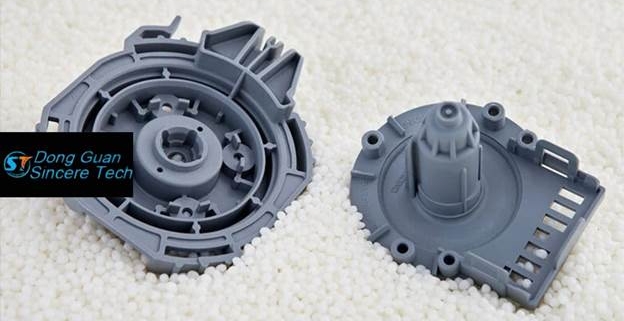
La producción de piezas moldeadas por inyección es un componente importante de la industria contemporánea. El moldeo por inyección se utiliza para fabricar muchos de los productos que nos rodean. Se trata de un proceso que ayuda a fabricar componentes resistentes y precisos. Se trata de componentes que encuentran su aplicación en numerosos campos. La calidad de los productos moldeados que se demandan aumenta cada año.
La razón del amplio uso de piezas de plástico moldeadas por inyección es que son duraderas y económicas. Permiten a las empresas fabricar grandes cantidades de productos con la misma forma. Los diseños complejos también funcionan bien en este proceso. Mientras tanto, las piezas de moldeo por inyección son importantes para dar forma a estos productos. El proceso no puede desarrollarse bien sin los componentes de molde adecuados.
La popularidad del moldeo por inyección se debe a que ahorra tiempo. También reduce los residuos. El método permite la producción en ciclos cortos. Es algo de lo que muchas industrias no pueden prescindir.
Moldeo por inyección de plástico: ¿Qué es el moldeo por inyección de plásticos?
Plástico moldeo por inyección se refiere a un proceso de producción. Con su ayuda se fabrican productos de plástico en grandes cantidades. También es un procedimiento rápido y fiable. Con él se pueden fabricar piezas de la misma forma y tamaño en todos los casos.
En este proceso, primero se calienta el material plástico. El plástico se ablanda y se funde. A continuación, el plástico líquido se introduce en un molde. El molde tiene una forma específica. Cuando el plástico se enfría, se solidifica. La pieza entera se saca del molde.
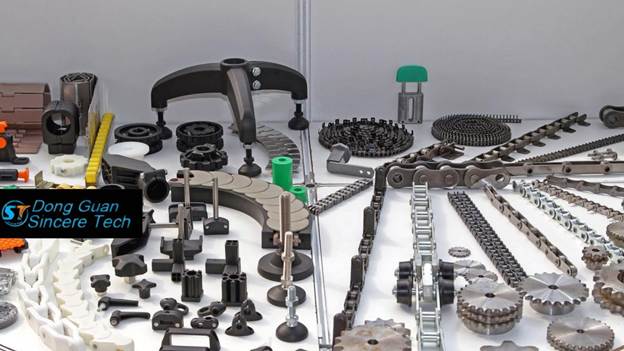
El moldeo por inyección de plástico se utiliza para obtener productos simples y complejos. Permite una gran precisión. También reduce el derroche de material. La razón tiene que ver con el hecho de que es popular porque se pierde menos tiempo y dinero.
Tabla 1: Componentes de los moldes de moldeo por inyección
| Componente del molde | Material típico | Tolerancia | Acabado superficial | Ciclo de vida típico | Función |
| Núcleo y cavidad | Acero endurecido / Aluminio | ±0,01-0,03 mm | Ra 0,2-0,8 μm | >1 millón de disparos | Formas características internas y externas |
| Corredor | Acero / Aluminio | ±0,02 mm | Ra 0,4-0,6 μm | >500.000 disparos | Canaliza el plástico fundido hacia la cavidad |
| Puerta | Acero / Aluminio | ±0,01 mm | Ra 0,2-0,5 μm | >500.000 disparos | Controla la entrada de plástico en la cavidad |
| Canales de refrigeración | Cobre / Acero | ±0,05 mm | Ra 0,4-0,6 μm | Continuo | Elimina el calor eficazmente |
| Pasadores eyectores | Acero endurecido | ±0,005 mm | Ra 0,3-0,5 μm | >1 millón de disparos | Expulsa la pieza acabada sin dañarla |
| Ranuras de ventilación | Acero / Aluminio | ±0,01 mm | Ra 0,2-0,4 μm | Continuo | Libera el aire atrapado durante la inyección |
Conocer el proceso de moldeo por inyección
Un método de producción controlado y preciso es la tecnología de moldeo por inyección. Se aplica en la producción de componentes de plástico de gran precisión. Se trata de un procedimiento funcional que se produce por etapas. Cada etapa tiene unos parámetros y valores numéricos.
Selección y preparación de materiales
Comienza con la materia prima plástica. Suele envasarse en forma de gránulos o pellets. Dicho material suele ser ABS, polipropileno, polietileno y nailon.
- Tamaño del pellet: 2-5 mm
- Contenido húmedo antes del secado: 0.02% -0.05%
- Temperatura de secado: 80°C-120°C
- Tiempo de secado: 2-4 horas
Un secado adecuado es fundamental. La humedad puede provocar burbujas y defectos en la superficie de las piezas moldeadas.
Fusión y plastificación
Los gránulos de plástico se secan y se introducen en la moldeo por inyección máquina. Pasan por un tornillo que gira y por un barril caliente.
- Zonas de temperatura del barril: 180°C-300°C
- Velocidad del tornillo: 50-300 RPM
- Relación de compresión del tornillo: 2.5:1 -3.5:1.
El plástico se funde al girar el tornillo. La sustancia se convierte en una masa homogénea de líquido. Incluso la fusión ofrece consistencia del componente.
Fase de inyección
Una vez fundido el plástico, se introduce en la cavidad de moldeo. El molde se llena con gran presión de forma rápida y regularizada.
- Presión de inyección: 800-2000 bar
- Velocidad de inyección: 50-300 mm/s
- Tiempo de inyección: 0,5-5 segundos
No se utilizan disparos cortos ni destellos gracias a un control adecuado de la presión. Se pretende llenar todo el molde antes del inicio del enfriamiento del plástico.
Fase de embalaje y retención
Se llena el molde y se le aplica presión. Esto se hace para superar el proceso de contracción del material a temperatura ambiente.
- Presión de carga: 30-70 por ciento de flujo de inyección.
- Tiempo de espera: 5-30 segundos
- Tasa de contracción típica: 0,5%-2,0%
Este proceso aumenta la concentración y la dimensión de la pieza. También reduce las endoprótesis internas.
Proceso de enfriamiento
El moldeo por inyección es el proceso que requiere más tiempo de enfriamiento. A continuación, la sustancia plástica se solidifica y se funde.
- Temperatura del molde: 20°C-80°C
- Tiempo de enfriamiento: 10-60 segundos
- Eficacia de la transferencia de calor: 60%-80%
La eliminación del calor se realiza mediante canales de refrigeración en el molde. Un enfriamiento adecuado elimina el alabeo y los defectos de la superficie.
Apertura y expulsión de moldes
Tras enfriarse, el molde se abre. Una sección que se ha completado se retira utilizando pasadores o placas eyectoras.
- Velocidad de apertura del molde: 50-200 mm/s
- Fuerza de expulsión: 5-50 kN
- Tiempo de expulsión: 1-5 segundos
Expulsión: Una expulsión cuidadosa no dañará las piezas. El cierre del molde inicia el siguiente ciclo.
Duración del ciclo y rendimiento de la producción
La duración total del ciclo será diferente en función del tamaño de las piezas y del material.
- Duración media del ciclo: 20-90 segundos
- Velocidad de salida: 40 -180 piezas/hora.
- Fuerza de sujeción de la máquina: 50-4000 toneladas
La reducción de los tiempos de ciclo aumentará la productividad. Sin embargo, la calidad debe mantenerse constantemente.
Seguimiento y control del proceso
En las máquinas actuales se emplean sensores y automatismos. Estos sistemas controlan la presión, el caudal y la temperatura.
- Tolerancia a la temperatura: ±1°C
- Tolerancia a la presión: ±5 bar
- Precisión dimensional: ±0,02 mm
La supervisión del proceso garantiza la uniformidad de la calidad. También se reducen las piezas desechadas y los tiempos de inactividad.
Importancia de los componentes del moho
El moldeo por inyección depende de las partes del molde. Cada uno de los elementos del molde desempeña una función. Estos son la conformación, el enfriamiento y la expulsión.
En moldeo por inyección de plástico Se considera que el éxito de las piezas depende del correcto diseño del molde. Un molde deficiente puede causar defectos. Estos defectos incluyen grietas y superficies desequilibradas. Por otra parte, las piezas moldeadas mediante moldeo por inyección ayudan a garantizar la precisión. También garantizan que vayan en buenos ciclos.
Se moldean piezas protractoras de alta calidad. También reducen los costes de mantenimiento. Esto la hace más eficaz y fiable.
Información técnica sobre componentes de moldes
Los componentes del molde son los elementos más importantes del sistema de moldeo por inyección. Controlan la forma, la precisión, la resistencia y la calidad de la superficie. Sin componentes de molde bien diseñados, es imposible lograr una producción estable.
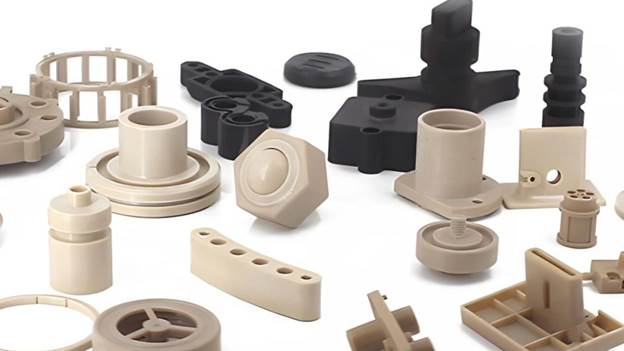
Núcleo y cavidad
El núcleo y la cavidad son los que determinan la forma final del producto. La superficie externa está formada por la cavidad. El núcleo constituye las características internas.
- Tolerancia dimensional: ±0,01-0,03 mm
- Acabado superficial: Ra 0,2-0,8 µm
- Dureza típica del acero: 48-62 HRC
La precisión en el núcleo y la cavidad es alta, por lo que se minimizan los defectos. También mejora la uniformidad de las piezas.
Sistema de corredores
El sistema del canal dirige el plástico fundido en la boquilla de inyección hacia la cavidad. Influye en el equilibrio del flujo y la velocidad de llenado.
- Diámetro de la corredera: 2-8 mm
- Velocidad de flujo: 0,2-1,0 m/s
- Límite de pérdida de presión: ≤10%
La reducción del desperdicio de material se consigue mediante un diseño adecuado del canal. También tiene un llenado uniforme.
Diseño de puertas
La compuerta regula el flujo de plástico en la cavidad. La calidad de la pieza depende del tamaño y el tipo de compuerta.
- Grosor de la puerta: 50 -80 del espesor de la pieza.
- Anchura de la puerta: 1-6 mm
- Límite de velocidad de cizallamiento: <100,000 s-¹
El diseño de compuerta derecha elimina las líneas de soldadura y las marcas de quemaduras.
Sistema de refrigeración
Las pistas de enfriamiento se utilizan para enfriar el molde. Este sistema influye directamente en el tiempo de ciclo y la estabilidad de las piezas.
- Diámetro del canal de refrigeración: 6-12 mm
- Distancia del canal a la cavidad: 10-15 mm.
- Diferencia máxima de temperatura permitida: < 5 °C.
La facilidad de refrigeración mejora la precisión dimensional. También reduce el tiempo de producción.
Sistema de eyección
Cuando se enfría, la pieza se expulsa dentro del sistema de expulsión. Tiene que ejercer fuerza en igual cantidad para evitar daños.
- Diámetro del pasador eyector: 2-10 mm
- Fuerza de expulsión por pasador: 200-1500 N
- Longitud de la carrera de eyección: 5-50 mm
La expulsión uniforme elimina grietas y deformaciones.
Sistema de ventilación
El aire puede quedar atrapado y escapar por los respiraderos al inyectar. Las quemaduras y el llenado incompleto se deben a una mala ventilación.
- Profundidad de ventilación: 0,02-0,05 mm
- Ancho de ventilación: 3-6 mm
- Presión de aire máxima: <0,1 MPa
Una ventilación adecuada mejora la calidad de las superficies y la vida útil de los moldes.
Base y componentes de alineación Base del molde
La base del molde soporta todas las piezas. Se utilizan casquillos y pasadores guía para proporcionar una alineación adecuada.
- Tolerancia del pasador guía: ±0,005 mm
- Planitud de la base del molde: ≤0,02 mm
- Alineación del ciclo de vida: más de 1 millón de disparos.
La alta alineación disminuye el desgaste y el destello.
Cuadro 2: Parámetros clave del proceso
| Parámetro | Gama recomendada | Unidad | Descripción | Valor típico | Notas |
| Temperatura del barril | 180-300 | °C | Se aplica calor para fundir el plástico | 220-260 | Depende del tipo de material |
| Presión de inyección | 800-2000 | bar | Presión para empujar el plástico fundido en el molde | 1000 | Ajuste en función del tamaño y la complejidad de la pieza |
| Temperatura del molde | 20-120 | °C | Se mantiene la temperatura para una refrigeración adecuada | 60-90 | Mayor para plásticos técnicos |
| Tiempo de enfriamiento | 10-60 | segundos | Tiempo para que el plástico se solidifique | 25-35 | Depende del grosor de la pared |
| Duración del ciclo | 20-90 | segundos | Tiempo total por ciclo de moldeo | 30-50 | Incluye inyección, envasado y refrigeración |
| Fuerza de expulsión | 5-50 | kN | Fuerza para extraer la pieza del molde | 15-30 | Debe evitar daños en las piezas |
Materias primas Moldeo por inyección
La selección de materiales es muy importante. Influye en la calidad, la estabilidad, las perspectivas y el precio del producto final. Seleccionar el plástico adecuado es necesario para garantizar que las piezas funcionarán y se imprimirán correctamente.
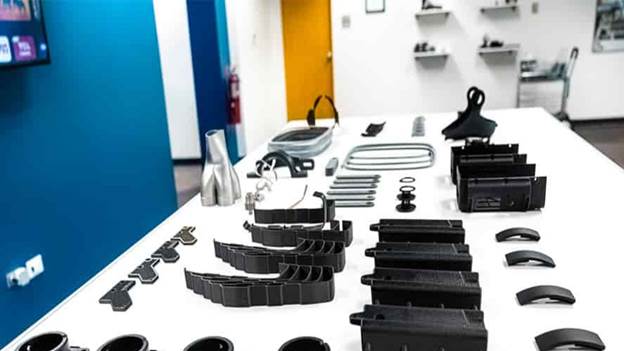
Materiales termoplásticos
Los materiales más extendidos son los termoplásticos debido a que pueden fundirse y reutilizarse varias veces. Existe un amplio uso de ABS, polipropileno, polietileno y poliestireno. El ABS es resistente a los golpes y fuerte, y se funde entre 200 y 240 °C. El polipropileno se funde a temperaturas de 160 °C o 170 °C; es ligero y resistente a los productos químicos. El polietileno tiene un punto de fusión de 120 °C a 180 °C y es adecuado en productos resistentes a la humedad.
Plásticos técnicos
Las piezas de alta resistencia o resistentes al calor se fabrican con plásticos técnicos como el nailon, el policarbonato (PC) y el POM. El nailon funde a 220 °C -265 °C y se aplica en engranajes y piezas mecánicas. El policarbonato es un polímero resistente y transparente que funde entre 260 °C y 300 °C. El POM tiene una temperatura de fusión de 165 °C a 175 °C y es preciso en componentes.
Plásticos termoestables
Los plásticos termoestables son difíciles de volver a fundir una vez moldeados porque se endurecen permanentemente. Funden entre 150 °C y 200 °C y se utilizan en aplicaciones de alta temperatura, como componentes eléctricos.
Aditivos y cargas
Los materiales se mejoran con aditivos. Las fibras de vidrio (10% -40 porcentaje) añaden resistencia, las cargas minerales (5%-30 porcentaje) reducen la contracción y el estabilizador UV (0,1-1 porcentaje) protege contra el sol. Estos componentes auxiliares son más duraderos y funcionan mejor.
Requisitos para la selección de materiales
La selección del material depende de factores como la temperatura, la resistencia, la confrontación química, la humedad y el coste. Una selección adecuada dará como resultado productos duraderos, precisos y de calidad, y reducirá los errores y los residuos.
Tabla 3: Propiedades de los materiales
| Material | Temperatura de fusión (°C) | Temperatura del molde (°C) | Presión de inyección (bar) | Resistencia a la tracción (MPa) | Contracción (%) |
| ABS | 220-240 | 60-80 | 900-1500 | 40-50 | 0.5-0.7 |
| Polipropileno (PP) | 160-170 | 40-70 | 800-1200 | 30-35 | 1.0-1.5 |
| Polietileno (PE) | 120-180 | 20-50 | 700-1200 | 20-30 | 1.5-2.0 |
| Poliestireno (PS) | 180-240 | 50-70 | 800-1200 | 30-45 | 0.5-1.0 |
| Nylon (PA) | 220-265 | 80-100 | 1200-2000 | 60-80 | 1.5-2.0 |
| Policarbonato (PC) | 260-300 | 90-120 | 1300-2000 | 60-70 | 0.5-1.0 |
| POM (Acetal) | 165-175 | 60-80 | 900-1500 | 60-70 | 1.0-1.5 |
Componentes fabricados mediante el proceso de moldeo por inyección de plástico
El moldeo por inyección de plástico es un proceso que crea un gran número de componentes aplicables en diversos sectores. El proceso es preciso, duradero y de gran volumen de producción. A continuación se muestran ejemplos de componentes típicos producidos de esta manera.
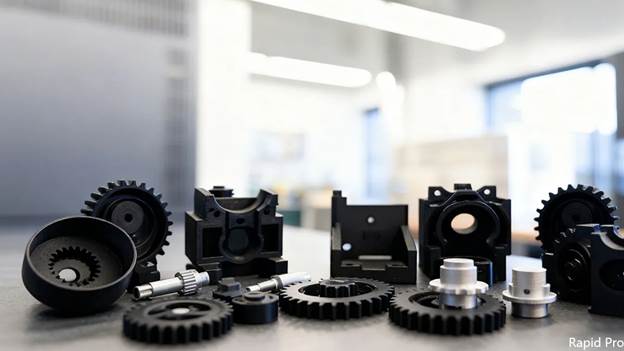
Piezas de automóvil
- Cuadros de mando
- Parachoques
- Rejillas de ventilación
- Paneles de puerta
- Pomos de cambio
- Componentes del sistema de combustible
- Revestimientos interiores
Piezas médicas
- Jeringuillas
- Conectores de tubos
- Instrumental quirúrgico
- Componentes IV
- Carcasas de productos sanitarios
- Instrumental médico desechable
Piezas electrónicas
- Carcasas para dispositivos
- Interruptores y botones
- Sujetacables y sujetacables
- Conectores y clavijas
- Teclas del teclado
- Carcasas para circuitos impresos
Productos de embalaje
- Botellas y tarros
- Tapones y cierres de botellas
- Recipientes para alimentos
- Recipientes para cosméticos
- Tapas y precintos
- Cajas de almacenamiento
Bienes de consumo e industriales
- Juguetes y figuras
- Herramientas domésticas
- Componentes del aparato
- Accesorios de construcción
- Clips y cierres precisos.
- Piezas de máquinas industriales
Diseño y precisión
El diseño contribuye en gran medida al éxito. Un molde eficaz mejora la calidad de un producto. Además, minimiza los errores durante la producción.
Las partes del proceso de moldeo por inyección de plástico requieren unas dimensiones estrictas. El rendimiento puede verse influido por pequeños errores. Esta es la razón por la que la creación de las piezas del molde de moldeo por inyección se diseña con tolerancias estrechas. En el diseño se suelen emplear programas informáticos de última generación.
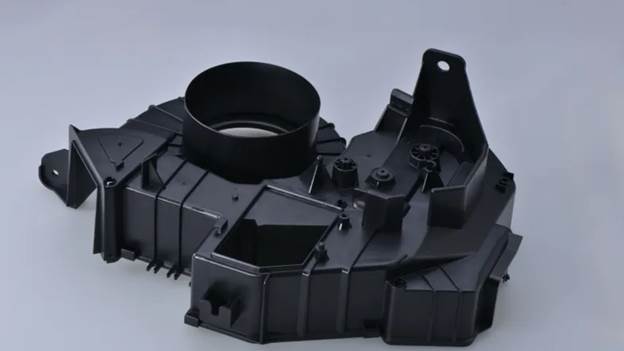
La resistencia también se refuerza con un buen diseño. Mejora el aspecto. Garantiza un ajuste superior en los ensamblajes finales.
Aplicaciones industriales
Muchas industrias utilizan también el moldeo por inyección, que es rápido, exacto y económico. Permite la producción en serie de piezas idénticas con una precisión muy alta.
Industria del automóvil
En el sector del automóvil, los salpicaderos, parachoques, salidas de aire y paneles interiores se fabrican con piezas de plástico moldeadas por inyección. Estos componentes deben ser potentes, ligeros y resistentes al calor. En particular, se hace por moldeo, con lo que las formas son exactas y uniformes para evitar cualquier problema de seguridad y calidad.
Industria médica
En medicina Las jeringuillas, los conectores de tubos y el instrumental quirúrgico se fabrican mediante moldeo por inyección. Se necesita mucha precisión e higiene. En particular, las piezas de moldeo por inyección de plástico pueden estar hechas de plásticos de grado médico, y las piezas de moldeo por inyección se pueden utilizar para garantizar la precisión y suavidad.
Industria electrónica
En la industria electrónica se fabrican carcasas, conectores, interruptores y clips para cables mediante moldeo por inyección. Las piezas de moldeo por inyección de plástico aseguran los frágiles circuitos, y las piezas de moldeo por inyección son necesarias para que las piezas encajen perfectamente.
Industria del embalaje
El moldeo por inyección también se aplica en el envasado de botellas, recipientes, tapones y cierres. Las piezas del moldeo por inyección de plástico se utilizan para dar las formas y tamaños requeridos, mientras que las piezas del moldeo por inyección se utilizan para producir en grandes cantidades en el menor tiempo posible creando un desperdicio mínimo.
Otras industrias
También se inyectan bienes de consumo, juguetes, construcción y aeroespacial. Su flexibilidad y precisión le permiten adaptarse a casi cualquier producto de plástico, ya sea un simple electrodoméstico o complicadas piezas técnicas.
Control de calidad y pruebas
En la fabricación, se requiere un control de calidad. Todas las piezas deben desecarse para cumplir los requisitos de diseño. Las pruebas son una medida de la seguridad y el rendimiento.
Las piezas moldeadas por inyección de plástico se someten a inspecciones visuales y mecánicas. Gracias a estas comprobaciones, los defectos se detectan en una fase temprana. Simultáneamente, se inspecciona el desgaste y los daños de las piezas del molde de inyección. Las inspecciones frecuentes eliminan los fallos de producción.
Una buena gestión de la calidad aumenta la confianza de los clientes. También minimiza las pérdidas y los gastos.
Ventajas del moldeo por inyección
El moldeo por inyección tiene numerosas ventajas. Permite un ritmo de producción rápido. También garantiza la repetición.
Moldeo por inyección de plástico Las piezas son dinámicas y ligeras. Son capaces de producirse en serie. Mientras tanto, la automatización se apoya en el uso del moldeo por inyección de las piezas del molde. Esto reduce el coste de la mano de obra y los errores.
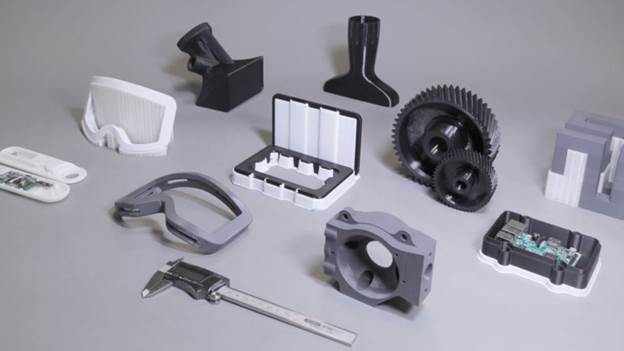
Además, el proceso es respetuoso con el medio ambiente. El material de desecho puede reutilizarse. Esto contribuirá a mitigar el impacto ambiental.
Retos y soluciones
El moldeo por inyección, al igual que cualquier otro proceso, supone un reto. Hay problemas de material y de desgaste de los moldes. Los entornos desfavorables provocan defectos.
Los defectos de las piezas pueden evaluarse en ausencia de una manipulación adecuada de las “piezas de moldeo por inyección de plástico". Estos riesgos pueden minimizarse mediante una formación adecuada. Al mismo tiempo, las piezas de molde que se utilizan en el moldeo por inyección deben recibir un mantenimiento regular. Esto asegura una larga vida útil.
La tecnología moderna será útil para resolver muchos problemas. La eficiencia aumenta gracias a la automatización y la supervisión.
El futuro del moldeo por inyección
El futuro del moldeo por inyección es sólido. Hay un desarrollo de nuevos materiales. La fabricación inteligente se está convirtiendo en una realidad.
Se mejorarán las piezas de plástico moldeadas por inyección. Serán más significativas y ligeras. Al mismo tiempo, se aplicarán mejores materiales y revestimientos a la pieza moldeada por inyección. Esto aumentará la longevidad.
La industria seguirá caracterizándose por la innovación. Las empresas competitivas serán las que cambien.
El papel de China
China contribuye significativamente al mercado mundial del moldeo por inyección. Es uno de los mayores fabricantes de piezas de moldeo por inyección de plástico y distribuidor de piezas de moldeo por inyección. El sector manufacturero está muy diversificado en el país; existe producción a pequeña escala, así como producción industrial de gran volumen.
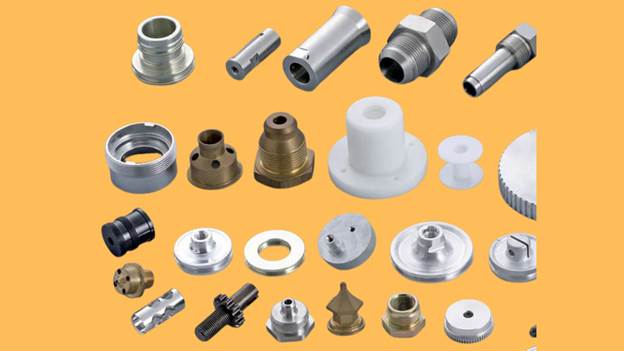
Las fábricas de China disponen de máquinas de alta precisión y mano de obra cualificada para fabricar piezas. Muchas empresas internacionales confían en los fabricantes chinos porque ofrecen soluciones rentables sin merma de la calidad.
Además, China es líder en innovación. Crea nuevos materiales, moldes y métodos de automatización para mejorar la eficiencia. Cuenta con una buena cadena de suministro y una elevada capacidad de producción que contribuyen a su estatus de actor principal a la hora de satisfacer la demanda mundial de productos moldeados por inyección.
Por qué elegir Sincere Tech
Somos Sincere Tech, y nos dedicamos a suministrar piezas de moldeo por inyección de plástico y piezas de moldeo por inyección de alta calidad a nuestros clientes de diferentes industrias. Tenemos años de experiencia y una pasión por hacer las cosas de la mejor manera, por lo tanto, todos nuestros productos son de la mejor calidad en términos de precisión, durabilidad y rendimiento.
Contamos con un grupo de ingenieros y técnicos experimentados y cualificados que ofrecen soluciones de calidad y asequibles mediante la aplicación de maquinaria moderna y nuevos métodos. Nos hemos asegurado de prestar mucha atención a todos los detalles, como la elección del material, el diseño de los moldes, etc., para tener la misma calidad en cada lote.
Los clientes prefieren Sincere Tech porque apreciamos la confianza, la profesionalidad y la satisfacción del cliente. Colaboramos con clientes individuales para conocer sus necesidades especiales y ofrecerles soluciones. También estamos comprometidos con el concepto de entrega a tiempo, asistencia técnica y mejora constante, lo que nos hace destacar en la industria del moldeo por inyección.
Sincere Tech es la empresa en la que encontrará la excelencia en el moldeo por inyección de plásticos cuando necesite piezas pequeñas y detalladas o una producción de gran volumen. Con nosotros no solo obtiene piezas, sino también un equipo dedicado a su éxito y crecimiento.
Para obtener más información sobre nuestros servicios y productos, visite plas.co y compruebe por qué somos la elección adecuada para los clientes de todo el mundo.
Conclusión
El moldeo por inyección es un sólido proceso de producción. Es la columna vertebral de numerosas industrias del mundo. Sus principales puntos fuertes son la precisión, la velocidad y la calidad.
Las piezas moldeadas por inyección de plástico siguen siendo muy vitales en la vida cotidiana. Son útiles para satisfacer diversas necesidades, desde los componentes más sencillos hasta los más complejos. Mientras tanto, las piezas moldeadas por inyección garantizan el flujo eficiente de la fabricación y el mismo resultado.
El moldeo por inyección sólo seguirá aumentando con el diseño y el mantenimiento adecuados. También seguirá constituyendo un aspecto vital de la producción moderna.


