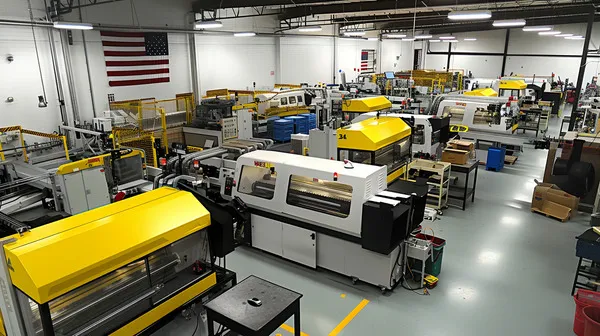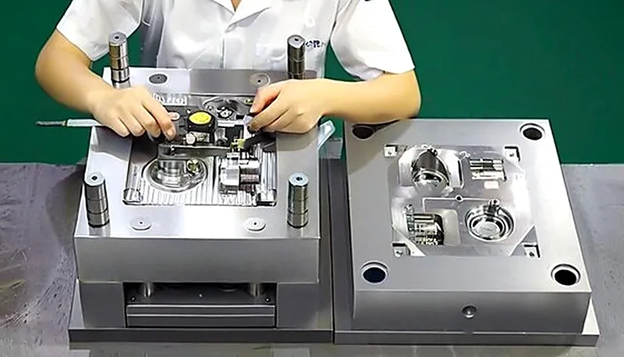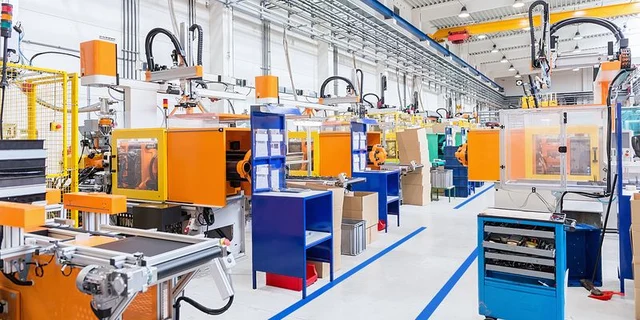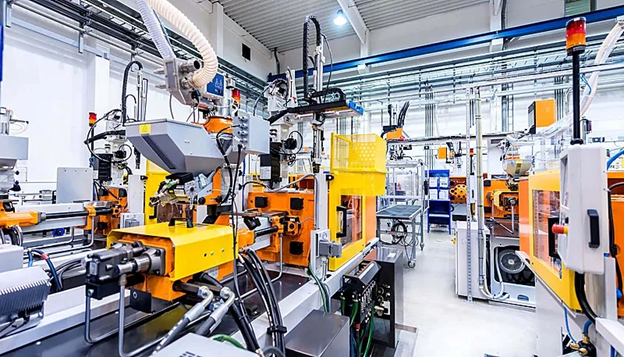
Short Run Plastic Injection Molding

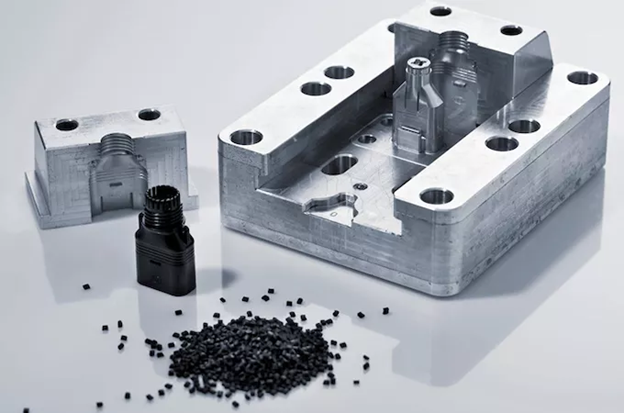
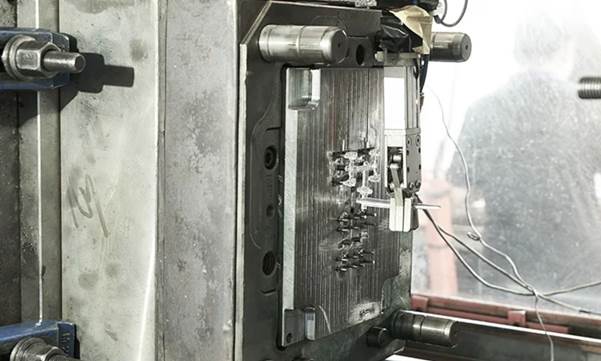
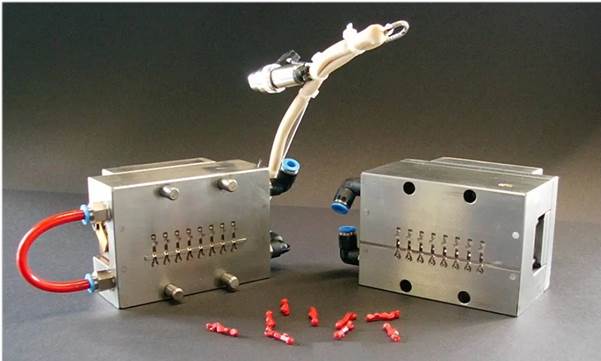
Short run plastic injection molding is an effective manufacturing technology that is employed to manufacture a few plastic parts. It is best suited to businesses, which do not require a lot of production, but would like to achieve high-quality outcomes. This technique is very popular in testing of products, prototyping and small-scale manufacturing.

This process is popular among many companies as it will ensure that there is less initial investment and flexibility. Businesses are able to produce smaller quantities and have better control as opposed to producing thousands of units. This renders short run injection molding to be viable in startups and companies in their growth phase.

What is Short Run Plastic Injection Molding?

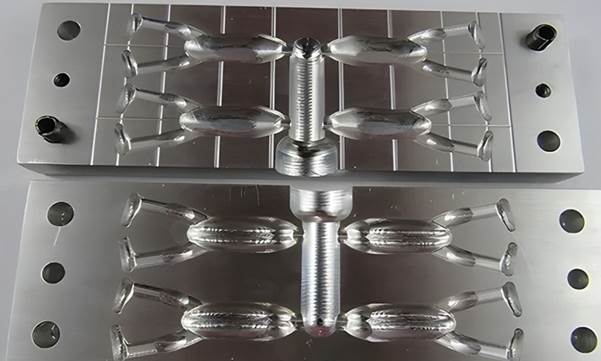
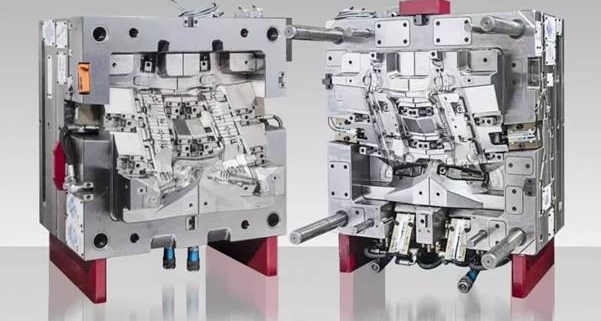
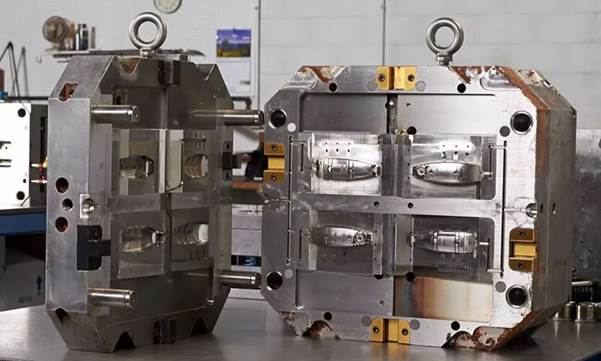
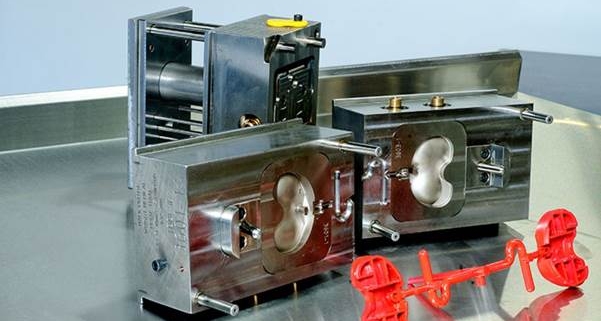
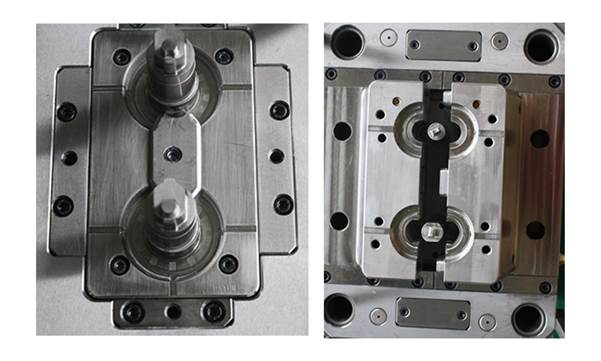
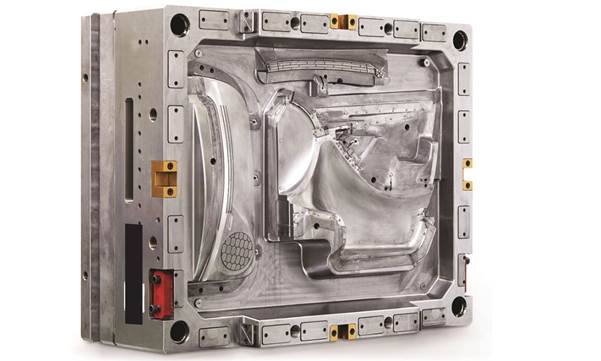
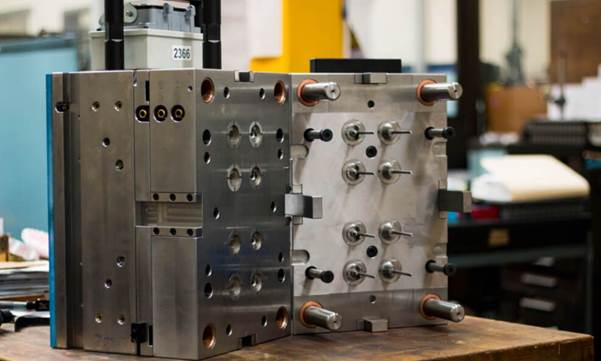
In short run plastic injection molding, a few plastic parts are produced by applying the injection molding technology. It is normally associated with reduced volumes of production as opposed to the mass production. This is appropriate in projects which have to be completed within a short time, and a small amount. This is accomplished by producing a short run injection mold that is designed to efficiently make parts without the big tooling that would be required in long-term tooling. The design of these molds usually has shorter life-cycle which assists in cutting down costs generally without compromising on the quality of the product.

What a Short Run Injection Molding Works?

This starts with the designing of the product and designing of a mold. Engineers come up with a design, which satisfies the product specifications but at low production costs. Then the mold is produced out of such materials as aluminum or soft steel. After having prepared the mold, plastic material is melted and injected into the mold. The material solidifies and becomes the shape that is desired. The same is repeated to yield a low number of parts through short run plastic injection molding.

Benefits of Short Run Plastic Injection Molding

Plastic injection molding (Short run) has numerous benefits to the companies. It is an adaptable and affordable approach which facilitates innovations and quicker product development. The process enables companies to start with small productions but without investing a lot. It is also useful in testing their products prior to large scale production. Short run injection molding is less risky and decision making is enhanced.

Key Points

  • Reduced initial cost of tools.
  • Faster production time
  • Perfect when it comes to prototypes, and testing.
  • Reduced financial risk
  • Ability to change design.

Short Run Injection Moulding Cost

One of the most significant or important factors to businesses is cost. Small-scale production is usually cheaper than the large-scale production in terms of cost incurred in injection molding as the little tooling and set up is required. Nevertheless, its price per unit might be a bit more than a mass production. The reason behind this is that this fixed cost will be spread among a lesser number of parts. Nonetheless, with this amount, this technique is economical and feasible.

Key Points

  • Lower initial investment
  • Higher unit cost as compared to mass production.
  • Design and material of the mold would depend on the cost.
  • Suited to a low volume production.
  • Cost effective on minor projects.

Materials Used in Short Run Injection Molding

The use of various kinds of plastic materials varies in accordance to the needs of the product. Commonly used are ABS, polypropylene, polyethylene and polycarbonate. It has certain properties of each material which include strength, flexibility and heat resistance. The correct choice of the material is a factor of product performance. In short run injection molding of plastics, selection of the material assists in the attainment of the desired quality without going too high in terms of cost.

Applications of Short Run Plastic Injection Molding

It is flexible in various industries and is employed in this process. It is appropriate in projects which demand low amounts and high-speed production. Short run injection molding is used in industries such as the automotive industry, medical, electronics and consumer goods in prototyping and production of small production runs. It assists the businesses to fulfill the demand in the market without having to make substantial investments.

Key Points

  • Product prototyping
  • Medical device components
  • Automotive parts testing
  • Consumer product development
  • Low-volume production

Benefits of the 3D printing as compared to conventional production

Plastic injection molding can be used in short run mode which has a number of benefits over the conventional manufacturing techniques. It enables a quicker product development and simplifies a product design change. This technique does not involve huge commitments, as it is in the case of mass production. Companies have the capability to make small batches, and modify designs according to feedback. This renders short run injection molding a very flexible process.

Injection Mold Design considerations- Short Run

Design is one of the important factors of the successful production. Properly designed short run injection mold guarantees a seamless production process and the quality of the product. Engineers are concerned with simplicity and efficiency in order to save on the cost. A well-designed mold is also useful in enhancing the durability and performance of the mold in the production process.

Key Points

  • Clearly and straightforward design.
  • Proper material selection
  • Balanced mold structure
  • Less complicated to be less expensive.
  • Easy maintenance

Difficulties of short run injection molding

As much as this process has numerous advantages, there are a few challenges that come along with it. Higher unit cost can be experienced as a result of low volume of production. The durability of mold can also be reduced as opposed to long run molds. These issues can be overcome by proper planning and design. Through collaborating with experienced manufacturers, companies will have a greater success with short run plastic injection molding.

Selecting the proper Manufacturer

There is a great deal to do with picking the appropriate manufacturer. A manufacturer with a good reputation guarantees that there is quality, on time delivery and cost efficiency. The important ones in selecting a partner are experience and technology. An experienced short run injection moulding supplier would be able to streamline production, minimizing mistakes.

When to opt to use short run Plastic Injection Molding

The most suitable type of plastic injection molding would be short run plastic injection molding where the production volume is low and speed is a concern. It is effective when a startup is being launched, when testing a product or when launching a product with a small market. This technique is popular with businesses which wish to minimize risk. It can also be applied in cases where the designs of products are yet to be perfected. Companies can easily change performance and make any changes without investing in long-term injection molds, as a short run injection mold can be used to test the performance. This contributes towards the saving of time and money.

Key Points

  • Suited to a low volume production.
  • Good in product testing/prototyping.
  • Economical with start-ups and small-businesses.
  • Reduces financial risk
  • Helps develop designs fast.

Comparison with Long Run Injection Molding

Also very different is the short run injection molding of plastics as opposed to long run production. Large scale production with large quantities is done using long run molding. It has high-cost molds but has a lesser unit cost. Short run injection molding, on the other hand is concerned with limited numbers, which have less initial expenditure. The unit cost might be more expensive, but is more flexible and can be produced more quickly. This renders it to be appropriate in short term projects.

Tooling Options for Short Run Injection Mold

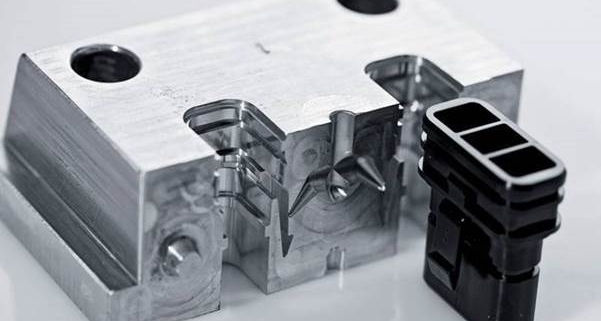
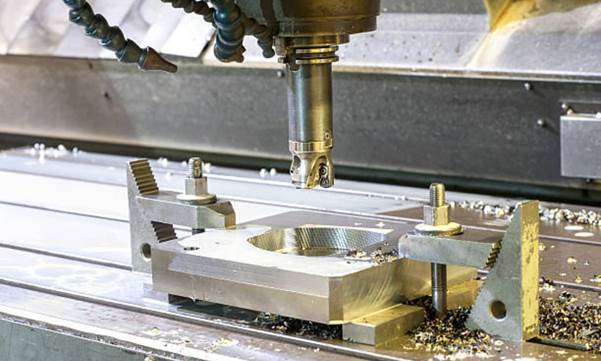
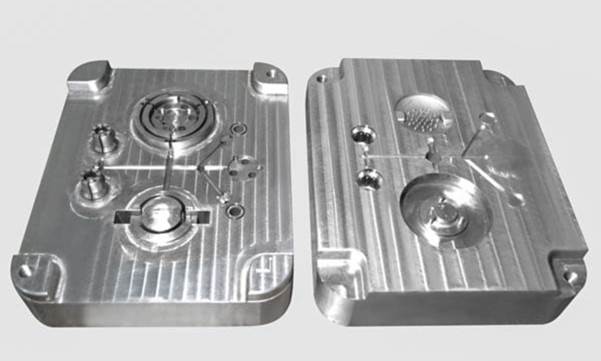
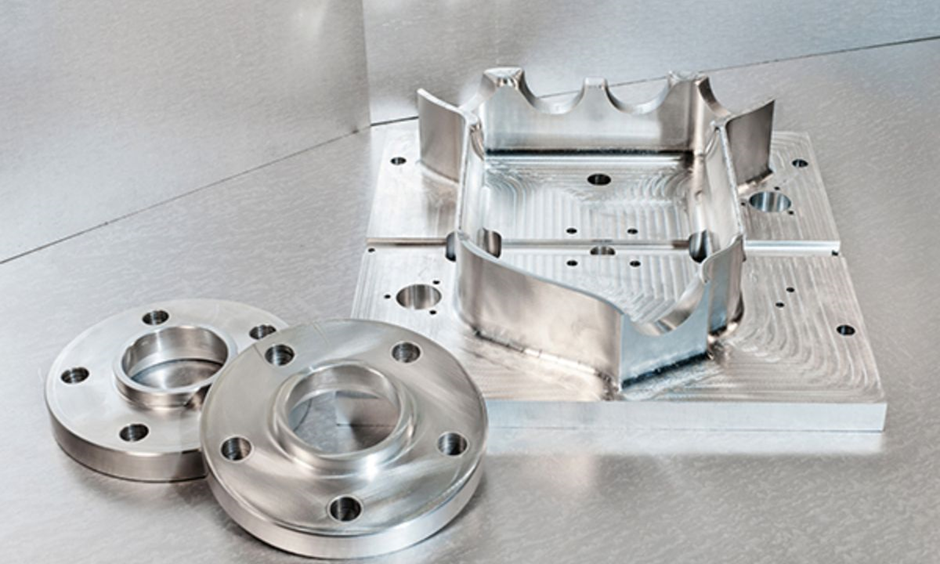
Tooling is one of the significant elements. Molds that are to be used in short run production are typically made out of aluminium or lighter steel. Less costly and expeditiously machineable are these materials. A short run injection mold is not meant to be used extensively and therefore, it does not require as long as production molds. This can be used to minimize the tooling cost and yet achieve a good quality to small batches.

Key Points

  • Cost saving aluminium moulds.
  • Reduced time of production of moulds.
  • Appropriate in the small production cycles.
  • Lower maintenance cost
  • Quick adjustments possible

Lead Time and Speed of production

The benefit of shorter lead time is one of the greatest of this method. Molds are also simpler to produce and low quantities of production result in parts that are produced in haste. This assists companies in adhering to deadlines, and in responding to the market need in a shorter time. With short run plastic injection molding, companies are able to introduce products within a short period as opposed to the traditional methods.

Part in Product Development

Increasingly, short run plastic injection molding is significant in the development of products. It enables companies to experiment with designs under the real-world conditions before it is taken to mass production. Companies can in this way create small batches to refer to feedback and enhance their products. This renders short run injection molding to be a useful innovation and development tool.

Key Points

  • Supports product testing
  • Assists in enhancing quality of the design.
  • Reduces development risk
  • Allows market feedback
  • Accelerates innovation of products.

Quality- Short Run Production

Although the volume of production is low, quality nevertheless should be ensured. The right design, choice of materials and control of the process is needed. Testing and inspection are done to provide uniformity to manufacturers. Short run moldeo por inyección de plástico can be done using high standards to give high quality results.

Cost Optimization Strategies

With clever choices in the design and production, businesses can minimize short run injection molding cost. Easy designs, correct choice of materials can contribute to reduction of costs. It also works with the experienced manufacturers which enhances efficiency. Cost optimization is to provide the improved results without any compromising of product quality.

Key Points

  • Simplify product design
  • Choose cost-effective materials
  • Optimize mold design
  • Collaborate with a team of competent manufacturers.
  • Minimise wastage and inaccuracies.

Environmental Advantages

Sustainable production can also be supported by the short run production. Manufacturing the exact number of products saves on wastage, and the unnecessary consumption of materials. The use of energy is also reduced as opposed to mass production. This renders the short run plastic injection molding, more eco-friendly in some situations.

Common Mistakes in Short Run Plastic Injection Molding

When short run production is initiated by many companies, they end up making a lot of mistakes. Mistakes that could be made include bad design of moulds. Otherwise, the short run injection mold may lead to defects and inconsistency of quality products, when it is not properly designed. The other error is that of selecting the inappropriate material. Spoilage of plastic of low quality or otherwise inappropriate can lead to more failures. Short run injection molding is very critical in proper planning to prevent wastage and re-work.

Importance of Proper Mold Maintenance

Although the molds are not used on long production cycles, maintenance is also considered even though the short run molds are used. Washing and good storage can assist in increasing the life of moulds and quality. A molded item can have issues with the surface finish and accuracy of products, unless a mold is kept. Scanning, routinely, guarantees a smooth operation in short run plastic injection molding ventures.

The use of Technology in Short Run Production

The short run manufacturing has been enhanced with the use of modern technology. The computer-aided design (CAD) and computer-assisted manufacturing (CAM) software can be used to create accurate molds. This minimizes mistakes, and enhances productivity. Less human error is also guaranteed by automated machines in ensuring consistency in production. This causes short run injection molding to be quicker, more precise and dependable than the conventional ones.

Short run injection molding Customization

Customization happens to be one of the largest benefits of this process. Changes of designs by businesses need not be greatly invested. This proves quite handy whereby alternative version of product needs to be tested. Quickly, a short run injection mold can be modified and hence the manufacturers can make product development improvements, based on customer feedback. It is flexible and helps in innovation and success in the market.

Supply Chain Benefits

Another way in which short run production enhances the supply chain management is through supply chain management. There is no need of companies to hold large inventories. They are able to generate just what is needed. This saves on storage cost and wastes. Businesses can be able to respond to market demand more quickly, and minimize the risk of overproduction using short run plastic injection molding.

Market Trends and Development of the industry

The need to produce in small scales and customized is on the rise. The companies are desiring quicker production and versatile manufacturing options. This is creating an expansion in short run injection molding towards the global markets. This practice is becoming a popular way of remaining competitive and innovative by more companies.

Outlook in short run plastic injection molding

The future of this process has a good prospect. With the growth in demand of customized products, there is an increasing number of companies, which use small-batch production methods. High technologies are enhancing productivity and decreasing the expenses. This will render short run plastic injection molding even more popular in the next couple of years.

Summary

Plastic injection molding (short run) is a convenient and versatile manufacturing process. It enables companies to make small amounts at a low initial investment and quicker turnaround. Through short run injection mold, companies are able to test products, make it better and eliminate risks prior to the large-scale production. The approach aids innovation and assists companies to react swiftly to any market changes.

En moldeo por inyección de series cortas cost per unit might be more expensive, but it can be a worthwhile investment by most industries because of the overall benefits. It is particularly applicable in case of startups, product development and a limited production requirement. In the current dynamic market, short run plastic injection molding offers the flexibility and efficiency required in order to be successful.

Preguntas frecuentes

What is the short run plastic injection molding?

It is a process employed in manufacturing a few plastic components that are cheaper to tool, and possess reduced time to manufacture.

What do we use short run injection molding?

It finds its primary application in prototyping, testing of the product and small-scale production in industries.

What is the cost of short run injection moulding?

The cost of short run injection molding is influenced by the design of the mold, the material and the number of the molds. It is normally less in the case of small projects.

In short run injection molding what materials do we use?

Some of the common materials used are ABS, polypropylene and polycarbonate based on the need of the product.

What does mean a short run injection mold?

It is a mold intended to be used to produce small production runs. It can be typically constructed with less expensive materials and has a reduced life span.

Sala blanca de moldeo por inyección

One of the most significant technologies in the contemporary manufacturing is injection molding cleanroom technology. It is applied in the situations when the products have to be of the utmost purity and free of any contamination. The industries such as medical, pharmaceutical, electronics and healthcare cannot do away with this process.

A clean space that is controlled is necessary as opposed to normal production environments. This will make sure that there are no dust, particles or bacteria that will be able to influence the end product. Cleanroom injection molding is used in many industries to ensure that there are high standards of quality.

Understanding Injection Molding Cleanroom

An injection molding cleanroom is a manufacturing facility that is controlled, with a high degree of cleanliness and it is used to create plastic components. The air is clean; there is regulation of temperature and minimization of contamination. It is a completely different process as compared to normal molding. It is applicable to products whose safety and hygiene is important. This is the reason why cleanroom injection molding services are mainly in demand in medical and precision industries.

Why Cleanroom Injection Molding is Important?

Sensitive products are to be manufactured with clean manufacturing. A single particle can have an impact on the performance or safety. The reason why controlled environments are applied is because of this. When it comes to products such as healthcare and pharmaceuticals, the purity of the products is of paramount importance. The cleanroom injecting molding guarantees that the products are up to international standards and regulations in terms of safety.

How Injection Molding Cleanroom Works?

Injection molding cleanroom is a controlled production that is employed in products which need contamination-free environment. It is typically applied in the medical, pharmaceutical and electronic fields. Each of the steps is handled with utmost care to ensure hygiene, precision and safety of the products.

Step 1: Raw Material choice and Preparation

It starts with the choice of plastic materials which are high quality and according to the needs of the product. The materials are normally in the form of pellets and have to be highly pure. Pellets are stored in capped containers before use, to avoid dust or contamination. All these are done in a controlled environment to ensure that it remains clean at all times.

Step 2: Work to Cleanroom

The materials after preparation are moved into the cleanroom. This is through sealed systems and airlocks so as not to be exposed to the outside air. This step is followed by workers employing stringent hygienic practices. They also put on protective attires including gloves, masks and cleanroom suits in order to have a sterile environment.

Step 3: Plastic Material is Melting

The plastic pellets are used inside the cleanroom to inject them in the injection molding machine. The material is heated and melts down to be in the form of liquid. This melting is cautiously monitored so as to be consistent. The environment is clean and stable to avoid contamination of the environment in case of production.

Step 4: Injection into Mold

After melting the plastic, it is then pressurized into an accurately designed mold. This is already in the mold within the cleanroom. The controlled conditions also guarantee an absence of dust or particles to the process. This is an essential step towards a high-quality production in injection molding cleanroom.

Step 5: Cooling and Solidification

Once the injection of molten plastic is completed, the plastic begins to cool in the mold. The cooling system is well controlled to ensure the accuracy of shape and strength of products. As the material is cooled it becomes hard and assumes the precise shape of the cavity of the mold. This measure makes certain accuracy and longevity in the end product.

Step 6: Mold Opening and Removal of products

After the product is completely solidified, the mold will automatically or manually (depending on the system) open it. The completed portion is scraped away. This step is done with special consideration so as not to be contaminated. The cleanroom environment will make sure that products are sterile upon their removal.

Step 7: Check and Quality Control

All the products are subjected to careful inspection after removal. The quality control departments examine the defects, contamination or any error in manufacturing. Products which are not up to standard are not allowed to be further used. This guarantees cleanroom production of injection molding.

Step 8: Clean Packing and storage

Packaging of the products will be the last procedure in a sterile environment. Cleanliness and safety is ensured by using special packaging materials. Products are then stored or shipped and under controlled conditions. This makes them not contaminated even up to the time they are used by the end user.

Cleanroom Classification Levels

Various classes of cleanrooms are classified according to the air quality. The number of particles to be in the air is decided by each level. Less level of particles implies an increased cleanliness. High-class cleanrooms are often needed when it comes to medical devices. This guarantees accuracy and safety of cleanroom injection molding.

Industries which employ cleanroom Injection Molding

Clean manufacturing processes are important to many industries. All industries have stringent standards on product hygiene and safety. It is used in medical industry as a syringe, implants and surgical instruments. It is used in sensitive parts in electronics industry. Cleanroom injection molding services are of great importance in these industries.

Medical Industry Applications

Medical is another sector that has the highest usage of cleanroom molding. The products should be sterile and fit to be used by humans. The controlled environment is used to manufacture items such as IV components, surgical instruments and diagnostic tools. This guarantees the high level of safety in injecting molding of the clean rooms.

Electronics Industry Applications

Dust and contaminations are very sensitive to electronic components. Damaging performance can be done by even small particles. The reliability and durability are guaranteed by cleanroom production. It assists in creating micro-elements and accuracy devices with the help of injection molding cleanroom.

Advantages of Cleanroom Injection Molding

Manufacturers and industries have numerous benefits with this process. It is safe, accurate and of high-quality production.

Key benefits include:

  • Good level of cleanliness.
  • Reduced contamination risk
  • Better product safety
  • High precision manufacturing
  • Meeting the industry standards.

All these advantages render cleanroom injection molding essential to the critical industries.

Materials Used in Cleanroom Molding

Depending on the needs of the products special materials are utilized. These are materials which have to be of high quality. Typical materials are plastics, of medical grade, and high-purity polymers. They guarantee cleanroom injection molding services which are safe.

Comparison of normal and cleanroom Molding

Normal molding in a normal factory atmosphere where there is no total control of air is done. The dust, particles and small impurities may be involved throughout the production. This is tolerable in the case of general plastic products, in which there is no need of high sterility. Cleanroom molding, however is done in a fully filtered and controlled setting. Air is constantly purified and any risk of contamination is kept to minimum. This renders it very appropriate to medical, pharmaceutical as well as electronic products.

The other major distinction is with regard to handling and hygiene control. Normal moulding gives an opportunity to have more people in the production. To ensure purity of products, cleanroom molding minimizes contact, and observes high safety standards.

Key Points

  • The open-air conditions at the factory are normal.
  • Cleanroom molding involves use of filtered and controlled air.
  • Increased risk of contamination of normal molding.
  • Stringent cleanroom hygienic regulations.
  • Sensitive and medical products are cleaned in cleanroom.

In Cleanroom Injection Molding, Equipment is Utilized

Cleanroom injection molding involves special equipment which is used to provide sterile environment. Machines are enclosed and are designed in such a way that they minimize the chances of contamination during manufacturing. To ensure that the air is kept clean at all times air filtration systems such as HEPA filters are employed. Temperature, and humidity are also regulated to ensure that everything is at constant. To prevent the entry of particles to the cleanroom, operators have protective clothing.

Key Equipment Points

  • Sealed high-precision molding machines with high precision.
  • Clean air HEPA air filters.
  • The units of temperature and humidity control.
  • Clean room protective clothes and gloves.
  • Controlled access airlocks.

All these tools and systems are combined to assist injection molding cleanroom requirements and production quality to remain high and contamination free.

Cleanroom Production of Quality Control

There is high level of quality control in clean rooms. All products are checked at the correctness and safety. The inspection procedures make sure that none of the defective or contaminated products are discharged. This is one of the important components of cleanroom injection molding services.

Cleanroom Injection Molding price

More costly than regular molding, this procedure is involved. This is due to sophisticated machines and test conditions. Nevertheless, the price is compensated by quality and safety of the products. Precision-based industries opt to use cleanroom injection molding although it is expensive.

Injection Molding Cleanroom Problems

Despite being very successful, there are challenges of this process. Strict rules and monitoring of the environment are needed to maintain a controlled environment. Challenges are high costs of operation and technical needs. Nonetheless cleanroom injecting molding is still used in the critical applications of industries.

Standards and Compliance Requirements of Cleanrooms

Cleanroom injection molding is based on the strict international standards in order to guarantee the safety of products and their consistency. These criteria indicate the level of cleanliness that the environment should be and the level of control in production. The facilities should have common checks on the quality of air, temperature and humidity. Even the minimal contamination risks have to be controlled. This is necessary to industries which have critical products that are injected in a cleanroom.

Air Filtration and Control of the environment

The most significant aspect in cleanroom manufacturing is air quality. Dust, particles and bacteria are removed by the use of special HEPA and ULPA filters to clean the air. Humidity and temperature are also kept at a low level. The stable conditions also aid in ensuring that there is no contamination of a product during the cleanroom production of injection molding. This will avoid flaws and pollution.

Safety and Hygiene measures of the operators

Cleanroom workers have to abide by stringent hygiene regulations. To avoid contamination, they put on special suits, gloves, masks as well as shoe covers. Air showers and cleaning processes are implemented on operators prior to getting into the production area. These measures guarantee safe injecting molding activities in the cleanroom, without the introduction of external particles.

Automation Cleanroom injection molding

In cleanroom production, automation has a significant role to play in the contemporary world. Most of the production process is done by machines and there is minimum human contact. This minimizes risk of contamination and boosts efficiency. The cleanroom injection molding services are also enhanced by automated systems particularly in high volume production.

Precision and Accuracy in making

The cleanroom is a facility that is developed to produce very precise manufacturing. The slightest mistakes can have an impact on the safety and performance of products. The use of advanced machinery makes every part to be specific to the specifications. Such accuracy is among the primary reasons why industries would choose cleanroom injection molding to sensitive applications.

Cleanroom Facility cleaning

To maintain cleanroom environments, regular maintenance is needed. Air systems, filters and machines should be periodically checked. The smallest failure can have an impact on the product quality. Clean injection molding cleanrooms are properly maintained to guarantee a smooth operation and reliability.

Cleanroom Systems – Energy Efficiency

Advanced systems that use energy are necessitated in cleanroom facilities. But with the new technology we have in use energy consumption is being minimized. The effectiveness of machines and intelligent systems is enhancing sustainability. This assists in minimizing the cost of operation in the clean room injection molding service whilst still producing high quality.

Cleanroom Injection Molding Demand all over the world

Cleanroom manufacturing is on the upswing throughout the world. Industries are prioritizing on safety, hygiene and precision. The high medical and electronics industries of these countries are also investing on cleanroom injecting molding technologies in order to support the increased demands.

Cleanroom Technology Innovation

The technology of cleanrooms is advancing fast with the new automation and electronic systems. One of the areas that manufacturers are currently preoccupying is the ability to produce more precise, safe and highly controlled production environment. The above enhancements are useful in minimizing chances of contamination and enhancing the quality of products in sensitive sectors.

Cleanroom production has become largely a part of automation. Machines have replaced a lot of the work which was done manually. This minimizes human interaction, minimizes the possibility of contamination and enhances uniformity of the production process.

Modern cleanrooms also have a high usage of smart sensors and monitoring systems. These systems monitor the air quality, temperature, humidity and pressure at all times. In case any change has been identified, automatic changes are done in order to keep the conditions within the environment stable.

The technologies based on AI are also enhancing output and identifying possible problems in the early stages and facilitating the efficient manufacturing process. All these innovations are collectively transforming moldeo por inyección cleanroom systems to be efficient, reliable and advanced.

The future of Cleanroom Injection Molding

Cleanroom injection molding has great potential to continue to grow in the future as the need in a variety of industries rises. Such industries as medicine, electronics, and pharmaceutical are becoming more and more in need of clean, and precise production facilities. This is propelling an expedited progress in cleanroom technologies.

Even more automated and intelligent production systems are likely to be implemented in the next few years. Most processes will be done with little human intervention as machines will help in speeding up processes, providing accuracy and efficiency and minimizing errors.

Another significant part of the enhancement of the cleanroom operations will be digital technologies. The systems based on data will assist with monitoring the production in real time and aid the improved decision making. This will streamline manufacturing and make it cost effective.

Meanwhile, the world industries are facing a trend towards even more stringent cleanliness requirements. This trend is on the rise and is creating a need of injection molding cleanroom solutions across the globe. With the ever-growing technological advancements, cleanroom systems are bound to be more efficient, reliable and a necessity in current manufacturing.

Making a decision in Favor of Cleanroom Injection Molding Services

It is quite crucial to choose the appropriate manufacturer. Care should be taken in terms of experience, technology and certifications. A good supplier will guarantee quality production and adherence. It is ensured that professional cleanroom injection molding services are offered and this ensures enhanced performance as well as safety.

Reflexiones finales

The clean room technology of injection molding is vital to the present day precision manufacturing. It guarantees safe, clean and high-quality production. It is very important to industries such as medical and electronics. As demand increases, cleanroom injection molding will proceed to grow all over the world. It is still considered one of the surest techniques of manufacturing sensitive and high precision plastic products.

Frequently Asked questions

What is the use of injection molding cleanroom?

Plastic parts are manufactured in a most controlled and sterile environment in injection molding cleanroom. It is primarily utilized in medical equipment, pharmaceutical products and highly sensitive electronic parts in which cleanliness is highly valued.

What is the significance of cleanroom in injection molding?

The significance of a cleanroom is that the space where production is done is free of dust, particles and contamination. This will guarantee high quality, safe and products that are appropriate in sensitive applications such as healthcare and electronics.

What are some of the industries where cleanroom injection molding is applicable?

Medical, pharmaceutical, electronics and food packaging industries are the common applications of this process. These industries need high hygienic conditions and accuracy in the production process in order to guarantee safety and performance of the product.

Is it costly to do cleanroom injection molding?

Yes, it is typically costly as compared to normal injection molding. This is because of sophisticated equipment, stringent environmental procedures and special safety needs which make it more expensive. Nonetheless, it is of better quality and reliability.

What is a normal and cleanroom injection molding?

Normal injection molding occurs under normal factory conditions that may have dust, and particles. The injection molding is carried out under a cleanroom environment that is filtered with minimal contamination and results in high purity of products.

Molde familiar Moldeo por inyección

One of the intelligent manufacturing solutions that are adopted today by most industries is family mold injection molding. It enables various components to be cast in one mold. This renders the process of production cheaper and quicker to businesses.

This is the choice of many manufacturers, as it is a time- and cost-saving method that lowers the tooling costs. Using family tool injection molding, the companies are able to make various parts during a single cycle. This enhances efficiency and productivity.

What is Family Mold Injection Molding?

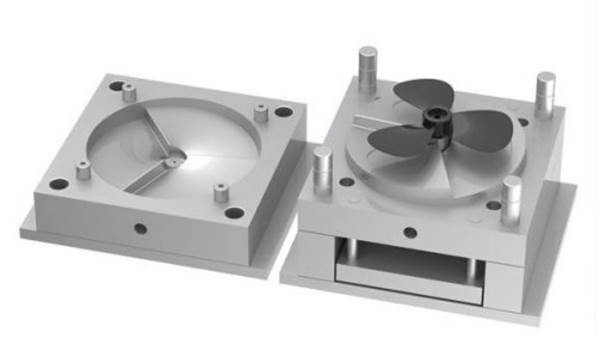
Family mold injection molding is a process in which various parts are made out of a single mold. These components tend to be associated and are consumed together in a product. This renders the process more effective than individual molds. This technique has several cavities of the parts in a single mold. The cavities are created with great care so as to guarantee an adequate filling and cooling of the cavities. That is why, family mold injection molding is very popular in the contemporary production.

How Family Mold Injection Molding Works?

The family mold injection molding is a process that is structured. It is made to make several related parts at a time. Every step is valuable to guarantee a smooth production and quality assurance.

1. Product Design and Planning

This begins with the design of all the parts to be manufactured as one. Each component is designed in 3D detail by the engineers. These components tend to be interrelated and are employed together in the same product. With good planning, it is possible to have all the components molded together. This is a crucial step to a successful family mold injection molding and prevent production problems in the future.

Step 2: Mold Design Multiple Cavities

Once the design of the product is completed, a mold is made which has several cavities. Each hole is in the shape of a different part. Engineers ensure that there is balance in all cavities. The design needs to enable the same amount of flow of material into each cavity. This can be compared to family tool injection molding where a number of parts is made together cost-effectively.

Paso 3: Fabricación de moldes

After the design is prepared, the mold is made of powerful materials such as steel or aluminum. It is done by high-precision machines to guarantee accuracy. This is tested on the mold prior to production. This guarantees that family parts are all manufacturable with the right injection molding through family molding.

Step 4: Material Preparation

The choice of plastic material depends on the requirements of the product. It is normally in the shape of small pellets. The injection molding machine is fed with these pellets. The same material is used for all parts in the mold. This is done to provide smooth processing of the tool and uniform results of the family tool injection molding.

Step 5: Melting and injection

The plastic is melted into liquid by heating the plastic pellets. High pressure is then applied to inject this molten plastic in the mold. The flow of the material is simultaneous in all cavities. This enables two or more components to be fabricated in family mold injection molding.

Step 6: Cooling and Solidification

Once injected the plastic starts cooling in the mold. When it is cooled, it solidifies and assumes precisely the shape of every cavity. It should be properly cooled in order to prevent defects. This measure will guarantee good and robust parts in family tool injection molding.

Step 7: Discard of Parts

As soon as the material is completely cooled, the mold is opened. Ejector pins are used to remove the finished parts. Each of the parts is ejected within a single cycle. This renders family mold injection molding quick and effective.

Step 8: Finalisation and Checking

The parts might require trimming or finishing after being ejected. Any additional material is done away with to make it look better. The quality checks are done to make sure that all parts are up to standard. This process provides uniformity of family tool injection molding.

Step 9: A Cycle Repetition

This is repeated to produce the mass production. The identical mould is reused to make the same sets of parts. This process goes on until the desired amount is obtained. This renders family mold injection molding very effective when it comes to high volume production.

The major advantages of Family Mold Injection Molding

There are numerous benefits that family mold injection molding is beneficial to manufacturers. It assists in lowering the cost of production as well as enhancing efficiency. This renders it a favorite in various sectors. A significant advantage is time savings in the production. Fewer cycles are required since a variety of components are manufactured simultaneously. This renders family mold injection molding an economic choice to conduct mass production.

Economy in the Production

Cost savings is one of the greatest benefits of this technique. A single mold is utilized in producing more than one part as opposed to producing individual molds. This saves tooling and maintenance expenses. China family mold injection molding services find a wide range of companies as they have competitive prices. It is also a favorable choice to businesses across the world due to the low labor costs and high level of manufacturing.

Design to Family Molds

Design is very significant in this process. The material and processing of all parts used in the mold should be similar. This guarantees quality uniformity. The flow of substance on the inside of every cavity should be well balanced by engineers. Successful family tool injection molding and easy production relies on proper design.

Difficulties with Family Mold Injection Molding

Despite numerous advantages of this way, there are certain difficulties. Balancing of the flow of plastic is one of the primary issues. Otherwise, not all parts might fill in. The other problem is to sustain uniform quality of all parts. It needs finely expertise engineering and machine settings. Nevertheless, family mold injection molding is very successful despite these difficulties.

Applications of Family Mold Injection Molding

Due to its efficiency and cost-saving nature, family mold injection molding is being extensively applied in various industries. It enables manufacturers to create various related components in a single cycle. This renders it a viable option when it comes to products which need a number of components.

1.     Automotive Industry

This process can be used in the automotive industry to manufacture interior and small functional parts. Products such as clips, covers, connectors and fasteners are usually produced as a combination. These parts are required in the same system hence it is more efficient to manufacture them in a single mold. This renders family mold injection molding quite convenient in vehicles production.

2.     Electronics Industry

This approach is also beneficial to the electronics industry. Smaller components such as casings, buttons, switches and connectors are usually made in large quantities. This guarantees quality uniformity and less production time. Family tool injection molding assists manufacturers in being consistent throughout all the parts.

3.     Consumer Products

This process is used to manufacture many of the things that people use on their daily activities. Packaged products such as bottle caps, lids, containers and packaging parts are usually manufactured in a single cycle. The approach assists businesses to minimize the cost and enhance the rate of production. It is particularly applicable to consumer goods that are in high demand.

4.     Packaging and Managing Industry

There are various related components that may be required in the packaging industry. Family molds enable the manufacturers to manufacture these parts in two ways: with maximum efficiency. China family mold injection molding services are used by many businesses to make packaging components quickly, and at a lower cost without compromising on quality.

Family Mold vs Single Cavity Mold

Single cavity molds do not resemble family molds. Only one part is formed with a single cavity mold. Family molds on the other hand develop more than one part at a time. This renders family tool injection molding more effective when it comes to products that have many parts. Nevertheless, it will have to be designed and planned so that it can deliver good results.

China Injection Molding role in Family Mold Injection Molding

China has a significant contribution in injection molding industry of the world. Chinese manufacturers are the preferred vendors in many companies due to their low-cost solution. They provide high-tech solutions and professional workforce. This is the reason why China family Mold injection molding is so popular. Companies are able to save money as well as uphold high quality standards.

Choice of Materials in Family Molds

It is quite important to select the correct material in this process. The same material should be used in all parts of a family mold. This guarantees uniform melting and solidifying. Some of the common materials are ABS, polypropylene and polyethylene. Family mold injection molding can be enhanced by proper selection of materials.

Speed and Efficiency of Production

The main benefits of this approach are the speed of production. Several components are made per cycle, which saves on time of production. This effectiveness makes family tool injection molding the ideal one in high volume production. It assists companies to address the demand in the market in a timely manner.

Family Mold Injection Molding Quality Control

It is important to maintain quality in manufacturing. All the components should fit the necessary standards and requirements. Testing and inspection is one of the techniques used by manufacturers to guarantee quality. Mold injection of family moulds should be properly controlled so as to provide reliable and consistent products.

Success tips in Family Mold Projects

This process requires a lot of planning to achieve success. Evident design specifications and effective communication with the manufacturers is critical. Experienced professionals aid in avoiding mistake. An experienced team makes family tool injection molding the most effective.
In-depth Dynamics of Mold Injection into Family

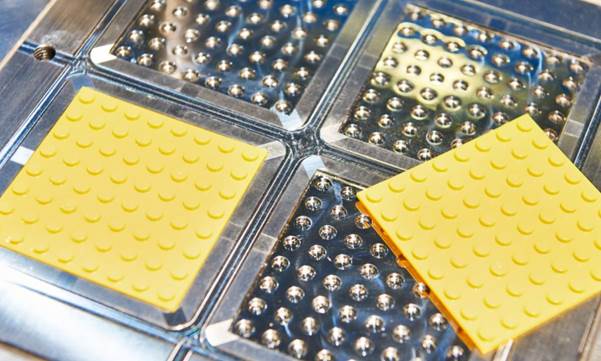
It is not just family mold injection molding that is concerned with cost saving. It also enhances planning of production and minimizes the use of machines. This technique is employed by many companies to deal with numerous elements within a process. This will provide a better inventory control. It also minimizes the time and handling of production. This is why complex products are more likely to be molded using family mold injection molding as preferred by many manufacturers.

The main Favourable Family Mold Injection Molding

The approach has a number of key advantages to business. It assists in enhancing efficiency and lower manufacturing cost.

Puntos clave:

  • Several components are being manufactured in a cycle.
  • Less expensive tooling than single molds.
  • Reduced production time
  • Improved conformity of related components.
  • Less machine usage and energy consumption

These benefits make family tool injection molding an excellent option to the contemporary manufacturing.

When Family Mold Injection Molding is to be used?

This method is not suitable to all projects. It is most effective in cases where components are interrelated and are used in a single product. In cases where component parts are of nearly equal size, content and manufacturing needs, this technique is quite efficient. China family mold injection molding is favored by lots of companies that have products with various parts.

Restrictions You ought to be aware

Although it has numerous advantages, there are certain limitations. To prevent production problems, there must be proper planning.

Puntos clave:

  • The entire sections should be made of the same material.
  • The imbalance can be due to the use of different part sizes.
  • Mold cost can be raised by the complexity of the design.
  • Maintaining it may be a little bit challenging.

Knowing these, it can be better used in family mold injection molding.

Design Principles to achieve the best

A well-designed design guarantees a smooth production and quality production. Planning of every cavity in the mold should be done with care by the engineers.

Puntos clave:

  • Maintain similar size parts.
  • Make sure that there is an equal flow of the material in every cavity.
  • Employ adequate system design of cooling.
  • Avoid over-complicated shapes

These hints enhance success in family tool injection molding undertakings.

Comparison Family Mold and Multi-Cavity Mold

Family molds are mists that many people mix with multi-cavity molds. They both differ in design and functionality. Family Molds make various components in a single mold. Multi-cavity molds are used to make the same part in more than one mold. China family mold injection molding companies usually select according to the need of the product.

Comparison of costs and efficiency

Molds in the family lower the cost of tooling but need to be carefully designed. The first design can be complicated, yet in the long-term the savings are high. Family mold injection molding is one of the preferred businesses that aim at cutting down costs. It offers a trade off between the cost and production efficiency.

Industrial Use Cases

This technique is common in sectors in which a combination of several parts is required. It enhances the speed of assembly and shortens the production time.

Puntos clave:

  • Automotive parts production
  • Electronic components manufacturing
  • Packaging products
  • Household plastic items

Family tool injection molding is very beneficial in these industries.

The Future Challenges of Family Mold injection Molding

The prospects of this process are quite positive. The new technologies are enhancing precision of designs and efficiency in production. Automation is making a significant contribution too. Organizations are embracing new innovative ways of enhancing performance. This will further enhance the benefits of China family Mold injection molding in the coming years.

Summary

Family mold injection molding is a high-tech manufacturing solution that is more efficient and cost-effective. It enables the companies to manufacture numerous parts related to each other within a cycle. Properly designed and planned, this method produces great results. China family mold injection molding is important to many companies in order to remain competitive in the global market.

With knowledge of its advantages, disadvantages, and uses, businesses will be able to apply family mold moldeo por inyección successfully and be successful in the long-term.

Frequently asked questions

1. What does family mold injection molding mean?

Family mold injection molding is a process in which various different parts are made in one mold. These components tend to be interrelated and are employed together in the same product. This process is useful in saving time and lessening the cost of production.

2. What problems do I need to use family mold injection molding?

This is the most appropriate when you require a number of related parts that are composed of the same material. It is effective when the components of the products are of similar dimensions and manufacturing specifications.

3. What is the difference of family mold and multi-cavity mold?

A family mold is used to manufacture various components in a single mold, whereas a multi-cavity mold manufactures the same component many times. They are both effective however they are applied to various production requirements.

4. Is it cost effective to use family mold injection molding?

Yes, it is economical in producing more than one part. It minimizes tooling expenses, and saves time in production. Nevertheless, it is necessary to design it properly to obtain the maximum outcomes.

5. What is the industries of family mold injection molding?

The application of this process is prevalent in the automotive, electronic, packaging and consumer goods sectors. It is perfect in products which have several plastic parts.

Moldeo de plástico a medida: Guía completa para la fabricación moderna

Uno de los procesos de fabricación más importantes que se aplican hoy en día es el moldeo de plástico a medida. Ayuda a las empresas a desarrollar productos de plástico únicos en función de sus necesidades. Se aplica ampliamente en sectores como la automoción, la medicina, la electrónica y el envasado.

La mayoría de las empresas están dispuestas a utilizar soluciones a medida, ya que es flexible y tiene productos de mayor calidad. Con la ayuda de una empresa de moldeo de plásticos a medida, las empresas pueden hacer realidad sus ideas. Esto agiliza el proceso de producción y lo hace más fiable.

¿Qué significa moldeo de plástico a medida?

El moldeo de plástico a medida implica el uso de material plástico, que se moldea en un diseño particular mediante el uso de un molde. El molde se diseña especialmente en función de las necesidades del producto. De este modo, los fabricantes pueden crear productos distintos y de calidad.

El moldeo a medida, en comparación con el moldeo estándar, está orientado a diseños y funciones particulares. Un molde de plástico personalizado se diseña de forma que garantice la precisión y la coherencia. Esta es la razón por la que es popular en los sistemas de producción actuales.

¿Cómo funciona el moldeo de plástico a medida?

Moldeo de plásticos a medida consiste en una serie de pasos que hay que seguir. Todos los pasos son importantes para lograr una producción de alta calidad y unos resultados correctos. Estar informado sobre estos pasos ayudaría a la empresa a planificar para evitar algunos errores costosos.

Etapa 1 Diseño y planificación del producto

La primera consiste en diseñar el producto de acuerdo con determinados requisitos. Los ingenieros son capaces de producir un modelo 3D del producto mediante el uso de sofisticados programas informáticos. Este diseño contendrá el tamaño, la forma y todos los detalles técnicos. Es importante que esté bien planificado en esta fase. Un diseño ilustrativo minimizará los errores y facilitará la producción. También ayuda a fabricar un molde potente y preciso.

Paso 2: Diseño y desarrollo del molde

Una vez completado el diseño del producto, hay que desarrollar el diseño del molde. El molde se diseña con precisión para que se ajuste perfectamente a la forma del producto. El molde se fabrica con materiales como el acero o el aluminio. El material seleccionado se basará en la cantidad de producción y su longevidad. Un molde bien diseñado garantizará la uniformidad.

Paso 3: Fabricación de moldes

Una vez preparado el diseño, se fabrica el molde con máquinas de precisión. Es muy preciso, ya que cualquier pequeño error puede repercutir en el producto final. Se realizan pruebas del molde después de la fabricación para garantizar que cumple todas las especificaciones. Esta medida asegurará que el molde está listo para ser utilizado en la producción.

Paso 4: Seleccionar y preparar los materiales

The selection of the appropriate plastic material is extremely crucial. Strength, flexibility and heat resistance are some of the properties of different materials. The plastic chosen is normally in a form of tiny pellets. These pellets are ready and put through the injection molding machine to be processed.

Paso 5: Fusión e inyección

The plastic pellets are heated in the machine until they melt to the form of a liquid. High pressure is then applied to high pressure injection into the mold with this molten plastic. The pressure is high enough to make sure that the material occupies all the components of the mold. This is essential in order to obtain the correct shape and fineness.

Paso 6: Enfriar y solidificar

Following the injection of the molten plastic, it starts cooling in the mold. It solidifies as it cools, and assumes the shape of the cavity of the mold. The time to cool is dependent on the size of the product and the material. They should be cooled properly in order to prevent defects and provide strength of products.

Paso 7: Exprimir el producto

After the material is completely cooled and solidified the mold opens. The end product is then taken away with the help of ejector pins. This should be done with caution so as not to destroy it. The product will not lose its shape or quality, as a result of having a smooth ejection process.

Paso 8: Comprobación del acabado y control de calidad

The product can undergo finishing processes after it has been ejected. These also involve the trimming, polishing or surface treatment where necessary. Quality tests are also conducted so as to maintain all the standards of the product. This will ensure that all the pieces are uniform and can be used.

Paso 9: Repetición del ciclo de producción

After the process has been completed, the process is repeated to move to mass production. The identical products are manufactured with the help of the same mold. This is repeated, making the process quick and economical. It enables manufacturers to come up with large production volumes that are of the same quality.

Tipos de procesos de moldeo de plástico a medida

Custom plastic molding has various processes that are applied depending on the nature of the product, material and the production needs. The processes are each with their advantages and are selected depending on complexity of design, cost and volume of production. The knowledge of such techniques assists companies in choosing the most appropriate one.

1.Moldeo por inyección

The most popular technique in the production of plastics is injection molding. It is a process of applying high pressure to molten plastic in a mold, to produce finely detailed and precise parts. It is the most suitable way to manufacture more complicated designs and a large production volume. It possesses very high accuracy, reproducibility and surface finish. It is used in high accuracy industries such as automotive, medical and electronics hence its popular use.

2. Moldeo por soplado

Hollow plastic products are the major products made via blow molding. In this, molten plastic is blown into air to create the shape such as bottles and containers. It is very effective in production of light, and homogenous products. This is an affordable technique when producing on a large scale. It is widely applied in the packaging sector in the provision of products like water bottles, storage containers and fuel tanks.

3. Termoformado

Thermoforming is a low cost and easy to use molding process. It is a technique that uses the heating of plastic sheets and pressing the sheets over a mold to form products. This technique is appropriate in designs that are not very expensive and intricate. It finds extensive application in creation of packaging trays, disposable containers and basic plastic products. Its cost of tooling is low thus it can be used in small production runs.

Ventajas del moldeo de plástico a medida

Custom plastic molding has numerous benefits to companies. It enables businesses to develop products that suit their very needs. This enhances performance of the products and customer satisfaction. The other significant advantage is the cost efficiency with high production. After designing the mold, then the manufacturing process is quick and inexpensive. An efficient custom plastic molding firm can aid in minimizing waste and enhance efficiency.

Importancia del diseño personalizado de moldes de plástico

One of the most important steps of the process is the design of the mold. An effective mold design will guarantee easy production and quality products. The lack of design might translate to flaws and high expenses. Designs are developed by engineers using sophisticated software to come up with perfect designs. The firm and accurate custom plastic mold may be used thousands of times. This renders it a worthy investment to use in the long run.

Materias primas en el moldeo a medida de plástico

The plastic materials are of different types, which are used based on the product needs. Each of the materials possesses some special characteristics including strength, flexibility or heat resistance. The typical materials are ABS, polypropylene, polyethylene and polycarbonate. Such materials are very popular in manufacturing custom molded plastics to the various industries. The correct material should be selected to have a durable product.

Moldeo de plástico a medida Usos

The flexibility and efficiency of custom plastic molding make it applicable in most industries. It assists in developing a variety of products of various shapes and sizes. It is applied in the automotive industry, in dash boards and interior components. It is applied in the medical industry in terms of devices and equipment. A large number of companies are dependent on a custom plastic molding company in order to have a high quality of components.

Moldeo de plástico a medida con las pequeñas empresas

Custom plastic molding can also be used among the small businesses. It enables them to produce distinct products and be able to compete in the market. Even small-scale production is cost-effective, with proper planning. With custom molding plastic, businesses are able to come up with new innovative products that address customer needs.

Before selecting a manufacturer, there are factors to be taken into consideration. It is crucial to select an appropriate manufacturer to be successful in production. A good manufacturer is one that is quality, timely and cost conscious. Find experience, technology and customer reviews and then make a choice of a custom plastic molding company. Having a trustworthy partner can mean a lot in the success of the product.

Precio del plástico moldeado a medida

Custom plastic molding is a cost that is determined by a number of factors. These are the design of the molds, choice of materials and volume of production. The production cost per unit will be less in large production although the initial cost of developing a custom plastic mold may be high. This will make it a long-term cost-effective solution.

Moldeo de plásticos a medida-Control de calidad

It is necessary to have quality control in the production process. It makes sure that all the products are at the standards and specifications required. Testing and inspection are some of the measures that manufacturers employ to uphold quality. Good quality molded plastics are customized which enhances customer trust and minimizes failure of products.

Eficacia y sostenibilidad medioambientales

In manufacturing, sustainability is an emerging significant aspect. A large number of corporations are currently recycling and making the use of environmentally friendly procedures. Less wastage and use of energy help to sustain the environment. A conscientious custom plastic molding company is oriented on the sustainable production practices.

Problemas típicos de la fabricación de moldes de plástico a medida

Although it has its advantages, there exist a few difficulties in making custom plastic moulds. The process can be subject to design errors, problems with the choice of materials and delays in production. These issues may be prevented by collaborating with the professionals. With good planning the production of custom molded plastics will go on smoothly.

Buenas prácticas en proyectos de moldeo de plásticos a medida con éxito

The most important thing about a project in molding is planning. It is very important that there are clear design requirements and that there be the appropriate choice of materials. Your manufacturer also makes a great contribution to communication. An expert custom plastic molding firm can help in taking you through the process, and guarantee maximum outcomes.

Cómo elegir la empresa de moldeo de plástico a medida adecuada

It is very important to select the appropriate partner in order to be successful in production. A professional manufacturer knows what you need, and provides quality work. In this, experience and technical skills hold a significant role.

Before deciding on something, it is always a good idea to review previous projects and review with the clients. An established custom plastic making firm will help you in designing, through to the final production. This guarantees a well flowing work process and quality products.

La creación de prototipos desempeña un papel importante en el moldeo de plásticos a medida

Before full production is carried out, prototyping is very crucial. It enables the companies to experiment on the design of their products and correct in case they are required. This is to prevent expensive mistakes in the future. A prototype provides a good understanding of the final product and how it will appear and operate. Through testing at an early stage, companies are in a position to enhance their custom plastic mold design and attain better outcome in production.

Importancia de la precisión y la exactitud

One of the most crucial issues of plastic molding is precision. Any little mistake in designing can make a difference to the product. This is the reason why they need sophisticated machines and competent workers. Proper production guarantees all the products to be the same. Medical, electronics and other industries that require high precision of the plastics molded need to be of high precision.

Rapidez y eficacia de la producción

The major benefit of this is its rapid production rate. After having prepared the mold, it is possible to make a lot of them within a short period of time. This is what makes it suitable to mass production.

Efficiency assists in lowering the general expenses as well. When done well, molding plastic can provide high volume production but at the same time, produce quality.

Moldeo de productos de plástico a medida

Custom molding assists companies to develop innovated products. It enables a firm to make distinct shapes and features, which cannot be made using the conventional methods. This is flexible and puts a business at an advantage. The new ideas of products can be developed swiftly and efficiently with the assistance of an experienced custom plastic molding company.

Principales factores de éxito necesarios a lo largo del tiempo

Businesses require being quality-driven, consistent and well planned in order to achieve long-term success. The material and design used is a significant factor in attaining good results. The moulds should also be taken care of regularly, which means an extended life and high performance. A custom plastic mold of high quality which is well maintained can yield thousands of products of high quality without any problems.
Moldeo de plástico de productos a medida en las distintas industrias

There are various applications of custom plastic molding in various industries. There is a standard of requirement and standards per industry. This renders the process to be very versatile. Custom molded plastics are found everywhere, in the automotive parts, as well as medical devices. This extensive application demonstrates the significance of this process in today manufacturing.

Menos residuos durante el moldeo de plásticos

Less wastage is a current day objective of manufacturers. The effective production processes will reduce the amount of loss of materials and enhance sustainability. Recycling of used materials is also a norm. A lot of companies that have been employing the custom molding plastic are now targeting at environmentally friendly solutions to conserve the environment.

Mejora de la calidad del producto mediante la mejora del diseño

The high-quality products are orchestrated by good design. Having a proper design will facilitate a smooth production and minimize defects. The advanced tools and software can be used to enhance accuracy. An aptly made custom plastic mold will also lead to a superior finish, strength and durability.

El futuro del moldeo de plástico a medida

The prospects of custom plastic molding are bright. The procedure is being expedited by new technologies and made more efficient. The automation and smart production are enhancing the quality of production. High-tech custom molding plastic methods are being embraced by many companies, in a bid to remain competitive in the market.

Conclusión final ampliada

Plastic molding is a crucial process in the contemporary manufacturing industry. It allows flexibility, efficiency and creates high quality production to various industries. It is used by businesses to develop individual and trusted products. Companies can get the best results by concentrating on the right design, selection of materials and selecting the appropriate custom plastic molding company. This will not only enhance the quality of the products but also minimize the costs in the long-run.

Even more efficient and sustainable, in the future, will be custom molding plastic with the help of advanced technologies. Companies that embrace such practices will remain competitive and be successful in satisfying the rising market expectations.

Preguntas frecuentes

1. ¿Para qué se utiliza el moldeo de plástico a medida?

Unique plastic products are produced through custom plastic molding, which is employed to produce products according to certain designs and needs. It is widely applied in such industries as automotive, medical, packaging and electronics to achieve high quality and precision of components.

2. ¿Qué tipo de proceso de moldeo es adecuado para productos complejos?

Complex and detail products are the best that should be injection molded. It has a high level of precision, consistency and smooth finishing; thus, it is suitable in an advanced and high-volume production requirement.

3. ¿Qué se entiende por moldeo por soplado y moldeo por inyección?

H hollow products such as bottles, containers, etc are made through blow molding. Solid and detailed parts that have complex shapes are molded over injection molding. The two processes have various applications depending on the design of products.

4. ¿Es costoso hacer moldes de plástico a medida?

The price is determined by the factors such as the shape of mould, material and quantity of production. Although the initial cost may be expensive, it would prove to be cost effective in large production as the cost per unit will reduce.

5. ¿Cuál es el proceso de moldeo correcto que elijo?

The selection of the process is dependent on your product design, type of material and quantity of productions. Being aware of your needs and talking to an expert manufacturer can make them make the most optimal choice.

¿Cuánto cuesta un molde de inyección? Guía completa de precios

Knowledge of the cost of an injection mold is highly significant in business and newcomers who would wish to venture into plastic product manufacturing. Many industries use injection molding due to the speed and trustworthiness of injection molding. However, the prices of molds may be baffling to new customers.

Before one embarks on an injection molding project, many people will ask: How much does injection molding cost? The solution varies depending on various criteria such as design, material and volume of production. You will come to know all in easy and simple words in this guide.

¿Qué es el moldeo por inyección?

Injecting a hot material into a cavity is a production technique of plastic components called injection molding. The mixture is left to dry and it takes the form of the mold. The latter process is common since it provides precise and reproducible results. It finds application especially in the automotive, packaging and electronic industries. A mold needs to be produced prior to production. That is the reason why many people would inquire on how much does a molde de inyección de plástico cost when they are planning to do a project.

What Does an injection Mold Cost?

It might depend on the project greatly as cost. Generally, the cost of injection mold can be between 1,000 and above 100,000. The molds that are small and simple are less expensive whereas large and complex molds are costly. As an example, a simple mold can be between 1,000-5,000. A medium-level mold may cost $5,000 to $25,000. Molding in the industrial industry can exceed 50 000. That is why it is recommended to comprehend the extent to which injection molding cost is before the start.

Factors That Affect Injection Mold Cost

The amount that a plastic injection mold will cost is determined by a number of factors. All the factors contribute significantly to the end price. Knowing these aspects will assist you to make a more budget-friendly plan. We can consider the factors which have the greatest influence on the cost of a particular injection mold in real projects.

1. Mold Size and Complexity

The cost is dependent on the size of the mold. Large molds require additional material and time to be manufactured. This adds up to the aggregate price. Complex designs are also costly as it makes use of sophisticated tools and labour. Hence, the extent to which injection molding cost may vary depending on the design complexity.

2. Material Used for Mold

Molds are typically produced out of steel or aluminum. Steel molds are tough and have a better life span. They are however pricier than aluminum molds. The molds made of aluminum are less expensive and quicker to make. They are however not applicable towards high production. The decision you make will determine the amount of cost of a plastic injection mold.

3. Production Volume

It also depends on the quantity of parts that you wish to manufacture. The molds need to be strong and durable in order to produce a lot. These are more expensive molds that have a long life. In case of low production, low-cost molds can be used. That is why the cost of an injection mold varies according to your objectives of production.

4. Design and Engineering

A design has to be crafted and tried prior to the creation of a mold. The design and its design are checked by engineers to prevent any mistakes. This will be an additional cost. In case of a complex design, it will be time-consuming and more laborious. This adds to the overall costs of injection molding.

5. Mold Cavities

There may be a cavity or many cavities in a mold. Multi-cavity molds are able to make numerous parts simultaneously. This improves efficiency. They are however, more costly to construct. Therefore, the number of cavities has an influence on the cost of a plastic injection mold too.

What is the Cost of Injection Molding a Part?

Other than the cost of the mold, you should know the cost of production per part. Much of the population would like to have an idea of the cost of injection molding per unit. Smaller, plastic components may be as cheap as a few cents each. Bigger ones will require a couple of dollars. The cost is lower with the increase in the volume of production hence less costly.

Cost Breakdown of injection Molding

In order to grasp the extent of a cost of an injection mold, it is worthwhile to review various elements of the cost. All these are a contribution to the overall price. These expenses consist of tooling, materials, labor and the operation of the machine. All these factors add up to find out the extent to which injection molding will cost in total.

1.Tooling Cost

The largest cost of injection molding is tooling cost. It involves designing and making of the mold. The expensive molds are of high quality, which extend their life. This is the reason why tooling contributes significantly in determining the extent of cost of a plastic injection mold.

2.Material Cost

The cost of materials varies according to the plastic. There are those that are cheap and expensive depending on the properties of the plastics. The selection of the appropriate material can regulate the extent to which an injection mold costs as well as quality of the product.

3.Labor Cost

Staff with expertise is required to design molds and run machines. Their experience provides a smooth running of the process. The cost of labor is a significant aspect of the cost of injection molding of any project.
4.Machine Cost

The cost of acquiring as well as maintaining injection molding machines is high. They also use electricity when working. When determining the cost of a plastic injection mold, as well as the total production cost, these costs are accounted.

Inexpensive vs. Expensive Injection Molds

Inexpensive molds are applicable to smaller projects, and shorter production cycles. They are simple to manufacture, but can be worn out. More durable and better quality results are offered by expensive molds. This is why the amount of money to spend on an injection mold should be regarded as a long-term investment.

Reducing Cost of Injection Mold

It can be done to lower the extent to which injection molding is costly, without compromising quality. Prudent planning will save money. Simple design decisions as well as choosing the appropriate materials could be used to reduce the amount the plastic injection mold would cost.

Simplify Design

The straightforward designs are less complicated and less expensive to manufacture. Don’t use irrelevant information that complicates the matter. This will minimize the cost of an injection mold, as well as accelerate the production.

Select the appropriate Media

It is highly important to choose the appropriate material. It ought to be compatible with your product requirements and costs. This choice impacts performance and the extent to which is injection molding expensive.

Reduce Mold Cavities

Initial cost of mould can be reduced using lesser cavities. Single cavity molds are less expensive and not as difficult to maintain. It is an ideal choice when the quantity of production runs is small, and assists in managing the amount of inquiry a plastic injection mold cost.

Work with Experts

The accomplished manufacturers are able to mentor you to better decisions. They assist in the prevention of expensive errors. The collaboration with professionals will make sure that the amount of money needed by an injection mold does not exceed the budget.

Injection Molding vs. other techniques

A lot of individuals contrast injection molding to other forms of manufacturing. They would also wish to know how much injection molding cost is as compared to the other alternative. Large-scale production is more suitable to injection molding. Although the cost of a plastic injection mold is very expensive, the cost per unit is lowered as time goes by.

Should we Injection Mold?

Businesses which require high production of products are good candidates of injection molding. It is fast, accurate and reliable. The initial cost might be high but knowing how much does an injection mold cost, will aid in making smart decisions.

Errores comunes que hay que evitar

Numerous inexperienced individuals commit errors which raise the cost of injection molding. With good planning, such errors can be avoided. Some of the common errors made are intricate designs, improper choice of materials and lack of proper planning. Preventing them will lower the cost that a plastic injection mold costs.

Real-Life Cost Examples

Live cases can be used to learn more about the extent to which an injection mold is more cost-effective. The prices are subject to change depending on the size and complexity of project. Small molds may cost $1,000 to $3,000. Medium molds can cost $5,000 to $15,000. Big molds are over 50, 000.

What is the Time Taken to make an injection Mold?

The other significant consideration when discussing how much does an injection mold cost. It is not an immediate process of making a mold. This may require a couple of weeks or even months based on complexities. It can take 2 to 4 weeks to be simple molds. Intricate molds that are elaborately designed may require up to 8 to 12 weeks or more. This time also influences how much does injection molding cost since the longer the project, the more the labor and resources that would be required.

Custom Injection Mold Price

Custom molds are custom made to particular products. The cost of these molds is higher since it entails special designs and design engineering. It is the reason why most people may tend to inquire how much does a plastic injection mold cost a custom project.

Custom molds can range from $5,000 to over $100,000. The cost is determined by size, material and complexity of the design. When developing a custom product then it is quite important to know how much the cost of an injection mold is.

Differences by country in cost

Injection molding is also influenced by the country of manufacture, thus its cost varies. There is a difference in the costs of labor and production in various areas. This directly influences the extent of the cost of injection molding.

As an illustration, the molds produced in China tend to be less expensive as compared to molds produced in the USA or Europe. But quality and communication must also be perceived to determine the extent to which a plastic injection mold costs.

Cost of Prototype vs Production Mold

Testing and low-volume production is done by using prototype molds. They are less expensive, and quicker to manufacture. This assists companies in trying out their concepts prior to the entire production. Molds of production are made to be long-lasting and in large quantity. They cost more, but are more durable. This variation is very important in determining the extent to which an injection mold costs.

The upkeep of Injection Molds

When determining the cost of injection molding many people forget the maintenance calculation. Molds should be regularly cleaned and repaired to work well. The cost of maintenance is dependent on the use and the quality of materials. Careful treatment enhances growth of moulds and minimizes cost in the long run. This too influences the amount of money a plastic injection mold would cost in the long run.

Effect of Design Change on cost

Design modifications have the potential to make a project more expensive. In case of alterations implemented to the mold after the creation, it might have to be reworked or possibly a new mold. This can go a long way in determining the amount of cost of injection mold. This is the reason why one should design the final product prior to starting the production process in order to control the extent to which injection molding is expensive.

Use of Technology in Cost saving

The technology of today is aiding in the cost reduction in manufacturing. The use of advanced software enhances accuracy of designs and minimizes errors. This is beneficial in saving time and money. Production is also speeded up and is more efficient with automation. In most industries, these advancements are gradually lowering how much does a plastic injection mold cost.

Large vs Small Volume Production

The amount of production is also important in determining the cost. Mold cost is diffused among high volume production. This will lower the cost per part. High cost per unit is experienced in low volume production due to the lack of a wide distribution of the mold cost. This is a big consideration in estimating the cost of how much an injection mold cost.

Selecting the proper Manufacturer

It is quite crucial to choose the appropriate manufacturer. An excellent manufacturer is one who offers quality work and assists to manage expenses. This makes sure that results are improved. The knowledgeable manufacturers will be able to advise you regarding the cost of injection molding as well as recommend how to save money. It also aids in controlling the extent of the cost of a plastic injection mold.

Small Business injection Molding cost

High start-up costs are a concern to small businesses. However, the injection molding can be an option as well with appropriate planning. To begin with basic patterns and small amounts of molds may aid in reducing the cost of an injection mold, how much does an injection mold cost? It is now easier to enter the market by small businesses.

Environmental Impact and Cost

Environmentally-friendliness is making its way into the production process. A lot of businesses are currently employing recyclable materials and energy saving machines. Such developments could have minor impacts on how much does injection molding cost, but they contribute to safeguarding the environment. They are also able to minimize the cost of a plastic injection mold, in the long-term, by efficiency.
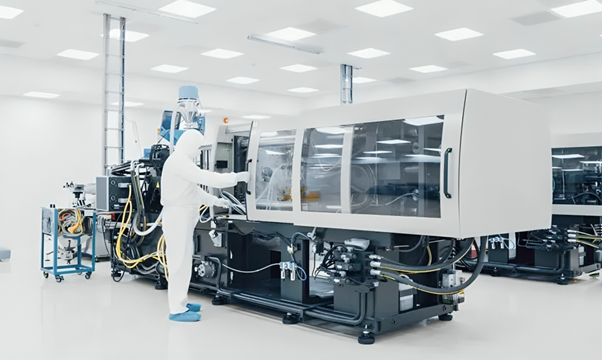
Trends in Injection Molding in the future

Injection molding is getting enhanced with the help of technology. Labor costs and efficiency are being decreased and increased with automation. The degree to which injection molding cost can be reduced in the future due to improved technology is yet to be determined. Nevertheless, there will always be quality molds that will demand investment.

Reflexiones finales

You now have a clear picture of how much does an injection mold cost, and how it depends on various factors. The price varies as per design, material and production requirements. Never take any chance and collaborate with specialists. This will assist in controlling the extent to which is injection molding cost effective and achieve improved results.

Ultimately, put emphasis on value rather than price. An investment made today will be able to save money in future, as it will be able to see how much a molde de inyección de plástico costs.

Preguntas frecuentes

1. What is the average cost of injection mold?

The injection mold depends on size and complexity and has a wide range of cost per injection mold. The average price of injection moulding could be between 1,000 and more than 100,000. Simple molds are less expensive in comparison to complex industrial molds, which are very expensive.

2. Why injection molding is so costly initially?

This is primarily because of the mold. Prior to production, a tool of high accuracy has to be produced. This is the reason why the amount of costs to be incurred in injection molding is high at first, but as large quantities of production run it would be cheaper per unit.

3. What is the cost of a plastic injection mold of small scale projects?

The average cost of a plastic injection mold varies between $1,000 and 5,000 depending on the type of small or simple projects. These types of molds are applied in low volume production or simple parts of plastic that contain simple designs.

4. Is it possible to decrease injection mold cost?

Yes, it is possible to decrease the cost by simplifying the design, decreasing the number of cavities and selecting appropriate materials. The right planning also assists in reducing the amount that an injection mold costs without compromising on the quality of products.

5. Is it cost effective to use injection molding to produce in mass?

Injection molding is indeed very economical at large scale production. Despite the high initial cost, the cost of injection molding, per unit, is very low when producing in the thousands of parts.

Moldeo por inyección de gran volumen

High volume injection molding is an extensive manufacturing procedure that is applied in large production of plastic parts. It is recognized to be efficient, consistent and cost effective. This approach is used by many industries to address the increasing demand of the products. High volume injection molding is a process that is preferred by businesses that are interested in scaling their production since it is a reliable way of producing the results.

This is suitable in companies which require mass production and do not compromise on quality. It is also useful in minimizing the expenditure in the long run. This guide will tell you all about the high volume injection molding, its process, advantages, material, as well as its use.

What is High Volume Injection Molding?

High volume injection molding is a production method, which is applied to manufacture thousands or even millions of similar plastic parts. Molten plastic is injected in a mold in this process, which cools down and solidifies to shape into the required shape. This process is repeated several more times in order to produce uniform products.

En high volume plastic injection molding is normally applied when bulk production is necessary. It makes certain that all of the parts are of the same size, shape and quality. High volume custom injection molding is normally used by such businesses where they need the unique product design, but at the same time, the production volume needs to be large. The china high volume injection molding is also favored by many companies since it is cost effective and has large scale production.

Operation of the Process

The high volume injection molding requires a number of crucial steps. The first stage involves the selection of the plastic material that is to be used depending on the requirements of the products. The various materials have varying strength, flexibility and durability.

The plastic is then heated till it is melted. This liquid plastic is next forced into a mold at a high pressure. The mold is made to have a shape that is the same as that of the final product. After the mold is filled with the plastic material, it is then left to cool down and harden.

The complete part is ejected out of the mold after it is cooled. The process is repeated in order to create additional components. The high volume plastic injection molding is very efficient and suitable in the mass production as it is a continuous process.
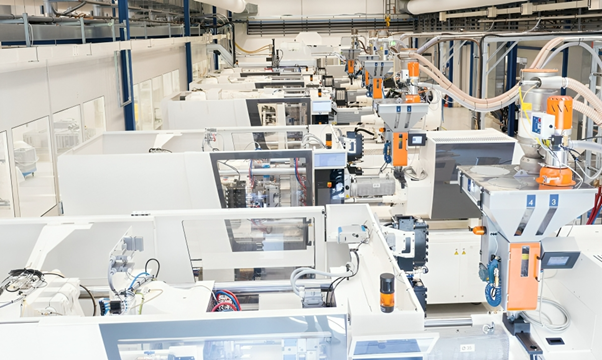
Advantages of the High Volume Injection Molding

Cost effectiveness is one of the largest benefits of high volume injection molding. Its initial set up cost may be expensive but the unit cost is very low in the case of large production of the products. This ensures that it is a cost-effective solution to the businesses. The other advantage is that of quality consistency. The high volume plastic injection molding is used to produce each part, and this way the part is almost the same and hence reliable and consistent. This is particularly crucial to those industries that are concerned with precision.
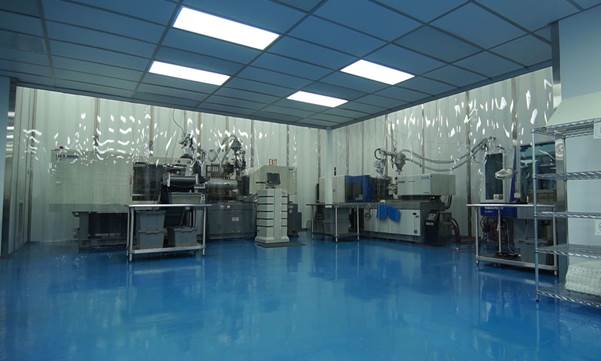
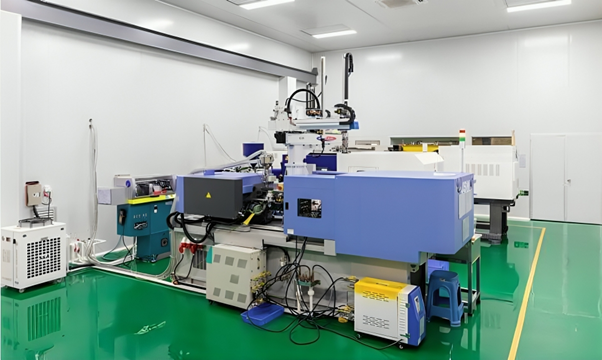
It is also very fast in the production speed. The contemporary machines are capable of making thousands of parts within a short period of time. This will enable the businesses to satisfy rigid deadlines and demand. Flexibility of design is the other strength. High volume custom injection molding enables the companies to produce an intricate and detailed design. It becomes easier to come up with unique and innovative products.

Moreover, wastage of materials is also minimal due to the fact that sometimes it is possible to reuse the surplus plastic. This renders the process to be more environmentally friendly than other manufacturing processes.

Uses of High Volume Injection Molding

The injection molding is done in high volume in most industries. It is also employed in the manufacture of parts like dashboards, panels as well as covers in the automotive industry. Such elements have to be very precise and durable. High volume plastic injection molding is applied in the production of small plastic elements in the electronics industry. These components find application in smartphones, computers and home appliances.

This also is applied in the medical industry to manufacture products such as syringes, containers, and medical tools. Such products demand great amount of cleanliness and precision. Another significant area of use is the consumer goods. The high volume injection molding is usually used in production of everyday products like bottles, containers and packaging materials.

Why Should High Volume Custom Injection Molding be chosen?

There are numerous companies where products have to be unique and brand oriented. High volume custom injection molding makes companies be able to produce customized design and still enjoy the mass production.

This allows the business to retain brand identity in the way that they can design the products that are unique in the market. It will also make sure that certain requirements are fulfilled without being at cost to production. Consequently, the high volume custom injection molding is ideal in cases where firms wish to have the customization as well as scalability.

Why Should China High Volume Injection Molding?

The manufacturing outsourcing is not a new trend and china high volume injection molding is a favored option to many companies. Reduction in the cost of production is among the primary causes. The cost of labor and operation in most cases is less and this saves the companies money. The other competitive edge is availability of advanced technology. Modern machinery is applied in most of the manufacturing industries in China that dictate high quality production.

The other advantage is a large production capacity. China high volume injection molding is appropriate when dealing with international companies since factories have the capacity of dealing with bulk orders. Furthermore, China boasts of great supply chain and logistics network. This facilitates to deliver products to different parts of the world in good time.

Plastics of High Volume Injection Molding

High volume injection molding is carried out using different forms of plastic materials based on the needs of the products. ABS is a brand of choice as it is durable and strong. It is generally applied in the automotive and electronic products. The other material that is commonly used is polypropylene. It is also light and elastic hence it is applicable in packaging and consumer goods. Nylon is also a strong material that is resistant to heat and this fact has rendered it suitable in industrial use.

Polycarbonate is also commonly applied in the production of items that need to be transparent and have impact resistance like safety gears. The material used should be chosen well since it has a direct influence on the performance and the durability of the product.

Design Hints to greater Success

High volume injection molding is highly dependent on good design. The simple designs tend to be less expensive and the production is simpler. Complicated designs may raise the cost and time. The thickness of the walls should be uniform, due to the fact that it avoids defects and enhances the product strength. Lack of evenness of the thickness may create problems when cooling.

The design is aided with addition of draft angles to assist in easy extraction of the parts out of the mold. This minimizes the chances of being damaged. One should also avoid sharp edges since rounded edges will be more durable and will contain fewer stress points. These design tips should enhance the quality of products produced through high volume plastic injection molding.

Difficulties in High Volume Injection Molding

The high volume injection molding has several challenges even though it has many advantages. Making molds may be expensive, and this might be an issue of concern to small businesses. Nevertheless, this is normally offset in the long run by large production.

Problems can also be generated by design errors. Failure to optimize the design in the right way may result in defects and delays in production. Another major consideration is the choice of materials. The performance and quality of the end product can be influenced by the incorrect choice of material.

It is also necessary to maintain the machines. Timely maintenance also means smooth running and avoidance of the untimely breakdown in high volume injection molding operations.

The Question of Selecting the appropriate Manufacturer

It is important to select the manufacturer in order to have a successful high volume injection molding. One should choose the company that is experienced and skilled in the sphere. Proficiency in manufacturing will give more credible manufacturers a higher chance of producing quality outcomes.

The quality standards must also be looked into. A quality manufacturer will be dependent on a strict quality control. The other factor is pricing. Competitive rates should be found, but quality must not be lost. Capacity of production is also important. The manufacturer ought to have the capabilities of managing large orders particularly where there is a high volume plastic injection molding project.

High Volume Injection Molding Factors of Cost

It is extremely important to the businesses to know the cost structure. The injection molding can be performed in high volume which can be costly initially, but in the long run it will prove to be cost effective. The main cost factor is the mold. The manufacturing and the design of molds involve a lot of money particularly when dealing with a complicated part.

Material cost is another factor that is important. Various plastics carry different prices basing on their properties and quality. The correct material selection can be used in the high volume plastic injection molding to manage the overall costs.

Operation of machines and workforce also add to the overall cost. Automation has however minimized the labor dependency of contemporary production. This is because high volume injection molding is more efficient and cost effective.

The volume of production is also important in pricing. The more the units the less the cost per unit. That is the reason why most companies would use high volume custom injection molding to produce in large quantity. China high volume injection molding is usually adopted by companies because it is relatively cheap and has high capacity of production.

High volume injection molding Quality Control

In high volume injection molding it is critical to maintain quality. This means that production runs are large and therefore any minor mistake may result in a huge loss. This is why the quality control should be on strict measures. Manufacturers have high-technology inspection instruments to test size and functionality of products. The high volume plastic injection molding is normally done by automated systems to identify defects at the initial stage. This will enable uniformity in all products.

There is also the importance of the material testing. It makes sure that the plastic chosen is of the desired standards. The quality checks are even more of critical concern in the high volume custom injection molding since the products are designed to be used to fulfill particular needs. A number of manufacturers in the china high volume injection molding practice international quality standards. This will guarantee that products are in line with the demands of the world and expectations of the customers.

Injection Molding High Volume Tooling

One of the most significant issues of high volume injection molding is tooling. The final shape and quality of the product is dependent on the mold. Good quality molds may have millions of cycles. The design of the tooling should be accurate. Any minor mistake will have an impact on the whole production process. In large volume plastic injection molding, there is the need to have durable molds so that production can run over a long period of time.

Molds are used in manufacturing of different types. Single-cavity molds are used to produce a part at a time and multi-cavity molds are used to produce many parts within a cycle. Multi cavity molds are usually applied in high volume custom injection molding since they enhance efficiency.

China high volume injection molding is always used by many companies to have tools due to the cost benefit and technical experience. Properly made molds enhance faster production and minimize the defects.

High Volume Injection Molding: Automation

The manufacturing industry is undergoing a change with automation. The injection molding processes have been increased to a higher volume and the machines and robotic systems are used to enhance efficiency. The parts are handled by robots; the products are removed out of molds and quality checks performed. This minimizes the human error and maximizes the speed of production. Automation is highly beneficial when it comes to the high volume plastic injection molding since it must be operating at all times.

Intelligent machines have the ability to check temperature, pressure and cycle time. This guarantees stability and minimizes poor performance. Automation in high volume custom injection molding is used in keeping accuracy in customized designs. Due to the need to remain competitive in the world arena, most of the factories with china high volume injection molding are embracing automation. This results in increased speed of production and quality products.

Practicality of Sustainability in High Volume Injection Molding

One of the concerns that are taking center stage in manufacturing is sustainability. High volume injection molding is developing in the direction of environmental safeguarding. Minimal waste of the material is one of the primary benefits of this process. Unnecessary plastic may be recycled and reused. Plastic injection molding of high volume is used to promote eco-friendly production.

Most firms are currently adopting biodegradable and recyclable substances. This minimizes pollution and sustenance objectives. With the high volume custom injection molding, businesses are able to select materials that will conform to their environmental policies. The China high volume injection molding producers are also going green. They are adopting the environmentally friendly machines and minimizing emissions. This assists in developing a more sustainable production process.

Troublesome flaws and the ways to prevent them

High volume injection molding has defects even with the advanced technology. The awareness of these problems assists in the enhancement of the quality of products. Warping is one of the defects. This occurs due to uneven cooling of parts. This can be avoided in high volume plastic injection molding by proper designing of the mold and ensuring there is uniformity in the wall thickness.

The other problem is sinking marks. These come in form of tiny dents on the product surface. They tend to be as a result of poor cooling or shrinkage of materials. This problem can be resolved by changing the parameters of the processes. The other common defect is flash. It takes place when there is a leakage of excess material in the mold. This problem is avoided in high volume custom injection molding by ensuring that the molds are aligned correctly.

The manufacturers operating in the china high volume injection molding employ superior mechanisms in order to identify and correct flaws within a short period of time. This guarantees quality production.

A comparison of High Volume and Low Volume Injection Molding

One should know the difference between high volume and low volume production. The high volume injection molding is geared towards mass production whereas low volume is applied to the smaller quantity. Injection molding of plastics can be done in high volumes to provide low cost per unit because of high volumes of production. It suits well with products which have a steady demand.

Low volume production on the other hand is appropriate in prototypes or small batches. It is cheaper in terms of initial costs but expensive in terms of unit costs. High volume custom injection molding is most preferred in a business that would like to increase production and yet retain individual design. China high volume injection molding is preferred by many companies and is applied in cases where quantities are required in large numbers and at competitive costs.

Most Benefiting industries

High volume injection molding is very useful in a number of industries. This is a process that is used in the automotive industry to come up with durable and precise components. Electronics industry is the sector that depends on the high volume plastic injection molding of small and complicated parts. These are the elements of the modern devices.

This is also the method used in the packaging industry. Goods such as bottles, caps and containers are done in bulk. The high volume custom injection molding is applied in the medical industry to produce safe and sterile products. This makes sure that they are in line with strict regulations.

China high volume injection molding does a significant contribution towards provision of products to such industries across the world.

The Future of High Volume Injection Molding

High volume injection molding has a brighter future. Automation is getting prevalent and this makes the work smoother and less human error. The production processes are being enhanced with the use of smart machines. It is also developing new materials that can be used to improve the performance of products. These are more powerful, flexible and sustainable materials.

The concept of sustainability is taking center stage. Recyclable plastics in high volume injection molding are now being put into high use in many companies where environment impacts are to be minimized.

Conclusión

High volume injection molding is a critical production procedure that is necessary to companies that need to produce in mass. It has numerous benefits such as being cost effective, fast and of the same quality. High volume plastic injection molding is more suitable when producing large numbers of the same product where high volume custom injection molding can be used to have unique and customized designs. China high volume injection molding is affordable and has a high production volume thus many companies prefer it.

Having the knowledge of the process, materials and best practices, business can make a more informed decision and attain positive production results. Moldeo por inyección de gran volumen is still a major aspect of the contemporary production and will still be significant in the future.

Preguntas frecuentes

5. What are the saved costs which are high volume injection molding?

The initial set up costs are also quite expensive, but the unit cost reduces in large quantities of productions. There are also advantages on automation and effective use of materials which help in minimizing the costs in general.

What does high volume injection molding mean?

High volume injection molding is a manufacturing technique which is employed in the manufacturing of majority of plastic components according to a brief duration of time. It entails the use of melted plastic that is injected in the mold to produce the same products that are of the same quality.

2. Why does the business have high volume injection molding?

This is the one that the businesses would like since it consumes less time and it is not costly per unit in case of mass production. It further makes all products to appear and work in the same way.

3. In what are the common areas where high volume injection molding is applied?

This has been applied majorly in the automobile sector, electronics, health and house goods. It is best when it comes to the manufacture of products that require mass production.

4. Does it possess high volume injection molding that is cost effective?

Yes, it is very cost effective in cases where large batches of production are taken. Although the initial arrangement might be costly, the general cost is reduced with increase in the production of the units.

Moldeo por inyección de termoplásticos

Thermoplastic injection molding is one such material that has continued to be popular in the world manufacturing industry due to the increased demand of lightweight and high-quality materials. Efficiency, accuracy and cost effectiveness are some of the success factors in the fast production world today. Among the most common processes that fulfill all these requirements is thermoplastic injection molding. It is a high level of production since it enables the companies to make plastic components of the required quality in a consistent and accurate manner.

The process is applied in other businesses within the consumer goods sector, automotive components and others. The businesses will be in a position to make a better production decision because they will know how the same works and what the benefits are.

What is Thermoplastic Injection Molding?

Moldeo por inyección de termoplásticos or injection molding is a manufacturing process that involves forcing a thermoplast in a melt form into a mold and then molded to a required shape. Once the mold is cool and solid the final product is forcefully de-molded.

It is also very efficient as far as mass production is concerned. It enables the manufacturers to come up with detailed designs that are very accurate. Thermoplastic injection molding is also a good method of production in large scale production due to the reusability of molds.

Thermoplastics refer to those materials that can be melted and moulded again and again without the decline of its property. This predisposes them to be very versatile and can be adapted to other applications.

Thermoplastic Injection Molding Manufacturing Process

1. Material Selection

The first step in thermoplastic injection molding process is the process of selecting the right material. e.g. polypropylene, ABS, polycarbonate, normally thermoplastic pellets. Such materials are selected depending on their characteristics such as strength, plastics, heat resistant characteristics and cost. The injection molded thermoplastic is the appropriate material that provides optimum functionality and strength to the part.

2. Melting of the Thermoplastic

This entails melting of the Thermoplastic to acquire the required shape and volume to fill the molding machine. Melting of the Thermoplastic: It is done to melt the Thermoplastic to the shape and volume required and pour into the molding machine.

In a hot barrel of the injection molding machine, the raw plastic pellets are put. The fuse of the pellets in the barrel is homogenous and viscous. The temperature of this stage is very pertinent so that the degradation and smooth run of the molding process can be assured.

The Mold is used to inject the new product into the market.

3. Injection into the Mold

When the thermoplastic is exposed to the appropriate temperature, it is pressed in a mold cavity of the desired size. The shape and nature of the part is determined by the mold. Gates, vents and channels will be constructed in the correct manner that will cause flow of the molten material into the mold to flow evenly to minimise defects. This is one of the required operations of injecting thermoplastic.

4. Freezing and Refreezing

Once the plastic is in the mold it melts and solidifies. Time required in the cooling process would be determined by the material, thickness of the walls and complexity of the component. The cooling must be uniform in order that it lacks warps, sinks or shrinkages.

5. Mold Opening and Part Ejection

The part is then solidified then the mold is opened, and the complete product is ejected. This is then repeated through continuous production. The modern machines are automated and they have computer controls which ensure that the same part is used in the different runs that yield the same part which is of high quality.

6. Processing and Finishing

Even the thermoplastic components that are injection molded could need further finishing i.e. trimming, painting or assembling. These are processes that make the part to be functionally and aesthetically acceptable.

7. Quality Control

Quality check is done by the manufacturers in the process to be acquainted with the dimensions, tolerance and material integrity. Quality maintenance has resulted in thermoplastic injection molding that makes reliable and strong parts to other industries.

Types of Injection Molded Thermoplastic Materials

Manufacture of injection molded thermoplastic material has many different types. The types possess peculiarities which make them suitable to be used in some application.

Materials of some of the forms are:

  • Polypropylene (PP): it is light and non-chemical.
  • Polyethylene (PE): Soft and tough.
  • Acrylonitrile Butadiene Styrene (ABS): Impact resistant and strong.
  • Polycarbonate (PC): Heat resistant and transparent.
  • Nylon (PA): Strong, tough and hard.

The selection of the thermoplastic injection molded material plays a critical role in the determination of the preferred performance and life of the end product.

Benefits of Thermoplastic Injection Molding

Thermoplastic injection molding is advantageous in production in several ways:

  • High efficiency: First in the mass production.
  • Precision: Development of advanced and advanced designs.
  • Rentable: Will decrease material wastes.
  • Reusability: The materials could be reused and recycled.
  • Diversity: It can be applied in other industries.

Such advantages render thermoplastic injection molding as an option worth consideration by those firms that would want to enhance the efficiency of the production.

Thermoset vs Thermoplastic Injection Molding

The difference between thermoset and thermoplastic injection molding needs to be considered in the event that someone is making the correct decision regarding the process. Thermoplastics may be recycled and molten and remodeled at other times therefore making it flexible. Thermoset plastics, on the other hand, do not melt in the curing process and change chemically.

Comparatively, thermoset and thermoplastic injection molding are not easy to handle in comparison to thermoplastics. Thermosets are however, more resistant to heat and their structural stability is greater. The choice of either the thermoset or the thermoplastic injection molding would depend on the application.

Applications Across Industries

The thermoplastics injection molding process is flexible and efficient and thus it can find application in most industries.

  • Auto parts: auto interior components, bumpers and dashboard.
  • Medical: Surgical equipment, syringes and medical equipment.
  • Electrónica: Housing, connections and insulations.
  • Bienes de consumo: Household and toys.

The thermoplastic injection molding is now a mandatory practice in the current production due to the ability to create lightweight and strong products.

Quality Control in Injection Molding

In any production, quality is an issue of concern. Injection molding thermoplastic follows the same idea of quality control which is aimed at making sure that each product is up to standard. The manufacturers have the sophisticated tools and test procedures to verify the dimensions, strength and durability. The quality control minimizes the defects and leaves the customers happy.

One of the highest benefits of injection molding thermoplastic is consistency and this is the reason why it can be used in the large-scale production.

Cost Factors in Thermoplastic Injection Molding

The thermoplastic injection molding prices will vary depending on a sequence of aspects such as the nature of materials that should be employed, shape of the mold and the quantity of units that ought to be produced. The first mold fees are high when done in large volumes but made up by reduced cost of production. Cost saving may also be performed through lavish building and a correct choice of the materials.

Long-term saving and enhanced efficiency in production is one of the aspects that is shared in long-term businesses investing in injection molding of thermoplastics.

Environmental Impact and Sustainability

Much emphasis is being laid on sustainability in the manufacturing industry. The concept of the thermoplastic injection molding stimulates the green operations because of the possibility of the recycling of the material and the decrease of the waste. Most of the thermoplastics are recyclable in several occasions hence lower pollution to the environment. This makes the process more sustainable as compared to the other manufacturing processes.

The companies that have implemented the application of the thermoplastic injection molding will be in a position to help in the creation of the greener future and be productive at the same time.

Common Defects in Thermoplastic Injection Molding and How to Avoid Them

This is an extremely efficient process that may defect when the production process is taking place. The injection molding is thermoplastic and is known to possess warping, sink marks, short shots and flash. When the part cools in another rate, it gets warped thus bends the part. Good cooling systems can be used to minimize this. The sink marks are tiny dots that are marked on the surface and are normally attributed to the inappropriate pressure or cooling time.

Short shots are done when the mold has not been filled completely as is common due to low injection pressure. But the excess pouring out of the cavity of the mold is flash. Such issues would be prevented by designing appropriate molds and machine configuration during injection molding of thermoplastics.

Importance of Mold Design in Injection Molding Thermoplastic

Designs of molds are very crucial in the success of injection molding thermoplastic. Good material flow, easy cooling, easy to eject the complete part, is given by a good mold.

The considerations of the design of the mold are the location of gates, cooling, and venting. The material can fill up the mold evenly creating minimal defects when the gates are appropriately placed. The cooling channels are applied to maintain the homogenous temperatures and this improves the product quality.

An injection molding thermoplastic has a high quality mold that does not only improve efficiency but also improves the length of production.

Role of Temperature and Pressure Control

Temperature and pressure are some of the most significant parameters involved in the process. When thermoplastics are injected, right temperature will ensure that the substance flows properly and it fills the mold completely. Unwanted heat can destroy the material. With low values, there is a probability of having defects due to the non-flowing of the material as expected. Similarly, sufficient pressure is required to ensure that the mold has a uniform fill.

These variables are closely controlled in order to improve product quality and reduce wastage during injection thermoplastic molding.

Advantages of Injection Molded Thermoplastic in Product Design

The thermoplastic injected plastic is very beneficial in product design. Designers can also come up with complicated shapes, thin wall and detailed features that would have been difficult to accomplish by other means. The advantage of injection molded thermoplastic is the other benefit as there is a possibility of adding several parts in a single component. This saves time on assembling and increases products durability.

The design is adaptable; thus a company can become creative and can invent unique products that can be differentiated in the market.

Comparing Injection Molding Thermoplastic with Other Plastic Processes

There are different processes of plastic manufacturing but thermoplastic through injection molding is efficient and accurate. The shape and detail control of injection molding is better than processes like blow molding and extrusion. It is most appropriate in the case of hard materials of complex profiles.

Despite the fact that injection molding thermoplastic may not be suitable to some of the usages, it becomes suitable in high volume production where the quality of the items used should be constant.

Global Manufacturing Trends and China’s Role

Thermoplastic injection molding has seen China become one of the major nations of production of plastics. Many firms prefer outsourcing production because it is cost effective and efficient in production. The Chinese manufacturers are capable of offering the current machine, workforce, and the capacity to handle massive quantities of manufacturing. They also have good prices hence making them a good option to businesses all over the world.

Moreover, many businesses in China are compliant with the world quality standards, and it ensures the quality and reliability of results. That is why they create such a formidable presence in the global market because of such a combination of cheapness and quality.

Custom Thermoplastic Injection Molding Solutions

Customization is one of the biggest benefits of injection molding of thermoplastics. The manufacturers can come up with products that satisfy individual needs like the size, shape, color and material characteristics. Customized solutions are especially useful in those industries that have special requirements, e.g., aerospace and medical. This is ensured by the fact that it is produced with special components that ensure that they are superior in terms of performance and functionality.

The companies are able to liaise with the manufacturers in developing custom made designs which suit their specifications.

Maintenance and Longevity of Molds

The long life of the molds which will be used in the injection molding of the thermoplastics is a major factor because of maintenance. The cleaning and the inspection are performed on a regular basis in order to avoid the damage and maintain the performance.

Wear and tear may also occur as time goes by due to repetition in the molds. This can be improved by doing a replacement of worn-out parts and routine services.

Maintained molds are known not only to improve the quality of products, but also to reduce the time of production.

Tips for Choosing the Right Material

The material used is critical in the process of defining the outcomes that would be achieved. Some factors must be taken into account in working with injection molded thermoplastic because they contain strength, flexibility, heat resistance and cost.

There are numerous advantages of the media. Using ABS as a case in point, ABS is said to be strong whereas polyethylene is valued to be flexible. These properties will be known and this knowledge will help in making the right choice.

You also get a chance of seeking the recommendation of professionals in order to decide on which injection molded thermoplastic to apply in your project.

Final Words

The thermoplastic moldeo por inyección is important in the modern manufacturing process due to its efficiency, precision, and versatility. The technology and materials are becoming more reliable and inexpensive with the increase in the process, which is making it more cost effective.

It is advantageous to business in industries not only on its flexibility of design but also on mass production. Firms can maximize this powerful manufacturing process through knowledge about the process, materials and best practices.

Preguntas frecuentes

1. What is injection thermoplastic molding?

Injection molding is a thermoplastic process of manufacturing where a form of plastic known as thermoplastic molten material is injected into a mold to make the perfect parts of the plastics. It is widely used in production of complex shapes and in high volume production.

2. What is the thermoplastic injection molded components materials?

These materials include polypropylene (PP), ABS, polycarbonate (PC), polyethylene (PE) and nylon (PA). Each injected dose of thermoplastic material is determined depending on its strength, flexibility, heat resistance and requirement of usage.

3. What is the distinction between injection molding thermoplastic and other processes?

Thermoplastic injection molding creates shapes of an exact, detailed, and repeatable nature, which cannot be achieved with extrusion and blow molding. It is applied effectively in the production of solid components of complicated geometry and it is quite efficient in large scale production.

4. What is the difference between thermoset and thermoplastic injection molding?

Through thermoset/ thermoplastic injection molding, thermoplastics are capable of being melted and remodeled several times, whilst thermosets are unable to melt and are subject to chemical curing. Thermoplastics are easier and can be recycled, whereas thermosets are more resistant to heat and chemicals.

5. What will I do to avoid defect in injection molding of thermoplastic?

Warping, sink marks and flash are the defects that are normally experienced. Their defects are reduced through the proper design of the mold, the control of temperature and pressure, and the use of high-quality thermoplastic material of high quality, which results in the production that is consistent and reliable.

Moldeo por inyección de plástico a medida China

Custom plastic injection molding china is now among the most used products in the competitive manufacturing world, providing companies with accuracy, scalability and affordability. Whether a startup or an established brand, regardless of the choice, it might be worth learning how to utilize a custom plastic injection molding service and make the right decision regarding the development of products and achieve high-level outcomes.

Through the custom plastic moldeo por inyección service, the companies can manufacture elaborate design with repeatability, less cost and within a strict deadline. It is also a flexible method of manufacturing as it can be flexible in terms of material choice and customization and therefore can be applied to different industries like automotive, medical, electronics and consumer goods.

What is Custom Plastic injection Molding?

Custom plastic injection molding is a fabrication manufacturing technique in which molten plastic is forced into a mold to form certain shapes and parts. The application of this method has been common in automotive, medical, electronics, and consumer goods industries. Impressionists can create sophisticated designs using the custom injection molded plastics that are highly accurate and consistent.

Plastics in Custom Injection Molding Materials

Successful custom plastic injection molding involves the selection of a material. Various materials have varied characteristics like strength, pliability and heat resistance.

The materials that are commonly used are:

Significance of Material Choosing

Identifying the material is one of the most important decisions that are made in the attainment of high-quality output in custom plastic injection molding china. The choice of material is significant as it affects the performance, durability as well as the overall functionality of the final product. Various plastics possess various characteristics like strength, flexibility, chemical resistance, and heat tolerance hence the choice of material is a major challenge among manufacturers and businesses.

Common Materials Used

They are easily modified into ABS, polypropylene, polyethylene, polycarbonate, and nylon which are the most popular injection molded plastics. The purposes of using, the needs of the product define a priori whether a specific material will be used or not.

ABS (acrilonitrilo butadieno estireno)

ABS also is extremely popular with strength and impact resistance. This has been widely applied in the auto parts sector, electronics casing, and domestic goods as it resists wear and tear and gives a nice finish.

Polipropileno (PP)

Polypropylene is a very light material and besides, it is very chemical resistant. Wrapping is also a habit of the people as it is non-toxic and flexible, and used to wrap medical parts, food wrappings and packaging.

Polietileno (PE)

Polyethylene is a robust plastic. It is normally applied in containers, plastic bags and piping systems in which high toughness and water resistance are required.

Policarbonato (PC)

Polycarbonate is dreadfully tough and transparent. It is a typical security product which is of the mill lens and optical usage where sharpness and impact strength is a necessity.

Nylon (PA)

Nylon is a hard and wear tough material. The other application sphere, which it is used in, is engineering, gears and industry elements.

Regarding the work of custom plastic injection molding, the makers will take into account the service of the products, in selecting the proper material. Any custom plastic injection molding china that could utilize an incredible number of materials offers any possible solution that the businesses could provide with high levels of customization and viability.

The custom plastic injection molding process

This knowledge of the process assists businesses to plan production in a better way and attain familiar outcomes. The process of custom plastic injection molding china is geared towards precision of the process, efficiency and fine quality output to a broad segment of industries.

Diseño de moldes

It starts with the design of the mold where engineers develop a blueprint of the mold detailed on the product specifications. This is an important step since the shape, size and accuracy of the final product can be determined by the mold. Custom plastic injection molding is often done with advanced software and technology making sure that the design and functionality are perfect.

Selección de materiales

Secondly, one picks a suitable plastic material. The various materials have different characteristics like strength, flexibility and heat resistance. The selection of appropriate material is a prerequisite to the durability and performance in custom injection molded plastics.

Inyección

After the two have been prepared, the high pressure is applied to the mold and high-pressure molten plastic is injected into it. This measure is used to ensure that the material conforms to all corners of the mold, and all the details are captured perfectly.

Refrigeración

The plastic is injected and then left to cool and harden in the mold. Sufficient cooling is required to ensure that the product shape and structure are not affected.

Expulsión y acabado

Lastly, the product that is solidified is forced out of the mold. Further finishing can be done to improve the appearance and functionality of the item through trimming, polishing, or coating.

This is an efficient and simplified process and the reason why custom plastic injection molding china is highly applicable in large scale and high-quality production.

Custom plastic injection molding in China- Quality Control

The quality of custom plastic injection molding services is also a high priority. Good manufacturers observe high quality control measures that include:

  • Raw material inspection
  • In-process quality checks
  • Final product testing
  • International standards (ISO certifications) have been used.

These practices will guarantee that custom injection molded plastics are the best in terms of quality in the world.

Benefits of doing Business with the Chinese Producers

Collaborating with firms that provide tailor-made plastic injection molding china is a broad benefit to businesses that are interested in expanding the production at a low cost and high volume. China has over the years emerged to be a manufacturing hub in the world with companies form every part of the world establishing their presence in China because of its capabilities and competitive advantages.

Faster Turnaround Times

Among the most significant advantages of the decision to use the custom plastic injection molding china, quicker production and delivery can be mentioned. Modern machinery and lean production procedures enable Chinese manufacturers to deal with high volumes of production under strict deadlines. This velocity assists enterprises in getting products into the market faster and are ahead of their competitors.

Access to Global Shipping

The other significant opportunity is that it has access to well-developed shipping networks in the world. Firms which provide custom services of plastic injection molding in china are very experienced in international logistic services, and therefore the smooth and timely delivery of products globally is achieved. This has simplified the process through which businesses control supply chains and access international markets without any hustles.

Low Rigidity in Customization

Chinese manufacturers are highly flexible as far as customization is concerned. Custom injection molded plastics can be designed to fit exactly your requirements whether unique designs are required, specific materials are required or complex shapes are required. Such a degree of customisation enables enterprises to produce unique quality products.

Effective Supply Chain Networks

China has a properly grown supply chain ecosystem, which enables it to source raw materials and components efficiently. This great network guarantees a high quality and minimal delays in production in the custom plastic injection molding china projects.

Soluciones rentables

Besides the above advantages, cost efficiency has been a significant factor that drives the businesses towards custom injection molding of plastic on a china. Reduced costs of Labor and production assist the businesses to maximize profits and still be of high quality.

On the whole, these strengths render custom plastic injection molding china as an optimal partner of foreign companies that want to find high quality, scalable and reliable manufacturing options.

What is the Rational Choice of Custom Plastic Injection Molding China?

Custom plastic injection molding china is a top choice among various businesses in the current manufacturing industry across the globe due to its high quality, efficiency and low cost. China has proven to be a major plastic injection molding center with a variety of advantages that have made it a good destination to many companies in the global market.

Eficiencia de costes

Cost efficiency is one of the primary factors that force businesses to resort to custom plastic injection molding china. The prices of the Chinese manufacturers are very competitive and do not affect the quality. This enables them to make large volumes of injection molded plastics that are custom made at a reduced unit price. Mass production is less expensive and it is best suited to startups and well-established brands that want to have a high profit margin but at the same time preserve its quality standards.

Tecnología avanzada

Modern technology is another benefit of the decision of custom plastic injection molding china. The machinery, automation, and the latest production methods are present in factories in China. This will guarantee that all the products manufactured are accurate, uniform, and are of global quality. High technology also enables production time to be much faster and deal with highly complex designs in custom plastic injection moulding.

Mano de obra cualificada

The Chinese manufacturers have a more experienced workforce with years of experience in the custom plastic injection molding services. These experts are educated to handle complex operations, use of materials efficiently and also to provide dependable and quality products. They are so good that they make businesses get custom injection molded plastics that are precise to specifications and functionality.

Escalabilidad

The other reason why custom plastic injection molding china is very popular is scaled. Chinese manufacturers are able to handle small batches to be used in prototyping or a large-scale production run depending on the quantity a business may need. This gives companies ease to grow and develop without having to be concerned with production restrictions.

Cost Factors to Consider

Custom plastic injection molding china has a price that varies based on a number of factors:

  • Mold design complexity
  • Material type
  • Production volume
  • Surf finishing specifications

Even though the first costs of the mould may be expensive, mass production will save a lot of money on the unit price, so custom injection molding of plastic will be extremely cost effective.

Custom Injection Molded Plastics Uses

Injected plastics Custom injection molded plastics find wide applications in various industries in various respects as they can be manufactured with precision according to the needs, and are durable as they can be easily used in various applications. Custom plastic injection molding is a necessary solution to the modern-day industries because it is a flexible method of producing quality products that are specific to numerous applications.

Industria del automóvil

The automotive industry is one of the main fields to which custom injection molded plastics are used. Manufacturers are using these plastics to make parts of dashboards, bumpers, interior trims and engine parts. The custom plastic injection molding china allows the automotive companies to be highly precise and consistent which is essential in terms of safety and performance.

Productos sanitarios

The custom plastic injection molding services are applied in the medical sector where they are applied to make parts of surgical instruments, diagnostic equipment as well as medical packaging. Custom injection molded plastics are important in healthcare because they are able to produce sterile, accurate, and long-lasting parts with the most important factor being quality and reliability.

Electrónica

Electronics is another large industry that depends on the custom plastic injection molding. Such components as casings, connectors, switches, and housings are produced through this process. Plastic injection molding china manufacturers in China are able to offer high quality products that are able to fit the exact specifications needed with electronic devices.

Soluciones de envasado

Custom injection molded plastic has excelled in packaging because of its light weight, cost effectiveness and moulding into complex shapes. The custom plastic injection molding services can be utilized effectively to make products including bottles, caps, containers and protective packaging.

Household Products

Custom plastic injection molding is extensively employed to make strong and attractive household items, such as kitchen utensils, storage containers, etc. This can be done on a large-scale production and quality and consistency is ensured.

Custom plastic injection molding china is versatile and reliable which has made it to be the preferred choice of a business in different industries. Having provided accurate, economical and scalable manufacturing processes, custom injection molded plastics enable firms to satisfy their products effectively and efficiently.

The Major Advantages of Custom Plastic Injection Molding Services

Plastic injection molding services can be customized to provide a wide range of benefits to companies in search of quality, reliable, cost-effective services in manufacturing.

High Precision and Accuracy

Precision is one of its principal advantages. Custom plastic injection molding is also used when every component needs to be manufactured to a very specific specification, and also when a high degree of consistency and quality is necessary in the production.

Flexibilidad del material

The services offer material choice flexibility. A great variety of plastics can be used by manufacturers, which makes businesses select the most suitable material in terms of durability, strength, or certain functionality.

Reduced Waste

The system is very effective and it reduces wastage of materials. This renders custom plastic injection molding-based china as a green manufacturing method but at lower production cost.

Fast Production

Once the mold is made, it is fast and uniform to make. High quantities of custom injection molded plastics can be manufactured in a short period supporting small scale as well as large scale manufactures.

The advantages of the latter are what render custom plastic injection molding services a crucial solution to the contemporary product manufacturing.

The selection of the appropriate manufacturer in China

The process of choosing the appropriate partner to provide custom plastic injection molding china is very essential. Here are some tips:

  • Certifications and quality standards of checks.
  • Look through previous projects and reviews on client feedback.
  • Consider their experience in specialty injection molded plastics.
  • Make sure there is proper communication and facilitation.

An efficient supplier of personalized plastic injection molding services has the potential to influence the quality of your product greatly.

Reflexiones finales

To sum up, it is evident that custom plastic injection molding china is an effective solution to companies that want to achieve both quality and cost-effective manufacturing. It remains one of the leading preferences in the world due to modern technologies, professionalism, and versatile production.

With a proper selection of a partner and knowledge of the process, you will be able to enjoy the full advantage of custom plastic injection molding and make long-lasting, accurate, and innovative products.

Preguntas frecuentes

1. What is custom plastic injection molding?

Custom plastic injection molding is a production process in which molten plastic is forced into a mold in order to develop accurately shaped components and parts. It is commonly found in such industries as automotive, electronics and medical devices.

2. Why is custom plastic injection molding China the way to go?

Custom plastic injection molding China is cost efficient with high technology, skilled labour force and scale up production which is suitable in both small and big scaled manufacturing projects.

3. What are the materials that can be employed in custom injection molded plastics?

Some of the materials available to the manufacturers to suit individual requirements in products include ABS, polypropylene (PP), polyethylene (PE), polycarbonate (PC) and nylon (PA).

4. What is the average duration of the process of custom plastic injection molding?

The time required to produce a mold is dependent on the complexity of the mold, choice of material and quantity of batches. When the mold is prepared, it is possible to manufacture custom injection molded plastics in a short time and in regular quantities.

5. What are the advantages of the use of custom plastic injection molding services?

Among the advantages are high accuracy, plastics pliability, less wastage, rapid manufacturing, and inexpensive production which makes custom plastic injection molding China the best option among businesses in the world.

Piezas moldeadas por inyección: Una guía polivalente

La producción de piezas moldeadas por inyección es un componente importante de la industria contemporánea. El moldeo por inyección se utiliza para fabricar muchos de los productos que nos rodean. Se trata de un proceso que ayuda a fabricar componentes resistentes y precisos. Se trata de componentes que encuentran su aplicación en numerosos campos. La calidad de los productos moldeados que se demandan aumenta cada año.

La razón del amplio uso de piezas de plástico moldeadas por inyección es que son duraderas y económicas. Permiten a las empresas fabricar grandes cantidades de productos con la misma forma. Los diseños complejos también funcionan bien en este proceso. Mientras tanto, las piezas de moldeo por inyección son importantes para dar forma a estos productos. El proceso no puede desarrollarse bien sin los componentes de molde adecuados.

La popularidad del moldeo por inyección se debe a que ahorra tiempo. También reduce los residuos. El método permite la producción en ciclos cortos. Es algo de lo que muchas industrias no pueden prescindir.

Moldeo por inyección de plástico: ¿Qué es el moldeo por inyección de plásticos?

Plástico moldeo por inyección se refiere a un proceso de producción. Con su ayuda se fabrican productos de plástico en grandes cantidades. También es un procedimiento rápido y fiable. Con él se pueden fabricar piezas de la misma forma y tamaño en todos los casos.

En este proceso, primero se calienta el material plástico. El plástico se ablanda y se funde. A continuación, el plástico líquido se introduce en un molde. El molde tiene una forma específica. Cuando el plástico se enfría, se solidifica. La pieza entera se saca del molde.

Moldeo por inyección de plástico: ¿Qué es el moldeo por inyección de plásticos?

El moldeo por inyección de plástico se utiliza para obtener productos simples y complejos. Permite una gran precisión. También reduce el derroche de material. La razón tiene que ver con el hecho de que es popular porque se pierde menos tiempo y dinero.

Tabla 1: Componentes de los moldes de moldeo por inyección

Componente del moldeMaterial típicoToleranciaAcabado superficialCiclo de vida típicoFunción
Núcleo y cavidadAcero endurecido / Aluminio±0,01-0,03 mmRa 0,2-0,8 μm>1 millón de disparosFormas características internas y externas
CorredorAcero / Aluminio±0,02 mmRa 0,4-0,6 μm>500.000 disparosCanaliza el plástico fundido hacia la cavidad
PuertaAcero / Aluminio±0,01 mmRa 0,2-0,5 μm>500.000 disparosControla la entrada de plástico en la cavidad
Canales de refrigeraciónCobre / Acero±0,05 mmRa 0,4-0,6 μmContinuoElimina el calor eficazmente
Pasadores eyectoresAcero endurecido±0,005 mmRa 0,3-0,5 μm>1 millón de disparosExpulsa la pieza acabada sin dañarla
Ranuras de ventilaciónAcero / Aluminio±0,01 mmRa 0,2-0,4 μmContinuoLibera el aire atrapado durante la inyección

Conocer el proceso de moldeo por inyección

Un método de producción controlado y preciso es la tecnología de moldeo por inyección. Se aplica en la producción de componentes de plástico de gran precisión. Se trata de un procedimiento funcional que se produce por etapas. Cada etapa tiene unos parámetros y valores numéricos.

Selección y preparación de materiales

Comienza con la materia prima plástica. Suele envasarse en forma de gránulos o pellets. Dicho material suele ser ABS, polipropileno, polietileno y nailon.

  • Tamaño del pellet: 2-5 mm
  • Contenido húmedo antes del secado: 0.02% -0.05%
  • Temperatura de secado: 80°C-120°C
  • Tiempo de secado: 2-4 horas

Un secado adecuado es fundamental. La humedad puede provocar burbujas y defectos en la superficie de las piezas moldeadas.

Fusión y plastificación

Los gránulos de plástico se secan y se introducen en la moldeo por inyección máquina. Pasan por un tornillo que gira y por un barril caliente.

  • Zonas de temperatura del barril: 180°C-300°C
  • Velocidad del tornillo: 50-300 RPM
  • Relación de compresión del tornillo: 2.5:1 -3.5:1.

El plástico se funde al girar el tornillo. La sustancia se convierte en una masa homogénea de líquido. Incluso la fusión ofrece consistencia del componente.

Fase de inyección

Una vez fundido el plástico, se introduce en la cavidad de moldeo. El molde se llena con gran presión de forma rápida y regularizada.

  • Presión de inyección: 800-2000 bar
  • Velocidad de inyección: 50-300 mm/s
  • Tiempo de inyección: 0,5-5 segundos

No se utilizan disparos cortos ni destellos gracias a un control adecuado de la presión. Se pretende llenar todo el molde antes del inicio del enfriamiento del plástico.

Fase de embalaje y retención

Se llena el molde y se le aplica presión. Esto se hace para superar el proceso de contracción del material a temperatura ambiente.

  • Presión de carga: 30-70 por ciento de flujo de inyección.
  • Tiempo de espera: 5-30 segundos
  • Tasa de contracción típica: 0,5%-2,0%

Este proceso aumenta la concentración y la dimensión de la pieza. También reduce las endoprótesis internas.

Proceso de enfriamiento

El moldeo por inyección es el proceso que requiere más tiempo de enfriamiento. A continuación, la sustancia plástica se solidifica y se funde.

  • Temperatura del molde: 20°C-80°C
  • Tiempo de enfriamiento: 10-60 segundos
  • Eficacia de la transferencia de calor: 60%-80%

La eliminación del calor se realiza mediante canales de refrigeración en el molde. Un enfriamiento adecuado elimina el alabeo y los defectos de la superficie.

Apertura y expulsión de moldes

Tras enfriarse, el molde se abre. Una sección que se ha completado se retira utilizando pasadores o placas eyectoras.

  • Velocidad de apertura del molde: 50-200 mm/s
  • Fuerza de expulsión: 5-50 kN
  • Tiempo de expulsión: 1-5 segundos

Expulsión: Una expulsión cuidadosa no dañará las piezas. El cierre del molde inicia el siguiente ciclo.

Duración del ciclo y rendimiento de la producción

La duración total del ciclo será diferente en función del tamaño de las piezas y del material.

  • Duración media del ciclo: 20-90 segundos
  • Velocidad de salida: 40 -180 piezas/hora.
  • Fuerza de sujeción de la máquina: 50-4000 toneladas

La reducción de los tiempos de ciclo aumentará la productividad. Sin embargo, la calidad debe mantenerse constantemente.

Seguimiento y control del proceso

En las máquinas actuales se emplean sensores y automatismos. Estos sistemas controlan la presión, el caudal y la temperatura.

  • Tolerancia a la temperatura: ±1°C
  • Tolerancia a la presión: ±5 bar
  • Precisión dimensional: ±0,02 mm

La supervisión del proceso garantiza la uniformidad de la calidad. También se reducen las piezas desechadas y los tiempos de inactividad.

Importancia de los componentes del moho

El moldeo por inyección depende de las partes del molde. Cada uno de los elementos del molde desempeña una función. Estos son la conformación, el enfriamiento y la expulsión.

En moldeo por inyección de plástico Se considera que el éxito de las piezas depende del correcto diseño del molde. Un molde deficiente puede causar defectos. Estos defectos incluyen grietas y superficies desequilibradas. Por otra parte, las piezas moldeadas mediante moldeo por inyección ayudan a garantizar la precisión. También garantizan que vayan en buenos ciclos.

Se moldean piezas protractoras de alta calidad. También reducen los costes de mantenimiento. Esto la hace más eficaz y fiable.

Información técnica sobre componentes de moldes

Los componentes del molde son los elementos más importantes del sistema de moldeo por inyección. Controlan la forma, la precisión, la resistencia y la calidad de la superficie. Sin componentes de molde bien diseñados, es imposible lograr una producción estable.

Moldeo por inyección de plástico: ¿Qué es el moldeo por inyección de plásticos?

Núcleo y cavidad

El núcleo y la cavidad son los que determinan la forma final del producto. La superficie externa está formada por la cavidad. El núcleo constituye las características internas.

  • Tolerancia dimensional: ±0,01-0,03 mm
  • Acabado superficial: Ra 0,2-0,8 µm
  • Dureza típica del acero: 48-62 HRC

La precisión en el núcleo y la cavidad es alta, por lo que se minimizan los defectos. También mejora la uniformidad de las piezas.

Sistema de corredores

El sistema del canal dirige el plástico fundido en la boquilla de inyección hacia la cavidad. Influye en el equilibrio del flujo y la velocidad de llenado.

  • Diámetro de la corredera: 2-8 mm
  • Velocidad de flujo: 0,2-1,0 m/s
  • Límite de pérdida de presión: ≤10%

La reducción del desperdicio de material se consigue mediante un diseño adecuado del canal. También tiene un llenado uniforme.

Diseño de puertas

La compuerta regula el flujo de plástico en la cavidad. La calidad de la pieza depende del tamaño y el tipo de compuerta.

  • Grosor de la puerta: 50 -80 del espesor de la pieza.
  • Anchura de la puerta: 1-6 mm
  • Límite de velocidad de cizallamiento: <100,000 s-¹

El diseño de compuerta derecha elimina las líneas de soldadura y las marcas de quemaduras.

Sistema de refrigeración

Las pistas de enfriamiento se utilizan para enfriar el molde. Este sistema influye directamente en el tiempo de ciclo y la estabilidad de las piezas.

  • Diámetro del canal de refrigeración: 6-12 mm
  • Distancia del canal a la cavidad: 10-15 mm.
  • Diferencia máxima de temperatura permitida: < 5 °C.

La facilidad de refrigeración mejora la precisión dimensional. También reduce el tiempo de producción.

Sistema de eyección

Cuando se enfría, la pieza se expulsa dentro del sistema de expulsión. Tiene que ejercer fuerza en igual cantidad para evitar daños.

  • Diámetro del pasador eyector: 2-10 mm
  • Fuerza de expulsión por pasador: 200-1500 N
  • Longitud de la carrera de eyección: 5-50 mm

La expulsión uniforme elimina grietas y deformaciones.

Sistema de ventilación

El aire puede quedar atrapado y escapar por los respiraderos al inyectar. Las quemaduras y el llenado incompleto se deben a una mala ventilación.

  • Profundidad de ventilación: 0,02-0,05 mm
  • Ancho de ventilación: 3-6 mm
  • Presión de aire máxima: <0,1 MPa

Una ventilación adecuada mejora la calidad de las superficies y la vida útil de los moldes.

Base y componentes de alineación Base del molde

La base del molde soporta todas las piezas. Se utilizan casquillos y pasadores guía para proporcionar una alineación adecuada.

  • Tolerancia del pasador guía: ±0,005 mm
  • Planitud de la base del molde: ≤0,02 mm
  • Alineación del ciclo de vida: más de 1 millón de disparos.

La alta alineación disminuye el desgaste y el destello.

Cuadro 2: Parámetros clave del proceso

ParámetroGama recomendadaUnidadDescripciónValor típicoNotas
Temperatura del barril180-300°CSe aplica calor para fundir el plástico220-260Depende del tipo de material
Presión de inyección800-2000barPresión para empujar el plástico fundido en el molde1000Ajuste en función del tamaño y la complejidad de la pieza
Temperatura del molde20-120°CSe mantiene la temperatura para una refrigeración adecuada60-90Mayor para plásticos técnicos
Tiempo de enfriamiento10-60segundosTiempo para que el plástico se solidifique25-35Depende del grosor de la pared
Duración del ciclo20-90segundosTiempo total por ciclo de moldeo30-50Incluye inyección, envasado y refrigeración
Fuerza de expulsión5-50kNFuerza para extraer la pieza del molde15-30Debe evitar daños en las piezas

Materias primas Moldeo por inyección

La selección de materiales es muy importante. Influye en la calidad, la estabilidad, las perspectivas y el precio del producto final. Seleccionar el plástico adecuado es necesario para garantizar que las piezas funcionarán y se imprimirán correctamente.

Materias primas Moldeo por inyección

Materiales termoplásticos

Los materiales más extendidos son los termoplásticos debido a que pueden fundirse y reutilizarse varias veces. Existe un amplio uso de ABS, polipropileno, polietileno y poliestireno. El ABS es resistente a los golpes y fuerte, y se funde entre 200 y 240 °C. El polipropileno se funde a temperaturas de 160 °C o 170 °C; es ligero y resistente a los productos químicos. El polietileno tiene un punto de fusión de 120 °C a 180 °C y es adecuado en productos resistentes a la humedad.

Plásticos técnicos

Las piezas de alta resistencia o resistentes al calor se fabrican con plásticos técnicos como el nailon, el policarbonato (PC) y el POM. El nailon funde a 220 °C -265 °C y se aplica en engranajes y piezas mecánicas. El policarbonato es un polímero resistente y transparente que funde entre 260 °C y 300 °C. El POM tiene una temperatura de fusión de 165 °C a 175 °C y es preciso en componentes.

Plásticos termoestables

Los plásticos termoestables son difíciles de volver a fundir una vez moldeados porque se endurecen permanentemente. Funden entre 150 °C y 200 °C y se utilizan en aplicaciones de alta temperatura, como componentes eléctricos.

Aditivos y cargas

Los materiales se mejoran con aditivos. Las fibras de vidrio (10% -40 porcentaje) añaden resistencia, las cargas minerales (5%-30 porcentaje) reducen la contracción y el estabilizador UV (0,1-1 porcentaje) protege contra el sol. Estos componentes auxiliares son más duraderos y funcionan mejor.

Requisitos para la selección de materiales

La selección del material depende de factores como la temperatura, la resistencia, la confrontación química, la humedad y el coste. Una selección adecuada dará como resultado productos duraderos, precisos y de calidad, y reducirá los errores y los residuos.

Tabla 3: Propiedades de los materiales

MaterialTemperatura de fusión (°C)Temperatura del molde (°C)Presión de inyección (bar)Resistencia a la tracción (MPa)Contracción (%)
ABS220-24060-80900-150040-500.5-0.7
Polipropileno (PP)160-17040-70800-120030-351.0-1.5
Polietileno (PE)120-18020-50700-120020-301.5-2.0
Poliestireno (PS)180-24050-70800-120030-450.5-1.0
Nylon (PA)220-26580-1001200-200060-801.5-2.0
Policarbonato (PC)260-30090-1201300-200060-700.5-1.0
POM (Acetal)165-17560-80900-150060-701.0-1.5

Componentes fabricados mediante el proceso de moldeo por inyección de plástico

El moldeo por inyección de plástico es un proceso que crea un gran número de componentes aplicables en diversos sectores. El proceso es preciso, duradero y de gran volumen de producción. A continuación se muestran ejemplos de componentes típicos producidos de esta manera.

Componentes fabricados mediante el proceso de moldeo por inyección de plástico

Piezas de automóvil

  • Cuadros de mando
  • Parachoques
  • Rejillas de ventilación
  • Paneles de puerta
  • Pomos de cambio
  • Componentes del sistema de combustible
  • Revestimientos interiores

Piezas médicas

  • Jeringuillas
  • Conectores de tubos
  • Instrumental quirúrgico
  • Componentes IV
  • Carcasas de productos sanitarios
  • Instrumental médico desechable

Piezas electrónicas

  • Carcasas para dispositivos
  • Interruptores y botones
  • Sujetacables y sujetacables
  • Conectores y clavijas
  • Teclas del teclado
  • Carcasas para circuitos impresos

Productos de embalaje

  • Botellas y tarros
  • Tapones y cierres de botellas
  • Recipientes para alimentos
  • Recipientes para cosméticos
  • Tapas y precintos
  • Cajas de almacenamiento

Bienes de consumo e industriales

  • Juguetes y figuras
  • Herramientas domésticas
  • Componentes del aparato
  • Accesorios de construcción
  • Clips y cierres precisos.
  • Piezas de máquinas industriales

Diseño y precisión

El diseño contribuye en gran medida al éxito. Un molde eficaz mejora la calidad de un producto. Además, minimiza los errores durante la producción.

Las partes del proceso de moldeo por inyección de plástico requieren unas dimensiones estrictas. El rendimiento puede verse influido por pequeños errores. Esta es la razón por la que la creación de las piezas del molde de moldeo por inyección se diseña con tolerancias estrechas. En el diseño se suelen emplear programas informáticos de última generación.

Componentes fabricados mediante el proceso de moldeo por inyección de plástico

La resistencia también se refuerza con un buen diseño. Mejora el aspecto. Garantiza un ajuste superior en los ensamblajes finales.

Aplicaciones industriales

Muchas industrias utilizan también el moldeo por inyección, que es rápido, exacto y económico. Permite la producción en serie de piezas idénticas con una precisión muy alta.

Industria del automóvil

En el sector del automóvil, los salpicaderos, parachoques, salidas de aire y paneles interiores se fabrican con piezas de plástico moldeadas por inyección. Estos componentes deben ser potentes, ligeros y resistentes al calor. En particular, se hace por moldeo, con lo que las formas son exactas y uniformes para evitar cualquier problema de seguridad y calidad.

Industria médica

En medicina Las jeringuillas, los conectores de tubos y el instrumental quirúrgico se fabrican mediante moldeo por inyección. Se necesita mucha precisión e higiene. En particular, las piezas de moldeo por inyección de plástico pueden estar hechas de plásticos de grado médico, y las piezas de moldeo por inyección se pueden utilizar para garantizar la precisión y suavidad.

Industria electrónica

En la industria electrónica se fabrican carcasas, conectores, interruptores y clips para cables mediante moldeo por inyección. Las piezas de moldeo por inyección de plástico aseguran los frágiles circuitos, y las piezas de moldeo por inyección son necesarias para que las piezas encajen perfectamente.

Industria del embalaje

El moldeo por inyección también se aplica en el envasado de botellas, recipientes, tapones y cierres. Las piezas del moldeo por inyección de plástico se utilizan para dar las formas y tamaños requeridos, mientras que las piezas del moldeo por inyección se utilizan para producir en grandes cantidades en el menor tiempo posible creando un desperdicio mínimo.

Otras industrias

También se inyectan bienes de consumo, juguetes, construcción y aeroespacial. Su flexibilidad y precisión le permiten adaptarse a casi cualquier producto de plástico, ya sea un simple electrodoméstico o complicadas piezas técnicas.

Control de calidad y pruebas

En la fabricación, se requiere un control de calidad. Todas las piezas deben desecarse para cumplir los requisitos de diseño. Las pruebas son una medida de la seguridad y el rendimiento.

Las piezas moldeadas por inyección de plástico se someten a inspecciones visuales y mecánicas. Gracias a estas comprobaciones, los defectos se detectan en una fase temprana. Simultáneamente, se inspecciona el desgaste y los daños de las piezas del molde de inyección. Las inspecciones frecuentes eliminan los fallos de producción.

Una buena gestión de la calidad aumenta la confianza de los clientes. También minimiza las pérdidas y los gastos.

Ventajas del moldeo por inyección

El moldeo por inyección tiene numerosas ventajas. Permite un ritmo de producción rápido. También garantiza la repetición.

Moldeo por inyección de plástico Las piezas son dinámicas y ligeras. Son capaces de producirse en serie. Mientras tanto, la automatización se apoya en el uso del moldeo por inyección de las piezas del molde. Esto reduce el coste de la mano de obra y los errores.

Ventajas del moldeo por inyección

Además, el proceso es respetuoso con el medio ambiente. El material de desecho puede reutilizarse. Esto contribuirá a mitigar el impacto ambiental.

Retos y soluciones

El moldeo por inyección, al igual que cualquier otro proceso, supone un reto. Hay problemas de material y de desgaste de los moldes. Los entornos desfavorables provocan defectos.

Los defectos de las piezas pueden evaluarse en ausencia de una manipulación adecuada de las “piezas de moldeo por inyección de plástico". Estos riesgos pueden minimizarse mediante una formación adecuada. Al mismo tiempo, las piezas de molde que se utilizan en el moldeo por inyección deben recibir un mantenimiento regular. Esto asegura una larga vida útil.

La tecnología moderna será útil para resolver muchos problemas. La eficiencia aumenta gracias a la automatización y la supervisión.

El futuro del moldeo por inyección

El futuro del moldeo por inyección es sólido. Hay un desarrollo de nuevos materiales. La fabricación inteligente se está convirtiendo en una realidad.

Se mejorarán las piezas de plástico moldeadas por inyección. Serán más significativas y ligeras. Al mismo tiempo, se aplicarán mejores materiales y revestimientos a la pieza moldeada por inyección. Esto aumentará la longevidad.

La industria seguirá caracterizándose por la innovación. Las empresas competitivas serán las que cambien.

El papel de China

China contribuye significativamente al mercado mundial del moldeo por inyección. Es uno de los mayores fabricantes de piezas de moldeo por inyección de plástico y distribuidor de piezas de moldeo por inyección. El sector manufacturero está muy diversificado en el país; existe producción a pequeña escala, así como producción industrial de gran volumen.

El papel de China

Las fábricas de China disponen de máquinas de alta precisión y mano de obra cualificada para fabricar piezas. Muchas empresas internacionales confían en los fabricantes chinos porque ofrecen soluciones rentables sin merma de la calidad.

Además, China es líder en innovación. Crea nuevos materiales, moldes y métodos de automatización para mejorar la eficiencia. Cuenta con una buena cadena de suministro y una elevada capacidad de producción que contribuyen a su estatus de actor principal a la hora de satisfacer la demanda mundial de productos moldeados por inyección.

Por qué elegir Sincere Tech

Somos Sincere Tech, y nos dedicamos a suministrar piezas de moldeo por inyección de plástico y piezas de moldeo por inyección de alta calidad a nuestros clientes de diferentes industrias. Tenemos años de experiencia y una pasión por hacer las cosas de la mejor manera, por lo tanto, todos nuestros productos son de la mejor calidad en términos de precisión, durabilidad y rendimiento.

Contamos con un grupo de ingenieros y técnicos experimentados y cualificados que ofrecen soluciones de calidad y asequibles mediante la aplicación de maquinaria moderna y nuevos métodos. Nos hemos asegurado de prestar mucha atención a todos los detalles, como la elección del material, el diseño de los moldes, etc., para tener la misma calidad en cada lote.

Los clientes prefieren Sincere Tech porque apreciamos la confianza, la profesionalidad y la satisfacción del cliente. Colaboramos con clientes individuales para conocer sus necesidades especiales y ofrecerles soluciones. También estamos comprometidos con el concepto de entrega a tiempo, asistencia técnica y mejora constante, lo que nos hace destacar en la industria del moldeo por inyección.

Sincere Tech es la empresa en la que encontrará la excelencia en el moldeo por inyección de plásticos cuando necesite piezas pequeñas y detalladas o una producción de gran volumen. Con nosotros no solo obtiene piezas, sino también un equipo dedicado a su éxito y crecimiento.

Para obtener más información sobre nuestros servicios y productos, visite plas.co y compruebe por qué somos la elección adecuada para los clientes de todo el mundo.

Conclusión

El moldeo por inyección es un sólido proceso de producción. Es la columna vertebral de numerosas industrias del mundo. Sus principales puntos fuertes son la precisión, la velocidad y la calidad.

Las piezas moldeadas por inyección de plástico siguen siendo muy vitales en la vida cotidiana. Son útiles para satisfacer diversas necesidades, desde los componentes más sencillos hasta los más complejos. Mientras tanto, las piezas moldeadas por inyección garantizan el flujo eficiente de la fabricación y el mismo resultado.

El moldeo por inyección sólo seguirá aumentando con el diseño y el mantenimiento adecuados. También seguirá constituyendo un aspecto vital de la producción moderna.