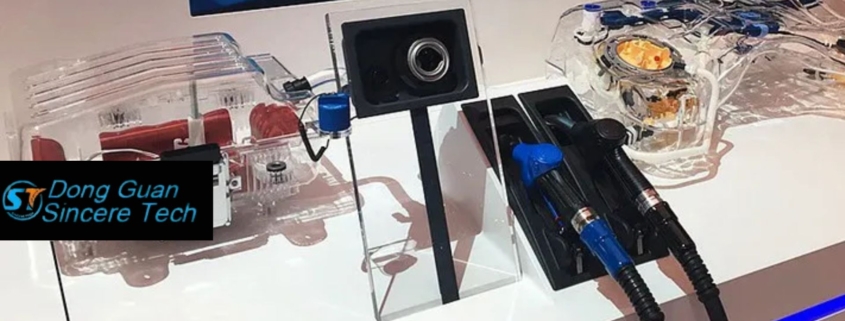
El moldeo por inyección de acrílico puede definirse como una nueva tecnología de fabricación de productos de plástico de alta calidad. Esta técnica tiene una amplia aplicación en la industria del automóvil, el sector sanitario, los bienes de consumo y la electrónica. Es especialmente conocida por fabricar productos transparentes, resistentes y atractivos.
China es una parte importante del negocio del moldeo de acrílico. China cuenta con grandes cantidades de fábricas que fabrican moldes y piezas de acrílico de alta calidad. Ofrecen una producción rentable, fiable y escalable a los mercados internacionales.
Este artículo trata del proceso de moldeo por inyección, los tipos de moldes, las aplicaciones y las mejores prácticas en el moldeo por inyección de acrílico.
¿Qué es el moldeo por inyección de acrílico?
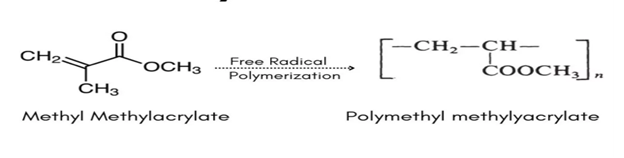
Moldeo por inyección de acrílico es una técnica de producción aeronáutica en la que se calienta plástico acrílico hasta que se funde y luego se inyecta en un molde. El plástico se cura y se solidifica en una forma determinada. El proceso es muy útil en la producción a gran escala de piezas complejas y consistentes.
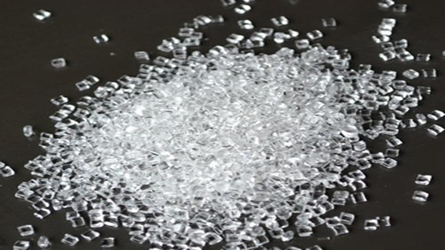
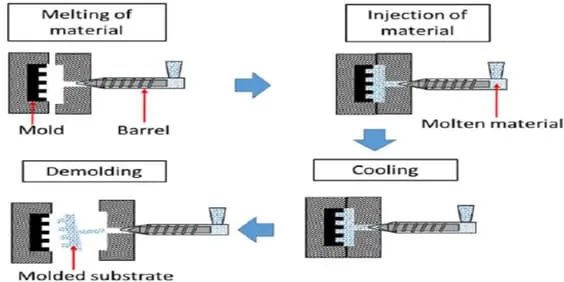
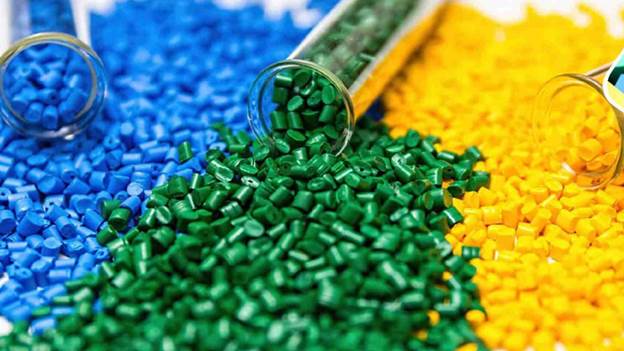
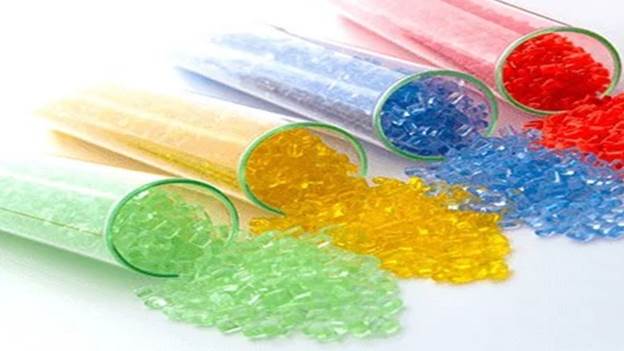
Los gránulos acrílicos son pequeños y se utilizan como materia prima. Se vierten en un barril calentado hasta que se funden. A continuación, el acrílico fundido se inyecta en moldes de alta presión con moldes acrílicos. Los moldes se enfrían y se abren, y se expulsa el producto acabado.
El proceso es rápido, preciso y económico, a diferencia de otros métodos de moldeo. Se adapta a industrias en las que se necesita cantidad de producción sin que ello afecte necesariamente a la calidad.
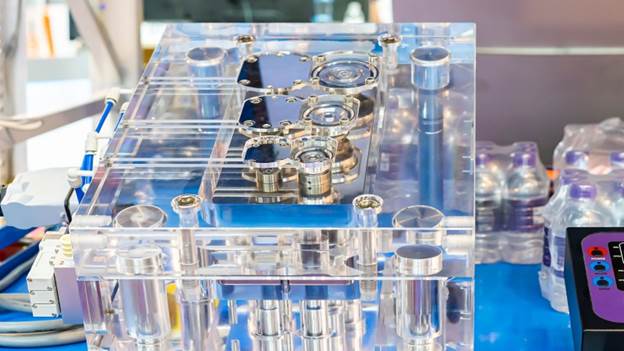
Ventajas del moldeo acrílico
Las ventajas del moldeo acrílico son numerosas.
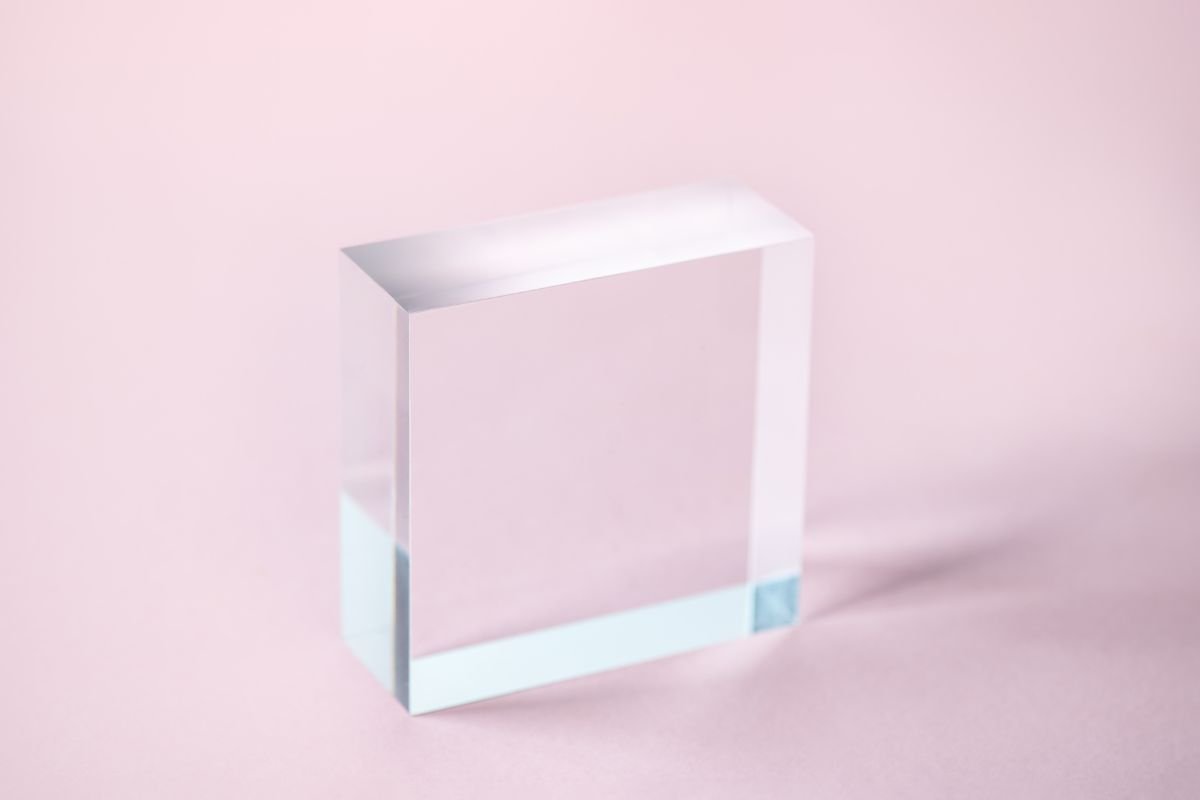
- Gran transparencia: Los productos acrílicos son muy transparentes. Se aplican con frecuencia en situaciones en las que es necesario ser visual.
- Durabilidad: El acrílico es duradero y resistente a los arañazos.
- Formas complejas: Es capaz de realizar diseños complejos, difíciles de hacer con otros plásticos.
- Rentable: Una vez creados los moldes, se pueden crear miles de piezas en poco tiempo, lo que abarata el proceso.
- Coherencia: Cada lote es igual al anterior, y la calidad está garantizada en grandes cantidades.
El moldeo acrílico es rápido y preciso, por lo que es una buena opción cuando se espera calidad y rapidez en las industrias.
Se descubrió el moldeo por inyección de acrílico
A mediados del siglo XX, los fabricantes empezaron a desarrollar el proceso de moldeo por inyección de acrílico porque querían encontrar un método más rápido y preciso de dar forma al PMMA. Anteriormente, se utilizaba la fundición como proceso principal de moldeo de acrílico, que era un proceso lento y laborioso.
En las décadas de 1940 y 1950, ingenieros de Alemania y Estados Unidos inventaron máquinas que podían fundir gránulos acrílicos a temperaturas de 230-280 °C e inyectarlos en pequeños moldes acrílicos. Este invento permitió fabricar piezas intrincadas y de alta calidad con dimensiones uniformes.
Las técnicas de inyección de acrílico para producir lo que hoy se conoce como moldeado de acrílico transformaron industrias como la automovilística, la de dispositivos médicos y la de productos de consumo. El moldeo de plástico acrílico no sólo redujo el tiempo sino que también aumentó la eficiencia, pero también hizo piezas que tenían tolerancias estrechas (+-0,1 mm) y las que eran ópticamente claras (>90% transmisión de luz).
Tipos de moldes acrílicos
Existen varios tipos de moldes acrílicos; cada modelo se fabrica en función de la naturaleza de la producción requerida y de la complejidad del producto. La selección de un tipo adecuado garantiza resultados de alta calidad y eficiencia en el moldeo de acrílico.
Moldes de cavidad única
Los moldes de cavidad única se fabrican para hacer una sola pieza después de cada ciclo de inyección. Pueden utilizarse cuando la tirada de producción es pequeña o en proyectos prototípicos. Con los moldes de cavidad única, el proceso de moldeo por inyección de material acrílico se realiza utilizando el término considerado para no tener que lidiar con el problema de la forma incorrecta y las superficies imprecisas.
Moldes multicavidad
Los moldes multicavidad son capaces de fabricar muchos ejemplares en un solo ciclo. Esto los hace idóneos para la producción masiva. Los moldes multicavidad suelen moldearse con acrílico para lograr consistencia y minimizar el tiempo de producción.
Moldes familiares
En un solo ciclo, los moldes familiares generan algunas de las distintas piezas. Se trata de un tipo que resulta práctico para formular componentes que constituyen el conjunto de un producto. Los moldes familiares pueden utilizar el moldeo de plástico acrílico que permite fabricar varias piezas al mismo tiempo, lo que ahorra tiempo y costes.
Moldes de canal caliente
Los moldes de canal caliente permiten mantener el plástico en canales para minimizar el desperdicio y mejorar la eficacia. Los sistemas de canal caliente utilizan moldes acrílicos que se adaptan a productos de alta precisión con superficies lisas y menos defectos.
Moldes de canal frío
Los moldes de canal frío emplean canales que se enfrían junto con la pieza que se está moldeando. Son menos costosos y más fáciles de producir. Muchos fabricantes pequeños y medianos prefieren utilizar el moldeo acrílico mediante moldes de canal frío para realizar su producción de forma barata.
La elección del tipo adecuado de los llamados moldes acrílicos viene determinada por el volumen de producción, el diseño del producto y el presupuesto. La selección correcta de los moldes conduce a un mejor rendimiento de moldeo por inyección de acrílico y productos acabados de alta calidad.
Las técnicas del moldeo de plástico acrílico
El moldeo de plástico acrílico es el proceso de utilizar varios métodos para convertir sustancias acrílicas en artículos útiles y atractivos. Ambos métodos tienen puntos fuertes, que vienen determinados por el diseño, el volumen de producción y las necesidades del producto.
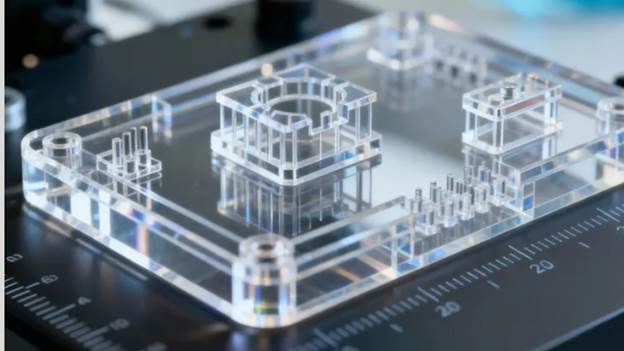
Moldeo por inyección
El más popular, que se llama moldeo por inyección de acrílico, consiste en calentar subunidades de acrílico, llamadas pastillas de acrílico, hasta que se funden, y su inyección en moldes de acrílico. Al enfriarse, el plástico se solidifica en la forma deseada. Es el mejor método para fabricar un producto de alta precisión en cantidades masivas.
Moldeo por compresión
Las láminas acrílicas se colocan en un molde caliente y se prensan para darles forma en el moldeo por compresión. Esta técnica puede aplicarse a secciones más gruesas y diseños lisos. El moldeo por compresión del acrílico se utiliza para que su grosor y resistencia sean uniformes.
Extrusión
Los perfiles largos y continuos se fabrican mediante extrusión, en la que el acrílico fundido se introduce a la fuerza en una matriz moldeada. Por extrusión, el moldeado acrílico se utiliza en artículos como tubos, varillas y láminas. También en secciones transversales y superficies.
Termoformado
La técnica del termoformado calienta las láminas acrílicas hasta que se vuelven flexibles y les da forma sobre un molde con el vacío o la presión. El método funciona bien con productos enormes o no enormes. El termoformado es una técnica de fabricación de volúmenes bajos a medios de moldes de plástico acrílico a un coste razonablemente bajo.
Moldeo rotacional
El moldeo rotacional también se utiliza con acrílico, pero el molde se gira durante el calentamiento para recubrir uniformemente el interior del molde. Las formas con huecos pueden hacerse eficazmente con esta técnica. En los moldes rotacionales, existe la flexibilidad de moldear el acrílico para adaptarlo a algunos diseños.
Proceso de moldeo del acrílico
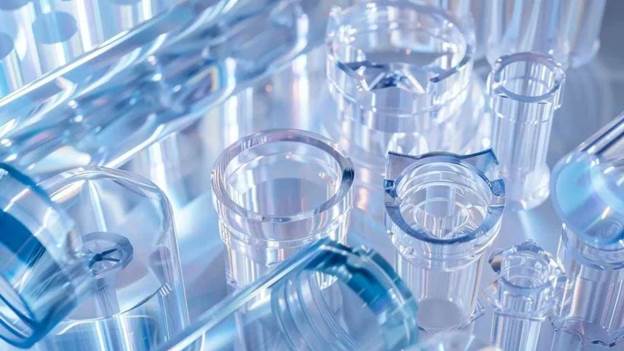
El moldeo de acrílico es un proceso importante y técnico mediante el cual el material acrílico en bruto se transforma en piezas acabadas de alta calidad. El procedimiento viene con varios procesos, y cada proceso implica un control preciso de la temperatura, la presión y el tiempo para proporcionar el resultado óptimo en el proceso de moldeo de acrílico.
Preparación del material
La reacción comienza con gránulos acrílicos de alta calidad, que pueden ser de distintos tamaños (normalmente de 2 a 5 mm de diámetro). El contenido de humedad de los pellets debe ser inferior a 0,2, y cualquier humedad adicional puede provocar burbujas en el proceso de moldeo. Los gránulos se secan normalmente en un secador de tolva a 80-90 grados C en no menos de 2-4 horas antes de su uso.
Fusión e inyección
Los gránulos secos se introducen en el barril de la máquina de moldeo por inyección. La temperatura del barril se mantiene entre 230 y 280 °C, dependiendo del grado de acrílico utilizado. Los gránulos se funden mediante el mecanismo de tornillo para formar una mezcla acrílica homogénea en estado fundido.
Una vez fundido, el acrílico se inyecta a alta presión -normalmente 70-120 MPa- en moldes acrílicos. El tiempo de inyección depende del tamaño de la pieza; las piezas pequeñas y medianas tardan entre 5 y 20 segundos.
Refrigeración
Tras la inyección, se coloca un molde presurizado mientras el acrílico se enfría y se solidifica. El tiempo de enfriamiento varía en función del grosor de las piezas:
- 1-2 mm de grosor: 15-20 segundos
- 3-5 mm de grosor: 25-40 segundos
- Espesor superior a 5 mm: 45-60 segundos
La refrigeración es necesaria para eliminar alabeos, contracciones o defectos superficiales. Los moldes establecidos también pueden hacer uso de tuberías de agua o refrigeración por aceite para mantener las temperaturas en las especificaciones requeridas.
Apertura y expulsión de moldes
El molde se abre una vez que se ha enfriado, y la pieza se expulsa con expulsores mecánicos o hidráulicos. Hay que tener en cuenta que la fuerza de expulsión debe limitarse para que no dañe la superficie ni la deforme.
Tratamiento posterior
La pieza también puede someterse a procedimientos de acabado como el recorte o el pulido de la pieza después de la expulsión, o el recocido. El envejecimiento a temperaturas de 80-100 grados C 1-2 horas de envejecimiento ayuda a eliminar las tensiones internas y a mejorar la claridad y la resistencia.
Inspección de calidad
Los componentes individuales se comprueban para detectar defectos como burbujas de aire, alabeos y dimensiones. Se utilizan calibradores o se realiza un escaneado láser, y se permite una tolerancia de + 0,1 mm cuando se trata de componentes de alta precisión. La aplicación del moldeo de plástico acrílico, que es de buena calidad, ha garantizado que todos sus productos sean estándar en la industria.
Resumen de los parámetros del proceso:
| Paso | Parámetro | Valor |
| Secado | Temperatura | 80-90°C |
| Secado | Duración | 2-4 horas |
| Temperatura del barril | Fundir acrílico | 230-280°C |
| Presión de inyección | 70-120 MPa | |
| Tiempo de enfriamiento | 1-2 mm de grosor | 15-20 segundos |
| Tiempo de enfriamiento | 3-5 mm de grosor | 25-40 segundos |
| Tiempo de enfriamiento | >5 mm de grosor | 45-60 segundos |
| Recocido | Temperatura | 80-100°C |
| Recocido | Duración | 1-2 horas |
| Tolerancia dimensional | ±0,1 mm |
El moldeo de acrílico con las siguientes características tecnológicas garantiza la calidad, precisión y eficacia de cada producto. El proceso de moldeo por inyección de acrílico puede utilizarse para fabricar componentes claros, duraderos y de dimensiones precisas mediante el uso de condiciones optimizadas, que garantizan la producción constante de los componentes.
Usos del moldeo por inyección de acrílico
El moldeo por inyección de acrílico se aplica mucho en sectores en los que se requiere precisión, claridad y longevidad.
Industria del automóvil
Los faros traseros, salpicaderos y embellecedores se fabrican a partir de moldes acrílicos. Las piezas suelen tener un grosor de entre 1,5 y 5 mm, y una temperatura de entre -40 °C y 80 °C. La claridad y longevidad están garantizadas gracias al acrílico de moldeo.
Asistencia sanitaria y equipos médicos.
Los equipos de laboratorio, las cubiertas de instrumentos y los escudos protectores se fabrican mediante el proceso de moldeo de plástico acrílico. Se necesitan piezas con tolerancias de +-0,1 mm y que puedan esterilizarse. El moldeo por inyección de acrílico garantiza superficies lisas y correctas.
Electrónica de consumo
Las cubiertas de smartphones, carcasas de LED y pantallas protectoras se moldean con acrílico. La pieza debe tener un brillo en la superficie superior a 90% y unas dimensiones precisas.
Anfetamina, metanfetamina y anfetaminas en productos domésticos y de decoración.
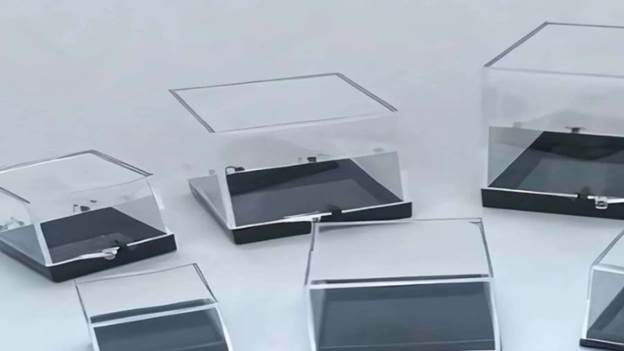
Productos como envases de cosméticos, vitrinas y paneles se fabrican con la ayuda del llamado moldeo de plástico acrílico. El grosor medio varía entre 2 y 8 mm, lo que proporciona acabados uniformes con acabados lisos, transparentes y coloridos.
Componentes eléctricos, iluminación y óptica.
El moldeo por inyección de acrílico se utiliza en la claridad de lentes LED, difusores de luz y señalización. Las piezas consiguen una transmisión de la luz superior a 90% en ángulos y grosores específicos.
Equipamiento industrial
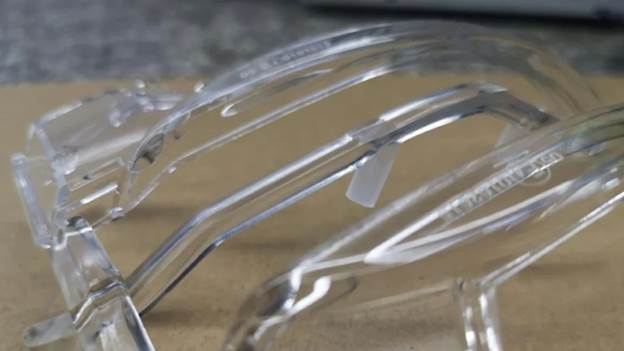
Se utilizan protectores de máquinas, paneles de instrumentos y contenedores transparentes, que se basan en el moldeado acrílico. Los componentes requieren una resistencia al impacto de 15-20 kJ/m2 y ser transparentes.
Aplicaciones típicas
Este Marco se aplica en situaciones en las que el gobierno controla todas las características principales de los servicios sanitarios, como la calidad, el coste y la accesibilidad, así como la cantidad de servicios prestados.
Industria
- Ejemplos de productos
- Especificaciones
- Automoción
- Luces traseras, salpicaderos
- espesor 1,5-5 mm, Temp 40 °C a 80 °C
Sanidad
- Gradillas para tubos de ensayo
- Tolerancia -0,1 mm, resistente a la esterilización.
Electrónica
- Cubiertas, carcasas
- Brillo superficial 90, estabilidad dimensional.
Bienes de consumo
- Envases que contienen cosméticos, cajas de exposición.
- Espesor 2-8 mm, acabado liso
- Iluminación
- Lentes LED, difusores
- Transmisión de la luz superior a 90, geometría precisa.
- Industrial
- Protectores, contenedores
- Resistencia al impacto 15-20 kJ/m 2, transparente.
Control de calidad del moldeo acrílico
En el moldeo acrílico, la calidad es esencial para tener piezas a la altura. Algunos pequeños defectos pueden repercutir en el rendimiento y el aspecto.
Inspección de piezas
Todos los componentes se inspeccionan para detectar burbujas de aire, dobleces y arañazos en la superficie. Se utilizan calibradores o escáneres láser para medir de forma que la tolerancia no se supere en +-0,1 mm. El proceso de moldeo por inyección de acrílico depende de comprobaciones periódicas para garantizar la alta calidad del producto final.
Mantenimiento del moho
Se evitan defectos y se alarga la vida del molde asegurando su limpieza e inspección periódicas. Los moldes viejos pueden dar lugar a imprecisiones en las dimensiones o superficies irregulares.
Supervisión de procesos
La temperatura, la presión y los tiempos de enfriamiento se comprueban continuamente durante el proceso de moldeo del acrílico. La temperatura media del barril es de 230-280°C y la presión de inyección oscila entre 70 y 120 Mpa, para evitar errores.
Pruebas finales
Los componentes completos se someten a pruebas funcionales y visuales. Por ejemplo, los componentes ópticos deben inspeccionarse en cuanto a transferencia de luz (más del 90%) y las piezas estructurales en cuanto a resistencia al impacto (15-20 kJ/m2).
Esto puede lograrse controlando rigurosamente la calidad del producto final para generar piezas individuales de moldeo de plástico acrílico fiables, precisas y estéticamente impecables.
Selección de la alianza adecuada para el moldeo por inyección de acrílico
Cuando se trata de una producción de alta calidad, la elección correcta del fabricante del moldeado por inyección de acrílico es crucial.
Experiencia y conocimientos
Busque socios que tengan experiencia en moldeo acrílico y moldeado acrílico. Los ingenieros con experiencia podrían maximizar el diseño del molde, la inyección y el acabado según las especificaciones.
Equipamiento y tecnología
Las innovadoras máquinas que regulan la temperatura (230-280 °C) y la presión de inyección (70-120 Mpa) son muy específicas para mejorar la consistencia del producto. Los errores y desperdicios se reducen al mínimo con la ayuda de moldes acrílicos de alta calidad y sistemas automatizados.
Garantía de calidad
Cuando se trata de un proveedor de confianza, éste incluye rigurosos controles de sus piezas, como comprobaciones de dimensiones (dentro de una tolerancia de -0,1 mm) y de superficie. Con un correcto control de calidad, se garantiza que los componentes del plástico acrílico serán transparentes, duraderos y sin defectos.
Comunicación y apoyo
Los buenos fabricantes interactúan durante el proceso de diseño y fabricación. Ayudan a optimizar los moldes, proponen materiales y optimizan el tiempo de ciclo de los materiales.
Sugerencias para moldear acrílico con éxito
Es aconsejable seguir las mejores prácticas en el moldeo de acrílico para tener piezas de alta calidad, precisas y duraderas.
Utilice material de alta calidad
Comience con gránulos de acrílico de tamaño 2-5 mm con un contenido de humedad inferior a 0,2. El secado a 80-90°C durante 2-4 horas ayuda a eliminar las burbujas y los defectos superficiales al moldear el acrílico.
Optimizar el diseño de moldes
Crea un diseño ventilado adecuado y diseña moldes acrílicos con canales de refrigeración y puntos de inyección apropiados. Minimiza el alabeo, la contracción y el tiempo de ciclo en el proceso de moldeo por inyección de acrílico.
Controlar los parámetros del proceso
Mantener la temperatura del barril a 230-280 °C y la presión de inyección a 70-120 Mpa. El tiempo de enfriamiento debe ser equivalente al espesor de la pieza:
- 1-2 mm - 15-20 seg
- 3-5 mm - 25-40 seg
- 5 mm - 45-60 seg
Inspección periódica
Compruebe las dimensiones de las piezas (error máximo en las dimensiones 0,1 mm), los puntos de luz y la claridad óptica (transmisión superior a 90%). La ventaja del moldeo de plástico acrílico reside en la capacidad de realizar inspecciones coherentes.
Mantener los moldes
Lave y limpie los moldes para evitar el desgaste y garantizar una producción fluida y uniforme. El acrílico moldeado aumenta la eficiencia y la calidad de las piezas.
Todos estos consejos darán al proceso de moldeo por inyección de acrílico unos componentes seguros, no menos atractivos y perfectamente correctos en todo momento.
Defectos generalizados y prevención
Pueden producirse defectos incluso en el caso de un moldeo por inyección de acrílico preciso. El conocimiento de las causas y las soluciones garantiza la calidad del moldeo de acrílico.
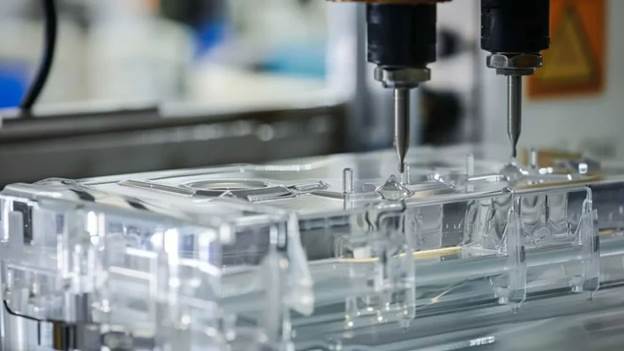
Burbujas de aire
El aire presente en los moldes acrílicos puede producir burbujas en la superficie.
Recomendación: Secado de NP acrílico con menos del 0,2 por ciento de humedad, correcta ventilación de los moldes y presión de inyección de 70-120 Mackey's.
Deformación
Se produce el alabeo, por el que las piezas no se enfrían por igual, por lo que se deforman.
Resolución: canales de refrigeración homogéneos, temperatura de la pieza y tiempo de enfriamiento de la pieza en función de su grosor (por ejemplo, 1-2 mm - 15-20 seg, 3-5 mm - 25-40 seg).
Marcas de fregadero
Las marcas de hundimiento se forman cuando las piezas gruesas se contraen durante el enfriamiento.
Solución: maximizar el grosor de la pared, la presión de empaquetado y las velocidades de enfriamiento adecuadas en el moldeo de acrílico.
Disparos cortos
Los disparos cortos se producen cuando el acrílico fundido no consigue llenar el molde.
Resolución: Aumente la presión en la prensa de inyección, elimine las obstrucciones en los moldes acrílicos y compruebe que la temperatura de la barrica es la correcta (230-280 °C).
Defectos superficiales
Las rugosidades o arañazos disminuyen la transparencia de los moldes de plástico acrílico.
Remedio: Pula los moldes, no utilice demasiada fuerza de expulsión y mantenga limpias las zonas de procesamiento.
Perspectivas del moldeo por inyección de acrílico
La tecnología, la eficiencia y la sostenibilidad son el futuro del moldeo por inyección de acrílico.
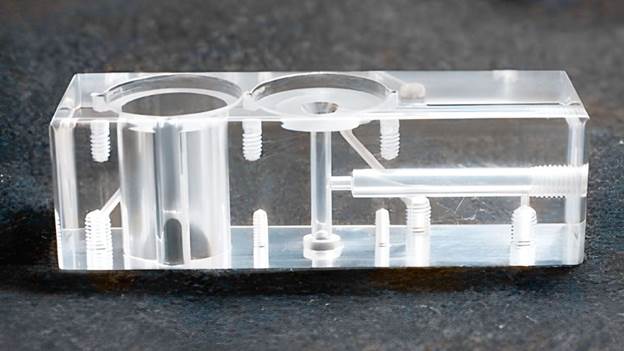
Automatización avanzada
El moldeo de acrílico está cada vez más automatizado y robotizado. Las máquinas pueden controlar con precisión las temperaturas (230-280°C) y las presiones de inyección (70-120 Mpa). La automatización de la producción de acrílico por moldeo reduce los errores humanos y mejora los tiempos de ciclo.
Impresión 3D y creación de prototipos
Los moldes del prototipo acrílico se consiguen mediante impresión 3D en un plazo limitado. Esto permite a los ingenieros llevar a cabo la experimentación con los diseños y la optimización de los moldes antes de que la producción se realice en su totalidad. El moldeo de plástico acrílico es más rápido y barato gracias a la rápida creación de prototipos.
Materiales sostenibles
Se está convirtiendo en norma reciclar los residuos acrílicos y desarrollar materiales respetuosos con el medio ambiente. Los gránulos reciclados en la fabricación de productos acrílicos mediante el proceso de moldeo por inyección tendrán un menor impacto medioambiental, aunque no repercutirán en la calidad del producto.
Mejora de la calidad del producto
En el futuro, aumentará la claridad óptica (>90% de transmisión de luz), el acabado superficial y los controles dimensionales (+-0,1 mm) en lo que se denomina moldeo acrílico. Esto refuerza los productos, haciéndolos más claros y precisos.
Crecimiento del sector
Con la creciente necesidad de productos duraderos, ligeros y transparentes, el mercado se ampliará en las actividades de moldeo de acrílico en los sectores de automoción, medicina, electrónica y bienes de consumo.
Gracias a la adopción de tecnología y sostenibilidad, el moldeo por inyección de acrílico seguirá siendo uno de los procesos de fabricación utilizados en la producción eficiente y de alta calidad.
Sincere Tech: Su proveedor de confianza de moldeo por inyección de acrílico.
Sincere Tech (Plas.co) ofrece servicios de moldeo de plástico de precisión y acrílico moldeo por inyección, de confianza. Disponemos de piezas resistentes, precisas y atractivas, garantizadas por nuestra alta tecnología y mano de obra cualificada. Nos ocupamos de moldes acrílicos a medida y soluciones que hacemos de acuerdo a sus especificaciones de diseño.
Soluciones sanas y fiables.
Realizamos desde el diseño de prototipos y productos hasta la producción a gran escala. Usted estará manejando piezas de alta calidad, duraderos y fiables en nuestras manos con nuestra experiencia en el moldeo de acrílico y acrílico de moldeo.
¿Razón para elegir Sincere Tech (Plas.co)?
Puede ver ejemplos de nuestro trabajo en https://plas.co. Si busca lo mejor en términos de calidad, precisión y buen servicio, entonces Sincere Tech (Plas.co) es su socio cuando busque lo mejor en soluciones de moldeo.
Conclusión
El moldeo de acrílico y el moldeo por inyección de acrílico son procesos esenciales en la producción actual. Proporcionan productos de calidad, duraderos y a la moda que pueden utilizarse en la mayoría de las industrias. Es eficiente y fiable, empezando por el diseño de moldes acrílicos, hasta la creación de las piezas consistentes.
Cuando los fabricantes se adhieren a las mejores prácticas y seleccionan al socio adecuado, se pueden fabricar productos de alta calidad con la ayuda del uso de acrílico de moldeo. La mayor maduración de la tecnología significa que el moldeo por inyección de acrílico será uno de los más importantes en el desarrollo de productos innovadores, precisos y estéticos.