PLAS.CO
  • Inicio
  • Quiénes somos
  • Galería
    • Moldes de automoción
    • Aplicaciones domésticas
    • Piezas médicas
  • Lista de máquinas
  • Ingeniería
    • Diseño de moldes
    • Gestión de proyectos
  • Calidad
  • Noticias
  • Póngase en contacto con nosotros
  • Haga clic para abrir el campo de búsqueda Haga clic para abrir el campo de búsqueda Buscar en
  • Menú Menú
Plástico moldeado por inyección, moldeo por inyección

Plásticos para moldeo por inyección: guía completa sobre materiales, procesos y aplicaciones industriales

Plásticos para moldeo por inyección: guía completa sobre materiales, procesos y aplicaciones industriales

Plastics for injection molding is one of the most significant materials used in today’s manufacturing process. These are used to manufacture thousands of products consumed on a daily basis in a quick and economical manner. This process can be found in household items, car parts, and so on.

Demand for plastics for injection molding has been steadily increasing due to the requirement for industries to have a strong, lightweight and cheap material. These plastics are formulated to flow readily to form molds accurately.

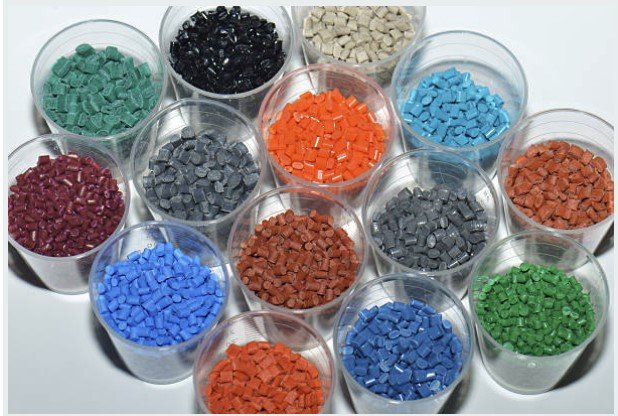
For manufacturing, plastic pellets for injection molding may serve as a starting point of the manufacturing process. The small-sized raw materials are in a molten state and are formed into finished products.

Another important form is plastic resin for injection molding which offers strength, flexibility and durability according to the requirements of the products.

Another reason for the use of common plastics for injection molding is that they are easy to process and readily available.

In sum, plastics for injection molding have a significant impact on the contemporary industrial world.

Basic Injection Molding Knowledge

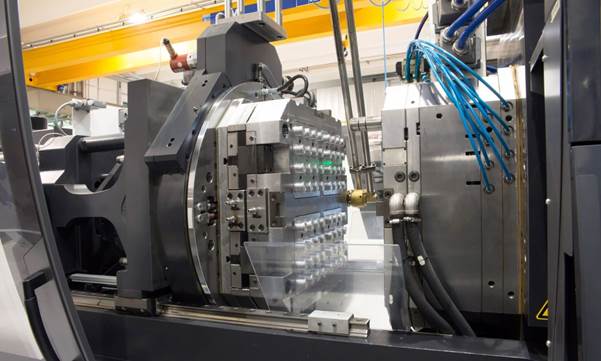
In injection molding, plastic is heated until it turns into a fluid, and it is injected into a mold. When the shape cools it turns into a solid.

Machines can be used to manufacture thousands of identical parts in a very short time in a factory. This results in rapid and efficient production.

Most of the time, plastic pellets for injection molding are utilized in the machines to begin the process. Such pellets melt consistently when heated.

Production is dependent on material quality. Quality plastic resin for injection molding makes for a smoother flow and strength of the product.

Various materials are selected for different industries, based on the products they make.

Those that can be mass-produced in a uniform manner are preferred, and that is why plastics for injection molding are used.

Materials used in injection molding

There are numerous thermoplastics used for injection molding. These materials can be heated, melted and re-formed many times.

The most common raw form is pellets. One of the other popular types is resin.

The plastic pellets for injection molding are tiny, uniform particles which are easily shipped and stored. They are evenly melted in machines.

 plastic resin for injection molding is a term that is used to enhance the strength and flexibility of the products that are used at the end.

Also, common plastics for injection molding are used by manufacturers, as they are cheap and can be utilized in lots of applications.

These materials are combined to produce plastic manufacturing industries.

The plastics for injection molding are chosen according to the specific demands of durability, heat resistance, and flexibility that are required for the application.

What is plastic pellets for injection molding?

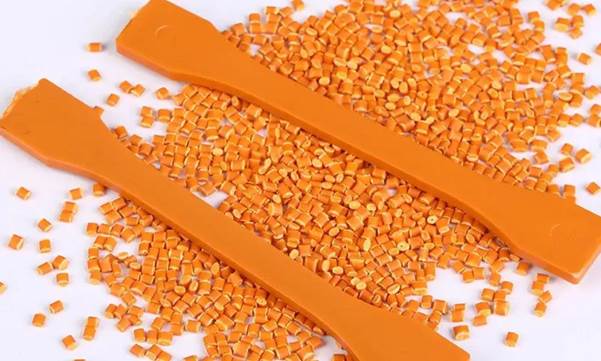
The most basic raw material used in production is plastic pellets for injection molding. Small, easy to handle and round.

These pellets are then fed into injection machines at factories. The machine brings them up to temperature until they are melted into a liquid state.

Liquid plastic is next poured into moulds to form various shapes.

Because of the certainty of quality in mass production, plastic pellets for injection molding are very popular.

They also can be stored for a long time without harm.

The pellets are of various types, for various industries, for strong industrial parts or for soft consumer goods.

Manufacturers test plastic pellets for injection molding thoroughly before they can be used to prevent imperfections during manufacturing.

These pellets are vital to any large-scale plastic manufacturing systems.

To understand plastic resin for injection molding

To understand plastic resin for injection molding

 plastic resin for injection molding is one of the key materials which is used to enhance the quality and performance of the products.

Resin is frequently provided in a solid form which will soften upon heating. Then it is formed in molds.

The type of the resin used is a crucial factor in the strength and flexibility of the final product.

The choice of plastic resin for injection molding will depend on the temperature resistance and durability requirements of the injection-molded product.

Many industrial applications are associated with it and it is much used for high performance materials.

Some resins can be flexible, others can be hard and tough.

 Plastic resin for injection molding is preferred by the factories as it minimizes defect and enhances the quality of production.

It also supports the smoothness of the flow in the injection process.

Common Types of Plastics Used

Common Types of Plastics Used

There are a number of familiar plastic materials that are utilized in injection molding. Each type has its own name and can be selected according to the requirements of strength, flexibility or heat resistance of the product.

Polietileno (PE)

Polyethylene is a material that is used in the manufacture of many products. It is lightweight, flexible and waterproof. Commonly used for packaging, bottles and containers. Polyethylene is one of the common plastics for injection molding because it costs little and is easy to work with.

Polipropileno (PP)

Polypropylene is a material which is strong, lightweight, heat resistant and chemical resistant. It is used in many food containers, medical apparatuses, and automobile parts. Is one of the most favored plastics for injection molding thanks to its combination of strength and flexibility.

Acrylonitrile Butadiene Styrene (ABS)

ABS is a tough, impact resistant plastic. Applications include toys, electronic enclosures and automotive components. It is commonly chosen as a plastic resin for injection molding when durability and toughness is needed

Poliestireno (PS)

Polystyrene is a cheap and rigid plastic. Easy to mold and used in disposable cups, packaging, simple containers. It is included in many common plastics for injection molding parts because it is so cheap.

Cloruro de polivinilo (PVC)

PVC, a hard yet tough, flexible or hard plastic. Used in pipes, fittings and cables. It is broadly used in the plastics for injection mold construction and industrial field.

Policarbonato (PC)

Polycarbonate is a high-performance plastic, which is transparent and has high impact resistance. It is applied to safety products, lenses and electronic components. Frequently, it is used as a plastic resin for injection molding of premium quality.

Nylon (Poliamida, PA)

Nylon is strong, wear resistant and has a good heat stability. Applied in mechanical parts, gears and industrial components. It is generally applied for the plastics for injection molding advanced applications.

Table 1: High-Impact Plastics for Injection Molding (Most Used Materials)

This table shows the most important plastics used in global injection molding industries. It is optimized for keywords like plastics for injection molding and common plastics for injection molding.

Tipo de plásticoKey PropertiesIndustrial ImportanceMain Uses
Polipropileno (PP)Lightweight, heat resistant, chemical resistantOne of the most widely used plastics worldwideAutomotive parts, packaging, medical tools
Polietileno (PE)Flexible, moisture resistant, low costHigh-volume production plastic across industriesBottles, films, containers, packaging
Acrylonitrile Butadiene Styrene (ABS)Strong, impact resistant, durableCommon engineering plastic for strong componentsElectronics housings, toys, automotive parts

The injection molding process

The injection molding process

Simple, yet extremely accurate injection molding process.

The first step is to put the raw materials into the machine. Typically, this step is performed by using plastic pellets for injection molding.

At this point, the pellets are again heated until they become a thick liquid.

Under high pressure the liquid plastic is then injected into a mold.

The mold is cooled and the finished product is ejected.

 plastic resin for injection moulding has different quality levels, which affect the smoothness of the flow in this process.

The fewer the defects, the better the surface finish is provided by good material.

 The plastics for injection molding allow to achieve complex shapes in a short time, and with efficiency.

Applications in Industries

Therefore, injection molding is widely used and is fast, reliable, and cost-efficient for various industries. It is used to allow manufacturers to manufacture large numbers of identical plastic components and maintain a uniform quality.

  • In the automotive industry: plastics for injection molding are utilized to produce interior parts, panels, and dashboards that are tough and resilient. These materials are capable of enhancing the performance of vehicles at a low production cost.
  • In the medical industry: precision and safety are very important. Syringes, surgical instruments, containers and other products are manufactured with plastic resin for injection molding, which guarantees hygiene and reliability.
  • Consumer goods: Everyday items like bottles, storage boxes, and toys can often be shaped using plastic pellets for injection molding because they can be shaped smoothly and produced in a short amount of time.
  • In electronics: common plastics for injection molding are used for manufacturing protective casings, switches, and device housings for their combination of strength and cost.

In summary, plastics for injection molding play a crucial role in the production of a vast array of items, catering to the needs of virtually every major industry through their flexibility and production efficiency.

Table 2: Injection Molding Plastics by Industry Applications

This table is designed for SEO traffic targeting industrial and commercial searches like plastic resin for injection molding and material applications.

Tipo de plásticoIndustria del automóvilIndustria médicaProductos de consumoIndustria electrónica
Polipropileno (PP)Interior trims, dashboardsSyringes, medical containersStorage boxes, kitchen itemsBattery cases
Polietileno (PE)Fuel tanks, linersMedical bottles, packagingBags, films, packaging itemsCable insulation
ABSCar panels, interior partsDevice housingsToys, home appliancesPhone and laptop shells

Control of quality in manufacturing

Control of quality in manufacturing

Quality control is crucial in an injection moulding manufacturing process.

Careful testing of raw materials before use is carried out in factories.

The plastic pellets for injection molding are tested for size, purity and consistency.

The flow rate and strength of plastic resin for injection molding is tested.

The common plastics for injection molding are tested for uniformity in quality.

Materials, if not good, may cause defects such as bubbles or cracks in the products.

Good quality plastics for injection molding ensure smooth production and fewer errors.

Injection Molding Materials’ Benefits

The injection molding process has numerous benefits for manufacturers.

  • It facilitates quick manufacture of huge numbers.
  • Lowers the average cost of production.
  • It makes long-lasting, sturdy products.

As a result of the efficient mass production which they support, plastics for injection molding are largely used.

  • They are also adaptable and can be used in a variety of industries.
  • In order to keep manufacturing consistency, there are plastic pellets for injection molding.
  •  plastic resin for injection molding enhances the product’s quality and durability.

As mentioned above, common plastics for injection molding is a practice that makes it easy to lower the cost and scale up production.

Injection molding challenges

  • Although injection molding is an efficient process, it has its problems.
  • Product Quality can be impacted by material defects.
  • Weak structures may result from improper heating.
  • With poor quality plastic pellets for injection molding, there can be uneven melting.
  • Surface defects can be caused by low-grade plastic resin for injection molding .
  • If the wrong common plastics for injection molding are used, it may affect the performance of the product.

Temperature and pressure are important factors for manufacturers to carefully control, as they could create problems if not.

Even in the face of difficulties, plastics for injection molding still are the most reliable means of mass production.

Sustainability and Recycling

Control of quality in manufacturing

Environmental protection is increasingly gaining significance in manufacturing.

Today, there are numerous businesses that recycle plastic materials.

The term common plastics for injection molding can be recycled after processing in many situations.

Using recycled materials helps to decrease waste and pollution.

Development of Eco-friendly plastics for injection molding is being promoted for sustainable production.

There are also better plastic resin for injection molding industries which help to reduce environmental impact.

Recycling helps save energy and raw materials.

El futuro del moldeo por inyección

  • Injection molding technologies are advanced and look like a bright future.
  • New technology making things faster and more accurate.
  • The use of smart systems in factories to achieve better production control.
  • More precise new plastic pellets for injection molding are being developed.
  • Also, a stronger plastic resin for injection molding is being developed for industrial applications.
  •  plastics for injection molding will continue to play a major role in global manufacturing.
  •  common plastics for injection molding will continue to play an important role in high-quality and inexpensive production.
  • This will be even more efficient with automation and AI.

Conclusión

Injection molding is one of the most important technologies in modern production, which can help to realize the quick production, low error and mass production. It assists in the production of strong and cost-effective plastic products for the use of daily life inside the industries.

 plastics for injection molding are the foundation of this whole process, and enable mass production in various industries. The term plastic pellets for injection molding guarantees that the material will be processed smoothly and produce high-quality injection molded products in the factory. Meanwhile, plastic resin for injection molding is crucial to enhancing strength, durability and quality of final products.

Furthermore, common plastics for injection molding offer adaptable and affordable options to satisfy a variety of applications, varying from home items to industrial components.

In conclusion, plastics for injection molding will continue to play a crucial role in the future of various industries, driven by ongoing advancement in technologies that enhance efficiency, sustainability, and product quality.

FAQ

What are plastics for injection molding?

Molding plastics can be either melted, molded and cooled into various products using injection molding machines, which are called plastics for injection molding. Because they are efficient and cost-effective, these plastics are utilized in medical, automotive, packaging and electronics applications.

The term plastic pellets for injection molding refers to what?

 plastic pellets for injection molding are small plastic pellets that serve as raw materials for injection molding machines. These are poured into a mold and hardened to make a final product. These pellets have the advantage of uniform melting and product quality.

What is the definition of plastic resin for injection molding?

Base material which is used to manufacture molded plastic products is plastic resin for injection molding. Depending on the type of resin, it offers strength, durability and flexibility. Specific Resins are chosen by various industries depending on the performances that are needed.

What are the reasons for the use of plastics for injection molding in the industries?

Because of the ability of fast production, low manufacturing cost and high precision, plastics for injection molding are widely used. As well, they can be recycled and reused, making them suitable for large-scale industrial applications.

What is the difference between plastic pellets and plastic resin?

 plastic pellets for injection molding is the physical raw material of the plastic used in machines, and plastic resin for injection molding is the type of base material used, it determines the strength, flexibility and performance of the final product.

Can injection molding plastics be recycled?

Yes, there are many plastics for injection molding which can be recycled. Common materials that are reused in manufacturing to minimize waste and promote sustainable production are polypropylene and polyethylene.

2026年6月6日/0 Comentarios/por Autor del artículo
https://plas.co/wp-content/uploads/2026/06/dgdf.webp 300 600 Autor del artículo http://plas.co/wp-content/uploads/2023/02/plas-co-1.jpg Autor del artículo2026-06-06 00:28:162026-06-06 00:28:20Plásticos para moldeo por inyección: guía completa sobre materiales, procesos y aplicaciones industriales
Plástico moldeado por inyección, moldeo por inyección, la empresa de molduras

Empresas de moldeo por inyección cerca de mí: Guía completa para elegir el socio de fabricación adecuado

Empresas de moldeo por inyección cerca de mí: Guía completa para elegir el socio de fabricación adecuado

For companies that require quality plastic products, it is crucial to find a reliable injection molding companies near me. Injection molding is one of the most common and widely used manufacturing processes, and it can produce plastic parts that are accurate, strong and inexpensive on a large scale. Many industries rely on professional molding services for their everyday production needs, such as automotive parts, medical devices, and more.

What companies need these days is speedy production, quality product and lower manufacturing cost. This is why many businesses look for plastic injection molding companies near me so they can locate qualified plastic manufacturers that can fulfill the needs of their production. A good injection molding company can support the product design, tooling, material selection, test and final production of the product.

In addition, many manufacturers can supply the prototype development and custom molds. In order to choose the most suitable partner to work with, business will compare a number of mold injection companies near me. Production capacity, material quality, prices, delivery time are among key factors that are decisive.

These professional injection mold companies near me employ cutting-edge machinery and innovative techniques for creating accurate plastic parts. These companies use various thermoplastic materials, and provide services for large and small batch production.

The demand for plastic mold injection companies near me keeps growing as the industries are looking for plastic products that are strong and light. To satisfy the demand in the market, manufacturers are now emphasizing on automation, quality control and efficient production systems.

From custom packaging to medical parts, automotive components or consumer products, dependable injection molding companies near me can deliver the manufacturing solutions you need.

Comprender el moldeo por inyección

Injection molding is a type of manufacturing process in which the melted plastic is injected into the mold cavity to produce plastic parts. The material then sets into the shape desired after cooling. This process is used extensively due to the high production speed, accuracy, repeatability, etc.

A lot of companies look for the term plastic injection molding companies near me since they require mass manufacturing of components at a reasonable price. The process can be used for complex designs, and the manufacturer can maintain consistent product quality.

Injection Molding Companies Near Me

Typical mold injection companies near me tend to utilize materials like ABS, polypropylene, nylon, polyethylene, and polycarbonate. Different mechanical properties are obtained from each material depending on the application.

Presently, ‘injection mold companies near me’ rely on computer-operated machinery to enhance the accuracy and minimize the waste. In addition, these companies conduct quality checks on the production to guarantee that each part is of acceptable quality.

The demand for plastic mold injection companies near me is on the rise as injection molding finds uses in various sectors such as electronics, healthcare, automotive, packaging, and household products.

Technical Table: Common Injection Molding Materials

MaterialMelt Temperature (°C)Resistencia a la tracción (MPa)Shrinkage Rate (%)Aplicaciones comunes
ABS220-26040-500.4-0.7Automotive parts
Polypropylene200–25025–401.0-2.5Productos de embalaje
Nylon240–29060-900.7–1.5Mechanical components
Polycarbonate260–32055–750.5-0.7Electronic housings
Polyethylene180-24020–351.5–3.0Containers and bottles

Perfil de la empresa

Sincere Tech (PlasticMold.net) is a Chinese professional plastic injection molding company. The company provides plastic mold manufacturing, plastic injection molding, plastic CNC machining, plastic die casting and plastic product assembly. It is used in the automotive, medical, electronics and consumer product industries.

Sincere Tech specializes in the production of high-quality products, delivery of products on time and providing cost-effective manufacturing solutions to all customers all over the world.

Por qué elegirnos

  • Over 20 years of experience.
  • Expendable, high quality plastic molds and parts.
  • Skilled engineering team
  • Advanced manufacturing machines
  • Quick production and delivery
  • Affordable pricing
  • Strong quality control
  • Professional customer support

How Injection Molding Companies Operate

Most injection molding companies near me adhere to a systematic manufacturing procedure to enhance the quality of the products and to ensure that the manufacturing is done efficiently. Typically, it starts with the product design and engineering analysis.

Once the design phase is complete, the engineers then make molds in steel or aluminum. Many of the plastic injection molding companies near me employ CNC machining and CAD software to create precision tooling.

How Injection Molding Companies Operate

When the mold is prepared, the plastic pellets are melted in the injection molding machine. The melted plastic is then pushed into the mold at high pressure.

The mold injection companies near me are experienced and pay attention to the temperature, pressure, and cooling time in the production process. This will help decrease defect and dimensional error.

Once cooled, the final product is thrown from the mold and quality checked. Quality injection mold companies near me will also provide other finishing work like painting, polishing, assembling or packaging.

Many plastic mold injection companies near me are today leveraging the use of automated robotic systems to enhance their productivity and minimize the manufacturing errors.

Benefits of Working with Injection Molding Companies

There are numerous benefits to hiring a professional in Injection molding companies near me. The greatest advantage is production efficiency. Injection molding enables the manufacturers to manufacture a lot of parts in a short span of time.

Another significant benefit of selecting ‘plastic injection molding companies near me’ is product consistency. Each molded part is manufactured to the same size and same material characteristics from the same material.

Additionally, mold injection companies near me is preferred by businesses as they can cut in all round manufacturing expenses. While it does require an initial investment to build the mold, it will yield very little cost per part during mass production.

Numerous injection mold companies near me offer engineering assistance and design optimization services. It assists companies to enhance the performance of their products and lower manufacturing problems.

A modern plastic mold injection companies near me can produce the lightweight but strong plastic products for various industrial applications.

Good injection molding companies near me also provide quick production times, enabling businesses to get products to market faster.

Industries That Use Injection Molding Services

There are numerous industries that use injection molding companies near me for their daily manufacturing needs. Almost all industrial fields adopt injection molding since plastic products have advantages of light weight, durability and low cost.

 Plastic injection molding companies near me are commonly used in the automotive industry to create dashboards, interior panels, automotive connectors, and other auto parts.

Medical manufacturers select the mold injection companies near me to manufacture syringes, surgical instruments, testing tools, and medical equipment.

Industries That Use Injection Molding Services

Electronic firms rely on injection mold companies near me for phone cases, computer components, connectors and electronic enclosures.

Besides, packaging manufacturers are also able to collaborate with the plastic mold injection companies near me to create storage products, packaging containers, trays, and caps for bottles.

Consumer product brands are frequenting their search for injection molding companies near me to produce toys, kitchen products, furniture parts and household products.

Choosing the Right Injection Molding Company

Choosing the best ‘injection molding companies near me’ needs an evaluation. The company’s experience, production capabilities and quality standards should be analyzed in the case of businesses.

Technical expertise is one of the key elements to consider when selecting plastic injection molding companies near me. Professional manufacturers can deal with the complicated style and creation requirements.

Also, companies should make a comparison between the companies in their area and machines they use mold injection companies near me. High-level equipment typically increases the quality and efficiency of production.

The reliable injection mold companies near me will communicate clearly with customers, offer engineering assistance and project management during the production process.

The choice of material is also a crucial factor. Professional plastic mold injection companies near me should have several thermoplastic choices to use according to the applications.

Another important consideration for businesses is to check out production lead time, certifications, pricing structure, and customer reviews before they choose injection molding companies near me.

Common plastic materials used in injection molding

A injection molding companies near me expert will work with different plastic materials as per the requirements of the products. The materials have a variety of properties, including flexibility and strength, resistance to temperature and chemicals, and more.

The companies that have been known as plastic injection molding companies near me use the ABS plastic because it has good impact resistance and surface finish.

Another popular material used by mold injection companies near me is polypropylene. It is chemical resistant, flexible and lightweight.

 Injection mold companies near me often choose nylon due to its strength and durability.

 plastic mold injection companies near me use polycarbonate materials which are very impact resistant and transparent.

Another important reason why the use of polyethylene has become popular in injection molding companies near me is that it is inexpensive to produce.

Advanced Technologies in Injection Molding

The modern injection molding companies near me employ advanced technologies to enhance the manufacturing process quality and efficiency. Automation is a key element of today’s manufacturing systems.

Part removal, assembly and packing are performed using robotic arms by many of the plastic injection molding companies near me. Automation is a way to save on labor expenses and production mistakes.

 mold injection companies near me are also establishing extensive utilization of computer-aided design software for product development and mold production.

The high precision CNC machining systems can produce the required complex geometries of the tool with accuracy, which is important for injection mold companies near me.

Some plastic mold injection companies near me also apply scientific molding methods for optimization of molding pressure, molding temperature and molding cooling condition.

The technologies aid in enhancing the consistency of the products, minimize production waste and help injection molding companies near me.

Technical Table: Injection Molding Machine Parameters

ParámetroTypical Range
Presión de inyección50–200 MPa
Temperatura del molde20–120 °C
Tiempo de enfriamiento10–60 sec
Duración del ciclo20–120 sec
Fuerza de sujeción50–5000 tons
Injection Speed50–500 mm/sec

Quality Control in Injection Molding

One of the most important areas in which professional injection molding companies near me can be employed is the quality control. Manufacturers need to make sure each part is correct according to customers’ specifications.

Many of the plastic injection molding companies near me conduct dimensional checks with coordinate measuring machines (CMMs) and digital testing equipment.

A trusted mold injection companies near me will also check out the production environment, including injection pressure, melt temperature and cooling rates.

The injection mold companies near me that are professionals tend to adhere to international quality standards like ISO certifications.

Another crucial process that is used by plastic mold injection companies near me is material testing. Manufacturers test for strength, flexibility, durability and chemical resistance.

Quality systems are crucial for injection molding companies near me to minimize defects and enhance satisfaction.

Cost Factors in Injection Molding

There are multiple factors that affect the price of working with the injection molding companies near me. One of the largest factors of production cost is mold complexity.

If the molds are large or very intricate, then more time will be needed for the plastic injection molding companies near me to do the machining. The type of materials also has an impact on the total manufacturing costs.

One of the most critical factors to consider when selecting mold injection companies near me is production volume. In general, higher production means that costs per part will be lower.

Other services offered by injection mold companies near me like painting, assembly, packaging, etc. could lead to an increment in the overall cost of the project.

Maintenance and production speed of the tools also affect the price of plastic mold injection companies near me.

Numerous businesses will search several different moldeo por inyección companies near me options to discover the top quality and budget.

Environmental Sustainability in Injection Molding

There are many modern injection molding companies near me that are turning their focus towards environmentally friendly manufacturing. The sustainability has become a key objective in the plastics industry.

Some plastic injection molding companies near me employ recycled plastic materials to cut down the environmental impacts.

Electricity usage is reduced by the use of energy-efficient machines, which are widely adopted by mold injection companies near me today.

Professional injection mold companies near me also minimize material waste by optimizing the mold design and manufacturing precision.

The recycling system of many plastic mold injection companies near me includes a system for the collection of plastic scraps produced in the manufacturing process.

By adopting sustainable manufacturing methods, injection molding companies near me can enhance their environmental performance and ensure the quality of their products.

Technical Table: Benefits of Injection Molding

BenefitDescripción
High Production SpeedSupports mass manufacturing
Excellent AccuracyProduces consistent dimensions
Low WasteEfficient material usage
Flexibilidad de diseñoSupports complex geometries
Strong DurabilityCreates high-strength plastic parts
Eficiencia de costesLow cost per unit during mass production

Future of Injection Molding Industry

The outlook for injection molding companies near me is pretty bright, as the demand for plastic products around the globe goes up.

 Plastic injection molding companies near me will benefit from automation and artificial intelligence in increasing production efficiency. The downtime and consistency in products will be reduced with smart manufacturing systems.

There are also numerous mold injection companies near me that are spending more money on new materials that are more durable and heat resistant.

Future of Injection Molding Industry

 The injection mold companies near me are using digital manufacturing technologies to streamline product development.

In the future, plastic mold injection companies near me could utilize increasingly eco-friendly plastics and energy-efficient manufacturing processes.

In the continuously evolving world of manufacturing, professional injection molding companies near me will continue to play a vital role in producing top-notch plastic parts.

Conclusión

The term injection molding companies near me is quite significant in the manufacturing world. They offer solutions that ensure efficient, accurate and economical manufacturing of plastic parts in the automotive, medical, electronics, packaging and consumer sectors.

When companies look for plastic injection molding companies near me, they should assess the production quality, material knowledge, technical assistance, and production capabilities of the manufacturers before choosing one.

Reliable mold injection companies near me can cut down on the cost of manufacturing, enhance the quality of goods and accelerate manufacturing schedules.

Today, leading companies offering injection mold companies near me also employ cutting-edge technologies, automation, and sustainable manufacturing methods in order to satisfy the increasing needs of the industry.

In an ever-changing industrial landscape, plastic mold injection companies near me will continue to play a crucial role in the manufacturing of plastic products, particularly for businesses that need consistent and reliable quality.

Working with injection molding companies near me with a proven track record can offer numerous manufacturing benefits, improved product quality and increased market competitiveness.

2026年5月20日/0 Comentarios/por Autor del artículo
https://plas.co/wp-content/uploads/2026/05/image-9.png 357 624 Autor del artículo http://plas.co/wp-content/uploads/2023/02/plas-co-1.jpg Autor del artículo2026-05-20 21:38:182026-05-20 21:43:08Empresas de moldeo por inyección cerca de mí: Guía completa para elegir el socio de fabricación adecuado
Plástico moldeado por inyección, moldeo por inyección

Molde de Inyección de Aluminio: Guía completa de costes, ventajas y aplicaciones

Molde de inyección de aluminio

El molde de inyección de aluminio es una pieza clave de la industria manufacturera actual por su rapidez, eficacia y asequibilidad. Con la necesidad de ciclos de producción más rápidos y flexibilidad de diseño, las industrias han descubierto la utilidad de los moldes de aluminio. Las piezas de plástico se crean inyectando el material plástico fundido en una cavidad hecha con precisión, y el material plástico adopta la forma de la cavidad mientras se enfría. Los moldes de aluminio tienen un plazo de entrega mucho más corto, son más fáciles de mecanizar y pesan bastante menos que los de acero. Es una gran opción para prototipos y series de producción bajas y medias. Es el método preferido por las empresas, ya que les ahorra tiempo en la construcción de su aplicación y garantiza que la rutina se desarrolle con alta calidad. Con la mejora de la tecnología, la aplicación de moldes de inyección de aluminio está aumentando rápidamente en diversas industrias, como la automovilística, la médica, la electrónica y la de bienes de consumo.

¿Qué es un molde de inyección de aluminio?

Un molde de inyección de aluminio es un molde que se utiliza para formar piezas de plástico. Está hecho de aluminio y no de acero. En él, el plástico se funde y luego se inyecta en una cavidad del molde. El material se enfría y luego reproduce la forma del molde. Una vez enfriado, se retira el producto final. Se produce en numerosas repeticiones en el proceso de producción. El mayor beneficio es que se enfría más rápido y produce más rápido que otros materiales, como el plástico. La mayor ventaja es que se enfría rápidamente y produce más deprisa que otros materiales, como el plástico. Por eso hoy en día se utilizan moldes de inyección de aluminio.

¿Cómo funcionan los moldes de aluminio en el moldeo por inyección?

Aluminio moldes de inyección necesitan un procedimiento específico para llevarse a cabo y son bastante eficaces. Cada paso depende de los demás y es crucial para producir componentes de plástico de alta calidad de forma rápida y fiable.

Paso 1: Selección y preparación del material

Lo primero que hay que hacer es seleccionar un plástico adecuado. El ABS, el polipropileno y el polietileno son materiales típicos. Hay varios materiales con características diferentes, como fuerza, flexibilidad y resistencia al calor. Normalmente se suministra en forma de gránulos en una tolva situada encima de la máquina. Antes de utilizarlo, el material debe estar limpio y seco, ya que de lo contrario la humedad puede causar defectos en el producto.

Paso 2: Introducir el plástico en la máquina

A continuación, se prepara el molde y se colocan los gránulos de plástico en la máquina de moldeo por inyección. Éstos se introducen en la tolva, donde se calientan en un barril. Un tornillo que gira dentro del barril empuja el plástico hacia delante. Mientras se mueve, el material empieza a calentarse, lo que hace que empiece a fundirse.

Paso 3: Fundir el plástico

El calor y la presión generados por el tornillo funden el plástico del barril. A medida que pasa el tiempo, los gránulos sólidos se convertirán lentamente en una sustancia espesa conocida como “plástico fundido”. Aquí es muy importante controlar la temperatura. Demasiado caliente podría dañar el material, mientras que demasiado frío podría causar un problema de fusión.

Paso 4: Inyección en el molde de aluminio

Cuando esté completamente disuelto, se inyectará el plástico. El tornillo imparte una alta presión al ser empujado. El plástico fundido se introduce en el molde de inyección de aluminio con la ayuda de una boquilla. La forma de la cavidad del molde viene determinada por la forma del producto que se va a fabricar, para obtener resultados precisos.

Paso 5: Rellenar la cavidad del molde

El plástico se funde y se vierte en el molde para rellenar completamente todos los espacios. Rellena todos los datos y formas, y hace todas las formas por completo. Para evitar que se formen burbujas de aire y huecos, se aplica la presión adecuada. Este paso es muy importante, ya que de lo contrario el producto será defectuoso.

Paso 5: Rellenar la cavidad del molde

Tras el llenado, comienza el proceso de enfriamiento. El aluminio tiene una transferencia de calor muy alta, por lo que el plástico se enfría rápidamente. La temperatura se mantiene constante mediante canales de refrigeración. El plástico se endurece y la forma del molde se crea a medida que el plástico se enfría. Cuanto más frío esté el metal, más rápido será el ciclo y más rápida la producción.

Paso 7: Apertura del molde

Cuando el material plástico está completamente fraguado, el molde se desmolda cuidadosa y lentamente. Así se garantiza que el molde no sufra daños. En esta fase, el molde consta de dos partes que se separan. Una vez moldeada la pieza, se expulsa fácilmente del molde. Este proceso requiere mucho tiempo. Es importante que el molde no se abra demasiado pronto, ya que el producto podría doblarse o perder su forma. Por eso, los fabricantes siempre esperan a que el plástico esté sólido antes de abrir el molde.

Paso 8: Expulsión de la pieza acabada

Cuando se moldea la pieza, los pasadores eyectores actúan para expulsar la pieza moldeada del molde. Retirada cuidadosa de la pieza: sin daños. A continuación, se retira para el siguiente procedimiento. Si el sistema de expulsión está bien diseñado, no quedarán marcas ni defectos en la superficie.

Etapa 9: Inspección y acabado

Se someten a un control de calidad después de salir de la fábrica. Los fabricantes comprueban si hay algún defecto de forma, burbujas o grietas. Si es necesario, se realiza algún acabado (corte y/o alisado) (menor). Los moldes de aluminio ofrecen una buena calidad de superficie y suelen requerir un acabado mínimo.

Paso 10: Repita el ciclo

El molde se expulsará y el ciclo se repetirá cuando se cierre el molde. Esto permite fabricar piezas desde piezas únicas hasta la producción en serie. El enfriamiento más rápido del aluminio se traduce en una reducción del tiempo de ciclo, lo que hace que el proceso sea más eficiente y ayuda a reducir los costes de producción.

¿Por qué elegir moldes de aluminio en lugar de acero?

Muchas personas han hecho la comparación entre molde de aluminio y molde de acero. Los moldes de acero son caros, requieren mucho tiempo y son difíciles de fabricar. En comparación con los moldes de aluminio, son más rápidos, baratos y fácilmente modificables. Son perfectos para realizar pruebas, así como para series cortas de producción. Así pues, para la industria actual se recomienda utilizar moldes de inyección de aluminio.

Principales ventajas de los moldes de inyección de aluminio

Una de las mayores ventajas de los moldes de inyección de aluminio es la velocidad. El tiempo de producción se reduce en comparación con el acero debido a la rápida velocidad de enfriamiento del aluminio. Otra gran ventaja es el COSTE. El coste de los moldes de inyección de aluminio es mucho menor que el de los moldes de acero, lo que puede ayudar a las empresas en el proceso de reducción de costes. Además, si se produce un cambio en el diseño, los moldes de aluminio pueden sustituirse fácilmente. También proporcionan un magnífico acabado superficial, por lo que mejoran la calidad de los productos.

Comprender el coste de los moldes de inyección de aluminio

Los precios del molde de inyección de aluminio pueden venir determinados por varios factores. El tamaño del molde es importante, ya que los moldes más grandes necesitarán más material. En el coste también influye el diseño del molde: Un molde sencillo requiere menos dinero que uno complejo. También es importante el número de cavidades. Los moldes con varias cavidades costarán más, pero producirán un mayor número de piezas. A pesar de estos gastos, los moldes de aluminio siguen siendo más rentables que los de acero.

Cuándo utilizar moldes de inyección de aluminio

Los moldes de aluminio son los más recomendados para una tirada de producción baja o media. Son excelentes para prototipos y pruebas de productos. Suelen utilizarlos empresas que desean vender el producto rápidamente o empresas que piensan que tendrán que hacer cambios de diseño en el producto. Si se desea un molde de acero para producción, puede ser más apropiado que los moldes de aluminio, ya que los de acero son más duraderos. Sin embargo, para la mayoría de los proyectos, un molde de aluminio para moldeo por inyección puede utilizarse con gran efecto.

Industrias que utilizan moldes de inyección de aluminio

Los moldes de inyección de aluminio se utilizan en numerosas industrias. Se han empleado para probar piezas en la industria del automóvil. También tienen aplicaciones en medicina para el desarrollo de equipos. Las empresas de electrónica los emplean para fabricar productos con rapidez. Las empresas las utilizan en el envasado de bienes de consumo y enseres domésticos. Son bastante flexibles y pueden utilizarse de múltiples maneras.

Materiales utilizados en el moldeo por inyección de aluminio

Dependiendo del tipo de producto y de los requisitos de rendimiento del mismo, pueden utilizarse otros materiales plásticos con el molde de inyección de aluminio. Los materiales pueden tener distintas propiedades, como ser fuertes, flexibles, duraderos y resistentes al calor. La calidad del producto dependerá en gran medida de la selección del material.

Materiales habituales

ABS (acrilonitrilo butadieno estireno): El ABS es un plástico resistente de alto impacto que se utiliza en diversas industrias. Es muy popular por su durabilidad y resistencia. Se encuentra en carcasas electrónicas, juguetes y componentes de vehículos. Tiene bastante resistencia y rigidez, por lo que es muy resistente para el uso diario.

  • Polipropileno (PP): Se trata de un plástico blando, de bajo coste y flexible. Es químicamente resistente, por lo que resulta muy adecuado para diversas aplicaciones. Se utiliza mucho en envases, recipientes de almacenamiento y productos de consumo. También es muy ligero y fácil de moldear, por lo que resulta adecuado para la producción a gran escala.
  • Polietileno (PE): El polietileno es un plástico resistente, fuerte y duradero. Puede emplearse en láminas de envasado, botellas de plástico y tuberías. Una de sus principales ventajas es que es eficaz a bajas temperaturas. Esto lo hace ideal para usos industriales y domésticos.
  • Nylon (poliamida): Plástico de ingeniería; fuerte. Resistente y duradero al calor. Utilizado en componentes mecánicos y piezas industriales.

Plástico transparente muy duradero, como el policarbonato (PC). Se utiliza para lentes y en cubiertas protectoras, equipos de seguridad, debido a su gran resistencia a los impactos.

Limitaciones de los moldes de inyección de aluminio

Aunque los moldes de inyección de aluminio tienen muchas ventajas, también presentan algunos inconvenientes. No son tan duraderos como los moldes de acero y pueden desgastarse antes. No se recomiendan para producciones muy complicadas o de muy alta presión (HP). Pero la mayoría de los usos no tienen estos inconvenientes y las ventajas son mayores. El aluminio debe utilizarse con una buena calidad de superficie, que puede verse afectada con el tiempo en tiradas largas. También puede ser más susceptible al rayado que el acero. Por eso, su uso se limita a niveles de producción bajos o medios, principalmente. Sin embargo, funcionará muy bien para prototipos y pruebas.

Consejos para reducir el coste de los moldes de inyección de aluminio

Es posible ahorrar dinero en moldes de inyección de aluminio. Se consigue menos tiempo de mecanizado con diseños sencillos. También se reducen los costes de las piezas estándar. Limpiar cualquier característica innecesaria, ayuda a ahorrar tiempo y dinero. También se puede mejorar a un proceso más eficiente si se hace con fabricantes experimentados. Cuando se diseña para la producción, un consejo importante es completar el proceso de diseño antes del inicio de la producción. Los gastos pueden ser mayores si después se realizan cambios en el diseño. Otro factor importante es utilizar el material adecuado a las necesidades del producto. En la medida en que uno se prepare adecuadamente, el presupuesto total siempre disminuye.

Molde de inyección de aluminio frente a molde de acero

En función de las necesidades de producción, se elegirán unos moldes de aluminio y otros de acero. Los moldes de aluminio son los más rápidos y económicos de los distintos tipos de moldes. Los moldes de acero son más resistentes y duran más. Los moldes de aluminio son menos caros y más resistentes que los de acero, pero también son más fáciles de mecanizar y más ligeros, y tardan más en fabricarse.

Los moldes de aluminio son excelentes moldes para pruebas de mercado, ya que son fáciles de fabricar y de excelente calidad. Los moldes de acero son más adecuados para la producción en serie - millones de piezas producidas. Si la flexibilidad y la velocidad son fundamentales, es mejor utilizar aluminio. Cuando se desea una larga vida útil, el material preferido es el acero.

Consideraciones sobre el diseño

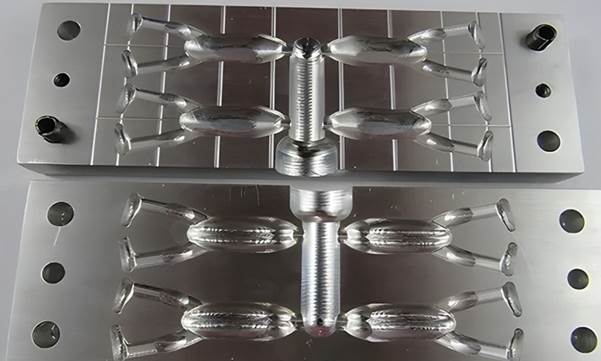
El diseño del molde de inyección de aluminio desempeña un papel importante. Los diseños sencillos son los mejores. Con un buen grosor de pared, su resistencia dependerá de su refrigeración. Los ángulos facilitan la extracción de las piezas. El diseño del canal de refrigeración lo hace más eficiente. Un buen molde minimiza los errores y mejora la calidad del producto. También ayuda a minimizar la tensión en el molde cuando llega el momento de fabricar la pieza. Evita que se formen vueltas de horquilla o trampas de aire o grietas en las vías de flujo suave. Los ingenieros siempre tienen que determinar el coste, la velocidad y la resistencia. La vida útil y el rendimiento del molde mejoran con un diseño adecuado.
Velocidad y eficacia de producción

Los moldes de aluminio se fabrican a gran velocidad. Esto se debe a que el aluminio enfría el plástico más rápido que el acero, lo que reduce el tiempo de ciclo. Esto contribuye a aumentar la productividad y la eficacia. Una producción más rápida también ayuda a las empresas a cumplir los plazos y aumentar los beneficios. En muchos casos, el tiempo de ciclo puede acortarse en gran medida. Esto se traduce en un mayor número de piezas en tiempos de producción más cortos. También puede reducir el consumo de energía de cada componente. La razón del amplio uso del molde de aluminio para moldes de inyección en la industria de rápido crecimiento es que es una opción excelente.

Mantenimiento y vida útil

El molde de inyección de aluminio necesita un mantenimiento. La grasa y los limpiadores se utilizan con regularidad para prolongar la vida útil de las piezas. Pueden utilizarse para fabricar miles de piezas y no son tan duraderos como los moldes de acero. Son una gran elección para producciones bajas o medias. Cuando no se utilizan, los moldes deben almacenarse adecuadamente. La humedad y el polvo ayudarán a conservar la superficie. La inspección ayudará e inhibirá el desgaste prematuro. Si se utilizan correctamente, durarán mucho tiempo.

Beneficios medioambientales

Los moldes de aluminio no dañan tanto el medio ambiente. Necesitan menos energía para su producción y funcionamiento. El aluminio también es sostenible, ya que es reciclable. Además, al aumentar la producción también se consume menos energía. Son apropiados para las empresas de fabricación ecológica. La reducción del consumo de energía se traduce en una reducción de la huella de carbono. La otra ventaja es que durante el reciclaje del aluminio se producen menos residuos industriales. Este es un valor añadido a los modernos sistemas de producción sostenible.

Aplicaciones comunes

Los moldes de inyección de aluminio se utilizan en diferentes industrias. Se emplean en la industria del automóvil como prototipos. Se emplean en el sector médico en la creación de dispositivos. Gozan de buena reputación y son adoptados por las empresas de electrónica para una fabricación rápida. Las utilizan los fabricantes de bienes de consumo para los bienes de consumo. También tienen aplicación en envases, aplicaciones domésticas e industriales. Pueden utilizarse en proyectos pequeños y medianos gracias a su versatilidad. Para muchas empresas de nueva creación, son la opción preferida para atestiguar el lanzamiento de sus productos. Esto les confiere un mayor valor en los mercados actuales.

Desafíos

Algunos problemas con los moldes de aluminio. No son tan duraderos como los de acero y pueden sufrir desgaste. No se recomiendan para cantidades muy grandes. Pero, con un diseño y uso adecuados, estos problemas pueden minimizarse. Los otros son que tiene una resistencia débil a altas presiones y que no es impermeable. Los diseños muy complicados pueden hacer que pierda rendimiento con el tiempo. En general, sin embargo, son capaces de rendir bien en los casos de uso típicos. Se pueden mantener bien y, si se utilizan adecuadamente, rinden con mucha eficacia.

Reflexiones finales

Los tiempos son métodos de producción inteligentes y eficientes para el moldeo por inyección de aluminio. Proporciona rapidez, versatilidad y ahorro. Ideal para el desarrollo rápido de productos, producción de bajo volumen y prototipos. Precio más bajo del aluminio molde de inyección permite que sea asequible para nuevas empresas y negocios en expansión. Mientras tanto, también funciona perfectamente y se puede utilizar en grandes industrias. Con todas estas ventajas y desventajas que se conocen a su negocio a continuación, puede tomar el beneficio de ella en toda su extensión. Con el desarrollo de la tecnología, la influencia en la producción futura será aún más en moldes de aluminio.

Preguntas frecuentes

¿Qué es un molde de inyección de aluminio y por qué es importante?

El moldeo por inyección de aluminio es una prensa que puede utilizarse para inyectar plástico reblandecido en la cavidad de la forma para fabricar productos de plástico. Su importancia radica en que permite producir en poco tiempo, reducir los costes de producción y fabricar productos de buena calidad. Es uno de los materiales favoritos para la creación de prototipos y para las exigencias de rapidez y flexibilidad en series cortas de producción, y se utiliza en una gran variedad de industrias.

¿Cuáles son los factores que influyen en el precio del molde de inyección de aluminio?

Los distintos factores que pueden influir en el coste del molde de inyección de aluminio son el tamaño del molde, la complejidad del diseño del molde, el número de moldes y el tipo de material del molde. El precio variará en función de la complejidad del molde: los moldes sencillos serán menos caros que los moldes más complicados. El precio también varía en función del número de la producción y las especificaciones del producto acabado.

¿Por qué es más rápido utilizar moldes de aluminio en el moldeo por inyección que moldes de acero?

Dado que la conductividad del aluminio es alta, los moldes de tipo aluminio utilizados para el moldeo por inyección son rápidos. Tiene una alta conductividad térmica, lo que hace que el plástico se enfríe rápidamente en la cavidad del molde. Esto no sólo reduce el tiempo de ciclo, sino que también acelera la tasa de producción, que a su vez es más eficiente.

A la hora de elegir entre matriz de moldeo por inyección de aluminio y matriz de moldeo de acero, ¿cuál utilizar?

Los moldes de inyección de aluminio son una buena opción a tener en cuenta cuando se trata de velocidad de producción, bajo coste y flexibilidad de diseño. Pueden utilizarse para prototipos, pruebas y para volúmenes bajos o medios. Incluso si se van a crear muchos artículos, los moldes de acero podrían ser más eficaces, ya que también duran más.

¿Qué es lo mejor del molde de inyección de aluminio?

Las principales ventajas de los moldes de inyección de aluminio son: Son más rápidos en la producción, más baratos, muy versátiles y ofrecen un buen acabado superficial. Todas estas ventajas los convierten en una opción atractiva para las empresas que buscan soluciones de fabricación eficientes y flexibles.

20265E7456701565E5/0 Comentarios/por Autor del artículo
https://plas.co/wp-content/uploads/2026/05/image-13.jpeg 361 601 Autor del artículo http://plas.co/wp-content/uploads/2023/02/plas-co-1.jpg Autor del artículo2026-05-15 00:48:272026-05-15 00:48:30Molde de Inyección de Aluminio: Guía completa de costes, ventajas y aplicaciones
Plástico moldeado por inyección, moldeo por inyección

Moldeo por Inyección de Plásticos en Tiradas Cortas: Guía Informativa Completa para la Fabricación Moderna

Moldeo por inyección de plásticos en series cortas

Short run plastic injection molding is an effective manufacturing technology that is employed to manufacture a few plastic parts. It is best suited to businesses, which do not require a lot of production, but would like to achieve high-quality outcomes. This technique is very popular in testing of products, prototyping and small-scale manufacturing.

This process is popular among many companies as it will ensure that there is less initial investment and flexibility. Businesses are able to produce smaller quantities and have better control as opposed to producing thousands of units. This renders short run injection molding to be viable in startups and companies in their growth phase.

What is Short Run Plastic Injection Molding?

In short run plastic injection molding, a few plastic parts are produced by applying the injection molding technology. It is normally associated with reduced volumes of production as opposed to the mass production. This is appropriate in projects which have to be completed within a short time, and a small amount. This is accomplished by producing a short run injection mold that is designed to efficiently make parts without the big tooling that would be required in long-term tooling. The design of these molds usually has shorter life-cycle which assists in cutting down costs generally without compromising on the quality of the product.

What a Short Run Injection Molding Works?

This starts with the designing of the product and designing of a mold. Engineers come up with a design, which satisfies the product specifications but at low production costs. Then the mold is produced out of such materials as aluminum or soft steel. After having prepared the mold, plastic material is melted and injected into the mold. The material solidifies and becomes the shape that is desired. The same is repeated to yield a low number of parts through short run plastic injection molding.

Benefits of Short Run Plastic Injection Molding

Plastic injection molding (Short run) has numerous benefits to the companies. It is an adaptable and affordable approach which facilitates innovations and quicker product development. The process enables companies to start with small productions but without investing a lot. It is also useful in testing their products prior to large scale production. Short run injection molding is less risky and decision making is enhanced.

Puntos clave

  • Reduced initial cost of tools.
  • Faster production time
  • Perfect when it comes to prototypes, and testing.
  • Reduced financial risk
  • Ability to change design.

Short Run Injection Moulding Cost

One of the most significant or important factors to businesses is cost. Small-scale production is usually cheaper than the large-scale production in terms of cost incurred in injection molding as the little tooling and set up is required. Nevertheless, its price per unit might be a bit more than a mass production. The reason behind this is that this fixed cost will be spread among a lesser number of parts. Nonetheless, with this amount, this technique is economical and feasible.

Puntos clave

  • Lower initial investment
  • Higher unit cost as compared to mass production.
  • Design and material of the mold would depend on the cost.
  • Suited to a low volume production.
  • Cost effective on minor projects.

Materials Used in Short Run Injection Molding

The use of various kinds of plastic materials varies in accordance to the needs of the product. Commonly used are ABS, polypropylene, polyethylene and polycarbonate. It has certain properties of each material which include strength, flexibility and heat resistance. The correct choice of the material is a factor of product performance. In short run injection molding of plastics, selection of the material assists in the attainment of the desired quality without going too high in terms of cost.

Applications of Short Run Plastic Injection Molding

It is flexible in various industries and is employed in this process. It is appropriate in projects which demand low amounts and high-speed production. Short run injection molding is used in industries such as the automotive industry, medical, electronics and consumer goods in prototyping and production of small production runs. It assists the businesses to fulfill the demand in the market without having to make substantial investments.

Puntos clave

  • Product prototyping
  • Medical device components
  • Automotive parts testing
  • Consumer product development
  • Low-volume production

Benefits of the 3D printing as compared to conventional production

Plastic injection molding can be used in short run mode which has a number of benefits over the conventional manufacturing techniques. It enables a quicker product development and simplifies a product design change. This technique does not involve huge commitments, as it is in the case of mass production. Companies have the capability to make small batches, and modify designs according to feedback. This renders short run injection molding a very flexible process.

Injection Mold Design considerations- Short Run

Design is one of the important factors of the successful production. Properly designed short run injection mold guarantees a seamless production process and the quality of the product. Engineers are concerned with simplicity and efficiency in order to save on the cost. A well-designed mold is also useful in enhancing the durability and performance of the mold in the production process.

Puntos clave

  • Clearly and straightforward design.
  • Proper material selection
  • Balanced mold structure
  • Less complicated to be less expensive.
  • Easy maintenance

Difficulties of short run injection molding

As much as this process has numerous advantages, there are a few challenges that come along with it. Higher unit cost can be experienced as a result of low volume of production. The durability of mold can also be reduced as opposed to long run molds. These issues can be overcome by proper planning and design. Through collaborating with experienced manufacturers, companies will have a greater success with short run plastic injection molding.

Selecting the proper Manufacturer

There is a great deal to do with picking the appropriate manufacturer. A manufacturer with a good reputation guarantees that there is quality, on time delivery and cost efficiency. The important ones in selecting a partner are experience and technology. An experienced short run injection moulding supplier would be able to streamline production, minimizing mistakes.

When to opt to use short run Plastic Injection Molding

The most suitable type of plastic injection molding would be short run plastic injection molding where the production volume is low and speed is a concern. It is effective when a startup is being launched, when testing a product or when launching a product with a small market. This technique is popular with businesses which wish to minimize risk. It can also be applied in cases where the designs of products are yet to be perfected. Companies can easily change performance and make any changes without investing in long-term injection molds, as a short run injection mold can be used to test the performance. This contributes towards the saving of time and money.

Puntos clave

  • Suited to a low volume production.
  • Good in product testing/prototyping.
  • Economical with start-ups and small-businesses.
  • Reduces financial risk
  • Helps develop designs fast.

Comparison with Long Run Injection Molding

Also very different is the short run injection molding of plastics as opposed to long run production. Large scale production with large quantities is done using long run molding. It has high-cost molds but has a lesser unit cost. Short run injection molding, on the other hand is concerned with limited numbers, which have less initial expenditure. The unit cost might be more expensive, but is more flexible and can be produced more quickly. This renders it to be appropriate in short term projects.

Tooling Options for Short Run Injection Mold

Tooling is one of the significant elements. Molds that are to be used in short run production are typically made out of aluminium or lighter steel. Less costly and expeditiously machineable are these materials. A short run injection mold is not meant to be used extensively and therefore, it does not require as long as production molds. This can be used to minimize the tooling cost and yet achieve a good quality to small batches.

Puntos clave

  • Cost saving aluminium moulds.
  • Reduced time of production of moulds.
  • Appropriate in the small production cycles.
  • Lower maintenance cost
  • Quick adjustments possible

Lead Time and Speed of production

The benefit of shorter lead time is one of the greatest of this method. Molds are also simpler to produce and low quantities of production result in parts that are produced in haste. This assists companies in adhering to deadlines, and in responding to the market need in a shorter time. With short run plastic injection molding, companies are able to introduce products within a short period as opposed to the traditional methods.

Part in Product Development

Increasingly, short run plastic injection molding is significant in the development of products. It enables companies to experiment with designs under the real-world conditions before it is taken to mass production. Companies can in this way create small batches to refer to feedback and enhance their products. This renders short run injection molding to be a useful innovation and development tool.

Puntos clave

  • Supports product testing
  • Assists in enhancing quality of the design.
  • Reduces development risk
  • Allows market feedback
  • Accelerates innovation of products.

Quality- Short Run Production

Although the volume of production is low, quality nevertheless should be ensured. The right design, choice of materials and control of the process is needed. Testing and inspection are done to provide uniformity to manufacturers. Short run moldeo por inyección de plástico can be done using high standards to give high quality results.

Cost Optimization Strategies

With clever choices in the design and production, businesses can minimize short run injection molding cost. Easy designs, correct choice of materials can contribute to reduction of costs. It also works with the experienced manufacturers which enhances efficiency. Cost optimization is to provide the improved results without any compromising of product quality.

Puntos clave

  • Simplify product design
  • Choose cost-effective materials
  • Optimize mold design
  • Collaborate with a team of competent manufacturers.
  • Minimise wastage and inaccuracies.

Environmental Advantages

Sustainable production can also be supported by the short run production. Manufacturing the exact number of products saves on wastage, and the unnecessary consumption of materials. The use of energy is also reduced as opposed to mass production. This renders the short run plastic injection molding, more eco-friendly in some situations.

Common Mistakes in Short Run Plastic Injection Molding

When short run production is initiated by many companies, they end up making a lot of mistakes. Mistakes that could be made include bad design of moulds. Otherwise, the short run injection mold may lead to defects and inconsistency of quality products, when it is not properly designed. The other error is that of selecting the inappropriate material. Spoilage of plastic of low quality or otherwise inappropriate can lead to more failures. Short run injection molding is very critical in proper planning to prevent wastage and re-work.

Importance of Proper Mold Maintenance

Although the molds are not used on long production cycles, maintenance is also considered even though the short run molds are used. Washing and good storage can assist in increasing the life of moulds and quality. A molded item can have issues with the surface finish and accuracy of products, unless a mold is kept. Scanning, routinely, guarantees a smooth operation in short run plastic injection molding ventures.

The use of Technology in Short Run Production

The short run manufacturing has been enhanced with the use of modern technology. The computer-aided design (CAD) and computer-assisted manufacturing (CAM) software can be used to create accurate molds. This minimizes mistakes, and enhances productivity. Less human error is also guaranteed by automated machines in ensuring consistency in production. This causes short run injection molding to be quicker, more precise and dependable than the conventional ones.

Short run injection molding Customization

Customization happens to be one of the largest benefits of this process. Changes of designs by businesses need not be greatly invested. This proves quite handy whereby alternative version of product needs to be tested. Quickly, a short run injection mold can be modified and hence the manufacturers can make product development improvements, based on customer feedback. It is flexible and helps in innovation and success in the market.

Supply Chain Benefits

Another way in which short run production enhances the supply chain management is through supply chain management. There is no need of companies to hold large inventories. They are able to generate just what is needed. This saves on storage cost and wastes. Businesses can be able to respond to market demand more quickly, and minimize the risk of overproduction using short run plastic injection molding.

Market Trends and Development of the industry

The need to produce in small scales and customized is on the rise. The companies are desiring quicker production and versatile manufacturing options. This is creating an expansion in short run injection molding towards the global markets. This practice is becoming a popular way of remaining competitive and innovative by more companies.

Outlook in short run plastic injection molding

The future of this process has a good prospect. With the growth in demand of customized products, there is an increasing number of companies, which use small-batch production methods. High technologies are enhancing productivity and decreasing the expenses. This will render short run plastic injection molding even more popular in the next couple of years.

Resumen

Plastic injection molding (short run) is a convenient and versatile manufacturing process. It enables companies to make small amounts at a low initial investment and quicker turnaround. Through short run injection mold, companies are able to test products, make it better and eliminate risks prior to the large-scale production. The approach aids innovation and assists companies to react swiftly to any market changes.

En moldeo por inyección de series cortas cost per unit might be more expensive, but it can be a worthwhile investment by most industries because of the overall benefits. It is particularly applicable in case of startups, product development and a limited production requirement. In the current dynamic market, short run plastic injection molding offers the flexibility and efficiency required in order to be successful.

Preguntas frecuentes

What is the short run plastic injection molding?

It is a process employed in manufacturing a few plastic components that are cheaper to tool, and possess reduced time to manufacture.

What do we use short run injection molding?

It finds its primary application in prototyping, testing of the product and small-scale production in industries.

What is the cost of short run injection moulding?

The cost of short run injection molding is influenced by the design of the mold, the material and the number of the molds. It is normally less in the case of small projects.

In short run injection molding what materials do we use?

Some of the common materials used are ABS, polypropylene and polycarbonate based on the need of the product.

What does mean a short run injection mold?

It is a mold intended to be used to produce small production runs. It can be typically constructed with less expensive materials and has a reduced life span.

2026年5月3日/0 Comentarios/por Autor del artículo
https://plas.co/wp-content/uploads/2026/05/image-6.jpeg 361 601 Autor del artículo http://plas.co/wp-content/uploads/2023/02/plas-co-1.jpg Autor del artículo2026-05-03 18:01:172026-05-03 18:03:40Moldeo por Inyección de Plásticos en Tiradas Cortas: Guía Informativa Completa para la Fabricación Moderna
Plástico moldeado por inyección, moldeo por inyección

Moldeo de plástico a medida: Guía completa para la fabricación moderna

Moldeo de plástico a medida: Guía completa para la fabricación moderna

One of the most significant processes of manufacturing that is applied nowadays is custom plastic molding. It assists companies in developing plastic products which are unique according to their needs. It is applied extensively in such industries as automotive, medical, electronics and packaging.

Most businesses are willing to use custom solutions as it is flexible and has higher quality products. Using the assistance of a custom plastic molding company, companies are able to make your ideas come to life. This streamlines the production process and makes it more dependable.

What does Custom Plastic Molding mean?

Custom plastic molding involves the use of plastic material, which is molded into a particular design by the use of a mold. The mold is particularly designed depending on the product needs. This will enable manufacturers to come up with distinct and quality products.

Custom molding in comparison to standard molding is geared towards particular designs and functions. A custom plastic mold would be designed in a way that would guarantee accuracy and consistency. This is the reason why it is popular in the current production systems.

How Custom Plastic Molding Works?

Custom plastic molding consists of a series of steps to be followed. All steps are significant in order to achieve high-quality production and the correct results. Being informed about such steps would assist business in planning to prevent some expensive mistakes.

Step 1 Product Design and Planning

The initial one is to design the product in line with certain requirements. The engineers are able to produce a 3D model of the product by use of sophisticated software. This design will contain size, shape and all technicalities. It is important that it is well planned at this stage. An illustrative design will minimize mistakes and create a smooth production. It assists in making a powerful and precise mould as well.

Step 2: Mold Design and Development

Once the product design has been complete, then the mold design is to be developed. The mold is precisely designed so as to fit perfectly into the shape of the product. The mold is made out of materials such as steel or aluminum. The material selected will be based on the quantity of production and its longevity. A properly designed mold will guarantee uniformity.

Paso 3: Fabricación de moldes

After the design is prepared, the mold is made out of the precision machines. It is very precise as any little error can have an impact on the end product. Post-manufacturing testing of the mold is done to ensure that it is within all specifications. This measure will make sure that the mold is ready to be used in the production.

Step 4: Selecting and preparing the materials

The selection of the appropriate plastic material is extremely crucial. Strength, flexibility and heat resistance are some of the properties of different materials. The plastic chosen is normally in a form of tiny pellets. These pellets are ready and put through the injection molding machine to be processed.

Step 5: Melted and Injection

The plastic pellets are heated in the machine until they melt to the form of a liquid. High pressure is then applied to high pressure injection into the mold with this molten plastic. The pressure is high enough to make sure that the material occupies all the components of the mold. This is essential in order to obtain the correct shape and fineness.

Step 6: Cool and Solidify

Following the injection of the molten plastic, it starts cooling in the mold. It solidifies as it cools, and assumes the shape of the cavity of the mold. The time to cool is dependent on the size of the product and the material. They should be cooled properly in order to prevent defects and provide strength of products.

Step 7: Squeezing out the Product

After the material is completely cooled and solidified the mold opens. The end product is then taken away with the help of ejector pins. This should be done with caution so as not to destroy it. The product will not lose its shape or quality, as a result of having a smooth ejection process.

Step 8: Finishing Check and Quality Check

The product can undergo finishing processes after it has been ejected. These also involve the trimming, polishing or surface treatment where necessary. Quality tests are also conducted so as to maintain all the standards of the product. This will ensure that all the pieces are uniform and can be used.

Step 9: Repeat of Production Cycle

After the process has been completed, the process is repeated to move to mass production. The identical products are manufactured with the help of the same mold. This is repeated, making the process quick and economical. It enables manufacturers to come up with large production volumes that are of the same quality.

Types of Custom Plastic Molding Processes

Custom plastic molding has various processes that are applied depending on the nature of the product, material and the production needs. The processes are each with their advantages and are selected depending on complexity of design, cost and volume of production. The knowledge of such techniques assists companies in choosing the most appropriate one.

1.Injection Molding

The most popular technique in the production of plastics is injection molding. It is a process of applying high pressure to molten plastic in a mold, to produce finely detailed and precise parts. It is the most suitable way to manufacture more complicated designs and a large production volume. It possesses very high accuracy, reproducibility and surface finish. It is used in high accuracy industries such as automotive, medical and electronics hence its popular use.

2. Blow Molding

Hollow plastic products are the major products made via blow molding. In this, molten plastic is blown into air to create the shape such as bottles and containers. It is very effective in production of light, and homogenous products. This is an affordable technique when producing on a large scale. It is widely applied in the packaging sector in the provision of products like water bottles, storage containers and fuel tanks.

3. Thermoforming

Thermoforming is a low cost and easy to use molding process. It is a technique that uses the heating of plastic sheets and pressing the sheets over a mold to form products. This technique is appropriate in designs that are not very expensive and intricate. It finds extensive application in creation of packaging trays, disposable containers and basic plastic products. Its cost of tooling is low thus it can be used in small production runs.

Benefits of Custom Plastic Molding

Custom plastic molding has numerous benefits to companies. It enables businesses to develop products that suit their very needs. This enhances performance of the products and customer satisfaction. The other significant advantage is the cost efficiency with high production. After designing the mold, then the manufacturing process is quick and inexpensive. An efficient custom plastic molding firm can aid in minimizing waste and enhance efficiency.

Importance of Custom Plastic Mold Design

One of the most important steps of the process is the design of the mold. An effective mold design will guarantee easy production and quality products. The lack of design might translate to flaws and high expenses. Designs are developed by engineers using sophisticated software to come up with perfect designs. The firm and accurate custom plastic mold may be used thousands of times. This renders it a worthy investment to use in the long run.

Raw Materials in Custom Molding of Plastic

The plastic materials are of different types, which are used based on the product needs. Each of the materials possesses some special characteristics including strength, flexibility or heat resistance. The typical materials are ABS, polypropylene, polyethylene and polycarbonate. Such materials are very popular in manufacturing custom molded plastics to the various industries. The correct material should be selected to have a durable product.

Custom plastic Molding Uses

The flexibility and efficiency of custom plastic molding make it applicable in most industries. It assists in developing a variety of products of various shapes and sizes. It is applied in the automotive industry, in dash boards and interior components. It is applied in the medical industry in terms of devices and equipment. A large number of companies are dependent on a custom plastic molding company in order to have a high quality of components.

Custom Plastic Molding with the Small Businesses

Custom plastic molding can also be used among the small businesses. It enables them to produce distinct products and be able to compete in the market. Even small-scale production is cost-effective, with proper planning. With custom molding plastic, businesses are able to come up with new innovative products that address customer needs.

Before selecting a manufacturer, there are factors to be taken into consideration. It is crucial to select an appropriate manufacturer to be successful in production. A good manufacturer is one that is quality, timely and cost conscious. Find experience, technology and customer reviews and then make a choice of a custom plastic molding company. Having a trustworthy partner can mean a lot in the success of the product.

Price of Custom Molding Plastic

Custom plastic molding is a cost that is determined by a number of factors. These are the design of the molds, choice of materials and volume of production. The production cost per unit will be less in large production although the initial cost of developing a custom plastic mold may be high. This will make it a long-term cost-effective solution.

Custom Plastic Molding-Quality Control

It is necessary to have quality control in the production process. It makes sure that all the products are at the standards and specifications required. Testing and inspection are some of the measures that manufacturers employ to uphold quality. Good quality molded plastics are customized which enhances customer trust and minimizes failure of products.

Environmental Effectiveness and Sustainability

In manufacturing, sustainability is an emerging significant aspect. A large number of corporations are currently recycling and making the use of environmentally friendly procedures. Less wastage and use of energy help to sustain the environment. A conscientious custom plastic molding company is oriented on the sustainable production practices.

Typical Problems of Making custom plastic moulds

Although it has its advantages, there exist a few difficulties in making custom plastic moulds. The process can be subject to design errors, problems with the choice of materials and delays in production. These issues may be prevented by collaborating with the professionals. With good planning the production of custom molded plastics will go on smoothly.

Best practices in successful molding projects of custom plastics

The most important thing about a project in molding is planning. It is very important that there are clear design requirements and that there be the appropriate choice of materials. Your manufacturer also makes a great contribution to communication. An expert custom plastic molding firm can help in taking you through the process, and guarantee maximum outcomes.

The way to select the appropriate custom plastic molding company

It is very important to select the appropriate partner in order to be successful in production. A professional manufacturer knows what you need, and provides quality work. In this, experience and technical skills hold a significant role.

Before deciding on something, it is always a good idea to review previous projects and review with the clients. An established custom plastic making firm will help you in designing, through to the final production. This guarantees a well flowing work process and quality products.

Prototyping plays a role in Custom Plastic Molding

Before full production is carried out, prototyping is very crucial. It enables the companies to experiment on the design of their products and correct in case they are required. This is to prevent expensive mistakes in the future. A prototype provides a good understanding of the final product and how it will appear and operate. Through testing at an early stage, companies are in a position to enhance their custom plastic mold design and attain better outcome in production.

Importance of Precision and Accuracy

One of the most crucial issues of plastic molding is precision. Any little mistake in designing can make a difference to the product. This is the reason why they need sophisticated machines and competent workers. Proper production guarantees all the products to be the same. Medical, electronics and other industries that require high precision of the plastics molded need to be of high precision.

Speed and Efficiency of production

The major benefit of this is its rapid production rate. After having prepared the mold, it is possible to make a lot of them within a short period of time. This is what makes it suitable to mass production.

Efficiency assists in lowering the general expenses as well. When done well, molding plastic can provide high volume production but at the same time, produce quality.

Plastic Molding of products- Custom

Custom molding assists companies to develop innovated products. It enables a firm to make distinct shapes and features, which cannot be made using the conventional methods. This is flexible and puts a business at an advantage. The new ideas of products can be developed swiftly and efficiently with the assistance of an experienced custom plastic molding company.

Major Success Factors Necessary over Time

Businesses require being quality-driven, consistent and well planned in order to achieve long-term success. The material and design used is a significant factor in attaining good results. The moulds should also be taken care of regularly, which means an extended life and high performance. A custom plastic mold of high quality which is well maintained can yield thousands of products of high quality without any problems.

Plastic Molding of Custom Products in the various industries

There are various applications of custom plastic molding in various industries. There is a standard of requirement and standards per industry. This renders the process to be very versatile. Custom molded plastics are found everywhere, in the automotive parts, as well as medical devices. This extensive application demonstrates the significance of this process in today manufacturing.

Creating less waste during Plastic Molding

Less wastage is a current day objective of manufacturers. The effective production processes will reduce the amount of loss of materials and enhance sustainability. Recycling of used materials is also a norm. A lot of companies that have been employing the custom molding plastic are now targeting at environmentally friendly solutions to conserve the environment.

Improvement in Product Quality by improving design

The high-quality products are orchestrated by good design. Having a proper design will facilitate a smooth production and minimize defects. The advanced tools and software can be used to enhance accuracy. An aptly made custom plastic mold will also lead to a superior finish, strength and durability.

The future of Custom Plastic Molding

The prospects of custom plastic molding are bright. The procedure is being expedited by new technologies and made more efficient. The automation and smart production are enhancing the quality of production. High-tech custom molding plastic methods are being embraced by many companies, in a bid to remain competitive in the market.

Final Extended Conclusion

Plastic molding is a crucial process in the contemporary manufacturing industry. It allows flexibility, efficiency and creates high quality production to various industries. It is used by businesses to develop individual and trusted products. Companies can get the best results by concentrating on the right design, selection of materials and selecting the appropriate custom plastic molding company. This will not only enhance the quality of the products but also minimize the costs in the long-run.

Even more efficient and sustainable, in the future, will be custom molding plastic with the help of advanced technologies. Companies that embrace such practices will remain competitive and be successful in satisfying the rising market expectations.

Preguntas frecuentes

1. What do you use custom plastic molding?

Unique plastic products are produced through custom plastic molding, which is employed to produce products according to certain designs and needs. It is widely applied in such industries as automotive, medical, packaging and electronics to achieve high quality and precision of components.

2. What kind of molding process is suitable to complex products?

Complex and detail products are the best that should be injection molded. It has a high level of precision, consistency and smooth finishing; thus, it is suitable in an advanced and high-volume production requirement.

3. What does it mean by blow molding and injection molding?

H hollow products such as bottles, containers, etc are made through blow molding. Solid and detailed parts that have complex shapes are molded over injection molding. The two processes have various applications depending on the design of products.

4. Is it costly to custom plastic mold?

The price is determined by the factors such as the shape of mould, material and quantity of production. Although the initial cost may be expensive, it would prove to be cost effective in large production as the cost per unit will reduce.

5. What is the correct molding process that I pick?

The selection of the process is dependent on your product design, type of material and quantity of productions. Being aware of your needs and talking to an expert manufacturer can make them make the most optimal choice.

2026年4月14日/0 Comentarios/por Autor del artículo
https://plas.co/wp-content/uploads/2026/04/image-22.jpeg 361 601 Autor del artículo http://plas.co/wp-content/uploads/2023/02/plas-co-1.jpg Autor del artículo2026-04-14 19:31:432026-04-14 19:31:46Moldeo de plástico a medida: Guía completa para la fabricación moderna
Plástico moldeado por inyección, moldeo por inyección

¿Cuánto cuesta un molde de inyección? Guía completa de precios

¿Cuánto cuesta un molde de inyección? Guía completa de precios

Knowledge of the cost of an injection mold is highly significant in business and newcomers who would wish to venture into plastic product manufacturing. Many industries use injection molding due to the speed and trustworthiness of injection molding. However, the prices of molds may be baffling to new customers.

Before one embarks on an injection molding project, many people will ask: How much does injection molding cost? The solution varies depending on various criteria such as design, material and volume of production. You will come to know all in easy and simple words in this guide.

¿Qué es el moldeo por inyección?

Injecting a hot material into a cavity is a production technique of plastic components called injection molding. The mixture is left to dry and it takes the form of the mold. The latter process is common since it provides precise and reproducible results. It finds application especially in the automotive, packaging and electronic industries. A mold needs to be produced prior to production. That is the reason why many people would inquire on how much does a molde de inyección de plástico cost when they are planning to do a project.

What Does an injection Mold Cost?

It might depend on the project greatly as cost. Generally, the cost of injection mold can be between 1,000 and above 100,000. The molds that are small and simple are less expensive whereas large and complex molds are costly. As an example, a simple mold can be between 1,000-5,000. A medium-level mold may cost $5,000 to $25,000. Molding in the industrial industry can exceed 50 000. That is why it is recommended to comprehend the extent to which injection molding cost is before the start.

Factors That Affect Injection Mold Cost

The amount that a plastic injection mold will cost is determined by a number of factors. All the factors contribute significantly to the end price. Knowing these aspects will assist you to make a more budget-friendly plan. We can consider the factors which have the greatest influence on the cost of a particular injection mold in real projects.

1. Mold Size and Complexity

The cost is dependent on the size of the mold. Large molds require additional material and time to be manufactured. This adds up to the aggregate price. Complex designs are also costly as it makes use of sophisticated tools and labour. Hence, the extent to which injection molding cost may vary depending on the design complexity.

2. Material Used for Mold

Molds are typically produced out of steel or aluminum. Steel molds are tough and have a better life span. They are however pricier than aluminum molds. The molds made of aluminum are less expensive and quicker to make. They are however not applicable towards high production. The decision you make will determine the amount of cost of a plastic injection mold.

3. Production Volume

It also depends on the quantity of parts that you wish to manufacture. The molds need to be strong and durable in order to produce a lot. These are more expensive molds that have a long life. In case of low production, low-cost molds can be used. That is why the cost of an injection mold varies according to your objectives of production.

4. Design and Engineering

A design has to be crafted and tried prior to the creation of a mold. The design and its design are checked by engineers to prevent any mistakes. This will be an additional cost. In case of a complex design, it will be time-consuming and more laborious. This adds to the overall costs of injection molding.

5. Mold Cavities

There may be a cavity or many cavities in a mold. Multi-cavity molds are able to make numerous parts simultaneously. This improves efficiency. They are however, more costly to construct. Therefore, the number of cavities has an influence on the cost of a plastic injection mold too.

What is the Cost of Injection Molding a Part?

Other than the cost of the mold, you should know the cost of production per part. Much of the population would like to have an idea of the cost of injection molding per unit. Smaller, plastic components may be as cheap as a few cents each. Bigger ones will require a couple of dollars. The cost is lower with the increase in the volume of production hence less costly.

Cost Breakdown of injection Molding

In order to grasp the extent of a cost of an injection mold, it is worthwhile to review various elements of the cost. All these are a contribution to the overall price. These expenses consist of tooling, materials, labor and the operation of the machine. All these factors add up to find out the extent to which injection molding will cost in total.

1.Tooling Cost

The largest cost of injection molding is tooling cost. It involves designing and making of the mold. The expensive molds are of high quality, which extend their life. This is the reason why tooling contributes significantly in determining the extent of cost of a plastic injection mold.

2.Material Cost

The cost of materials varies according to the plastic. There are those that are cheap and expensive depending on the properties of the plastics. The selection of the appropriate material can regulate the extent to which an injection mold costs as well as quality of the product.

3.Labor Cost

Staff with expertise is required to design molds and run machines. Their experience provides a smooth running of the process. The cost of labor is a significant aspect of the cost of injection molding of any project.

4.Machine Cost

The cost of acquiring as well as maintaining injection molding machines is high. They also use electricity when working. When determining the cost of a plastic injection mold, as well as the total production cost, these costs are accounted.

Inexpensive vs. Expensive Injection Molds

Inexpensive molds are applicable to smaller projects, and shorter production cycles. They are simple to manufacture, but can be worn out. More durable and better quality results are offered by expensive molds. This is why the amount of money to spend on an injection mold should be regarded as a long-term investment.

Reducing Cost of Injection Mold

It can be done to lower the extent to which injection molding is costly, without compromising quality. Prudent planning will save money. Simple design decisions as well as choosing the appropriate materials could be used to reduce the amount the plastic injection mold would cost.

Simplify Design

The straightforward designs are less complicated and less expensive to manufacture. Don’t use irrelevant information that complicates the matter. This will minimize the cost of an injection mold, as well as accelerate the production.

Select the appropriate Media

It is highly important to choose the appropriate material. It ought to be compatible with your product requirements and costs. This choice impacts performance and the extent to which is injection molding expensive.

Reduce Mold Cavities

Initial cost of mould can be reduced using lesser cavities. Single cavity molds are less expensive and not as difficult to maintain. It is an ideal choice when the quantity of production runs is small, and assists in managing the amount of inquiry a plastic injection mold cost.

Work with Experts

The accomplished manufacturers are able to mentor you to better decisions. They assist in the prevention of expensive errors. The collaboration with professionals will make sure that the amount of money needed by an injection mold does not exceed the budget.

Injection Molding vs. other techniques

A lot of individuals contrast injection molding to other forms of manufacturing. They would also wish to know how much injection molding cost is as compared to the other alternative. Large-scale production is more suitable to injection molding. Although the cost of a plastic injection mold is very expensive, the cost per unit is lowered as time goes by.

Should we Injection Mold?

Businesses which require high production of products are good candidates of injection molding. It is fast, accurate and reliable. The initial cost might be high but knowing how much does an injection mold cost, will aid in making smart decisions.

Errores comunes que hay que evitar

Numerous inexperienced individuals commit errors which raise the cost of injection molding. With good planning, such errors can be avoided. Some of the common errors made are intricate designs, improper choice of materials and lack of proper planning. Preventing them will lower the cost that a plastic injection mold costs.

Real-Life Cost Examples

Live cases can be used to learn more about the extent to which an injection mold is more cost-effective. The prices are subject to change depending on the size and complexity of project. Small molds may cost $1,000 to $3,000. Medium molds can cost $5,000 to $15,000. Big molds are over 50, 000.

What is the Time Taken to make an injection Mold?

The other significant consideration when discussing how much does an injection mold cost. It is not an immediate process of making a mold. This may require a couple of weeks or even months based on complexities. It can take 2 to 4 weeks to be simple molds. Intricate molds that are elaborately designed may require up to 8 to 12 weeks or more. This time also influences how much does injection molding cost since the longer the project, the more the labor and resources that would be required.

Custom Injection Mold Price

Custom molds are custom made to particular products. The cost of these molds is higher since it entails special designs and design engineering. It is the reason why most people may tend to inquire how much does a plastic injection mold cost a custom project.

Custom molds can range from $5,000 to over $100,000. The cost is determined by size, material and complexity of the design. When developing a custom product then it is quite important to know how much the cost of an injection mold is.

Differences by country in cost

Injection molding is also influenced by the country of manufacture, thus its cost varies. There is a difference in the costs of labor and production in various areas. This directly influences the extent of the cost of injection molding.

As an illustration, the molds produced in China tend to be less expensive as compared to molds produced in the USA or Europe. But quality and communication must also be perceived to determine the extent to which a plastic injection mold costs.

Cost of Prototype vs Production Mold

Testing and low-volume production is done by using prototype molds. They are less expensive, and quicker to manufacture. This assists companies in trying out their concepts prior to the entire production. Molds of production are made to be long-lasting and in large quantity. They cost more, but are more durable. This variation is very important in determining the extent to which an injection mold costs.

The upkeep of Injection Molds

When determining the cost of injection molding many people forget the maintenance calculation. Molds should be regularly cleaned and repaired to work well. The cost of maintenance is dependent on the use and the quality of materials. Careful treatment enhances growth of moulds and minimizes cost in the long run. This too influences the amount of money a plastic injection mold would cost in the long run.

Effect of Design Change on cost

Design modifications have the potential to make a project more expensive. In case of alterations implemented to the mold after the creation, it might have to be reworked or possibly a new mold. This can go a long way in determining the amount of cost of injection mold. This is the reason why one should design the final product prior to starting the production process in order to control the extent to which injection molding is expensive.

Use of Technology in Cost saving

The technology of today is aiding in the cost reduction in manufacturing. The use of advanced software enhances accuracy of designs and minimizes errors. This is beneficial in saving time and money. Production is also speeded up and is more efficient with automation. In most industries, these advancements are gradually lowering how much does a plastic injection mold cost.

Large vs Small Volume Production

The amount of production is also important in determining the cost. Mold cost is diffused among high volume production. This will lower the cost per part. High cost per unit is experienced in low volume production due to the lack of a wide distribution of the mold cost. This is a big consideration in estimating the cost of how much an injection mold cost.

Selecting the proper Manufacturer

It is quite crucial to choose the appropriate manufacturer. An excellent manufacturer is one who offers quality work and assists to manage expenses. This makes sure that results are improved. The knowledgeable manufacturers will be able to advise you regarding the cost of injection molding as well as recommend how to save money. It also aids in controlling the extent of the cost of a plastic injection mold.

Small Business injection Molding cost

High start-up costs are a concern to small businesses. However, the injection molding can be an option as well with appropriate planning. To begin with basic patterns and small amounts of molds may aid in reducing the cost of an injection mold, how much does an injection mold cost? It is now easier to enter the market by small businesses.

Environmental Impact and Cost

Environmentally-friendliness is making its way into the production process. A lot of businesses are currently employing recyclable materials and energy saving machines. Such developments could have minor impacts on how much does injection molding cost, but they contribute to safeguarding the environment. They are also able to minimize the cost of a plastic injection mold, in the long-term, by efficiency.

Trends in Injection Molding in the future

Injection molding is getting enhanced with the help of technology. Labor costs and efficiency are being decreased and increased with automation. The degree to which injection molding cost can be reduced in the future due to improved technology is yet to be determined. Nevertheless, there will always be quality molds that will demand investment.

Reflexiones finales

You now have a clear picture of how much does an injection mold cost, and how it depends on various factors. The price varies as per design, material and production requirements. Never take any chance and collaborate with specialists. This will assist in controlling the extent to which is injection molding cost effective and achieve improved results.

Ultimately, put emphasis on value rather than price. An investment made today will be able to save money in future, as it will be able to see how much a molde de inyección de plástico costs.

Preguntas frecuentes

1. What is the average cost of injection mold?

The injection mold depends on size and complexity and has a wide range of cost per injection mold. The average price of injection moulding could be between 1,000 and more than 100,000. Simple molds are less expensive in comparison to complex industrial molds, which are very expensive.

2. Why injection molding is so costly initially?

This is primarily because of the mold. Prior to production, a tool of high accuracy has to be produced. This is the reason why the amount of costs to be incurred in injection molding is high at first, but as large quantities of production run it would be cheaper per unit.

3. What is the cost of a plastic injection mold of small scale projects?

The average cost of a plastic injection mold varies between $1,000 and 5,000 depending on the type of small or simple projects. These types of molds are applied in low volume production or simple parts of plastic that contain simple designs.

4. Is it possible to decrease injection mold cost?

Yes, it is possible to decrease the cost by simplifying the design, decreasing the number of cavities and selecting appropriate materials. The right planning also assists in reducing the amount that an injection mold costs without compromising on the quality of products.

5. Is it cost effective to use injection molding to produce in mass?

Injection molding is indeed very economical at large scale production. Despite the high initial cost, the cost of injection molding, per unit, is very low when producing in the thousands of parts.

2026年4月12日/0 Comentarios/por Autor del artículo
https://plas.co/wp-content/uploads/2026/04/image-14.jpeg 361 601 Autor del artículo http://plas.co/wp-content/uploads/2023/02/plas-co-1.jpg Autor del artículo2026-04-12 01:20:372026-04-12 01:22:26¿Cuánto cuesta un molde de inyección? Guía completa de precios
Plástico moldeado por inyección, moldeo por inyección

Moldeo por Inyección de Alto Volumen: Guía completa para empresas

Moldeo por inyección de gran volumen

El moldeo por inyección de alto volumen es un procedimiento de fabricación extensivo que se aplica en la producción a gran escala de piezas de plástico. Está reconocido por su eficacia, consistencia y rentabilidad. Muchas industrias utilizan este método para hacer frente a la creciente demanda de productos. El moldeo por inyección de alto volumen es un proceso preferido por las empresas interesadas en ampliar su producción, ya que es una forma fiable de obtener resultados.

Es adecuado en empresas que requieren una producción en serie y no comprometen la calidad. También es útil para minimizar los gastos a largo plazo. Esta guía le explicará todo sobre el moldeo por inyección de alto volumen, su proceso, ventajas, material, así como su uso.

¿Qué es el moldeo por inyección de alto volumen?

El moldeo por inyección de gran volumen es un método de producción que se aplica para fabricar miles o incluso millones de piezas de plástico similares. En este proceso se inyecta plástico fundido en un molde, que se enfría y solidifica para darle la forma deseada. Este proceso se repite varias veces para obtener productos uniformes.

En moldeo por inyección de plásticos de gran volumen suele aplicarse cuando es necesaria la producción en serie. Garantiza que todas las piezas tengan el mismo tamaño, forma y calidad. El moldeo por inyección personalizado de alto volumen es utilizado normalmente por este tipo de empresas cuando necesitan un diseño de producto único, pero al mismo tiempo, el volumen de producción tiene que ser grande. Muchas empresas también prefieren el moldeo por inyección de gran volumen en China, ya que es rentable y tiene una producción a gran escala.

Funcionamiento del proceso

El moldeo por inyección de gran volumen requiere una serie de pasos cruciales. La primera etapa consiste en seleccionar el material plástico que se va a utilizar en función de los requisitos de los productos. Los distintos materiales tienen distinta resistencia, flexibilidad y durabilidad.

A continuación, el plástico se calienta hasta que se funde. A continuación, este plástico líquido se introduce en un molde a alta presión. El molde tiene la misma forma que el producto final. Después de llenar el molde con el material plástico, se deja enfriar y endurecer.

La pieza completa se expulsa del molde una vez enfriada. El proceso se repite para crear componentes adicionales. El moldeo por inyección de plástico de gran volumen es muy eficiente y adecuado en la producción en masa, ya que es un proceso continuo.

Ventajas del moldeo por inyección de gran volumen

La rentabilidad es una de las mayores ventajas del moldeo por inyección de gran volumen. Su coste de instalación inicial puede ser elevado, pero el coste unitario es muy bajo en el caso de una gran producción de productos. Esto garantiza que sea una solución rentable para las empresas. La otra ventaja es la consistencia de la calidad. El moldeo por inyección de plástico de gran volumen se utiliza para producir cada pieza, y de esta manera la pieza es casi la misma y por lo tanto fiable y consistente. Esto es especialmente importante para las industrias que se preocupan por la precisión.

También es muy rápida en la velocidad de producción. Las máquinas actuales son capaces de fabricar miles de piezas en poco tiempo. Esto permitirá a las empresas satisfacer unos plazos y una demanda rígidos. El otro punto fuerte es la flexibilidad de diseño. El moldeo por inyección a medida de gran volumen permite a las empresas producir un diseño intrincado y detallado. Es más fácil crear productos únicos e innovadores.

Además, el desperdicio de materiales también es mínimo, ya que a veces es posible reutilizar el plástico sobrante. Esto hace que el proceso sea más respetuoso con el medio ambiente que otros procesos de fabricación.

Usos del moldeo por inyección de gran volumen

El moldeo por inyección se realiza en grandes volúmenes en la mayoría de las industrias. También se emplea en la fabricación de piezas como salpicaderos, paneles y cubiertas en la industria del automóvil. Estos elementos tienen que ser muy precisos y duraderos. El moldeo por inyección de plástico en grandes volúmenes se aplica en la producción de pequeños elementos de plástico en la industria electrónica. Estos componentes encuentran aplicación en smartphones, ordenadores y electrodomésticos.

También se aplica en la industria médica para fabricar productos como jeringuillas, recipientes y herramientas médicas. Estos productos exigen una gran limpieza y precisión. Otro ámbito de uso importante es el de los bienes de consumo. El moldeo por inyección de gran volumen suele utilizarse en la producción de productos cotidianos como botellas, envases y materiales de embalaje.

¿Por qué elegir el moldeo por inyección a medida de gran volumen?

Hay numerosas empresas en las que los productos tienen que ser únicos y orientados a la marca. El moldeo por inyección a medida de gran volumen permite a las empresas producir diseños personalizados sin renunciar a la producción en serie.

Esto permite a la empresa conservar la identidad de marca, ya que puede diseñar productos únicos en el mercado. También se asegurará de que se cumplan ciertos requisitos sin que ello suponga un coste para la producción. En consecuencia, el moldeo por inyección a medida de alto volumen es ideal en los casos en que las empresas desean tener la personalización, así como la escalabilidad.

¿Por qué debería China moldear por inyección grandes volúmenes?

La subcontratación de la fabricación no es una tendencia nueva y el moldeo por inyección de gran volumen en China es una opción que favorece a muchas empresas. La reducción del coste de producción es una de las causas principales. El coste de mano de obra y operación en la mayoría de los casos es menor y esto ahorra dinero a las empresas. La otra ventaja competitiva es la disponibilidad de tecnología avanzada. En la mayoría de las industrias manufactureras de China se aplica maquinaria moderna que dicta una producción de alta calidad.

La otra ventaja es una gran capacidad de producción. El moldeo por inyección de gran volumen en China es apropiado cuando se trata de empresas internacionales, ya que las fábricas tienen capacidad para hacer frente a pedidos al por mayor. Además, China cuenta con una gran cadena de suministro y una red logística. Esto facilita la entrega de productos a diferentes partes del mundo en el momento oportuno.

Plásticos de moldeo por inyección de gran volumen

El moldeo por inyección de gran volumen se realiza utilizando diferentes formas de materiales plásticos en función de las necesidades de los productos. El ABS es la marca preferida por ser duradero y resistente. Suele aplicarse en productos de automoción y electrónica. El otro material que se suele utilizar es el polipropileno. También es ligero y elástico, por lo que se aplica en envases y bienes de consumo. El nailon también es un material fuerte y resistente al calor, lo que lo hace adecuado para uso industrial.

El policarbonato también se utiliza habitualmente en la producción de artículos que deben ser transparentes y resistentes a los impactos, como los equipos de seguridad. El material utilizado debe elegirse bien, ya que influye directamente en el rendimiento y la durabilidad del producto.
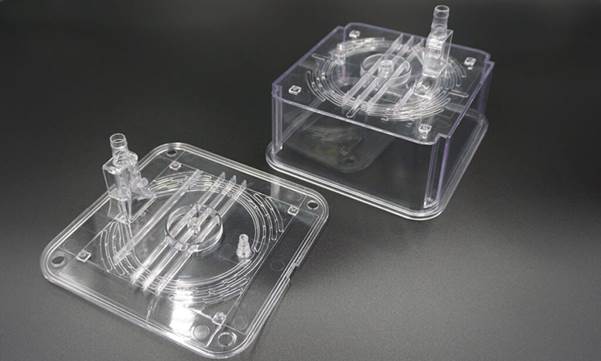
Pistas de diseño para un mayor éxito

El moldeo por inyección de gran volumen depende en gran medida de un buen diseño. Los diseños sencillos suelen ser menos costosos y la producción es más simple. Los diseños complicados pueden aumentar el coste y el tiempo. El grosor de las paredes debe ser uniforme, ya que evita defectos y aumenta la resistencia del producto. La falta de uniformidad del grosor puede crear problemas al enfriarse.
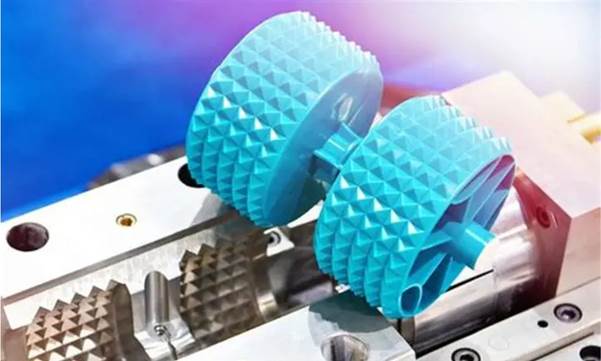
El diseño se ve favorecido por la incorporación de ángulos de desmoldeo que facilitan la extracción de las piezas del molde. Así se minimizan las posibilidades de que se dañen. También se deben evitar los bordes afilados, ya que los bordes redondeados serán más duraderos y contendrán menos puntos de tensión. Estos consejos de diseño deberían mejorar la calidad de los productos fabricados mediante moldeo por inyección de plástico de gran volumen.

Dificultades en el moldeo por inyección de grandes volúmenes

El moldeo por inyección de gran volumen presenta varios retos aunque tenga muchas ventajas. Fabricar moldes puede resultar caro, y esto puede ser un problema para las pequeñas empresas. No obstante, a la larga suele compensarse con una gran producción.

Los problemas también pueden generarse por errores de diseño. Si no se optimiza el diseño de forma adecuada, pueden producirse defectos y retrasos en la producción. Otra consideración importante es la elección de los materiales. El rendimiento y la calidad del producto final pueden verse influidos por una elección incorrecta del material.

También es necesario mantener las máquinas. Un mantenimiento a tiempo también significa un funcionamiento sin problemas y evitar las averías inoportunas en operaciones de moldeo por inyección de gran volumen.

La cuestión de seleccionar el fabricante adecuado

Es importante seleccionar el fabricante para tener éxito en el moldeo por inyección de alto volumen. Hay que elegir una empresa con experiencia y cualificada en este ámbito. La competencia en la fabricación dará a los fabricantes más creíbles una mayor probabilidad de producir resultados de calidad.

También hay que tener en cuenta las normas de calidad. Un fabricante de calidad dependerá de un estricto control de calidad. El otro factor es el precio. Hay que encontrar precios competitivos, pero sin perder calidad. La capacidad de producción también es importante. El fabricante debe tener la capacidad de gestionar grandes pedidos, sobre todo cuando se trata de un proyecto de moldeo por inyección de plástico de gran volumen.

Moldeo por inyección de alto volumen Factores de coste

Para las empresas es muy importante conocer la estructura de costes. El moldeo por inyección puede realizarse en grandes volúmenes, lo que puede resultar costoso al principio, pero a la larga resultará rentable. El principal factor de coste es el molde. La fabricación y el diseño de moldes suponen mucho dinero, sobre todo cuando se trata de piezas complicadas.

El coste del material es otro factor importante. Los distintos plásticos tienen precios diferentes en función de sus propiedades y calidad. La selección correcta del material puede utilizarse en el moldeo por inyección de plásticos de gran volumen para gestionar los costes totales.

El funcionamiento de las máquinas y la mano de obra también aumentan el coste global. Sin embargo, la automatización ha reducido al mínimo la dependencia de la mano de obra en la producción contemporánea. Esto se debe a que el moldeo por inyección de gran volumen es más eficiente y rentable.

El volumen de producción también es importante en la fijación de precios. Cuantas más unidades, menor será el coste por unidad. Esta es la razón por la que la mayoría de las empresas utilizan el moldeo por inyección a medida de gran volumen para producir grandes cantidades. El moldeo por inyección de alto volumen en China suele ser adoptado por las empresas porque es relativamente barato y tiene una gran capacidad de producción.

Moldeo por inyección de gran volumen Control de calidad

En el moldeo por inyección de grandes volúmenes es fundamental mantener la calidad. Esto significa que las tiradas de producción son grandes y, por tanto, cualquier pequeño error puede suponer una enorme pérdida. Por eso el control de calidad debe ser estricto. Los fabricantes disponen de instrumentos de inspección de alta tecnología para comprobar el tamaño y la funcionalidad de los productos. El moldeo por inyección de plásticos de gran volumen se realiza normalmente mediante sistemas automatizados para identificar los defectos en la fase inicial. Esto permitirá la uniformidad en todos los productos.

También son importantes los ensayos de materiales. Garantiza que el plástico elegido cumple los estándares deseados. Los controles de calidad son aún más importantes en el moldeo por inyección personalizado de gran volumen, ya que los productos están diseñados para satisfacer necesidades concretas. Varios fabricantes del sector del moldeo por inyección de gran volumen en China aplican normas de calidad internacionales. Esto garantizará que los productos estén en línea con las demandas del mundo y las expectativas de los clientes.

Moldeo por inyección Utillaje de gran volumen

Uno de los problemas más importantes del moldeo por inyección de gran volumen es el utillaje. La forma final y la calidad del producto dependen del molde. Los moldes de buena calidad pueden tener millones de ciclos. El diseño del utillaje debe ser preciso. Cualquier pequeño error repercutirá en todo el proceso de producción. En el moldeo por inyección de plásticos de gran volumen, es necesario contar con moldes duraderos para que la producción pueda prolongarse durante mucho tiempo.

En la fabricación se utilizan moldes de distintos tipos. Los moldes de una sola cavidad se utilizan para producir una pieza cada vez y los moldes multicavidad se utilizan para producir muchas piezas en un ciclo. Los moldes multicavidad suelen aplicarse en el moldeo por inyección a medida de gran volumen, ya que mejoran la eficiencia.

El moldeo por inyección de alto volumen en China siempre es utilizado por muchas empresas para tener herramientas debido a la relación coste-beneficio y la experiencia técnica. Los moldes hechos correctamente mejoran una producción más rápida y minimizan los defectos.

Moldeo por inyección de alto volumen: Automatización

La industria manufacturera está experimentando un cambio con la automatización. Los procesos de moldeo por inyección han aumentado de volumen y se utilizan máquinas y sistemas robotizados para mejorar la eficacia. Las piezas son manipuladas por robots; los productos se sacan de los moldes y se realizan comprobaciones de calidad. Esto minimiza el error humano y maximiza la velocidad de producción. La automatización es muy beneficiosa cuando se trata del moldeo por inyección de plástico de gran volumen, ya que debe estar en funcionamiento en todo momento.

Las máquinas inteligentes tienen la capacidad de comprobar la temperatura, la presión y la duración del ciclo. Esto garantiza la estabilidad y minimiza los malos resultados. La automatización en el moldeo por inyección personalizado de alto volumen se utiliza para mantener la precisión en los diseños personalizados. Debido a la necesidad de seguir siendo competitivos en el escenario mundial, la mayoría de las fábricas con China de moldeo por inyección de alto volumen están adoptando la automatización. Esto se traduce en una mayor velocidad de producción y productos de calidad.

Practicidad de la sostenibilidad en el moldeo por inyección de gran volumen

Una de las preocupaciones que están tomando protagonismo en la fabricación es la sostenibilidad. El moldeo por inyección de alto volumen se está desarrollando en la dirección de la salvaguarda del medio ambiente. Uno de los principales beneficios de este proceso es el mínimo desperdicio de material. El plástico innecesario puede reciclarse y reutilizarse. El moldeo por inyección de plástico de gran volumen se utiliza para fomentar la producción respetuosa con el medio ambiente.

Actualmente, la mayoría de las empresas están adoptando sustancias biodegradables y reciclables. Esto minimiza la contaminación y los objetivos de sostenibilidad. Con el moldeo por inyección personalizado de alto volumen, las empresas pueden seleccionar materiales que se ajusten a sus políticas medioambientales. Los productores chinos de moldeo por inyección de alto volumen también se están volviendo ecológicos. Están adoptando máquinas respetuosas con el medio ambiente y minimizando las emisiones. Esto ayuda a desarrollar un proceso de producción más sostenible.

Defectos problemáticos y formas de prevenirlos

El moldeo por inyección de gran volumen tiene defectos incluso con la tecnología avanzada. El conocimiento de estos problemas ayuda a mejorar la calidad de los productos. La deformación es uno de los defectos. Se produce debido al enfriamiento desigual de las piezas. Esto puede evitarse en el moldeo por inyección de plásticos de gran volumen diseñando adecuadamente el molde y garantizando la uniformidad del grosor de las paredes.

El otro problema son las marcas de hundimiento. Se presentan en forma de pequeñas abolladuras en la superficie del producto. Suelen deberse a un enfriamiento deficiente o a la contracción de los materiales. Este problema puede resolverse cambiando los parámetros de los procesos. El otro defecto común es la rebaba. Se produce cuando hay una fuga de material sobrante en el molde. Este problema se evita en el moldeo por inyección a medida de gran volumen asegurándose de que los moldes están alineados correctamente.
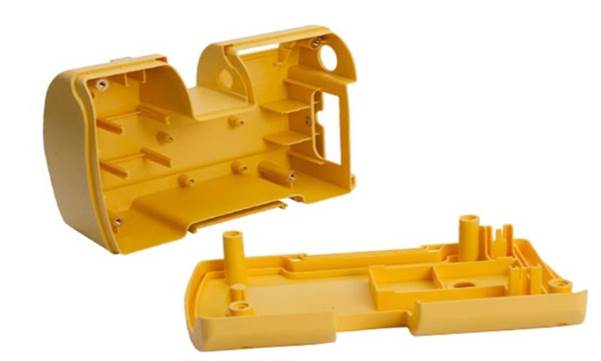
Los fabricantes que operan en el moldeo por inyección de alto volumen en China emplean mecanismos superiores para identificar y corregir los defectos en un breve plazo de tiempo. Esto garantiza una producción de calidad.

Comparación entre el moldeo por inyección de gran volumen y el de bajo volumen

Hay que conocer la diferencia entre la producción de alto volumen y la de bajo volumen. El moldeo por inyección de alto volumen está orientado a la producción en masa, mientras que el de bajo volumen se aplica a la cantidad más pequeña. El moldeo por inyección de plásticos puede realizarse en grandes volúmenes para proporcionar un bajo coste por unidad debido a los grandes volúmenes de producción. Se adapta bien a los productos que tienen una demanda constante.

En cambio, la producción de bajo volumen es adecuada en prototipos o lotes pequeños. Es más barata en términos de costes iniciales, pero más cara en términos de costes unitarios. El moldeo por inyección a medida de alto volumen es el preferido por las empresas que desean aumentar la producción y mantener un diseño individual. El moldeo por inyección de alto volumen en China es preferido por muchas empresas y se aplica en casos en los que se requieren cantidades en grandes números y a costes competitivos.

Industrias más beneficiadas

El moldeo por inyección de alto volumen es muy útil en varias industrias. Es un proceso que se utiliza en la industria del automóvil para obtener componentes duraderos y precisos. La industria electrónica es el sector que depende del moldeo por inyección de plásticos de alto volumen de piezas pequeñas y complicadas. Son los elementos de los dispositivos modernos.

Este es también el método utilizado en la industria del envasado. Productos como botellas, tapones y envases se fabrican a granel. El moldeo por inyección a medida de gran volumen se aplica en la industria médica para fabricar productos seguros y estériles. De este modo se garantiza que se ajusten a las estrictas normativas.

El moldeo por inyección de alto volumen en China contribuye de forma significativa al suministro de productos a este tipo de industrias en todo el mundo.

El futuro del moldeo por inyección de gran volumen

El moldeo por inyección de gran volumen tiene un futuro más prometedor. La automatización es cada vez más frecuente, lo que facilita el trabajo y reduce los errores humanos. Los procesos de producción se están mejorando con el uso de máquinas inteligentes. También se están desarrollando nuevos materiales que pueden utilizarse para mejorar el rendimiento de los productos. Se trata de materiales más potentes, flexibles y sostenibles.

El concepto de sostenibilidad está tomando protagonismo. Los plásticos reciclables en el moldeo por inyección de gran volumen se están utilizando mucho en muchas empresas en las que se quiere minimizar el impacto medioambiental.

Conclusión

El moldeo por inyección de alto volumen es un procedimiento de producción crítico necesario para las empresas que necesitan producir en masa. Tiene numerosas ventajas, como ser rentable, rápido y de la misma calidad. El moldeo por inyección de plástico de alto volumen es más adecuado cuando se producen grandes cantidades del mismo producto, mientras que el moldeo por inyección personalizado de alto volumen se puede utilizar para tener diseños únicos y personalizados. El moldeo por inyección de alto volumen en China es asequible y tiene un alto volumen de producción, por lo que muchas empresas lo prefieren.

Conociendo el proceso, los materiales y las mejores prácticas, las empresas pueden tomar decisiones más informadas y obtener resultados de producción positivos. Moldeo por inyección de gran volumen sigue siendo un aspecto importante de la producción contemporánea y seguirá siéndolo en el futuro.

Preguntas frecuentes

5. ¿Qué costes ahorra el moldeo por inyección de grandes volúmenes?

Los costes iniciales de puesta en marcha también son bastante elevados, pero el coste unitario se reduce en grandes cantidades de producción. Además, la automatización y el uso eficaz de los materiales contribuyen a minimizar los costes en general.

¿Qué significa moldeo por inyección de gran volumen?

El moldeo por inyección de alto volumen es una técnica de fabricación que se emplea en la fabricación de la mayoría de componentes de plástico según un breve plazo de tiempo. Implica el uso de plástico fundido que se inyecta en el molde para fabricar productos de la misma calidad.

2. ¿Por qué la empresa tiene un alto volumen de moldeo por inyección?

Es la que les gustaría a las empresas, ya que consume menos tiempo y no es costosa por unidad en caso de producción en serie. Además, hace que todos los productos parezcan y funcionen de la misma manera.

3. ¿En qué ámbitos se suele aplicar el moldeo por inyección de gran volumen?

Se ha aplicado sobre todo en el sector del automóvil, la electrónica, la sanidad y los artículos para el hogar. Es la mejor cuando se trata de fabricar productos que requieren una producción en serie.

4. ¿Posee un moldeo por inyección de gran volumen que sea rentable?

Sí, es muy rentable cuando se trata de grandes lotes de producción. Aunque el arreglo inicial puede ser costoso, el coste general se reduce con el aumento de la producción de las unidades.

2026./0 Comentarios/por Autor del artículo
https://plas.co/wp-content/uploads/2026/04/image-7.jpeg 374 624 Autor del artículo http://plas.co/wp-content/uploads/2023/02/plas-co-1.jpg Autor del artículo2026-04-04 20:03:432026-04-04 20:03:45Moldeo por Inyección de Alto Volumen: Guía completa para empresas
Plástico moldeado por inyección, moldeo por inyección

Moldeo por inyección de termoplásticos: Una guía completa para la fabricación moderna

Moldeo por inyección de termoplásticos

Thermoplastic injection molding is one such material that has continued to be popular in the world manufacturing industry due to the increased demand of lightweight and high-quality materials. Efficiency, accuracy and cost effectiveness are some of the success factors in the fast production world today. Among the most common processes that fulfill all these requirements is thermoplastic injection molding. It is a high level of production since it enables the companies to make plastic components of the required quality in a consistent and accurate manner.

The process is applied in other businesses within the consumer goods sector, automotive components and others. The businesses will be in a position to make a better production decision because they will know how the same works and what the benefits are.

What is Thermoplastic Injection Molding?

Moldeo por inyección de termoplásticos or injection molding is a manufacturing process that involves forcing a thermoplast in a melt form into a mold and then molded to a required shape. Once the mold is cool and solid the final product is forcefully de-molded.

It is also very efficient as far as mass production is concerned. It enables the manufacturers to come up with detailed designs that are very accurate. Thermoplastic injection molding is also a good method of production in large scale production due to the reusability of molds.

Thermoplastics refer to those materials that can be melted and moulded again and again without the decline of its property. This predisposes them to be very versatile and can be adapted to other applications.

Thermoplastic Injection Molding Manufacturing Process

1. Material Selection

The first step in thermoplastic injection molding process is the process of selecting the right material. e.g. polypropylene, ABS, polycarbonate, normally thermoplastic pellets. Such materials are selected depending on their characteristics such as strength, plastics, heat resistant characteristics and cost. The injection molded thermoplastic is the appropriate material that provides optimum functionality and strength to the part.

2. Melting of the Thermoplastic

This entails melting of the Thermoplastic to acquire the required shape and volume to fill the molding machine. Melting of the Thermoplastic: It is done to melt the Thermoplastic to the shape and volume required and pour into the molding machine.

In a hot barrel of the injection molding machine, the raw plastic pellets are put. The fuse of the pellets in the barrel is homogenous and viscous. The temperature of this stage is very pertinent so that the degradation and smooth run of the molding process can be assured.

The Mold is used to inject the new product into the market.

3. Injection into the Mold

When the thermoplastic is exposed to the appropriate temperature, it is pressed in a mold cavity of the desired size. The shape and nature of the part is determined by the mold. Gates, vents and channels will be constructed in the correct manner that will cause flow of the molten material into the mold to flow evenly to minimise defects. This is one of the required operations of injecting thermoplastic.

4. Freezing and Refreezing

Once the plastic is in the mold it melts and solidifies. Time required in the cooling process would be determined by the material, thickness of the walls and complexity of the component. The cooling must be uniform in order that it lacks warps, sinks or shrinkages.

5. Mold Opening and Part Ejection

The part is then solidified then the mold is opened, and the complete product is ejected. This is then repeated through continuous production. The modern machines are automated and they have computer controls which ensure that the same part is used in the different runs that yield the same part which is of high quality.

6. Processing and Finishing

Even the thermoplastic components that are injection molded could need further finishing i.e. trimming, painting or assembling. These are processes that make the part to be functionally and aesthetically acceptable.

7. Quality Control

Quality check is done by the manufacturers in the process to be acquainted with the dimensions, tolerance and material integrity. Quality maintenance has resulted in thermoplastic injection molding that makes reliable and strong parts to other industries.

Types of Injection Molded Thermoplastic Materials

Manufacture of injection molded thermoplastic material has many different types. The types possess peculiarities which make them suitable to be used in some application.

Materials of some of the forms are:

  • Polypropylene (PP): it is light and non-chemical.
  • Polyethylene (PE): Soft and tough.
  • Acrylonitrile Butadiene Styrene (ABS): Impact resistant and strong.
  • Polycarbonate (PC): Heat resistant and transparent.
  • Nylon (PA): Strong, tough and hard.

The selection of the thermoplastic injection molded material plays a critical role in the determination of the preferred performance and life of the end product.

Benefits of Thermoplastic Injection Molding

Thermoplastic injection molding is advantageous in production in several ways:

  • High efficiency: First in the mass production.
  • Precision: Development of advanced and advanced designs.
  • Rentable: Will decrease material wastes.
  • Reusability: The materials could be reused and recycled.
  • Diversity: It can be applied in other industries.

Such advantages render thermoplastic injection molding as an option worth consideration by those firms that would want to enhance the efficiency of the production.

Thermoset vs Thermoplastic Injection Molding

The difference between thermoset and thermoplastic injection molding needs to be considered in the event that someone is making the correct decision regarding the process. Thermoplastics may be recycled and molten and remodeled at other times therefore making it flexible. Thermoset plastics, on the other hand, do not melt in the curing process and change chemically.

Comparatively, thermoset and thermoplastic injection molding are not easy to handle in comparison to thermoplastics. Thermosets are however, more resistant to heat and their structural stability is greater. The choice of either the thermoset or the thermoplastic injection molding would depend on the application.

Aplicaciones en todos los sectores

The thermoplastics injection molding process is flexible and efficient and thus it can find application in most industries.

  • Auto parts: auto interior components, bumpers and dashboard.
  • Medical: Surgical equipment, syringes and medical equipment.
  • Electrónica: Housing, connections and insulations.
  • Bienes de consumo: Household and toys.

The thermoplastic injection molding is now a mandatory practice in the current production due to the ability to create lightweight and strong products.

Quality Control in Injection Molding

In any production, quality is an issue of concern. Injection molding thermoplastic follows the same idea of quality control which is aimed at making sure that each product is up to standard. The manufacturers have the sophisticated tools and test procedures to verify the dimensions, strength and durability. The quality control minimizes the defects and leaves the customers happy.

One of the highest benefits of injection molding thermoplastic is consistency and this is the reason why it can be used in the large-scale production.

Cost Factors in Thermoplastic Injection Molding

The thermoplastic injection molding prices will vary depending on a sequence of aspects such as the nature of materials that should be employed, shape of the mold and the quantity of units that ought to be produced. The first mold fees are high when done in large volumes but made up by reduced cost of production. Cost saving may also be performed through lavish building and a correct choice of the materials.

Long-term saving and enhanced efficiency in production is one of the aspects that is shared in long-term businesses investing in injection molding of thermoplastics.

Impacto medioambiental y sostenibilidad

Much emphasis is being laid on sustainability in the manufacturing industry. The concept of the thermoplastic injection molding stimulates the green operations because of the possibility of the recycling of the material and the decrease of the waste. Most of the thermoplastics are recyclable in several occasions hence lower pollution to the environment. This makes the process more sustainable as compared to the other manufacturing processes.

The companies that have implemented the application of the thermoplastic injection molding will be in a position to help in the creation of the greener future and be productive at the same time.

Common Defects in Thermoplastic Injection Molding and How to Avoid Them

This is an extremely efficient process that may defect when the production process is taking place. The injection molding is thermoplastic and is known to possess warping, sink marks, short shots and flash. When the part cools in another rate, it gets warped thus bends the part. Good cooling systems can be used to minimize this. The sink marks are tiny dots that are marked on the surface and are normally attributed to the inappropriate pressure or cooling time.

Short shots are done when the mold has not been filled completely as is common due to low injection pressure. But the excess pouring out of the cavity of the mold is flash. Such issues would be prevented by designing appropriate molds and machine configuration during injection molding of thermoplastics.

Importance of Mold Design in Injection Molding Thermoplastic

Designs of molds are very crucial in the success of injection molding thermoplastic. Good material flow, easy cooling, easy to eject the complete part, is given by a good mold.

The considerations of the design of the mold are the location of gates, cooling, and venting. The material can fill up the mold evenly creating minimal defects when the gates are appropriately placed. The cooling channels are applied to maintain the homogenous temperatures and this improves the product quality.

An injection molding thermoplastic has a high quality mold that does not only improve efficiency but also improves the length of production.

Role of Temperature and Pressure Control

Temperature and pressure are some of the most significant parameters involved in the process. When thermoplastics are injected, right temperature will ensure that the substance flows properly and it fills the mold completely. Unwanted heat can destroy the material. With low values, there is a probability of having defects due to the non-flowing of the material as expected. Similarly, sufficient pressure is required to ensure that the mold has a uniform fill.

These variables are closely controlled in order to improve product quality and reduce wastage during injection thermoplastic molding.

Advantages of Injection Molded Thermoplastic in Product Design

The thermoplastic injected plastic is very beneficial in product design. Designers can also come up with complicated shapes, thin wall and detailed features that would have been difficult to accomplish by other means. The advantage of injection molded thermoplastic is the other benefit as there is a possibility of adding several parts in a single component. This saves time on assembling and increases products durability.

The design is adaptable; thus a company can become creative and can invent unique products that can be differentiated in the market.

Comparing Injection Molding Thermoplastic with Other Plastic Processes

There are different processes of plastic manufacturing but thermoplastic through injection molding is efficient and accurate. The shape and detail control of injection molding is better than processes like blow molding and extrusion. It is most appropriate in the case of hard materials of complex profiles.

Despite the fact that injection molding thermoplastic may not be suitable to some of the usages, it becomes suitable in high volume production where the quality of the items used should be constant.

Global Manufacturing Trends and China’s Role

Thermoplastic injection molding has seen China become one of the major nations of production of plastics. Many firms prefer outsourcing production because it is cost effective and efficient in production. The Chinese manufacturers are capable of offering the current machine, workforce, and the capacity to handle massive quantities of manufacturing. They also have good prices hence making them a good option to businesses all over the world.

Moreover, many businesses in China are compliant with the world quality standards, and it ensures the quality and reliability of results. That is why they create such a formidable presence in the global market because of such a combination of cheapness and quality.

Custom Thermoplastic Injection Molding Solutions

Customization is one of the biggest benefits of injection molding of thermoplastics. The manufacturers can come up with products that satisfy individual needs like the size, shape, color and material characteristics. Customized solutions are especially useful in those industries that have special requirements, e.g., aerospace and medical. This is ensured by the fact that it is produced with special components that ensure that they are superior in terms of performance and functionality.

The companies are able to liaise with the manufacturers in developing custom made designs which suit their specifications.

Maintenance and Longevity of Molds

The long life of the molds which will be used in the injection molding of the thermoplastics is a major factor because of maintenance. The cleaning and the inspection are performed on a regular basis in order to avoid the damage and maintain the performance.

Wear and tear may also occur as time goes by due to repetition in the molds. This can be improved by doing a replacement of worn-out parts and routine services.

Maintained molds are known not only to improve the quality of products, but also to reduce the time of production.

Tips for Choosing the Right Material

The material used is critical in the process of defining the outcomes that would be achieved. Some factors must be taken into account in working with injection molded thermoplastic because they contain strength, flexibility, heat resistance and cost.

There are numerous advantages of the media. Using ABS as a case in point, ABS is said to be strong whereas polyethylene is valued to be flexible. These properties will be known and this knowledge will help in making the right choice.

You also get a chance of seeking the recommendation of professionals in order to decide on which injection molded thermoplastic to apply in your project.

Final Words

The thermoplastic moldeo por inyección is important in the modern manufacturing process due to its efficiency, precision, and versatility. The technology and materials are becoming more reliable and inexpensive with the increase in the process, which is making it more cost effective.

It is advantageous to business in industries not only on its flexibility of design but also on mass production. Firms can maximize this powerful manufacturing process through knowledge about the process, materials and best practices.

Preguntas frecuentes

1. What is injection thermoplastic molding?

Injection molding is a thermoplastic process of manufacturing where a form of plastic known as thermoplastic molten material is injected into a mold to make the perfect parts of the plastics. It is widely used in production of complex shapes and in high volume production.

2. What is the thermoplastic injection molded components materials?

These materials include polypropylene (PP), ABS, polycarbonate (PC), polyethylene (PE) and nylon (PA). Each injected dose of thermoplastic material is determined depending on its strength, flexibility, heat resistance and requirement of usage.

3. What is the distinction between injection molding thermoplastic and other processes?

Thermoplastic injection molding creates shapes of an exact, detailed, and repeatable nature, which cannot be achieved with extrusion and blow molding. It is applied effectively in the production of solid components of complicated geometry and it is quite efficient in large scale production.

4. What is the difference between thermoset and thermoplastic injection molding?

Through thermoset/ thermoplastic injection molding, thermoplastics are capable of being melted and remodeled several times, whilst thermosets are unable to melt and are subject to chemical curing. Thermoplastics are easier and can be recycled, whereas thermosets are more resistant to heat and chemicals.

5. What will I do to avoid defect in injection molding of thermoplastic?

Warping, sink marks and flash are the defects that are normally experienced. Their defects are reduced through the proper design of the mold, the control of temperature and pressure, and the use of high-quality thermoplastic material of high quality, which results in the production that is consistent and reliable.

2026年4月1日/0 Comentarios/por Autor del artículo
https://plas.co/wp-content/uploads/2026/04/image.jpeg 361 601 Autor del artículo http://plas.co/wp-content/uploads/2023/02/plas-co-1.jpg Autor del artículo2026-04-01 23:58:462026-04-01 23:58:50Moldeo por inyección de termoplásticos: Una guía completa para la fabricación moderna
Plástico moldeado por inyección, moldeo por inyección, fabricante de moldes china

Moldeo por Inyección de Plástico a Medida en China: Una guía completa para las empresas

Moldeo por inyección de plástico a medida China

Custom plastic injection molding china is now among the most used products in the competitive manufacturing world, providing companies with accuracy, scalability and affordability. Whether a startup or an established brand, regardless of the choice, it might be worth learning how to utilize a custom plastic injection molding service and make the right decision regarding the development of products and achieve high-level outcomes.

Through the custom plastic moldeo por inyección service, the companies can manufacture elaborate design with repeatability, less cost and within a strict deadline. It is also a flexible method of manufacturing as it can be flexible in terms of material choice and customization and therefore can be applied to different industries like automotive, medical, electronics and consumer goods.

What is Custom Plastic injection Molding?

Custom plastic injection molding is a fabrication manufacturing technique in which molten plastic is forced into a mold to form certain shapes and parts. The application of this method has been common in automotive, medical, electronics, and consumer goods industries. Impressionists can create sophisticated designs using the custom injection molded plastics that are highly accurate and consistent.

Plastics in Custom Injection Molding Materials

Successful custom plastic injection molding involves the selection of a material. Various materials have varied characteristics like strength, pliability and heat resistance.

The materials that are commonly used are:

Significance of Material Choosing

Identifying the material is one of the most important decisions that are made in the attainment of high-quality output in custom plastic injection molding china. The choice of material is significant as it affects the performance, durability as well as the overall functionality of the final product. Various plastics possess various characteristics like strength, flexibility, chemical resistance, and heat tolerance hence the choice of material is a major challenge among manufacturers and businesses.

Common Materials Used

They are easily modified into ABS, polypropylene, polyethylene, polycarbonate, and nylon which are the most popular injection molded plastics. The purposes of using, the needs of the product define a priori whether a specific material will be used or not.

ABS (acrilonitrilo butadieno estireno)

ABS also is extremely popular with strength and impact resistance. This has been widely applied in the auto parts sector, electronics casing, and domestic goods as it resists wear and tear and gives a nice finish.

Polipropileno (PP)

Polypropylene is a very light material and besides, it is very chemical resistant. Wrapping is also a habit of the people as it is non-toxic and flexible, and used to wrap medical parts, food wrappings and packaging.

Polietileno (PE)

Polyethylene is a robust plastic. It is normally applied in containers, plastic bags and piping systems in which high toughness and water resistance are required.

Policarbonato (PC)

Polycarbonate is dreadfully tough and transparent. It is a typical security product which is of the mill lens and optical usage where sharpness and impact strength is a necessity.

Nylon (PA)

Nylon is a hard and wear tough material. The other application sphere, which it is used in, is engineering, gears and industry elements.

Regarding the work of custom plastic injection molding, the makers will take into account the service of the products, in selecting the proper material. Any custom plastic injection molding china that could utilize an incredible number of materials offers any possible solution that the businesses could provide with high levels of customization and viability.

The custom plastic injection molding process

This knowledge of the process assists businesses to plan production in a better way and attain familiar outcomes. The process of custom plastic injection molding china is geared towards precision of the process, efficiency and fine quality output to a broad segment of industries.

Diseño de moldes

It starts with the design of the mold where engineers develop a blueprint of the mold detailed on the product specifications. This is an important step since the shape, size and accuracy of the final product can be determined by the mold. Custom plastic injection molding is often done with advanced software and technology making sure that the design and functionality are perfect.

Selección de materiales

Secondly, one picks a suitable plastic material. The various materials have different characteristics like strength, flexibility and heat resistance. The selection of appropriate material is a prerequisite to the durability and performance in custom injection molded plastics.

Inyección

After the two have been prepared, the high pressure is applied to the mold and high-pressure molten plastic is injected into it. This measure is used to ensure that the material conforms to all corners of the mold, and all the details are captured perfectly.

Refrigeración

The plastic is injected and then left to cool and harden in the mold. Sufficient cooling is required to ensure that the product shape and structure are not affected.

Expulsión y acabado

Lastly, the product that is solidified is forced out of the mold. Further finishing can be done to improve the appearance and functionality of the item through trimming, polishing, or coating.

This is an efficient and simplified process and the reason why custom plastic injection molding china is highly applicable in large scale and high-quality production.

Custom plastic injection molding in China- Quality Control

The quality of custom plastic injection molding services is also a high priority. Good manufacturers observe high quality control measures that include:

  • Raw material inspection
  • In-process quality checks
  • Final product testing
  • International standards (ISO certifications) have been used.

These practices will guarantee that custom injection molded plastics are the best in terms of quality in the world.

Benefits of doing Business with the Chinese Producers

Collaborating with firms that provide tailor-made plastic injection molding china is a broad benefit to businesses that are interested in expanding the production at a low cost and high volume. China has over the years emerged to be a manufacturing hub in the world with companies form every part of the world establishing their presence in China because of its capabilities and competitive advantages.

Faster Turnaround Times

Among the most significant advantages of the decision to use the custom plastic injection molding china, quicker production and delivery can be mentioned. Modern machinery and lean production procedures enable Chinese manufacturers to deal with high volumes of production under strict deadlines. This velocity assists enterprises in getting products into the market faster and are ahead of their competitors.

Access to Global Shipping

The other significant opportunity is that it has access to well-developed shipping networks in the world. Firms which provide custom services of plastic injection molding in china are very experienced in international logistic services, and therefore the smooth and timely delivery of products globally is achieved. This has simplified the process through which businesses control supply chains and access international markets without any hustles.

Low Rigidity in Customization

Chinese manufacturers are highly flexible as far as customization is concerned. Custom injection molded plastics can be designed to fit exactly your requirements whether unique designs are required, specific materials are required or complex shapes are required. Such a degree of customisation enables enterprises to produce unique quality products.

Effective Supply Chain Networks

China has a properly grown supply chain ecosystem, which enables it to source raw materials and components efficiently. This great network guarantees a high quality and minimal delays in production in the custom plastic injection molding china projects.

Soluciones rentables

Besides the above advantages, cost efficiency has been a significant factor that drives the businesses towards custom injection molding of plastic on a china. Reduced costs of Labor and production assist the businesses to maximize profits and still be of high quality.

On the whole, these strengths render custom plastic injection molding china as an optimal partner of foreign companies that want to find high quality, scalable and reliable manufacturing options.

What is the Rational Choice of Custom Plastic Injection Molding China?

Custom plastic injection molding china is a top choice among various businesses in the current manufacturing industry across the globe due to its high quality, efficiency and low cost. China has proven to be a major plastic injection molding center with a variety of advantages that have made it a good destination to many companies in the global market.

Eficiencia de costes

Cost efficiency is one of the primary factors that force businesses to resort to custom plastic injection molding china. The prices of the Chinese manufacturers are very competitive and do not affect the quality. This enables them to make large volumes of injection molded plastics that are custom made at a reduced unit price. Mass production is less expensive and it is best suited to startups and well-established brands that want to have a high profit margin but at the same time preserve its quality standards.

Tecnología avanzada

Modern technology is another benefit of the decision of custom plastic injection molding china. The machinery, automation, and the latest production methods are present in factories in China. This will guarantee that all the products manufactured are accurate, uniform, and are of global quality. High technology also enables production time to be much faster and deal with highly complex designs in custom plastic injection moulding.

Mano de obra cualificada

The Chinese manufacturers have a more experienced workforce with years of experience in the custom plastic injection molding services. These experts are educated to handle complex operations, use of materials efficiently and also to provide dependable and quality products. They are so good that they make businesses get custom injection molded plastics that are precise to specifications and functionality.

Escalabilidad

The other reason why custom plastic injection molding china is very popular is scaled. Chinese manufacturers are able to handle small batches to be used in prototyping or a large-scale production run depending on the quantity a business may need. This gives companies ease to grow and develop without having to be concerned with production restrictions.

Cost Factors to Consider

Custom plastic injection molding china has a price that varies based on a number of factors:

  • Mold design complexity
  • Material type
  • Production volume
  • Surf finishing specifications

Even though the first costs of the mould may be expensive, mass production will save a lot of money on the unit price, so custom injection molding of plastic will be extremely cost effective.

Custom Injection Molded Plastics Uses

Injected plastics Custom injection molded plastics find wide applications in various industries in various respects as they can be manufactured with precision according to the needs, and are durable as they can be easily used in various applications. Custom plastic injection molding is a necessary solution to the modern-day industries because it is a flexible method of producing quality products that are specific to numerous applications.

Industria del automóvil

The automotive industry is one of the main fields to which custom injection molded plastics are used. Manufacturers are using these plastics to make parts of dashboards, bumpers, interior trims and engine parts. The custom plastic injection molding china allows the automotive companies to be highly precise and consistent which is essential in terms of safety and performance.

Productos sanitarios

The custom plastic injection molding services are applied in the medical sector where they are applied to make parts of surgical instruments, diagnostic equipment as well as medical packaging. Custom injection molded plastics are important in healthcare because they are able to produce sterile, accurate, and long-lasting parts with the most important factor being quality and reliability.

Electrónica

Electronics is another large industry that depends on the custom plastic injection molding. Such components as casings, connectors, switches, and housings are produced through this process. Plastic injection molding china manufacturers in China are able to offer high quality products that are able to fit the exact specifications needed with electronic devices.

Soluciones de envasado

Custom injection molded plastic has excelled in packaging because of its light weight, cost effectiveness and moulding into complex shapes. The custom plastic injection molding services can be utilized effectively to make products including bottles, caps, containers and protective packaging.

Household Products

Custom plastic injection molding is extensively employed to make strong and attractive household items, such as kitchen utensils, storage containers, etc. This can be done on a large-scale production and quality and consistency is ensured.

Custom plastic injection molding china is versatile and reliable which has made it to be the preferred choice of a business in different industries. Having provided accurate, economical and scalable manufacturing processes, custom injection molded plastics enable firms to satisfy their products effectively and efficiently.

The Major Advantages of Custom Plastic Injection Molding Services

Plastic injection molding services can be customized to provide a wide range of benefits to companies in search of quality, reliable, cost-effective services in manufacturing.

High Precision and Accuracy

Precision is one of its principal advantages. Custom plastic injection molding is also used when every component needs to be manufactured to a very specific specification, and also when a high degree of consistency and quality is necessary in the production.

Flexibilidad del material

The services offer material choice flexibility. A great variety of plastics can be used by manufacturers, which makes businesses select the most suitable material in terms of durability, strength, or certain functionality.

Reduced Waste

The system is very effective and it reduces wastage of materials. This renders custom plastic injection molding-based china as a green manufacturing method but at lower production cost.

Fast Production

Once the mold is made, it is fast and uniform to make. High quantities of custom injection molded plastics can be manufactured in a short period supporting small scale as well as large scale manufactures.

The advantages of the latter are what render custom plastic injection molding services a crucial solution to the contemporary product manufacturing.

The selection of the appropriate manufacturer in China

The process of choosing the appropriate partner to provide custom plastic injection molding china is very essential. Here are some tips:

  • Certifications and quality standards of checks.
  • Look through previous projects and reviews on client feedback.
  • Consider their experience in specialty injection molded plastics.
  • Make sure there is proper communication and facilitation.

An efficient supplier of personalized plastic injection molding services has the potential to influence the quality of your product greatly.

Reflexiones finales

To sum up, it is evident that custom plastic injection molding china is an effective solution to companies that want to achieve both quality and cost-effective manufacturing. It remains one of the leading preferences in the world due to modern technologies, professionalism, and versatile production.

With a proper selection of a partner and knowledge of the process, you will be able to enjoy the full advantage of custom plastic injection molding and make long-lasting, accurate, and innovative products.

Preguntas frecuentes

1. What is custom plastic injection molding?

Custom plastic injection molding is a production process in which molten plastic is forced into a mold in order to develop accurately shaped components and parts. It is commonly found in such industries as automotive, electronics and medical devices.

2. Why is custom plastic injection molding China the way to go?

Custom plastic injection molding China is cost efficient with high technology, skilled labour force and scale up production which is suitable in both small and big scaled manufacturing projects.

3. What are the materials that can be employed in custom injection molded plastics?

Some of the materials available to the manufacturers to suit individual requirements in products include ABS, polypropylene (PP), polyethylene (PE), polycarbonate (PC) and nylon (PA).

4. What is the average duration of the process of custom plastic injection molding?

The time required to produce a mold is dependent on the complexity of the mold, choice of material and quantity of batches. When the mold is prepared, it is possible to manufacture custom injection molded plastics in a short time and in regular quantities.

5. What are the advantages of the use of custom plastic injection molding services?

Among the advantages are high accuracy, plastics pliability, less wastage, rapid manufacturing, and inexpensive production which makes custom plastic injection molding China the best option among businesses in the world.

2026年3月26日/0 Comentarios/por Autor del artículo
https://plas.co/wp-content/uploads/2026/03/image.jpeg 361 601 Autor del artículo http://plas.co/wp-content/uploads/2023/02/plas-co-1.jpg Autor del artículo2026-03-26 01:26:292026-03-26 01:26:31Moldeo por Inyección de Plástico a Medida en China: Una guía completa para las empresas
Plástico moldeado por inyección, moldeo por inyección

Piezas moldeadas por inyección: Una guía polivalente

Piezas moldeadas por inyección: Una guía polivalente

La producción de piezas moldeadas por inyección es un componente importante de la industria contemporánea. El moldeo por inyección se utiliza para fabricar muchos de los productos que nos rodean. Se trata de un proceso que ayuda a fabricar componentes resistentes y precisos. Se trata de componentes que encuentran su aplicación en numerosos campos. La calidad de los productos moldeados que se demandan aumenta cada año.

La razón del amplio uso de piezas de plástico moldeadas por inyección es que son duraderas y económicas. Permiten a las empresas fabricar grandes cantidades de productos con la misma forma. Los diseños complejos también funcionan bien en este proceso. Mientras tanto, las piezas de moldeo por inyección son importantes para dar forma a estos productos. El proceso no puede desarrollarse bien sin los componentes de molde adecuados.

La popularidad del moldeo por inyección se debe a que ahorra tiempo. También reduce los residuos. El método permite la producción en ciclos cortos. Es algo de lo que muchas industrias no pueden prescindir.

Moldeo por inyección de plástico: ¿Qué es el moldeo por inyección de plásticos?

Plástico moldeo por inyección se refiere a un proceso de producción. Con su ayuda se fabrican productos de plástico en grandes cantidades. También es un procedimiento rápido y fiable. Con él se pueden fabricar piezas de la misma forma y tamaño en todos los casos.

En este proceso, primero se calienta el material plástico. El plástico se ablanda y se funde. A continuación, el plástico líquido se introduce en un molde. El molde tiene una forma específica. Cuando el plástico se enfría, se solidifica. La pieza entera se saca del molde.

Moldeo por inyección de plástico: ¿Qué es el moldeo por inyección de plásticos?

El moldeo por inyección de plástico se utiliza para fabricar productos simples y complejos. Permite una gran precisión. También reduce el derroche de material. La razón tiene que ver con el hecho de que es popular porque se pierde menos tiempo y dinero.

Tabla 1: Componentes de los moldes de moldeo por inyección

Componente del moldeMaterial típicoToleranciaAcabado superficialCiclo de vida típicoFunción
Núcleo y cavidadAcero endurecido / Aluminio±0,01-0,03 mmRa 0,2-0,8 μm>1 millón de disparosFormas características internas y externas
CorredorAcero / Aluminio±0,02 mmRa 0,4-0,6 μm>500.000 disparosCanaliza el plástico fundido hacia la cavidad
PuertaAcero / Aluminio±0,01 mmRa 0,2-0,5 μm>500.000 disparosControla la entrada de plástico en la cavidad
Canales de refrigeraciónCobre / Acero±0,05 mmRa 0,4-0,6 μmContinuoElimina el calor eficazmente
Pasadores eyectoresAcero endurecido±0,005 mmRa 0,3-0,5 μm>1 millón de disparosExpulsa la pieza acabada sin dañarla
Ranuras de ventilaciónAcero / Aluminio±0,01 mmRa 0,2-0,4 μmContinuoLibera el aire atrapado durante la inyección

Conocer el proceso de moldeo por inyección

Un método de producción controlado y preciso es la tecnología de moldeo por inyección. Se aplica en la producción de componentes de plástico de gran precisión. Se trata de un procedimiento funcional que se produce por etapas. Cada etapa tiene unos parámetros y valores numéricos.

Selección y preparación de materiales

Comienza con la materia prima plástica. Suele envasarse en forma de gránulos o pellets. Dicho material suele ser ABS, polipropileno, polietileno y nailon.

  • Tamaño del pellet: 2-5 mm
  • Contenido húmedo antes del secado: 0.02% -0.05%
  • Temperatura de secado: 80°C-120°C
  • Tiempo de secado: 2-4 horas

Un secado adecuado es fundamental. La humedad puede provocar burbujas y defectos en la superficie de las piezas moldeadas.

Fusión y plastificación

Los gránulos de plástico se secan y se introducen en la moldeo por inyección máquina. Pasan por un tornillo que gira y por un barril caliente.

  • Zonas de temperatura del barril: 180°C-300°C
  • Velocidad del tornillo: 50-300 RPM
  • Relación de compresión del tornillo: 2.5:1 -3.5:1.

El plástico se funde al girar el tornillo. La sustancia se convierte en una masa homogénea de líquido. Incluso la fusión ofrece consistencia del componente.

Fase de inyección

Una vez fundido el plástico, se introduce en la cavidad de moldeo. El molde se llena con gran presión de forma rápida y regularizada.

  • Presión de inyección: 800-2000 bar
  • Velocidad de inyección: 50-300 mm/s
  • Tiempo de inyección: 0,5-5 segundos

No se utilizan disparos cortos ni destellos gracias a un control adecuado de la presión. Se pretende llenar todo el molde antes del inicio del enfriamiento del plástico.

Fase de embalaje y retención

Se llena el molde y se le aplica presión. Esto se hace para superar el proceso de contracción del material a temperatura ambiente.

  • Presión de carga: 30-70 por ciento de flujo de inyección.
  • Tiempo de espera: 5-30 segundos
  • Tasa de contracción típica: 0,5%-2,0%

Este proceso aumenta la concentración y la dimensión de la pieza. También reduce las endoprótesis internas.

Proceso de enfriamiento

El moldeo por inyección es el proceso que requiere más tiempo de enfriamiento. A continuación, la sustancia plástica se solidifica y se funde.

  • Temperatura del molde: 20°C-80°C
  • Tiempo de enfriamiento: 10-60 segundos
  • Eficacia de la transferencia de calor: 60%-80%

La eliminación del calor se realiza mediante canales de refrigeración en el molde. Un enfriamiento adecuado elimina el alabeo y los defectos de la superficie.

Apertura y expulsión de moldes

Tras enfriarse, el molde se abre. Una sección que se ha completado se retira utilizando pasadores o placas eyectoras.

  • Velocidad de apertura del molde: 50-200 mm/s
  • Fuerza de expulsión: 5-50 kN
  • Tiempo de expulsión: 1-5 segundos

Expulsión: Una expulsión cuidadosa no dañará las piezas. El cierre del molde inicia el siguiente ciclo.

Duración del ciclo y rendimiento de la producción

La duración total del ciclo será diferente en función del tamaño de las piezas y del material.

  • Duración media del ciclo: 20-90 segundos
  • Velocidad de salida: 40 -180 piezas/hora.
  • Fuerza de sujeción de la máquina: 50-4000 toneladas

La reducción de los tiempos de ciclo aumentará la productividad. Sin embargo, la calidad debe mantenerse constantemente.

Seguimiento y control del proceso

En las máquinas actuales se emplean sensores y automatismos. Estos sistemas controlan la presión, el caudal y la temperatura.

  • Tolerancia a la temperatura: ±1°C
  • Tolerancia a la presión: ±5 bar
  • Precisión dimensional: ±0,02 mm

La supervisión del proceso garantiza la uniformidad de la calidad. También se reducen las piezas desechadas y los tiempos de inactividad.

Importancia de los componentes del moho

El moldeo por inyección depende de las partes del molde. Cada uno de los elementos del molde desempeña una función. Estos son la conformación, el enfriamiento y la expulsión.

En moldeo por inyección de plástico Se considera que el éxito de las piezas depende del correcto diseño del molde. Un molde deficiente puede causar defectos. Estos defectos incluyen grietas y superficies desequilibradas. Por otra parte, las piezas moldeadas mediante moldeo por inyección ayudan a garantizar la precisión. También garantizan que vayan en buenos ciclos.

Se moldean piezas protractoras de alta calidad. También reducen los costes de mantenimiento. Esto la hace más eficaz y fiable.

Información técnica sobre componentes de moldes

Los componentes del molde son los elementos más importantes del sistema de moldeo por inyección. Controlan la forma, la precisión, la resistencia y la calidad de la superficie. Sin componentes de molde bien diseñados, es imposible lograr una producción estable.

Moldeo por inyección de plástico: ¿Qué es el moldeo por inyección de plásticos?

Núcleo y cavidad

El núcleo y la cavidad son los que determinan la forma final del producto. La superficie externa está formada por la cavidad. El núcleo constituye las características internas.
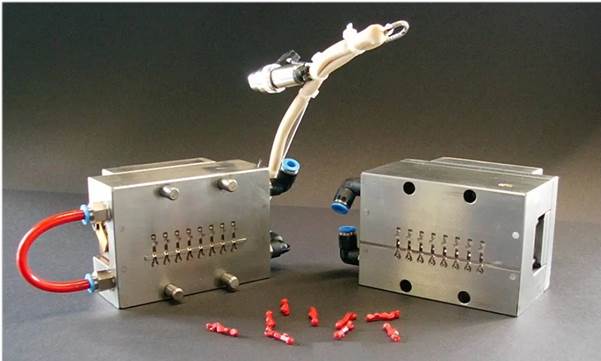
  • Tolerancia dimensional: ±0,01-0,03 mm
  • Acabado superficial: Ra 0,2-0,8 µm
  • Dureza típica del acero: 48-62 HRC

La precisión en el núcleo y la cavidad es alta, por lo que se minimizan los defectos. También mejora la uniformidad de las piezas.

Sistema de corredores

El sistema del canal dirige el plástico fundido en la boquilla de inyección hacia la cavidad. Influye en el equilibrio del flujo y la velocidad de llenado.

  • Diámetro de la corredera: 2-8 mm
  • Velocidad de flujo: 0,2-1,0 m/s
  • Límite de pérdida de presión: ≤10%

La reducción del desperdicio de material se consigue mediante un diseño adecuado del canal. También tiene un llenado uniforme.

Diseño de puertas

La compuerta regula el flujo de plástico en la cavidad. La calidad de la pieza depende del tamaño y el tipo de compuerta.

  • Grosor de la puerta: 50 -80 del espesor de la pieza.
  • Ancho de la puerta: 1-6 mm
  • Límite de velocidad de cizallamiento: <100,000 s-¹

El diseño de compuerta derecha elimina las líneas de soldadura y las marcas de quemaduras.

Sistema de refrigeración

Las pistas de enfriamiento se utilizan para enfriar el molde. Este sistema influye directamente en el tiempo de ciclo y la estabilidad de las piezas.

  • Diámetro del canal de refrigeración: 6-12 mm
  • Distancia del canal a la cavidad: 10-15 mm.
  • Diferencia máxima de temperatura permitida: < 5 °C.

La facilidad de refrigeración mejora la precisión dimensional. También reduce el tiempo de producción.

Sistema de eyección

Cuando se enfría, la pieza se expulsa dentro del sistema de expulsión. Tiene que ejercer fuerza en igual cantidad para evitar daños.

  • Diámetro del pasador eyector: 2-10 mm
  • Fuerza de expulsión por pasador: 200-1500 N
  • Longitud de la carrera de eyección: 5-50 mm

La expulsión uniforme elimina grietas y deformaciones.

Sistema de ventilación

El aire puede quedar atrapado y escapar por los respiraderos al inyectar. Las quemaduras y el llenado incompleto se deben a una mala ventilación.

  • Profundidad de ventilación: 0,02-0,05 mm
  • Ancho de ventilación: 3-6 mm
  • Presión de aire máxima: <0,1 MPa

Una ventilación adecuada mejora la calidad de las superficies y la vida útil de los moldes.

Base y componentes de alineación Base del molde

La base del molde soporta todas las piezas. Se utilizan casquillos y pasadores guía para proporcionar una alineación adecuada.

  • Tolerancia del pasador guía: ±0,005 mm
  • Planitud de la base del molde: ≤0,02 mm
  • Alineación del ciclo de vida: más de 1 millón de disparos.

La alta alineación disminuye el desgaste y el destello.

Cuadro 2: Parámetros clave del proceso

ParámetroGama recomendadaUnidadDescripciónValor típicoNotas
Temperatura del barril180-300°CSe aplica calor para fundir el plástico220-260Depende del tipo de material
Presión de inyección800-2000barPresión para empujar el plástico fundido en el molde1000Ajuste en función del tamaño y la complejidad de la pieza
Temperatura del molde20-120°CSe mantiene la temperatura para una refrigeración adecuada60-90Mayor para plásticos técnicos
Tiempo de enfriamiento10-60segundosTiempo para que el plástico se solidifique25-35Depende del grosor de la pared
Duración del ciclo20-90segundosTiempo total por ciclo de moldeo30-50Incluye inyección, envasado y refrigeración
Fuerza de expulsión5-50kNFuerza para extraer la pieza del molde15-30Debe evitar daños en las piezas

Materias primas Moldeo por inyección

La selección de materiales es muy importante. Influye en la calidad, la estabilidad, las perspectivas y el precio del producto final. Seleccionar el plástico adecuado es necesario para garantizar que las piezas funcionarán y se imprimirán correctamente.

Materias primas Moldeo por inyección

Materiales termoplásticos

Los materiales más extendidos son los termoplásticos debido a que pueden fundirse y reutilizarse varias veces. Existe un amplio uso de ABS, polipropileno, polietileno y poliestireno. El ABS es resistente a los golpes y fuerte, y se funde entre 200 y 240 °C. El polipropileno se funde a temperaturas de 160 °C o 170 °C; es ligero y resistente a los productos químicos. El polietileno tiene un punto de fusión de 120 °C a 180 °C y es adecuado en productos resistentes a la humedad.

Plásticos técnicos

Las piezas de alta resistencia o resistentes al calor se fabrican con plásticos técnicos como el nailon, el policarbonato (PC) y el POM. El nailon funde a 220 °C -265 °C y se aplica en engranajes y piezas mecánicas. El policarbonato es un polímero resistente y transparente que funde entre 260 °C y 300 °C. El POM tiene una temperatura de fusión de 165 °C a 175 °C y es preciso en componentes.

Plásticos termoestables

Los plásticos termoestables son difíciles de volver a fundir una vez moldeados porque se endurecen permanentemente. Funden entre 150 °C y 200 °C y se utilizan en aplicaciones de alta temperatura, como componentes eléctricos.

Aditivos y cargas

Los materiales se mejoran con aditivos. Las fibras de vidrio (10% -40 porcentaje) añaden resistencia, las cargas minerales (5%-30 porcentaje) reducen la contracción y el estabilizador UV (0,1-1 porcentaje) protege contra el sol. Estos componentes auxiliares son más duraderos y funcionan mejor.

Requisitos para la selección de materiales

La selección del material depende de factores como la temperatura, la resistencia, la confrontación química, la humedad y el coste. Una selección adecuada dará como resultado productos duraderos, precisos y de calidad, y reducirá los errores y los residuos.

Tabla 3: Propiedades de los materiales

MaterialTemperatura de fusión (°C)Temperatura del molde (°C)Presión de inyección (bar)Resistencia a la tracción (MPa)Contracción (%)
ABS220-24060-80900-150040-500.5-0.7
Polipropileno (PP)160-17040-70800-120030-351.0-1.5
Polietileno (PE)120-18020-50700-120020-301.5-2.0
Poliestireno (PS)180-24050-70800-120030-450.5-1.0
Nylon (PA)220-26580-1001200-200060-801.5-2.0
Policarbonato (PC)260-30090-1201300-200060-700.5-1.0
POM (Acetal)165-17560-80900-150060-701.0-1.5

Componentes fabricados mediante el proceso de moldeo por inyección de plástico

El moldeo por inyección de plástico es un proceso que crea un gran número de componentes aplicables en diversos sectores. El proceso es preciso, duradero y de gran volumen de producción. A continuación se muestran ejemplos de componentes típicos producidos de esta manera.

Componentes fabricados mediante el proceso de moldeo por inyección de plástico

Piezas de automóvil

  • Cuadros de mando
  • Parachoques
  • Rejillas de ventilación
  • Paneles de puerta
  • Pomos de cambio
  • Componentes del sistema de combustible
  • Revestimientos interiores

Piezas médicas

  • Jeringuillas
  • Conectores de tubos
  • Instrumental quirúrgico
  • Componentes IV
  • Carcasas de productos sanitarios
  • Instrumental médico desechable

Piezas electrónicas

  • Carcasas para dispositivos
  • Interruptores y botones
  • Pinzas para cables y sujetacables
  • Conectores y clavijas
  • Teclas del teclado
  • Carcasas para circuitos impresos

Productos de embalaje

  • Botellas y tarros
  • Tapones y cierres de botellas
  • Recipientes para alimentos
  • Recipientes para cosméticos
  • Tapas y precintos
  • Cajas de almacenamiento

Bienes de consumo e industriales

  • Juguetes y figuras
  • Herramientas domésticas
  • Componentes del aparato
  • Accesorios de construcción
  • Clips y cierres precisos.
  • Piezas de máquinas industriales

Diseño y precisión

El diseño contribuye en gran medida al éxito. Un molde eficaz mejora la calidad de un producto. Además, minimiza los errores durante la producción.
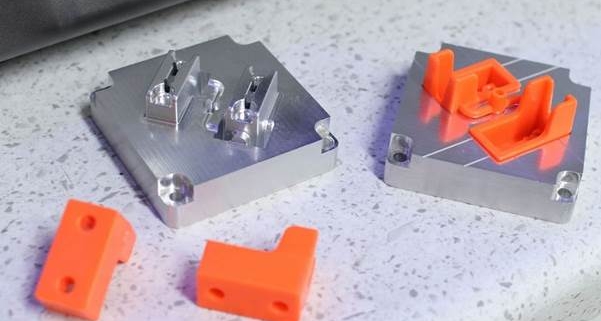
Las partes del proceso de moldeo por inyección de plástico requieren unas dimensiones estrictas. El rendimiento puede verse influido por pequeños errores. Esta es la razón por la que la creación de las piezas del molde de moldeo por inyección se diseña con tolerancias estrechas. En el diseño se suelen emplear programas informáticos de última generación.

Componentes fabricados mediante el proceso de moldeo por inyección de plástico

La resistencia también se refuerza con un buen diseño. Mejora el aspecto. Garantiza un ajuste superior en los ensamblajes finales.
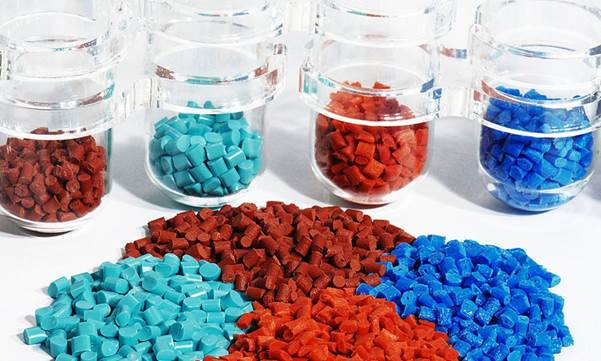
Aplicaciones industriales

Muchas industrias también utilizan el moldeo por inyección, que es rápido, exacto y económico. Permite la producción en serie de piezas idénticas con una precisión muy alta.

Industria del automóvil

En el sector del automóvil, los salpicaderos, parachoques, salidas de aire y paneles interiores se fabrican con piezas de plástico moldeadas por inyección. Estos componentes deben ser potentes, ligeros y resistentes al calor. En particular, se hace por moldeo, con lo que las formas son exactas y uniformes para evitar cualquier problema de seguridad y calidad.

Industria médica

En medicina Las jeringuillas, los conectores de tubos y el instrumental quirúrgico se fabrican mediante moldeo por inyección. Se necesita mucha precisión e higiene. En particular, las piezas de moldeo por inyección de plástico pueden estar hechas de plásticos de grado médico, y las piezas de moldeo por inyección se pueden utilizar para garantizar la precisión y suavidad.

Industria electrónica

Carcasas, conectores, interruptores y sujetacables se fabrican en la industria electrónica mediante moldeo por inyección. Las piezas de moldeo por inyección de plástico aseguran los frágiles circuitos, y las piezas de moldeo por inyección son necesarias para que las piezas encajen perfectamente.

Industria del embalaje

El moldeo por inyección también se aplica en el envasado de botellas, recipientes, tapones y cierres. Las piezas del moldeo por inyección de plástico se utilizan para dar las formas y tamaños requeridos, mientras que las piezas del moldeo por inyección se utilizan para producir en grandes cantidades en el menor tiempo posible creando un desperdicio mínimo.

Otras industrias

También se inyectan productos de consumo, juguetes, construcción y aeroespaciales. Su flexibilidad y precisión le permiten adaptarse a casi cualquier producto de plástico, ya sea un simple electrodoméstico o complicadas piezas técnicas.

Control de calidad y pruebas

En la fabricación, se requiere un control de calidad. Todas las piezas deben desecarse para cumplir los requisitos de diseño. Las pruebas son una medida de la seguridad y el rendimiento.
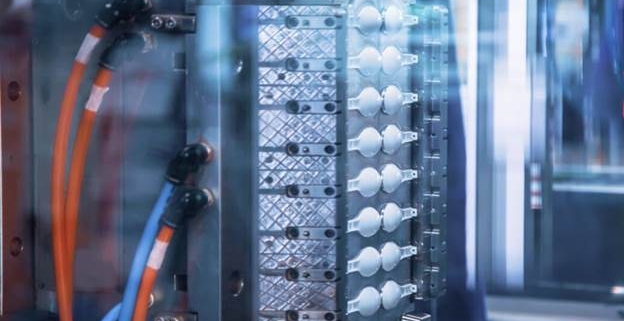
Las piezas moldeadas por inyección de plástico se someten a inspecciones visuales y mecánicas. Gracias a estas comprobaciones, los defectos se detectan en una fase temprana. Simultáneamente, se inspecciona el desgaste y los daños de las piezas del molde de inyección. Las inspecciones frecuentes eliminan los fallos de producción.

Una buena gestión de la calidad aumenta la confianza de los clientes. También minimiza las pérdidas y los gastos.

Ventajas del moldeo por inyección

El moldeo por inyección tiene numerosas ventajas. Permite un ritmo de producción rápido. También garantiza la repetición.

Moldeo por inyección de plástico Las piezas son dinámicas y ligeras. Son capaces de producirse en serie. Mientras tanto, la automatización se apoya en el uso del moldeo por inyección de las piezas del molde. Esto reduce el coste de la mano de obra y los errores.

Ventajas del moldeo por inyección

Además, el proceso es respetuoso con el medio ambiente. El material de desecho puede reutilizarse. Esto contribuirá a mitigar el impacto ambiental.

Retos y soluciones

El moldeo por inyección, al igual que cualquier otro proceso, supone un reto. Hay problemas de material y de desgaste de los moldes. Los entornos desfavorables provocan defectos.

Los defectos de las piezas pueden evaluarse en ausencia de una manipulación adecuada de las “piezas de moldeo por inyección de plástico". Estos riesgos pueden minimizarse mediante una formación adecuada. Al mismo tiempo, las piezas de molde que se utilizan en el moldeo por inyección deben recibir un mantenimiento regular. Esto asegura una larga vida útil.

La tecnología moderna será útil para resolver muchos problemas. La eficiencia aumenta gracias a la automatización y la supervisión.

El futuro del moldeo por inyección

El futuro del moldeo por inyección es sólido. Hay un desarrollo de nuevos materiales. La fabricación inteligente se está convirtiendo en una realidad.

Se mejorarán las piezas de plástico moldeadas por inyección. Serán más significativas y ligeras. Al mismo tiempo, se aplicarán mejores materiales y revestimientos a la pieza moldeada por inyección. Esto aumentará la longevidad.

La industria seguirá caracterizándose por la innovación. Las empresas competitivas serán las que cambien.

El papel de China

China contribuye significativamente al mercado mundial del moldeo por inyección. Es uno de los mayores fabricantes de piezas de moldeo por inyección de plástico y distribuidor de piezas de moldeo por inyección. El sector manufacturero está muy diversificado en el país; existe producción a pequeña escala, así como producción industrial de gran volumen.

El papel de China

Las fábricas de China disponen de máquinas de alta precisión y mano de obra cualificada para fabricar piezas. Muchas empresas internacionales confían en los fabricantes chinos porque ofrecen soluciones rentables sin merma de la calidad.

Además, China es líder en innovación. Crea nuevos materiales, moldes y métodos de automatización para mejorar la eficiencia. Cuenta con una buena cadena de suministro y una elevada capacidad de producción que contribuyen a su estatus de actor principal a la hora de satisfacer la demanda mundial de productos moldeados por inyección.

Por qué elegir Sincere Tech

Somos Sincere Tech, y nos dedicamos a suministrar piezas de moldeo por inyección de plástico y piezas de moldeo por inyección de alta calidad a nuestros clientes de diferentes industrias. Tenemos años de experiencia y una pasión por hacer las cosas de la mejor manera, por lo tanto, todos nuestros productos son de la mejor calidad en términos de precisión, durabilidad y rendimiento.

Contamos con un grupo de ingenieros y técnicos experimentados y cualificados que ofrecen soluciones de calidad y asequibles mediante la aplicación de maquinaria moderna y nuevos métodos. Nos hemos asegurado de prestar mucha atención a todos los detalles, como la elección del material, el diseño de los moldes, etc., para tener la misma calidad en cada lote.

Los clientes prefieren Sincere Tech porque apreciamos la confianza, la profesionalidad y la satisfacción del cliente. Colaboramos con clientes individuales para conocer sus necesidades especiales y ofrecerles soluciones. También estamos comprometidos con el concepto de entrega a tiempo, asistencia técnica y mejora constante, lo que nos hace destacar en la industria del moldeo por inyección.

Sincere Tech es la empresa en la que encontrará la excelencia en el moldeo por inyección de plásticos cuando necesite piezas pequeñas y detalladas o una producción de gran volumen. Con nosotros no solo obtiene piezas, sino también un equipo dedicado a su éxito y crecimiento.

Para obtener más información sobre nuestros servicios y productos, visite plas.co y compruebe por qué somos la elección adecuada para los clientes de todo el mundo.

Conclusión

El moldeo por inyección es un sólido proceso de producción. Es la columna vertebral de numerosas industrias del mundo. Sus principales puntos fuertes son la precisión, la velocidad y la calidad.

Las piezas moldeadas por inyección de plástico siguen siendo muy vitales en la vida cotidiana. Son útiles para satisfacer diversas necesidades, desde los componentes más sencillos hasta los más complejos. Mientras tanto, las piezas moldeadas por inyección garantizan el flujo eficiente de la fabricación y el mismo resultado.

El moldeo por inyección sólo seguirá aumentando con el diseño y el mantenimiento adecuados. También seguirá constituyendo un aspecto vital de la producción moderna. 

2026E7416703165E5/0 Comentarios/por Autor del artículo
https://plas.co/wp-content/uploads/2026/01/image-41.jpeg 351 624 Autor del artículo http://plas.co/wp-content/uploads/2023/02/plas-co-1.jpg Autor del artículo2026-01-31 21:54:042026-01-31 21:54:08Piezas moldeadas por inyección: Una guía polivalente
Página 1 de 3123

Categorías

  • Mecanizado CNC de plásticos
  • Fabricación por contrato China
  • Plástico moldeado por inyección
  • Caucho moldeado por inyección
  • moldeo por inyección
  • fabricante de moldes china
  • Noticias
  • Fabricación OEM China
  • sobremoldeo
  • molde de plástico
  • la empresa de molduras
  • Moldeo por inyección de TPU

Entradas recientes

  • Plásticos para moldeo por inyección: guía completa sobre materiales, procesos y aplicaciones industriales
  • Empresas de moldeo por inyección cerca de mí: Guía completa para elegir el socio de fabricación adecuado
  • Moldeo por inyección de prototipos: Una guía completa para el desarrollo de productos modernos
  • Molde de Inyección de Aluminio: Guía completa de costes, ventajas y aplicaciones
  • Moldeo por Inyección de Plásticos en Tiradas Cortas: Guía Informativa Completa para la Fabricación Moderna


    Sincere Tech

    Sincere Tech es proveedor de moldes en China comenzó en 2005. Hoy ofrecemos todo en un servicio de diseño de producto y fabricación, creación de prototipos, pruebas, diseño de moldes de plástico y fabricación, moldeo 2k, sobremoldeo, diseño de PCB, fabricación de utillaje de fundición a presión, mecanizado CNC, certificado, producción masiva, montaje, inspección y embalaje.


      Horario de oficina

      Rm101, N041, Donghu road, JingLian cun, qiaotou town, ciudad de Donggguan, provincia de Guangdong, China. 523000.

      Móvil: +86 135 30801277
      Weichat/whatsup Nº: + 86 135 3080 1277
      Correo electrónico: steve@sincere-tech.com
      Web: http://plas.co

      • Plásticos para moldeo por inyección: guía completa sobre materiales, procesos y aplicaciones industriales
        Plásticos para moldeo por inyección: guía completa sobre materiales, procesos y aplicaciones industriales6 de junio de 2026 - soy12:28
      • Empresas de moldeo por inyección cerca de mí: Guía completa para elegir el socio de fabricación adecuado
        Empresas de moldeo por inyección cerca de mí: Guía completa para elegir el socio de fabricación adecuado2026... pm9:38
      • Prototipo pe Moldeo por Inyección: Una guía completa para el desarrollo de productos modernos
        Moldeo por inyección de prototipos: Una guía completa para el desarrollo de productos modernos2026... pm9:56
      • Molde de inyección de aluminio
        Molde de Inyección de Aluminio: Guía completa de costes, ventajas y aplicaciones2026... soy12:48
      • Moldeo por inyección de plásticos en series cortas
        Moldeo por Inyección de Plásticos en Tiradas Cortas: Guía Informativa Completa para la Fabricación Moderna2026... pm6:01
      Copyright - PLAS.CO - DongGuan Sincere Tech Co., Ltd
      Ir arriba Ir arriba Ir arriba
      ES_MX
      EN IT FR DE RU NL PL TR AR ES JA KO PT CS DA FI NB EL SV HU RO