PLAS.CO
  • Inicio
  • Quiénes somos
  • Galería
    • Moldes de automoción
    • Aplicaciones domésticas
    • Piezas médicas
  • Lista de máquinas
  • Ingeniería
    • Diseño de moldes
    • Gestión de proyectos
  • Calidad
  • Noticias
  • Póngase en contacto con nosotros
  • Haga clic para abrir el campo de búsqueda Haga clic para abrir el campo de búsqueda Buscar en
  • Menú Menú
moldeo por inyección, fabricante de moldes china

Cajas de plástico a medida para equipos electrónicos: una guía sobre la electrónica moderna.

Cajas de plástico a medida para equipos electrónicos: una guía sobre la electrónica moderna.

Electronic devices are used in everyday life. They are used at home, in offices, factories and even outside! All electronic equipment should be protected. Dust, moisture, heat, vibration and simply a knock could damage sensitive parts. Custom plastic electronic enclosures are where they come in handy.

If the enclosure is designed properly, it will safeguard the electronic components and enhance a product’s performance. It also enhances the looks and makes a product more easy to use. Electronic device manufacturers prefer to opt for customized electronic enclosures since the standard ones might not be sufficient for their specific needs.

Companies are required to have products that are reliable and attractive and will last a long time in today’s day and age. All these benefits can be accomplished with a custom enclosure. It can be customized to meet the requirements of a particular circuit board, battery, display, connector or control panel. This will ensure that a professional product is available, which will be a differentiator in the market.

This guide will delve into the various aspects of creating custom plastic electronic enclosures, such as their advantages, materials used, design steps, applications, and future trends.

What Is Custom Plastic Electronic Enclosures?

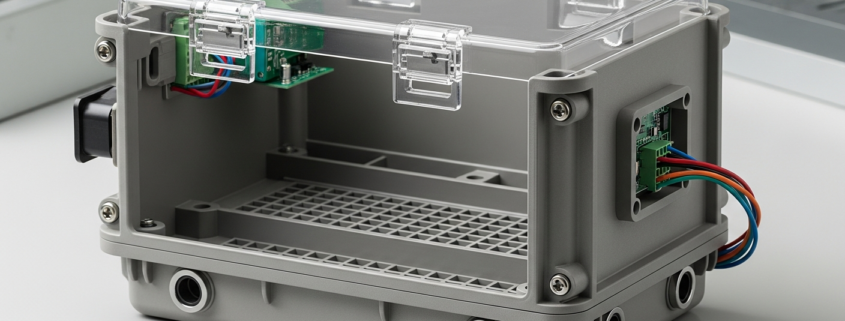
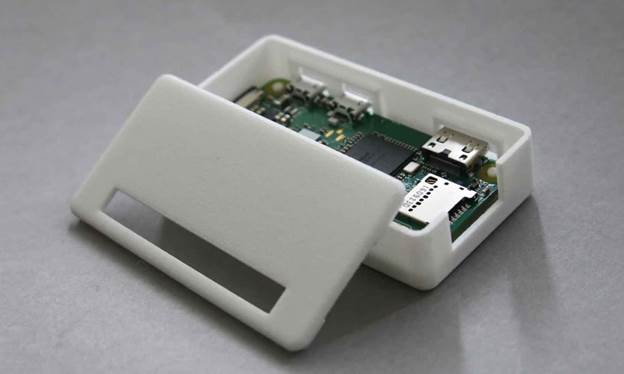
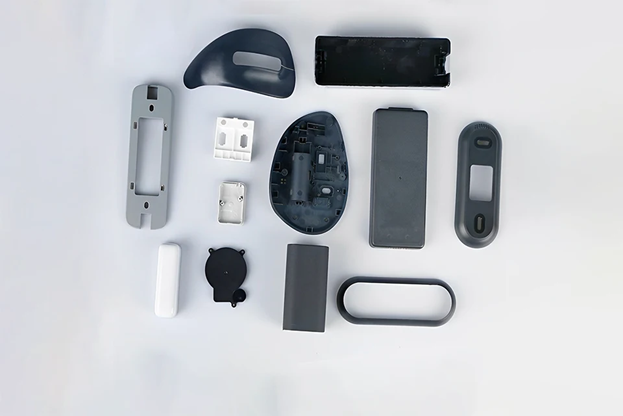
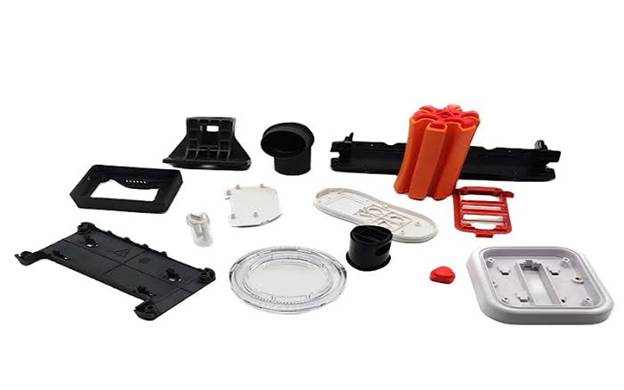
Custom plastic electronic enclosures are specially-designed enclosures that provide protection for electronic components. They are different from the normal boxes which are made to suit the specifications and requirements of a particular device.

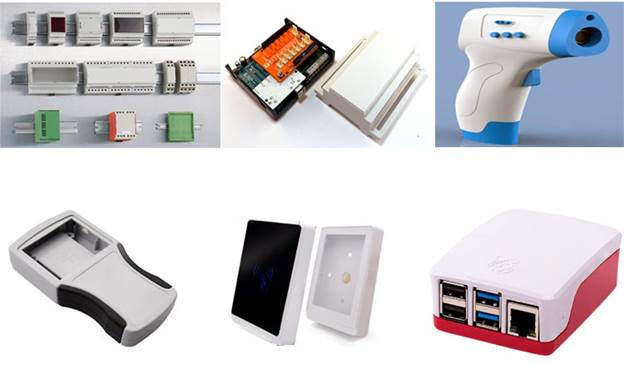
The enclosures may be made of various shapes and sizes. They can contain a variety of openings, such as for a button, display, connector, ventilation and mounting options.

What Is Custom Plastic Electronic Enclosures?

In fact, many companies opt for the custom plastic electronic enclosures due to the flexibility that it offers, as well as its performance in relation to products. A special enclosure guarantees all the parts fit snugly in the enclosure.

The primary purpose for an enclosure is protection. On the other hand, modern enclosures can also help to create a brand for the product, make it more functional and user-friendly.

The reason why plastic is so popular

Plastic is one of the most ubiquitous materials that are used for enclosures used on electronics. It has a number of reasons for its popularity.

Firstly, plastic is light. This makes the devices more portable and convenient to use.

Secondly, plastic is in low cost. It is generally more cost-effective to manufacture plastic parts than metal parts.

Thirdly, plastics are capable of being shaped into complex forms. This enables the designers to develop appealing and useful products.

One of the other advantages is electrical insulation. Unlike metal, plastic doesn’t conduct electricity. This helps to safeguard users and electronic parts.

Due to such benefits, numerous manufacturers choose to use custom plastic enclosures electronics during the production of new electronics.

Benefits of Custom Plastic Electronic Enclosures

Benefits of Custom Plastic Electronic Enclosures

Perfect Fit

A custom enclosure is a specially-built enclosure for a particular product. All internal components are allocated to a specific area.

This will help to increase the order and minimize the risk of injury.

Mejor protección

Features that can be added to custom enclosures include protection from dust, water, vibration and impact.

This can be particularly useful for industrial and outdoor uses.

Improved Appearance

For a professional appearance, a unique enclosure will make all the difference.

It’s common for customers to determine the quality of a product by its appearance. An enclosure that is well-designed can enhance the brand image.

Enhanced Functionality

Special features like cable management, venting, mounting points and user-friendly controls can be added thanks to custom designs.

Strong Brand Identity

Firms can incorporate logos, colors, labels, and also distinct design features.

This assists products to be identified in competitive markets.

All these benefits make businesses to invest in custom electronic enclosures plastic solutions.

Common Materials Used

There are various types of plastic materials that can be used to make enclosures.

Plástico ABS

  • ABS is one of the most-used materials.
  • It has a good strength, durability and low cost.
  • Consumer electronics and products for industry are common applications for ABS.

Polycarbonate

  • Polycarbonate has a high impact resistance.
  • It is commonly used in settings where it is important for it to be durable.

PVC

  • PVC has fairly good resistance to chemicals.
  • It has a wide range of applications in industry.

Acrylic

  • Acrylic provides clear and excellent looks.
  • It is suitable for products which need to be transparent for viewing components.

Nylon

  • Nylon has high strength and durability.
  • It is a good performer in challenging applications.

It depends on the product’s environment and performance requirements to choose the right material.

Applications of Custom Plastic Electronic Enclosures

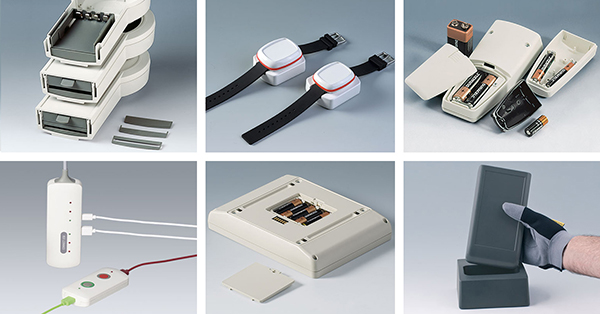
Electrónica de consumo

  • Custom enclosures are used in many every day devices.
  • They range from smart home devices like remote controls and charging systems, to routers and other components.

Equipos médicos

  • Medical devices must be safe and secure.
  • Custom enclosures help to ensure safe operation.

Automatización industrial

  • Electronic Systems with harsh operating environments are used in factories.
  • Sensitive electronic products need the protection from dust and vibration by custom enclosures.

Telecommunications

  • Special housing may be needed for communication equipment.
  • Space is available for custom designs, connectors and cooling systems.

Automotive Electronics

  • Today’s cars are equipped with numerous electronic parts.
  • Custom enclosures provide more protection from heat and movement to these systems.

Custom plastic enclosure for electronics solutions are applicable to many industries, due to their versatility.

Important Design Considerations

Size and Dimensions

  • All parts need to be properly installed within the enclosure.
  • Space for wiring, connectors and future expansion should be allowed for.

Ventilation

  • Electronic devices produce temperatures. Electronic devices produce temps.
  • Good ventilation keeps temperatures safe while in operation.

Accessibility

  • Controls, ports and displays should be easily accessible to users.
  • A well-designed interface makes for increased usability.

Durabilidad

  • The enclosure needs to be able to withstand the environmental factors that are expected.
  • This can be moisture, impact, chemicals or changes in temperature.

Safety

  • Safety is a very important consideration.
  • The enclosure should be designed to keep the users and electronics safe.

Process of Making Custom Plastic Electronic Enclosures

The process of developing electronic enclosures is a step-by-step, systematic process. All steps are crucial to ensure that the finished product is robust, reliable and appropriate for its intended function.

Requirement Analysis

Understanding of the product needs is the first step. The electronic components, size, shape and environment in which the device will be used are studied by engineers. This will aid in the proper design of the enclosure from the beginning.

Design Planning

Once designers have gained an understanding of requirements, they make initial sketches. Basic shapes, sizes and features of enclosure are indicated in these designs. Brainstorming and refining of ideas occurs at this point.

3D CAD Modeling

A detailed 3D model is created in this step, using computer software. This model indicates actual size and cavity dimensions of components. It will aid the engineer to ensure they have all the components fitted correctly.

Desarrollo de prototipos

A test enclosure is built and a sample is placed within it. A test enclosure is made, and a sample is put in. It has been helpful in the early identification of design issues with this prototype. Engineers test it for the fit, strength and usability.

Testing and Improvements

Prototype is put to the test in actual situations. Changes are effected when necessary. This process will result in improved performance, durability and safety.

Final Production

Mass production of the design is started once it is approved. The final enclosures are manufactured by high-quality methods such as injection molding process in large quantities.

Control de calidad

All products are carefully checked prior to delivery. This guarantees that there are no defects and each enclosure is up to industry standard.

This is a common procedure used by many companies to develop reliable custom plastic enclosure for electronics that satisfy the technical and market needs.

Manufacturing Methods

Moldeo por inyección

  • Injection molding is one of the most popular methods of manufacturing.
  • The molten plastic material is fed into a mould.
  • This is a suitable method for big production quantities.

Mecanizado CNC

  • The CNC machines are able to process materials with high precision.
  • This technique can be used for prototypes and low volumes of production.

Vacuum Forming

  • Vacuum forming is a technique that involves heating and under pressure shaping plastic sheets.
  • It is suitable for large parts, and is often used.

3D Printing

  • Rapid Prototyping is possible with 3D printing.
  • prototypes can be manufactured as rapidly as before the full scale manufacturing.

Custom Features That Add Value

In the modern enclosure, there are many additional features being added that enhance performance, safety and user experience. The features are based on the requirements of the electronic device and the working environment.

Display Windows

Transparent sections enable users to easily see the LED or indicator or screens without opening the enclosure. This makes it simple and secure to track devices’ status. It also enhances user-friendliness of consumer and industrial products.

Mounting Options

Flexibility of installation using wall mounts, brackets and panel mounts. They simplify the way of mounting the device on various surfaces like walls, machines or control panels. This will provide stability and will help in managing the space.

Cable Management

Built-in cable routing helps to organize and keep products clean. Helps keep wires from tangling or damage. Proper cable management also helps to keep the air flowing and minimizes maintenance problems.

Waterproof Seals

Seals prevent damage of the electronics from moisture, dust and environment. This is particularly true for any devices located in the outdoors or industrial setting. Giving the product a good seal extends product life and reliability under harsh conditions.

Ventilation Systems

These cooling features help to enhance performance and reliability. Flow holes and/or built-in airflow ways provide temperature control. This helps to avoid overheating and the smooth functioning of electronic components.

Additional Protective Features

Other enclosures are made with shock resistance, UV protection and anti-corrosion coatings as well. These features are beneficial in the heavy-duty device as the devices get a lot of stress.

Branding and Custom Design Elements

Branding and Custom Design Elements of Custom Plastic Electronic Enclosures

Manufacturers are also able to put logos, custom colors, texture and surface finishes. This will help enhance the identity of the brand and make products more professional and appealing in the marketplace.

Custom electronic enclosures plastic can be easily incorporated into many manufacturers and designed to meet project needs. This will make the end product more useful, long-lasting and ready for sale.

Importance of Aesthetic Design

  • The look of a product has an impact on how customers view the product.
  • Trust is made by a professional enclosure.
  • Today’s consumers demand products to be beautiful and well designed.
  • Custom enclosures can be customized to follow businesses’ branding.
  • Colors, textures and logos can be added to the design.
  • This makes it possible to have a uniform brand image throughout product lines.

Environmental Considerations

  • There’s an increasing focus on sustainability.
  • A lot of companies are utilizing reusable plastics.
  • There is also an exploration of manufacturers for environmentally friendly manufacturing processes.
  • Minimizing material wastage decreases the environmental impact.

Creating longer product life is also a key aspect of durability, helping to create a more sustainable product.

With an increasing awareness toward a more environmentally conscious world, the manufacture of custom plastic electronic enclosures is becoming more environmentally friendly.

Problems with Enclosures!

But it’s not always easy to design a custom enclosure.

There can be a number of problems.

Space Constraints: There’s a need to make best use of the space within compact devices.

Heat Management: There is a considerable amount of heat generated by electronics that are high-performance.Cooling solutions need to be integrated in.

Cost Control: There is a need to balance costs and quality on the part of manufacturers.

Compliance Requirements: Some companies have specific requirements and regulations.

All designs are required to abide by these requirements.

With adequate planning, these problems can be solved successfully.

How Custom Enclosures Improve Product Success

There are numerous business benefits with custom enclosures.

  • They are beneficial for enhancing product reliability.
  • They enhance appearance.
  • They help to enhance the user experience.
  • They aid in brand recognition.
  • First of all, they contribute to products satisfying customers’ expectations.
  • Businesses with the quality enclosure design outperform the market performance.

One of the reasons for the worldwide increase in demand for custom plastic enclosure for electronics.

Future Trends in Custom Plastic Electronic Enclosures

Future Trends in Custom Plastic Electronic Enclosures

There is a quick evolution in technology.

There are new trends that are being set for the future of enclosure design.

Smart Enclosures

High-tech monitoring equipment can be added to enclosures.

These systems can be used to monitor systems and temperature.

Materiales sostenibles

More and more, eco friendly plastics are becoming popular.

There is an increasing emphasis on minimizing environmental footprints by the manufacturers.

Lightweight Designs

Companies keep on looking for lighter products.

New materials to achieve reduced weight but retain strength.

Advanced Manufacturing

The modern production technologies enhance in accuracy and efficiency.

Improved Customization

Highly personalized products are what customers are looking for.

Enclosure solutions will be even more flexible in the future.

With ongoing innovation, custom plastic electronic enclosures will be an integral part of electronic product development in the future.

Conclusión

To effectively function, electronic devices require dependable protection. Custom plastic enclosures offer that protection, and offer an improvement in terms of appearance, usability and value of the product.

These enclosures play a crucial role in various applications, such as consumer electronics, industrial equipment, and other areas. They can be created to satisfy precise requirements, making sure that they fit just correctly and perform effectively.

The reason why businesses select custom plastic enclosures electronics is that they are flexible, economical and professional. Their other materials include custom electronic enclosures plastic from which they design long-lasting and aesthetically pleasing products. With the fast advancement of technology, the demand for custom plastic enclosure for electronics is now on the rise. Meanwhile, the custom plastic electronic enclosures solution continues to be one of the popular ways to keep sensitive electronic components safe.

With the continued innovation of industries, custom enclosure solutions will be even more crucial. These firms that invest in good design and manufacturing will be more likely to have a long-term of success.

2026年6月23日/0 Comentarios/por Autor del artículo
https://plas.co/wp-content/uploads/2026/06/article_83d4ba89-fc07-47a0-ba8d-a9e3d7f8c3c1_1-1764928089726-eqz7537t.png 768 1408 Autor del artículo http://plas.co/wp-content/uploads/2023/02/plas-co-1.jpg Autor del artículo2026-06-23 20:14:522026-06-23 20:26:06Cajas de plástico a medida para equipos electrónicos: una guía sobre la electrónica moderna.
Plástico moldeado por inyección, moldeo por inyección

Moldeo por inyección de HDPE: una guía completa sobre materiales, procesos, ventajas y aplicaciones

Moldeo por inyección de HDPE: una guía completa sobre materiales, procesos, ventajas y aplicaciones

HDPE injection molding is an important technology in today’s manufacturing industry. This process is used by companies to manufacture long lasting plastic components for various sectors, such as packaging, construction, and more. HDPE is one of the most commonly used thermoplastics due to its strength, low cost and durability.

Manufacturers are still investing in this hdpe plastic injection molding as it allows them to make high quality products at an affordable price. From small consumer goods to large components for industry HDPE is suitable for a wide range of applications.

Introduction

Plastic products have become a part of everyday life. They are common to houses, offices, factories, hospitals and construction sites. Many of these have an effective manufacturing process called injection molding. This technique allows manufacturers to produce thousands of identical components that are of the same quality with very little loss.

HDPE has a good reputation among the various materials that are made use of for injection molding. It is resistant to chemical, durable, low weight and can be used in many applications. These features appeal to manufacturers that want solutions that will last and be cost-effective.

Increased demand for long-lasting plastic products has led to the rise in popularity of injection molding HDPE. The material has excellent performance in harsh environments and is cost-effective in production, which is beneficial to the enterprises. By being aware of the product and the manufacturing process, buyers may be able to make better decisions regarding manufacturing processes and suppliers.

What Is HDPE?

HDPE stands for High-Density Polyethylene. It belongs to a (thermoplastic) polymer derived from petroleum. It is also widely used in manufacturing as it is strong, durable and can be used for producing a variety of plastic products.

What Is HDPE?

The property of this material is that it has excellent strength-to-weight ratio. HDPE is not as brittle as some plastics and will remain durable under some harsh conditions. It is impact resistant, water repellent and resistant to a large variety of chemicals.

One of the other benefits of the HDPE is its versatility. It can be utilized by the manufacturers to make goods of various sizes and shapes. HDPE is used in a variety of applications, such as bottle caps, industrial containers and more.

Table 1: Key Properties of HDPE

PropiedadDescripciónBenefit
FuerzaHigh structural durabilityLonger product life
Resistencia a los impactosResists cracking and breakageImproved reliability
Resistencia químicaWithstands many chemicalsSuitable for industrial use
Moisture ResistanceLow water absorptionBetter outdoor performance
LigeroEasy to handle and transportLower shipping costs
ReciclabilidadCan be reused after processingEnvironmental benefits

These aspects of the materials are closely related to the success of hdpe injection molding . They enable manufacturers to create consistent products, at an affordable price.

Knowing about the HDPE Injection Molding Process

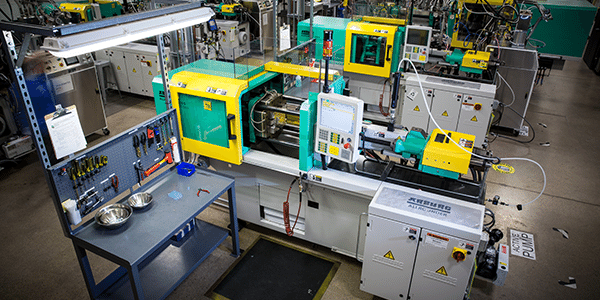
Whereas in the injection molding process, the resin pellets that are used are HDPE resin. These pellets are then put into a molding machine where the heat melts the pellets into plastic. The melted material is then pumped into a precisely manufactured mould at a controlled pressure.

When the mould cavity is filled the material starts to cool and harden. The cooling channels in the mold ensure uniform temperature in the cooling process. To ensure proper cooling, it can impact part quality, dimensional accuracy and cycle time.

When the product is cooled, it is ejected from the mold by an ejection system. The component is then checked to make sure that it is of acceptable quality. All necessary finishing operations are done prior to packaging and delivery.

The advantage of hdpe plastic injection molding is that it can make a large quantity of identical parts. Today’s molding machines include state-of-the-art controls to ensure consistency between production runs. This helps to minimize waste and enhances the manufacturing process.

In order to achieve the most uniform performance, the manufacturers need to control the following parameters: injection pressure, melt temperature, cooling time and mold design. Changes of any kind will have a considerable impact on the finished product. These variables are continually checked by experienced production teams for reliability.

Some advantages of HDPE Injection Molding are as follows

HDPE has a number of benefits making it a material of choice for manufacturing.

  • Superb impact resistance for challenging applications.
  • Excellent chemical resistance in the industrial environment.
  • Light weight and easy to transport.
  • Long and low maintenance life.
  • A low cost material as compared to many others.
  • Can be produced in large volumes.
  • Recyclable and environmentally friendly.
  • A constant quality of product in a mass production process.

Several companies choose China hdpe plastic injection molding suppliers as it can offer such material benefits along with large scale production capabilities.

Common Products that are made from HDPE are available

HDPE can be utilized for a range of products.

  • Bottle caps, closures
  • Recipientes para alimentos
  • Industrial storage bins
  • Utility boxes
  • Pipe fittings
  • Water management components
  • Agricultural equipment parts
  • Outdoor furniture
  • Protective housings
  • Productos de embalaje

Table 2: Common HDPE Products

Product TypeIndustriaMain Advantage
Bottle CapsEmbalajeChemical resistance
Pipe FittingsConstrucciónCorrosion resistance
Storage ContainersBienes de consumoDurabilidad
Agricultural ComponentsAgriculturaWeather resistance
Utility BoxesIndustrialImpact strength
Outdoor FurnitureBienes de consumoLong lifespan

The wide variety of products just illustrates the many different reasons injection molding HDPE is still one of the most popular manufacturing methods in the plastics industry.

Industries That Use HDPE Injection Molded Parts

HDPE is used in a variety of industries due to its versatility and durability.

HDPE is used in the automotive industry for reservoirs, protective covers and functional parts. It is also favored by manufacturers for its lightweight, yet high strength properties.

Industries That Use HDPE Injection Molded Parts

HDPE is used in construction for protective enclosures, pipe fittings and drainage systems. The water repellency of the material is particularly beneficial for outdoor uses.

HDPE products are essential for agricultural operations including components for irrigation systems, containers for storage and equipment. Durable materials that can perform over time are required when the materials are exposed to sunlight, moisture and chemicals.

 hdpe injection molding is also heavily used by consumer goods manufacturers to produce products for home use that are durable.

Design Considerations for HDPE Components

Product design is the first step to successful molding.

The thickness of the walls should be as uniform as possible in the part. A uniform thickness can help to ensure uniform cooling and minimize the likelihood of defects.

Draft angles are used to allow parts to be molded easily out of molds. If the draft is not sufficient, it can cause parts to stick together and damage.

Corners are important, too. Sharp corners can form stress points that can cause weakness in the final product. Most rounded edges are more durable and have a longer product life.

In the hdpe plastic injection molding process, the engineers can collaborate closely with the mold designer to ensure the best performance of the product before production.

HDPE is compared to other plastic materials

When choosing materials for manufacturing, manufacturers often make comparisons with other plastics.

Table 3: HDPE vs Other Plastic Materials

CaracterísticaHDPEPPABS
Resistencia a los impactosAltaMediumAlta
Resistencia químicaExcelenteBienModerado
CosteBajoBajoMás alto
Moisture ResistanceExcelenteBienModerado
DurabilidadAltaMediumAlta
ReciclabilidadExcelenteBienModerado

Chemical resistance and durability are important considerations that may make HDPE the preferred material choice. There are other types of plastics with their own merits however, HDPE gives a good balance of performance and cost.

Control de calidad y pruebas

Quality control is the most important aspect of manufacture.

During manufacturing processes, manufacturers are looking to see if the molded parts have defects before the products are sold to customers. Inspection procedures are used to ensure the consistency and minimization of expensive failures.

 Control de calidad y pruebas

Typical testing procedures are dimensional checking, visual examination, impact test and material analysis. These tests ensure the products fulfill as per design specifications and satisfy the customer’s expectations.

For companies that are engaged in the China hdpe plastic injection molding, it is better to use automated inspection systems in order to enhance accuracy and production efficiency.

Challenges and Solutions in HDPE Injection Molding

As with all manufacturing processes, there are some problems with injection molding.

Warping may occur if the rate of cooling is different in various areas of the part. This is helped by the proper design and control of the moulds and cooling.

Another factor of concern is shrinkage. Manufacturers make up for this by changing the sizes of the molds and/or processing parameters.

Surface defects can occur due to contamination, improper temperatures or due to mold wear. These issues can be avoided through regular maintenance and monitoring of the processes.

Manufacturers that are successful continually refine production processes to ensure they produce a consistent quality product.

Why Many Companies Choose China for Manufacturing

China is still considered as a big plastic injection molding production hub.

With the rich manufacturing lines and huge manufacturing capability, many companies opt to use the Chinese suppliers. Highly efficient large-scale production is provided by advanced machinery and experienced production teams.

Why Many Companies Choose China for Manufacturing

When looking for cost effective and quality production capabilities, international buyers are likely to come across a China hdpe plastic injection molding service provider.

Manufacturing efficiency is also provided by having strong supply chains. Having access to materials, tooling resources and logistics services helps to reduce production lead times.

Cost Factors in HDPE Injection Molding

There are a number of factors that affect production costs.

 The factors listed in this table will affect the cost of injection molding

Table 4: Factors Affecting Injection Molding Costs

Cost FactorImpact on PriceOptimization Method
Coste del materialDirect effect on budgetEfficient material use
HerramientasHigh initial investmentLong-term production planning
LaborAffects operating expensesAutomatización
Volumen de producciónInfluences cost per partLarger production runs
Control de calidadAdditional inspection costsProcess optimization
ShippingImpacts final delivered costLogistics planning

For companies that want to take a look at projects involving injection molding HDPE , there are numerous costs to consider prior to choosing a provider.

The benefits of sustainability and recycling

In the manufacturing industry, the concept of sustainability has gained significance over the years.

The benefits of using HDPE include its ability to be recycled and used in a variety of applications, making it an environmentally friendly material. Recycling is a way to minimize waste and promote responsible resource management.

As more and more manufacturers have realized that recycling is appropriate in certain instances, they are now making use of recycled materials in their manufacturing processes. This is to reduce the environmental impact at minimal loss of product performance.

HDPE’s recyclable properties also help it retain its popularity in various industries.

Choosing the Right Manufacturing Partner

There are a number of criteria that need to be taken into account when choosing the right supplier.

The manufacturers should evaluate the production capacity, quality system, technical knowledge, and communication skill. Having a trusted partner can help to enhance product quality and minimize project risks.

Also, experience with similar products is beneficial. Those suppliers who are familiar with industry expectations can be more effective in providing successful results.

Before you make the decision, you should check certifications, production capabilities and quality control processes of companies that are doing hdpe injection molding .

The future of HDPE injection molding

The industry is still a dynamic one.

As businesses strive for increased efficiency and uniformity, automation is gaining popularity. Advanced robotics can increase the speed of production with a decrease in labor expenses.

Digital monitoring systems enable manufacturers to monitor their performance in real time. These technologies assist in detection of the problems in the future before it impacts on product quality.

The future of HDPE injection molding

There is growing interest in sustainable manufacturing, as well. Numerous organisations are still looking for ways to enhance recycling and minimize material waste.

The future of hdpe plastic injection molding is likely to involve more efficient and environmentally friendly production methods, including the development of advanced production equipment and systems.

Conclusión

HDPE is still one of the most useful and popular plastics to use today for manufacturing. It is strong, durable, chemically resistant and cheap, and can be used in a variety of applications in various industries.

The use of China hdpe plastic injection molding solutions is still continuing with businesses since it enables them to acquire the production capabilities that are efficient and also competitive manufacturing costs. Meanwhile, the introduction of new technologies in automation, quality control and sustainability are helping manufacturers to enhance their performance and minimise waste.

From packaging materials, industrial products, agricultural goods to consumer goods, hdpe injection molding is a trusted manufacturing method. Businesses that have a grasp of the material, optimize product design and collaborate with seasoned suppliers can ensure consistency in product quality and sustainable value in production initiatives.

Frequently Asked Questions (FAQ)

What are some of the uses of HDPE?

Due to its strength and durability, HDPE is widely used in various applications such as containers, pipe fittings, packaging products, industrial components, and consumer goods.

Why is HDPE being used for injection molding?

HDPE has high impact resistance, chemical resistance and is very cost effective. These attributes enable it to be used for various manufacturing purposes.

Is HDPE recyclable?

Yes. HDPE is one of the most popular plastics to be recycled and can be used in a variety of applications.

Is there an application for HDPE outside?

Yes. HDPE is moisture resistant and weather proof making it suitable for outdoor use.

Which industries do you find HDPE products being utilized in?

HDPE components are used in the automotive, construction, agriculture, packaging, healthcare and consumer goods industries.

What are the factors that influence the cost of injection molding?

Project cost is affected by material costs, tooling, labor, production volume, quality control and shipping costs.

What are the reasons for companies to import components from China?

There are also significant manufacturing production capacity, professional production teams and competitive prices for many plastic products in China.

What are the ways for manufacturers to enhance their products’ quality?

Correct mold design, process control, material selection and thorough mold inspections all help to improve the quality of the product.

2026年6月21日/0 Comentarios/por Autor del artículo
https://plas.co/wp-content/uploads/2026/06/Technology-to-Optimize-the-HDPE-Molding-Process.webp 500 750 Autor del artículo http://plas.co/wp-content/uploads/2023/02/plas-co-1.jpg Autor del artículo2026-06-21 23:55:122026-06-21 23:58:51Moldeo por inyección de HDPE: una guía completa sobre materiales, procesos, ventajas y aplicaciones
Caucho moldeado por inyección, molde de plástico

Piezas mecanizadas de PTFE: la guía definitiva sobre la fabricación de polímeros de precisión

Piezas mecanizadas de PTFE: la guía definitiva sobre la fabricación de polímeros de precisión

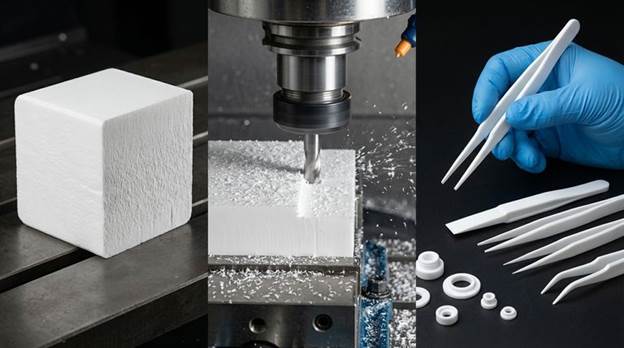
PTFE has been recognized as one of the most critical engineering plastics of today’s industry because of its outstanding chemical resistance, low friction coefficient and its thermal stability. Precision manufacturing involves the use of machined ptfe parts in situations where a metal part would not function properly because of corrosion, wear or contamination issues. PTFE parts are highly reliable and durable, and are used in a broad variety of applications such as in the aerospace industry and medical devices.

Industries of today require materials that can resist extreme environment and still have dimensional accuracy and performance stability. This is where PTFE comes into play. It is a popular material for engineers around the world, due to its non-stick characteristic, electrical insulation properties and resistance to almost all industrial chemicals. But it’s not quite as easy as it sounds to machine PTFE. It demands expertise in CNC processes, the right tools and attention to detail to produce accurate, functional parts and assemblies.

In high tech manufacturing facilities, ptfe machined parts may be specifically engineered to conform with the operating conditions of the application. Beyond being basic plastic components, these parts are designed solutions, critical for efficiency, safety, and durability within essential systems.

Whether you are interested in the material properties, the manufacturing process, or the applications, cost considerations, quality control, or the latest industry trends, this article has you covered with a deep, practical and technical understanding of PTFE machining. This guide is designed for engineers, procurement specialists, or technical buyers seeking an understanding of the design, manufacturing and optimization of PTFE components for use in industry.

What is PTFE and Why It Matters in Engineering

What is PTFE and Why It Matters in Engineering

The PTFE is a fluoropolymer with outstanding chemical inertness and thermal resistance. It has many applications in areas where other plastics break down rapidly. PTFE has a very low coefficient of friction which makes it suitable for use in sliding and sealing applications.

PTFE is useful in engineering systems as it will not react with acids, bases or solvents. It also has a good performance in extreme low or high temperatures. This allows it to be used in a variety of applications, including chemical processing, pharmaceuticals, automotive and aerospace.

Various industries have come to depend on machined ptfe parts to obtain precision performance from their seals, bushings and insulation parts. These parts will be used in extreme environments, where conventional materials cannot be used.

Overview of PTFE Machining Processes

PTFE machining involves the cutting, shaping and finishing of raw PTFE stock into functional components, and is a specialized process. While PTFE is soft and flexible, unlike metals it is not easy to machine without deforming it.

The common methods used in CNC are turning, milling, drilling and precision finishing. The most important consideration is temperature control or tool sharpness and getting the correct results.

In high volume manufacturing situations, engineers would often rather have cnc machined ptfe parts because of its dimensional accuracy and repeatability.

A close look at the material properties of PTFE (Technical Table)

PropiedadValorEngineering Significance
Density2.1–2.3 g/cm³Lightweight yet durable
Punto de fusión327°CHigh thermal resistance
Resistencia a la tracción20–35 MPaModerate mechanical strength
Coefficient of Friction0.05–0.10Extremely low friction
Rigidez dieléctricaAltaExcellent electrical insulation
Resistencia químicaExcelenteResistant to nearly all chemicals

PTFE’s unique combination of properties makes it ideal for precision engineering applications. The term ptfe machined parts is used in many industries for choosing parts because they can withstand extreme conditions.

PTFE component is manufactured using the CNC manufacturing process

There are a few precautions to be taken when CNC machining PTFE. When pressure is applied to PTFE it is soft enough to cause it to deform.

Step-by-step process:

  • The choice of material used (virgin or filled PTFE)
  • Create and simulate 3D models in CAD. Design & simulate 3D objects in CAD.
  • CNC programming
  • Rough machining
  • Fine finishing
  • Internal control of the equipment and quality checking

For the highest quality of service, the processes are optimized every step of the way, including by using facilities like a cnc machined ptfe parts factory.

Manufacturing Parameters Table

ParámetroGama recomendadaNotas
Cutting Speed200–500 m/minPrevents melting
Feed Rate0.1–0.3 mm/revEnsures surface accuracy
Tool MaterialCarbideReduces wear
Cooling MethodAir / DryAvoids contamination
Tolerance Level±0.01–0.05 mmHigh precision standard

For more sophisticated applications, cnc machined ptfe parts are manufactured in automated systems that help minimize human error and improve batch-to-batch consistency.

The use of PTFE components in industry

The use of PTFE components in industry

Overview of PTFE in Industry

PTFE has a wide range of applications in the modern industry as it can serve the purpose of many other materials in tough conditions. It has high resistance to heat, chemicals and rubbing, thus is a good material for precision elements. Thus, PTFE parts are used in various critical systems that require safety and durability.

Chemical Processing Industry

PTFE is used in the chemical industry since it does not react with most acids, alkalis or solvents. It is commonly used in the following ways:

  • Pipe linings
  • Seals and gaskets
  • Valve seats
  • Pump components

These components help to prevent corrosion and safe chemical handling.

Electrical and Electronics Industry

PTFE has excellent electrical insulating properties, making it very useful in the electronics industry. It is used in:

  • The insulation of wires and cables is done.
  • Connectors and sockets
  • Circuit board components
  • High-frequency equipment

It enhances safety and performance of electrical systems.

Industria del automóvil

In the automotive industry, PTFE is employed in automotive components where low friction and extremely long-lasting properties are required, including:

  • Bushings
  • Bearings
  • Seals in Engine and Transmission Parts
  • Componentes del sistema de combustible

Such components decrease wear and increase the efficiency.

Aerospace Industry

The use of PTFE in aerospace applications is another area of its use, as it will resist extreme temperature and pressure conditions. It is used in:

  • Hydraulic seals
  • Insulation components
  • Fuel system parts
  • Bearing surfaces

This provides assured performance in flight critical systems.

Industria médica

PTFE is applied in medical industry due to its safety, non-reactive and biocompatibility. Common applications include:

  • Surgical instruments coatings
  • Catheters and tubing
  • Implantable devices
  • Laboratory equipment

It assists to maintain hygiene and chemistry safety in medical settings.

Food Processing Industry

The non-stick and non-toxic nature of PTFE makes it suitable for a wide range of applications for food. It is used in:

  • Food conveyor systems
  • Mixing equipment linings
  • Seals and gaskets
  • Processing machinery parts

It keeps things clean and doesn’t allow for contamination.

Advantages and Limitations of PTFE

Advantages and Limitations of PTFE

Advantages of PTFE

Due to its excellent performance in various conditions, PTFE is a very useful engineering material. It is known for its very low friction, which ensures that parts move easily and smoothly over time, and minimizes wear. It is also highly resistant to chemicals such that it does not react with most acids, bases and harsh industrial chemicals. One of its other great advantages is the remarkable thermal stability, which means that it can operate in environments with extremely hot and cold temperatures without affecting performance. PTFE also possesses very good anti-stick properties, meaning that materials will not stick on it. Further, it is a very good electrical insulator and is suitable for electrical and electronic applications.

Limitations of PTFE

Although it is beneficial, there are some drawbacks to PTFE. It is less resistant mechanically than metals, and so can’t be used for heavy load applications. It also has a high thermal expansion rate which may cause a change in critical dimensions as the temperature changes. Limited Assembly Options—PTFE is challenging to bond or to glue to other materials. Last but not least, it needs high precision machining to ensure accuracy and reliability of the components.

Even with these drawbacks, cnc machined ptfe parts are indispensable in industries where performance reliability is paramount.

Tolerances and Quality Control

One of the main parts of PTFE machining is the quality control. In a high-pressure system, even slight dimensions can cause failure of the system.

Quality inspection methods:

Coordinate Measuring Machine (CMM):

  • It is a machine designed to measure the size of parts.
  • Surface roughness testing
  • Dimensional verification

Microscopic examination; using a magnifying glass to look closely at something.

Tolerance Standards Table

Feature TypeStandard TolerancePrecision Grade
Outer Diameter±0,02 mmHigh precision
Inner Bore±0,01 mmUltra precision
Flatness0.03 mmEngineering grade
Acabado superficialRa 0.8–1.6 µmSmooth finish

The machined ptfe parts are produced with strict quality control, which can ensure that the parts have high performance and no risk of failure in the industrial production process.

Prices and costs of goods and services

The price of PTFE machining varies according to type of material, complexity of design, tolerances, and quantity of items produced. Here are some important considerations to take into account when it comes to pricing:

  • The type of material used (virgin vs filled PTFE)
  • CNC machining time
  • The maintenance and wear of tools.
  • Design complexity
  • Batch size

When understanding the term best cnc machined ptfe parts price, one must take into account both efficiency in production, and quality of the materials. When considering the best cnc machined ptfe parts price, it is important to consider the overall performance of the part in the procurement process for an industrial component.

There are several suppliers that provide competitive ‘best cnc machined ptfe parts price’ options as per the customisation requirement. However, the following also needs to be taken into account when looking for the best cnc machined ptfe parts price: quality and manufacturing precision. Shipping, tooling and lead time are also factors in the global sourcing best cnc machined ptfe parts price.

Choosing the Right Manufacturing Partner

Selecting a reliable supplier is crucial for ensuring product quality and consistency.

A professional cnc machined ptfe parts factory will offer you:

  • Advanced CNC machinery
  • Skilled engineering teams
  • Tight Quality Management procedures
  • Custom design support
  • Scalable production capacity

As you check out a cnc machined ptfe parts factory, check their certifications, production capabilities, and industry experience. When the parts are made in a trusted cnc machined ptfe parts factory, timely delivery and precise quality are guaranteed. Furthermore, a certified cnc machined ptfe parts factory minimizes risks when purchasing on a large scale in the industrial field. The selection of the suitable cnc machined ptfe parts factory can have significant effects on the performance and cost efficiency of the product.

The future of PTFE Machining

The future of PTFE Machining

Automation, AI-enabled CNC programming, and cutting-edge material science are leading the way for the future of PTFE machining.

Key trends include:

  • Smart CNC machining systems
  • Hybrid polymer composites
  • Micro-precision components
  • Sustainable manufacturing practices

These innovations are enhancing the precision, durability, and applicability of modern cnc machined ptfe parts.

Preguntas más frecuentes (FAQ)

PTFE machined components is used for what?

They find applications in sealing and insulating, chemical processing and high performance mechanical systems.

Why can’t PTFE be easily machine?

Due to its softness, flexibility and tendency to being compressed under pressure.

Is the price of parts with PTFE high?

The cost may vary with complexity of the design and the grade of the material.

Is it possible to use PTFE in high temperature?

Yes, it will work up to 327C.

The applications of the PTFE parts are most in what industry?

Industries such as aerospace, medical, chemical, automotive and electronics.

In conclusion, a summary of the main points

PTFE is a material with the greatest versatility among engineering materials for today’s manufacturing. Because of its exceptional chemical resistance, thermal stability and low friction properties it is essential for critical industrial uses. CNC precision machining can manufacture detailed parts with higher precision, which can meet the strict requirements of engineering.

To conclude, machined ptfe parts are an essential component in guaranteeing productivity and reliability throughout industries. They are used in sealing systems or as electrical insulation and still outperform others under extreme conditions. Likewise, ptfe machined parts are still a popular choice for engineers looking for durability and precision when operating in harsh conditions.

The demand for superior quality PTFE parts is progressively increasing as manufacturing technology progresses, with innovation, automation and advanced engineering needs driving these demands.

2026年6月16日/0 Comentarios/por Autor del artículo
https://plas.co/wp-content/uploads/2026/06/main_image_1764475167_692bc11f40854.jpg 428 768 Autor del artículo http://plas.co/wp-content/uploads/2023/02/plas-co-1.jpg Autor del artículo2026-06-16 20:58:042026-06-16 20:58:06Piezas mecanizadas de PTFE: la guía definitiva sobre la fabricación de polímeros de precisión
Fabricación OEM China

Piezas de bicicleta mecanizadas con CNC: ingeniería de precisión para el ciclismo moderno

Piezas de bicicleta mecanizadas con CNC: ingeniería de precisión para el ciclismo moderno

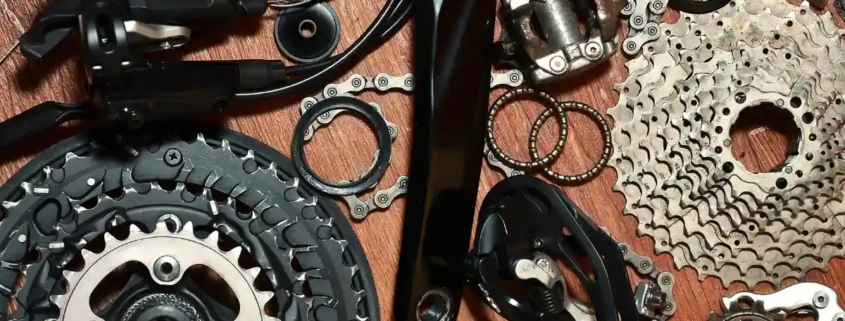
The cycling industry has experienced remarkable innovation over the last few decades. Today’s bikes are not just mechanical devices comprised of metal parts! In today’s world they are extremely engineered products with performance, durability and rider comfort in mind. CNC machining technology is one of the foremost technologies that facilitated this change.

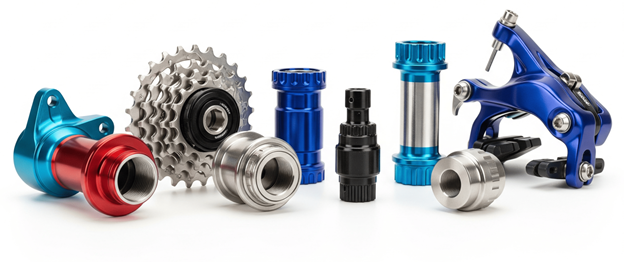
CNC machining is widely used in the production of bicycle parts by manufacturers all over the world, as it can achieve high precision. CNC machining has become a necessary technique in the bicycle industry, ranging from creating light cranksets to constructing robust hubs and creating handlebars with custom designs.

Manufacturers are still working on advanced production processes as the riders call for more performance and reliable products. Hence many high quality bike companies incorporate CNC Machined Bicycle Parts into their products. These components provide a greater degree of accuracy, uniformity and are of excellent strength when compared to conventionally produced components.

If you are a bike fan, a professional rider, a distributor or a manufacturer, it’s important that you know about CNC-machined parts to make the best choices. This book discusses the technology, the advantages, the materials, the manufacturing methods and future trends that are driving the industry.

What are CNC Machined Bike Parts?

What are CNC Machined Bike Parts?

Bicycle parts that are made using Computer Numerical Control (CNC) machines are known as CNC machined bicycle parts. These machines perform cutting, shaping, drilling and finishing of raw materials with great precision following the programmed instructions.

Unlike manual processes, CNC machines can be used to automate the production process. This automation decreases mistakes and makes sure that all components are created to exact specifications.

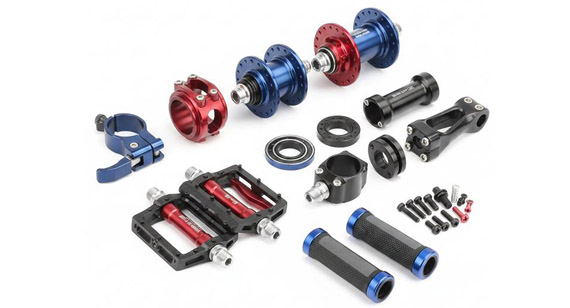
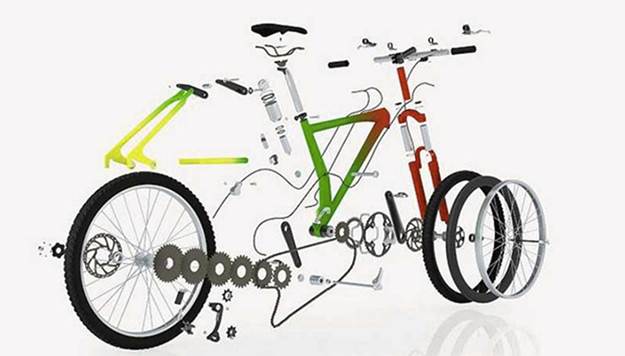
Today, the most popular bicycles have a lot of parts produced by CNC technology, such as:

  • Bielas
  • Pedales
  • Stems
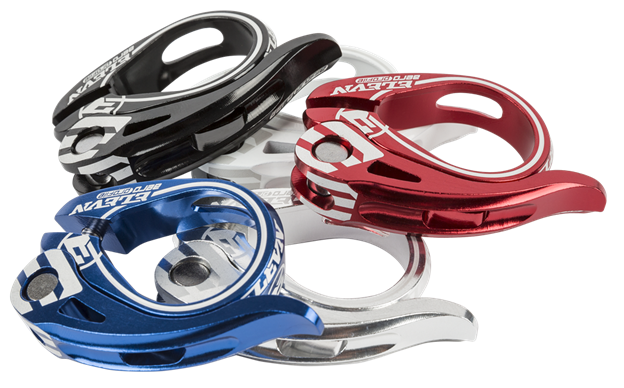
  • Seat clamps
  • Bujes
  • Brake adapters
  • Derailleur hangers
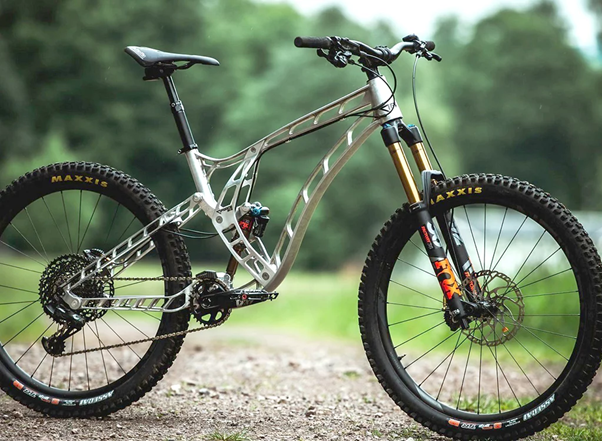
  • Custom frame components

Some performance-based bicycle manufacturers rely on bicycle milling cnc machining parts for the reason that they can be manufactured by the industry with higher precision and quality.

Understanding CNC Machining Technology

Computer Numerical Control (CNC) is the name given to this system. During this process, engineers design a virtual product in the form of a computer artifact with the CAD software. The design is then translated into machine code.

These instructions are fed into the CNC machine, which cuts precisely according to the instructions. It can be used for various materials that are often used in the manufacture of bicycles like aluminum, titanium and stainless steel.

The advantage of CNC systems over traditional manufacturing techniques is that they are able to create identical parts with very little variation from part to part. In the bicycle industry, it is especially crucial to be consistent in manufacturing, as it can impact performance and safety, even with minor variations.

With the advent of improved technology, manufacturers are now creating everything from cnc machine bike parts to cater to the needs of both professional riders and everyday users.

Table 1: Comparison of Materials Used for CNC Machined Bicycle Components

MaterialDensidad (g/cm³)Resistencia a la tracción (MPa)Corrosion ResistanceWeight Reduction vs SteelCNC Machinability (%)Common Bicycle Applications
6061-T6 Aluminum2.70310Excelente65% Lighter90%Stems, Handlebars, Seat Clamps
7075-T6 Aluminum2.81570Very Good64% Lighter85%Cranksets, Pedals, Hubs
Titanium Grade 54.43950Outstanding43% Lighter45%Premium Bolts, Axles, Frames
Stainless Steel 3048.00515ExcelenteBaseline70%Fasteners, Axles, Brackets
Carbon Fiber Composite*1.60600–1500Excelente80% LighterN/AFrames, Aero Components

Benefits of CNC Machining in the Bicycle Industry

Benefits of CNC Machining in the Bicycle Industry

Mecanizado CNC offers a number of benefits, which is why it’s the preferred method of manufacturing a high quality bicycle component.

Precisión y exactitud

An excellent advantage of CNC machining is precision.

All bicycle parts need to be flawlessly fitted to their surrounding parts. A small mistake may cause a problem in running, noise, vibration or failure.

The tolerances of CNC machines are very small. This enables the companies to produce very precise components, which easily fit into one another.

This is one of the many reasons why many high performance products are being marketed as CNC Machined Bicycle Parts .

Durabilidad y resistencia

Bicycles are subjected to a lot of stress when riding them.

Riders put stress on their pedals, cranksets, hubs and handlebars all the time. Such forces are even higher during racing, mountain biking and touring anywhere for long periods of time.

The CNC machining process is highly efficient at cutting material with precision without compromising the material’s structure. They are robust enough to endure the rigours of riding.

Bicycle milling cnc machining parts is a preferred option by manufacturers for creating parts of high durability and precision, especially for critical applications.

Lightweight Performance

Reducing weight is one of the most important aspects in bicycle performance.

Lighter bikes always are desired by cyclists because they have a better acceleration, climbing ability and handling.

The engineers can remove the unnecessary material, and maintain the strength during CNC machining. This optimization results in lightweight design, while maintaining reliability.

Because of this, many competitive cyclists would choose products that are produced by CNC.

Consistent Quality

In mass production consistency is a key.

Slight variations can occur between parts produced using traditional production processes. These discrepancies can be minimized with automated processes in CNC machining.

Digital specifications for each component are the same. This will guarantee uniform quality from batch to batch.

There are a lot of china cnc machining bike parts suppliers who have invested quite heavily in the advanced CNC machines which enable them to have the manufacturing quality up to the world class standards.

Here are some common CNC Machined Bicycle Parts

Here are some common CNC Machined Bicycle Parts

There are a vast number of different bicycle components made with CNC.

Handlebars and Stems

The ride control and comfort is directly linked to the handlebars and stems.

These parts need to be lighter than the car they are installed in, and still be tough enough to withstand the harsh environment and abrupt shocks.

Handlebars and Stems

CNC machining allows to produce intricate designs that have good structural strength. Improved control and confidence in riding.

Some high-end brands employ cnc machine bike parts technology for making sophisticated handlebar and stem systems.

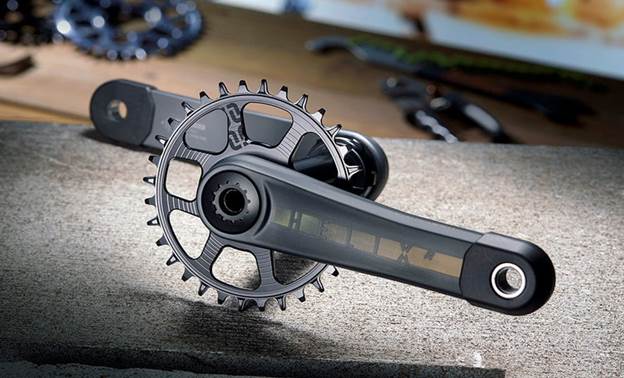
Bielas

A crankset is a component of the drivetrain that conveys power from the rider.

It’s a constant stress situation and that’s why precision manufacturing is imperative.

Bielas

CNC-machined cranksets offer:

  • Improved strength
  • Reduced weight
  • Better power transfer
  • Enhanced durability

The benefits of these make CNC cranksets sought-after by performance enthusiasts and avid cyclists.

Pedales

Another part of the bicycle that is key is the pedals.

The pedals should be made from high-quality materials and be able to withstand repeated impact and heavy loads without causing any issues.

Pedales

This CNC processing service enables the manufacturers to produce pedal bodies that are light and have outstanding strength properties plus the intricate designs.

High-quality bicycle parts that are CNC-machined are used in many contemporary bicycle collections, such as bike systems for competitive bicycle racing.

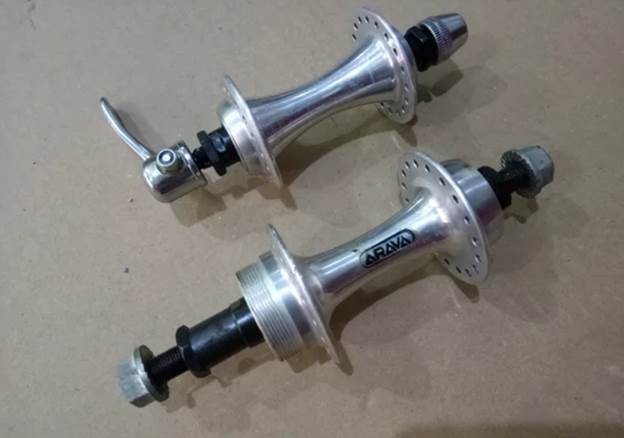
Bujes

Hubs are a key component in the performance of wheels.

A properly designed hub helps to ensure smooth rotation, efficient power transfer and longevity of the system.

Bujes

CNC Machined Hubs can come with the following:

  • Tight manufacturing tolerances
  • Lightweight construction
  • Enhanced bearing alignment
  • Improved durability

Overall performance and rider satisfaction will be enhanced by these qualities.

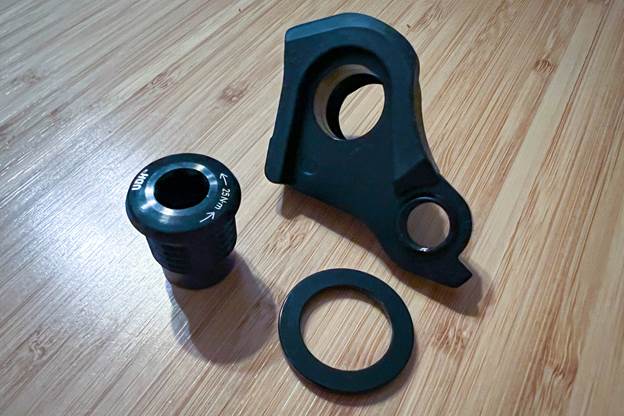
Derailleur Hangers

The derailleur hangers are the most important factors when it comes to shifting performance.

Gear changes can be impacted by a slight misalignment.

Derailleur Hangers

The dimensional accuracy of derailleur hangers made by CNC machining is outstanding. This will help ensure good driveline alignment and fluid shifting.

This is a common situation in which manufacturers often create custom bicycle milling cnc machining parts which are required to have a high degree of accuracy.

Seat Clamps

Seat clamps hold the seatpost in place, and enhance rider comfort and safety.

They are small, but need to be machined accurately and to have good strength.

Seat Clamps

The CNC-made seat clamps offer:

  • Secure fastening
  • Lightweight construction
  • Attractive appearance
  • Long-term durability

They’re a popular upgrade among cycling enthusiasts for these features.

Table 2: CNC Machining Accuracy and Manufacturing Parameters for Bicycle Parts

Manufacturing ParameterStandard CNC ProductionPrecision CNC ProductionHigh-End Aerospace Grade CNC
Tolerancia dimensional±0.10 mm±0,05 mm±0,01 mm
Surface Roughness (Ra)3.2 μm1.6 μm0.4 μm
Hole Position Accuracy±0.08 mm±0.03 mm±0,01 mm
Repetibilidad95%98%99.9%
Material Utilization Efficiency78%85%92%
Defect Rate3–5%1–2%<0.5%
Production Consistency94%98%99.8%
CNC Cycle OptimizationStandardAdvancedAI-Assisted
Quality Inspection Coverage70%90%100%

Materials Used in CNC Bicycle Manufacturing

Materials Used in CNC Bicycle Manufacturing

The choice of materials can have a significant effect on the performance of bicycle components.

Materials provide a variety of strengths, weights, corrosion resistances and cost.

Aleaciones de aluminio

Most of the bicycles for CNC production are still made of aluminium.

It is so popular because it has a number of benefits:

  • Lightweight properties
  • Good strength-to-weight ratio
  • Corrosion resistance
  • Excellent machinability
  • Relación coste-eficacia

The aerospace aluminum alloys are widely used by many suppliers in the manufacture of high quality bicycle parts, which are known as china cnc machining bike parts .

Titanio

Titanium has an outstanding strength and is highly corrosion resistant.

It is more costly than aluminum, but provides superior performance advantages.

  • Titanium components provide:
  • High durability
  • Low weight
  • Excellent fatigue resistance
  • Long service life

This lends titanium to appeal for high-end bicycle uses.

Acero inoxidable

Stainless steel still makes an important use in certain bike parts.

It has a good wear resistance and durability, and can be used for parts that are required to bear heavy loads.

Stainless steel is commonly used in many manufacturing processes, including:

  • Fasteners
  • Axles
  • Specialized brackets
  • Structural hardware

Precision and reliability are critical when it comes to components, and CNC machining guarantees that such requirements are met.

Carbon Fiber Compatible Components

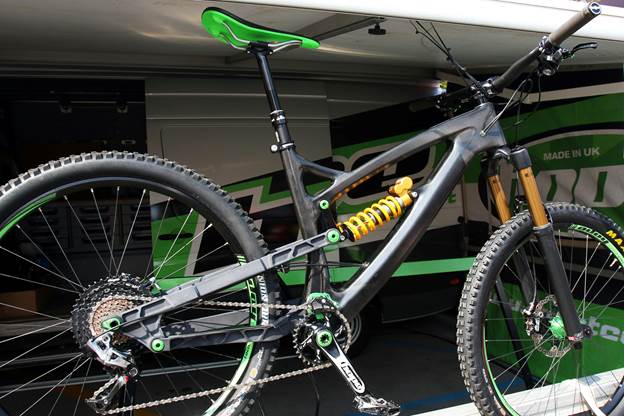
Most of today’s bicycles feature CNC machined metal parts and a carbon fiber frame.

The components have to be designed meticulously to fit in with the light weight carbon structures.

Precision machining can be used to produce parts that enhance the frame’s advanced design without compromising strength and reliability.

In conclusion, cnc machine bike parts will continue to play a vital role in the world of cycling, as the demand for high-quality bicycles grows.

Custom CNC Bicycle Parts for OEM & ODM Projects

Bicycle industry is rapidly becoming competitive. Brands are always looking for new opportunities to distinguish themselves in the marketplace. One of the best ways to do this is to provide custom-built parts that have a unique performance, style and function.

It’s here that the services from the Original Equipment Manufacturing (OEM) and Original Design Manufacturing (ODM) become significant.

The bicycle industry can create very precise and personalized bicycle parts with the use of CNC machining. From a custom-designed stem to a lightweight crankset, a custom-made pedal body to a specialized mounting bracket, CNC technology can make visions reality, whether the company requires a unique stem design, a lightweight crankset, a custom-made pedal body, or a specialized mounting bracket.

Lots of bicycle manufacturers from around the world work with skilled vendors to create CNC Machined Bicycle Parts specifically for their clients.

Benefits of Custom CNC Manufacturing

Custom CNC production presents a number of benefits:

To be able to develop original designs. To have the freedom to develop original designs.

  • Consistent manufacturing quality
  • The ability to quickly prototype and test ideas.
  • Improved brand differentiation
  • Greater design flexibility
  • Better product performance
  • Reduced development risks
  • Easier design modifications

Since CNC machines operate directly off of a digital design, changes can be made quickly throughout the development of a product.

Creación rápida de prototipos

There are likely to be several design changes in the process of product development.

The manufacturers can make the prototypes quickly and accurately with CNC machining. Before entering into mass production, engineers can test fit, strength, weight and functionality.

This function cuts down the development process and enables brands to launch products quicker.

Rapid prototyping is used by plenty of companies involved in the development of revolutionary bicycle milling cnc machining parts , to have a look at designs before they go for commercial release.

Small Batch and Large Scale Production

Scalability is yet another benefit of CNC machining.

Manufacturers can make a lot of things:

  • Single prototypes
  • Small production runs
  • Medium-volume batches
  • Large-scale manufacturing orders

This is an advantage to startups as well as established bicycle brands.

CNC Technology is used to efficiently produce a limited edition part or thousands of parts for global distribution.

Meeting Specialized Market Needs

There are different types of bikes to use for different types of cycling.

For example:

  • Road bikers look for a lightweight bike.
  • Bicyclists are looking for durability on mountain bikes.
  • Gravel bikes are looking for multipurpose capabilities.
  • The components used by e-bike users need to be more robust.

The custom CNC manufacturing method enables companies to create products that can be tailored to these markets.

This has led to a rise in the demand for specialized bicycle components.

Table 3: Performance Benefits of CNC-Machined Bicycle Components

ComponenteTraditional Manufacturing PerformanceCNC-Machined PerformanceImprovement (%)
Crankset StiffnessStandardOptimized Structure+20–35%
Pedal StrengthStandard CastingPrecision Machined+15–25%
Hub Rotational Efficiency92–94%97–99%+5–7%
Handlebar Weight ReductionBaselineLightweight CNC Design15–30% Lower Weight
Derailleur Alignment Accuracy±0.5 mm±0,05 mm90% Better Accuracy
Component Lifespan100% Baseline120–160%+20–60%
Failure Rate Under LoadBaselineReduced Stress Points30–50% Lower
Assembly Fit Accuracy95%99.5%+4.5%
Product Consistency90–94%98–99.9%+6–10%
Overall Rider Performance EfficiencyBaselineEnhanced Mechanical Efficiency+3–10%

The future of CNC Bicycle Manufacturing

The future of CNC Bicycle Manufacturing

Technological innovation is a vital part of the current and future development of bicycle production.

With the development of software, automation, materials, and manufacturing methods, CNC machining will keep developing.

There are several trends that are taking shape in the industry in the next few years that will impact the industry.

Automatización

In today’s manufacturing world, automation is increasingly gaining importance.

Automated systems can contribute to enhancing:

  • Production speed
  • Coherencia
  • Accuracy
  • Cost efficiency

In order to improve the process efficiency, the many factories now introduced a combination of the robot and CNC machine systems.

An automation material handling and inspection system is also available to improve productivity and human error.

In the era of automated technology, manufacturers producing china cnc machining bike parts are likely to be even more efficient and of superior quality.

Fabricación inteligente

Smart manufacturing is revolutionizing manufacturing.Smart manufacturing revolutionizes the manufacturing.

Today the modern CNC facilities are increasingly adopting:

  • Real-time monitoring
  • Data analytics
  • Artificial intelligence
  • Predictive maintenance
  • Cloud-based production systems

These technologies enable manufacturers to detect problems before they get bad.

They also have benefits of optimizing machine use and production planning.

This ensures more effective manufacturing that is more efficient.

Materiales avanzados

The field of material science is developing and progressing very rapidly.

Developing new alloys and composite materials with improved characteristics.

Bicycle pieces could be improved with the help of:

  • Higher strength-to-weight ratios
  • Improved fatigue resistance
  • Better corrosion protection
  • Enhanced impact resistance

These high-tech materials are likely to be used by manufacturers making CNC Machined Bicycle Parts to make lighter, stronger parts.

Sustainable Production

The manufacturing industry has sustainability as a key priority.

Consumers are more and more interested in environmentally friendly products.

To meet these expectations manufacturers are making:

  • Energy-efficient machinery
  • Recycling programs
  • Waste reduction initiatives
  • Sustainable material sourcing
  • Cleaner production processes

Through precise cutting operations, CNC machining already helps to reduce material waste, which is good for the environment.

Improvements in the environment are anticipated with future developments.

Digital Design Integration

Digital engineering tools are further integrated into enhance product development.

Engineers are now able to simulate:

  • Structural loads
  • Stress distribution
  • Fatigue performance
  • Manufacturing feasibility

These simulations save development costs, while enhancing the quality of the product.

This will continue to be a trend in the bicycle industry as advanced software and CNC technology will keep innovating.

The Role of CNC Machining in Performance Cycling

Equipment is subjected to very high stresses in performance cycling.

The components that a professional rider needs must provide the maximum efficiency in challenging conditions.

This can be accomplished with the help of CNC machining that boasts engineering precision.

When components are manufactured accurately then they contribute to:

  • Improved rider confidence
  • Better mechanical efficiency
  • Reduced maintenance requirements
  • Enhanced durability
  • Consistent performance

That is why many high quality bicycle companies are dedicated to high levels of investment in CNC technology.

Precision manufacturing is becoming an increasingly vital aspect in the world of competitive cycling, as can be seen in the popularity of the term cnc machine bike parts .

Why Quality Matters in Bicycle Components

Bicycle parts have an impact on the safety and performance of the rider.

Manufacturing that is not well done can result in:

  • Mechanical failures
  • Reduced efficiency
  • Increased maintenance
  • Safety risks
  • Shorter product lifespan

Many of these problems can be avoided by using high quality cnc manufacturing.

Each component is carefully monitored and controlled for exact specification before reaching the customers.

This dedication to excellence fosters trust and contributes to the brand’s long-term success.

The China CNC machining bike parts companies are spreading out in quality, innovation and technical skills, and not just on price.

Market Opportunities for Manufacturers & Suppliers

This global bicycle market keeps on growing.

There are a number of reasons for optimism:

  • Increased health awareness
  • Rising fuel costs
  • Urban transportation challenges
  • Environmental concerns

The increasing popularity of the use of cycling for recreational purposes.The rising trend of recreational cycling.

With an increase in bicycles demand for high quality parts is also expected to go up.

Manufacturers who embrace the latest in CNC technology will be poised to take advantage of these opportunities.

The market is expected to continue growing for the bicycle milling cnc machining parts due to the ongoing demand for high-quality and efficient products.

Conclusión

The bicycle manufacturing industry has been revolutionized with the advent of the CNC machining. This process has now become a very precise and efficient production system that is able to produce complex, high performance components, which would previously have been produced by a labour intensive process.

CNC technology is used to manufacture reliable parts with very high accuracy from cranksets and pedals, to hubs, stems and custom assemblies. These advantages affect the rider – it is lighter, more durable, more efficient and more giving.

As the popularity of CNC Machined Bicycle Parts grows, the industry is taking a step toward innovation and quality. With the continuous development of technology, CNC machining will become even more influential in the future development of cycling.

The manufacturers all over the world are investing in the advanced production equipment, automation systems, and engineering skills. Meanwhile, the market for cnc machine bike parts is growing as cyclists understand that the importance of precision engineered parts.

China is still a significant producer of bikes, and the worldwide demand for china cnc machining bike parts is likely to rise with the increasing popularity of biking. As the innovative bicycle milling cnc machining parts continues to evolve, bicycle performance will increasingly be enhanced.

From the professional racing community to the recreational rider, from the adventure bike to the gravel grinder, and even for urban commuters, today’s riders have come to expect CNC Machined Bicycle Parts for their bicycle’s reliability, efficiency, and performance.

2026年6月13日/0 Comentarios/por Autor del artículo
https://plas.co/wp-content/uploads/2026/06/custom-mountain-bike-parts.webp 800 1200 Autor del artículo http://plas.co/wp-content/uploads/2023/02/plas-co-1.jpg Autor del artículo2026-06-13 22:40:412026-06-15 17:36:37Piezas de bicicleta mecanizadas con CNC: ingeniería de precisión para el ciclismo moderno
Plástico moldeado por inyección, moldeo por inyección

Plásticos para moldeo por inyección: guía completa sobre materiales, procesos y aplicaciones industriales

Plásticos para moldeo por inyección: guía completa sobre materiales, procesos y aplicaciones industriales

Plastics for injection molding is one of the most significant materials used in today’s manufacturing process. These are used to manufacture thousands of products consumed on a daily basis in a quick and economical manner. This process can be found in household items, car parts, and so on.

Demand for plastics for injection molding has been steadily increasing due to the requirement for industries to have a strong, lightweight and cheap material. These plastics are formulated to flow readily to form molds accurately.

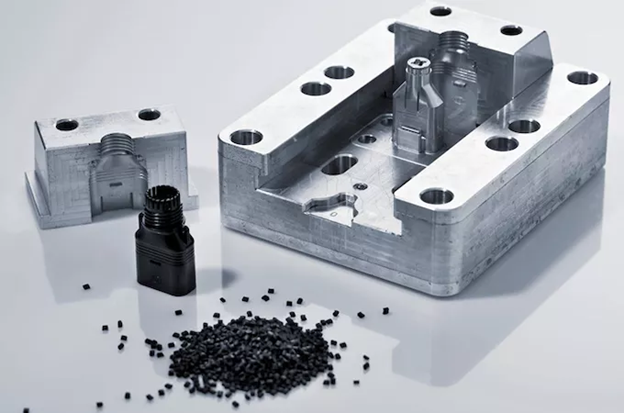
For manufacturing, plastic pellets for injection molding may serve as a starting point of the manufacturing process. The small-sized raw materials are in a molten state and are formed into finished products.

Another important form is plastic resin for injection molding which offers strength, flexibility and durability according to the requirements of the products.

Another reason for the use of common plastics for injection molding is that they are easy to process and readily available.

In sum, plastics for injection molding have a significant impact on the contemporary industrial world.

Basic Injection Molding Knowledge

In injection molding, plastic is heated until it turns into a fluid, and it is injected into a mold. When the shape cools it turns into a solid.

Machines can be used to manufacture thousands of identical parts in a very short time in a factory. This results in rapid and efficient production.

Most of the time, plastic pellets for injection molding are utilized in the machines to begin the process. Such pellets melt consistently when heated.

Production is dependent on material quality. Quality plastic resin for injection molding makes for a smoother flow and strength of the product.

Various materials are selected for different industries, based on the products they make.

Those that can be mass-produced in a uniform manner are preferred, and that is why plastics for injection molding are used.

Materials used in injection molding

There are numerous thermoplastics used for injection molding. These materials can be heated, melted and re-formed many times.

The most common raw form is pellets. One of the other popular types is resin.

The plastic pellets for injection molding are tiny, uniform particles which are easily shipped and stored. They are evenly melted in machines.

 plastic resin for injection molding is a term that is used to enhance the strength and flexibility of the products that are used at the end.

Also, common plastics for injection molding are used by manufacturers, as they are cheap and can be utilized in lots of applications.

These materials are combined to produce plastic manufacturing industries.

The plastics for injection molding are chosen according to the specific demands of durability, heat resistance, and flexibility that are required for the application.

What is plastic pellets for injection molding?

The most basic raw material used in production is plastic pellets for injection molding. Small, easy to handle and round.

These pellets are then fed into injection machines at factories. The machine brings them up to temperature until they are melted into a liquid state.

Liquid plastic is next poured into moulds to form various shapes.

Because of the certainty of quality in mass production, plastic pellets for injection molding are very popular.

They also can be stored for a long time without harm.

The pellets are of various types, for various industries, for strong industrial parts or for soft consumer goods.

Manufacturers test plastic pellets for injection molding thoroughly before they can be used to prevent imperfections during manufacturing.

These pellets are vital to any large-scale plastic manufacturing systems.

To understand plastic resin for injection molding

To understand plastic resin for injection molding

 plastic resin for injection molding is one of the key materials which is used to enhance the quality and performance of the products.

Resin is frequently provided in a solid form which will soften upon heating. Then it is formed in molds.

The type of the resin used is a crucial factor in the strength and flexibility of the final product.

The choice of plastic resin for injection molding will depend on the temperature resistance and durability requirements of the injection-molded product.

Many industrial applications are associated with it and it is much used for high performance materials.

Some resins can be flexible, others can be hard and tough.

 Plastic resin for injection molding is preferred by the factories as it minimizes defect and enhances the quality of production.

It also supports the smoothness of the flow in the injection process.

Common Types of Plastics Used

Common Types of Plastics Used

There are a number of familiar plastic materials that are utilized in injection molding. Each type has its own name and can be selected according to the requirements of strength, flexibility or heat resistance of the product.

Polietileno (PE)

Polyethylene is a material that is used in the manufacture of many products. It is lightweight, flexible and waterproof. Commonly used for packaging, bottles and containers. Polyethylene is one of the common plastics for injection molding because it costs little and is easy to work with.

Polipropileno (PP)

Polypropylene is a material which is strong, lightweight, heat resistant and chemical resistant. It is used in many food containers, medical apparatuses, and automobile parts. Is one of the most favored plastics for injection molding thanks to its combination of strength and flexibility.

Acrylonitrile Butadiene Styrene (ABS)

ABS is a tough, impact resistant plastic. Applications include toys, electronic enclosures and automotive components. It is commonly chosen as a plastic resin for injection molding when durability and toughness is needed

Poliestireno (PS)

Polystyrene is a cheap and rigid plastic. Easy to mold and used in disposable cups, packaging, simple containers. It is included in many common plastics for injection molding parts because it is so cheap.

Cloruro de polivinilo (PVC)

PVC, a hard yet tough, flexible or hard plastic. Used in pipes, fittings and cables. It is broadly used in the plastics for injection mold construction and industrial field.

Policarbonato (PC)

Polycarbonate is a high-performance plastic, which is transparent and has high impact resistance. It is applied to safety products, lenses and electronic components. Frequently, it is used as a plastic resin for injection molding of premium quality.

Nylon (Poliamida, PA)

Nylon is strong, wear resistant and has a good heat stability. Applied in mechanical parts, gears and industrial components. It is generally applied for the plastics for injection molding advanced applications.

Table 1: High-Impact Plastics for Injection Molding (Most Used Materials)

This table shows the most important plastics used in global injection molding industries. It is optimized for keywords like plastics for injection molding and common plastics for injection molding.

Tipo de plásticoKey PropertiesIndustrial ImportanceMain Uses
Polipropileno (PP)Lightweight, heat resistant, chemical resistantOne of the most widely used plastics worldwideAutomotive parts, packaging, medical tools
Polietileno (PE)Flexible, moisture resistant, low costHigh-volume production plastic across industriesBottles, films, containers, packaging
Acrylonitrile Butadiene Styrene (ABS)Strong, impact resistant, durableCommon engineering plastic for strong componentsElectronics housings, toys, automotive parts

The injection molding process

The injection molding process

Simple, yet extremely accurate injection molding process.

The first step is to put the raw materials into the machine. Typically, this step is performed by using plastic pellets for injection molding.

At this point, the pellets are again heated until they become a thick liquid.

Under high pressure the liquid plastic is then injected into a mold.

The mold is cooled and the finished product is ejected.

 plastic resin for injection moulding has different quality levels, which affect the smoothness of the flow in this process.

The fewer the defects, the better the surface finish is provided by good material.

 The plastics for injection molding allow to achieve complex shapes in a short time, and with efficiency.

Applications in Industries

Therefore, injection molding is widely used and is fast, reliable, and cost-efficient for various industries. It is used to allow manufacturers to manufacture large numbers of identical plastic components and maintain a uniform quality.

  • In the automotive industry: plastics for injection molding are utilized to produce interior parts, panels, and dashboards that are tough and resilient. These materials are capable of enhancing the performance of vehicles at a low production cost.
  • In the medical industry: precision and safety are very important. Syringes, surgical instruments, containers and other products are manufactured with plastic resin for injection molding, which guarantees hygiene and reliability.
  • Consumer goods: Everyday items like bottles, storage boxes, and toys can often be shaped using plastic pellets for injection molding because they can be shaped smoothly and produced in a short amount of time.
  • In electronics: common plastics for injection molding are used for manufacturing protective casings, switches, and device housings for their combination of strength and cost.

In summary, plastics for injection molding play a crucial role in the production of a vast array of items, catering to the needs of virtually every major industry through their flexibility and production efficiency.

Table 2: Injection Molding Plastics by Industry Applications

This table is designed for SEO traffic targeting industrial and commercial searches like plastic resin for injection molding and material applications.

Tipo de plásticoIndustria del automóvilIndustria médicaProductos de consumoIndustria electrónica
Polipropileno (PP)Interior trims, dashboardsSyringes, medical containersStorage boxes, kitchen itemsBattery cases
Polietileno (PE)Fuel tanks, linersMedical bottles, packagingBags, films, packaging itemsCable insulation
ABSCar panels, interior partsDevice housingsToys, home appliancesPhone and laptop shells

Control of quality in manufacturing

Control of quality in manufacturing

Quality control is crucial in an injection moulding manufacturing process.

Careful testing of raw materials before use is carried out in factories.

The plastic pellets for injection molding are tested for size, purity and consistency.

The flow rate and strength of plastic resin for injection molding is tested.

The common plastics for injection molding are tested for uniformity in quality.

Materials, if not good, may cause defects such as bubbles or cracks in the products.

Good quality plastics for injection molding ensure smooth production and fewer errors.

Injection Molding Materials’ Benefits

The injection molding process has numerous benefits for manufacturers.

  • It facilitates quick manufacture of huge numbers.
  • Lowers the average cost of production.
  • It makes long-lasting, sturdy products.

As a result of the efficient mass production which they support, plastics for injection molding are largely used.

  • They are also adaptable and can be used in a variety of industries.
  • In order to keep manufacturing consistency, there are plastic pellets for injection molding.
  •  plastic resin for injection molding enhances the product’s quality and durability.

As mentioned above, common plastics for injection molding is a practice that makes it easy to lower the cost and scale up production.

Injection molding challenges

  • Although injection molding is an efficient process, it has its problems.
  • Product Quality can be impacted by material defects.
  • Weak structures may result from improper heating.
  • With poor quality plastic pellets for injection molding, there can be uneven melting.
  • Surface defects can be caused by low-grade plastic resin for injection molding .
  • If the wrong common plastics for injection molding are used, it may affect the performance of the product.

Temperature and pressure are important factors for manufacturers to carefully control, as they could create problems if not.

Even in the face of difficulties, plastics for injection molding still are the most reliable means of mass production.

Sustainability and Recycling

Control of quality in manufacturing

Environmental protection is increasingly gaining significance in manufacturing.

Today, there are numerous businesses that recycle plastic materials.

The term common plastics for injection molding can be recycled after processing in many situations.

Using recycled materials helps to decrease waste and pollution.

Development of Eco-friendly plastics for injection molding is being promoted for sustainable production.

There are also better plastic resin for injection molding industries which help to reduce environmental impact.

Recycling helps save energy and raw materials.

El futuro del moldeo por inyección

  • Injection molding technologies are advanced and look like a bright future.
  • New technology making things faster and more accurate.
  • The use of smart systems in factories to achieve better production control.
  • More precise new plastic pellets for injection molding are being developed.
  • Also, a stronger plastic resin for injection molding is being developed for industrial applications.
  •  plastics for injection molding will continue to play a major role in global manufacturing.
  •  common plastics for injection molding will continue to play an important role in high-quality and inexpensive production.
  • This will be even more efficient with automation and AI.

Conclusión

Injection molding is one of the most important technologies in modern production, which can help to realize the quick production, low error and mass production. It assists in the production of strong and cost-effective plastic products for the use of daily life inside the industries.

 plastics for injection molding are the foundation of this whole process, and enable mass production in various industries. The term plastic pellets for injection molding guarantees that the material will be processed smoothly and produce high-quality injection molded products in the factory. Meanwhile, plastic resin for injection molding is crucial to enhancing strength, durability and quality of final products.

Furthermore, common plastics for injection molding offer adaptable and affordable options to satisfy a variety of applications, varying from home items to industrial components.

In conclusion, plastics for injection molding will continue to play a crucial role in the future of various industries, driven by ongoing advancement in technologies that enhance efficiency, sustainability, and product quality.

FAQ

What are plastics for injection molding?

Molding plastics can be either melted, molded and cooled into various products using injection molding machines, which are called plastics for injection molding. Because they are efficient and cost-effective, these plastics are utilized in medical, automotive, packaging and electronics applications.

The term plastic pellets for injection molding refers to what?

 plastic pellets for injection molding are small plastic pellets that serve as raw materials for injection molding machines. These are poured into a mold and hardened to make a final product. These pellets have the advantage of uniform melting and product quality.

What is the definition of plastic resin for injection molding?

Base material which is used to manufacture molded plastic products is plastic resin for injection molding. Depending on the type of resin, it offers strength, durability and flexibility. Specific Resins are chosen by various industries depending on the performances that are needed.

What are the reasons for the use of plastics for injection molding in the industries?

Because of the ability of fast production, low manufacturing cost and high precision, plastics for injection molding are widely used. As well, they can be recycled and reused, making them suitable for large-scale industrial applications.

What is the difference between plastic pellets and plastic resin?

 plastic pellets for injection molding is the physical raw material of the plastic used in machines, and plastic resin for injection molding is the type of base material used, it determines the strength, flexibility and performance of the final product.

Can injection molding plastics be recycled?

Yes, there are many plastics for injection molding which can be recycled. Common materials that are reused in manufacturing to minimize waste and promote sustainable production are polypropylene and polyethylene.

2026年6月6日/0 Comentarios/por Autor del artículo
https://plas.co/wp-content/uploads/2026/06/dgdf.webp 300 600 Autor del artículo http://plas.co/wp-content/uploads/2023/02/plas-co-1.jpg Autor del artículo2026-06-06 00:28:162026-06-15 17:59:35Plásticos para moldeo por inyección: guía completa sobre materiales, procesos y aplicaciones industriales
Plástico moldeado por inyección, moldeo por inyección, la empresa de molduras

Empresas de moldeo por inyección cerca de mí: Guía completa para elegir el socio de fabricación adecuado

Empresas de moldeo por inyección cerca de mí: Guía completa para elegir el socio de fabricación adecuado

For companies that require quality plastic products, it is crucial to find a reliable injection molding companies near me. Injection molding is one of the most common and widely used manufacturing processes, and it can produce plastic parts that are accurate, strong and inexpensive on a large scale. Many industries rely on professional molding services for their everyday production needs, such as automotive parts, medical devices, and more.

What companies need these days is speedy production, quality product and lower manufacturing cost. This is why many businesses look for plastic injection molding companies near me so they can locate qualified plastic manufacturers that can fulfill the needs of their production. A good injection molding company can support the product design, tooling, material selection, test and final production of the product.

In addition, many manufacturers can supply the prototype development and custom molds. In order to choose the most suitable partner to work with, business will compare a number of mold injection companies near me. Production capacity, material quality, prices, delivery time are among key factors that are decisive.

These professional injection mold companies near me employ cutting-edge machinery and innovative techniques for creating accurate plastic parts. These companies use various thermoplastic materials, and provide services for large and small batch production.

The demand for plastic mold injection companies near me keeps growing as the industries are looking for plastic products that are strong and light. To satisfy the demand in the market, manufacturers are now emphasizing on automation, quality control and efficient production systems.

From custom packaging to medical parts, automotive components or consumer products, dependable injection molding companies near me can deliver the manufacturing solutions you need.

Comprender el moldeo por inyección

Injection molding is a type of manufacturing process in which the melted plastic is injected into the mold cavity to produce plastic parts. The material then sets into the shape desired after cooling. This process is used extensively due to the high production speed, accuracy, repeatability, etc.

A lot of companies look for the term plastic injection molding companies near me since they require mass manufacturing of components at a reasonable price. The process can be used for complex designs, and the manufacturer can maintain consistent product quality.

Injection Molding Companies Near Me

Typical mold injection companies near me tend to utilize materials like ABS, polypropylene, nylon, polyethylene, and polycarbonate. Different mechanical properties are obtained from each material depending on the application.

Presently, ‘injection mold companies near me’ rely on computer-operated machinery to enhance the accuracy and minimize the waste. In addition, these companies conduct quality checks on the production to guarantee that each part is of acceptable quality.

The demand for plastic mold injection companies near me is on the rise as injection molding finds uses in various sectors such as electronics, healthcare, automotive, packaging, and household products.

Technical Table: Common Injection Molding Materials

MaterialMelt Temperature (°C)Resistencia a la tracción (MPa)Shrinkage Rate (%)Aplicaciones comunes
ABS220-26040-500.4-0.7Automotive parts
Polypropylene200–25025–401.0-2.5Productos de embalaje
Nylon240–29060-900.7–1.5Mechanical components
Polycarbonate260–32055–750.5-0.7Electronic housings
Polyethylene180-24020–351.5–3.0Containers and bottles

Perfil de la empresa

Sincere Tech (PlasticMold.net) is a Chinese professional plastic injection molding company. The company provides plastic mold manufacturing, plastic injection molding, plastic CNC machining, plastic die casting and plastic product assembly. It is used in the automotive, medical, electronics and consumer product industries.

Sincere Tech specializes in the production of high-quality products, delivery of products on time and providing cost-effective manufacturing solutions to all customers all over the world.

Por qué elegirnos

  • Over 20 years of experience.
  • Expendable, high quality plastic molds and parts.
  • Skilled engineering team
  • Advanced manufacturing machines
  • Quick production and delivery
  • Affordable pricing
  • Strong quality control
  • Professional customer support

How Injection Molding Companies Operate

Most injection molding companies near me adhere to a systematic manufacturing procedure to enhance the quality of the products and to ensure that the manufacturing is done efficiently. Typically, it starts with the product design and engineering analysis.

Once the design phase is complete, the engineers then make molds in steel or aluminum. Many of the plastic injection molding companies near me employ CNC machining and CAD software to create precision tooling.

How Injection Molding Companies Operate

When the mold is prepared, the plastic pellets are melted in the injection molding machine. The melted plastic is then pushed into the mold at high pressure.

The mold injection companies near me are experienced and pay attention to the temperature, pressure, and cooling time in the production process. This will help decrease defect and dimensional error.

Once cooled, the final product is thrown from the mold and quality checked. Quality injection mold companies near me will also provide other finishing work like painting, polishing, assembling or packaging.

Many plastic mold injection companies near me are today leveraging the use of automated robotic systems to enhance their productivity and minimize the manufacturing errors.

Benefits of Working with Injection Molding Companies

There are numerous benefits to hiring a professional in Injection molding companies near me. The greatest advantage is production efficiency. Injection molding enables the manufacturers to manufacture a lot of parts in a short span of time.

Another significant benefit of selecting ‘plastic injection molding companies near me’ is product consistency. Each molded part is manufactured to the same size and same material characteristics from the same material.

Additionally, mold injection companies near me is preferred by businesses as they can cut in all round manufacturing expenses. While it does require an initial investment to build the mold, it will yield very little cost per part during mass production.

Numerous injection mold companies near me offer engineering assistance and design optimization services. It assists companies to enhance the performance of their products and lower manufacturing problems.

A modern plastic mold injection companies near me can produce the lightweight but strong plastic products for various industrial applications.

Good injection molding companies near me also provide quick production times, enabling businesses to get products to market faster.

Industries That Use Injection Molding Services

There are numerous industries that use injection molding companies near me for their daily manufacturing needs. Almost all industrial fields adopt injection molding since plastic products have advantages of light weight, durability and low cost.

 Plastic injection molding companies near me are commonly used in the automotive industry to create dashboards, interior panels, automotive connectors, and other auto parts.

Medical manufacturers select the mold injection companies near me to manufacture syringes, surgical instruments, testing tools, and medical equipment.

Industries That Use Injection Molding Services

Electronic firms rely on injection mold companies near me for phone cases, computer components, connectors and electronic enclosures.

Besides, packaging manufacturers are also able to collaborate with the plastic mold injection companies near me to create storage products, packaging containers, trays, and caps for bottles.

Consumer product brands are frequenting their search for injection molding companies near me to produce toys, kitchen products, furniture parts and household products.

Choosing the Right Injection Molding Company

Choosing the best ‘injection molding companies near me’ needs an evaluation. The company’s experience, production capabilities and quality standards should be analyzed in the case of businesses.

Technical expertise is one of the key elements to consider when selecting plastic injection molding companies near me. Professional manufacturers can deal with the complicated style and creation requirements.

Also, companies should make a comparison between the companies in their area and machines they use mold injection companies near me. High-level equipment typically increases the quality and efficiency of production.

The reliable injection mold companies near me will communicate clearly with customers, offer engineering assistance and project management during the production process.

The choice of material is also a crucial factor. Professional plastic mold injection companies near me should have several thermoplastic choices to use according to the applications.

Another important consideration for businesses is to check out production lead time, certifications, pricing structure, and customer reviews before they choose injection molding companies near me.

Common plastic materials used in injection molding

A injection molding companies near me expert will work with different plastic materials as per the requirements of the products. The materials have a variety of properties, including flexibility and strength, resistance to temperature and chemicals, and more.

The companies that have been known as plastic injection molding companies near me use the ABS plastic because it has good impact resistance and surface finish.

Another popular material used by mold injection companies near me is polypropylene. It is chemical resistant, flexible and lightweight.

 Injection mold companies near me often choose nylon due to its strength and durability.

 plastic mold injection companies near me use polycarbonate materials which are very impact resistant and transparent.

Another important reason why the use of polyethylene has become popular in injection molding companies near me is that it is inexpensive to produce.

Advanced Technologies in Injection Molding

The modern injection molding companies near me employ advanced technologies to enhance the manufacturing process quality and efficiency. Automation is a key element of today’s manufacturing systems.

Part removal, assembly and packing are performed using robotic arms by many of the plastic injection molding companies near me. Automation is a way to save on labor expenses and production mistakes.

 mold injection companies near me are also establishing extensive utilization of computer-aided design software for product development and mold production.

The high precision CNC machining systems can produce the required complex geometries of the tool with accuracy, which is important for injection mold companies near me.

Some plastic mold injection companies near me also apply scientific molding methods for optimization of molding pressure, molding temperature and molding cooling condition.

The technologies aid in enhancing the consistency of the products, minimize production waste and help injection molding companies near me.

Technical Table: Injection Molding Machine Parameters

ParámetroTypical Range
Presión de inyección50–200 MPa
Temperatura del molde20–120 °C
Tiempo de enfriamiento10–60 sec
Duración del ciclo20–120 sec
Fuerza de sujeción50–5000 tons
Injection Speed50–500 mm/sec

Quality Control in Injection Molding

One of the most important areas in which professional injection molding companies near me can be employed is the quality control. Manufacturers need to make sure each part is correct according to customers’ specifications.

Many of the plastic injection molding companies near me conduct dimensional checks with coordinate measuring machines (CMMs) and digital testing equipment.

A trusted mold injection companies near me will also check out the production environment, including injection pressure, melt temperature and cooling rates.

The injection mold companies near me that are professionals tend to adhere to international quality standards like ISO certifications.

Another crucial process that is used by plastic mold injection companies near me is material testing. Manufacturers test for strength, flexibility, durability and chemical resistance.

Quality systems are crucial for injection molding companies near me to minimize defects and enhance satisfaction.

Cost Factors in Injection Molding

There are multiple factors that affect the price of working with the injection molding companies near me. One of the largest factors of production cost is mold complexity.

If the molds are large or very intricate, then more time will be needed for the plastic injection molding companies near me to do the machining. The type of materials also has an impact on the total manufacturing costs.

One of the most critical factors to consider when selecting mold injection companies near me is production volume. In general, higher production means that costs per part will be lower.

Other services offered by injection mold companies near me like painting, assembly, packaging, etc. could lead to an increment in the overall cost of the project.

Maintenance and production speed of the tools also affect the price of plastic mold injection companies near me.

Numerous businesses will search several different moldeo por inyección companies near me options to discover the top quality and budget.

Environmental Sustainability in Injection Molding

There are many modern injection molding companies near me that are turning their focus towards environmentally friendly manufacturing. The sustainability has become a key objective in the plastics industry.

Some plastic injection molding companies near me employ recycled plastic materials to cut down the environmental impacts.

Electricity usage is reduced by the use of energy-efficient machines, which are widely adopted by mold injection companies near me today.

Professional injection mold companies near me also minimize material waste by optimizing the mold design and manufacturing precision.

The recycling system of many plastic mold injection companies near me includes a system for the collection of plastic scraps produced in the manufacturing process.

By adopting sustainable manufacturing methods, injection molding companies near me can enhance their environmental performance and ensure the quality of their products.

Technical Table: Benefits of Injection Molding

BenefitDescripción
High Production SpeedSupports mass manufacturing
Excellent AccuracyProduces consistent dimensions
Low WasteEfficient material usage
Flexibilidad de diseñoSupports complex geometries
Strong DurabilityCreates high-strength plastic parts
Eficiencia de costesLow cost per unit during mass production

Future of Injection Molding Industry

The outlook for injection molding companies near me is pretty bright, as the demand for plastic products around the globe goes up.

 Plastic injection molding companies near me will benefit from automation and artificial intelligence in increasing production efficiency. The downtime and consistency in products will be reduced with smart manufacturing systems.

There are also numerous mold injection companies near me that are spending more money on new materials that are more durable and heat resistant.

Future of Injection Molding Industry

 The injection mold companies near me are using digital manufacturing technologies to streamline product development.

In the future, plastic mold injection companies near me could utilize increasingly eco-friendly plastics and energy-efficient manufacturing processes.

In the continuously evolving world of manufacturing, professional injection molding companies near me will continue to play a vital role in producing top-notch plastic parts.

Conclusión

The term injection molding companies near me is quite significant in the manufacturing world. They offer solutions that ensure efficient, accurate and economical manufacturing of plastic parts in the automotive, medical, electronics, packaging and consumer sectors.

When companies look for plastic injection molding companies near me, they should assess the production quality, material knowledge, technical assistance, and production capabilities of the manufacturers before choosing one.

Reliable mold injection companies near me can cut down on the cost of manufacturing, enhance the quality of goods and accelerate manufacturing schedules.

Today, leading companies offering injection mold companies near me also employ cutting-edge technologies, automation, and sustainable manufacturing methods in order to satisfy the increasing needs of the industry.

In an ever-changing industrial landscape, plastic mold injection companies near me will continue to play a crucial role in the manufacturing of plastic products, particularly for businesses that need consistent and reliable quality.

Working with injection molding companies near me with a proven track record can offer numerous manufacturing benefits, improved product quality and increased market competitiveness.

2026年5月20日/0 Comentarios/por Autor del artículo
https://plas.co/wp-content/uploads/2026/05/image-9.png 357 624 Autor del artículo http://plas.co/wp-content/uploads/2023/02/plas-co-1.jpg Autor del artículo2026-05-20 21:38:182026-06-15 18:03:01Empresas de moldeo por inyección cerca de mí: Guía completa para elegir el socio de fabricación adecuado
moldeo por inyección, la empresa de molduras

Moldeo por inyección de prototipos: Una guía completa para el desarrollo de productos modernos

Prototipo pe Moldeo por Inyección: Una guía completa para el desarrollo de productos modernos

Today’s manufacturing environment is more competitive and companies require faster manufacturing, lower manufacturing cost and better product quality. One of the best approaches that have been used to achieve these goals is prototype injection molding. This process is used for manufacturers to produce sample products before entering into full-scale production. It enables businesses to conduct product design testing, refine the functionality and eliminate costly production errors.

Manufacturing has undergone significant transformation in the past couple of decades. Businesses are now expected to introduce products on to the market in a timely manner, but with a high quality. They also want reliable and long-lasting products. As a result of this, manufacturers have taken serious measures to ensure that they maintain their competitive edge in the industry through the use of advanced production methods. prototype injection molding is a very important process that helps modern manufacturing.

Companies typically start with a design concept when they are creating a new product. The product needs to be thoroughly tested before it enters production. This is where injection mold prototype solutions come in handy. A prototype helps manufacturers to see if the product functions correctly, looks good and fulfills customer expectations.

This injection molding prototype techniques are a useful approach for many industries to enhance product development. The automotive, medical, electronics, packaging, aerospace and consumer goods industries are included. Companies can find design issues early and fix them for cheaper, without having to pay for costly corrections later, by using prototypes.

In the creation of a new business product, the use of injection molded prototypes is a necessity to shorten the development time for businesses around the world. Companies don’t have to wait for months to make improvements to their product ideas when they can quickly assess them. This reduces the time and costs.

This article covers the concept of prototype injection molding in a simple and easy to understand manner. You will be taught about the process, benefits, materials, applications, challenges, design considerations, costs and future trends.

Understanding Prototype Injection Molding

Prototype injection molding is a manufacturing method for plastic prototypes to be used for production before the scale production. It enables companies to evaluate the design, functionality and quality of a product, before it goes into production. It is a widely used method due to its speed, reliability and cost-effectiveness.

This involves using a specially-made mold into which molten plastic is poured to create a particular form. Production molds are typically more complex and expensive than the mold used for the prototypes. A part of the plastic is removed after it cools and hardens and examined for accuracy and performance.

Moldeo por inyección de prototipos: Una guía completa para el desarrollo de productos modernos

Prototype injection molded products offer manufacturers the opportunity to uncover design issues before it is time for mass production. When there is any problem, it can be rectified quickly without wasting considerable money or materials. This enhances product quality, and decreases the risk in production.

The other significant advantage is quick product development. They can create a sample in a few days and present it to clients, engineers or investors for approval. Various materials may also be tried to select the most durable and strong material.

In conclusion, prototype injection molding is a vital process in the modern manufacturing industry that empowers companies to develop superior products while minimizing time and expenses.

The Prototype Injection Molding Process Steps

Several steps are important in the process of prototype injection molding. Every step is important in the process of producing accurate, functional prototype parts.

Diseño de productos

The first step in developing the injection mold prototype is to make a product design. The computer-aided design (CAD) software is used by engineers to design a detailed 3-D model of the part. Dimensions, wall thickness, surface details and functional features are included in the design.

The success of the injection molding prototype production is enhanced by a well-designed model. The engineer needs to make sure the design will allow for the smooth flow of material and easy mold release.

Mold Creation

Once the design is finished, the manufacturers will make a mold for prototype plastic injection molding. Aluminum is generally the material used for prototype molds as it is easier and quicker to machine.

The mould is a shape that has a cavity similar to the desired product. In the process of injection molded prototypes production, the liquid plastic is injected into this cavity to make the part.

Selección de materiales

Selecting an appropriate plastic material is a critical factor of prototype injection molding. Various plastics offer various characteristics, including flexibility, strength, heat resistance and transparency.

During the injection mold prototype production, the manufacturers will test several materials to choose the most suitable one for the final production.

Injection Process

In the injection molding prototype manufacturing, the plastic pellets are heated and melted. The molten plastic material is then injected into the mold cavity at a high pressure.

By doing this, prototype plastic injection molding can be used to produce highly detailed and precise parts. The molten plastic fills all the corners of the mold.

Cooling Stage

The plastic then cools inside the mould following injection. A key aspect of developing robust and solid injection molded prototypes is cooling.

Cooling time is dependent upon material type, wall thickness, and mold design. Warping and shrinkage are avoided due to appropriate cooling.

Part Removal

After cooling, the mold is opened and the product is taken out. If more parts are required, the prototype injection molding process is then repeated.

Pruebas y evaluación

Engineers pay extra close attention to the injection mold prototype after production. They verify size, look, strength and usability.

In the process of testing, the company can make improvements on the injection molding prototype before mass production. Design changes can be achieved early, therefore the manufacturing cost is minimized later.

The flexibility of prototype plastic injection molding is suitable for the rapid development of products. Businesses can rapidly and effectively test several design variants.

As ‘injection molded prototypes’ are very similar to the actual parts manufactured, the manufacturer will acquire significant insights into the behavior of their products in the real world.

Table 1: Mechanical Properties of Common Prototype Injection Molded Materials

MaterialResistencia a la tracción (MPa)Flexural Modulus (GPa)Resistencia al impacto (kJ/m²)Heat Deflection Temp (°C)Densidad (g/cm³)Water Absorption (%)
ABS40-502.0–2.515-3085–1001.040.2-0.5
PC60–752.2–2.660-90125–1401.200.15–0.35
PP25–401.2–1.85–1590-1100.90<0.03
Nylon 670–902.0–3.08–20170–2001.131.0-2.5
PEEK90-1003.5–4.520–35280–3151.30<0.1

The advantages of Prototype Injection Molding include

Prototype Injection Molding: A Complete Guide

Companies may use prototype injection molding for any number of reasons when developing a product.

Faster Product Development

The injection mold prototype manufacturing process has a great speed. Sample products can be easily developed and tested before production takes place.

Quick testing facilitates rapid improvements of products by businesses. The processes injection molding prototype are therefore very useful in competitive industries.

Ahorro de costes

It can be a costly error to develop a product without testing. Prototype plastic injection molding is used to identify problems early on in the company.

Addressing design problems prior to mass production can save money. That is why injection molded prototypes is the most popular method used.

Better Product Quality

Prototyping helps to create a better product. The decision regarding strength, durability, fit, and appearance can be made during prototype injection molding.

There is a relationship between the quality of a product and the quality of testing done. Businesses that are employing injection mold prototype service will generally end up with better products.

Material Testing

Materials will have various reactions to the manufacturing process. In the case of plastic, manufacturers can test out various plastic materials through Injection molding prototype methods.

This versatility can be helpful when choosing the optimal material to ensure performance and durability in prototype plastic injection molding.

Accurate Results

The injection molded prototypes are very similar to end-of-production parts, unlike some quick manufacturing techniques.

The accuracy enables engineers to make informed design decisions in prototype injection molding.

Reduced Manufacturing Risks

Testing products early helps companies minimize production risks. Testing performed on the Injection mold prototype can find weak points and manufacturing problems.

In the industries where safety and reliability are the main concern, it is important to reduce risks.

Improved Communication

Physical prototypes have a positive effect on communication amongst engineers, manufacturers and customers. Injection molding prototype samples enable everyone to have a better understanding of the final product.

This is helpful for teamwork and customer acceptance due to the value of prototype plastic injection molding.

Faster Market Entry

The firms which use injection molded prototypes are able to launch products quicker. Having a quick turnaround in product development is essential for businesses to remain competitive.

Often prototype injection molding is able to give the company a significant edge in the market.

Materials used in Prototype Injection Molding

Moldeo por inyección de prototipos: Una guía completa para el desarrollo de productos modernos

One of the key points in prototype injection molding is material selection. Various plastic materials have various properties.

Plástico ABS

Strong, tough and inexpensive, ABS is commonly used in the manufacturing of injection mold prototype.

It is widely used for automotive components, electronic enclosures and consumer goods.

Polypropylene

Another widely used material for the production of injection molding prototype is polypropylene. It is flexible, resistant to chemicals and lightweight.

Polypropylene is used in many packaging and household products.

Polycarbonate

Polycarbonate is a material with a very high impact resistance and transparency. This material is commonly employed in prototype plastic injection molding to make protective covers and medical products.

Nylon

It is nylon which gives good resistance to wear and strength. Nylon is used in the manufacture of injection molded prototypes that are widely used in industry and in the automotive sector.

Polyethylene

Polyethylene is flexible, long lasting, and water proof. Used in prototype injection molding often in the packaging sector.

Acrylic

Acrylic is a material that has good transparency and weather resistance. It is employed in injection mold prototype use by manufacturers, where the appearance of the product is important.

TPU

A flexible plastic called TPU is used in the products that need elasticity and toughness, which are called injection molding prototype.

Custom Materials

There are certain companies that require specialized materials that are known as prototype plastic injection molding. The materials could be flaming retardant, UV resistant, or medical grade plastic.

Pre-production injection molded prototypes are tested to verify that the materials will meet the product requirements prior to production.

Table 2: Technical Processing Parameters for Prototype Injection Molding

Tipo de materialMelt Temperature (°C)Mold Temperature (°C)Presión de inyección (MPa)Cooling Time (sec)Shrinkage Rate (%)Typical Cycle Time (sec)
ABS220-26040-8070-12015-300.4-0.725–60
Polipropileno (PP)200–25020-7050–10010–251.0-2.520-50
Policarbonato (PC)280–32080–12080–14020–400.5-0.735–70
Nylon (PA6)230–29070–10075–12518–350.7–1.530–65
PEEK360–400120–160100–16040-901.1–1.380–140

Prototype Injection Molding applications include

 Prototype injection molding is used in many industries around the world.

Industria del automóvil

Injection mold prototype manufacturing is a key technology in the automotive industry. Prototype is used in companies for dashboards, clips, handles, housings and interior parts.

Testing aids in the enhancement of vehicle safety and durability.

Industria médica

To make prototype devices and equipment, medical companies employ injection molding prototype methods.

The prototype plastic injection molding is of great value due to its high precision in medical products.

Industria electrónica

Phone casings, connectors, housings and device parts are produced by electronic firms with injection molded prototypes.

The process enables manufacturers to run that functionality tests prior to production.

Productos de consumo

 Prototype injection molding is used to make many household products. This may be something like kitchen utensils, toys, containers, or personal care items.

Aerospace Industry

The aerospace industry employs injection mold prototype solutions to prototype for lightweight, durable parts.

In aerospace applications safety testing is particularly important.

Industria del embalaje

The application of injection molding prototype development is used by packaging companies to develop bottle caps, containers, and packaging accessories.

Equipamiento industrial

The prototype plastic injection molding is used in factories and machinery manufacturers to create mechanical components.

Medical Packaging

For sterile packaging and healthcare containers, the term Injection molded prototypes is also applied.

The applications demonstrate that prototype injection molding is very useful in many industries.

Differences Between Prototype and Production Injection Molding

Although prototype injection molding and production injection molding are similar, they have several differences.

Volumen de producción

The manufacturing of Injection mold prototype is based on low-volume production. Production molding is done to produce thousands or millions of parts.

Materiales para moldes

Typically prototype molds are produced from aluminum. Hardened steel is commonly used for the production molds.

As a result, the difference between the two is that injection molding prototype tooling is faster and cheaper.

Coste

Generally, the cost of prototype plastic injection molding is lower due to the relatively simpler prototype molds.

Speed

Prototyping can be done quickly by the manufacturers to produce injection molded prototypes . More time to create production tooling.

Purpose

The main usage of prototype injection molding is test and evaluation. Production molding is mainly related to mass production.

Design Changes

It is convenient to make design changes in Injection mold prototype processes. Modifying production tooling is more complex.

Flexibilidad

The use of Injection molding prototype development for material testing and material experiment design.

When it comes to production molding, consistency and efficiency are the priorities.

Risk Reduction

The prototype plastic injection molding process can be used prior to production to minimize manufacturing risks.

Test can be used to enhance product quality.

Accuracy

In today’s world, the injection molded prototypes will give you highly accurate results that would compare to your final product.

This makes prototype injection molding very useful in the product development process.

Table 3: CNC Machined Prototype Mold vs Aluminum Prototype Mold

PropiedadCNC Steel MoldAluminum Prototype Mold
Average Tool Life100,000+ cycles5,000–20,000 cycles
Thermal Conductivity25–35 W/mK120–180 W/mK
Machining Time2–6 weeks5–10 days
Coste de utillajeAltaMedium
Surface Finish QualityExcelenteVery Good
Estabilidad dimensionalMuy altaModerado
Recommended Production VolumeMedium to HighLow to Medium
Dureza48–52 HRC70–95 HB

Design considerations for prototype injection molding

Moldeo por inyección de prototipos: Una guía completa para el desarrollo de productos modernos

The key factor in successful prototype injection molding is good product design.

Espesor de pared

The uniform wall thickness will help in material flow during injection mold prototype manufacturing.

The warping and defects are caused due to the uneven wall.

Ángulos de calado

Angles that are created in the draft eliminates parts from the mold during injection molding prototype production.

If the correct draft angles are not provided parts can become stuck in the mold.

Material Shrinkage

The shrinkages of various plastics are different in the process of prototype plastic injection molding .

Shrinkage has to be taken into account when designing a product.

Gate Location

The placement of the gates has an impact on the inflow of plastic into the mold. The quality of injection molded prototypes is enhanced by the proper design of the gate.

Diseño de costillas

A rib is used to reinforce products without adding more wall thickness to them.

Good rib design for prototype injection molding.

Acabado superficial

Some products need to be smooth and some need to be textured.

The appearance of injection mold prototype is influenced by the surface design.

Tolerance Requirements

Precise dimensions are important in injection molding prototype manufacturing.

Engineers need to take care to establish tolerances.

Ventilación

In the course of so-called prototype plastic injection molding, air that remains in the mold can lead to defects.

Air can be released through proper venting.

Cooling Design

Quality of injection molded prototypes and cycle time are improved through efficient cooling.

The prototype injection molding project can be more successful due to good design practices.

Table 4: Mold Design Engineering Specifications

ParámetroRecommended ValueEngineering Purpose
Draft Angle1°–3° per sideEasier part ejection
Espesor de pared1.0–4.0 mmPrevent sink marks and warpage
Gate Diameter0.8–2.5 mmControls material flow
Vent Depth0.01–0.05 mmRemoves trapped air
Ejector Pin Diameter2-10 mmSupports smooth ejection
Runner Diameter3–8 mmMaintains balanced flow
Acabado superficialSPI A1 to D3Controls appearance quality
Mold Steel Hardness28–52 HRCImproves mold life

Challenges in Prototype Injection Molding

While there are many advantages to prototype injection molding, there are also some drawbacks.

Tooling Costs

Even after creating the molds, an investment is still necessary to make injection mold prototype manufacturing.

The more complex the molds, the higher the development costs.

Limitaciones materiales

The injection molding prototype production process is sometimes difficult to process some materials.

Manufacturers need to choose materials judiciously.

Complejidad del diseño

 Prototype plastic injection molding can be challenging in the case of complex product shapes.

Engineers tend to streamline designs to make them easier to manufacture.

Encogimiento y deformación

Plastic materials can shrink or warp when they are cooled.

This influences the accuracy of the injection molded prototypes.

Tiempo de producción

Faster than production tooling, prototype injection molding does still take time for the mold to be made.

Mold Durability

Prototype molds may wear out quicker than production molds.

This can restrict the production quantity of injection mold prototype.

Defectos superficiales

The in-production injection molding prototype process may cause products to be affected by sink marks, flash, or flow lines.

Material Waste

During prototype plastic injection molding, there is some generating of waste.

Process optimization is a goal of manufacturers for minimizing waste.

Conocimientos técnicos

The key to successful injection molded prototypes is experience with the engineers and mold designers.

Despite these difficulties, prototype injection molding is still very useful in today’s product development process.

Table 5: Quality Defect Analysis in Prototype Injection Molding

Defect TypeMain CauseEngineering SolutionTypical Tolerance Impact
Marcas de fregaderoThick wall sectionsReduce wall thickness±0.15 mm
AlabeoUneven coolingOptimize cooling channels±0.30 mm
FlashExcessive pressureReduce clamp force±0.10 mm
Short ShotLow injection pressureIncrease pressure and venting±0.25 mm
Líneas de soldaduraImproper flow meetingModify gate locationCosmetic defect only
Marcas de quemadurasTrapped gas overheatingImprove venting systemSurface degradation

Future Trends in Prototype Injection Molding

The prospects for prototype injection molding are excellent.

Automatización

Efficiency of injection mold prototype manufacturing is enhanced by automation.

Robotic Systems help to minimize production time and labor costs.

Fabricación inteligente

The injection molding prototype quality control is enhanced by digital monitoring systems.

The production data can be tracked in real time for the manufacturers.

Materiales sostenibles

In the prototype plastic injection molding industry, eco-friendly plastics come in more and more.

The companies are working on minimizing environmental footprint.

Faster Tooling Methods

The production speed of injection molded prototypes has been improved by advanced machining technologies.

This means quicker product development.

Artificial Intelligence

The use of AI systems enables optimization of prototype injection molding processes.

AI enhances quality and minimizes defects.

Advanced Simulation

The engineers use simulation software to predict the behavior of the materials when they are being produced with injection mold prototype.

This helps to make designs more accurate.

Hybrid Manufacturing

Some companies take advantage of the injection molding prototype methods and 3D printing at the same time.

This provides more flexible development solutions.

Improved Materials

The possibilities of prototype plastic injection molding are growing as a result of the development of new materials.

There are now tougher, lighter plastics available for manufacturers.

Global Manufacturing Growth

The worldwide demand for injection molded prototypes is still increasing.

The growth of industries will make prototype injection molding a vital manufacturing solution in the future.

Conclusión

Prototype moldeo por inyección has emerged as one of the most significant manufacturing techniques in today’s product design. It enables firms to prototype products in a timely manner, validate design and minimize manufacturing risks prior to going into large-scale production.

In many industries, injection mold prototype solutions are the backbone of businesses to enhance product quality and accelerate product launches. Prototype testing aids companies in creating better products, whether they are producing automotive components, medical devices, electronics, or consumer goods.

The prototype plastic injection molding has one significant benefit that is one of the sample parts injection moulding with high accuracy can be produced. These prototypes are more representative of the final products for more reliable testing.

Today the injection molded prototypes are still used for innovation and effectiveness for modern industries. Prototype processes are now faster, smarter and more sustainable with the advances in manufacturing technology.

With the rising demand of high-quality products, prototype injection molding values are becoming more and more significant than ever. Businesses that invest in a robust prototyping process may find that their success in the market and customer satisfaction is greater.

 prototype injection molding will undoubtedly be a huge cornerstone of world manufacturing in the years to come.

2026年5月19日/0 Comentarios/por Autor del artículo
https://plas.co/wp-content/uploads/2026/05/rapid-injection-molding-machine.webp 408 612 Autor del artículo http://plas.co/wp-content/uploads/2023/02/plas-co-1.jpg Autor del artículo2026-05-19 21:56:312026-06-15 18:06:03Moldeo por inyección de prototipos: Una guía completa para el desarrollo de productos modernos
Plástico moldeado por inyección, moldeo por inyección

Molde de Inyección de Aluminio: Guía completa de costes, ventajas y aplicaciones

Molde de inyección de aluminio

El molde de inyección de aluminio es una pieza clave de la industria manufacturera actual por su rapidez, eficacia y asequibilidad. Con la necesidad de ciclos de producción más rápidos y flexibilidad de diseño, las industrias han descubierto la utilidad de los moldes de aluminio. Las piezas de plástico se crean inyectando el material plástico fundido en una cavidad hecha con precisión, y el material plástico adopta la forma de la cavidad mientras se enfría. Los moldes de aluminio tienen un plazo de entrega mucho más corto, son más fáciles de mecanizar y pesan bastante menos que los de acero. Es una gran opción para prototipos y series de producción bajas y medias. Es el método preferido por las empresas, ya que les ahorra tiempo en la construcción de su aplicación y garantiza que la rutina se desarrolle con alta calidad. Con la mejora de la tecnología, la aplicación de moldes de inyección de aluminio está aumentando rápidamente en diversas industrias, como la automovilística, la médica, la electrónica y la de bienes de consumo.

¿Qué es un molde de inyección de aluminio?

Un molde de inyección de aluminio es un molde que se utiliza para formar piezas de plástico. Está hecho de aluminio y no de acero. En él, el plástico se funde y luego se inyecta en una cavidad del molde. El material se enfría y luego reproduce la forma del molde. Una vez enfriado, se retira el producto final. Se produce en numerosas repeticiones en el proceso de producción. El mayor beneficio es que se enfría más rápido y produce más rápido que otros materiales, como el plástico. La mayor ventaja es que se enfría rápidamente y produce más deprisa que otros materiales, como el plástico. Por eso hoy en día se utilizan moldes de inyección de aluminio.

¿Cómo funcionan los moldes de aluminio en el moldeo por inyección?

Aluminio moldes de inyección necesitan un procedimiento específico para llevarse a cabo y son bastante eficaces. Cada paso depende de los demás y es crucial para producir componentes de plástico de alta calidad de forma rápida y fiable.

Paso 1: Selección y preparación del material

Lo primero que hay que hacer es seleccionar un plástico adecuado. El ABS, el polipropileno y el polietileno son materiales típicos. Hay varios materiales con características diferentes, como fuerza, flexibilidad y resistencia al calor. Normalmente se suministra en forma de gránulos en una tolva situada encima de la máquina. Antes de utilizarlo, el material debe estar limpio y seco, ya que de lo contrario la humedad puede causar defectos en el producto.

Paso 2: Introducir el plástico en la máquina

A continuación, se prepara el molde y se colocan los gránulos de plástico en la máquina de moldeo por inyección. Éstos se introducen en la tolva, donde se calientan en un barril. Un tornillo que gira dentro del barril empuja el plástico hacia delante. Mientras se mueve, el material empieza a calentarse, lo que hace que empiece a fundirse.

Paso 3: Fundir el plástico

El calor y la presión generados por el tornillo funden el plástico del barril. A medida que pasa el tiempo, los gránulos sólidos se convertirán lentamente en una sustancia espesa conocida como “plástico fundido”. Aquí es muy importante controlar la temperatura. Demasiado caliente podría dañar el material, mientras que demasiado frío podría causar un problema de fusión.

Paso 4: Inyección en el molde de aluminio

Cuando esté completamente disuelto, se inyectará el plástico. El tornillo imparte una alta presión al ser empujado. El plástico fundido se introduce en el molde de inyección de aluminio con la ayuda de una boquilla. La forma de la cavidad del molde viene determinada por la forma del producto que se va a fabricar, para obtener resultados precisos.

Paso 5: Rellenar la cavidad del molde

El plástico se funde y se vierte en el molde para rellenar completamente todos los espacios. Rellena todos los datos y formas, y hace todas las formas por completo. Para evitar que se formen burbujas de aire y huecos, se aplica la presión adecuada. Este paso es muy importante, ya que de lo contrario el producto será defectuoso.
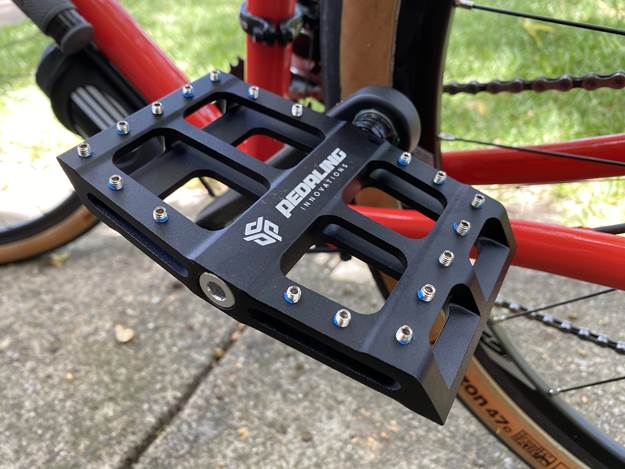
Paso 5: Rellenar la cavidad del molde

Tras el llenado, comienza el proceso de enfriamiento. El aluminio tiene una transferencia de calor muy alta, por lo que el plástico se enfría rápidamente. La temperatura se mantiene constante mediante canales de refrigeración. El plástico se endurece y la forma del molde se crea a medida que el plástico se enfría. Cuanto más frío esté el metal, más rápido será el ciclo y más rápida la producción.
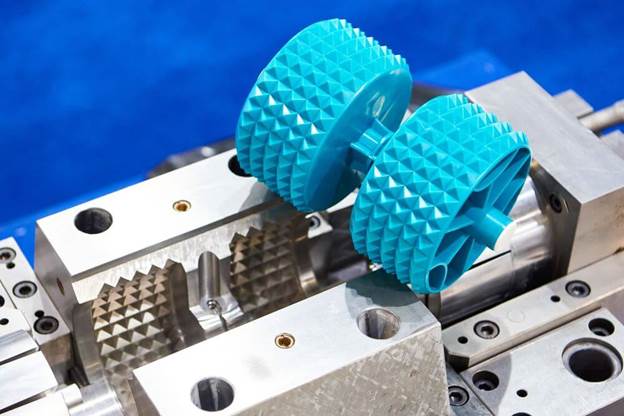
Paso 7: Apertura del molde

Cuando el material plástico está completamente fraguado, el molde se desmolda cuidadosa y lentamente. Así se garantiza que el molde no sufra daños. En esta fase, el molde consta de dos partes que se separan. Una vez moldeada la pieza, se expulsa fácilmente del molde. Este proceso requiere mucho tiempo. Es importante que el molde no se abra demasiado pronto, ya que el producto podría doblarse o perder su forma. Por eso, los fabricantes siempre esperan a que el plástico esté sólido antes de abrir el molde.
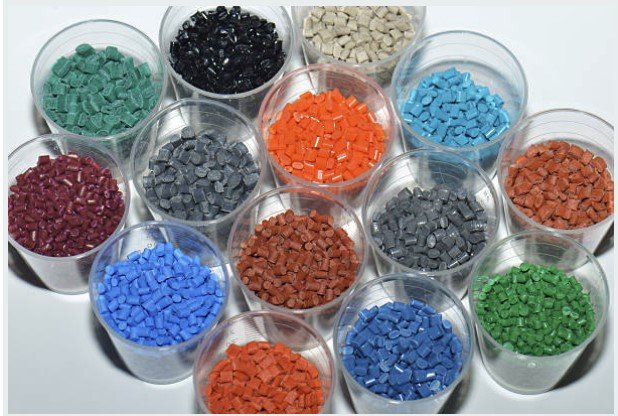
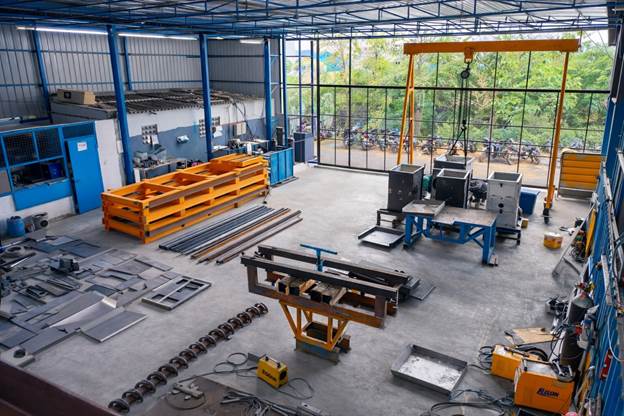
Paso 8: Expulsión de la pieza acabada

Cuando se moldea la pieza, los pasadores eyectores actúan para expulsar la pieza moldeada del molde. Retirada cuidadosa de la pieza: sin daños. A continuación, se retira para el siguiente procedimiento. Si el sistema de expulsión está bien diseñado, no quedarán marcas ni defectos en la superficie.

Etapa 9: Inspección y acabado

Se someten a un control de calidad después de salir de la fábrica. Los fabricantes comprueban si hay algún defecto de forma, burbujas o grietas. Si es necesario, se realiza algún acabado (corte y/o alisado) (menor). Los moldes de aluminio ofrecen una buena calidad de superficie y suelen requerir un acabado mínimo.

Paso 10: Repita el ciclo

El molde se expulsará y el ciclo se repetirá cuando se cierre el molde. Esto permite fabricar piezas desde piezas únicas hasta la producción en serie. El enfriamiento más rápido del aluminio se traduce en una reducción del tiempo de ciclo, lo que hace que el proceso sea más eficiente y ayuda a reducir los costes de producción.

¿Por qué elegir moldes de aluminio en lugar de acero?

Muchas personas han hecho la comparación entre molde de aluminio y molde de acero. Los moldes de acero son caros, requieren mucho tiempo y son difíciles de fabricar. En comparación con los moldes de aluminio, son más rápidos, baratos y fácilmente modificables. Son perfectos para realizar pruebas, así como para series cortas de producción. Así pues, para la industria actual se recomienda utilizar moldes de inyección de aluminio.

Principales ventajas de los moldes de inyección de aluminio

Una de las mayores ventajas de los moldes de inyección de aluminio es la velocidad. El tiempo de producción se reduce en comparación con el acero debido a la rápida velocidad de enfriamiento del aluminio. Otra gran ventaja es el COSTE. El coste de los moldes de inyección de aluminio es mucho menor que el de los moldes de acero, lo que puede ayudar a las empresas en el proceso de reducción de costes. Además, si se produce un cambio en el diseño, los moldes de aluminio pueden sustituirse fácilmente. También proporcionan un magnífico acabado superficial, por lo que mejoran la calidad de los productos.

Comprender el coste de los moldes de inyección de aluminio

Los precios del molde de inyección de aluminio pueden venir determinados por varios factores. El tamaño del molde es importante, ya que los moldes más grandes necesitarán más material. En el coste también influye el diseño del molde: Un molde sencillo requiere menos dinero que uno complejo. También es importante el número de cavidades. Los moldes con varias cavidades costarán más, pero producirán un mayor número de piezas. A pesar de estos gastos, los moldes de aluminio siguen siendo más rentables que los de acero.

Cuándo utilizar moldes de inyección de aluminio

Los moldes de aluminio son los más recomendados para una tirada de producción baja o media. Son excelentes para prototipos y pruebas de productos. Suelen utilizarlos empresas que desean vender el producto rápidamente o empresas que piensan que tendrán que hacer cambios de diseño en el producto. Si se desea un molde de acero para producción, puede ser más apropiado que los moldes de aluminio, ya que los de acero son más duraderos. Sin embargo, para la mayoría de los proyectos, un molde de aluminio para moldeo por inyección puede utilizarse con gran efecto.

Industrias que utilizan moldes de inyección de aluminio

Los moldes de inyección de aluminio se utilizan en numerosas industrias. Se han empleado para probar piezas en la industria del automóvil. También tienen aplicaciones en medicina para el desarrollo de equipos. Las empresas de electrónica los emplean para fabricar productos con rapidez. Las empresas las utilizan en el envasado de bienes de consumo y enseres domésticos. Son bastante flexibles y pueden utilizarse de múltiples maneras.

Materiales utilizados en el moldeo por inyección de aluminio

Dependiendo del tipo de producto y de los requisitos de rendimiento del mismo, pueden utilizarse otros materiales plásticos con el molde de inyección de aluminio. Los materiales pueden tener distintas propiedades, como ser fuertes, flexibles, duraderos y resistentes al calor. La calidad del producto dependerá en gran medida de la selección del material.

Materiales habituales

ABS (acrilonitrilo butadieno estireno): El ABS es un plástico resistente de alto impacto que se utiliza en diversas industrias. Es muy popular por su durabilidad y resistencia. Se encuentra en carcasas electrónicas, juguetes y componentes de vehículos. Tiene bastante resistencia y rigidez, por lo que es muy resistente para el uso diario.

  • Polipropileno (PP): Se trata de un plástico blando, de bajo coste y flexible. Es químicamente resistente, por lo que resulta muy adecuado para diversas aplicaciones. Se utiliza mucho en envases, recipientes de almacenamiento y productos de consumo. También es muy ligero y fácil de moldear, por lo que resulta adecuado para la producción a gran escala.
  • Polietileno (PE): El polietileno es un plástico resistente, fuerte y duradero. Puede emplearse en láminas de envasado, botellas de plástico y tuberías. Una de sus principales ventajas es que es eficaz a bajas temperaturas. Esto lo hace ideal para usos industriales y domésticos.
  • Nylon (poliamida): Plástico de ingeniería; fuerte. Resistente y duradero al calor. Utilizado en componentes mecánicos y piezas industriales.

Plástico transparente muy duradero, como el policarbonato (PC). Se utiliza para lentes y en cubiertas protectoras, equipos de seguridad, debido a su gran resistencia a los impactos.

Limitaciones de los moldes de inyección de aluminio

Aunque los moldes de inyección de aluminio tienen muchas ventajas, también presentan algunos inconvenientes. No son tan duraderos como los moldes de acero y pueden desgastarse antes. No se recomiendan para producciones muy complicadas o de muy alta presión (HP). Pero la mayoría de los usos no tienen estos inconvenientes y las ventajas son mayores. El aluminio debe utilizarse con una buena calidad de superficie, que puede verse afectada con el tiempo en tiradas largas. También puede ser más susceptible al rayado que el acero. Por eso, su uso se limita a niveles de producción bajos o medios, principalmente. Sin embargo, funcionará muy bien para prototipos y pruebas.

Consejos para reducir el coste de los moldes de inyección de aluminio

Es posible ahorrar dinero en moldes de inyección de aluminio. Se consigue menos tiempo de mecanizado con diseños sencillos. También se reducen los costes de las piezas estándar. Limpiar cualquier característica innecesaria, ayuda a ahorrar tiempo y dinero. También se puede mejorar a un proceso más eficiente si se hace con fabricantes experimentados. Cuando se diseña para la producción, un consejo importante es completar el proceso de diseño antes del inicio de la producción. Los gastos pueden ser mayores si después se realizan cambios en el diseño. Otro factor importante es utilizar el material adecuado a las necesidades del producto. En la medida en que uno se prepare adecuadamente, el presupuesto total siempre disminuye.

Molde de inyección de aluminio frente a molde de acero

En función de las necesidades de producción, se elegirán unos moldes de aluminio y otros de acero. Los moldes de aluminio son los más rápidos y económicos de los distintos tipos de moldes. Los moldes de acero son más resistentes y duran más. Los moldes de aluminio son menos caros y más resistentes que los de acero, pero también son más fáciles de mecanizar y más ligeros, y tardan más en fabricarse.

Los moldes de aluminio son excelentes moldes para pruebas de mercado, ya que son fáciles de fabricar y de excelente calidad. Los moldes de acero son más adecuados para la producción en serie - millones de piezas producidas. Si la flexibilidad y la velocidad son fundamentales, es mejor utilizar aluminio. Cuando se desea una larga vida útil, el material preferido es el acero.

Consideraciones sobre el diseño

El diseño del molde de inyección de aluminio desempeña un papel importante. Los diseños sencillos son los mejores. Con un buen grosor de pared, su resistencia dependerá de su refrigeración. Los ángulos facilitan la extracción de las piezas. El diseño del canal de refrigeración lo hace más eficiente. Un buen molde minimiza los errores y mejora la calidad del producto. También ayuda a minimizar la tensión en el molde cuando llega el momento de fabricar la pieza. Evita que se formen vueltas de horquilla o trampas de aire o grietas en las vías de flujo suave. Los ingenieros siempre tienen que determinar el coste, la velocidad y la resistencia. La vida útil y el rendimiento del molde mejoran con un diseño adecuado.

Velocidad y eficacia de producción

Los moldes de aluminio se fabrican a gran velocidad. Esto se debe a que el aluminio enfría el plástico más rápido que el acero, lo que reduce el tiempo de ciclo. Esto contribuye a aumentar la productividad y la eficacia. Una producción más rápida también ayuda a las empresas a cumplir los plazos y aumentar los beneficios. En muchos casos, el tiempo de ciclo puede acortarse en gran medida. Esto se traduce en un mayor número de piezas en tiempos de producción más cortos. También puede reducir el consumo de energía de cada componente. La razón del amplio uso del molde de aluminio para moldes de inyección en la industria de rápido crecimiento es que es una opción excelente.

Mantenimiento y vida útil

El molde de inyección de aluminio necesita un mantenimiento. La grasa y los limpiadores se utilizan con regularidad para prolongar la vida útil de las piezas. Pueden utilizarse para fabricar miles de piezas y no son tan duraderos como los moldes de acero. Son una gran elección para producciones bajas o medias. Cuando no se utilizan, los moldes deben almacenarse adecuadamente. La humedad y el polvo ayudarán a conservar la superficie. La inspección ayudará e inhibirá el desgaste prematuro. Si se utilizan correctamente, durarán mucho tiempo.

Beneficios medioambientales

Los moldes de aluminio no dañan tanto el medio ambiente. Necesitan menos energía para su producción y funcionamiento. El aluminio también es sostenible, ya que es reciclable. Además, al aumentar la producción también se consume menos energía. Son apropiados para las empresas de fabricación ecológica. La reducción del consumo de energía se traduce en una reducción de la huella de carbono. La otra ventaja es que durante el reciclaje del aluminio se producen menos residuos industriales. Este es un valor añadido a los modernos sistemas de producción sostenible.

Aplicaciones comunes

Los moldes de inyección de aluminio se utilizan en diferentes industrias. Se emplean en la industria del automóvil como prototipos. Se emplean en el sector médico en la creación de dispositivos. Gozan de buena reputación y son adoptados por las empresas de electrónica para una fabricación rápida. Las utilizan los fabricantes de bienes de consumo para los bienes de consumo. También tienen aplicación en envases, aplicaciones domésticas e industriales. Pueden utilizarse en proyectos pequeños y medianos gracias a su versatilidad. Para muchas empresas de nueva creación, son la opción preferida para atestiguar el lanzamiento de sus productos. Esto les confiere un mayor valor en los mercados actuales.

Desafíos

Algunos problemas con los moldes de aluminio. No son tan duraderos como los de acero y pueden sufrir desgaste. No se recomiendan para cantidades muy grandes. Pero, con un diseño y uso adecuados, estos problemas pueden minimizarse. Los otros son que tiene una resistencia débil a altas presiones y que no es impermeable. Los diseños muy complicados pueden hacer que pierda rendimiento con el tiempo. En general, sin embargo, son capaces de rendir bien en los casos de uso típicos. Se pueden mantener bien y, si se utilizan adecuadamente, rinden con mucha eficacia.

Reflexiones finales

Los tiempos son métodos de producción inteligentes y eficientes para el moldeo por inyección de aluminio. Proporciona rapidez, versatilidad y ahorro. Ideal para el desarrollo rápido de productos, producción de bajo volumen y prototipos. Precio más bajo del aluminio molde de inyección permite que sea asequible para nuevas empresas y negocios en expansión. Mientras tanto, también funciona perfectamente y se puede utilizar en grandes industrias. Con todas estas ventajas y desventajas que se conocen a su negocio a continuación, puede tomar el beneficio de ella en toda su extensión. Con el desarrollo de la tecnología, la influencia en la producción futura será aún más en moldes de aluminio.

Preguntas frecuentes

¿Qué es un molde de inyección de aluminio y por qué es importante?

El moldeo por inyección de aluminio es una prensa que puede utilizarse para inyectar plástico reblandecido en la cavidad de la forma para fabricar productos de plástico. Su importancia radica en que permite producir en poco tiempo, reducir los costes de producción y fabricar productos de buena calidad. Es uno de los materiales favoritos para la creación de prototipos y para las exigencias de rapidez y flexibilidad en series cortas de producción, y se utiliza en una gran variedad de industrias.

¿Cuáles son los factores que influyen en el precio del molde de inyección de aluminio?

Los distintos factores que pueden influir en el coste del molde de inyección de aluminio son el tamaño del molde, la complejidad del diseño del molde, el número de moldes y el tipo de material del molde. El precio variará en función de la complejidad del molde: los moldes sencillos serán menos caros que los moldes más complicados. El precio también varía en función del número de la producción y las especificaciones del producto acabado.

¿Por qué es más rápido utilizar moldes de aluminio en el moldeo por inyección que moldes de acero?

Dado que la conductividad del aluminio es alta, los moldes de tipo aluminio utilizados para el moldeo por inyección son rápidos. Tiene una alta conductividad térmica, lo que hace que el plástico se enfríe rápidamente en la cavidad del molde. Esto no sólo reduce el tiempo de ciclo, sino que también acelera la tasa de producción, que a su vez es más eficiente.

A la hora de elegir entre matriz de moldeo por inyección de aluminio y matriz de moldeo de acero, ¿cuál utilizar?

Los moldes de inyección de aluminio son una buena opción a tener en cuenta cuando se trata de velocidad de producción, bajo coste y flexibilidad de diseño. Pueden utilizarse para prototipos, pruebas y para volúmenes bajos o medios. Incluso si se van a crear muchos artículos, los moldes de acero podrían ser más eficaces, ya que también duran más.

¿Qué es lo mejor del molde de inyección de aluminio?

Las principales ventajas de los moldes de inyección de aluminio son: Son más rápidos en la producción, más baratos, muy versátiles y ofrecen un buen acabado superficial. Todas estas ventajas los convierten en una opción atractiva para las empresas que buscan soluciones de fabricación eficientes y flexibles.

20265E7456701565E5/0 Comentarios/por Autor del artículo
https://plas.co/wp-content/uploads/2026/05/image-13.jpeg 361 601 Autor del artículo http://plas.co/wp-content/uploads/2023/02/plas-co-1.jpg Autor del artículo2026-05-15 00:48:272026-06-15 18:07:50Molde de Inyección de Aluminio: Guía completa de costes, ventajas y aplicaciones
Plástico moldeado por inyección, moldeo por inyección

Moldeo por Inyección de Plásticos en Tiradas Cortas: Guía Informativa Completa para la Fabricación Moderna

Moldeo por inyección de plásticos en series cortas

Short run plastic injection molding is an effective manufacturing technology that is employed to manufacture a few plastic parts. It is best suited to businesses, which do not require a lot of production, but would like to achieve high-quality outcomes. This technique is very popular in testing of products, prototyping and small-scale manufacturing.

This process is popular among many companies as it will ensure that there is less initial investment and flexibility. Businesses are able to produce smaller quantities and have better control as opposed to producing thousands of units. This renders short run injection molding to be viable in startups and companies in their growth phase.

What is Short Run Plastic Injection Molding?

In short run plastic injection molding, a few plastic parts are produced by applying the injection molding technology. It is normally associated with reduced volumes of production as opposed to the mass production. This is appropriate in projects which have to be completed within a short time, and a small amount. This is accomplished by producing a short run injection mold that is designed to efficiently make parts without the big tooling that would be required in long-term tooling. The design of these molds usually has shorter life-cycle which assists in cutting down costs generally without compromising on the quality of the product.

What a Short Run Injection Molding Works?

This starts with the designing of the product and designing of a mold. Engineers come up with a design, which satisfies the product specifications but at low production costs. Then the mold is produced out of such materials as aluminum or soft steel. After having prepared the mold, plastic material is melted and injected into the mold. The material solidifies and becomes the shape that is desired. The same is repeated to yield a low number of parts through short run plastic injection molding.

Benefits of Short Run Plastic Injection Molding

Plastic injection molding (Short run) has numerous benefits to the companies. It is an adaptable and affordable approach which facilitates innovations and quicker product development. The process enables companies to start with small productions but without investing a lot. It is also useful in testing their products prior to large scale production. Short run injection molding is less risky and decision making is enhanced.

Puntos clave

  • Reduced initial cost of tools.
  • Faster production time
  • Perfect when it comes to prototypes, and testing.
  • Reduced financial risk
  • Ability to change design.

Short Run Injection Moulding Cost

One of the most significant or important factors to businesses is cost. Small-scale production is usually cheaper than the large-scale production in terms of cost incurred in injection molding as the little tooling and set up is required. Nevertheless, its price per unit might be a bit more than a mass production. The reason behind this is that this fixed cost will be spread among a lesser number of parts. Nonetheless, with this amount, this technique is economical and feasible.

Puntos clave

  • Lower initial investment
  • Higher unit cost as compared to mass production.
  • Design and material of the mold would depend on the cost.
  • Suited to a low volume production.
  • Cost effective on minor projects.

Materials Used in Short Run Injection Molding

The use of various kinds of plastic materials varies in accordance to the needs of the product. Commonly used are ABS, polypropylene, polyethylene and polycarbonate. It has certain properties of each material which include strength, flexibility and heat resistance. The correct choice of the material is a factor of product performance. In short run injection molding of plastics, selection of the material assists in the attainment of the desired quality without going too high in terms of cost.

Applications of Short Run Plastic Injection Molding

It is flexible in various industries and is employed in this process. It is appropriate in projects which demand low amounts and high-speed production. Short run injection molding is used in industries such as the automotive industry, medical, electronics and consumer goods in prototyping and production of small production runs. It assists the businesses to fulfill the demand in the market without having to make substantial investments.

Puntos clave

  • Product prototyping
  • Medical device components
  • Automotive parts testing
  • Consumer product development
  • Low-volume production

Benefits of the 3D printing as compared to conventional production

Plastic injection molding can be used in short run mode which has a number of benefits over the conventional manufacturing techniques. It enables a quicker product development and simplifies a product design change. This technique does not involve huge commitments, as it is in the case of mass production. Companies have the capability to make small batches, and modify designs according to feedback. This renders short run injection molding a very flexible process.

Injection Mold Design considerations- Short Run

Design is one of the important factors of the successful production. Properly designed short run injection mold guarantees a seamless production process and the quality of the product. Engineers are concerned with simplicity and efficiency in order to save on the cost. A well-designed mold is also useful in enhancing the durability and performance of the mold in the production process.

Puntos clave

  • Clearly and straightforward design.
  • Proper material selection
  • Balanced mold structure
  • Less complicated to be less expensive.
  • Easy maintenance

Difficulties of short run injection molding

As much as this process has numerous advantages, there are a few challenges that come along with it. Higher unit cost can be experienced as a result of low volume of production. The durability of mold can also be reduced as opposed to long run molds. These issues can be overcome by proper planning and design. Through collaborating with experienced manufacturers, companies will have a greater success with short run plastic injection molding.

Selecting the proper Manufacturer

There is a great deal to do with picking the appropriate manufacturer. A manufacturer with a good reputation guarantees that there is quality, on time delivery and cost efficiency. The important ones in selecting a partner are experience and technology. An experienced short run injection moulding supplier would be able to streamline production, minimizing mistakes.

When to opt to use short run Plastic Injection Molding

The most suitable type of plastic injection molding would be short run plastic injection molding where the production volume is low and speed is a concern. It is effective when a startup is being launched, when testing a product or when launching a product with a small market. This technique is popular with businesses which wish to minimize risk. It can also be applied in cases where the designs of products are yet to be perfected. Companies can easily change performance and make any changes without investing in long-term injection molds, as a short run injection mold can be used to test the performance. This contributes towards the saving of time and money.

Puntos clave

  • Suited to a low volume production.
  • Good in product testing/prototyping.
  • Economical with start-ups and small-businesses.
  • Reduces financial risk
  • Helps develop designs fast.

Comparison with Long Run Injection Molding

Also very different is the short run injection molding of plastics as opposed to long run production. Large scale production with large quantities is done using long run molding. It has high-cost molds but has a lesser unit cost. Short run injection molding, on the other hand is concerned with limited numbers, which have less initial expenditure. The unit cost might be more expensive, but is more flexible and can be produced more quickly. This renders it to be appropriate in short term projects.

Tooling Options for Short Run Injection Mold

Tooling is one of the significant elements. Molds that are to be used in short run production are typically made out of aluminium or lighter steel. Less costly and expeditiously machineable are these materials. A short run injection mold is not meant to be used extensively and therefore, it does not require as long as production molds. This can be used to minimize the tooling cost and yet achieve a good quality to small batches.

Puntos clave

  • Cost saving aluminium moulds.
  • Reduced time of production of moulds.
  • Appropriate in the small production cycles.
  • Lower maintenance cost
  • Quick adjustments possible

Lead Time and Speed of production

The benefit of shorter lead time is one of the greatest of this method. Molds are also simpler to produce and low quantities of production result in parts that are produced in haste. This assists companies in adhering to deadlines, and in responding to the market need in a shorter time. With short run plastic injection molding, companies are able to introduce products within a short period as opposed to the traditional methods.

Part in Product Development

Increasingly, short run plastic injection molding is significant in the development of products. It enables companies to experiment with designs under the real-world conditions before it is taken to mass production. Companies can in this way create small batches to refer to feedback and enhance their products. This renders short run injection molding to be a useful innovation and development tool.

Puntos clave

  • Supports product testing
  • Assists in enhancing quality of the design.
  • Reduces development risk
  • Allows market feedback
  • Accelerates innovation of products.

Quality- Short Run Production

Although the volume of production is low, quality nevertheless should be ensured. The right design, choice of materials and control of the process is needed. Testing and inspection are done to provide uniformity to manufacturers. Short run moldeo por inyección de plástico can be done using high standards to give high quality results.

Cost Optimization Strategies

With clever choices in the design and production, businesses can minimize short run injection molding cost. Easy designs, correct choice of materials can contribute to reduction of costs. It also works with the experienced manufacturers which enhances efficiency. Cost optimization is to provide the improved results without any compromising of product quality.

Puntos clave

  • Simplify product design
  • Choose cost-effective materials
  • Optimize mold design
  • Collaborate with a team of competent manufacturers.
  • Minimise wastage and inaccuracies.

Environmental Advantages

Sustainable production can also be supported by the short run production. Manufacturing the exact number of products saves on wastage, and the unnecessary consumption of materials. The use of energy is also reduced as opposed to mass production. This renders the short run plastic injection molding, more eco-friendly in some situations.

Common Mistakes in Short Run Plastic Injection Molding

When short run production is initiated by many companies, they end up making a lot of mistakes. Mistakes that could be made include bad design of moulds. Otherwise, the short run injection mold may lead to defects and inconsistency of quality products, when it is not properly designed. The other error is that of selecting the inappropriate material. Spoilage of plastic of low quality or otherwise inappropriate can lead to more failures. Short run injection molding is very critical in proper planning to prevent wastage and re-work.

Importance of Proper Mold Maintenance

Although the molds are not used on long production cycles, maintenance is also considered even though the short run molds are used. Washing and good storage can assist in increasing the life of moulds and quality. A molded item can have issues with the surface finish and accuracy of products, unless a mold is kept. Scanning, routinely, guarantees a smooth operation in short run plastic injection molding ventures.

The use of Technology in Short Run Production

The short run manufacturing has been enhanced with the use of modern technology. The computer-aided design (CAD) and computer-assisted manufacturing (CAM) software can be used to create accurate molds. This minimizes mistakes, and enhances productivity. Less human error is also guaranteed by automated machines in ensuring consistency in production. This causes short run injection molding to be quicker, more precise and dependable than the conventional ones.

Short run injection molding Customization

Customization happens to be one of the largest benefits of this process. Changes of designs by businesses need not be greatly invested. This proves quite handy whereby alternative version of product needs to be tested. Quickly, a short run injection mold can be modified and hence the manufacturers can make product development improvements, based on customer feedback. It is flexible and helps in innovation and success in the market.

Supply Chain Benefits

Another way in which short run production enhances the supply chain management is through supply chain management. There is no need of companies to hold large inventories. They are able to generate just what is needed. This saves on storage cost and wastes. Businesses can be able to respond to market demand more quickly, and minimize the risk of overproduction using short run plastic injection molding.

Market Trends and Development of the industry

The need to produce in small scales and customized is on the rise. The companies are desiring quicker production and versatile manufacturing options. This is creating an expansion in short run injection molding towards the global markets. This practice is becoming a popular way of remaining competitive and innovative by more companies.

Outlook in short run plastic injection molding

The future of this process has a good prospect. With the growth in demand of customized products, there is an increasing number of companies, which use small-batch production methods. High technologies are enhancing productivity and decreasing the expenses. This will render short run plastic injection molding even more popular in the next couple of years.

Resumen

Plastic injection molding (short run) is a convenient and versatile manufacturing process. It enables companies to make small amounts at a low initial investment and quicker turnaround. Through short run injection mold, companies are able to test products, make it better and eliminate risks prior to the large-scale production. The approach aids innovation and assists companies to react swiftly to any market changes.

En moldeo por inyección de series cortas cost per unit might be more expensive, but it can be a worthwhile investment by most industries because of the overall benefits. It is particularly applicable in case of startups, product development and a limited production requirement. In the current dynamic market, short run plastic injection molding offers the flexibility and efficiency required in order to be successful.

Preguntas frecuentes

What is the short run plastic injection molding?

It is a process employed in manufacturing a few plastic components that are cheaper to tool, and possess reduced time to manufacture.

What do we use short run injection molding?

It finds its primary application in prototyping, testing of the product and small-scale production in industries.

What is the cost of short run injection moulding?

The cost of short run injection molding is influenced by the design of the mold, the material and the number of the molds. It is normally less in the case of small projects.

In short run injection molding what materials do we use?

Some of the common materials used are ABS, polypropylene and polycarbonate based on the need of the product.

What does mean a short run injection mold?

It is a mold intended to be used to produce small production runs. It can be typically constructed with less expensive materials and has a reduced life span.

2026年5月3日/0 Comentarios/por Autor del artículo
https://plas.co/wp-content/uploads/2026/05/image-6.jpeg 361 601 Autor del artículo http://plas.co/wp-content/uploads/2023/02/plas-co-1.jpg Autor del artículo2026-05-03 18:01:172026-06-15 18:09:47Moldeo por Inyección de Plásticos en Tiradas Cortas: Guía Informativa Completa para la Fabricación Moderna
moldeo por inyección

Sala blanca de moldeo por inyección: Guía completa para la fabricación de alta precisión

Sala blanca de moldeo por inyección

Una de las tecnologías más importantes en la fabricación contemporánea es la tecnología de sala blanca de moldeo por inyección. Se aplica en las situaciones en las que los productos tienen que ser de la máxima pureza y estar libres de cualquier contaminación. Las industrias médica, farmacéutica, electrónica y sanitaria no pueden prescindir de este proceso.

A diferencia de los entornos de producción normales, es necesario un espacio limpio y controlado. Esto garantizará que no haya polvo, partículas o bacterias que puedan influir en el producto final. El moldeo por inyección en sala blanca se utiliza en muchas industrias para garantizar un alto nivel de calidad.

Comprender la sala limpia de moldeo por inyección

Una sala blanca de moldeo por inyección es una instalación de fabricación controlada, con un alto grado de limpieza y que se utiliza para crear componentes de plástico. El aire es limpio, se regula la temperatura y se minimiza la contaminación. Se trata de un proceso completamente distinto al del moldeo normal. Es aplicable a productos cuya seguridad e higiene son importantes. Esta es la razón por la que los servicios de moldeo por inyección en sala blanca se demandan principalmente en las industrias médica y de precisión.

¿Por qué es importante el moldeo por inyección en sala blanca?

Los productos sensibles deben fabricarse con una fabricación limpia. Una sola partícula puede repercutir en el rendimiento o la seguridad. Por eso se utilizan entornos controlados. Cuando se trata de productos como los sanitarios y farmacéuticos, la pureza de los productos es de vital importancia. El moldeo por inyección en sala blanca garantiza que los productos cumplen las normas y reglamentos internacionales en materia de seguridad.

¿Cómo funciona la sala blanca de moldeo por inyección?

La sala blanca de moldeo por inyección es una producción controlada que se emplea en productos que necesitan un entorno libre de contaminación. Suele aplicarse en los sectores médico, farmacéutico y electrónico. Cada uno de los pasos se trata con sumo cuidado para garantizar la higiene, precisión y seguridad de los productos.

Etapa 1: Elección y preparación de las materias primas

Comienza con la elección de materiales plásticos de alta calidad y acordes con las necesidades del producto. Los materiales se presentan normalmente en forma de pellets y tienen que ser de gran pureza. Los pellets se almacenan en recipientes tapados antes de su uso, para evitar el polvo o la contaminación. Todo esto se hace en un entorno controlado para garantizar que permanezca limpio en todo momento.

Paso 2: Trabajar en la sala limpia

Una vez preparados, los materiales se trasladan a la sala blanca. Se hace a través de sistemas sellados y esclusas para no exponerlos al aire exterior. Tras este paso, los trabajadores emplean estrictas prácticas higiénicas. También se ponen ropa protectora, como guantes, mascarillas y trajes de sala blanca, para crear un entorno estéril.

Paso 3: El material plástico se funde

Los gránulos de plástico se utilizan dentro de la sala blanca para inyectarlos en la máquina de moldeo por inyección. El material se calienta y se funde hasta quedar en forma líquida. Esta fusión se controla cuidadosamente para que sea consistente. El entorno es limpio y estable para evitar la contaminación del medio ambiente en caso de producción.

Paso 4: Inyección en el molde

Tras fundir el plástico, se introduce a presión en un molde diseñado con precisión. Éste ya se encuentra en el molde dentro de la sala blanca. Las condiciones controladas también garantizan la ausencia de polvo o partículas en el proceso. Este es un paso esencial hacia una producción de alta calidad en la sala limpia de moldeo por inyección.

Etapa 5: Enfriamiento y solidificación

Una vez finalizada la inyección de plástico fundido, el plástico empieza a enfriarse en el molde. El sistema de enfriamiento está bien controlado para garantizar la precisión de la forma y la resistencia de los productos. Al enfriarse, el material se endurece y adopta la forma precisa de la cavidad del molde. Esta medida garantiza la precisión y longevidad del producto final.

Paso 6: Apertura del molde y retirada de los productos

Cuando el producto está completamente solidificado, el molde lo abre automática o manualmente (según el sistema). La parte terminada se raspa. Este paso se realiza con especial consideración para no contaminarse. El entorno de sala limpia garantizará la esterilidad de los productos al retirarlos.

Paso 7: Comprobación y control de calidad

Todos los productos se someten a una minuciosa inspección tras su retirada. Los departamentos de control de calidad examinan los defectos, la contaminación o cualquier error de fabricación. Los productos que no cumplen las normas no pueden seguir utilizándose. Esto garantiza la producción en sala limpia del moldeo por inyección.

Paso 8: Embalaje y almacenamiento limpios

El envasado de los productos será el último procedimiento en un entorno estéril. La limpieza y la seguridad se garantizan utilizando materiales de envasado especiales. A continuación, los productos se almacenan o envían en condiciones controladas. Esto hace que no se contaminen ni siquiera hasta el momento en que los utiliza el usuario final.

Niveles de clasificación de las salas blancas

Las salas blancas se clasifican en varias clases en función de la calidad del aire. Cada nivel determina el número de partículas que debe haber en el aire. Un menor nivel de partículas implica una mayor limpieza. Las salas limpias de clase alta suelen ser necesarias cuando se trata de productos sanitarios. Esto garantiza la precisión y seguridad del moldeo por inyección en salas limpias.

Industrias que utilizan el moldeo por inyección en sala blanca

Los procesos de fabricación limpios son importantes para muchas industrias. Todas las industrias tienen normas estrictas sobre higiene y seguridad de los productos. Se utiliza en la industria médica como jeringuilla, implantes e instrumentos quirúrgicos. Se utiliza en piezas sensibles de la industria electrónica. Los servicios de moldeo por inyección en sala blanca son de gran importancia en estas industrias.

Aplicaciones en la industria médica

El sector médico es otro de los que más recurren al moldeo en sala blanca. Los productos deben ser estériles y aptos para el uso humano. El entorno controlado se utiliza para fabricar artículos como componentes intravenosos, instrumentos quirúrgicos y herramientas de diagnóstico. Esto garantiza el alto nivel de seguridad en el moldeo por inyección de las salas blancas.

Aplicaciones en la industria electrónica

El polvo y la contaminación son muy sensibles a los componentes electrónicos. Incluso las partículas más pequeñas pueden dañarlos. La fiabilidad y la durabilidad están garantizadas por la producción en sala blanca. Ayuda en la creación de micro-elementos y dispositivos de precisión con la ayuda de sala limpia de moldeo por inyección.

Ventajas del moldeo por inyección en sala blanca

Los fabricantes y las industrias obtienen numerosas ventajas con este proceso. Es seguro, preciso y de producción de alta calidad.

Las principales ventajas son:

  • Buen nivel de limpieza.
  • Reducción del riesgo de contaminación
  • Mayor seguridad de los productos
  • Fabricación de alta precisión
  • Cumplir las normas del sector.

Todas estas ventajas hacen que el moldeo por inyección en sala blanca sea esencial para las industrias críticas.

Materiales utilizados en el moldeo en sala blanca

En función de las necesidades de los productos, se utilizan materiales especiales. Son materiales que deben ser de alta calidad. Los materiales típicos son los plásticos, de grado médico, y los polímeros de alta pureza. Garantizan servicios de moldeo por inyección en sala blanca que son seguros.

Comparación de moldeo normal y en sala limpia

El moldeo normal se realiza en una atmósfera normal de fábrica en la que no existe un control total del aire. El polvo, las partículas y las pequeñas impurezas pueden intervenir a lo largo de toda la producción. Esto es tolerable en el caso de los productos de plástico en general, en los que no es necesaria una gran esterilidad. Sin embargo, el moldeo en sala blanca se realiza en un entorno totalmente filtrado y controlado. El aire se purifica constantemente y el riesgo de contaminación se reduce al mínimo. Esto lo hace muy apropiado para productos médicos, farmacéuticos y electrónicos.

La otra gran distinción se refiere a la manipulación y el control de la higiene. El moldeo normal da la oportunidad de contar con más personas en la producción. Para garantizar la pureza de los productos, el moldeo en sala blanca minimiza el contacto y respeta unas normas de seguridad estrictas.

Puntos clave

  • Las condiciones al aire libre en la fábrica son normales.
  • El moldeo en sala limpia implica el uso de aire filtrado y controlado.
  • Mayor riesgo de contaminación del moldeo normal.
  • Normas higiénicas estrictas para salas blancas.
  • Los productos médicos y sensibles se limpian en salas blancas.

En el moldeo por inyección en sala blanca se utilizan equipos

El moldeo por inyección en sala blanca implica un equipo especial que se utiliza para proporcionar un entorno estéril. Las máquinas están cerradas y diseñadas de tal manera que reducen al mínimo las posibilidades de contaminación durante la fabricación. Para garantizar que el aire se mantiene limpio en todo momento, se emplean sistemas de filtración de aire como los filtros HEPA. La temperatura y la humedad también se regulan para garantizar que todo se mantiene constante. Para evitar la entrada de partículas en la sala blanca, los operarios disponen de ropa protectora.

Puntos clave del equipamiento

  • Máquinas de moldeo de alta precisión selladas.
  • Filtros de aire limpios HEPA.
  • Las unidades de control de la temperatura y la humedad.
  • Ropa y guantes de protección para salas limpias.
  • Esclusas de acceso controlado.

Todas estas herramientas y sistemas se combinan para ayudar a que los requisitos de la sala blanca de moldeo por inyección y la calidad de la producción se mantengan altos y sin contaminación.

Producción en sala blanca de control de calidad

En las salas blancas hay un alto nivel de control de calidad. Se comprueba que todos los productos sean correctos y seguros. Los procedimientos de inspección garantizan que no se descargue ningún producto defectuoso o contaminado. Este es uno de los componentes importantes de los servicios de moldeo por inyección en sala blanca.

Precio del moldeo por inyección en sala blanca

Este procedimiento es más costoso que el moldeo normal. Esto se debe a las sofisticadas máquinas y condiciones de prueba. No obstante, el precio se compensa con la calidad y seguridad de los productos. Las industrias basadas en la precisión optan por el moldeo por inyección en sala blanca aunque sea caro.

Problemas en la sala limpia de moldeo por inyección

A pesar de tener mucho éxito, este proceso plantea algunos retos. Se necesitan normas estrictas y vigilancia del entorno para mantener un ambiente controlado. Los retos son los elevados costes de funcionamiento y las necesidades técnicas. No obstante, el moldeo por inyección en sala blanca se sigue utilizando en las aplicaciones críticas de las industrias.

Normas y requisitos de conformidad de las salas blancas

El moldeo por inyección en sala blanca se basa en las estrictas normas internacionales para garantizar la seguridad de los productos y su consistencia. Estos criterios indican el nivel de limpieza que debe tener el entorno y el nivel de control en la producción. Las instalaciones deben tener controles comunes de la calidad del aire, la temperatura y la humedad. Incluso los riesgos mínimos de contaminación deben controlarse. Esto es necesario para las industrias que tienen productos críticos que se inyectan en una sala blanca.

Filtración del aire y control del medio ambiente

El aspecto más importante en la fabricación en sala blanca es la calidad del aire. El polvo, las partículas y las bacterias se eliminan mediante el uso de filtros especiales HEPA y ULPA para limpiar el aire. La humedad y la temperatura también se mantienen a un nivel bajo. Las condiciones estables también ayudan a garantizar que no haya contaminación de un producto durante la fabricación en sala blanca del moldeo por inyección. De este modo se evitan los defectos y la contaminación.

Medidas de seguridad e higiene de los operarios

Los trabajadores de las salas blancas deben cumplir estrictas normas de higiene. Para evitar la contaminación, se ponen trajes especiales, guantes, mascarillas y cubrezapatos. Los operarios se someten a duchas de aire y procesos de limpieza antes de entrar en la zona de producción. Estas medidas garantizan la seguridad de las actividades de moldeo por inyección en la sala blanca, sin introducción de partículas externas.

Automatización Sala blanca moldeo por inyección

En la producción en sala blanca, la automatización desempeña un papel importante en el mundo contemporáneo. La mayor parte del proceso de producción lo realizan máquinas y el contacto humano es mínimo. Esto minimiza el riesgo de contaminación y aumenta la eficacia. Los servicios de moldeo por inyección en sala blanca también se ven mejorados por los sistemas automatizados, especialmente en la producción de grandes volúmenes.

Precisión y exactitud en la fabricación

La sala blanca es una instalación desarrollada para producir con gran precisión. El más mínimo error puede repercutir en la seguridad y el rendimiento de los productos. El uso de maquinaria avanzada hace que cada pieza sea específica según las especificaciones. Esta precisión es una de las principales razones por las que las industrias eligen el moldeo por inyección en sala blanca para aplicaciones sensibles.

Limpieza de salas blancas

Para mantener los entornos de las salas limpias, es necesario un mantenimiento periódico. Los sistemas de aire, los filtros y las máquinas deben revisarse periódicamente. El más mínimo fallo puede repercutir en la calidad del producto. Las salas limpias de moldeo por inyección se mantienen adecuadamente para garantizar un funcionamiento sin problemas y la máxima fiabilidad.

Sistemas para salas blancas - Eficiencia energética

Los sistemas avanzados que utilizan energía son necesarios en las instalaciones de salas blancas. Pero con la nueva tecnología de que disponemos se está reduciendo al mínimo el consumo de energía. La eficacia de las máquinas y los sistemas inteligentes está mejorando la sostenibilidad. Esto ayuda a minimizar el coste de funcionamiento en el servicio de moldeo por inyección en sala blanca sin dejar de producir alta calidad.

Moldeo por inyección en sala blanca Demanda en todo el mundo

La fabricación en salas blancas está en auge en todo el mundo. Las industrias dan prioridad a la seguridad, la higiene y la precisión. Las industrias médica y electrónica de estos países también están invirtiendo en tecnologías de moldeo por inyección para salas blancas con el fin de satisfacer la creciente demanda.

Innovación tecnológica en salas blancas

La tecnología de las salas blancas avanza rápidamente con los nuevos sistemas electrónicos y de automatización. Una de las áreas que más preocupan actualmente a los fabricantes es la capacidad de producir en un entorno de producción más preciso, seguro y altamente controlado. Estas mejoras son útiles para minimizar las posibilidades de contaminación y mejorar la calidad de los productos en sectores sensibles.

La producción en salas blancas se ha automatizado en gran medida. Las máquinas han sustituido gran parte del trabajo que se hacía manualmente. Esto minimiza la interacción humana, reduce al mínimo la posibilidad de contaminación y mejora la uniformidad del proceso de producción.

En las salas blancas modernas también se utilizan muchos sensores inteligentes y sistemas de vigilancia. Estos sistemas controlan en todo momento la calidad del aire, la temperatura, la humedad y la presión. Si se detecta algún cambio, se realizan cambios automáticos para mantener estables las condiciones del entorno.

Las tecnologías basadas en la IA también están mejorando el rendimiento e identificando posibles problemas en las primeras fases y facilitando el proceso de fabricación eficiente. Todas estas innovaciones están transformando colectivamente moldeo por inyección sistemas de salas blancas sean eficaces, fiables y avanzados.

El futuro del moldeo por inyección en salas blancas

El moldeo por inyección en sala blanca tiene un gran potencial para seguir creciendo en el futuro, a medida que aumenten las necesidades en diversos sectores. Industrias como la medicina, la electrónica y la farmacéutica necesitan cada vez más instalaciones de producción limpias y precisas. Esto está impulsando un progreso acelerado en las tecnologías de salas blancas.

Es probable que en los próximos años se implanten sistemas de producción aún más automatizados e inteligentes. La mayoría de los procesos se harán con poca intervención humana, ya que las máquinas ayudarán a acelerar los procesos, aportando precisión y eficacia y minimizando los errores.

Otra parte importante de la mejora de las operaciones de la sala blanca serán las tecnologías digitales. Los sistemas basados en datos ayudarán a supervisar la producción en tiempo real y a mejorar la toma de decisiones. Esto racionalizará la fabricación y la hará rentable.

Mientras tanto, las industrias de todo el mundo se enfrentan a una tendencia hacia requisitos de limpieza aún más estrictos. Esta tendencia va en aumento y está creando una necesidad de soluciones de salas blancas de moldeo por inyección en todo el mundo. Con los crecientes avances tecnológicos, los sistemas de salas blancas están destinados a ser más eficientes, fiables y una necesidad en la fabricación actual.

Decidirse por los servicios de moldeo por inyección en sala blanca

Es fundamental elegir el fabricante adecuado. Hay que tener cuidado con la experiencia, la tecnología y las certificaciones. Un buen proveedor garantizará la calidad de la producción y su cumplimiento. Los servicios profesionales de moldeo por inyección en sala blanca garantizan un mayor rendimiento y seguridad.

Reflexiones finales

La tecnología de sala blanca del moldeo por inyección es vital para la fabricación de precisión actual. Garantiza una producción segura, limpia y de alta calidad. Es muy importante para industrias como la médica y la electrónica. A medida que aumenta la demanda, moldeo por inyección en sala blanca seguirá creciendo en todo el mundo. Sigue considerándose una de las técnicas más seguras para fabricar productos de plástico sensibles y de alta precisión.

Preguntas frecuentes

What is the use of injection molding cleanroom?

Plastic parts are manufactured in a most controlled and sterile environment in injection molding cleanroom. It is primarily utilized in medical equipment, pharmaceutical products and highly sensitive electronic parts in which cleanliness is highly valued.

What is the significance of cleanroom in injection molding?

The significance of a cleanroom is that the space where production is done is free of dust, particles and contamination. This will guarantee high quality, safe and products that are appropriate in sensitive applications such as healthcare and electronics.

What are some of the industries where cleanroom injection molding is applicable?

Medical, pharmaceutical, electronics and food packaging industries are the common applications of this process. These industries need high hygienic conditions and accuracy in the production process in order to guarantee safety and performance of the product.

Is it costly to do cleanroom injection molding?

Yes, it is typically costly as compared to normal injection molding. This is because of sophisticated equipment, stringent environmental procedures and special safety needs which make it more expensive. Nonetheless, it is of better quality and reliability.

What is a normal and cleanroom injection molding?

Normal injection molding occurs under normal factory conditions that may have dust, and particles. The injection molding is carried out under a cleanroom environment that is filtered with minimal contamination and results in high purity of products.

2026年5月2日/0 Comentarios/por Autor del artículo
https://plas.co/wp-content/uploads/2026/05/2.png 580 968 Autor del artículo http://plas.co/wp-content/uploads/2023/02/plas-co-1.jpg Autor del artículo2026-05-02 00:06:502026-06-15 18:11:30Sala blanca de moldeo por inyección: Guía completa para la fabricación de alta precisión
Página 1 de 11123'"

Categorías

  • Mecanizado CNC de plásticos
  • Fabricación por contrato China
  • Plástico moldeado por inyección
  • Caucho moldeado por inyección
  • moldeo por inyección
  • fabricante de moldes china
  • Noticias
  • Fabricación OEM China
  • sobremoldeo
  • molde de plástico
  • la empresa de molduras
  • Moldeo por inyección de TPU

Entradas recientes

  • Cajas de plástico a medida para equipos electrónicos: una guía sobre la electrónica moderna.
  • Moldeo por inyección de HDPE: una guía completa sobre materiales, procesos, ventajas y aplicaciones
  • Piezas mecanizadas de PTFE: la guía definitiva sobre la fabricación de polímeros de precisión
  • Piezas de bicicleta mecanizadas con CNC: ingeniería de precisión para el ciclismo moderno
  • Plásticos para moldeo por inyección: guía completa sobre materiales, procesos y aplicaciones industriales


    Sincere Tech

    Sincere Tech es proveedor de moldes en China comenzó en 2005. Hoy ofrecemos todo en un servicio de diseño de producto y fabricación, creación de prototipos, pruebas, diseño de moldes de plástico y fabricación, moldeo 2k, sobremoldeo, diseño de PCB, fabricación de utillaje de fundición a presión, mecanizado CNC, certificado, producción masiva, montaje, inspección y embalaje.


      Horario de oficina

      Rm101, N041, Donghu road, JingLian cun, qiaotou town, ciudad de Donggguan, provincia de Guangdong, China. 523000.

      Móvil: +86 135 30801277
      Weichat/whatsup Nº: + 86 135 3080 1277
      Correo electrónico: steve@sincere-tech.com
      Web: http://plas.co

      • Cajas de plástico a medida para equipos electrónicos: una guía sobre la electrónica moderna.
        Cajas de plástico a medida para equipos electrónicos: una guía sobre la electrónica moderna.23 de junio de 2026 - pm8:14
      • Moldeo por inyección de HDPE: una guía completa sobre materiales, procesos, ventajas y aplicaciones
        Moldeo por inyección de HDPE: una guía completa sobre materiales, procesos, ventajas y aplicaciones21 de junio de 2026 - pm11:55
      • Piezas mecanizadas de PTFE: la guía definitiva sobre la fabricación de polímeros de precisión
        Piezas mecanizadas de PTFE: la guía definitiva sobre la fabricación de polímeros de precisión16 de junio de 2026 - pm8:58
      • Piezas de bicicleta mecanizadas con CNC: ingeniería de precisión para el ciclismo moderno
        Piezas de bicicleta mecanizadas con CNC: ingeniería de precisión para el ciclismo moderno13 de junio de 2026 - pm10:40
      • Plásticos para moldeo por inyección: guía completa sobre materiales, procesos y aplicaciones industriales
        Plásticos para moldeo por inyección: guía completa sobre materiales, procesos y aplicaciones industriales6 de junio de 2026 - soy12:28
      Copyright - PLAS.CO - DongGuan Sincere Tech Co., Ltd
      Ir arriba Ir arriba Ir arriba
      ES_MX
      EN IT FR DE RU NL PL TR AR ES JA KO PT CS DA FI NB EL SV HU RO