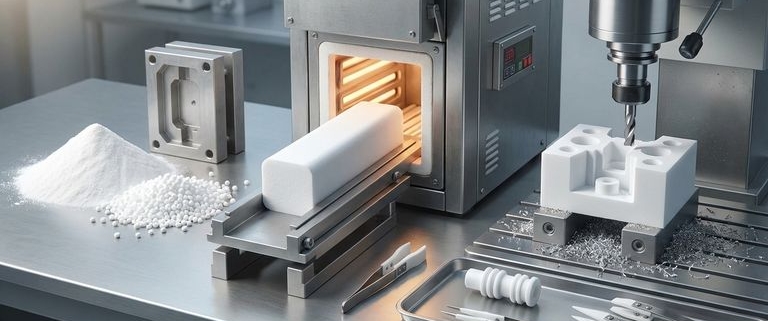
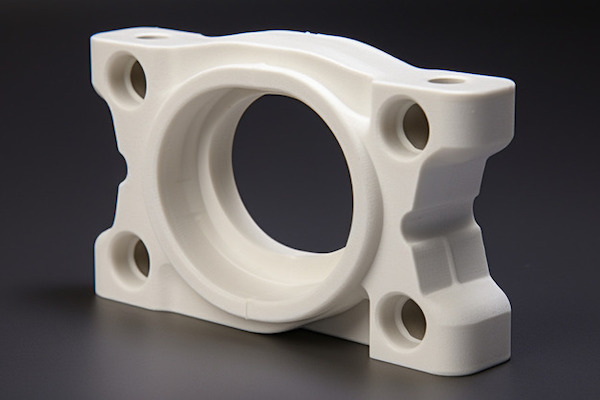
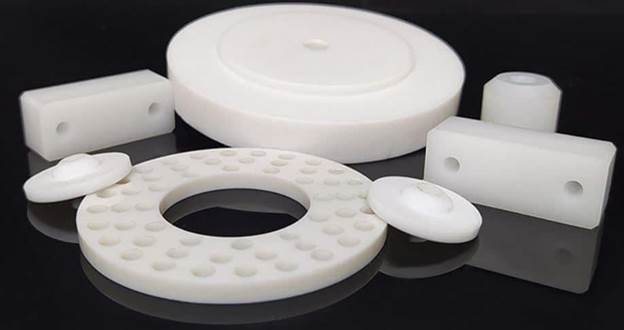
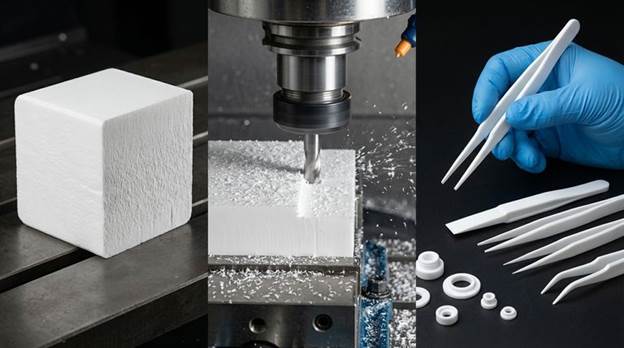
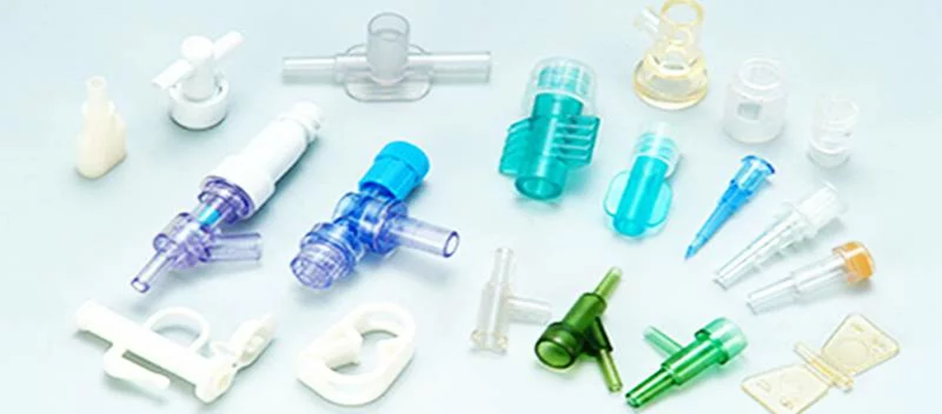
PTFE has been recognized as one of the most critical engineering plastics of today’s industry because of its outstanding chemical resistance, low friction coefficient and its thermal stability. Precision manufacturing involves the use of machined ptfe parts in situations where a metal part would not function properly because of corrosion, wear or contamination issues. PTFE parts are highly reliable and durable, and are used in a broad variety of applications such as in the aerospace industry and medical devices.
Industries of today require materials that can resist extreme environment and still have dimensional accuracy and performance stability. This is where PTFE comes into play. It is a popular material for engineers around the world, due to its non-stick characteristic, electrical insulation properties and resistance to almost all industrial chemicals. But it’s not quite as easy as it sounds to machine PTFE. It demands expertise in CNC processes, the right tools and attention to detail to produce accurate, functional parts and assemblies.
In high tech manufacturing facilities, ptfe machined parts may be specifically engineered to conform with the operating conditions of the application. Beyond being basic plastic components, these parts are designed solutions, critical for efficiency, safety, and durability within essential systems.
Whether you are interested in the material properties, the manufacturing process, or the applications, cost considerations, quality control, or the latest industry trends, this article has you covered with a deep, practical and technical understanding of PTFE machining. This guide is designed for engineers, procurement specialists, or technical buyers seeking an understanding of the design, manufacturing and optimization of PTFE components for use in industry.
What is PTFE and Why It Matters in Engineering
The PTFE is a fluoropolymer with outstanding chemical inertness and thermal resistance. It has many applications in areas where other plastics break down rapidly. PTFE has a very low coefficient of friction which makes it suitable for use in sliding and sealing applications.
PTFE is useful in engineering systems as it will not react with acids, bases or solvents. It also has a good performance in extreme low or high temperatures. This allows it to be used in a variety of applications, including chemical processing, pharmaceuticals, automotive and aerospace.
Various industries have come to depend on machined ptfe parts to obtain precision performance from their seals, bushings and insulation parts. These parts will be used in extreme environments, where conventional materials cannot be used.
Overview of PTFE Machining Processes
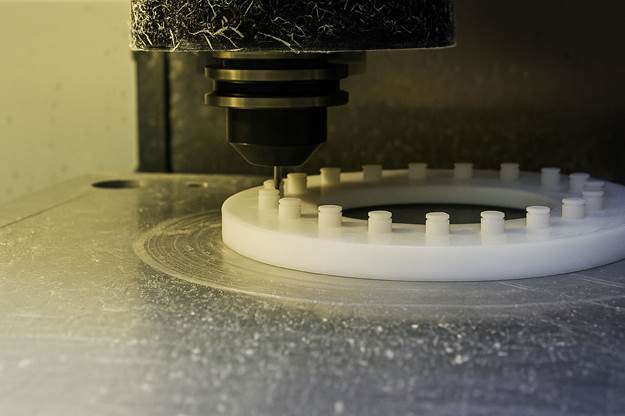
PTFE machining involves the cutting, shaping and finishing of raw PTFE stock into functional components, and is a specialized process. While PTFE is soft and flexible, unlike metals it is not easy to machine without deforming it.
The common methods used in CNC are turning, milling, drilling and precision finishing. The most important consideration is temperature control or tool sharpness and getting the correct results.
In high volume manufacturing situations, engineers would often rather have cnc machined ptfe parts because of its dimensional accuracy and repeatability.
A close look at the material properties of PTFE (Technical Table)
Property
Value
Engineering Significance
Density
2.1–2.3 g/cm³
Lightweight yet durable
Melting Point
327°C
High thermal resistance
Tensile Strength
20–35 MPa
Moderate mechanical strength
Coefficient of Friction
0.05–0.10
Extremely low friction
Dielectric Strength
High
Excellent electrical insulation
Chemical Resistance
Excellent
Resistant to nearly all chemicals
PTFE’s unique combination of properties makes it ideal for precision engineering applications. The term ptfe machined parts is used in many industries for choosing parts because they can withstand extreme conditions.
PTFE component is manufactured using the CNC manufacturing process
There are a few precautions to be taken when CNC machining PTFE. When pressure is applied to PTFE it is soft enough to cause it to deform.
Step-by-step process:
The choice of material used (virgin or filled PTFE)
Create and simulate 3D models in CAD. Design & simulate 3D objects in CAD.
CNC programming
Rough machining
Fine finishing
Internal control of the equipment and quality checking
For the highest quality of service, the processes are optimized every step of the way, including by using facilities like a cnc machined ptfe parts factory.
Manufacturing Parameters Table
Parameter
Recommended Range
Notes
Cutting Speed
200–500 m/min
Prevents melting
Feed Rate
0.1–0.3 mm/rev
Ensures surface accuracy
Tool Material
Carbide
Reduces wear
Cooling Method
Air / Dry
Avoids contamination
Tolerance Level
±0.01–0.05 mm
High precision standard
For more sophisticated applications, cnc machined ptfe parts are manufactured in automated systems that help minimize human error and improve batch-to-batch consistency.
The use of PTFE components in industry
Overview of PTFE in Industry
PTFE has a wide range of applications in the modern industry as it can serve the purpose of many other materials in tough conditions. It has high resistance to heat, chemicals and rubbing, thus is a good material for precision elements. Thus, PTFE parts are used in various critical systems that require safety and durability.
Chemical Processing Industry
PTFE is used in the chemical industry since it does not react with most acids, alkalis or solvents. It is commonly used in the following ways:
Pipe linings
Seals and gaskets
Valve seats
Pump components
These components help to prevent corrosion and safe chemical handling.
Electrical and Electronics Industry
PTFE has excellent electrical insulating properties, making it very useful in the electronics industry. It is used in:
The insulation of wires and cables is done.
Connectors and sockets
Circuit board components
High-frequency equipment
It enhances safety and performance of electrical systems.
Automotive Industry
In the automotive industry, PTFE is employed in automotive components where low friction and extremely long-lasting properties are required, including:
Bushings
Bearings
Seals in Engine and Transmission Parts
Fuel system components
Such components decrease wear and increase the efficiency.
Aerospace Industry
The use of PTFE in aerospace applications is another area of its use, as it will resist extreme temperature and pressure conditions. It is used in:
Hydraulic seals
Insulation components
Fuel system parts
Bearing surfaces
This provides assured performance in flight critical systems.
Medical Industry
PTFE is applied in medical industry due to its safety, non-reactive and biocompatibility. Common applications include:
Surgical instruments coatings
Catheters and tubing
Implantable devices
Laboratory equipment
It assists to maintain hygiene and chemistry safety in medical settings.
Food Processing Industry
The non-stick and non-toxic nature of PTFE makes it suitable for a wide range of applications for food. It is used in:
Food conveyor systems
Mixing equipment linings
Seals and gaskets
Processing machinery parts
It keeps things clean and doesn’t allow for contamination.
Advantages and Limitations of PTFE
Advantages of PTFE
Due to its excellent performance in various conditions, PTFE is a very useful engineering material. It is known for its very low friction, which ensures that parts move easily and smoothly over time, and minimizes wear. It is also highly resistant to chemicals such that it does not react with most acids, bases and harsh industrial chemicals. One of its other great advantages is the remarkable thermal stability, which means that it can operate in environments with extremely hot and cold temperatures without affecting performance. PTFE also possesses very good anti-stick properties, meaning that materials will not stick on it. Further, it is a very good electrical insulator and is suitable for electrical and electronic applications.
Limitations of PTFE
Although it is beneficial, there are some drawbacks to PTFE. It is less resistant mechanically than metals, and so can’t be used for heavy load applications. It also has a high thermal expansion rate which may cause a change in critical dimensions as the temperature changes. Limited Assembly Options—PTFE is challenging to bond or to glue to other materials. Last but not least, it needs high precision machining to ensure accuracy and reliability of the components.
Even with these drawbacks, cnc machined ptfe parts are indispensable in industries where performance reliability is paramount.
Tolerances and Quality Control
One of the main parts of PTFE machining is the quality control. In a high-pressure system, even slight dimensions can cause failure of the system.
Quality inspection methods:
Coordinate Measuring Machine (CMM):
It is a machine designed to measure the size of parts.
Surface roughness testing
Dimensional verification
Microscopic examination; using a magnifying glass to look closely at something.
Tolerance Standards Table
Feature Type
Standard Tolerance
Precision Grade
Outer Diameter
±0.02 mm
High precision
Inner Bore
±0.01 mm
Ultra precision
Flatness
0.03 mm
Engineering grade
Surface Finish
Ra 0.8–1.6 µm
Smooth finish
The machined ptfe parts are produced with strict quality control, which can ensure that the parts have high performance and no risk of failure in the industrial production process.
Prices and costs of goods and services
The price of PTFE machining varies according to type of material, complexity of design, tolerances, and quantity of items produced. Here are some important considerations to take into account when it comes to pricing:
The type of material used (virgin vs filled PTFE)
CNC machining time
The maintenance and wear of tools.
Design complexity
Batch size
When understanding the term best cnc machined ptfe parts price, one must take into account both efficiency in production, and quality of the materials. When considering the best cnc machined ptfe parts price, it is important to consider the overall performance of the part in the procurement process for an industrial component.
There are several suppliers that provide competitive ‘best cnc machined ptfe parts price’ options as per the customisation requirement. However, the following also needs to be taken into account when looking for the best cnc machined ptfe parts price: quality and manufacturing precision. Shipping, tooling and lead time are also factors in the global sourcing best cnc machined ptfe parts price.
Choosing the Right Manufacturing Partner
Selecting a reliable supplier is crucial for ensuring product quality and consistency.
A professional cnc machined ptfe parts factory will offer you:
Advanced CNC machinery
Skilled engineering teams
Tight Quality Management procedures
Custom design support
Scalable production capacity
As you check out a cnc machined ptfe parts factory, check their certifications, production capabilities, and industry experience. When the parts are made in a trusted cnc machined ptfe parts factory, timely delivery and precise quality are guaranteed. Furthermore, a certified cnc machined ptfe parts factory minimizes risks when purchasing on a large scale in the industrial field. The selection of the suitable cnc machined ptfe parts factory can have significant effects on the performance and cost efficiency of the product.
The future of PTFE Machining
Automation, AI-enabled CNC programming, and cutting-edge material science are leading the way for the future of PTFE machining.
Key trends include:
Smart CNC machining systems
Hybrid polymer composites
Micro-precision components
Sustainable manufacturing practices
These innovations are enhancing the precision, durability, and applicability of modern cnc machined ptfe parts.
Frequently Asked Questions (FAQs)
PTFE machined components is used for what?
They find applications in sealing and insulating, chemical processing and high performance mechanical systems.
Why can’t PTFE be easily machine?
Due to its softness, flexibility and tendency to being compressed under pressure.
Is the price of parts with PTFE high?
The cost may vary with complexity of the design and the grade of the material.
Is it possible to use PTFE in high temperature?
Yes, it will work up to 327C.
The applications of the PTFE parts are most in what industry?
Industries such as aerospace, medical, chemical, automotive and electronics.
In conclusion, a summary of the main points
PTFE is a material with the greatest versatility among engineering materials for today’s manufacturing. Because of its exceptional chemical resistance, thermal stability and low friction properties it is essential for critical industrial uses. CNC precision machining can manufacture detailed parts with higher precision, which can meet the strict requirements of engineering.
To conclude, machined ptfe parts are an essential component in guaranteeing productivity and reliability throughout industries. They are used in sealing systems or as electrical insulation and still outperform others under extreme conditions. Likewise, ptfe machined parts are still a popular choice for engineers looking for durability and precision when operating in harsh conditions.
The demand for superior quality PTFE parts is progressively increasing as manufacturing technology progresses, with innovation, automation and advanced engineering needs driving these demands.
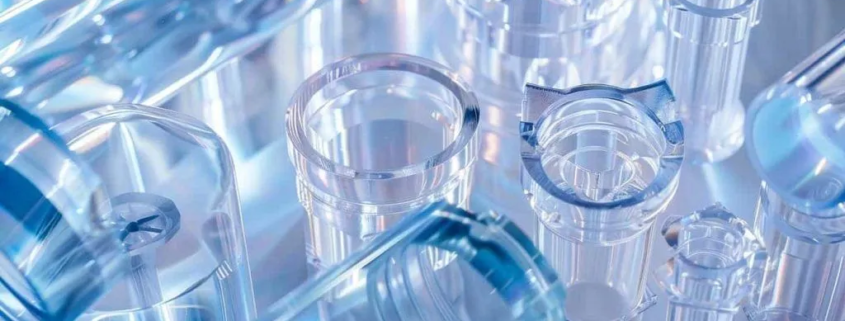
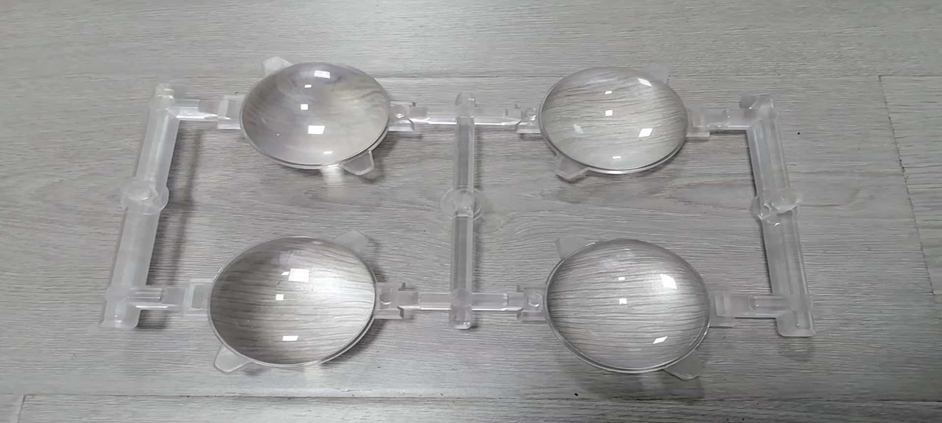
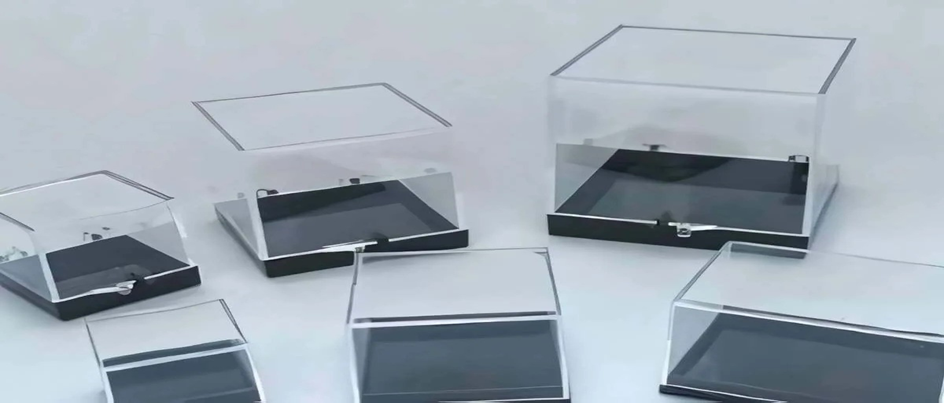
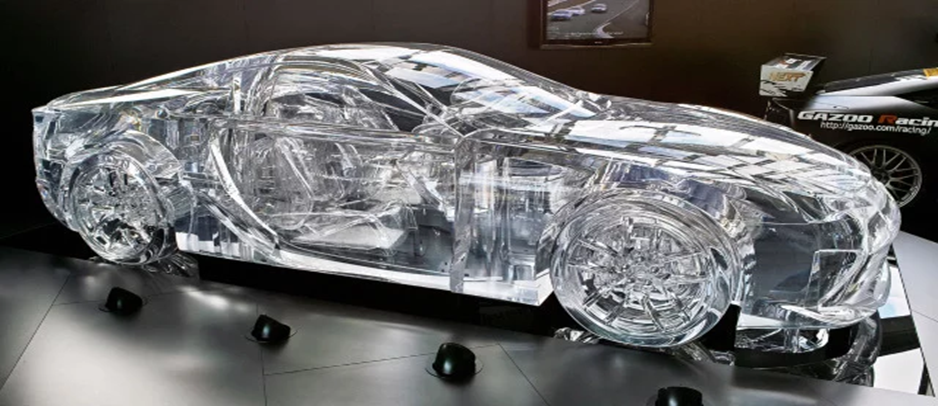
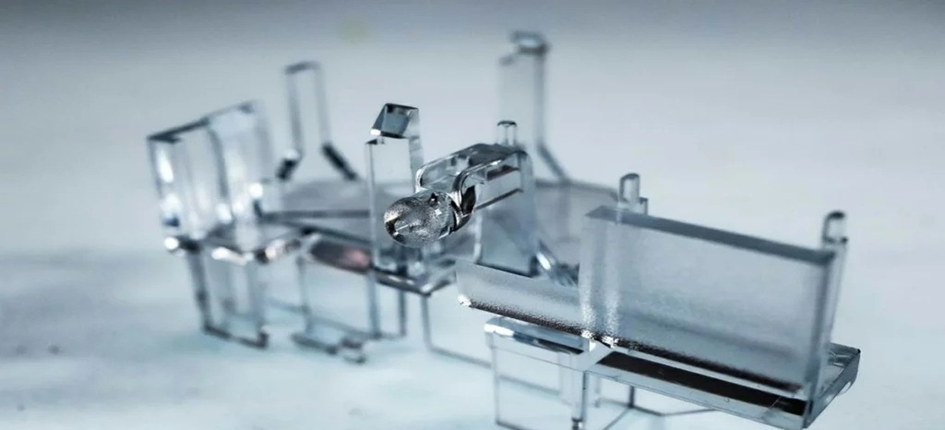
Clear plastic injection molding is a specialized manufacturing process also used in the production of high-quality, clear plastic components for multiple industries. This technique is different from standard plastic molding in that materials, mold design and all variables must be precisely controlled for this technique to provide exceptional optical clarity and durability. Clear plastic parts appear in medical instruments and automotive lenses, consumer electronics, and architectural lighting everywhere, and everywhere else too. The clear plastic injection molding succeeds depending upon the selection of such right material like acrylic, polycarbonate, and optical silicone rubber with their specific properties like impact resistance, UV stability, and light transmission.
The process itself takes delicate preparation of mold, drying of the material, injecting in a controlled manner and then cooling slowly to avoid defects such as bubbles, streaks, and haze. Also, post-processing techniques and advanced coatings further enhance the optical performance of the optically clear plastic components. With all these things having advantages, clear plastic molding is facing challenges such as perfect transparency, surface defect avoidance, and material sensitivity. Nevertheless, the rate of progress in molding is increasing and those in the industry are taking advantage of innovations like AI-driven molding optimization, 3D print customizable molds and self-healing plastics to improve efficiency and the products produced.
The process of clear plastic injection molding is covered, the key materials used, challenges, applications, as well as their future advances in this article. If you are in the medical, automotive, electronics or lighting industry, if you need to know the mystery of how to make clear plastic tools, this knowledge can help you to choose a high performance and visually pleasing plastic component.
What is Clear Plastic Injection Molding?
Clear plastic injection molding is a type of manufacturing where plastic transparent or semi transparent material is melted and injected into a mold to create certain shapes lastly. Unlike regular injection molding this process is very sensitive to material selection (including selection of types of flows), to the mold design, and to cooling techniques to avoid such defects as cloudiness, bubbles and distortions.
It is widely used for manufacturing products that should possess excellent optical properties, such as medical instruments, automotive lighting and electronic displays.
Clear Plastic Injection Molding Process
It’s a very precise process to achieve clear plastic components. Here is a breakdown of some of the essential steps in this online course.
1. Mold Design and Preparation
Clear plastic injection molding requires a mold that is well-designed. The mold must have:
Polished to very high levels to prevent marks or distortions of the sound.
It can vent to remove air bubbles and avoid trapped gases.
Mechanisms to control the temperature to regulate cooling rates
2. Material Drying
Plastic resins with too much moisture content are known to cause cloudiness, bubbles, or weak spots. Polycarbonate and acrylic materials need to be dried at controlled temperatures prior to injection to remove moisture.
3. Melting and Injection
The mold cavity is filled under high pressure with the dried resin heated to its melting point. Key considerations include:
Prevents flow marks and stress fractures by injection speed and pressure
Higher temperature helps in maintaining optical clarity
Even cooling and prevents shrinkage: Uniform filling
4. Cooling and Solidification
The cooling must be slow and uniform to avoid warping or distortion of the material. Transparent plastics often require:
Gradual cooling to maintain clarity
Advanced cooling channels within the mold can be used.
In some cases, post-mold annealing reduces internal stress.
5. Ejection and Post-Processing
The part is ejected carefully once solidified to avoid scratches or marks. Post-processing techniques such as:
Polishing
UV coating for protection
Laser cutting for precision
This can also improve the appearance and durability of the product.
Clear Injection Molding Uses key materials.
Clear injection molded plastics require the choice of material, which is important to provide high strength and high clarity. The most commonly used materials are given below:
Acrylic (PMMA)
Polymethyl Methacrylate (PMMA), or as it is known scientifically as Acrylic, is one of the most widely used materials for clear plastic injection molding because of its excellent optical clarity. With a light transmission rate of approximately 92%, it is designed for applications that require high transparency like lighting fixtures, display cases and automotive components.
In addition to superior UV resistance resulting in no yellowing over time and high scratch resistance, acrylic is also nontoxic in a range of applications. Acrylic, however, is very brittle and is prone to cracks or cracks upon impact. Moreover, it is very sensitive to moisture and requires pre drying to be used in molding without defects.
High-Density Polyethylene (HDPE)
High-density polyethylene or HDPE is a relatively inexpensive and versatile material with translucent clarity making it suitable for those products that do not require full transparency. Because of its UV resistance, it is a good choice for use outdoors, since it can tolerate long exposure to the sun without degrading.
HDPE has more impact resistance compared to acrylic so is less likely to break. Mostly used in the production of bottles, pipes, and packaging containers as the low cost of manufacturing with amazing durability. On the other hand, HDPE is not rigid enough like other transparent plastics, which makes it unsuitable for applications involving high structural strength.
Polycarbonate (PC)
Polycarbonate (PC) is a high performing, transparent, plastic with good optics and very high mechanical strength. In applications that require transparency and durability, it is widely used, e.g. safety glasses, automotive headlights, bulletproof windows.
Contrary to acrylic, polycarbonate is extremely impact-resistant and will not shatter under severe forces. Moreover, this is a good UV resistant, the condition will not yellow for a long period of time. One downside though is that the surface of polycarbonate is prone to surface scratches and will usually need another coat of something to actually make it durable. PC also requires pre doping before injection molding to prevent moisture related defects (like acrylic).
Polyetherimide (PEI)
High-performance engineering plastic Polyetherimide (PEI) is an outstanding plastic that resists UV, heat, and chemicals. The application of the alloy is primarily in industries that demand high mechanical strength as well as high thermal stability, such as the aerospace, automotive, and medical equipment manufacturing industries.
As a result, PEI has excellent heat resistance for anything that will be exposed to extreme temperatures. Though more expensive and hard to mold onto the surface of a product, it is used occasionally in consumer products. In many cases, PEI injection molding requires the use of steel molds, in order to be precise and maintain durability.
Polypropylene (PP)
Polypropylene (PP) is a broadly used thermoplastic having flexibility, chemical resistance as well as electrical conductivity. It is used widely in packaging materials, textiles and automotive components on account of its durability and versatility.
PP’s most significant benefit lies in its ability to be closed and re-opened several times without breaking. It is thus especially suited for such applications as flip-top bottle caps and living hinges. Nevertheless, polypropylene is not as transparent as acrylic or polycarbonate — it is more well suited being translucent than clear. Additionally, it is not rigid enough to be used as a structural or load bearing component.
Liquid Silicone Rubber (LSR)
Liquid Silicone Rubber (LSR) is a high-performance elastomer and one that is known for being extremely well biocompatible, having excellent thermal stability and chemical resistance. Mechanically, it is quite strong and flexible and is widely used in medical, automotive, and electronic applications.
The outstanding advantage of LSR is its ability to maintain shape and properties under conditions of extreme thermal cycling, or of exposure to chemicals or solvents and heat. LSR have elasticity and durability which makes it suitable for seals, gaskets, medical tubing. This also further extends its uses in demanding environments thanks to its resistance to heat and chemicals.
Optical Silicone Rubber (OSLR)
This Optical Silicone Rubber (OSLR) is specifically developed for high light transmission, high optical clarity. In optical lens, LED lighting, medical imaging devices and other fields where higher light transmittance and extremely low distortion is necessary, such as in a CCTV.
OSLR has outstanding resistance to adverse weather conditions and does not yellow through the expected life. It is an appropriate choice for outdoor lighting fixtures and high precision optical components because of its ability to keep optical stability over time.
Polyethylene (PE)
Polyethylene (PE) is a thermoplastic that is created from petroleum-based materials through heat and pressure treatment. Used because of its cost-effectiveness and moldability, it is commonly used in bottles, pipes, packaging, and consumer goods.
It is well UV resistant, thus great for outdoor use. While it cannot come close to the optical clarity of acrylic or polycarbonate itself, it is better for translucent applications than fully transparent ones.
Elastomeric Resins (TPR)
Thermoplastic Rubber (TPR) is a flexible material that contains the characteristics of plastic and rubber. In medical, industrial and expendable consumer applications that require chemical resistance and elasticity, it is frequently used.
TPR is used in common applications such as fluid dispensers, medical catheters, and flex hoses. It is an ideal material for products that require resistance to acids and harsh chemicals due to the fact that it can withstand tough conditions.
Thermoplastic Polyurethane (TPU)
Thermoplastic Polyurethane (TPU) is a high-strength elastomer used frequently in sporting goods, automotive parts, and ergonomic handles. As a material it is notorious for its soft texture, superior elasticity, as well as its excellent tear resistance.
TPU gives a rubber feeling to its composition therefore it is widely used in grips and flexible parts. While this version of plastic is more expensive than standard plastics, its durability and ability to withstand impact make it a good choice of plastic for high performance applications.
Light transmissivity and its features and best use
There is this table that helps compare how different transparent and translucent materials perform in terms of light transmissivity and its features and best use case.
Material
Light Transmission (%)
Key Features
Common Applications
Acrylic (PMMA)
~92%
It is a clear, UV resistant, and scratch-resistant brittle
Although clear plastics offer several benefits, they still come with disadvantages:
1. Achieving High Optical Clarity
Transparency may be reduced by any imperfection in the mold or the cooling. The mold has to be smooth and highly polished and processing has to be done at precise temperatures.
2. Avoiding Bubbles and Flow Lines
Bubbles or flow lines of air trapped during the injection process can be seen in the final product. To prevent this:
Proper venting in the mold is needed. It helps to maintain smooth flow by slow, controlled injection speeds.
3. Material Sensitivity
Polycarbonate and acrylic are clear plastics that are very sensitive to moisture, heat, and UV exposure. If drying and storage are done appropriately, the output is quality.
4. Scratches and Surface Defects
That’s because because imperfections show clearly in clear plastics, so manufacturers must use:
Anti-scratch coatings
Protective packaging during transportation
Common Defects in Clear Plastic Parts and Their Solutions
For the manufacture of clear plastic parts, perfect transparency and smoothness is required. There are, however, many defects that can affect the final product’s clarity and overall quality. Here are some common problems in clear plastic injection molding and how to resolve them.
1. Bubbles
Cause
Trapped air or gas that cannot escape during the molding process is usually the cause of bubbles. This can happen due to:
Incomplete filling of the mold.
Rapid cooling at the condensation surface.
Resin with moisture causing vapor formation.
Solution
Make sure that the mold is vented properly so that gases escape.
Increase the injection pressure to improve the material flow.
Excess moisture should be removed from the plastic resin before molding.
2. Silver Streaks
Cause
Internal stress variations during material flow cause silver streaks. By applying pressure to the resin, the resin is pushed into different directions, creating an array of uneven refractive index and resulting in a streaky or silk-like effect. If this stress is allowed to build up, it will eventually lead to cracking.
Solution
To promote even cooling, mold temperature should be optimized.
Increase injection speed and pressure to minimize stress buildup.
Prevent directional material alignment during molding with low-stress molding techniques.
3. Seismic Patterns
Cause
This defect is characterized by grooved or wavy patterns on the surface resulting from high melt viscosity. If the resin does not flow smoothly and condenses too early in the cavity, it ruins the homogeneity of the material.
Solution
Increase the melt temperature to increase material flow.
Viscosity is reduced by adjusting plasticizing conditions.
Change the sprue and runner design to have better material distribution.
4. Poor Surface Gloss
Cause
The cause of a dull or uneven surface finish is typically rough mold surfaces, or the resin fully solidifying too soon before it totally conforms to the mold.
Solution
To achieve a smoother finish, polish the mold cavity.
Increase the mold temperature to improve the material flow.
High-quality resins with better flow characteristics should be used.
5. White Smoke / Black Spots
Cause
The resin degradation inside the injection molding barrel due to excessive heat is the reason for causing these defects. Black spots can occur when overheated material can burn and white smoke can occur when gas is emitted from degraded resin.
Solution
Prevent the overheating of the barrel by lowering the temperature.
Finningers are to regularly clean and maintain the injection machine to avoid resin buildup.
Guarantee consistent cycle times so that the material is not getting degraded.
6. Whitening / Haze
Cause
When moisture or dust particles contaminate the plastic material, there is haze or cloudiness. Light diffraction due to improper drying or airborne impurities will reduce transparency.
Solution
Process raw materials after thoroughly drying them.
Contamination can be avoided by keeping stored materials in a clean, controlled environment.
Keep dust off the air with the use of filters and air purifiers in the production area.
Advantages of Clear Plastic Injection Molding
However, there are many benefits to clear plastic injection molding despite its downsides.
1. Excellent Optical Transparency
High light transmission lends itself well to clear injection molded plastics used in items such as lenses, medical equipment and display screens.
2. Precision and Consistency
Injection molding is highly accurate and repeatable resulting in identical parts having very few defects in each.
3. Cost-Effective Mass Production
Once the mold is created, production costs plummet significantly compared to the subsequent ones, thus being an effective way when it comes to manufacturing in bulk.
4. Lightweight and Durable
Because clear plastic parts are lighter than most glass, shatter resistant and more impact resistant, they are excellent for use in safety applications.
Applications of Clear Injection Molded Plastics
Plastics with clear injection molds are commonly used in industries because they have optical clarity, durability, chemical resistance, and less weight. Plastics that can create transparent, high-precision components increasing functionality and aesthetics are these. Some of the main industries that clear plastic injection molding applies are stated below.
1. Medical Industry
The medical market requires clear plastic components where sterility and precision are crucial, as well as the need for visibility. Common uses include:
Comprise transparent syringes and IV tubes, or surgical instruments that allow staff to monitor or check fluid flow and prevent overdosing.
Rigidness of clear protective shield over the face mask or medical goggles to protect without compromising one’s view.
Diagnostic equipment housings for X-ray, MRI, and ultrasound scanner devices where clarity is so important.
2. Automotive Industry
Injection molded plastics can make vehicles more functional and design-friendly. They are used in:
High optical transparency and durability lenses for headlight and taillight that withstand harsh weather conditions.
Transparent top dash covers and speedometer panels to make controls and displays visible.
Mention is made of impact-resistant clear plastics in some lightweight automotive designs which require sunroofs and side windows.
3. Consumer Electronics
Clear molded plastics, for manufacture of lightweight, durable and aesthetically pleasing parts, are used in the electronics industry.
For protective and cost-sensitive touch applications on smartphone screens and display covers.
Also including transparent TV and laptop screens with scratch resistance and high clarity.
Screen components of wearable tech such as smartwatches and fitness tracker screens are also flexible and have impact resistance.
4. Packaging Industry
In packaging, clear plastics are commonly used as they are washable, lightweight, and aesthetically pleasing. Some key applications include:
A selection of food-grade clear containers and bottles to keep foods fresh and to see contents.
The type of transparent cosmetic and pharmaceutical packaging, so that customers can see the product safely while storing.
Tamper-proof and airtight clear packaging, as used for medications, supplements, or more premium food products.
5. Lighting Industry
Plastics which are most often used as electrically insulating materials, called clear plastics or plastics, are essential to modern lighting applications, providing increased efficiency and functionality. They are used in:
LED covers and lamp diffusers for uniform light distribution, besides protecting LED components.
Transparent panels for architectural lighting such as transparent panels can be used as customized lighting solutions for interior and exterior design.
High-performance optical lenses are used in streetlights, stadium lightning, and automotive headlights for the flexibility of light direction and focus.
6. Aerospace and Defense
Moreover, lightweight, impact-resistant clear materials are required for many aerospace and defense industry applications such as:
High optical clarity with resistance against pressure changes that are required for aircraft windows and cockpit panels.
Transparency visors for helmets, which protect as much as the eyes can see.
Optical lenses for defense equipment, such as night vision goggles and rangefinders.
7. Optical and Scientific Equipment
Clear plastics are needed for high-precision optical applications for accurate light transmission without distortion. Examples include:
Congruently, their lenses have been used in microscopes and telescopes, giving rise to high clairvoyance magnification.
Optical sensors and laser components are used in scientific research in industrial automation.
Laboratory instrument preventive shields to safeguard the handling of dangerous materials.
Clear injection molded plastics are irreplaceable, due to their versatility and advanced properties, for many industries such as the medical, automotive, electronics, packaging, lighting, aerospace, and scientific fields where innovation is aided by the availability of these plastics.
Future Trends in Clear Plastic Injection Molding
The clear plastic injection molding industry will see major advancement as technology advances. Over the coming years it will be necessary to improve the durability of the materials, their sustainability and manufacture as well as the performance of the product. The industry will be defined by a few key trends which are enumerated below.
1. Enhanced Material Innovations
The field of clear plastics is advancing at a fast pace to develop more durable, sustainable, and functional plastic. Key innovations include:
Automatic repairs of minor scratches made in self-healing clear plastics enhancing the life of products like automotive lenses and smartphone screens.
High-strength, lightweight composites that are highly transparent and have a combination of good impact resistance and allow for resistance shock when thermoplastic materials are impossible or difficult to use.
2. Advanced Molding Technologies
Clear plastic injection molding undergoes various new manufacturing techniques that enable greater efficiency and precision:
Integration to 3D printing for customizing the mold for rapid prototyping and low cost and mass production of complex parts such as the transparent one.
Real-time molding optimization with AI, capable of dynamically adapting to cause fewer defects, producing more consistent products and shorter cycle time.
Utilized for Nanotechnology enhanced injection molding in creating plastics that were better able to impact optical clarity, scratch resistance, and heat tolerance.
3. UV-Resistant and Anti-Fog Coatings
To produce future clear plastics with better functionality in various applications, plastics will be equipped with specialized coatings.
Improved UV protection, so it will not cause yellowing or degradation of materials exposed to sunlight like car headlights or panels for outdoor lighting.
Provides Anti-fog properties improving visibility on automotive windshields, medical appliances, and optical devices.
Scratch-resistant coatings to increase the durability of smartphone screens, eyeglasses, industrial protective gear, etc.
4. Smart and Functional Clear Plastics
As clear plastic becomes more demanded as multi-functional material, smart technologies such as mesh will be integrated into it.
Also embedded sensors in clear plastics for industrial and medical applications for real-time temperature, pressure, and chemical exposure monitoring.
Cuts that allow for conductive clear plastics to be formed for transparent electronic displays and touch-sensitive surfaces in next-generation devices.
And self-cleaning coatings that need less maintenance in medical, optical, and automotive product uses.
If these advancements are met, we will be guaranteed clearer plastic injection molding that will surely meet the growing demands of today’s industries in an even smarter and more sustainable way among other features.
Conclusion
Clear plastic injection molding is an important function that has transformed manufacturing industries that demand high transparency and accuracy. Advanced materials such as polycarbonate, acrylic, and optical silicone rubber, enable the manufacturer to design components that are lightweight, durable, and optically clear while replacing the older glass solutions. This has all led to a growing demand for clear plastics because of their use in medical devices, automotive lighting, electronics, and packaging. However, despite issues like moisture sensitivity, defects on the surface of the object, and strict processing requirements, molding technology has progressed greatly in increasing efficiency and improving product quality. AI, 3D printing, and nanotechnology continue to advance the technology, integrating the process at a cheaper and more precise level and carrying UV-resistant coatings and self-healing plastics have further increased the durability of the clear molded products.
Ahead, the clear plastic injection molding future is aimed at sustainability, smart materials and greater functional ability. Biodegradable and recyclable transparent plastics will be increasingly demanded by the industries looking for eco friendly alternatives to their regular products. Moreover, applications in the medical and the electronic fields may be realized with smart plastics which have embedded sensors and conductive properties. All in all, clear plastic injection moulding remains a very important technology that still develops and gives creative solutions to such industries as those that require transparency, strength and aesthetic appeal.
FAQs
1. What are the most commonly used materials in clear plastic injection molding?
PMMA is a high optical clarity material, used most often, PC for high impact resistance, OSLR for highest light transmission available, and PP for translucent, least costly applications. The choice of each material is made with respect to its corresponding properties and industrial need.
2. What are the main difficulties in clear plastic injection molding?
The main issues are in making sure the material is high optical clarity, no defects of bubbles or streaks, dealing with moisture sensitivity and scratch resistant surfaces. To overcome these challenges, precise molding conditions, good drying and very good molds are required.
3. Which industries use clear plastic injection molding most?
Clear plastic injection molding is one of the essential parts in manufacturing industries such as medical applications (syringes, IV tubes, diagnostic equipment) and automotive (headlight lenses, dashboard covers), consumer electronics (smartphone screens, display panels), packaging (food grade containers, cosmetic bottles), and lighting (LED covers, lamp diffusers).
4. What role is technology playing in clear plastic injection molding?
AI boosting of process, 3D Printing for customizing of mold, self healing plastics, improved UV resistant coatings are improving efficiency of production and the durability of the product. These reductions are enabling more reliable processes, better material performance and more sustainable processes.
5. Are clear plastic materials nature-friendly?
Traditional transparent plastics from petroleum appear to have improved in terms of sustainability, although biodegradable and recycled transparent plastics have developed in recent years. Bio–based alternatives and eco–friendly production techniques are also explored by manufacturers to cut down the environmental impact.
Today, time is of the essence in the fast-paced manufacturing world, acrylic injection molding provides precision, durability, and efficiency at the highest level possible. As the common name suggests, acrylic (or polymethyl methacrylate (PMMA)) is highly valued for its outstanding transparency, strength, and toughness, and it has become a staple material in use by the automotive, aerospace, medical, and consumer electronics industries. With acrylic injection molding, superior optical properties, weather resistance, and mechanical strength of high precision components can be molded consistently. From automotive light covers and medical enclosures right down to high-end optical lenses and even custom signage, molded acrylic products are changing modern innovation. Yet, the process can be mastered only with experience dealing with material behaviour, mold design, and process optimization, since the process has challenges that must be worked out such as brittleness, shrinkage, and cooling time.
In this article, we will discuss the intricacies of the acrylic injection molding process, with its process, application, design principles, advantages and also the future trends. The application of AI driven molding as well as the use of sustainable materials and 3D printing molds is rapidly shaping the future of acrylic manufacturing to new areas of application when it comes to high performance plastic solutions.
Understanding Acrylic Injection Molding
Acrylic injection molding is the process of heating acrylic resin to a molten state using heat, and then under high pressure injecting it into a mold making the parts. For high volume production, the process is widely used for achieved consistency of design, accuracy and quality.
Key Stages of Acrylic Molding
Material Preparation: The moisture in acrylic pellets is removed so that the pellets dry out and can have defect-free molding.
Melting and Injection: In the second case, the pellets are introduced into a mold cavity where they are heated to 200–250°C.
Cooling and Solidification: Once the acrylic has taken shape, the mold is cooled.
Ejection of the Product: The mold is opened and the finished part is released.
Post-Processing: It is not the shape of the product but rather surface finishing, polishing, or coating that improves the appearance and functionality of the product.
Various Properties of Acrylic
We mentioned some important characteristics of acrylic include abrasion resistance and impact strength previously. In this part, we’ll delve into its properties so that their nature is not a puzzler for a person who is interested in getting to know why acrylic is so useful in manufacturing.
General Properties of Acrylic
Density: 1.19 g/cm³ Rockwell Hardness: M 102 Water Absorption: 0.2% Flammability Rating: UL94 HB, Class 3 (BS 476 Part 7)
This acrylic is lightweight but it is a very strong plastic. Good impact resistance over traditional glass allows it to be less likely to shatter. Furthermore, acrylic is a poor thermal conductor material, thus it can be used as an excellent thermal insulator material. Acrylic is not only heat resistant but has protection against UV rays, which means that it would be an appropriate choice for application outdoors where one is subject to exposure to sunlight.
Optical Properties of Acrylic
Light Transmission: Over 92% Refractive Index: 1.49
Acrylic’s clarity is one of the primary reasons why it is used so widely in optical applications. In terms of transparency to light, it transmits over 92 percent of visible light, which matches that of excellent glass. Used in mechanical or vapor polishing techniques, it becomes polished like crystals and becomes a good pick for the lens, light guide, display panel. High clarity acrylics are the popular acrylic brands like Perspex, Rohm Plexiglas, etc.
Mechanical Properties of Acrylic
Tensile Strength: Approximately 8,000 psi Tensile Modulus: 350,000 – 500,000 psi Flexural Modulus: Similar to the tensile modulus
Acrylic is also a strong and rigid thermoplastic that can hold a great amount of mechanical stress. Its tensile strength is about 8,000 psi, so it would take 8,000 pounds per square inch to crack the material. Further value of its high modulus values also indicates that acrylic can still be structurally stable under bending and stretching forces. It is also water resistant and UV resistant and this makes it a better choice for outdoor signs, protective shields, and automotive components.
Thermal Properties of Acrylic
Minimum Service Temperature: -40°C Maximum Service Temperature: 80°C Softening Point: Above 110°C Linear Expansion Rate: 7.7 × 10⁻⁵
Acrylic has a melting point from 130° C to 140° C is its maximum operating temperature from 65° C to 93° C. Thus, it can endure moderately high temperatures but deformation or softening will occur when subjected to excessive heat. Due to its low heat conductivity, acrylic functions as an efficient thermal insulator. It is also easily moldable when hot and used as a thermoformed material, as well as an injection molding, and fabrication process material.
Applications of Acrylic Injection Molding
Acrylic injection molding is a familiar manufacturing method of producing fine, durable, and high quality components in various industries. Manufacturers inject molten acrylic into a mold to create parts that are both highly clear and strong, as well as resistant to the weather. Some key applications of acrylic molding are given below.
1.Optical Components
Since acrylic has high light transmission and optical clarity, it is useful in manufacturing of lenses, optical filters and light covers. This represents a low cost alternative to glass and is durable as well as impacting resistant in a variety of optical applications.
2.Signage & Displays
Acrylic molding is the type of plastic used in a lot of advertising and display manufacturing. Due to its capability to form out complex shapes and transfer light, they are commonly used in illuminated signs, display panels and bits of adornment signage.
3.Consumer Products
Acrylic injection molding is applied a lot for everyday things such as household accessories, decorative objects and toys. From a durability, aesthetic appeal and wear resistance point of view, it is a preferred material in the consumer goods industry.
4.Automotive Components
In the automotive industry, the internal fit and trim part for the interior trim, dashboard panels, light covers, and exterior accents is done by acrylic injection molding. It is a wonderful material to work with due to its ability to resist heat, UV exposure, and impact and is an ideal functional and design material.
5.Medical Equipment
Medical enclosures, diagnostic equipment, and protective covers can all be provided by acrylic because of its clarity, biocompatibility, and resistance to chemical attack. In medical applications, where strength and transparency coexist, it is used.
Acrylic injection molding still remains an important process because of the versatility, the cost and the precision that it offers.
Temperature Management in Acrylic Injection Molding
Coating variation in acrylic injection molding is dependent on proper temperature management. Acrylic has a melting range of 130-140°C and can work in short stays of temperature from 65-93°C. As an insulator, it is known for easy heat-based molding and low thermal conductivity.
Another important point is about drying of the material before processing. The water absorption rate for acrylic is 0.3-0.4% and excess moisture can create bubbles, gas lines and reduced clarity in a final product. Then, acrylic is dried to keep the humidity level way under 0.1 or better yet under 0.04%.
Product quality and cycle time are highly dependent on the melt temperature. Acrylic, like other thermoplastics, melts in the 130–140°C range and the exact temperature should be closely controlled to stay on the proper side of molding efficiency versus matrix part durability.
Furthermore, the dimensional stability and surface quality of the finished product depends on the mold temperature as well. The following three best practices for optimum mold temperature are the case.
Use a Temperature Control System: The mold receives a precise control system that assures constant heat distribution to the whole mold.
Monitor Temperature Regularly: It helps with warping, shrinkage, or surface imperfections, by checking and adjusting the mold temperature.
Optimize Cooling Channels: With properly designed cooling channels, high heat capacities are available for removing heat, reducing cycle times, and also providing uniform cooling.
Additional Considerations in Acrylic Molding
In addition to temperature control, heat deflection temperature, ultrasonic welding, and mold cost should be taken into account to further enhance the product quality and production efficiency.
Heat Deflection Temperature (HDT)
The HDT of acrylic is in the range of 80 to 100°C, indicating the deform begins at this temperature point but under load. However, the laws of heat transfer limit the maximum allowable processing temperatures below HDT to obtain dimensional accuracy and optical clarity.
Ultrasonic Welding
Ultrasonic welding is a reliable process with multiple acrylic parts. To create heat, this process employs high-frequency sound waves to fuse components, with little or no visible marks on them, making it ideal to use on LFT parts.
Mold Cost
Acrylic injection molds are expensive due to complexity, material selection and design requirements. Harmonizing this general objective is reducing costs that manufacturers can achieve by designing or selecting part designs that are simplified, using mold components more than once, and utilizing appropriate mold materials.
Environmental & Health Considerations
Modern injection molding machines with 20 to 50 percent less electric use than older machines are energy efficient but electricity consumption is still a concern for the environment. Acrylic molding can produce dangerous fumes if not managed properly, and it does not finish in a cabinet, when not flushed out and the back cut thus the dust particles could potentially be pushed into your lungs. Ventilation systems, fume control measures and adequate safety were also supposed to be in place to ensure worker safety in manufacturing facilities.
Alternative Materials in Injection Molding
Acrylic is one of the materials that are commonly used for optical clarity and durability, but it is not the only material.
Polycarbonate (PC)
More impact-resistant than acrylic, making it ideal for safety equipment and automotive parts. It is however not transparent as acrylic.
A plastic with good strength and moldability but which has poor high optical clarity that is both cheap and easy to process. Common in automotive parts, toys, and appliances.
Polypropylene (PP)
Chemical resistant and flexible, it is a popular option for packaging and consumer goods applications. Secondly, however, it is not transparent like acrylic.
ASA (Acrylonitrile Styrene Acrylate)
UV resistance and weather ability provide it with outdoor application ability.
COC (Cyclic Olefin Copolymer)
Low water absorption; chemical resistant; known for medical and optical applications.
PCT (Polycyclohexylenedimethylene Terephthalate
It offers high heat resistance and optical clarity; which is commonly used in automotive lighting.
Each of these materials has unique strength, transparency and environmental factors of interest and the right selection depends on which is to be used for the intended application.
Acrylic Injection Molding Design Guidelines
Nonetheless, when designing with acrylic, it is important to observe standard design principles to avoid defects in your acrylic parts and to achieve maximum manufacturing efficiency. High quality durable components rely on proper wall thickness, radii, draft angles and tolerances. A number of key design considerations of acrylic molding is given below.
Wall Thickness
Acrylic part wall thickness should be between 0.025 inches (0.635 mm) and 0.150 inches (3.81 mm), according to recommendations. There is no tolerance for inconsistency in wall thickness since change (whether sudden or gradual) can produce defects such as warping, sink marks or internal stress.
Radii and Corners
A quick look at acrylic will show you that the acrylic is prone to stress concentrations at sharp corners. Corners with a minimum radius 25% of the wall thickness should be used to improve moldability and structural integrity. The best radius for increased strength is 60% of the wall thickness.
Draft Angles
The draft between 0.5° and 1° is necessary to create a smooth ejection out of the mold. If the part has polished or optically clear surfaces, then you may need a greater draft angle to maintain the quality.
Part Tolerances
Acrylic injection molding tolerances for part size and precision requirements are as follows:
For parts up to 160 mm, Commercial Tolerances are 0.1 mm to 0.325 mm.
Fine Tolerances: 0.045 mm to 0.145 mm for parts 100 mm or smaller.
By following these design principles, precision, durability, and optimal performance for its mold are assured in acrylic plastic molding.
Types of Acrylic Molds and Their Significance
Single-Cavity vs. Multi-Cavity Molds
Single-Cavity Molds: A low-volume production is suitable for good precision and customizability. Multi-Cavity Molds: To meet the requirement of mass production with less time and less cost for each unit produced.
Hot Runner vs. Cold Runner Molds
Hot Runner Molds: Minimize waste and improve efficiency by keeping the acrylic molten inside the system. Cold Runner Molds: More cost-effective but excessive material production, thereby requiring trimming and recycling.
Custom Acrylic Molds for Specialized Manufacturing
However, manufacturers can use custom molds to produce complex designs with tight tolerances, guaranteeing that acrylic components are manufactured to the certain specifications demanded in the aerospace and medical technology sectors.
Advantages and Challenges of Acrylic Plastic Molding
Advantages of Acrylic Molding
Exceptional Clarity: An outstanding substitute for glass is acrylic featuring up to 92 percent transparency. Lightweight & Strong: Glass is twice heavier than acrylic but it is still very durable. Weather & UV Resistance: Although some plastics grow yellow or degrade, acrylic does not. Customizable Properties: Besides, acrylic can be dyed, coated,d, or modified for various applications.
Challenges in Molding Acrylic
Brittle Compared to Polycarbonate: While PC is less impact-resistant as acrylic, it will withstand much more pressure before cracking. Shrinkage Control: Warpages and defects may occur if temperature management is not very precise. Longer Cooling Time: Acrylic’s relatively low thermal conductivity leads to longer cycle times and hence reduces efficiency and production output.
Acrylic Molding vs. Other Plastic Molding Processes
Property
Acrylic (PMMA)
Polycarbonate (PC)
ABS Plastic
Transparency
92% clarity (glass-like)
85% clarity
Poor
Impact Resistance
Moderate
High
High
Heat Resistance
Moderate (80-100°C)
Excellent (120-140°C)
Good
Scratch Resistance
High
Moderate
Low
Cost
Affordable
Expensive
Cheap
Polycarbonate is best with regard to impact resistance while acrylic is chosen for their optical properties. In low cost applications if this flexibility and toughness is the priority then you can use ABS.
Future Trends in Molding Acrylic for Industrial Applications
Acrylic molding is becoming the next big thing and driving the future in the following aspects:
3D printed acrylic molds can, on one hand, improve the prototyping speed and save the money for fabricating the mold.
Manufacturers are tapping into recyclable & Eco-Friendly Acrylic to reduce waste.
Integration of AI and IoT is making manufacturing process control and quality assurance smarter, thus optimizing the Smart Injection Molding Machines.
Nano-Coated Acrylic – Enhancing scratch resistance and UV protection for long-term durability.
Sincere Tech is proficient in Plastic injection molding and acrylic injection molding with high quality that’s suitable for automotive, medical and electronics industries. With technology advanced and skilled engineers around, they create very clarity and durable precision acrylic parts.
With its custom mold design and manufacturing expertise, it provides cost-effective solutions both for prototyping and mass production. Sincere Tech uses high-grade material to make our high UV-resistant, high impact-resistant, high optical clear acrylic components.
Sincere Tech is the cheap acrylic molding provider for its reputation for quality, efficiency and innovation. For the tailored plastic molding services at the highest precision today, contact them!
Conclusion
Acrylic injection molding allows strong, lightweight and optically clear components to be produced. With brittleness and shrinkage control yet to be solved, it has nonetheless proved itself to be an inexpensive replacement for glass when precision and durability are required. In line with the change in manufacturing, smart molding technologies, automation, and sustainable acrylic solutions will also lead the way. Nevertheless, this material will definitely continue to find its place in the modern applications of industry since the growing demand for customized, high performance acrylic products guarantees that this material will continue to serve as a solution both for mass production and specialized manufacturing purposes.
FAQs
1. Why does one make use of acrylic in injection molding?
Acrylic provides high clarity (92%), UV resistance, longevity, and affordable price, while being a suitable choice for transparent and weather-resistant items.
2. Where can acrylic molding be utilized?
Acrylic is common in automotive, medical, consumer goods and signage because of its strength, clarity and versatility.
3. Why is molding acrylic challenging?
It can be brittle, can warp, and requires very tight temperature control in order for defects to not form.
What are the differences in acrylic as compared to polycarbonate and ABS?
Acrylic is less clear, but more scratch-resistant compared to PC, while cheaper ABS does not transparent.
https://plas.co/wp-content/uploads/2025/03/PMMA-injection-molding-in-metal.jpg500800Article autherhttp://plas.co/wp-content/uploads/2023/02/plas-co-1.jpgArticle auther2025-03-11 18:19:272025-03-11 18:19:31Acrylic Injection Molding: A Key Process in Modern Manufacturing
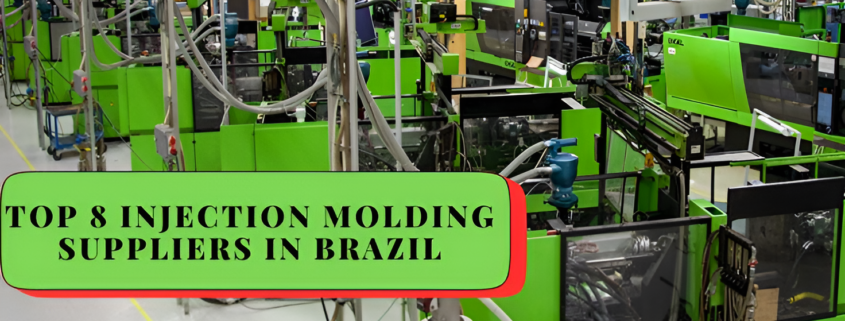
Brazil represents one of the most critical and competitive players in the injection molding sector, catering to a large and dynamic production industry, mainly including automotive, electronics, white goods, healthcare, and packaging industries. Its injection molding suppliers are known for its novelty, precision engineering, and adherence to international standards. Since Brazil is a country in South America, the company plays a significant role in the injection molding market, as the organization aims to enhance manufacturing technologies to meet client demand in the South American and global markets. Injection molding is a typical technique used in manufacturing tools needed to mold various high-quantity components at the least cost possible. However, suppliers from Brazil are well-known because of the utilization of efficient technical know-how, sophisticated equipment, and sustainability parameters. It focuses on providing essential services such as molds and prototypes, and the company conducts business with high-volume production and secondary services. Based on these capabilities, these companies are helpful partners for organizations _that require reliable and efficient plastic equipment. The injection molding application in Brazil has also grown steadily in the last few years through products used in the automobile and packaging industries. While there is a demand for raw materials from such suppliers in Brazil, companies are applying sustainability or sustainable production and using technological advancements such as automation and robotic systems. Some of these companies also include additional services that guarantee the products according to the client’s requirements.
The article presenting this lists the eight biggest injection molding suppliers in Brazil, how they have differentiated themselves by supply, and the services they provide.
1. Brazil Molding
Year of establishment: 1988 Number of employees: 150-250 Business type: A mold manufacturing service provider catering to rubber vulcanizing and aluminum injection & machining service tools.
Brazil Molding is a mold manufacturing enterprise founded in Valinhos, São Paulo, Brazil 1998. This company primarily provides rubber vulcanization and aluminum injection molds from a building with a floorage area of 2128.00 sqm using the world’s advanced CNC and cutting technology. Brazil has received certified ISO 9001, so the company realizes its importance and focuses on quality, precision, and time. They offer automotive customers, including Continental Moto Honda and many other customers from different sectors. Brazil Molding is an enterprise established more than 20 years ago and specializes in the production of plastics. The company aims to implement innovative, ever-changing solutions to satisfy and exceed customer requirements.
Services
Injection molding
Writing of Rubber Injection Mold Manufacturing
Aluminium Injection Molds
Machining of Metallic Parts
Custom Tooling Solutions
Pros
1. High Precision: High-quality CNC and machining technology is applied to yield desired and warranted molds.
2. ISO 9001 Certification: They have also raised quality concerns and approved international standards.
3. Diverse Services: This is ideal for several organizations in various industries offering wide products, starting with rubbers and following through to aluminum types of molds.
Cons
1. Limited Global Reach: The identified audience of the population chosen to deliver the company’s services is the culture and people of Brazil.
2. High Initial Costs: It has been established that first costs’ overall potential could be increased through enhanced technology and one-off approaches.
3. Specialized Market: Services are mainly located in industries, particularly in the focus industrial and manufacturing industries.
Therefore, if you want injection molding services in Brazil, you should turn to Brazil Molding to fulfill your needs.
2. Brasmo
Year of establishment: 1998 Number of employees: 50-100 Business type: Specializing in industrial safety, health protection, injection molding, certified manufacturing, and imported safety equipment molding.
Website and Contact
Website: https://brasmo.com.br Email: dados@brasmo.com.br Email: sales@brasmo.com.br Phone: +55 49 3330-6200 Address: Located in Rua Jacinto Patussi, 128D, Chapecó, Santa Catarina Brazil.
Company Profile
Brasmo is a Brazilian company that sells hygiene and injection molding articles for the industrial sector and safety products. It was formed in 1998. The company operates from Chapecó, Santa Catarina, and deals in safety wear, antistatic equipment and products, protective clothing, and importing manufacturing equipment and industrial cleaning apparatus. It guarantees high safety and quality due to certifications such as ISO 9001, FSSC 22000, BRC, ATEX, and FDA. With a global client base of 6000, including Nestlé, Unilever, and many more, Brasmo specializes in the food and healthcare sector and petrochemicals. A commitment towards innovation and strict safety norms make it a continuous improvement organ and a happy customer base.
Services
Injection Molding
Personal Protection Equipment (PPE)
Industrial Cleaning Solutions
Equipment Importation
Detectable Products
Pros
1. Diverse Services: Services and products include Industrial Hygiene, safety, and injection molding for different clients.
2. Global Certifications: They currently hold holds of ISO 9001 and FSSC 22000, BRC, ATEX, and FDA certifications, which facilitate high-quality and safe products.
3. Wide Client Base: It serves over six thousand clients, including giants such as Nestlé and Unilever.
Cons
1. Industry-Specific Focus: Limited application in all industries except food processing, health care, and oil refining.
2. High Competition: Comes across other worldwide producers of automotive vehicles.
3. Cost-Intensive Products: Some premium quality items could be costly for small businesses since they are not cheap.
If you require injection molding in Brazil, please visit us for the best services at Brasmo.
3. Mold Line
Year of establishment: 1994 Number of employees: 30-70 Business type: Moldline operates in Brazil, manufacturing molds, cutting, bending and deep drawing tools.
Website and Contact
Website: https://moldline.com.br/ Email: marcelo@moldline.com.br Phone: (14) 99121-9282, +551432060060 Address: R. Manuel de Camargo, 2-50 – Vila Engler, Bauru – SP, 17047-100
Company Profile
Moldline, a São Paulo-based Brazilian company specializing in mold and precision tooling, Moldline Ferramentaria, is one of the leading companies in its domain. Specialized in superior quality, Moldline provides mold-making, machining, and product injection services with superior material inputs and processing technology. There are technical support services, reception of new ideas and solutions, and after-sales service in the customers’ interest. Moldline guarantees optimum form, accurate dimensions, and functionality for every sector in Brazil.
Services
Mold Manufacturing
Cutting Tools Production
Bending Tools Development
Deep-Drawing Tools Creation
Product Injection Services
Pros
1. It specializes in repairing and maintaining business and industrial equipment and specific services.
2. It is also involved in other plastics products, manufacturing, cutler, and hand tool manufacturing, making the company diversified.
3. Moldline is located in Bauru, São Paulo, which puts the company strategically in position to serve the major industrial markets in Brazil.
Cons
1. The problem with the company page is that there is also not enough information, which may discourage other potential clients who may wish to know specific details about the company’s services.
2. Although established in 2016, it may be difficult for Moldline to compete with other big firms in the industry.
3. Restriction in terms of markets might be evident if the organization concentrates only on repairing and maintaining particular types of machinery.
For injection molding services in Brazil, you must contact Brazilian Molding to satisfy clients’ needs.
4. Moldit Brasil
Year of establishment: 1964 Number of employees: 51-200 Business type: MOLDIT Industries’ business activities are mainly in mold making, injection plastics, plastics compression, and injection molding parts.
Website and Contact
Website: https://molditindustries.com/en/ Email: geral@molditindustries.com Phone: (+351) 256 690 050 Address: Zona Industrial UL, 3720-581, Loureiro, Oliveira de Azeméis, PORTUGA
Company Profile
MOLDIT Industries provides mold and plastic part-making services and has had significant operations in Portugal since 1990. It has operations in Portugal, Brazil, and Mexico, and the company supplies to industries such as automotive and packaging. Pioneering from design to injection molding, MOLDIT is an ISO company for quality, environment, and innovation. Employing over 400 personnel and adopting advanced solutions, it provides premium solutions meeting OEMs’ specific needs, thus gaining a reputation as a reliable partner internationally.
Services
Mold Production
Injection Molding
Plastic Compression Molding
Product Development
Research & Development
Prototyping
Assembly & Packaging
Pros
1. It also offers facilities in Portugal, Brazil, and Mexico that guarantee wide market coverage.
2. Design and development of the injection molding processes.
3. Better consumer performance, environment, quality, and innovation.
Cons
1. This has limited application in any field other than the automotive or packaging industries.
2. Technology could see some products being developed into high-end versions, thus pricey.
3. Greatly depends on acting with large manufacturers.
If you need injection molding services in Brazil, please consider working with Moldit Industries.
5. GÜNTHER TECH
Year of establishment: 2010 Number of employees: 80-150 Business type: Concentrates on industrial automation, controls, software, hardware integration, and process optimization.
GÜNTHER TECH is a Brazilian company that was established to provide automation solutions in software, hardware, and processes, in the different segments of industries. Their services include consulting and integrating specific automation solutions meant to improve the performance of business processes. As a result of its commitment to innovation and quality, Gunther Tech works hand in hand with clients to provide solutions that address specific industrial needs.
Services
Mold projects
Electrode CAD
Boilermaking projects
Feasibility analysis
Product development
Study of movements
Injection & Cooling Analysis
pros
1. Design automation systems for the demand of specific clients.
2. Including software and hardware integration and enhancement of other business processes.
3. Combines solutions and approaches for improving productivity with operational performance and new technologies.
Cons
1. Uses in industry automation outweigh the few in other applications.
2. There is a tendency for custom solutions to be expensive for smaller businesses.
3. This type of technology’s implementation and maintenance process calls for skilled personnel.
If you need the services of an injection molding company in Brazil, approach Gunther Tech for personalized services.
6. Artis Matriz
Year of establishment: 1991 Number of employees: 100-299 Business type: Artis Matriz is focused on creating and building injection molds for thermoplastic materials and provides services in the injection of plastics.
Website and Contact
Website: https://artismatriz.com.br/ Email: comercial@artismatriz.com.br Phone: +55 41 3392-1706 Address: 995 Ema Taner de Andrade Street – Vila Ferrari, Campo Largo – Paraná – Brazil
Company Profile
Artis Matriz is a company with origin in Brazil that offers the services of design and construction of injection molds for the plastic industry and services of plastic injection. The company has been in business for over 30 years, is ISO 9001 registered, uses Good Manufacturing Practices (GMP), and markets products to industries ranging from automotive and cosmetic to medical. Established in Campo Largo, Paraná, Artis Matriz can be differentiated from competitors by presenting solutions, modern technology, and a commitment to quality, precision, and customers.
Services
Bi-injection
Cosmetics
Technical parts
Injection services
Pros
1. Expert in Injection mold design for over 30 years in Mold manufacturing.
2. IMQ ISO 9001 certified, and the Sales and Manufacturing division follows Good manufacturing practices (GMP).
3. Complex technologies and products with tailored approaches fit for various sectors.
Cons
1. Dependent on a selected type of product, service, or market sector and thus not suitable for a significant market sector.
2. Some of the high-precision services might be costlier than the other services.
3. Conventionally based in Brazil, it would not be easily accessible internationally, at least shortly.
If you are considering hiring injection molding services in Brazil, then Artis Matriz is your best option for the customized approach.
7. Tecniplas
Year of establishment: 1976 Number of employees: 1000+ Business type: Tecniplas contains its line of business in the fabrication of fiberglass-reinforced plastic (FRP) equipment, tanks, and piping systems.
Website and Contact
Website: https://tecniplas.com.br Email: tecniplas@tecniplas.com.br Phone: +55 11 97547-9212 Address: Rod. Vereador José de Moraes, Km 2,8 Bairro Pedregulho Cabreúva/SP
Company Profile
Tecniplas is a Brazilian company that has been operating in the fiberglass-reinforced plastic (FRP) field since 1976. With offices in Cabreúva, São Paulo, the company mainly offers and fabricates customized FRP tanks, piping, scrubbers, and towers for chemical, mining, and water treatment sectors. The company focuses on the quality of making products, obtains international certifications, and guarantees the delivery of value-added, non-degradable products to its customers. Still, it has become a valued provider of services and equipment to the FRP industry with over forty-seven years in the business.
Services
FRP Tanks Manufacturing
FRP Piping Systems
Gas Scrubbers and Towers
Custom FRP Solutions
Maintenance and Repairs
Engineering Support
Pros
1. FR P manufacturing company with advanced technology.
2. Flexible products and services adapted for chemical, mining, and water industries.
3. Quality products that conform to international certification and standardization body requirements.
Cons
1. Limited only to FRP products, fewer material options available.
2. It has a niche operation with restricted market access and is oriented towards a particular sector.
3. Regional strategies in Brazil that make the services less accessible globally.
For more information regarding quality FRP solutions, please contact Tecniplas for specific services.
8. Dongguan Sincere Tech Co., Ltd
Year of establishment: 2005 Number of employees: 200-300 Business type: Dongguan Sincere Tech Co., Ltd. is a professional company that provides plastic and injection molds and manufactures them for clients globally.
Website and Contact
Website: https://www.plasticmold.ne Email: info@plasticmold.net Phone: + 86 135 3080 127 Address: Building 1, No. 30 Huan Zhen Rd, Shang Dong village, Qi Shi Town, Dongguan City, Guangdong Province China, 523000
Company Profile
Sincere Tech is a professional supplier in Dongguan City, China, mainly in custom plastic and injection molds. The mold company is located in Dongguan, China, and offers mold designing, making, prototyping services, over molding, and high-volume molding. From automobiles, electronics, and medicine to consumer goods, Sincere Tech focuses on precision, quality, and innovation. The company boasts developed and modern infrastructure plus experienced personnel to offer affordable, dependable services meeting client-specific requirements.
Services
Plastic Injection Mold
Silicone Rubber Molding
Die Casting Mold
Products Assembly & Packing
Machining Service
Plastic Injection molding Service
Pros
1. Offers all the services to its customers in mold design, development of prototypes, injection molding, and large-scale production to fulfill the requirements of different sectors.
2. It depends on accurate tools and modern equipment to have well-done work quality, less waste of time, and high product quality.
3. Delivers tailor-made innovative solutions with competitive price advantage, making it ideal for the most prominent organizations across geographies.
Cons
1. Schedules might be longer depending on the length and the number of projects, which could affect the essentials of working to tight deadlines.
2. Customers of various areas could sometimes experience difficulties observing the language or the time they live in.
3. Shortage of local offices in some nations it serves also inconveniences clients who may require the firm’s services on physical location.
Therefore, if you require injection molding services in China, contact Dongguan Sincere Tech Co., Ltd since it offers all your manufacturing solutions with precision and professionalism.
The injection molding industry is expanding quickly in India and offers quality production services at comparatively lower prices than the industries from other countries. It can be used in automotive, aerospace, medical, electronics, packaging, and consumer goods industries as it is among the most flexible and fastest methods of producing large quantities of plastic parts. Indian injection molding companies are highly professional due to sophisticated technology and competitive prices. These are providing value-added and environment-friendly solutions across the globe.
In injection molding, a plastic material is injected into a mold cavity and solidified when the mold is cooled. It cannot be that manufacturing today is unimaginable without it as it gives a complex design perfect accuracy and reproducibility. Reliability customization is more substantial in Indian companies. They have updated machines, CAD, and automation systems.
India’s injection molding industry expands with advancements in 3D printing, artificial intelligence, and IoT-based machines and equipment for the best performance and least turnaround time. For international businesses and those planning to embark on high volume and accuracy-driven production with dependable partners, India is still the go-to place to find affordable solutions that are at par with global standards. This paper has emphasized that Indian injection molding companies have a good opportunity to meet the growing global need because they have embraced sustainability, innovation, and efficiency.
Below is the list of 10 top injection molding companies in India with a brief description of their specialization, services, and effects.
1. PRIMEX PLASTICS PVT LTD
Year of establishment: 1991 Number of employees: 30-100 Business type: PrimeX Plast is a registered company providing industries with value-added, high-quality plastic products through injection molding services. Address: #48/1, 8th Main, 1st Cross Kariobanahalli, Peenya 2nd Stage Bengaluru, Karnataka,India
Website and Contact website: https://www.primexplast.com Email: karthik@primexplast.com Phone: +91-8028360779
Company Profile PrimeX Plast is an experienced plastic injection molding company that provides customers with high-quality customized plastic products for various sectors. They have continued to work on product differentiation, holding many plastic materials for packaging, industries, and numerous other uses. The company adopts professionalism as it makes its products consistent with customer satisfaction, applying new technology to meet the needs of various markets worldwide by providing environmentally friendly products.
Services
Automobile Plastic Parts
Sheet Metal Components
Plastic Injection Moulding
Car Seat Belts Components
Plastic Injection Molded Parts
Sitemap
Pros
1. A manufacturer of high-end, value-added plastics goods and Compound and extruding plastics goods.
2. Forces such as advanced technology give the product precision and durability that is hard to match.
3. Heightened sustainability and innovative green Products/Services are emphasized.
Cons
1. Targeted mainly to industrial buyers, thus not very versatile when it comes to clients opening their small shops.
2. This leads to the fact that customization often results in longer production times.
3. Special orders made to meet customers’ specific needs will be expensive mainly because the company cannot afford to charge everyone the same price when making higher orders.
If you need plastic injection molding manufacturing services in India, please contact PrimeX Plast.
2. Windsor Machines Limited
Year of establishment: 1963 Number of employees: 300-400 Business type: Windsor Machines offers products, including plastic processing machinery for injection and blow moldings, with international services. Address: Plot No.5403, Phase-IV, G.I.D.C., Vatva, Ahmedabad – 382 445, Gujarat, (INDIA)
Windsor Machines Limited offers injection molding solutions and manufactures and distributes plastic processing equipment, including pipe extrusion and blow molding. As an Indian-based company, it provides high-quality, long-lasting, and energy-saving machines for multiple industries worldwide. Over time, Windsor Machines has continued to focus on the technological aspect and meeting customers’ needs by providing some of the most accurate engineering solutions besides practising sustainable manufacturing.
Services
Special types of machines are used in the plastics working industry.
This segment refers to The services for the installation and configuration of hardware.
First and foremost, the company provides full-service maintenance and repair.
Regular services, provision of replacement items, and rebuilding and enhancement.
Computerized training for the operator and engineers
Aid to enhance the productivity of the machines after purchase.
Pros
1. Advanced, high-performing, and cost-effective plastic processing equipment. 2. All in all, feasible solutions for different sectors. 3. Great brand identity due to innovations and environmentally friendly products. Cons
1. They are unsuitable for small businesses because of the high initial investment required to establish the system. 2. Maintenance sometimes needs experienced and educational professional staff to accomplish the work. 3. Lack of customer service provision, especially in some parts of the world.
If you want plastic injection molding services in India, please visit Windsor Machines.
3. Electronica Plastic Machines LTD
Year of establishment: 1992 Number of employees: 150-200 Business type: EPML is a premier plastic injection molding machine manufacturer that provides innovative and competitive solutions nationwide. Address: Pune, Maharashtra, India
Website and Contact Website: https://www.elpml.com Email: epml@electronicapmd.com Phone: +91-20–66933535
Company Profile EPML is an indigenous and leading Indian manufacturer of plastic injection molding machines based in Gujarat. Our company was established in 1992 as Electronica Plastic Machines Limited. EPML has always been synonymous with innovation and quality. We have fabricated India’s first microprocessor-based machines and servo motor gear pump systems. EPML’s headquarters in Pune provides efficient customer service through its 12 offices nationwide. The best-advanced machinery solutions at a lower cost make EPML the go-to solution provider in the industrial market.
Services
Manufacturing of plastic injection molding machines.
Microprocessor-based injection molding machines.
Servo motor and gear pump-Fig.
Technology improvement in the molding equipment.
Consultation on higher levels of plastic molding technology.
Pros
1. Advanced, high-end machinery 2. Customized solutions for the industry 3. Wide network of customer support in India
Cons
1. High investment in high-tech machines 2. Limited international reach 3. Growth dependent on the Indian market. If you seek injection molding services in India, EPML offers high-quality, innovative solutions.
4.KraussMaffei
Year of establishment: 1838 Number of employees: KraussMaffei, as a company, produces approximately 4700 workers worldwide. Business type: KraussMaffei focuses on injection molding, extrusion, and automation for sophisticated manufacturing and processing systems. Address: Maharashtra, India
Website and Contact Website: https://www.kraussmaffei.com Email: info@kraussmaffei.com Phone: +91-8043886273
Company Profile KraussMaffei, founded in 18, is a German-based machinery manufacturer for processing plastics and rubber, specializing in injection molding, extrusion, and additive manufacturing. The company has available technologies for such sectors as automotive and medical technology. The products they offer in injection molding are hydraulic and all-electric machines for high performance, automation packages, integration services, spare parts, training, and retrofitting services.
services
Injection molding machinery
Extrusion technology
Reaction process machinery
Additive Manufacturing
E-Service: pioneersClub
Pros
1. Sophisticated multi-purpose injection molding machines selectively with high performance. 2. energy-efficient all-electric models themselves lower the operating expenses. 3. Coordinate service, including spare and replacement parts, training, and refitting. Cons
1. Initial costs are relatively high to purchase advanced & sophisticated machines. 2. Relatively constrained geographical position in some sectors. 3. Complex structures of some of this machinery may warrant special skills to operate and maintain them.-
Are you searching for injection molding services for a product made in India? For quality and reliable solutions, visit Kraussmaffei.
5. Asian Moulds
Year of establishment: 1996 Number of employees: 50-100 Business type: Operating in precision molds and caps, pharmaceuticals, and up-to-date high technology for dependant innovative products. Address: D-2, Vinochem industrial estate Goddev Road, Bhayander East – 401105 India
Asian Moulds & Dies Industries, India, offers designing and manufacturing services for plastic injection and blow molds. The products include caps, lipstick containers, tamper-proof & pilfer-proof caps, flip-top caps, and pharmaceutical molds. They produce standard and accurate molds supported by sophisticated tool rooms and an experienced workforce. Today, the company boasts of having designed over 1000 dies, making it an ideal partner for the plastic molding industries.
Services
Plastic injection and blow mold designing and developing
Cap molds: safety, secure, theft-proof, and Bisleri type of caps
Complicated packaging mechanism of lipstick container moulds
Pharmaceutical product molds
also known as flip-top and perfume cap molds
Unscrewing (gear) molds
Flexi-pouch cap moulds
Pros
1. Precision molds for automotive and other industries use high-quality and advanced technology. 2. A variety of products that can be applied to various fields.
3. A strong team for consistent and value-added services to our customers.
Cons
1. Concentration on just one product segment, namely plastic moldings.
2. They add that reliance on high-tech infrastructure can also raise the costs involved. 3. Customization measures might increase the delivery time of the vaccines.
Are you in search of injection molding services in India? Check out the best and most innovative solutions in Plasticmouldindia.
6. Vikas Industries
Year of establishment: 1967 Number of employees: 200-400 Business type: Vikas Industries is an established precision injection molding company with a specialty in mold design, product, mold manufacturing services, and post-molding services.Address: Mumbai, Maharashtra, India.
Company Profile Vikas Industries is a leading Indian company established in 1967 and provides a wide range of precision plastic injection molding and allied services. The company offers many services, such as custom molds, molded components, accessories, and more, and it works with sectors such as automotive, electronics, medical, and others. Some of the many services they can offer are injection molding services, gas injection molding, molding tools and services, product development, and design, right down to secondary operations after the molding process. Vikas Industries has organized facilities in Shahapur, Atgaon, Pune, Andheri, and Kandivali, which diligently follow quality production methodology.
Services
Injection molding
Product development
Molds
Gas injection molding
Pros
1. Company specializing in accurate molding of plastics as well as expertise in a wide range of fields.
2. High-tech and contemporary production equipment and equipment.
3. Product engineering, manufacturing services, and post-molding services are all integrated within the service spectrum offered by the company.
Cons
1. The use of technology could be expensive for the business if implemented fully.
2. Relatively restricted ability to diversify and produce small numbers of products.
3. Possible late deliveries caused by a large number of produced goods.
If you are interested in injection molding services in India, please call Vikas Industries.
7. HIKON INDIA
Year of establishment: 1979 Number of employees: 50-100 Business type: Hikon Global Company deals with plastic recycling equipment and plants, extrusion, turnkey solutions, and post-molding solutions. Address: 3/23, Kirti Nagar Industrial Area, New Delhi – 110015 India
Company Profile Hikon Global was founded in 1979 and is an Indian-based plastic recycling equipment and extrusion lines manufacturer. They, for instance, sell cutter compactors, washing lines, shredders,s, and twin-screw extruders. Through an understanding of the individual needs of their clients, Hikon specializes in offering machinery adapted to their customers’ manufacturing needs, post-molding operations, and waste management services. Situated in Kirti Nagar, Delhi, and Bhadurgarh, Haryana, the company has modern machinery for manufacturing with technology for multifaceted industrial use.
Services
Plastic Recycling Machinery
Extrusion Plants
Custom Solutions
Post-molding Operations
Pros
1. Specialization in plastics recycling and extrusion process of making products from plastics.
2. The services are oriented toward accomplishing the client’s specific objectives while using his or her potential to the maximum.
3. A good quality production team with the latest manufacturing plants.
Cons
1. Some drawbacks of heavy investment in such special-purpose machines include reduced flexibility.
2. Lead time may be longer, and products call for adjustments to cater to individual needs.
3. Limited online access leads to limited internet coverage outside India.
If you need any injection molding services, then Hikon Global is here to provide them at a very economical and effective rate.
8. SSI MOULDS – Sunshine Industries (India)
Year of establishment: 1992 Number of employees: 100-200 Business type: SSI Moulds offers a full range of injection molding services, high-quality and durable plastic and rubber parts, and competitive prices. Address: New Delhi, India
Website and Contact Website: https://www.ssimoulds.com Email: inquiry@ssimoulds.com Phone: +91-11-28335410
Company Profile SSI molds Sunshine Industries Private Ltd. India was established in 1992 and manufactured automotive plastic & rubber parts & injection molds, electronic parts, and accessories. They supply quality auto spare parts to some of the premier automobile majors in India & abroad and electronics & home appliance manufacturing companies. They pride themselves on long-term value-added products; their area of specialty is the injection molding division. Low-cost production and in-house mold designing are part of their unique selling proposition, which delivers high-quality products per the customer’s requirement.
Services
Contract manufacturing
Custom Product Development
Mould Development
Plastic Injection Moulding
Plastic Thermoforming
Pros
1. Specialize in producing robust, long-lasting plastic/polymers and rubber products.
2. Customer-oriented offering with thin lines between products and services.
3. Affordable production process with internationally acceptable standards.
Cons
1. Restricted to plastics and rubber, limiting the material used in them.
2. Faces that can be given to custom designs to work towards.
3. The overreliance on internal mold design hampers partnership flexibility outside the manufacturing and development facility.
Looking for injection molding services? SSI Moulds is an injection molding company that provides quality injection molding services depending on clients.
9. M/s General Plastic Industries
Year of establishment: 1968 Number of employees: 250-300 Business type: General Plastic Industries offers services in injection molding, tool making, prototyping, and contract manufacturing across different sectors. Address: Dehli, India
As a manufacturer founded in 1968, General Plastic Industries LLP is one of the leading companies mainly engaged in plastic injection molding and mold making. Their managing services involve designing and prototyping, tool designing, injection molding, and contract manufacturing. They have manufactured quality and long-lasting plastic parts for over half a century. Many possess elaborate equipment capable of catering to various molding demands to meet high production quality.
Services
Designing & Prototyping
Tool Designing
Injection Moulding
Contract Manufacturing
Pros
1. Over five decades of experience in plastic injection molding and tool design.
2. Custome components of much higher quality and durability that meet the client’s requirements.
3. Modern technological facilities call for accuracy and efficiency in the manufacturing process.
Cons
1. Little product and material variety can be used in molding, mainly concentrating on plastics.
2. Provide examples of lead times customers may take to design and prototype specific tools.
3. Possible limitations on the company’s internal production may decrease the company’s freedom to collaborate with others.
General Plastic Industries provides excellent services in this area if you are seeking plastic injection molding services.
10. DONGGUAN SINCERE TECH CO.LTD
Year of establishment: 1988 Number of employees: 60-100 Business type: We offer services in custom plastic molding and prototyping, tooling, and full production for various industries. Address: YUANXIA LU, YUANJIANG YUANG, CHANGPING TOWN, DONNGUAN CITY,GUANGDONG PROVINCE, CHINA 523000
Company Profile Plastic Mold Company is a company that was formed to provide solutions for custom plastic injection molding and deliver high-quality, standard, and long-lasting components and parts in different fields. Rational Technology LLC’s services include plastic overmolding, insert molding, tool design, contract manufacturing with precise CNC machining, plastic welding, and more. Specializing in automation, aerospace, medical, electronics, filtration,n, and food industries, they offer the possibility to handle complicated geometries and/or engineered resins. In design and production, they bring dependability, accuracy, and consistency to the quality of their work products.
Services
Plastic Injection Molding
Plastic Overmolding
Insert Molding
Tool Design and Manufacturing
Contract Manufacturing
Pros
1. High accuracy and good production quality.
2. Adaptability with the intricate geometries and the application of engineered plastics.
3. Most suitable for large batch production.
Cons
1. High initial tooling costs.
2. A long time is taken to prepare the production line.
3. Reduced ability to accommodate orders with small production volumes.
If you are seeking injection molding solutions in China, you will expect precision and quality from us.