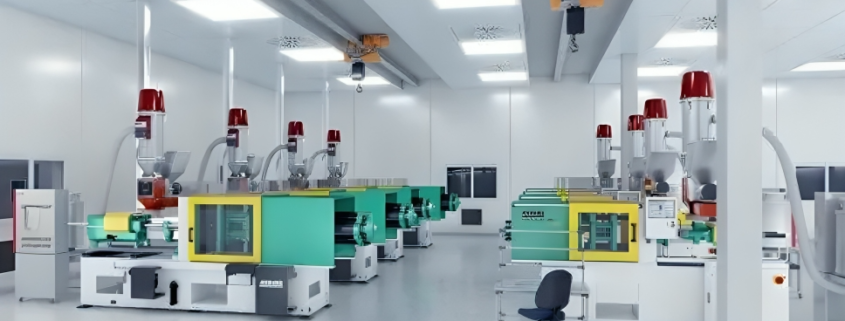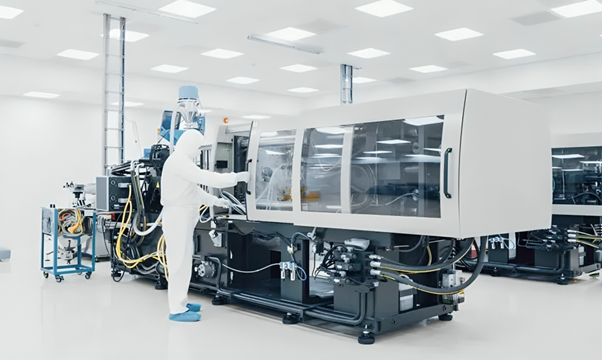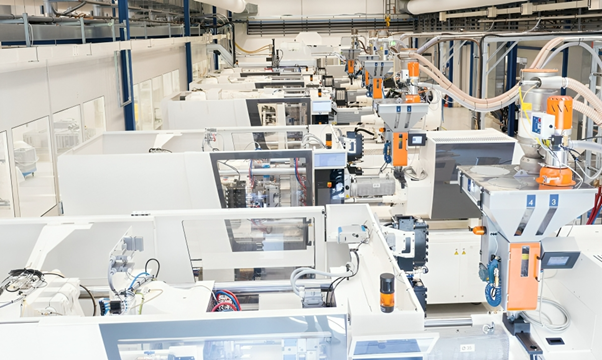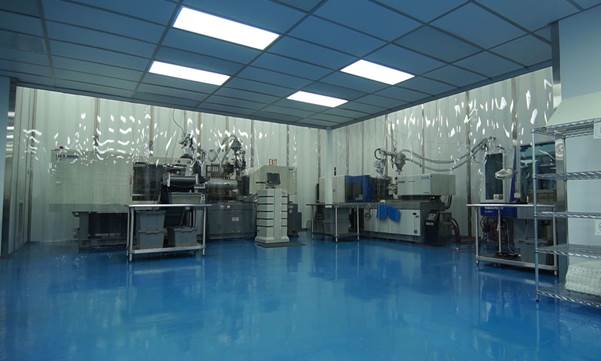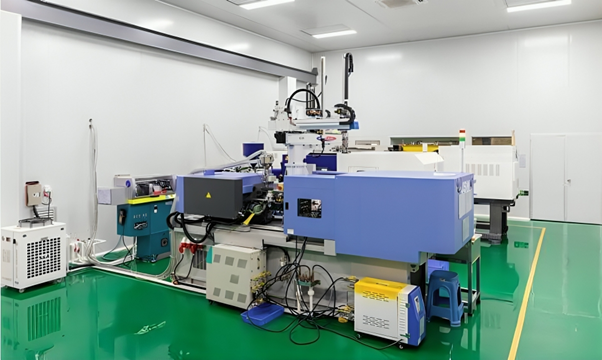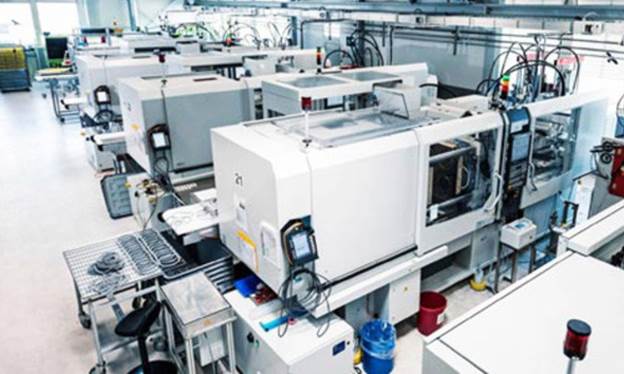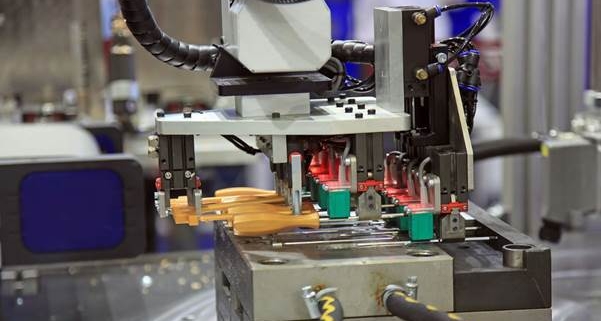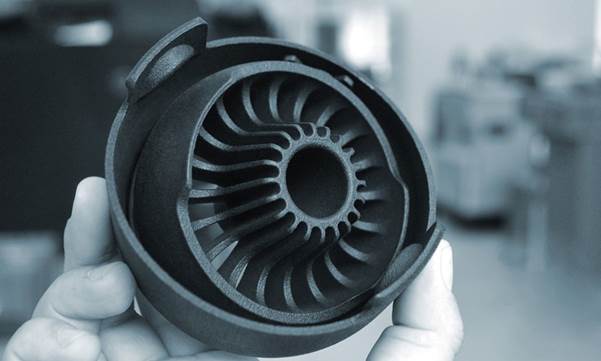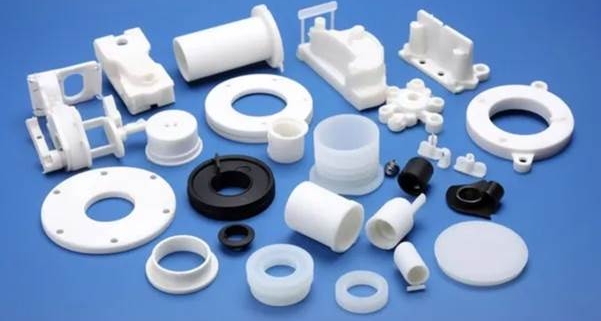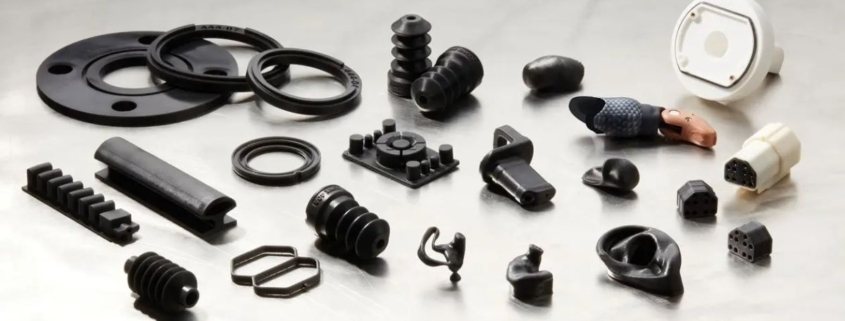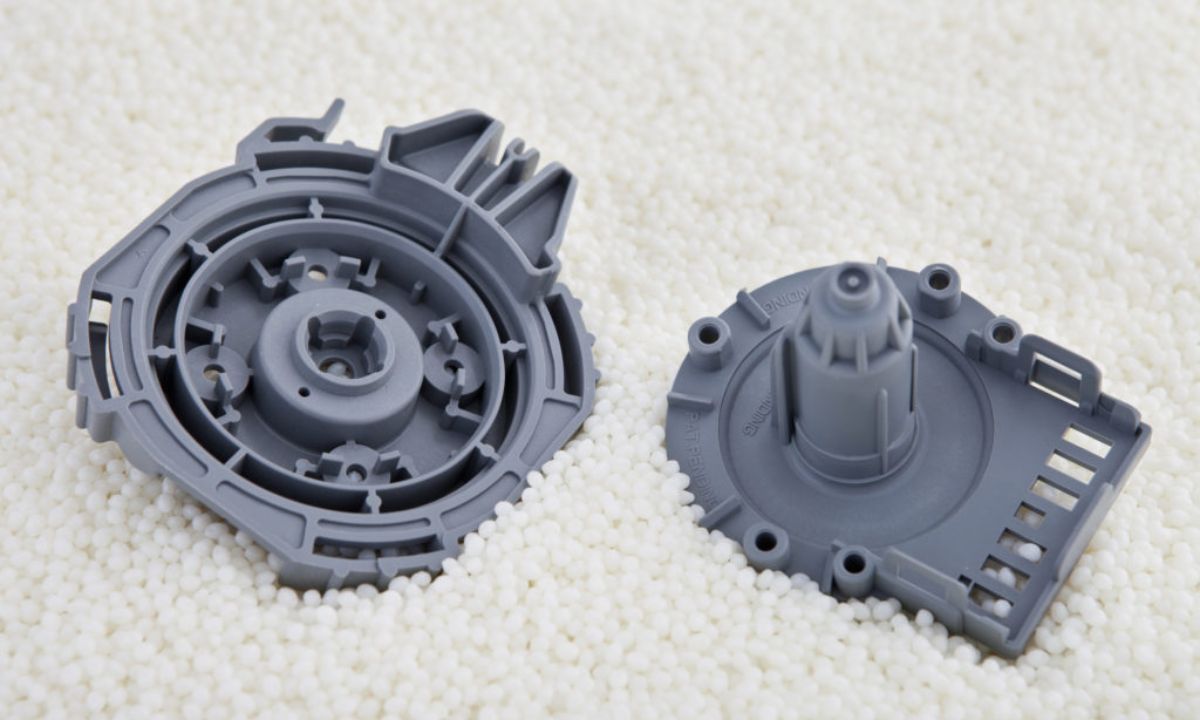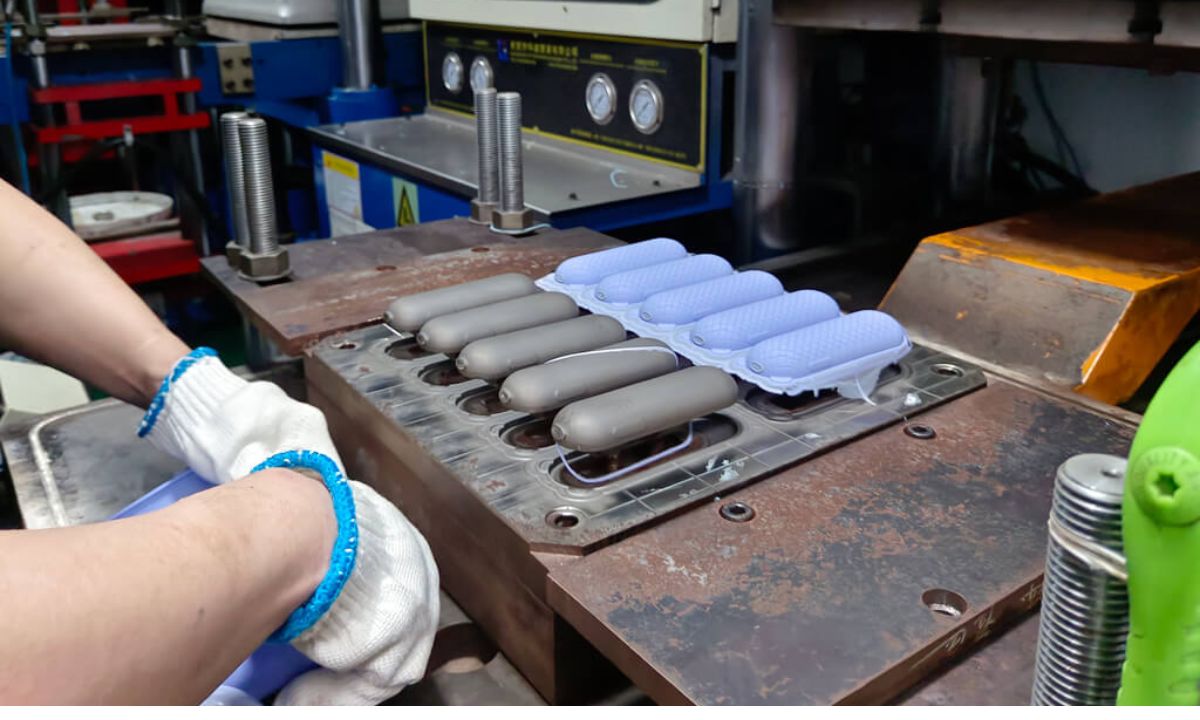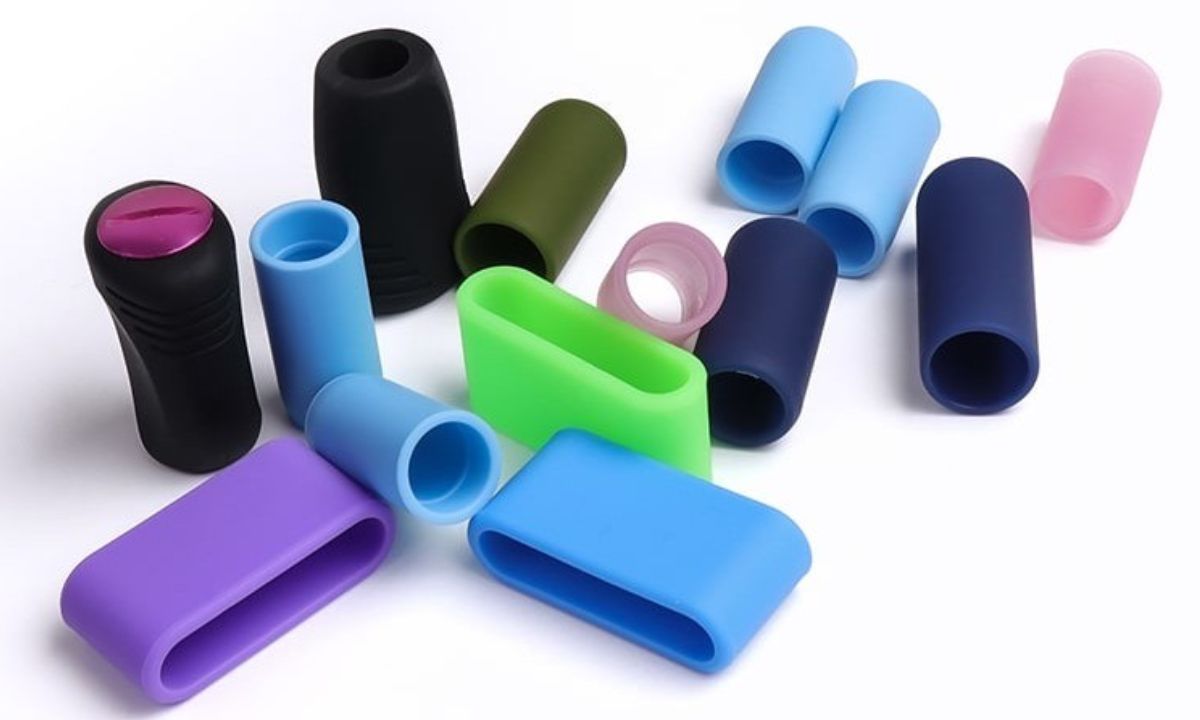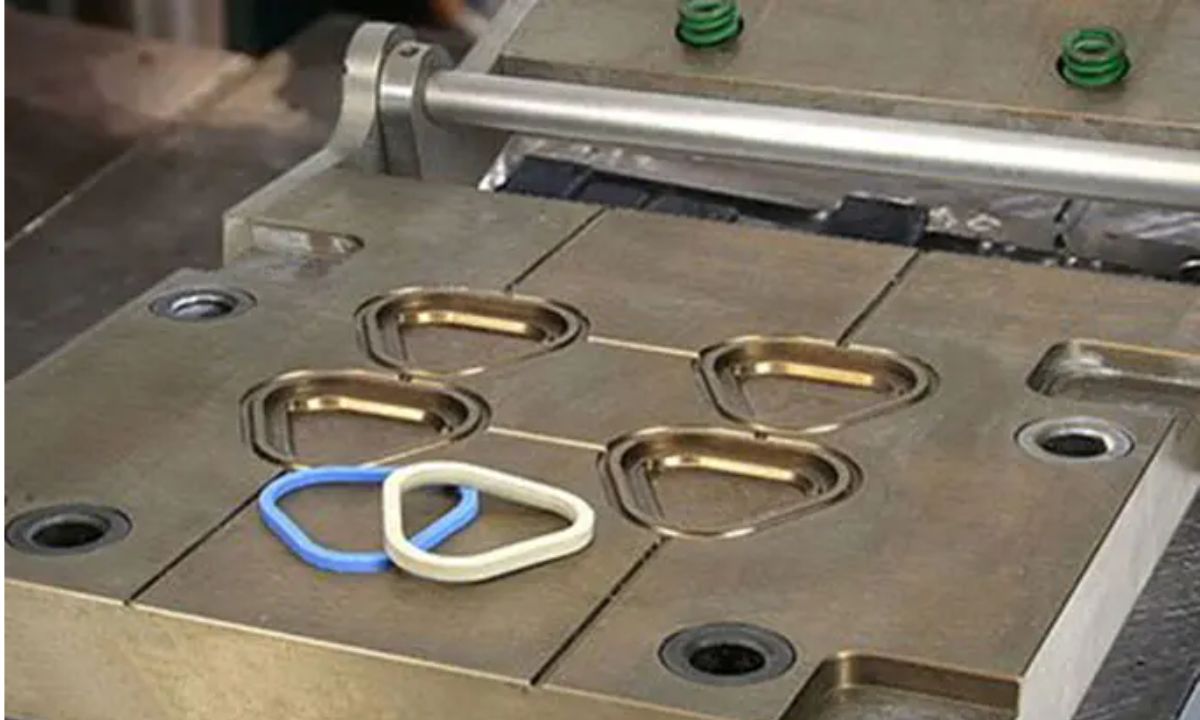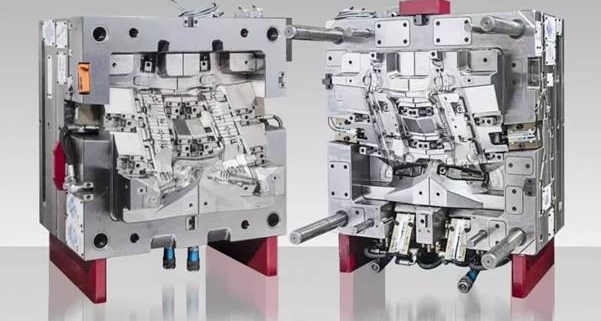
Le moulage par injection de plastique en petites séries est une technologie de fabrication efficace qui est utilisée pour fabriquer quelques pièces en plastique. Elle convient mieux aux entreprises qui n'ont pas besoin d'une production importante, mais qui souhaitent obtenir des résultats de haute qualité. Cette technique est très populaire pour les essais de produits, le prototypage et la fabrication à petite échelle.
Ce processus est apprécié par de nombreuses entreprises car il permet de réduire l'investissement initial et la flexibilité. Les entreprises sont en mesure de produire de plus petites quantités et d'exercer un meilleur contrôle que lorsqu'elles produisent des milliers d'unités. Le moulage par injection à court terme est donc viable pour les start-ups et les entreprises en phase de croissance.
Qu'est-ce que le moulage par injection de matières plastiques en petites séries ?
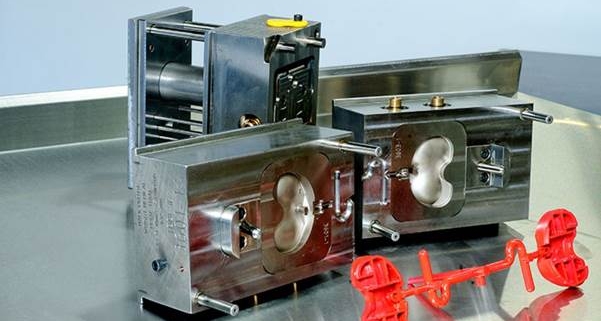
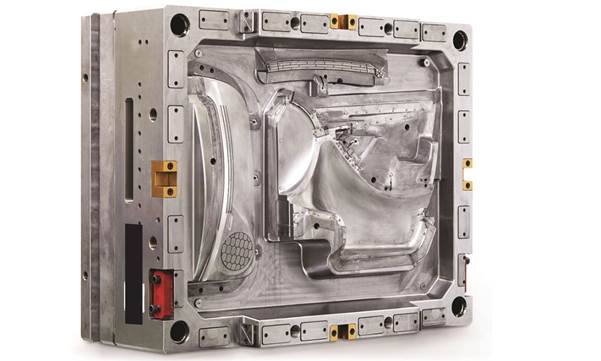
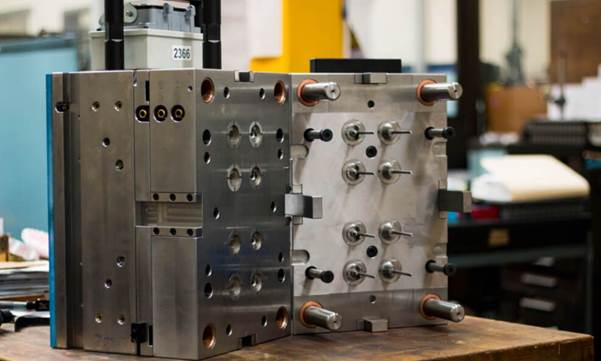
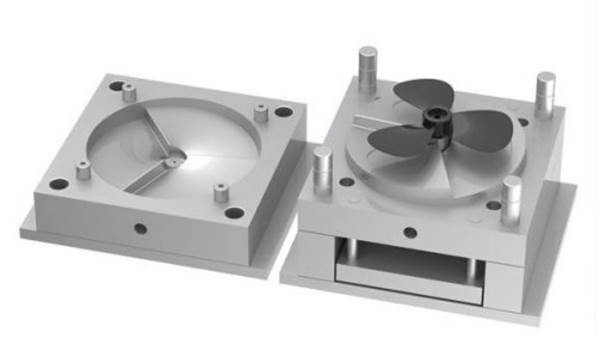
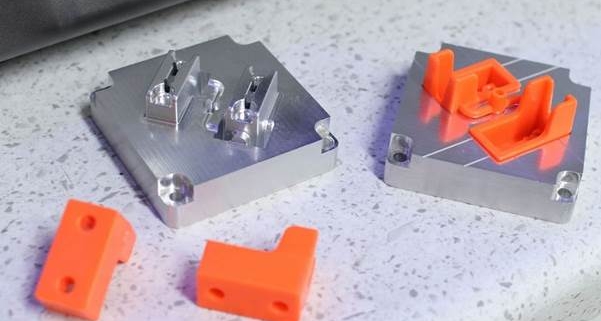
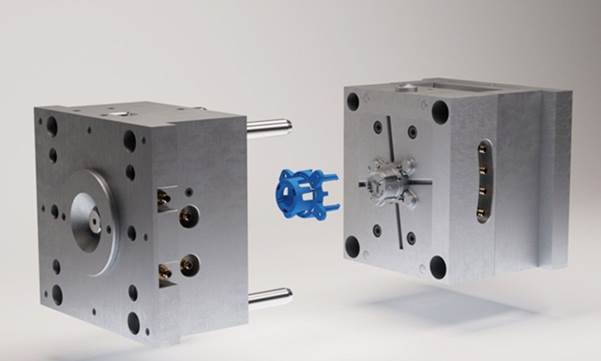
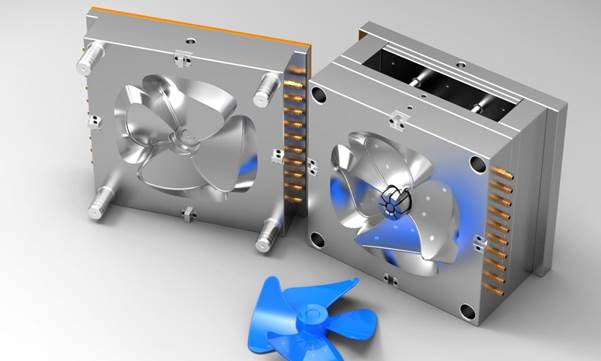
Dans le cas du moulage par injection de plastique à court terme, quelques pièces en plastique sont produites en appliquant la technologie du moulage par injection. Il est normalement associé à des volumes de production réduits par opposition à la production de masse. Cela convient aux projets qui doivent être réalisés dans un délai court et pour un faible montant. Pour ce faire, on produit un moule d'injection à cycle court conçu pour fabriquer efficacement des pièces sans l'outillage volumineux qui serait nécessaire pour l'outillage à long terme. La conception de ces moules a généralement un cycle de vie plus court, ce qui permet de réduire les coûts sans compromettre la qualité du produit.
Qu'est-ce qu'un moulage par injection à court terme ?
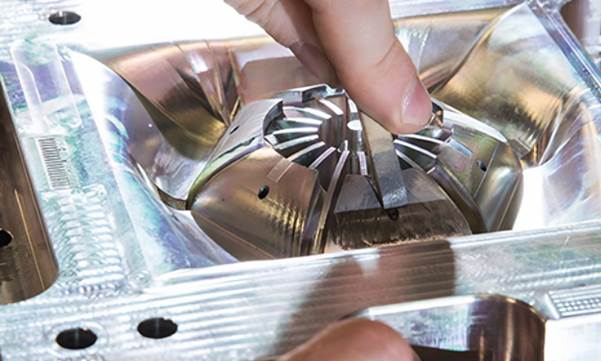
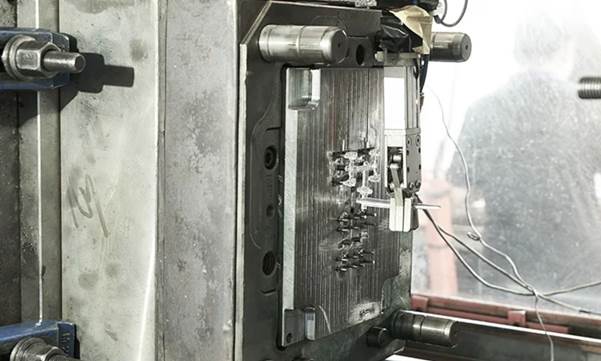
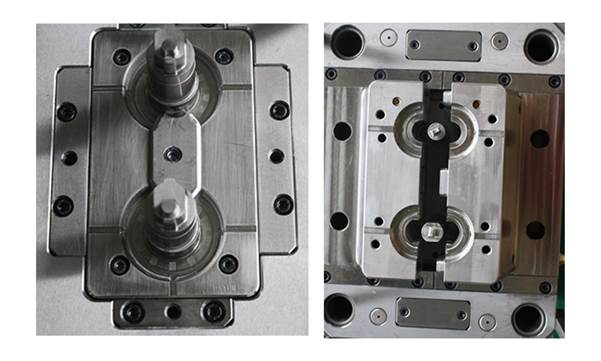
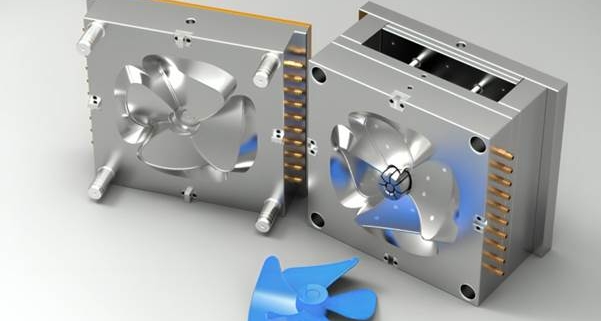
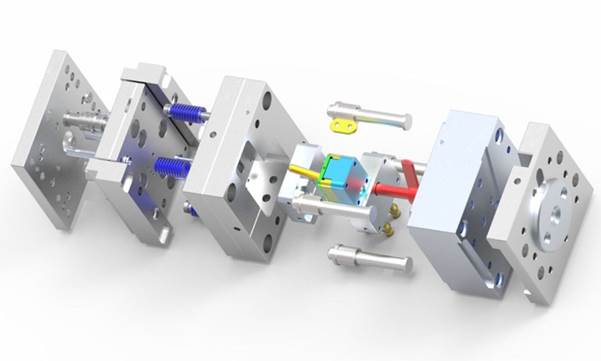
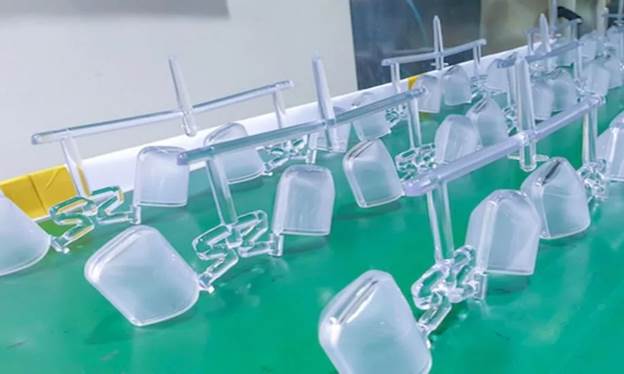
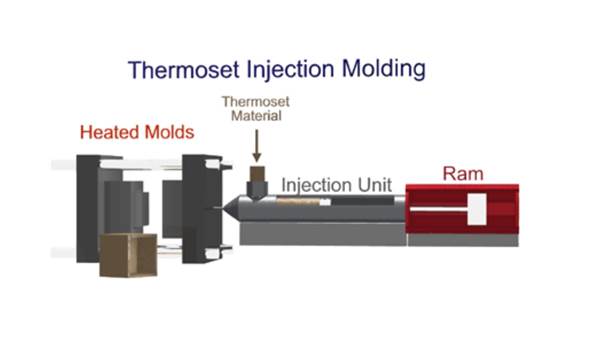
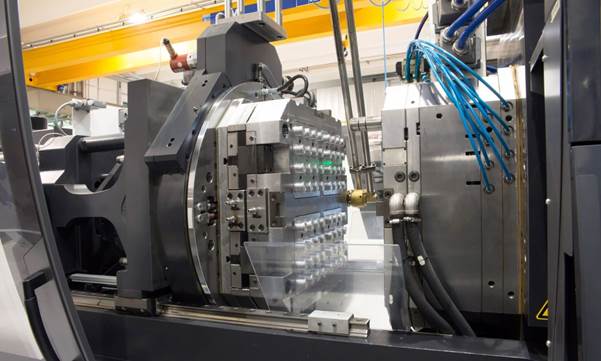
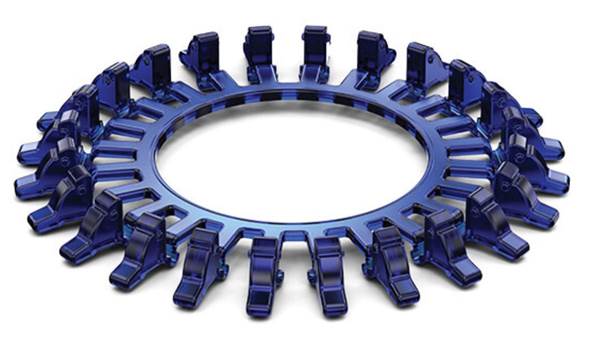
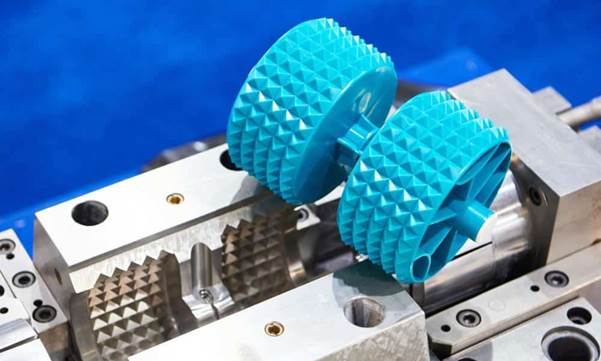
Cela commence par la conception du produit et la conception d'un moule. Les ingénieurs conçoivent un modèle qui répond aux spécifications du produit tout en réduisant les coûts de production. Le moule est ensuite fabriqué à partir de matériaux tels que l'aluminium ou l'acier doux. Après avoir préparé le moule, la matière plastique est fondue et injectée dans le moule. Le matériau se solidifie et prend la forme souhaitée. La même opération est répétée pour produire un petit nombre de pièces par le biais du moulage par injection de plastique en petites séries.
Avantages du moulage par injection de matières plastiques en petites séries
Le moulage par injection de plastique (à court terme) présente de nombreux avantages pour les entreprises. Il s'agit d'une approche adaptable et abordable qui facilite les innovations et accélère le développement des produits. Le processus permet aux entreprises de commencer par de petites productions sans pour autant investir beaucoup. Il est également utile pour tester les produits avant la production à grande échelle. Le moulage par injection en petites séries est moins risqué et la prise de décision est améliorée.
Points clés
- Réduction du coût initial des outils.
- Temps de production plus rapide
- Parfait pour les prototypes et les tests.
- Réduction du risque financier
- Possibilité de modifier la conception.
Coût du moulage par injection à court terme
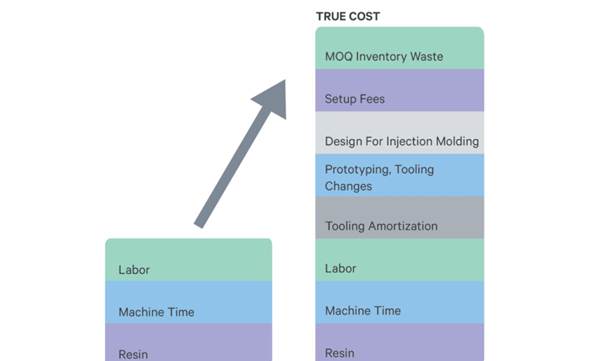
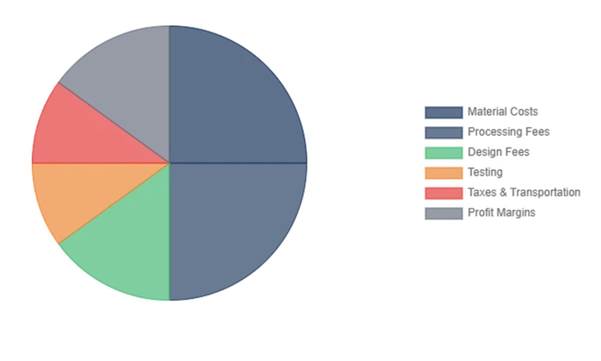
L'un des facteurs les plus significatifs ou importants pour les entreprises est le coût. La production à petite échelle est généralement moins coûteuse que la production à grande échelle en termes de frais de moulage par injection, car elle nécessite peu d'outillage et d'installation. Néanmoins, son prix unitaire peut être légèrement supérieur à celui d'une production de masse. La raison en est que ce coût fixe sera réparti sur un nombre inférieur de pièces. Néanmoins, avec ce montant, cette technique est économique et réalisable.
Points clés
- Investissement initial moins élevé
- Coût unitaire plus élevé que pour la production de masse.
- La conception et le matériau du moule dépendent du coût.
- Adapté à une production de faible volume.
- Rentable pour les projets mineurs.
Matériaux utilisés dans le moulage par injection à court terme
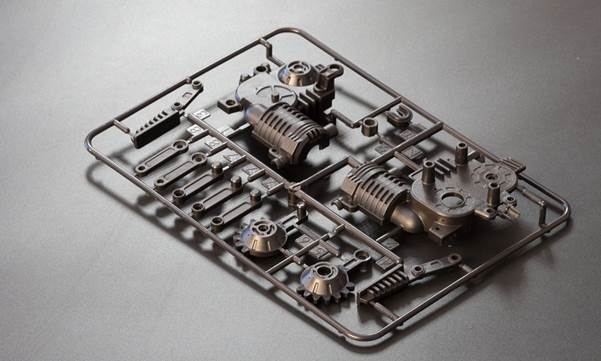
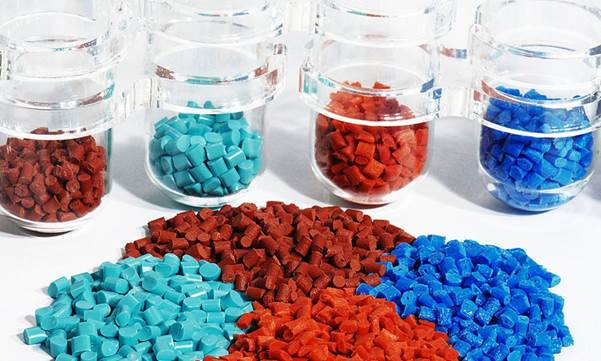
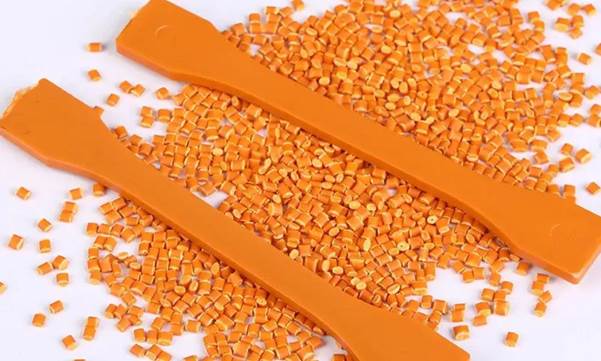
L'utilisation des différents types de matériaux plastiques varie en fonction des besoins du produit. Les matériaux couramment utilisés sont l'ABS, le polypropylène, le polyéthylène et le polycarbonate. Chaque matériau possède certaines propriétés, notamment la solidité, la flexibilité et la résistance à la chaleur. Le choix correct du matériau est un facteur de performance du produit. Dans le cas du moulage par injection de plastiques à court terme, la sélection du matériau permet d'atteindre la qualité souhaitée sans trop augmenter les coûts.
Applications du moulage par injection de matières plastiques en petites séries
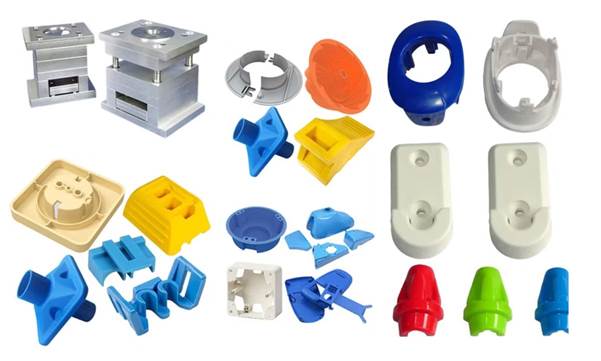
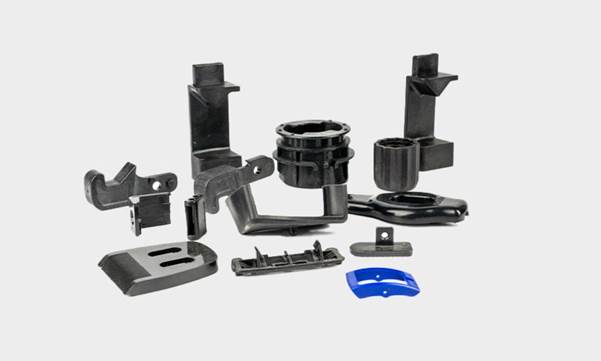
Il est flexible dans diverses industries et est employé dans ce processus. Il convient aux projets qui exigent de faibles quantités et une production à grande vitesse. Le moulage par injection de petites séries est utilisé dans des secteurs tels que l'industrie automobile, le secteur médical, l'électronique et les biens de consommation pour le prototypage et la production de petites séries. Il aide les entreprises à répondre à la demande du marché sans avoir à faire d'investissements substantiels.
Points clés
- Prototypage de produits
- Composants de dispositifs médicaux
- Essais de pièces automobiles
- Développement de produits de consommation
- Production en faible volume
Avantages de l'impression 3D par rapport à la production conventionnelle
Le moulage par injection de plastique peut être utilisé en mode de production à court terme, ce qui présente un certain nombre d'avantages par rapport aux techniques de fabrication conventionnelles. Il permet un développement plus rapide des produits et simplifie les changements de conception. Cette technique n'implique pas d'engagements énormes, comme c'est le cas pour la production de masse. Les entreprises ont la possibilité de fabriquer de petits lots et de modifier les conceptions en fonction du retour d'information. Le moulage par injection en petites séries est donc un processus très flexible.
Considérations relatives à la conception des moules d'injection - Courte durée
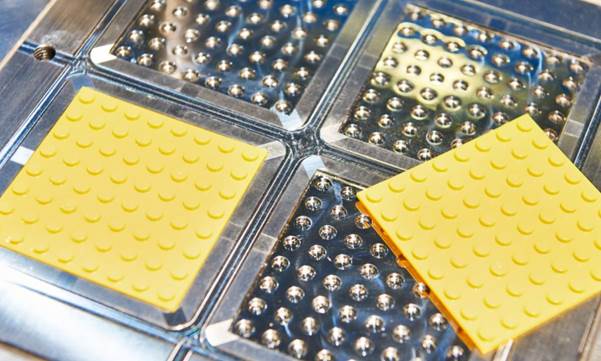
La conception est l'un des facteurs importants d'une production réussie. Un moule à injection pour petites séries correctement conçu garantit un processus de production sans faille et la qualité du produit. Les ingénieurs recherchent la simplicité et l'efficacité afin de réduire les coûts. Un moule bien conçu est également utile pour améliorer la durabilité et les performances du moule dans le processus de production.
Points clés
- Conception claire et simple.
- Sélection appropriée des matériaux
- Structure équilibrée du moule
- Moins compliqué pour être moins cher.
- Entretien facile
Difficultés du moulage par injection à court terme
Bien que ce processus présente de nombreux avantages, il n'est pas sans poser quelques problèmes. Le coût unitaire peut être plus élevé en raison du faible volume de production. La durabilité des moules peut également être réduite par rapport aux moules à long terme. Ces problèmes peuvent être résolus par une planification et une conception adéquates. En collaborant avec des fabricants expérimentés, les entreprises obtiendront de meilleurs résultats avec le moulage par injection de plastique à court terme.
Choisir le bon fabricant
Le choix du fabricant approprié joue un rôle important. Un fabricant jouissant d'une bonne réputation garantit la qualité, le respect des délais de livraison et la rentabilité. Les éléments importants dans le choix d'un partenaire sont l'expérience et la technologie. Un fournisseur expérimenté dans le domaine du moulage par injection de petites séries sera en mesure de rationaliser la production et de minimiser les erreurs.
Quand opter pour le moulage par injection de matières plastiques en petites séries ?
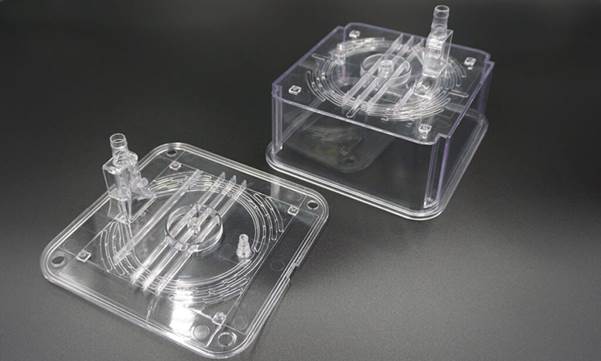
Le type de moulage par injection plastique le plus approprié est le moulage par injection plastique à court terme, lorsque le volume de production est faible et que la rapidité est une préoccupation. Il est efficace lors du lancement d'une startup, de l'essai d'un produit ou du lancement d'un produit sur un marché restreint. Cette technique est populaire auprès des entreprises qui souhaitent minimiser les risques. Elle peut également être appliquée dans les cas où la conception des produits n'est pas encore au point. Les entreprises peuvent facilement modifier les performances et apporter des changements sans investir dans des moules d'injection à long terme, car un moule d'injection à court tirage peut être utilisé pour tester les performances. Cela permet d'économiser du temps et de l'argent.
Points clés
- Adapté à une production de faible volume.
- Bonne connaissance des essais/prototypes de produits.
- Économique pour les start-ups et les petites entreprises.
- Réduction du risque financier
- Permet de développer rapidement des modèles.
Comparaison avec le moulage par injection à long terme
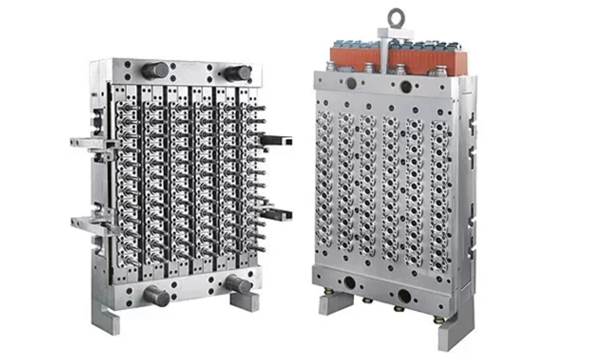
Le moulage par injection de plastiques à court terme est également très différent de la production à long terme. La production à grande échelle et en grandes quantités est réalisée à l'aide du moulage à long terme. Les moules sont très coûteux, mais le coût unitaire est moindre. Le moulage par injection à court terme, quant à lui, concerne des quantités limitées, dont les dépenses initiales sont moindres. Le coût unitaire peut être plus élevé, mais il est plus flexible et peut être produit plus rapidement. Il convient donc aux projets à court terme.
Options d'outillage pour les moules à injection de courte durée
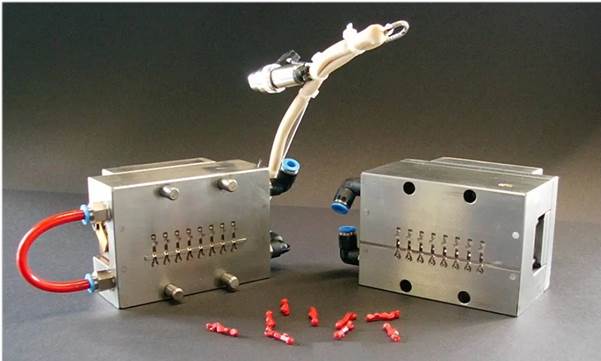
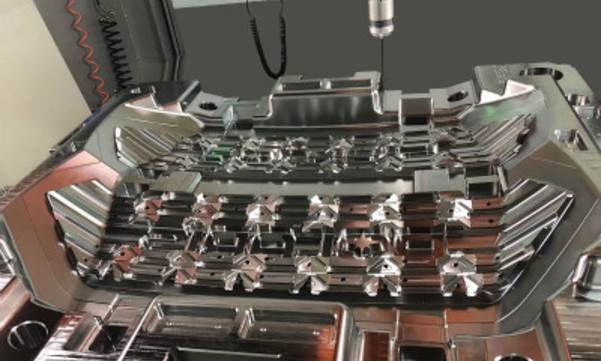
L'outillage est l'un des éléments importants. Les moules utilisés pour la production de petites séries sont généralement fabriqués en aluminium ou en acier plus léger. Ces matériaux sont moins coûteux et peuvent être usinés rapidement. Un moule d'injection à court terme n'est pas destiné à être utilisé de manière intensive et ne nécessite donc pas une durée de vie aussi longue que les moules de production. Cela permet de minimiser les coûts d'outillage tout en obtenant une bonne qualité pour les petits lots.
Points clés
- Moules en aluminium peu coûteux.
- Réduction du temps de production des moules.
- Approprié pour les petits cycles de production.
- Coût d'entretien réduit
- Possibilité d'ajustements rapides
Délai et vitesse de production
L'avantage d'un délai d'exécution plus court est l'un des plus grands avantages de cette méthode. Les moules sont également plus simples à fabriquer et les faibles quantités de production permettent de produire des pièces à la hâte. Cela permet aux entreprises de respecter les délais et de répondre plus rapidement aux besoins du marché. Grâce au moulage par injection plastique en petites séries, les entreprises sont en mesure de lancer des produits dans un délai très court, contrairement aux méthodes traditionnelles.
Partie dans le développement de produits
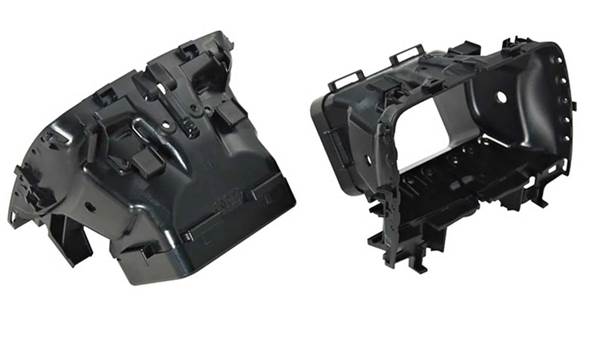
De plus en plus, le moulage par injection de plastique en petites séries joue un rôle important dans le développement des produits. Il permet aux entreprises d'expérimenter leurs conceptions dans des conditions réelles avant de passer à la production de masse. Les entreprises peuvent ainsi créer de petits lots pour tenir compte des réactions et améliorer leurs produits. Le moulage par injection à court terme est donc un outil d'innovation et de développement utile.
Points clés
- Soutien aux essais de produits
- Contribuer à l'amélioration de la qualité de la conception.
- Réduire les risques de développement
- Permet un retour d'information sur le marché
- Accélère l'innovation des produits.
Qualité - Production en petites séries
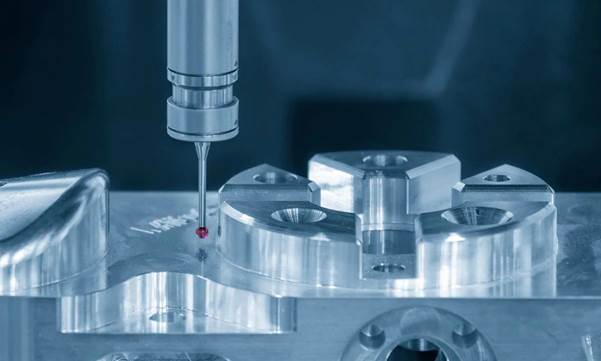
Bien que le volume de production soit faible, la qualité doit néanmoins être assurée. La conception, le choix des matériaux et le contrôle du processus doivent être appropriés. Des essais et des inspections sont effectués pour assurer l'uniformité de la production. Production à court terme moulage par injection de plastique peut être réalisée en utilisant des normes élevées pour donner des résultats de haute qualité.
Stratégies d'optimisation des coûts
Grâce à des choix judicieux en matière de conception et de production, les entreprises peuvent minimiser les coûts de moulage par injection à court terme. Des conceptions simples et un choix judicieux des matériaux peuvent contribuer à la réduction des coûts. L'entreprise travaille également avec des fabricants expérimentés, ce qui améliore l'efficacité. L'optimisation des coûts permet d'améliorer les résultats sans compromettre la qualité du produit.
Points clés
- Simplifier la conception des produits
- Choisir des matériaux rentables
- Optimiser la conception des moules
- Collaborer avec une équipe de fabricants compétents.
- Réduire les pertes et les imprécisions.
Avantages pour l'environnement
La production durable peut également être soutenue par la production à court terme. La fabrication du nombre exact de produits permet d'éviter les gaspillages et la consommation inutile de matériaux. La consommation d'énergie est également réduite par rapport à la production de masse. Dans certaines situations, le moulage par injection de plastique en petites séries est donc plus respectueux de l'environnement.
Erreurs courantes dans le moulage par injection de matières plastiques à court terme
Lorsque de nombreuses entreprises se lancent dans la production à court terme, elles finissent par commettre de nombreuses erreurs. Parmi ces erreurs, on peut citer une mauvaise conception des moules. Si le moule d'injection pour petites séries n'est pas correctement conçu, il peut entraîner des défauts et des incohérences au niveau de la qualité des produits. L'autre erreur consiste à choisir un matériau inapproprié. La détérioration du plastique de faible qualité ou inapproprié peut entraîner davantage de défaillances. Le moulage par injection en petites séries est très important pour une planification correcte afin d'éviter les gaspillages et les reprises.
Importance d'un bon entretien des moules
Bien que les moules ne soient pas utilisés sur de longs cycles de production, l'entretien est également pris en compte, même si les moules sont utilisés à court terme. Le lavage et un bon stockage peuvent contribuer à prolonger la durée de vie des moules et à améliorer la qualité. Un article moulé peut présenter des problèmes de finition de surface et de précision des produits, à moins qu'un moule ne soit conservé. Le balayage régulier garantit le bon déroulement des opérations de moulage par injection de plastique à court terme.
L'utilisation de la technologie dans la production à court terme
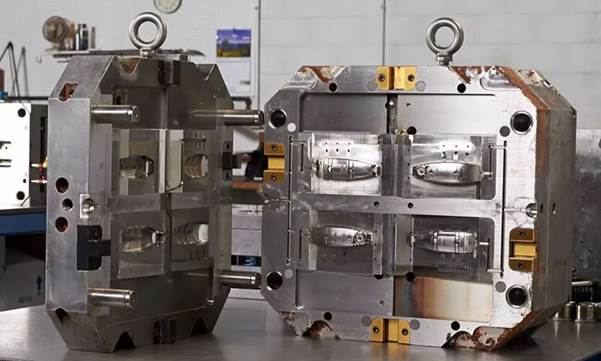
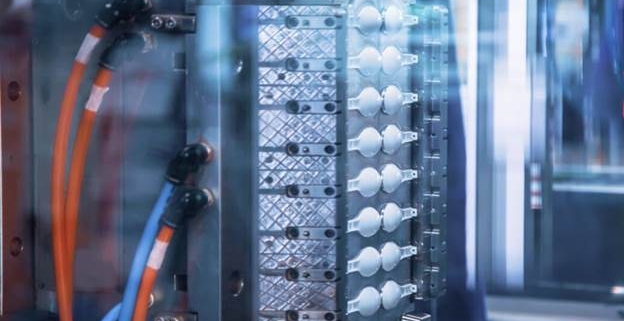
La fabrication à court terme a été améliorée grâce à l'utilisation des technologies modernes. Les logiciels de conception assistée par ordinateur (CAO) et de fabrication assistée par ordinateur (FAO) peuvent être utilisés pour créer des moules précis. Cela permet de minimiser les erreurs et d'améliorer la productivité. Les machines automatisées permettent également de réduire le nombre d'erreurs humaines et d'assurer la cohérence de la production. Le moulage par injection à court terme est donc plus rapide, plus précis et plus fiable que les méthodes conventionnelles.
Moulage par injection en petites séries Personnalisation
La personnalisation est l'un des principaux avantages de ce processus. Les entreprises n'ont pas besoin d'investir des sommes considérables pour modifier leurs conceptions. Cela s'avère très pratique lorsqu'une version alternative du produit doit être testée. Il est possible de modifier rapidement un moule à injection de courte durée, ce qui permet aux fabricants d'améliorer le développement de leurs produits en fonction des réactions de leurs clients. Il est flexible et contribue à l'innovation et à la réussite sur le marché.
Avantages pour la chaîne d'approvisionnement
La gestion de la chaîne d'approvisionnement est un autre moyen par lequel la production en circuit court améliore la gestion de la chaîne d'approvisionnement. Les entreprises n'ont plus besoin d'avoir des stocks importants. Elles sont en mesure de produire juste ce dont elles ont besoin. Cela permet d'économiser sur les coûts de stockage et les déchets. Les entreprises peuvent répondre plus rapidement à la demande du marché et minimiser le risque de surproduction en utilisant le moulage par injection de plastique en série courte.
Tendances du marché et développement de l'industrie
La nécessité de produire à petite échelle et sur mesure est de plus en plus fréquente. Les entreprises souhaitent une production plus rapide et des options de fabrication polyvalentes. Cela entraîne une expansion du moulage par injection à court terme sur les marchés mondiaux. Cette pratique devient un moyen populaire de rester compétitif et innovant pour de plus en plus d'entreprises.
Perspectives dans le domaine du moulage par injection de matières plastiques à court terme
L'avenir de ce processus est prometteur. Avec l'augmentation de la demande de produits personnalisés, il y a un nombre croissant d'entreprises qui utilisent des méthodes de production en petites séries. Les technologies de pointe améliorent la productivité et réduisent les dépenses. Cela rendra le moulage par injection de plastique à court terme encore plus populaire dans les années à venir.
Résumé
Le moulage par injection de plastique (en petites séries) est un procédé de fabrication pratique et polyvalent. Il permet aux entreprises de produire de petites quantités avec un investissement initial faible et un délai d'exécution plus rapide. Grâce au moulage par injection à court terme, les entreprises peuvent tester leurs produits, les améliorer et éliminer les risques avant la production à grande échelle. Cette approche favorise l'innovation et aide les entreprises à réagir rapidement aux changements du marché.
Le moulage par injection à court terme Le coût unitaire peut être plus élevé, mais il s'agit d'un investissement rentable pour la plupart des industries en raison des avantages globaux qu'il procure. Il est particulièrement applicable dans le cas de start-ups, de développement de produits et de besoins de production limités. Sur le marché dynamique actuel, le moulage par injection de plastique en petites séries offre la flexibilité et l'efficacité nécessaires pour réussir.
FAQ
Qu'est-ce que le moulage par injection de plastique à court terme ?
Il s'agit d'un procédé utilisé pour fabriquer quelques composants en plastique dont l'outillage est moins coûteux et dont le temps de fabrication est réduit.
A quoi sert le moulage par injection à court terme ?
Il trouve son application principale dans le prototypage, les tests de produits et la production à petite échelle dans les industries.
Quel est le coût du moulage par injection en petite série ?
Le coût du moulage par injection à court terme dépend de la conception du moule, du matériau et du nombre de moules. Il est normalement moins élevé dans le cas de petits projets.
Quels sont les matériaux utilisés pour le moulage par injection à court terme ?
Les matériaux couramment utilisés sont l'ABS, le polypropylène et le polycarbonate, en fonction des besoins du produit.
Qu'est-ce qu'un moule à injection de courte durée ?
Il s'agit d'un moule destiné à la production de petites séries. Il peut être construit avec des matériaux moins coûteux et a une durée de vie réduite.