タグ アーカイブ: PMMA射出成形

アクリル射出成形:完全ガイド

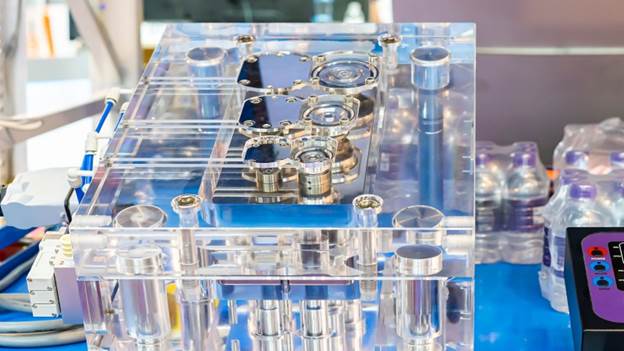
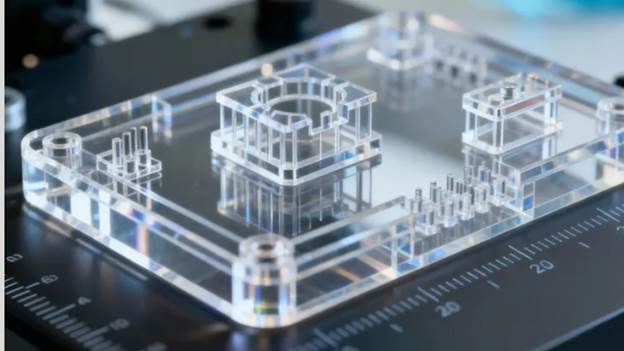
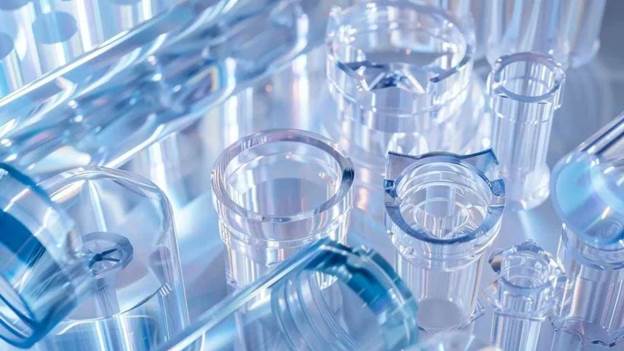
Acrylic injection molding can be defined as a new technology of manufacturing plastic products with high quality. The technique has a wide application in the automotive industry, healthcare sector, consumer goods, and electronics. It is particularly renowned for making transparent, tough, and attractive products.

China is a major part of the acrylic molding business. China has large quantities of factories that manufacture high-quality acrylic molds and parts. They offer cost-effective, dependable, and scalable production to the international markets.

This paper covers the process of injection molding, types of molds, applications, and best practices in acrylic injection molding.

What is Acrylic Injection Molding?

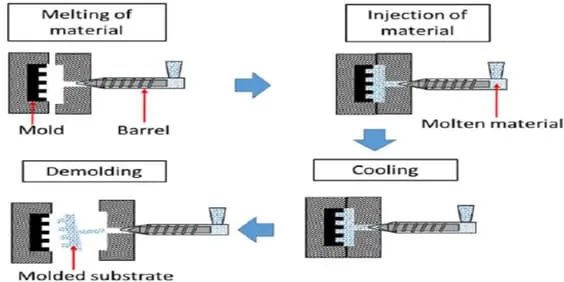
Acrylic injection molding is an aircraft production technique in which acrylic plastic is warmed up until it melts and then injected into a mold. The plastic is cured and solidifies into a given shape. The process is very useful in the large-scale production of complex and consistent parts.

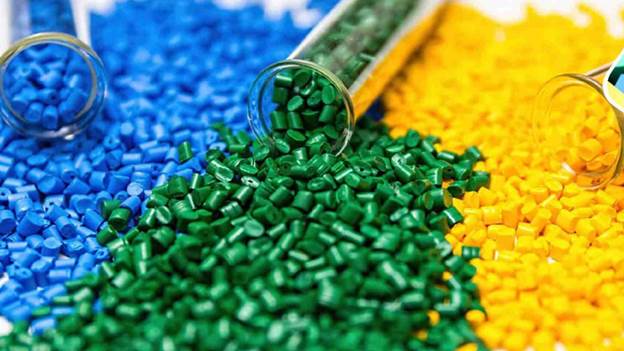
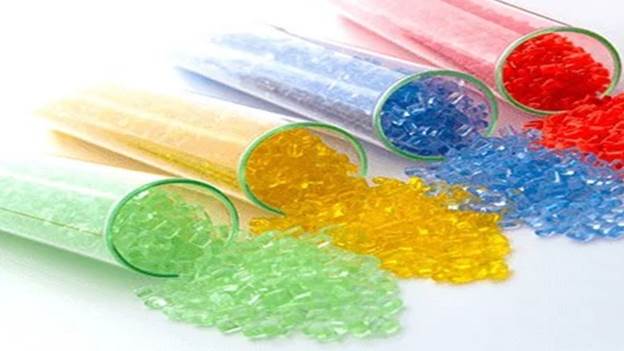
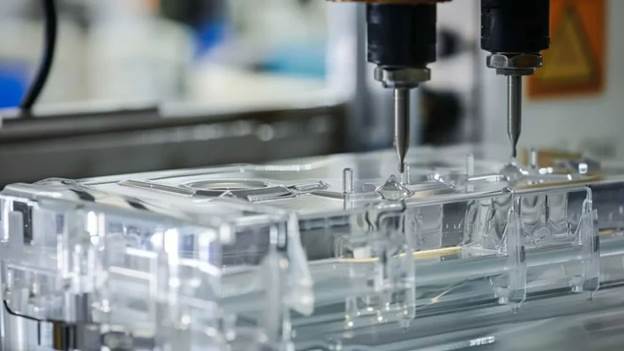
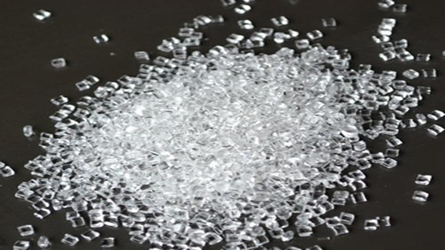
The acrylic pellets are small and used as the starting food materials. These are poured into a heated barrel until it melts. Then the molten acrylic is injected into high pressure mold with acrylic molds. The molds are cooled and opened, and the finished product is ejected.

The process is fast, accurate, and economical, unlike other methods of molding. It suits industries where the quantity of production is needed without necessarily touching on the quality.

What is Acrylic Injection Molding?

Benefits of Acrylic Molding

There are numerous benefits of acrylic molding.

  • Large Transparency: Acrylic products are very transparent. They are frequently applied in situations when it is necessary to be visual.
  • 耐久性がある: Acrylic is durable and scratch-resistant.
  • Complex Shapes: It is able to do complex designs, which are hard to do with other plastics.
  • 費用対効果: After creating molds, thousands of pieces can be created in a short time, which makes the process less expensive.
  • 一貫性: Each batch is the same as the preceding one, and quality is ensured in high quantities.

The acrylic molding is quick and accurate, and hence a good option where quality and speed are expected in industries.

Acrylic Injection Molding was discovered

In the mid-20th century, the manufacturers of the process started to develop the process of acrylic injection molding because the manufacturers wanted to find a quicker and more accurate method of shaping PMMA. Previously, casting was used as the primary process of acrylic molding, which was a slow and work-consuming process.

Machines that could melt acrylic pellets at temperatures of 230-280 °C and inject them into small acrylic molds were invented by engineers in Germany and the United States in the 1940s and 1950s. This invention made it possible to manufacture intricate and high-quality parts that had uniform dimensions.

Injection techniques of acrylic to produce what is today known as the molding of acrylic transformed industries such as automotive, medical devices, and consumer products. Acrylic plastic molding not only reduced the time but also increased efficiency, but it also made parts that had tight tolerances (+-0.1 mm) and those that were optically clear (>90% light transmission).

Acrylic Injection Molding was discovered

Types of Acrylic Molds

There are several types of acrylic molds; each model is produced according to the required production nature and complexity of the product. The selection of a suitable type guarantees results of high quality and efficiency in acrylic molding.

単一キャビティ金型

 Single-cavity molds are made to make a single part after each injection cycle. They can be used when the production run is small or in prototypical projects. With single-cavity molds, the process of injection molding acrylic material is done using the term under consideration in order not to have to deal with the problem of incorrect shaping and vague surfaces.

マルチキャビティ金型

 Multi-cavity molds are able to manufacture many copies within one cycle. This gives them ideal suitability for massive production. Multi-cavity molds are frequently molded with acrylic to accomplish consistency and minimize the time of production.

ファミリー・モールド

In a single cycle, family molds generate some of the various parts. This is a type that is practical in formulating components that constitute a product assembly. Family molds can use acrylic plastic molding that enables multiple pieces to be manufactured at the same time, which saves both time and cost.

ホットランナー金型

The Hot runner molds allow the plastic to be kept in channels to minimize wastage and enhance efficiency. Hot runner systems use acrylic molds that fit high-precision products with smooth surfaces and fewer defects.

コールドランナー金型

Cold runner molds employ channels that cool together with the part being molded. They are less costly and easier to produce. A lot of small to medium-sized manufacturers would rather use acrylic molding by using cold runner molds to do their production cheaply.

The choice of the appropriate type of the so-called acrylic molds is determined by the volume of production, the design of the product, and the budget. Correct selection of molds leads to better performance of acrylic injection molding and finished products of high quality.

The techniques of Acrylic Plastic Molding

Acrylic plastic molding is the process of using several methods to convert acrylic substances into useful and attractive items. Both approaches have strengths, which are determined by design, volume of production, and the needs of the product.

The techniques of Acrylic Plastic Molding

射出成形

The most popular one, which is called acrylic injection molding, consists of heating acrylic subunits, called acrylic pellets, until molten, and its injection into acrylic molds. Upon cooling, the plastic will solidify in the intended shape. This is the best method to make a high-precision product in massive quantities.

圧縮成形

 Acrylic sheets are put in a hot mold and pressed to form in compression molding. This technique can be applied to thicker sections and plain designs. Compression molding of acrylic is used to make it uniform in thickness and strength.

押出

Long continuous profiles are made by extrusion, where molten acrylic is forced into a shaped die. By extrusion, acrylic molding is used on such items as tubes, rods, and sheets. It is even in cross-sections and surfaces.

熱成形

The thermoforming technique heats acrylic sheets until pliable and shapes them over a mold with the vacuum or pressure. The approach works well with huge or non-huge products. Thermoforming is a technique of manufacturer of low to medium volumes of acrylic plastic molds at a reasonably low cost.

Rotational Molding

Rotational molding is also used with acrylic, but the mold is rotated during heating to evenly coat the inside of the mold. Shapes with hollows can be made effectively using this technique. In rotational molds, there is the flexibility of molding acrylic to fit some designs.

Process of Molding Acrylic

Molding acrylic is an important and technical process through which the raw acrylic material is changed into finished parts of high quality. The procedure comes with several processes, and each process entails precise control of temperature, pressure, and time to provide the optimal outcome in the process of acrylic molding.

Process of Molding Acrylic

Material Preparation

The reaction begins with acrylic high-quality pellets, which can be of different sizes (usually 2-5 mm in diameter). The moisture content of the pellets should be less than 0.2, and any further moisture may lead to bubbles in the process of molding. The pellets are normally dried in a hopper dryer at 80-90 deg C in not less than 2-4hours before usage.

Melting and Injection

The dried pellets are introduced into the barrel of the injection molding machine. The temperature of the barrel is maintained at 230-280 °C, with acrylic grade depending on the grade used. The pellets are melted by the screw mechanism to form a homogeneous acrylic mixture in molten form.

The acrylic is then injected at high pressure – normally 70-120 MPa – into acrylic molds once molten. The time of injection depends on the size of the part, with the small to medium parts taking about 5 to 20 seconds.

冷却

A pressurized mold is placed after injection as the acrylic cools and solidification takes place. The time of cooling varies with the thickness of parts:

  • 1-2 mm thickness: 15-20 seconds
  • 3-5 mm thickness: 25-40 seconds
  • Above 5 mm thickness: 45-60 seconds

The cooling is necessary to eliminate warping, shrinkage, or surface defects. Established molds may also make use of water pipes or oil cooling to maintain the temperatures in the required specifications.

型開きと射出

The mold is opened once it has cooled, and the part is ejected with mechanical or hydraulic ejector pins. It should be noted that the force of ejection should be limited to ensure that it does not damage the surface or deform it.

Post-Processing

The part may also go through finishing procedures like clipping off or polishing the part after ejection, or annealing. Aging at temperatures of 80-100 deg C 1-2 hours of aging assists in removing internal stresses and enhancing clarity and strength.

Quality Inspection

Individual components are checked against defects such as air bubbles, warping, and dimensionality. Calipers are utilized, or a laser scan is undertaken, and tolerance is allowed to be within + 0.1 mm when dealing with high precision components. The application of acrylic plastic molding, which is of good quality, has ensured that all its products are industry standard.

Summary of Process Parameters:

StepパラメータValue
DryingTemperature80–90°C
DryingDuration2~4時間
バレル温度Melt Acrylic230–280°C
射出圧力70–120 MPa
冷却時間1–2 mm thick15–20 sec
冷却時間3–5 mm thick25–40 sec
冷却時間>5 mm thick45–60 sec
AnnealingTemperature80–100°C
AnnealingDuration1–2 hours
Dimensional Tolerance±0.1 mm

The acrylic molding with the following technological characteristics guarantees the quality, accuracy, and efficiency of each product. The process of acrylic injection molding can be used to manufacture clear, durable, and dimensionally accurate components by using optimized conditions, which ensure consistent production of the components.

Uses of Acrylic Injection Molding

The acrylic injection molding is heavily applied in sectors where accuracy, clarity, and longevity are required.

Uses of Acrylic Injection Molding

自動車産業

Tail lights, dashboards, and trims are made as a result of acrylic molds. Parts are typically 1.5-5 mm thick, and with a temperature range of -40 °C to 80 °C. Clarity and longevity are guaranteed by Molding acrylic.

Health care and medical equipment.

Lab equipment, instrument covers, and protective shields are manufactured by the process of Acrylic plastic molding. There is a requirement for parts with tolerances of +-0.1 mm and the ability to be sterilized. Acrylic injection molding ensures smooth and correct surfaces.

コンシューマー・エレクトロニクス

Smartphone covers, LED housings, and protective screens are molded with acrylic. Part must have a gloss on the surface exceeding 90% and accurate dimensions.

Amphetamine, Methamphetamine, and amphetamines in household and decoral products.

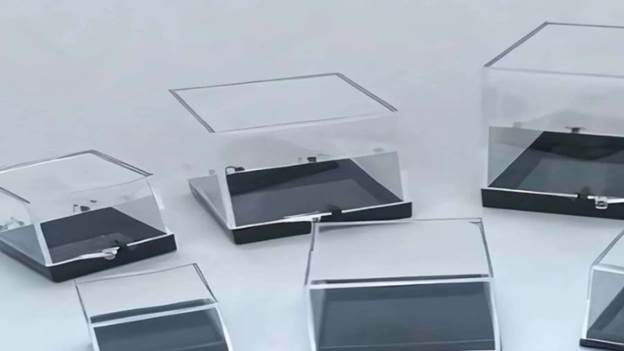
Such products as cosmetic containers, display cases, and panels are manufactured with the help of using the so-called acrylic plastic molding. The average thickness varies between 2 and 8 mm, which provides even finishes with smooth, clear, and colorful finishes.

Electrical Components, Lighting, and Optics.

The acrylic injection molding is used in the clarity of LED lenses, light diffusers, and signage. The parts attain transmission of light to the tune of over 90% at specific angles and thickness.

産業機器

There is the use of machine guards, instrument panels, and transparent containers, which are based on acrylic molding. Components require an impact strength of 15-20 kJ/m2 and be clear.

Typical Applications
This Framework is applied in situations when the government controls all the main features of healthcare services, such as quality, cost, and accessibility, and the amount of provided services.

産業

  • Product Examples
  • Key Specifications
  • 自動車
  • Tail lights, dashboards
  • thickness 1.5-5 mm, Temp 40 °C to 80 °C

Healthcare

  • Test tube racks, shields
  • Tolerance -0.1 mm, sterilization-resistant.

エレクトロニクス

  • Covers, housings
  • Surface gloss 90, dimensional stability.

消費財

  • Containers containing cosmetics, exhibition boxes.
  • Thickness 2-8 mm, smooth finish
  • Lighting
  • LED lenses, diffusers
  • Transmission of light greater than 90, accurate geometry.
  • Industrial
  • Guards, containers
  • Impact strength 15-20 kJ/m 2, clear.

Quality Control of Acrylic Molding

In acrylic molding, quality is essential in order to have parts that are up to standard. Some minor flaws can have an impact on performance and appearance.

Inspection of Parts

All the components are inspected against air bubbles, bending, and scratches on the surface. Calipers or laser scanners are used to measure so that tolerance is not exceeded by +-0.1 mm. The process of acrylic injection molding depends on regular checks as a way to ensure high quality of the output.

金型メンテナンス

Defects are prevented, and the life of the mold is lengthened by ensuring that it is regularly cleaned and inspected. The old molds may lead to inaccuracy in the dimensions or uneven surfaces.

Process Monitoring

Temperature, pressure, and cooling times are continuously checked during the process of molding acrylic. Barrel temperatures average 230-280°C and injection pressure ranges from 70 to 120 Mpa, to avoid mistakes.

Final Testing

Complete components are tested through functional and visual tests. As an illustration, optical components have to be inspected regarding the transfer of light (greater than 90 per cent) and structural parts regarding impact strength (15-20 kJ/m2).

This can be achieved by keeping a tight rein on the quality of the final product to generate dependable, accurate, and aesthetically flawless individual parts of acrylic plastic molding.

Selecting the appropriate Acrylic Injection Molding Alliance

When it comes to high-quality production, the correct choice of the manufacturer of the acrylic injection molding is crucial.

Selecting the appropriate Acrylic Injection Molding Alliance

経験と専門知識

Find partners who have experience in acrylic molding and acrylic molding. Experienced engineers would be able to maximize the mold design, injection, and finishing to specifications.

Equipment and Technology

Innovative machines that regulate temperature (230-280 °C), injection pressure (70-120 Mpa) are very specific in enhancing product consistency. The errors and waste are minimized with the help of high-quality acrylic molds and automated systems.

品質保証

When it comes to a trusted supplier, they include rigorous checks of their parts, such as dimension checks (within -0.1 mm tolerance) and surface checks. With correct QA, it is ensured that the components of the acrylic plastic will be clear, durable, and defect-free.

Communication and Support

Good manufacturers interact during the designing and manufacturing process. They assist in the optimization of molds, propose materials, and material cycle time optimization.

Suggestions on Successful Acrylic Molding

It is advisable to follow best practices in acrylic molding to have high-quality, accurate, and durable parts.

Suggestions on Successful Acrylic Molding

Use High-Quality Material

Begin with acrylic 2-5 mm size pellets of less than 0.2 moisture content. Drying at 80-90°C 2-4 hours help in eliminating the bubbles and surface defects when molding acrylic.

Optimize Mold Design

Create an appropriate vented design and design acrylic molds with appropriate cooling channels and injection points. It minimizes warping, contraction, and cycle time in the process of injection molding of acrylic.

Control Process Parameters

Keep barrel temperature at 230-280 °C and injection pressure at 70-120 Mpa. Cooling time should be equivalent to part thickness:

  • 1-2 mm – 15-20 sec
  • 3-5 mm – 25-40 sec
  • 5 mm – 45-60 sec

Inspect Regularly

Check parts’ dimensions (maximum error in dimensions 0.1 mm), light spots, and optical clearness (transmission greater than 90%). The advantage of acrylic plastic molding lies in the ability to perform consistent inspection.

Maintain Molds

Wash and clean molds so as to avoid wear and ensure smooth and consistent production. Molded acrylic finds increased efficiencies and quality of parts.

All these tips will give the process of acrylic injection molding a sure, no less attractive, and perfectly correct components every time.

Widespread Defects and Prevention

Defects can be experienced even in the case of accurate acrylic injection molding. Knowledge of causes and solutions guarantees the quality of acrylic molding.

Widespread Defects and Prevention

Air Bubbles

Any air present in acrylic molds may produce bubbles on the surface.

Recommendation: Drying of acrylic NP with less than 0.2 percent moisture, correct ventilation of molds, and injection pressure of 70-120 Mackey’s.

ワーピング

Warping occurs, whereby the parts do not cool equally, hence they are distorted.

Resolution: homogeneous cooling channels, temperature of part, and part cooling time depending on part thickness (e.g., 1-2 mm – 15-20 sec, 3-5 mm – 25-40 sec).

シンクマーク

The sink marks are formed when the thick parts contract during cooling.

Solution: maximize the wall thickness, packing pressure, and adequate cooling rates in molding acrylic.

ショートショット

Short shots occur when the molten acrylic fails to fill the mold.

Resolution: Turn on more pressure in the injection press, clear blockages in acrylic molds, and verify correct barrel temperature (230-280 °C).

Surface Defects

Rough or scratches decrease transparency in acrylic plastic molding.

Remedy: Polish molds, do not use too much ejection power, and keep processing areas clean.

Outlook of Acrylic Injection Molding

Technology, efficiency, and sustainability are the future of acrylic injection molding.

Outlook of Acrylic Injection Molding

Advanced Automation

The acrylic molding is becoming more and more automated and robotic. Temperatures (230-280°C) and injection pressures (70-120 Mpa) can be controlled with accuracy by machines. Automation in the production of acrylic by molding lowers human error and enhances the cycle times.

3D Printing and Prototyping

The molds in the acrylic prototype are accomplished by 3D printing within a limited time. This allows the engineers to carry out experimentation with designs and optimization of molds before the production is done in full. Acrylic plastic molding is faster and cheaper due to the quick prototyping.

Sustainable Materials

It is becoming a norm to recycle the acrylic waste and develop materials that are friendly to the environment. Pellets recycled in the production of acrylic products under the injection molding process will result in a reduced environmental impact, though it will not impact the quality of the product.

Improved Product Quality

In the future, there will be increased optical clarity (>90 percent light transmission), surface finish, and dimensional controls (+-0.1 mm) in what is termed acrylic molding. This strengthens products, making them clearer and more precise.

Industry Growth

With the growing need for durable, lightweight, and clear products, the market will be broadening on the activities of molding acrylic in the automotive, medical, electronic, and consumer goods sectors.

Through technology and sustainability adoption, acrylic injection molding will continue to be one of the manufacturing processes used in high-quality and efficient production.

Sincere Tech: Your Reliable Provider of Acrylic Injection Molding.

Sincere Tech (Plas.co) offers services of precision plastic molding and acrylic 射出成形, which can be trusted. We have strong, accurate, and appealing parts, which are guaranteed by our high-technology and skilled workforce. We deal with custom-made acrylic molds and solutions that we make according to your design specifications.

Wholesome and Trustworthy Solutions.

We perform one-stop shopping prototype and product design up to large-scale production. You will be handling high-quality, durable, and reliable parts in our hands with our experience in acrylic molding and molding acrylic.

Reason to select Sincere Tech (Plas.co)?

The examples of our work can be viewed at https://plas.co. If you are seeking the best in terms of quality, precision, and good service, then Sincere Tech (Plas.co) is your partner when you are in search of the best in molding solutions.

結論

Acrylic molding and acrylic injection molding are essential processes in the current production. They provide quality, long-lasting, and fashionable products that can be used in most industries. It is efficient and reliable, starting with the design of acrylic molds, to the creation of the consistent parts.

When manufacturers adhere to the best practices and select the appropriate partner, high-quality products can be produced with the help of the use of molding acrylic. The further maturation of technology means that acrylic injection molding will be one of the most important in the development of innovative, accurate, and aesthetic products.

PMMA射出成形

PMMA射出成形:様々な機能に対する明確な選択肢

ポリメチルメタクリレート(PMMA)は「アクリル」とも呼ばれ、透明な熱可塑性プラスチックで、非常に強く、透明で、天候に強いことで有名です。この記事では、PMMA射出成形の世界に飛び込み、その長所、短所、評判の良いPMMA射出成形会社を選ぶための重要な要因について話します。

PMMAの製造方法

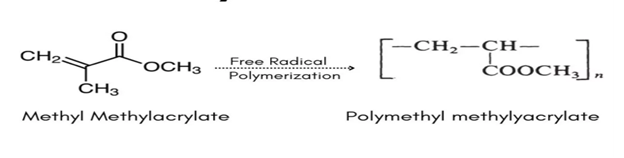
アクリルは、モノマーであるメタクリル酸メチルの繰り返し単位からなる合成素材である。一般にポリメチルメタクリレート(PMMA)とも呼ばれる。PMMAは、アクリル酸メチル基によって分子レベルで結合されたメタクリル酸メチル分子が数本連なったものです。光が材料を通過する際にほとんど歪みがないため、この光学構造が透明性を高めている。特定の条件下では、PMMAの卓越した光学的透明性はガラスのそれを凌ぐことさえあります。ファイバーは、その軽量性と光学的特質から、透明な商品や用途の最有力候補となっています。

PMMA射出成形

アクリルの種類?

アクリル素材にはさまざまな種類がある。 PMMA射出成形 それぞれに長所と短所がある。 

1.ポリメチルメタクリレート(PMMA):

ポリメチルメタクリレート(PMMA)はアクリルまたはプレキシグラスとも呼ばれ、最も一般的なアクリルの一種です。耐候性、耐衝撃性、光学特性に優れています。

2.ポリ(メタクリル酸メチル-アクリル酸メチル)(PMMA-MA) :

メチルメタクリレートとメチルアクリレートからなるコポリマー組成である。また、PMMAの特徴に加え、柔軟性と耐衝撃性が向上している。

3. PMMA-EA:

アクリル酸エチルモノマーを導入した共重合体のひとつで、PMMA-MAと非常によく似ている。柔軟性に加え、衝撃耐久性が高いことで知られている。 

4.PMMA-BA(ポリエチルメチルメタクリレート-co-ブチルアクリレート):

アクリル酸ブチルを含むモノマーであるため、柔軟性、耐衝撃性、耐薬品性が改善され、PMMAの利点を併せ持つコポリマーである。

PMMAの色は?

アクリル酸ブチルを含むモノマーであるため、柔軟性、耐衝撃性、耐薬品性が改善され、PMMAの利点を併せ持つコポリマーである。

PMMAはどのようなものですか?

PMMA」とはポリメチルメタクリレートの略で、無色透明の物質である。しかし、製造工程のどの時点でも、塗料や染料を加えて色を変えることができます。このため、PMMAには透明な白、黒、そしてシースルーと不透明の両方を持つ多くの色合いがあります。

PMMA素材 

PMMA射出成形

PMMA成形は、非常に柔軟なものづくりの方法です。射出成形では、まず材料を高温で溶かし、液状または溶融状態にします。その後、溶けたものを金型に流し込み、圧力をかけながら冷却します。しばらくすると、希望通りの形が出来上がる。高品質のプラスチック部品やサンプルを作るための一般的で効果的な方法の一つは、射出成形PMMAです。


PMMA成形の利点


PMMA射出成形は、他の製造方法と比較して多くの重要な利点があります。ここでは、最も重要な利点を紹介します:

比類なき光学的クラリティ:

PMMAは、一般的に使用される熱可塑性プラスチックの中で最も透明度が高い。非常に見やすいため、メガネレンズや車のコントロールパネル、デジタル機器の画面など、視認性が重要な場所に最適です。

優れた耐薬品性:

PMMAの耐薬品性は非常に高い。酸、アルカリ、アルコールに非常に強い。この特性のため、医療器具や実験器具のようなさまざまな化学薬品にさらされるものに使用することができます。

卓越した耐候性:

PMMA射出成形は、紫外線や雪、雨、高温などの悪天候に非常に強い。そのため、看板や建築部品のような屋外での使用に最適です。

軽量で丈夫:

PMMAの重量対強度比は良好だ。こうすることで、対象物を重くしすぎることなく、必要な強度を与えることができる。このような品質は、航空宇宙や自動車産業にとって非常に重要である。

比較的低い処理温度:

PMMAは、他の熱可塑性プラスチックに比べて低温で製造できる。そのため、製造に必要なエネルギー量を削減でき、より環境に優しい選択肢となる。

デザインとカラーオプションの多様性:

PMMAは、さまざまなデザインニーズに対応するため、さまざまな形状や配置にすることができる。また、カラーバリエーションも豊富で、用途に応じてスタイルを変えることができます。

加工と仕上げの容易さ:

PMMAパーツの成形や研磨が簡単になり、思い通りの床仕上げや機能性が得られます。この機能により、より多くの変更を加えることができるので、最初の成形工程の後に追加する価値があります。

PMMA射出成形品の用途

PMMA射出成形は、そのユニークな特性のため、さまざまなタイプのビジネスにとって貴重な材料です。PMMAで作られた製品の有名な例をいくつかご紹介しましょう:

自動車産業:

テールライト、コントロールパネル、ヘッドライト、テールライトレンズ、その他多くの自動車内装用透明部品。

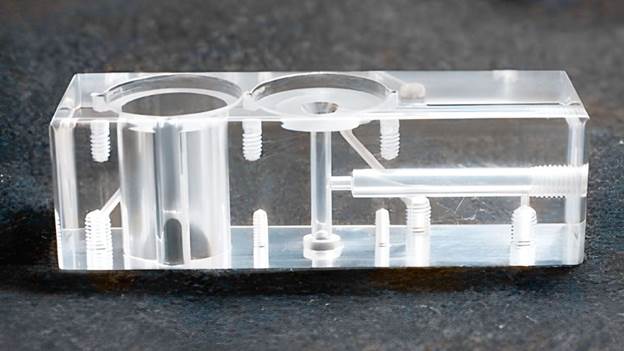
PMMAプラスチック成形

照明業界:

安定した光の広がりを実現するディフューザー、さまざまな照明要件に対応するレンズ、環境に優しい光透過を実現する軽量情報プレート。

医療業界:

これには、診断ツール、医療ツールのハウジング、読み取り可能で耐薬品性が必要な部品などが含まれる。

消費財:

デジタル機器のディスプレイ、電子機器の筐体、家電製品のクリアパーツなど。

建築において:

騒音を遮断するドアや照明のカバー、窓、電話ボックスなどに使用できる。

輸送用途で:

PMMAは自動車、電車、その他の自動車のドアや窓に使用されている。

正しいPMMA射出成形パートナーの選択

良い製品を手に入れ、仕事を成功させたいのであれば、適切なPMMA射出成形会社を選ぶことが非常に重要です。あなたが選択をするとき、ここで心に留めておくべきいくつかの重要なものがあります:

PMMA成形の専門家:

PMMA成形の経験が豊富な会社を選びましょう。彼らは材料の扱い方を熟知しており、成形工程を最適化して最良の結果をもたらします。

品質管理措置:

品質管理システムがしっかりしている会社を探しましょう。これにより、生産全体を通じて一貫した品質が確保され、不良品のリスクが減り、最終製品が高い基準を満たすようになります。

デザインヘルプとプロトタイピング機能:

計画や試作品の作成を支援してくれるパートナーがいることは素晴らしいことです。製品の設計がPMMA射出鋳造プロセスに適合していることを確認するための支援をしてくれます。これは、最終的に時間と費用の両方を節約することになります。

競争力のある価格と納期:

コスト、品質、納期のバランスを見極めることが重要です。お客様のニーズを満たし、品質を犠牲にすることなく競争力のある価格を提供できる、プロジェクトを軌道に乗せるための信頼できるパートナーを見つけるべきです。

バイヤーサービスへの献身:

良いパートナーシップの鍵は、お互いに話し合い、協力し合えることです。PMMA射出成形会社を探す際には、オープンなコミュニケーションを重視し、柔軟性があり、プロジェクト全体を通して素晴らしい顧客サービスを提供することを約束する会社であることを確認してください。

PMMA射出成形に関するその他の懸念事項

PMMAの射出成形には多くの利点がありますが、ここでさらに考えていただきたいことがあります:

部品の厚さ:

PMMAは肉厚が厚くなるにつれて抵抗力が低下します。必要な肉厚を考慮しながら、エネルギーと性能の両面で最適な設計を実現するために、PMMA射出成形会社と協力することが重要です。

表面仕上げ:

PMMAは素晴らしい床仕上げをすることができますが、光沢のある仕上げをするには、研磨などの後処理が必要になるかもしれません。研磨のような後処理が必要になるかもしれません。パートナーに会って、可能なフロア・エンド・オプションについて話し合い、用途に応じた最善の方法を考えましょう。

素材の選択:

PMMAは柔軟な素材です。しかし、熱可塑性プラスチックの種類は、異なるニーズを持つ異なる用途のためにうまく機能するかもしれません。あなたのプロジェクトに他の材料が適している場合、PMMA射出成形のパートナーはそれらを提案することができるはずです。

持続可能性への配慮:

PMMAは丈夫で長持ちするので、良い選択かもしれません。うまく作られたPMMA製品は何年も使えるので、頻繁に買い替える必要はありません。すでに述べたように、PMMAは比較的低温で加工できるという事実も、製造に必要なエネルギーの削減に役立っている。

PMMA成形部品

PMMA成形のニーズはPlasticmold.netにお任せください。

PMMA射出成形会社をお探しですか?Plasticmold.netは一流のPMMA成形品です。私たちはPMMAを扱う多くの経験と、ユニークな結果を得るためにそのユニークな特性を使用する知識を持っています。私たちの勤勉な専門家チームは、最初のデザインのアイデアを思いつくことから、すべてが完璧であることを確認するまでのすべてのステップであなたと一緒にいます。

これがプラスチックモールドネットの特徴だ:

品質への強いこだわり:

品質管理は、製造工程の各段階で非常に重要です。このようにして、お客様のPMMA射出成形部品が最高の品質基準を満たすようにしています。

専門知識と最先端技術:

私たちは最先端のツールを使用し、PMMA射出成形をお客様のニーズに最適なものにするための知識を持っています。

デザインとプロトタイピングのお手伝い:

私たちのチームは、製品のデザインを改善し、生産に移行しやすいようにサンプルを作成するお手伝いをいたします。

競争力のある価格と納期厳守:

リーズナブルな価格で、お客様のご要望にお応えできるよう努力しております。

優れたカスタマーサービス:

お客様との良好な関係を築くことは、私たちにとって重要です。私たちは親切なカスタマーサービスとオープンなコミュニケーションを提供します。

結論

PMMAプラスチック射出成形 は、最高の透明度、耐薬品性、耐候性、デザインの柔軟性を提供します。そのため、多くのビジネスに最適です。Plasticmold.netと提携することで、企業は熟練した信頼できる企業にアクセスすることができます。これらの企業は、デザインやプロトタイピングだけでなく、競争力のある価格と優れた顧客サービスの助けを得ることができます。Plasticmold.netでは、看板、医療機器、自動車部品、ショッピング用品など、どのようなプロジェクトでもカスタムメイドの選択が可能です。PMMA鋳造は、今日の厳しい市場で成功するために必要な透明性と品質を提供します。

PMMA射出成形をビジネスに活用する準備はできていますか?

信頼できるPMMA成形会社をお探しなら、Plasticmold.netをお勧めします。あなたのプロジェクトのニーズについて話し合い、最適なPMMAの選択と全工程の情報を提供します。あなたのPMMAベースの製品アイデアを実現する方法をお教えします。

よくある質問

Q.Plasticmold.netはどのようにしてPMMA成形の高品質を確保しているのですか?

アンズ Plasticmold.netは、材料の選択、成形パラメータの最適化、および検査プロトコルとともに、製造工程の各段階で厳格な品質管理措置によって高品質を保証します。

Q.PMMA射出成形金型をPlasticmold.netと提携するメリットは何ですか?

アンズ Plasticmold.netと提携することで、集中的な専門知識、優れた専門知識、設計と試作品の支援、積極的な価格設定、適切なタイミングでの供給、独特の顧客サポートなどの利点が得られます。

Q.どうすればPlasticmold.netでPMMAを始められますか?     

アンズ Plasticmold.netを利用するには、プロジェクトのニーズを話し、専門的なアドバイスを受け、最初のデザインアイデアから最終的な生産まで、彼らのチームと協力する必要があります。

Q.PMMA金型の限界は何ですか?

アンズ PMMA射出成形は、特に厚い部分において、耐衝撃性という点で限界があるかもしれない。エネルギーと性能を最適化するには、慎重な設計と材料の選択が不可欠です。

Q.PMMA射出成形品は一般的にどのような業界で使用されていますか?

アンズ 自動車、照明、医療、店舗用品、看板などの業界では、PMMA射出成形品が一般的に使用されているが、その理由はその独特の可読性、エネルギー、耐候性にある。

Q.PMMA射出成形の環境面でのメリットは何ですか?

アンズ PMMA成形は、耐久性、長寿命、生産時のエネルギー使用量の削減など、環境面でもメリットがあります。これは、ゴミや資源の使用を削減することで、持続可能性に役立ちます。