
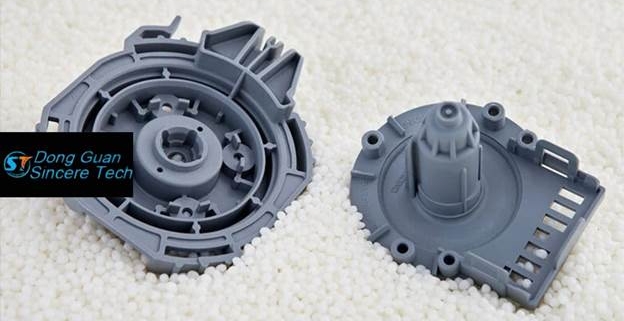
De productie van spuitgegoten onderdelen is een belangrijk onderdeel van de hedendaagse industrie. Spuitgieten wordt gebruikt om veel van de producten om ons heen te maken. Dit is een proces dat helpt bij de productie van sterke en nauwkeurige onderdelen. Dit zijn onderdelen die hun toepassing vinden op tal van gebieden. De kwaliteit van de gevraagde spuitgietproducten neemt jaarlijks toe.
De reden achter het brede gebruik van kunststof spuitgietonderdelen is dat ze duurzaam en zuinig zijn. Ze stellen bedrijven in staat om grote aantallen producten met dezelfde vorm te maken. Complexe ontwerpen werken ook goed in dit proces. Ondertussen zijn de spuitgietonderdelen belangrijk bij het vormen van deze producten. Het proces kan niet goed verlopen zonder de juiste matrijsonderdelen.
De populariteit van spuitgieten is te danken aan het feit dat het tijdbesparend is. Het vermindert ook afval. De methode maakt kortcyclische productie mogelijk. Dit is iets wat een aantal industrieën niet kunnen missen.
Kunststof Spuitgieten: Wat is kunststof spuitgieten?
Kunststof spuitgieten verwijst naar een productieproces. Met behulp hiervan worden plastic producten in grote hoeveelheden geproduceerd. Het is ook een snelle en betrouwbare procedure. Het kan worden gebruikt om in alle gevallen onderdelen met dezelfde vorm en grootte te maken.
In dit proces wordt plastic materiaal eerst verhit. Het plastic wordt zacht en smelt. Het vloeibare plastic wordt dan in een mal geplaatst. De mal heeft een specifieke vorm. Wanneer het plastic afkoelt, wordt het vast. Dit hele onderdeel wordt uit de mal gehaald.
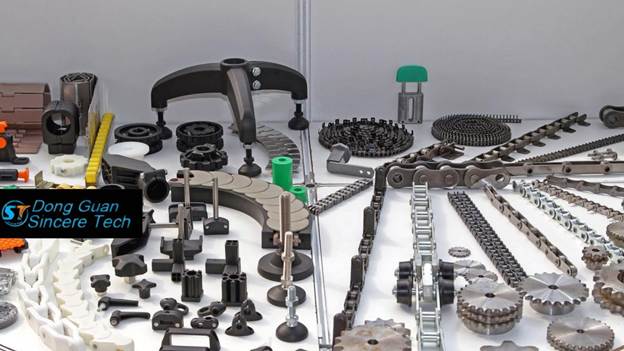
Kunststof spuitgieten wordt gebruikt om eenvoudige en complexe producten te maken. Het maakt een hoge nauwkeurigheid mogelijk. Het vermindert ook materiaalverspilling. De reden hiervoor is dat het populair is omdat er minder tijd en geld verspild wordt.
Tabel 1: Onderdelen voor spuitgietmatrijzen
| Vormcomponent | Typisch materiaal | Tolerantie | Afwerking oppervlak | Typische levenscyclus | Functie |
| Kern & holte | Gehard staal / aluminium | ±0,01-0,03 mm | Ra 0,2-0,8 μm | >1 miljoen opnamen | Vormen interne en externe kenmerken |
| Loper | Staal / aluminium | ±0,02 mm | Ra 0,4-0,6 μm | >500.000 opnamen | Kanalen gesmolten kunststof naar de holte |
| Poort | Staal / aluminium | ±0,01 mm | Ra 0,2-0,5 μm | >500.000 opnamen | Controleert het binnendringen van plastic in de holte |
| Koelkanalen | Koper / Staal | ±0,05 mm | Ra 0,4-0,6 μm | Doorlopend | Verwijdert warmte efficiënt |
| Uitwerppennen | Gehard staal | ±0,005 mm | Ra 0,3-0,5 μm | >1 miljoen opnamen | Werpt afgewerkte onderdelen zonder schade uit |
| Ontluchtingssleuven | Staal / aluminium | ±0,01 mm | Ra 0,2-0,4 μm | Doorlopend | Laat opgesloten lucht ontsnappen tijdens injectie |
Het spuitgietproces kennen
Een gecontroleerde en nauwkeurige productiemethode is de spuitgiettechnologie. Ze worden toegepast bij de productie van kunststof onderdelen met een hoge nauwkeurigheid. Het is een functionele procedure die in stappen verloopt. Elke stap heeft een aantal parameters en numerieke waarden.
Selectie en voorbereiding van materialen
Het begint met plastic grondstoffen. Dit wordt meestal verpakt in de vorm van pellets of in de vorm van korrels. Dit materiaal is meestal ABS, polypropyleen, polyethyleen en nylon.
- Korrelgrootte: 2-5 mm
- Natte inhoud vóór het drogen: 0.02% -0.05%
- Droogtemperatuur: 80°C-120°C
- Droogtijd: 2-4 uur
Goed drogen is essentieel. Bubbels en oppervlaktedefecten van gegoten onderdelen kunnen worden veroorzaakt door vocht.
Smelten en plastificeren
De plastic korrels worden gedroogd en in de spuitgieten machine. Ze gaan door een schroef die ronddraait en door een heet vat.
- Temperatuurzones van het vat: 180°C-300°C
- Schroefsnelheid: 50-300 RPM
- Schroefcompressieverhouding: 2.5:1 -3.5:1.
Het plastic wordt gesmolten door de schroef te draaien. De substantie verandert in een homogene vloeibare massa. Zelfs het smelten zorgt voor consistentie van de component.
Injectiefase
Na het smelten wordt het plastic in de vormholte geduwd. De mal wordt met grote druk op een snelle en regelmatige manier gevuld.
- Injectiedruk: 800-2000 bar
- Injectiesnelheid: 50-300 mm/s
- Injectietijd: 0,5-5 seconden
Er wordt geen gebruik gemaakt van korte shots en flash dankzij de juiste drukregeling. Het is de bedoeling om de hele mal te vullen voordat de kunststof begint af te koelen.
Verpakkings- en opslagfase
De mal wordt gevuld en er wordt druk uitgeoefend op de mal. Dit is om het krimpen van het materiaal bij kamertemperatuur tegen te gaan.
- Laaddruk: 30-70 procent stroom van injectie.
- Houdbaarheid: 5-30 seconden
- Typische krimpsnelheid: 0,5%-2,0%
Dit proces verhoogt de concentratie en afmeting van de onderdelen. Het vermindert ook interne stents.
Koelen
Spuitgieten is het proces waarbij de koeltijd het langst duurt. De kunststofsubstantie wordt dan hard en smelt.
- Vormtemperatuur: 20°C-80°C
- Afkoeltijd: 10-60 seconden
- Warmteoverdrachtefficiëntie: 60%-80%
Warmte wordt afgevoerd door koelkanalen in de mal. Een goede koeling voorkomt kromtrekken en defecten aan het oppervlak.
Vorm openen en uitwerpen
Na afkoeling gaat de mal open. Een deel dat voltooid is, wordt verwijderd met uitwerppennen of -platen.
- Openingssnelheid van de mal: 50-200 mm/s
- Uitwerpkracht: 5-50 kN
- Uitwerptijd: 1-5 seconden
Uitwerpen: Zorgvuldig uitwerpen beschadigt de onderdelen niet. Het sluiten van de matrijs begint dan met de volgende cyclus.
Cyclustijd en productie-output
De totale cyclustijd is afhankelijk van de grootte van de onderdelen en het materiaal.
- Gemiddelde cyclustijd: 20-90 seconden
- Uitvoersnelheid: 40 -180 deeltjes/uur.
- Machineklemkracht: 50-4000 ton
Kortere cyclustijden zullen de productiviteit verhogen. De kwaliteit moet echter constant worden gehandhaafd.
Bewaking en controle van proces
In moderne machines worden sensoren en automatisering gebruikt. Druk, debiet en temperatuur worden door deze systemen gecontroleerd.
- Temperatuurbestendigheid: ±1°C
- Druktolerantie: ±5 bar
- Nauwkeurigheid van de afmetingen: ±0,02 mm
Een constante kwaliteit wordt gegarandeerd door het proces te bewaken. Het vermindert ook uitval en stilstand.
Belang van bestanddelen van schimmel
Spuitgieten is afhankelijk van de onderdelen van de matrijs. Elk van de elementen van de matrijs speelt een rol. Dit zijn het vormen, koelen en uitwerpen.
De kunststof spuitgieten Onderdelen worden als succesvol beschouwd afhankelijk van het juiste ontwerp van de matrijs. Een slechte matrijs kan defecten veroorzaken. Deze defecten zijn onder andere scheuren en ongebalanceerde oppervlakken. Onderdelen die door spuitgieten zijn gemaakt, helpen daarentegen om nauwkeurigheid te garanderen. Ze zorgen er ook voor dat ze in goede cycli gaan.
Er worden hoogwaardige trekonderdelen gegoten. Ze verlagen ook de onderhoudskosten. Dit maakt hem effectiever en betrouwbaarder.
Technische informatie over gietvormonderdelen
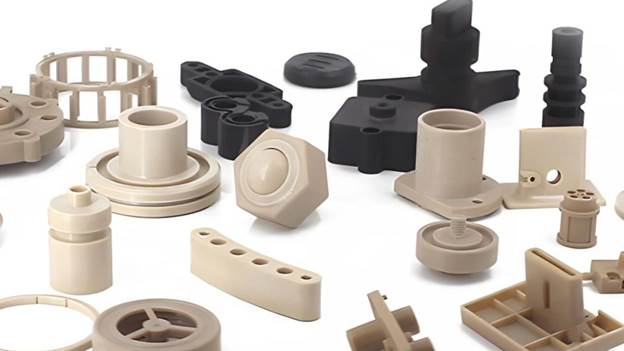
Matrijscomponenten zijn de belangrijkste elementen van het spuitgietsysteem. Ze bepalen de vorm, nauwkeurigheid, sterkte en kwaliteit van het oppervlak. Zonder goed ontworpen matrijsonderdelen is een stabiele productie onmogelijk.
Kern en holte
De kern en de holte bepalen de uiteindelijke vorm van het product. Het buitenoppervlak bestaat uit de holte. De kern vormt de interne kenmerken.
- Maattolerantie: ±0,01-0,03 mm
- Afwerking oppervlak: Ra 0,2-0,8 µm
- Typische staalhardheid: 48-62 HRC
De precisie in de kern en holte is hoog, waardoor defecten tot een minimum worden beperkt. Het verbetert ook de uniformiteit van de onderdelen.
Hardloopsysteem
Het runnersysteem leidt de gesmolten kunststof van het injectiepistool naar de holte. Het heeft invloed op de stromingsbalans en de vulsnelheid.
- Diameter loper: 2-8 mm
- Stroomsnelheid: 0,2-1,0 m/s
- Limiet drukverlies: ≤10%
Materiaalafval wordt verminderd door een goed runnerontwerp. Het heeft ook een gelijkmatige vulling.
Poortontwerp
De gate regelt de stroom van kunststof in de caviteit. De kwaliteit van het werkstuk hangt af van de grootte en het type van de gate.
- Dikte poort: 50 -80 van de dikte van het onderdeel.
- Breedte poort: 1-6 mm
- Limiet afschuifsnelheid: <100,000 s-¹
Het ontwerp met de rechterpoort elimineert laslijnen en brandvlekken.
Koelsysteem
Koelsporen worden gebruikt om de matrijs af te koelen. Dit systeem heeft een directe invloed op de cyclustijd en de stabiliteit van de onderdelen.
- Diameter koelkanaal: 6-12 mm
- Afstand van het kanaal tot de holte: 10-15 mm.
- Maximaal toegestaan temperatuurverschil: < 5 °C.
Gemakkelijk koelen verbetert de maatnauwkeurigheid. Het verkort ook de productietijd.
Uitwerpsysteem
Na afkoeling wordt het onderdeel uitgeworpen in het uitwerpsysteem. Het moet evenveel kracht uitoefenen om schade te voorkomen.
- Diameter uitwerppen: 2-10 mm
- Uitwerpkracht per pin: 200-1500 N
- Lengte uitwerpslag: 5-50 mm
Gelijkmatig uitwerpen voorkomt scheuren en vervorming.
Ontluchtingssysteem
De lucht kan worden ingesloten en ontsnappen via ventilatieopeningen tijdens het injecteren. Brandwonden en onvolledig vullen worden veroorzaakt door slechte ontluchting.
- Diepte ontluchting: 0,02-0,05 mm
- Ventilatiebreedte: 3-6 mm
- Maximale luchtdruk: <0,1 MPa
Voldoende ventilatie verbetert de kwaliteit van oppervlakken en de levensduur van schimmels.
Basis en uitlijningsonderdelen Vormbasis
De basis van de mal draagt alle onderdelen. Voor een goede uitlijning worden bussen en geleidepennen gebruikt.
- Geleidepen tolerantie: ±0,005 mm
- Vlakheid van de malbasis: ≤0,02 mm
- Levenscyclus afstemming: meer dan 1M opnamen.
Een hoge uitlijning vermindert slijtage en knipperen.
Tabel 2: Belangrijkste procesparameters
| Parameter | Aanbevolen bereik | Eenheid | Beschrijving | Typische waarde | Opmerkingen |
| Temperatuur van de loop | 180-300 | °C | Er wordt hitte toegepast om het plastic te smelten | 220-260 | Afhankelijk van het materiaaltype |
| Injectiedruk | 800-2000 | bar | Druk om gesmolten kunststof in de mal te duwen | 1000 | Aanpassen voor onderdeelgrootte en complexiteit |
| Schimmel Temperatuur | 20-120 | °C | Temperatuur wordt gehandhaafd voor goede koeling | 60-90 | Hoger voor technische kunststoffen |
| Koeltijd | 10-60 | seconden | Tijd om het plastic te laten stollen | 25-35 | Afhankelijk van wanddikte |
| Cyclustijd | 20-90 | seconden | Totale tijd per spuitgietcyclus | 30-50 | Inclusief inspuiten, verpakken en koelen |
| Uitwerpkracht | 5-50 | kN | Kracht om onderdeel uit de mal te halen | 15-30 | Moet schade aan onderdelen voorkomen |
Grondstoffen Spuitgieten
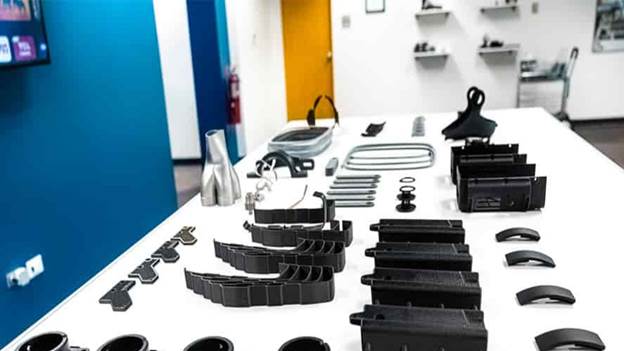
Materiaalselectie is erg belangrijk. Het beïnvloedt de kwaliteit, stabiliteit, vooruitzichten en prijs van het eindproduct. De juiste kunststof selecteren is noodzakelijk om te garanderen dat de onderdelen werken en goed worden geprint.
Thermoplastische materialen
De meest gebruikte materialen zijn thermoplasten omdat ze gesmolten en meerdere keren hergebruikt kunnen worden. Er wordt veel gebruik gemaakt van ABS, polypropyleen, polyethyleen en polystyreen. ABS is slagvast en sterk en smelt bij 200 tot 240 °C. Polypropyleen smelt bij temperaturen van 160 °C of 170 °C; het is licht in gewicht en bestand tegen chemicaliën. Polyethyleen heeft een smeltpunt van 120 °C tot 180 °C en is geschikt voor vochtbestendige producten.
Technische kunststoffen
Onderdelen met hoge sterkte of hittebestendige onderdelen worden gemaakt met technische kunststoffen zoals Nylon, Polycarbonaat (PC) en POM. Nylon smelt bij 220 °C -265 °C en wordt toegepast in tandwielen en mechanische onderdelen. Polycarbonaat is een sterk en transparant polymeer dat smelt bij 260 °C tot 300 °C. POM heeft een smelttemperatuur van 165 °C tot 175 °C en is nauwkeurig in onderdelen.
Thermohardende kunststoffen
Thermohardende kunststoffen zijn na het gieten moeilijk opnieuw te smelten omdat ze permanent uitharden. Ze smelten bij 150 °C-200 °C en worden gebruikt in toepassingen bij hoge temperaturen, zoals elektrische onderdelen.
Toevoegingen en vulstoffen
Materialen worden versterkt door additieven. Glasvezels (10% -40 procent) zorgen voor extra sterkte, minerale vulstoffen (5%-30 procent) verminderen krimp en UV-stabilisator (0,1-1 procent) beschermt tegen de zon. Deze ondersteunende componenten gaan langer mee en werken beter.
Vereisten voor materiaalselectie
De materiaalselectie wordt bepaald door factoren zoals temperatuur, sterkte, chemische confrontatie, vochtigheid en kosten. Een juiste selectie zal resulteren in duurzame, nauwkeurige en kwaliteitsproducten en minder fouten en afval.
Tabel 3: Materiaaleigenschappen
| Materiaal | Smelttemp (°C) | Vormtemp (°C) | Injectiedruk (bar) | Treksterkte (MPa) | Krimp (%) |
| ABS | 220-240 | 60-80 | 900-1500 | 40-50 | 0.5-0.7 |
| Polypropyleen (PP) | 160-170 | 40-70 | 800-1200 | 30-35 | 1.0-1.5 |
| Polyethyleen (PE) | 120-180 | 20-50 | 700-1200 | 20-30 | 1.5-2.0 |
| Polystyreen (PS) | 180-240 | 50-70 | 800-1200 | 30-45 | 0.5-1.0 |
| Nylon (PA) | 220-265 | 80-100 | 1200-2000 | 60-80 | 1.5-2.0 |
| Polycarbonaat (PC) | 260-300 | 90-120 | 1300-2000 | 60-70 | 0.5-1.0 |
| POM (acetaal) | 165-175 | 60-80 | 900-1500 | 60-70 | 1.0-1.5 |
Onderdelen die worden vervaardigd volgens het kunststof spuitgietproces
Kunststof spuitgieten is een proces waarmee een groot aantal onderdelen wordt gemaakt die toepasbaar zijn in verschillende sectoren. Het proces is nauwkeurig, duurzaam en kan in grote volumes worden geproduceerd. Hieronder staan voorbeelden van typische onderdelen die op deze manier worden geproduceerd.
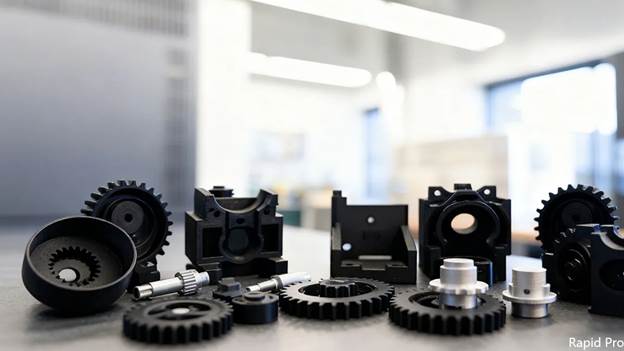
Auto-onderdelen
- Dashboards
- Bumpers
- Ventilatieopeningen
- Deurpanelen
- Versnellingspookknoppen
- Onderdelen brandstofsysteem
- Sierlijsten interieur
Medische onderdelen
- Spuiten
- Slangaansluitingen
- Chirurgische instrumenten
- IV-componenten
- Behuizingen voor medische hulpmiddelen
- Medische wegwerphulpmiddelen
Elektronica-onderdelen
- Behuizingen voor apparaten
- Schakelaars en knoppen
- Kabelklemmen en draadhouders
- Connectoren en stekkers
- Toetsenbordtoetsen
- Behuizingen voor printplaten
Verpakkingsproducten
- Flessen en potten
- Flessendoppen en -sluitingen
- Voedselcontainers
- Houders voor cosmetica
- Deksels en afdichtingen
- Opbergdozen
Consumentengoederen en industriële goederen
- Speelgoed en beeldjes
- Huishoudelijk gereedschap
- Onderdelen van het apparaat
- Hulpstukken voor de bouw
- Nauwkeurige clips en bevestigingsmiddelen.
- Industriële machineonderdelen
Ontwerp en precisie
Het ontwerp levert een belangrijke bijdrage aan succes. Een effectieve mal verbetert de kwaliteit van een product. Het minimaliseert ook fouten tijdens de productie.
De onderdelen van het proces van kunststof spuitgieten vereisen strikte afmetingen. Kleine foutjes kunnen de prestaties beïnvloeden. Daarom worden de spuitgietonderdelen ontworpen met nauwe toleranties. Bij het ontwerp wordt vaak geavanceerde software gebruikt.
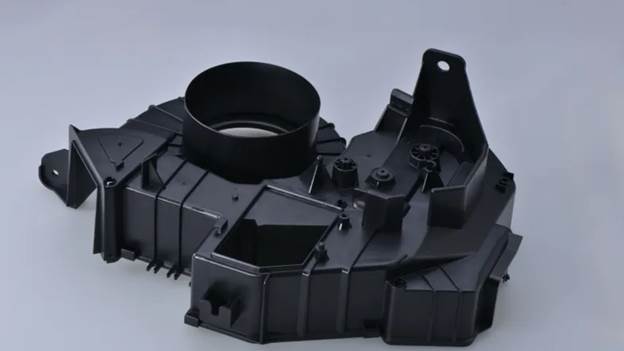
Sterkte wordt ook versterkt door een goed ontwerp. Het ziet er beter uit. Het garandeert een superieure passing in eindverbindingen.
Industriële toepassingen
Veel industrieën gebruiken ook spuitgieten, wat snel, precies en voordelig is. Het maakt massaproductie van identieke onderdelen met zeer hoge precisie mogelijk.
Auto-industrie
In de autosector worden dashboards, bumpers, ventilatieroosters en interieurpanelen gemaakt met kunststof spuitgietonderdelen. Deze onderdelen moeten krachtig, licht en hittebestendig zijn. Dat gebeurt vooral door gieten, waarbij de vormen exact en uniform zijn om veiligheids- en kwaliteitsproblemen te voorkomen.
Medische industrie
In de geneeskunde worden spuiten, slangaansluitingen en chirurgische instrumenten gemaakt door spuitgieten. Er is veel precisie en hygiëne nodig. Met name kunststof spuitgietonderdelen kunnen worden gemaakt van kunststoffen van medische kwaliteit en spuitgietonderdelen kunnen worden gebruikt om nauwkeurigheid en gladheid te garanderen.
Elektronica-industrie
Behuizingen, connectoren, schakelaars en kabelklemmen worden allemaal via spuitgieten geproduceerd in de elektronica-industrie. Kunststof spuitgietonderdelen beveiligen de kwetsbare circuits en de spuitgietonderdelen zijn nodig om de onderdelen perfect te laten passen.
Verpakkingsindustrie
Spuitgieten wordt ook toegepast bij het verpakken van flessen, containers, doppen en sluitingen. De onderdelen van het kunststof spuitgieten worden gebruikt om de vereiste vormen en maten te krijgen, terwijl de onderdelen van het spuitgieten worden gebruikt om in grote hoeveelheden binnen de kortste tijd te produceren door minimale verspilling te creëren.
Andere industrieën
Consumentengoederen, speelgoed, de bouw en de ruimtevaart worden ook geïnjecteerd. Dankzij de flexibiliteit en nauwkeurigheid kan bijna elk kunststof product worden gespoten, of het nu gaat om eenvoudige huishoudelijke of ingewikkelde technische onderdelen.
Kwaliteitscontrole en testen
Bij de productie is kwaliteitscontrole vereist. Alle onderdelen moeten worden gedroogd om aan de ontwerpvereisten te voldoen. Testen is een maatstaf voor veiligheid en prestaties.
De kunststof spuitgietonderdelen worden onderworpen aan visuele en mechanische inspecties. Defecten worden door deze controles in een vroeg stadium ontdekt. Tegelijkertijd wordt de slijtage en schade van de spuitgietonderdelen geïnspecteerd. Frequente inspecties voorkomen productiefouten.
Een goed kwaliteitsbeheer vergroot het vertrouwen van de klant. Het minimaliseert ook verspilling en uitgaven.
Voordelen van spuitgieten
Er zijn heel wat voordelen van spuitgieten. Het maakt een hoge productiesnelheid mogelijk. Het garandeert ook herhaling.
Kunststof spuitgieten onderdelen zijn dynamisch en licht. Ze zijn geschikt voor massaproductie. Ondertussen wordt de automatisering ondersteund door het spuitgieten van de vormdelen. Dit verlaagt de kosten van arbeid en fouten.
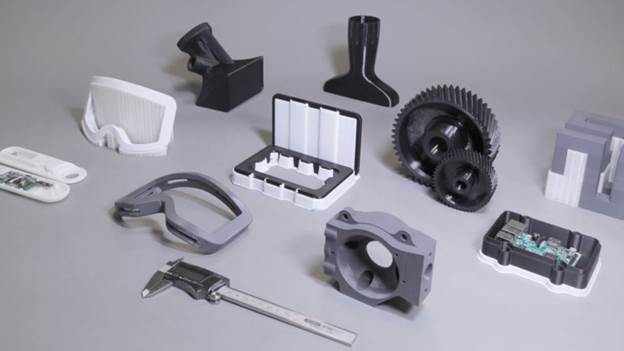
Het proces is ook milieuvriendelijk. Het afvalmateriaal kan opnieuw worden gebruikt. Dit draagt bij aan een beter milieu.
Uitdagingen en oplossingen
Spuitgieten is net als elk proces een uitdaging. Zo zijn er materiaalproblemen en slijtage van matrijzen. Ongunstige omgevingen leiden tot gebreken.
Gebreken aan onderdelen kunnen beoordeeld worden als er niet op de juiste manier wordt omgegaan met “spuitgietonderdelen van kunststof". Deze risico's kunnen geminimaliseerd worden door de juiste training. Tegelijkertijd moeten spuitgietonderdelen regelmatig worden onderhouden. Dit verzekert een lange levensduur.
Moderne technologie zal nuttig zijn bij het aanpakken van veel problemen. De efficiëntie wordt verbeterd door automatisering en monitoring.
De toekomst van spuitgieten
De toekomst van spuitgieten is solide. Er is een ontwikkeling van nieuwe materialen. Smart manufacturing wordt realiteit.
Spuitgietonderdelen van kunststof worden verbeterd. Ze zullen significanter en lichter zijn. Tegelijkertijd worden er betere materialen en coatings toegepast op het spuitgietproduct. Dit zorgt voor een langere levensduur.
De industrie zal nog steeds gekenmerkt worden door innovatie. Concurrerende bedrijven zullen degene zijn die veranderen.
De rol van China
China levert een belangrijke bijdrage aan de spuitgietmarkt in de wereld. Het is een van de grootste producenten van kunststof spuitgietonderdelen en distributeur van spuitgietonderdelen. De productiesector is erg gediversifieerd in het land; er is zowel kleinschalige productie als industriële productie van grote volumes.
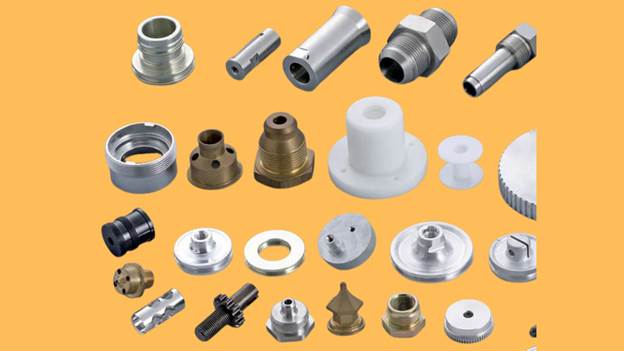
De fabrieken in China hebben zeer nauwkeurige machines en geschoolde arbeidskrachten die worden gebruikt om onderdelen te maken. Veel internationale bedrijven vertrouwen op Chinese fabrikanten omdat ze kosteneffectieve oplossingen bieden zonder aan kwaliteit in te boeten.
Bovendien is China een leider op het gebied van innovatie. Het creëert nieuwe materialen, matrijzen en automatiseringsmethoden om de efficiëntie te verbeteren. Het heeft een goede toeleveringsketen en hoge productiecapaciteit die bijdragen aan zijn status als belangrijke speler in het voldoen aan de wereldwijde vraag naar spuitgegoten producten.
Waarom kiezen voor Sincere Tech
Wij zijn Sincere Tech, en we omgaan met het leveren van hoge kwaliteit kunststof spuitgieten delen en spuitgieten schimmel onderdelen aan onze klanten in verschillende industrieën. Wij hebben jarenlange ervaring en een hartstocht om dingen op de beste manier te doen, vandaar zijn al onze producten van de beste kwaliteit in termen van precisie, duurzaamheid, en prestaties.
We hebben een groep ervaren en gekwalificeerde ingenieurs en technici die kwaliteit en betaalbare oplossingen bieden door de toepassing van moderne machines en nieuwe methoden. We hebben veel aandacht besteed aan alle details, zoals de keuze van het materiaal, het ontwerp van de mallen, etc., zodat we bij elke batch dezelfde kwaliteit leveren.
Klanten kiezen voor Sincere Tech omdat we vertrouwen, professionaliteit en klanttevredenheid waarderen. We werken samen met individuele klanten om hun speciale behoeften te leren kennen en oplossingen te bieden voor hun behoeften. We zijn ook toegewijd aan het concept van tijdige levering, technische ondersteuning en constante verbetering, waardoor we ons onderscheiden in de spuitgietindustrie.
Sincere Tech is het bedrijf waar je uitmuntendheid kunt vinden in kunststof spuitgieten als je kleine, gedetailleerde onderdelen nodig hebt of grote volumes wilt produceren. Bij ons krijgt u niet alleen onderdelen, maar ook een team dat zich inzet voor uw succes en groei.
Ga voor meer informatie over onze diensten en producten naar plas.co en zie waarom wij de juiste keuze zijn voor klanten over de hele wereld.
Conclusie
Spuitgieten is een solide productieproces. Het is de ruggengraat van talrijke industrieën in de wereld. De belangrijkste sterke punten zijn precisie, snelheid en kwaliteit.
Kunststof spuitgietonderdelen zijn nog steeds erg belangrijk in het dagelijks leven. Ze zijn nuttig voor verschillende behoeften, van de eenvoudigste tot de complexe onderdelen. Ondertussen garanderen spuitgietonderdelen de efficiënte productiestroom en hetzelfde resultaat.
Spuitgieten zal alleen blijven toenemen met het juiste ontwerp en onderhoud. Het zal ook een vitaal aspect van moderne productie blijven vormen.


