Custom Plastic Molding: Complete Guide for Modern Manufacturing

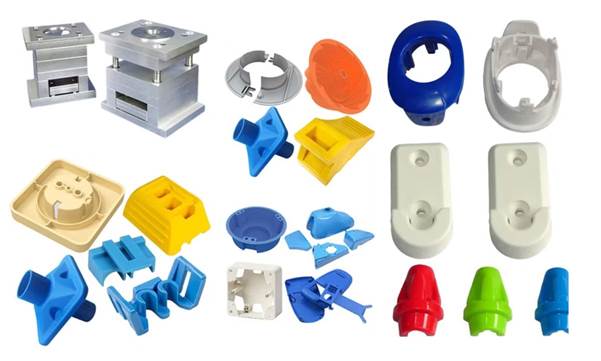
One of the most significant processes of manufacturing that is applied nowadays is custom plastic molding. It assists companies in developing plastic products which are unique according to their needs. It is applied extensively in such industries as automotive, medical, electronics and packaging.

Most businesses are willing to use custom solutions as it is flexible and has higher quality products. Using the assistance of a custom plastic molding company, companies are able to make your ideas come to life. This streamlines the production process and makes it more dependable.

What does Custom Plastic Molding mean?

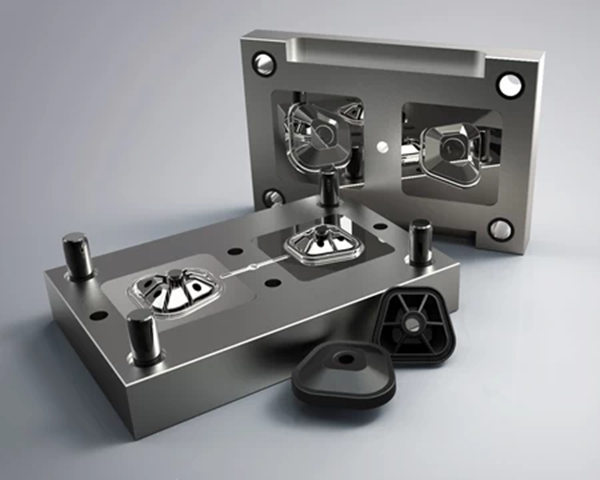
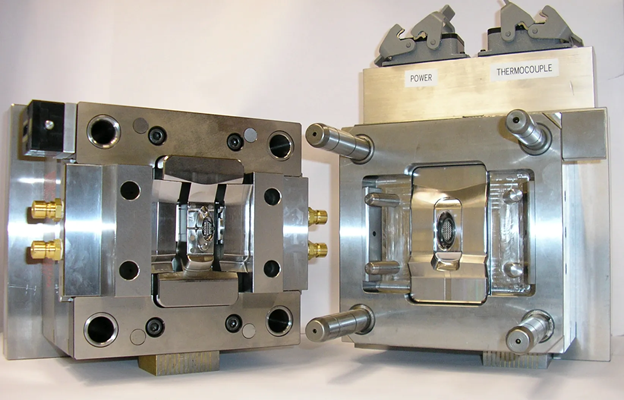
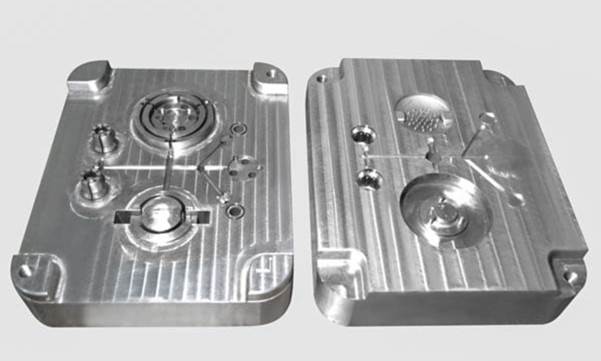
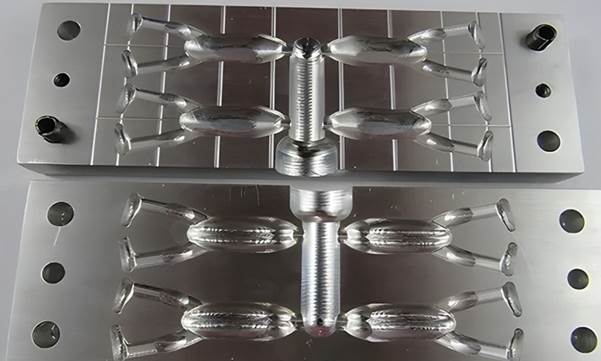
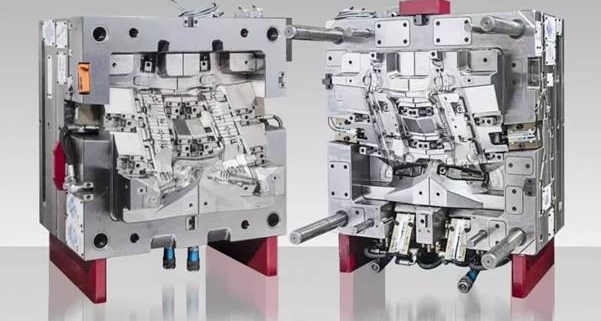
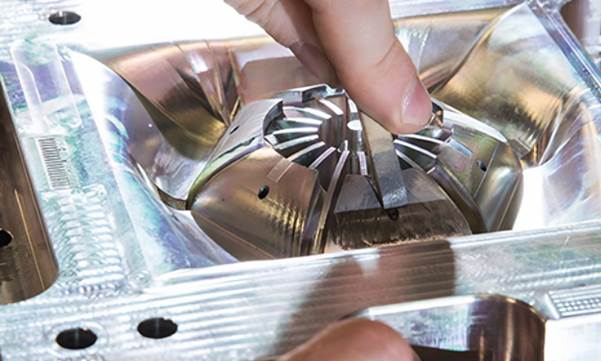
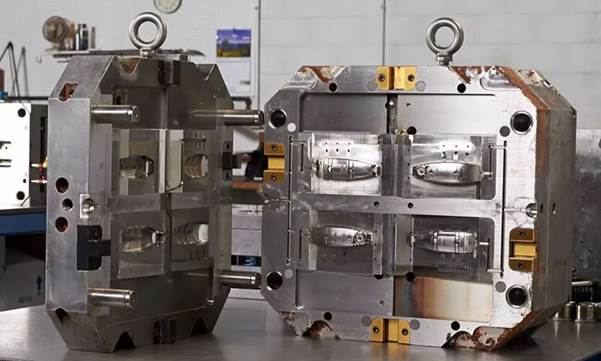
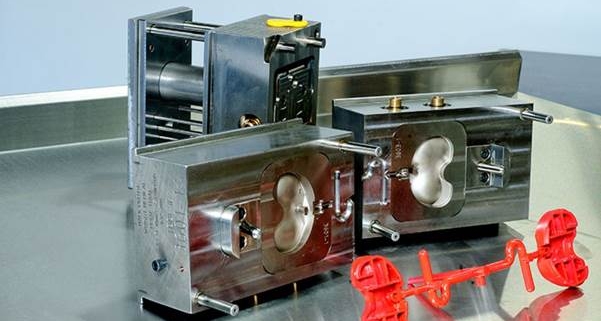
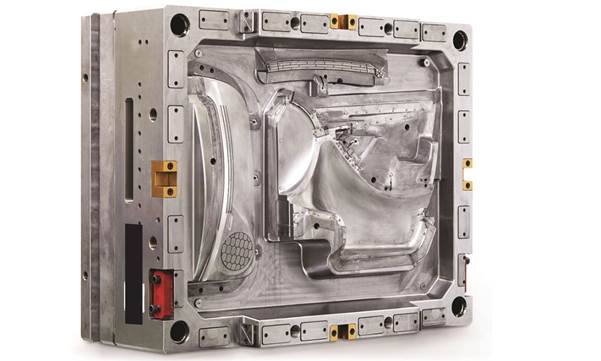
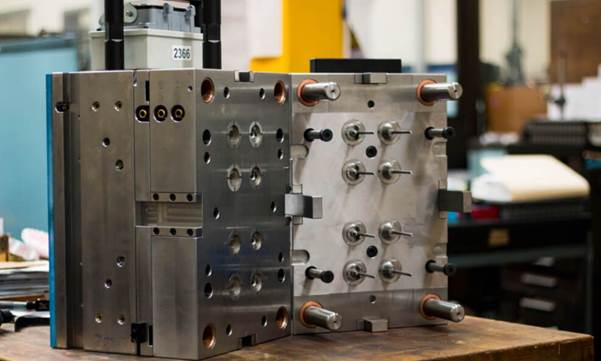
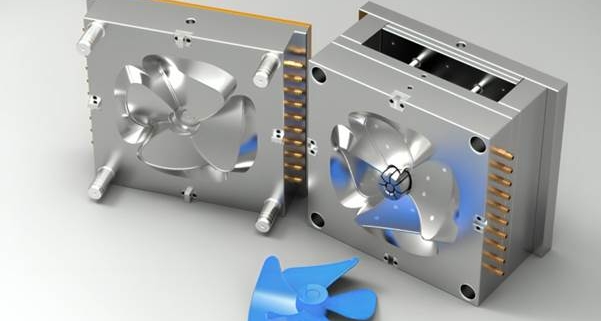
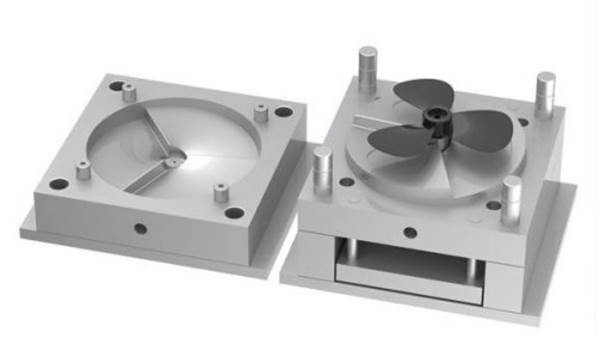
Custom plastic molding involves the use of plastic material, which is molded into a particular design by the use of a mold. The mold is particularly designed depending on the product needs. This will enable manufacturers to come up with distinct and quality products.

Custom molding in comparison to standard molding is geared towards particular designs and functions. A custom plastic mold would be designed in a way that would guarantee accuracy and consistency. This is the reason why it is popular in the current production systems.

How Custom Plastic Molding Works?

Custom plastic molding consists of a series of steps to be followed. All steps are significant in order to achieve high-quality production and the correct results. Being informed about such steps would assist business in planning to prevent some expensive mistakes.

Step 1 Product Design and Planning

The initial one is to design the product in line with certain requirements. The engineers are able to produce a 3D model of the product by use of sophisticated software. This design will contain size, shape and all technicalities. It is important that it is well planned at this stage. An illustrative design will minimize mistakes and create a smooth production. It assists in making a powerful and precise mould as well.

Step 2: Mold Design and Development

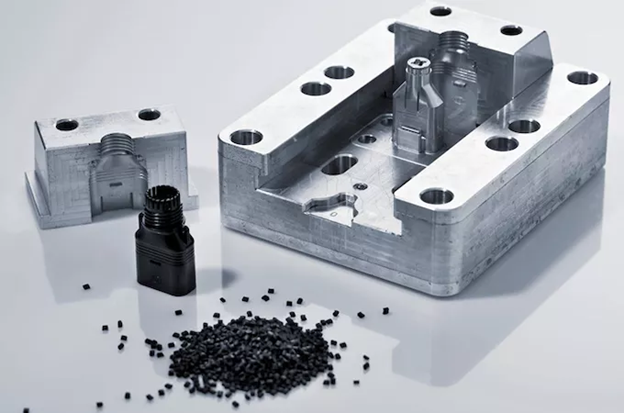
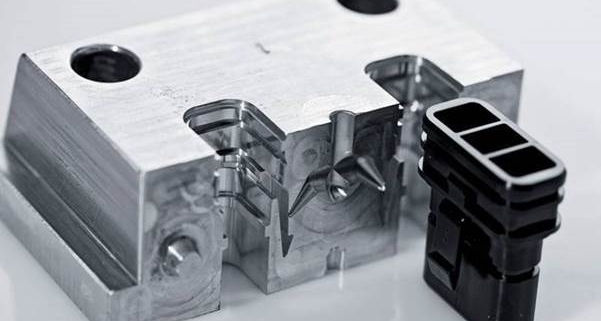
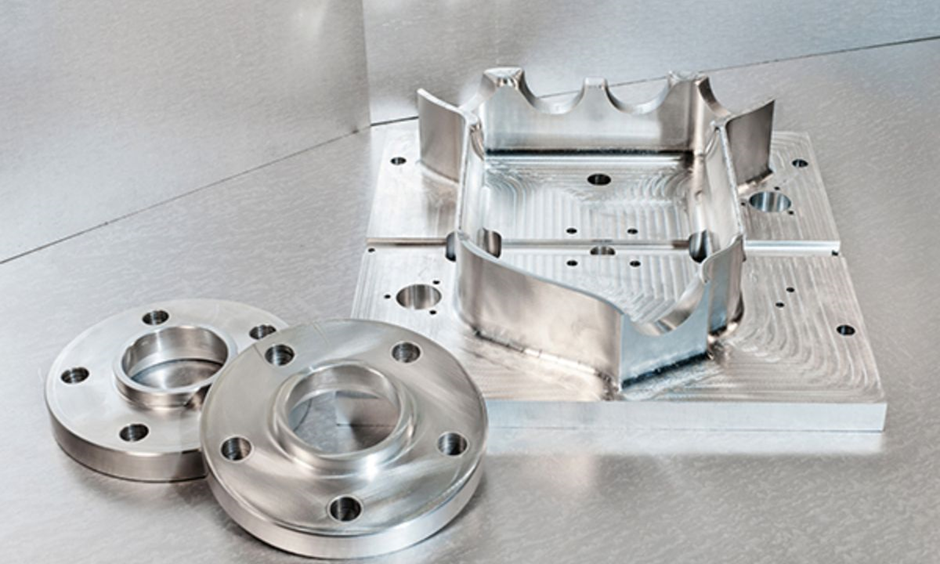
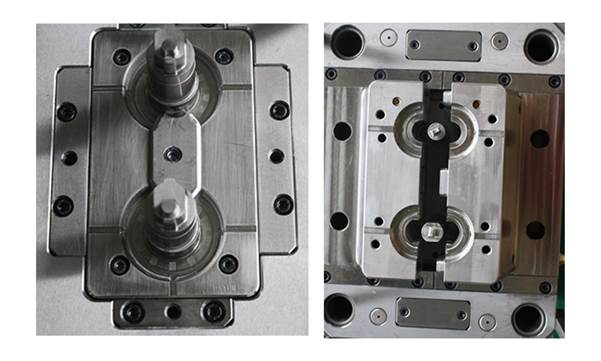
Once the product design has been complete, then the mold design is to be developed. The mold is precisely designed so as to fit perfectly into the shape of the product. The mold is made out of materials such as steel or aluminum. The material selected will be based on the quantity of production and its longevity. A properly designed mold will guarantee uniformity.

Step 3: Mold Manufacturing

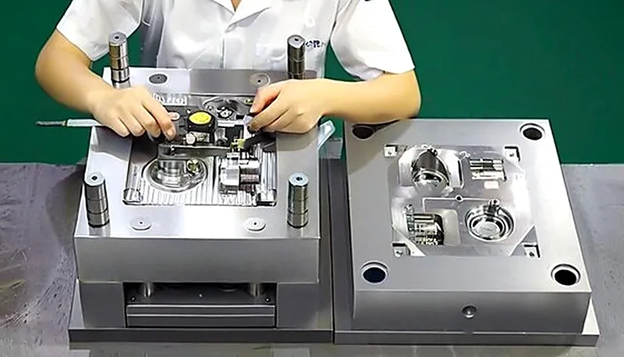
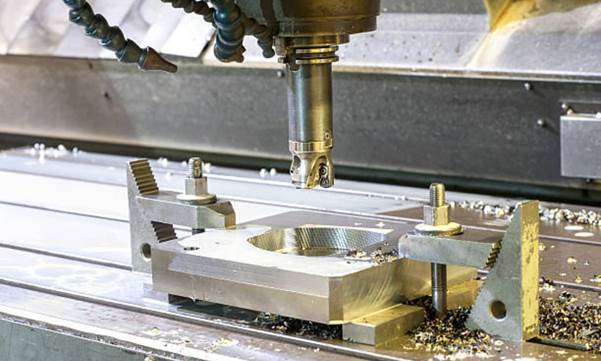
After the design is prepared, the mold is made out of the precision machines. It is very precise as any little error can have an impact on the end product. Post-manufacturing testing of the mold is done to ensure that it is within all specifications. This measure will make sure that the mold is ready to be used in the production.

Step 4: Selecting and preparing the materials

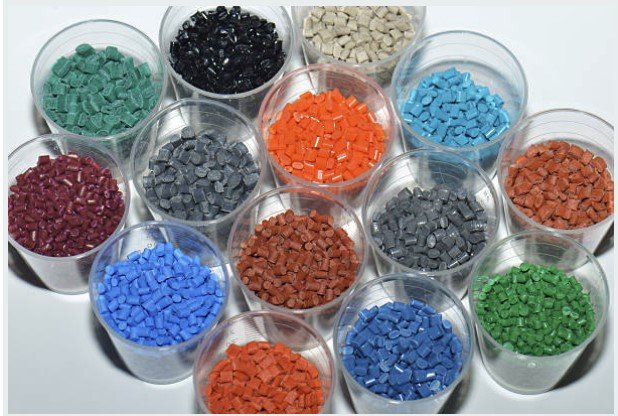
The selection of the appropriate plastic material is extremely crucial. Strength, flexibility and heat resistance are some of the properties of different materials. The plastic chosen is normally in a form of tiny pellets. These pellets are ready and put through the injection molding machine to be processed.

Step 5: Melted and Injection

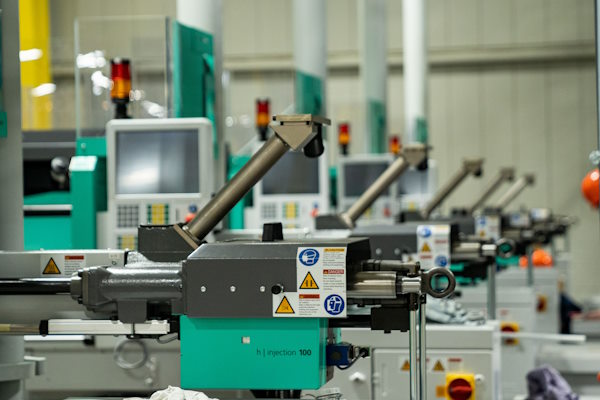
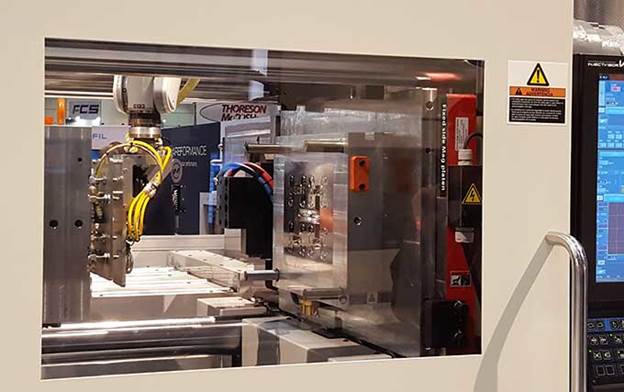
The plastic pellets are heated in the machine until they melt to the form of a liquid. High pressure is then applied to high pressure injection into the mold with this molten plastic. The pressure is high enough to make sure that the material occupies all the components of the mold. This is essential in order to obtain the correct shape and fineness.

Step 6: Cool and Solidify

Following the injection of the molten plastic, it starts cooling in the mold. It solidifies as it cools, and assumes the shape of the cavity of the mold. The time to cool is dependent on the size of the product and the material. They should be cooled properly in order to prevent defects and provide strength of products.

Step 7: Squeezing out the Product

After the material is completely cooled and solidified the mold opens. The end product is then taken away with the help of ejector pins. This should be done with caution so as not to destroy it. The product will not lose its shape or quality, as a result of having a smooth ejection process.

Step 8: Finishing Check and Quality Check

The product can undergo finishing processes after it has been ejected. These also involve the trimming, polishing or surface treatment where necessary. Quality tests are also conducted so as to maintain all the standards of the product. This will ensure that all the pieces are uniform and can be used.

Step 9: Repeat of Production Cycle

After the process has been completed, the process is repeated to move to mass production. The identical products are manufactured with the help of the same mold. This is repeated, making the process quick and economical. It enables manufacturers to come up with large production volumes that are of the same quality.

Types of Custom Plastic Molding Processes

Custom plastic molding has various processes that are applied depending on the nature of the product, material and the production needs. The processes are each with their advantages and are selected depending on complexity of design, cost and volume of production. The knowledge of such techniques assists companies in choosing the most appropriate one.

1.Injection Molding

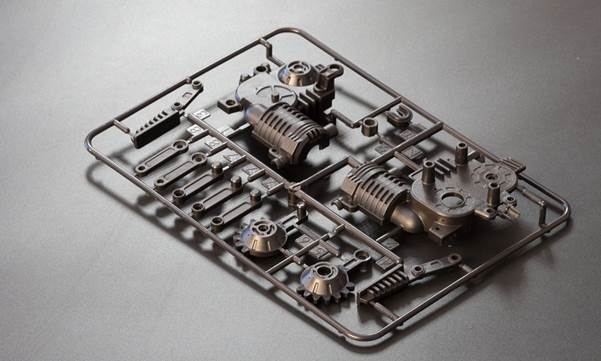
The most popular technique in the production of plastics is injection molding. It is a process of applying high pressure to molten plastic in a mold, to produce finely detailed and precise parts. It is the most suitable way to manufacture more complicated designs and a large production volume. It possesses very high accuracy, reproducibility and surface finish. It is used in high accuracy industries such as automotive, medical and electronics hence its popular use.

2. Blow Molding

Hollow plastic products are the major products made via blow molding. In this, molten plastic is blown into air to create the shape such as bottles and containers. It is very effective in production of light, and homogenous products. This is an affordable technique when producing on a large scale. It is widely applied in the packaging sector in the provision of products like water bottles, storage containers and fuel tanks.

3. Thermoforming

Thermoforming is a low cost and easy to use molding process. It is a technique that uses the heating of plastic sheets and pressing the sheets over a mold to form products. This technique is appropriate in designs that are not very expensive and intricate. It finds extensive application in creation of packaging trays, disposable containers and basic plastic products. Its cost of tooling is low thus it can be used in small production runs.

Benefits of Custom Plastic Molding

Custom plastic molding has numerous benefits to companies. It enables businesses to develop products that suit their very needs. This enhances performance of the products and customer satisfaction. The other significant advantage is the cost efficiency with high production. After designing the mold, then the manufacturing process is quick and inexpensive. An efficient custom plastic molding firm can aid in minimizing waste and enhance efficiency.

Importance of Custom Plastic Mold Design

One of the most important steps of the process is the design of the mold. An effective mold design will guarantee easy production and quality products. The lack of design might translate to flaws and high expenses. Designs are developed by engineers using sophisticated software to come up with perfect designs. The firm and accurate custom plastic mold may be used thousands of times. This renders it a worthy investment to use in the long run.

Raw Materials in Custom Molding of Plastic

The plastic materials are of different types, which are used based on the product needs. Each of the materials possesses some special characteristics including strength, flexibility or heat resistance. The typical materials are ABS, polypropylene, polyethylene and polycarbonate. Such materials are very popular in manufacturing custom molded plastics to the various industries. The correct material should be selected to have a durable product.

Custom plastic Molding Uses

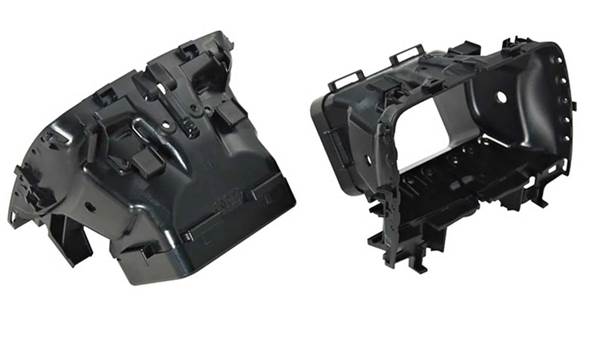
The flexibility and efficiency of custom plastic molding make it applicable in most industries. It assists in developing a variety of products of various shapes and sizes. It is applied in the automotive industry, in dash boards and interior components. It is applied in the medical industry in terms of devices and equipment. A large number of companies are dependent on a custom plastic molding company in order to have a high quality of components.

Custom Plastic Molding with the Small Businesses

Custom plastic molding can also be used among the small businesses. It enables them to produce distinct products and be able to compete in the market. Even small-scale production is cost-effective, with proper planning. With custom molding plastic, businesses are able to come up with new innovative products that address customer needs.

Before selecting a manufacturer, there are factors to be taken into consideration. It is crucial to select an appropriate manufacturer to be successful in production. A good manufacturer is one that is quality, timely and cost conscious. Find experience, technology and customer reviews and then make a choice of a custom plastic molding company. Having a trustworthy partner can mean a lot in the success of the product.

Price of Custom Molding Plastic

Custom plastic molding is a cost that is determined by a number of factors. These are the design of the molds, choice of materials and volume of production. The production cost per unit will be less in large production although the initial cost of developing a custom plastic mold may be high. This will make it a long-term cost-effective solution.

Custom Plastic Molding-Quality Control

It is necessary to have quality control in the production process. It makes sure that all the products are at the standards and specifications required. Testing and inspection are some of the measures that manufacturers employ to uphold quality. Good quality molded plastics are customized which enhances customer trust and minimizes failure of products.

Environmental Effectiveness and Sustainability

In manufacturing, sustainability is an emerging significant aspect. A large number of corporations are currently recycling and making the use of environmentally friendly procedures. Less wastage and use of energy help to sustain the environment. A conscientious custom plastic molding company is oriented on the sustainable production practices.

Typical Problems of Making custom plastic moulds

Although it has its advantages, there exist a few difficulties in making custom plastic moulds. The process can be subject to design errors, problems with the choice of materials and delays in production. These issues may be prevented by collaborating with the professionals. With good planning the production of custom molded plastics will go on smoothly.

Best practices in successful molding projects of custom plastics

The most important thing about a project in molding is planning. It is very important that there are clear design requirements and that there be the appropriate choice of materials. Your manufacturer also makes a great contribution to communication. An expert custom plastic molding firm can help in taking you through the process, and guarantee maximum outcomes.

The way to select the appropriate custom plastic molding company

It is very important to select the appropriate partner in order to be successful in production. A professional manufacturer knows what you need, and provides quality work. In this, experience and technical skills hold a significant role.

Before deciding on something, it is always a good idea to review previous projects and review with the clients. An established custom plastic making firm will help you in designing, through to the final production. This guarantees a well flowing work process and quality products.

Prototyping plays a role in Custom Plastic Molding

Before full production is carried out, prototyping is very crucial. It enables the companies to experiment on the design of their products and correct in case they are required. This is to prevent expensive mistakes in the future. A prototype provides a good understanding of the final product and how it will appear and operate. Through testing at an early stage, companies are in a position to enhance their custom plastic mold design and attain better outcome in production.

Importance of Precision and Accuracy

One of the most crucial issues of plastic molding is precision. Any little mistake in designing can make a difference to the product. This is the reason why they need sophisticated machines and competent workers. Proper production guarantees all the products to be the same. Medical, electronics and other industries that require high precision of the plastics molded need to be of high precision.

Speed and Efficiency of production

The major benefit of this is its rapid production rate. After having prepared the mold, it is possible to make a lot of them within a short period of time. This is what makes it suitable to mass production.

Efficiency assists in lowering the general expenses as well. When done well, molding plastic can provide high volume production but at the same time, produce quality.

Plastic Molding of products- Custom

Custom molding assists companies to develop innovated products. It enables a firm to make distinct shapes and features, which cannot be made using the conventional methods. This is flexible and puts a business at an advantage. The new ideas of products can be developed swiftly and efficiently with the assistance of an experienced custom plastic molding company.

Major Success Factors Necessary over Time

Businesses require being quality-driven, consistent and well planned in order to achieve long-term success. The material and design used is a significant factor in attaining good results. The moulds should also be taken care of regularly, which means an extended life and high performance. A custom plastic mold of high quality which is well maintained can yield thousands of products of high quality without any problems.
Plastic Molding of Custom Products in the various industries

There are various applications of custom plastic molding in various industries. There is a standard of requirement and standards per industry. This renders the process to be very versatile. Custom molded plastics are found everywhere, in the automotive parts, as well as medical devices. This extensive application demonstrates the significance of this process in today manufacturing.

Creating less waste during Plastic Molding

Less wastage is a current day objective of manufacturers. The effective production processes will reduce the amount of loss of materials and enhance sustainability. Recycling of used materials is also a norm. A lot of companies that have been employing the custom molding plastic are now targeting at environmentally friendly solutions to conserve the environment.

Improvement in Product Quality by improving design

The high-quality products are orchestrated by good design. Having a proper design will facilitate a smooth production and minimize defects. The advanced tools and software can be used to enhance accuracy. An aptly made custom plastic mold will also lead to a superior finish, strength and durability.

The future of Custom Plastic Molding

The prospects of custom plastic molding are bright. The procedure is being expedited by new technologies and made more efficient. The automation and smart production are enhancing the quality of production. High-tech custom molding plastic methods are being embraced by many companies, in a bid to remain competitive in the market.

Final Extended Conclusion

Plastic molding is a crucial process in the contemporary manufacturing industry. It allows flexibility, efficiency and creates high quality production to various industries. It is used by businesses to develop individual and trusted products. Companies can get the best results by concentrating on the right design, selection of materials and selecting the appropriate custom plastic molding company. This will not only enhance the quality of the products but also minimize the costs in the long-run.

Even more efficient and sustainable, in the future, will be custom molding plastic with the help of advanced technologies. Companies that embrace such practices will remain competitive and be successful in satisfying the rising market expectations.

FAQs

1. What do you use custom plastic molding?

Unique plastic products are produced through custom plastic molding, which is employed to produce products according to certain designs and needs. It is widely applied in such industries as automotive, medical, packaging and electronics to achieve high quality and precision of components.

2. What kind of molding process is suitable to complex products?

Complex and detail products are the best that should be injection molded. It has a high level of precision, consistency and smooth finishing; thus, it is suitable in an advanced and high-volume production requirement.

3. What does it mean by blow molding and injection molding?

H hollow products such as bottles, containers, etc are made through blow molding. Solid and detailed parts that have complex shapes are molded over injection molding. The two processes have various applications depending on the design of products.

4. Is it costly to custom plastic mold?

The price is determined by the factors such as the shape of mould, material and quantity of production. Although the initial cost may be expensive, it would prove to be cost effective in large production as the cost per unit will reduce.

5. What is the correct molding process that I pick?

The selection of the process is dependent on your product design, type of material and quantity of productions. Being aware of your needs and talking to an expert manufacturer can make them make the most optimal choice.

Hoeveel kost een spuitgietmatrijs? Volledige prijsgids

Knowledge of the cost of an injection mold is highly significant in business and newcomers who would wish to venture into plastic product manufacturing. Many industries use injection molding due to the speed and trustworthiness of injection molding. However, the prices of molds may be baffling to new customers.

Before one embarks on an injection molding project, many people will ask: How much does injection molding cost? The solution varies depending on various criteria such as design, material and volume of production. You will come to know all in easy and simple words in this guide.

Wat is spuitgieten?

Injecting a hot material into a cavity is a production technique of plastic components called injection molding. The mixture is left to dry and it takes the form of the mold. The latter process is common since it provides precise and reproducible results. It finds application especially in the automotive, packaging and electronic industries. A mold needs to be produced prior to production. That is the reason why many people would inquire on how much does a kunststof spuitgietmatrijs cost when they are planning to do a project.

What Does an injection Mold Cost?

It might depend on the project greatly as cost. Generally, the cost of injection mold can be between 1,000 and above 100,000. The molds that are small and simple are less expensive whereas large and complex molds are costly. As an example, a simple mold can be between 1,000-5,000. A medium-level mold may cost $5,000 to $25,000. Molding in the industrial industry can exceed 50 000. That is why it is recommended to comprehend the extent to which injection molding cost is before the start.

Factors That Affect Injection Mold Cost

The amount that a plastic injection mold will cost is determined by a number of factors. All the factors contribute significantly to the end price. Knowing these aspects will assist you to make a more budget-friendly plan. We can consider the factors which have the greatest influence on the cost of a particular injection mold in real projects.

1. Mold Size and Complexity

The cost is dependent on the size of the mold. Large molds require additional material and time to be manufactured. This adds up to the aggregate price. Complex designs are also costly as it makes use of sophisticated tools and labour. Hence, the extent to which injection molding cost may vary depending on the design complexity.

2. Material Used for Mold

Molds are typically produced out of steel or aluminum. Steel molds are tough and have a better life span. They are however pricier than aluminum molds. The molds made of aluminum are less expensive and quicker to make. They are however not applicable towards high production. The decision you make will determine the amount of cost of a plastic injection mold.

3. Production Volume

It also depends on the quantity of parts that you wish to manufacture. The molds need to be strong and durable in order to produce a lot. These are more expensive molds that have a long life. In case of low production, low-cost molds can be used. That is why the cost of an injection mold varies according to your objectives of production.

4. Design and Engineering

A design has to be crafted and tried prior to the creation of a mold. The design and its design are checked by engineers to prevent any mistakes. This will be an additional cost. In case of a complex design, it will be time-consuming and more laborious. This adds to the overall costs of injection molding.

5. Mold Cavities

There may be a cavity or many cavities in a mold. Multi-cavity molds are able to make numerous parts simultaneously. This improves efficiency. They are however, more costly to construct. Therefore, the number of cavities has an influence on the cost of a plastic injection mold too.

What is the Cost of Injection Molding a Part?

Other than the cost of the mold, you should know the cost of production per part. Much of the population would like to have an idea of the cost of injection molding per unit. Smaller, plastic components may be as cheap as a few cents each. Bigger ones will require a couple of dollars. The cost is lower with the increase in the volume of production hence less costly.

Cost Breakdown of injection Molding

In order to grasp the extent of a cost of an injection mold, it is worthwhile to review various elements of the cost. All these are a contribution to the overall price. These expenses consist of tooling, materials, labor and the operation of the machine. All these factors add up to find out the extent to which injection molding will cost in total.

1.Tooling Cost

The largest cost of injection molding is tooling cost. It involves designing and making of the mold. The expensive molds are of high quality, which extend their life. This is the reason why tooling contributes significantly in determining the extent of cost of a plastic injection mold.

2.Material Cost

The cost of materials varies according to the plastic. There are those that are cheap and expensive depending on the properties of the plastics. The selection of the appropriate material can regulate the extent to which an injection mold costs as well as quality of the product.

3.Labor Cost

Staff with expertise is required to design molds and run machines. Their experience provides a smooth running of the process. The cost of labor is a significant aspect of the cost of injection molding of any project.
4.Machine Cost

The cost of acquiring as well as maintaining injection molding machines is high. They also use electricity when working. When determining the cost of a plastic injection mold, as well as the total production cost, these costs are accounted.

Inexpensive vs. Expensive Injection Molds

Inexpensive molds are applicable to smaller projects, and shorter production cycles. They are simple to manufacture, but can be worn out. More durable and better quality results are offered by expensive molds. This is why the amount of money to spend on an injection mold should be regarded as a long-term investment.

Reducing Cost of Injection Mold

It can be done to lower the extent to which injection molding is costly, without compromising quality. Prudent planning will save money. Simple design decisions as well as choosing the appropriate materials could be used to reduce the amount the plastic injection mold would cost.

Simplify Design

The straightforward designs are less complicated and less expensive to manufacture. Don’t use irrelevant information that complicates the matter. This will minimize the cost of an injection mold, as well as accelerate the production.

Select the appropriate Media

It is highly important to choose the appropriate material. It ought to be compatible with your product requirements and costs. This choice impacts performance and the extent to which is injection molding expensive.

Reduce Mold Cavities

Initial cost of mould can be reduced using lesser cavities. Single cavity molds are less expensive and not as difficult to maintain. It is an ideal choice when the quantity of production runs is small, and assists in managing the amount of inquiry a plastic injection mold cost.

Work with Experts

The accomplished manufacturers are able to mentor you to better decisions. They assist in the prevention of expensive errors. The collaboration with professionals will make sure that the amount of money needed by an injection mold does not exceed the budget.

Injection Molding vs. other techniques

A lot of individuals contrast injection molding to other forms of manufacturing. They would also wish to know how much injection molding cost is as compared to the other alternative. Large-scale production is more suitable to injection molding. Although the cost of a plastic injection mold is very expensive, the cost per unit is lowered as time goes by.

Should we Injection Mold?

Businesses which require high production of products are good candidates of injection molding. It is fast, accurate and reliable. The initial cost might be high but knowing how much does an injection mold cost, will aid in making smart decisions.

Veelvoorkomende fouten die je moet vermijden

Numerous inexperienced individuals commit errors which raise the cost of injection molding. With good planning, such errors can be avoided. Some of the common errors made are intricate designs, improper choice of materials and lack of proper planning. Preventing them will lower the cost that a plastic injection mold costs.

Real-Life Cost Examples

Live cases can be used to learn more about the extent to which an injection mold is more cost-effective. The prices are subject to change depending on the size and complexity of project. Small molds may cost $1,000 to $3,000. Medium molds can cost $5,000 to $15,000. Big molds are over 50, 000.

What is the Time Taken to make an injection Mold?

The other significant consideration when discussing how much does an injection mold cost. It is not an immediate process of making a mold. This may require a couple of weeks or even months based on complexities. It can take 2 to 4 weeks to be simple molds. Intricate molds that are elaborately designed may require up to 8 to 12 weeks or more. This time also influences how much does injection molding cost since the longer the project, the more the labor and resources that would be required.

Custom Injection Mold Price

Custom molds are custom made to particular products. The cost of these molds is higher since it entails special designs and design engineering. It is the reason why most people may tend to inquire how much does a plastic injection mold cost a custom project.

Custom molds can range from $5,000 to over $100,000. The cost is determined by size, material and complexity of the design. When developing a custom product then it is quite important to know how much the cost of an injection mold is.

Differences by country in cost

Injection molding is also influenced by the country of manufacture, thus its cost varies. There is a difference in the costs of labor and production in various areas. This directly influences the extent of the cost of injection molding.

As an illustration, the molds produced in China tend to be less expensive as compared to molds produced in the USA or Europe. But quality and communication must also be perceived to determine the extent to which a plastic injection mold costs.

Cost of Prototype vs Production Mold

Testing and low-volume production is done by using prototype molds. They are less expensive, and quicker to manufacture. This assists companies in trying out their concepts prior to the entire production. Molds of production are made to be long-lasting and in large quantity. They cost more, but are more durable. This variation is very important in determining the extent to which an injection mold costs.

The upkeep of Injection Molds

When determining the cost of injection molding many people forget the maintenance calculation. Molds should be regularly cleaned and repaired to work well. The cost of maintenance is dependent on the use and the quality of materials. Careful treatment enhances growth of moulds and minimizes cost in the long run. This too influences the amount of money a plastic injection mold would cost in the long run.

Effect of Design Change on cost

Design modifications have the potential to make a project more expensive. In case of alterations implemented to the mold after the creation, it might have to be reworked or possibly a new mold. This can go a long way in determining the amount of cost of injection mold. This is the reason why one should design the final product prior to starting the production process in order to control the extent to which injection molding is expensive.

Use of Technology in Cost saving

The technology of today is aiding in the cost reduction in manufacturing. The use of advanced software enhances accuracy of designs and minimizes errors. This is beneficial in saving time and money. Production is also speeded up and is more efficient with automation. In most industries, these advancements are gradually lowering how much does a plastic injection mold cost.

Large vs Small Volume Production

The amount of production is also important in determining the cost. Mold cost is diffused among high volume production. This will lower the cost per part. High cost per unit is experienced in low volume production due to the lack of a wide distribution of the mold cost. This is a big consideration in estimating the cost of how much an injection mold cost.

Selecting the proper Manufacturer

It is quite crucial to choose the appropriate manufacturer. An excellent manufacturer is one who offers quality work and assists to manage expenses. This makes sure that results are improved. The knowledgeable manufacturers will be able to advise you regarding the cost of injection molding as well as recommend how to save money. It also aids in controlling the extent of the cost of a plastic injection mold.

Small Business injection Molding cost

High start-up costs are a concern to small businesses. However, the injection molding can be an option as well with appropriate planning. To begin with basic patterns and small amounts of molds may aid in reducing the cost of an injection mold, how much does an injection mold cost? It is now easier to enter the market by small businesses.

Environmental Impact and Cost

Environmentally-friendliness is making its way into the production process. A lot of businesses are currently employing recyclable materials and energy saving machines. Such developments could have minor impacts on how much does injection molding cost, but they contribute to safeguarding the environment. They are also able to minimize the cost of a plastic injection mold, in the long-term, by efficiency.
Trends in Injection Molding in the future

Injection molding is getting enhanced with the help of technology. Labor costs and efficiency are being decreased and increased with automation. The degree to which injection molding cost can be reduced in the future due to improved technology is yet to be determined. Nevertheless, there will always be quality molds that will demand investment.

Laatste gedachten

You now have a clear picture of how much does an injection mold cost, and how it depends on various factors. The price varies as per design, material and production requirements. Never take any chance and collaborate with specialists. This will assist in controlling the extent to which is injection molding cost effective and achieve improved results.

Ultimately, put emphasis on value rather than price. An investment made today will be able to save money in future, as it will be able to see how much a kunststof spuitgietmatrijs costs.

FAQs

1. What is the average cost of injection mold?

The injection mold depends on size and complexity and has a wide range of cost per injection mold. The average price of injection moulding could be between 1,000 and more than 100,000. Simple molds are less expensive in comparison to complex industrial molds, which are very expensive.

2. Why injection molding is so costly initially?

This is primarily because of the mold. Prior to production, a tool of high accuracy has to be produced. This is the reason why the amount of costs to be incurred in injection molding is high at first, but as large quantities of production run it would be cheaper per unit.

3. What is the cost of a plastic injection mold of small scale projects?

The average cost of a plastic injection mold varies between $1,000 and 5,000 depending on the type of small or simple projects. These types of molds are applied in low volume production or simple parts of plastic that contain simple designs.

4. Is it possible to decrease injection mold cost?

Yes, it is possible to decrease the cost by simplifying the design, decreasing the number of cavities and selecting appropriate materials. The right planning also assists in reducing the amount that an injection mold costs without compromising on the quality of products.

5. Is it cost effective to use injection molding to produce in mass?

Injection molding is indeed very economical at large scale production. Despite the high initial cost, the cost of injection molding, per unit, is very low when producing in the thousands of parts.

Spuitgieten van grote volumes

High volume injection molding is an extensive manufacturing procedure that is applied in large production of plastic parts. It is recognized to be efficient, consistent and cost effective. This approach is used by many industries to address the increasing demand of the products. High volume injection molding is a process that is preferred by businesses that are interested in scaling their production since it is a reliable way of producing the results.

This is suitable in companies which require mass production and do not compromise on quality. It is also useful in minimizing the expenditure in the long run. This guide will tell you all about the high volume injection molding, its process, advantages, material, as well as its use.

What is High Volume Injection Molding?

High volume injection molding is a production method, which is applied to manufacture thousands or even millions of similar plastic parts. Molten plastic is injected in a mold in this process, which cools down and solidifies to shape into the required shape. This process is repeated several more times in order to produce uniform products.

De high volume plastic injection molding is normally applied when bulk production is necessary. It makes certain that all of the parts are of the same size, shape and quality. High volume custom injection molding is normally used by such businesses where they need the unique product design, but at the same time, the production volume needs to be large. The china high volume injection molding is also favored by many companies since it is cost effective and has large scale production.

Operation of the Process

The high volume injection molding requires a number of crucial steps. The first stage involves the selection of the plastic material that is to be used depending on the requirements of the products. The various materials have varying strength, flexibility and durability.

The plastic is then heated till it is melted. This liquid plastic is next forced into a mold at a high pressure. The mold is made to have a shape that is the same as that of the final product. After the mold is filled with the plastic material, it is then left to cool down and harden.

The complete part is ejected out of the mold after it is cooled. The process is repeated in order to create additional components. The high volume plastic injection molding is very efficient and suitable in the mass production as it is a continuous process.
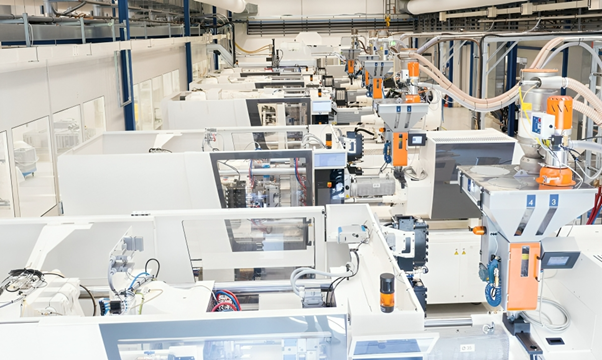
Advantages of the High Volume Injection Molding

Cost effectiveness is one of the largest benefits of high volume injection molding. Its initial set up cost may be expensive but the unit cost is very low in the case of large production of the products. This ensures that it is a cost-effective solution to the businesses. The other advantage is that of quality consistency. The high volume plastic injection molding is used to produce each part, and this way the part is almost the same and hence reliable and consistent. This is particularly crucial to those industries that are concerned with precision.
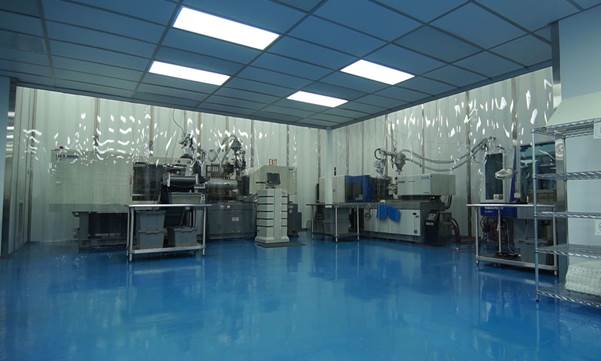
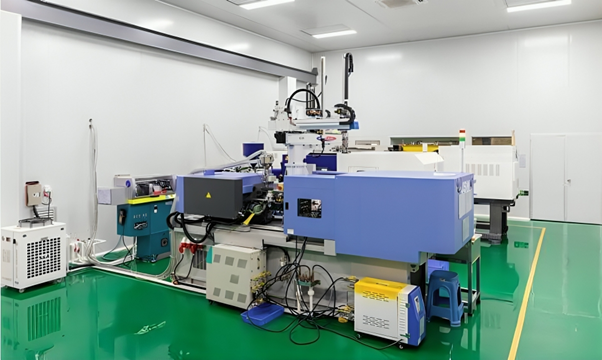
It is also very fast in the production speed. The contemporary machines are capable of making thousands of parts within a short period of time. This will enable the businesses to satisfy rigid deadlines and demand. Flexibility of design is the other strength. High volume custom injection molding enables the companies to produce an intricate and detailed design. It becomes easier to come up with unique and innovative products.

Moreover, wastage of materials is also minimal due to the fact that sometimes it is possible to reuse the surplus plastic. This renders the process to be more environmentally friendly than other manufacturing processes.

Uses of High Volume Injection Molding

The injection molding is done in high volume in most industries. It is also employed in the manufacture of parts like dashboards, panels as well as covers in the automotive industry. Such elements have to be very precise and durable. High volume plastic injection molding is applied in the production of small plastic elements in the electronics industry. These components find application in smartphones, computers and home appliances.

This also is applied in the medical industry to manufacture products such as syringes, containers, and medical tools. Such products demand great amount of cleanliness and precision. Another significant area of use is the consumer goods. The high volume injection molding is usually used in production of everyday products like bottles, containers and packaging materials.

Why Should High Volume Custom Injection Molding be chosen?

There are numerous companies where products have to be unique and brand oriented. High volume custom injection molding makes companies be able to produce customized design and still enjoy the mass production.

This allows the business to retain brand identity in the way that they can design the products that are unique in the market. It will also make sure that certain requirements are fulfilled without being at cost to production. Consequently, the high volume custom injection molding is ideal in cases where firms wish to have the customization as well as scalability.

Why Should China High Volume Injection Molding?

The manufacturing outsourcing is not a new trend and china high volume injection molding is a favored option to many companies. Reduction in the cost of production is among the primary causes. The cost of labor and operation in most cases is less and this saves the companies money. The other competitive edge is availability of advanced technology. Modern machinery is applied in most of the manufacturing industries in China that dictate high quality production.

The other advantage is a large production capacity. China high volume injection molding is appropriate when dealing with international companies since factories have the capacity of dealing with bulk orders. Furthermore, China boasts of great supply chain and logistics network. This facilitates to deliver products to different parts of the world in good time.

Plastics of High Volume Injection Molding

High volume injection molding is carried out using different forms of plastic materials based on the needs of the products. ABS is a brand of choice as it is durable and strong. It is generally applied in the automotive and electronic products. The other material that is commonly used is polypropylene. It is also light and elastic hence it is applicable in packaging and consumer goods. Nylon is also a strong material that is resistant to heat and this fact has rendered it suitable in industrial use.

Polycarbonate is also commonly applied in the production of items that need to be transparent and have impact resistance like safety gears. The material used should be chosen well since it has a direct influence on the performance and the durability of the product.

Design Hints to greater Success

High volume injection molding is highly dependent on good design. The simple designs tend to be less expensive and the production is simpler. Complicated designs may raise the cost and time. The thickness of the walls should be uniform, due to the fact that it avoids defects and enhances the product strength. Lack of evenness of the thickness may create problems when cooling.

The design is aided with addition of draft angles to assist in easy extraction of the parts out of the mold. This minimizes the chances of being damaged. One should also avoid sharp edges since rounded edges will be more durable and will contain fewer stress points. These design tips should enhance the quality of products produced through high volume plastic injection molding.

Difficulties in High Volume Injection Molding

The high volume injection molding has several challenges even though it has many advantages. Making molds may be expensive, and this might be an issue of concern to small businesses. Nevertheless, this is normally offset in the long run by large production.

Problems can also be generated by design errors. Failure to optimize the design in the right way may result in defects and delays in production. Another major consideration is the choice of materials. The performance and quality of the end product can be influenced by the incorrect choice of material.

It is also necessary to maintain the machines. Timely maintenance also means smooth running and avoidance of the untimely breakdown in high volume injection molding operations.

The Question of Selecting the appropriate Manufacturer

It is important to select the manufacturer in order to have a successful high volume injection molding. One should choose the company that is experienced and skilled in the sphere. Proficiency in manufacturing will give more credible manufacturers a higher chance of producing quality outcomes.

The quality standards must also be looked into. A quality manufacturer will be dependent on a strict quality control. The other factor is pricing. Competitive rates should be found, but quality must not be lost. Capacity of production is also important. The manufacturer ought to have the capabilities of managing large orders particularly where there is a high volume plastic injection molding project.

High Volume Injection Molding Factors of Cost

It is extremely important to the businesses to know the cost structure. The injection molding can be performed in high volume which can be costly initially, but in the long run it will prove to be cost effective. The main cost factor is the mold. The manufacturing and the design of molds involve a lot of money particularly when dealing with a complicated part.

Material cost is another factor that is important. Various plastics carry different prices basing on their properties and quality. The correct material selection can be used in the high volume plastic injection molding to manage the overall costs.

Operation of machines and workforce also add to the overall cost. Automation has however minimized the labor dependency of contemporary production. This is because high volume injection molding is more efficient and cost effective.

The volume of production is also important in pricing. The more the units the less the cost per unit. That is the reason why most companies would use high volume custom injection molding to produce in large quantity. China high volume injection molding is usually adopted by companies because it is relatively cheap and has high capacity of production.

High volume injection molding Quality Control

In high volume injection molding it is critical to maintain quality. This means that production runs are large and therefore any minor mistake may result in a huge loss. This is why the quality control should be on strict measures. Manufacturers have high-technology inspection instruments to test size and functionality of products. The high volume plastic injection molding is normally done by automated systems to identify defects at the initial stage. This will enable uniformity in all products.

There is also the importance of the material testing. It makes sure that the plastic chosen is of the desired standards. The quality checks are even more of critical concern in the high volume custom injection molding since the products are designed to be used to fulfill particular needs. A number of manufacturers in the china high volume injection molding practice international quality standards. This will guarantee that products are in line with the demands of the world and expectations of the customers.

Injection Molding High Volume Tooling

One of the most significant issues of high volume injection molding is tooling. The final shape and quality of the product is dependent on the mold. Good quality molds may have millions of cycles. The design of the tooling should be accurate. Any minor mistake will have an impact on the whole production process. In large volume plastic injection molding, there is the need to have durable molds so that production can run over a long period of time.

Molds are used in manufacturing of different types. Single-cavity molds are used to produce a part at a time and multi-cavity molds are used to produce many parts within a cycle. Multi cavity molds are usually applied in high volume custom injection molding since they enhance efficiency.

China high volume injection molding is always used by many companies to have tools due to the cost benefit and technical experience. Properly made molds enhance faster production and minimize the defects.

High Volume Injection Molding: Automation

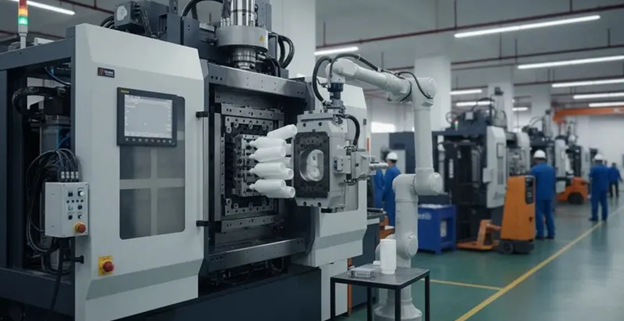
The manufacturing industry is undergoing a change with automation. The injection molding processes have been increased to a higher volume and the machines and robotic systems are used to enhance efficiency. The parts are handled by robots; the products are removed out of molds and quality checks performed. This minimizes the human error and maximizes the speed of production. Automation is highly beneficial when it comes to the high volume plastic injection molding since it must be operating at all times.

Intelligent machines have the ability to check temperature, pressure and cycle time. This guarantees stability and minimizes poor performance. Automation in high volume custom injection molding is used in keeping accuracy in customized designs. Due to the need to remain competitive in the world arena, most of the factories with china high volume injection molding are embracing automation. This results in increased speed of production and quality products.

Practicality of Sustainability in High Volume Injection Molding

One of the concerns that are taking center stage in manufacturing is sustainability. High volume injection molding is developing in the direction of environmental safeguarding. Minimal waste of the material is one of the primary benefits of this process. Unnecessary plastic may be recycled and reused. Plastic injection molding of high volume is used to promote eco-friendly production.

Most firms are currently adopting biodegradable and recyclable substances. This minimizes pollution and sustenance objectives. With the high volume custom injection molding, businesses are able to select materials that will conform to their environmental policies. The China high volume injection molding producers are also going green. They are adopting the environmentally friendly machines and minimizing emissions. This assists in developing a more sustainable production process.

Troublesome flaws and the ways to prevent them

High volume injection molding has defects even with the advanced technology. The awareness of these problems assists in the enhancement of the quality of products. Warping is one of the defects. This occurs due to uneven cooling of parts. This can be avoided in high volume plastic injection molding by proper designing of the mold and ensuring there is uniformity in the wall thickness.

The other problem is sinking marks. These come in form of tiny dents on the product surface. They tend to be as a result of poor cooling or shrinkage of materials. This problem can be resolved by changing the parameters of the processes. The other common defect is flash. It takes place when there is a leakage of excess material in the mold. This problem is avoided in high volume custom injection molding by ensuring that the molds are aligned correctly.

The manufacturers operating in the china high volume injection molding employ superior mechanisms in order to identify and correct flaws within a short period of time. This guarantees quality production.

A comparison of High Volume and Low Volume Injection Molding

One should know the difference between high volume and low volume production. The high volume injection molding is geared towards mass production whereas low volume is applied to the smaller quantity. Injection molding of plastics can be done in high volumes to provide low cost per unit because of high volumes of production. It suits well with products which have a steady demand.

Low volume production on the other hand is appropriate in prototypes or small batches. It is cheaper in terms of initial costs but expensive in terms of unit costs. High volume custom injection molding is most preferred in a business that would like to increase production and yet retain individual design. China high volume injection molding is preferred by many companies and is applied in cases where quantities are required in large numbers and at competitive costs.

Most Benefiting industries

High volume injection molding is very useful in a number of industries. This is a process that is used in the automotive industry to come up with durable and precise components. Electronics industry is the sector that depends on the high volume plastic injection molding of small and complicated parts. These are the elements of the modern devices.

This is also the method used in the packaging industry. Goods such as bottles, caps and containers are done in bulk. The high volume custom injection molding is applied in the medical industry to produce safe and sterile products. This makes sure that they are in line with strict regulations.

China high volume injection molding does a significant contribution towards provision of products to such industries across the world.

The Future of High Volume Injection Molding

High volume injection molding has a brighter future. Automation is getting prevalent and this makes the work smoother and less human error. The production processes are being enhanced with the use of smart machines. It is also developing new materials that can be used to improve the performance of products. These are more powerful, flexible and sustainable materials.

The concept of sustainability is taking center stage. Recyclable plastics in high volume injection molding are now being put into high use in many companies where environment impacts are to be minimized.

Conclusie

High volume injection molding is a critical production procedure that is necessary to companies that need to produce in mass. It has numerous benefits such as being cost effective, fast and of the same quality. High volume plastic injection molding is more suitable when producing large numbers of the same product where high volume custom injection molding can be used to have unique and customized designs. China high volume injection molding is affordable and has a high production volume thus many companies prefer it.

Having the knowledge of the process, materials and best practices, business can make a more informed decision and attain positive production results. Spuitgieten van grote volumes is still a major aspect of the contemporary production and will still be significant in the future.

FAQs

5. What are the saved costs which are high volume injection molding?

The initial set up costs are also quite expensive, but the unit cost reduces in large quantities of productions. There are also advantages on automation and effective use of materials which help in minimizing the costs in general.

What does high volume injection molding mean?

High volume injection molding is a manufacturing technique which is employed in the manufacturing of majority of plastic components according to a brief duration of time. It entails the use of melted plastic that is injected in the mold to produce the same products that are of the same quality.

2. Why does the business have high volume injection molding?

This is the one that the businesses would like since it consumes less time and it is not costly per unit in case of mass production. It further makes all products to appear and work in the same way.

3. In what are the common areas where high volume injection molding is applied?

This has been applied majorly in the automobile sector, electronics, health and house goods. It is best when it comes to the manufacture of products that require mass production.

4. Does it possess high volume injection molding that is cost effective?

Yes, it is very cost effective in cases where large batches of production are taken. Although the initial arrangement might be costly, the general cost is reduced with increase in the production of the units.

Thermoplastisch spuitgieten

Thermoplastic injection molding is one such material that has continued to be popular in the world manufacturing industry due to the increased demand of lightweight and high-quality materials. Efficiency, accuracy and cost effectiveness are some of the success factors in the fast production world today. Among the most common processes that fulfill all these requirements is thermoplastic injection molding. It is a high level of production since it enables the companies to make plastic components of the required quality in a consistent and accurate manner.

The process is applied in other businesses within the consumer goods sector, automotive components and others. The businesses will be in a position to make a better production decision because they will know how the same works and what the benefits are.

What is Thermoplastic Injection Molding?

Thermoplastisch spuitgieten or injection molding is a manufacturing process that involves forcing a thermoplast in a melt form into a mold and then molded to a required shape. Once the mold is cool and solid the final product is forcefully de-molded.

It is also very efficient as far as mass production is concerned. It enables the manufacturers to come up with detailed designs that are very accurate. Thermoplastic injection molding is also a good method of production in large scale production due to the reusability of molds.

Thermoplastics refer to those materials that can be melted and moulded again and again without the decline of its property. This predisposes them to be very versatile and can be adapted to other applications.

Thermoplastic Injection Molding Manufacturing Process

1. Material Selection

The first step in thermoplastic injection molding process is the process of selecting the right material. e.g. polypropylene, ABS, polycarbonate, normally thermoplastic pellets. Such materials are selected depending on their characteristics such as strength, plastics, heat resistant characteristics and cost. The injection molded thermoplastic is the appropriate material that provides optimum functionality and strength to the part.

2. Melting of the Thermoplastic

This entails melting of the Thermoplastic to acquire the required shape and volume to fill the molding machine. Melting of the Thermoplastic: It is done to melt the Thermoplastic to the shape and volume required and pour into the molding machine.

In a hot barrel of the injection molding machine, the raw plastic pellets are put. The fuse of the pellets in the barrel is homogenous and viscous. The temperature of this stage is very pertinent so that the degradation and smooth run of the molding process can be assured.

The Mold is used to inject the new product into the market.

3. Injection into the Mold

When the thermoplastic is exposed to the appropriate temperature, it is pressed in a mold cavity of the desired size. The shape and nature of the part is determined by the mold. Gates, vents and channels will be constructed in the correct manner that will cause flow of the molten material into the mold to flow evenly to minimise defects. This is one of the required operations of injecting thermoplastic.

4. Freezing and Refreezing

Once the plastic is in the mold it melts and solidifies. Time required in the cooling process would be determined by the material, thickness of the walls and complexity of the component. The cooling must be uniform in order that it lacks warps, sinks or shrinkages.

5. Mold Opening and Part Ejection

The part is then solidified then the mold is opened, and the complete product is ejected. This is then repeated through continuous production. The modern machines are automated and they have computer controls which ensure that the same part is used in the different runs that yield the same part which is of high quality.

6. Processing and Finishing

Even the thermoplastic components that are injection molded could need further finishing i.e. trimming, painting or assembling. These are processes that make the part to be functionally and aesthetically acceptable.

7. Quality Control

Quality check is done by the manufacturers in the process to be acquainted with the dimensions, tolerance and material integrity. Quality maintenance has resulted in thermoplastic injection molding that makes reliable and strong parts to other industries.

Types of Injection Molded Thermoplastic Materials

Manufacture of injection molded thermoplastic material has many different types. The types possess peculiarities which make them suitable to be used in some application.

Materials of some of the forms are:

  • Polypropylene (PP): it is light and non-chemical.
  • Polyethylene (PE): Soft and tough.
  • Acrylonitrile Butadiene Styrene (ABS): Impact resistant and strong.
  • Polycarbonate (PC): Heat resistant and transparent.
  • Nylon (PA): Strong, tough and hard.

The selection of the thermoplastic injection molded material plays a critical role in the determination of the preferred performance and life of the end product.

Benefits of Thermoplastic Injection Molding

Thermoplastic injection molding is advantageous in production in several ways:

  • High efficiency: First in the mass production.
  • Precision: Development of advanced and advanced designs.
  • Kosteneffectief: Will decrease material wastes.
  • Reusability: The materials could be reused and recycled.
  • Diversity: It can be applied in other industries.

Such advantages render thermoplastic injection molding as an option worth consideration by those firms that would want to enhance the efficiency of the production.

Thermoset vs Thermoplastic Injection Molding

The difference between thermoset and thermoplastic injection molding needs to be considered in the event that someone is making the correct decision regarding the process. Thermoplastics may be recycled and molten and remodeled at other times therefore making it flexible. Thermoset plastics, on the other hand, do not melt in the curing process and change chemically.

Comparatively, thermoset and thermoplastic injection molding are not easy to handle in comparison to thermoplastics. Thermosets are however, more resistant to heat and their structural stability is greater. The choice of either the thermoset or the thermoplastic injection molding would depend on the application.

Toepassingen in verschillende sectoren

The thermoplastics injection molding process is flexible and efficient and thus it can find application in most industries.

  • Auto parts: auto interior components, bumpers and dashboard.
  • Medical: Surgical equipment, syringes and medical equipment.
  • Elektronica: Housing, connections and insulations.
  • Consumptiegoederen: Household and toys.

The thermoplastic injection molding is now a mandatory practice in the current production due to the ability to create lightweight and strong products.

Quality Control in Injection Molding

In any production, quality is an issue of concern. Injection molding thermoplastic follows the same idea of quality control which is aimed at making sure that each product is up to standard. The manufacturers have the sophisticated tools and test procedures to verify the dimensions, strength and durability. The quality control minimizes the defects and leaves the customers happy.

One of the highest benefits of injection molding thermoplastic is consistency and this is the reason why it can be used in the large-scale production.

Cost Factors in Thermoplastic Injection Molding

The thermoplastic injection molding prices will vary depending on a sequence of aspects such as the nature of materials that should be employed, shape of the mold and the quantity of units that ought to be produced. The first mold fees are high when done in large volumes but made up by reduced cost of production. Cost saving may also be performed through lavish building and a correct choice of the materials.

Long-term saving and enhanced efficiency in production is one of the aspects that is shared in long-term businesses investing in injection molding of thermoplastics.

Milieu-impact en duurzaamheid

Much emphasis is being laid on sustainability in the manufacturing industry. The concept of the thermoplastic injection molding stimulates the green operations because of the possibility of the recycling of the material and the decrease of the waste. Most of the thermoplastics are recyclable in several occasions hence lower pollution to the environment. This makes the process more sustainable as compared to the other manufacturing processes.

The companies that have implemented the application of the thermoplastic injection molding will be in a position to help in the creation of the greener future and be productive at the same time.

Common Defects in Thermoplastic Injection Molding and How to Avoid Them

This is an extremely efficient process that may defect when the production process is taking place. The injection molding is thermoplastic and is known to possess warping, sink marks, short shots and flash. When the part cools in another rate, it gets warped thus bends the part. Good cooling systems can be used to minimize this. The sink marks are tiny dots that are marked on the surface and are normally attributed to the inappropriate pressure or cooling time.

Short shots are done when the mold has not been filled completely as is common due to low injection pressure. But the excess pouring out of the cavity of the mold is flash. Such issues would be prevented by designing appropriate molds and machine configuration during injection molding of thermoplastics.

Importance of Mold Design in Injection Molding Thermoplastic

Designs of molds are very crucial in the success of injection molding thermoplastic. Good material flow, easy cooling, easy to eject the complete part, is given by a good mold.

The considerations of the design of the mold are the location of gates, cooling, and venting. The material can fill up the mold evenly creating minimal defects when the gates are appropriately placed. The cooling channels are applied to maintain the homogenous temperatures and this improves the product quality.

An injection molding thermoplastic has a high quality mold that does not only improve efficiency but also improves the length of production.

Role of Temperature and Pressure Control

Temperature and pressure are some of the most significant parameters involved in the process. When thermoplastics are injected, right temperature will ensure that the substance flows properly and it fills the mold completely. Unwanted heat can destroy the material. With low values, there is a probability of having defects due to the non-flowing of the material as expected. Similarly, sufficient pressure is required to ensure that the mold has a uniform fill.

These variables are closely controlled in order to improve product quality and reduce wastage during injection thermoplastic molding.

Advantages of Injection Molded Thermoplastic in Product Design

The thermoplastic injected plastic is very beneficial in product design. Designers can also come up with complicated shapes, thin wall and detailed features that would have been difficult to accomplish by other means. The advantage of injection molded thermoplastic is the other benefit as there is a possibility of adding several parts in a single component. This saves time on assembling and increases products durability.

The design is adaptable; thus a company can become creative and can invent unique products that can be differentiated in the market.

Comparing Injection Molding Thermoplastic with Other Plastic Processes

There are different processes of plastic manufacturing but thermoplastic through injection molding is efficient and accurate. The shape and detail control of injection molding is better than processes like blow molding and extrusion. It is most appropriate in the case of hard materials of complex profiles.

Despite the fact that injection molding thermoplastic may not be suitable to some of the usages, it becomes suitable in high volume production where the quality of the items used should be constant.

Global Manufacturing Trends and China’s Role

Thermoplastic injection molding has seen China become one of the major nations of production of plastics. Many firms prefer outsourcing production because it is cost effective and efficient in production. The Chinese manufacturers are capable of offering the current machine, workforce, and the capacity to handle massive quantities of manufacturing. They also have good prices hence making them a good option to businesses all over the world.

Moreover, many businesses in China are compliant with the world quality standards, and it ensures the quality and reliability of results. That is why they create such a formidable presence in the global market because of such a combination of cheapness and quality.

Custom Thermoplastic Injection Molding Solutions

Customization is one of the biggest benefits of injection molding of thermoplastics. The manufacturers can come up with products that satisfy individual needs like the size, shape, color and material characteristics. Customized solutions are especially useful in those industries that have special requirements, e.g., aerospace and medical. This is ensured by the fact that it is produced with special components that ensure that they are superior in terms of performance and functionality.

The companies are able to liaise with the manufacturers in developing custom made designs which suit their specifications.

Maintenance and Longevity of Molds

The long life of the molds which will be used in the injection molding of the thermoplastics is a major factor because of maintenance. The cleaning and the inspection are performed on a regular basis in order to avoid the damage and maintain the performance.

Wear and tear may also occur as time goes by due to repetition in the molds. This can be improved by doing a replacement of worn-out parts and routine services.

Maintained molds are known not only to improve the quality of products, but also to reduce the time of production.

Tips for Choosing the Right Material

The material used is critical in the process of defining the outcomes that would be achieved. Some factors must be taken into account in working with injection molded thermoplastic because they contain strength, flexibility, heat resistance and cost.

There are numerous advantages of the media. Using ABS as a case in point, ABS is said to be strong whereas polyethylene is valued to be flexible. These properties will be known and this knowledge will help in making the right choice.

You also get a chance of seeking the recommendation of professionals in order to decide on which injection molded thermoplastic to apply in your project.

Final Words

The thermoplastic spuitgieten is important in the modern manufacturing process due to its efficiency, precision, and versatility. The technology and materials are becoming more reliable and inexpensive with the increase in the process, which is making it more cost effective.

It is advantageous to business in industries not only on its flexibility of design but also on mass production. Firms can maximize this powerful manufacturing process through knowledge about the process, materials and best practices.

FAQs

1. What is injection thermoplastic molding?

Injection molding is a thermoplastic process of manufacturing where a form of plastic known as thermoplastic molten material is injected into a mold to make the perfect parts of the plastics. It is widely used in production of complex shapes and in high volume production.

2. What is the thermoplastic injection molded components materials?

These materials include polypropylene (PP), ABS, polycarbonate (PC), polyethylene (PE) and nylon (PA). Each injected dose of thermoplastic material is determined depending on its strength, flexibility, heat resistance and requirement of usage.

3. What is the distinction between injection molding thermoplastic and other processes?

Thermoplastic injection molding creates shapes of an exact, detailed, and repeatable nature, which cannot be achieved with extrusion and blow molding. It is applied effectively in the production of solid components of complicated geometry and it is quite efficient in large scale production.

4. What is the difference between thermoset and thermoplastic injection molding?

Through thermoset/ thermoplastic injection molding, thermoplastics are capable of being melted and remodeled several times, whilst thermosets are unable to melt and are subject to chemical curing. Thermoplastics are easier and can be recycled, whereas thermosets are more resistant to heat and chemicals.

5. What will I do to avoid defect in injection molding of thermoplastic?

Warping, sink marks and flash are the defects that are normally experienced. Their defects are reduced through the proper design of the mold, the control of temperature and pressure, and the use of high-quality thermoplastic material of high quality, which results in the production that is consistent and reliable.

Aangepaste kunststof spuitgieten China

Custom plastic injection molding china is now among the most used products in the competitive manufacturing world, providing companies with accuracy, scalability and affordability. Whether a startup or an established brand, regardless of the choice, it might be worth learning how to utilize a custom plastic injection molding service and make the right decision regarding the development of products and achieve high-level outcomes.

Through the custom plastic spuitgieten service, the companies can manufacture elaborate design with repeatability, less cost and within a strict deadline. It is also a flexible method of manufacturing as it can be flexible in terms of material choice and customization and therefore can be applied to different industries like automotive, medical, electronics and consumer goods.

What is Custom Plastic injection Molding?

Custom plastic injection molding is a fabrication manufacturing technique in which molten plastic is forced into a mold to form certain shapes and parts. The application of this method has been common in automotive, medical, electronics, and consumer goods industries. Impressionists can create sophisticated designs using the custom injection molded plastics that are highly accurate and consistent.

Plastics in Custom Injection Molding Materials

Successful custom plastic injection molding involves the selection of a material. Various materials have varied characteristics like strength, pliability and heat resistance.

The materials that are commonly used are:

Significance of Material Choosing

Identifying the material is one of the most important decisions that are made in the attainment of high-quality output in custom plastic injection molding china. The choice of material is significant as it affects the performance, durability as well as the overall functionality of the final product. Various plastics possess various characteristics like strength, flexibility, chemical resistance, and heat tolerance hence the choice of material is a major challenge among manufacturers and businesses.

Common Materials Used

They are easily modified into ABS, polypropylene, polyethylene, polycarbonate, and nylon which are the most popular injection molded plastics. The purposes of using, the needs of the product define a priori whether a specific material will be used or not.

ABS (acrylonitril-butadieenstyreen)

ABS also is extremely popular with strength and impact resistance. This has been widely applied in the auto parts sector, electronics casing, and domestic goods as it resists wear and tear and gives a nice finish.

Polypropyleen (PP)

Polypropylene is a very light material and besides, it is very chemical resistant. Wrapping is also a habit of the people as it is non-toxic and flexible, and used to wrap medical parts, food wrappings and packaging.

Polyethyleen (PE)

Polyethylene is a robust plastic. It is normally applied in containers, plastic bags and piping systems in which high toughness and water resistance are required.

Polycarbonaat (PC)

Polycarbonate is dreadfully tough and transparent. It is a typical security product which is of the mill lens and optical usage where sharpness and impact strength is a necessity.

Nylon (PA)

Nylon is a hard and wear tough material. The other application sphere, which it is used in, is engineering, gears and industry elements.

Regarding the work of custom plastic injection molding, the makers will take into account the service of the products, in selecting the proper material. Any custom plastic injection molding china that could utilize an incredible number of materials offers any possible solution that the businesses could provide with high levels of customization and viability.

The custom plastic injection molding process

This knowledge of the process assists businesses to plan production in a better way and attain familiar outcomes. The process of custom plastic injection molding china is geared towards precision of the process, efficiency and fine quality output to a broad segment of industries.

Vormontwerp

It starts with the design of the mold where engineers develop a blueprint of the mold detailed on the product specifications. This is an important step since the shape, size and accuracy of the final product can be determined by the mold. Custom plastic injection molding is often done with advanced software and technology making sure that the design and functionality are perfect.

Materiaalkeuze

Secondly, one picks a suitable plastic material. The various materials have different characteristics like strength, flexibility and heat resistance. The selection of appropriate material is a prerequisite to the durability and performance in custom injection molded plastics.

Injectie

After the two have been prepared, the high pressure is applied to the mold and high-pressure molten plastic is injected into it. This measure is used to ensure that the material conforms to all corners of the mold, and all the details are captured perfectly.

Koeling

The plastic is injected and then left to cool and harden in the mold. Sufficient cooling is required to ensure that the product shape and structure are not affected.

Uitwerpen en afwerken

Lastly, the product that is solidified is forced out of the mold. Further finishing can be done to improve the appearance and functionality of the item through trimming, polishing, or coating.

This is an efficient and simplified process and the reason why custom plastic injection molding china is highly applicable in large scale and high-quality production.

Custom plastic injection molding in China- Quality Control

The quality of custom plastic injection molding services is also a high priority. Good manufacturers observe high quality control measures that include:

  • Raw material inspection
  • In-process quality checks
  • Final product testing
  • International standards (ISO certifications) have been used.

These practices will guarantee that custom injection molded plastics are the best in terms of quality in the world.

Benefits of doing Business with the Chinese Producers

Collaborating with firms that provide tailor-made plastic injection molding china is a broad benefit to businesses that are interested in expanding the production at a low cost and high volume. China has over the years emerged to be a manufacturing hub in the world with companies form every part of the world establishing their presence in China because of its capabilities and competitive advantages.

Faster Turnaround Times

Among the most significant advantages of the decision to use the custom plastic injection molding china, quicker production and delivery can be mentioned. Modern machinery and lean production procedures enable Chinese manufacturers to deal with high volumes of production under strict deadlines. This velocity assists enterprises in getting products into the market faster and are ahead of their competitors.

Access to Global Shipping

The other significant opportunity is that it has access to well-developed shipping networks in the world. Firms which provide custom services of plastic injection molding in china are very experienced in international logistic services, and therefore the smooth and timely delivery of products globally is achieved. This has simplified the process through which businesses control supply chains and access international markets without any hustles.

Low Rigidity in Customization

Chinese manufacturers are highly flexible as far as customization is concerned. Custom injection molded plastics can be designed to fit exactly your requirements whether unique designs are required, specific materials are required or complex shapes are required. Such a degree of customisation enables enterprises to produce unique quality products.

Effective Supply Chain Networks

China has a properly grown supply chain ecosystem, which enables it to source raw materials and components efficiently. This great network guarantees a high quality and minimal delays in production in the custom plastic injection molding china projects.

Kosteneffectieve oplossingen

Besides the above advantages, cost efficiency has been a significant factor that drives the businesses towards custom injection molding of plastic on a china. Reduced costs of Labor and production assist the businesses to maximize profits and still be of high quality.

On the whole, these strengths render custom plastic injection molding china as an optimal partner of foreign companies that want to find high quality, scalable and reliable manufacturing options.

What is the Rational Choice of Custom Plastic Injection Molding China?

Custom plastic injection molding china is a top choice among various businesses in the current manufacturing industry across the globe due to its high quality, efficiency and low cost. China has proven to be a major plastic injection molding center with a variety of advantages that have made it a good destination to many companies in the global market.

Kostenefficiëntie

Cost efficiency is one of the primary factors that force businesses to resort to custom plastic injection molding china. The prices of the Chinese manufacturers are very competitive and do not affect the quality. This enables them to make large volumes of injection molded plastics that are custom made at a reduced unit price. Mass production is less expensive and it is best suited to startups and well-established brands that want to have a high profit margin but at the same time preserve its quality standards.

Geavanceerde technologie

Modern technology is another benefit of the decision of custom plastic injection molding china. The machinery, automation, and the latest production methods are present in factories in China. This will guarantee that all the products manufactured are accurate, uniform, and are of global quality. High technology also enables production time to be much faster and deal with highly complex designs in custom plastic injection moulding.

Geschoolde arbeidskrachten

The Chinese manufacturers have a more experienced workforce with years of experience in the custom plastic injection molding services. These experts are educated to handle complex operations, use of materials efficiently and also to provide dependable and quality products. They are so good that they make businesses get custom injection molded plastics that are precise to specifications and functionality.

Schaalbaarheid

The other reason why custom plastic injection molding china is very popular is scaled. Chinese manufacturers are able to handle small batches to be used in prototyping or a large-scale production run depending on the quantity a business may need. This gives companies ease to grow and develop without having to be concerned with production restrictions.

Cost Factors to Consider

Custom plastic injection molding china has a price that varies based on a number of factors:

  • Mold design complexity
  • Material type
  • Production volume
  • Surf finishing specifications

Even though the first costs of the mould may be expensive, mass production will save a lot of money on the unit price, so custom injection molding of plastic will be extremely cost effective.

Custom Injection Molded Plastics Uses

Injected plastics Custom injection molded plastics find wide applications in various industries in various respects as they can be manufactured with precision according to the needs, and are durable as they can be easily used in various applications. Custom plastic injection molding is a necessary solution to the modern-day industries because it is a flexible method of producing quality products that are specific to numerous applications.

Auto-industrie

The automotive industry is one of the main fields to which custom injection molded plastics are used. Manufacturers are using these plastics to make parts of dashboards, bumpers, interior trims and engine parts. The custom plastic injection molding china allows the automotive companies to be highly precise and consistent which is essential in terms of safety and performance.

Medische apparaten

The custom plastic injection molding services are applied in the medical sector where they are applied to make parts of surgical instruments, diagnostic equipment as well as medical packaging. Custom injection molded plastics are important in healthcare because they are able to produce sterile, accurate, and long-lasting parts with the most important factor being quality and reliability.

Elektronica

Electronics is another large industry that depends on the custom plastic injection molding. Such components as casings, connectors, switches, and housings are produced through this process. Plastic injection molding china manufacturers in China are able to offer high quality products that are able to fit the exact specifications needed with electronic devices.

Verpakkingsoplossingen

Custom injection molded plastic has excelled in packaging because of its light weight, cost effectiveness and moulding into complex shapes. The custom plastic injection molding services can be utilized effectively to make products including bottles, caps, containers and protective packaging.

Household Products

Custom plastic injection molding is extensively employed to make strong and attractive household items, such as kitchen utensils, storage containers, etc. This can be done on a large-scale production and quality and consistency is ensured.

Custom plastic injection molding china is versatile and reliable which has made it to be the preferred choice of a business in different industries. Having provided accurate, economical and scalable manufacturing processes, custom injection molded plastics enable firms to satisfy their products effectively and efficiently.

The Major Advantages of Custom Plastic Injection Molding Services

Plastic injection molding services can be customized to provide a wide range of benefits to companies in search of quality, reliable, cost-effective services in manufacturing.

High Precision and Accuracy

Precision is one of its principal advantages. Custom plastic injection molding is also used when every component needs to be manufactured to a very specific specification, and also when a high degree of consistency and quality is necessary in the production.

Flexibiliteit materiaal

The services offer material choice flexibility. A great variety of plastics can be used by manufacturers, which makes businesses select the most suitable material in terms of durability, strength, or certain functionality.

Reduced Waste

The system is very effective and it reduces wastage of materials. This renders custom plastic injection molding-based china as a green manufacturing method but at lower production cost.

Fast Production

Once the mold is made, it is fast and uniform to make. High quantities of custom injection molded plastics can be manufactured in a short period supporting small scale as well as large scale manufactures.

The advantages of the latter are what render custom plastic injection molding services a crucial solution to the contemporary product manufacturing.

The selection of the appropriate manufacturer in China

The process of choosing the appropriate partner to provide custom plastic injection molding china is very essential. Here are some tips:

  • Certifications and quality standards of checks.
  • Look through previous projects and reviews on client feedback.
  • Consider their experience in specialty injection molded plastics.
  • Make sure there is proper communication and facilitation.

An efficient supplier of personalized plastic injection molding services has the potential to influence the quality of your product greatly.

Laatste gedachten

To sum up, it is evident that custom plastic injection molding china is an effective solution to companies that want to achieve both quality and cost-effective manufacturing. It remains one of the leading preferences in the world due to modern technologies, professionalism, and versatile production.

With a proper selection of a partner and knowledge of the process, you will be able to enjoy the full advantage of custom plastic injection molding and make long-lasting, accurate, and innovative products.

Veelgestelde vragen

1. What is custom plastic injection molding?

Custom plastic injection molding is a production process in which molten plastic is forced into a mold in order to develop accurately shaped components and parts. It is commonly found in such industries as automotive, electronics and medical devices.

2. Why is custom plastic injection molding China the way to go?

Custom plastic injection molding China is cost efficient with high technology, skilled labour force and scale up production which is suitable in both small and big scaled manufacturing projects.

3. What are the materials that can be employed in custom injection molded plastics?

Some of the materials available to the manufacturers to suit individual requirements in products include ABS, polypropylene (PP), polyethylene (PE), polycarbonate (PC) and nylon (PA).

4. What is the average duration of the process of custom plastic injection molding?

The time required to produce a mold is dependent on the complexity of the mold, choice of material and quantity of batches. When the mold is prepared, it is possible to manufacture custom injection molded plastics in a short time and in regular quantities.

5. What are the advantages of the use of custom plastic injection molding services?

Among the advantages are high accuracy, plastics pliability, less wastage, rapid manufacturing, and inexpensive production which makes custom plastic injection molding China the best option among businesses in the world.

Spuitgegoten onderdelen: Een veelzijdige gids

De productie van spuitgegoten onderdelen is een belangrijk onderdeel van de hedendaagse industrie. Spuitgieten wordt gebruikt om veel van de producten om ons heen te maken. Dit is een proces dat helpt bij de productie van sterke en nauwkeurige onderdelen. Dit zijn onderdelen die hun toepassing vinden op tal van gebieden. De kwaliteit van de gevraagde spuitgietproducten neemt jaarlijks toe.

De reden achter het brede gebruik van kunststof spuitgietonderdelen is dat ze duurzaam en zuinig zijn. Ze stellen bedrijven in staat om grote aantallen producten met dezelfde vorm te maken. Complexe ontwerpen werken ook goed in dit proces. Ondertussen zijn de spuitgietonderdelen belangrijk bij het vormen van deze producten. Het proces kan niet goed verlopen zonder de juiste matrijsonderdelen.

De populariteit van spuitgieten is te danken aan het feit dat het tijdbesparend is. Het vermindert ook afval. De methode maakt kortcyclische productie mogelijk. Dit is iets wat een aantal industrieën niet kunnen missen.

Kunststof Spuitgieten: Wat is kunststof spuitgieten?

Kunststof spuitgieten verwijst naar een productieproces. Met behulp hiervan worden plastic producten in grote hoeveelheden geproduceerd. Het is ook een snelle en betrouwbare procedure. Het kan worden gebruikt om in alle gevallen onderdelen met dezelfde vorm en grootte te maken.

In dit proces wordt plastic materiaal eerst verhit. Het plastic wordt zacht en smelt. Het vloeibare plastic wordt dan in een mal geplaatst. De mal heeft een specifieke vorm. Wanneer het plastic afkoelt, wordt het vast. Dit hele onderdeel wordt uit de mal gehaald.

Kunststof Spuitgieten: Wat is kunststof spuitgieten?

Kunststof spuitgieten wordt gebruikt om eenvoudige en complexe producten te maken. Het maakt een hoge nauwkeurigheid mogelijk. Het vermindert ook materiaalverspilling. De reden hiervoor is dat het populair is omdat er minder tijd en geld verspild wordt.

Tabel 1: Onderdelen voor spuitgietmatrijzen

VormcomponentTypisch materiaalTolerantieAfwerking oppervlakTypische levenscyclusFunctie
Kern & holteGehard staal / aluminium±0,01-0,03 mmRa 0,2-0,8 μm>1 miljoen opnamenVormen interne en externe kenmerken
LoperStaal / aluminium±0,02 mmRa 0,4-0,6 μm>500.000 opnamenKanalen gesmolten kunststof naar de holte
PoortStaal / aluminium±0,01 mmRa 0,2-0,5 μm>500.000 opnamenControleert het binnendringen van plastic in de holte
KoelkanalenKoper / Staal±0,05 mmRa 0,4-0,6 μmDoorlopendVerwijdert warmte efficiënt
UitwerppennenGehard staal±0,005 mmRa 0,3-0,5 μm>1 miljoen opnamenWerpt afgewerkte onderdelen zonder schade uit
OntluchtingssleuvenStaal / aluminium±0,01 mmRa 0,2-0,4 μmDoorlopendLaat opgesloten lucht ontsnappen tijdens injectie

Het spuitgietproces kennen

Een gecontroleerde en nauwkeurige productiemethode is de spuitgiettechnologie. Ze worden toegepast bij de productie van kunststof onderdelen met een hoge nauwkeurigheid. Het is een functionele procedure die in stappen verloopt. Elke stap heeft een aantal parameters en numerieke waarden.

Selectie en voorbereiding van materialen

Het begint met plastic grondstoffen. Dit wordt meestal verpakt in de vorm van pellets of in de vorm van korrels. Dit materiaal is meestal ABS, polypropyleen, polyethyleen en nylon.

  • Korrelgrootte: 2-5 mm
  • Natte inhoud vóór het drogen: 0.02% -0.05%
  • Droogtemperatuur: 80°C-120°C
  • Droogtijd: 2-4 uur

Goed drogen is essentieel. Bubbels en oppervlaktedefecten van gegoten onderdelen kunnen worden veroorzaakt door vocht.

Smelten en plastificeren

De plastic korrels worden gedroogd en in de spuitgieten machine. Ze gaan door een schroef die ronddraait en door een heet vat.

  • Temperatuurzones van het vat: 180°C-300°C
  • Schroefsnelheid: 50-300 RPM
  • Schroefcompressieverhouding: 2.5:1 -3.5:1.

Het plastic wordt gesmolten door de schroef te draaien. De substantie verandert in een homogene vloeibare massa. Zelfs het smelten zorgt voor consistentie van de component.

Injectiefase

Na het smelten wordt het plastic in de vormholte geduwd. De mal wordt met grote druk op een snelle en regelmatige manier gevuld.

  • Injectiedruk: 800-2000 bar
  • Injectiesnelheid: 50-300 mm/s
  • Injectietijd: 0,5-5 seconden

Er wordt geen gebruik gemaakt van korte shots en flash dankzij de juiste drukregeling. Het is de bedoeling om de hele mal te vullen voordat de kunststof begint af te koelen.

Verpakkings- en opslagfase

De mal wordt gevuld en er wordt druk uitgeoefend op de mal. Dit is om het krimpen van het materiaal bij kamertemperatuur tegen te gaan.

  • Laaddruk: 30-70 procent stroom van injectie.
  • Houdbaarheid: 5-30 seconden
  • Typische krimpsnelheid: 0,5%-2,0%

Dit proces verhoogt de concentratie en afmeting van de onderdelen. Het vermindert ook interne stents.

Koelen

Spuitgieten is het proces waarbij de koeltijd het langst duurt. De kunststofsubstantie wordt dan hard en smelt.

  • Vormtemperatuur: 20°C-80°C
  • Afkoeltijd: 10-60 seconden
  • Warmteoverdrachtefficiëntie: 60%-80%

Warmte wordt afgevoerd door koelkanalen in de mal. Een goede koeling voorkomt kromtrekken en defecten aan het oppervlak.

Vorm openen en uitwerpen

Na afkoeling gaat de mal open. Een deel dat voltooid is, wordt verwijderd met uitwerppennen of -platen.

  • Openingssnelheid van de mal: 50-200 mm/s
  • Uitwerpkracht: 5-50 kN
  • Uitwerptijd: 1-5 seconden

Uitwerpen: Zorgvuldig uitwerpen beschadigt de onderdelen niet. Het sluiten van de matrijs begint dan met de volgende cyclus.

Cyclustijd en productie-output

De totale cyclustijd is afhankelijk van de grootte van de onderdelen en het materiaal.

  • Gemiddelde cyclustijd: 20-90 seconden
  • Uitvoersnelheid: 40 -180 deeltjes/uur.
  • Machineklemkracht: 50-4000 ton

Kortere cyclustijden zullen de productiviteit verhogen. De kwaliteit moet echter constant worden gehandhaafd.

Bewaking en controle van proces

In moderne machines worden sensoren en automatisering gebruikt. Druk, debiet en temperatuur worden door deze systemen gecontroleerd.

  • Temperatuurbestendigheid: ±1°C
  • Druktolerantie: ±5 bar
  • Nauwkeurigheid van de afmetingen: ±0,02 mm

Een constante kwaliteit wordt gegarandeerd door het proces te bewaken. Het vermindert ook uitval en stilstand.

Belang van bestanddelen van schimmel

Spuitgieten is afhankelijk van de onderdelen van de matrijs. Elk van de elementen van de matrijs speelt een rol. Dit zijn het vormen, koelen en uitwerpen.

De kunststof spuitgieten Onderdelen worden als succesvol beschouwd afhankelijk van het juiste ontwerp van de matrijs. Een slechte matrijs kan defecten veroorzaken. Deze defecten zijn onder andere scheuren en ongebalanceerde oppervlakken. Onderdelen die door spuitgieten zijn gemaakt, helpen daarentegen om nauwkeurigheid te garanderen. Ze zorgen er ook voor dat ze in goede cycli gaan.

Er worden hoogwaardige trekonderdelen gegoten. Ze verlagen ook de onderhoudskosten. Dit maakt hem effectiever en betrouwbaarder.

Technische informatie over gietvormonderdelen

Matrijscomponenten zijn de belangrijkste elementen van het spuitgietsysteem. Ze bepalen de vorm, nauwkeurigheid, sterkte en kwaliteit van het oppervlak. Zonder goed ontworpen matrijsonderdelen is een stabiele productie onmogelijk.

Kunststof Spuitgieten: Wat is kunststof spuitgieten?

Kern en holte

De kern en de holte bepalen de uiteindelijke vorm van het product. Het buitenoppervlak bestaat uit de holte. De kern vormt de interne kenmerken.

  • Maattolerantie: ±0,01-0,03 mm
  • Afwerking oppervlak: Ra 0,2-0,8 µm
  • Typische staalhardheid: 48-62 HRC

De precisie in de kern en holte is hoog, waardoor defecten tot een minimum worden beperkt. Het verbetert ook de uniformiteit van de onderdelen.

Hardloopsysteem

Het runnersysteem leidt de gesmolten kunststof van het injectiepistool naar de holte. Het heeft invloed op de stromingsbalans en de vulsnelheid.

  • Diameter loper: 2-8 mm
  • Stroomsnelheid: 0,2-1,0 m/s
  • Limiet drukverlies: ≤10%

Materiaalafval wordt verminderd door een goed runnerontwerp. Het heeft ook een gelijkmatige vulling.

Poortontwerp

De gate regelt de stroom van kunststof in de caviteit. De kwaliteit van het werkstuk hangt af van de grootte en het type van de gate.

  • Dikte poort: 50 -80 van de dikte van het onderdeel.
  • Breedte poort: 1-6 mm
  • Limiet afschuifsnelheid: <100,000 s-¹

Het ontwerp met de rechterpoort elimineert laslijnen en brandvlekken.

Koelsysteem

Koelsporen worden gebruikt om de matrijs af te koelen. Dit systeem heeft een directe invloed op de cyclustijd en de stabiliteit van de onderdelen.

  • Diameter koelkanaal: 6-12 mm
  • Afstand van het kanaal tot de holte: 10-15 mm.
  • Maximaal toegestaan temperatuurverschil: < 5 °C.

Gemakkelijk koelen verbetert de maatnauwkeurigheid. Het verkort ook de productietijd.

Uitwerpsysteem

Na afkoeling wordt het onderdeel uitgeworpen in het uitwerpsysteem. Het moet evenveel kracht uitoefenen om schade te voorkomen.

  • Diameter uitwerppen: 2-10 mm
  • Uitwerpkracht per pin: 200-1500 N
  • Lengte uitwerpslag: 5-50 mm

Gelijkmatig uitwerpen voorkomt scheuren en vervorming.

Ontluchtingssysteem

De lucht kan worden ingesloten en ontsnappen via ventilatieopeningen tijdens het injecteren. Brandwonden en onvolledig vullen worden veroorzaakt door slechte ontluchting.

  • Diepte ontluchting: 0,02-0,05 mm
  • Ventilatiebreedte: 3-6 mm
  • Maximale luchtdruk: <0,1 MPa

Voldoende ventilatie verbetert de kwaliteit van oppervlakken en de levensduur van schimmels.

Basis en uitlijningsonderdelen Vormbasis

De basis van de mal draagt alle onderdelen. Voor een goede uitlijning worden bussen en geleidepennen gebruikt.

  • Geleidepen tolerantie: ±0,005 mm
  • Vlakheid van de malbasis: ≤0,02 mm
  • Levenscyclus afstemming: meer dan 1M opnamen.

Een hoge uitlijning vermindert slijtage en knipperen.

Tabel 2: Belangrijkste procesparameters

ParameterAanbevolen bereikEenheidBeschrijvingTypische waardeOpmerkingen
Temperatuur van de loop180-300°CEr wordt hitte toegepast om het plastic te smelten220-260Afhankelijk van het materiaaltype
Injectiedruk800-2000barDruk om gesmolten kunststof in de mal te duwen1000Aanpassen voor onderdeelgrootte en complexiteit
Schimmel Temperatuur20-120°CTemperatuur wordt gehandhaafd voor goede koeling60-90Hoger voor technische kunststoffen
Koeltijd10-60secondenTijd om het plastic te laten stollen25-35Afhankelijk van wanddikte
Cyclustijd20-90secondenTotale tijd per spuitgietcyclus30-50Inclusief inspuiten, verpakken en koelen
Uitwerpkracht5-50kNKracht om onderdeel uit de mal te halen15-30Moet schade aan onderdelen voorkomen

Grondstoffen Spuitgieten

Materiaalselectie is erg belangrijk. Het beïnvloedt de kwaliteit, stabiliteit, vooruitzichten en prijs van het eindproduct. De juiste kunststof selecteren is noodzakelijk om te garanderen dat de onderdelen werken en goed worden geprint.

Grondstoffen Spuitgieten

Thermoplastische materialen

De meest gebruikte materialen zijn thermoplasten omdat ze gesmolten en meerdere keren hergebruikt kunnen worden. Er wordt veel gebruik gemaakt van ABS, polypropyleen, polyethyleen en polystyreen. ABS is slagvast en sterk en smelt bij 200 tot 240 °C. Polypropyleen smelt bij temperaturen van 160 °C of 170 °C; het is licht in gewicht en bestand tegen chemicaliën. Polyethyleen heeft een smeltpunt van 120 °C tot 180 °C en is geschikt voor vochtbestendige producten.

Technische kunststoffen

Onderdelen met hoge sterkte of hittebestendige onderdelen worden gemaakt met technische kunststoffen zoals Nylon, Polycarbonaat (PC) en POM. Nylon smelt bij 220 °C -265 °C en wordt toegepast in tandwielen en mechanische onderdelen. Polycarbonaat is een sterk en transparant polymeer dat smelt bij 260 °C tot 300 °C. POM heeft een smelttemperatuur van 165 °C tot 175 °C en is nauwkeurig in onderdelen.

Thermohardende kunststoffen

Thermohardende kunststoffen zijn na het gieten moeilijk opnieuw te smelten omdat ze permanent uitharden. Ze smelten bij 150 °C-200 °C en worden gebruikt in toepassingen bij hoge temperaturen, zoals elektrische onderdelen.

Toevoegingen en vulstoffen

Materialen worden versterkt door additieven. Glasvezels (10% -40 procent) zorgen voor extra sterkte, minerale vulstoffen (5%-30 procent) verminderen krimp en UV-stabilisator (0,1-1 procent) beschermt tegen de zon. Deze ondersteunende componenten gaan langer mee en werken beter.

Vereisten voor materiaalselectie

De materiaalselectie wordt bepaald door factoren zoals temperatuur, sterkte, chemische confrontatie, vochtigheid en kosten. Een juiste selectie zal resulteren in duurzame, nauwkeurige en kwaliteitsproducten en minder fouten en afval.

Tabel 3: Materiaaleigenschappen

MateriaalSmelttemp (°C)Vormtemp (°C)Injectiedruk (bar)Treksterkte (MPa)Krimp (%)
ABS220-24060-80900-150040-500.5-0.7
Polypropyleen (PP)160-17040-70800-120030-351.0-1.5
Polyethyleen (PE)120-18020-50700-120020-301.5-2.0
Polystyreen (PS)180-24050-70800-120030-450.5-1.0
Nylon (PA)220-26580-1001200-200060-801.5-2.0
Polycarbonaat (PC)260-30090-1201300-200060-700.5-1.0
POM (acetaal)165-17560-80900-150060-701.0-1.5

Onderdelen die worden vervaardigd volgens het kunststof spuitgietproces

Kunststof spuitgieten is een proces waarmee een groot aantal onderdelen wordt gemaakt die toepasbaar zijn in verschillende sectoren. Het proces is nauwkeurig, duurzaam en kan in grote volumes worden geproduceerd. Hieronder staan voorbeelden van typische onderdelen die op deze manier worden geproduceerd.

Onderdelen die worden vervaardigd volgens het kunststof spuitgietproces

Auto-onderdelen

  • Dashboards
  • Bumpers
  • Ventilatieopeningen
  • Deurpanelen
  • Versnellingspookknoppen
  • Onderdelen brandstofsysteem
  • Sierlijsten interieur

Medische onderdelen

  • Spuiten
  • Slangaansluitingen
  • Chirurgische instrumenten
  • IV-componenten
  • Behuizingen voor medische hulpmiddelen
  • Medische wegwerphulpmiddelen

Elektronica-onderdelen

  • Behuizingen voor apparaten
  • Schakelaars en knoppen
  • Kabelklemmen en draadhouders
  • Connectoren en stekkers
  • Toetsenbordtoetsen
  • Behuizingen voor printplaten

Verpakkingsproducten

  • Flessen en potten
  • Flessendoppen en -sluitingen
  • Voedselcontainers
  • Houders voor cosmetica
  • Deksels en afdichtingen
  • Opbergdozen

Consumentengoederen en industriële goederen

  • Speelgoed en beeldjes
  • Huishoudelijk gereedschap
  • Onderdelen van het apparaat
  • Hulpstukken voor de bouw
  • Nauwkeurige clips en bevestigingsmiddelen.
  • Industriële machineonderdelen

Ontwerp en precisie

Het ontwerp levert een belangrijke bijdrage aan succes. Een effectieve mal verbetert de kwaliteit van een product. Het minimaliseert ook fouten tijdens de productie.

De onderdelen van het proces van kunststof spuitgieten vereisen strikte afmetingen. Kleine foutjes kunnen de prestaties beïnvloeden. Daarom worden de spuitgietonderdelen ontworpen met nauwe toleranties. Bij het ontwerp wordt vaak geavanceerde software gebruikt.

Onderdelen die worden vervaardigd volgens het kunststof spuitgietproces

Sterkte wordt ook versterkt door een goed ontwerp. Het ziet er beter uit. Het garandeert een superieure passing in eindverbindingen.

Industriële toepassingen

Veel industrieën gebruiken ook spuitgieten, wat snel, precies en voordelig is. Het maakt massaproductie van identieke onderdelen met zeer hoge precisie mogelijk.

Auto-industrie

In de autosector worden dashboards, bumpers, ventilatieroosters en interieurpanelen gemaakt met kunststof spuitgietonderdelen. Deze onderdelen moeten krachtig, licht en hittebestendig zijn. Dat gebeurt vooral door gieten, waarbij de vormen exact en uniform zijn om veiligheids- en kwaliteitsproblemen te voorkomen.

Medische industrie

In de geneeskunde worden spuiten, slangaansluitingen en chirurgische instrumenten gemaakt door spuitgieten. Er is veel precisie en hygiëne nodig. Met name kunststof spuitgietonderdelen kunnen worden gemaakt van kunststoffen van medische kwaliteit en spuitgietonderdelen kunnen worden gebruikt om nauwkeurigheid en gladheid te garanderen.

Elektronica-industrie

Behuizingen, connectoren, schakelaars en kabelklemmen worden allemaal via spuitgieten geproduceerd in de elektronica-industrie. Kunststof spuitgietonderdelen beveiligen de kwetsbare circuits en de spuitgietonderdelen zijn nodig om de onderdelen perfect te laten passen.

Verpakkingsindustrie

Spuitgieten wordt ook toegepast bij het verpakken van flessen, containers, doppen en sluitingen. De onderdelen van het kunststof spuitgieten worden gebruikt om de vereiste vormen en maten te krijgen, terwijl de onderdelen van het spuitgieten worden gebruikt om in grote hoeveelheden binnen de kortste tijd te produceren door minimale verspilling te creëren.

Andere industrieën

Consumentengoederen, speelgoed, de bouw en de ruimtevaart worden ook geïnjecteerd. Dankzij de flexibiliteit en nauwkeurigheid kan bijna elk kunststof product worden gespoten, of het nu gaat om eenvoudige huishoudelijke of ingewikkelde technische onderdelen.

Kwaliteitscontrole en testen

Bij de productie is kwaliteitscontrole vereist. Alle onderdelen moeten worden gedroogd om aan de ontwerpvereisten te voldoen. Testen is een maatstaf voor veiligheid en prestaties.

De kunststof spuitgietonderdelen worden onderworpen aan visuele en mechanische inspecties. Defecten worden door deze controles in een vroeg stadium ontdekt. Tegelijkertijd wordt de slijtage en schade van de spuitgietonderdelen geïnspecteerd. Frequente inspecties voorkomen productiefouten.

Een goed kwaliteitsbeheer vergroot het vertrouwen van de klant. Het minimaliseert ook verspilling en uitgaven.

Voordelen van spuitgieten

Er zijn heel wat voordelen van spuitgieten. Het maakt een hoge productiesnelheid mogelijk. Het garandeert ook herhaling.

Kunststof spuitgieten onderdelen zijn dynamisch en licht. Ze zijn geschikt voor massaproductie. Ondertussen wordt de automatisering ondersteund door het spuitgieten van de vormdelen. Dit verlaagt de kosten van arbeid en fouten.

Voordelen van spuitgieten

Het proces is ook milieuvriendelijk. Het afvalmateriaal kan opnieuw worden gebruikt. Dit draagt bij aan een beter milieu.

Uitdagingen en oplossingen

Spuitgieten is net als elk proces een uitdaging. Zo zijn er materiaalproblemen en slijtage van matrijzen. Ongunstige omgevingen leiden tot gebreken.

Gebreken aan onderdelen kunnen beoordeeld worden als er niet op de juiste manier wordt omgegaan met “spuitgietonderdelen van kunststof". Deze risico's kunnen geminimaliseerd worden door de juiste training. Tegelijkertijd moeten spuitgietonderdelen regelmatig worden onderhouden. Dit verzekert een lange levensduur.

Moderne technologie zal nuttig zijn bij het aanpakken van veel problemen. De efficiëntie wordt verbeterd door automatisering en monitoring.

De toekomst van spuitgieten

De toekomst van spuitgieten is solide. Er is een ontwikkeling van nieuwe materialen. Smart manufacturing wordt realiteit.

Spuitgietonderdelen van kunststof worden verbeterd. Ze zullen significanter en lichter zijn. Tegelijkertijd worden er betere materialen en coatings toegepast op het spuitgietproduct. Dit zorgt voor een langere levensduur.

De industrie zal nog steeds gekenmerkt worden door innovatie. Concurrerende bedrijven zullen degene zijn die veranderen.

De rol van China

China levert een belangrijke bijdrage aan de spuitgietmarkt in de wereld. Het is een van de grootste producenten van kunststof spuitgietonderdelen en distributeur van spuitgietonderdelen. De productiesector is erg gediversifieerd in het land; er is zowel kleinschalige productie als industriële productie van grote volumes.

De rol van China

De fabrieken in China hebben zeer nauwkeurige machines en geschoolde arbeidskrachten die worden gebruikt om onderdelen te maken. Veel internationale bedrijven vertrouwen op Chinese fabrikanten omdat ze kosteneffectieve oplossingen bieden zonder aan kwaliteit in te boeten.

Bovendien is China een leider op het gebied van innovatie. Het creëert nieuwe materialen, matrijzen en automatiseringsmethoden om de efficiëntie te verbeteren. Het heeft een goede toeleveringsketen en hoge productiecapaciteit die bijdragen aan zijn status als belangrijke speler in het voldoen aan de wereldwijde vraag naar spuitgegoten producten.

Waarom kiezen voor Sincere Tech

Wij zijn Sincere Tech, en we omgaan met het leveren van hoge kwaliteit kunststof spuitgieten delen en spuitgieten schimmel onderdelen aan onze klanten in verschillende industrieën. Wij hebben jarenlange ervaring en een hartstocht om dingen op de beste manier te doen, vandaar zijn al onze producten van de beste kwaliteit in termen van precisie, duurzaamheid, en prestaties.

We hebben een groep ervaren en gekwalificeerde ingenieurs en technici die kwaliteit en betaalbare oplossingen bieden door de toepassing van moderne machines en nieuwe methoden. We hebben veel aandacht besteed aan alle details, zoals de keuze van het materiaal, het ontwerp van de mallen, etc., zodat we bij elke batch dezelfde kwaliteit leveren.

Klanten kiezen voor Sincere Tech omdat we vertrouwen, professionaliteit en klanttevredenheid waarderen. We werken samen met individuele klanten om hun speciale behoeften te leren kennen en oplossingen te bieden voor hun behoeften. We zijn ook toegewijd aan het concept van tijdige levering, technische ondersteuning en constante verbetering, waardoor we ons onderscheiden in de spuitgietindustrie.

Sincere Tech is het bedrijf waar je uitmuntendheid kunt vinden in kunststof spuitgieten als je kleine, gedetailleerde onderdelen nodig hebt of grote volumes wilt produceren. Bij ons krijgt u niet alleen onderdelen, maar ook een team dat zich inzet voor uw succes en groei.

Ga voor meer informatie over onze diensten en producten naar plas.co en zie waarom wij de juiste keuze zijn voor klanten over de hele wereld.

Conclusie

Spuitgieten is een solide productieproces. Het is de ruggengraat van talrijke industrieën in de wereld. De belangrijkste sterke punten zijn precisie, snelheid en kwaliteit.

Kunststof spuitgietonderdelen zijn nog steeds erg belangrijk in het dagelijks leven. Ze zijn nuttig voor verschillende behoeften, van de eenvoudigste tot de complexe onderdelen. Ondertussen garanderen spuitgietonderdelen de efficiënte productiestroom en hetzelfde resultaat.

Spuitgieten zal alleen blijven toenemen met het juiste ontwerp en onderhoud. Het zal ook een vitaal aspect van moderne productie blijven vormen. 

Acryl spuitgieten: De volledige gids

Acryl spuitgieten kan worden gedefinieerd als een nieuwe technologie om kunststof producten van hoge kwaliteit te maken. De techniek wordt breed toegepast in de auto-industrie, de gezondheidszorg, consumptiegoederen en elektronica. Het staat vooral bekend om het maken van transparante, taaie en aantrekkelijke producten.

China is een belangrijk onderdeel van de acryl molding business. China heeft grote hoeveelheden fabrieken die acrylvormen en -onderdelen van hoge kwaliteit produceren. Zij bieden rendabele, betrouwbare en schaalbare productie aan de internationale markten aan.

Dit document behandelt het proces van injectie het vormen, types van vormen, toepassingen, en beste praktijken in acrylinjectie het vormen.

Wat is Acryl Spuitgieten?

Spuitgieten van acryl is een productietechniek voor vliegtuigen waarbij acrylplastic wordt opgewarmd tot het smelt en dan in een mal wordt gespoten. De kunststof wordt uitgehard en stolt in een bepaalde vorm. Het proces is erg nuttig bij de grootschalige productie van complexe en consistente onderdelen.

De acrylkorrels zijn klein en worden gebruikt als het basisvoedselmateriaal. Deze worden in een verwarmd vat gegoten tot het smelt. Dan wordt het gesmolten acryl in een hogedrukvorm met acrylmallen gespoten. De mallen worden afgekoeld en geopend, waarna het eindproduct wordt uitgeworpen.

Het proces is snel, nauwkeurig en economisch, in tegenstelling tot andere vormen. Het is geschikt voor industrieën waar een hoge productie nodig is zonder dat de kwaliteit eronder hoeft te lijden.

Wat is Acryl Spuitgieten?

Voordelen van Acryl Molding

Er zijn talloze voordelen van acrylgieten.

  • Grote transparantie: Acrylproducten zijn zeer transparant. Ze worden vaak toegepast in situaties waarin het nodig is om visueel te zijn.
  • Duurzaamheid: Acryl is duurzaam en krasbestendig.
  • Complexe vormen: Je kunt er complexe ontwerpen mee maken die met andere kunststoffen moeilijk te maken zijn.
  • Kosteneffectief: Na het maken van mallen kunnen er in korte tijd duizenden stukken worden gemaakt, wat het proces minder duur maakt.
  • Consistentie: Elke batch is hetzelfde als de vorige en de kwaliteit wordt gegarandeerd in grote hoeveelheden.

Het spuitgieten van acryl is snel en nauwkeurig en daarom een goede optie voor industrieën waar kwaliteit en snelheid worden verwacht.

Acryl Spuitgieten werd ontdekt

In het midden van de 20e eeuw begonnen de fabrikanten van het proces het proces van spuitgieten van acryl te ontwikkelen omdat de fabrikanten een snellere en nauwkeurigere methode wilden vinden om PMMA vorm te geven. Voorheen werd gieten gebruikt als het primaire proces voor het spuitgieten van acryl, wat een langzaam en arbeidsintensief proces was.

In de jaren 1940 en 1950 vonden ingenieurs in Duitsland en de Verenigde Staten machines uit die acrylpellets konden smelten bij temperaturen van 230-280 °C en ze in kleine acrylmallen konden spuiten. Deze uitvinding maakte het mogelijk om ingewikkelde en hoogwaardige onderdelen met uniforme afmetingen te maken.

De injectietechnieken van acryl om te produceren wat vandaag als het vormen van acryl wordt bekend transformeerden de industrieÃ"n zoals automobiel, medische hulpmiddelen, en verbruiksgoederen. Het acryl plastic vormen niet alleen verminderde de tijd maar ook verhoogde efficiency, maar het maakte ook delen die strakke tolerantie (+-0.1 mm) hadden en die optisch duidelijk (>90% lichte transmissie) waren.

Acryl Spuitgieten werd ontdekt

Soorten acrylvormen

Er zijn verschillende soorten acrylmallen; elk model wordt geproduceerd op basis van de vereiste productiekenmerken en de complexiteit van het product. De selectie van een geschikt type garandeert resultaten van hoge kwaliteit en efficiëntie bij het spuitgieten van acryl.

Mallen met één holte

 Matrijzen met één holte worden gemaakt om één enkel onderdeel te maken na elke injectiecyclus. Ze kunnen worden gebruikt als de productierun klein is of bij prototypische projecten. Bij mallen met één holte wordt het spuitgieten van acrylmateriaal gedaan met de term in kwestie om niet te maken te krijgen met het probleem van onjuiste vormgeving en vage oppervlakken.

Mallen met meerdere holtes

 Matrijzen met meerdere caviteiten kunnen veel exemplaren maken in één cyclus. Hierdoor zijn ze ideaal voor massaproductie. Mallen met meerdere holtes worden vaak gevormd met acryl om consistentie te bereiken en de productietijd te minimaliseren.

Familievormen

In een enkele cyclus genereren familievormen een aantal van de verschillende onderdelen. Dit type is praktisch bij het samenstellen van onderdelen die een productassemblage vormen. Familiemallen kunnen acrylplastic molding gebruiken waarmee meerdere stukken tegelijk kunnen worden gemaakt, wat zowel tijd als kosten bespaart.

Hot Runner Mallen

Met de Hot runner-mallen kan het plastic in kanalen worden gehouden om verspilling te minimaliseren en de efficiëntie te verhogen. Hot runner-systemen maken gebruik van acrylmallen die passen bij zeer nauwkeurige producten met gladde oppervlakken en minder defecten.

Koudlopermallen

Koude runner-mallen maken gebruik van kanalen die samen met het te gieten onderdeel afkoelen. Ze zijn minder duur en gemakkelijker te produceren. Veel kleine tot middelgrote fabrikanten gebruiken liever acrylgieten met behulp van cold runner mallen om goedkoop te kunnen produceren.

De keuze van het juiste type van de zogenaamde acrylmallen wordt bepaald door het productievolume, het ontwerp van het product en het budget. De juiste keuze van mallen leidt tot betere prestaties van spuitgieten van acryl en eindproducten van hoge kwaliteit.

De technieken van het Acrylplastic Vormen

Het acryl plastic vormen is het proces van het gebruiken van verscheidene methodes om acrylstoffen in nuttige en aantrekkelijke punten om te zetten. Beide benaderingen hebben sterke punten, die worden bepaald door het ontwerp, het productievolume en de behoeften van het product.

De technieken van het Acrylplastic Vormen

Spuitgieten

De populairste methode, die acryl spuitgieten wordt genoemd, bestaat uit het verhitten van acrylsubunits, acrylaatpellets genoemd, tot ze gesmolten zijn en het injecteren ervan in acrylmallen. Na afkoeling stolt de kunststof in de gewenste vorm. Dit is de beste methode om een zeer nauwkeurig product in grote hoeveelheden te maken.

Samenpersen

 Acrylplaten worden in een hete mal gelegd en tot vorm geperst in compressievormen. Deze techniek kan worden toegepast op dikkere delen en effen ontwerpen. Drukgieten van acryl wordt gebruikt om het een uniforme dikte en sterkte te geven.

Extrusie

Lange doorlopende profielen worden gemaakt door extrusie, waarbij gesmolten acryl in een gevormde matrijs wordt geperst. Door extrusie wordt acrylgieten gebruikt op voorwerpen zoals buizen, staven en platen. Het is zelfs in doorsneden en oppervlakken.

Thermovormen

De thermovormtechniek verhit acrylplaten tot ze buigzaam zijn en vormt ze met vacuüm of druk over een mal. De aanpak werkt goed met enorme of niet-grote producten. Thermovormen is een techniek voor de fabrikant van lage tot gemiddelde volumes acrylplastic mallen tegen redelijk lage kosten.

Rotatiegieten

Rotatiegieten wordt ook gebruikt met acryl, maar de mal wordt gedraaid tijdens het verwarmen om de binnenkant van de mal gelijkmatig te coaten. Vormen met holtes kunnen met deze techniek effectief worden gemaakt. Bij rotatiegieten is er de flexibiliteit om acryl te gieten zodat het in bepaalde ontwerpen past.

Proces van het vormen van acryl

Het vormen van acryl is een belangrijk en technisch proces waarbij het ruwe acrylmateriaal wordt veranderd in afgewerkte onderdelen van hoge kwaliteit. De procedure bestaat uit verschillende processen en elk proces brengt een nauwkeurige controle van temperatuur, druk en tijd met zich mee om het optimale resultaat te bereiken in het proces van acrylvormen.

Proces van het vormen van acryl

Materiaalvoorbereiding

De reactie begint met acrylpellets van hoge kwaliteit, die verschillende groottes kunnen hebben (meestal een diameter van 2-5 mm). Het vochtgehalte van de korrels moet minder zijn dan 0,2. Meer vocht kan leiden tot bellen tijdens het vormen. De pellets worden normaal gesproken gedroogd in een trechter droger op 80-90 graden C in niet minder dan 2-4 uur voor gebruik.

Smelten en injecteren

De gedroogde korrels worden in het vat van de spuitgietmachine gebracht. De temperatuur van het vat wordt op 230-280 °C gehouden, afhankelijk van de gebruikte acrylkwaliteit. De korrels worden gesmolten door het schroefmechanisme om een homogeen acrylmengsel in gesmolten vorm te vormen.

Het acryl wordt dan onder hoge druk - normaal 70-120 MPa - in acrylmallen gespoten zodra het gesmolten is. De injectietijd hangt af van de grootte van het onderdeel, waarbij kleine tot middelgrote onderdelen ongeveer 5 tot 20 seconden nodig hebben.

Koeling

Na het inspuiten wordt een mal onder druk geplaatst terwijl het acryl afkoelt en stolt. De afkoeltijd varieert met de dikte van de onderdelen:

  • 1-2 mm dik: 15-20 seconden
  • Dikte 3-5 mm: 25-40 seconden
  • Dikker dan 5 mm: 45-60 seconden

De koeling is nodig om kromtrekken, krimpen of oppervlaktedefecten te voorkomen. Gevestigde mallen kunnen ook gebruik maken van waterleidingen of oliekoeling om de temperaturen binnen de vereiste specificaties te houden.

Vorm openen en uitwerpen

Na afkoeling wordt de matrijs geopend en wordt het onderdeel uitgeworpen met mechanische of hydraulische uitwerppennen. De uitwerpkracht moet beperkt zijn om het oppervlak niet te beschadigen of te vervormen.

Nabewerking

Het onderdeel kan ook nabewerkingsprocedures ondergaan zoals afknippen of polijsten na het uitwerpen, of gloeien. Veroudering bij temperaturen van 80-100°C gedurende 1-2 uur helpt bij het verwijderen van interne spanningen en verbetert de helderheid en sterkte.

Kwaliteitsinspectie

Afzonderlijke onderdelen worden gecontroleerd op defecten zoals luchtbellen, kromtrekken en dimensionaliteit. Er worden schuifmaten gebruikt of er wordt een laserscan gemaakt en de tolerantie mag binnen + 0,1 mm liggen als het om zeer nauwkeurige componenten gaat. De toepassing van acrylplastic spuitgieten, dat van goede kwaliteit is, heeft ervoor gezorgd dat alle producten industriestandaard zijn.

Samenvatting van procesparameters:

StapParameterWaarde
DrogenTemperatuur80-90°C
DrogenDuur2-4 uur
Temperatuur van de loopAcryl smelten230-280°C
Injectiedruk70-120 MPa
Koeltijd1-2 mm dik15-20 sec
Koeltijd3-5 mm dik25-40 sec
Koeltijd>5 mm dik45-60 sec
GloeienTemperatuur80-100°C
GloeienDuur1-2 uur
Maattolerantie±0,1 mm

Het spuitgieten van acryl met de volgende technologische kenmerken garandeert de kwaliteit, nauwkeurigheid en efficiëntie van elk product. Het proces van acryl spuitgieten kan worden gebruikt om heldere, duurzame en maatnauwkeurige componenten te maken met behulp van geoptimaliseerde omstandigheden, die een consistente productie van de componenten garanderen.

Gebruik van Acryl Spuitgieten

Het spuitgieten van acryl wordt zwaar toegepast in sectoren waar nauwkeurigheid, helderheid en duurzaamheid vereist zijn.

Gebruik van Acryl Spuitgieten

Auto-industrie

Achterlichten, dashboards en sierlijsten worden gemaakt met behulp van acrylmallen. De onderdelen zijn meestal 1,5-5 mm dik en hebben een temperatuurbereik van -40 °C tot 80 °C. Helderheid en duurzaamheid worden gegarandeerd door het vormen van acryl.

Gezondheidszorg en medische apparatuur.

Laboratoriumapparatuur, instrumentdeksels en beschermende schilden worden vervaardigd door acrylplastic te gieten. Er is een vereiste voor onderdelen met toleranties van +-0,1 mm en de mogelijkheid om gesteriliseerd te worden. Acryl spuitgieten zorgt voor gladde en correcte oppervlakken.

Consumentenelektronica

Smartphone covers, LED behuizingen en beschermende schermen worden gegoten met acryl. Het deel moet een glans op de oppervlakte hebben die 90% en nauwkeurige afmetingen overschrijdt.

Amfetamine, methamfetamine en amfetaminen in huishoudelijke en decoratieve producten.

Zulke producten als cosmetische verpakkingen, vitrines en panelen worden gemaakt met behulp van het zogenaamde acrylplastic spuitgieten. De gemiddelde dikte varieert tussen 2 en 8 mm, wat zorgt voor een gelijkmatige afwerking met een gladde, heldere en kleurrijke afwerking.

Elektrische onderdelen, verlichting en optiek.

Het spuitgieten van acryl wordt gebruikt voor de helderheid van LED-lenzen, lichtverspreiders en bewegwijzering. De onderdelen bereiken een lichttransmissie van meer dan 90% bij specifieke hoeken en diktes.

Industriële apparatuur

Er wordt gebruik gemaakt van machineafschermingen, instrumentenpanelen en transparante houders op basis van acrylgietwerk. De onderdelen moeten een slagvastheid van 15-20 kJ/m2 hebben en helder zijn.

Typische toepassingen
Dit raamwerk wordt toegepast in situaties waarin de overheid alle belangrijke kenmerken van gezondheidszorgdiensten controleert, zoals kwaliteit, kosten en toegankelijkheid, en de hoeveelheid geleverde diensten.

Industrie

  • Productvoorbeelden
  • Belangrijkste specificaties
  • Automotive
  • Achterlichten, dashboards
  • dikte 1,5-5 mm, temperatuur 40 °C tot 80 °C

Gezondheidszorg

  • Rekjes voor reageerbuizen, schilden
  • Tolerantie -0,1 mm, sterilisatiebestendig.

Elektronica

  • Afdekkingen, behuizingen
  • Oppervlakteglans 90, maatvast.

Consumptiegoederen

  • Containers met cosmetica, beursdozen.
  • Dikte 2-8 mm, gladde afwerking
  • Verlichting
  • LED lenzen, diffusors
  • Lichttransmissie groter dan 90, nauwkeurige geometrie.
  • Industrieel
  • Beveiligingen, containers
  • Slagvastheid 15-20 kJ/m 2, helder.

Kwaliteitscontrole van acryl spuitgieten

Bij het spuitgieten van acryl is kwaliteit essentieel om onderdelen te krijgen die aan de norm voldoen. Sommige kleine gebreken kunnen de prestaties en het uiterlijk beïnvloeden.

Inspectie van onderdelen

Alle onderdelen worden gecontroleerd op luchtbellen, buiging en krassen op het oppervlak. Er worden schuifmaten of laserscanners gebruikt om te meten, zodat de tolerantie met +-0,1 mm niet wordt overschreden. Het spuitgietproces van acryl is afhankelijk van regelmatige controles om een hoge kwaliteit te garanderen.

Schimmel Onderhoud

Defecten worden voorkomen en de levensduur van de mal wordt verlengd door deze regelmatig schoon te maken en te inspecteren. Oude mallen kunnen leiden tot onnauwkeurigheden in de afmetingen of ongelijke oppervlakken.

Procesbewaking

Temperatuur, druk en koeltijden worden voortdurend gecontroleerd tijdens het spuitgieten van acryl. De vaattemperaturen zijn gemiddeld 230-280°C en de injectiedruk varieert van 70 tot 120 Mpa om fouten te voorkomen.

Eindtest

Complete onderdelen worden getest door middel van functionele en visuele tests. Ter illustratie: optische onderdelen moeten worden geïnspecteerd op lichtdoorlatendheid (meer dan 90%) en structurele onderdelen op slagvastheid (15-20 kJ/m2).

Dit kan worden bereikt door een strakke greep op de kwaliteit van het eindproduct te houden om betrouwbare, nauwkeurige, en esthetisch onberispelijke afzonderlijke delen van acryl het plastic vormen te produceren.

De juiste Acryl Spuitgiet Alliantie selecteren

Als het gaat om productie van hoge kwaliteit, is de juiste keuze van de fabrikant van het spuitgieten van acryl cruciaal.

De juiste Acryl Spuitgiet Alliantie selecteren

Ervaring en deskundigheid

Zoek partners die ervaring hebben met acrylvormen en acrylgieten. Ervaren ingenieurs zouden het ontwerp van de matrijs, het spuitgieten en de afwerking volgens specificaties kunnen maximaliseren.

Apparatuur en technologie

Innovatieve machines die de temperatuur (230-280 °C) en injectiedruk (70-120 Mpa) regelen, zijn zeer specifiek in het verbeteren van de productconsistentie. Fouten en afval worden tot een minimum beperkt met behulp van hoogwaardige acrylmallen en geautomatiseerde systemen.

Kwaliteit

Wanneer het over een vertrouwde leverancier komt, omvatten zij strenge controles van hun delen, zoals maatcontroles (binnen -0.1 mm tolerantie) en oppervlaktecontroles. Met de juiste QA wordt ervoor gezorgd dat de onderdelen van het acrylplastic helder, duurzaam en vrij van defecten zijn.

Communicatie en ondersteuning

Goede fabrikanten werken samen tijdens het ontwerp- en fabricageproces. Ze helpen bij het optimaliseren van matrijzen, stellen materialen voor en optimaliseren de cyclustijd van materialen.

Suggesties voor succesvol acryl gieten

Het is raadzaam om de beste praktijken te volgen bij het spuitgieten van acryl om hoogwaardige, nauwkeurige en duurzame onderdelen te krijgen.

Suggesties voor succesvol acryl gieten

Gebruik materiaal van hoge kwaliteit

Begin met acrylkorrels van 2-5 mm grootte met een vochtgehalte van minder dan 0,2. Drogen bij 80-90°C 2-4 uur helpt bij het elimineren van luchtbellen en oppervlaktedefecten bij het gieten van acryl.

Vormontwerp optimaliseren

Maak een passend geventileerd ontwerp en ontwerp acrylmallen met de juiste koelkanalen en injectiepunten. Dit minimaliseert kromtrekken, krimpen en cyclustijd tijdens het spuitgieten van acryl.

Procesparameters regelen

Houd de vattemperatuur op 230-280 °C en de injectiedruk op 70-120 Mpa. De koeltijd moet gelijk zijn aan de dikte van het onderdeel:

  • 1-2 mm - 15-20 sec
  • 3-5 mm - 25-40 sec
  • 5 mm - 45-60 sec

Regelmatig inspecteren

Controleer de afmetingen van de onderdelen (maximale fout in afmetingen 0,1 mm), lichtvlekken en optische helderheid (transmissie groter dan 90%). Het voordeel van kunststof spuitgieten met acryl ligt in de mogelijkheid om consistente inspecties uit te voeren.

Schimmels onderhouden

Was en reinig matrijzen om slijtage te voorkomen en een soepele en consistente productie te garanderen. Voorgevormd acryl zorgt voor een hogere efficiëntie en kwaliteit van de onderdelen.

Al deze tips geven het spuitgieten van acryl elke keer weer een zeker, niet minder mooi en perfect correct resultaat.

Wijdverspreide defecten en preventie

Zelfs bij nauwkeurig spuitgieten van acryl kunnen defecten optreden. Kennis van oorzaken en oplossingen garandeert de kwaliteit van spuitgieten van acryl.

Wijdverspreide defecten en preventie

Luchtbellen

Eventuele lucht in acrylmallen kan bellen op het oppervlak veroorzaken.

Aanbeveling: Drogen van acryl NP met minder dan 0,2 procent vocht, correcte ventilatie van mallen en een injectiedruk van 70-120 Mackey's.

Scheeftrekken

Er treedt vervorming op, waarbij de onderdelen niet gelijkmatig afkoelen en dus vervormen.

Resolutie: homogene koelkanalen, temperatuur van het onderdeel en koeltijd van het onderdeel afhankelijk van de dikte van het onderdeel (bijv. 1-2 mm - 15-20 sec, 3-5 mm - 25-40 sec).

Gootsteentekens

De zinksporen worden gevormd wanneer de dikke delen tijdens het afkoelen samentrekken.

Oplossing: maximaliseer de wanddikte, verpakkingsdruk en adequate koelsnelheden bij het gieten van acryl.

Korte opnamen

Short shots ontstaan wanneer het gesmolten acryl er niet in slaagt de mal te vullen.

Resolutie: Zet meer druk in de injectiepers, verwijder verstoppingen in acrylmallen en controleer de juiste vattemperatuur (230-280 °C).

Oppervlakte Defecten

Ruwe plekken of krassen verminderen de transparantie van acrylplastic molding.

Remedie: Polijst mallen, gebruik niet te veel uitwerpkracht en houd de verwerkingsruimten schoon.

Vooruitzichten van Acryl Spuitgieten

Technologie, efficiëntie en duurzaamheid zijn de toekomst van spuitgieten van acryl.

Vooruitzichten van Acryl Spuitgieten

Geavanceerde automatisering

Het spuitgieten van acryl wordt steeds meer geautomatiseerd en gerobotiseerd. Temperaturen (230-280°C) en injectiedrukken (70-120 Mpa) kunnen nauwkeurig door machines worden geregeld. Automatisering in de productie van acryl door spuitgieten vermindert menselijke fouten en verbetert de cyclustijden.

3D printen en prototypen

De mallen in het acrylprototype worden binnen een beperkte tijd 3D-geprint. Dit stelt de ingenieurs in staat om te experimenteren met ontwerpen en het optimaliseren van mallen voordat de productie volledig wordt uitgevoerd. Het gieten van acrylplastic is sneller en goedkoper dankzij de snelle prototyping.

Duurzame materialen

Het wordt de norm om acrylafval te recyclen en milieuvriendelijke materialen te ontwikkelen. Pellets die gerecycled worden bij de productie van acrylproducten tijdens het spuitgietproces zullen resulteren in een verminderde impact op het milieu, hoewel dit geen invloed heeft op de kwaliteit van het product.

Verbeterde productkwaliteit

In de toekomst zullen de optische helderheid (>90% lichttransmissie), de oppervlakteafwerking en de dimensionale controles (+-0,1 mm) toenemen in wat acrylgieten wordt genoemd. Dit versterkt producten en maakt ze duidelijker en nauwkeuriger.

Groei van de industrie

Met de groeiende behoefte aan duurzame, lichtgewicht en heldere producten, zal de markt zich verbreden op de activiteiten van het gieten van acryl in de automobiel-, medische, elektronische en consumptiegoederensector.

Door de toepassing van technologie en duurzaamheid zal spuitgieten van acryl een van de productieprocessen blijven die gebruikt worden voor hoogwaardige en efficiënte productie.

Sincere Tech: Uw betrouwbare leverancier van het Acrylinjectie Vormen.

Sincere Tech (Plas.co) biedt de diensten van precisie plastic gieten en acryl aan spuitgieten, waarop je kunt vertrouwen. We hebben sterke, nauwkeurige en aantrekkelijke onderdelen, die worden gegarandeerd door onze geavanceerde technologie en geschoolde arbeidskrachten. Wij behandelen op maat gemaakte acrylvormen en oplossingen die wij volgens uw ontwerpspecificaties maken.

Gezonde en betrouwbare oplossingen.

Wij voeren one-stop-shopping prototype en productontwerp tot productie op grote schaal uit. U zult hoogwaardige, duurzame en betrouwbare onderdelen in onze handen hebben met onze ervaring in het vormen van acryl en het gieten van acryl.

Reden om Sincere Tech (Plas.co) te kiezen?

De voorbeelden van ons werk kunnen worden bekeken op https://plas.co. Als u op zoek bent naar het beste op het gebied van kwaliteit, precisie en goede service, dan is Sincere Tech (Plas.co) uw partner als u op zoek bent naar de beste spuitgietoplossingen.

Conclusie

Acrylvormen en spuitgieten van acryl zijn essentiële processen in de huidige productie. Ze leveren hoogwaardige, duurzame en modieuze producten die in de meeste industrieën kunnen worden gebruikt. Het is efficiënt en betrouwbaar, beginnend met het ontwerp van acrylmallen, tot de creatie van de consistente onderdelen.

Als fabrikanten zich houden aan de beste praktijken en de juiste partner kiezen, kunnen producten van hoge kwaliteit worden gemaakt met behulp van spuitgieten van acryl. De verdere ontwikkeling van de technologie betekent dat spuitgieten van acryl een van de belangrijkste manieren zal zijn om innovatieve, nauwkeurige en esthetische producten te ontwikkelen.

Alles wat u over Glas-Gevulde Nylon Injectie het Vormen moet kennen

Glasgevuld nylon Spuitgieten is een zeer belangrijk proces in de hedendaagse productie. Het proces is een integratie van de kunststoffen die flexibel en sterk zijn, zoals glasvezels, waardoor lichtgewicht, sterke en nauwkeurige onderdelen ontstaan. Componenten onder hoge druk en hoge temperaturen. Een aanzienlijk aantal industrieën kan spuitgieten van glasgevuld nylon gebruiken om onderdelen met hoge druk en hoge temperatuur te produceren met een consistente kwaliteit.

Fabrikanten gebruiken dit materiaal omdat het hen in staat stelt om in grote volumes te produceren zonder afbreuk te doen aan de prestaties. Tegenwoordig hebben auto's, elektronica en industriële processen dit proces nodig om sterke, betrouwbare en kosteneffectieve onderdelen te maken.

Wat is Glas Gevuld Nylon?

Polyamide versterkt materiaal is glasgevuld nylon. Nylon wordt gemengd met kleine glasvezels om het om te vormen tot een materiaal met verbeterde mechanische eigenschappen. Door glasgevuld nylon te spuitgieten, ontstaat een onderdeel dat harder, sterker en hittebestendiger is dan gewoon nylon.

Het toevoegen van glasvezels vermindert het kromtrekken en krimpen tijdens het koelproces. Het zorgt ervoor dat het eindproduct de juiste afmetingen heeft, wat van vitaal belang is in de industrie en de automobielindustrie.

Wat is Glas Gevuld Nylon?

De belangrijkste eigenschappen van glasgevuld nylon zijn:

  • Hoge treksterkte
  • Hoge niveaus van dimensionale stabiliteit.
  • Hemolytische en chemolithische resistentie.
  • Licht in gewicht vergeleken met metalen.

De productie van spuitgietproducten van glasgevuld nylon garandeert niet alleen de duurzaamheid van de onderdelen, maar maakt ze ook kosteneffectief als het gaat om massaproductie.

Fysische, chemische en mechanische eigenschappen

Het artikel met de titel Spuitgieten van glasgevuld nylon is een mengsel van nylon met een hoge mate van flexibiliteit en glasvezels, die zeer sterk zijn en unieke eigenschappen hebben. Kennis hiervan helpt bij het maken van geloofwaardige onderdelen.

Fysische eigenschappen

  • Dichtheid: 1,2 -1,35 g/cm 3, wat iets zwaarder is dan ongevuld nylon.
  • Waterabsorptie: 1-1,5% (30% glasgevuld) daalt als het vezelgehalte wordt verhoogd.
  • Thermische uitzetting: Lage dimensionale stabiliteitscoëfficiënt (1535 µm/m -C)

Chemische eigenschappen

  • Weerstand: Hoog voor brandstoffen, oliën en de meeste chemicaliën.
  • Ontvlambaarheid: A V-2 tot V-0, afhankelijk van de graad.
  • Corrosie: Niet corrosief zoals metalen, perfect in ongunstige omgevingen.

Mechanische eigenschappen

  • Treksterkte: 120-180 Mpa en is afhankelijk van de vezelinhoud.
  • Buigsterkte: 180-250 MPa.
  • Schokbestendigheid: Medium, en afnemend naarmate het vezelgehalte toeneemt.
  • Stijfheid: De stijfheid is hoog (5 8Gpa), wat stijve dragende componenten oplevert.
  • Slijtvastheid: Het is superieur in tandwielen, lagers en bewegende elementen.

Het spuitgietproces

Glasgevuld nylon wordt spuitgegoten door het composietmateriaal te smelten en vervolgens onder hoge druk in een mal te injecteren. De procedure is onder te verdelen in verschillende stappen:

  • Voorbereiding van het materiaal: De samenstelling van de juiste hoeveelheid glasvezel en Nylon korrels wordt gemengd.
  • Smelten en injecteren: Het materiaal wordt verwarmd tot het gesmolten is en dan door een mal geperst.
  • Koeling: Dit is een stolproces waarbij de vezels worden gefixeerd.
  • Uitwerpen en afwerken: Het rudiment van het massief wordt uit de mal gehaald en waarschijnlijk bijgesneden of gepolijst.

De glasvezels in het spuitgietmateriaal glasgevuld nylon helpen het onderdeel zijn vorm en sterkte niet te verliezen zodra het is afgekoeld. Dit is vooral nodig bij nauw getolereerde en zeer complexe ontwerpen.

Het spuitgietproces

Voordelen van het gebruik van glasgevuld nylon

Het materiaal glasgevuld nylon spuitgieten biedt verschillende voordelen in vergelijking met een conventioneel materiaal:

  • Kracht en duurzaamheid: Treksterkte en buigsterkte worden bereikt met het gebruik van glasvezel.
  • Hittebestendigheid: Dit betekent dat de onderdelen bestand zijn tegen hoge temperaturen zonder te vervormen.
  • Nauwkeurigheid van de afmetingen: De geringere krimp is een garantie voor de gelijkenis van verschillende batches.
  • Lichtgewicht: Het materiaal is sterk, maar als het lichter wordt gemaakt, wordt het efficiënter in de auto- en luchtvaartindustrie.
  • Kostenefficiëntie: Een kortere productietijd en minder afval zouden de kosten verlagen.

Over het algemeen stelt de term spuitgieten van glasgevuld nylon makers van hoogwaardige onderdelen in staat om hun onderdelen efficiënt te maken en te voldoen aan de behoeften van de moderne industrie.

Glas Gevuld Nylon Verwerkingstips

Wanneer injecteren van glasgevuld nylon, is het belangrijk om aandacht te besteden aan het gedrag van het materiaal en de instellingen van de machine. Stroming, koeling en thermische eigenschappen veranderen door de aanwezigheid van glasvezels. Als de juiste instructies worden gevolgd, kan het spuitgieten van glasgevuld nylon resulteren in robuuste, nauwkeurige en onberispelijke onderdelen.

Glas Gevuld Nylon Verwerkingstips

Materiaalvoorbereiding

Glasgevuld nylon wordt gemakkelijk gebruikt als vochtabsorberend materiaal. Nat materiaal kan leiden tot luchtbellen, holtes en een slechte oppervlakteafwerking. Droog het materiaal bij 80-100 °C in 46 uur. Zorg ervoor dat de glasvezels niet samenklonteren in het nylon om een uniforme sterkte te verkrijgen.

Smelttemperatuur

Houd de aanbevolen smelttemperatuur voor nylon aan:

  • PA6: 250-270°C
  • PA66: 280-300°C

Een te hoge temperatuur kan het nylon ruïneren en vezels bederven, terwijl een te lage temperatuur een slechte vloei en onvoldoende vulling veroorzaakt bij het spuitgieten van glasgevuld nylon.

Injectiedruk en -snelheid

Matige injectiesnelheid en druk: 70 -120 Mpa is normaal. Snel injecteren kan vezels vervormen en spanning in de vezels veroorzaken. De juiste snelheid zorgt niet alleen voor een soepele vloei, maar ook voor een consistente vezeloriëntatie, wat leidt tot sterkere onderdelen.

Schimmel Temperatuur

De oppervlakteafwerking en maatnauwkeurigheid zijn afhankelijk van de temperatuur van de mal. Houd 80-100°C aan. Lage matrijstemperaturen kunnen kromtrekken en verzakkingen veroorzaken, terwijl hoge temperaturen de vloei verbeteren en de cyclustijd verkorten.

Koeltijd

De wanddikte moet gelijk zijn aan de koeltijd. Een te korte wand trekt krom, een te lange wand maakt minder efficiënt. De juiste koelkanalen zorgen voor een gelijkmatige koeling en nauwkeurige afmetingen bij het spuitgieten van glasgevuld nylon.

Dit is wat er gebeurt na het uitwerpen en nabewerken

Gebruik een uitwerphoek van 1 -2 graden voor een soepele uitwerping. Het is belangrijk om een te grote uitwerpkracht te vermijden die vezels kan aantrekken of het onderdeel kan breken. Na de verwerking kan er worden bijgesneden, gepolijst of gegloeid om de interne spanning weg te nemen.

Overweging vezelgehalte

Het glasvezelgehalte is meestal 30 50% in gewicht. Een toename in vezelinhoud verbetert de sterkte, stijfheid en hittebestendigheid, maar vermindert de slagvastheid. Regel de verwerkingsparameters om defecten te voorkomen door de vezelinhoud aan te passen.

Potentiële Glas-Gevulde Nylon Substituten

Hoewel glasgevuld nylon met spuitgieten sterk en duurzaam is, zijn er soms betere materialen om te gebruiken in bepaalde omstandigheden.

  • Ongevuld nylon (PA6/PA66): Nylon is licht van gewicht, goedkoper en eenvoudiger om mee te werken, en het wordt aanbevolen voor werk met weinig stress, maar het is niet zo stijf als glasgevuld nylon.
  • Polycarbonaat (PC): De slagvastheid en hittebestendigheid zijn hoog en de stijfheid is minder dan bij spuitgieten van glasgevuld nylon.
  • Polyfenyleensulfide (PPS): Dit is zeer sterk in zowel chemische weerstand als hittebestendigheid en kan worden gebruikt in toepassingen met hoge temperaturen ten koste van.
  • Acetaal (POM): Dimensionale stabiliteit, lage wrijving en zwak in hittebestendigheid en stijfheid.
  • Vezelversterkte composieten: Koolstof- of aramideversterkende vezels zijn sterker, stijver, ingewikkelder en duurder om te verwerken.
Potentiële Glas-Gevulde Nylon Substituten

Glas Gevuld Nylon Eigenschappen

Glasgevuld nylon in de vorm van spuitgieten heeft de voorkeur vanwege de goede mechanische en thermische eigenschappen, waardoor het bestand is tegen de veeleisende aard van de toepassingen. De toevoeging van nylon met glasvezels verhoogt de sterkte, stijfheid en maatvastheid van het materiaal. Dit zijn de belangrijkste eigenschappen:

Hoge treksterkte

Nylon bevattende beglazingen zijn bestand tegen hoge trek- en uitrekkrachten. Dit maakt spuitgieten van glasgevuld nylon geschikt voor structurele onderdelen in de auto-industrie en industriële toepassingen.

Uitstekende hittebestendigheid

Glasvezels verbeteren de thermische stabiliteit zodat onderdelen sterk zijn bij hoge temperaturen. Dit is cruciaal voor elementen die worden blootgesteld aan de hitte van motoren of elektronische apparatuur.

Dimensionale stabiliteit

De glasvezels minimaliseren de krimp en vervorming tijdens het koelen. Het proces van spuitgieten van glasgevuld nylon zorgt voor onderdelen die hun vorm niet verliezen en voor nauwkeurige afmetingen, zelfs bij complexe ontwerpen.

Verbeterde stijfheid

Glasgevuld nylon is stijver dan normaal nylon en zal niet snel buigen onder druk. Dit past bij tandwielen, beugels en mechanische behuizingen.

Mode en wrijvingsweerstand

Glasvezels verhogen ook de slijtvastheid en verminderen zo de slijtage van de bewegende onderdelen. De levensduur van onderdelen wordt verlengd door gebruik te maken van spuitgieten van glasgevuld nylon, wat vooral toepasbaar is in omgevingen met veel wrijving.

Lichtgewicht

Hoewel het krachtig is, is glasgevuld nylon aanzienlijk lichter dan metalen producten. Daarom wordt het gebruikt in auto-onderdelen, luchtvaart en elektronische producten waar gewichtsvermindering belangrijk is.

Chemische weerstand

Nylon is glasgevuld en is bestand tegen oliën, brandstoffen en de meeste chemicaliën en dus geschikt voor ruwe omgevingen. Dit garandeert duurzaamheid in de industrie of auto-onderdelen.

Soorten Glas-Gevuld Nylon

Glasgevuld nylon heeft verschillende types die elk bedoeld zijn om op een bepaalde manier te worden gebruikt bij het spuitgieten van glasgevuld nylon en glasgevuld nylon.

Soorten Glas-Gevuld Nylon

PA6 met glasvulling

Nylon 6 (PA6) dat is versterkt met glasvezels is sterk en stijf met slijtvastheid. Het wordt meestal toegepast in industriële en auto-onderdelen.

PA66 met glasvulling

PA66 (Nylon 66) is hittebestendiger en heeft iets betere mechanische eigenschappen dan PA6. Het is perfect voor toepassingen op hoge temperatuur, zoals motoronderdelen of elektrische behuizingen.

PA6/PA66 Mengsels met glasvulling

Mengsels combineren de hardheid van PA6 met de hittebestendigheid van PA6,6, wat een balans geeft tussen sterkte, stijfheid en maatvastheid.

Gespecialiseerde Rangen

Glasgevulde nylons bevatten soms smeermiddelen, vlamwerende materialen of UV-stabilisatoren voor gebruik in elektronica, onderdelen voor buitenshuis of veiligheidsuitrusting.

Glas-Gevulde Nylon Injectie het Vormen Gebruikt

Glasgevuld nylon spuitgieten vindt heel wat toepassingen in een brede waaier van industrieën omwille van zijn sterkte, hittebestendigheid en nauwkeurigheid. Voorbeelden van veelvoorkomende toepassingen zijn:

Glas-Gevulde Nylon Injectie het Vormen Gebruikt

Automotive

  • Tandwielen en bussen
  • Beugels en behuizingen
  • Clips en bevestigingsmiddelen

Elektronica

  • Elektrische aansluitingen
  • Schakelaarbehuizingen
  • Isolerende componenten

Industriële machines

  • Slijtvaste onderdelen
  • Functionele onderdelen van machines.

Consumentenproducten

  • Onderdelen van het apparaat
  • Sportuitrusting
  • Duurzame behuizingen

Toepassing van nylon gevuld met glas in spuitgieten in deze toepassingen garandeert een lange levensduur en betrouwbaar werk, zelfs in moeilijke omstandigheden.

Glas Gevuld Nylon de Richtlijnen van het Injectie het Vormen Ontwerp

Onderdelen die bedoeld zijn om te worden gebruikt in spuitgieten van glasgevuld nylon moeten met veel zorg worden ontworpen om ervoor te zorgen dat de onderdelen zo sterk mogelijk, nauwkeurig en tegelijkertijd duurzaam zijn. 

Glas Gevuld Nylon de Richtlijnen van het Injectie het Vormen Ontwerp

Wanddikte

  • Hebben een vergelijkbare wanddikte om wegzakken en kromtrekken te voorkomen.
  • De meeste glasgevulde nylon onderdelen worden aanbevolen met een dikte van 2-5 m, afhankelijk van de belasting.

Zeer fijne secties moeten vermeden worden omdat ze kunnen leiden tot verzwakking van de vezelstructuur en dikke secties moeten vermeden worden omdat ze kunnen leiden tot ongelijkmatige koeling en interne spanningen.

Hoekradii

  • Scherpe hoeken moeten worden vervangen door afgeronde hoeken.
  • Spanningsconcentratie wordt geminimaliseerd bij een straal tussen 0,5 en 1,5 keer de wanddikte.
  • Spuitgieten van glasgevuld nylon heeft scherpe randen die vezelbreuken of -scheuren kunnen veroorzaken.

Rib Ontwerp

  • Ribben voegen geen materiaal toe en maken het product stijver.
  • Onderhoud van ribben 50 tot 60% van de aangrenzende muur.
  • De hoogte van de ribben mag niet meer zijn dan 3 keer de dikte van de wand, anders ontstaan zinksporen en kromtrekken.

Een correct ribontwerp verbetert de sterkte en dimensionale stabiliteit in nylon spuitgieten dat gevuld is met glas.

Boss Ontwerp

  • De schroefbevestigingen worden gedaan met nokken.
  • Heb een verhouding van dikte 1:1 van de wand en fillets op de bodem.

Lange dunne nokken zijn te vermijden omdat ze krom kunnen trekken tijdens het uitharden bij spuitgieten van glasgevuld nylon.

Opzethoeken

  • Laat nooit een trekhoek weg zodat ze gemakkelijk uit de mal kunnen worden geworpen.
  • Verticale muren moeten een minimale tocht hebben van 1-2 graden aan elke kant.

Krassen, vervorming of het uittrekken van vezels tijdens het ontvormen kunnen worden voorkomen door goed te tekenen.

Oriëntatie van vezelflexibiliteit.

  • De glasvezels bij het spuitgieten van glasgevuld nylon zijn zo georiënteerd dat ze tijdens het injecteren in de vloeirichting bewegen.
  • Zorg voor ontwerpdetails zodat de spanningspaden parallel en normaal ten opzichte van de vezel lopen om maximale sterkte te bereiken.

Eigenschappen die leiden tot het bundelen of verkeerd uitlijnen van vezels moeten vermeden worden omdat ze kunnen leiden tot een afname van de mechanische prestaties.

Krimp en kromtrekken

Glasgevuld nylon krimpt ook minder in vergelijking met ongevuld nylon, maar een ongelijke dikte van de wand kan leiden tot kromtrekken.

Verschillende wanddiktes, ribben en ontoereikende koelkanalen moeten worden gebruikt om minimale dimensionale variatie te garanderen.

Afwerking oppervlak

  • Hierdoor kan het oppervlak wat ruwer worden door de aanwezigheid van glasvezels.
  • Breng gepolijste mallen of nabewerking aan als een gladde afwerking erg belangrijk is.
  • Poets niet te veel om de vezels in glasgevuld nylon spuitgietwerk niet uit balans te brengen.

Populaire complicaties en remedies

Hoewel het spuitgegoten glasgevulde nylon effectief is, brengt het een aantal uitdagingen met zich mee:

  • Vezelbreuk: gebeurt wanneer er te veel wordt geschoven bij het mengen.
  • Remedie: Pas de mengtijd en snelheid van de oplossingsschroeven aan.
  • Vervorming van onderdelen: onderdelen kunnen vervormd raken door ongelijkmatige koeling.
  • Remedie: De temperatuur van de matrijs en het ontwerp van de matrijs nauwkeurig afstellen.
  • Ruwheid van oppervlakken: vezels kunnen zorgen voor een ongelijkmatige afwerking.
  • Oplossing: Mallen en processen polijsten.
  • Waterinname: Nylon absorbeert water en dit beïnvloedt de kwaliteit.
  • Oplossing: Voor het gieten moeten de materialen voorgedroogd worden.

De fabrikanten zouden het maximale uit glasgevuld nylon kunnen halen door deze problemen aan te pakken.

Milieu- en kostenoverwegingen

In bepaalde gevallen, waar metalen worden gebruikt, is spuitgieten van glasgevuld nylon milieuvriendelijker:

  • Minder energieverbruik: lichtere materialen minimaliseren het energieverbruik tijdens de productie.
  • Minder materiaalverspilling: Afval wordt geminimaliseerd door nauwkeurig gieten.
  • Langere levensduur: Duurzame onderdelen hoeven minder vaak te worden vervangen, waardoor het milieu minder wordt belast.

Er is ook het voordeel van lagere kosten door hogere snelheid en minder afval, wat betekent dat spuitgieten van glasgevuld nylon een gunstige keuze zal zijn bij productie op grote schaal.

Beste praktijken van fabrikanten

De beste methoden om het spuitgieten van glasgevuld nylon succesvol te maken, zijn onder andere:

  • Veeg de voorgedroogde materialen af om vochtgerelateerde defecten van vocht te voorkomen.
  • Gelijkmatige vezeldistributie Gebruik een geschikt schroefontwerp.
  • Maximaliseer de temperatuur van matrijzen en de injectiesnelheid.
  • Controleer de koeling van de monitor om er zeker van te zijn dat er geen vervorming optreedt.
  • Er moeten oppervlakken van hoogwaardige mallen worden gebruikt.

Door deze werkwijzen te volgen, worden hoogwaardige en consistente onderdelen met uitstekende prestaties verkregen.

Toekomstige trends

De toepassing van spuitgieten van glasgevuld nylon neemt toe vanwege:

  • Meer behoefte aan lichtgewicht auto-onderdelen.
  • Hoogwaardige consumentenelektronica. Hittebestendige componenten die worden gebruikt in industriële automatisering.

Er wordt nog steeds onderzoek gedaan om de vezels beter te kunnen uitlijnen, de cyclustijd te verlagen en de tijd waarin dit materiaal kan worden gerecycled te verlengen, zodat het in de toekomst nog voordeliger kan zijn.

Over Sincere Tech

Website: https://plas.co

Sincere Tech is een gerenommeerd bedrijf dat diensten van kunststof spuitgieten biedt. Wij zijn gespecialiseerd in glasgevuld nylon spuitgieten.

Wat we doen

Onze sterke en nauwkeurige onderdelen worden gebruikt in de auto-industrie, elektronica en industriële toepassingen. Elk element wordt geïnspecteerd om te voldoen aan de hoge kwaliteitsnormen.

Waarom voor ons kiezen

  • We produceren duurzame onderdelen van hoge kwaliteit.
  • Ons personeel is hooggekwalificeerd en professioneel.
  • We bieden kosteneffectieve en snelle oplossingen.
  • We hebben aandacht besteed aan klanttevredenheid.

Bij Sincere Tech leveren we kwaliteitsproducten die u tevredenstellen.

Conclusie

Glasgevuld nylon spuitgieten en spuitgieten glas filled nylon spuitgieten zijn cruciale processen in de hedendaagse productie. Ze zijn sterk, hittebestendig, vormvast en kostenefficiënt. In een auto, elektronica of industriële machine kan glasgevuld nylon worden gebruikt om hoogwaardige, duurzame en betrouwbare componenten te garanderen. Fabrikanten hebben hoogwaardige en consistente resultaten kunnen leveren door gebruik te maken van best practices, ontwerp en procescontrole. Glasgevuld nylon spuitgieten is een van de meest haalbare en effectieve oplossingen voor de industrie op het gebied van sterkte, lichtgewicht en lage kosten.

Spuitgieten van metaal: een gids voor een nieuwe revolutie in de productie

In de toegenomen productie is het spuitgieten van metaal een van de meest invloedrijke technologieën. De moderniseringsprocessen in industrieën, zoals het MIM spuitgietproces, vertrouwen momenteel op het proces, terwijl de globale efficiëntie groeit door het gebruik van Chinese metaalspuitgietoplossingen. Deze gereedschappen, zoals metaalspuitgietsystemen, zijn zeer effectief in het produceren van een nauwkeurig ontwerp en nieuwe productiemethoden zoals metaalspuitgieten maken het mogelijk om krachtige, gecompliceerde en betrouwbare metalen componenten te produceren. Het belangrijkste is dat de uitvinding van de techniek van het spuitgieten van metaal het industriële potentieel zodanig heeft veranderd dat bedrijven vandaag de dag nieuwe maatstaven voor efficiëntie en kwaliteit hebben verworven.

Wat is metaalspuitgieten?

Spuitgieten van metaal

Spuitgieten van metaal (MIM), ook bekend als metaalspuitgieten, is een innovatief productieproces dat de nauwkeurigheid van het spuitgieten van plastic materialen combineert met de sterkte en stabiliteit van metalen. Het maakt de productie mogelijk van complexe, kleine en zeer nauwkeurige metalen onderdelen die anders moeilijk of niet te maken zouden zijn met conventionele bewerkingsprocessen.

De technologie heeft zich ontpopt als de basis van moderne productie, vooral in industrieën als ruimtevaart, automobiel, medische apparatuur, elektronica en defensie. Met MIM spuitgieten kunnen fabrikanten complexe vormen vormen, verspilling van materialen minimaliseren en eindresultaten van hoge kwaliteit garanderen.

Belangrijkste kenmerken van metaalspuitgieten

  • Complexe meetkunde: In staat om onderdelen te maken met vormen die met conventionele bewerking niet te maken zijn.
  • Hoge precisie: Houdt strikte normen aan voor belangrijke onderdelen.
  • Materiaalefficiëntie: Schroot en afval worden geminimaliseerd in vergelijking met traditionele metaalbewerking.
  • Schaalbaarheid: Het kan zowel kleine prototypes als grote volumes ondersteunen.
  • Kosteneffectief: Vermindert de benodigde arbeid en secundaire processen en produceert onderdelen die lang meegaan.

China metaalspuitgieten in opkomst

China's spuitgieten van metaal is de afgelopen jaren een van de wereldleiders geweest in de productie van metalen precisieonderdelen. Chinese fabrikanten zijn nu een gunstige bestemming voor bedrijven over de hele wereld die een betaalbaar maar kwalitatief hoogstaand metalen onderdeel nodig hebben dankzij hun geavanceerde technologie, bekwame ingenieurs en concurrerende productiecapaciteit.

De opkomst van China's metaalspuitgieten is een indicator van een technologische doorbraak en de langetermijninvestering in de huidige productiefaciliteiten. China heeft geïnvesteerd in zijn capaciteiten op het gebied van MIM-spuitgieten en in combinatie met schaalbare productie heeft het zijn dominantie in de auto-, lucht- en ruimtevaart-, elektronica-, medische apparatuur- en defensie-industrie kunnen versterken.

Belangrijke drijfveren voor de ontwikkeling van het metaalspuitgieten in China 

Geavanceerde technologie

De Chinese fabrikanten gebruiken de beste apparatuur en geautomatiseerde productielijnen, waardoor er nauwkeurigheid en consistentie is in alle geproduceerde onderdelen.

Geschoolde arbeidskrachten

De betrokkenheid van groepen ingenieurs en technici met jarenlange ervaring op het gebied van de ontwikkeling van metaalspuitgieten draagt bij aan de optimalisatie van de productie en de kwaliteitsniveaus.

Kostenconcurrentievermogen

De productiekosten in China zijn relatief laag en daarom kan het spuitgieten van metaal in China worden beschouwd als een levensvatbaar alternatief voor bedrijven die hun kosten moeten verlagen zonder de kwaliteit aan te tasten.

Snelle schaalbaarheid

De Chinese faciliteiten kunnen zowel kleinschalige prototypes als grootschalige productie aan en zijn daarom een goede partner voor wereldwijde industrieën.

Wereldwijde kwaliteitsnormen

De hedendaagse China metaalspuitgietbedrijven kunnen voldoen aan internationale standaarden zoals ISO en RoHS, en daarom is de productie betrouwbaar en gecertificeerd.

Proces van metaalspuitgieten?

Spuitgieten van metaal

Metaalspuitgieten is een complex productieproces dat de flexibiliteit van kunststof spuitgieten combineert met de kracht en duurzaamheid van metaal. Het stelt fabrikanten in staat om kleine, gecompliceerde en extreem nauwkeurige metalen onderdelen te maken die moeilijk of duur te maken zijn met conventionele bewerking.

In zijn meest basale vorm is het proces gebaseerd op het werken met fijne metaalpoeders, bindmiddelen en speciale matrijzen. Met MIM spuitgieten kunnen ingenieurs gemakkelijk grote aantallen zeer complexe onderdelen maken met nog steeds goede, nauwe toleranties en mechanische prestaties.

Stap 1: Grondstofvoorbereiding

De eerste fase is de voorbereiding van de grondstof, wat een mengsel is van fijne metaalpoeders en polymeerbindmiddel. Het is een bindmiddel dat helpt bij de stroming van het metaalpoeder in het injectieproces en de vorm van het onderdeel totdat het gesinterd is.

Belangrijkste punten:

  • De grootte en verdeling van het metaalpoeder zijn erg belangrijk voor de kwaliteit van het eindproduct.
  • De keuze van bindmiddelen heeft een effect op de vloei-eigenschappen en het afbinden.
  • Homogeen mengen wordt gebruikt om een uniforme dichtheid en sterkte in elk onderdeel te krijgen.

Om metaalspuitgieten tot een succes te maken, is het noodzakelijk om de grondstof goed voor te bereiden, zodat alle onderdelen voldoen aan de strenge eisen op het gebied van afmetingen en eigenschappen.

Stap 2: Spuitgieten

De kant-en-klare grondstof wordt in een zogenaamde metalen spuitgietmatrijs gespoten en de vorm en de eigenschappen van het onderdeel worden bepaald. Het ontwerp van de matrijs is erg belangrijk om een hoge precisie te garanderen en defecten te voorkomen.

De voordelen van spuitgieten onder MIM:

  • Produceert enkele van de meest gecompliceerde geometrieën met minimale nabewerking.
  • Zorgt voor hoge nauwkeurigheid bij grote productiehoeveelheden.
  • Minimaliseert verspilling in vergelijking met conventionele bewerkingsmethoden.

Op dit punt staat het spuitgietproduct bekend als een groen onderdeel, dat het bindmiddel heeft, maar niet dicht genoeg is. Fabrikanten kunnen met MIM spuitgieten onderdelen produceren met complexe ontwerpen en zeer nauwe toleranties die anders moeilijk te maken zouden zijn met andere productietechnieken.

Stap 3: Ontbinden

Het bindmiddel moet na het gieten worden verwijderd en dit staat bekend als ontrommelen. Dit kan worden bereikt door:

  • Thermisch ontbinden: Door de verhitting van de component verdampt het bindmiddel.
  • Ontbinding met oplosmiddelen: Bindmiddel dat is opgelost in een chemische oplossing.
  • Katalytisch ontbinden: Er wordt een katalysator gebruikt om bij lage temperaturen te ontbinden.

Effectief ontbinden leidt ertoe dat het onderdeel niet barst of vervormt, wat essentieel is voor het behoud van de precisie in het metaalspuitgietproces.

Stap 4: Sinteren

De afgebroken component wordt gesinterd bij verhoogde temperaturen die lager zijn dan de smelttemperatuur van het metaal. Tijdens het sinteren:

  • Deeltjes van metalen smelten samen tot massa's die sterker worden.
  • Er is een kleine krimp en daar wordt rekening mee gehouden tijdens het ontwerp van de mal.
  • De uiteindelijke mechanische eigenschappen worden verkregen, waaronder hardheid en treksterkte.

Sinteren is de verandering in het onderdeel, dat voorheen een zwak groen onderdeel was, maar nu een volwaardig onderdeel met hoge sterkte is. Deze stap is essentieel voor de betrouwbaarheid en duurzaamheid van de producten die met behulp van metaalspuitgieten worden gemaakt.

Stap 5: Nabewerking en kwaliteitscontrole.

Na het sinteren kunnen de onderdelen zich hechten aan andere processen, zoals:

  • Oppervlakteafwerking (polijsten, coaten of plating).
  • Zorgen voor betere kwaliteiten door verwarming.
  • Controleren of het voldoet aan de ontwerpeisen.

Kwaliteitscontrole zorgt ervoor dat metalen spuitgietonderdelen voldoen aan industriële normen en betrouwbaar zijn in het gekozen gebruik.

Kenmerken van een uitstekende metalen spuitgietmatrijs 

Spuitgieten van metaal

Dimensionale nauwkeurigheid

Metalen spuitgietproducten van hoge kwaliteit garanderen de nauwkeurigheid van de afmetingen en uniforme toleranties van alle onderdelen die door middel van metaalspuitgieten worden geproduceerd. Precisie beperkt secundaire bewerkingen tot een minimum en is belangrijk voor industrieën als de lucht- en ruimtevaart, de auto-industrie en medische apparatuur.

Duurzaamheid

De duurzame matrijzen worden vervaardigd door slijtvaste materialen die fungeren als slijtvast en in staat om alle cycli van hoge druk en temperatuur te verdragen. Duurzame matrijzen worden gebruikt in het metaalspuitgieten van China om efficiëntie in de productie en dezelfde kwaliteit van onderdelen te garanderen.

Thermisch beheer

De juiste thermische controle voorkomt kromtrekken en gelijkmatige afkoeling tijdens het spuitgieten van MIM. Dit zorgt voor een uniforme dichtheid, sterkte en afwerking van elk onderdeel.

Onderhoudsgemak

De moderne matrijzen zijn gemakkelijk te onderhouden met vervangbare onderdelen die de stilstandtijd minimaliseren en de levensduur verlengen. De productie van metaalspuitgieten verloopt soepel en betrouwbaar dankzij efficiënt onderhoud.

Complexe geometrie

Uitstekende matrijzen kunnen complexe vormen maken met dunne wanden en fijne kenmerken. Dit heeft het vermogen van metaalspuitgieten mogelijk gemaakt om onderdelen te maken die anders niet met gewone productiemiddelen kunnen worden gemaakt.

Metaalspuitgieten, kracht en innovatie

Spuitgieten van metaal

Technologische kracht

Spuitgieten van metaal is een uiterst nauwkeurig en geavanceerd productie- en engineeringsproces waarmee industrieën op een kosteneffectieve manier kleine, gecompliceerde onderdelen met een hoge sterkte kunnen maken. De kracht van deze technologie ligt in het feit dat het de flexibiliteit van het ontwerp van kunststof spuitgieten combineert met de mechanische sterkte van metaal, wat voorheen onmogelijk was via traditionele benaderingen. Bedrijven die het concept van MIM spuitgieten toepassen, genieten van de voordelen van snellere productiecycli, de kwaliteit van de producten blijft altijd behouden en de bedrijven kunnen innovatief zijn bij het ontwerpen van producten.

Toepassingen voor de industrie

Het kan worden gebruikt in zeer uiteenlopende industrieën door het innovatieve gebruik van metaalspuitgieten en is te vinden in de auto-industrie, luchtvaart, medische apparatuur, consumentenelektronica en defensie-industrie. Door gebruik te maken van de voordelen van het Chinese metaalspuitgieten, kunnen de bedrijven gebruik maken van de betaalbaarheid van de oplossingen zonder dat dit ten koste gaat van de prestaties, waardoor ze onderdelen produceren die voldoen aan hoge standaarden in de industrie.

Materiaal in metaalspuitgieten

Metaalpoeders

Fijne metaalpoeders zijn de belangrijkste componenten in een metaalspuitgietproces die de sterkte, duurzaamheid en samenstellingseigenschappen van de eindproducten bepalen. Roestvrij staal, titanium, nikkellegeringen en koper zijn de meest gebruikte poeders. Het gebruikte poeder bepaalt de hardheid, corrosie en spanningsbestendigheid. Poeders van hoge kwaliteit zijn nodig om te garanderen dat MIM spuitgieten onderdelen maakt die homogeen zijn, hoge mechanische kwaliteiten hebben en goed kunnen presteren wanneer ze worden onderworpen aan veeleisende taken.

Materialen voor ordners

Een ander belangrijk ingrediënt van metaalspuitgietgrondstoffen zijn de binders. Ze zijn propofol en zwellen op als tijdelijke lijm wanneer ze geïnjecteerd en gevormd worden om de metaalpoeders te binden. Bindmiddelen worden vervolgens met veel zorg verwijderd tijdens de ontbindingsprocessen na het spuitgieten. De keuze van het te gebruiken bindmiddel is doorslaggevend voor een soepele vloei tijdens het spuitgieten, de nauwkeurigheid van de afmetingen en een vlekkeloos eindproduct. Het verwijderen van bindmiddel is een van de belangrijkste processen voor een effectieve productie bij het spuitgieten van metaal.

Samengestelde en speciale materialen

Composietmaterialen of metaal-keramiek mengsels kunnen worden gebruikt in meer geavanceerde toepassingen. Dit zijn de speciale materialen waarmee fabrikanten, inclusief degenen die zich bezighouden met het spuitgieten van porseleinmetaal, onderdelen kunnen maken met een specifieke eigenschap, zoals een hoge hittebestendigheid, lichtgewicht ontwerp of een hogere mechanische sterkte. Met een zorgvuldige selectie en combinatie van dergelijke materialen is het mogelijk om met behulp van metaalspuitgieten te voldoen aan de veeleisende eisen van industrieën als ruimtevaart, medische apparatuur, elektronica en defensie.

Selectie van te gebruiken materiaal

De materialen die gebruikt worden in het metaalspuitgietproces hebben een direct effect op het eindresultaat van de mechanische kracht van het onderdeel, de afwerking en de thermische stabiliteit van het onderdeel. De ingenieurs moeten rekening houden met elementen zoals deeltjesgrootte, deeltjesverdeling, compatibiliteit met het bindmiddel en sintereigenschappen om de productie te maximaliseren. De juiste materiaalkeuze betekent dat de onderdelen die geproduceerd worden door middel van MIM spuitgieten niet alleen functioneel zijn, maar ook betrouwbaar en duurzaam in de omgeving waarin ze gebruikt zullen worden.

Toekomstig potentieel

De voortdurende ontwikkeling van materialen, matrijsontwikkeling en sinterprocessen garandeert dat metaalspuitgieten een van de populairste technologieën is voor aanvaardbare precisiefabricage. De ingenieurs kunnen nu onderdelen maken met verbeterde mechanische eigenschappen, een lager gewicht en een langere levensduur. De voortdurende ontwikkeling van het concept van metaalspuitgieten biedt nog grotere vooruitzichten op technologische vooruitgang in het industriële ontwerp, de efficiëntie in de productie en de prestaties van producten.

Spuitgieten van metaal: Wanneer is het nodig?

Spuitgieten van metaal

In het geval van complexe en nauwkeurige onderdelen

Het gebruik van metaalspuitgieten is nodig omdat industrieën zeer complexe, gedetailleerde en miniatuur metalen onderdelen nodig hebben die niet efficiënt gemaakt kunnen worden met conventionele bewerkings- en giettechnieken. Met behulp van het zogenaamde MIM spuitgieten kunnen fabrikanten fijne details, dunne wanden en gedetailleerde vormen bereiken met behoud van sterkte en nauwkeurigheid.

Waar sterkte en duurzaamheid van groot belang zijn

Dit is nodig wanneer onderdelen bestand moeten zijn tegen hoge druk, hitte en mechanische spanning. Producten die worden gemaakt met behulp van metaalspuitgieten zijn zeer sterk, draagbaar en betrouwbaar en worden daarom toegepast in industriële sectoren zoals de auto-industrie, de luchtvaart en defensie.

Wanneer een groot productievolume vereist is

Het spuitgieten van metaal wordt aanbevolen als bedrijven massaproductie van hun producten met een constante kwaliteit nodig hebben. Het spuitgieten van metaal in China is van toepassing in vele industrieën om een efficiënte productie, een hoog volume en een kosteneffectieve productie te realiseren zonder de maatnauwkeurigheid te verminderen.

Wanneer kosteneffectiviteit telt

In gevallen waarin het de voorkeur heeft om afvalmaterialen, arbeidstijd en secundaire verwerking te minimaliseren, dan is Metallic spuitgieten de keuze. Het heeft een hoge productie-efficiëntie en tegelijkertijd is het van hoge kwaliteit, waardoor het een van de meest economische productieoplossingen is.

Welke materialen zijn aanvaardbaar bij metaalspuitgieten?

Spuitgieten van metaal

Metaalspuitgieten is in het voordeel van hoogwaardige materialen. De meest voorkomende zijn roestvrij staal, gereedschapsstaal, titanium, nikkellegeringen, koper en magnetische legeringen. Alle materialen worden gekozen afhankelijk van de benodigde eigenschap, zoals sterkte, hardheid, corrosiebestendigheid, hittebestendigheid en duurzaamheid. Dit heeft gezorgd voor flexibiliteit in MIM om te voldoen aan de intensieve vraag in de automobiel-, medische, luchtvaart-, elektronica- en industriële engineeringsectoren.

Roestvrij staal

Het meest gebruikte materiaal bij metaalspuitgieten is roestvrij staal. Het is zeer corrosiebestendig, sterk en duurzaam en kan dus worden gebruikt in medische apparatuur, voedselverwerkende apparatuur, auto-onderdelen en consumentenproducten. Kwaliteiten als 316L en 17-4PH zijn populair vanwege hun uitstekende mechanische eigenschappen en betrouwbaarheid.

Gereedschapsstaal

Gereedschapsstaal wordt gekozen als onderdelen extreem hard, slijtvast en taai moeten zijn. Het wordt toegepast in snijgereedschappen, industriële machineonderdelen, tandwielen en structurele elementen met hoge belasting en slijtage. Gereedschapsstaal garandeert een lange levensduur en een hoge maatvastheid in stressvolle situaties.

Titanium

Titanium is een zeer gewaardeerd metaal voor spuitgieten met een laag gewicht en hoge sterkte. Het biedt ook een zeer goede corrosiebestendigheid en biocompatibiliteit en is daarom een perfect materiaal voor gebruik in ruimtevaartonderdelen, hoogwaardige technische onderdelen en medische implantaten zoals orthopedische en tandheelkundige apparaten.

Nikkel legeringen

Nikkellegeringen worden toegepast als het onderdeel bestand moet zijn tegen hoge temperaturen, corrosie en zware werkomstandigheden. Ze bieden een superieure thermische stabiliteit en oxidatieweerstand, waardoor ze ideaal zijn voor ruimtevaartonderdelen, chemische verwerkingsapparatuur en mechanische assemblages bij hoge temperaturen.

Koper

Bij metaalspuitgieten wordt koper gebruikt voor hoge elektrische en thermische geleidbaarheid. Het wordt normaal gevonden in de elektronische onderdelen, warmteafvoer onderdelen, connectoren en elektrische hardware. Koper is ook een goed corrosiebestendig materiaal, en het is optimaal wanneer precisie elektrotechniek vereist is.

Magnetische legeringen

Componenten die hoge magnetische eigenschappen nodig hebben, worden gemaakt met magnetische legeringen zoals zacht magnetisch roestvrij staal en ijzerlegeringen. Ze worden op grote schaal toegepast in sensoren, motoren, elektronische apparaten, autosystemen en in elektrische precisietoepassingen. Ze bieden een hoog niveau van magnetische prestaties en mechanische sterkte.

Toepassingen van metaalspuitgieten

Auto-industrie

Spuitgieten van metaal is ook een belangrijk proces in de auto-industrie, omdat er zeer sterke en nauwkeurige onderdelen mee worden gemaakt, zoals tandwielen, beugels, motoronderdelen en voorzieningen van het veiligheidssysteem. Fabrikanten kunnen met behulp van MIM spuitgieten ingewikkelde vormen maken die met conventionele bewerking economisch niet haalbaar zouden zijn. De mogelijkheden van China's metaalspuitgieten zijn ook essentieel voor veel bedrijven om in grote hoeveelheden te kunnen produceren zonder dat dit ten koste gaat van de kwaliteit.

Medisch en gezondheidszorg

De medische industrie heeft veel baat gehad bij het gebruik van spuitgieten van metaal omdat hiermee kleine, precieze en biocompatibele onderdelen kunnen worden gemaakt. Metaalspuitgieten wordt gebruikt om chirurgische instrumenten, orthodontische beugels, orthopedische implantaten en behuizingen van apparaten te maken. Enkele van de materialen die door het proces worden ondersteund zijn roestvrij staal en titanium, waardoor het zeer duurzaam en effectief is voor medisch gebruik, waar het zeer nodig is.

Ruimtevaart en defensie

Betrouwbaarheid en prestaties zijn van cruciaal belang in de lucht- en ruimtevaart en defensie. Lichtgewicht maar zeer sterke onderdelen zoals turbineonderdelen, structurele fittingen, wapenonderdelen en precisieconnectoren worden vaak geproduceerd door middel van metaalspuitgieten. Door MIM-spuitgieten te gebruiken, kunnen industrieën een hoge maatnauwkeurigheid, sterkte en consistentie bereiken, die essentieel zijn in een omgeving met hoge risico's.

Consumentenelektronica

Spuitgieten van metaal wordt in de elektronica-industrie toegepast om zeer kleine en gedetailleerde onderdelen te produceren, zoals connectoren, scharnieren, telefoononderdelen en hardwarecomponenten. De nauwkeurigheid van MIM spuitgieten en de effectiviteit van China's metaalspuitgieten zijn een gunstige stimulans voor massaproductie van zeer duurzame, gladde en lichtgewicht elektronische onderdelen.

Bouw van industriële machines en gereedschappen.

Industriële machines en technische gereedschappen vertrouwen ook op het gebruik van metaalspuitgieten voor de productie van sterke en slijtvaste onderdelen. Delen van snijgereedschappen, sloten, bevestigingsmiddelen en mechanische assemblages worden meestal gemaakt met behulp van metaalspuitgieten. Dit stelt de industrieën in staat om te presteren, te verdragen en efficiënt in gebruik te blijven, zelfs in zware omstandigheden.

Industriële voordelen van metaalspuitgieten

Spuitgieten van metaal

Kostenefficiëntie

Spuitgieten van metaal is erg goedkoop. Fabrikanten kunnen complexe onderdelen maken met een minimum aan afvalmateriaal (MIM spuitgieten) en lage arbeidskosten. De bedrijven die afhankelijk zijn van het metaalspuitgieten in China kunnen onderdelen van hoge kwaliteit krijgen tegen lage kosten.

Precisie en complexiteit

Het proces maakt het mogelijk om complexe, zeer nauwkeurige onderdelen te maken die anders moeilijk of onmogelijk te maken zijn met traditionele technieken. Afgewerkte functies, kleine toleranties en nieuwe ontwerpen worden ondersteund met de ondersteuning van metaalspuitgieten, dat geschikt is voor toepassingen in de ruimtevaart, de medische sector en de auto-industrie.

Consistentie en betrouwbaarheid.

In de gecontroleerde productieprocessen is er het zogenaamde metaalspuitgieten, waardoor elk onderdeel aan strenge eisen voldoet. Het gebruik van MIM spuitgieten en China metaalspuitgietfaciliteiten biedt een regelmatige en betrouwbare productie, waardoor fouten en nabewerkingen tot een minimum worden beperkt.

Veelzijdigheid

De onderdelen van verschillende industrieën, zoals medische apparatuur, elektronica en defensie, kunnen worden geproduceerd via het proces van metaalspuitgieten. Het is flexibel en daarom kunnen fabrikanten effectief inspelen op de dynamische behoeften van de markt.

Duurzaamheid

Het minimaliseert de hoeveelheid afval van materialen en energie die tijdens het proces worden verbruikt en daarom is metaalspuitgieten een milieuvriendelijk productieproces. MIM spuitgieten bevordert duurzame productie zonder kwaliteitsverlies.

Over Dong Guan Sincere Tech

Dong Guan Sincere Tech is een Chinese fabrikant van precisieproductie die zich bezighoudt met het spuitgieten van metaal (MIM) en geavanceerde technische oplossingen. We zijn al jaren actief in deze sector en beschikken over de nieuwste technologie en een zeer professioneel team van technici. We kunnen er dan ook prat op gaan dat we tot de beste en meest betrouwbare fabrikanten van metalen spuitgietproducten in China behoren.

We bieden complete diensten zoals MIM spuitgieten, spuitgietoplossingen voor metaal in China, ontwerp van metalen spuitgietmatrijzen, ontwikkeling van onderdelen op maat en productie van onderdelen met hoge precisie voor de automobiel-, medische, luchtvaart-, elektronica- en industriële sectoren. Onze huidige productiefaciliteiten, kwaliteitsbeheer en toewijding aan innovatie zorgen ervoor dat alles wat we produceren de normen voor kwaliteit, duurzaamheid en precisie, zoals vereist en vereist door de internationale normen, zal overtreffen.

In Dong Guan Sincere Tech is ons motto om de beste kwaliteit te leveren tegen redelijke kosten en uitstekende diensten te leveren aan onze klanten, en dit maakt ons een betrouwbare keuze voor klanten over de hele wereld. Als u de beste diensten voor metaalspuitgieten in China nodig hebt, dan hebt u het beste bedrijf gevonden waarop u kunt vertrouwen om het beste te leveren.

Laatste gedachten

Het spuitgieten van metalen is geen techniek, maar een revolutie in precisietechniek. De wereld is nu innovatiever, efficiënter en betrouwbaarder door de ontwikkelingen van het MIM spuitgieten, de nauwkeurigheid van elke metalen spuitgietmatrijs, de prestatiekracht van spuitgieten van metaal, en de technologische doorbraak van METAAL spuitgieten. De weg van deze technologie blijft zich ontwikkelen en er ligt nog meer in het verschiet dat meer mogelijkheden kan bieden voor de toekomst van industriële productie.

Wat is metaalspuitgieten (MIM)?

Metaalspuitgieten is een geavanceerd productieproces waarbij metaalpoeder en bindmateriaal worden gebruikt om complexe metalen onderdelen met hoge sterkte te vormen. Hiermee kunnen gedetailleerde, nauwkeurige en stevige onderdelen worden gemaakt die niet gemakkelijk te maken zijn met traditionele machinale bewerking.

Welke sectoren kunnen metaalspuitgieten aangeboden krijgen?

Metaalspuitgieten wordt op grote schaal toegepast in de auto-industrie, luchtvaart, medische apparatuur, elektronica, defensie en industriële apparatuur. Het is perfect voor de productie van kleine, complexe en zeer nauwkeurige onderdelen die een hoog niveau van sterkte en prestaties moeten hebben.

Wat zijn de redenen om Dong Guan Sincere Tech te selecteren voor het leveren van MIM-diensten?

Dong Guan Sincere Tech is een toonaangevende en meest gerenommeerde fabrikant van metaal spuitgieten in China. We ontwerpen en produceren hoogwaardige productie, technologie, kwaliteitscontrole, concurrerende prijzen en professionele ondersteuning van ingenieurs om hoogwaardige uitvoer in elk project te bereiken.

Kun je grote volumes produceren?

Ja, we produceren zowel in kleine batches als op grote schaal. We hebben moderne faciliteiten en hoogopgeleid personeel waardoor we een hoge mate van consistentie en efficiëntie kunnen bieden bij massaproductieprojecten en tegelijkertijd de nauwkeurigheid en betrouwbaarheid kunnen handhaven.

Wat zijn de materialen van het metaalspuitgieten?

Er wordt een grote verscheidenheid aan materialen gebruikt, zoals roestvrij staal, titanium, nikkellegeringen en speciale metalen. Om goede prestaties van een product te garanderen, wordt elk materiaal gekozen op basis van sterkte, duurzaamheid, corrosiebestendigheid en gebruik.