PLAS.CO
  • Home
  • Over ons
  • Galerij
    • Automobielvorm
    • Thuisgebruik
    • Medische onderdelen
  • Machinelijst
  • Engineering
    • Vormontwerp
    • Projectbeheer
  • Kwaliteit
  • Nieuws
  • Neem contact met ons op
  • Klik om het zoekinvoerveld te openen Klik om het zoekinvoerveld te openen Zoek
  • Menu Menu
plastic vorm

Plastic Injection Molding Contract Manufacturing: A Complete Guide for Modern Businesses

Plastic Injection Molding Contract Manufacturing

The plastic injection molding contract manufacturing is the integration of advanced molding technology and professional production services. This enables a business to concentrate on designing, marketing and growing the business while letting the manufacturers take care of production.
Efficiency in the manufacturing of products is one of the primary concerns of businesses in a vast array of industries. Companies are looking for good quality parts, consistent production and affordable solutions. Plastic Injection Molding Contract Manufacturing is an important role in this. It allows businesses to create plastic parts without the need for costly equipment, facilities, and specialized personnel.

Plastic components can be seen everywhere. They are applied in automotive parts, medical devices, consumer goods, electronics, packaging and industrial machinery. Many businesses use contract manufacturing partners to produce precision plastic products and goods as demand for such precision continues to rise.

This article will provide you with all you need to know about kunststof spuitgieten contract manufacturing, ranging from its advantages to its process and applications, expenses, challenges, and future prospects.

Understanding Plastic Injection Molding Contract Manufacturing

Contract manufacturing by plastic injection molding is a production method that entails assigning a specialized manufacturer to manufacture plastic parts for a particular company. The contract manufacturer will be responsible for molding, QC, tooling, production scheduling and sometimes assembly and packaging. As businesses don’t need to invest in the equipment and the expertise to produce products, they instead choose to outsource manufacturing to experts who already possess both.

It is widely used due to its consistency, scalability and efficiency. Businesses can release their product in a timely manner, while minimizing their risk of operations and with high product quality. To many contract manufacturers, it is their job to help customers from concept to production. This allows for a quicker manufacturing process, and minimizes expensive errors.

How Does Plastic Injection Molding Work?

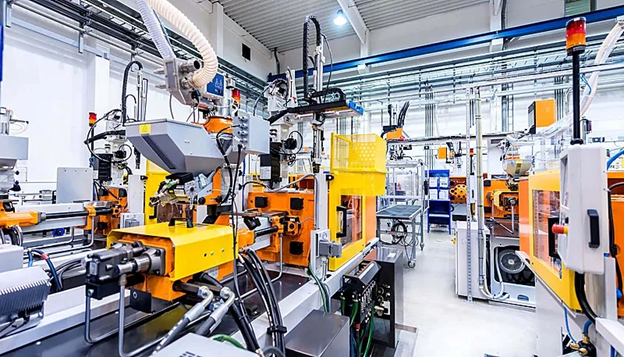
Plastic injection molding is a manufacturing process that is employed to produce plastic parts in high volume. It is a procedure that consists of the extraction of plastic material and its injection into a special-shaped mould at high pressure. After cooling and solidifying, the mold is opened, and the molded parts are removed. This is a process that will yield very accurate and repeatable parts. Can form simple shapes, as well as more complicated components with detailed features.

The following are all reasons why injection molding is a commonly used process:

  • High production efficiency
  • Consistent quality
  • Excellent dimensional accuracy
  • Low UDC at high volumes
  • Wide material selection

As a result, injection molding is a widely used manufacturing process in the world.

How Plastic Injection Molding Contract Manufacturing Works?

The process begins much before production commences. Successful contract manufacturers will usually adhere to a number of key steps.

Product Design Evaluation

Manufacturer’s review of client’s design and specification. Engineers examine geometry and material specifications, and feasibility for manufacturing. Suggestions may be made for the design to enhance moldability and/or lower production costs. This step is sometimes referred to as Design for Manufacturability (DFM). It is useful for pinpointing potential problems prior to tooling.

Materiaalkeuze

It is important to choose the correct plastic material. Various properties are required for various applications.

Common materials include:

  • Polypropyleen (PP)
  • Polyethyleen (PE)
  • ABS
  • Polycarbonaat (PC)
  • Nylon
  • Acryl
  • PEEK
  • PVC

The properties of each material are different including strength, flexibility, heat resistance, chemical resistance, etc. The manufacturer is involved in the selection of the appropriate material for the application.

Vormontwerp en Tooling

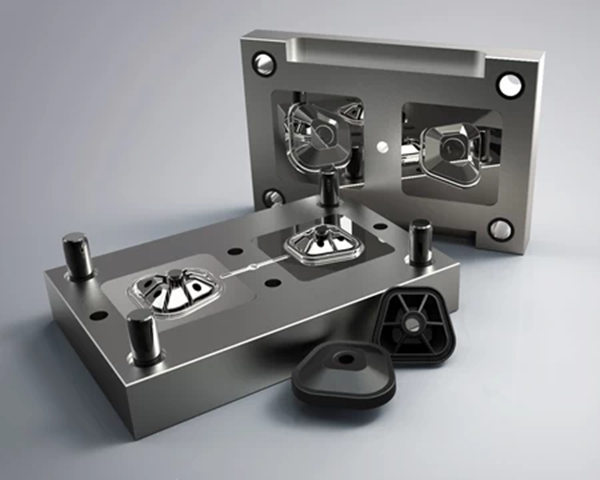
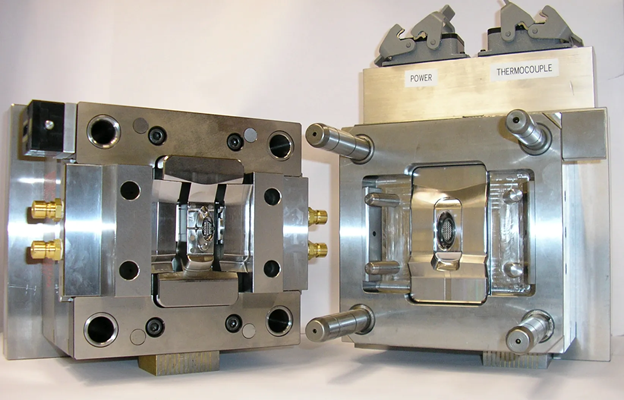
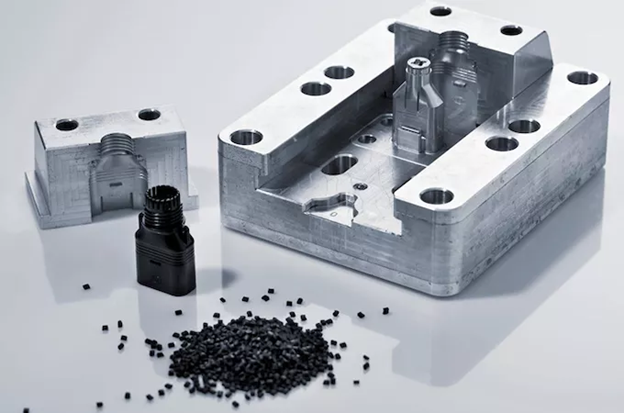
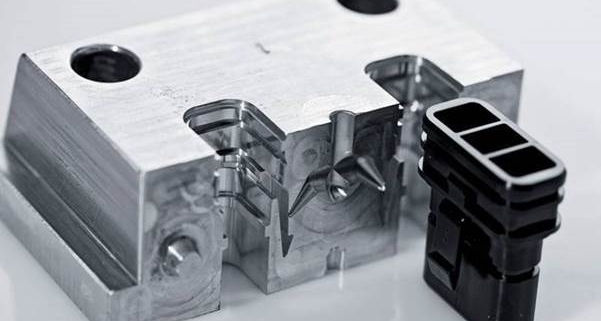
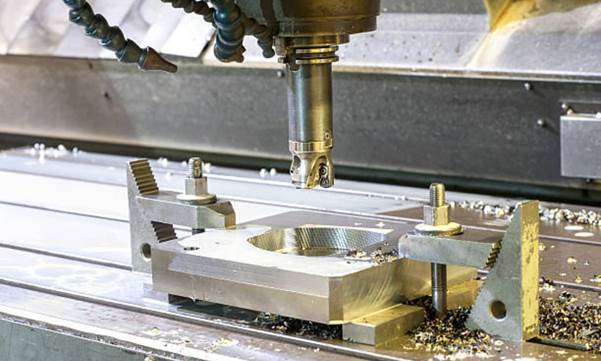
One of the most crucial parts in the injection molding process is the mould. Engineers make a custom mould according to the requirements of the product. The mold will then be produced by precision machining. The expense of moulds might be considerable, however, a quality mould can make hundreds of thousands or even millions of components.

Production Setup

The mold is finished and then put into an injection molding machine.

The production parameters (such as:

  • Injection pressure
  • Temperatuur
  • Cooling time
  • Cycle time
  • Material flow rate

These settings have been optimized to guarantee quality.

Manufacturing Process

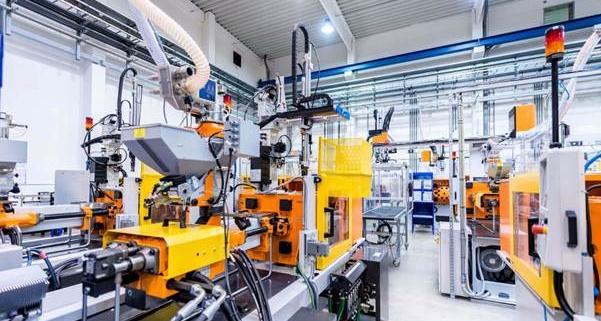
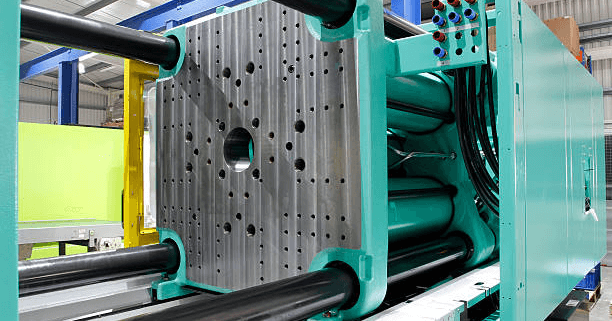
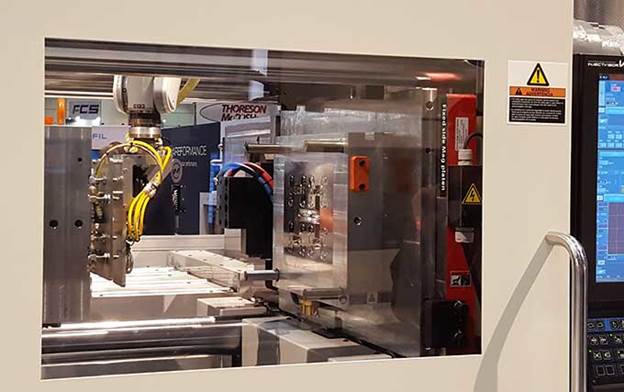
Injection Molding Machine: Plastic pellets are added to the machine. The material is melted by heating it up. Under pressure, the melted plastic is forced into the mold cavity. The mold is then cooled, opened and the product is ejected. This process is repeated continually until the production need is satisfied.

Kwaliteitsinspectie

In plastic injection molding contract manufacturing, quality control is an important aspect. Manufacturers check/inspect parts during manufacturing to verify compliance with specifications.

Inspections may include:

  • Dimensional verification
  • Visual inspection
  • Material testing
  • Functional testing
  • Surface finish evaluation

This helps in maintaining the consistency of the products as well as satisfaction of the customers.

Benefits of Plastic Injection Molding Contract Manufacturing

A lot of companies opt for contract manufacturing due to its many advantages.

Reduced Capital Investment

To establish an in-house injection molding facility, a significant investment is needed. Businesses need to buy machinery, train their workers and keep their factories going. Businesses have to buy the equipment, employ trained workers and keep the factories running. With contract manufacturing, all these costs are removed. Companies get high-level production attributes without significant investment costs.

Access to Industry Expertise

An experienced contract manufacturer will have a wealth of knowledge about injection molding processes. They are familiar with the characteristics of materials, the mould design, quality control and the production optimization of their engineering teams. This knowledge can help to increase the quality of the product produced and decrease manufacturing risk.

Faster Time to Market

In competitive markets, it is crucial to get their products to market in a timely manner. The equipment, manpower and production processes are already in place with contract manufacturers. This enables products to go from design to production quicker. A faster development time brings a big edge to the competition.

Schaalbaarheid

The production requirements may vary from year to year. Businesses benefit from plastic injection molding contract manufacturing because they can scale up their manufacturing based on the demand. Client does not need to buy extra equipment to keep the production volume up when the manufacturer wants to scale down to fewer items or scale it up to more items being produced.

Improved Quality

Professional manufacturers have a good use of advanced equipment and quality management systems.

There are many facilities with certifications like:

  • ISO 9001
  • ISO 13485
  • IATF 16949

These standards contribute to uniform production standards.

Kostenefficiëntie

Scale economies are a benefit to large scale manufacturers. They buy materials in bulk and work out optimised production processes to minimise costs. The efficiencies often lead to reduced production costs for clients.

Industries That Use Plastic Injection Molding Contract Manufacturing

Plastic injection molding contract manufacturing is an important part of many industries.

Auto-industrie

Automotive manufacturers have a huge dependence on injection molded parts.

Examples include:

  • Dashboard components
  • Interior trim
  • Connectors
  • Housings
  • Engine compartment parts

The process is durable, accurate and economical.

Medische industrie

Medical devices must be made in a quality way and must be compliant with the regulations.

Injection molding is a process that makes products like:

  • Spuiten
  • Diagnostic equipment components
  • Chirurgische instrumenten
  • Drug delivery devices
  • Medical housings

Compliance with industry regulations is made easy with the assistance of contract manufacturers that have experience in the medical field.

Consumentenproducten

Injection molding is used to produce a variety of common components.

Examples include:

  • Kitchen tools
  • Toys
  • Storage containers
  • Personal care products
  • Household appliances

It is a process that can be used for mass production and still ensure consistent quality.

Elektronica-industrie

Numerous molded parts are used in electronic devices.

These include:

  • Device housings
  • Connectors
  • Switches
  • Battery compartments
  • Protective covers

Injection molding offers electronic assembly the exact dimensions that are needed.

Industriële apparatuur

Industrial applications call for tough plastic parts.

Manufacturers produce:

  • Machine parts
  • Protective covers
  • Control panels
  • Valves
  • Fluid handling components

Contract manufacturing is to guarantee reliability and performance.

Choosing the Right Plastic Injection Molding Contract Manufacturing Partner

Choosing the right manufacturing partner can be essential to success.

Evaluate Experience

Find manufacturers who have experience in your industry. The experience gained in the industry may result in more effective design suggestions and product results. Check their work and past works.

Assess Manufacturing Capabilities

Consider:

  • Machine capacity
  • Material expertise
  • Tooling capabilities
  • Automation systems
  • Secondary services

A good manufacturer will be able to handle current and future needs.

Review Quality Systems

Quality is always to be taken for granted.

Ask about:

  • Certificeringen
  • Inspection procedures
  • Testing methods
  • Documentation practices

Good quality systems reduce problems with production and defects.

Consider Communication

Communication has a positive impact on project management. Select a manufacturer who is responsive and offers transparency. Effective communication is very important to avoid misunderstandings and delay.

Analyze Production Capacity

Make sure the manufacturer is able to fulfill your quantity needs. With high growth rates, the ability to produce is particularly critical. An expanding partner is able to help with business longevity.

Common Plastic Materials Used in Injection Molding

There are different types of materials that offer different benefits.

Polypropyleen (PP)

Polypropylene is light, durable and economical. It has excellent chemical resistance and it is used in consumer products and packaging.

ABS

ABS is a combination of strength, impact resistance and good surface finishes. It is commonly used in auto and electronic parts.

Polycarbonaat

The polycarbonate offers excellent impact resistance and transparency. Also widely used in safety equipment and electronic devices.

Nylon

Nylon is highly durable and has good mechanical properties. Nylon components are often used in the automotive as well as industrial sector.

Polyethyleen

Polyethylene has flexible, tough and moisture resistant properties. Very popular in containers and packaging.

Secondary Services Offered by Contract Manufacturers

There are a number of contract manufacturers that offer extra services other than molding.

Product Assembly

It is possible to put components together prior to shipment. This helps to minimise handling and to streamline the supply chain.

Decorating and Labelling

Manufacturers may offer:

  • Tampondruk
  • Screen printing
  • Laser marking
  • Label application

These services enhance the appearance of the product and the product’s branding.

Packaging Services

Custom packaging solutions are used to prepare products for distribution.

These are a few of the packaging services that are available:

  • Retail packaging
  • Bulk packaging
  • Custom labeling
  • Barcoding

Warehousing and Logistics

Some manufacturers offer inventory management and shipping services. This makes operations simpler and supply chain more efficient.

Cost Factors in Plastic Injection Molding Contract Manufacturing

There are a number of determinants of production costs.

Tooling Costs

One of the biggest initial costs is for custom molds. In general, more complex shapes will be more expensive than simpler shapes.

Material Costs

The cost of the plastics varies. The price of the engineered grades is generally higher than commodity plastics.

Productievolume

As the numbers of a given product are increased, the cost of each product is typically decreased. This is one of the reasons why injection molding is an ideal process for mass production.

Deelcomplexiteit

Advanced tooling, and longer production cycles are sometimes needed to achieve the required complex geometries. This can lead to higher manufacturing costs.

Secondary Operations

Other services like assembly and packaging are extra to project costs. They might be able to lower overall chain of supply expenses, however.

Quality Control in Plastic Injection Molding Contract Manufacturing

Quality control is a process for assuring that products satisfy the needs of customers. There are different inspection techniques used by the manufacturers.

Incoming Material Inspection

All raw materials are checked prior to production. This helps to guarantee consistency and performance of material.

In-Process Monitoring

The production parameters are continuously monitored. The operators monitor performance to identify issues in early stages.

Final Product Inspection

Finally manufactured components are inspected prior to delivery. Measurements and functional tests are used to check against specifications.

Statistical Process Control

A lot of manufacturers are employing statistical approaches to check the quality of production. This way, trends are identified and defects can be prevented.

Sustainability in Plastic Injection Molding

Environmental care is getting more and more significant. Manufacturers are implementing environmentally friendly measures.

Recycled Materials

Increasingly, recycled plastics are being used in many applications. This means that there is less waste and resources are saved.

Energy-Efficient Equipment

In today’s world of injection molding machines, the energy that is consumed is lower. The energy efficiency reduces environmental footprint and operating costs.

Waste Reduction

The manufacturers have taken measures to minimize waste and make the best use of materials. The reduction in waste generation is achieved through better process control.

Sustainable Product Design

Engineers create products that use less material, but still perform the same function. This helps to achieve sustainability goals without compromising quality.

Challenges in Plastic Injection Molding Contract Manufacturing
Despite the advantages to contract manufacturing there are some disadvantages.

Supply Chain Disruptions

Depending on the materials, production may be delayed due to material shortages and transport delays. Manufacturers seek to build tough supply chains.

Wijzigingen in het ontwerp

Production delays and cost overruns can be caused by late changes to the design. Disruption is minimised by careful planning.

Quality Consistency

Quality Control and Quality Monitoring must be continuous, to maintain consistent quality. Advanced systems are employed by experienced manufacturers to overcome this challenge.

Regulatory Compliance

Medical and automotive industries have some strict compliance criteria. The manufacturers are required to keep and develop documentation and quality systems.

Future Trends in Plastic Injection Molding Contract Manufacturing

De sector is nog steeds dynamisch.

Automatisering

Automation automates, streamlines and decreases manpower. It is not uncommon to find robotic systems in today’s modern facilities.

Slimme productie

Connecting equipment allows real-time monitoring and data analysis. This enhances the productivity and quality control.

Geavanceerde materialen

The new materials have improved performance properties. Plastics manufacturers keep on innovating new materials that are stronger, tougher and more eco-friendly.

Industry 4.0

Digital technologies are revolutionising manufacturing processes. Data-driven decision making is used to optimize production processes.

Duurzame productie

Environmental responsibility will continue to be a key priority. Manufacturers investing in greener technologies and recycling.

Why Businesses Continue to Choose Plastic Injection Molding Contract Manufacturing

The demands for businesses to produce high-quality products on timelines and at a budget are growing. Kunststof spuitgieten contract manufacturing can help reach these objectives by offering specialty expertise, cutting-edge technology, and scalable manufacturing. Companies may concentrate on innovation and business growth, while the skilled manufacturers take care of manufacturing operations.

This collaboration approach helps minimise risk, increase effectiveness and help achieve sustainable outcomes. Contract manufacturing will continue to be a great option for companies in several verticals as the manufacturing technology continues to evolve.

Conclusie

Manufacture of plastic injection molded parts through contract molding has emerged as a vital solution for companies looking for effective, top quality plastic part production. It brings with it precision of injection molding and professional manufacturing partners. Automotive and medical manufacturing, consumer goods and electronics are just some of the industries that rely on contract manufacturing. Reduced costs, quicker production, quality, and flexibility for businesses.

It is very important to select the right manufacturing partner. Before choosing a company, they should consider things like their communication methods, production capabilities, quality systems and experience. With the technology constantly improving, plastic injection molding contract manufacturing will become more important for businesses to fulfill the market’s growing demands. By tapping into expert manufacturing partners, businesses can gain a competitive edge, streamline the product launch process, and ensure sustainable growth.

Veelgestelde vragen

What is plastic injection molding contract manufacturing?

Plastic injection molding contract manufacturing is a service provision if a manufacturer has the expertise in plastic manufacturing, they can make plastic parts for other manufacturers using injection molding technology. The manufacturer is responsible for manufacturing, quality control and sometimes assemble and packaging.

Who uses plastic injection molding contract manufacturing?

It is a part of many industries, such as automotive, medical, electronics, consumer goods, packaging, aerospace and industrial equipment manufacturing.

How does injection molding help to lower the cost of production?

Injection molding has high production efficiency, less waste of material and low per-unit costs at high production volumes. These factors help reduce overall manufacturing expenses.

What materials are commonly used in plastic injection molding?

Typically used materials are polypropylene, polyethylene, ABS, nylon, polycarbonate, PVC, acrylic and engineering plastic.

How to select the most suited plastic injection molding contract manufacturing company?

Seek a manufacturer with industry experience, good quality certifications, up-to-date equipment, material experience, communication and production needs.

2026年7月1日/0 Reacties/door Artikel auteur
https://plas.co/wp-content/uploads/2026/07/image-3.jpeg 361 601 Artikel auteur http://plas.co/wp-content/uploads/2023/02/plas-co-1.jpg Artikel auteur2026-07-01 22:58:352026-07-01 23:04:31Plastic Injection Molding Contract Manufacturing: A Complete Guide for Modern Businesses
spuitgieten, matrijzenfabrikant china

Op maat gemaakte kunststof behuizingen voor elektronica: een gids voor moderne elektronica.

Op maat gemaakte kunststof behuizingen voor elektronica: een gids voor moderne elektronica.

Electronic devices are used in everyday life. They are used at home, in offices, factories and even outside! All electronic equipment should be protected. Dust, moisture, heat, vibration and simply a knock could damage sensitive parts. Custom plastic electronic enclosures are where they come in handy.

If the enclosure is designed properly, it will safeguard the electronic components and enhance a product’s performance. It also enhances the looks and makes a product more easy to use. Electronic device manufacturers prefer to opt for customized electronic enclosures since the standard ones might not be sufficient for their specific needs.

Companies are required to have products that are reliable and attractive and will last a long time in today’s day and age. All these benefits can be accomplished with a custom enclosure. It can be customized to meet the requirements of a particular circuit board, battery, display, connector or control panel. This will ensure that a professional product is available, which will be a differentiator in the market.

This guide will delve into the various aspects of creating custom plastic electronic enclosures, such as their advantages, materials used, design steps, applications, and future trends.

What Is Custom Plastic Electronic Enclosures?

Custom plastic electronic enclosures are specially-designed enclosures that provide protection for electronic components. They are different from the normal boxes which are made to suit the specifications and requirements of a particular device.

The enclosures may be made of various shapes and sizes. They can contain a variety of openings, such as for a button, display, connector, ventilation and mounting options.

What Is Custom Plastic Electronic Enclosures?

In fact, many companies opt for the custom plastic electronic enclosures due to the flexibility that it offers, as well as its performance in relation to products. A special enclosure guarantees all the parts fit snugly in the enclosure.

The primary purpose for an enclosure is protection. On the other hand, modern enclosures can also help to create a brand for the product, make it more functional and user-friendly.

The reason why plastic is so popular

Plastic is one of the most ubiquitous materials that are used for enclosures used on electronics. It has a number of reasons for its popularity.

Firstly, plastic is light. This makes the devices more portable and convenient to use.

Secondly, plastic is in low cost. It is generally more cost-effective to manufacture plastic parts than metal parts.

Thirdly, plastics are capable of being shaped into complex forms. This enables the designers to develop appealing and useful products.

One of the other advantages is electrical insulation. Unlike metal, plastic doesn’t conduct electricity. This helps to safeguard users and electronic parts.

Due to such benefits, numerous manufacturers choose to use custom plastic enclosures electronics during the production of new electronics.

Benefits of Custom Plastic Electronic Enclosures

Benefits of Custom Plastic Electronic Enclosures

Perfect Fit

A custom enclosure is a specially-built enclosure for a particular product. All internal components are allocated to a specific area.

This will help to increase the order and minimize the risk of injury.

Betere bescherming

Features that can be added to custom enclosures include protection from dust, water, vibration and impact.

This can be particularly useful for industrial and outdoor uses.

Improved Appearance

For a professional appearance, a unique enclosure will make all the difference.

It’s common for customers to determine the quality of a product by its appearance. An enclosure that is well-designed can enhance the brand image.

Enhanced Functionality

Special features like cable management, venting, mounting points and user-friendly controls can be added thanks to custom designs.

Strong Brand Identity

Firms can incorporate logos, colors, labels, and also distinct design features.

This assists products to be identified in competitive markets.

All these benefits make businesses to invest in custom electronic enclosures plastic solutions.

Common Materials Used

There are various types of plastic materials that can be used to make enclosures.

ABS kunststof

  • ABS is one of the most-used materials.
  • It has a good strength, durability and low cost.
  • Consumer electronics and products for industry are common applications for ABS.

Polycarbonaat

  • Polycarbonate has a high impact resistance.
  • It is commonly used in settings where it is important for it to be durable.

PVC

  • PVC has fairly good resistance to chemicals.
  • It has a wide range of applications in industry.

Acryl

  • Acrylic provides clear and excellent looks.
  • It is suitable for products which need to be transparent for viewing components.

Nylon

  • Nylon has high strength and durability.
  • It is a good performer in challenging applications.

It depends on the product’s environment and performance requirements to choose the right material.

Applications of Custom Plastic Electronic Enclosures

Consumentenelektronica

  • Custom enclosures are used in many every day devices.
  • They range from smart home devices like remote controls and charging systems, to routers and other components.

Medische apparatuur

  • Medical devices must be safe and secure.
  • Custom enclosures help to ensure safe operation.

Industriële Automatisering

  • Electronic Systems with harsh operating environments are used in factories.
  • Sensitive electronic products need the protection from dust and vibration by custom enclosures.

Telecommunications

  • Special housing may be needed for communication equipment.
  • Space is available for custom designs, connectors and cooling systems.

Automotive Electronics

  • Today’s cars are equipped with numerous electronic parts.
  • Custom enclosures provide more protection from heat and movement to these systems.

Custom plastic enclosure for electronics solutions are applicable to many industries, due to their versatility.

Important Design Considerations

Size and Dimensions

  • All parts need to be properly installed within the enclosure.
  • Space for wiring, connectors and future expansion should be allowed for.

Ventilation

  • Electronic devices produce temperatures. Electronic devices produce temps.
  • Good ventilation keeps temperatures safe while in operation.

Accessibility

  • Controls, ports and displays should be easily accessible to users.
  • A well-designed interface makes for increased usability.

Duurzaamheid

  • The enclosure needs to be able to withstand the environmental factors that are expected.
  • This can be moisture, impact, chemicals or changes in temperature.

Safety

  • Safety is a very important consideration.
  • The enclosure should be designed to keep the users and electronics safe.

Process of Making Custom Plastic Electronic Enclosures

The process of developing electronic enclosures is a step-by-step, systematic process. All steps are crucial to ensure that the finished product is robust, reliable and appropriate for its intended function.

Requirement Analysis

Understanding of the product needs is the first step. The electronic components, size, shape and environment in which the device will be used are studied by engineers. This will aid in the proper design of the enclosure from the beginning.

Design Planning

Once designers have gained an understanding of requirements, they make initial sketches. Basic shapes, sizes and features of enclosure are indicated in these designs. Brainstorming and refining of ideas occurs at this point.

3D CAD Modeling

A detailed 3D model is created in this step, using computer software. This model indicates actual size and cavity dimensions of components. It will aid the engineer to ensure they have all the components fitted correctly.

Ontwikkeling van prototypes

A test enclosure is built and a sample is placed within it. A test enclosure is made, and a sample is put in. It has been helpful in the early identification of design issues with this prototype. Engineers test it for the fit, strength and usability.

Testing and Improvements

Prototype is put to the test in actual situations. Changes are effected when necessary. This process will result in improved performance, durability and safety.

Final Production

Mass production of the design is started once it is approved. The final enclosures are manufactured by high-quality methods such as injection molding process in large quantities.

Kwaliteitscontrole

All products are carefully checked prior to delivery. This guarantees that there are no defects and each enclosure is up to industry standard.

This is a common procedure used by many companies to develop reliable custom plastic enclosure for electronics that satisfy the technical and market needs.

Manufacturing Methods

Spuitgieten

  • Injection molding is one of the most popular methods of manufacturing.
  • The molten plastic material is fed into a mould.
  • This is a suitable method for big production quantities.

CNC-bewerking

  • The CNC machines are able to process materials with high precision.
  • This technique can be used for prototypes and low volumes of production.

Vacuum Forming

  • Vacuum forming is a technique that involves heating and under pressure shaping plastic sheets.
  • It is suitable for large parts, and is often used.

3D Printing

  • Rapid Prototyping is possible with 3D printing.
  • prototypes can be manufactured as rapidly as before the full scale manufacturing.

Custom Features That Add Value

In the modern enclosure, there are many additional features being added that enhance performance, safety and user experience. The features are based on the requirements of the electronic device and the working environment.

Display Windows

Transparent sections enable users to easily see the LED or indicator or screens without opening the enclosure. This makes it simple and secure to track devices’ status. It also enhances user-friendliness of consumer and industrial products.

Mounting Options

Flexibility of installation using wall mounts, brackets and panel mounts. They simplify the way of mounting the device on various surfaces like walls, machines or control panels. This will provide stability and will help in managing the space.

Cable Management

Built-in cable routing helps to organize and keep products clean. Helps keep wires from tangling or damage. Proper cable management also helps to keep the air flowing and minimizes maintenance problems.

Waterproof Seals

Seals prevent damage of the electronics from moisture, dust and environment. This is particularly true for any devices located in the outdoors or industrial setting. Giving the product a good seal extends product life and reliability under harsh conditions.

Ventilation Systems

These cooling features help to enhance performance and reliability. Flow holes and/or built-in airflow ways provide temperature control. This helps to avoid overheating and the smooth functioning of electronic components.

Additional Protective Features

Other enclosures are made with shock resistance, UV protection and anti-corrosion coatings as well. These features are beneficial in the heavy-duty device as the devices get a lot of stress.

Branding and Custom Design Elements

Branding and Custom Design Elements of Custom Plastic Electronic Enclosures

Manufacturers are also able to put logos, custom colors, texture and surface finishes. This will help enhance the identity of the brand and make products more professional and appealing in the marketplace.

Custom electronic enclosures plastic can be easily incorporated into many manufacturers and designed to meet project needs. This will make the end product more useful, long-lasting and ready for sale.

Importance of Aesthetic Design

  • The look of a product has an impact on how customers view the product.
  • Trust is made by a professional enclosure.
  • Today’s consumers demand products to be beautiful and well designed.
  • Custom enclosures can be customized to follow businesses’ branding.
  • Colors, textures and logos can be added to the design.
  • This makes it possible to have a uniform brand image throughout product lines.

Environmental Considerations

  • There’s an increasing focus on sustainability.
  • A lot of companies are utilizing reusable plastics.
  • There is also an exploration of manufacturers for environmentally friendly manufacturing processes.
  • Minimizing material wastage decreases the environmental impact.

Creating longer product life is also a key aspect of durability, helping to create a more sustainable product.

With an increasing awareness toward a more environmentally conscious world, the manufacture of custom plastic electronic enclosures is becoming more environmentally friendly.

Problems with Enclosures!

But it’s not always easy to design a custom enclosure.

There can be a number of problems.

Space Constraints: There’s a need to make best use of the space within compact devices.

Heat Management: There is a considerable amount of heat generated by electronics that are high-performance.Cooling solutions need to be integrated in.

Cost Control: There is a need to balance costs and quality on the part of manufacturers.

Compliance Requirements: Some companies have specific requirements and regulations.

All designs are required to abide by these requirements.

With adequate planning, these problems can be solved successfully.

How Custom Enclosures Improve Product Success

There are numerous business benefits with custom enclosures.

  • They are beneficial for enhancing product reliability.
  • They enhance appearance.
  • They help to enhance the user experience.
  • They aid in brand recognition.
  • First of all, they contribute to products satisfying customers’ expectations.
  • Businesses with the quality enclosure design outperform the market performance.

One of the reasons for the worldwide increase in demand for custom plastic enclosure for electronics.

Future Trends in Custom Plastic Electronic Enclosures

Future Trends in Custom Plastic Electronic Enclosures

There is a quick evolution in technology.

There are new trends that are being set for the future of enclosure design.

Smart Enclosures

High-tech monitoring equipment can be added to enclosures.

These systems can be used to monitor systems and temperature.

Duurzame materialen

More and more, eco friendly plastics are becoming popular.

There is an increasing emphasis on minimizing environmental footprints by the manufacturers.

Lightweight Designs

Companies keep on looking for lighter products.

New materials to achieve reduced weight but retain strength.

Advanced Manufacturing

The modern production technologies enhance in accuracy and efficiency.

Improved Customization

Highly personalized products are what customers are looking for.

Enclosure solutions will be even more flexible in the future.

With ongoing innovation, custom plastic electronic enclosures will be an integral part of electronic product development in the future.

Conclusie

To effectively function, electronic devices require dependable protection. Custom plastic enclosures offer that protection, and offer an improvement in terms of appearance, usability and value of the product.

These enclosures play a crucial role in various applications, such as consumer electronics, industrial equipment, and other areas. They can be created to satisfy precise requirements, making sure that they fit just correctly and perform effectively.

The reason why businesses select custom plastic enclosures electronics is that they are flexible, economical and professional. Their other materials include custom electronic enclosures plastic from which they design long-lasting and aesthetically pleasing products. With the fast advancement of technology, the demand for custom plastic enclosure for electronics is now on the rise. Meanwhile, the custom plastic electronic enclosures solution continues to be one of the popular ways to keep sensitive electronic components safe.

With the continued innovation of industries, custom enclosure solutions will be even more crucial. These firms that invest in good design and manufacturing will be more likely to have a long-term of success.

2026年6月23日/0 Reacties/door Artikel auteur
https://plas.co/wp-content/uploads/2026/06/article_83d4ba89-fc07-47a0-ba8d-a9e3d7f8c3c1_1-1764928089726-eqz7537t.png 768 1408 Artikel auteur http://plas.co/wp-content/uploads/2023/02/plas-co-1.jpg Artikel auteur2026-06-23 20:14:522026-06-23 20:26:06Op maat gemaakte kunststof behuizingen voor elektronica: een gids voor moderne elektronica.
Spuitgegoten kunststof, spuitgieten

HDPE-spuitgieten: een complete gids over materialen, processen, voordelen en toepassingen

HDPE-spuitgieten: een complete gids over materialen, processen, voordelen en toepassingen

HDPE-spuitgieten is een belangrijke technologie in de hedendaagse productiesector. Dit proces wordt door bedrijven gebruikt om duurzame kunststofonderdelen te vervaardigen voor diverse sectoren, zoals de verpakkingsindustrie, de bouwsector en nog veel meer. HDPE is een van de meest gebruikte thermoplasten vanwege zijn sterkte, lage kosten en duurzaamheid.

Fabrikanten blijven investeren in het spuitgieten van HDPE-kunststof, omdat ze hiermee hoogwaardige producten tegen een betaalbare prijs kunnen vervaardigen. Van kleine consumentenartikelen tot grote onderdelen voor de industrie: HDPE is geschikt voor een breed scala aan toepassingen.

Inleiding

Kunststofproducten zijn niet meer weg te denken uit het dagelijks leven. Ze zijn alomtegenwoordig in woningen, kantoren, fabrieken, ziekenhuizen en op bouwplaatsen. Veel van deze producten worden vervaardigd via een efficiënt productieproces dat spuitgieten wordt genoemd. Dankzij deze techniek kunnen fabrikanten duizenden identieke onderdelen van dezelfde kwaliteit produceren met zeer weinig verspilling.

HDPE staat hoog aangeschreven onder de verschillende materialen die voor spuitgieten worden gebruikt. Het is chemisch bestendig, duurzaam, licht van gewicht en kan voor tal van toepassingen worden gebruikt. Deze eigenschappen spreken fabrikanten aan die op zoek zijn naar duurzame en kosteneffectieve oplossingen.

De toegenomen vraag naar duurzame kunststofproducten heeft geleid tot de stijgende populariteit van spuitgieten van HDPE. Het materiaal presteert uitstekend in veeleisende omgevingen en is kostenefficiënt in de productie, wat voordelig is voor de bedrijven. Door inzicht te krijgen in het product en het productieproces kunnen kopers wellicht betere beslissingen nemen met betrekking tot productieprocessen en leveranciers.

Wat is HDPE?

HDPE staat voor High-Density Polyethylene. Het is een (thermoplastisch) polymeer dat wordt gewonnen uit aardolie. Het wordt ook op grote schaal gebruikt in de industrie, omdat het sterk en duurzaam is en geschikt is voor de productie van allerlei soorten kunststofproducten.

Wat is HDPE?

Het bijzondere aan dit materiaal is dat het een uitstekende verhouding tussen sterkte en gewicht heeft. HDPE is niet zo broos als sommige kunststoffen en blijft zelfs onder zware omstandigheden duurzaam. Het is slagvast, waterafstotend en bestand tegen een groot aantal verschillende chemicaliën.

Een van de andere voordelen van HDPE is de veelzijdigheid ervan. Fabrikanten kunnen het gebruiken om producten in allerlei maten en vormen te maken. HDPE wordt voor allerlei toepassingen gebruikt, zoals flessendoppen, industriële containers en nog veel meer.

Tabel 1: Belangrijkste eigenschappen van HDPE

EigendomBeschrijvingVoordeel
SterkteHoge structurele duurzaamheidLangere levensduur van het product
SchokbestendigheidBestand tegen barsten en breukenVerbeterde betrouwbaarheid
Chemische weerstandBestand tegen tal van chemicaliënGeschikt voor industrieel gebruik
VochtbestendigheidLage wateropnameBetere prestaties in de buitenlucht
LichtgewichtGemakkelijk te hanteren en te vervoerenLagere verzendkosten
RecycleerbaarheidKan na verwerking opnieuw worden gebruiktMilieuvoordelen

Deze eigenschappen van de materialen hangen nauw samen met het succes van HDPE-spuitgieten. Ze stellen fabrikanten in staat om producten van constante kwaliteit te vervaardigen tegen een betaalbare prijs.

Inzicht in het HDPE-spuitgietproces

Bij het spuitgietproces wordt gebruikgemaakt van HDPE-granulaat. Dit granulaat wordt vervolgens in een spuitgietmachine gebracht, waar het door de hitte tot kunststof smelt. Het gesmolten materiaal wordt vervolgens onder gecontroleerde druk in een nauwkeurig vervaardigde matrijs gepompt.

Zodra de matrijsholte is gevuld, begint het materiaal af te koelen en uit te harden. De koelkanalen in de matrijs zorgen voor een gelijkmatige temperatuur tijdens het afkoelingsproces. Een goede afkoeling is van cruciaal belang voor de kwaliteit van het onderdeel, de maatnauwkeurigheid en de cyclustijd.

Zodra het product is afgekoeld, wordt het door een uitwerpsysteem uit de matrijs geworpen. Vervolgens wordt het onderdeel gecontroleerd om er zeker van te zijn dat het van aanvaardbare kwaliteit is. Alle noodzakelijke afwerkingshandelingen worden uitgevoerd vóór het verpakken en de levering.

Het voordeel van spuitgieten met HDPE-kunststof is dat er grote hoeveelheden identieke onderdelen kunnen worden geproduceerd. De huidige spuitgietmachines zijn uitgerust met geavanceerde besturingssystemen die zorgen voor consistentie tussen de verschillende productieseries. Dit helpt afval tot een minimum te beperken en verbetert het productieproces.

Om zo uniform mogelijke prestaties te bereiken, moeten de fabrikanten de volgende parameters onder controle houden: injectiedruk, smelttemperatuur, afkoeltijd en matrijsontwerp. Elke wijziging heeft een aanzienlijke invloed op het eindproduct. Deze variabelen worden voortdurend gecontroleerd door ervaren productieteams om de betrouwbaarheid te waarborgen.

Enkele voordelen van HDPE-spuitgieten zijn de volgende

HDPE heeft een aantal voordelen waardoor het een populair materiaal is voor de productie.

  • Uitstekende slagvastheid voor veeleisende toepassingen.
  • Uitstekende chemische bestendigheid in een industriële omgeving.
  • Licht van gewicht en gemakkelijk te vervoeren.
  • Lange levensduur en weinig onderhoud.
  • Een materiaal dat in vergelijking met veel andere goedkoop is.
  • Kan in grote hoeveelheden worden geproduceerd.
  • Recyclebaar en milieuvriendelijk.
  • Een constante productkwaliteit in een massaproductieproces.

Verschillende bedrijven kiezen voor Chinese leveranciers van HDPE-kunststofspuitgietproducten, omdat deze zowel de voordelen van dit materiaal als productiecapaciteit op grote schaal kunnen bieden.

Er zijn veel gangbare producten verkrijgbaar die van HDPE zijn gemaakt

HDPE kan voor allerlei producten worden gebruikt.

  • Flesdoppen, sluitingen
  • Voedselcontainers
  • Industriële opslagbakken
  • Meterkasten
  • Leidingfittingen
  • Onderdelen voor waterbeheer
  • Onderdelen voor landbouwmachines
  • Tuinmeubelen
  • Beschermende behuizingen
  • Verpakkingsproducten

Tabel 2: Veelvoorkomende HDPE-producten

ProducttypeIndustrieBelangrijkste voordeel
FlesdoppenVerpakkingChemische bestendigheid
LeidingfittingenBouwCorrosiebestendigheid
OpslagcontainersConsumptiegoederenDuurzaamheid
LandbouwcomponentenLandbouwWeersbestendigheid
MeterkastenIndustrieelSlagvastheid
TuinmeubelenConsumptiegoederenLange levensduur

De grote verscheidenheid aan producten illustreert juist de vele verschillende redenen waarom het spuitgieten van HDPE nog steeds een van de populairste productiemethoden in de kunststofindustrie is.

Sectoren waarin spuitgegoten HDPE-onderdelen worden gebruikt

HDPE wordt in tal van sectoren gebruikt vanwege zijn veelzijdigheid en duurzaamheid.

HDPE wordt in de auto-industrie gebruikt voor reservoirs, beschermkappen en functionele onderdelen. Het materiaal is bij fabrikanten ook populair vanwege zijn lichte gewicht en toch hoge sterkte.

Sectoren waarin spuitgegoten HDPE-onderdelen worden gebruikt

HDPE wordt in de bouw gebruikt voor beschermende behuizingen, buisfittingen en afvoersystemen. De waterafstotende eigenschap van het materiaal is met name een voordeel bij gebruik buitenshuis.

HDPE-producten zijn onmisbaar voor landbouwactiviteiten, zoals onderdelen voor irrigatiesystemen, opslagcontainers en apparatuur. Er is behoefte aan duurzame materialen die lang meegaan, vooral wanneer ze worden blootgesteld aan zonlicht, vocht en chemicaliën.

 HDPE-spuitgieten wordt ook op grote schaal toegepast door fabrikanten van consumentengoederen om duurzame producten voor huishoudelijk gebruik te vervaardigen.

Ontwerpoverwegingen voor HDPE-onderdelen

Productontwerp is de eerste stap naar een succesvol gietproces.

De wanddikte moet in het onderdeel zo gelijkmatig mogelijk zijn. Een gelijkmatige wanddikte kan bijdragen aan een gelijkmatige afkoeling en de kans op defecten tot een minimum beperken.

Onttrekhoeken worden gebruikt om onderdelen gemakkelijk uit de matrijs te kunnen halen. Als de onttrekhoek onvoldoende is, kan dit ertoe leiden dat onderdelen aan elkaar blijven kleven en beschadigd raken.

Hoeken zijn ook belangrijk. Scherpe hoeken kunnen spanningspunten vormen die tot zwakke plekken in het eindproduct kunnen leiden. Meestal zijn afgeronde randen duurzamer en gaan ze langer mee.

Bij het spuitgietproces van HDPE-kunststof kunnen de ingenieurs nauw samenwerken met de matrijsontwerper om ervoor te zorgen dat het product vóór de productie optimaal presteert.

HDPE wordt vergeleken met andere kunststofmaterialen

Bij het kiezen van materialen voor de productie vergelijken fabrikanten deze vaak met andere kunststoffen.

Tabel 3: HDPE versus andere kunststofmaterialen

FunctieHDPEPPABS
SchokbestendigheidHoogMediumHoog
Chemische weerstandUitstekendGoedMatig
KostenLaagLaagHoger
VochtbestendigheidUitstekendGoedMatig
DuurzaamheidHoogMediumHoog
RecycleerbaarheidUitstekendGoedMatig

Chemische bestendigheid en duurzaamheid zijn belangrijke factoren die ervoor kunnen zorgen dat HDPE de voorkeurskeuze is. Er zijn weliswaar andere soorten kunststoffen met hun eigen voordelen, maar HDPE biedt een goede balans tussen prestaties en kosten.

Kwaliteitscontrole en testen

Kwaliteitscontrole is het belangrijkste aspect van het productieproces.

Tijdens het productieproces controleren fabrikanten of de gegoten onderdelen gebreken vertonen, voordat de producten aan klanten worden verkocht. Er worden inspectieprocedures toegepast om de consistentie te waarborgen en dure defecten tot een minimum te beperken.

 Kwaliteitscontrole en testen

Typische testprocedures zijn maatcontrole, visuele inspectie, slagproef en materiaalanalyse. Deze tests waarborgen dat de producten voldoen aan de ontwerpspecificaties en aan de verwachtingen van de klant.

Voor bedrijven die zich bezighouden met het spuitgieten van HDPE-kunststof in China is het raadzaam om geautomatiseerde inspectiesystemen in te zetten om de nauwkeurigheid en de productie-efficiëntie te verbeteren.

Uitdagingen en oplossingen bij het spuitgieten van HDPE

Zoals bij alle productieprocessen zijn er ook bij spuitgieten enkele problemen.

Er kan kromtrekken optreden als de afkoelsnelheid op verschillende plaatsen van het onderdeel verschilt. Dit kan worden voorkomen door een goed ontwerp en een goede regeling van de matrijzen en de koeling.

Een andere zorgwekkende factor is krimp. Fabrikanten vangen dit op door de afmetingen van de matrijzen en/of de verwerkingsparameters aan te passen.

Oppervlaktefouten kunnen ontstaan door verontreiniging, onjuiste temperaturen of slijtage van de matrijs. Deze problemen kunnen worden voorkomen door regelmatig onderhoud en controle van de processen.

Succesvolle fabrikanten blijven hun productieprocessen voortdurend verfijnen om ervoor te zorgen dat ze een product van constante kwaliteit leveren.

Waarom veel bedrijven voor China kiezen als productielocatie

China wordt nog steeds beschouwd als een belangrijk productiecentrum voor kunststofspuitgieten.

Dankzij de uitgebreide productielijnen en de enorme productiecapaciteit kiezen veel bedrijven ervoor om met Chinese leveranciers in zee te gaan. Geavanceerde machines en ervaren productieteams zorgen voor een uiterst efficiënte grootschalige productie.

Waarom veel bedrijven voor China kiezen als productielocatie

Bij het zoeken naar kostenefficiënte en hoogwaardige productiemogelijkheden zullen internationale afnemers waarschijnlijk een Chinese dienstverlener op het gebied van HDPE-kunststofspuitgieten tegenkomen.

Een sterke toeleveringsketen draagt eveneens bij aan de efficiëntie van de productie. Toegang tot materialen, gereedschappen en logistieke diensten helpt de doorlooptijden van de productie te verkorten.

Kostenfactoren bij het spuitgieten van HDPE

Er zijn een aantal factoren die van invloed zijn op de productiekosten.

 De factoren die in deze tabel worden genoemd, zijn van invloed op de kosten van spuitgieten

Tabel 4: Factoren die van invloed zijn op de kosten van spuitgieten

KostenfactorGevolgen voor de prijsOptimalisatiemethode
Materiële kostenDirect effect op de begrotingEfficiënt materiaalgebruik
GereedschapHoge initiële investeringProductieplanning op lange termijn
ArbeidHeeft invloed op de bedrijfskostenAutomatisering
ProductievolumeInvloeden op de kosten per onderdeelGrotere productieseries
KwaliteitscontroleExtra inspectiekostenProcesoptimalisatie
VerzendingInvloed op de uiteindelijke leveringskostenLogistieke planning

Voor bedrijven die projecten op het gebied van HDPE-spuitgieten willen bekijken, zijn er tal van kosten waarmee rekening moet worden gehouden voordat een leverancier wordt gekozen.

De voordelen van duurzaamheid en recycling

In de verwerkende industrie is het begrip duurzaamheid in de loop der jaren steeds belangrijker geworden.

Tot de voordelen van het gebruik van HDPE behoort onder meer dat het gerecycled kan worden en voor allerlei toepassingen kan worden gebruikt, waardoor het een milieuvriendelijk materiaal is. Recycling is een manier om afval tot een minimum te beperken en verantwoord beheer van hulpbronnen te bevorderen.

Nu steeds meer fabrikanten zich realiseren dat recycling in bepaalde gevallen zinvol is, maken ze in hun productieprocessen steeds vaker gebruik van gerecycleerde materialen. Dit heeft tot doel de milieu-impact te verminderen, zonder dat dit ten koste gaat van de productprestaties.

Dankzij de recycleerbaarheid van HDPE blijft het materiaal ook in diverse sectoren populair.

De juiste productiepartner kiezen

Er zijn een aantal criteria waarmee rekening moet worden gehouden bij het kiezen van de juiste leverancier.

De fabrikanten moeten de productiecapaciteit, het kwaliteitssysteem, de technische kennis en de communicatieve vaardigheden beoordelen. Een betrouwbare partner kan helpen om de productkwaliteit te verbeteren en de projectrisico’s tot een minimum te beperken.

Daarnaast is ervaring met soortgelijke producten een pluspunt. Leveranciers die bekend zijn met de verwachtingen binnen de sector, kunnen effectiever zijn in het behalen van succesvolle resultaten.

Voordat u een beslissing neemt, is het raadzaam om de certificeringen, productiecapaciteiten en kwaliteitscontroleprocessen te controleren van bedrijven die zich bezighouden met HDPE-spuitgieten. .

De toekomst van HDPE-spuitgieten

De sector is nog steeds dynamisch.

Nu bedrijven streven naar meer efficiëntie en uniformiteit, wint automatisering aan populariteit. Geavanceerde robotica kan de productiesnelheid verhogen en tegelijkertijd de arbeidskosten verlagen.

Dankzij digitale monitoringsystemen kunnen fabrikanten hun prestaties in realtime volgen. Deze technologieën helpen bij het opsporen van toekomstige problemen, nog voordat deze de productkwaliteit beïnvloeden.

De toekomst van HDPE-spuitgieten

Ook voor duurzame productie is er steeds meer belangstelling. Talrijke organisaties zijn nog steeds op zoek naar manieren om recycling te verbeteren en materiaalverspilling tot een minimum te beperken.

De toekomst van het spuitgieten van HDPE-kunststof zal waarschijnlijk in het teken staan van efficiëntere en milieuvriendelijkere productiemethoden, waaronder de ontwikkeling van geavanceerde productieapparatuur en -systemen.

Conclusie

HDPE is nog steeds een van de meest bruikbare en populaire kunststoffen die tegenwoordig in de productie worden gebruikt. Het is sterk, duurzaam, chemisch bestendig en goedkoop, en kan worden ingezet voor tal van toepassingen in diverse sectoren.

Het gebruik van China spuitgieten van HDPE-kunststof Deze oplossingen worden nog steeds door bedrijven toegepast, omdat ze hen in staat stellen efficiënte productiecapaciteiten op te bouwen en tegelijkertijd concurrerende productiekosten te realiseren. Tegelijkertijd helpt de invoering van nieuwe technologieën op het gebied van automatisering, kwaliteitscontrole en duurzaamheid fabrikanten om hun prestaties te verbeteren en verspilling tot een minimum te beperken.

Van verpakkingsmaterialen, industriële producten en landbouwproducten tot consumptiegoederen: spuitgieten met HDPE is een beproefde productiemethode. Bedrijven die het materiaal goed kennen, het productontwerp optimaliseren en samenwerken met ervaren leveranciers, kunnen zorgen voor een constante productkwaliteit en duurzame waarde in hun productie-initiatieven.

Veelgestelde vragen (FAQ)

Wat zijn enkele toepassingen van HDPE?

Vanwege zijn sterkte en duurzaamheid wordt HDPE op grote schaal gebruikt in diverse toepassingen, zoals containers, buisfittingen, verpakkingsproducten, industriële onderdelen en consumptiegoederen.

Why is HDPE being used for injection molding?

HDPE has high impact resistance, chemical resistance and is very cost effective. These attributes enable it to be used for various manufacturing purposes.

Is HDPE recyclable?

Yes. HDPE is one of the most popular plastics to be recycled and can be used in a variety of applications.

Is there an application for HDPE outside?

Yes. HDPE is moisture resistant and weather proof making it suitable for outdoor use.

Which industries do you find HDPE products being utilized in?

HDPE components are used in the automotive, construction, agriculture, packaging, healthcare and consumer goods industries.

What are the factors that influence the cost of injection molding?

Project cost is affected by material costs, tooling, labor, production volume, quality control and shipping costs.

What are the reasons for companies to import components from China?

There are also significant manufacturing production capacity, professional production teams and competitive prices for many plastic products in China.

What are the ways for manufacturers to enhance their products’ quality?

Correct mold design, process control, material selection and thorough mold inspections all help to improve the quality of the product.

2026年6月21日/0 Reacties/door Artikel auteur
https://plas.co/wp-content/uploads/2026/06/Technology-to-Optimize-the-HDPE-Molding-Process.webp 500 750 Artikel auteur http://plas.co/wp-content/uploads/2023/02/plas-co-1.jpg Artikel auteur2026-06-21 23:55:122026-06-21 23:58:51HDPE-spuitgieten: een complete gids over materialen, processen, voordelen en toepassingen
Spuitgegoten rubber, plastic vorm

Bewerkte PTFE-onderdelen: de ultieme gids voor de productie van precisiepolymeren

Bewerkte PTFE-onderdelen: de ultieme gids voor de productie van precisiepolymeren

PTFE has been recognized as one of the most critical engineering plastics of today’s industry because of its outstanding chemical resistance, low friction coefficient and its thermal stability. Precision manufacturing involves the use of machined ptfe parts in situations where a metal part would not function properly because of corrosion, wear or contamination issues. PTFE parts are highly reliable and durable, and are used in a broad variety of applications such as in the aerospace industry and medical devices.

Industries of today require materials that can resist extreme environment and still have dimensional accuracy and performance stability. This is where PTFE comes into play. It is a popular material for engineers around the world, due to its non-stick characteristic, electrical insulation properties and resistance to almost all industrial chemicals. But it’s not quite as easy as it sounds to machine PTFE. It demands expertise in CNC processes, the right tools and attention to detail to produce accurate, functional parts and assemblies.

In high tech manufacturing facilities, ptfe machined parts may be specifically engineered to conform with the operating conditions of the application. Beyond being basic plastic components, these parts are designed solutions, critical for efficiency, safety, and durability within essential systems.

Whether you are interested in the material properties, the manufacturing process, or the applications, cost considerations, quality control, or the latest industry trends, this article has you covered with a deep, practical and technical understanding of PTFE machining. This guide is designed for engineers, procurement specialists, or technical buyers seeking an understanding of the design, manufacturing and optimization of PTFE components for use in industry.

What is PTFE and Why It Matters in Engineering

What is PTFE and Why It Matters in Engineering

The PTFE is a fluoropolymer with outstanding chemical inertness and thermal resistance. It has many applications in areas where other plastics break down rapidly. PTFE has a very low coefficient of friction which makes it suitable for use in sliding and sealing applications.

PTFE is useful in engineering systems as it will not react with acids, bases or solvents. It also has a good performance in extreme low or high temperatures. This allows it to be used in a variety of applications, including chemical processing, pharmaceuticals, automotive and aerospace.

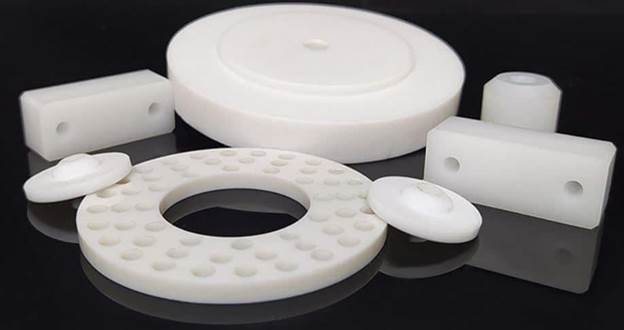
Various industries have come to depend on machined ptfe parts to obtain precision performance from their seals, bushings and insulation parts. These parts will be used in extreme environments, where conventional materials cannot be used.

Overview of PTFE Machining Processes

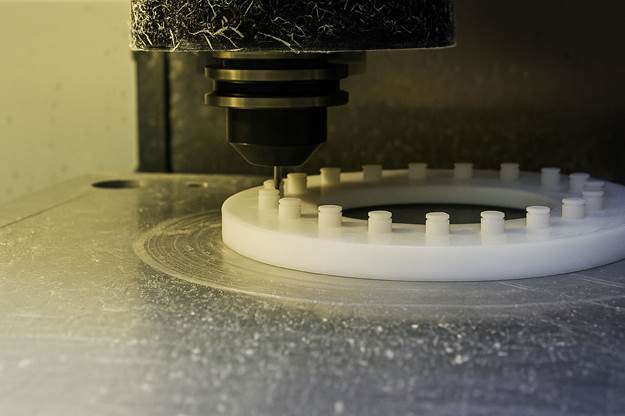
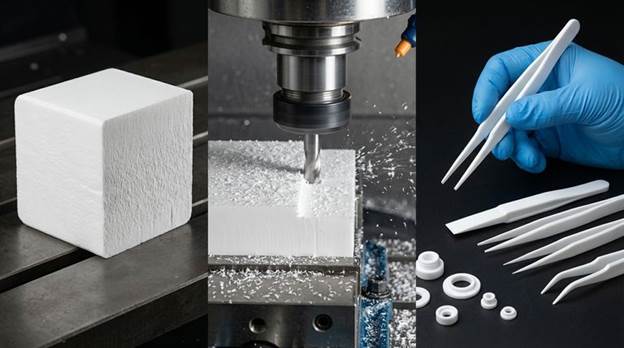
PTFE machining involves the cutting, shaping and finishing of raw PTFE stock into functional components, and is a specialized process. While PTFE is soft and flexible, unlike metals it is not easy to machine without deforming it.

The common methods used in CNC are turning, milling, drilling and precision finishing. The most important consideration is temperature control or tool sharpness and getting the correct results.

In high volume manufacturing situations, engineers would often rather have cnc machined ptfe parts because of its dimensional accuracy and repeatability.

A close look at the material properties of PTFE (Technical Table)

EigendomWaardeEngineering Significance
Density2.1–2.3 g/cm³Lightweight yet durable
Smeltpunt327°CHigh thermal resistance
Treksterkte20–35 MPaModerate mechanical strength
Coefficient of Friction0.05–0.10Extremely low friction
Diëlektrische sterkteHoogExcellent electrical insulation
Chemische weerstandUitstekendResistant to nearly all chemicals

PTFE’s unique combination of properties makes it ideal for precision engineering applications. The term ptfe machined parts is used in many industries for choosing parts because they can withstand extreme conditions.

PTFE component is manufactured using the CNC manufacturing process

There are a few precautions to be taken when CNC machining PTFE. When pressure is applied to PTFE it is soft enough to cause it to deform.

Step-by-step process:

  • The choice of material used (virgin or filled PTFE)
  • Create and simulate 3D models in CAD. Design & simulate 3D objects in CAD.
  • CNC programming
  • Rough machining
  • Fine finishing
  • Internal control of the equipment and quality checking

For the highest quality of service, the processes are optimized every step of the way, including by using facilities like a cnc machined ptfe parts factory.

Manufacturing Parameters Table

ParameterAanbevolen bereikOpmerkingen
Cutting Speed200–500 m/minPrevents melting
Feed Rate0.1–0.3 mm/revEnsures surface accuracy
Tool MaterialCarbideReduces wear
Cooling MethodAir / DryAvoids contamination
Tolerance Level±0.01–0.05 mmHigh precision standard

For more sophisticated applications, cnc machined ptfe parts are manufactured in automated systems that help minimize human error and improve batch-to-batch consistency.

The use of PTFE components in industry

The use of PTFE components in industry

Overview of PTFE in Industry

PTFE has a wide range of applications in the modern industry as it can serve the purpose of many other materials in tough conditions. It has high resistance to heat, chemicals and rubbing, thus is a good material for precision elements. Thus, PTFE parts are used in various critical systems that require safety and durability.

Chemical Processing Industry

PTFE is used in the chemical industry since it does not react with most acids, alkalis or solvents. It is commonly used in the following ways:

  • Pipe linings
  • Seals and gaskets
  • Valve seats
  • Pump components

These components help to prevent corrosion and safe chemical handling.

Electrical and Electronics Industry

PTFE has excellent electrical insulating properties, making it very useful in the electronics industry. It is used in:

  • The insulation of wires and cables is done.
  • Connectors and sockets
  • Circuit board components
  • High-frequency equipment

It enhances safety and performance of electrical systems.

Auto-industrie

In the automotive industry, PTFE is employed in automotive components where low friction and extremely long-lasting properties are required, including:

  • Bushings
  • Bearings
  • Seals in Engine and Transmission Parts
  • Onderdelen brandstofsysteem

Such components decrease wear and increase the efficiency.

Lucht- en ruimtevaartindustrie

The use of PTFE in aerospace applications is another area of its use, as it will resist extreme temperature and pressure conditions. It is used in:

  • Hydraulic seals
  • Insulation components
  • Fuel system parts
  • Bearing surfaces

This provides assured performance in flight critical systems.

Medische industrie

PTFE is applied in medical industry due to its safety, non-reactive and biocompatibility. Common applications include:

  • Surgical instruments coatings
  • Catheters and tubing
  • Implantable devices
  • Laboratory equipment

It assists to maintain hygiene and chemistry safety in medical settings.

Food Processing Industry

The non-stick and non-toxic nature of PTFE makes it suitable for a wide range of applications for food. It is used in:

  • Food conveyor systems
  • Mixing equipment linings
  • Seals and gaskets
  • Processing machinery parts

It keeps things clean and doesn’t allow for contamination.

Advantages and Limitations of PTFE

Advantages and Limitations of PTFE

Advantages of PTFE

Due to its excellent performance in various conditions, PTFE is a very useful engineering material. It is known for its very low friction, which ensures that parts move easily and smoothly over time, and minimizes wear. It is also highly resistant to chemicals such that it does not react with most acids, bases and harsh industrial chemicals. One of its other great advantages is the remarkable thermal stability, which means that it can operate in environments with extremely hot and cold temperatures without affecting performance. PTFE also possesses very good anti-stick properties, meaning that materials will not stick on it. Further, it is a very good electrical insulator and is suitable for electrical and electronic applications.

Limitations of PTFE

Although it is beneficial, there are some drawbacks to PTFE. It is less resistant mechanically than metals, and so can’t be used for heavy load applications. It also has a high thermal expansion rate which may cause a change in critical dimensions as the temperature changes. Limited Assembly Options—PTFE is challenging to bond or to glue to other materials. Last but not least, it needs high precision machining to ensure accuracy and reliability of the components.

Even with these drawbacks, cnc machined ptfe parts are indispensable in industries where performance reliability is paramount.

Tolerances and Quality Control

One of the main parts of PTFE machining is the quality control. In a high-pressure system, even slight dimensions can cause failure of the system.
Quality inspection methods:

Coordinate Measuring Machine (CMM):

  • It is a machine designed to measure the size of parts.
  • Surface roughness testing
  • Dimensional verification

Microscopic examination; using a magnifying glass to look closely at something.

Tolerance Standards Table

Feature TypeStandard TolerancePrecision Grade
Outer Diameter±0,02 mmHigh precision
Inner Bore±0,01 mmUltra precision
Flatness0.03 mmEngineering grade
Afwerking oppervlakRa 0.8–1.6 µmSmooth finish

The machined ptfe parts are produced with strict quality control, which can ensure that the parts have high performance and no risk of failure in the industrial production process.

Prices and costs of goods and services

The price of PTFE machining varies according to type of material, complexity of design, tolerances, and quantity of items produced. Here are some important considerations to take into account when it comes to pricing:

  • The type of material used (virgin vs filled PTFE)
  • CNC machining time
  • The maintenance and wear of tools.
  • Design complexity
  • Batch size

When understanding the term best cnc machined ptfe parts price, one must take into account both efficiency in production, and quality of the materials. When considering the best cnc machined ptfe parts price, it is important to consider the overall performance of the part in the procurement process for an industrial component.

There are several suppliers that provide competitive ‘best cnc machined ptfe parts price’ options as per the customisation requirement. However, the following also needs to be taken into account when looking for the best cnc machined ptfe parts price: quality and manufacturing precision. Shipping, tooling and lead time are also factors in the global sourcing best cnc machined ptfe parts price.

De juiste productiepartner kiezen

Selecting a reliable supplier is crucial for ensuring product quality and consistency.

A professional cnc machined ptfe parts factory will offer you:

  • Advanced CNC machinery
  • Skilled engineering teams
  • Tight Quality Management procedures
  • Custom design support
  • Scalable production capacity

As you check out a cnc machined ptfe parts factory, check their certifications, production capabilities, and industry experience. When the parts are made in a trusted cnc machined ptfe parts factory, timely delivery and precise quality are guaranteed. Furthermore, a certified cnc machined ptfe parts factory minimizes risks when purchasing on a large scale in the industrial field. The selection of the suitable cnc machined ptfe parts factory can have significant effects on the performance and cost efficiency of the product.

The future of PTFE Machining

The future of PTFE Machining

Automation, AI-enabled CNC programming, and cutting-edge material science are leading the way for the future of PTFE machining.

Key trends include:

  • Smart CNC machining systems
  • Hybrid polymer composites
  • Micro-precision components
  • Sustainable manufacturing practices

These innovations are enhancing the precision, durability, and applicability of modern cnc machined ptfe parts.

Veelgestelde vragen (FAQ's)

PTFE machined components is used for what?

They find applications in sealing and insulating, chemical processing and high performance mechanical systems.

Why can’t PTFE be easily machine?

Due to its softness, flexibility and tendency to being compressed under pressure.

Is the price of parts with PTFE high?

The cost may vary with complexity of the design and the grade of the material.

Is it possible to use PTFE in high temperature?

Yes, it will work up to 327C.

The applications of the PTFE parts are most in what industry?

Industries such as aerospace, medical, chemical, automotive and electronics.

In conclusion, a summary of the main points

PTFE is a material with the greatest versatility among engineering materials for today’s manufacturing. Because of its exceptional chemical resistance, thermal stability and low friction properties it is essential for critical industrial uses. CNC precision machining can manufacture detailed parts with higher precision, which can meet the strict requirements of engineering.

To conclude, machined ptfe parts are an essential component in guaranteeing productivity and reliability throughout industries. They are used in sealing systems or as electrical insulation and still outperform others under extreme conditions. Likewise, ptfe machined parts are still a popular choice for engineers looking for durability and precision when operating in harsh conditions.

The demand for superior quality PTFE parts is progressively increasing as manufacturing technology progresses, with innovation, automation and advanced engineering needs driving these demands.

2026年6月16日/0 Reacties/door Artikel auteur
https://plas.co/wp-content/uploads/2026/06/main_image_1764475167_692bc11f40854.jpg 428 768 Artikel auteur http://plas.co/wp-content/uploads/2023/02/plas-co-1.jpg Artikel auteur2026-06-16 20:58:042026-06-16 20:58:06Bewerkte PTFE-onderdelen: de ultieme gids voor de productie van precisiepolymeren
OEM-productie China

CNC-gefreesde fietsonderdelen: precisietechniek voor het moderne fietsen

CNC-gefreesde fietsonderdelen: precisietechniek voor het moderne fietsen

The cycling industry has experienced remarkable innovation over the last few decades. Today’s bikes are not just mechanical devices comprised of metal parts! In today’s world they are extremely engineered products with performance, durability and rider comfort in mind. CNC machining technology is one of the foremost technologies that facilitated this change.

CNC machining is widely used in the production of bicycle parts by manufacturers all over the world, as it can achieve high precision. CNC machining has become a necessary technique in the bicycle industry, ranging from creating light cranksets to constructing robust hubs and creating handlebars with custom designs.

Manufacturers are still working on advanced production processes as the riders call for more performance and reliable products. Hence many high quality bike companies incorporate CNC Machined Bicycle Parts into their products. These components provide a greater degree of accuracy, uniformity and are of excellent strength when compared to conventionally produced components.

If you are a bike fan, a professional rider, a distributor or a manufacturer, it’s important that you know about CNC-machined parts to make the best choices. This book discusses the technology, the advantages, the materials, the manufacturing methods and future trends that are driving the industry.

What are CNC Machined Bike Parts?

What are CNC Machined Bike Parts?

Bicycle parts that are made using Computer Numerical Control (CNC) machines are known as CNC machined bicycle parts. These machines perform cutting, shaping, drilling and finishing of raw materials with great precision following the programmed instructions.

Unlike manual processes, CNC machines can be used to automate the production process. This automation decreases mistakes and makes sure that all components are created to exact specifications.

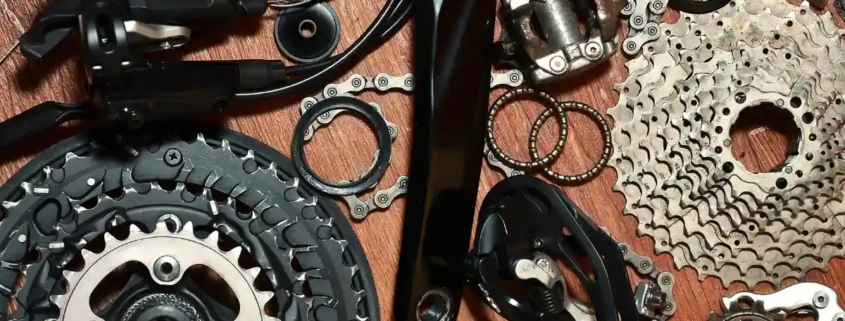
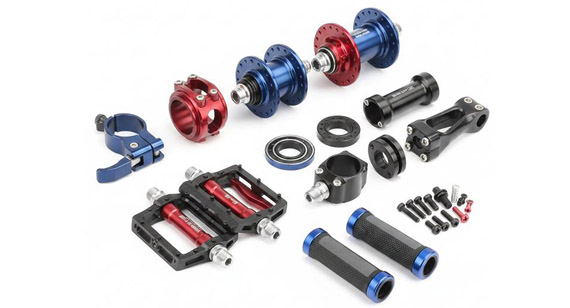
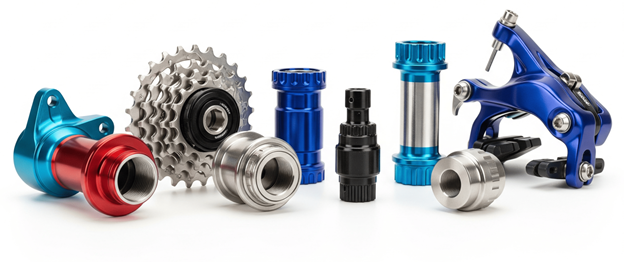
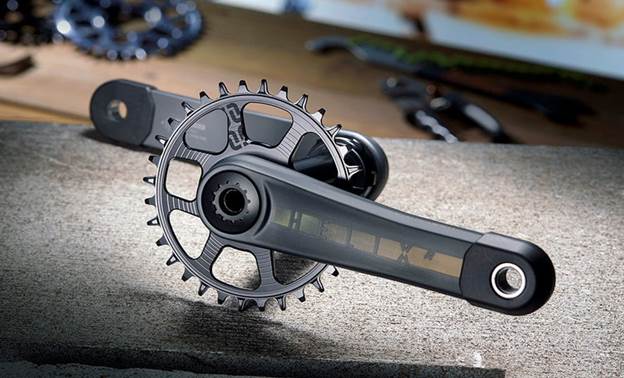
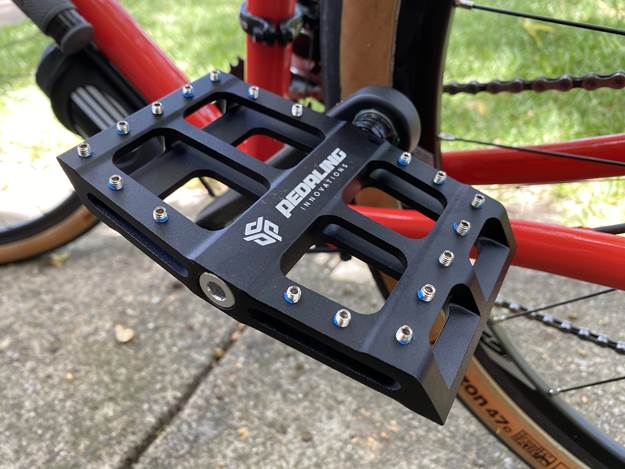
Today, the most popular bicycles have a lot of parts produced by CNC technology, such as:

  • Crankstellen
  • Pedalen
  • Stems
  • Seat clamps
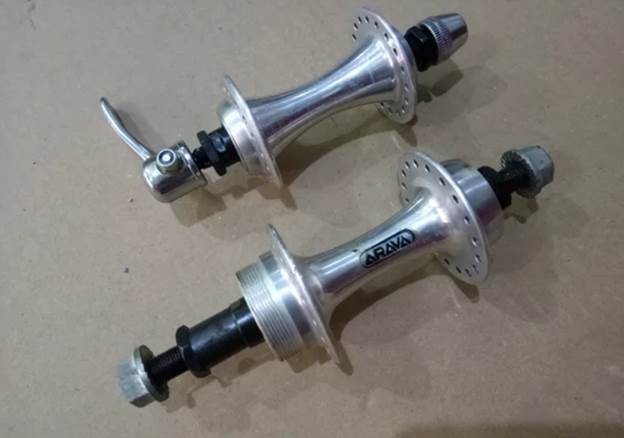
  • Naven
  • Brake adapters
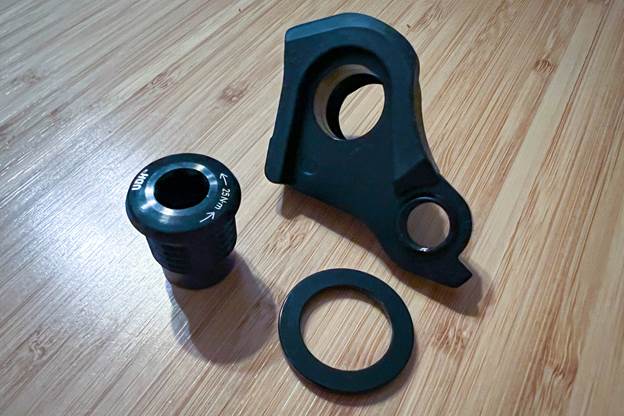
  • Derailleur hangers
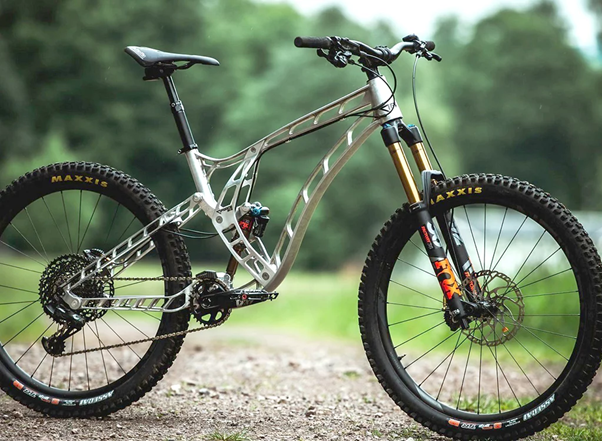
  • Custom frame components

Some performance-based bicycle manufacturers rely on bicycle milling cnc machining parts for the reason that they can be manufactured by the industry with higher precision and quality.

Understanding CNC Machining Technology

Computer Numerical Control (CNC) is the name given to this system. During this process, engineers design a virtual product in the form of a computer artifact with the CAD software. The design is then translated into machine code.
These instructions are fed into the CNC machine, which cuts precisely according to the instructions. It can be used for various materials that are often used in the manufacture of bicycles like aluminum, titanium and stainless steel.

The advantage of CNC systems over traditional manufacturing techniques is that they are able to create identical parts with very little variation from part to part. In the bicycle industry, it is especially crucial to be consistent in manufacturing, as it can impact performance and safety, even with minor variations.

With the advent of improved technology, manufacturers are now creating everything from cnc machine bike parts to cater to the needs of both professional riders and everyday users.

Table 1: Comparison of Materials Used for CNC Machined Bicycle Components

MateriaalDichtheid (g/cm³)Treksterkte (MPa)Corrosion ResistanceWeight Reduction vs SteelCNC Machinability (%)Common Bicycle Applications
6061-T6 Aluminum2.70310Uitstekend65% Lighter90%Stems, Handlebars, Seat Clamps
7075-T6 Aluminum2.81570Zeer goed64% Lighter85%Cranksets, Pedals, Hubs
Titanium Grade 54.43950Outstanding43% Lighter45%Premium Bolts, Axles, Frames
Stainless Steel 3048.00515UitstekendBaseline70%Fasteners, Axles, Brackets
Carbon Fiber Composite*1.60600–1500Uitstekend80% LighterN.V.T.Frames, Aero Components

Benefits of CNC Machining in the Bicycle Industry

Benefits of CNC Machining in the Bicycle Industry

CNC-bewerking offers a number of benefits, which is why it’s the preferred method of manufacturing a high quality bicycle component.

Precisie en nauwkeurigheid

An excellent advantage of CNC machining is precision.

All bicycle parts need to be flawlessly fitted to their surrounding parts. A small mistake may cause a problem in running, noise, vibration or failure.

The tolerances of CNC machines are very small. This enables the companies to produce very precise components, which easily fit into one another.

This is one of the many reasons why many high performance products are being marketed as CNC Machined Bicycle Parts .

Duurzaamheid en sterkte

Bicycles are subjected to a lot of stress when riding them.

Riders put stress on their pedals, cranksets, hubs and handlebars all the time. Such forces are even higher during racing, mountain biking and touring anywhere for long periods of time.

The CNC machining process is highly efficient at cutting material with precision without compromising the material’s structure. They are robust enough to endure the rigours of riding.

Bicycle milling cnc machining parts is a preferred option by manufacturers for creating parts of high durability and precision, especially for critical applications.

Lightweight Performance

Reducing weight is one of the most important aspects in bicycle performance.

Lighter bikes always are desired by cyclists because they have a better acceleration, climbing ability and handling.

The engineers can remove the unnecessary material, and maintain the strength during CNC machining. This optimization results in lightweight design, while maintaining reliability.

Because of this, many competitive cyclists would choose products that are produced by CNC.

Consistent Quality

In mass production consistency is a key.

Slight variations can occur between parts produced using traditional production processes. These discrepancies can be minimized with automated processes in CNC machining.

Digital specifications for each component are the same. This will guarantee uniform quality from batch to batch.

There are a lot of china cnc machining bike parts suppliers who have invested quite heavily in the advanced CNC machines which enable them to have the manufacturing quality up to the world class standards.

Here are some common CNC Machined Bicycle Parts

Here are some common CNC Machined Bicycle Parts

There are a vast number of different bicycle components made with CNC.

Handlebars and Stems

The ride control and comfort is directly linked to the handlebars and stems.

These parts need to be lighter than the car they are installed in, and still be tough enough to withstand the harsh environment and abrupt shocks.

Handlebars and Stems

CNC machining allows to produce intricate designs that have good structural strength. Improved control and confidence in riding.

Some high-end brands employ cnc machine bike parts technology for making sophisticated handlebar and stem systems.

Crankstellen

A crankset is a component of the drivetrain that conveys power from the rider.

It’s a constant stress situation and that’s why precision manufacturing is imperative.

Crankstellen

CNC-machined cranksets offer:

  • Improved strength
  • Reduced weight
  • Better power transfer
  • Enhanced durability

The benefits of these make CNC cranksets sought-after by performance enthusiasts and avid cyclists.

Pedalen

Another part of the bicycle that is key is the pedals.

The pedals should be made from high-quality materials and be able to withstand repeated impact and heavy loads without causing any issues.

Pedalen

This CNC processing service enables the manufacturers to produce pedal bodies that are light and have outstanding strength properties plus the intricate designs.

High-quality bicycle parts that are CNC-machined are used in many contemporary bicycle collections, such as bike systems for competitive bicycle racing.

Naven

Hubs are a key component in the performance of wheels.

A properly designed hub helps to ensure smooth rotation, efficient power transfer and longevity of the system.
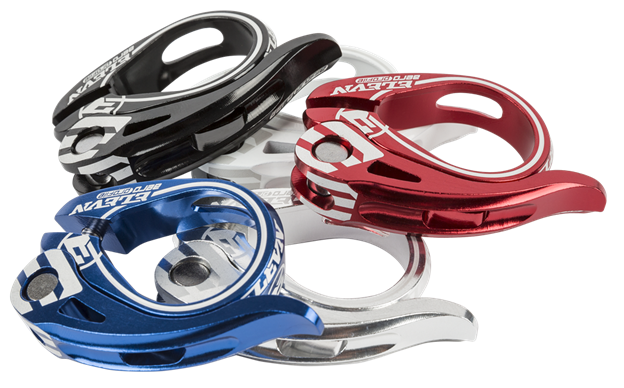
Naven

CNC Machined Hubs can come with the following:

  • Tight manufacturing tolerances
  • Lightweight construction
  • Enhanced bearing alignment
  • Improved durability

Overall performance and rider satisfaction will be enhanced by these qualities.

Derailleur Hangers

The derailleur hangers are the most important factors when it comes to shifting performance.

Gear changes can be impacted by a slight misalignment.

Derailleur Hangers

The dimensional accuracy of derailleur hangers made by CNC machining is outstanding. This will help ensure good driveline alignment and fluid shifting.

This is a common situation in which manufacturers often create custom bicycle milling cnc machining parts which are required to have a high degree of accuracy.

Seat Clamps

Seat clamps hold the seatpost in place, and enhance rider comfort and safety.

They are small, but need to be machined accurately and to have good strength.

Seat Clamps

The CNC-made seat clamps offer:

  • Secure fastening
  • Lightweight construction
  • Attractive appearance
  • Long-term durability

They’re a popular upgrade among cycling enthusiasts for these features.

Table 2: CNC Machining Accuracy and Manufacturing Parameters for Bicycle Parts

Manufacturing ParameterStandard CNC ProductionPrecision CNC ProductionHigh-End Aerospace Grade CNC
Maattolerantie±0.10 mm±0,05 mm±0,01 mm
Surface Roughness (Ra)3.2 μm1.6 μm0.4 μm
Hole Position Accuracy±0.08 mm±0.03 mm±0,01 mm
Herhaalbaarheid95%98%99.9%
Material Utilization Efficiency78%85%92%
Defect Rate3–5%1–2%<0.5%
Production Consistency94%98%99.8%
CNC Cycle OptimizationStandardAdvancedAI-Assisted
Quality Inspection Coverage70%90%100%

Materials Used in CNC Bicycle Manufacturing

Materials Used in CNC Bicycle Manufacturing

The choice of materials can have a significant effect on the performance of bicycle components.

Materials provide a variety of strengths, weights, corrosion resistances and cost.

Aluminiumlegeringen

Most of the bicycles for CNC production are still made of aluminium.

It is so popular because it has a number of benefits:

  • Lightweight properties
  • Good strength-to-weight ratio
  • Corrosiebestendigheid
  • Excellent machinability
  • Kosteneffectiviteit

The aerospace aluminum alloys are widely used by many suppliers in the manufacture of high quality bicycle parts, which are known as china cnc machining bike parts .

Titanium

Titanium has an outstanding strength and is highly corrosion resistant.

It is more costly than aluminum, but provides superior performance advantages.

  • Titanium components provide:
  • High durability
  • Low weight
  • Excellent fatigue resistance
  • Long service life

This lends titanium to appeal for high-end bicycle uses.

Roestvrij staal

Stainless steel still makes an important use in certain bike parts.

It has a good wear resistance and durability, and can be used for parts that are required to bear heavy loads.

Stainless steel is commonly used in many manufacturing processes, including:

  • Fasteners
  • Axles
  • Specialized brackets
  • Structural hardware

Precision and reliability are critical when it comes to components, and CNC machining guarantees that such requirements are met.

Carbon Fiber Compatible Components

Most of today’s bicycles feature CNC machined metal parts and a carbon fiber frame.

The components have to be designed meticulously to fit in with the light weight carbon structures.

Precision machining can be used to produce parts that enhance the frame’s advanced design without compromising strength and reliability.

In conclusion, cnc machine bike parts will continue to play a vital role in the world of cycling, as the demand for high-quality bicycles grows.

Custom CNC Bicycle Parts for OEM & ODM Projects

Bicycle industry is rapidly becoming competitive. Brands are always looking for new opportunities to distinguish themselves in the marketplace. One of the best ways to do this is to provide custom-built parts that have a unique performance, style and function.

It’s here that the services from the Original Equipment Manufacturing (OEM) and Original Design Manufacturing (ODM) become significant.

The bicycle industry can create very precise and personalized bicycle parts with the use of CNC machining. From a custom-designed stem to a lightweight crankset, a custom-made pedal body to a specialized mounting bracket, CNC technology can make visions reality, whether the company requires a unique stem design, a lightweight crankset, a custom-made pedal body, or a specialized mounting bracket.

Lots of bicycle manufacturers from around the world work with skilled vendors to create CNC Machined Bicycle Parts specifically for their clients.

Benefits of Custom CNC Manufacturing

Custom CNC production presents a number of benefits:

To be able to develop original designs. To have the freedom to develop original designs.

  • Consistent manufacturing quality
  • The ability to quickly prototype and test ideas.
  • Improved brand differentiation
  • Greater design flexibility
  • Better product performance
  • Reduced development risks
  • Easier design modifications

Since CNC machines operate directly off of a digital design, changes can be made quickly throughout the development of a product.

Snelle prototyping

There are likely to be several design changes in the process of product development.

The manufacturers can make the prototypes quickly and accurately with CNC machining. Before entering into mass production, engineers can test fit, strength, weight and functionality.

This function cuts down the development process and enables brands to launch products quicker.

Rapid prototyping is used by plenty of companies involved in the development of revolutionary bicycle milling cnc machining parts , to have a look at designs before they go for commercial release.

Small Batch and Large Scale Production

Scalability is yet another benefit of CNC machining.

Manufacturers can make a lot of things:

  • Single prototypes
  • Small production runs
  • Medium-volume batches
  • Large-scale manufacturing orders

This is an advantage to startups as well as established bicycle brands.

CNC Technology is used to efficiently produce a limited edition part or thousands of parts for global distribution.

Meeting Specialized Market Needs

There are different types of bikes to use for different types of cycling.

For example:

  • Road bikers look for a lightweight bike.
  • Bicyclists are looking for durability on mountain bikes.
  • Gravel bikes are looking for multipurpose capabilities.
  • The components used by e-bike users need to be more robust.

The custom CNC manufacturing method enables companies to create products that can be tailored to these markets.

This has led to a rise in the demand for specialized bicycle components.

Table 3: Performance Benefits of CNC-Machined Bicycle Components

ComponentTraditional Manufacturing PerformanceCNC-Machined PerformanceImprovement (%)
Crankset StiffnessStandardOptimized Structure+20–35%
Pedal StrengthStandard CastingPrecision Machined+15–25%
Hub Rotational Efficiency92–94%97–99%+5–7%
Handlebar Weight ReductionBaselineLightweight CNC Design15–30% Lower Weight
Derailleur Alignment Accuracy±0.5 mm±0,05 mm90% Better Accuracy
Component Lifespan100% Baseline120–160%+20–60%
Failure Rate Under LoadBaselineReduced Stress Points30–50% Lower
Assembly Fit Accuracy95%99.5%+4.5%
Product Consistency90–94%98–99.9%+6–10%
Overall Rider Performance EfficiencyBaselineEnhanced Mechanical Efficiency+3–10%

The future of CNC Bicycle Manufacturing

The future of CNC Bicycle Manufacturing

Technological innovation is a vital part of the current and future development of bicycle production.

With the development of software, automation, materials, and manufacturing methods, CNC machining will keep developing.

There are several trends that are taking shape in the industry in the next few years that will impact the industry.

Automatisering

In today’s manufacturing world, automation is increasingly gaining importance.

Automated systems can contribute to enhancing:

  • Production speed
  • Consistentie
  • Nauwkeurigheid
  • Cost efficiency

In order to improve the process efficiency, the many factories now introduced a combination of the robot and CNC machine systems.

An automation material handling and inspection system is also available to improve productivity and human error.

In the era of automated technology, manufacturers producing china cnc machining bike parts are likely to be even more efficient and of superior quality.

Slimme productie

Smart manufacturing is revolutionizing manufacturing.Smart manufacturing revolutionizes the manufacturing.

Today the modern CNC facilities are increasingly adopting:

  • Real-time monitoring
  • Data analytics
  • Artificial intelligence
  • Predictive maintenance
  • Cloud-based production systems

These technologies enable manufacturers to detect problems before they get bad.

They also have benefits of optimizing machine use and production planning.

This ensures more effective manufacturing that is more efficient.

Geavanceerde materialen

The field of material science is developing and progressing very rapidly.

Developing new alloys and composite materials with improved characteristics.

Bicycle pieces could be improved with the help of:

  • Higher strength-to-weight ratios
  • Improved fatigue resistance
  • Better corrosion protection
  • Enhanced impact resistance

These high-tech materials are likely to be used by manufacturers making CNC Machined Bicycle Parts to make lighter, stronger parts.

Sustainable Production

The manufacturing industry has sustainability as a key priority.

Consumers are more and more interested in environmentally friendly products.

To meet these expectations manufacturers are making:

  • Energy-efficient machinery
  • Recycling programs
  • Waste reduction initiatives
  • Sustainable material sourcing
  • Cleaner production processes

Through precise cutting operations, CNC machining already helps to reduce material waste, which is good for the environment.

Improvements in the environment are anticipated with future developments.

Digital Design Integration

Digital engineering tools are further integrated into enhance product development.

Engineers are now able to simulate:

  • Structural loads
  • Stress distribution
  • Fatigue performance
  • Manufacturing feasibility

These simulations save development costs, while enhancing the quality of the product.

This will continue to be a trend in the bicycle industry as advanced software and CNC technology will keep innovating.

The Role of CNC Machining in Performance Cycling

Equipment is subjected to very high stresses in performance cycling.

The components that a professional rider needs must provide the maximum efficiency in challenging conditions.

This can be accomplished with the help of CNC machining that boasts engineering precision.

When components are manufactured accurately then they contribute to:

  • Improved rider confidence
  • Better mechanical efficiency
  • Reduced maintenance requirements
  • Enhanced durability
  • Consistent performance

That is why many high quality bicycle companies are dedicated to high levels of investment in CNC technology.

Precision manufacturing is becoming an increasingly vital aspect in the world of competitive cycling, as can be seen in the popularity of the term cnc machine bike parts .

Why Quality Matters in Bicycle Components

Bicycle parts have an impact on the safety and performance of the rider.

Manufacturing that is not well done can result in:

  • Mechanical failures
  • Reduced efficiency
  • Increased maintenance
  • Safety risks
  • Shorter product lifespan

Many of these problems can be avoided by using high quality cnc manufacturing.

Each component is carefully monitored and controlled for exact specification before reaching the customers.

This dedication to excellence fosters trust and contributes to the brand’s long-term success.

The China CNC machining bike parts companies are spreading out in quality, innovation and technical skills, and not just on price.

Market Opportunities for Manufacturers & Suppliers

This global bicycle market keeps on growing.

There are a number of reasons for optimism:

  • Increased health awareness
  • Rising fuel costs
  • Urban transportation challenges
  • Environmental concerns

The increasing popularity of the use of cycling for recreational purposes.The rising trend of recreational cycling.

With an increase in bicycles demand for high quality parts is also expected to go up.

Manufacturers who embrace the latest in CNC technology will be poised to take advantage of these opportunities.

The market is expected to continue growing for the bicycle milling cnc machining parts due to the ongoing demand for high-quality and efficient products.

Conclusie

The bicycle manufacturing industry has been revolutionized with the advent of the CNC machining. This process has now become a very precise and efficient production system that is able to produce complex, high performance components, which would previously have been produced by a labour intensive process.

CNC technology is used to manufacture reliable parts with very high accuracy from cranksets and pedals, to hubs, stems and custom assemblies. These advantages affect the rider – it is lighter, more durable, more efficient and more giving.

As the popularity of CNC Machined Bicycle Parts grows, the industry is taking a step toward innovation and quality. With the continuous development of technology, CNC machining will become even more influential in the future development of cycling.

The manufacturers all over the world are investing in the advanced production equipment, automation systems, and engineering skills. Meanwhile, the market for cnc machine bike parts is growing as cyclists understand that the importance of precision engineered parts.

China is still a significant producer of bikes, and the worldwide demand for china cnc machining bike parts is likely to rise with the increasing popularity of biking. As the innovative bicycle milling cnc machining parts continues to evolve, bicycle performance will increasingly be enhanced.

From the professional racing community to the recreational rider, from the adventure bike to the gravel grinder, and even for urban commuters, today’s riders have come to expect CNC Machined Bicycle Parts for their bicycle’s reliability, efficiency, and performance.

2026年6月13日/0 Reacties/door Artikel auteur
https://plas.co/wp-content/uploads/2026/06/custom-mountain-bike-parts.webp 800 1200 Artikel auteur http://plas.co/wp-content/uploads/2023/02/plas-co-1.jpg Artikel auteur2026-06-13 22:40:412026-06-15 17:36:37CNC-gefreesde fietsonderdelen: precisietechniek voor het moderne fietsen
Spuitgegoten kunststof, spuitgieten

Kunststoffen voor spuitgieten: een complete gids over materialen, processen en industriële toepassingen

Kunststoffen voor spuitgieten: een complete gids over materialen, processen en industriële toepassingen

Plastics for injection molding is one of the most significant materials used in today’s manufacturing process. These are used to manufacture thousands of products consumed on a daily basis in a quick and economical manner. This process can be found in household items, car parts, and so on.

Demand for plastics for injection molding has been steadily increasing due to the requirement for industries to have a strong, lightweight and cheap material. These plastics are formulated to flow readily to form molds accurately.

For manufacturing, plastic pellets for injection molding may serve as a starting point of the manufacturing process. The small-sized raw materials are in a molten state and are formed into finished products.

Another important form is plastic resin for injection molding which offers strength, flexibility and durability according to the requirements of the products.

Another reason for the use of common plastics for injection molding is that they are easy to process and readily available.

In sum, plastics for injection molding have a significant impact on the contemporary industrial world.

Basic Injection Molding Knowledge

In injection molding, plastic is heated until it turns into a fluid, and it is injected into a mold. When the shape cools it turns into a solid.

Machines can be used to manufacture thousands of identical parts in a very short time in a factory. This results in rapid and efficient production.

Most of the time, plastic pellets for injection molding are utilized in the machines to begin the process. Such pellets melt consistently when heated.

Production is dependent on material quality. Quality plastic resin for injection molding makes for a smoother flow and strength of the product.

Various materials are selected for different industries, based on the products they make.

Those that can be mass-produced in a uniform manner are preferred, and that is why plastics for injection molding are used.

Materials used in injection molding

There are numerous thermoplastics used for injection molding. These materials can be heated, melted and re-formed many times.

The most common raw form is pellets. One of the other popular types is resin.

The plastic pellets for injection molding are tiny, uniform particles which are easily shipped and stored. They are evenly melted in machines.

 plastic resin for injection molding is a term that is used to enhance the strength and flexibility of the products that are used at the end.

Also, common plastics for injection molding are used by manufacturers, as they are cheap and can be utilized in lots of applications.

These materials are combined to produce plastic manufacturing industries.

The plastics for injection molding are chosen according to the specific demands of durability, heat resistance, and flexibility that are required for the application.

What is plastic pellets for injection molding?

The most basic raw material used in production is plastic pellets for injection molding. Small, easy to handle and round.

These pellets are then fed into injection machines at factories. The machine brings them up to temperature until they are melted into a liquid state.

Liquid plastic is next poured into moulds to form various shapes.

Because of the certainty of quality in mass production, plastic pellets for injection molding are very popular.

They also can be stored for a long time without harm.

The pellets are of various types, for various industries, for strong industrial parts or for soft consumer goods.

Manufacturers test plastic pellets for injection molding thoroughly before they can be used to prevent imperfections during manufacturing.

These pellets are vital to any large-scale plastic manufacturing systems.

To understand plastic resin for injection molding

To understand plastic resin for injection molding

 plastic resin for injection molding is one of the key materials which is used to enhance the quality and performance of the products.

Resin is frequently provided in a solid form which will soften upon heating. Then it is formed in molds.

The type of the resin used is a crucial factor in the strength and flexibility of the final product.

The choice of plastic resin for injection molding will depend on the temperature resistance and durability requirements of the injection-molded product.

Many industrial applications are associated with it and it is much used for high performance materials.

Some resins can be flexible, others can be hard and tough.

 Plastic resin for injection molding is preferred by the factories as it minimizes defect and enhances the quality of production.

It also supports the smoothness of the flow in the injection process.

Common Types of Plastics Used

Common Types of Plastics Used

There are a number of familiar plastic materials that are utilized in injection molding. Each type has its own name and can be selected according to the requirements of strength, flexibility or heat resistance of the product.

Polyethyleen (PE)

Polyethylene is a material that is used in the manufacture of many products. It is lightweight, flexible and waterproof. Commonly used for packaging, bottles and containers. Polyethylene is one of the common plastics for injection molding because it costs little and is easy to work with.

Polypropyleen (PP)

Polypropylene is a material which is strong, lightweight, heat resistant and chemical resistant. It is used in many food containers, medical apparatuses, and automobile parts. Is one of the most favored plastics for injection molding thanks to its combination of strength and flexibility.

Acrylonitrile Butadiene Styrene (ABS)

ABS is a tough, impact resistant plastic. Applications include toys, electronic enclosures and automotive components. It is commonly chosen as a plastic resin for injection molding when durability and toughness is needed

Polystyreen (PS)

Polystyrene is a cheap and rigid plastic. Easy to mold and used in disposable cups, packaging, simple containers. It is included in many common plastics for injection molding parts because it is so cheap.

Polyvinylchloride (PVC)

PVC, a hard yet tough, flexible or hard plastic. Used in pipes, fittings and cables. It is broadly used in the plastics for injection mold construction and industrial field.

Polycarbonaat (PC)

Polycarbonaat is a high-performance plastic, which is transparent and has high impact resistance. It is applied to safety products, lenses and electronic components. Frequently, it is used as a plastic resin for injection molding of premium quality.

Nylon (polyamide, PA)

Nylon is strong, wear resistant and has a good heat stability. Applied in mechanical parts, gears and industrial components. It is generally applied for the plastics for injection molding advanced applications.

Table 1: High-Impact Plastics for Injection Molding (Most Used Materials)

This table shows the most important plastics used in global injection molding industries. It is optimized for keywords like plastics for injection molding and common plastics for injection molding.

Plastic TypeKey PropertiesIndustrial ImportanceMain Uses
Polypropyleen (PP)Lightweight, heat resistant, chemical resistantOne of the most widely used plastics worldwideAutomotive parts, packaging, medical tools
Polyethyleen (PE)Flexible, moisture resistant, low costHigh-volume production plastic across industriesBottles, films, containers, packaging
Acrylonitrile Butadiene Styrene (ABS)Strong, impact resistant, durableCommon engineering plastic for strong componentsElectronics housings, toys, automotive parts

The injection molding process

The injection molding process

Simple, yet extremely accurate injection molding process.

The first step is to put the raw materials into the machine. Typically, this step is performed by using plastic pellets for injection molding.

At this point, the pellets are again heated until they become a thick liquid.

Under high pressure the liquid plastic is then injected into a mold.

The mold is cooled and the finished product is ejected.

 plastic resin for injection moulding has different quality levels, which affect the smoothness of the flow in this process.

The fewer the defects, the better the surface finish is provided by good material.

 The plastics for injection molding allow to achieve complex shapes in a short time, and with efficiency.

Applications in Industries

Therefore, injection molding is widely used and is fast, reliable, and cost-efficient for various industries. It is used to allow manufacturers to manufacture large numbers of identical plastic components and maintain a uniform quality.

  • In the automotive industry: plastics for injection molding are utilized to produce interior parts, panels, and dashboards that are tough and resilient. These materials are capable of enhancing the performance of vehicles at a low production cost.
  • In the medical industry: precision and safety are very important. Syringes, surgical instruments, containers and other products are manufactured with plastic resin for injection molding, which guarantees hygiene and reliability.
  • Consumer goods: Everyday items like bottles, storage boxes, and toys can often be shaped using plastic pellets for injection molding because they can be shaped smoothly and produced in a short amount of time.
  • In electronics: common plastics for injection molding are used for manufacturing protective casings, switches, and device housings for their combination of strength and cost.

In summary, plastics for injection molding play a crucial role in the production of a vast array of items, catering to the needs of virtually every major industry through their flexibility and production efficiency.

Table 2: Injection Molding Plastics by Industry Applications

This table is designed for SEO traffic targeting industrial and commercial searches like plastic resin for injection molding and material applications.

Plastic TypeAuto-industrieMedische industrieConsumentenproductenElektronica-industrie
Polypropyleen (PP)Interior trims, dashboardsSyringes, medical containersStorage boxes, kitchen itemsBattery cases
Polyethyleen (PE)Fuel tanks, linersMedical bottles, packagingBags, films, packaging itemsCable insulation
ABSCar panels, interior partsDevice housingsToys, home appliancesPhone and laptop shells

Control of quality in manufacturing

Control of quality in manufacturing

Quality control is crucial in an injection moulding manufacturing process.

Careful testing of raw materials before use is carried out in factories.

The plastic pellets for injection molding are tested for size, purity and consistency.

The flow rate and strength of plastic resin for injection molding is tested.

The common plastics for injection molding are tested for uniformity in quality.

Materials, if not good, may cause defects such as bubbles or cracks in the products.

Good quality plastics for injection molding ensure smooth production and fewer errors.

Injection Molding Materials’ Benefits

The injection molding process has numerous benefits for manufacturers.

  • It facilitates quick manufacture of huge numbers.
  • Lowers the average cost of production.
  • It makes long-lasting, sturdy products.

As a result of the efficient mass production which they support, plastics for injection molding are largely used.

  • They are also adaptable and can be used in a variety of industries.
  • In order to keep manufacturing consistency, there are plastic pellets for injection molding.
  •  plastic resin for injection molding enhances the product’s quality and durability.

As mentioned above, common plastics for injection molding is a practice that makes it easy to lower the cost and scale up production.

Injection molding challenges

  • Although injection molding is an efficient process, it has its problems.
  • Product Quality can be impacted by material defects.
  • Weak structures may result from improper heating.
  • With poor quality plastic pellets for injection molding, there can be uneven melting.
  • Surface defects can be caused by low-grade plastic resin for injection molding .
  • If the wrong common plastics for injection molding are used, it may affect the performance of the product.

Temperature and pressure are important factors for manufacturers to carefully control, as they could create problems if not.

Even in the face of difficulties, plastics for injection molding still are the most reliable means of mass production.

Sustainability and Recycling

Control of quality in manufacturing

Environmental protection is increasingly gaining significance in manufacturing.

Today, there are numerous businesses that recycle plastic materials.

The term common plastics for injection molding can be recycled after processing in many situations.

Using recycled materials helps to decrease waste and pollution.

Development of Eco-friendly plastics for injection molding is being promoted for sustainable production.

There are also better plastic resin for injection molding industries which help to reduce environmental impact.

Recycling helps save energy and raw materials.

De toekomst van spuitgieten

  • Injection molding technologies are advanced and look like a bright future.
  • New technology making things faster and more accurate.
  • The use of smart systems in factories to achieve better production control.
  • More precise new plastic pellets for injection molding are being developed.
  • Also, a stronger plastic resin for injection molding is being developed for industrial applications.
  •  plastics for injection molding will continue to play a major role in global manufacturing.
  •  common plastics for injection molding will continue to play an important role in high-quality and inexpensive production.
  • This will be even more efficient with automation and AI.

Conclusie

Injection molding is one of the most important technologies in modern production, which can help to realize the quick production, low error and mass production. It assists in the production of strong and cost-effective plastic products for the use of daily life inside the industries.

 plastics for injection molding are the foundation of this whole process, and enable mass production in various industries. The term plastic pellets for injection molding guarantees that the material will be processed smoothly and produce high-quality injection molded products in the factory. Meanwhile, plastic resin for injection molding is crucial to enhancing strength, durability and quality of final products.

Furthermore, common plastics for injection molding offer adaptable and affordable options to satisfy a variety of applications, varying from home items to industrial components.

In conclusion, plastics for injection molding will continue to play a crucial role in the future of various industries, driven by ongoing advancement in technologies that enhance efficiency, sustainability, and product quality.

FAQ

What are plastics for injection molding?

Molding plastics can be either melted, molded and cooled into various products using injection molding machines, which are called plastics for injection molding. Because they are efficient and cost-effective, these plastics are utilized in medical, automotive, packaging and electronics applications.

The term plastic pellets for injection molding refers to what?

 plastic pellets for injection molding are small plastic pellets that serve as raw materials for injection molding machines. These are poured into a mold and hardened to make a final product. These pellets have the advantage of uniform melting and product quality.

What is the definition of plastic resin for injection molding?

Base material which is used to manufacture molded plastic products is plastic resin for injection molding. Depending on the type of resin, it offers strength, durability and flexibility. Specific Resins are chosen by various industries depending on the performances that are needed.

What are the reasons for the use of plastics for injection molding in the industries?

Because of the ability of fast production, low manufacturing cost and high precision, plastics for injection molding are widely used. As well, they can be recycled and reused, making them suitable for large-scale industrial applications.

What is the difference between plastic pellets and plastic resin?

 plastic pellets for injection molding is the physical raw material of the plastic used in machines, and plastic resin for injection molding is the type of base material used, it determines the strength, flexibility and performance of the final product.

Can injection molding plastics be recycled?

Yes, there are many plastics for injection molding which can be recycled. Common materials that are reused in manufacturing to minimize waste and promote sustainable production are polypropylene and polyethylene.

2026年6月6日/0 Reacties/door Artikel auteur
https://plas.co/wp-content/uploads/2026/06/dgdf.webp 300 600 Artikel auteur http://plas.co/wp-content/uploads/2023/02/plas-co-1.jpg Artikel auteur2026-06-06 00:28:162026-06-15 17:59:35Kunststoffen voor spuitgieten: een complete gids over materialen, processen en industriële toepassingen
Spuitgegoten kunststof, spuitgieten, het vormbedrijf

Spuitgietbedrijven bij mij in de buurt: Complete gids voor het kiezen van de juiste productiepartner

Spuitgietbedrijven bij mij in de buurt: Complete gids voor het kiezen van de juiste productiepartner

For companies that require quality plastic products, it is crucial to find a reliable injection molding companies near me. Injection molding is one of the most common and widely used manufacturing processes, and it can produce plastic parts that are accurate, strong and inexpensive on a large scale. Many industries rely on professional molding services for their everyday production needs, such as automotive parts, medical devices, and more.

What companies need these days is speedy production, quality product and lower manufacturing cost. This is why many businesses look for plastic injection molding companies near me so they can locate qualified plastic manufacturers that can fulfill the needs of their production. A good injection molding company can support the product design, tooling, material selection, test and final production of the product.

In addition, many manufacturers can supply the prototype development and custom molds. In order to choose the most suitable partner to work with, business will compare a number of mold injection companies near me. Production capacity, material quality, prices, delivery time are among key factors that are decisive.

These professional injection mold companies near me employ cutting-edge machinery and innovative techniques for creating accurate plastic parts. These companies use various thermoplastic materials, and provide services for large and small batch production.

The demand for plastic mold injection companies near me keeps growing as the industries are looking for plastic products that are strong and light. To satisfy the demand in the market, manufacturers are now emphasizing on automation, quality control and efficient production systems.

From custom packaging to medical parts, automotive components or consumer products, dependable injection molding companies near me can deliver the manufacturing solutions you need.

Inzicht in spuitgieten

Injection molding is a type of manufacturing process in which the melted plastic is injected into the mold cavity to produce plastic parts. The material then sets into the shape desired after cooling. This process is used extensively due to the high production speed, accuracy, repeatability, etc.

A lot of companies look for the term plastic injection molding companies near me since they require mass manufacturing of components at a reasonable price. The process can be used for complex designs, and the manufacturer can maintain consistent product quality.

Injection Molding Companies Near Me

Typical mold injection companies near me tend to utilize materials like ABS, polypropylene, nylon, polyethylene, and polycarbonate. Different mechanical properties are obtained from each material depending on the application.

Presently, ‘injection mold companies near me’ rely on computer-operated machinery to enhance the accuracy and minimize the waste. In addition, these companies conduct quality checks on the production to guarantee that each part is of acceptable quality.

The demand for plastic mold injection companies near me is on the rise as injection molding finds uses in various sectors such as electronics, healthcare, automotive, packaging, and household products.

Technical Table: Common Injection Molding Materials

MateriaalSmelttemperatuur (°C)Treksterkte (MPa)Krimppercentage (%)Algemene toepassingen
ABS220-26040-500.4-0.7Automotive parts
Polypropyleen200–25025–401.0-2.5Verpakkingsproducten
Nylon240–29060-900.7–1.5Mechanical components
Polycarbonaat260–32055–750.5-0.7Electronic housings
Polyethyleen180-24020–351.5–3.0Containers and bottles

Bedrijfsprofiel

Sincere Tech (PlasticMold.net) is a Chinese professional plastic injection molding company. The company provides plastic mold manufacturing, plastic injection molding, plastic CNC machining, plastic die casting and plastic product assembly. It is used in the automotive, medical, electronics and consumer product industries.

Sincere Tech specializes in the production of high-quality products, delivery of products on time and providing cost-effective manufacturing solutions to all customers all over the world.

Waarom voor ons kiezen

  • Over 20 years of experience.
  • Expendable, high quality plastic molds and parts.
  • Skilled engineering team
  • Advanced manufacturing machines
  • Quick production and delivery
  • Affordable pricing
  • Strong quality control
  • Professional customer support

How Injection Molding Companies Operate

Most injection molding companies near me adhere to a systematic manufacturing procedure to enhance the quality of the products and to ensure that the manufacturing is done efficiently. Typically, it starts with the product design and engineering analysis.

Once the design phase is complete, the engineers then make molds in steel or aluminum. Many of the plastic injection molding companies near me employ CNC machining and CAD software to create precision tooling.

How Injection Molding Companies Operate

When the mold is prepared, the plastic pellets are melted in the injection molding machine. The melted plastic is then pushed into the mold at high pressure.

The mold injection companies near me are experienced and pay attention to the temperature, pressure, and cooling time in the production process. This will help decrease defect and dimensional error.

Once cooled, the final product is thrown from the mold and quality checked. Quality injection mold companies near me will also provide other finishing work like painting, polishing, assembling or packaging.

Many plastic mold injection companies near me are today leveraging the use of automated robotic systems to enhance their productivity and minimize the manufacturing errors.

Benefits of Working with Injection Molding Companies

There are numerous benefits to hiring a professional in Injection molding companies near me. The greatest advantage is production efficiency. Injection molding enables the manufacturers to manufacture a lot of parts in a short span of time.

Another significant benefit of selecting ‘plastic injection molding companies near me’ is product consistency. Each molded part is manufactured to the same size and same material characteristics from the same material.

Additionally, mold injection companies near me is preferred by businesses as they can cut in all round manufacturing expenses. While it does require an initial investment to build the mold, it will yield very little cost per part during mass production.

Numerous injection mold companies near me offer engineering assistance and design optimization services. It assists companies to enhance the performance of their products and lower manufacturing problems.

A modern plastic mold injection companies near me can produce the lightweight but strong plastic products for various industrial applications.

Good injection molding companies near me also provide quick production times, enabling businesses to get products to market faster.

Industries That Use Injection Molding Services

There are numerous industries that use injection molding companies near me for their daily manufacturing needs. Almost all industrial fields adopt injection molding since plastic products have advantages of light weight, durability and low cost.

 Plastic injection molding companies near me are commonly used in the automotive industry to create dashboards, interior panels, automotive connectors, and other auto parts.

Medical manufacturers select the mold injection companies near me to manufacture syringes, surgical instruments, testing tools, and medical equipment.

Industries That Use Injection Molding Services

Electronic firms rely on injection mold companies near me for phone cases, computer components, connectors and electronic enclosures.

Besides, packaging manufacturers are also able to collaborate with the plastic mold injection companies near me to create storage products, packaging containers, trays, and caps for bottles.

Consumer product brands are frequenting their search for injection molding companies near me to produce toys, kitchen products, furniture parts and household products.

Choosing the Right Injection Molding Company

Choosing the best ‘injection molding companies near me’ needs an evaluation. The company’s experience, production capabilities and quality standards should be analyzed in the case of businesses.

Technical expertise is one of the key elements to consider when selecting plastic injection molding companies near me. Professional manufacturers can deal with the complicated style and creation requirements.

Also, companies should make a comparison between the companies in their area and machines they use mold injection companies near me. High-level equipment typically increases the quality and efficiency of production.

The reliable injection mold companies near me will communicate clearly with customers, offer engineering assistance and project management during the production process.

The choice of material is also a crucial factor. Professional plastic mold injection companies near me should have several thermoplastic choices to use according to the applications.

Another important consideration for businesses is to check out production lead time, certifications, pricing structure, and customer reviews before they choose injection molding companies near me.

Common plastic materials used in injection molding

A injection molding companies near me expert will work with different plastic materials as per the requirements of the products. The materials have a variety of properties, including flexibility and strength, resistance to temperature and chemicals, and more.

The companies that have been known as plastic injection molding companies near me use the ABS plastic because it has good impact resistance and surface finish.

Another popular material used by mold injection companies near me is polypropylene. It is chemical resistant, flexible and lightweight.

 Injection mold companies near me often choose nylon due to its strength and durability.

 plastic mold injection companies near me use polycarbonate materials which are very impact resistant and transparent.

Another important reason why the use of polyethylene has become popular in injection molding companies near me is that it is inexpensive to produce.

Advanced Technologies in Injection Molding

The modern injection molding companies near me employ advanced technologies to enhance the manufacturing process quality and efficiency. Automation is a key element of today’s manufacturing systems.

Part removal, assembly and packing are performed using robotic arms by many of the plastic injection molding companies near me. Automation is a way to save on labor expenses and production mistakes.

 mold injection companies near me are also establishing extensive utilization of computer-aided design software for product development and mold production.

The high precision CNC machining systems can produce the required complex geometries of the tool with accuracy, which is important for injection mold companies near me.

Some plastic mold injection companies near me also apply scientific molding methods for optimization of molding pressure, molding temperature and molding cooling condition.

The technologies aid in enhancing the consistency of the products, minimize production waste and help injection molding companies near me.

Technical Table: Injection Molding Machine Parameters

ParameterTypical Range
Injectiedruk50–200 MPa
Schimmel Temperatuur20–120 °C
Koeltijd10–60 sec
Cyclustijd20–120 sec
Klemkracht50–5000 tons
Injection Speed50–500 mm/sec

Quality Control in Injection Molding

One of the most important areas in which professional injection molding companies near me can be employed is the quality control. Manufacturers need to make sure each part is correct according to customers’ specifications.

Many of the plastic injection molding companies near me conduct dimensional checks with coordinate measuring machines (CMMs) and digital testing equipment.

A trusted mold injection companies near me will also check out the production environment, including injection pressure, melt temperature and cooling rates.

The injection mold companies near me that are professionals tend to adhere to international quality standards like ISO certifications.

Another crucial process that is used by plastic mold injection companies near me is material testing. Manufacturers test for strength, flexibility, durability and chemical resistance.

Quality systems are crucial for injection molding companies near me to minimize defects and enhance satisfaction.

Cost Factors in Injection Molding

There are multiple factors that affect the price of working with the injection molding companies near me. One of the largest factors of production cost is mold complexity.

If the molds are large or very intricate, then more time will be needed for the plastic injection molding companies near me to do the machining. The type of materials also has an impact on the total manufacturing costs.

One of the most critical factors to consider when selecting mold injection companies near me is production volume. In general, higher production means that costs per part will be lower.

Other services offered by injection mold companies near me like painting, assembly, packaging, etc. could lead to an increment in the overall cost of the project.

Maintenance and production speed of the tools also affect the price of plastic mold injection companies near me.

Numerous businesses will search several different spuitgieten companies near me options to discover the top quality and budget.

Environmental Sustainability in Injection Molding

There are many modern injection molding companies near me that are turning their focus towards environmentally friendly manufacturing. The sustainability has become a key objective in the plastics industry.

Some plastic injection molding companies near me employ recycled plastic materials to cut down the environmental impacts.

Electricity usage is reduced by the use of energy-efficient machines, which are widely adopted by mold injection companies near me today.

Professional injection mold companies near me also minimize material waste by optimizing the mold design and manufacturing precision.

The recycling system of many plastic mold injection companies near me includes a system for the collection of plastic scraps produced in the manufacturing process.

By adopting sustainable manufacturing methods, injection molding companies near me can enhance their environmental performance and ensure the quality of their products.

Technical Table: Benefits of Injection Molding

VoordeelBeschrijving
High Production SpeedSupports mass manufacturing
Excellent AccuracyProduces consistent dimensions
Low WasteEfficient material usage
OntwerpflexibiliteitSupports complex geometries
Strong DurabilityCreates high-strength plastic parts
KostenefficiëntieLow cost per unit during mass production

Future of Injection Molding Industry

The outlook for injection molding companies near me is pretty bright, as the demand for plastic products around the globe goes up.

 Plastic injection molding companies near me will benefit from automation and artificial intelligence in increasing production efficiency. The downtime and consistency in products will be reduced with smart manufacturing systems.

There are also numerous mold injection companies near me that are spending more money on new materials that are more durable and heat resistant.

Future of Injection Molding Industry

 The injection mold companies near me are using digital manufacturing technologies to streamline product development.

In the future, plastic mold injection companies near me could utilize increasingly eco-friendly plastics and energy-efficient manufacturing processes.

In the continuously evolving world of manufacturing, professional injection molding companies near me will continue to play a vital role in producing top-notch plastic parts.

Conclusie

The term injection molding companies near me is quite significant in the manufacturing world. They offer solutions that ensure efficient, accurate and economical manufacturing of plastic parts in the automotive, medical, electronics, packaging and consumer sectors.

When companies look for plastic injection molding companies near me, they should assess the production quality, material knowledge, technical assistance, and production capabilities of the manufacturers before choosing one.

Reliable mold injection companies near me can cut down on the cost of manufacturing, enhance the quality of goods and accelerate manufacturing schedules.

Today, leading companies offering injection mold companies near me also employ cutting-edge technologies, automation, and sustainable manufacturing methods in order to satisfy the increasing needs of the industry.

In an ever-changing industrial landscape, plastic mold injection companies near me will continue to play a crucial role in the manufacturing of plastic products, particularly for businesses that need consistent and reliable quality.

Working with injection molding companies near me with a proven track record can offer numerous manufacturing benefits, improved product quality and increased market competitiveness.

2026年5月20日/0 Reacties/door Artikel auteur
https://plas.co/wp-content/uploads/2026/05/image-9.png 357 624 Artikel auteur http://plas.co/wp-content/uploads/2023/02/plas-co-1.jpg Artikel auteur2026-05-20 21:38:182026-06-15 18:03:01Spuitgietbedrijven bij mij in de buurt: Complete gids voor het kiezen van de juiste productiepartner
spuitgieten, het vormbedrijf

Prototype spuitgieten: Een complete gids voor moderne productontwikkeling

Prototy pe Spuitgieten: Een complete gids voor moderne productontwikkeling

De huidige productieomgeving is steeds competitiever en bedrijven hebben behoefte aan snellere productie, lagere productiekosten en een betere productkwaliteit. Een van de beste methoden die worden gebruikt om deze doelen te bereiken, is het spuitgieten van prototypes. Dit proces wordt door fabrikanten gebruikt om proefproducten te vervaardigen voordat de volledige productie van start gaat. Het stelt bedrijven in staat om het productontwerp te testen, de functionaliteit te verfijnen en kostbare productiefouten te voorkomen.

De productiesector heeft de afgelopen decennia een ingrijpende transformatie ondergaan. Van bedrijven wordt tegenwoordig verwacht dat ze producten tijdig op de markt brengen, maar dan wel van hoge kwaliteit. Ook is er vraag naar betrouwbare en duurzame producten. Als gevolg hiervan hebben fabrikanten serieuze maatregelen genomen om ervoor te zorgen dat ze hun concurrentievoordeel in de sector behouden door gebruik te maken van geavanceerde productiemethoden. Prototype-spuitgieten is een zeer belangrijk proces dat de moderne productie ondersteunt.

Bedrijven beginnen bij het ontwikkelen van een nieuw product doorgaans met een ontwerpconcept. Het product moet grondig worden getest voordat het in productie gaat. Hier komen prototypen op basis van spuitgieten goed van pas. Een prototype helpt fabrikanten om te beoordelen of het product correct functioneert, er goed uitziet en aan de verwachtingen van de klant voldoet.

Deze technieken voor het vervaardigen van prototypes via spuitgieten vormen voor veel sectoren een nuttige methode om de productontwikkeling te verbeteren. Hieronder vallen onder meer de automobielindustrie, de medische sector, de elektronicasector, de verpakkingsindustrie, de lucht- en ruimtevaart en de consumptiegoederenindustrie. Door gebruik te maken van prototypes kunnen bedrijven ontwerpproblemen in een vroeg stadium opsporen en deze tegen lagere kosten verhelpen, zonder dat ze later dure correcties hoeven te betalen.

Bij de ontwikkeling van een nieuw bedrijfsproduct is het gebruik van spuitgegoten prototypes onmisbaar om de ontwikkelingstijd voor bedrijven wereldwijd te verkorten. Bedrijven hoeven niet maandenlang te wachten om verbeteringen aan hun productideeën door te voeren, omdat ze deze snel kunnen beoordelen. Dit bespaart tijd en kosten.

In dit artikel wordt het concept van prototypespuitgieten op een eenvoudige en begrijpelijke manier uitgelegd. U komt meer te weten over het proces, de voordelen, de materialen, de toepassingen, de uitdagingen, de ontwerpoverwegingen, de kosten en de toekomstige trends.

Inzicht in het spuitgieten van prototypes

Prototypespuitgieten is een productiemethode voor het vervaardigen van kunststofprototypes die worden gebruikt ter voorbereiding op de massaproductie. Hiermee kunnen bedrijven het ontwerp, de functionaliteit en de kwaliteit van een product beoordelen voordat het in productie gaat. Het is een veelgebruikte methode vanwege de snelheid, betrouwbaarheid en kostenefficiëntie ervan.

Hierbij wordt gebruikgemaakt van een speciaal vervaardigde mal waarin gesmolten kunststof wordt gegoten om een bepaalde vorm te verkrijgen. Productiemallen zijn doorgaans complexer en duurder dan de mal die voor de prototypes wordt gebruikt. Nadat de kunststof is afgekoeld en uitgehard, wordt een deel ervan verwijderd en gecontroleerd op nauwkeurigheid en prestaties.

Prototype spuitgieten: Een complete gids voor moderne productontwikkeling

Prototypes van spuitgegoten producten bieden fabrikanten de mogelijkheid om ontwerpproblemen op te sporen voordat de massaproductie van start gaat. Als er zich een probleem voordoet, kan dit snel worden verholpen zonder dat er veel geld of materiaal wordt verspild. Dit verbetert de productkwaliteit en vermindert het risico tijdens de productie.

Een ander belangrijk voordeel is de snelle productontwikkeling. Ze kunnen binnen enkele dagen een prototype maken en dit ter goedkeuring voorleggen aan klanten, ingenieurs of investeerders. Ook kunnen verschillende materialen worden getest om het meest duurzame en sterke materiaal te selecteren.

Kortom, het spuitgieten van prototypes is een essentieel proces in de moderne productiesector, dat bedrijven in staat stelt om hoogwaardige producten te ontwikkelen en tegelijkertijd tijd en kosten tot een minimum te beperken.

De stappen in het spuitgietproces van prototypes

Bij het spuitgieten van prototypes zijn verschillende stappen van belang. Elke stap is belangrijk bij de productie van nauwkeurige, functionele prototypeonderdelen.

Productontwerp

De eerste stap bij de ontwikkeling van het prototype voor de spuitgietmatrijs is het ontwerpen van het product. Ingenieurs maken gebruik van CAD-software (Computer-Aided Design) om een gedetailleerd 3D-model van het onderdeel te ontwerpen. Afmetingen, wanddikte, oppervlaktedetails en functionele kenmerken worden in het ontwerp meegenomen.

Het succes van de productie van prototypes via spuitgieten wordt vergroot door een goed ontworpen model. De ingenieur moet ervoor zorgen dat het ontwerp een soepele materiaalstroom en een gemakkelijke ontvorming mogelijk maakt.

Schimmelvorming

Zodra het ontwerp klaar is, maken de fabrikanten een matrijs voor het spuitgieten van een prototype uit kunststof. Voor prototypematrijzen wordt doorgaans aluminium gebruikt, omdat dit materiaal gemakkelijker en sneller te bewerken is.

De matrijs is een vorm met een holte die overeenkomt met het gewenste product. Bij de productie van prototypes via spuitgieten wordt de vloeibare kunststof in deze holte gespoten om het onderdeel te vervaardigen.

Materiaalkeuze

Het kiezen van een geschikt kunststofmateriaal is een cruciale factor bij het spuitgieten van prototypes. Verschillende kunststoffen hebben verschillende eigenschappen, zoals flexibiliteit, sterkte, hittebestendigheid en transparantie.

Tijdens de productie van prototypes voor spuitgietmatrijzen zullen de fabrikanten verschillende materialen testen om het meest geschikte materiaal voor de uiteindelijke productie te kiezen.

Injectieproces

Bij de productie van prototypes via spuitgieten worden de kunststofkorrels verwarmd en gesmolten. Het gesmolten kunststofmateriaal wordt vervolgens onder hoge druk in de matrijsholte gespoten.

Op deze manier kan prototypen met kunststofspuitgieten worden gebruikt om zeer gedetailleerde en nauwkeurige onderdelen te vervaardigen. De gesmolten kunststof vult alle hoeken van de matrijs.

Koelfase

Na het spuitgieten koelt het kunststof vervolgens af in de matrijs. Koeling is een cruciaal aspect bij de ontwikkeling van robuuste en stevige spuitgegoten prototypes.

De afkoeltijd is afhankelijk van het materiaaltype, de wanddikte en het ontwerp van de matrijs. Door een juiste afkoeling worden kromtrekken en krimp voorkomen.

Verwijdering van onderdelen

Na het afkoelen wordt de matrijs geopend en wordt het product eruit gehaald. Als er meer onderdelen nodig zijn, wordt het spuitgietproces voor het prototype vervolgens herhaald.

Testen en evalueren

Ingenieurs besteden na de productie extra veel aandacht aan het prototype van de spuitgietmatrijs. Ze controleren de afmetingen, het uiterlijk, de sterkte en de bruikbaarheid.

Tijdens het testproces kan het bedrijf verbeteringen aanbrengen aan het spuitgietprototype voordat de massaproductie van start gaat. Ontwerpwijzigingen kunnen in een vroeg stadium worden doorgevoerd, waardoor de productiekosten later tot een minimum worden beperkt.

De flexibiliteit van het spuitgieten van prototypes uit kunststof maakt deze methode geschikt voor de snelle ontwikkeling van producten. Bedrijven kunnen hiermee snel en effectief verschillende ontwerpvarianten testen.

Aangezien ‘spuitgegoten prototypes’ sterk lijken op de daadwerkelijk geproduceerde onderdelen, krijgt de fabrikant zo waardevolle inzichten in het gedrag van zijn producten in de praktijk.

Tabel 1: Mechanische eigenschappen van gangbare prototypematerialen voor spuitgieten

MateriaalTreksterkte (MPa)Buigmodulus (GPa)Slagvastheid (kJ/m²)Warmtebestendigheidstemperatuur (°C)Dichtheid (g/cm³)Wateropname (%)
ABS40-502.0–2.515-3085–1001.040.2-0.5
PC60–752.2–2.660-90125–1401.200.15–0.35
PP25–401.2–1.85–1590-1100.90<0,03
Nylon 670–902.0–3.08–20170–2001.131.0-2.5
PEEK90-1003.5–4.520–35280–3151.30<0,1

De voordelen van prototypespuitgieten zijn onder meer

Prototype Injection Molding: A Complete Guide

Bedrijven kunnen bij de ontwikkeling van een product om allerlei redenen gebruikmaken van prototypespuitgieten.

Snellere productontwikkeling

Het productieproces van prototypes met behulp van spuitgieten verloopt zeer snel. Zo kunnen er eenvoudig proefproducten worden ontwikkeld en getest voordat de productie van start gaat.

Snelle tests maken het voor bedrijven mogelijk om hun producten snel te verbeteren. De processen voor het spuitgieten van prototypes zijn daarom zeer nuttig in concurrerende sectoren.

Kostenbesparingen

Het kan een kostbare fout zijn om een product te ontwikkelen zonder het te testen. Met behulp van prototypen via kunststofspuitgieten kunnen problemen al in een vroeg stadium binnen het bedrijf worden opgespoord.

Door ontwerpproblemen al vóór de massaproductie aan te pakken, kan geld worden bespaard. Daarom zijn spuitgegoten prototypes de meest gebruikte methode.

Betere productkwaliteit

Prototyping helpt bij het ontwikkelen van een beter product. Tijdens het spuitgieten van prototypes kunnen beslissingen worden genomen over sterkte, duurzaamheid, pasvorm en uiterlijk.

Er bestaat een verband tussen de kwaliteit van een product en de kwaliteit van de uitgevoerde tests. Bedrijven die gebruikmaken van prototypediensten op basis van spuitgieten, komen doorgaans tot betere producten.

Materiaaltesten

Materialen reageren op verschillende manieren op het productieproces. Wat kunststof betreft, kunnen fabrikanten verschillende kunststofmaterialen testen door middel van prototypen die via spuitgieten worden vervaardigd.

Deze veelzijdigheid kan van pas komen bij het kiezen van het optimale materiaal om prestaties en duurzaamheid te garanderen bij het spuitgieten van prototypes uit kunststof.

Nauwkeurige resultaten

De spuitgegoten prototypes lijken sterk op de uiteindelijke productiedelen, in tegenstelling tot sommige snelle productietechnieken.

Dankzij deze nauwkeurigheid kunnen ingenieurs weloverwogen ontwerpbeslissingen nemen bij het spuitgieten van prototypes.

Minder productierisico’s

Door producten in een vroeg stadium te testen, kunnen bedrijven productierisico’s tot een minimum beperken. Door het prototype van de spuitgietmatrijs te testen, kunnen zwakke punten en productieproblemen worden opgespoord.

In sectoren waar veiligheid en betrouwbaarheid voorop staan, is het belangrijk om risico’s te beperken.

Betere communicatie

Fysieke prototypes hebben een positief effect op de communicatie tussen ingenieurs, fabrikanten en klanten. Dankzij prototypes die via spuitgieten zijn vervaardigd, krijgt iedereen een beter inzicht in het eindproduct.

Dit draagt bij aan de samenwerking binnen het team en de acceptatie door de klant, dankzij de toegevoegde waarde van het spuitgieten van prototypes.

Snellere marktintroductie

Bedrijven die gebruikmaken van spuitgegoten prototypes kunnen hun producten sneller op de markt brengen. Een snelle doorlooptijd bij productontwikkeling is essentieel voor bedrijven om concurrerend te blijven.

Vaak kan het spuitgieten van prototypes het bedrijf een aanzienlijk concurrentievoordeel opleveren.

Materialen die worden gebruikt bij het spuitgieten van prototypes

Prototype spuitgieten: Een complete gids voor moderne productontwikkeling

Een van de belangrijkste aspecten bij het spuitgieten van prototypes is de materiaalkeuze. Verschillende kunststofmaterialen hebben verschillende eigenschappen.

ABS kunststof

ABS is sterk, robuust en goedkoop en wordt vaak gebruikt bij de productie van prototypes via spuitgieten.

Het wordt op grote schaal gebruikt voor auto-onderdelen, behuizingen voor elektronische apparatuur en consumentengoederen.

Polypropyleen

Een ander veelgebruikt materiaal voor de productie van prototypes via spuitgieten is polypropyleen. Het is flexibel, bestand tegen chemicaliën en licht van gewicht.

Polypropyleen wordt in veel verpakkings- en huishoudelijke producten gebruikt.

Polycarbonaat

Polycarbonaat is een materiaal met een zeer hoge slagvastheid en transparantie. Dit materiaal wordt vaak gebruikt bij het spuitgieten van prototypes om beschermkappen en medische producten te vervaardigen.

Nylon

Het is nylon dat zorgt voor een goede slijtvastheid en sterkte. Nylon wordt gebruikt bij de vervaardiging van spuitgegoten prototypes die op grote schaal worden gebruikt in de industrie en in de automobielsector.

Polyethyleen

Polyethyleen is flexibel, duurzaam en waterdicht. Het wordt vaak gebruikt bij het spuitgieten van prototypes, met name in de verpakkingssector.

Acryl

Acryl is een materiaal dat zich kenmerkt door een goede transparantie en weersbestendigheid. Het wordt door fabrikanten gebruikt voor prototypes van spuitgietproducten, waarbij het uiterlijk van het product van belang is.

TPU

Een flexibel kunststofmateriaal, TPU genaamd, wordt gebruikt in producten die elasticiteit en stevigheid vereisen; deze worden prototypen uit spuitgietwerk genoemd.

Aangepaste materialen

Er zijn bepaalde bedrijven die gespecialiseerde materialen nodig hebben, ook wel bekend als prototypen voor kunststofspuitgieten. Het kan gaan om vlamvertragende, UV-bestendige of medisch geschikte kunststoffen.

Prototypes die in de preproductiefase met spuitgieten zijn vervaardigd, worden getest om te controleren of de materialen aan de producteisen voldoen voordat de productie van start gaat.

Tabel 2: Technische verwerkingsparameters voor het spuitgieten van prototypes

Type materiaalSmelttemperatuur (°C)Matrijstemperatuur (°C)Injectiedruk (MPa)Afkoeltijd (sec)Krimppercentage (%)Typische cyclustijd (sec)
ABS220-26040-8070-12015-300.4-0.725–60
Polypropyleen (PP)200–25020-7050–10010–251.0-2.520-50
Polycarbonaat (PC)280–32080–12080–14020–400.5-0.735–70
Nylon (PA6)230–29070–10075–12518–350.7–1.530–65
PEEK360–400120–160100–16040-901.1–1.380–140

Toepassingen van prototypen in spuitgieten zijn onder meer

 Prototypen worden wereldwijd in tal van sectoren via spuitgieten vervaardigd.

Auto-industrie

Spuitgietmatrijs De productie van prototypes is een sleuteltechnologie in de auto-industrie. Bedrijven maken gebruik van prototypes voor dashboards, klemmen, handgrepen, behuizingen en interieuronderdelen.

Testen draagt bij aan het verbeteren van de veiligheid en duurzaamheid van voertuigen.

Medische industrie

Voor het vervaardigen van prototypes van apparaten en apparatuur maken medische bedrijven gebruik van prototypemethoden op basis van spuitgieten.

Het prototype van het kunststof spuitgietproces is van grote waarde vanwege de hoge precisie bij medische producten.

Elektronica-industrie

Telefoonbehuizingen, connectoren, behuizingen en onderdelen voor apparaten worden door elektronicafabrikanten geproduceerd met behulp van spuitgegoten prototypes.

Dankzij dit proces kunnen fabrikanten die functionaliteitstests al vóór de productie uitvoeren.

Consumentenproducten

 Prototypen worden vaak via spuitgieten vervaardigd voor tal van huishoudelijke producten. Denk hierbij bijvoorbeeld aan keukengerei, speelgoed, opbergbakjes of verzorgingsproducten.

Lucht- en ruimtevaartindustrie

De lucht- en ruimtevaartindustrie maakt gebruik van prototypen op basis van spuitgiettechniek om lichtgewicht, duurzame onderdelen te ontwikkelen.

Bij toepassingen in de lucht- en ruimtevaart zijn veiligheidstests van bijzonder groot belang.

Verpakkingsindustrie

Verpakkingsbedrijven maken gebruik van de ontwikkeling van prototypes via spuitgieten om flessendoppen, verpakkingen en verpakkingsaccessoires te ontwikkelen.

Industriële apparatuur

Het spuitgieten van prototypen uit kunststof wordt in fabrieken en bij machinefabrikanten toegepast om mechanische onderdelen te vervaardigen.

Medische verpakkingen

Voor steriele verpakkingen en containers voor de gezondheidszorg wordt ook de term ‘spuitgegoten prototypes’ gebruikt.

Uit de toepassingen blijkt dat het spuitgieten van prototypes in tal van sectoren zeer nuttig is.

Verschillen tussen prototypen en serieproductie bij spuitgieten

Hoewel het spuitgieten van prototypes en het spuitgieten voor productie op elkaar lijken, zijn er toch een aantal verschillen.

Productievolume

De vervaardiging van prototypes met spuitgietmatrijzen is gericht op productie in kleine series. Bij productiegietwerk worden duizenden of miljoenen onderdelen geproduceerd.

Vormmaterialen

Prototypemallen worden doorgaans van aluminium vervaardigd. Voor productiemallen wordt meestal gehard staal gebruikt.

Het verschil tussen beide is dan ook dat het vervaardigen van prototypen met spuitgieten sneller en goedkoper is.

Kosten

Over het algemeen liggen de kosten voor het spuitgieten van kunststofprototypes lager vanwege de relatief eenvoudigere prototypematrijzen.

Snelheid

Fabrikanten kunnen snel prototypes maken door middel van spuitgieten. Zo blijft er meer tijd over voor het vervaardigen van productiegereedschap.

Doel

Prototype-spuitgieten wordt voornamelijk gebruikt voor het testen en evalueren. Productiespuitgieten heeft vooral betrekking op massaproductie.

Wijzigingen in het ontwerp

Bij het maken van prototypes met spuitgietmatrijzen is het eenvoudig om ontwerpwijzigingen door te voeren. Het aanpassen van productiematrijzen is daarentegen ingewikkelder.

Flexibiliteit

Het gebruik van prototypenontwikkeling via spuitgieten voor het testen van materialen en het opzetten van materiaalexperimenten.

Bij productiegietwerk staan consistentie en efficiëntie voorop.

Risicobeperking

Het prototypeproces voor kunststofspuitgieten kan vóór de productie worden ingezet om productierisico’s tot een minimum te beperken.

De test kan worden gebruikt om de productkwaliteit te verbeteren.

Nauwkeurigheid

In de wereld van vandaag leveren spuitgegoten prototypes u uiterst nauwkeurige resultaten op die vergelijkbaar zijn met die van uw eindproduct.

Dit maakt prototypespuitgieten zeer nuttig in het productontwikkelingsproces.

Tabel 3: CNC-gefreesde prototypemal versus aluminium prototypemal

EigendomCNC-staalmalPrototypemal van aluminium
Gemiddelde levensduur van het gereedschapMeer dan 100.000 cycli5.000–20.000 cycli
Warmtegeleidingsvermogen25–35 W/mK120–180 W/mK
Bewerkingstijd2–6 weken5–10 dagen
Kosten gereedschapHoogMedium
Kwaliteit van de oppervlakteafwerkingUitstekendZeer goed
Dimensionale stabiliteitZeer hoogMatig
Aanbevolen productievolumeGemiddeld tot hoogLaag tot gemiddeld
Hardheid48–52 HRC70–95 HB

Design considerations for prototype injection molding

Prototype spuitgieten: Een complete gids voor moderne productontwikkeling

The key factor in successful prototype injection molding is good product design.

Wanddikte

The uniform wall thickness will help in material flow during injection mold prototype manufacturing.

The warping and defects are caused due to the uneven wall.

Opzethoeken

Angles that are created in the draft eliminates parts from the mold during injection molding prototype production.

If the correct draft angles are not provided parts can become stuck in the mold.

Material Shrinkage

The shrinkages of various plastics are different in the process of prototype plastic injection molding .

Shrinkage has to be taken into account when designing a product.

Gate Location

The placement of the gates has an impact on the inflow of plastic into the mold. The quality of injection molded prototypes is enhanced by the proper design of the gate.

Rib Ontwerp

A rib is used to reinforce products without adding more wall thickness to them.
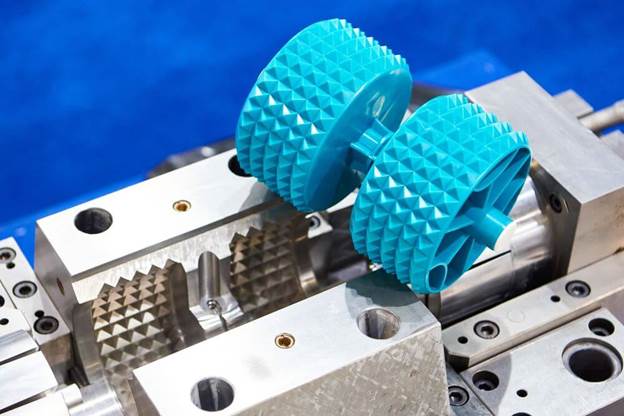
Good rib design for prototype injection molding.

Afwerking oppervlak

Some products need to be smooth and some need to be textured.

The appearance of injection mold prototype is influenced by the surface design.

Tolerance Requirements

Precise dimensions are important in injection molding prototype manufacturing.

Engineers need to take care to establish tolerances.

Ontluchting

In the course of so-called prototype plastic injection molding, air that remains in the mold can lead to defects.

Air can be released through proper venting.

Cooling Design

Quality of injection molded prototypes and cycle time are improved through efficient cooling.

The prototype injection molding project can be more successful due to good design practices.

Table 4: Mold Design Engineering Specifications

ParameterRecommended ValueEngineering Purpose
Draft Angle1°–3° per sideEasier part ejection
Wanddikte1.0–4.0 mmPrevent sink marks and warpage
Gate Diameter0.8–2.5 mmControls material flow
Vent Depth0.01–0.05 mmRemoves trapped air
Ejector Pin Diameter2-10 mmSupports smooth ejection
Runner Diameter3–8 mmMaintains balanced flow
Afwerking oppervlakSPI A1 to D3Controls appearance quality
Mold Steel Hardness28–52 HRCImproves mold life

Challenges in Prototype Injection Molding

While there are many advantages to prototype injection molding, there are also some drawbacks.

Tooling Costs

Even after creating the molds, an investment is still necessary to make injection mold prototype manufacturing.

The more complex the molds, the higher the development costs.

Materiële beperkingen

The injection molding prototype production process is sometimes difficult to process some materials.

Manufacturers need to choose materials judiciously.

Complex ontwerp

 Prototype plastic injection molding can be challenging in the case of complex product shapes.

Engineers tend to streamline designs to make them easier to manufacture.

Krimp en kromtrekken

Plastic materials can shrink or warp when they are cooled.

This influences the accuracy of the injection molded prototypes.

Productietijd

Faster than production tooling, prototype injection molding does still take time for the mold to be made.

Mold Durability

Prototype molds may wear out quicker than production molds.

This can restrict the production quantity of injection mold prototype.

Oppervlakte Defecten

The in-production injection molding prototype process may cause products to be affected by sink marks, flash, or flow lines.

Material Waste

During prototype plastic injection molding, there is some generating of waste.

Process optimization is a goal of manufacturers for minimizing waste.

Technische expertise

The key to successful injection molded prototypes is experience with the engineers and mold designers.

Despite these difficulties, prototype injection molding is still very useful in today’s product development process.

Table 5: Quality Defect Analysis in Prototype Injection Molding

Defect TypeMain CauseEngineering SolutionTypical Tolerance Impact
GootsteentekensThick wall sectionsReduce wall thickness±0.15 mm
VervormingUneven coolingOptimize cooling channels±0.30 mm
FlashExcessive pressureReduce clamp force±0.10 mm
Short ShotLow injection pressureIncrease pressure and venting±0.25 mm
LaslijnenImproper flow meetingModify gate locationCosmetic defect only
BrandwondenTrapped gas overheatingImprove venting systemSurface degradation

Future Trends in Prototype Injection Molding

The prospects for prototype injection molding are excellent.

Automatisering

Efficiency of injection mold prototype manufacturing is enhanced by automation.

Robotic Systems help to minimize production time and labor costs.

Slimme productie

The injection molding prototype quality control is enhanced by digital monitoring systems.

The production data can be tracked in real time for the manufacturers.

Duurzame materialen

In the prototype plastic injection molding industry, eco-friendly plastics come in more and more.

The companies are working on minimizing environmental footprint.

Faster Tooling Methods

The production speed of injection molded prototypes has been improved by advanced machining technologies.

This means quicker product development.

Artificial Intelligence

The use of AI systems enables optimization of prototype injection molding processes.

AI enhances quality and minimizes defects.

Advanced Simulation

The engineers use simulation software to predict the behavior of the materials when they are being produced with injection mold prototype.

This helps to make designs more accurate.

Hybrid Manufacturing

Some companies take advantage of the injection molding prototype methods and 3D printing at the same time.

This provides more flexible development solutions.

Improved Materials

The possibilities of prototype plastic injection molding are growing as a result of the development of new materials.

There are now tougher, lighter plastics available for manufacturers.

Global Manufacturing Growth

The worldwide demand for injection molded prototypes is still increasing.

The growth of industries will make prototype injection molding a vital manufacturing solution in the future.

Conclusie

Prototype spuitgieten has emerged as one of the most significant manufacturing techniques in today’s product design. It enables firms to prototype products in a timely manner, validate design and minimize manufacturing risks prior to going into large-scale production.

In many industries, injection mold prototype solutions are the backbone of businesses to enhance product quality and accelerate product launches. Prototype testing aids companies in creating better products, whether they are producing automotive components, medical devices, electronics, or consumer goods.

The prototype plastic injection molding has one significant benefit that is one of the sample parts injection moulding with high accuracy can be produced. These prototypes are more representative of the final products for more reliable testing.

Today the injection molded prototypes are still used for innovation and effectiveness for modern industries. Prototype processes are now faster, smarter and more sustainable with the advances in manufacturing technology.

With the rising demand of high-quality products, prototype injection molding values are becoming more and more significant than ever. Businesses that invest in a robust prototyping process may find that their success in the market and customer satisfaction is greater.

 prototype injection molding will undoubtedly be a huge cornerstone of world manufacturing in the years to come.

2026年5月19日/0 Reacties/door Artikel auteur
https://plas.co/wp-content/uploads/2026/05/rapid-injection-molding-machine.webp 408 612 Artikel auteur http://plas.co/wp-content/uploads/2023/02/plas-co-1.jpg Artikel auteur2026-05-19 21:56:312026-06-15 18:06:03Prototype spuitgieten: Een complete gids voor moderne productontwikkeling
Spuitgegoten kunststof, spuitgieten

Aluminium spuitgietmatrijzen: Complete gids voor kosten, voordelen en toepassingen

Aluminium Spuitgietmatrijs

The aluminum injection mold is a key part of the manufacturing industry today due to its speed, efficiency and affordability. With the need for faster production cycles and flexibility of design, industries have found aluminum molds to be useful. The plastic pieces are created by injecting the melted plastic material into a cavity precisely made, and the plastic material assumes the shape of the cavity while cooling. Aluminum molds have a much shorter lead time, are easier to machine and are significantly lighter in weight than steel molds. This is a great option for prototypes and low and medium production runs. This is a preferred method for companies, since it saves them time in constructing their application and guarantees that the routine is developed with high quality. With the improvement of technology, the application of aluminum injection molds is rapidly increasing in various industries including automotive, medical, electronics and consumer goods.

What is an Aluminum Injection Mold?

An aluminum injection mold is a mould that is utilized to form plastic parts. It is made out of aluminum and not steel. In this, the plastic is melted and then injected into a mold cavity. The material cools then replicate the shape of the mould. After it’s cooled, the final product is removed. Occurs in numerous repetitions in production process. The greatest benefit is that it cools faster and produces faster than other materials, such as plastic. The most important benefit is that it cools down quickly, and produces faster than plastic materials. That’s why today, aluminum injection molds are used.

How Aluminum Molds Work in Injection Molding?

Aluminum injection molding molds need to have a specific procedure to undertake and they are fairly efficient. Every step is dependent on the others and is crucial to producing high quality plastic components in a fast and reliable manner.

Step 1: Material Selection and Preparation

The first thing to do is to select a suitable plastic. ABS, polypropylene and polyethylene are typical materials used. There are a number of materials with different characteristics, such as strength, flexibility and resistance to heat. This is normally given in the pellets form in a hopper above the machine. Prior to use the material must be clean and dry, otherwise moisture can cause defects in the product.

Step 2: Feeding the Plastic into the Machine

Then the mould is set up and plastic pellets are placed in the injection molding machine. These are fed into the hopper where they are heated in a barrel. A screw which rotates inside the barrel pushes plastic forward. While moving, the material starts to heat up which begins to melt the material.

Step 3: Melting the Plastic

The heat and pressure generated by the screw, melts the plastic in the barrel. As time goes on, solid pellets will slowly be converted into a thick substance known as “molten plastic”. It is very important to have control on temperature here. Too hot could cause damage to material while too cool could cause a problem with melting.

Step 4: Injection into the Aluminum Mold

When it is completely dissolved, the plastic will be injected. The screw imparts a high pressure on being pushed. The molten plastic is forced into the aluminum injection mould with the help of a nozzle. The shape of the mold cavity is determined by the shape of the product to be produced, in order to get accurate results.

Step 5: Filling the Mold Cavity

The plastic is melted and poured into the mould to completely fill in all of the spaces. Fills out all the information and forms, and makes all the shapes completely. To prevent an air bubble and void, the proper pressure is applied. This step is very significant as it is otherwise the product will be faulty.

Step 5: Filling the Mold Cavity

After being filled, the cooling process begins. Aluminum has a very high heat transfer, thus the plastic cools rapidly. The temperature is kept constant by using cooling channels. The plastic hardens and the shape of the mold is created as the plastic cools. The colder the metal, the quicker will the cycle take and the quicker will production be.

Step 7: Mold Opening

When the plastic material is completely set, the mould is carefully and slowly removed from the plastic. This is to ensure that there will be no damage to the mold. At this stage the mold consists of two parts which separate. Once the part is molded, it is easily ejected from the mold. This process is very time sensitive. It is important that the mold is not opened too early, as the product could bend or lose its shape. Manufacturers always wait until the plastic is solid before opening the mold that is why.

Step 8: Ejection of the Finished Part

When the part is molded, the ejector pins act to eject the molded part from the mold. Careful removal of component – no damage. It is then to be taken away for the next procedure. If you have a well-designed ejection system, then no marks or defects will be left on the surface.

Step 9: Inspection and Finishing

They are quality checked after being removed from the plant. Manufacturers test for any shape defect, bubbles or cracks. Some finishing (cutting and/or smoothing) is done as needed (minor). Aluminum moulds provide a good surface quality, and generally require minimal finishing.

Step 10: Repeat the Cycle

The mold will be ejected and the cycle repeated when the mold is closed. This allows for parts to be produced from one-off to mass production. Faster cooling of aluminum results in reduced cycle time, which makes the process more efficient and helps to reduce production costs.

Why Choose Aluminum Instead of Steel Molds?

There are a number of people who have made the comparison between aluminum mold and steel mold. Steel molds are expensive, time consuming and difficult to make. Compared to aluminum molds, they are more quickly, cheaply and easily modifiable. These are perfect for testing, as well as for short production runs. For modern day industry, thus, it is recommended to use aluminium injection moulds.

Key Benefits of Aluminum Injection Molds

The advantage of aluminium injection molds is among the largest, which is speed. The production time is reduced as compared to steel because of the quick cooling speed of Aluminum. Another major advantage—COST! Cost of aluminium injection mold is much low as compared to the cost of steel molds which can help the businesses in the cost cutting process. In addition, if there is a change in design, then the aluminum molds can be easily replaced. They also provide a superb surface finish; therefore, enhancing the quality of the products.
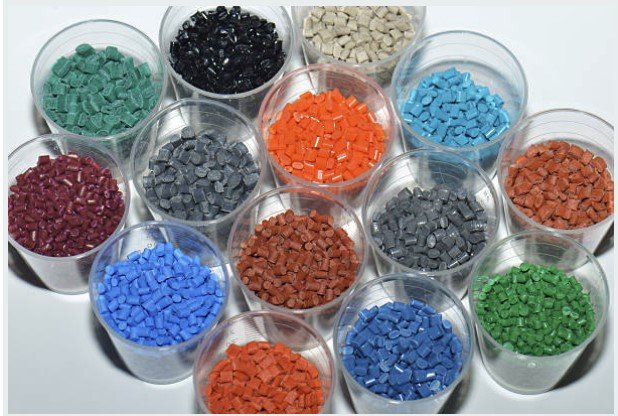
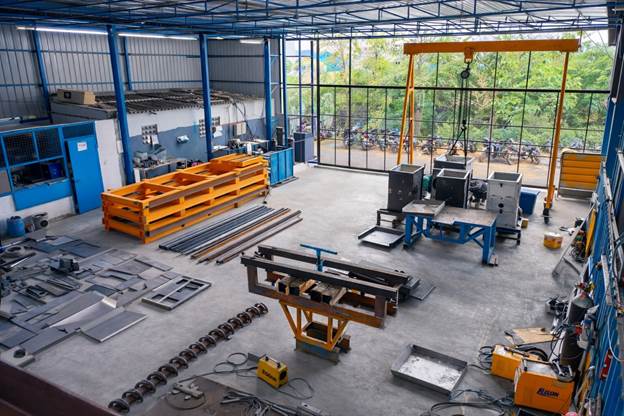
Understanding Aluminum Injection Mold Cost

The prices of the aluminum injection mould can be determined by several factors. The size of the mold is important since larger molds will need more material. The cost is also influenced by the design of the mold: A simple mold requires less expensive than a complex one. Also, the number of cavities is important. Multi-cavity moulds will cost more, but will yield a greater number of parts. Despite these expenses, aluminum molds are still more cost effective than steel molds.

When to Use Aluminum Injection Molds

Aluminum molds are the best recommended for a low to medium production run. They are excellent to be used for prototyping and testing products. These are generally used by companies desiring to sell the product quickly or companies that think they will have to make design changes in the product. If the production steel mould is desired, it may be more appropriate than aluminium moulds as the steel moulds are more durable. For most projects however, an aluminum mold for injection molding can be used to great effect.

Industries Using Aluminum Injection Molds

Aluminum injection molds are used to produce a number of industries. They have been employed to test parts in the automotive industry. They also have applications in medicine for the development of equipment. They’re employed by electronics companies for speedy product production. They are utilized in packaging for consumer goods and household goods by companies. They are fairly flexible and can be used in a multitude of ways.

Materials Used in Aluminum Injection Molding

Depending on the product type and the performance requirements of the product, other plastic materials can be used with the aluminum injection mold. Materials can have different properties such as being strong, flexible, durable and resistant to heat. The quality of the product will be very dependent on the selection of material.

Common materials used

ABS (Acrylonitril Butadieen Styreen): ABS is a high-impact, strong plastic that is used in a variety of industries. Very popular due to its durability and toughness. It is found in electronic enclosures, toys and vehicle components. Has a fair amount of strength and rigidity, so it is very strong for use every day.

  • Polypropyleen (PP): This is a soft, low cost and flexible plastic. It is chemically resistant, thus well suited for a variety of applications. It is widely used in packaging, storage containers and consumer products. It is also very light and is easy to shape, making it suitable for large scale production.
  • Polyethylene (PE): Polyethylene is a tough, strong and durable plastic. It can be employed in packaging films, plastic bottles and pipes. It is one of the main benefits as it is effective at low temperatures. This makes it ideal for industrial and domestic purposes.
  • Nylon (polyamide): Engineering Plastic; strong. Resistant and long lasting to heat. Used in mechanical component & industrial parts.

A very durable clear plastic such as polycarbonate (PC). It is used for lenses and in protective covers, safety equipment, due to its high impact resistance.

Limitations of Aluminum Injection Molds

While there are a number of advantages to aluminum injection molds, there are also some drawbacks. They are not as durable as steel molds, and may be worn out earlier. Not recommended for very complicated productions or very high pressure (HP). But most uses don’t have these disadvantages and the benefits are more. Aluminium should be used with a good surface quality, which can be affected over time in long runs. May also be more susceptible to scratching than steel. Thus, the use of it is limited to low or medium levels of production, primarily. It will work extremely well for prototypes and testing, however.

Tips to Reduce Aluminum Injection Mold Cost

It’s possible to save money on aluminum injection mold. Less machining time is achieved with simple designs. It also lowers the costs of standard parts. Clean up any unnecessary features, it helps to save time and money. It can also be improved to a more efficient process if it’s done with experienced manufacturers. When designing for production, an important tip is to complete the design process prior to the beginning of production. The expenses may be higher if design changes are made thereafter. The other significant factor is to use the appropriate material for the product requirement. As long as one is properly prepared, the overall budget is always decreased.

Aluminum Injection Mold vs Steel Mold

Depending on the production needs, each of the aluminum moulds and steel moulds will be chosen. Aluminum molds are the fastest and least expensive of the various types of molds. Steel molds are more durable, longer production runs and last longer. Aluminum molds are less expensive and stronger than steel molds, but are also easier to machine and lighter, and take longer to make.

Aluminum molds make excellent market testing molds as they are easy to make and are excellent quality. Steel molds are more suitable for mass production – millions of parts produced. If flexibility and speed are key, then use of aluminum is better. When long life is desired, steel is the material that is preferred.

Ontwerpoverwegingen

The design of the aluminium injection mould plays an important part. Simple designs are best. In good wall thickness, their strength will depend on their cooling. Angles to make it easy to remove parts. The design of cooling channel makes it more efficient. A good mould minimises mistakes and enhances the product quality. It also helps to minimize stress in the mold when it’s time to make the part. Preventing the formation of hair pin turns or air traps or crack in smooth flow paths. Engineers always have to determine the cost, speed and strength. Mold life and performance is enhanced by proper design.

Production Speed and Efficiency

Aluminum molds are made at a high speed. This is because aluminum cools plastic faster than steel, thus decreasing cycle time. This will help to increase productivity and efficiency. Faster production also assists companies to fulfil deadlines and boost profit. Cycle time can be shortened in many instances to a great extent. This translates to increased number of parts in shorter production times. It also can reduce the energy use of each component. The reason for the extensive use of aluminum mold for injection mold in the fast-growing industry is that it is an excellent choice.

Maintenance and Lifespan

Aluminum injection mould needs to be maintained. The grease and cleaners are used on a regular basis to extend the life of the parts. They can be used to make thousands of parts, and are not quite as durable as steel molds. They are a great choice for low to medium production. When not in use, molds need to be stored properly along with their correct use. Moisture and dust will help to preserve the surface. Inspection will aid and inhibit early wear. If used correctly it will last a long time.

Environmental Benefits

Aluminium moulds do not cause as much damage to the environment. They need less production/operating energy. Aluminium is also sustainable being recyclable! In addition, the increased production also leads to less energy use. They are appropriate for business that are green manufacturing. Reducing energy consumption translates to reduced carbon footprint. The other benefit is that during recycling of the aluminum, less industrial waste is produced. This is an added value to the modern sustainable production systems.

Algemene toepassingen

The Aluminium injection moulds are used in different industries. They are employed in the automotive industry as prototypes. They are employed in the medical sector in the creation of devices. Reputable and adopted by electronics firms for speedy manufacturing. They’re utilized by consumer goods manufacturers for consumer goods. They also have application in packaging, house-hold and industrial applications. They can be used in small and medium projects due to their versatility. For many start-ups, they are the preferred option for testifying their product launch. This gives them a greater value in today’s markets.

Uitdagingen

Some problems with the aluminium moulds. Not as long lasting as steel and can be subject to wear and tear. Not recommended for highly large amounts. But, with proper design and use, these issues can be minimized. The others are that it has a weak strength at high pressures and it is not waterproof. Very complicated designs can lead to a loss of performance with time. Overall, however, they are able to perform well in the typical use cases. They can be well maintained and if used appropriately, perform very effectively.

Laatste gedachten

The times are intelligent and efficient production methods for the aluminum injection molding. It provides quickness, versatility, and savings. Ideal for rapid product development, low volume production and prototypes. Lower price point of the aluminum spuitgietvorm allows it to be affordable for startups and scaling businesses. Meanwhile, it also performs perfectly and can be utilized in huge industries. With all these advantages and disadvantages that are known to their business they can then take the benefit of it to the full extent. With the technology development, the influence on the future production will even be more on aluminum molds.

Veelgestelde vragen

What is an aluminum injection mold and why is it important?

Aluminium Injection Moulding is a press which can be utilized to inject softened plastic in the shape cavity to make plastics products. The importance of it is because it could enable them to produce in a short time, reduce production cost and also produce good quality products. It is a favorite material for prototyping and for the demands of speed and flexibility in short production runs and is used in a variety of industries.

What are the influencing factors of the price of aluminum injection mold?

The various factors that might impact aluminum injection mold cost include mold size, the complexity of the mold design, the number of molds and the type of mold material. The price will vary based on the complexity of the mold – simple molds will be less expensive than more complicated molds. The price also varies depending on the number of the production and the specifications of the finished product.

Why are aluminium moulds faster to use in injection moulding than the steel moulds?

Since the conductivity of aluminium is high, the aluminium type molds used for injection molding are fast. It has high thermal conductivity, making plastic quickly cool in mold cavity. This not only decreases the cycle time, but also speeds up the production rate, which in turn is more efficient.

When choosing between Aluminium injection molding die and Steel molding die, which one to use?

Aluminum injection molds are a good option to be considered when it comes to speed of production, low cost and flexibility of design. They can be used to prototype, test and for low to medium volumes. Even if many items are to be created, steel moulds could be more effective, as they last longer too.

What is the best thing about the Aluminium Injection Mold?

The major advantages of aluminium injection molds are: They are faster in production, cheaper, very versatile and offer a good surface finish. All these benefits make them an attractive option for companies seeking efficient and flexible manufacturing solutions.

2026年5月15日/0 Reacties/door Artikel auteur
https://plas.co/wp-content/uploads/2026/05/image-13.jpeg 361 601 Artikel auteur http://plas.co/wp-content/uploads/2023/02/plas-co-1.jpg Artikel auteur2026-05-15 00:48:272026-06-15 18:07:50Aluminium spuitgietmatrijzen: Complete gids voor kosten, voordelen en toepassingen
Spuitgegoten kunststof, spuitgieten

Spuitgieten van kunststof in kleine series: Complete informatieve gids voor moderne productie

Korte termijn kunststof spuitgieten

Short run plastic injection molding is an effective manufacturing technology that is employed to manufacture a few plastic parts. It is best suited to businesses, which do not require a lot of production, but would like to achieve high-quality outcomes. This technique is very popular in testing of products, prototyping and small-scale manufacturing.

This process is popular among many companies as it will ensure that there is less initial investment and flexibility. Businesses are able to produce smaller quantities and have better control as opposed to producing thousands of units. This renders short run injection molding to be viable in startups and companies in their growth phase.

What is Short Run Plastic Injection Molding?

In short run plastic injection molding, a few plastic parts are produced by applying the injection molding technology. It is normally associated with reduced volumes of production as opposed to the mass production. This is appropriate in projects which have to be completed within a short time, and a small amount. This is accomplished by producing a short run injection mold that is designed to efficiently make parts without the big tooling that would be required in long-term tooling. The design of these molds usually has shorter life-cycle which assists in cutting down costs generally without compromising on the quality of the product.

What a Short Run Injection Molding Works?

This starts with the designing of the product and designing of a mold. Engineers come up with a design, which satisfies the product specifications but at low production costs. Then the mold is produced out of such materials as aluminum or soft steel. After having prepared the mold, plastic material is melted and injected into the mold. The material solidifies and becomes the shape that is desired. The same is repeated to yield a low number of parts through short run plastic injection molding.

Benefits of Short Run Plastic Injection Molding

Plastic injection molding (Short run) has numerous benefits to the companies. It is an adaptable and affordable approach which facilitates innovations and quicker product development. The process enables companies to start with small productions but without investing a lot. It is also useful in testing their products prior to large scale production. Short run injection molding is less risky and decision making is enhanced.

Key Points

  • Reduced initial cost of tools.
  • Faster production time
  • Perfect when it comes to prototypes, and testing.
  • Reduced financial risk
  • Ability to change design.

Short Run Injection Moulding Cost

One of the most significant or important factors to businesses is cost. Small-scale production is usually cheaper than the large-scale production in terms of cost incurred in injection molding as the little tooling and set up is required. Nevertheless, its price per unit might be a bit more than a mass production. The reason behind this is that this fixed cost will be spread among a lesser number of parts. Nonetheless, with this amount, this technique is economical and feasible.

Key Points

  • Lower initial investment
  • Higher unit cost as compared to mass production.
  • Design and material of the mold would depend on the cost.
  • Suited to a low volume production.
  • Cost effective on minor projects.

Materials Used in Short Run Injection Molding

The use of various kinds of plastic materials varies in accordance to the needs of the product. Commonly used are ABS, polypropylene, polyethylene and polycarbonate. It has certain properties of each material which include strength, flexibility and heat resistance. The correct choice of the material is a factor of product performance. In short run injection molding of plastics, selection of the material assists in the attainment of the desired quality without going too high in terms of cost.

Applications of Short Run Plastic Injection Molding

It is flexible in various industries and is employed in this process. It is appropriate in projects which demand low amounts and high-speed production. Short run injection molding is used in industries such as the automotive industry, medical, electronics and consumer goods in prototyping and production of small production runs. It assists the businesses to fulfill the demand in the market without having to make substantial investments.

Key Points

  • Product prototyping
  • Medical device components
  • Automotive parts testing
  • Consumer product development
  • Low-volume production

Benefits of the 3D printing as compared to conventional production

Plastic injection molding can be used in short run mode which has a number of benefits over the conventional manufacturing techniques. It enables a quicker product development and simplifies a product design change. This technique does not involve huge commitments, as it is in the case of mass production. Companies have the capability to make small batches, and modify designs according to feedback. This renders short run injection molding a very flexible process.

Injection Mold Design considerations- Short Run

Design is one of the important factors of the successful production. Properly designed short run injection mold guarantees a seamless production process and the quality of the product. Engineers are concerned with simplicity and efficiency in order to save on the cost. A well-designed mold is also useful in enhancing the durability and performance of the mold in the production process.

Key Points

  • Clearly and straightforward design.
  • Proper material selection
  • Balanced mold structure
  • Less complicated to be less expensive.
  • Easy maintenance

Difficulties of short run injection molding

As much as this process has numerous advantages, there are a few challenges that come along with it. Higher unit cost can be experienced as a result of low volume of production. The durability of mold can also be reduced as opposed to long run molds. These issues can be overcome by proper planning and design. Through collaborating with experienced manufacturers, companies will have a greater success with short run plastic injection molding.

Selecting the proper Manufacturer

There is a great deal to do with picking the appropriate manufacturer. A manufacturer with a good reputation guarantees that there is quality, on time delivery and cost efficiency. The important ones in selecting a partner are experience and technology. An experienced short run injection moulding supplier would be able to streamline production, minimizing mistakes.

When to opt to use short run Plastic Injection Molding

The most suitable type of plastic injection molding would be short run plastic injection molding where the production volume is low and speed is a concern. It is effective when a startup is being launched, when testing a product or when launching a product with a small market. This technique is popular with businesses which wish to minimize risk. It can also be applied in cases where the designs of products are yet to be perfected. Companies can easily change performance and make any changes without investing in long-term injection molds, as a short run injection mold can be used to test the performance. This contributes towards the saving of time and money.

Key Points

  • Suited to a low volume production.
  • Good in product testing/prototyping.
  • Economical with start-ups and small-businesses.
  • Reduces financial risk
  • Helps develop designs fast.

Comparison with Long Run Injection Molding

Also very different is the short run injection molding of plastics as opposed to long run production. Large scale production with large quantities is done using long run molding. It has high-cost molds but has a lesser unit cost. Short run injection molding, on the other hand is concerned with limited numbers, which have less initial expenditure. The unit cost might be more expensive, but is more flexible and can be produced more quickly. This renders it to be appropriate in short term projects.

Tooling Options for Short Run Injection Mold

Tooling is one of the significant elements. Molds that are to be used in short run production are typically made out of aluminium or lighter steel. Less costly and expeditiously machineable are these materials. A short run injection mold is not meant to be used extensively and therefore, it does not require as long as production molds. This can be used to minimize the tooling cost and yet achieve a good quality to small batches.

Key Points

  • Cost saving aluminium moulds.
  • Reduced time of production of moulds.
  • Appropriate in the small production cycles.
  • Lower maintenance cost
  • Quick adjustments possible

Lead Time and Speed of production

The benefit of shorter lead time is one of the greatest of this method. Molds are also simpler to produce and low quantities of production result in parts that are produced in haste. This assists companies in adhering to deadlines, and in responding to the market need in a shorter time. With short run plastic injection molding, companies are able to introduce products within a short period as opposed to the traditional methods.

Part in Product Development

Increasingly, short run plastic injection molding is significant in the development of products. It enables companies to experiment with designs under the real-world conditions before it is taken to mass production. Companies can in this way create small batches to refer to feedback and enhance their products. This renders short run injection molding to be a useful innovation and development tool.

Key Points

  • Supports product testing
  • Assists in enhancing quality of the design.
  • Reduces development risk
  • Allows market feedback
  • Accelerates innovation of products.

Quality- Short Run Production

Although the volume of production is low, quality nevertheless should be ensured. The right design, choice of materials and control of the process is needed. Testing and inspection are done to provide uniformity to manufacturers. Short run kunststof spuitgieten can be done using high standards to give high quality results.

Cost Optimization Strategies

With clever choices in the design and production, businesses can minimize short run injection molding cost. Easy designs, correct choice of materials can contribute to reduction of costs. It also works with the experienced manufacturers which enhances efficiency. Cost optimization is to provide the improved results without any compromising of product quality.

Key Points

  • Simplify product design
  • Choose cost-effective materials
  • Optimize mold design
  • Collaborate with a team of competent manufacturers.
  • Minimise wastage and inaccuracies.

Environmental Advantages

Sustainable production can also be supported by the short run production. Manufacturing the exact number of products saves on wastage, and the unnecessary consumption of materials. The use of energy is also reduced as opposed to mass production. This renders the short run plastic injection molding, more eco-friendly in some situations.

Common Mistakes in Short Run Plastic Injection Molding

When short run production is initiated by many companies, they end up making a lot of mistakes. Mistakes that could be made include bad design of moulds. Otherwise, the short run injection mold may lead to defects and inconsistency of quality products, when it is not properly designed. The other error is that of selecting the inappropriate material. Spoilage of plastic of low quality or otherwise inappropriate can lead to more failures. Short run injection molding is very critical in proper planning to prevent wastage and re-work.

Importance of Proper Mold Maintenance

Although the molds are not used on long production cycles, maintenance is also considered even though the short run molds are used. Washing and good storage can assist in increasing the life of moulds and quality. A molded item can have issues with the surface finish and accuracy of products, unless a mold is kept. Scanning, routinely, guarantees a smooth operation in short run plastic injection molding ventures.

The use of Technology in Short Run Production

The short run manufacturing has been enhanced with the use of modern technology. The computer-aided design (CAD) and computer-assisted manufacturing (CAM) software can be used to create accurate molds. This minimizes mistakes, and enhances productivity. Less human error is also guaranteed by automated machines in ensuring consistency in production. This causes short run injection molding to be quicker, more precise and dependable than the conventional ones.

Short run injection molding Customization

Customization happens to be one of the largest benefits of this process. Changes of designs by businesses need not be greatly invested. This proves quite handy whereby alternative version of product needs to be tested. Quickly, a short run injection mold can be modified and hence the manufacturers can make product development improvements, based on customer feedback. It is flexible and helps in innovation and success in the market.

Supply Chain Benefits

Another way in which short run production enhances the supply chain management is through supply chain management. There is no need of companies to hold large inventories. They are able to generate just what is needed. This saves on storage cost and wastes. Businesses can be able to respond to market demand more quickly, and minimize the risk of overproduction using short run plastic injection molding.

Market Trends and Development of the industry

The need to produce in small scales and customized is on the rise. The companies are desiring quicker production and versatile manufacturing options. This is creating an expansion in short run injection molding towards the global markets. This practice is becoming a popular way of remaining competitive and innovative by more companies.

Outlook in short run plastic injection molding

The future of this process has a good prospect. With the growth in demand of customized products, there is an increasing number of companies, which use small-batch production methods. High technologies are enhancing productivity and decreasing the expenses. This will render short run plastic injection molding even more popular in the next couple of years.

Summary

Plastic injection molding (short run) is a convenient and versatile manufacturing process. It enables companies to make small amounts at a low initial investment and quicker turnaround. Through short run injection mold, companies are able to test products, make it better and eliminate risks prior to the large-scale production. The approach aids innovation and assists companies to react swiftly to any market changes.

De spuitgieten in kleine series cost per unit might be more expensive, but it can be a worthwhile investment by most industries because of the overall benefits. It is particularly applicable in case of startups, product development and a limited production requirement. In the current dynamic market, short run plastic injection molding offers the flexibility and efficiency required in order to be successful.

FAQs

What is the short run plastic injection molding?

It is a process employed in manufacturing a few plastic components that are cheaper to tool, and possess reduced time to manufacture.

What do we use short run injection molding?

It finds its primary application in prototyping, testing of the product and small-scale production in industries.

What is the cost of short run injection moulding?

The cost of short run injection molding is influenced by the design of the mold, the material and the number of the molds. It is normally less in the case of small projects.

In short run injection molding what materials do we use?

Some of the common materials used are ABS, polypropylene and polycarbonate based on the need of the product.

What does mean a short run injection mold?

It is a mold intended to be used to produce small production runs. It can be typically constructed with less expensive materials and has a reduced life span.

2026年5月3日/0 Reacties/door Artikel auteur
https://plas.co/wp-content/uploads/2026/05/image-6.jpeg 361 601 Artikel auteur http://plas.co/wp-content/uploads/2023/02/plas-co-1.jpg Artikel auteur2026-05-03 18:01:172026-06-15 18:09:47Spuitgieten van kunststof in kleine series: Complete informatieve gids voor moderne productie
Pagina 1 van 11123'"

Categorieën

  • CNC kunststofbewerking
  • Contractproductie China
  • Spuitgegoten kunststof
  • Spuitgegoten rubber
  • spuitgieten
  • matrijzenfabrikant china
  • Nieuws
  • OEM-productie China
  • overspuiten
  • plastic vorm
  • het vormbedrijf
  • TPU spuitgieten

Recente berichten

  • Plastic Injection Molding Contract Manufacturing: A Complete Guide for Modern Businesses
  • Op maat gemaakte kunststof behuizingen voor elektronica: een gids voor moderne elektronica.
  • HDPE-spuitgieten: een complete gids over materialen, processen, voordelen en toepassingen
  • Bewerkte PTFE-onderdelen: de ultieme gids voor de productie van precisiepolymeren
  • CNC-gefreesde fietsonderdelen: precisietechniek voor het moderne fietsen


    Sincere Tech

    Sincere Tech is matrijzenleverancier in China begonnen vanaf 2005. Vandaag bieden we alles in één service van productontwerp en productie, prototyping, testen, kunststof schimmelontwerp en manufacuring, 2k molding, overspuitenPCB-ontwerp, spuitgietgereedschap maken, CNC-bewerking, certificaat, massaproductie, assemblage, inspectie en verpakking.


      Kantooruren

      Rm101, N041, Donghu road, JingLian cun, qiaotou town, Donggguan City, provincie Guangdong, China. 523000.

      Mobiel: +86 135 30801277
      Weichat/whatsup Nr: + 86 135 3080 1277
      E-mail: steve@sincere-tech.com
      Web: http://plas.co

      • Plastic Injection Molding Contract Manufacturing
        Plastic Injection Molding Contract Manufacturing: A Complete Guide for Modern Businesses2026年7月1日 - pm10:58
      • Op maat gemaakte kunststof behuizingen voor elektronica: een gids voor moderne elektronica.
        Op maat gemaakte kunststof behuizingen voor elektronica: een gids voor moderne elektronica.23 juni 2026 - pm8:14
      • HDPE-spuitgieten: een complete gids over materialen, processen, voordelen en toepassingen
        HDPE-spuitgieten: een complete gids over materialen, processen, voordelen en toepassingen21 juni 2026 - pm11:55
      • Bewerkte PTFE-onderdelen: de ultieme gids voor de productie van precisiepolymeren
        Bewerkte PTFE-onderdelen: de ultieme gids voor de productie van precisiepolymeren16 juni 2026 - pm8:58
      • CNC-gefreesde fietsonderdelen: precisietechniek voor het moderne fietsen
        CNC-gefreesde fietsonderdelen: precisietechniek voor het moderne fietsen13 juni 2026 - pm10:40
      © Auteursrecht - PLAS.CO - DongGuan Sincere Tech Co, Ltd
      Scroll naar bovenzijde Scroll naar bovenzijde Scroll naar bovenzijde
      NL
      EN IT FR DE RU PL TR AR ES JA KO PT CS DA FI NB EL SV HU RO ES_MX