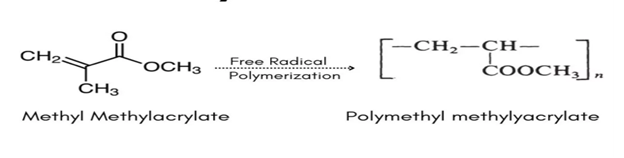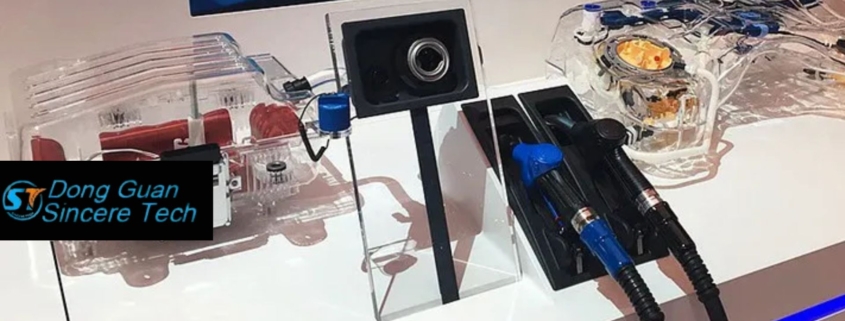
Das Acryl-Spritzgießen kann als eine neue Technologie zur Herstellung von Kunststoffprodukten mit hoher Qualität definiert werden. Diese Technik findet breite Anwendung in der Automobilindustrie, im Gesundheitswesen, bei Konsumgütern und in der Elektronik. Sie ist besonders für die Herstellung transparenter, robuster und attraktiver Produkte bekannt.
China ist ein wichtiger Teil des Acrylgussgeschäfts. China verfügt über eine große Anzahl von Fabriken, die hochwertige Acrylformen und -teile herstellen. Sie bieten eine kostengünstige, zuverlässige und skalierbare Produktion für die internationalen Märkte.
Dieses Papier behandelt den Prozess des Spritzgießens, die Arten von Formen, Anwendungen und bewährte Praktiken beim Spritzgießen von Acryl.
Was ist Acryl-Spritzgießen?
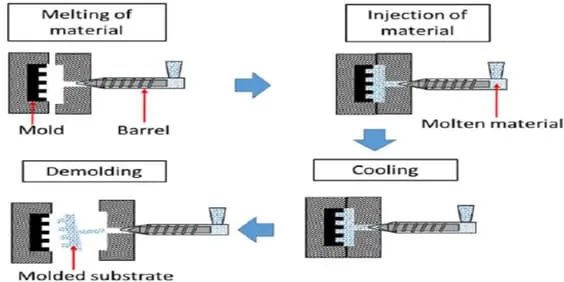
Spritzgießen von Acryl ist eine Technik zur Herstellung von Flugzeugen, bei der Acrylkunststoff erwärmt wird, bis er schmilzt, und dann in eine Form gespritzt wird. Der Kunststoff wird ausgehärtet und verfestigt sich zu einer bestimmten Form. Das Verfahren ist sehr nützlich für die Herstellung komplexer und gleichmäßiger Teile in großem Maßstab.
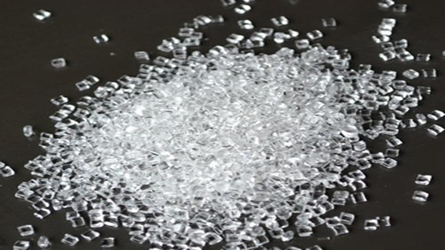
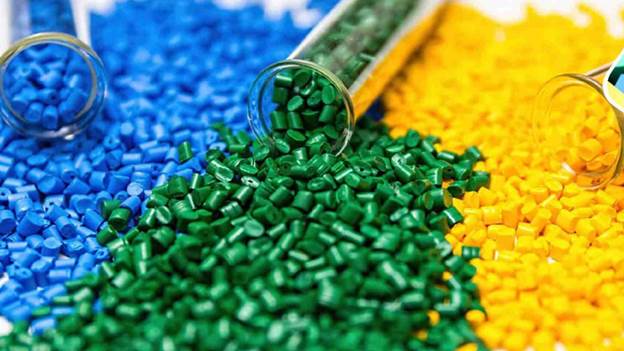
Die Acrylgranulate sind klein und dienen als Ausgangsmaterial für die Nahrung. Diese werden in ein beheiztes Fass gegossen, bis sie schmelzen. Dann wird das geschmolzene Acryl in eine Hochdruckform mit Acrylformen gespritzt. Die Formen werden abgekühlt und geöffnet, und das fertige Produkt wird ausgestoßen.
Das Verfahren ist schnell, genau und wirtschaftlich, im Gegensatz zu anderen Methoden des Gießens. Es eignet sich für Branchen, in denen eine hohe Produktionsmenge erforderlich ist, ohne dass die Qualität darunter leidet.
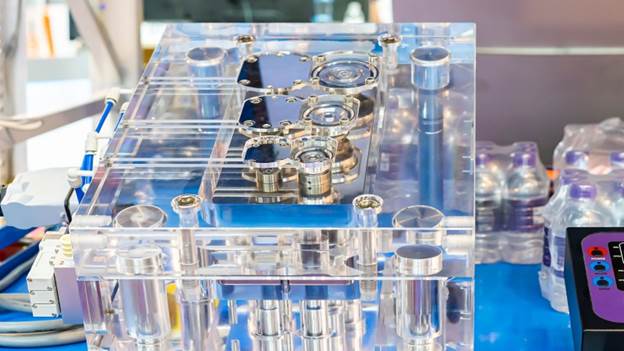
Vorteile von Acrylic Molding
Die Vorteile von Acrylguss sind zahlreich.
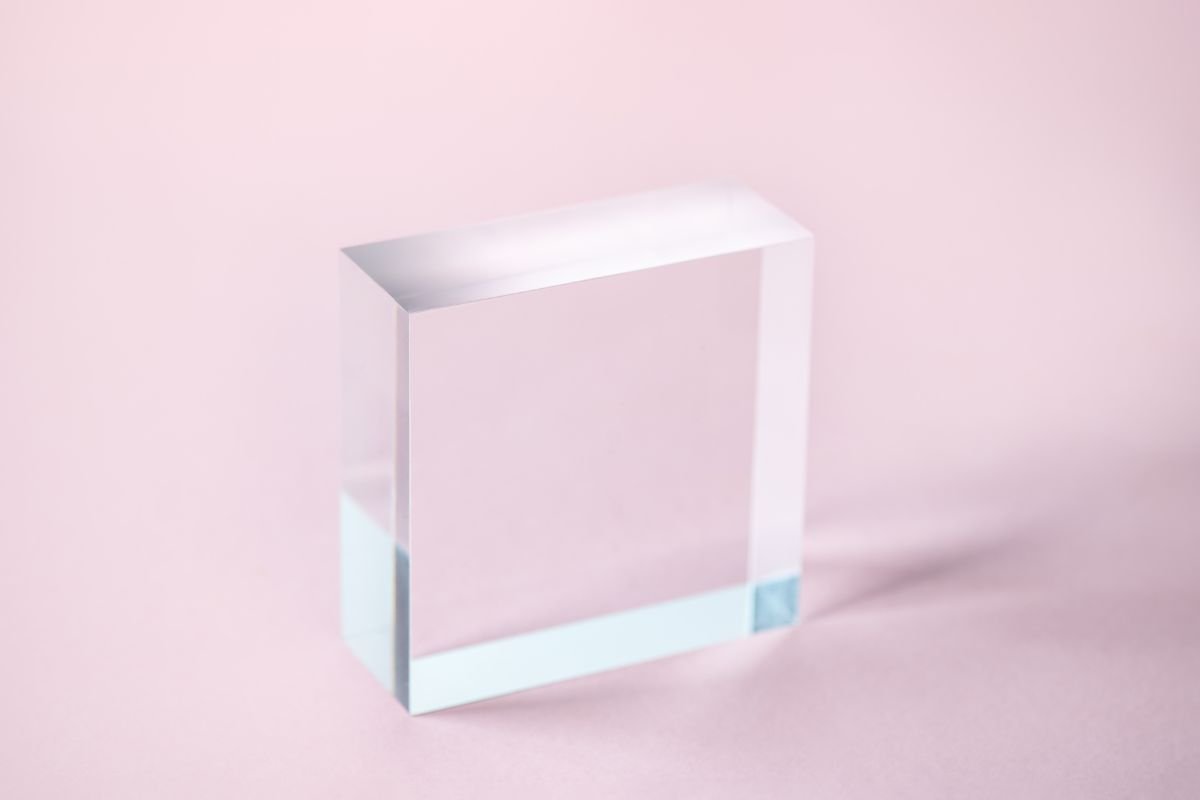
- Große Transparenz: Acrylprodukte sind sehr transparent. Sie werden häufig in Situationen verwendet, in denen sie sichtbar sein müssen.
- Langlebigkeit: Acryl ist haltbar und kratzfest.
- Komplexe Formen: Es ist in der Lage, komplexe Designs zu erstellen, die mit anderen Kunststoffen nur schwer möglich sind.
- Kostengünstig: Nach der Herstellung von Gussformen können in kurzer Zeit Tausende von Teilen hergestellt werden, was das Verfahren kostengünstiger macht.
- Konsistenz: Jede Charge ist die gleiche wie die vorhergehende, und die Qualität wird in großen Mengen gewährleistet.
Das Acrylgießen ist schnell und präzise und daher eine gute Option, wenn in der Industrie Qualität und Geschwindigkeit erwartet werden.
Acryl-Spritzgießen wurde entdeckt
Mitte des 20. Jahrhunderts begannen die Hersteller mit der Entwicklung des Acrylspritzgussverfahrens, weil sie eine schnellere und genauere Methode zur Formung von PMMA suchten. Zuvor wurde das Gießen als primäres Verfahren für das Acrylgießen verwendet, was ein langsamer und arbeitsintensiver Prozess war.
In den 1940er und 1950er Jahren erfanden Ingenieure in Deutschland und den Vereinigten Staaten Maschinen, die Acrylgranulat bei Temperaturen von 230-280 °C schmelzen und in kleine Acrylformen spritzen konnten. Diese Erfindung ermöglichte die Herstellung komplizierter und hochwertiger Teile mit einheitlichen Abmessungen.
Das Spritzgießen von Acryl zur Herstellung dessen, was heute als Acrylguss bekannt ist, veränderte Branchen wie die Automobilindustrie, medizinische Geräte und Konsumgüter. Das Formen von Kunststoffen aus Acryl verkürzte nicht nur die Zeit, sondern steigerte auch die Effizienz und ermöglichte die Herstellung von Teilen mit engen Toleranzen (+-0,1 mm) und optischer Klarheit (>90% Lichtdurchlässigkeit).
Arten von Acrylformen
Es gibt verschiedene Arten von Acrylformen; jedes Modell wird je nach der erforderlichen Produktionsart und der Komplexität des Produkts hergestellt. Die Auswahl eines geeigneten Typs garantiert Ergebnisse von hoher Qualität und Effizienz bei der Acrylformung.
Ein-Kavitäten-Werkzeuge
Einzelkavitätenwerkzeuge werden für die Herstellung eines einzigen Teils nach jedem Spritzzyklus hergestellt. Sie können bei kleinen Produktionsserien oder bei Prototypenprojekten verwendet werden. Bei Einzelkavitätenwerkzeugen wird der Prozess des Spritzgießens von Acrylmaterial unter Verwendung des betrachteten Begriffs durchgeführt, um das Problem der fehlerhaften Formgebung und unscharfen Oberflächen zu vermeiden.
Mehrkavitäten-Werkzeuge
Mehrkavitätenwerkzeuge sind in der Lage, viele Exemplare in einem Zyklus herzustellen. Dadurch eignen sie sich ideal für die Massenproduktion. Mehrkavitätenformen werden häufig mit Acryl geformt, um Konsistenz zu erreichen und die Produktionszeit zu minimieren.
Familie Schimmelpilze
In einem einzigen Zyklus werden mit Familienformen einige der verschiedenen Teile hergestellt. Dieser Typ ist praktisch für die Herstellung von Komponenten, die eine Produktbaugruppe bilden. Familienformen können Acryl-Kunststoffformen verwenden, mit denen mehrere Teile gleichzeitig hergestellt werden können, was sowohl Zeit als auch Kosten spart.
Heißkanal-Werkzeuge
Die Heißkanalformen ermöglichen es, den Kunststoff in Kanälen zu halten, um den Verschnitt zu minimieren und die Effizienz zu steigern. Heißkanalsysteme verwenden Acrylformen, die sich für hochpräzise Produkte mit glatten Oberflächen und weniger Defekten eignen.
Formen für Kaltkanäle
Bei Kaltkanalwerkzeugen werden Kanäle verwendet, die zusammen mit dem zu formenden Teil abkühlen. Sie sind weniger kostspielig und einfacher zu produzieren. Viele kleine bis mittelgroße Hersteller ziehen es vor, mit Hilfe von Kaltkanalwerkzeugen Acryl zu formen, um kostengünstig zu produzieren.
Die Wahl des geeigneten Typs der sogenannten Acrylformen wird durch das Produktionsvolumen, das Design des Produkts und das Budget bestimmt. Die richtige Auswahl der Formen führt zu einer besseren Leistung des Acryl-Spritzgießens und zu qualitativ hochwertigen Endprodukten.
Die Techniken des Kunststoffspritzgusses aus Acryl
Bei der Herstellung von Kunststoffen aus Acrylglas werden verschiedene Methoden angewandt, um Acrylglas in nützliche und attraktive Gegenstände zu verwandeln. Beide Verfahren haben ihre Stärken, die sich nach dem Design, dem Produktionsvolumen und den Anforderungen des Produkts richten.
Spritzgießen
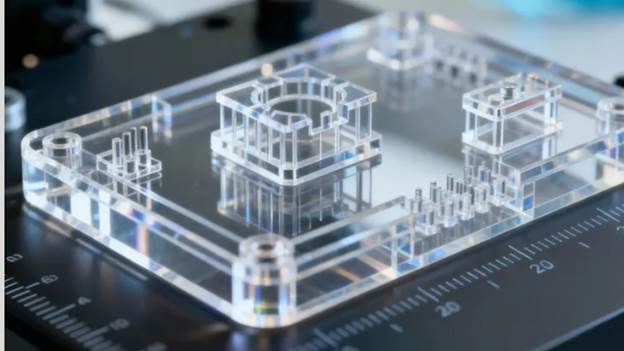
Die gängigste Methode, das so genannte Acryl-Spritzgießen, besteht darin, Acryl-Untereinheiten, so genannte Acryl-Pellets, zu erhitzen, bis sie geschmolzen sind, und sie dann in Acrylformen zu spritzen. Nach dem Abkühlen verfestigt sich der Kunststoff in der gewünschten Form. Dies ist die beste Methode, um ein hochpräzises Produkt in großen Mengen herzustellen.
Formpressen
Acrylglasplatten werden in eine heiße Form gelegt und beim Formpressen in Form gebracht. Diese Technik kann für dickere Abschnitte und einfache Designs angewendet werden. Das Formpressen von Acrylglas wird verwendet, um eine einheitliche Dicke und Festigkeit zu erreichen.
Extrusion
Lange, durchgehende Profile werden durch Extrusion hergestellt, bei der geschmolzenes Acryl in eine geformte Düse gepresst wird. Durch Extrusion wird Acrylglas unter anderem zu Rohren, Stäben und Platten geformt. Es ist gleichmäßig in Querschnitten und Oberflächen.
Tiefziehen
Bei der Thermoformtechnik werden Acrylglasplatten erhitzt, bis sie biegsam sind, und mit Hilfe von Vakuum oder Druck über einer Form geformt. Das Verfahren eignet sich gut für große oder nicht große Produkte. Das Thermoformen ist eine Technik zur Herstellung kleiner bis mittlerer Mengen von Acryl-Kunststoffformen zu relativ geringen Kosten.
Rotationsgießen
Das Rotationsgießen wird ebenfalls mit Acryl verwendet, aber die Form wird während des Erhitzens gedreht, um die Innenseite der Form gleichmäßig zu beschichten. Formen mit Vertiefungen können mit dieser Technik effektiv hergestellt werden. Bei Rotationsformen ist es möglich, Acryl so flexibel zu formen, dass es sich an bestimmte Designs anpasst.
Verfahren zum Formen von Acrylglas
Das Formen von Acryl ist ein wichtiger und technischer Prozess, durch den das Rohmaterial Acryl in fertige Teile von hoher Qualität verwandelt wird. Das Verfahren umfasst mehrere Prozesse, und jeder Prozess erfordert eine präzise Steuerung von Temperatur, Druck und Zeit, um ein optimales Ergebnis bei der Acrylformung zu erzielen.
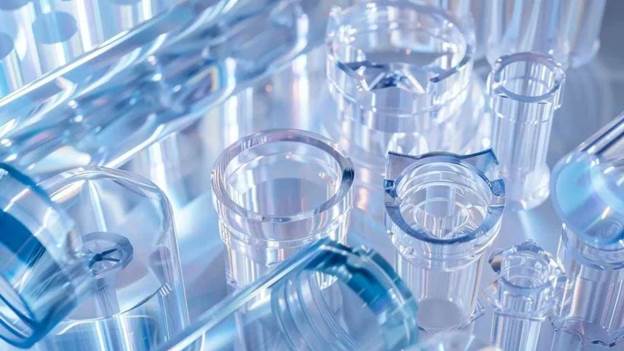
Vorbereitung des Materials
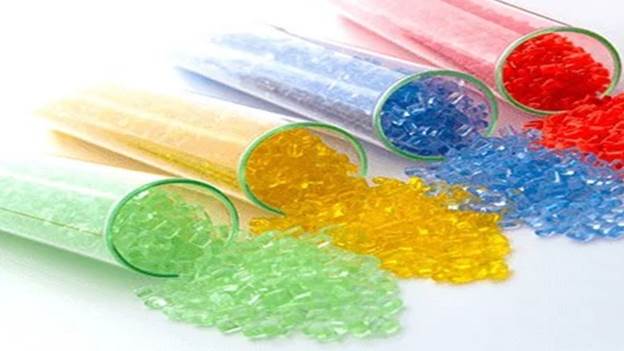
Die Reaktion beginnt mit hochwertigen Acrylgranulaten, die unterschiedliche Größen haben können (in der Regel 2-5 mm Durchmesser). Der Feuchtigkeitsgehalt des Granulats sollte weniger als 0,2 betragen, da jede weitere Feuchtigkeit zu Blasenbildung während des Formprozesses führen kann. Die Pellets werden normalerweise in einem Trichtertrockner bei 80-90 Grad Celsius in mindestens 2-4 Stunden vor der Verwendung getrocknet.
Schmelzen und Einspritzen
Das getrocknete Granulat wird in den Zylinder der Spritzgießmaschine eingefüllt. Die Temperatur des Zylinders wird auf 230-280 °C gehalten, wobei die Acrylqualität von der verwendeten Sorte abhängt. Die Pellets werden durch den Schneckenmechanismus geschmolzen, um ein homogenes Acrylgemisch in geschmolzener Form zu bilden.
Das Acryl wird dann unter hohem Druck - normalerweise 70-120 MPa - in Acrylformen gespritzt, sobald es geschmolzen ist. Die Dauer des Einspritzens hängt von der Größe des Teils ab, wobei kleine bis mittlere Teile etwa 5 bis 20 Sekunden benötigen.
Kühlung
Nach dem Einspritzen wird eine Druckform eingesetzt, während das Acryl abkühlt und sich verfestigt. Die Dauer der Abkühlung hängt von der Dicke der Teile ab:
- 1-2 mm Dicke: 15-20 Sekunden
- 3-5 mm Dicke: 25-40 Sekunden
- Über 5 mm Dicke: 45-60 Sekunden
Die Kühlung ist notwendig, um Verzug, Schrumpfung oder Oberflächenfehler zu vermeiden. Etablierte Formen können auch Wasserleitungen oder Ölkühlung verwenden, um die Temperaturen in den erforderlichen Spezifikationen zu halten.
Formöffnung und Auswerfen
Nach dem Abkühlen wird die Form geöffnet und das Teil mit mechanischen oder hydraulischen Auswerferstiften ausgestoßen. Es ist zu beachten, dass die Kraft des Auswerfens begrenzt werden sollte, um sicherzustellen, dass die Oberfläche nicht beschädigt oder verformt wird.
Nachbearbeitung
Das Teil kann auch Endbearbeitungsverfahren unterzogen werden, wie z. B. das Abschneiden oder Polieren des Teils nach dem Ausstoßen oder das Ausglühen. Das Altern bei Temperaturen von 80-100 Grad Celsius und einer Dauer von 1-2 Stunden trägt dazu bei, innere Spannungen zu beseitigen und die Klarheit und Festigkeit zu verbessern.
Qualitätskontrolle
Die einzelnen Bauteile werden auf Fehler wie Luftblasen, Verformung und Maßhaltigkeit geprüft. Dabei wird ein Messschieber verwendet oder ein Laserscan durchgeführt, und bei hochpräzisen Bauteilen darf die Toleranz innerhalb von + 0,1 mm liegen. Die Verwendung von qualitativ hochwertigem Acryl-Kunststoffguss hat dafür gesorgt, dass alle Produkte dem Industriestandard entsprechen.
Zusammenfassung der Prozessparameter:
| Schritt | Parameter | Wert |
| Trocknen | Temperatur | 80-90°C |
| Trocknen | Dauer | 2-4 Stunden |
| Temperatur des Fasses | Acryl schmelzen | 230-280°C |
| Einspritzdruck | 70-120 MPa | |
| Abkühlungszeit | 1-2 mm dick | 15-20 Sekunden |
| Abkühlungszeit | 3-5 mm dick | 25-40 Sekunden |
| Abkühlungszeit | >5 mm dick | 45-60 Sekunden |
| Glühen | Temperatur | 80-100°C |
| Glühen | Dauer | 1-2 Stunden |
| Abmessungstoleranz | ±0,1 mm |
Das Acrylspritzgießen mit den folgenden technologischen Merkmalen garantiert die Qualität, Genauigkeit und Effizienz eines jeden Produkts. Der Prozess des Acryl-Spritzgießens kann zur Herstellung klarer, haltbarer und maßgenauer Komponenten verwendet werden, indem optimierte Bedingungen verwendet werden, die eine gleichmäßige Produktion der Komponenten gewährleisten.
Anwendungen des Acryl-Spritzgießens
Der Acrylspritzguss wird häufig in Bereichen eingesetzt, in denen Genauigkeit, Klarheit und Langlebigkeit erforderlich sind.
Autoindustrie
Rückleuchten, Armaturenbretter und Verkleidungen werden mit Hilfe von Acrylgussformen hergestellt. Die Teile sind in der Regel 1,5-5 mm dick und haben einen Temperaturbereich von -40 °C bis 80 °C. Klarheit und Langlebigkeit werden durch Molding acrylic garantiert.
Gesundheitspflege und medizinische Geräte.
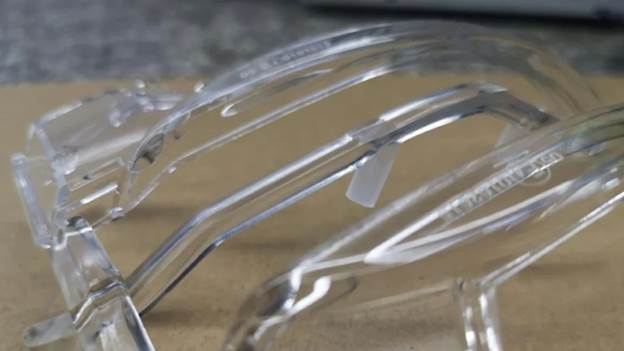
Laborgeräte, Instrumentenabdeckungen und Schutzschilde werden durch das Verfahren des Acryl-Kunststoffspritzgusses hergestellt. Es werden Teile mit Toleranzen von +-0,1 mm und Sterilisierbarkeit verlangt. Das Acryl-Spritzgießen gewährleistet glatte und korrekte Oberflächen.
Unterhaltungselektronik
Smartphone-Hüllen, LED-Gehäuse und Schutzschirme werden aus Acryl geformt. Das Teil muss einen Oberflächenglanz von mehr als 90% und genaue Abmessungen aufweisen.
Amphetamin, Methamphetamin und Amphetamine in Haushalts- und Dekorationsartikeln.
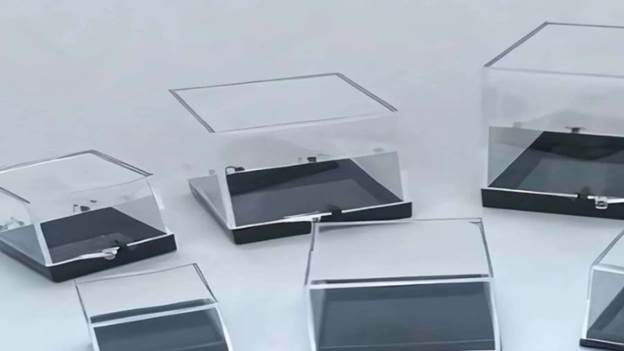
Für die Herstellung von Produkten wie Kosmetikbehältern, Vitrinen und Paneelen werden so genannte Acrylkunststoffformen verwendet. Die durchschnittliche Dicke schwankt zwischen 2 und 8 mm, was gleichmäßige Oberflächen mit glatten, klaren und farbigen Oberflächen ermöglicht.
Elektrische Komponenten, Beleuchtung und Optik.
Der Acryl-Spritzguss wird für die Klarheit von LED-Linsen, Lichtdiffusoren und Beschilderungen verwendet. Die Teile erreichen eine Lichtdurchlässigkeit von über 90% bei bestimmten Winkeln und Stärken.
Industrielle Ausrüstung
Es werden Maschinenschutzvorrichtungen, Armaturenbretter und transparente Behälter verwendet, die aus Acryl gegossen werden. Die Bauteile müssen eine Schlagzähigkeit von 15-20 kJ/m2 aufweisen und klar sein.
Typische Anwendungen
Dieser Rahmen wird in Situationen angewandt, in denen der Staat alle wesentlichen Merkmale der Gesundheitsdienstleistungen wie Qualität, Kosten und Zugänglichkeit sowie den Umfang der erbrachten Leistungen kontrolliert.
Industrie
- Produktbeispiele
- Wichtige Spezifikationen
- Automobilindustrie
- Rückleuchten, Armaturenbretter
- Dicke 1,5-5 mm, Temperatur 40 °C bis 80 °C
Gesundheitswesen
- Reagenzglasgestelle, Abschirmungen
- Toleranz -0,1 mm, sterilisationsbeständig.
Elektronik
- Abdeckungen, Gehäuse
- Oberflächenglanz 90, Formbeständigkeit.
Konsumgüter
- Behältnisse für Kosmetika, Ausstellungsboxen.
- Dicke 2-8 mm, glatte Oberfläche
- Beleuchtung
- LED-Linsen, Diffusoren
- Lichtdurchlässigkeit größer als 90, genaue Geometrie.
- Industriell
- Schutzvorrichtungen, Container
- Schlagzähigkeit 15-20 kJ/m 2, klar.
Qualitätskontrolle von Acrylguß
Beim Acrylgießen ist die Qualität entscheidend, um Teile zu erhalten, die dem Standard entsprechen. Einige kleine Fehler können sich auf die Leistung und das Aussehen auswirken.
Inspektion von Teilen
Alle Bauteile werden auf Luftblasen, Verbiegungen und Kratzer auf der Oberfläche geprüft. Mit Messschiebern oder Laserscannern wird gemessen, damit die Toleranz von +-0,1 mm nicht überschritten wird. Der Prozess des Acryl-Spritzgießens hängt von regelmäßigen Kontrollen ab, um eine hohe Qualität des Ergebnisses zu gewährleisten.
Wartung von Schimmelpilzen
Durch regelmäßiges Reinigen und Überprüfen der Form werden Mängel vermieden und die Lebensdauer der Form wird verlängert. Die alten Formen können zu Ungenauigkeiten bei den Abmessungen oder unebenen Oberflächen führen.
Prozessüberwachung
Temperatur, Druck und Abkühlzeiten werden während des Formens von Acryl kontinuierlich überprüft. Die Zylindertemperaturen liegen im Durchschnitt bei 230-280 °C und der Einspritzdruck reicht von 70 bis 120 MPa, um Fehler zu vermeiden.
Abschließende Prüfung
Komplette Bauteile werden durch funktionelle und visuelle Tests geprüft. So müssen beispielsweise optische Bauteile auf ihre Lichtdurchlässigkeit (mehr als 90 Prozent) und Strukturteile auf ihre Schlagfestigkeit (15-20 kJ/m2) geprüft werden.
Dies kann erreicht werden, indem die Qualität des Endprodukts streng kontrolliert wird, um zuverlässige, genaue und ästhetisch einwandfreie Einzelteile aus Acrylkunststoff zu erzeugen.
Auswahl der geeigneten Allianz für den Acrylspritzguss
Wenn es um eine hochwertige Produktion geht, ist die richtige Wahl des Herstellers des Acryl-Spritzgusses entscheidend.
Erfahrung und Fachwissen
Suchen Sie sich Partner, die Erfahrung mit dem Formen von Acryl und Acrylglas haben. Erfahrene Ingenieure sind in der Lage, den Entwurf der Form, die Einspritzung und die Endbearbeitung gemäß den Spezifikationen zu optimieren.
Ausrüstung und Technologie
Innovative Maschinen, die die Temperatur (230-280 °C) und den Einspritzdruck (70-120 Mpa) regeln, sind sehr spezifisch für die Verbesserung der Produktkonsistenz. Mit Hilfe von hochwertigen Acrylformen und automatisierten Systemen werden Fehler und Abfälle minimiert.
Qualitätssicherung
Ein vertrauenswürdiger Lieferant führt strenge Kontrollen seiner Teile durch, z. B. Maßkontrollen (innerhalb einer Toleranz von -0,1 mm) und Oberflächenkontrollen. Mit einer korrekten Qualitätskontrolle wird sichergestellt, dass die Komponenten des Acrylkunststoffs klar, dauerhaft und fehlerfrei sind.
Kommunikation und Unterstützung
Gute Hersteller interagieren während des Entwurfs- und Herstellungsprozesses. Sie helfen bei der Optimierung von Formen, schlagen Materialien vor und optimieren die Materialzykluszeit.
Ratschläge für erfolgreiches Acrylgießen
Es ist ratsam, die besten Praktiken beim Acrylgießen zu befolgen, um qualitativ hochwertige, präzise und langlebige Teile zu erhalten.
Hochwertiges Material verwenden
Beginnen Sie mit Acrylgranulat der Größe 2-5 mm mit einem Feuchtigkeitsgehalt von weniger als 0,2. Das Trocknen bei 80-90°C 2-4 Stunden hilft bei der Beseitigung von Blasen und Oberflächenfehlern beim Formen von Acryl.
Optimierung der Formgestaltung
Erstellen Sie ein geeignetes belüftetes Design und entwerfen Sie Acrylformen mit geeigneten Kühlkanälen und Einspritzpunkten. Dadurch werden Verformung, Schrumpfung und Zykluszeit beim Spritzgießen von Acryl minimiert.
Prozessparameter kontrollieren
Halten Sie die Zylindertemperatur bei 230-280 °C und den Einspritzdruck bei 70-120 Mpa. Die Abkühlzeit sollte der Dicke des Teils entsprechen:
- 1-2 mm - 15-20 Sekunden
- 3-5 mm - 25-40 Sekunden
- 5 mm - 45-60 Sekunden
Regelmäßig inspizieren
Prüfen Sie die Abmessungen der Teile (maximaler Fehler bei den Abmessungen 0,1 mm), die Lichtflecken und die optische Klarheit (Transmission größer als 90%). Der Vorteil des Acryl-Kunststoffspritzgusses liegt in der Fähigkeit, eine konsistente Prüfung durchzuführen.
Schimmelpilze beibehalten
Waschen und reinigen Sie die Formen, um Verschleiß zu vermeiden und eine reibungslose und gleichmäßige Produktion zu gewährleisten. Geformtes Acryl steigert die Effizienz und Qualität der Teile.
Mit all diesen Tipps wird der Prozess des Acryl-Spritzgießens jedes Mal zu einem sicheren, nicht weniger attraktiven und perfekt korrekten Bauteil.
Weit verbreitete Defekte und Prävention
Auch bei präzisem Acryl-Spritzguss können Fehler auftreten. Die Kenntnis der Ursachen und Lösungen garantiert die Qualität des Acrylspritzgusses.
Luftblasen
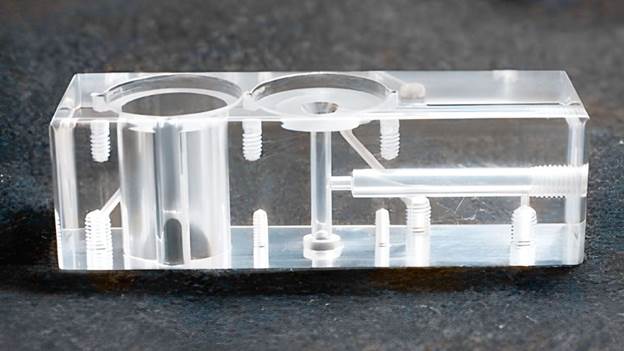
In Acrylformen vorhandene Luft kann Blasen an der Oberfläche erzeugen.
Empfehlung: Trocknung von Acryl-NP mit weniger als 0,2 Prozent Feuchtigkeit, korrekter Belüftung der Formen und einem Einspritzdruck von 70-120 Mackey's.
Verziehen
Es kommt zu Verwerfungen, da die Teile nicht gleichmäßig abkühlen und daher verformt sind.
Auflösung: homogene Kühlkanäle, Temperatur des Werkstücks und Abkühlzeit je nach Werkstückdicke (z. B. 1-2 mm - 15-20 Sekunden, 3-5 mm - 25-40 Sekunden).
Sinkende Markierungen
Die Einfallstellen entstehen, wenn sich die dicken Teile beim Abkühlen zusammenziehen.
Lösung: Maximierung der Wanddicke, des Packungsdrucks und der angemessenen Abkühlungsraten beim Formen von Acryl.
Kurze Schüsse
Kurzschüsse entstehen, wenn das geschmolzene Acryl die Form nicht ausfüllt.
Auflösung: Erhöhen Sie den Druck in der Spritzgusspresse, beseitigen Sie Verstopfungen in den Acrylformen und überprüfen Sie die richtige Zylindertemperatur (230-280 °C).
Defekte der Oberfläche
Raue Stellen oder Kratzer verringern die Transparenz von Acrylkunststoffformen.
Abhilfe: Polieren Sie die Formen, verwenden Sie nicht zu viel Ausstoßkraft, und halten Sie die Verarbeitungsbereiche sauber.
Ausblick auf das Acryl-Spritzgießen
Technologie, Effizienz und Nachhaltigkeit sind die Zukunft des Acryl-Spritzgießens.
Erweiterte Automatisierung
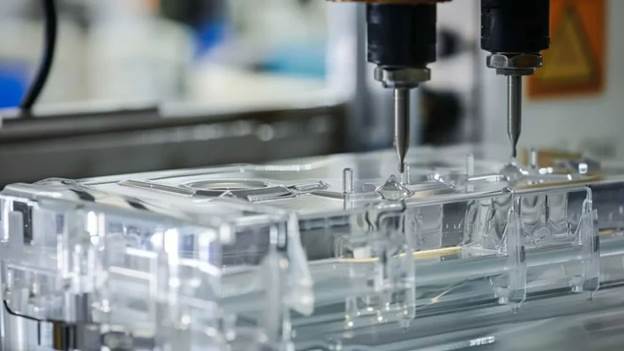
Das Acrylgießen wird immer mehr automatisiert und robotisiert. Temperaturen (230-280°C) und Einspritzdrücke (70-120 Mpa) können von Maschinen genau gesteuert werden. Die Automatisierung bei der Herstellung von Acryl durch Gießen verringert menschliche Fehler und verbessert die Zykluszeiten.
3D-Druck und Prototyping
Die Formen des Acryl-Prototyps werden innerhalb einer begrenzten Zeit durch 3D-Druck hergestellt. Dies ermöglicht es den Ingenieuren, mit Designs zu experimentieren und die Formen zu optimieren, bevor die Produktion in vollem Umfang erfolgt. Durch das schnelle Prototyping ist das Formen von Acrylkunststoff schneller und billiger.
Nachhaltige Materialien
Es wird immer mehr zur Norm, Acrylabfälle zu recyceln und umweltfreundliche Materialien zu entwickeln. Pellets, die bei der Herstellung von Acrylprodukten im Spritzgussverfahren recycelt werden, führen zu einer geringeren Umweltbelastung, ohne dass die Qualität des Produkts beeinträchtigt wird.
Verbesserte Produktqualität
Künftig werden die optische Klarheit (>90 Prozent Lichtdurchlässigkeit), die Oberflächenbeschaffenheit und die Maßhaltigkeit (+-0,1 mm) beim so genannten Acrylguss verbessert. Dies stärkt die Produkte und macht sie klarer und präziser.
Wachstum der Industrie
Mit dem wachsenden Bedarf an haltbaren, leichten und klaren Produkten wird sich der Markt für Acrylglasformteile in der Automobil-, Medizin-, Elektronik- und Konsumgüterbranche ausweiten.
Durch die Einführung von Technologie und Nachhaltigkeit wird das Acryl-Spritzgießen auch in Zukunft eines der Herstellungsverfahren sein, die für eine qualitativ hochwertige und effiziente Produktion eingesetzt werden.
Sincere Tech: Ihr zuverlässiger Anbieter von Acryl-Spritzguss.
Sincere Tech (Plas.co) bietet Dienstleistungen in den Bereichen Präzisionskunststoffguss und Acrylglas Spritzgießen, auf die man sich verlassen kann. Wir haben starke, genaue und ansprechende Teile, die durch unsere hochtechnologischen und qualifizierten Mitarbeiter garantiert werden. Wir beschäftigen uns mit maßgeschneiderten Acrylformen und Lösungen, die wir nach Ihren Designvorgaben herstellen.
Unbedenkliche und vertrauenswürdige Lösungen.
Wir bieten Ihnen Prototypen- und Produktdesign bis hin zur Großserienproduktion aus einer Hand. Sie werden hochwertige, langlebige und zuverlässige Teile in unseren Händen halten, mit unserer Erfahrung im Acrylguss und Acrylgießen.
Grund für die Wahl von Sincere Tech (Plas.co)?
Beispiele für unsere Arbeit können unter folgender Adresse eingesehen werden https://plas.co. Wenn Sie das Beste in Bezug auf Qualität, Präzision und guten Service suchen, dann ist Sincere Tech (Plas.co) Ihr Partner, wenn Sie auf der Suche nach den besten Lösungen für die Formgebung sind.
Schlussfolgerung
Acrylguss und Acrylspritzguss sind wesentliche Verfahren in der heutigen Produktion. Sie liefern qualitativ hochwertige, langlebige und modische Produkte, die in den meisten Branchen verwendet werden können. Das Verfahren ist effizient und zuverlässig, angefangen beim Entwurf der Acrylformen bis hin zur Herstellung der einheitlichen Teile.
Wenn sich die Hersteller an die besten Praktiken halten und den richtigen Partner auswählen, können mit Hilfe des Acrylspritzgusses hochwertige Produkte hergestellt werden. Die weitere Reifung der Technologie bedeutet, dass das Acryl-Spritzgießen eines der wichtigsten Verfahren für die Entwicklung innovativer, präziser und ästhetischer Produkte sein wird.