Custom Plastic Molding: Complete Guide for Modern Manufacturing

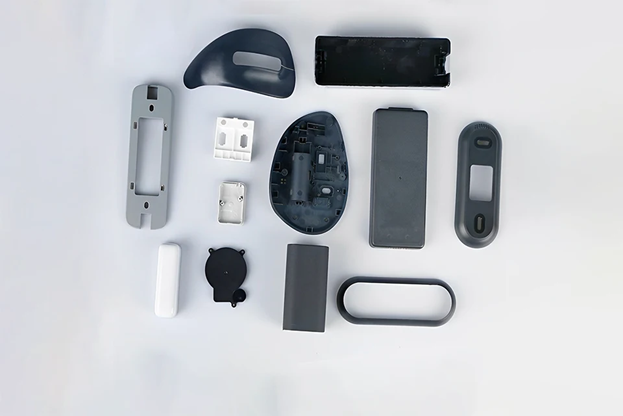
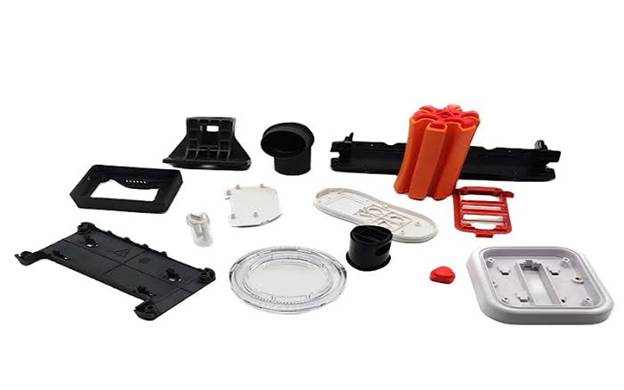
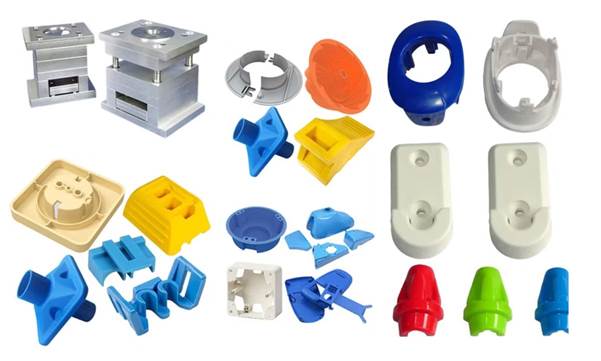
One of the most significant processes of manufacturing that is applied nowadays is custom plastic molding. It assists companies in developing plastic products which are unique according to their needs. It is applied extensively in such industries as automotive, medical, electronics and packaging.

Most businesses are willing to use custom solutions as it is flexible and has higher quality products. Using the assistance of a custom plastic molding company, companies are able to make your ideas come to life. This streamlines the production process and makes it more dependable.

What does Custom Plastic Molding mean?

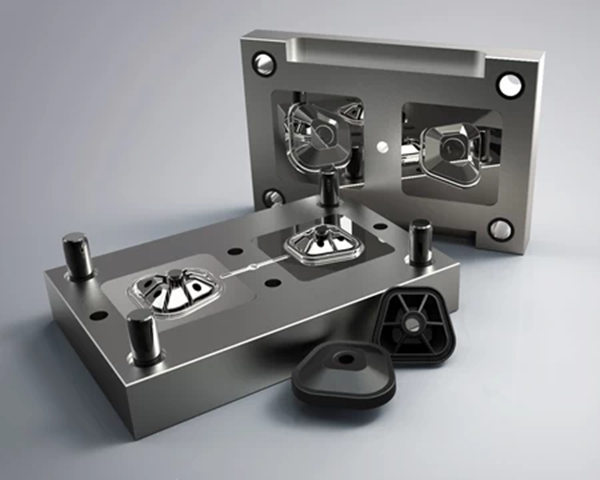
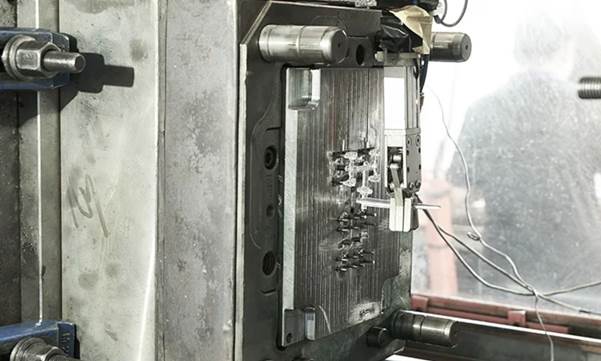
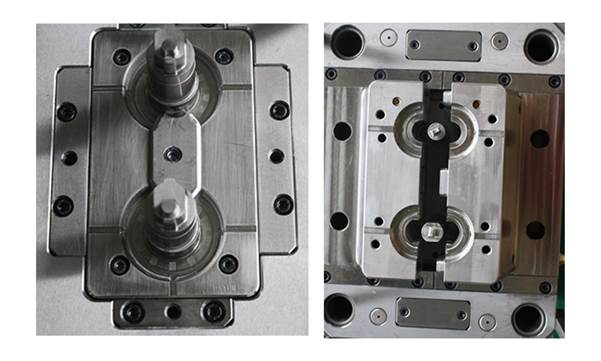
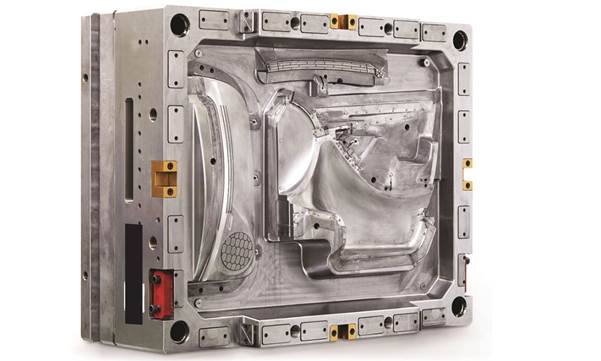
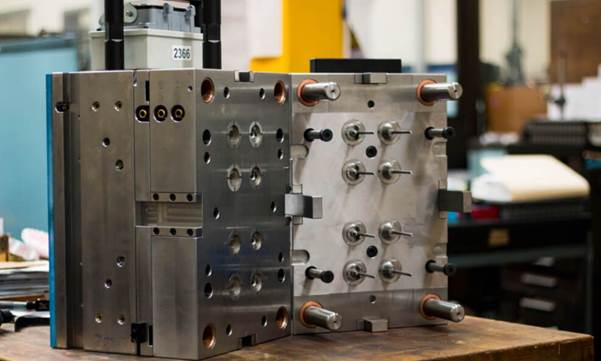
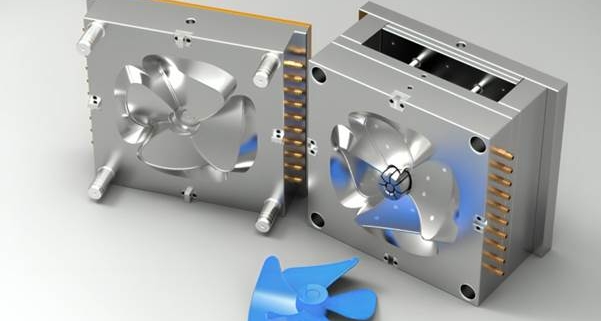
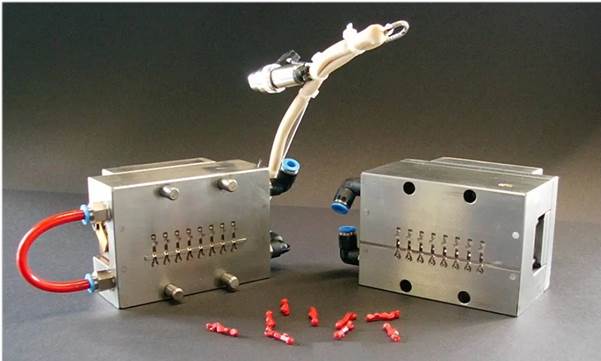
Custom plastic molding involves the use of plastic material, which is molded into a particular design by the use of a mold. The mold is particularly designed depending on the product needs. This will enable manufacturers to come up with distinct and quality products.

Custom molding in comparison to standard molding is geared towards particular designs and functions. A custom plastic mold would be designed in a way that would guarantee accuracy and consistency. This is the reason why it is popular in the current production systems.

How Custom Plastic Molding Works?

Custom plastic molding consists of a series of steps to be followed. All steps are significant in order to achieve high-quality production and the correct results. Being informed about such steps would assist business in planning to prevent some expensive mistakes.

Step 1 Product Design and Planning

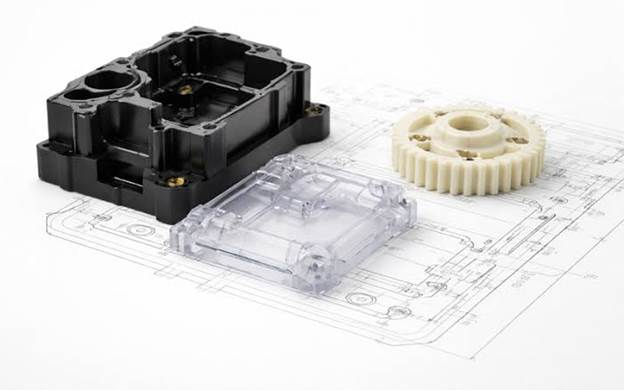
The initial one is to design the product in line with certain requirements. The engineers are able to produce a 3D model of the product by use of sophisticated software. This design will contain size, shape and all technicalities. It is important that it is well planned at this stage. An illustrative design will minimize mistakes and create a smooth production. It assists in making a powerful and precise mould as well.

Step 2: Mold Design and Development

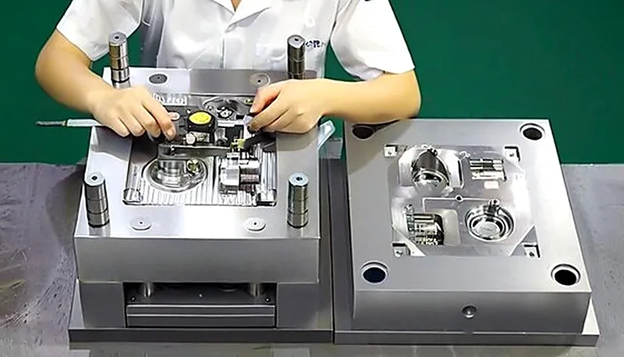
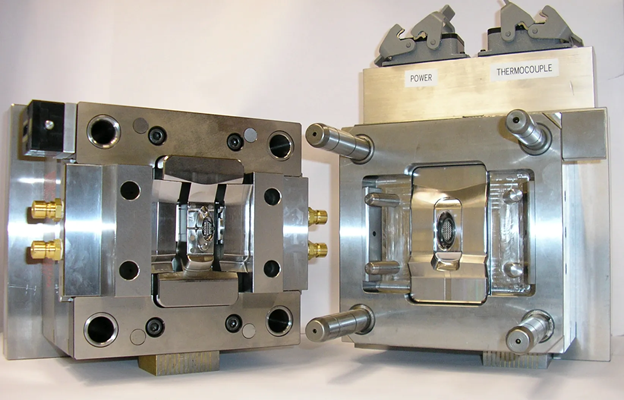
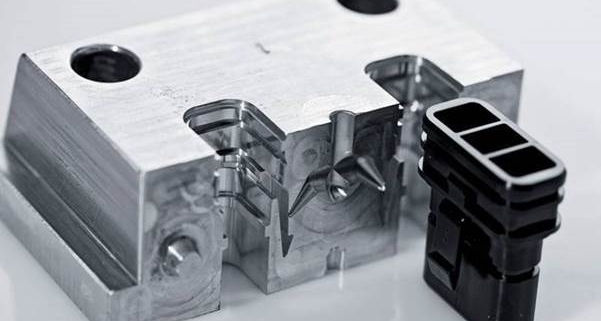
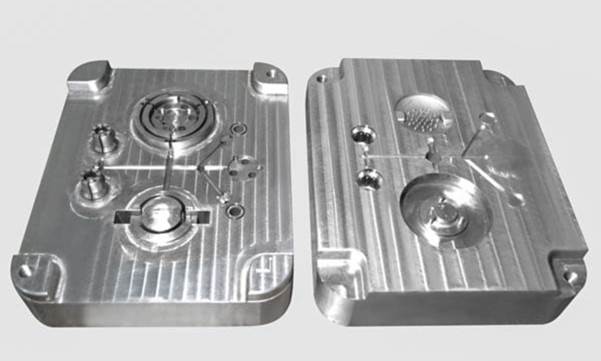
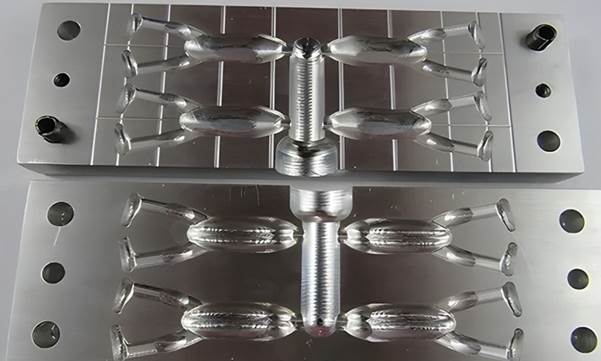
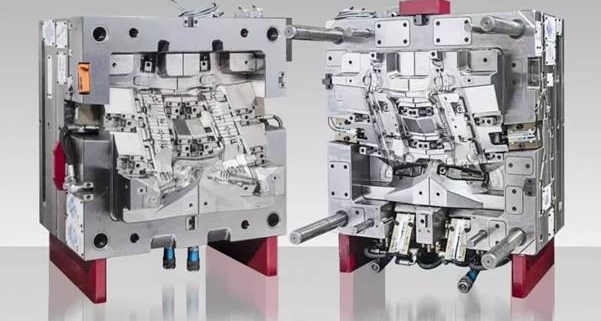
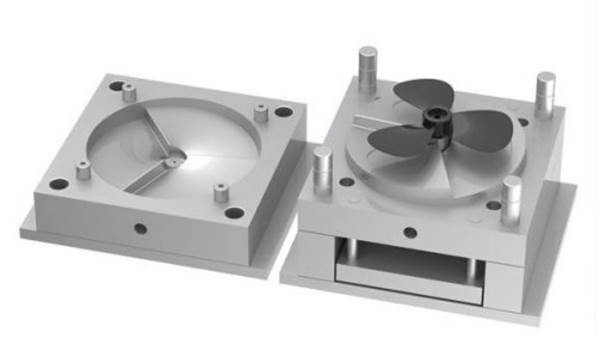
Once the product design has been complete, then the mold design is to be developed. The mold is precisely designed so as to fit perfectly into the shape of the product. The mold is made out of materials such as steel or aluminum. The material selected will be based on the quantity of production and its longevity. A properly designed mold will guarantee uniformity.

Step 3: Mold Manufacturing

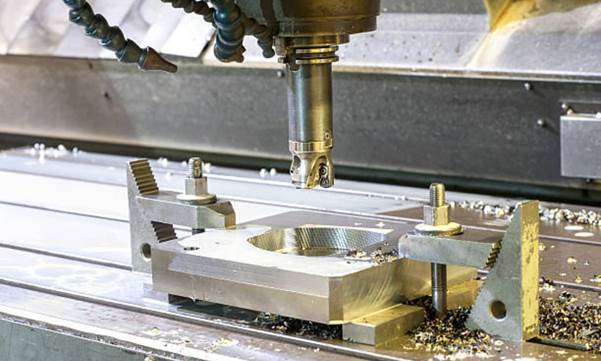
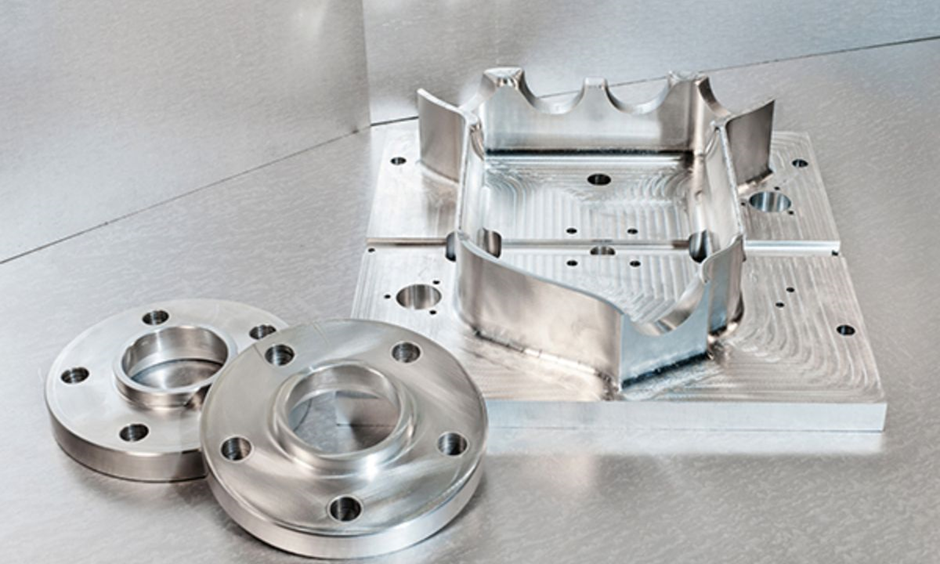
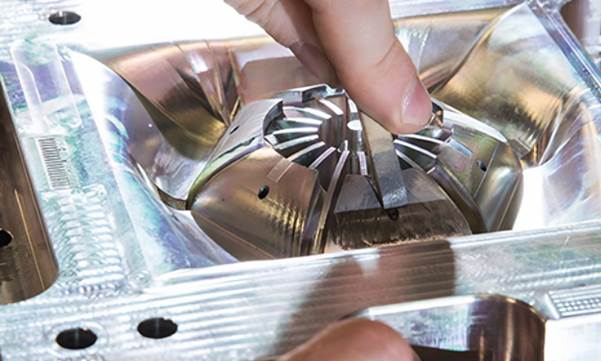
After the design is prepared, the mold is made out of the precision machines. It is very precise as any little error can have an impact on the end product. Post-manufacturing testing of the mold is done to ensure that it is within all specifications. This measure will make sure that the mold is ready to be used in the production.

Step 4: Selecting and preparing the materials

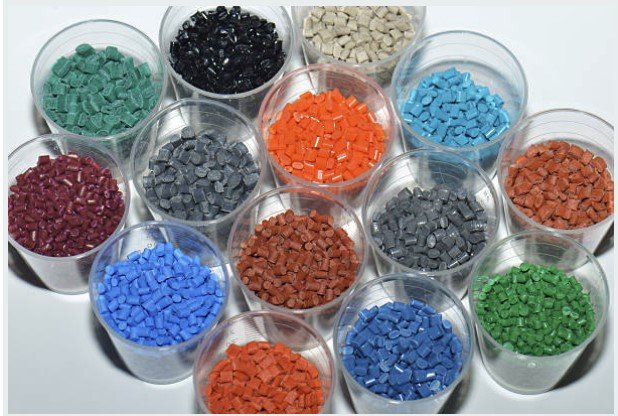
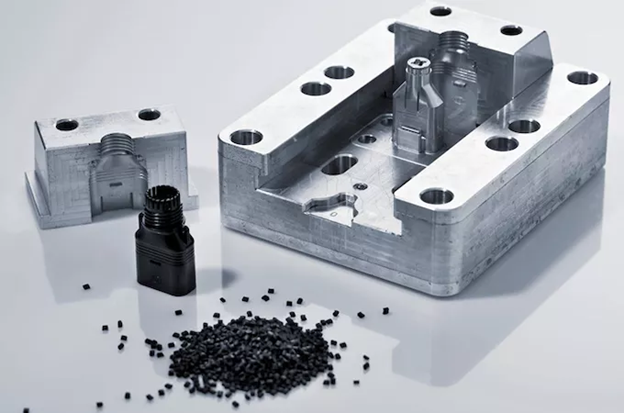
The selection of the appropriate plastic material is extremely crucial. Strength, flexibility and heat resistance are some of the properties of different materials. The plastic chosen is normally in a form of tiny pellets. These pellets are ready and put through the injection molding machine to be processed.

Step 5: Melted and Injection

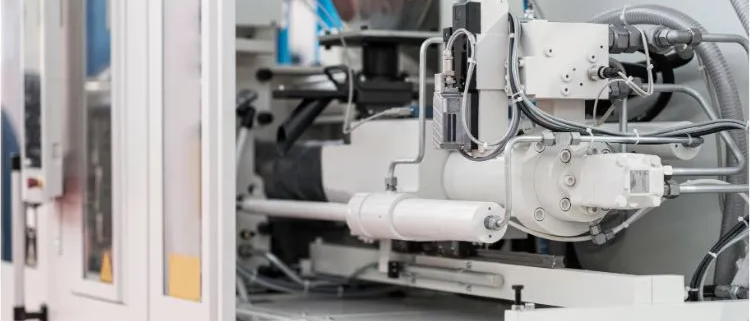
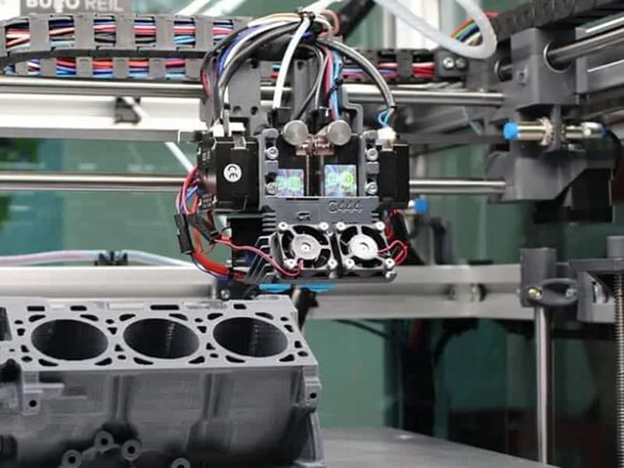
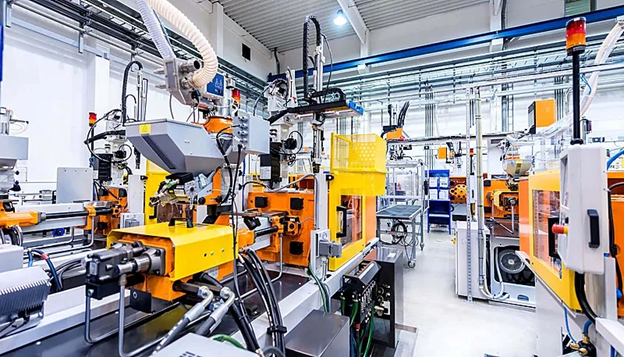
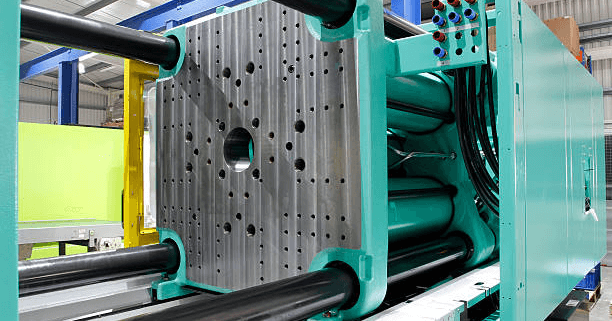
The plastic pellets are heated in the machine until they melt to the form of a liquid. High pressure is then applied to high pressure injection into the mold with this molten plastic. The pressure is high enough to make sure that the material occupies all the components of the mold. This is essential in order to obtain the correct shape and fineness.

Step 6: Cool and Solidify

Following the injection of the molten plastic, it starts cooling in the mold. It solidifies as it cools, and assumes the shape of the cavity of the mold. The time to cool is dependent on the size of the product and the material. They should be cooled properly in order to prevent defects and provide strength of products.

Step 7: Squeezing out the Product

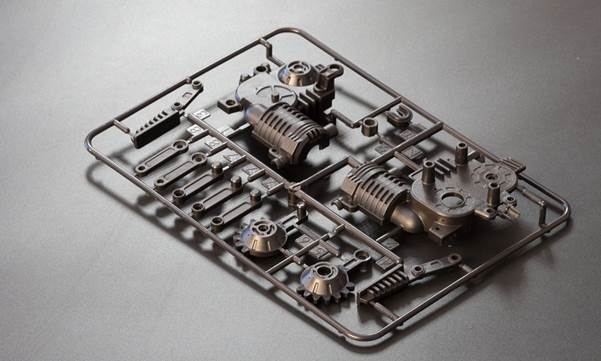
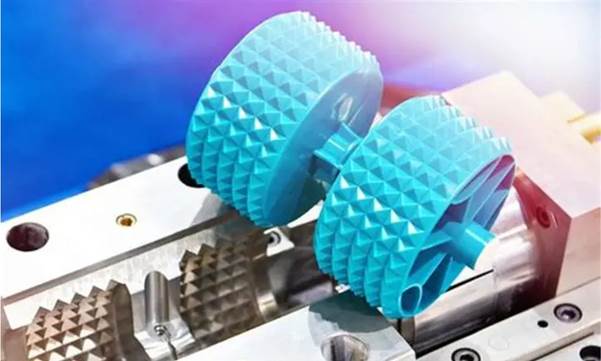
After the material is completely cooled and solidified the mold opens. The end product is then taken away with the help of ejector pins. This should be done with caution so as not to destroy it. The product will not lose its shape or quality, as a result of having a smooth ejection process.

Step 8: Finishing Check and Quality Check

The product can undergo finishing processes after it has been ejected. These also involve the trimming, polishing or surface treatment where necessary. Quality tests are also conducted so as to maintain all the standards of the product. This will ensure that all the pieces are uniform and can be used.

Step 9: Repeat of Production Cycle

After the process has been completed, the process is repeated to move to mass production. The identical products are manufactured with the help of the same mold. This is repeated, making the process quick and economical. It enables manufacturers to come up with large production volumes that are of the same quality.

Types of Custom Plastic Molding Processes

Custom plastic molding has various processes that are applied depending on the nature of the product, material and the production needs. The processes are each with their advantages and are selected depending on complexity of design, cost and volume of production. The knowledge of such techniques assists companies in choosing the most appropriate one.

1.Injection Molding

The most popular technique in the production of plastics is injection molding. It is a process of applying high pressure to molten plastic in a mold, to produce finely detailed and precise parts. It is the most suitable way to manufacture more complicated designs and a large production volume. It possesses very high accuracy, reproducibility and surface finish. It is used in high accuracy industries such as automotive, medical and electronics hence its popular use.

2. Blow Molding

Hollow plastic products are the major products made via blow molding. In this, molten plastic is blown into air to create the shape such as bottles and containers. It is very effective in production of light, and homogenous products. This is an affordable technique when producing on a large scale. It is widely applied in the packaging sector in the provision of products like water bottles, storage containers and fuel tanks.

3. Thermoforming

Thermoforming is a low cost and easy to use molding process. It is a technique that uses the heating of plastic sheets and pressing the sheets over a mold to form products. This technique is appropriate in designs that are not very expensive and intricate. It finds extensive application in creation of packaging trays, disposable containers and basic plastic products. Its cost of tooling is low thus it can be used in small production runs.

Benefits of Custom Plastic Molding

Custom plastic molding has numerous benefits to companies. It enables businesses to develop products that suit their very needs. This enhances performance of the products and customer satisfaction. The other significant advantage is the cost efficiency with high production. After designing the mold, then the manufacturing process is quick and inexpensive. An efficient custom plastic molding firm can aid in minimizing waste and enhance efficiency.

Importance of Custom Plastic Mold Design

One of the most important steps of the process is the design of the mold. An effective mold design will guarantee easy production and quality products. The lack of design might translate to flaws and high expenses. Designs are developed by engineers using sophisticated software to come up with perfect designs. The firm and accurate custom plastic mold may be used thousands of times. This renders it a worthy investment to use in the long run.

Raw Materials in Custom Molding of Plastic

The plastic materials are of different types, which are used based on the product needs. Each of the materials possesses some special characteristics including strength, flexibility or heat resistance. The typical materials are ABS, polypropylene, polyethylene and polycarbonate. Such materials are very popular in manufacturing custom molded plastics to the various industries. The correct material should be selected to have a durable product.

Custom plastic Molding Uses

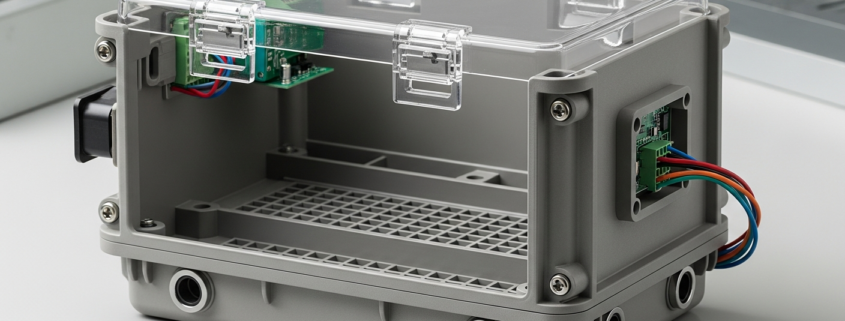
The flexibility and efficiency of custom plastic molding make it applicable in most industries. It assists in developing a variety of products of various shapes and sizes. It is applied in the automotive industry, in dash boards and interior components. It is applied in the medical industry in terms of devices and equipment. A large number of companies are dependent on a custom plastic molding company in order to have a high quality of components.

Custom Plastic Molding with the Small Businesses

Custom plastic molding can also be used among the small businesses. It enables them to produce distinct products and be able to compete in the market. Even small-scale production is cost-effective, with proper planning. With custom molding plastic, businesses are able to come up with new innovative products that address customer needs.

Before selecting a manufacturer, there are factors to be taken into consideration. It is crucial to select an appropriate manufacturer to be successful in production. A good manufacturer is one that is quality, timely and cost conscious. Find experience, technology and customer reviews and then make a choice of a custom plastic molding company. Having a trustworthy partner can mean a lot in the success of the product.

Price of Custom Molding Plastic

Custom plastic molding is a cost that is determined by a number of factors. These are the design of the molds, choice of materials and volume of production. The production cost per unit will be less in large production although the initial cost of developing a custom plastic mold may be high. This will make it a long-term cost-effective solution.

Custom Plastic Molding-Quality Control

It is necessary to have quality control in the production process. It makes sure that all the products are at the standards and specifications required. Testing and inspection are some of the measures that manufacturers employ to uphold quality. Good quality molded plastics are customized which enhances customer trust and minimizes failure of products.

Environmental Effectiveness and Sustainability

In manufacturing, sustainability is an emerging significant aspect. A large number of corporations are currently recycling and making the use of environmentally friendly procedures. Less wastage and use of energy help to sustain the environment. A conscientious custom plastic molding company is oriented on the sustainable production practices.

Typical Problems of Making custom plastic moulds

Although it has its advantages, there exist a few difficulties in making custom plastic moulds. The process can be subject to design errors, problems with the choice of materials and delays in production. These issues may be prevented by collaborating with the professionals. With good planning the production of custom molded plastics will go on smoothly.

Best practices in successful molding projects of custom plastics

The most important thing about a project in molding is planning. It is very important that there are clear design requirements and that there be the appropriate choice of materials. Your manufacturer also makes a great contribution to communication. An expert custom plastic molding firm can help in taking you through the process, and guarantee maximum outcomes.

The way to select the appropriate custom plastic molding company

It is very important to select the appropriate partner in order to be successful in production. A professional manufacturer knows what you need, and provides quality work. In this, experience and technical skills hold a significant role.

Before deciding on something, it is always a good idea to review previous projects and review with the clients. An established custom plastic making firm will help you in designing, through to the final production. This guarantees a well flowing work process and quality products.

Prototyping plays a role in Custom Plastic Molding

Before full production is carried out, prototyping is very crucial. It enables the companies to experiment on the design of their products and correct in case they are required. This is to prevent expensive mistakes in the future. A prototype provides a good understanding of the final product and how it will appear and operate. Through testing at an early stage, companies are in a position to enhance their custom plastic mold design and attain better outcome in production.

Importance of Precision and Accuracy

One of the most crucial issues of plastic molding is precision. Any little mistake in designing can make a difference to the product. This is the reason why they need sophisticated machines and competent workers. Proper production guarantees all the products to be the same. Medical, electronics and other industries that require high precision of the plastics molded need to be of high precision.

Speed and Efficiency of production

The major benefit of this is its rapid production rate. After having prepared the mold, it is possible to make a lot of them within a short period of time. This is what makes it suitable to mass production.

Efficiency assists in lowering the general expenses as well. When done well, molding plastic can provide high volume production but at the same time, produce quality.

Plastic Molding of products- Custom

Custom molding assists companies to develop innovated products. It enables a firm to make distinct shapes and features, which cannot be made using the conventional methods. This is flexible and puts a business at an advantage. The new ideas of products can be developed swiftly and efficiently with the assistance of an experienced custom plastic molding company.

Major Success Factors Necessary over Time

Businesses require being quality-driven, consistent and well planned in order to achieve long-term success. The material and design used is a significant factor in attaining good results. The moulds should also be taken care of regularly, which means an extended life and high performance. A custom plastic mold of high quality which is well maintained can yield thousands of products of high quality without any problems.
Plastic Molding of Custom Products in the various industries

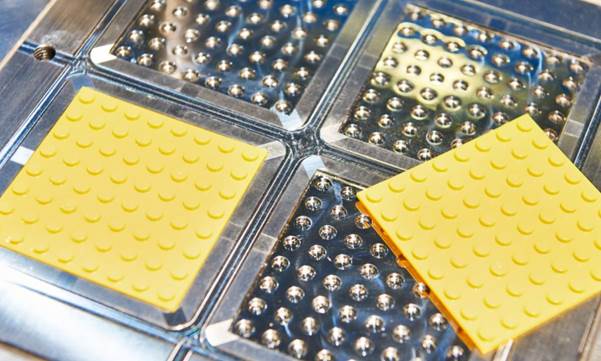
There are various applications of custom plastic molding in various industries. There is a standard of requirement and standards per industry. This renders the process to be very versatile. Custom molded plastics are found everywhere, in the automotive parts, as well as medical devices. This extensive application demonstrates the significance of this process in today manufacturing.

Creating less waste during Plastic Molding

Less wastage is a current day objective of manufacturers. The effective production processes will reduce the amount of loss of materials and enhance sustainability. Recycling of used materials is also a norm. A lot of companies that have been employing the custom molding plastic are now targeting at environmentally friendly solutions to conserve the environment.

Improvement in Product Quality by improving design

The high-quality products are orchestrated by good design. Having a proper design will facilitate a smooth production and minimize defects. The advanced tools and software can be used to enhance accuracy. An aptly made custom plastic mold will also lead to a superior finish, strength and durability.

The future of Custom Plastic Molding

The prospects of custom plastic molding are bright. The procedure is being expedited by new technologies and made more efficient. The automation and smart production are enhancing the quality of production. High-tech custom molding plastic methods are being embraced by many companies, in a bid to remain competitive in the market.

Final Extended Conclusion

Plastic molding is a crucial process in the contemporary manufacturing industry. It allows flexibility, efficiency and creates high quality production to various industries. It is used by businesses to develop individual and trusted products. Companies can get the best results by concentrating on the right design, selection of materials and selecting the appropriate custom plastic molding company. This will not only enhance the quality of the products but also minimize the costs in the long-run.

Even more efficient and sustainable, in the future, will be custom molding plastic with the help of advanced technologies. Companies that embrace such practices will remain competitive and be successful in satisfying the rising market expectations.

FAQs

1. What do you use custom plastic molding?

Unique plastic products are produced through custom plastic molding, which is employed to produce products according to certain designs and needs. It is widely applied in such industries as automotive, medical, packaging and electronics to achieve high quality and precision of components.

2. What kind of molding process is suitable to complex products?

Complex and detail products are the best that should be injection molded. It has a high level of precision, consistency and smooth finishing; thus, it is suitable in an advanced and high-volume production requirement.

3. What does it mean by blow molding and injection molding?

H hollow products such as bottles, containers, etc are made through blow molding. Solid and detailed parts that have complex shapes are molded over injection molding. The two processes have various applications depending on the design of products.

4. Is it costly to custom plastic mold?

The price is determined by the factors such as the shape of mould, material and quantity of production. Although the initial cost may be expensive, it would prove to be cost effective in large production as the cost per unit will reduce.

5. What is the correct molding process that I pick?

The selection of the process is dependent on your product design, type of material and quantity of productions. Being aware of your needs and talking to an expert manufacturer can make them make the most optimal choice.

How Much Does an Injection Mold Cost? Complete Pricing Guide

Knowledge of the cost of an injection mold is highly significant in business and newcomers who would wish to venture into plastic product manufacturing. Many industries use injection molding due to the speed and trustworthiness of injection molding. However, the prices of molds may be baffling to new customers.

Before one embarks on an injection molding project, many people will ask: How much does injection molding cost? The solution varies depending on various criteria such as design, material and volume of production. You will come to know all in easy and simple words in this guide.

Was ist Spritzgießen?

Injecting a hot material into a cavity is a production technique of plastic components called injection molding. The mixture is left to dry and it takes the form of the mold. The latter process is common since it provides precise and reproducible results. It finds application especially in the automotive, packaging and electronic industries. A mold needs to be produced prior to production. That is the reason why many people would inquire on how much does a Kunststoffspritzgussform cost when they are planning to do a project.

What Does an injection Mold Cost?

It might depend on the project greatly as cost. Generally, the cost of injection mold can be between 1,000 and above 100,000. The molds that are small and simple are less expensive whereas large and complex molds are costly. As an example, a simple mold can be between 1,000-5,000. A medium-level mold may cost $5,000 to $25,000. Molding in the industrial industry can exceed 50 000. That is why it is recommended to comprehend the extent to which injection molding cost is before the start.

Factors That Affect Injection Mold Cost

The amount that a plastic injection mold will cost is determined by a number of factors. All the factors contribute significantly to the end price. Knowing these aspects will assist you to make a more budget-friendly plan. We can consider the factors which have the greatest influence on the cost of a particular injection mold in real projects.

1. Mold Size and Complexity

The cost is dependent on the size of the mold. Large molds require additional material and time to be manufactured. This adds up to the aggregate price. Complex designs are also costly as it makes use of sophisticated tools and labour. Hence, the extent to which injection molding cost may vary depending on the design complexity.

2. Material Used for Mold

Molds are typically produced out of steel or aluminum. Steel molds are tough and have a better life span. They are however pricier than aluminum molds. The molds made of aluminum are less expensive and quicker to make. They are however not applicable towards high production. The decision you make will determine the amount of cost of a plastic injection mold.

3. Production Volume

It also depends on the quantity of parts that you wish to manufacture. The molds need to be strong and durable in order to produce a lot. These are more expensive molds that have a long life. In case of low production, low-cost molds can be used. That is why the cost of an injection mold varies according to your objectives of production.

4. Design and Engineering

A design has to be crafted and tried prior to the creation of a mold. The design and its design are checked by engineers to prevent any mistakes. This will be an additional cost. In case of a complex design, it will be time-consuming and more laborious. This adds to the overall costs of injection molding.

5. Mold Cavities

There may be a cavity or many cavities in a mold. Multi-cavity molds are able to make numerous parts simultaneously. This improves efficiency. They are however, more costly to construct. Therefore, the number of cavities has an influence on the cost of a plastic injection mold too.

What is the Cost of Injection Molding a Part?

Other than the cost of the mold, you should know the cost of production per part. Much of the population would like to have an idea of the cost of injection molding per unit. Smaller, plastic components may be as cheap as a few cents each. Bigger ones will require a couple of dollars. The cost is lower with the increase in the volume of production hence less costly.

Cost Breakdown of injection Molding

In order to grasp the extent of a cost of an injection mold, it is worthwhile to review various elements of the cost. All these are a contribution to the overall price. These expenses consist of tooling, materials, labor and the operation of the machine. All these factors add up to find out the extent to which injection molding will cost in total.

1.Tooling Cost

The largest cost of injection molding is tooling cost. It involves designing and making of the mold. The expensive molds are of high quality, which extend their life. This is the reason why tooling contributes significantly in determining the extent of cost of a plastic injection mold.

2.Material Cost

The cost of materials varies according to the plastic. There are those that are cheap and expensive depending on the properties of the plastics. The selection of the appropriate material can regulate the extent to which an injection mold costs as well as quality of the product.

3.Labor Cost

Staff with expertise is required to design molds and run machines. Their experience provides a smooth running of the process. The cost of labor is a significant aspect of the cost of injection molding of any project.
4.Machine Cost

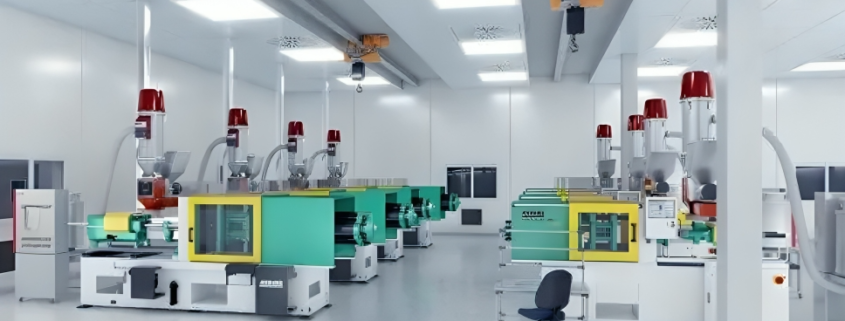
The cost of acquiring as well as maintaining injection molding machines is high. They also use electricity when working. When determining the cost of a plastic injection mold, as well as the total production cost, these costs are accounted.

Inexpensive vs. Expensive Injection Molds

Inexpensive molds are applicable to smaller projects, and shorter production cycles. They are simple to manufacture, but can be worn out. More durable and better quality results are offered by expensive molds. This is why the amount of money to spend on an injection mold should be regarded as a long-term investment.

Reducing Cost of Injection Mold

It can be done to lower the extent to which injection molding is costly, without compromising quality. Prudent planning will save money. Simple design decisions as well as choosing the appropriate materials could be used to reduce the amount the plastic injection mold would cost.

Simplify Design

The straightforward designs are less complicated and less expensive to manufacture. Don’t use irrelevant information that complicates the matter. This will minimize the cost of an injection mold, as well as accelerate the production.

Select the appropriate Media

It is highly important to choose the appropriate material. It ought to be compatible with your product requirements and costs. This choice impacts performance and the extent to which is injection molding expensive.

Reduce Mold Cavities

Initial cost of mould can be reduced using lesser cavities. Single cavity molds are less expensive and not as difficult to maintain. It is an ideal choice when the quantity of production runs is small, and assists in managing the amount of inquiry a plastic injection mold cost.

Work with Experts

The accomplished manufacturers are able to mentor you to better decisions. They assist in the prevention of expensive errors. The collaboration with professionals will make sure that the amount of money needed by an injection mold does not exceed the budget.

Injection Molding vs. other techniques

A lot of individuals contrast injection molding to other forms of manufacturing. They would also wish to know how much injection molding cost is as compared to the other alternative. Large-scale production is more suitable to injection molding. Although the cost of a plastic injection mold is very expensive, the cost per unit is lowered as time goes by.

Should we Injection Mold?

Businesses which require high production of products are good candidates of injection molding. It is fast, accurate and reliable. The initial cost might be high but knowing how much does an injection mold cost, will aid in making smart decisions.

Häufig zu vermeidende Fehler

Numerous inexperienced individuals commit errors which raise the cost of injection molding. With good planning, such errors can be avoided. Some of the common errors made are intricate designs, improper choice of materials and lack of proper planning. Preventing them will lower the cost that a plastic injection mold costs.

Real-Life Cost Examples

Live cases can be used to learn more about the extent to which an injection mold is more cost-effective. The prices are subject to change depending on the size and complexity of project. Small molds may cost $1,000 to $3,000. Medium molds can cost $5,000 to $15,000. Big molds are over 50, 000.

What is the Time Taken to make an injection Mold?

The other significant consideration when discussing how much does an injection mold cost. It is not an immediate process of making a mold. This may require a couple of weeks or even months based on complexities. It can take 2 to 4 weeks to be simple molds. Intricate molds that are elaborately designed may require up to 8 to 12 weeks or more. This time also influences how much does injection molding cost since the longer the project, the more the labor and resources that would be required.

Custom Injection Mold Price

Custom molds are custom made to particular products. The cost of these molds is higher since it entails special designs and design engineering. It is the reason why most people may tend to inquire how much does a plastic injection mold cost a custom project.

Custom molds can range from $5,000 to over $100,000. The cost is determined by size, material and complexity of the design. When developing a custom product then it is quite important to know how much the cost of an injection mold is.

Differences by country in cost

Injection molding is also influenced by the country of manufacture, thus its cost varies. There is a difference in the costs of labor and production in various areas. This directly influences the extent of the cost of injection molding.

As an illustration, the molds produced in China tend to be less expensive as compared to molds produced in the USA or Europe. But quality and communication must also be perceived to determine the extent to which a plastic injection mold costs.

Cost of Prototype vs Production Mold

Testing and low-volume production is done by using prototype molds. They are less expensive, and quicker to manufacture. This assists companies in trying out their concepts prior to the entire production. Molds of production are made to be long-lasting and in large quantity. They cost more, but are more durable. This variation is very important in determining the extent to which an injection mold costs.

The upkeep of Injection Molds

When determining the cost of injection molding many people forget the maintenance calculation. Molds should be regularly cleaned and repaired to work well. The cost of maintenance is dependent on the use and the quality of materials. Careful treatment enhances growth of moulds and minimizes cost in the long run. This too influences the amount of money a plastic injection mold would cost in the long run.

Effect of Design Change on cost

Design modifications have the potential to make a project more expensive. In case of alterations implemented to the mold after the creation, it might have to be reworked or possibly a new mold. This can go a long way in determining the amount of cost of injection mold. This is the reason why one should design the final product prior to starting the production process in order to control the extent to which injection molding is expensive.

Use of Technology in Cost saving

The technology of today is aiding in the cost reduction in manufacturing. The use of advanced software enhances accuracy of designs and minimizes errors. This is beneficial in saving time and money. Production is also speeded up and is more efficient with automation. In most industries, these advancements are gradually lowering how much does a plastic injection mold cost.

Large vs Small Volume Production

The amount of production is also important in determining the cost. Mold cost is diffused among high volume production. This will lower the cost per part. High cost per unit is experienced in low volume production due to the lack of a wide distribution of the mold cost. This is a big consideration in estimating the cost of how much an injection mold cost.

Selecting the proper Manufacturer

It is quite crucial to choose the appropriate manufacturer. An excellent manufacturer is one who offers quality work and assists to manage expenses. This makes sure that results are improved. The knowledgeable manufacturers will be able to advise you regarding the cost of injection molding as well as recommend how to save money. It also aids in controlling the extent of the cost of a plastic injection mold.

Small Business injection Molding cost

High start-up costs are a concern to small businesses. However, the injection molding can be an option as well with appropriate planning. To begin with basic patterns and small amounts of molds may aid in reducing the cost of an injection mold, how much does an injection mold cost? It is now easier to enter the market by small businesses.

Environmental Impact and Cost

Environmentally-friendliness is making its way into the production process. A lot of businesses are currently employing recyclable materials and energy saving machines. Such developments could have minor impacts on how much does injection molding cost, but they contribute to safeguarding the environment. They are also able to minimize the cost of a plastic injection mold, in the long-term, by efficiency.
Trends in Injection Molding in the future

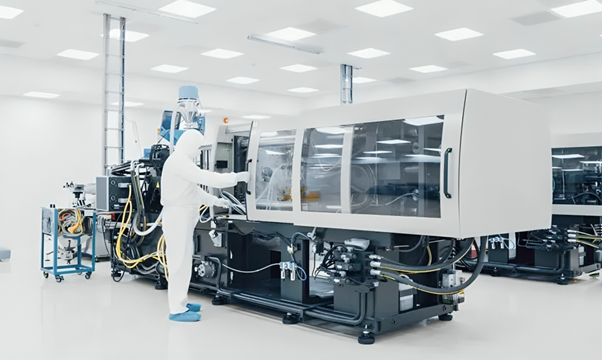
Injection molding is getting enhanced with the help of technology. Labor costs and efficiency are being decreased and increased with automation. The degree to which injection molding cost can be reduced in the future due to improved technology is yet to be determined. Nevertheless, there will always be quality molds that will demand investment.

Abschließende Überlegungen

You now have a clear picture of how much does an injection mold cost, and how it depends on various factors. The price varies as per design, material and production requirements. Never take any chance and collaborate with specialists. This will assist in controlling the extent to which is injection molding cost effective and achieve improved results.

Ultimately, put emphasis on value rather than price. An investment made today will be able to save money in future, as it will be able to see how much a Kunststoffspritzgussform costs.

FAQs

1. What is the average cost of injection mold?

The injection mold depends on size and complexity and has a wide range of cost per injection mold. The average price of injection moulding could be between 1,000 and more than 100,000. Simple molds are less expensive in comparison to complex industrial molds, which are very expensive.

2. Why injection molding is so costly initially?

This is primarily because of the mold. Prior to production, a tool of high accuracy has to be produced. This is the reason why the amount of costs to be incurred in injection molding is high at first, but as large quantities of production run it would be cheaper per unit.

3. What is the cost of a plastic injection mold of small scale projects?

The average cost of a plastic injection mold varies between $1,000 and 5,000 depending on the type of small or simple projects. These types of molds are applied in low volume production or simple parts of plastic that contain simple designs.

4. Is it possible to decrease injection mold cost?

Yes, it is possible to decrease the cost by simplifying the design, decreasing the number of cavities and selecting appropriate materials. The right planning also assists in reducing the amount that an injection mold costs without compromising on the quality of products.

5. Is it cost effective to use injection molding to produce in mass?

Injection molding is indeed very economical at large scale production. Despite the high initial cost, the cost of injection molding, per unit, is very low when producing in the thousands of parts.

Spritzgießen in großen Mengen

High volume injection molding is an extensive manufacturing procedure that is applied in large production of plastic parts. It is recognized to be efficient, consistent and cost effective. This approach is used by many industries to address the increasing demand of the products. High volume injection molding is a process that is preferred by businesses that are interested in scaling their production since it is a reliable way of producing the results.

This is suitable in companies which require mass production and do not compromise on quality. It is also useful in minimizing the expenditure in the long run. This guide will tell you all about the high volume injection molding, its process, advantages, material, as well as its use.

What is High Volume Injection Molding?

High volume injection molding is a production method, which is applied to manufacture thousands or even millions of similar plastic parts. Molten plastic is injected in a mold in this process, which cools down and solidifies to shape into the required shape. This process is repeated several more times in order to produce uniform products.

Die high volume plastic injection molding is normally applied when bulk production is necessary. It makes certain that all of the parts are of the same size, shape and quality. High volume custom injection molding is normally used by such businesses where they need the unique product design, but at the same time, the production volume needs to be large. The china high volume injection molding is also favored by many companies since it is cost effective and has large scale production.

Operation of the Process

The high volume injection molding requires a number of crucial steps. The first stage involves the selection of the plastic material that is to be used depending on the requirements of the products. The various materials have varying strength, flexibility and durability.

The plastic is then heated till it is melted. This liquid plastic is next forced into a mold at a high pressure. The mold is made to have a shape that is the same as that of the final product. After the mold is filled with the plastic material, it is then left to cool down and harden.

The complete part is ejected out of the mold after it is cooled. The process is repeated in order to create additional components. The high volume plastic injection molding is very efficient and suitable in the mass production as it is a continuous process.
Advantages of the High Volume Injection Molding

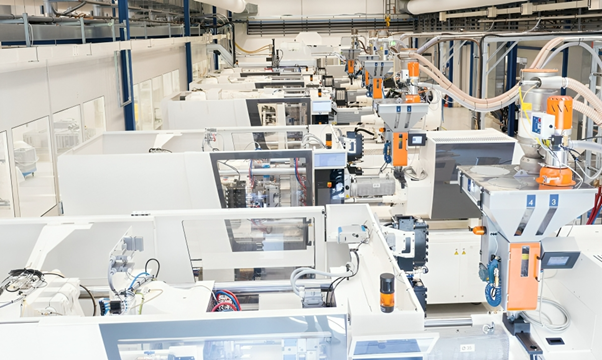
Cost effectiveness is one of the largest benefits of high volume injection molding. Its initial set up cost may be expensive but the unit cost is very low in the case of large production of the products. This ensures that it is a cost-effective solution to the businesses. The other advantage is that of quality consistency. The high volume plastic injection molding is used to produce each part, and this way the part is almost the same and hence reliable and consistent. This is particularly crucial to those industries that are concerned with precision.
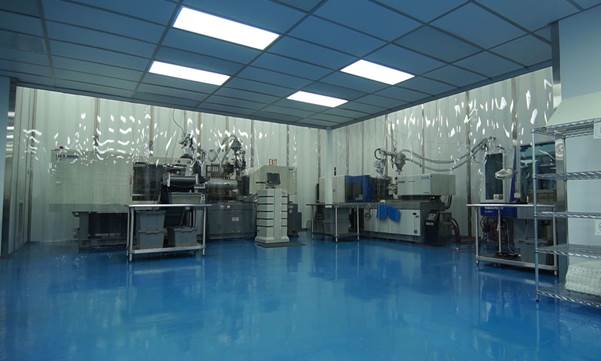
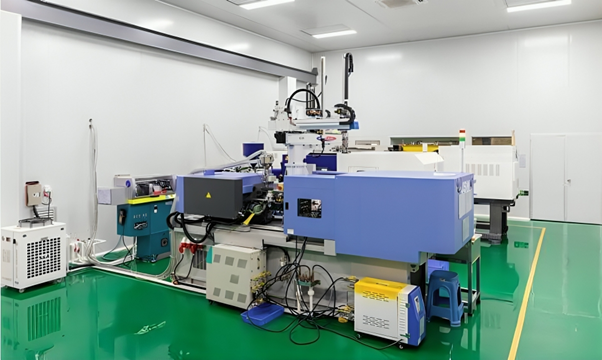
It is also very fast in the production speed. The contemporary machines are capable of making thousands of parts within a short period of time. This will enable the businesses to satisfy rigid deadlines and demand. Flexibility of design is the other strength. High volume custom injection molding enables the companies to produce an intricate and detailed design. It becomes easier to come up with unique and innovative products.

Moreover, wastage of materials is also minimal due to the fact that sometimes it is possible to reuse the surplus plastic. This renders the process to be more environmentally friendly than other manufacturing processes.

Uses of High Volume Injection Molding

The injection molding is done in high volume in most industries. It is also employed in the manufacture of parts like dashboards, panels as well as covers in the automotive industry. Such elements have to be very precise and durable. High volume plastic injection molding is applied in the production of small plastic elements in the electronics industry. These components find application in smartphones, computers and home appliances.

This also is applied in the medical industry to manufacture products such as syringes, containers, and medical tools. Such products demand great amount of cleanliness and precision. Another significant area of use is the consumer goods. The high volume injection molding is usually used in production of everyday products like bottles, containers and packaging materials.

Why Should High Volume Custom Injection Molding be chosen?

There are numerous companies where products have to be unique and brand oriented. High volume custom injection molding makes companies be able to produce customized design and still enjoy the mass production.

This allows the business to retain brand identity in the way that they can design the products that are unique in the market. It will also make sure that certain requirements are fulfilled without being at cost to production. Consequently, the high volume custom injection molding is ideal in cases where firms wish to have the customization as well as scalability.

Why Should China High Volume Injection Molding?

The manufacturing outsourcing is not a new trend and china high volume injection molding is a favored option to many companies. Reduction in the cost of production is among the primary causes. The cost of labor and operation in most cases is less and this saves the companies money. The other competitive edge is availability of advanced technology. Modern machinery is applied in most of the manufacturing industries in China that dictate high quality production.

The other advantage is a large production capacity. China high volume injection molding is appropriate when dealing with international companies since factories have the capacity of dealing with bulk orders. Furthermore, China boasts of great supply chain and logistics network. This facilitates to deliver products to different parts of the world in good time.

Plastics of High Volume Injection Molding

High volume injection molding is carried out using different forms of plastic materials based on the needs of the products. ABS is a brand of choice as it is durable and strong. It is generally applied in the automotive and electronic products. The other material that is commonly used is polypropylene. It is also light and elastic hence it is applicable in packaging and consumer goods. Nylon is also a strong material that is resistant to heat and this fact has rendered it suitable in industrial use.

Polycarbonate is also commonly applied in the production of items that need to be transparent and have impact resistance like safety gears. The material used should be chosen well since it has a direct influence on the performance and the durability of the product.

Design Hints to greater Success

High volume injection molding is highly dependent on good design. The simple designs tend to be less expensive and the production is simpler. Complicated designs may raise the cost and time. The thickness of the walls should be uniform, due to the fact that it avoids defects and enhances the product strength. Lack of evenness of the thickness may create problems when cooling.

The design is aided with addition of draft angles to assist in easy extraction of the parts out of the mold. This minimizes the chances of being damaged. One should also avoid sharp edges since rounded edges will be more durable and will contain fewer stress points. These design tips should enhance the quality of products produced through high volume plastic injection molding.

Difficulties in High Volume Injection Molding

The high volume injection molding has several challenges even though it has many advantages. Making molds may be expensive, and this might be an issue of concern to small businesses. Nevertheless, this is normally offset in the long run by large production.

Problems can also be generated by design errors. Failure to optimize the design in the right way may result in defects and delays in production. Another major consideration is the choice of materials. The performance and quality of the end product can be influenced by the incorrect choice of material.

It is also necessary to maintain the machines. Timely maintenance also means smooth running and avoidance of the untimely breakdown in high volume injection molding operations.

The Question of Selecting the appropriate Manufacturer

It is important to select the manufacturer in order to have a successful high volume injection molding. One should choose the company that is experienced and skilled in the sphere. Proficiency in manufacturing will give more credible manufacturers a higher chance of producing quality outcomes.

The quality standards must also be looked into. A quality manufacturer will be dependent on a strict quality control. The other factor is pricing. Competitive rates should be found, but quality must not be lost. Capacity of production is also important. The manufacturer ought to have the capabilities of managing large orders particularly where there is a high volume plastic injection molding project.

High Volume Injection Molding Factors of Cost

It is extremely important to the businesses to know the cost structure. The injection molding can be performed in high volume which can be costly initially, but in the long run it will prove to be cost effective. The main cost factor is the mold. The manufacturing and the design of molds involve a lot of money particularly when dealing with a complicated part.

Material cost is another factor that is important. Various plastics carry different prices basing on their properties and quality. The correct material selection can be used in the high volume plastic injection molding to manage the overall costs.

Operation of machines and workforce also add to the overall cost. Automation has however minimized the labor dependency of contemporary production. This is because high volume injection molding is more efficient and cost effective.

The volume of production is also important in pricing. The more the units the less the cost per unit. That is the reason why most companies would use high volume custom injection molding to produce in large quantity. China high volume injection molding is usually adopted by companies because it is relatively cheap and has high capacity of production.

High volume injection molding Quality Control

In high volume injection molding it is critical to maintain quality. This means that production runs are large and therefore any minor mistake may result in a huge loss. This is why the quality control should be on strict measures. Manufacturers have high-technology inspection instruments to test size and functionality of products. The high volume plastic injection molding is normally done by automated systems to identify defects at the initial stage. This will enable uniformity in all products.

There is also the importance of the material testing. It makes sure that the plastic chosen is of the desired standards. The quality checks are even more of critical concern in the high volume custom injection molding since the products are designed to be used to fulfill particular needs. A number of manufacturers in the china high volume injection molding practice international quality standards. This will guarantee that products are in line with the demands of the world and expectations of the customers.

Injection Molding High Volume Tooling

One of the most significant issues of high volume injection molding is tooling. The final shape and quality of the product is dependent on the mold. Good quality molds may have millions of cycles. The design of the tooling should be accurate. Any minor mistake will have an impact on the whole production process. In large volume plastic injection molding, there is the need to have durable molds so that production can run over a long period of time.

Molds are used in manufacturing of different types. Single-cavity molds are used to produce a part at a time and multi-cavity molds are used to produce many parts within a cycle. Multi cavity molds are usually applied in high volume custom injection molding since they enhance efficiency.

China high volume injection molding is always used by many companies to have tools due to the cost benefit and technical experience. Properly made molds enhance faster production and minimize the defects.

High Volume Injection Molding: Automation

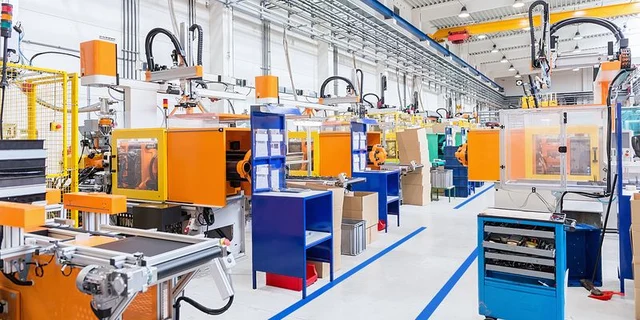
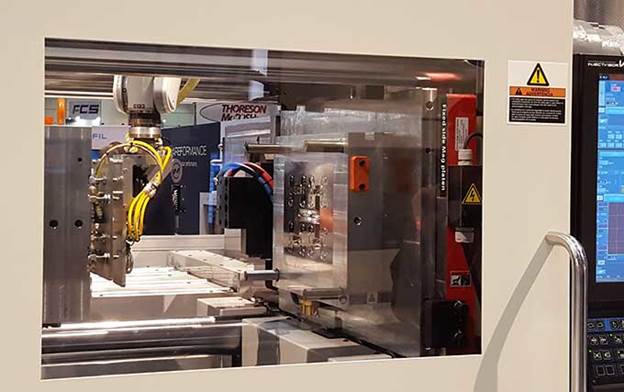
The manufacturing industry is undergoing a change with automation. The injection molding processes have been increased to a higher volume and the machines and robotic systems are used to enhance efficiency. The parts are handled by robots; the products are removed out of molds and quality checks performed. This minimizes the human error and maximizes the speed of production. Automation is highly beneficial when it comes to the high volume plastic injection molding since it must be operating at all times.

Intelligent machines have the ability to check temperature, pressure and cycle time. This guarantees stability and minimizes poor performance. Automation in high volume custom injection molding is used in keeping accuracy in customized designs. Due to the need to remain competitive in the world arena, most of the factories with china high volume injection molding are embracing automation. This results in increased speed of production and quality products.

Practicality of Sustainability in High Volume Injection Molding

One of the concerns that are taking center stage in manufacturing is sustainability. High volume injection molding is developing in the direction of environmental safeguarding. Minimal waste of the material is one of the primary benefits of this process. Unnecessary plastic may be recycled and reused. Plastic injection molding of high volume is used to promote eco-friendly production.

Most firms are currently adopting biodegradable and recyclable substances. This minimizes pollution and sustenance objectives. With the high volume custom injection molding, businesses are able to select materials that will conform to their environmental policies. The China high volume injection molding producers are also going green. They are adopting the environmentally friendly machines and minimizing emissions. This assists in developing a more sustainable production process.

Troublesome flaws and the ways to prevent them

High volume injection molding has defects even with the advanced technology. The awareness of these problems assists in the enhancement of the quality of products. Warping is one of the defects. This occurs due to uneven cooling of parts. This can be avoided in high volume plastic injection molding by proper designing of the mold and ensuring there is uniformity in the wall thickness.

The other problem is sinking marks. These come in form of tiny dents on the product surface. They tend to be as a result of poor cooling or shrinkage of materials. This problem can be resolved by changing the parameters of the processes. The other common defect is flash. It takes place when there is a leakage of excess material in the mold. This problem is avoided in high volume custom injection molding by ensuring that the molds are aligned correctly.

The manufacturers operating in the china high volume injection molding employ superior mechanisms in order to identify and correct flaws within a short period of time. This guarantees quality production.

A comparison of High Volume and Low Volume Injection Molding

One should know the difference between high volume and low volume production. The high volume injection molding is geared towards mass production whereas low volume is applied to the smaller quantity. Injection molding of plastics can be done in high volumes to provide low cost per unit because of high volumes of production. It suits well with products which have a steady demand.

Low volume production on the other hand is appropriate in prototypes or small batches. It is cheaper in terms of initial costs but expensive in terms of unit costs. High volume custom injection molding is most preferred in a business that would like to increase production and yet retain individual design. China high volume injection molding is preferred by many companies and is applied in cases where quantities are required in large numbers and at competitive costs.

Most Benefiting industries

High volume injection molding is very useful in a number of industries. This is a process that is used in the automotive industry to come up with durable and precise components. Electronics industry is the sector that depends on the high volume plastic injection molding of small and complicated parts. These are the elements of the modern devices.

This is also the method used in the packaging industry. Goods such as bottles, caps and containers are done in bulk. The high volume custom injection molding is applied in the medical industry to produce safe and sterile products. This makes sure that they are in line with strict regulations.

China high volume injection molding does a significant contribution towards provision of products to such industries across the world.

The Future of High Volume Injection Molding

High volume injection molding has a brighter future. Automation is getting prevalent and this makes the work smoother and less human error. The production processes are being enhanced with the use of smart machines. It is also developing new materials that can be used to improve the performance of products. These are more powerful, flexible and sustainable materials.

The concept of sustainability is taking center stage. Recyclable plastics in high volume injection molding are now being put into high use in many companies where environment impacts are to be minimized.

Schlussfolgerung

High volume injection molding is a critical production procedure that is necessary to companies that need to produce in mass. It has numerous benefits such as being cost effective, fast and of the same quality. High volume plastic injection molding is more suitable when producing large numbers of the same product where high volume custom injection molding can be used to have unique and customized designs. China high volume injection molding is affordable and has a high production volume thus many companies prefer it.

Having the knowledge of the process, materials and best practices, business can make a more informed decision and attain positive production results. Spritzgießen in großen Mengen is still a major aspect of the contemporary production and will still be significant in the future.

FAQs

5. What are the saved costs which are high volume injection molding?

The initial set up costs are also quite expensive, but the unit cost reduces in large quantities of productions. There are also advantages on automation and effective use of materials which help in minimizing the costs in general.

What does high volume injection molding mean?

High volume injection molding is a manufacturing technique which is employed in the manufacturing of majority of plastic components according to a brief duration of time. It entails the use of melted plastic that is injected in the mold to produce the same products that are of the same quality.

2. Why does the business have high volume injection molding?

This is the one that the businesses would like since it consumes less time and it is not costly per unit in case of mass production. It further makes all products to appear and work in the same way.

3. In what are the common areas where high volume injection molding is applied?

This has been applied majorly in the automobile sector, electronics, health and house goods. It is best when it comes to the manufacture of products that require mass production.

4. Does it possess high volume injection molding that is cost effective?

Yes, it is very cost effective in cases where large batches of production are taken. Although the initial arrangement might be costly, the general cost is reduced with increase in the production of the units.

Thermoplastisches Spritzgießen

Thermoplastic injection molding is one such material that has continued to be popular in the world manufacturing industry due to the increased demand of lightweight and high-quality materials. Efficiency, accuracy and cost effectiveness are some of the success factors in the fast production world today. Among the most common processes that fulfill all these requirements is thermoplastic injection molding. It is a high level of production since it enables the companies to make plastic components of the required quality in a consistent and accurate manner.

The process is applied in other businesses within the consumer goods sector, automotive components and others. The businesses will be in a position to make a better production decision because they will know how the same works and what the benefits are.

What is Thermoplastic Injection Molding?

Thermoplastisches Spritzgießen or injection molding is a manufacturing process that involves forcing a thermoplast in a melt form into a mold and then molded to a required shape. Once the mold is cool and solid the final product is forcefully de-molded.

It is also very efficient as far as mass production is concerned. It enables the manufacturers to come up with detailed designs that are very accurate. Thermoplastic injection molding is also a good method of production in large scale production due to the reusability of molds.

Thermoplastics refer to those materials that can be melted and moulded again and again without the decline of its property. This predisposes them to be very versatile and can be adapted to other applications.

Thermoplastic Injection Molding Manufacturing Process

1. Material Selection

The first step in thermoplastic injection molding process is the process of selecting the right material. e.g. polypropylene, ABS, polycarbonate, normally thermoplastic pellets. Such materials are selected depending on their characteristics such as strength, plastics, heat resistant characteristics and cost. The injection molded thermoplastic is the appropriate material that provides optimum functionality and strength to the part.

2. Melting of the Thermoplastic

This entails melting of the Thermoplastic to acquire the required shape and volume to fill the molding machine. Melting of the Thermoplastic: It is done to melt the Thermoplastic to the shape and volume required and pour into the molding machine.

In a hot barrel of the injection molding machine, the raw plastic pellets are put. The fuse of the pellets in the barrel is homogenous and viscous. The temperature of this stage is very pertinent so that the degradation and smooth run of the molding process can be assured.

The Mold is used to inject the new product into the market.

3. Injection into the Mold

When the thermoplastic is exposed to the appropriate temperature, it is pressed in a mold cavity of the desired size. The shape and nature of the part is determined by the mold. Gates, vents and channels will be constructed in the correct manner that will cause flow of the molten material into the mold to flow evenly to minimise defects. This is one of the required operations of injecting thermoplastic.

4. Freezing and Refreezing

Once the plastic is in the mold it melts and solidifies. Time required in the cooling process would be determined by the material, thickness of the walls and complexity of the component. The cooling must be uniform in order that it lacks warps, sinks or shrinkages.

5. Mold Opening and Part Ejection

The part is then solidified then the mold is opened, and the complete product is ejected. This is then repeated through continuous production. The modern machines are automated and they have computer controls which ensure that the same part is used in the different runs that yield the same part which is of high quality.

6. Processing and Finishing

Even the thermoplastic components that are injection molded could need further finishing i.e. trimming, painting or assembling. These are processes that make the part to be functionally and aesthetically acceptable.

7. Quality Control

Quality check is done by the manufacturers in the process to be acquainted with the dimensions, tolerance and material integrity. Quality maintenance has resulted in thermoplastic injection molding that makes reliable and strong parts to other industries.

Types of Injection Molded Thermoplastic Materials

Manufacture of injection molded thermoplastic material has many different types. The types possess peculiarities which make them suitable to be used in some application.

Materials of some of the forms are:

  • Polypropylene (PP): it is light and non-chemical.
  • Polyethylene (PE): Soft and tough.
  • Acrylonitrile Butadiene Styrene (ABS): Impact resistant and strong.
  • Polycarbonate (PC): Heat resistant and transparent.
  • Nylon (PA): Strong, tough and hard.

The selection of the thermoplastic injection molded material plays a critical role in the determination of the preferred performance and life of the end product.

Benefits of Thermoplastic Injection Molding

Thermoplastic injection molding is advantageous in production in several ways:

  • High efficiency: First in the mass production.
  • Precision: Development of advanced and advanced designs.
  • Kostengünstig: Will decrease material wastes.
  • Reusability: The materials could be reused and recycled.
  • Diversity: It can be applied in other industries.

Such advantages render thermoplastic injection molding as an option worth consideration by those firms that would want to enhance the efficiency of the production.

Thermoset vs Thermoplastic Injection Molding

The difference between thermoset and thermoplastic injection molding needs to be considered in the event that someone is making the correct decision regarding the process. Thermoplastics may be recycled and molten and remodeled at other times therefore making it flexible. Thermoset plastics, on the other hand, do not melt in the curing process and change chemically.

Comparatively, thermoset and thermoplastic injection molding are not easy to handle in comparison to thermoplastics. Thermosets are however, more resistant to heat and their structural stability is greater. The choice of either the thermoset or the thermoplastic injection molding would depend on the application.

Applications Across Industries

The thermoplastics injection molding process is flexible and efficient and thus it can find application in most industries.

  • Auto parts: auto interior components, bumpers and dashboard.
  • Medical: Surgical equipment, syringes and medical equipment.
  • Elektronik: Housing, connections and insulations.
  • Konsumgüter: Household and toys.

The thermoplastic injection molding is now a mandatory practice in the current production due to the ability to create lightweight and strong products.

Quality Control in Injection Molding

In any production, quality is an issue of concern. Injection molding thermoplastic follows the same idea of quality control which is aimed at making sure that each product is up to standard. The manufacturers have the sophisticated tools and test procedures to verify the dimensions, strength and durability. The quality control minimizes the defects and leaves the customers happy.

One of the highest benefits of injection molding thermoplastic is consistency and this is the reason why it can be used in the large-scale production.

Cost Factors in Thermoplastic Injection Molding

The thermoplastic injection molding prices will vary depending on a sequence of aspects such as the nature of materials that should be employed, shape of the mold and the quantity of units that ought to be produced. The first mold fees are high when done in large volumes but made up by reduced cost of production. Cost saving may also be performed through lavish building and a correct choice of the materials.

Long-term saving and enhanced efficiency in production is one of the aspects that is shared in long-term businesses investing in injection molding of thermoplastics.

Environmental Impact and Sustainability

Much emphasis is being laid on sustainability in the manufacturing industry. The concept of the thermoplastic injection molding stimulates the green operations because of the possibility of the recycling of the material and the decrease of the waste. Most of the thermoplastics are recyclable in several occasions hence lower pollution to the environment. This makes the process more sustainable as compared to the other manufacturing processes.

The companies that have implemented the application of the thermoplastic injection molding will be in a position to help in the creation of the greener future and be productive at the same time.

Common Defects in Thermoplastic Injection Molding and How to Avoid Them

This is an extremely efficient process that may defect when the production process is taking place. The injection molding is thermoplastic and is known to possess warping, sink marks, short shots and flash. When the part cools in another rate, it gets warped thus bends the part. Good cooling systems can be used to minimize this. The sink marks are tiny dots that are marked on the surface and are normally attributed to the inappropriate pressure or cooling time.

Short shots are done when the mold has not been filled completely as is common due to low injection pressure. But the excess pouring out of the cavity of the mold is flash. Such issues would be prevented by designing appropriate molds and machine configuration during injection molding of thermoplastics.

Importance of Mold Design in Injection Molding Thermoplastic

Designs of molds are very crucial in the success of injection molding thermoplastic. Good material flow, easy cooling, easy to eject the complete part, is given by a good mold.

The considerations of the design of the mold are the location of gates, cooling, and venting. The material can fill up the mold evenly creating minimal defects when the gates are appropriately placed. The cooling channels are applied to maintain the homogenous temperatures and this improves the product quality.

An injection molding thermoplastic has a high quality mold that does not only improve efficiency but also improves the length of production.

Role of Temperature and Pressure Control

Temperature and pressure are some of the most significant parameters involved in the process. When thermoplastics are injected, right temperature will ensure that the substance flows properly and it fills the mold completely. Unwanted heat can destroy the material. With low values, there is a probability of having defects due to the non-flowing of the material as expected. Similarly, sufficient pressure is required to ensure that the mold has a uniform fill.

These variables are closely controlled in order to improve product quality and reduce wastage during injection thermoplastic molding.

Advantages of Injection Molded Thermoplastic in Product Design

The thermoplastic injected plastic is very beneficial in product design. Designers can also come up with complicated shapes, thin wall and detailed features that would have been difficult to accomplish by other means. The advantage of injection molded thermoplastic is the other benefit as there is a possibility of adding several parts in a single component. This saves time on assembling and increases products durability.

The design is adaptable; thus a company can become creative and can invent unique products that can be differentiated in the market.

Comparing Injection Molding Thermoplastic with Other Plastic Processes

There are different processes of plastic manufacturing but thermoplastic through injection molding is efficient and accurate. The shape and detail control of injection molding is better than processes like blow molding and extrusion. It is most appropriate in the case of hard materials of complex profiles.

Despite the fact that injection molding thermoplastic may not be suitable to some of the usages, it becomes suitable in high volume production where the quality of the items used should be constant.

Global Manufacturing Trends and China’s Role

Thermoplastic injection molding has seen China become one of the major nations of production of plastics. Many firms prefer outsourcing production because it is cost effective and efficient in production. The Chinese manufacturers are capable of offering the current machine, workforce, and the capacity to handle massive quantities of manufacturing. They also have good prices hence making them a good option to businesses all over the world.

Moreover, many businesses in China are compliant with the world quality standards, and it ensures the quality and reliability of results. That is why they create such a formidable presence in the global market because of such a combination of cheapness and quality.

Custom Thermoplastic Injection Molding Solutions

Customization is one of the biggest benefits of injection molding of thermoplastics. The manufacturers can come up with products that satisfy individual needs like the size, shape, color and material characteristics. Customized solutions are especially useful in those industries that have special requirements, e.g., aerospace and medical. This is ensured by the fact that it is produced with special components that ensure that they are superior in terms of performance and functionality.

The companies are able to liaise with the manufacturers in developing custom made designs which suit their specifications.

Maintenance and Longevity of Molds

The long life of the molds which will be used in the injection molding of the thermoplastics is a major factor because of maintenance. The cleaning and the inspection are performed on a regular basis in order to avoid the damage and maintain the performance.

Wear and tear may also occur as time goes by due to repetition in the molds. This can be improved by doing a replacement of worn-out parts and routine services.

Maintained molds are known not only to improve the quality of products, but also to reduce the time of production.

Tips for Choosing the Right Material

The material used is critical in the process of defining the outcomes that would be achieved. Some factors must be taken into account in working with injection molded thermoplastic because they contain strength, flexibility, heat resistance and cost.

There are numerous advantages of the media. Using ABS as a case in point, ABS is said to be strong whereas polyethylene is valued to be flexible. These properties will be known and this knowledge will help in making the right choice.

You also get a chance of seeking the recommendation of professionals in order to decide on which injection molded thermoplastic to apply in your project.

Final Words

The thermoplastic Spritzgießen is important in the modern manufacturing process due to its efficiency, precision, and versatility. The technology and materials are becoming more reliable and inexpensive with the increase in the process, which is making it more cost effective.

It is advantageous to business in industries not only on its flexibility of design but also on mass production. Firms can maximize this powerful manufacturing process through knowledge about the process, materials and best practices.

FAQs

1. What is injection thermoplastic molding?

Injection molding is a thermoplastic process of manufacturing where a form of plastic known as thermoplastic molten material is injected into a mold to make the perfect parts of the plastics. It is widely used in production of complex shapes and in high volume production.

2. What is the thermoplastic injection molded components materials?

These materials include polypropylene (PP), ABS, polycarbonate (PC), polyethylene (PE) and nylon (PA). Each injected dose of thermoplastic material is determined depending on its strength, flexibility, heat resistance and requirement of usage.

3. What is the distinction between injection molding thermoplastic and other processes?

Thermoplastic injection molding creates shapes of an exact, detailed, and repeatable nature, which cannot be achieved with extrusion and blow molding. It is applied effectively in the production of solid components of complicated geometry and it is quite efficient in large scale production.

4. What is the difference between thermoset and thermoplastic injection molding?

Through thermoset/ thermoplastic injection molding, thermoplastics are capable of being melted and remodeled several times, whilst thermosets are unable to melt and are subject to chemical curing. Thermoplastics are easier and can be recycled, whereas thermosets are more resistant to heat and chemicals.

5. What will I do to avoid defect in injection molding of thermoplastic?

Warping, sink marks and flash are the defects that are normally experienced. Their defects are reduced through the proper design of the mold, the control of temperature and pressure, and the use of high-quality thermoplastic material of high quality, which results in the production that is consistent and reliable.

Kundenspezifischer Kunststoff-Spritzguss China

Custom plastic injection molding china is now among the most used products in the competitive manufacturing world, providing companies with accuracy, scalability and affordability. Whether a startup or an established brand, regardless of the choice, it might be worth learning how to utilize a custom plastic injection molding service and make the right decision regarding the development of products and achieve high-level outcomes.

Through the custom plastic Spritzgießen service, the companies can manufacture elaborate design with repeatability, less cost and within a strict deadline. It is also a flexible method of manufacturing as it can be flexible in terms of material choice and customization and therefore can be applied to different industries like automotive, medical, electronics and consumer goods.

What is Custom Plastic injection Molding?

Custom plastic injection molding is a fabrication manufacturing technique in which molten plastic is forced into a mold to form certain shapes and parts. The application of this method has been common in automotive, medical, electronics, and consumer goods industries. Impressionists can create sophisticated designs using the custom injection molded plastics that are highly accurate and consistent.

Plastics in Custom Injection Molding Materials

Successful custom plastic injection molding involves the selection of a material. Various materials have varied characteristics like strength, pliability and heat resistance.

The materials that are commonly used are:

Significance of Material Choosing

Identifying the material is one of the most important decisions that are made in the attainment of high-quality output in custom plastic injection molding china. The choice of material is significant as it affects the performance, durability as well as the overall functionality of the final product. Various plastics possess various characteristics like strength, flexibility, chemical resistance, and heat tolerance hence the choice of material is a major challenge among manufacturers and businesses.

Common Materials Used

They are easily modified into ABS, polypropylene, polyethylene, polycarbonate, and nylon which are the most popular injection molded plastics. The purposes of using, the needs of the product define a priori whether a specific material will be used or not.

ABS (Acrylnitril-Butadien-Styrol)

ABS also is extremely popular with strength and impact resistance. This has been widely applied in the auto parts sector, electronics casing, and domestic goods as it resists wear and tear and gives a nice finish.

Polypropylen (PP)

Polypropylene is a very light material and besides, it is very chemical resistant. Wrapping is also a habit of the people as it is non-toxic and flexible, and used to wrap medical parts, food wrappings and packaging.

Polyethylen (PE)

Polyethylene is a robust plastic. It is normally applied in containers, plastic bags and piping systems in which high toughness and water resistance are required.

Polycarbonat (PC)

Polycarbonate is dreadfully tough and transparent. It is a typical security product which is of the mill lens and optical usage where sharpness and impact strength is a necessity.

Nylon (PA)

Nylon is a hard and wear tough material. The other application sphere, which it is used in, is engineering, gears and industry elements.

Regarding the work of custom plastic injection molding, the makers will take into account the service of the products, in selecting the proper material. Any custom plastic injection molding china that could utilize an incredible number of materials offers any possible solution that the businesses could provide with high levels of customization and viability.

The custom plastic injection molding process

This knowledge of the process assists businesses to plan production in a better way and attain familiar outcomes. The process of custom plastic injection molding china is geared towards precision of the process, efficiency and fine quality output to a broad segment of industries.

Formenbau

It starts with the design of the mold where engineers develop a blueprint of the mold detailed on the product specifications. This is an important step since the shape, size and accuracy of the final product can be determined by the mold. Custom plastic injection molding is often done with advanced software and technology making sure that the design and functionality are perfect.

Auswahl des Materials

Secondly, one picks a suitable plastic material. The various materials have different characteristics like strength, flexibility and heat resistance. The selection of appropriate material is a prerequisite to the durability and performance in custom injection molded plastics.

Einspritzung

After the two have been prepared, the high pressure is applied to the mold and high-pressure molten plastic is injected into it. This measure is used to ensure that the material conforms to all corners of the mold, and all the details are captured perfectly.

Kühlung

The plastic is injected and then left to cool and harden in the mold. Sufficient cooling is required to ensure that the product shape and structure are not affected.

Auswerfen und Veredelung

Lastly, the product that is solidified is forced out of the mold. Further finishing can be done to improve the appearance and functionality of the item through trimming, polishing, or coating.

This is an efficient and simplified process and the reason why custom plastic injection molding china is highly applicable in large scale and high-quality production.

Custom plastic injection molding in China- Quality Control

The quality of custom plastic injection molding services is also a high priority. Good manufacturers observe high quality control measures that include:

  • Raw material inspection
  • In-process quality checks
  • Final product testing
  • International standards (ISO certifications) have been used.

These practices will guarantee that custom injection molded plastics are the best in terms of quality in the world.

Benefits of doing Business with the Chinese Producers

Collaborating with firms that provide tailor-made plastic injection molding china is a broad benefit to businesses that are interested in expanding the production at a low cost and high volume. China has over the years emerged to be a manufacturing hub in the world with companies form every part of the world establishing their presence in China because of its capabilities and competitive advantages.

Faster Turnaround Times

Among the most significant advantages of the decision to use the custom plastic injection molding china, quicker production and delivery can be mentioned. Modern machinery and lean production procedures enable Chinese manufacturers to deal with high volumes of production under strict deadlines. This velocity assists enterprises in getting products into the market faster and are ahead of their competitors.

Access to Global Shipping

The other significant opportunity is that it has access to well-developed shipping networks in the world. Firms which provide custom services of plastic injection molding in china are very experienced in international logistic services, and therefore the smooth and timely delivery of products globally is achieved. This has simplified the process through which businesses control supply chains and access international markets without any hustles.

Low Rigidity in Customization

Chinese manufacturers are highly flexible as far as customization is concerned. Custom injection molded plastics can be designed to fit exactly your requirements whether unique designs are required, specific materials are required or complex shapes are required. Such a degree of customisation enables enterprises to produce unique quality products.

Effective Supply Chain Networks

China has a properly grown supply chain ecosystem, which enables it to source raw materials and components efficiently. This great network guarantees a high quality and minimal delays in production in the custom plastic injection molding china projects.

Kosteneffiziente Lösungen

Besides the above advantages, cost efficiency has been a significant factor that drives the businesses towards custom injection molding of plastic on a china. Reduced costs of Labor and production assist the businesses to maximize profits and still be of high quality.

On the whole, these strengths render custom plastic injection molding china as an optimal partner of foreign companies that want to find high quality, scalable and reliable manufacturing options.

What is the Rational Choice of Custom Plastic Injection Molding China?

Custom plastic injection molding china is a top choice among various businesses in the current manufacturing industry across the globe due to its high quality, efficiency and low cost. China has proven to be a major plastic injection molding center with a variety of advantages that have made it a good destination to many companies in the global market.

Kosteneffizienz

Cost efficiency is one of the primary factors that force businesses to resort to custom plastic injection molding china. The prices of the Chinese manufacturers are very competitive and do not affect the quality. This enables them to make large volumes of injection molded plastics that are custom made at a reduced unit price. Mass production is less expensive and it is best suited to startups and well-established brands that want to have a high profit margin but at the same time preserve its quality standards.

Fortschrittliche Technologie

Modern technology is another benefit of the decision of custom plastic injection molding china. The machinery, automation, and the latest production methods are present in factories in China. This will guarantee that all the products manufactured are accurate, uniform, and are of global quality. High technology also enables production time to be much faster and deal with highly complex designs in custom plastic injection moulding.

Qualifizierte Arbeitskräfte

The Chinese manufacturers have a more experienced workforce with years of experience in the custom plastic injection molding services. These experts are educated to handle complex operations, use of materials efficiently and also to provide dependable and quality products. They are so good that they make businesses get custom injection molded plastics that are precise to specifications and functionality.

Skalierbarkeit

The other reason why custom plastic injection molding china is very popular is scaled. Chinese manufacturers are able to handle small batches to be used in prototyping or a large-scale production run depending on the quantity a business may need. This gives companies ease to grow and develop without having to be concerned with production restrictions.

Cost Factors to Consider

Custom plastic injection molding china has a price that varies based on a number of factors:

  • Mold design complexity
  • Material type
  • Production volume
  • Surf finishing specifications

Even though the first costs of the mould may be expensive, mass production will save a lot of money on the unit price, so custom injection molding of plastic will be extremely cost effective.

Custom Injection Molded Plastics Uses

Injected plastics Custom injection molded plastics find wide applications in various industries in various respects as they can be manufactured with precision according to the needs, and are durable as they can be easily used in various applications. Custom plastic injection molding is a necessary solution to the modern-day industries because it is a flexible method of producing quality products that are specific to numerous applications.

Autoindustrie

The automotive industry is one of the main fields to which custom injection molded plastics are used. Manufacturers are using these plastics to make parts of dashboards, bumpers, interior trims and engine parts. The custom plastic injection molding china allows the automotive companies to be highly precise and consistent which is essential in terms of safety and performance.

Medizinische Geräte

The custom plastic injection molding services are applied in the medical sector where they are applied to make parts of surgical instruments, diagnostic equipment as well as medical packaging. Custom injection molded plastics are important in healthcare because they are able to produce sterile, accurate, and long-lasting parts with the most important factor being quality and reliability.

Elektronik

Electronics is another large industry that depends on the custom plastic injection molding. Such components as casings, connectors, switches, and housings are produced through this process. Plastic injection molding china manufacturers in China are able to offer high quality products that are able to fit the exact specifications needed with electronic devices.

Verpackungslösungen

Custom injection molded plastic has excelled in packaging because of its light weight, cost effectiveness and moulding into complex shapes. The custom plastic injection molding services can be utilized effectively to make products including bottles, caps, containers and protective packaging.

Household Products

Custom plastic injection molding is extensively employed to make strong and attractive household items, such as kitchen utensils, storage containers, etc. This can be done on a large-scale production and quality and consistency is ensured.

Custom plastic injection molding china is versatile and reliable which has made it to be the preferred choice of a business in different industries. Having provided accurate, economical and scalable manufacturing processes, custom injection molded plastics enable firms to satisfy their products effectively and efficiently.

The Major Advantages of Custom Plastic Injection Molding Services

Plastic injection molding services can be customized to provide a wide range of benefits to companies in search of quality, reliable, cost-effective services in manufacturing.

High Precision and Accuracy

Precision is one of its principal advantages. Custom plastic injection molding is also used when every component needs to be manufactured to a very specific specification, and also when a high degree of consistency and quality is necessary in the production.

Flexibles Material

The services offer material choice flexibility. A great variety of plastics can be used by manufacturers, which makes businesses select the most suitable material in terms of durability, strength, or certain functionality.

Reduced Waste

The system is very effective and it reduces wastage of materials. This renders custom plastic injection molding-based china as a green manufacturing method but at lower production cost.

Fast Production

Once the mold is made, it is fast and uniform to make. High quantities of custom injection molded plastics can be manufactured in a short period supporting small scale as well as large scale manufactures.

The advantages of the latter are what render custom plastic injection molding services a crucial solution to the contemporary product manufacturing.

The selection of the appropriate manufacturer in China

The process of choosing the appropriate partner to provide custom plastic injection molding china is very essential. Here are some tips:

  • Certifications and quality standards of checks.
  • Look through previous projects and reviews on client feedback.
  • Consider their experience in specialty injection molded plastics.
  • Make sure there is proper communication and facilitation.

An efficient supplier of personalized plastic injection molding services has the potential to influence the quality of your product greatly.

Abschließende Überlegungen

To sum up, it is evident that custom plastic injection molding china is an effective solution to companies that want to achieve both quality and cost-effective manufacturing. It remains one of the leading preferences in the world due to modern technologies, professionalism, and versatile production.

With a proper selection of a partner and knowledge of the process, you will be able to enjoy the full advantage of custom plastic injection molding and make long-lasting, accurate, and innovative products.

Häufig gestellte Fragen

1. What is custom plastic injection molding?

Custom plastic injection molding is a production process in which molten plastic is forced into a mold in order to develop accurately shaped components and parts. It is commonly found in such industries as automotive, electronics and medical devices.

2. Why is custom plastic injection molding China the way to go?

Custom plastic injection molding China is cost efficient with high technology, skilled labour force and scale up production which is suitable in both small and big scaled manufacturing projects.

3. What are the materials that can be employed in custom injection molded plastics?

Some of the materials available to the manufacturers to suit individual requirements in products include ABS, polypropylene (PP), polyethylene (PE), polycarbonate (PC) and nylon (PA).

4. What is the average duration of the process of custom plastic injection molding?

The time required to produce a mold is dependent on the complexity of the mold, choice of material and quantity of batches. When the mold is prepared, it is possible to manufacture custom injection molded plastics in a short time and in regular quantities.

5. What are the advantages of the use of custom plastic injection molding services?

Among the advantages are high accuracy, plastics pliability, less wastage, rapid manufacturing, and inexpensive production which makes custom plastic injection molding China the best option among businesses in the world.

Spritzgegossene Teile: Ein universeller Leitfaden

Die Herstellung von Spritzgussteilen ist ein wichtiger Bestandteil der heutigen Industrie. Viele der uns umgebenden Produkte werden im Spritzgussverfahren hergestellt. Es handelt sich um ein Verfahren, das bei der Herstellung starker und präziser Komponenten hilft. Diese Bauteile finden in zahlreichen Bereichen Anwendung. Die Anforderungen an die Qualität der geformten Produkte steigen jährlich.

Der Grund für die breite Verwendung von Kunststoffspritzgussteilen ist, dass sie langlebig und wirtschaftlich sind. Sie ermöglichen den Unternehmen die Herstellung einer großen Anzahl von Produkten, die die gleiche Form haben. Auch komplexe Designs lassen sich mit diesem Verfahren gut realisieren. Gleichzeitig sind die Spritzgussteile wichtig für die Gestaltung und Formgebung dieser Produkte. Ohne die richtigen Formteile kann der Prozess nicht gut ablaufen.

Die Beliebtheit des Spritzgießens ist darauf zurückzuführen, dass es zeitsparend ist. Außerdem wird der Abfall reduziert. Das Verfahren ermöglicht eine Produktion in kurzen Zyklen. Das ist etwas, worauf viele Branchen nicht verzichten können.

Kunststoff-Spritzgießen: Was ist Kunststoff-Spritzgießen?

Kunststoff Spritzgießen bezieht sich auf ein Produktionsverfahren. Mit seiner Hilfe werden Kunststoffprodukte in großen Mengen hergestellt. Außerdem ist es ein schnelles und zuverlässiges Verfahren. Es kann zur Herstellung von Teilen verwendet werden, die in allen Fällen die gleiche Form und Größe haben.

Bei diesem Verfahren wird das Kunststoffmaterial zunächst erhitzt. Der Kunststoff wird weich und schmilzt. Der flüssige Kunststoff wird dann in eine Form eingelegt. Die Form hat eine bestimmte Gestalt. Wenn der Kunststoff abkühlt, wird er fest. Das gesamte Teil wird aus der Form entnommen.

Kunststoff-Spritzgießen: Was ist Kunststoff-Spritzgießen?

Das Kunststoffspritzgießen wird zur Herstellung einfacher und komplexer Produkte verwendet. Er ermöglicht eine hohe Genauigkeit. Außerdem wird dadurch die Materialverschwendung verringert. Das hat damit zu tun, dass es beliebt ist, weil weniger Zeit und Geld verschwendet werden.

Tabelle 1: Komponenten von Spritzgießwerkzeugen

Form-KomponenteTypisches MaterialToleranzOberflächeTypischer LebenszyklusFunktion
Kern & HohlraumGehärteter Stahl/Aluminium±0,01-0,03 mmRa 0,2-0,8 μm>1 Million SchüsseGestaltet innere und äußere Merkmale
LäuferStahl/Aluminium±0,02 mmRa 0,4-0,6 μm>500.000 SchüsseFührt geschmolzenen Kunststoff in die Kavität
TorStahl/Aluminium±0,01 mmRa 0,2-0,5 μm>500.000 SchüsseKontrolliert das Eindringen von Kunststoff in den Hohlraum
KühlungskanäleKupfer/Stahl±0,05 mmRa 0,4-0,6 μmKontinuierlichFührt Wärme effizient ab
AuswerferstifteGehärteter Stahl±0,005 mmRa 0,3-0,5 μm>1 Million SchüsseWirft das fertige Teil ohne Beschädigung aus
EntlüftungsschlitzeStahl/Aluminium±0,01 mmRa 0,2-0,4 μmKontinuierlichLöst eingeschlossene Luft während der Injektion

Das Spritzgießverfahren kennen

Eine kontrollierte und präzise Produktionsmethode ist die Spritzgusstechnik. Sie wird bei der Herstellung von Kunststoffteilen mit hoher Genauigkeit eingesetzt. Es handelt sich um ein funktionelles Verfahren, das in Stufen abläuft. Jeder Schritt hat einige Parameter und numerische Werte.

Auswahl und Vorbereitung der Materialien

Am Anfang steht das Rohmaterial Kunststoff. Dieser wird normalerweise in Form von Pellets oder Granulat verpackt. Bei diesem Material handelt es sich normalerweise um ABS, Polypropylen, Polyethylen und Nylon.

  • Größe der Pellets: 2-5 mm
  • Feuchtgehalt vor dem Trocknen: 0.02% -0.05%
  • Trocknungstemperatur: 80°C-120°C
  • Trocknungszeit: 2-4 Stunden

Richtiges Trocknen ist entscheidend. Blasen und Oberflächenfehler an Formteilen können durch Feuchtigkeit verursacht werden.

Schmelzen und Plastifizieren

Das Kunststoffgranulat wird getrocknet und in die Spritzgießen Maschine. Sie laufen durch eine Schnecke, die sich dreht, und durch einen heißen Zylinder.

  • Temperaturzonen des Fasses: 180°C-300°C
  • Schneckendrehzahl: 50-300 UMDREHUNGEN PRO MINUTE
  • Schraubenkompressionsverhältnis: 2.5:1 -3.5:1.

Durch das Drehen der Schnecke wird der Kunststoff geschmolzen. Die Substanz wird zu einer homogenen Flüssigkeitsmasse. Auch das Schmelzen bietet Konsistenz des Bauteils.

Injektionsphase

Nach dem Einschmelzen des Kunststoffs wird dieser in den Formhohlraum gedrückt. Die Form wird mit großem Druck schnell und gleichmäßig gefüllt.

  • Einspritzdruck: 800-2000 bar
  • Einspritzgeschwindigkeit: 50-300 mm/s
  • Injektionszeit: 0,5-5 Sekunden

Durch eine angemessene Druckregelung werden keine kurzen Schüsse und kein Blitz verwendet. Es ist beabsichtigt, die gesamte Form vor dem Beginn der Kunststoffabkühlung zu füllen.

Verpacken und Bereithalten

Die Form wird gefüllt, und es wird Druck auf die Form ausgeübt. Dadurch wird der Prozess der Materialschrumpfung bei Raumtemperatur überwunden.

  • Belastungsdruck: 30-70 Prozent der Einspritzmenge.
  • Haltezeit: 5-30 Sekunden
  • Typische Schrumpfungsrate: 0,5%-2,0%

Dieses Verfahren erhöht die Konzentration und die Abmessungen der Teile. Es reduziert auch die internen Stents.

Kühlungsprozess

Das Spritzgießen ist das Verfahren, das die längste Abkühlzeit benötigt. Der Kunststoff verfestigt sich dann und schmilzt.

  • Temperatur der Form: 20°C-80°C
  • Abkühlzeit: 10-60 Sekunden
  • Effizienz der Wärmeübertragung: 60%-80%

Die Wärmeabfuhr erfolgt durch Kühlkanäle in der Form. Durch die richtige Kühlung werden Verformungen und Defekte an der Oberfläche vermieden.

Formöffnung und Auswerfen

Nach dem Abkühlen öffnet sich die Form. Ein fertiggestellter Abschnitt wird mit Auswerferstiften oder -platten entfernt.

  • Geschwindigkeit der Formöffnung: 50-200 mm/s
  • Auswerferkraft: 5-50 kN
  • Auswurfzeit: 1-5 Sekunden

Auswerfen: Ein vorsichtiges Auswerfen beschädigt die Teile nicht. Mit dem Schließen der Form beginnt dann der nächste Zyklus.

Die Zykluszeit und die Produktionsleistung

Die Gesamtzykluszeit ist je nach Größe der Teile und des Materials unterschiedlich.

  • Durchschnittliche Zykluszeit: 20-90 Sekunden
  • Ausgaberate: 40 -180 Teile/Stunde.
  • Spannkraft der Maschine: 50-4000 Tonnen

Die Verkürzung der Zykluszeiten wird die Produktivität steigern. Die Qualität muss jedoch konstant gehalten werden.

Überwachung und Kontrolle des Prozesses

In modernen Maschinen werden Sensoren und Automatisierung eingesetzt. Druck, Durchfluss und Temperatur werden durch diese Systeme kontrolliert.

  • Temperaturtoleranz: ±1°C
  • Drucktoleranz: ±5 bar
  • Maßhaltigkeit: ±0,02 mm

Durch die Überwachung des Prozesses wird eine gleichbleibende Qualität gewährleistet. Außerdem werden Ausschuss und Stillstandszeiten reduziert.

Bedeutung der Bestandteile von Schimmelpilzen

Das Spritzgießen ist abhängig von den Teilen der Form. Jedes der Elemente der Form spielt eine gewisse Rolle. Dies sind die Formgebung, die Kühlung und das Ausstoßen.

Die Kunststoff-Spritzguss Der Erfolg der Teile hängt von der richtigen Konstruktion der Form ab. Eine schlechte Form kann Defekte verursachen. Zu diesen Fehlern gehören Risse und unausgewogene Oberflächen. Durch Spritzgießen hergestellte Formteile tragen dagegen zur Genauigkeit bei. Sie sorgen auch dafür, dass sie in guten Zyklen laufen.

Es werden hochwertige Verschleißteile gegossen. Sie reduzieren auch die Wartungskosten. Das macht ihn effektiver und zuverlässiger.

Formkomponenten Technische Informationen

Die Formkomponenten sind die wichtigsten Elemente des Spritzgießsystems. Sie bestimmen die Form, Genauigkeit, Festigkeit und Qualität der Oberfläche. Ohne gut konzipierte Werkzeugkomponenten kann keine stabile Produktion erreicht werden.

Kunststoff-Spritzgießen: Was ist Kunststoff-Spritzgießen?

Kern und Hohlraum

Der Kern und der Hohlraum bestimmen die endgültige Form des Produkts. Die äußere Oberfläche besteht aus dem Hohlraum. Der Kern macht die inneren Merkmale aus.

  • Toleranz der Abmessungen: ±0,01-0,03 mm
  • Oberflächengüte: Ra 0,2-0,8 µm
  • Typische Stahlhärte: 48-62 HRC

Die Präzision im Kern und in der Kavität ist hoch, wodurch Fehler minimiert werden. Außerdem wird die Gleichmäßigkeit der Teile verbessert.

Läufersystem

Das System des Angusskanals leitet den geschmolzenen Kunststoff an der Einspritzdüse in die Kavität. Es hat einen Einfluss auf das Fließgleichgewicht und die Füllgeschwindigkeit.

  • Durchmesser des Läufers: 2-8 mm
  • Fließgeschwindigkeit: 0,2-1,0 m/s
  • Druckverlustgrenze: ≤10%

Die Verringerung des Materialabfalls erfolgt durch eine geeignete Konstruktion der Kufen. Es hat auch eine gleichmäßige Füllung.

Tor-Design

Der Anschnitt regelt den Fluss des Kunststoffs in der Kavität. Die Qualität der Teile hängt von der Größe und Art des Anschnitts ab.

  • Dicke des Tors: 50 -80 der Werkstückdicke.
  • Breite des Tors: 1-6 mm
  • Schergeschwindigkeitsgrenze: <100,000 s-¹

Das Design mit rechtem Anschnitt vermeidet Schweißnähte und Brandspuren.

Kühlsystem

Zur Abkühlung der Form werden Kühlschienen verwendet. Dieses System hat einen direkten Einfluss auf die Zykluszeit und die Stabilität der Teile.

  • Durchmesser des Kühlkanals: 6-12 mm
  • Abstand des Kanals zur Kavität: 10-15 mm.
  • Maximal zulässige Temperaturdifferenz: < 5 °C.

Die einfache Kühlung verbessert die Maßhaltigkeit. Außerdem wird dadurch die Produktionszeit verkürzt.

Auswurfsystem

Wenn das Teil abgekühlt ist, wird es durch das Auswurfsystem ausgestoßen. Es muss in gleichem Maße Kraft ausüben, um Schäden zu vermeiden.

  • Durchmesser des Auswerferstifts: 2-10 mm
  • Auswerfkraft pro Stift: 200-1500 N
  • Länge des Auswurfhubs: 5-50 mm

Durch den gleichmäßigen Auswurf werden Risse und Verformungen vermieden.

Entlüftungssystem

Beim Einspritzen kann die Luft eingeschlossen werden und durch Entlüftungsöffnungen entweichen. Verbrennungen und unvollständige Füllung werden durch schlechte Entlüftung verursacht.

  • Entlüftungstiefe: 0,02-0,05 mm
  • Breite der Öffnung: 3-6 mm
  • Maximaler Luftdruck: <0,1 MPa

Eine angemessene Belüftung verbessert die Qualität der Oberflächen und die Lebensdauer der Schimmelpilze.

Basis und Ausrichtungskomponenten Formbasis

Die Basis der Form trägt alle Teile. Buchsen und Führungsstifte sorgen für die richtige Ausrichtung.

  • Toleranz der Führungsstifte: ±0,005 mm
  • Ebenheit der Formbasis: ≤0,02 mm
  • Anpassung an den Lebenszyklus: mehr als 1 Million Schüsse.

Eine hohe Ausrichtung vermindert den Verschleiß und den Grat.

Tabelle 2: Wichtige Prozessparameter

ParameterEmpfohlener BereichEinheitBeschreibungTypischer WertAnmerkungen
Temperatur des Fasses180-300°CWärmezufuhr zum Schmelzen des Kunststoffs220-260Abhängig von der Materialart
Einspritzdruck800-2000barDruck, um geschmolzenen Kunststoff in die Form zu drücken1000Anpassung an Größe und Komplexität der Teile
Temperatur der Form20-120°CDie Temperatur wird für eine angemessene Kühlung aufrechterhalten.60-90Höher für technische Kunststoffe
Abkühlungszeit10-60SekundenZeit für die Verfestigung des Kunststoffs25-35Abhängig von der Wandstärke
Zykluszeit20-90SekundenGesamtzeit pro Gießzyklus30-50Inklusive Einspritzung, Verpackung und Kühlung
Auswerferkraft5-50kNKraft zur Entnahme des Teils aus der Form15-30Muss die Beschädigung von Teilen verhindern

Rohstoffe Spritzgießen

Die Materialauswahl ist sehr wichtig. Sie beeinflusst die Qualität, die Stabilität, das Aussehen und den Preis des Endprodukts. Die Auswahl des geeigneten Kunststoffs ist notwendig, um zu gewährleisten, dass die Teile funktionieren und richtig gedruckt werden.

Rohstoffe Spritzgießen

Thermoplastische Werkstoffe

Die am weitesten verbreiteten Materialien sind Thermoplaste, da sie geschmolzen und mehrfach wiederverwendet werden können. Weit verbreitet sind ABS, Polypropylen, Polyethylen und Polystyrol. ABS ist schlagfest und stabil und schmilzt bei 200 bis 240 °C. Polypropylen schmilzt bei Temperaturen von 160 oder 170 °C, ist leicht und chemikalienbeständig. Polyethylen hat einen Schmelzpunkt von 120 °C bis 180 °C und eignet sich für feuchtigkeitsbeständige Produkte.

Technische Kunststoffe

Hochfeste oder hitzebeständige Teile werden aus technischen Kunststoffen wie Nylon, Polycarbonat (PC) und POM hergestellt. Nylon schmilzt bei 220 °C bis 265 °C und wird für Zahnräder und mechanische Teile verwendet. Polycarbonat ist ein starkes und transparentes Polymer, das bei 260 °C bis 300 °C schmilzt. POM hat eine Schmelztemperatur von 165 °C bis 175 °C und wird für Bauteile verwendet.

Duroplastische Kunststoffe

Duroplastische Kunststoffe lassen sich nach der Formgebung nur schwer wieder aufschmelzen, da sie dauerhaft aushärten. Sie schmelzen bei 150 °C bis 200 °C und werden in Hochtemperaturanwendungen wie elektrischen Bauteilen verwendet.

Zusatzstoffe und Füllstoffe

Die Materialien werden durch Zusatzstoffe verbessert. Glasfasern (10% -40 Prozent) erhöhen die Festigkeit, mineralische Füllstoffe (5%-30 Prozent) verringern die Schrumpfung, und UV-Stabilisatoren (0,1-1 Prozent) schützen vor der Sonne. Diese unterstützenden Komponenten sind länger haltbar und funktionieren besser.

Anforderungen an die Materialauswahl

Die Auswahl des Materials hängt von den Faktoren Temperatur, Festigkeit, chemische Konfrontation, Feuchtigkeit und Kosten ab. Eine angemessene Auswahl führt zu langlebigen, präzisen und hochwertigen Produkten und verringert Fehler und Abfall.

Tabelle 3: Materialeigenschaften

MaterialSchmelztemperatur (°C)Formtemperatur (°C)Einspritzdruck (bar)Zugfestigkeit (MPa)Schrumpfung (%)
ABS220-24060-80900-150040-500.5-0.7
Polypropylen (PP)160-17040-70800-120030-351.0-1.5
Polyethylen (PE)120-18020-50700-120020-301.5-2.0
Polystyrol (PS)180-24050-70800-120030-450.5-1.0
Nylon (PA)220-26580-1001200-200060-801.5-2.0
Polycarbonat (PC)260-30090-1201300-200060-700.5-1.0
POM (Acetal)165-17560-80900-150060-701.0-1.5

Komponenten, die im Kunststoff-Spritzgussverfahren hergestellt werden

Das Kunststoffspritzgießen ist ein Verfahren, mit dem eine große Anzahl von Bauteilen für verschiedene Bereiche hergestellt werden kann. Das Verfahren ist präzise, dauerhaft und kann in großen Mengen hergestellt werden. Beispiele für typische Bauteile, die auf diese Weise hergestellt werden, sind unten aufgeführt.

Komponenten, die im Kunststoff-Spritzgussverfahren hergestellt werden

Autoteile

  • Dashboards
  • Stoßstangen
  • Entlüftungsöffnungen
  • Türverkleidungen
  • Schalthebelknöpfe
  • Komponenten des Kraftstoffsystems
  • Innenverkleidungen

Medizinische Teile

  • Spritzen
  • Schlauchanschlüsse
  • Chirurgische Instrumente
  • IV-Komponenten
  • Gehäuse für medizinische Geräte
  • Medizinische Einwegwerkzeuge

Elektronik Teile

  • Gehäuse für Geräte
  • Schalter und Tasten
  • Kabelklemmen und Kabelhalter
  • Steckverbinder und Stecker
  • Tasten der Tastatur
  • Gehäuse für Leiterplatten

Verpackungsprodukte

  • Flaschen und Gläser
  • Flaschendeckel und Verschlüsse
  • Behälter für Lebensmittel
  • Behälter für Kosmetika
  • Deckel und Dichtungen
  • Aufbewahrungsboxen

Konsum- und Industriegüter

  • Spielzeug und Figuren
  • Werkzeuge für den Haushalt
  • Komponenten des Geräts
  • Baubeschläge
  • Präzise Klammern und Verschlüsse.
  • Industrielle Maschinenteile

Design und Präzision

Das Design ist ein wesentlicher Faktor für den Erfolg. Eine effektive Form erhöht die Qualität eines Produkts. Sie minimiert auch die Fehler bei der Produktion.

Die Teile des Prozesses der Kunststoff-Spritzguss erfordern strenge Abmessungen. Die Leistung kann durch kleine Fehler beeinflusst werden. Aus diesem Grund werden bei der Herstellung von Spritzgussformteilen enge Toleranzen eingehalten. Bei der Konstruktion wird häufig modernste Software eingesetzt.

Komponenten, die im Kunststoff-Spritzgussverfahren hergestellt werden

Die Stärke wird auch durch gutes Design erhöht. Sie verbessert das Aussehen. Sie garantiert eine hervorragende Passgenauigkeit bei Endmontagen.

Industrielle Anwendungen

Viele Industriezweige nutzen auch das Spritzgießen, das schnell, genau und wirtschaftlich ist. Es ermöglicht die Massenproduktion von identischen Teilen mit sehr hoher Präzision.

Autoindustrie

Im Automobilsektor werden Armaturenbretter, Stoßstangen, Lüftungsdüsen und Innenverkleidungen aus Kunststoffspritzgussteilen hergestellt. Diese Bauteile müssen leistungsstark, leicht und hitzebeständig sein. Dies geschieht vor allem im Spritzgussverfahren, wobei die Formen exakt und einheitlich sind, um Sicherheits- und Qualitätsprobleme zu vermeiden.

Medizinische Industrie

In der Medizin werden Spritzen, Schlauchverbindungen und chirurgische Instrumente im Spritzgussverfahren hergestellt. Hier sind Präzision und Hygiene besonders wichtig. Insbesondere können Kunststoffspritzgussteile aus Kunststoffen in medizinischer Qualität hergestellt werden, und Spritzgussformteile können verwendet werden, um Genauigkeit und Glätte zu gewährleisten.

Elektronikindustrie

Gehäuse, Stecker, Schalter und Kabelklemmen werden in der Elektronikindustrie im Spritzgussverfahren hergestellt. Kunststoffspritzgussteile sichern die empfindlichen Schaltkreise, und die Spritzgussformteile sind notwendig, damit die Teile perfekt passen.

Verpackungsindustrie

Das Spritzgießen wird auch bei der Verpackung von Flaschen, Behältern, Kappen und Verschlüssen eingesetzt. Die Teile des Kunststoff-Spritzgießens werden verwendet, um die erforderlichen Formen und Größen zu erhalten, während die Teile des Spritzgießens verwendet werden, um in großen Mengen innerhalb kürzester Zeit zu produzieren, indem sie minimale Verschwendung erzeugen.

Andere Industrien

Konsumgüter, Spielzeug, Bauwesen und Luft- und Raumfahrt werden ebenfalls gespritzt. Dank seiner Flexibilität und Genauigkeit kann es nahezu jedes Kunststoffprodukt einpassen, sei es das einfache Haushaltsgerät oder das komplizierte technische Teil.

Qualitätskontrolle und Prüfung

Bei der Herstellung ist eine Qualitätskontrolle erforderlich. Alle Teile sollten getrocknet werden, damit sie den Konstruktionsanforderungen entsprechen. Die Prüfung ist ein Maßstab für Sicherheit und Leistung.

Die Kunststoffspritzgussteile werden visuell und mechanisch geprüft. Durch diese Kontrollen werden Mängel frühzeitig erkannt. Gleichzeitig erfolgt die Überprüfung des Verschleißes und der Beschädigung der Spritzgussteile. Häufige Kontrollen schließen Produktionsausfälle aus.

Ein gutes Qualitätsmanagement stärkt das Vertrauen der Kunden. Es minimiert auch die Verschwendung und die Ausgaben.

Vorteile des Spritzgießens

Die Vorteile des Spritzgießens sind zahlreich. Es ermöglicht eine schnelle Produktionsrate. Außerdem garantiert es Wiederholbarkeit.

Kunststoff-Spritzgießen Die Teile sind dynamisch und leicht. Sie sind für die Massenproduktion geeignet. Inzwischen wird die Automatisierung durch den Einsatz des Spritzgießens der Formteile unterstützt. Dies senkt die Kosten für Arbeit und Fehler.

Vorteile des Spritzgießens

Außerdem ist das Verfahren umweltfreundlich. Das Abfallmaterial kann wiederverwendet werden. Dies trägt zur Entlastung der Umwelt bei.

Herausforderungen und Lösungen

Das Spritzgießen ist, wie jedes andere Verfahren auch, eine Herausforderung. Dazu gehören Materialprobleme ebenso wie der Verschleiß von Formen. Ungünstige Umgebungen führen zu Fehlern.

Bei unsachgemäßer Handhabung von “Kunststoff-Spritzgussteilen" können Fehler an den Teilen festgestellt werden. Diese Risiken können durch entsprechende Schulungen minimiert werden. Gleichzeitig müssen Formteile, die beim Spritzgießen verwendet werden, regelmäßig gewartet werden. Dies gewährleistet eine lange Lebensdauer.

Die moderne Technologie wird bei der Bewältigung vieler Probleme hilfreich sein. Die Effizienz wird durch Automatisierung und Überwachung gesteigert.

Die Zukunft des Spritzgießens

Die Zukunft des Spritzgießens ist solide. Es gibt eine Entwicklung neuer Materialien. Die intelligente Fertigung wird zur Realität.

Spritzgussteile, die aus Kunststoff hergestellt werden, sollen verbessert werden. Sie werden signifikanter und leichter sein. Gleichzeitig werden bessere Materialien und Beschichtungen auf das Spritzgussteil aufgebracht. Dies wird die Langlebigkeit erhöhen.

Die Branche wird weiterhin von Innovation geprägt sein. Wettbewerbsfähig werden die Unternehmen sein, die sich verändern.

Die Rolle Chinas

China trägt wesentlich zum weltweiten Spritzgussmarkt bei. Es ist einer der größten Hersteller von Kunststoff-Spritzgussteilen und der größte Vertreiber von Spritzgießformteilen. Das verarbeitende Gewerbe ist in dem Land sehr breit gefächert; es gibt sowohl die Kleinserienproduktion als auch die industrielle Großserienproduktion.

Die Rolle Chinas

Die Fabriken in China verfügen über hochpräzise Maschinen und qualifizierte Arbeitskräfte, die zur Herstellung von Teilen eingesetzt werden. Viele internationale Unternehmen verlassen sich auf chinesische Hersteller, weil sie kostengünstige Lösungen anbieten, ohne an der Qualität zu sparen.

Außerdem ist China ein Innovationsführer. Es entwickelt neue Materialien, Formen und Automatisierungsmethoden, um die Effizienz zu steigern. Es verfügt über eine gute Lieferkette und hohe Produktionskapazitäten, die dazu beitragen, dass es ein wichtiger Akteur bei der Befriedigung der weltweiten Nachfrage nach Spritzgussprodukten ist.

Warum Sincere Tech wählen?

Wir sind Sincere Tech, und wir befassen uns mit der Lieferung von hochwertigen Kunststoff-Spritzgussteilen und Spritzgießformteilen an unsere Kunden in verschiedenen Branchen. Wir haben jahrelange Erfahrung und eine Leidenschaft, die Dinge auf die beste Weise zu tun, daher sind alle unsere Produkte von bester Qualität in Bezug auf Präzision, Haltbarkeit und Leistung.

Wir verfügen über eine Gruppe von erfahrenen und qualifizierten Ingenieuren und Technikern, die durch den Einsatz moderner Maschinen und neuer Methoden qualitativ hochwertige und erschwingliche Lösungen anbieten. Wir achten auf alle Details, wie z. B. die Auswahl des Materials, die Gestaltung der Formen usw., damit wir bei jeder Charge die gleiche Qualität haben.

Die Kunden bevorzugen Sincere Tech, weil wir Vertrauen, Professionalität und Kundenzufriedenheit zu schätzen wissen. Wir arbeiten mit den einzelnen Kunden zusammen, um ihre speziellen Bedürfnisse kennenzulernen und Lösungen für ihre Anforderungen anzubieten. Darüber hinaus haben wir uns dem Konzept der termingerechten Lieferung, der technischen Unterstützung und der ständigen Verbesserung verschrieben, wodurch wir uns in der Spritzgussbranche auszeichnen.

Sincere Tech ist das Unternehmen, bei dem Sie hervorragende Leistungen im Bereich des Kunststoffspritzgusses finden, wenn Sie entweder kleine, detaillierte Teile oder eine Großserienproduktion benötigen. Bei uns bekommen Sie nicht nur Teile, sondern auch ein Team, das sich für Ihren Erfolg und Ihr Wachstum einsetzt.

Um mehr über unsere Dienstleistungen und Produkte zu erfahren, besuchen Sie plas.co und sehen Sie, warum wir die richtige Wahl für die Kunden der Welt sind.

Schlussfolgerung

Spritzgießen ist ein solides Produktionsverfahren. Es ist das Rückgrat zahlreicher Industrien in der Welt. Seine wichtigsten Stärken sind Präzision, Geschwindigkeit und Qualität.

Kunststoffspritzgussteile sind im täglichen Leben nach wie vor sehr wichtig. Sie sind nützlich, um verschiedene Bedürfnisse zu erfüllen, von den einfachsten bis zu den komplexen Komponenten. Inzwischen garantieren Spritzgussformteile einen effizienten Fertigungsablauf und das gleiche Ergebnis.

Das Spritzgießen wird mit dem richtigen Design und der richtigen Wartung nur weiter zunehmen. Es wird auch weiterhin ein wichtiger Aspekt der modernen Produktion sein. 

Acryl-Spritzgießen: Der vollständige Leitfaden

Das Acryl-Spritzgießen kann als eine neue Technologie zur Herstellung von Kunststoffprodukten mit hoher Qualität definiert werden. Diese Technik findet breite Anwendung in der Automobilindustrie, im Gesundheitswesen, bei Konsumgütern und in der Elektronik. Sie ist besonders für die Herstellung transparenter, robuster und attraktiver Produkte bekannt.

China ist ein wichtiger Teil des Acrylgussgeschäfts. China verfügt über eine große Anzahl von Fabriken, die hochwertige Acrylformen und -teile herstellen. Sie bieten eine kostengünstige, zuverlässige und skalierbare Produktion für die internationalen Märkte.

Dieses Papier behandelt den Prozess des Spritzgießens, die Arten von Formen, Anwendungen und bewährte Praktiken beim Spritzgießen von Acryl.

Was ist Acryl-Spritzgießen?

Spritzgießen von Acryl ist eine Technik zur Herstellung von Flugzeugen, bei der Acrylkunststoff erwärmt wird, bis er schmilzt, und dann in eine Form gespritzt wird. Der Kunststoff wird ausgehärtet und verfestigt sich zu einer bestimmten Form. Das Verfahren ist sehr nützlich für die Herstellung komplexer und gleichmäßiger Teile in großem Maßstab.

Die Acrylgranulate sind klein und dienen als Ausgangsmaterial für die Nahrung. Diese werden in ein beheiztes Fass gegossen, bis sie schmelzen. Dann wird das geschmolzene Acryl in eine Hochdruckform mit Acrylformen gespritzt. Die Formen werden abgekühlt und geöffnet, und das fertige Produkt wird ausgestoßen.

Das Verfahren ist schnell, genau und wirtschaftlich, im Gegensatz zu anderen Methoden des Gießens. Es eignet sich für Branchen, in denen eine hohe Produktionsmenge erforderlich ist, ohne dass die Qualität darunter leidet.

Was ist Acryl-Spritzgießen?

Vorteile von Acrylic Molding

Die Vorteile von Acrylguss sind zahlreich.

  • Große Transparenz: Acrylprodukte sind sehr transparent. Sie werden häufig in Situationen verwendet, in denen sie sichtbar sein müssen.
  • Langlebigkeit: Acryl ist haltbar und kratzfest.
  • Komplexe Formen: Es ist in der Lage, komplexe Designs zu erstellen, die mit anderen Kunststoffen nur schwer möglich sind.
  • Kostengünstig: Nach der Herstellung von Gussformen können in kurzer Zeit Tausende von Teilen hergestellt werden, was das Verfahren kostengünstiger macht.
  • Konsistenz: Jede Charge ist die gleiche wie die vorhergehende, und die Qualität wird in großen Mengen gewährleistet.

Das Acrylgießen ist schnell und präzise und daher eine gute Option, wenn in der Industrie Qualität und Geschwindigkeit erwartet werden.

Acryl-Spritzgießen wurde entdeckt

Mitte des 20. Jahrhunderts begannen die Hersteller mit der Entwicklung des Acrylspritzgussverfahrens, weil sie eine schnellere und genauere Methode zur Formung von PMMA suchten. Zuvor wurde das Gießen als primäres Verfahren für das Acrylgießen verwendet, was ein langsamer und arbeitsintensiver Prozess war.

In den 1940er und 1950er Jahren erfanden Ingenieure in Deutschland und den Vereinigten Staaten Maschinen, die Acrylgranulat bei Temperaturen von 230-280 °C schmelzen und in kleine Acrylformen spritzen konnten. Diese Erfindung ermöglichte die Herstellung komplizierter und hochwertiger Teile mit einheitlichen Abmessungen.

Das Spritzgießen von Acryl zur Herstellung dessen, was heute als Acrylguss bekannt ist, veränderte Branchen wie die Automobilindustrie, medizinische Geräte und Konsumgüter. Das Formen von Kunststoffen aus Acryl verkürzte nicht nur die Zeit, sondern steigerte auch die Effizienz und ermöglichte die Herstellung von Teilen mit engen Toleranzen (+-0,1 mm) und optischer Klarheit (>90% Lichtdurchlässigkeit).

Acryl-Spritzgießen wurde entdeckt

Arten von Acrylformen

Es gibt verschiedene Arten von Acrylformen; jedes Modell wird je nach der erforderlichen Produktionsart und der Komplexität des Produkts hergestellt. Die Auswahl eines geeigneten Typs garantiert Ergebnisse von hoher Qualität und Effizienz bei der Acrylformung.

Ein-Kavitäten-Werkzeuge

 Einzelkavitätenwerkzeuge werden für die Herstellung eines einzigen Teils nach jedem Spritzzyklus hergestellt. Sie können bei kleinen Produktionsserien oder bei Prototypenprojekten verwendet werden. Bei Einzelkavitätenwerkzeugen wird der Prozess des Spritzgießens von Acrylmaterial unter Verwendung des betrachteten Begriffs durchgeführt, um das Problem der fehlerhaften Formgebung und unscharfen Oberflächen zu vermeiden.

Mehrkavitäten-Werkzeuge

 Mehrkavitätenwerkzeuge sind in der Lage, viele Exemplare in einem Zyklus herzustellen. Dadurch eignen sie sich ideal für die Massenproduktion. Mehrkavitätenformen werden häufig mit Acryl geformt, um Konsistenz zu erreichen und die Produktionszeit zu minimieren.

Familie Schimmelpilze

In einem einzigen Zyklus werden mit Familienformen einige der verschiedenen Teile hergestellt. Dieser Typ ist praktisch für die Herstellung von Komponenten, die eine Produktbaugruppe bilden. Familienformen können Acryl-Kunststoffformen verwenden, mit denen mehrere Teile gleichzeitig hergestellt werden können, was sowohl Zeit als auch Kosten spart.

Heißkanal-Werkzeuge

Die Heißkanalformen ermöglichen es, den Kunststoff in Kanälen zu halten, um den Verschnitt zu minimieren und die Effizienz zu steigern. Heißkanalsysteme verwenden Acrylformen, die sich für hochpräzise Produkte mit glatten Oberflächen und weniger Defekten eignen.

Formen für Kaltkanäle

Bei Kaltkanalwerkzeugen werden Kanäle verwendet, die zusammen mit dem zu formenden Teil abkühlen. Sie sind weniger kostspielig und einfacher zu produzieren. Viele kleine bis mittelgroße Hersteller ziehen es vor, mit Hilfe von Kaltkanalwerkzeugen Acryl zu formen, um kostengünstig zu produzieren.

Die Wahl des geeigneten Typs der sogenannten Acrylformen wird durch das Produktionsvolumen, das Design des Produkts und das Budget bestimmt. Die richtige Auswahl der Formen führt zu einer besseren Leistung des Acryl-Spritzgießens und zu qualitativ hochwertigen Endprodukten.

Die Techniken des Kunststoffspritzgusses aus Acryl

Bei der Herstellung von Kunststoffen aus Acrylglas werden verschiedene Methoden angewandt, um Acrylglas in nützliche und attraktive Gegenstände zu verwandeln. Beide Verfahren haben ihre Stärken, die sich nach dem Design, dem Produktionsvolumen und den Anforderungen des Produkts richten.

Die Techniken des Kunststoffspritzgusses aus Acryl

Spritzgießen

Die gängigste Methode, das so genannte Acryl-Spritzgießen, besteht darin, Acryl-Untereinheiten, so genannte Acryl-Pellets, zu erhitzen, bis sie geschmolzen sind, und sie dann in Acrylformen zu spritzen. Nach dem Abkühlen verfestigt sich der Kunststoff in der gewünschten Form. Dies ist die beste Methode, um ein hochpräzises Produkt in großen Mengen herzustellen.

Formpressen

 Acrylglasplatten werden in eine heiße Form gelegt und beim Formpressen in Form gebracht. Diese Technik kann für dickere Abschnitte und einfache Designs angewendet werden. Das Formpressen von Acrylglas wird verwendet, um eine einheitliche Dicke und Festigkeit zu erreichen.

Extrusion

Lange, durchgehende Profile werden durch Extrusion hergestellt, bei der geschmolzenes Acryl in eine geformte Düse gepresst wird. Durch Extrusion wird Acrylglas unter anderem zu Rohren, Stäben und Platten geformt. Es ist gleichmäßig in Querschnitten und Oberflächen.

Tiefziehen

Bei der Thermoformtechnik werden Acrylglasplatten erhitzt, bis sie biegsam sind, und mit Hilfe von Vakuum oder Druck über einer Form geformt. Das Verfahren eignet sich gut für große oder nicht große Produkte. Das Thermoformen ist eine Technik zur Herstellung kleiner bis mittlerer Mengen von Acryl-Kunststoffformen zu relativ geringen Kosten.

Rotationsgießen

Das Rotationsgießen wird ebenfalls mit Acryl verwendet, aber die Form wird während des Erhitzens gedreht, um die Innenseite der Form gleichmäßig zu beschichten. Formen mit Vertiefungen können mit dieser Technik effektiv hergestellt werden. Bei Rotationsformen ist es möglich, Acryl so flexibel zu formen, dass es sich an bestimmte Designs anpasst.

Verfahren zum Formen von Acrylglas

Das Formen von Acryl ist ein wichtiger und technischer Prozess, durch den das Rohmaterial Acryl in fertige Teile von hoher Qualität verwandelt wird. Das Verfahren umfasst mehrere Prozesse, und jeder Prozess erfordert eine präzise Steuerung von Temperatur, Druck und Zeit, um ein optimales Ergebnis bei der Acrylformung zu erzielen.

Verfahren zum Formen von Acrylglas

Vorbereitung des Materials

Die Reaktion beginnt mit hochwertigen Acrylgranulaten, die unterschiedliche Größen haben können (in der Regel 2-5 mm Durchmesser). Der Feuchtigkeitsgehalt des Granulats sollte weniger als 0,2 betragen, da jede weitere Feuchtigkeit zu Blasenbildung während des Formprozesses führen kann. Die Pellets werden normalerweise in einem Trichtertrockner bei 80-90 Grad Celsius in mindestens 2-4 Stunden vor der Verwendung getrocknet.

Schmelzen und Einspritzen

Das getrocknete Granulat wird in den Zylinder der Spritzgießmaschine eingefüllt. Die Temperatur des Zylinders wird auf 230-280 °C gehalten, wobei die Acrylqualität von der verwendeten Sorte abhängt. Die Pellets werden durch den Schneckenmechanismus geschmolzen, um ein homogenes Acrylgemisch in geschmolzener Form zu bilden.

Das Acryl wird dann unter hohem Druck - normalerweise 70-120 MPa - in Acrylformen gespritzt, sobald es geschmolzen ist. Die Dauer des Einspritzens hängt von der Größe des Teils ab, wobei kleine bis mittlere Teile etwa 5 bis 20 Sekunden benötigen.

Kühlung

Nach dem Einspritzen wird eine Druckform eingesetzt, während das Acryl abkühlt und sich verfestigt. Die Dauer der Abkühlung hängt von der Dicke der Teile ab:

  • 1-2 mm Dicke: 15-20 Sekunden
  • 3-5 mm Dicke: 25-40 Sekunden
  • Über 5 mm Dicke: 45-60 Sekunden

Die Kühlung ist notwendig, um Verzug, Schrumpfung oder Oberflächenfehler zu vermeiden. Etablierte Formen können auch Wasserleitungen oder Ölkühlung verwenden, um die Temperaturen in den erforderlichen Spezifikationen zu halten.

Formöffnung und Auswerfen

Nach dem Abkühlen wird die Form geöffnet und das Teil mit mechanischen oder hydraulischen Auswerferstiften ausgestoßen. Es ist zu beachten, dass die Kraft des Auswerfens begrenzt werden sollte, um sicherzustellen, dass die Oberfläche nicht beschädigt oder verformt wird.

Nachbearbeitung

Das Teil kann auch Endbearbeitungsverfahren unterzogen werden, wie z. B. das Abschneiden oder Polieren des Teils nach dem Ausstoßen oder das Ausglühen. Das Altern bei Temperaturen von 80-100 Grad Celsius und einer Dauer von 1-2 Stunden trägt dazu bei, innere Spannungen zu beseitigen und die Klarheit und Festigkeit zu verbessern.

Qualitätskontrolle

Die einzelnen Bauteile werden auf Fehler wie Luftblasen, Verformung und Maßhaltigkeit geprüft. Dabei wird ein Messschieber verwendet oder ein Laserscan durchgeführt, und bei hochpräzisen Bauteilen darf die Toleranz innerhalb von + 0,1 mm liegen. Die Verwendung von qualitativ hochwertigem Acryl-Kunststoffguss hat dafür gesorgt, dass alle Produkte dem Industriestandard entsprechen.

Zusammenfassung der Prozessparameter:

SchrittParameterWert
TrocknenTemperatur80-90°C
TrocknenDauer2-4 Stunden
Temperatur des FassesAcryl schmelzen230-280°C
Einspritzdruck70-120 MPa
Abkühlungszeit1-2 mm dick15-20 Sekunden
Abkühlungszeit3-5 mm dick25-40 Sekunden
Abkühlungszeit>5 mm dick45-60 Sekunden
GlühenTemperatur80-100°C
GlühenDauer1-2 Stunden
Abmessungstoleranz±0,1 mm

Das Acrylspritzgießen mit den folgenden technologischen Merkmalen garantiert die Qualität, Genauigkeit und Effizienz eines jeden Produkts. Der Prozess des Acryl-Spritzgießens kann zur Herstellung klarer, haltbarer und maßgenauer Komponenten verwendet werden, indem optimierte Bedingungen verwendet werden, die eine gleichmäßige Produktion der Komponenten gewährleisten.

Anwendungen des Acryl-Spritzgießens

Der Acrylspritzguss wird häufig in Bereichen eingesetzt, in denen Genauigkeit, Klarheit und Langlebigkeit erforderlich sind.

Anwendungen des Acryl-Spritzgießens

Autoindustrie

Rückleuchten, Armaturenbretter und Verkleidungen werden mit Hilfe von Acrylgussformen hergestellt. Die Teile sind in der Regel 1,5-5 mm dick und haben einen Temperaturbereich von -40 °C bis 80 °C. Klarheit und Langlebigkeit werden durch Molding acrylic garantiert.

Gesundheitspflege und medizinische Geräte.

Laborgeräte, Instrumentenabdeckungen und Schutzschilde werden durch das Verfahren des Acryl-Kunststoffspritzgusses hergestellt. Es werden Teile mit Toleranzen von +-0,1 mm und Sterilisierbarkeit verlangt. Das Acryl-Spritzgießen gewährleistet glatte und korrekte Oberflächen.

Unterhaltungselektronik

Smartphone-Hüllen, LED-Gehäuse und Schutzschirme werden aus Acryl geformt. Das Teil muss einen Oberflächenglanz von mehr als 90% und genaue Abmessungen aufweisen.

Amphetamin, Methamphetamin und Amphetamine in Haushalts- und Dekorationsartikeln.

Für die Herstellung von Produkten wie Kosmetikbehältern, Vitrinen und Paneelen werden so genannte Acrylkunststoffformen verwendet. Die durchschnittliche Dicke schwankt zwischen 2 und 8 mm, was gleichmäßige Oberflächen mit glatten, klaren und farbigen Oberflächen ermöglicht.

Elektrische Komponenten, Beleuchtung und Optik.

Der Acryl-Spritzguss wird für die Klarheit von LED-Linsen, Lichtdiffusoren und Beschilderungen verwendet. Die Teile erreichen eine Lichtdurchlässigkeit von über 90% bei bestimmten Winkeln und Stärken.

Industrielle Ausrüstung

Es werden Maschinenschutzvorrichtungen, Armaturenbretter und transparente Behälter verwendet, die aus Acryl gegossen werden. Die Bauteile müssen eine Schlagzähigkeit von 15-20 kJ/m2 aufweisen und klar sein.

Typische Anwendungen
Dieser Rahmen wird in Situationen angewandt, in denen der Staat alle wesentlichen Merkmale der Gesundheitsdienstleistungen wie Qualität, Kosten und Zugänglichkeit sowie den Umfang der erbrachten Leistungen kontrolliert.

Industrie

  • Produktbeispiele
  • Wichtige Spezifikationen
  • Automobilindustrie
  • Rückleuchten, Armaturenbretter
  • Dicke 1,5-5 mm, Temperatur 40 °C bis 80 °C

Gesundheitswesen

  • Reagenzglasgestelle, Abschirmungen
  • Toleranz -0,1 mm, sterilisationsbeständig.

Elektronik

  • Abdeckungen, Gehäuse
  • Oberflächenglanz 90, Formbeständigkeit.

Konsumgüter

  • Behältnisse für Kosmetika, Ausstellungsboxen.
  • Dicke 2-8 mm, glatte Oberfläche
  • Beleuchtung
  • LED-Linsen, Diffusoren
  • Lichtdurchlässigkeit größer als 90, genaue Geometrie.
  • Industriell
  • Schutzvorrichtungen, Container
  • Schlagzähigkeit 15-20 kJ/m 2, klar.

Qualitätskontrolle von Acrylguß

Beim Acrylgießen ist die Qualität entscheidend, um Teile zu erhalten, die dem Standard entsprechen. Einige kleine Fehler können sich auf die Leistung und das Aussehen auswirken.

Inspektion von Teilen

Alle Bauteile werden auf Luftblasen, Verbiegungen und Kratzer auf der Oberfläche geprüft. Mit Messschiebern oder Laserscannern wird gemessen, damit die Toleranz von +-0,1 mm nicht überschritten wird. Der Prozess des Acryl-Spritzgießens hängt von regelmäßigen Kontrollen ab, um eine hohe Qualität des Ergebnisses zu gewährleisten.

Wartung von Schimmelpilzen

Durch regelmäßiges Reinigen und Überprüfen der Form werden Mängel vermieden und die Lebensdauer der Form wird verlängert. Die alten Formen können zu Ungenauigkeiten bei den Abmessungen oder unebenen Oberflächen führen.

Prozessüberwachung

Temperatur, Druck und Abkühlzeiten werden während des Formens von Acryl kontinuierlich überprüft. Die Zylindertemperaturen liegen im Durchschnitt bei 230-280 °C und der Einspritzdruck reicht von 70 bis 120 MPa, um Fehler zu vermeiden.

Abschließende Prüfung

Komplette Bauteile werden durch funktionelle und visuelle Tests geprüft. So müssen beispielsweise optische Bauteile auf ihre Lichtdurchlässigkeit (mehr als 90 Prozent) und Strukturteile auf ihre Schlagfestigkeit (15-20 kJ/m2) geprüft werden.

Dies kann erreicht werden, indem die Qualität des Endprodukts streng kontrolliert wird, um zuverlässige, genaue und ästhetisch einwandfreie Einzelteile aus Acrylkunststoff zu erzeugen.

Auswahl der geeigneten Allianz für den Acrylspritzguss

Wenn es um eine hochwertige Produktion geht, ist die richtige Wahl des Herstellers des Acryl-Spritzgusses entscheidend.

Auswahl der geeigneten Allianz für den Acrylspritzguss

Erfahrung und Fachwissen

Suchen Sie sich Partner, die Erfahrung mit dem Formen von Acryl und Acrylglas haben. Erfahrene Ingenieure sind in der Lage, den Entwurf der Form, die Einspritzung und die Endbearbeitung gemäß den Spezifikationen zu optimieren.

Ausrüstung und Technologie

Innovative Maschinen, die die Temperatur (230-280 °C) und den Einspritzdruck (70-120 Mpa) regeln, sind sehr spezifisch für die Verbesserung der Produktkonsistenz. Mit Hilfe von hochwertigen Acrylformen und automatisierten Systemen werden Fehler und Abfälle minimiert.

Qualitätssicherung

Ein vertrauenswürdiger Lieferant führt strenge Kontrollen seiner Teile durch, z. B. Maßkontrollen (innerhalb einer Toleranz von -0,1 mm) und Oberflächenkontrollen. Mit einer korrekten Qualitätskontrolle wird sichergestellt, dass die Komponenten des Acrylkunststoffs klar, dauerhaft und fehlerfrei sind.

Kommunikation und Unterstützung

Gute Hersteller interagieren während des Entwurfs- und Herstellungsprozesses. Sie helfen bei der Optimierung von Formen, schlagen Materialien vor und optimieren die Materialzykluszeit.

Ratschläge für erfolgreiches Acrylgießen

Es ist ratsam, die besten Praktiken beim Acrylgießen zu befolgen, um qualitativ hochwertige, präzise und langlebige Teile zu erhalten.

Ratschläge für erfolgreiches Acrylgießen

Hochwertiges Material verwenden

Beginnen Sie mit Acrylgranulat der Größe 2-5 mm mit einem Feuchtigkeitsgehalt von weniger als 0,2. Das Trocknen bei 80-90°C 2-4 Stunden hilft bei der Beseitigung von Blasen und Oberflächenfehlern beim Formen von Acryl.

Optimierung der Formgestaltung

Erstellen Sie ein geeignetes belüftetes Design und entwerfen Sie Acrylformen mit geeigneten Kühlkanälen und Einspritzpunkten. Dadurch werden Verformung, Schrumpfung und Zykluszeit beim Spritzgießen von Acryl minimiert.

Prozessparameter kontrollieren

Halten Sie die Zylindertemperatur bei 230-280 °C und den Einspritzdruck bei 70-120 Mpa. Die Abkühlzeit sollte der Dicke des Teils entsprechen:

  • 1-2 mm - 15-20 Sekunden
  • 3-5 mm - 25-40 Sekunden
  • 5 mm - 45-60 Sekunden

Regelmäßig inspizieren

Prüfen Sie die Abmessungen der Teile (maximaler Fehler bei den Abmessungen 0,1 mm), die Lichtflecken und die optische Klarheit (Transmission größer als 90%). Der Vorteil des Acryl-Kunststoffspritzgusses liegt in der Fähigkeit, eine konsistente Prüfung durchzuführen.

Schimmelpilze beibehalten

Waschen und reinigen Sie die Formen, um Verschleiß zu vermeiden und eine reibungslose und gleichmäßige Produktion zu gewährleisten. Geformtes Acryl steigert die Effizienz und Qualität der Teile.

Mit all diesen Tipps wird der Prozess des Acryl-Spritzgießens jedes Mal zu einem sicheren, nicht weniger attraktiven und perfekt korrekten Bauteil.

Weit verbreitete Defekte und Prävention

Auch bei präzisem Acryl-Spritzguss können Fehler auftreten. Die Kenntnis der Ursachen und Lösungen garantiert die Qualität des Acrylspritzgusses.

Weit verbreitete Defekte und Prävention

Luftblasen

In Acrylformen vorhandene Luft kann Blasen an der Oberfläche erzeugen.

Empfehlung: Trocknung von Acryl-NP mit weniger als 0,2 Prozent Feuchtigkeit, korrekter Belüftung der Formen und einem Einspritzdruck von 70-120 Mackey's.

Verziehen

Es kommt zu Verwerfungen, da die Teile nicht gleichmäßig abkühlen und daher verformt sind.

Auflösung: homogene Kühlkanäle, Temperatur des Werkstücks und Abkühlzeit je nach Werkstückdicke (z. B. 1-2 mm - 15-20 Sekunden, 3-5 mm - 25-40 Sekunden).

Sinkende Markierungen

Die Einfallstellen entstehen, wenn sich die dicken Teile beim Abkühlen zusammenziehen.

Lösung: Maximierung der Wanddicke, des Packungsdrucks und der angemessenen Abkühlungsraten beim Formen von Acryl.

Kurze Schüsse

Kurzschüsse entstehen, wenn das geschmolzene Acryl die Form nicht ausfüllt.

Auflösung: Erhöhen Sie den Druck in der Spritzgusspresse, beseitigen Sie Verstopfungen in den Acrylformen und überprüfen Sie die richtige Zylindertemperatur (230-280 °C).

Defekte der Oberfläche

Raue Stellen oder Kratzer verringern die Transparenz von Acrylkunststoffformen.

Abhilfe: Polieren Sie die Formen, verwenden Sie nicht zu viel Ausstoßkraft, und halten Sie die Verarbeitungsbereiche sauber.

Ausblick auf das Acryl-Spritzgießen

Technologie, Effizienz und Nachhaltigkeit sind die Zukunft des Acryl-Spritzgießens.

Ausblick auf das Acryl-Spritzgießen

Erweiterte Automatisierung

Das Acrylgießen wird immer mehr automatisiert und robotisiert. Temperaturen (230-280°C) und Einspritzdrücke (70-120 Mpa) können von Maschinen genau gesteuert werden. Die Automatisierung bei der Herstellung von Acryl durch Gießen verringert menschliche Fehler und verbessert die Zykluszeiten.

3D-Druck und Prototyping

Die Formen des Acryl-Prototyps werden innerhalb einer begrenzten Zeit durch 3D-Druck hergestellt. Dies ermöglicht es den Ingenieuren, mit Designs zu experimentieren und die Formen zu optimieren, bevor die Produktion in vollem Umfang erfolgt. Durch das schnelle Prototyping ist das Formen von Acrylkunststoff schneller und billiger.

Nachhaltige Materialien

Es wird immer mehr zur Norm, Acrylabfälle zu recyceln und umweltfreundliche Materialien zu entwickeln. Pellets, die bei der Herstellung von Acrylprodukten im Spritzgussverfahren recycelt werden, führen zu einer geringeren Umweltbelastung, ohne dass die Qualität des Produkts beeinträchtigt wird.

Verbesserte Produktqualität

Künftig werden die optische Klarheit (>90 Prozent Lichtdurchlässigkeit), die Oberflächenbeschaffenheit und die Maßhaltigkeit (+-0,1 mm) beim so genannten Acrylguss verbessert. Dies stärkt die Produkte und macht sie klarer und präziser.

Wachstum der Industrie

Mit dem wachsenden Bedarf an haltbaren, leichten und klaren Produkten wird sich der Markt für Acrylglasformteile in der Automobil-, Medizin-, Elektronik- und Konsumgüterbranche ausweiten.

Durch die Einführung von Technologie und Nachhaltigkeit wird das Acryl-Spritzgießen auch in Zukunft eines der Herstellungsverfahren sein, die für eine qualitativ hochwertige und effiziente Produktion eingesetzt werden.

Sincere Tech: Ihr zuverlässiger Anbieter von Acryl-Spritzguss.

Sincere Tech (Plas.co) bietet Dienstleistungen in den Bereichen Präzisionskunststoffguss und Acrylglas Spritzgießen, auf die man sich verlassen kann. Wir haben starke, genaue und ansprechende Teile, die durch unsere hochtechnologischen und qualifizierten Mitarbeiter garantiert werden. Wir beschäftigen uns mit maßgeschneiderten Acrylformen und Lösungen, die wir nach Ihren Designvorgaben herstellen.

Unbedenkliche und vertrauenswürdige Lösungen.

Wir bieten Ihnen Prototypen- und Produktdesign bis hin zur Großserienproduktion aus einer Hand. Sie werden hochwertige, langlebige und zuverlässige Teile in unseren Händen halten, mit unserer Erfahrung im Acrylguss und Acrylgießen.

Grund für die Wahl von Sincere Tech (Plas.co)?

Beispiele für unsere Arbeit können unter folgender Adresse eingesehen werden https://plas.co. Wenn Sie das Beste in Bezug auf Qualität, Präzision und guten Service suchen, dann ist Sincere Tech (Plas.co) Ihr Partner, wenn Sie auf der Suche nach den besten Lösungen für die Formgebung sind.

Schlussfolgerung

Acrylguss und Acrylspritzguss sind wesentliche Verfahren in der heutigen Produktion. Sie liefern qualitativ hochwertige, langlebige und modische Produkte, die in den meisten Branchen verwendet werden können. Das Verfahren ist effizient und zuverlässig, angefangen beim Entwurf der Acrylformen bis hin zur Herstellung der einheitlichen Teile.

Wenn sich die Hersteller an die besten Praktiken halten und den richtigen Partner auswählen, können mit Hilfe des Acrylspritzgusses hochwertige Produkte hergestellt werden. Die weitere Reifung der Technologie bedeutet, dass das Acryl-Spritzgießen eines der wichtigsten Verfahren für die Entwicklung innovativer, präziser und ästhetischer Produkte sein wird.

Alles, was Sie über das Spritzgießen von glasgefülltem Nylon wissen müssen

Das Spritzgießen von glasgefülltem Nylon ist ein sehr wichtiges Verfahren in der heutigen Fertigung. Das Verfahren ist eine Integration von Kunststoffen, die flexibel und stark wie Glasfasern sind, wodurch leichte, starke und präzise Teile entstehen. Hochbeanspruchte und hochtemperaturbeständige Teile. Eine beträchtliche Anzahl von Industriezweigen kann glasgefüllten Nylonspritzguss nutzen, um hochbelastete und hochtemperaturbeständige Teile in gleichbleibender Qualität herzustellen.

Die Hersteller verwenden dieses Material, da es ihnen ermöglicht, in großen Mengen zu produzieren, ohne Kompromisse bei der Leistung einzugehen. In der heutigen Zeit benötigen Automobil-, Elektronik- und Industrieprozesse dieses Verfahren, um starke, zuverlässige und kostengünstige Komponenten zu erhalten.

Was ist glasgefülltes Nylon?

Polyamid verstärktes Material ist glasgefülltes Nylon. Nylon wird mit kleinen Glasfasern gemischt, um es in ein Material mit verbesserten mechanischen Eigenschaften zu verwandeln. Durch das Spritzgießen von glasgefülltem Nylon entsteht ein Teil, das härter, stärker und hitzebeständiger ist als normales Nylon.

Durch den Einsatz von Glasfasern werden die Verformung und die Schrumpfung beim Kühlprozess reduziert. Dadurch wird sichergestellt, dass das Endprodukt die richtige Größe hat, was in der Industrie und im Automobilbau von entscheidender Bedeutung ist.

Was ist glasgefülltes Nylon?

Die wichtigsten Eigenschaften des glasgefüllten Nylons sind:

  • Hohe Zugfestigkeit
  • Hohe Maßhaltigkeit.
  • Hämolytische und chemolithische Resistenz.
  • Geringes Gewicht im Vergleich zu Metallen.

Die Herstellung von glasgefülltem Nylon-Spritzguss garantiert nicht nur die Haltbarkeit der Teile, sondern macht sie auch kostengünstig in der Massenproduktion.

Physikalische, chemische und mechanische Eigenschaften

Der Artikel Spritzgießen von glasgefülltem Nylon ist eine Mischung aus Nylon, das eine hohe Flexibilität aufweist, und Glasfasern, die eine hohe Festigkeit haben und einzigartige Eigenschaften verleihen. Die Kenntnis dieser Eigenschaften hilft bei der Herstellung glaubwürdiger Bauteile.

Physikalische Eigenschaften

  • Die Dichte: 1,2 -1,35 g/cm 3, was etwas schwerer ist als ungefülltes Nylon.
  • Wasserabsorption: 1-1,5% (30% glasgefüllt) sinkt, wenn der Fasergehalt erhöht wird.
  • Thermische Ausdehnung: Geringer Dimensionsstabilitätskoeffizient (1535 µm/m -C)

Chemische Eigenschaften

  • Widerstandsfähigkeit: Hoch gegenüber Kraftstoffen, Ölen und den meisten Chemikalien.
  • Entflammbarkeit: A V-2 bis V-0, je nach Besoldungsgruppe.
  • Korrosion: Nicht korrodierbar wie Metalle, perfekt in ungünstigen Umgebungen.

Mechanische Eigenschaften

  • Zugfestigkeit: 120-180 Mpa und ist abhängig vom Fasergehalt.
  • Biegefestigkeit: 180-250 MPa.
  • Schlagzähigkeit: Mittel, und mit zunehmendem Fasergehalt abnehmend.
  • Steifheit: Die Steifigkeit ist hoch (5 8Gpa), was steife, tragende Komponenten ermöglicht.
  • Abnutzungswiderstand: Es ist in Getrieben, Lagern und beweglichen Elementen überlegen.

Das Spritzgießverfahren

Beim Spritzgießen von glasgefülltem Nylon wird der Verbundwerkstoff geschmolzen und dann unter hohem Druck in eine Form gespritzt. Das Verfahren ist in mehrere Schritte unterteilbar:

  • Aufbereitung des Materials: Die Zusammensetzung der richtigen Menge an Glasfasern und Nylonkügelchen wird gemischt.
  • Schmelzen und Einspritzen: Das Material wird erhitzt, bis es schmilzt, und dann durch eine Form gepresst.
  • Kühlung: Dabei handelt es sich um einen Verfestigungsprozess, bei dem die Fasern fixiert werden.
  • Auswurf und Fertigstellung: Das Rudiment des Massivs wird aus der Form entnommen und kann nachbearbeitet oder poliert werden.

Die Glasfasern im spritzgegossenen glasgefüllten Nylon tragen dazu bei, dass das Teil nach dem Abkühlen seine Form und Festigkeit nicht verliert. Dies ist besonders bei eng tolerierten und sehr komplexen Konstruktionen erforderlich.

Das Spritzgießverfahren

Vorteile der Verwendung von glasgefülltem Nylon

Das Material glasgefüllter Nylon-Spritzguss bietet mehrere Vorteile im Vergleich zu einem herkömmlichen Material:

  • Stärke und Haltbarkeit: Die Zug- und Biegefestigkeit wird durch die Verwendung von Glasfasern erreicht.
  • Hitzebeständigkeit: Dies bedeutet, dass die Bauteile den hohen Temperaturen standhalten können, ohne sich zu verformen.
  • Maßhaltigkeit: Die geringere Schrumpfung ist eine Garantie für die Gleichartigkeit der verschiedenen Chargen.
  • Leichtes Gewicht: Das Material ist stark, aber wenn es leicht gemacht wird, wird es in der Automobil- und Luftfahrtindustrie effizienter.
  • Kosteneffizienz: Kürzere Produktionszeiten und weniger Abfall würden die Kosten senken.

Insgesamt ermöglicht der Begriff Spritzgießen von glasgefülltem Nylon den Herstellern von Hochleistungsteilen, ihre Teile effizient herzustellen und den Anforderungen der modernen Industrie gerecht zu werden.

Glasgefüllte Nylon-Verarbeitungsspitzen

Wenn Einspritzen von glasgefülltem Nylon, ist es wichtig, auf das Verhalten des Materials und die Einstellungen der Maschine zu achten. Die Fließ-, Kühl- und thermischen Eigenschaften werden durch das Vorhandensein von Glasfasern verändert. Wenn die richtigen Anweisungen befolgt werden, kann das glasgefüllte Nylon-Spritzgießen zu robusten, präzisen und makellosen Bauteilen führen.

Glasgefüllte Nylon-Verarbeitungsspitzen

Vorbereitung des Materials

Glasfasergefülltes Nylon kann leicht als feuchtigkeitsabsorbierendes Material verwendet werden. Feuchtes Material kann zu Blasen, Hohlräumen und schlechter Oberflächenbeschaffenheit führen. Trocknen Sie das Material bei 80-100 °C in 46 Stunden. Achten Sie darauf, dass die Glasfasern im Nylon nicht verklumpen, um eine gleichmäßige Festigkeit zu erreichen.

Schmelztemperatur

Halten Sie die empfohlene Schmelztemperatur für die Nylonqualität ein:

  • PA6: 250-270°C
  • PA66: 280-300°C

Eine zu hohe Temperatur kann das Nylon zerstören und die Fasern verderben, während eine zu niedrige Temperatur beim Spritzgießen von glasgefülltem Nylon zu schlechtem Fließen und unzureichender Füllung führt.

Einspritzdruck und -geschwindigkeit

Mäßige Einspritzgeschwindigkeit und mäßiger Druck: 70-120 Mpa sind normal. Eine schnelle Einspritzung kann die Fasern verformen und Spannungen in den Fasern verursachen. Eine angemessene Geschwindigkeit ermöglicht nicht nur einen reibungslosen Fluss, sondern sorgt auch für eine gleichmäßige Faserausrichtung, was zu stärkeren Teilen führt.

Temperatur der Form

Oberflächengüte und Maßhaltigkeit hängen von der Temperatur der Form ab. Halten Sie 80-100°C ein. Niedrige Temperaturen in der Form können zu Verformungen und Einfallstellen führen, während hohe Temperaturen das Fließen verbessern und die Zykluszeit verkürzen.

Abkühlungszeit

Die Wandstärke sollte der Kühlzeit entsprechen. Ist sie zu kurz, verzieht sie sich, ist sie zu lang, ist sie weniger effizient. Geeignete Kühlkanäle tragen dazu bei, dass der glasgefüllte Nylonspritzguss gleichmäßig gekühlt wird und die Abmessungen genau eingehalten werden.

Dies geschieht beim Auswerfen und bei der Nachbearbeitung des Dokuments

Verwenden Sie einen Entformungswinkel von 1-2 Grad, um einen gleichmäßigen Auswurf zu erreichen. Es ist wichtig, einen zu starken Auswurf zu vermeiden, der die Fasern ziehen oder das Teil brechen könnte. Nach der Bearbeitung kann ein Entgraten, Polieren oder Glühen erfolgen, um innere Spannungen zu beseitigen.

Berücksichtigung des Fasergehalts

Der Gehalt an Glasfasern beträgt in der Regel 30 50% an Gewicht. Eine Erhöhung des Fasergehalts erhöht die Festigkeit, Steifigkeit und Wärmetoleranz, verringert jedoch die Schlagzähigkeit. Kontrolle der Verarbeitungsparameter zur Vermeidung von Defekten durch Anpassung an den Fasergehalt.

Potenzielle Ersatzstoffe für glasgefülltes Nylon

Obwohl das glasgefüllte Nylon im Spritzgussverfahren stark und haltbar ist, gibt es für bestimmte Anforderungen manchmal bessere Materialien zu verwenden.

  • Ungefülltes Nylon (PA6/PA66): Nylon ist leicht, billiger und einfacher zu verarbeiten und wird für Arbeiten mit geringer Beanspruchung empfohlen, ist aber nicht so steif wie glasgefülltes Nylon.
  • Polycarbonat (PC): Schlagzähigkeit und Wärmebeständigkeit sind hoch, und die Steifigkeit ist geringer als bei glasgefülltem Nylonspritzguss.
  • Polyphenylensulfid (PPS): Dieses Material ist sowohl chemisch als auch hitzebeständig und kann bei hohen Temperaturen eingesetzt werden, was jedoch zu Lasten der Haltbarkeit geht.
  • Acetal (POM): Formstabilität, geringe Reibung, geringe Hitzebeständigkeit und Steifigkeit.
  • Faserverstärkte Verbundwerkstoffe: Verstärkungsfasern aus Kohlenstoff oder Aramid sind stärker, steifer, komplizierter und kostspieliger in der Verarbeitung.
Potenzielle Ersatzstoffe für glasgefülltes Nylon

Eigenschaften von glasgefülltem Nylon

Das glasgefüllte Nylon in Form von Spritzgussteilen wird aufgrund seiner guten mechanischen und thermischen Eigenschaften bevorzugt, die es befähigen, den anspruchsvollen Anwendungen standzuhalten. Der Zusatz von Nylon mit Glasfasern erhöht die Festigkeit, Steifigkeit und Dimensionsstabilität des Materials. Hier sind die wichtigsten Eigenschaften:

Hohe Zugfestigkeit

Nylonhaltige Gläser sind beständig gegen hohe Zug- und Dehnungskräfte. Daher eignet sich glasgefüllter Nylonspritzguss für Strukturbauteile in der Automobilindustrie und für industrielle Anwendungen.

Ausgezeichnete Hitzebeständigkeit

Glasfasern verbessern die thermische Stabilität, so dass die Teile auch bei hohen Temperaturen stabil sind. Dies ist entscheidend für die Elemente, die der Motorwärme oder elektronischen Geräten ausgesetzt sind.

Dimensionsstabilität

Die Glasfasern minimieren die Kontraktion und Verformung beim Abkühlen. Der Prozess des Spritzgießens von glasgefülltem Nylon erzeugt Teile, die ihre Form nicht verlieren und selbst bei komplexen Konstruktionen genaue Maße aufweisen.

Verbesserte Steifigkeit

Glasgefülltes Nylon ist steifer als normales Nylon und verbiegt sich nicht, wenn es unter Druck steht. Daher eignet es sich für Zahnräder, Halterungen und mechanische Gehäuse.

Mode und Reibungswiderstand

Glasfasern erhöhen auch die Abriebfestigkeit und verringern so den Verschleiß an den beweglichen Teilen. Die Lebensdauer von Bauteilen wird durch den Einsatz von glasgefülltem Nylon-Spritzguss verlängert, der besonders in Umgebungen mit hoher Reibung einsetzbar ist.

Leichtgewicht

Obwohl es sehr leistungsfähig ist, ist glasgefülltes Nylon wesentlich leichter als Metallprodukte. Daher wird es in Automobilkomponenten, in der Luft- und Raumfahrt und in elektronischen Produkten verwendet, bei denen eine Gewichtsreduzierung wichtig ist.

Chemische Beständigkeit

Nylon ist glasgefüllt und kann Ölen, Kraftstoffen und den meisten Chemikalien widerstehen und ist daher für raue Umgebungen geeignet. Dies garantiert Langlebigkeit in der Industrie oder bei Automobilteilen.

Arten von glasgefülltem Nylon

Es gibt verschiedene Arten von glasgefülltem Nylon, die jeweils auf eine bestimmte Art und Weise beim Spritzgießen von glasgefülltem Nylon und beim Spritzgießen von glasgefülltem Nylon verwendet werden sollen.

Arten von glasgefülltem Nylon

PA6 mit Glasfüllung

Nylon 6 (PA6), das mit Glasfasern verstärkt ist, ist stark und steif sowie verschleißfest. Es wird meist für Industrie- und Autoteile verwendet.

PA66 mit Glasfüllung

PA66 (Nylon 66) ist hitzebeständiger und hat etwas bessere mechanische Eigenschaften als PA6. Es eignet sich perfekt für Hochtemperaturanwendungen wie Motorkomponenten oder Elektrogehäuse.

PA6/PA66-Mischungen mit Glasfüllung

Blends vereinen die Härte von PA6 und die Wärmeformbeständigkeit von PA6,6, was ein ausgewogenes Verhältnis zwischen Festigkeit, Steifigkeit und Dimensionsstabilität ergibt.

Spezialisierte Klassen

Glasgefüllte Nylons enthalten manchmal Schmiermittel, flammhemmende Materialien oder UV-Stabilisatoren, die in der Elektronik, in Teilen für den Außenbereich oder in der Sicherheitsausrüstung verwendet werden.

Glasgefüllter Nylon-Spritzguss Verwendungszwecke

Glasgefüllter Nylonspritzguss findet aufgrund seiner Festigkeit, Hitzebeständigkeit und Genauigkeit in vielen Branchen Anwendung. Beispiele für seine häufigen Anwendungen sind:

Glasgefüllter Nylon-Spritzguss Verwendungszwecke

Automobilindustrie

  • Zahnräder und Buchsen
  • Halterungen und Gehäuse
  • Klammern und Verschlüsse

Elektronik

  • Elektrische Anschlüsse
  • Gehäuse für Schalter
  • Isolierende Komponenten

Industrielle Maschinen

  • Verschleißfeste Teile
  • Funktionsteile von Maschinen.

Konsumgüter

  • Komponenten des Geräts
  • Sportliche Ausrüstung
  • Langlebige Gehäuse

Die Verwendung von glasgefülltem Nylon beim Spritzgießen in diesen Anwendungen garantiert eine lange und zuverlässige Arbeit auch unter schwierigen Bedingungen.

Richtlinien für das Design von glasgefülltem Nylon-Spritzguss

Komponenten, die in einem glasgefüllten Nylon-Spritzgussverfahren verwendet werden sollen, müssen mit großer Sorgfalt entworfen werden, um sicherzustellen, dass die Komponenten so stark wie möglich, präzise und gleichzeitig haltbar sind. 

Richtlinien für das Design von glasgefülltem Nylon-Spritzguss

Wanddicke

  • Sie sollten eine ähnliche Wandstärke haben, um ein Einsinken und Verziehen zu vermeiden.
  • Für die meisten glasgefüllten Nylonteile ist eine Dicke von 2-5 m zu empfehlen, je nach Belastungsanforderung.

Sehr feine Abschnitte sollten vermieden werden, da sie zu einer Schwächung der Faserstruktur führen können, und dicke Abschnitte sollten vermieden werden, da sie zu ungleichmäßiger Abkühlung und inneren Spannungen führen können.

Eckradien

  • Scharfe Ecken sollten durch abgerundete Ecken ersetzt werden.
  • Die Spannungskonzentration wird mit einem Radius zwischen dem 0,5- und 1,5-fachen der Wanddicke minimiert.
  • Beim Spritzgießen von glasgefülltem Nylon gibt es scharfe Kanten, die Faserbrüche oder Risse verursachen können.

Rippen-Design

  • Rippen fügen kein Material hinzu und machen das Produkt steifer.
  • Erhaltung der Rippen 50 bis 60% der angrenzenden Wand.
  • Die Höhe der Rippen darf nicht mehr als das Dreifache der Wanddicke betragen, da es sonst zu Einfallstellen und Verzug kommt.

Ein korrektes Rippendesign erhöht die Festigkeit und Dimensionsstabilität von glasgefüllten Nylon-Spritzgussteilen.

Chef-Design

  • Die Schraubbefestigungen werden mit Nocken ausgeführt.
  • Das Verhältnis der Dicke der Wand und der Hohlkehlen an der Unterseite sollte 1:1 sein.

Lange dünne Vorsprünge sind zu vermeiden, da sie sich beim Aushärten mit glasgefülltem Nylon-Spritzguss verziehen können.

Entwurfswinkel

  • Lassen Sie niemals einen Entformungswinkel aus, damit sie leicht aus der Form herausgeschleudert werden können.
  • Vertikale Wände sollten auf jeder Seite einen Mindestzug von 1-2 Grad haben.

Kratzer, Verformungen und Faserausrisse während der Entformung können bei richtigem Verzug vermieden werden.

Ausrichtung der Faserflexibilität.

  • Die Glasfasern beim Spritzgießen von glasgefülltem Nylon sind so ausgerichtet, dass sie sich beim Einspritzen in die Fließrichtung bewegen.
  • Konstruieren Sie die Details so, dass die Spannungspfade parallel und normal zur Faser verlaufen, um eine maximale Festigkeit zu erreichen.

Merkmale, die zu einer Verknäuelung oder Fehlausrichtung der Fasern führen, sollten vermieden werden, da sie zu einer Verringerung der mechanischen Leistung führen können.

Schrumpfung und Verformung

Glasgefülltes Nylon schrumpft auch weniger als ungefülltes Nylon, doch kann eine ungleiche Wandstärke zu Verformungen führen.

Unterschiedliche Wandstärken, Rippen und unzureichende Kühlkanäle sollten verwendet werden, um minimale Maßabweichungen zu gewährleisten.

Oberfläche

  • Dies kann dazu führen, dass die Oberfläche aufgrund der vorhandenen Glasfasern etwas rauer wird.
  • Verwenden Sie polierte Formen oder Nachbearbeitung, wenn eine glatte Oberfläche sehr wichtig ist.
  • Polieren Sie nicht zu stark, um die Fasern im glasgefüllten Nylonspritzguss nicht zu verwirren.

Beliebte Komplikationen und Abhilfemaßnahmen

Obwohl das spritzgegossene glasgefüllte Nylon effektiv ist, bringt es einige Herausforderungen mit sich:

  • Faserbruch: entsteht, wenn die Scherung beim Mischen zu stark ist.
  • Abhilfe: Stellen Sie die Mischzeit und die Geschwindigkeit der Lösungsschrauben ein.
  • Verformung von Teilen: Teile können durch ungleichmäßige Abkühlung verformt werden.
  • Abhilfe: Feinabstimmung der Temperatur der Form und des Formdesigns.
  • Rauhigkeit der OberflächenFasern können für ungleichmäßige Oberflächen sorgen.
  • Lösung: Formen und Verfahren polieren.
  • Wasseraufnahme: Nylon absorbiert Wasser, was sich auf die Qualität auswirkt.
  • Lösung: Vor dem Formen sollten die Materialien vorgetrocknet werden.

Die Hersteller wären in der Lage, das Potenzial von glasfaserverstärktem Nylon voll auszuschöpfen, wenn sie diese Probleme angehen.

Umwelt- und Kostenaspekte

In bestimmten Fällen, in denen Metalle verwendet werden, ist das Spritzgießen von glasgefülltem Nylon umweltfreundlicher:

  • Weniger Energieverbrauch: Durch leichtere Materialien wird der Energieverbrauch bei der Herstellung minimiert.
  • Weniger Materialabfall: Der Ausschuss wird durch präzises Gießen minimiert.
  • Verlängerte Produktlebensdauer: Langlebige Teile müssen seltener ausgetauscht werden und belasten die Umwelt weniger.

Ein weiterer Vorteil ist die Senkung der Kosten durch höhere Geschwindigkeit und geringeren Abfall, was bedeutet, dass das Spritzgießen von glasgefülltem Nylon eine gute Wahl für die Großproduktion ist.

Bewährte Praktiken der Hersteller

Zu den besten Praktiken für den erfolgreichen Einsatz von glasgefülltem Nylon-Spritzguss gehören:

  • Wischen Sie die vorgetrockneten Materialien ab, um feuchtigkeitsbedingte Mängel zu vermeiden.
  • Gleichmäßige Faserverteilung Geeignete Schraubenkonstruktion verwenden.
  • Maximieren Sie die Temperatur der Formen und die Einspritzgeschwindigkeit.
  • Überprüfen Sie die Kühlung des Monitors, um sicherzustellen, dass er sich nicht verzieht.
  • Es sollten Oberflächen aus hochwertigen Formen verwendet werden.

Durch die Einhaltung dieser Praktiken werden qualitativ hochwertige und konsistente Teile mit hervorragender Leistung erzielt.

Zukünftige Trends

Der Einsatz von glasgefülltem Nylon im Spritzgussverfahren nimmt aus folgenden Gründen zu:

  • Mehr Bedarf an leichten Autoteilen.
  • Unterhaltungselektronik ist leistungsstark. Hitzebeständige Komponenten, die in der industriellen Automatisierung eingesetzt werden.

Es wird immer noch daran geforscht, die Fasern besser auszurichten, die Zykluszeit zu verkürzen und die Zeit, in der dieses Material recycelt werden kann, zu verlängern, so dass es in Zukunft noch vorteilhafter sein kann.

Über Sincere Tech

Website: https://plas.co

Sincere Tech ist ein seriöses Unternehmen, das Dienstleistungen im Bereich Kunststoffspritzguss anbietet. Wir sind spezialisiert auf glasgefüllten Nylon-Spritzguss.

Was wir tun

Unsere stabilen und präzisen Teile werden in der Automobilindustrie, der Elektronik und in industriellen Anwendungen eingesetzt. Jedes Element wird geprüft, um den hohen Qualitätsstandards zu entsprechen.

Warum uns wählen

  • Wir produzieren langlebige und hochwertige Teile.
  • Unser Personal ist hoch qualifiziert und professionell.
  • Wir bieten kostengünstige und schnelle Lösungen.
  • Wir haben die Kundenzufriedenheit in den Mittelpunkt gestellt.

Wir von Sincere Tech liefern Qualitätsprodukte, die Sie zufrieden stellen.

Schlussfolgerung

Spritzgießen von glasgefülltem Nylon und Spritzguss-Glasfilled Nylon-Spritzgießen sind entscheidende Verfahren in der heutigen Fertigung. Sie sind stark, hitzebeständig, formstabil und kostengünstig. In einem Automobil, einer elektronischen Maschine oder einer Industriemaschine kann glasgefülltes Nylon verwendet werden, um leistungsstarke, langlebige und zuverlässige Komponenten zu gewährleisten. Die Hersteller sind in der Lage, qualitativ hochwertige und gleichbleibende Ergebnisse zu liefern, indem sie bewährte Verfahren, Design und Prozesskontrolle einsetzen. Das Spritzgießen von glasgefülltem Nylon ist eine der praktikabelsten und effektivsten Lösungen für die Industrie in Bezug auf Festigkeit, geringes Gewicht und niedrige Kosten.

Metall-Spritzgießen: ein Leitfaden für eine neue Revolution in der Fertigung

In der zunehmenden Produktion ist das Metallspritzgießen eine der einflussreichsten Technologien. Die Modernisierungsprozesse in der Industrie, wie das MIM-Spritzgussverfahren, stützen sich derzeit auf das Verfahren, während die globale Effizienz durch den Einsatz chinesischer Metallspritzgusslösungen wächst. Diese Werkzeuge, wie z. B. Metall-Spritzgusssysteme, sind sehr effektiv bei der Herstellung eines präzisen Designs, und neue Produktionsmethoden wie das Metall-Spritzgießen ermöglichen die Herstellung leistungsstarker, komplizierter und zuverlässiger Metallkomponenten. Vor allem aber hat die Erfindung der Technik des Metall-Spritzgießens das industrielle Potenzial so weit verändert, dass die Unternehmen heute neue Effizienz- und Qualitätsmaßstäbe setzen können.

Was ist Metall-Spritzgießen?

Metall-Spritzgießen

Metall-Spritzgießen (MIM), auch bekannt als Metallspritzguss, ist ein innovatives Herstellungsverfahren, das die Genauigkeit des Spritzgusses von Kunststoffen mit der Festigkeit und Stabilität von Metallen verbindet. Es ermöglicht die Herstellung komplexer, kleiner und sehr präziser Metallteile, die mit herkömmlichen Bearbeitungsverfahren nur schwer oder unwirtschaftlich zu fertigen wären.

Die Technologie hat sich zur Grundlage der modernen Fertigung entwickelt, insbesondere in Branchen wie der Luft- und Raumfahrt, der Automobilindustrie, der Medizintechnik, der Elektronik und der Verteidigung. Das MIM-Spritzgießen ermöglicht es den Herstellern, komplexe Formen zu formen, den Materialabfall zu minimieren und qualitativ hochwertige Endergebnisse zu gewährleisten.

Hauptmerkmale des Metall-Spritzgießens

  • Komplexe Geometrie: Sie sind in der Lage, Teile mit Formen zu fertigen, die durch konventionelle Bearbeitung nicht möglich wären.
  • Hohe Präzision: Hält strenge Normen für wichtige Bestandteile ein.
  • Materialeffizienz: Ausschuss und Abfall werden im Vergleich zur traditionellen Metallbearbeitung auf ein Minimum reduziert.
  • Skalierbarkeit: Es kann sowohl für die Herstellung von Prototypen in kleinen Stückzahlen als auch für die Produktion von Großserien eingesetzt werden.
  • Kostengünstig: Reduziert den Arbeitsaufwand und sekundäre Prozesse und stellt Teile her, die lange halten.

Metall-Spritzguss in China auf dem Vormarsch

Chinas Metall-Spritzgießen war in den letzten Jahren einer der Weltmarktführer bei der Herstellung von Präzisionsmetallteilen. Chinesische Hersteller sind heute aufgrund ihrer fortschrittlichen Technologie, ihrer qualifizierten Ingenieure und ihrer wettbewerbsfähigen Produktionskapazitäten ein beliebtes Ziel für Unternehmen in der ganzen Welt, die erschwingliche und dennoch hochwertige Metallteile benötigen.

Das Aufkommen des Metall-Spritzgusses in China ist ein Indikator für einen technologischen Durchbruch und die langfristigen Investitionen in die bestehenden Produktionsanlagen. China hat in seine Fähigkeiten im MIM-Spritzguss investiert und konnte in Verbindung mit einer skalierbaren Fertigung seine Dominanz in der Automobil-, Luft- und Raumfahrt-, Elektronik-, Medizintechnik- und Verteidigungsindustrie ausbauen.

Wichtige Triebkräfte für die Entwicklung des chinesischen Metall-Spritzgießens 

Fortschrittliche Technologie

Die Chinesische Hersteller verwenden die beste Ausrüstung und automatisierte Produktionslinien, wodurch die Genauigkeit und Konsistenz aller hergestellten Teile gewährleistet ist.

Qualifizierte Arbeitskräfte

Die Einbeziehung von Gruppen von Ingenieuren und Technikern mit langjähriger Erfahrung auf dem Gebiet der Entwicklung des Metallspritzgusses trägt zur Optimierung der Produktion und des Qualitätsniveaus bei.

Wettbewerbsfähigkeit bei den Kosten

Da die Produktionskosten in China relativ niedrig sind, könnte der chinesische Metallspritzguss für Unternehmen, die ihre Kosten ohne Qualitätseinbußen senken müssen, eine echte Alternative darstellen.

Schnelle Skalierbarkeit

Die chinesischen Einrichtungen sind in der Lage, sowohl Prototypen in kleinem Maßstab als auch Großserien zu fertigen und sind daher ein guter Partner für die globale Industrie.

Globale Qualitätsstandards

Die modernen Metallspritzgussunternehmen in China können internationale Normen wie ISO und RoHS erfüllen, weshalb die Produktion zuverlässig und zertifiziert ist.

Prozess des Metall-Spritzgießens?

Metall-Spritzgießen

Das Metallspritzgießen ist ein komplexes Produktionsverfahren, das die Flexibilität des Kunststoffspritzgießens mit der Stärke und Langlebigkeit von Metall verbindet. Es ermöglicht den Herstellern die Herstellung winziger, komplizierter und äußerst präziser Metallteile, die bei der herkömmlichen Bearbeitung nur schwer oder nur mit hohem Aufwand herzustellen sind.

In seiner grundlegendsten Form basiert das Verfahren auf der Arbeit mit feinen Metallpulvern, Bindemitteln und speziellen Formen. Das MIM-Spritzgießen ermöglicht es den Ingenieuren, hochkomplexe Teile in großen Mengen zu fertigen, die dennoch gute, enge Toleranzen und mechanische Eigenschaften aufweisen.

Schritt 1: Vorbereitung des Rohstoffs

Der erste Schritt ist die Vorbereitung des Ausgangsmaterials, einer Mischung aus feinem Metallpulver und polymerem Bindemittel. Das Bindemittel unterstützt das Fließen des Metallpulvers im Spritzgussverfahren und die Form des Teils bis zum Sintern.

Wichtige Punkte:

  • Größe und Verteilung des Metallpulvers sind für die Qualität des Endprodukts von großer Bedeutung.
  • Die Auswahl der Bindemittel hat Auswirkungen auf die Fließeigenschaften und die Entbinderung.
  • Homogenes Mischen wird verwendet, um eine einheitliche Dichte und Festigkeit in jedem Teil zu erreichen.

Für den Erfolg des Metall-Spritzgießens ist es notwendig, das Ausgangsmaterial richtig vorzubereiten, um sicherzustellen, dass alle Teile die strengen Anforderungen in Bezug auf ihre Abmessungen und Eigenschaften erfüllen.

Schritt 2: Spritzgießen

Das fertige Ausgangsmaterial wird in eine so genannte Metallspritzgussform gespritzt, und die Form und die Merkmale des Teils werden festgelegt. Die Gestaltung der Form ist sehr wichtig, um eine hohe Präzision und die Vermeidung von Fehlern zu gewährleisten.

Die Vorteile des Spritzgießens unter MIM:

  • Erzeugt einige der kompliziertesten Geometrien mit minimaler Nachbearbeitung.
  • Gewährleistet hohe Genauigkeit bei großen Produktionsmengen.
  • Minimiert den Verschnitt im Vergleich zu herkömmlichen Bearbeitungsmethoden.

Zu diesem Zeitpunkt ist das Formteil ein sogenanntes Grünteil, das zwar den Binder enthält, aber nicht dicht genug ist. Mit dem MIM-Spritzgießen können Hersteller Teile mit komplexen Designs und sehr engen Toleranzen herstellen, die mit anderen Produktionstechniken nur schwer zu realisieren wären.

Schritt 3: Entbinden

Die Entfernung des Bindemittels muss nach dem Gießen erfolgen und wird als Entbindern bezeichnet. Dies kann erreicht werden durch:

  • Thermisches Entbindern: Durch die Erhitzung des Bauteils wird das Bindemittel verdampft.
  • Lösungsmittel-Entbinderung: Bindemittel, das in einer chemischen Lösung aufgelöst ist.
  • Katalytische Entbinderung: Zum Entbindern bei niedrigen Temperaturen wird ein Katalysator verwendet.

Eine wirksame Entbinderung führt dazu, dass das Bauteil nicht reißt oder sich verformt, was für den Erhalt der Präzision im Metallspritzgussverfahren von entscheidender Bedeutung ist.

Schritt 4: Sintern

Die entbundene Komponente wird bei erhöhten Temperaturen gesintert, die unter der Schmelztemperatur des Metalls liegen. Während des Sinterns:

  • Teilchen von Metallen verschmelzen zu einer Masse, die stärker wird.
  • Es gibt eine geringe Schwindung, die bei der Konstruktion der Form berücksichtigt wird.
  • Die endgültigen mechanischen Eigenschaften, wie Härte und Zugfestigkeit, werden ermittelt.

Das Sintern ist die Veränderung des Teils, das vorher ein schwaches grünes Teil war, aber jetzt ist es ein vollwertiges hochfestes Teil. Dieser Schritt ist wichtig, um die Zuverlässigkeit und Haltbarkeit der mit Hilfe des Metallspritzgusses hergestellten Produkte zu gewährleisten.

Schritt 5: Nachbearbeitung und Qualitätskontrolle.

Nach dem Sintern können die Teile anderen Verfahren unterzogen werden, wie z. B.:

  • Oberflächenbearbeitung (Polieren, Beschichten oder Plattieren).
  • Sicherstellung verbesserter Qualitäten durch Erwärmung.
  • Prüfung, ob sie den Anforderungen des Entwurfs entspricht.

Die Qualitätskontrolle stellt sicher, dass die Metallspritzgussteile einem Industriestandard entsprechen und in der gewählten Anwendung zuverlässig sind.

Merkmale einer ausgezeichneten Metall-Spritzgussform 

Metall-Spritzgießen

Maßgenauigkeit

Ein qualitativ hochwertiger Metallspritzguss garantiert Maßgenauigkeit und einheitliche Toleranzen für alle im Metallspritzguss hergestellten Komponenten. Präzision minimiert die Nachbearbeitung und ist wichtig für Branchen wie die Luft- und Raumfahrt, die Automobilindustrie und die Medizintechnik.

Dauerhaftigkeit

Die langlebigen Formen werden aus verschleißfesten Materialien hergestellt, die allen Zyklen von hohem Druck und hohen Temperaturen standhalten können. Langlebige Formen werden in Chinas Metall-Spritzguss verwendet, um die Effizienz der Produktion und die gleiche Qualität der Teile zu gewährleisten.

Thermisches Management

Eine angemessene thermische Kontrolle verhindert Verformungen und eine gleichmäßige Abkühlung während des Spritzgießens von MIM. Dies gewährleistet eine einheitliche Dichte, Festigkeit und Oberfläche bei jedem Bauteil.

Wartungsfreundlichkeit

Die modernen Formen sind leicht zu warten und verfügen über austauschbare Teile, die die Ausfallzeiten minimieren und ihre Lebensdauer erhöhen. Die Produktion von Metall-Spritzgießwerkzeugen ist dank der effizienten Wartung reibungslos und zuverlässig.

Komplexe Geometrie

Hervorragende Gussformen können komplexe Formen mit dünnen Wänden und feinen Merkmalen erzeugen. Dies hat die Fähigkeit des Metall-Spritzgießens ermöglicht, Teile zu produzieren, die auf andere Weise mit herkömmlichen Produktionsmitteln nicht hergestellt werden könnten.

Metall-Spritzgießen - Kraft und Innovation

Metall-Spritzgießen

Technologische Stärke

Das Metall-Spritzgießen ist ein hochpräzises und ausgeklügeltes Herstellungs- und Konstruktionsverfahren, das es der Industrie ermöglicht, kleine, komplizierte und hochfeste Teile auf kostengünstige Weise herzustellen. Die Stärke dieser Technologie liegt darin, dass sie die Designflexibilität des Kunststoffspritzgießens mit der mechanischen Festigkeit von Metall verbindet, was früher mit traditionellen Methoden nicht möglich war. Die Unternehmen, die das Konzept des MIM-Spritzgießens anwenden, genießen die Vorteile schnellerer Produktionszyklen, die Qualität der Produkte bleibt stets erhalten, und die Unternehmen können bei der Produktgestaltung innovativ sein.

Industrieanwendungen

Aufgrund des innovativen Einsatzes des Metall-Spritzgießens kann es in sehr unterschiedlichen Branchen eingesetzt werden, z. B. in der Automobil-, Luft- und Raumfahrt-, Medizintechnik-, Unterhaltungselektronik- und Verteidigungsindustrie. Durch die Nutzung der Vorteile des chinesischen Metallspritzgusses sind die Unternehmen in der Lage, die Erschwinglichkeit der Lösungen zu nutzen, ohne die Leistung zu beeinträchtigen, und Komponenten zu produzieren, die den hohen Standards der Branche entsprechen.

Material beim Metall-Spritzgießen

Metall-Pulver

Feine Metallpulver sind die Hauptbestandteile in einem Metallspritzgussverfahren, die die Festigkeit, Haltbarkeit und Zusammensetzung der Endprodukte bestimmen. Edelstahl, Titan, Nickellegierungen und Kupfer sind die am häufigsten verwendeten Pulver. Das verwendete Pulver bestimmt die Härte, die Korrosion und die Belastbarkeit. Um zu gewährleisten, dass beim MIM-Spritzgießen Teile entstehen, die homogen sind, hohe mechanische Eigenschaften aufweisen und auch bei anspruchsvollen Aufgaben gut funktionieren, sind Pulver von hoher Qualität erforderlich.

Bindemittel Materialien

Ein weiterer wichtiger Bestandteil des Ausgangsmaterials für das Metallspritzgießen sind die Bindemittel. Sie bestehen aus Propofol und quellen als temporäre Klebstoffe auf, wenn sie injiziert und geformt werden, um die Metallpulver zu binden. Die Bindemittel werden nach dem Gießen bei der Entbinderung mit großer Sorgfalt entfernt. Die Wahl des Bindemittels ist entscheidend für den reibungslosen Ablauf des Formprozesses, die Maßgenauigkeit und ein einwandfreies Endprodukt. Die Entfernung von Bindemitteln ist einer der wichtigsten Prozesse für eine effektive Produktion beim Metall-Spritzgießen.

Verbundwerkstoffe und Spezialmaterialien

Bei fortgeschrittenen Anwendungen können Verbundwerkstoffe oder Metall-Keramik-Mischungen verwendet werden. Es handelt sich dabei um spezielle Werkstoffe, die es den Herstellern, einschließlich derjenigen, die Porzellan-Metall-Spritzguss betreiben, ermöglichen, Bauteile mit bestimmten Eigenschaften wie hoher Hitzebeständigkeit, geringem Gewicht oder erhöhter mechanischer Festigkeit herzustellen. Durch eine sorgfältige Auswahl und Kombination solcher Materialien ist es möglich, mit Hilfe des Metallspritzgusses die anspruchsvollen Anforderungen von Branchen wie Luft- und Raumfahrt, Medizintechnik, Elektronik und Verteidigung zu erfüllen.

Auswahl des zu verwendenden Materials

Die im Metall-Spritzgussverfahren verwendeten Werkstoffe wirken sich direkt auf das Endergebnis aus, d. h. auf die mechanische Belastbarkeit des Teils, die Oberflächenbeschaffenheit und die thermische Stabilität des Teils. Die Ingenieure müssen Elemente wie Partikelgröße, Partikelverteilung, Kompatibilität mit dem Bindemittel und Sintereigenschaften berücksichtigen, um die Produktion zu maximieren. Die richtige Wahl der Materialien bedeutet, dass die im MIM-Spritzgussverfahren hergestellten Teile nicht nur funktionell, sondern auch zuverlässig und langlebig in ihrem Einsatzbereich sind.

Zukünftiges Potenzial

Die ständige Weiterentwicklung der Werkstoffe, der Formen und der Sinterverfahren sorgt dafür, dass das Metallspritzgießen eine der beliebtesten Technologien für eine akzeptable Präzisionsfertigung ist. Die Ingenieure können nun Bauteile mit verbesserten mechanischen Eigenschaften, geringerem Gewicht und längerer Lebensdauer herstellen. Die kontinuierliche Weiterentwicklung des Konzepts des Metall-Spritzgießens bietet noch größere Aussichten auf technologische Fortschritte beim Industriedesign, bei der Effizienz der Produktion und der Leistung der Produkte.

Metall-Spritzgießen: Wann ist er erforderlich?

Metall-Spritzgießen

Im Falle von komplexen und präzisen Teilen

Der Einsatz des Metall-Spritzgießens ist notwendig, weil die Industrie sehr komplexe, detaillierte und miniaturisierte Metallteile benötigt, die mit herkömmlichen Bearbeitungs- und Gießtechniken ineffizient hergestellt werden können. Mit Hilfe des so genannten MIM-Spritzgießens können die Hersteller feine Details, dünne Wände und detaillierte Formen erreichen, wobei die Festigkeit und Genauigkeit erhalten bleiben.

Wo Stärke und Langlebigkeit von großer Bedeutung sind

Dies ist notwendig, wenn Bauteile gegen hohen Druck, Hitze und mechanische Belastung beständig sein müssen. Produkte, die im Metallspritzgussverfahren hergestellt werden, sind sehr widerstandsfähig, verschleißfest und zuverlässig und werden daher in Industriezweigen wie der Automobil-, Luftfahrt- und Verteidigungsindustrie eingesetzt.

Wenn ein großes Produktionsvolumen erforderlich ist

Das Metall-Spritzgießen wird empfohlen, wenn Unternehmen ihre Produkte in Massenproduktion mit gleichbleibender Qualität herstellen müssen. Der Metallspritzguss aus China ist in vielen Branchen anwendbar, um eine effiziente Produktion, hohe Stückzahlen und eine kostengünstige Produktion ohne Abstriche bei der Maßgenauigkeit zu realisieren.

Wann immer die Kosteneffizienz zählt

In Fällen, in denen der Materialabfall, die Arbeitszeit und die Nachbearbeitung minimiert werden sollen, ist das metallische Spritzgießen die richtige Wahl. Es hat eine hohe Produktionseffizienz und ist gleichzeitig von hoher Qualität, also eine der wirtschaftlichsten Fertigungslösungen.

Welche Materialien sind für das Metall-Spritzgießen geeignet?

Metall-Spritzgießen

Das Metall-Spritzgießen bevorzugt Hochleistungswerkstoffe. Die gängigsten sind rostfreier Stahl, Werkzeugstahl, Titan, Nickellegierungen, Kupfer und magnetische Legierungen. Alle Werkstoffe werden je nach den erforderlichen Eigenschaften wie Festigkeit, Härte, Korrosionsbeständigkeit, Hitzebeständigkeit und Haltbarkeit ausgewählt. Dies hat die MIM-Technologie so flexibel gemacht, dass sie den hohen Anforderungen in der Automobilindustrie, der Medizintechnik, der Luft- und Raumfahrt, der Elektronik und der Industrietechnik gerecht wird.

Rostfreier Stahl

Das am häufigsten verwendete Material beim Metallspritzguss ist Edelstahl. Er ist äußerst korrosionsbeständig, robust und langlebig und kann daher in medizinischen Geräten, in der Lebensmittelverarbeitung, in Automobilteilen und in Konsumgütern verwendet werden. Sorten wie 316L und 17-4PH sind wegen ihrer hervorragenden mechanischen Eigenschaften und ihrer Zuverlässigkeit sehr beliebt.

Werkzeugstahl

Werkzeugstahl wird immer dann eingesetzt, wenn Bauteile extreme Härte, Verschleißfestigkeit und Zähigkeit erfordern. Er findet Anwendung in Schneidwerkzeugen, industriellen Maschinenteilen, Zahnrädern und hoch beanspruchten/abriebfesten Strukturelementen. Werkzeugstahl garantiert eine lange Lebensdauer und eine hohe Maßhaltigkeit in Stresssituationen.

Titan

Titan ist ein sehr geschätztes Metall für den Spritzguss mit geringem Gewicht und hoher Festigkeit. Es bietet außerdem eine sehr gute Korrosionsbeständigkeit und Biokompatibilität und ist somit ein perfektes Material für Komponenten in der Luft- und Raumfahrt, Hochleistungsbauteile und medizinische Implantate wie orthopädische und zahnmedizinische Geräte.

Nickel-Legierungen

Nickellegierungen werden eingesetzt, wenn das Bauteil gegen hohe Temperaturen, Korrosion und schwere Arbeitsbedingungen beständig sein muss. Sie bieten eine hervorragende thermische Stabilität und Oxidationsbeständigkeit und sind daher ideal für Bauteile in der Luft- und Raumfahrt, in der chemischen Industrie und für mechanische Baugruppen, die bei hohen Temperaturen arbeiten.

Kupfer

Beim Metall-Spritzgießen wird Kupfer verwendet, das eine hohe elektrische und thermische Leitfähigkeit aufweist. Normalerweise findet man es in elektronischen Bauteilen, Wärmeableitungsteilen, Steckern und elektrischer Hardware. Kupfer ist auch ein gutes korrosionsbeständiges Material und eignet sich optimal, wenn elektrotechnische Präzision erforderlich ist.

Magnetische Legierungen

Bauteile, die hohe magnetische Eigenschaften benötigen, werden aus magnetischen Legierungen wie den weichmagnetischen Edelstählen und den eisenhaltigen Legierungen hergestellt. Sie finden breite Anwendung in Sensoren, Motoren, elektronischen Geräten, Automobilsystemen und in elektrischen Präzisionsanwendungen. Sie bieten ein hohes Maß an magnetischer Leistung und mechanischer Festigkeit.

Anwendungen des Metall-Spritzgießens

Autoindustrie

Das Metall-Spritzgießen ist auch in der Automobilindustrie ein wichtiges Verfahren zur Herstellung von hochfesten und präzisen Teilen wie Zahnrädern, Halterungen, Motorteilen und Teilen des Sicherheitssystems. Mit Hilfe des MIM-Spritzgießens können die Hersteller komplizierte Formen herstellen, die durch konventionelle Bearbeitung wirtschaftlich nicht machbar wären. Die Fähigkeiten des chinesischen Metall-Spritzgusses sind für viele Unternehmen auch wichtig, um in großen Mengen zu produzieren, ohne dabei Abstriche bei der Qualität zu machen.

Medizin und Gesundheitswesen

Die medizinische Industrie hat von der Verwendung des Metall-Spritzgießens sehr profitiert, da sich damit kleine, präzise und biokompatible Teile herstellen lassen. Das Metallspritzgießen wird zur Herstellung von chirurgischen Instrumenten, kieferorthopädischen Brackets, orthopädischen Implantaten und Gehäusen für Geräte verwendet. Zu den Materialien, die mit diesem Verfahren verarbeitet werden können, gehören Edelstahl und Titan, was es sehr haltbar und effektiv für den medizinischen Einsatz macht, wo es dringend benötigt wird.

Luft- und Raumfahrt und Verteidigung

Zuverlässigkeit und Leistung sind in der Luft- und Raumfahrt sowie im Verteidigungsbereich von entscheidender Bedeutung. Leichte, aber hochfeste Komponenten wie Turbinenteile, Strukturbeschläge, Waffenkomponenten und Präzisionsverbinder werden in der Regel im Metallspritzgussverfahren hergestellt. Durch den Einsatz des MIM-Spritzgießens kann die Industrie eine hohe Maßgenauigkeit, Festigkeit und Konsistenz erreichen, was in einem risikoreichen Umfeld von entscheidender Bedeutung ist.

Unterhaltungselektronik

Der Metallspritzguss wird in der Elektronikindustrie zur Herstellung von sehr kleinen und detaillierten Teilen wie Steckern, Scharnieren, Telefonkomponenten und Hardwarekomponenten eingesetzt. Die Genauigkeit des MIM-Spritzgießens und die Effektivität des chinesischen Metallspritzgießens begünstigen die Massenproduktion von äußerst haltbaren, glatten und leichten Elektronikteilen.

Konstruktion von Industriemaschinen und Werkzeugen.

Auch der Industriemaschinenbau und technische Werkzeuge verlassen sich bei der Herstellung robuster und verschleißfester Komponenten auf den Metallspritzguss. Teile von Schneidwerkzeugen, Schlössern, Verschlüssen und mechanischen Baugruppen werden in der Regel im Metallspritzgussverfahren hergestellt. Dies ermöglicht es der Industrie, selbst unter rauen Bedingungen leistungsfähig, langlebig und effizient zu bleiben.

Industrielle Vorteile des Metall-Spritzgießens

Metall-Spritzgießen

Kosteneffizienz

Das Metall-Spritzgießen ist sehr kostengünstig. Die Hersteller können komplexe Teile mit einem Minimum an Abfallmaterial (beim MIM-Spritzguss) und geringen Arbeitskosten herstellen. Die Unternehmen, die auf den Metallspritzguss in China angewiesen sind, können Qualitätskomponenten zu niedrigen Kosten erhalten.

Präzision und Komplexität

Das Verfahren ermöglicht die Herstellung komplexer, hochpräziser Teile, die mit herkömmlichen Techniken nur schwer oder gar nicht hergestellt werden können. Vollständige Merkmale, geringe Toleranzen und neue Designs werden durch das Metallspritzgießen unterstützt, das sich für Anwendungen in der Luft- und Raumfahrt, der Medizintechnik und der Automobilindustrie eignet.

Konsistenz und Verlässlichkeit.

Zu den kontrollierten Produktionsprozessen gehört das so genannte Metall-Spritzgießen, das dafür sorgt, dass jedes Teil den strengen Anforderungen entspricht. Der Einsatz von MIM-Spritzguss und Metallspritzgussanlagen in China bietet eine regelmäßige und zuverlässige Produktion, die Fehler und Nacharbeit minimiert.

Vielseitigkeit

Bauteile für verschiedene Industriezweige, wie medizinische Geräte, Elektronik und Verteidigung, können im Metallspritzgussverfahren hergestellt werden. Es ist flexibel, und daher können die Hersteller effektiv auf die dynamischen Anforderungen des Marktes reagieren.

Nachhaltigkeit

Es minimiert die Menge an Materialabfall und Energie, die im Prozess verbraucht wird, und daher ist das Metallspritzgießen ein umweltfreundliches Herstellungsverfahren. Das MIM-Spritzgießen fördert eine nachhaltige Fertigung ohne Qualitätseinbußen.

Über Dong Guan Sincere Tech

Dong Guan Sincere Tech ist ein chinesischer Hersteller von Präzisionsprodukten, der sich mit Metallspritzguss (MIM) und anspruchsvollen technischen Lösungen beschäftigt. Dank unserer langjährigen Erfahrung, modernster Technologie und eines sehr professionellen Technikerteams können wir uns rühmen, zu den besten und vertrauenswürdigsten Herstellern von Metallformteilen in China zu gehören.

Wir bieten der Automobilindustrie, der Medizintechnik, der Luft- und Raumfahrt, der Elektronik und der Industrie umfassende Dienstleistungen wie MIM-Spritzguss, Metallspritzgusslösungen aus Porzellan, Design von Metallspritzgussformen, Entwicklung kundenspezifischer Teile und Herstellung hochpräziser Komponenten. Unsere aktuellen Produktionsanlagen, unser Qualitätsmanagement und unsere Innovationsbereitschaft gewährleisten, dass unsere Produkte die von den internationalen Normen geforderten Standards in Bezug auf Qualität, Haltbarkeit und Präzision übertreffen.

Unser Motto in Dong Guan Sincere Tech ist es, beste Qualität zu vernünftigen Kosten zu liefern und unseren Kunden exzellenten Service zu bieten, und das macht uns zu einer zuverlässigen Wahl für Kunden auf der ganzen Welt. Wenn Sie die besten Metall-Spritzguss-Dienstleistungen in China benötigen, dann haben Sie das beste Unternehmen gefunden, auf das Sie sich verlassen können, um das Beste zu liefern.

Abschließende Überlegungen

Das Spritzgießen von Metallen ist keine Technik, sondern eine Revolution in der Präzisionstechnik. Die Welt ist jetzt innovativer, effizienter und zuverlässiger durch die Entwicklungen des MIM-Spritzgießens, die Genauigkeit jeder Metall-Spritzgussform, die Leistungsstärke der Metall-Spritzgießen, sowie der technologische Durchbruch des METALL-Spritzgießens. Der Weg dieser Technologie entwickelt sich weiter, und es gibt noch mehr Möglichkeiten für die Zukunft der industriellen Produktion.

Was ist Metal Injection Moulding (MIM)?

Das Metallspritzgießen ist ein hochentwickeltes Herstellungsverfahren, bei dem Metallpulver und Bindemittel verwendet werden, um komplexe und hochfeste Metallteile zu formen. Es ermöglicht die Herstellung von detaillierten, präzisen sowie robusten Teilen, die mit der herkömmlichen maschinellen Bearbeitung nicht ohne weiteres hergestellt werden können.

Welchen Branchen kann das Metall-Spritzgießen angeboten werden?

Das Metall-Spritzgießen findet breite Anwendung in der Automobilindustrie, der Luft- und Raumfahrt, der Medizintechnik, der Elektronik und der Verteidigung sowie in der Industrie. Es eignet sich perfekt für die Herstellung kleiner, komplexer und hochpräziser Komponenten, die ein hohes Maß an Festigkeit und Leistung aufweisen müssen.

Was sind die Gründe, warum Dong Guan Sincere Tech für die Erbringung von MIM-Diensten ausgewählt werden sollte?

Dong Guan Sincere Tech ist ein führender und angesehener Hersteller von Metall-Spritzgussteilen in China. Wir entwerfen und fertigen hochwertige Produktion, Technologie, Qualitätskontrolle, wettbewerbsfähige Preise und professionelle Unterstützung von Ingenieuren, um hochwertige Ergebnisse in jedem Projekt zu erreichen.

Sind Sie in der Lage, große Produktionsmengen zu bewältigen?

Ja, wir produzieren sowohl in Kleinserien als auch in großen Stückzahlen. Wir verfügen über moderne Anlagen und hochqualifizierte Mitarbeiter, die es uns ermöglichen, ein hohes Maß an Konsistenz und Effizienz bei der Massenproduktion zu gewährleisten und gleichzeitig Genauigkeit und Zuverlässigkeit zu bewahren.

Aus welchen Materialien besteht das Metall-Spritzgussverfahren?

Es werden sehr unterschiedliche Materialien wie Edelstahl, Titan, Nickellegierungen und spezielle Hochleistungsmetalle verwendet. Um eine gute Leistung eines Produkts zu gewährleisten, wird jedes Material im Hinblick auf seine Festigkeit, Haltbarkeit, Korrosionsbeständigkeit und Verwendung ausgewählt.