
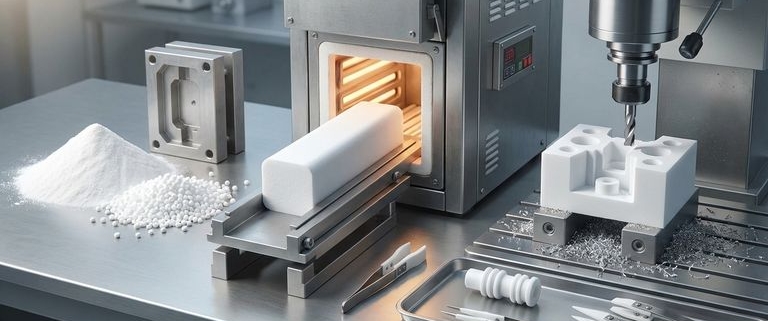
Il PTFE è riconosciuto come una delle materie plastiche tecniche più importanti nell’industria odierna grazie alla sua eccezionale resistenza chimica, al basso coefficiente di attrito e alla sua stabilità termica. La produzione di precisione prevede l’impiego di componenti in PTFE lavorati a macchina in situazioni in cui un componente metallico non funzionerebbe correttamente a causa di problemi di corrosione, usura o contaminazione. I componenti in PTFE sono altamente affidabili e durevoli e vengono utilizzati in un’ampia varietà di applicazioni, come nell’industria aerospaziale e nei dispositivi medici.
Le industrie odierne richiedono materiali in grado di resistere a condizioni ambientali estreme, pur mantenendo precisione dimensionale e stabilità prestazionale. È qui che entra in gioco il PTFE. Si tratta di un materiale molto apprezzato dagli ingegneri di tutto il mondo, grazie alle sue caratteristiche antiaderenti, alle proprietà di isolamento elettrico e alla resistenza a quasi tutte le sostanze chimiche industriali. Ma la lavorazione del PTFE non è così semplice come sembra. Richiede competenza nei processi CNC, gli strumenti adeguati e attenzione ai dettagli per produrre componenti e assemblaggi precisi e funzionali.
Negli stabilimenti di produzione high-tech, i componenti lavorati in PTFE possono essere progettati specificatamente per adattarsi alle condizioni operative dell’applicazione. Oltre ad essere semplici componenti in plastica, questi pezzi rappresentano soluzioni progettuali fondamentali per garantire efficienza, sicurezza e durata all’interno di sistemi essenziali.
Che siate interessati alle proprietà del materiale, al processo di produzione, alle applicazioni, agli aspetti economici, al controllo qualità o alle ultime tendenze del settore, questo articolo vi fornirà una visione approfondita, pratica e tecnica della lavorazione del PTFE. Questa guida è pensata per ingegneri, specialisti degli acquisti o acquirenti tecnici che desiderano comprendere la progettazione, la produzione e l’ottimizzazione dei componenti in PTFE destinati all’uso industriale.
Che cos’è il PTFE e perché è importante nell’ingegneria
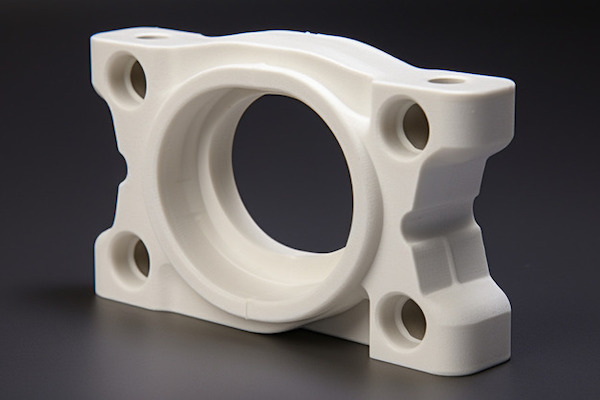
Il PTFE è un fluoropolimero caratterizzato da un’eccezionale inerzia chimica e resistenza termica. Trova numerose applicazioni in ambiti in cui altre materie plastiche si deteriorano rapidamente. Il PTFE presenta un coefficiente di attrito molto basso, che lo rende adatto all’impiego in applicazioni di scorrimento e tenuta.
Il PTFE è utile nei sistemi ingegneristici poiché non reagisce con acidi, basi o solventi. Presenta inoltre buone prestazioni a temperature estremamente basse o elevate. Ciò ne consente l'impiego in una vasta gamma di applicazioni, tra cui l'industria chimica, farmaceutica, automobilistica e aerospaziale.
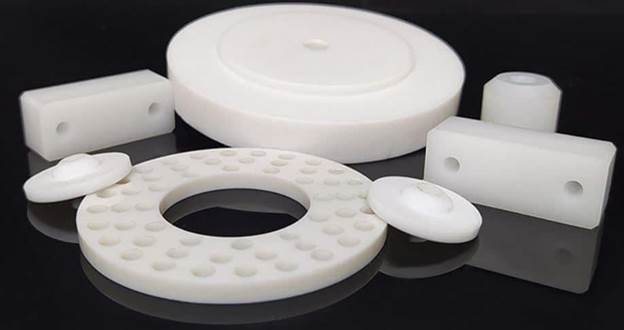
Diversi settori industriali fanno ormai affidamento su componenti in PTFE lavorati per garantire prestazioni di precisione nelle loro guarnizioni, boccole e parti isolanti. Questi componenti vengono utilizzati in ambienti estremi, dove i materiali convenzionali non possono essere impiegati.
Panoramica sui processi di lavorazione del PTFE
La lavorazione del PTFE consiste nel taglio, nella modellatura e nella finitura di pezzi grezzi in PTFE per ottenere componenti funzionali, ed è un processo specializzato. Sebbene il PTFE sia morbido e flessibile, a differenza dei metalli non è facile lavorarlo senza deformarlo.
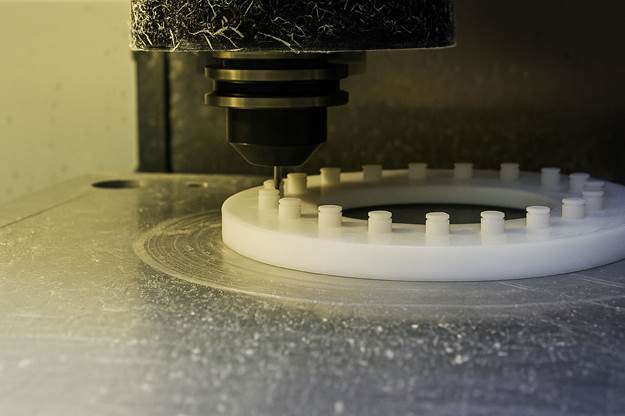
I metodi più comunemente utilizzati nella lavorazione CNC sono la tornitura, la fresatura, la foratura e la finitura di precisione. Gli aspetti più importanti da considerare sono il controllo della temperatura e l'affilatura degli utensili, al fine di ottenere risultati corretti.
Nei contesti di produzione su larga scala, gli ingegneri spesso preferiscono ricorrere a componenti in PTFE lavorati con macchine a controllo numerico (CNC) per la loro precisione dimensionale e ripetibilità.
Analisi approfondita delle proprietà del PTFE (Tabella tecnica)
| Proprietà | Valore | Rilevanza ingegneristica |
| Densità | 2,1–2,3 g/cm³ | Leggero ma resistente |
| Punto di fusione | 327 °C | Elevata resistenza termica |
| Resistenza alla trazione | 20–35 MPa | Resistenza meccanica moderata |
| Coefficiente di attrito | 0.05–0.10 | Attrito estremamente basso |
| Rigidità dielettrica | Alto | Ottimo isolamento elettrico |
| Resistenza chimica | Eccellente | Resistente a quasi tutte le sostanze chimiche |
La combinazione unica di proprietà del PTFE lo rende ideale per applicazioni di ingegneria di precisione. Il termine parti lavorate in PTFE viene utilizzato in molti settori industriali per la scelta dei componenti, poiché questi sono in grado di resistere a condizioni estreme.
Il componente in PTFE viene realizzato mediante un processo di lavorazione CNC
Ci sono alcune precauzioni da adottare durante la lavorazione CNC del PTFE. Quando viene sottoposto a pressione, il PTFE è abbastanza morbido da deformarsi.
Procedura passo dopo passo:
- La scelta del materiale utilizzato (PTFE vergine o caricato)
- Creare e simulare modelli 3D in CAD. Progettare e simulare oggetti 3D in CAD.
- Programmazione CNC
- Lavorazione di sgrossatura
- Finitura di precisione
- Controllo interno delle attrezzature e verifica della qualità
Per garantire la massima qualità del servizio, i processi vengono ottimizzati in ogni fase, anche avvalendosi di strutture quali uno stabilimento specializzato nella lavorazione CNC di componenti in PTFE.
Tabella dei parametri di produzione
| Parametro | Intervallo consigliato | Note |
| Velocità di taglio | 200–500 m/min | Impedisce lo scioglimento |
| Velocità di avanzamento | 0,1–0,3 mm/giro | Garantisce la precisione della superficie |
| Materiale degli utensili | Carburo | Riduce l'usura |
| Metodo di raffreddamento | Aria / Asciutto | Previene la contaminazione |
| Livello di tolleranza | ±0,01–0,05 mm | Standard di alta precisione |
Per applicazioni più sofisticate, i componenti in PTFE lavorati a controllo numerico vengono prodotti in sistemi automatizzati che contribuiscono a ridurre al minimo l'errore umano e a migliorare l'uniformità tra i lotti.
L'impiego di componenti in PTFE nell'industria
Panoramica sull’impiego del PTFE nell’industria
Il PTFE trova ampio impiego nell'industria moderna, poiché è in grado di sostituire molti altri materiali in condizioni difficili. Presenta un'elevata resistenza al calore, agli agenti chimici e all'abrasione, risultando così un materiale ideale per componenti di precisione. Di conseguenza, i componenti in PTFE vengono utilizzati in vari sistemi critici che richiedono sicurezza e durata.
Industria della trasformazione chimica
Il PTFE viene utilizzato nell'industria chimica poiché non reagisce con la maggior parte degli acidi, degli alcali o dei solventi. Viene comunemente impiegato nei seguenti modi:
- Rivestimenti per tubazioni
- Guarnizioni e tenute
- Sedi delle valvole
- Componenti della pompa
Questi componenti contribuiscono a prevenire la corrosione e garantiscono una manipolazione sicura delle sostanze chimiche.
Settore elettrico ed elettronico
Il PTFE possiede eccellenti proprietà di isolamento elettrico, che lo rendono molto utile nell'industria elettronica. Viene utilizzato in:
- L'isolamento dei fili e dei cavi è stato completato.
- Connettori e prese
- Componenti per circuiti stampati
- Apparecchiature ad alta frequenza
Migliora la sicurezza e le prestazioni degli impianti elettrici.
Industria automobilistica
Nel settore automobilistico, il PTFE viene impiegato in componenti automobilistici che richiedono un basso coefficiente di attrito e una durata estremamente elevata, tra cui:
- Boccole
- Cuscinetti
- Guarnizioni nei componenti del motore e della trasmissione
- Componenti del sistema di alimentazione
Tali componenti riducono l'usura e aumentano l'efficienza.
Settore aerospaziale
L'impiego del PTFE nelle applicazioni aerospaziali rappresenta un altro ambito di utilizzo di questo materiale, poiché è in grado di resistere a condizioni estreme di temperatura e pressione. Viene utilizzato in:
- Guarnizioni idrauliche
- Componenti isolanti
- Componenti dell'impianto di alimentazione
- Superfici di appoggio
Ciò garantisce prestazioni affidabili nei sistemi critici per il volo.
Industria medica
Il PTFE trova impiego nel settore medico grazie alla sua sicurezza, alla sua natura non reattiva e alla sua biocompatibilità. Tra le applicazioni più comuni figurano:
- Rivestimenti per strumenti chirurgici
- Cateteri e tubi
- Dispositivi impiantabili
- Attrezzature di laboratorio
Contribuisce a garantire l'igiene e la sicurezza chimica nelle strutture sanitarie.
Industria alimentare
Le proprietà antiaderenti e atossiche del PTFE lo rendono adatto a un'ampia gamma di applicazioni nel settore alimentare. Viene utilizzato in:
- Sistemi di trasporto alimenti
- Rivestimenti per impianti di miscelazione
- Guarnizioni e tenute
- Lavorazione di componenti per macchinari
Mantiene tutto pulito e impedisce la contaminazione.
Vantaggi e limiti del PTFE
Vantaggi del PTFE
Grazie alle sue eccellenti prestazioni in diverse condizioni, il PTFE è un materiale ingegneristico molto utile. È noto per il suo attrito estremamente basso, che garantisce un movimento facile e fluido dei componenti nel tempo e riduce al minimo l’usura. È inoltre altamente resistente agli agenti chimici, al punto da non reagire con la maggior parte degli acidi, delle basi e delle sostanze chimiche industriali aggressive. Un altro dei suoi grandi vantaggi è la notevole stabilità termica, che gli consente di funzionare in ambienti con temperature estremamente elevate o basse senza compromettere le prestazioni. Il PTFE possiede inoltre ottime proprietà antiaderenti, il che significa che i materiali non vi si attaccano. Inoltre, è un ottimo isolante elettrico ed è adatto per applicazioni elettriche ed elettroniche.
Limiti del PTFE
Sebbene presenti numerosi vantaggi, il PTFE presenta anche alcuni svantaggi. È meno resistente dal punto di vista meccanico rispetto ai metalli e, pertanto, non può essere utilizzato per applicazioni soggette a carichi elevati. Presenta inoltre un elevato coefficiente di dilatazione termica, che può causare variazioni delle dimensioni critiche al variare della temperatura. Opzioni di assemblaggio limitate: il PTFE è difficile da incollare o unire ad altri materiali. Infine, ma non meno importante, richiede una lavorazione meccanica di alta precisione per garantire l’accuratezza e l’affidabilità dei componenti.
Nonostante questi inconvenienti, i componenti in PTFE lavorati con macchine a controllo numerico sono indispensabili nei settori in cui l’affidabilità delle prestazioni è fondamentale.
Tolleranze e controllo qualità
Uno degli aspetti fondamentali della lavorazione del PTFE è il controllo qualità. In un sistema ad alta pressione, anche minime variazioni dimensionali possono causare il malfunzionamento dell'impianto.
Metodi di controllo qualità:
Macchina di misura a coordinate (CMM):
- Si tratta di una macchina progettata per misurare le dimensioni dei pezzi.
- Analisi della rugosità superficiale
- Verifica dimensionale
Esame microscopico; l'uso di una lente d'ingrandimento per osservare da vicino qualcosa.
Tabella degli standard di tolleranza
| Tipo di elemento | Tolleranza standard | Grado di precisione |
| Diametro esterno | ±0,02 mm | Elevata precisione |
| Diametro interno | ±0,01 mm | Ultra precisione |
| Planarità | 0,03 mm | Grado tecnico |
| Finitura superficiale | Ra 0,8–1,6 µm | Finitura liscia |
I componenti in PTFE lavorati vengono prodotti sottoposti a rigorosi controlli di qualità, che garantiscono loro prestazioni elevate e l'assenza di rischi di guasto nel processo di produzione industriale.
Prezzi e costi di beni e servizi
Il prezzo della lavorazione del PTFE varia in base al tipo di materiale, alla complessità del progetto, alle tolleranze e alla quantità di pezzi prodotti. Ecco alcune considerazioni importanti da tenere presenti quando si tratta di stabilire il prezzo:
- Il tipo di materiale utilizzato (PTFE vergine o caricato)
- Tempo di lavorazione CNC
- Manutenzione e usura degli utensili.
- Complessità del progetto
- Dimensione del lotto
Per comprendere il concetto di "miglior prezzo per i componenti in PTFE lavorati a CNC", è necessario tenere conto sia dell'efficienza produttiva che della qualità dei materiali. Nel valutare il miglior prezzo per i componenti in PTFE lavorati a CNC, è importante considerare le prestazioni complessive del componente nel processo di approvvigionamento di un componente industriale.
Esistono diversi fornitori che offrono opzioni competitive per il ‘miglior prezzo dei componenti in PTFE lavorati a CNC’ in base alle esigenze di personalizzazione. Tuttavia, nella ricerca del miglior prezzo dei componenti in PTFE lavorati a CNC occorre tenere conto anche dei seguenti aspetti: qualità e precisione di lavorazione. Anche la spedizione, gli utensili e i tempi di consegna sono fattori che incidono sul prezzo dei componenti in PTFE lavorati a CNC nel contesto dell’approvvigionamento globale.
Scegliere il partner di produzione giusto
La scelta di un fornitore affidabile è fondamentale per garantire la qualità e l'uniformità del prodotto.
Un’azienda specializzata nella produzione di componenti in PTFE lavorati con macchine CNC vi offrirà:
- Macchinari CNC all'avanguardia
- Team di ingegneri qualificati
- Procedure rigorose di gestione della qualità
- Assistenza nella progettazione personalizzata
- Capacità produttiva scalabile
Quando si valuta un’azienda produttrice di componenti in PTFE lavorati a CNC, è importante verificare le certificazioni, le capacità produttive e l’esperienza nel settore. Quando i componenti vengono realizzati da un’azienda affidabile specializzata nella lavorazione a CNC del PTFE, la puntualità delle consegne e la qualità precisa sono garantite. Inoltre, una fabbrica certificata di componenti in PTFE lavorati a CNC riduce al minimo i rischi in caso di acquisti su larga scala nel settore industriale. La scelta della fabbrica di componenti in PTFE lavorati a CNC più adatta può avere effetti significativi sulle prestazioni e sull’efficienza in termini di costi del prodotto.
Il futuro della lavorazione del PTFE
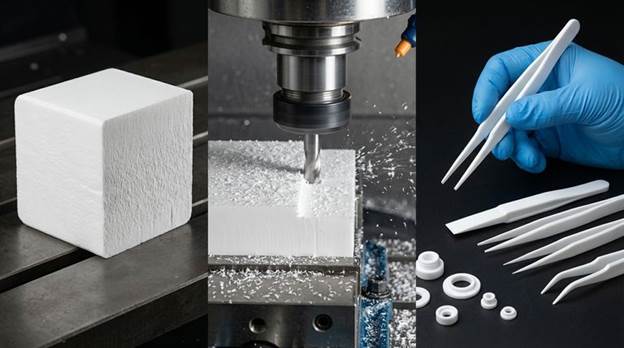
L'automazione, la programmazione CNC basata sull'intelligenza artificiale e la scienza dei materiali all'avanguardia stanno aprendo la strada al futuro della lavorazione del PTFE.
Tra le principali tendenze figurano:
- Sistemi intelligenti di lavorazione CNC
- Compositi polimerici ibridi
- Componenti di microprecisione
- Pratiche di produzione sostenibili
Queste innovazioni stanno migliorando la precisione, la durata e l'applicabilità dei moderni componenti in PTFE lavorati con macchine CNC.
Domande frequenti (FAQ)
A cosa servono i componenti lavorati in PTFE?
Trovano impiego nei settori della sigillatura e dell’isolamento, dei processi chimici e dei sistemi meccanici ad alte prestazioni.
Perché il PTFE non è facilmente lavorabile?
A causa della sua morbidezza, flessibilità e tendenza a comprimersi sotto pressione.
Il prezzo dei componenti in PTFE è elevato?
Il costo può variare a seconda della complessità del progetto e della qualità del materiale.
È possibile utilizzare il PTFE ad alte temperature?
Sì, funziona fino a 327 °C.
In quale settore industriale si registrano maggiormente le applicazioni dei componenti in PTFE?
Settori quali quello aerospaziale, medico, chimico, automobilistico ed elettronico.
In conclusione, ecco una sintesi dei punti principali
Il PTFE è il materiale che offre la massima versatilità tra i materiali tecnici utilizzati nell'odierna produzione industriale. Grazie alla sua eccezionale resistenza chimica, alla stabilità termica e alle proprietà di basso attrito, è indispensabile per applicazioni industriali critiche. La lavorazione di precisione con macchine CNC consente di realizzare componenti complessi con un livello di precisione superiore, in grado di soddisfare i rigorosi requisiti del settore ingegneristico.
In conclusione, i componenti lavorati in PTFE sono fondamentali per garantire produttività e affidabilità in tutti i settori industriali. Vengono impiegati nei sistemi di tenuta o come isolanti elettrici e continuano a superare le prestazioni di altri materiali anche in condizioni estreme. Allo stesso modo, i componenti lavorati in PTFE rimangono una scelta molto diffusa tra gli ingegneri che ricercano durata e precisione quando operano in condizioni difficili.
La domanda di componenti in PTFE di qualità superiore è in costante aumento con il progredire delle tecnologie di produzione, trainata dall’innovazione, dall’automazione e dalle esigenze ingegneristiche avanzate.


