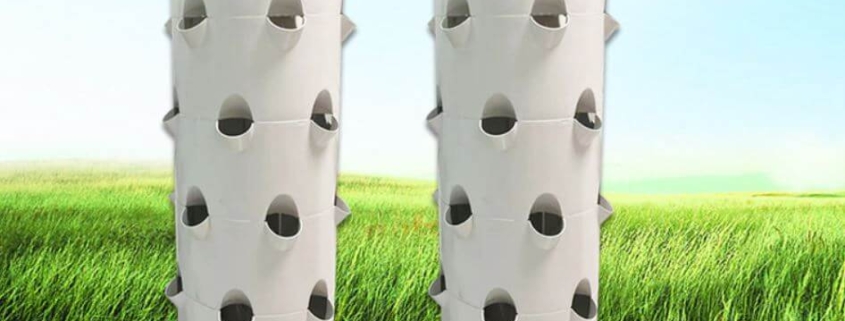
PLAS.CO
  • Casa
  • Chi siamo
  • Galleria
    • Stampo automobilistico
    • Applausi per la casa
    • Parti mediche
  • Elenco macchine
  • Ingegneria
    • Design dello stampo
    • Gestione del progetto
  • Qualità
  • Notizie
  • Contattateci
  • Fare clic per aprire il campo di ricerca Fare clic per aprire il campo di ricerca Cerca
  • Menu Menu
stampo in plastica

How to Start a Vertical Hydroponic Garden

Vertical hydroponic garden

Vertical hydroponic garden, where plants are grown without soil, may seem like a futuristic concept, but it is becoming a more and more available and practical way for urban gardeners and those interested in agriculture to grow their own food. The vertical hydroponic garden is an innovative cultivation method that places plants in layers, providing them with abundant nutrients and avoiding soil cultivation. This new method in farming is transforming the way we consider food production in confined areas.

One of the most effective vertical hydroponic systems available for growing fresh vegetables, herbs, and leafy greens all year long. They consume as much as 95% less water than in traditional gardening, and some varieties have five times the yield of traditional plants. The ability to set up an indoor vertical hydroponic garden is a valuable skill for anyone interested in ways to produce sustainable food, as well as a great idea for anyone who would like to grow fresh herbs in an apartment.

Contact us by +86 135 3080 1277 to get wholesale price for your vertical hydroponic systems.

Why Choose Vertical Hydroponic Farming?

Before getting into the technical setup, it’s important to know the reasons for the popularity of vertical hydroponic farming. The advantages are significant and aren’t to be taken lightly.

  • First of all, vertical hydroponic systems utilize growing space to the fullest. It is possible to grow much more produce in less space by stacking plants vertically rather than horizontally. An edible patch of fresh vegetables and herbs can be grown in a corner of their living room or a small balcony.
  • Secondly, these Vertical hydroponic tower systems use very little water. The traditional soil gardening method is that water drains away or works off the plants. A vertical hydroponic garden, on the other hand, recirculates water constantly, so you only need to use up a fraction of the water that’s used in a conventional garden. This means it is an eco-friendly option.
  • Thirdly, you have full control of growing conditions. It is possible to control temperature, pH, nutrient concentration, and light exposure to a very exact degree. This uniformity results in improved plant health and more reliable crops. Indoor vertical hydroponic gardens will do away with the unpredictability of weather, pests and seasonal constraints.
  • Fourthly, no soil is necessary. This will kill soil-borne diseases, minimize the need for pesticides, and you do not need to rely on good topsoil quality. You can keep your setup cleaner and don’t need to deal with bulky bags of growing media.

Understanding Vertical Hydroponic System Types

There are a number of vertical hydroponic system designs, each of which offers certain benefits. The appropriate variety will depend on the amount of space available, the cost of the variety, and what the grower wants to produce.

The nutrient film technique (NFT) system is one of the most popular vertical systems. Here, the nutrient solution is constantly passed through a thin layer of solution in channels on which the plants are placed. This is a continual application of this solution over the roots, which can provide water and nutrients in an efficient way. NFT systems are relatively inexpensive and suitable for leafy green and herb crops.

Deep water culture (DWC) is a technique that allows the roots of plants to be placed directly in the nutrient water that is bubbled. Vertical DWC systems stack these containers, so that you can grow a tower of plants. Although it requires strong aeration systems, this method is great for beginners as it is easy and reliable.

The ebb and flow system (or flood and drain) is a system where the growing beds are flooded with nutrient solution for a certain period of time, then drained back into a nutrient reservoir. It is good for bigger plantations, and it is extremely tolerant. This system can be very productive when implemented in a vertical configuration.

In aeroponic systems, the plants’ roots are misted by the nutrient solution, instead of being submerged. These are the most sophisticated and effective systems with superb results, but they do need a greater degree of technical knowledge and timing.

If you are new to aquarium technology, it is easier to maintain NFT and DWC systems and will need less initial troubleshooting.
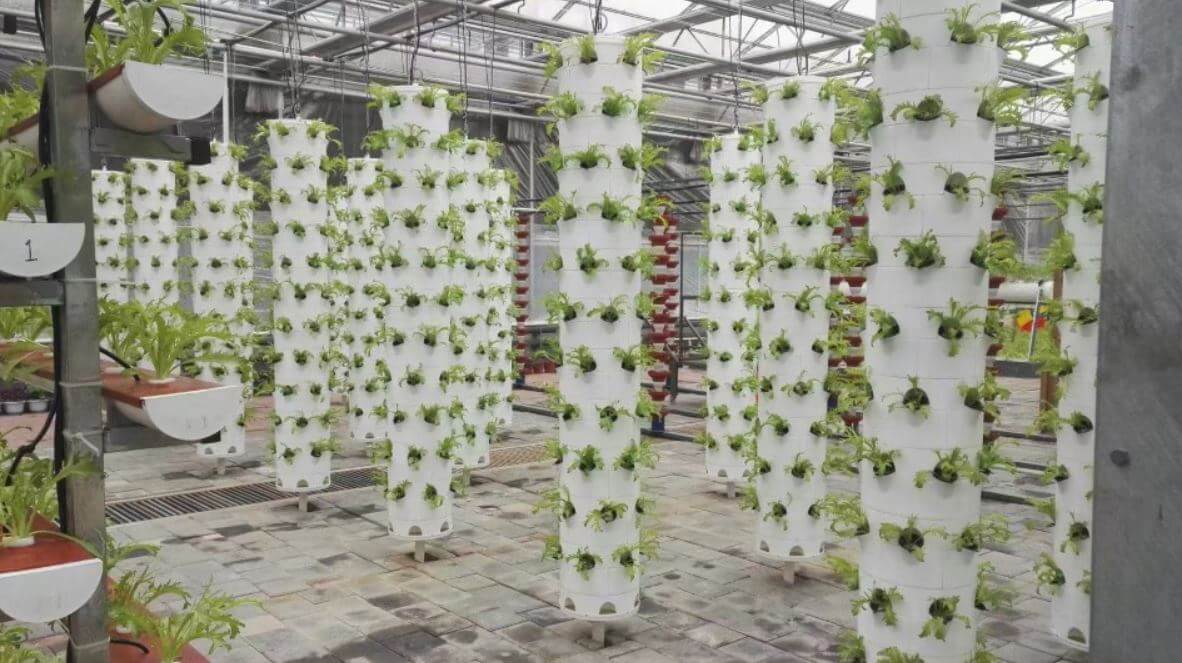
vertical hydroponic garden system

Essential Components You’ll Need

There are a number of important factors that need to be in harmony to make a vertical hydroponic garden a success.

  • Your nutrient solution is stored in a water reservoir. The size will depend on the size of your system, but a 20 to 30 gallon container will be suitable for beginners. Make sure that there are no openings in your reservoir so that algae is not able to grow due to light exposure.
  • Your growing channels or tubes are filled with solution, which circulates through a water pump. The pump’s flow rate should be equal to the flow requirements of your system. For most vertical setups, pumps with a capacity of 300 to1000 gallons per hour are required.
  • The vertical structure that plants are growing on is growing channels or towers. These can be PVC pipes, commercial tower systems, or custom-made towers. The material should be food-grade and not be affected by continual exposure to moisture.
  • For indoors vertical hydroponic garden, a lighting system is very critical. The best grow light is an LED grow light, which is energy-saving and emits the light spectrum the plants require. Full-spectrum LEDs are generally good for most plants, but can be optimized for specific growth stages by adjusting the red and blue wavelengths.
  • In DWC systems, an air pump and air stone system is a vital component for supplying oxygen to the soil surface area, a requirement in all types of hydroponic systems. Other system types don’t require this aeration, but some will keep the water from stagnating and cause root disease.
  • A pH testing and adjustment kit is required because proper pH (most plants need a pH range of 5.5 to 6.5) is essential for the availability of nutrients. Both test strips and a digital meter work, as do pH up and pH down solutions.
  • In hydroponics, nutrients are supplied in a special solution that mimics the soil’s capacity to provide the minerals. Complete hydroponic nutrient solutions are rich in N, P, K, and micronutrients. Some of them are suitable for vegetative and others for fruiting stages.

A growing medium is used to hold plants and give them structure, instead of soil. Any of the hydroton clay balls, rockwool, perlite, or coconut coir will do.

Setting Up Your Indoor Vertical Hydroponic Garden

With the pieces and parts understood, let’s take an example and go through the steps of setting up the Puzzle.

  • Make a good choice of location. Your vertical hydroponic garden requires enough space not only for the vertical garden, but for easy access to all sides for maintenance. Be able to reasonably control the environment. Do not place it in areas of extreme temperature change or direct, strong sunlight that can cause overheating of your nutrient solution. A basement, spare room, or garage will do fine, but a shelving unit under controlled lighting in any room will do.
  • Second, you have to put together your system structure. If you are constructing from PVC pipe, cut and join the pipe as per your plans. When using a commercial tower system, carefully follow the manufacturer’s instructions. Check to make sure that all is level; a slight tilt can lead to differential water flow and algae growth in low spots.
  • Thirdly, install the lighting system. The distance between the LED grow light and the tallest plants will vary based on the intensity of the light; depending on the plants, LED grow lights should be placed 12-24 inches above. Most plants require 12 to 16 hours of light per day. Having a timer will make it easy to do this and ensure steady growth.
  • The fourth step is to arrange your water circulation system. If possible, gravity will assist in returning water to the reservoir, putting the reservoir at the lowest point. Attach the pump and make sure that water can travel freely throughout all growing channels. Test for leaks prior to planting. Run the system for 24 hours to make sure that it will reliably perform the operation.
  • Fifth, make up the nutrient solution. Use filtered water or tap water that has been left in the water for 24 hours before (to allow chlorine to evaporate). Follow the nutrient solution package instructions to add your hydroponic nutrient solution, which should yield an electrical conductivity (EC) of 1.2-1.8. Take a pH test and fine-tune to the desired pH.
  • Sixth, install aeration. Attach air stones to the air pump in the reservoir. This provides an ongoing source of oxygen to your nutrient solution.
  • Last but not least, install a backup power system, if available. Protection for your pump and lights during a power outage that will help keep your investment safe is provided with a battery backup or generator.

Selecting Plants for Your Vertical System

Not every plant will grow the same in hydroponic systems. Knowing which plants are most successful will give a better chance of success.

  • The most popular and easiest plants to grow vertically with hydroponics are leafy greens. Lettuce, spinach, arugula, and kale are quick-growing, dependable plants. The shallow root system makes these plants ideal for most vertical systems, and they can be harvested in 30 to 45 days.
  • Herbs are just as effective as well. All of the herbs, such as basil, parsley, cilantro, mint, and oregano, grow profusely. With the harvest of herbs starting in the span of a few weeks, you can enjoy fresh herbs in the kitchen throughout the year.
  • Some vertical structures can be used to grow tomatoes and peppers but need more support and nutrients. Determinate (bush) varieties are more successful than the sprawling varieties. Plants that are fruiting also require different light conditions and more time to grow.
  • Strawberries grow extremely well in vertical arrangements, cascading down the towers and bearing lots of berries.
  • Microgreens and sprouts are great for vertical growing if you want fast and dense crops.
  • Until you have a lot of hydroponic experience, do not use large-rooted plants (potatoes, squash) until you have adequate hydroponic experience, or plants that need deep soil (carrots, beets).
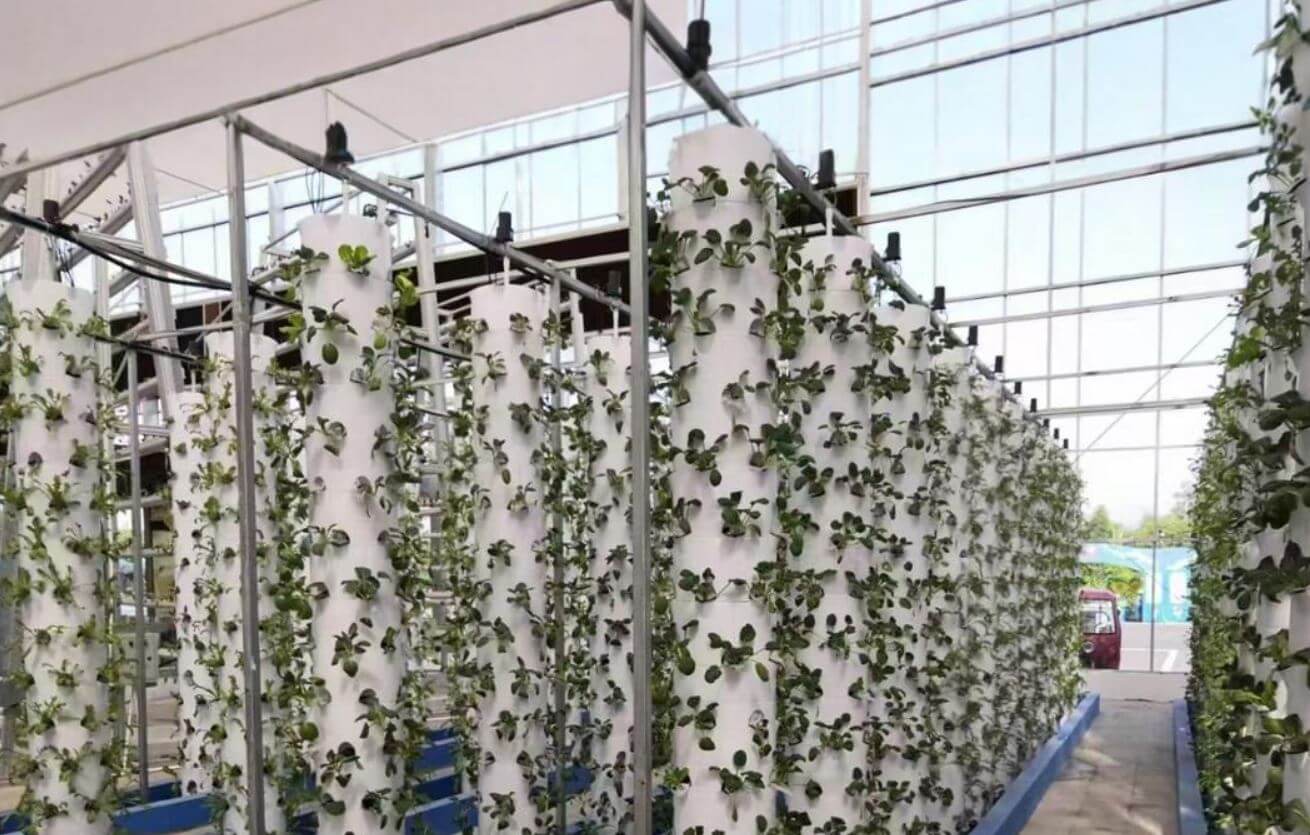
vertical hydroponic farming

Maintaining Your Vertical Hydroponic System

Vertical hydroponic gardening demands a lot of maintenance, but not as much as traditional gardening.

  • Inspect the system for leaks or pump failure on a daily basis. Plants can be considerably affected by just thirty minutes of downtime.
  • Weekly water testing and monitoring. The pH, electrical conductivity (nutrient concentration), and dissolved oxygen (DO) are monitored. These three factors play a role in a plant’s growth and development.
  • Fully replace your nutrient solution every 3-4 weeks. It’s a fact of life that nutrients can be depleted in ratios that the plants are unable to correct on their own, and over time, the organic buildup can still build up.
  • Maintain cool temperatures in the reservoir. Algae and bacteria can grow in warm water (above 75 degrees Fahrenheit). A water chiller for an aquarium is used to maintain the proper water temperature in larger aquarium tanks.
  • Trim off branches as the plants grow. As plants grow, remove lower leaves; pinch growing tips to promote bush growth. This enhances the airflow and penetration of light.
  • Rinse off growing channels and any submerged equipment periodically (every few weeks). Algae build-up can cause inefficiency and impede flow paths.
  • Harvest regularly. Regular mowing encourages re-growth and helps to avoid overgrown, unproductive plants.

Troubleshooting Common Issues

Despite good and careful watching, difficulties sometimes do occur. Being able to do so will make your vertical hydroponic garden productive.

Yellowing leaves are a sign of a nutrient deficiency in the plant. Read the electrical conductivity and adjust the nutrient(s) as needed. The deficiency symptoms are typical yellowing of older leaves in the case of nitrogen deficiency and yellowing of newer growth in the case of magnesium deficiency.

Root rot typically has too little oxygen or too much organic accumulation, and is indicated by brown or mushy roots. Aerate and perform a partial water change (if you are able).

If plants are wilted despite watering, it means that they have heat or root issues. Be sure to keep water temperature between 60 and 75 degrees F and make sure that your air pump is working.

Plants that are stunted in growth or very light may be due to insufficient lighting. Provide more light time or adjust lights closer to the plant.

You can determine mineral deposits by the white deposits found on system components. It’s not a bad thing, but it can cause loss of efficiency. Use a soft brush and distilled water to clean affected areas.

Seasonal Considerations for Vertical Hydroponic Farming

A great benefit of vertical hydroponic growing systems that grow vertically indoors is that they don’t depend on seasons. There are some tweaks that can help get things going, however.

In the winter, if daylight is shorter, it’s even more important that you have artificial lighting. During those darker times of the year, some gardeners increase the light hours to 16 to18 hours a day to make up for the limited natural light.

Hydroponics systems are subject to stress with the high temperatures of summer. The nutrient solution could get too hot, which may stimulate algae and root disease. Cover the reservoir, run during cooler evening hours, or purchase a chiller.

The spring and fall seasons are usually ideal with temperatures that are moderate, and require little adjustment.
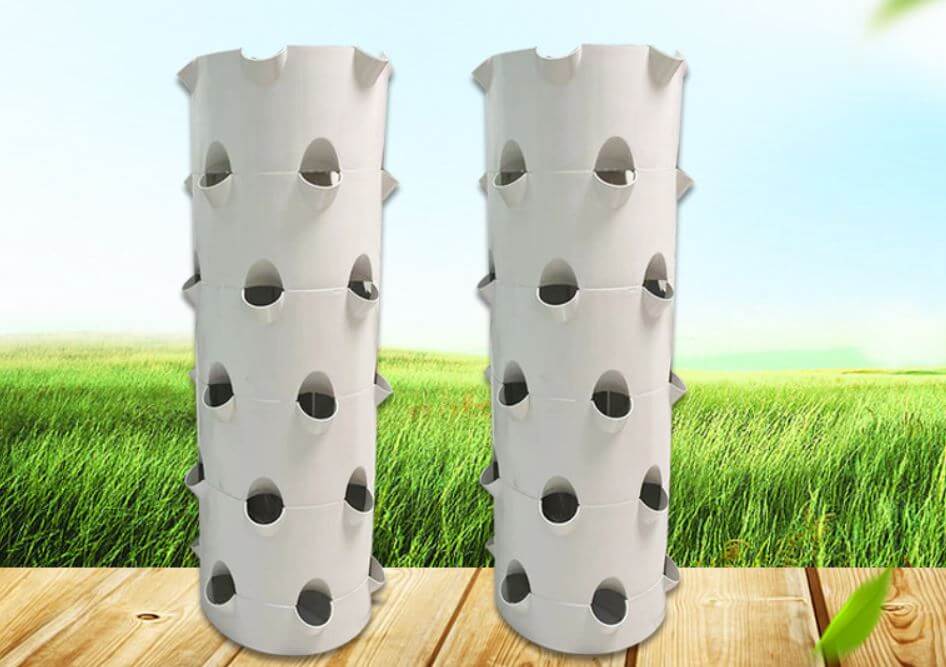
Vertical hydroponic garden

Considerazioni sui costi

The initial investment is required for an indoor vertical hydroponic garden, but not as much as you might think.

The cost of a simple, DIY system made of PVC pipe, a basic pump, and LED lights is $200 to 500. This is for a small garden, yielding the herbs and greens for one person.

Commercial tower systems come in a variety of sizes and capabilities and range from $300 to 800, doing much of the design work for you.

A more complete system (more than one tier of growing, advanced lighting and climate control) could require an up-front investment of $1000 to 2000.

Operating costs are very low each month. The cost of electricity for lights and the pump is approximately $20 to 40 per month, and the nutrient solution is approximately $10-20 per month, depending on the size of the system.

Conclusion: Starting Your Vertical Hydroponic Journey

Vertical vegetable gardening is a great way to have a fresh crop available all year long, without a lot of space. Lovers of the garden or just someone who wants fresh herbs in their apartment know the rewards of a vertical hydroponic system are real.

The thing to do for success is to start simple. Simplify the system, plant hydroponic plants such as leafy greens, herbs, and cotton, and stick to maintenance. Once you start gaining confidence and experience with your vertical hydroponic setup, you can grow more, try out new plants, and make adjustments to your growing methods.

Vertical hydroponic growing is a solution that can be applied indoors, especially in urban areas, to address the challenges in food production. So you can start your own vertical hydroponic garden today, and you’re not only growing food; you are a part of an agricultural revolution in the home and business of the world. Every sustainable, year-round food production target begins with the first system setup.

If you plan to buld you Vertical Hydroponic garden, then you will need many of those towers, contact us for your bulk whoesale price for the complete system.
2026年8月9日/0 Commenti/da amministratore
https://plas.co/wp-content/uploads/2026/08/Vertical-hydroponic-garden.jpg 667 946 amministratore http://plas.co/wp-content/uploads/2023/02/plas-co-1.jpg amministratore2026-08-09 11:03:252026-08-09 11:09:21How to Start a Vertical Hydroponic Garden
stampo in plastica

Produzione conto terzi di stampaggio a iniezione di materie plastiche: una guida completa per le aziende moderne

Produzione conto terzi di stampaggio a iniezione di materie plastiche

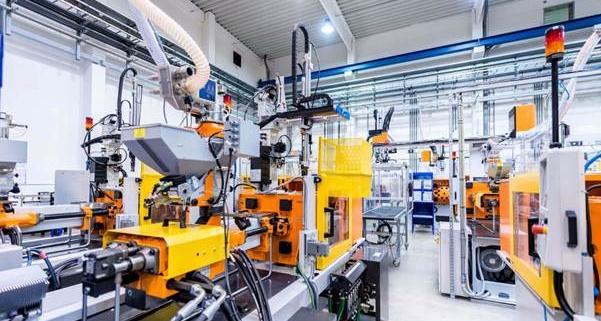
The plastic injection molding contract manufacturing is the integration of advanced molding technology and professional production services. This enables a business to concentrate on designing, marketing and growing the business while letting the manufacturers take care of production.
Efficiency in the manufacturing of products is one of the primary concerns of businesses in a vast array of industries. Companies are looking for good quality parts, consistent production and affordable solutions. Plastic Injection Molding Contract Manufacturing is an important role in this. It allows businesses to create plastic parts without the need for costly equipment, facilities, and specialized personnel.

Plastic components can be seen everywhere. They are applied in automotive parts, medical devices, consumer goods, electronics, packaging and industrial machinery. Many businesses use contract manufacturing partners to produce precision plastic products and goods as demand for such precision continues to rise.

This article will provide you with all you need to know about stampaggio a iniezione di plastica contract manufacturing, ranging from its advantages to its process and applications, expenses, challenges, and future prospects.

Understanding Plastic Injection Molding Contract Manufacturing

Contract manufacturing by plastic injection molding is a production method that entails assigning a specialized manufacturer to manufacture plastic parts for a particular company. The contract manufacturer will be responsible for molding, QC, tooling, production scheduling and sometimes assembly and packaging. As businesses don’t need to invest in the equipment and the expertise to produce products, they instead choose to outsource manufacturing to experts who already possess both.

It is widely used due to its consistency, scalability and efficiency. Businesses can release their product in a timely manner, while minimizing their risk of operations and with high product quality. To many contract manufacturers, it is their job to help customers from concept to production. This allows for a quicker manufacturing process, and minimizes expensive errors.

How Does Plastic Injection Molding Work?

Plastic injection molding is a manufacturing process that is employed to produce plastic parts in high volume. It is a procedure that consists of the extraction of plastic material and its injection into a special-shaped mould at high pressure. After cooling and solidifying, the mold is opened, and the molded parts are removed. This is a process that will yield very accurate and repeatable parts. Can form simple shapes, as well as more complicated components with detailed features.

The following are all reasons why injection molding is a commonly used process:

  • High production efficiency
  • Consistent quality
  • Excellent dimensional accuracy
  • Low UDC at high volumes
  • Wide material selection

As a result, injection molding is a widely used manufacturing process in the world.

How Plastic Injection Molding Contract Manufacturing Works?

The process begins much before production commences. Successful contract manufacturers will usually adhere to a number of key steps.

Product Design Evaluation

Manufacturer’s review of client’s design and specification. Engineers examine geometry and material specifications, and feasibility for manufacturing. Suggestions may be made for the design to enhance moldability and/or lower production costs. This step is sometimes referred to as Design for Manufacturability (DFM). It is useful for pinpointing potential problems prior to tooling.

Selezione del materiale

It is important to choose the correct plastic material. Various properties are required for various applications.

Common materials include:

  • Polipropilene (PP)
  • Polietilene (PE)
  • ABS
  • Policarbonato (PC)
  • Nylon
  • Acrylic
  • SETTIMANA
  • PVC

The properties of each material are different including strength, flexibility, heat resistance, chemical resistance, etc. The manufacturer is involved in the selection of the appropriate material for the application.

Progettazione di stampi e attrezzature

One of the most crucial parts in the injection molding process is the mould. Engineers make a custom mould according to the requirements of the product. The mold will then be produced by precision machining. The expense of moulds might be considerable, however, a quality mould can make hundreds of thousands or even millions of components.

Production Setup

The mold is finished and then put into an injection molding machine.

The production parameters (such as:

  • Injection pressure
  • Temperatura
  • Cooling time
  • Cycle time
  • Material flow rate

These settings have been optimized to guarantee quality.

Manufacturing Process

Injection Molding Machine: Plastic pellets are added to the machine. The material is melted by heating it up. Under pressure, the melted plastic is forced into the mold cavity. The mold is then cooled, opened and the product is ejected. This process is repeated continually until the production need is satisfied.

Ispezione della qualità

In plastic injection molding contract manufacturing, quality control is an important aspect. Manufacturers check/inspect parts during manufacturing to verify compliance with specifications.

Inspections may include:

  • Dimensional verification
  • Visual inspection
  • Material testing
  • Functional testing
  • Surface finish evaluation

This helps in maintaining the consistency of the products as well as satisfaction of the customers.

Benefits of Plastic Injection Molding Contract Manufacturing

A lot of companies opt for contract manufacturing due to its many advantages.

Reduced Capital Investment

To establish an in-house injection molding facility, a significant investment is needed. Businesses need to buy machinery, train their workers and keep their factories going. Businesses have to buy the equipment, employ trained workers and keep the factories running. With contract manufacturing, all these costs are removed. Companies get high-level production attributes without significant investment costs.

Access to Industry Expertise

An experienced contract manufacturer will have a wealth of knowledge about injection molding processes. They are familiar with the characteristics of materials, the mould design, quality control and the production optimization of their engineering teams. This knowledge can help to increase the quality of the product produced and decrease manufacturing risk.

Faster Time to Market

In competitive markets, it is crucial to get their products to market in a timely manner. The equipment, manpower and production processes are already in place with contract manufacturers. This enables products to go from design to production quicker. A faster development time brings a big edge to the competition.

Scalabilità

The production requirements may vary from year to year. Businesses benefit from plastic injection molding contract manufacturing because they can scale up their manufacturing based on the demand. Client does not need to buy extra equipment to keep the production volume up when the manufacturer wants to scale down to fewer items or scale it up to more items being produced.

Improved Quality

Professional manufacturers have a good use of advanced equipment and quality management systems.

There are many facilities with certifications like:

  • ISO 9001
  • ISO 13485
  • IATF 16949

These standards contribute to uniform production standards.

Efficienza dei costi

Scale economies are a benefit to large scale manufacturers. They buy materials in bulk and work out optimised production processes to minimise costs. The efficiencies often lead to reduced production costs for clients.

Industries That Use Plastic Injection Molding Contract Manufacturing

Plastic injection molding contract manufacturing is an important part of many industries.

Industria automobilistica

Automotive manufacturers have a huge dependence on injection molded parts.

Examples include:

  • Dashboard components
  • Interior trim
  • Connectors
  • Housings
  • Engine compartment parts

The process is durable, accurate and economical.

Industria medica

Medical devices must be made in a quality way and must be compliant with the regulations.

Injection molding is a process that makes products like:

  • Siringhe
  • Diagnostic equipment components
  • Strumenti chirurgici
  • Drug delivery devices
  • Medical housings

Compliance with industry regulations is made easy with the assistance of contract manufacturers that have experience in the medical field.

Prodotti di consumo

Injection molding is used to produce a variety of common components.

Examples include:

  • Kitchen tools
  • Toys
  • Storage containers
  • Personal care products
  • Household appliances

It is a process that can be used for mass production and still ensure consistent quality.

Industria elettronica

Numerous molded parts are used in electronic devices.

These include:

  • Device housings
  • Connectors
  • Switches
  • Battery compartments
  • Protective covers

Injection molding offers electronic assembly the exact dimensions that are needed.

Apparecchiature industriali

Industrial applications call for tough plastic parts.

Manufacturers produce:

  • Machine parts
  • Protective covers
  • Control panels
  • Valves
  • Fluid handling components

Contract manufacturing is to guarantee reliability and performance.

Choosing the Right Plastic Injection Molding Contract Manufacturing Partner

Choosing the right manufacturing partner can be essential to success.

Evaluate Experience

Find manufacturers who have experience in your industry. The experience gained in the industry may result in more effective design suggestions and product results. Check their work and past works.

Assess Manufacturing Capabilities

Consider:

  • Machine capacity
  • Material expertise
  • Tooling capabilities
  • Automation systems
  • Secondary services

A good manufacturer will be able to handle current and future needs.

Review Quality Systems

Quality is always to be taken for granted.

Ask about:

  • Certificazioni
  • Inspection procedures
  • Testing methods
  • Documentation practices

Good quality systems reduce problems with production and defects.

Consider Communication

Communication has a positive impact on project management. Select a manufacturer who is responsive and offers transparency. Effective communication is very important to avoid misunderstandings and delay.

Analyze Production Capacity

Make sure the manufacturer is able to fulfill your quantity needs. With high growth rates, the ability to produce is particularly critical. An expanding partner is able to help with business longevity.

Common Plastic Materials Used in Injection Molding

There are different types of materials that offer different benefits.

Polipropilene (PP)

Polypropylene is light, durable and economical. It has excellent chemical resistance and it is used in consumer products and packaging.

ABS

ABS is a combination of strength, impact resistance and good surface finishes. It is commonly used in auto and electronic parts.

Policarbonato

The polycarbonate offers excellent impact resistance and transparency. Also widely used in safety equipment and electronic devices.

Nylon

Nylon is highly durable and has good mechanical properties. Nylon components are often used in the automotive as well as industrial sector.

Polyethylene

Polyethylene has flexible, tough and moisture resistant properties. Very popular in containers and packaging.

Secondary Services Offered by Contract Manufacturers

There are a number of contract manufacturers that offer extra services other than molding.

Product Assembly

It is possible to put components together prior to shipment. This helps to minimise handling and to streamline the supply chain.

Decorating and Labelling

Manufacturers may offer:

  • Tampografia
  • Screen printing
  • Laser marking
  • Label application

These services enhance the appearance of the product and the product’s branding.

Packaging Services

Custom packaging solutions are used to prepare products for distribution.

These are a few of the packaging services that are available:

  • Retail packaging
  • Bulk packaging
  • Custom labeling
  • Barcoding

Warehousing and Logistics

Some manufacturers offer inventory management and shipping services. This makes operations simpler and supply chain more efficient.

Cost Factors in Plastic Injection Molding Contract Manufacturing

There are a number of determinants of production costs.

Tooling Costs

One of the biggest initial costs is for custom molds. In general, more complex shapes will be more expensive than simpler shapes.

Material Costs

The cost of the plastics varies. The price of the engineered grades is generally higher than commodity plastics.

Volume di produzione

As the numbers of a given product are increased, the cost of each product is typically decreased. This is one of the reasons why injection molding is an ideal process for mass production.

Parte Complessa

Advanced tooling, and longer production cycles are sometimes needed to achieve the required complex geometries. This can lead to higher manufacturing costs.

Secondary Operations

Other services like assembly and packaging are extra to project costs. They might be able to lower overall chain of supply expenses, however.

Quality Control in Plastic Injection Molding Contract Manufacturing

Quality control is a process for assuring that products satisfy the needs of customers. There are different inspection techniques used by the manufacturers.

Incoming Material Inspection

All raw materials are checked prior to production. This helps to guarantee consistency and performance of material.

In-Process Monitoring

The production parameters are continuously monitored. The operators monitor performance to identify issues in early stages.

Final Product Inspection

Finally manufactured components are inspected prior to delivery. Measurements and functional tests are used to check against specifications.

Statistical Process Control

A lot of manufacturers are employing statistical approaches to check the quality of production. This way, trends are identified and defects can be prevented.

Sustainability in Plastic Injection Molding

Environmental care is getting more and more significant. Manufacturers are implementing environmentally friendly measures.

Recycled Materials

Increasingly, recycled plastics are being used in many applications. This means that there is less waste and resources are saved.

Energy-Efficient Equipment

In today’s world of injection molding machines, the energy that is consumed is lower. The energy efficiency reduces environmental footprint and operating costs.

Waste Reduction

The manufacturers have taken measures to minimize waste and make the best use of materials. The reduction in waste generation is achieved through better process control.

Sustainable Product Design

Engineers create products that use less material, but still perform the same function. This helps to achieve sustainability goals without compromising quality.

Challenges in Plastic Injection Molding Contract Manufacturing
Despite the advantages to contract manufacturing there are some disadvantages.

Supply Chain Disruptions

Depending on the materials, production may be delayed due to material shortages and transport delays. Manufacturers seek to build tough supply chains.

Design Changes

Production delays and cost overruns can be caused by late changes to the design. Disruption is minimised by careful planning.

Quality Consistency

Quality Control and Quality Monitoring must be continuous, to maintain consistent quality. Advanced systems are employed by experienced manufacturers to overcome this challenge.

Regulatory Compliance

Medical and automotive industries have some strict compliance criteria. The manufacturers are required to keep and develop documentation and quality systems.

Future Trends in Plastic Injection Molding Contract Manufacturing

The industry is still a dynamic one.

Automazione

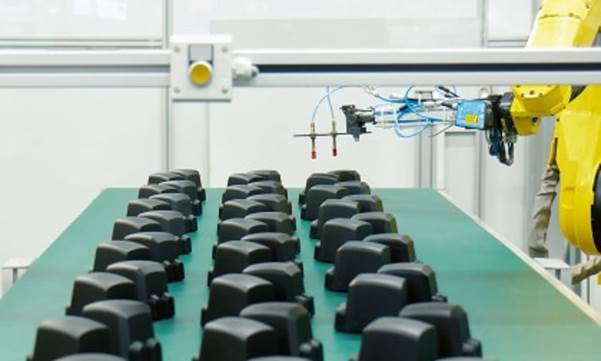
Automation automates, streamlines and decreases manpower. It is not uncommon to find robotic systems in today’s modern facilities.

Produzione intelligente

Connecting equipment allows real-time monitoring and data analysis. This enhances the productivity and quality control.

Materiali avanzati

The new materials have improved performance properties. Plastics manufacturers keep on innovating new materials that are stronger, tougher and more eco-friendly.

Industry 4.0

Digital technologies are revolutionising manufacturing processes. Data-driven decision making is used to optimize production processes.

Produzione sostenibile

Environmental responsibility will continue to be a key priority. Manufacturers investing in greener technologies and recycling.

Why Businesses Continue to Choose Plastic Injection Molding Contract Manufacturing

The demands for businesses to produce high-quality products on timelines and at a budget are growing. Stampaggio a iniezione di plastica contract manufacturing can help reach these objectives by offering specialty expertise, cutting-edge technology, and scalable manufacturing. Companies may concentrate on innovation and business growth, while the skilled manufacturers take care of manufacturing operations.

This collaboration approach helps minimise risk, increase effectiveness and help achieve sustainable outcomes. Contract manufacturing will continue to be a great option for companies in several verticals as the manufacturing technology continues to evolve.

Conclusione

Manufacture of plastic injection molded parts through contract molding has emerged as a vital solution for companies looking for effective, top quality plastic part production. It brings with it precision of injection molding and professional manufacturing partners. Automotive and medical manufacturing, consumer goods and electronics are just some of the industries that rely on contract manufacturing. Reduced costs, quicker production, quality, and flexibility for businesses.

It is very important to select the right manufacturing partner. Before choosing a company, they should consider things like their communication methods, production capabilities, quality systems and experience. With the technology constantly improving, plastic injection molding contract manufacturing will become more important for businesses to fulfill the market’s growing demands. By tapping into expert manufacturing partners, businesses can gain a competitive edge, streamline the product launch process, and ensure sustainable growth.

Domande frequenti

What is plastic injection molding contract manufacturing?

Plastic injection molding contract manufacturing is a service provision if a manufacturer has the expertise in plastic manufacturing, they can make plastic parts for other manufacturers using injection molding technology. The manufacturer is responsible for manufacturing, quality control and sometimes assemble and packaging.

Who uses plastic injection molding contract manufacturing?

It is a part of many industries, such as automotive, medical, electronics, consumer goods, packaging, aerospace and industrial equipment manufacturing.

How does injection molding help to lower the cost of production?

Injection molding has high production efficiency, less waste of material and low per-unit costs at high production volumes. These factors help reduce overall manufacturing expenses.

What materials are commonly used in plastic injection molding?

Typically used materials are polypropylene, polyethylene, ABS, nylon, polycarbonate, PVC, acrylic and engineering plastic.

How to select the most suited plastic injection molding contract manufacturing company?

Seek a manufacturer with industry experience, good quality certifications, up-to-date equipment, material experience, communication and production needs.

2026年7月1日/0 Commenti/da Autore dell'articolo
https://plas.co/wp-content/uploads/2026/07/image-3.jpeg 361 601 Autore dell'articolo http://plas.co/wp-content/uploads/2023/02/plas-co-1.jpg Autore dell'articolo2026-07-01 22:58:352026-07-01 23:04:31Produzione conto terzi di stampaggio a iniezione di materie plastiche: una guida completa per le aziende moderne
stampaggio a iniezione, produttore di stampi in Cina

Custodie elettroniche in plastica su misura: una guida all'elettronica moderna.

Custodie elettroniche in plastica su misura: una guida all'elettronica moderna.

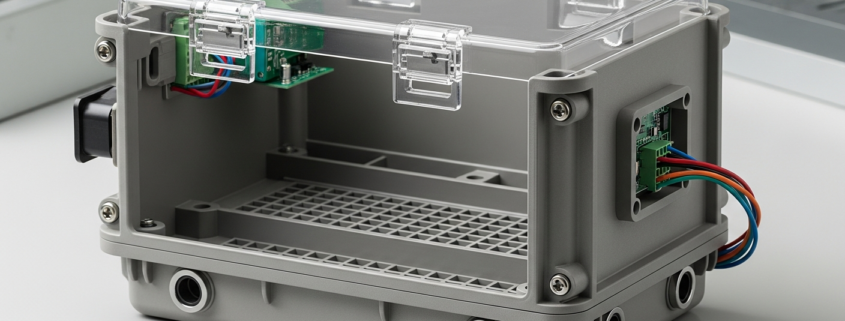
Electronic devices are used in everyday life. They are used at home, in offices, factories and even outside! All electronic equipment should be protected. Dust, moisture, heat, vibration and simply a knock could damage sensitive parts. Custom plastic electronic enclosures are where they come in handy.

If the enclosure is designed properly, it will safeguard the electronic components and enhance a product’s performance. It also enhances the looks and makes a product more easy to use. Electronic device manufacturers prefer to opt for customized electronic enclosures since the standard ones might not be sufficient for their specific needs.

Companies are required to have products that are reliable and attractive and will last a long time in today’s day and age. All these benefits can be accomplished with a custom enclosure. It can be customized to meet the requirements of a particular circuit board, battery, display, connector or control panel. This will ensure that a professional product is available, which will be a differentiator in the market.

This guide will delve into the various aspects of creating custom plastic electronic enclosures, such as their advantages, materials used, design steps, applications, and future trends.

What Is Custom Plastic Electronic Enclosures?

Custom plastic electronic enclosures are specially-designed enclosures that provide protection for electronic components. They are different from the normal boxes which are made to suit the specifications and requirements of a particular device.

The enclosures may be made of various shapes and sizes. They can contain a variety of openings, such as for a button, display, connector, ventilation and mounting options.

What Is Custom Plastic Electronic Enclosures?

In fact, many companies opt for the custom plastic electronic enclosures due to the flexibility that it offers, as well as its performance in relation to products. A special enclosure guarantees all the parts fit snugly in the enclosure.

The primary purpose for an enclosure is protection. On the other hand, modern enclosures can also help to create a brand for the product, make it more functional and user-friendly.

The reason why plastic is so popular

Plastic is one of the most ubiquitous materials that are used for enclosures used on electronics. It has a number of reasons for its popularity.

Firstly, plastic is light. This makes the devices more portable and convenient to use.

Secondly, plastic is in low cost. It is generally more cost-effective to manufacture plastic parts than metal parts.

Thirdly, plastics are capable of being shaped into complex forms. This enables the designers to develop appealing and useful products.

One of the other advantages is electrical insulation. Unlike metal, plastic doesn’t conduct electricity. This helps to safeguard users and electronic parts.

Due to such benefits, numerous manufacturers choose to use custom plastic enclosures electronics during the production of new electronics.

Benefits of Custom Plastic Electronic Enclosures

Benefits of Custom Plastic Electronic Enclosures

Perfect Fit

A custom enclosure is a specially-built enclosure for a particular product. All internal components are allocated to a specific area.

This will help to increase the order and minimize the risk of injury.

Migliore protezione

Features that can be added to custom enclosures include protection from dust, water, vibration and impact.

This can be particularly useful for industrial and outdoor uses.

Improved Appearance

For a professional appearance, a unique enclosure will make all the difference.

It’s common for customers to determine the quality of a product by its appearance. An enclosure that is well-designed can enhance the brand image.

Enhanced Functionality

Special features like cable management, venting, mounting points and user-friendly controls can be added thanks to custom designs.

Strong Brand Identity

Firms can incorporate logos, colors, labels, and also distinct design features.

This assists products to be identified in competitive markets.

All these benefits make businesses to invest in custom electronic enclosures plastic solutions.

Materiali comuni utilizzati

There are various types of plastic materials that can be used to make enclosures.

Plastica ABS

  • ABS is one of the most-used materials.
  • It has a good strength, durability and low cost.
  • Consumer electronics and products for industry are common applications for ABS.

Policarbonato

  • Polycarbonate has a high impact resistance.
  • It is commonly used in settings where it is important for it to be durable.

PVC

  • PVC has fairly good resistance to chemicals.
  • It has a wide range of applications in industry.

Acrylic

  • Acrylic provides clear and excellent looks.
  • It is suitable for products which need to be transparent for viewing components.

Nylon

  • Nylon has high strength and durability.
  • It is a good performer in challenging applications.

It depends on the product’s environment and performance requirements to choose the right material.

Applications of Custom Plastic Electronic Enclosures

Elettronica di consumo

  • Custom enclosures are used in many every day devices.
  • They range from smart home devices like remote controls and charging systems, to routers and other components.

Apparecchiature mediche

  • Medical devices must be safe and secure.
  • Custom enclosures help to ensure safe operation.

Automazione industriale

  • Electronic Systems with harsh operating environments are used in factories.
  • Sensitive electronic products need the protection from dust and vibration by custom enclosures.

Telecommunications

  • Special housing may be needed for communication equipment.
  • Space is available for custom designs, connectors and cooling systems.

Automotive Electronics

  • Today’s cars are equipped with numerous electronic parts.
  • Custom enclosures provide more protection from heat and movement to these systems.

Custom plastic enclosure for electronics solutions are applicable to many industries, due to their versatility.

Important Design Considerations

Size and Dimensions

  • All parts need to be properly installed within the enclosure.
  • Space for wiring, connectors and future expansion should be allowed for.

Ventilation

  • Electronic devices produce temperatures. Electronic devices produce temps.
  • Good ventilation keeps temperatures safe while in operation.

Accessibility

  • Controls, ports and displays should be easily accessible to users.
  • A well-designed interface makes for increased usability.

Durata

  • The enclosure needs to be able to withstand the environmental factors that are expected.
  • This can be moisture, impact, chemicals or changes in temperature.

Safety

  • Safety is a very important consideration.
  • The enclosure should be designed to keep the users and electronics safe.

Process of Making Custom Plastic Electronic Enclosures

The process of developing electronic enclosures is a step-by-step, systematic process. All steps are crucial to ensure that the finished product is robust, reliable and appropriate for its intended function.

Requirement Analysis

Understanding of the product needs is the first step. The electronic components, size, shape and environment in which the device will be used are studied by engineers. This will aid in the proper design of the enclosure from the beginning.

Design Planning

Once designers have gained an understanding of requirements, they make initial sketches. Basic shapes, sizes and features of enclosure are indicated in these designs. Brainstorming and refining of ideas occurs at this point.

3D CAD Modeling

A detailed 3D model is created in this step, using computer software. This model indicates actual size and cavity dimensions of components. It will aid the engineer to ensure they have all the components fitted correctly.

Sviluppo del prototipo

A test enclosure is built and a sample is placed within it. A test enclosure is made, and a sample is put in. It has been helpful in the early identification of design issues with this prototype. Engineers test it for the fit, strength and usability.

Testing and Improvements

Prototype is put to the test in actual situations. Changes are effected when necessary. This process will result in improved performance, durability and safety.

Final Production

Mass production of the design is started once it is approved. The final enclosures are manufactured by high-quality methods such as injection molding process in large quantities.

Controllo qualità

All products are carefully checked prior to delivery. This guarantees that there are no defects and each enclosure is up to industry standard.

This is a common procedure used by many companies to develop reliable custom plastic enclosure for electronics that satisfy the technical and market needs.

Manufacturing Methods

Stampaggio a iniezione

  • Injection molding is one of the most popular methods of manufacturing.
  • The molten plastic material is fed into a mould.
  • This is a suitable method for big production quantities.

Lavorazione CNC

  • The CNC machines are able to process materials with high precision.
  • This technique can be used for prototypes and low volumes of production.

Vacuum Forming

  • Vacuum forming is a technique that involves heating and under pressure shaping plastic sheets.
  • It is suitable for large parts, and is often used.

3D Printing

  • Rapid Prototyping is possible with 3D printing.
  • prototypes can be manufactured as rapidly as before the full scale manufacturing.

Custom Features That Add Value

In the modern enclosure, there are many additional features being added that enhance performance, safety and user experience. The features are based on the requirements of the electronic device and the working environment.

Display Windows

Transparent sections enable users to easily see the LED or indicator or screens without opening the enclosure. This makes it simple and secure to track devices’ status. It also enhances user-friendliness of consumer and industrial products.

Mounting Options

Flexibility of installation using wall mounts, brackets and panel mounts. They simplify the way of mounting the device on various surfaces like walls, machines or control panels. This will provide stability and will help in managing the space.

Cable Management

Built-in cable routing helps to organize and keep products clean. Helps keep wires from tangling or damage. Proper cable management also helps to keep the air flowing and minimizes maintenance problems.

Waterproof Seals

Seals prevent damage of the electronics from moisture, dust and environment. This is particularly true for any devices located in the outdoors or industrial setting. Giving the product a good seal extends product life and reliability under harsh conditions.

Ventilation Systems

These cooling features help to enhance performance and reliability. Flow holes and/or built-in airflow ways provide temperature control. This helps to avoid overheating and the smooth functioning of electronic components.

Additional Protective Features

Other enclosures are made with shock resistance, UV protection and anti-corrosion coatings as well. These features are beneficial in the heavy-duty device as the devices get a lot of stress.

Branding and Custom Design Elements

Branding and Custom Design Elements of Custom Plastic Electronic Enclosures

Manufacturers are also able to put logos, custom colors, texture and surface finishes. This will help enhance the identity of the brand and make products more professional and appealing in the marketplace.

Custom electronic enclosures plastic can be easily incorporated into many manufacturers and designed to meet project needs. This will make the end product more useful, long-lasting and ready for sale.

Importance of Aesthetic Design

  • The look of a product has an impact on how customers view the product.
  • Trust is made by a professional enclosure.
  • Today’s consumers demand products to be beautiful and well designed.
  • Custom enclosures can be customized to follow businesses’ branding.
  • Colors, textures and logos can be added to the design.
  • This makes it possible to have a uniform brand image throughout product lines.

Environmental Considerations

  • There’s an increasing focus on sustainability.
  • A lot of companies are utilizing reusable plastics.
  • There is also an exploration of manufacturers for environmentally friendly manufacturing processes.
  • Minimizing material wastage decreases the environmental impact.

Creating longer product life is also a key aspect of durability, helping to create a more sustainable product.

With an increasing awareness toward a more environmentally conscious world, the manufacture of custom plastic electronic enclosures is becoming more environmentally friendly.

Problems with Enclosures!

But it’s not always easy to design a custom enclosure.

There can be a number of problems.

Space Constraints: There’s a need to make best use of the space within compact devices.

Heat Management: There is a considerable amount of heat generated by electronics that are high-performance.Cooling solutions need to be integrated in.

Cost Control: There is a need to balance costs and quality on the part of manufacturers.

Compliance Requirements: Some companies have specific requirements and regulations.

All designs are required to abide by these requirements.

With adequate planning, these problems can be solved successfully.

How Custom Enclosures Improve Product Success

There are numerous business benefits with custom enclosures.

  • They are beneficial for enhancing product reliability.
  • They enhance appearance.
  • They help to enhance the user experience.
  • They aid in brand recognition.
  • First of all, they contribute to products satisfying customers’ expectations.
  • Businesses with the quality enclosure design outperform the market performance.

One of the reasons for the worldwide increase in demand for custom plastic enclosure for electronics.

Future Trends in Custom Plastic Electronic Enclosures

Future Trends in Custom Plastic Electronic Enclosures

There is a quick evolution in technology.

There are new trends that are being set for the future of enclosure design.

Smart Enclosures

High-tech monitoring equipment can be added to enclosures.

These systems can be used to monitor systems and temperature.

Materiali sostenibili

More and more, eco friendly plastics are becoming popular.

There is an increasing emphasis on minimizing environmental footprints by the manufacturers.

Lightweight Designs

Companies keep on looking for lighter products.

New materials to achieve reduced weight but retain strength.

Advanced Manufacturing

The modern production technologies enhance in accuracy and efficiency.

Improved Customization

Highly personalized products are what customers are looking for.

Enclosure solutions will be even more flexible in the future.

With ongoing innovation, custom plastic electronic enclosures will be an integral part of electronic product development in the future.

Conclusione

To effectively function, electronic devices require dependable protection. Custom plastic enclosures offer that protection, and offer an improvement in terms of appearance, usability and value of the product.

These enclosures play a crucial role in various applications, such as consumer electronics, industrial equipment, and other areas. They can be created to satisfy precise requirements, making sure that they fit just correctly and perform effectively.

The reason why businesses select custom plastic enclosures electronics is that they are flexible, economical and professional. Their other materials include custom electronic enclosures plastic from which they design long-lasting and aesthetically pleasing products. With the fast advancement of technology, the demand for custom plastic enclosure for electronics is now on the rise. Meanwhile, the custom plastic electronic enclosures solution continues to be one of the popular ways to keep sensitive electronic components safe.

With the continued innovation of industries, custom enclosure solutions will be even more crucial. These firms that invest in good design and manufacturing will be more likely to have a long-term of success.

2026年6月23日/0 Commenti/da Autore dell'articolo
https://plas.co/wp-content/uploads/2026/06/article_83d4ba89-fc07-47a0-ba8d-a9e3d7f8c3c1_1-1764928089726-eqz7537t.png 768 1408 Autore dell'articolo http://plas.co/wp-content/uploads/2023/02/plas-co-1.jpg Autore dell'articolo2026-06-23 20:14:522026-06-23 20:26:06Custodie elettroniche in plastica su misura: una guida all'elettronica moderna.
Plastica stampata a iniezione, stampaggio a iniezione

Stampaggio a iniezione di HDPE: una guida completa a materiali, processi, vantaggi e applicazioni

Stampaggio a iniezione di HDPE: una guida completa a materiali, processi, vantaggi e applicazioni

HDPE injection molding is an important technology in today’s manufacturing industry. This process is used by companies to manufacture long lasting plastic components for various sectors, such as packaging, construction, and more. HDPE is one of the most commonly used thermoplastics due to its strength, low cost and durability.

Manufacturers are still investing in this hdpe plastic injection molding as it allows them to make high quality products at an affordable price. From small consumer goods to large components for industry HDPE is suitable for a wide range of applications.

Introduction

Plastic products have become a part of everyday life. They are common to houses, offices, factories, hospitals and construction sites. Many of these have an effective manufacturing process called injection molding. This technique allows manufacturers to produce thousands of identical components that are of the same quality with very little loss.

HDPE has a good reputation among the various materials that are made use of for injection molding. It is resistant to chemical, durable, low weight and can be used in many applications. These features appeal to manufacturers that want solutions that will last and be cost-effective.

Increased demand for long-lasting plastic products has led to the rise in popularity of injection molding HDPE. The material has excellent performance in harsh environments and is cost-effective in production, which is beneficial to the enterprises. By being aware of the product and the manufacturing process, buyers may be able to make better decisions regarding manufacturing processes and suppliers.

What Is HDPE?

HDPE stands for High-Density Polyethylene. It belongs to a (thermoplastic) polymer derived from petroleum. It is also widely used in manufacturing as it is strong, durable and can be used for producing a variety of plastic products.

What Is HDPE?

The property of this material is that it has excellent strength-to-weight ratio. HDPE is not as brittle as some plastics and will remain durable under some harsh conditions. It is impact resistant, water repellent and resistant to a large variety of chemicals.

One of the other benefits of the HDPE is its versatility. It can be utilized by the manufacturers to make goods of various sizes and shapes. HDPE is used in a variety of applications, such as bottle caps, industrial containers and more.

Table 1: Key Properties of HDPE

ProprietàDescrizioneBenefit
La forzaHigh structural durabilityLonger product life
Resistenza agli urtiResists cracking and breakageImproved reliability
Resistenza chimicaWithstands many chemicalsSuitable for industrial use
Moisture ResistanceLow water absorptionBetter outdoor performance
LeggeroEasy to handle and transportLower shipping costs
RiciclabilitàCan be reused after processingEnvironmental benefits

These aspects of the materials are closely related to the success of hdpe injection molding . They enable manufacturers to create consistent products, at an affordable price.

Knowing about the HDPE Injection Molding Process

Whereas in the injection molding process, the resin pellets that are used are HDPE resin. These pellets are then put into a molding machine where the heat melts the pellets into plastic. The melted material is then pumped into a precisely manufactured mould at a controlled pressure.

When the mould cavity is filled the material starts to cool and harden. The cooling channels in the mold ensure uniform temperature in the cooling process. To ensure proper cooling, it can impact part quality, dimensional accuracy and cycle time.

When the product is cooled, it is ejected from the mold by an ejection system. The component is then checked to make sure that it is of acceptable quality. All necessary finishing operations are done prior to packaging and delivery.

The advantage of hdpe plastic injection molding is that it can make a large quantity of identical parts. Today’s molding machines include state-of-the-art controls to ensure consistency between production runs. This helps to minimize waste and enhances the manufacturing process.

In order to achieve the most uniform performance, the manufacturers need to control the following parameters: injection pressure, melt temperature, cooling time and mold design. Changes of any kind will have a considerable impact on the finished product. These variables are continually checked by experienced production teams for reliability.

Some advantages of HDPE Injection Molding are as follows

HDPE has a number of benefits making it a material of choice for manufacturing.

  • Superb impact resistance for challenging applications.
  • Excellent chemical resistance in the industrial environment.
  • Light weight and easy to transport.
  • Long and low maintenance life.
  • A low cost material as compared to many others.
  • Can be produced in large volumes.
  • Recyclable and environmentally friendly.
  • A constant quality of product in a mass production process.

Several companies choose China hdpe plastic injection molding suppliers as it can offer such material benefits along with large scale production capabilities.

Common Products that are made from HDPE are available

HDPE can be utilized for a range of products.

  • Bottle caps, closures
  • Contenitori per alimenti
  • Industrial storage bins
  • Utility boxes
  • Pipe fittings
  • Water management components
  • Agricultural equipment parts
  • Outdoor furniture
  • Protective housings
  • Packaging products

Table 2: Common HDPE Products

Product TypeIndustriaMain Advantage
Bottle CapsImballaggioChemical resistance
Pipe FittingsCostruzioneResistenza alla corrosione
Storage ContainersBeni di consumoDurata
Agricultural ComponentsAgricolturaWeather resistance
Utility BoxesIndustrialeImpact strength
Outdoor FurnitureBeni di consumoLong lifespan

The wide variety of products just illustrates the many different reasons injection molding HDPE is still one of the most popular manufacturing methods in the plastics industry.

Industries That Use HDPE Injection Molded Parts

HDPE is used in a variety of industries due to its versatility and durability.

HDPE is used in the automotive industry for reservoirs, protective covers and functional parts. It is also favored by manufacturers for its lightweight, yet high strength properties.

Industries That Use HDPE Injection Molded Parts

HDPE is used in construction for protective enclosures, pipe fittings and drainage systems. The water repellency of the material is particularly beneficial for outdoor uses.

HDPE products are essential for agricultural operations including components for irrigation systems, containers for storage and equipment. Durable materials that can perform over time are required when the materials are exposed to sunlight, moisture and chemicals.

 hdpe injection molding is also heavily used by consumer goods manufacturers to produce products for home use that are durable.

Design Considerations for HDPE Components

Product design is the first step to successful molding.

The thickness of the walls should be as uniform as possible in the part. A uniform thickness can help to ensure uniform cooling and minimize the likelihood of defects.

Draft angles are used to allow parts to be molded easily out of molds. If the draft is not sufficient, it can cause parts to stick together and damage.

Corners are important, too. Sharp corners can form stress points that can cause weakness in the final product. Most rounded edges are more durable and have a longer product life.

In the hdpe plastic injection molding process, the engineers can collaborate closely with the mold designer to ensure the best performance of the product before production.

HDPE is compared to other plastic materials

When choosing materials for manufacturing, manufacturers often make comparisons with other plastics.

Table 3: HDPE vs Other Plastic Materials

CaratteristicaHDPEPPABS
Resistenza agli urtiAltoMediumAlto
Resistenza chimicaEccellenteBuonoModerato
CostoBassoBassoPiù alto
Moisture ResistanceEccellenteBuonoModerato
DurataAltoMediumAlto
RiciclabilitàEccellenteBuonoModerato

Chemical resistance and durability are important considerations that may make HDPE the preferred material choice. There are other types of plastics with their own merits however, HDPE gives a good balance of performance and cost.

Controllo qualità e test

Quality control is the most important aspect of manufacture.

During manufacturing processes, manufacturers are looking to see if the molded parts have defects before the products are sold to customers. Inspection procedures are used to ensure the consistency and minimization of expensive failures.

 Controllo qualità e test

Typical testing procedures are dimensional checking, visual examination, impact test and material analysis. These tests ensure the products fulfill as per design specifications and satisfy the customer’s expectations.

For companies that are engaged in the China hdpe plastic injection molding, it is better to use automated inspection systems in order to enhance accuracy and production efficiency.

Challenges and Solutions in HDPE Injection Molding

As with all manufacturing processes, there are some problems with injection molding.

Warping may occur if the rate of cooling is different in various areas of the part. This is helped by the proper design and control of the moulds and cooling.

Another factor of concern is shrinkage. Manufacturers make up for this by changing the sizes of the molds and/or processing parameters.

Surface defects can occur due to contamination, improper temperatures or due to mold wear. These issues can be avoided through regular maintenance and monitoring of the processes.

Manufacturers that are successful continually refine production processes to ensure they produce a consistent quality product.

Why Many Companies Choose China for Manufacturing

China is still considered as a big plastic injection molding production hub.

With the rich manufacturing lines and huge manufacturing capability, many companies opt to use the Chinese suppliers. Highly efficient large-scale production is provided by advanced machinery and experienced production teams.

Why Many Companies Choose China for Manufacturing

When looking for cost effective and quality production capabilities, international buyers are likely to come across a China hdpe plastic injection molding service provider.

Manufacturing efficiency is also provided by having strong supply chains. Having access to materials, tooling resources and logistics services helps to reduce production lead times.

Cost Factors in HDPE Injection Molding

There are a number of factors that affect production costs.

 The factors listed in this table will affect the cost of injection molding

Table 4: Factors Affecting Injection Molding Costs

Cost FactorImpact on PriceOptimization Method
Costo del materialeDirect effect on budgetEfficient material use
UtensiliHigh initial investmentLong-term production planning
LaborAffects operating expensesAutomazione
Volume di produzioneInfluences cost per partLarger production runs
Controllo qualitàAdditional inspection costsProcess optimization
ShippingImpacts final delivered costLogistics planning

For companies that want to take a look at projects involving injection molding HDPE , there are numerous costs to consider prior to choosing a provider.

The benefits of sustainability and recycling

In the manufacturing industry, the concept of sustainability has gained significance over the years.

The benefits of using HDPE include its ability to be recycled and used in a variety of applications, making it an environmentally friendly material. Recycling is a way to minimize waste and promote responsible resource management.

As more and more manufacturers have realized that recycling is appropriate in certain instances, they are now making use of recycled materials in their manufacturing processes. This is to reduce the environmental impact at minimal loss of product performance.

HDPE’s recyclable properties also help it retain its popularity in various industries.

Choosing the Right Manufacturing Partner

There are a number of criteria that need to be taken into account when choosing the right supplier.

The manufacturers should evaluate the production capacity, quality system, technical knowledge, and communication skill. Having a trusted partner can help to enhance product quality and minimize project risks.

Also, experience with similar products is beneficial. Those suppliers who are familiar with industry expectations can be more effective in providing successful results.

Before you make the decision, you should check certifications, production capabilities and quality control processes of companies that are doing hdpe injection molding .

The future of HDPE injection molding

The industry is still a dynamic one.

As businesses strive for increased efficiency and uniformity, automation is gaining popularity. Advanced robotics can increase the speed of production with a decrease in labor expenses.

Digital monitoring systems enable manufacturers to monitor their performance in real time. These technologies assist in detection of the problems in the future before it impacts on product quality.

The future of HDPE injection molding

There is growing interest in sustainable manufacturing, as well. Numerous organisations are still looking for ways to enhance recycling and minimize material waste.

The future of hdpe plastic injection molding is likely to involve more efficient and environmentally friendly production methods, including the development of advanced production equipment and systems.

Conclusione

HDPE is still one of the most useful and popular plastics to use today for manufacturing. It is strong, durable, chemically resistant and cheap, and can be used in a variety of applications in various industries.

The use of China hdpe plastic injection molding solutions is still continuing with businesses since it enables them to acquire the production capabilities that are efficient and also competitive manufacturing costs. Meanwhile, the introduction of new technologies in automation, quality control and sustainability are helping manufacturers to enhance their performance and minimise waste.

From packaging materials, industrial products, agricultural goods to consumer goods, hdpe injection molding is a trusted manufacturing method. Businesses that have a grasp of the material, optimize product design and collaborate with seasoned suppliers can ensure consistency in product quality and sustainable value in production initiatives.

Frequently Asked Questions (FAQ)

What are some of the uses of HDPE?

Due to its strength and durability, HDPE is widely used in various applications such as containers, pipe fittings, packaging products, industrial components, and consumer goods.

Why is HDPE being used for injection molding?

HDPE has high impact resistance, chemical resistance and is very cost effective. These attributes enable it to be used for various manufacturing purposes.

Is HDPE recyclable?

Yes. HDPE is one of the most popular plastics to be recycled and can be used in a variety of applications.

Is there an application for HDPE outside?

Yes. HDPE is moisture resistant and weather proof making it suitable for outdoor use.

Which industries do you find HDPE products being utilized in?

HDPE components are used in the automotive, construction, agriculture, packaging, healthcare and consumer goods industries.

What are the factors that influence the cost of injection molding?

Project cost is affected by material costs, tooling, labor, production volume, quality control and shipping costs.

What are the reasons for companies to import components from China?

There are also significant manufacturing production capacity, professional production teams and competitive prices for many plastic products in China.

What are the ways for manufacturers to enhance their products’ quality?

Correct mold design, process control, material selection and thorough mold inspections all help to improve the quality of the product.

2026年6月21日/0 Commenti/da Autore dell'articolo
https://plas.co/wp-content/uploads/2026/06/Technology-to-Optimize-the-HDPE-Molding-Process.webp 500 750 Autore dell'articolo http://plas.co/wp-content/uploads/2023/02/plas-co-1.jpg Autore dell'articolo2026-06-21 23:55:122026-06-21 23:58:51Stampaggio a iniezione di HDPE: una guida completa a materiali, processi, vantaggi e applicazioni
Gomma stampata a iniezione, stampo in plastica

Componenti lavorati in PTFE: la guida definitiva alla produzione di polimeri di precisione

Componenti lavorati in PTFE: la guida definitiva alla produzione di polimeri di precisione

PTFE has been recognized as one of the most critical engineering plastics of today’s industry because of its outstanding chemical resistance, low friction coefficient and its thermal stability. Precision manufacturing involves the use of machined ptfe parts in situations where a metal part would not function properly because of corrosion, wear or contamination issues. PTFE parts are highly reliable and durable, and are used in a broad variety of applications such as in the aerospace industry and medical devices.

Industries of today require materials that can resist extreme environment and still have dimensional accuracy and performance stability. This is where PTFE comes into play. It is a popular material for engineers around the world, due to its non-stick characteristic, electrical insulation properties and resistance to almost all industrial chemicals. But it’s not quite as easy as it sounds to machine PTFE. It demands expertise in CNC processes, the right tools and attention to detail to produce accurate, functional parts and assemblies.

In high tech manufacturing facilities, ptfe machined parts may be specifically engineered to conform with the operating conditions of the application. Beyond being basic plastic components, these parts are designed solutions, critical for efficiency, safety, and durability within essential systems.

Whether you are interested in the material properties, the manufacturing process, or the applications, cost considerations, quality control, or the latest industry trends, this article has you covered with a deep, practical and technical understanding of PTFE machining. This guide is designed for engineers, procurement specialists, or technical buyers seeking an understanding of the design, manufacturing and optimization of PTFE components for use in industry.

What is PTFE and Why It Matters in Engineering

What is PTFE and Why It Matters in Engineering

The PTFE is a fluoropolymer with outstanding chemical inertness and thermal resistance. It has many applications in areas where other plastics break down rapidly. PTFE has a very low coefficient of friction which makes it suitable for use in sliding and sealing applications.

PTFE is useful in engineering systems as it will not react with acids, bases or solvents. It also has a good performance in extreme low or high temperatures. This allows it to be used in a variety of applications, including chemical processing, pharmaceuticals, automotive and aerospace.

Various industries have come to depend on machined ptfe parts to obtain precision performance from their seals, bushings and insulation parts. These parts will be used in extreme environments, where conventional materials cannot be used.

Overview of PTFE Machining Processes

PTFE machining involves the cutting, shaping and finishing of raw PTFE stock into functional components, and is a specialized process. While PTFE is soft and flexible, unlike metals it is not easy to machine without deforming it.

The common methods used in CNC are turning, milling, drilling and precision finishing. The most important consideration is temperature control or tool sharpness and getting the correct results.

In high volume manufacturing situations, engineers would often rather have cnc machined ptfe parts because of its dimensional accuracy and repeatability.

A close look at the material properties of PTFE (Technical Table)

ProprietàValoreEngineering Significance
Density2.1–2.3 g/cm³Lightweight yet durable
Punto di fusione327°CHigh thermal resistance
Resistenza alla trazione20–35 MPaModerate mechanical strength
Coefficient of Friction0.05–0.10Extremely low friction
Rigidità dielettricaAltoExcellent electrical insulation
Resistenza chimicaEccellenteResistant to nearly all chemicals

PTFE’s unique combination of properties makes it ideal for precision engineering applications. The term ptfe machined parts is used in many industries for choosing parts because they can withstand extreme conditions.

PTFE component is manufactured using the CNC manufacturing process

There are a few precautions to be taken when CNC machining PTFE. When pressure is applied to PTFE it is soft enough to cause it to deform.

Step-by-step process:

  • The choice of material used (virgin or filled PTFE)
  • Create and simulate 3D models in CAD. Design & simulate 3D objects in CAD.
  • CNC programming
  • Rough machining
  • Fine finishing
  • Internal control of the equipment and quality checking

For the highest quality of service, the processes are optimized every step of the way, including by using facilities like a cnc machined ptfe parts factory.

Manufacturing Parameters Table

ParametroIntervallo consigliatoNote
Cutting Speed200–500 m/minPrevents melting
Feed Rate0.1–0.3 mm/revEnsures surface accuracy
Tool MaterialCarbideReduces wear
Cooling MethodAir / DryAvoids contamination
Tolerance Level±0.01–0.05 mmHigh precision standard

For more sophisticated applications, cnc machined ptfe parts are manufactured in automated systems that help minimize human error and improve batch-to-batch consistency.

The use of PTFE components in industry

The use of PTFE components in industry

Overview of PTFE in Industry

PTFE has a wide range of applications in the modern industry as it can serve the purpose of many other materials in tough conditions. It has high resistance to heat, chemicals and rubbing, thus is a good material for precision elements. Thus, PTFE parts are used in various critical systems that require safety and durability.

Chemical Processing Industry

PTFE is used in the chemical industry since it does not react with most acids, alkalis or solvents. It is commonly used in the following ways:

  • Pipe linings
  • Seals and gaskets
  • Valve seats
  • Pump components

These components help to prevent corrosion and safe chemical handling.

Electrical and Electronics Industry

PTFE has excellent electrical insulating properties, making it very useful in the electronics industry. It is used in:

  • The insulation of wires and cables is done.
  • Connectors and sockets
  • Circuit board components
  • High-frequency equipment

It enhances safety and performance of electrical systems.

Industria automobilistica

In the automotive industry, PTFE is employed in automotive components where low friction and extremely long-lasting properties are required, including:

  • Bushings
  • Bearings
  • Seals in Engine and Transmission Parts
  • Componenti del sistema di alimentazione

Such components decrease wear and increase the efficiency.

Aerospace Industry

The use of PTFE in aerospace applications is another area of its use, as it will resist extreme temperature and pressure conditions. It is used in:

  • Hydraulic seals
  • Insulation components
  • Fuel system parts
  • Bearing surfaces

This provides assured performance in flight critical systems.

Industria medica

PTFE is applied in medical industry due to its safety, non-reactive and biocompatibility. Common applications include:

  • Surgical instruments coatings
  • Catheters and tubing
  • Implantable devices
  • Laboratory equipment

It assists to maintain hygiene and chemistry safety in medical settings.

Food Processing Industry

The non-stick and non-toxic nature of PTFE makes it suitable for a wide range of applications for food. It is used in:

  • Food conveyor systems
  • Mixing equipment linings
  • Seals and gaskets
  • Processing machinery parts

It keeps things clean and doesn’t allow for contamination.

Advantages and Limitations of PTFE

Advantages and Limitations of PTFE

Advantages of PTFE

Due to its excellent performance in various conditions, PTFE is a very useful engineering material. It is known for its very low friction, which ensures that parts move easily and smoothly over time, and minimizes wear. It is also highly resistant to chemicals such that it does not react with most acids, bases and harsh industrial chemicals. One of its other great advantages is the remarkable thermal stability, which means that it can operate in environments with extremely hot and cold temperatures without affecting performance. PTFE also possesses very good anti-stick properties, meaning that materials will not stick on it. Further, it is a very good electrical insulator and is suitable for electrical and electronic applications.

Limitations of PTFE

Although it is beneficial, there are some drawbacks to PTFE. It is less resistant mechanically than metals, and so can’t be used for heavy load applications. It also has a high thermal expansion rate which may cause a change in critical dimensions as the temperature changes. Limited Assembly Options—PTFE is challenging to bond or to glue to other materials. Last but not least, it needs high precision machining to ensure accuracy and reliability of the components.

Even with these drawbacks, cnc machined ptfe parts are indispensable in industries where performance reliability is paramount.

Tolerances and Quality Control

One of the main parts of PTFE machining is the quality control. In a high-pressure system, even slight dimensions can cause failure of the system.
Quality inspection methods:

Coordinate Measuring Machine (CMM):

  • It is a machine designed to measure the size of parts.
  • Surface roughness testing
  • Dimensional verification

Microscopic examination; using a magnifying glass to look closely at something.

Tolerance Standards Table

Feature TypeStandard TolerancePrecision Grade
Outer Diameter±0,02 mmHigh precision
Inner Bore±0,01 mmUltra precision
Flatness0.03 mmEngineering grade
Finitura superficialeRa 0.8–1.6 µmSmooth finish

The machined ptfe parts are produced with strict quality control, which can ensure that the parts have high performance and no risk of failure in the industrial production process.

Prices and costs of goods and services

The price of PTFE machining varies according to type of material, complexity of design, tolerances, and quantity of items produced. Here are some important considerations to take into account when it comes to pricing:

  • The type of material used (virgin vs filled PTFE)
  • CNC machining time
  • The maintenance and wear of tools.
  • Design complexity
  • Batch size

When understanding the term best cnc machined ptfe parts price, one must take into account both efficiency in production, and quality of the materials. When considering the best cnc machined ptfe parts price, it is important to consider the overall performance of the part in the procurement process for an industrial component.

There are several suppliers that provide competitive ‘best cnc machined ptfe parts price’ options as per the customisation requirement. However, the following also needs to be taken into account when looking for the best cnc machined ptfe parts price: quality and manufacturing precision. Shipping, tooling and lead time are also factors in the global sourcing best cnc machined ptfe parts price.

Choosing the Right Manufacturing Partner

Selecting a reliable supplier is crucial for ensuring product quality and consistency.

A professional cnc machined ptfe parts factory will offer you:

  • Advanced CNC machinery
  • Skilled engineering teams
  • Tight Quality Management procedures
  • Custom design support
  • Scalable production capacity

As you check out a cnc machined ptfe parts factory, check their certifications, production capabilities, and industry experience. When the parts are made in a trusted cnc machined ptfe parts factory, timely delivery and precise quality are guaranteed. Furthermore, a certified cnc machined ptfe parts factory minimizes risks when purchasing on a large scale in the industrial field. The selection of the suitable cnc machined ptfe parts factory can have significant effects on the performance and cost efficiency of the product.

The future of PTFE Machining

The future of PTFE Machining

Automation, AI-enabled CNC programming, and cutting-edge material science are leading the way for the future of PTFE machining.

Key trends include:

  • Smart CNC machining systems
  • Hybrid polymer composites
  • Micro-precision components
  • Sustainable manufacturing practices

These innovations are enhancing the precision, durability, and applicability of modern cnc machined ptfe parts.

Domande frequenti (FAQ)

PTFE machined components is used for what?

They find applications in sealing and insulating, chemical processing and high performance mechanical systems.

Why can’t PTFE be easily machine?

Due to its softness, flexibility and tendency to being compressed under pressure.

Is the price of parts with PTFE high?

The cost may vary with complexity of the design and the grade of the material.

Is it possible to use PTFE in high temperature?

Yes, it will work up to 327C.

The applications of the PTFE parts are most in what industry?

Industries such as aerospace, medical, chemical, automotive and electronics.

In conclusion, a summary of the main points

PTFE is a material with the greatest versatility among engineering materials for today’s manufacturing. Because of its exceptional chemical resistance, thermal stability and low friction properties it is essential for critical industrial uses. CNC precision machining can manufacture detailed parts with higher precision, which can meet the strict requirements of engineering.

To conclude, machined ptfe parts are an essential component in guaranteeing productivity and reliability throughout industries. They are used in sealing systems or as electrical insulation and still outperform others under extreme conditions. Likewise, ptfe machined parts are still a popular choice for engineers looking for durability and precision when operating in harsh conditions.

The demand for superior quality PTFE parts is progressively increasing as manufacturing technology progresses, with innovation, automation and advanced engineering needs driving these demands.

2026年6月16日/0 Commenti/da Autore dell'articolo
https://plas.co/wp-content/uploads/2026/06/main_image_1764475167_692bc11f40854.jpg 428 768 Autore dell'articolo http://plas.co/wp-content/uploads/2023/02/plas-co-1.jpg Autore dell'articolo2026-06-16 20:58:042026-06-16 20:58:06Componenti lavorati in PTFE: la guida definitiva alla produzione di polimeri di precisione
Produzione OEM Cina

Componenti per biciclette lavorati a CNC: ingegneria di precisione per il ciclismo moderno

Componenti per biciclette lavorati a CNC: ingegneria di precisione per il ciclismo moderno

Il settore del ciclismo ha registrato notevoli innovazioni negli ultimi decenni. Le biciclette di oggi non sono più semplici dispositivi meccanici composti da parti metalliche! Nel mondo odierno sono prodotti altamente ingegnerizzati, progettati tenendo conto delle prestazioni, della durata e del comfort del ciclista. La lavorazione CNC è una delle tecnologie principali che ha reso possibile questo cambiamento.

La lavorazione CNC è ampiamente utilizzata nella produzione di componenti per biciclette da parte dei produttori di tutto il mondo, poiché consente di ottenere un elevato livello di precisione. La lavorazione CNC è diventata una tecnica indispensabile nel settore delle biciclette, dalla realizzazione di guarniture leggere alla costruzione di mozzi robusti, fino alla creazione di manubri dal design personalizzato.

I produttori continuano a lavorare su processi di produzione all'avanguardia, poiché i ciclisti richiedono prodotti sempre più performanti e affidabili. Per questo motivo, molte aziende produttrici di biciclette di alta qualità integrano nei propri prodotti componenti lavorati con macchine a controllo numerico (CNC). Questi componenti garantiscono un maggiore grado di precisione e uniformità, oltre a un'eccellente resistenza rispetto a quelli prodotti con metodi convenzionali.

Che tu sia un appassionato di biciclette, un ciclista professionista, un distributore o un produttore, è importante conoscere i componenti lavorati a CNC per poter fare le scelte migliori. Questo libro illustra la tecnologia, i vantaggi, i materiali, i metodi di produzione e le tendenze future che stanno guidando il settore.

Cosa sono i componenti per biciclette lavorati a CNC?

Cosa sono i componenti per biciclette lavorati a CNC?

I componenti per biciclette realizzati con macchine a controllo numerico (CNC) sono noti come Componenti per biciclette lavorati a CNC. Queste macchine eseguono operazioni di taglio, sagomatura, foratura e finitura delle materie prime con grande precisione, seguendo le istruzioni programmate.

A differenza dei processi manuali, le macchine CNC consentono di automatizzare il processo di produzione. Questa automazione riduce gli errori e garantisce che tutti i componenti siano realizzati secondo specifiche precise.

Oggi, le biciclette più diffuse presentano numerosi componenti realizzati con la tecnologia CNC, quali:

  • Guarniture
  • Pedali
  • Steli
  • Morsetti per sella
  • Mozzi
  • Adattatori per freni
  • Forcellini del deragliatore
  • Componenti per telai personalizzati

Alcuni produttori di biciclette ad alte prestazioni si affidano alla lavorazione CNC a fresatura delle componenti per biciclette, poiché il settore è in grado di realizzarle con maggiore precisione e qualità.

Comprendere la tecnologia di lavorazione CNC

Questo sistema è denominato "Controllo Numerico Computerizzato" (CNC). Durante questo processo, gli ingegneri progettano un prodotto virtuale sotto forma di modello digitale utilizzando un software CAD. Il progetto viene poi tradotto in codice macchina.

Queste istruzioni vengono inserite nella macchina CNC, che esegue il taglio con precisione secondo le indicazioni. Può essere utilizzata per vari materiali comunemente impiegati nella produzione di biciclette, come l'alluminio, il titanio e l'acciaio inossidabile.

Il vantaggio dei sistemi CNC rispetto alle tecniche di produzione tradizionali consiste nel fatto che sono in grado di realizzare pezzi identici con variazioni minime da un pezzo all’altro. Nel settore delle biciclette, è particolarmente importante garantire l’uniformità nella produzione, poiché anche variazioni minime possono influire sulle prestazioni e sulla sicurezza.

Grazie ai progressi tecnologici, i produttori realizzano ormai ogni tipo di componente per biciclette, compresi quelli lavorati con macchine a controllo numerico (CNC), per soddisfare le esigenze sia dei ciclisti professionisti che degli utenti comuni.

Tabella 1: Confronto tra i materiali utilizzati per i componenti di biciclette lavorati con macchine a controllo numerico (CNC)

MaterialeDensità (g/cm³)Resistenza alla trazione (MPa)Resistenza alla corrosioneRiduzione del peso rispetto all'acciaioLavorabilità CNC (%)Applicazioni comuni delle biciclette
Alluminio 6061-T62.70310EccellenteAccendino 65%90%Attacchi manubrio, manubri, morsetti sella
Alluminio 7075-T62.81570OttimoAccendino 64%85%Guarniture, pedali, mozzi
Titanio di grado 54.43950EccezionaleAccendino 43%45%Bulloni, assali e telai di alta qualità
Acciaio inossidabile 3048.00515EccellenteValori di riferimento70%Elementi di fissaggio, assi, staffe
Composito in fibra di carbonio*1.60600–1500EccellenteAccendino 80%N/DTelai, componenti aerodinamici

I vantaggi della lavorazione CNC nel settore delle biciclette

I vantaggi della lavorazione CNC nel settore delle biciclette

Lavorazione CNC offre una serie di vantaggi, motivo per cui è il metodo preferito per la produzione di componenti per biciclette di alta qualità.

Precisione e accuratezza

Uno dei principali vantaggi della lavorazione CNC è la precisione.

Tutte le parti della bicicletta devono essere montate alla perfezione rispetto alle parti circostanti. Un piccolo errore può causare problemi di funzionamento, rumori, vibrazioni o guasti.

Le tolleranze delle macchine CNC sono molto ridotte. Ciò consente alle aziende di produrre componenti estremamente precisi, che si incastrano facilmente tra loro.

Questo è uno dei tanti motivi per cui molti prodotti ad alte prestazioni vengono commercializzati come componenti per biciclette lavorati a CNC. .

Durata e resistenza

Durante l'uso, le biciclette sono sottoposte a forti sollecitazioni.

I ciclisti sottopongono costantemente a sollecitazioni i pedali, le guarniture, i mozzi e il manubrio. Tali sollecitazioni sono ancora più intense durante le gare, le escursioni in mountain bike e i viaggi in bicicletta di lunga durata.

Il processo di lavorazione CNC è estremamente efficiente nel tagliare il materiale con precisione senza comprometterne la struttura. Questi prodotti sono sufficientemente robusti da resistere alle sollecitazioni della guida.

La fresatura CNC di componenti per biciclette è l'opzione preferita dai produttori per realizzare parti caratterizzate da elevata resistenza e precisione, soprattutto per applicazioni critiche.

Prestazioni e leggerezza

La riduzione del peso è uno degli aspetti più importanti per le prestazioni di una bicicletta.

Le biciclette più leggere sono sempre molto apprezzate dai ciclisti perché offrono una migliore accelerazione, una maggiore capacità in salita e una migliore maneggevolezza.

Gli ingegneri possono eliminare il materiale superfluo, preservando al contempo la resistenza durante la lavorazione CNC. Questa ottimizzazione consente di ottenere un design leggero, pur mantenendo l'affidabilità.

Per questo motivo, molti ciclisti agonisti scelgono prodotti realizzati con la lavorazione CNC.

Qualità costante

Nella produzione di massa, l'uniformità è fondamentale.

Possono verificarsi lievi variazioni tra i pezzi prodotti con processi di produzione tradizionali. Queste discrepanze possono essere ridotte al minimo grazie ai processi automatizzati nella lavorazione CNC.

Le specifiche tecniche di ciascun componente sono identiche. Ciò garantirà una qualità uniforme da lotto a lotto.

Ci sono molti fornitori cinesi di componenti per biciclette lavorati con macchine CNC che hanno investito ingenti somme in macchinari CNC all’avanguardia, grazie ai quali riescono a garantire una qualità di produzione all’altezza degli standard internazionali.

Ecco alcuni componenti comuni per biciclette lavorati a CNC

Ecco alcuni componenti comuni per biciclette lavorati a CNC

Esiste una vastissima gamma di componenti per biciclette realizzati con la tecnologia CNC.

Manubri e attacchi manubrio

Il controllo della guida e il comfort dipendono direttamente dal manubrio e dall'attacco manubrio.

Questi componenti devono essere più leggeri dell'auto su cui vengono montati, pur rimanendo sufficientemente resistenti da sopportare condizioni ambientali estreme e urti improvvisi.

Manubri e attacchi manubrio

La lavorazione CNC consente di realizzare disegni complessi dotati di una buona resistenza strutturale. Maggiore controllo e sicurezza durante la guida.

Alcuni marchi di fascia alta utilizzano la tecnologia delle parti per biciclette realizzate con macchine a controllo numerico (CNC) per la produzione di sofisticati sistemi di manubrio e attacco manubrio.

Guarniture

La guarnitura è un componente della trasmissione che trasmette la potenza generata dal ciclista.

Si tratta di una situazione di stress costante ed è per questo che la produzione di precisione è fondamentale.

Guarniture

Le guarniture lavorate a CNC offrono:

  • Maggiore resistenza
  • Peso ridotto
  • Migliore trasmissione della potenza
  • Maggiore durata

Grazie a questi vantaggi, le guarniture CNC sono molto ricercate dagli appassionati di prestazioni e dai ciclisti più accaniti.

Pedali

Un altro elemento fondamentale della bicicletta sono i pedali.

I pedali devono essere realizzati con materiali di alta qualità ed essere in grado di resistere a urti ripetuti e carichi pesanti senza causare alcun problema.

Pedali

Questo servizio di lavorazione CNC consente ai produttori di realizzare corpi dei pedali leggeri, dotati di eccezionali proprietà di resistenza e caratterizzati da design complessi.

I componenti per biciclette di alta qualità lavorati con macchine a controllo numerico (CNC) vengono utilizzati in molte collezioni di biciclette moderne, come ad esempio i sistemi destinati alle competizioni ciclistiche.

Mozzi

I mozzi sono un elemento fondamentale per le prestazioni delle ruote.

Un mozzo progettato correttamente contribuisce a garantire una rotazione fluida, una trasmissione efficiente della potenza e la durata nel tempo del sistema.

Mozzi

I mozzi lavorati a CNC possono essere dotati delle seguenti caratteristiche:

  • Tolleranze di produzione ristrette
  • Struttura leggera
  • Allineamento migliorato dei cuscinetti
  • Maggiore durata

Queste caratteristiche contribuiranno a migliorare le prestazioni complessive e la soddisfazione del pilota.

Forcellini del deragliatore

I forcellini del deragliatore sono i fattori più importanti per quanto riguarda le prestazioni di cambio marcia.

Un leggero disallineamento può influire sui cambi di marcia.

Forcellini del deragliatore

La precisione dimensionale dei forcellini del deragliatore realizzati mediante lavorazione CNC è eccezionale. Ciò contribuirà a garantire un corretto allineamento della trasmissione e cambi di marcia fluidi.

Si tratta di una situazione comune in cui i produttori realizzano spesso parti fresate su misura per biciclette mediante lavorazione CNC, che devono presentare un elevato grado di precisione.

Morsetti per sella

I morsetti della sella mantengono il reggisella in posizione, migliorando il comfort e la sicurezza del ciclista.

Sono di piccole dimensioni, ma devono essere lavorati con precisione e avere una buona resistenza.

Morsetti per sella

I morsetti per sella realizzati con tecnologia CNC offrono:

  • Fissaggio sicuro
  • Struttura leggera
  • Aspetto accattivante
  • Durata nel tempo

Grazie a queste caratteristiche, rappresentano un upgrade molto apprezzato dagli appassionati di ciclismo.

Tabella 2: Precisione di lavorazione CNC e parametri di produzione per componenti di biciclette

Parametri di produzioneProduzione CNC standardProduzione CNC di precisioneCNC di alta gamma per il settore aerospaziale
Tolleranza dimensionale±0,10 mm±0,05 mm±0,01 mm
Rugosità superficiale (Ra)3,2 μm1,6 μm0,4 μm
Precisione nella posizione dei fori±0,08 mm±0,03 mm±0,01 mm
Ripetibilità95%98%99.9%
Efficienza nell'utilizzo dei materiali78%85%92%
Tasso di difettosità3–5%1–2%<0,5%
Coerenza della produzione94%98%99.8%
Ottimizzazione dei cicli CNCStandardAvanzatoCon l'ausilio dell'intelligenza artificiale
Copertura del controllo qualità70%90%100%

Materiali utilizzati nella produzione di biciclette con macchine a controllo numerico (CNC)

Materiali utilizzati nella produzione di biciclette con macchine a controllo numerico (CNC)

La scelta dei materiali può influire in modo significativo sulle prestazioni dei componenti della bicicletta.

I materiali presentano caratteristiche diverse in termini di resistenza, peso, resistenza alla corrosione e costo.

Leghe di alluminio

La maggior parte delle biciclette destinate alla produzione CNC è ancora realizzata in alluminio.

È così popolare perché offre numerosi vantaggi:

  • Caratteristiche di leggerezza
  • Buon rapporto resistenza/peso
  • Resistenza alla corrosione
  • Ottima lavorabilità
  • Costo-efficacia

Le leghe di alluminio per l'industria aerospaziale sono ampiamente utilizzate da numerosi fornitori nella produzione di componenti per biciclette di alta qualità, noti come "componenti per biciclette lavorati con macchine CNC in Cina". .

Titanio

Il titanio presenta una resistenza eccezionale ed è altamente resistente alla corrosione.

È più costoso dell'alluminio, ma offre prestazioni nettamente superiori.

  • I componenti in titanio offrono:
  • Elevata resistenza
  • Peso ridotto
  • Eccellente resistenza alla fatica
  • Lunga durata

Questo rende il titanio particolarmente indicato per gli impieghi nel settore delle biciclette di alta gamma.

Acciaio inox

L'acciaio inossidabile continua a trovare ampio impiego in alcune parti della bicicletta.

Presenta una buona resistenza all'usura e una buona durata, e può essere utilizzato per componenti destinati a sopportare carichi pesanti.

L'acciaio inossidabile è comunemente utilizzato in molti processi di produzione, tra cui:

  • Elementi di fissaggio
  • Assali
  • Staffe specializzate
  • Elementi di fissaggio strutturali

Quando si parla di componenti, precisione e affidabilità sono fondamentali, e la lavorazione CNC garantisce il rispetto di tali requisiti.

Componenti compatibili con la fibra di carbonio

La maggior parte delle biciclette odierne è dotata di componenti metallici lavorati a CNC e di un telaio in fibra di carbonio.

I componenti devono essere progettati con cura per integrarsi perfettamente con le strutture in carbonio ultraleggere.

La lavorazione di precisione consente di realizzare componenti che valorizzano il design all’avanguardia del telaio senza comprometterne la resistenza e l’affidabilità.

In conclusione, i componenti per biciclette realizzati con macchine a controllo numerico continueranno a svolgere un ruolo fondamentale nel mondo del ciclismo, con l'aumentare della domanda di biciclette di alta qualità.

Componenti per biciclette su misura realizzati con lavorazione CNC per progetti OEM e ODM

Il settore delle biciclette sta diventando sempre più competitivo. I marchi sono costantemente alla ricerca di nuove opportunità per distinguersi sul mercato. Uno dei modi migliori per farlo è offrire componenti realizzati su misura che si distinguano per prestazioni, stile e funzionalità unici.

È proprio in questo contesto che assumono particolare rilevanza i servizi offerti dai produttori di apparecchiature originali (OEM) e dai produttori su progetto (ODM).

Il settore delle biciclette è in grado di realizzare componenti molto precisi e personalizzati grazie all’utilizzo della lavorazione CNC. Da un attacco manubrio progettato su misura a una guarnitura leggera, da un corpo pedale realizzato su misura a una staffa di montaggio specializzata, la tecnologia CNC è in grado di trasformare le idee in realtà, sia che l’azienda richieda un design unico per l’attacco manubrio, una guarnitura leggera, un corpo pedale realizzato su misura o una staffa di montaggio specializzata.

Molti produttori di biciclette di tutto il mondo collaborano con fornitori specializzati per realizzare componenti per biciclette lavorati a CNC su misura per i propri clienti.

Vantaggi della produzione CNC su misura

La produzione personalizzata con macchine CNC offre una serie di vantaggi:

Essere in grado di realizzare progetti originali. Avere la libertà di realizzare progetti originali.

  • Qualità di produzione costante
  • La capacità di realizzare rapidamente prototipi e testare le idee.
  • Maggiore differenziazione del marchio
  • Maggiore flessibilità progettuale
  • Migliori prestazioni del prodotto
  • Riduzione dei rischi legati allo sviluppo
  • Modifiche progettuali più semplici

Poiché le macchine CNC operano direttamente sulla base di un progetto digitale, è possibile apportare modifiche in tempi rapidi in ogni fase dello sviluppo di un prodotto.

Prototipazione rapida

È probabile che nel corso dello sviluppo del prodotto vengano apportate diverse modifiche al progetto.

Grazie alla lavorazione CNC, i produttori possono realizzare i prototipi in modo rapido e preciso. Prima di passare alla produzione in serie, gli ingegneri possono verificarne l'adattabilità, la resistenza, il peso e la funzionalità.

Questa funzione accorcia i tempi di sviluppo e consente ai marchi di lanciare i prodotti più rapidamente.

La prototipazione rapida viene utilizzata da numerose aziende impegnate nello sviluppo di componenti rivoluzionari per biciclette, realizzati con lavorazione CNC a fresatura, per valutare i progetti prima del loro lancio sul mercato.

Produzione in piccoli lotti e su larga scala

La scalabilità è un ulteriore vantaggio della lavorazione CNC.

I produttori possono realizzare tantissime cose:

  • Prototipi singoli
  • Piccole serie di produzione
  • Lotti di volume medio
  • Ordini di produzione su larga scala

Questo rappresenta un vantaggio sia per le startup che per i marchi di biciclette già affermati.

La tecnologia CNC viene utilizzata per produrre in modo efficiente sia un pezzo in edizione limitata che migliaia di pezzi destinati alla distribuzione globale.

Soddisfare le esigenze specifiche del mercato

Esistono diversi tipi di biciclette adatte a diversi tipi di ciclismo.

Ad esempio:

  • I ciclisti su strada cercano una bicicletta leggera.
  • I ciclisti cercano la resistenza nelle mountain bike.
  • Le bici gravel puntano su una versatilità d'uso.
  • I componenti utilizzati dagli utenti di e-bike devono essere più resistenti.

Il metodo di produzione CNC su misura consente alle aziende di realizzare prodotti in grado di soddisfare le esigenze specifiche di questi mercati.

Ciò ha determinato un aumento della domanda di componenti specializzati per biciclette.

Tabella 3: Vantaggi prestazionali dei componenti per biciclette lavorati con macchine a controllo numerico (CNC)

ComponentePrestazioni della produzione tradizionalePrestazioni grazie alla lavorazione CNCMiglioramento (%)
Rigidità della guarnituraStandardOptimized Structure+20–35%
Pedal StrengthStandard CastingPrecision Machined+15–25%
Hub Rotational Efficiency92–94%97–99%+5–7%
Handlebar Weight ReductionValori di riferimentoLightweight CNC Design15–30% Lower Weight
Derailleur Alignment Accuracy±0.5 mm±0,05 mm90% Better Accuracy
Component Lifespan100% Baseline120–160%+20–60%
Failure Rate Under LoadValori di riferimentoReduced Stress Points30–50% Lower
Assembly Fit Accuracy95%99.5%+4.5%
Product Consistency90–94%98–99.9%+6–10%
Overall Rider Performance EfficiencyValori di riferimentoEnhanced Mechanical Efficiency+3–10%

The future of CNC Bicycle Manufacturing

The future of CNC Bicycle Manufacturing

Technological innovation is a vital part of the current and future development of bicycle production.

With the development of software, automation, materials, and manufacturing methods, CNC machining will keep developing.

There are several trends that are taking shape in the industry in the next few years that will impact the industry.

Automazione

In today’s manufacturing world, automation is increasingly gaining importance.

Automated systems can contribute to enhancing:

  • Production speed
  • Coerenza
  • Accuracy
  • Cost efficiency

In order to improve the process efficiency, the many factories now introduced a combination of the robot and CNC machine systems.

An automation material handling and inspection system is also available to improve productivity and human error.

In the era of automated technology, manufacturers producing china cnc machining bike parts are likely to be even more efficient and of superior quality.

Produzione intelligente

Smart manufacturing is revolutionizing manufacturing.Smart manufacturing revolutionizes the manufacturing.

Today the modern CNC facilities are increasingly adopting:

  • Real-time monitoring
  • Data analytics
  • Artificial intelligence
  • Predictive maintenance
  • Cloud-based production systems

These technologies enable manufacturers to detect problems before they get bad.

They also have benefits of optimizing machine use and production planning.

This ensures more effective manufacturing that is more efficient.

Materiali avanzati

The field of material science is developing and progressing very rapidly.

Developing new alloys and composite materials with improved characteristics.

Bicycle pieces could be improved with the help of:

  • Higher strength-to-weight ratios
  • Improved fatigue resistance
  • Better corrosion protection
  • Enhanced impact resistance

These high-tech materials are likely to be used by manufacturers making CNC Machined Bicycle Parts to make lighter, stronger parts.

Sustainable Production

The manufacturing industry has sustainability as a key priority.

Consumers are more and more interested in environmentally friendly products.

To meet these expectations manufacturers are making:

  • Energy-efficient machinery
  • Recycling programs
  • Waste reduction initiatives
  • Sustainable material sourcing
  • Cleaner production processes

Through precise cutting operations, CNC machining already helps to reduce material waste, which is good for the environment.

Improvements in the environment are anticipated with future developments.

Digital Design Integration

Digital engineering tools are further integrated into enhance product development.

Engineers are now able to simulate:

  • Structural loads
  • Stress distribution
  • Fatigue performance
  • Manufacturing feasibility

These simulations save development costs, while enhancing the quality of the product.

This will continue to be a trend in the bicycle industry as advanced software and CNC technology will keep innovating.

The Role of CNC Machining in Performance Cycling

Equipment is subjected to very high stresses in performance cycling.

The components that a professional rider needs must provide the maximum efficiency in challenging conditions.

This can be accomplished with the help of CNC machining that boasts engineering precision.

When components are manufactured accurately then they contribute to:

  • Improved rider confidence
  • Better mechanical efficiency
  • Reduced maintenance requirements
  • Maggiore durata
  • Consistent performance

That is why many high quality bicycle companies are dedicated to high levels of investment in CNC technology.

Precision manufacturing is becoming an increasingly vital aspect in the world of competitive cycling, as can be seen in the popularity of the term cnc machine bike parts .

Why Quality Matters in Bicycle Components

Bicycle parts have an impact on the safety and performance of the rider.

Manufacturing that is not well done can result in:

  • Mechanical failures
  • Reduced efficiency
  • Increased maintenance
  • Safety risks
  • Shorter product lifespan

Many of these problems can be avoided by using high quality cnc manufacturing.

Each component is carefully monitored and controlled for exact specification before reaching the customers.

This dedication to excellence fosters trust and contributes to the brand’s long-term success.

The China CNC machining bike parts companies are spreading out in quality, innovation and technical skills, and not just on price.

Market Opportunities for Manufacturers & Suppliers

This global bicycle market keeps on growing.

There are a number of reasons for optimism:

  • Increased health awareness
  • Rising fuel costs
  • Urban transportation challenges
  • Environmental concerns

The increasing popularity of the use of cycling for recreational purposes.The rising trend of recreational cycling.

With an increase in bicycles demand for high quality parts is also expected to go up.

Manufacturers who embrace the latest in CNC technology will be poised to take advantage of these opportunities.

The market is expected to continue growing for the bicycle milling cnc machining parts due to the ongoing demand for high-quality and efficient products.

Conclusione

The bicycle manufacturing industry has been revolutionized with the advent of the CNC machining. This process has now become a very precise and efficient production system that is able to produce complex, high performance components, which would previously have been produced by a labour intensive process.

CNC technology is used to manufacture reliable parts with very high accuracy from cranksets and pedals, to hubs, stems and custom assemblies. These advantages affect the rider – it is lighter, more durable, more efficient and more giving.

As the popularity of CNC Machined Bicycle Parts grows, the industry is taking a step toward innovation and quality. With the continuous development of technology, CNC machining will become even more influential in the future development of cycling.

The manufacturers all over the world are investing in the advanced production equipment, automation systems, and engineering skills. Meanwhile, the market for cnc machine bike parts is growing as cyclists understand that the importance of precision engineered parts.

China is still a significant producer of bikes, and the worldwide demand for china cnc machining bike parts is likely to rise with the increasing popularity of biking. As the innovative bicycle milling cnc machining parts continues to evolve, bicycle performance will increasingly be enhanced.

From the professional racing community to the recreational rider, from the adventure bike to the gravel grinder, and even for urban commuters, today’s riders have come to expect CNC Machined Bicycle Parts for their bicycle’s reliability, efficiency, and performance.

2026年6月13日/0 Commenti/da Autore dell'articolo
https://plas.co/wp-content/uploads/2026/06/custom-mountain-bike-parts.webp 800 1200 Autore dell'articolo http://plas.co/wp-content/uploads/2023/02/plas-co-1.jpg Autore dell'articolo2026-06-13 22:40:412026-06-15 17:36:37Componenti per biciclette lavorati a CNC: ingegneria di precisione per il ciclismo moderno
Plastica stampata a iniezione, stampaggio a iniezione

Plastica per lo stampaggio a iniezione: guida completa ai materiali, al processo e agli impieghi industriali

Plastica per lo stampaggio a iniezione: guida completa ai materiali, al processo e agli impieghi industriali

Plastics for injection molding is one of the most significant materials used in today’s manufacturing process. These are used to manufacture thousands of products consumed on a daily basis in a quick and economical manner. This process can be found in household items, car parts, and so on.

Demand for plastics for injection molding has been steadily increasing due to the requirement for industries to have a strong, lightweight and cheap material. These plastics are formulated to flow readily to form molds accurately.

For manufacturing, plastic pellets for injection molding may serve as a starting point of the manufacturing process. The small-sized raw materials are in a molten state and are formed into finished products.

Another important form is plastic resin for injection molding which offers strength, flexibility and durability according to the requirements of the products.

Another reason for the use of common plastics for injection molding is that they are easy to process and readily available.

In sum, plastics for injection molding have a significant impact on the contemporary industrial world.

Basic Injection Molding Knowledge

In injection molding, plastic is heated until it turns into a fluid, and it is injected into a mold. When the shape cools it turns into a solid.

Machines can be used to manufacture thousands of identical parts in a very short time in a factory. This results in rapid and efficient production.

Most of the time, plastic pellets for injection molding are utilized in the machines to begin the process. Such pellets melt consistently when heated.

Production is dependent on material quality. Quality plastic resin for injection molding makes for a smoother flow and strength of the product.

Various materials are selected for different industries, based on the products they make.

Those that can be mass-produced in a uniform manner are preferred, and that is why plastics for injection molding are used.

Materials used in injection molding

There are numerous thermoplastics used for injection molding. These materials can be heated, melted and re-formed many times.

The most common raw form is pellets. One of the other popular types is resin.

The plastic pellets for injection molding are tiny, uniform particles which are easily shipped and stored. They are evenly melted in machines.

 plastic resin for injection molding is a term that is used to enhance the strength and flexibility of the products that are used at the end.

Also, common plastics for injection molding are used by manufacturers, as they are cheap and can be utilized in lots of applications.

These materials are combined to produce plastic manufacturing industries.

The plastics for injection molding are chosen according to the specific demands of durability, heat resistance, and flexibility that are required for the application.

What is plastic pellets for injection molding?

The most basic raw material used in production is plastic pellets for injection molding. Small, easy to handle and round.

These pellets are then fed into injection machines at factories. The machine brings them up to temperature until they are melted into a liquid state.

Liquid plastic is next poured into moulds to form various shapes.

Because of the certainty of quality in mass production, plastic pellets for injection molding are very popular.

They also can be stored for a long time without harm.

The pellets are of various types, for various industries, for strong industrial parts or for soft consumer goods.

Manufacturers test plastic pellets for injection molding thoroughly before they can be used to prevent imperfections during manufacturing.

These pellets are vital to any large-scale plastic manufacturing systems.

To understand plastic resin for injection molding

To understand plastic resin for injection molding

 plastic resin for injection molding is one of the key materials which is used to enhance the quality and performance of the products.

Resin is frequently provided in a solid form which will soften upon heating. Then it is formed in molds.

The type of the resin used is a crucial factor in the strength and flexibility of the final product.

The choice of plastic resin for injection molding will depend on the temperature resistance and durability requirements of the injection-molded product.

Many industrial applications are associated with it and it is much used for high performance materials.

Some resins can be flexible, others can be hard and tough.

 Plastic resin for injection molding is preferred by the factories as it minimizes defect and enhances the quality of production.

It also supports the smoothness of the flow in the injection process.

Common Types of Plastics Used

Common Types of Plastics Used

There are a number of familiar plastic materials that are utilized in injection molding. Each type has its own name and can be selected according to the requirements of strength, flexibility or heat resistance of the product.

Polietilene (PE)

Polyethylene is a material that is used in the manufacture of many products. It is lightweight, flexible and waterproof. Commonly used for packaging, bottles and containers. Polyethylene is one of the common plastics for injection molding because it costs little and is easy to work with.

Polipropilene (PP)

Polypropylene is a material which is strong, lightweight, heat resistant and chemical resistant. It is used in many food containers, medical apparatuses, and automobile parts. Is one of the most favored plastics for injection molding thanks to its combination of strength and flexibility.

Acrylonitrile Butadiene Styrene (ABS)

ABS is a tough, impact resistant plastic. Applications include toys, electronic enclosures and automotive components. It is commonly chosen as a plastic resin for injection molding when durability and toughness is needed

Polistirolo (PS)

Polystyrene is a cheap and rigid plastic. Easy to mold and used in disposable cups, packaging, simple containers. It is included in many common plastics for injection molding parts because it is so cheap.

Cloruro di polivinile (PVC)

PVC, a hard yet tough, flexible or hard plastic. Used in pipes, fittings and cables. It is broadly used in the plastics for injection mold construction and industrial field.

Policarbonato (PC)

Policarbonato is a high-performance plastic, which is transparent and has high impact resistance. It is applied to safety products, lenses and electronic components. Frequently, it is used as a plastic resin for injection molding of premium quality.

Nylon (poliammide, PA)

Nylon is strong, wear resistant and has a good heat stability. Applied in mechanical parts, gears and industrial components. It is generally applied for the plastics for injection molding advanced applications.

Table 1: High-Impact Plastics for Injection Molding (Most Used Materials)

This table shows the most important plastics used in global injection molding industries. It is optimized for keywords like plastics for injection molding and common plastics for injection molding.

Tipo di plasticaKey PropertiesIndustrial ImportanceMain Uses
Polipropilene (PP)Lightweight, heat resistant, chemical resistantOne of the most widely used plastics worldwideAutomotive parts, packaging, medical tools
Polietilene (PE)Flexible, moisture resistant, low costHigh-volume production plastic across industriesBottles, films, containers, packaging
Acrylonitrile Butadiene Styrene (ABS)Strong, impact resistant, durableCommon engineering plastic for strong componentsElectronics housings, toys, automotive parts

The injection molding process

The injection molding process

Simple, yet extremely accurate injection molding process.

The first step is to put the raw materials into the machine. Typically, this step is performed by using plastic pellets for injection molding.

At this point, the pellets are again heated until they become a thick liquid.

Under high pressure the liquid plastic is then injected into a mold.

The mold is cooled and the finished product is ejected.

 plastic resin for injection moulding has different quality levels, which affect the smoothness of the flow in this process.

The fewer the defects, the better the surface finish is provided by good material.

 The plastics for injection molding allow to achieve complex shapes in a short time, and with efficiency.

Applications in Industries

Therefore, injection molding is widely used and is fast, reliable, and cost-efficient for various industries. It is used to allow manufacturers to manufacture large numbers of identical plastic components and maintain a uniform quality.

  • In the automotive industry: plastics for injection molding are utilized to produce interior parts, panels, and dashboards that are tough and resilient. These materials are capable of enhancing the performance of vehicles at a low production cost.
  • In the medical industry: precision and safety are very important. Syringes, surgical instruments, containers and other products are manufactured with plastic resin for injection molding, which guarantees hygiene and reliability.
  • Consumer goods: Everyday items like bottles, storage boxes, and toys can often be shaped using plastic pellets for injection molding because they can be shaped smoothly and produced in a short amount of time.
  • In electronics: common plastics for injection molding are used for manufacturing protective casings, switches, and device housings for their combination of strength and cost.

In summary, plastics for injection molding play a crucial role in the production of a vast array of items, catering to the needs of virtually every major industry through their flexibility and production efficiency.

Table 2: Injection Molding Plastics by Industry Applications

This table is designed for SEO traffic targeting industrial and commercial searches like plastic resin for injection molding and material applications.

Tipo di plasticaIndustria automobilisticaIndustria medicaProdotti di consumoIndustria elettronica
Polipropilene (PP)Interior trims, dashboardsSyringes, medical containersStorage boxes, kitchen itemsBattery cases
Polietilene (PE)Fuel tanks, linersMedical bottles, packagingBags, films, packaging itemsCable insulation
ABSCar panels, interior partsDevice housingsToys, home appliancesPhone and laptop shells

Control of quality in manufacturing

Control of quality in manufacturing

Quality control is crucial in an injection moulding manufacturing process.

Careful testing of raw materials before use is carried out in factories.

The plastic pellets for injection molding are tested for size, purity and consistency.

The flow rate and strength of plastic resin for injection molding is tested.

The common plastics for injection molding are tested for uniformity in quality.

Materials, if not good, may cause defects such as bubbles or cracks in the products.

Good quality plastics for injection molding ensure smooth production and fewer errors.

Injection Molding Materials’ Benefits

The injection molding process has numerous benefits for manufacturers.

  • It facilitates quick manufacture of huge numbers.
  • Lowers the average cost of production.
  • It makes long-lasting, sturdy products.

As a result of the efficient mass production which they support, plastics for injection molding are largely used.

  • They are also adaptable and can be used in a variety of industries.
  • In order to keep manufacturing consistency, there are plastic pellets for injection molding.
  •  plastic resin for injection molding enhances the product’s quality and durability.

As mentioned above, common plastics for injection molding is a practice that makes it easy to lower the cost and scale up production.

Injection molding challenges

  • Although injection molding is an efficient process, it has its problems.
  • Product Quality can be impacted by material defects.
  • Weak structures may result from improper heating.
  • With poor quality plastic pellets for injection molding, there can be uneven melting.
  • Surface defects can be caused by low-grade plastic resin for injection molding .
  • If the wrong common plastics for injection molding are used, it may affect the performance of the product.

Temperature and pressure are important factors for manufacturers to carefully control, as they could create problems if not.

Even in the face of difficulties, plastics for injection molding still are the most reliable means of mass production.

Sustainability and Recycling

Control of quality in manufacturing

Environmental protection is increasingly gaining significance in manufacturing.

Today, there are numerous businesses that recycle plastic materials.

The term common plastics for injection molding can be recycled after processing in many situations.

Using recycled materials helps to decrease waste and pollution.

Development of Eco-friendly plastics for injection molding is being promoted for sustainable production.

There are also better plastic resin for injection molding industries which help to reduce environmental impact.

Recycling helps save energy and raw materials.

Il futuro dello stampaggio a iniezione

  • Injection molding technologies are advanced and look like a bright future.
  • New technology making things faster and more accurate.
  • The use of smart systems in factories to achieve better production control.
  • More precise new plastic pellets for injection molding are being developed.
  • Also, a stronger plastic resin for injection molding is being developed for industrial applications.
  •  plastics for injection molding will continue to play a major role in global manufacturing.
  •  common plastics for injection molding will continue to play an important role in high-quality and inexpensive production.
  • This will be even more efficient with automation and AI.

Conclusione

Injection molding is one of the most important technologies in modern production, which can help to realize the quick production, low error and mass production. It assists in the production of strong and cost-effective plastic products for the use of daily life inside the industries.

 plastics for injection molding are the foundation of this whole process, and enable mass production in various industries. The term plastic pellets for injection molding guarantees that the material will be processed smoothly and produce high-quality injection molded products in the factory. Meanwhile, plastic resin for injection molding is crucial to enhancing strength, durability and quality of final products.

Furthermore, common plastics for injection molding offer adaptable and affordable options to satisfy a variety of applications, varying from home items to industrial components.

In conclusion, plastics for injection molding will continue to play a crucial role in the future of various industries, driven by ongoing advancement in technologies that enhance efficiency, sustainability, and product quality.

FAQ

What are plastics for injection molding?

Molding plastics can be either melted, molded and cooled into various products using injection molding machines, which are called plastics for injection molding. Because they are efficient and cost-effective, these plastics are utilized in medical, automotive, packaging and electronics applications.

The term plastic pellets for injection molding refers to what?

 plastic pellets for injection molding are small plastic pellets that serve as raw materials for injection molding machines. These are poured into a mold and hardened to make a final product. These pellets have the advantage of uniform melting and product quality.

What is the definition of plastic resin for injection molding?

Base material which is used to manufacture molded plastic products is plastic resin for injection molding. Depending on the type of resin, it offers strength, durability and flexibility. Specific Resins are chosen by various industries depending on the performances that are needed.

What are the reasons for the use of plastics for injection molding in the industries?

Because of the ability of fast production, low manufacturing cost and high precision, plastics for injection molding are widely used. As well, they can be recycled and reused, making them suitable for large-scale industrial applications.

What is the difference between plastic pellets and plastic resin?

 plastic pellets for injection molding is the physical raw material of the plastic used in machines, and plastic resin for injection molding is the type of base material used, it determines the strength, flexibility and performance of the final product.

Can injection molding plastics be recycled?

Yes, there are many plastics for injection molding which can be recycled. Common materials that are reused in manufacturing to minimize waste and promote sustainable production are polypropylene and polyethylene.

2026年6月6日/0 Commenti/da Autore dell'articolo
https://plas.co/wp-content/uploads/2026/06/dgdf.webp 300 600 Autore dell'articolo http://plas.co/wp-content/uploads/2023/02/plas-co-1.jpg Autore dell'articolo2026-06-06 00:28:162026-06-15 17:59:35Plastica per lo stampaggio a iniezione: guida completa ai materiali, al processo e agli impieghi industriali
Plastica stampata a iniezione, stampaggio a iniezione, l'azienda di stampaggio

Injection Molding Companies Near Me: Complete Guide to Choosing the Right Manufacturing Partner

Injection Molding Companies Near Me: Complete Guide to Choosing the Right Manufacturing Partner

For companies that require quality plastic products, it is crucial to find a reliable injection molding companies near me. Injection molding is one of the most common and widely used manufacturing processes, and it can produce plastic parts that are accurate, strong and inexpensive on a large scale. Many industries rely on professional molding services for their everyday production needs, such as automotive parts, medical devices, and more.

What companies need these days is speedy production, quality product and lower manufacturing cost. This is why many businesses look for plastic injection molding companies near me so they can locate qualified plastic manufacturers that can fulfill the needs of their production. A good injection molding company can support the product design, tooling, material selection, test and final production of the product.

In addition, many manufacturers can supply the prototype development and custom molds. In order to choose the most suitable partner to work with, business will compare a number of mold injection companies near me. Production capacity, material quality, prices, delivery time are among key factors that are decisive.

These professional injection mold companies near me employ cutting-edge machinery and innovative techniques for creating accurate plastic parts. These companies use various thermoplastic materials, and provide services for large and small batch production.

The demand for plastic mold injection companies near me keeps growing as the industries are looking for plastic products that are strong and light. To satisfy the demand in the market, manufacturers are now emphasizing on automation, quality control and efficient production systems.

From custom packaging to medical parts, automotive components or consumer products, dependable injection molding companies near me can deliver the manufacturing solutions you need.

Informazioni sullo stampaggio a iniezione

Injection molding is a type of manufacturing process in which the melted plastic is injected into the mold cavity to produce plastic parts. The material then sets into the shape desired after cooling. This process is used extensively due to the high production speed, accuracy, repeatability, etc.

A lot of companies look for the term plastic injection molding companies near me since they require mass manufacturing of components at a reasonable price. The process can be used for complex designs, and the manufacturer can maintain consistent product quality.

Injection Molding Companies Near Me

Typical mold injection companies near me tend to utilize materials like ABS, polypropylene, nylon, polyethylene, and polycarbonate. Different mechanical properties are obtained from each material depending on the application.

Presently, ‘injection mold companies near me’ rely on computer-operated machinery to enhance the accuracy and minimize the waste. In addition, these companies conduct quality checks on the production to guarantee that each part is of acceptable quality.

The demand for plastic mold injection companies near me is on the rise as injection molding finds uses in various sectors such as electronics, healthcare, automotive, packaging, and household products.

Technical Table: Common Injection Molding Materials

MaterialeMelt Temperature (°C)Resistenza alla trazione (MPa)Shrinkage Rate (%)Applicazioni comuni
ABS220-26040-500.4-0.7Automotive parts
Polypropylene200–25025–401.0-2.5Packaging products
Nylon240–29060-900.7–1.5Mechanical components
Policarbonato260–32055–750.5-0.7Electronic housings
Polyethylene180-24020–351.5–3.0Containers and bottles

Profilo aziendale

Sincere Tech (PlasticMold.net) is a Chinese professional plastic injection molding company. The company provides plastic mold manufacturing, plastic injection molding, plastic CNC machining, plastic die casting and plastic product assembly. It is used in the automotive, medical, electronics and consumer product industries.

Sincere Tech specializes in the production of high-quality products, delivery of products on time and providing cost-effective manufacturing solutions to all customers all over the world.

Perché scegliere noi

  • Over 20 years of experience.
  • Expendable, high quality plastic molds and parts.
  • Skilled engineering team
  • Advanced manufacturing machines
  • Quick production and delivery
  • Affordable pricing
  • Strong quality control
  • Professional customer support

How Injection Molding Companies Operate

Most injection molding companies near me adhere to a systematic manufacturing procedure to enhance the quality of the products and to ensure that the manufacturing is done efficiently. Typically, it starts with the product design and engineering analysis.

Once the design phase is complete, the engineers then make molds in steel or aluminum. Many of the plastic injection molding companies near me employ CNC machining and CAD software to create precision tooling.

How Injection Molding Companies Operate

When the mold is prepared, the plastic pellets are melted in the injection molding machine. The melted plastic is then pushed into the mold at high pressure.

The mold injection companies near me are experienced and pay attention to the temperature, pressure, and cooling time in the production process. This will help decrease defect and dimensional error.

Once cooled, the final product is thrown from the mold and quality checked. Quality injection mold companies near me will also provide other finishing work like painting, polishing, assembling or packaging.

Many plastic mold injection companies near me are today leveraging the use of automated robotic systems to enhance their productivity and minimize the manufacturing errors.

Benefits of Working with Injection Molding Companies

There are numerous benefits to hiring a professional in Injection molding companies near me. The greatest advantage is production efficiency. Injection molding enables the manufacturers to manufacture a lot of parts in a short span of time.

Another significant benefit of selecting ‘plastic injection molding companies near me’ is product consistency. Each molded part is manufactured to the same size and same material characteristics from the same material.

Additionally, mold injection companies near me is preferred by businesses as they can cut in all round manufacturing expenses. While it does require an initial investment to build the mold, it will yield very little cost per part during mass production.

Numerous injection mold companies near me offer engineering assistance and design optimization services. It assists companies to enhance the performance of their products and lower manufacturing problems.

A modern plastic mold injection companies near me can produce the lightweight but strong plastic products for various industrial applications.

Good injection molding companies near me also provide quick production times, enabling businesses to get products to market faster.

Industries That Use Injection Molding Services

There are numerous industries that use injection molding companies near me for their daily manufacturing needs. Almost all industrial fields adopt injection molding since plastic products have advantages of light weight, durability and low cost.

 Plastic injection molding companies near me are commonly used in the automotive industry to create dashboards, interior panels, automotive connectors, and other auto parts.

Medical manufacturers select the mold injection companies near me to manufacture syringes, surgical instruments, testing tools, and medical equipment.

Industries That Use Injection Molding Services

Electronic firms rely on injection mold companies near me for phone cases, computer components, connectors and electronic enclosures.

Besides, packaging manufacturers are also able to collaborate with the plastic mold injection companies near me to create storage products, packaging containers, trays, and caps for bottles.

Consumer product brands are frequenting their search for injection molding companies near me to produce toys, kitchen products, furniture parts and household products.

Choosing the Right Injection Molding Company

Choosing the best ‘injection molding companies near me’ needs an evaluation. The company’s experience, production capabilities and quality standards should be analyzed in the case of businesses.

Technical expertise is one of the key elements to consider when selecting plastic injection molding companies near me. Professional manufacturers can deal with the complicated style and creation requirements.

Also, companies should make a comparison between the companies in their area and machines they use mold injection companies near me. High-level equipment typically increases the quality and efficiency of production.

The reliable injection mold companies near me will communicate clearly with customers, offer engineering assistance and project management during the production process.

The choice of material is also a crucial factor. Professional plastic mold injection companies near me should have several thermoplastic choices to use according to the applications.

Another important consideration for businesses is to check out production lead time, certifications, pricing structure, and customer reviews before they choose injection molding companies near me.

Common plastic materials used in injection molding

A injection molding companies near me expert will work with different plastic materials as per the requirements of the products. The materials have a variety of properties, including flexibility and strength, resistance to temperature and chemicals, and more.

The companies that have been known as plastic injection molding companies near me use the ABS plastic because it has good impact resistance and surface finish.

Another popular material used by mold injection companies near me is polypropylene. It is chemical resistant, flexible and lightweight.

 Injection mold companies near me often choose nylon due to its strength and durability.

 plastic mold injection companies near me use polycarbonate materials which are very impact resistant and transparent.

Another important reason why the use of polyethylene has become popular in injection molding companies near me is that it is inexpensive to produce.

Advanced Technologies in Injection Molding

The modern injection molding companies near me employ advanced technologies to enhance the manufacturing process quality and efficiency. Automation is a key element of today’s manufacturing systems.

Part removal, assembly and packing are performed using robotic arms by many of the plastic injection molding companies near me. Automation is a way to save on labor expenses and production mistakes.

 mold injection companies near me are also establishing extensive utilization of computer-aided design software for product development and mold production.

The high precision CNC machining systems can produce the required complex geometries of the tool with accuracy, which is important for injection mold companies near me.

Some plastic mold injection companies near me also apply scientific molding methods for optimization of molding pressure, molding temperature and molding cooling condition.

The technologies aid in enhancing the consistency of the products, minimize production waste and help injection molding companies near me.

Technical Table: Injection Molding Machine Parameters

ParametroTypical Range
Pressione di iniezione50–200 MPa
Temperatura dello stampo20–120 °C
Tempo di raffreddamento10–60 sec
Tempo di ciclo20–120 sec
Forza di serraggio50–5000 tons
Injection Speed50–500 mm/sec

Quality Control in Injection Molding

One of the most important areas in which professional injection molding companies near me can be employed is the quality control. Manufacturers need to make sure each part is correct according to customers’ specifications.

Many of the plastic injection molding companies near me conduct dimensional checks with coordinate measuring machines (CMMs) and digital testing equipment.

A trusted mold injection companies near me will also check out the production environment, including injection pressure, melt temperature and cooling rates.

The injection mold companies near me that are professionals tend to adhere to international quality standards like ISO certifications.

Another crucial process that is used by plastic mold injection companies near me is material testing. Manufacturers test for strength, flexibility, durability and chemical resistance.

Quality systems are crucial for injection molding companies near me to minimize defects and enhance satisfaction.

Cost Factors in Injection Molding

There are multiple factors that affect the price of working with the injection molding companies near me. One of the largest factors of production cost is mold complexity.

If the molds are large or very intricate, then more time will be needed for the plastic injection molding companies near me to do the machining. The type of materials also has an impact on the total manufacturing costs.

One of the most critical factors to consider when selecting mold injection companies near me is production volume. In general, higher production means that costs per part will be lower.

Other services offered by injection mold companies near me like painting, assembly, packaging, etc. could lead to an increment in the overall cost of the project.

Maintenance and production speed of the tools also affect the price of plastic mold injection companies near me.

Numerous businesses will search several different stampaggio a iniezione companies near me options to discover the top quality and budget.

Environmental Sustainability in Injection Molding

There are many modern injection molding companies near me that are turning their focus towards environmentally friendly manufacturing. The sustainability has become a key objective in the plastics industry.

Some plastic injection molding companies near me employ recycled plastic materials to cut down the environmental impacts.

Electricity usage is reduced by the use of energy-efficient machines, which are widely adopted by mold injection companies near me today.

Professional injection mold companies near me also minimize material waste by optimizing the mold design and manufacturing precision.

The recycling system of many plastic mold injection companies near me includes a system for the collection of plastic scraps produced in the manufacturing process.

By adopting sustainable manufacturing methods, injection molding companies near me can enhance their environmental performance and ensure the quality of their products.

Technical Table: Benefits of Injection Molding

BenefitDescrizione
High Production SpeedSupports mass manufacturing
Excellent AccuracyProduces consistent dimensions
Low WasteEfficient material usage
Flessibilità del designSupports complex geometries
Strong DurabilityCreates high-strength plastic parts
Efficienza dei costiLow cost per unit during mass production

Future of Injection Molding Industry

The outlook for injection molding companies near me is pretty bright, as the demand for plastic products around the globe goes up.

 Plastic injection molding companies near me will benefit from automation and artificial intelligence in increasing production efficiency. The downtime and consistency in products will be reduced with smart manufacturing systems.

There are also numerous mold injection companies near me that are spending more money on new materials that are more durable and heat resistant.

Future of Injection Molding Industry

 The injection mold companies near me are using digital manufacturing technologies to streamline product development.

In the future, plastic mold injection companies near me could utilize increasingly eco-friendly plastics and energy-efficient manufacturing processes.

In the continuously evolving world of manufacturing, professional injection molding companies near me will continue to play a vital role in producing top-notch plastic parts.

Conclusione

The term injection molding companies near me is quite significant in the manufacturing world. They offer solutions that ensure efficient, accurate and economical manufacturing of plastic parts in the automotive, medical, electronics, packaging and consumer sectors.

When companies look for plastic injection molding companies near me, they should assess the production quality, material knowledge, technical assistance, and production capabilities of the manufacturers before choosing one.

Reliable mold injection companies near me can cut down on the cost of manufacturing, enhance the quality of goods and accelerate manufacturing schedules.

Today, leading companies offering injection mold companies near me also employ cutting-edge technologies, automation, and sustainable manufacturing methods in order to satisfy the increasing needs of the industry.

In an ever-changing industrial landscape, plastic mold injection companies near me will continue to play a crucial role in the manufacturing of plastic products, particularly for businesses that need consistent and reliable quality.

Working with injection molding companies near me with a proven track record can offer numerous manufacturing benefits, improved product quality and increased market competitiveness.

2026年5月20日/0 Commenti/da Autore dell'articolo
https://plas.co/wp-content/uploads/2026/05/image-9.png 357 624 Autore dell'articolo http://plas.co/wp-content/uploads/2023/02/plas-co-1.jpg Autore dell'articolo2026-05-20 21:38:182026-06-15 18:03:01Injection Molding Companies Near Me: Complete Guide to Choosing the Right Manufacturing Partner
stampaggio a iniezione, l'azienda di stampaggio

Prototype Injection Molding: A Complete Guide for Modern Product Development

Prototy pe Injection Molding: A Complete Guide for Modern Product Development

Today’s manufacturing environment is more competitive and companies require faster manufacturing, lower manufacturing cost and better product quality. One of the best approaches that have been used to achieve these goals is prototype injection molding. This process is used for manufacturers to produce sample products before entering into full-scale production. It enables businesses to conduct product design testing, refine the functionality and eliminate costly production errors.

Manufacturing has undergone significant transformation in the past couple of decades. Businesses are now expected to introduce products on to the market in a timely manner, but with a high quality. They also want reliable and long-lasting products. As a result of this, manufacturers have taken serious measures to ensure that they maintain their competitive edge in the industry through the use of advanced production methods. prototype injection molding is a very important process that helps modern manufacturing.

Companies typically start with a design concept when they are creating a new product. The product needs to be thoroughly tested before it enters production. This is where injection mold prototype solutions come in handy. A prototype helps manufacturers to see if the product functions correctly, looks good and fulfills customer expectations.

This injection molding prototype techniques are a useful approach for many industries to enhance product development. The automotive, medical, electronics, packaging, aerospace and consumer goods industries are included. Companies can find design issues early and fix them for cheaper, without having to pay for costly corrections later, by using prototypes.

In the creation of a new business product, the use of injection molded prototypes is a necessity to shorten the development time for businesses around the world. Companies don’t have to wait for months to make improvements to their product ideas when they can quickly assess them. This reduces the time and costs.
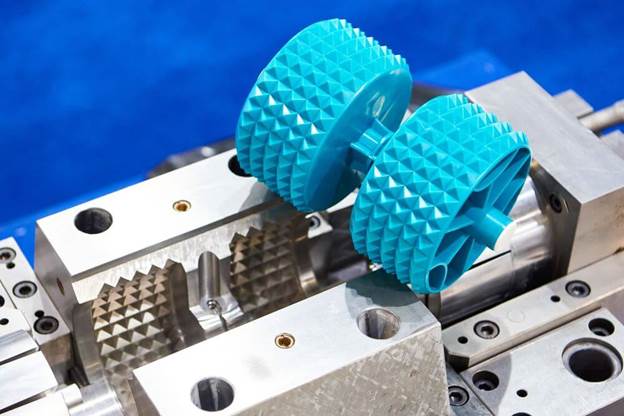
This article covers the concept of prototype injection molding in a simple and easy to understand manner. You will be taught about the process, benefits, materials, applications, challenges, design considerations, costs and future trends.

Understanding Prototype Injection Molding

Prototype injection molding is a manufacturing method for plastic prototypes to be used for production before the scale production. It enables companies to evaluate the design, functionality and quality of a product, before it goes into production. It is a widely used method due to its speed, reliability and cost-effectiveness.

This involves using a specially-made mold into which molten plastic is poured to create a particular form. Production molds are typically more complex and expensive than the mold used for the prototypes. A part of the plastic is removed after it cools and hardens and examined for accuracy and performance.
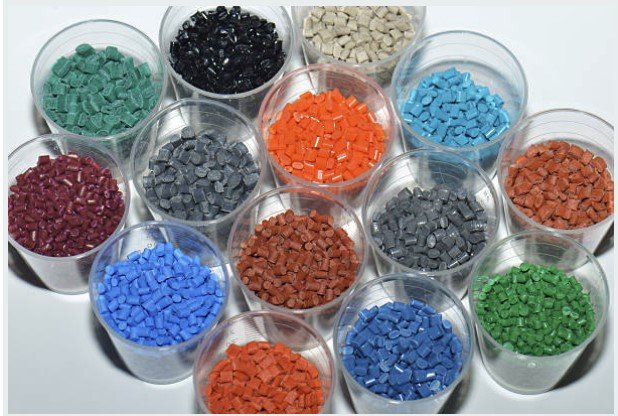
Prototype Injection Molding: A Complete Guide for Modern Product Development

Prototype injection molded products offer manufacturers the opportunity to uncover design issues before it is time for mass production. When there is any problem, it can be rectified quickly without wasting considerable money or materials. This enhances product quality, and decreases the risk in production.

The other significant advantage is quick product development. They can create a sample in a few days and present it to clients, engineers or investors for approval. Various materials may also be tried to select the most durable and strong material.

In conclusion, prototype injection molding is a vital process in the modern manufacturing industry that empowers companies to develop superior products while minimizing time and expenses.

The Prototype Injection Molding Process Steps

Several steps are important in the process of prototype injection molding. Every step is important in the process of producing accurate, functional prototype parts.

Design del prodotto

The first step in developing the injection mold prototype is to make a product design. The computer-aided design (CAD) software is used by engineers to design a detailed 3-D model of the part. Dimensions, wall thickness, surface details and functional features are included in the design.

The success of the injection molding prototype production is enhanced by a well-designed model. The engineer needs to make sure the design will allow for the smooth flow of material and easy mold release.

Mold Creation

Once the design is finished, the manufacturers will make a mold for prototype plastic injection molding. Aluminum is generally the material used for prototype molds as it is easier and quicker to machine.

The mould is a shape that has a cavity similar to the desired product. In the process of injection molded prototypes production, the liquid plastic is injected into this cavity to make the part.

Selezione del materiale

Selecting an appropriate plastic material is a critical factor of prototype injection molding. Various plastics offer various characteristics, including flexibility, strength, heat resistance and transparency.

During the injection mold prototype production, the manufacturers will test several materials to choose the most suitable one for the final production.

Injection Process

In the injection molding prototype manufacturing, the plastic pellets are heated and melted. The molten plastic material is then injected into the mold cavity at a high pressure.

By doing this, prototype plastic injection molding can be used to produce highly detailed and precise parts. The molten plastic fills all the corners of the mold.

Cooling Stage

The plastic then cools inside the mould following injection. A key aspect of developing robust and solid injection molded prototypes is cooling.

Cooling time is dependent upon material type, wall thickness, and mold design. Warping and shrinkage are avoided due to appropriate cooling.

Part Removal

After cooling, the mold is opened and the product is taken out. If more parts are required, the prototype injection molding process is then repeated.

Test e valutazione

Engineers pay extra close attention to the injection mold prototype after production. They verify size, look, strength and usability.

In the process of testing, the company can make improvements on the injection molding prototype before mass production. Design changes can be achieved early, therefore the manufacturing cost is minimized later.

The flexibility of prototype plastic injection molding is suitable for the rapid development of products. Businesses can rapidly and effectively test several design variants.

As ‘injection molded prototypes’ are very similar to the actual parts manufactured, the manufacturer will acquire significant insights into the behavior of their products in the real world.

Table 1: Mechanical Properties of Common Prototype Injection Molded Materials

MaterialeResistenza alla trazione (MPa)Flexural Modulus (GPa)Resistenza all'urto (kJ/m²)Heat Deflection Temp (°C)Densità (g/cm³)Water Absorption (%)
ABS40-502.0–2.515-3085–1001.040.2-0.5
PC60–752.2–2.660-90125–1401.200.15–0.35
PP25–401.2–1.85–1590-1100.90<0.03
Nylon 670–902.0–3.08–20170–2001.131.0-2.5
SETTIMANA90-1003.5–4.520–35280–3151.30<0.1

The advantages of Prototype Injection Molding include

Prototype Injection Molding: A Complete Guide

Companies may use prototype injection molding for any number of reasons when developing a product.

Faster Product Development

The injection mold prototype manufacturing process has a great speed. Sample products can be easily developed and tested before production takes place.

Quick testing facilitates rapid improvements of products by businesses. The processes injection molding prototype are therefore very useful in competitive industries.

Risparmio sui costi

It can be a costly error to develop a product without testing. Prototype plastic injection molding is used to identify problems early on in the company.

Addressing design problems prior to mass production can save money. That is why injection molded prototypes is the most popular method used.

Better Product Quality

Prototyping helps to create a better product. The decision regarding strength, durability, fit, and appearance can be made during prototype injection molding.

There is a relationship between the quality of a product and the quality of testing done. Businesses that are employing injection mold prototype service will generally end up with better products.

Material Testing

Materials will have various reactions to the manufacturing process. In the case of plastic, manufacturers can test out various plastic materials through Injection molding prototype methods.

This versatility can be helpful when choosing the optimal material to ensure performance and durability in prototype plastic injection molding.

Accurate Results

The injection molded prototypes are very similar to end-of-production parts, unlike some quick manufacturing techniques.

The accuracy enables engineers to make informed design decisions in prototype injection molding.

Reduced Manufacturing Risks

Testing products early helps companies minimize production risks. Testing performed on the Injection mold prototype can find weak points and manufacturing problems.

In the industries where safety and reliability are the main concern, it is important to reduce risks.

Improved Communication

Physical prototypes have a positive effect on communication amongst engineers, manufacturers and customers. Injection molding prototype samples enable everyone to have a better understanding of the final product.

This is helpful for teamwork and customer acceptance due to the value of prototype plastic injection molding.

Faster Market Entry

The firms which use injection molded prototypes are able to launch products quicker. Having a quick turnaround in product development is essential for businesses to remain competitive.

Often prototype injection molding is able to give the company a significant edge in the market.

Materials used in Prototype Injection Molding

Prototype Injection Molding: A Complete Guide for Modern Product Development

One of the key points in prototype injection molding is material selection. Various plastic materials have various properties.

Plastica ABS

Strong, tough and inexpensive, ABS is commonly used in the manufacturing of injection mold prototype.

It is widely used for automotive components, electronic enclosures and consumer goods.

Polypropylene

Another widely used material for the production of injection molding prototype is polypropylene. It is flexible, resistant to chemicals and lightweight.

Polypropylene is used in many packaging and household products.

Policarbonato

Polycarbonate is a material with a very high impact resistance and transparency. This material is commonly employed in prototype plastic injection molding to make protective covers and medical products.

Nylon

It is nylon which gives good resistance to wear and strength. Nylon is used in the manufacture of injection molded prototypes that are widely used in industry and in the automotive sector.

Polyethylene

Polyethylene is flexible, long lasting, and water proof. Used in prototype injection molding often in the packaging sector.

Acrylic

Acrylic is a material that has good transparency and weather resistance. It is employed in injection mold prototype use by manufacturers, where the appearance of the product is important.

TPU

A flexible plastic called TPU is used in the products that need elasticity and toughness, which are called injection molding prototype.

Custom Materials

There are certain companies that require specialized materials that are known as prototype plastic injection molding. The materials could be flaming retardant, UV resistant, or medical grade plastic.

Pre-production injection molded prototypes are tested to verify that the materials will meet the product requirements prior to production.

Table 2: Technical Processing Parameters for Prototype Injection Molding

Tipo di materialeMelt Temperature (°C)Mold Temperature (°C)Pressione di iniezione (MPa)Cooling Time (sec)Shrinkage Rate (%)Typical Cycle Time (sec)
ABS220-26040-8070-12015-300.4-0.725–60
Polipropilene (PP)200–25020-7050–10010–251.0-2.520-50
Policarbonato (PC)280–32080–12080–14020–400.5-0.735–70
Nylon (PA6)230–29070–10075–12518–350.7–1.530–65
SETTIMANA360–400120–160100–16040-901.1–1.380–140

Prototype Injection Molding applications include

 Prototype injection molding is used in many industries around the world.

Industria automobilistica

Injection mold prototype manufacturing is a key technology in the automotive industry. Prototype is used in companies for dashboards, clips, handles, housings and interior parts.

Testing aids in the enhancement of vehicle safety and durability.

Industria medica

To make prototype devices and equipment, medical companies employ injection molding prototype methods.

The prototype plastic injection molding is of great value due to its high precision in medical products.

Industria elettronica

Phone casings, connectors, housings and device parts are produced by electronic firms with injection molded prototypes.

The process enables manufacturers to run that functionality tests prior to production.

Prodotti di consumo

 Prototype injection molding is used to make many household products. This may be something like kitchen utensils, toys, containers, or personal care items.

Aerospace Industry

The aerospace industry employs injection mold prototype solutions to prototype for lightweight, durable parts.

In aerospace applications safety testing is particularly important.

Industria dell'imballaggio

The application of injection molding prototype development is used by packaging companies to develop bottle caps, containers, and packaging accessories.

Apparecchiature industriali

The prototype plastic injection molding is used in factories and machinery manufacturers to create mechanical components.

Medical Packaging

For sterile packaging and healthcare containers, the term Injection molded prototypes is also applied.

The applications demonstrate that prototype injection molding is very useful in many industries.

Differences Between Prototype and Production Injection Molding

Although prototype injection molding and production injection molding are similar, they have several differences.

Volume di produzione

The manufacturing of Injection mold prototype is based on low-volume production. Production molding is done to produce thousands or millions of parts.

Materiali per stampi

Typically prototype molds are produced from aluminum. Hardened steel is commonly used for the production molds.

As a result, the difference between the two is that injection molding prototype tooling is faster and cheaper.

Costo

Generally, the cost of prototype plastic injection molding is lower due to the relatively simpler prototype molds.

Speed

Prototyping can be done quickly by the manufacturers to produce injection molded prototypes . More time to create production tooling.

Purpose

The main usage of prototype injection molding is test and evaluation. Production molding is mainly related to mass production.

Design Changes

It is convenient to make design changes in Injection mold prototype processes. Modifying production tooling is more complex.

Flessibilità

The use of Injection molding prototype development for material testing and material experiment design.

When it comes to production molding, consistency and efficiency are the priorities.

Risk Reduction

The prototype plastic injection molding process can be used prior to production to minimize manufacturing risks.

Test can be used to enhance product quality.

Accuracy

In today’s world, the injection molded prototypes will give you highly accurate results that would compare to your final product.

This makes prototype injection molding very useful in the product development process.

Table 3: CNC Machined Prototype Mold vs Aluminum Prototype Mold

ProprietàCNC Steel MoldAluminum Prototype Mold
Average Tool Life100,000+ cycles5,000–20,000 cycles
Thermal Conductivity25–35 W/mK120–180 W/mK
Machining Time2–6 weeks5–10 days
Costo degli utensiliAltoMedium
Surface Finish QualityEccellenteOttimo
Stabilità dimensionaleMolto altoModerato
Recommended Production VolumeMedium to HighLow to Medium
Durezza48–52 HRC70–95 HB

Design considerations for prototype injection molding

Prototype Injection Molding: A Complete Guide for Modern Product Development

The key factor in successful prototype injection molding is good product design.

Spessore della parete

The uniform wall thickness will help in material flow during injection mold prototype manufacturing.

The warping and defects are caused due to the uneven wall.

Angoli di sformo

Angles that are created in the draft eliminates parts from the mold during injection molding prototype production.

If the correct draft angles are not provided parts can become stuck in the mold.

Material Shrinkage

The shrinkages of various plastics are different in the process of prototype plastic injection molding .

Shrinkage has to be taken into account when designing a product.

Gate Location

The placement of the gates has an impact on the inflow of plastic into the mold. The quality of injection molded prototypes is enhanced by the proper design of the gate.

Design a coste

A rib is used to reinforce products without adding more wall thickness to them.

Good rib design for prototype injection molding.

Finitura superficiale

Some products need to be smooth and some need to be textured.

The appearance of injection mold prototype is influenced by the surface design.

Tolerance Requirements

Precise dimensions are important in injection molding prototype manufacturing.

Engineers need to take care to establish tolerances.

Sfiato

In the course of so-called prototype plastic injection molding, air that remains in the mold can lead to defects.

Air can be released through proper venting.

Cooling Design

Quality of injection molded prototypes and cycle time are improved through efficient cooling.

The prototype injection molding project can be more successful due to good design practices.

Table 4: Mold Design Engineering Specifications

ParametroRecommended ValueEngineering Purpose
Draft Angle1°–3° per sideEasier part ejection
Spessore della parete1.0–4.0 mmPrevent sink marks and warpage
Gate Diameter0.8–2.5 mmControls material flow
Vent Depth0.01–0.05 mmRemoves trapped air
Ejector Pin Diameter2-10 mmSupports smooth ejection
Runner Diameter3–8 mmMaintains balanced flow
Finitura superficialeSPI A1 to D3Controls appearance quality
Mold Steel Hardness28–52 HRCImproves mold life

Challenges in Prototype Injection Molding

While there are many advantages to prototype injection molding, there are also some drawbacks.

Tooling Costs

Even after creating the molds, an investment is still necessary to make injection mold prototype manufacturing.

The more complex the molds, the higher the development costs.

Limitazioni materiali

The injection molding prototype production process is sometimes difficult to process some materials.

Manufacturers need to choose materials judiciously.

Complessità del design

 Prototype plastic injection molding can be challenging in the case of complex product shapes.

Engineers tend to streamline designs to make them easier to manufacture.

Restringimento e deformazione

Plastic materials can shrink or warp when they are cooled.

This influences the accuracy of the injection molded prototypes.

Tempo di produzione

Faster than production tooling, prototype injection molding does still take time for the mold to be made.

Mold Durability

Prototype molds may wear out quicker than production molds.

This can restrict the production quantity of injection mold prototype.

Difetti di superficie

The in-production injection molding prototype process may cause products to be affected by sink marks, flash, or flow lines.

Material Waste

During prototype plastic injection molding, there is some generating of waste.

Process optimization is a goal of manufacturers for minimizing waste.

Competenza tecnica

The key to successful injection molded prototypes is experience with the engineers and mold designers.

Despite these difficulties, prototype injection molding is still very useful in today’s product development process.

Table 5: Quality Defect Analysis in Prototype Injection Molding

Defect TypeMain CauseEngineering SolutionTypical Tolerance Impact
Segni di lavandinoThick wall sectionsReduce wall thickness±0.15 mm
CurvaturaUneven coolingOptimize cooling channels±0.30 mm
FlashExcessive pressureReduce clamp force±0,10 mm
Short ShotLow injection pressureIncrease pressure and venting±0.25 mm
Linee di saldaturaImproper flow meetingModify gate locationCosmetic defect only
Segni di bruciaturaTrapped gas overheatingImprove venting systemSurface degradation

Future Trends in Prototype Injection Molding

The prospects for prototype injection molding are excellent.

Automazione

Efficiency of injection mold prototype manufacturing is enhanced by automation.

Robotic Systems help to minimize production time and labor costs.

Produzione intelligente

The injection molding prototype quality control is enhanced by digital monitoring systems.

The production data can be tracked in real time for the manufacturers.

Materiali sostenibili

In the prototype plastic injection molding industry, eco-friendly plastics come in more and more.

The companies are working on minimizing environmental footprint.

Faster Tooling Methods

The production speed of injection molded prototypes has been improved by advanced machining technologies.

This means quicker product development.

Artificial Intelligence

The use of AI systems enables optimization of prototype injection molding processes.

AI enhances quality and minimizes defects.

Advanced Simulation

The engineers use simulation software to predict the behavior of the materials when they are being produced with injection mold prototype.

This helps to make designs more accurate.

Hybrid Manufacturing

Some companies take advantage of the injection molding prototype methods and 3D printing at the same time.

This provides more flexible development solutions.

Improved Materials

The possibilities of prototype plastic injection molding are growing as a result of the development of new materials.

There are now tougher, lighter plastics available for manufacturers.

Global Manufacturing Growth

The worldwide demand for injection molded prototypes is still increasing.

The growth of industries will make prototype injection molding a vital manufacturing solution in the future.

Conclusione

Prototype stampaggio a iniezione has emerged as one of the most significant manufacturing techniques in today’s product design. It enables firms to prototype products in a timely manner, validate design and minimize manufacturing risks prior to going into large-scale production.

In many industries, injection mold prototype solutions are the backbone of businesses to enhance product quality and accelerate product launches. Prototype testing aids companies in creating better products, whether they are producing automotive components, medical devices, electronics, or consumer goods.

The prototype plastic injection molding has one significant benefit that is one of the sample parts injection moulding with high accuracy can be produced. These prototypes are more representative of the final products for more reliable testing.

Today the injection molded prototypes are still used for innovation and effectiveness for modern industries. Prototype processes are now faster, smarter and more sustainable with the advances in manufacturing technology.

With the rising demand of high-quality products, prototype injection molding values are becoming more and more significant than ever. Businesses that invest in a robust prototyping process may find that their success in the market and customer satisfaction is greater.

 prototype injection molding will undoubtedly be a huge cornerstone of world manufacturing in the years to come.

2026年5月19日/0 Commenti/da Autore dell'articolo
https://plas.co/wp-content/uploads/2026/05/rapid-injection-molding-machine.webp 408 612 Autore dell'articolo http://plas.co/wp-content/uploads/2023/02/plas-co-1.jpg Autore dell'articolo2026-05-19 21:56:312026-06-15 18:06:03Prototype Injection Molding: A Complete Guide for Modern Product Development
Plastica stampata a iniezione, stampaggio a iniezione

Stampi a iniezione di alluminio: Guida completa a costi, vantaggi e applicazioni

Stampo ad iniezione di alluminio

Lo stampo a iniezione in alluminio è oggi un elemento fondamentale dell’industria manifatturiera grazie alla sua rapidità, efficienza e convenienza. Data la necessità di cicli di produzione più rapidi e di flessibilità nella progettazione, le industrie hanno trovato negli stampi in alluminio uno strumento utile. I pezzi in plastica vengono realizzati iniettando il materiale plastico fuso in una cavità realizzata con precisione, e il materiale plastico assume la forma della cavità durante il raffreddamento. Gli stampi in alluminio hanno tempi di consegna molto più brevi, sono più facili da lavorare e sono significativamente più leggeri rispetto agli stampi in acciaio. Si tratta di un'ottima opzione per i prototipi e per le serie di produzione di piccole e medie dimensioni. Si tratta di un metodo preferito dalle aziende, poiché consente loro di risparmiare tempo nella realizzazione dei propri prodotti e garantisce che il processo sia sviluppato con elevati standard qualitativi. Grazie al progresso tecnologico, l’impiego degli stampi a iniezione in alluminio sta aumentando rapidamente in vari settori, tra cui quello automobilistico, medico, elettronico e dei beni di consumo.

Che cos’è uno stampo a iniezione per alluminio?

Uno stampo a iniezione in alluminio è uno stampo utilizzato per la produzione di componenti in plastica. È realizzato in alluminio e non in acciaio. In questo processo, la plastica viene fusa e poi iniettata nella cavità dello stampo. Il materiale si raffredda, assumendo la forma dello stampo. Una volta raffreddato, il prodotto finale viene estratto. Questo processo si ripete numerose volte durante la produzione. Il vantaggio principale è che l’alluminio si raffredda più rapidamente e consente una produzione più veloce rispetto ad altri materiali, come la plastica. Il vantaggio più importante è che si raffredda rapidamente e permette una produzione più veloce rispetto ai materiali plastici. Ecco perché oggi si utilizzano stampi a iniezione in alluminio.

Come funzionano gli stampi in alluminio nello stampaggio a iniezione?

Alluminio stampi per stampaggio a iniezione È necessario seguire una procedura specifica e tali procedure sono piuttosto efficienti. Ogni fase dipende dalle altre ed è fondamentale per produrre componenti in plastica di alta qualità in modo rapido e affidabile.

Fase 1: Selezione e preparazione dei materiali

La prima cosa da fare è scegliere una plastica adatta. L’ABS, il polipropilene e il polietilene sono i materiali tipicamente utilizzati. Esistono numerosi materiali con caratteristiche diverse, quali resistenza meccanica, flessibilità e resistenza al calore. Il materiale viene solitamente fornito sotto forma di granuli in una tramoggia situata sopra la macchina. Prima dell’uso, il materiale deve essere pulito e asciutto; in caso contrario, l’umidità potrebbe causare difetti nel prodotto.

Fase 2: Inserimento della plastica nella macchina

Successivamente, lo stampo viene preparato e i granuli di plastica vengono inseriti nella macchina per lo stampaggio a iniezione. Questi vengono convogliati nella tramoggia, dove vengono riscaldati all’interno di un cilindro. Una vite che ruota all’interno del cilindro spinge la plastica in avanti. Durante il movimento, il materiale inizia a riscaldarsi e a sciogliersi.

Fase 3: Fusione della plastica

Il calore e la pressione generati dalla vite fondono la plastica nel cilindro. Con il passare del tempo, i granuli solidi si trasformano gradualmente in una sostanza densa nota come “plastica fusa”. In questa fase è fondamentale tenere sotto controllo la temperatura. Una temperatura troppo elevata potrebbe danneggiare il materiale, mentre una temperatura troppo bassa potrebbe compromettere la fusione.

Fase 4: Iniezione nello stampo in alluminio

Una volta completamente sciolta, la plastica verrà iniettata. La vite esercita un’elevata pressione durante la spinta. La plastica fusa viene convogliata nello stampo di iniezione in alluminio tramite un ugello. La forma della cavità dello stampo è determinata dalla forma del prodotto da realizzare, al fine di ottenere risultati precisi.

Fase 5: Riempimento della cavità dello stampo

La plastica viene fusa e versata nello stampo in modo da riempire completamente tutti gli spazi. Riempie tutti gli spazi vuoti e modella perfettamente tutte le forme. Per evitare la formazione di bolle d’aria e vuoti, viene applicata la pressione adeguata. Questa fase è molto importante, poiché in caso contrario il prodotto risulterebbe difettoso.

Fase 5: Riempimento della cavità dello stampo

Una volta effettuato il riempimento, ha inizio il processo di raffreddamento. L’alluminio presenta un’elevatissima conducibilità termica, pertanto la plastica si raffredda rapidamente. La temperatura viene mantenuta costante grazie all’utilizzo di canali di raffreddamento. La plastica si indurisce e, man mano che si raffredda, assume la forma dello stampo. Più il metallo è freddo, più veloce sarà il ciclo e più rapida sarà la produzione.

Fase 7: Apertura dello stampo

Quando il materiale plastico si è completamente solidificato, lo stampo viene rimosso con cura e lentamente dalla plastica. Questo per garantire che lo stampo non subisca alcun danno. In questa fase lo stampo è costituito da due parti che si separano. Una volta che il pezzo è stato stampato, viene facilmente espulso dallo stampo. Questo processo è molto sensibile al fattore tempo. È importante che lo stampo non venga aperto troppo presto, poiché il prodotto potrebbe deformarsi o perdere la sua forma. È per questo motivo che i produttori attendono sempre che la plastica sia solidificata prima di aprire lo stampo.

Fase 8: Espulsione del pezzo finito

Una volta stampato il pezzo, i perni di espulsione intervengono per espellere il pezzo stampato dallo stampo. Rimozione accurata del componente – nessun danno. Il pezzo viene quindi prelevato per la fase successiva. Se il sistema di espulsione è ben progettato, sulla superficie non rimarranno segni né difetti.

Fase 9: Controllo e rifinitura

Una volta prelevati dallo stampo, vengono sottoposti a un controllo di qualità. I produttori verificano la presenza di eventuali difetti di forma, bolle o crepe. Se necessario, vengono eseguite alcune operazioni di rifinitura (taglio e/o levigatura) di entità minore. Gli stampi in alluminio garantiscono una buona qualità della superficie e, in genere, richiedono una rifinitura minima.

Passaggio 10: Ripetere il ciclo

Lo stampo verrà espulso e il ciclo si ripeterà una volta chiuso lo stampo. Ciò consente di produrre pezzi sia in serie singola che in produzione di massa. Il raffreddamento più rapido dell’alluminio comporta una riduzione del tempo di ciclo, rendendo il processo più efficiente e contribuendo a ridurre i costi di produzione.

Perché scegliere gli stampi in alluminio invece di quelli in acciaio?

Sono in molti ad aver messo a confronto gli stampi in alluminio con quelli in acciaio. Gli stampi in acciaio sono costosi, richiedono molto tempo e sono difficili da realizzare. Rispetto agli stampi in alluminio, sono più veloci, economici e facilmente modificabili. Sono perfetti sia per i test che per le piccole serie di produzione. Per l’industria moderna, quindi, si raccomanda l’uso di stampi a iniezione in alluminio.

Principali vantaggi degli stampi a iniezione in alluminio

Uno dei principali vantaggi degli stampi a iniezione in alluminio è la velocità. I tempi di produzione risultano ridotti rispetto a quelli degli stampi in acciaio grazie alla rapida velocità di raffreddamento dell’alluminio. Un altro vantaggio fondamentale: il COSTO! Il costo degli stampi a iniezione in alluminio è molto inferiore rispetto a quello degli stampi in acciaio, il che può aiutare le aziende nel processo di riduzione dei costi. Inoltre, in caso di modifiche al progetto, gli stampi in alluminio possono essere facilmente sostituiti. Offrono anche un’eccellente finitura superficiale, migliorando così la qualità dei prodotti.

Comprendere il costo degli stampi a iniezione per l'alluminio

I prezzi degli stampi a iniezione in alluminio possono essere determinati da diversi fattori. Le dimensioni dello stampo sono importanti, poiché gli stampi più grandi richiedono una maggiore quantità di materiale. Il costo è influenzato anche dal design dello stampo: uno stampo semplice è meno costoso di uno complesso. Inoltre, è importante il numero di cavità. Gli stampi multicavità hanno un costo maggiore, ma consentono di produrre un numero maggiore di pezzi. Nonostante queste spese, gli stampi in alluminio rimangono comunque più convenienti rispetto a quelli in acciaio.

Quando utilizzare gli stampi a iniezione in alluminio

Gli stampi in alluminio sono i più consigliati per cicli di produzione da bassi a medi. Sono eccellenti per la prototipazione e il collaudo dei prodotti. Vengono generalmente utilizzati dalle aziende che desiderano commercializzare rapidamente il prodotto o da quelle che prevedono di dover apportare modifiche al suo design. Se si preferisce uno stampo in acciaio per la produzione, questo potrebbe risultare più appropriato rispetto agli stampi in alluminio, poiché gli stampi in acciaio sono più resistenti. Per la maggior parte dei progetti, tuttavia, uno stampo in alluminio per lo stampaggio a iniezione può essere utilizzato con ottimi risultati.

Settori che utilizzano stampi a iniezione in alluminio

Gli stampi a iniezione in alluminio vengono utilizzati in numerosi settori industriali. Sono stati impiegati per il collaudo di componenti nell’industria automobilistica. Trovano inoltre applicazione in campo medico per lo sviluppo di apparecchiature. Vengono impiegati dalle aziende del settore elettronico per una produzione rapida dei prodotti. Vengono utilizzati dalle aziende nel settore dell’imballaggio di beni di consumo e articoli per la casa. Sono piuttosto versatili e possono essere utilizzati in una moltitudine di modi.

Materiali utilizzati nello stampaggio a iniezione dell'alluminio

A seconda del tipo di prodotto e dei requisiti prestazionali dello stesso, è possibile utilizzare altri materiali plastici con lo stampo a iniezione in alluminio. I materiali possono presentare proprietà diverse, quali resistenza, flessibilità, durata e resistenza al calore. La qualità del prodotto dipenderà in larga misura dalla scelta del materiale.

Materiali comunemente utilizzati

ABS (acrilonitrile butadiene stirene): L'ABS è una plastica resistente agli urti e robusta, utilizzata in numerosi settori industriali. È molto diffusa grazie alla sua durata e resistenza. Si trova in involucri elettronici, giocattoli e componenti per veicoli. Presenta una discreta resistenza e rigidità, il che la rende particolarmente adatta all'uso quotidiano.

  • Polipropilene (PP): Si tratta di una plastica morbida, economica e flessibile. È resistente agli agenti chimici, quindi particolarmente adatta a una vasta gamma di applicazioni. È ampiamente utilizzata nel settore dell’imballaggio, nei contenitori per la conservazione e nei prodotti di consumo. È inoltre molto leggera e facile da modellare, il che la rende adatta alla produzione su larga scala.
  • Polietilene (PE): Il polietilene è una plastica resistente, robusta e durevole. Può essere utilizzato per la produzione di pellicole da imballaggio, bottiglie di plastica e tubi. Uno dei suoi principali vantaggi è che mantiene le sue proprietà anche a basse temperature. Ciò lo rende ideale sia per uso industriale che domestico.
  • Nylon (poliammide): Plastica tecnica; robusta. Resistente al calore e di lunga durata. Utilizzata nella realizzazione di componenti meccanici e parti industriali.

Una plastica trasparente molto resistente, come il policarbonato (PC). Grazie alla sua elevata resistenza agli urti, viene utilizzata per la produzione di lenti, coperture protettive e dispositivi di sicurezza.

Limiti degli stampi a iniezione in alluminio

Sebbene gli stampi a iniezione in alluminio presentino numerosi vantaggi, esistono anche alcuni svantaggi. Non sono durevoli quanto gli stampi in acciaio e possono usurarsi più rapidamente. Non sono consigliati per produzioni molto complesse o per pressioni molto elevate (HP). Tuttavia, nella maggior parte dei casi questi svantaggi non si presentano e i vantaggi sono maggiori. L’alluminio dovrebbe essere utilizzato con una buona qualità superficiale, che può risentire dell’usura nel tempo in caso di produzioni di lunga durata. Può inoltre essere più soggetto a graffi rispetto all’acciaio. Pertanto, il suo impiego è limitato principalmente a livelli di produzione bassi o medi. Tuttavia, si presta ottimamente alla realizzazione di prototipi e alla fase di collaudo.

Consigli per ridurre i costi degli stampi a iniezione in alluminio

È possibile risparmiare sui costi degli stampi a iniezione in alluminio. Con progetti semplici si riduce il tempo di lavorazione. Ciò comporta anche una riduzione dei costi dei componenti standard. Eliminare eventuali elementi superflui aiuta a risparmiare tempo e denaro. Inoltre, se ci si affida a produttori esperti, è possibile ottimizzare il processo rendendolo più efficiente. Quando si progetta in vista della produzione, un consiglio importante è quello di completare il processo di progettazione prima dell’inizio della produzione. Le spese potrebbero aumentare se le modifiche al progetto venissero apportate in un secondo momento. Un altro fattore significativo è l’utilizzo del materiale appropriato in base ai requisiti del prodotto. Se ci si prepara adeguatamente, il budget complessivo risulta sempre ridotto.

Stampo a iniezione in alluminio vs stampo in acciaio

A seconda delle esigenze produttive, verranno scelti gli stampi in alluminio o quelli in acciaio. Gli stampi in alluminio sono i più veloci e i meno costosi tra i vari tipi di stampi. Gli stampi in acciaio sono più resistenti, consentono tirature di produzione più elevate e hanno una durata maggiore. Gli stampi in alluminio sono meno costosi e più resistenti di quelli in acciaio, ma sono anche più facili da lavorare e più leggeri, e richiedono tempi di produzione più lunghi.

Gli stampi in alluminio sono ideali per i test di mercato, poiché sono facili da realizzare e di ottima qualità. Gli stampi in acciaio sono più adatti alla produzione di massa, ovvero alla produzione di milioni di pezzi. Se la flessibilità e la rapidità sono fattori chiave, è preferibile utilizzare l’alluminio. Quando invece si richiede una lunga durata, l’acciaio è il materiale da preferire.

Considerazioni sulla progettazione

La progettazione dello stampo a iniezione in alluminio riveste un ruolo fondamentale. I progetti semplici sono i migliori. A parità di spessore delle pareti, la loro resistenza dipenderà dal raffreddamento. Gli angoli devono essere studiati per facilitare l’estrazione dei pezzi. La progettazione dei canali di raffreddamento ne migliora l’efficienza. Uno stampo ben progettato riduce al minimo gli errori e migliora la qualità del prodotto. Contribuisce inoltre a ridurre al minimo le sollecitazioni nello stampo durante la produzione del pezzo. Previene la formazione di curve a forcella, sacche d’aria o crepe nei percorsi di flusso regolari. Gli ingegneri devono sempre valutare il rapporto tra costo, velocità e resistenza. La durata e le prestazioni dello stampo sono migliorate da una progettazione adeguata.

Velocità ed efficienza produttiva

Gli stampi in alluminio vengono realizzati a velocità elevata. Ciò è dovuto al fatto che l’alluminio raffredda la plastica più rapidamente dell’acciaio, riducendo così il tempo di ciclo. Ciò contribuisce ad aumentare la produttività e l’efficienza. Una produzione più rapida aiuta inoltre le aziende a rispettare le scadenze e ad aumentare i profitti. In molti casi è possibile ridurre notevolmente il tempo di ciclo. Ciò si traduce in un maggior numero di pezzi prodotti in tempi più brevi. Inoltre, consente di ridurre il consumo energetico di ciascun componente. Il motivo per cui gli stampi in alluminio per iniezione sono ampiamente utilizzati in questo settore in rapida crescita è che rappresentano una scelta eccellente.

Manutenzione e durata

Gli stampi a iniezione in alluminio richiedono una manutenzione regolare. È necessario utilizzare regolarmente lubrificanti e detergenti per prolungare la durata dei componenti. Questi stampi consentono di produrre migliaia di pezzi, ma non sono resistenti quanto quelli in acciaio. Rappresentano un’ottima scelta per produzioni di entità da bassa a media. Quando non sono in uso, gli stampi devono essere conservati in modo adeguato e secondo le modalità d’uso corrette. L’umidità e la polvere contribuiscono a preservarne la superficie. Un’ispezione periodica aiuta a prevenire l’usura precoce. Se utilizzati correttamente, dureranno a lungo.

Benefici ambientali

Gli stampi in alluminio causano meno danni all’ambiente. Richiedono meno energia per la produzione e il funzionamento. Inoltre, l’alluminio è sostenibile in quanto riciclabile! Inoltre, l’aumento della produzione comporta anche un minor consumo energetico. Sono ideali per le aziende che adottano una produzione ecocompatibile. Ridurre il consumo energetico si traduce in una riduzione dell’impronta di carbonio. Un altro vantaggio è che durante il riciclaggio dell’alluminio si producono meno rifiuti industriali. Questo rappresenta un valore aggiunto per i moderni sistemi di produzione sostenibili.

Applicazioni comuni

Gli stampi a iniezione in alluminio trovano impiego in diversi settori industriali. Vengono utilizzati nell’industria automobilistica per la realizzazione di prototipi. Nel settore medico vengono impiegati per la produzione di dispositivi. Sono apprezzati e adottati dalle aziende elettroniche per una produzione rapida. Vengono utilizzati dai produttori di beni di consumo per la realizzazione di tali prodotti. Trovano inoltre impiego nel settore dell’imballaggio, in ambito domestico e in applicazioni industriali. Grazie alla loro versatilità, possono essere impiegati in progetti di piccole e medie dimensioni. Per molte start-up rappresentano l’opzione preferita per testare il lancio dei propri prodotti. Ciò conferisce loro un valore aggiunto nei mercati odierni.

Sfide

Alcuni problemi relativi agli stampi in alluminio. Non sono durevoli quanto quelli in acciaio e possono essere soggetti a usura. Non sono consigliati per quantità molto elevate. Tuttavia, con una progettazione e un utilizzo adeguati, questi problemi possono essere ridotti al minimo. Altri aspetti negativi sono la scarsa resistenza alle alte pressioni e la mancanza di impermeabilità. I progetti molto complessi possono comportare una perdita di prestazioni nel tempo. Nel complesso, tuttavia, sono in grado di garantire buone prestazioni nei casi d’uso tipici. Possono essere sottoposti a una corretta manutenzione e, se utilizzati in modo appropriato, funzionano in modo molto efficace.

Pensieri finali

Si tratta di metodi di produzione intelligenti ed efficienti per lo stampaggio a iniezione dell'alluminio. Garantiscono rapidità, versatilità e risparmio. Ideali per lo sviluppo rapido di prodotti, la produzione in piccole serie e la realizzazione di prototipi. Prezzo più contenuto dell'alluminio stampo a iniezione lo rende accessibile sia alle startup che alle aziende in fase di espansione. Allo stesso tempo, garantisce prestazioni eccellenti e può essere impiegato anche in settori industriali di grandi dimensioni. Conoscendo tutti questi vantaggi e svantaggi relativi alla propria attività, le aziende possono trarne il massimo beneficio. Con l’evoluzione tecnologica, l’influenza degli stampi in alluminio sulla produzione futura sarà ancora maggiore.

Domande frequenti

Che cos’è uno stampo a iniezione per alluminio e perché è importante?

Lo stampaggio a iniezione di alluminio è un processo che consente di iniettare plastica fusa nella cavità dello stampo per realizzare prodotti in plastica. La sua importanza deriva dal fatto che consente di produrre in tempi brevi, ridurre i costi di produzione e realizzare prodotti di buona qualità. È un materiale molto apprezzato per la prototipazione e per le esigenze di rapidità e flessibilità nelle piccole serie di produzione, ed è utilizzato in una vasta gamma di settori industriali.

Quali sono i fattori che influenzano il prezzo degli stampi a iniezione per l'alluminio?

Tra i vari fattori che possono influire sul costo degli stampi a iniezione in alluminio figurano le dimensioni dello stampo, la complessità del suo progetto, il numero di stampi e il tipo di materiale utilizzato. Il prezzo varia in base alla complessità dello stampo: gli stampi semplici saranno meno costosi rispetto a quelli più complessi. Il prezzo varia inoltre a seconda del volume di produzione e delle specifiche del prodotto finito.

Perché gli stampi in alluminio sono più veloci da utilizzare nello stampaggio a iniezione rispetto a quelli in acciaio?

Poiché l'alluminio presenta un'elevata conduttività, gli stampi in alluminio utilizzati per lo stampaggio a iniezione sono veloci. Grazie alla loro elevata conduttività termica, la plastica si raffredda rapidamente nella cavità dello stampo. Ciò non solo riduce il tempo di ciclo, ma accelera anche la velocità di produzione, garantendo una maggiore efficienza.

Quando si deve scegliere tra uno stampo per iniezione in alluminio e uno in acciaio, quale è meglio utilizzare?

Gli stampi a iniezione in alluminio rappresentano una valida opzione da prendere in considerazione quando si tratta di velocità di produzione, costi contenuti e flessibilità progettuale. Possono essere utilizzati per la realizzazione di prototipi, per i test e per volumi di produzione da bassi a medi. Tuttavia, se si devono produrre grandi quantità di articoli, gli stampi in acciaio potrebbero rivelarsi più efficaci, poiché garantiscono anche una maggiore durata.

Qual è il punto di forza dello stampo a iniezione in alluminio?

I principali vantaggi degli stampi a iniezione in alluminio sono: consentono tempi di produzione più rapidi, sono più economici, sono molto versatili e garantiscono una buona finitura superficiale. Tutti questi vantaggi li rendono una scelta interessante per le aziende alla ricerca di soluzioni produttive efficienti e flessibili.

2026年5月15日/0 Commenti/da Autore dell'articolo
https://plas.co/wp-content/uploads/2026/05/image-13.jpeg 361 601 Autore dell'articolo http://plas.co/wp-content/uploads/2023/02/plas-co-1.jpg Autore dell'articolo2026-05-15 00:48:272026-06-15 18:07:50Stampi a iniezione di alluminio: Guida completa a costi, vantaggi e applicazioni
Pagina 1 di 11123'"

Categorie

  • Lavorazione della plastica CNC
  • Produzione a contratto Cina
  • Plastica stampata a iniezione
  • Gomma stampata a iniezione
  • stampaggio a iniezione
  • produttore di stampi in Cina
  • Notizie
  • Produzione OEM Cina
  • sovrastampaggio
  • stampo in plastica
  • l'azienda di stampaggio
  • Stampaggio a iniezione di TPU

Articoli recenti

  • How to Start a Vertical Hydroponic Garden
  • Produzione conto terzi di stampaggio a iniezione di materie plastiche: una guida completa per le aziende moderne
  • Custodie elettroniche in plastica su misura: una guida all'elettronica moderna.
  • Stampaggio a iniezione di HDPE: una guida completa a materiali, processi, vantaggi e applicazioni
  • Componenti lavorati in PTFE: la guida definitiva alla produzione di polimeri di precisione


    Sincere Tech

    Sincere Tech è fornitore di stampi in Cina dal 2005. Oggi offriamo un servizio completo di progettazione e produzione di prodotti, prototipazione, test, progettazione e produzione di stampi in plastica, stampaggio 2k, sovrastampaggioProgettazione di PCB, costruzione di utensili per la pressofusione, lavorazione CNC, certificato, produzione massiccia, assemblaggio, ispezione e imballaggio.


      Orario d'ufficio

      Rm101, N041, Donghu road, JingLian cun, qiaotou town, Donggguan City, provincia di Guangdong, Cina. 523000.

      Cellulare: +86 135 30801277
      Weichat/whatsup N.: + 86 135 3080 1277
      E-mail: steve@sincere-tech.com
      Web: http://plas.co

      • Vertical hydroponic garden
        How to Start a Vertical Hydroponic Garden2026年8月9日 - sono11:03
      • Produzione conto terzi di stampaggio a iniezione di materie plastiche
        Produzione conto terzi di stampaggio a iniezione di materie plastiche: una guida completa per le aziende moderne1° luglio 2026 - pm10:58
      • Custodie elettroniche in plastica su misura: una guida all'elettronica moderna.
        Custodie elettroniche in plastica su misura: una guida all'elettronica moderna.23 giugno 2026 - pm8:14
      • Stampaggio a iniezione di HDPE: una guida completa a materiali, processi, vantaggi e applicazioni
        Stampaggio a iniezione di HDPE: una guida completa a materiali, processi, vantaggi e applicazioni21 giugno 2026 - pm11:55
      • Componenti lavorati in PTFE: la guida definitiva alla produzione di polimeri di precisione
        Componenti lavorati in PTFE: la guida definitiva alla produzione di polimeri di precisione16 giugno 2026 - pm8:58
      © Copyright - PLAS.CO - DongGuan Sincere Tech Co., Ltd
      Scorrere verso l’alto Scorrere verso l’alto Scorrere verso l’alto
      IT
      EN FR DE RU NL PL TR AR ES JA KO PT CS DA FI NB EL SV HU RO ES_MX