Short Run Plastic Injection Molding

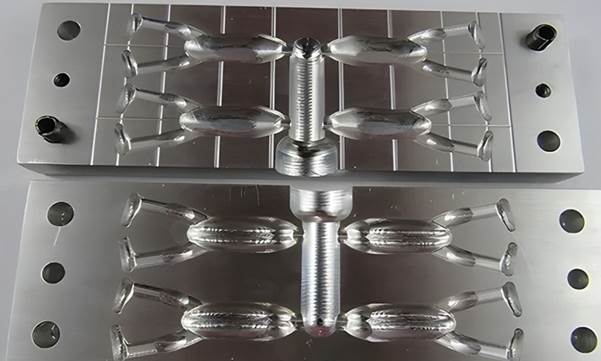
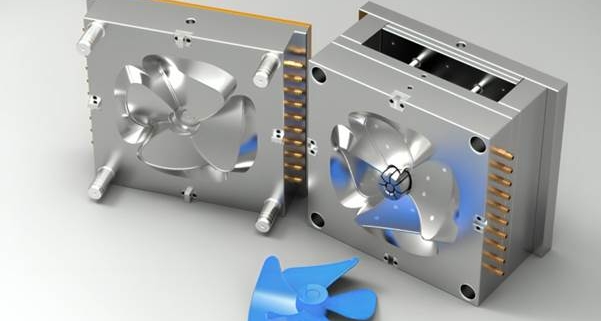
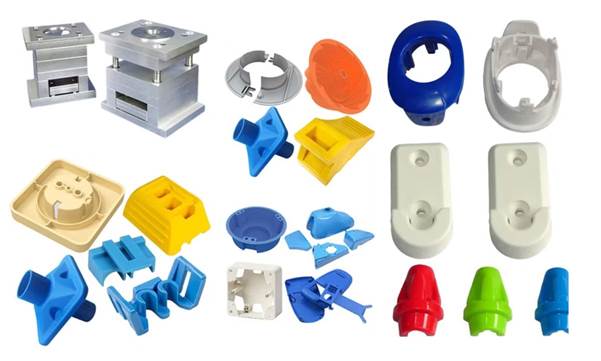
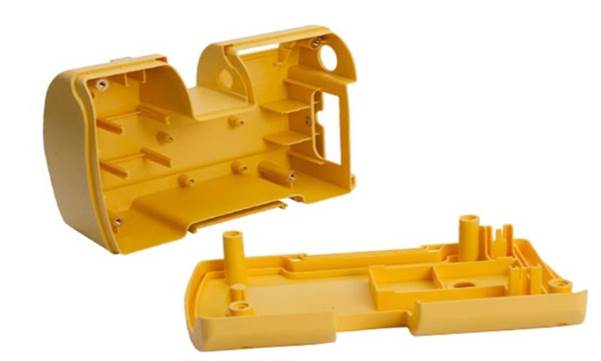
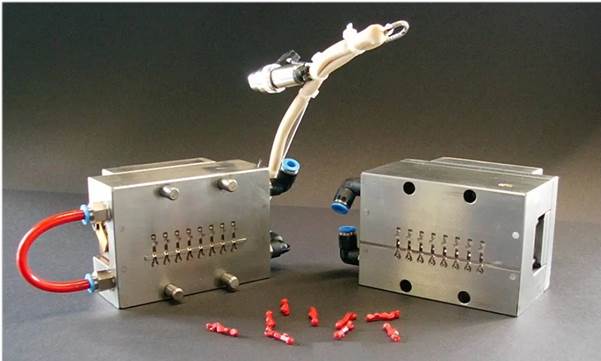
Short run plastic injection molding is an effective manufacturing technology that is employed to manufacture a few plastic parts. It is best suited to businesses, which do not require a lot of production, but would like to achieve high-quality outcomes. This technique is very popular in testing of products, prototyping and small-scale manufacturing.

This process is popular among many companies as it will ensure that there is less initial investment and flexibility. Businesses are able to produce smaller quantities and have better control as opposed to producing thousands of units. This renders short run injection molding to be viable in startups and companies in their growth phase.

What is Short Run Plastic Injection Molding?

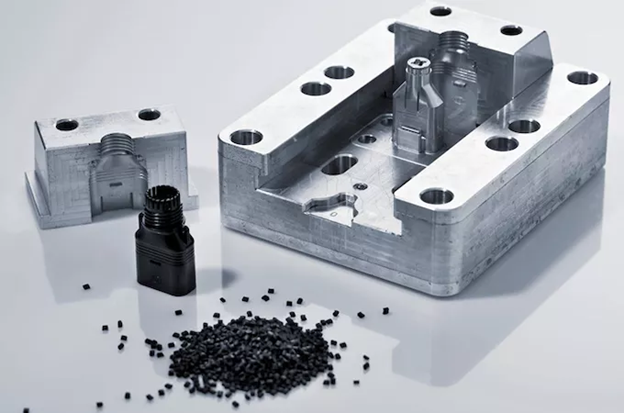
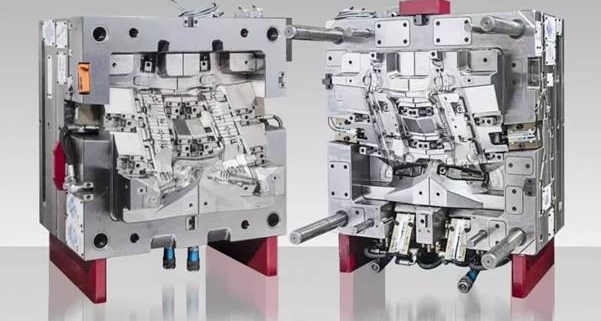
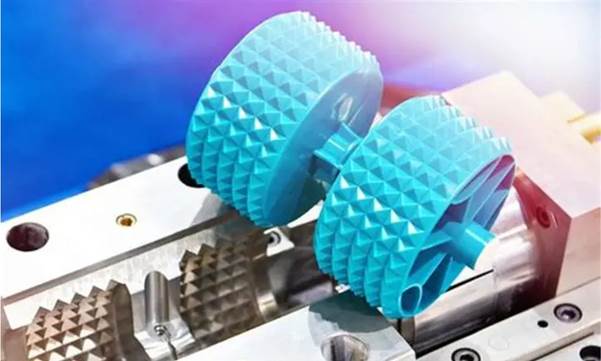
In short run plastic injection molding, a few plastic parts are produced by applying the injection molding technology. It is normally associated with reduced volumes of production as opposed to the mass production. This is appropriate in projects which have to be completed within a short time, and a small amount. This is accomplished by producing a short run injection mold that is designed to efficiently make parts without the big tooling that would be required in long-term tooling. The design of these molds usually has shorter life-cycle which assists in cutting down costs generally without compromising on the quality of the product.

What a Short Run Injection Molding Works?

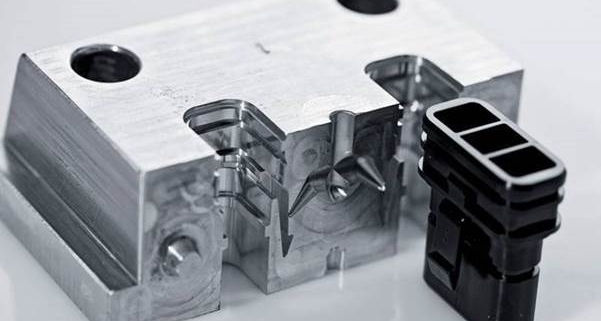
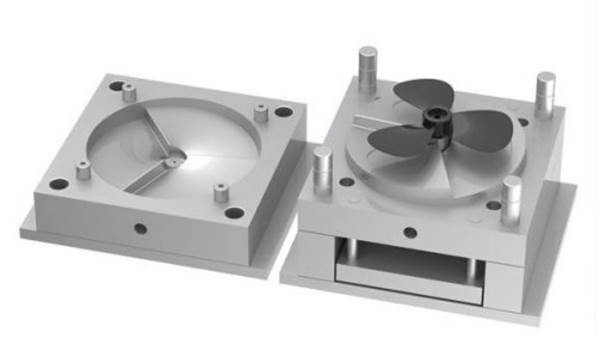
This starts with the designing of the product and designing of a mold. Engineers come up with a design, which satisfies the product specifications but at low production costs. Then the mold is produced out of such materials as aluminum or soft steel. After having prepared the mold, plastic material is melted and injected into the mold. The material solidifies and becomes the shape that is desired. The same is repeated to yield a low number of parts through short run plastic injection molding.

Benefits of Short Run Plastic Injection Molding

Plastic injection molding (Short run) has numerous benefits to the companies. It is an adaptable and affordable approach which facilitates innovations and quicker product development. The process enables companies to start with small productions but without investing a lot. It is also useful in testing their products prior to large scale production. Short run injection molding is less risky and decision making is enhanced.

Key Points

  • Reduced initial cost of tools.
  • Faster production time
  • Perfect when it comes to prototypes, and testing.
  • Reduced financial risk
  • Ability to change design.

Short Run Injection Moulding Cost

One of the most significant or important factors to businesses is cost. Small-scale production is usually cheaper than the large-scale production in terms of cost incurred in injection molding as the little tooling and set up is required. Nevertheless, its price per unit might be a bit more than a mass production. The reason behind this is that this fixed cost will be spread among a lesser number of parts. Nonetheless, with this amount, this technique is economical and feasible.

Key Points

  • Lower initial investment
  • Higher unit cost as compared to mass production.
  • Design and material of the mold would depend on the cost.
  • Suited to a low volume production.
  • Cost effective on minor projects.

Materials Used in Short Run Injection Molding

The use of various kinds of plastic materials varies in accordance to the needs of the product. Commonly used are ABS, polypropylene, polyethylene and polycarbonate. It has certain properties of each material which include strength, flexibility and heat resistance. The correct choice of the material is a factor of product performance. In short run injection molding of plastics, selection of the material assists in the attainment of the desired quality without going too high in terms of cost.

Applications of Short Run Plastic Injection Molding

It is flexible in various industries and is employed in this process. It is appropriate in projects which demand low amounts and high-speed production. Short run injection molding is used in industries such as the automotive industry, medical, electronics and consumer goods in prototyping and production of small production runs. It assists the businesses to fulfill the demand in the market without having to make substantial investments.

Key Points

  • Product prototyping
  • Medical device components
  • Automotive parts testing
  • Consumer product development
  • Low-volume production

Benefits of the 3D printing as compared to conventional production

Plastic injection molding can be used in short run mode which has a number of benefits over the conventional manufacturing techniques. It enables a quicker product development and simplifies a product design change. This technique does not involve huge commitments, as it is in the case of mass production. Companies have the capability to make small batches, and modify designs according to feedback. This renders short run injection molding a very flexible process.

Injection Mold Design considerations- Short Run

Design is one of the important factors of the successful production. Properly designed short run injection mold guarantees a seamless production process and the quality of the product. Engineers are concerned with simplicity and efficiency in order to save on the cost. A well-designed mold is also useful in enhancing the durability and performance of the mold in the production process.

Key Points

  • Clearly and straightforward design.
  • Proper material selection
  • Balanced mold structure
  • Less complicated to be less expensive.
  • Easy maintenance

Difficulties of short run injection molding

As much as this process has numerous advantages, there are a few challenges that come along with it. Higher unit cost can be experienced as a result of low volume of production. The durability of mold can also be reduced as opposed to long run molds. These issues can be overcome by proper planning and design. Through collaborating with experienced manufacturers, companies will have a greater success with short run plastic injection molding.

Selezione del produttore corretto

There is a great deal to do with picking the appropriate manufacturer. A manufacturer with a good reputation guarantees that there is quality, on time delivery and cost efficiency. The important ones in selecting a partner are experience and technology. An experienced short run injection moulding supplier would be able to streamline production, minimizing mistakes.

When to opt to use short run Plastic Injection Molding

The most suitable type of plastic injection molding would be short run plastic injection molding where the production volume is low and speed is a concern. It is effective when a startup is being launched, when testing a product or when launching a product with a small market. This technique is popular with businesses which wish to minimize risk. It can also be applied in cases where the designs of products are yet to be perfected. Companies can easily change performance and make any changes without investing in long-term injection molds, as a short run injection mold can be used to test the performance. This contributes towards the saving of time and money.

Key Points

  • Suited to a low volume production.
  • Good in product testing/prototyping.
  • Economical with start-ups and small-businesses.
  • Reduces financial risk
  • Helps develop designs fast.

Comparison with Long Run Injection Molding

Also very different is the short run injection molding of plastics as opposed to long run production. Large scale production with large quantities is done using long run molding. It has high-cost molds but has a lesser unit cost. Short run injection molding, on the other hand is concerned with limited numbers, which have less initial expenditure. The unit cost might be more expensive, but is more flexible and can be produced more quickly. This renders it to be appropriate in short term projects.

Tooling Options for Short Run Injection Mold

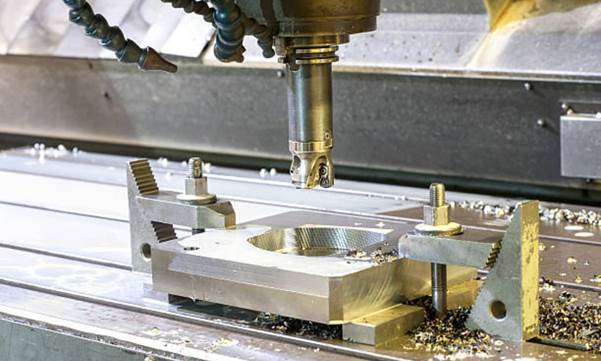
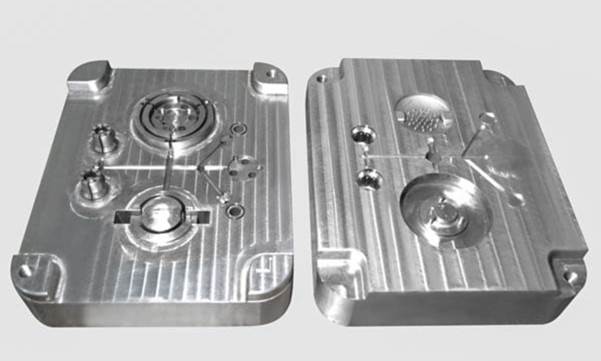
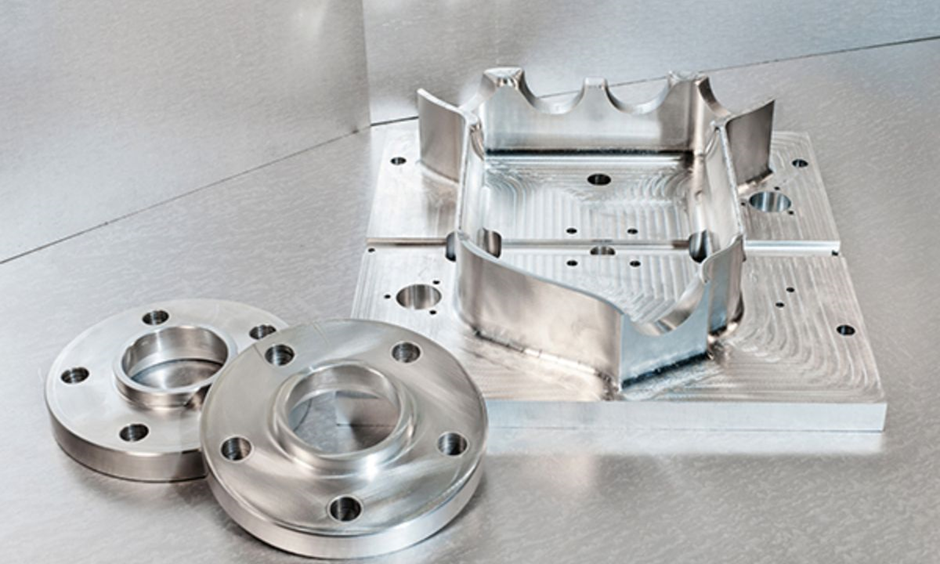
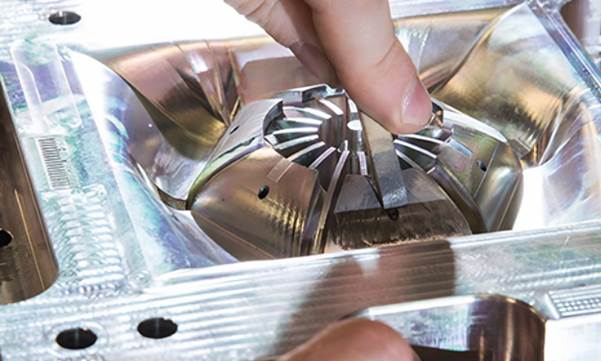
Tooling is one of the significant elements. Molds that are to be used in short run production are typically made out of aluminium or lighter steel. Less costly and expeditiously machineable are these materials. A short run injection mold is not meant to be used extensively and therefore, it does not require as long as production molds. This can be used to minimize the tooling cost and yet achieve a good quality to small batches.

Key Points

  • Cost saving aluminium moulds.
  • Reduced time of production of moulds.
  • Appropriate in the small production cycles.
  • Lower maintenance cost
  • Quick adjustments possible

Lead Time and Speed of production

The benefit of shorter lead time is one of the greatest of this method. Molds are also simpler to produce and low quantities of production result in parts that are produced in haste. This assists companies in adhering to deadlines, and in responding to the market need in a shorter time. With short run plastic injection molding, companies are able to introduce products within a short period as opposed to the traditional methods.

Part in Product Development

Increasingly, short run plastic injection molding is significant in the development of products. It enables companies to experiment with designs under the real-world conditions before it is taken to mass production. Companies can in this way create small batches to refer to feedback and enhance their products. This renders short run injection molding to be a useful innovation and development tool.

Key Points

  • Supports product testing
  • Assists in enhancing quality of the design.
  • Reduces development risk
  • Allows market feedback
  • Accelerates innovation of products.

Quality- Short Run Production

Although the volume of production is low, quality nevertheless should be ensured. The right design, choice of materials and control of the process is needed. Testing and inspection are done to provide uniformity to manufacturers. Short run stampaggio a iniezione di plastica can be done using high standards to give high quality results.

Cost Optimization Strategies

With clever choices in the design and production, businesses can minimize short run injection molding cost. Easy designs, correct choice of materials can contribute to reduction of costs. It also works with the experienced manufacturers which enhances efficiency. Cost optimization is to provide the improved results without any compromising of product quality.

Key Points

  • Simplify product design
  • Choose cost-effective materials
  • Optimize mold design
  • Collaborate with a team of competent manufacturers.
  • Minimise wastage and inaccuracies.

Environmental Advantages

Sustainable production can also be supported by the short run production. Manufacturing the exact number of products saves on wastage, and the unnecessary consumption of materials. The use of energy is also reduced as opposed to mass production. This renders the short run plastic injection molding, more eco-friendly in some situations.

Common Mistakes in Short Run Plastic Injection Molding

When short run production is initiated by many companies, they end up making a lot of mistakes. Mistakes that could be made include bad design of moulds. Otherwise, the short run injection mold may lead to defects and inconsistency of quality products, when it is not properly designed. The other error is that of selecting the inappropriate material. Spoilage of plastic of low quality or otherwise inappropriate can lead to more failures. Short run injection molding is very critical in proper planning to prevent wastage and re-work.

Importance of Proper Mold Maintenance

Although the molds are not used on long production cycles, maintenance is also considered even though the short run molds are used. Washing and good storage can assist in increasing the life of moulds and quality. A molded item can have issues with the surface finish and accuracy of products, unless a mold is kept. Scanning, routinely, guarantees a smooth operation in short run plastic injection molding ventures.

The use of Technology in Short Run Production

The short run manufacturing has been enhanced with the use of modern technology. The computer-aided design (CAD) and computer-assisted manufacturing (CAM) software can be used to create accurate molds. This minimizes mistakes, and enhances productivity. Less human error is also guaranteed by automated machines in ensuring consistency in production. This causes short run injection molding to be quicker, more precise and dependable than the conventional ones.

Short run injection molding Customization

Customization happens to be one of the largest benefits of this process. Changes of designs by businesses need not be greatly invested. This proves quite handy whereby alternative version of product needs to be tested. Quickly, a short run injection mold can be modified and hence the manufacturers can make product development improvements, based on customer feedback. It is flexible and helps in innovation and success in the market.

Supply Chain Benefits

Another way in which short run production enhances the supply chain management is through supply chain management. There is no need of companies to hold large inventories. They are able to generate just what is needed. This saves on storage cost and wastes. Businesses can be able to respond to market demand more quickly, and minimize the risk of overproduction using short run plastic injection molding.

Market Trends and Development of the industry

The need to produce in small scales and customized is on the rise. The companies are desiring quicker production and versatile manufacturing options. This is creating an expansion in short run injection molding towards the global markets. This practice is becoming a popular way of remaining competitive and innovative by more companies.

Outlook in short run plastic injection molding

The future of this process has a good prospect. With the growth in demand of customized products, there is an increasing number of companies, which use small-batch production methods. High technologies are enhancing productivity and decreasing the expenses. This will render short run plastic injection molding even more popular in the next couple of years.

Summary

Plastic injection molding (short run) is a convenient and versatile manufacturing process. It enables companies to make small amounts at a low initial investment and quicker turnaround. Through short run injection mold, companies are able to test products, make it better and eliminate risks prior to the large-scale production. The approach aids innovation and assists companies to react swiftly to any market changes.

Il stampaggio a iniezione a bassa tiratura cost per unit might be more expensive, but it can be a worthwhile investment by most industries because of the overall benefits. It is particularly applicable in case of startups, product development and a limited production requirement. In the current dynamic market, short run plastic injection molding offers the flexibility and efficiency required in order to be successful.

Domande frequenti

What is the short run plastic injection molding?

It is a process employed in manufacturing a few plastic components that are cheaper to tool, and possess reduced time to manufacture.

What do we use short run injection molding?

It finds its primary application in prototyping, testing of the product and small-scale production in industries.

What is the cost of short run injection moulding?

The cost of short run injection molding is influenced by the design of the mold, the material and the number of the molds. It is normally less in the case of small projects.

In short run injection molding what materials do we use?

Some of the common materials used are ABS, polypropylene and polycarbonate based on the need of the product.

What does mean a short run injection mold?

It is a mold intended to be used to produce small production runs. It can be typically constructed with less expensive materials and has a reduced life span.

Camera bianca per stampaggio a iniezione

One of the most significant technologies in the contemporary manufacturing is injection molding cleanroom technology. It is applied in the situations when the products have to be of the utmost purity and free of any contamination. The industries such as medical, pharmaceutical, electronics and healthcare cannot do away with this process.

A clean space that is controlled is necessary as opposed to normal production environments. This will make sure that there are no dust, particles or bacteria that will be able to influence the end product. Cleanroom injection molding is used in many industries to ensure that there are high standards of quality.

Understanding Injection Molding Cleanroom

An injection molding cleanroom is a manufacturing facility that is controlled, with a high degree of cleanliness and it is used to create plastic components. The air is clean; there is regulation of temperature and minimization of contamination. It is a completely different process as compared to normal molding. It is applicable to products whose safety and hygiene is important. This is the reason why cleanroom injection molding services are mainly in demand in medical and precision industries.

Why Cleanroom Injection Molding is Important?

Sensitive products are to be manufactured with clean manufacturing. A single particle can have an impact on the performance or safety. The reason why controlled environments are applied is because of this. When it comes to products such as healthcare and pharmaceuticals, the purity of the products is of paramount importance. The cleanroom injecting molding guarantees that the products are up to international standards and regulations in terms of safety.

How Injection Molding Cleanroom Works?

Injection molding cleanroom is a controlled production that is employed in products which need contamination-free environment. It is typically applied in the medical, pharmaceutical and electronic fields. Each of the steps is handled with utmost care to ensure hygiene, precision and safety of the products.

Step 1: Raw Material choice and Preparation

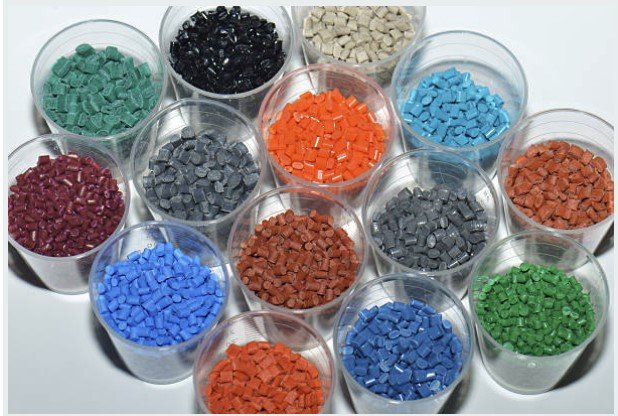
It starts with the choice of plastic materials which are high quality and according to the needs of the product. The materials are normally in the form of pellets and have to be highly pure. Pellets are stored in capped containers before use, to avoid dust or contamination. All these are done in a controlled environment to ensure that it remains clean at all times.

Step 2: Work to Cleanroom

The materials after preparation are moved into the cleanroom. This is through sealed systems and airlocks so as not to be exposed to the outside air. This step is followed by workers employing stringent hygienic practices. They also put on protective attires including gloves, masks and cleanroom suits in order to have a sterile environment.

Step 3: Plastic Material is Melting

The plastic pellets are used inside the cleanroom to inject them in the injection molding machine. The material is heated and melts down to be in the form of liquid. This melting is cautiously monitored so as to be consistent. The environment is clean and stable to avoid contamination of the environment in case of production.

Step 4: Injection into Mold

After melting the plastic, it is then pressurized into an accurately designed mold. This is already in the mold within the cleanroom. The controlled conditions also guarantee an absence of dust or particles to the process. This is an essential step towards a high-quality production in injection molding cleanroom.

Step 5: Cooling and Solidification

Once the injection of molten plastic is completed, the plastic begins to cool in the mold. The cooling system is well controlled to ensure the accuracy of shape and strength of products. As the material is cooled it becomes hard and assumes the precise shape of the cavity of the mold. This measure makes certain accuracy and longevity in the end product.

Step 6: Mold Opening and Removal of products

After the product is completely solidified, the mold will automatically or manually (depending on the system) open it. The completed portion is scraped away. This step is done with special consideration so as not to be contaminated. The cleanroom environment will make sure that products are sterile upon their removal.

Step 7: Check and Quality Control

All the products are subjected to careful inspection after removal. The quality control departments examine the defects, contamination or any error in manufacturing. Products which are not up to standard are not allowed to be further used. This guarantees cleanroom production of injection molding.

Step 8: Clean Packing and storage

Packaging of the products will be the last procedure in a sterile environment. Cleanliness and safety is ensured by using special packaging materials. Products are then stored or shipped and under controlled conditions. This makes them not contaminated even up to the time they are used by the end user.

Cleanroom Classification Levels

Various classes of cleanrooms are classified according to the air quality. The number of particles to be in the air is decided by each level. Less level of particles implies an increased cleanliness. High-class cleanrooms are often needed when it comes to medical devices. This guarantees accuracy and safety of cleanroom injection molding.

Industries which employ cleanroom Injection Molding

Clean manufacturing processes are important to many industries. All industries have stringent standards on product hygiene and safety. It is used in medical industry as a syringe, implants and surgical instruments. It is used in sensitive parts in electronics industry. Cleanroom injection molding services are of great importance in these industries.

Medical Industry Applications

Medical is another sector that has the highest usage of cleanroom molding. The products should be sterile and fit to be used by humans. The controlled environment is used to manufacture items such as IV components, surgical instruments and diagnostic tools. This guarantees the high level of safety in injecting molding of the clean rooms.

Electronics Industry Applications

Dust and contaminations are very sensitive to electronic components. Damaging performance can be done by even small particles. The reliability and durability are guaranteed by cleanroom production. It assists in creating micro-elements and accuracy devices with the help of injection molding cleanroom.

Advantages of Cleanroom Injection Molding

Manufacturers and industries have numerous benefits with this process. It is safe, accurate and of high-quality production.

Key benefits include:

  • Good level of cleanliness.
  • Reduced contamination risk
  • Better product safety
  • High precision manufacturing
  • Meeting the industry standards.

All these advantages render cleanroom injection molding essential to the critical industries.

Materials Used in Cleanroom Molding

Depending on the needs of the products special materials are utilized. These are materials which have to be of high quality. Typical materials are plastics, of medical grade, and high-purity polymers. They guarantee cleanroom injection molding services which are safe.

Comparison of normal and cleanroom Molding

Normal molding in a normal factory atmosphere where there is no total control of air is done. The dust, particles and small impurities may be involved throughout the production. This is tolerable in the case of general plastic products, in which there is no need of high sterility. Cleanroom molding, however is done in a fully filtered and controlled setting. Air is constantly purified and any risk of contamination is kept to minimum. This renders it very appropriate to medical, pharmaceutical as well as electronic products.

The other major distinction is with regard to handling and hygiene control. Normal moulding gives an opportunity to have more people in the production. To ensure purity of products, cleanroom molding minimizes contact, and observes high safety standards.

Key Points

  • The open-air conditions at the factory are normal.
  • Cleanroom molding involves use of filtered and controlled air.
  • Increased risk of contamination of normal molding.
  • Stringent cleanroom hygienic regulations.
  • Sensitive and medical products are cleaned in cleanroom.

In Cleanroom Injection Molding, Equipment is Utilized

Cleanroom injection molding involves special equipment which is used to provide sterile environment. Machines are enclosed and are designed in such a way that they minimize the chances of contamination during manufacturing. To ensure that the air is kept clean at all times air filtration systems such as HEPA filters are employed. Temperature, and humidity are also regulated to ensure that everything is at constant. To prevent the entry of particles to the cleanroom, operators have protective clothing.

Key Equipment Points

  • Sealed high-precision molding machines with high precision.
  • Clean air HEPA air filters.
  • The units of temperature and humidity control.
  • Clean room protective clothes and gloves.
  • Controlled access airlocks.

All these tools and systems are combined to assist injection molding cleanroom requirements and production quality to remain high and contamination free.

Cleanroom Production of Quality Control

There is high level of quality control in clean rooms. All products are checked at the correctness and safety. The inspection procedures make sure that none of the defective or contaminated products are discharged. This is one of the important components of cleanroom injection molding services.

Cleanroom Injection Molding price

More costly than regular molding, this procedure is involved. This is due to sophisticated machines and test conditions. Nevertheless, the price is compensated by quality and safety of the products. Precision-based industries opt to use cleanroom injection molding although it is expensive.

Injection Molding Cleanroom Problems

Despite being very successful, there are challenges of this process. Strict rules and monitoring of the environment are needed to maintain a controlled environment. Challenges are high costs of operation and technical needs. Nonetheless cleanroom injecting molding is still used in the critical applications of industries.

Standards and Compliance Requirements of Cleanrooms

Cleanroom injection molding is based on the strict international standards in order to guarantee the safety of products and their consistency. These criteria indicate the level of cleanliness that the environment should be and the level of control in production. The facilities should have common checks on the quality of air, temperature and humidity. Even the minimal contamination risks have to be controlled. This is necessary to industries which have critical products that are injected in a cleanroom.

Air Filtration and Control of the environment

The most significant aspect in cleanroom manufacturing is air quality. Dust, particles and bacteria are removed by the use of special HEPA and ULPA filters to clean the air. Humidity and temperature are also kept at a low level. The stable conditions also aid in ensuring that there is no contamination of a product during the cleanroom production of injection molding. This will avoid flaws and pollution.

Safety and Hygiene measures of the operators

Cleanroom workers have to abide by stringent hygiene regulations. To avoid contamination, they put on special suits, gloves, masks as well as shoe covers. Air showers and cleaning processes are implemented on operators prior to getting into the production area. These measures guarantee safe injecting molding activities in the cleanroom, without the introduction of external particles.

Automation Cleanroom injection molding

In cleanroom production, automation has a significant role to play in the contemporary world. Most of the production process is done by machines and there is minimum human contact. This minimizes risk of contamination and boosts efficiency. The cleanroom injection molding services are also enhanced by automated systems particularly in high volume production.

Precision and Accuracy in making

The cleanroom is a facility that is developed to produce very precise manufacturing. The slightest mistakes can have an impact on the safety and performance of products. The use of advanced machinery makes every part to be specific to the specifications. Such accuracy is among the primary reasons why industries would choose cleanroom injection molding to sensitive applications.

Cleanroom Facility cleaning

To maintain cleanroom environments, regular maintenance is needed. Air systems, filters and machines should be periodically checked. The smallest failure can have an impact on the product quality. Clean injection molding cleanrooms are properly maintained to guarantee a smooth operation and reliability.

Cleanroom Systems – Energy Efficiency

Advanced systems that use energy are necessitated in cleanroom facilities. But with the new technology we have in use energy consumption is being minimized. The effectiveness of machines and intelligent systems is enhancing sustainability. This assists in minimizing the cost of operation in the clean room injection molding service whilst still producing high quality.

Cleanroom Injection Molding Demand all over the world

Cleanroom manufacturing is on the upswing throughout the world. Industries are prioritizing on safety, hygiene and precision. The high medical and electronics industries of these countries are also investing on cleanroom injecting molding technologies in order to support the increased demands.

Cleanroom Technology Innovation

The technology of cleanrooms is advancing fast with the new automation and electronic systems. One of the areas that manufacturers are currently preoccupying is the ability to produce more precise, safe and highly controlled production environment. The above enhancements are useful in minimizing chances of contamination and enhancing the quality of products in sensitive sectors.

Cleanroom production has become largely a part of automation. Machines have replaced a lot of the work which was done manually. This minimizes human interaction, minimizes the possibility of contamination and enhances uniformity of the production process.

Modern cleanrooms also have a high usage of smart sensors and monitoring systems. These systems monitor the air quality, temperature, humidity and pressure at all times. In case any change has been identified, automatic changes are done in order to keep the conditions within the environment stable.

The technologies based on AI are also enhancing output and identifying possible problems in the early stages and facilitating the efficient manufacturing process. All these innovations are collectively transforming stampaggio a iniezione cleanroom systems to be efficient, reliable and advanced.

The future of Cleanroom Injection Molding

Cleanroom injection molding has great potential to continue to grow in the future as the need in a variety of industries rises. Such industries as medicine, electronics, and pharmaceutical are becoming more and more in need of clean, and precise production facilities. This is propelling an expedited progress in cleanroom technologies.

Even more automated and intelligent production systems are likely to be implemented in the next few years. Most processes will be done with little human intervention as machines will help in speeding up processes, providing accuracy and efficiency and minimizing errors.

Another significant part of the enhancement of the cleanroom operations will be digital technologies. The systems based on data will assist with monitoring the production in real time and aid the improved decision making. This will streamline manufacturing and make it cost effective.

Meanwhile, the world industries are facing a trend towards even more stringent cleanliness requirements. This trend is on the rise and is creating a need of injection molding cleanroom solutions across the globe. With the ever-growing technological advancements, cleanroom systems are bound to be more efficient, reliable and a necessity in current manufacturing.

Making a decision in Favor of Cleanroom Injection Molding Services

It is quite crucial to choose the appropriate manufacturer. Care should be taken in terms of experience, technology and certifications. A good supplier will guarantee quality production and adherence. It is ensured that professional cleanroom injection molding services are offered and this ensures enhanced performance as well as safety.

Pensieri finali

The clean room technology of injection molding is vital to the present day precision manufacturing. It guarantees safe, clean and high-quality production. It is very important to industries such as medical and electronics. As demand increases, cleanroom injection molding will proceed to grow all over the world. It is still considered one of the surest techniques of manufacturing sensitive and high precision plastic products.

Frequently Asked questions

What is the use of injection molding cleanroom?

Plastic parts are manufactured in a most controlled and sterile environment in injection molding cleanroom. It is primarily utilized in medical equipment, pharmaceutical products and highly sensitive electronic parts in which cleanliness is highly valued.

What is the significance of cleanroom in injection molding?

The significance of a cleanroom is that the space where production is done is free of dust, particles and contamination. This will guarantee high quality, safe and products that are appropriate in sensitive applications such as healthcare and electronics.

What are some of the industries where cleanroom injection molding is applicable?

Medical, pharmaceutical, electronics and food packaging industries are the common applications of this process. These industries need high hygienic conditions and accuracy in the production process in order to guarantee safety and performance of the product.

Is it costly to do cleanroom injection molding?

Yes, it is typically costly as compared to normal injection molding. This is because of sophisticated equipment, stringent environmental procedures and special safety needs which make it more expensive. Nonetheless, it is of better quality and reliability.

What is a normal and cleanroom injection molding?

Normal injection molding occurs under normal factory conditions that may have dust, and particles. The injection molding is carried out under a cleanroom environment that is filtered with minimal contamination and results in high purity of products.

Stampo famiglia Stampaggio a iniezione

One of the intelligent manufacturing solutions that are adopted today by most industries is family mold injection molding. It enables various components to be cast in one mold. This renders the process of production cheaper and quicker to businesses.

This is the choice of many manufacturers, as it is a time- and cost-saving method that lowers the tooling costs. Using family tool injection molding, the companies are able to make various parts during a single cycle. This enhances efficiency and productivity.

What is Family Mold Injection Molding?

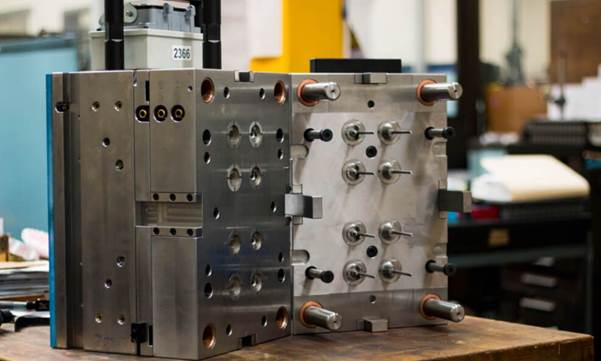
Family mold injection molding is a process in which various parts are made out of a single mold. These components tend to be associated and are consumed together in a product. This renders the process more effective than individual molds. This technique has several cavities of the parts in a single mold. The cavities are created with great care so as to guarantee an adequate filling and cooling of the cavities. That is why, family mold injection molding is very popular in the contemporary production.

How Family Mold Injection Molding Works?

The family mold injection molding is a process that is structured. It is made to make several related parts at a time. Every step is valuable to guarantee a smooth production and quality assurance.

1. Product Design and Planning

This begins with the design of all the parts to be manufactured as one. Each component is designed in 3D detail by the engineers. These components tend to be interrelated and are employed together in the same product. With good planning, it is possible to have all the components molded together. This is a crucial step to a successful family mold injection molding and prevent production problems in the future.

Step 2: Mold Design Multiple Cavities

Once the design of the product is completed, a mold is made which has several cavities. Each hole is in the shape of a different part. Engineers ensure that there is balance in all cavities. The design needs to enable the same amount of flow of material into each cavity. This can be compared to family tool injection molding where a number of parts is made together cost-effectively.

Step 3: Mold Manufacturing

After the design is prepared, the mold is made of powerful materials such as steel or aluminum. It is done by high-precision machines to guarantee accuracy. This is tested on the mold prior to production. This guarantees that family parts are all manufacturable with the right injection molding through family molding.

Step 4: Material Preparation

The choice of plastic material depends on the requirements of the product. It is normally in the shape of small pellets. The injection molding machine is fed with these pellets. The same material is used for all parts in the mold. This is done to provide smooth processing of the tool and uniform results of the family tool injection molding.

Step 5: Melting and injection

The plastic is melted into liquid by heating the plastic pellets. High pressure is then applied to inject this molten plastic in the mold. The flow of the material is simultaneous in all cavities. This enables two or more components to be fabricated in family mold injection molding.

Step 6: Cooling and Solidification

Once injected the plastic starts cooling in the mold. When it is cooled, it solidifies and assumes precisely the shape of every cavity. It should be properly cooled in order to prevent defects. This measure will guarantee good and robust parts in family tool injection molding.

Step 7: Discard of Parts

As soon as the material is completely cooled, the mold is opened. Ejector pins are used to remove the finished parts. Each of the parts is ejected within a single cycle. This renders family mold injection molding quick and effective.

Step 8: Finalisation and Checking

The parts might require trimming or finishing after being ejected. Any additional material is done away with to make it look better. The quality checks are done to make sure that all parts are up to standard. This process provides uniformity of family tool injection molding.

Step 9: A Cycle Repetition

This is repeated to produce the mass production. The identical mould is reused to make the same sets of parts. This process goes on until the desired amount is obtained. This renders family mold injection molding very effective when it comes to high volume production.

The major advantages of Family Mold Injection Molding

There are numerous benefits that family mold injection molding is beneficial to manufacturers. It assists in lowering the cost of production as well as enhancing efficiency. This renders it a favorite in various sectors. A significant advantage is time savings in the production. Fewer cycles are required since a variety of components are manufactured simultaneously. This renders family mold injection molding an economic choice to conduct mass production.

Economy in the Production

Cost savings is one of the greatest benefits of this technique. A single mold is utilized in producing more than one part as opposed to producing individual molds. This saves tooling and maintenance expenses. China family mold injection molding services find a wide range of companies as they have competitive prices. It is also a favorable choice to businesses across the world due to the low labor costs and high level of manufacturing.

Design to Family Molds

Design is very significant in this process. The material and processing of all parts used in the mold should be similar. This guarantees quality uniformity. The flow of substance on the inside of every cavity should be well balanced by engineers. Successful family tool injection molding and easy production relies on proper design.

Difficulties with Family Mold Injection Molding

Despite numerous advantages of this way, there are certain difficulties. Balancing of the flow of plastic is one of the primary issues. Otherwise, not all parts might fill in. The other problem is to sustain uniform quality of all parts. It needs finely expertise engineering and machine settings. Nevertheless, family mold injection molding is very successful despite these difficulties.

Applications of Family Mold Injection Molding

Due to its efficiency and cost-saving nature, family mold injection molding is being extensively applied in various industries. It enables manufacturers to create various related components in a single cycle. This renders it a viable option when it comes to products which need a number of components.

1.     Automotive Industry

This process can be used in the automotive industry to manufacture interior and small functional parts. Products such as clips, covers, connectors and fasteners are usually produced as a combination. These parts are required in the same system hence it is more efficient to manufacture them in a single mold. This renders family mold injection molding quite convenient in vehicles production.

2.     Electronics Industry

This approach is also beneficial to the electronics industry. Smaller components such as casings, buttons, switches and connectors are usually made in large quantities. This guarantees quality uniformity and less production time. Family tool injection molding assists manufacturers in being consistent throughout all the parts.

3.     Consumer Products

This process is used to manufacture many of the things that people use on their daily activities. Packaged products such as bottle caps, lids, containers and packaging parts are usually manufactured in a single cycle. The approach assists businesses to minimize the cost and enhance the rate of production. It is particularly applicable to consumer goods that are in high demand.

4.     Packaging and Managing Industry

There are various related components that may be required in the packaging industry. Family molds enable the manufacturers to manufacture these parts in two ways: with maximum efficiency. China family mold injection molding services are used by many businesses to make packaging components quickly, and at a lower cost without compromising on quality.

Family Mold vs Single Cavity Mold

Single cavity molds do not resemble family molds. Only one part is formed with a single cavity mold. Family molds on the other hand develop more than one part at a time. This renders family tool injection molding more effective when it comes to products that have many parts. Nevertheless, it will have to be designed and planned so that it can deliver good results.

China Injection Molding role in Family Mold Injection Molding

China has a significant contribution in injection molding industry of the world. Chinese manufacturers are the preferred vendors in many companies due to their low-cost solution. They provide high-tech solutions and professional workforce. This is the reason why China family Mold injection molding is so popular. Companies are able to save money as well as uphold high quality standards.

Choice of Materials in Family Molds

It is quite important to select the correct material in this process. The same material should be used in all parts of a family mold. This guarantees uniform melting and solidifying. Some of the common materials are ABS, polypropylene and polyethylene. Family mold injection molding can be enhanced by proper selection of materials.

Speed and Efficiency of Production

The main benefits of this approach are the speed of production. Several components are made per cycle, which saves on time of production. This effectiveness makes family tool injection molding the ideal one in high volume production. It assists companies to address the demand in the market in a timely manner.

Family Mold Injection Molding Quality Control

It is important to maintain quality in manufacturing. All the components should fit the necessary standards and requirements. Testing and inspection is one of the techniques used by manufacturers to guarantee quality. Mold injection of family moulds should be properly controlled so as to provide reliable and consistent products.

Success tips in Family Mold Projects

This process requires a lot of planning to achieve success. Evident design specifications and effective communication with the manufacturers is critical. Experienced professionals aid in avoiding mistake. An experienced team makes family tool injection molding the most effective.
In-depth Dynamics of Mold Injection into Family

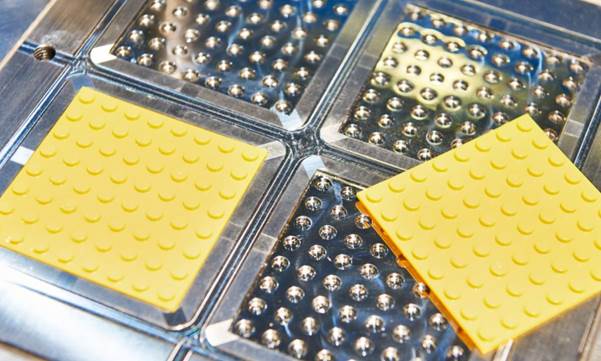
It is not just family mold injection molding that is concerned with cost saving. It also enhances planning of production and minimizes the use of machines. This technique is employed by many companies to deal with numerous elements within a process. This will provide a better inventory control. It also minimizes the time and handling of production. This is why complex products are more likely to be molded using family mold injection molding as preferred by many manufacturers.

The main Favourable Family Mold Injection Molding

The approach has a number of key advantages to business. It assists in enhancing efficiency and lower manufacturing cost.

Punti chiave:

  • Several components are being manufactured in a cycle.
  • Less expensive tooling than single molds.
  • Reduced production time
  • Improved conformity of related components.
  • Less machine usage and energy consumption

These benefits make family tool injection molding an excellent option to the contemporary manufacturing.

When Family Mold Injection Molding is to be used?

This method is not suitable to all projects. It is most effective in cases where components are interrelated and are used in a single product. In cases where component parts are of nearly equal size, content and manufacturing needs, this technique is quite efficient. China family mold injection molding is favored by lots of companies that have products with various parts.

Restrictions You ought to be aware

Although it has numerous advantages, there are certain limitations. To prevent production problems, there must be proper planning.

Punti chiave:

  • The entire sections should be made of the same material.
  • The imbalance can be due to the use of different part sizes.
  • Mold cost can be raised by the complexity of the design.
  • Maintaining it may be a little bit challenging.

Knowing these, it can be better used in family mold injection molding.

Design Principles to achieve the best

A well-designed design guarantees a smooth production and quality production. Planning of every cavity in the mold should be done with care by the engineers.

Punti chiave:

  • Maintain similar size parts.
  • Make sure that there is an equal flow of the material in every cavity.
  • Employ adequate system design of cooling.
  • Avoid over-complicated shapes

These hints enhance success in family tool injection molding undertakings.

Comparison Family Mold and Multi-Cavity Mold

Family molds are mists that many people mix with multi-cavity molds. They both differ in design and functionality. Family Molds make various components in a single mold. Multi-cavity molds are used to make the same part in more than one mold. China family mold injection molding companies usually select according to the need of the product.

Comparison of costs and efficiency

Molds in the family lower the cost of tooling but need to be carefully designed. The first design can be complicated, yet in the long-term the savings are high. Family mold injection molding is one of the preferred businesses that aim at cutting down costs. It offers a trade off between the cost and production efficiency.

Industrial Use Cases

This technique is common in sectors in which a combination of several parts is required. It enhances the speed of assembly and shortens the production time.

Punti chiave:

  • Automotive parts production
  • Electronic components manufacturing
  • Packaging products
  • Household plastic items

Family tool injection molding is very beneficial in these industries.

The Future Challenges of Family Mold injection Molding

The prospects of this process are quite positive. The new technologies are enhancing precision of designs and efficiency in production. Automation is making a significant contribution too. Organizations are embracing new innovative ways of enhancing performance. This will further enhance the benefits of China family Mold injection molding in the coming years.

Summary

Family mold injection molding is a high-tech manufacturing solution that is more efficient and cost-effective. It enables the companies to manufacture numerous parts related to each other within a cycle. Properly designed and planned, this method produces great results. China family mold injection molding is important to many companies in order to remain competitive in the global market.

With knowledge of its advantages, disadvantages, and uses, businesses will be able to apply family mold stampaggio a iniezione successfully and be successful in the long-term.

Frequently asked questions

1. What does family mold injection molding mean?

Family mold injection molding is a process in which various different parts are made in one mold. These components tend to be interrelated and are employed together in the same product. This process is useful in saving time and lessening the cost of production.

2. What problems do I need to use family mold injection molding?

This is the most appropriate when you require a number of related parts that are composed of the same material. It is effective when the components of the products are of similar dimensions and manufacturing specifications.

3. What is the difference of family mold and multi-cavity mold?

A family mold is used to manufacture various components in a single mold, whereas a multi-cavity mold manufactures the same component many times. They are both effective however they are applied to various production requirements.

4. Is it cost effective to use family mold injection molding?

Yes, it is economical in producing more than one part. It minimizes tooling expenses, and saves time in production. Nevertheless, it is necessary to design it properly to obtain the maximum outcomes.

5. What is the industries of family mold injection molding?

The application of this process is prevalent in the automotive, electronic, packaging and consumer goods sectors. It is perfect in products which have several plastic parts.

Stampaggio di plastica su misura: Guida completa per la produzione moderna

One of the most significant processes of manufacturing that is applied nowadays is custom plastic molding. It assists companies in developing plastic products which are unique according to their needs. It is applied extensively in such industries as automotive, medical, electronics and packaging.

Most businesses are willing to use custom solutions as it is flexible and has higher quality products. Using the assistance of a custom plastic molding company, companies are able to make your ideas come to life. This streamlines the production process and makes it more dependable.

What does Custom Plastic Molding mean?

Custom plastic molding involves the use of plastic material, which is molded into a particular design by the use of a mold. The mold is particularly designed depending on the product needs. This will enable manufacturers to come up with distinct and quality products.

Custom molding in comparison to standard molding is geared towards particular designs and functions. A custom plastic mold would be designed in a way that would guarantee accuracy and consistency. This is the reason why it is popular in the current production systems.

How Custom Plastic Molding Works?

Custom plastic molding consists of a series of steps to be followed. All steps are significant in order to achieve high-quality production and the correct results. Being informed about such steps would assist business in planning to prevent some expensive mistakes.

Step 1 Product Design and Planning

The initial one is to design the product in line with certain requirements. The engineers are able to produce a 3D model of the product by use of sophisticated software. This design will contain size, shape and all technicalities. It is important that it is well planned at this stage. An illustrative design will minimize mistakes and create a smooth production. It assists in making a powerful and precise mould as well.

Step 2: Mold Design and Development

Once the product design has been complete, then the mold design is to be developed. The mold is precisely designed so as to fit perfectly into the shape of the product. The mold is made out of materials such as steel or aluminum. The material selected will be based on the quantity of production and its longevity. A properly designed mold will guarantee uniformity.

Step 3: Mold Manufacturing

After the design is prepared, the mold is made out of the precision machines. It is very precise as any little error can have an impact on the end product. Post-manufacturing testing of the mold is done to ensure that it is within all specifications. This measure will make sure that the mold is ready to be used in the production.

Step 4: Selecting and preparing the materials

The selection of the appropriate plastic material is extremely crucial. Strength, flexibility and heat resistance are some of the properties of different materials. The plastic chosen is normally in a form of tiny pellets. These pellets are ready and put through the injection molding machine to be processed.

Step 5: Melted and Injection

The plastic pellets are heated in the machine until they melt to the form of a liquid. High pressure is then applied to high pressure injection into the mold with this molten plastic. The pressure is high enough to make sure that the material occupies all the components of the mold. This is essential in order to obtain the correct shape and fineness.

Step 6: Cool and Solidify

Following the injection of the molten plastic, it starts cooling in the mold. It solidifies as it cools, and assumes the shape of the cavity of the mold. The time to cool is dependent on the size of the product and the material. They should be cooled properly in order to prevent defects and provide strength of products.

Step 7: Squeezing out the Product

After the material is completely cooled and solidified the mold opens. The end product is then taken away with the help of ejector pins. This should be done with caution so as not to destroy it. The product will not lose its shape or quality, as a result of having a smooth ejection process.

Step 8: Finishing Check and Quality Check

The product can undergo finishing processes after it has been ejected. These also involve the trimming, polishing or surface treatment where necessary. Quality tests are also conducted so as to maintain all the standards of the product. This will ensure that all the pieces are uniform and can be used.

Step 9: Repeat of Production Cycle

After the process has been completed, the process is repeated to move to mass production. The identical products are manufactured with the help of the same mold. This is repeated, making the process quick and economical. It enables manufacturers to come up with large production volumes that are of the same quality.

Types of Custom Plastic Molding Processes

Custom plastic molding has various processes that are applied depending on the nature of the product, material and the production needs. The processes are each with their advantages and are selected depending on complexity of design, cost and volume of production. The knowledge of such techniques assists companies in choosing the most appropriate one.

1.Injection Molding

The most popular technique in the production of plastics is injection molding. It is a process of applying high pressure to molten plastic in a mold, to produce finely detailed and precise parts. It is the most suitable way to manufacture more complicated designs and a large production volume. It possesses very high accuracy, reproducibility and surface finish. It is used in high accuracy industries such as automotive, medical and electronics hence its popular use.

2. Blow Molding

Hollow plastic products are the major products made via blow molding. In this, molten plastic is blown into air to create the shape such as bottles and containers. It is very effective in production of light, and homogenous products. This is an affordable technique when producing on a large scale. It is widely applied in the packaging sector in the provision of products like water bottles, storage containers and fuel tanks.

3. Thermoforming

Thermoforming is a low cost and easy to use molding process. It is a technique that uses the heating of plastic sheets and pressing the sheets over a mold to form products. This technique is appropriate in designs that are not very expensive and intricate. It finds extensive application in creation of packaging trays, disposable containers and basic plastic products. Its cost of tooling is low thus it can be used in small production runs.

Benefits of Custom Plastic Molding

Custom plastic molding has numerous benefits to companies. It enables businesses to develop products that suit their very needs. This enhances performance of the products and customer satisfaction. The other significant advantage is the cost efficiency with high production. After designing the mold, then the manufacturing process is quick and inexpensive. An efficient custom plastic molding firm can aid in minimizing waste and enhance efficiency.

Importance of Custom Plastic Mold Design

One of the most important steps of the process is the design of the mold. An effective mold design will guarantee easy production and quality products. The lack of design might translate to flaws and high expenses. Designs are developed by engineers using sophisticated software to come up with perfect designs. The firm and accurate custom plastic mold may be used thousands of times. This renders it a worthy investment to use in the long run.

Raw Materials in Custom Molding of Plastic

The plastic materials are of different types, which are used based on the product needs. Each of the materials possesses some special characteristics including strength, flexibility or heat resistance. The typical materials are ABS, polypropylene, polyethylene and polycarbonate. Such materials are very popular in manufacturing custom molded plastics to the various industries. The correct material should be selected to have a durable product.

Custom plastic Molding Uses

The flexibility and efficiency of custom plastic molding make it applicable in most industries. It assists in developing a variety of products of various shapes and sizes. It is applied in the automotive industry, in dash boards and interior components. It is applied in the medical industry in terms of devices and equipment. A large number of companies are dependent on a custom plastic molding company in order to have a high quality of components.

Custom Plastic Molding with the Small Businesses

Custom plastic molding can also be used among the small businesses. It enables them to produce distinct products and be able to compete in the market. Even small-scale production is cost-effective, with proper planning. With custom molding plastic, businesses are able to come up with new innovative products that address customer needs.

Before selecting a manufacturer, there are factors to be taken into consideration. It is crucial to select an appropriate manufacturer to be successful in production. A good manufacturer is one that is quality, timely and cost conscious. Find experience, technology and customer reviews and then make a choice of a custom plastic molding company. Having a trustworthy partner can mean a lot in the success of the product.

Price of Custom Molding Plastic

Custom plastic molding is a cost that is determined by a number of factors. These are the design of the molds, choice of materials and volume of production. The production cost per unit will be less in large production although the initial cost of developing a custom plastic mold may be high. This will make it a long-term cost-effective solution.

Custom Plastic Molding-Quality Control

It is necessary to have quality control in the production process. It makes sure that all the products are at the standards and specifications required. Testing and inspection are some of the measures that manufacturers employ to uphold quality. Good quality molded plastics are customized which enhances customer trust and minimizes failure of products.

Environmental Effectiveness and Sustainability

In manufacturing, sustainability is an emerging significant aspect. A large number of corporations are currently recycling and making the use of environmentally friendly procedures. Less wastage and use of energy help to sustain the environment. A conscientious custom plastic molding company is oriented on the sustainable production practices.

Typical Problems of Making custom plastic moulds

Although it has its advantages, there exist a few difficulties in making custom plastic moulds. The process can be subject to design errors, problems with the choice of materials and delays in production. These issues may be prevented by collaborating with the professionals. With good planning the production of custom molded plastics will go on smoothly.

Best practices in successful molding projects of custom plastics

The most important thing about a project in molding is planning. It is very important that there are clear design requirements and that there be the appropriate choice of materials. Your manufacturer also makes a great contribution to communication. An expert custom plastic molding firm can help in taking you through the process, and guarantee maximum outcomes.

The way to select the appropriate custom plastic molding company

It is very important to select the appropriate partner in order to be successful in production. A professional manufacturer knows what you need, and provides quality work. In this, experience and technical skills hold a significant role.

Before deciding on something, it is always a good idea to review previous projects and review with the clients. An established custom plastic making firm will help you in designing, through to the final production. This guarantees a well flowing work process and quality products.

Prototyping plays a role in Custom Plastic Molding

Before full production is carried out, prototyping is very crucial. It enables the companies to experiment on the design of their products and correct in case they are required. This is to prevent expensive mistakes in the future. A prototype provides a good understanding of the final product and how it will appear and operate. Through testing at an early stage, companies are in a position to enhance their custom plastic mold design and attain better outcome in production.

Importance of Precision and Accuracy

One of the most crucial issues of plastic molding is precision. Any little mistake in designing can make a difference to the product. This is the reason why they need sophisticated machines and competent workers. Proper production guarantees all the products to be the same. Medical, electronics and other industries that require high precision of the plastics molded need to be of high precision.

Speed and Efficiency of production

The major benefit of this is its rapid production rate. After having prepared the mold, it is possible to make a lot of them within a short period of time. This is what makes it suitable to mass production.

Efficiency assists in lowering the general expenses as well. When done well, molding plastic can provide high volume production but at the same time, produce quality.

Plastic Molding of products- Custom

Custom molding assists companies to develop innovated products. It enables a firm to make distinct shapes and features, which cannot be made using the conventional methods. This is flexible and puts a business at an advantage. The new ideas of products can be developed swiftly and efficiently with the assistance of an experienced custom plastic molding company.

Major Success Factors Necessary over Time

Businesses require being quality-driven, consistent and well planned in order to achieve long-term success. The material and design used is a significant factor in attaining good results. The moulds should also be taken care of regularly, which means an extended life and high performance. A custom plastic mold of high quality which is well maintained can yield thousands of products of high quality without any problems.
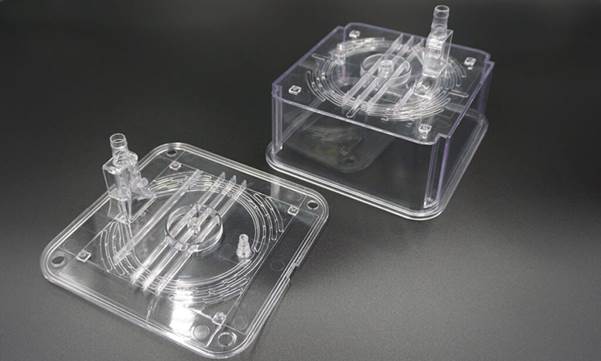
Plastic Molding of Custom Products in the various industries

There are various applications of custom plastic molding in various industries. There is a standard of requirement and standards per industry. This renders the process to be very versatile. Custom molded plastics are found everywhere, in the automotive parts, as well as medical devices. This extensive application demonstrates the significance of this process in today manufacturing.

Creating less waste during Plastic Molding

Less wastage is a current day objective of manufacturers. The effective production processes will reduce the amount of loss of materials and enhance sustainability. Recycling of used materials is also a norm. A lot of companies that have been employing the custom molding plastic are now targeting at environmentally friendly solutions to conserve the environment.

Improvement in Product Quality by improving design

The high-quality products are orchestrated by good design. Having a proper design will facilitate a smooth production and minimize defects. The advanced tools and software can be used to enhance accuracy. An aptly made custom plastic mold will also lead to a superior finish, strength and durability.

The future of Custom Plastic Molding

The prospects of custom plastic molding are bright. The procedure is being expedited by new technologies and made more efficient. The automation and smart production are enhancing the quality of production. High-tech custom molding plastic methods are being embraced by many companies, in a bid to remain competitive in the market.

Final Extended Conclusion

Plastic molding is a crucial process in the contemporary manufacturing industry. It allows flexibility, efficiency and creates high quality production to various industries. It is used by businesses to develop individual and trusted products. Companies can get the best results by concentrating on the right design, selection of materials and selecting the appropriate custom plastic molding company. This will not only enhance the quality of the products but also minimize the costs in the long-run.

Even more efficient and sustainable, in the future, will be custom molding plastic with the help of advanced technologies. Companies that embrace such practices will remain competitive and be successful in satisfying the rising market expectations.

Domande frequenti

1. What do you use custom plastic molding?

Unique plastic products are produced through custom plastic molding, which is employed to produce products according to certain designs and needs. It is widely applied in such industries as automotive, medical, packaging and electronics to achieve high quality and precision of components.

2. What kind of molding process is suitable to complex products?

Complex and detail products are the best that should be injection molded. It has a high level of precision, consistency and smooth finishing; thus, it is suitable in an advanced and high-volume production requirement.

3. What does it mean by blow molding and injection molding?

H hollow products such as bottles, containers, etc are made through blow molding. Solid and detailed parts that have complex shapes are molded over injection molding. The two processes have various applications depending on the design of products.

4. Is it costly to custom plastic mold?

The price is determined by the factors such as the shape of mould, material and quantity of production. Although the initial cost may be expensive, it would prove to be cost effective in large production as the cost per unit will reduce.

5. What is the correct molding process that I pick?

The selection of the process is dependent on your product design, type of material and quantity of productions. Being aware of your needs and talking to an expert manufacturer can make them make the most optimal choice.

Quanto costa uno stampo a iniezione? Guida completa ai prezzi

Knowledge of the cost of an injection mold is highly significant in business and newcomers who would wish to venture into plastic product manufacturing. Many industries use injection molding due to the speed and trustworthiness of injection molding. However, the prices of molds may be baffling to new customers.

Before one embarks on an injection molding project, many people will ask: How much does injection molding cost? The solution varies depending on various criteria such as design, material and volume of production. You will come to know all in easy and simple words in this guide.

Che cos'è lo stampaggio a iniezione?

Injecting a hot material into a cavity is a production technique of plastic components called injection molding. The mixture is left to dry and it takes the form of the mold. The latter process is common since it provides precise and reproducible results. It finds application especially in the automotive, packaging and electronic industries. A mold needs to be produced prior to production. That is the reason why many people would inquire on how much does a stampo ad iniezione per plastica cost when they are planning to do a project.

What Does an injection Mold Cost?

It might depend on the project greatly as cost. Generally, the cost of injection mold can be between 1,000 and above 100,000. The molds that are small and simple are less expensive whereas large and complex molds are costly. As an example, a simple mold can be between 1,000-5,000. A medium-level mold may cost $5,000 to $25,000. Molding in the industrial industry can exceed 50 000. That is why it is recommended to comprehend the extent to which injection molding cost is before the start.

Factors That Affect Injection Mold Cost

The amount that a plastic injection mold will cost is determined by a number of factors. All the factors contribute significantly to the end price. Knowing these aspects will assist you to make a more budget-friendly plan. We can consider the factors which have the greatest influence on the cost of a particular injection mold in real projects.

1. Mold Size and Complexity

The cost is dependent on the size of the mold. Large molds require additional material and time to be manufactured. This adds up to the aggregate price. Complex designs are also costly as it makes use of sophisticated tools and labour. Hence, the extent to which injection molding cost may vary depending on the design complexity.

2. Material Used for Mold

Molds are typically produced out of steel or aluminum. Steel molds are tough and have a better life span. They are however pricier than aluminum molds. The molds made of aluminum are less expensive and quicker to make. They are however not applicable towards high production. The decision you make will determine the amount of cost of a plastic injection mold.

3. Production Volume

It also depends on the quantity of parts that you wish to manufacture. The molds need to be strong and durable in order to produce a lot. These are more expensive molds that have a long life. In case of low production, low-cost molds can be used. That is why the cost of an injection mold varies according to your objectives of production.

4. Design and Engineering

A design has to be crafted and tried prior to the creation of a mold. The design and its design are checked by engineers to prevent any mistakes. This will be an additional cost. In case of a complex design, it will be time-consuming and more laborious. This adds to the overall costs of injection molding.

5. Mold Cavities

There may be a cavity or many cavities in a mold. Multi-cavity molds are able to make numerous parts simultaneously. This improves efficiency. They are however, more costly to construct. Therefore, the number of cavities has an influence on the cost of a plastic injection mold too.

What is the Cost of Injection Molding a Part?

Other than the cost of the mold, you should know the cost of production per part. Much of the population would like to have an idea of the cost of injection molding per unit. Smaller, plastic components may be as cheap as a few cents each. Bigger ones will require a couple of dollars. The cost is lower with the increase in the volume of production hence less costly.

Cost Breakdown of injection Molding

In order to grasp the extent of a cost of an injection mold, it is worthwhile to review various elements of the cost. All these are a contribution to the overall price. These expenses consist of tooling, materials, labor and the operation of the machine. All these factors add up to find out the extent to which injection molding will cost in total.

1.Tooling Cost

The largest cost of injection molding is tooling cost. It involves designing and making of the mold. The expensive molds are of high quality, which extend their life. This is the reason why tooling contributes significantly in determining the extent of cost of a plastic injection mold.

2.Material Cost

The cost of materials varies according to the plastic. There are those that are cheap and expensive depending on the properties of the plastics. The selection of the appropriate material can regulate the extent to which an injection mold costs as well as quality of the product.

3.Labor Cost

Staff with expertise is required to design molds and run machines. Their experience provides a smooth running of the process. The cost of labor is a significant aspect of the cost of injection molding of any project.
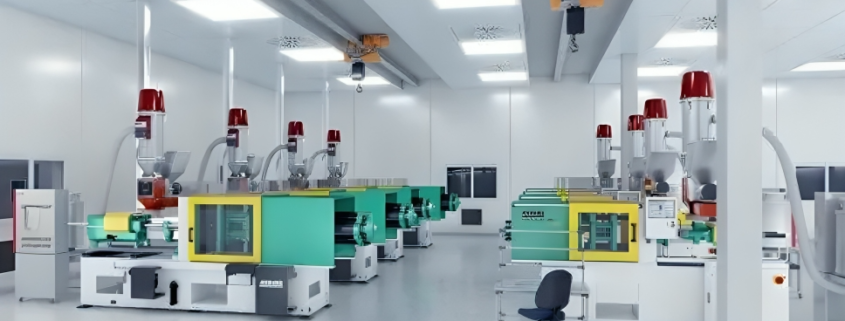
4.Machine Cost

The cost of acquiring as well as maintaining injection molding machines is high. They also use electricity when working. When determining the cost of a plastic injection mold, as well as the total production cost, these costs are accounted.

Inexpensive vs. Expensive Injection Molds

Inexpensive molds are applicable to smaller projects, and shorter production cycles. They are simple to manufacture, but can be worn out. More durable and better quality results are offered by expensive molds. This is why the amount of money to spend on an injection mold should be regarded as a long-term investment.

Reducing Cost of Injection Mold

It can be done to lower the extent to which injection molding is costly, without compromising quality. Prudent planning will save money. Simple design decisions as well as choosing the appropriate materials could be used to reduce the amount the plastic injection mold would cost.

Simplify Design

The straightforward designs are less complicated and less expensive to manufacture. Don’t use irrelevant information that complicates the matter. This will minimize the cost of an injection mold, as well as accelerate the production.

Select the appropriate Media

It is highly important to choose the appropriate material. It ought to be compatible with your product requirements and costs. This choice impacts performance and the extent to which is injection molding expensive.

Reduce Mold Cavities

Initial cost of mould can be reduced using lesser cavities. Single cavity molds are less expensive and not as difficult to maintain. It is an ideal choice when the quantity of production runs is small, and assists in managing the amount of inquiry a plastic injection mold cost.

Work with Experts

The accomplished manufacturers are able to mentor you to better decisions. They assist in the prevention of expensive errors. The collaboration with professionals will make sure that the amount of money needed by an injection mold does not exceed the budget.

Injection Molding vs. other techniques

A lot of individuals contrast injection molding to other forms of manufacturing. They would also wish to know how much injection molding cost is as compared to the other alternative. Large-scale production is more suitable to injection molding. Although the cost of a plastic injection mold is very expensive, the cost per unit is lowered as time goes by.

Should we Injection Mold?

Businesses which require high production of products are good candidates of injection molding. It is fast, accurate and reliable. The initial cost might be high but knowing how much does an injection mold cost, will aid in making smart decisions.

Errori comuni da evitare

Numerous inexperienced individuals commit errors which raise the cost of injection molding. With good planning, such errors can be avoided. Some of the common errors made are intricate designs, improper choice of materials and lack of proper planning. Preventing them will lower the cost that a plastic injection mold costs.

Real-Life Cost Examples

Live cases can be used to learn more about the extent to which an injection mold is more cost-effective. The prices are subject to change depending on the size and complexity of project. Small molds may cost $1,000 to $3,000. Medium molds can cost $5,000 to $15,000. Big molds are over 50, 000.

What is the Time Taken to make an injection Mold?

L'altra considerazione significativa quando si parla di quanto costa uno stampo a iniezione. La realizzazione di uno stampo non è un processo immediato. Può richiedere un paio di settimane o addirittura mesi, a seconda della complessità. Per stampi semplici possono essere necessarie dalle 2 alle 4 settimane. Stampi complessi, progettati in modo elaborato, possono richiedere fino a 8-12 settimane o più. Questo tempo influisce anche sul costo dello stampaggio a iniezione, poiché più lungo è il progetto, maggiore è la manodopera e le risorse necessarie.

Prezzo dello stampo a iniezione personalizzato

Gli stampi personalizzati sono fatti su misura per prodotti particolari. Il costo di questi stampi è più elevato, in quanto comporta una progettazione speciale e un'ingegnerizzazione del design. Questo è il motivo per cui la maggior parte delle persone tende a chiedere quanto costa uno stampo a iniezione di plastica per un progetto personalizzato.

Gli stampi personalizzati possono variare da $5.000 a oltre $100.000. Il costo è determinato dalle dimensioni, dal materiale e dalla complessità del progetto. Quando si sviluppa un prodotto personalizzato, è importante conoscere il costo di uno stampo a iniezione.

Differenze di costo per paese

Lo stampaggio a iniezione è influenzato anche dal Paese di produzione, per cui il suo costo varia. I costi della manodopera e della produzione variano a seconda delle aree. Ciò influenza direttamente l'entità del costo dello stampaggio a iniezione.

Ad esempio, gli stampi prodotti in Cina tendono ad essere meno costosi rispetto a quelli prodotti negli Stati Uniti o in Europa. Ma anche la qualità e la comunicazione devono essere percepite per determinare l'entità del costo di uno stampo per iniezione plastica.

Costo del prototipo rispetto allo stampo di produzione

Per i test e la produzione di bassi volumi si utilizzano stampi per prototipi. Sono meno costosi e più veloci da produrre. In questo modo le aziende possono sperimentare i loro concetti prima dell'intera produzione. Gli stampi di produzione sono realizzati per durare a lungo e in grandi quantità. Costano di più, ma sono più durevoli. Questa variazione è molto importante per determinare il costo di uno stampo a iniezione.

La manutenzione degli stampi a iniezione

Quando si determina il costo dello stampaggio a iniezione, molti dimenticano il calcolo della manutenzione. Per funzionare bene, gli stampi devono essere puliti e riparati regolarmente. Il costo della manutenzione dipende dall'uso e dalla qualità dei materiali. Un trattamento accurato migliora la crescita degli stampi e riduce al minimo i costi nel lungo periodo. Anche questo aspetto influisce sul costo di uno stampo a iniezione di plastica nel lungo periodo.

Effetto della modifica della progettazione sui costi

Le modifiche alla progettazione possono rendere il progetto più costoso. In caso di modifiche apportate allo stampo dopo la creazione, potrebbe essere necessario rielaborare lo stampo o eventualmente crearne uno nuovo. Questo può determinare in modo significativo l'ammontare del costo dello stampo a iniezione. Questo è il motivo per cui si dovrebbe progettare il prodotto finale prima di iniziare il processo di produzione, al fine di controllare la misura in cui lo stampaggio a iniezione è costoso.

Uso della tecnologia per risparmiare sui costi

La tecnologia di oggi contribuisce alla riduzione dei costi di produzione. L'uso di software avanzati migliora l'accuratezza dei progetti e riduce al minimo gli errori. Ciò consente di risparmiare tempo e denaro. L'automazione accelera la produzione e la rende più efficiente. Nella maggior parte dei settori, questi progressi stanno gradualmente riducendo il costo di uno stampo a iniezione di plastica.

Produzione di grandi e piccoli volumi

Anche la quantità di produzione è importante per determinare il costo. Il costo dello stampo viene distribuito tra i grandi volumi di produzione. Ciò riduce il costo per pezzo. Un costo unitario elevato si riscontra nella produzione a basso volume, a causa della mancanza di un'ampia distribuzione del costo dello stampo. Si tratta di una considerazione importante nella stima del costo di uno stampo a iniezione.

Selezione del produttore corretto

È fondamentale scegliere il produttore appropriato. Un produttore eccellente è quello che offre un lavoro di qualità e aiuta a gestire le spese. In questo modo si garantisce un miglioramento dei risultati. I produttori competenti saranno in grado di consigliare il costo dello stampaggio a iniezione e di suggerire come risparmiare. Inoltre, aiutano a controllare l'entità del costo di uno stampo a iniezione di plastica.

Costo dello stampaggio a iniezione per le piccole imprese

Gli elevati costi di avviamento sono una preoccupazione per le piccole imprese. Tuttavia, anche lo stampaggio a iniezione può essere un'opzione con una pianificazione adeguata. Per cominciare, modelli di base e piccole quantità di stampi possono contribuire a ridurre il costo di uno stampo a iniezione, Quanto costa uno stampo a iniezione? Oggi è più facile per le piccole imprese entrare nel mercato.

Impatto ambientale e costi

Il rispetto dell'ambiente si sta facendo strada nel processo produttivo. Molte aziende utilizzano attualmente materiali riciclabili e macchine a risparmio energetico. Questi sviluppi possono avere un impatto minore sul costo dello stampaggio a iniezione, ma contribuiscono a salvaguardare l'ambiente. Inoltre, sono in grado di ridurre al minimo il costo di uno stampo a iniezione di plastica, a lungo termine, grazie all'efficienza.

Tendenze future dello stampaggio a iniezione

Lo stampaggio a iniezione sta migliorando con l'aiuto della tecnologia. I costi della manodopera e l'efficienza vengono ridotti e aumentati con l'automazione. Il grado di riduzione dei costi dello stampaggio a iniezione in futuro, grazie al miglioramento della tecnologia, è ancora da determinare. Tuttavia, ci saranno sempre stampi di qualità che richiederanno investimenti.

Pensieri finali

Ora avete un quadro chiaro di quanto costa uno stampo a iniezione e di come questo dipenda da vari fattori. Il prezzo varia a seconda dei requisiti di progettazione, materiale e produzione. Non bisogna mai rischiare e bisogna collaborare con gli specialisti. In questo modo sarà possibile controllare in che misura lo stampaggio a iniezione è efficace dal punto di vista dei costi e ottenere risultati migliori.

In ultima analisi, ponete l'accento sul valore piuttosto che sul prezzo. Un investimento fatto oggi sarà in grado di far risparmiare denaro in futuro, perché sarà in grado di vedere quanto un stampo ad iniezione per plastica costi.

Domande frequenti

1. Qual è il costo medio di uno stampo a iniezione?

Lo stampo a iniezione dipende dalle dimensioni e dalla complessità e ha un'ampia gamma di costi per stampo a iniezione. Il prezzo medio dello stampo a iniezione può essere compreso tra 1.000 e oltre 100.000. Gli stampi semplici sono meno costosi rispetto agli stampi industriali complessi, che sono molto costosi.

2. Perché lo stampaggio a iniezione è inizialmente così costoso?

Ciò è dovuto principalmente allo stampo. Prima della produzione, è necessario produrre uno strumento di elevata precisione. Questo è il motivo per cui i costi da sostenere per lo stampaggio a iniezione sono inizialmente elevati, ma con l'aumentare delle quantità prodotte il costo per unità sarà più basso.

3. Qual è il costo di uno stampo a iniezione di plastica per progetti su piccola scala?

Il costo medio di uno stampo a iniezione di plastica varia tra $1.000 e 5.000 a seconda del tipo di progetti piccoli o semplici. Questi tipi di stampi sono applicati nella produzione di bassi volumi o di semplici parti di plastica che contengono disegni semplici.

4. È possibile ridurre il costo dello stampo a iniezione?

Sì, è possibile ridurre i costi semplificando la progettazione, diminuendo il numero di cavità e selezionando materiali adeguati. La giusta progettazione contribuisce a ridurre i costi di uno stampo a iniezione senza compromettere la qualità dei prodotti.

5. È conveniente utilizzare lo stampaggio a iniezione per produrre in massa?

Lo stampaggio a iniezione è molto economico per la produzione su larga scala. Nonostante l'elevato costo iniziale, il costo dello stampaggio a iniezione, per unità, è molto basso quando si producono migliaia di pezzi.

Stampaggio ad iniezione ad alto volume

High volume injection molding is an extensive manufacturing procedure that is applied in large production of plastic parts. It is recognized to be efficient, consistent and cost effective. This approach is used by many industries to address the increasing demand of the products. High volume injection molding is a process that is preferred by businesses that are interested in scaling their production since it is a reliable way of producing the results.

This is suitable in companies which require mass production and do not compromise on quality. It is also useful in minimizing the expenditure in the long run. This guide will tell you all about the high volume injection molding, its process, advantages, material, as well as its use.

What is High Volume Injection Molding?

High volume injection molding is a production method, which is applied to manufacture thousands or even millions of similar plastic parts. Molten plastic is injected in a mold in this process, which cools down and solidifies to shape into the required shape. This process is repeated several more times in order to produce uniform products.

Il high volume plastic injection molding is normally applied when bulk production is necessary. It makes certain that all of the parts are of the same size, shape and quality. High volume custom injection molding is normally used by such businesses where they need the unique product design, but at the same time, the production volume needs to be large. The china high volume injection molding is also favored by many companies since it is cost effective and has large scale production.

Operation of the Process

The high volume injection molding requires a number of crucial steps. The first stage involves the selection of the plastic material that is to be used depending on the requirements of the products. The various materials have varying strength, flexibility and durability.

The plastic is then heated till it is melted. This liquid plastic is next forced into a mold at a high pressure. The mold is made to have a shape that is the same as that of the final product. After the mold is filled with the plastic material, it is then left to cool down and harden.

The complete part is ejected out of the mold after it is cooled. The process is repeated in order to create additional components. The high volume plastic injection molding is very efficient and suitable in the mass production as it is a continuous process.
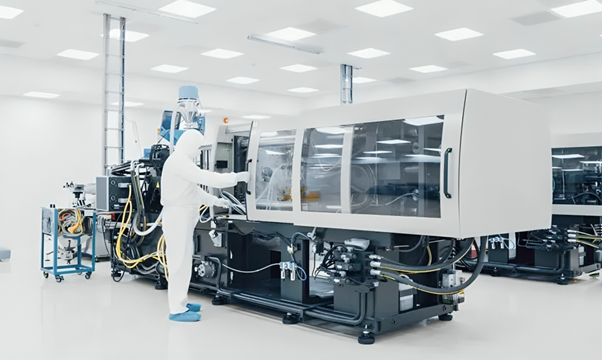
Advantages of the High Volume Injection Molding

Cost effectiveness is one of the largest benefits of high volume injection molding. Its initial set up cost may be expensive but the unit cost is very low in the case of large production of the products. This ensures that it is a cost-effective solution to the businesses. The other advantage is that of quality consistency. The high volume plastic injection molding is used to produce each part, and this way the part is almost the same and hence reliable and consistent. This is particularly crucial to those industries that are concerned with precision.

It is also very fast in the production speed. The contemporary machines are capable of making thousands of parts within a short period of time. This will enable the businesses to satisfy rigid deadlines and demand. Flexibility of design is the other strength. High volume custom injection molding enables the companies to produce an intricate and detailed design. It becomes easier to come up with unique and innovative products.

Moreover, wastage of materials is also minimal due to the fact that sometimes it is possible to reuse the surplus plastic. This renders the process to be more environmentally friendly than other manufacturing processes.

Uses of High Volume Injection Molding

The injection molding is done in high volume in most industries. It is also employed in the manufacture of parts like dashboards, panels as well as covers in the automotive industry. Such elements have to be very precise and durable. High volume plastic injection molding is applied in the production of small plastic elements in the electronics industry. These components find application in smartphones, computers and home appliances.

This also is applied in the medical industry to manufacture products such as syringes, containers, and medical tools. Such products demand great amount of cleanliness and precision. Another significant area of use is the consumer goods. The high volume injection molding is usually used in production of everyday products like bottles, containers and packaging materials.

Why Should High Volume Custom Injection Molding be chosen?

There are numerous companies where products have to be unique and brand oriented. High volume custom injection molding makes companies be able to produce customized design and still enjoy the mass production.

This allows the business to retain brand identity in the way that they can design the products that are unique in the market. It will also make sure that certain requirements are fulfilled without being at cost to production. Consequently, the high volume custom injection molding is ideal in cases where firms wish to have the customization as well as scalability.

Why Should China High Volume Injection Molding?

The manufacturing outsourcing is not a new trend and china high volume injection molding is a favored option to many companies. Reduction in the cost of production is among the primary causes. The cost of labor and operation in most cases is less and this saves the companies money. The other competitive edge is availability of advanced technology. Modern machinery is applied in most of the manufacturing industries in China that dictate high quality production.

The other advantage is a large production capacity. China high volume injection molding is appropriate when dealing with international companies since factories have the capacity of dealing with bulk orders. Furthermore, China boasts of great supply chain and logistics network. This facilitates to deliver products to different parts of the world in good time.

Plastics of High Volume Injection Molding

High volume injection molding is carried out using different forms of plastic materials based on the needs of the products. ABS is a brand of choice as it is durable and strong. It is generally applied in the automotive and electronic products. The other material that is commonly used is polypropylene. It is also light and elastic hence it is applicable in packaging and consumer goods. Nylon is also a strong material that is resistant to heat and this fact has rendered it suitable in industrial use.

Polycarbonate is also commonly applied in the production of items that need to be transparent and have impact resistance like safety gears. The material used should be chosen well since it has a direct influence on the performance and the durability of the product.

Design Hints to greater Success

High volume injection molding is highly dependent on good design. The simple designs tend to be less expensive and the production is simpler. Complicated designs may raise the cost and time. The thickness of the walls should be uniform, due to the fact that it avoids defects and enhances the product strength. Lack of evenness of the thickness may create problems when cooling.

The design is aided with addition of draft angles to assist in easy extraction of the parts out of the mold. This minimizes the chances of being damaged. One should also avoid sharp edges since rounded edges will be more durable and will contain fewer stress points. These design tips should enhance the quality of products produced through high volume plastic injection molding.

Difficulties in High Volume Injection Molding

The high volume injection molding has several challenges even though it has many advantages. Making molds may be expensive, and this might be an issue of concern to small businesses. Nevertheless, this is normally offset in the long run by large production.

Problems can also be generated by design errors. Failure to optimize the design in the right way may result in defects and delays in production. Another major consideration is the choice of materials. The performance and quality of the end product can be influenced by the incorrect choice of material.

It is also necessary to maintain the machines. Timely maintenance also means smooth running and avoidance of the untimely breakdown in high volume injection molding operations.

The Question of Selecting the appropriate Manufacturer

It is important to select the manufacturer in order to have a successful high volume injection molding. One should choose the company that is experienced and skilled in the sphere. Proficiency in manufacturing will give more credible manufacturers a higher chance of producing quality outcomes.

The quality standards must also be looked into. A quality manufacturer will be dependent on a strict quality control. The other factor is pricing. Competitive rates should be found, but quality must not be lost. Capacity of production is also important. The manufacturer ought to have the capabilities of managing large orders particularly where there is a high volume plastic injection molding project.

High Volume Injection Molding Factors of Cost

It is extremely important to the businesses to know the cost structure. The injection molding can be performed in high volume which can be costly initially, but in the long run it will prove to be cost effective. The main cost factor is the mold. The manufacturing and the design of molds involve a lot of money particularly when dealing with a complicated part.

Material cost is another factor that is important. Various plastics carry different prices basing on their properties and quality. The correct material selection can be used in the high volume plastic injection molding to manage the overall costs.

Operation of machines and workforce also add to the overall cost. Automation has however minimized the labor dependency of contemporary production. This is because high volume injection molding is more efficient and cost effective.

The volume of production is also important in pricing. The more the units the less the cost per unit. That is the reason why most companies would use high volume custom injection molding to produce in large quantity. China high volume injection molding is usually adopted by companies because it is relatively cheap and has high capacity of production.

High volume injection molding Quality Control

In high volume injection molding it is critical to maintain quality. This means that production runs are large and therefore any minor mistake may result in a huge loss. This is why the quality control should be on strict measures. Manufacturers have high-technology inspection instruments to test size and functionality of products. The high volume plastic injection molding is normally done by automated systems to identify defects at the initial stage. This will enable uniformity in all products.
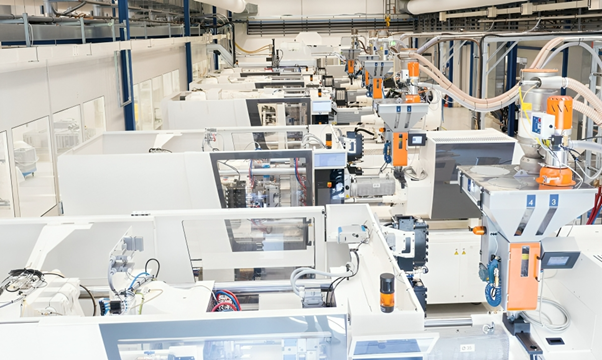
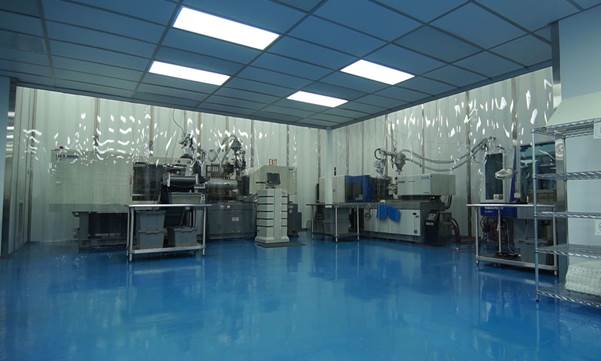
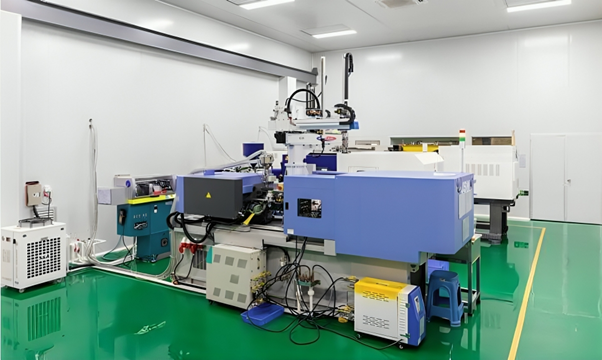
There is also the importance of the material testing. It makes sure that the plastic chosen is of the desired standards. The quality checks are even more of critical concern in the high volume custom injection molding since the products are designed to be used to fulfill particular needs. A number of manufacturers in the china high volume injection molding practice international quality standards. This will guarantee that products are in line with the demands of the world and expectations of the customers.

Injection Molding High Volume Tooling

One of the most significant issues of high volume injection molding is tooling. The final shape and quality of the product is dependent on the mold. Good quality molds may have millions of cycles. The design of the tooling should be accurate. Any minor mistake will have an impact on the whole production process. In large volume plastic injection molding, there is the need to have durable molds so that production can run over a long period of time.

Molds are used in manufacturing of different types. Single-cavity molds are used to produce a part at a time and multi-cavity molds are used to produce many parts within a cycle. Multi cavity molds are usually applied in high volume custom injection molding since they enhance efficiency.

China high volume injection molding is always used by many companies to have tools due to the cost benefit and technical experience. Properly made molds enhance faster production and minimize the defects.

High Volume Injection Molding: Automation

The manufacturing industry is undergoing a change with automation. The injection molding processes have been increased to a higher volume and the machines and robotic systems are used to enhance efficiency. The parts are handled by robots; the products are removed out of molds and quality checks performed. This minimizes the human error and maximizes the speed of production. Automation is highly beneficial when it comes to the high volume plastic injection molding since it must be operating at all times.

Intelligent machines have the ability to check temperature, pressure and cycle time. This guarantees stability and minimizes poor performance. Automation in high volume custom injection molding is used in keeping accuracy in customized designs. Due to the need to remain competitive in the world arena, most of the factories with china high volume injection molding are embracing automation. This results in increased speed of production and quality products.

Practicality of Sustainability in High Volume Injection Molding

One of the concerns that are taking center stage in manufacturing is sustainability. High volume injection molding is developing in the direction of environmental safeguarding. Minimal waste of the material is one of the primary benefits of this process. Unnecessary plastic may be recycled and reused. Plastic injection molding of high volume is used to promote eco-friendly production.

Most firms are currently adopting biodegradable and recyclable substances. This minimizes pollution and sustenance objectives. With the high volume custom injection molding, businesses are able to select materials that will conform to their environmental policies. The China high volume injection molding producers are also going green. They are adopting the environmentally friendly machines and minimizing emissions. This assists in developing a more sustainable production process.

Troublesome flaws and the ways to prevent them

High volume injection molding has defects even with the advanced technology. The awareness of these problems assists in the enhancement of the quality of products. Warping is one of the defects. This occurs due to uneven cooling of parts. This can be avoided in high volume plastic injection molding by proper designing of the mold and ensuring there is uniformity in the wall thickness.

The other problem is sinking marks. These come in form of tiny dents on the product surface. They tend to be as a result of poor cooling or shrinkage of materials. This problem can be resolved by changing the parameters of the processes. The other common defect is flash. It takes place when there is a leakage of excess material in the mold. This problem is avoided in high volume custom injection molding by ensuring that the molds are aligned correctly.

The manufacturers operating in the china high volume injection molding employ superior mechanisms in order to identify and correct flaws within a short period of time. This guarantees quality production.

A comparison of High Volume and Low Volume Injection Molding

One should know the difference between high volume and low volume production. The high volume injection molding is geared towards mass production whereas low volume is applied to the smaller quantity. Injection molding of plastics can be done in high volumes to provide low cost per unit because of high volumes of production. It suits well with products which have a steady demand.

Low volume production on the other hand is appropriate in prototypes or small batches. It is cheaper in terms of initial costs but expensive in terms of unit costs. High volume custom injection molding is most preferred in a business that would like to increase production and yet retain individual design. China high volume injection molding is preferred by many companies and is applied in cases where quantities are required in large numbers and at competitive costs.

Most Benefiting industries

High volume injection molding is very useful in a number of industries. This is a process that is used in the automotive industry to come up with durable and precise components. Electronics industry is the sector that depends on the high volume plastic injection molding of small and complicated parts. These are the elements of the modern devices.

This is also the method used in the packaging industry. Goods such as bottles, caps and containers are done in bulk. The high volume custom injection molding is applied in the medical industry to produce safe and sterile products. This makes sure that they are in line with strict regulations.

China high volume injection molding does a significant contribution towards provision of products to such industries across the world.

The Future of High Volume Injection Molding

High volume injection molding has a brighter future. Automation is getting prevalent and this makes the work smoother and less human error. The production processes are being enhanced with the use of smart machines. It is also developing new materials that can be used to improve the performance of products. These are more powerful, flexible and sustainable materials.

The concept of sustainability is taking center stage. Recyclable plastics in high volume injection molding are now being put into high use in many companies where environment impacts are to be minimized.

Conclusione

High volume injection molding is a critical production procedure that is necessary to companies that need to produce in mass. It has numerous benefits such as being cost effective, fast and of the same quality. High volume plastic injection molding is more suitable when producing large numbers of the same product where high volume custom injection molding can be used to have unique and customized designs. China high volume injection molding is affordable and has a high production volume thus many companies prefer it.

Having the knowledge of the process, materials and best practices, business can make a more informed decision and attain positive production results. Stampaggio a iniezione ad alto volume is still a major aspect of the contemporary production and will still be significant in the future.

Domande frequenti

5. What are the saved costs which are high volume injection molding?

The initial set up costs are also quite expensive, but the unit cost reduces in large quantities of productions. There are also advantages on automation and effective use of materials which help in minimizing the costs in general.

What does high volume injection molding mean?

High volume injection molding is a manufacturing technique which is employed in the manufacturing of majority of plastic components according to a brief duration of time. It entails the use of melted plastic that is injected in the mold to produce the same products that are of the same quality.

2. Why does the business have high volume injection molding?

This is the one that the businesses would like since it consumes less time and it is not costly per unit in case of mass production. It further makes all products to appear and work in the same way.

3. In what are the common areas where high volume injection molding is applied?

This has been applied majorly in the automobile sector, electronics, health and house goods. It is best when it comes to the manufacture of products that require mass production.

4. Does it possess high volume injection molding that is cost effective?

Yes, it is very cost effective in cases where large batches of production are taken. Although the initial arrangement might be costly, the general cost is reduced with increase in the production of the units.

Stampaggio a iniezione termoplastica

Thermoplastic injection molding is one such material that has continued to be popular in the world manufacturing industry due to the increased demand of lightweight and high-quality materials. Efficiency, accuracy and cost effectiveness are some of the success factors in the fast production world today. Among the most common processes that fulfill all these requirements is thermoplastic injection molding. It is a high level of production since it enables the companies to make plastic components of the required quality in a consistent and accurate manner.

The process is applied in other businesses within the consumer goods sector, automotive components and others. The businesses will be in a position to make a better production decision because they will know how the same works and what the benefits are.

What is Thermoplastic Injection Molding?

Stampaggio a iniezione di termoplastici or injection molding is a manufacturing process that involves forcing a thermoplast in a melt form into a mold and then molded to a required shape. Once the mold is cool and solid the final product is forcefully de-molded.

It is also very efficient as far as mass production is concerned. It enables the manufacturers to come up with detailed designs that are very accurate. Thermoplastic injection molding is also a good method of production in large scale production due to the reusability of molds.

Thermoplastics refer to those materials that can be melted and moulded again and again without the decline of its property. This predisposes them to be very versatile and can be adapted to other applications.

Thermoplastic Injection Molding Manufacturing Process

1. Material Selection

The first step in thermoplastic injection molding process is the process of selecting the right material. e.g. polypropylene, ABS, polycarbonate, normally thermoplastic pellets. Such materials are selected depending on their characteristics such as strength, plastics, heat resistant characteristics and cost. The injection molded thermoplastic is the appropriate material that provides optimum functionality and strength to the part.

2. Melting of the Thermoplastic

This entails melting of the Thermoplastic to acquire the required shape and volume to fill the molding machine. Melting of the Thermoplastic: It is done to melt the Thermoplastic to the shape and volume required and pour into the molding machine.

In a hot barrel of the injection molding machine, the raw plastic pellets are put. The fuse of the pellets in the barrel is homogenous and viscous. The temperature of this stage is very pertinent so that the degradation and smooth run of the molding process can be assured.

The Mold is used to inject the new product into the market.

3. Injection into the Mold

When the thermoplastic is exposed to the appropriate temperature, it is pressed in a mold cavity of the desired size. The shape and nature of the part is determined by the mold. Gates, vents and channels will be constructed in the correct manner that will cause flow of the molten material into the mold to flow evenly to minimise defects. This is one of the required operations of injecting thermoplastic.

4. Freezing and Refreezing

Once the plastic is in the mold it melts and solidifies. Time required in the cooling process would be determined by the material, thickness of the walls and complexity of the component. The cooling must be uniform in order that it lacks warps, sinks or shrinkages.

5. Mold Opening and Part Ejection

The part is then solidified then the mold is opened, and the complete product is ejected. This is then repeated through continuous production. The modern machines are automated and they have computer controls which ensure that the same part is used in the different runs that yield the same part which is of high quality.

6. Processing and Finishing

Even the thermoplastic components that are injection molded could need further finishing i.e. trimming, painting or assembling. These are processes that make the part to be functionally and aesthetically acceptable.

7. Quality Control

Quality check is done by the manufacturers in the process to be acquainted with the dimensions, tolerance and material integrity. Quality maintenance has resulted in thermoplastic injection molding that makes reliable and strong parts to other industries.

Types of Injection Molded Thermoplastic Materials

Manufacture of injection molded thermoplastic material has many different types. The types possess peculiarities which make them suitable to be used in some application.

Materials of some of the forms are:

  • Polypropylene (PP): it is light and non-chemical.
  • Polyethylene (PE): Soft and tough.
  • Acrylonitrile Butadiene Styrene (ABS): Impact resistant and strong.
  • Polycarbonate (PC): Heat resistant and transparent.
  • Nylon (PA): Strong, tough and hard.

The selection of the thermoplastic injection molded material plays a critical role in the determination of the preferred performance and life of the end product.

Benefits of Thermoplastic Injection Molding

Thermoplastic injection molding is advantageous in production in several ways:

  • High efficiency: First in the mass production.
  • Precision: Development of advanced and advanced designs.
  • Efficiente dal punto di vista dei costi: Will decrease material wastes.
  • Reusability: The materials could be reused and recycled.
  • Diversity: It can be applied in other industries.

Such advantages render thermoplastic injection molding as an option worth consideration by those firms that would want to enhance the efficiency of the production.

Thermoset vs Thermoplastic Injection Molding

The difference between thermoset and thermoplastic injection molding needs to be considered in the event that someone is making the correct decision regarding the process. Thermoplastics may be recycled and molten and remodeled at other times therefore making it flexible. Thermoset plastics, on the other hand, do not melt in the curing process and change chemically.

Comparatively, thermoset and thermoplastic injection molding are not easy to handle in comparison to thermoplastics. Thermosets are however, more resistant to heat and their structural stability is greater. The choice of either the thermoset or the thermoplastic injection molding would depend on the application.

Applications Across Industries

The thermoplastics injection molding process is flexible and efficient and thus it can find application in most industries.

  • Auto parts: auto interior components, bumpers and dashboard.
  • Medical: Surgical equipment, syringes and medical equipment.
  • Elettronica: Housing, connections and insulations.
  • Beni di consumo: Household and toys.

The thermoplastic injection molding is now a mandatory practice in the current production due to the ability to create lightweight and strong products.

Quality Control in Injection Molding

In any production, quality is an issue of concern. Injection molding thermoplastic follows the same idea of quality control which is aimed at making sure that each product is up to standard. The manufacturers have the sophisticated tools and test procedures to verify the dimensions, strength and durability. The quality control minimizes the defects and leaves the customers happy.

One of the highest benefits of injection molding thermoplastic is consistency and this is the reason why it can be used in the large-scale production.

Cost Factors in Thermoplastic Injection Molding

The thermoplastic injection molding prices will vary depending on a sequence of aspects such as the nature of materials that should be employed, shape of the mold and the quantity of units that ought to be produced. The first mold fees are high when done in large volumes but made up by reduced cost of production. Cost saving may also be performed through lavish building and a correct choice of the materials.

Long-term saving and enhanced efficiency in production is one of the aspects that is shared in long-term businesses investing in injection molding of thermoplastics.

Environmental Impact and Sustainability

Much emphasis is being laid on sustainability in the manufacturing industry. The concept of the thermoplastic injection molding stimulates the green operations because of the possibility of the recycling of the material and the decrease of the waste. Most of the thermoplastics are recyclable in several occasions hence lower pollution to the environment. This makes the process more sustainable as compared to the other manufacturing processes.

The companies that have implemented the application of the thermoplastic injection molding will be in a position to help in the creation of the greener future and be productive at the same time.

Common Defects in Thermoplastic Injection Molding and How to Avoid Them

This is an extremely efficient process that may defect when the production process is taking place. The injection molding is thermoplastic and is known to possess warping, sink marks, short shots and flash. When the part cools in another rate, it gets warped thus bends the part. Good cooling systems can be used to minimize this. The sink marks are tiny dots that are marked on the surface and are normally attributed to the inappropriate pressure or cooling time.

Short shots are done when the mold has not been filled completely as is common due to low injection pressure. But the excess pouring out of the cavity of the mold is flash. Such issues would be prevented by designing appropriate molds and machine configuration during injection molding of thermoplastics.

Importance of Mold Design in Injection Molding Thermoplastic

Designs of molds are very crucial in the success of injection molding thermoplastic. Good material flow, easy cooling, easy to eject the complete part, is given by a good mold.

The considerations of the design of the mold are the location of gates, cooling, and venting. The material can fill up the mold evenly creating minimal defects when the gates are appropriately placed. The cooling channels are applied to maintain the homogenous temperatures and this improves the product quality.

An injection molding thermoplastic has a high quality mold that does not only improve efficiency but also improves the length of production.

Role of Temperature and Pressure Control

Temperature and pressure are some of the most significant parameters involved in the process. When thermoplastics are injected, right temperature will ensure that the substance flows properly and it fills the mold completely. Unwanted heat can destroy the material. With low values, there is a probability of having defects due to the non-flowing of the material as expected. Similarly, sufficient pressure is required to ensure that the mold has a uniform fill.

These variables are closely controlled in order to improve product quality and reduce wastage during injection thermoplastic molding.

Advantages of Injection Molded Thermoplastic in Product Design

The thermoplastic injected plastic is very beneficial in product design. Designers can also come up with complicated shapes, thin wall and detailed features that would have been difficult to accomplish by other means. The advantage of injection molded thermoplastic is the other benefit as there is a possibility of adding several parts in a single component. This saves time on assembling and increases products durability.

The design is adaptable; thus a company can become creative and can invent unique products that can be differentiated in the market.

Comparing Injection Molding Thermoplastic with Other Plastic Processes

There are different processes of plastic manufacturing but thermoplastic through injection molding is efficient and accurate. The shape and detail control of injection molding is better than processes like blow molding and extrusion. It is most appropriate in the case of hard materials of complex profiles.

Despite the fact that injection molding thermoplastic may not be suitable to some of the usages, it becomes suitable in high volume production where the quality of the items used should be constant.

Global Manufacturing Trends and China’s Role

Thermoplastic injection molding has seen China become one of the major nations of production of plastics. Many firms prefer outsourcing production because it is cost effective and efficient in production. The Chinese manufacturers are capable of offering the current machine, workforce, and the capacity to handle massive quantities of manufacturing. They also have good prices hence making them a good option to businesses all over the world.

Moreover, many businesses in China are compliant with the world quality standards, and it ensures the quality and reliability of results. That is why they create such a formidable presence in the global market because of such a combination of cheapness and quality.

Custom Thermoplastic Injection Molding Solutions

Customization is one of the biggest benefits of injection molding of thermoplastics. The manufacturers can come up with products that satisfy individual needs like the size, shape, color and material characteristics. Customized solutions are especially useful in those industries that have special requirements, e.g., aerospace and medical. This is ensured by the fact that it is produced with special components that ensure that they are superior in terms of performance and functionality.

The companies are able to liaise with the manufacturers in developing custom made designs which suit their specifications.

Maintenance and Longevity of Molds

The long life of the molds which will be used in the injection molding of the thermoplastics is a major factor because of maintenance. The cleaning and the inspection are performed on a regular basis in order to avoid the damage and maintain the performance.

Wear and tear may also occur as time goes by due to repetition in the molds. This can be improved by doing a replacement of worn-out parts and routine services.

Maintained molds are known not only to improve the quality of products, but also to reduce the time of production.

Tips for Choosing the Right Material

The material used is critical in the process of defining the outcomes that would be achieved. Some factors must be taken into account in working with injection molded thermoplastic because they contain strength, flexibility, heat resistance and cost.

There are numerous advantages of the media. Using ABS as a case in point, ABS is said to be strong whereas polyethylene is valued to be flexible. These properties will be known and this knowledge will help in making the right choice.

You also get a chance of seeking the recommendation of professionals in order to decide on which injection molded thermoplastic to apply in your project.

Final Words

The thermoplastic stampaggio a iniezione is important in the modern manufacturing process due to its efficiency, precision, and versatility. The technology and materials are becoming more reliable and inexpensive with the increase in the process, which is making it more cost effective.

It is advantageous to business in industries not only on its flexibility of design but also on mass production. Firms can maximize this powerful manufacturing process through knowledge about the process, materials and best practices.

Domande frequenti

1. What is injection thermoplastic molding?

Injection molding is a thermoplastic process of manufacturing where a form of plastic known as thermoplastic molten material is injected into a mold to make the perfect parts of the plastics. It is widely used in production of complex shapes and in high volume production.

2. What is the thermoplastic injection molded components materials?

These materials include polypropylene (PP), ABS, polycarbonate (PC), polyethylene (PE) and nylon (PA). Each injected dose of thermoplastic material is determined depending on its strength, flexibility, heat resistance and requirement of usage.

3. What is the distinction between injection molding thermoplastic and other processes?

Thermoplastic injection molding creates shapes of an exact, detailed, and repeatable nature, which cannot be achieved with extrusion and blow molding. It is applied effectively in the production of solid components of complicated geometry and it is quite efficient in large scale production.

4. What is the difference between thermoset and thermoplastic injection molding?

Through thermoset/ thermoplastic injection molding, thermoplastics are capable of being melted and remodeled several times, whilst thermosets are unable to melt and are subject to chemical curing. Thermoplastics are easier and can be recycled, whereas thermosets are more resistant to heat and chemicals.

5. What will I do to avoid defect in injection molding of thermoplastic?

Warping, sink marks and flash are the defects that are normally experienced. Their defects are reduced through the proper design of the mold, the control of temperature and pressure, and the use of high-quality thermoplastic material of high quality, which results in the production that is consistent and reliable.

Stampaggio ad iniezione di plastica personalizzato Cina

Lo stampaggio a iniezione di plastica personalizzato in Cina è oggi uno dei prodotti più utilizzati nel competitivo mondo della produzione, in grado di offrire alle aziende precisione, scalabilità e convenienza. Che si tratti di una startup o di un marchio affermato, a prescindere dalla scelta, potrebbe valere la pena di imparare a utilizzare un servizio di stampaggio a iniezione di plastica personalizzato e prendere la decisione giusta per quanto riguarda lo sviluppo dei prodotti e ottenere risultati di alto livello.

Attraverso la plastica personalizzata stampaggio a iniezione Le aziende possono produrre progetti elaborati in modo ripetibile, a costi ridotti e in tempi stretti. È anche un metodo di produzione flessibile, in quanto può essere flessibile in termini di scelta dei materiali e di personalizzazione e quindi può essere applicato a diversi settori come quello automobilistico, medico, elettronico e dei beni di consumo.

Che cos'è lo stampaggio a iniezione di plastica personalizzato?

Lo stampaggio a iniezione di plastica su misura è una tecnica di fabbricazione in cui la plastica fusa viene forzata in uno stampo per formare determinate forme e parti. L'applicazione di questo metodo è stata comune nei settori automobilistico, medico, elettronico e dei beni di consumo. Gli impressionisti possono creare progetti sofisticati utilizzando le materie plastiche stampate a iniezione personalizzate che sono altamente precise e coerenti.

Plastica nei materiali per lo stampaggio a iniezione personalizzato

Il successo dello stampaggio a iniezione di plastica personalizzato implica la selezione di un materiale. I vari materiali hanno caratteristiche diverse, come la forza, la duttilità e la resistenza al calore.

I materiali comunemente utilizzati sono:

Significato della scelta del materiale

L'identificazione del materiale è una delle decisioni più importanti che vengono prese per ottenere un risultato di alta qualità nello stampaggio a iniezione di plastica personalizzato in Cina. La scelta del materiale è importante perché influisce sulle prestazioni, sulla durata e sulla funzionalità complessiva del prodotto finale. Le varie materie plastiche possiedono diverse caratteristiche come la forza, la flessibilità, la resistenza chimica e la tolleranza al calore, pertanto la scelta del materiale è una sfida importante per i produttori e le aziende.

Materiali comuni utilizzati

Sono facilmente modificabili in ABS, polipropilene, polietilene, policarbonato e nylon, che sono le plastiche stampate a iniezione più diffuse. Gli scopi dell'utilizzo e le esigenze del prodotto definiscono a priori l'impiego o meno di un determinato materiale.

ABS (acrilonitrile butadiene stirene)

Anche l'ABS è estremamente apprezzato per la sua forza e resistenza agli urti. È stato ampiamente applicato nel settore dei ricambi auto, degli involucri elettronici e dei prodotti domestici, in quanto resiste all'usura e offre una finitura piacevole.

Polipropilene (PP)

Il polipropilene è un materiale molto leggero e inoltre è molto resistente agli agenti chimici. Il polipropilene è un materiale molto leggero e, inoltre, molto resistente agli agenti chimici.

Polietilene (PE)

Il polietilene è una plastica robusta. Viene normalmente utilizzato in contenitori, sacchetti di plastica e sistemi di tubazioni in cui sono richieste elevata tenacità e resistenza all'acqua.

Policarbonato (PC)

Policarbonato è terribilmente resistente e trasparente. Si tratta di un tipico prodotto di sicurezza che rientra nell'ambito delle lenti e degli utilizzi ottici in cui la nitidezza e la resistenza agli urti sono una necessità.

Nylon (PA)

Il nylon è un materiale duro e resistente all'usura. L'altro ambito applicativo in cui viene utilizzato è quello dell'ingegneria, degli ingranaggi e degli elementi industriali.

Per quanto riguarda il lavoro di stampaggio a iniezione di plastica personalizzato, i produttori terranno conto del servizio dei prodotti, nella selezione del materiale adeguato. Qualsiasi stampaggio a iniezione di plastica personalizzato in Cina, che potrebbe utilizzare un numero incredibile di materiali, offre qualsiasi soluzione possibile che le aziende potrebbero fornire con alti livelli di personalizzazione e fattibilità.

Il processo di stampaggio a iniezione di plastica personalizzato

Questa conoscenza del processo aiuta le aziende a pianificare la produzione in modo migliore e a raggiungere risultati noti. Il processo di stampaggio a iniezione di plastica personalizzato in Cina è orientato alla precisione del processo, all'efficienza e alla qualità della produzione per un ampio segmento di industrie.

Progettazione di stampi

Si inizia con la progettazione dello stampo, in cui gli ingegneri sviluppano un progetto dello stampo dettagliato sulle specifiche del prodotto. Si tratta di una fase importante, poiché la forma, le dimensioni e la precisione del prodotto finale possono essere determinate dallo stampo. Lo stampaggio a iniezione di plastica personalizzato è spesso realizzato con software e tecnologie avanzate che assicurano la perfezione del design e della funzionalità.

Selezione del materiale

In secondo luogo, si sceglie il materiale plastico adatto. I vari materiali hanno caratteristiche diverse, come la forza, la flessibilità e la resistenza al calore. La scelta del materiale appropriato è un prerequisito per la durata e le prestazioni delle plastiche stampate a iniezione personalizzate.

Iniezione

Dopo che i due elementi sono stati preparati, si applica l'alta pressione allo stampo e vi si inietta la plastica fusa ad alta pressione. Questa misura serve a garantire che il materiale si conformi a tutti gli angoli dello stampo e che tutti i dettagli vengano catturati perfettamente.

Raffreddamento

La plastica viene iniettata e poi lasciata raffreddare e indurire nello stampo. È necessario un raffreddamento sufficiente per garantire che la forma e la struttura del prodotto non vengano alterate.

Espulsione e finitura

Infine, il prodotto solidificato viene fatto uscire dallo stampo. Un'ulteriore finitura può essere eseguita per migliorare l'aspetto e la funzionalità dell'articolo attraverso la rifilatura, la lucidatura o il rivestimento.

Si tratta di un processo efficiente e semplificato, motivo per cui lo stampaggio a iniezione di plastica personalizzato in Cina è altamente applicabile nella produzione su larga scala e di alta qualità.

Stampaggio a iniezione di plastica personalizzato in Cina - Controllo qualità

Anche la qualità dei servizi di stampaggio a iniezione di plastica personalizzati è una priorità assoluta. I buoni produttori osservano misure di controllo della qualità elevate che comprendono:

  • Ispezione delle materie prime
  • Controlli di qualità in-process
  • Test del prodotto finale
  • Sono stati utilizzati standard internazionali (certificazioni ISO).

Queste pratiche garantiscono che le plastiche stampate a iniezione personalizzate siano le migliori al mondo in termini di qualità.

I vantaggi di fare affari con i produttori cinesi

La collaborazione con aziende che forniscono stampaggio a iniezione di materie plastiche su misura in Cina rappresenta un ampio vantaggio per le imprese interessate a espandere la produzione a basso costo e ad alto volume. Nel corso degli anni, la Cina è diventata un polo produttivo mondiale, con aziende di ogni parte del mondo che hanno stabilito la loro presenza in Cina grazie alle sue capacità e ai suoi vantaggi competitivi.

Tempi di consegna più rapidi

Tra i vantaggi più significativi della decisione di utilizzare lo stampaggio a iniezione di plastica personalizzato in Cina, si possono citare una produzione e una consegna più rapide. I macchinari moderni e le procedure di produzione snelle consentono ai produttori cinesi di gestire elevati volumi di produzione con scadenze rigorose. Questa velocità consente alle imprese di immettere più rapidamente i prodotti sul mercato e di anticipare i concorrenti.

Accesso alla spedizione globale

L'altra opportunità significativa è rappresentata dall'accesso a reti di spedizione ben sviluppate in tutto il mondo. Le aziende che forniscono servizi personalizzati di stampaggio a iniezione di materie plastiche in Cina sono molto esperte nei servizi logistici internazionali e, pertanto, la consegna dei prodotti a livello globale avviene in modo fluido e tempestivo. Ciò ha semplificato il processo attraverso il quale le aziende controllano le catene di approvvigionamento e accedono ai mercati internazionali senza problemi.

Bassa rigidità nella personalizzazione

I produttori cinesi sono molto flessibili per quanto riguarda la personalizzazione. Le materie plastiche stampate a iniezione personalizzate possono essere progettate per adattarsi esattamente alle vostre esigenze, sia che si tratti di design unici, di materiali specifici o di forme complesse. Un tale grado di personalizzazione consente alle aziende di produrre prodotti di qualità unica.

Reti di filiera efficaci

La Cina dispone di un ecosistema di supply chain adeguatamente sviluppato, che le consente di approvvigionarsi di materie prime e componenti in modo efficiente. Questa grande rete garantisce un'elevata qualità e ritardi minimi nella produzione dei progetti di stampaggio a iniezione di plastica personalizzati in Cina.

Soluzioni economicamente vantaggiose

Oltre ai vantaggi di cui sopra, l'efficienza dei costi è un fattore significativo che spinge le aziende verso lo stampaggio a iniezione personalizzato di plastica su porcellana. La riduzione dei costi di manodopera e di produzione aiuta le aziende a massimizzare i profitti, pur mantenendo un'elevata qualità.

Nel complesso, questi punti di forza rendono la Cina dello stampaggio a iniezione di plastica personalizzato un partner ottimale per le aziende straniere che desiderano trovare opzioni di produzione di alta qualità, scalabili e affidabili.

Qual è la scelta razionale dello stampaggio a iniezione di plastica personalizzato in Cina?

Lo stampaggio a iniezione di plastica personalizzato in Cina è la scelta migliore tra le varie aziende dell'attuale industria manifatturiera in tutto il mondo, grazie all'alta qualità, all'efficienza e al basso costo. La Cina ha dimostrato di essere un importante centro di stampaggio a iniezione di plastica con una serie di vantaggi che l'hanno resa una buona destinazione per molte aziende nel mercato globale.

Efficienza dei costi

L'efficienza dei costi è uno dei fattori principali che spingono le aziende a ricorrere allo stampaggio a iniezione di plastica personalizzato in Cina. I prezzi dei produttori cinesi sono molto competitivi e non incidono sulla qualità. Ciò consente loro di produrre grandi volumi di plastica stampata a iniezione su misura a un prezzo unitario ridotto. La produzione di massa è meno costosa ed è più adatta alle startup e ai marchi consolidati che desiderano avere un margine di profitto elevato ma allo stesso tempo preservare i propri standard qualitativi.

Tecnologia avanzata

La tecnologia moderna è un altro vantaggio della decisione di ricorrere allo stampaggio a iniezione di plastica personalizzato in Cina. I macchinari, l'automazione e i più recenti metodi di produzione sono presenti nelle fabbriche in Cina. Ciò garantisce che tutti i prodotti fabbricati siano precisi, uniformi e di qualità globale. L'alta tecnologia consente inoltre di accelerare i tempi di produzione e di gestire progetti molto complessi nello stampaggio a iniezione di plastica personalizzato.

Forza lavoro qualificata

I produttori cinesi dispongono di una forza lavoro più esperta, con anni di esperienza nei servizi di stampaggio a iniezione di plastica personalizzati. Questi esperti sono in grado di gestire operazioni complesse, di utilizzare i materiali in modo efficiente e di fornire prodotti affidabili e di qualità. Sono così bravi che fanno sì che le aziende ottengano materie plastiche stampate a iniezione personalizzate che sono precise rispetto alle specifiche e alla funzionalità.

Scalabilità

L'altro motivo per cui lo stampaggio a iniezione di plastica personalizzato in Cina è molto popolare è la scala. I produttori cinesi sono in grado di gestire piccoli lotti da utilizzare per la prototipazione o una produzione su larga scala, a seconda della quantità di cui un'azienda può avere bisogno. Ciò consente alle aziende di crescere e svilupparsi senza doversi preoccupare delle restrizioni di produzione.

Fattori di costo da considerare

Lo stampaggio a iniezione di plastica personalizzato in Cina ha un prezzo che varia in base a una serie di fattori:

  • Complessità della progettazione dello stampo
  • Tipo di materiale
  • Volume di produzione
  • Specifiche di finitura delle superfici

Anche se i primi costi dello stampo possono essere costosi, la produzione di massa consentirà di risparmiare molto sul prezzo unitario, per cui lo stampaggio a iniezione di plastica personalizzato sarà estremamente conveniente.

Usi della plastica stampata ad iniezione personalizzata

Plastiche iniettate Le plastiche stampate a iniezione personalizzate trovano ampie applicazioni in vari settori sotto vari aspetti, in quanto possono essere prodotte con precisione in base alle esigenze e sono durevoli in quanto possono essere facilmente utilizzate in varie applicazioni. Lo stampaggio a iniezione di plastica su misura è una soluzione necessaria per le industrie moderne, perché è un metodo flessibile per produrre prodotti di qualità specifici per numerose applicazioni.

Industria automobilistica

L'industria automobilistica è uno dei principali settori in cui vengono utilizzate le plastiche stampate a iniezione personalizzate. I produttori utilizzano queste plastiche per realizzare parti di cruscotti, paraurti, finiture interne e parti del motore. Lo stampaggio a iniezione di plastica personalizzato in Cina consente alle aziende automobilistiche di essere altamente precise e coerenti, il che è essenziale in termini di sicurezza e prestazioni.

Dispositivi medici

I servizi di stampaggio a iniezione di materie plastiche personalizzate sono applicati nel settore medico, dove vengono impiegati per realizzare parti di strumenti chirurgici, apparecchiature diagnostiche e imballaggi medici. Le materie plastiche stampate a iniezione personalizzate sono importanti nel settore sanitario perché sono in grado di produrre componenti sterili, precisi e duraturi, il cui fattore più importante è la qualità e l'affidabilità.

Elettronica

L'elettronica è un'altra grande industria che dipende dallo stampaggio a iniezione di materie plastiche personalizzate. Componenti come involucri, connettori, interruttori e alloggiamenti sono prodotti attraverso questo processo. I produttori cinesi di stampaggio a iniezione di plastica sono in grado di offrire prodotti di alta qualità che si adattano alle specifiche esatte richieste dai dispositivi elettronici.

Soluzioni di imballaggio

La plastica stampata a iniezione su misura ha primeggiato nel settore dell'imballaggio grazie alla sua leggerezza, all'economicità e alla possibilità di stampaggio in forme complesse. I servizi di stampaggio a iniezione di plastica personalizzata possono essere utilizzati efficacemente per realizzare prodotti come bottiglie, tappi, contenitori e imballaggi protettivi.

Prodotti per la casa

Lo stampaggio a iniezione di materie plastiche su misura è ampiamente utilizzato per realizzare articoli domestici robusti e attraenti, come utensili da cucina, contenitori, ecc. La produzione può avvenire su larga scala e la qualità e la coerenza sono garantite.

La plastica stampata a iniezione su misura in Cina è versatile e affidabile, il che l'ha resa la scelta preferita di un'azienda in diversi settori. Avendo fornito processi di produzione accurati, economici e scalabili, la plastica stampata a iniezione personalizzata consente alle aziende di soddisfare i loro prodotti in modo efficace ed efficiente.

I principali vantaggi dei servizi di stampaggio a iniezione di plastica personalizzati

I servizi di stampaggio a iniezione di materie plastiche possono essere personalizzati per fornire un'ampia gamma di vantaggi alle aziende in cerca di servizi di produzione di qualità, affidabili ed economici.

Alta precisione e accuratezza

La precisione è uno dei suoi principali vantaggi. Lo stampaggio a iniezione di plastica su misura viene utilizzato anche quando ogni componente deve essere prodotto secondo specifiche molto particolari e quando è necessario un alto grado di coerenza e qualità nella produzione.

Flessibilità del materiale

I servizi offrono flessibilità nella scelta dei materiali. I produttori possono utilizzare una grande varietà di materie plastiche, che consentono alle aziende di selezionare il materiale più adatto in termini di durata, resistenza o determinate funzionalità.

Riduzione dei rifiuti

Il sistema è molto efficace e riduce lo spreco di materiali. Questo rende la porcellana personalizzata basata sullo stampaggio a iniezione di plastica un metodo di produzione ecologico, ma a costi di produzione inferiori.

Produzione veloce

Una volta realizzato, lo stampo è veloce e uniforme. È possibile produrre in breve tempo elevate quantità di plastica stampata a iniezione su misura, a supporto di produzioni su piccola e grande scala.

I vantaggi di questi ultimi sono quelli che rendono i servizi di stampaggio a iniezione di plastica personalizzati una soluzione cruciale per la produzione contemporanea di prodotti.

La selezione del produttore appropriato in Cina

Il processo di scelta del partner appropriato per la fornitura di stampaggio a iniezione di plastica personalizzato in Cina è molto essenziale. Ecco alcuni suggerimenti:

  • Certificazioni e standard di qualità dei controlli.
  • Esaminate i progetti precedenti e le recensioni sui feedback dei clienti.
  • Considerate la loro esperienza nelle materie plastiche speciali stampate a iniezione.
  • Assicuratevi che la comunicazione e la facilitazione siano adeguate.

Un fornitore efficiente di servizi di stampaggio a iniezione di plastica personalizzati ha il potenziale per influenzare notevolmente la qualità del vostro prodotto.

Pensieri finali

In sintesi, è evidente che lo stampaggio a iniezione di plastica personalizzato in Cina è una soluzione efficace per le aziende che desiderano ottenere una produzione di qualità e conveniente. Rimane una delle principali preferenze al mondo grazie alle moderne tecnologie, alla professionalità e alla versatilità della produzione.

Con una scelta adeguata di un partner e la conoscenza del processo, sarete in grado di godere di tutti i vantaggi dello stampaggio a iniezione di plastica personalizzato e di realizzare prodotti duraturi, precisi e innovativi.

Domande frequenti

1. Che cos'è lo stampaggio a iniezione di plastica personalizzato?

Lo stampaggio a iniezione di plastica su misura è un processo di produzione in cui la plastica fusa viene forzata in uno stampo per sviluppare componenti e parti di forma precisa. È comunemente utilizzato in settori come quello automobilistico, elettronico e dei dispositivi medici.

2. Perché lo stampaggio a iniezione di plastica personalizzato in Cina è la strada da percorrere?

Lo stampaggio a iniezione di plastica personalizzato in Cina è efficiente dal punto di vista dei costi grazie all'alta tecnologia, alla manodopera qualificata e alla produzione su scala che è adatta sia ai progetti di produzione su piccola che su grande scala.

3. Quali sono i materiali che possono essere impiegati nelle materie plastiche stampate a iniezione personalizzate?

Alcuni dei materiali a disposizione dei produttori per soddisfare le esigenze individuali dei prodotti sono ABS, polipropilene (PP), polietilene (PE), policarbonato (PC) e nylon (PA).

4. Qual è la durata media del processo di stampaggio a iniezione di plastica personalizzato?

Il tempo necessario per produrre uno stampo dipende dalla complessità dello stesso, dalla scelta del materiale e dalla quantità di lotti. Una volta preparato lo stampo, è possibile produrre materie plastiche ad iniezione personalizzate in breve tempo e in quantità regolari.

5. Quali sono i vantaggi dell'utilizzo di servizi di stampaggio a iniezione di plastica personalizzati?

Tra i vantaggi vi sono l'elevata precisione, la duttilità delle materie plastiche, la riduzione degli sprechi, la rapidità di produzione e l'economicità della produzione, che fanno dello stampaggio a iniezione di materie plastiche su misura in Cina l'opzione migliore tra le aziende di tutto il mondo.

Parti stampate ad iniezione: Una guida per tutti gli usi

La produzione di pezzi stampati a iniezione è una componente significativa dell'industria contemporanea. Lo stampaggio a iniezione viene utilizzato per realizzare molti dei prodotti che ci circondano. Si tratta di un processo che favorisce la produzione di componenti robusti e precisi. Si tratta di componenti che trovano applicazione in numerosi settori. La qualità dei prodotti stampati richiesti aumenta di anno in anno.

Il motivo alla base dell'ampio utilizzo dei componenti in plastica per lo stampaggio a iniezione è che sono durevoli ed economici. Consentono alle aziende di produrre un gran numero di prodotti della stessa forma. Anche i design complessi funzionano bene in questo processo. Nel frattempo, le parti dello stampo per lo stampaggio a iniezione sono importanti per la modellazione e la formatura di questi prodotti. Il processo non può andare avanti senza i giusti componenti dello stampo.

La popolarità dello stampaggio a iniezione è dovuta al fatto che consente di risparmiare tempo. Inoltre, riduce gli scarti. Il metodo consente una produzione a ciclo breve. È un metodo che molte industrie non possono permettersi di abbandonare.

Stampaggio a iniezione di plastica: Che cos'è lo stampaggio a iniezione di plastica?

Plastica stampaggio a iniezione si riferisce a un processo di produzione. Con la sua assistenza si producono prodotti in plastica in grandi quantità. Si tratta di una procedura veloce e affidabile. Può essere utilizzato per produrre pezzi della stessa forma e dimensione in tutti i casi.

In questo processo, il materiale plastico viene prima riscaldato. La plastica diventa morbida e si scioglie. La plastica liquida viene quindi inserita in uno stampo. Lo stampo ha una forma specifica. Quando la plastica si raffredda, diventa solida. L'intero pezzo viene rimosso dallo stampo.

Stampaggio a iniezione di plastica: Che cos'è lo stampaggio a iniezione di plastica?

Lo stampaggio a iniezione di plastica viene utilizzato per realizzare prodotti semplici e complessi. Consente un'elevata precisione. Inoltre, riduce lo spreco di materiale. Il motivo è che è popolare perché si sprecano meno tempo e denaro.

Tabella 1: Componenti degli stampi per lo stampaggio a iniezione

Componente dello stampoMateriale tipicoTolleranzaFinitura superficialeCiclo di vita tipicoFunzione
Nucleo e cavitàAcciaio temprato / Alluminio±0,01-0,03 mmRa 0,2-0,8 μm>1 milione di scattiForme interne ed esterne
CorridoreAcciaio / Alluminio±0,02 mmRa 0,4-0,6 μm>500.000 scattiCanalizza la plastica fusa nella cavità
CancelloAcciaio / Alluminio±0,01 mmRa 0,2-0,5 μm>500.000 scattiControlla l'ingresso della plastica nella cavità
Canali di raffreddamentoRame / Acciaio±0,05 mmRa 0,4-0,6 μmContinuoRimuove il calore in modo efficiente
Perni di espulsioneAcciaio temprato±0,005 mmRa 0,3-0,5 μm>1 milione di scattiEspulsione del pezzo finito senza danni
Fessure di sfiatoAcciaio / Alluminio±0,01 mmRa 0,2-0,4 μmContinuoRilascia l'aria intrappolata durante l'iniezione

Conoscere il processo di stampaggio a iniezione

Un metodo di produzione controllato e preciso è la tecnologia di stampaggio a iniezione. Si applica alla produzione di componenti in plastica di elevata precisione. Si tratta di una procedura funzionale che avviene per fasi. Ogni fase ha dei parametri e dei valori numerici.

Selezione e preparazione dei materiali

Si parte dalla materia prima plastica. Questa viene solitamente confezionata sotto forma di pellet o di granuli. Di solito si tratta di ABS, polipropilene, polietilene e nylon.

  • Dimensione del pellet: 2-5 mm
  • Contenuto umido prima dell'essiccazione: 0.02% -0.05%
  • Temperatura di asciugatura: 80°C-120°C
  • Tempo di asciugatura: 2-4 ore

L'asciugatura corretta è fondamentale. Bolle e difetti superficiali dei pezzi stampati possono essere causati dall'umidità.

Fusione e plastificazione

I pellet di plastica vengono essiccati e forzati nel stampaggio a iniezione macchina. Passano attraverso una coclea che ruota e attraverso un barile caldo.

  • Zone di temperatura della canna: 180°C-300°C
  • Velocità della vite: 50-300 GIRI AL MINUTO
  • Rapporto di compressione della vite: 2.5:1 -3.5:1.

La plastica viene fusa ruotando la vite. La sostanza si trasforma in una massa omogenea di liquido. Anche la fusione offre la consistenza del componente.

Fase di iniezione

Al termine della fusione, la plastica viene spinta nella cavità di stampaggio. Lo stampo viene riempito con grande pressione in modo rapido e regolare.

  • Pressione di iniezione: 800-2000 bar
  • Velocità di iniezione: 50-300 mm/s
  • Tempo di iniezione: 0,5-5 secondi

Grazie all'appropriato controllo della pressione, non si ricorre a scatti brevi e flash. L'obiettivo è riempire l'intero stampo prima dell'inizio del raffreddamento della plastica.

Fase di imballaggio e stoccaggio

Lo stampo viene riempito e viene applicata una pressione sullo stampo. In questo modo si supera il processo di ritiro del materiale a temperatura ambiente.

  • Pressione di carico: Flusso di iniezione del 30-70%.
  • Tempo di mantenimento: 5-30 secondi
  • Tasso di ritiro tipico: 0,5%-2,0%

Questo processo aumenta la concentrazione e la dimensione del pezzo. Inoltre, riduce gli stent interni.

Processo di raffreddamento

Lo stampaggio a iniezione è il processo che richiede il tempo di raffreddamento più lungo. La sostanza plastica si solidifica e si scioglie.

  • Temperatura di stampaggio: 20°C-80°C
  • Tempo di raffreddamento: 10-60 secondi
  • Efficienza di trasferimento del calore: 60%-80%

L'eliminazione del calore avviene tramite canali di raffreddamento nello stampo. Un raffreddamento adeguato elimina le deformazioni e i difetti della superficie.

Apertura dello stampo ed espulsione

Dopo il raffreddamento, lo stampo si apre. Una sezione completata viene rimossa con l'ausilio di perni o piastre di espulsione.

  • Velocità di apertura dello stampo: 50-200 mm/s
  • Forza di espulsione: 5-50 kN
  • Tempo di espulsione: 1-5 secondi

Espulsione: Un'espulsione accurata non danneggia i pezzi. La chiusura dello stampo dà inizio al ciclo successivo.

Tempo di ciclo e produzione

Il tempo di ciclo totale varia a seconda delle dimensioni dei pezzi e del materiale.

  • Tempo medio di ciclo: 20-90 secondi
  • Velocità di uscita: 40 -180 parti/ora.
  • Forza di serraggio della macchina: 50-4000 tonnellate

La riduzione dei tempi di ciclo aumenterà la produttività. Tuttavia, la qualità deve essere mantenuta costantemente.

Monitoraggio e controllo del processo

Nelle macchine moderne vengono impiegati sensori e automazione. Questi sistemi controllano la pressione, la portata e la temperatura.

  • Tolleranza alla temperatura: ±1°C
  • Tolleranza di pressione: ±5 bar
  • Precisione dimensionale: ±0,02 mm

La costanza della qualità è garantita dal monitoraggio del processo. Si riducono inoltre gli scarti e i tempi di inattività.

Importanza dei componenti della muffa

Lo stampaggio a iniezione dipende dalle parti dello stampo. Ciascuno degli elementi dello stampo ha un ruolo da svolgere. Si tratta della formatura, del raffreddamento e dell'espulsione.

Il stampaggio a iniezione di plastica I pezzi sono considerati di successo a seconda della corretta progettazione dello stampo. Uno stampo scadente può causare difetti. Questi difetti includono crepe e superfici sbilanciate. Le parti dello stampo realizzate con lo stampaggio a iniezione, invece, contribuiscono a garantire la precisione. Inoltre, assicurano che i cicli di lavorazione siano buoni.

Vengono stampate parti protrattici di alta qualità. Riducono anche i costi di manutenzione. Questo lo rende più efficace e affidabile.

Informazioni tecniche sui componenti dello stampo

I componenti dello stampo sono gli elementi più importanti del sistema di stampaggio a iniezione. Controllano la forma, la precisione, la resistenza e la qualità della superficie. Senza componenti dello stampo ben progettati, non è possibile ottenere una produzione stabile.

Stampaggio a iniezione di plastica: Che cos'è lo stampaggio a iniezione di plastica?

Nucleo e cavità

Il nucleo e la cavità determinano la forma finale del prodotto. La superficie esterna è costituita dalla cavità. Il nucleo costituisce le caratteristiche interne.

  • Tolleranza dimensionale: ±0,01-0,03 mm
  • Finitura superficiale: Ra 0,2-0,8 µm
  • Durezza tipica dell'acciaio: 48-62 HRC

La precisione del nucleo e della cavità è elevata e riduce al minimo i difetti. Inoltre, migliora l'uniformità dei pezzi.

Sistema Runner

Il sistema del canale di colata dirige la plastica fusa dall'ugello di iniezione alla cavità. Ha un'influenza sul bilanciamento del flusso e sulla velocità di riempimento.

  • Diametro del corridore: 2-8 mm
  • Velocità del flusso: 0,2-1,0 m/s
  • Limite di perdita di pressione: ≤10%

La riduzione dello spreco di materiale è ottenuta grazie a un'adeguata progettazione dei canali. Inoltre, il riempimento è uniforme.

Design del cancello

La porta regola il flusso di plastica nella cavità. La qualità del pezzo dipende dalle dimensioni e dal tipo di porta.

  • Spessore del cancello: 50-80 dello spessore del pezzo.
  • Larghezza del cancello: 1-6 mm
  • Limite della velocità di taglio: <100,000 s-¹

Il design della porta destra elimina le linee di saldatura e le bruciature.

Sistema di raffreddamento

Le piste di raffreddamento sono utilizzate per raffreddare lo stampo. Questo sistema ha un'influenza diretta sul tempo di ciclo e sulla stabilità dei pezzi.

  • Diametro del canale di raffreddamento: 6-12 mm
  • Distanza del canale dalla cavità: 10-15 mm.
  • Differenza massima di temperatura consentita: < 5 °C.

La facilità di raffreddamento migliora la precisione dimensionale. Inoltre, riduce i tempi di produzione.

Sistema di espulsione

Una volta raffreddato, il pezzo viene espulso all'interno del sistema di espulsione. Il sistema deve esercitare una forza uguale per tutti per evitare danni.

  • Diametro del perno di espulsione: 2-10 mm
  • Forza di espulsione per perno: 200-1500 N
  • Lunghezza della corsa di espulsione: 5-50 mm

L'espulsione uniforme elimina crepe e deformazioni.

Sistema di ventilazione

L'aria può rimanere intrappolata e fuoriuscire attraverso gli sfiati durante l'iniezione. Le ustioni e il riempimento incompleto sono causati da un cattivo sfiato.

  • Profondità di sfiato: 0,02-0,05 mm
  • Larghezza dello sfiato: 3-6 mm
  • Pressione massima dell'aria: <0,1 MPa

Un'adeguata ventilazione migliora la qualità delle superfici e la durata delle muffe.

Base e componenti di allineamento Base dello stampo

La base dello stampo porta tutti i pezzi. Per un corretto allineamento si utilizzano boccole e perni di guida.

  • Tolleranza del perno di guida: ±0,005 mm
  • Planarità della base dello stampo: ≤0,02 mm
  • Allineamento del ciclo di vita: più di 1M di scatti.

L'allineamento elevato riduce l'usura e il flash.

Tabella 2: Parametri chiave del processo

ParametroIntervallo consigliatoUnitàDescrizioneValore tipicoNote
Temperatura della canna180-300°CIl calore viene applicato per fondere la plastica220-260Dipende dal tipo di materiale
Pressione di iniezione800-2000barPressione per spingere la plastica fusa nello stampo1000Regolazione in base alle dimensioni e alla complessità dei pezzi
Temperatura dello stampo20-120°CLa temperatura viene mantenuta per un corretto raffreddamento60-90Più alto per i tecnopolimeri
Tempo di raffreddamento10-60secondiTempo di solidificazione della plastica25-35Dipende dallo spessore della parete
Tempo di ciclo20-90secondiTempo totale per ciclo di stampaggio30-50Include iniezione, imballaggio e raffreddamento
Forza di espulsione5-50kNForza per rimuovere il pezzo dallo stampo15-30Deve prevenire il danneggiamento dei pezzi

Materie prime per lo stampaggio a iniezione

La selezione dei materiali è molto importante. Influenza la qualità, la stabilità, l'aspetto e il prezzo del prodotto finale. La scelta della plastica appropriata è necessaria per garantire che i pezzi funzionino e siano stampati correttamente.

Materie prime per lo stampaggio a iniezione

Materiali termoplastici

I materiali più diffusi sono i termoplastici, perché possono essere fusi e riutilizzati più volte. Si fa largo uso di ABS, polipropilene, polietilene e polistirene. L'ABS è resistente agli urti e forte, e fonde a 200-240 °C. Il polipropilene fonde a temperature di 160 °C o 170 °C; è leggero e resistente agli agenti chimici. Il polietilene ha un punto di fusione compreso tra 120 °C e 180 °C ed è adatto a prodotti resistenti all'umidità.

Ingegneria delle materie plastiche

I componenti ad alta resistenza o resistenti al calore sono realizzati con tecnopolimeri come il nylon, il policarbonato (PC) e il POM. Il nylon fonde a 220 °C -265 °C e viene utilizzato per ingranaggi e parti meccaniche. Il policarbonato è un polimero resistente e trasparente che fonde a 260 °C - 300 °C. Il POM ha una temperatura di fusione compresa tra 165 °C e 175 °C e trova applicazione nei componenti.

Plastica termoindurente

Le materie plastiche termoindurenti sono difficili da rifondere dopo lo stampaggio perché si induriscono in modo permanente. Fondono a 150-200 °C e sono utilizzate in applicazioni ad alta temperatura, come i componenti elettrici.

Additivi e riempitivi

I materiali sono migliorati dagli additivi. Le fibre di vetro (10% -40%) aggiungono resistenza, le cariche minerali (5%-30%) riducono il restringimento e lo stabilizzatore UV (0,1-1%) protegge dal sole. Questi componenti di assistenza sono più duraturi e funzionano meglio.

Requisiti per la selezione dei materiali

La scelta del materiale è determinata da fattori quali temperatura, resistenza, confronto chimico, umidità e costo. Un'adeguata selezione porterà a prodotti di lunga durata, precisi e di qualità e ridurrà gli errori e gli sprechi.

Tabella 3: Proprietà del materiale

MaterialeTemperatura di fusione (°C)Temperatura stampo (°C)Pressione di iniezione (bar)Resistenza alla trazione (MPa)Restringimento (%)
ABS220-24060-80900-150040-500.5-0.7
Polipropilene (PP)160-17040-70800-120030-351.0-1.5
Polietilene (PE)120-18020-50700-120020-301.5-2.0
Polistirolo (PS)180-24050-70800-120030-450.5-1.0
Nylon (PA)220-26580-1001200-200060-801.5-2.0
Policarbonato (PC)260-30090-1201300-200060-700.5-1.0
POM (acetale)165-17560-80900-150060-701.0-1.5

Componenti fabbricati con il processo di stampaggio a iniezione di materie plastiche

Lo stampaggio a iniezione di materie plastiche è un processo che crea un gran numero di componenti applicabili in vari settori. Si tratta di un processo preciso, durevole e in grado di produrre grandi volumi. Di seguito sono riportati alcuni esempi di componenti tipici prodotti in questo modo.

Componenti fabbricati con il processo di stampaggio a iniezione di materie plastiche

Parti di ricambio per autoveicoli

  • Cruscotti
  • Paraurti
  • Bocchette d'aria
  • Pannelli delle porte
  • Manopole del cambio
  • Componenti del sistema di alimentazione
  • Rivestimenti interni

Parti mediche

  • Siringhe
  • Connettori per tubi
  • Strumenti chirurgici
  • Componenti IV
  • Alloggiamenti per dispositivi medici
  • Strumenti medici monouso

Parti elettroniche

  • Alloggiamenti per dispositivi
  • Interruttori e pulsanti
  • Fermacavi e portacavi
  • Connettori e spine
  • Tasti della tastiera
  • Contenitori per circuiti stampati

Prodotti per l'imballaggio

  • Bottiglie e barattoli
  • Tappi e chiusure per bottiglie
  • Contenitori per alimenti
  • Contenitori per cosmetici
  • Coperchi e guarnizioni
  • Scatole di immagazzinaggio

Beni di consumo e industriali

  • Giocattoli e figurine
  • Strumenti per la casa
  • Componenti dell'apparecchio
  • Accessori per la costruzione
  • Clip e dispositivi di fissaggio accurati.
  • Parti di macchine industriali

Design e precisione

La progettazione contribuisce in modo significativo al successo. Uno stampo efficace migliora la qualità del prodotto. Inoltre, riduce al minimo gli errori durante la produzione.

Le parti del processo di stampaggio a iniezione di plastica richiedono dimensioni rigorose. Le prestazioni possono essere influenzate da piccoli errori. Questo è il motivo per cui la creazione dei pezzi dello stampo a iniezione è progettata con tolleranze strette. Nella progettazione vengono spesso utilizzati software all'avanguardia.

Componenti fabbricati con il processo di stampaggio a iniezione di materie plastiche

La robustezza è rafforzata anche da un buon design. Migliora l'aspetto estetico. Garantisce un montaggio superiore negli assemblaggi finali.

Applicazioni industriali

Anche molte industrie utilizzano lo stampaggio a iniezione, che è veloce, preciso ed economico. Consente la produzione di massa di pezzi identici con una precisione molto elevata.

Industria automobilistica

Nel settore automobilistico, cruscotti, paraurti, bocchette di aerazione e pannelli interni sono realizzati con parti in plastica stampate a iniezione. Questi componenti devono essere potenti, leggeri e resistenti al calore. In particolare, vengono realizzati mediante stampaggio, in modo che le forme siano precise e uniformi per evitare qualsiasi problema di sicurezza e qualità.

Industria medica

In medicina Siringhe, connettori per tubi e strumenti chirurgici sono prodotti mediante stampaggio a iniezione. Sono necessarie molte aree di precisione e igiene. In particolare, le parti in plastica per lo stampaggio a iniezione possono essere realizzate con materie plastiche di grado medico e le parti dello stampo per lo stampaggio a iniezione possono essere utilizzate per garantire precisione e scorrevolezza.

Industria elettronica

Alloggiamenti, connettori, interruttori e clip per cavi sono tutti prodotti nell'industria elettronica attraverso lo stampaggio a iniezione. Le parti in plastica per lo stampaggio a iniezione proteggono i fragili circuiti e le parti dello stampo per lo stampaggio a iniezione sono necessarie per far combaciare perfettamente i pezzi.

Industria dell'imballaggio

Lo stampaggio a iniezione viene applicato anche al confezionamento di bottiglie, contenitori, tappi e chiusure. Le parti dello stampaggio a iniezione della plastica sono utilizzate per dare le forme e le dimensioni richieste, mentre le parti dello stampaggio a iniezione sono utilizzate per produrre grandi quantità nel minor tempo possibile, riducendo al minimo gli sprechi.

Altre industrie

Anche i beni di consumo, i giocattoli, l'edilizia e il settore aerospaziale sono sottoposti a iniezione. La sua flessibilità e precisione le consentono di adattarsi a quasi tutti i prodotti in plastica, siano essi semplici elettrodomestici o complicati componenti tecnici.

Controllo qualità e test

Nella produzione è necessario un controllo di qualità. Tutti i componenti devono essere essiccati per soddisfare i requisiti di progettazione. I test sono una misura della sicurezza e delle prestazioni.

I pezzi di plastica stampati a iniezione sono sottoposti a controlli visivi e meccanici. Grazie a questi controlli, i difetti vengono individuati precocemente. Contemporaneamente, viene effettuata l'ispezione dell'usura e dei danni delle parti dello stampo a iniezione. Le ispezioni frequenti eliminano l'eventualità di fallimenti di produzione.

Una buona gestione della qualità aumenta la fiducia dei clienti. Inoltre, riduce al minimo gli sprechi e le spese.

Pro dello stampaggio a iniezione

I vantaggi dello stampaggio a iniezione sono numerosi. Consente una produzione rapida. Inoltre, garantisce la ripetizione.

Stampaggio a iniezione di plastica sono dinamici e leggeri. Sono in grado di essere prodotti in serie. Nel frattempo, l'automazione è supportata dall'uso dello stampaggio a iniezione dei pezzi. Questo riduce il costo della manodopera e degli errori.

Pro dello stampaggio a iniezione

Inoltre, il processo è rispettoso dell'ambiente. Il materiale di scarto può essere riutilizzato. Ciò contribuirà alla mitigazione dell'impatto ambientale.

Sfide e soluzioni

Lo stampaggio a iniezione, come qualsiasi altro processo, è impegnativo. Si tratta di problemi di materiale e di usura degli stampi. Gli ambienti sfavorevoli portano a difetti.

I difetti dei pezzi possono essere valutati in assenza di una corretta manipolazione dei “pezzi per lo stampaggio a iniezione di materie plastiche". Questi rischi possono essere ridotti al minimo con una formazione adeguata. Allo stesso tempo, le parti dello stampo utilizzate nello stampaggio a iniezione devono essere sottoposte a regolare manutenzione. Questo assicura una lunga durata.

La tecnologia moderna sarà utile per affrontare molti problemi. L'efficienza viene migliorata grazie all'automazione e al monitoraggio.

Il futuro dello stampaggio a iniezione

Il futuro dello stampaggio a iniezione è solido. C'è uno sviluppo di nuovi materiali. La produzione intelligente sta diventando una realtà.

I pezzi di plastica prodotti con lo stampaggio a iniezione saranno migliorati. Saranno più significativi e più leggeri. Allo stesso tempo, verranno applicati ai pezzi stampati a iniezione materiali e rivestimenti migliori. Ciò aumenterà la longevità.

Il settore sarà ancora caratterizzato dall'innovazione. Le imprese competitive saranno quelle che cambiano.

Il ruolo della Cina

La Cina contribuisce in modo significativo al mercato dello stampaggio a iniezione nel mondo. È tra i maggiori produttori di parti per lo stampaggio a iniezione di materie plastiche e distributore di parti per lo stampaggio a iniezione. Il settore manifatturiero del Paese è molto diversificato; sono disponibili sia produzioni su piccola scala che produzioni industriali di grandi volumi.

Il ruolo della Cina

Le fabbriche cinesi dispongono di macchine ad alta precisione e di manodopera qualificata per la produzione di componenti. Molte aziende internazionali si affidano ai produttori cinesi perché offrono soluzioni economicamente vantaggiose senza rinunciare alla qualità.

Inoltre, la Cina è leader nell'innovazione. Crea nuovi materiali, stampi e metodi di automazione per migliorare l'efficienza. Ha una buona catena di approvvigionamento e un'elevata capacità produttiva che contribuiscono al suo status di attore principale nel soddisfare la domanda globale di prodotti stampati a iniezione.

Perché scegliere Sincere Tech

Siamo Sincere Tech e ci occupiamo della fornitura di parti di stampaggio a iniezione di plastica di alta qualità e di parti di stampi a iniezione ai nostri clienti in diversi settori. Abbiamo anni di esperienza e la passione di fare le cose nel modo migliore, quindi tutti i nostri prodotti sono della migliore qualità in termini di precisione, durata e prestazioni.

Abbiamo un gruppo di ingegneri e tecnici esperti e qualificati che offrono soluzioni di qualità e convenienti grazie all'applicazione di macchinari moderni e nuovi metodi. Abbiamo garantito una grande attenzione a tutti i dettagli, come la scelta del materiale, la progettazione degli stampi, ecc. in modo da avere la stessa qualità in ogni lotto.

I clienti preferiscono Sincere Tech perché apprezziamo la fiducia, la professionalità e la soddisfazione del cliente. Collaboriamo con i singoli clienti per conoscere le loro esigenze specifiche e offrire soluzioni ai loro bisogni. Inoltre, ci impegniamo a rispettare il concetto di consegna puntuale, assistenza tecnica e miglioramento costante, che ci distinguono nel settore dello stampaggio a iniezione.

Sincere Tech è l'azienda con cui potete trovare l'eccellenza nello stampaggio a iniezione di materie plastiche quando avete bisogno di pezzi piccoli e dettagliati o di una produzione in grandi volumi. Con noi non otterrete solo pezzi, ma anche un team dedicato al vostro successo e alla vostra crescita.

Per saperne di più sui nostri servizi e prodotti, visitate il sito plas.co e scoprite perché siamo la scelta giusta per i clienti di tutto il mondo.

Conclusione

Lo stampaggio a iniezione è un solido processo di produzione. È la spina dorsale di numerose industrie nel mondo. I suoi principali punti di forza sono la precisione, la velocità e la qualità.

I componenti in plastica per lo stampaggio a iniezione sono ancora molto importanti nella vita di tutti i giorni. Sono utili per soddisfare diverse esigenze, dai componenti più semplici a quelli più complessi. Nel frattempo, i pezzi di stampaggio a iniezione garantiscono un flusso di produzione efficiente e lo stesso risultato.

Lo stampaggio a iniezione continuerà a crescere solo con la giusta progettazione e manutenzione. Inoltre, continuerà a costituire un aspetto vitale della produzione moderna.