
Producția la comandă prin turnare prin injecție a materialelor plastice: un ghid complet pentru întreprinderile moderne
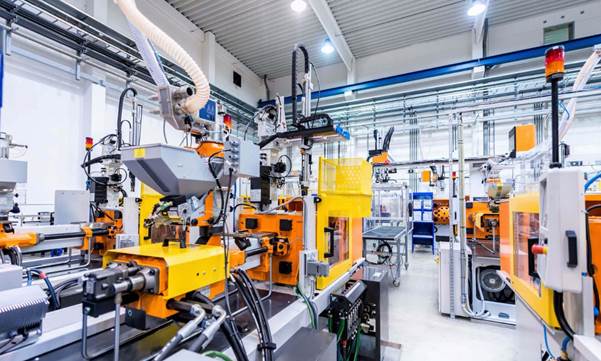
Producția pe bază de contract în domeniul turnării prin injecție a materialelor plastice reprezintă integrarea tehnologiei avansate de turnare cu servicii profesionale de producție. Acest lucru permite unei companii să se concentreze pe proiectare, marketing și dezvoltarea afacerii, lăsând producătorii să se ocupe de producție.
Eficiența în procesul de fabricație a produselor reprezintă una dintre preocupările principale ale întreprinderilor dintr-o gamă largă de sectoare industriale. Companiile sunt în căutarea unor piese de bună calitate, a unei producții constante și a unor soluții accesibile. Serviciile de producție pe bază de contract în domeniul turnării prin injecție a materialelor plastice joacă un rol important în acest sens. Acestea permit întreprinderilor să producă piese din plastic fără a fi nevoie de echipamente costisitoare, instalații și personal specializat.
Componentele din plastic pot fi întâlnite peste tot. Acestea sunt utilizate în piese auto, dispozitive medicale, bunuri de larg consum, produse electronice, ambalaje și utilaje industriale. Multe companii apelează la parteneri de producție pe bază de contract pentru a fabrica produse și bunuri din plastic de precizie, pe măsură ce cererea pentru astfel de produse continuă să crească.
Acest articol vă va oferi toate informațiile necesare despre turnare prin injecție a plasticului producția pe bază de contract, de la avantajele acesteia până la procesul și aplicațiile sale, costuri, provocări și perspective de viitor.
Înțelegerea producției pe bază de contract în domeniul turnării prin injecție a materialelor plastice
Producția în regim de contract prin turnare prin injecție a materialelor plastice este o metodă de producție care presupune angajarea unui producător specializat pentru fabricarea pieselor din plastic pentru o anumită companie. Producătorul contractant va fi responsabil de turnare, controlul calității, realizarea matrițelor, planificarea producției și, uneori, de asamblare și ambalare. Deoarece întreprinderile nu trebuie să investească în echipamente și în expertiza necesară pentru fabricarea produselor, acestea aleg să externalizeze producția către experți care dispun deja de ambele.
Este utilizată pe scară largă datorită consecvenței, scalabilității și eficienței sale. Companiile își pot lansa produsul în timp util, reducând în același timp la minimum riscurile operaționale și asigurând o calitate ridicată a produsului. Pentru mulți producători contractuali, rolul lor constă în a-și ajuta clienții de la stadiul de concept până la producție. Acest lucru permite un proces de fabricație mai rapid și reduce la minimum erorile costisitoare.
Cum funcționează turnarea prin injecție a materialelor plastice?
Turnarea prin injecție a materialelor plastice este un proces de fabricație utilizat pentru producerea pieselor din plastic în serie mare. Este o procedură care constă în extragerea materialului plastic și injectarea acestuia într-o matriță cu formă specială, la presiune ridicată. După răcire și solidificare, matrița este deschisă, iar piesele turnate sunt scoase. Acesta este un proces care permite obținerea unor piese foarte precise și repetabile. Se pot realiza atât forme simple, cât și componente mai complexe, cu detalii fine.
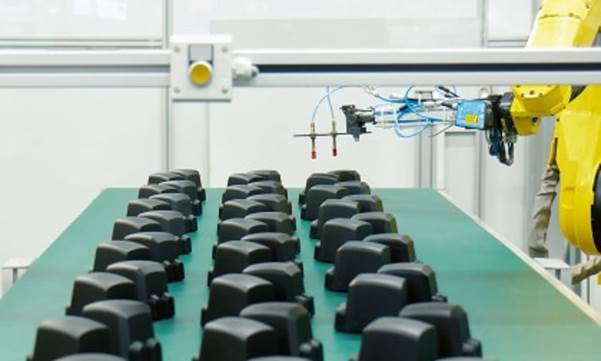
Iată câteva motive pentru care turnarea prin injecție este un proces utilizat pe scară largă:
- Eficiență ridicată a producției
- Calitate constantă
- Precizie dimensională excelentă
- UDC scăzut la volume mari
- O gamă largă de materiale
Prin urmare, turnarea prin injecție este un proces de fabricație utilizat pe scară largă la nivel mondial.
How Plastic Injection Molding Contract Manufacturing Works?
The process begins much before production commences. Successful contract manufacturers will usually adhere to a number of key steps.
Product Design Evaluation
Manufacturer’s review of client’s design and specification. Engineers examine geometry and material specifications, and feasibility for manufacturing. Suggestions may be made for the design to enhance moldability and/or lower production costs. This step is sometimes referred to as Design for Manufacturability (DFM). It is useful for pinpointing potential problems prior to tooling.
Selectarea materialului
It is important to choose the correct plastic material. Various properties are required for various applications.
Common materials include:
- Polipropilenă (PP)
- Polietilenă (PE)
- ABS
- Policarbonat (PC)
- Nylon
- Acrilic
- PEEK
- PVC
The properties of each material are different including strength, flexibility, heat resistance, chemical resistance, etc. The manufacturer is involved in the selection of the appropriate material for the application.
Proiectarea matrițelor și a sculelor
One of the most crucial parts in the injection molding process is the mould. Engineers make a custom mould according to the requirements of the product. The mold will then be produced by precision machining. The expense of moulds might be considerable, however, a quality mould can make hundreds of thousands or even millions of components.
Production Setup
The mold is finished and then put into an injection molding machine.
The production parameters (such as:
- Injection pressure
- Temperatura
- Cooling time
- Cycle time
- Material flow rate
These settings have been optimized to guarantee quality.
Manufacturing Process
Injection Molding Machine: Plastic pellets are added to the machine. The material is melted by heating it up. Under pressure, the melted plastic is forced into the mold cavity. The mold is then cooled, opened and the product is ejected. This process is repeated continually until the production need is satisfied.
Inspecția calității
In plastic injection molding contract manufacturing, quality control is an important aspect. Manufacturers check/inspect parts during manufacturing to verify compliance with specifications.
Inspections may include:
- Verificarea dimensiunilor
- Visual inspection
- Material testing
- Functional testing
- Surface finish evaluation
This helps in maintaining the consistency of the products as well as satisfaction of the customers.
Benefits of Plastic Injection Molding Contract Manufacturing
A lot of companies opt for contract manufacturing due to its many advantages.
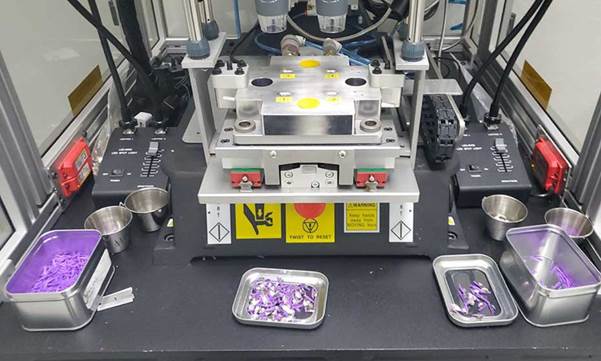
Reduced Capital Investment
To establish an in-house injection molding facility, a significant investment is needed. Businesses need to buy machinery, train their workers and keep their factories going. Businesses have to buy the equipment, employ trained workers and keep the factories running. With contract manufacturing, all these costs are removed. Companies get high-level production attributes without significant investment costs.
Access to Industry Expertise
An experienced contract manufacturer will have a wealth of knowledge about injection molding processes. They are familiar with the characteristics of materials, the mould design, quality control and the production optimization of their engineering teams. This knowledge can help to increase the quality of the product produced and decrease manufacturing risk.
Faster Time to Market
In competitive markets, it is crucial to get their products to market in a timely manner. The equipment, manpower and production processes are already in place with contract manufacturers. This enables products to go from design to production quicker. A faster development time brings a big edge to the competition.
Scalabilitate
The production requirements may vary from year to year. Businesses benefit from plastic injection molding contract manufacturing because they can scale up their manufacturing based on the demand. Client does not need to buy extra equipment to keep the production volume up when the manufacturer wants to scale down to fewer items or scale it up to more items being produced.
Improved Quality
Professional manufacturers have a good use of advanced equipment and quality management systems.
There are many facilities with certifications like:
- ISO 9001
- ISO 13485
- IATF 16949
These standards contribute to uniform production standards.
Eficiența costurilor
Scale economies are a benefit to large scale manufacturers. They buy materials in bulk and work out optimised production processes to minimise costs. The efficiencies often lead to reduced production costs for clients.
Industries That Use Plastic Injection Molding Contract Manufacturing
Plastic injection molding contract manufacturing is an important part of many industries.
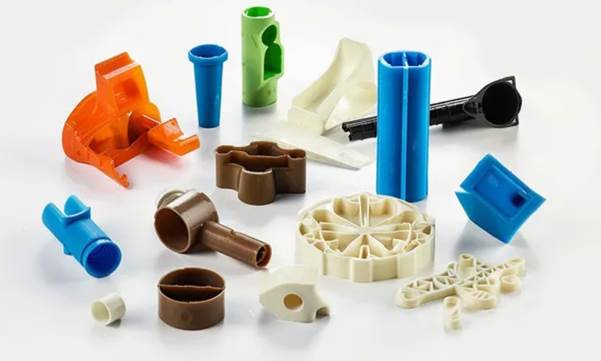
Industria auto
Automotive manufacturers have a huge dependence on injection molded parts.
Examples include:
- Dashboard components
- Interior trim
- Connectors
- Housings
- Engine compartment parts
The process is durable, accurate and economical.
Industria medicală
Medical devices must be made in a quality way and must be compliant with the regulations.
Injection molding is a process that makes products like:
- Seringi
- Diagnostic equipment components
- Instrumente chirurgicale
- Drug delivery devices
- Medical housings
Compliance with industry regulations is made easy with the assistance of contract manufacturers that have experience in the medical field.
Produse de larg consum
Injection molding is used to produce a variety of common components.
Examples include:
- Kitchen tools
- Toys
- Storage containers
- Personal care products
- Household appliances
It is a process that can be used for mass production and still ensure consistent quality.
Industria electronică
Numerous molded parts are used in electronic devices.
These include:
- Device housings
- Connectors
- Switches
- Battery compartments
- Protective covers
Injection molding offers electronic assembly the exact dimensions that are needed.
Echipamente industriale
Industrial applications call for tough plastic parts.
Manufacturers produce:
- Machine parts
- Protective covers
- Control panels
- Valves
- Fluid handling components
Contract manufacturing is to guarantee reliability and performance.
Choosing the Right Plastic Injection Molding Contract Manufacturing Partner
Choosing the right manufacturing partner can be essential to success.
Evaluate Experience
Find manufacturers who have experience in your industry. The experience gained in the industry may result in more effective design suggestions and product results. Check their work and past works.
Assess Manufacturing Capabilities
Consider:
- Machine capacity
- Material expertise
- Tooling capabilities
- Automation systems
- Secondary services
A good manufacturer will be able to handle current and future needs.
Review Quality Systems
Quality is always to be taken for granted.
Ask about:
- Certificări
- Inspection procedures
- Testing methods
- Documentation practices
Good quality systems reduce problems with production and defects.
Consider Communication
Communication has a positive impact on project management. Select a manufacturer who is responsive and offers transparency. Effective communication is very important to avoid misunderstandings and delay.
Analyze Production Capacity
Make sure the manufacturer is able to fulfill your quantity needs. With high growth rates, the ability to produce is particularly critical. An expanding partner is able to help with business longevity.
Common Plastic Materials Used in Injection Molding
There are different types of materials that offer different benefits.
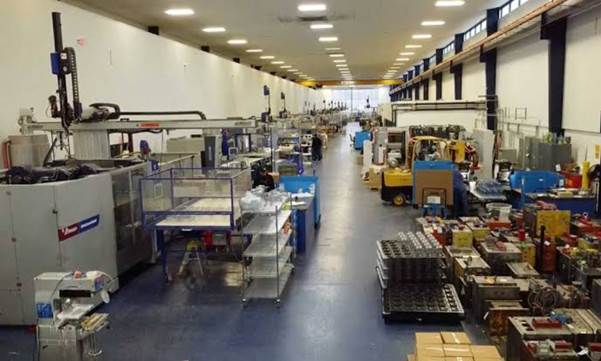
Polipropilenă (PP)
Polypropylene is light, durable and economical. It has excellent chemical resistance and it is used in consumer products and packaging.
ABS
ABS is a combination of strength, impact resistance and good surface finishes. It is commonly used in auto and electronic parts.
Policarbonat
The polycarbonate offers excellent impact resistance and transparency. Also widely used in safety equipment and electronic devices.
Nylon
Nylon is highly durable and has good mechanical properties. Nylon components are often used in the automotive as well as industrial sector.
Polietilenă
Polyethylene has flexible, tough and moisture resistant properties. Very popular in containers and packaging.
Secondary Services Offered by Contract Manufacturers
There are a number of contract manufacturers that offer extra services other than molding.
Product Assembly
It is possible to put components together prior to shipment. This helps to minimise handling and to streamline the supply chain.
Decorating and Labelling
Manufacturers may offer:
- Imprimare prin tampografie
- Screen printing
- Laser marking
- Label application
These services enhance the appearance of the product and the product’s branding.
Packaging Services
Custom packaging solutions are used to prepare products for distribution.
These are a few of the packaging services that are available:
- Retail packaging
- Bulk packaging
- Custom labeling
- Barcoding
Warehousing and Logistics
Some manufacturers offer inventory management and shipping services. This makes operations simpler and supply chain more efficient.
Cost Factors in Plastic Injection Molding Contract Manufacturing
There are a number of determinants of production costs.
Costuri de scule
One of the biggest initial costs is for custom molds. In general, more complex shapes will be more expensive than simpler shapes.
Material Costs
The cost of the plastics varies. The price of the engineered grades is generally higher than commodity plastics.
Volumul producției
As the numbers of a given product are increased, the cost of each product is typically decreased. This is one of the reasons why injection molding is an ideal process for mass production.
Complexitatea părții
Advanced tooling, and longer production cycles are sometimes needed to achieve the required complex geometries. This can lead to higher manufacturing costs.
Secondary Operations
Other services like assembly and packaging are extra to project costs. They might be able to lower overall chain of supply expenses, however.
Quality Control in Plastic Injection Molding Contract Manufacturing
Quality control is a process for assuring that products satisfy the needs of customers. There are different inspection techniques used by the manufacturers.
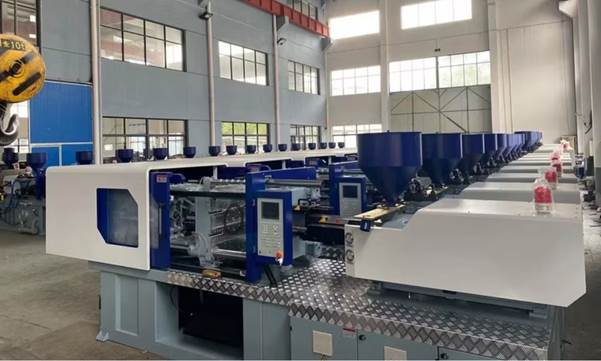
Incoming Material Inspection
All raw materials are checked prior to production. This helps to guarantee consistency and performance of material.
In-Process Monitoring
The production parameters are continuously monitored. The operators monitor performance to identify issues in early stages.
Final Product Inspection
Finally manufactured components are inspected prior to delivery. Measurements and functional tests are used to check against specifications.
Statistical Process Control
A lot of manufacturers are employing statistical approaches to check the quality of production. This way, trends are identified and defects can be prevented.
Sustainability in Plastic Injection Molding
Environmental care is getting more and more significant. Manufacturers are implementing environmentally friendly measures.
Recycled Materials
Increasingly, recycled plastics are being used in many applications. This means that there is less waste and resources are saved.
Energy-Efficient Equipment
In today’s world of injection molding machines, the energy that is consumed is lower. The energy efficiency reduces environmental footprint and operating costs.
Waste Reduction
The manufacturers have taken measures to minimize waste and make the best use of materials. The reduction in waste generation is achieved through better process control.
Sustainable Product Design
Engineers create products that use less material, but still perform the same function. This helps to achieve sustainability goals without compromising quality.
Challenges in Plastic Injection Molding Contract Manufacturing
Despite the advantages to contract manufacturing there are some disadvantages.
Supply Chain Disruptions
Depending on the materials, production may be delayed due to material shortages and transport delays. Manufacturers seek to build tough supply chains.
Modificări de design
Production delays and cost overruns can be caused by late changes to the design. Disruption is minimised by careful planning.
Quality Consistency
Quality Control and Quality Monitoring must be continuous, to maintain consistent quality. Advanced systems are employed by experienced manufacturers to overcome this challenge.
Regulatory Compliance
Medical and automotive industries have some strict compliance criteria. The manufacturers are required to keep and develop documentation and quality systems.
Future Trends in Plastic Injection Molding Contract Manufacturing
The industry is still a dynamic one.
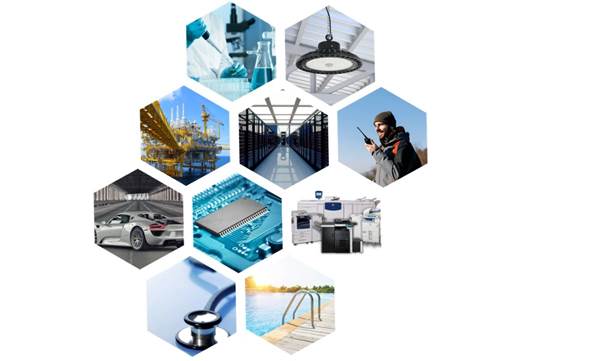
Automatizare
Automation automates, streamlines and decreases manpower. It is not uncommon to find robotic systems in today’s modern facilities.
Producție inteligentă
Connecting equipment allows real-time monitoring and data analysis. This enhances the productivity and quality control.
Materiale avansate
The new materials have improved performance properties. Plastics manufacturers keep on innovating new materials that are stronger, tougher and more eco-friendly.
Industry 4.0
Digital technologies are revolutionising manufacturing processes. Data-driven decision making is used to optimize production processes.
Fabricarea durabilă
Environmental responsibility will continue to be a key priority. Manufacturers investing in greener technologies and recycling.
Why Businesses Continue to Choose Plastic Injection Molding Contract Manufacturing
The demands for businesses to produce high-quality products on timelines and at a budget are growing. Turnare prin injecție de plastic contract manufacturing can help reach these objectives by offering specialty expertise, cutting-edge technology, and scalable manufacturing. Companies may concentrate on innovation and business growth, while the skilled manufacturers take care of manufacturing operations.
This collaboration approach helps minimise risk, increase effectiveness and help achieve sustainable outcomes. Contract manufacturing will continue to be a great option for companies in several verticals as the manufacturing technology continues to evolve.
Concluzie
Manufacture of plastic injection molded parts through contract molding has emerged as a vital solution for companies looking for effective, top quality plastic part production. It brings with it precision of injection molding and professional manufacturing partners. Automotive and medical manufacturing, consumer goods and electronics are just some of the industries that rely on contract manufacturing. Reduced costs, quicker production, quality, and flexibility for businesses.
It is very important to select the right manufacturing partner. Before choosing a company, they should consider things like their communication methods, production capabilities, quality systems and experience. With the technology constantly improving, plastic injection molding contract manufacturing will become more important for businesses to fulfill the market’s growing demands. By tapping into expert manufacturing partners, businesses can gain a competitive edge, streamline the product launch process, and ensure sustainable growth.
Întrebări frecvente
What is plastic injection molding contract manufacturing?
Plastic injection molding contract manufacturing is a service provision if a manufacturer has the expertise in plastic manufacturing, they can make plastic parts for other manufacturers using injection molding technology. The manufacturer is responsible for manufacturing, quality control and sometimes assemble and packaging.
Who uses plastic injection molding contract manufacturing?
It is a part of many industries, such as automotive, medical, electronics, consumer goods, packaging, aerospace and industrial equipment manufacturing.
How does injection molding help to lower the cost of production?
Injection molding has high production efficiency, less waste of material and low per-unit costs at high production volumes. These factors help reduce overall manufacturing expenses.
What materials are commonly used in plastic injection molding?
Typically used materials are polypropylene, polyethylene, ABS, nylon, polycarbonate, PVC, acrylic and engineering plastic.
How to select the most suited plastic injection molding contract manufacturing company?
Seek a manufacturer with industry experience, good quality certifications, up-to-date equipment, material experience, communication and production needs.


Lasă un răspuns
Doriți să participați la discuție?Nu ezitați să contribuiți!