
Skillnader och likheter mellan övergjutning och insatsgjutning: jämförelse och tillämpningar
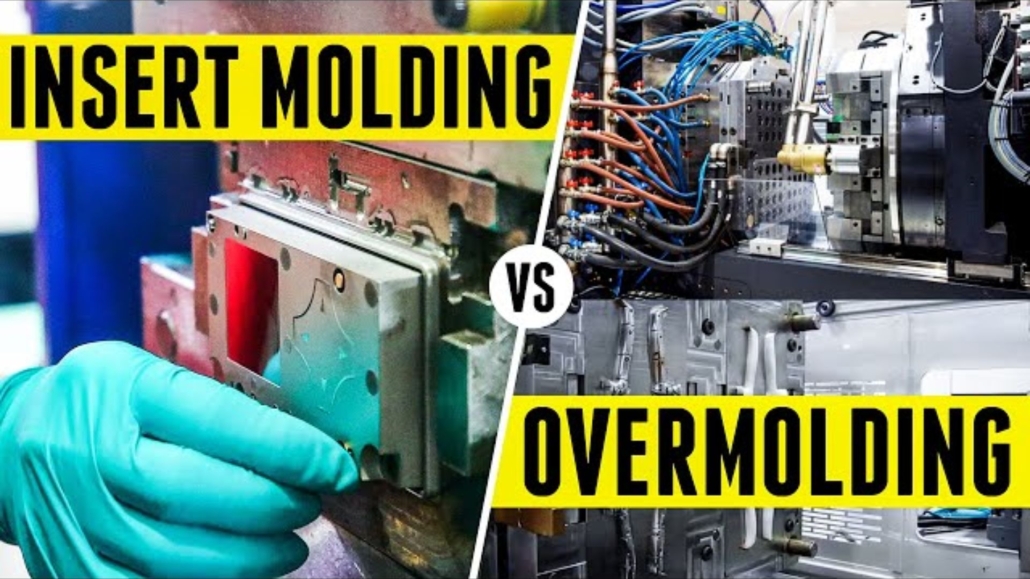
Valet av rätt gjutningsprocess spelar en mycket viktig roll i tillverkningsvärlden. Två av de vanligaste teknikerna är övergjutning och insatsgjutning. Var och en av dem har sina starka sidor, tillämpningar och utmaningar. Skillnaderna kan vara tidsbesparande och kostnadsbesparande, vilket i så fall när man väljer mellan dem. När det gäller tillverkning av produkter beror tillverkningen av produkten på användningen av rätt gjutningsprocess för att bestämma produktens kvalitet och effektivitet. Dessa två är övergjutning och insatsgjutning. Trots att de båda använder flera material tillämpas de för olika ändamål.
Övergjutning är inriktad på komfort, utseende och mjuk yta, medan insatsgjutning är inriktad på styrka, hållbarhet och mekaniska bindningar. Erfarenheterna av skillnaderna, fördelarna och tillämpningen av dessa metoder gör det möjligt för tillverkarna att fatta bra beslut. Följande dokument tar upp de viktigaste punkterna, som design, kostnad, produktionstid och framtida tendenser, vilket kan göra det möjligt för yrkesverksamma att välja mellan insatsformning och överformning och hur de kan producera sina varor på det mest lämpliga sättet.
Vad är övergjutning?
Vid övergjutning skapas en komponent genom att använda två eller flera olika material. En substratbas formas i allmänhet. Den förses sedan med ett sekundärt material som gjuts över eller runt den. Detta gör att tillverkarna kan blanda material med olika egenskaper, t.ex. styvhet och flexibilitet.
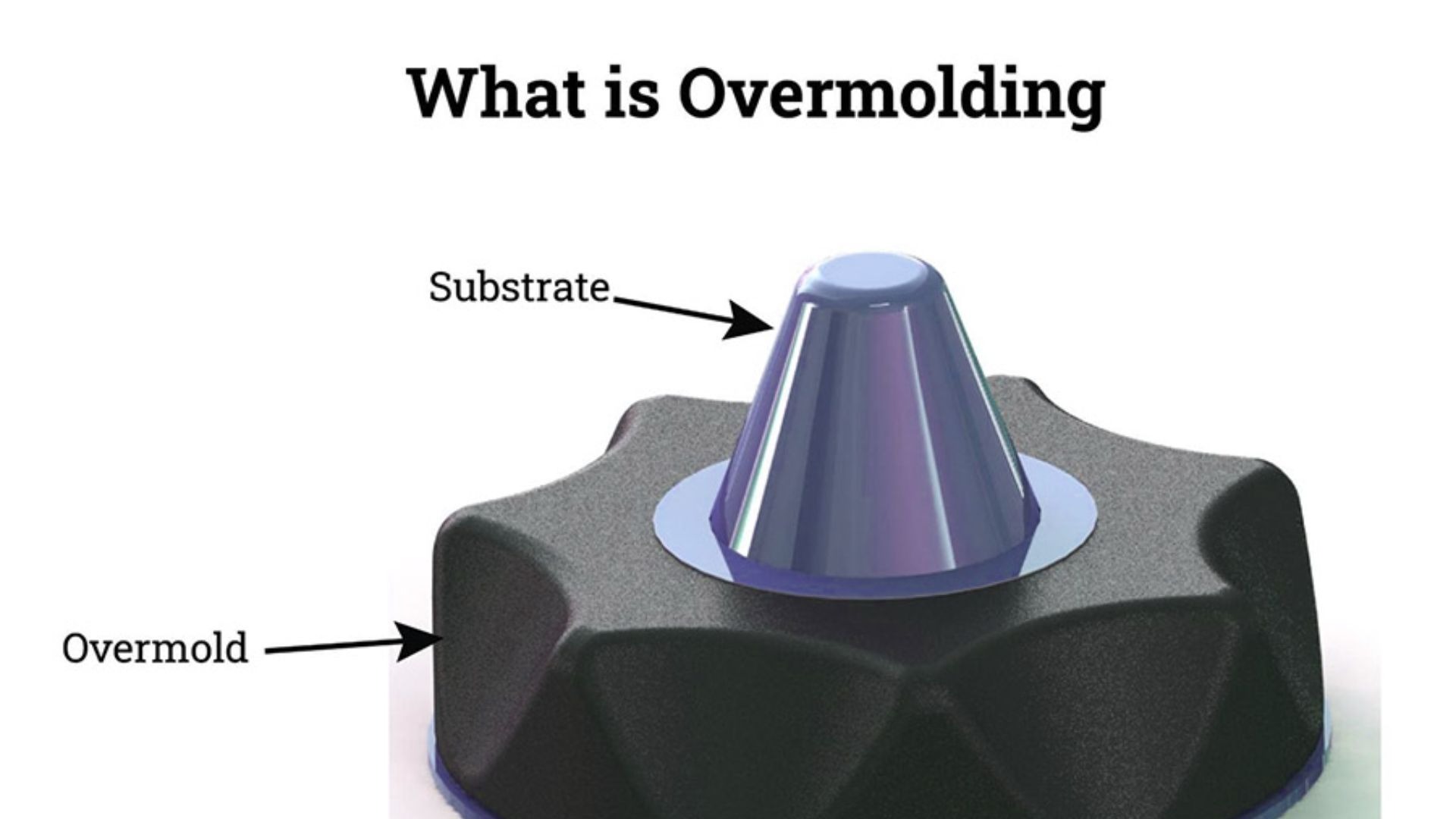
Produkterna med mjuk beröring är vanligtvis övergjutna, inklusive grepp på verktyg, tandborstar eller andra elektroniska föremål. Det ökar skönheten, komforten och funktionaliteten.
Övergjutning har några huvudsakliga nackdelar som inkluderar:
- Mer ergonomisk och bekväm för användaren.
- Högre livslängd för produkterna.
- Mer flexibilitet i designen.
Vad är insatsgjutning?
Formgjutning med insats: Detta är en process där en förformad komponent sätts in i en form och plast sprutas in i delen. Insatsen kan vara av metall, plast eller något annat material. Den färdiga produkten har den anpassade insatsformen.
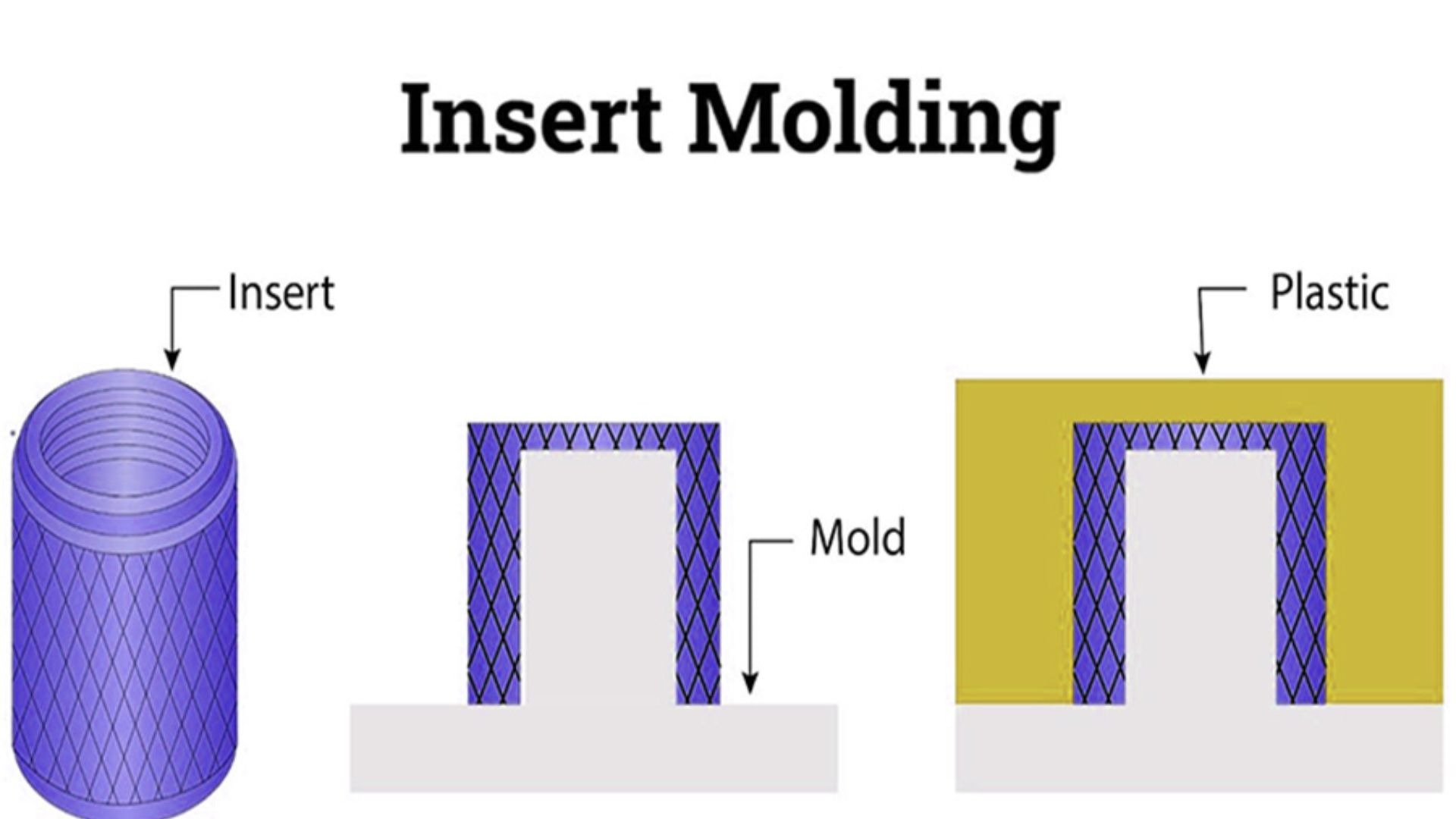
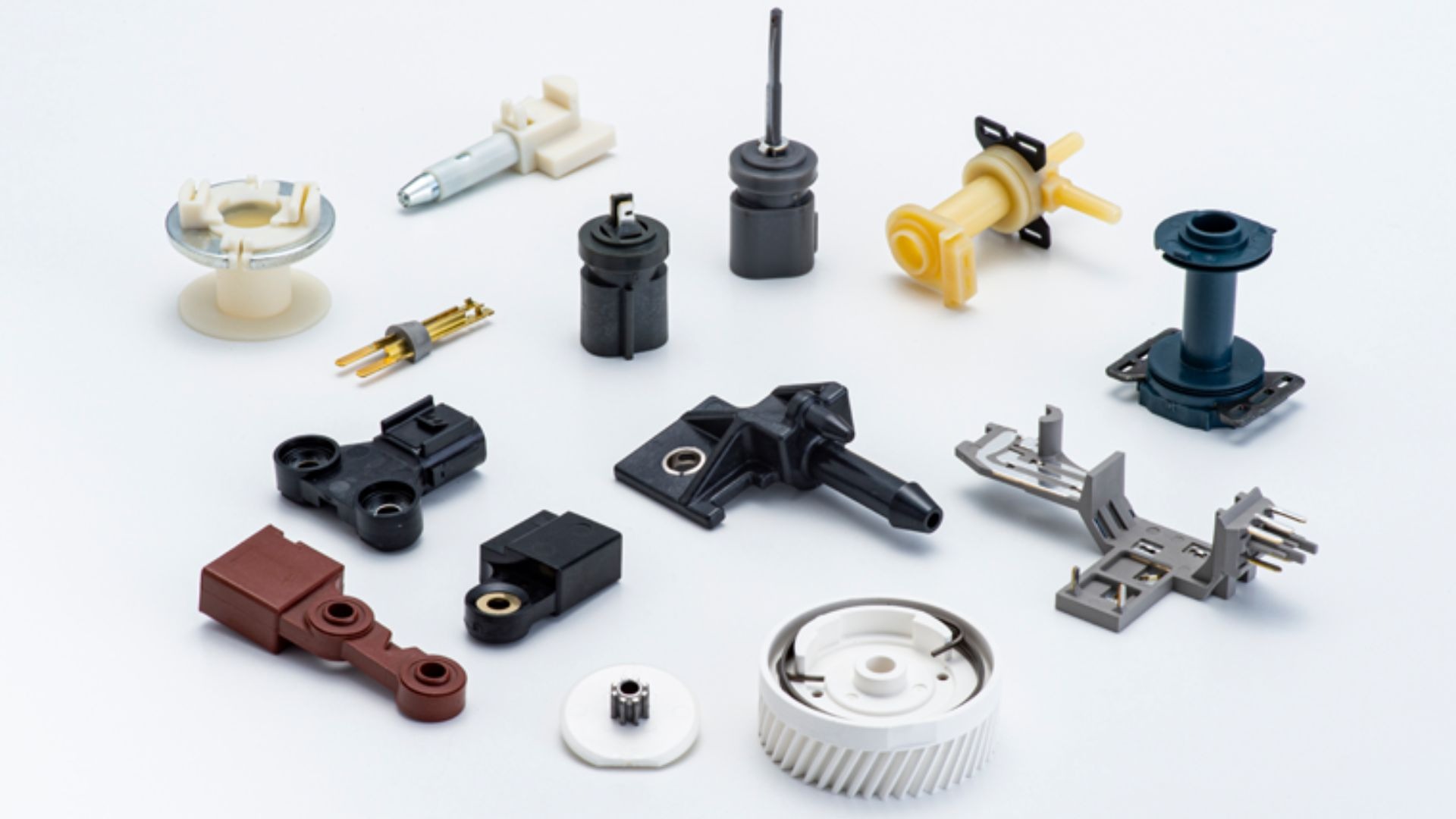
Insatsgjutning är den gjutning som i stor utsträckning används i branscher där det krävs höga mekaniska bindningar. Elektriska kontakter, fordonsdelar och hårdvarukomponenter är några av de saker som brukar förlita sig på denna teknik.
Fördelarna med insatsformning är följande:
- Stark mekanisk bindning
- Minskad monteringstid
- Möjligheten att sammanfoga olika material.
Några exempel på övergjutning och insatsgjutning
Dessa är övergjutning såväl som insatsgjutning, som finner bred tillämpning i tillverkningsprocessen, även om de används i olika applikationer med avseende på produkternas särdrag. Deras förståelse för deras tillämpningar skulle hjälpa tillverkarna att välja rätt process.
Tillämpningar Övergjutning har använts på följande sätt
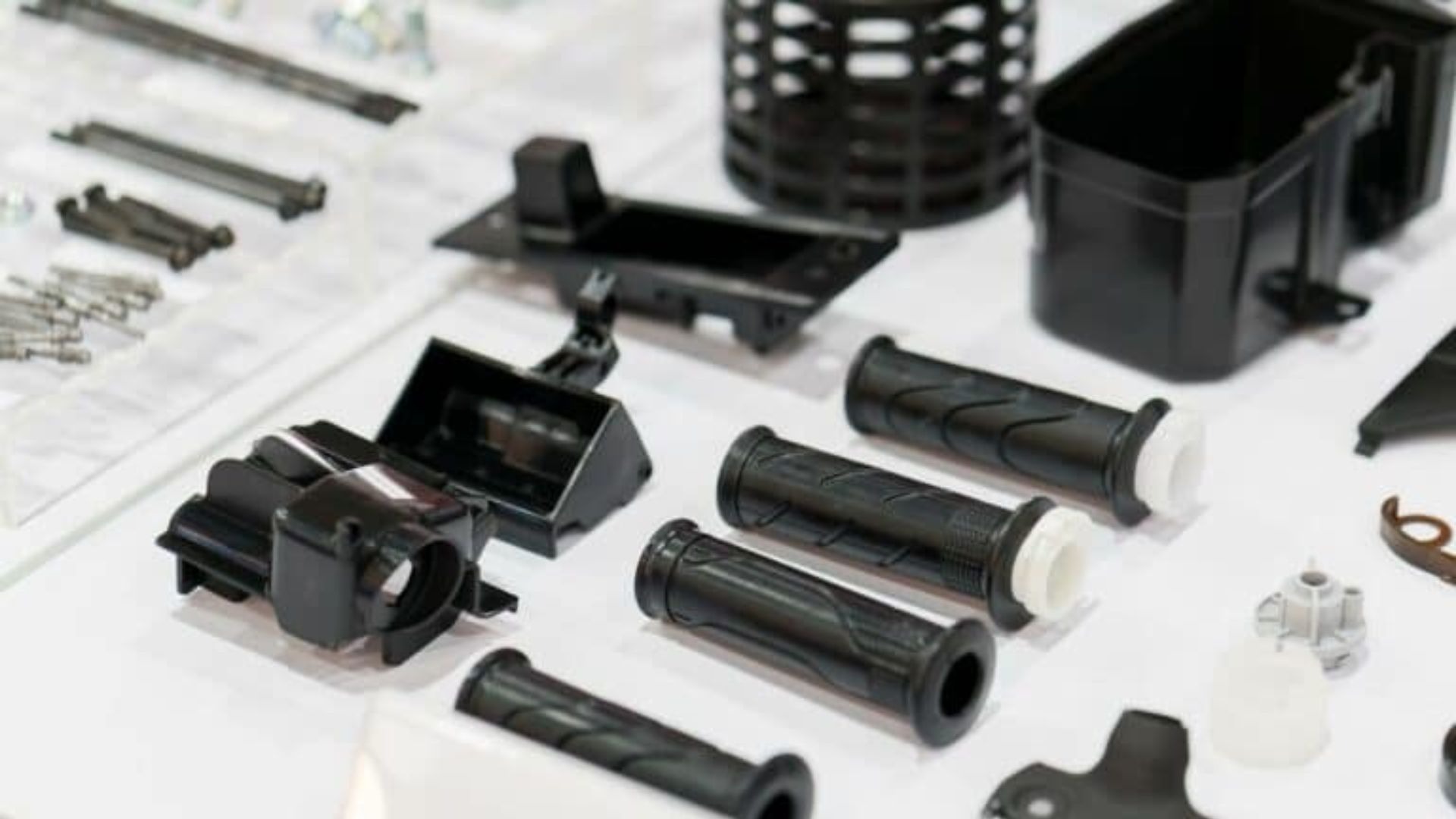
Övergjutningen är lämplig för produkter som ska vara bekväma, snygga eller greppvänliga. Detta är en kombination av både mjuka och hårda material som används i en enda funktionell del. Vanliga användningsområden är:
- Verktygsgrepp: Handtagen är mer ergonomiska och tillverkade av överhärdad plast.
- Konsumentelektronik: Mjuka tryckknappar på t.ex. fjärrkontrollen och hörlurarna.
- Medicintekniska produkter, Medicinsk utrustning: Säkerhet och komfort. Sprutor eller kirurgiska instrument har gummibelagda ytor.
- Bildelar: Gummipackningar eller tätningar till plastdelarna för att minimera buller och förbättra hållbarheten.
Följande applikationer har gjorts under Insert Molding
Skälet till att man använder insatsformning är att produkten kräver hög mekanisk hållfasthet eller att det är en kombination av olika material i en enhet. Det tillämpas i de vanliga applikationerna som:
- Elektriska anslutningar: PT består av formar som innehåller metallinsatser som ska sättas in i plastkroppar.
- Reservdelar till fordon: Motordelar eller fästen, för vilka metallinsatser ska göras för att stärka plast.
- Hårdvarulösningar: Skruvar eller metallföremål ingår i plastdelarna för att de ska vara lätta att sätta ihop.
- Industriell utrustning: Maskindelar som innehåller både metallinsatser och gjutna plaster som ska användas i delar med hög belastning.
Individens val mellan de två processerna beror på produktens mål. Den måste övergjutas vid överkomfort, grepp eller mjuk beröringsyta. Om problem med styrka, hållbarhet och mekanisk stabilitet är av största vikt, använd då insatsformningen.
Konceptet med dessa applikationer kommer att hjälpa till att uppnå fördelarna med så kallad övergjutning och insatsgjutning inom modern produktion.
Betydande skillnader mellan övergjutning och insatsgjutning
Även om de två metoderna innebär användning av material, finns det dstinct skillnader. Här är en detaljerad jämförelse:
| Funktion | Övergjutning | Insatsgjutning |
| Process | Gjuter ett sekundärt material över ett grundsubstrat | Injicerar plast runt en förformad insats |
| Material | Kombinerar ofta mjuk och hård plast | Kan kombinera plast med metall, plast eller andra komponenter |
| Tillämpningar | Grepp, handtag, konsumentelektronik | Elektriska kontakter, fordonsindustrin, hårdvara |
| Komplexitet | Något mindre komplex | Kräver exakt placering av insatserna |
| Styrka | Fokus på komfort och estetik | Fokus på mekanisk hållfasthet och hållbarhet |
Detta är en jämförelse som man måste göra när man väljer ett alternativ mellan insatsformning och övergjutning. Övergjutningen är optimerad för användarupplevelsen, och insatsgjutningen är också optimerad för den strukturella integriteten.
Fördelar med övergjutning jämfört med insatsgjutning
När en jämförelse görs mellan overmold vs insert mold, bör fördelarna med varje process vara kända. De två är bra på många sätt; båda processerna tillåter dock kombinationen av material.
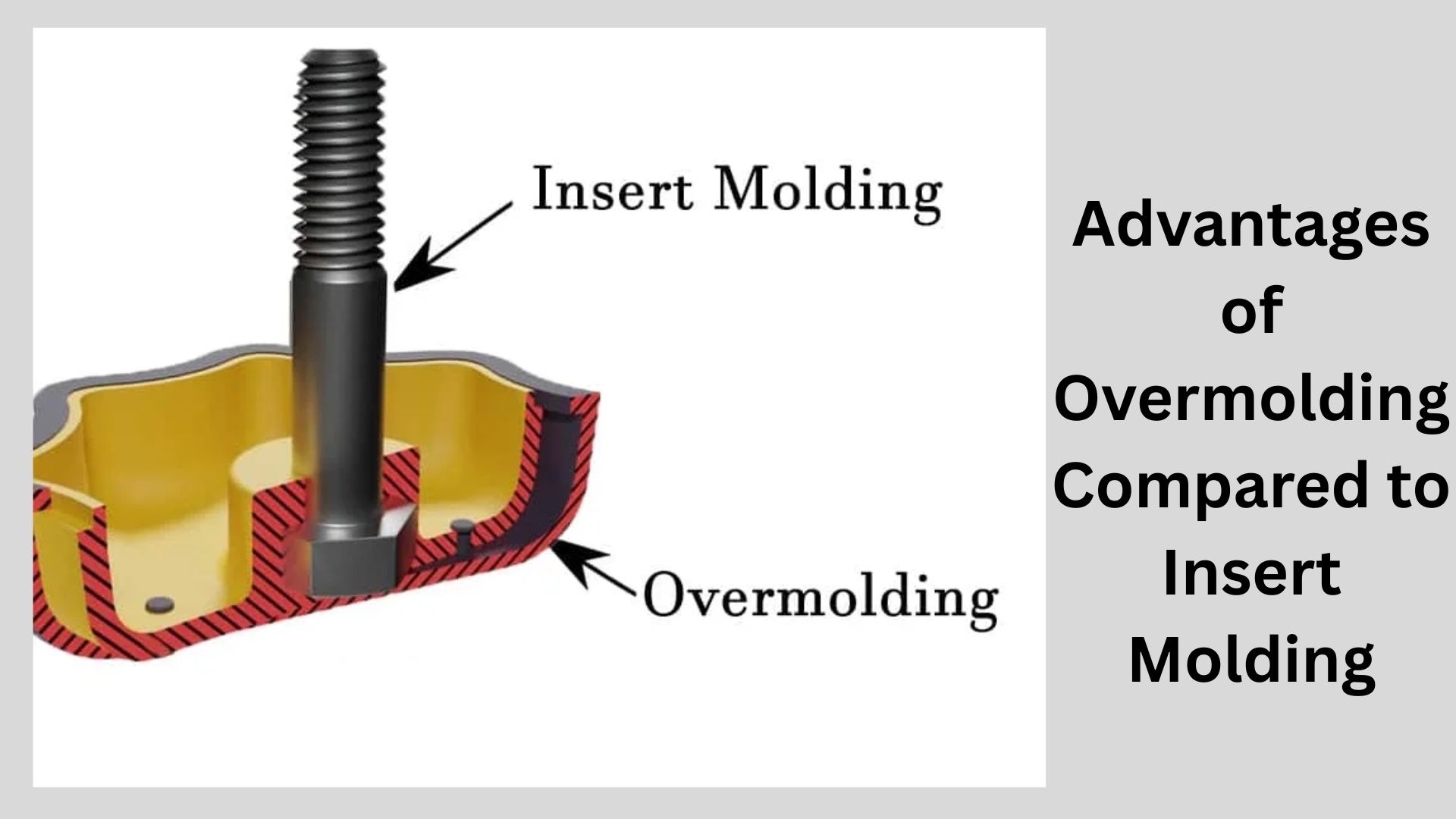
Fördelar med övergjutning
- Ökad ergonomi: Bekväma grepp och handtag på hårda ytor är mjuka.
- Bättre estetik: Övergjutning innebär att färgerna och strukturerna kan blandas så att de upplevs som högkvalitativa.
- Snabbare montering: Ett antal delar kan monteras samtidigt, vilket sparar tid.
- Flexibilitet i utformningen: Funktionaliteten och de visuella effekterna kan uppnås med hjälp av en mängd olika material.
- Ökad användbarhet: Fungerar bäst när produkten kräver en mjuk beröring, t.ex. tandborstar, verktyg och elektronik.
Fördelarna med insatsgjutning
- Kraftig mekanisk limning: Insatsmaterial som metaller och hårdplast integreras permanent i gjutgodset.
- Hållbarhet: Delar kan belastas och utsättas för enorma mekaniska påfrestningar till bristningsgränsen.
- Mindre montering: Insatserna är gjutna och eliminerar därmed behovet av montering efter produktion.
- Tillåter komplexa mönster: Idealisk design: När det finns flera material som krävs för att produkten ska vara strukturellt sund.
- Precision och tillförlitlighet: De bästa användningsområdena är inom industri, elektronik och fordonskomponenter.
Medvetenheten om dessa fördelar kommer att vägleda tillverkarna när de fattar beslut, till exempel vilket av de två alternativen som är bäst: insatsgjutning och övergjutning. Övergjutning är bäst om komfort, design och estetik är de frågor som är aktuella. Insert molding är bättre om styrka, hållbarhet och mekanisk prestanda är av större vikt.
Slutsatsen är att processen antingen kan övergjutas eller infogas, och företagen kan välja den lämpligaste metoden för att minska kostnaderna, spara tid och öka kvaliteten på varorna.
Överväganden om design
Det är mycket beroende av designen när man fattar beslut om antingen insatsgjutning eller övergjutning. Kvalitetsplanering säkerställer också kvalitetsproduktion, minskade fel och användning av maximala fördelar med alla processer.
Materialkompatibilitet
När man använder övergjutning måste man välja material som binder till varandra. Felaktig matchning av materialen kan leda till delaminering eller sårbarhet. På samma sätt är det under insatsformningsprocessen viktigt att se till att trycket och temperaturen ligger inom intervallet för insatsmaterialet vid formning. Det är ett mycket viktigt förfarande i jämförelsen av övergjutning och insatsgjutning.
Tjocklek och skikttäckning
Vid övergjutning ska basen ha rätt tjocklek och övergjutningsmaterialet ska användas för att säkerställa att det inte vrider sig och för att säkerställa att det är hållbart. Vid insatsgjutning ska hela insatsen omslutas av formen för att ge den mekanisk styrka och en god bindning. Tjockleken på de korrekta skikten är användbar i de framgångsrika projekten för insatsformen vs overmold.
Formkonstruktion
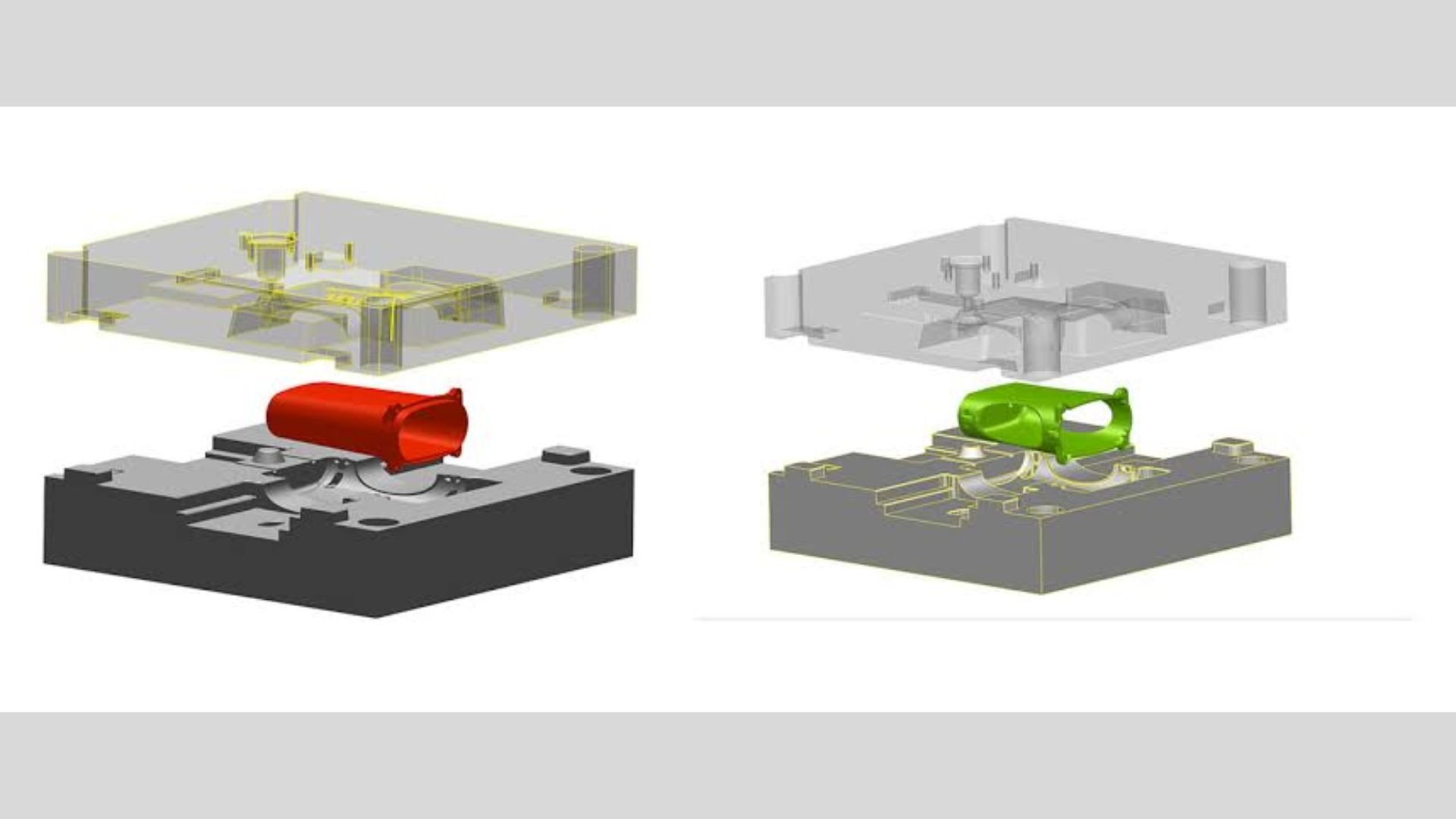
En form har skapats på ett sådant sätt att det är lätt att ta ut delarna och förhindra påfrestningar på materialen. När det finns möjlighet till övergjutning bör formen vara av en typ som kan rymma mer än ett material som har olika flödesegenskaper. Vid insatsgjutning måste formarna fyllas på ett sätt så att insatserna inte glider ur plats, eftersom de kommer att behålla ett starkt grepp; annars kommer gjutningsprocessen inte att lyckas när det gäller framgång i överformning vs insatsform.
Estetik och ytfinish
Övergjutning fokuseras vanligtvis på utseende och beröring. Designers bör överväga textur, färg och ytans kvalitet. När det gäller insatsformning följer estetikfaktorn styrkan, även om korrekt efterbehandling tillhandahålls för att säkerställa att slutprodukten kommer att kunna uppfylla kvalitetsstandarder.
Krav på värmeutvidgning
Olika material har olika expansionshastighet. Vid både övergjutning och insatsgjutning kan underlåtenhet att ta hänsyn till termisk expansion leda till sprickor, felaktig inriktning eller låg bindning. Det här är viktiga punkter som måste beaktas när man tar itu med insatsgjutning kontra övergjutning.
Kostnad och produktionstid
Sensmoralen i historien som kan läras för att producera på bästa möjliga sätt är förståelsen av kostnaderna och produktionstiden för processerna med övergjutning och insatsgjutning. Båda metoderna har sina problem som påverkar de totala priserna och hastigheten.
Initiala kostnader för mögel
Övergjutningen kan kräva mer komplexa formar för att rymma de många materialen. Detta kan öka startkostnaderna för verktyg. Denna investering kan dock betalas tillbaka med minskade krav i framtiden under monteringen.
Kostnaden för gjutning av insatser är också större än kostnaden för formen eftersom det behövs ett klämsystem för insatserna. Formens utformning är viktig för att undvika fel under produktionen. När det gäller jämförelsen mellan de två möjligheterna med insatsform och överformning är den första investeringen i formen ofta likvärdig, men baserad på delkomplexiteten.
Material- och arbetskostnader
Övergjutning kan också spara arbetskostnader eftersom det kan göras när delar kombineras i en enda process. Det gör också att den mindre volymen av mjuka material kan användas som grepp och beläggningar, vilket sparar resurser.
Gjutning av insats. Insatserna kan bearbetas innan de gjuts. Men när det är automatiserat sänker det kostnaderna för montering efter produktion, vilket kan sänka arbetskraftskostnaderna på lång sikt. Detta är en av de viktigaste faktorerna för beslutet att göra/övergjutning och infoga gjutningen.
Produktionshastighet
Vid övergjutning kan materialet injiceras mer än en gång, vilket resulterar i en längre cykel, men det kan också användas för att ta bort efterbearbetning och montering.
Snabbhet i insatsformningen kan uppnås när processen för insatsens placering förenklas, särskilt med automatiserade linjer. Detta ger en fördel vid användning i stora volymer, där effektivitet är av största vikt.
Kostnadseffektivitet
Den relevanta processen kan spara i det långa loppet. Övergjutning minskar den montering som har gjorts, och detta sparar kostnaden för arbetskraft. Användningen av insatsgjutning gör delarna starkare och förekomsten av fel är minimal. För att mäta dessa faktorer kommer tillverkarna att kunna bestämma vilken som ska användas: överformning vs insatsform eller insatsformning vs överformning.
Vanliga misstag att undvika
Vid övergjutning och insatsgjutning kan vissa fel äventyra produktens kvalitet och öka produktionskostnaden. Att vara medveten om dessa fällor är ett av sätten att säkerställa att produktionen blir framgångsrik.
Val av inkompatibla material
Användningen av material som inte binder bra med varandra skulle vara bland de vanligaste misstagen som görs vid övergjutning. När det gäller insatsgjutning går sprickorna eller delarna sönder när de använda insatserna inte är motståndskraftiga mot gjutningstrycket. När man bestämmer sig för om man ska använda antingen en insatsform eller en överformning kontrolleras alltid materialkompatibiliteten.
Felaktig inriktning av insatserna
När det gäller en insatsgjutningsprocess kan felaktig placering av insatserna leda till att insatserna flyttas under formsprutningen, vilket orsakar defekter eller svaga områden. Felaktig inriktning minskar den mekaniska hållfastheten och ökar kassationsgraden. Positionering är en mycket viktig parameter när det gäller att jämföra processen för övermånader och insatsformningsprocesser.
Ignorering av termisk expansion
Den procentuella tillväxten av olika material baserat på värme varierar. Om detta ignoreras kan det leda till skevhet, sprickor eller separering i de övergjutna och även i de insatsgjutna delarna. Obs: Termisk expansion: När du utför en design måste den alltid beaktas, särskilt när det gäller ett projekt för insatsgjutning kontra övergjutning.
Dålig formkonstruktion
Materialflödet kan vara ojämnt och delarna kan inte täckas eller avlägsnas baserat på en dåligt ritad form. Det kan estetiskt påverka fallet med övergjutning; det kan minska den mekaniska styrkan vid insatsgjutning. Det bör finnas rätt design av mögel för att uppnå maximal övergjutning jämfört med insatsgjutning.
Hoppa över kvalitetskontroller
Tillverkningsprocessen kan skyndas på och inte kontrolleras ordentligt, och bristerna skulle förbises. Kvalitetskontroller utförs regelbundet för att säkerställa att alla delar är robusta, hållbara och utformade för att passa standarderna. Det är bland de viktigaste aktiviteterna för effektiv övergjutning och insatsgjutning.
Framtida trender
Tillverkningsindustrin är dynamisk. Både övergjutning och insatsgjutning anpassas till ny teknik och nya material. Att kunna förutse framtida trender hjälper företaget att vara konkurrenskraftigt och innovativt.
Avancerade material
Det utvecklas bättre polymerer och kompositer som är starkare, mer flexibla och tåligare. Det är materialen som gör övergjutning och insatsgjutning starkare, vilket är anledningen till att produkterna blir lättare, starkare och mer mångsidiga. Ny materialvetenskap kan användas för att förbättra möjligheterna med insatsformning jämfört med övergjutning.
Automation och robotteknik
Tack vare automatiseringen utvecklas produktionen av övergjutna och insatsgjutna detaljer. Med maximal precision kan robotar sätta in insatserna och minska antalet fel och förkorta produktionsprocessen. Tendensen gör produktionen inom området övergjutning vs insatsform mer effektiv och mindre arbetsintensiv.
Integration med 3D-utskrift
3D-printing kombineras med övergjutning och insatsgjutning för att möjliggöra snabb prototypframtagning och småskalig produktion. Det gör det möjligt för konstruktörer att arbeta med komplexa former, kortare ledtider och kundanpassade delar, och det ökar flexibiliteten i hela systemet när det gäller insatsgjutning jämfört med övergjutning.
Hållbar tillverkning
Hållbara material och processer är nu vanligt förekommande inom både övergjutning och insatsgjutning. I de nuvarande produktionstrenderna med övergjutning kontra insatsgjutning använder företagen biologiskt nedbrytbar plast och återvinningsbara insatser för att minska miljöpåverkan.
Smart tillverkning
Internet of Things (IoT) och sensorer som används vid utformningen av formar ger möjlighet att övervaka temperatur, tryck och materialflöde i realtid. Det gör det möjligt att undvika defekter, optimera produktionen och kontrollera kvaliteten vid övergjutning och insatsgjutning.
Slutsats
Valet av övergjutning och insatsgjutning beror på produktens syfte. Övergjutning är alternativet att använda om du behöver mjukhet, komfort eller skönhet. Insatsgjutning skulle vara det bästa valet när mekanisk hållfasthet och hållbarhet är oroande vid den tiden. Informationen om skillnaden mellan insatsform och överformning, överformning och insatsform, skillnaden mellan överformning och insatsform och designbehoven för insatsformning och överformning kan hjälpa en tillverkare att fatta ett bra beslut.
Slutligen finns det problemet med övergjutning kontra insatsgjutning som helt enkelt kan beskrivas som processen för en perfekt matchning av processen med kraven på produkten. Med rätt tillvägagångssätt sparar man tid, sänker kostnaderna och tillverkar funktionella produkter av hög kvalitet som uppfyller industristandarderna.


Lämna en kommentar
Vill du delta i diskussionen?Dela med dig av dina synpunkter!