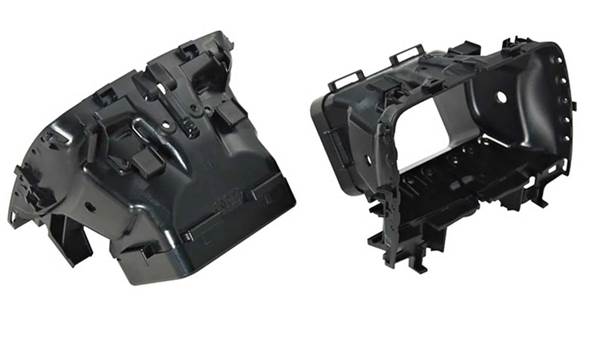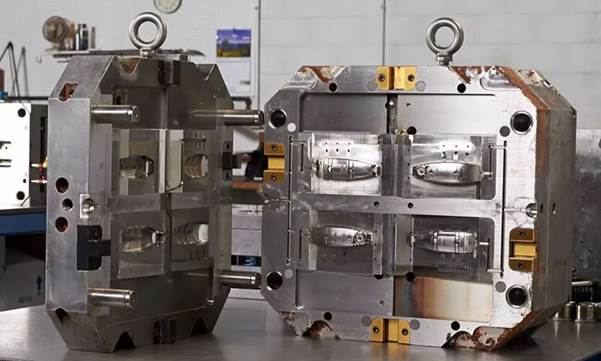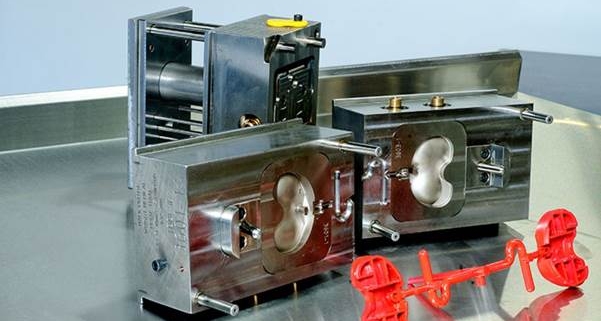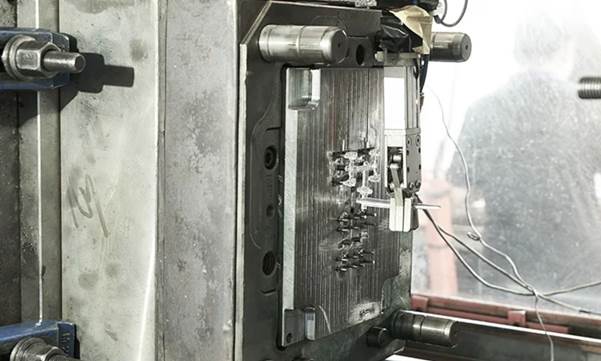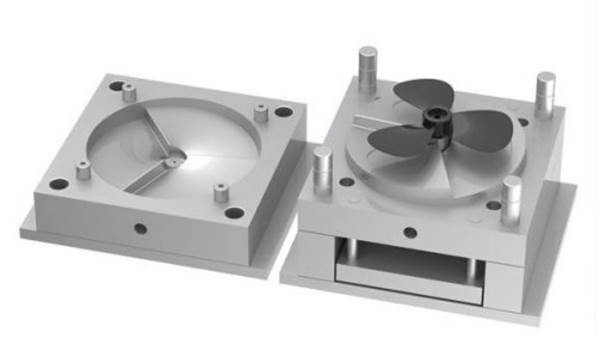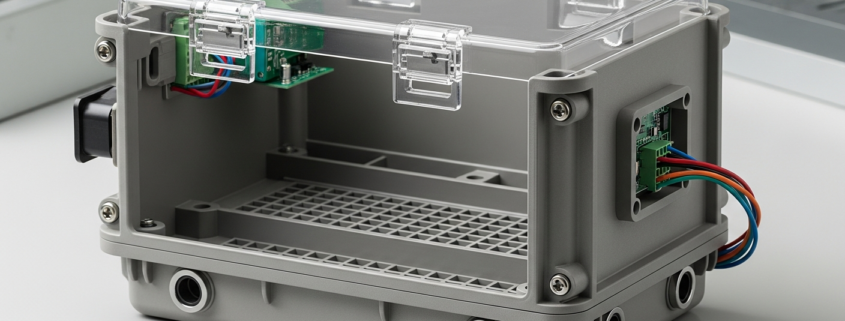
Injektionsform av aluminium

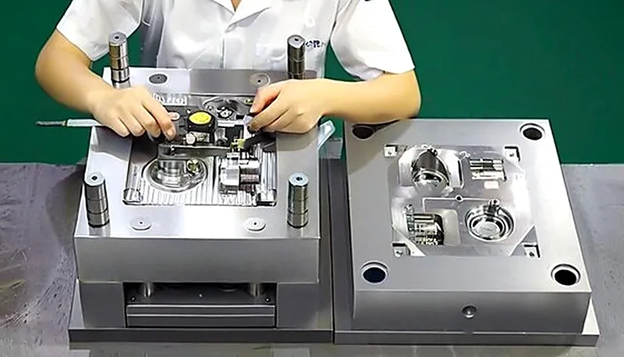
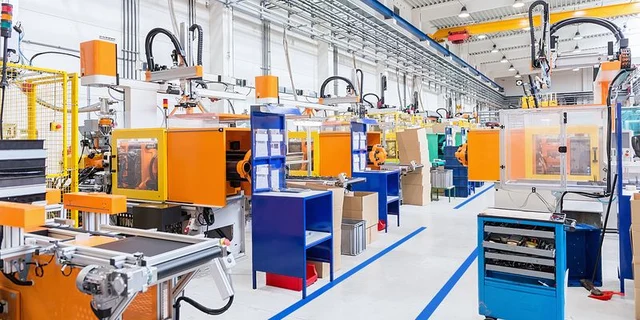
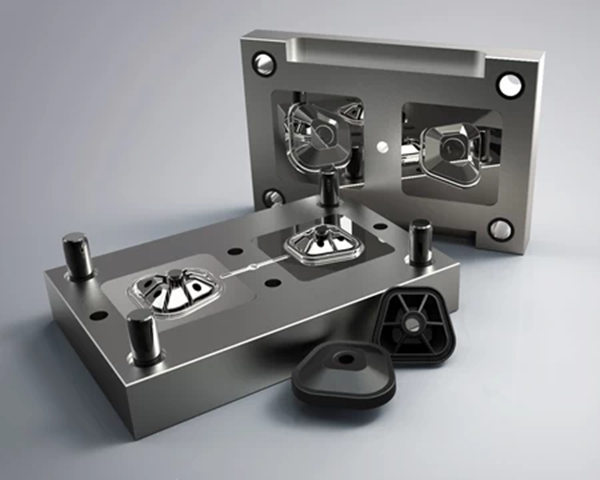
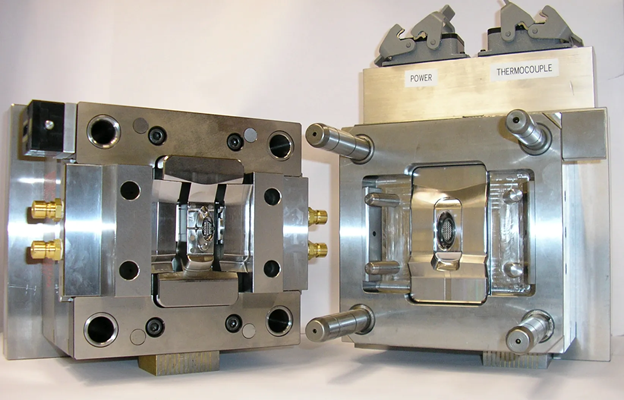
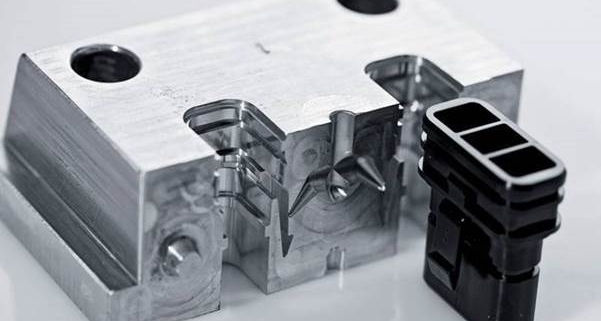
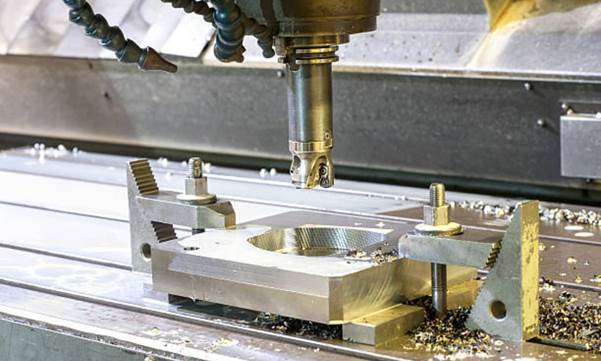
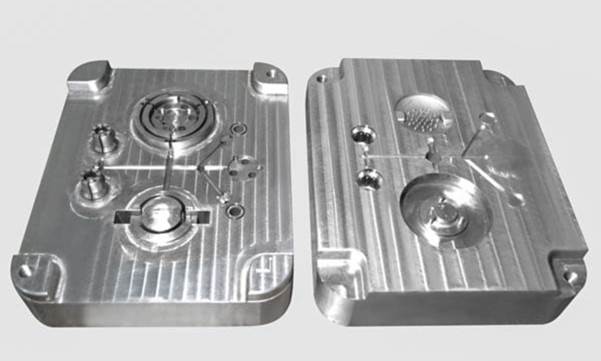
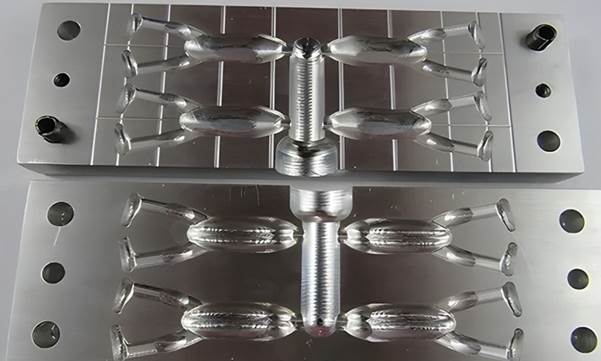
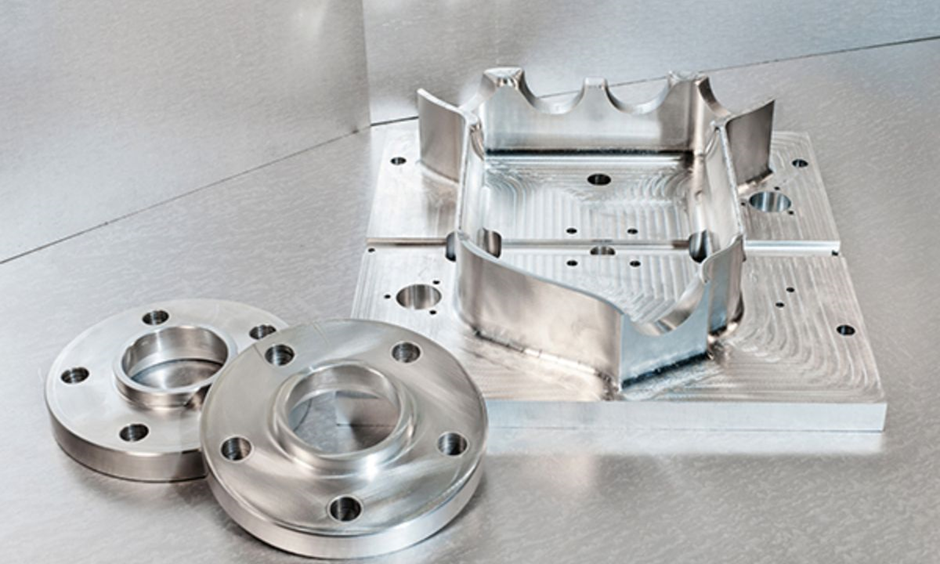
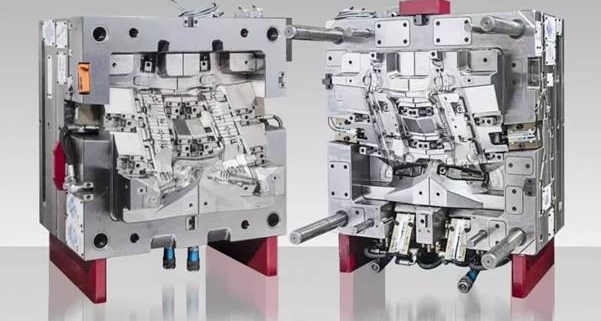
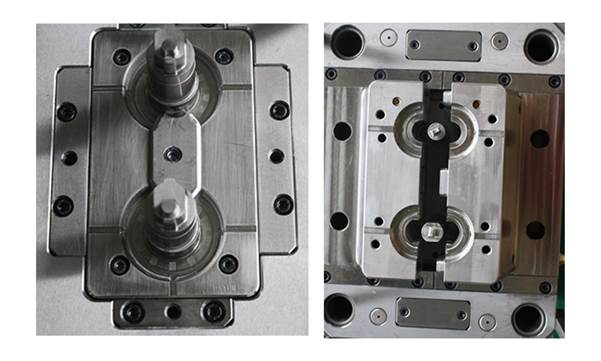
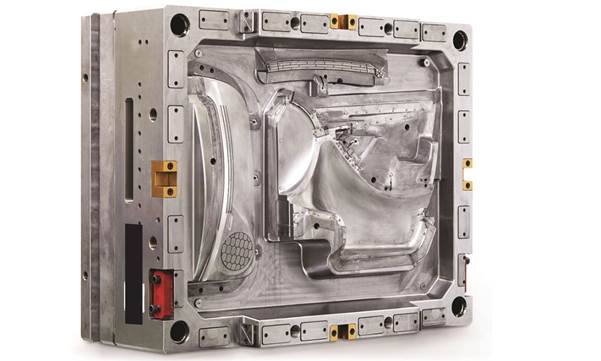
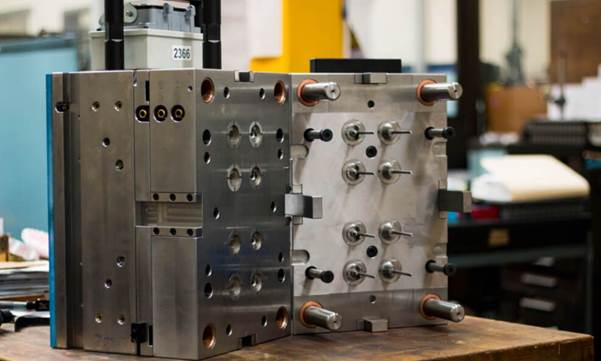
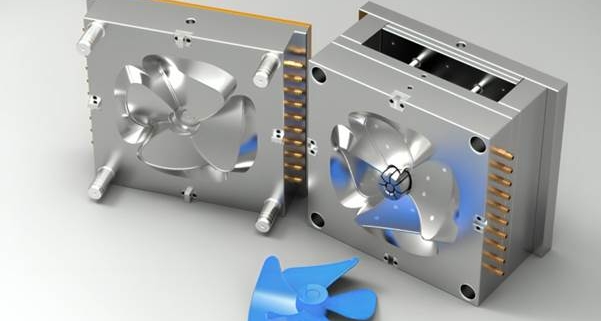
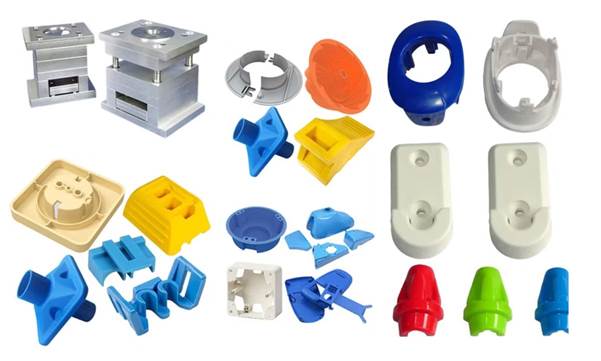
The aluminum injection mold is a key part of the manufacturing industry today due to its speed, efficiency and affordability. With the need for faster production cycles and flexibility of design, industries have found aluminum molds to be useful. The plastic pieces are created by injecting the melted plastic material into a cavity precisely made, and the plastic material assumes the shape of the cavity while cooling. Aluminum molds have a much shorter lead time, are easier to machine and are significantly lighter in weight than steel molds. This is a great option for prototypes and low and medium production runs. This is a preferred method for companies, since it saves them time in constructing their application and guarantees that the routine is developed with high quality. With the improvement of technology, the application of aluminum injection molds is rapidly increasing in various industries including automotive, medical, electronics and consumer goods.

What is an Aluminum Injection Mold?

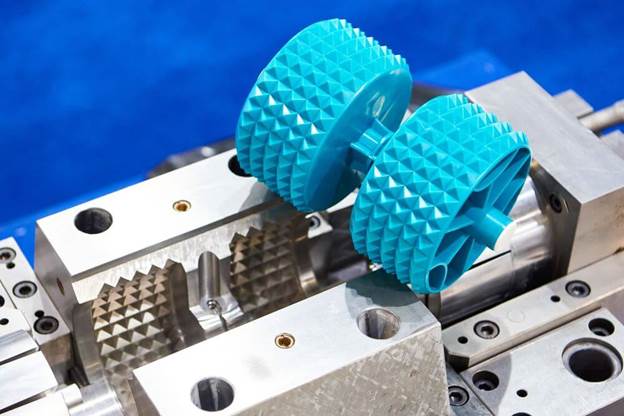
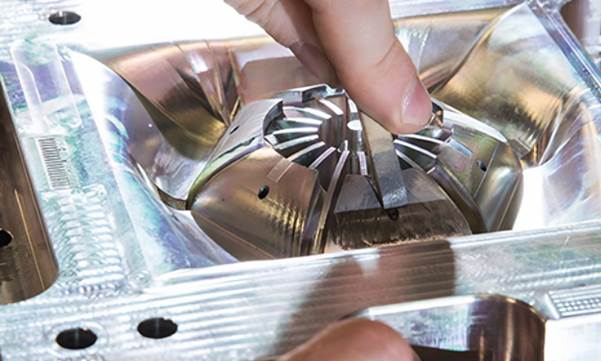
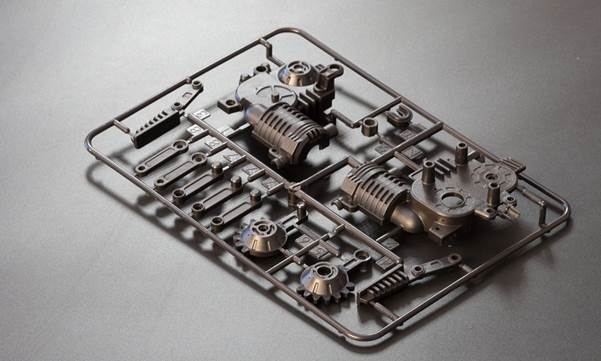
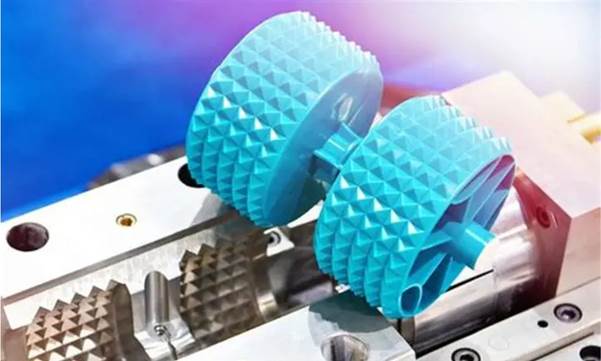
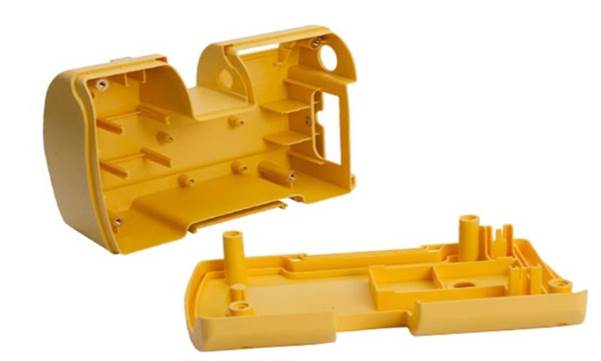
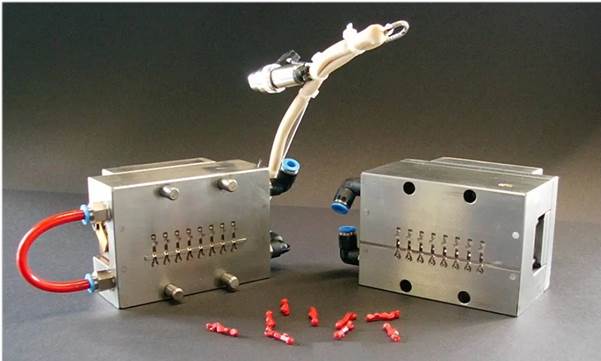
An aluminum injection mold is a mould that is utilized to form plastic parts. It is made out of aluminum and not steel. In this, the plastic is melted and then injected into a mold cavity. The material cools then replicate the shape of the mould. After it’s cooled, the final product is removed. Occurs in numerous repetitions in production process. The greatest benefit is that it cools faster and produces faster than other materials, such as plastic. The most important benefit is that it cools down quickly, and produces faster than plastic materials. That’s why today, aluminum injection molds are used.

How Aluminum Molds Work in Injection Molding?

Aluminum injection molding molds need to have a specific procedure to undertake and they are fairly efficient. Every step is dependent on the others and is crucial to producing high quality plastic components in a fast and reliable manner.

Step 1: Material Selection and Preparation

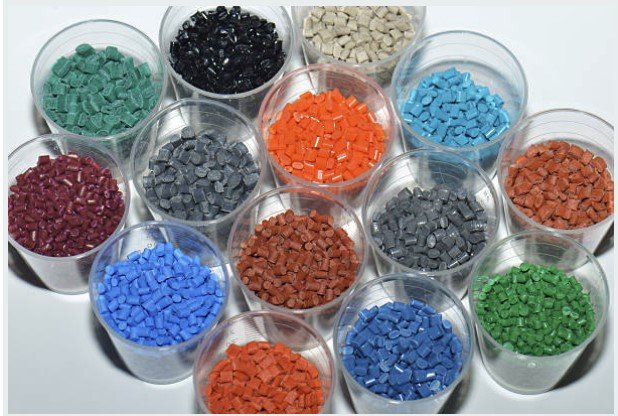
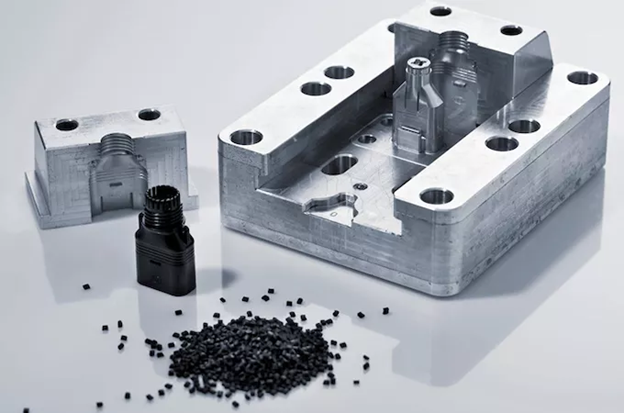
The first thing to do is to select a suitable plastic. ABS, polypropylene and polyethylene are typical materials used. There are a number of materials with different characteristics, such as strength, flexibility and resistance to heat. This is normally given in the pellets form in a hopper above the machine. Prior to use the material must be clean and dry, otherwise moisture can cause defects in the product.

Step 2: Feeding the Plastic into the Machine

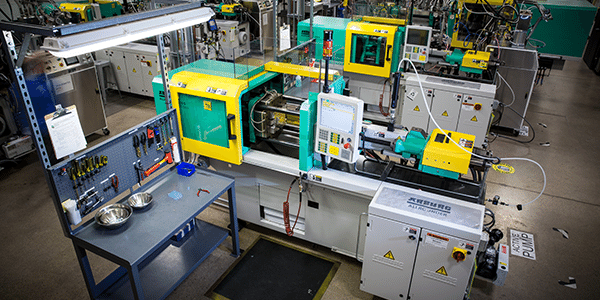
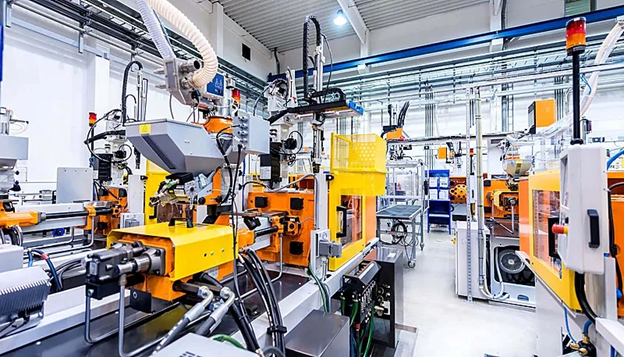
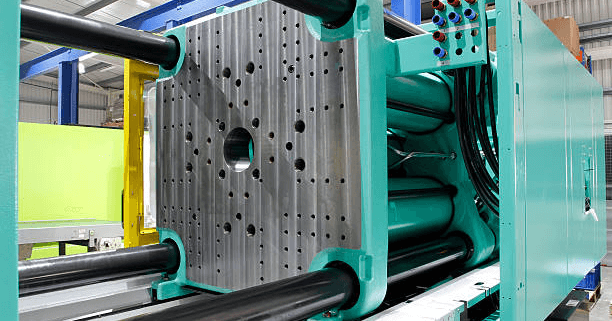
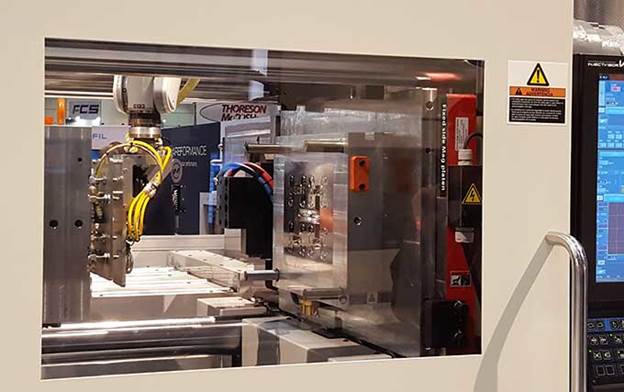
Then the mould is set up and plastic pellets are placed in the injection molding machine. These are fed into the hopper where they are heated in a barrel. A screw which rotates inside the barrel pushes plastic forward. While moving, the material starts to heat up which begins to melt the material.

Step 3: Melting the Plastic

The heat and pressure generated by the screw, melts the plastic in the barrel. As time goes on, solid pellets will slowly be converted into a thick substance known as “molten plastic”. It is very important to have control on temperature here. Too hot could cause damage to material while too cool could cause a problem with melting.

Step 4: Injection into the Aluminum Mold

When it is completely dissolved, the plastic will be injected. The screw imparts a high pressure on being pushed. The molten plastic is forced into the aluminum injection mould with the help of a nozzle. The shape of the mold cavity is determined by the shape of the product to be produced, in order to get accurate results.

Step 5: Filling the Mold Cavity

The plastic is melted and poured into the mould to completely fill in all of the spaces. Fills out all the information and forms, and makes all the shapes completely. To prevent an air bubble and void, the proper pressure is applied. This step is very significant as it is otherwise the product will be faulty.

Step 5: Filling the Mold Cavity

After being filled, the cooling process begins. Aluminum has a very high heat transfer, thus the plastic cools rapidly. The temperature is kept constant by using cooling channels. The plastic hardens and the shape of the mold is created as the plastic cools. The colder the metal, the quicker will the cycle take and the quicker will production be.

Step 7: Mold Opening

When the plastic material is completely set, the mould is carefully and slowly removed from the plastic. This is to ensure that there will be no damage to the mold. At this stage the mold consists of two parts which separate. Once the part is molded, it is easily ejected from the mold. This process is very time sensitive. It is important that the mold is not opened too early, as the product could bend or lose its shape. Manufacturers always wait until the plastic is solid before opening the mold that is why.

Step 8: Ejection of the Finished Part

When the part is molded, the ejector pins act to eject the molded part from the mold. Careful removal of component – no damage. It is then to be taken away for the next procedure. If you have a well-designed ejection system, then no marks or defects will be left on the surface.

Step 9: Inspection and Finishing

They are quality checked after being removed from the plant. Manufacturers test for any shape defect, bubbles or cracks. Some finishing (cutting and/or smoothing) is done as needed (minor). Aluminum moulds provide a good surface quality, and generally require minimal finishing.

Step 10: Repeat the Cycle

The mold will be ejected and the cycle repeated when the mold is closed. This allows for parts to be produced from one-off to mass production. Faster cooling of aluminum results in reduced cycle time, which makes the process more efficient and helps to reduce production costs.

Why Choose Aluminum Instead of Steel Molds?

There are a number of people who have made the comparison between aluminum mold and steel mold. Steel molds are expensive, time consuming and difficult to make. Compared to aluminum molds, they are more quickly, cheaply and easily modifiable. These are perfect for testing, as well as for short production runs. For modern day industry, thus, it is recommended to use aluminium injection moulds.

Key Benefits of Aluminum Injection Molds

The advantage of aluminium injection molds is among the largest, which is speed. The production time is reduced as compared to steel because of the quick cooling speed of Aluminum. Another major advantage—COST! Cost of aluminium injection mold is much low as compared to the cost of steel molds which can help the businesses in the cost cutting process. In addition, if there is a change in design, then the aluminum molds can be easily replaced. They also provide a superb surface finish; therefore, enhancing the quality of the products.

Understanding Aluminum Injection Mold Cost

The prices of the aluminum injection mould can be determined by several factors. The size of the mold is important since larger molds will need more material. The cost is also influenced by the design of the mold: A simple mold requires less expensive than a complex one. Also, the number of cavities is important. Multi-cavity moulds will cost more, but will yield a greater number of parts. Despite these expenses, aluminum molds are still more cost effective than steel molds.

When to Use Aluminum Injection Molds

Aluminum molds are the best recommended for a low to medium production run. They are excellent to be used for prototyping and testing products. These are generally used by companies desiring to sell the product quickly or companies that think they will have to make design changes in the product. If the production steel mould is desired, it may be more appropriate than aluminium moulds as the steel moulds are more durable. For most projects however, an aluminum mold for injection molding can be used to great effect.

Industries Using Aluminum Injection Molds

Aluminum injection molds are used to produce a number of industries. They have been employed to test parts in the automotive industry. They also have applications in medicine for the development of equipment. They’re employed by electronics companies for speedy product production. They are utilized in packaging for consumer goods and household goods by companies. They are fairly flexible and can be used in a multitude of ways.

Materials Used in Aluminum Injection Molding

Depending on the product type and the performance requirements of the product, other plastic materials can be used with the aluminum injection mold. Materials can have different properties such as being strong, flexible, durable and resistant to heat. The quality of the product will be very dependent on the selection of material.

Common materials used

ABS (Akrylnitril Butadien Styren): ABS is a high-impact, strong plastic that is used in a variety of industries. Very popular due to its durability and toughness. It is found in electronic enclosures, toys and vehicle components. Has a fair amount of strength and rigidity, so it is very strong for use every day.

  • Polypropylen (PP): This is a soft, low cost and flexible plastic. It is chemically resistant, thus well suited for a variety of applications. It is widely used in packaging, storage containers and consumer products. It is also very light and is easy to shape, making it suitable for large scale production.
  • Polyethylene (PE): Polyethylene is a tough, strong and durable plastic. It can be employed in packaging films, plastic bottles and pipes. It is one of the main benefits as it is effective at low temperatures. This makes it ideal for industrial and domestic purposes.
  • Nylon (polyamid): Engineering Plastic; strong. Resistant and long lasting to heat. Used in mechanical component & industrial parts.

A very durable clear plastic such as polycarbonate (PC). It is used for lenses and in protective covers, safety equipment, due to its high impact resistance.

Limitations of Aluminum Injection Molds

While there are a number of advantages to aluminum injection molds, there are also some drawbacks. They are not as durable as steel molds, and may be worn out earlier. Not recommended for very complicated productions or very high pressure (HP). But most uses don’t have these disadvantages and the benefits are more. Aluminium should be used with a good surface quality, which can be affected over time in long runs. May also be more susceptible to scratching than steel. Thus, the use of it is limited to low or medium levels of production, primarily. It will work extremely well for prototypes and testing, however.

Tips to Reduce Aluminum Injection Mold Cost

It’s possible to save money on aluminum injection mold. Less machining time is achieved with simple designs. It also lowers the costs of standard parts. Clean up any unnecessary features, it helps to save time and money. It can also be improved to a more efficient process if it’s done with experienced manufacturers. When designing for production, an important tip is to complete the design process prior to the beginning of production. The expenses may be higher if design changes are made thereafter. The other significant factor is to use the appropriate material for the product requirement. As long as one is properly prepared, the overall budget is always decreased.

Aluminum Injection Mold vs Steel Mold

Depending on the production needs, each of the aluminum moulds and steel moulds will be chosen. Aluminum molds are the fastest and least expensive of the various types of molds. Steel molds are more durable, longer production runs and last longer. Aluminum molds are less expensive and stronger than steel molds, but are also easier to machine and lighter, and take longer to make.

Aluminum molds make excellent market testing molds as they are easy to make and are excellent quality. Steel molds are more suitable for mass production – millions of parts produced. If flexibility and speed are key, then use of aluminum is better. When long life is desired, steel is the material that is preferred.

Överväganden om design

The design of the aluminium injection mould plays an important part. Simple designs are best. In good wall thickness, their strength will depend on their cooling. Angles to make it easy to remove parts. The design of cooling channel makes it more efficient. A good mould minimises mistakes and enhances the product quality. It also helps to minimize stress in the mold when it’s time to make the part. Preventing the formation of hair pin turns or air traps or crack in smooth flow paths. Engineers always have to determine the cost, speed and strength. Mold life and performance is enhanced by proper design.

Production Speed and Efficiency

Aluminum molds are made at a high speed. This is because aluminum cools plastic faster than steel, thus decreasing cycle time. This will help to increase productivity and efficiency. Faster production also assists companies to fulfil deadlines and boost profit. Cycle time can be shortened in many instances to a great extent. This translates to increased number of parts in shorter production times. It also can reduce the energy use of each component. The reason for the extensive use of aluminum mold for injection mold in the fast-growing industry is that it is an excellent choice.

Maintenance and Lifespan

Aluminum injection mould needs to be maintained. The grease and cleaners are used on a regular basis to extend the life of the parts. They can be used to make thousands of parts, and are not quite as durable as steel molds. They are a great choice for low to medium production. When not in use, molds need to be stored properly along with their correct use. Moisture and dust will help to preserve the surface. Inspection will aid and inhibit early wear. If used correctly it will last a long time.

Environmental Benefits

Aluminium moulds do not cause as much damage to the environment. They need less production/operating energy. Aluminium is also sustainable being recyclable! In addition, the increased production also leads to less energy use. They are appropriate for business that are green manufacturing. Reducing energy consumption translates to reduced carbon footprint. The other benefit is that during recycling of the aluminum, less industrial waste is produced. This is an added value to the modern sustainable production systems.

Vanliga tillämpningar

The Aluminium injection moulds are used in different industries. They are employed in the automotive industry as prototypes. They are employed in the medical sector in the creation of devices. Reputable and adopted by electronics firms for speedy manufacturing. They’re utilized by consumer goods manufacturers for consumer goods. They also have application in packaging, house-hold and industrial applications. They can be used in small and medium projects due to their versatility. For many start-ups, they are the preferred option for testifying their product launch. This gives them a greater value in today’s markets.

Utmaningar

Some problems with the aluminium moulds. Not as long lasting as steel and can be subject to wear and tear. Not recommended for highly large amounts. But, with proper design and use, these issues can be minimized. The others are that it has a weak strength at high pressures and it is not waterproof. Very complicated designs can lead to a loss of performance with time. Overall, however, they are able to perform well in the typical use cases. They can be well maintained and if used appropriately, perform very effectively.

Slutliga tankar

The times are intelligent and efficient production methods for the aluminum injection molding. It provides quickness, versatility, and savings. Ideal for rapid product development, low volume production and prototypes. Lower price point of the aluminum formsprutningsform allows it to be affordable for startups and scaling businesses. Meanwhile, it also performs perfectly and can be utilized in huge industries. With all these advantages and disadvantages that are known to their business they can then take the benefit of it to the full extent. With the technology development, the influence on the future production will even be more on aluminum molds.

Vanliga frågor och svar

What is an aluminum injection mold and why is it important?

Aluminium Injection Moulding is a press which can be utilized to inject softened plastic in the shape cavity to make plastics products. The importance of it is because it could enable them to produce in a short time, reduce production cost and also produce good quality products. It is a favorite material for prototyping and for the demands of speed and flexibility in short production runs and is used in a variety of industries.

What are the influencing factors of the price of aluminum injection mold?

The various factors that might impact aluminum injection mold cost include mold size, the complexity of the mold design, the number of molds and the type of mold material. The price will vary based on the complexity of the mold – simple molds will be less expensive than more complicated molds. The price also varies depending on the number of the production and the specifications of the finished product.

Why are aluminium moulds faster to use in injection moulding than the steel moulds?

Since the conductivity of aluminium is high, the aluminium type molds used for injection molding are fast. It has high thermal conductivity, making plastic quickly cool in mold cavity. This not only decreases the cycle time, but also speeds up the production rate, which in turn is more efficient.

When choosing between Aluminium injection molding die and Steel molding die, which one to use?

Aluminum injection molds are a good option to be considered when it comes to speed of production, low cost and flexibility of design. They can be used to prototype, test and for low to medium volumes. Even if many items are to be created, steel moulds could be more effective, as they last longer too.

What is the best thing about the Aluminium Injection Mold?

The major advantages of aluminium injection molds are: They are faster in production, cheaper, very versatile and offer a good surface finish. All these benefits make them an attractive option for companies seeking efficient and flexible manufacturing solutions.

Formsprutning av plast i korta serier

Short run plastic injection molding is an effective manufacturing technology that is employed to manufacture a few plastic parts. It is best suited to businesses, which do not require a lot of production, but would like to achieve high-quality outcomes. This technique is very popular in testing of products, prototyping and small-scale manufacturing.

This process is popular among many companies as it will ensure that there is less initial investment and flexibility. Businesses are able to produce smaller quantities and have better control as opposed to producing thousands of units. This renders short run injection molding to be viable in startups and companies in their growth phase.

What is Short Run Plastic Injection Molding?

In short run plastic injection molding, a few plastic parts are produced by applying the injection molding technology. It is normally associated with reduced volumes of production as opposed to the mass production. This is appropriate in projects which have to be completed within a short time, and a small amount. This is accomplished by producing a short run injection mold that is designed to efficiently make parts without the big tooling that would be required in long-term tooling. The design of these molds usually has shorter life-cycle which assists in cutting down costs generally without compromising on the quality of the product.

What a Short Run Injection Molding Works?

This starts with the designing of the product and designing of a mold. Engineers come up with a design, which satisfies the product specifications but at low production costs. Then the mold is produced out of such materials as aluminum or soft steel. After having prepared the mold, plastic material is melted and injected into the mold. The material solidifies and becomes the shape that is desired. The same is repeated to yield a low number of parts through short run plastic injection molding.

Benefits of Short Run Plastic Injection Molding

Plastic injection molding (Short run) has numerous benefits to the companies. It is an adaptable and affordable approach which facilitates innovations and quicker product development. The process enables companies to start with small productions but without investing a lot. It is also useful in testing their products prior to large scale production. Short run injection molding is less risky and decision making is enhanced.

Key Points

  • Reduced initial cost of tools.
  • Faster production time
  • Perfect when it comes to prototypes, and testing.
  • Reduced financial risk
  • Ability to change design.

Short Run Injection Moulding Cost

One of the most significant or important factors to businesses is cost. Small-scale production is usually cheaper than the large-scale production in terms of cost incurred in injection molding as the little tooling and set up is required. Nevertheless, its price per unit might be a bit more than a mass production. The reason behind this is that this fixed cost will be spread among a lesser number of parts. Nonetheless, with this amount, this technique is economical and feasible.

Key Points

  • Lower initial investment
  • Higher unit cost as compared to mass production.
  • Design and material of the mold would depend on the cost.
  • Suited to a low volume production.
  • Cost effective on minor projects.

Materials Used in Short Run Injection Molding

The use of various kinds of plastic materials varies in accordance to the needs of the product. Commonly used are ABS, polypropylene, polyethylene and polycarbonate. It has certain properties of each material which include strength, flexibility and heat resistance. The correct choice of the material is a factor of product performance. In short run injection molding of plastics, selection of the material assists in the attainment of the desired quality without going too high in terms of cost.

Applications of Short Run Plastic Injection Molding

It is flexible in various industries and is employed in this process. It is appropriate in projects which demand low amounts and high-speed production. Short run injection molding is used in industries such as the automotive industry, medical, electronics and consumer goods in prototyping and production of small production runs. It assists the businesses to fulfill the demand in the market without having to make substantial investments.

Key Points

  • Product prototyping
  • Medical device components
  • Automotive parts testing
  • Consumer product development
  • Low-volume production

Benefits of the 3D printing as compared to conventional production

Plastic injection molding can be used in short run mode which has a number of benefits over the conventional manufacturing techniques. It enables a quicker product development and simplifies a product design change. This technique does not involve huge commitments, as it is in the case of mass production. Companies have the capability to make small batches, and modify designs according to feedback. This renders short run injection molding a very flexible process.

Injection Mold Design considerations- Short Run

Design is one of the important factors of the successful production. Properly designed short run injection mold guarantees a seamless production process and the quality of the product. Engineers are concerned with simplicity and efficiency in order to save on the cost. A well-designed mold is also useful in enhancing the durability and performance of the mold in the production process.

Key Points

  • Clearly and straightforward design.
  • Proper material selection
  • Balanced mold structure
  • Less complicated to be less expensive.
  • Easy maintenance

Difficulties of short run injection molding

As much as this process has numerous advantages, there are a few challenges that come along with it. Higher unit cost can be experienced as a result of low volume of production. The durability of mold can also be reduced as opposed to long run molds. These issues can be overcome by proper planning and design. Through collaborating with experienced manufacturers, companies will have a greater success with short run plastic injection molding.

Selecting the proper Manufacturer

There is a great deal to do with picking the appropriate manufacturer. A manufacturer with a good reputation guarantees that there is quality, on time delivery and cost efficiency. The important ones in selecting a partner are experience and technology. An experienced short run injection moulding supplier would be able to streamline production, minimizing mistakes.

When to opt to use short run Plastic Injection Molding

The most suitable type of plastic injection molding would be short run plastic injection molding where the production volume is low and speed is a concern. It is effective when a startup is being launched, when testing a product or when launching a product with a small market. This technique is popular with businesses which wish to minimize risk. It can also be applied in cases where the designs of products are yet to be perfected. Companies can easily change performance and make any changes without investing in long-term injection molds, as a short run injection mold can be used to test the performance. This contributes towards the saving of time and money.

Key Points

  • Suited to a low volume production.
  • Good in product testing/prototyping.
  • Economical with start-ups and small-businesses.
  • Reduces financial risk
  • Helps develop designs fast.

Comparison with Long Run Injection Molding

Also very different is the short run injection molding of plastics as opposed to long run production. Large scale production with large quantities is done using long run molding. It has high-cost molds but has a lesser unit cost. Short run injection molding, on the other hand is concerned with limited numbers, which have less initial expenditure. The unit cost might be more expensive, but is more flexible and can be produced more quickly. This renders it to be appropriate in short term projects.

Tooling Options for Short Run Injection Mold

Tooling is one of the significant elements. Molds that are to be used in short run production are typically made out of aluminium or lighter steel. Less costly and expeditiously machineable are these materials. A short run injection mold is not meant to be used extensively and therefore, it does not require as long as production molds. This can be used to minimize the tooling cost and yet achieve a good quality to small batches.

Key Points

  • Cost saving aluminium moulds.
  • Reduced time of production of moulds.
  • Appropriate in the small production cycles.
  • Lower maintenance cost
  • Quick adjustments possible

Lead Time and Speed of production

The benefit of shorter lead time is one of the greatest of this method. Molds are also simpler to produce and low quantities of production result in parts that are produced in haste. This assists companies in adhering to deadlines, and in responding to the market need in a shorter time. With short run plastic injection molding, companies are able to introduce products within a short period as opposed to the traditional methods.

Part in Product Development

Increasingly, short run plastic injection molding is significant in the development of products. It enables companies to experiment with designs under the real-world conditions before it is taken to mass production. Companies can in this way create small batches to refer to feedback and enhance their products. This renders short run injection molding to be a useful innovation and development tool.

Key Points

  • Supports product testing
  • Assists in enhancing quality of the design.
  • Reduces development risk
  • Allows market feedback
  • Accelerates innovation of products.

Quality- Short Run Production

Although the volume of production is low, quality nevertheless should be ensured. The right design, choice of materials and control of the process is needed. Testing and inspection are done to provide uniformity to manufacturers. Short run formsprutning av plast can be done using high standards to give high quality results.

Cost Optimization Strategies

With clever choices in the design and production, businesses can minimize short run injection molding cost. Easy designs, correct choice of materials can contribute to reduction of costs. It also works with the experienced manufacturers which enhances efficiency. Cost optimization is to provide the improved results without any compromising of product quality.

Key Points

  • Simplify product design
  • Choose cost-effective materials
  • Optimize mold design
  • Collaborate with a team of competent manufacturers.
  • Minimise wastage and inaccuracies.

Environmental Advantages

Sustainable production can also be supported by the short run production. Manufacturing the exact number of products saves on wastage, and the unnecessary consumption of materials. The use of energy is also reduced as opposed to mass production. This renders the short run plastic injection molding, more eco-friendly in some situations.

Common Mistakes in Short Run Plastic Injection Molding

When short run production is initiated by many companies, they end up making a lot of mistakes. Mistakes that could be made include bad design of moulds. Otherwise, the short run injection mold may lead to defects and inconsistency of quality products, when it is not properly designed. The other error is that of selecting the inappropriate material. Spoilage of plastic of low quality or otherwise inappropriate can lead to more failures. Short run injection molding is very critical in proper planning to prevent wastage and re-work.

Importance of Proper Mold Maintenance

Although the molds are not used on long production cycles, maintenance is also considered even though the short run molds are used. Washing and good storage can assist in increasing the life of moulds and quality. A molded item can have issues with the surface finish and accuracy of products, unless a mold is kept. Scanning, routinely, guarantees a smooth operation in short run plastic injection molding ventures.

The use of Technology in Short Run Production

The short run manufacturing has been enhanced with the use of modern technology. The computer-aided design (CAD) and computer-assisted manufacturing (CAM) software can be used to create accurate molds. This minimizes mistakes, and enhances productivity. Less human error is also guaranteed by automated machines in ensuring consistency in production. This causes short run injection molding to be quicker, more precise and dependable than the conventional ones.

Short run injection molding Customization

Customization happens to be one of the largest benefits of this process. Changes of designs by businesses need not be greatly invested. This proves quite handy whereby alternative version of product needs to be tested. Quickly, a short run injection mold can be modified and hence the manufacturers can make product development improvements, based on customer feedback. It is flexible and helps in innovation and success in the market.

Supply Chain Benefits

Another way in which short run production enhances the supply chain management is through supply chain management. There is no need of companies to hold large inventories. They are able to generate just what is needed. This saves on storage cost and wastes. Businesses can be able to respond to market demand more quickly, and minimize the risk of overproduction using short run plastic injection molding.

Market Trends and Development of the industry

The need to produce in small scales and customized is on the rise. The companies are desiring quicker production and versatile manufacturing options. This is creating an expansion in short run injection molding towards the global markets. This practice is becoming a popular way of remaining competitive and innovative by more companies.

Outlook in short run plastic injection molding

The future of this process has a good prospect. With the growth in demand of customized products, there is an increasing number of companies, which use small-batch production methods. High technologies are enhancing productivity and decreasing the expenses. This will render short run plastic injection molding even more popular in the next couple of years.

Summary

Plastic injection molding (short run) is a convenient and versatile manufacturing process. It enables companies to make small amounts at a low initial investment and quicker turnaround. Through short run injection mold, companies are able to test products, make it better and eliminate risks prior to the large-scale production. The approach aids innovation and assists companies to react swiftly to any market changes.

Den formsprutning med kort löptid cost per unit might be more expensive, but it can be a worthwhile investment by most industries because of the overall benefits. It is particularly applicable in case of startups, product development and a limited production requirement. In the current dynamic market, short run plastic injection molding offers the flexibility and efficiency required in order to be successful.

Vanliga frågor

What is the short run plastic injection molding?

It is a process employed in manufacturing a few plastic components that are cheaper to tool, and possess reduced time to manufacture.

What do we use short run injection molding?

It finds its primary application in prototyping, testing of the product and small-scale production in industries.

What is the cost of short run injection moulding?

The cost of short run injection molding is influenced by the design of the mold, the material and the number of the molds. It is normally less in the case of small projects.

In short run injection molding what materials do we use?

Some of the common materials used are ABS, polypropylene and polycarbonate based on the need of the product.

What does mean a short run injection mold?

It is a mold intended to be used to produce small production runs. It can be typically constructed with less expensive materials and has a reduced life span.

Renrum för formsprutning

One of the most significant technologies in the contemporary manufacturing is injection molding cleanroom technology. It is applied in the situations when the products have to be of the utmost purity and free of any contamination. The industries such as medical, pharmaceutical, electronics and healthcare cannot do away with this process.

A clean space that is controlled is necessary as opposed to normal production environments. This will make sure that there are no dust, particles or bacteria that will be able to influence the end product. Cleanroom injection molding is used in many industries to ensure that there are high standards of quality.

Understanding Injection Molding Cleanroom

An injection molding cleanroom is a manufacturing facility that is controlled, with a high degree of cleanliness and it is used to create plastic components. The air is clean; there is regulation of temperature and minimization of contamination. It is a completely different process as compared to normal molding. It is applicable to products whose safety and hygiene is important. This is the reason why cleanroom injection molding services are mainly in demand in medical and precision industries.

Why Cleanroom Injection Molding is Important?

Sensitive products are to be manufactured with clean manufacturing. A single particle can have an impact on the performance or safety. The reason why controlled environments are applied is because of this. When it comes to products such as healthcare and pharmaceuticals, the purity of the products is of paramount importance. The cleanroom injecting molding guarantees that the products are up to international standards and regulations in terms of safety.

How Injection Molding Cleanroom Works?

Injection molding cleanroom is a controlled production that is employed in products which need contamination-free environment. It is typically applied in the medical, pharmaceutical and electronic fields. Each of the steps is handled with utmost care to ensure hygiene, precision and safety of the products.

Step 1: Raw Material choice and Preparation

It starts with the choice of plastic materials which are high quality and according to the needs of the product. The materials are normally in the form of pellets and have to be highly pure. Pellets are stored in capped containers before use, to avoid dust or contamination. All these are done in a controlled environment to ensure that it remains clean at all times.

Step 2: Work to Cleanroom

The materials after preparation are moved into the cleanroom. This is through sealed systems and airlocks so as not to be exposed to the outside air. This step is followed by workers employing stringent hygienic practices. They also put on protective attires including gloves, masks and cleanroom suits in order to have a sterile environment.

Step 3: Plastic Material is Melting

The plastic pellets are used inside the cleanroom to inject them in the injection molding machine. The material is heated and melts down to be in the form of liquid. This melting is cautiously monitored so as to be consistent. The environment is clean and stable to avoid contamination of the environment in case of production.

Step 4: Injection into Mold

After melting the plastic, it is then pressurized into an accurately designed mold. This is already in the mold within the cleanroom. The controlled conditions also guarantee an absence of dust or particles to the process. This is an essential step towards a high-quality production in injection molding cleanroom.

Step 5: Cooling and Solidification

Once the injection of molten plastic is completed, the plastic begins to cool in the mold. The cooling system is well controlled to ensure the accuracy of shape and strength of products. As the material is cooled it becomes hard and assumes the precise shape of the cavity of the mold. This measure makes certain accuracy and longevity in the end product.

Step 6: Mold Opening and Removal of products

After the product is completely solidified, the mold will automatically or manually (depending on the system) open it. The completed portion is scraped away. This step is done with special consideration so as not to be contaminated. The cleanroom environment will make sure that products are sterile upon their removal.

Step 7: Check and Quality Control

All the products are subjected to careful inspection after removal. The quality control departments examine the defects, contamination or any error in manufacturing. Products which are not up to standard are not allowed to be further used. This guarantees cleanroom production of injection molding.

Step 8: Clean Packing and storage

Packaging of the products will be the last procedure in a sterile environment. Cleanliness and safety is ensured by using special packaging materials. Products are then stored or shipped and under controlled conditions. This makes them not contaminated even up to the time they are used by the end user.

Cleanroom Classification Levels

Various classes of cleanrooms are classified according to the air quality. The number of particles to be in the air is decided by each level. Less level of particles implies an increased cleanliness. High-class cleanrooms are often needed when it comes to medical devices. This guarantees accuracy and safety of cleanroom injection molding.

Industries which employ cleanroom Injection Molding

Clean manufacturing processes are important to many industries. All industries have stringent standards on product hygiene and safety. It is used in medical industry as a syringe, implants and surgical instruments. It is used in sensitive parts in electronics industry. Cleanroom injection molding services are of great importance in these industries.

Medical Industry Applications

Medical is another sector that has the highest usage of cleanroom molding. The products should be sterile and fit to be used by humans. The controlled environment is used to manufacture items such as IV components, surgical instruments and diagnostic tools. This guarantees the high level of safety in injecting molding of the clean rooms.

Electronics Industry Applications

Dust and contaminations are very sensitive to electronic components. Damaging performance can be done by even small particles. The reliability and durability are guaranteed by cleanroom production. It assists in creating micro-elements and accuracy devices with the help of injection molding cleanroom.

Advantages of Cleanroom Injection Molding

Manufacturers and industries have numerous benefits with this process. It is safe, accurate and of high-quality production.

Key benefits include:

  • Good level of cleanliness.
  • Reduced contamination risk
  • Better product safety
  • High precision manufacturing
  • Meeting the industry standards.

All these advantages render cleanroom injection molding essential to the critical industries.

Materials Used in Cleanroom Molding

Depending on the needs of the products special materials are utilized. These are materials which have to be of high quality. Typical materials are plastics, of medical grade, and high-purity polymers. They guarantee cleanroom injection molding services which are safe.

Comparison of normal and cleanroom Molding

Normal molding in a normal factory atmosphere where there is no total control of air is done. The dust, particles and small impurities may be involved throughout the production. This is tolerable in the case of general plastic products, in which there is no need of high sterility. Cleanroom molding, however is done in a fully filtered and controlled setting. Air is constantly purified and any risk of contamination is kept to minimum. This renders it very appropriate to medical, pharmaceutical as well as electronic products.

The other major distinction is with regard to handling and hygiene control. Normal moulding gives an opportunity to have more people in the production. To ensure purity of products, cleanroom molding minimizes contact, and observes high safety standards.

Key Points

  • The open-air conditions at the factory are normal.
  • Cleanroom molding involves use of filtered and controlled air.
  • Increased risk of contamination of normal molding.
  • Stringent cleanroom hygienic regulations.
  • Sensitive and medical products are cleaned in cleanroom.

In Cleanroom Injection Molding, Equipment is Utilized

Cleanroom injection molding involves special equipment which is used to provide sterile environment. Machines are enclosed and are designed in such a way that they minimize the chances of contamination during manufacturing. To ensure that the air is kept clean at all times air filtration systems such as HEPA filters are employed. Temperature, and humidity are also regulated to ensure that everything is at constant. To prevent the entry of particles to the cleanroom, operators have protective clothing.

Key Equipment Points

  • Sealed high-precision molding machines with high precision.
  • Clean air HEPA air filters.
  • The units of temperature and humidity control.
  • Clean room protective clothes and gloves.
  • Controlled access airlocks.

All these tools and systems are combined to assist injection molding cleanroom requirements and production quality to remain high and contamination free.

Cleanroom Production of Quality Control

There is high level of quality control in clean rooms. All products are checked at the correctness and safety. The inspection procedures make sure that none of the defective or contaminated products are discharged. This is one of the important components of cleanroom injection molding services.

Cleanroom Injection Molding price

More costly than regular molding, this procedure is involved. This is due to sophisticated machines and test conditions. Nevertheless, the price is compensated by quality and safety of the products. Precision-based industries opt to use cleanroom injection molding although it is expensive.

Injection Molding Cleanroom Problems

Despite being very successful, there are challenges of this process. Strict rules and monitoring of the environment are needed to maintain a controlled environment. Challenges are high costs of operation and technical needs. Nonetheless cleanroom injecting molding is still used in the critical applications of industries.

Standards and Compliance Requirements of Cleanrooms

Cleanroom injection molding is based on the strict international standards in order to guarantee the safety of products and their consistency. These criteria indicate the level of cleanliness that the environment should be and the level of control in production. The facilities should have common checks on the quality of air, temperature and humidity. Even the minimal contamination risks have to be controlled. This is necessary to industries which have critical products that are injected in a cleanroom.

Air Filtration and Control of the environment

The most significant aspect in cleanroom manufacturing is air quality. Dust, particles and bacteria are removed by the use of special HEPA and ULPA filters to clean the air. Humidity and temperature are also kept at a low level. The stable conditions also aid in ensuring that there is no contamination of a product during the cleanroom production of injection molding. This will avoid flaws and pollution.

Safety and Hygiene measures of the operators

Cleanroom workers have to abide by stringent hygiene regulations. To avoid contamination, they put on special suits, gloves, masks as well as shoe covers. Air showers and cleaning processes are implemented on operators prior to getting into the production area. These measures guarantee safe injecting molding activities in the cleanroom, without the introduction of external particles.

Automation Cleanroom injection molding

In cleanroom production, automation has a significant role to play in the contemporary world. Most of the production process is done by machines and there is minimum human contact. This minimizes risk of contamination and boosts efficiency. The cleanroom injection molding services are also enhanced by automated systems particularly in high volume production.

Precision and Accuracy in making

The cleanroom is a facility that is developed to produce very precise manufacturing. The slightest mistakes can have an impact on the safety and performance of products. The use of advanced machinery makes every part to be specific to the specifications. Such accuracy is among the primary reasons why industries would choose cleanroom injection molding to sensitive applications.

Cleanroom Facility cleaning

To maintain cleanroom environments, regular maintenance is needed. Air systems, filters and machines should be periodically checked. The smallest failure can have an impact on the product quality. Clean injection molding cleanrooms are properly maintained to guarantee a smooth operation and reliability.

Cleanroom Systems – Energy Efficiency

Advanced systems that use energy are necessitated in cleanroom facilities. But with the new technology we have in use energy consumption is being minimized. The effectiveness of machines and intelligent systems is enhancing sustainability. This assists in minimizing the cost of operation in the clean room injection molding service whilst still producing high quality.

Cleanroom Injection Molding Demand all over the world

Cleanroom manufacturing is on the upswing throughout the world. Industries are prioritizing on safety, hygiene and precision. The high medical and electronics industries of these countries are also investing on cleanroom injecting molding technologies in order to support the increased demands.

Cleanroom Technology Innovation

The technology of cleanrooms is advancing fast with the new automation and electronic systems. One of the areas that manufacturers are currently preoccupying is the ability to produce more precise, safe and highly controlled production environment. The above enhancements are useful in minimizing chances of contamination and enhancing the quality of products in sensitive sectors.

Cleanroom production has become largely a part of automation. Machines have replaced a lot of the work which was done manually. This minimizes human interaction, minimizes the possibility of contamination and enhances uniformity of the production process.

Modern cleanrooms also have a high usage of smart sensors and monitoring systems. These systems monitor the air quality, temperature, humidity and pressure at all times. In case any change has been identified, automatic changes are done in order to keep the conditions within the environment stable.

The technologies based on AI are also enhancing output and identifying possible problems in the early stages and facilitating the efficient manufacturing process. All these innovations are collectively transforming formsprutning cleanroom systems to be efficient, reliable and advanced.

The future of Cleanroom Injection Molding

Cleanroom injection molding has great potential to continue to grow in the future as the need in a variety of industries rises. Such industries as medicine, electronics, and pharmaceutical are becoming more and more in need of clean, and precise production facilities. This is propelling an expedited progress in cleanroom technologies.

Even more automated and intelligent production systems are likely to be implemented in the next few years. Most processes will be done with little human intervention as machines will help in speeding up processes, providing accuracy and efficiency and minimizing errors.

Another significant part of the enhancement of the cleanroom operations will be digital technologies. The systems based on data will assist with monitoring the production in real time and aid the improved decision making. This will streamline manufacturing and make it cost effective.

Meanwhile, the world industries are facing a trend towards even more stringent cleanliness requirements. This trend is on the rise and is creating a need of injection molding cleanroom solutions across the globe. With the ever-growing technological advancements, cleanroom systems are bound to be more efficient, reliable and a necessity in current manufacturing.

Making a decision in Favor of Cleanroom Injection Molding Services

It is quite crucial to choose the appropriate manufacturer. Care should be taken in terms of experience, technology and certifications. A good supplier will guarantee quality production and adherence. It is ensured that professional cleanroom injection molding services are offered and this ensures enhanced performance as well as safety.

Slutliga tankar

The clean room technology of injection molding is vital to the present day precision manufacturing. It guarantees safe, clean and high-quality production. It is very important to industries such as medical and electronics. As demand increases, cleanroom injection molding will proceed to grow all over the world. It is still considered one of the surest techniques of manufacturing sensitive and high precision plastic products.

Frequently Asked questions

What is the use of injection molding cleanroom?

Plastic parts are manufactured in a most controlled and sterile environment in injection molding cleanroom. It is primarily utilized in medical equipment, pharmaceutical products and highly sensitive electronic parts in which cleanliness is highly valued.

What is the significance of cleanroom in injection molding?

The significance of a cleanroom is that the space where production is done is free of dust, particles and contamination. This will guarantee high quality, safe and products that are appropriate in sensitive applications such as healthcare and electronics.

What are some of the industries where cleanroom injection molding is applicable?

Medical, pharmaceutical, electronics and food packaging industries are the common applications of this process. These industries need high hygienic conditions and accuracy in the production process in order to guarantee safety and performance of the product.

Is it costly to do cleanroom injection molding?

Yes, it is typically costly as compared to normal injection molding. This is because of sophisticated equipment, stringent environmental procedures and special safety needs which make it more expensive. Nonetheless, it is of better quality and reliability.

What is a normal and cleanroom injection molding?

Normal injection molding occurs under normal factory conditions that may have dust, and particles. The injection molding is carried out under a cleanroom environment that is filtered with minimal contamination and results in high purity of products.

Familj Formsprutning Formsprutning

One of the intelligent manufacturing solutions that are adopted today by most industries is family mold injection molding. It enables various components to be cast in one mold. This renders the process of production cheaper and quicker to businesses.

This is the choice of many manufacturers, as it is a time- and cost-saving method that lowers the tooling costs. Using family tool injection molding, the companies are able to make various parts during a single cycle. This enhances efficiency and productivity.

What is Family Mold Injection Molding?

Family mold injection molding is a process in which various parts are made out of a single mold. These components tend to be associated and are consumed together in a product. This renders the process more effective than individual molds. This technique has several cavities of the parts in a single mold. The cavities are created with great care so as to guarantee an adequate filling and cooling of the cavities. That is why, family mold injection molding is very popular in the contemporary production.

How Family Mold Injection Molding Works?

The family mold injection molding is a process that is structured. It is made to make several related parts at a time. Every step is valuable to guarantee a smooth production and quality assurance.

1. Product Design and Planning

This begins with the design of all the parts to be manufactured as one. Each component is designed in 3D detail by the engineers. These components tend to be interrelated and are employed together in the same product. With good planning, it is possible to have all the components molded together. This is a crucial step to a successful family mold injection molding and prevent production problems in the future.

Step 2: Mold Design Multiple Cavities

Once the design of the product is completed, a mold is made which has several cavities. Each hole is in the shape of a different part. Engineers ensure that there is balance in all cavities. The design needs to enable the same amount of flow of material into each cavity. This can be compared to family tool injection molding where a number of parts is made together cost-effectively.

Step 3: Mold Manufacturing

After the design is prepared, the mold is made of powerful materials such as steel or aluminum. It is done by high-precision machines to guarantee accuracy. This is tested on the mold prior to production. This guarantees that family parts are all manufacturable with the right injection molding through family molding.

Step 4: Material Preparation

The choice of plastic material depends on the requirements of the product. It is normally in the shape of small pellets. The injection molding machine is fed with these pellets. The same material is used for all parts in the mold. This is done to provide smooth processing of the tool and uniform results of the family tool injection molding.

Step 5: Melting and injection

The plastic is melted into liquid by heating the plastic pellets. High pressure is then applied to inject this molten plastic in the mold. The flow of the material is simultaneous in all cavities. This enables two or more components to be fabricated in family mold injection molding.

Step 6: Cooling and Solidification

Once injected the plastic starts cooling in the mold. When it is cooled, it solidifies and assumes precisely the shape of every cavity. It should be properly cooled in order to prevent defects. This measure will guarantee good and robust parts in family tool injection molding.

Step 7: Discard of Parts

As soon as the material is completely cooled, the mold is opened. Ejector pins are used to remove the finished parts. Each of the parts is ejected within a single cycle. This renders family mold injection molding quick and effective.

Step 8: Finalisation and Checking

The parts might require trimming or finishing after being ejected. Any additional material is done away with to make it look better. The quality checks are done to make sure that all parts are up to standard. This process provides uniformity of family tool injection molding.

Step 9: A Cycle Repetition

This is repeated to produce the mass production. The identical mould is reused to make the same sets of parts. This process goes on until the desired amount is obtained. This renders family mold injection molding very effective when it comes to high volume production.

The major advantages of Family Mold Injection Molding

There are numerous benefits that family mold injection molding is beneficial to manufacturers. It assists in lowering the cost of production as well as enhancing efficiency. This renders it a favorite in various sectors. A significant advantage is time savings in the production. Fewer cycles are required since a variety of components are manufactured simultaneously. This renders family mold injection molding an economic choice to conduct mass production.

Economy in the Production

Cost savings is one of the greatest benefits of this technique. A single mold is utilized in producing more than one part as opposed to producing individual molds. This saves tooling and maintenance expenses. China family mold injection molding services find a wide range of companies as they have competitive prices. It is also a favorable choice to businesses across the world due to the low labor costs and high level of manufacturing.

Design to Family Molds

Design is very significant in this process. The material and processing of all parts used in the mold should be similar. This guarantees quality uniformity. The flow of substance on the inside of every cavity should be well balanced by engineers. Successful family tool injection molding and easy production relies on proper design.

Difficulties with Family Mold Injection Molding

Despite numerous advantages of this way, there are certain difficulties. Balancing of the flow of plastic is one of the primary issues. Otherwise, not all parts might fill in. The other problem is to sustain uniform quality of all parts. It needs finely expertise engineering and machine settings. Nevertheless, family mold injection molding is very successful despite these difficulties.

Applications of Family Mold Injection Molding

Due to its efficiency and cost-saving nature, family mold injection molding is being extensively applied in various industries. It enables manufacturers to create various related components in a single cycle. This renders it a viable option when it comes to products which need a number of components.

1.     Automotive Industry

This process can be used in the automotive industry to manufacture interior and small functional parts. Products such as clips, covers, connectors and fasteners are usually produced as a combination. These parts are required in the same system hence it is more efficient to manufacture them in a single mold. This renders family mold injection molding quite convenient in vehicles production.

2.     Electronics Industry

This approach is also beneficial to the electronics industry. Smaller components such as casings, buttons, switches and connectors are usually made in large quantities. This guarantees quality uniformity and less production time. Family tool injection molding assists manufacturers in being consistent throughout all the parts.

3.     Consumer Products

This process is used to manufacture many of the things that people use on their daily activities. Packaged products such as bottle caps, lids, containers and packaging parts are usually manufactured in a single cycle. The approach assists businesses to minimize the cost and enhance the rate of production. It is particularly applicable to consumer goods that are in high demand.

4.     Packaging and Managing Industry

There are various related components that may be required in the packaging industry. Family molds enable the manufacturers to manufacture these parts in two ways: with maximum efficiency. China family mold injection molding services are used by many businesses to make packaging components quickly, and at a lower cost without compromising on quality.

Family Mold vs Single Cavity Mold

Single cavity molds do not resemble family molds. Only one part is formed with a single cavity mold. Family molds on the other hand develop more than one part at a time. This renders family tool injection molding more effective when it comes to products that have many parts. Nevertheless, it will have to be designed and planned so that it can deliver good results.

China Injection Molding role in Family Mold Injection Molding

China has a significant contribution in injection molding industry of the world. Chinese manufacturers are the preferred vendors in many companies due to their low-cost solution. They provide high-tech solutions and professional workforce. This is the reason why China family Mold injection molding is so popular. Companies are able to save money as well as uphold high quality standards.

Choice of Materials in Family Molds

It is quite important to select the correct material in this process. The same material should be used in all parts of a family mold. This guarantees uniform melting and solidifying. Some of the common materials are ABS, polypropylene and polyethylene. Family mold injection molding can be enhanced by proper selection of materials.

Speed and Efficiency of Production

The main benefits of this approach are the speed of production. Several components are made per cycle, which saves on time of production. This effectiveness makes family tool injection molding the ideal one in high volume production. It assists companies to address the demand in the market in a timely manner.

Family Mold Injection Molding Quality Control

It is important to maintain quality in manufacturing. All the components should fit the necessary standards and requirements. Testing and inspection is one of the techniques used by manufacturers to guarantee quality. Mold injection of family moulds should be properly controlled so as to provide reliable and consistent products.

Success tips in Family Mold Projects

This process requires a lot of planning to achieve success. Evident design specifications and effective communication with the manufacturers is critical. Experienced professionals aid in avoiding mistake. An experienced team makes family tool injection molding the most effective.
In-depth Dynamics of Mold Injection into Family

It is not just family mold injection molding that is concerned with cost saving. It also enhances planning of production and minimizes the use of machines. This technique is employed by many companies to deal with numerous elements within a process. This will provide a better inventory control. It also minimizes the time and handling of production. This is why complex products are more likely to be molded using family mold injection molding as preferred by many manufacturers.

The main Favourable Family Mold Injection Molding

The approach has a number of key advantages to business. It assists in enhancing efficiency and lower manufacturing cost.

Viktiga punkter:

  • Several components are being manufactured in a cycle.
  • Less expensive tooling than single molds.
  • Reduced production time
  • Improved conformity of related components.
  • Less machine usage and energy consumption

These benefits make family tool injection molding an excellent option to the contemporary manufacturing.

When Family Mold Injection Molding is to be used?

This method is not suitable to all projects. It is most effective in cases where components are interrelated and are used in a single product. In cases where component parts are of nearly equal size, content and manufacturing needs, this technique is quite efficient. China family mold injection molding is favored by lots of companies that have products with various parts.

Restrictions You ought to be aware

Although it has numerous advantages, there are certain limitations. To prevent production problems, there must be proper planning.

Viktiga punkter:

  • The entire sections should be made of the same material.
  • The imbalance can be due to the use of different part sizes.
  • Mold cost can be raised by the complexity of the design.
  • Maintaining it may be a little bit challenging.

Knowing these, it can be better used in family mold injection molding.

Design Principles to achieve the best

A well-designed design guarantees a smooth production and quality production. Planning of every cavity in the mold should be done with care by the engineers.

Viktiga punkter:

  • Maintain similar size parts.
  • Make sure that there is an equal flow of the material in every cavity.
  • Employ adequate system design of cooling.
  • Avoid over-complicated shapes

These hints enhance success in family tool injection molding undertakings.

Comparison Family Mold and Multi-Cavity Mold

Family molds are mists that many people mix with multi-cavity molds. They both differ in design and functionality. Family Molds make various components in a single mold. Multi-cavity molds are used to make the same part in more than one mold. China family mold injection molding companies usually select according to the need of the product.

Comparison of costs and efficiency

Molds in the family lower the cost of tooling but need to be carefully designed. The first design can be complicated, yet in the long-term the savings are high. Family mold injection molding is one of the preferred businesses that aim at cutting down costs. It offers a trade off between the cost and production efficiency.

Industrial Use Cases

This technique is common in sectors in which a combination of several parts is required. It enhances the speed of assembly and shortens the production time.

Viktiga punkter:

  • Automotive parts production
  • Electronic components manufacturing
  • Packaging products
  • Household plastic items

Family tool injection molding is very beneficial in these industries.

The Future Challenges of Family Mold injection Molding

The prospects of this process are quite positive. The new technologies are enhancing precision of designs and efficiency in production. Automation is making a significant contribution too. Organizations are embracing new innovative ways of enhancing performance. This will further enhance the benefits of China family Mold injection molding in the coming years.

Summary

Family mold injection molding is a high-tech manufacturing solution that is more efficient and cost-effective. It enables the companies to manufacture numerous parts related to each other within a cycle. Properly designed and planned, this method produces great results. China family mold injection molding is important to many companies in order to remain competitive in the global market.

With knowledge of its advantages, disadvantages, and uses, businesses will be able to apply family mold formsprutning successfully and be successful in the long-term.

Frequently asked questions

1. What does family mold injection molding mean?

Family mold injection molding is a process in which various different parts are made in one mold. These components tend to be interrelated and are employed together in the same product. This process is useful in saving time and lessening the cost of production.

2. What problems do I need to use family mold injection molding?

This is the most appropriate when you require a number of related parts that are composed of the same material. It is effective when the components of the products are of similar dimensions and manufacturing specifications.

3. What is the difference of family mold and multi-cavity mold?

A family mold is used to manufacture various components in a single mold, whereas a multi-cavity mold manufactures the same component many times. They are both effective however they are applied to various production requirements.

4. Is it cost effective to use family mold injection molding?

Yes, it is economical in producing more than one part. It minimizes tooling expenses, and saves time in production. Nevertheless, it is necessary to design it properly to obtain the maximum outcomes.

5. What is the industries of family mold injection molding?

The application of this process is prevalent in the automotive, electronic, packaging and consumer goods sectors. It is perfect in products which have several plastic parts.

Anpassad plastgjutning: Komplett guide för modern tillverkning

One of the most significant processes of manufacturing that is applied nowadays is custom plastic molding. It assists companies in developing plastic products which are unique according to their needs. It is applied extensively in such industries as automotive, medical, electronics and packaging.

Most businesses are willing to use custom solutions as it is flexible and has higher quality products. Using the assistance of a custom plastic molding company, companies are able to make your ideas come to life. This streamlines the production process and makes it more dependable.

What does Custom Plastic Molding mean?

Custom plastic molding involves the use of plastic material, which is molded into a particular design by the use of a mold. The mold is particularly designed depending on the product needs. This will enable manufacturers to come up with distinct and quality products.

Custom molding in comparison to standard molding is geared towards particular designs and functions. A custom plastic mold would be designed in a way that would guarantee accuracy and consistency. This is the reason why it is popular in the current production systems.

How Custom Plastic Molding Works?

Custom plastic molding consists of a series of steps to be followed. All steps are significant in order to achieve high-quality production and the correct results. Being informed about such steps would assist business in planning to prevent some expensive mistakes.

Step 1 Product Design and Planning

The initial one is to design the product in line with certain requirements. The engineers are able to produce a 3D model of the product by use of sophisticated software. This design will contain size, shape and all technicalities. It is important that it is well planned at this stage. An illustrative design will minimize mistakes and create a smooth production. It assists in making a powerful and precise mould as well.

Step 2: Mold Design and Development

Once the product design has been complete, then the mold design is to be developed. The mold is precisely designed so as to fit perfectly into the shape of the product. The mold is made out of materials such as steel or aluminum. The material selected will be based on the quantity of production and its longevity. A properly designed mold will guarantee uniformity.

Step 3: Mold Manufacturing

After the design is prepared, the mold is made out of the precision machines. It is very precise as any little error can have an impact on the end product. Post-manufacturing testing of the mold is done to ensure that it is within all specifications. This measure will make sure that the mold is ready to be used in the production.

Step 4: Selecting and preparing the materials

The selection of the appropriate plastic material is extremely crucial. Strength, flexibility and heat resistance are some of the properties of different materials. The plastic chosen is normally in a form of tiny pellets. These pellets are ready and put through the injection molding machine to be processed.

Step 5: Melted and Injection

The plastic pellets are heated in the machine until they melt to the form of a liquid. High pressure is then applied to high pressure injection into the mold with this molten plastic. The pressure is high enough to make sure that the material occupies all the components of the mold. This is essential in order to obtain the correct shape and fineness.

Step 6: Cool and Solidify

Following the injection of the molten plastic, it starts cooling in the mold. It solidifies as it cools, and assumes the shape of the cavity of the mold. The time to cool is dependent on the size of the product and the material. They should be cooled properly in order to prevent defects and provide strength of products.

Step 7: Squeezing out the Product

After the material is completely cooled and solidified the mold opens. The end product is then taken away with the help of ejector pins. This should be done with caution so as not to destroy it. The product will not lose its shape or quality, as a result of having a smooth ejection process.

Step 8: Finishing Check and Quality Check

The product can undergo finishing processes after it has been ejected. These also involve the trimming, polishing or surface treatment where necessary. Quality tests are also conducted so as to maintain all the standards of the product. This will ensure that all the pieces are uniform and can be used.

Step 9: Repeat of Production Cycle

After the process has been completed, the process is repeated to move to mass production. The identical products are manufactured with the help of the same mold. This is repeated, making the process quick and economical. It enables manufacturers to come up with large production volumes that are of the same quality.

Types of Custom Plastic Molding Processes

Custom plastic molding has various processes that are applied depending on the nature of the product, material and the production needs. The processes are each with their advantages and are selected depending on complexity of design, cost and volume of production. The knowledge of such techniques assists companies in choosing the most appropriate one.

1.Injection Molding

The most popular technique in the production of plastics is injection molding. It is a process of applying high pressure to molten plastic in a mold, to produce finely detailed and precise parts. It is the most suitable way to manufacture more complicated designs and a large production volume. It possesses very high accuracy, reproducibility and surface finish. It is used in high accuracy industries such as automotive, medical and electronics hence its popular use.

2. Blow Molding

Hollow plastic products are the major products made via blow molding. In this, molten plastic is blown into air to create the shape such as bottles and containers. It is very effective in production of light, and homogenous products. This is an affordable technique when producing on a large scale. It is widely applied in the packaging sector in the provision of products like water bottles, storage containers and fuel tanks.

3. Thermoforming

Thermoforming is a low cost and easy to use molding process. It is a technique that uses the heating of plastic sheets and pressing the sheets over a mold to form products. This technique is appropriate in designs that are not very expensive and intricate. It finds extensive application in creation of packaging trays, disposable containers and basic plastic products. Its cost of tooling is low thus it can be used in small production runs.

Benefits of Custom Plastic Molding

Custom plastic molding has numerous benefits to companies. It enables businesses to develop products that suit their very needs. This enhances performance of the products and customer satisfaction. The other significant advantage is the cost efficiency with high production. After designing the mold, then the manufacturing process is quick and inexpensive. An efficient custom plastic molding firm can aid in minimizing waste and enhance efficiency.

Importance of Custom Plastic Mold Design

One of the most important steps of the process is the design of the mold. An effective mold design will guarantee easy production and quality products. The lack of design might translate to flaws and high expenses. Designs are developed by engineers using sophisticated software to come up with perfect designs. The firm and accurate custom plastic mold may be used thousands of times. This renders it a worthy investment to use in the long run.

Raw Materials in Custom Molding of Plastic

The plastic materials are of different types, which are used based on the product needs. Each of the materials possesses some special characteristics including strength, flexibility or heat resistance. The typical materials are ABS, polypropylene, polyethylene and polycarbonate. Such materials are very popular in manufacturing custom molded plastics to the various industries. The correct material should be selected to have a durable product.

Custom plastic Molding Uses

The flexibility and efficiency of custom plastic molding make it applicable in most industries. It assists in developing a variety of products of various shapes and sizes. It is applied in the automotive industry, in dash boards and interior components. It is applied in the medical industry in terms of devices and equipment. A large number of companies are dependent on a custom plastic molding company in order to have a high quality of components.

Custom Plastic Molding with the Small Businesses

Custom plastic molding can also be used among the small businesses. It enables them to produce distinct products and be able to compete in the market. Even small-scale production is cost-effective, with proper planning. With custom molding plastic, businesses are able to come up with new innovative products that address customer needs.

Before selecting a manufacturer, there are factors to be taken into consideration. It is crucial to select an appropriate manufacturer to be successful in production. A good manufacturer is one that is quality, timely and cost conscious. Find experience, technology and customer reviews and then make a choice of a custom plastic molding company. Having a trustworthy partner can mean a lot in the success of the product.

Price of Custom Molding Plastic

Custom plastic molding is a cost that is determined by a number of factors. These are the design of the molds, choice of materials and volume of production. The production cost per unit will be less in large production although the initial cost of developing a custom plastic mold may be high. This will make it a long-term cost-effective solution.

Custom Plastic Molding-Quality Control

It is necessary to have quality control in the production process. It makes sure that all the products are at the standards and specifications required. Testing and inspection are some of the measures that manufacturers employ to uphold quality. Good quality molded plastics are customized which enhances customer trust and minimizes failure of products.

Environmental Effectiveness and Sustainability

In manufacturing, sustainability is an emerging significant aspect. A large number of corporations are currently recycling and making the use of environmentally friendly procedures. Less wastage and use of energy help to sustain the environment. A conscientious custom plastic molding company is oriented on the sustainable production practices.

Typical Problems of Making custom plastic moulds

Although it has its advantages, there exist a few difficulties in making custom plastic moulds. The process can be subject to design errors, problems with the choice of materials and delays in production. These issues may be prevented by collaborating with the professionals. With good planning the production of custom molded plastics will go on smoothly.

Best practices in successful molding projects of custom plastics

The most important thing about a project in molding is planning. It is very important that there are clear design requirements and that there be the appropriate choice of materials. Your manufacturer also makes a great contribution to communication. An expert custom plastic molding firm can help in taking you through the process, and guarantee maximum outcomes.

The way to select the appropriate custom plastic molding company

It is very important to select the appropriate partner in order to be successful in production. A professional manufacturer knows what you need, and provides quality work. In this, experience and technical skills hold a significant role.

Before deciding on something, it is always a good idea to review previous projects and review with the clients. An established custom plastic making firm will help you in designing, through to the final production. This guarantees a well flowing work process and quality products.

Prototyping plays a role in Custom Plastic Molding

Before full production is carried out, prototyping is very crucial. It enables the companies to experiment on the design of their products and correct in case they are required. This is to prevent expensive mistakes in the future. A prototype provides a good understanding of the final product and how it will appear and operate. Through testing at an early stage, companies are in a position to enhance their custom plastic mold design and attain better outcome in production.

Importance of Precision and Accuracy

One of the most crucial issues of plastic molding is precision. Any little mistake in designing can make a difference to the product. This is the reason why they need sophisticated machines and competent workers. Proper production guarantees all the products to be the same. Medical, electronics and other industries that require high precision of the plastics molded need to be of high precision.

Speed and Efficiency of production

The major benefit of this is its rapid production rate. After having prepared the mold, it is possible to make a lot of them within a short period of time. This is what makes it suitable to mass production.

Efficiency assists in lowering the general expenses as well. When done well, molding plastic can provide high volume production but at the same time, produce quality.

Plastic Molding of products- Custom

Custom molding assists companies to develop innovated products. It enables a firm to make distinct shapes and features, which cannot be made using the conventional methods. This is flexible and puts a business at an advantage. The new ideas of products can be developed swiftly and efficiently with the assistance of an experienced custom plastic molding company.

Major Success Factors Necessary over Time

Businesses require being quality-driven, consistent and well planned in order to achieve long-term success. The material and design used is a significant factor in attaining good results. The moulds should also be taken care of regularly, which means an extended life and high performance. A custom plastic mold of high quality which is well maintained can yield thousands of products of high quality without any problems.
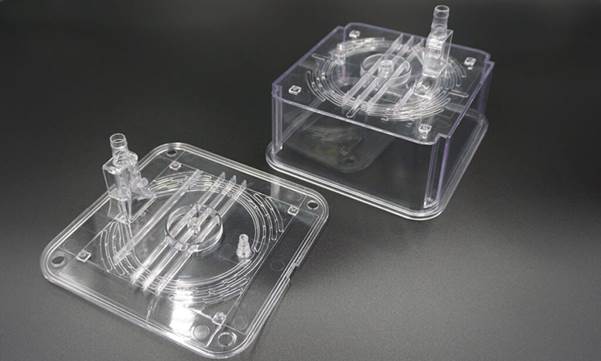
Plastic Molding of Custom Products in the various industries

There are various applications of custom plastic molding in various industries. There is a standard of requirement and standards per industry. This renders the process to be very versatile. Custom molded plastics are found everywhere, in the automotive parts, as well as medical devices. This extensive application demonstrates the significance of this process in today manufacturing.

Creating less waste during Plastic Molding

Less wastage is a current day objective of manufacturers. The effective production processes will reduce the amount of loss of materials and enhance sustainability. Recycling of used materials is also a norm. A lot of companies that have been employing the custom molding plastic are now targeting at environmentally friendly solutions to conserve the environment.

Improvement in Product Quality by improving design

The high-quality products are orchestrated by good design. Having a proper design will facilitate a smooth production and minimize defects. The advanced tools and software can be used to enhance accuracy. An aptly made custom plastic mold will also lead to a superior finish, strength and durability.

The future of Custom Plastic Molding

The prospects of custom plastic molding are bright. The procedure is being expedited by new technologies and made more efficient. The automation and smart production are enhancing the quality of production. High-tech custom molding plastic methods are being embraced by many companies, in a bid to remain competitive in the market.

Final Extended Conclusion

Plastic molding is a crucial process in the contemporary manufacturing industry. It allows flexibility, efficiency and creates high quality production to various industries. It is used by businesses to develop individual and trusted products. Companies can get the best results by concentrating on the right design, selection of materials and selecting the appropriate custom plastic molding company. This will not only enhance the quality of the products but also minimize the costs in the long-run.

Even more efficient and sustainable, in the future, will be custom molding plastic with the help of advanced technologies. Companies that embrace such practices will remain competitive and be successful in satisfying the rising market expectations.

Vanliga frågor

1. What do you use custom plastic molding?

Unique plastic products are produced through custom plastic molding, which is employed to produce products according to certain designs and needs. It is widely applied in such industries as automotive, medical, packaging and electronics to achieve high quality and precision of components.

2. What kind of molding process is suitable to complex products?

Complex and detail products are the best that should be injection molded. It has a high level of precision, consistency and smooth finishing; thus, it is suitable in an advanced and high-volume production requirement.

3. What does it mean by blow molding and injection molding?

H hollow products such as bottles, containers, etc are made through blow molding. Solid and detailed parts that have complex shapes are molded over injection molding. The two processes have various applications depending on the design of products.

4. Is it costly to custom plastic mold?

The price is determined by the factors such as the shape of mould, material and quantity of production. Although the initial cost may be expensive, it would prove to be cost effective in large production as the cost per unit will reduce.

5. What is the correct molding process that I pick?

The selection of the process is dependent on your product design, type of material and quantity of productions. Being aware of your needs and talking to an expert manufacturer can make them make the most optimal choice.

Hur mycket kostar en injektionsform? Komplett prissättningsguide

Knowledge of the cost of an injection mold is highly significant in business and newcomers who would wish to venture into plastic product manufacturing. Many industries use injection molding due to the speed and trustworthiness of injection molding. However, the prices of molds may be baffling to new customers.

Before one embarks on an injection molding project, many people will ask: How much does injection molding cost? The solution varies depending on various criteria such as design, material and volume of production. You will come to know all in easy and simple words in this guide.

Vad är formsprutning?

Injecting a hot material into a cavity is a production technique of plastic components called injection molding. The mixture is left to dry and it takes the form of the mold. The latter process is common since it provides precise and reproducible results. It finds application especially in the automotive, packaging and electronic industries. A mold needs to be produced prior to production. That is the reason why many people would inquire on how much does a formsprutningsform för plast cost when they are planning to do a project.

What Does an injection Mold Cost?

It might depend on the project greatly as cost. Generally, the cost of injection mold can be between 1,000 and above 100,000. The molds that are small and simple are less expensive whereas large and complex molds are costly. As an example, a simple mold can be between 1,000-5,000. A medium-level mold may cost $5,000 to $25,000. Molding in the industrial industry can exceed 50 000. That is why it is recommended to comprehend the extent to which injection molding cost is before the start.

Factors That Affect Injection Mold Cost

The amount that a plastic injection mold will cost is determined by a number of factors. All the factors contribute significantly to the end price. Knowing these aspects will assist you to make a more budget-friendly plan. We can consider the factors which have the greatest influence on the cost of a particular injection mold in real projects.

1. Mold Size and Complexity

The cost is dependent on the size of the mold. Large molds require additional material and time to be manufactured. This adds up to the aggregate price. Complex designs are also costly as it makes use of sophisticated tools and labour. Hence, the extent to which injection molding cost may vary depending on the design complexity.

2. Material Used for Mold

Molds are typically produced out of steel or aluminum. Steel molds are tough and have a better life span. They are however pricier than aluminum molds. The molds made of aluminum are less expensive and quicker to make. They are however not applicable towards high production. The decision you make will determine the amount of cost of a plastic injection mold.

3. Production Volume

It also depends on the quantity of parts that you wish to manufacture. The molds need to be strong and durable in order to produce a lot. These are more expensive molds that have a long life. In case of low production, low-cost molds can be used. That is why the cost of an injection mold varies according to your objectives of production.

4. Design and Engineering

A design has to be crafted and tried prior to the creation of a mold. The design and its design are checked by engineers to prevent any mistakes. This will be an additional cost. In case of a complex design, it will be time-consuming and more laborious. This adds to the overall costs of injection molding.

5. Mold Cavities

There may be a cavity or many cavities in a mold. Multi-cavity molds are able to make numerous parts simultaneously. This improves efficiency. They are however, more costly to construct. Therefore, the number of cavities has an influence on the cost of a plastic injection mold too.

What is the Cost of Injection Molding a Part?

Other than the cost of the mold, you should know the cost of production per part. Much of the population would like to have an idea of the cost of injection molding per unit. Smaller, plastic components may be as cheap as a few cents each. Bigger ones will require a couple of dollars. The cost is lower with the increase in the volume of production hence less costly.

Cost Breakdown of injection Molding

In order to grasp the extent of a cost of an injection mold, it is worthwhile to review various elements of the cost. All these are a contribution to the overall price. These expenses consist of tooling, materials, labor and the operation of the machine. All these factors add up to find out the extent to which injection molding will cost in total.

1.Tooling Cost

The largest cost of injection molding is tooling cost. It involves designing and making of the mold. The expensive molds are of high quality, which extend their life. This is the reason why tooling contributes significantly in determining the extent of cost of a plastic injection mold.

2.Material Cost

The cost of materials varies according to the plastic. There are those that are cheap and expensive depending on the properties of the plastics. The selection of the appropriate material can regulate the extent to which an injection mold costs as well as quality of the product.

3.Labor Cost

Staff with expertise is required to design molds and run machines. Their experience provides a smooth running of the process. The cost of labor is a significant aspect of the cost of injection molding of any project.
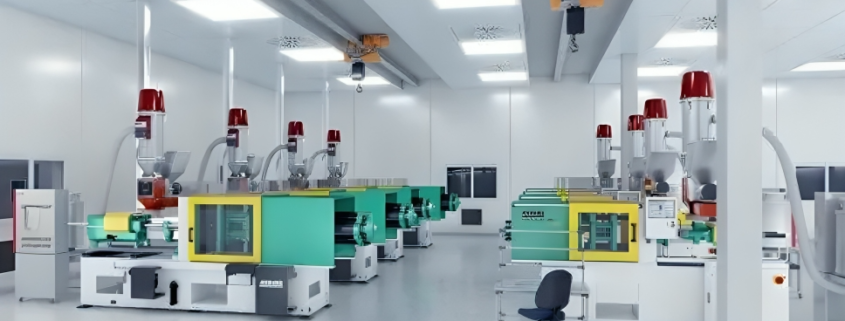
4.Machine Cost

The cost of acquiring as well as maintaining injection molding machines is high. They also use electricity when working. When determining the cost of a plastic injection mold, as well as the total production cost, these costs are accounted.

Inexpensive vs. Expensive Injection Molds

Inexpensive molds are applicable to smaller projects, and shorter production cycles. They are simple to manufacture, but can be worn out. More durable and better quality results are offered by expensive molds. This is why the amount of money to spend on an injection mold should be regarded as a long-term investment.

Reducing Cost of Injection Mold

It can be done to lower the extent to which injection molding is costly, without compromising quality. Prudent planning will save money. Simple design decisions as well as choosing the appropriate materials could be used to reduce the amount the plastic injection mold would cost.

Simplify Design

The straightforward designs are less complicated and less expensive to manufacture. Don’t use irrelevant information that complicates the matter. This will minimize the cost of an injection mold, as well as accelerate the production.

Select the appropriate Media

It is highly important to choose the appropriate material. It ought to be compatible with your product requirements and costs. This choice impacts performance and the extent to which is injection molding expensive.

Reduce Mold Cavities

Initial cost of mould can be reduced using lesser cavities. Single cavity molds are less expensive and not as difficult to maintain. It is an ideal choice when the quantity of production runs is small, and assists in managing the amount of inquiry a plastic injection mold cost.

Work with Experts

The accomplished manufacturers are able to mentor you to better decisions. They assist in the prevention of expensive errors. The collaboration with professionals will make sure that the amount of money needed by an injection mold does not exceed the budget.

Injection Molding vs. other techniques

A lot of individuals contrast injection molding to other forms of manufacturing. They would also wish to know how much injection molding cost is as compared to the other alternative. Large-scale production is more suitable to injection molding. Although the cost of a plastic injection mold is very expensive, the cost per unit is lowered as time goes by.

Should we Injection Mold?

Businesses which require high production of products are good candidates of injection molding. It is fast, accurate and reliable. The initial cost might be high but knowing how much does an injection mold cost, will aid in making smart decisions.

Vanliga misstag att undvika

Numerous inexperienced individuals commit errors which raise the cost of injection molding. With good planning, such errors can be avoided. Some of the common errors made are intricate designs, improper choice of materials and lack of proper planning. Preventing them will lower the cost that a plastic injection mold costs.

Real-Life Cost Examples

Live cases can be used to learn more about the extent to which an injection mold is more cost-effective. The prices are subject to change depending on the size and complexity of project. Small molds may cost $1,000 to $3,000. Medium molds can cost $5,000 to $15,000. Big molds are over 50, 000.

What is the Time Taken to make an injection Mold?

The other significant consideration when discussing how much does an injection mold cost. It is not an immediate process of making a mold. This may require a couple of weeks or even months based on complexities. It can take 2 to 4 weeks to be simple molds. Intricate molds that are elaborately designed may require up to 8 to 12 weeks or more. This time also influences how much does injection molding cost since the longer the project, the more the labor and resources that would be required.

Custom Injection Mold Price

Custom molds are custom made to particular products. The cost of these molds is higher since it entails special designs and design engineering. It is the reason why most people may tend to inquire how much does a plastic injection mold cost a custom project.

Custom molds can range from $5,000 to over $100,000. The cost is determined by size, material and complexity of the design. When developing a custom product then it is quite important to know how much the cost of an injection mold is.

Differences by country in cost

Injection molding is also influenced by the country of manufacture, thus its cost varies. There is a difference in the costs of labor and production in various areas. This directly influences the extent of the cost of injection molding.

As an illustration, the molds produced in China tend to be less expensive as compared to molds produced in the USA or Europe. But quality and communication must also be perceived to determine the extent to which a plastic injection mold costs.

Cost of Prototype vs Production Mold

Testing and low-volume production is done by using prototype molds. They are less expensive, and quicker to manufacture. This assists companies in trying out their concepts prior to the entire production. Molds of production are made to be long-lasting and in large quantity. They cost more, but are more durable. This variation is very important in determining the extent to which an injection mold costs.

The upkeep of Injection Molds

When determining the cost of injection molding many people forget the maintenance calculation. Molds should be regularly cleaned and repaired to work well. The cost of maintenance is dependent on the use and the quality of materials. Careful treatment enhances growth of moulds and minimizes cost in the long run. This too influences the amount of money a plastic injection mold would cost in the long run.

Effect of Design Change on cost

Design modifications have the potential to make a project more expensive. In case of alterations implemented to the mold after the creation, it might have to be reworked or possibly a new mold. This can go a long way in determining the amount of cost of injection mold. This is the reason why one should design the final product prior to starting the production process in order to control the extent to which injection molding is expensive.

Use of Technology in Cost saving

The technology of today is aiding in the cost reduction in manufacturing. The use of advanced software enhances accuracy of designs and minimizes errors. This is beneficial in saving time and money. Production is also speeded up and is more efficient with automation. In most industries, these advancements are gradually lowering how much does a plastic injection mold cost.

Large vs Small Volume Production

The amount of production is also important in determining the cost. Mold cost is diffused among high volume production. This will lower the cost per part. High cost per unit is experienced in low volume production due to the lack of a wide distribution of the mold cost. This is a big consideration in estimating the cost of how much an injection mold cost.

Selecting the proper Manufacturer

It is quite crucial to choose the appropriate manufacturer. An excellent manufacturer is one who offers quality work and assists to manage expenses. This makes sure that results are improved. The knowledgeable manufacturers will be able to advise you regarding the cost of injection molding as well as recommend how to save money. It also aids in controlling the extent of the cost of a plastic injection mold.

Small Business injection Molding cost

High start-up costs are a concern to small businesses. However, the injection molding can be an option as well with appropriate planning. To begin with basic patterns and small amounts of molds may aid in reducing the cost of an injection mold, how much does an injection mold cost? It is now easier to enter the market by small businesses.

Environmental Impact and Cost

Environmentally-friendliness is making its way into the production process. A lot of businesses are currently employing recyclable materials and energy saving machines. Such developments could have minor impacts on how much does injection molding cost, but they contribute to safeguarding the environment. They are also able to minimize the cost of a plastic injection mold, in the long-term, by efficiency.
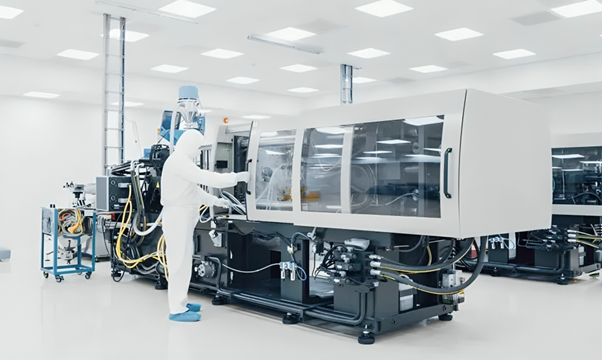
Trends in Injection Molding in the future

Injection molding is getting enhanced with the help of technology. Labor costs and efficiency are being decreased and increased with automation. The degree to which injection molding cost can be reduced in the future due to improved technology is yet to be determined. Nevertheless, there will always be quality molds that will demand investment.

Slutliga tankar

You now have a clear picture of how much does an injection mold cost, and how it depends on various factors. The price varies as per design, material and production requirements. Never take any chance and collaborate with specialists. This will assist in controlling the extent to which is injection molding cost effective and achieve improved results.

Ultimately, put emphasis on value rather than price. An investment made today will be able to save money in future, as it will be able to see how much a formsprutningsform för plast costs.

Vanliga frågor

1. What is the average cost of injection mold?

The injection mold depends on size and complexity and has a wide range of cost per injection mold. The average price of injection moulding could be between 1,000 and more than 100,000. Simple molds are less expensive in comparison to complex industrial molds, which are very expensive.

2. Why injection molding is so costly initially?

This is primarily because of the mold. Prior to production, a tool of high accuracy has to be produced. This is the reason why the amount of costs to be incurred in injection molding is high at first, but as large quantities of production run it would be cheaper per unit.

3. What is the cost of a plastic injection mold of small scale projects?

The average cost of a plastic injection mold varies between $1,000 and 5,000 depending on the type of small or simple projects. These types of molds are applied in low volume production or simple parts of plastic that contain simple designs.

4. Is it possible to decrease injection mold cost?

Yes, it is possible to decrease the cost by simplifying the design, decreasing the number of cavities and selecting appropriate materials. The right planning also assists in reducing the amount that an injection mold costs without compromising on the quality of products.

5. Is it cost effective to use injection molding to produce in mass?

Injection molding is indeed very economical at large scale production. Despite the high initial cost, the cost of injection molding, per unit, is very low when producing in the thousands of parts.

Formsprutning av höga volymer

Formsprutning av stora volymer är ett omfattande tillverkningsförfarande som används vid stor produktion av plastdelar. Det är erkänt för att vara effektivt, konsekvent och kostnadseffektivt. Detta tillvägagångssätt används av många branscher för att möta den ökande efterfrågan på produkterna. Formsprutning av hög volym är en process som föredras av företag som är intresserade av att skala sin produktion eftersom det är ett pålitligt sätt att producera resultaten.

Detta är lämpligt i företag som kräver massproduktion och inte kompromissar med kvaliteten. Det är också användbart för att minimera utgifterna på lång sikt. Den här guiden kommer att berätta allt om formsprutning av hög volym, dess process, fördelar, material samt dess användning.

Vad är formsprutning av höga volymer?

Formsprutning av stora volymer är en produktionsmetod som används för att tillverka tusentals eller till och med miljontals liknande plastdelar. I denna process sprutas smält plast in i en form, som kyls ned och stelnar för att formas till önskad form. Denna process upprepas flera gånger för att producera enhetliga produkter.

Den formsprutning av plast i stora volymer används normalt när det är nödvändigt med bulkproduktion. Det säkerställer att alla delar har samma storlek, form och kvalitet. Anpassad formsprutning med hög volym används normalt av sådana företag där de behöver den unika produktdesignen, men samtidigt måste produktionsvolymen vara stor. Formsprutning av hög volym i Kina gynnas också av många företag eftersom det är kostnadseffektivt och har storskalig produktion.

Drift av processen

Formsprutning av stora volymer kräver ett antal viktiga steg. Det första steget innebär valet av det plastmaterial som ska användas beroende på produkternas krav. De olika materialen har varierande styrka, flexibilitet och hållbarhet.

Plasten värms sedan upp tills den smälter. Den flytande plasten pressas sedan in i en form under högt tryck. Formen är gjord för att ha en form som är densamma som den slutliga produkten. Efter att formen fyllts med plastmaterialet får den sedan svalna och härda.

Den kompletta delen matas ut ur formen efter att den har svalnat. Processen upprepas för att skapa ytterligare komponenter. Formsprutning av plast i hög volym är mycket effektivt och lämpligt för massproduktion eftersom det är en kontinuerlig process.
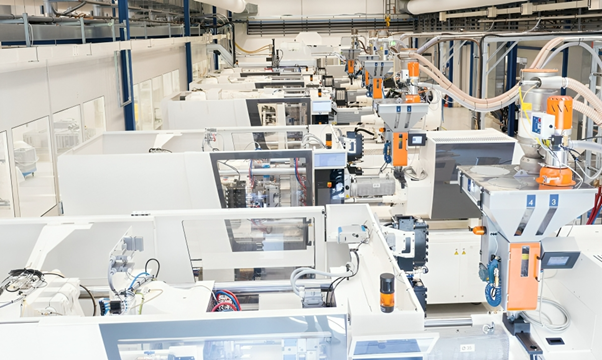
Fördelar med formsprutning av stora volymer

Kostnadseffektivitet är en av de största fördelarna med formsprutning av hög volym. Dess initiala installationskostnad kan vara dyr men enhetskostnaden är mycket låg vid stor produktion av produkterna. Detta säkerställer att det är en kostnadseffektiv lösning för företagen. Den andra fördelen är att kvaliteten är konsekvent. Formsprutning av plast med hög volym används för att producera varje del, och på detta sätt är delen nästan densamma och därmed pålitlig och konsekvent. Detta är särskilt viktigt för de industrier som är intresserade av precision.

Den är också mycket snabb i produktionshastigheten. De moderna maskinerna kan tillverka tusentals delar inom en kort tidsperiod. Detta gör det möjligt för företagen att uppfylla strikta tidsfrister och efterfrågan. Flexibilitet i design är den andra styrkan. Anpassad formsprutning med hög volym gör det möjligt för företagen att producera en invecklad och detaljerad design. Det blir lättare att komma med unika och innovativa produkter.

Dessutom är slöseriet med material minimalt eftersom det ibland är möjligt att återanvända överbliven plast. Detta gör att processen är mer miljövänlig än andra tillverkningsprocesser.

Användningsområden för formsprutning av stora volymer

Formsprutning sker i stora volymer i de flesta industrier. Det används också vid tillverkning av delar som instrumentbrädor, paneler och kåpor inom bilindustrin. Sådana element måste vara mycket exakta och hållbara. Formsprutning av plast i stora volymer används vid tillverkning av små plastelement inom elektronikindustrin. Dessa komponenter används i smartphones, datorer och hushållsapparater.

Detta tillämpas också inom den medicinska industrin för att tillverka produkter som sprutor, behållare och medicinska verktyg. Sådana produkter kräver stor renlighet och precision. Ett annat viktigt användningsområde är konsumentvaror. Formsprutning med hög volym används vanligtvis vid produktion av vardagsprodukter som flaskor, behållare och förpackningsmaterial.

Varför ska man välja anpassad formsprutning för höga volymer?

Det finns många företag där produkter måste vara unika och varumärkesorienterade. Anpassad formsprutning med hög volym gör att företag kan producera anpassad design och fortfarande njuta av massproduktionen.

Detta gör det möjligt för företaget att behålla varumärkesidentiteten på det sätt som de kan designa de produkter som är unika på marknaden. Det kommer också att se till att vissa krav uppfylls utan att det kostar produktionen. Följaktligen är den anpassade formsprutningen med hög volym idealisk i fall där företag vill ha anpassningen såväl som skalbarheten.

Varför ska Kina formsprutning av hög volym?

Outsourcing av tillverkning är inte en ny trend och formsprutning av hög volym i Kina är ett gynnsamt alternativ för många företag. Minskning av produktionskostnaderna är bland de främsta orsakerna. Kostnaden för arbetskraft och drift är i de flesta fall mindre och detta sparar företagen pengar. Den andra konkurrensfördelen är tillgången till avancerad teknik. Moderna maskiner används i de flesta tillverkningsindustrier i Kina som dikterar produktion av hög kvalitet.

Den andra fördelen är en stor produktionskapacitet. Formsprutning av hög volym i Kina är lämplig när man arbetar med internationella företag eftersom fabriker har kapacitet att hantera bulkbeställningar. Dessutom har Kina en stor leveranskedja och logistiknätverk. Detta underlättar att leverera produkter till olika delar av världen i god tid.

Formsprutning av plast för höga volymer

Formsprutning i hög volym utförs med olika former av plastmaterial baserat på produkternas behov. ABS är ett varumärke som väljs eftersom det är hållbart och starkt. Det används i allmänhet i fordons- och elektroniska produkter. Det andra materialet som vanligtvis används är polypropylen. Det är också lätt och elastiskt och används därför i förpackningar och konsumentvaror. Nylon är också ett starkt material som är motståndskraftigt mot värme och detta faktum har gjort det lämpligt för industriell användning.

Polykarbonat används också ofta vid tillverkning av föremål som måste vara genomskinliga och ha slagtålighet, t.ex. skyddsutrustning. Det material som används bör väljas eftersom det har ett direkt inflytande på produktens prestanda och hållbarhet.

Designtips för större framgång

Formsprutning av stora volymer är i hög grad beroende av god design. De enkla konstruktionerna tenderar att vara billigare och produktionen är enklare. Komplicerade konstruktioner kan höja kostnaden och tiden. Väggarnas tjocklek bör vara enhetlig, eftersom det undviker defekter och förbättrar produktens hållfasthet. Om tjockleken inte är jämn kan det skapa problem vid kylning.

Designen stöds med hjälp av dragvinklar som gör det lättare att få ut delarna ur formen. Detta minimerar risken för att skadas. Man bör också undvika skarpa kanter eftersom rundade kanter blir mer hållbara och kommer att innehålla färre stresspunkter. Dessa designtips bör förbättra kvaliteten på produkter som produceras genom formsprutning av plast med hög volym.
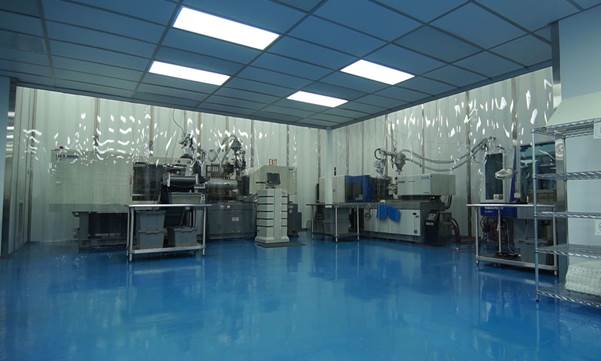
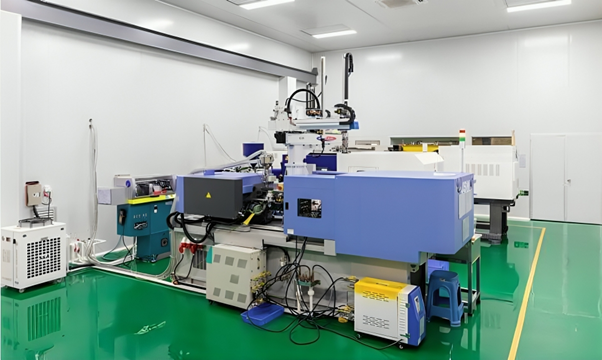
Svårigheter vid formsprutning av stora volymer

Formsprutning av stora volymer har flera utmaningar även om det har många fördelar. Det kan vara dyrt att tillverka formar, och det kan vara ett problem för små företag. Detta kompenseras dock normalt i det långa loppet av den stora produktionen.

Problem kan också uppstå på grund av konstruktionsfel. Om konstruktionen inte optimeras på rätt sätt kan det leda till defekter och förseningar i produktionen. En annan viktig faktor är valet av material. Slutproduktens prestanda och kvalitet kan påverkas av ett felaktigt materialval.

Det är också nödvändigt att underhålla maskinerna. Underhåll i rätt tid innebär också smidig drift och undvikande av för tidiga haverier i formsprutningsoperationer med hög volym.

Frågan om att välja lämplig tillverkare

Det är viktigt att välja tillverkare för att få en framgångsrik formsprutning av hög volym. Man bör välja det företag som är erfaret och skickligt inom sfären. Kompetens inom tillverkning kommer att ge mer trovärdiga tillverkare en större chans att producera kvalitetsresultat.

Kvalitetsstandarderna måste också undersökas. En kvalitetstillverkare kommer att vara beroende av en strikt kvalitetskontroll. Den andra faktorn är prissättning. Konkurrenskraftiga priser bör hittas, men kvaliteten får inte gå förlorad. Produktionskapaciteten är också viktig. Tillverkaren borde ha kapacitet att hantera stora order, särskilt när det finns ett plastinsprutningsprojekt med hög volym.

Formsprutning av stora volymer Kostnadsfaktorer

Det är oerhört viktigt för företagen att känna till kostnadsstrukturen. Formsprutning kan utföras i hög volym vilket kan vara kostsamt initialt, men på lång sikt kommer det att visa sig vara kostnadseffektivt. Den viktigaste kostnadsfaktorn är formen. Tillverkningen och utformningen av formar innebär mycket pengar, särskilt när det handlar om en komplicerad del.

Materialkostnaden är en annan faktor som är viktig. Olika plaster har olika priser baserat på deras egenskaper och kvalitet. Rätt materialval kan användas vid formsprutning av plast i stora volymer för att hantera de totala kostnaderna.

Drift av maskiner och arbetskraft bidrar också till den totala kostnaden. Automation har dock minimerat arbetskraftsberoendet i modern produktion. Detta beror på att formsprutning av stora volymer är mer effektivt och kostnadseffektivt.

Produktionsvolymen är också viktig för prissättningen. Ju fler enheter desto lägre kostnad per enhet. Det är anledningen till att de flesta företag skulle använda anpassad formsprutning med hög volym för att producera i stor mängd. Formsprutning av hög volym i Kina antas vanligtvis av företag eftersom det är relativt billigt och har hög produktionskapacitet.

Formsprutning av stora volymer Kvalitetskontroll

Vid formsprutning av stora volymer är det mycket viktigt att upprätthålla kvaliteten. Detta innebär att produktionskörningarna är stora och därför kan varje mindre misstag leda till en enorm förlust. Det är därför kvalitetskontrollen bör vara på strikta åtgärder. Tillverkare har högteknologiska inspektionsinstrument för att testa produkternas storlek och funktionalitet. Formsprutning av plast med hög volym görs normalt av automatiserade system för att identifiera defekter i början. Detta kommer att möjliggöra enhetlighet i alla produkter.

Det är också viktigt att materialet testas. Det ser till att den valda plasten har önskad standard. Kvalitetskontrollerna är ännu mer kritiska när det gäller anpassad formsprutning av hög volym eftersom produkterna är utformade för att användas för att uppfylla särskilda behov. Ett antal tillverkare i formsprutning av hög volym i Kina tillämpar internationella kvalitetsstandarder. Detta kommer att garantera att produkterna är i linje med världens krav och kundernas förväntningar.

Verktyg för formsprutning av stora volymer

En av de viktigaste frågorna vid formsprutning av stora volymer är verktygsfrågan. Produktens slutliga form och kvalitet är beroende av formen. Formar av god kvalitet kan ha miljontals cykler. Utformningen av verktyget bör vara korrekt. Varje mindre misstag kommer att påverka hela produktionsprocessen. Vid formsprutning av plast i stora volymer finns det behov av att ha hållbara formar så att produktionen kan pågå under en lång tidsperiod.

Gjutformar används vid tillverkning av olika typer. Enkelkavitetsformar används för att producera en del åt gången och multikavitetsformar används för att producera många delar inom en cykel. Multikavitetsformar används vanligtvis i anpassad formsprutning med hög volym eftersom de förbättrar effektiviteten.

Kina formsprutning av hög volym används alltid av många företag för att ha verktyg på grund av kostnadsfördelen och teknisk erfarenhet. Korrekt tillverkade formar förbättrar snabbare produktion och minimerar defekterna.

Formsprutning av höga volymer: Automatisering

Tillverkningsindustrin genomgår en förändring i och med automatiseringen. Formsprutningsprocesserna har utökats till högre volymer och maskiner och robotsystem används för att öka effektiviteten. Delarna hanteras av robotar; produkterna tas ut ur formarna och kvalitetskontroller utförs. Detta minimerar de mänskliga felen och maximerar produktionshastigheten. Automation är mycket fördelaktigt när det gäller formsprutning av plast med hög volym eftersom den måste vara i drift hela tiden.

Intelligenta maskiner har möjlighet att kontrollera temperatur, tryck och cykeltid. Detta garanterar stabilitet och minimerar dålig prestanda. Automation i anpassad formsprutning med hög volym används för att hålla noggrannheten i anpassade mönster. På grund av behovet av att förbli konkurrenskraftig på världsarenan omfattar de flesta fabrikerna med formsprutning av hög volym i Kina automatisering. Detta resulterar i ökad produktionshastighet och kvalitetsprodukter.

Hållbarhet i praktiken vid formsprutning av stora volymer

En av de frågor som står i centrum för tillverkningsindustrin är hållbarhet. Formsprutning av stora volymer utvecklas i riktning mot att skydda miljön. Minimalt slöseri med materialet är en av de främsta fördelarna med denna process. Onödig plast kan återvinnas och återanvändas. Formsprutning av plast i stora volymer används för att främja miljövänlig produktion.

De flesta företag använder sig för närvarande av biologiskt nedbrytbara och återvinningsbara ämnen. Detta minimerar föroreningar och upprätthåller mål. Med den anpassade formsprutningen med hög volym kan företag välja material som överensstämmer med deras miljöpolicy. De kinesiska formsprutningsproducenterna med hög volym blir också gröna. De använder miljövänliga maskiner och minimerar utsläppen. Detta hjälper till att utveckla en mer hållbar produktionsprocess.

Besvärliga brister och hur man kan förhindra dem

Formsprutning av stora volymer har brister även med den avancerade tekniken. Medvetenheten om dessa problem bidrar till att förbättra produkternas kvalitet. Vridning är en av defekterna. Detta uppstår på grund av ojämn kylning av delar. Detta kan undvikas vid formsprutning av plast i hög volym genom korrekt utformning av formen och genom att se till att väggtjockleken är enhetlig.

Det andra problemet är sjunkmärken. Dessa kommer i form av små bucklor på produktens yta. De uppstår ofta till följd av dålig kylning eller krympning av materialet. Detta problem kan lösas genom att ändra parametrarna för processerna. Den andra vanliga defekten är flash. Det sker när det finns ett läckage av överflödigt material i formen. Detta problem undviks vid formsprutning i stora volymer genom att se till att formarna är korrekt inriktade.

De tillverkare som är verksamma inom formsprutning av stora volymer i Kina använder överlägsna mekanismer för att identifiera och korrigera brister inom en kort tidsperiod. Detta garanterar kvalitetsproduktion.

En jämförelse mellan formsprutning i högvolym och lågvolym

Man bör känna till skillnaden mellan högvolym- och lågvolymsproduktion. Formsprutning av hög volym är inriktad på massproduktion medan låg volym tillämpas på den mindre kvantiteten. Formsprutning av plast kan göras i höga volymer för att ge låg kostnad per enhet på grund av höga produktionsvolymer. Det passar bra med produkter som har en stadig efterfrågan.

Lågvolymsproduktion är å andra sidan lämplig för prototyper eller små serier. Det är billigare när det gäller initiala kostnader men dyrt när det gäller enhetskostnader. Anpassad formsprutning med hög volym är mest föredragen i ett företag som vill öka produktionen och ändå behålla individuell design. Formsprutning av hög volym i Kina föredras av många företag och tillämpas i fall där kvantiteter krävs i stort antal och till konkurrenskraftiga kostnader.

Mest gynnsamma branscher

Formsprutning av höga volymer är mycket användbart i ett antal branscher. Detta är en process som används i fordonsindustrin för att komma med hållbara och exakta komponenter. Elektronikindustrin är den sektor som beror på formsprutning av plast i hög volym av små och komplicerade delar. Dessa är elementen i de moderna enheterna.

Detta är också den metod som används inom förpackningsindustrin. Varor som flaskor, lock och behållare görs i bulk. Den anpassade formsprutningen med hög volym används inom medicinsk industri för att producera säkra och sterila produkter. Detta säkerställer att de är i linje med strikta regler.

Formsprutning av hög volym i Kina bidrar väsentligt till tillhandahållandet av produkter till sådana industrier över hela världen.

Framtiden för formsprutning av stora volymer

Formsprutning av stora volymer går en ljusare framtid till mötes. Automation blir allt vanligare och detta gör arbetet smidigare och mindre mänskliga fel. Produktionsprocesserna förbättras med hjälp av smarta maskiner. Det utvecklas också nya material som kan användas för att förbättra produkternas prestanda. Det handlar om mer kraftfulla, flexibla och hållbara material.

Hållbarhetsbegreppet är på stark frammarsch. Återvinningsbara plaster i formsprutning av stora volymer används nu i stor utsträckning i många företag där miljöpåverkan ska minimeras.

Slutsats

Formsprutning av stora volymer är ett kritiskt produktionsförfarande som är nödvändigt för företag som behöver producera i stor skala. Det har många fördelar som att vara kostnadseffektivt, snabbt och av samma kvalitet. Formsprutning av plast med hög volym är mer lämplig när man producerar ett stort antal av samma produkt där anpassad formsprutning med hög volym kan användas för att ha unika och anpassade mönster. Kina formsprutning med hög volym är prisvärd och har en hög produktionsvolym, så många företag föredrar det.

Med kunskap om processen, materialen och bästa praxis kan företagen fatta mer välgrundade beslut och uppnå positiva produktionsresultat. Formsprutning av stora volymer är fortfarande en viktig aspekt av den samtida produktionen och kommer att vara det även i framtiden.

Vanliga frågor

5. Vilka är de sparade kostnaderna som är formsprutning av hög volym?

De initiala installationskostnaderna är också ganska dyra, men enhetskostnaden minskar vid stora produktionsvolymer. Det finns också fördelar med automatisering och effektiv användning av material som bidrar till att minimera kostnaderna i allmänhet.

Vad innebär formsprutning av stora volymer?

Formsprutning av högvolym är en tillverkningsteknik som används vid tillverkning av majoriteten av plastkomponenter enligt en kort tidsperiod. Det innebär användning av smält plast som injiceras i formen för att producera samma produkter som är av samma kvalitet.

2. Varför har verksamheten formsprutning i hög volym?

Detta är det som företagen vill ha eftersom det tar mindre tid och det inte är kostsamt per enhet vid massproduktion. Det gör vidare att alla produkter ser ut och fungerar på samma sätt.

3. Vilka är de vanligaste områdena där formsprutning av stora volymer används?

Detta har främst tillämpats inom bilsektorn, elektronik, hälsa och hushållsartiklar. Den är bäst när det gäller tillverkning av produkter som kräver massproduktion.

4. Har företaget kostnadseffektiv formsprutning av stora volymer?

Ja, det är mycket kostnadseffektivt i de fall där stora partier av produktionen tas. Även om det initiala arrangemanget kan vara kostsamt, minskar den allmänna kostnaden med ökad produktion av enheterna.

Formsprutning av termoplaster

Thermoplastic injection molding is one such material that has continued to be popular in the world manufacturing industry due to the increased demand of lightweight and high-quality materials. Efficiency, accuracy and cost effectiveness are some of the success factors in the fast production world today. Among the most common processes that fulfill all these requirements is thermoplastic injection molding. It is a high level of production since it enables the companies to make plastic components of the required quality in a consistent and accurate manner.

The process is applied in other businesses within the consumer goods sector, automotive components and others. The businesses will be in a position to make a better production decision because they will know how the same works and what the benefits are.

What is Thermoplastic Injection Molding?

Formsprutning av termoplaster or injection molding is a manufacturing process that involves forcing a thermoplast in a melt form into a mold and then molded to a required shape. Once the mold is cool and solid the final product is forcefully de-molded.

It is also very efficient as far as mass production is concerned. It enables the manufacturers to come up with detailed designs that are very accurate. Thermoplastic injection molding is also a good method of production in large scale production due to the reusability of molds.

Thermoplastics refer to those materials that can be melted and moulded again and again without the decline of its property. This predisposes them to be very versatile and can be adapted to other applications.

Thermoplastic Injection Molding Manufacturing Process

1. Material Selection

The first step in thermoplastic injection molding process is the process of selecting the right material. e.g. polypropylene, ABS, polycarbonate, normally thermoplastic pellets. Such materials are selected depending on their characteristics such as strength, plastics, heat resistant characteristics and cost. The injection molded thermoplastic is the appropriate material that provides optimum functionality and strength to the part.

2. Melting of the Thermoplastic

This entails melting of the Thermoplastic to acquire the required shape and volume to fill the molding machine. Melting of the Thermoplastic: It is done to melt the Thermoplastic to the shape and volume required and pour into the molding machine.

In a hot barrel of the injection molding machine, the raw plastic pellets are put. The fuse of the pellets in the barrel is homogenous and viscous. The temperature of this stage is very pertinent so that the degradation and smooth run of the molding process can be assured.

The Mold is used to inject the new product into the market.

3. Injection into the Mold

When the thermoplastic is exposed to the appropriate temperature, it is pressed in a mold cavity of the desired size. The shape and nature of the part is determined by the mold. Gates, vents and channels will be constructed in the correct manner that will cause flow of the molten material into the mold to flow evenly to minimise defects. This is one of the required operations of injecting thermoplastic.

4. Freezing and Refreezing

Once the plastic is in the mold it melts and solidifies. Time required in the cooling process would be determined by the material, thickness of the walls and complexity of the component. The cooling must be uniform in order that it lacks warps, sinks or shrinkages.

5. Mold Opening and Part Ejection

The part is then solidified then the mold is opened, and the complete product is ejected. This is then repeated through continuous production. The modern machines are automated and they have computer controls which ensure that the same part is used in the different runs that yield the same part which is of high quality.

6. Processing and Finishing

Even the thermoplastic components that are injection molded could need further finishing i.e. trimming, painting or assembling. These are processes that make the part to be functionally and aesthetically acceptable.

7. Quality Control

Quality check is done by the manufacturers in the process to be acquainted with the dimensions, tolerance and material integrity. Quality maintenance has resulted in thermoplastic injection molding that makes reliable and strong parts to other industries.

Types of Injection Molded Thermoplastic Materials

Manufacture of injection molded thermoplastic material has many different types. The types possess peculiarities which make them suitable to be used in some application.

Materials of some of the forms are:

  • Polypropylene (PP): it is light and non-chemical.
  • Polyethylene (PE): Soft and tough.
  • Acrylonitrile Butadiene Styrene (ABS): Impact resistant and strong.
  • Polycarbonate (PC): Heat resistant and transparent.
  • Nylon (PA): Strong, tough and hard.

The selection of the thermoplastic injection molded material plays a critical role in the determination of the preferred performance and life of the end product.

Benefits of Thermoplastic Injection Molding

Thermoplastic injection molding is advantageous in production in several ways:

  • High efficiency: First in the mass production.
  • Precision: Development of advanced and advanced designs.
  • Kostnadseffektivt: Will decrease material wastes.
  • Reusability: The materials could be reused and recycled.
  • Diversity: It can be applied in other industries.

Such advantages render thermoplastic injection molding as an option worth consideration by those firms that would want to enhance the efficiency of the production.

Thermoset vs Thermoplastic Injection Molding

The difference between thermoset and thermoplastic injection molding needs to be considered in the event that someone is making the correct decision regarding the process. Thermoplastics may be recycled and molten and remodeled at other times therefore making it flexible. Thermoset plastics, on the other hand, do not melt in the curing process and change chemically.

Comparatively, thermoset and thermoplastic injection molding are not easy to handle in comparison to thermoplastics. Thermosets are however, more resistant to heat and their structural stability is greater. The choice of either the thermoset or the thermoplastic injection molding would depend on the application.

Applications Across Industries

The thermoplastics injection molding process is flexible and efficient and thus it can find application in most industries.

  • Auto parts: auto interior components, bumpers and dashboard.
  • Medical: Surgical equipment, syringes and medical equipment.
  • Elektronik: Housing, connections and insulations.
  • Konsumentvaror: Household and toys.

The thermoplastic injection molding is now a mandatory practice in the current production due to the ability to create lightweight and strong products.

Quality Control in Injection Molding

In any production, quality is an issue of concern. Injection molding thermoplastic follows the same idea of quality control which is aimed at making sure that each product is up to standard. The manufacturers have the sophisticated tools and test procedures to verify the dimensions, strength and durability. The quality control minimizes the defects and leaves the customers happy.

One of the highest benefits of injection molding thermoplastic is consistency and this is the reason why it can be used in the large-scale production.

Cost Factors in Thermoplastic Injection Molding

The thermoplastic injection molding prices will vary depending on a sequence of aspects such as the nature of materials that should be employed, shape of the mold and the quantity of units that ought to be produced. The first mold fees are high when done in large volumes but made up by reduced cost of production. Cost saving may also be performed through lavish building and a correct choice of the materials.

Long-term saving and enhanced efficiency in production is one of the aspects that is shared in long-term businesses investing in injection molding of thermoplastics.

Environmental Impact and Sustainability

Much emphasis is being laid on sustainability in the manufacturing industry. The concept of the thermoplastic injection molding stimulates the green operations because of the possibility of the recycling of the material and the decrease of the waste. Most of the thermoplastics are recyclable in several occasions hence lower pollution to the environment. This makes the process more sustainable as compared to the other manufacturing processes.

The companies that have implemented the application of the thermoplastic injection molding will be in a position to help in the creation of the greener future and be productive at the same time.

Common Defects in Thermoplastic Injection Molding and How to Avoid Them

This is an extremely efficient process that may defect when the production process is taking place. The injection molding is thermoplastic and is known to possess warping, sink marks, short shots and flash. When the part cools in another rate, it gets warped thus bends the part. Good cooling systems can be used to minimize this. The sink marks are tiny dots that are marked on the surface and are normally attributed to the inappropriate pressure or cooling time.

Short shots are done when the mold has not been filled completely as is common due to low injection pressure. But the excess pouring out of the cavity of the mold is flash. Such issues would be prevented by designing appropriate molds and machine configuration during injection molding of thermoplastics.

Importance of Mold Design in Injection Molding Thermoplastic

Designs of molds are very crucial in the success of injection molding thermoplastic. Good material flow, easy cooling, easy to eject the complete part, is given by a good mold.

The considerations of the design of the mold are the location of gates, cooling, and venting. The material can fill up the mold evenly creating minimal defects when the gates are appropriately placed. The cooling channels are applied to maintain the homogenous temperatures and this improves the product quality.

An injection molding thermoplastic has a high quality mold that does not only improve efficiency but also improves the length of production.

Role of Temperature and Pressure Control

Temperature and pressure are some of the most significant parameters involved in the process. When thermoplastics are injected, right temperature will ensure that the substance flows properly and it fills the mold completely. Unwanted heat can destroy the material. With low values, there is a probability of having defects due to the non-flowing of the material as expected. Similarly, sufficient pressure is required to ensure that the mold has a uniform fill.

These variables are closely controlled in order to improve product quality and reduce wastage during injection thermoplastic molding.

Advantages of Injection Molded Thermoplastic in Product Design

The thermoplastic injected plastic is very beneficial in product design. Designers can also come up with complicated shapes, thin wall and detailed features that would have been difficult to accomplish by other means. The advantage of injection molded thermoplastic is the other benefit as there is a possibility of adding several parts in a single component. This saves time on assembling and increases products durability.

The design is adaptable; thus a company can become creative and can invent unique products that can be differentiated in the market.

Comparing Injection Molding Thermoplastic with Other Plastic Processes

There are different processes of plastic manufacturing but thermoplastic through injection molding is efficient and accurate. The shape and detail control of injection molding is better than processes like blow molding and extrusion. It is most appropriate in the case of hard materials of complex profiles.

Despite the fact that injection molding thermoplastic may not be suitable to some of the usages, it becomes suitable in high volume production where the quality of the items used should be constant.

Global Manufacturing Trends and China’s Role

Thermoplastic injection molding has seen China become one of the major nations of production of plastics. Many firms prefer outsourcing production because it is cost effective and efficient in production. The Chinese manufacturers are capable of offering the current machine, workforce, and the capacity to handle massive quantities of manufacturing. They also have good prices hence making them a good option to businesses all over the world.

Moreover, many businesses in China are compliant with the world quality standards, and it ensures the quality and reliability of results. That is why they create such a formidable presence in the global market because of such a combination of cheapness and quality.

Custom Thermoplastic Injection Molding Solutions

Customization is one of the biggest benefits of injection molding of thermoplastics. The manufacturers can come up with products that satisfy individual needs like the size, shape, color and material characteristics. Customized solutions are especially useful in those industries that have special requirements, e.g., aerospace and medical. This is ensured by the fact that it is produced with special components that ensure that they are superior in terms of performance and functionality.

The companies are able to liaise with the manufacturers in developing custom made designs which suit their specifications.

Maintenance and Longevity of Molds

The long life of the molds which will be used in the injection molding of the thermoplastics is a major factor because of maintenance. The cleaning and the inspection are performed on a regular basis in order to avoid the damage and maintain the performance.

Wear and tear may also occur as time goes by due to repetition in the molds. This can be improved by doing a replacement of worn-out parts and routine services.

Maintained molds are known not only to improve the quality of products, but also to reduce the time of production.

Tips for Choosing the Right Material

The material used is critical in the process of defining the outcomes that would be achieved. Some factors must be taken into account in working with injection molded thermoplastic because they contain strength, flexibility, heat resistance and cost.

There are numerous advantages of the media. Using ABS as a case in point, ABS is said to be strong whereas polyethylene is valued to be flexible. These properties will be known and this knowledge will help in making the right choice.

You also get a chance of seeking the recommendation of professionals in order to decide on which injection molded thermoplastic to apply in your project.

Final Words

The thermoplastic formsprutning is important in the modern manufacturing process due to its efficiency, precision, and versatility. The technology and materials are becoming more reliable and inexpensive with the increase in the process, which is making it more cost effective.

It is advantageous to business in industries not only on its flexibility of design but also on mass production. Firms can maximize this powerful manufacturing process through knowledge about the process, materials and best practices.

Vanliga frågor

1. What is injection thermoplastic molding?

Injection molding is a thermoplastic process of manufacturing where a form of plastic known as thermoplastic molten material is injected into a mold to make the perfect parts of the plastics. It is widely used in production of complex shapes and in high volume production.

2. What is the thermoplastic injection molded components materials?

These materials include polypropylene (PP), ABS, polycarbonate (PC), polyethylene (PE) and nylon (PA). Each injected dose of thermoplastic material is determined depending on its strength, flexibility, heat resistance and requirement of usage.

3. What is the distinction between injection molding thermoplastic and other processes?

Thermoplastic injection molding creates shapes of an exact, detailed, and repeatable nature, which cannot be achieved with extrusion and blow molding. It is applied effectively in the production of solid components of complicated geometry and it is quite efficient in large scale production.

4. What is the difference between thermoset and thermoplastic injection molding?

Through thermoset/ thermoplastic injection molding, thermoplastics are capable of being melted and remodeled several times, whilst thermosets are unable to melt and are subject to chemical curing. Thermoplastics are easier and can be recycled, whereas thermosets are more resistant to heat and chemicals.

5. What will I do to avoid defect in injection molding of thermoplastic?

Warping, sink marks and flash are the defects that are normally experienced. Their defects are reduced through the proper design of the mold, the control of temperature and pressure, and the use of high-quality thermoplastic material of high quality, which results in the production that is consistent and reliable.

Anpassad plastinsprutningsgjutning Kina

Anpassad plastinsprutningsgjutning Kina är nu bland de mest använda produkterna i den konkurrenskraftiga tillverkningsvärlden, vilket ger företag noggrannhet, skalbarhet och överkomliga priser. Oavsett om det är en start eller ett etablerat varumärke, oavsett val, kan det vara värt att lära sig hur man använder en anpassad plastinsprutningstjänst och fatta rätt beslut om produktutveckling och uppnå resultat på hög nivå.

Genom den anpassade plasten formsprutning kan företagen tillverka en detaljerad design med repeterbarhet, till lägre kostnad och inom en strikt tidsfrist. Det är också en flexibel tillverkningsmetod eftersom den kan vara flexibel när det gäller materialval och kundanpassning och därför kan tillämpas inom olika branscher som fordons-, medicin-, elektronik- och konsumentvaruindustrin.

Vad är anpassad plastinsprutningsgjutning?

Anpassad plastformsprutning är en tillverkningsteknik där smält plast tvingas in i en form för att bilda vissa former och delar. Tillämpningen av denna metod har varit vanlig inom fordons-, medicin-, elektronik- och konsumentvaruindustrin. Impressionister kan skapa sofistikerade mönster med hjälp av den anpassade formsprutade plasten som är mycket exakt och konsekvent.

Plast i anpassade formsprutningsmaterial

Framgångsrik anpassad formsprutning av plast innebär val av material. Olika material har varierande egenskaper som styrka, smidighet och värmebeständighet.

De material som vanligen används är:

Betydelsen av materialval

Att identifiera materialet är ett av de viktigaste besluten som fattas för att uppnå högkvalitativ produktion i anpassad plastinsprutningsgjutning i Kina. Valet av material är betydelsefullt eftersom det påverkar prestandan, hållbarheten och den övergripande funktionaliteten hos slutprodukten. Olika plaster har olika egenskaper som styrka, flexibilitet, kemisk resistens och värmetolerans, varför valet av material är en stor utmaning bland tillverkare och företag.

Vanliga material som används

De kan lätt modifieras till ABS, polypropen, polyeten, polykarbonat och nylon, som är de mest populära formsprutade plasterna. Användningsändamålet och produktens behov avgör på förhand om ett visst material ska användas eller inte.

ABS (Akrylnitril-butadienstyren)

ABS är också extremt populärt för sin styrka och slagtålighet. Det används ofta inom bilindustrin, för elektronikhöljen och hushållsartiklar eftersom det motstår slitage och ger en fin finish.

Polypropylen (PP)

Polypropylen är ett mycket lätt material och dessutom är det mycket kemikaliebeständigt. Inplastning är också en vana hos människor eftersom det är giftfritt och flexibelt, och används för att plasta in medicinska delar, matförpackningar och förpackningar.

Polyeten (PE)

Polyeten är en robust plast. Den används normalt i behållare, plastpåsar och rörsystem där det krävs hög seghet och vattenbeständighet.

Polykarbonat (PC)

Polykarbonat är fruktansvärt tålig och transparent. Det är en typisk säkerhetsprodukt som är avsedd för linser och optik där skärpa och slaghållfasthet är en nödvändighet.

Nylon (PA)

Nylon är ett hårt och slitstarkt material. Andra användningsområden är verkstadsindustrin, kugghjul och industrielement.

När det gäller arbetet med anpassad plastinsprutningsgjutning kommer tillverkarna att ta hänsyn till produkternas tjänst när de väljer rätt material. Alla anpassade plastinsprutningsgjutningskina som kan använda ett otroligt antal material erbjuder alla möjliga lösningar som företagen kan erbjuda med höga nivåer av anpassning och lönsamhet.

Processen för anpassad formsprutning av plast

Denna kunskap om processen hjälper företag att planera produktionen på ett bättre sätt och uppnå bekanta resultat. Processen med anpassad plastformsprutning i Kina är inriktad på precision i processen, effektivitet och fin kvalitet till ett brett segment av industrier.

Formkonstruktion

Det börjar med konstruktionen av gjutformen där ingenjörerna tar fram en ritning av gjutformen utifrån produktspecifikationerna. Detta är ett viktigt steg eftersom formen, storleken och noggrannheten hos den slutliga produkten kan bestämmas av formen. Anpassad formsprutning av plast görs ofta med avancerad programvara och teknik som ser till att designen och funktionaliteten är perfekt.

Val av material

Därefter väljer man ett lämpligt plastmaterial. De olika materialen har olika egenskaper som styrka, flexibilitet och värmebeständighet. Valet av lämpligt material är en förutsättning för hållbarheten och prestandan i anpassad formsprutad plast.

Injektion

Efter att de två har förberetts appliceras högtrycket på formen och smält plast under högt tryck sprutas in i den. Denna åtgärd används för att säkerställa att materialet anpassar sig till formens alla hörn och att alla detaljer fångas perfekt.

Kylning

Plasten sprutas in och får sedan svalna och härda i formen. Tillräcklig kylning krävs för att säkerställa att produktens form och struktur inte påverkas.

Utskjutning och efterbearbetning

Slutligen pressas den stelnade produkten ut ur formen. Ytterligare efterbehandling kan göras för att förbättra produktens utseende och funktionalitet genom trimning, polering eller beläggning.

Detta är en effektiv och förenklad process och anledningen till att anpassad plastinsprutningsgjutning i Kina är mycket tillämplig i storskalig och högkvalitativ produktion.

Anpassad plastinsprutningsgjutning i Kina - Kvalitetskontroll

Kvaliteten på anpassade plastformsprutningstjänster är också en hög prioritet. Bra tillverkare observerar höga kvalitetskontrollåtgärder som inkluderar:

  • Inspektion av råmaterial
  • Kvalitetskontroller under processens gång
  • Testning av slutprodukten
  • Internationella standarder (ISO-certifieringar) har använts.

Dessa metoder kommer att garantera att anpassade formsprutade plaster är de bästa när det gäller kvalitet i världen.

Fördelar med att göra affärer med de kinesiska producenterna

Att samarbeta med företag som tillhandahåller skräddarsydd formsprutning av plast i Kina är en bred fördel för företag som är intresserade av att utöka produktionen till en låg kostnad och hög volym. Kina har under åren visat sig vara ett tillverkningsnav i världen med företag från alla delar av världen som etablerar sin närvaro i Kina på grund av dess kapacitet och konkurrensfördelar.

Snabbare handläggningstider

Bland de viktigaste fördelarna med beslutet att använda den anpassade plastinsprutningsgjutningen i Kina kan snabbare produktion och leverans nämnas. Moderna maskiner och slimmade produktionsförfaranden gör det möjligt för kinesiska tillverkare att hantera stora produktionsvolymer under strikta tidsfrister. Denna hastighet hjälper företag att få ut produkter på marknaden snabbare och ligger före sina konkurrenter.

Tillgång till global frakt

Den andra betydande möjligheten är att den har tillgång till välutvecklade sjöfartsnätverk i världen. Företag som tillhandahåller anpassade tjänster för formsprutning av plast i Kina är mycket erfarna inom internationella logistiktjänster, och därför uppnås en smidig och snabb leverans av produkter globalt. Detta har förenklat processen genom vilken företag kontrollerar leveranskedjor och får tillgång till internationella marknader utan några problem.

Låg grad av rigiditet i anpassningen

Kinesiska tillverkare är mycket flexibla när det gäller kundanpassning. Formsprutad plast kan utformas för att passa exakt dina krav, oavsett om det krävs unik design, specifika material eller komplexa former. En sådan grad av kundanpassning gör det möjligt för företagen att tillverka unika kvalitetsprodukter.

Effektiva nätverk för leveranskedjor

Kina har ett välutvecklat ekosystem för försörjningskedjan, vilket gör det möjligt att köpa råvaror och komponenter på ett effektivt sätt. Detta stora nätverk garanterar hög kvalitet och minimala förseningar i produktionen i de anpassade plastinsprutningsgjutningsprojekten i Kina.

Kostnadseffektiva lösningar

Förutom ovanstående fördelar har kostnadseffektivitet varit en viktig faktor som driver företagen mot anpassad formsprutning av plast på en porslin. Minskade kostnader för arbetskraft och produktion hjälper företagen att maximera vinsten och fortfarande vara av hög kvalitet.

Sammantaget gör dessa styrkor att Kina är en optimal partner för utländska företag som vill hitta högkvalitativa, skalbara och tillförlitliga tillverkningsalternativ.

Vad är det rationella valet av anpassad plastinsprutningsgjutning Kina?

Anpassad plastinsprutningsgjutning Kina är ett toppval bland olika företag i den nuvarande tillverkningsindustrin över hela världen på grund av dess höga kvalitet, effektivitet och låga kostnader. Kina har visat sig vara ett stort centrum för formsprutning av plast med en mängd olika fördelar som har gjort det till en bra destination för många företag på den globala marknaden.

Kostnadseffektivitet

Kostnadseffektivitet är en av de främsta faktorerna som tvingar företag att tillgripa anpassad plastformsprutning i Kina. Priserna på de kinesiska tillverkarna är mycket konkurrenskraftiga och påverkar inte kvaliteten. Detta gör att de kan göra stora volymer formsprutad plast som är skräddarsydda till ett reducerat enhetspris. Massproduktion är billigare och lämpar sig bäst för nystartade företag och väletablerade varumärken som vill ha en hög vinstmarginal men samtidigt bevara sina kvalitetsstandarder.

Avancerad teknik

Modern teknik är en annan fördel med beslutet om anpassad formsprutning av plast i Kina. Maskiner, automatisering och de senaste produktionsmetoderna finns i fabriker i Kina. Detta kommer att garantera att alla tillverkade produkter är korrekta, enhetliga och är av global kvalitet. Högteknologi gör det också möjligt för produktionstiden att vara mycket snabbare och hantera mycket komplexa mönster i anpassad plastinsprutningsgjutning.

Kvalificerad arbetskraft

De kinesiska tillverkarna har en mer erfaren arbetsstyrka med många års erfarenhet av anpassade plastformsprutningstjänster. Dessa experter är utbildade för att hantera komplexa operationer, använda material effektivt och även för att tillhandahålla pålitliga och kvalitetsprodukter. De är så bra att de får företag att få anpassad formsprutad plast som är exakt enligt specifikationer och funktionalitet.

Skalbarhet

Den andra anledningen till att anpassad plastinsprutningsgjutning Kina är mycket populär är skalad. Kinesiska tillverkare kan hantera små partier som ska användas vid prototypning eller en storskalig produktionskörning beroende på vilken mängd ett företag kan behöva. Detta ger företag lätthet att växa och utvecklas utan att behöva oroa sig för produktionsbegränsningar.

Kostnadsfaktorer att ta hänsyn till

Anpassad formsprutning av plast i Kina har ett pris som varierar beroende på ett antal faktorer:

  • Komplexitet i formkonstruktionen
  • Typ av material
  • Produktionsvolym
  • Specifikationer för ytbehandling

Även om de första kostnaderna för formen kan vara dyra, kommer massproduktion att spara mycket pengar på enhetspriset, så anpassad formsprutning av plast kommer att vara extremt kostnadseffektiv.

Anpassad formsprutad plast Användningsområden

Injicerad plast Anpassad formsprutad plast hittar breda applikationer i olika branscher i olika avseenden eftersom de kan tillverkas med precision enligt behoven och är hållbara eftersom de lätt kan användas i olika applikationer. Anpassad plastformsprutning är en nödvändig lösning för dagens industrier eftersom det är en flexibel metod för att producera kvalitetsprodukter som är specifika för många applikationer.

Fordonsindustrin

Fordonsindustrin är ett av de viktigaste områdena där anpassade formsprutade plaster används. Tillverkare använder dessa plaster för att tillverka delar av instrumentpaneler, stötfångare, interiörlister och motordelar. Den anpassade formsprutningen av plast i Kina gör det möjligt för fordonsföretagen att vara mycket exakta och konsekventa, vilket är viktigt när det gäller säkerhet och prestanda.

Medicintekniska produkter

De anpassade tjänsterna för formsprutning av plast används inom den medicinska sektorn där de används för att tillverka delar av kirurgiska instrument, diagnostisk utrustning samt medicinska förpackningar. Anpassad formsprutad plast är viktig inom sjukvården eftersom de kan producera sterila, exakta och långvariga delar med den viktigaste faktorn som är kvalitet och tillförlitlighet.

Elektronik

Elektronik är en annan stor industri som är beroende av anpassad formsprutning av plast. Sådana komponenter som höljen, kontakter, brytare och höljen produceras genom denna process. Plastinsprutningsgjutning Kina tillverkare i Kina kan erbjuda högkvalitativa produkter som kan passa de exakta specifikationerna som behövs med elektroniska enheter.

Förpackningslösningar

Formsprutad plast har utmärkt sig i förpackningar på grund av sin lätta vikt, kostnadseffektivitet och gjutning i komplexa former. De anpassade formsprutningstjänsterna för plast kan användas effektivt för att tillverka produkter inklusive flaskor, lock, behållare och skyddsförpackningar.

Hushållsprodukter

Formsprutning av plast används i stor utsträckning för att tillverka starka och attraktiva hushållsartiklar, såsom köksredskap, förvaringsbehållare etc. Detta kan göras på en storskalig produktion och kvalitet och konsistens säkerställs.

Anpassad plastformsprutning Kina är mångsidig och pålitlig vilket har gjort det till det föredragna valet av ett företag i olika branscher. Efter att ha tillhandahållit exakta, ekonomiska och skalbara tillverkningsprocesser gör anpassade formsprutade plaster det möjligt för företag att tillfredsställa sina produkter effektivt och effektivt.

De största fördelarna med anpassade tjänster för formsprutning av plast

Tjänster för formsprutning av plast kan anpassas för att ge ett brett utbud av fördelar för företag som söker högkvalitativa, tillförlitliga och kostnadseffektiva tjänster inom tillverkning.

Hög precision och noggrannhet

Precision är en av dess främsta fördelar. Anpassad formsprutning av plast används också när varje komponent måste tillverkas enligt en mycket specifik specifik specifikation, och även när en hög grad av konsekvens och kvalitet är nödvändig i produktionen.

Materialets flexibilitet

Tjänsterna erbjuder flexibilitet vid val av material. Tillverkarna kan använda ett stort antal olika plaster, vilket gör att företagen kan välja det lämpligaste materialet när det gäller hållbarhet, styrka eller viss funktionalitet.

Minskat avfall

Systemet är mycket effektivt och det minskar slöseriet med material. Detta gör anpassad plastformsprutningsbaserad porslin som en grön tillverkningsmetod men till lägre produktionskostnad.

Snabb produktion

När formen väl är tillverkad är den snabb och enhetlig att göra. Stora mängder anpassad formsprutad plast kan tillverkas på kort tid, vilket stöder såväl småskaliga som storskaliga tillverkare.

Fördelarna med det senare är det som gör anpassade plastformsprutningstjänster till en avgörande lösning för den moderna produkttillverkningen.

Valet av lämplig tillverkare i Kina

Processen att välja lämplig partner för att tillhandahålla anpassad plastinsprutningsgjutning Kina är mycket viktig. Här är några tips:

  • Certifieringar och kvalitetsstandarder för kontroller.
  • Titta igenom tidigare projekt och recensioner av kundfeedback.
  • Tänk på deras erfarenhet av formsprutade specialplaster.
  • Se till att det finns en fungerande kommunikation och facilitering.

En effektiv leverantör av personanpassade tjänster för formsprutning av plast har potential att påverka kvaliteten på din produkt i hög grad.

Slutliga tankar

Sammanfattningsvis är det uppenbart att anpassad plastinsprutningsgjutning Kina är en effektiv lösning för företag som vill uppnå både kvalitet och kostnadseffektiv tillverkning. Det är fortfarande en av de ledande preferenserna i världen på grund av modern teknik, professionalism och mångsidig produktion.

Med rätt val av partner och kunskap om processen kommer du att kunna dra full nytta av den anpassade formsprutningen av plast och tillverka långlivade, exakta och innovativa produkter.

Vanliga frågor och svar

1. Vad är anpassad plastinsprutningsgjutning?

Formsprutning av plast är en produktionsprocess där smält plast tvingas in i en form för att utveckla exakt formade komponenter och delar. Det är vanligt förekommande i branscher som fordons-, elektronik- och medicintekniska produkter.

2. Varför är anpassad plastinsprutningsgjutning Kina vägen att gå?

Anpassad formsprutning av plast Kina är kostnadseffektiv med högteknologi, kvalificerad arbetskraft och uppskalad produktion som är lämplig i både små och stora tillverkningsprojekt.

3. Vilka är de material som kan användas i formsprutad plast?

Några av de material som tillverkarna kan använda för att uppfylla individuella krav på produkterna är ABS, polypropen (PP), polyeten (PE), polykarbonat (PC) och nylon (PA).

4. Vad är den genomsnittliga varaktigheten för processen för anpassad plastinsprutningsgjutning?

Den tid som krävs för att tillverka en form beror på formens komplexitet, materialval och antal batcher. När formen är förberedd är det möjligt att tillverka anpassad formsprutad plast på kort tid och i regelbundna kvantiteter.

5. Vilka är fördelarna med att använda anpassade tjänster för formsprutning av plast?

Bland fördelarna är hög noggrannhet, plastens smidighet, mindre slöseri, snabb tillverkning och billig produktion som gör anpassad plastinsprutning Kina till det bästa alternativet bland företag i världen.

Injektionsgjutna delar: En guide för alla ändamål

Produktion av formsprutade delar är en viktig del av den moderna industrin. Formsprutning används för att tillverka många av de produkter som omger oss. Detta är en process som hjälper till vid produktion av starka och exakta komponenter. Dessa är komponenter som hittar sina applikationer inom många områden. Kvaliteten på de gjutna produkter som efterfrågas ökar årligen.

Anledningen till den stora användningen av formsprutade plastdelar är att de är hållbara och ekonomiska. De gör det möjligt för företag att tillverka ett stort antal produkter som har samma form. Komplexa mönster fungerar också bra i denna process. Under tiden är formsprutningsformdelarna viktiga för att forma och forma dessa produkter. Processen kan inte fortsätta bra utan rätt formkomponenter.

Att formsprutning är så populärt beror på att det är tidsbesparande. Det minskar också avfallet. Metoden tillåter kortcykelproduktion. Det är något som ett antal industrier inte har råd att göra sig av med.

Formsprutning av plast: Vad är plastinsprutningsgjutning?

Plast formsprutning hänvisar till en produktionsprocess. Med dess hjälp tillverkas plastprodukter i stora mängder. Det är också ett snabbt och tillförlitligt förfarande. Det kan användas för att tillverka delar med samma form och storlek i alla fall.

I denna process värms plastmaterialet först upp. Plasten blir mjuk och smälter. Den flytande plasten förs sedan in i en form. Formen har en specifik form. När plasten kyls ner blir den fast. Hela denna del tas bort från formen.

Formsprutning av plast: Vad är plastinsprutningsgjutning?

Formsprutning av plast används för att åstadkomma enkla och komplexa produkter. Det möjliggör hög noggrannhet. Det minskar också materialslöseri också. Anledningen har att göra med det faktum att det är populärt eftersom mindre tid och pengar slösas bort.

Tabell 1: Komponenter till formsprutningsverktyg

FormkomponentTypiskt materialToleransYtfinishTypisk livscykelFunktion
Kärna & kavitetHärdat stål / aluminium±0,01-0,03 mmRa 0,2-0,8 μm>1 miljon skottFormar inre och yttre kännetecken
LöpareStål / Aluminium±0,02 mmRa 0,4-0,6 μm>500.000 skottKanaliserar smält plast till hålrummet
GrindStål / Aluminium±0,01 mmRa 0,2-0,5 μm>500.000 skottKontrollerar plastens inträngning i hålrummet
KylningskanalerKoppar / Stål±0,05 mmRa 0,4-0,6 μmKontinuerligAvlägsnar värme effektivt
UtskjutningssprintarHärdat stål±0,005 mmRa 0,3-0,5 μm>1 miljon skottSkjuter ut den färdiga delen utan skador
VentilationsöppningarStål / Aluminium±0,01 mmRa 0,2-0,4 μmKontinuerligSläpper ut instängd luft under injektionen

Att känna till formsprutningsprocessen

En kontrollerad och exakt produktionsmetod är formsprutningstekniken. De används vid tillverkning av plastkomponenter med hög noggrannhet. Det är ett funktionellt förfarande som sker i steg. Varje steg har vissa parametrar och numeriska värden.

Val och beredning av material

Det börjar med plastråvara. Denna är vanligtvis förpackad i form av pellets eller i form av granulat. Sådant material är normalt ABS, polypropylen, polyeten och nylon.

  • Pelletsstorlek: 2-5 mm
  • Våthalt före torkning: 0.02% -0.05%
  • Torkningstemperatur: 80°C-120°C
  • Torktid: 2-4 timmar

Korrekt torkning är avgörande. Bubblor och ytdefekter på gjutna delar kan orsakas av fukt.

Smältning och mjukgörning

Plastpelletsen torkas och pressas in i formsprutning maskin. De går genom en skruv som roterar och genom en varm tunna.

  • Temperaturzoner för fat: 180°C-300°C
  • Skruvhastighet: 50-300 VARV/MIN
  • Skruvens kompressionsförhållande: 2.5:1 -3.5:1.

Plasten smälts genom att skruven vrids. Ämnet förvandlas till en homogen massa av vätska. Även smältningen ger en jämn konsistens på komponenten.

Injektionsfas

När plasten har smält färdigt trycks den in i gjutformens hålrum. Formen fylls med stort tryck på ett snabbt och regelbundet sätt.

  • Insprutningstryck: 800-2000 bar
  • Insprutningshastighet: 50-300 mm/s
  • Injektionstid: 0,5-5 sekunder

Det finns ingen användning av korta bilder och blixtar på grund av lämplig tryckkontroll. Det är avsett att fylla hela formen innan plastkylningen påbörjas.

Förpacknings- och förvaringsfasen

Formen fylls och ett tryck appliceras på formen. Detta för att övervinna processen med materialkrympning vid rumstemperatur.

  • Lasttryck: 30-70 procent flöde av injektionen.
  • Hålltid: 5-30 sekunder
  • Typisk krympningshastighet: 0,5%-2,0%

Denna process ökar detaljernas koncentration och dimension. Det minskar också interna stenter.

Kylningsprocess

Formsprutning är den process som tar längst tid i kyltid. Plastämnet skulle sedan stelna och smälta.

  • Formtemperatur: 20°C-80°C
  • Avkylningstid: 10-60 sekunder
  • Verkningsgrad för värmeöverföring: 60%-80%

Avlägsnande av värme sker genom kylkanaler i gjutformen. Korrekt kylning eliminerar skevhet och defekter i ytan.

Formöppning och utstötning

Efter kylning öppnas formen. En sektion som har färdigställts tas bort med hjälp av utstötningsstift eller plattor.

  • Formens öppningshastighet: 50-200 mm/s
  • Utskjutningskraft: 5-50 kN
  • Utskjutningstid: 1-5 sekunder

Utskjutning: Försiktig utmatning skadar inte delarna. När gjutformen stängs påbörjas nästa cykel.

Cykeltid och produktionsresultat

Den totala cykeltiden varierar beroende på storleken på detaljerna och materialet.

  • Genomsnittlig cykeltid: 20-90 sekunder
  • Utmatningshastighet: 40 -180 delar/timme.
  • Maskinens fastspänningskraft: 50-4000 ton

Kortare cykeltider kommer att öka produktiviteten. Kvaliteten måste dock upprätthållas hela tiden.

Övervakning och styrning av processen

I moderna maskiner används sensorer och automation. Tryck, flöde och temperatur kontrolleras av dessa system.

  • Temperaturtolerans: ±1°C
  • Tolerans för tryck: ±5 bar
  • Måttnoggrannhet: ±0,02 mm

Genom att övervaka processen säkerställs en jämn kvalitet. Det minskar också skrot och stilleståndstider.

Betydelsen av komponenter i mögel

Formsprutning är beroende av formens delar. Var och en av formens delar har en viss roll att spela. Dessa är formning, kylning och utstötning.

Den formsprutning av plast delar anses vara framgångsrika beroende på korrekt utformning av formen. En dålig form kan orsaka defekter. Dessa defekter inkluderar sprickor och obalanserade ytor. Formdelar tillverkade av formsprutning, å andra sidan, hjälper till att säkerställa noggrannhet. De ser också till att de går i bra cykler.

Protraktdelar av hög kvalitet är gjutna. De minskar också underhållskostnaderna. Detta gör den mer effektiv och pålitlig.

Teknisk information om formkomponenter

Formkomponenterna är de viktigaste delarna i formsprutningssystemet. De kontrollerar ytans form, noggrannhet, styrka och kvalitet. Utan väldesignade formkomponenter är det omöjligt att uppnå en stabil produktion.

Formsprutning av plast: Vad är plastinsprutningsgjutning?

Kärna och hålighet

Kärnan och hålrummet är det som bestämmer produktens slutliga form. Den yttre ytan består av hålrummet. Kärnan utgör de inre egenskaperna.

  • Dimensionell tolerans: ±0,01-0,03 mm
  • Ytfinish: Ra 0,2-0,8 µm
  • Typisk stålhårdhet: 48-62 HRC

Precisionen i kärnan och hålrummet är hög, vilket minimerar antalet defekter. Det förbättrar också enhetligheten hos delarna.

System för löpare

Runnersystemet leder den smälta plasten från insprutningsmunstycket till kaviteten. Det påverkar flödesbalansen och fyllningshastigheten.

  • Löpare diameter: 2-8 mm
  • Flödeshastighet: 0,2-1,0 m/s
  • Gränsvärde för tryckförlust: ≤10%

Minskning av materialspill sker genom korrekt utformning av löparen. Den har också en jämn fyllning.

Design av grindar

Grinden reglerar plastflödet i kaviteten. Kvaliteten på detaljen beror på storlek och typ av grind.

  • Gate tjocklek: 50 -80 av detaljens tjocklek.
  • Portbredd: 1-6 mm
  • Gräns för skjuvhastighet: <100,000 s-¹

Den högra grindkonstruktionen eliminerar svetslinjer och brännmärken.

Kylningssystem

Kylbanor används för att kyla ner gjutformen. Detta system har ett direkt inflytande på cykeltiden och delarnas stabilitet.

  • Kylkanalens diameter: 6-12 mm
  • Kanalens avstånd till hålrummet: 10-15 mm.
  • Maximal tillåten temperaturskillnad: < 5 °C.

Enkel kylning förbättrar måttnoggrannheten. Det förkortar också produktionstiden.

Utskjutningssystem

När detaljen kylts av matas den ut i utmatningssystemet. Det måste utöva lika stor kraft för att förhindra skada.

  • Utkastarstiftets diameter: 2-10 mm
  • Utskjutningskraft per stift: 200-1500 N
  • Utmatningsslaglängd: 5-50 mm

Jämn utskjutning eliminerar sprickor och deformation.

Ventilationssystem

Luften kan fångas upp och läcka ut genom ventilerna när du injicerar. Brännskador och ofullständig fyllning orsakas av dålig avluftning.

  • Ventilationsdjup: 0,02-0,05 mm
  • Ventilationsbredd: 3-6 mm
  • Maximalt lufttryck: <0,1 MPa

Tillräcklig ventilation förbättrar ytornas kvalitet och formarnas livslängd.

Bas och uppriktningskomponenter Gjutformsbas

Formens bas bär upp alla delar. Bussningar och styrstift används för att ge korrekt uppriktning.

  • Tolerans för styrstift: ±0,005 mm
  • Platthet i formbotten: ≤0,02 mm
  • Anpassning till livscykeln: mer än 1 miljon bilder.

Hög uppriktning minskar slitage och blixtnedslag.

Tabell 2: Viktiga processparametrar

ParameterRekommenderat intervallEnhetBeskrivningTypiskt värdeAnteckningar
Temperatur på pipan180-300°CVärme appliceras för att smälta plasten220-260Beror på materialtyp
Insprutningstryck800-2000barTryck för att pressa in smält plast i formen1000Justera för detaljstorlek och komplexitet
Formtemperatur20-120°CTemperaturen bibehålls för korrekt kylning60-90Högre för konstruktionsplaster
Tid för kylning10-60sekunderTid för att plasten ska stelna25-35Beror på väggtjocklek
Cykeltid20-90sekunderTotal tid per gjutcykel30-50Inkluderar injektering, packning och kylning
Utskjutningskraft5-50kNKraft för att avlägsna detaljen från gjutformen15-30Måste förhindra skador på delar

Råmaterial Formsprutning

Materialval är mycket viktigt. Det påverkar slutproduktens kvalitet, stabilitet, framtidsutsikter och pris. Valet av lämplig plast är nödvändigt för att garantera att delarna fungerar och att de skrivs ut på rätt sätt.

Råmaterial Formsprutning

Termoplastiska material

De mest utbredda materialen är termoplaster på grund av att de kan smältas och återanvändas flera gånger. ABS, polypropen, polyeten och polystyren används i stor utsträckning. ABS är slagtåligt och starkt och smälter vid 200 till 240 °C. Polypropylen smälter vid 160 °C eller 170 °C, är lätt och motståndskraftig mot kemikalier. Polyeten har en smältpunkt på 120 °C till 180 °C och lämpar sig för fuktbeständiga produkter.

Teknisk plast

Höghållfasta delar eller värmebeständiga delar tillverkas av tekniska plaster som nylon, polykarbonat (PC) och POM. Nylon smälter vid 220 °C-265 °C och används i kugghjul och mekaniska delar. Polykarbonat är en stark och transparent polymer som smälter vid 260 °C till 300 °C. POM har en smälttemperatur på 165 °C till 175 °C och används i komponenter.

Värmehärdande plaster

Termohärdande plaster är svåra att smälta om efter gjutning eftersom de härdar permanent. De smälter vid 150 °C-200 °C och används i högtemperaturapplikationer som t.ex. elektriska komponenter.

Additiv och fyllmedel

Materialen förbättras med hjälp av tillsatser. Glasfibrer (10% -40 %) ger ökad styrka, mineralfyllmedel (5%-30 %) minskar krympningen och UV-stabilisator (0,1-1 %) skyddar mot solen. Dessa hjälpmedel har längre livslängd och fungerar bättre.

Krav på materialval

Materialvalet är faktordrivet när det gäller temperatur, hållfasthet, kemisk konfrontation, fukt och kostnad. Rätt val ger produkter med lång livslängd, precision och kvalitet och minskar risken för misstag och slöseri.

Tabell 3: Materialegenskaper

MaterialSmälttemperatur (°C)Formtemperatur (°C)Insprutningstryck (bar)Draghållfasthet (MPa)Krympning (%)
ABS220-24060-80900-150040-500.5-0.7
Polypropylen (PP)160-17040-70800-120030-351.0-1.5
Polyeten (PE)120-18020-50700-120020-301.5-2.0
Polystyren (PS)180-24050-70800-120030-450.5-1.0
Nylon (PA)220-26580-1001200-200060-801.5-2.0
Polykarbonat (PC)260-30090-1201300-200060-700.5-1.0
POM (Acetal)165-17560-80900-150060-701.0-1.5

Komponenter som tillverkas enligt plastinjektionsgjutningsprocessen

Formsprutning av plast är en process som skapar ett stort antal komponenter som kan användas inom olika sektorer. Processen är exakt, hållbar och kan produceras i stora volymer. Exempel på typiska komponenter som tillverkas på detta sätt visas nedan.

Komponenter som tillverkas enligt plastinjektionsgjutningsprocessen

Bildelar

  • Instrumentpaneler
  • Stötfångare
  • Luftventiler
  • Dörrpaneler
  • Växelspaksknoppar
  • Bränslesystemets komponenter
  • Interiörutrustningar

Medicinska delar

  • Sprutor
  • Slanganslutningar
  • Kirurgiska instrument
  • IV-komponenter
  • Höljen för medicintekniska produkter
  • Medicinska verktyg för engångsbruk

Elektronikdelar

  • Höljen för enheter
  • Strömbrytare och knappar
  • Kabelklämmor och trådhållare
  • Anslutningar och pluggar
  • Tangenter på tangentbordet
  • Kapslingar för kretskort

Förpackningsprodukter

  • Flaskor och burkar
  • Kapsyler och förslutningar
  • Behållare för livsmedel
  • Behållare för kosmetika
  • Lock och tätningar
  • Förvaringslådor

Konsument- och industrivaror

  • Leksaker och figuriner
  • Verktyg för hushållet
  • Apparatens komponenter
  • Byggbeslag
  • Exakta clips och fästanordningar.
  • Delar till industrimaskiner

Design och precision

Design är en viktig framgångsfaktor. En effektiv form förbättrar kvaliteten på en produkt. Det minimerar också fel under produktionen.

De olika delarna i processen för formsprutning av plast kräver strikta dimensioner. Prestanda kan påverkas av små misstag. Detta är anledningen till att skapandet av formsprutningsformdelarna utformas med snäva toleranser. Vid konstruktionen används ofta toppmodern programvara.

Komponenter som tillverkas enligt plastinjektionsgjutningsprocessen

Styrkan förstärks också genom god design. Den förbättrar utseendet. Den garanterar överlägsen passform i slutmonteringar.

Industriella tillämpningar

Många industrier använder sig också av formsprutning, som är snabb, exakt och ekonomisk. Det möjliggör massproduktion av identiska delar med mycket hög precision.

Fordonsindustrin

Inom bilindustrin tillverkas instrumentbrädor, stötfångare, luftventiler och innerpaneler med hjälp av formsprutade plastdetaljer. Dessa komponenter ska vara kraftfulla, lätta och värmebeständiga. Särskilt görs det genom gjutning, varigenom formerna är exakta och enhetliga för att förhindra säkerhets- och kvalitetsproblem.

Medicinsk industri

Inom medicin Tillverkningen av sprutor, slangkopplingar och kirurgiska instrument sker genom formsprutning. Mycket precision och hygienområden behövs. Speciellt kan formsprutningsdelar av plast tillverkas av plast av medicinsk kvalitet och formsprutningsformdelar kan användas för att säkerställa noggrannhet och jämnhet.

Elektronikindustrin

Höljen, kontakter, brytare och kabelklämmor tillverkas alla inom elektronikindustrin genom formsprutning. Formsprutade plastdelar säkrar de ömtåliga kretsarna och de formsprutade formdelarna är nödvändiga för att delarna ska passa perfekt.

Förpackningsindustrin

Formsprutning används också vid förpackning av flaskor, behållare, kapsyler och förslutningar. Plastformsprutningens delar används för att ge önskade former och storlekar, medan formsprutningens delar används för att producera i stora mängder på kortast möjliga tid genom att skapa minimalt svinn.

Övriga branscher

Även konsumentvaror, leksaker, bygg- och anläggningsindustrin samt flyg- och rymdindustrin injiceras. Dess flexibilitet och noggrannhet gör att den kan passa nästan alla plastprodukter, oavsett om det gäller enkla hushållsartiklar eller komplicerade tekniska delar.

Kvalitetskontroll och testning

Vid tillverkning krävs kvalitetskontroll. Alla delar ska vara uttorkade för att uppfylla konstruktionskraven. Testning är ett mått på säkerhet och prestanda.

De formsprutade plastdetaljerna genomgår visuella och mekaniska kontroller. Genom dessa kontroller upptäcks defekter i ett tidigt skede. Samtidigt utförs inspektionen av slitage och skador på formsprutningsdelarna. Frekventa inspektioner eliminerar misslyckandet med produktionsfel.

God kvalitetssäkring ökar kundernas förtroende. Det minimerar också slöseri och utgifter.

Fördelar med formsprutning

Det finns många fördelar med formsprutning. Det möjliggör en snabb produktionstakt. Det garanterar också upprepning.

Formsprutning av plast Delarna är dynamiska och lätta. De är kapabla till massproduktion. Under tiden stöds automatiseringen genom användning av formsprutning av formdelarna. Detta sänker kostnaderna för arbete och misstag.

Fördelar med formsprutning

Processen är också miljövänlig. Skrotmaterialet kan återanvändas. Detta kommer att bidra till att minska miljöpåverkan.

Utmaningar och lösningar

Formsprutning är, precis som alla andra processer, en utmaning. Det handlar om materialproblem och slitage av formar. Ogynnsamma miljöer leder till defekter.

Delfel kan bedömas i avsaknad av korrekt hantering av “plastformsprutningsdelar. Dessa risker kan minimeras genom lämplig utbildning. Samtidigt måste formdelar som används vid formsprutning underhållas regelbundet. Detta säkerställer lång livslängd.

Modern teknik kommer att vara användbar för att lösa många problem. Effektiviteten förbättras genom automatisering och övervakning.

Framtiden för formsprutning

Framtiden för formsprutning är solid. Det sker en utveckling av nya material. Smart tillverkning är på väg att bli verklighet.

Formsprutade detaljer som tillverkas av plast kommer att förbättras. De kommer att bli mer betydande och lättare. Samtidigt kommer bättre material och beläggningar att appliceras på formsprutningsdelen. Detta kommer att förbättra livslängden.

Branschen kommer fortfarande att präglas av innovation. Konkurrenskraftiga företag kommer att vara de som förändras.

Kinas roll

Kina bidrar i hög grad till marknaden för formsprutning i världen. Landet är en av de största tillverkarna av formsprutningsdelar av plast och distributör av formsprutningsdelar. Tillverkningssektorn är mycket diversifierad i landet; det finns såväl småskalig produktion som industriell produktion i stora volymer.

Kinas roll

Fabrikerna i Kina har högprecisionsmaskiner och kvalificerad arbetskraft som används för att tillverka delar. Att många internationella företag förlitar sig på kinesiska tillverkare beror på att de erbjuder kostnadseffektiva lösningar utan att ge avkall på kvaliteten.

Dessutom är Kina en innovationsledare. Man skapar nya material, formar och automationsmetoder för att öka effektiviteten. Kina har en bra leveranskedja och hög produktionskapacitet, vilket bidrar till att landet är en viktig aktör när det gäller att tillgodose den globala efterfrågan på formsprutade produkter.

Varför välja Sincere Tech

Vi är Sincere Tech, och vi arbetar med att leverera högkvalitativa plastformsprutningsdelar och formsprutningsformdelar till våra kunder i olika branscher. Vi har många års erfarenhet och en passion för att göra saker på bästa sätt, därför är alla våra produkter av bästa kvalitet när det gäller precision, hållbarhet och prestanda.

Vi har en grupp erfarna och kvalificerade ingenjörer och tekniker som erbjuder kvalitet och prisvärda lösningar genom tillämpning av moderna maskiner och nya metoder. Vi har säkerställt noggrann uppmärksamhet på alla detaljer, såsom val av material, utformning av formar etc., så att vi har samma kvalitet i varje sats.

Kunderna föredrar Sincere Tech eftersom vi värdesätter förtroende, professionalism och kundnöjdhet. Vi samarbetar med enskilda kunder för att lära känna deras speciella behov och erbjuda lösningar på deras behov. Vi är också engagerade i konceptet med leverans i tid, teknisk assistans och ständig förbättring, vilket gör att vi sticker ut inom formsprutningsindustrin.

Sincere Tech är företaget där du kan hitta excellens inom formsprutning av plast när du behöver antingen mindre, detaljerade delar eller produktion i stora volymer. Du får inte bara delar med oss, du får också ett team som är dedikerat till din framgång och tillväxt.

Om du vill veta mer om våra tjänster och produkter, gå till plas.co och se varför vi är det rätta valet för världens kunder.

Slutsats

Formsprutning är en solid produktionsprocess. Den är ryggraden i många industrier i världen. Dess främsta styrkor är precision, snabbhet och kvalitet.

Formsprutningsdelar av plast är fortfarande mycket viktiga i vardagen. De är användbara för att tillgodose olika behov, från de enklaste till de komplexa komponenterna. Under tiden garanterar formsprutningsformdelar det effektiva tillverkningsflödet och samma resultat.

Formsprutning kommer bara att fortsätta att öka med rätt design och underhåll. Det kommer också att fortsätta att vara en viktig del av modern produktion.