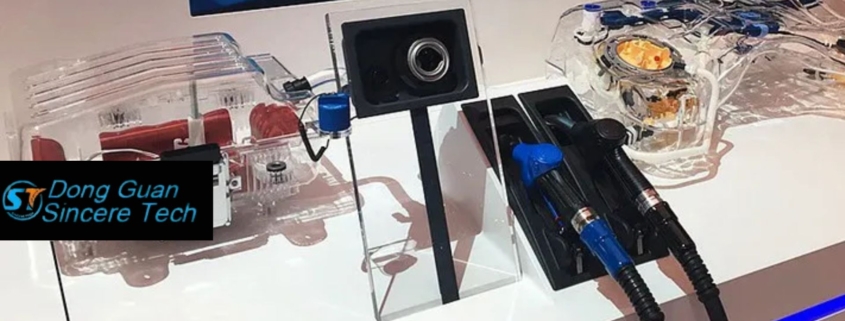
Akrylformsprutning kan definieras som en ny teknik för tillverkning av plastprodukter med hög kvalitet. Tekniken har en bred tillämpning inom fordonsindustrin, hälso- och sjukvårdssektorn, konsumentvaror och elektronik. Den är särskilt känd för att göra transparenta, tuffa och attraktiva produkter.
Kina är en stor del av akrylgjutningsverksamheten. Kina har stora mängder fabriker som tillverkar högkvalitativa akrylformar och delar. De erbjuder kostnadseffektiv, pålitlig och skalbar produktion till de internationella marknaderna.
Detta dokument beskriver formsprutningsprocessen, olika typer av formar, tillämpningar och bästa praxis för formsprutning av akryl.
Vad är formsprutning av akryl?
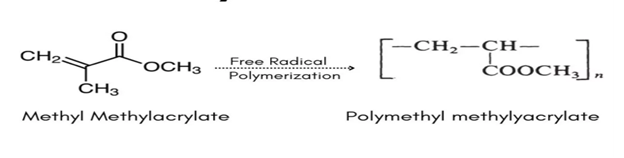
Formsprutning av akryl är en teknik för flygplanstillverkning där akrylplast värms upp tills den smälter och sedan sprutas in i en form. Plasten härdas och stelnar till en given form. Processen är mycket användbar vid storskalig produktion av komplexa och konsekventa delar.
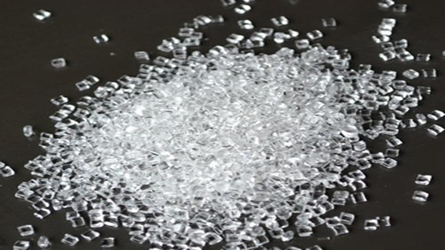
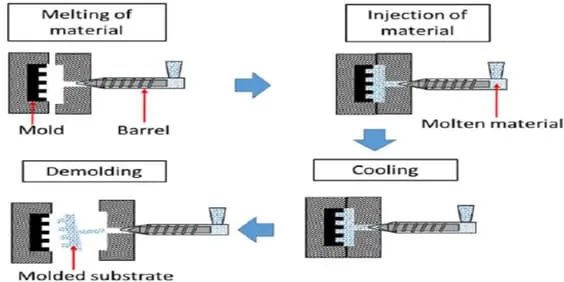
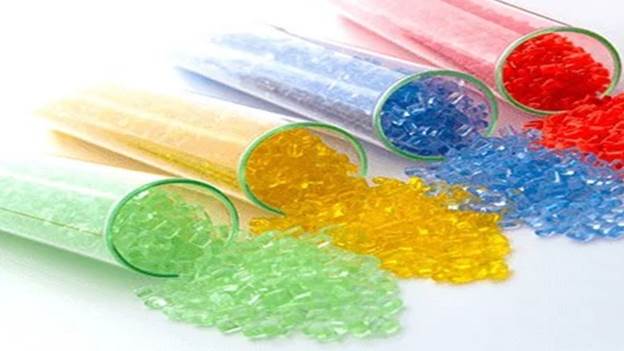
Akrylpelletsen är små och används som utgångsmaterial. Dessa hälls i en uppvärmd tunna tills den smälter. Sedan sprutas den smälta akrylen in i högtrycksform med akrylformar. Formarna kyls och öppnas och den färdiga produkten matas ut.
Processen är snabb, exakt och ekonomisk, till skillnad från andra gjutmetoder. Den lämpar sig för industrier där man vill öka produktionskvantiteten utan att nödvändigtvis tumma på kvaliteten.
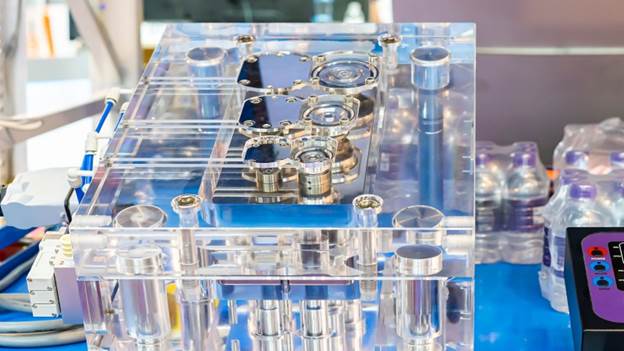
Fördelar med gjutning av akryl
Det finns många fördelar med akrylgjutning.
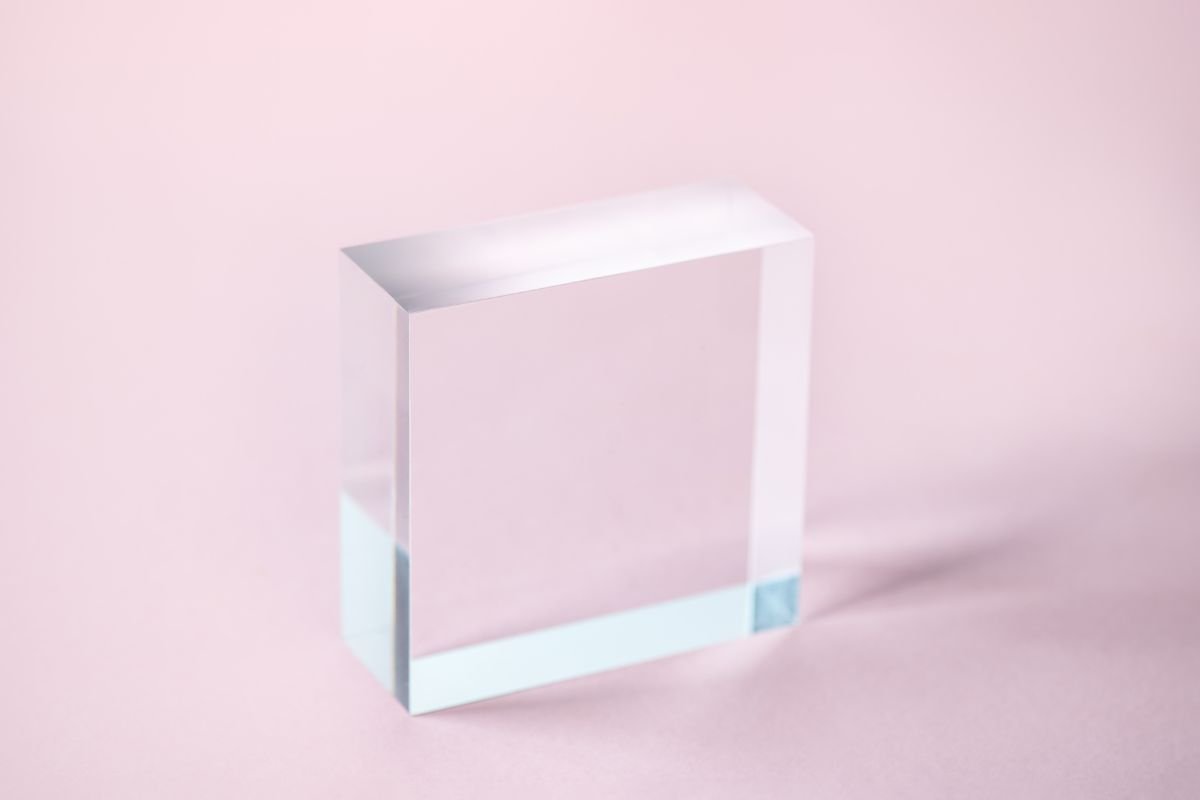
- Stor genomskinlighet: Akrylprodukter är mycket transparenta. De används ofta i situationer där det är nödvändigt att vara visuell.
- Hållbarhet: Akryl är hållbart och reptåligt.
- Komplexa former: Det går att göra komplexa konstruktioner, vilket är svårt att göra med andra plaster.
- Kostnadseffektivt: Efter att ha skapat formar kan tusentals delar skapas på kort tid, vilket gör processen billigare.
- Konsekvent: Varje parti är likadant som det föregående och kvaliteten säkerställs i stora kvantiteter.
Akrylgjutningen är snabb och exakt och därmed ett bra alternativ där kvalitet och hastighet förväntas i industrier.
Akryl formsprutning upptäcktes
I mitten av 1900-talet började tillverkarna av processen att utveckla processen för formsprutning av akryl eftersom tillverkarna ville hitta en snabbare och mer exakt metod för att forma PMMA. Tidigare användes gjutning som den primära processen för akrylgjutning, vilket var en långsam och arbetskrävande process.
Maskiner som kunde smälta akrylpellets vid temperaturer på 230-280 °C och spruta in dem i små akrylformar uppfanns av ingenjörer i Tyskland och USA på 1940- och 1950-talen. Denna uppfinning gjorde det möjligt att tillverka invecklade och högkvalitativa delar med enhetliga dimensioner.
Injektionstekniker av akryl för att producera det som idag kallas gjutning av akryl förändrade industrier som fordons-, medicintekniska produkter och konsumentprodukter. Gjutning av akrylplast minskade inte bara tiden utan ökade också effektiviteten, men det gjorde också delar som hade snäva toleranser (+-0,1 mm) och de som var optiskt klara (>90% ljustransmission).

Typer av akrylformar
Det finns flera typer av akrylformar; varje modell tillverkas enligt produktens erforderliga produktionskaraktär och komplexitet. Valet av en lämplig typ garanterar resultat av hög kvalitet och effektivitet vid akrylgjutning.
Enkelkavitetsformar
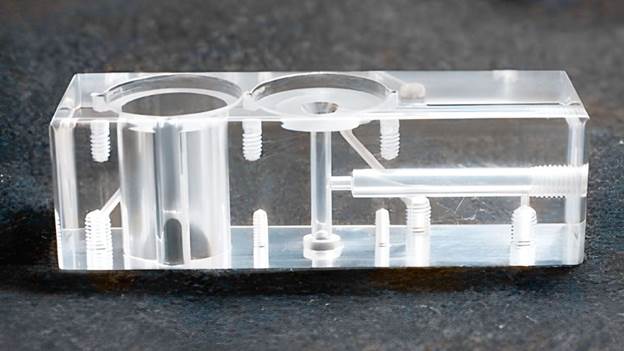
Formar med en enda kavitet är avsedda för tillverkning av en enda detalj efter varje injektionscykel. De kan användas när produktionskörningen är liten eller i prototypiska projekt. Med formar med en enda kavitet görs processen med formsprutning av akrylmaterial med hjälp av den aktuella termen för att inte behöva hantera problemet med felaktig formning och vaga ytor.
Gjutformar med flera kaviteter
Multikavitetsformar kan tillverka många exemplar inom en cykel. Detta ger dem idealisk lämplighet för massiv produktion. Multikavitetsformar gjuts ofta med akryl för att uppnå konsistens och minimera produktionstiden.
Familjeformar
I en enda cykel genererar familjeformar några av de olika delarna. Det här är en typ som är praktisk när man formulerar komponenter som utgör en produktmontering. Familjeformar kan använda gjutning av akrylplast som gör det möjligt att tillverka flera delar samtidigt, vilket sparar både tid och kostnad.
Gjutformar för varmkanalsystem
Varmkanalsformarna gör det möjligt att hålla plasten i kanaler för att minimera spill och öka effektiviteten. Varmkanalsystem använder akrylformar som passar högprecisionsprodukter med släta ytor och färre defekter.
Gjutformar för kallkanalisation
Kallkanalsformar använder kanaler som kyls tillsammans med den gjutna detaljen. De är billigare och lättare att producera. Många små till medelstora tillverkare skulle hellre använda akrylgjutning genom att använda kallkanalsformar för att göra sin produktion billigt.
Valet av lämplig typ av de så kallade akrylformarna bestäms av produktionsvolymen, produktens design och budgeten. Korrekt val av formar leder till bättre prestanda för formsprutning av akryl och färdiga produkter av hög kvalitet.
Teknikerna för gjutning av akrylplast
Akrylplastgjutning är processen att använda flera metoder för att omvandla akrylämnen till användbara och attraktiva föremål. Båda tillvägagångssätten har styrkor, som bestäms av design, produktionsvolym och produktens behov.
Formsprutning
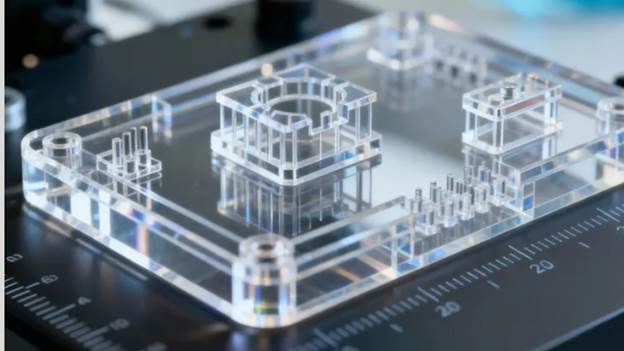
Den mest populära, som kallas akrylformsprutning, består av uppvärmning av akrylunderenheter, så kallade akrylpellets, tills de smälter och injiceras i akrylformar. Vid kylning kommer plasten att stelna i den avsedda formen. Detta är den bästa metoden för att göra en produkt med hög precision i stora mängder.
Kompressionsgjutning
Akrylplattor läggs i en varm form och pressas till form i kompressionsgjutning. Denna teknik kan tillämpas på tjockare sektioner och vanliga mönster. Kompressionsgjutning av akryl används för att göra den enhetlig i tjocklek och styrka.
Extrudering
Långa kontinuerliga profiler tillverkas genom extrudering, där smält akryl tvingas in i en formad matris. Genom extrudering används akrylgjutning på sådana föremål som rör, stavar och ark. Det är även i tvärsnitt och ytor.
Termoformning
Termoformningstekniken värmer upp akrylplattor tills de är smidiga och formar dem över en form med vakuum eller tryck. Tillvägagångssättet fungerar bra med enorma eller icke-höga produkter. Termoformning är en teknik för tillverkare av låga till medelstora volymer av akrylplastformar till en rimligt låg kostnad.
Rotationsgjutning
Rotationsgjutning används också med akryl, men formen roteras under uppvärmningen för att jämnt belägga insidan av formen. Former med håligheter kan göras effektivt med hjälp av denna teknik. I rotationsformar finns det flexibiliteten att gjuta akryl för att passa vissa mönster.
Process för gjutning av akryl
Gjutning av akryl är en viktig och teknisk process genom vilken det råa akrylmaterialet ändras till färdiga delar av hög kvalitet. Förfarandet kommer med flera processer, och varje process innebär exakt kontroll av temperatur, tryck och tid för att ge det optimala resultatet i processen för akrylgjutning.
Förberedelse av material
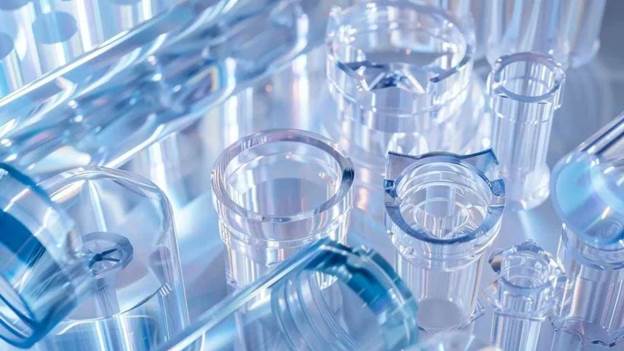
Reaktionen börjar med akrylpellets av hög kvalitet, som kan vara av olika storlek (vanligtvis 2-5 mm i diameter). Fukthalten i pelletsen bör vara mindre än 0,2, och ytterligare fukt kan leda till bubblor under gjutningsprocessen. Pelletsen torkas normalt i en torkbehållare vid 80-90 grader C under minst 2-4 timmar före användning.
Smältning och injektion
De torkade pelletsen förs in i formsprutningsmaskinens cylinder. Temperaturen i cylindern hålls vid 230-280 °C, med akrylkvalitet beroende på vilken kvalitet som används. Pelletsen smälts med hjälp av skruvmekanismen för att bilda en homogen akrylblandning i smält form.
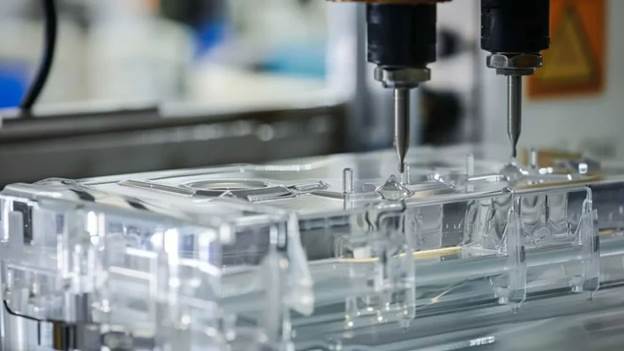
Akrylen sprutas sedan in i akrylformar under högt tryck - normalt 70-120 MPa - när den smält. Injektionstiden beror på storleken på detaljen, där små till medelstora detaljer tar cirka 5 till 20 sekunder.
Kylning
En trycksatt form placeras efter injektion när akrylen svalnar och stelningen äger rum. Tiden för kylning varierar med tjockleken på delarna:
- 1-2 mm tjocklek: 15-20 sekunder
- 3-5 mm tjocklek: 25-40 sekunder
- Över 5 mm tjocklek: 45-60 sekunder
Kylningen är nödvändig för att eliminera skevhet, krympning eller ytdefekter. Etablerade formar kan också använda sig av vattenrör eller oljekylning för att hålla temperaturerna inom de specifikationer som krävs.
Formöppning och utstötning
När formen har svalnat öppnas den och detaljen matas ut med mekaniska eller hydrauliska utmatningsstift. Det bör noteras att utmatningskraften bör begränsas för att säkerställa att den inte skadar ytan eller deformerar den.
Efterbearbetning
Delen kan också genomgå efterbehandlingsprocedurer som att klippa av eller polera delen efter utskjutning, eller glödgning. Åldring vid temperaturer på 80-100 grader C 1-2 timmars åldring hjälper till att avlägsna inre spänningar och förbättra klarhet och styrka.
Kvalitetsinspektion
Enskilda komponenter kontrolleras med avseende på defekter som luftbubblor, skevhet och mått. Kaliper används eller en laserskanning genomförs, och toleransen tillåts ligga inom + 0,1 mm när det handlar om komponenter med hög precision. Användningen av gjutning av akrylplast, som är av god kvalitet, har säkerställt att alla dess produkter är industristandard.
Sammanfattning av processparametrar:
| Steg | Parameter | Värde |
| Torkning | Temperatur | 80-90°C |
| Torkning | Varaktighet | 2-4 timmar |
| Temperatur på pipan | Smält akryl | 230-280°C |
| Insprutningstryck | 70-120 MPa | |
| Tid för kylning | 1-2 mm tjock | 15-20 sekunder |
| Tid för kylning | 3-5 mm tjock | 25-40 sekunder |
| Tid för kylning | >5 mm tjocklek | 45-60 sekunder |
| Glödgning | Temperatur | 80-100°C |
| Glödgning | Varaktighet | 1-2 timmar |
| Dimensionell tolerans | ±0,1 mm |
Akrylgjutningen med följande tekniska egenskaper garanterar kvalitet, noggrannhet och effektivitet för varje produkt. Processen för formsprutning av akryl kan användas för att tillverka tydliga, hållbara och dimensionellt exakta komponenter genom att använda optimerade förhållanden, vilket säkerställer en konsekvent produktion av komponenterna.
Användningar av formsprutning av akryl
Formsprutning av akryl används i hög grad i sektorer där noggrannhet, tydlighet och livslängd krävs.
Fordonsindustrin
Bakljus, instrumentbrädor och lister tillverkas med hjälp av formar i akryl. Delarna är vanligtvis 1,5-5 mm tjocka och har ett temperaturintervall på -40 °C till 80 °C. Klarhet och lång livslängd garanteras av Molding akryl.
Hälsovård och medicinsk utrustning.
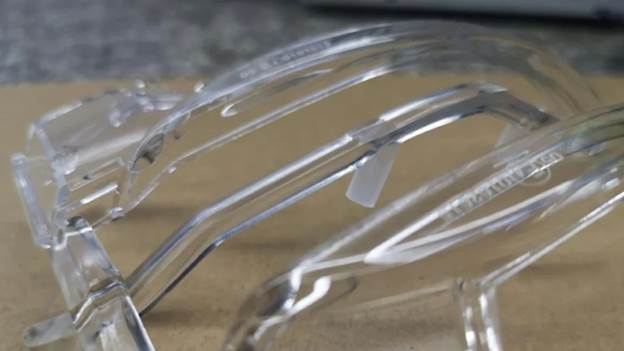
Laboratorieutrustning, instrumentskydd och skyddssköldar tillverkas genom gjutning av akrylplast. Det finns ett krav på delar med toleranser på +-0,1 mm och förmågan att steriliseras. Formsprutning av akryl garanterar släta och korrekta ytor.
Konsumentelektronik
Smartphone-skal, LED-höljen och skyddsskärmar är gjutna av akryl. Artikeln måste ha en ytglans som överstiger 90% och exakta mått.
Amfetamin, metamfetamin och amfetamin i hushålls- och inredningsprodukter.
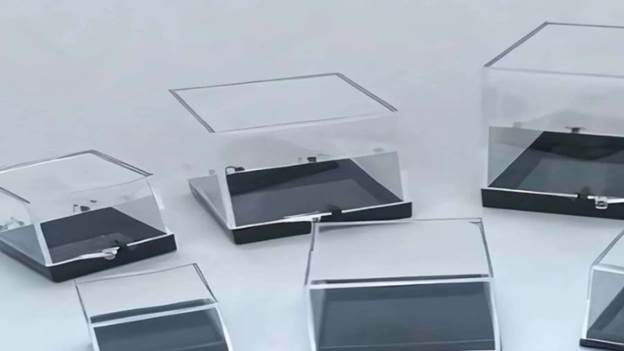
Produkter som kosmetikabehållare, vitriner och paneler tillverkas med hjälp av så kallad akrylplastgjutning. Den genomsnittliga tjockleken varierar mellan 2 och 8 mm, vilket ger jämna ytor med släta, klara och färgglada ytor.
Elektriska komponenter, belysning och optik.
Akrylformsprutningen används i klarheten hos LED-linser, ljusdiffusorer och skyltar. Delarna uppnår en ljusgenomsläpplighet på över 90% i specifika vinklar och tjocklekar.
Industriell utrustning
Det handlar om maskinskydd, instrumentpaneler och genomskinliga behållare som är baserade på gjutning av akryl. Komponenterna måste ha en slaghållfasthet på 15-20 kJ/m2 och vara genomskinliga.
Typiska tillämpningar
Detta ramverk tillämpas i situationer där staten kontrollerar alla de viktigaste egenskaperna hos hälso- och sjukvårdstjänster, såsom kvalitet, kostnad och tillgänglighet, samt mängden tillhandahållna tjänster.
Industri
- Exempel på produkter
- Viktiga specifikationer
- Fordon
- Bakljus, instrumentbrädor
- tjocklek 1,5-5 mm, Temp 40 °C till 80 °C
Hälso- och sjukvård
- Ställningar och skärmar för provrör
- Tolerans -0,1 mm, steriliseringstålig.
Elektronik
- Skydd, höljen
- Ytglans 90, dimensionsstabilitet.
Konsumentvaror
- Behållare som innehåller kosmetika, utställningslådor.
- Tjocklek 2-8 mm, slät yta
- Belysning
- LED-linser, diffusorer
- Ljusgenomsläpplighet större än 90, exakt geometri.
- Industriell
- Vakter, behållare
- Slaghållfasthet 15-20 kJ/m 2, klar.
Kvalitetskontroll av gjutning av akryl
Vid gjutning av akryl är kvalitet avgörande för att få delar som är upp till standard. Vissa mindre brister kan ha inverkan på prestanda och utseende.
Inspektion av delar
Alla komponenter inspekteras med avseende på luftbubblor, böjning och repor på ytan. Kaliper eller laserskannrar används för att mäta så att toleransen inte överskrids med +-0,1 mm. Processen för formsprutning av akryl beror på regelbundna kontroller som ett sätt att säkerställa hög kvalitet på produktionen.
Underhåll av mögel
Defekter förebyggs och formens livslängd förlängs genom att se till att den regelbundet rengörs och inspekteras. De gamla formarna kan leda till felaktigheter i måtten eller ojämna ytor.
Processövervakning
Temperatur, tryck och kyltider kontrolleras kontinuerligt under processen för gjutning av akryl. Fatets temperatur är i genomsnitt 230-280°C och insprutningstrycket varierar från 70 till 120 Mpa, för att undvika misstag.
Slutlig testning
Kompletta komponenter testas genom funktionella och visuella tester. Som exempel kan nämnas att optiska komponenter måste inspekteras med avseende på ljusgenomsläpp (mer än 90%) och strukturella delar med avseende på slaghållfasthet (15-20 kJ/m2).
Detta kan uppnås genom att hålla en stram kontroll över kvaliteten på slutprodukten för att generera pålitliga, exakta och estetiskt felfria enskilda delar av akrylplastgjutning.
Val av lämplig allians för formsprutning av akryl
När det gäller högkvalitativ produktion är det korrekta valet av tillverkare av formsprutning av akryl avgörande.
Erfarenhet och kompetens
Hitta partners som har erfarenhet av akrylgjutning och akrylgjutning. Erfarna ingenjörer skulle kunna maximera formdesignen, injektionen och efterbehandlingen enligt specifikationerna.
Utrustning och teknik
Innovativa maskiner som reglerar temperatur (230-280 °C) och insprutningstryck (70-120 Mpa) är mycket specifika när det gäller att förbättra produktkonsistensen. Fel och avfall minimeras med hjälp av högkvalitativa akrylformar och automatiserade system.
Kvalitetssäkring
När det gäller en pålitlig leverantör inkluderar de rigorösa kontroller av sina delar, till exempel dimensionskontroller (inom -0,1 mm tolerans) och ytkontroller. Med korrekt kvalitetssäkring säkerställs att komponenterna i akrylplasten blir klara, hållbara och felfria.
Kommunikation och stöd
Bra tillverkare samverkar under konstruktions- och tillverkningsprocessen. De hjälper till med optimering av formar, materialförslag och optimering av materialcykeltider.
Förslag på framgångsrik akrylgjutning
Det är tillrådligt att följa bästa praxis vid akrylgjutning för att få högkvalitativa, exakta och hållbara delar.
Använd material av hög kvalitet
Börja med akrylpellets i storleken 2-5 mm med en fukthalt på mindre än 0,2. Torkning vid 80-90°C 2-4 timmar hjälper till att eliminera bubblor och ytdefekter vid gjutning av akryl.
Optimera formkonstruktionen
Skapa en lämplig ventilerad design och designa akrylformar med lämpliga kylkanaler och injektionspunkter. Det minimerar skevhet, sammandragning och cykeltid i processen för formsprutning av akryl.
Kontrollera processparametrar
Håll temperaturen i cylindern på 230-280 °C och insprutningstrycket på 70-120 Mpa. Kyltiden ska vara lika lång som detaljens tjocklek:
- 1-2 mm - 15-20 sekunder
- 3-5 mm - 25-40 sekunder
- 5 mm - 45-60 sekunder
Inspektera regelbundet
Kontrollera delarnas mått (maximalt fel i måtten 0,1 mm), ljusa fläckar och optisk klarhet (transmission större än 90%). Fördelen med gjutning av akrylplast ligger i förmågan att utföra konsekvent inspektion.
Underhåll av gjutformar
Tvätta och rengör formarna för att undvika slitage och säkerställa en jämn och konsekvent produktion. Gjutna akrylfynd ökar effektiviteten och kvaliteten på detaljerna.
Alla dessa tips kommer att ge processen för formsprutning av akryl en säker, inte mindre attraktiv och helt korrekt komponent varje gång.
Utbredda defekter och förebyggande åtgärder
Defekter kan upplevas även vid noggrann formsprutning av akryl. Kunskap om orsaker och lösningar garanterar kvaliteten på akrylgjutning.
Luftbubblor
Eventuell luft i akrylformarna kan ge upphov till bubblor på ytan.
Rekommendation: Torkning av akryl NP med mindre än 0,2 procent fukt, korrekt ventilation av formar och injektionstryck på 70-120 Mackey's.
Vridning
Vridning uppstår när delarna inte kyls lika mycket och därför blir förvrängda.
Resolution: homogena kylkanaler, detaljens temperatur och detaljens kyltid beroende på detaljens tjocklek (t.ex. 1-2 mm - 15-20 sek, 3-5 mm - 25-40 sek).
Diskbänksmärken
Sänkmärkena bildas när de tjocka delarna drar ihop sig under kylningen.
Lösning: maximera väggtjockleken, packningstrycket och adekvata kylhastigheter vid gjutning av akryl.
Korta skott
Korta skott uppstår när den smälta akrylen inte fyller formen.
Resolution: Öka trycket i formsprutan, rensa bort blockeringar i akrylformarna och kontrollera rätt temperatur i cylindern (230-280 °C).
Ytdefekter
Skrovligheter eller repor minskar transparensen i gjutformar av akrylplast.
Åtgärd: Polera formarna, använd inte för mycket utskjutningskraft och håll bearbetningsområdena rena.
Utsikter för formsprutning av akryl
Teknik, effektivitet och hållbarhet är framtiden för formsprutning av akryl.
Avancerad automatisering
Akrylformningen blir mer och mer automatiserad och robotiserad. Temperaturer (230-280°C) och insprutningstryck (70-120 Mpa) kan styras med noggrannhet av maskiner. Automatisering vid tillverkning av akryl genom gjutning sänker mänskliga fel och förbättrar cykeltiderna.
3D-printing och prototyptillverkning
Formarna i akrylprototypen tillverkas genom 3D-printing inom en begränsad tid. Detta gör det möjligt för ingenjörerna att experimentera med design och optimering av formar innan produktionen görs i sin helhet. Akrylplastgjutning är snabbare och billigare på grund av den snabba prototypen.
Hållbara material
Det börjar bli en norm att återvinna akrylavfallet och utveckla material som är vänliga mot miljön. Pellets som återvinns vid tillverkning av akrylprodukter under formsprutningsprocessen kommer att resultera i en minskad miljöpåverkan, även om det inte kommer att påverka produktens kvalitet.
Förbättrad produktkvalitet
I framtiden kommer den optiska klarheten (>90% ljusgenomsläpplighet), ytfinishen och måttkontrollen (+-0,1 mm) att öka i det som kallas akrylgjutning. Detta stärker produkterna och gör dem tydligare och mer exakta.
Tillväxt i branschen
Med det växande behovet av hållbara, lätta och tydliga produkter kommer marknaden att bredda sig på aktiviteterna för gjutning av akryl inom fordons-, medicin-, elektronik- och konsumentvarusektorerna.
Med hjälp av teknik och hållbarhet kommer formsprutning av akryl att fortsätta vara en av de tillverkningsprocesser som används för högkvalitativ och effektiv produktion.
Sincere Tech: Din pålitliga leverantör av formsprutning av akryl.
Sincere Tech (Plas.co) erbjuder tjänster inom gjutning av precisionsplast och akryl formsprutning, som man kan lita på. Vi har starka, exakta och tilltalande delar, som garanteras av vår högteknologiska och skickliga arbetskraft. Vi hanterar skräddarsydda akrylformar och lösningar som vi gör enligt dina designspecifikationer.
Hälsosamma och pålitliga lösningar.
Vi utför one-stop shopping prototyp och produktdesign upp till storskalig produktion. Du kommer att hantera högkvalitativa, hållbara och pålitliga delar i våra händer med vår erfarenhet av akrylgjutning och gjutning av akryl.
Anledning att välja Sincere Tech (Plas.co)?
Exempel på vårt arbete kan ses på https://plas.co. Om du söker det bästa när det gäller kvalitet, precision och god service är Sincere Tech (Plas.co) din partner när du letar efter det bästa inom gjutningslösningar.
Slutsats
Akrylgjutning och formsprutning av akryl är viktiga processer i den nuvarande produktionen. De ger kvalitet, långvariga och fashionabla produkter som kan användas i de flesta branscher. Det är effektivt och pålitligt, från design av akrylformar till skapandet av de konsekventa delarna.
När tillverkarna följer bästa praxis och väljer lämplig partner kan högkvalitativa produkter tillverkas med hjälp av gjutning av akryl. Den fortsatta mognaden av tekniken innebär att formsprutning av akryl kommer att vara en av de viktigaste i utvecklingen av innovativa, exakta och estetiska produkter.