Learning the Contemporary Plastic Injection Molding Tools

The production process in the field of manufacturing has been changing at a high rate in the last several decades, and among the most significant contributors to the development of the field are the developments of plastic injection molding tools. The tools are important in the development of the plastic components that are utilized in various industries like automotive, healthcare, consumer electronics, and packaging industries. Advanced tooling leads to precision, repeatability, and efficiency, which is the cornerstone of present-day plastic manufacturing.

When the companies invest in the plastic injection mold tools, they are investing on the basis of their product quality. These aids in setting the shape of the final, finish, and dimensional accuracy of molded parts. Even the finest molding machines cannot produce the same results in the absence of well-designed قالب حقن البلاستيك tooling.

What are Plastic Injection Molding Tools?

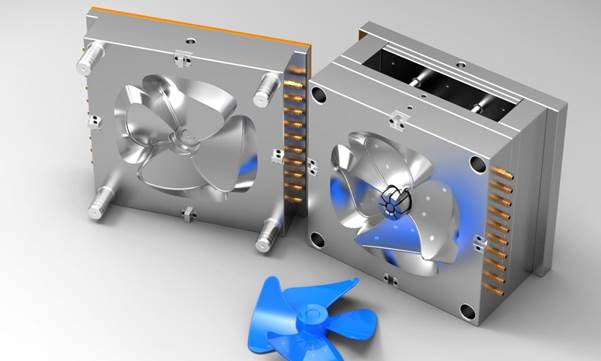
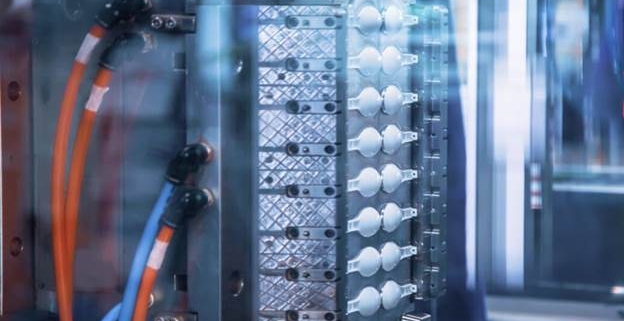
Simply injecting molten plastic into a mold, cooling, and ejecting, the idea of injection molding is at its simplest. The efficiency of the performance of the tooling of plastic injection molding directly influences the efficiency of this process. Tooling comprises molds, inserts, cores, cavities, and cooling systems that constitute the structure that shapes plastic material.

What are Plastic Injection Molding Tools?

Manufacturers utilize the so-called plastic injection mold tools so that they may create thousands, or in some cases millions, of the same parts. The cycle time, volume production, and long-term maintenance are determined by the durability and design of these tools. This is the reason why a proper choice of the partner in terms of plastic injection mold tooling is essential to any production operation.

Forms of Injection Mold Tooling

Injection mold tooling is available in various types to meet production requirements, part complexity, and affordable cost. The right mold will guarantee efficiency, quality parts, and cost-efficiency.

  • القوالب أحادية التجويف: mold one part each cycle, which is suitable when there is low volume production or prototyping. They are easy and less expensive, yet less fast in mass production.
  • قوالب متعددة التجاويف: produce several identical parts at a single cycle, which is best when large volumes are to be manufactured. They save on part cost, although they demand an exact design to fill evenly.
  • Family Molds: The parts are produced in a single cycle by family molds, which minimizes assembly discrepancies. It is harder to design such a cavity since each cavity can fill in varying ways.
  • The Hot Runner Molds: retain the plastic in molten form inside heated channels, thus minimizing waste and cycle time. They suit the mass production of high quality.
  • قوالب العدّاء البارد: enable the runners to cast along with the part, which is easier and cheaper, but creates waste of more waste.
  • Two-Plate and Three-Plate Molds: Common mold designs are Two-Plate and Three-Plate Molds. Two-plate molds are easy and affordable to manufacture, whereas three-plate molds enable automatic separation of runners to obtain cleaner parts.
  • Insert Molds: embed the systems of metals or other parts into the component, which removes the need for assembly. The overmold takes a material and gives it another, which insulates or gives it a grip.
  • Prototyping (Soft) Tooling: It is employed with tests or low volume production, whereas Hard Tooling, made of steel, is robust with high volume production. Stack Molds enhance production by molding several layers of parts at the same time.

The choice of appropriate tooling varies with the volume of production, complexity of the part, and the material, which will help in efficiency and quality of the outcome.

Table 1: Types of Injection Mold Tooling

Tooling TypeCavitiesCycle Time (sec)حجم الإنتاجNotes
Single-Cavity Mold130–90<50,000 partsLow-volume, prototype
Multi-Cavity Mold2–3215–6050,000–5,000,000High-volume, consistent
Family Mold2–1620–7050,000–1,000,000Different parts per cycle
Hot Runner Mold1–3212–50100,000–10,000,000Minimal waste, faster cycles
Cold Runner Mold1–3215–7050,000–2,000,000Simple, more material waste
Two-Plate Mold1–1620–6050,000–1,000,000Standard, cost-effective
Three-Plate Mold2–3225–70100,000–5,000,000Automated runner separation
Insert Mold1–1630–8050,000–1,000,000Metal inserts included
Overmolding Mold1–1640–9050,000–500,000Multi-material parts

The Advantages of Mold Tooling of High Quality

It has several long term advantages in investing in high-quality plastic injection mold tooling. First, it provides a stable quality of parts in large production lots. Second, it decreases the downtime due to the failure of tools or unnecessary maintenance. Lastly, it enhances the efficiency of production through cooling optimization and optimization of the flow of materials.

The Advantages of Mold Tooling of High Quality

Companies that focus on the production of durable plastic injection molding tools tend to gain lower scrap and increased revenue. Also, properly constructed plastic injection molding tooling has the capability of sustaining elaborate shapes and stringent tolerances, allowing organizations to be innovative without performances.

Design Factors in Mold Tooling

One of the most important requirements in the process of creating plastic injection mold tools is design. The engineers should take into account the choice of materials, the thickness of the wall, the draft angle, and the cooling performance. A good design reduces the stress points and prolongs the life of the tools.

Part complexity is another determinant of the cost of plastic injection molding tooling. Complex forms or undercuts can involve the use of side acts, lifters, or multi-cavity moulds. These characteristics raise the design time and manufacturing costs, but are typically needed with high-performance components.

Since it is required that plastic injection molding tooling should be able to resist high pressure and high temperature, the choice of materials is crucial. Depending on the volume of production and use needs, tool steels, aluminum, and specialty alloys are used.

Parts and Components of Injection Molding Tooling

The tooling used in injection molding is a complicated mechanism that consists of numerous parts that are engineered to the utmost degree. Both components have a certain effect in the process of molding molten plastic into a completed item and ensuring accuracy, efficiency, and repeatability. These characteristics are useful in understanding the manner in which plastic parts of high quality are able to be produced with consistency in large volumes.

Parts and Components of Injection Molding Tooling

Mold Cavity

The hollow which forms the outer shape of the plastic part is called the mold cavity. Molten plastic is injected into the mold and subsequently fills this cavity and hardens to the final product. The size of parts, surface finish, and the look of the parts are dependent on the cavity design. The rate of shrinkage and draft angles should be calculated by engineers to ensure that the part comes out without defects.

Mold Core

The inner geometry of the part is made of the Mold core. It develops features such as holes, recessions, and inside channels, which are critical to functionality and a decrease in weight. In simple molds, cores are fixed, whereas the more complicated parts need to have sliding or collapsible cores to allow undercuts to be freed during the ejection process. The core and cavity are perfectly aligned that provides dimensional accuracy.

نظام العداء

The runner system is a system of channels that directs the nozzle of the molten plastic of the injection machine to the mold. An effective runner is designed to make the flow balanced in order to fill out all cavities evenly. Defects in the poor design of runners include sink marks, short shot, or warping.

Flow Channels

Flow channels are defined as the individual pathways of the system of the runners where the plastic moves in the mold. These channels should reduce the resistance and not allow the premature cooling of the material. The proper channel design is suitable to keep the material strong and ensure that the wall thickness of the part remains consistent.

Gate

The gate is the little hole through which molten plastic is injected into the cavity. Though it is small, it makes a significant contribution to the quality of parts. Location, size, and style of gate influence the manner in which the mold fills, pressure distribution, and the amount of the gate mark that will be visible on the finished part. Selecting a proper gate design is one way of avoiding stress marks and aesthetic defects.

نظام القاذف

The ejector system sends the part out using the ejector system after the plastic has cooled. The part is forced out by ejector pins, sleeves, or plates evenly without breaking or deformation. Ejectors should be placed and ordered properly, particularly for delicate or complicated components.

نظام التبريد

The cooling system controls the temperature of the mold by pumping water or oil through the system. The cooling is among the most important processes during injection molding since it directly influences cycle time and stability of parts. The irregular cooling may lead to shrinkage, warping, or internal stress. High-technology molds can apply conformal cooling channels that trace the shape of the part to be more efficient.

Alignments and Mounting Characteristics

Elements of alignment, like guide pins and bushings, make sure that every cycle, the halves of the mould are closed perfectly. The mounting features, such as clamps and bolts, are used to hold the mold in the machine. Adequate alignment will eliminate flashing, uneven wear, and mold damage and produce consistent quality parts.

Parts and Components of Injection Molding Tooling

Venting

Venting enables the ambient air and gases to be released from the mold cavity as the plastic fills up the mold. Defects such as burn marks or half-filled can take place without proper venting. Vents are little but necessary in making clean and correct parts.

Slides and Lifters

Slides and lifters are the processes that help the molds to form parts with undercuts or side effects. The angles of the slides move, and the lifters, during ejection, jump to expel the complicated geometries. These elements increase the possibilities of design and remove the necessity of secondary machining.

Mold Materials

The tooling materials have effects on the durability, performance, and cost. High-volume production is carried out with hardened tool steel since it can withstand wear and be precisely accurate. Aluminum molds are cheaper and more common for prototypes or low-volume production. High-performance finishes can enhance the wear and release of parts.

Inserts

Inserts are detachable parts of a mold that are utilized in producing a particular feature, like a thread, a logo, or a texture. They enable molds to be altered or fixed without having to change the tool. The substitutability of inserts allows it to be used to create a variety of products of the same mold base.

Core Pins

Core pins are thinner components that are used to create holes or internal conduits in molded components. They should be well-machined and should be sturdy enough to withstand the pressure of injections without bending or breaking.

Table 2: Injection Mold Tooling Components

ComponentالموادTolerance (mm)Max Pressure (bar)Notes
Mold CavitySteel/Aluminum±0.01–0.051,500–2,500Forms part shape
Mold CoreSteel±0.01–0.051,500–2,500Internal features
نظام العداءSteel/Aluminum±0.021,200–2,000Guides plastic flow
GateSteel±0.011,500–2,500Entry to cavity
Ejector PinsHardened Steel±0.01N/APart ejection
قنوات التبريدSteel±0.05N/ATemperature control
Slides/LiftersSteel±0.021,200–2,000Complex geometries
InsertsSteel/Aluminum±0.021,500Customizable features

Cooling Aids Baffles, Diffusers, and Water Manifolds

The coolant flow in the mold is guided by baffles and diffusers to provide a uniform temperature pattern. Water manifolds serve as an element of distribution through which the coolant can be directed to the various parts of the mold. A combination of these elements enhances cooling as well as minimizing cycle times.

Mold Texture

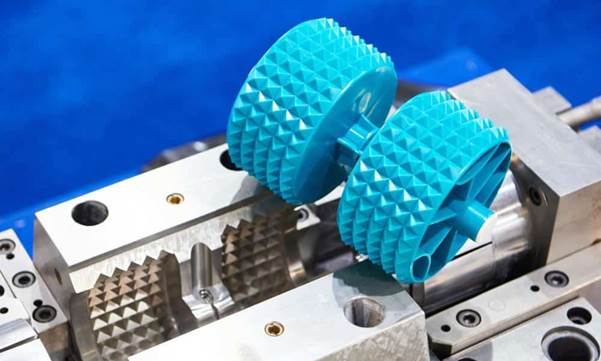
Mold texture is the surface finish on the cavity that has been applied to the part to produce certain patterns or finishes on the part. The texture may enhance grip, minimize glare, or promote the appearance of a product. Methods are chemical etching, laser texturing, and mechanical blasting.

Sprue Bush

Sprue bush is used to connect the nozzle of the injection machine to the runner system. It is the primary path through which the molten plastic is introduced to the mold. The sprue bush should be properly designed to provide a continuous flow of materials and avoid leakage or loss of pressure.

Cavity Retaining Plate

The plate with the cavity inserts is firmly fixed in the cavity retaining plate. It holds position, assists injection pressure, and helps to create overall strength in the mould. Correct plate design guarantees the durability of molds in the long term and part uniformity.

The knowledge of Tooling Costs

A query regarding the cost of the plastic injection molding tooling is one of the most frequently asked questions by manufacturers. Tooling cost depends on the size, complexity, material, and anticipated volume of production. The initial expenses may appear expensive, but quality plastic injection mold tools may pay back with durability in the long-run and steady production.

Issues influencing plastic injection molding tooling cost are:

•          Number of cavities

•          Surface finish specifications.

•          Cooling system complexity

•          Tolerance levels

•          Tool material

Though enterprises can be tempted to save money and use cheaper solutions such as plastic injection mold tooling, it will result in increased maintenance and poor quality of products in the long-term.

The Modern Tooling Technology

This is due to advanced software and machining technologies, which have transformed the development of قولبة حقن البلاستيك tools. Simulation and computer-aided design (CAD) can help engineers to test the mold flow, cooling efficiency, and structural integrity before the commencement of manufacturing.

The Modern Tooling Technology

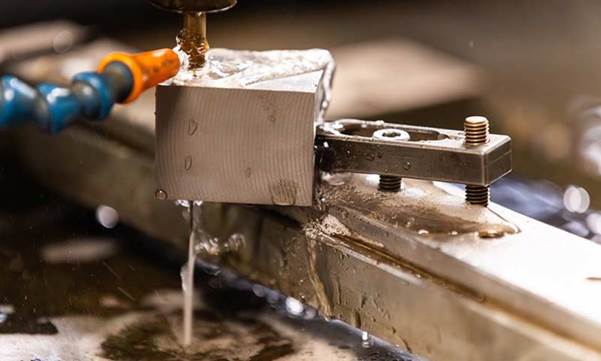
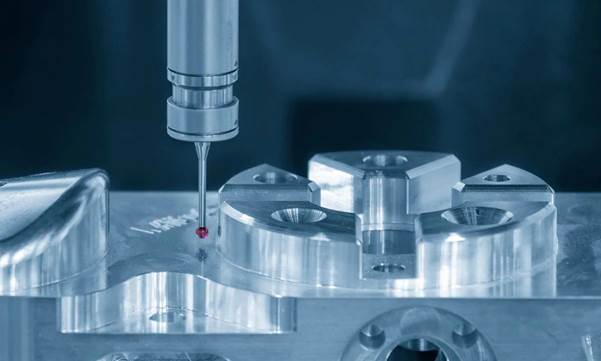
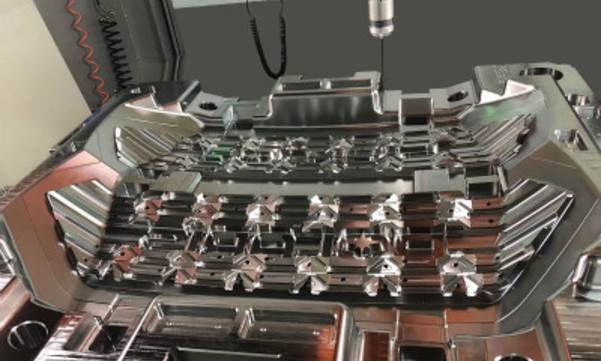
CNC machining, EDM (electrical discharge machining), and high-speed milling are used to ensure that plastic injection molding tooling is done with tight tolerances. Such technologies decrease lead-time and enhance repeatability, and so it is the most reliable modern plastic injection mold tool than ever before.

The use of automation is also associated with the optimization of the cost of plastic injection molding tooling. The manufacturers will be able to realize more value without compromising on quality by cutting manual labor and enhancing the efficiency of the processes.

Maintenance and Longevity

Maintenance of plastic injection molding tools is necessary to prolong their life. Wear and corrosion are prevented by regular cleaning, inspection, and lubrication. Observation of cooling channels and ejector systems promotes the stable operation.

Failure to maintain the tools can significantly add to the cost of plastic injection molding tooling through repairs or early replacement. The companies that adopt preventive maintenance programs not only cover their investment in the area of plastic injection mold tooling but also ensure that the production timetable is kept constant.

Durable plastic injection molding tooling is also applicable in high-volume operations with a long production cycle.

Selection of a Proper Tooling Partner

The choice of a reliable supplier of the plastic injection mold tools is as crucial as the design. Advanced tooling producers are aware of material behavior, production requirements, and cost optimization measures.

An effective collaborator assists in creating a balance between quality and the cost of plastic injection molding tooling, and the tools should be up to the performance expectations. Teamwork at the design levels lowers mistakes as well as minimizing the time of development of the plastic injection molding tools .

The indicators of a good provider of plastic injection mold tooling include communication, technical skills, and high manufacturing skills.

Trends in Future Injection Molding Tooling

Innovation is the future of plastic injection molding tooling. Additive manufacturing, conformal cooling channels, and intelligent sensors are altering the process of constructing and monitoring molds. These innovations decrease the time taken in the cycle and enhance the quality of parts.

Trends in Future Injection Molding Tooling

With the growing significance of sustainability, effective قالب حقن البلاستيك tools contribute to the decrease of material waste and energy usage. Better designs also reduce the cost of plastic injection molding tooling cost in the lifetime of a tool by increasing the life of the tool and reducing the cost of repairs.

A competitive edge is enjoyed by companies that use next-generation plastic injection molding tools, which have improved performance, increased speed of production, and also the ability to design.

الخاتمة

The quality of قولبة حقن البلاستيك tools is vital to the success of any injection molding operation. Design and choice of materials, maintenance, and innovation are some of the considerations in tooling that affect the efficiency of production and quality of the products. Although the price of plastic injection molding tooling is also a factor of considerable consideration, long-run value will be derived through durability, accuracy, and reliability. Manufacturers can guarantee the consistency of the results, lower downtime, and high ROI by attaching importance to investing in modernization, plastic injection mold tooling, and collaborating with skilled partners.

الأجزاء المصبوبة بالحقن: دليل لجميع الأغراض

Injection molded parts production is a significant component of the contemporary industry. Injection molding is used to make many of the products surrounding us. This is a process that aids in the production of strong and accurate components. These are components that find their applications in numerous fields. The quality of molded products demanded goes up annually.

The reason behind the wide use of plastic injection molding parts is that they are durable and economical. They enable companies to manufacture large numbers of products that are of the same shape. Complex designs also work well in this process. Meanwhile, the injection molding mold parts are important in the shaping and forming of these products. The process cannot go on well without the right mold components.

The popularity of injection molding is due to the fact that it is time-saving. It also reduces waste. The method allows short-cycle production. It is something that a number of industries cannot afford to do away with.

Plastic Injection Molding: What is Plastic Injection Molding?

Plastic القولبة بالحقن refers to a production process. In large quantities, plastic products are produced with its assistance. It is also a fast and reliable procedure. It can be used to manufacture parts of the same shape and size in all cases.

In this process, plastic material is first heated. The plastic becomes soft and melts. The liquid plastic is then inserted into a mold. The mold has a specific shape. When the plastic cools down, it becomes solid. This entire part is removed from the mold.

Plastic Injection Molding: What is Plastic Injection Molding?

Plastic injection molding is used to bring about simple and complex products. It allows high accuracy. It also reduces material wastefulness, too. The reason has to do with the fact that it is popular because less time and money are wasted.

Table 1: Injection Molding Mold Components

Mold ComponentTypical MaterialToleranceتشطيب السطحTypical Life CycleFunction
Core & CavityHardened Steel / Aluminum±0.01–0.03 mmRa 0.2–0.8 μm>1 million shotsShapes internal and external features
RunnerSteel / Aluminum±0.02 mmRa 0.4–0.6 μm>500,000 shotsChannels molten plastic to the cavity
GateSteel / Aluminum±0.01 mmRa 0.2–0.5 μm>500,000 shotsControls plastic entry into the cavity
قنوات التبريدCopper / Steel±0.05 mmRa 0.4–0.6 μmContinuousRemoves heat efficiently
Ejector PinsHardened Steel±0.005 mmRa 0.3–0.5 μm>1 million shotsEjects finished part without damage
Venting SlotsSteel / Aluminum±0.01 mmRa 0.2–0.4 μmContinuousReleases trapped air during injection

Knowing the Injection Molding Process

A controlled and precise method of production is the injection molding technology. They are applied in the production of plastic components of high accuracy. It is a functional procedure that occurs in stages. Each step has some parameters and numerical values.

Selection and Preparation of Materials

It begins with plastic raw material. This is usually packed in the form of pellets or in the form of granules. Such material is normally ABS, polypropylene, polyethylene, and nylon.

  • Pellet size: 2–5 mm
  • Wet content before drying: 0.02% -0.05%
  • Drying temperature: 80°C–120°C
  • Drying time: 2–4 hours

Proper drying is critical. Bubbles and surface defects of molded parts may be brought about by moisture.

Melting and Plasticizing

The plastic pellets are dried and forced into the القولبة بالحقن machine. They go through a screw that rotates and through a hot barrel.

  • Barrel temperature zones: 180°C–300°C
  • Screw speed: 50–300 RPM
  • Screw compression ratio: 2.5:1 -3.5:1.

The plastic is melted by the turning of the screw. The substance turns into a homogenous mass of liquid. Even the melting offers consistency of the component.

Injection Phase

On completion of melting down the plastic, it is pushed into the molding cavity. The mold is filled with great pressure in a quick and regularized way.

  • Injection pressure: 800–2000 bar
  • Injection speed: 50–300 mm/s
  • Injection time: 0.5–5 seconds

There is no use of short shots and flash due to appropriate pressure control. It is intended to fill the entire mold prior to the beginning of plastic cooling.

Packing and Holding Stage

The mold is filled, and pressure is applied to the mold. This is to overcome the process of material shrinkage at room temperature.

  • Loading pressure: 30-70 percent flow of injection.
  • Holding time: 5–30 seconds
  • Typical shrinkage rate: 0.5%–2.0%

This process increases the part concentration and dimension. It also reduces internal stents.

Cooling Process

Injection molding is the process that takes the longest in cooling time. The plastic substance would then solidify and melt.

  • Mold temperature: 20°C–80°C
  • Cooling time: 10–60 seconds
  • Heat transfer efficiency: 60%–80%

Elimination of heat is done by cooling channels in the mold. Proper cooling eliminates warping and defects of the surface.

Mold Opening and Ejection

After cooling, the mold opens. A section that has been completed is removed using ejector pins or plates.

  • Mold opening speed: 50–200 mm/s
  • Ejector force: 5–50 kN
  • Ejection time: 1–5 seconds

Ejection: Careful ejection will not damage parts. The closing of the mold then commences the next cycle.

The Cycle Time and Production Output

The total cycle time will be different depending on the size of the parts and the material.

  • Average cycle time: 20–90 seconds
  • Output rate: 40 -180 parts/hour.
  • Machine clamping force: 50–4000 tons

Reduced cycle times will boost productivity. However, quality must be maintained constantly.

Monitoring and Control of Process

In contemporary machines, sensors and automation are employed. Pressure flow rate and temperature are checked by these systems.

  • Temperature tolerance: ±1°C
  • Pressure tolerance: ±5 bar
  • Dimensional accuracy: ±0.02 mm

Consistency of quality is ensured by monitoring the process. It also reduces scrap and downtimes.

Importance of Components of Mold

Injection molding is dependent on the parts of the mold. Each of the elements of the mold has some role to play. These are the shaping, cooling, and ejecting.

إن قولبة حقن البلاستيك parts are considered to be successful depending on the correct design of the mold. A poor mold can cause defects. These defects include cracks and unbalanced surfaces. Mold parts made by injection molding, on the other hand, help in ensuring accuracy. They also ensure that they go in good cycles.

High-quality protract parts are molded. They reduce the maintenance costs as well. This makes it more effective and dependable.

Mold Components Technical Information

Mold components are the most important elements of the injection molding system. They control the shape, accuracy, strength, and quality of the surface. Without mold components that are well-designed, there is no way that stable production can be achieved.

Plastic Injection Molding: What is Plastic Injection Molding?

Core and Cavity

The core and the cavity are what determine the final shape of the product. The external surface consists of the cavity. The core makes up internal features.

  • Dimensional tolerance: ±0.01–0.03 mm
  • Surface finish: Ra 0.2–0.8 µm
  • Typical steel hardness: 48–62 HRC

Precision in core and cavity is high, hence minimizing defects. It enhances the uniformity of the parts also.

نظام العداء

The system of the runner directs the molten plastic at the injection nozzle to the cavity. It has an influence on flow balance and filling speed.

  • Runner diameter: 2–8 mm
  • Flow velocity: 0.2–1.0 m/s
  • Pressure loss limit: ≤10%

Reduction in material waste is done by proper runner design. It also has an even filling.

تصميم البوابة

The gate regulates the flow of plastic in the cavity. Part quality depends on the size and type of gate.

  • Gate thickness: 50 -80 of part thickness.
  • Gate width: 1–6 mm
  • Shear rate limit: <100,000 s⁻¹

Right gate design eliminates weld lines and burn marks.

نظام التبريد

Cooling tracks are used to cool down the mold. This system has a direct influence on cycle time and the stability of parts.

  • Cooling channel diameter: 6–12 mm
  • Distance of the channel to the cavity: 10-15mm.
  • Maximum temperature difference permitted: < 5 °C.

Ease of cooling enhances dimensional accuracy. It also reduces the time of production.

نظام الطرد

When cooled, the part is ejected within the ejection system. It has to exert force in equal quantity to prevent harm.

  • Ejector pin diameter: 2–10 mm
  • Ejector force per pin: 200–1500 N
  • Ejection stroke length: 5–50 mm

Even ejection eliminates cracks and deformation.

Venting System

The air can be trapped and escape through vents when injecting. Burns and incomplete filling are caused by poor venting.

  • Vent depth: 0.02–0.05 mm
  • Vent width: 3–6 mm
  • Maximum air pressure: <0.1 MPa

Adequate venting enhances the quality of surfaces and the life of molds.

Base and Alignment Components Mold Base

The base of the mould bears all the parts. Bushings and guide pins are used to provide proper alignment.

  • Guide pin tolerance: ±0.005 mm
  • Mold base flatness: ≤0.02 mm
  • Lifecycle alignment: more than 1M shots.

High alignment decreases the wear and flash.

Table 2: Key Process Parameters

المعلمةRecommended RangeUnitالوصفTypical ValueNotes
Barrel Temperature180–300°CHeatis  applied to melt the plastic220–260Depends on the material type
ضغط الحقن800–2000barPressure to push molten plastic into the mold1000Adjust for part size & complexity
درجة حرارة القالب20–120°CTemperature is maintained for proper cooling60–90Higher for engineering plastics
وقت التبريد10–60secondsTime for the plastic to solidify25–35Depends on wall thickness
وقت الدورة20–90secondsTotal time per molding cycle30–50Includes injection, packing, and cooling
Ejector Force5–50kNForce to remove part from the mold15–30Must prevent part damage

Raw Materials Injection Molding

Material selection is very important. It influences the quality, stability, outlook, and price of the end product. Selecting the appropriate plastic is necessary to guarantee that the parts will work and will be printed properly.

Raw Materials Injection Molding

Thermoplastic Materials

The most widespread materials are thermoplastics due to the fact that they can be melted and reused several times. There is a wide use of ABS, polypropylene, polyethylene, and polystyrene. ABS is impact-resistant and strong, and melts at 200 to 240 °C. Polypropylene melts at temperatures of 160 °C or 170 °C; it is light in weight and resistant to chemicals. Polyethylene has a melting point of 120 °C to 180 °C and is suitable in moisture resistant products.

Engineering Plastics

High-strength parts or heat-resistant parts are made with engineering plastics such as Nylon, Polycarbonate (PC), and POM. Nylon melts at 220 °C -265 °C and is applied in gears and mechanical parts. Polycarbonate is a strong and transparent polymer that melts at 260 °C to 300 °C. POM has a melting temperature of 165 °C to 175 °C and is accurate in components.

Thermosetting Plastics

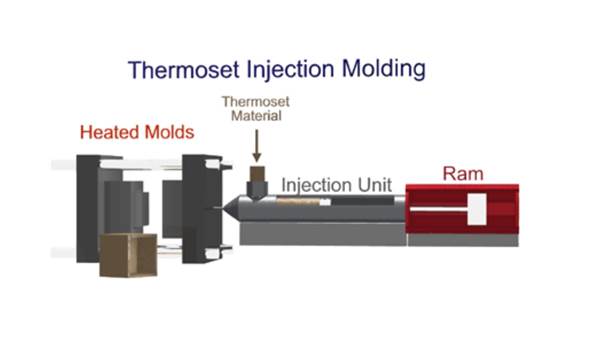
Plastics that are thermosetting are difficult to remelt after being molded because they harden permanently. They melt at 150 °C- 200 °C and are utilized in high-temperature applications such as electrical components.

Additives and Fillers

Materials are enhanced by additives. Glass fibers (10% -40 percentage) add strength, mineral fillers (5%-30 percentage) lower shrinkage, and UV stabilizer (0.1-1 percentage) shield against the sun. These assistive components are longer-lasting and work better.

Material Selection Requirements

The material selection is factor-driven in terms of temperature, strength, chemical confrontation, moisture, and cost. Adequate selection will result in long-lasting, precise, and quality products and lessen the mistakes and waste.

Table 3: Material Properties

الموادMelt Temp (°C)Mold Temp (°C)Injection Pressure (bar)Tensile Strength (MPa)Shrinkage (%)
ABS220–24060–80900–150040–500.5–0.7
البولي بروبلين (PP)160–17040–70800–120030–351.0–1.5
البولي إيثيلين (PE)120–18020–50700–120020–301.5–2.0
البوليسترين (PS)180–24050–70800–120030–450.5–1.0
Nylon (PA)220–26580–1001200–200060–801.5–2.0
بولي كربونات (PC)260–30090–1201300–200060–700.5–1.0
POM (Acetal)165–17560–80900–150060–701.0–1.5

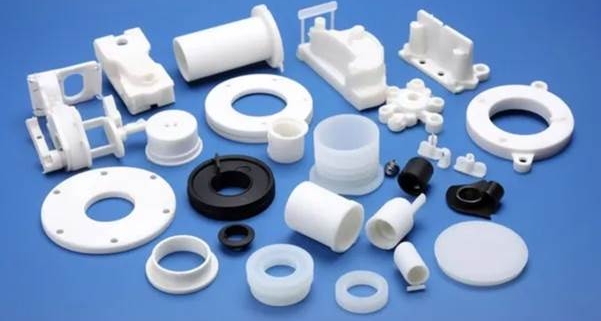
Components that are manufactured under the Plastic Injection Molding Process

Plastic injection molding is a process that creates a large number of components applicable in various sectors. The process is precise, durable, and of large volume production. Examples of typical components produced in this manner are shown below.

Components that are manufactured under the Plastic Injection Molding Process

Automotive Parts

  • Dashboards
  • Bumpers
  • Air vents
  • Door panels
  • Gearshift knobs
  • Fuel system components
  • Interior trims

Medical Parts

  • Syringes
  • Tubing connectors
  • Surgical instruments
  • IV components
  • Medical device housings
  • Disposable medical tools

Electronics Parts

  • Housings for devices
  • Switches and buttons
  • Cable clips and wire holders
  • Connectors and plugs
  • Keyboard keys
  • Circuit board enclosures

Packaging Products

  • Bottles and jars
  • Bottle caps and closures
  • Food containers
  • Cosmetic containers
  • Lids and seals
  • Storage boxes

Consumer and Industrial Goods

  • Toys and figurines
  • Household tools
  • Appliance components
  • Construction fittings
  • Accurate clips and fasteners.
  • Industrial machine parts

Design and Precision

Design is a significant contributor to success. An effective mold enhances the quality of a product. It minimizes errors during production as well.

The parts of the process of قولبة حقن البلاستيك require strict dimensions. Performance can be influenced by small mistakes. This is the reason why the creation of the injection molding mould parts is designed with close tolerances. State-of-the-art software is often employed in design.

Components that are manufactured under the Plastic Injection Molding Process

Strength is also enhanced through good design. It enhances appearance. It guarantees superior fitting in end assemblies.

التطبيقات الصناعية

Many industries also use injection molding, which is fast, exact, and it is economical. It enables mass production of identical parts with very high precision.

صناعة السيارات

In the auto sector, dashboards, bumpers, air vents, and interior panels are made using plastic injection molding parts. These components should be powerful, light, and heat-resistant. Particularly, it is done by molding, whereby the shapes are exact and uniform to prevent any safety and quality issues.

Medical Industry

In medicine Syringes, tubing connectors, and surgical instruments are made by injection molding. Much precision and hygiene areas needed. Particularly, plastic injection molding parts can be made of medical-grade plastics, and injection molding mold parts can be used to ensure accuracy and smoothness.

Electronics Industry

Housings, connectors, switches, and cable clips are all produced in the electronics industry through injection molding. Plastic injection molding parts secure the fragile circuits, and the injection molding mold parts are necessary to make the parts fit perfectly.

Packaging Industry

Injection molding is also applied in the packaging of bottles, containers, caps, and closures. The parts of the plastic injection molding are used to give the required shapes and sizes, whereas the parts of injection molding are used to produce in large quantities within the shortest amount of time by creating minimum wastage.

Other Industries

Consumer goods, toys, construction, and aerospace are also injected. Its flexibility and accuracy give it the ability to fit nearly any plastic product, be it the simple householder the complicated technical parts.

مراقبة الجودة والاختبار

In manufacturing, quality control is required. All the parts should be desiccated to meet design requirements. Testing is a measure of safety and performance.

The plastic injection molding parts are subjected to visual and mechanical inspections. Defects are spotted at an early stage through these checks. Simultaneously, the inspection of the wear and damage of the injection mold parts is conducted. Frequent inspections eliminate the failure of production failures.

Good quality management enhances customer confidence. It also minimizes wastage and expenditure.

Pros of the Injection Molding

There are numerous advantages of injection molding. It permits a rapid production rate. It also guarantees repetition.

قولبة حقن البلاستيك parts are dynamic and light. They are capable of mass production. In the meantime, automation is supported by the use of injection molding of the mold parts. This lowers the cost of labour and mistakes.

Pros of the Injection Molding

Also, the process is environmentally friendly. The scrap material may be reutilized. This will contribute to environmental mitigation.

Challenges and Solutions

Injection molding, just like any process, is challenging. These are material problems as well as wear of moulds. Unfavorable environments lead to flaws.

Part flaws may be assessed in the absence of proper handling of “plastic injection molding parts. These risks can be minimized by appropriate training. Simultaneously, mold parts that are used in injection molding must be maintained on a regular basis. This assures long life.

Modern technology will be useful in addressing a lot of issues. The efficiency is enhanced through automation and monitoring.

Future of Injection Molding

The injection molding future is solid. There is a development of new materials. Smart manufacturing is becoming a reality.

Injection molding parts that are produced out of plastic will be improved. They will be more significant and lighter. At the same time, better materials and coatings will be applied to the injection mold part. This will enhance longevity.

The industry will still be characterized by innovation. Competitive firms will be those that change.

China’s Role

China contributes significantly to the injection molding market in the world. It is among the biggest manufacturers of plastic injection molding parts and the distributor of injection molding mold parts. The manufacturing sector is very diversified in the country; small-scale production is available as well as large-volume industrial production.

China’s Role

The factories of China have high-precision machines and skilled labor that are used to manufacture parts. The reliance of many international companies on Chinese manufacturers is because they offer cost-effective solutions without reducing on quality.

Besides, China is an Innovation leader. It creates new materials, molds, and automation methods to enhance efficiency. It has a good supply chain and high production capacity that contribute to its status as a major player in satisfying global demand for injection molded products.

Why Choose Sincere Tech

We are Sincere Tech, and we deal with supplying high-quality plastic injection molding parts and injection molding mold parts to our clients in different industries. We have years of experience and a passion to do things in the best way, hence all our products are of the best quality in terms of precision, durability, and performance.

We have a group of experienced and qualified engineers and technicians who offer quality and affordable solutions through the application of modern machinery and new methods. We have ensured close attention to all the details, such as the choice of material, the design of molds, etc., so that we have the same quality in each batch.

Clients prefer Sincere Tech due to the fact that we appreciate trust, professionalism, and customer satisfaction. We collaborate with individual clients to get to know their special needs and offer solutions to their needs. We are also committed to the concept of on-time delivery, technical assistance, and constant improvement, which make us stand out inthe injection molding industry.

Sincere Tech is the company with which you can find excellence in plastic injection molding when you require either minor, detailed parts or large-volume production. You do not just get parts with us, you also get a team dedicated to your success and growth.

To learn more about our services and products, go to plas.co and see why we are the right choice for the clients of the world.

الخاتمة

Injection molding is a solid process of production. It is the backbone of numerous industries in the world. Its main strengths are precision, speed, and quality.

Plastic injection molding parts are still very vital in everyday life. They are useful in serving various needs, from the simplest to the complex components. Meanwhile, injection molding mold parts guarantee the efficient flow of manufacturing and the same outcome.

Injection molding will only continue to increase with the right design and maintenance. It will also continue to form a vital aspect of modern production. 

ما هو القولبة المفرطة

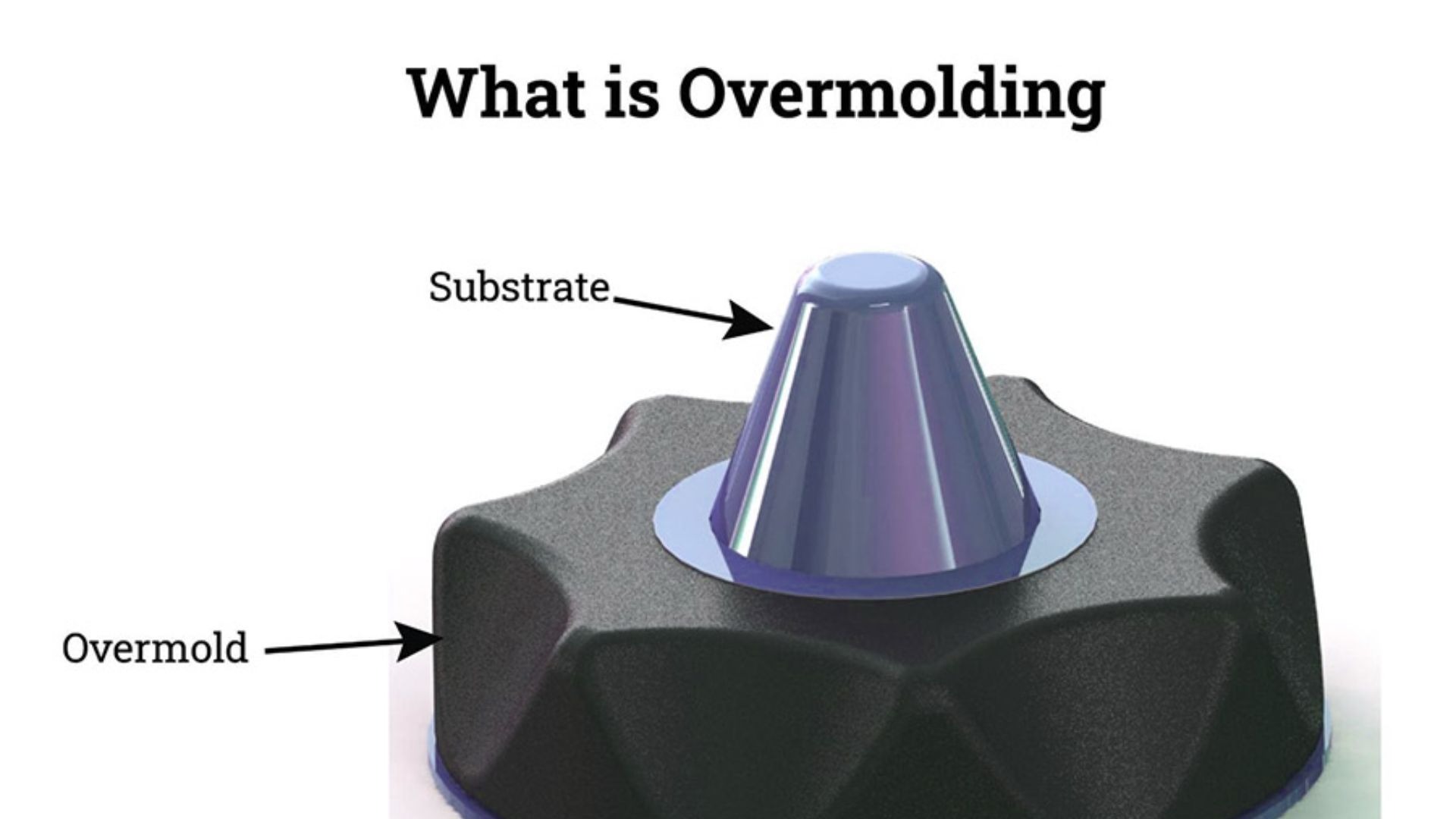
Overmolding is the making of a product by joining two or more materials into one product. It is also applied in most industries, such as electronics, medical equipment, automotive, and consumer products. It is done by molding over a base material known as an overmold, over a base material known as a substrate.

Overmolding is done to enhance the aesthetic, longevity, and functionality of products. It enables manufacturers to incorporate the power of one material with the flexibility or softness of the other. This makes products more comfortable, easier to deal with, and durable.

Overmolding appears in items that we use on a daily basis. This has been applied to toothbrush handles and phone cases as well as power tools and surgical instruments, among other items in contemporary manufacturing. Knowing about overmolding will make it easy to see how convenient and safe objects in everyday life are.

جدول المحتويات

What is Overmolding?

التشكيل الزائد is a procedure through which one product is formed out of two materials. The initial material is known as the substrate and typically is a hard plastic such as ABS, PC, or PP. It has a tensile strength of 30-50 Mpa tensile strength and a melting temperature of 200- 250 °C. The other material, which is the overmold, is soft, e.g., TPE or silicone, with a Shore A hardness of 40-80.

What is Overmolding?

The substrate is allowed to cool down to 50-70 °C. The pressure injected into the overmold is 50-120Mpa. This forms a strong bond. Overmolding enhances the holding power, strength, and durability of products.

One such typical object is a toothbrush. The handle is of hard plastic to ensure strength. The grip itself is of soft rubber and, therefore, is comfortable to hold. This basic application demonstrates the real-life uses of overmolding.

Overmolding does not apply only to soft grips. It is also applied in covering electronic products, giving an object a colorful decoration, and extending the life of a product. This flexibility enables it to be one of the most applicable manufacturing methods in contemporary days.

Full Process

اختيار المواد

The procedure of overmolding starts with the choice of the materials. The substrate normally is a hard plastic like ABS, PC, or PP. They contain tensile strength of 30-50 Mpa and a melting point of 200- 250 °C. The molded material is usually a soft one, such as TPE or silicone, and has a Shore A hardness of 40-80. It is necessary to select the materials that are compatible. Failure of the final product to withstand stress can be caused by failure of the bonding of the materials.

Substrate Molding

The substrate was poured into the mold at a pressure of 40-80 Mpa after heating to 220-250 °C. Once injected, it is allowed to solidify to 50-70 °C to render it dimensionally stable. The time taken in this process is usually 30-60 seconds in relation to the size and the thickness of the part. There are extremely high tolerances, and deviation is typically not more than +-0.05 mm. Deviation will result in the product being affected in regard to overmold fit and product quality.

Preparation of the mold to be overmolded

Following the cooling, the substrate is then carefully transferred to a second mold, during which the overmold injection is done. The mold is preheated to 60-80 °C. Preheating eliminates the effect of thermal shock and also allows the overmold material to flow smoothly over the substrate. Mold preparation is needed to prevent any voids, warping, or poor bonding in the final product.

Overmold Injection

The pressure is injected into the substrate using 50-120 Mpa of the overmold material. The temperature of the injection is conditional upon the material: TPE 200-230 °C, silicone 180-210 °C. This step must be precise. Improper temperature or pressure may result in defects of bubbles, separation, or insufficient coverage.

التبريد والتصلب

Following injection, the part is cooled to enable solidification of the overmold and its strong bond to the substrate to take place. The cooling time ranges from 30 to 90 seconds based on the thickness of the parts. The thin regions cool more quickly, whereas the thicker ones are slower to cool. Adequate cooling is needed to guarantee even bonding as well as minimize internal stress that may cause cracks or deformation.

Ejection and Finishing

The part is forced out of the mold after being cooled down. Any surplus, referred to as flash, is excised. The component is checked in terms of surface finish and dimensional accuracy. This will make sure that the product is of the required quality and is compatible with the other parts in case of need.

Testing and Inspection

The final step is testing. Test types: Tensile or peel tests determine the strength of the bond, which is usually 1-5 MPa. Shore A tests would be used to check overmold hardness. The defects, such as bubbles, cracks, or misalignment, can be visually detected. Only components that are tested are shipped or put together into finished products.

Types of Overmolding

Types of Overmolding

Two-Shot Molding

Two-shot molding involves one machine molding two materials. The molding is done at a temperature of 220-250 °C and pressure of 40-80 MPa, followed by the second material injection, which is at 50-120 MPa. The technique is quick and accurate and is suitable when a large number of products, such as rubber grips and soft-touch buttons, are involved.

إدراج القوالب

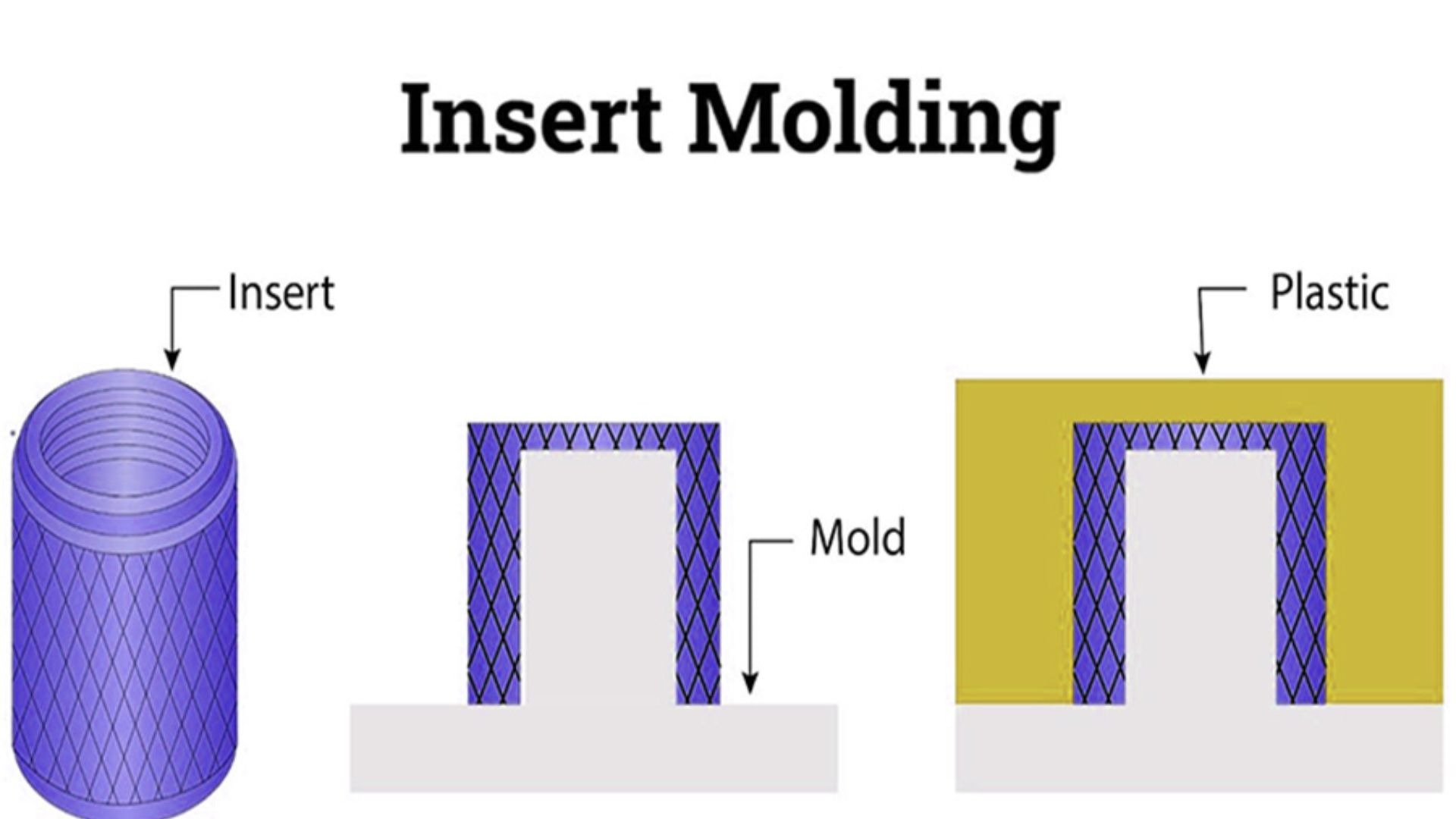
During insert molding, the substrate is already prepared and inserted into the mold. It is covered with an overmold, either TPE or silicone, which is injected at 50-120 MPa. Bond strength is usually 1-5 MPa. This approach is typical of the tools, toothbrushes, and healthcare devices.

Multi-Material Overmolding

Multi-material overmolding is an overmolding where there is more than 2 materials in a single part. The injection duration of every material is in sequence 200-250 °C, 50-120 MPa. It permits complicated structures with hard, delicate, and covering sections.

Overmolding has been used in applications

The applications of overmolding are very diverse. The following are the typical examples:

Overmolding has been used in applications

الإلكترونيات

Telephone cases usually have hard plastic with soft rubber edges. The buttons of remote controls are constructed of rubber as they provide better touch. Electronic components are safeguarded with overmolding, and enhanced usability is provided.

الأجهزة الطبية

Protective seals, surgical instruments, and syringes are usually overmolded. Soft products facilitate easier handling of the devices and also make them safer. This is essential in the medical applications where comfort and precision are important.

صناعة السيارات

 Overmolding is used to make soft-touch buttons, grips, and seals used in car interiors. Seals of rubber are used to block water or dust from entering parts. This enhances comfort as well as durability.

المنتجات الاستهلاكية

Overmolding is commonly used in toothbrush handles, kitchen utensils, power tools, and sports equipment. The process is used to add grips, protect surfaces, and add design.

Industrial Tools

Overmolding is used in tools such as screwdrivers, hammers, and pliers, which are used to make soft handles. This limits the fatigue of the hands and enhances the safety of use.

التعبئة والتغليف

Overmolding of some part of the packaging (e.g., bottle tops or safeguarding seals) is used to enhance handling and functionality.

Overmolding enables the manufacturer to produce products that are functional, safe, and also appealing.

Benefits of Overmolding

There are numerous benefits of over-molding.

Benefits of Overmolding

Improved Grip and Comfort

Products are made easier to handle by the use of soft materials. This applies to tools, household products, and medical devices.

Increased Durability

Attachment of several materials enhances the strength of products. The hard and soft materials guarantee the safety of the product.

Better Protection

Cover or seals of electronics, machinery, or delicate instruments can be added through overmolding.

Attractive Design

The products are designed in various colors and textures. This enhances image and branding.

Ergonomics

Soft grips minimize fatigue in the hand and make objects or devices more comfortable to work with for longer.

تعدد الاستخدامات

Overmolding uses a wide variety of materials and can be used to form intricate forms. This enables manufacturers to come up with products that are innovative.

Challenges of Overmolding

There are also some challenges of overmolding, which should be taken into consideration by the manufacturers:

توافق المواد

Not all materials bond well. Certain combinations might need to be adhesive-bonded or surfaced.

Higher Cost

Because it involves additional materials, molds, and steps of production, overmolding may raise production costs.

Complex Process

Mold design, pressure, and temperature have to be strictly regulated. Defects can be brought about by the slightest of errors.

Production Time

Molding Two-stage molding may require more time than single-material molding. New technologies, such as two-shot molding, can, however, cut this time.

Design Limitations

Complex shapes can need custom molds, and this can be costly to make.

Nonetheless, these discouraging issues have not stopped overmolding since it enhances the quality of products and performance.

Overmolding Design Principles

Overmolding is a design where the base is made of a material, and the mold is made out of a different material.

Overmolding Design Principles

توافق المواد

Select the materials that are bonded. Overmold and substrate should be compatible with each other in terms of their chemical and thermal characteristics. Similar materials that have close melting points minimize the chances of weak bonding or delamination.

سُمك الجدار

Keep the thickness of the wall constant so that there is consistency in the flow of the material. Lack of uniformity of the walls may lead to faults such as sink marks, voids, or warping. Walls are usually between 1.2 and 3.0 mm of various materials.

زوايا السحب

Emboss angles on vertical surfaces to facilitate ejection. An angle of 1- 3 degrees assists in avoiding damage to the substrate or overmold during demolding.

Rounded Corners

Avoid sharp corners. Rounded edges enhance the flow of materials during injection, and stress concentration is decreased. The recommended corner radii are 0.5-2mm.

Bonding Features

Pits or grooves are made, or interlocked structures are made to grow mechanical bonding between the substrate and the overmold. The features add peel and shear strength.

Venting and Gate Placement

Install vents that will enable the escape of air and gases. Position injection gates in locations other than the sensitive areas in order to achieve a homogeneous flow that avoids cosmetic faults.

Shrinkage Consideration

Consider variation in the shrinkage of materials. The shrinkage of thermoplastics can be as little as 0.4-1.2 or elastomers can be 1-3%. The correct design will avoid distortion and dimensional errors.

Technical Decision Table: Is Overmolding Right for Your Project?

المعلمةTypical ValuesWhy It Matters
Substrate MaterialABS, PC, PP, NylonProvides structural strength
Substrate Strength30–70 MPaDetermines rigidity
Overmold MaterialTPE, TPU, SiliconeAdds grip and sealing
Overmold HardnessShore A 30–80Controls flexibility
Injection Temperature180–260 °CEnsures proper melting
ضغط الحقن50–120 MPaAffects bonding and fill
Bond Strength1–6 MPaMeasures layer adhesion
سُمك الجدار1.2–3.0 mmPrevents defects
وقت التبريد30–90 secImpacts cycle time
Dimensional Tolerance±0.05–0.10 mmEnsures accuracy
معدل الانكماش0.4–3.0 %Prevents warping
Tooling Cost$15k–80kHigher initial investment
Ideal Volume>50,000 unitsImproves cost efficiency

Parts Made by Overmolding

Parts Made by Overmolding

Tool Handles

Overmolding is used to create a hard core and soft rubber grip in many hand tools. This enhances comfort and minimizes fatigue of hand usage and offers greater control of usage.

المنتجات الاستهلاكية

Most common products, such as toothbrushes, kitchenware, and tools that require electricity, usually utilize overmolding. Soft grips or cushions help to improve ergonomics and lifespan.

الإلكترونيات

In the phone case, remote control, and protective housings, common applications of overmolding include these. It also provides shock absorption, insulation, and a soft touch surface.

مكونات السيارات

Overmolded buttons, seals, gaskets, and grips are a common feature in the interior of cars. Soft-touch systems enhance the comfort, noise, and vibrations.

الأجهزة الطبية

Overmolding is used in medical devices such as syringes, surgical instruments, handheld objects, and the like. The process will guarantee thorough-going safety, accuracy, and firm hold.

Raw Materials in Overmolding

Material selection is of importance. Common substrates include:

Hard plastics such as polypropylene (PP), polycarbonate (PC), and ABS.

Metals in fields of application

The overmold materials usually are:

  • Soft plastics
  • Rubber
  • Nylon thermoplastic elastomers (TPE)
  • Silicone

The choice of the material is based on the use of the product. As an illustration, biocompatible materials are needed in medical gadgets. Electronic requires materials that are insulative and protective.

Best Practices in the Design of Overmolding Parts

The design of parts to be overmolded must be well considered in order to attain high levels of bonding, attractive outlook, and quality performance. Adhering to established design guidelines contributes to minimizing the error rate, and the quality of the products becomes consistent.

Select Materials which are compatible

The overmolding depends on the choice of material. The overmold and the underlying material have to have a good connection. Commodities that melt at similar rates and have the same chemical properties have more powerful and dependable bonds.

Design for Strong Bonding

Good mechanical bonding between the part design and the design itself should be supported. Undercuts, grooves, and interlocking shapes are some of the features that enable the overmolded material to hold the base part firmly. This minimizes the chances of separation when in use.

Keep the wall thickness in the right way

A uniform thickness in the walls enables the flow of materials in the molding process. Lack of uniformity in the thickness may lead to sink marks, voids, or weak sections in the component. A symmetric design enhances strength as well as its looks.

Use Adequate Draft Angles

Draft angles simplify the process of extracting the part from the mold. Friction and damage can be minimized in ejection through proper draft, and this is particularly useful in complex overmolded parts.

Avoid Sharp Corners

Acute edges have the potential to cause stress points and limit the flow of material. Rounded edges and flowing results enhance strength and make the overmolded compound flow evenly around the component.

Include Venting Features

During injection, good venting enables the trapped air and gases to escape. Good vents allow avoiding air pockets and surface flaws, as well as filling the mold halfway.

Plan Overmold Material Positioning

The injection points are not to be placed near important features and edges. This eliminates the accumulation of materials, rupture of flow, and aesthetic defects in the exposed parts.

Optimize Tool Design

The successful overmolding requires well-designed molds. Proper placement of the gate, balanced runners, and effective cooling channels contribute to ensuring that there is even flow and stable production.

Take into consideration Material Shrinkage

Various substances have different rate in cooling down. These differences should be taken into account by designers so that no warping, misalignment, or dimensional problems can be observed in the final part.

What are some of the materials used to overmold?

Overmolding gives the manufacturers the chance to mix dissimilar materials to accomplish certain mechanical, operational, and aesthetic traits. The choice of the material is determined by its strength, flexibility, comfort, and environmental resistance.
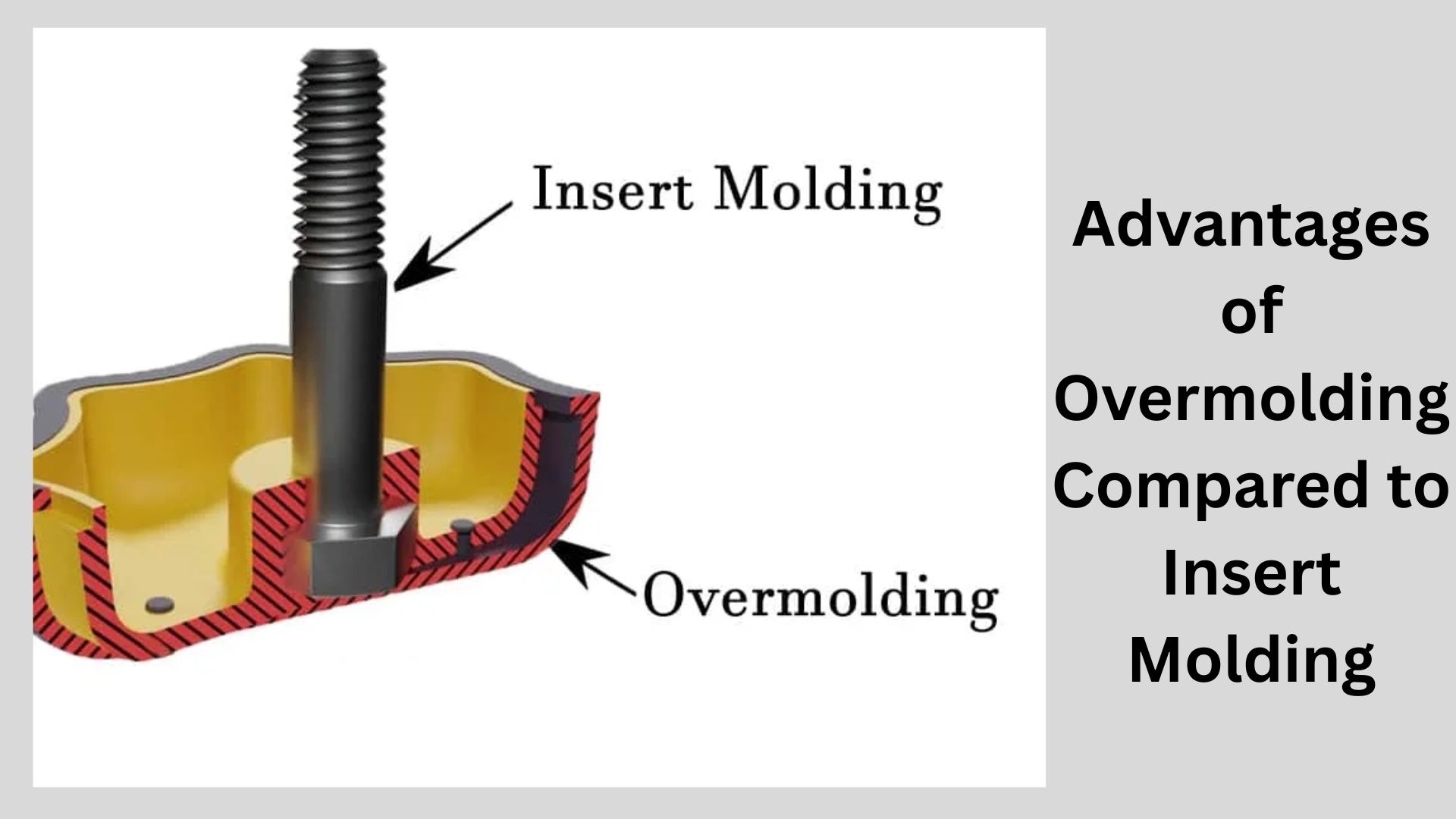
Thermoplastic, not Thermoplastic.

It is one of the most widespread overmolding combinations. The base material is a thermoplastic polymer, which is a polycarbonate (PC). It is then covered with a softer thermoplastic such as TPU. This composite enhances grip, comfort, and surface feel, and structural strength is not sacrificed.

Thermoplastic over Metal

This technique uses a thermoplastic material that is molded on top of a metal part. Metals like steel or aluminum are usually coated with plastics like polypropylene (PP). This assists in guarding against corrosion of the metal, reducing vibration, and decreasing noise during usage.

TPE over Elastomer.

This system employs a hard plastic recycled substrate like ABS with the addition of a flexible elastomer on the top. It is normally applied in products that require durability and flexibility, such as tool handles and medical equipment.

Silicone over Plastic

Silicone is also overmolded over plastic materials such as polycarbonate. This offers a high level of water resistance, sealing capability, and low tactile feel. It is commonly applied in medical and electronic devices.

TPE over TPE

Overmolding of different grades of thermoplastic elastomers can also be performed. This enables the manufacturers to produce products that have different textures, colors, or functional areas, within one part.

Is Overmolding the Right Choice?

When your product requires strength, comfort, and durability at the same time, القوالب المتراكبة is the appropriate decision to make. It is particularly suitable when used with components that need a soft handle, impact resistance, or additional protection without adding more assembly processes. Overmolding can be used on products that are frequently touched, like tools, medical equipment, or even electronic cases.

Is Overmolding the Right Choice?

Nevertheless, overmolding does not apply to all projects. It is normally associated with increased tooling expenses and intricate mold pattern design as opposed to single-material molding. When production quantities are small or product design is basic, then the traditional molding processes could work out to be less expensive.
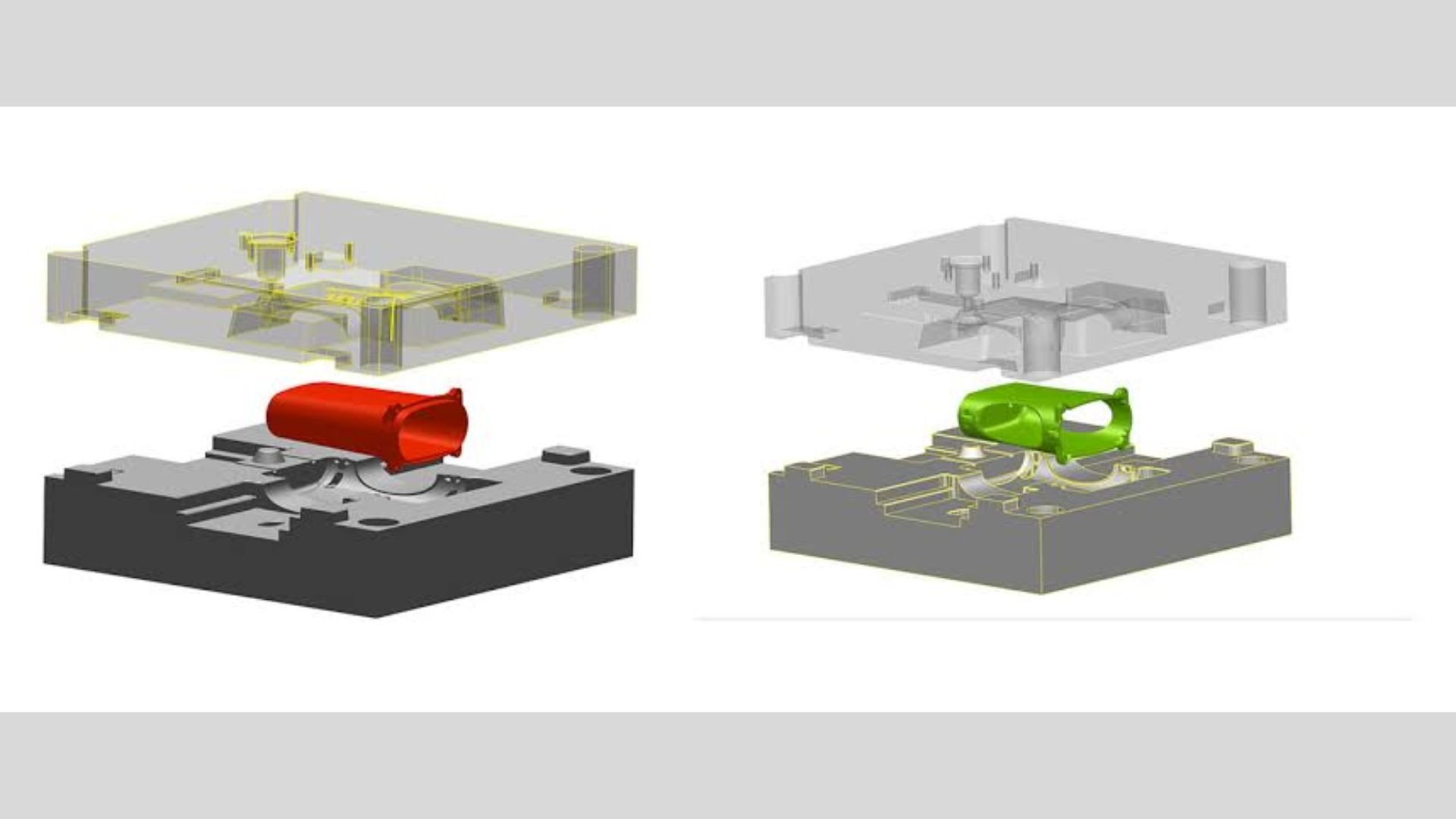
Assessing the material compatibility, volume of production, requirement of functionality, and budget with consideration at the initial design stage will help in deciding whether an overmolding solution is the most effective in addressing your project.

Examples of overmolding in the real-life

Toothbrushes

The handle is hard plastic. The grip is soft rubber. This eases the task of cleaning the teeth.

Phone Cases

The device is covered with hard plastic. Drop shock is absorbed on soft rubber edges.
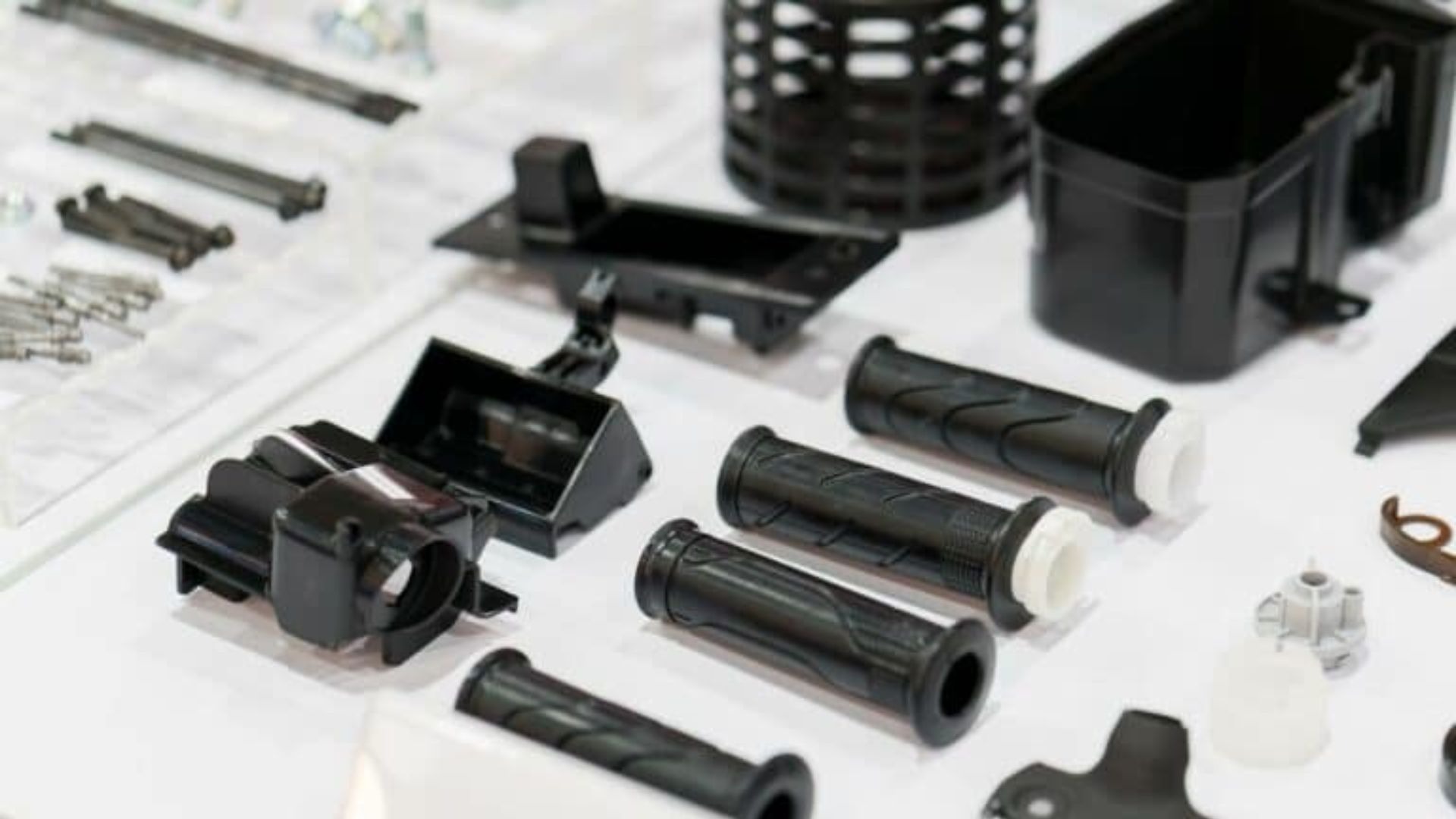
Power Tools

The rubber is overmolded on handles to minimize vibration and enhance safety.
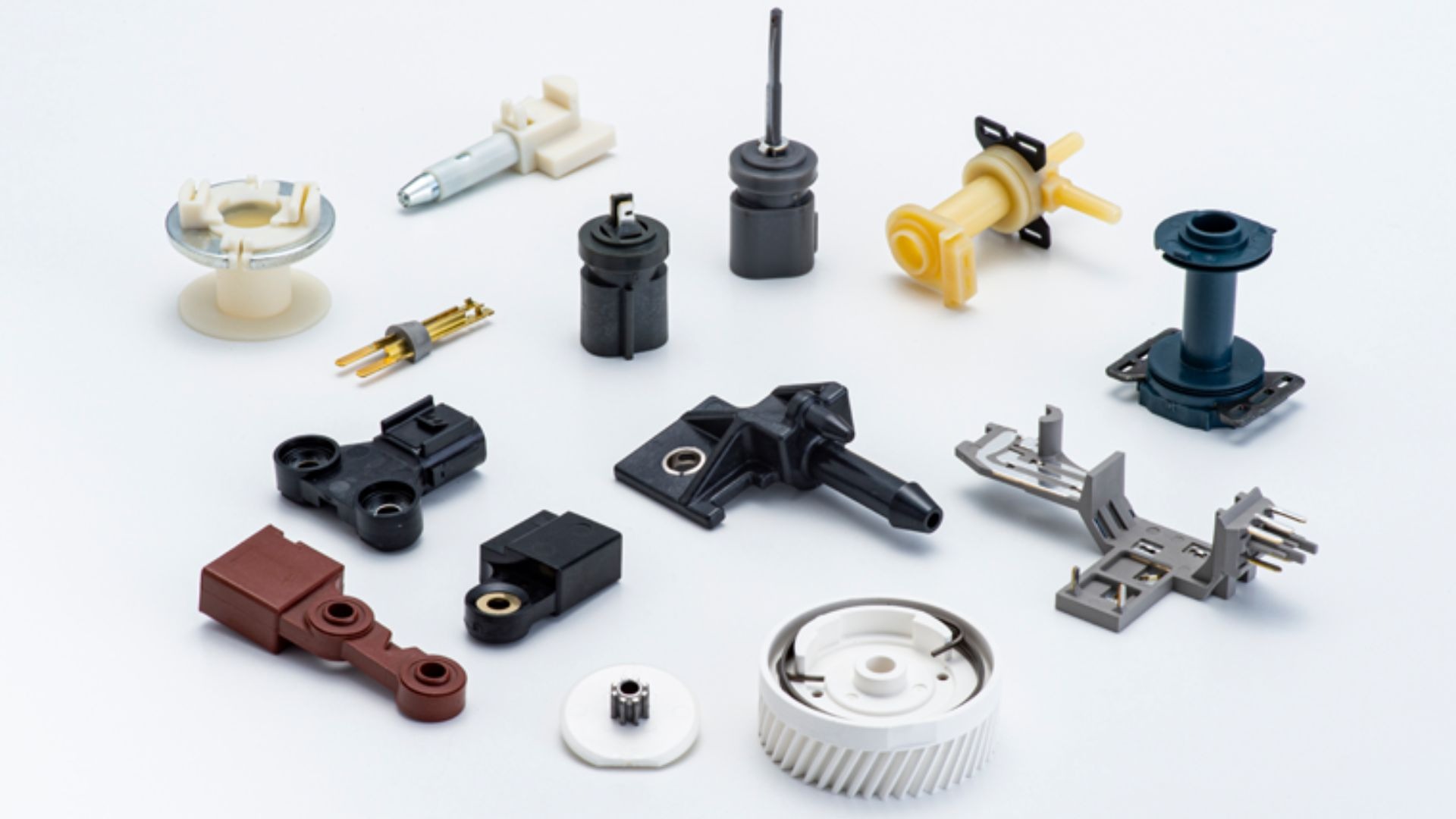
Car Interiors

Control knobs and buttons are usually soft in their feel, which makes the user experience better.

The following examples demonstrate the enhancement of usability, safety, and design of overmolding.

Sincere Tech – Your Hi-Fi partner in any kind of Molding

Sincere Tech is a trustworthy manufacturing partner that deals with all forms of molding, such as plastic injection molding and overmolding. We assist the customers with design up to mass production of products with precision and efficiency. With high technology and competent engineering, we provide high-quality parts in automotive, medical, electronics, and consumer markets. Visit Plas.co to get to know what we are capable of and offering.

الخاتمة

Overmolding is a flexible and useful technique of manufacturing. It is a process that involves a combination of two or more materials to make products stronger, safer, and more comfortable. It is broadly applied in electronics, medical devices, automotive components, domestic appliances, and industrial tools.

This is done by a careful choice of the material, accurate shape of the molds, and by ensuring that the temperature and the pressure are kept in check. Overmolding has considerable benefits, even though it is faced with some challenges, such as increased cost and increased production time.

Overmolded products are more durable, ergonomic, appealing to the eye, and functional. One of the areas where overmolding has become an inseparable component of modern manufacturing is the case of everyday products, such as toothbrushes and phone cases, to more serious items such as medical equipment and automobile interiors.

Knowing about overmolding, we may feel grateful to the fact that it is due to simple decisions in the design that help to make the products more convenient to use and longer-lasting. Such a little yet significant process goes on to enhance the quality and functionality of the goods that we use in our daily lives.

ما هو التشكيل بالإدخال؟ العملية والاستخدامات والفوائد

The insert molding is a pertinent technology in present-day production. It is used in attaching metal or other elements to plastic. The process offers a unified, tough, and strong component. As an alternative to the step-by-step technique of having to assemble pieces after molding them, the insert molding technique fuses them. This will save on labour, time, and enhance the quality of the product.

China is a mammoth in the insert molding. It provides cost-efficient production. High-level factories and skilled labor have been established in the country. China is a producer of all-purpose materials. It leads global production.

This paper will discuss insert molding, its process, insert types, materials, design, available guidelines, its usage, advantages, and comparison with moulding processes in contemporary production.

جدول المحتويات

What is Insert Molding?

Insert molding is a process of plastic moulding. A part that has been assembled, usually a metal part, is placed into a mold. The next step is molten plastic injected around it. When plastic becomes hard, the plastic insert becomes a component of the end product. The technique is used in electronics and automotive industries, and also in the medical equipment industry.

What is Insert Molding?

The large advantage of the insert molding is strength and stability. Metal-inserted plastic parts are stronger in terms of mechanical strength. They can also be threaded and worn less as time progresses. This is especially essential in those parts that should be screwed or bolted many times.

Types of Inserts

The inserts used in insert molding have different varieties, which are used according to the purpose.

Metal Inserts

Metal inserts are the most widespread ones. These are either steel, brass, or aluminum. They are used on threaded holes for structural or mechanical strength.

Electronic Inserts

Electronic components that can be molded to appear in the form of plastic are sensors, connectors, or small circuits. This guarantees their safety and the reduction of assembly processes.

Other Materials

Some of the inserts are made in ceramics or composites to be utilized for special purposes. They are used in instances where heat resistance or insulation is required.

Choosing the Right Insert

It would depend on the part role and the type of plastic to make the decision. The major ones are compatibility, strength, and durability.

The Insert Molding Process

Single-step molding entails the incorporation of a metal or other element with a plastic tool. The insert is inserted into the ultimate product. This is a stronger and faster process compared to the assembly of parts that follows.

The Insert Molding Process

Preparing the Insert

The insert is rinsed in order to extract all the dirt, grease, or rust. It is also occasionally overcoated or rugged so that it becomes glued to plastic. It will not be destroyed by hot plastic when it is preheated to 65-100 °C.

Placing the Insert

The insert is placed with much care in the mold. Robots can insert it into large factories. Pins or clamps hold it firmly. The positioning of the right will prevent movement when the molding is taking place.

Injecting Plastic

This is accomplished by injecting the molten plastic to surround the insert. Their temperature range is between 180 and 343°C. Pressure is 50-150 MPa. To be strong, the holding pressure should be 5-60 seconds.

التبريد

It is a solidification of the plastic. Smaller components take 10-15 seconds, and larger components take 60 seconds or above. Cooling channels prevent the warming up.

Ejecting the Part

The mold and ejector pins force the part out. Small finishing or trimming could then follow.

Important Points

The expansion of metal and plastic is not the same. Preheating and constant controlled mold temperature decreases the stress. This is done by the use of sensors in modern machines to achieve uniformity in the results in terms of pressure and temperature.

Key Parameters:

المعلمةTypical Industrial RangeEffect
Injection Temperature180–343 °CDepends on plastic grade (higher for PC, PEEK)
ضغط الحقن50–150 MPa (≈7,250–21,750 psi)Must be high enough to fill around insert surfaces without displacing them
Injection Time2–10 sShorter for small parts; longer for larger components
Holding Pressure~80% of injection pressureApplied after fill to densify material and reduce shrinkage voids
Holding Time~5–60 sDepends on material and part thickness

Types of common injections to be shaped 

Various types of inserts applied in injection molding exist, and they rely on the use. Each of the types contributes to the strength and performance of the final part.

The Insert Molding Process

Threaded Metal Inserts

Threaded inserts can be steel, brass, or aluminum. They allow the potential of screwing and bolting a number of times without the plastic being broken. The latter is common in automobiles, home appliances, and electronics.

Press-Fit Inserts

The press-fit inserts are those that are installed in a molded component without any additional attachment. As the plastic cools, it holds the insert and stabilizes it very well and powerfully.

Heat-Set Inserts

This is followed by the process of heat-setting inserts. When allowed to cool, the hot insert will fuse with the surrounding plastic to some extent, creating a very strong bond. They are generally used in thermoplastics, e.g., nylon.

Ultrasonic Inserts

In a vibration, ultrasonic inserts are installed. The plastic melts in the region surrounding the insert and becomes hard to create a tight fit. It is a precise and fast method.

Choosing the Right Insert

The choice of the right and left is according to the type of plastic, part design, and the load that is anticipated. The choice of metal inserts has been made based on strength, and the special inserts, like the heat-set inserts and ultrasonic inserts, have been evaluated on the basis of precision and durability.

Design Rules in the Industry of Insert Injection Molding

The design of parts to be inserted by use of molding should be properly planned. The accurate design ensures that there is high bonding, precision, and permanence.

Design Rules in the Industry of Insert Injection Molding

Insert Placement

The inserts will be inserted where they will be in a good position to be supported by plastic. They must not be very close to walls or thin edges because this can result in cracks or warping.

Plastic Thickness

Always make sure that the walls that surround the insert are of the same thickness. Due to an abrupt thickness change, uneven cooling and shrinkage can be experienced. The insert will typically have a 2-5 mm thickness, which is sufficient as far as strength and stability are concerned.

توافق المواد

Take plastic and stuff it with adhesive materials. An example is a nylon that can be used with brass or stainless-steel inserts. Mixes that become excessive in heat must be avoided.

تصميم القوالب

Add a good gate position and cooling arrangements to the mold. The plastic must be capable of moving freely about the insert and must not entrap air. The temperatures are stabilized by channels and prevented from warping.

التفاوتات المسموح بها

Correct tolerances of the insert components of the design. It only takes a small space of clearance of 0.1-0.3 mm in order to perfectly fit the insert without being loose or hard.

Reinforcement Features

The insert should be underpinned using ribs, bosses, or gussets. When used, these properties become widely distributed, thereby preventing cracking or movement of inserts.

Unsuitable Overmold Materials to use in an insert-molding process

The ideal process is the insert molding; however, the plastic is readily melted and easily flows throughout the process of molding. The plastic should also be attached to the insert to create a robust part. Preference is given to thermoplastics because they possess the correct melting characteristics and flow characteristics.

Unsuitable Overmold Materials to use in an insert-molding process

Styrene Acrylonitrile Butadiene Styrene

ABS is not only dimensional, but it is also easy to work with. It is best applicable to consumer electronics among other products that demand a high level of accuracy and stability.

Nylon (Polyamide, PA)

Nylon is strong and flexible. It is usually welded to metal inserts to a structural commodity, e.g, automotive bracketry or building component.

بولي كربونات (PC)

Polycarbonate is not only crack-free but also tough. It is applicable mostly in the provision of electronics enclosures and medical equipment, and other equipment that requires durability.

Polyetheretherketone (PEEK)

PEEK has a competitive advantage over the heat and chemical. It would apply to the high-performance engineering, aerospace, and medical fields.

البولي بروبلين (PP)

Polypropylene is not viscous, and neither does it respond to a high number of chemicals. It is used on domestic and consumer goods, and on automobile parts.

البولي إيثيلين (PE)

Polyethylene is cheap and also elastic. The primary use of this is in lighting, e.g., packaging or protective cases.

Thermal plastic Polyurethane (TPU) and Thermoplastic Elastomer (TPE)

TPU and TPE are rubber-like, soft, and elastic. They are perfect in over molding grips, seals, or parts that require impact absorption.

Choosing the Right Material

The choice of the overmold material is dictated by the part functionality, the task of the insert, and its functioning. It should also be a good flow plastic bonding the insert, besides providing the required strength and flexibility.

Part Geometry and Insert Placement:

 This feature applies to all parts.

Part Geometry and Insert Placement

 Part Geometry and Insert Placement:

 It is a feature that could be applied to any part.

The insert retention is dependent on the shape of the part. The insert positioning should be such that of adequate plastic around it. One should not have insurance too close to edges or narrow walls, as this can crack or bend.

The plastic surrounding the insert should be smooth in thickness. A sudden change in thickness can result in either nonuniform cooling or contraction. In the case of the insert, a normal 2-5 mm of plastic is sufficient in regard to strength and stability.

The design features that can be used to support the insert are ribs, bosses, and gussets. As it is used, they help in the dispersion of stress and the inhibition of movement. Once the insert is correctly installed, one is assured that the part is in place and that the part works effectively.

Technical Comparison of Thermoplastics for Insert Molding

الموادMelt Temp (°C)Mold Temp (°C)Injection Pressure (MPa)Tensile Strength (MPa)Impact Strength (kJ/m²)Shrinkage (%)Typical Applications
ABS220–26050–7050–9040–5015–250.4–0.7Consumer electronics, housings
Nylon (PA6/PA66)250–29090–11070–12070–8030–600.7–1.0Automotive brackets, load-bearing parts
بولي كربونات (PC)270–32090–12080–13060–7060–800.4–0.6Electronics enclosures, medical devices
PEEK340–343150–18090–15090–10015–250.2–0.5Aerospace, medical, chemical applications
البولي بروبلين (PP)180–23040–7050–9025–3520–301.5–2.0Automotive parts, packaging
البولي إيثيلين (PE)160–22040–6050–8015–2510–201.0–2.5Packaging, low-load housings
TPU/TPE200–24040–7050–9030–5040–800.5–1.0Grips, seals, flexible components

The Advantages of the Insert Moulding

The Advantages of the Insert Moulding

Strong and Durable Parts

An insert molding process involves the combination of plastic and metal into a single entity. This makes the components tough, robust, and can be used over and over again.

Reduced Assembly and Labour

The insert will be inserted into the plastic, and no additional assembly will be required. This conserves time and labor and reduces the possibility of mistakes during assembly.

Precision and Reliability

The insert is firmly attached to the moulding. This guarantees that the dimensions are the same and that the mechanical strength is increased to increase the reliability of parts.

Design Flexibility

The fabrication of complex designs through the assistance of insert moulding would be difficult to produce through conventional assembly. It is possible to have metal and plastic being used in a novel combination to fulfil functional requirements.

Cost-Effectiveness

Insert molding will also reduce waste of materials, as well as assembly costs in large volumes of production. It improves effectiveness and overall quality of products, therefore long-term cost-effective.

The applications of the Insert Moulding

صناعة السيارات

The automobile industry is a typical application of إدراج القوالب. Plastic components have metal inserts, which provide the component, like brackets, engine parts, and connectors, with strength. This will render assembly less and durability more.

الإلكترونيات

Electronics. The benefit of insert molding here is that it is possible to add connectors, sensors, and circuits to a plastic casing. This will guarantee the safety of the fragile components and make the assembly process relatively easy.

الأجهزة الطبية

The technology of insert molding is highly used in medical apparatuses that demand a high degree of accuracy and longevity. This is applied in the production of surgical equipment, diagnostic equipment, and durable plastic-metal combinations.

المنتجات الاستهلاكية

Consumer goods like power tools, appliances, and sports equipment are mostly molded with insert molding. It reinforces and simplifies the assembly of the process, and it makes ergonomic or complex designs possible.

Industrial Applications, Aerospace.

إن إدراج القوالب is also used in heavy industries and aerospace. High-performance plastics that are filled with metal have light and strong components that are heat-resistant and wear-resistant.

Materials Used

The action of the insert mode of molding requires the appropriate materials for the plastic and the insert. The choice will lead to power, stability, and output.

The Advantages of the Insert Moulding

Metal Inserts

The use of metal inserts is normally done because they are rough and durable. It comprises mainly steel, brass, and aluminium. In parts with a load, steel can be used, brass cannot be corroded, and aluminum is light.

Plastic Inserts

Plastic inserts are corrosion-resistant and light. They are used in low-load applications or applications in parts that are non-conductive. Plastic inserts can also be shaped into complex shapes.

The Ceramic and Composite Inserts.

Ceramic and composite inserts are used to obtain heat, wear, or chemical resistance. They are normally employed in aerospace, medical, and industrial fields. Ceramics are resistant to high temperatures, and composites are also stiff yet have low thermal expansion.

Thermoplastic Overmolds

The surroundings of the insert are a thermoplastic that is generally a plastic. Available options include ABS, Nylon, Polycarbonate, PEEK, Polypropylene, Polyethylene, TPU, and TPE. ABS is moldable, stable, Nylon is flexible and strong, and Polycarbonate is an impact-resistant material. TPU and TPE are soft and rubbery materials that are used as seals or grips.

توافق المواد

Plastic and metal are supposed to grow in ratio to one another in order to eliminate strain or deformation. The plastics must be glued to the insert in case they should not separate. In plastic inserts, the overmold material should acquire adhesive to ensure that it becomes strong.

Material Selection Tips

Consider the load, temperature, chemical, and part design exposure. The metal inserts are durable, the plastic inserts are lightweight, and the ceramics can withstand extreme conditions. The overmold material must have the capability of meeting all the functional requirements. 

Cost Analysis

The inserted plastic will enable the saving of the money that would have been utilized in the attachment of the single parts. The decrease in the assembly levels will mean a decrease in the number of labourers and a faster production speed.

Initial costs of moulding and tooling are higher. Multiplex molds having a set of inserts in a certain position are more expensive. However, the unit cost is lower when the level of production is large.

Choice of material is also a factor of cost. Plastic inserts are less expensive than metal inserts. PEEK is a high-performance plastic that is costly in comparison to the widely used plastics, including ABS or polypropylene.

Overall, the price of insert moulding will be minimal in the medium to high volume of production. It will save assembly time, improve the quality of the parts, and reduce long term cost of production.

The problems with the Molding of Inserts

Despite the high efficacy of the insert molding, it has its problems, too:

Thermal Expansion: We will have rate differences and therefore warp in metal and plastic.

Insert Movement: Inserts can move, already in the injection process, unless firmly fixed.

Material Compatibility: Not all plastics can be compatible with all metals.

Small Run Mould tooling and set-up Cost: Mould tooling and set-up can be expensive at very small quantities.

These problems are reduced to a minimum by designing well, mould preparation, and process control.

مستقبل القولبة الداخلية

The insert moulding is in the development stage. New materials, improved machines, and automation are being used to increase efficiency, and 3D printing and hybrid manufacturing processes are also becoming opportunities. Its ability to produce lightweight, strong, and precise parts due to the necessity of the parts is that the insert moulding will be a significant production process.

The Advantages of the Insert Moulding

When it comes to Assistance with Sincere Tech

In the case of insert moulding and overmoulding, we offer high-quality, correct, and reliable moulding solutions of moulding at Sincere Tech. Our technology and hand-craft workers will ensure that every part will be as per your specification. We are strong in the long-lasting, complicated, and economical automobile, electronic, medical, and consumer goods moulds. Your manufacturing process is easy and efficient, and this is due to our turnaround times and great customer service. You are moving to Sincere Tech, and with the company will work in line with precision, quality, and your success. Trust us and have your designs come true for us correctly, dependably, and to industry standards.

الخاتمة

Insert moulding is a production process that is flexible and effective. It allows designers to employ a single powerful component that is a combination of metal and plastic. The use of insert moulding in industries over the years is due to its advantages that include power, precision, and low cost. But it is getting more confident along with the advancements in materials and automation. The solution to manufacturing by insert molding is time saving, cost reduction, and high-quality products in the context of modern manufacturing.

قولبة حقن الأكريليك: الدليل الكامل

Acrylic injection molding can be defined as a new technology of manufacturing plastic products with high quality. The technique has a wide application in the automotive industry, healthcare sector, consumer goods, and electronics. It is particularly renowned for making transparent, tough, and attractive products.

China is a major part of the acrylic molding business. China has large quantities of factories that manufacture high-quality acrylic molds and parts. They offer cost-effective, dependable, and scalable production to the international markets.

This paper covers the process of injection molding, types of molds, applications, and best practices in acrylic injection molding.

جدول المحتويات

What is Acrylic Injection Molding?

Acrylic injection molding is an aircraft production technique in which acrylic plastic is warmed up until it melts and then injected into a mold. The plastic is cured and solidifies into a given shape. The process is very useful in the large-scale production of complex and consistent parts.

The acrylic pellets are small and used as the starting food materials. These are poured into a heated barrel until it melts. Then the molten acrylic is injected into high pressure mold with acrylic molds. The molds are cooled and opened, and the finished product is ejected.

The process is fast, accurate, and economical, unlike other methods of molding. It suits industries where the quantity of production is needed without necessarily touching on the quality.

What is Acrylic Injection Molding?

Benefits of Acrylic Molding

There are numerous benefits of acrylic molding.

  • Large Transparency: Acrylic products are very transparent. They are frequently applied in situations when it is necessary to be visual.
  • المتانة: Acrylic is durable and scratch-resistant.
  • Complex Shapes: It is able to do complex designs, which are hard to do with other plastics.
  • فعالة من حيث التكلفة: After creating molds, thousands of pieces can be created in a short time, which makes the process less expensive.
  • الاتساق: Each batch is the same as the preceding one, and quality is ensured in high quantities.

The acrylic molding is quick and accurate, and hence a good option where quality and speed are expected in industries.

Acrylic Injection Molding was discovered

In the mid-20th century, the manufacturers of the process started to develop the process of acrylic injection molding because the manufacturers wanted to find a quicker and more accurate method of shaping PMMA. Previously, casting was used as the primary process of acrylic molding, which was a slow and work-consuming process.

Machines that could melt acrylic pellets at temperatures of 230-280 °C and inject them into small acrylic molds were invented by engineers in Germany and the United States in the 1940s and 1950s. This invention made it possible to manufacture intricate and high-quality parts that had uniform dimensions.

Injection techniques of acrylic to produce what is today known as the molding of acrylic transformed industries such as automotive, medical devices, and consumer products. Acrylic plastic molding not only reduced the time but also increased efficiency, but it also made parts that had tight tolerances (+-0.1 mm) and those that were optically clear (>90% light transmission).

Acrylic Injection Molding was discovered

Types of Acrylic Molds

There are several types of acrylic molds; each model is produced according to the required production nature and complexity of the product. The selection of a suitable type guarantees results of high quality and efficiency in acrylic molding.

القوالب أحادية التجويف

 Single-cavity molds are made to make a single part after each injection cycle. They can be used when the production run is small or in prototypical projects. With single-cavity molds, the process of injection molding acrylic material is done using the term under consideration in order not to have to deal with the problem of incorrect shaping and vague surfaces.

القوالب متعددة التجاويف

 Multi-cavity molds are able to manufacture many copies within one cycle. This gives them ideal suitability for massive production. Multi-cavity molds are frequently molded with acrylic to accomplish consistency and minimize the time of production.

القوالب العائلية

In a single cycle, family molds generate some of the various parts. This is a type that is practical in formulating components that constitute a product assembly. Family molds can use acrylic plastic molding that enables multiple pieces to be manufactured at the same time, which saves both time and cost.

قوالب العداء الساخن

The Hot runner molds allow the plastic to be kept in channels to minimize wastage and enhance efficiency. Hot runner systems use acrylic molds that fit high-precision products with smooth surfaces and fewer defects.

قوالب العدّاء البارد

Cold runner molds employ channels that cool together with the part being molded. They are less costly and easier to produce. A lot of small to medium-sized manufacturers would rather use acrylic molding by using cold runner molds to do their production cheaply.

The choice of the appropriate type of the so-called acrylic molds is determined by the volume of production, the design of the product, and the budget. Correct selection of molds leads to better performance of acrylic injection molding and finished products of high quality.

The techniques of Acrylic Plastic Molding

Acrylic plastic molding is the process of using several methods to convert acrylic substances into useful and attractive items. Both approaches have strengths, which are determined by design, volume of production, and the needs of the product.

The techniques of Acrylic Plastic Molding

القولبة بالحقن

The most popular one, which is called acrylic injection molding, consists of heating acrylic subunits, called acrylic pellets, until molten, and its injection into acrylic molds. Upon cooling, the plastic will solidify in the intended shape. This is the best method to make a high-precision product in massive quantities.

القولبة بالضغط

 Acrylic sheets are put in a hot mold and pressed to form in compression molding. This technique can be applied to thicker sections and plain designs. Compression molding of acrylic is used to make it uniform in thickness and strength.

البثق

Long continuous profiles are made by extrusion, where molten acrylic is forced into a shaped die. By extrusion, acrylic molding is used on such items as tubes, rods, and sheets. It is even in cross-sections and surfaces.

التشكيل الحراري

The thermoforming technique heats acrylic sheets until pliable and shapes them over a mold with the vacuum or pressure. The approach works well with huge or non-huge products. Thermoforming is a technique of manufacturer of low to medium volumes of acrylic plastic molds at a reasonably low cost.

Rotational Molding

Rotational molding is also used with acrylic, but the mold is rotated during heating to evenly coat the inside of the mold. Shapes with hollows can be made effectively using this technique. In rotational molds, there is the flexibility of molding acrylic to fit some designs.

Process of Molding Acrylic

Molding acrylic is an important and technical process through which the raw acrylic material is changed into finished parts of high quality. The procedure comes with several processes, and each process entails precise control of temperature, pressure, and time to provide the optimal outcome in the process of acrylic molding.

Process of Molding Acrylic

Material Preparation

The reaction begins with acrylic high-quality pellets, which can be of different sizes (usually 2-5 mm in diameter). The moisture content of the pellets should be less than 0.2, and any further moisture may lead to bubbles in the process of molding. The pellets are normally dried in a hopper dryer at 80-90 deg C in not less than 2-4hours before usage.

Melting and Injection

The dried pellets are introduced into the barrel of the injection molding machine. The temperature of the barrel is maintained at 230-280 °C, with acrylic grade depending on the grade used. The pellets are melted by the screw mechanism to form a homogeneous acrylic mixture in molten form.

The acrylic is then injected at high pressure – normally 70-120 MPa – into acrylic molds once molten. The time of injection depends on the size of the part, with the small to medium parts taking about 5 to 20 seconds.

التبريد

A pressurized mold is placed after injection as the acrylic cools and solidification takes place. The time of cooling varies with the thickness of parts:

  • 1-2 mm thickness: 15-20 seconds
  • 3-5 mm thickness: 25-40 seconds
  • Above 5 mm thickness: 45-60 seconds

The cooling is necessary to eliminate warping, shrinkage, or surface defects. Established molds may also make use of water pipes or oil cooling to maintain the temperatures in the required specifications.

Mold Opening and Ejection

The mold is opened once it has cooled, and the part is ejected with mechanical or hydraulic ejector pins. It should be noted that the force of ejection should be limited to ensure that it does not damage the surface or deform it.

Post-Processing

The part may also go through finishing procedures like clipping off or polishing the part after ejection, or annealing. Aging at temperatures of 80-100 deg C 1-2 hours of aging assists in removing internal stresses and enhancing clarity and strength.

Quality Inspection

Individual components are checked against defects such as air bubbles, warping, and dimensionality. Calipers are utilized, or a laser scan is undertaken, and tolerance is allowed to be within + 0.1 mm when dealing with high precision components. The application of acrylic plastic molding, which is of good quality, has ensured that all its products are industry standard.

Summary of Process Parameters:

StepالمعلمةValue
DryingTemperature80–90°C
DryingDuration2–4 hours
Barrel TemperatureMelt Acrylic230–280°C
ضغط الحقن70–120 MPa
وقت التبريد1–2 mm thick15–20 sec
وقت التبريد3–5 mm thick25–40 sec
وقت التبريد>5 mm thick45–60 sec
AnnealingTemperature80–100°C
AnnealingDuration1–2 hours
Dimensional Tolerance±0.1 mm

The acrylic molding with the following technological characteristics guarantees the quality, accuracy, and efficiency of each product. The process of acrylic injection molding can be used to manufacture clear, durable, and dimensionally accurate components by using optimized conditions, which ensure consistent production of the components.

Uses of Acrylic Injection Molding

The acrylic injection molding is heavily applied in sectors where accuracy, clarity, and longevity are required.

Uses of Acrylic Injection Molding

صناعة السيارات

Tail lights, dashboards, and trims are made as a result of acrylic molds. Parts are typically 1.5-5 mm thick, and with a temperature range of -40 °C to 80 °C. Clarity and longevity are guaranteed by Molding acrylic.

Health care and medical equipment.

Lab equipment, instrument covers, and protective shields are manufactured by the process of Acrylic plastic molding. There is a requirement for parts with tolerances of +-0.1 mm and the ability to be sterilized. Acrylic injection molding ensures smooth and correct surfaces.

الإلكترونيات الاستهلاكية

Smartphone covers, LED housings, and protective screens are molded with acrylic. Part must have a gloss on the surface exceeding 90% and accurate dimensions.

Amphetamine, Methamphetamine, and amphetamines in household and decoral products.

Such products as cosmetic containers, display cases, and panels are manufactured with the help of using the so-called acrylic plastic molding. The average thickness varies between 2 and 8 mm, which provides even finishes with smooth, clear, and colorful finishes.

Electrical Components, Lighting, and Optics.

The acrylic injection molding is used in the clarity of LED lenses, light diffusers, and signage. The parts attain transmission of light to the tune of over 90% at specific angles and thickness.

معدات صناعية

There is the use of machine guards, instrument panels, and transparent containers, which are based on acrylic molding. Components require an impact strength of 15-20 kJ/m2 and be clear.

Typical Applications
This Framework is applied in situations when the government controls all the main features of healthcare services, such as quality, cost, and accessibility, and the amount of provided services.

الصناعة

  • Product Examples
  • Key Specifications
  • السيارات
  • Tail lights, dashboards
  • thickness 1.5-5 mm, Temp 40 °C to 80 °C

Healthcare

  • Test tube racks, shields
  • Tolerance -0.1 mm, sterilization-resistant.

الإلكترونيات

  • Covers, housings
  • Surface gloss 90, dimensional stability.

السلع الاستهلاكية

  • Containers containing cosmetics, exhibition boxes.
  • Thickness 2-8 mm, smooth finish
  • Lighting
  • LED lenses, diffusers
  • Transmission of light greater than 90, accurate geometry.
  • Industrial
  • Guards, containers
  • Impact strength 15-20 kJ/m 2, clear.

Quality Control of Acrylic Molding

In acrylic molding, quality is essential in order to have parts that are up to standard. Some minor flaws can have an impact on performance and appearance.

Inspection of Parts

All the components are inspected against air bubbles, bending, and scratches on the surface. Calipers or laser scanners are used to measure so that tolerance is not exceeded by +-0.1 mm. The process of acrylic injection molding depends on regular checks as a way to ensure high quality of the output.

صيانة العفن

Defects are prevented, and the life of the mold is lengthened by ensuring that it is regularly cleaned and inspected. The old molds may lead to inaccuracy in the dimensions or uneven surfaces.

Process Monitoring

Temperature, pressure, and cooling times are continuously checked during the process of molding acrylic. Barrel temperatures average 230-280°C and injection pressure ranges from 70 to 120 Mpa, to avoid mistakes.

Final Testing

Complete components are tested through functional and visual tests. As an illustration, optical components have to be inspected regarding the transfer of light (greater than 90 per cent) and structural parts regarding impact strength (15-20 kJ/m2).

This can be achieved by keeping a tight rein on the quality of the final product to generate dependable, accurate, and aesthetically flawless individual parts of acrylic plastic molding.

Selecting the appropriate Acrylic Injection Molding Alliance

When it comes to high-quality production, the correct choice of the manufacturer of the acrylic injection molding is crucial.

Selecting the appropriate Acrylic Injection Molding Alliance

الخبرة والخبرة

Find partners who have experience in acrylic molding and acrylic molding. Experienced engineers would be able to maximize the mold design, injection, and finishing to specifications.

Equipment and Technology

Innovative machines that regulate temperature (230-280 °C), injection pressure (70-120 Mpa) are very specific in enhancing product consistency. The errors and waste are minimized with the help of high-quality acrylic molds and automated systems.

ضمان الجودة

When it comes to a trusted supplier, they include rigorous checks of their parts, such as dimension checks (within -0.1 mm tolerance) and surface checks. With correct QA, it is ensured that the components of the acrylic plastic will be clear, durable, and defect-free.

Communication and Support

Good manufacturers interact during the designing and manufacturing process. They assist in the optimization of molds, propose materials, and material cycle time optimization.

Suggestions on Successful Acrylic Molding

It is advisable to follow best practices in acrylic molding to have high-quality, accurate, and durable parts.

Suggestions on Successful Acrylic Molding

Use High-Quality Material

Begin with acrylic 2-5 mm size pellets of less than 0.2 moisture content. Drying at 80-90°C 2-4 hours help in eliminating the bubbles and surface defects when molding acrylic.

Optimize Mold Design

Create an appropriate vented design and design acrylic molds with appropriate cooling channels and injection points. It minimizes warping, contraction, and cycle time in the process of injection molding of acrylic.

Control Process Parameters

Keep barrel temperature at 230-280 °C and injection pressure at 70-120 Mpa. Cooling time should be equivalent to part thickness:

  • 1-2 mm – 15-20 sec
  • 3-5 mm – 25-40 sec
  • 5 mm – 45-60 sec

Inspect Regularly

Check parts’ dimensions (maximum error in dimensions 0.1 mm), light spots, and optical clearness (transmission greater than 90%). The advantage of acrylic plastic molding lies in the ability to perform consistent inspection.

Maintain Molds

Wash and clean molds so as to avoid wear and ensure smooth and consistent production. Molded acrylic finds increased efficiencies and quality of parts.

All these tips will give the process of acrylic injection molding a sure, no less attractive, and perfectly correct components every time.

Widespread Defects and Prevention

Defects can be experienced even in the case of accurate acrylic injection molding. Knowledge of causes and solutions guarantees the quality of acrylic molding.

Widespread Defects and Prevention

Air Bubbles

Any air present in acrylic molds may produce bubbles on the surface.

Recommendation: Drying of acrylic NP with less than 0.2 percent moisture, correct ventilation of molds, and injection pressure of 70-120 Mackey’s.

الالتواء

Warping occurs, whereby the parts do not cool equally, hence they are distorted.

Resolution: homogeneous cooling channels, temperature of part, and part cooling time depending on part thickness (e.g., 1-2 mm – 15-20 sec, 3-5 mm – 25-40 sec).

علامات الحوض

The sink marks are formed when the thick parts contract during cooling.

Solution: maximize the wall thickness, packing pressure, and adequate cooling rates in molding acrylic.

اللقطات القصيرة

Short shots occur when the molten acrylic fails to fill the mold.

Resolution: Turn on more pressure in the injection press, clear blockages in acrylic molds, and verify correct barrel temperature (230-280 °C).

Surface Defects

Rough or scratches decrease transparency in acrylic plastic molding.

Remedy: Polish molds, do not use too much ejection power, and keep processing areas clean.

Outlook of Acrylic Injection Molding

Technology, efficiency, and sustainability are the future of acrylic injection molding.

Outlook of Acrylic Injection Molding

Advanced Automation

The acrylic molding is becoming more and more automated and robotic. Temperatures (230-280°C) and injection pressures (70-120 Mpa) can be controlled with accuracy by machines. Automation in the production of acrylic by molding lowers human error and enhances the cycle times.

3D Printing and Prototyping

The molds in the acrylic prototype are accomplished by 3D printing within a limited time. This allows the engineers to carry out experimentation with designs and optimization of molds before the production is done in full. Acrylic plastic molding is faster and cheaper due to the quick prototyping.

Sustainable Materials

It is becoming a norm to recycle the acrylic waste and develop materials that are friendly to the environment. Pellets recycled in the production of acrylic products under the injection molding process will result in a reduced environmental impact, though it will not impact the quality of the product.

Improved Product Quality

In the future, there will be increased optical clarity (>90 percent light transmission), surface finish, and dimensional controls (+-0.1 mm) in what is termed acrylic molding. This strengthens products, making them clearer and more precise.

Industry Growth

With the growing need for durable, lightweight, and clear products, the market will be broadening on the activities of molding acrylic in the automotive, medical, electronic, and consumer goods sectors.

Through technology and sustainability adoption, acrylic injection molding will continue to be one of the manufacturing processes used in high-quality and efficient production.

Sincere Tech: Your Reliable Provider of Acrylic Injection Molding.

Sincere Tech (Plas.co) offers services of precision plastic molding and acrylic القولبة بالحقن, which can be trusted. We have strong, accurate, and appealing parts, which are guaranteed by our high-technology and skilled workforce. We deal with custom-made acrylic molds and solutions that we make according to your design specifications.

Wholesome and Trustworthy Solutions.

We perform one-stop shopping prototype and product design up to large-scale production. You will be handling high-quality, durable, and reliable parts in our hands with our experience in acrylic molding and molding acrylic.

Reason to select Sincere Tech (Plas.co)?

The examples of our work can be viewed at https://plas.co. If you are seeking the best in terms of quality, precision, and good service, then Sincere Tech (Plas.co) is your partner when you are in search of the best in molding solutions.

الخاتمة

Acrylic molding and acrylic injection molding are essential processes in the current production. They provide quality, long-lasting, and fashionable products that can be used in most industries. It is efficient and reliable, starting with the design of acrylic molds, to the creation of the consistent parts.

When manufacturers adhere to the best practices and select the appropriate partner, high-quality products can be produced with the help of the use of molding acrylic. The further maturation of technology means that acrylic injection molding will be one of the most important in the development of innovative, accurate, and aesthetic products.

كل ما تحتاج إلى معرفته عن قولبة حقن النايلون المملوء بالزجاج

Glass-filled nylon Injection molding is a very important process in present-day manufacturing. The process is an integration of the plastics that are flexible and strong like glass fibres, giving rise to lightweight, strong, and accurate parts. High-stress and high-temperature components. A considerable number of industries can utilize glass-filled nylon injection molding to produce high-stress and high-temperature components with a consistent quality.

Manufacturers use this material since it enables them to produce in large volumes without compromising on performance. In the modern day, automotive, electronics, and industrial processes require this process to give them strong, reliable, and cost-effective components.

What is Glass Filled Nylon?

Polyamide reinforced material is glass-filled nylon. Nylon is mixed with small glass fibres to transform it into one with improved mechanical properties. The injection moulding of glass-filled nylon is used, which creates a part that would be harder, stronger and heat resistant as compared to plain nylon.

The inclusion of the glass fibres reduces the warping and shrinkage of the cooling process. It ensures the final product is of the right size, and this is vital in the fields of industry and automobiles.

What is Glass Filled Nylon?

The principal properties of the glass-filled nylon are:

  • High tensile strength
  • High levels of dimensional stability.
  • Hemolytic and chemolithic resistance.
  • Light in weight compared to metals.

The production of glass-filled nylon injection moulding guarantees not only the durability of the parts but also makes them cost-effective when it comes to mass production.

Physical, Chemical, and Mechanical Properties

The article titled Injection moulding glass-filled nylon is a mixture of nylon that has a high degree of flexibility and glass fibres, which have high strength and endow unique characteristics. Knowledge of these assists in creating credible components.

Physical Properties

  • الكثافة: 1.2 -1.35 g/cm 3, which is slightly heavier than unfilled nylon.
  • امتصاص الماء: 1-1.5% (30% glass-filled) falls as the content of fibres is raised.
  • Thermal Expansion: Low dimensional stability coefficient (1535 µm/m -C)

Chemical Properties

  • Resistance: High towards fuels, oils and most of the chemicals.
  • القابلية للاشتعال: A V-2 to V-0, depending on grade.
  • Corrosion: Not corrodible like metals, perfect in unfavorable environments.

Mechanical Properties

  • قوة الشد: 120-180 Mpa and it depends on the fibre content.
  • Flexural Strength: 180–250 MPa.
  • Impact Resistance: Medium, and reducing with an increase in fibre content.
  • Stiffness: Stiffness is high (5 8Gpa), which offers stiff load-bearing components.
  • Wear Resistance: It is superior in gears, bearings and moving elements.

عملية القولبة بالحقن

Glass-filled nylon injection moulding is done by melting the composite material and then injecting it under high pressure into a mould. The procedure is divisible into several steps:

  • Preparation of the material: The composition of the proper quantity of glass fibre and Nylon pellets is mixed.
  • Melting and injection: The material is heated until melted, then it is forced through a mold.
  • Cooling: This is a solidification process whereby the fibres are fixed.
  • Ejection and finishing: The rudiment of the solid is taken out of the mould and is likely to be trimmed or polished.

The glass fibres in the injection molding glass filled nylon assist the part not to lose its shape and strength once it is cooled down. This is particularly needed in tightly toleranced and very complex designs.

عملية القولبة بالحقن

Advantages of Utilizing Glass-Filled Nylon

The material glass-filled nylon injection molding offers several benefits in comparison to a conventional material:

  • Strength and durability: Tensile and flexural strength are achieved with the use of glass fibre.
  • Heat resistance: This implies that the components can resist the high temperatures without deforming.
  • Dimensional accuracy: The lesser shrinkage is an assurance of the resemblance of different batches.
  • خفيف الوزن: The material is strong, but upon being made lightweight, it becomes more efficient in automotive and aerospace uses.
  • Cost efficiency: Shorter production time and reduced waste would lower the costs.

On the whole, the term injection moulding glass-filled nylon enables makers of high-performance parts to create their parts efficiently and address the needs of the modern industry.

Glass Filled Nylon Processing Tips

When injecting glass-filled nylon, it is important to pay attention to the behavior of the material and the settings of the machine. Flow, cooling and thermal properties are altered by the presence of glass fibers. When the correct instructions are followed, the glass-filled nylon injection molding could result in robust, accurat,e and flawless components.

Glass Filled Nylon Processing Tips

Material Preparation

Glass-filled nylon is easily used as a moisture-absorbing material. Wet material may lead to bubbles, voids and bad surface finish. Dry the material at 80–100 °C in 46 hours. Make sure that the glass fibres are not clumped together in the nylon in order to achieve uniform strength.

درجة حرارة الذوبان

Keep recommended nylon grade melt temperature:

  • PA6: 250–270°C
  • PA66: 280–300°C

Excessive temperature may ruin the nylon and spoil fibers whereas excessively low temperature causes poor flow and inadequate filling in injection moulding glass-filled nylon.

Injection Pressure and Speed

Moderate injection rate and pressure: 70 -120 Mpa is normal. Quick injection can deform fibres and cause stress within fibres. Appropriate speed not only allows smooth flow but also produces consistent fibre orientation, leading to stronger parts.

درجة حرارة القالب

Surface finish and dimensional accuracy depend on the temperature of the mould. Maintain 80–100°C. The low temperatures of the mould can produce warping and sink marks, whereas high temperatures enhance the flow and reduce the cycle time.

وقت التبريد

Wall thickness should be equal to the cooling time. Makes it too short and it warps, too long and it makes it less efficient. Proper cooling channels assist in ensuring that there is uniform cooling and accurate dimensions in the  glass-filled nylon injection moulding.

This is what happens to it upon being ejected and post-processing

Use 1 -2 degrees draft angles to achieve smooth ejection. It is important to avoid too much force of ejection capable of pulling fibres or snapping part. After processing, there could be trimming, polishing or annealing to resolve internal stress.

Fiber Content Consideration

The content of glass fiber is usually 30 50% in weight. An increase in fiber content enhances strength, stiffness and heat tolerance, but decreases impact toughness. Control parameters of processing to avoid defects by adjusting to fiber content.

Potential Glass-Filled Nylon Substitutes

Though, the glass-filled nylon with an injection moulding is strong and durable, sometimes there are better materials to use in certain requirements.

  • Unfilled Nylon (PA6/PA66): Nylon is lightweight, cheaper and simpler to work with, and it is recommended in low-stress work, but is not as stiff as glass-filled nylon.
  • بولي كربونات (PC): Impact strength and heat resistance are high, and stiffness is less than that of glass-filled nylon injection molding.
  • Polyphenylene Sulfide (PPS): This is very strong in both chemical and heat resistance and can be used in high temperature applications at the expense of.
  • Acetal (POM): Dimensional stability, low friction and weak in heat resistance and stiffness.
  • Fiber-Reinforced Composites: Carbon or aramid reinforcing fibres are stronger, stiffer, more complicated and costly to process.
Potential Glass-Filled Nylon Substitutes

Glass Filled Nylon Properties

The glass-filled nylon in the form of injection molding is preferred due to the good mechanical and thermal properties it has, which qualify it to withstand the demanding nature of the applications. The addition of nylon with glass fibres increases the strength, rigidity, and dimensional stability of the material. Here are the main properties:

High Tensile Strength

Nylon-containing glasses are resistant to high pulling and stretching forces. This renders glass-filled nylon injection moulding suitable for structural components in automotive and industrial applications.

Excellent Heat Resistance

Glass fibers enhance thermal stability so that parts can be strong at high temperatures. This is crucial to the elements that are exposed to engine heat or electronic equipment.

Dimensional Stability

The glass fibers minimize the contraction and deformation during cooling. The process of Injection molding glass-filled nylon creates the parts that do not lose their shape and accurate measurements even in complex designs.

Improved Stiffness

Glass-filled nylon is stiffer than normal nylon and is not likely to bend when under pressure. This suits it with gears, brackets and mechanical housings.

Fashion and Friction Resistance

Glass fibers also increase the abrasion resistance, thus decreasing wear on the moving parts. The service life of components is prolonged by using the glass-filled nylon injection molding which is especially applicable in high-friction environments.

Lightweight

Though it is powerful, glass-filled nylon is significantly lighter than metal products, hence it is used in automotive components, aerospace, and electronic products where weight reduction is important.

مقاومة المواد الكيميائية

Nylon is glass-filled and can withstand oils, fuels and most chemicals and is thus appropriate in harsh environments. This will guarantee durability in industry or automotive parts.

Types of Glass-Filled Nylon

Glass filled nylon has several types each intended to be used in a particular manner in injection molding glass filled nylon and glass filled nylon injection molding.

Types of Glass-Filled Nylon

PA6 with Glass Fill

Nylon 6 (PA6) that is reinforced with glass fibers is strong and stiff with wear resistance. It is mostly applied in industrial and car parts.

PA66 with Glass Fill

PA66 (Nylon 66) is more heat-resistant and has slightly better mechanical properties than PA6. It will be perfect in high-temperature applications such as engine components or electric housings.

PA6/PA66 Blends with Glass Fill

Blends combine the hardness of PA6 and the heat defiance of PA6,6, which gives a balance between strength, stiffness and dimensional stability.

Specialized Grades

Glass-filled nylons sometimes contain lubricants, flame-resistant materials or UV stabilizers to be used in electronics, outdoor parts, or safety gear.

Glass-Filled Nylon Injection Molding Uses

Glass-filled nylon injection molding is finding a lot of applications in a wide range of industries because of its strength, heat resistance and accuracy. Examples of its common uses are:

Glass-Filled Nylon Injection Molding Uses

السيارات

  • Gears and bushings
  • Brackets and housings
  • Clips and fasteners

الإلكترونيات

  • Electrical connectors
  • Switch housings
  • Insulating components

Industrial Machinery

  • Wear-resistant parts
  • Machinery functional parts.

المنتجات الاستهلاكية

  • Appliance components
  • Sporting equipment
  • Durable casings

Applying nylon filled with glass in injection molding in these applications will guarantee good long and reliable work even in difficult conditions.

Glass Filled Nylon Injection Molding Design Guidelines

Components meant to be used in a glass filled nylon injection molding have to be designed with much care to ensure that the components are as strong as possible, precise and at the same time durable. 

Glass Filled Nylon Injection Molding Design Guidelines

سُمك الجدار

  • Havea similar wall thickness to avoid sinking and warping.
  • Most glass-filled nylon parts should be recommended with a thickness of 2-5 m, depending on the load requirement.

Very fine sections should be avoided as they can lead to weakening of the fiber structure and thick sections should be avoided as they can lead to uneven cooling and internal stresses.

Corner Radii

  • Sharp corners should be replaced by rounded ones.
  • Stress concentration is minimized with a radius of between 0.5 and 1.5 times the wall thickness.
  • Injection molding glass filled nylon has sharp edges that may cause fiber breakages or cracks.

Rib Design

  • Ribs do not add material, and they make the product stiffer.
  • Maintenance of ribs 50 to 60% of the adjacent wall.
  • The height of the ribs must not be more than 3 times the thickness of the wall; otherwise, sink marks and warpage will occur.

Correct rib design enhances strength and dimensional stability in nylon injection molding that is filled with glass.

Boss Design

  • The screw attachments are done with bosses.
  • Have a ratio of thickness 1:1 of the wall and fillets on the bottom.

Long thin bosses are to be avoided because they can become warped during curing with glasses filled nylon injection moulding.

زوايا السحب

  • Never leave out a draft angle so that they can easily be ejected from the mould.
  • Vertical walls should have a minimum draft of 1-2 degrees on each side.

Scratches, deformation, of fiber pull-out during demolding can be avoided in the process of proper drafting.

Orientation of Fiber Flexibility.

  • The glass fibers in injection molding glass filled nylon are so oriented that they move down the direction of the flow when injecting.
  • Get design details such that the paths of stress are parallel and normal to the fiber to achieve maximum strength.

Features leading to fibers bunching or misaligning should be avoided as they may result in a decrease in mechanical performance.

الانكماش والالتواء

Glass-filled nylon also shrinks less compared with unfilled nylon, yet unequal thickness of the wall may lead to warping.

Varying wall thickness, ribs, and inadequate cooling channels should be used to ensure minimum dimensional variation.

تشطيب السطح

  • This may cause the surface to be a little bit rougher because of the presence of glass fibers.
  • Apply polished molds or post-processing in case a smooth finish is very important.
  • Do not polish too much, so as not to disorient fibers in glass filled nylon injection molding.

Popular Complications and Remedies

Although the injection molded glass filled nylon is effective, it presents some challenges:

  • Fiber rupture: happens when shearing is excessive in mixing.
  • Remedy: Adjust mixing time and speed of the solution screws.
  • Distortion of parts: parts can be distorted due to uneven cooling.
  • Remedy: Fine-tune the temperature of the mould, and mould design.
  • Roughness of surfaces: fibres can provide uneven finishes.
  • Solution: Polish moulds and processes.
  • Water intake: nylon is a water absorber, and this influences the quality.
  • Solution: Before molding, the materials should be pre-dried.

The manufacturers would be capable of exploiting the maximum of glass-filled nylon by addressing these issues.

Considerations of the Environment and Cost

In certain instances, where metals are used, glass filled nylon injection moulding is more environmentally friendly:

  • Less energy use: lighter materials will minimize energy use in manufacturing.
  • Less material waste: scrap is minimized by accurate moulding.
  • Extended product life: durable parts require fewer replacements hence low environmental impact.

There is also the advantage of lowering costs through increased speed and decreased wastes, which means that injection molding glass filled nylon will be favorable choice in the large-scale production.

Best Practices by the Manufacturers

The best practices to make the use of glass filled nylon injection molding successful include:

  • Wipe off the pre-dry materials to avoid moisture-related defects of moisture.
  • Even fiber distribution Use appropriate screw design.
  • Maximize the temperature of moulds and injection rate.
  • Check the cooling of the monitor to ensure there is no warping.
  • Surfaces of high-quality moulds should be used.

It is by following these practices that high-quality and consistent parts with excellent performance will be achieved.

Future Trends

The application of glass filled nylon injection moulding is increasing because of:

  • More need for automotive lightweight parts.
  • Consumer electronics are of high-performance. Heat-resistant components that are used in industrial automation.

It is still being researched to be able to align the fiber better, lower the cycle time, and increase the time in which this material can be recycled, thus it can be even more beneficial in the future.

About Sincere Tech

الموقع الإلكتروني: https://plas.co

Sincere Tech is a reputable firm that offers services of plastic injection moulding. We are specialized in glass filled nylon injection molding.

What We Do

Our strong and accurate parts are used in automotive, electronic, and industrial applications. Each element is inspected to comply with the standards of high quality.

Why Choose Us

  • We produce long-lasting and high-quality parts.
  • Our personnel are highly qualified and professional.
  • We offer cost-effective and quick solutions.
  • We have given attention to customer satisfaction.

At Sincere Tech, we will provide quality products that satisfy you.

الخاتمة

Glass-filled nylon injection molding and injection molding glass filled nylon injection moulding are crucial processes in present-day manufacturing. These are strong, heat-resistant, dimensionally stable and cost-effective. Inan automobile, electronic or industrial machine, glass-filled nylon can be used to ensure high-performing, durable and reliable components. Manufacturers have been able to deliver high-quality and consistent results by using best practices, design, and process control. Glass-filled nylon injection molding has been one of the most viable and effective solutions to industry in terms of strength, lightweight and low cost.

قولبة حقن المعادن: دليل لثورة جديدة في التصنيع

وقد شهدت عمليات التصنيع المتزايدة في مجال التصنيع أن عملية قولبة حقن المعادن بالحقن هي واحدة من أكثر التقنيات تأثيرًا. وتعتمد عمليات التحديث في الصناعات حاليًا، مثل عملية القولبة بالحقن بالحقن المعدني MIM، على هذه العملية، في حين أن الكفاءة العالمية تتزايد باستخدام حلول القولبة بالحقن المعدني الصينية. هذه الأدوات، مثل أنظمة قوالب حقن المعادن بالحقن، فعالة للغاية في إنتاج تصميم دقيق، كما أن طرق الإنتاج الجديدة مثل قولبة حقن المعادن تمكن المرء من إنتاج مكونات معدنية قوية ومعقدة ويمكن الاعتماد عليها. والأهم من ذلك أن اختراع تقنية قولبة حقن المعادن بالحقن قد غيّر من الإمكانات الصناعية إلى الحد الذي اكتسبت فيه الشركات اليوم معايير جديدة للكفاءة والجودة.

جدول المحتويات

ما هو قولبة حقن المعادن بالحقن؟

قولبة حقن المعادن بالحقن

قولبة حقن المعادن بالحقن (MIM)، والمعروفة أيضًا باسم قولبة حقن المعادن، هي عملية تصنيع مبتكرة تمزج بين دقة حقن المواد البلاستيكية في قوالب الحقن وقوة وثبات المعادن. وتتيح هذه العملية تصنيع مكونات معدنية معقدة وصغيرة ودقيقة للغاية قد يكون من الصعب أو غير الاقتصادي تصنيعها من خلال عمليات التصنيع التقليدية.

وقد برزت هذه التقنية كأساس للتصنيع الحديث، لا سيما في صناعات مثل الفضاء والسيارات والأجهزة الطبية والإلكترونيات والدفاع. تسمح تقنية القولبة بالحقن MIM للمصنعين بتشكيل أشكال معقدة وتقليل هدر المواد وضمان نتائج نهائية عالية الجودة.

الخصائص الرئيسية لقولبة حقن المعادن بالحقن

  • الهندسة المعقدة: القدرة على صنع أجزاء من الأشكال التي لا يمكن صنعها من خلال التصنيع الآلي التقليدي.
  • دقة عالية: يحافظ على معايير صارمة للمكونات الرئيسية.
  • كفاءة المواد: يتم تقليل الخردة والفضلات إلى الحد الأدنى مقارنةً بالأعمال المعدنية التقليدية.
  • قابلية التوسع: يمكن أن تدعم النماذج الأولية ذات الدفعات الصغيرة والإنتاج بكميات كبيرة.
  • فعالة من حيث التكلفة: تقليل العمالة المطلوبة والعمليات الثانوية، وتصنيع قطع تدوم طويلاً.

ارتفاع صناعة حقن حقن المعادن في الصين

قولبة حقن المعادن في الصين كانت واحدة من الشركات الرائدة عالميًا في إنتاج القطع المعدنية الدقيقة في السنوات الأخيرة. وقد أصبح المصنعون الصينيون الآن وجهة مفضلة للشركات في جميع أنحاء العالم التي تحتاج إلى مكونات معدنية عالية الجودة وبأسعار معقولة بسبب التكنولوجيا المتقدمة والمهندسين المهرة والقدرة الإنتاجية التنافسية.

ويُعد ظهور الصين في مجال قولبة حقن المعادن في الصين مؤشرًا على الطفرة التكنولوجية والاستثمار طويل الأجل في مرافق الإنتاج الحالية. وقد استثمرت الصين في قدراتها في مجال القولبة بالحقن المعدني MIM، وإلى جانب التصنيع القابل للتطوير، تمكنت الصين من تعزيز هيمنتها في صناعات السيارات والفضاء والإلكترونيات والمعدات الطبية والدفاع.

المحركات الهامة لتطوير صناعة قولبة حقن المعادن في الصين 

التكنولوجيا المتقدمة

إن المصنعون الصينيون يستخدمون أفضل المعدات وخطوط الإنتاج الآلية، حيث تتوفر الدقة والاتساق في جميع الأجزاء المصنعة.

القوى العاملة الماهرة

يساهم إشراك مجموعات من المهندسين والفنيين الذين يمتلكون خبرة طويلة الأمد في مجال تطوير قولبة حقن المعادن في تحسين الإنتاج ومستويات الجودة العالية.

القدرة التنافسية من حيث التكلفة

تُعد تكلفة الإنتاج في الصين رخيصة نسبيًا، ومن ثم، يمكن التعامل مع قولبة حقن المعادن في الصين كبديل قابل للتطبيق للشركات التي تحتاج إلى خفض التكاليف دون التأثير على الجودة.

قابلية التوسع السريع

المرافق الصينية قادرة على إدارة النماذج الأولية على نطاق صغير وكذلك الإنتاج على نطاق واسع، وبالتالي فهي شريك جيد للصناعات العالمية.

معايير الجودة العالمية

يمكن لشركات قولبة حقن المعادن الصينية المعاصرة أن تتوافق مع المعايير الدولية مثل ISO و RoHS، وهذا هو السبب في أن الإنتاج موثوق ومعتمد.

عملية قولبة حقن المعادن بالحقن؟

قولبة حقن المعادن بالحقن

إن قولبة حقن المعادن بالحقن هي عملية إنتاج معقدة توفر مرونة قولبة حقن البلاستيك مع قوة وطول عمر المعدن. وهي تمكّن المصنعين من صنع أجزاء معدنية صغيرة ومعقدة ودقيقة للغاية يصعب أو يكلف صنعها في الآلات التقليدية.

في أبسط أشكالها، تعتمد العملية على العمل باستخدام مساحيق معدنية دقيقة ومواد رابطة وقوالب ذات أغراض خاصة. يسمح القولبة بالحقن MIM للمهندسين بتصنيع أجزاء كبيرة الحجم ومعقدة للغاية بسهولة مع الحفاظ على تفاوتات جيدة وضيقة وأداء ميكانيكي جيد.

الخطوة 1: تحضير اللقيم

تتمثل المرحلة الأولى في تحضير المادة الخام، وهي مزيج من مساحيق معدنية دقيقة ومادة رابطة من البوليمر. وهي مادة رابطة تساعد في تدفق المسحوق المعدني في عملية الحقن وشكل الجزء حتى يتم تلبيده.

النقاط الرئيسية:

  • يُعد حجم المسحوق المعدني وتوزيعه مهمين للغاية في جودة الجزء النهائي.
  • يؤثر اختيار المجلدات على خصائص التدفق وإزالة التجليد.
  • يستخدم الخلط المتجانس للحصول على كثافة وقوة موحدة في كل جزء.

ولتحقيق نجاح عملية قولبة حقن المعادن بالحقن، من الضروري إعداد المواد الأولية بشكل صحيح لضمان أن جميع الأجزاء مصنوعة لتلبية المتطلبات الصارمة من حيث أبعادها وخصائصها.

الخطوة 2: القولبة بالحقن

يتم حقن المادة الأولية الجاهزة في ما يسمى بقالب حقن المعادن، ويتم تحديد شكل الجزء وخصائصه. تصميم القالب مهم للغاية في ضمان الدقة العالية والوقاية من العيوب.

فوائد القولبة بالحقن في إطار MIM:

  • يضفي بعض الأشكال الهندسية الأكثر تعقيداً مع الحد الأدنى من التصنيع الآلي الثانوي.
  • يضمن دقة عالية مع كميات كبيرة من الإنتاج.
  • تقليل الفاقد مقارنةً بالطرق التقليدية للتصنيع الآلي.

في هذه المرحلة يُعرف الجزء المصبوب بالجزء الأخضر، الذي يحتوي على المادة الرابطة ولكنه ليس كثيفًا بما فيه الكفاية. يمكن للمصنعين إنتاج أجزاء ذات تصميمات معقدة وتفاوتات تفاوتات ضيقة جدًا يصعب إنتاجها باستخدام تقنيات الإنتاج الأخرى باستخدام القولبة بالحقن MIM.

الخطوة 3: إزالة التجليد

يجب أن تتم إزالة المادة الرابطة بعد التشكيل، وهذا ما يُعرف باسم إزالة التجليد. ويمكن تحقيق ذلك من خلال:

  • إزالة التجليد الحراري: يؤدي تسخين المكون إلى تبخير المادة الرابطة.
  • إزالة الغلاف بالمذيبات: مادة رابطة مذابة في محلول كيميائي.
  • إزالة التحفيز التحفيزي: يتم استخدام عامل حفاز لإزالة الروابط في درجات حرارة منخفضة.

تؤدي عملية إزالة التجليد الفعالة إلى عدم تشقق أو تشوه المكون، وهو أمر ضروري للحفاظ على الدقة في عملية قولبة حقن المعادن.

الخطوة 4: التلبيد

يتم تلبيد المكون الملبد عند درجات حرارة مرتفعة أقل من درجة حرارة انصهار المعدن. أثناء التلبيد:

  • تنصهر جزيئات المعادن معًا لتكوين كتل تصبح أقوى.
  • هناك انكماش طفيف، ويتم أخذ ذلك في الاعتبار أثناء تصميم القالب.
  • يتم الحصول على الخواص الميكانيكية النهائية، والتي تشمل الصلابة وقوة الشد.

التلبيد هو التغيير في الجزء، حيث كان الجزء جزءًا أخضر ضعيفًا من قبل، ولكنه الآن جزء كامل عالي القوة. هذه الخطوة المعينة ضرورية لتوفير الموثوقية والمتانة للمنتجات المصنوعة بمساعدة قولبة حقن المعادن.

الخطوة 5: المعالجة اللاحقة ومراقبة الجودة.

بعد التلبيد، يمكن أن تلتصق الأجزاء بعمليات أخرى، مثل:

  • تشطيب السطح (التلميع أو الطلاء أو الطلاء).
  • ضمان تحسين الصفات عن طريق التدفئة.
  • التحقق للتحقق من استيفائها لمتطلبات التصميم.

تضمن مراقبة الجودة أن تكون مكونات قولبة حقن المعادن بالحقن ذات معايير صناعية وموثوقة في الاستخدام المختار.

ميزات قالب الحقن المعدني الممتاز 

قولبة حقن المعادن بالحقن

دقة الأبعاد

يضمن التشكيل بالحقن المعدني عالي الجودة الدقة في الأبعاد والتفاوتات المتجانسة لجميع المكونات التي يتم إنتاجها عن طريق التشكيل بالحقن المعدني. تقلل الدقة من الآلات الثانوية وهي مهمة لصناعات مثل صناعة الطيران والسيارات والأجهزة الطبية.

المتانة

يتم تصنيع القوالب المتينة من مواد مقاومة للتآكل تعمل كمقاومة للتآكل وقادرة على تحمل جميع دورات الضغط العالي ودرجة الحرارة العالية. تُستخدم القوالب المتينة في قولبة حقن المعادن في الصين لضمان الكفاءة في الإنتاج ونفس جودة الأجزاء.

الإدارة الحرارية

إن التحكم الحراري المناسب يمنع الالتواء والتبريد المتساوي في عملية القولبة بالحقن لقولبة MIM. سيضمن ذلك كثافة وقوة وتشطيب موحدين في كل مكون.

سهولة الصيانة

تتميز القوالب الحديثة بسهولة الصيانة مع الأجزاء القابلة للاستبدال التي تقلل من وقت التعطل وتزيد من دورات حياتها. يتسم إنتاج القوالب المعدنية بالحقن بالحقن بالسلاسة والموثوقية بفضل الصيانة الفعالة.

الهندسة المعقدة

يمكن للقوالب الممتازة إنشاء أشكال معقدة ذات جدران رقيقة وميزات دقيقة. وقد أتاح ذلك قدرة القولبة بالحقن المعدني على إنتاج الأجزاء التي لا يمكن إنتاجها بطريقة أخرى باستخدام وسائل الإنتاج العادية.

قوة قولبة حقن المعادن بالحقن والابتكار

قولبة حقن المعادن بالحقن

القوة التكنولوجية

إن قولبة حقن المعادن بالحقن هي عملية تصنيع وهندسة عالية الدقة ومتطورة تسمح للصناعات بتصنيع أجزاء صغيرة ومعقدة وعالية القوة بطريقة فعالة من حيث التكلفة. وتكمن قوة هذه التقنية المعينة في أنها تجمع بين مرونة تصميم قولبة حقن البلاستيك والقوة الميكانيكية للمعدن، وهو ما كان من المستحيل تحقيقه في السابق من خلال الأساليب التقليدية. وتتمتع الشركات التي تطبق مفهوم القولبة بالحقن MIM بمزايا دورات الإنتاج الأسرع، كما أن جودة المنتجات يتم الحفاظ عليها دائمًا، ويمكن للشركات أن تكون مبتكرة عند تصميم المنتجات.

تطبيقات الصناعة

يمكن استخدامه في صناعات متنوعة للغاية بسبب الاستخدام المبتكر لقولبة حقن المعادن، ويمكن العثور على ذلك في صناعة السيارات والفضاء والأجهزة الطبية والإلكترونيات الاستهلاكية وكذلك في الصناعات الدفاعية. من خلال الاستفادة من مزايا قولبة حقن المعادن الصينية، فإن الشركات في وضع يمكنها من الاستفادة من القدرة على تحمل تكاليف الحلول دون التأثير على الأداء، وإنتاج مكونات ذات معايير عالية في الصناعة.

المواد في قولبة حقن المعادن بالحقن

مساحيق المعادن

مساحيق المعادن الدقيقة هي المكونات الرئيسية في عملية قولبة حقن المعادن التي تحدد قوة ومتانة وخصائص تركيب المنتجات النهائية. وتُعد مساحيق الفولاذ المقاوم للصدأ والتيتانيوم وسبائك النيكل والنحاس من المساحيق شائعة الاستخدام. يحدد المسحوق المستخدم الصلابة والتآكل وأداء الإجهاد. المساحيق ذات الجودة العالية مطلوبة لضمان أن قولبة حقن MIM تصنع أجزاءً متجانسة وذات صفات ميكانيكية عالية ويمكنها الأداء الجيد عند تعرضها لمهام صعبة.

مواد التوثيق

من المكونات المهمة الأخرى للمواد الأولية لقولبة حقن المعادن هي المواد اللاصقة. وهي عبارة عن بروبوفول وتنتفخ كمواد لاصقة مؤقتة عند حقنها وتشكيلها لربط المساحيق المعدنية. ثم تتم إزالة المجلدات بعناية فائقة في عمليات إزالة التجليد بعد التشكيل. سيكون اختيار المادة الرابطة المستخدمة حاسمًا في التدفق السلس أثناء عملية التشكيل، والدقة في الأبعاد والمنتج النهائي الخالي من العيوب. تُعد إزالة المادة الرابطة واحدة من أهم العمليات في الإنتاج الفعال في عملية قولبة حقن المعادن.

المواد المركبة والمواد المتخصصة

يمكن استخدام المواد المركبة أو مزيج المعدن والسيراميك في التطبيقات الأكثر تقدمًا. هذه هي المواد الخاصة التي تسمح للمصنعين، بما في ذلك المصنعين الذين يعملون في مجال قولبة حقن المعادن الصينية، بصنع مكونات ذات خصائص محددة مثل المقاومة العالية للحرارة أو التصميم الخفيف الوزن أو زيادة القوة الميكانيكية. من خلال الاختيار الدقيق والمزيج من هذه المواد، من الممكن تحقيق المتطلبات المطلوبة لصناعات مثل الطيران والأجهزة الطبية والإلكترونيات والدفاع بمساعدة قولبة حقن المعادن.

اختيار المواد التي سيتم استخدامها

تؤثر المواد المستخدمة في عملية قولبة حقن المعادن بالحقن تأثيرًا مباشرًا على النتيجة النهائية للقوة الميكانيكية للجزء، والتشطيب، والاستقرار الحراري للجزء. يحتاج المهندسون إلى مراعاة عناصر مثل حجم الجسيمات وتوزيع الجسيمات والتوافق مع المادة الرابطة وخصائص التلبيد لزيادة الإنتاج إلى أقصى حد. إن الاختيار الصحيح للمواد يعني أن الأجزاء التي يتم إنتاجها عن طريق القولبة بالحقن MIM ليست فقط وظيفية ولكن أيضًا موثوقة ومتينة في المجال الذي سيتم استخدامها فيه.

الإمكانات المستقبلية

يضمن التطوير المستمر للمواد، وتطوير القوالب، وعمليات التلبيد أن قولبة حقن المعادن هي واحدة من أكثر تقنيات التصنيع الدقيق المقبول شيوعًا. يمكن للمهندسين الآن صنع مكونات ذات خواص ميكانيكية محسنة ووزن أقل ومتانة أطول. يوفر التطوير المستمر لمفهوم القولبة بالحقن المعدني آفاقًا أكبر للتقدم التكنولوجي في التصميم الصناعي والكفاءة في الإنتاج وأداء المنتجات.

قولبة حقن المعادن: متى تكون مطلوبة؟

قولبة حقن المعادن بالحقن

في حالة الأجزاء المعقدة والدقيقة

إن استخدام قولبة حقن المعادن بالحقن يستلزمه حقيقة أن الصناعات تحتاج إلى مكونات معدنية معقدة للغاية ومفصلة ومصغرة للغاية لا يمكن تصنيعها بكفاءة باستخدام تقنيات التصنيع والصب التقليدية. باستخدام مساعدة ما يسمى بالقولبة بالحقن MIM، سيُسمح للمصنعين بالوصول إلى التفاصيل الدقيقة والجدران الرقيقة والأشكال التفصيلية مع الحفاظ على القوة والدقة.

حيث تكون القوة والمتانة ذات أهمية عالية

وهذا ضروري في الحالات التي تتطلب أن تكون المكونات مقاومة للضغط العالي والحرارة والإجهاد الميكانيكي. المنتجات التي يتم تصنيعها باستخدام قولبة حقن المعادن تكون قوية جدًا ويمكن ارتداؤها وموثوق بها، وبالتالي تجد تطبيقاتها في القطاعات الصناعية مثل السيارات والطائرات والدفاع.

عند الحاجة إلى حجم إنتاج كبير

يوصى باستخدام قولبة حقن المعادن في حالة احتياج الشركات إلى إنتاج كميات كبيرة من منتجاتها بجودة ثابتة. إن قولبة حقن المعادن بالحقن في الصين قابلة للتطبيق في العديد من الصناعات لتحقيق إنتاج فعال وحجم كبير وإنتاج فعال من حيث التكلفة دون تقليل دقة الأبعاد.

عندما تكون الفعالية من حيث التكلفة

في الحالات التي يُفضل فيها تقليل المواد المهدرة ووقت العمل والمعالجة الثانوية إلى الحد الأدنى، فإن القولبة بالحقن المعدني ستكون الخيار الأمثل. فهي تتميز بكفاءة إنتاجية عالية، وفي الوقت نفسه، فهي ذات جودة عالية، ومن ثم فهي واحدة من أكثر حلول التصنيع اقتصادية.

ما هي المواد المقبولة عند قولبة حقن المعادن بالحقن؟

قولبة حقن المعادن بالحقن

صب المعادن بالحقن المعدني لصالح المواد عالية الأداء. وأكثرها شيوعًا هي الفولاذ المقاوم للصدأ، وفولاذ الأدوات، والتيتانيوم، وسبائك النيكل، والنحاس، والسبائك المغناطيسية. يتم اختيار جميع المواد اعتمادًا على الخصائص اللازمة، والتي قد تكون القوة والصلابة ومقاومة التآكل ومقاومة الحرارة والمتانة. وقد أدى ذلك إلى خلق مرونة في التصنيع الميكانيكي المتعدد الوسائط لتلبية الطلبات المكثفة في قطاعات السيارات والطب والفضاء والإلكترونيات والهندسة الصناعية.

الفولاذ المقاوم للصدأ

المادة الأكثر شيوعًا المستخدمة في قولبة حقن المعادن هي الفولاذ المقاوم للصدأ. إنه مقاوم للغاية للتآكل وقوي ومتين، وبالتالي يمكن استخدامه في المعدات الطبية ومعدات تجهيز الأغذية وقطع غيار السيارات والمنتجات الاستهلاكية. وتحظى درجات مثل 316L و17-4PH بشعبية كبيرة بسبب خصائصها الميكانيكية الممتازة وإمكانية الاعتماد عليها.

فولاذ الأدوات

يتم اختيار فولاذ الأدوات عندما تتطلب المكونات صلابة شديدة ومقاومة للتآكل والمتانة. ويتم استخدامه في أدوات القطع ومكونات الماكينات الصناعية والتروس والعناصر الهيكلية عالية الإجهاد/التآكل. يضمن فولاذ الأدوات دورة حياة طويلة وثباتاً عالي الأبعاد في حالات الإجهاد.

تيتانيوم

التيتانيوم هو معدن حقن القوالب المعدنية ذات القيمة العالية وخفة الوزن والقوة العالية. كما أنه يتميز بمقاومة جيدة جدًا للتآكل والتوافق الحيوي، وهو أيضًا مادة مثالية للاستخدام في مكونات الطيران والأجزاء الهندسية عالية الأداء والزراعات الطبية مثل أجهزة تقويم العظام والأسنان.

سبائك النيكل

يتم استخدام سبائك النيكل في الحالات التي يجب أن يكون فيها المكوّن مقاومًا لدرجات الحرارة العالية والتآكل وظروف العمل القاسية. فهي توفر ثباتًا حراريًا فائقًا ومقاومة للأكسدة، مما يجعلها مثالية للمكونات الفضائية ومعدات المعالجة الكيميائية والتركيبات الميكانيكية عالية الحرارة.

النحاس

في قولبة حقن المعادن بالحقن المعدني، ينطوي قولبة حقن المعادن على استخدام النحاس الذي يتطلب مستويات عالية من التوصيل الكهربائي والحراري. ويوجد عادةً في الأجزاء الإلكترونية وأجزاء تبديد الحرارة والموصلات والأجهزة الكهربائية. كما أن النحاس مادة جيدة مقاومة للتآكل، وهي مثالية عند الحاجة إلى هندسة كهربائية دقيقة.

السبائك المغناطيسية

تُصنع المكونات التي تحتاج إلى خواص مغناطيسية عالية باستخدام سبائك مغناطيسية مثل الفولاذ المقاوم للصدأ المغناطيسي الناعم والسبائك التي تحتوي على الحديد. وهي تستخدم على نطاق واسع في أجهزة الاستشعار والمحركات والأجهزة الإلكترونية وأنظمة السيارات والتطبيقات الكهربائية الدقيقة. فهي تعطي مستوى عالٍ من الأداء المغناطيسي والقوة الميكانيكية.

استخدامات قولبة حقن المعادن بالحقن

صناعة السيارات

يُعد قولبة حقن المعادن بالحقن أيضًا عملية مهمة في صناعة السيارات، حيث إنها تقوم بتصنيع أجزاء قوية ودقيقة للغاية مثل التروس والأقواس وأجزاء المحرك ومكونات نظام الأمان. يمكن للمصنعين إنشاء أشكال معقدة، والتي لن تكون مجدية اقتصاديًا من خلال الآلات التقليدية، بمساعدة القولبة بالحقن MIM. كما أن قدرات قولبة حقن المعادن في الصين ضرورية للعديد من الشركات من أجل الإنتاج بكميات كبيرة وعدم التضحية بالجودة.

الطب والرعاية الصحية

استفادت الصناعة الطبية كثيرًا من حيث استخدام قولبة حقن المعادن لأنها قادرة على تصنيع أجزاء صغيرة ودقيقة ومتوافقة حيويًا. تُستخدم عملية قولبة حقن المعادن لتصنيع الأدوات الجراحية وأقواس تقويم الأسنان وزرعات تقويم العظام ومبيتات الأجهزة. تشمل بعض المواد التي تدعمها هذه العملية الفولاذ المقاوم للصدأ والتيتانيوم، مما يجعلها متينة وفعالة للغاية في الاستخدام الطبي، حيث تكون هناك حاجة ماسة إليها.

الفضاء والدفاع

تعد الموثوقية والأداء أمرًا بالغ الأهمية في عالم الطيران أو الدفاع. عادةً ما يتم إنتاج المكونات خفيفة الوزن ولكن عالية القوة مثل أجزاء التوربينات والتجهيزات الهيكلية ومكونات الأسلحة والموصلات الدقيقة عن طريق القولبة بالحقن المعدني. وباستخدام القولبة بالحقن MIM، يمكن للصناعات الحصول على دقة أبعاد عالية وقوة واتساق عالية، وهي أمور ضرورية في بيئة عالية المخاطر.

الإلكترونيات الاستهلاكية

يتم تطبيق القولبة بالحقن المعدني في صناعة الإلكترونيات لإنتاج أجزاء صغيرة جدًا ومفصلة مثل الموصلات والمفصلات ومكونات الهواتف ومكونات الأجهزة. تُعد دقة القولبة بالحقن MIM وفعالية قولبة حقن المعادن في الصين دفعة مواتية لإنتاج كميات كبيرة من الأجزاء الإلكترونية المتينة للغاية والسلسة والخفيفة الوزن.

بناء الآلات والأدوات الصناعية.

وتعتمد الآلات الصناعية والأدوات الهندسية أيضًا على استخدام قولبة حقن المعادن في تصنيع مكونات صلبة ومقاومة للتآكل. عادةً ما يتم تصنيع جزء من أدوات القطع والأقفال والمثبتات والتركيبات الميكانيكية باستخدام قولبة حقن المعادن. وهذا يمكّن الصناعات من أن تكون قادرة على الأداء والتحمل وتظل فعالة في الاستخدام حتى في الظروف القاسية.

المزايا الصناعية لقولبة حقن المعادن بالحقن

قولبة حقن المعادن بالحقن

كفاءة التكلفة

قولبة حقن المعادن بالحقن غير مكلفة للغاية. يمكن للمصنعين استخدام الأجزاء المعقدة باستخدام الحد الأدنى من النفايات (باستخدام القولبة بالحقن MIM) ونفقات العمالة المنخفضة. تستطيع الشركات التي تعتمد على قولبة حقن المعادن بالحقن في الصين الحصول على مكونات عالية الجودة بتكلفة منخفضة.

الدقة والتعقيد

تتيح هذه العملية صنع أجزاء معقدة وعالية الدقة يصعب أو يستحيل صنعها باستخدام التقنيات التقليدية. يتم دعم الميزات المكتملة والتفاوتات الصغيرة والتصاميم الجديدة بدعم من قولبة حقن المعادن التي تناسب تطبيقات الفضاء والطبية والسيارات.

الاتساق والموثوقية.

في عمليات الإنتاج الخاضعة للرقابة، هناك ما يسمى بالقولبة بالحقن المعدني بالحقن، مما يجعل كل جزء يتوافق مع المتطلبات الصارمة. يوفر استخدام القولبة بالحقن MIM ومرافق القولبة بالحقن المعدني في الصين إنتاجًا منتظمًا ويمكن الاعتماد عليه، مما يقلل من الأخطاء وإعادة العمل.

تعدد الاستخدامات

يمكن إنتاج مكونات مختلف الصناعات، مثل المعدات الطبية والإلكترونيات والدفاع، من خلال عملية قولبة حقن المعادن. إنها مرنة، وبالتالي، يمكن للمصنعين الاستجابة بفعالية للاحتياجات الديناميكية للسوق.

الاستدامة

كما أنها تقلل من كمية النفايات من المواد والطاقة المستهلكة في العملية، ومن ثم، فإن قولبة حقن المعادن بالحقن هي عملية تصنيع صديقة للبيئة. تشجع عملية القولبة بالحقن MIM على التصنيع المستدام دون أي انخفاض في الجودة.

نبذة عن دونغ غوان Sincere Tech

شركة Dong Guan Sincere Tech هي شركة صينية للتصنيع الدقيق تتعامل مع قولبة حقن المعادن (MIM) والحلول الهندسية المتطورة. بعد أن أمضينا سنوات في هذا المجال، بالإضافة إلى امتلاكنا لأحدث التقنيات وفريق من الفنيين المحترفين للغاية، يمكننا أن نفتخر بكوننا من بين أفضل مصنعي قولبة المعادن في الصين وأكثرهم جدارة بالثقة.

نحن نقدم خدمات كاملة مثل قولبة حقن MIM، وحلول قولبة حقن المعادن الصينية، وتصميم قوالب حقن المعادن، وتطوير القطع المخصصة، وتصنيع المكونات عالية الدقة لقطاعات السيارات، والقطاع الطبي، والفضاء، والإلكترونيات، والقطاعات الصناعية. تضمن مصانعنا الحالية وإدارة الجودة والالتزام بالابتكار أن كل ما ننتجه سيتجاوز معايير الجودة والمتانة والدقة كما هو مطلوب ومطلوب وفقًا للمعايير الدولية.

في Dong Guan Sincere Tech، شعارنا هو توفير أفضل جودة بتكاليف معقولة وتقديم خدمات ممتازة لعملائنا، وهذا يجعلنا خيارًا موثوقًا للعملاء في جميع أنحاء العالم. إذا كنت بحاجة إلى أفضل خدمات قولبة حقن المعادن في الصين، فقد وجدت أفضل شركة يمكنك الاعتماد عليها لتقديم الأفضل.

الأفكار النهائية

قولبة حقن المعادن بالحقن ليست تقنية، ولكنها ثورة في الهندسة الدقيقة. لقد أصبح العالم الآن أكثر ابتكارًا وكفاءة وموثوقية من خلال التطورات التي طرأت على قولبة حقن المعادن بالحقن MIM، ودقة كل قالب حقن معدني، وقوة أداء قولبة حقن المعادن, بالإضافة إلى الطفرة التكنولوجية لقولبة حقن المعادن. لا يزال طريق هذه التكنولوجيا في تطور مستمر، وهناك المزيد في المتجر الذي يمكن أن يجلب المزيد من الفرص لمستقبل الإنتاج الصناعي.

ما هو قولبة حقن المعادن بالحقن (MIM)؟

قولبة حقن المعادن هي عملية تصنيع متطورة تتضمن استخدام مسحوق معدني ومواد رابطة لتشكيل مكونات معدنية معقدة وعالية القوة. وهي تتيح إنشاء أجزاء مفصلة ودقيقة ومتينة لا يمكن إنشاؤها بسهولة باستخدام الآلات التقليدية.

ما هي الصناعات التي يمكن تقديمها لقولبة حقن المعادن؟

لقد وجد قولبة حقن المعادن تطبيقات واسعة النطاق في تطبيقات السيارات والفضاء والمعدات الطبية والإلكترونية والدفاعية وكذلك المعدات الصناعية. ستكون مثالية لتصنيع المكونات الصغيرة والمعقدة والدقيقة للغاية التي يجب أن تتمتع بمستوى عالٍ من القوة والأداء.

ما هي أسباب اختيار دونغ غوان Sincere Tech لتقديم خدمات MIM؟

Dong Guan Sincere Tech هي الشركة الرائدة والأكثر شهرة في مجال تصنيع قوالب حقن المعادن في الصين. نحن نصمم ونصنع إنتاجًا عالي الجودة والتكنولوجيا وفحص الجودة والأسعار التنافسية والدعم المهني للمهندسين لتحقيق إنتاج عالي الجودة في أي مشروع.

هل أنت قادر على تلبية حجم الإنتاج الكبير؟

نعم، نحن ننتج أيضاً على دفعات صغيرة وعلى نطاقات كبيرة. ولدينا مرافق حديثة وموظفون على درجة عالية من المهارة تمكننا من توفير مستويات عالية من الاتساق والكفاءة في مشاريع الإنتاج بكميات كبيرة، وفي الوقت نفسه الحفاظ على الدقة والموثوقية.

ما هي مواد القولبة بالحقن المعدني؟

يتم استخدام مجموعة متنوعة للغاية من المواد، مثل الفولاذ المقاوم للصدأ والتيتانيوم وسبائك النيكل والمعادن ذات الأداء الخاص. ولضمان الأداء الجيد للمنتج، يتم اختيار كل مادة من حيث القوة والمتانة ومقاومة التآكل والاستخدام.

شركات قولبة الحقن الصينية: الشركات الرائدة في مجال التصنيع الدقيق

في عالم الرعاية الصحية سريع الوتيرة، تتجاوز الدقة والنظافة والامتثال الكلمات الطنانة في عالم الرعاية الصحية السريع، حيث إنها متطلبات غير قابلة للتفاوض. إحدى التقنيات الأساسية التي تجعل من الممكن إنتاج أجهزة طبية آمنة وفعالة وقابلة للتطوير هي قولبة حقن البلاستيك الطبية. من خلال إعطاء شكل المحاقن والقسطرة والأدوات الجراحية وأغلفة التشخيص، فإن قولبة حقن البلاستيك مهمة في تشغيل الطب الحديث من خلال إنشاء الأجزاء المكونة له.

قولبة حقن البلاستيك

تجدر الإشارة إلى عامل اختيار شركة تصنيع قوالب حقن طبية جديرة بالثقة. يضمن المورد المناسب توافق منتجك مع معايير الصناعة الصارمة، ويعمل بأقصى درجات الدقة، ويظل اقتصاديًا في عمليات الإنتاج على نطاق واسع. قد يكون لهذا الفشل تأثيرات سلبية كبيرة، مثل سحب المنتج أو انتهاكات الامتثال، أو تهديد سلامة المريض.

تقدم هذه المقالة قائمة بأفضل 10 شركات قولبة حقن البلاستيك الطبي من مختلف أنحاء العالم. إن معايير اختيار الشركات المدرجة في القائمة صارمة للغاية، بدءًا من الشهادات، والابتكار، وحضورها العالمي، والأداء السابق. على الرغم من أن الطبيعة العالمية للصناعة تشمل العديد من اللاعبين في العديد من المناطق، فقد حصرنا الاختيار في شركتين صينيتين فقط، وكانت شركة Sincere Tech واحدة منهما، أما البقية فهي موزعة في الولايات المتحدة وأوروبا وإسرائيل.

جدول المحتويات

ما هو صب حقن البلاستيك الطبي بالحقن الطبي؟

وهي عملية تصنيع متخصصة تُستخدم لإنتاج مكونات طبية ورعاية صحية عالية الدقة والجودة بمساعدة البلاستيك. وهي تنطوي على حقن البلاستيك المنصهر في قالب مشكّل آلياً بشكل خاص وتبريده حتى يتصلب ويأخذ شكله النهائي.

الميزات الرئيسية:

  • الدقة والنظافة: يجب أن تتوافق القوالب الطبية مع التفاوتات الصارمة ويتم نقلها إلى بيئات الغرف النظيفة لتجنب التلوث.
  • مواد متوافقة حيوياً: استخدم مواد بلاستيكية من الدرجة الطبية مثل البولي كربونات والبولي بروبيلين والبولي بروبيلين وPEEK، وهي مواد آمنة للاستخدام في جسم الإنسان أو معه.
  • الامتثال التنظيمي: يحتاج المصنعون إلى مراعاة معايير مثل ISO 13485، ولوائح إدارة الأغذية والعقاقير (FDA) و CE من أجل ضمان السلامة والفعالية.
  • حجم كبير وقابلية للتكرار: مثالية لصنع مجموعات كبيرة من الأجزاء المعقمة الموحدة والموحدة، مثل المحاقن وأطقم الحقن الوريدية وأجهزة التشخيص وأجهزة تنظير المفاصل والأدوات الجراحية وأجهزة صرف الأدوية.
قالب حقن البلاستيك

معايير الاختيار

تساعد المعايير التالية في تحديد الشركة الأفضل في قولبة الحقن الطبي,

1. شهادة الآيزو 13485 والامتثال التنظيمي

المعيار المقبول دوليًا لأنظمة إدارة الجودة لصناعة الأجهزة الطبية هو ISO 13485. وبالإضافة إلى ذلك، يتعين على الشركات استيفاء لوائح إدارة الغذاء والدواء الأمريكية (FDA) و(CE) عندما تنوي بيع منتجاتها.

2. التكنولوجيا المتقدمة وقدرات الغرف النظيفة

تحتاج الشركات إلى أن تكون قادرة على العمل في بيئات الغرف النظيفة (ISO Class 7 أو أفضل) والاستفادة من أحدث تقنيات القولبة بالحقن (القولبة الدقيقة والقولبة بالحقن متعدد الطلقات) لتلبية معايير النظافة والتلوث وما إلى ذلك.

3. التركيز الطبي والسجل الصناعي

تتمتع الموثوقية والخبرة في مجال تصنيع المكونات الطبية بتاريخ قوي. كما أن الشركات التي تعمل في مجال الرعاية الصحية منذ فترة طويلة تفهم أيضًا متطلبات التنظيم والأداء بشكل أفضل.

4. قاعدة عملاء كبيرة للرعاية الصحية وانتشار عالمي

ستتمتع الشركات العالمية ببنية تحتية قوية لمراقبة الجودة والخدمات اللوجستية والتنظيمية لخدمة الشركات الطبية متعددة الجنسيات المصنعة للمعدات الطبية الأصلية بشكل أفضل.

5. قدرات البحث والتطوير والتخصيص

فهم لا يقدمون التصنيع فحسب، بل يقدمون أيضًا الدعم الهندسي، والتصميم من أجل التصنيع (DFM)، بالإضافة إلى الشراكة في الابتكار في إخراج منتجات جديدة إلى النور بسرعة وكفاءة.

أفضل 10 شركات لقولبة حقن البلاستيك الطبية.

هذه بعض من الشركات الرائدة عالميًا في صناعة قولبة حقن البلاستيك الطبية. تم اختيارهم بناءً على معايير صارمة، مثل شهادات الجودة، والتقدم التكنولوجي، والتواجد العالمي، والالتزام بالابتكار، وتحظى هذه الشركات المصنعة بثقة أفضل العلامات التجارية للأجهزة الطبية في جميع أنحاء العالم. فيما يلي أفضل 10 شركات:

1. Sincere Tech (الصين)

Sincere Tech هي واحدة من الشركات الصينية الرائدة في مجال قولبة حقن البلاستيك الطبي بالحقن للعملاء العالميين. تُعد شركة Sincere Tech مصدرًا موثوقًا للقطع الطبية عالية الدقة من خلال تغطية صب الغرف النظيفة والنماذج الأولية السريعة والإنتاج الضخم. وهي مكرسة للجودة من خلال اتباع معايير ISO 13485، والأدوات المتقدمة، وعمليات التحقق الصارمة. وعلاوة على ذلك، يمكن لمصنعي المعدات الأصلية الطبية الاستعانة بمصادر خارجية للعملية بأكملها، بما في ذلك تصميم القوالب والتصنيع وحتى التجميع، مما يجعلها خدمة كاملة مع مختلف الشركات.

التقنية المخلصة

الموقع الإلكتروني: https://www.plasticmold.net/

الملف الشخصي للشركة:

على مدار أكثر من 15 عامًا، تخصصت شركة Sincere Tech في تصنيع القوالب وصناعة القطع البلاستيكية الدقيقة في الصين. وبفضل حصولها على شهادة ISO 13485 وغرف التنظيف عالية الجودة، تقدم الشركة قطعًا مهمة لمصنعي المعدات الأصلية الطبية العالمية التي تسعى إلى الحصول على تفاوتات دقيقة. وتغطي هذه الشركة تصميم القوالب، وتتعامل مع الأدوات، وتنفذ المعالجة الثانوية، وكل ذلك من نفس الموقع. ونظراً لقدرتها على إدارة تطوير المنتجات بدءاً من الخطوات الأولى وحتى الإنتاج الضخم، فهي ذات قيمة كبيرة في مجال تصنيع الرعاية الصحية.

الصناعات المخدومة:

الأجهزة الطبية والسيارات والإلكترونيات والتعبئة والتغليف.

لماذا تختار Sincere Tech؟

  1. يتوافق مصنعنا للقولبة الدقيقة من الدرجة الطبية مع معيار ISO 13485 الصارم.
  2. توفر جميع الخدمات، بدءاً من التصميم والنماذج الأولية وانتهاءً بالإنتاج.
  3. القدرة على قولبة القِطع في غرف نظيفة لمنتجات غير ملوثة.
  4. هناك حاجة إلى ضمان الجودة الجيدة والتحقق من صحتها.
  5. تقديم أسعار تنافسية للعملاء العالميين الصغار والكبار على حد سواء.

2. Phillips-Medisize (الولايات المتحدة الأمريكية)

شركة فيليبس ميديسايز هي إحدى شركات موليكس وعملاق الصناعة في مجال توصيل الأدوية المتكاملة وأجهزة التشخيص والإلكترونيات الطبية. وباعتبارها شركة قولبة حقن طبية متكاملة الخدمات، فإنها تتمتع ببصمة عالمية وخبرة عميقة في التجميعات المعقدة. ولديها أحدث مرافق الغرف النظيفة، والتي توفر خدمات التصميم والنماذج الأولية بالإضافة إلى خدمات التصنيع الآلي بكميات كبيرة في حالة الحاجة إليها. تُعد الشركة رائدة في مجال ابتكار الحلول لربط الصحة الرقمية وتتبع المنتجات المتقدمة.

أفضل 10 شركات لقولبة حقن البلاستيك الطبية

الملف الشخصي للشركة:

تعمل شركة فيليبس-ميديسايز كقسم تابع لشركة موليكس، وتركز على تصنيع أجهزة توصيل الأدوية والتشخيص والأجهزة الصحية المتصلة في جميع أنحاء العالم. تتواجد الشركة على المستوى الدولي في الولايات المتحدة وأوروبا وآسيا، ولديها غرف نظيفة من الفئة 7 ISO حتى الفئة 8. وهي تقدم خدمات في كل خطوة، حيث تهتم بالتصميم والتطوير والاختبار والإنتاج الكامل. ومن بين عملائها بعض شركات الأدوية والأجهزة الطبية الرائدة في العالم.

الصناعات المخدومة:

توصيل الأدوية والتشخيص والإلكترونيات الطبية.

لماذا تختار فيليبس-ميديسايز؟

  1. التشغيل الدولي المعزز بالأتمتة والمحافظة عليه في بيئات الغرف النظيفة.
  2. المعرفة بالصحة المتصلة واستخدام التكنولوجيا الرقمية.
  3. تاريخ من التعاون الناجح مع الشركات الرائدة في مجال التكنولوجيا الطبية.
  4. تتوافق جميع عملياتنا في جميع أنحاء العالم مع معايير ISO 13485 ومعايير إدارة الغذاء والدواء الأمريكية.
  5. خبرة في التعامل مع احتياجات مشاريع التصنيع الكبرى.

3. تيسي للبلاستيك (الولايات المتحدة الأمريكية)

تقوم شركة تيسي للبلاستيك بتقديم قوالب حقن البلاستيك عالية الدقة في القطاع الطبي منذ عقود وتشتهر بشهادة ISO 13485. لديهم جميع المنتجات داخل الشركة، بدءًا من الأدوات إلى كل شيء بدءًا من الأتمتة إلى التحقق من الصحة. وتعتمد بشكل كامل على المجال الطبي، فهي تنتج مجموعة واسعة من الأجهزة الجراحية والتشخيصية والطبية القابلة للارتداء التي تعمل بشكل وثيق مع العملاء والشركاء لضمان موثوقية أعلى وسهولة في التوسع والامتثال للوائح العالمية. كما أنها تمتلك القدرات اللازمة لصناعة القوالب الدقيقة وإدخال القوالب للمكونات الحساسة.

شركات صب قوالب حقن البلاستيك الطبية

الملف الشخصي للشركة:

منذ عام 1976، تعمل شركة تيسي للبلاستيك في نيويورك بالولايات المتحدة الأمريكية كشركة عائلية في مجال القولبة بالحقن الدقيق. يركز الجانب الطبي في شركة Bosch على الأجهزة الجراحية والتشخيصية والأجهزة القابلة للارتداء، وجميعها مصنوعة وفقاً لمعايير جودة عالية. تجمع تيسي بين الأتمتة والأدوات المتقدمة وعمليات التجميع في عملها. يتعاون فريق العمل الهندسي بالشركة مع العملاء لحل المشاكل في التصميم واللوائح والإطلاق السريع.

الصناعات المخدومة:

الطب والإلكترونيات والسلع الاستهلاكية.

لماذا تختار تيسي؟

  1. جميع الخطوات من التصميم إلى البيع تحت سلطة واحدة.
  2. تقدم التشكيل الدقيق والقولبة الدقيقة والقولبة بالإدخال كأهم نقاط قوتها.
  3. أكثر من 40 عاماً من صناعة الأجهزة الطبية.
  4. تمتلك الشركة غرفًا نظيفة من الفئة 7 ISO من الفئة 7.
  5. الشركة حاصلة على شهادة ISO 13485 وتهدف إلى تلبية جميع متطلبات الأجهزة الطبية.

4. جيريشيمر (ألمانيا)

تُعد Gerresheimer شركة رائدة عالميًا في مجال التعبئة والتغليف الطبي والصيدلاني مع قسم مهم لقولبة حقن البلاستيك القادر على تصنيع أنظمة توصيل الأدوية وأجهزة التشخيص المصبوبة بالحقن والحقن المعبأة مسبقًا. وتحتفظ الشركة بالعديد من مرافق التصنيع في غرف الأبحاث وتعمل وفقاً لأعلى المعايير التنظيمية. ونظراً لتكاملها الرأسي بين تصميم المنتجات وتصنيع القوالب وأخيراً التجميع النهائي، فهي الشريك المفضل لشركات الأدوية في جميع أنحاء العالم.

قولبة حقن البلاستيك الطبي بالحقن

الملف الشخصي للشركة:

وتعترف شركات التعبئة والتغليف الطبية والصيدلانية على نطاق واسع بشركة جيريشيمر وسجلها الطويل في مجال قولبة الحقن. تشمل العمليات العالمية للشركة أكثر من 30 موقعًا، مما يوفر للعملاء منتجات تتراوح من أقلام الأنسولين إلى أجهزة الاستنشاق وأدوات التشخيص. وتتمتع الشركة بالقوة لأنها تغطي نطاق الخدمة بالكامل، بدءاً من التصميم وحتى إنشاء العبوات النهائية. وبفضل بنيتها التحتية المتطورة، يمكنها إنتاج أجهزة طبية كبيرة تتوافق مع العديد من اللوائح.

الصناعات المخدومة:

المستحضرات الصيدلانية والرعاية الصحية والتشخيص.

لماذا تختار جيريشيمر؟

  1. حلول التصنيع التي تشمل نظاماً كاملاً.
  2. توجد مرافق معتمدة لغرف الأبحاث في مواقع مختلفة في جميع أنحاء العالم.
  3. تطورات جديدة في كل من التغليف والأجهزة.
  4. تعتمد علينا العديد من المؤسسات الصيدلانية الرائدة.
  5. اتباع جميع لوائح الاتحاد الأوروبي والولايات المتحدة الطبية.

5. Nypro Healthcare (Jabil - الولايات المتحدة الأمريكية)

تُعد Nypro Healthcare جزءًا من شركة Jabil، وتوفر حلولاً كبيرة الحجم لقولبة حقن البلاستيك الطبي بالحقن للأسواق عالية التعقيد والمنظمة للغاية. تمتلك Nypro منشآت تصنيع في جميع أنحاء العالم بفضل قدراتها الأوتوماتيكية ودعمها الهندسي. وتركز الشركة على التطبيقات الطبية المتطورة مثل توصيل الأدوية عن طريق الحقن، وأنظمة التشخيص، والأدوات الجراحية طفيفة التوغل. تعمل Nypro مع العملاء على أساس نموذج شراكة، مع الحرص على توفير البحث والتطوير والنماذج الأولية والتصنيع.

شركات صب قوالب حقن البلاستيك الطبية

الملف الشخصي للشركة:

تقدم شركة Nypro، التي تنتمي إلى شركة Jabil Healthcare، خدمات CDMO كاملة وصب الحقن للأجهزة الطبية. عبر خمس مناطق في العالم، توفر Nypro إنتاج كميات كبيرة لمجالات الجراحة والتشخيص وتوصيل الأدوية. وبفضل مهارتهم في الأتمتة وتلبية اللوائح التنظيمية وتصغير حجم المنتجات، يمكن للعملاء التغلب على المنافسة. كما أنهم يعملون على الهندسة في البداية، واختيار المواد المهمة، وبناء النماذج الأولية.

الصناعات المخدومة:

توصيل الأدوية والتشخيص والأنظمة الجراحية.

لماذا تختار Nypro؟

  1. منشآت تصنيع تعمل في العديد من الدول مع القدرة على زيادة الإنتاج.
  2. امتلاك معرفة تفصيلية بالقواعد في الأسواق المنظمة.
  3. تجلب الأتمتة والتجميع الأفضل مزايا لصانعي السيارات.
  4. العمل الجماعي المبكر بين البحث والتطوير والتصميم المبكر.
  5. مزود رائد في صناعة الأجهزة الطبية عالية الخطورة.

6. روشلينغ الطبية (ألمانيا)

تقدم شركة روشلينج ميديكال، وهي جزء من مجموعة روشلينج، حلولاً متكاملة لقولبة الحقن للعملاء الذين يدعمون صناعات الأدوية والتشخيص والأجهزة الطبية. وهي متوفرة عالميًا في أوروبا والولايات المتحدة الأمريكية والصين. تشمل اختصاصات شركة Röchling الهندسة والامتثال التنظيمي وصب غرف الأبحاث. وتشمل محفظة منتجاتها كل شيء بدءًا من مكونات المختبر على الرقاقة إلى أغلفة الأجهزة الجراحية المخصصة، وغالبًا ما يتم إنتاجها في بيئات معتمدة بالكامل من الفئة 7.

شركات صب قوالب حقن البلاستيك الطبية

الملف الشخصي للشركة:

تعمل روشلينج ميديكال كجزء من مجموعة روشلينج، حيث تساعد الصناعات الدوائية والتشخيصية وصناعات التكنولوجيا الطبية في جميع أنحاء العالم. تتخصص الشركة في مجالات قولبة غرف الأبحاث، والمختبر على الرقاقة، ومبيت الأجهزة في ألمانيا والولايات المتحدة والصين. تقدم روشلينج المساعدة الفنية والوظائف التنظيمية والدعم الكامل لإدارة المنتجات من البداية إلى النهاية. تدعم أنظمة التصنيع في هذه المرافق كلاً من عمليات الإنتاج المحدودة والكبيرة.

الصناعات المخدومة:

أدوات التشخيص والأدوية والأدوات الجراحية.

لماذا تختار؟

  1. تعمل الشركات في العديد من البلدان في أوروبا والصين والولايات المتحدة.
  2. تتوفر خدمات تصنيع الغرف النظيفة على نطاق واسع.
  3. بعد أن عملت في بيئات التشكيل من الفئة 7 و8.
  4. تقديم المساعدة الهندسية للوائح التالية.
  5. لدينا المهارات اللازمة لتطوير مكونات مخصصة للاستخدام الطبي.

7. Seaway Plastics Engineering (الولايات المتحدة الأمريكية)

تُعد شركة Seaway Plastics، المتخصصة في الإنتاج بكميات منخفضة إلى متوسطة الحجم، شريكًا موثوقًا لمصنعي المعدات الأصلية الطبية التي تتطلب سرعة في الإنجاز ودعمًا مرنًا. وتتمثل خدماتهم في قولبة الحقن في غرف التنظيف، وتصنيع الأدوات داخل الشركة وخدمات التجميع. تتمتع Seaway بشهرة خاصة في قطاع أجهزة تقويم العظام والأجهزة الجراحية. كما توفر الشركة أيضًا بروتوكولات بشأن التحقق من صحة IQ/OQ/الجودة/الجودة، مما يوضح أن منتجاتها تخضع لتنظيم عالٍ.

أفضل 10 شركات لقولبة حقن البلاستيك الطبية

الملف الشخصي للشركة:

تقدم شركة Seaway Plastics بشكل أساسي عمليات قولبة حقن منخفضة إلى متوسطة الحجم لشركات الأجهزة الطبية. تسمح المرافق الموجودة في غرف التنظيف من الفئة 7 ISO بصنع القوالب، بالإضافة إلى التحقق من صحة المنتجات النهائية وتجميعها. وتضع Seaway بصمتها بشكل رئيسي في صناعة أجهزة تقويم العظام والأجهزة الجراحية. ونظرًا لسرعة أوقات الإنتاج، يتجه الناس إلى هذه الشركات لكل من العينات والمشاريع الصغيرة الحجم.

الصناعات المخدومة:

جراحة العظام والأدوات الجراحية والتشخيص.

لماذا تختار؟

  1. يتم تقديم نماذج أولية سريعة وأعداد قليلة من العينات.
  2. نحن نقدم تطوير ودعم أدوات الاختبار والأدوات الآلية الخاصة بنا.
  3. يمكنك أن تثق بأن منشآتنا معتمدة من قبل كل من ISO 13485 ومنظمة من قبل إدارة الغذاء والدواء الأمريكية.
  4.  
  5. يمكن إجراء قولبة خاصة للمكونات الحساسة في الغرف النظيفة.
  6. يوفر مرونة كاملة للعميل.

8. ميدبلاست (الآن فيانت - الولايات المتحدة الأمريكية)

تُعرف هذه الشركة الآن باسم Viant وهي شركة قوية في صناعة الأجهزة الطبية. وهي تقوم بأنشطة التصنيع التعاقدي، بما في ذلك قولبة حقن البلاستيك والبثق والتجميع والتغليف والتعقيم. وتتجاوز مهاراتهم في مجال صناعة القوالب الأجهزة القابلة للزرع، ومجموعات التشخيص، وأنظمة توصيل الأدوية. إن تركيز شركة Viant على التصميم من أجل قابلية التصنيع (DFM) ومراقبة الجودة المكثفة يجعلها مزوداً مثالياً للتطبيقات الطبية عالية الخطورة.

شركة قولبة حقن البلاستيك

الملف الشخصي للشركة:

تعمل الشركة تحت العلامة التجارية Viant، حيث تقدم مجموعة متنوعة من عمليات تصنيع الأجهزة الطبية، على سبيل المثال، القولبة بالحقن والتعقيم. وتمتد أعمالها إلى أسواق جراحة العظام والتشخيص والأجهزة ذات الاستخدام الواحد. وبفضل مهارات Viant في سوق دبي المالي ومواردها التنظيمية الداخلية، يتم إنشاء الحلول لتكون آمنة وقابلة للتطوير. هناك أكثر من 25 منشأة تابعة لشركة Vifor Pharma منتشرة في جميع أنحاء العالم حيث تطبق خبراتها التنظيمية.

الصناعات المخدومة:

 الأجهزة القابلة للزرع والتشخيص والأنظمة الجراحية.

لماذا تختار؟

  1. تقديم خدمات التصميم للتصنيع والقولبة والتعقيم.
  2. خبرة مثبتة في تقديم الرعاية للمشاكل الطبية التي يصعب علاجها.
  3. صُممت للعالم، وأنتجت للعالم.
  4. يمكنك تغيير طلبك حسب الحاجة ويتم التحكم في جميع المنتجات للتأكد من جودتها.
  5. جميع منشآتنا حاصلة على شهادة ISO 13485 وشهادة إدارة الغذاء والدواء الأمريكية.

9. تكنوبلاست (إسرائيل)

تكنوبلاست هي شركة ناشئة في مجال صب البلاستيك الطبي الدقيق، ومقرها في إسرائيل. ومن بين المنتجات التي تقدمها الشركة تصميم المنتجات، والنماذج الأولية السريعة، إلى الإنتاج الضخم مع التركيز الشديد على المكونات الطبية المخصصة. ومن بين عملائها مصنعي الأجهزة الطبية متعددي الجنسيات، وهي معروفة بسرعة وصولها إلى السوق لأن عملياتها سريعة للغاية ولديها قسم قوي للبحث والتطوير. وتتمتع شركة تكنوبلاست بقوة استثنائية (أمراض القلب، والتشخيص، والأجهزة التي تستخدم لمرة واحدة).

شركات صب قوالب حقن البلاستيك الطبية

الملف الشخصي للشركة:

تكنوبلاست هي شركة إسرائيلية توفر قوالب بلاستيكية متطورة للاستخدام في الأجهزة الطبية. تقدم الشركة المساعدة في تصميم المنتجات، ووضع النماذج الأولية، وتصنيع القوالب، وإنتاج العناصر على نطاق واسع. تشتهر تكنوبلاست بالمرونة والقيام بالبحث والتطوير الفعال والخبرة في تصنيع المنتجات الخاصة بأمراض القلب والتشخيص والمستهلكات ذات الاستخدام الواحد. وتُعد سرعة التسليم وانخفاض تكاليف التصنيع من أهم أولويات الشركة.

الصناعات المخدومة:

 أمراض القلب والتشخيص والأجهزة التي تُستخدم لمرة واحدة.

لماذا تختار تكنوبلاست؟

  1. تحسين المخرجات من خلال الإجراءات الرشيقة والنماذج الأولية السريعة.
  2. صناعة قوالب عالية الدقة للأجزاء الطبية المفصلة.
  3. القيام بالبحث والتطوير المبتكر للاستخدام الطبي.
  4. ارتفاع معدلات وصول المنتجات إلى السوق.
  5. تقترن شهادة ISO 13485 بمنتجات متوافقة مع المواصفة القياسية الأوروبية (CE) وإدارة الغذاء والدواء الأمريكية (FDA).

10. TK Mold (الصين)

تشتهر شركة TK Mold، وهي الشركة الصينية الثانية والأخيرة من هذه القائمة، بخدمات تصنيع الأدوات عالية الدقة وخدمات القولبة بالحقن. وهي تتعامل في القوالب والمكونات الطبية، وتصدر منتجاتها في أمريكا الشمالية وأوروبا والأسواق الآسيوية الأخرى. وتتمثل نقاط قوتهم في التصميم الهندسي وقدرتهم على تحقيق هذه الأفكار من خلال صناعة القوالب وإنتاج كميات صغيرة إلى متوسطة الحجم. تمتلك TK Mold وثيقة ISO معتمدة، وتلتزم بالمعايير الطبية الدولية. ولذلك، فهي شركة جيدة للاستعانة بمصادر خارجية لأعمال الإنتاج.

صانع قوالب TK

الملف الشخصي للشركة

تشتهر شركة TK Mold في الصين بقوالب الحقن عالية الجودة وأجزاء الأجهزة الطبية. ويحصل عملاؤها في أمريكا الشمالية وأوروبا وآسيا على قوالب غرف الأبحاث لتطبيقات الفئة 7. يتم دعم القوالب على طول الطريق بدءًا من تصميمها الأصلي وحتى خطوات التصنيع متوسطة الدفعة وخطوات ما بعد الإنتاج. ونظرًا لحصولهم على شهادة ISO 13485 وتلبية المعايير الدولية، فقد اكتسبوا الثقة كشريك خارجي.

الصناعات المخدومة

الطب والإلكترونيات والسيارات.

لماذا تختار؟

  1. يتم استخدام عدد قليل فقط من القوالب المصممة باحترافية للإنتاج.
  2. إيلاء اهتمام خاص للابتكار في مجال الهندسة.
  3. حاصلة على شهادة ISO ووفقًا للإرشادات الطبية.
  4. توفير الخبرة للاتحاد الأوروبي والولايات المتحدة الأمريكية وآسيا.
  5. طرق ميسورة التكلفة للعمل مع مصنعي المعدات الأصلية.

الآفاق المستقبلية لشركات قوالب حقن البلاستيك الطبية.

مع تطور صناعة الرعاية الصحية، من المتوقع أن تتطور شركات قولبة الحقن الطبية في عدة جوانب أساسية. إليك ما يخبئه المستقبل:

1. اعتماد المواد الذكية

  • تقوم الشركات بالاستثمار في مواد مثل البوليمرات المضادة للميكروبات أو القابلة للتحلل الحيوي أو القابلة للتحلل الحيوي التي توفر وظائف محسنة.
  • تتيح هذه المستلزمات استخدام أجهزة طبية أحادية الاستخدام أكثر أماناً واستدامة.

2. التوسع في علم الموائع الدقيقة والتصغير

  • تضطر المزيد والمزيد من شركات المعالجة إلى إنشاء أجزاء صغيرة للغاية ومعقدة للمختبر على رقاقة وأجهزة الاستشعار القابلة للارتداء وأجهزة التشخيص.
  • ستكون هناك حاجة إلى القدرة على التشكيل الدقيق للحفاظ على القدرة التنافسية.

3. الأتمتة وتكامل الصناعة 4.0

  • ومع ذلك، ستمكن الأتمتة المتقدمة وتحليل البيانات في الوقت الفعلي الشركات من رفع كفاءة العمليات وإمكانية التتبع ومراقبة الجودة.
  • ستقلل المصانع الذكية ذات الأنظمة المتصلة من الأخطاء البشرية، وستزيد الإنتاجية.

4. التخصيص والتصنيع حسب الطلب

  • هناك طلب متزايد على الأجهزة الطبية المخصصة، لذلك تتبنى الشركات أسلوب الإنتاج المرن على دفعات.
  • قد تعزز النماذج الأولية السريعة والتصنيع الإضافي عمليات التشكيل التقليدية.

5. الاستدامة والامتثال البيئي

  • تجبر المراسيم العالمية الشركات على إعادة التدوير، وتقليل استهلاك النفايات والطاقة، والحد من استخدام المواد البلاستيكية غير القابلة لإعادة التدوير.
  • يتبنى المصنعون المبادرات والممارسات الخضراء في الاقتصاد الدائري.

6. زيادة التدقيق التنظيمي

  • مع ظهور مواد وتكنولوجيا جديدة ومبتكرة، يمكن للشركات أن تتوقع بروتوكولات أكثر صرامة للتحقق من الصحة والتتبع والامتثال.
  • ستكون هناك حاجة إلى الاستثمار في الخبرة الروتينية من أجل استمرار الوصول إلى الأسواق.

7. الشراكات الاستراتيجية مع شركات التكنولوجيا الطبية

  • تعمل الشركات على إقامة تعاون أوثق مع مصنعي المعدات الأصلية الطبية من أجل المشاركة في ابتكار حلول مبتكرة حساسة للملكية الفكرية.
  • سوف تصبح ميزة تنافسية لإشراك التصميم في مرحلة مبكرة.

الخاتمة

من المهم اختيار أفضل الشركات المصنعة لقولبة حقن البلاستيك الطبي لضمان نجاح جهازك الطبي من حيث السلامة والإنتاج المتدرج وجميع الامتثال. هذه القائمة هي نخبة الشركات في العالم، ليس فقط من حيث اتباع المتطلبات الفنية والتنظيمية للصناعة الطبية، ولكنها أيضًا تقدم حلولاً مبتكرة وموجهة للعملاء.

بدءًا من الشركات العملاقة في العالم، مثل فيليبس-ميديسايز وجيريشيمر، إلى الشركات المتخصصة مثل Sincere Tech وتكنوبلاست، فكل واحدة منها لديها خبرة وقدرات معينة مثبتة في مجال الرعاية الصحية. وسواء كنت تقوم بتطوير أداة تشخيصية جديدة أو توسيع نطاق إنتاج قطعة ماكينات راسخة، فإن التعاون مع أي من موردي الحقن بالحقن الطبي الموثوق بهم يضعك في طليعة مواصفات الجودة والسباق التنافسي.

يضمن مقدمو خدمات قولبة الحقن الطبية ذات السمعة الطيبة البقاء في المقدمة من حيث معايير الجودة واللعب التنافسي في السوق.

الأسئلة الشائعة

1. ما هو قولبة حقن البلاستيك الطبي بالحقن؟

إنها عملية تصنيع تقوم بتصنيع قطع بلاستيكية عالية الدقة لبيئة التطبيقات الطبية بمعدات ومواد خاصة ضمن معايير تنظيمية عالية.

2. لماذا تعتبر شهادة الأيزو 13485 مهمة لشركات التشكيل الطبي؟

ويضمن امتثال الشركة للمعايير المقبولة دوليًا لأنظمة إدارة الجودة في صناعة الأجهزة الطبية، وهو مفتاح الامتثال التنظيمي وسلامة المنتج.

3. ما هي المواد التي تستخدم عادة في التشكيل بالحقن الطبي؟

تشمل المواد الشائعة البولي كربونات من الدرجة الطبية والبولي بروبيلين والبولي إيثيلين واللدائن البلاستيكية الحرارية يجب أن تكون مواد متوافقة حيوياً وقابلة للتعقيم.

4. ما هو تأثير الغرف النظيفة في صب الحقن الطبي؟

الغرف المعقمة هي بيئة خالية من التلوث، وهي حيوية في إنتاج المكونات الطبية المعقمة/الحساسة من خلال تقليل فرص تلوث الجسيمات.

5. هل يمكن للشركات الصغيرة أن تضاهي الإنتاج الذي ينتجه كبار المصنعين هنا؟

نعم. هناك العديد من الشركات الصغيرة التي توفر الخبرة المتخصصة، والتطوير الرشيق، وخدمات النماذج الأولية السريعة التي تعد بالفعل شركاء جيدين للعمل المتخصص أو المخصص.

شركات قولبة الحقن الصينية: الشركات الرائدة في مجال التصنيع الدقيق

في الوقت الحاضر، عززت الصين مكانتها كشركة رائدة عالميًا في مجال شركات القولبة بالحقن وأصبحت حلاً تصنيعيًا قيّمًا للشركات من جميع الأحجام في العالم، وبأسعار تنافسية. وبفضل العدد الكبير من شركات القولبة بالحقن أصبحت الصين منطقة متخصصة في إنتاج المكونات البلاستيكية لمختلف الصناعات، بدءًا من السيارات والإلكترونيات والرعاية الصحية والتغليف إلى السلع الاستهلاكية. تقوم هذه الشركات باستخدام التكنولوجيا المتقدمة والهندسة الدقيقة والأتمتة لصناعة الأجزاء المقولبة بدقة وكفاءة لا مثيل لها. هناك العديد من المزايا الرئيسية التي تبني صناعة القولبة بالحقن الصينية التي تميل الشركات إلى اختيارها. واحدة من أكبر قوى الجذب فيما يتعلق بفعالية تكلفة الإنتاج هي أن تكاليف العمالة والإنتاج أرخص في الصين مقارنة بالدول الغربية. وعلاوة على ذلك، يتم تجهيز شركات الصب الصينية بشكل متزايد بآلات وأنظمة روبوتات عالية الكفاءة ومتطورة على أحدث طراز، مما يتيح إنتاجًا فعالًا وكبير الحجم في نفس الوقت الذي يتم فيه الحفاظ على الجودة. وقد حصلت الشركة على شهادات معترف بها دولياً مثل ISO 9001 وISO 13485 (الأجهزة الطبية) وIATF 16949 (مكونات السيارات) للامتثال لمعايير الصناعة العالمية للجودة.

كما تتمتع شركات القولبة بالحقن الصينية أيضًا بقوة التخصيص والابتكار. ويتمتع المصنعون في الصين بالقدرة التقنية والخبرة اللازمة لتوفير قوالب مخصصة لقوالب متعددة التجاويف للعميل، والقولبة الزائدة، والقولبة الإدخالية، والتصميمات المعقدة. أما بالنسبة للشركات التي تبحث عن السرعة والموثوقية، فإن قدرتها على توفير وقت تسليم سريع وإنتاج على نطاق واسع هو الخيار المفضل.

جدول المحتويات

ما هو القولبة بالحقن؟

وهي عملية تصنيع الأجزاء البلاستيكية عن طريق حقن المواد المنصهرة في قالب. وتستخدم على نطاق واسع في مجالات مثل السيارات والطب والإلكترونيات والتغليف البلاستيكي والسلع المنزلية. تنقل هذه العملية الأجزاء المعقدة إلى الإنتاج الضخم بدقة واتساق عالٍ.

لماذا نستخدم شركة صب بالحقن الصينية؟

أولاً، أصبحت الصين مركزًا رئيسيًا لقولبة الحقن لعدة أسباب:

1. الإنتاج الفعال من حيث التكلفة

يُعد التسعير أحد الأسباب الرئيسية التي تجعل الشركات تختار شركات التشكيل الصينية. نظرًا لانخفاض تكاليف العمالة والتشغيل في الصين مقارنة بالدول الغربية، فمن الممكن إنتاج مكونات مصبوبة عالية الجودة بجزء بسيط من التكلفة.

2. تكنولوجيا التصنيع المتقدمة

في شركات القولبة بالحقن الصينية الحديثة، يتم الاستثمار بكثافة في الأتمتة والماكينات الحديثة. يتم ضمان الدقة وأعلى إنتاجية من قبل العديد من الشركات التي تستخدم الأنظمة الآلية والتصميم بمساعدة الكمبيوتر (CAD) وأنظمة مراقبة الجودة في الوقت الحقيقي.

3. معايير عالية الجودة

تلتزم معظم شركات الصب الصينية المحترمة بمعايير الجودة العالمية مثل ISO 9001 وISO 13485 (للأجهزة الطبية) وIATF 16949 (قطع غيار السيارات). تضمن هذه الشهادات أن المنتج مؤهل لمتطلبات الجودة العالية.

4. التخصيص والابتكار

يتم توفير حلول مخصصة مناسبة لاحتياجات العمل المختلفة من قبل العديد من شركات التشكيل الصينية. لدى المصنعين الصينيين إجابة لكل احتياجات العميل بدءًا من التشكيل الزائد والقولبة الزائدة، وحتى حاجة العميل إلى نماذج معقدة متعددة التجاويف.

5. أوقات الاستجابة السريعة

يمكن لشركات التشكيل الصينية أن تنتج بكميات كبيرة بكفاءة وسرعة أكبر من معظم المنافسين بسبب كفاءة سلاسل التوريد وعمليات الإنتاج المبسطة. ستحتاج الشركات التي تعتمد على السرعة في طرح المنتجات في السوق إلى دعم هذه السرعة.

6. الخبرة والخبرة

هناك الآلاف من الشركات المتخصصة في صناعة القوالب بالحقن في الصين التي تتمتع بخبرة عميقة في جميع هذه المجالات. وتعتبر هذه الشركات الخيار المفضل للشركات العالمية في مجال تصميم القوالب واختيار المواد وكذلك الهندسة الدقيقة.

الصناعات المستفيدة من شركات القولبة بالحقن الصينية

استخدام القولبة بالحقن واسع جدًا وينتشر في صناعات مختلفة، ولكل منها معاييرها وتقنياتها الخاصة بها.

1. صناعة السيارات

تنتج شركات الصب الصينية قطع غيار مثل لوحات العدادات والمصدات والألواح الداخلية ومكونات الإضاءة في قطاع السيارات الذي يعتمد بشكل كبير على هذه الشركات. وتتمثل إحدى المزايا الرئيسية في القدرة على صناعة أجزاء بلاستيكية خفيفة الوزن ولكنها متينة.

2. الإلكترونيات والسلع الاستهلاكية

بالنسبة لصناعة الإلكترونيات والسلع الاستهلاكية والعديد من المنتجات الأخرى، تتخصص شركات القولبة بالحقن الصينية في إنتاج أجزاء عالية الدقة. هناك حاجة إلى المزيد والمزيد من المكونات البلاستيكية المبهجة من الناحية الجمالية والمتينة والوظيفية.

3. الطب والرعاية الصحية

تستخدم جميع الأجهزة مثل الأدوات الجراحية والمحاقن والموصلات الوريدية أجزاءً عالية الجودة مصبوبة بالحقن، ولا يمكن للصناعة الطبية الاستغناء عنها. واعتمادًا على الشركة المصنعة الطبية، تمتلك العديد من شركات الصب الصينية مرافق غرف نظيفة لمعايير النظافة والسلامة الصارمة وفقًا لمعايير التصنيع الطبي.

4. التعبئة والتغليف وصناعة الأغذية

يُستخدم القولبة بالحقن أيضًا في تطبيق رئيسي آخر، وهو التغليف البلاستيكي، والذي يشمل الحاويات والأغطية والزجاجات. فمن ناحية، ينتج المصنعون الصينيون حلول تغليف متينة وعالية الجودة ومن ناحية أخرى، فهي صديقة للبيئة.

اللاعبون الرئيسيون في صناعة القولبة بالحقن الصينية

وقد برز القولبة بالحقن كرائد صيني في صناعات تتراوح بين السيارات والرعاية الصحية والإلكترونيات والسلع الاستهلاكية ذات الجودة العالية والفعالية من حيث التكلفة. الصين شركات القولبة بالحقن الحفاظ على ريادة السوق العالمية من خلال قدرات التصنيع المتقدمة، والمعدات الحديثة، وإجراء اتباع معايير الجودة العالمية. هناك عدد قليل من تلك الشركات الصينية المعروفة في تصنيع قوالب القوالب الصينية لتصنيع القوالب الصينية لتصنيع الأجزاء البلاستيكية.

Sincere Tech: شركة رائدة في توفير حلول قولبة حقن البلاستيك 

Sincere Tech، التي تأسست في عام 2005 وتقع في مدينة دونغقوان بمقاطعة دونغقوان بالصين، تشتهر الشركة التي تأسست في عام 2005 بتقديم خدمات توريد قوالب حقن البلاستيك المصبوبة في قوالب الأعمال التجارية لأكثر من 10 سنوات. وقد وسّعت الشركة قدراتها لتشمل أشياء مثل قوالب صب إيدي، وصب مطاط السيليكون، والتصنيع باستخدام الحاسب الآلي، وتجميع المنتجات بالكامل، وتشارك في مجموعة واسعة من الصناعات في جميع أنحاء العالم.

مجموعة متنوعة من الخدمات

توفر شركة Sincere Tech حلول تصنيع متكاملة للعملاء الذين لديهم الأنواع التالية:

  • وتوفر الشركة منتجات مثل قوالب حقن البلاستيك المخصصة مع القدرة على تصميم وتصنيع قوالب عالية الدقة لتصنيع مكونات بلاستيكية متينة ودقيقة على نطاق واسع.
  • التصنيع الدقيق - تتم عمليات التصنيع باستخدام الحاسب الآلي والطحن والثقب والخراطة والطحن التي تقوم بها شركة Sincere Tech بخبرة كاملة، مما يضمن أن كل جزء يتم تصنيعه بدقة وجودة عالية.
  • ولتعزيز عملية التصنيع، تحقق شركة تصنيع قوالب الصب بالقالب النجاح من خلال تصنيع قوالب صب القوالب عالية الجودة والأداء وتجميعها لإنتاج مكونات معدنية متينة تلبي مواصفات متطلبات الصناعة الصارمة.
  • نحن نقدم خدمات القولبة بالحقن من خلال استخدام ماكينات القولبة بالحقن البلاستيكية المتقدمة لإنتاج مكونات مصنوعة من المواد التالية مثل PP، ABS، ABS، PPS، PEEK، PA66+GF30.
  • خدمات تجميع المنتجات - تقوم الشركة بتجميع التجميعات الفرعية والتجميعات البسيطة والمنتجات المجمّعة بالكامل بكفاءة، وذلك باتباع معايير الجودة الصارمة.
  • توفر Sincere Tech حلول صب السيليكون لمشاريع محددة في مختلف الصناعات.

الالتزام بالجودة والتقدم التكنولوجي

ومع ذلك، تحافظ شركة Sincely tech على أعلى معايير الجودة من خلال الامتثال للمعايير الدولية مثل ISO 9001:2015 وQS 9000:2015. ولتصنيع أفضل القوالب والقطع ذات الجودة العالية، تستخدم الشركة آلات متطورة بما في ذلك ماكينات CMM، وماكينات CNC ذات 5 محاور، وماكينات FANUC. كما تتوافق Sincere Tech مع العملاء باتفاقيات عدم الإفصاح (اتفاقيات عدم الإفصاح) لحماية الملكية الفكرية للعملاء وتصميمات الملكية لأغراض السرية.

خدمة الصناعات العالمية

تقوم شركة Sincere Tech، وهي شركة قوية على المستوى الدولي، بتوريد المكونات البلاستيكية والمعدنية لمختلف الصناعات (السيارات، والطبية، والإلكترونيات، والأجهزة المنزلية، والبستنة، ومستحضرات التجميل، وعبوات المواد الغذائية، والموصلات الكهربائية). وتتمتع الشركة بمبيعات جيدة للغاية في سوق التصدير حيث يتم شحن منتجاتها إلى أسواق عالمية مختلفة بما في ذلك فنلندا حيث يمكنه تلبية المعايير والمتطلبات المختلفة الخاصة بالصناعة.

نهج يركز على العملاء

تقدر شركة Sincere Tech الأسعار التنافسية والتصنيع عالي الجودة والخدمة عالية الجودة. ومن ناحية أخرى، وباعتبارها شريكاً موثوقاً للشركات الدولية، فإن مهارات الشركة في إدارة المشاريع قوية، والتواصل باللغة الإنجليزية التقنية واضح، ورضا العملاء مرتفع.

ساسكي ميديكال

تُصنّع شركة Seasky Medical، وهي شركة صينية لقولبة الحقن، المواد البلاستيكية للاستخدامات الطبية. ويقع المقر الرئيسي للشركة في مدينة شينزن بمقاطعة قوانغدونغ منذ عام 1999، وهي تقدم أفضل حلول القولبة بالحقن. كما أنها تقدم تصميم القوالب الدقيقة واختيار المواد وصب الحقن بالإضافة إلى الاهتمام بتطوير المنتجات، بحيث تكون المكونات الطبية مطابقة لأعلى معايير الجودة والسلامة.

تضمن العملية الحاصلة على شهادة الأيزو 8 في شركة Seasky Medical إنتاج الأجهزة الطبية مثل المحاقن والمكونات الوريدية والأدوات الجراحية في بيئة خالية من التلوث. وباعتبارها شركة تتمتع بخبرة تزيد عن عقد من الزمان، فهي معروفة بتقديمها لعمليات قولبة الحقن الطبية الموثوقة والدقيقة التي تخدم بها مقدمي الرعاية الصحية العالميين.

شركة Shenzhen Silver Basis Technology Co., Ltd.

تُعد شركة Shenzhen Silver Basis Technology شركة صينية محترفة في مجال صناعة قوالب السيارات والقوالب الصناعية. تأسست الشركة في عام 1993، وهي واحدة من أكثر الموردين الموثوق بهم للعلامات التجارية الشهيرة في العالم مثل بيجو وZTE، حيث تقوم بتوريد نماذج لاستخدامات متنوعة.

تقدم شركة Silver Basis مجموعة شاملة من خدمات ختم المعادن، وصب القوالب، وتصنيع القوالب، واختبار المنتجات. ونظراً لخبرتها في مجال قولبة حقن السيارات، فإنها تستطيع تصنيع قطع غيار السيارات الداخلية والخارجية المتينة والدقيقة. ونظراً لأن الشركة تركز على الجودة، فقد حصلت الشركة على شهادتي الأيزو 9001 والأيزو 14001 وبسبب ذلك فهي شركة مختارة من قِبل الشركات العالمية المصنعة للسيارات والإلكترونيات.

شركة JMT Automotive Mold Co., Ltd.

شركة JMT Automotive Mold Co., Ltd هي شركة صينية ذات سمعة طيبة في مجال تصميم وتصنيع قوالب السيارات. منذ تأسيسها في عام 2005 ومقرها في تايتشو، تشجيانغ، قامت الشركة ببناء نظام تصنيع متين لتلبية الاحتياجات المتزايدة لصناعة السيارات.

تتمتع شركة JMT لقالب السيارات بخبرة تشغيلية في موقع إنتاج تبلغ مساحته 23,000 متر مربع، وهي إحدى الشركات المصنعة المتخصصة في قوالب SMC، وقوالب الأجهزة المنزلية وكذلك القوالب الصناعية. ولديها آلات CNC عالية السرعة، ومعدات اختبار دقيقة، وآلات حقن القوالب الحديثة التي تؤدي إلى مستوى عالٍ من الإنتاج. تحافظ شركة JMT Automotive على تشغيل الابتكار التكنولوجي والهندسة الدقيقة، وما زلنا نقدم تصنيع قوالب موثوقة للعملاء المحليين والأجانب.

TK Mold Ltd

تأسست شركة TK Mold Ltd في عام 1978، وهي شركة صب صينية معروفة في مجال تصنيع القوالب البلاستيكية منذ أكثر من 40 عامًا. تأسست الشركة في عام 1983 وهي متخصصة في تطوير القوالب عالية الدقة للأجهزة الطبية، والإلكترونيات الاستهلاكية، والأجهزة المنزلية الذكية، ومكونات السيارات.

تقدم شركة TK Mold حلولاً متطورة لقولبة الحقن لمجموعة عملائها العالمية من قاعدتها المكونة من 5 مصانع إنتاج، بما في ذلك مصنع في ألمانيا. وباعتبارها شركة رائدة في اعتماد أحدث التقنيات المتطورة والأتمتة والتصنيع الدقيق، تحظى الشركة بتقدير كبير من قبل الصناعات التي تتطلب مكونات بلاستيكية عالية الأداء. جميع منتجات شركة TK Mold حاصلة على شهادة الأيزو 9001 والأيزو 13485 والأيزو 14001 لضمان أنها تندرج ضمن معايير الجودة والسلامة الدولية.

شركة Guangdong Yizumi Precision Machinery Co., Ltd.

شركة Yizumi في قوانغدونغ هي شركة صينية رائدة في مجال القولبة بالحقن تنتج ماكينات القولبة بالحقن عالية الأداء بالإضافة إلى المكونات البلاستيكية. تأسست شركة Yizumi في عام 2002 ويقع مقرها الرئيسي في فوشان، قوانغدونغ. مع وجود قاعدة إنتاج تزيد مساحتها عن 600,000 متر مربع وما يقرب من 3,000 موظف، تطورت شركة Yizumi لتصبح علامة تجارية عالمية.

وقد فازت شركة Yizumi بالعديد من الجوائز في هذا المجال لابتكاراتها في مجال تكنولوجيا القولبة بالحقن وهي معروفة بحلولها المبتكرة في مجال القولبة. وفي عام 2015، أصبحت الشركة أول شركة صب صينية يتم إدراجها في بورصة شينزين للأوراق المالية. وتركز شركة Yizumi على صناعة السيارات والإلكترونيات الاستهلاكية والتطبيقات الصناعية وأصبحت رائدة في هذا المجال بفضل ماكيناتها المتطورة والقولبة ذات الدقة العالية.

التحديات والاعتبارات عند اختيار شركة قولبة صينية 

تقدم شركات التعدين الصينية العديد من المزايا، ومع ذلك، قبل الالتزام بالشركة المصنعة، يجب أن تكون الشركات على دراية ببعض الجوانب.

1. مراقبة الجودة والامتثال

لا تتبع جميع الشركات المصنعة نفس معايير الجودة. قبل اختيار المورد، يجب عليك التحقق من الشهادات واختبار عينة أولاً.

2. حماية الملكية الفكرية

قد يمثل التصنيع في الصين مشكلة بالنسبة للاستعانة بمصادر خارجية لحماية الملكية الفكرية (IP). لتجنب فقدان تصاميمها والحفاظ على سلامتها، يجب على الشركات العمل مع شركاء موثوق بهم واتفاقيات قانونية.

3. عوائق التواصل واللغة

في حين أن العديد من المصنعين الصينيين لديهم فرق مبيعات تتحدث الإنجليزية، إلا أن التواصل ليس دائماً واضحاً. يتم إعداد الوثائق والاتفاق لمنع سوء الفهم.

4. الخدمات اللوجستية والشحن

ومع ذلك، قد يكون التعامل مع الطلبات الكبيرة دوليًا معقدًا ومكلفًا. يجب أن تكون شركات الصب الصينية متفهمة للوائح الجمركية الخاصة بالشركات، والمهل الزمنية وتكاليف الشحن.

الاتجاهات المستقبلية في قولبة الحقن الصينية

مع التقنيات الجديدة، يأتي تطوير صناعة التشكيل الصينية لتلبية متطلبات السوق الجديدة. وتشمل الاتجاهات الرئيسية ما يلي:

1. مواد مستدامة وصديقة للبيئة

ومع تزايد المخاوف بشأن نفايات البلاستيك في الصين، أصبحت العديد من شركات التشكيل أكثر اهتمامًا باللوائح البيئية، وأصبحت الآن تطور مواد بلاستيكية قابلة للتحلل الحيوي وكذلك المواد البلاستيكية المعاد تدويرها.

2. التصنيع الذكي والصناعة 4.0

لقد أدت الأتمتة ومراقبة الجودة التي تعتمد على الذكاء الاصطناعي والتحول الكامل من عملية تتمحور حول الإنسان إلى مصنع ذكي يعتمد على إنترنت الأشياء إلى تغيير كامل في عملية القولبة بالحقن وجعل الإنتاج أكثر كفاءة وأقل إهدارًا.

3. زيادة التخصيص والإنتاج حسب الطلب

يتجه تركيز الشركات إلى الإنتاج حسب الطلب، والإنتاج على دفعات صغيرة للأسواق المتخصصة وتطوير المنتجات بسرعة.

الخاتمة

تُعد شركات القولبة بالحقن الصينية جزءًا لا يتجزأ من الصناعة التحويلية العالمية حيث توفر هذه الشركات حلولاً مبتكرة وفعالة من حيث التكلفة وعالية الجودة للعملاء. تقوم بعض هذه الشركات بتصنيع القطع البلاستيكية لمكونات السيارات والأجهزة الطبية وغيرها من الصناعات ذات الصلة. عند اختيار شركة صب صينية، يجب على الكيانات التجارية أن تفحص بدقة معايير الجودة وسهولة التواصل والخدمات اللوجستية لتأمين شراكة ناجحة. ونظرًا للاتجاه المستمر للتقدم التكنولوجي والممارسات المستدامة، ستستمر شركات القولبة الصينية في قيادة الطريق من خلال القولبة بالحقن لسنوات عديدة أخرى. ومع ذلك، ينبغي على الشركات أن تزن المزايا العديدة التي تتمتع بها الشركات قبل اختيار شريك صيني في مجال القولبة قبل اختيار شريك صيني في مجال القولبة. ومع ذلك، إذا تم إجراء بحث شامل والتعاون مع المصنعين الذين ينتجون بجودة عالية ومعتمدين للعمل، يمكن للشركات أن تجني ثمار خبرة الصين في مجال القولبة بالحقن. في المستقبل، ستتميز عملية القولبة بالحقن في الصين بالمواد المستدامة، والتصنيع الذكي، والإنتاج عالي السرعة، والأتمتة المدفوعة بالإنتاج إلى جانب البلاستيك القابل للتحلل الحيوي وتقنيات الصناعة 4.0، وستظل الصين تحقق أكبر قدر من التقدم في مجال القولبة بالحقن العالمية. ومع تقدم شركات الصب الصينية باستمرار وبذلها قصارى جهدها لتغيير وجه التصنيع الصيني، فإنها ستستمر في دفع عجلة التصنيع الحديث.

الأسئلة الشائعة (FAQs)

1. لماذا يحظى تصنيع القوالب بالحقن من الصين بشعبية كبيرة؟

يوفر اختيار الصين لقولبة الحقن ميزة الإنتاج الفعال من حيث التكلفة، والتكنولوجيا الحديثة، والقوى العاملة المدربة جيدًا، وسلسلة التوريد المنظمة جيدًا. هناك العديد من المصنعين الذين يتبعون معايير الجودة العالمية ويقدمون حلولاً مخصصة مع وقت تسليم سريع للغاية.

2. كيف تستفيد شركات القولبة بالحقن الصينية من الصناعات؟

وقد اعتمدت جميع هذه الصناعات على القولبة بالحقن الصينية بما في ذلك صناعة السيارات والإلكترونيات والأجهزة الطبية والتغليف والسلع الاستهلاكية. يمكن للمصنعين الصينيين إنتاج المكونات البلاستيكية عالية الدقة اللازمة لهذه الصناعات بفعالية وبتكلفة أقل.

3. كيف تضمن شركات التشكيل بالحقن الصينية جودة المنتج؟

تتحكم شركات الصب الصينية الموثوقة بصرامة في الجودة من المواد الخام إلى المنتجات النهائية وتحصل على الشهادات التالية: ISO 9001، وISO 13485 (الطبية)، وIATF 16949 (قطع غيار السيارات). كما أن مستوى عمليات الاختبار وأنظمة الفحص الآلي التي تتبعها هذه الشركات تجعلها على مستوى عالٍ من الجودة.

4. ما هو اختيار الشركة المصنعة للقالب الصيني؟

يجب على الشركات أن تأخذ بعين الاعتبار شهادات الجودة والخبرة والقدرات الإنتاجية وحماية الملكية الفكرية والقدرة على التواصل وتقديم الدعم اللوجستي. وينبغي إجراء اختبار العينة والتأكد من قدرة الشركة على التسليم لتمهيد الطريق لشراكة جيدة.

5. ما هي آفاق صناعة القولبة بالحقن الصينية؟

إن العصر الذي نعيشه يتطلب من الصناعة إيجاد اتجاهات جديدة لحلها، بما في ذلك البلاستيك المستدام والقابل للتحلل الحيوي، والأتمتة التي تعمل بالذكاء الاصطناعي، والمصانع الذكية، والإنتاج حسب الطلب. ستجعل هذه التطورات التصنيع أكثر كفاءة، وتقلل من الهدر وتوفر الطلب المتزايد باستمرار على حلول التصنيع الصديقة للبيئة.