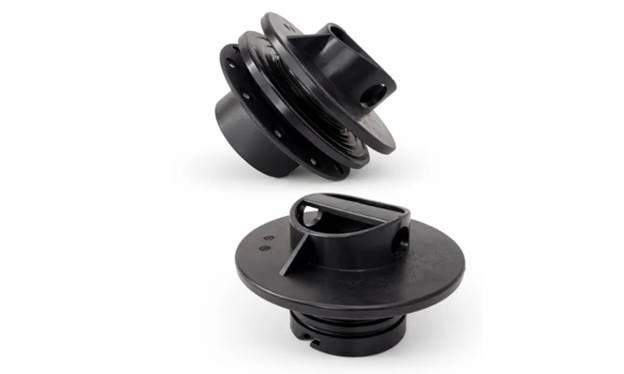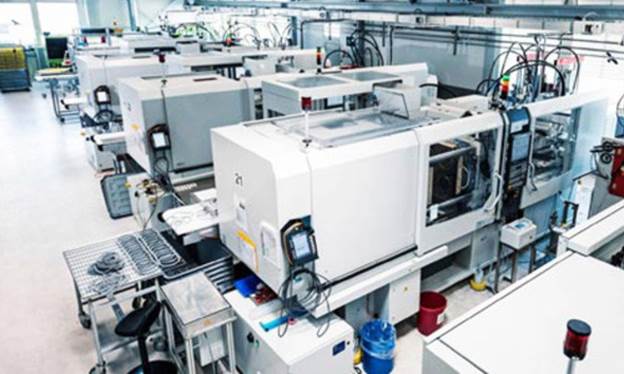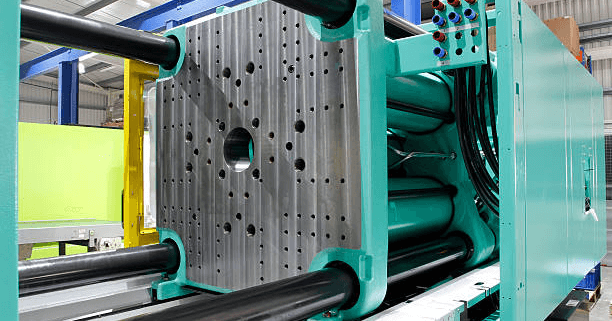
Dagens produktionsmiljø er mere konkurrencepræget, og virksomhederne har brug for hurtigere produktion, lavere produktionsomkostninger og bedre produktkvalitet. En af de bedste metoder, der er blevet anvendt til at nå disse mål, er prototypestøbning. Denne proces bruges af producenter til at fremstille prøveprodukter, inden de går i fuldskalaproduktion. Den giver virksomhederne mulighed for at teste produktdesignet, finjustere funktionaliteten og undgå kostbare produktionsfejl.
Produktionsbranchen har gennemgået en betydelig forandring i løbet af de seneste par årtier. Virksomhederne forventes nu at bringe produkter på markedet rettidigt, men samtidig i høj kvalitet. Der er også efterspørgsel efter pålidelige og holdbare produkter. Som følge heraf har producenterne iværksat omfattende tiltag for at sikre, at de bevarer deres konkurrencefordel i branchen ved hjælp af avancerede produktionsmetoder. Prototype-sprøjtestøbning er en meget vigtig proces, der understøtter moderne produktion.
Virksomheder tager typisk udgangspunkt i et designkoncept, når de udvikler et nyt produkt. Produktet skal testes grundigt, inden det går i produktion. Her kommer prototyper fremstillet ved sprøjtestøbning til stor nytte. En prototype hjælper producenterne med at vurdere, om produktet fungerer korrekt, ser godt ud og lever op til kundernes forventninger.
Disse prototypeteknikker inden for sprøjtestøbning er en nyttig metode for mange brancher til at forbedre produktudviklingen. Herunder hører bilindustrien, medicinalindustrien, elektronikindustrien, emballageindustrien, luftfartsindustrien og forbrugsvareindustrien. Ved at anvende prototyper kan virksomheder opdage designproblemer på et tidligt tidspunkt og løse dem til en lavere pris, uden at de senere skal betale for dyre rettelser.
Når der udvikles et nyt forretningsprodukt, er brugen af sprøjtestøbte prototyper en nødvendighed for at forkorte udviklingstiden for virksomheder over hele verden. Virksomhederne behøver ikke at vente i måneder på at kunne forbedre deres produktidéer, når de hurtigt kan vurdere dem. Dette reducerer både tidsforbruget og omkostningerne.
Denne artikel gennemgår begrebet prototypestøbning på en enkel og letforståelig måde. Du vil få indblik i processen, fordelene, materialerne, anvendelsesområderne, udfordringerne, designhensyn, omkostningerne og fremtidige tendenser.
En introduktion til prototypestøbning
Prototype-sprøjtestøbning er en fremstillingsmetode til plastprototyper, der skal anvendes i produktionen inden den egentlige serieproduktion. Den giver virksomheder mulighed for at vurdere et produkts design, funktionalitet og kvalitet, inden det går i produktion. Metoden er meget udbredt på grund af sin hurtighed, pålidelighed og omkostningseffektivitet.
Dette indebærer, at man bruger en specialfremstillet form, hvori smeltet plast hældes for at skabe en bestemt form. Produktionsforme er typisk mere komplekse og dyre end den form, der bruges til prototyperne. En del af plasten fjernes, når den er afkølet og hærdet, og den undersøges for nøjagtighed og ydeevne.
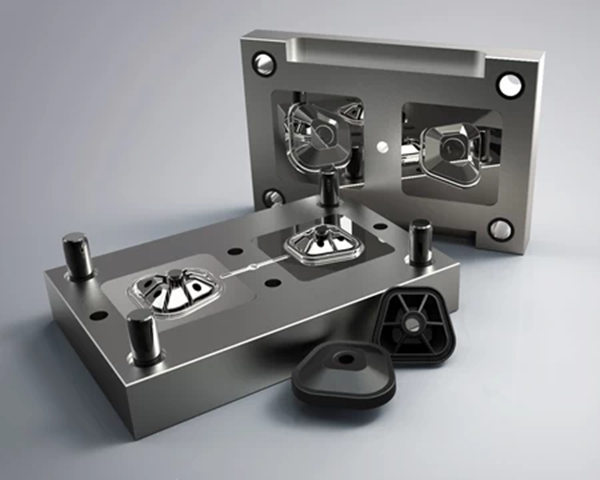
Prototyper af sprøjtestøbte produkter giver producenterne mulighed for at afdække designproblemer, inden masseproduktionen går i gang. Hvis der opstår et problem, kan det hurtigt afhjælpes uden at spilde store summer eller materialer. Dette forbedrer produktkvaliteten og mindsker risikoen i produktionen.
Den anden væsentlige fordel er hurtig produktudvikling. De kan fremstille en prototype på få dage og præsentere den for kunder, ingeniører eller investorer med henblik på godkendelse. Der kan også afprøves forskellige materialer for at udvælge det mest holdbare og stærke materiale.
Sammenfattende kan man sige, at prototypestøbning er en afgørende proces i den moderne fremstillingsindustri, der giver virksomhederne mulighed for at udvikle førsteklasses produkter og samtidig minimere tidsforbruget og omkostningerne.
Trinene i prototypestøbeprocessen
Der er flere vigtige trin i processen med sprøjtestøbning af prototyper. Hvert trin er vigtigt i fremstillingen af præcise og funktionsdygtige prototypedele.
Produktdesign
Det første skridt i udviklingen af prototypen til sprøjtestøbningen er at udarbejde et produktdesign. Ingeniørerne bruger CAD-software (Computer-Aided Design) til at designe en detaljeret 3D-model af emnet. Dimensioner, vægtykkelse, overfladedetaljer og funktionelle egenskaber indgår i designet.
En veludformet model bidrager til, at fremstillingen af prototyper ved sprøjtestøbning bliver en succes. Ingeniøren skal sikre sig, at konstruktionen muliggør en jævn materialestrøm og nem udtagning af emnet fra formen.
Skabelse af skimmel
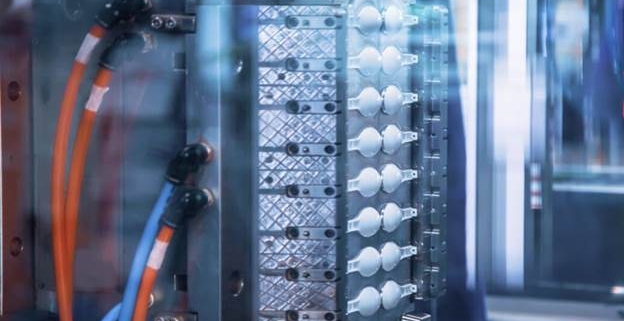
Når designet er færdigt, fremstiller producenterne en form til prototypestøbning i plast. Aluminium er som regel det materiale, der anvendes til prototypestøbeforme, da det er nemmere og hurtigere at bearbejde.
En form er en konstruktion med et hulrum, der svarer til det ønskede produkt. Ved fremstilling af prototyper ved sprøjtestøbning sprøjtes den flydende plast ind i dette hulrum for at fremstille emnet.
Valg af materiale
Valget af det rette plastmateriale er en afgørende faktor ved sprøjtestøbning af prototyper. Forskellige plasttyper har forskellige egenskaber, herunder fleksibilitet, styrke, varmebestandighed og gennemsigtighed.
Under fremstillingen af prototyper ved sprøjtestøbning vil producenterne afprøve flere forskellige materialer for at vælge det mest egnede til den endelige produktion.
Injektionsproces
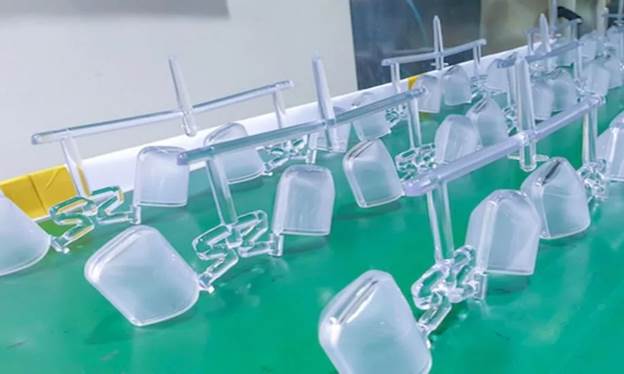
Ved fremstilling af prototyper ved sprøjtestøbning opvarmes og smeltes plastgranulatet. Det smeltede plastmateriale sprøjtes derefter ind i formhulen under højt tryk.
På denne måde kan prototyper fremstilles ved hjælp af sprøjtestøbning af plast, hvilket gør det muligt at producere meget detaljerede og præcise emner. Den smeltede plast fylder alle hjørnerne i formen.
Køletrin
Plasten afkøles derefter inde i formen efter sprøjtestøbningen. Afkøling er et centralt aspekt i udviklingen af robuste og solide sprøjtestøbte prototyper.
Afkølingstiden afhænger af materialetype, vægtykkelse og formkonstruktion. Ved korrekt afkøling undgås vridning og krympning.
Deleudskiftning
Efter afkøling åbnes formen, og produktet tages ud. Hvis der er behov for flere emner, gentages prototypestøbeprocessen.
Test og evaluering
Ingeniørerne lægger særlig stor vægt på prototypen af sprøjtestøbeformen efter produktionen. De kontrollerer størrelse, udseende, styrke og brugervenlighed.
I løbet af testfasen kan virksomheden foretage forbedringer af prototypen til sprøjtestøbning, inden masseproduktionen går i gang. Designændringer kan gennemføres på et tidligt tidspunkt, hvilket betyder, at produktionsomkostningerne senere minimeres.
Fleksibiliteten ved prototypestøbning i plast gør denne metode velegnet til hurtig produktudvikling. Virksomheder kan hurtigt og effektivt afprøve flere designvarianter.
Da ‘sprøjtestøbte prototyper’ ligner de faktisk fremstillede dele meget, får producenten væsentlig indsigt i, hvordan produkterne opfører sig i praksis.
Tabel 1: Mekaniske egenskaber ved almindelige prototypematerialer til sprøjtestøbning
| Materiale | Trækstyrke (MPa) | Bøjningsmodul (GPa) | Slagstyrke (kJ/m²) | Varmeafbøjningstemperatur (°C) | Massefylde (g/cm³) | Vandabsorption (%) |
| ABS | 40-50 | 2.0–2.5 | 15-30 | 85–100 | 1.04 | 0.2-0.5 |
| PC | 60–75 | 2.2–2.6 | 60-90 | 125–140 | 1.20 | 0.15–0.35 |
| PP | 25–40 | 1.2–1.8 | 5–15 | 90-110 | 0.90 | <0,03 |
| Nylon 6 | 70–90 | 2.0–3.0 | 8–20 | 170–200 | 1.13 | 1.0-2.5 |
| PEEK | 90-100 | 3.5–4.5 | 20–35 | 280–315 | 1.30 | <0,1 |
Fordelene ved prototypestøbning omfatter
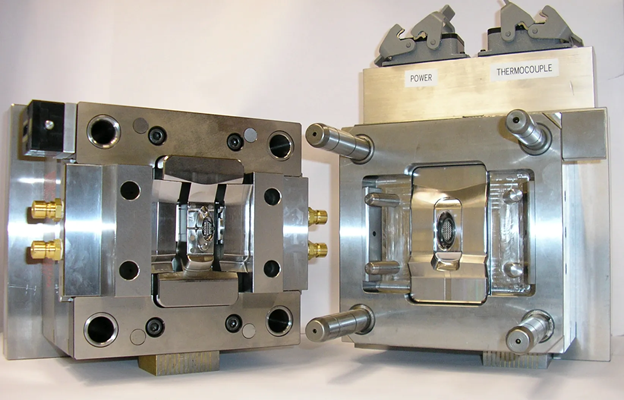
Virksomheder kan af mange forskellige årsager anvende prototypestøbning i forbindelse med produktudvikling.
Hurtigere produktudvikling
Fremstillingsprocessen for prototyper ved hjælp af sprøjtestøbning foregår meget hurtigt. Der kan nemt udvikles og afprøves prøveprodukter, inden produktionen går i gang.
Hurtige test gør det muligt for virksomhederne at forbedre deres produkter hurtigt. Processerne i forbindelse med prototyper fremstillet ved sprøjtestøbning er derfor meget nyttige i konkurrenceprægede brancher.
Omkostningsbesparelser
Det kan være en dyr fejl at udvikle et produkt uden at teste det først. Prototyper fremstillet ved sprøjtestøbning af plast bruges til at afdække problemer på et tidligt stadie i virksomheden.
Ved at løse designproblemer inden masseproduktionen kan man spare penge. Derfor er sprøjtestøbte prototyper den mest udbredte metode.
Bedre produktkvalitet
Prototyping helps to create a better product. The decision regarding strength, durability, fit, and appearance can be made during prototype injection molding.
There is a relationship between the quality of a product and the quality of testing done. Businesses that are employing injection mold prototype service will generally end up with better products.
Material Testing
Materials will have various reactions to the manufacturing process. In the case of plastic, manufacturers can test out various plastic materials through Injection molding prototype methods.
This versatility can be helpful when choosing the optimal material to ensure performance and durability in prototype plastic injection molding.
Accurate Results
The injection molded prototypes are very similar to end-of-production parts, unlike some quick manufacturing techniques.
The accuracy enables engineers to make informed design decisions in prototype injection molding.
Reduced Manufacturing Risks
Testing products early helps companies minimize production risks. Testing performed on the Injection mold prototype can find weak points and manufacturing problems.
In the industries where safety and reliability are the main concern, it is important to reduce risks.
Improved Communication
Physical prototypes have a positive effect on communication amongst engineers, manufacturers and customers. Injection molding prototype samples enable everyone to have a better understanding of the final product.
This is helpful for teamwork and customer acceptance due to the value of prototype plastic injection molding.
Faster Market Entry
The firms which use injection molded prototypes are able to launch products quicker. Having a quick turnaround in product development is essential for businesses to remain competitive.
Often prototype injection molding is able to give the company a significant edge in the market.
Materials used in Prototype Injection Molding
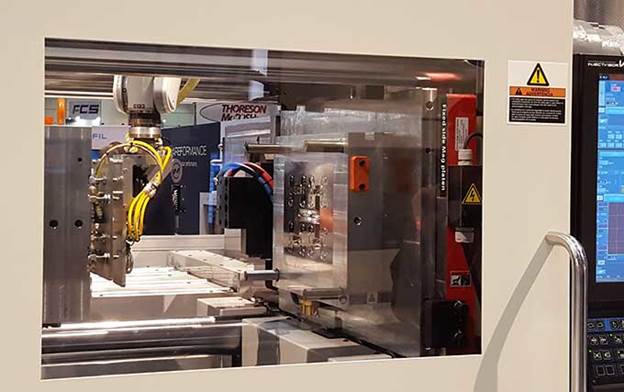
One of the key points in prototype injection molding is material selection. Various plastic materials have various properties.
ABS-plast
Strong, tough and inexpensive, ABS is commonly used in the manufacturing of injection mold prototype.
It is widely used for automotive components, electronic enclosures and consumer goods.
Polypropylene
Another widely used material for the production of injection molding prototype is polypropylene. It is flexible, resistant to chemicals and lightweight.
Polypropylene is used in many packaging and household products.
Polycarbonat
Polycarbonate is a material with a very high impact resistance and transparency. This material is commonly employed in prototype plastic injection molding to make protective covers and medical products.
Nylon
It is nylon which gives good resistance to wear and strength. Nylon is used in the manufacture of injection molded prototypes that are widely used in industry and in the automotive sector.
Polyethylen
Polyethylene is flexible, long lasting, and water proof. Used in prototype injection molding often in the packaging sector.
Akryl
Acrylic is a material that has good transparency and weather resistance. It is employed in injection mold prototype use by manufacturers, where the appearance of the product is important.
TPU
A flexible plastic called TPU is used in the products that need elasticity and toughness, which are called injection molding prototype.
Custom Materials
There are certain companies that require specialized materials that are known as prototype plastic injection molding. The materials could be flaming retardant, UV resistant, or medical grade plastic.
Pre-production injection molded prototypes are tested to verify that the materials will meet the product requirements prior to production.
Table 2: Technical Processing Parameters for Prototype Injection Molding
| Materialetype | Melt Temperature (°C) | Mold Temperature (°C) | Indsprøjtningstryk (MPa) | Cooling Time (sec) | Shrinkage Rate (%) | Typical Cycle Time (sec) |
| ABS | 220-260 | 40-80 | 70-120 | 15-30 | 0.4-0.7 | 25–60 |
| Polypropylen (PP) | 200–250 | 20-70 | 50–100 | 10–25 | 1.0-2.5 | 20-50 |
| Polykarbonat (PC) | 280–320 | 80–120 | 80–140 | 20–40 | 0.5-0.7 | 35–70 |
| Nylon (PA6) | 230–290 | 70–100 | 75–125 | 18–35 | 0.7–1.5 | 30–65 |
| PEEK | 360–400 | 120–160 | 100–160 | 40-90 | 1.1–1.3 | 80–140 |
Prototype Injection Molding applications include
Prototype injection molding is used in many industries around the world.
Bilindustrien
Injection mold prototype manufacturing is a key technology in the automotive industry. Prototype is used in companies for dashboards, clips, handles, housings and interior parts.
Testing aids in the enhancement of vehicle safety and durability.
Medicinsk industri
To make prototype devices and equipment, medical companies employ injection molding prototype methods.
The prototype plastic injection molding is of great value due to its high precision in medical products.
Elektronikindustrien
Phone casings, connectors, housings and device parts are produced by electronic firms with injection molded prototypes.
The process enables manufacturers to run that functionality tests prior to production.
Forbrugerprodukter
Prototype injection molding is used to make many household products. This may be something like kitchen utensils, toys, containers, or personal care items.
Luft- og rumfartsindustrien
The aerospace industry employs injection mold prototype solutions to prototype for lightweight, durable parts.
In aerospace applications safety testing is particularly important.
Emballageindustrien
The application of injection molding prototype development is used by packaging companies to develop bottle caps, containers, and packaging accessories.
Industrielt udstyr
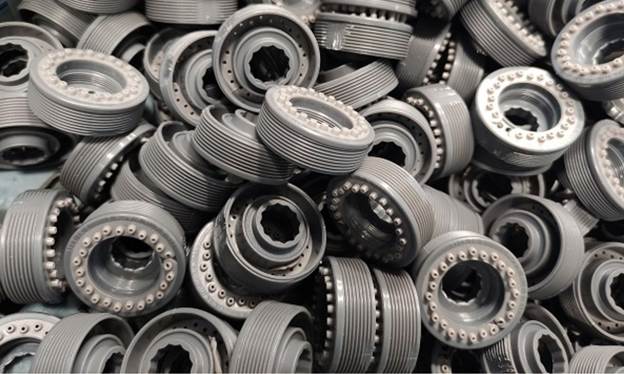
The prototype plastic injection molding is used in factories and machinery manufacturers to create mechanical components.
Medical Packaging
For sterile packaging and healthcare containers, the term Injection molded prototypes is also applied.
The applications demonstrate that prototype injection molding is very useful in many industries.
Differences Between Prototype and Production Injection Molding
Although prototype injection molding and production injection molding are similar, they have several differences.
Produktionsvolumen
The manufacturing of Injection mold prototype is based on low-volume production. Production molding is done to produce thousands or millions of parts.
Formmaterialer
Typically prototype molds are produced from aluminum. Hardened steel is commonly used for the production molds.
As a result, the difference between the two is that injection molding prototype tooling is faster and cheaper.
Omkostninger
Generally, the cost of prototype plastic injection molding is lower due to the relatively simpler prototype molds.
Speed
Prototyping can be done quickly by the manufacturers to produce injection molded prototypes . More time to create production tooling.
Purpose
The main usage of prototype injection molding is test and evaluation. Production molding is mainly related to mass production.
Designændringer
It is convenient to make design changes in Injection mold prototype processes. Modifying production tooling is more complex.
Fleksibilitet
The use of Injection molding prototype development for material testing and material experiment design.
When it comes to production molding, consistency and efficiency are the priorities.
Risk Reduction
The prototype plastic injection molding process can be used prior to production to minimize manufacturing risks.
Test can be used to enhance product quality.
Accuracy
In today’s world, the injection molded prototypes will give you highly accurate results that would compare to your final product.
This makes prototype injection molding very useful in the product development process.
Table 3: CNC Machined Prototype Mold vs Aluminum Prototype Mold
| Ejendom | CNC Steel Mold | Aluminum Prototype Mold |
| Average Tool Life | 100,000+ cycles | 5,000–20,000 cycles |
| Thermal Conductivity | 25–35 W/mK | 120–180 W/mK |
| Machining Time | 2–6 weeks | 5–10 days |
| Værktøjsomkostninger | Høj | Medium |
| Surface Finish Quality | Fremragende | Very Good |
| Dimensionel stabilitet | Meget høj | Moderat |
| Recommended Production Volume | Medium to High | Low to Medium |
| Hardness | 48–52 HRC | 70–95 HB |
Design considerations for prototype injection molding
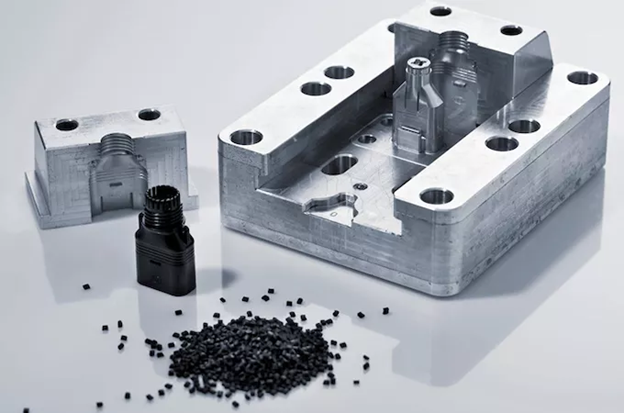
The key factor in successful prototype injection molding is good product design.
Væggens tykkelse
The uniform wall thickness will help in material flow during injection mold prototype manufacturing.
The warping and defects are caused due to the uneven wall.
Udkast til vinkler
Angles that are created in the draft eliminates parts from the mold during injection molding prototype production.
If the correct draft angles are not provided parts can become stuck in the mold.
Material Shrinkage
The shrinkages of various plastics are different in the process of prototype plastic injection molding .
Shrinkage has to be taken into account when designing a product.
Gate Location
The placement of the gates has an impact on the inflow of plastic into the mold. The quality of injection molded prototypes is enhanced by the proper design of the gate.
Rib-design
A rib is used to reinforce products without adding more wall thickness to them.
Good rib design for prototype injection molding.
Overfladefinish
Some products need to be smooth and some need to be textured.
The appearance of injection mold prototype is influenced by the surface design.
Tolerance Requirements
Precise dimensions are important in injection molding prototype manufacturing.
Engineers need to take care to establish tolerances.
Udluftning
In the course of so-called prototype plastic injection molding, air that remains in the mold can lead to defects.
Air can be released through proper venting.
Cooling Design
Quality of injection molded prototypes and cycle time are improved through efficient cooling.
The prototype injection molding project can be more successful due to good design practices.
Table 4: Mold Design Engineering Specifications
| Parameter | Recommended Value | Engineering Purpose |
| Draft Angle | 1°–3° per side | Easier part ejection |
| Væggens tykkelse | 1.0–4.0 mm | Prevent sink marks and warpage |
| Gate Diameter | 0.8–2.5 mm | Controls material flow |
| Vent Depth | 0.01–0.05 mm | Removes trapped air |
| Ejector Pin Diameter | 2-10 mm | Supports smooth ejection |
| Runner Diameter | 3–8 mm | Maintains balanced flow |
| Overfladefinish | SPI A1 to D3 | Controls appearance quality |
| Mold Steel Hardness | 28–52 HRC | Improves mold life |
Challenges in Prototype Injection Molding
While there are many advantages to prototype injection molding, there are also some drawbacks.
Omkostninger til værktøj
Even after creating the molds, an investment is still necessary to make injection mold prototype manufacturing.
The more complex the molds, the higher the development costs.
Materielle begrænsninger
The injection molding prototype production process is sometimes difficult to process some materials.
Manufacturers need to choose materials judiciously.
Designets kompleksitet
Prototype plastic injection molding can be challenging in the case of complex product shapes.
Engineers tend to streamline designs to make them easier to manufacture.
Krympning og vridning
Plastic materials can shrink or warp when they are cooled.
This influences the accuracy of the injection molded prototypes.
Produktionstid
Faster than production tooling, prototype injection molding does still take time for the mold to be made.
Mold Durability
Prototype molds may wear out quicker than production molds.
This can restrict the production quantity of injection mold prototype.
Overfladefejl
The in-production injection molding prototype process may cause products to be affected by sink marks, flash, or flow lines.
Material Waste
During prototype plastic injection molding, there is some generating of waste.
Process optimization is a goal of manufacturers for minimizing waste.
Teknisk ekspertise
The key to successful injection molded prototypes is experience with the engineers and mold designers.
Despite these difficulties, prototype injection molding is still very useful in today’s product development process.
Table 5: Quality Defect Analysis in Prototype Injection Molding
| Defect Type | Main Cause | Engineering Solution | Typical Tolerance Impact |
| Vaskemærker | Thick wall sections | Reduce wall thickness | ±0.15 mm |
| Forvridning | Uneven cooling | Optimize cooling channels | ±0.30 mm |
| Flash | Excessive pressure | Reduce clamp force | ±0.10 mm |
| Short Shot | Low injection pressure | Increase pressure and venting | ±0.25 mm |
| Svejselinjer | Improper flow meeting | Modify gate location | Cosmetic defect only |
| Brændmærker | Trapped gas overheating | Improve venting system | Surface degradation |
Future Trends in Prototype Injection Molding
The prospects for prototype injection molding are excellent.
Automatisering
Efficiency of injection mold prototype manufacturing is enhanced by automation.
Robotic Systems help to minimize production time and labor costs.
Smart produktion
The injection molding prototype quality control is enhanced by digital monitoring systems.
The production data can be tracked in real time for the manufacturers.
Bæredygtige materialer
In the prototype plastic injection molding industry, eco-friendly plastics come in more and more.
The companies are working on minimizing environmental footprint.
Faster Tooling Methods
The production speed of injection molded prototypes has been improved by advanced machining technologies.
This means quicker product development.
Artificial Intelligence
The use of AI systems enables optimization of prototype injection molding processes.
AI enhances quality and minimizes defects.
Advanced Simulation
The engineers use simulation software to predict the behavior of the materials when they are being produced with injection mold prototype.
This helps to make designs more accurate.
Hybrid Manufacturing
Some companies take advantage of the injection molding prototype methods and 3D printing at the same time.
This provides more flexible development solutions.
Improved Materials
The possibilities of prototype plastic injection molding are growing as a result of the development of new materials.
There are now tougher, lighter plastics available for manufacturers.
Global Manufacturing Growth
The worldwide demand for injection molded prototypes is still increasing.
The growth of industries will make prototype injection molding a vital manufacturing solution in the future.
Konklusion
Prototype sprøjtestøbning has emerged as one of the most significant manufacturing techniques in today’s product design. It enables firms to prototype products in a timely manner, validate design and minimize manufacturing risks prior to going into large-scale production.
In many industries, injection mold prototype solutions are the backbone of businesses to enhance product quality and accelerate product launches. Prototype testing aids companies in creating better products, whether they are producing automotive components, medical devices, electronics, or consumer goods.
The prototype plastic injection molding has one significant benefit that is one of the sample parts injection moulding with high accuracy can be produced. These prototypes are more representative of the final products for more reliable testing.
Today the injection molded prototypes are still used for innovation and effectiveness for modern industries. Prototype processes are now faster, smarter and more sustainable with the advances in manufacturing technology.
With the rising demand of high-quality products, prototype injection molding values are becoming more and more significant than ever. Businesses that invest in a robust prototyping process may find that their success in the market and customer satisfaction is greater.
prototype injection molding will undoubtedly be a huge cornerstone of world manufacturing in the years to come.