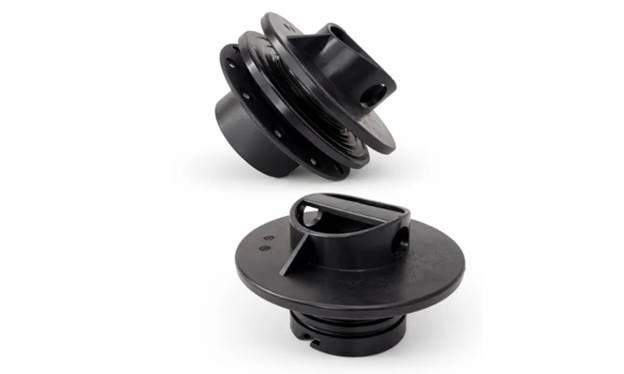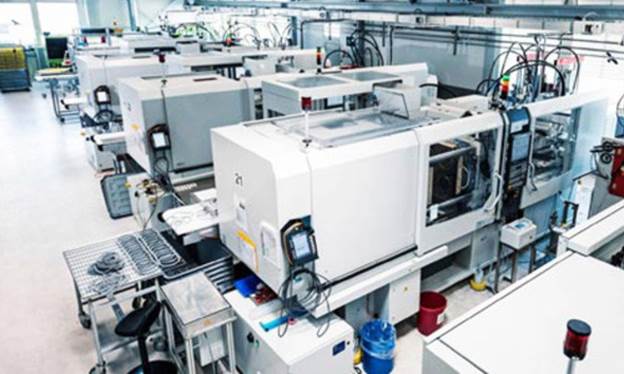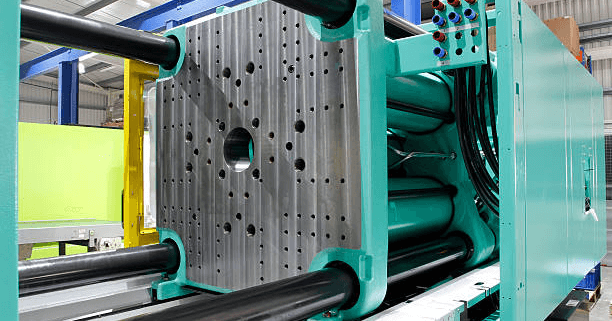
L'attuale contesto produttivo è sempre più competitivo e le aziende richiedono tempi di produzione più rapidi, costi di produzione inferiori e una migliore qualità dei prodotti. Uno dei migliori approcci utilizzati per raggiungere questi obiettivi è lo stampaggio a iniezione di prototipi. Questo processo viene impiegato dai produttori per realizzare campioni di prodotto prima di avviare la produzione su larga scala. Consente alle aziende di effettuare test di progettazione del prodotto, perfezionarne le funzionalità ed eliminare costosi errori di produzione.
Il settore manifatturiero ha subito una trasformazione significativa negli ultimi due decenni. Oggi le aziende devono introdurre i prodotti sul mercato in modo tempestivo, ma garantendo al contempo un’elevata qualità. Inoltre, i consumatori richiedono prodotti affidabili e durevoli. Di conseguenza, i produttori hanno adottato misure concrete per garantire il mantenimento del proprio vantaggio competitivo nel settore attraverso l’uso di metodi di produzione avanzati. Lo stampaggio a iniezione di prototipi è un processo molto importante che supporta la produzione moderna.
Quando creano un nuovo prodotto, le aziende partono solitamente da un’idea di progettazione. Il prodotto deve essere sottoposto a test approfonditi prima di entrare in produzione. È qui che le soluzioni di prototipazione tramite stampaggio a iniezione si rivelano utili. Un prototipo aiuta i produttori a verificare se il prodotto funziona correttamente, ha un aspetto gradevole e soddisfa le aspettative dei clienti.
Queste tecniche di prototipazione mediante stampaggio a iniezione rappresentano un approccio utile per molti settori industriali al fine di ottimizzare lo sviluppo dei prodotti. Tra questi figurano i settori automobilistico, medico, elettronico, dell'imballaggio, aerospaziale e dei beni di consumo. Grazie all'utilizzo dei prototipi, le aziende possono individuare tempestivamente eventuali problemi di progettazione e risolverli a costi inferiori, evitando di dover sostenere costose correzioni in un secondo momento.
Nella creazione di un nuovo prodotto commerciale, l’uso di prototipi stampati a iniezione è indispensabile per ridurre i tempi di sviluppo delle aziende di tutto il mondo. Le aziende non devono attendere mesi per apportare miglioramenti alle loro idee di prodotto, poiché possono valutarle rapidamente. Ciò consente di ridurre tempi e costi.
Questo articolo illustra il concetto di stampaggio a iniezione di prototipi in modo semplice e chiaro. Verranno trattati il processo, i vantaggi, i materiali, le applicazioni, le sfide, gli aspetti da considerare nella progettazione, i costi e le tendenze future.
Comprendere lo stampaggio a iniezione di prototipi
Lo stampaggio a iniezione di prototipi è un metodo di produzione utilizzato per realizzare prototipi in plastica da impiegare nella produzione prima dell'avvio della produzione in serie. Consente alle aziende di valutare il design, la funzionalità e la qualità di un prodotto prima che entri in produzione. Si tratta di un metodo ampiamente utilizzato grazie alla sua rapidità, affidabilità ed economicità.
Questo processo prevede l’uso di uno stampo realizzato appositamente, nel quale viene versata la plastica fusa per ottenere una forma specifica. Gli stampi di produzione sono in genere più complessi e costosi rispetto a quelli utilizzati per i prototipi. Una volta che la plastica si è raffreddata e indurita, ne viene asportata una parte, che viene poi esaminata per verificarne la precisione e le prestazioni.
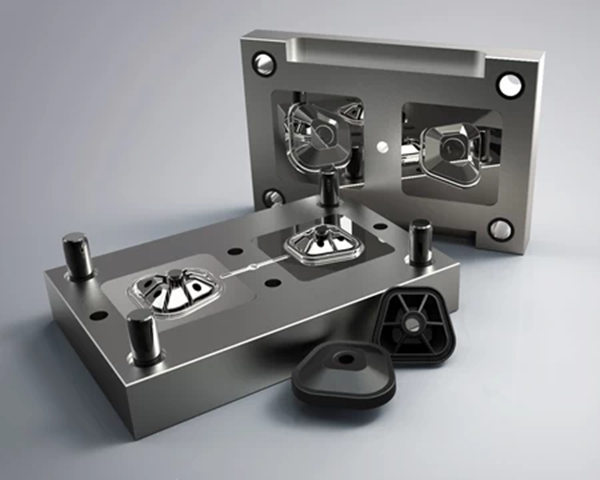
I prototipi di prodotti stampati a iniezione offrono ai produttori l'opportunità di individuare eventuali problemi di progettazione prima di passare alla produzione in serie. In caso di problemi, è possibile porvi rimedio rapidamente senza sprecare ingenti somme di denaro o materiali. Ciò migliora la qualità del prodotto e riduce i rischi legati alla produzione.
L'altro vantaggio significativo è la rapidità nello sviluppo dei prodotti. È possibile realizzare un campione in pochi giorni e presentarlo a clienti, ingegneri o investitori per l'approvazione. È inoltre possibile testare diversi materiali per selezionare quello più resistente e robusto.
In conclusione, lo stampaggio a iniezione di prototipi è un processo fondamentale nell'industria manifatturiera moderna che consente alle aziende di sviluppare prodotti di qualità superiore riducendo al minimo tempi e costi.
Le fasi del processo di stampaggio a iniezione di prototipi
Nel processo di stampaggio a iniezione dei prototipi, diverse fasi rivestono un ruolo fondamentale. Ogni fase è importante nel processo di produzione di prototipi precisi e funzionali.
Design del prodotto
Il primo passo nello sviluppo del prototipo dello stampo a iniezione consiste nella progettazione del prodotto. Gli ingegneri utilizzano un software di progettazione assistita da computer (CAD) per realizzare un modello 3D dettagliato del componente. Il progetto include le dimensioni, lo spessore delle pareti, i dettagli superficiali e le caratteristiche funzionali.
Il successo della produzione di prototipi mediante stampaggio a iniezione è favorito da un modello ben progettato. L'ingegnere deve assicurarsi che il progetto consenta un flusso regolare del materiale e un facile distacco dallo stampo.
Creazione di stampi
Una volta completata la progettazione, i produttori realizzeranno uno stampo per lo stampaggio a iniezione di plastica del prototipo. L’alluminio è generalmente il materiale utilizzato per gli stampi dei prototipi, poiché è più facile e veloce da lavorare.
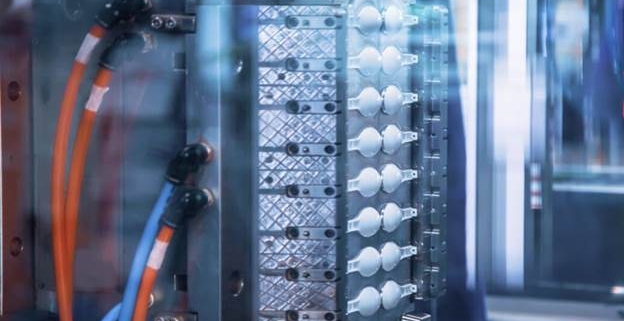
Lo stampo è una forma dotata di una cavità simile al prodotto desiderato. Nel processo di produzione di prototipi stampati a iniezione, la plastica liquida viene iniettata in questa cavità per realizzare il pezzo.
Selezione del materiale
La scelta di un materiale plastico adeguato è un fattore fondamentale nello stampaggio a iniezione di prototipi. Le diverse materie plastiche presentano caratteristiche diverse, tra cui flessibilità, resistenza meccanica, resistenza al calore e trasparenza.
Durante la produzione dei prototipi mediante stampaggio a iniezione, i produttori testeranno diversi materiali per scegliere quello più adatto alla produzione finale.
Processo di iniezione
Nella produzione di prototipi mediante stampaggio a iniezione, i granuli di plastica vengono riscaldati e fusi. Il materiale plastico fuso viene quindi iniettato nella cavità dello stampo ad alta pressione.
In questo modo, lo stampaggio a iniezione di prototipi in plastica può essere utilizzato per produrre componenti altamente dettagliati e precisi. La plastica fusa riempie tutti gli angoli dello stampo.
Fase di raffreddamento
Dopo l'iniezione, la plastica si raffredda all'interno dello stampo. Il raffreddamento è un aspetto fondamentale nella realizzazione di prototipi stampati a iniezione robusti e resistenti.
Il tempo di raffreddamento dipende dal tipo di materiale, dallo spessore delle pareti e dal design dello stampo. Grazie a un raffreddamento adeguato, si evitano deformazioni e restringimenti.
Rimozione di una parte
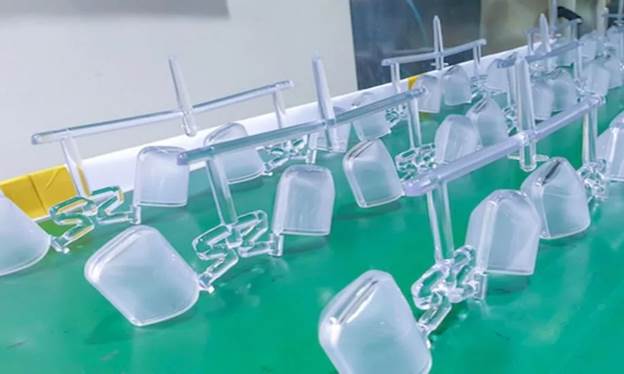
Una volta raffreddato, lo stampo viene aperto e il prodotto viene estratto. Se sono necessari altri pezzi, il processo di stampaggio a iniezione del prototipo viene quindi ripetuto.
Test e valutazione
Dopo la produzione, gli ingegneri prestano particolare attenzione al prototipo dello stampo a iniezione. Ne verificano le dimensioni, l'aspetto, la resistenza e la funzionalità.
Durante la fase di collaudo, l'azienda può apportare miglioramenti al prototipo realizzato con stampaggio a iniezione prima della produzione in serie. Le modifiche progettuali possono essere apportate in una fase precoce, riducendo così al minimo i costi di produzione in seguito.
La flessibilità dello stampaggio a iniezione di prototipi in plastica si presta allo sviluppo rapido dei prodotti. Le aziende possono testare in modo rapido ed efficace diverse varianti di progettazione.
Poiché i ‘prototipi stampati a iniezione’ sono molto simili ai componenti effettivamente prodotti, il produttore potrà acquisire informazioni significative sul comportamento dei propri prodotti nel mondo reale.
Tabella 1: Proprietà meccaniche dei materiali più comuni utilizzati per la stampaggio a iniezione di prototipi
| Materiale | Resistenza alla trazione (MPa) | Modulo di flessione (GPa) | Resistenza all'urto (kJ/m²) | Temperatura di deflessione al calore (°C) | Densità (g/cm³) | Assorbimento d'acqua (%) |
| ABS | 40-50 | 2.0–2.5 | 15-30 | 85–100 | 1.04 | 0.2-0.5 |
| PC | 60–75 | 2.2–2.6 | 60-90 | 125–140 | 1.20 | 0.15–0.35 |
| PP | 25–40 | 1.2–1.8 | 5–15 | 90-110 | 0.90 | <0,03 |
| Nylon 6 | 70–90 | 2.0–3.0 | 8–20 | 170–200 | 1.13 | 1.0-2.5 |
| SETTIMANA | 90-100 | 3.5–4.5 | 20–35 | 280–315 | 1.30 | <0,1 |
I vantaggi dello stampaggio a iniezione di prototipi includono
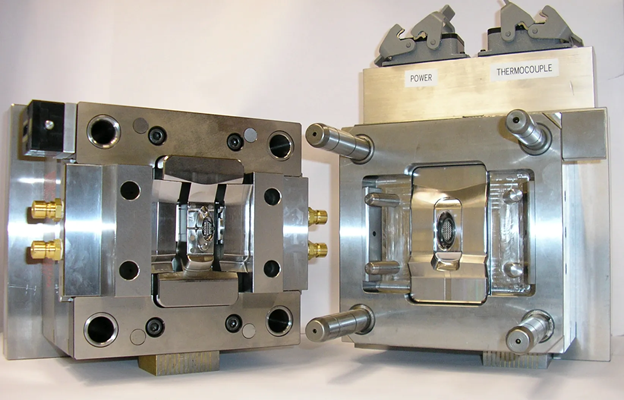
Le aziende possono ricorrere allo stampaggio a iniezione di prototipi per una serie di motivi durante lo sviluppo di un prodotto.
Sviluppo più rapido dei prodotti
Il processo di produzione di prototipi mediante stampaggio a iniezione è caratterizzato da un'elevata velocità. È possibile sviluppare e testare facilmente dei campioni prima di avviare la produzione.
I test rapidi consentono alle aziende di apportare rapidamente miglioramenti ai propri prodotti. I processi di prototipazione mediante stampaggio a iniezione risultano quindi molto utili nei settori altamente competitivi.
Risparmio sui costi
Sviluppare un prodotto senza sottoporlo a test può rivelarsi un errore molto costoso. Lo stampaggio a iniezione di prototipi in plastica viene utilizzato per individuare i problemi sin dalle prime fasi di sviluppo all'interno dell'azienda.
Affrontare i problemi di progettazione prima della produzione in serie può consentire di risparmiare denaro. Ecco perché i prototipi stampati a iniezione rappresentano il metodo più diffuso.
Migliore qualità del prodotto
La prototipazione contribuisce a creare un prodotto migliore. Le decisioni relative a resistenza, durata, vestibilità e aspetto possono essere prese durante la fase di stampaggio a iniezione del prototipo.
Esiste una correlazione tra la qualità di un prodotto e la qualità dei test effettuati. Le aziende che ricorrono a servizi di prototipazione mediante stampaggio a iniezione ottengono in genere prodotti di qualità superiore.
Prove sui materiali
I materiali reagiscono in modi diversi al processo di produzione. Nel caso della plastica, i produttori possono testare diversi tipi di materiale plastico ricorrendo a metodi di prototipazione tramite stampaggio a iniezione.
Questa versatilità può rivelarsi utile nella scelta del materiale ottimale per garantire prestazioni e durata nello stampaggio a iniezione di prototipi in plastica.
Risultati accurati
I prototipi stampati a iniezione sono molto simili ai pezzi di serie, a differenza di alcune tecniche di produzione rapida.
Tale precisione consente agli ingegneri di prendere decisioni di progettazione consapevoli nella realizzazione di prototipi mediante stampaggio a iniezione.
Riduzione dei rischi di produzione
Testare i prodotti in una fase precoce aiuta le aziende a ridurre al minimo i rischi legati alla produzione. I test effettuati sul prototipo realizzato con stampaggio a iniezione consentono di individuare i punti deboli e i problemi di produzione.
Nei settori in cui la sicurezza e l'affidabilità sono prioritarie, è importante ridurre i rischi.
Miglioramento della comunicazione
I prototipi fisici hanno un effetto positivo sulla comunicazione tra ingegneri, produttori e clienti. I campioni prototipali realizzati mediante stampaggio a iniezione consentono a tutti di comprendere meglio il prodotto finale.
Ciò è utile per il lavoro di squadra e per l'accettazione da parte dei clienti, grazie al valore aggiunto offerto dallo stampaggio a iniezione di prototipi in plastica.
Ingresso più rapido sul mercato
Le aziende che utilizzano prototipi stampati a iniezione sono in grado di lanciare i prodotti più rapidamente. Garantire tempi rapidi nello sviluppo dei prodotti è fondamentale affinché le aziende mantengano la propria competitività.
Spesso lo stampaggio a iniezione di prototipi è in grado di garantire all'azienda un vantaggio competitivo significativo sul mercato.
Materiali utilizzati nello stampaggio a iniezione di prototipi
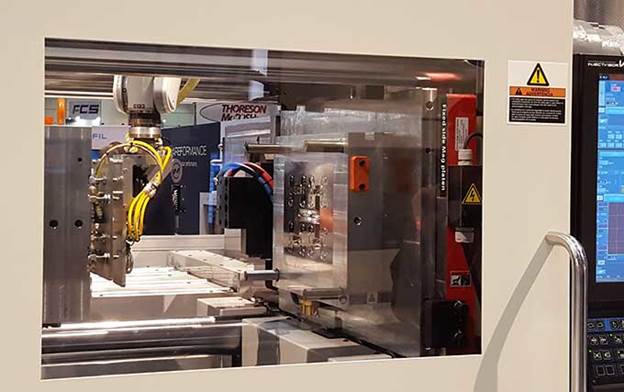
Uno degli aspetti fondamentali nello stampaggio a iniezione di prototipi è la scelta del materiale. I diversi materiali plastici presentano proprietà diverse.
Plastica ABS
Resistente, robusto ed economico, l’ABS è comunemente utilizzato nella produzione di prototipi stampati a iniezione.
È ampiamente utilizzato per componenti automobilistici, involucri elettronici e beni di consumo.
Polipropilene
Un altro materiale ampiamente utilizzato per la produzione di prototipi mediante stampaggio a iniezione è il polipropilene. È flessibile, resistente agli agenti chimici e leggero.
Il polipropilene viene utilizzato in molti prodotti per l'imballaggio e per la casa.
Policarbonato
Il policarbonato è un materiale caratterizzato da un'elevatissima resistenza agli urti e da un'ottima trasparenza. Questo materiale viene comunemente utilizzato nello stampaggio a iniezione di prototipi in plastica per la realizzazione di coperture protettive e prodotti medicali.
Nylon
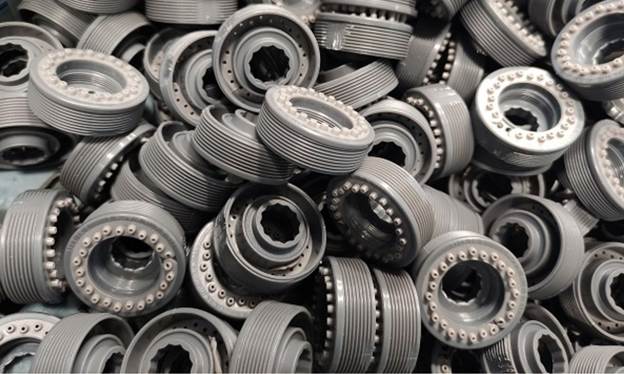
È proprio il nylon a garantire una buona resistenza all'usura e una buona robustezza. Il nylon viene utilizzato nella produzione di prototipi stampati a iniezione che trovano ampio impiego nell'industria e nel settore automobilistico.
Polietilene
Il polietilene è flessibile, resistente e impermeabile. Viene spesso utilizzato nello stampaggio a iniezione di prototipi, in particolare nel settore dell'imballaggio.
Acrilico
L'acrilico è un materiale che presenta una buona trasparenza e resistenza agli agenti atmosferici. Viene utilizzato dai produttori per la realizzazione di prototipi mediante stampaggio a iniezione, laddove l'aspetto del prodotto è fondamentale.
TPU
Una plastica flessibile denominata TPU viene utilizzata nei prodotti che richiedono elasticità e resistenza, noti come prototipi realizzati mediante stampaggio a iniezione.
Materiali personalizzati
Esistono alcune aziende che necessitano di materiali specializzati, noti come “prototipi realizzati con stampaggio a iniezione di plastica”. Tali materiali possono essere plastiche ignifughe, resistenti ai raggi UV o di grado medico.
I prototipi stampati a iniezione in fase di pre-produzione vengono sottoposti a test per verificare che i materiali soddisfino i requisiti del prodotto prima dell'avvio della produzione.
Tabella 2: Parametri tecnici di lavorazione per lo stampaggio a iniezione del prototipo
| Tipo di materiale | Temperatura di fusione (°C) | Temperatura dello stampo (°C) | Pressione di iniezione (MPa) | Tempo di raffreddamento (sec) | Tasso di restringimento (%) | Tempo di ciclo tipico (sec) |
| ABS | 220-260 | 40-80 | 70-120 | 15-30 | 0.4-0.7 | 25–60 |
| Polipropilene (PP) | 200–250 | 20-70 | 50–100 | 10–25 | 1.0-2.5 | 20-50 |
| Policarbonato (PC) | 280–320 | 80–120 | 80–140 | 20–40 | 0.5-0.7 | 35–70 |
| Nylon (PA6) | 230–290 | 70–100 | 75–125 | 18–35 | 0.7–1.5 | 30–65 |
| SETTIMANA | 360–400 | 120–160 | 100–160 | 40-90 | 1.1–1.3 | 80–140 |
Le applicazioni dello stampaggio a iniezione di prototipi includono
Lo stampaggio a iniezione di prototipi trova impiego in numerosi settori industriali in tutto il mondo.
Industria automobilistica
Stampo a iniezione La produzione di prototipi è una tecnologia fondamentale nel settore automobilistico. I prototipi vengono utilizzati dalle aziende per la realizzazione di cruscotti, clip, maniglie, alloggiamenti e componenti interni.
I test contribuiscono a migliorare la sicurezza e la durata dei veicoli.
Industria medica
Per realizzare prototipi di dispositivi e apparecchiature, le aziende del settore medico ricorrono a tecniche di prototipazione mediante stampaggio a iniezione.
Lo stampaggio a iniezione di prototipi in plastica riveste grande importanza grazie all'elevata precisione che garantisce nei prodotti medicali.
Industria elettronica
Le custodie per telefoni, i connettori, gli alloggiamenti e i componenti dei dispositivi vengono prodotti dalle aziende del settore elettronico utilizzando prototipi realizzati con stampaggio a iniezione.
Questo processo consente ai produttori di eseguire tali test di funzionalità prima della produzione.
Prodotti di consumo
Lo stampaggio a iniezione di prototipi viene utilizzato per realizzare numerosi prodotti per la casa. Si tratta, ad esempio, di utensili da cucina, giocattoli, contenitori o articoli per la cura personale.
Settore aerospaziale
L'industria aerospaziale ricorre a soluzioni di prototipazione mediante stampaggio a iniezione per realizzare prototipi di componenti leggeri e resistenti.
Nelle applicazioni aerospaziali i test di sicurezza rivestono un’importanza particolare.
Industria dell'imballaggio
Le aziende del settore del packaging ricorrono allo sviluppo di prototipi mediante stampaggio a iniezione per realizzare tappi per bottiglie, contenitori e accessori per l'imballaggio.
Apparecchiature industriali
Lo stampaggio a iniezione di prototipi in plastica viene utilizzato nelle fabbriche e dai produttori di macchinari per realizzare componenti meccanici.
Imballaggi per il settore medico
Per gli imballaggi sterili e i contenitori per uso sanitario, si utilizza anche il termine “prototipi stampati a iniezione”.
Queste applicazioni dimostrano che lo stampaggio a iniezione di prototipi è molto utile in numerosi settori industriali.
Differenze tra lo stampaggio a iniezione prototipale e quello di serie
Sebbene lo stampaggio a iniezione di prototipi e quello di produzione siano simili, presentano diverse differenze.
Volume di produzione
La realizzazione di prototipi mediante stampaggio a iniezione si basa sulla produzione in piccole serie. Lo stampaggio di serie viene invece utilizzato per produrre migliaia o milioni di pezzi.
Materiali per stampi
In genere, gli stampi prototipali sono realizzati in alluminio. Per gli stampi di produzione si utilizza comunemente l'acciaio temprato.
Di conseguenza, la differenza tra i due consiste nel fatto che la realizzazione di prototipi mediante stampaggio a iniezione è più rapida ed economica.
Costo
In generale, il costo dello stampaggio a iniezione di prototipi in plastica è inferiore, poiché gli stampi per prototipi sono relativamente più semplici.
Velocità
I produttori possono realizzare rapidamente dei prototipi stampati a iniezione. Ciò consente di dedicare più tempo alla realizzazione degli stampi di produzione.
Scopo
L'impiego principale dello stampaggio a iniezione di prototipi è la sperimentazione e la valutazione. Lo stampaggio di produzione è invece legato principalmente alla produzione in serie.
Modifiche al progetto
È più semplice apportare modifiche progettuali nei processi di prototipazione con stampi a iniezione. La modifica degli stampi di produzione è invece più complessa.
Flessibilità
L'utilizzo dello sviluppo di prototipi mediante stampaggio a iniezione per i test sui materiali e la progettazione di esperimenti sui materiali.
Quando si parla di stampaggio di produzione, la costanza e l'efficienza sono le priorità.
Riduzione dei rischi
Il processo di stampaggio a iniezione di materie plastiche su prototipo può essere utilizzato prima della produzione per ridurre al minimo i rischi legati alla produzione.
I test possono essere utilizzati per migliorare la qualità del prodotto.
Precisione
Nel mondo di oggi, i prototipi realizzati mediante stampaggio a iniezione vi garantiranno risultati estremamente precisi, paragonabili a quelli del prodotto finale.
Ciò rende lo stampaggio a iniezione di prototipi uno strumento molto utile nel processo di sviluppo del prodotto.
Tabella 3: Confronto tra stampo prototipo lavorato a CNC e stampo prototipo in alluminio
| Proprietà | Stampo in acciaio lavorato a CNC | Stampo in alluminio per prototipi |
| Durata media degli utensili | Oltre 100.000 cicli | 5.000–20.000 cicli |
| Conduttività termica | 25–35 W/mK | 120–180 W/mK |
| Tempo di lavorazione | 2–6 settimane | 5–10 giorni |
| Costo degli utensili | Alto | Medio |
| Qualità della finitura superficiale | Eccellente | Ottimo |
| Stabilità dimensionale | Molto alto | Moderato |
| Volume di produzione consigliato | Da medio ad alto | Da basso a medio |
| Durezza | 48–52 HRC | 70–95 HB |
Design considerations for prototype injection molding
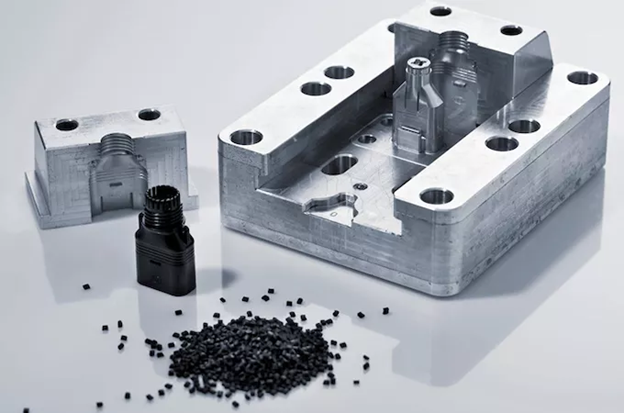
The key factor in successful prototype injection molding is good product design.
Spessore della parete
The uniform wall thickness will help in material flow during injection mold prototype manufacturing.
The warping and defects are caused due to the uneven wall.
Angoli di sformo
Angles that are created in the draft eliminates parts from the mold during injection molding prototype production.
If the correct draft angles are not provided parts can become stuck in the mold.
Material Shrinkage
The shrinkages of various plastics are different in the process of prototype plastic injection molding .
Shrinkage has to be taken into account when designing a product.
Gate Location
The placement of the gates has an impact on the inflow of plastic into the mold. The quality of injection molded prototypes is enhanced by the proper design of the gate.
Design a coste
A rib is used to reinforce products without adding more wall thickness to them.
Good rib design for prototype injection molding.
Finitura superficiale
Some products need to be smooth and some need to be textured.
The appearance of injection mold prototype is influenced by the surface design.
Tolerance Requirements
Precise dimensions are important in injection molding prototype manufacturing.
Engineers need to take care to establish tolerances.
Sfiato
In the course of so-called prototype plastic injection molding, air that remains in the mold can lead to defects.
Air can be released through proper venting.
Cooling Design
Quality of injection molded prototypes and cycle time are improved through efficient cooling.
The prototype injection molding project can be more successful due to good design practices.
Table 4: Mold Design Engineering Specifications
| Parametro | Recommended Value | Engineering Purpose |
| Draft Angle | 1°–3° per side | Easier part ejection |
| Spessore della parete | 1.0–4.0 mm | Prevent sink marks and warpage |
| Gate Diameter | 0.8–2.5 mm | Controls material flow |
| Vent Depth | 0.01–0.05 mm | Removes trapped air |
| Ejector Pin Diameter | 2-10 mm | Supports smooth ejection |
| Runner Diameter | 3–8 mm | Maintains balanced flow |
| Finitura superficiale | SPI A1 to D3 | Controls appearance quality |
| Mold Steel Hardness | 28–52 HRC | Improves mold life |
Challenges in Prototype Injection Molding
While there are many advantages to prototype injection molding, there are also some drawbacks.
Tooling Costs
Even after creating the molds, an investment is still necessary to make injection mold prototype manufacturing.
The more complex the molds, the higher the development costs.
Limitazioni materiali
The injection molding prototype production process is sometimes difficult to process some materials.
Manufacturers need to choose materials judiciously.
Complessità del design
Prototype plastic injection molding can be challenging in the case of complex product shapes.
Engineers tend to streamline designs to make them easier to manufacture.
Restringimento e deformazione
Plastic materials can shrink or warp when they are cooled.
This influences the accuracy of the injection molded prototypes.
Tempo di produzione
Faster than production tooling, prototype injection molding does still take time for the mold to be made.
Mold Durability
Prototype molds may wear out quicker than production molds.
This can restrict the production quantity of injection mold prototype.
Difetti di superficie
The in-production injection molding prototype process may cause products to be affected by sink marks, flash, or flow lines.
Material Waste
During prototype plastic injection molding, there is some generating of waste.
Process optimization is a goal of manufacturers for minimizing waste.
Competenza tecnica
The key to successful injection molded prototypes is experience with the engineers and mold designers.
Despite these difficulties, prototype injection molding is still very useful in today’s product development process.
Table 5: Quality Defect Analysis in Prototype Injection Molding
| Defect Type | Main Cause | Engineering Solution | Typical Tolerance Impact |
| Segni di lavandino | Thick wall sections | Reduce wall thickness | ±0.15 mm |
| Curvatura | Uneven cooling | Optimize cooling channels | ±0.30 mm |
| Flash | Excessive pressure | Reduce clamp force | ±0,10 mm |
| Short Shot | Low injection pressure | Increase pressure and venting | ±0.25 mm |
| Linee di saldatura | Improper flow meeting | Modify gate location | Cosmetic defect only |
| Segni di bruciatura | Trapped gas overheating | Improve venting system | Surface degradation |
Future Trends in Prototype Injection Molding
The prospects for prototype injection molding are excellent.
Automazione
Efficiency of injection mold prototype manufacturing is enhanced by automation.
Robotic Systems help to minimize production time and labor costs.
Produzione intelligente
The injection molding prototype quality control is enhanced by digital monitoring systems.
The production data can be tracked in real time for the manufacturers.
Materiali sostenibili
In the prototype plastic injection molding industry, eco-friendly plastics come in more and more.
The companies are working on minimizing environmental footprint.
Faster Tooling Methods
The production speed of injection molded prototypes has been improved by advanced machining technologies.
This means quicker product development.
Artificial Intelligence
The use of AI systems enables optimization of prototype injection molding processes.
AI enhances quality and minimizes defects.
Advanced Simulation
The engineers use simulation software to predict the behavior of the materials when they are being produced with injection mold prototype.
This helps to make designs more accurate.
Hybrid Manufacturing
Some companies take advantage of the injection molding prototype methods and 3D printing at the same time.
This provides more flexible development solutions.
Improved Materials
The possibilities of prototype plastic injection molding are growing as a result of the development of new materials.
There are now tougher, lighter plastics available for manufacturers.
Global Manufacturing Growth
The worldwide demand for injection molded prototypes is still increasing.
The growth of industries will make prototype injection molding a vital manufacturing solution in the future.
Conclusione
Prototype stampaggio a iniezione has emerged as one of the most significant manufacturing techniques in today’s product design. It enables firms to prototype products in a timely manner, validate design and minimize manufacturing risks prior to going into large-scale production.
In many industries, injection mold prototype solutions are the backbone of businesses to enhance product quality and accelerate product launches. Prototype testing aids companies in creating better products, whether they are producing automotive components, medical devices, electronics, or consumer goods.
The prototype plastic injection molding has one significant benefit that is one of the sample parts injection moulding with high accuracy can be produced. These prototypes are more representative of the final products for more reliable testing.
Today the injection molded prototypes are still used for innovation and effectiveness for modern industries. Prototype processes are now faster, smarter and more sustainable with the advances in manufacturing technology.
With the rising demand of high-quality products, prototype injection molding values are becoming more and more significant than ever. Businesses that invest in a robust prototyping process may find that their success in the market and customer satisfaction is greater.
prototype injection molding will undoubtedly be a huge cornerstone of world manufacturing in the years to come.