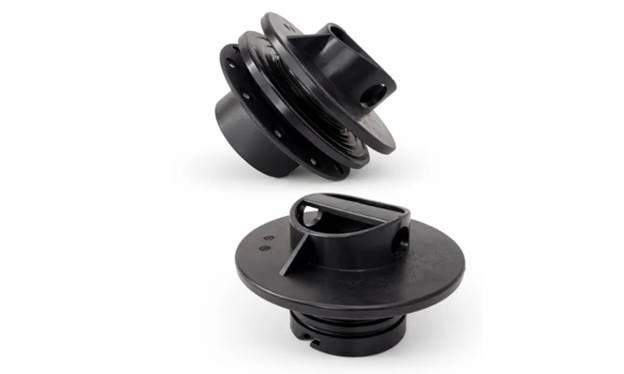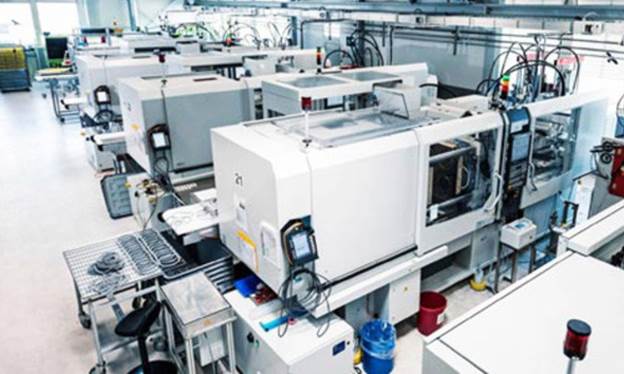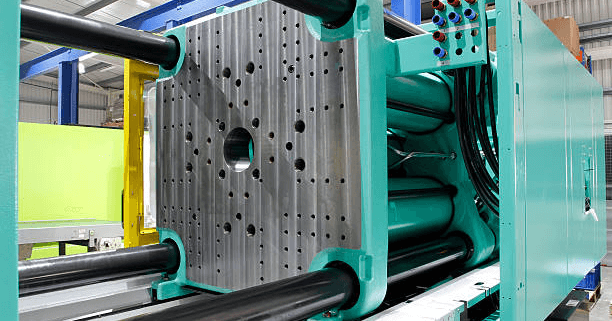
Dzisiejsze środowisko produkcyjne charakteryzuje się większą konkurencją, a firmy wymagają szybszej produkcji, niższych kosztów wytwarzania oraz lepszej jakości produktów. Jednym z najlepszych rozwiązań stosowanych w celu osiągnięcia tych celów jest prototypowe formowanie wtryskowe. Proces ten jest wykorzystywany przez producentów do wytwarzania próbek produktów przed rozpoczęciem produkcji na pełną skalę. Umożliwia on przedsiębiorstwom przeprowadzanie testów projektowych produktów, udoskonalanie ich funkcjonalności oraz eliminowanie kosztownych błędów produkcyjnych.
W ciągu ostatnich kilku dekad branża produkcyjna przeszła znaczącą transformację. Obecnie od przedsiębiorstw oczekuje się, że będą wprowadzać produkty na rynek w odpowiednim czasie, zachowując przy tym wysoką jakość. Klienci oczekują również produktów niezawodnych i trwałych. W związku z tym producenci podjęli zdecydowane działania, aby zapewnić sobie utrzymanie przewagi konkurencyjnej w branży poprzez stosowanie zaawansowanych metod produkcji. Formowanie wtryskowe prototypów jest bardzo ważnym procesem, który wspiera nowoczesną produkcję.
Firmy zazwyczaj rozpoczynają proces tworzenia nowego produktu od koncepcji projektowej. Przed wprowadzeniem do produkcji produkt musi zostać dokładnie przetestowany. Właśnie w tym momencie przydają się rozwiązania w zakresie prototypów formowanych wtryskowo. Prototyp pozwala producentom sprawdzić, czy produkt działa prawidłowo, wygląda dobrze i spełnia oczekiwania klientów.
Techniki prototypowania metodą formowania wtryskowego stanowią przydatne rozwiązanie dla wielu branż, pozwalające usprawnić proces rozwoju produktów. Dotyczy to między innymi branży motoryzacyjnej, medycznej, elektronicznej, opakowaniowej, lotniczej oraz branży dóbr konsumpcyjnych. Dzięki wykorzystaniu prototypów firmy mogą wcześnie wykrywać problemy projektowe i usuwać je mniejszym kosztem, unikając konieczności ponoszenia wysokich kosztów związanych z późniejszymi poprawkami.
Podczas tworzenia nowego produktu biznesowego wykorzystanie prototypów formowanych wtryskowo jest niezbędne do skrócenia czasu rozwoju produktów przez firmy na całym świecie. Firmy nie muszą czekać miesięcy, aby wprowadzać ulepszenia do swoich pomysłów na produkty, skoro mogą je szybko ocenić. Pozwala to zaoszczędzić czas i obniżyć koszty.
W niniejszym artykule w prosty i przystępny sposób omówiono koncepcję formowania wtryskowego prototypów. Znajdziesz tu informacje na temat procesu, korzyści, materiałów, zastosowań, wyzwań, kwestii projektowych, kosztów oraz przyszłych trendów.
Zasady formowania wtryskowego prototypów
Formowanie wtryskowe prototypów to metoda produkcji prototypów z tworzyw sztucznych, które mają być wykorzystane w procesie produkcyjnym przed rozpoczęciem produkcji seryjnej. Pozwala ona firmom na ocenę projektu, funkcjonalności i jakości produktu przed rozpoczęciem jego produkcji. Jest to metoda szeroko stosowana ze względu na szybkość, niezawodność i opłacalność.
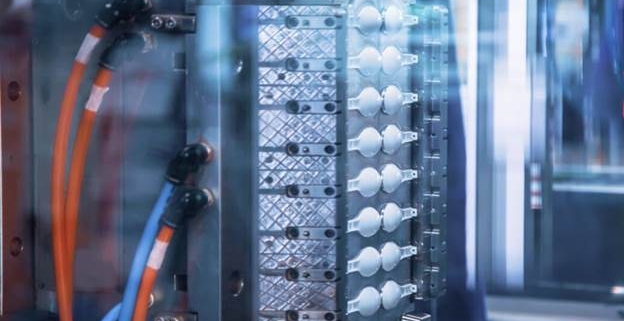
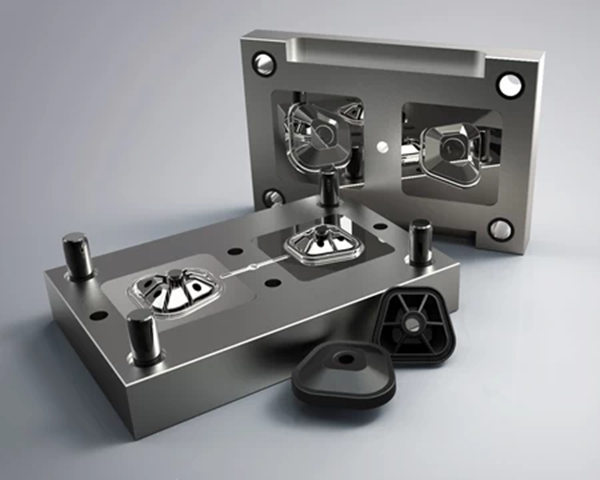
Polega to na wykorzystaniu specjalnie wykonanej formy, do której wlewa się stopiony tworzywo sztuczne w celu uzyskania określonego kształtu. Formy produkcyjne są zazwyczaj bardziej skomplikowane i droższe niż formy stosowane do produkcji prototypów. Po ostygnięciu i stwardnieniu tworzywa sztucznego usuwa się jego część i bada pod kątem dokładności oraz właściwości użytkowych.
Prototypowe wyroby formowane wtryskowo dają producentom możliwość wykrycia problemów projektowych, zanim rozpocznie się produkcja seryjna. W razie jakichkolwiek problemów można je szybko usunąć bez ponoszenia znacznych kosztów ani marnowania materiałów. Pozwala to podnieść jakość produktu i zmniejszyć ryzyko związane z produkcją.
Kolejną istotną zaletą jest szybkie opracowywanie produktów. W ciągu kilku dni można stworzyć prototyp i przedstawić go klientom, inżynierom lub inwestorom do zatwierdzenia. Można również przetestować różne materiały, aby wybrać ten najbardziej wytrzymały i odporny.
Podsumowując, formowanie wtryskowe prototypów stanowi kluczowy proces we współczesnym przemyśle wytwórczym, który umożliwia firmom opracowywanie produktów najwyższej jakości przy jednoczesnym ograniczeniu czasu i kosztów.
Etapy procesu formowania wtryskowego prototypów
W procesie formowania wtryskowego prototypów kluczowe znaczenie ma kilka etapów. Każdy z nich odgrywa istotną rolę w wytwarzaniu precyzyjnych i funkcjonalnych prototypowych elementów.
Projektowanie produktu
Pierwszym etapem opracowywania prototypu formy wtryskowej jest stworzenie projektu produktu. Inżynierowie korzystają z oprogramowania do projektowania wspomaganego komputerowo (CAD) w celu opracowania szczegółowego modelu 3D części. Projekt uwzględnia wymiary, grubość ścianek, szczegóły powierzchni oraz cechy funkcjonalne.
O sukcesie produkcji prototypów metodą formowania wtryskowego decyduje dobrze zaprojektowany model. Inżynier musi zadbać o to, by konstrukcja zapewniała swobodny przepływ materiału i łatwe wyjmowanie wyrobu z formy.
Tworzenie form
Po ukończeniu projektu producenci wykonają formę do wytłaczania prototypu z tworzywa sztucznego. Do produkcji form prototypowych zazwyczaj wykorzystuje się aluminium, ponieważ jest to materiał łatwiejszy i szybszy w obróbce.
Forma to element o kształcie posiadającym wnękę odpowiadającą kształtowi pożądanego wyrobu. W procesie produkcji prototypów metodą formowania wtryskowego płynny tworzywo sztuczne jest wtryskiwane do tej wnęki w celu wytworzenia elementu.
Wybór materiału
Wybór odpowiedniego tworzywa sztucznego ma kluczowe znaczenie w procesie formowania wtryskowego prototypów. Różne tworzywa sztuczne charakteryzują się różnymi właściwościami, takimi jak elastyczność, wytrzymałość, odporność na wysoką temperaturę i przezroczystość.
W trakcie produkcji prototypów metodą formowania wtryskowego producenci przetestują kilka materiałów, aby wybrać ten najbardziej odpowiedni do ostatecznej produkcji.
Proces wtrysku
W procesie produkcji prototypów metodą formowania wtryskowego granulki tworzywa sztucznego są podgrzewane i topione. Następnie stopione tworzywo sztuczne jest wtryskiwane pod wysokim ciśnieniem do wnęki formy.
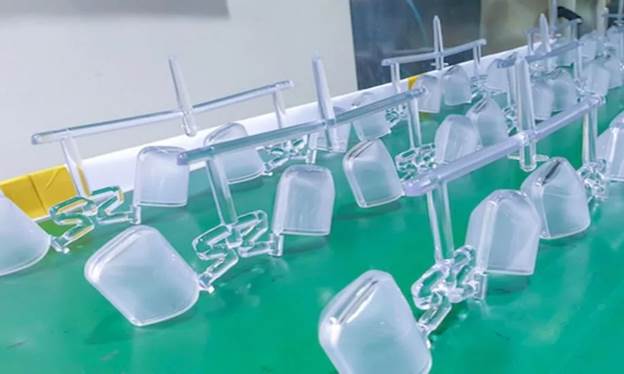
Dzięki temu technika formowania wtryskowego prototypów z tworzyw sztucznych pozwala na wytwarzanie bardzo szczegółowych i precyzyjnych elementów. Stopione tworzywo sztuczne wypełnia wszystkie zakamarki formy.
Etap chłodzenia
Po wtrysku tworzywo sztuczne stygnie wewnątrz formy. Kluczowym aspektem tworzenia wytrzymałych i solidnych prototypów formowanych wtryskowo jest chłodzenie.
Czas chłodzenia zależy od rodzaju materiału, grubości ścianek oraz konstrukcji formy. Dzięki odpowiedniemu chłodzeniu udaje się uniknąć wypaczeń i skurczu.
Demontaż części
Po ostygnięciu formę otwiera się i wyjmuje produkt. Jeśli potrzeba więcej elementów, proces formowania wtryskowego prototypu powtarza się.
Testowanie i ocena
Inżynierowie poświęcają szczególną uwagę prototypowi formy wtryskowej po zakończeniu produkcji. Sprawdzają jego wymiary, wygląd, wytrzymałość i funkcjonalność.
W trakcie testów firma może wprowadzić ulepszenia do prototypu wykonanego metodą formowania wtryskowego jeszcze przed rozpoczęciem produkcji seryjnej. Zmiany konstrukcyjne można wprowadzić na wczesnym etapie, co pozwala w późniejszym czasie zminimalizować koszty produkcji.
Elastyczność procesu prototypowego formowania wtryskowego tworzyw sztucznych sprzyja szybkiemu opracowywaniu produktów. Firmy mogą szybko i skutecznie przetestować kilka wariantów projektowych.
Ponieważ ‘prototypy formowane wtryskowo’ są bardzo podobne do faktycznie produkowanych części, producent uzyska istotne informacje na temat zachowania swoich produktów w rzeczywistych warunkach.
Tabela 1: Właściwości mechaniczne popularnych materiałów prototypowych formowanych wtryskowo
| Materiał | Wytrzymałość na rozciąganie (MPa) | Moduł sprężystości przy zginaniu (GPa) | Udarność (kJ/m²) | Temperatura odkształcenia pod wpływem ciepła (°C) | Gęstość (g/cm³) | Wchłanianie wody (%) |
| ABS | 40-50 | 2.0–2.5 | 15-30 | 85–100 | 1.04 | 0.2-0.5 |
| komputer | 60–75 | 2.2–2.6 | 60-90 | 125–140 | 1.20 | 0.15–0.35 |
| PP | 25–40 | 1.2–1.8 | 5–15 | 90-110 | 0.90 | <0,03 |
| Nylon 6 | 70–90 | 2.0–3.0 | 8–20 | 170–200 | 1.13 | 1.0-2.5 |
| PEEK | 90-100 | 3.5–4.5 | 20–35 | 280–315 | 1.30 | <0,1 |
Do zalet formowania wtryskowego prototypów należą:
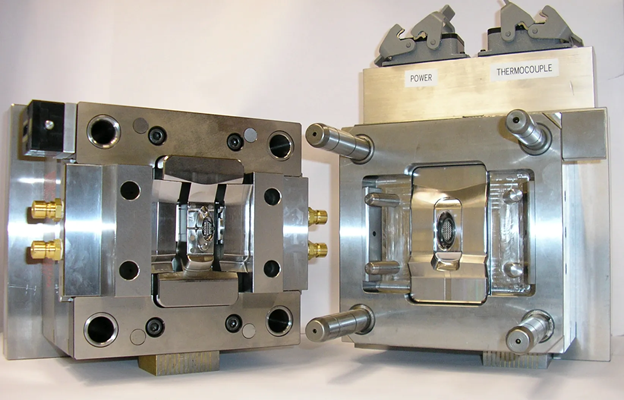
Podczas opracowywania produktu firmy mogą korzystać z prototypowego formowania wtryskowego z wielu różnych powodów.
Szybsze opracowywanie produktów
Proces wytwarzania prototypów metodą formowania wtryskowego charakteryzuje się dużą szybkością. Przed rozpoczęciem produkcji można w prosty sposób opracować i przetestować próbki produktów.
Szybkie testowanie pozwala przedsiębiorstwom na błyskawiczne ulepszanie produktów. Procesy tworzenia prototypów metodą formowania wtryskowego są zatem niezwykle przydatne w branżach, w których panuje ostra konkurencja.
Oszczędność kosztów
Opracowanie produktu bez przeprowadzenia testów może okazać się kosztownym błędem. Formowanie wtryskowe prototypów z tworzyw sztucznych służy do wczesnego wykrywania problemów w firmie.
Rozwiązanie problemów projektowych przed rozpoczęciem produkcji seryjnej pozwala zaoszczędzić pieniądze. Dlatego właśnie prototypy formowane wtryskowo są najczęściej stosowaną metodą.
Wyższa jakość produktów
Tworzenie prototypów pomaga stworzyć lepszy produkt. Decyzje dotyczące wytrzymałości, trwałości, dopasowania i wyglądu można podjąć już na etapie formowania wtryskowego prototypu.
Istnieje związek między jakością produktu a jakością przeprowadzonych testów. Firmy korzystające z usług tworzenia prototypów metodą formowania wtryskowego zazwyczaj uzyskują produkty lepszej jakości.
Badania materiałów
Różne materiały reagują w różny sposób na proces produkcyjny. W przypadku tworzyw sztucznych producenci mogą przetestować różne rodzaje tworzyw, stosując metody prototypowania z wykorzystaniem formowania wtryskowego.
Ta wszechstronność może okazać się pomocna przy wyborze optymalnego materiału, który zapewni odpowiednią wydajność i trwałość podczas prototypowego formowania wtryskowego tworzyw sztucznych.
Dokładne wyniki
Prototypy wykonane metodą formowania wtryskowego są bardzo podobne do gotowych elementów, w przeciwieństwie do niektórych technik szybkiej produkcji.
Dzięki tej dokładności inżynierowie mogą podejmować świadome decyzje projektowe w zakresie prototypowego formowania wtryskowego.
Zmniejszone ryzyko związane z produkcją
Wczesne testowanie produktów pomaga firmom zminimalizować ryzyko związane z produkcją. Testy przeprowadzane na prototypie wykonanym metodą formowania wtryskowego pozwalają wykryć słabe punkty i problemy produkcyjne.
W branżach, w których bezpieczeństwo i niezawodność mają kluczowe znaczenie, ważne jest ograniczenie ryzyka.
Lepsza komunikacja
Fizyczne prototypy mają pozytywny wpływ na komunikację między inżynierami, producentami i klientami. Próbki prototypowe wykonane metodą formowania wtryskowego pozwalają wszystkim lepiej zrozumieć produkt końcowy.
Ma to pozytywny wpływ na pracę zespołową i akceptację ze strony klientów ze względu na wartość prototypowego formowania wtryskowego tworzyw sztucznych.
Szybsze wejście na rynek
Firmy korzystające z prototypów formowanych wtryskowo są w stanie szybciej wprowadzać produkty na rynek. Szybki cykl rozwoju produktu ma kluczowe znaczenie dla utrzymania konkurencyjności przedsiębiorstw.
Często prototypowe formowanie wtryskowe pozwala firmie uzyskać znaczną przewagę na rynku.
Materiały stosowane w prototypowym formowaniu wtryskowym
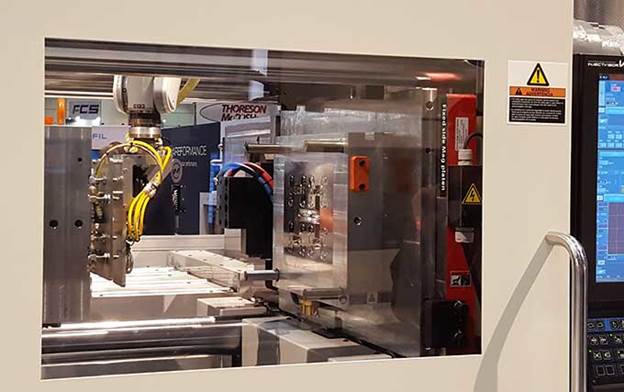
Jednym z kluczowych aspektów prototypowego formowania wtryskowego jest dobór materiału. Różne tworzywa sztuczne mają różne właściwości.
Tworzywo ABS
ABS – materiał mocny, wytrzymały i niedrogi – jest powszechnie stosowany do produkcji prototypów form wtryskowych.
Znajduje szerokie zastosowanie w produkcji części samochodowych, obudów elektronicznych oraz towarów konsumpcyjnych.
Polipropylen
Innym powszechnie stosowanym materiałem do produkcji prototypów formowanych wtryskowo jest polipropylen. Jest on elastyczny, odporny na działanie substancji chemicznych i lekki.
Polipropylen znajduje zastosowanie w wielu produktach opakowaniowych i artykułach gospodarstwa domowego.
Poliwęglan
Poliwęglan to materiał charakteryzujący się bardzo wysoką odpornością na uderzenia i przezroczystością. Materiał ten jest powszechnie stosowany w prototypowym formowaniu wtryskowym tworzyw sztucznych do produkcji osłon ochronnych i wyrobów medycznych.
Nylon
To właśnie nylon zapewnia dobrą odporność na zużycie i wytrzymałość. Nylon jest wykorzystywany do produkcji prototypy formowane wtryskowo które znajdują szerokie zastosowanie w przemyśle oraz w branży motoryzacyjnej.
Polietylen
Polietylen jest elastyczny, trwały i wodoodporny. Stosowany jest do formowania wtryskowego prototypów, często w branży opakowaniowej.
Akryl
Akryl to materiał charakteryzujący się dobrą przezroczystością i odpornością na czynniki atmosferyczne. Jest on wykorzystywany przez producentów do wytwarzania prototypów metodą formowania wtryskowego w przypadkach, gdy istotny jest wygląd produktu.
TPU
Elastyczny tworzywo sztuczne o nazwie TPU jest stosowane w produktach wymagających elastyczności i wytrzymałości, zwanych prototypami formowanymi wtryskowo.
Materiały niestandardowe
Niektóre firmy potrzebują specjalistycznych materiałów, znanych jako tworzywa sztuczne do prototypowego formowania wtryskowego. Mogą to być tworzywa trudnopalne, odporne na promieniowanie UV lub przeznaczone do zastosowań medycznych.
Prototypy formowane wtryskowo na etapie przedprodukcyjnym są poddawane testom w celu sprawdzenia, czy materiały spełnią wymagania dotyczące produktu przed rozpoczęciem produkcji.
Tabela 2: Techniczne parametry przetwórcze dotyczące prototypowego formowania wtryskowego
| Rodzaj materiału | Temperatura topnienia (°C) | Temperatura formy (°C) | Ciśnienie wtrysku (MPa) | Czas chłodzenia (sek.) | Współczynnik skurczu (%) | Typowy czas cyklu (sek.) |
| ABS | 220-260 | 40-80 | 70-120 | 15-30 | 0.4-0.7 | 25–60 |
| Polipropylen (PP) | 200–250 | 20-70 | 50–100 | 10–25 | 1.0-2.5 | 20-50 |
| Poliwęglan (PC) | 280–320 | 80–120 | 80–140 | 20–40 | 0.5-0.7 | 35–70 |
| Nylon (PA6) | 230–290 | 70–100 | 75–125 | 18–35 | 0.7–1.5 | 30–65 |
| PEEK | 360–400 | 120–160 | 100–160 | 40-90 | 1.1–1.3 | 80–140 |
Zastosowania prototypowego formowania wtryskowego obejmują
Formowanie wtryskowe prototypów znajduje zastosowanie w wielu gałęziach przemysłu na całym świecie.
Przemysł motoryzacyjny
Forma wtryskowa Produkcja prototypów stanowi kluczową technologię w przemyśle motoryzacyjnym. Prototypy są wykorzystywane w przedsiębiorstwach do produkcji desek rozdzielczych, uchwytów, klamek, obudów i elementów wyposażenia wnętrza.
Testy przyczyniają się do poprawy bezpieczeństwa i trwałości pojazdów.
Przemysł medyczny
W celu wytwarzania prototypów urządzeń i sprzętu firmy z branży medycznej stosują metody prototypowania z wykorzystaniem formowania wtryskowego.
Prototypowe formowanie wtryskowe tworzyw sztucznych ma ogromne znaczenie ze względu na wysoką precyzję wykonania produktów medycznych.
Przemysł elektroniczny
Obudowy telefonów, złącza, obudowy i części urządzeń są produkowane przez firmy elektroniczne przy użyciu prototypów formowanych wtryskowo.
Proces ten umożliwia producentom przeprowadzenie testów funkcjonalności przed rozpoczęciem produkcji.
Produkty konsumenckie
Formowanie wtryskowe prototypów wykorzystuje się do produkcji wielu artykułów gospodarstwa domowego. Mogą to być na przykład przybory kuchenne, zabawki, pojemniki lub artykuły higieny osobistej.
Przemysł lotniczy i kosmiczny
W przemyśle lotniczym i kosmicznym wykorzystuje się rozwiązania oparte na formowaniu wtryskowym do tworzenia prototypów lekkich i wytrzymałych części.
W zastosowaniach lotniczych i kosmicznych badania bezpieczeństwa mają szczególne znaczenie.
Przemysł opakowań
Firmy z branży opakowaniowej wykorzystują technologię formowania wtryskowego do opracowywania prototypów nakrętek do butelek, pojemników i akcesoriów opakowaniowych.
Urządzenia przemysłowe
Prototypowe formowanie wtryskowe tworzyw sztucznych jest stosowane w fabrykach i przez producentów maszyn do wytwarzania elementów mechanicznych.
Opakowania medyczne
W przypadku opakowań sterylnych i pojemników medycznych stosuje się również termin „prototypy formowane wtryskowo”.
Przykłady zastosowań pokazują, że prototypowe formowanie wtryskowe ma szerokie zastosowanie w wielu gałęziach przemysłu.
Różnice między formowaniem wtryskowym prototypowym a seryjnym
Chociaż formowanie wtryskowe prototypów i formowanie wtryskowe seryjne są do siebie podobne, istnieje między nimi kilka różnic.
Wielkość produkcji
Produkcja prototypów form wtryskowych opiera się na produkcji małoseryjnej. Formowanie seryjne służy do wytwarzania tysięcy lub milionów elementów.
Materiały formy
Zazwyczaj formy prototypowe wykonuje się z aluminium. Do produkcji form seryjnych powszechnie stosuje się stal hartowaną.
W rezultacie różnica między nimi polega na tym, że wykonanie prototypowego oprzyrządowania do formowania wtryskowego jest szybsze i tańsze.
Koszt
Ogólnie rzecz biorąc, koszt prototypowego formowania wtryskowego tworzyw sztucznych jest niższy ze względu na stosunkowo prostszą konstrukcję form prototypowych.
Prędkość
Producenci mogą szybko wykonać prototypy formowane wtryskowo. Dzięki temu pozostaje więcej czasu na przygotowanie oprzyrządowania produkcyjnego.
Cel
Głównym zastosowaniem formowania wtryskowego prototypowego jest testowanie i ocena. Formowanie wtryskowe produkcyjne dotyczy głównie produkcji seryjnej.
Zmiany w projekcie
W procesach produkcji prototypów form wtryskowych wprowadzanie zmian konstrukcyjnych jest dość proste. Modyfikacja oprzyrządowania produkcyjnego jest natomiast bardziej skomplikowana.
Elastyczność
Wykorzystanie prototypowania metodą formowania wtryskowego do badań materiałów i projektowania eksperymentów materiałowych.
W przypadku formowania produkcyjnego priorytetami są spójność i wydajność.
Ograniczanie ryzyka
Proces formowania wtryskowego prototypów z tworzyw sztucznych można zastosować przed rozpoczęciem produkcji, aby zminimalizować ryzyko związane z produkcją.
Test ten może posłużyć do poprawy jakości produktu.
Dokładność
W dzisiejszym świecie prototypy formowane wtryskowo zapewniają bardzo dokładne wyniki, porównywalne z produktem końcowym.
Dzięki temu formowanie wtryskowe prototypów okazuje się bardzo przydatne w procesie opracowywania produktu.
Tabela 3: Prototypowa forma obrabiana metodą CNC a prototypowa forma aluminiowa
| Nieruchomość | Forma stalowa obrabiana metodą CNC | Aluminiowa forma prototypowa |
| Średnia trwałość narzędzia | Ponad 100 000 cykli | 5 000–20 000 cykli |
| Przewodność cieplna | 25–35 W/mK | 120–180 W/mK |
| Czas obróbki | 2–6 tygodni | 5–10 dni |
| Koszt oprzyrządowania | Wysoki | Średni |
| Jakość wykończenia powierzchni | Doskonały | Bardzo dobrze |
| Stabilność wymiarowa | Bardzo wysoka | Umiarkowany |
| Zalecana wielkość produkcji | Od średniego do wysokiego | Od niskiego do średniego |
| Twardość | 48–52 HRC | 70–95 HB |
Kwestie projektowe związane z prototypowym formowaniem wtryskowym
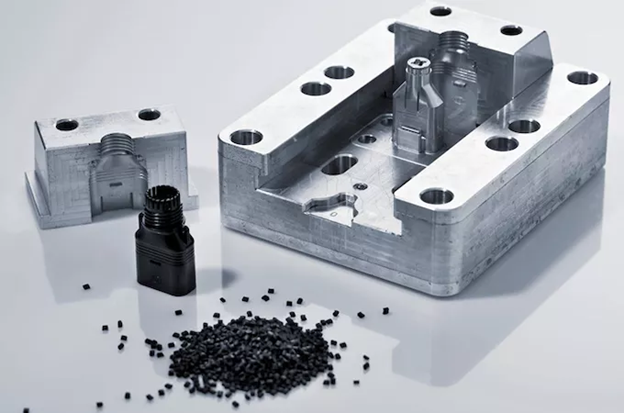
Kluczowym czynnikiem decydującym o powodzeniu prototypowego formowania wtryskowego jest dobry projekt produktu.
Grubość ścianki
Jednolita grubość ścianek ułatwi przepływ materiału podczas produkcji prototypów metodą formowania wtryskowego.
Wypaczenia i wady wynikają z nierówności ścianek.
Kąty zanurzenia
Kąty utworzone w projekcie pozwalają na wyeliminowanie elementów z formy podczas produkcji prototypów metodą formowania wtryskowego.
Jeśli nie zostaną zapewnione odpowiednie kąty nachylenia, elementy mogą utknąć w formie.
Skurcz materiału
W procesie prototypowego formowania wtryskowego tworzyw sztucznych stopnie skurczu poszczególnych tworzyw są różne. .
Podczas projektowania produktu należy uwzględnić skurcz materiału.
Lokalizacja bramy
Rozmieszczenie wlewów ma wpływ na przepływ tworzywa sztucznego do formy. Odpowiednie zaprojektowanie wlewu pozwala poprawić jakość prototypów formowanych wtryskowo.
Rib Design
Żebro służy do wzmacniania produktów bez zwiększania grubości ich ścianek.
Dobra konstrukcja żebra do prototypowego formowania wtryskowego.
Wykończenie powierzchni
Niektóre produkty powinny być gładkie, a inne – teksturowane.
Na wygląd prototypu wykonanego metodą formowania wtryskowego ma wpływ projekt powierzchni.
Wymagania dotyczące tolerancji
W produkcji prototypów metodą formowania wtryskowego kluczowe znaczenie mają precyzyjne wymiary.
Inżynierowie muszą zadbać o ustalenie tolerancji.
Wentylacja
W trakcie tzw. prototypowego formowania wtryskowego tworzyw sztucznych powietrze pozostające w formie może powodować wady.
Powietrze można usunąć poprzez odpowiednie odpowietrzenie.
Konstrukcja układu chłodzenia
Dzięki wydajnemu chłodzeniu poprawia się jakość prototypów formowanych wtryskowo oraz skraca się czas cyklu.
Projekt prototypowego formowania wtryskowego może zakończyć się większym sukcesem dzięki zastosowaniu dobrych praktyk projektowych.
Tabela 4: Specyfikacje techniczne dotyczące projektowania form
| Parametr | Wartość zalecana | Cel techniczny |
| Kąt nachylenia | 1°–3° z każdej strony | Łatwiejsze wyrzucanie elementów |
| Grubość ścianki | 1,0–4,0 mm | Zapobieganie powstawaniu wgnieceń i wypaczeń |
| Średnica bramy | 0,8–2,5 mm | Kontroluje przepływ materiałów |
| Głębokość otworu wentylacyjnego | 0,01–0,05 mm | Usuwa uwięzione powietrze |
| Średnica sworznia wyrzutnika | 2-10 mm | Zapewnia płynne wysuwanie |
| Średnica rolki | 3–8 mm | Zapewnia równomierny przepływ |
| Wykończenie powierzchni | SPI A1 do D3 | Kontrola jakości wyglądu |
| Twardość stali formierskiej | 28–52 HRC | Wydłuża żywotność formy |
Wyzwania związane z formowaniem wtryskowym prototypów
Chociaż formowanie wtryskowe prototypów ma wiele zalet, ma też pewne wady.
Koszty oprzyrządowania
Nawet po wykonaniu form nadal konieczne są nakłady finansowe, aby przystąpić do produkcji prototypów metodą formowania wtryskowego.
Im bardziej skomplikowane są formy, tym wyższe są koszty ich opracowania.
Istotne ograniczenia
W procesie produkcji prototypów metodą formowania wtryskowego obróbka niektórych materiałów bywa trudna.
Producenci muszą rozważnie dobierać materiały.
Złożoność projektu
Formowanie wtryskowe prototypów z tworzyw sztucznych może stanowić wyzwanie w przypadku produktów o skomplikowanych kształtach.
Inżynierowie zazwyczaj upraszczają projekty, aby ułatwić ich produkcję.
Kurczenie się i wypaczanie
Tworzywa sztuczne mogą się kurczyć lub wypaczać podczas schładzania.
Ma to wpływ na dokładność prototypów wykonanych metodą formowania wtryskowego.
Czas produkcji
Choć prototypowe formowanie wtryskowe jest szybsze niż produkcja seryjna, to jednak wykonanie formy nadal wymaga czasu.
Odporność na pleśń
Formy prototypowe mogą ulegać zużyciu szybciej niż formy produkcyjne.
Może to ograniczyć wielkość produkcji prototypu formy wtryskowej.
Wady powierzchni
W trakcie produkcji prototypów metodą formowania wtryskowego na produktach mogą pojawić się wgłębienia, nadlewki lub ślady przepływu.
Odpady materiałowe
Podczas prototypowego formowania wtryskowego tworzyw sztucznych powstają pewne ilości odpadów.
Optymalizacja procesów jest celem producentów mającym na celu ograniczenie ilości odpadów.
Wiedza techniczna
Kluczem do sukcesu w tworzeniu prototypów formowanych wtryskowo jest doświadczenie inżynierów i konstruktorów form.
Pomimo tych trudności formowanie wtryskowe prototypów nadal odgrywa bardzo ważną rolę w dzisiejszym procesie opracowywania produktów.
Tabela 5: Analiza wad jakościowych w prototypowym formowaniu wtryskowym
| Rodzaj usterki | Główna przyczyna | Rozwiązanie inżynieryjne | Typowy wpływ tolerancji |
| Znaki zlewu | Grube ścianki | Zmniejszyć grubość ścianki | ±0,15 mm |
| Wypaczenie | Nierównomierne chłodzenie | Optymalizacja kanałów chłodzących | ±0,30 mm |
| Flash | Nadmierne ciśnienie | Zmniejsz siłę zacisku | ±0,10 mm |
| Krótki strzał | Niskie ciśnienie wtrysku | Zwiększenie ciśnienia i odpowietrzanie | ±0,25 mm |
| Linie spawania | Niewłaściwe spotkanie dotyczące przepływu | Zmiana położenia bramki | Wyłącznie wada kosmetyczna |
| Ślady po oparzeniach | Przegrzanie uwięzionego gazu | Ulepszenie systemu wentylacyjnego | Degradacja powierzchni |
Przyszłe trendy w formowaniu wtryskowym prototypów
Perspektywy dla prototypowego formowania wtryskowego są znakomite.
Automatyzacja
Automatyzacja przyczynia się do zwiększenia wydajności produkcji prototypów metodą formowania wtryskowego.
Systemy robotyczne pomagają skrócić czas produkcji i obniżyć koszty pracy.
Inteligentna produkcja
Kontrola jakości prototypów wytwarzanych metodą formowania wtryskowego jest usprawniana dzięki cyfrowym systemom monitorowania.
Producenci mogą śledzić dane produkcyjne w czasie rzeczywistym.
Zrównoważone materiały
W branży prototypowego formowania wtryskowego tworzyw sztucznych coraz częściej stosuje się tworzywa przyjazne dla środowiska.
Firmy podejmują działania mające na celu zminimalizowanie swojego wpływu na środowisko.
Szybsze metody produkcji narzędzi
Dzięki zaawansowanym technologiom obróbki skrawaniem udało się zwiększyć tempo produkcji prototypów formowanych wtryskowo.
Oznacza to szybsze opracowywanie produktów.
Sztuczna inteligencja
Wykorzystanie systemów sztucznej inteligencji pozwala na optymalizację procesów formowania wtryskowego prototypów.
Sztuczna inteligencja poprawia jakość i ogranicza liczbę wad.
Zaawansowana symulacja
Inżynierowie korzystają z oprogramowania symulacyjnego, aby przewidzieć zachowanie materiałów podczas ich produkcji przy użyciu prototypowej formy wtryskowej.
Pomaga to zwiększyć dokładność projektów.
Produkcja hybrydowa
Niektóre firmy korzystają jednocześnie z metod prototypowania metodą formowania wtryskowego oraz z druku 3D.
Zapewnia to bardziej elastyczne rozwiązania programistyczne.
Ulepszone materiały
Wraz z rozwojem nowych materiałów rosną możliwości w zakresie prototypowego formowania wtryskowego tworzyw sztucznych.
Obecnie producenci mają do dyspozycji bardziej wytrzymałe i lżejsze tworzywa sztuczne.
Globalny wzrost w sektorze produkcyjnym
Globalny popyt na prototypy formowane wtryskowo wciąż rośnie.
Rozwój branż sprawi, że formowanie wtryskowe prototypów stanie się w przyszłości kluczowym rozwiązaniem produkcyjnym.
Wnioski
Prototyp formowanie wtryskowe stała się jedną z najważniejszych technik produkcyjnych we współczesnym projektowaniu produktów. Pozwala ona firmom na szybkie tworzenie prototypów produktów, weryfikację projektu oraz minimalizację ryzyka produkcyjnego przed rozpoczęciem produkcji na dużą skalę.
W wielu branżach rozwiązania w zakresie prototypowania metodą formowania wtryskowego stanowią podstawę działalności przedsiębiorstw, pozwalającą podnosić jakość produktów i przyspieszać wprowadzanie ich na rynek. Testowanie prototypów pomaga firmom w tworzeniu lepszych produktów, niezależnie od tego, czy zajmują się one produkcją części samochodowych, urządzeń medycznych, elektroniki czy dóbr konsumpcyjnych.
Formowanie wtryskowe prototypów z tworzyw sztucznych ma jedną istotną zaletę: umożliwia wytwarzanie próbek o wysokiej dokładności. Prototypy te są bardziej reprezentatywne w stosunku do produktów końcowych, co pozwala na przeprowadzenie bardziej wiarygodnych testów.
Obecnie prototypy formowane wtryskowo nadal odgrywają kluczową rolę w zakresie innowacyjności i wydajności we współczesnym przemyśle. Dzięki postępom w technologii produkcji procesy tworzenia prototypów są obecnie szybsze, bardziej zaawansowane i bardziej zrównoważone.
Wraz z rosnącym popytem na produkty wysokiej jakości znaczenie prototypowego formowania wtryskowego staje się coraz większe niż kiedykolwiek. Firmy, które inwestują w solidny proces prototypowania, mogą zauważyć, że odnoszą większy sukces na rynku i osiągają wyższy poziom zadowolenia klientów.
Formowanie wtryskowe prototypów będzie bez wątpienia stanowiło jeden z głównych filarów światowego przemysłu wytwórczego w nadchodzących latach.