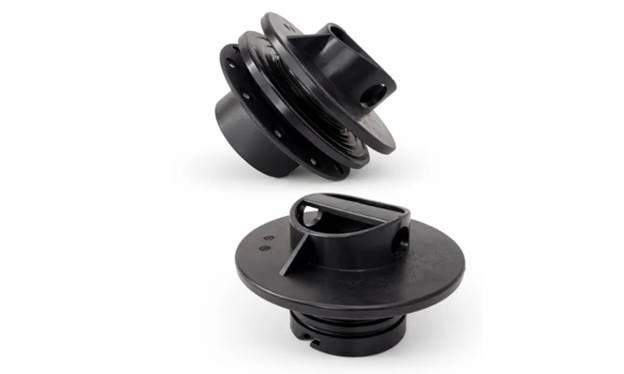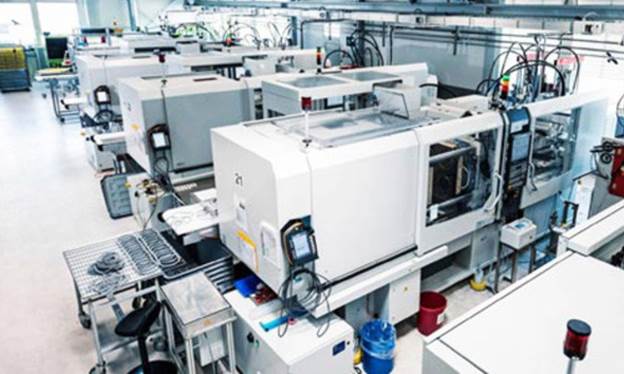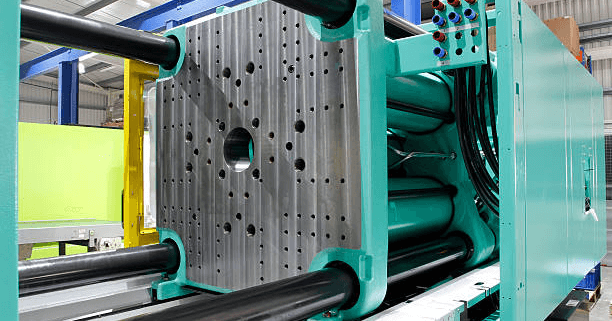
El entorno de fabricación actual es más competitivo y las empresas requieren una fabricación más rápida, un menor coste de fabricación y una mejor calidad del producto. Uno de los mejores métodos utilizados para alcanzar estos objetivos es el moldeo por inyección de prototipos. Este proceso se utiliza para que los fabricantes produzcan productos de muestra antes de pasar a la producción a gran escala. Permite a las empresas realizar pruebas de diseño de productos, perfeccionar la funcionalidad y eliminar costosos errores de producción.
La fabricación ha experimentado una transformación significativa en las dos últimas décadas. Ahora se espera que las empresas introduzcan productos en el mercado a tiempo, pero con una alta calidad. También quieren productos fiables y duraderos. Como consecuencia de ello, los fabricantes han tomado serias medidas para garantizar que mantienen su ventaja competitiva en la industria mediante el uso de métodos de producción avanzados. el moldeo por inyección de prototipos es un proceso muy importante que ayuda a la fabricación moderna.
Las empresas suelen empezar con un concepto de diseño cuando crean un nuevo producto. El producto debe probarse a fondo antes de entrar en producción. Aquí es donde resultan útiles las soluciones de prototipos de moldes de inyección. Un prototipo ayuda a los fabricantes a comprobar si el producto funciona correctamente, tiene buen aspecto y cumple las expectativas del cliente.
Estas técnicas de prototipos de moldeo por inyección son un enfoque útil para que muchas industrias mejoren el desarrollo de sus productos. Se incluyen las industrias de automoción, médica, electrónica, de envasado, aeroespacial y de bienes de consumo. Mediante el uso de prototipos, las empresas pueden detectar problemas de diseño en una fase temprana y solucionarlos de forma más barata, sin tener que pagar costosas correcciones posteriores.
En la creación de un nuevo producto empresarial, el uso de prototipos moldeados por inyección es una necesidad para acortar el tiempo de desarrollo de las empresas de todo el mundo. Las empresas no tienen que esperar meses para introducir mejoras en sus ideas de producto cuando pueden evaluarlas rápidamente. Esto reduce el tiempo y los costes.
Este artículo abarca el concepto de moldeo por inyección de prototipos de forma sencilla y fácil de entender. Se le enseñará el proceso, las ventajas, los materiales, las aplicaciones, los retos, las consideraciones de diseño, los costes y las tendencias futuras.
Comprender el moldeo por inyección de prototipos
El moldeo por inyección de prototipos es un método de fabricación de prototipos de plástico que se utilizan para la producción antes de la fabricación a escala. Permite a las empresas evaluar el diseño, la funcionalidad y la calidad de un producto, antes de que entre en producción. Es un método muy utilizado por su rapidez, fiabilidad y rentabilidad.
Para ello se utiliza un molde especial en el que se vierte plástico fundido para crear una forma determinada. Los moldes de producción suelen ser más complejos y caros que el molde utilizado para los prototipos. Tras enfriarse y endurecerse, se retira una parte del plástico y se examina su precisión y rendimiento.
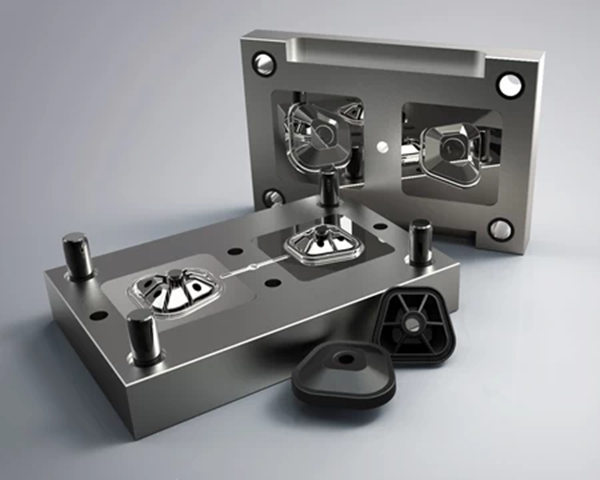
Los prototipos de productos moldeados por inyección ofrecen a los fabricantes la oportunidad de descubrir problemas de diseño antes de que llegue el momento de la producción en serie. Cuando hay algún problema, se puede rectificar rápidamente sin desperdiciar una cantidad considerable de dinero o materiales. Esto mejora la calidad del producto y disminuye el riesgo en la producción.
La otra ventaja significativa es el rápido desarrollo del producto. Pueden crear una muestra en pocos días y presentarla a clientes, ingenieros o inversores para su aprobación. También se pueden probar varios materiales para seleccionar el más duradero y resistente.
En conclusión, el moldeo por inyección de prototipos es un proceso vital en la industria manufacturera moderna que permite a las empresas desarrollar productos de calidad superior minimizando el tiempo y los gastos.
Pasos del proceso de moldeo por inyección de prototipos
Hay varios pasos importantes en el proceso de moldeo por inyección de prototipos. Cada paso es importante en el proceso de producción de piezas prototipo precisas y funcionales.
Diseño de productos
El primer paso en el desarrollo del prototipo de molde de inyección es hacer un diseño del producto. Los ingenieros utilizan el software de diseño asistido por ordenador (CAD) para diseñar un modelo tridimensional detallado de la pieza. En el diseño se incluyen las dimensiones, el grosor de las paredes, los detalles de la superficie y las características funcionales.
El éxito de la producción de prototipos de moldeo por inyección aumenta con un modelo bien diseñado. El ingeniero debe asegurarse de que el diseño permita un flujo fluido del material y un desmoldeo fácil.
Creación de moldes
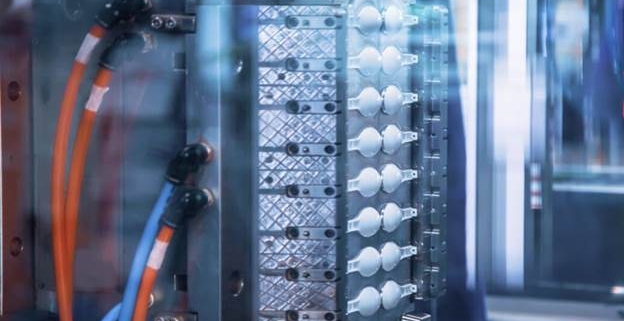
Una vez terminado el diseño, los fabricantes fabricarán un molde para prototipos de moldeo por inyección de plástico. El aluminio suele ser el material utilizado para los moldes prototipo, ya que es más fácil y rápido de mecanizar.
El molde es una forma que tiene una cavidad similar al producto deseado. En el proceso de producción de prototipos moldeados por inyección, el plástico líquido se inyecta en esta cavidad para fabricar la pieza.
Selección de materiales
Seleccionar un material plástico adecuado es un factor crítico del moldeo por inyección de prototipos. Los distintos plásticos ofrecen diversas características, como flexibilidad, solidez, resistencia al calor y transparencia.
Durante la producción del prototipo de molde de inyección, los fabricantes probarán varios materiales para elegir el más adecuado para la producción final.
Proceso de inyección
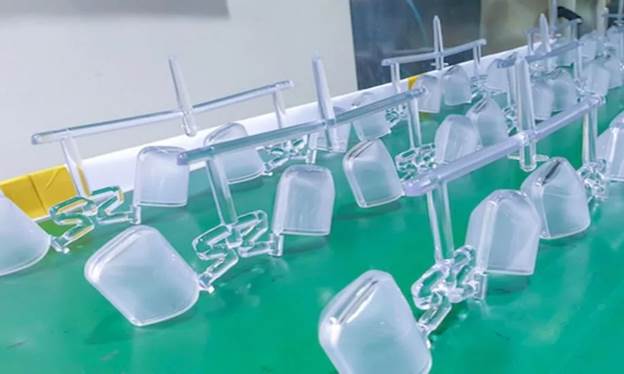
En la fabricación de prototipos de moldeo por inyección, los gránulos de plástico se calientan y funden. A continuación, el material plástico fundido se inyecta en la cavidad del molde a alta presión.
De este modo, el moldeo por inyección de plásticos para prototipos puede utilizarse para producir piezas muy detalladas y precisas. El plástico fundido llena todos los rincones del molde.
Etapa de refrigeración
A continuación, el plástico se enfría dentro del molde tras la inyección. Un aspecto clave para desarrollar prototipos robustos y sólidos moldeados por inyección es el enfriamiento.
El tiempo de enfriamiento depende del tipo de material, el grosor de la pared y el diseño del molde. El enfriamiento adecuado evita la deformación y la contracción.
Extracción de piezas
Una vez enfriado, se abre el molde y se extrae el producto. Si se necesitan más piezas, se repite el proceso de moldeo por inyección del prototipo.
Pruebas y evaluación
Los ingenieros prestan especial atención al prototipo de molde de inyección después de la producción. Verifican el tamaño, el aspecto, la resistencia y la utilidad.
En el proceso de pruebas, la empresa puede introducir mejoras en el prototipo de moldeo por inyección antes de la producción en serie. Los cambios de diseño se pueden conseguir pronto, por lo que el coste de fabricación se minimiza posteriormente.
La flexibilidad del moldeo por inyección de plásticos para prototipos es idónea para el desarrollo rápido de productos. Las empresas pueden probar con rapidez y eficacia diversas variantes de diseño.
Como los ‘prototipos moldeados por inyección’ son muy parecidos a las piezas reales fabricadas, el fabricante adquirirá conocimientos importantes sobre el comportamiento de sus productos en el mundo real.
Tabla 1: Propiedades mecánicas de los materiales comunes moldeados por inyección para prototipos
| Material | Resistencia a la tracción (MPa) | Módulo de flexión (GPa) | Resistencia al impacto (kJ/m²) | Desviación térmica Temp (°C) | Densidad (g/cm³) | Absorción de agua (%) |
| ABS | 40-50 | 2.0–2.5 | 15-30 | 85–100 | 1.04 | 0.2-0.5 |
| PC | 60–75 | 2.2–2.6 | 60-90 | 125–140 | 1.20 | 0.15–0.35 |
| PP | 25-40 | 1.2–1.8 | 5–15 | 90-110 | 0.90 | <0.03 |
| Nylon 6 | 70–90 | 2.0–3.0 | 8–20 | 170–200 | 1.13 | 1.0-2.5 |
| PEEK | 90-100 | 3.5–4.5 | 20-35 | 280–315 | 1.30 | <0.1 |
Las ventajas del moldeo por inyección de prototipos incluyen
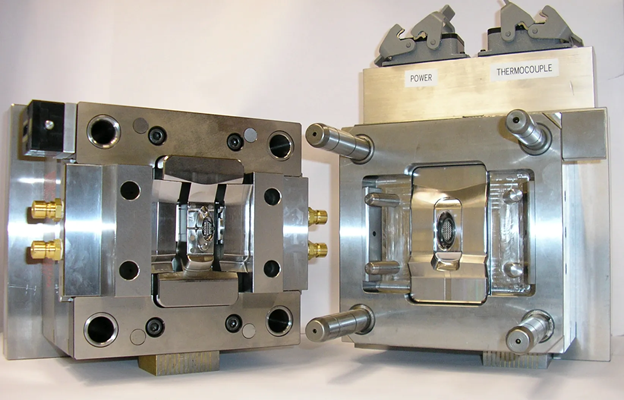
Las empresas pueden recurrir al moldeo por inyección de prototipos por diversas razones a la hora de desarrollar un producto.
Desarrollo de productos más rápido
El proceso de fabricación de prototipos de moldes de inyección es muy rápido. Se pueden desarrollar y probar fácilmente productos de muestra antes de proceder a la producción.
La rapidez de las pruebas facilita a las empresas la rápida mejora de sus productos. Los procesos de moldeo por inyección de prototipos son, por tanto, muy útiles en industrias competitivas.
Ahorro de costes
Desarrollar un producto sin someterlo a pruebas puede ser un costoso error. El moldeo por inyección de plástico de prototipos se utiliza para identificar problemas en una fase temprana de la empresa.
Solucionar los problemas de diseño antes de la producción en serie puede ahorrar dinero. Por eso los prototipos moldeados por inyección son el método más utilizado.
Mejor calidad del producto
La creación de prototipos ayuda a crear un producto mejor. La decisión sobre la resistencia, la durabilidad, el ajuste y el aspecto puede tomarse durante el moldeo por inyección de prototipos.
Existe una relación entre la calidad de un producto y la calidad de las pruebas realizadas. Las empresas que emplean el servicio de prototipos de moldes de inyección suelen obtener mejores productos.
Pruebas de materiales
Los materiales tendrán diversas reacciones al proceso de fabricación. En el caso del plástico, los fabricantes pueden probar diversos materiales plásticos mediante métodos de prototipos de moldeo por inyección.
Esta versatilidad puede ser útil a la hora de elegir el material óptimo para garantizar el rendimiento y la durabilidad en el moldeo por inyección de prototipos de plástico.
Resultados precisos
Los prototipos moldeados por inyección son muy similares a las piezas finales de producción, a diferencia de algunas técnicas de fabricación rápida.
La precisión permite a los ingenieros tomar decisiones de diseño fundamentadas en el moldeo por inyección de prototipos.
Reducción de los riesgos de fabricación
Probar los productos en una fase temprana ayuda a las empresas a minimizar los riesgos de producción. Las pruebas realizadas en el prototipo del molde de inyección pueden detectar puntos débiles y problemas de fabricación.
En las industrias en las que la seguridad y la fiabilidad son la principal preocupación, es importante reducir los riesgos.
Mejora de la comunicación
Los prototipos físicos tienen un efecto positivo en la comunicación entre ingenieros, fabricantes y clientes. Las muestras de prototipos de moldeo por inyección permiten a todos comprender mejor el producto final.
Esto es útil para el trabajo en equipo y la aceptación del cliente debido al valor del moldeo por inyección de plástico de prototipos.
Entrada más rápida en el mercado
Las empresas que utilizan prototipos moldeados por inyección pueden lanzar productos más rápidamente. Disponer de un plazo de entrega rápido en el desarrollo de productos es esencial para que las empresas sigan siendo competitivas.
A menudo, el moldeo por inyección de prototipos es capaz de dar a la empresa una ventaja significativa en el mercado.
Materiales utilizados en el moldeo por inyección de prototipos
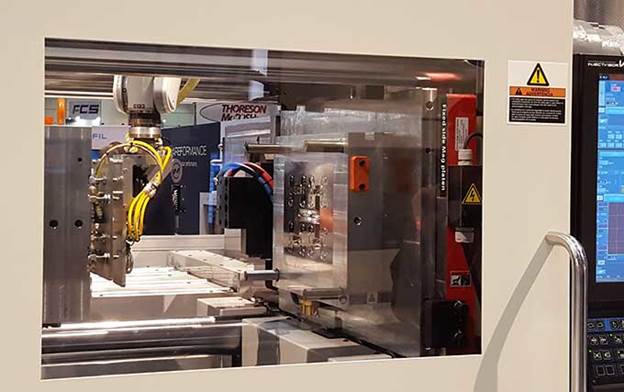
Uno de los puntos clave en el moldeo por inyección de prototipos es la selección del material. Los distintos materiales plásticos tienen diversas propiedades.
Plástico ABS
Fuerte, resistente y barato, el ABS se utiliza habitualmente en la fabricación de prototipos de moldes de inyección.
Se utiliza ampliamente para componentes de automoción, carcasas electrónicas y bienes de consumo.
Polipropileno
Otro material muy utilizado para la producción de prototipos de moldeo por inyección es el polipropileno. Es flexible, resistente a los productos químicos y ligero.
El polipropileno se utiliza en muchos envases y productos domésticos.
Policarbonato
El policarbonato es un material con una resistencia al impacto y una transparencia muy elevadas. Este material se emplea habitualmente en el moldeo por inyección de prototipos de plástico para fabricar cubiertas protectoras y productos médicos.
Nylon
Es el nailon el que proporciona una buena resistencia al desgaste y solidez. El nailon se utiliza en la fabricación de prototipos moldeados por inyección que se utilizan ampliamente en la industria y en el sector del automóvil.
Polietileno
El polietileno es flexible, duradero e impermeable. Se utiliza en el moldeo por inyección de prototipos a menudo en el sector del envasado.
Acrílico
El acrílico es un material con buena transparencia y resistencia a la intemperie. Los fabricantes lo emplean en prototipos de moldes de inyección, donde el aspecto del producto es importante.
TPU
Un plástico flexible llamado TPU se utiliza en los productos que necesitan elasticidad y dureza, que se denominan prototipo de moldeo por inyección.
Materiales a medida
Hay ciertas empresas que requieren materiales especializados que se conocen como prototipos de moldeo por inyección de plásticos. Los materiales podrían ser ignífugos, resistentes a los rayos UV o plásticos de grado médico.
Los prototipos moldeados por inyección previos a la producción se prueban para verificar que los materiales cumplen los requisitos del producto antes de su fabricación.
Tabla 2: Parámetros técnicos de procesamiento del prototipo de moldeo por inyección
| Tipo de material | Temperatura de fusión (°C) | Temperatura del molde (°C) | Presión de inyección (MPa) | Tiempo de enfriamiento (seg) | Índice de contracción (%) | Duración típica del ciclo (seg) |
| ABS | 220-260 | 40-80 | 70-120 | 15-30 | 0.4-0.7 | 25–60 |
| Polipropileno (PP) | 200-250 | 20-70 | 50–100 | 10–25 | 1.0-2.5 | 20-50 |
| Policarbonato (PC) | 280–320 | 80–120 | 80–140 | 20–40 | 0.5-0.7 | 35–70 |
| Nylon (PA6) | 230–290 | 70–100 | 75–125 | 18–35 | 0.7-1.5 | 30–65 |
| PEEK | 360–400 | 120–160 | 100–160 | 40-90 | 1.1–1.3 | 80–140 |
Las aplicaciones del moldeo por inyección de prototipos incluyen
El moldeo por inyección de prototipos se utiliza en muchas industrias de todo el mundo.
Industria del automóvil
Molde de inyección La fabricación de prototipos es una tecnología clave en la industria del automóvil. En las empresas se utilizan prototipos de salpicaderos, clips, tiradores, carcasas y piezas del interior.
Las pruebas ayudan a mejorar la seguridad y la durabilidad de los vehículos.
Industria médica
Para fabricar prototipos de dispositivos y equipos, las empresas médicas emplean métodos de prototipado por moldeo por inyección.
El moldeo por inyección de plásticos prototipo es de gran valor debido a su alta precisión en productos médicos.
Industria electrónica
Las empresas de electrónica fabrican carcasas de teléfonos, conectores, carcasas y piezas de dispositivos con prototipos moldeados por inyección.
El proceso permite a los fabricantes realizar esas pruebas de funcionalidad antes de la producción.
Productos de consumo
El moldeo por inyección de prototipos se utiliza para fabricar muchos productos domésticos. Puede tratarse de utensilios de cocina, juguetes, recipientes o artículos de cuidado personal.
Industria aeroespacial
La industria aeroespacial emplea soluciones de prototipos de moldes de inyección para crear prototipos de piezas ligeras y duraderas.
En las aplicaciones aeroespaciales, los ensayos de seguridad son especialmente importantes.
Industria del embalaje
La aplicación del desarrollo de prototipos de moldeo por inyección es utilizada por las empresas de envasado para desarrollar tapones de botellas, envases y accesorios de envasado.
Equipamiento industrial
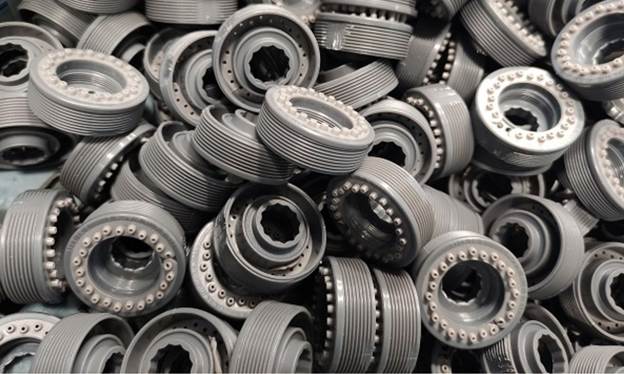
El prototipo de moldeo por inyección de plástico se utiliza en fábricas y fabricantes de maquinaria para crear componentes mecánicos.
Envases médicos
Para envases estériles y recipientes sanitarios, también se aplica el término Prototipos moldeados por inyección.
Las aplicaciones demuestran que el moldeo por inyección de prototipos es muy útil en muchas industrias.
Diferencias entre el moldeo por inyección de prototipos y el de producción
Aunque el moldeo por inyección de prototipos y el moldeo por inyección de producción son similares, presentan varias diferencias.
Volumen de producción
La fabricación de prototipos de moldes de inyección se basa en la producción de bajo volumen. El moldeo de producción se realiza para producir miles o millones de piezas.
Materiales para moldes
Normalmente, los moldes para prototipos se fabrican con aluminio. Para los moldes de producción se suele utilizar acero endurecido.
Como resultado, la diferencia entre ambos es que el utillaje para prototipos de moldeo por inyección es más rápido y barato.
Coste
Por lo general, el coste del moldeo por inyección de plástico de prototipos es inferior debido a que los moldes de prototipos son relativamente más sencillos.
Velocidad
Los fabricantes pueden crear prototipos rápidamente para producir prototipos moldeados por inyección . Más tiempo para crear herramientas de producción.
Propósito
El uso principal del moldeo por inyección de prototipos es la prueba y la evaluación. El moldeo de producción está relacionado principalmente con la producción en masa.
Cambios de diseño
Es conveniente realizar cambios de diseño en los procesos de prototipos de moldes de inyección. Modificar el utillaje de producción es más complejo.
Flexibilidad
El uso del desarrollo de prototipos de moldeo por inyección para el ensayo de materiales y el diseño de experimentos con materiales.
Cuando se trata del moldeo de producción, las prioridades son la coherencia y la eficacia.
Reducción de riesgos
El proceso de moldeo por inyección de plástico de prototipos puede utilizarse antes de la producción para minimizar los riesgos de fabricación.
Las pruebas pueden utilizarse para mejorar la calidad del producto.
Precisión
En el mundo actual, los prototipos moldeados por inyección le proporcionarán resultados muy precisos que podrán comparar con su producto final.
Esto hace que el moldeo por inyección de prototipos sea muy útil en el proceso de desarrollo de productos.
Tabla 3: Molde prototipo mecanizado CNC frente a molde prototipo de aluminio
| Propiedad | Molde de acero CNC | Molde prototipo de aluminio |
| Vida media de la herramienta | Más de 100.000 ciclos | 5.000-20.000 ciclos |
| Conductividad térmica | 25-35 W/mK | 120-180 W/mK |
| Tiempo de mecanizado | 2-6 semanas | 5-10 días |
| Coste de utillaje | Alta | Medio |
| Calidad del acabado superficial | Excelente | Muy buena |
| Estabilidad dimensional | Muy alta | Moderado |
| Volumen de producción recomendado | Media a alta | Bajo a medio |
| Dureza | 48-52 HRC | 70-95 HB |
Consideraciones de diseño para el moldeo por inyección de prototipos
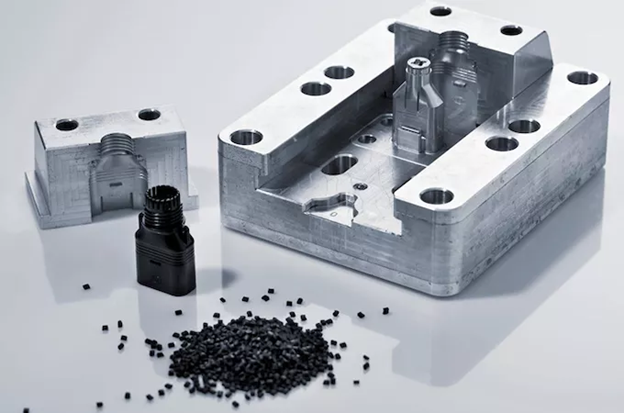
El factor clave para el éxito del moldeo por inyección de prototipos es un buen diseño del producto.
Espesor de pared
The uniform wall thickness will help in material flow during injection mold prototype manufacturing.
The warping and defects are caused due to the uneven wall.
Ángulos de calado
Angles that are created in the draft eliminates parts from the mold during injection molding prototype production.
If the correct draft angles are not provided parts can become stuck in the mold.
Material Shrinkage
The shrinkages of various plastics are different in the process of prototype plastic injection molding .
Shrinkage has to be taken into account when designing a product.
Gate Location
The placement of the gates has an impact on the inflow of plastic into the mold. The quality of injection molded prototypes is enhanced by the proper design of the gate.
Diseño de costillas
A rib is used to reinforce products without adding more wall thickness to them.
Good rib design for prototype injection molding.
Acabado superficial
Some products need to be smooth and some need to be textured.
The appearance of injection mold prototype is influenced by the surface design.
Tolerance Requirements
Precise dimensions are important in injection molding prototype manufacturing.
Engineers need to take care to establish tolerances.
Ventilación
In the course of so-called prototype plastic injection molding, air that remains in the mold can lead to defects.
Air can be released through proper venting.
Cooling Design
Quality of injection molded prototypes and cycle time are improved through efficient cooling.
The prototype injection molding project can be more successful due to good design practices.
Table 4: Mold Design Engineering Specifications
| Parámetro | Recommended Value | Engineering Purpose |
| Draft Angle | 1°–3° per side | Easier part ejection |
| Espesor de pared | 1.0–4.0 mm | Prevent sink marks and warpage |
| Gate Diameter | 0.8–2.5 mm | Controls material flow |
| Vent Depth | 0.01–0.05 mm | Removes trapped air |
| Ejector Pin Diameter | 2-10 mm | Supports smooth ejection |
| Runner Diameter | 3–8 mm | Maintains balanced flow |
| Acabado superficial | SPI A1 to D3 | Controls appearance quality |
| Mold Steel Hardness | 28–52 HRC | Improves mold life |
Challenges in Prototype Injection Molding
While there are many advantages to prototype injection molding, there are also some drawbacks.
Tooling Costs
Even after creating the molds, an investment is still necessary to make injection mold prototype manufacturing.
The more complex the molds, the higher the development costs.
Limitaciones materiales
The injection molding prototype production process is sometimes difficult to process some materials.
Manufacturers need to choose materials judiciously.
Complejidad del diseño
Prototype plastic injection molding can be challenging in the case of complex product shapes.
Engineers tend to streamline designs to make them easier to manufacture.
Encogimiento y deformación
Plastic materials can shrink or warp when they are cooled.
This influences the accuracy of the injection molded prototypes.
Tiempo de producción
Faster than production tooling, prototype injection molding does still take time for the mold to be made.
Mold Durability
Prototype molds may wear out quicker than production molds.
This can restrict the production quantity of injection mold prototype.
Defectos superficiales
The in-production injection molding prototype process may cause products to be affected by sink marks, flash, or flow lines.
Material Waste
During prototype plastic injection molding, there is some generating of waste.
Process optimization is a goal of manufacturers for minimizing waste.
Conocimientos técnicos
The key to successful injection molded prototypes is experience with the engineers and mold designers.
Despite these difficulties, prototype injection molding is still very useful in today’s product development process.
Table 5: Quality Defect Analysis in Prototype Injection Molding
| Defect Type | Main Cause | Engineering Solution | Typical Tolerance Impact |
| Marcas de fregadero | Thick wall sections | Reduce wall thickness | ±0.15 mm |
| Alabeo | Uneven cooling | Optimize cooling channels | ±0.30 mm |
| Flash | Excessive pressure | Reduce clamp force | ±0.10 mm |
| Short Shot | Low injection pressure | Increase pressure and venting | ±0.25 mm |
| Líneas de soldadura | Improper flow meeting | Modify gate location | Cosmetic defect only |
| Marcas de quemaduras | Trapped gas overheating | Improve venting system | Surface degradation |
Future Trends in Prototype Injection Molding
The prospects for prototype injection molding are excellent.
Automatización
Efficiency of injection mold prototype manufacturing is enhanced by automation.
Robotic Systems help to minimize production time and labor costs.
Fabricación inteligente
The injection molding prototype quality control is enhanced by digital monitoring systems.
The production data can be tracked in real time for the manufacturers.
Materiales sostenibles
In the prototype plastic injection molding industry, eco-friendly plastics come in more and more.
The companies are working on minimizing environmental footprint.
Faster Tooling Methods
The production speed of injection molded prototypes has been improved by advanced machining technologies.
This means quicker product development.
Artificial Intelligence
The use of AI systems enables optimization of prototype injection molding processes.
AI enhances quality and minimizes defects.
Advanced Simulation
The engineers use simulation software to predict the behavior of the materials when they are being produced with injection mold prototype.
This helps to make designs more accurate.
Hybrid Manufacturing
Some companies take advantage of the injection molding prototype methods and 3D printing at the same time.
This provides more flexible development solutions.
Improved Materials
The possibilities of prototype plastic injection molding are growing as a result of the development of new materials.
There are now tougher, lighter plastics available for manufacturers.
Global Manufacturing Growth
The worldwide demand for injection molded prototypes is still increasing.
The growth of industries will make prototype injection molding a vital manufacturing solution in the future.
Conclusión
Prototype moldeo por inyección has emerged as one of the most significant manufacturing techniques in today’s product design. It enables firms to prototype products in a timely manner, validate design and minimize manufacturing risks prior to going into large-scale production.
In many industries, injection mold prototype solutions are the backbone of businesses to enhance product quality and accelerate product launches. Prototype testing aids companies in creating better products, whether they are producing automotive components, medical devices, electronics, or consumer goods.
The prototype plastic injection molding has one significant benefit that is one of the sample parts injection moulding with high accuracy can be produced. These prototypes are more representative of the final products for more reliable testing.
Today the injection molded prototypes are still used for innovation and effectiveness for modern industries. Prototype processes are now faster, smarter and more sustainable with the advances in manufacturing technology.
With the rising demand of high-quality products, prototype injection molding values are becoming more and more significant than ever. Businesses that invest in a robust prototyping process may find that their success in the market and customer satisfaction is greater.
prototype injection molding will undoubtedly be a huge cornerstone of world manufacturing in the years to come.