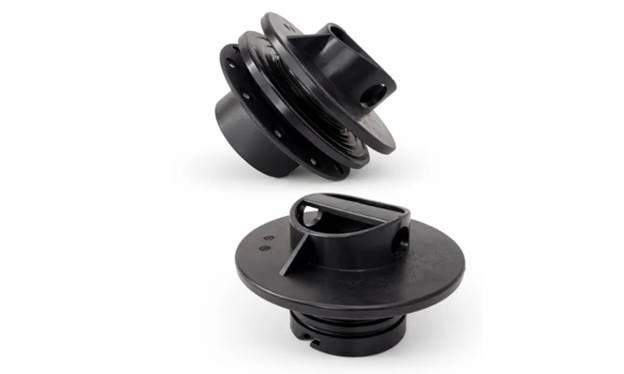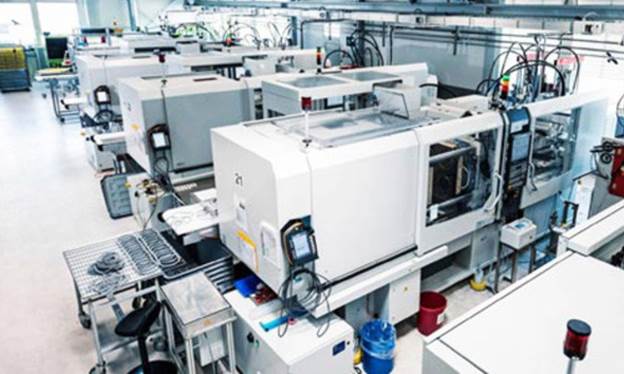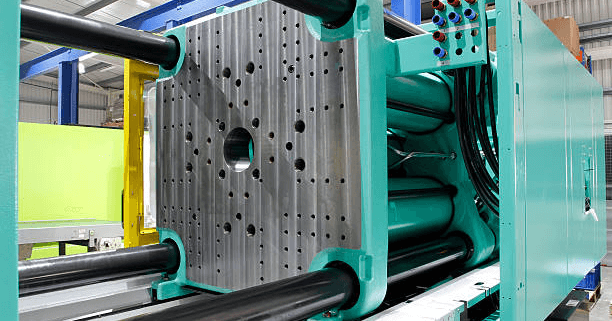
Das heutige Fertigungsumfeld ist wettbewerbsintensiver, und die Unternehmen verlangen eine schnellere Fertigung, niedrigere Fertigungskosten und eine bessere Produktqualität. Einer der besten Ansätze, um diese Ziele zu erreichen, ist das Prototypenspritzgießen. Dieses Verfahren wird von den Herstellern zur Herstellung von Produktmustern verwendet, bevor sie in die Serienproduktion einsteigen. Es ermöglicht den Unternehmen, das Produktdesign zu testen, die Funktionalität zu verfeinern und kostspielige Produktionsfehler zu vermeiden.
Die Produktion hat sich in den letzten Jahrzehnten stark gewandelt. Von den Unternehmen wird heute erwartet, dass sie ihre Produkte rechtzeitig, aber in hoher Qualität auf den Markt bringen. Sie wollen außerdem zuverlässige und langlebige Produkte. Aus diesem Grund haben die Hersteller ernsthafte Maßnahmen ergriffen, um sicherzustellen, dass sie ihren Wettbewerbsvorteil in der Branche durch den Einsatz fortschrittlicher Produktionsmethoden aufrechterhalten. Der Prototypenspritzguss ist ein sehr wichtiges Verfahren, das die moderne Fertigung unterstützt.
Unternehmen beginnen in der Regel mit einem Designkonzept, wenn sie ein neues Produkt entwickeln. Bevor das Produkt in die Produktion geht, muss es gründlich getestet werden. An dieser Stelle kommen Spritzgussprototypenlösungen ins Spiel. Anhand eines Prototyps können die Hersteller feststellen, ob das Produkt richtig funktioniert, gut aussieht und die Erwartungen der Kunden erfüllt.
Diese Spritzguss-Prototypentechniken sind für viele Branchen ein nützlicher Ansatz zur Verbesserung der Produktentwicklung. Dazu gehören die Automobil-, Medizin-, Elektronik-, Verpackungs-, Luft- und Raumfahrt- und Konsumgüterindustrie. Durch den Einsatz von Prototypen können Unternehmen Designprobleme frühzeitig erkennen und kostengünstig beheben, ohne später für teure Korrekturen bezahlen zu müssen.
Bei der Entwicklung eines neuen Geschäftsprodukts ist der Einsatz von spritzgegossenen Prototypen eine Notwendigkeit, um die Entwicklungszeit für Unternehmen in aller Welt zu verkürzen. Unternehmen müssen nicht monatelang warten, um ihre Produktideen zu verbessern, wenn sie sie schnell bewerten können. Dadurch werden Zeit und Kosten gesenkt.
Dieser Artikel behandelt das Konzept des Prototyp-Spritzgießens auf einfache und leicht verständliche Weise. Sie werden über das Verfahren, die Vorteile, die Materialien, die Anwendungen, die Herausforderungen, die Designüberlegungen, die Kosten und die Zukunftstrends unterrichtet.
Prototyp-Spritzgießen verstehen
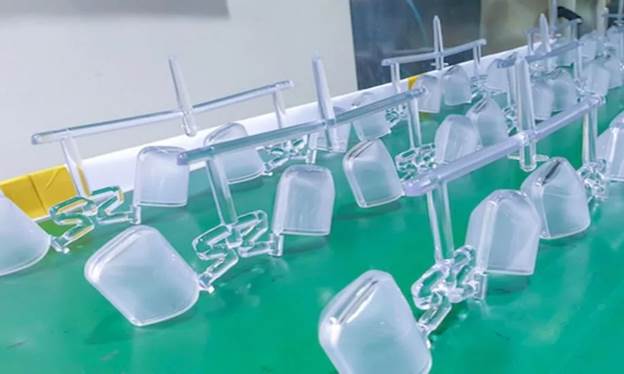
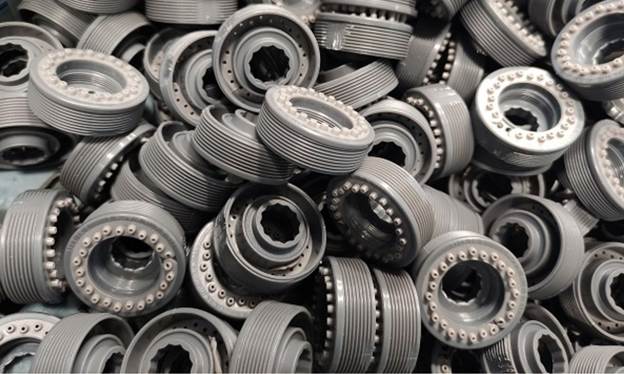
Das Prototypenspritzgießen ist ein Herstellungsverfahren für Kunststoffprototypen, die vor der Serienfertigung für die Produktion verwendet werden. Es ermöglicht Unternehmen, das Design, die Funktionalität und die Qualität eines Produkts zu bewerten, bevor es in die Produktion geht. Aufgrund seiner Schnelligkeit, Zuverlässigkeit und Kosteneffizienz ist es ein weit verbreitetes Verfahren.
Dabei wird eine speziell angefertigte Form verwendet, in die geschmolzener Kunststoff gegossen wird, um eine bestimmte Form zu schaffen. Die Produktionsformen sind in der Regel komplexer und teurer als die für die Prototypen verwendeten Formen. Nach dem Abkühlen und Aushärten wird ein Teil des Kunststoffs entnommen und auf Genauigkeit und Leistung geprüft.
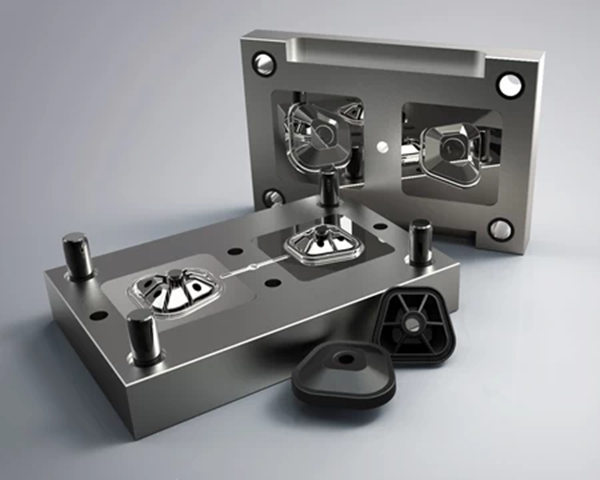
Prototypen spritzgegossener Produkte bieten den Herstellern die Möglichkeit, Designprobleme zu erkennen, bevor es Zeit für die Massenproduktion ist. Wenn es ein Problem gibt, kann es schnell behoben werden, ohne viel Geld oder Material zu verschwenden. Dies verbessert die Produktqualität und verringert das Risiko bei der Produktion.
Ein weiterer wichtiger Vorteil ist die schnelle Produktentwicklung. Sie können innerhalb weniger Tage ein Muster erstellen und es Kunden, Ingenieuren oder Investoren zur Genehmigung vorlegen. Es können auch verschiedene Materialien ausprobiert werden, um das haltbarste und stärkste Material auszuwählen.
Zusammenfassend lässt sich sagen, dass das Prototypenspritzgießen ein wichtiger Prozess in der modernen Fertigungsindustrie ist, der es den Unternehmen ermöglicht, hochwertige Produkte zu entwickeln und dabei Zeit und Kosten zu minimieren.
Die Prozessschritte des Prototyp-Spritzgießens
Beim Spritzgießen von Prototypen sind mehrere Schritte wichtig. Jeder Schritt ist wichtig für die Herstellung präziser, funktionaler Prototypenteile.
Produktdesign
Der erste Schritt bei der Entwicklung des Prototyps einer Spritzgussform ist die Erstellung eines Produktdesigns. Mit Hilfe von CAD-Software entwerfen die Ingenieure ein detailliertes 3-D-Modell des Teils. Abmessungen, Wandstärke, Oberflächendetails und funktionale Merkmale werden in den Entwurf aufgenommen.
Der Erfolg der Produktion von Spritzgussprototypen wird durch ein gut gestaltetes Modell verbessert. Der Ingenieur muss sicherstellen, dass die Konstruktion einen reibungslosen Materialfluss und eine einfache Entformung ermöglicht.
Erstellung von Formen
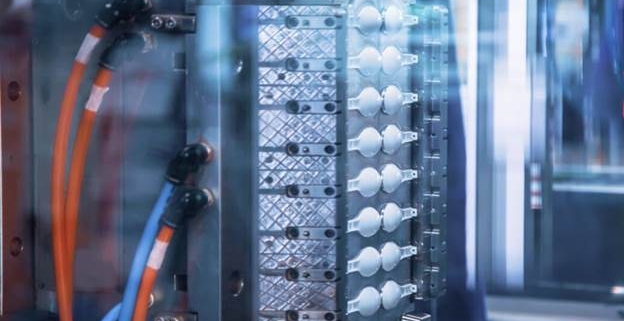
Sobald der Entwurf fertig ist, fertigen die Hersteller eine Form für den Prototyp des Kunststoffspritzgusses an. Im Allgemeinen wird für Prototypformen Aluminium verwendet, da es einfacher und schneller zu bearbeiten ist.
Das Werkzeug ist eine Form, die einen Hohlraum aufweist, der dem gewünschten Produkt ähnlich ist. Bei der Herstellung spritzgegossener Prototypen wird der flüssige Kunststoff in diesen Hohlraum gespritzt, um das Teil herzustellen.
Auswahl des Materials
Die Auswahl eines geeigneten Kunststoffs ist ein entscheidender Faktor beim Spritzgießen von Prototypen. Verschiedene Kunststoffe bieten unterschiedliche Eigenschaften, darunter Flexibilität, Festigkeit, Wärmebeständigkeit und Transparenz.
Während der Herstellung des Prototyps der Spritzgussform testen die Hersteller mehrere Materialien, um das am besten geeignete für die endgültige Produktion auszuwählen.
Injektionsverfahren
Bei der Herstellung von Prototypen im Spritzgussverfahren wird das Kunststoffgranulat erhitzt und geschmolzen. Das geschmolzene Kunststoffmaterial wird dann mit hohem Druck in den Formhohlraum gespritzt.
Auf diese Weise lassen sich mit dem Prototyp-Kunststoffspritzguss sehr detaillierte und präzise Teile herstellen. Der geschmolzene Kunststoff füllt alle Ecken der Form aus.
Abkühlungsphase
Nach dem Einspritzen kühlt der Kunststoff in der Form ab. Ein wichtiger Aspekt bei der Entwicklung robuster und solider spritzgegossener Prototypen ist die Kühlung.
Die Abkühlungszeit hängt von der Art des Materials, der Wandstärke und der Konstruktion der Form ab. Verzug und Schrumpfung werden durch eine angemessene Kühlung vermieden.
Entfernen von Teilen
Nach dem Abkühlen wird die Form geöffnet und das Produkt entnommen. Werden mehr Teile benötigt, wird der Prototyp-Spritzgießprozess wiederholt.
Prüfung und Bewertung
Nach der Produktion prüfen die Ingenieure den Prototyp der Spritzgussform besonders sorgfältig. Sie überprüfen die Größe, das Aussehen, die Festigkeit und die Verwendbarkeit.
Während der Testphase kann das Unternehmen vor der Massenproduktion Verbesserungen am Spritzgussprototyp vornehmen. Designänderungen können frühzeitig vorgenommen werden, wodurch die Herstellungskosten später minimiert werden.
Die Flexibilität des Prototyp-Spritzgießens eignet sich für die schnelle Entwicklung von Produkten. Unternehmen können schnell und effektiv mehrere Designvarianten testen.
Da ‘spritzgegossene Prototypen’ den tatsächlich hergestellten Teilen sehr ähnlich sind, erhält der Hersteller wichtige Erkenntnisse über das Verhalten seiner Produkte in der realen Welt.
Tabelle 1: Mechanische Eigenschaften gängiger spritzgegossener Prototypenmaterialien
| Material | Zugfestigkeit (MPa) | Biegemodul (GPa) | Schlagzähigkeit (kJ/m²) | Wärmeablenkung Temp (°C) | Dichte (g/cm³) | Wasserabsorption (%) |
| ABS | 40-50 | 2.0–2.5 | 15-30 | 85–100 | 1.04 | 0.2-0.5 |
| PC | 60–75 | 2.2–2.6 | 60-90 | 125–140 | 1.20 | 0.15–0.35 |
| PP | 25–40 | 1.2–1.8 | 5–15 | 90-110 | 0.90 | <0.03 |
| Nylon 6 | 70–90 | 2.0–3.0 | 8–20 | 170–200 | 1.13 | 1.0-2.5 |
| PEEK | 90-100 | 3.5–4.5 | 20–35 | 280–315 | 1.30 | <0.1 |
Die Vorteile des Prototyp-Spritzgießens sind
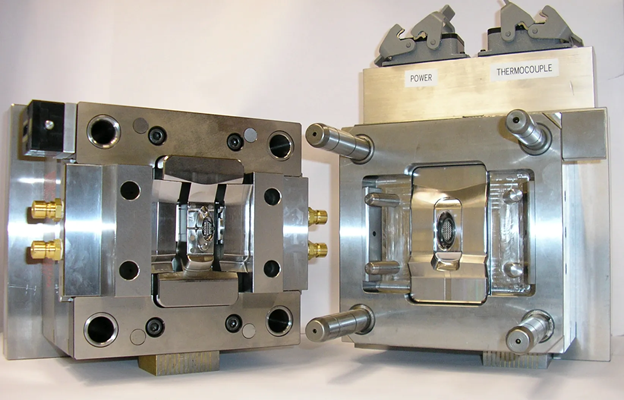
Unternehmen können den Prototypenspritzguss aus einer Vielzahl von Gründen bei der Entwicklung eines Produkts einsetzen.
Schnellere Produktentwicklung
Das Verfahren zur Herstellung von Spritzgussform-Prototypen ist sehr schnell. Musterprodukte können leicht entwickelt und getestet werden, bevor die Produktion beginnt.
Schnelle Tests erleichtern die rasche Verbesserung von Produkten durch Unternehmen. Die Prozesse Spritzgießen Prototyp sind daher sehr nützlich in wettbewerbsfähigen Branchen.
Kosteneinsparungen
Es kann ein kostspieliger Fehler sein, ein Produkt zu entwickeln, ohne es zu testen. Das Prototyp-Spritzgießen von Kunststoffen dient dazu, Probleme frühzeitig im Unternehmen zu erkennen.
Die Behebung von Designproblemen vor der Massenproduktion kann Geld sparen. Deshalb sind spritzgegossene Prototypen die am häufigsten verwendete Methode.
Bessere Produktqualität
Das Prototyping hilft, ein besseres Produkt zu schaffen. Die Entscheidung über Festigkeit, Haltbarkeit, Passform und Aussehen kann während des Prototyp-Spritzgießens getroffen werden.
Es besteht ein Zusammenhang zwischen der Qualität eines Produkts und der Qualität der durchgeführten Tests. Unternehmen, die den Prototypenservice für Spritzgussformen in Anspruch nehmen, erhalten im Allgemeinen bessere Produkte.
Materialprüfung
Die Materialien reagieren unterschiedlich auf den Herstellungsprozess. Im Falle von Kunststoffen können die Hersteller verschiedene Kunststoffmaterialien durch Spritzguss-Prototypverfahren testen.
Diese Vielseitigkeit kann bei der Auswahl des optimalen Materials hilfreich sein, um Leistung und Haltbarkeit beim Prototypenspritzgießen von Kunststoff zu gewährleisten.
Genaue Ergebnisse
Die spritzgegossenen Prototypen ähneln im Gegensatz zu einigen Schnellfertigungstechniken sehr stark den Endprodukten.
Die Genauigkeit ermöglicht es Ingenieuren, fundierte Designentscheidungen beim Prototypenspritzguss zu treffen.
Reduzierte Risiken bei der Herstellung
Die frühzeitige Prüfung von Produkten hilft den Unternehmen, die Produktionsrisiken zu minimieren. Durch die Prüfung des Prototyps einer Spritzgussform können Schwachstellen und Fertigungsprobleme aufgedeckt werden.
In den Branchen, in denen Sicherheit und Zuverlässigkeit an erster Stelle stehen, ist es wichtig, Risiken zu verringern.
Verbesserte Kommunikation
Physische Prototypen haben einen positiven Effekt auf die Kommunikation zwischen Ingenieuren, Herstellern und Kunden. Spritzguss-Prototypenmuster ermöglichen allen Beteiligten ein besseres Verständnis des Endprodukts.
Dies ist hilfreich für die Teamarbeit und die Kundenakzeptanz aufgrund des Wertes des Prototyps beim Kunststoffspritzguss.
Schnellerer Markteintritt
Die Unternehmen, die spritzgegossene Prototypen verwenden, können ihre Produkte schneller auf den Markt bringen. Eine schnelle Umsetzung in der Produktentwicklung ist für Unternehmen entscheidend, um wettbewerbsfähig zu bleiben.
Oft kann der Prototypenspritzguss dem Unternehmen einen bedeutenden Vorsprung auf dem Markt verschaffen.
Materialien für das Spritzgießen von Prototypen
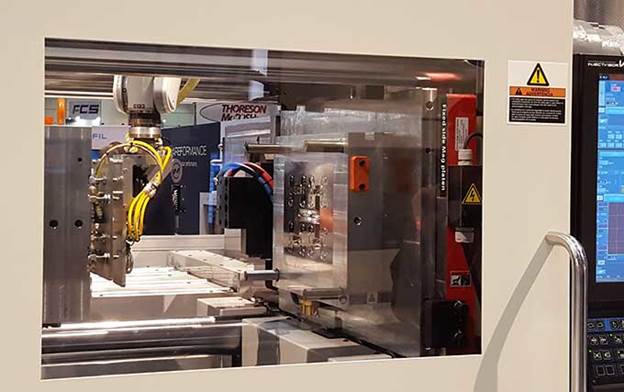
Einer der wichtigsten Punkte beim Prototypenspritzgießen ist die Materialauswahl. Verschiedene Kunststoffmaterialien haben unterschiedliche Eigenschaften.
ABS-Kunststoff
ABS ist robust, widerstandsfähig und kostengünstig und wird häufig bei der Herstellung von Prototypen im Spritzgussverfahren verwendet.
Es findet breite Anwendung bei Automobilkomponenten, Elektronikgehäusen und Konsumgütern.
Polypropylen
Ein weiteres häufig verwendetes Material für die Herstellung von Spritzguss-Prototypen ist Polypropylen. Es ist flexibel, chemikalienbeständig und leicht.
Polypropylen wird in vielen Verpackungs- und Haushaltsprodukten verwendet.
Polycarbonat
Polycarbonat ist ein Werkstoff, der sich durch sehr hohe Schlagfestigkeit und Transparenz auszeichnet. Dieser Werkstoff wird häufig im Prototypenbau im Kunststoffspritzgussverfahren zur Herstellung von Schutzabdeckungen und medizinischen Produkten eingesetzt.
Nylon
Nylon zeichnet sich durch eine hohe Verschleißfestigkeit und Festigkeit aus. Nylon wird bei der Herstellung von Prototypen aus Spritzguss die in der Industrie und im Automobilsektor weit verbreitet sind.
Polyethylen
Polyethylen ist flexibel, langlebig und wasserdicht. Es wird häufig im Verpackungssektor für den Prototypenbau im Spritzgussverfahren verwendet.
Acryl
Acryl ist ein Material, das sich durch gute Transparenz und Witterungsbeständigkeit auszeichnet. Es wird von Herstellern für Prototypen im Spritzgussverfahren verwendet, bei denen das Erscheinungsbild des Produkts eine wichtige Rolle spielt.
TPU
Ein flexibler Kunststoff namens TPU wird in Produkten verwendet, die Elastizität und Zähigkeit erfordern; diese werden als Spritzguss-Prototypen bezeichnet.
Benutzerdefinierte Materialien
Es gibt bestimmte Unternehmen, die spezielle Materialien benötigen, die als Prototypen-Kunststoffspritzguss bezeichnet werden. Bei diesen Materialien kann es sich um flammhemmende, UV-beständige oder für medizinische Zwecke geeignete Kunststoffe handeln.
Prototypen aus dem Spritzgussverfahren, die vor der Serienfertigung hergestellt werden, werden getestet, um sicherzustellen, dass die Materialien die Produktanforderungen erfüllen, bevor die Produktion beginnt.
Tabelle 2: Technische Verarbeitungsparameter für den Prototypen-Spritzguss
| Material Typ | Schmelztemperatur (°C) | Formtemperatur (°C) | Einspritzdruck (MPa) | Abkühlzeit (Sek.) | Schrumpfungsrate (%) | Typische Zykluszeit (Sek.) |
| ABS | 220-260 | 40-80 | 70-120 | 15-30 | 0.4-0.7 | 25–60 |
| Polypropylen (PP) | 200–250 | 20-70 | 50–100 | 10–25 | 1.0-2.5 | 20-50 |
| Polycarbonat (PC) | 280–320 | 80–120 | 80–140 | 20–40 | 0.5-0.7 | 35–70 |
| Nylon (PA6) | 230–290 | 70–100 | 75–125 | 18–35 | 0.7–1.5 | 30–65 |
| PEEK | 360–400 | 120–160 | 100–160 | 40-90 | 1.1–1.3 | 80–140 |
Zu den Anwendungen des Prototyp-Spritzgießens gehören
Das Prototypen-Spritzgießen wird weltweit in vielen Branchen eingesetzt.
Autoindustrie
Spritzgussform Die Prototypenfertigung ist eine Schlüsseltechnologie in der Automobilindustrie. Prototypen werden in Unternehmen für Armaturenbretter, Halterungen, Griffe, Gehäuse und Innenraumteile verwendet.
Prüfungen tragen zur Verbesserung der Sicherheit und Langlebigkeit von Fahrzeugen bei.
Medizinische Industrie
Zur Herstellung von Prototypen für Geräte und Ausrüstung setzen Medizinunternehmen Prototypenverfahren im Spritzguss ein.
Der Prototypenbau mittels Kunststoffspritzguss ist aufgrund seiner hohen Präzision bei medizinischen Produkten von großem Wert.
Elektronikindustrie
Handygehäuse, Steckverbinder, Gehäuse und Geräteteile werden von Elektronikunternehmen mithilfe von Prototypen aus Spritzguss hergestellt.
Der Prozess ermöglicht es den Herstellern, diese Funktionstests bereits vor der Produktion durchzuführen.
Konsumgüter
Das Prototypen-Spritzgießen wird zur Herstellung zahlreicher Haushaltsprodukte eingesetzt. Dazu gehören beispielsweise Küchenutensilien, Spielzeug, Behälter oder Körperpflegeartikel.
Luft- und Raumfahrtindustrie
Die Luft- und Raumfahrtindustrie nutzt Prototypenlösungen im Spritzgussverfahren, um leichte und langlebige Bauteile zu entwickeln.
In der Luft- und Raumfahrt sind Sicherheitsprüfungen von besonderer Bedeutung.
Verpackungsindustrie
Die Entwicklung von Prototypen mittels Spritzguss wird von Verpackungsunternehmen zur Entwicklung von Flaschenverschlüssen, Behältern und Verpackungszubehör genutzt.
Industrielle Ausrüstung
Das Prototypen-Spritzgießen wird in Fabriken und bei Maschinenherstellern zur Herstellung mechanischer Bauteile eingesetzt.
Medizinische Verpackungen
Bei sterilen Verpackungen und Behältern für den Gesundheitsbereich wird auch der Begriff „Spritzguss-Prototypen“ verwendet.
Die Anwendungsbeispiele zeigen, dass das Prototypen-Spritzgießen in vielen Branchen von großem Nutzen ist.
Unterschiede zwischen Prototyp und Serien-Spritzgießen
Obwohl sich das Prototypen-Spritzgießen und das Serien-Spritzgießen ähneln, weisen sie doch einige Unterschiede auf.
Produktionsvolumen
Die Herstellung von Prototypen mittels Spritzguss basiert auf der Kleinserienfertigung. Im Serienguss werden Tausende oder Millionen von Teilen produziert.
Materialien für Formen
In der Regel werden Prototypenformen aus Aluminium gefertigt. Für Serienformen wird üblicherweise gehärteter Stahl verwendet.
Daher besteht der Unterschied zwischen beiden darin, dass die Herstellung von Prototypen im Spritzgussverfahren schneller und kostengünstiger ist.
Kosten
Im Allgemeinen sind die Kosten für den Prototypenbau im Kunststoffspritzgussverfahren aufgrund der relativ einfacheren Prototypenformen geringer.
Geschwindigkeit
Die Hersteller können schnell Prototypen erstellen, um spritzgegossene Prototypen herzustellen. So bleibt mehr Zeit für die Herstellung der Serienwerkzeuge.
Zweck
Der Hauptzweck des Prototypen-Spritzgussverfahrens ist die Erprobung und Bewertung. Der Produktionsspritzguss dient vor allem der Massenproduktion.
Design-Änderungen
Bei der Herstellung von Prototypen mittels Spritzguss lassen sich Konstruktionsänderungen relativ einfach vornehmen. Die Anpassung von Serienwerkzeugen ist hingegen aufwändiger.
Flexibilität
Der Einsatz der Prototypenentwicklung mittels Spritzguss zur Materialprüfung und zur Konzeption von Materialversuchen.
Beim Serienspritzguss stehen Konsistenz und Effizienz an erster Stelle.
Risikominderung
Das Prototypenverfahren im Kunststoffspritzguss kann vor der Serienfertigung eingesetzt werden, um Fertigungsrisiken zu minimieren.
Der Test kann zur Verbesserung der Produktqualität eingesetzt werden.
Genauigkeit
In der heutigen Zeit liefern Ihnen Prototypen aus Spritzguss äußerst präzise Ergebnisse, die mit Ihrem Endprodukt vergleichbar sind.
Dadurch erweist sich das Prototypen-Spritzgießen im Produktentwicklungsprozess als sehr nützlich.
Tabelle 3: CNC-gefräste Prototypenform im Vergleich zur Prototypenform aus Aluminium
| Eigentum | CNC-Stahlform | Aluminium-Prototypenform |
| Durchschnittliche Standzeit | Über 100.000 Zyklen | 5.000–20.000 Zyklen |
| Wärmeleitfähigkeit | 25–35 W/mK | 120–180 W/mK |
| Bearbeitungszeit | 2–6 Wochen | 5–10 Tage |
| Werkzeugkosten | Hoch | Mittel |
| Oberflächenbeschaffenheit | Ausgezeichnet | Sehr gut |
| Dimensionsstabilität | Sehr hoch | Mäßig |
| Empfohlenes Produktionsvolumen | Mittel bis hoch | Niedrig bis mittel |
| Härte | 48–52 HRC | 70–95 HB |
Konstruktionsüberlegungen für Prototyp-Spritzgießen
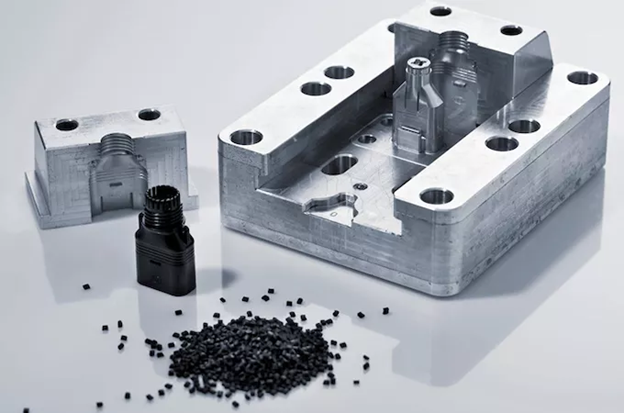
Der entscheidende Faktor für den Erfolg beim Prototypen-Spritzguss ist eine gute Produktkonstruktion.
Wanddicke
Die gleichmäßige Wandstärke trägt zur besseren Materialfließfähigkeit bei der Herstellung von Prototypen im Spritzgussverfahren bei.
Die Verformungen und Mängel sind auf die unebene Wand zurückzuführen.
Entwurfswinkel
Durch die im Entwurf vorgesehenen Schrägen werden Teile bei der Prototypenfertigung im Spritzgussverfahren aus der Form entfernt.
Wenn keine ausreichenden Entformungsschrägen vorgesehen sind, können Teile in der Form hängen bleiben.
Schrumpfung des Materials
Die Schrumpfungen verschiedener Kunststoffe unterscheiden sich beim Prototypenbau im Kunststoffspritzgussverfahren. .
Bei der Produktentwicklung muss die Schrumpfung berücksichtigt werden.
Standort des Tores
Die Anordnung der Angüsse hat Einfluss auf den Kunststofffluss in die Form. Durch eine geeignete Auslegung der Angüsse lässt sich die Qualität der Spritzguss-Prototypen verbessern.
Rippen-Design
Eine Verstärkungsrippe dient dazu, Produkte zu verstärken, ohne deren Wandstärke zu erhöhen.
Gutes Rippendesign für den Prototypen-Spritzguss.
Oberfläche
Manche Produkte müssen glatt sein, andere hingegen strukturiert.
Das Erscheinungsbild eines Spritzguss-Prototyps wird durch die Oberflächengestaltung beeinflusst.
Toleranzanforderungen
Bei der Herstellung von Prototypen im Spritzgussverfahren sind präzise Abmessungen wichtig.
Ingenieure müssen darauf achten, Toleranzen festzulegen.
Entlüftung
Beim sogenannten Prototypen-Kunststoffspritzguss kann in der Form verbleibende Luft zu Fehlern führen.
Durch eine ordnungsgemäße Entlüftung kann Luft abgelassen werden.
Design der Kühlung
Durch eine effiziente Kühlung werden die Qualität der Spritzguss-Prototypen und die Zykluszeit verbessert.
Das Prototypen-Spritzgussprojekt kann durch bewährte Konstruktionspraktiken erfolgreicher gestaltet werden.
Tabelle 4: Technische Spezifikationen für den Formenbau
| Parameter | Empfohlener Wert | Technischer Zweck |
| Entwurfswinkel | 1°–3° pro Seite | Einfacheres Auswerfen der Teile |
| Wanddicke | 1,0–4,0 mm | Verhindern Sie Einfallstellen und Verformungen |
| Durchmesser der Schranke | 0,8–2,5 mm | Steuert den Materialfluss |
| Entlüftungstiefe | 0,01–0,05 mm | Entfernt eingeschlossene Luft |
| Durchmesser des Auswerferstifts | 2-10 mm | Ermöglicht ein reibungsloses Auswerfen |
| Laufraddurchmesser | 3–8 mm | Sorgt für einen gleichmäßigen Durchfluss |
| Oberfläche | SPI A1 bis D3 | Überwacht die optische Qualität |
| Härte von Formstahl | 28–52 HRC | Verlängert die Lebensdauer der Form |
Herausforderungen beim Spritzgießen von Prototypen
Das Prototypen-Spritzgießen bietet zwar viele Vorteile, hat aber auch einige Nachteile.
Werkzeugkosten
Selbst nach der Herstellung der Formen sind noch Investitionen erforderlich, um Prototypen im Spritzgussverfahren herzustellen.
Je komplexer die Formen sind, desto höher sind die Entwicklungskosten.
Materielle Beschränkungen
Bei der Prototypenfertigung im Spritzgussverfahren ist die Verarbeitung bestimmter Materialien mitunter schwierig.
Hersteller müssen ihre Materialien mit Bedacht auswählen.
Entwurfskomplexität
Das Spritzgießen von Prototypen aus Kunststoff kann bei komplexen Produktformen eine Herausforderung darstellen.
Ingenieure neigen dazu, Konstruktionen zu optimieren, um ihre Herstellung zu vereinfachen.
Schrumpfung und Verformung
Kunststoffe können beim Abkühlen schrumpfen oder sich verziehen.
Dies wirkt sich auf die Genauigkeit der spritzgegossenen Prototypen aus.
Produktionszeit
Auch wenn das Prototypen-Spritzgießen schneller ist als die Serienfertigung, dauert die Herstellung der Form dennoch einige Zeit.
Dauerhaftigkeit der Form
Prototypenformen können schneller verschleißen als Serienformen.
Dies kann die Produktionsmenge des Spritzguss-Prototyps einschränken.
Defekte der Oberfläche
Im Rahmen des Prototypenverfahrens im Spritzguss in der Serienfertigung kann es vorkommen, dass die Produkte Einfallstellen, Grate oder Fließspuren aufweisen.
Materialabfälle
Beim Prototypenbau mittels Kunststoffspritzguss fallen gewisse Abfallmengen an.
Die Prozessoptimierung ist ein Ziel der Hersteller, um Abfall zu minimieren.
Technisches Fachwissen
Der Schlüssel zu erfolgreichen Prototypen aus Spritzguss liegt in der Erfahrung der Ingenieure und Formenbauer.
Trotz dieser Schwierigkeiten ist das Prototypen-Spritzgießen im heutigen Produktentwicklungsprozess nach wie vor sehr nützlich.
Tabelle 5: Analyse von Qualitätsmängeln beim Prototypen-Spritzguss
| Fehlerart | Hauptursache | Technische Lösung | Typische Auswirkungen von Toleranzen |
| Sinkende Markierungen | Dicke Wandabschnitte | Wandstärke verringern | ±0,15 mm |
| Verzug | Ungleichmäßige Kühlung | Kühlkanäle optimieren | ±0,30 mm |
| Blitzlicht | Übermäßiger Druck | Klemmkraft verringern | ±0,10 mm |
| Kurzschuss | Niedriger Einspritzdruck | Druck erhöhen und entlüften | ±0,25 mm |
| Schweißnähte | Unangemessenes Meeting zum Arbeitsablauf | Position des Tors ändern | Nur ein kosmetischer Makel |
| Brandflecken | Überhitzung durch eingeschlossenes Gas | Entlüftungssystem verbessern | Oberflächenverschleiß |
Zukünftige Trends im Prototypenspritzguss
Die Aussichten für den Prototypen-Spritzguss sind hervorragend.
Automatisierung
Die Effizienz bei der Herstellung von Prototypen im Spritzgussverfahren wird durch Automatisierung gesteigert.
Robotersysteme tragen dazu bei, die Produktionszeit und die Arbeitskosten zu minimieren.
Intelligente Fertigung
Die Qualitätskontrolle bei Prototypen aus dem Spritzgussverfahren wird durch digitale Überwachungssysteme verbessert.
Die Produktionsdaten können von den Herstellern in Echtzeit verfolgt werden.
Nachhaltige Materialien
In der Prototypen-Kunststoffspritzgussbranche kommen zunehmend umweltfreundliche Kunststoffe zum Einsatz.
Die Unternehmen arbeiten daran, ihren ökologischen Fußabdruck zu minimieren.
Schnellere Werkzeugbauverfahren
Die Fertigungsgeschwindigkeit von Spritzguss-Prototypen wurde durch fortschrittliche Bearbeitungstechnologien verbessert.
Das bedeutet eine schnellere Produktentwicklung.
Künstliche Intelligenz
Der Einsatz von KI-Systemen ermöglicht die Optimierung von Prototypen-Spritzgussprozessen.
KI verbessert die Qualität und minimiert Fehler.
Erweiterte Simulation
Die Ingenieure nutzen Simulationssoftware, um das Verhalten der Werkstoffe bei der Herstellung mittels Spritzguss-Prototypen vorherzusagen.
Dies trägt dazu bei, Entwürfe präziser zu gestalten.
Hybride Fertigung
Manche Unternehmen nutzen gleichzeitig die Methoden des Prototypenbaus im Spritzgussverfahren und den 3D-Druck.
Dies ermöglicht flexiblere Entwicklungslösungen.
Verbesserte Materialien
Die Möglichkeiten des Prototypen-Kunststoffspritzgusses nehmen dank der Entwicklung neuer Werkstoffe zu.
Den Herstellern stehen nun widerstandsfähigere und leichtere Kunststoffe zur Verfügung.
Globales Produktionswachstum
Die weltweite Nachfrage nach Prototypen aus Spritzguss steigt weiterhin an.
Das Wachstum der Industrie wird das Prototypen-Spritzgießen in Zukunft zu einer unverzichtbaren Fertigungslösung machen.
Schlussfolgerung
Prototyp Spritzgießen hat sich zu einer der bedeutendsten Fertigungstechniken im modernen Produktdesign entwickelt. Sie ermöglicht es Unternehmen, zeitnah Prototypen von Produkten zu erstellen, das Design zu validieren und Fertigungsrisiken zu minimieren, bevor die Serienproduktion anläuft.
In vielen Branchen bilden Prototypenlösungen im Spritzgussverfahren das Rückgrat der Unternehmen, um die Produktqualität zu verbessern und die Markteinführung von Produkten zu beschleunigen. Prototypentests helfen Unternehmen dabei, bessere Produkte zu entwickeln, ganz gleich, ob sie Automobilkomponenten, Medizinprodukte, Elektronik oder Konsumgüter herstellen.
Das Spritzgießen von Prototypen aus Kunststoff bietet einen wesentlichen Vorteil: Es ermöglicht die Herstellung von Musterteilen mit hoher Genauigkeit. Diese Prototypen entsprechen den Endprodukten besser und ermöglichen somit zuverlässigere Tests.
Auch heute noch werden spritzgegossene Prototypen in der modernen Industrie zur Förderung von Innovation und Effizienz eingesetzt. Dank der Fortschritte in der Fertigungstechnik sind die Prototypenverfahren mittlerweile schneller, intelligenter und nachhaltiger.
Angesichts der steigenden Nachfrage nach hochwertigen Produkten gewinnt der Prototypenbau im Spritzgussverfahren zunehmend an Bedeutung. Unternehmen, die in einen soliden Prototypenbauprozess investieren, können damit ihren Markterfolg steigern und die Kundenzufriedenheit erhöhen.
Das Prototypen-Spritzgießen wird in den kommenden Jahren zweifellos ein wichtiger Eckpfeiler der weltweiten Fertigungsindustrie sein.