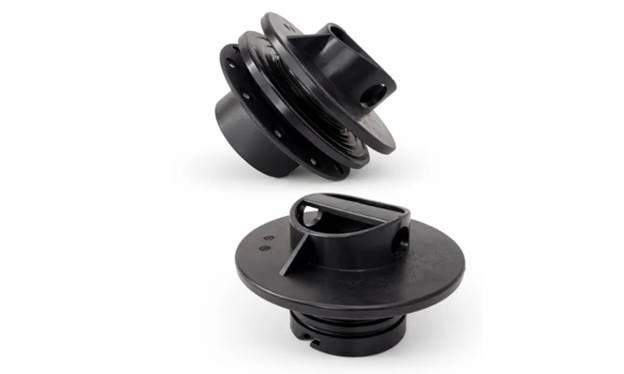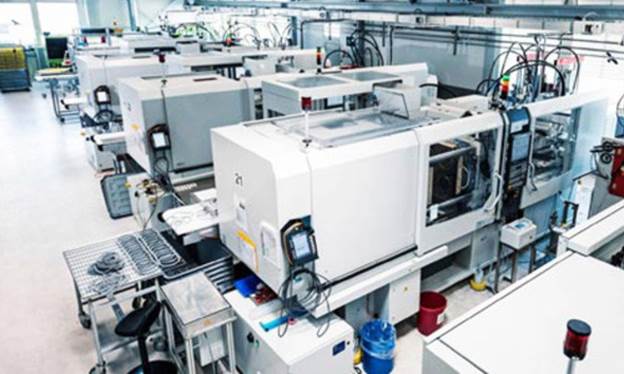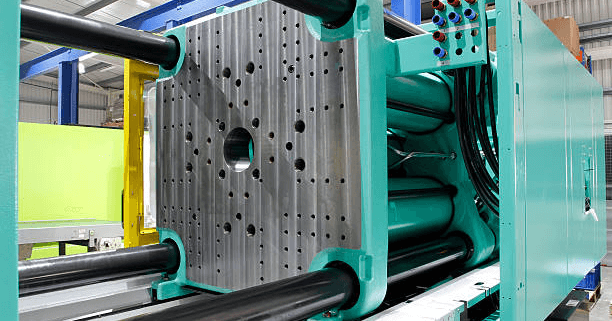
Le secteur manufacturier est aujourd’hui plus concurrentiel, et les entreprises exigent des délais de fabrication plus courts, des coûts de production réduits et une meilleure qualité des produits. L'une des meilleures approches utilisées pour atteindre ces objectifs est le moulage par injection de prototypes. Ce procédé permet aux fabricants de produire des échantillons avant de passer à la production à grande échelle. Il permet aux entreprises de tester la conception des produits, d'affiner leurs fonctionnalités et d'éliminer les erreurs de production coûteuses.
Le secteur manufacturier a connu une transformation profonde au cours des deux dernières décennies. Les entreprises doivent désormais commercialiser leurs produits dans des délais courts, tout en garantissant un haut niveau de qualité. Elles recherchent également des produits fiables et durables. En conséquence, les fabricants ont pris des mesures sérieuses pour s'assurer de conserver leur avantage concurrentiel dans le secteur grâce à l'utilisation de méthodes de production avancées. Le moulage par injection de prototypes est un processus très important qui contribue à la fabrication moderne.
En général, les entreprises commencent par définir un concept lorsqu'elles développent un nouveau produit. Ce dernier doit être testé de manière approfondie avant d'entrer en production. C'est là que les solutions de prototypage par moulage par injection s'avèrent utiles. Un prototype permet aux fabricants de vérifier si le produit fonctionne correctement, s'il est esthétique et s'il répond aux attentes des clients.
Ces techniques de prototypage par moulage par injection constituent une approche utile pour de nombreux secteurs afin d'optimiser le développement de produits. Cela concerne notamment les secteurs de l'automobile, du médical, de l'électronique, de l'emballage, de l'aérospatiale et des biens de consommation. Grâce aux prototypes, les entreprises peuvent détecter les problèmes de conception à un stade précoce et les résoudre à moindre coût, sans avoir à supporter des corrections onéreuses par la suite.
Lors de la création d'un nouveau produit commercial, le recours à des prototypes moulés par injection est indispensable pour réduire les délais de développement des entreprises du monde entier. Les entreprises n'ont plus besoin d'attendre des mois pour apporter des améliorations à leurs concepts de produits, puisqu'elles peuvent les évaluer rapidement. Cela permet de gagner du temps et de réduire les coûts.
Cet article présente le concept du moulage par injection de prototypes de manière simple et claire. Vous y découvrirez le processus, les avantages, les matériaux, les applications, les défis, les considérations de conception, les coûts et les tendances futures.
Comprendre le moulage par injection de prototypes
Le moulage par injection de prototypes est un procédé de fabrication de prototypes en plastique destinés à être utilisés avant le lancement de la production à grande échelle. Il permet aux entreprises d'évaluer la conception, la fonctionnalité et la qualité d'un produit avant qu'il ne soit mis en production. C'est une méthode largement utilisée en raison de sa rapidité, de sa fiabilité et de son rapport coût-efficacité.
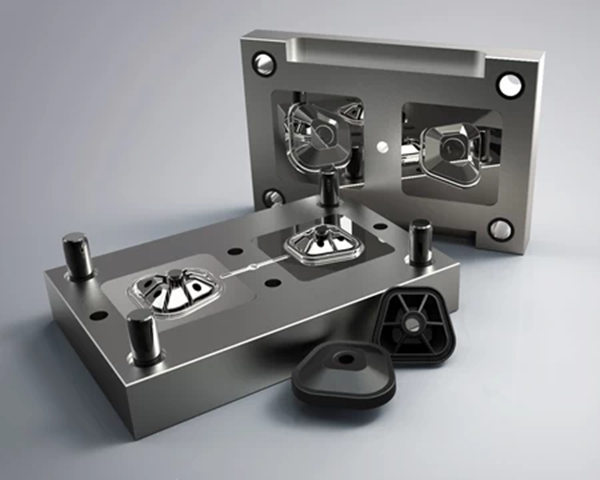
Ce procédé consiste à utiliser un moule spécialement conçu dans lequel on verse du plastique fondu afin d'obtenir une forme spécifique. Les moules de production sont généralement plus complexes et plus coûteux que ceux utilisés pour les prototypes. Une fois refroidi et durci, le plastique est découpé et examiné pour vérifier sa précision et ses performances.
Les prototypes de produits moulés par injection permettent aux fabricants de détecter les problèmes de conception avant le lancement de la production en série. En cas de problème, celui-ci peut être corrigé rapidement sans gaspiller d'argent ni de matériaux. Cela améliore la qualité du produit et réduit les risques liés à la production.
L'autre avantage majeur réside dans la rapidité du développement des produits. Ils peuvent réaliser un prototype en quelques jours et le présenter aux clients, aux ingénieurs ou aux investisseurs pour validation. Différents matériaux peuvent également être testés afin de sélectionner le plus résistant et le plus solide.
En conclusion, le moulage par injection de prototypes est un processus essentiel dans l'industrie manufacturière moderne, qui permet aux entreprises de développer des produits de qualité supérieure tout en réduisant au minimum les délais et les coûts.
Les étapes du processus de moulage par injection de prototypes
Plusieurs étapes sont essentielles dans le processus de moulage par injection de prototypes. Chaque étape est cruciale pour obtenir des pièces prototypes précises et fonctionnelles.
Conception du produit
La première étape de la conception d'un prototype de moule d'injection consiste à réaliser la conception du produit. Les ingénieurs utilisent un logiciel de conception assistée par ordinateur (CAO) pour créer un modèle 3D détaillé de la pièce. La conception inclut les dimensions, l'épaisseur des parois, les détails de surface et les caractéristiques fonctionnelles.
La réussite de la fabrication de prototypes par moulage par injection repose en grande partie sur une conception bien pensée. L'ingénieur doit s'assurer que la conception permettra un écoulement fluide de la matière et un démoulage aisé.
Création de moules
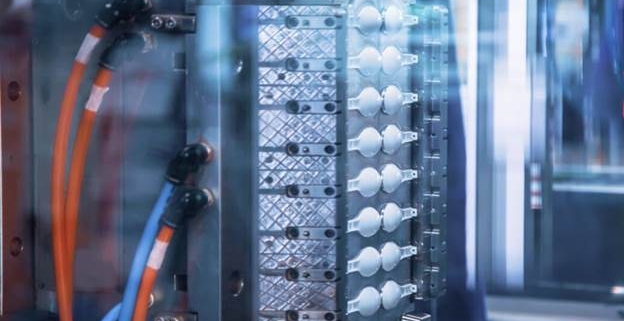
Une fois la conception terminée, les fabricants réaliseront un moule destiné au moulage par injection plastique des prototypes. L'aluminium est généralement le matériau utilisé pour les moules de prototypes, car il est plus facile et plus rapide à usiner.
Un moule est une forme dotée d'une cavité dont la configuration correspond à celle du produit souhaité. Lors du processus de fabrication de prototypes par moulage par injection, le plastique liquide est injecté dans cette cavité afin de former la pièce.
Sélection des matériaux
Le choix d'un matériau plastique adapté est un facteur déterminant dans le moulage par injection de prototypes. Les différentes matières plastiques présentent des caractéristiques variées, notamment en termes de souplesse, de résistance mécanique, de résistance à la chaleur et de transparence.
Au cours de la fabrication du prototype par moulage par injection, les fabricants testeront plusieurs matériaux afin de choisir celui qui convient le mieux à la production finale.
Procédé d'injection
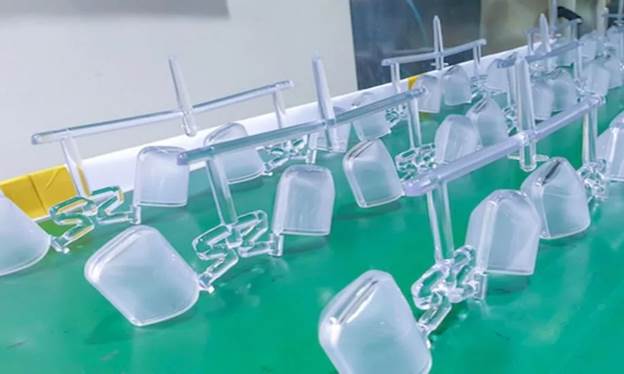
Dans la fabrication de prototypes par moulage par injection, les granulés de plastique sont chauffés et fondus. La matière plastique en fusion est ensuite injectée dans la cavité du moule sous haute pression.
Grâce à ce procédé, le moulage par injection de plastique permet de fabriquer des pièces très détaillées et d'une grande précision. Le plastique fondu remplit tous les recoins du moule.
Phase de refroidissement
Le plastique refroidit ensuite à l'intérieur du moule après l'injection. Le refroidissement est un aspect essentiel de la conception de prototypes moulés par injection robustes et solides.
Le temps de refroidissement dépend du type de matériau, de l'épaisseur de la paroi et de la conception du moule. Un refroidissement adéquat permet d'éviter le gauchissement et le retrait.
Retrait d'une pièce
Une fois refroidi, le moule est ouvert et le produit est retiré. Si d'autres pièces sont nécessaires, le processus de moulage par injection du prototype est alors répété.
Test et évaluation
Les ingénieurs accordent une attention toute particulière au prototype moulé par injection une fois la production terminée. Ils vérifient ses dimensions, son aspect, sa résistance et sa facilité d'utilisation.
Au cours de la phase de test, l'entreprise peut apporter des améliorations au prototype moulé par injection avant de passer à la production en série. Les modifications de conception peuvent être effectuées à un stade précoce, ce qui permet de réduire au minimum les coûts de fabrication par la suite.
La flexibilité du moulage par injection plastique de prototypes se prête parfaitement au développement rapide de produits. Les entreprises peuvent ainsi tester rapidement et efficacement plusieurs variantes de conception.
Les ‘ prototypes moulés par injection ’ étant très proches des pièces finies, le fabricant pourra ainsi se faire une idée précise du comportement de ses produits dans des conditions réelles.
Tableau 1 : Propriétés mécaniques de matériaux courants utilisés pour le moulage par injection
| Matériau | Résistance à la traction (MPa) | Module de flexion (GPa) | Résistance à l'impact (kJ/m²) | Température de déformation thermique (°C) | Densité (g/cm³) | Absorption d'eau (%) |
| ABS | 40-50 | 2.0–2.5 | 15-30 | 85–100 | 1.04 | 0.2-0.5 |
| PC | 60–75 | 2.2–2.6 | 60-90 | 125–140 | 1.20 | 0.15–0.35 |
| PP | 25–40 | 1.2–1.8 | 5–15 | 90-110 | 0.90 | < 0,03 |
| Nylon 6 | 70–90 | 2.0–3.0 | 8–20 | 170–200 | 1.13 | 1.0-2.5 |
| PEEK | 90-100 | 3.5–4.5 | 20–35 | 280–315 | 1.30 | < 0,1 |
Les avantages du moulage par injection de prototypes sont les suivants :
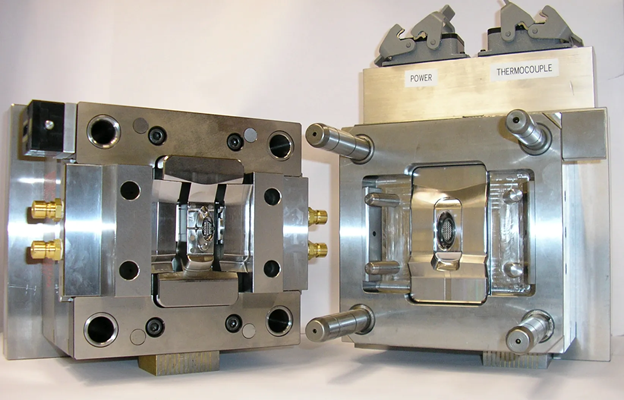
Les entreprises peuvent recourir au moulage par injection de prototypes pour diverses raisons lors du développement d'un produit.
Accélération du développement des produits
Le processus de fabrication de prototypes par moulage par injection est extrêmement rapide. Il permet de réaliser et de tester facilement des échantillons avant le lancement de la production.
Les tests rapides permettent aux entreprises d'améliorer rapidement leurs produits. Les processus de prototypage par moulage par injection s'avèrent donc très utiles dans les secteurs hautement concurrentiels.
Économies de coûts
Développer un produit sans le tester peut s'avérer très coûteux. Le moulage par injection de prototypes en plastique permet d'identifier les problèmes à un stade précoce au sein de l'entreprise.
Résoudre les problèmes de conception avant la production en série permet de réaliser des économies. C'est pourquoi le moulage par injection est la méthode la plus couramment utilisée pour la fabrication de prototypes.
Une meilleure qualité des produits
Le prototypage permet d'améliorer le produit. Les choix concernant la résistance, la durabilité, l'ajustement et l'aspect peuvent être déterminés lors du moulage par injection du prototype.
Il existe un lien entre la qualité d'un produit et celle des essais effectués. Les entreprises qui font appel à des services de prototypage par moulage par injection obtiennent généralement de meilleurs produits.
Essais sur les matériaux
Les matériaux réagissent de différentes manières au processus de fabrication. Dans le cas du plastique, les fabricants peuvent tester divers matériaux plastiques à l'aide de méthodes de prototypage par moulage par injection.
Cette polyvalence peut s'avérer utile pour choisir le matériau le mieux adapté afin de garantir la performance et la durabilité lors du moulage par injection de prototypes en plastique.
Des résultats précis
Contrairement à certaines techniques de fabrication rapide, les prototypes moulés par injection sont très proches des pièces de série.
Cette précision permet aux ingénieurs de prendre des décisions de conception éclairées lors du moulage par injection de prototypes.
Réduction des risques liés à la fabrication
Tester les produits à un stade précoce permet aux entreprises de réduire au minimum les risques liés à la production. Les essais réalisés sur le prototype moulé par injection permettent de détecter les points faibles et les problèmes de fabrication.
Dans les secteurs où la sécurité et la fiabilité sont primordiales, il est important de réduire les risques.
Une meilleure communication
Les prototypes physiques favorisent la communication entre les ingénieurs, les fabricants et les clients. Les échantillons de prototypes moulés par injection permettent à chacun de mieux appréhender le produit final.
Cela favorise le travail d'équipe et l'adhésion des clients grâce à l'intérêt que présente le moulage par injection de prototypes en plastique.
Une mise sur le marché plus rapide
Les entreprises qui ont recours à des prototypes moulés par injection sont en mesure de commercialiser leurs produits plus rapidement. Il est essentiel pour les entreprises de bénéficier de délais de développement courts afin de rester compétitives.
Souvent, le moulage par injection de prototypes permet à l'entreprise de se démarquer nettement sur le marché.
Matériaux utilisés dans le moulage par injection de prototypes
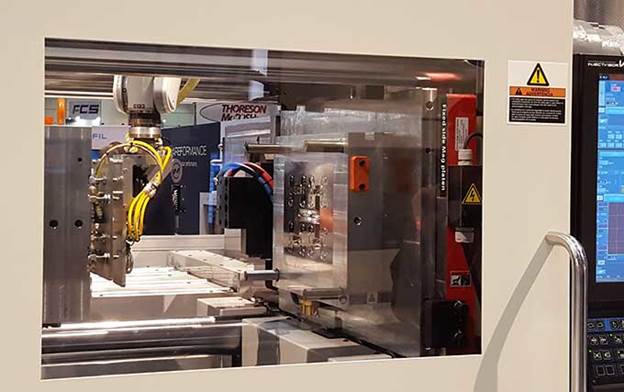
L'un des aspects essentiels du moulage par injection de prototypes réside dans le choix des matériaux. Les différentes matières plastiques présentent des propriétés variées.
Plastique ABS
Solide, résistant et peu coûteux, l'ABS est couramment utilisé dans la fabrication de prototypes par moulage par injection.
Il est largement utilisé pour les composants automobiles, les boîtiers électroniques et les biens de consommation.
Polypropylène
Le polypropylène est un autre matériau très utilisé pour la fabrication de prototypes par moulage par injection. Il est souple, résistant aux produits chimiques et léger.
Le polypropylène est utilisé dans de nombreux produits d'emballage et d'usage courant.
Polycarbonate
Le polycarbonate est un matériau qui se caractérise par une très grande résistance aux chocs et une grande transparence. Ce matériau est couramment utilisé dans le moulage par injection de prototypes en plastique pour la fabrication de capots de protection et de produits médicaux.
Nylon
C'est le nylon qui offre une bonne résistance à l'usure et une bonne solidité. Le nylon est utilisé dans la fabrication de prototypes moulés par injection qui sont largement utilisés dans l'industrie et dans le secteur automobile.
Polyéthylène
Le polyéthylène est souple, résistant et imperméable. Il est souvent utilisé pour le moulage par injection de prototypes, notamment dans le secteur de l'emballage.
Acrylique
L'acrylique est un matériau qui se caractérise par une bonne transparence et une bonne résistance aux intempéries. Il est utilisé par les fabricants pour la réalisation de prototypes par moulage par injection, lorsque l'aspect esthétique du produit revêt une importance particulière.
TPU
Un plastique souple appelé TPU est utilisé dans les produits qui nécessitent élasticité et résistance, appelés prototypes moulés par injection.
Matériaux sur mesure
Certaines entreprises ont besoin de matériaux spécialisés, notamment dans le domaine du moulage par injection de prototypes en plastique. Ces matériaux peuvent être ignifuges, résistants aux UV ou de qualité médicale.
Les prototypes moulés par injection en phase de pré-production sont testés afin de vérifier que les matériaux répondent aux exigences du produit avant le lancement de la production.
Tableau 2 : Paramètres techniques de fabrication pour le moulage par injection de prototypes
| Type de matériau | Température de fusion (°C) | Température du moule (°C) | Pression d'injection (MPa) | Temps de refroidissement (s) | Taux de retrait (%) | Durée typique du cycle (s) |
| ABS | 220-260 | 40-80 | 70-120 | 15-30 | 0.4-0.7 | 25–60 |
| Polypropylène (PP) | 200–250 | 20-70 | 50–100 | 10–25 | 1.0-2.5 | 20-50 |
| Polycarbonate (PC) | 280–320 | 80–120 | 80–140 | 20–40 | 0.5-0.7 | 35–70 |
| Nylon (PA6) | 230–290 | 70–100 | 75–125 | 18–35 | 0.7–1.5 | 30–65 |
| PEEK | 360–400 | 120–160 | 100–160 | 40-90 | 1.1–1.3 | 80–140 |
Les applications du moulage par injection de prototypes comprennent
Le moulage par injection de prototypes est utilisé dans de nombreux secteurs à travers le monde.
Industrie automobile
Moule d'injection La fabrication de prototypes est une technologie clé dans l'industrie automobile. Les prototypes sont utilisés par les entreprises pour la fabrication de tableaux de bord, de fixations, de poignées, de boîtiers et d'éléments d'intérieur.
Les essais contribuent à améliorer la sécurité et la durabilité des véhicules.
Industrie médicale
Pour fabriquer des prototypes d'appareils et d'équipements, les entreprises du secteur médical ont recours à des techniques de moulage par injection.
Le moulage par injection de prototypes en plastique présente un grand intérêt en raison de sa grande précision dans le domaine des produits médicaux.
Industrie électronique
Les coques de téléphone, les connecteurs, les boîtiers et les pièces d'appareils sont fabriqués par des entreprises d'électronique à partir de prototypes moulés par injection.
Ce processus permet aux fabricants d'effectuer ces tests de fonctionnalité avant la mise en production.
Produits de consommation
Le moulage par injection de prototypes est utilisé pour fabriquer de nombreux produits ménagers. Il peut s'agir, par exemple, d'ustensiles de cuisine, de jouets, de récipients ou d'articles de soins personnels.
Industrie aérospatiale
L'industrie aérospatiale utilise des solutions de prototypage par moulage par injection pour fabriquer des pièces légères et résistantes.
Dans le domaine aérospatial, les essais de sécurité revêtent une importance particulière.
Industrie de l'emballage
Les entreprises du secteur de l'emballage ont recours au développement de prototypes par moulage par injection pour concevoir des bouchons de bouteilles, des récipients et des accessoires d'emballage.
Équipement industriel
Le moulage par injection de plastique de prototypes est utilisé dans les usines et par les fabricants de machines pour produire des composants mécaniques.
Emballages médicaux
Dans le domaine des emballages stériles et des contenants destinés au secteur de la santé, on utilise également le terme « prototypes moulés par injection ».
Ces applications montrent que le moulage par injection de prototypes est très utile dans de nombreux secteurs.
Différences entre le moulage par injection de prototypes et celui de série
Bien que le moulage par injection de prototypes et le moulage par injection de série soient similaires, ils présentent plusieurs différences.
Volume de production
La fabrication de prototypes par moulage par injection est destinée à la production en petites séries. Le moulage de série permet quant à lui de produire des milliers, voire des millions de pièces.
Matériaux de moulage
En général, les moules prototypes sont fabriqués en aluminium. L'acier trempé est couramment utilisé pour les moules de production.
En conséquence, la différence entre les deux réside dans le fait que la fabrication de prototypes par moulage par injection est plus rapide et moins coûteuse.
Coût
En général, le coût du moulage par injection plastique pour les prototypes est moins élevé, car les moules utilisés sont relativement plus simples.
Vitesse
Les fabricants peuvent réaliser rapidement des prototypes moulés par injection. Cela laisse plus de temps pour la conception des outillages de production.
Objectif
Le moulage par injection de prototypes sert principalement à des fins de test et d'évaluation. Le moulage de production concerne quant à lui principalement la fabrication en série.
Modifications apportées à la conception
Il est facile d'apporter des modifications de conception lors de la fabrication de prototypes par moulage par injection. La modification des outils de production est en revanche plus complexe.
Flexibilité
Le recours au développement de prototypes par moulage par injection pour les essais sur les matériaux et la conception d'expériences sur les matériaux.
En matière de moulage de série, la régularité et l'efficacité sont les priorités.
Réduction des risques
Le procédé de moulage par injection de plastique peut être utilisé avant la production afin de réduire au minimum les risques liés à la fabrication.
Les tests peuvent servir à améliorer la qualité des produits.
Précision
De nos jours, les prototypes moulés par injection vous offrent des résultats d'une grande précision, comparables à ceux de votre produit final.
C'est pourquoi le moulage par injection de prototypes s'avère très utile dans le processus de développement de produits.
Tableau 3 : Comparaison entre un moule prototype usiné par commande numérique et un moule prototype en aluminium
| Propriété | Moule en acier usiné par commande numérique | Moule prototype en aluminium |
| Durée de vie moyenne de l'outil | Plus de 100 000 cycles | 5 000 à 20 000 cycles |
| Conductivité thermique | 25–35 W/mK | 120–180 W/mK |
| Durée d'usinage | 2 à 6 semaines | 5 à 10 jours |
| Coût de l'outillage | Haut | Moyen |
| Qualité de la finition de surface | Excellent | Très bien |
| Stabilité dimensionnelle | Très élevé | Modéré |
| Volume de production recommandé | Moyen à élevé | Faible à moyen |
| Dureté | 48 à 52 HRC | 70 à 95 HB |
Considérations relatives à la conception pour le moulage par injection de prototypes
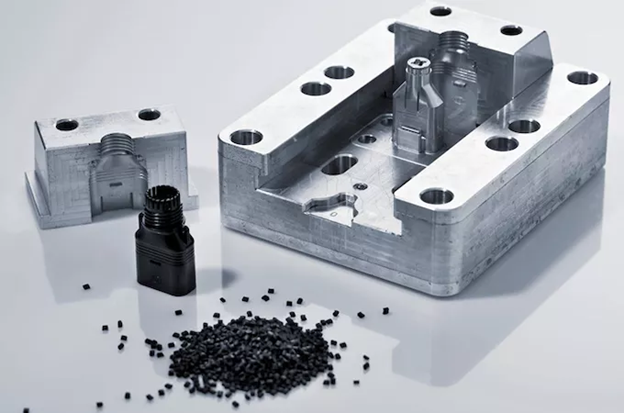
La clé du succès du moulage par injection de prototypes réside dans une conception de produit de qualité.
Épaisseur de la paroi
L'épaisseur uniforme des parois facilitera l'écoulement du matériau lors de la fabrication de prototypes par moulage par injection.
Les déformations et les défauts sont dus à l'irrégularité de la paroi.
Angles d'ébauche
Les angles créés lors de l'ébauche permettent d'éviter que des fragments ne restent coincés dans le moule lors de la fabrication de prototypes par moulage par injection.
Si les angles de dépouille appropriés ne sont pas prévus, les pièces risquent de rester coincées dans le moule.
Rétrécissement du matériau
Les taux de retrait varient selon les différentes matières plastiques utilisées dans le processus de moulage par injection de prototypes. .
Il faut tenir compte du rétrécissement lors de la conception d'un produit.
Emplacement de la porte
L'emplacement des points d'injection influe sur l'écoulement du plastique dans le moule. Une conception adéquate des points d'injection permet d'améliorer la qualité des prototypes moulés par injection.
Design des côtes
Une nervure sert à renforcer les produits sans augmenter l'épaisseur de leurs parois.
Conception de nervures adaptée au moulage par injection de prototypes.
Finition de la surface
Certains produits doivent avoir une texture lisse, tandis que d'autres doivent être texturés.
L'aspect d'un prototype moulé par injection dépend de la conception de sa surface.
Exigences en matière de tolérance
La précision des dimensions est essentielle dans la fabrication de prototypes par moulage par injection.
Les ingénieurs doivent veiller à définir des tolérances.
Mise à l'air libre
Lors du moulage par injection de plastique dit « de prototype », l'air qui reste dans le moule peut entraîner des défauts.
L'air peut être évacué grâce à un système de ventilation adéquat.
Conception du système de refroidissement
Un refroidissement efficace permet d’améliorer la qualité des prototypes moulés par injection ainsi que la durée du cycle.
Le projet de moulage par injection de prototypes peut être couronné de plus de succès grâce à de bonnes pratiques de conception.
Tableau 4 : Spécifications techniques de conception des moules
| Paramètres | Valeur recommandée | Objectif technique |
| Angle de tir | 1° à 3° de chaque côté | Éjection plus aisée des pièces |
| Épaisseur de la paroi | 1,0 à 4,0 mm | Éviter les creux et le gauchissement |
| Diamètre de la porte | 0,8 à 2,5 mm | Gère les flux de matériaux |
| Profondeur de l'évent | 0,01 à 0,05 mm | Élimine l'air emprisonné |
| Diamètre de la goupille d'éjection | 2-10 mm | Permet une éjection en douceur |
| Diamètre du rouleau | 3 à 8 mm | Assure un débit équilibré |
| Finition de la surface | SPI A1 à D3 | Contrôle la qualité de l'aspect |
| Dureté de l'acier à moules | 28 à 52 HRC | Prolonge la durée de vie du moule |
Les défis liés au moulage par injection de prototypes
Si le moulage par injection de prototypes présente de nombreux avantages, il comporte également certains inconvénients.
Coûts d'outillage
Même après la réalisation des moules, un investissement reste nécessaire pour la fabrication de prototypes par moulage par injection.
Plus les moules sont complexes, plus les coûts de développement sont élevés.
Limites matérielles
Le processus de fabrication de prototypes par moulage par injection peut parfois s'avérer difficile à mettre en œuvre avec certains matériaux.
Les fabricants doivent choisir leurs matériaux avec soin.
Complexité de la conception
Le moulage par injection de prototypes en plastique peut s'avérer difficile lorsque les formes des produits sont complexes.
Les ingénieurs ont tendance à simplifier les conceptions afin de faciliter leur fabrication.
Rétrécissement et gauchissement
Les matières plastiques peuvent rétrécir ou se déformer lorsqu'elles refroidissent.
Cela influe sur la précision des prototypes moulés par injection.
Temps de production
Bien que plus rapide que la fabrication d'outillage de série, le moulage par injection de prototypes nécessite tout de même un certain temps pour la fabrication du moule.
Durabilité du moule
Les moules de prototype peuvent s'user plus rapidement que les moules de série.
Cela peut limiter le volume de production des prototypes moulés par injection.
Défauts de surface
Le processus de fabrication de prototypes par moulage par injection en production peut entraîner l'apparition de marques d'affaissement, de bavures ou de lignes de coulée sur les produits.
Gaspillage de matériaux
Le moulage par injection de plastique de prototypes génère une certaine quantité de déchets.
L'optimisation des processus est un objectif poursuivi par les industriels afin de réduire au minimum le gaspillage.
Expertise technique
La clé de la réussite des prototypes moulés par injection réside dans l'expérience des ingénieurs et des concepteurs de moules.
Malgré ces difficultés, le moulage par injection de prototypes reste très utile dans le processus actuel de développement de produits.
Tableau 5 : Analyse des défauts de qualité dans le moulage par injection de prototypes
| Type de défaut | Cause principale | Solution technique | Impact typique des tolérances |
| Marques d'évier | Sections de paroi épaisses | Réduire l'épaisseur de la paroi | ±0,15 mm |
| Les pages de guerre | Refroidissement inégal | Optimiser les canaux de refroidissement | ±0,30 mm |
| Flash | Pression excessive | Réduire la force de serrage | ±0,10 mm |
| Coup court | Faible pression d'injection | Augmenter la pression et la purge | ±0,25 mm |
| Lignes de soudure | Réunion sur les flux non conformes | Modifier l'emplacement de la porte | Il s'agit uniquement d'un défaut esthétique |
| Marques de brûlure | Surchauffe due au gaz piégé | Améliorer le système de ventilation | Dégradation de la surface |
Tendances futures dans le domaine du moulage par injection de prototypes
Les perspectives du moulage par injection de prototypes sont excellentes.
Automatisation
L'automatisation permet d'améliorer l'efficacité de la fabrication de prototypes par moulage par injection.
Les systèmes robotiques permettent de réduire au minimum les délais de production et les coûts de main-d'œuvre.
Fabrication intelligente
Le contrôle qualité des prototypes issus du moulage par injection est optimisé grâce à des systèmes de surveillance numériques.
Les fabricants peuvent suivre les données de production en temps réel.
Matériaux durables
Dans le secteur du moulage par injection de prototypes en plastique, on voit apparaître de plus en plus de plastiques respectueux de l'environnement.
Ces entreprises s'efforcent de réduire au minimum leur empreinte environnementale.
Méthodes d'outillage plus rapides
La vitesse de production des prototypes moulés par injection a été améliorée grâce à des technologies d'usinage de pointe.
Cela permet d'accélérer le développement des produits.
Intelligence artificielle
L'utilisation de systèmes d'intelligence artificielle permet d'optimiser les processus de moulage par injection de prototypes.
L'IA améliore la qualité et réduit les défauts.
Simulation avancée
Les ingénieurs utilisent des logiciels de simulation pour prévoir le comportement des matériaux lors de leur fabrication à l'aide d'un prototype de moule à injection.
Cela permet d'améliorer la précision des conceptions.
Fabrication hybride
Certaines entreprises ont recours à la fois aux méthodes de prototypage par moulage par injection et à l'impression 3D.
Cela permet de proposer des solutions de développement plus flexibles.
Matériaux améliorés
Les possibilités offertes par le moulage par injection de prototypes en plastique ne cessent de se multiplier grâce au développement de nouveaux matériaux.
Les fabricants disposent désormais de plastiques plus résistants et plus légers.
Croissance mondiale du secteur manufacturier
La demande mondiale de prototypes moulés par injection ne cesse de croître.
Le développement des industries fera du moulage par injection de prototypes une solution de fabrication incontournable à l'avenir.
Conclusion
Prototype moulage par injection s'est imposée comme l'une des techniques de fabrication les plus importantes dans la conception de produits d'aujourd'hui. Elle permet aux entreprises de réaliser rapidement des prototypes, de valider la conception et de minimiser les risques liés à la fabrication avant de passer à la production à grande échelle.
Dans de nombreux secteurs, les solutions de prototypage par moulage par injection constituent le pilier des entreprises pour améliorer la qualité des produits et accélérer leur mise sur le marché. Les essais sur prototypes aident les entreprises à créer de meilleurs produits, qu'il s'agisse de composants automobiles, de dispositifs médicaux, de produits électroniques ou de biens de consommation.
Le moulage par injection de plastique pour la fabrication de prototypes présente un avantage majeur : il permet de produire des pièces d’échantillonnage moulées par injection avec une grande précision. Ces prototypes sont plus représentatifs des produits finaux, ce qui garantit des essais plus fiables.
Aujourd'hui encore, les prototypes moulés par injection continuent d'être utilisés dans les industries modernes à des fins d'innovation et d'efficacité. Grâce aux progrès réalisés dans les technologies de fabrication, les processus de prototypage sont désormais plus rapides, plus intelligents et plus durables.
Face à la demande croissante de produits de haute qualité, l'importance du moulage par injection de prototypes ne cesse de croître. Les entreprises qui investissent dans un processus de prototypage solide peuvent constater que leur succès sur le marché et la satisfaction de leurs clients s'en trouvent renforcés.
Le moulage par injection de prototypes constituera sans aucun doute un pilier majeur de l'industrie manufacturière mondiale dans les années à venir.