Injection Molding Cleanroom

One of the most significant technologies in the contemporary manufacturing is injection molding cleanroom technology. It is applied in the situations when the products have to be of the utmost purity and free of any contamination. The industries such as medical, pharmaceutical, electronics and healthcare cannot do away with this process.

A clean space that is controlled is necessary as opposed to normal production environments. This will make sure that there are no dust, particles or bacteria that will be able to influence the end product. Cleanroom injection molding is used in many industries to ensure that there are high standards of quality.

Understanding Injection Molding Cleanroom

An injection molding cleanroom is a manufacturing facility that is controlled, with a high degree of cleanliness and it is used to create plastic components. The air is clean; there is regulation of temperature and minimization of contamination. It is a completely different process as compared to normal molding. It is applicable to products whose safety and hygiene is important. This is the reason why cleanroom injection molding services are mainly in demand in medical and precision industries.

Why Cleanroom Injection Molding is Important?

Sensitive products are to be manufactured with clean manufacturing. A single particle can have an impact on the performance or safety. The reason why controlled environments are applied is because of this. When it comes to products such as healthcare and pharmaceuticals, the purity of the products is of paramount importance. The cleanroom injecting molding guarantees that the products are up to international standards and regulations in terms of safety.

How Injection Molding Cleanroom Works?

Injection molding cleanroom is a controlled production that is employed in products which need contamination-free environment. It is typically applied in the medical, pharmaceutical and electronic fields. Each of the steps is handled with utmost care to ensure hygiene, precision and safety of the products.

Step 1: Raw Material choice and Preparation

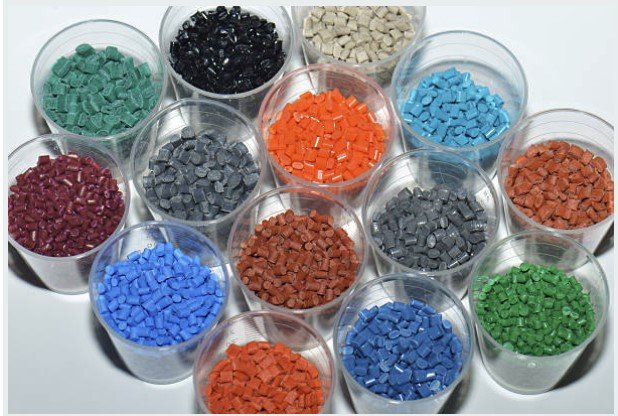
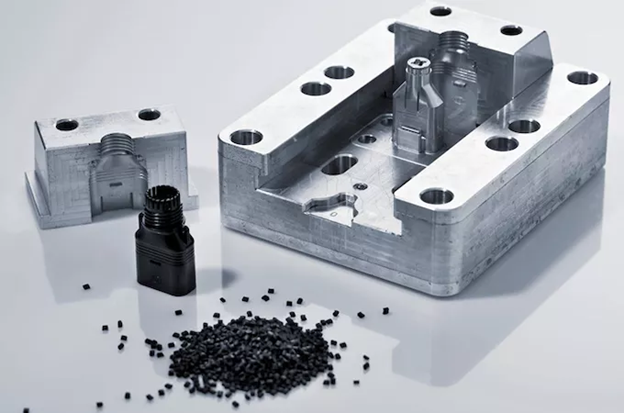
It starts with the choice of plastic materials which are high quality and according to the needs of the product. The materials are normally in the form of pellets and have to be highly pure. Pellets are stored in capped containers before use, to avoid dust or contamination. All these are done in a controlled environment to ensure that it remains clean at all times.

Step 2: Work to Cleanroom

The materials after preparation are moved into the cleanroom. This is through sealed systems and airlocks so as not to be exposed to the outside air. This step is followed by workers employing stringent hygienic practices. They also put on protective attires including gloves, masks and cleanroom suits in order to have a sterile environment.

Step 3: Plastic Material is Melting

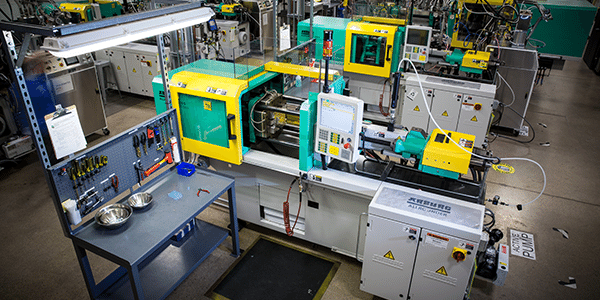
The plastic pellets are used inside the cleanroom to inject them in the injection molding machine. The material is heated and melts down to be in the form of liquid. This melting is cautiously monitored so as to be consistent. The environment is clean and stable to avoid contamination of the environment in case of production.

Step 4: Injection into Mold

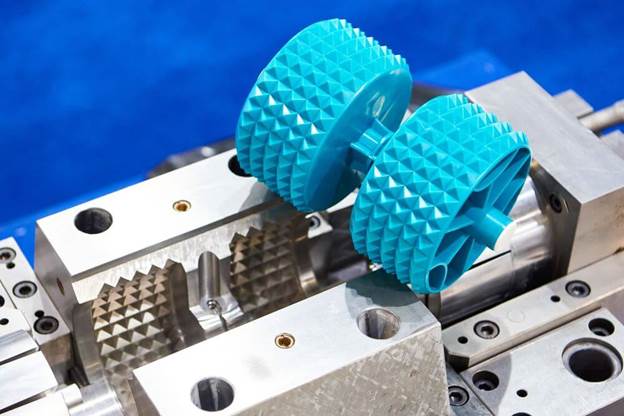
After melting the plastic, it is then pressurized into an accurately designed mold. This is already in the mold within the cleanroom. The controlled conditions also guarantee an absence of dust or particles to the process. This is an essential step towards a high-quality production in injection molding cleanroom.

Step 5: Cooling and Solidification

Once the injection of molten plastic is completed, the plastic begins to cool in the mold. The cooling system is well controlled to ensure the accuracy of shape and strength of products. As the material is cooled it becomes hard and assumes the precise shape of the cavity of the mold. This measure makes certain accuracy and longevity in the end product.

Step 6: Mold Opening and Removal of products

After the product is completely solidified, the mold will automatically or manually (depending on the system) open it. The completed portion is scraped away. This step is done with special consideration so as not to be contaminated. The cleanroom environment will make sure that products are sterile upon their removal.

Step 7: Check and Quality Control

All the products are subjected to careful inspection after removal. The quality control departments examine the defects, contamination or any error in manufacturing. Products which are not up to standard are not allowed to be further used. This guarantees cleanroom production of injection molding.

Step 8: Clean Packing and storage

Packaging of the products will be the last procedure in a sterile environment. Cleanliness and safety is ensured by using special packaging materials. Products are then stored or shipped and under controlled conditions. This makes them not contaminated even up to the time they are used by the end user.

Cleanroom Classification Levels

Various classes of cleanrooms are classified according to the air quality. The number of particles to be in the air is decided by each level. Less level of particles implies an increased cleanliness. High-class cleanrooms are often needed when it comes to medical devices. This guarantees accuracy and safety of cleanroom injection molding.

Industries which employ cleanroom Injection Molding

Clean manufacturing processes are important to many industries. All industries have stringent standards on product hygiene and safety. It is used in medical industry as a syringe, implants and surgical instruments. It is used in sensitive parts in electronics industry. Cleanroom injection molding services are of great importance in these industries.

Medical Industry Applications

Medical is another sector that has the highest usage of cleanroom molding. The products should be sterile and fit to be used by humans. The controlled environment is used to manufacture items such as IV components, surgical instruments and diagnostic tools. This guarantees the high level of safety in injecting molding of the clean rooms.

Electronics Industry Applications

Dust and contaminations are very sensitive to electronic components. Damaging performance can be done by even small particles. The reliability and durability are guaranteed by cleanroom production. It assists in creating micro-elements and accuracy devices with the help of injection molding cleanroom.

Advantages of Cleanroom Injection Molding

Manufacturers and industries have numerous benefits with this process. It is safe, accurate and of high-quality production.

Key benefits include:

  • Good level of cleanliness.
  • Reduced contamination risk
  • Better product safety
  • High precision manufacturing
  • Meeting the industry standards.

All these advantages render cleanroom injection molding essential to the critical industries.

Materials Used in Cleanroom Molding

Depending on the needs of the products special materials are utilized. These are materials which have to be of high quality. Typical materials are plastics, of medical grade, and high-purity polymers. They guarantee cleanroom injection molding services which are safe.

Comparison of normal and cleanroom Molding

Normal molding in a normal factory atmosphere where there is no total control of air is done. The dust, particles and small impurities may be involved throughout the production. This is tolerable in the case of general plastic products, in which there is no need of high sterility. Cleanroom molding, however is done in a fully filtered and controlled setting. Air is constantly purified and any risk of contamination is kept to minimum. This renders it very appropriate to medical, pharmaceutical as well as electronic products.

The other major distinction is with regard to handling and hygiene control. Normal moulding gives an opportunity to have more people in the production. To ensure purity of products, cleanroom molding minimizes contact, and observes high safety standards.

Key Points

  • The open-air conditions at the factory are normal.
  • Cleanroom molding involves use of filtered and controlled air.
  • Increased risk of contamination of normal molding.
  • Stringent cleanroom hygienic regulations.
  • Sensitive and medical products are cleaned in cleanroom.

In Cleanroom Injection Molding, Equipment is Utilized

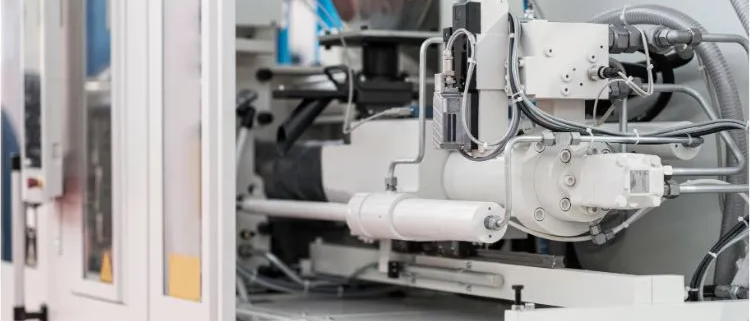
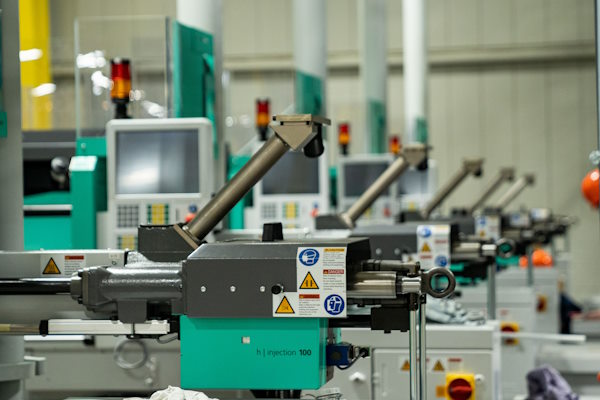
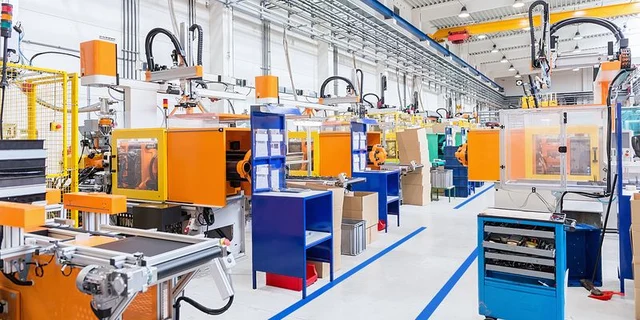
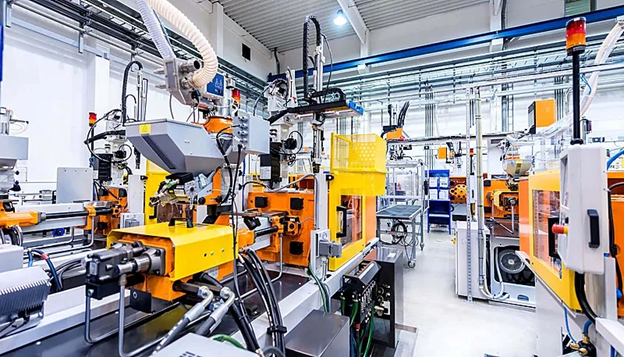
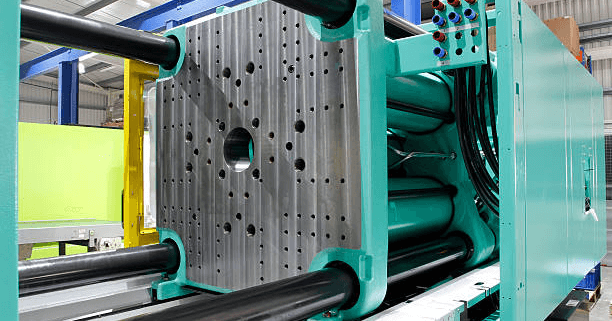
Cleanroom injection molding involves special equipment which is used to provide sterile environment. Machines are enclosed and are designed in such a way that they minimize the chances of contamination during manufacturing. To ensure that the air is kept clean at all times air filtration systems such as HEPA filters are employed. Temperature, and humidity are also regulated to ensure that everything is at constant. To prevent the entry of particles to the cleanroom, operators have protective clothing.

Key Equipment Points

  • Sealed high-precision molding machines with high precision.
  • Clean air HEPA air filters.
  • The units of temperature and humidity control.
  • Clean room protective clothes and gloves.
  • Controlled access airlocks.

All these tools and systems are combined to assist injection molding cleanroom requirements and production quality to remain high and contamination free.

Cleanroom Production of Quality Control

There is high level of quality control in clean rooms. All products are checked at the correctness and safety. The inspection procedures make sure that none of the defective or contaminated products are discharged. This is one of the important components of cleanroom injection molding services.

Cleanroom Injection Molding price

More costly than regular molding, this procedure is involved. This is due to sophisticated machines and test conditions. Nevertheless, the price is compensated by quality and safety of the products. Precision-based industries opt to use cleanroom injection molding although it is expensive.

Injection Molding Cleanroom Problems

Despite being very successful, there are challenges of this process. Strict rules and monitoring of the environment are needed to maintain a controlled environment. Challenges are high costs of operation and technical needs. Nonetheless cleanroom injecting molding is still used in the critical applications of industries.

Standards and Compliance Requirements of Cleanrooms

Cleanroom injection molding is based on the strict international standards in order to guarantee the safety of products and their consistency. These criteria indicate the level of cleanliness that the environment should be and the level of control in production. The facilities should have common checks on the quality of air, temperature and humidity. Even the minimal contamination risks have to be controlled. This is necessary to industries which have critical products that are injected in a cleanroom.

Air Filtration and Control of the environment

The most significant aspect in cleanroom manufacturing is air quality. Dust, particles and bacteria are removed by the use of special HEPA and ULPA filters to clean the air. Humidity and temperature are also kept at a low level. The stable conditions also aid in ensuring that there is no contamination of a product during the cleanroom production of injection molding. This will avoid flaws and pollution.

Safety and Hygiene measures of the operators

Cleanroom workers have to abide by stringent hygiene regulations. To avoid contamination, they put on special suits, gloves, masks as well as shoe covers. Air showers and cleaning processes are implemented on operators prior to getting into the production area. These measures guarantee safe injecting molding activities in the cleanroom, without the introduction of external particles.

Automation Cleanroom injection molding

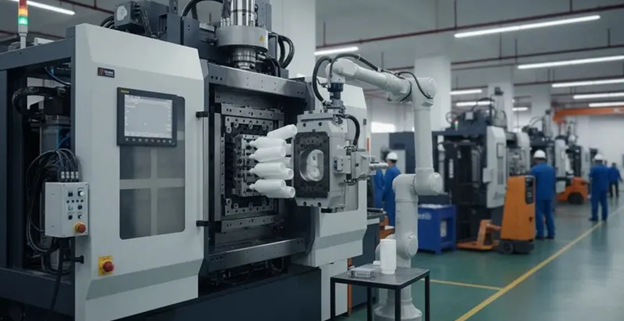
In cleanroom production, automation has a significant role to play in the contemporary world. Most of the production process is done by machines and there is minimum human contact. This minimizes risk of contamination and boosts efficiency. The cleanroom injection molding services are also enhanced by automated systems particularly in high volume production.

Precision and Accuracy in making

The cleanroom is a facility that is developed to produce very precise manufacturing. The slightest mistakes can have an impact on the safety and performance of products. The use of advanced machinery makes every part to be specific to the specifications. Such accuracy is among the primary reasons why industries would choose cleanroom injection molding to sensitive applications.

Cleanroom Facility cleaning

To maintain cleanroom environments, regular maintenance is needed. Air systems, filters and machines should be periodically checked. The smallest failure can have an impact on the product quality. Clean injection molding cleanrooms are properly maintained to guarantee a smooth operation and reliability.

Cleanroom Systems – Energy Efficiency

Advanced systems that use energy are necessitated in cleanroom facilities. But with the new technology we have in use energy consumption is being minimized. The effectiveness of machines and intelligent systems is enhancing sustainability. This assists in minimizing the cost of operation in the clean room injection molding service whilst still producing high quality.

Cleanroom Injection Molding Demand all over the world

Cleanroom manufacturing is on the upswing throughout the world. Industries are prioritizing on safety, hygiene and precision. The high medical and electronics industries of these countries are also investing on cleanroom injecting molding technologies in order to support the increased demands.

Cleanroom Technology Innovation

The technology of cleanrooms is advancing fast with the new automation and electronic systems. One of the areas that manufacturers are currently preoccupying is the ability to produce more precise, safe and highly controlled production environment. The above enhancements are useful in minimizing chances of contamination and enhancing the quality of products in sensitive sectors.

Cleanroom production has become largely a part of automation. Machines have replaced a lot of the work which was done manually. This minimizes human interaction, minimizes the possibility of contamination and enhances uniformity of the production process.

Modern cleanrooms also have a high usage of smart sensors and monitoring systems. These systems monitor the air quality, temperature, humidity and pressure at all times. In case any change has been identified, automatic changes are done in order to keep the conditions within the environment stable.

The technologies based on AI are also enhancing output and identifying possible problems in the early stages and facilitating the efficient manufacturing process. All these innovations are collectively transforming sprøjtestøbning cleanroom systems to be efficient, reliable and advanced.

The future of Cleanroom Injection Molding

Cleanroom injection molding has great potential to continue to grow in the future as the need in a variety of industries rises. Such industries as medicine, electronics, and pharmaceutical are becoming more and more in need of clean, and precise production facilities. This is propelling an expedited progress in cleanroom technologies.

Even more automated and intelligent production systems are likely to be implemented in the next few years. Most processes will be done with little human intervention as machines will help in speeding up processes, providing accuracy and efficiency and minimizing errors.

Another significant part of the enhancement of the cleanroom operations will be digital technologies. The systems based on data will assist with monitoring the production in real time and aid the improved decision making. This will streamline manufacturing and make it cost effective.

Meanwhile, the world industries are facing a trend towards even more stringent cleanliness requirements. This trend is on the rise and is creating a need of injection molding cleanroom solutions across the globe. With the ever-growing technological advancements, cleanroom systems are bound to be more efficient, reliable and a necessity in current manufacturing.

Making a decision in Favor of Cleanroom Injection Molding Services

It is quite crucial to choose the appropriate manufacturer. Care should be taken in terms of experience, technology and certifications. A good supplier will guarantee quality production and adherence. It is ensured that professional cleanroom injection molding services are offered and this ensures enhanced performance as well as safety.

Afsluttende tanker

The clean room technology of injection molding is vital to the present day precision manufacturing. It guarantees safe, clean and high-quality production. It is very important to industries such as medical and electronics. As demand increases, cleanroom injection molding will proceed to grow all over the world. It is still considered one of the surest techniques of manufacturing sensitive and high precision plastic products.

Frequently Asked questions

What is the use of injection molding cleanroom?

Plastic parts are manufactured in a most controlled and sterile environment in injection molding cleanroom. It is primarily utilized in medical equipment, pharmaceutical products and highly sensitive electronic parts in which cleanliness is highly valued.

What is the significance of cleanroom in injection molding?

The significance of a cleanroom is that the space where production is done is free of dust, particles and contamination. This will guarantee high quality, safe and products that are appropriate in sensitive applications such as healthcare and electronics.

What are some of the industries where cleanroom injection molding is applicable?

Medical, pharmaceutical, electronics and food packaging industries are the common applications of this process. These industries need high hygienic conditions and accuracy in the production process in order to guarantee safety and performance of the product.

Is it costly to do cleanroom injection molding?

Yes, it is typically costly as compared to normal injection molding. This is because of sophisticated equipment, stringent environmental procedures and special safety needs which make it more expensive. Nonetheless, it is of better quality and reliability.

What is a normal and cleanroom injection molding?

Normal injection molding occurs under normal factory conditions that may have dust, and particles. The injection molding is carried out under a cleanroom environment that is filtered with minimal contamination and results in high purity of products.

Family Mold Injection Molding

One of the intelligent manufacturing solutions that are adopted today by most industries is family mold injection molding. It enables various components to be cast in one mold. This renders the process of production cheaper and quicker to businesses.

This is the choice of many manufacturers, as it is a time- and cost-saving method that lowers the tooling costs. Using family tool injection molding, the companies are able to make various parts during a single cycle. This enhances efficiency and productivity.

What is Family Mold Injection Molding?

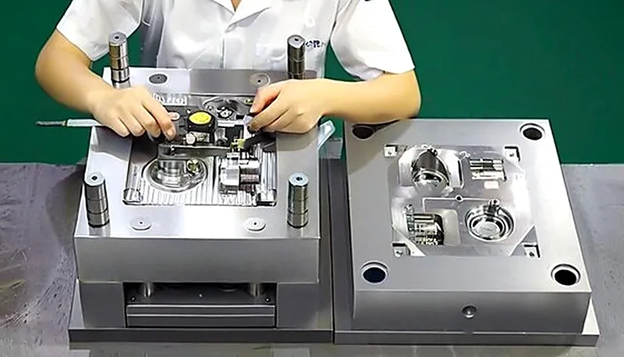
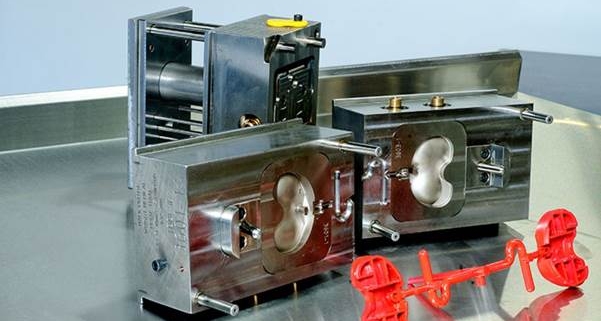
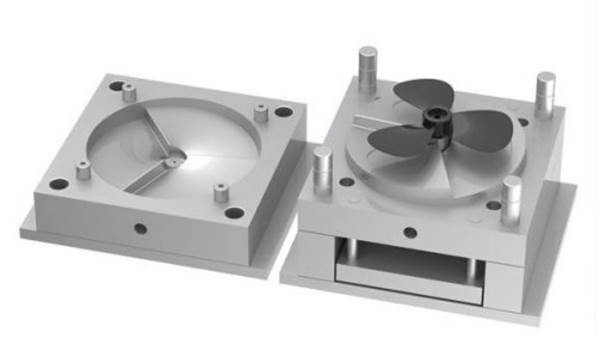
Family mold injection molding is a process in which various parts are made out of a single mold. These components tend to be associated and are consumed together in a product. This renders the process more effective than individual molds. This technique has several cavities of the parts in a single mold. The cavities are created with great care so as to guarantee an adequate filling and cooling of the cavities. That is why, family mold injection molding is very popular in the contemporary production.

How Family Mold Injection Molding Works?

The family mold injection molding is a process that is structured. It is made to make several related parts at a time. Every step is valuable to guarantee a smooth production and quality assurance.

1. Product Design and Planning

This begins with the design of all the parts to be manufactured as one. Each component is designed in 3D detail by the engineers. These components tend to be interrelated and are employed together in the same product. With good planning, it is possible to have all the components molded together. This is a crucial step to a successful family mold injection molding and prevent production problems in the future.

Step 2: Mold Design Multiple Cavities

Once the design of the product is completed, a mold is made which has several cavities. Each hole is in the shape of a different part. Engineers ensure that there is balance in all cavities. The design needs to enable the same amount of flow of material into each cavity. This can be compared to family tool injection molding where a number of parts is made together cost-effectively.

Step 3: Mold Manufacturing

After the design is prepared, the mold is made of powerful materials such as steel or aluminum. It is done by high-precision machines to guarantee accuracy. This is tested on the mold prior to production. This guarantees that family parts are all manufacturable with the right injection molding through family molding.

Step 4: Material Preparation

The choice of plastic material depends on the requirements of the product. It is normally in the shape of small pellets. The injection molding machine is fed with these pellets. The same material is used for all parts in the mold. This is done to provide smooth processing of the tool and uniform results of the family tool injection molding.

Step 5: Melting and injection

The plastic is melted into liquid by heating the plastic pellets. High pressure is then applied to inject this molten plastic in the mold. The flow of the material is simultaneous in all cavities. This enables two or more components to be fabricated in family mold injection molding.

Step 6: Cooling and Solidification

Once injected the plastic starts cooling in the mold. When it is cooled, it solidifies and assumes precisely the shape of every cavity. It should be properly cooled in order to prevent defects. This measure will guarantee good and robust parts in family tool injection molding.

Step 7: Discard of Parts

As soon as the material is completely cooled, the mold is opened. Ejector pins are used to remove the finished parts. Each of the parts is ejected within a single cycle. This renders family mold injection molding quick and effective.

Step 8: Finalisation and Checking

The parts might require trimming or finishing after being ejected. Any additional material is done away with to make it look better. The quality checks are done to make sure that all parts are up to standard. This process provides uniformity of family tool injection molding.

Step 9: A Cycle Repetition

This is repeated to produce the mass production. The identical mould is reused to make the same sets of parts. This process goes on until the desired amount is obtained. This renders family mold injection molding very effective when it comes to high volume production.

The major advantages of Family Mold Injection Molding

There are numerous benefits that family mold injection molding is beneficial to manufacturers. It assists in lowering the cost of production as well as enhancing efficiency. This renders it a favorite in various sectors. A significant advantage is time savings in the production. Fewer cycles are required since a variety of components are manufactured simultaneously. This renders family mold injection molding an economic choice to conduct mass production.

Economy in the Production

Cost savings is one of the greatest benefits of this technique. A single mold is utilized in producing more than one part as opposed to producing individual molds. This saves tooling and maintenance expenses. China family mold injection molding services find a wide range of companies as they have competitive prices. It is also a favorable choice to businesses across the world due to the low labor costs and high level of manufacturing.

Design to Family Molds

Design is very significant in this process. The material and processing of all parts used in the mold should be similar. This guarantees quality uniformity. The flow of substance on the inside of every cavity should be well balanced by engineers. Successful family tool injection molding and easy production relies on proper design.

Difficulties with Family Mold Injection Molding

Despite numerous advantages of this way, there are certain difficulties. Balancing of the flow of plastic is one of the primary issues. Otherwise, not all parts might fill in. The other problem is to sustain uniform quality of all parts. It needs finely expertise engineering and machine settings. Nevertheless, family mold injection molding is very successful despite these difficulties.

Applications of Family Mold Injection Molding

Due to its efficiency and cost-saving nature, family mold injection molding is being extensively applied in various industries. It enables manufacturers to create various related components in a single cycle. This renders it a viable option when it comes to products which need a number of components.

1.     Automotive Industry

This process can be used in the automotive industry to manufacture interior and small functional parts. Products such as clips, covers, connectors and fasteners are usually produced as a combination. These parts are required in the same system hence it is more efficient to manufacture them in a single mold. This renders family mold injection molding quite convenient in vehicles production.

2.     Electronics Industry

This approach is also beneficial to the electronics industry. Smaller components such as casings, buttons, switches and connectors are usually made in large quantities. This guarantees quality uniformity and less production time. Family tool injection molding assists manufacturers in being consistent throughout all the parts.

3.     Consumer Products

This process is used to manufacture many of the things that people use on their daily activities. Packaged products such as bottle caps, lids, containers and packaging parts are usually manufactured in a single cycle. The approach assists businesses to minimize the cost and enhance the rate of production. It is particularly applicable to consumer goods that are in high demand.

4.     Packaging and Managing Industry

There are various related components that may be required in the packaging industry. Family molds enable the manufacturers to manufacture these parts in two ways: with maximum efficiency. China family mold injection molding services are used by many businesses to make packaging components quickly, and at a lower cost without compromising on quality.

Family Mold vs Single Cavity Mold

Single cavity molds do not resemble family molds. Only one part is formed with a single cavity mold. Family molds on the other hand develop more than one part at a time. This renders family tool injection molding more effective when it comes to products that have many parts. Nevertheless, it will have to be designed and planned so that it can deliver good results.

China Injection Molding role in Family Mold Injection Molding

China has a significant contribution in injection molding industry of the world. Chinese manufacturers are the preferred vendors in many companies due to their low-cost solution. They provide high-tech solutions and professional workforce. This is the reason why China family Mold injection molding is so popular. Companies are able to save money as well as uphold high quality standards.

Choice of Materials in Family Molds

It is quite important to select the correct material in this process. The same material should be used in all parts of a family mold. This guarantees uniform melting and solidifying. Some of the common materials are ABS, polypropylene and polyethylene. Family mold injection molding can be enhanced by proper selection of materials.

Speed and Efficiency of Production

The main benefits of this approach are the speed of production. Several components are made per cycle, which saves on time of production. This effectiveness makes family tool injection molding the ideal one in high volume production. It assists companies to address the demand in the market in a timely manner.

Family Mold Injection Molding Quality Control

It is important to maintain quality in manufacturing. All the components should fit the necessary standards and requirements. Testing and inspection is one of the techniques used by manufacturers to guarantee quality. Mold injection of family moulds should be properly controlled so as to provide reliable and consistent products.

Success tips in Family Mold Projects

This process requires a lot of planning to achieve success. Evident design specifications and effective communication with the manufacturers is critical. Experienced professionals aid in avoiding mistake. An experienced team makes family tool injection molding the most effective.
In-depth Dynamics of Mold Injection into Family

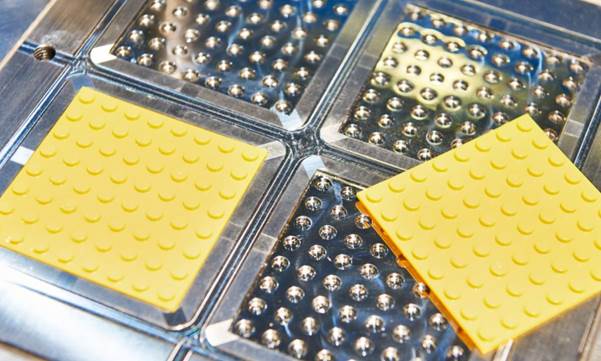
It is not just family mold injection molding that is concerned with cost saving. It also enhances planning of production and minimizes the use of machines. This technique is employed by many companies to deal with numerous elements within a process. This will provide a better inventory control. It also minimizes the time and handling of production. This is why complex products are more likely to be molded using family mold injection molding as preferred by many manufacturers.

The main Favourable Family Mold Injection Molding

The approach has a number of key advantages to business. It assists in enhancing efficiency and lower manufacturing cost.

Vigtige punkter:

  • Several components are being manufactured in a cycle.
  • Less expensive tooling than single molds.
  • Reduced production time
  • Improved conformity of related components.
  • Less machine usage and energy consumption

These benefits make family tool injection molding an excellent option to the contemporary manufacturing.

When Family Mold Injection Molding is to be used?

This method is not suitable to all projects. It is most effective in cases where components are interrelated and are used in a single product. In cases where component parts are of nearly equal size, content and manufacturing needs, this technique is quite efficient. China family mold injection molding is favored by lots of companies that have products with various parts.

Restrictions You ought to be aware

Although it has numerous advantages, there are certain limitations. To prevent production problems, there must be proper planning.

Vigtige punkter:

  • The entire sections should be made of the same material.
  • The imbalance can be due to the use of different part sizes.
  • Mold cost can be raised by the complexity of the design.
  • Maintaining it may be a little bit challenging.

Knowing these, it can be better used in family mold injection molding.

Design Principles to achieve the best

A well-designed design guarantees a smooth production and quality production. Planning of every cavity in the mold should be done with care by the engineers.

Vigtige punkter:

  • Maintain similar size parts.
  • Make sure that there is an equal flow of the material in every cavity.
  • Employ adequate system design of cooling.
  • Avoid over-complicated shapes

These hints enhance success in family tool injection molding undertakings.

Comparison Family Mold and Multi-Cavity Mold

Family molds are mists that many people mix with multi-cavity molds. They both differ in design and functionality. Family Molds make various components in a single mold. Multi-cavity molds are used to make the same part in more than one mold. China family mold injection molding companies usually select according to the need of the product.

Comparison of costs and efficiency

Molds in the family lower the cost of tooling but need to be carefully designed. The first design can be complicated, yet in the long-term the savings are high. Family mold injection molding is one of the preferred businesses that aim at cutting down costs. It offers a trade off between the cost and production efficiency.

Industrial Use Cases

This technique is common in sectors in which a combination of several parts is required. It enhances the speed of assembly and shortens the production time.

Vigtige punkter:

  • Automotive parts production
  • Electronic components manufacturing
  • Packaging products
  • Household plastic items

Family tool injection molding is very beneficial in these industries.

The Future Challenges of Family Mold injection Molding

The prospects of this process are quite positive. The new technologies are enhancing precision of designs and efficiency in production. Automation is making a significant contribution too. Organizations are embracing new innovative ways of enhancing performance. This will further enhance the benefits of China family Mold injection molding in the coming years.

Summary

Family mold injection molding is a high-tech manufacturing solution that is more efficient and cost-effective. It enables the companies to manufacture numerous parts related to each other within a cycle. Properly designed and planned, this method produces great results. China family mold injection molding is important to many companies in order to remain competitive in the global market.

With knowledge of its advantages, disadvantages, and uses, businesses will be able to apply family mold sprøjtestøbning successfully and be successful in the long-term.

Frequently asked questions

1. What does family mold injection molding mean?

Family mold injection molding is a process in which various different parts are made in one mold. These components tend to be interrelated and are employed together in the same product. This process is useful in saving time and lessening the cost of production.

2. What problems do I need to use family mold injection molding?

This is the most appropriate when you require a number of related parts that are composed of the same material. It is effective when the components of the products are of similar dimensions and manufacturing specifications.

3. What is the difference of family mold and multi-cavity mold?

A family mold is used to manufacture various components in a single mold, whereas a multi-cavity mold manufactures the same component many times. They are both effective however they are applied to various production requirements.

4. Is it cost effective to use family mold injection molding?

Yes, it is economical in producing more than one part. It minimizes tooling expenses, and saves time in production. Nevertheless, it is necessary to design it properly to obtain the maximum outcomes.

5. What is the industries of family mold injection molding?

The application of this process is prevalent in the automotive, electronic, packaging and consumer goods sectors. It is perfect in products which have several plastic parts.

Brugerdefineret plaststøbning: Komplet guide til moderne produktion

One of the most significant processes of manufacturing that is applied nowadays is custom plastic molding. It assists companies in developing plastic products which are unique according to their needs. It is applied extensively in such industries as automotive, medical, electronics and packaging.

Most businesses are willing to use custom solutions as it is flexible and has higher quality products. Using the assistance of a custom plastic molding company, companies are able to make your ideas come to life. This streamlines the production process and makes it more dependable.

What does Custom Plastic Molding mean?

Custom plastic molding involves the use of plastic material, which is molded into a particular design by the use of a mold. The mold is particularly designed depending on the product needs. This will enable manufacturers to come up with distinct and quality products.

Custom molding in comparison to standard molding is geared towards particular designs and functions. A custom plastic mold would be designed in a way that would guarantee accuracy and consistency. This is the reason why it is popular in the current production systems.

How Custom Plastic Molding Works?

Custom plastic molding consists of a series of steps to be followed. All steps are significant in order to achieve high-quality production and the correct results. Being informed about such steps would assist business in planning to prevent some expensive mistakes.

Step 1 Product Design and Planning

The initial one is to design the product in line with certain requirements. The engineers are able to produce a 3D model of the product by use of sophisticated software. This design will contain size, shape and all technicalities. It is important that it is well planned at this stage. An illustrative design will minimize mistakes and create a smooth production. It assists in making a powerful and precise mould as well.

Step 2: Mold Design and Development

Once the product design has been complete, then the mold design is to be developed. The mold is precisely designed so as to fit perfectly into the shape of the product. The mold is made out of materials such as steel or aluminum. The material selected will be based on the quantity of production and its longevity. A properly designed mold will guarantee uniformity.

Step 3: Mold Manufacturing

After the design is prepared, the mold is made out of the precision machines. It is very precise as any little error can have an impact on the end product. Post-manufacturing testing of the mold is done to ensure that it is within all specifications. This measure will make sure that the mold is ready to be used in the production.

Step 4: Selecting and preparing the materials

The selection of the appropriate plastic material is extremely crucial. Strength, flexibility and heat resistance are some of the properties of different materials. The plastic chosen is normally in a form of tiny pellets. These pellets are ready and put through the injection molding machine to be processed.

Step 5: Melted and Injection

The plastic pellets are heated in the machine until they melt to the form of a liquid. High pressure is then applied to high pressure injection into the mold with this molten plastic. The pressure is high enough to make sure that the material occupies all the components of the mold. This is essential in order to obtain the correct shape and fineness.

Step 6: Cool and Solidify

Following the injection of the molten plastic, it starts cooling in the mold. It solidifies as it cools, and assumes the shape of the cavity of the mold. The time to cool is dependent on the size of the product and the material. They should be cooled properly in order to prevent defects and provide strength of products.

Step 7: Squeezing out the Product

After the material is completely cooled and solidified the mold opens. The end product is then taken away with the help of ejector pins. This should be done with caution so as not to destroy it. The product will not lose its shape or quality, as a result of having a smooth ejection process.

Step 8: Finishing Check and Quality Check

The product can undergo finishing processes after it has been ejected. These also involve the trimming, polishing or surface treatment where necessary. Quality tests are also conducted so as to maintain all the standards of the product. This will ensure that all the pieces are uniform and can be used.

Step 9: Repeat of Production Cycle

After the process has been completed, the process is repeated to move to mass production. The identical products are manufactured with the help of the same mold. This is repeated, making the process quick and economical. It enables manufacturers to come up with large production volumes that are of the same quality.

Types of Custom Plastic Molding Processes

Custom plastic molding has various processes that are applied depending on the nature of the product, material and the production needs. The processes are each with their advantages and are selected depending on complexity of design, cost and volume of production. The knowledge of such techniques assists companies in choosing the most appropriate one.

1.Injection Molding

The most popular technique in the production of plastics is injection molding. It is a process of applying high pressure to molten plastic in a mold, to produce finely detailed and precise parts. It is the most suitable way to manufacture more complicated designs and a large production volume. It possesses very high accuracy, reproducibility and surface finish. It is used in high accuracy industries such as automotive, medical and electronics hence its popular use.

2. Blow Molding

Hollow plastic products are the major products made via blow molding. In this, molten plastic is blown into air to create the shape such as bottles and containers. It is very effective in production of light, and homogenous products. This is an affordable technique when producing on a large scale. It is widely applied in the packaging sector in the provision of products like water bottles, storage containers and fuel tanks.

3. Thermoforming

Thermoforming is a low cost and easy to use molding process. It is a technique that uses the heating of plastic sheets and pressing the sheets over a mold to form products. This technique is appropriate in designs that are not very expensive and intricate. It finds extensive application in creation of packaging trays, disposable containers and basic plastic products. Its cost of tooling is low thus it can be used in small production runs.

Benefits of Custom Plastic Molding

Custom plastic molding has numerous benefits to companies. It enables businesses to develop products that suit their very needs. This enhances performance of the products and customer satisfaction. The other significant advantage is the cost efficiency with high production. After designing the mold, then the manufacturing process is quick and inexpensive. An efficient custom plastic molding firm can aid in minimizing waste and enhance efficiency.

Importance of Custom Plastic Mold Design

One of the most important steps of the process is the design of the mold. An effective mold design will guarantee easy production and quality products. The lack of design might translate to flaws and high expenses. Designs are developed by engineers using sophisticated software to come up with perfect designs. The firm and accurate custom plastic mold may be used thousands of times. This renders it a worthy investment to use in the long run.

Raw Materials in Custom Molding of Plastic

The plastic materials are of different types, which are used based on the product needs. Each of the materials possesses some special characteristics including strength, flexibility or heat resistance. The typical materials are ABS, polypropylene, polyethylene and polycarbonate. Such materials are very popular in manufacturing custom molded plastics to the various industries. The correct material should be selected to have a durable product.

Custom plastic Molding Uses

The flexibility and efficiency of custom plastic molding make it applicable in most industries. It assists in developing a variety of products of various shapes and sizes. It is applied in the automotive industry, in dash boards and interior components. It is applied in the medical industry in terms of devices and equipment. A large number of companies are dependent on a custom plastic molding company in order to have a high quality of components.

Custom Plastic Molding with the Small Businesses

Custom plastic molding can also be used among the small businesses. It enables them to produce distinct products and be able to compete in the market. Even small-scale production is cost-effective, with proper planning. With custom molding plastic, businesses are able to come up with new innovative products that address customer needs.

Before selecting a manufacturer, there are factors to be taken into consideration. It is crucial to select an appropriate manufacturer to be successful in production. A good manufacturer is one that is quality, timely and cost conscious. Find experience, technology and customer reviews and then make a choice of a custom plastic molding company. Having a trustworthy partner can mean a lot in the success of the product.

Price of Custom Molding Plastic

Custom plastic molding is a cost that is determined by a number of factors. These are the design of the molds, choice of materials and volume of production. The production cost per unit will be less in large production although the initial cost of developing a custom plastic mold may be high. This will make it a long-term cost-effective solution.

Custom Plastic Molding-Quality Control

It is necessary to have quality control in the production process. It makes sure that all the products are at the standards and specifications required. Testing and inspection are some of the measures that manufacturers employ to uphold quality. Good quality molded plastics are customized which enhances customer trust and minimizes failure of products.

Environmental Effectiveness and Sustainability

In manufacturing, sustainability is an emerging significant aspect. A large number of corporations are currently recycling and making the use of environmentally friendly procedures. Less wastage and use of energy help to sustain the environment. A conscientious custom plastic molding company is oriented on the sustainable production practices.

Typical Problems of Making custom plastic moulds

Although it has its advantages, there exist a few difficulties in making custom plastic moulds. The process can be subject to design errors, problems with the choice of materials and delays in production. These issues may be prevented by collaborating with the professionals. With good planning the production of custom molded plastics will go on smoothly.

Best practices in successful molding projects of custom plastics

The most important thing about a project in molding is planning. It is very important that there are clear design requirements and that there be the appropriate choice of materials. Your manufacturer also makes a great contribution to communication. An expert custom plastic molding firm can help in taking you through the process, and guarantee maximum outcomes.

The way to select the appropriate custom plastic molding company

It is very important to select the appropriate partner in order to be successful in production. A professional manufacturer knows what you need, and provides quality work. In this, experience and technical skills hold a significant role.

Before deciding on something, it is always a good idea to review previous projects and review with the clients. An established custom plastic making firm will help you in designing, through to the final production. This guarantees a well flowing work process and quality products.

Prototyping plays a role in Custom Plastic Molding

Before full production is carried out, prototyping is very crucial. It enables the companies to experiment on the design of their products and correct in case they are required. This is to prevent expensive mistakes in the future. A prototype provides a good understanding of the final product and how it will appear and operate. Through testing at an early stage, companies are in a position to enhance their custom plastic mold design and attain better outcome in production.

Importance of Precision and Accuracy

One of the most crucial issues of plastic molding is precision. Any little mistake in designing can make a difference to the product. This is the reason why they need sophisticated machines and competent workers. Proper production guarantees all the products to be the same. Medical, electronics and other industries that require high precision of the plastics molded need to be of high precision.

Speed and Efficiency of production

The major benefit of this is its rapid production rate. After having prepared the mold, it is possible to make a lot of them within a short period of time. This is what makes it suitable to mass production.

Efficiency assists in lowering the general expenses as well. When done well, molding plastic can provide high volume production but at the same time, produce quality.

Plastic Molding of products- Custom

Custom molding assists companies to develop innovated products. It enables a firm to make distinct shapes and features, which cannot be made using the conventional methods. This is flexible and puts a business at an advantage. The new ideas of products can be developed swiftly and efficiently with the assistance of an experienced custom plastic molding company.

Major Success Factors Necessary over Time

Businesses require being quality-driven, consistent and well planned in order to achieve long-term success. The material and design used is a significant factor in attaining good results. The moulds should also be taken care of regularly, which means an extended life and high performance. A custom plastic mold of high quality which is well maintained can yield thousands of products of high quality without any problems.
Plastic Molding of Custom Products in the various industries

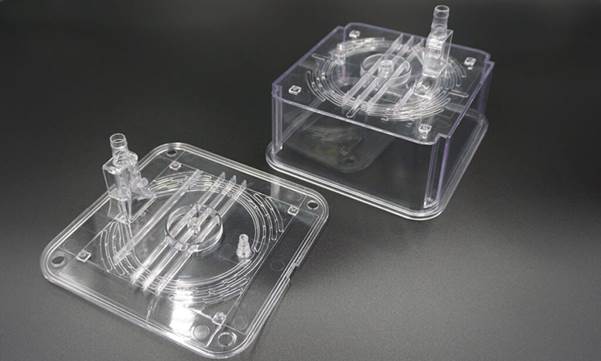
There are various applications of custom plastic molding in various industries. There is a standard of requirement and standards per industry. This renders the process to be very versatile. Custom molded plastics are found everywhere, in the automotive parts, as well as medical devices. This extensive application demonstrates the significance of this process in today manufacturing.

Creating less waste during Plastic Molding

Less wastage is a current day objective of manufacturers. The effective production processes will reduce the amount of loss of materials and enhance sustainability. Recycling of used materials is also a norm. A lot of companies that have been employing the custom molding plastic are now targeting at environmentally friendly solutions to conserve the environment.

Improvement in Product Quality by improving design

The high-quality products are orchestrated by good design. Having a proper design will facilitate a smooth production and minimize defects. The advanced tools and software can be used to enhance accuracy. An aptly made custom plastic mold will also lead to a superior finish, strength and durability.

The future of Custom Plastic Molding

The prospects of custom plastic molding are bright. The procedure is being expedited by new technologies and made more efficient. The automation and smart production are enhancing the quality of production. High-tech custom molding plastic methods are being embraced by many companies, in a bid to remain competitive in the market.

Final Extended Conclusion

Plastic molding is a crucial process in the contemporary manufacturing industry. It allows flexibility, efficiency and creates high quality production to various industries. It is used by businesses to develop individual and trusted products. Companies can get the best results by concentrating on the right design, selection of materials and selecting the appropriate custom plastic molding company. This will not only enhance the quality of the products but also minimize the costs in the long-run.

Even more efficient and sustainable, in the future, will be custom molding plastic with the help of advanced technologies. Companies that embrace such practices will remain competitive and be successful in satisfying the rising market expectations.

Ofte stillede spørgsmål

1. What do you use custom plastic molding?

Unique plastic products are produced through custom plastic molding, which is employed to produce products according to certain designs and needs. It is widely applied in such industries as automotive, medical, packaging and electronics to achieve high quality and precision of components.

2. What kind of molding process is suitable to complex products?

Complex and detail products are the best that should be injection molded. It has a high level of precision, consistency and smooth finishing; thus, it is suitable in an advanced and high-volume production requirement.

3. What does it mean by blow molding and injection molding?

H hollow products such as bottles, containers, etc are made through blow molding. Solid and detailed parts that have complex shapes are molded over injection molding. The two processes have various applications depending on the design of products.

4. Is it costly to custom plastic mold?

The price is determined by the factors such as the shape of mould, material and quantity of production. Although the initial cost may be expensive, it would prove to be cost effective in large production as the cost per unit will reduce.

5. What is the correct molding process that I pick?

The selection of the process is dependent on your product design, type of material and quantity of productions. Being aware of your needs and talking to an expert manufacturer can make them make the most optimal choice.

Hvor meget koster en sprøjtestøbning? Komplet prisguide

Knowledge of the cost of an injection mold is highly significant in business and newcomers who would wish to venture into plastic product manufacturing. Many industries use injection molding due to the speed and trustworthiness of injection molding. However, the prices of molds may be baffling to new customers.

Before one embarks on an injection molding project, many people will ask: How much does injection molding cost? The solution varies depending on various criteria such as design, material and volume of production. You will come to know all in easy and simple words in this guide.

Hvad er sprøjtestøbning?

Injecting a hot material into a cavity is a production technique of plastic components called injection molding. The mixture is left to dry and it takes the form of the mold. The latter process is common since it provides precise and reproducible results. It finds application especially in the automotive, packaging and electronic industries. A mold needs to be produced prior to production. That is the reason why many people would inquire on how much does a plastindsprøjtningsform cost when they are planning to do a project.

What Does an injection Mold Cost?

It might depend on the project greatly as cost. Generally, the cost of injection mold can be between 1,000 and above 100,000. The molds that are small and simple are less expensive whereas large and complex molds are costly. As an example, a simple mold can be between 1,000-5,000. A medium-level mold may cost $5,000 to $25,000. Molding in the industrial industry can exceed 50 000. That is why it is recommended to comprehend the extent to which injection molding cost is before the start.

Factors That Affect Injection Mold Cost

The amount that a plastic injection mold will cost is determined by a number of factors. All the factors contribute significantly to the end price. Knowing these aspects will assist you to make a more budget-friendly plan. We can consider the factors which have the greatest influence on the cost of a particular injection mold in real projects.

1. Mold Size and Complexity

The cost is dependent on the size of the mold. Large molds require additional material and time to be manufactured. This adds up to the aggregate price. Complex designs are also costly as it makes use of sophisticated tools and labour. Hence, the extent to which injection molding cost may vary depending on the design complexity.

2. Material Used for Mold

Molds are typically produced out of steel or aluminum. Steel molds are tough and have a better life span. They are however pricier than aluminum molds. The molds made of aluminum are less expensive and quicker to make. They are however not applicable towards high production. The decision you make will determine the amount of cost of a plastic injection mold.

3. Production Volume

It also depends on the quantity of parts that you wish to manufacture. The molds need to be strong and durable in order to produce a lot. These are more expensive molds that have a long life. In case of low production, low-cost molds can be used. That is why the cost of an injection mold varies according to your objectives of production.

4. Design and Engineering

A design has to be crafted and tried prior to the creation of a mold. The design and its design are checked by engineers to prevent any mistakes. This will be an additional cost. In case of a complex design, it will be time-consuming and more laborious. This adds to the overall costs of injection molding.

5. Mold Cavities

There may be a cavity or many cavities in a mold. Multi-cavity molds are able to make numerous parts simultaneously. This improves efficiency. They are however, more costly to construct. Therefore, the number of cavities has an influence on the cost of a plastic injection mold too.

What is the Cost of Injection Molding a Part?

Other than the cost of the mold, you should know the cost of production per part. Much of the population would like to have an idea of the cost of injection molding per unit. Smaller, plastic components may be as cheap as a few cents each. Bigger ones will require a couple of dollars. The cost is lower with the increase in the volume of production hence less costly.

Cost Breakdown of injection Molding

In order to grasp the extent of a cost of an injection mold, it is worthwhile to review various elements of the cost. All these are a contribution to the overall price. These expenses consist of tooling, materials, labor and the operation of the machine. All these factors add up to find out the extent to which injection molding will cost in total.

1.Tooling Cost

The largest cost of injection molding is tooling cost. It involves designing and making of the mold. The expensive molds are of high quality, which extend their life. This is the reason why tooling contributes significantly in determining the extent of cost of a plastic injection mold.

2.Material Cost

The cost of materials varies according to the plastic. There are those that are cheap and expensive depending on the properties of the plastics. The selection of the appropriate material can regulate the extent to which an injection mold costs as well as quality of the product.

3.Labor Cost

Staff with expertise is required to design molds and run machines. Their experience provides a smooth running of the process. The cost of labor is a significant aspect of the cost of injection molding of any project.
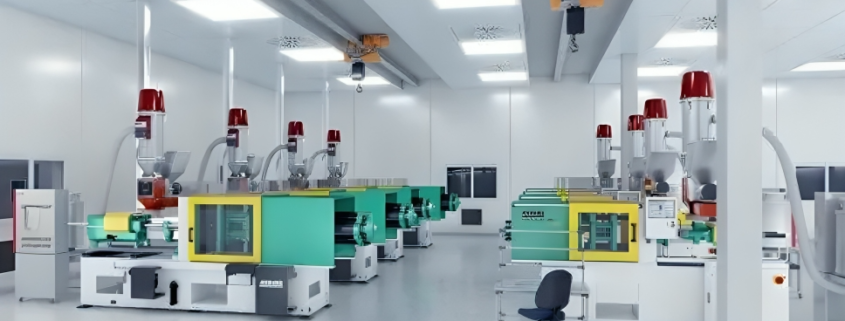
4.Machine Cost

The cost of acquiring as well as maintaining injection molding machines is high. They also use electricity when working. When determining the cost of a plastic injection mold, as well as the total production cost, these costs are accounted.

Inexpensive vs. Expensive Injection Molds

Inexpensive molds are applicable to smaller projects, and shorter production cycles. They are simple to manufacture, but can be worn out. More durable and better quality results are offered by expensive molds. This is why the amount of money to spend on an injection mold should be regarded as a long-term investment.

Reducing Cost of Injection Mold

It can be done to lower the extent to which injection molding is costly, without compromising quality. Prudent planning will save money. Simple design decisions as well as choosing the appropriate materials could be used to reduce the amount the plastic injection mold would cost.

Simplify Design

The straightforward designs are less complicated and less expensive to manufacture. Don’t use irrelevant information that complicates the matter. This will minimize the cost of an injection mold, as well as accelerate the production.

Select the appropriate Media

It is highly important to choose the appropriate material. It ought to be compatible with your product requirements and costs. This choice impacts performance and the extent to which is injection molding expensive.

Reduce Mold Cavities

Initial cost of mould can be reduced using lesser cavities. Single cavity molds are less expensive and not as difficult to maintain. It is an ideal choice when the quantity of production runs is small, and assists in managing the amount of inquiry a plastic injection mold cost.

Work with Experts

The accomplished manufacturers are able to mentor you to better decisions. They assist in the prevention of expensive errors. The collaboration with professionals will make sure that the amount of money needed by an injection mold does not exceed the budget.

Injection Molding vs. other techniques

A lot of individuals contrast injection molding to other forms of manufacturing. They would also wish to know how much injection molding cost is as compared to the other alternative. Large-scale production is more suitable to injection molding. Although the cost of a plastic injection mold is very expensive, the cost per unit is lowered as time goes by.

Should we Injection Mold?

Businesses which require high production of products are good candidates of injection molding. It is fast, accurate and reliable. The initial cost might be high but knowing how much does an injection mold cost, will aid in making smart decisions.

Almindelige fejl at undgå

Numerous inexperienced individuals commit errors which raise the cost of injection molding. With good planning, such errors can be avoided. Some of the common errors made are intricate designs, improper choice of materials and lack of proper planning. Preventing them will lower the cost that a plastic injection mold costs.

Real-Life Cost Examples

Live cases can be used to learn more about the extent to which an injection mold is more cost-effective. The prices are subject to change depending on the size and complexity of project. Small molds may cost $1,000 to $3,000. Medium molds can cost $5,000 to $15,000. Big molds are over 50, 000.

What is the Time Taken to make an injection Mold?

The other significant consideration when discussing how much does an injection mold cost. It is not an immediate process of making a mold. This may require a couple of weeks or even months based on complexities. It can take 2 to 4 weeks to be simple molds. Intricate molds that are elaborately designed may require up to 8 to 12 weeks or more. This time also influences how much does injection molding cost since the longer the project, the more the labor and resources that would be required.

Custom Injection Mold Price

Custom molds are custom made to particular products. The cost of these molds is higher since it entails special designs and design engineering. It is the reason why most people may tend to inquire how much does a plastic injection mold cost a custom project.

Custom molds can range from $5,000 to over $100,000. The cost is determined by size, material and complexity of the design. When developing a custom product then it is quite important to know how much the cost of an injection mold is.

Differences by country in cost

Injection molding is also influenced by the country of manufacture, thus its cost varies. There is a difference in the costs of labor and production in various areas. This directly influences the extent of the cost of injection molding.

As an illustration, the molds produced in China tend to be less expensive as compared to molds produced in the USA or Europe. But quality and communication must also be perceived to determine the extent to which a plastic injection mold costs.

Cost of Prototype vs Production Mold

Testing and low-volume production is done by using prototype molds. They are less expensive, and quicker to manufacture. This assists companies in trying out their concepts prior to the entire production. Molds of production are made to be long-lasting and in large quantity. They cost more, but are more durable. This variation is very important in determining the extent to which an injection mold costs.

The upkeep of Injection Molds

When determining the cost of injection molding many people forget the maintenance calculation. Molds should be regularly cleaned and repaired to work well. The cost of maintenance is dependent on the use and the quality of materials. Careful treatment enhances growth of moulds and minimizes cost in the long run. This too influences the amount of money a plastic injection mold would cost in the long run.

Effect of Design Change on cost

Design modifications have the potential to make a project more expensive. In case of alterations implemented to the mold after the creation, it might have to be reworked or possibly a new mold. This can go a long way in determining the amount of cost of injection mold. This is the reason why one should design the final product prior to starting the production process in order to control the extent to which injection molding is expensive.

Use of Technology in Cost saving

The technology of today is aiding in the cost reduction in manufacturing. The use of advanced software enhances accuracy of designs and minimizes errors. This is beneficial in saving time and money. Production is also speeded up and is more efficient with automation. In most industries, these advancements are gradually lowering how much does a plastic injection mold cost.

Large vs Small Volume Production

The amount of production is also important in determining the cost. Mold cost is diffused among high volume production. This will lower the cost per part. High cost per unit is experienced in low volume production due to the lack of a wide distribution of the mold cost. This is a big consideration in estimating the cost of how much an injection mold cost.

Selecting the proper Manufacturer

It is quite crucial to choose the appropriate manufacturer. An excellent manufacturer is one who offers quality work and assists to manage expenses. This makes sure that results are improved. The knowledgeable manufacturers will be able to advise you regarding the cost of injection molding as well as recommend how to save money. It also aids in controlling the extent of the cost of a plastic injection mold.

Small Business injection Molding cost

High start-up costs are a concern to small businesses. However, the injection molding can be an option as well with appropriate planning. To begin with basic patterns and small amounts of molds may aid in reducing the cost of an injection mold, how much does an injection mold cost? It is now easier to enter the market by small businesses.

Environmental Impact and Cost

Environmentally-friendliness is making its way into the production process. A lot of businesses are currently employing recyclable materials and energy saving machines. Such developments could have minor impacts on how much does injection molding cost, but they contribute to safeguarding the environment. They are also able to minimize the cost of a plastic injection mold, in the long-term, by efficiency.
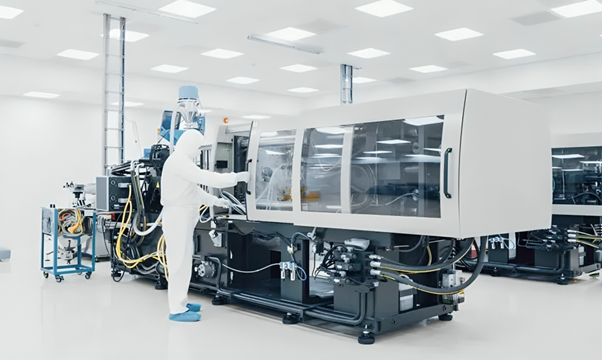
Trends in Injection Molding in the future

Injection molding is getting enhanced with the help of technology. Labor costs and efficiency are being decreased and increased with automation. The degree to which injection molding cost can be reduced in the future due to improved technology is yet to be determined. Nevertheless, there will always be quality molds that will demand investment.

Afsluttende tanker

You now have a clear picture of how much does an injection mold cost, and how it depends on various factors. The price varies as per design, material and production requirements. Never take any chance and collaborate with specialists. This will assist in controlling the extent to which is injection molding cost effective and achieve improved results.

Ultimately, put emphasis on value rather than price. An investment made today will be able to save money in future, as it will be able to see how much a plastindsprøjtningsform costs.

Ofte stillede spørgsmål

1. What is the average cost of injection mold?

The injection mold depends on size and complexity and has a wide range of cost per injection mold. The average price of injection moulding could be between 1,000 and more than 100,000. Simple molds are less expensive in comparison to complex industrial molds, which are very expensive.

2. Why injection molding is so costly initially?

This is primarily because of the mold. Prior to production, a tool of high accuracy has to be produced. This is the reason why the amount of costs to be incurred in injection molding is high at first, but as large quantities of production run it would be cheaper per unit.

3. What is the cost of a plastic injection mold of small scale projects?

The average cost of a plastic injection mold varies between $1,000 and 5,000 depending on the type of small or simple projects. These types of molds are applied in low volume production or simple parts of plastic that contain simple designs.

4. Is it possible to decrease injection mold cost?

Yes, it is possible to decrease the cost by simplifying the design, decreasing the number of cavities and selecting appropriate materials. The right planning also assists in reducing the amount that an injection mold costs without compromising on the quality of products.

5. Is it cost effective to use injection molding to produce in mass?

Injection molding is indeed very economical at large scale production. Despite the high initial cost, the cost of injection molding, per unit, is very low when producing in the thousands of parts.

Sprøjtestøbning i høj volumen

High volume injection molding is an extensive manufacturing procedure that is applied in large production of plastic parts. It is recognized to be efficient, consistent and cost effective. This approach is used by many industries to address the increasing demand of the products. High volume injection molding is a process that is preferred by businesses that are interested in scaling their production since it is a reliable way of producing the results.

This is suitable in companies which require mass production and do not compromise on quality. It is also useful in minimizing the expenditure in the long run. This guide will tell you all about the high volume injection molding, its process, advantages, material, as well as its use.

What is High Volume Injection Molding?

High volume injection molding is a production method, which is applied to manufacture thousands or even millions of similar plastic parts. Molten plastic is injected in a mold in this process, which cools down and solidifies to shape into the required shape. This process is repeated several more times in order to produce uniform products.

Den high volume plastic injection molding is normally applied when bulk production is necessary. It makes certain that all of the parts are of the same size, shape and quality. High volume custom injection molding is normally used by such businesses where they need the unique product design, but at the same time, the production volume needs to be large. The china high volume injection molding is also favored by many companies since it is cost effective and has large scale production.

Operation of the Process

The high volume injection molding requires a number of crucial steps. The first stage involves the selection of the plastic material that is to be used depending on the requirements of the products. The various materials have varying strength, flexibility and durability.

The plastic is then heated till it is melted. This liquid plastic is next forced into a mold at a high pressure. The mold is made to have a shape that is the same as that of the final product. After the mold is filled with the plastic material, it is then left to cool down and harden.

The complete part is ejected out of the mold after it is cooled. The process is repeated in order to create additional components. The high volume plastic injection molding is very efficient and suitable in the mass production as it is a continuous process.
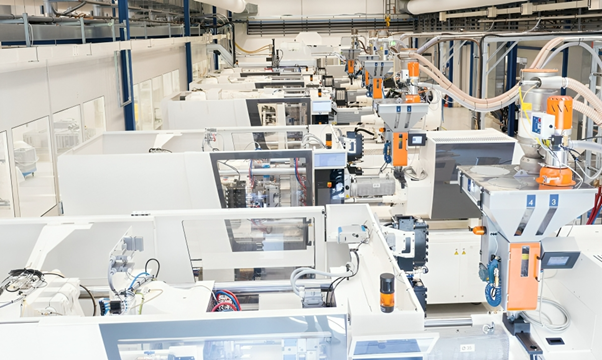
Advantages of the High Volume Injection Molding

Cost effectiveness is one of the largest benefits of high volume injection molding. Its initial set up cost may be expensive but the unit cost is very low in the case of large production of the products. This ensures that it is a cost-effective solution to the businesses. The other advantage is that of quality consistency. The high volume plastic injection molding is used to produce each part, and this way the part is almost the same and hence reliable and consistent. This is particularly crucial to those industries that are concerned with precision.
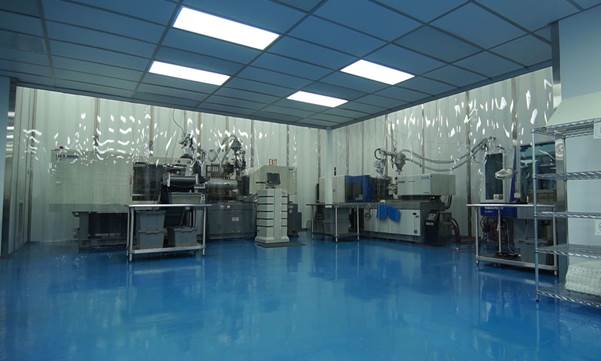
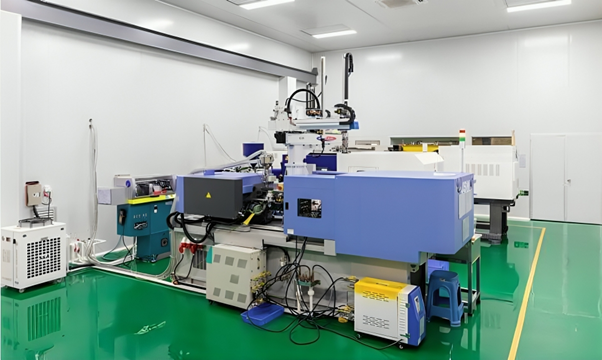
It is also very fast in the production speed. The contemporary machines are capable of making thousands of parts within a short period of time. This will enable the businesses to satisfy rigid deadlines and demand. Flexibility of design is the other strength. High volume custom injection molding enables the companies to produce an intricate and detailed design. It becomes easier to come up with unique and innovative products.

Moreover, wastage of materials is also minimal due to the fact that sometimes it is possible to reuse the surplus plastic. This renders the process to be more environmentally friendly than other manufacturing processes.

Uses of High Volume Injection Molding

The injection molding is done in high volume in most industries. It is also employed in the manufacture of parts like dashboards, panels as well as covers in the automotive industry. Such elements have to be very precise and durable. High volume plastic injection molding is applied in the production of small plastic elements in the electronics industry. These components find application in smartphones, computers and home appliances.

This also is applied in the medical industry to manufacture products such as syringes, containers, and medical tools. Such products demand great amount of cleanliness and precision. Another significant area of use is the consumer goods. The high volume injection molding is usually used in production of everyday products like bottles, containers and packaging materials.

Why Should High Volume Custom Injection Molding be chosen?

There are numerous companies where products have to be unique and brand oriented. High volume custom injection molding makes companies be able to produce customized design and still enjoy the mass production.

This allows the business to retain brand identity in the way that they can design the products that are unique in the market. It will also make sure that certain requirements are fulfilled without being at cost to production. Consequently, the high volume custom injection molding is ideal in cases where firms wish to have the customization as well as scalability.

Why Should China High Volume Injection Molding?

The manufacturing outsourcing is not a new trend and china high volume injection molding is a favored option to many companies. Reduction in the cost of production is among the primary causes. The cost of labor and operation in most cases is less and this saves the companies money. The other competitive edge is availability of advanced technology. Modern machinery is applied in most of the manufacturing industries in China that dictate high quality production.

The other advantage is a large production capacity. China high volume injection molding is appropriate when dealing with international companies since factories have the capacity of dealing with bulk orders. Furthermore, China boasts of great supply chain and logistics network. This facilitates to deliver products to different parts of the world in good time.

Plastics of High Volume Injection Molding

High volume injection molding is carried out using different forms of plastic materials based on the needs of the products. ABS is a brand of choice as it is durable and strong. It is generally applied in the automotive and electronic products. The other material that is commonly used is polypropylene. It is also light and elastic hence it is applicable in packaging and consumer goods. Nylon is also a strong material that is resistant to heat and this fact has rendered it suitable in industrial use.

Polycarbonate is also commonly applied in the production of items that need to be transparent and have impact resistance like safety gears. The material used should be chosen well since it has a direct influence on the performance and the durability of the product.

Design Hints to greater Success

High volume injection molding is highly dependent on good design. The simple designs tend to be less expensive and the production is simpler. Complicated designs may raise the cost and time. The thickness of the walls should be uniform, due to the fact that it avoids defects and enhances the product strength. Lack of evenness of the thickness may create problems when cooling.

The design is aided with addition of draft angles to assist in easy extraction of the parts out of the mold. This minimizes the chances of being damaged. One should also avoid sharp edges since rounded edges will be more durable and will contain fewer stress points. These design tips should enhance the quality of products produced through high volume plastic injection molding.

Difficulties in High Volume Injection Molding

The high volume injection molding has several challenges even though it has many advantages. Making molds may be expensive, and this might be an issue of concern to small businesses. Nevertheless, this is normally offset in the long run by large production.

Problems can also be generated by design errors. Failure to optimize the design in the right way may result in defects and delays in production. Another major consideration is the choice of materials. The performance and quality of the end product can be influenced by the incorrect choice of material.

It is also necessary to maintain the machines. Timely maintenance also means smooth running and avoidance of the untimely breakdown in high volume injection molding operations.

The Question of Selecting the appropriate Manufacturer

It is important to select the manufacturer in order to have a successful high volume injection molding. One should choose the company that is experienced and skilled in the sphere. Proficiency in manufacturing will give more credible manufacturers a higher chance of producing quality outcomes.

The quality standards must also be looked into. A quality manufacturer will be dependent on a strict quality control. The other factor is pricing. Competitive rates should be found, but quality must not be lost. Capacity of production is also important. The manufacturer ought to have the capabilities of managing large orders particularly where there is a high volume plastic injection molding project.

High Volume Injection Molding Factors of Cost

It is extremely important to the businesses to know the cost structure. The injection molding can be performed in high volume which can be costly initially, but in the long run it will prove to be cost effective. The main cost factor is the mold. The manufacturing and the design of molds involve a lot of money particularly when dealing with a complicated part.

Material cost is another factor that is important. Various plastics carry different prices basing on their properties and quality. The correct material selection can be used in the high volume plastic injection molding to manage the overall costs.

Operation of machines and workforce also add to the overall cost. Automation has however minimized the labor dependency of contemporary production. This is because high volume injection molding is more efficient and cost effective.

The volume of production is also important in pricing. The more the units the less the cost per unit. That is the reason why most companies would use high volume custom injection molding to produce in large quantity. China high volume injection molding is usually adopted by companies because it is relatively cheap and has high capacity of production.

High volume injection molding Quality Control

In high volume injection molding it is critical to maintain quality. This means that production runs are large and therefore any minor mistake may result in a huge loss. This is why the quality control should be on strict measures. Manufacturers have high-technology inspection instruments to test size and functionality of products. The high volume plastic injection molding is normally done by automated systems to identify defects at the initial stage. This will enable uniformity in all products.

There is also the importance of the material testing. It makes sure that the plastic chosen is of the desired standards. The quality checks are even more of critical concern in the high volume custom injection molding since the products are designed to be used to fulfill particular needs. A number of manufacturers in the china high volume injection molding practice international quality standards. This will guarantee that products are in line with the demands of the world and expectations of the customers.

Injection Molding High Volume Tooling

One of the most significant issues of high volume injection molding is tooling. The final shape and quality of the product is dependent on the mold. Good quality molds may have millions of cycles. The design of the tooling should be accurate. Any minor mistake will have an impact on the whole production process. In large volume plastic injection molding, there is the need to have durable molds so that production can run over a long period of time.

Molds are used in manufacturing of different types. Single-cavity molds are used to produce a part at a time and multi-cavity molds are used to produce many parts within a cycle. Multi cavity molds are usually applied in high volume custom injection molding since they enhance efficiency.

China high volume injection molding is always used by many companies to have tools due to the cost benefit and technical experience. Properly made molds enhance faster production and minimize the defects.

High Volume Injection Molding: Automation

The manufacturing industry is undergoing a change with automation. The injection molding processes have been increased to a higher volume and the machines and robotic systems are used to enhance efficiency. The parts are handled by robots; the products are removed out of molds and quality checks performed. This minimizes the human error and maximizes the speed of production. Automation is highly beneficial when it comes to the high volume plastic injection molding since it must be operating at all times.

Intelligent machines have the ability to check temperature, pressure and cycle time. This guarantees stability and minimizes poor performance. Automation in high volume custom injection molding is used in keeping accuracy in customized designs. Due to the need to remain competitive in the world arena, most of the factories with china high volume injection molding are embracing automation. This results in increased speed of production and quality products.

Practicality of Sustainability in High Volume Injection Molding

One of the concerns that are taking center stage in manufacturing is sustainability. High volume injection molding is developing in the direction of environmental safeguarding. Minimal waste of the material is one of the primary benefits of this process. Unnecessary plastic may be recycled and reused. Plastic injection molding of high volume is used to promote eco-friendly production.

Most firms are currently adopting biodegradable and recyclable substances. This minimizes pollution and sustenance objectives. With the high volume custom injection molding, businesses are able to select materials that will conform to their environmental policies. The China high volume injection molding producers are also going green. They are adopting the environmentally friendly machines and minimizing emissions. This assists in developing a more sustainable production process.

Troublesome flaws and the ways to prevent them

High volume injection molding has defects even with the advanced technology. The awareness of these problems assists in the enhancement of the quality of products. Warping is one of the defects. This occurs due to uneven cooling of parts. This can be avoided in high volume plastic injection molding by proper designing of the mold and ensuring there is uniformity in the wall thickness.

The other problem is sinking marks. These come in form of tiny dents on the product surface. They tend to be as a result of poor cooling or shrinkage of materials. This problem can be resolved by changing the parameters of the processes. The other common defect is flash. It takes place when there is a leakage of excess material in the mold. This problem is avoided in high volume custom injection molding by ensuring that the molds are aligned correctly.

The manufacturers operating in the china high volume injection molding employ superior mechanisms in order to identify and correct flaws within a short period of time. This guarantees quality production.

A comparison of High Volume and Low Volume Injection Molding

One should know the difference between high volume and low volume production. The high volume injection molding is geared towards mass production whereas low volume is applied to the smaller quantity. Injection molding of plastics can be done in high volumes to provide low cost per unit because of high volumes of production. It suits well with products which have a steady demand.

Low volume production on the other hand is appropriate in prototypes or small batches. It is cheaper in terms of initial costs but expensive in terms of unit costs. High volume custom injection molding is most preferred in a business that would like to increase production and yet retain individual design. China high volume injection molding is preferred by many companies and is applied in cases where quantities are required in large numbers and at competitive costs.

Most Benefiting industries

High volume injection molding is very useful in a number of industries. This is a process that is used in the automotive industry to come up with durable and precise components. Electronics industry is the sector that depends on the high volume plastic injection molding of small and complicated parts. These are the elements of the modern devices.

This is also the method used in the packaging industry. Goods such as bottles, caps and containers are done in bulk. The high volume custom injection molding is applied in the medical industry to produce safe and sterile products. This makes sure that they are in line with strict regulations.

China high volume injection molding does a significant contribution towards provision of products to such industries across the world.

The Future of High Volume Injection Molding

High volume injection molding has a brighter future. Automation is getting prevalent and this makes the work smoother and less human error. The production processes are being enhanced with the use of smart machines. It is also developing new materials that can be used to improve the performance of products. These are more powerful, flexible and sustainable materials.

The concept of sustainability is taking center stage. Recyclable plastics in high volume injection molding are now being put into high use in many companies where environment impacts are to be minimized.

Konklusion

High volume injection molding is a critical production procedure that is necessary to companies that need to produce in mass. It has numerous benefits such as being cost effective, fast and of the same quality. High volume plastic injection molding is more suitable when producing large numbers of the same product where high volume custom injection molding can be used to have unique and customized designs. China high volume injection molding is affordable and has a high production volume thus many companies prefer it.

Having the knowledge of the process, materials and best practices, business can make a more informed decision and attain positive production results. Sprøjtestøbning af store mængder is still a major aspect of the contemporary production and will still be significant in the future.

Ofte stillede spørgsmål

5. What are the saved costs which are high volume injection molding?

The initial set up costs are also quite expensive, but the unit cost reduces in large quantities of productions. There are also advantages on automation and effective use of materials which help in minimizing the costs in general.

What does high volume injection molding mean?

High volume injection molding is a manufacturing technique which is employed in the manufacturing of majority of plastic components according to a brief duration of time. It entails the use of melted plastic that is injected in the mold to produce the same products that are of the same quality.

2. Why does the business have high volume injection molding?

This is the one that the businesses would like since it consumes less time and it is not costly per unit in case of mass production. It further makes all products to appear and work in the same way.

3. In what are the common areas where high volume injection molding is applied?

This has been applied majorly in the automobile sector, electronics, health and house goods. It is best when it comes to the manufacture of products that require mass production.

4. Does it possess high volume injection molding that is cost effective?

Yes, it is very cost effective in cases where large batches of production are taken. Although the initial arrangement might be costly, the general cost is reduced with increase in the production of the units.

Sprøjtestøbning af termoplast

Termoplastisk sprøjtestøbning er et af de materialer, der fortsat er populært i verdens fremstillingsindustri på grund af den øgede efterspørgsel efter lette materialer af høj kvalitet. Effektivitet, nøjagtighed og omkostningseffektivitet er nogle af succesfaktorerne i den hurtige produktionsverden i dag. En af de mest almindelige processer, der opfylder alle disse krav, er termoplastisk sprøjtestøbning. Det er et højt produktionsniveau, da det gør det muligt for virksomhederne at fremstille plastkomponenter af den krævede kvalitet på en ensartet og nøjagtig måde.

Processen anvendes i andre virksomheder inden for forbrugsvaresektoren, bilkomponenter og andre. Virksomhederne vil være i stand til at træffe en bedre produktionsbeslutning, fordi de ved, hvordan den fungerer, og hvad fordelene er.

Hvad er termoplastisk sprøjtestøbning?

Sprøjtestøbning af termoplast eller sprøjtestøbning er en fremstillingsproces, der indebærer, at en termoplast i smelteform tvinges ind i en form og derefter støbes til en ønsket form. Når formen er afkølet og fast, afformes det færdige produkt med kraft.

Det er også meget effektivt, når det gælder masseproduktion. Det gør det muligt for producenterne at komme med detaljerede designs, der er meget nøjagtige. Termoplastisk sprøjtestøbning er også en god produktionsmetode til storskalaproduktion, fordi formene kan genbruges.

Termoplast er de materialer, der kan smeltes og støbes igen og igen, uden at deres egenskaber forringes. Det betyder, at de er meget alsidige og kan tilpasses andre anvendelser.

Fremstillingsproces for termoplastisk sprøjtestøbning

1. Valg af materiale

Det første trin i sprøjtestøbning af termoplast er processen med at vælge det rigtige materiale, f.eks. polypropylen, ABS, polycarbonat, normalt termoplastiske pellets. Sådanne materialer vælges afhængigt af deres egenskaber såsom styrke, plast, varmebestandige egenskaber og pris. Den sprøjtestøbte termoplast er det passende materiale, der giver optimal funktionalitet og styrke til delen.

2. Smeltning af termoplast

Dette indebærer smeltning af termoplasten for at opnå den nødvendige form og volumen til at fylde støbemaskinen. Smeltning af termoplast: Det gøres for at smelte termoplasten til den ønskede form og volumen og hælde den i støbemaskinen.

I en varm tønde på sprøjtestøbemaskinen anbringes de rå plastpiller. Blandingen af pellets i tønden er homogen og tyktflydende. Temperaturen i denne fase er meget relevant, så nedbrydningen og den jævne afvikling af støbeprocessen kan sikres.

Formen bruges til at sprøjte det nye produkt ud på markedet.

3. Indsprøjtning i formen

Når termoplasten udsættes for den rette temperatur, presses den ind i et formhulrum af den ønskede størrelse. Emnets form og karakter bestemmes af formen. Porte, åbninger og kanaler konstrueres på den rigtige måde, så det smeltede materiale strømmer jævnt ind i formen og minimerer defekter. Dette er en af de nødvendige operationer ved indsprøjtning af termoplast.

4. Nedfrysning og genfrysning

Når plasten er i formen, smelter den og størkner. Den tid, der kræves til afkølingsprocessen, bestemmes af materialet, væggenes tykkelse og komponentens kompleksitet. Afkølingen skal være ensartet, så den ikke bliver skæv, synker eller krymper.

5. Formåbning og udstødning af emner

Derefter størkner delen, formen åbnes, og det færdige produkt skydes ud. Dette gentages derefter gennem kontinuerlig produktion. De moderne maskiner er automatiserede, og de har computerstyring, som sikrer, at den samme del bruges i de forskellige kørsler, som giver den samme del af høj kvalitet.

6. Forarbejdning og efterbehandling

Selv termoplastiske komponenter, der er sprøjtestøbt, kan have brug for yderligere efterbehandling, f.eks. trimning, maling eller samling. Det er processer, der gør emnet funktionelt og æstetisk acceptabelt.

7. Kvalitetskontrol

Kvalitetskontrollen udføres af producenterne i processen for at blive bekendt med dimensioner, tolerancer og materialeintegritet. Kvalitetsvedligeholdelse har resulteret i termoplastisk sprøjtestøbning, der fremstiller pålidelige og stærke dele til andre industrier.

Typer af sprøjtestøbte termoplastiske materialer

Fremstilling af sprøjtestøbt termoplastisk materiale har mange forskellige typer. Typerne har særlige egenskaber, som gør dem egnede til at blive brugt i en bestemt applikation.

Materialer af nogle af formerne er:

  • Polypropylen (PP): Det er let og ikke-kemisk.
  • Polyethylen (PE): Blød og hårdfør.
  • Akrylnitril-butadien-styren (ABS): Slagfast og stærkt.
  • Polykarbonat (PC): Varmebestandigt og gennemsigtigt.
  • Nylon (PA): Stærk, sej og hård.

Valget af det termoplastiske sprøjtestøbte materiale spiller en afgørende rolle i bestemmelsen af slutproduktets foretrukne ydeevne og levetid.

Fordele ved termoplastisk sprøjtestøbning

Sprøjtestøbning af termoplast er fordelagtigt i produktionen på flere måder:

  • Høj effektivitet: Først i masseproduktionen.
  • Præcision: Udvikling af avancerede og avancerede designs.
  • Omkostningseffektivt: Det vil mindske materialespild.
  • Genanvendelighed: Materialerne kan genbruges og genanvendes.
  • Mangfoldighed: Det kan anvendes i andre brancher.

Sådanne fordele gør termoplastisk sprøjtestøbning til en mulighed, der er værd at overveje for de virksomheder, der ønsker at øge effektiviteten i produktionen.

Sprøjtestøbning af hærdeplast vs. termoplast

Forskellen mellem termohærdende og termoplastisk sprøjtestøbning skal overvejes i tilfælde af, at nogen træffer den rigtige beslutning om processen. Termoplast kan genbruges og smeltes og omdannes på andre tidspunkter, hvilket gør det fleksibelt. Termohærdende plast smelter derimod ikke i hærdningsprocessen og ændrer sig kemisk.

Til sammenligning er termohærdende og termoplastisk sprøjtestøbning ikke let at håndtere i forhold til termoplast. Duroplaster er dog mere modstandsdygtige over for varme, og deres strukturelle stabilitet er større. Valget af enten termohærdende eller termoplastisk sprøjtestøbning afhænger af anvendelsen.

Anvendelser på tværs af brancher

Sprøjtestøbning af termoplast er en fleksibel og effektiv proces, og den kan derfor anvendes i de fleste industrier.

  • Autodele: bilens indvendige komponenter, kofangere og instrumentbræt.
  • Medicinsk: Kirurgisk udstyr, sprøjter og medicinsk udstyr.
  • Elektronik: Hus, tilslutninger og isolering.
  • Forbrugsgoder: Husholdning og legetøj.

Termoplastisk sprøjtestøbning er nu en obligatorisk praksis i den nuværende produktion på grund af evnen til at skabe lette og stærke produkter.

Kvalitetskontrol i sprøjtestøbning

I enhver produktion er kvalitet et spørgsmål om bekymring. Sprøjtestøbning af termoplast følger den samme idé om kvalitetskontrol, som har til formål at sikre, at hvert produkt lever op til standarden. Producenterne har sofistikerede værktøjer og testprocedurer til at verificere dimensioner, styrke og holdbarhed. Kvalitetskontrollen minimerer fejlene og efterlader kunderne tilfredse.

En af de største fordele ved sprøjtestøbning af termoplast er konsistensen, og det er grunden til, at det kan bruges i storskalaproduktion.

Omkostningsfaktorer i termoplastisk sprøjtestøbning

Priserne på termoplastisk sprøjtestøbning varierer afhængigt af en række aspekter som f.eks. arten af de materialer, der skal anvendes, formen og mængden af enheder, der skal produceres. De første formgebyrer er høje, når de udføres i store mængder, men opvejes af reducerede produktionsomkostninger. Omkostningsbesparelser kan også opnås gennem en overdådig bygning og et korrekt valg af materialer.

Langsigtede besparelser og øget effektivitet i produktionen er et af de aspekter, der er fælles for langsigtede virksomheder, der investerer i sprøjtestøbning af termoplast.

Miljøpåvirkning og bæredygtighed

Der lægges stor vægt på bæredygtighed i fremstillingsindustrien. Konceptet med termoplastisk sprøjtestøbning stimulerer den grønne drift på grund af muligheden for at genbruge materialet og mindske mængden af affald. De fleste termoplastmaterialer kan genbruges ved flere lejligheder og forurener derfor miljøet mindre. Det gør processen mere bæredygtig sammenlignet med andre fremstillingsprocesser.

De virksomheder, der har implementeret anvendelsen af termoplastisk sprøjtestøbning, vil være i stand til at hjælpe med at skabe en grønnere fremtid og være produktive på samme tid.

Almindelige fejl i termoplastisk sprøjtestøbning og hvordan man undgår dem

Det er en ekstremt effektiv proces, som kan blive defekt, når produktionsprocessen finder sted. Sprøjtestøbning er termoplastisk og er kendt for at have skævheder, synkemærker, korte skud og flash. Når emnet afkøles i en anden hastighed, bliver det skævt og bøjer derfor emnet. Gode kølesystemer kan bruges til at minimere dette. Sinkmærker er små prikker på overfladen, som normalt skyldes forkert tryk eller afkølingstid.

Korte skud udføres, når formen ikke er fyldt helt op, hvilket er almindeligt på grund af lavt indsprøjtningstryk. Men det overskydende, der hældes ud af formens hulrum, blinker. Sådanne problemer kan forhindres ved at designe passende forme og maskinkonfiguration under sprøjtestøbning af termoplast.

Vigtigheden af formdesign i sprøjtestøbning af termoplast

Design af støbeforme er meget afgørende for, om sprøjtestøbning af termoplast bliver en succes. En god form giver et godt materialeflow, nem afkøling og nem udstødning af den færdige del.

Overvejelserne om formens design er placeringen af porte, køling og udluftning. Materialet kan fylde formen jævnt op og skabe minimale defekter, når portene er placeret korrekt. Kølekanalerne anvendes til at opretholde de homogene temperaturer, og det forbedrer produktkvaliteten.

En sprøjtestøbt termoplast har en form af høj kvalitet, der ikke kun forbedrer effektiviteten, men også forbedrer produktionslængden.

Temperatur- og trykreguleringens rolle

Temperatur og tryk er nogle af de vigtigste parametre, der er involveret i processen. Når termoplast sprøjtes ind, vil den rette temperatur sikre, at stoffet flyder ordentligt, og at det fylder formen helt ud. Uønsket varme kan ødelægge materialet. Med lave værdier er der sandsynlighed for, at der opstår defekter, fordi materialet ikke flyder som forventet. På samme måde kræves der et tilstrækkeligt tryk for at sikre, at formen har en ensartet fyldning.

Disse variabler kontrolleres nøje for at forbedre produktkvaliteten og reducere spild under sprøjtestøbning af termoplast.

Fordele ved sprøjtestøbt termoplast i produktdesign

Den termoplastiske sprøjteplast er meget gavnlig i produktdesign. Designere kan også finde på komplicerede former, tynde vægge og detaljerede funktioner, som ville have været vanskelige at opnå på andre måder. En anden fordel ved sprøjtestøbt termoplast er, at der er mulighed for at tilføje flere dele i en enkelt komponent. Det sparer tid på samlingen og øger produkternes holdbarhed.

Designet er tilpasningsdygtigt, så en virksomhed kan blive kreativ og opfinde unikke produkter, der kan differentiere sig på markedet.

Sammenligning af sprøjtestøbning af termoplast med andre plastprocesser

Der er forskellige processer til fremstilling af plast, men termoplast gennem sprøjtestøbning er effektivt og præcist. Form- og detaljekontrollen ved sprøjtestøbning er bedre end processer som blæsestøbning og ekstrudering. Det er mest hensigtsmæssigt, når det drejer sig om hårde materialer med komplekse profiler.

På trods af at sprøjtestøbning af termoplast måske ikke egner sig til nogle af anvendelserne, er det velegnet til produktion af store mængder, hvor kvaliteten af de anvendte emner skal være konstant.

Globale produktionstendenser og Kinas rolle

Termoplastisk sprøjtestøbning har gjort Kina til en af de største nationer inden for plastproduktion. Mange virksomheder foretrækker at outsource produktionen, fordi det er omkostningseffektivt og effektivt i produktionen. De kinesiske producenter er i stand til at tilbyde den nuværende maskine, arbejdsstyrke og kapacitet til at håndtere massive mængder af produktion. De har også gode priser, hvilket gør dem til en god mulighed for virksomheder over hele verden.

Desuden overholder mange virksomheder i Kina verdens kvalitetsstandarder, og det sikrer kvaliteten og pålideligheden af resultaterne. Det er derfor, de skaber en så formidabel tilstedeværelse på det globale marked på grund af en sådan kombination af billighed og kvalitet.

Tilpassede løsninger til termoplastisk sprøjtestøbning

Tilpasning er en af de største fordele ved sprøjtestøbning af termoplast. Producenterne kan udvikle produkter, der opfylder individuelle behov som størrelse, form, farve og materialeegenskaber. Tilpassede løsninger er især nyttige i de industrier, der har særlige krav, f.eks. inden for rumfart og medicin. Det sikres ved, at de produceres med særlige komponenter, der sikrer, at de er overlegne med hensyn til ydeevne og funktionalitet.

Virksomhederne er i stand til at samarbejde med producenterne om at udvikle skræddersyede designs, der passer til deres specifikationer.

Vedligeholdelse og lang levetid for støbeforme

Den lange levetid for de forme, der skal bruges til sprøjtestøbning af termoplast, er en vigtig faktor på grund af vedligeholdelse. Rengøring og inspektion udføres regelmæssigt for at undgå skader og opretholde ydeevnen.

Der kan også opstå slitage med tiden på grund af gentagelser i formene. Dette kan forbedres ved at udskifte slidte dele og foretage rutinemæssig service.

Vedligeholdte forme er ikke kun kendt for at forbedre produkternes kvalitet, men også for at reducere produktionstiden.

Tips til at vælge det rigtige materiale

Det anvendte materiale er afgørende i processen med at definere de resultater, der skal opnås. Nogle faktorer skal tages i betragtning, når man arbejder med sprøjtestøbt termoplast, fordi de indeholder styrke, fleksibilitet, varmebestandighed og omkostninger.

Der er mange fordele ved medierne. Med ABS som eksempel siges det, at ABS er stærkt, mens polyethylen anses for at være fleksibelt. Disse egenskaber vil blive kendt, og denne viden vil hjælpe med at træffe det rigtige valg.

Du får også mulighed for at søge anbefaling fra fagfolk for at beslutte, hvilken sprøjtestøbt termoplast du skal anvende i dit projekt.

Sidste ord

Den termoplastiske sprøjtestøbning er vigtig i den moderne produktionsproces på grund af dens effektivitet, præcision og alsidighed. Teknologien og materialerne bliver mere pålidelige og billige i takt med, at processen udvikler sig, hvilket gør den mere omkostningseffektiv.

Det er en fordel for virksomheder i industrien, ikke kun på grund af det fleksible design, men også på grund af masseproduktionen. Virksomheder kan maksimere denne kraftfulde fremstillingsproces gennem viden om processen, materialer og bedste praksis.

Ofte stillede spørgsmål

1. Hvad er sprøjtestøbning af termoplast?

Injection molding is a thermoplastic process of manufacturing where a form of plastic known as thermoplastic molten material is injected into a mold to make the perfect parts of the plastics. It is widely used in production of complex shapes and in high volume production.

2. What is the thermoplastic injection molded components materials?

These materials include polypropylene (PP), ABS, polycarbonate (PC), polyethylene (PE) and nylon (PA). Each injected dose of thermoplastic material is determined depending on its strength, flexibility, heat resistance and requirement of usage.

3. What is the distinction between injection molding thermoplastic and other processes?

Thermoplastic injection molding creates shapes of an exact, detailed, and repeatable nature, which cannot be achieved with extrusion and blow molding. It is applied effectively in the production of solid components of complicated geometry and it is quite efficient in large scale production.

4. What is the difference between thermoset and thermoplastic injection molding?

Through thermoset/ thermoplastic injection molding, thermoplastics are capable of being melted and remodeled several times, whilst thermosets are unable to melt and are subject to chemical curing. Thermoplastics are easier and can be recycled, whereas thermosets are more resistant to heat and chemicals.

5. What will I do to avoid defect in injection molding of thermoplastic?

Warping, sink marks and flash are the defects that are normally experienced. Their defects are reduced through the proper design of the mold, the control of temperature and pressure, and the use of high-quality thermoplastic material of high quality, which results in the production that is consistent and reliable.

Brugerdefineret sprøjtestøbning af plast Kina

Custom plastic injection molding china is now among the most used products in the competitive manufacturing world, providing companies with accuracy, scalability and affordability. Whether a startup or an established brand, regardless of the choice, it might be worth learning how to utilize a custom plastic injection molding service and make the right decision regarding the development of products and achieve high-level outcomes.

Through the custom plastic sprøjtestøbning service, the companies can manufacture elaborate design with repeatability, less cost and within a strict deadline. It is also a flexible method of manufacturing as it can be flexible in terms of material choice and customization and therefore can be applied to different industries like automotive, medical, electronics and consumer goods.

What is Custom Plastic injection Molding?

Custom plastic injection molding is a fabrication manufacturing technique in which molten plastic is forced into a mold to form certain shapes and parts. The application of this method has been common in automotive, medical, electronics, and consumer goods industries. Impressionists can create sophisticated designs using the custom injection molded plastics that are highly accurate and consistent.

Plastics in Custom Injection Molding Materials

Successful custom plastic injection molding involves the selection of a material. Various materials have varied characteristics like strength, pliability and heat resistance.

The materials that are commonly used are:

Significance of Material Choosing

Identifying the material is one of the most important decisions that are made in the attainment of high-quality output in custom plastic injection molding china. The choice of material is significant as it affects the performance, durability as well as the overall functionality of the final product. Various plastics possess various characteristics like strength, flexibility, chemical resistance, and heat tolerance hence the choice of material is a major challenge among manufacturers and businesses.

Common Materials Used

They are easily modified into ABS, polypropylene, polyethylene, polycarbonate, and nylon which are the most popular injection molded plastics. The purposes of using, the needs of the product define a priori whether a specific material will be used or not.

ABS (akrylonitril-butadien-styren)

ABS also is extremely popular with strength and impact resistance. This has been widely applied in the auto parts sector, electronics casing, and domestic goods as it resists wear and tear and gives a nice finish.

Polypropylen (PP)

Polypropylene is a very light material and besides, it is very chemical resistant. Wrapping is also a habit of the people as it is non-toxic and flexible, and used to wrap medical parts, food wrappings and packaging.

Polyethylen (PE)

Polyethylene is a robust plastic. It is normally applied in containers, plastic bags and piping systems in which high toughness and water resistance are required.

Polykarbonat (PC)

Polycarbonate is dreadfully tough and transparent. It is a typical security product which is of the mill lens and optical usage where sharpness and impact strength is a necessity.

Nylon (PA)

Nylon is a hard and wear tough material. The other application sphere, which it is used in, is engineering, gears and industry elements.

Regarding the work of custom plastic injection molding, the makers will take into account the service of the products, in selecting the proper material. Any custom plastic injection molding china that could utilize an incredible number of materials offers any possible solution that the businesses could provide with high levels of customization and viability.

The custom plastic injection molding process

This knowledge of the process assists businesses to plan production in a better way and attain familiar outcomes. The process of custom plastic injection molding china is geared towards precision of the process, efficiency and fine quality output to a broad segment of industries.

Formdesign

It starts with the design of the mold where engineers develop a blueprint of the mold detailed on the product specifications. This is an important step since the shape, size and accuracy of the final product can be determined by the mold. Custom plastic injection molding is often done with advanced software and technology making sure that the design and functionality are perfect.

Valg af materiale

Secondly, one picks a suitable plastic material. The various materials have different characteristics like strength, flexibility and heat resistance. The selection of appropriate material is a prerequisite to the durability and performance in custom injection molded plastics.

Indsprøjtning

After the two have been prepared, the high pressure is applied to the mold and high-pressure molten plastic is injected into it. This measure is used to ensure that the material conforms to all corners of the mold, and all the details are captured perfectly.

Køling

The plastic is injected and then left to cool and harden in the mold. Sufficient cooling is required to ensure that the product shape and structure are not affected.

Udstødning og efterbehandling

Lastly, the product that is solidified is forced out of the mold. Further finishing can be done to improve the appearance and functionality of the item through trimming, polishing, or coating.

This is an efficient and simplified process and the reason why custom plastic injection molding china is highly applicable in large scale and high-quality production.

Custom plastic injection molding in China- Quality Control

The quality of custom plastic injection molding services is also a high priority. Good manufacturers observe high quality control measures that include:

  • Raw material inspection
  • In-process quality checks
  • Final product testing
  • International standards (ISO certifications) have been used.

These practices will guarantee that custom injection molded plastics are the best in terms of quality in the world.

Benefits of doing Business with the Chinese Producers

Collaborating with firms that provide tailor-made plastic injection molding china is a broad benefit to businesses that are interested in expanding the production at a low cost and high volume. China has over the years emerged to be a manufacturing hub in the world with companies form every part of the world establishing their presence in China because of its capabilities and competitive advantages.

Faster Turnaround Times

Among the most significant advantages of the decision to use the custom plastic injection molding china, quicker production and delivery can be mentioned. Modern machinery and lean production procedures enable Chinese manufacturers to deal with high volumes of production under strict deadlines. This velocity assists enterprises in getting products into the market faster and are ahead of their competitors.

Access to Global Shipping

The other significant opportunity is that it has access to well-developed shipping networks in the world. Firms which provide custom services of plastic injection molding in china are very experienced in international logistic services, and therefore the smooth and timely delivery of products globally is achieved. This has simplified the process through which businesses control supply chains and access international markets without any hustles.

Low Rigidity in Customization

Chinese manufacturers are highly flexible as far as customization is concerned. Custom injection molded plastics can be designed to fit exactly your requirements whether unique designs are required, specific materials are required or complex shapes are required. Such a degree of customisation enables enterprises to produce unique quality products.

Effective Supply Chain Networks

China has a properly grown supply chain ecosystem, which enables it to source raw materials and components efficiently. This great network guarantees a high quality and minimal delays in production in the custom plastic injection molding china projects.

Omkostningseffektive løsninger

Besides the above advantages, cost efficiency has been a significant factor that drives the businesses towards custom injection molding of plastic on a china. Reduced costs of Labor and production assist the businesses to maximize profits and still be of high quality.

On the whole, these strengths render custom plastic injection molding china as an optimal partner of foreign companies that want to find high quality, scalable and reliable manufacturing options.

What is the Rational Choice of Custom Plastic Injection Molding China?

Custom plastic injection molding china is a top choice among various businesses in the current manufacturing industry across the globe due to its high quality, efficiency and low cost. China has proven to be a major plastic injection molding center with a variety of advantages that have made it a good destination to many companies in the global market.

Omkostningseffektivitet

Cost efficiency is one of the primary factors that force businesses to resort to custom plastic injection molding china. The prices of the Chinese manufacturers are very competitive and do not affect the quality. This enables them to make large volumes of injection molded plastics that are custom made at a reduced unit price. Mass production is less expensive and it is best suited to startups and well-established brands that want to have a high profit margin but at the same time preserve its quality standards.

Avanceret teknologi

Modern technology is another benefit of the decision of custom plastic injection molding china. The machinery, automation, and the latest production methods are present in factories in China. This will guarantee that all the products manufactured are accurate, uniform, and are of global quality. High technology also enables production time to be much faster and deal with highly complex designs in custom plastic injection moulding.

Kvalificeret arbejdsstyrke

The Chinese manufacturers have a more experienced workforce with years of experience in the custom plastic injection molding services. These experts are educated to handle complex operations, use of materials efficiently and also to provide dependable and quality products. They are so good that they make businesses get custom injection molded plastics that are precise to specifications and functionality.

Skalerbarhed

The other reason why custom plastic injection molding china is very popular is scaled. Chinese manufacturers are able to handle small batches to be used in prototyping or a large-scale production run depending on the quantity a business may need. This gives companies ease to grow and develop without having to be concerned with production restrictions.

Cost Factors to Consider

Custom plastic injection molding china has a price that varies based on a number of factors:

  • Mold design complexity
  • Material type
  • Production volume
  • Surf finishing specifications

Even though the first costs of the mould may be expensive, mass production will save a lot of money on the unit price, so custom injection molding of plastic will be extremely cost effective.

Custom Injection Molded Plastics Uses

Injected plastics Custom injection molded plastics find wide applications in various industries in various respects as they can be manufactured with precision according to the needs, and are durable as they can be easily used in various applications. Custom plastic injection molding is a necessary solution to the modern-day industries because it is a flexible method of producing quality products that are specific to numerous applications.

Bilindustrien

The automotive industry is one of the main fields to which custom injection molded plastics are used. Manufacturers are using these plastics to make parts of dashboards, bumpers, interior trims and engine parts. The custom plastic injection molding china allows the automotive companies to be highly precise and consistent which is essential in terms of safety and performance.

Medicinsk udstyr

The custom plastic injection molding services are applied in the medical sector where they are applied to make parts of surgical instruments, diagnostic equipment as well as medical packaging. Custom injection molded plastics are important in healthcare because they are able to produce sterile, accurate, and long-lasting parts with the most important factor being quality and reliability.

Elektronik

Electronics is another large industry that depends on the custom plastic injection molding. Such components as casings, connectors, switches, and housings are produced through this process. Plastic injection molding china manufacturers in China are able to offer high quality products that are able to fit the exact specifications needed with electronic devices.

Emballageløsninger

Custom injection molded plastic has excelled in packaging because of its light weight, cost effectiveness and moulding into complex shapes. The custom plastic injection molding services can be utilized effectively to make products including bottles, caps, containers and protective packaging.

Household Products

Custom plastic injection molding is extensively employed to make strong and attractive household items, such as kitchen utensils, storage containers, etc. This can be done on a large-scale production and quality and consistency is ensured.

Custom plastic injection molding china is versatile and reliable which has made it to be the preferred choice of a business in different industries. Having provided accurate, economical and scalable manufacturing processes, custom injection molded plastics enable firms to satisfy their products effectively and efficiently.

The Major Advantages of Custom Plastic Injection Molding Services

Plastic injection molding services can be customized to provide a wide range of benefits to companies in search of quality, reliable, cost-effective services in manufacturing.

High Precision and Accuracy

Precision is one of its principal advantages. Custom plastic injection molding is also used when every component needs to be manufactured to a very specific specification, and also when a high degree of consistency and quality is necessary in the production.

Fleksibilitet i materialet

The services offer material choice flexibility. A great variety of plastics can be used by manufacturers, which makes businesses select the most suitable material in terms of durability, strength, or certain functionality.

Reduced Waste

The system is very effective and it reduces wastage of materials. This renders custom plastic injection molding-based china as a green manufacturing method but at lower production cost.

Fast Production

Once the mold is made, it is fast and uniform to make. High quantities of custom injection molded plastics can be manufactured in a short period supporting small scale as well as large scale manufactures.

The advantages of the latter are what render custom plastic injection molding services a crucial solution to the contemporary product manufacturing.

The selection of the appropriate manufacturer in China

The process of choosing the appropriate partner to provide custom plastic injection molding china is very essential. Here are some tips:

  • Certifications and quality standards of checks.
  • Look through previous projects and reviews on client feedback.
  • Consider their experience in specialty injection molded plastics.
  • Make sure there is proper communication and facilitation.

An efficient supplier of personalized plastic injection molding services has the potential to influence the quality of your product greatly.

Afsluttende tanker

To sum up, it is evident that custom plastic injection molding china is an effective solution to companies that want to achieve both quality and cost-effective manufacturing. It remains one of the leading preferences in the world due to modern technologies, professionalism, and versatile production.

With a proper selection of a partner and knowledge of the process, you will be able to enjoy the full advantage of custom plastic injection molding and make long-lasting, accurate, and innovative products.

Ofte stillede spørgsmål

1. What is custom plastic injection molding?

Custom plastic injection molding is a production process in which molten plastic is forced into a mold in order to develop accurately shaped components and parts. It is commonly found in such industries as automotive, electronics and medical devices.

2. Why is custom plastic injection molding China the way to go?

Custom plastic injection molding China is cost efficient with high technology, skilled labour force and scale up production which is suitable in both small and big scaled manufacturing projects.

3. What are the materials that can be employed in custom injection molded plastics?

Some of the materials available to the manufacturers to suit individual requirements in products include ABS, polypropylene (PP), polyethylene (PE), polycarbonate (PC) and nylon (PA).

4. What is the average duration of the process of custom plastic injection molding?

The time required to produce a mold is dependent on the complexity of the mold, choice of material and quantity of batches. When the mold is prepared, it is possible to manufacture custom injection molded plastics in a short time and in regular quantities.

5. What are the advantages of the use of custom plastic injection molding services?

Among the advantages are high accuracy, plastics pliability, less wastage, rapid manufacturing, and inexpensive production which makes custom plastic injection molding China the best option among businesses in the world.

Sprøjtestøbte dele: En guide til alle formål

Produktion af sprøjtestøbte dele er en vigtig del af den moderne industri. Sprøjtestøbning bruges til at fremstille mange af de produkter, der omgiver os. Det er en proces, der hjælper med at producere stærke og præcise komponenter. Det er komponenter, der finder anvendelse inden for mange områder. Kvaliteten af de støbte produkter, der efterspørges, stiger hvert år.

Årsagen til den udbredte brug af plastsprøjtestøbte dele er, at de er holdbare og økonomiske. De gør det muligt for virksomheder at fremstille et stort antal produkter med samme form. Komplekse designs fungerer også godt i denne proces. I mellemtiden er sprøjtestøbeformdelene vigtige i udformningen og formningen af disse produkter. Processen kan ikke gå godt uden de rigtige formkomponenter.

Sprøjtestøbningens popularitet skyldes, at den er tidsbesparende. Det reducerer også spild. Metoden giver mulighed for korte produktionscyklusser. Det er noget, som en række industrier ikke har råd til at undvære.

Sprøjtestøbning af plast: Hvad er sprøjtestøbning af plast?

Plastik sprøjtestøbning refererer til en produktionsproces. Med dens hjælp produceres plastprodukter i store mængder. Det er også en hurtig og pålidelig procedure. Den kan bruges til at fremstille dele med samme form og størrelse i alle tilfælde.

I denne proces opvarmes plastmaterialet først. Plasten bliver blød og smelter. Den flydende plast indsættes derefter i en form. Formen har en bestemt form. Når plasten køler ned, bliver den fast. Hele denne del fjernes fra formen.

Sprøjtestøbning af plast: Hvad er sprøjtestøbning af plast?

Plastsprøjtestøbning bruges til at skabe enkle og komplekse produkter. Det giver mulighed for stor nøjagtighed. Det reducerer også materialespild. Årsagen er, at det er populært, fordi der spildes mindre tid og penge.

Tabel 1: Komponenter til sprøjtestøbeforme

FormkomponentTypisk materialeToleranceOverfladefinishTypisk livscyklusFunktion
Kerne og hulrumHærdet stål / aluminium±0,01-0,03 mmRa 0,2-0,8 μm>1 million skudFormer interne og eksterne funktioner
LøberStål / aluminium±0,02 mmRa 0,4-0,6 μm>500.000 skudKanaliserer smeltet plast til hulrummet
PortStål / aluminium±0,01 mmRa 0,2-0,5 μm>500.000 skudKontrollerer plastens indtrængen i hulrummet
KølekanalerKobber / Stål±0,05 mmRa 0,4-0,6 μmKontinuerligFjerner varmen effektivt
EjektorstifterHærdet stål±0,005 mmRa 0,3-0,5 μm>1 million skudSkubber den færdige del ud uden skader
VentilationsåbningerStål / aluminium±0,01 mmRa 0,2-0,4 μmKontinuerligFrigør indesluttet luft under indsprøjtning

Kendskab til sprøjtestøbningsprocessen

En kontrolleret og præcis produktionsmetode er sprøjtestøbningsteknologien. De anvendes til produktion af plastkomponenter med høj nøjagtighed. Det er en funktionel procedure, der foregår i etaper. Hvert trin har nogle parametre og numeriske værdier.

Udvælgelse og forberedelse af materialer

Det begynder med plastråmateriale. Det er normalt pakket i form af pellets eller i form af granulat. Dette materiale er normalt ABS, polypropylen, polyethylen og nylon.

  • Pelletstørrelse: 2-5 mm
  • Vådt indhold før tørring: 0.02% -0.05%
  • Tørretemperatur: 80°C-120°C
  • Tørretid: 2-4 timer

Korrekt tørring er afgørende. Bobler og overfladefejl på støbte dele kan skyldes fugt.

Smeltning og blødgøring

Plastpillerne tørres og presses ind i maskinen. sprøjtestøbning maskine. De går gennem en skrue, der roterer, og gennem en varm tønde.

  • Temperaturzoner for tønder: 180°C-300°C
  • Skruehastighed: 50-300 RPM
  • Skruens kompressionsforhold: 2.5:1 -3.5:1.

Plasten smeltes ved at dreje på skruen. Stoffet bliver til en homogen masse af væske. Selv smeltningen giver konsistens i komponenten.

Injektionsfase

Når plasten er smeltet ned, skubbes den ind i støbeformens hulrum. Formen fyldes med stort tryk på en hurtig og reguleret måde.

  • Indsprøjtningstryk: 800-2000 bar
  • Indsprøjtningshastighed: 50-300 mm/s
  • Injektionstid: 0,5-5 sekunder

Der er ingen brug af korte skud og flash på grund af passende trykstyring. Det er meningen, at hele formen skal fyldes, før afkølingen af plasten begynder.

Pakning og opbevaring

Formen fyldes, og der lægges tryk på formen. Dette er for at overvinde processen med materialekrympning ved stuetemperatur.

  • Belastningstryk: 30-70 procent flow af indsprøjtningen.
  • Holdetid: 5-30 sekunder
  • Typisk krympningshastighed: 0,5%-2,0%

Denne proces øger delens koncentration og dimension. Den reducerer også indvendige stenter.

Køleproces

Sprøjtestøbning er den proces, der tager længst tid at afkøle. Derefter størkner og smelter plaststoffet.

  • Formens temperatur: 20°C-80°C
  • Afkølingstid: 10-60 sekunder
  • Effektivitet ved varmeoverførsel: 60%-80%

Fjernelse af varme sker ved hjælp af kølekanaler i formen. Korrekt afkøling eliminerer skævheder og defekter i overfladen.

Formåbning og udstødning

Efter afkøling åbnes formen. En sektion, der er færdig, fjernes ved hjælp af ejektorstifter eller plader.

  • Formens åbningshastighed: 50-200 mm/s
  • Ejektorens kraft: 5-50 kN
  • Udkastningstid: 1-5 sekunder

Udkastning: Omhyggelig udstødning vil ikke beskadige delene. Lukningen af formen påbegynder derefter den næste cyklus.

Cyklustid og produktionsoutput

Den samlede cyklustid vil være forskellig afhængigt af størrelsen på delene og materialet.

  • Gennemsnitlig cyklustid: 20-90 sekunder
  • Udgangshastighed: 40 -180 dele/time.
  • Maskinens fastspændingskraft: 50-4000 tons

Reducerede cyklustider vil øge produktiviteten. Men kvaliteten skal opretholdes konstant.

Overvågning og kontrol af processen

I moderne maskiner anvendes sensorer og automatisering. Tryk, strømningshastighed og temperatur kontrolleres af disse systemer.

  • Temperaturtolerance: ±1°C
  • Tryktolerance: ±5 bar
  • Dimensionel nøjagtighed: ±0,02 mm

Ensartet kvalitet sikres ved at overvåge processen. Det reducerer også skrot og nedetid.

Betydningen af komponenter i skimmelsvamp

Sprøjtestøbning er afhængig af formens dele. Hvert af formens elementer har en rolle at spille. Det drejer sig om formning, afkøling og udstødning.

Den sprøjtestøbning af plast dele anses for at være vellykkede afhængigt af det korrekte design af formen. En dårlig form kan forårsage defekter. Disse defekter omfatter revner og ubalancerede overflader. Formdele fremstillet ved sprøjtestøbning hjælper på den anden side med at sikre nøjagtighed. De sikrer også, at de går i gode cyklusser.

Der er støbt protract-dele af høj kvalitet. De reducerer også vedligeholdelsesomkostningerne. Det gør den mere effektiv og pålidelig.

Teknisk information om formkomponenter

Formkomponenter er de vigtigste elementer i sprøjtestøbningssystemet. De styrer formen, nøjagtigheden, styrken og kvaliteten af overfladen. Uden formkomponenter, der er veldesignede, er det umuligt at opnå en stabil produktion.

Sprøjtestøbning af plast: Hvad er sprøjtestøbning af plast?

Kerne og hulrum

Kernen og hulrummet er det, der bestemmer produktets endelige form. Den ydre overflade består af hulrummet. Kernen udgør de indre funktioner.

  • Dimensionel tolerance: ±0,01-0,03 mm
  • Overfladefinish: Ra 0,2-0,8 µm
  • Typisk stålhårdhed: 48-62 HRC

Præcisionen i kerne og hulrum er høj, hvilket minimerer fejl. Det forbedrer også emnernes ensartethed.

Løber-system

Løberens system leder den smeltede plast fra indsprøjtningsdysen til hulrummet. Det har indflydelse på flowbalancen og påfyldningshastigheden.

  • Løberens diameter: 2-8 mm
  • Flowhastighed: 0,2-1,0 m/s
  • Grænse for tryktab: ≤10%

Reduktion af materialespild sker ved hjælp af korrekt kanaldesign. Den har også en jævn påfyldning.

Gate-design

Porten regulerer flowet af plast i hulrummet. Emnets kvalitet afhænger af portens størrelse og type.

  • Gate tykkelse: 50-80 af emnets tykkelse.
  • Portbredde: 1-6 mm
  • Grænse for forskydningshastighed: <100,000 s-¹

Designet med højre port eliminerer svejselinjer og brændemærker.

Kølesystem

Kølespor bruges til at køle formen ned. Dette system har direkte indflydelse på cyklustiden og emnernes stabilitet.

  • Kølekanalens diameter: 6-12 mm
  • Kanalens afstand til hulrummet: 10-15 mm.
  • Maksimal tilladt temperaturforskel: < 5 °C.

Nem afkøling forbedrer den dimensionelle nøjagtighed. Det reducerer også produktionstiden.

Udstødningssystem

Når delen er afkølet, skubbes den ud i udstødningssystemet. Det skal udøve kraft i samme mængde for at forhindre skade.

  • Ejector pin diameter: 2-10 mm
  • Udskyderkraft pr. stift: 200-1500 N
  • Længde på udstødningsslag: 5-50 mm

Jævn udstødning eliminerer revner og deformation.

Udluftningssystem

Luften kan blive fanget og slippe ud gennem ventilationshullerne, når man injicerer. Forbrændinger og ufuldstændig påfyldning skyldes dårlig udluftning.

  • Udluftningsdybde: 0,02-0,05 mm
  • Udluftningsbredde: 3-6 mm
  • Maksimalt lufttryk: <0,1 MPa

Tilstrækkelig udluftning forbedrer overfladernes kvalitet og formernes levetid.

Base og justeringskomponenter Mold Base

Formens bund bærer alle delene. Bøsninger og styrestifter bruges til at sikre korrekt justering.

  • Tolerance for styrestift: ±0,005 mm
  • Formens bund er flad: ≤0,02 mm
  • Tilpasning af livscyklus: mere end 1 million skud.

Høj justering mindsker slid og flash.

Tabel 2: Vigtige procesparametre

ParameterAnbefalet rækkeviddeEnhedBeskrivelseTypisk værdiNoter
Tøndens temperatur180-300°CVarme tilføres for at smelte plasten220-260Afhænger af materialetypen
Indsprøjtningstryk800-2000barTryk til at skubbe smeltet plast ind i formen1000Juster efter emnets størrelse og kompleksitet
Formens temperatur20-120°CTemperaturen opretholdes for korrekt afkøling60-90Højere for teknisk plast
Køletid10-60sekunderTid til at få plastikken til at størkne25-35Afhænger af vægtykkelse
Cyklustid20-90sekunderSamlet tid pr. støbecyklus30-50Inkluderer indsprøjtning, pakning og køling
Ejektor-kraft5-50kNKraft til at fjerne delen fra formen15-30Skal forhindre beskadigelse af dele

Råmaterialer til sprøjtestøbning

Materialevalg er meget vigtigt. Det har indflydelse på slutproduktets kvalitet, stabilitet, udseende og pris. Det er nødvendigt at vælge den rette plast for at garantere, at delene fungerer og bliver printet korrekt.

Råmaterialer til sprøjtestøbning

Termoplastiske materialer

De mest udbredte materialer er termoplast, fordi de kan smeltes og genbruges flere gange. Der er en bred anvendelse af ABS, polypropylen, polyethylen og polystyren. ABS er slagfast og stærkt og smelter ved 200 til 240 °C. Polypropylen smelter ved 160 °C eller 170 °C. Det er let i vægt og modstandsdygtigt over for kemikalier. Polyethylen har et smeltepunkt på 120 °C til 180 °C og er velegnet til fugtbestandige produkter.

Teknisk plast

Dele med høj styrke eller varmebestandige dele fremstilles af tekniske plastmaterialer som nylon, polykarbonat (PC) og POM. Nylon smelter ved 220 °C -265 °C og anvendes i tandhjul og mekaniske dele. Polykarbonat er en stærk og gennemsigtig polymer, der smelter ved 260 °C til 300 °C. POM har en smeltetemperatur på 165 °C til 175 °C og er præcis i komponenter.

Termohærdende plast

Termohærdende plasttyper er vanskelige at smelte om efter støbning, fordi de hærder permanent. De smelter ved 150 °C - 200 °C og bruges i højtemperaturapplikationer som f.eks. elektriske komponenter.

Tilsætningsstoffer og fyldstoffer

Materialer forbedres af tilsætningsstoffer. Glasfibre (10% -40 procent) øger styrken, mineralske fyldstoffer (5%-30 procent) mindsker krympningen, og UV-stabilisator (0,1-1 procent) beskytter mod solen. Disse hjælpemidler holder længere og fungerer bedre.

Krav til materialevalg

Materialevalget er faktordrevet med hensyn til temperatur, styrke, kemisk konfrontation, fugt og omkostninger. Et passende valg vil resultere i langtidsholdbare, præcise kvalitetsprodukter og mindske antallet af fejl og spild.

Tabel 3: Materialeegenskaber

MaterialeSmeltetemperatur (°C)Formens temperatur (°C)Indsprøjtningstryk (bar)Trækstyrke (MPa)Krympning (%)
ABS220-24060-80900-150040-500.5-0.7
Polypropylen (PP)160-17040-70800-120030-351.0-1.5
Polyethylen (PE)120-18020-50700-120020-301.5-2.0
Polystyren (PS)180-24050-70800-120030-450.5-1.0
Nylon (PA)220-26580-1001200-200060-801.5-2.0
Polykarbonat (PC)260-30090-1201300-200060-700.5-1.0
POM (Acetal)165-17560-80900-150060-701.0-1.5

Komponenter, der er fremstillet under plastsprøjtestøbningsprocessen

Plastsprøjtestøbning er en proces, der skaber et stort antal komponenter, der kan anvendes i forskellige sektorer. Processen er præcis, holdbar og kan produceres i store mængder. Eksempler på typiske komponenter, der produceres på denne måde, er vist nedenfor.

Komponenter, der er fremstillet under plastsprøjtestøbningsprocessen

Dele til biler

  • Dashboards
  • Kofangere
  • Udluftningskanaler
  • Dørpaneler
  • Knapper til gearskifte
  • Brændstofsystemets komponenter
  • Indvendig beklædning

Medicinske dele

  • Sprøjter
  • Koblinger til slanger
  • Kirurgiske instrumenter
  • IV-komponenter
  • Kabinetter til medicinsk udstyr
  • Medicinsk værktøj til engangsbrug

Elektroniske dele

  • Kabinetter til enheder
  • Kontakter og knapper
  • Kabelclips og ledningsholdere
  • Tilslutninger og stik
  • Tastaturtaster
  • Kabinetter til printkort

Emballageprodukter

  • Flasker og krukker
  • Flaskekapsler og lukninger
  • Beholdere til fødevarer
  • Beholdere til kosmetik
  • Låg og tætninger
  • Opbevaringsbokse

Forbrugs- og industrivarer

  • Legetøj og figurer
  • Husholdningsredskaber
  • Apparatets komponenter
  • Konstruktionsbeslag
  • Præcise clips og fastgørelseselementer.
  • Industrielle maskindele

Design og præcision

Design er en vigtig faktor for succes. En effektiv form forbedrer kvaliteten af et produkt. Det minimerer også fejl under produktionen.

De forskellige dele af processen sprøjtestøbning af plast kræver strenge dimensioner. Ydeevnen kan påvirkes af små fejl. Det er grunden til, at skabelsen af sprøjtestøbeformens dele er designet med snævre tolerancer. Der anvendes ofte avanceret software til designet.

Komponenter, der er fremstillet under plastsprøjtestøbningsprocessen

Styrken øges også gennem godt design. Det forbedrer udseendet. Det garanterer overlegen tilpasning i slutenheder.

Industrielle anvendelser

Mange industrier bruger også sprøjtestøbning, som er hurtig, præcis og økonomisk. Det muliggør masseproduktion af identiske dele med meget høj præcision.

Bilindustrien

I bilindustrien fremstilles instrumentbrætter, kofangere, ventilationsåbninger og indvendige paneler ved hjælp af plastsprøjtestøbte dele. Disse komponenter skal være kraftige, lette og varmebestandige. Det sker især ved støbning, hvor formerne er nøjagtige og ensartede for at forhindre sikkerheds- og kvalitetsproblemer.

Medicinsk industri

Inden for medicin fremstilles sprøjter, slangetilslutninger og kirurgiske instrumenter ved hjælp af sprøjtestøbning. Der er brug for stor præcision og hygiejne. Især kan plastsprøjtestøbningsdele fremstilles af plast af medicinsk kvalitet, og sprøjtestøbningsdele kan bruges til at sikre nøjagtighed og glathed.

Elektronikindustrien

Kabinetter, stik, kontakter og kabelclips produceres alle i elektronikindustrien ved hjælp af sprøjtestøbning. Sprøjtestøbte plastdele sikrer de skrøbelige kredsløb, og de sprøjtestøbte formdele er nødvendige for at få delene til at passe perfekt.

Emballageindustrien

Sprøjtestøbning anvendes også til emballering af flasker, beholdere, hætter og lukninger. Plastsprøjtestøbningens dele bruges til at give de ønskede former og størrelser, mens sprøjtestøbningens dele bruges til at producere i store mængder inden for kortest mulig tid ved at skabe minimalt spild.

Andre industrier

Forbrugsvarer, legetøj, byggeri og rumfart bliver også sprøjtestøbt. Dens fleksibilitet og nøjagtighed gør, at den kan passe til næsten ethvert plastprodukt, uanset om det er en simpel husholdning eller komplicerede tekniske dele.

Kvalitetskontrol og testning

I produktionen er der brug for kvalitetskontrol. Alle dele skal udtørres for at opfylde designkravene. Test er et mål for sikkerhed og ydeevne.

De sprøjtestøbte plastdele underkastes visuelle og mekaniske inspektioner. Fejl opdages på et tidligt tidspunkt gennem disse kontroller. Samtidig foretages der inspektion af slid og skader på sprøjtestøbningsdelene. Hyppige inspektioner eliminerer risikoen for produktionsfejl.

God kvalitetsstyring øger kundernes tillid. Det minimerer også spild og udgifter.

Fordele ved sprøjtestøbning

Der er mange fordele ved sprøjtestøbning. Det giver mulighed for en hurtig produktionshastighed. Det garanterer også gentagelse.

Sprøjtestøbning af plast Dele er dynamiske og lette. De er i stand til at blive masseproduceret. I mellemtiden understøttes automatiseringen af brugen af sprøjtestøbning af formdelene. Det sænker omkostningerne til arbejdskraft og fejl.

Fordele ved sprøjtestøbning

Processen er også miljøvenlig. Skrotmaterialet kan genbruges. Det vil bidrage til at mindske miljøbelastningen.

Udfordringer og løsninger

Sprøjtestøbning er ligesom alle andre processer en udfordring. Det er både materialeproblemer og slid på formene. Ugunstige miljøer fører til fejl.

Delfejl kan vurderes i mangel af korrekt håndtering af “plastsprøjtestøbte dele". Disse risici kan minimeres ved hjælp af passende uddannelse. Samtidig skal formdele, der bruges til sprøjtestøbning, vedligeholdes regelmæssigt. Det sikrer en lang levetid.

Moderne teknologi vil være nyttig til at løse mange problemer. Effektiviteten øges gennem automatisering og overvågning.

Fremtiden for sprøjtestøbning

Fremtiden for sprøjtestøbning er solid. Der sker en udvikling af nye materialer. Smart produktion er ved at blive en realitet.

Sprøjtestøbte dele, der er fremstillet af plast, vil blive forbedret. De bliver mere markante og lettere. Samtidig vil der blive anvendt bedre materialer og belægninger på sprøjtestøbningsdelene. Det vil øge levetiden.

Branchen vil stadig være præget af innovation. Konkurrencedygtige virksomheder vil være dem, der forandrer sig.

Kinas rolle

Kina bidrager væsentligt til markedet for sprøjtestøbning i verden. Det er blandt de største producenter af sprøjtestøbte plastdele og distributør af sprøjtestøbte formdele. Produktionssektoren er meget diversificeret i landet; der findes både småskalaproduktion og industriel produktion i store mængder.

Kinas rolle

Fabrikkerne i Kina har maskiner med høj præcision og kvalificeret arbejdskraft, der bruges til at fremstille dele. Mange internationale virksomheder er afhængige af kinesiske producenter, fordi de tilbyder omkostningseffektive løsninger uden at gå på kompromis med kvaliteten.

Desuden er Kina førende inden for innovation. Det skaber nye materialer, forme og automatiseringsmetoder for at øge effektiviteten. Landet har en god forsyningskæde og høj produktionskapacitet, som bidrager til dets status som en vigtig aktør, når det gælder om at tilfredsstille den globale efterspørgsel efter sprøjtestøbte produkter.

Hvorfor vælge Sincere Tech

Vi er Sincere Tech, og vi beskæftiger os med at levere plastsprøjtestøbningsdele af høj kvalitet og sprøjtestøbningsdele til vores kunder i forskellige brancher. Vi har mange års erfaring og en passion for at gøre tingene på den bedste måde, og derfor er alle vores produkter af den bedste kvalitet med hensyn til præcision, holdbarhed og ydeevne.

Vi har en gruppe erfarne og kvalificerede ingeniører og teknikere, som tilbyder kvalitetsløsninger til en overkommelig pris gennem anvendelse af moderne maskiner og nye metoder. Vi har sørget for at være meget opmærksomme på alle detaljer, såsom valg af materiale, design af forme osv., så vi har den samme kvalitet i hvert parti.

Kunderne foretrækker Sincere Tech, fordi vi sætter pris på tillid, professionalisme og kundetilfredshed. Vi samarbejder med de enkelte kunder for at lære deres særlige behov at kende og tilbyde løsninger på deres behov. Vi er også engagerede i konceptet med levering til tiden, teknisk assistance og konstant forbedring, hvilket får os til at skille os ud i sprøjtestøbningsindustrien.

Sincere Tech er virksomheden, hvor du kan finde ekspertise inden for plastsprøjtestøbning, når du har brug for enten mindre, detaljerede dele eller produktion i store mængder. Du får ikke bare dele hos os, du får også et team, der er dedikeret til din succes og vækst.

Hvis du vil vide mere om vores tjenester og produkter, kan du gå ind på plas.co og se, hvorfor vi er det rigtige valg for kunder i hele verden.

Konklusion

Sprøjtestøbning er en solid produktionsproces. Den er rygraden i mange industrier i verden. Dens vigtigste styrker er præcision, hastighed og kvalitet.

Plastsprøjtestøbte dele er stadig meget vigtige i hverdagen. De er nyttige til at opfylde forskellige behov, fra de enkleste til de mest komplekse komponenter. I mellemtiden garanterer sprøjtestøbte formdele et effektivt flow i produktionen og det samme resultat.

Sprøjtestøbning vil kun fortsætte med at stige med det rigtige design og den rigtige vedligeholdelse. Det vil også fortsat udgøre et vigtigt aspekt af moderne produktion. 

Sprøjtestøbning af akryl: Den komplette guide

Akrylsprøjtestøbning kan defineres som en ny teknologi til fremstilling af plastprodukter af høj kvalitet. Teknikken har en bred anvendelse inden for bilindustrien, sundhedssektoren, forbrugsvarer og elektronik. Den er især kendt for at lave gennemsigtige, hårde og attraktive produkter.

Kina er en stor del af akrylstøbevirksomheden. Kina har store mængder af fabrikker, der fremstiller akrylforme og -dele af høj kvalitet. De tilbyder omkostningseffektiv, pålidelig og skalerbar produktion til de internationale markeder.

Denne artikel dækker processen med sprøjtestøbning, typer af forme, anvendelser og bedste praksis inden for sprøjtestøbning af akryl.

Hvad er sprøjtestøbning af akryl?

Sprøjtestøbning af akryl er en flyproduktionsteknik, hvor akrylplast varmes op, indtil det smelter, og derefter sprøjtes ind i en form. Plasten hærdes og størkner til en given form. Processen er meget nyttig i storskalaproduktion af komplekse og ensartede dele.

Akrylpillerne er små og bruges som udgangsmateriale. De hældes i en opvarmet tønde, indtil de smelter. Derefter sprøjtes den smeltede akryl ind i højtryksforme med akrylforme. Formene afkøles og åbnes, og det færdige produkt sprøjtes ud.

Processen er hurtig, præcis og økonomisk i modsætning til andre støbemetoder. Den passer til industrier, hvor der er brug for en stor produktionsmængde, uden at det nødvendigvis går ud over kvaliteten.

Hvad er sprøjtestøbning af akryl?

Fordele ved akrylstøbning

Der er mange fordele ved akrylstøbning.

  • Stor gennemsigtighed: Akrylprodukter er meget gennemsigtige. De anvendes ofte i situationer, hvor det er nødvendigt at være visuel.
  • Holdbarhed: Akryl er holdbart og modstandsdygtigt over for ridser.
  • Komplekse former: Det er i stand til at lave komplekse designs, som er svære at lave med andre plasttyper.
  • Omkostningseffektivt: Når man har lavet støbeforme, kan man lave tusindvis af stykker på kort tid, hvilket gør processen billigere.
  • Konsistens: Hvert parti er det samme som det foregående, og kvaliteten sikres i store mængder.

Akrylstøbning er hurtig og præcis og derfor en god mulighed, hvor der forventes kvalitet og hastighed i industrien.

Akrylsprøjtestøbning blev opdaget

I midten af det 20. århundrede begyndte producenterne af processen at udvikle akrylsprøjtestøbning, fordi de ønskede at finde en hurtigere og mere præcis metode til at forme PMMA. Tidligere blev støbning brugt som den primære proces til akrylstøbning, hvilket var en langsom og arbejdskrævende proces.

Maskiner, der kunne smelte akrylpellets ved temperaturer på 230-280 °C og sprøjte dem ind i små akrylforme, blev opfundet af ingeniører i Tyskland og USA i 1940'erne og 1950'erne. Denne opfindelse gjorde det muligt at fremstille komplicerede dele af høj kvalitet med ensartede dimensioner.

Indsprøjtningsteknikker af akryl til fremstilling af det, der i dag er kendt som støbning af akryl, forvandlede industrier som bilindustrien, medicinsk udstyr og forbrugerprodukter. Akrylplaststøbning reducerede ikke kun tiden, men øgede også effektiviteten, og den fremstillede også dele med snævre tolerancer (+-0,1 mm) og dele, der var optisk klare (>90% lystransmission).

Akrylsprøjtestøbning blev opdaget

Typer af akrylforme

Der findes flere typer akrylforme; hver model produceres i henhold til den krævede produktions art og produktets kompleksitet. Valget af en passende type garanterer resultater af høj kvalitet og effektivitet i akrylstøbning.

Støbeforme med én kavitet

 Enkeltkavitetsforme er lavet til at lave en enkelt del efter hver indsprøjtningscyklus. De kan bruges, når produktionskørslen er lille eller i prototypiske projekter. Med forme med enkelt hulrum udføres processen med sprøjtestøbning af akrylmateriale ved hjælp af det pågældende udtryk for ikke at skulle håndtere problemet med forkert formgivning og vage overflader.

Støbeforme med flere hulrum

 Multikavitetsforme er i stand til at fremstille mange kopier inden for en cyklus. Det gør dem ideelle til massiv produktion. Multihulrumsforme er ofte støbt med akryl for at opnå konsistens og minimere produktionstiden.

Familieformer

I en enkelt cyklus genererer familieforme nogle af de forskellige dele. Det er en type, der er praktisk, når man skal formulere komponenter, der udgør en produktsamling. Familieforme kan bruge akrylplaststøbning, der gør det muligt at fremstille flere dele på samme tid, hvilket sparer både tid og omkostninger.

Støbeforme til varmekanaler

Hot runner-formene gør det muligt at holde plasten i kanaler for at minimere spild og øge effektiviteten. Hot runner-systemer bruger akrylforme, der passer til produkter med høj præcision, glatte overflader og færre defekter.

Koldkanalsforme

Koldkanalsforme bruger kanaler, der afkøles sammen med den del, der støbes. De er billigere og lettere at producere. Mange små og mellemstore producenter vil hellere bruge akrylstøbning ved at bruge koldkanalsforme til at gøre deres produktion billig.

Valget af den passende type af de såkaldte akrylforme bestemmes af produktionsmængden, produktets design og budgettet. Korrekt valg af forme fører til bedre ydelse af akrylsprøjtestøbning og færdige produkter af høj kvalitet.

Teknikkerne til støbning af akrylplast

Akrylplaststøbning er processen med at bruge flere metoder til at omdanne akrylstoffer til nyttige og attraktive genstande. Begge tilgange har styrker, som bestemmes af design, produktionsmængde og produktets behov.

Teknikkerne til støbning af akrylplast

Sprøjtestøbning

Den mest populære, som kaldes akrylsprøjtestøbning, består i at opvarme akryldelenheder, kaldet akrylpellets, indtil de er smeltet, og derefter sprøjte dem ind i akrylforme. Ved afkøling størkner plasten i den ønskede form. Dette er den bedste metode til at fremstille et produkt med høj præcision i store mængder.

Kompressionsstøbning

 Akrylplader lægges i en varm form og presses til form ved kompressionsstøbning. Denne teknik kan anvendes til tykkere sektioner og almindelige designs. Kompressionsstøbning af akryl bruges til at gøre det ensartet i tykkelse og styrke.

Ekstrudering

Lange, kontinuerlige profiler fremstilles ved ekstrudering, hvor smeltet akryl presses ind i en formet matrice. Ved ekstrudering bruges akrylstøbning på emner som rør, stænger og plader. Det er jævnt i tværsnit og overflader.

Termoformning

Termoformningsteknikken opvarmer akrylplader, indtil de er bøjelige, og former dem over en form med vakuum eller tryk. Tilgangen fungerer godt med store eller ikke-store produkter. Termoformning er en teknik til fremstilling af lave til mellemstore mængder af akrylplastforme til en rimelig lav pris.

Rotationsstøbning

Rotationsstøbning bruges også med akryl, men formen drejes under opvarmning for at belægge indersiden af formen jævnt. Former med hulrum kan laves effektivt ved hjælp af denne teknik. I rotationsforme er der fleksibilitet til at støbe akryl, så det passer til nogle designs.

Processen med at støbe akryl

Støbning af akryl er en vigtig og teknisk proces, hvor det rå akrylmateriale omdannes til færdige dele af høj kvalitet. Proceduren kommer med flere processer, og hver proces indebærer præcis kontrol af temperatur, tryk og tid for at give det optimale resultat i processen med akrylstøbning.

Processen med at støbe akryl

Forberedelse af materiale

Reaktionen begynder med akrylpiller af høj kvalitet, som kan have forskellige størrelser (normalt 2-5 mm i diameter). Fugtindholdet i pellets skal være mindre end 0,2, og yderligere fugt kan føre til bobler i støbeprocessen. Pillerne tørres normalt i en tørretumbler ved 80-90 grader C i mindst 2-4 timer før brug.

Smeltning og indsprøjtning

De tørrede pellets føres ind i sprøjtestøbemaskinens tønde. Tøndens temperatur holdes på 230-280 °C, med akrylkvalitet afhængigt af den anvendte kvalitet. Pillerne smeltes af skruemekanismen for at danne en homogen akrylblanding i smeltet form.

Når akrylen er smeltet, indsprøjtes den ved højt tryk - normalt 70-120 MPa - i akrylforme. Indsprøjtningstiden afhænger af emnets størrelse, og de små til mellemstore emner tager ca. 5 til 20 sekunder.

Køling

En form under tryk placeres efter indsprøjtningen, mens akrylen afkøles, og størkningen finder sted. Afkølingstiden varierer med emnernes tykkelse:

  • 1-2 mm tykkelse: 15-20 sekunder
  • 3-5 mm tykkelse: 25-40 sekunder
  • Over 5 mm tykkelse: 45-60 sekunder

Afkølingen er nødvendig for at eliminere vridning, krympning eller overfladefejl. Etablerede støbeforme kan også bruge vandrør eller oliekøling for at holde temperaturen inden for de krævede specifikationer.

Formåbning og udstødning

Formen åbnes, når den er afkølet, og emnet skydes ud med mekaniske eller hydrauliske udskydningsstifter. Det skal bemærkes, at udstødningskraften skal begrænses for at sikre, at den ikke beskadiger overfladen eller deformerer den.

Efterbehandling

Delen kan også gennemgå efterbehandlingsprocedurer som afklipning eller polering af delen efter udskydning eller udglødning. Ældning ved temperaturer på 80-100 grader C 1-2 timers ældning hjælper med at fjerne indre spændinger og forbedre klarhed og styrke.

Kvalitetskontrol

De enkelte komponenter kontrolleres for fejl som luftbobler, skævheder og dimensioner. Der bruges skydelærer eller foretages en laserscanning, og tolerancen må være inden for + 0,1 mm, når det drejer sig om komponenter med høj præcision. Anvendelsen af akrylplaststøbning, som er af god kvalitet, har sikret, at alle deres produkter er industristandard.

Oversigt over procesparametre:

TrinParameterVærdi
TørringTemperatur80-90°C
TørringVarighed2-4 timer
Tøndens temperaturSmelteakryl230-280°C
Indsprøjtningstryk70-120 MPa
Køletid1-2 mm tyk15-20 sekunder
Køletid3-5 mm tyk25-40 sekunder
Køletid>5 mm tyk45-60 sekunder
UdglødningTemperatur80-100°C
UdglødningVarighed1-2 timer
Dimensionel tolerance±0,1 mm

Akrylstøbning med følgende teknologiske egenskaber garanterer kvaliteten, nøjagtigheden og effektiviteten af hvert produkt. Processen med akrylsprøjtestøbning kan bruges til at fremstille klare, holdbare og dimensionelt nøjagtige komponenter ved hjælp af optimerede forhold, som sikrer ensartet produktion af komponenterne.

Anvendelser af akrylsprøjtestøbning

Akrylsprøjtestøbning anvendes i høj grad i sektorer, hvor der kræves nøjagtighed, klarhed og lang levetid.

Anvendelser af akrylsprøjtestøbning

Bilindustrien

Baglygter, instrumentbrætter og pyntelister fremstilles ved hjælp af akrylforme. Delene er typisk 1,5-5 mm tykke og har et temperaturområde på -40 °C til 80 °C. Klarhed og lang levetid garanteres af Molding acrylic.

Sundhedspleje og medicinsk udstyr.

Laboratorieudstyr, instrumentdæksler og beskyttelsesskærme fremstilles ved hjælp af støbning af akrylplast. Der er krav om dele med tolerancer på +-0,1 mm og evnen til at blive steriliseret. Akrylsprøjtestøbning sikrer glatte og korrekte overflader.

Forbrugerelektronik

Smartphone-covers, LED-hus og beskyttelsesskærme er støbt af akryl. Delen skal have en glans på overfladen, der overstiger 90%, og nøjagtige dimensioner.

Amfetamin, metamfetamin og amfetamin i husholdnings- og dekorationsprodukter.

Produkter som kosmetikbeholdere, udstillingsvinduer og paneler fremstilles ved hjælp af den såkaldte akrylplaststøbning. Den gennemsnitlige tykkelse varierer mellem 2 og 8 mm, hvilket giver jævne overflader med glatte, klare og farverige overflader.

Elektriske komponenter, belysning og optik.

Akrylsprøjtestøbning bruges til at gøre LED-linser, lysspredere og skiltning klarere. Delene opnår en transmission af lys på over 90% i bestemte vinkler og tykkelser.

Industrielt udstyr

Der bruges maskinafskærmninger, instrumentpaneler og gennemsigtige beholdere, som er baseret på akrylstøbning. Komponenterne skal have en slagstyrke på 15-20 kJ/m2 og være klare.

Typiske anvendelser
Denne ramme anvendes i situationer, hvor regeringen kontrollerer alle de vigtigste egenskaber ved sundhedsydelser, såsom kvalitet, omkostninger og tilgængelighed, og mængden af leverede ydelser.

Industri

  • Eksempler på produkter
  • Vigtige specifikationer
  • Biler
  • Baglygter, instrumentbræt
  • tykkelse 1,5-5 mm, temperatur 40 °C til 80 °C

Sundhedspleje

  • Stativer til reagensglas, afskærmninger
  • Tolerance -0,1 mm, steriliseringsbestandig.

Elektronik

  • Dæksler, huse
  • Overfladeglans 90, dimensionsstabilitet.

Forbrugsgoder

  • Beholdere med kosmetik, udstillingsæsker.
  • Tykkelse 2-8 mm, glat finish
  • Belysning
  • LED-linser, diffusorer
  • Transmission af lys større end 90, nøjagtig geometri.
  • Industriel
  • Afskærmninger, beholdere
  • Slagstyrke 15-20 kJ/m 2, klar.

Kvalitetskontrol af akrylstøbning

I akrylstøbning er kvalitet afgørende for at få dele, der lever op til standarden. Nogle mindre fejl kan have indflydelse på ydeevne og udseende.

Inspektion af dele

Alle komponenter inspiceres for luftbobler, bøjning og ridser på overfladen. Skydelærer eller laserscannere bruges til at måle, så tolerancen ikke overskrides med +-0,1 mm. Processen med akrylsprøjtestøbning afhænger af regelmæssige kontroller som en måde at sikre høj kvalitet i produktionen.

Vedligeholdelse af skimmelsvamp

Fejl forebygges, og formens levetid forlænges ved at sikre, at den regelmæssigt rengøres og inspiceres. De gamle forme kan føre til unøjagtigheder i dimensionerne eller ujævne overflader.

Overvågning af processer

Temperatur, tryk og afkølingstid kontrolleres løbende under akrylstøbningen. Tøndetemperaturen er i gennemsnit 230-280 °C, og injektionstrykket varierer fra 70 til 120 Mpa for at undgå fejl.

Endelig testning

Komplette komponenter testes gennem funktionelle og visuelle tests. Som eksempel kan nævnes, at optiske komponenter skal inspiceres med hensyn til overførsel af lys (mere end 90 procent) og strukturelle dele med hensyn til slagstyrke (15-20 kJ/m2).

Det kan opnås ved at holde godt øje med kvaliteten af det endelige produkt, så der skabes pålidelige, nøjagtige og æstetisk fejlfri enkeltdele af akrylplaststøbning.

Valg af den rette alliance til sprøjtestøbning af akryl

Når det drejer sig om produktion af høj kvalitet, er det korrekte valg af producent af akrylsprøjtestøbning afgørende.

Valg af den rette alliance til sprøjtestøbning af akryl

Erfaring og ekspertise

Find partnere, der har erfaring med akrylstøbning og akrylstøbning. Erfarne ingeniører vil være i stand til at maksimere formdesign, indsprøjtning og efterbehandling i henhold til specifikationerne.

Udstyr og teknologi

Innovative maskiner, der regulerer temperaturen (230-280 °C) og indsprøjtningstrykket (70-120 Mpa), er meget specifikke, når det gælder om at forbedre produktkonsistensen. Fejl og spild minimeres ved hjælp af akrylforme af høj kvalitet og automatiserede systemer.

Kvalitetssikring

Når det drejer sig om en pålidelig leverandør, inkluderer de strenge kontroller af deres dele, såsom dimensionskontroller (inden for -0,1 mm tolerance) og overfladekontroller. Med korrekt kvalitetssikring er det sikret, at komponenterne i akrylplasten er klare, holdbare og fejlfri.

Kommunikation og støtte

Gode producenter interagerer under design- og fremstillingsprocessen. De hjælper med at optimere støbeforme, foreslå materialer og optimere materialernes cyklustid.

Forslag til vellykket akrylstøbning

Det er tilrådeligt at følge bedste praksis inden for akrylstøbning for at få nøjagtige og holdbare dele af høj kvalitet.

Forslag til vellykket akrylstøbning

Brug materiale af høj kvalitet

Begynd med akrylpellets på 2-5 mm med et fugtindhold på under 0,2. Tørring ved 80-90 °C i 2-4 timer hjælper med at fjerne bobler og overfladefejl ved støbning af akryl.

Optimer formdesignet

Skab et passende ventileret design, og design akrylforme med passende kølekanaler og indsprøjtningspunkter. Det minimerer vridning, sammentrækning og cyklustid i processen med sprøjtestøbning af akryl.

Styring af procesparametre

Hold tøndetemperaturen på 230-280 °C og indsprøjtningstrykket på 70-120 Mpa. Afkølingstiden skal svare til emnets tykkelse:

  • 1-2 mm - 15-20 sek.
  • 3-5 mm - 25-40 sek.
  • 5 mm - 45-60 sek.

Inspicér regelmæssigt

Tjek emnernes dimensioner (maksimal fejl i dimensioner 0,1 mm), lyspletter og optisk klarhed (transmission større end 90%). Fordelen ved akrylplaststøbning ligger i evnen til at udføre konsekvent inspektion.

Vedligehold støbeforme

Vask og rengør formene for at undgå slitage og sikre en jævn og ensartet produktion. Støbt akryl øger effektiviteten og kvaliteten af emnerne.

Alle disse tips vil give processen med akrylsprøjtestøbning en sikker, ikke mindre attraktiv og helt korrekt komponent hver gang.

Udbredte fejl og forebyggelse

Selv ved præcis sprøjtestøbning af akryl kan der opstå fejl. Kendskab til årsager og løsninger garanterer kvaliteten af akrylstøbning.

Udbredte fejl og forebyggelse

Luftbobler

Hvis der er luft i akrylformene, kan der opstå bobler på overfladen.

Anbefaling: Tørring af akryl-NP med mindre end 0,2 procent fugt, korrekt ventilation af formene og et injektionstryk på 70-120 Mackey's.

Vridning

Der opstår skævheder, hvor delene ikke afkøles ens, og derfor bliver de forvrængede.

Opløsning: homogene kølekanaler, delens temperatur og delens køletid afhængigt af delens tykkelse (f.eks. 1-2 mm - 15-20 sek., 3-5 mm - 25-40 sek.).

Vaskemærker

Sinkmærkerne dannes, når de tykke dele trækker sig sammen under afkøling.

Løsning: maksimerer vægtykkelsen, pakketrykket og tilstrækkelige kølehastigheder i støbning af akryl.

Korte skud

Korte skud opstår, når den smeltede akryl ikke fylder formen.

Opløsning: Tænd for mere tryk i sprøjtepressen, fjern blokeringer i akrylforme, og kontroller den korrekte tøndetemperatur (230-280 °C).

Overfladefejl

Ujævnheder eller ridser mindsker gennemsigtigheden i akrylplaststøbning.

Afhjælpning: Poler formene, brug ikke for meget udstødningskraft, og hold behandlingsområderne rene.

Udsigter for sprøjtestøbning af akryl

Teknologi, effektivitet og bæredygtighed er fremtiden for sprøjtestøbning af akryl.

Udsigter for sprøjtestøbning af akryl

Avanceret automatisering

Akrylstøbning bliver mere og mere automatiseret og robotiseret. Temperaturer (230-280°C) og indsprøjtningstryk (70-120 Mpa) kan styres med nøjagtighed af maskiner. Automatisering i produktionen af akryl ved støbning reducerer menneskelige fejl og forbedrer cyklustiderne.

3D-print og prototyper

Formene i akrylprototypen fremstilles ved hjælp af 3D-printning inden for et begrænset tidsrum. Det giver ingeniørerne mulighed for at eksperimentere med design og optimering af formene, før produktionen går i gang. Akrylplaststøbning er hurtigere og billigere på grund af den hurtige prototyping.

Bæredygtige materialer

Det er ved at blive en norm at genbruge akrylaffald og udvikle materialer, der er venlige over for miljøet. Pellets, der genbruges i produktionen af akrylprodukter under sprøjtestøbningsprocessen, vil resultere i en reduceret miljøpåvirkning, selv om det ikke vil påvirke produktets kvalitet.

Forbedret produktkvalitet

I fremtiden vil der være øget optisk klarhed (>90 procent lystransmission), overfladefinish og dimensionel kontrol (+-0,1 mm) i det, der kaldes akrylstøbning. Det styrker produkterne og gør dem klarere og mere præcise.

Vækst i industrien

Med det voksende behov for holdbare, lette og klare produkter vil markedet udvide aktiviteterne inden for støbning af akryl i bilindustrien, den medicinske sektor, den elektroniske sektor og forbrugsgoder.

Ved hjælp af teknologi og bæredygtighed vil sprøjtestøbning af akryl fortsat være en af de fremstillingsprocesser, der bruges til effektiv produktion af høj kvalitet.

Sincere Tech: Din pålidelige leverandør af sprøjtestøbning i akryl.

Sincere Tech (Plas.co) tilbyder tjenester inden for præcisionsplaststøbning og akryl sprøjtestøbning, som man kan stole på. Vi har stærke, nøjagtige og tiltalende dele, som garanteres af vores højteknologi og dygtige arbejdsstyrke. Vi beskæftiger os med specialfremstillede akrylforme og løsninger, som vi fremstiller i henhold til dine designspecifikationer.

Sunde og troværdige løsninger.

Vi udfører one-stop-shopping fra prototype- og produktdesign til produktion i stor skala. Du vil håndtere holdbare og pålidelige dele af høj kvalitet i vores hænder med vores erfaring inden for akrylstøbning og støbning af akryl.

Grund til at vælge Sincere Tech (Plas.co)?

Eksemplerne på vores arbejde kan ses på https://plas.co. Hvis du søger det bedste i form af kvalitet, præcision og god service, så er Sincere Tech (Plas.co) din partner, når du er på jagt efter det bedste inden for støbeløsninger.

Konklusion

Akrylstøbning og sprøjtestøbning af akryl er vigtige processer i den nuværende produktion. De giver kvalitets-, langtidsholdbare og moderigtige produkter, der kan bruges i de fleste brancher. Det er effektivt og pålideligt, lige fra design af akrylforme til fremstilling af de ensartede dele.

Når producenterne følger den bedste praksis og vælger den rette partner, kan der produceres produkter af høj kvalitet ved hjælp af akrylstøbning. Den yderligere modning af teknologien betyder, at sprøjtestøbning af akryl vil være en af de vigtigste i udviklingen af innovative, præcise og æstetiske produkter.