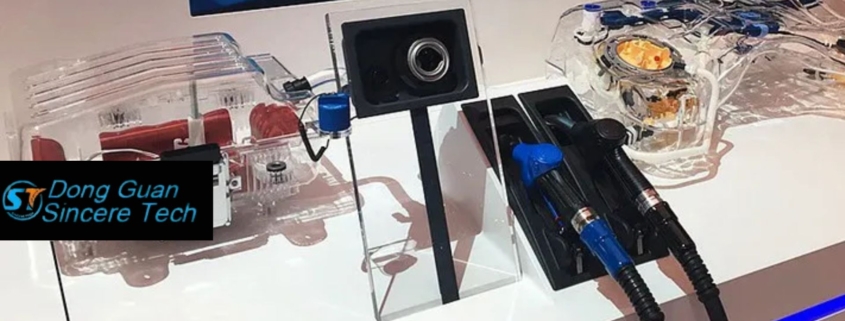
Lo stampaggio a iniezione dell'acrilico può essere definito come una nuova tecnologia di produzione di prodotti in plastica di alta qualità. Questa tecnica trova ampia applicazione nell'industria automobilistica, nel settore sanitario, nei beni di consumo e nell'elettronica. È particolarmente rinomata per la realizzazione di prodotti trasparenti, resistenti e attraenti.
La Cina rappresenta una parte importante del settore dello stampaggio dell'acrilico. La Cina dispone di un gran numero di fabbriche che producono stampi e parti in acrilico di alta qualità. Offrono una produzione conveniente, affidabile e scalabile ai mercati internazionali.
Questo documento illustra il processo di stampaggio a iniezione, i tipi di stampi, le applicazioni e le migliori pratiche nello stampaggio a iniezione dell'acrilico.
Che cos'è lo stampaggio a iniezione dell'acrilico?
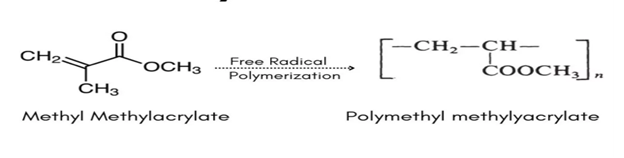
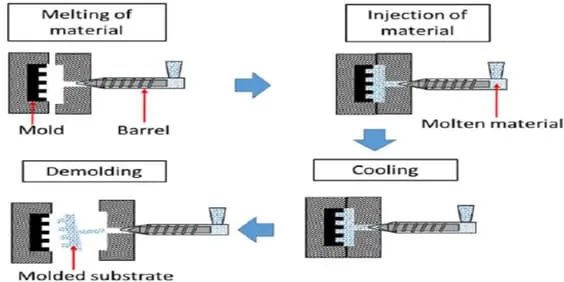
Stampaggio a iniezione di acrilico è una tecnica di produzione aeronautica in cui la plastica acrilica viene riscaldata fino a fondere e poi iniettata in uno stampo. La plastica si indurisce e si solidifica in una determinata forma. Il processo è molto utile nella produzione su larga scala di parti complesse e coerenti.
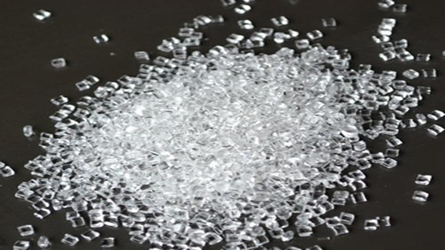
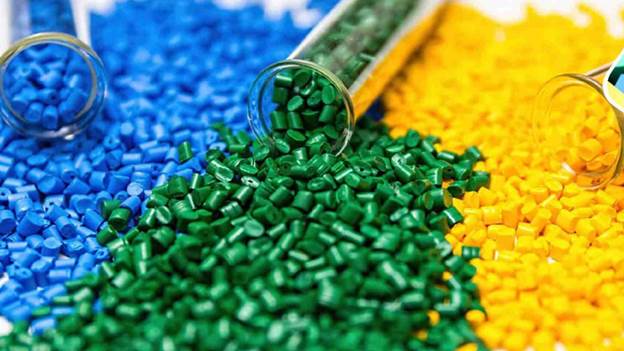
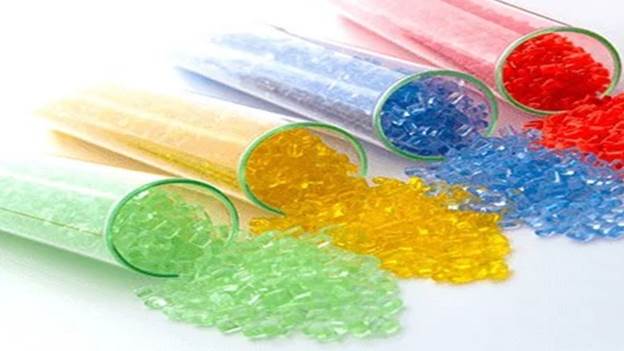
I pellet acrilici sono piccoli e vengono utilizzati come materiale di partenza. Vengono versati in un barile riscaldato fino alla fusione. Quindi l'acrilico fuso viene iniettato in stampi ad alta pressione con stampi in acrilico. Gli stampi vengono raffreddati e aperti e il prodotto finito viene espulso.
Il processo è veloce, preciso ed economico, a differenza di altri metodi di stampaggio. Si adatta alle industrie in cui è necessaria una produzione quantitativa senza necessariamente intaccare la qualità.
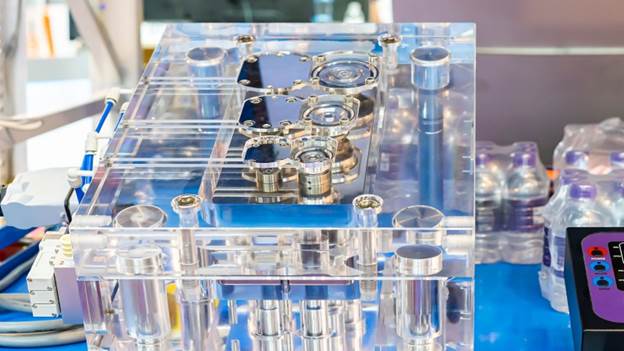
Vantaggi dello stampaggio acrilico
I vantaggi dello stampaggio acrilico sono numerosi.
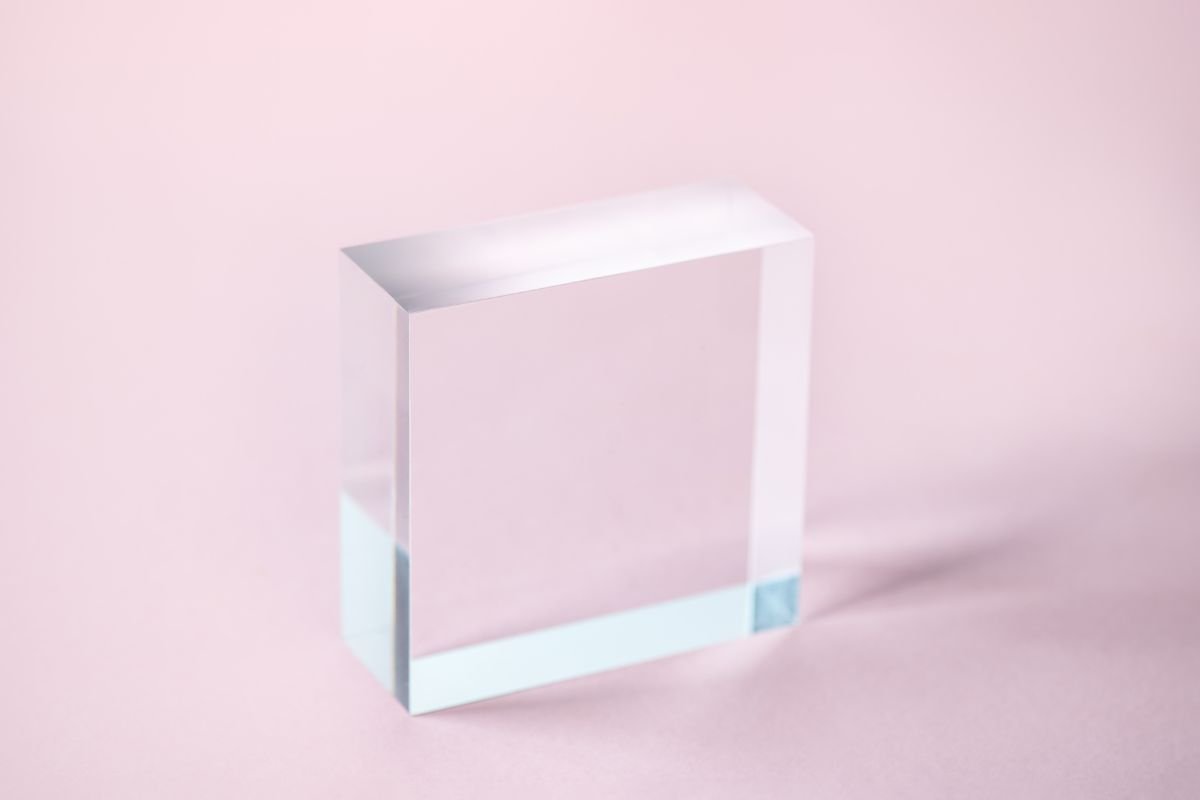
- Grande trasparenza: I prodotti acrilici sono molto trasparenti. Vengono spesso applicati in situazioni in cui è necessario essere visivi.
- Durata: L'acrilico è durevole e resistente ai graffi.
- Forme complesse: È in grado di realizzare progetti complessi, difficilmente realizzabili con altre materie plastiche.
- Efficiente dal punto di vista dei costi: Dopo la creazione degli stampi, è possibile creare migliaia di pezzi in poco tempo, rendendo il processo meno costoso.
- Coerenza: Ogni lotto è uguale al precedente e la qualità è garantita in quantità elevate.
Lo stampaggio in acrilico è rapido e accurato e rappresenta quindi una buona opzione quando nelle industrie si richiedono qualità e velocità.
Lo stampaggio ad iniezione dell'acrilico è stato scoperto
A metà del XX secolo, i produttori del processo hanno iniziato a sviluppare il processo di stampaggio a iniezione dell'acrilico perché volevano trovare un metodo più rapido e preciso per modellare il PMMA. In precedenza, il processo principale di stampaggio dell'acrilico era la colata, un processo lento e che richiedeva molto lavoro.
Negli anni '40 e '50 gli ingegneri tedeschi e statunitensi inventarono macchine in grado di fondere pellet acrilici a temperature di 230-280 °C e di iniettarli in piccoli stampi acrilici. Questa invenzione ha reso possibile la produzione di pezzi intricati e di alta qualità con dimensioni uniformi.
Le tecniche di iniezione dell'acrilico per produrre ciò che oggi è noto come stampaggio dell'acrilico hanno trasformato settori come quello automobilistico, dei dispositivi medici e dei prodotti di consumo. Lo stampaggio della plastica acrilica non solo ha ridotto i tempi e aumentato l'efficienza, ma ha anche prodotto pezzi con tolleranze strette (+-0,1 mm) e otticamente trasparenti (trasmissione della luce >90%).
Tipi di stampi acrilici
Esistono diversi tipi di stampi acrilici; ogni modello viene prodotto in base alla natura della produzione richiesta e alla complessità del prodotto. La scelta di un tipo adatto garantisce risultati di alta qualità ed efficienza nello stampaggio dell'acrilico.
Stampi a cavità singola
Gli stampi a cavità singola sono realizzati per produrre un singolo pezzo dopo ogni ciclo di iniezione. Possono essere utilizzati quando la tiratura è ridotta o in progetti prototipali. Con gli stampi a cavità singola, il processo di stampaggio a iniezione del materiale acrilico viene effettuato utilizzando il termine in esame, per non dover affrontare il problema della sagomatura errata e delle superfici vaghe.
Stampi a più cavità
Gli stampi a più cavità sono in grado di produrre molte copie in un unico ciclo. Questo li rende ideali per la produzione massiva. Gli stampi a più cavità sono spesso stampati con acrilico per ottenere coerenza e ridurre al minimo i tempi di produzione.
Stampi per la famiglia
In un unico ciclo, gli stampi familiari generano alcuni dei vari pezzi. Si tratta di una tipologia pratica per la formulazione di componenti che costituiscono l'assemblaggio di un prodotto. Gli stampi famiglia possono utilizzare lo stampaggio di plastica acrilica che consente di produrre più pezzi contemporaneamente, risparmiando tempo e costi.
Stampi a canale caldo
Gli stampi a canale caldo consentono di mantenere la plastica in canali per ridurre al minimo gli sprechi e migliorare l'efficienza. I sistemi a canale caldo utilizzano stampi in acrilico che consentono di realizzare prodotti di alta precisione con superfici lisce e meno difetti.
Stampi a freddo
Gli stampi a canale freddo utilizzano canali che si raffreddano insieme al pezzo da stampare. Sono meno costosi e più facili da produrre. Molti produttori di piccole e medie dimensioni preferiscono usare lo stampaggio acrilico utilizzando stampi a canale freddo per produrre a basso costo.
La scelta del tipo appropriato dei cosiddetti stampi acrilici è determinata dal volume di produzione, dal design del prodotto e dal budget. La scelta corretta degli stampi porta a migliori prestazioni dello stampaggio a iniezione di acrilico e a prodotti finiti di alta qualità.
Le tecniche di stampaggio della plastica acrilica
Lo stampaggio di plastica acrilica è il processo che prevede l'utilizzo di diversi metodi per convertire le sostanze acriliche in oggetti utili e attraenti. Entrambi gli approcci hanno punti di forza, determinati dal design, dal volume di produzione e dalle esigenze del prodotto.
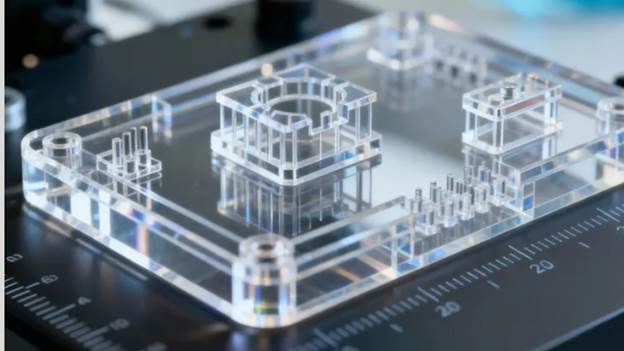
Stampaggio a iniezione
Il metodo più diffuso, chiamato stampaggio a iniezione dell'acrilico, consiste nel riscaldare le subunità acriliche, chiamate pellet acrilici, fino a renderle fuse, e nell'iniettarle in stampi acrilici. Una volta raffreddata, la plastica si solidifica nella forma desiderata. Questo è il metodo migliore per realizzare un prodotto di alta precisione in quantità massicce.
Stampaggio a compressione
Le lastre acriliche vengono inserite in uno stampo a caldo e pressate per ottenere la forma di uno stampo a compressione. Questa tecnica può essere applicata a sezioni più spesse e a disegni semplici. Lo stampaggio a compressione dell'acrilico viene utilizzato per renderlo uniforme nello spessore e nella resistenza.
Estrusione
I profili lunghi e continui vengono realizzati per estrusione, dove l'acrilico fuso viene forzato in una matrice sagomata. Con l'estrusione, lo stampaggio dell'acrilico viene utilizzato per articoli come tubi, aste e lastre. Si ottiene anche in sezioni e superfici.
Termoformatura
La tecnica di termoformatura riscalda le lastre acriliche fino a renderle malleabili e le modella su uno stampo con il vuoto o la pressione. L'approccio funziona bene con prodotti enormi o non enormi. La termoformatura è una tecnica di produzione di volumi medio-bassi di stampi in plastica acrilica a un costo ragionevolmente basso.
Stampaggio rotazionale
Lo stampaggio rotazionale si usa anche con l'acrilico, ma lo stampo viene ruotato durante il riscaldamento per rivestire uniformemente l'interno dello stampo. Con questa tecnica si possono realizzare efficacemente forme con avvallamenti. Negli stampi rotazionali, l'acrilico può essere modellato in modo flessibile per adattarsi ad alcuni design.
Processo di stampaggio dell'acrilico
Lo stampaggio dell'acrilico è un processo importante e tecnico attraverso il quale il materiale acrilico grezzo viene trasformato in parti finite di alta qualità. La procedura prevede diversi processi e ognuno di essi comporta un controllo preciso della temperatura, della pressione e del tempo per ottenere un risultato ottimale nel processo di stampaggio dell'acrilico.
Preparazione del materiale
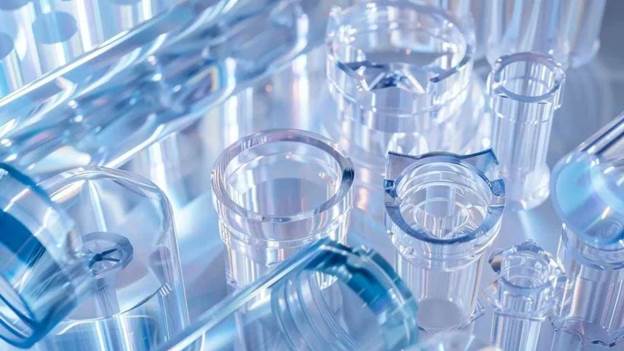
La reazione inizia con pellet acrilici di alta qualità, che possono essere di diverse dimensioni (di solito 2-5 mm di diametro). Il contenuto di umidità dei pellet deve essere inferiore a 0,2; un'ulteriore umidità potrebbe causare bolle nel processo di stampaggio. I pellet vengono normalmente essiccati in un essiccatore a tramoggia a 80-90 °C in non meno di 2-4 ore prima dell'uso.
Fusione e iniezione
I pellet essiccati vengono introdotti nel cilindro della pressa a iniezione. La temperatura del cilindro viene mantenuta a 230-280 °C, con un grado di acrilico che dipende dalla qualità utilizzata. I pellet vengono fusi dal meccanismo a vite per formare una miscela acrilica omogenea in forma fusa.
Una volta fuso, l'acrilico viene iniettato ad alta pressione (normalmente 70-120 MPa) in stampi acrilici. Il tempo di iniezione dipende dalle dimensioni del pezzo: per i pezzi medio-piccoli sono necessari circa 5-20 secondi.
Raffreddamento
Dopo l'iniezione viene posizionato uno stampo pressurizzato, mentre l'acrilico si raffredda e si solidifica. Il tempo di raffreddamento varia a seconda dello spessore dei pezzi:
- Spessore di 1-2 mm: 15-20 secondi
- Spessore 3-5 mm: 25-40 secondi
- Spessore superiore a 5 mm: 45-60 secondi
Il raffreddamento è necessario per eliminare deformazioni, ritiri o difetti superficiali. Gli stampi consolidati possono anche utilizzare tubi ad acqua o olio di raffreddamento per mantenere le temperature nelle specifiche richieste.
Apertura dello stampo ed espulsione
Una volta raffreddato, lo stampo viene aperto e il pezzo viene espulso con perni di espulsione meccanici o idraulici. Va notato che la forza di espulsione deve essere limitata per garantire che non danneggi la superficie o la deformi.
Post-elaborazione
Il pezzo può anche essere sottoposto a procedure di finitura come il ritaglio o la lucidatura dopo l'espulsione o la ricottura. L'invecchiamento a temperature di 80-100 °C per 1-2 ore contribuisce a rimuovere le tensioni interne e a migliorare la trasparenza e la resistenza.
Ispezione della qualità
I singoli componenti vengono controllati per verificare la presenza di difetti quali bolle d'aria, deformazioni e dimensioni. Si utilizzano calibri o si esegue una scansione laser e la tolleranza è consentita entro + 0,1 mm quando si tratta di componenti di alta precisione. L'applicazione dello stampaggio di plastica acrilica, di buona qualità, ha fatto sì che tutti i suoi prodotti siano standard industriali.
Riepilogo dei parametri di processo:
| Passo | Parametro | Valore |
| Asciugatura | Temperatura | 80-90°C |
| Asciugatura | Durata | 2-4 ore |
| Temperatura della canna | Fondere l'acrilico | 230-280°C |
| Pressione di iniezione | 70-120 MPa | |
| Tempo di raffreddamento | Spessore 1-2 mm | 15-20 secondi |
| Tempo di raffreddamento | 3-5 mm di spessore | 25-40 secondi |
| Tempo di raffreddamento | Spessore >5 mm | 45-60 secondi |
| Ricottura | Temperatura | 80-100°C |
| Ricottura | Durata | 1-2 ore |
| Tolleranza dimensionale | ±0,1 mm |
Lo stampaggio acrilico con le seguenti caratteristiche tecnologiche garantisce la qualità, l'accuratezza e l'efficienza di ogni prodotto. Il processo di stampaggio a iniezione dell'acrilico può essere utilizzato per produrre componenti chiari, durevoli e dimensionalmente precisi, utilizzando condizioni ottimizzate che assicurano una produzione costante dei componenti.
Usi dello stampaggio a iniezione dell'acrilico
Lo stampaggio a iniezione dell'acrilico è fortemente applicato nei settori in cui sono richieste precisione, chiarezza e durata.
Industria automobilistica
I fanali posteriori, i cruscotti e le finiture sono realizzati con stampi in acrilico. I pezzi hanno uno spessore tipico di 1,5-5 mm e una temperatura compresa tra -40 °C e 80 °C. La chiarezza e la longevità sono garantite dall'acrilico Molding.
Assistenza sanitaria e attrezzature mediche.
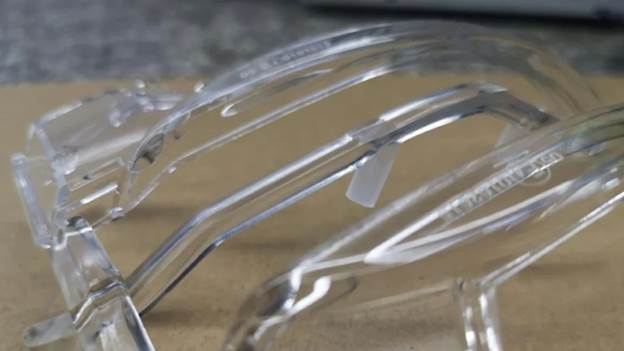
Le attrezzature da laboratorio, le coperture degli strumenti e gli schermi protettivi sono prodotti mediante il processo di stampaggio della plastica acrilica. Sono richiesti pezzi con tolleranze di +-0,1 mm e la possibilità di essere sterilizzati. Lo stampaggio a iniezione dell'acrilico garantisce superfici lisce e corrette.
Elettronica di consumo
Le cover per smartphone, gli alloggiamenti per LED e gli schermi protettivi sono stampati in acrilico. I pezzi devono avere una lucentezza superficiale superiore a 90% e dimensioni precise.
Anfetamina, metamfetamina e anfetamine in prodotti per la casa e per l'arredamento.
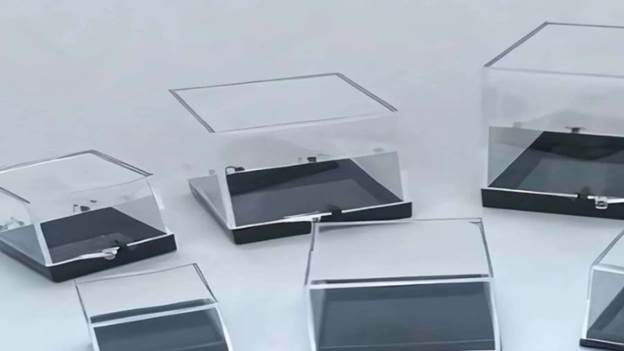
Prodotti come contenitori per cosmetici, vetrine e pannelli sono realizzati con l'aiuto del cosiddetto stampaggio di plastica acrilica. Lo spessore medio varia da 2 a 8 mm e consente di ottenere finiture uniformi, lisce, chiare e colorate.
Componenti elettrici, illuminazione e ottica.
Lo stampaggio a iniezione dell'acrilico viene utilizzato per la chiarezza delle lenti LED, dei diffusori di luce e della segnaletica. I componenti raggiungono una trasmissione della luce superiore a 90% ad angoli e spessori specifici.
Apparecchiature industriali
Si utilizzano protezioni di macchine, pannelli di strumenti e contenitori trasparenti, che si basano sullo stampaggio dell'acrilico. I componenti devono avere una resistenza agli urti di 15-20 kJ/m2 ed essere trasparenti.
Applicazioni tipiche
Questo schema si applica in situazioni in cui il governo controlla tutte le caratteristiche principali dei servizi sanitari, come la qualità, il costo, l'accessibilità e la quantità di servizi forniti.
Industria
- Esempi di prodotti
- Specifiche principali
- Automotive
- Luci posteriori, cruscotti
- spessore 1,5-5 mm, temperatura da 40 °C a 80 °C
Assistenza sanitaria
- Rack per provette, schermi
- Tolleranza -0,1 mm, resistente alla sterilizzazione.
Elettronica
- Coperchi, alloggiamenti
- Lucentezza superficiale 90, stabilità dimensionale.
Beni di consumo
- Contenitori per cosmetici, scatole da esposizione.
- Spessore 2-8 mm, finitura liscia
- Illuminazione
- Lenti LED, diffusori
- Trasmissione della luce superiore a 90, geometria accurata.
- Industriale
- Protezioni, contenitori
- Resistenza all'urto 15-20 kJ/m 2, trasparente.
Controllo di qualità dello stampaggio dell'acrilico
Nello stampaggio dell'acrilico, la qualità è essenziale per avere pezzi all'altezza degli standard. Alcuni piccoli difetti possono avere un impatto sulle prestazioni e sull'aspetto.
Ispezione delle parti
Tutti i componenti vengono ispezionati per evitare bolle d'aria, piegature e graffi sulla superficie. Per la misurazione si utilizzano calibri o scanner laser, in modo da non superare la tolleranza di +-0,1 mm. Il processo di stampaggio a iniezione dell'acrilico dipende da controlli regolari per garantire l'alta qualità del prodotto.
Manutenzione della muffa
Si prevengono i difetti e si allunga la vita dello stampo assicurandosi che venga pulito e ispezionato regolarmente. I vecchi stampi possono causare imprecisioni nelle dimensioni o superfici irregolari.
Monitoraggio del processo
La temperatura, la pressione e i tempi di raffreddamento vengono controllati continuamente durante il processo di stampaggio dell'acrilico. Le temperature del cilindro sono in media di 230-280°C e la pressione di iniezione varia da 70 a 120 Mpa, per evitare errori.
Test finale
I componenti completi vengono testati attraverso prove funzionali e visive. Ad esempio, i componenti ottici devono essere controllati per quanto riguarda il trasferimento della luce (superiore al 90%) e le parti strutturali per quanto riguarda la resistenza agli urti (15-20 kJ/m2).
Questo obiettivo può essere raggiunto tenendo sotto stretto controllo la qualità del prodotto finale per generare singoli pezzi di stampaggio in plastica acrilica affidabili, accurati ed esteticamente impeccabili.
Selezione dell'alleanza appropriata per lo stampaggio a iniezione dell'acrilico
Quando si tratta di una produzione di alta qualità, la scelta corretta del produttore di stampi a iniezione acrilici è fondamentale.
Esperienza e competenza
Trovate partner che abbiano esperienza nello stampaggio dell'acrilico e nello stampaggio dell'acrilico. I tecnici esperti saranno in grado di ottimizzare la progettazione dello stampo, l'iniezione e la finitura secondo le specifiche.
Attrezzature e tecnologia
Le macchine innovative che regolano la temperatura (230-280 °C) e la pressione di iniezione (70-120 Mpa) sono molto specifiche per migliorare la consistenza del prodotto. Gli errori e gli scarti sono ridotti al minimo con l'aiuto di stampi acrilici di alta qualità e sistemi automatizzati.
Garanzia di qualità
Quando si tratta di un fornitore di fiducia, questi include controlli rigorosi dei suoi pezzi, come il controllo delle dimensioni (entro una tolleranza di -0,1 mm) e delle superfici. Con un corretto controllo di qualità, è garantito che i componenti della plastica acrilica saranno chiari, durevoli e privi di difetti.
Comunicazione e assistenza
I buoni produttori interagiscono durante il processo di progettazione e produzione. Assistono nell'ottimizzazione degli stampi, propongono materiali e ottimizzano il tempo di ciclo dei materiali.
Suggerimenti per il successo dello stampaggio acrilico
È consigliabile seguire le migliori pratiche di stampaggio dell'acrilico per ottenere pezzi di alta qualità, precisi e durevoli.
Utilizzare materiale di alta qualità
Iniziare con pellet di acrilico di 2-5 mm con un contenuto di umidità inferiore a 0,2. L'essiccazione a 80-90°C per 2-4 ore aiuta a eliminare le bolle e i difetti superficiali durante lo stampaggio dell'acrilico.
Ottimizzare la progettazione degli stampi
Creare un design con ventilazione adeguata e progettare stampi in acrilico con canali di raffreddamento e punti di iniezione appropriati. Riduce al minimo la deformazione, la contrazione e il tempo di ciclo nel processo di stampaggio a iniezione dell'acrilico.
Controllo dei parametri di processo
Mantenere la temperatura del cilindro a 230-280 °C e la pressione di iniezione a 70-120 Mpa. Il tempo di raffreddamento deve essere equivalente allo spessore del pezzo:
- 1-2 mm - 15-20 sec
- 3-5 mm - 25-40 sec
- 5 mm - 45-60 sec
Ispezione regolare
Controllare le dimensioni dei pezzi (errore massimo nelle dimensioni 0,1 mm), i punti luce e la chiarezza ottica (trasmissione superiore a 90%). Il vantaggio dello stampaggio di plastica acrilica risiede nella capacità di eseguire ispezioni costanti.
Mantenere le muffe
Lavare e pulire gli stampi per evitare l'usura e garantire una produzione regolare e costante. L'acrilico stampato consente di aumentare l'efficienza e la qualità dei pezzi.
Tutti questi suggerimenti daranno al processo di stampaggio a iniezione dell'acrilico componenti sicuri, non meno attraenti e perfettamente corretti ogni volta.
Difetti diffusi e prevenzione
I difetti possono essere riscontrati anche nel caso di un accurato stampaggio a iniezione di acrilico. La conoscenza delle cause e delle soluzioni garantisce la qualità dello stampaggio acrilico.
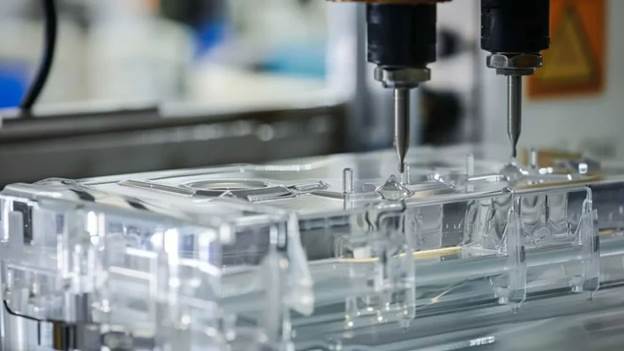
Bolle d'aria
L'aria eventualmente presente negli stampi acrilici può produrre bolle in superficie.
Raccomandazione: Essiccazione di NP acrilico con meno dello 0,2% di umidità, corretta ventilazione degli stampi e pressione di iniezione di 70-120 Mackey.
Deformazione
Si verifica una deformazione, per cui i pezzi non si raffreddano in modo uniforme e quindi si deformano.
Risoluzione: canali di raffreddamento omogenei, temperatura della parte e tempo di raffreddamento della parte in funzione dello spessore della stessa (ad esempio, 1-2 mm - 15-20 sec, 3-5 mm - 25-40 sec).
Segni di lavandino
I segni di affondamento si formano quando le parti spesse si contraggono durante il raffreddamento.
Soluzione: massimizzare lo spessore della parete, la pressione di riempimento e l'adeguata velocità di raffreddamento nello stampaggio dell'acrilico.
Scatti brevi
Le riprese brevi si verificano quando l'acrilico fuso non riesce a riempire lo stampo.
Risoluzione: Aumentare la pressione nella pressa a iniezione, eliminare i blocchi negli stampi acrilici e verificare la corretta temperatura del cilindro (230-280 °C).
Difetti di superficie
I graffi o i segni di abrasione riducono la trasparenza dello stampaggio di plastica acrilica.
Rimedio: Lucidare gli stampi, non utilizzare una potenza di espulsione eccessiva e mantenere pulite le aree di lavorazione.
Prospettive dello stampaggio ad iniezione acrilico
Tecnologia, efficienza e sostenibilità sono il futuro dello stampaggio a iniezione dell'acrilico.
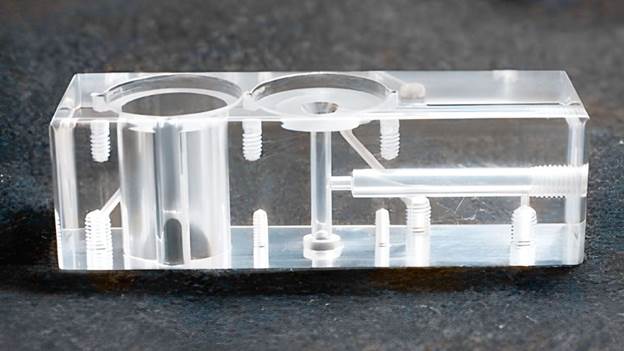
Automazione avanzata
Lo stampaggio dell'acrilico sta diventando sempre più automatizzato e robotizzato. Le temperature (230-280°C) e le pressioni di iniezione (70-120 Mpa) possono essere controllate con precisione dalle macchine. L'automazione nella produzione di acrilico mediante stampaggio riduce l'errore umano e migliora i tempi di ciclo.
Stampa 3D e prototipazione
Gli stampi del prototipo in acrilico sono realizzati con la stampa 3D in un tempo limitato. Ciò consente agli ingegneri di sperimentare i progetti e di ottimizzare gli stampi prima di procedere alla produzione completa. Lo stampaggio di plastica acrilica è più veloce ed economico grazie alla rapida prototipazione.
Materiali sostenibili
Sta diventando una norma riciclare i rifiuti acrilici e sviluppare materiali rispettosi dell'ambiente. I pellet riciclati nella produzione di prodotti acrilici con il processo di stampaggio a iniezione avranno un impatto ambientale ridotto, pur non incidendo sulla qualità del prodotto.
Miglioramento della qualità dei prodotti
In futuro, la chiarezza ottica (>90% di trasmissione della luce), la finitura superficiale e i controlli dimensionali (+-0,1 mm) saranno aumentati nel cosiddetto stampaggio acrilico. Questo rafforza i prodotti, rendendoli più chiari e precisi.
Crescita del settore
Con la crescente necessità di prodotti durevoli, leggeri e trasparenti, il mercato si amplierà sulle attività di stampaggio dell'acrilico nei settori automobilistico, medico, elettronico e dei beni di consumo.
Grazie all'adozione della tecnologia e della sostenibilità, lo stampaggio a iniezione dell'acrilico continuerà a essere uno dei processi produttivi utilizzati per una produzione efficiente e di alta qualità.
Sincere Tech: il vostro fornitore affidabile di stampaggio a iniezione acrilico.
Sincere Tech (Plas.co) offre servizi di stampaggio di precisione di materie plastiche e acriliche. stampaggio a iniezione, che possono essere considerati affidabili. Disponiamo di pezzi resistenti, precisi e accattivanti, garantiti dalla nostra alta tecnologia e dalla nostra forza lavoro qualificata. Ci occupiamo di stampi e soluzioni acriliche su misura che realizziamo in base alle specifiche del vostro progetto.
Soluzioni sane e affidabili.
Realizziamo prototipi e progettazione di prodotti in un'unica soluzione, fino alla produzione su larga scala. Grazie alla nostra esperienza nello stampaggio e nello stampaggio dell'acrilico, nelle nostre mani avrete parti di alta qualità, durevoli e affidabili.
Perché selezionare Sincere Tech (Plas.co)?
Gli esempi del nostro lavoro possono essere consultati su https://plas.co. Se cercate il meglio in termini di qualità, precisione e buon servizio, allora Sincere Tech (Plas.co) è il vostro partner quando siete alla ricerca delle migliori soluzioni di stampaggio.
Conclusione
Lo stampaggio acrilico e lo stampaggio a iniezione acrilico sono processi essenziali nella produzione attuale. Forniscono prodotti di qualità, duraturi e alla moda che possono essere utilizzati nella maggior parte dei settori. È efficiente e affidabile, a partire dalla progettazione di stampi in acrilico, fino alla creazione di pezzi consistenti.
Quando i produttori si attengono alle migliori pratiche e selezionano il partner appropriato, è possibile realizzare prodotti di alta qualità con l'aiuto dello stampaggio dell'acrilico. L'ulteriore maturazione della tecnologia significa che lo stampaggio a iniezione dell'acrilico sarà uno dei più importanti nello sviluppo di prodotti innovativi, accurati ed estetici.