Differences and similarities between overmolding vs insert molding: comparison and Applications

The choice of the right molding process plays a very crucial role in the manufacturing world. Two of the common techniques are overmolding and insert molding. Each of them possesses its strong sides, applications, and challenges. The differences may be time-saving and cost-saving, which in case when choosing between them. In the case of manufacturing products, the manufacture of the product depends on the use of the right molding process in order to determine the quality and efficiency of the product. These two are over-molding and insert molding. In spite of the fact that they both utilize several materials, they are applied to different purposes. 

Overmolding is focused on comfort, appearance, and soft touch surface, whilst insert molding is grounded on strength, durability, and mechanical bonds. The experience regarding the distinction, advantages, and application of these methods allows the manufacturers to make good decisions. The following paper addresses its most significant points, like design, cost, time of production, and future tendency, which can allow professionals to choose between insert mold vs overmold and how they can produce their goods in the most appropriate way.

What is Overmolding?

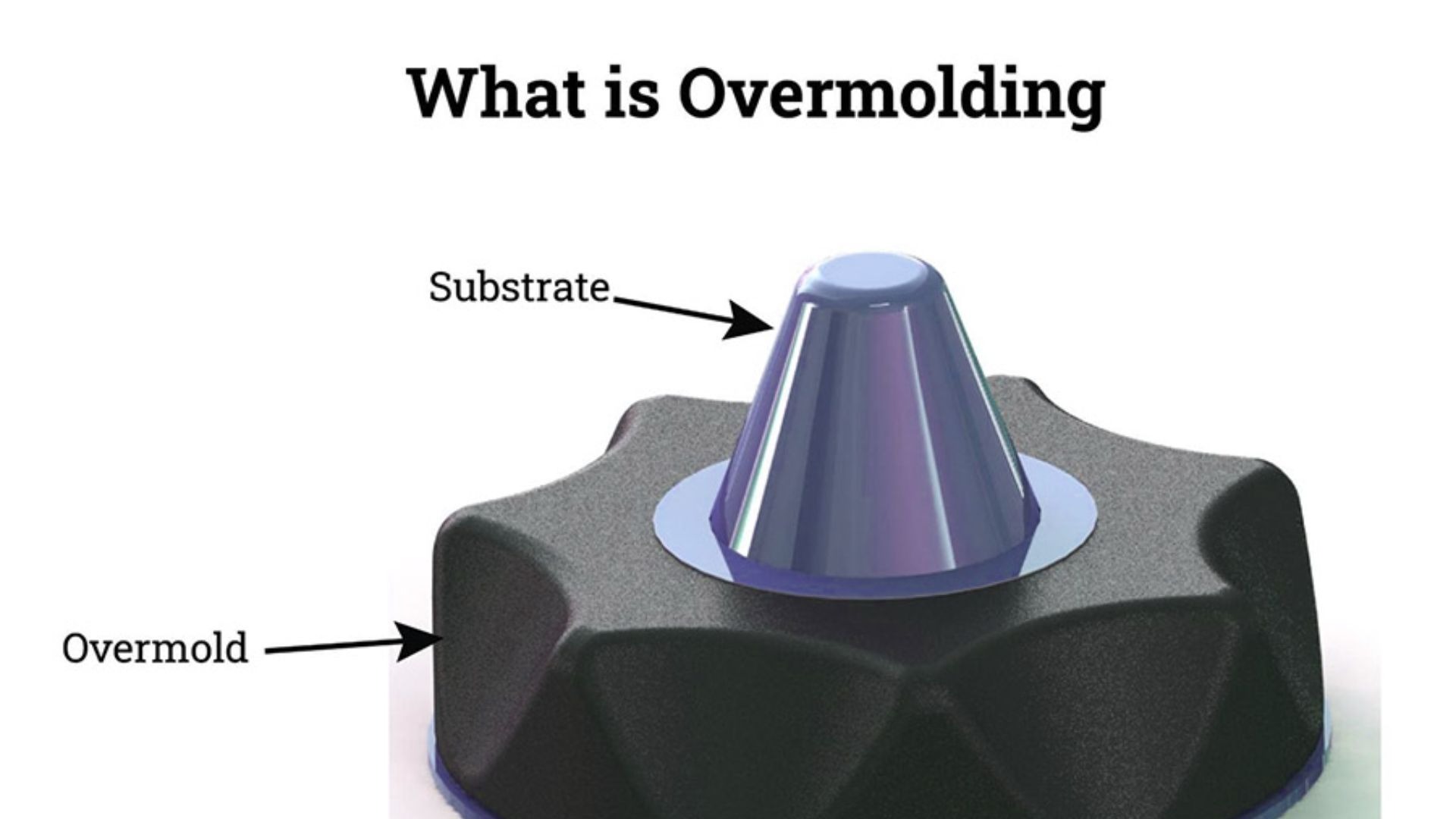
In overmolding, one component is created by using two or more different materials. A substrate base is generally shaped. It is then rosined with secondary material molded over or around it. This allows the manufacturers to blend materials with different properties, e.g., rigidity and flexibility.

What is Overmolding?

The soft-touch products are typically overmolded, including grips on tools, toothbrushes, or other electronic items. It increases the beauty, comfort, and functionality.

Overmolding possesses a few principal disadvantages that include:

  • More ergonomic, comfortable to the user.
  • Higher life span of the products.
  • More flexibility in design.

What is Insert Molding?

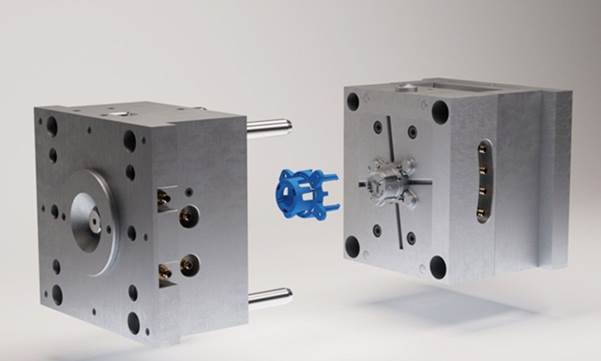
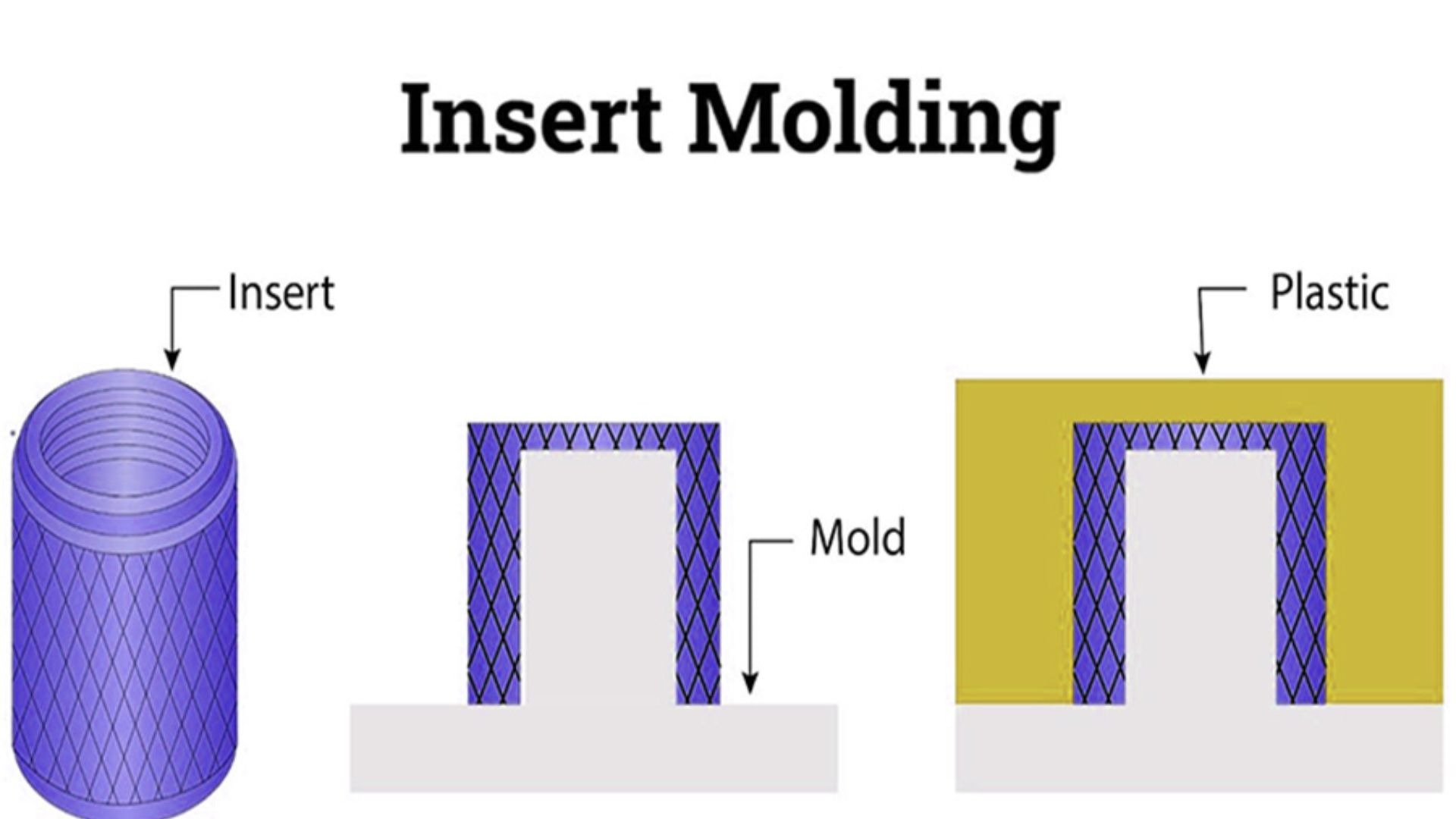
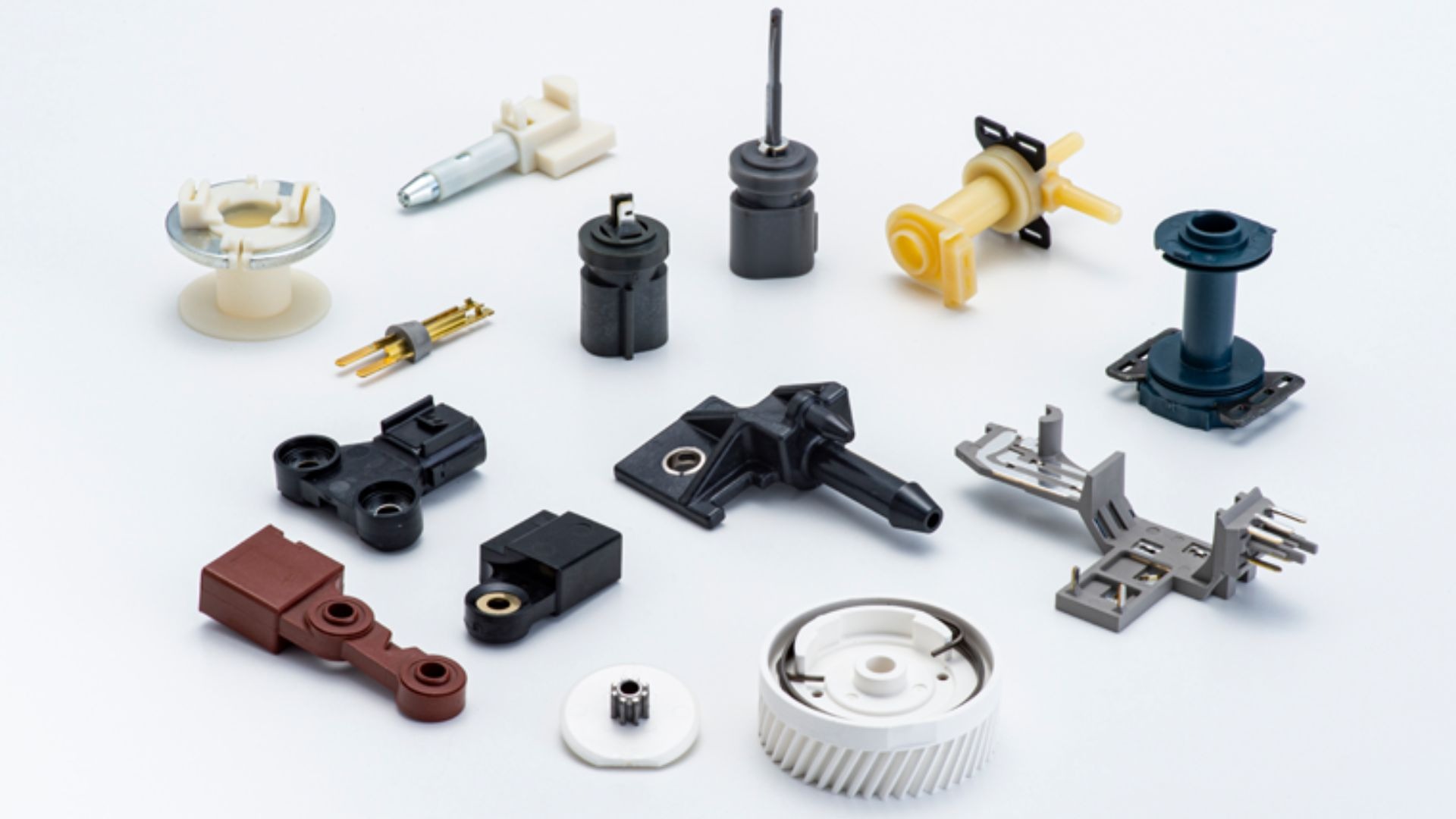
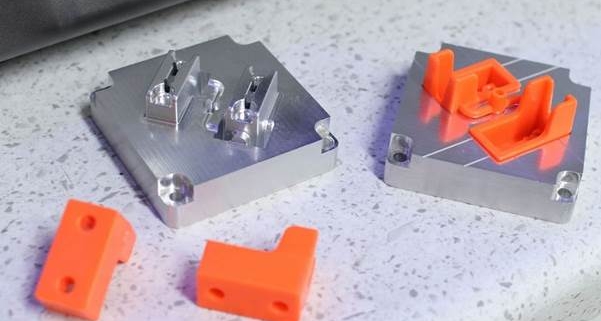
Insert molding: This is a process whereby a pre-shaped component is inserted into a mold, and plastic is injected into the part. The insert can be of metal, plastic, or some other material. The finished product has the custom insert mold.

What is Insert Molding?

Insert molding is the molding that is largely used in industries where high mechanical bonds are required. Electrical connectors, automotive parts, and hardware components are some of the things that tend to rely on this technique.

The benefits of insert molding are:

  • Strong mechanical bonding
  • Reduced assembly time
  • The ability to conjoin different materials.

Some examples of Overmolding and Insert Molding

These are the overmolding as well as the insert molding, which find wide application in the manufacturing process, though they are used in different applications with regard to the peculiarities of the products. Their understanding of their applications would help the manufacturers to choose the right process.

Applications Overmolding has been applied as follows

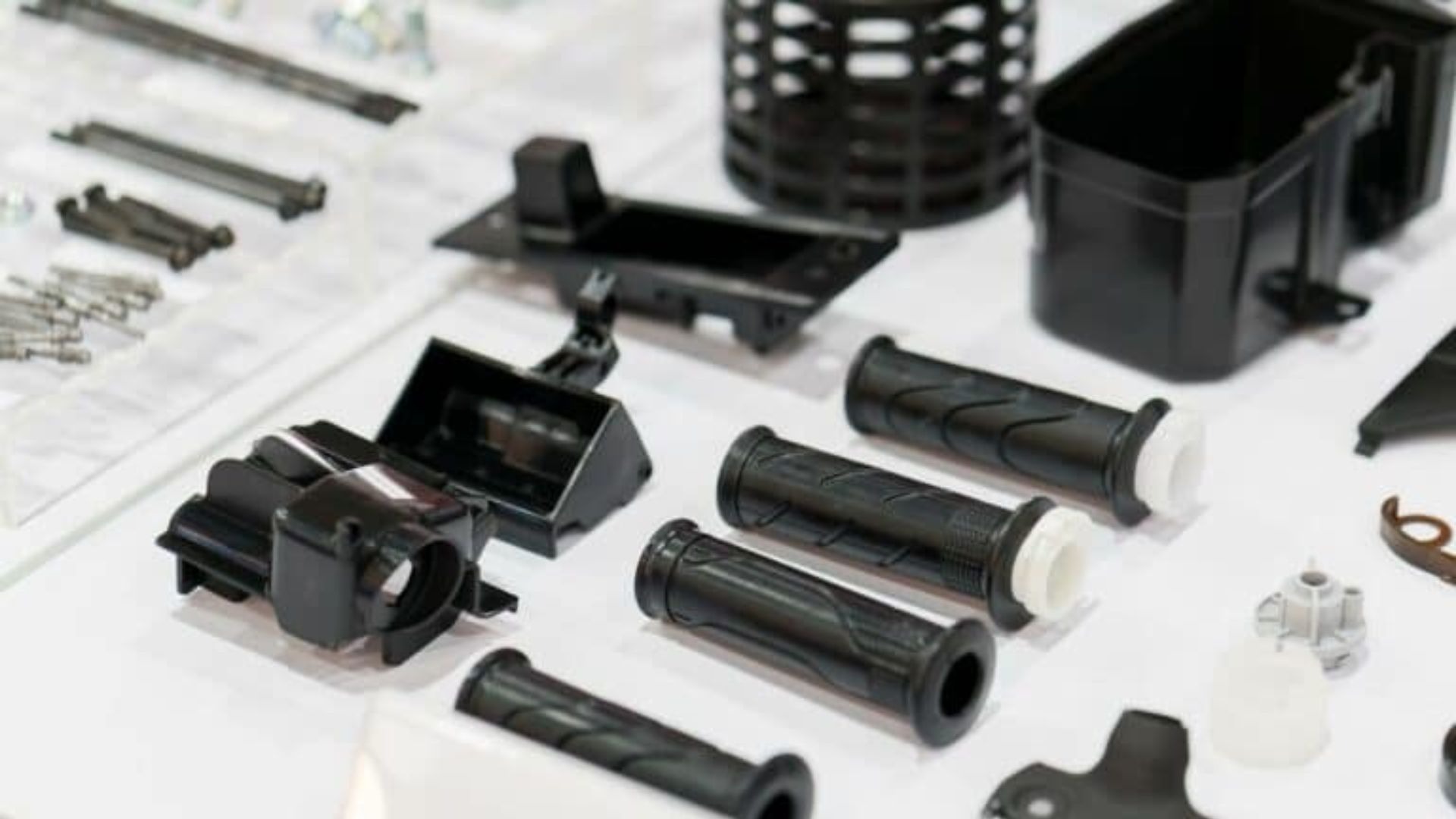
The overmolding is appropriate for products that need to be comfortable, pretty, or grippy. This is a combination of both soft and hard materials that is utilized in a single functional part. Common uses are:

  • Tool grips: Handles are more ergonomic and are made of over-hardened plastic.
  • Consumer electronics: Soft push buttons on items like the remote control and the headphones.
  • Medical devices, Medical equipment: Safety and comfort. Syringes or surgical devices have rubberized surfaces.
  • Car parts: Rubber gasketings or seals to the plastic parts to minimize noise and improve durability.

The following applications have been done under Insert Molding

The rationale behind the use of an insert molding is due to the fact that the product requires high mechanical strength, or it is a combination of different materials into one unit. It is applied in the common applications like:

  • Electrical connectors: PT consists of shapes containing metal inserts to be inserted in plastic bodies.
  • Automotive parts: Engine parts or brackets, for which metal inserts are to be made to strengthen plastic.
  • Hardware solutions: Screws or metal items included in plastic pieces in order to make them easy to set together.
  • Industrial equipment: Machine parts that include both metal inserts and molded plastics to be utilized in high-stress parts.

The choice of the individual between the two processes depends on the goal of the product. It must be over-molded in case of over-comfort, grip, or soft touch surface. In case the strength, durability, and mechanical stability problems are of major concern, then apply the insert molding.

The concept of these applications will assist in achieving the advantages of the so-called overmolding and insert molding within modern production.

Significant differences between Overmolding and insert Molding

Although the two methods imply the use of materials, there are dstinct differences. Here’s a detailed comparison:

ХарактеристикаОвермолдингВставное формование
ProcessMolds a secondary material over a base substrateInjects plastic around a pre-formed insert
MaterialsOften combines soft and hard plasticsCan combine plastic with metal, plastic, or other components
ПриложенияGrips, handles, consumer electronicsElectrical connectors, automotive, hardware
ComplexitySlightly less complexRequires precise placement of inserts
StrengthFocus on comfort and aestheticsFocus on mechanical strength and durability

This is a comparison that one must make in choosing an option between the insert mold and the overmold. The overmolding is optimized towards the user experience, and the insert molding is also optimized towards the structural integrity.

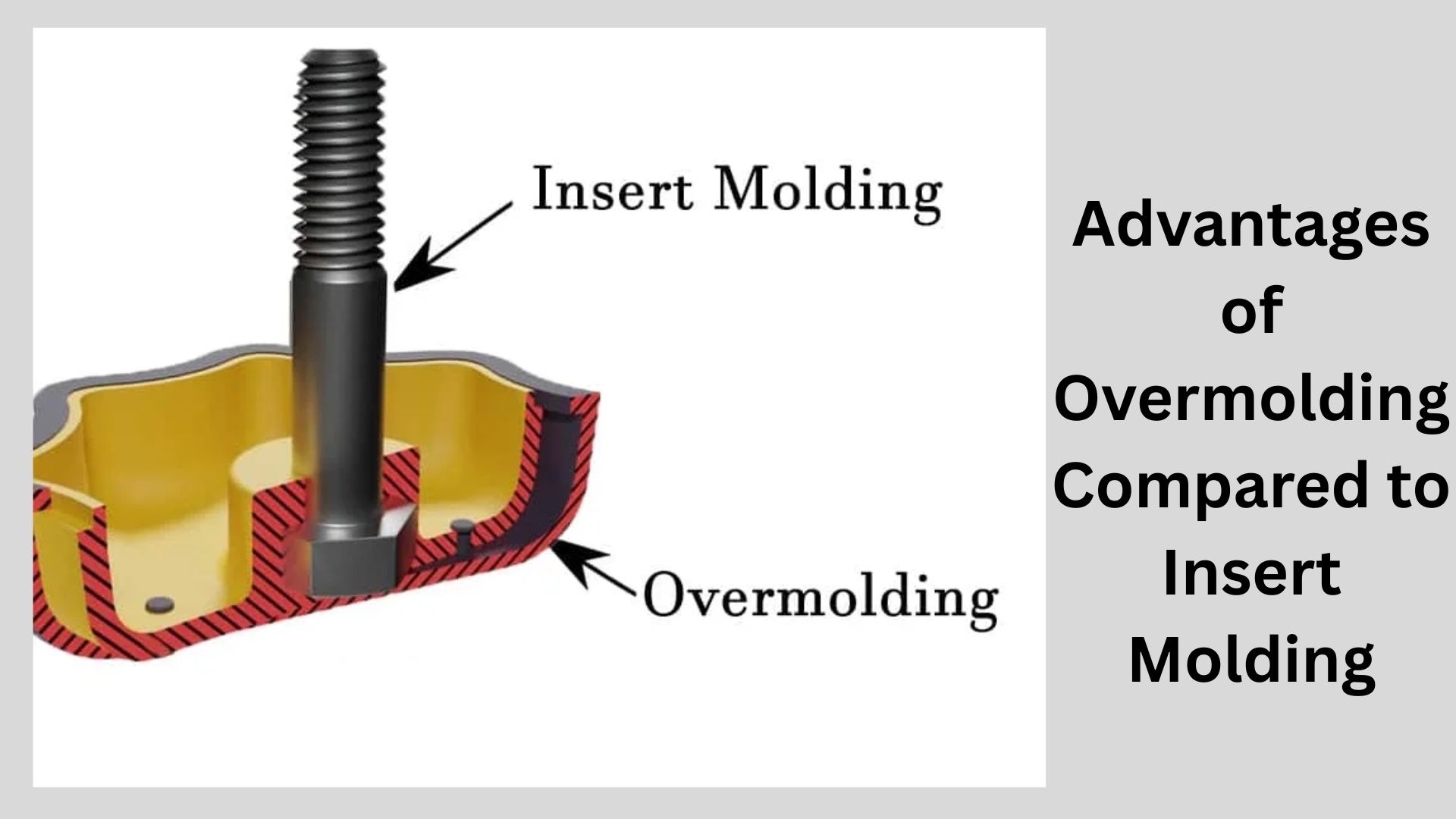
Advantages of Overmolding Compared to Insert Molding

When a comparison is made between overmold vs insert mold, the benefits each process will bring should be known. The two are good in many ways; however, both processes allow the combination of materials.

Advantages of Overmolding Compared to Insert Molding

Advantages of Overmolding

  • Increased ergonomics: Comfy grips and handles of hard surfaces are soft.
  • Better aesthetics: Overmolding means that the colors and the textures may be blended so that they appear of high quality.
  • Faster assembly: A number of parts can be assembled simultaneously, which saves time.
  • Design flexibility: The functionality and visual effects could be achieved using a variety of materials.
  • Increased usability: Works best when the product requires a soft-touch, e.g., toothbrushes, tools, and electronics.

Achievements of the benefits of Insert Molding

  • Vigorous mechanical bonding: Inserts like metals and hard plastic are permanently integrated into the product of molding.
  • Долговечность: Parts can be stressed and subjected to immense mechanical loads to the breaking point.
  • Less assembly: Inserts are molded, thereby eliminating the need for post-production assembly.
  • Permits complex patterns: Designs Ideal: When there are several materials required to be structurally sound in the product.
  • Precision and reliability: Its best applications are in industrial use, electronics, and vehicular components.

The awareness of these advantages will guide the manufacturers when making decisions, such as the best among the two alternatives: insert molding and overmolding. Overmolding is the best in case comfort, design, and aesthetics are the issues in question. Insert molding is better in case the strength, durability, and mechanical performance are of greater essence.

Concluding that the process can be either overmolded or inserted, the companies can select the appropriate one to reduce the cost, save time, and increase the quality of the goods.

Design Considerations

It is highly dependent on design when making a decision on either insert molding or overmolding. Quality planning also ensures quality production, reduced faults, and the use of maximum benefits of any process.

Advantages of Overmolding Compared to Insert Molding

Совместимость материалов

When using overmolding, there is a need to select materials that bond with one another. Incorrect matching of the materials can result in delamination or vulnerability. Similarly, during the insert molding process, it is important to ensure that the pressure and temperature are within the range of the insert material in molding. It is a very significant procedure in the comparison of overmolding and insert molding.

Thickness and Layer coverage

In overmolding, the base should be of a proper thickness, and the overmolding material should be used to ensure that it does not warp, as well as to ensure that it is durable. With insert molding, the entire insert is supposed to be encircled by the mold so as to provide it with mechanical strength as well as a good bond. The thickness of the correct layers is useful in the successful projects of the insert mold vs overmold.

Дизайн пресс-формы

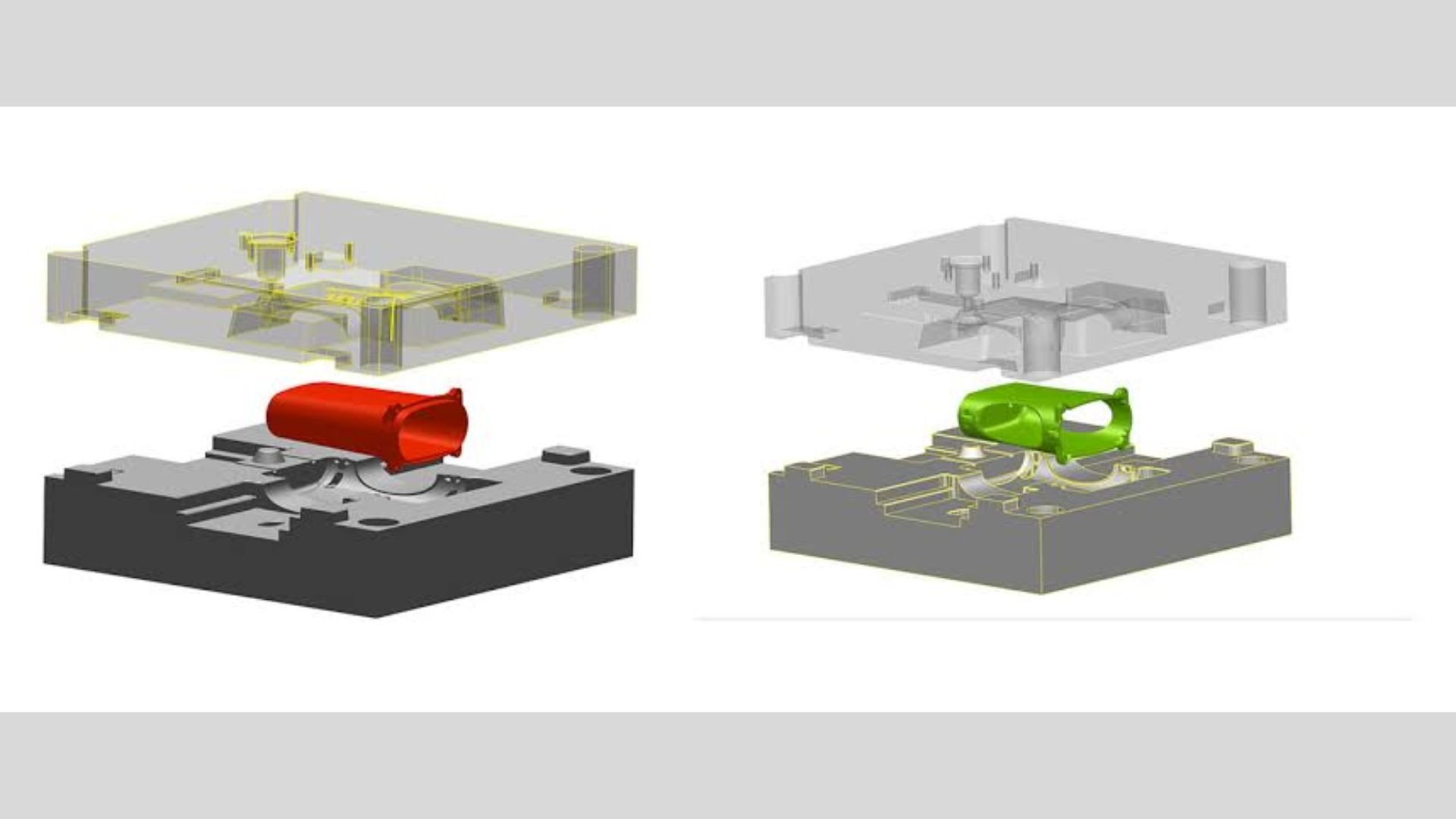
A mold has been created in such a way that it is easy to extract the parts and prevent stress on materials. When there is a possibility of overmolding, the mold should be of a type to be able to accommodate more than one material that has different flow properties. In insert molding, the molds must be filled in a way that the inserts will not slide out of place, as they will retain a strong hold; otherwise, the molding process will not be successful in terms of success in overmold vs insert mold.

Aesthetics and Surface Finish

Overmolding is typically focused on the appearance and the touch. Designers should consider texture, color, and the quality of the surface. In the instance of insert molding, the factor of aesthetics follows strength, although proper finishing is provided to make sure that the final product will be able to meet quality standards.

Thermal Expansion Requirements

The expansion rate of different materials is different. Throughout both overmolding and insert molding, failure to consider thermal expansion can lead to cracks, misalignment, or low bond. These are key points that must be put into consideration when addressing the insert molding vs overmolding.

Cost and Production Time

The moral of the story that can be learnt so as to produce in the best possible way is the understanding of the costs and production time of the processes of overmolding and insert molding. Both methods have their problems that affect the overall prices and speed.

Advantages of Overmolding Compared to Insert Molding

Initial Mold Costs

The overmolding may require more complex molds to accommodate the numerous materials. This can increase the start-up tooling costs. This investment can, however, be paid for with a reduction in requirements in the future during the assembly.

The insert molding cost is also greater than the cost of the mold because it needs a clamping system for the inserts. The design of the mold is significant to avoid faults during production. Coming to the comparison between the two possibilities of insert mold and overmold, the first investment in the mold is often equivalent, but based on the part complexity.

Material and Labor Costs

The Overmolding can also save labor costs because it can be done when parts are combined into a single process. It also lets the smaller volume of soft materials be utilized as grips and coatings, and saves resources.

Insert molding. Inserts can be worked out before being molded. However, when it is automated, it lowers the costs of assembling post-production, which can cut the labor costs in the long term. This is among the key factors of the decision to do/overmolding and insert the molding.

Скорость производства

In case of overmolding, the material may be injected more than once, resulting in a longer cycle, but it may be applied to removing post-processing and assembling.

Quickness of the insert molding can be achieved when the insert location process is simplified, especially with automated lines. This provides it with the edge of high-volume usage, where efficiency is paramount.

Эффективность затрат

The relevant process can save in the long run. Overmolding reduces the assembly that has been done, and this saves the cost of labor. The use of insert molding makes the parts stronger, and the occurrence of failure is minimal. To measure these factors, the manufacturers will be able to decide on what one to use: overmold vs insert mold or insert molding vs overmolding.

Common Mistakes to Avoid

With overmolding and insert molding, certain errors might compromise the quality of a product and increase the production cost. Awareness of these traps is one of the ways of ensuring that production is a success.

Choosing the Incompatible Materials

The use of materials that do not bond well with each other would be among the most common mistakes made in overmolding. In the case of insert molding, the cracks or parts break when the inserts used are not resistant to molding pressure. When making up his mind as to whether to use either an insert mold or an overmold, a material compatibility is always checked.

Misalignment of Inserts

When dealing with an insert molding process, the incorrect position of inserts can lead to the relocation of inserts during injection, and this causes defects or weak areas. Misalignment reduces the mechanical strength and increases the rates of rejection. Positioning is a highly significant parameter when it comes to comparing the process of the over months and insert mold processes.

Ignoring Thermal Expansion

The percentage of growth of various materials based on heat varies. Ignoring this could lead to warping, cracks, or separation in the overmolded and also in the insert-molded parts. Note: Thermal expansion: When undertaking any design, it must always be considered, especially when it comes to an insert molding vs overmolding project.

Poor Mold Design

The flow of the material could be uneven, and the parts not covered or removed based on a poorly drawn mold. It can aesthetically affect the case of overmolding; it can reduce mechanical strength in the case of insert molding. There should be the right design of mold so as to achieve maximum overmolding compared to insert molding.

Skipping Quality Checks

The manufacturing process can be hurried and not properly checked, and the flaws would be overlooked. Quality checks are performed on a regular basis in order to ensure that all the parts are robust, durable, and crafted to fit the standards. It is among the key activities towards effective overmolding and insert molding.

Future Trends

The manufacturing industry is dynamic. Both overmolding and insert molding are adapting to new technology and materials. The anticipation of future trends helps the company to be competitive and innovative.

Advantages of Overmolding Compared to Insert Molding

Advanced Materials

Better polymers and composites are being developed that are stronger, more flexible, and tougher. It is the materials that make overmolding and insert molding stronger, which is why the products become lighter, stronger, and more versatile. New material science can be used to enhance the opportunities of the insert mold vs overmold.

Automation and Robotics

Due to automation, overmolded and insert-molded parts production is evolving. With maximum precision, robots can insert the inserts and reduce the number of errors, and shorten the production process. The tendency makes the production in the sphere of overmold vs insert mold more effective and less labor-intensive.

Integration with 3D Printing

3D printing is being combined with overmolding and insert molding in order to engage in rapid prototyping and small-scale production. This allows designers to work with complex shapes, reduction of lead-times, and customized parts, and it increases flexibility on the entire system in case of insert molding vs overmolding.

Sustainable Manufacturing

The sustainability of materials and process are now widespread in both overmolding and insert molding. In the current production trends of overmolding vs insert molding, biodegradable plastic and recyclable inserts are used by companies to reduce the environmental impact.

Smart Manufacturing

The Internet of Things (IoT) and sensors used in the design of molds give an opportunity to monitor the temperature, pressure, and flow of materials in real-time. It allows avoiding the defects, optimization of production, and quality control in overmolding and insert molding.

Заключение

The choice of overmolding and insert molding depends on the intent of the product. Overmolding is the option to use in case you need softness, comfort, or beauty. Insert molding would be the best choice when mechanical strength and durability are of concern at that time. The information about the distinction between insert mold and overmold, overmolding and insert mold, the distinction between overmold and insert mold, and the design necessities of insert molding and overmolding may help a manufacturer make a sound decision.

Finally, there is the problem of overmolding vs insert molding that can be simply stated as the process of a perfect match of the process with the requirements of the product. With the right approach, time will be saved, the cost will be reduced, and high-quality and functional products will be made, which will meet the industry standards.

Освоение современных инструментов для литья пластмасс под давлением

За последние несколько десятилетий производственный процесс в сфере производства менялся высокими темпами, и одним из наиболее значительных вкладов в развитие этой области являются разработки инструментов для литья пластмасс под давлением. Инструменты играют важную роль в разработке пластиковых компонентов, которые используются в различных отраслях промышленности, таких как автомобилестроение, здравоохранение, бытовая электроника и упаковочная промышленность. Передовые инструменты обеспечивают точность, повторяемость и эффективность, что является краеугольным камнем современного производства пластмасс.

Когда компании инвестируют в инструменты для литья пластмасс под давлением, они инвестируют в качество своей продукции. Они помогают задать окончательную форму, отделку и точность размеров формованных деталей. Даже самые лучшие литьевые машины не могут дать таких же результатов при отсутствии хорошо продуманной конструкции. пресс-форма для литья пластмасс под давлением оснастка.

Оглавление

Что такое инструменты для литья пластмасс под давлением?

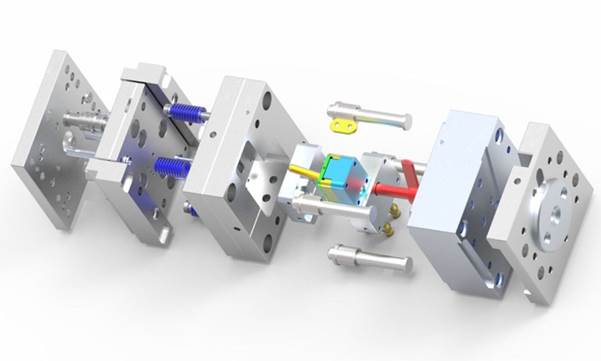
Простое впрыскивание расплавленного пластика в пресс-форму, охлаждение и выталкивание - вот самая простая идея литья под давлением. Эффективность работы оснастки для литья пластмасс под давлением напрямую влияет на эффективность этого процесса. Инструментарий включает в себя пресс-формы, вставки, стержни, полости и системы охлаждения, которые представляют собой структуру, формирующую пластиковый материал.

Что такое инструменты для литья пластмасс под давлением?

Производители используют так называемые инструменты для литья пластмасс под давлением, чтобы создавать тысячи, а в некоторых случаях и миллионы одинаковых деталей. Время цикла, объем производства и долгосрочное обслуживание определяются долговечностью и конструкцией этих инструментов. Именно поэтому правильный выбор партнера по оснастке для литья пластмасс под давлением имеет большое значение для любого производства.

Формы оснастки для литья под давлением

Оснастка для литья под давлением доступна в различных видах, чтобы соответствовать производственным требованиям, сложности деталей и доступной стоимости. Правильно выбранная пресс-форма гарантирует эффективность, качество деталей и экономичность.

  • Однополостные пресс-формы: отливают по одной детали за цикл, что подходит для малосерийного производства или изготовления прототипов. Они просты и менее дороги, но менее быстры в массовом производстве.
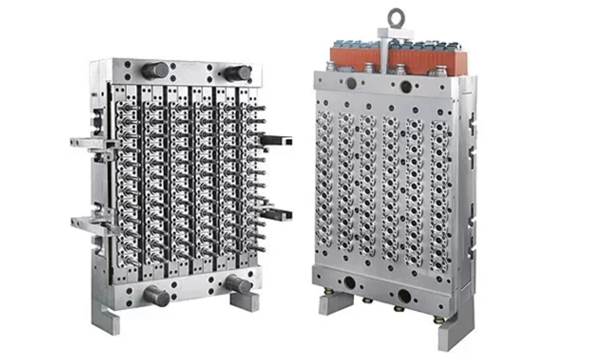
  • Многопустотные пресс-формы: Производят несколько одинаковых деталей за один цикл, что лучше всего подходит при больших объемах производства. Они позволяют сэкономить на стоимости деталей, хотя и требуют точного дизайна для равномерного заполнения.
  • Семейные формы: Детали изготавливаются за один цикл с помощью семейства пресс-форм, что сводит к минимуму расхождения в сборке. Спроектировать такую полость сложнее, поскольку каждая полость может заполняться по-разному.
  • Формы для горячего бега: Удерживают пластик в расплавленном виде внутри нагретых каналов, что позволяет минимизировать количество отходов и время цикла. Они подходят для массового производства высокого качества.
  • Формы для холодной прокатки: позволяют отливать бегунки вместе с деталью, что проще и дешевле, но создает еще больше отходов.
  • Двухтарельчатые и трехтарельчатые пресс-формы: Распространенными конструкциями пресс-форм являются двухплитные и трехплитные пресс-формы. Двухплитные формы просты и доступны в производстве, в то время как трехплитные формы позволяют автоматически разделять бегунки для получения более чистых деталей.
  • Формы для вставки: Встраивают системы металлов или других деталей в компонент, что избавляет от необходимости сборки. При накладке на деталь используется другой материал, который изолирует ее или придает ей сцепление с поверхностью.
  • Прототипирование (мягкая) оснастка: Она используется для пробного или малосерийного производства, в то время как жесткая оснастка, изготовленная из стали, надежна при крупносерийном производстве. Стек-формы повышают производительность за счет одновременного формования нескольких слоев деталей.

Выбор подходящей оснастки зависит от объема производства, сложности детали и материала, что способствует повышению эффективности и качества результата.

Таблица 1: Типы оснастки для литья под давлением

Тип инструментаПолостиВремя цикла (сек)Объем производстваПримечания
Однополостная пресс-форма130-90<50 000 деталейМалая партия, прототип
Многогнездная пресс-форма2-3215-6050,000-5,000,000Большой объем, последовательность
Семейная плесень2-1620-7050,000-1,000,000Различные детали за цикл
Горячая бегущая форма1-3212-50100,000-10,000,000Минимум отходов, ускоренные циклы
Форма для холодной обкатки1-3215-7050,000-2,000,000Простота, больше отходов материала
Двухпластинчатая форма1-1620-6050,000-1,000,000Стандартные, экономичные
Трехпластинчатая пресс-форма2-3225-70100,000-5,000,000Автоматизированное разделение бегунов
Вставная форма1-1630-8050,000-1,000,000Металлические вставки в комплекте
Формы для литья заготовок1-1640-9050,000-500,000Детали из нескольких материалов

Преимущества высококачественной оснастки для пресс-форм

Инвестиции в высококачественную оснастку для литья пластмасс под давлением имеют ряд долгосрочных преимуществ. Во-первых, она обеспечивает стабильное качество деталей при производстве крупных партий. Во-вторых, сокращается время простоя из-за выхода из строя инструментов или ненужного обслуживания. И наконец, она повышает эффективность производства за счет оптимизации охлаждения и потока материалов.

Преимущества высококачественной оснастки для пресс-форм

Компании, которые уделяют особое внимание производству прочных инструментов для литья пластмасс под давлением, как правило, получают меньше брака и больше прибыли. Кроме того, правильно сконструированная оснастка для литья пластмасс под давлением способна выдерживать сложные формы и строгие допуски, что позволяет организациям внедрять инновации без особых затрат.

Факторы проектирования оснастки для пресс-форм

Одним из важнейших требований в процессе создания пресс-форм для литья пластмасс под давлением является проектирование. Инженеры должны учесть выбор материалов, толщину стенок, угол наклона и эффективность охлаждения. Хорошая конструкция уменьшает точки напряжения и продлевает срок службы инструментов.

Сложность деталей - еще один фактор, определяющий стоимость оснастки для литья пластмасс под давлением. Сложные формы или вырезы могут потребовать использования боковых выступов, подъемников или многогнездных пресс-форм. Эти характеристики увеличивают время проектирования и стоимость изготовления, но обычно необходимы для высокопроизводительных компонентов.

Поскольку требуется, чтобы оснастка для литья пластмасс под давлением была способна выдерживать высокое давление и высокую температуру, выбор материалов имеет решающее значение. В зависимости от объема производства и потребностей в использовании применяются инструментальные стали, алюминий и специальные сплавы.

Части и компоненты оснастки для литья под давлением

Оснастка, используемая при литье под давлением, представляет собой сложный механизм, состоящий из множества деталей, которые продуманы до мелочей. Оба компонента оказывают определенное влияние на процесс литья расплавленного пластика в готовое изделие и обеспечивают точность, эффективность и повторяемость. Эти характеристики полезны для понимания того, как пластиковые детали высокого качества могут быть произведены с постоянством в больших объемах.

Части и компоненты оснастки для литья под давлением

Полость пресс-формы

Полости, которые формируют внешнюю форму пластиковой детали, называются полостью пресс-формы. Расплавленный пластик впрыскивается в форму и впоследствии заполняет эту полость, затвердевая и превращаясь в конечный продукт. Размер деталей, обработка поверхности и внешний вид деталей зависят от конструкции полости. Скорость усадки и углы вытяжки должны быть рассчитаны инженерами, чтобы гарантировать, что деталь выйдет без дефектов.

Сердечник пресс-формы

Внутренняя геометрия детали формируется из стержня Mold. В нем формируются такие характеристики, как отверстия, углубления и внутренние каналы, которые имеют решающее значение для функциональности и снижения веса. В простых пресс-формах сердечники неподвижны, в то время как более сложные детали должны иметь подвижные или складные сердечники, позволяющие освобождать подрезы в процессе выталкивания. Сердечник и полость идеально выровнены, что обеспечивает точность размеров.

Бегущая система

Система бегунков - это система каналов, которая направляет сопло расплавленного пластика литьевой машины к пресс-форме. Эффективный бегунок спроектирован таким образом, чтобы поток был сбалансирован и равномерно заполнял все полости. Дефекты плохой конструкции бегунков включают в себя раковины, короткие выстрелы или коробление.

Проточные каналы

Каналы потока определяются как отдельные пути системы бегунков, по которым пластик движется в пресс-форме. Эти каналы должны снижать сопротивление и не допускать преждевременного охлаждения материала. Правильная конструкция каналов позволяет сохранить прочность материала и обеспечить постоянную толщину стенок детали.

Ворота

Затвор - это маленькое отверстие, через которое расплавленный пластик впрыскивается в полость. Несмотря на то, что он небольшой, он вносит значительный вклад в качество деталей. Расположение, размер и стиль литника влияют на способ заполнения формы, распределение давления и величину следа от литника, который будет виден на готовой детали. Выбор правильной конструкции литника - один из способов избежать появления следов напряжения и эстетических дефектов.

Система эжекторов

Система выталкивания выдает деталь после охлаждения пластика. Деталь выталкивается выталкивающими штифтами, втулками или пластинами равномерно, без разрывов и деформаций. Выталкиватели должны быть правильно размещены и заказаны, особенно для деликатных или сложных компонентов.

Система охлаждения

Система охлаждения контролирует температуру пресс-формы, прокачивая через нее воду или масло. Охлаждение - один из самых важных процессов при литье под давлением, поскольку оно напрямую влияет на время цикла и стабильность деталей. Неправильное охлаждение может привести к усадке, короблению или внутреннему напряжению. Высокотехнологичные пресс-формы могут применять конформные каналы охлаждения, повторяющие форму детали, что позволяет повысить эффективность.

Выравнивание и монтажные характеристики

Элементы выравнивания, такие как направляющие штифты и втулки, обеспечивают идеальное смыкание половин формы при каждом цикле. Элементы крепления, такие как зажимы и болты, используются для фиксации пресс-формы в машине. Правильное выравнивание позволяет устранить мигание, неравномерный износ и повреждения пресс-формы, а также получить детали стабильного качества.

Части и компоненты оснастки для литья под давлением

Вентиляция

Вентиляция позволяет выводить окружающий воздух и газы из полости формы по мере заполнения ее пластиком. Без надлежащего вентилирования могут возникнуть такие дефекты, как следы прожога или полузаполнение. Вентиляционных отверстий немного, но они необходимы для изготовления чистых и правильных деталей.

Слайды и подъемники

Слайдеры и подъемники - это процессы, которые помогают пресс-формам формировать детали с вырезами или боковыми эффектами. Углы скольжения перемещаются, а подъемники во время выталкивания подпрыгивают, выталкивая сложные геометрические формы. Эти элементы расширяют возможности дизайна и устраняют необходимость вторичной обработки.

Материалы для пресс-форм

Материалы оснастки влияют на долговечность, производительность и стоимость. Для крупносерийного производства используется закаленная инструментальная сталь, поскольку она способна выдерживать износ и быть точной. Алюминиевые формы дешевле и чаще используются для прототипов или малосерийного производства. Высокопроизводительные финишные покрытия могут повысить износостойкость и выход деталей из строя.

Вставки

Вставки - это съемные части пресс-формы, которые используются для получения определенных элементов, таких как резьба, логотип или текстура. Они позволяют изменять или исправлять формы без замены инструмента. Заменяемость вставок позволяет использовать их для создания различных изделий из одной и той же основы пресс-формы.

Штырьки сердечника

Штифты - это тонкие детали, которые используются для создания отверстий или внутренних каналов в формованных компонентах. Они должны быть хорошо обработаны и достаточно прочны, чтобы выдержать давление инъекций, не сгибаясь и не ломаясь.

Таблица 2: Компоненты оснастки для литья под давлением

КомпонентМатериалДопуск (мм)Максимальное давление (бар)Примечания
Полость пресс-формыСталь/алюминий±0.01-0.051,500-2,500Формирует форму детали
Сердечник пресс-формыСталь±0.01-0.051,500-2,500Внутренние характеристики
Бегущая системаСталь/алюминий±0.021,200-2,000Направляет пластиковый поток
ВоротаСталь±0.011,500-2,500Вход в полость
Выталкивающие штифтыЗакаленная сталь±0.01Н/ДВыталкивание деталей
Каналы охлажденияСталь±0.05Н/ДКонтроль температуры
Слайды/подъемникиСталь±0.021,200-2,000Сложные геометрии
ВставкиСталь/алюминий±0.021,500Настраиваемые функции

Перегородки, диффузоры и водяные коллекторы для систем охлаждения

Поток охлаждающей жидкости в пресс-форме направляется с помощью перегородок и диффузоров для обеспечения равномерного температурного режима. Водяные коллекторы служат элементом распределения, через который охлаждающая жидкость может быть направлена к различным частям пресс-формы. Сочетание этих элементов улучшает охлаждение, а также минимизирует время цикла.

Текстура плесени

Текстура пресс-формы - это отделка поверхности полости, которая наносится на деталь для получения определенных узоров или отделки на детали. Текстура может улучшать сцепление, минимизировать блики или улучшать внешний вид изделия. Методы: химическое травление, лазерное текстурирование и механическая обработка.

Втулка для шприца

Втулка шприца используется для соединения сопла литьевой машины с системой бегунков. Это основной путь, по которому расплавленный пластик поступает в пресс-форму. Втулка литника должна быть правильно сконструирована, чтобы обеспечить непрерывный поток материала и избежать утечки или потери давления.

Удерживающая пластина для полости

Плита со вставками в полости прочно закреплена в удерживающей плите. Она фиксирует положение, обеспечивает давление впрыска и помогает создать общую прочность формы. Правильная конструкция плиты гарантирует долговечность пресс-форм в долгосрочной перспективе и однородность деталей.

Знание затрат на оснастку

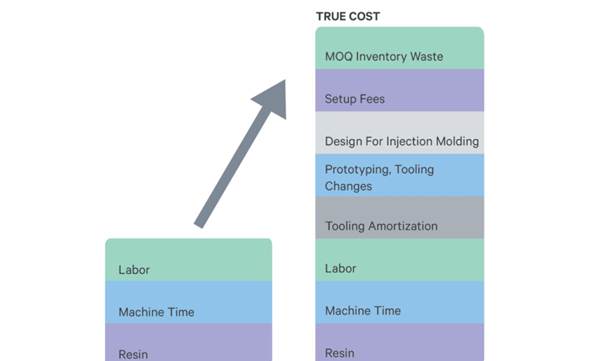
Вопрос о стоимости оснастки для литья пластмасс под давлением - один из наиболее часто задаваемых производителями. Стоимость оснастки зависит от размера, сложности, материала и предполагаемого объема производства. Первоначальные затраты могут показаться дорогими, но качественная оснастка для литья пластмасс под давлением может окупиться долговечностью в долгосрочной перспективе и стабильным производством.

Вопросы, влияющие на стоимость оснастки для литья пластмасс под давлением, следующие:

- Количество полостей

- Технические характеристики поверхности.

- Сложность системы охлаждения

- Уровни толерантности

- Материал инструмента

Хотя у предприятий может возникнуть соблазн сэкономить деньги и использовать более дешевые решения, такие как оснастка для литья пластмасс под давлением, в долгосрочной перспективе это приведет к увеличению объема технического обслуживания и снижению качества продукции.

Современная технология изготовления инструментов

Это стало возможным благодаря передовому программному обеспечению и технологиям обработки, которые изменили разработку литье пластмасс под давлением инструменты. Моделирование и автоматизированное проектирование (CAD) могут помочь инженерам проверить обтекаемость формы, эффективность охлаждения и целостность конструкции до начала производства.

Современная технология изготовления инструментов

Обработка с ЧПУ, EDM (электроэрозионная обработка) и высокоскоростное фрезерование используются для того, чтобы оснастка для литья пластмасс под давлением была выполнена с жесткими допусками. Такие технологии сокращают время изготовления и повышают повторяемость, поэтому современная оснастка для литья пластмасс под давлением является наиболее надежной, чем когда-либо прежде.

Использование автоматизации также связано с оптимизацией стоимости оснастки для литья пластмасс под давлением. Производители смогут получать больше прибыли без ущерба для качества за счет сокращения ручного труда и повышения эффективности процессов.

Обслуживание и долговечность

Обслуживание инструментов для литья пластмасс под давлением необходимо для продления срока их службы. Износ и коррозия предотвращаются регулярной очисткой, осмотром и смазкой. Наблюдение за каналами охлаждения и эжекторными системами способствует стабильной работе.

Несоблюдение правил обслуживания инструментов может значительно увеличить стоимость оснастки для литья пластмасс под давлением за счет ремонта или досрочной замены. Компании, внедряющие программы профилактического обслуживания, не только покрывают свои инвестиции в оснастку для литья пластмасс под давлением, но и обеспечивают постоянный график производства.

Прочная оснастка для литья пластмасс под давлением также применима в крупносерийном производстве с длительным производственным циклом.

Выбор подходящего партнера по оснастке

Выбор надежного поставщика оснастки для литья пластмасс под давлением так же важен, как и проектирование. Передовые производители оснастки знают о поведении материалов, производственных требованиях и мерах по оптимизации затрат.

An effective collaborator assists in creating a balance between quality and the cost of plastic injection molding tooling, and the tools should be up to the performance expectations. Teamwork at the design levels lowers mistakes as well as minimizing the time of development of the plastic injection molding tools .

The indicators of a good provider of plastic injection mold tooling include communication, technical skills, and high manufacturing skills.

Тенденции развития инструмента для литья под давлением

Innovation is the future of plastic injection molding tooling. Additive manufacturing, conformal cooling channels, and intelligent sensors are altering the process of constructing and monitoring molds. These innovations decrease the time taken in the cycle and enhance the quality of parts.
Тенденции развития инструмента для литья под давлением

With the growing significance of sustainability, effective пресс-форма для литья пластмасс под давлением tools contribute to the decrease of material waste and energy usage. Better designs also reduce the cost of plastic injection molding tooling cost in the lifetime of a tool by increasing the life of the tool and reducing the cost of repairs.

A competitive edge is enjoyed by companies that use next-generation plastic injection molding tools, which have improved performance, increased speed of production, and also the ability to design.

Заключение

The quality of литье пластмасс под давлением tools is vital to the success of any injection molding operation. Design and choice of materials, maintenance, and innovation are some of the considerations in tooling that affect the efficiency of production and quality of the products. Although the price of plastic injection molding tooling is also a factor of considerable consideration, long-run value will be derived through durability, accuracy, and reliability. Manufacturers can guarantee the consistency of the results, lower downtime, and high ROI by attaching importance to investing in modernization, plastic injection mold tooling, and collaborating with skilled partners.

Детали, изготовленные методом литья под давлением: Универсальное руководство

Injection molded parts production is a significant component of the contemporary industry. Injection molding is used to make many of the products surrounding us. This is a process that aids in the production of strong and accurate components. These are components that find their applications in numerous fields. The quality of molded products demanded goes up annually.

The reason behind the wide use of plastic injection molding parts is that they are durable and economical. They enable companies to manufacture large numbers of products that are of the same shape. Complex designs also work well in this process. Meanwhile, the injection molding mold parts are important in the shaping and forming of these products. The process cannot go on well without the right mold components.

The popularity of injection molding is due to the fact that it is time-saving. It also reduces waste. The method allows short-cycle production. It is something that a number of industries cannot afford to do away with.

Plastic Injection Molding: What is Plastic Injection Molding?

Plastic литьё под давлением refers to a production process. In large quantities, plastic products are produced with its assistance. It is also a fast and reliable procedure. It can be used to manufacture parts of the same shape and size in all cases.

In this process, plastic material is first heated. The plastic becomes soft and melts. The liquid plastic is then inserted into a mold. The mold has a specific shape. When the plastic cools down, it becomes solid. This entire part is removed from the mold.

Plastic Injection Molding: What is Plastic Injection Molding?

Plastic injection molding is used to bring about simple and complex products. It allows high accuracy. It also reduces material wastefulness, too. The reason has to do with the fact that it is popular because less time and money are wasted.

Table 1: Injection Molding Mold Components

Mold ComponentTypical MaterialToleranceОтделка поверхностиTypical Life CycleFunction
Core & CavityHardened Steel / Aluminum±0.01–0.03 mmRa 0.2–0.8 μm>1 million shotsShapes internal and external features
RunnerSteel / Aluminum±0.02 mmRa 0.4–0.6 μm>500,000 shotsChannels molten plastic to the cavity
ВоротаSteel / Aluminum±0.01 mmRa 0.2–0.5 μm>500,000 shotsControls plastic entry into the cavity
Каналы охлажденияCopper / Steel±0.05 mmRa 0.4–0.6 μmContinuousRemoves heat efficiently
Выталкивающие штифтыЗакаленная сталь±0.005 mmRa 0.3–0.5 μm>1 million shotsEjects finished part without damage
Venting SlotsSteel / Aluminum±0.01 mmRa 0.2–0.4 μmContinuousReleases trapped air during injection

Knowing the Injection Molding Process

A controlled and precise method of production is the injection molding technology. They are applied in the production of plastic components of high accuracy. It is a functional procedure that occurs in stages. Each step has some parameters and numerical values.

Selection and Preparation of Materials

It begins with plastic raw material. This is usually packed in the form of pellets or in the form of granules. Such material is normally ABS, polypropylene, polyethylene, and nylon.

  • Pellet size: 2–5 mm
  • Wet content before drying: 0.02% -0.05%
  • Drying temperature: 80°C–120°C
  • Drying time: 2-4 часа

Proper drying is critical. Bubbles and surface defects of molded parts may be brought about by moisture.

Melting and Plasticizing

The plastic pellets are dried and forced into the литьё под давлением machine. They go through a screw that rotates and through a hot barrel.

  • Barrel temperature zones: 180°C–300°C
  • Screw speed: 50–300 RPM
  • Screw compression ratio: 2.5:1 -3.5:1.

The plastic is melted by the turning of the screw. The substance turns into a homogenous mass of liquid. Even the melting offers consistency of the component.

Injection Phase

On completion of melting down the plastic, it is pushed into the molding cavity. The mold is filled with great pressure in a quick and regularized way.

  • Injection pressure: 800–2000 bar
  • Injection speed: 50–300 mm/s
  • Injection time: 0.5–5 seconds

There is no use of short shots and flash due to appropriate pressure control. It is intended to fill the entire mold prior to the beginning of plastic cooling.

Packing and Holding Stage

The mold is filled, and pressure is applied to the mold. This is to overcome the process of material shrinkage at room temperature.

  • Loading pressure: 30-70 percent flow of injection.
  • Holding time: 5–30 seconds
  • Typical shrinkage rate: 0.5%–2.0%

This process increases the part concentration and dimension. It also reduces internal stents.

Cooling Process

Injection molding is the process that takes the longest in cooling time. The plastic substance would then solidify and melt.

  • Mold temperature: 20°C–80°C
  • Cooling time: 10–60 seconds
  • Heat transfer efficiency: 60%–80%

Elimination of heat is done by cooling channels in the mold. Proper cooling eliminates warping and defects of the surface.

Открытие и выталкивание пресс-формы

After cooling, the mold opens. A section that has been completed is removed using ejector pins or plates.

  • Mold opening speed: 50–200 mm/s
  • Ejector force: 5–50 kN
  • Ejection time: 1–5 seconds

Ejection: Careful ejection will not damage parts. The closing of the mold then commences the next cycle.

The Cycle Time and Production Output

The total cycle time will be different depending on the size of the parts and the material.

  • Average cycle time: 20–90 seconds
  • Output rate: 40 -180 parts/hour.
  • Machine clamping force: 50–4000 tons

Reduced cycle times will boost productivity. However, quality must be maintained constantly.

Monitoring and Control of Process

In contemporary machines, sensors and automation are employed. Pressure flow rate and temperature are checked by these systems.

  • Temperature tolerance: ±1°C
  • Pressure tolerance: ±5 bar
  • Dimensional accuracy: ±0.02 mm

Consistency of quality is ensured by monitoring the process. It also reduces scrap and downtimes.

Importance of Components of Mold

Injection molding is dependent on the parts of the mold. Each of the elements of the mold has some role to play. These are the shaping, cooling, and ejecting.

Сайт литье пластмасс под давлением parts are considered to be successful depending on the correct design of the mold. A poor mold can cause defects. These defects include cracks and unbalanced surfaces. Mold parts made by injection molding, on the other hand, help in ensuring accuracy. They also ensure that they go in good cycles.

High-quality protract parts are molded. They reduce the maintenance costs as well. This makes it more effective and dependable.

Mold Components Technical Information

Mold components are the most important elements of the injection molding system. They control the shape, accuracy, strength, and quality of the surface. Without mold components that are well-designed, there is no way that stable production can be achieved.

Plastic Injection Molding: What is Plastic Injection Molding?

Core and Cavity

The core and the cavity are what determine the final shape of the product. The external surface consists of the cavity. The core makes up internal features.

  • Dimensional tolerance: ±0.01–0.03 mm
  • Surface finish: Ra 0.2–0.8 µm
  • Typical steel hardness: 48–62 HRC

Precision in core and cavity is high, hence minimizing defects. It enhances the uniformity of the parts also.

Бегущая система

The system of the runner directs the molten plastic at the injection nozzle to the cavity. It has an influence on flow balance and filling speed.

  • Runner diameter: 2–8 mm
  • Flow velocity: 0.2–1.0 m/s
  • Pressure loss limit: ≤10%

Reduction in material waste is done by proper runner design. It also has an even filling.

Дизайн ворот

The gate regulates the flow of plastic in the cavity. Part quality depends on the size and type of gate.

  • Gate thickness: 50 -80 of part thickness.
  • Gate width: 1–6 mm
  • Shear rate limit: <100,000 s⁻¹

Right gate design eliminates weld lines and burn marks.

Система охлаждения

Cooling tracks are used to cool down the mold. This system has a direct influence on cycle time and the stability of parts.
  • Cooling channel diameter: 6–12 mm
  • Distance of the channel to the cavity: 10-15mm.
  • Maximum temperature difference permitted: < 5 °C.

Ease of cooling enhances dimensional accuracy. It also reduces the time of production.

Система выброса

When cooled, the part is ejected within the ejection system. It has to exert force in equal quantity to prevent harm.

  • Ejector pin diameter: 2–10 mm
  • Ejector force per pin: 200–1500 N
  • Ejection stroke length: 5–50 mm

Even ejection eliminates cracks and deformation.

Venting System

The air can be trapped and escape through vents when injecting. Burns and incomplete filling are caused by poor venting.

  • Vent depth: 0.02–0.05 mm
  • Vent width: 3–6 mm
  • Maximum air pressure: <0.1 MPa

Adequate venting enhances the quality of surfaces and the life of molds.

Base and Alignment Components Mold Base

The base of the mould bears all the parts. Bushings and guide pins are used to provide proper alignment.

  • Guide pin tolerance: ±0.005 mm
  • Mold base flatness: ≤0.02 mm
  • Lifecycle alignment: more than 1M shots.

High alignment decreases the wear and flash.

Table 2: Key Process Parameters

ПараметрRecommended RangeUnitОписаниеTypical ValueПримечания
Температура ствола180–300°CHeatis  applied to melt the plastic220–260Depends on the material type
Давление впрыска800–2000barPressure to push molten plastic into the mold1000Adjust for part size & complexity
Температура пресс-формы20–120°CTemperature is maintained for proper cooling60–90Higher for engineering plastics
Время охлаждения10–60secondsTime for the plastic to solidify25–35Depends on wall thickness
Время цикла20–90secondsTotal time per molding cycle30–50Includes injection, packing, and cooling
Ejector Force5–50kNForce to remove part from the mold15–30Must prevent part damage

Raw Materials Injection Molding

Material selection is very important. It influences the quality, stability, outlook, and price of the end product. Selecting the appropriate plastic is necessary to guarantee that the parts will work and will be printed properly.

Raw Materials Injection Molding

Thermoplastic Materials

The most widespread materials are thermoplastics due to the fact that they can be melted and reused several times. There is a wide use of ABS, polypropylene, polyethylene, and polystyrene. ABS is impact-resistant and strong, and melts at 200 to 240 °C. Polypropylene melts at temperatures of 160 °C or 170 °C; it is light in weight and resistant to chemicals. Polyethylene has a melting point of 120 °C to 180 °C and is suitable in moisture resistant products.

Engineering Plastics

High-strength parts or heat-resistant parts are made with engineering plastics such as Nylon, Polycarbonate (PC), and POM. Nylon melts at 220 °C -265 °C and is applied in gears and mechanical parts. Polycarbonate is a strong and transparent polymer that melts at 260 °C to 300 °C. POM has a melting temperature of 165 °C to 175 °C and is accurate in components.

Thermosetting Plastics

Plastics that are thermosetting are difficult to remelt after being molded because they harden permanently. They melt at 150 °C- 200 °C and are utilized in high-temperature applications such as electrical components.

Additives and Fillers

Materials are enhanced by additives. Glass fibers (10% -40 percentage) add strength, mineral fillers (5%-30 percentage) lower shrinkage, and UV stabilizer (0.1-1 percentage) shield against the sun. These assistive components are longer-lasting and work better.

Material Selection Requirements

The material selection is factor-driven in terms of temperature, strength, chemical confrontation, moisture, and cost. Adequate selection will result in long-lasting, precise, and quality products and lessen the mistakes and waste.

Table 3: Material Properties

МатериалMelt Temp (°C)Mold Temp (°C)Injection Pressure (bar)Tensile Strength (MPa)Shrinkage (%)
ABS220–24060–80900–150040–500.5–0.7
Полипропилен (PP)160–17040–70800–120030–351.0–1.5
Полиэтилен (ПЭ)120–18020–50700–120020–301.5–2.0
Полистирол (PS)180–24050–70800–120030–450.5–1.0
Nylon (PA)220–26580–1001200–200060–801.5–2.0
Поликарбонат (PC)260–30090–1201300–200060–700.5–1.0
POM (Acetal)165–17560–80900–150060–701.0–1.5

Components that are manufactured under the Plastic Injection Molding Process

Plastic injection molding is a process that creates a large number of components applicable in various sectors. The process is precise, durable, and of large volume production. Examples of typical components produced in this manner are shown below.

Components that are manufactured under the Plastic Injection Molding Process

Automotive Parts

  • Dashboards
  • Bumpers
  • Air vents
  • Door panels
  • Gearshift knobs
  • Fuel system components
  • Interior trims

Medical Parts

  • Syringes
  • Tubing connectors
  • Surgical instruments
  • IV components
  • Medical device housings
  • Disposable medical tools

Electronics Parts

  • Housings for devices
  • Switches and buttons
  • Cable clips and wire holders
  • Connectors and plugs
  • Keyboard keys
  • Circuit board enclosures

Packaging Products

  • Bottles and jars
  • Bottle caps and closures
  • Food containers
  • Cosmetic containers
  • Lids and seals
  • Storage boxes

Consumer and Industrial Goods

  • Toys and figurines
  • Household tools
  • Appliance components
  • Construction fittings
  • Accurate clips and fasteners.
  • Industrial machine parts

Design and Precision

Design is a significant contributor to success. An effective mold enhances the quality of a product. It minimizes errors during production as well.

The parts of the process of литье пластмасс под давлением require strict dimensions. Performance can be influenced by small mistakes. This is the reason why the creation of the injection molding mould parts is designed with close tolerances. State-of-the-art software is often employed in design.

Components that are manufactured under the Plastic Injection Molding Process

Strength is also enhanced through good design. It enhances appearance. It guarantees superior fitting in end assemblies.

Промышленное применение

Many industries also use injection molding, which is fast, exact, and it is economical. It enables mass production of identical parts with very high precision.

Автомобильная промышленность

In the auto sector, dashboards, bumpers, air vents, and interior panels are made using plastic injection molding parts. These components should be powerful, light, and heat-resistant. Particularly, it is done by molding, whereby the shapes are exact and uniform to prevent any safety and quality issues.

Medical Industry

In medicine Syringes, tubing connectors, and surgical instruments are made by injection molding. Much precision and hygiene areas needed. Particularly, plastic injection molding parts can be made of medical-grade plastics, and injection molding mold parts can be used to ensure accuracy and smoothness.

Electronics Industry

Housings, connectors, switches, and cable clips are all produced in the electronics industry through injection molding. Plastic injection molding parts secure the fragile circuits, and the injection molding mold parts are necessary to make the parts fit perfectly.

Packaging Industry

Injection molding is also applied in the packaging of bottles, containers, caps, and closures. The parts of the plastic injection molding are used to give the required shapes and sizes, whereas the parts of injection molding are used to produce in large quantities within the shortest amount of time by creating minimum wastage.

Other Industries

Consumer goods, toys, construction, and aerospace are also injected. Its flexibility and accuracy give it the ability to fit nearly any plastic product, be it the simple householder the complicated technical parts.

Контроль качества и тестирование

In manufacturing, quality control is required. All the parts should be desiccated to meet design requirements. Testing is a measure of safety and performance.

The plastic injection molding parts are subjected to visual and mechanical inspections. Defects are spotted at an early stage through these checks. Simultaneously, the inspection of the wear and damage of the injection mold parts is conducted. Frequent inspections eliminate the failure of production failures.

Good quality management enhances customer confidence. It also minimizes wastage and expenditure.

Pros of the Injection Molding

There are numerous advantages of injection molding. It permits a rapid production rate. It also guarantees repetition.

Литье пластмасс под давлением parts are dynamic and light. They are capable of mass production. In the meantime, automation is supported by the use of injection molding of the mold parts. This lowers the cost of labour and mistakes.

Pros of the Injection Molding

Also, the process is environmentally friendly. The scrap material may be reutilized. This will contribute to environmental mitigation.

Challenges and Solutions

Injection molding, just like any process, is challenging. These are material problems as well as wear of moulds. Unfavorable environments lead to flaws.

Part flaws may be assessed in the absence of proper handling of “plastic injection molding parts. These risks can be minimized by appropriate training. Simultaneously, mold parts that are used in injection molding must be maintained on a regular basis. This assures long life.

Modern technology will be useful in addressing a lot of issues. The efficiency is enhanced through automation and monitoring.

Future of Injection Molding

The injection molding future is solid. There is a development of new materials. Smart manufacturing is becoming a reality.

Injection molding parts that are produced out of plastic will be improved. They will be more significant and lighter. At the same time, better materials and coatings will be applied to the injection mold part. This will enhance longevity.

The industry will still be characterized by innovation. Competitive firms will be those that change.

China’s Role

China contributes significantly to the injection molding market in the world. It is among the biggest manufacturers of plastic injection molding parts and the distributor of injection molding mold parts. The manufacturing sector is very diversified in the country; small-scale production is available as well as large-volume industrial production.

China’s Role

The factories of China have high-precision machines and skilled labor that are used to manufacture parts. The reliance of many international companies on Chinese manufacturers is because they offer cost-effective solutions without reducing on quality.

Besides, China is an Innovation leader. It creates new materials, molds, and automation methods to enhance efficiency. It has a good supply chain and high production capacity that contribute to its status as a major player in satisfying global demand for injection molded products.

Why Choose Sincere Tech

We are Sincere Tech, and we deal with supplying high-quality plastic injection molding parts and injection molding mold parts to our clients in different industries. We have years of experience and a passion to do things in the best way, hence all our products are of the best quality in terms of precision, durability, and performance.

We have a group of experienced and qualified engineers and technicians who offer quality and affordable solutions through the application of modern machinery and new methods. We have ensured close attention to all the details, such as the choice of material, the design of molds, etc., so that we have the same quality in each batch.

Clients prefer Sincere Tech due to the fact that we appreciate trust, professionalism, and customer satisfaction. We collaborate with individual clients to get to know their special needs and offer solutions to their needs. We are also committed to the concept of on-time delivery, technical assistance, and constant improvement, which make us stand out inthe injection molding industry.

Sincere Tech is the company with which you can find excellence in plastic injection molding when you require either minor, detailed parts or large-volume production. You do not just get parts with us, you also get a team dedicated to your success and growth.

To learn more about our services and products, go to plas.co and see why we are the right choice for the clients of the world.

Заключение

Injection molding is a solid process of production. It is the backbone of numerous industries in the world. Its main strengths are precision, speed, and quality.

Plastic injection molding parts are still very vital in everyday life. They are useful in serving various needs, from the simplest to the complex components. Meanwhile, injection molding mold parts guarantee the efficient flow of manufacturing and the same outcome.

Injection molding will only continue to increase with the right design and maintenance. It will also continue to form a vital aspect of modern production. 

Что такое овермолдинг

Overmolding is the making of a product by joining two or more materials into one product. It is also applied in most industries, such as electronics, medical equipment, automotive, and consumer products. It is done by molding over a base material known as an overmold, over a base material known as a substrate.

Overmolding is done to enhance the aesthetic, longevity, and functionality of products. It enables manufacturers to incorporate the power of one material with the flexibility or softness of the other. This makes products more comfortable, easier to deal with, and durable.

Overmolding appears in items that we use on a daily basis. This has been applied to toothbrush handles and phone cases as well as power tools and surgical instruments, among other items in contemporary manufacturing. Knowing about overmolding will make it easy to see how convenient and safe objects in everyday life are.

Оглавление

What is Overmolding?

Овермолдинг is a procedure through which one product is formed out of two materials. The initial material is known as the substrate and typically is a hard plastic such as ABS, PC, or PP. It has a tensile strength of 30-50 Mpa tensile strength and a melting temperature of 200- 250 °C. The other material, which is the overmold, is soft, e.g., TPE or silicone, with a Shore A hardness of 40-80.

What is Overmolding?

The substrate is allowed to cool down to 50-70 °C. The pressure injected into the overmold is 50-120Mpa. This forms a strong bond. Overmolding enhances the holding power, strength, and durability of products.

One such typical object is a toothbrush. The handle is of hard plastic to ensure strength. The grip itself is of soft rubber and, therefore, is comfortable to hold. This basic application demonstrates the real-life uses of overmolding.

Overmolding does not apply only to soft grips. It is also applied in covering electronic products, giving an object a colorful decoration, and extending the life of a product. This flexibility enables it to be one of the most applicable manufacturing methods in contemporary days.

Full Process

Выбор материала

The procedure of overmolding starts with the choice of the materials. The substrate normally is a hard plastic like ABS, PC, or PP. They contain tensile strength of 30-50 Mpa and a melting point of 200- 250 °C. The molded material is usually a soft one, such as TPE or silicone, and has a Shore A hardness of 40-80. It is necessary to select the materials that are compatible. Failure of the final product to withstand stress can be caused by failure of the bonding of the materials.

Substrate Molding

The substrate was poured into the mold at a pressure of 40-80 Mpa after heating to 220-250 °C. Once injected, it is allowed to solidify to 50-70 °C to render it dimensionally stable. The time taken in this process is usually 30-60 seconds in relation to the size and the thickness of the part. There are extremely high tolerances, and deviation is typically not more than +-0.05 mm. Deviation will result in the product being affected in regard to overmold fit and product quality.

Preparation of the mold to be overmolded

Following the cooling, the substrate is then carefully transferred to a second mold, during which the overmold injection is done. The mold is preheated to 60-80 °C. Preheating eliminates the effect of thermal shock and also allows the overmold material to flow smoothly over the substrate. Mold preparation is needed to prevent any voids, warping, or poor bonding in the final product.

Overmold Injection

The pressure is injected into the substrate using 50-120 Mpa of the overmold material. The temperature of the injection is conditional upon the material: TPE 200-230 °C, silicone 180-210 °C. This step must be precise. Improper temperature or pressure may result in defects of bubbles, separation, or insufficient coverage.

Охлаждение и затвердевание

Following injection, the part is cooled to enable solidification of the overmold and its strong bond to the substrate to take place. The cooling time ranges from 30 to 90 seconds based on the thickness of the parts. The thin regions cool more quickly, whereas the thicker ones are slower to cool. Adequate cooling is needed to guarantee even bonding as well as minimize internal stress that may cause cracks or deformation.

Ejection and Finishing

The part is forced out of the mold after being cooled down. Any surplus, referred to as flash, is excised. The component is checked in terms of surface finish and dimensional accuracy. This will make sure that the product is of the required quality and is compatible with the other parts in case of need.

Testing and Inspection

The final step is testing. Test types: Tensile or peel tests determine the strength of the bond, which is usually 1-5 MPa. Shore A tests would be used to check overmold hardness. The defects, such as bubbles, cracks, or misalignment, can be visually detected. Only components that are tested are shipped or put together into finished products.

Types of Overmolding

Types of Overmolding

Two-Shot Molding

Two-shot molding involves one machine molding two materials. The molding is done at a temperature of 220-250 °C and pressure of 40-80 MPa, followed by the second material injection, which is at 50-120 MPa. The technique is quick and accurate and is suitable when a large number of products, such as rubber grips and soft-touch buttons, are involved.

Вставное формование

During insert molding, the substrate is already prepared and inserted into the mold. It is covered with an overmold, either TPE or silicone, which is injected at 50-120 MPa. Bond strength is usually 1-5 MPa. This approach is typical of the tools, toothbrushes, and healthcare devices.

Multi-Material Overmolding

Multi-material overmolding is an overmolding where there is more than 2 materials in a single part. The injection duration of every material is in sequence 200-250 °C, 50-120 MPa. It permits complicated structures with hard, delicate, and covering sections.

Overmolding has been used in applications

The applications of overmolding are very diverse. The following are the typical examples:

Overmolding has been used in applications

Электроника

Telephone cases usually have hard plastic with soft rubber edges. The buttons of remote controls are constructed of rubber as they provide better touch. Electronic components are safeguarded with overmolding, and enhanced usability is provided.

Медицинские приборы

Protective seals, surgical instruments, and syringes are usually overmolded. Soft products facilitate easier handling of the devices and also make them safer. This is essential in the medical applications where comfort and precision are important.

Автомобильная промышленность

 Overmolding is used to make soft-touch buttons, grips, and seals used in car interiors. Seals of rubber are used to block water or dust from entering parts. This enhances comfort as well as durability.

Потребительские товары

Overmolding is commonly used in toothbrush handles, kitchen utensils, power tools, and sports equipment. The process is used to add grips, protect surfaces, and add design.

Industrial Tools

Overmolding is used in tools such as screwdrivers, hammers, and pliers, which are used to make soft handles. This limits the fatigue of the hands and enhances the safety of use.

Упаковка

Overmolding of some part of the packaging (e.g., bottle tops or safeguarding seals) is used to enhance handling and functionality.

Overmolding enables the manufacturer to produce products that are functional, safe, and also appealing.

Benefits of Overmolding

There are numerous benefits of over-molding.

Benefits of Overmolding

Improved Grip and Comfort

Products are made easier to handle by the use of soft materials. This applies to tools, household products, and medical devices.

Increased Durability

Attachment of several materials enhances the strength of products. The hard and soft materials guarantee the safety of the product.

Better Protection

Cover or seals of electronics, machinery, or delicate instruments can be added through overmolding.

Attractive Design

The products are designed in various colors and textures. This enhances image and branding.

Ergonomics

Soft grips minimize fatigue in the hand and make objects or devices more comfortable to work with for longer.

Универсальность

Overmolding uses a wide variety of materials and can be used to form intricate forms. This enables manufacturers to come up with products that are innovative.

Challenges of Overmolding

There are also some challenges of overmolding, which should be taken into consideration by the manufacturers:

Совместимость материалов

Not all materials bond well. Certain combinations might need to be adhesive-bonded or surfaced.

Higher Cost

Because it involves additional materials, molds, and steps of production, overmolding may raise production costs.

Complex Process

Mold design, pressure, and temperature have to be strictly regulated. Defects can be brought about by the slightest of errors.

Production Time

Molding Two-stage molding may require more time than single-material molding. New technologies, such as two-shot molding, can, however, cut this time.

Design Limitations

Complex shapes can need custom molds, and this can be costly to make.

Nonetheless, these discouraging issues have not stopped overmolding since it enhances the quality of products and performance.

Overmolding Design Principles

Overmolding is a design where the base is made of a material, and the mold is made out of a different material.

Overmolding Design Principles

Совместимость материалов

Select the materials that are bonded. Overmold and substrate should be compatible with each other in terms of their chemical and thermal characteristics. Similar materials that have close melting points minimize the chances of weak bonding or delamination.

Толщина стенок

Keep the thickness of the wall constant so that there is consistency in the flow of the material. Lack of uniformity of the walls may lead to faults such as sink marks, voids, or warping. Walls are usually between 1.2 and 3.0 mm of various materials.

Углы наклона

Emboss angles on vertical surfaces to facilitate ejection. An angle of 1- 3 degrees assists in avoiding damage to the substrate or overmold during demolding.

Rounded Corners

Avoid sharp corners. Rounded edges enhance the flow of materials during injection, and stress concentration is decreased. The recommended corner radii are 0.5-2mm.

Bonding Features

Pits or grooves are made, or interlocked structures are made to grow mechanical bonding between the substrate and the overmold. The features add peel and shear strength.

Venting and Gate Placement

Install vents that will enable the escape of air and gases. Position injection gates in locations other than the sensitive areas in order to achieve a homogeneous flow that avoids cosmetic faults.

Shrinkage Consideration

Consider variation in the shrinkage of materials. The shrinkage of thermoplastics can be as little as 0.4-1.2 or elastomers can be 1-3%. The correct design will avoid distortion and dimensional errors.

Technical Decision Table: Is Overmolding Right for Your Project?

ПараметрTypical ValuesWhy It Matters
Substrate MaterialABS, PC, PP, NylonProvides structural strength
Substrate Strength30–70 MPaDetermines rigidity
Overmold MaterialTPE, TPU, SiliconeAdds grip and sealing
Overmold HardnessShore A 30–80Controls flexibility
Injection Temperature180–260 °CEnsures proper melting
Давление впрыска50–120 MPaAffects bonding and fill
Bond Strength1–6 MPaMeasures layer adhesion
Толщина стенок1.2–3.0 mmPrevents defects
Время охлаждения30–90 secImpacts cycle time
Допуск на размеры±0.05–0.10 mmEnsures accuracy
Скорость усадки0.4–3.0 %Prevents warping
Tooling Cost$15k–80kHigher initial investment
Ideal Volume>50,000 unitsImproves cost efficiency

Parts Made by Overmolding

Parts Made by Overmolding

Tool Handles

Overmolding is used to create a hard core and soft rubber grip in many hand tools. This enhances comfort and minimizes fatigue of hand usage and offers greater control of usage.

Потребительские товары

Most common products, such as toothbrushes, kitchenware, and tools that require electricity, usually utilize overmolding. Soft grips or cushions help to improve ergonomics and lifespan.

Электроника

In the phone case, remote control, and protective housings, common applications of overmolding include these. It also provides shock absorption, insulation, and a soft touch surface.

Автомобильные компоненты

Overmolded buttons, seals, gaskets, and grips are a common feature in the interior of cars. Soft-touch systems enhance the comfort, noise, and vibrations.

Медицинские приборы

Overmolding is used in medical devices such as syringes, surgical instruments, handheld objects, and the like. The process will guarantee thorough-going safety, accuracy, and firm hold.

Raw Materials in Overmolding

Material selection is of importance. Common substrates include:

Hard plastics such as polypropylene (PP), polycarbonate (PC), and ABS.

Metals in fields of application

The overmold materials usually are:

  • Soft plastics
  • Rubber
  • Nylon thermoplastic elastomers (TPE)
  • Silicone

The choice of the material is based on the use of the product. As an illustration, biocompatible materials are needed in medical gadgets. Electronic requires materials that are insulative and protective.

Best Practices in the Design of Overmolding Parts

The design of parts to be overmolded must be well considered in order to attain high levels of bonding, attractive outlook, and quality performance. Adhering to established design guidelines contributes to minimizing the error rate, and the quality of the products becomes consistent.

Select Materials which are compatible

The overmolding depends on the choice of material. The overmold and the underlying material have to have a good connection. Commodities that melt at similar rates and have the same chemical properties have more powerful and dependable bonds.

Design for Strong Bonding

Good mechanical bonding between the part design and the design itself should be supported. Undercuts, grooves, and interlocking shapes are some of the features that enable the overmolded material to hold the base part firmly. This minimizes the chances of separation when in use.

Keep the wall thickness in the right way

A uniform thickness in the walls enables the flow of materials in the molding process. Lack of uniformity in the thickness may lead to sink marks, voids, or weak sections in the component. A symmetric design enhances strength as well as its looks.

Use Adequate Draft Angles

Draft angles simplify the process of extracting the part from the mold. Friction and damage can be minimized in ejection through proper draft, and this is particularly useful in complex overmolded parts.

Avoid Sharp Corners

Acute edges have the potential to cause stress points and limit the flow of material. Rounded edges and flowing results enhance strength and make the overmolded compound flow evenly around the component.

Include Venting Features

During injection, good venting enables the trapped air and gases to escape. Good vents allow avoiding air pockets and surface flaws, as well as filling the mold halfway.

Plan Overmold Material Positioning

The injection points are not to be placed near important features and edges. This eliminates the accumulation of materials, rupture of flow, and aesthetic defects in the exposed parts.

Optimize Tool Design

The successful overmolding requires well-designed molds. Proper placement of the gate, balanced runners, and effective cooling channels contribute to ensuring that there is even flow and stable production.

Take into consideration Material Shrinkage

Various substances have different rate in cooling down. These differences should be taken into account by designers so that no warping, misalignment, or dimensional problems can be observed in the final part.

What are some of the materials used to overmold?

Overmolding gives the manufacturers the chance to mix dissimilar materials to accomplish certain mechanical, operational, and aesthetic traits. The choice of the material is determined by its strength, flexibility, comfort, and environmental resistance.

Thermoplastic, not Thermoplastic.

It is one of the most widespread overmolding combinations. The base material is a thermoplastic polymer, which is a polycarbonate (PC). It is then covered with a softer thermoplastic such as TPU. This composite enhances grip, comfort, and surface feel, and structural strength is not sacrificed.

Thermoplastic over Metal

This technique uses a thermoplastic material that is molded on top of a metal part. Metals like steel or aluminum are usually coated with plastics like polypropylene (PP). This assists in guarding against corrosion of the metal, reducing vibration, and decreasing noise during usage.

TPE over Elastomer.

This system employs a hard plastic recycled substrate like ABS with the addition of a flexible elastomer on the top. It is normally applied in products that require durability and flexibility, such as tool handles and medical equipment.

Silicone over Plastic

Silicone is also overmolded over plastic materials such as polycarbonate. This offers a high level of water resistance, sealing capability, and low tactile feel. It is commonly applied in medical and electronic devices.

TPE over TPE

Overmolding of different grades of thermoplastic elastomers can also be performed. This enables the manufacturers to produce products that have different textures, colors, or functional areas, within one part.

Is Overmolding the Right Choice?

When your product requires strength, comfort, and durability at the same time, овермолдинг is the appropriate decision to make. It is particularly suitable when used with components that need a soft handle, impact resistance, or additional protection without adding more assembly processes. Overmolding can be used on products that are frequently touched, like tools, medical equipment, or even electronic cases.

Is Overmolding the Right Choice?

Nevertheless, overmolding does not apply to all projects. It is normally associated with increased tooling expenses and intricate mold pattern design as opposed to single-material molding. When production quantities are small or product design is basic, then the traditional molding processes could work out to be less expensive.

Assessing the material compatibility, volume of production, requirement of functionality, and budget with consideration at the initial design stage will help in deciding whether an overmolding solution is the most effective in addressing your project.

Examples of overmolding in the real-life

Toothbrushes

The handle is hard plastic. The grip is soft rubber. This eases the task of cleaning the teeth.

Phone Cases

The device is covered with hard plastic. Drop shock is absorbed on soft rubber edges.

Power Tools

The rubber is overmolded on handles to minimize vibration and enhance safety.

Car Interiors

Control knobs and buttons are usually soft in their feel, which makes the user experience better.

The following examples demonstrate the enhancement of usability, safety, and design of overmolding.

Sincere Tech – Your Hi-Fi partner in any kind of Molding

Sincere Tech is a trustworthy manufacturing partner that deals with all forms of molding, such as plastic injection molding and overmolding. We assist the customers with design up to mass production of products with precision and efficiency. With high technology and competent engineering, we provide high-quality parts in automotive, medical, electronics, and consumer markets. Visit Plas.co to get to know what we are capable of and offering.

Заключение

Overmolding is a flexible and useful technique of manufacturing. It is a process that involves a combination of two or more materials to make products stronger, safer, and more comfortable. It is broadly applied in electronics, medical devices, automotive components, domestic appliances, and industrial tools.

This is done by a careful choice of the material, accurate shape of the molds, and by ensuring that the temperature and the pressure are kept in check. Overmolding has considerable benefits, even though it is faced with some challenges, such as increased cost and increased production time.

Overmolded products are more durable, ergonomic, appealing to the eye, and functional. One of the areas where overmolding has become an inseparable component of modern manufacturing is the case of everyday products, such as toothbrushes and phone cases, to more serious items such as medical equipment and automobile interiors.

Knowing about overmolding, we may feel grateful to the fact that it is due to simple decisions in the design that help to make the products more convenient to use and longer-lasting. Such a little yet significant process goes on to enhance the quality and functionality of the goods that we use in our daily lives.

Что такое формование со вставками? Процесс, применение и преимущества

The insert molding is a pertinent technology in present-day production. It is used in attaching metal or other elements to plastic. The process offers a unified, tough, and strong component. As an alternative to the step-by-step technique of having to assemble pieces after molding them, the insert molding technique fuses them. This will save on labour, time, and enhance the quality of the product.

China is a mammoth in the insert molding. It provides cost-efficient production. High-level factories and skilled labor have been established in the country. China is a producer of all-purpose materials. It leads global production.

This paper will discuss insert molding, its process, insert types, materials, design, available guidelines, its usage, advantages, and comparison with moulding processes in contemporary production.

Оглавление

What is Insert Molding?

Insert molding is a process of plastic moulding. A part that has been assembled, usually a metal part, is placed into a mold. The next step is molten plastic injected around it. When plastic becomes hard, the plastic insert becomes a component of the end product. The technique is used in electronics and automotive industries, and also in the medical equipment industry.

What is Insert Molding?

The large advantage of the insert molding is strength and stability. Metal-inserted plastic parts are stronger in terms of mechanical strength. They can also be threaded and worn less as time progresses. This is especially essential in those parts that should be screwed or bolted many times.

Types of Inserts

The inserts used in insert molding have different varieties, which are used according to the purpose.

Metal Inserts

Metal inserts are the most widespread ones. These are either steel, brass, or aluminum. They are used on threaded holes for structural or mechanical strength.

Electronic Inserts

Electronic components that can be molded to appear in the form of plastic are sensors, connectors, or small circuits. This guarantees their safety and the reduction of assembly processes.

Other Materials

Some of the inserts are made in ceramics or composites to be utilized for special purposes. They are used in instances where heat resistance or insulation is required.

Choosing the Right Insert

It would depend on the part role and the type of plastic to make the decision. The major ones are compatibility, strength, and durability.

The Insert Molding Process

Single-step molding entails the incorporation of a metal or other element with a plastic tool. The insert is inserted into the ultimate product. This is a stronger and faster process compared to the assembly of parts that follows.

The Insert Molding Process

Preparing the Insert

The insert is rinsed in order to extract all the dirt, grease, or rust. It is also occasionally overcoated or rugged so that it becomes glued to plastic. It will not be destroyed by hot plastic when it is preheated to 65-100 °C.

Placing the Insert

The insert is placed with much care in the mold. Robots can insert it into large factories. Pins or clamps hold it firmly. The positioning of the right will prevent movement when the molding is taking place.

Injecting Plastic

This is accomplished by injecting the molten plastic to surround the insert. Their temperature range is between 180 and 343°C. Pressure is 50-150 MPa. To be strong, the holding pressure should be 5-60 seconds.

Охлаждение

It is a solidification of the plastic. Smaller components take 10-15 seconds, and larger components take 60 seconds or above. Cooling channels prevent the warming up.

Ejecting the Part

The mold and ejector pins force the part out. Small finishing or trimming could then follow.

Important Points

The expansion of metal and plastic is not the same. Preheating and constant controlled mold temperature decreases the stress. This is done by the use of sensors in modern machines to achieve uniformity in the results in terms of pressure and temperature.

Key Parameters:

ПараметрTypical Industrial RangeEffect
Injection Temperature180–343 °CDepends on plastic grade (higher for PC, PEEK)
Давление впрыска50–150 MPa (≈7,250–21,750 psi)Must be high enough to fill around insert surfaces without displacing them
Injection Time2–10 sShorter for small parts; longer for larger components
Holding Pressure~80% of injection pressureApplied after fill to densify material and reduce shrinkage voids
Holding Time~5–60 sDepends on material and part thickness

Types of common injections to be shaped 

Various types of inserts applied in injection molding exist, and they rely on the use. Each of the types contributes to the strength and performance of the final part.

The Insert Molding Process

Threaded Metal Inserts

Threaded inserts can be steel, brass, or aluminum. They allow the potential of screwing and bolting a number of times without the plastic being broken. The latter is common in automobiles, home appliances, and electronics.

Press-Fit Inserts

The press-fit inserts are those that are installed in a molded component without any additional attachment. As the plastic cools, it holds the insert and stabilizes it very well and powerfully.

Heat-Set Inserts

This is followed by the process of heat-setting inserts. When allowed to cool, the hot insert will fuse with the surrounding plastic to some extent, creating a very strong bond. They are generally used in thermoplastics, e.g., nylon.

Ultrasonic Inserts

In a vibration, ultrasonic inserts are installed. The plastic melts in the region surrounding the insert and becomes hard to create a tight fit. It is a precise and fast method.

Choosing the Right Insert

The choice of the right and left is according to the type of plastic, part design, and the load that is anticipated. The choice of metal inserts has been made based on strength, and the special inserts, like the heat-set inserts and ultrasonic inserts, have been evaluated on the basis of precision and durability.

Design Rules in the Industry of Insert Injection Molding

The design of parts to be inserted by use of molding should be properly planned. The accurate design ensures that there is high bonding, precision, and permanence.

Design Rules in the Industry of Insert Injection Molding

Insert Placement

The inserts will be inserted where they will be in a good position to be supported by plastic. They must not be very close to walls or thin edges because this can result in cracks or warping.

Plastic Thickness

Always make sure that the walls that surround the insert are of the same thickness. Due to an abrupt thickness change, uneven cooling and shrinkage can be experienced. The insert will typically have a 2-5 mm thickness, which is sufficient as far as strength and stability are concerned.

Совместимость материалов

Take plastic and stuff it with adhesive materials. An example is a nylon that can be used with brass or stainless-steel inserts. Mixes that become excessive in heat must be avoided.

Дизайн пресс-формы

Add a good gate position and cooling arrangements to the mold. The plastic must be capable of moving freely about the insert and must not entrap air. The temperatures are stabilized by channels and prevented from warping.

Допуски

Correct tolerances of the insert components of the design. It only takes a small space of clearance of 0.1-0.3 mm in order to perfectly fit the insert without being loose or hard.

Reinforcement Features

The insert should be underpinned using ribs, bosses, or gussets. When used, these properties become widely distributed, thereby preventing cracking or movement of inserts.

Unsuitable Overmold Materials to use in an insert-molding process

The ideal process is the insert molding; however, the plastic is readily melted and easily flows throughout the process of molding. The plastic should also be attached to the insert to create a robust part. Preference is given to thermoplastics because they possess the correct melting characteristics and flow characteristics.

Unsuitable Overmold Materials to use in an insert-molding process

Styrene Acrylonitrile Butadiene Styrene

ABS is not only dimensional, but it is also easy to work with. It is best applicable to consumer electronics among other products that demand a high level of accuracy and stability.

Nylon (Polyamide, PA)

Nylon is strong and flexible. It is usually welded to metal inserts to a structural commodity, e.g, automotive bracketry or building component.

Поликарбонат (PC)

Polycarbonate is not only crack-free but also tough. It is applicable mostly in the provision of electronics enclosures and medical equipment, and other equipment that requires durability.

Polyetheretherketone (PEEK)

PEEK has a competitive advantage over the heat and chemical. It would apply to the high-performance engineering, aerospace, and medical fields.

Полипропилен (PP)

Polypropylene is not viscous, and neither does it respond to a high number of chemicals. It is used on domestic and consumer goods, and on automobile parts.

Полиэтилен (ПЭ)

Polyethylene is cheap and also elastic. The primary use of this is in lighting, e.g., packaging or protective cases.

Thermal plastic Polyurethane (TPU) and Thermoplastic Elastomer (TPE)

TPU and TPE are rubber-like, soft, and elastic. They are perfect in over molding grips, seals, or parts that require impact absorption.

Choosing the Right Material

The choice of the overmold material is dictated by the part functionality, the task of the insert, and its functioning. It should also be a good flow plastic bonding the insert, besides providing the required strength and flexibility.

Part Geometry and Insert Placement:

 This feature applies to all parts.

Part Geometry and Insert Placement

 Part Geometry and Insert Placement:

 It is a feature that could be applied to any part.

The insert retention is dependent on the shape of the part. The insert positioning should be such that of adequate plastic around it. One should not have insurance too close to edges or narrow walls, as this can crack or bend.

The plastic surrounding the insert should be smooth in thickness. A sudden change in thickness can result in either nonuniform cooling or contraction. In the case of the insert, a normal 2-5 mm of plastic is sufficient in regard to strength and stability.

The design features that can be used to support the insert are ribs, bosses, and gussets. As it is used, they help in the dispersion of stress and the inhibition of movement. Once the insert is correctly installed, one is assured that the part is in place and that the part works effectively.

Technical Comparison of Thermoplastics for Insert Molding

МатериалMelt Temp (°C)Mold Temp (°C)Injection Pressure (MPa)Tensile Strength (MPa)Impact Strength (kJ/m²)Shrinkage (%)Типовые применения
ABS220–26050–7050–9040–5015–250.4–0.7Consumer electronics, housings
Nylon (PA6/PA66)250–29090–11070–12070–8030–600.7–1.0Automotive brackets, load-bearing parts
Поликарбонат (PC)270–32090–12080–13060–7060–800.4–0.6Electronics enclosures, medical devices
PEEK340–343150–18090–15090–10015–250.2–0.5Aerospace, medical, chemical applications
Полипропилен (PP)180–23040–7050–9025–3520–301.5–2.0Automotive parts, packaging
Полиэтилен (ПЭ)160–22040–6050–8015–2510–201.0–2.5Packaging, low-load housings
TPU/TPE200–24040–7050–9030–5040–800.5–1.0Grips, seals, flexible components

The Advantages of the Insert Moulding

The Advantages of the Insert Moulding

Strong and Durable Parts

An insert molding process involves the combination of plastic and metal into a single entity. This makes the components tough, robust, and can be used over and over again.

Reduced Assembly and Labour

The insert will be inserted into the plastic, and no additional assembly will be required. This conserves time and labor and reduces the possibility of mistakes during assembly.

Precision and Reliability

The insert is firmly attached to the moulding. This guarantees that the dimensions are the same and that the mechanical strength is increased to increase the reliability of parts.
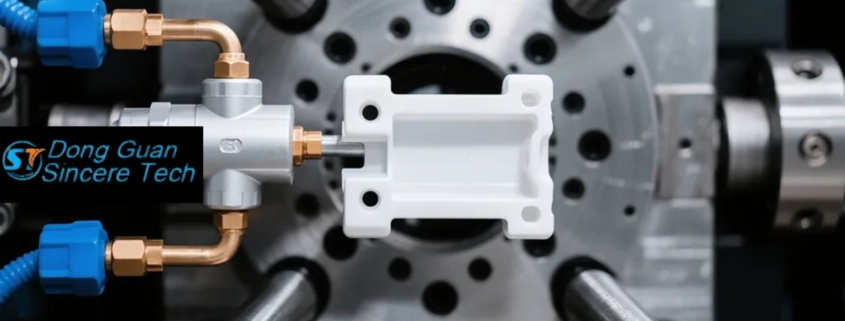
Design Flexibility

The fabrication of complex designs through the assistance of insert moulding would be difficult to produce through conventional assembly. It is possible to have metal and plastic being used in a novel combination to fulfil functional requirements.

Cost-Effectiveness

Insert molding will also reduce waste of materials, as well as assembly costs in large volumes of production. It improves effectiveness and overall quality of products, therefore long-term cost-effective.

The applications of the Insert Moulding

Автомобильная промышленность

The automobile industry is a typical application of формовка вкладышей. Plastic components have metal inserts, which provide the component, like brackets, engine parts, and connectors, with strength. This will render assembly less and durability more.

Электроника

Electronics. The benefit of insert molding here is that it is possible to add connectors, sensors, and circuits to a plastic casing. This will guarantee the safety of the fragile components and make the assembly process relatively easy.

Медицинские приборы

The technology of insert molding is highly used in medical apparatuses that demand a high degree of accuracy and longevity. This is applied in the production of surgical equipment, diagnostic equipment, and durable plastic-metal combinations.

Потребительские товары

Consumer goods like power tools, appliances, and sports equipment are mostly molded with insert molding. It reinforces and simplifies the assembly of the process, and it makes ergonomic or complex designs possible.

Industrial Applications, Aerospace.

Сайт формовка вкладышей is also used in heavy industries and aerospace. High-performance plastics that are filled with metal have light and strong components that are heat-resistant and wear-resistant.

Materials Used

The action of the insert mode of molding requires the appropriate materials for the plastic and the insert. The choice will lead to power, stability, and output.

The Advantages of the Insert Moulding

Metal Inserts

The use of metal inserts is normally done because they are rough and durable. It comprises mainly steel, brass, and aluminium. In parts with a load, steel can be used, brass cannot be corroded, and aluminum is light.

Plastic Inserts

Plastic inserts are corrosion-resistant and light. They are used in low-load applications or applications in parts that are non-conductive. Plastic inserts can also be shaped into complex shapes.

The Ceramic and Composite Inserts.

Ceramic and composite inserts are used to obtain heat, wear, or chemical resistance. They are normally employed in aerospace, medical, and industrial fields. Ceramics are resistant to high temperatures, and composites are also stiff yet have low thermal expansion.

Thermoplastic Overmolds

The surroundings of the insert are a thermoplastic that is generally a plastic. Available options include ABS, Nylon, Polycarbonate, PEEK, Polypropylene, Polyethylene, TPU, and TPE. ABS is moldable, stable, Nylon is flexible and strong, and Polycarbonate is an impact-resistant material. TPU and TPE are soft and rubbery materials that are used as seals or grips.

Совместимость материалов

Plastic and metal are supposed to grow in ratio to one another in order to eliminate strain or deformation. The plastics must be glued to the insert in case they should not separate. In plastic inserts, the overmold material should acquire adhesive to ensure that it becomes strong.

Material Selection Tips

Consider the load, temperature, chemical, and part design exposure. The metal inserts are durable, the plastic inserts are lightweight, and the ceramics can withstand extreme conditions. The overmold material must have the capability of meeting all the functional requirements. 

Cost Analysis

The inserted plastic will enable the saving of the money that would have been utilized in the attachment of the single parts. The decrease in the assembly levels will mean a decrease in the number of labourers and a faster production speed.
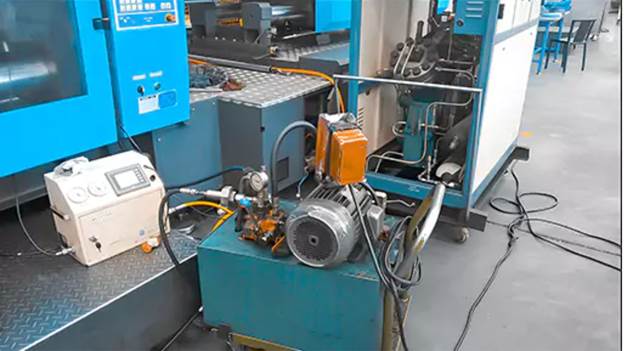
Initial costs of moulding and tooling are higher. Multiplex molds having a set of inserts in a certain position are more expensive. However, the unit cost is lower when the level of production is large.

Choice of material is also a factor of cost. Plastic inserts are less expensive than metal inserts. PEEK is a high-performance plastic that is costly in comparison to the widely used plastics, including ABS or polypropylene.

Overall, the price of insert moulding will be minimal in the medium to high volume of production. It will save assembly time, improve the quality of the parts, and reduce long term cost of production.

The problems with the Molding of Inserts

Despite the high efficacy of the insert molding, it has its problems, too:

Thermal Expansion: We will have rate differences and therefore warp in metal and plastic.

Insert Movement: Inserts can move, already in the injection process, unless firmly fixed.

Material Compatibility: Not all plastics can be compatible with all metals.

Small Run Mould tooling and set-up Cost: Mould tooling and set-up can be expensive at very small quantities.

These problems are reduced to a minimum by designing well, mould preparation, and process control.

Будущее литья со вставками

The insert moulding is in the development stage. New materials, improved machines, and automation are being used to increase efficiency, and 3D printing and hybrid manufacturing processes are also becoming opportunities. Its ability to produce lightweight, strong, and precise parts due to the necessity of the parts is that the insert moulding will be a significant production process.

The Advantages of the Insert Moulding

When it comes to Assistance with Sincere Tech

In the case of insert moulding and overmoulding, we offer high-quality, correct, and reliable moulding solutions of moulding at Sincere Tech. Our technology and hand-craft workers will ensure that every part will be as per your specification. We are strong in the long-lasting, complicated, and economical automobile, electronic, medical, and consumer goods moulds. Your manufacturing process is easy and efficient, and this is due to our turnaround times and great customer service. You are moving to Sincere Tech, and with the company will work in line with precision, quality, and your success. Trust us and have your designs come true for us correctly, dependably, and to industry standards.

Заключение

Insert moulding is a production process that is flexible and effective. It allows designers to employ a single powerful component that is a combination of metal and plastic. The use of insert moulding in industries over the years is due to its advantages that include power, precision, and low cost. But it is getting more confident along with the advancements in materials and automation. The solution to manufacturing by insert molding is time saving, cost reduction, and high-quality products in the context of modern manufacturing.

Литье акрила под давлением: Полное руководство

Литье акрила под давлением можно определить как новую технологию производства пластиковых изделий высокого качества. Эта технология находит широкое применение в автомобильной промышленности, здравоохранении, производстве потребительских товаров и электроники. Она особенно известна тем, что позволяет создавать прозрачные, прочные и привлекательные изделия.

Китай является основной частью бизнеса по производству акриловых форм. В Китае имеется большое количество заводов, которые производят высококачественные акриловые формы и детали. Они предлагают экономически эффективное, надежное и масштабируемое производство для международных рынков.

В этой статье рассматривается процесс литья под давлением, типы пресс-форм, области применения и лучшие практики литья акрила под давлением.

Оглавление

Что такое литье акрила под давлением?

Литье акрила под давлением это технология производства самолетов, при которой акриловый пластик нагревается до расплавления, а затем впрыскивается в форму. Пластик отверждается и застывает в заданной форме. Этот процесс очень полезен при крупномасштабном производстве сложных и последовательных деталей.

Акриловые гранулы небольшого размера используются в качестве исходного пищевого материала. Их засыпают в нагретую бочку, пока они не расплавятся. Затем расплавленный акрил впрыскивается в форму высокого давления с помощью акриловых пресс-форм. Формы охлаждаются, открываются, и готовый продукт выбрасывается на поверхность.

В отличие от других методов формовки, этот процесс быстрый, точный и экономичный. Он подходит для производств, где требуется количество продукции без ущерба для качества.

Что такое литье акрила под давлением?

Преимущества акрилового литья

У акрилового литья есть множество преимуществ.

  • Большая прозрачность: Акриловые изделия очень прозрачны. Они часто применяются в ситуациях, когда необходимо быть визуальным.
  • Долговечность: Акрил прочен и устойчив к царапинам.
  • Сложные формы: Из него можно создавать сложные конструкции, которые трудно выполнить из других пластиков.
  • Экономичность: После создания форм за короткое время можно изготовить тысячи изделий, что делает процесс менее затратным.
  • Последовательность: Каждая партия ничем не отличается от предыдущей, а качество гарантировано при больших объемах.

Акриловое литье отличается быстротой и точностью, а значит, является отличным вариантом для тех отраслей, где требуется качество и скорость.

Акриловое литье под давлением было обнаружено

В середине XX века производители начали разрабатывать процесс литья акрила под давлением, поскольку хотели найти более быстрый и точный способ придания формы ПММА. Ранее в качестве основного процесса литья акрила использовалось литье, которое было медленным и трудоемким процессом.

Машины, способные расплавлять акриловые гранулы при температуре 230-280 °C и впрыскивать их в небольшие акриловые формы, были изобретены инженерами в Германии и США в 1940-1950-х годах. Это изобретение позволило изготавливать сложные и высококачественные детали, имеющие одинаковые размеры.

Техника инжекции акрила для производства того, что сегодня известно как литье акрила, изменила такие отрасли, как автомобилестроение, производство медицинских приборов и потребительских товаров. Формование акрилового пластика не только сократило время, но и повысило эффективность, а также позволило изготавливать детали с жесткими допусками (+-0,1 мм) и оптически прозрачные (светопропускание >90%).

Акриловое литье под давлением было обнаружено

Типы акриловых форм

Существует несколько типов акриловых форм, каждая модель изготавливается в зависимости от характера производства и сложности изделия. Выбор подходящего типа гарантирует результат высокого качества и эффективности при литье акрила.

Однополостные пресс-формы

 Одногнездные пресс-формы предназначены для изготовления одной детали после каждого цикла впрыска. Они могут использоваться при небольших объемах производства или в прототипических проектах. В одногнездных пресс-формах процесс литья акрилового материала под давлением осуществляется с использованием рассматриваемого термина, чтобы не сталкиваться с проблемой неправильной формы и нечетких поверхностей.

Многопустотные формы

 Многогнездные пресс-формы способны изготавливать множество экземпляров за один цикл. Это делает их идеально подходящими для массового производства. Многогнездные формы часто отливают из акрила, чтобы добиться однородности и сократить время производства.

Семейные формочки

За один цикл семейные пресс-формы производят несколько различных деталей. Этот тип практичен при изготовлении компонентов, составляющих сборку изделия. Семейные пресс-формы могут использовать акриловый пластик, который позволяет изготавливать несколько деталей одновременно, что экономит время и средства.

Формы для горячего бега

Формы Hot runner позволяют удерживать пластик в каналах для минимизации потерь и повышения эффективности. В системах горячего прогона используются акриловые формы, которые позволяют получать высокоточные изделия с гладкой поверхностью и меньшим количеством дефектов.

Формы для холодной обкатки

В пресс-формах с холодной обкаткой используются каналы, которые охлаждаются вместе с формуемой деталью. Они менее затратны и более просты в производстве. Многие мелкие и средние производители предпочитают использовать акриловое литье с помощью пресс-форм с холодной бегущей строкой, чтобы сделать свое производство более дешевым.

Выбор подходящего типа так называемых акриловых пресс-форм определяется объемом производства, дизайном изделия и бюджетом. Правильный выбор пресс-форм приводит к повышению производительности литья акрила под давлением и получению готовых изделий высокого качества.

Техника литья акриловых пластмасс

Литье акриловых пластмасс - это процесс преобразования акриловых веществ в полезные и привлекательные предметы с помощью нескольких методов. Оба подхода имеют свои преимущества, которые определяются дизайном, объемом производства и потребностями изделия.

Техника литья акриловых пластмасс

Литье под давлением

Самый популярный из них, называемый литьем акрила под давлением, заключается в нагревании акриловых субъединиц, называемых акриловыми гранулами, до расплавления и их впрыскивании в акриловые формы. После охлаждения пластик застывает в нужной форме. Это лучший метод для изготовления высокоточных изделий в огромных количествах.

Компрессионное формование

 Акриловые листы помещают в горячую форму и прижимают к ней при компрессионном формовании. Эта техника может применяться для изготовления толстых секций и простых конструкций. Компрессионное формование акрила используется для придания ему равномерной толщины и прочности.

Экструзия

Длинные непрерывные профили изготавливаются методом экструзии, когда расплавленный акрил заливается в форму. Методом экструзии акриловое литье используется для изготовления таких изделий, как трубы, стержни и листы. Она применяется даже в поперечном сечении и на поверхностях.

Термоформование

При термоформовке акриловые листы нагреваются до податливости и формируются в форме с помощью вакуума или давления. Этот подход хорошо работает как с огромными, так и с не очень огромными изделиями. Термоформовка - это метод изготовления малых и средних объемов форм из акрилового пластика по достаточно низкой цене.

Вращательное формование

Вращательное формование также используется с акрилом, но форма вращается во время нагрева, чтобы равномерно покрыть внутреннюю поверхность формы. С помощью этой техники можно эффективно создавать формы с углублениями. Ротационные формы позволяют гибко формовать акрил, подгоняя его под определенный дизайн.

Процесс литья акрила

Формовка акрила - это важный и технический процесс, с помощью которого сырой акриловый материал превращается в готовые детали высокого качества. Процедура включает в себя несколько процессов, и каждый из них подразумевает точный контроль температуры, давления и времени для достижения оптимального результата в процессе литья акрила.

Процесс литья акрила

Подготовка материалов

Реакция начинается с акриловых гранул высокого качества, которые могут быть разного размера (обычно 2-5 мм в диаметре). Содержание влаги в гранулах должно быть менее 0,2, дальнейшая влажность может привести к образованию пузырьков в процессе формования. Перед использованием гранулы обычно сушат в бункерной сушилке при температуре 80-90 градусов С не менее 2-4 часов.

Плавление и инжекция

Высушенные гранулы вводятся в бочку термопластавтомата. Температура в бочке поддерживается на уровне 230-280 °C, в зависимости от используемой марки акрила. Гранулы расплавляются шнековым механизмом с образованием однородной акриловой смеси в расплавленном виде.

После расплавления акрил впрыскивается под высоким давлением - обычно 70-120 МПа - в акриловые формы. Время впрыска зависит от размера детали, для маленьких и средних деталей требуется от 5 до 20 секунд.

Охлаждение

После впрыска акрила под давлением устанавливается пресс-форма, в которой происходит остывание и застывание. Время охлаждения зависит от толщины деталей:

  • Толщина 1-2 мм: 15-20 секунд
  • Толщина 3-5 мм: 25-40 секунд
  • Толщина более 5 мм: 45-60 секунд

Охлаждение необходимо для устранения коробления, усадки или дефектов поверхности. Для поддержания температуры в требуемых пределах в пресс-формах могут использоваться водопроводные трубы или масляное охлаждение.

Открытие и выталкивание пресс-формы

После охлаждения форму открывают, и деталь извлекается с помощью механических или гидравлических выталкивающих штифтов. Следует отметить, что сила выталкивания должна быть ограничена, чтобы не повредить поверхность и не деформировать ее.

Постобработка

Деталь также может пройти через такие финишные процедуры, как обрезка или полировка детали после выброса, или отжиг. Старение при температуре 80-100 градусов Цельсия в течение 1-2 часов способствует снятию внутренних напряжений и повышению прозрачности и прочности.

Проверка качества

Отдельные компоненты проверяются на наличие таких дефектов, как пузырьки воздуха, коробление и нарушение размеров. Для этого используются штангенциркули или проводится лазерное сканирование, а при работе с высокоточными компонентами допускается отклонение в пределах + 0,1 мм. Применение литья из акрилового пластика, отличающегося высоким качеством, позволило обеспечить соответствие всей продукции промышленным стандартам.

Сводка параметров процесса:

ШагПараметрЗначение
СушкаТемпература80-90°C
СушкаПродолжительность2-4 часа
Температура стволаРасплавить акрил230-280°C
Давление впрыска70-120 МПа
Время охлажденияТолщина 1-2 мм15-20 сек
Время охлажденияТолщина 3-5 мм25-40 сек
Время охлажденияТолщина >5 мм45-60 сек
ОтжигТемпература80-100°C
ОтжигПродолжительность1-2 часа
Допуск на размеры±0,1 мм

Литье акрила, обладающее следующими технологическими характеристиками, гарантирует качество, точность и эффективность каждого изделия. Процесс литья акрила под давлением может быть использован для производства четких, прочных и точных по размерам компонентов благодаря использованию оптимизированных условий, которые обеспечивают стабильное производство компонентов.

Применение акрилового литья под давлением

Литье акрила под давлением широко применяется в отраслях, где требуется точность, четкость и долговечность.

Применение акрилового литья под давлением

Автомобильная промышленность

Задние фонари, приборные панели и отделка изготавливаются в акриловых формах. Толщина деталей обычно составляет 1,5-5 мм, а температурный диапазон - от -40 °C до 80 °C. Четкость и долговечность гарантированы акрилом Molding.

Здравоохранение и медицинское оборудование.

Лабораторное оборудование, крышки для приборов и защитные экраны изготавливаются методом литья из акрилового пластика. Требуются детали с допусками +-0,1 мм и возможностью стерилизации. Литье акрила под давлением обеспечивает гладкие и правильные поверхности.

Бытовая электроника

Чехлы для смартфонов, корпуса светодиодов и защитные экраны отливаются из акрила. Детали должны иметь блеск поверхности более 90% и точные размеры.

Амфетамин, метамфетамин и амфетамины в бытовых и декоративных изделиях.

Такие изделия, как косметические контейнеры, витрины и панели, производятся с помощью так называемого акрилового пластика. Средняя толщина варьируется от 2 до 8 мм, что обеспечивает ровную отделку с гладкой, прозрачной и цветной поверхностью.

Электрические компоненты, освещение и оптика.

Литье акрила под давлением используется для изготовления светодиодных линз, рассеивателей света и вывесок. Детали обеспечивают светопропускание более 90% при определенных углах и толщине.

Промышленное оборудование

Используются защитные кожухи машин, приборные панели и прозрачные контейнеры, которые изготавливаются на основе акрилового литья. Компоненты должны обладать ударной прочностью 15-20 кДж/м2 и быть прозрачными.

Типовые применения
Эта система применяется в ситуациях, когда государство контролирует все основные характеристики медицинских услуг, такие как качество, стоимость и доступность, а также объем предоставляемых услуг.

Промышленность

  • Примеры продуктов
  • Основные характеристики
  • Автомобили
  • Задние фонари, приборные панели
  • толщина 1,5-5 мм, температура 40 °C - 80 °C

Здравоохранение

  • Штативы для пробирок, щиты
  • Допуск -0,1 мм, устойчив к стерилизации.

Электроника

  • Крышки, корпуса
  • Глянец поверхности 90, стабильность размеров.

Потребительские товары

  • Контейнеры для косметики, выставочные коробки.
  • Толщина 2-8 мм, гладкая поверхность
  • Освещение
  • Светодиодные линзы, рассеиватели
  • Светопропускание более 90, точная геометрия.
  • Промышленность
  • Охранники, контейнеры
  • Ударная прочность 15-20 кДж/м 2, прозрачный.

Контроль качества литья акрила

При литье акрила качество очень важно для того, чтобы детали соответствовали стандартам. Некоторые незначительные дефекты могут повлиять на производительность и внешний вид.

Проверка деталей

Все компоненты проверяются на отсутствие пузырьков воздуха, изгибов и царапин на поверхности. Для измерения используются штангенциркули или лазерные сканеры, чтобы допуск не превышал +-0,1 мм. Процесс литья акрила под давлением зависит от регулярных проверок как способа обеспечения высокого качества продукции.

Уход за плесенью

Предотвратить появление дефектов и продлить срок службы пресс-формы можно, регулярно проводя ее очистку и осмотр. Старые формы могут привести к неточностям в размерах или неровным поверхностям.

Мониторинг процессов

В процессе литья акрила постоянно проверяются температура, давление и время охлаждения. Во избежание ошибок температура в бочках составляет в среднем 230-280°C, а давление впрыска - от 70 до 120 Мпа.

Окончательное тестирование

Полные компоненты проверяются с помощью функциональных и визуальных тестов. Например, оптические компоненты должны быть проверены на пропускание света (более 90 процентов), а структурные части - на ударную прочность (15-20 кДж/м2).

Этого можно достичь, строго следя за качеством конечного продукта, чтобы создать надежные, точные и эстетически безупречные отдельные детали из акрилового пластика.

Выбор подходящего альянса для литья акрила под давлением

Когда речь идет о высококачественном производстве, правильный выбор производителя акрилового литья под давлением имеет решающее значение.

Выбор подходящего альянса для литья акрила под давлением

Опыт и знания

Найдите партнеров, которые имеют опыт в литье акрила и акрилового литья. Опытные инженеры смогут максимально оптимизировать конструкцию пресс-формы, впрыск и отделку в соответствии с техническими требованиями.

Оборудование и технологии

Инновационные машины, регулирующие температуру (230-280 °C), давление впрыска (70-120 Мпа), позволяют повысить консистенцию продукта. Ошибки и отходы сводятся к минимуму с помощью высококачественных акриловых форм и автоматизированных систем.

Обеспечение качества

Когда речь идет о надежном поставщике, он включает в себя тщательную проверку деталей, например, проверку размеров (в пределах допуска -0,1 мм) и проверку поверхности. При правильном контроле качества гарантируется, что компоненты акрилового пластика будут четкими, долговечными и без дефектов.

Общение и поддержка

Хорошие производители взаимодействуют в процессе проектирования и производства. Они помогают в оптимизации пресс-форм, предлагают материалы и оптимизируют время цикла изготовления материалов.

Советы по успешному литью акрила

Чтобы получить высококачественные, точные и долговечные детали, рекомендуется следовать передовым методам литья акрила.

Советы по успешному литью акрила

Используйте высококачественный материал

Начните с акриловых гранул размером 2-5 мм с содержанием влаги менее 0,2. Сушка при 80-90°C 2-4 часа помогает устранить пузырьки и дефекты поверхности при формовке акрила.

Оптимизация конструкции пресс-формы

Создайте соответствующую вентиляционную конструкцию и спроектируйте акриловые формы с соответствующими каналами охлаждения и точками впрыска. Это минимизирует деформацию, сжатие и время цикла в процессе литья акрила под давлением.

Параметры процесса управления

Поддерживайте температуру бочки на уровне 230-280 °C и давление впрыска 70-120 Мпа. Время охлаждения должно быть эквивалентно толщине детали:

  • 1-2 мм - 15-20 сек
  • 3-5 мм - 25-40 сек
  • 5 мм - 45-60 сек

Регулярно осматривайте

Проверьте размеры деталей (максимальная погрешность в размерах 0,1 мм), наличие светлых пятен и оптическую чистоту (пропускание более 90%). Преимущество литья акриловых пластмасс заключается в возможности последовательного контроля.

Поддерживайте формы

Мойте и чистите формы, чтобы избежать износа и обеспечить бесперебойное и стабильное производство. Литой акрил повышает эффективность и качество деталей.

Все эти советы позволят сделать процесс литья акрила под давлением уверенным, не менее привлекательным, а компоненты - идеально правильными каждый раз.

Распространенные дефекты и их предотвращение

Дефекты могут возникнуть даже в случае точного литья акрила под давлением. Знание причин и способов их устранения гарантирует качество акрилового литья.

Распространенные дефекты и их предотвращение

Пузырьки воздуха

Any air present in acrylic molds may produce bubbles on the surface.

Recommendation: Drying of acrylic NP with less than 0.2 percent moisture, correct ventilation of molds, and injection pressure of 70-120 Mackey’s.

Искривление

Warping occurs, whereby the parts do not cool equally, hence they are distorted.

Resolution: homogeneous cooling channels, temperature of part, and part cooling time depending on part thickness (e.g., 1-2 mm – 15-20 sec, 3-5 mm – 25-40 sec).

Маркировка раковины

The sink marks are formed when the thick parts contract during cooling.

Solution: maximize the wall thickness, packing pressure, and adequate cooling rates in molding acrylic.

Короткие выстрелы

Short shots occur when the molten acrylic fails to fill the mold.

Resolution: Turn on more pressure in the injection press, clear blockages in acrylic molds, and verify correct barrel temperature (230-280 °C).

Surface Defects

Rough or scratches decrease transparency in acrylic plastic molding.

Remedy: Polish molds, do not use too much ejection power, and keep processing areas clean.

Outlook of Acrylic Injection Molding

Technology, efficiency, and sustainability are the future of acrylic injection molding.

Outlook of Acrylic Injection Molding

Advanced Automation

The acrylic molding is becoming more and more automated and robotic. Temperatures (230-280°C) and injection pressures (70-120 Mpa) can be controlled with accuracy by machines. Automation in the production of acrylic by molding lowers human error and enhances the cycle times.

3D Printing and Prototyping

The molds in the acrylic prototype are accomplished by 3D printing within a limited time. This allows the engineers to carry out experimentation with designs and optimization of molds before the production is done in full. Acrylic plastic molding is faster and cheaper due to the quick prototyping.

Sustainable Materials

It is becoming a norm to recycle the acrylic waste and develop materials that are friendly to the environment. Pellets recycled in the production of acrylic products under the injection molding process will result in a reduced environmental impact, though it will not impact the quality of the product.

Improved Product Quality

In the future, there will be increased optical clarity (>90 percent light transmission), surface finish, and dimensional controls (+-0.1 mm) in what is termed acrylic molding. This strengthens products, making them clearer and more precise.

Industry Growth

With the growing need for durable, lightweight, and clear products, the market will be broadening on the activities of molding acrylic in the automotive, medical, electronic, and consumer goods sectors.

Through technology and sustainability adoption, acrylic injection molding will continue to be one of the manufacturing processes used in high-quality and efficient production.

Sincere Tech: Your Reliable Provider of Acrylic Injection Molding.

Sincere Tech (Plas.co) offers services of precision plastic molding and acrylic литьё под давлением, which can be trusted. We have strong, accurate, and appealing parts, which are guaranteed by our high-technology and skilled workforce. We deal with custom-made acrylic molds and solutions that we make according to your design specifications.

Wholesome and Trustworthy Solutions.

We perform one-stop shopping prototype and product design up to large-scale production. You will be handling high-quality, durable, and reliable parts in our hands with our experience in acrylic molding and molding acrylic.

Reason to select Sincere Tech (Plas.co)?

The examples of our work can be viewed at https://plas.co. If you are seeking the best in terms of quality, precision, and good service, then Sincere Tech (Plas.co) is your partner when you are in search of the best in molding solutions.

Заключение

Acrylic molding and acrylic injection molding are essential processes in the current production. They provide quality, long-lasting, and fashionable products that can be used in most industries. It is efficient and reliable, starting with the design of acrylic molds, to the creation of the consistent parts.
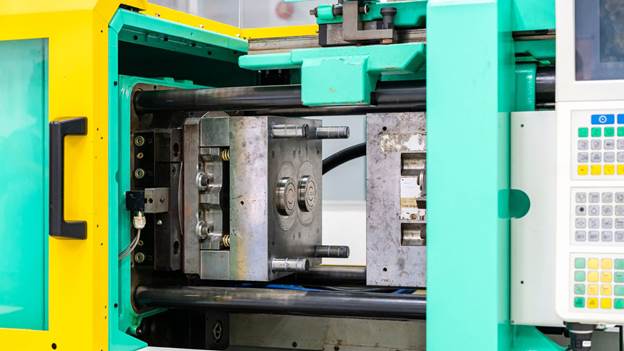
When manufacturers adhere to the best practices and select the appropriate partner, high-quality products can be produced with the help of the use of molding acrylic. The further maturation of technology means that acrylic injection molding will be one of the most important in the development of innovative, accurate, and aesthetic products.

Все, что нужно знать о литье под давлением стеклонаполненного нейлона

Glass-filled nylon Injection molding is a very important process in present-day manufacturing. The process is an integration of the plastics that are flexible and strong like glass fibres, giving rise to lightweight, strong, and accurate parts. High-stress and high-temperature components. A considerable number of industries can utilize glass-filled nylon injection molding to produce high-stress and high-temperature components with a consistent quality.
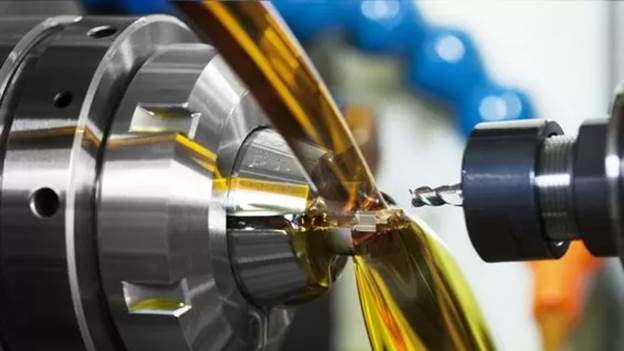
Manufacturers use this material since it enables them to produce in large volumes without compromising on performance. In the modern day, automotive, electronics, and industrial processes require this process to give them strong, reliable, and cost-effective components.

What is Glass Filled Nylon?

Polyamide reinforced material is glass-filled nylon. Nylon is mixed with small glass fibres to transform it into one with improved mechanical properties. The injection moulding of glass-filled nylon is used, which creates a part that would be harder, stronger and heat resistant as compared to plain nylon.

The inclusion of the glass fibres reduces the warping and shrinkage of the cooling process. It ensures the final product is of the right size, and this is vital in the fields of industry and automobiles.

What is Glass Filled Nylon?

The principal properties of the glass-filled nylon are:

  • High tensile strength
  • High levels of dimensional stability.
  • Hemolytic and chemolithic resistance.
  • Light in weight compared to metals.

The production of glass-filled nylon injection moulding guarantees not only the durability of the parts but also makes them cost-effective when it comes to mass production.

Physical, Chemical, and Mechanical Properties

The article titled Injection moulding glass-filled nylon is a mixture of nylon that has a high degree of flexibility and glass fibres, which have high strength and endow unique characteristics. Knowledge of these assists in creating credible components.

Physical Properties

  • Плотность: 1.2 -1.35 g/cm 3, which is slightly heavier than unfilled nylon.
  • Водопоглощение: 1-1.5% (30% glass-filled) falls as the content of fibres is raised.
  • Thermal Expansion: Low dimensional stability coefficient (1535 µm/m -C)

Chemical Properties

  • Resistance: High towards fuels, oils and most of the chemicals.
  • Воспламеняемость: A V-2 to V-0, depending on grade.
  • Corrosion: Not corrodible like metals, perfect in unfavorable environments.

Mechanical Properties

  • Прочность на разрыв: 120-180 Mpa and it depends on the fibre content.
  • Flexural Strength: 180–250 MPa.
  • Impact Resistance: Medium, and reducing with an increase in fibre content.
  • Stiffness: Stiffness is high (5 8Gpa), which offers stiff load-bearing components.
  • Wear Resistance: It is superior in gears, bearings and moving elements.

Процесс литья под давлением

Glass-filled nylon injection moulding is done by melting the composite material and then injecting it under high pressure into a mould. The procedure is divisible into several steps:

  • Preparation of the material: The composition of the proper quantity of glass fibre and Nylon pellets is mixed.
  • Melting and injection: The material is heated until melted, then it is forced through a mold.
  • Cooling: This is a solidification process whereby the fibres are fixed.
  • Ejection and finishing: The rudiment of the solid is taken out of the mould and is likely to be trimmed or polished.

The glass fibres in the injection molding glass filled nylon assist the part not to lose its shape and strength once it is cooled down. This is particularly needed in tightly toleranced and very complex designs.

Процесс литья под давлением

Advantages of Utilizing Glass-Filled Nylon

The material glass-filled nylon injection molding offers several benefits in comparison to a conventional material:

  • Strength and durability: Tensile and flexural strength are achieved with the use of glass fibre.
  • Heat resistance: This implies that the components can resist the high temperatures without deforming.
  • Dimensional accuracy: The lesser shrinkage is an assurance of the resemblance of different batches.
  • Легкий вес: The material is strong, but upon being made lightweight, it becomes more efficient in automotive and aerospace uses.
  • Cost efficiency: Shorter production time and reduced waste would lower the costs.

On the whole, the term injection moulding glass-filled nylon enables makers of high-performance parts to create their parts efficiently and address the needs of the modern industry.

Glass Filled Nylon Processing Tips

When injecting glass-filled nylon, it is important to pay attention to the behavior of the material and the settings of the machine. Flow, cooling and thermal properties are altered by the presence of glass fibers. When the correct instructions are followed, the glass-filled nylon injection molding could result in robust, accurat,e and flawless components.

Glass Filled Nylon Processing Tips

Подготовка материалов

Glass-filled nylon is easily used as a moisture-absorbing material. Wet material may lead to bubbles, voids and bad surface finish. Dry the material at 80–100 °C in 46 hours. Make sure that the glass fibres are not clumped together in the nylon in order to achieve uniform strength.

Температура расплава

Keep recommended nylon grade melt temperature:

  • PA6: 250–270°C
  • PA66: 280–300°C

Excessive temperature may ruin the nylon and spoil fibers whereas excessively low temperature causes poor flow and inadequate filling in injection moulding glass-filled nylon.

Injection Pressure and Speed

Moderate injection rate and pressure: 70 -120 Mpa is normal. Quick injection can deform fibres and cause stress within fibres. Appropriate speed not only allows smooth flow but also produces consistent fibre orientation, leading to stronger parts.
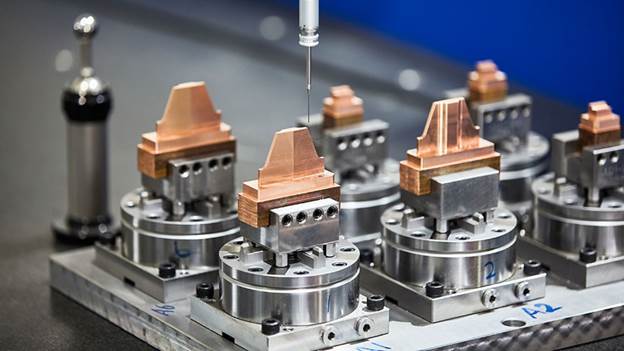
Температура пресс-формы

Surface finish and dimensional accuracy depend on the temperature of the mould. Maintain 80–100°C. The low temperatures of the mould can produce warping and sink marks, whereas high temperatures enhance the flow and reduce the cycle time.

Время охлаждения

Wall thickness should be equal to the cooling time. Makes it too short and it warps, too long and it makes it less efficient. Proper cooling channels assist in ensuring that there is uniform cooling and accurate dimensions in the  glass-filled nylon injection moulding.

This is what happens to it upon being ejected and post-processing

Use 1 -2 degrees draft angles to achieve smooth ejection. It is important to avoid too much force of ejection capable of pulling fibres or snapping part. After processing, there could be trimming, polishing or annealing to resolve internal stress.

Fiber Content Consideration

The content of glass fiber is usually 30 50% in weight. An increase in fiber content enhances strength, stiffness and heat tolerance, but decreases impact toughness. Control parameters of processing to avoid defects by adjusting to fiber content.

Potential Glass-Filled Nylon Substitutes

Though, the glass-filled nylon with an injection moulding is strong and durable, sometimes there are better materials to use in certain requirements.
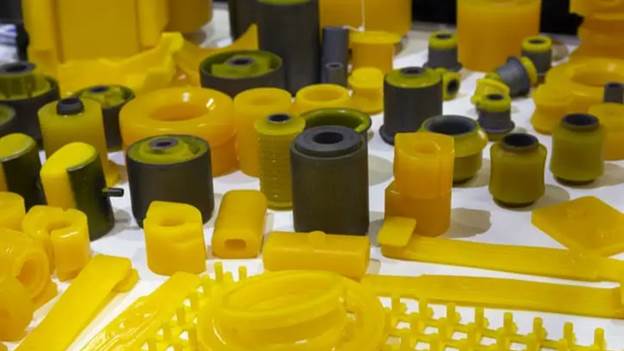
  • Unfilled Nylon (PA6/PA66): Nylon is lightweight, cheaper and simpler to work with, and it is recommended in low-stress work, but is not as stiff as glass-filled nylon.
  • Поликарбонат (PC): Impact strength and heat resistance are high, and stiffness is less than that of glass-filled nylon injection molding.
  • Polyphenylene Sulfide (PPS): This is very strong in both chemical and heat resistance and can be used in high temperature applications at the expense of.
  • Acetal (POM): Dimensional stability, low friction and weak in heat resistance and stiffness.
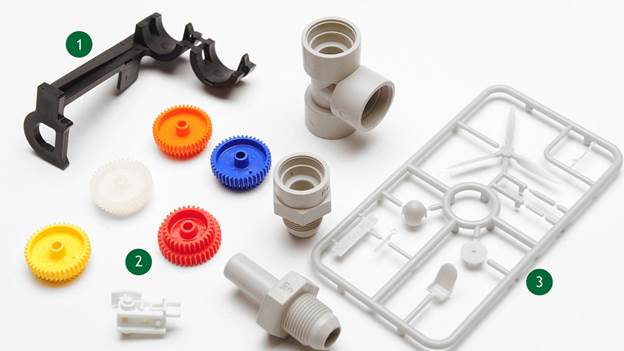
  • Fiber-Reinforced Composites: Carbon or aramid reinforcing fibres are stronger, stiffer, more complicated and costly to process.
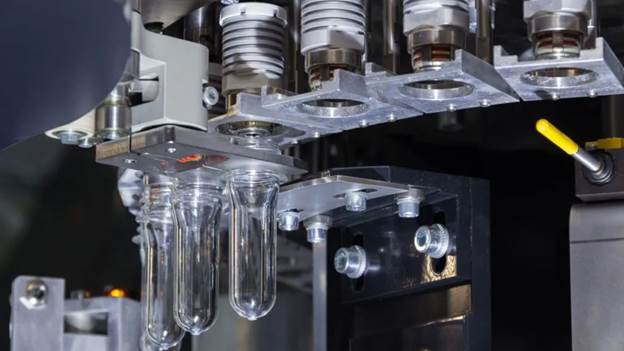
Potential Glass-Filled Nylon Substitutes

Glass Filled Nylon Properties

The glass-filled nylon in the form of injection molding is preferred due to the good mechanical and thermal properties it has, which qualify it to withstand the demanding nature of the applications. The addition of nylon with glass fibres increases the strength, rigidity, and dimensional stability of the material. Here are the main properties:

High Tensile Strength

Nylon-containing glasses are resistant to high pulling and stretching forces. This renders glass-filled nylon injection moulding suitable for structural components in automotive and industrial applications.

Excellent Heat Resistance

Glass fibers enhance thermal stability so that parts can be strong at high temperatures. This is crucial to the elements that are exposed to engine heat or electronic equipment.

Dimensional Stability

The glass fibers minimize the contraction and deformation during cooling. The process of Injection molding glass-filled nylon creates the parts that do not lose their shape and accurate measurements even in complex designs.

Improved Stiffness

Glass-filled nylon is stiffer than normal nylon and is not likely to bend when under pressure. This suits it with gears, brackets and mechanical housings.

Fashion and Friction Resistance

Glass fibers also increase the abrasion resistance, thus decreasing wear on the moving parts. The service life of components is prolonged by using the glass-filled nylon injection molding which is especially applicable in high-friction environments.

Lightweight

Though it is powerful, glass-filled nylon is significantly lighter than metal products, hence it is used in automotive components, aerospace, and electronic products where weight reduction is important.

Химическая стойкость

Nylon is glass-filled and can withstand oils, fuels and most chemicals and is thus appropriate in harsh environments. This will guarantee durability in industry or automotive parts.

Types of Glass-Filled Nylon

Glass filled nylon has several types each intended to be used in a particular manner in injection molding glass filled nylon and glass filled nylon injection molding.

Types of Glass-Filled Nylon

PA6 with Glass Fill

Nylon 6 (PA6) that is reinforced with glass fibers is strong and stiff with wear resistance. It is mostly applied in industrial and car parts.

PA66 with Glass Fill

PA66 (Nylon 66) is more heat-resistant and has slightly better mechanical properties than PA6. It will be perfect in high-temperature applications such as engine components or electric housings.

PA6/PA66 Blends with Glass Fill

Blends combine the hardness of PA6 and the heat defiance of PA6,6, which gives a balance between strength, stiffness and dimensional stability.

Specialized Grades

Glass-filled nylons sometimes contain lubricants, flame-resistant materials or UV stabilizers to be used in electronics, outdoor parts, or safety gear.

Glass-Filled Nylon Injection Molding Uses

Glass-filled nylon injection molding is finding a lot of applications in a wide range of industries because of its strength, heat resistance and accuracy. Examples of its common uses are:

Glass-Filled Nylon Injection Molding Uses

Автомобили

  • Gears and bushings
  • Brackets and housings
  • Clips and fasteners

Электроника

  • Electrical connectors
  • Switch housings
  • Insulating components

Industrial Machinery

  • Wear-resistant parts
  • Machinery functional parts.

Потребительские товары

  • Appliance components
  • Sporting equipment
  • Durable casings

Applying nylon filled with glass in injection molding in these applications will guarantee good long and reliable work even in difficult conditions.

Glass Filled Nylon Injection Molding Design Guidelines

Components meant to be used in a glass filled nylon injection molding have to be designed with much care to ensure that the components are as strong as possible, precise and at the same time durable. 

Glass Filled Nylon Injection Molding Design Guidelines

Толщина стенок

  • Havea similar wall thickness to avoid sinking and warping.
  • Most glass-filled nylon parts should be recommended with a thickness of 2-5 m, depending on the load requirement.

Very fine sections should be avoided as they can lead to weakening of the fiber structure and thick sections should be avoided as they can lead to uneven cooling and internal stresses.

Corner Radii

  • Sharp corners should be replaced by rounded ones.
  • Stress concentration is minimized with a radius of between 0.5 and 1.5 times the wall thickness.
  • Injection molding glass filled nylon has sharp edges that may cause fiber breakages or cracks.

Rib Design

  • Ribs do not add material, and they make the product stiffer.
  • Maintenance of ribs 50 to 60% of the adjacent wall.
  • The height of the ribs must not be more than 3 times the thickness of the wall; otherwise, sink marks and warpage will occur.

Correct rib design enhances strength and dimensional stability in nylon injection molding that is filled with glass.

Boss Design

  • The screw attachments are done with bosses.
  • Have a ratio of thickness 1:1 of the wall and fillets on the bottom.

Long thin bosses are to be avoided because they can become warped during curing with glasses filled nylon injection moulding.

Углы наклона

  • Never leave out a draft angle so that they can easily be ejected from the mould.
  • Vertical walls should have a minimum draft of 1-2 degrees on each side.

Scratches, deformation, of fiber pull-out during demolding can be avoided in the process of proper drafting.

Orientation of Fiber Flexibility.

  • The glass fibers in injection molding glass filled nylon are so oriented that they move down the direction of the flow when injecting.
  • Get design details such that the paths of stress are parallel and normal to the fiber to achieve maximum strength.

Features leading to fibers bunching or misaligning should be avoided as they may result in a decrease in mechanical performance.

Усадка и деформация

Glass-filled nylon also shrinks less compared with unfilled nylon, yet unequal thickness of the wall may lead to warping.

Varying wall thickness, ribs, and inadequate cooling channels should be used to ensure minimum dimensional variation.

Отделка поверхности

  • This may cause the surface to be a little bit rougher because of the presence of glass fibers.
  • Apply polished molds or post-processing in case a smooth finish is very important.
  • Do not polish too much, so as not to disorient fibers in glass filled nylon injection molding.

Popular Complications and Remedies

Although the injection molded glass filled nylon is effective, it presents some challenges:

  • Fiber rupture: happens when shearing is excessive in mixing.
  • Remedy: Adjust mixing time and speed of the solution screws.
  • Distortion of parts: parts can be distorted due to uneven cooling.
  • Remedy: Fine-tune the temperature of the mould, and mould design.
  • Roughness of surfaces: fibres can provide uneven finishes.
  • Solution: Polish moulds and processes.
  • Water intake: nylon is a water absorber, and this influences the quality.
  • Solution: Before molding, the materials should be pre-dried.

The manufacturers would be capable of exploiting the maximum of glass-filled nylon by addressing these issues.

Considerations of the Environment and Cost

In certain instances, where metals are used, glass filled nylon injection moulding is more environmentally friendly:

  • Less energy use: lighter materials will minimize energy use in manufacturing.
  • Less material waste: scrap is minimized by accurate moulding.
  • Extended product life: durable parts require fewer replacements hence low environmental impact.

There is also the advantage of lowering costs through increased speed and decreased wastes, which means that injection molding glass filled nylon will be favorable choice in the large-scale production.

Best Practices by the Manufacturers

The best practices to make the use of glass filled nylon injection molding successful include:

  • Wipe off the pre-dry materials to avoid moisture-related defects of moisture.
  • Even fiber distribution Use appropriate screw design.
  • Maximize the temperature of moulds and injection rate.
  • Check the cooling of the monitor to ensure there is no warping.
  • Surfaces of high-quality moulds should be used.

It is by following these practices that high-quality and consistent parts with excellent performance will be achieved.

Future Trends

The application of glass filled nylon injection moulding is increasing because of:

  • More need for automotive lightweight parts.
  • Consumer electronics are of high-performance. Heat-resistant components that are used in industrial automation.

It is still being researched to be able to align the fiber better, lower the cycle time, and increase the time in which this material can be recycled, thus it can be even more beneficial in the future.

About Sincere Tech

Веб-сайт: https://plas.co

Sincere Tech is a reputable firm that offers services of plastic injection moulding. We are specialized in glass filled nylon injection molding.

What We Do

Our strong and accurate parts are used in automotive, electronic, and industrial applications. Each element is inspected to comply with the standards of high quality.

Why Choose Us

  • We produce long-lasting and high-quality parts.
  • Our personnel are highly qualified and professional.
  • We offer cost-effective and quick solutions.
  • We have given attention to customer satisfaction.

At Sincere Tech, we will provide quality products that satisfy you.

Заключение

Glass-filled nylon injection molding and injection molding glass filled nylon injection moulding are crucial processes in present-day manufacturing. These are strong, heat-resistant, dimensionally stable and cost-effective. Inan automobile, electronic or industrial machine, glass-filled nylon can be used to ensure high-performing, durable and reliable components. Manufacturers have been able to deliver high-quality and consistent results by using best practices, design, and process control. Glass-filled nylon injection molding has been one of the most viable and effective solutions to industry in terms of strength, lightweight and low cost.

Литье металлов под давлением: руководство по новой революции в производстве

Рост производства привел к тому, что литье металла под давлением стало одной из самых влиятельных технологий. Процессы модернизации в промышленности, такие как процесс литья под давлением MIM, в настоящее время зависят от этого процесса, в то время как глобальная эффективность растет за счет использования китайских решений для литья металла под давлением. Эти инструменты, такие как системы литья металла под давлением, очень эффективны в создании точного дизайна, а новые методы производства, такие как литье металла под давлением, позволяют производить мощные, сложные и надежные металлические компоненты. Самое главное, что изобретение технологии литья металлов под давлением изменило промышленный потенциал настолько, что сегодня компании достигли новых эталонов эффективности и качества.

Оглавление

Что такое литье металлов под давлением?

Литье металла под давлением

Литье металлов под давлением (MIM), также известный как литье металлов под давлением, - это инновационный процесс производства, сочетающий точность литья пластмасс под давлением с прочностью и стабильностью металлов. Он позволяет изготавливать сложные, небольшие и очень точные металлические детали, которые в противном случае было бы сложно или нерентабельно изготавливать с помощью обычных процессов механической обработки.

Эта технология стала основой современного производства, особенно в таких отраслях, как аэрокосмическая, автомобильная, медицинское оборудование, электроника и оборонная промышленность. Литье под давлением MIM позволяет производителям формировать сложные формы, минимизировать отходы материалов и обеспечивать высокое качество конечного результата.

Основные характеристики литья металлов под давлением

  • Комплексная геометрия: Возможность изготовления деталей таких форм, которые невозможно получить с помощью обычной обработки.
  • Высокая точность: Соблюдает строгие стандарты работы с ключевыми сотрудниками.
  • Эффективность материала: По сравнению с традиционной металлообработкой количество лома и отходов сведено к минимуму.
  • Масштабируемость: Он может поддерживать как мелкосерийное прототипирование, так и крупносерийное производство.
  • Экономичность: Сокращение трудозатрат и вторичных процессов, а также производство деталей, которые служат долго.

Китайское литье металлов под давлением на подъеме

Китайское литье металлов под давлением в последние годы является одним из мировых лидеров по производству прецизионных металлических деталей. Благодаря передовым технологиям, квалифицированным инженерам и конкурентоспособным производственным мощностям китайские производители стали привлекательными для предприятий по всему миру, которым требуются недорогие, но качественные металлические детали.

Появление в Китае литья металлов под давлением - это показатель технологического прорыва и долгосрочных инвестиций в существующие производственные мощности. Китай инвестировал в свои возможности в области литья под давлением MIM, и в сочетании с масштабируемым производством смог укрепить свое доминирующее положение в автомобильной, аэрокосмической, электронной, медицинской и оборонной промышленности.

Важные факторы, способствующие развитию китайского литья металлов под давлением 

Передовые технологии

Сайт Китайские производители Мы используем лучшее оборудование и автоматизированные производственные линии, благодаря чему обеспечивается точность и согласованность всех выпускаемых деталей.

Квалифицированная рабочая сила

Привлечение групп инженеров и техников, обладающих многолетним опытом в области разработки литья металлов под давлением, способствует оптимизации производства и повышению уровня качества.

Конкурентоспособность затрат

Производственные затраты в Китае относительно дешевы, поэтому китайское литье металла под давлением может рассматриваться в качестве жизнеспособной альтернативы для компаний, которым необходимо сократить расходы без ущерба для качества.

Быстрая масштабируемость

Китайские предприятия способны управлять как мелкими прототипами, так и крупномасштабным производством, поэтому они являются хорошим партнером для глобальных отраслей промышленности.

Глобальные стандарты качества

Современные китайские компании, занимающиеся литьем металлов под давлением, соответствуют международным стандартам, таким как ISO и RoHS, поэтому их продукция надежна и сертифицирована.

Процесс литья металла под давлением?

Литье металла под давлением

Литье металла под давлением - это сложный производственный процесс, который обеспечивает гибкость литья пластмассы под давлением с мощью и долговечностью металла. Он позволяет производителям изготавливать крошечные, сложные и чрезвычайно точные металлические детали, которые трудно или дорого сделать при обычной механической обработке.

В своей самой простой форме этот процесс основан на работе с мелкими металлическими порошками, связующими веществами и специальными пресс-формами. Литье под давлением MIM позволяет инженерам с легкостью изготавливать крупносерийные детали высокой сложности, которые при этом имеют хорошие, жесткие допуски и механические характеристики.

Шаг 1: Подготовка сырья

Начальный этап - подготовка исходного сырья, которое представляет собой смесь мелкодисперсных металлических порошков и полимерного связующего. Именно связующее вещество способствует течению металлического порошка в процессе впрыска и приданию детали формы до спекания.

Ключевые моменты:

  • Размер и распределение металлического порошка очень важны для качества конечной детали.
  • Выбор связующих веществ влияет на текучесть и разрыхление.
  • Однородное смешивание используется для обеспечения равномерной плотности и прочности каждой детали.

Для успешного литья металла под давлением необходимо правильно подготовить исходное сырье, чтобы все детали соответствовали строгим требованиям по размерам и характеристикам.

Шаг 2: Литье под давлением

Готовое сырье впрыскивается в так называемую металлическую форму для литья под давлением, после чего определяется форма и свойства детали. Конструкция пресс-формы очень важна для обеспечения высокой точности и предотвращения дефектов.

Преимущества литья под давлением в рамках MIM:

  • Придает самые сложные геометрические формы с минимальной вторичной обработкой.
  • Обеспечивает высокую точность при работе с большими объемами продукции.
  • Минимизация отходов по сравнению с традиционными методами обработки.

Именно в этот момент отформованная деталь называется "зеленой", в ней есть связующее вещество, но она недостаточно плотная. С помощью литья под давлением MIM производители могут изготавливать детали со сложным дизайном и очень узкими допусками, которые при других технологиях производства были бы затруднены.

Шаг 3: Скрепление

После формовки необходимо удалить связующее, что называется дебридингом. Этого можно достичь с помощью:

  • Термообработка: При нагревании компонента связующее вещество испаряется.
  • Растворитель для связывания: Связующее вещество, растворенное в химическом растворе.
  • Каталитическое дебиндинг: Катализатор используется для дебридинга при низких температурах.

Эффективное обезжиривание приводит к тому, что деталь не трескается и не деформируется, что очень важно для сохранения точности в процессе литья металла под давлением.

Шаг 4: Спекание

Компонент из дебаунда спекается при повышенной температуре, которая ниже температуры плавления металла. Во время спекания:

  • Частицы металлов плавятся вместе, образуя массу, которая становится прочнее.
  • Существует незначительная усадка, и это учитывается при проектировании формы.
  • Получаются окончательные механические свойства, включающие твердость и прочность на разрыв.

Спекание - это изменение детали, которая раньше была слабой зеленой деталью, а теперь стала полноценной высокопрочной деталью. Данный этап необходим для обеспечения надежности и долговечности изделий, изготовленных с помощью литья металлов под давлением.

Шаг 5: Постобработка и контроль качества.

После спекания детали могут подвергаться другим технологическим процессам, например:

  • Обработка поверхности (полировка, покрытие или гальванизация).
  • Обеспечение улучшенных качеств за счет нагрева.
  • Проверка на соответствие требованиям проекта.

Контроль качества гарантирует, что компоненты для литья металлов под давлением соответствуют промышленным стандартам и надежны в выбранной области применения.

Характеристики отличной металлической пресс-формы для литья под давлением 

Литье металла под давлением

Точность размеров

Качественное литье металла под давлением гарантирует точность размеров и равномерные допуски всех компонентов, произведенных методом литья металла под давлением. Точность сводит к минимуму вторичную обработку и важна для таких отраслей промышленности, как аэрокосмическая, автомобильная и медицинская.

Долговечность

Прочные пресс-формы изготавливаются из износостойких материалов, способных выдержать все циклы высокого давления и температуры. Прочные пресс-формы используются в китайском литье металлов под давлением для обеспечения эффективности производства и неизменного качества деталей.

Терморегулирование

Соответствующий термоконтроль предотвращает коробление и равномерное охлаждение в процессе литья под давлением MIM. Это обеспечивает равномерную плотность, прочность и отделку каждого компонента.

Простота обслуживания

Современные пресс-формы просты в обслуживании благодаря сменным деталям, которые минимизируют время простоя и увеличивают срок службы. Благодаря эффективному техническому обслуживанию производство литья металлов под давлением становится бесперебойным и надежным.

Сложная геометрия

Превосходные пресс-формы могут создавать сложные формы с тонкими стенками и мелкими деталями. Благодаря этому литье под давлением позволяет производить детали, которые невозможно изготовить обычными способами.

Литье металлов под давлением - мощь и инновации

Литье металла под давлением

Технологическая мощь

Литье металла под давлением - это высокоточный и сложный производственный и инженерный процесс, который позволяет промышленникам изготавливать небольшие, сложные и высокопрочные детали с минимальными затратами. Сила данной технологии заключается в том, что она сочетает в себе гибкость конструкции литья пластмассы под давлением с механической прочностью металла, чего ранее было невозможно достичь с помощью традиционных подходов. Компании, применяющие концепцию литья под давлением MIM, получают преимущества: ускоряются производственные циклы, сохраняется качество продукции, а при разработке изделий можно применять инновационные подходы.

Отраслевые применения

Благодаря инновационному использованию литья металла под давлением оно может применяться в самых разных отраслях промышленности: автомобильной, аэрокосмической, медицинской, бытовой электронике, а также в оборонной промышленности. Используя преимущества китайского литья металла под давлением, компании могут использовать доступность решений без ущерба для производительности, производя компоненты, которые соответствуют высоким стандартам в отрасли.

Материал для литья металлов под давлением

Металлические порошки

Мелкодисперсные металлические порошки являются основными компонентами в процессе литья металлов под давлением, которые определяют прочность, долговечность и композиционные свойства конечных изделий. В качестве порошков обычно используются нержавеющая сталь, титан, никелевые сплавы и медь. Используемый порошок определяет твердость, коррозионные и прочностные характеристики. Порошки высокого качества необходимы для того, чтобы гарантировать, что при литье под давлением MIM получаются однородные детали, обладающие высокими механическими свойствами и способные хорошо работать при выполнении сложных задач.

Переплетные материалы

Еще один важный компонент сырья для литья металлов под давлением - связующие вещества. Они представляют собой пропофол и разбухают как временный клей при введении и формовании для связывания металлических порошков. После формовки связующие удаляются с особой тщательностью в процессе дебридинга. Выбор связующего вещества будет иметь решающее значение для плавного течения процесса формования, точности размеров и безупречности конечного продукта. Удаление связующего - один из важнейших процессов эффективного производства в процессе литья металлов под давлением.

Композитные и специальные материалы

В более сложных случаях могут использоваться композитные материалы или металлокерамические смеси. Это специальные материалы, которые позволяют производителям, в том числе и тем, кто занимается литьем фарфорового металла под давлением, изготавливать детали с определенными характеристиками, такими как высокая термостойкость, малый вес или повышенная механическая прочность. При тщательном подборе и сочетании таких материалов с помощью литья металлов под давлением можно удовлетворить высокие требования таких отраслей промышленности, как аэрокосмическая, медицинская, электронная и оборонная.

Выбор материала для использования

Материалы, используемые в процессе литья металлов под давлением, оказывают непосредственное влияние на конечный результат: механическую прочность детали, отделку и термическую стабильность детали. Инженеры должны принимать во внимание такие элементы, как размер частиц, распределение частиц, совместимость со связующим и свойства спекания, чтобы максимизировать производство. Правильный выбор материалов означает, что детали, изготовленные методом литья под давлением MIM, будут не только функциональными, но и надежными и долговечными в той сфере, в которой они будут использоваться.

Потенциал будущего

Постоянное развитие материалов, разработка форм и процессов спекания гарантирует, что литье металлов под давлением является одной из самых популярных технологий приемлемой точности производства. Теперь инженеры могут создавать компоненты с улучшенными механическими свойствами, меньшим весом и более длительным сроком службы. Дальнейшее развитие концепции литья металлов под давлением открывает еще большие перспективы технологического прогресса в области промышленного дизайна, эффективности производства и эксплуатационных характеристик изделий.

Литье металла под давлением: Когда это необходимо?

Литье металла под давлением

В случае сложных и точных деталей

Применение литья металлов под давлением обусловлено тем, что промышленности требуются очень сложные, детализированные и миниатюрные металлические компоненты, которые неэффективно изготавливать с помощью традиционных методов механической обработки и литья. С помощью так называемого литья под давлением MIM производители могут достичь тонких деталей, тонких стенок и детальных форм, сохраняя при этом прочность и точность.

Там, где прочность и долговечность имеют большое значение

Это необходимо в тех случаях, когда от компонентов требуется устойчивость к высокому давлению, теплу и механическим нагрузкам. Изделия, изготовленные методом литья металлов под давлением, отличаются высокой прочностью, износостойкостью и надежностью, поэтому находят применение в таких отраслях промышленности, как автомобилестроение, авиастроение и оборонная промышленность.

Когда требуется большой объем производства

Литье металла под давлением рекомендуется в тех случаях, когда компаниям требуется массовое производство продукции с неизменным качеством. Литье металла под давлением в Китае применяется во многих отраслях промышленности для обеспечения эффективного производства, больших объемов и рентабельного производства без снижения точности размеров.

Когда важна экономическая эффективность

В тех случаях, когда необходимо минимизировать отходы материалов, трудозатраты и вторичную обработку, выбор делается в пользу литья под давлением. Оно отличается высокой эффективностью производства и в то же время высоким качеством, а значит, является одним из самых экономичных производственных решений.

Какие материалы допустимы при литье металлов под давлением?

Литье металла под давлением

Литье металлов под давлением отдает предпочтение высокоэффективным материалам. Наиболее распространенными из них являются нержавеющая сталь, инструментальная сталь, титан, никелевые сплавы, медь и магнитные сплавы. Все материалы выбираются в зависимости от необходимых свойств, которыми могут быть прочность, твердость, устойчивость к коррозии, теплостойкость и долговечность. Это позволило создать гибкую технологию MIM для удовлетворения интенсивного спроса в автомобильной, медицинской, аэрокосмической промышленности, электронике и промышленном машиностроении.

Нержавеющая сталь

Наиболее распространенным материалом, используемым при литье металлов под давлением, является нержавеющая сталь. Она обладает высокой устойчивостью к коррозии, прочностью и долговечностью, поэтому может использоваться в медицинском оборудовании, оборудовании для пищевой промышленности, автомобильных деталях и потребительских товарах. Такие марки, как 316L и 17-4PH, популярны благодаря своим превосходным механическим качествам и надежности.

Инструментальная сталь

Инструментальную сталь выбирают, когда от деталей требуется высокая твердость, износостойкость и прочность. Она находит применение в режущих инструментах, компонентах промышленных машин, зубчатых передачах и конструктивных элементах, подвергающихся высоким нагрузкам/абразивному износу. Инструментальная сталь гарантирует длительный срок службы и высокую стабильность размеров в стрессовых ситуациях.

Титан

Титан - очень ценный металл для литья под давлением, обладающий легкостью и высокой прочностью. Он также обладает очень хорошей коррозионной стойкостью и биосовместимостью, что делает его идеальным материалом для использования в аэрокосмических компонентах, высокопроизводительных инженерных деталях и медицинских имплантатах, таких как ортопедические и стоматологические устройства.

Никелевые сплавы

Никелевые сплавы применяются в тех случаях, когда деталь должна быть устойчива к высоким температурам, коррозии и тяжелым условиям эксплуатации. Они обеспечивают превосходную термическую стабильность, устойчивость к окислению, что делает их идеальными для аэрокосмических компонентов, оборудования для химической обработки и высокотемпературных механических узлов.

Медь

При литье металлов под давлением используется медь, обладающая высокими показателями электро- и теплопроводности. Она обычно используется в электронных деталях, теплоотводящих элементах, разъемах и электротехническом оборудовании. Медь также является хорошим коррозионностойким материалом, и она оптимальна, когда требуется точная электротехника.

Магнитные сплавы

Для изготовления компонентов с высокими магнитными свойствами используются магнитные сплавы, такие как магнитомягкие нержавеющие стали и сплавы, в состав которых входит железо. Они находят широкое применение в датчиках, двигателях, электронных устройствах, автомобильных системах и в прецизионном электрооборудовании. Они обеспечивают высокий уровень магнитных характеристик и механической прочности.

Применение литья металлов под давлением

Автомобильная промышленность

Литье металла под давлением также является важным процессом в автомобильной промышленности, поскольку с его помощью изготавливаются высокопрочные и точные детали, такие как шестерни, кронштейны, детали двигателя и элементы системы безопасности. С помощью литья под давлением MIM производители могут создавать сложные формы, которые экономически нецелесообразно обрабатывать обычным способом. Возможности китайского литья металлов под давлением также необходимы многим компаниям, чтобы выпускать продукцию в больших количествах и не жертвовать при этом качеством.

Медицина и здравоохранение

Медицинская промышленность получила значительные преимущества от использования литья металлов под давлением, поскольку оно позволяет изготавливать небольшие, точные и биосовместимые детали. Литье металлов под давлением используется для производства хирургических инструментов, ортодонтических скоб, ортопедических имплантатов и корпусов приборов. Некоторые из материалов, поддерживаемых этим процессом, включают нержавеющую сталь и титан, что делает его очень прочным и эффективным в медицине, где он крайне необходим.

Аэрокосмическая и оборонная промышленность

Надежность и производительность имеют решающее значение в аэрокосмической и оборонной промышленности. Легкие, но высокопрочные компоненты, такие как детали турбин, структурная арматура, компоненты оружия и прецизионные соединители, обычно производятся методом литья металла под давлением. Использование литья под давлением MIM позволяет добиться высокой точности размеров, прочности и стабильности, что очень важно в условиях повышенного риска.

Бытовая электроника

Литье металла под давлением применяется в электронной промышленности для производства очень мелких и детализированных деталей, таких как разъемы, петли, компоненты телефонов и аппаратные компоненты. Точность литья под давлением MIM и эффективность китайского литья металла под давлением благоприятствуют массовому производству высокопрочных, гладких и легких электронных деталей.

Строительство промышленных машин и инструментов.

Промышленное оборудование и инженерные инструменты также полагаются на использование литья металлов под давлением в производстве прочных и износостойких компонентов. Части режущих инструментов, замков, крепежа и механических узлов обычно производятся с помощью литья металла под давлением. Это позволяет промышленным изделиям работать, выдерживать и сохранять эффективность использования даже в суровых условиях.

Промышленные преимущества литья металлов под давлением

Литье металла под давлением

Эффективность затрат

Литье металла под давлением очень дешево. Производители могут изготавливать сложные детали, используя минимум отходов (при литье под давлением MIM) и низкие трудозатраты. Компании, которые зависят от китайского литья металла под давлением, могут получать качественные компоненты по низкой цене.

Точность и сложность

Этот процесс позволяет изготавливать сложные, высокоточные детали, которые трудно или невозможно сделать традиционными методами. Завершенные функции, малые допуски и новые конструкции - все это обеспечивает литье металла под давлением, которое подходит для применения в аэрокосмической, медицинской и автомобильной промышленности.

Последовательность и надежность.

В контролируемых производственных процессах существует так называемое литье металла под давлением, благодаря которому каждая деталь соответствует строгим требованиям. Использование литья под давлением MIM и китайских установок для литья металла под давлением обеспечивает регулярное и надежное производство, что сводит к минимуму ошибки и переделки.

Универсальность

Компоненты для различных отраслей промышленности, таких как медицинская техника, электроника и оборонная промышленность, могут быть изготовлены с помощью процесса литья металлов под давлением. Он отличается гибкостью, а значит, производители могут эффективно реагировать на динамичные потребности рынка.

Устойчивое развитие

Оно сводит к минимуму количество отходов материалов и энергии, потребляемых в процессе, поэтому литье металлов под давлением является экологически чистым производственным процессом. Литье под давлением MIM способствует устойчивому производству без снижения качества.

О Дун Гуане Sincere Tech

Dong Guan Sincere Tech - это китайский производитель прецизионной продукции, который занимается литьем металлов под давлением (MIM) и сложными инженерными решениями. Благодаря многолетнему опыту работы, новейшим технологиям и профессиональной команде технических специалистов, мы можем похвастаться тем, что являемся одними из лучших и надежных производителей металлического литья в Китае.

Мы предлагаем комплексные услуги, такие как литье под давлением MIM, решения для литья металла под давлением в Китае, проектирование форм для литья металла под давлением, разработка деталей на заказ и производство высокоточных компонентов для автомобильной, медицинской, аэрокосмической, электронной и промышленной отраслей. Наши современные производственные предприятия, управление качеством и приверженность инновациям гарантируют, что все, что мы производим, будет превосходить стандарты качества, долговечности и точности, как того требуют международные стандарты.

В Dong Guan Sincere Tech наш девиз - обеспечить лучшее качество по разумным ценам и предоставить отличные услуги нашим клиентам, и это делает нас надежным выбором для клиентов по всему миру. Если вам нужны лучшие услуги по литью металлов под давлением в Китае, то вы нашли лучшую компанию, на которую можно положиться.

Заключительные размышления

Литье металлов под давлением - это не техника, а революция в точном машиностроении. Мир стал более инновационным, эффективным и надежным благодаря разработкам литья под давлением MIM, точности каждой металлической формы для литья под давлением, мощности производительности литье металлов под давлением, а также технологический прорыв в области литья под давлением METAL. Дорога этой технологии продолжает развиваться, и впереди еще много интересного, что может принести больше возможностей для будущего промышленного производства.

Что такое литье металлов под давлением (MIM)?

Литье металла под давлением - это сложный процесс производства, который включает в себя использование металлического порошка и связующего материала для формирования сложных и высокопрочных металлических деталей. Он позволяет создавать детальные, точные, а также прочные детали, которые невозможно создать с помощью традиционной механической обработки.

Для каких отраслей промышленности может быть предложено литье металлов под давлением?

Литье металла под давлением нашло широкое применение в автомобильной, аэрокосмической, медицинской, электронной и оборонной промышленности, а также в промышленном оборудовании. Она идеально подходит для производства небольших, сложных и высокоточных компонентов, которые должны обладать высоким уровнем прочности и производительности.

Каковы причины, по которым для предоставления услуг MIM должен быть выбран Dong Guan Sincere Tech?

Dong Guan Sincere Tech является ведущим и наиболее авторитетным производителем литья металла под давлением в Китае. Мы разрабатываем и производим высококачественную продукцию, технологии, контроль качества, конкурентоспособные цены и профессиональную поддержку инженеров для достижения высокого качества продукции в любом проекте.

Можете ли вы обеспечить крупносерийное производство?

Да, мы производим продукцию как небольшими партиями, так и в больших масштабах. Мы располагаем современным оборудованием и высококвалифицированным персоналом, что позволяет нам обеспечивать высокий уровень последовательности и эффективности при массовом производстве и в то же время сохранять точность и надежность.

Из каких материалов производится литье металлов под давлением?

Используются самые разнообразные материалы, такие как нержавеющая сталь, титан, никелевые сплавы и специальные металлы. Чтобы гарантировать хорошие эксплуатационные характеристики изделия, каждый материал подбирается с учетом прочности, долговечности, коррозионной стойкости и особенностей использования.

Китайские компании, занимающиеся литьем под давлением: Лидеры в области точного производства

В быстро меняющемся мире здравоохранения точность, чистота и соблюдение требований выходят за пределы "гулких слов" и являются обязательным требованием. Одной из базовых технологий, позволяющих производить безопасные, эффективные и масштабируемые медицинские изделия, является литье медицинского пластика под давлением. Придавая форму шприцам и катетерам, хирургическим инструментам и диагностическим корпусам, литье пластмасс под давлением играет важную роль в развитии современной медицины, создавая ее составные части.

литье пластмасс под давлением

Стоит упомянуть о выборе надежного производителя медицинских пресс-форм для литья под давлением. Правильный поставщик гарантирует соответствие вашего изделия строгим отраслевым стандартам, его предельную точность и экономичность при крупносерийном производстве. Неудача может привести к значительным негативным последствиям, таким как отзыв продукции, нарушение нормативных требований или угроза безопасности пациента.

В этой статье представлен список из 10 лучших компании по литью медицинского пластика под давлением из разных уголков мира. Критерии отбора компаний очень строгие, начиная от сертификации, инноваций, присутствия в мире и заканчивая предыдущими результатами деятельности. Несмотря на то, что глобальный характер индустрии включает в себя игроков из многих регионов, мы ограничили выбор только двумя китайскими компаниями, одной из которых является Sincere Tech, а остальные представлены в США, Европе и Израиле.

Оглавление

Что такое литье медицинского пластика под давлением?

Это нишевый производственный процесс, который используется для изготовления высокоточных и качественных деталей из пластика для медицины и здравоохранения. Он подразумевает впрыск расплавленного пластика в специально обработанную форму и его охлаждение до тех пор, пока он не застынет и не примет свою окончательную форму.

Ключевые особенности:

  • Точность и чистота: Медицинское литье должно соответствовать жестким допускам, и во избежание загрязнения его помещают в чистые помещения.
  • Биосовместимые материалы: Используйте пластики медицинского класса, такие как поликарбонат, полипропилен и PEEK, которые безопасны для использования в человеческом теле или с ним.
  • Соответствие нормативным требованиям: Производители должны соблюдать такие стандарты, как ISO 13485, FDA и CE, чтобы гарантировать безопасность и эффективность.
  • Высокая производительность и воспроизводимость: Идеально подходит для изготовления больших партий однородных, стерильных деталей, таких как шприцы, наборы для внутривенного вливания, диагностические корпуса, артроскопы, хирургические инструменты и устройства для дозирования лекарств.
пресс-форма для литья пластмасс под давлением

Критерии отбора

Следующие критерии помогли определить, какая компания лучше всех справляется с литьем под давлением в медицинских целях,

1. Сертификация ISO 13485 и соответствие нормативным требованиям

Международно признанным стандартом для систем управления качеством в индустрии медицинских изделий является ISO 13485. Кроме того, компании должны выполнять требования FDA и CE, если они собираются продавать свою продукцию.

2. Передовые технологии и возможности чистых помещений

Компании должны уметь работать в чистых помещениях (класс ISO 7 или выше) и использовать новейшие технологии литья под давлением (микролитье и многозарядное литье), чтобы соответствовать стандартам гигиены, загрязнения и т. д.

3. Медицинская направленность и опыт работы в отрасли

Надежность и компетентность в области производства медицинских компонентов имеют давнюю историю. Компании, работающие в сфере здравоохранения в течение длительного времени, также лучше понимают нормативные требования и требования к производительности.

4. Большая клиентская база в сфере здравоохранения и глобальный охват

Глобальные компании будут иметь надежную инфраструктуру контроля качества, логистики и регулирования, чтобы лучше обслуживать многонациональных производителей медицинских комплектующих.

5. Возможности НИОКР и персонализации

Они предлагают не только производство, но и инженерную поддержку, проектирование для производства (DFM), а также инновационное партнерство для быстрого и эффективного воплощения новых продуктов в жизнь.

Топ-10 компаний, занимающихся литьем медицинских пластмасс под давлением.

Это одни из мировых лидеров в индустрии литья медицинского пластика под давлением. Отобранные по строгим критериям, таким как сертификаты качества, технологический прогресс, глобальное присутствие и приверженность инновациям, эти производители пользуются доверием ведущих брендов медицинского оборудования по всему миру. Вот 10 лучших:

1. Sincere Tech (Китай)

Sincere Tech является одним из ведущих китайских производителей, занимающихся литьем медицинского пластика под давлением для глобальных клиентов. Охватывая формование в чистых помещениях, быстрое прототипирование и массовое производство, Sincere Tech является надежным источником высокоточных медицинских деталей. Они заботятся о качестве, следуя стандартам ISO 13485, используя передовую оснастку и строгие процессы проверки. Более того, OEM-производители медицинских изделий могут передать на аутсорсинг весь процесс, включая проектирование пресс-формы, изготовление и даже сборку, что делает услугу комплексной для различных компаний.

Искренний техник

Веб-сайт: https://www.plasticmold.net/

Профиль компании:

Более 15 лет компания Sincere Tech специализируется на производстве пресс-форм и изготовлении точных пластиковых деталей в Китае. Благодаря квалификации ISO 13485 и высококачественным чистым помещениям компания предлагает важные детали для мировых OEM-производителей медицинского оборудования, стремящихся к жестким допускам. Эта компания занимается проектированием пресс-форм, изготовлением оснастки и вторичной обработкой, причем все это происходит в одном и том же месте. Поскольку они могут управлять разработкой продукции от первых шагов до массового производства, они ценны для медицинского производства.

Обслуживаемые отрасли:

Медицинские приборы, автомобильная промышленность, электроника и упаковка.

Почему стоит выбрать Sincere Tech?

  1. Наш завод по производству прецизионных пресс-форм медицинского назначения соответствует строгому стандарту ISO 13485.
  2. Предоставляет все услуги, начиная с дизайна, создания прототипов и заканчивая производством.
  3. Возможность формования деталей в чистых помещениях для изготовления изделий, не загрязняющих окружающую среду.
  4. Необходим хороший контроль качества и валидация.
  5. Мы предлагаем конкурентоспособные цены как для малых, так и для крупных международных клиентов.

2. Филлипс - Медисайз (США)

Phillips Medisize - компания Molex и титан индустрии в области интегрированной доставки лекарств, диагностических устройств и медицинской электроники. Компания оказывает полный спектр услуг по литью медицинских изделий под давлением, имеет глобальное присутствие и большой опыт в производстве сложных узлов. Они располагают современными чистыми помещениями, где предоставляются услуги по проектированию и созданию прототипов, а также автоматизированные услуги крупносерийного производства, если вам это необходимо. Компания является ведущим новатором в области решений для подключения цифрового здравоохранения и передового отслеживания продукции.

Топ-10 компаний, занимающихся литьем медицинских пластмасс под давлением

Профиль компании:

Компания Phillips-Medisize, являющаяся подразделением Molex, специализируется на производстве устройств для доставки лекарств, диагностики и подключенного здравоохранения по всему миру. Компания представлена на международном уровне в США, Европе и Азии и располагает чистыми помещениями от класса ISO 7 до класса 8. Они предоставляют услуги на каждом этапе, заботясь о проектировании, разработке, тестировании и полном производстве. Среди их клиентов - ведущие мировые фармацевтические компании и компании, производящие медицинское оборудование.

Обслуживаемые отрасли:

Доставка лекарств, диагностика и медицинская электроника.

Почему стоит выбрать Phillips-Medisize?

  1. Международная эксплуатация, усовершенствованная за счет автоматизации и поддержания чистоты в помещениях.
  2. Знания о подключенном здоровье и использовании цифровых технологий.
  3. История успешного сотрудничества с ведущими компаниями в области медицинских технологий.
  4. Все наши предприятия по всему миру соответствуют стандартам ISO 13485 и FDA.
  5. Имеет опыт работы с крупными производственными проектами.

3. Tessy Plastics (США)

Компания Tessy Plastics уже несколько десятилетий занимается высокоточным литьем пластмасс под давлением в медицинском секторе и известна своей сертификацией по стандарту ISO 13485. У них есть вся продукция собственного производства, начиная от оснастки и заканчивая автоматизацией и валидацией. Полностью ориентируясь на медицинскую сферу, они производят широкий спектр хирургических, диагностических и носимых медицинских устройств, тесно сотрудничая с клиентами и партнерами, чтобы гарантировать высокую надежность, простоту масштабирования и соответствие мировым нормам. Они также обладают возможностями для микроформовки и вставки пресс-форм для тонких компонентов.

Компании, занимающиеся литьем медицинских пластмасс под давлением

Профиль компании:

С 1976 года компания Tessy Plastics работает в Нью-Йорке, США, как семейный бизнес в области прецизионного литья под давлением. Медицинское направление компании Bosch включает в себя хирургические, диагностические и носимые устройства, изготовленные в соответствии с высокими стандартами качества. В своей работе Tessy сочетает автоматизацию, передовую оснастку и сборочные процессы. Инженерный персонал компании сотрудничает с клиентами, решая проблемы проектирования, регулирования и быстрого запуска.

Обслуживаемые отрасли:

Медицина, электроника и потребительские товары.

Почему стоит выбрать Тесси?

  1. Все этапы, от разработки до продажи, находятся в ведении одного человека.
  2. Основными направлениями деятельности компании являются микроформование и формование вставками.
  3. Более 40 лет производства медицинских изделий.
  4. Компания располагает чистыми помещениями ISO класса 7.
  5. Компания сертифицирована по стандарту ISO 13485 и стремится соответствовать всем требованиям, предъявляемым к медицинским изделиям.

4. Герресхаймер (Германия)

Компания Gerresheimer - мировой лидер в области производства медицинской и фармацевтической упаковки с важным подразделением по литью пластмасс под давлением, способным производить системы доставки лекарств, диагностические приборы под давлением и предварительно заполненные шприцы. Компания имеет несколько производственных помещений с чистыми помещениями и работает в соответствии с самыми высокими нормативными стандартами. Благодаря вертикальной интеграции проектирования продукции, изготовления пресс-форм и, наконец, окончательной сборки, компания является предпочтительным партнером фармацевтических компаний по всему миру.

Литье под давлением медицинских пластмасс

Профиль компании:

Компании, производящие медицинскую и фармацевтическую упаковку, широко признают компанию Gerresheimer и ее многолетний опыт литья под давлением. Глобальные операции компании включают более 30 предприятий, предоставляющих клиентам продукцию от инсулиновых шприцов до ингаляторов и диагностических наборов. Компания сильна тем, что охватывает весь спектр услуг, от проектирования до создания конечной упаковки. Благодаря развитой инфраструктуре компания может производить крупные медицинские изделия, соответствующие многим нормативным требованиям.

Обслуживаемые отрасли:

Фармацевтика, здравоохранение и диагностика.

Почему стоит выбрать Gerresheimer?

  1. Производственные решения, включающие целую систему.
  2. Объекты, сертифицированные для работы в чистых помещениях, находятся в разных странах мира.
  3. Новые разработки в области упаковки и устройств.
  4. Многие ведущие фармацевтические организации доверяют нам.
  5. Соблюдение всех медицинских норм ЕС и США.

5. Nypro Healthcare (Jabil - США)

Компания Nypro Healthcare, входящая в состав Jabil, предлагает решения по литью медицинских пластмасс под давлением в больших объемах для рынков с высокой степенью сложности и жесткими требованиями. Благодаря возможностям автоматизации и инженерной поддержке компания Nypro располагает производственными мощностями по всему миру. Они сосредоточены на сложных медицинских приложениях, таких как инъекционная доставка лекарств, диагностические системы и минимально инвазивные хирургические инструменты. Nypro работает с клиентами по партнерской модели, обеспечивая НИОКР, создание прототипов и производство.

Компании, занимающиеся литьем медицинских пластмасс под давлением

Профиль компании:

Компания Nypro, входящая в состав Jabil Healthcare, предоставляет комплексные услуги CDMO и литья под давлением для медицинских изделий. В пяти регионах мира Nypro обеспечивает крупносерийное производство для хирургии, диагностики и доставки лекарств. Благодаря их навыкам автоматизации, соблюдения нормативных требований и уменьшения размеров изделий, клиенты могут обойти конкурентов. Они также работают над проектированием на начальном этапе, подбирают важные материалы и создают прототипы.

Обслуживаемые отрасли:

Доставка лекарств, диагностика и хирургические системы.

Почему стоит выбрать Nypro?

  1. Производственные мощности в нескольких странах с возможностью расширения производства.
  2. Детальное знание правил на регулируемых рынках.
  3. Более совершенная автоматизация и сборка дают автопроизводителям преимущества.
  4. Командная работа на ранних этапах НИОКР и проектирования.
  5. Ведущий поставщик в области производства медицинских изделий повышенной опасности.

6. Röchling Medical (Германия)

Компания Röchling Medical, входящая в группу Röchling Group, предлагает комплексные решения для литья под давлением для клиентов, работающих в фармацевтической, диагностической и медицинской промышленности. Они представлены в Европе, США и Китае. Компетенция Röchling включает в себя проектирование и соблюдение нормативных требований, литье в чистых помещениях. Их портфолио включает в себя все: от компонентов для лабораторий на чипах до корпусов для хирургических приборов, изготовленных по индивидуальному заказу, часто в полностью проверенных условиях класса 7.

Компании, занимающиеся литьем медицинских пластмасс под давлением

Профиль компании:

Компания Röchling Medical входит в группу Röchling Group, помогая фармацевтическим, диагностическим и медицинским предприятиям по всему миру. Формование в чистых помещениях, лабораториях на кристалле и корпусах устройств - это области, в которых специализируется компания, производящая продукцию в Германии, США и Китае. Röchling оказывает техническую поддержку, выполняет регуляторные функции и полностью поддерживает управление продукцией от начала и до конца. Производственные системы на этих предприятиях поддерживают как ограниченные, так и крупные партии продукции.

Обслуживаемые отрасли:

Диагностические, фармацевтические и хирургические инструменты.

Почему стоит выбрать?

  1. Фирмы работают в нескольких странах Европы, Китае и США.
  2. Мы предлагаем широкий спектр услуг по производству в чистых помещениях.
  3. Работа в условиях формовки классов 7 и 8.
  4. Предоставление инженерной помощи по следующим нормативам.
  5. Мы обладаем необходимыми навыками для разработки специальных компонентов для медицинского применения.

7. Seaway Plastics Engineering (США)

Компания Seaway Plastics, специализирующаяся на производстве малых и средних объемов продукции, является надежным партнером для медицинских OEM-производителей, которым требуется быстрое выполнение заказа и гибкая поддержка. Их услуги включают литье под давлением в чистых помещениях, изготовление инструментов и услуги по сборке. Seaway особенно известна в сегменте ортопедических и хирургических изделий. Компания также предоставляет протоколы валидации IQ/OQ/PQ, давая понять, что их продукция строго регламентирована.

Топ-10 компаний, занимающихся литьем медицинских пластмасс под давлением

Профиль компании:

Компания Seaway Plastics в основном предлагает литье под давлением для компаний, производящих медицинское оборудование, в небольших и средних объемах. В чистых помещениях класса 7 ISO можно изготавливать пресс-формы, а также проводить валидацию и сборку готовых изделий. В основном Seaway производит ортопедические и хирургические инструменты. Благодаря быстрым срокам производства к этим компаниям обращаются как за образцами, так и за мелкими проектами.

Обслуживаемые отрасли:

Ортопедия, хирургические инструменты и диагностика.

Почему стоит выбрать?

  1. Предлагается быстрое изготовление прототипов и небольшое количество образцов.
  2. Мы предлагаем разработку и поддержку собственных инструментов тестирования и автоматизации.
  3. Вы можете быть уверены, что наши предприятия сертифицированы по стандарту ISO 13485 и регулируются FDA.
  4.  
  5. В чистых помещениях возможно специальное формование чувствительных компонентов.
  6. Обеспечивает полную гибкость для заказчика.

8. МедПласт (сейчас Viant - США)

Сейчас эта компания известна как Viant и является мощным производителем медицинских изделий. Они занимаются контрактным производством, включая литье пластмасс под давлением, экструзию, сборку, упаковку и стерилизацию. Их навыки в литье выходят за рамки имплантируемых устройств, диагностических наборов и систем доставки лекарств. Упор Viant на проектирование с учетом требований технологичности (DFM) и интенсивный контроль качества делает их идеальным поставщиком для медицинских приложений с высокой степенью риска.

компания по литью пластмасс под давлением

Профиль компании:

Компания работает под брендом Viant, предлагая различные процессы производства медицинских изделий, например, литье под давлением и стерилизацию. Их бизнес распространяется на рынки ортопедии, диагностики и одноразовых устройств. Благодаря навыкам Viant в области DFM и внутренним нормативным ресурсам, решения создаются безопасными и масштабируемыми. Более 25 предприятий Vifor Pharma расположены по всему миру, где они применяют свои ноу-хау в области регулирования.

Обслуживаемые отрасли:

 Имплантируемые устройства, диагностика и хирургические системы.

Почему стоит выбрать?

  1. Предлагает услуги по разработке дизайна для производства, формовке и стерилизации.
  2. Подтвержденный опыт оказания помощи при трудноизлечимых заболеваниях.
  3. Создано для мира, произведено для мира.
  4. Вы можете изменить свой заказ при необходимости, а все товары проходят контроль качества.
  5. Все наши предприятия сертифицированы по стандартам ISO 13485 и FDA.

9. Технопласт (Израиль)

Компания Technoplast, расположенная в Израиле, является развивающимся игроком в сфере прецизионного медицинского литья пластмасс. Среди предлагаемых компанией продуктов - проектирование изделий, быстрое создание прототипов и серийное производство с большим акцентом на индивидуальные медицинские компоненты. Среди клиентов компании - многонациональные производители медицинского оборудования. Компания известна своей скоростью выхода на рынок, поскольку ее деятельность очень динамична, а также наличием сильного отдела исследований и разработок. Компания "Технопласт" представлена исключительно сильными направлениями (кардиология, диагностика, одноразовые устройства).

Компании, занимающиеся литьем медицинских пластмасс под давлением

Профиль компании:

Technoplast - израильская компания, которая поставляет передовые пластиковые формы для использования в медицинских устройствах. Компания оказывает помощь в проектировании изделий, создании прототипов, изготовлении пресс-форм и крупномасштабном производстве. Компания Technoplast известна своей гибкостью, эффективными исследованиями и разработками, а также опытом производства продукции для кардиологии, диагностики и одноразовых расходных материалов. Быстрая доставка и низкие производственные затраты - главные приоритеты компании.

Обслуживаемые отрасли:

 Кардиология, диагностика и одноразовые устройства.

Почему стоит выбрать "Технопласт"?

  1. Повышение производительности за счет гибкости действий и быстрого создания прототипов.
  2. Высокоточное изготовление пресс-форм для детальных медицинских деталей.
  3. Проведение инновационных исследований и разработок для использования в медицине.
  4. Высокие темпы вывода продукции на рынок.
  5. Сертификат ISO 13485 сочетается с продукцией, соответствующей стандартам CE и FDA.

10. TK Mold (Китай)

Вторая и последняя китайская компания из этого списка, TK Mold, известна высокоточной оснасткой и услугами литья под давлением. Они занимаются изготовлением пресс-форм и компонентов медицинского назначения, экспортируя продукцию в Северную Америку, Европу и на другие азиатские рынки. Их сильными сторонами являются инженерный дизайн и способность воплощать эти идеи в жизнь как путем изготовления пресс-форм, так и при производстве малых и средних объемов продукции. TK Mold имеет сертифицированный документ ISO, придерживается международных медицинских стандартов. Поэтому они являются хорошей компанией для аутсорсинга производственных работ.

Изготовитель пресс-форм TK

Профиль компании

Компания TK Mold хорошо известна в Китае благодаря высококачественным литьевым формам и деталям для медицинских приборов. Их клиенты в Северной Америке, Европе и Азии получают пресс-формы для чистых помещений класса 7. Компания TK Mold оказывает поддержку на всех этапах, начиная с разработки первоначального дизайна и заканчивая изготовлением средней партии и послепроизводственными операциями. Благодаря сертификации ISO 13485 и соответствию международным стандартам, компания заслужила доверие как офшорный партнер.

Обслуживаемые отрасли

Медицина, электроника и автомобилестроение.

Почему стоит выбрать?

  1. Для производства используется лишь небольшое количество профессионально разработанных пресс-форм.
  2. Особое внимание уделяется инновациям в инженерном деле.
  3. Сертифицировано ISO и соответствует медицинским рекомендациям.
  4. Предоставление экспертных услуг в ЕС, США и Азии.
  5. Доступные методы работы с OEM-производителями.

Перспективы развития компаний, занимающихся литьем медицинского пластика под давлением.

С развитием индустрии здравоохранения компании, занимающиеся медицинским литьем под давлением, должны развиваться в нескольких важных аспектах. Вот что ждет нас в будущем:

1. Внедрение "умных" материалов

  • Компании вкладывают средства в такие материалы, как антимикробные, биоразлагаемые или биорезорбируемые полимеры, которые обеспечивают улучшенную функциональность.
  • Эти материалы позволяют использовать более безопасные и экологичные одноразовые медицинские изделия.

2. Расширение сферы применения микрофлюидики и миниатюризации

  • Все больше и больше компаний, занимающихся обработкой, вынуждены создавать сверхмалые и сложные детали для лабораторий-на-чипе, носимых датчиков и диагностических устройств.
  • Для сохранения конкурентоспособности потребуется способность к микроформовке.

3. Интеграция автоматизации и индустрии 4.0

  • Однако усовершенствованная автоматизация и анализ данных в режиме реального времени позволят компаниям повысить эффективность процессов, прослеживаемость и контроль качества.
  • Умные фабрики с подключенными системами сведут к минимуму человеческий фактор, а производительность труда повысится.

4. Персонализация и производство по требованию

  • Растет спрос на персонализированные медицинские изделия, поэтому компании переходят на гибкий режим серийного производства.
  • Быстрое прототипирование и аддитивное производство могут улучшить традиционные процессы формовки.

5. Устойчивое развитие и соблюдение экологических норм

  • Мировые постановления заставляют компании перерабатывать, сокращать количество отходов и энергопотребление, а также уменьшать использование неперерабатываемых пластиков.
  • Производители принимают "зеленые" инициативы и практики циркулярной экономики.

6. Усиление контроля со стороны регулирующих органов

  • С появлением новых и инновационных материалов и технологий компании могут ожидать более строгих протоколов проверки, отслеживания и соблюдения требований.
  • Ради сохранения доступа к рынку придется инвестировать в экспертизу бюрократии.

7. Стратегическое партнерство с компаниями, работающими в сфере медицинских технологий

  • Компании налаживают более тесное сотрудничество с производителями медицинских комплектующих, чтобы совместно разрабатывать инновационные решения, чувствительные к интеллектуальной собственности.
  • Привлечение к проектированию на ранних стадиях станет конкурентным преимуществом.

Заключение

Важно выбрать лучшего производителя медицинского пластика для литья под давлением, чтобы гарантировать, что ваше медицинское устройство будет успешным с точки зрения безопасности, масштабного производства и соблюдения всех требований. В этом списке представлены элитные мировые компании, которые не только следуют техническим и нормативным требованиям медицинской промышленности, но и предлагают инновационные и ориентированные на клиента решения.

Начиная с мировых гигантов, таких как Phillips-Medisize и Gerresheimer, и заканчивая нишевыми компаниями, такими как Sincere Tech и Technoplast, каждый из них обладает определенным опытом и возможностями в области здравоохранения. Независимо от того, разрабатываете ли вы новый диагностический инструмент или расширяете производство уже имеющегося оборудования, сотрудничество с одним из этих надежных поставщиков медицинского литья под давлением выведет вас на передовые позиции в области качества и конкурентной борьбы.

Авторитетные поставщики медицинского литья под давлением гарантируют опережение в плане качества и конкурентоспособности на рынке.

Вопросы и ответы

1. Что такое литье медицинского пластика под давлением?

Это производственный процесс, который позволяет изготавливать высокоточные пластиковые детали для медицинских целей с использованием специального оборудования и материалов в соответствии с высокими нормативными стандартами.

2. Почему сертификация ISO 13485 важна для компаний, занимающихся медицинским литьем?

Она обеспечивает соответствие компании международно принятым стандартам систем менеджмента качества в индустрии медицинских изделий, что является залогом соблюдения нормативных требований и безопасности продукции.

3. Какие материалы обычно используются в медицинском литье под давлением?

К распространенным материалам относятся поликарбонат медицинского класса, полипропилен, полиэтилен и термопластичные эластомеры, которые должны быть биосовместимыми и стерилизуемыми материалами.

4. Каков эффект чистых помещений в медицинском литье под давлением?

Чистые помещения - это свободная от загрязнений среда, которая жизненно необходима для производства стерильных/чувствительных медицинских компонентов, поскольку сводит к минимуму вероятность загрязнения твердыми частицами.

5. Могут ли небольшие фирмы соответствовать объему продукции, выпускаемой крупными производителями?

Да. Многочисленные небольшие фирмы, предоставляющие услуги по экспертизе ниш, гибкой разработке и быстрому созданию прототипов, действительно являются хорошими партнерами для специализированной или индивидуальной работы.