Tag Archive for: Plastics Injection Moulding Services

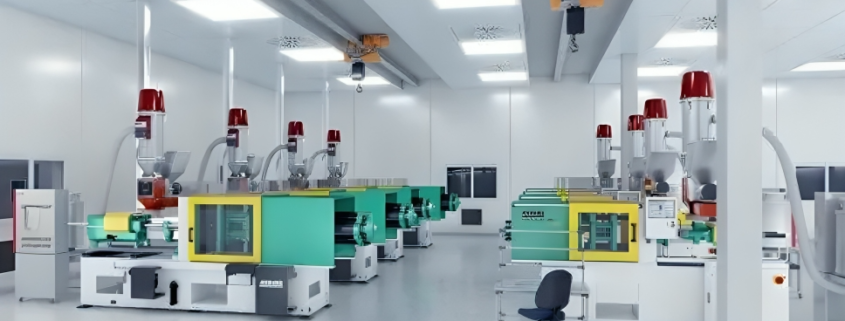
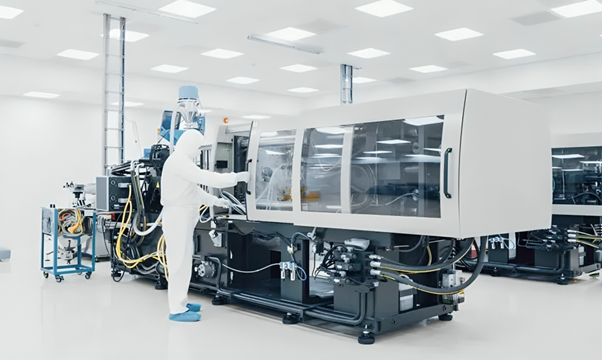
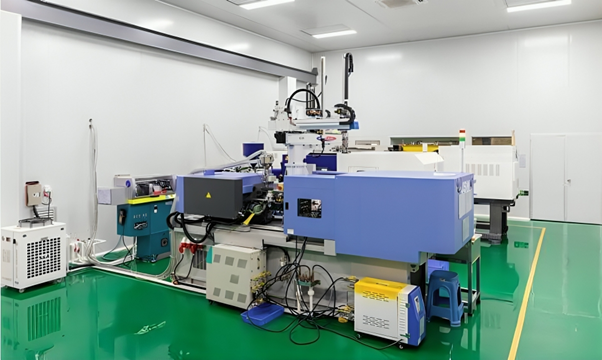
Injection Molding Cleanroom

One of the most significant technologies in the contemporary manufacturing is injection molding cleanroom technology. It is applied in the situations when the products have to be of the utmost purity and free of any contamination. The industries such as medical, pharmaceutical, electronics and healthcare cannot do away with this process.

A clean space that is controlled is necessary as opposed to normal production environments. This will make sure that there are no dust, particles or bacteria that will be able to influence the end product. Cleanroom injection molding is used in many industries to ensure that there are high standards of quality.

Understanding Injection Molding Cleanroom

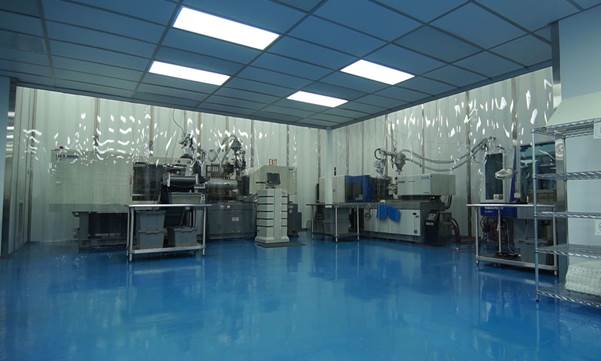
An injection molding cleanroom is a manufacturing facility that is controlled, with a high degree of cleanliness and it is used to create plastic components. The air is clean; there is regulation of temperature and minimization of contamination. It is a completely different process as compared to normal molding. It is applicable to products whose safety and hygiene is important. This is the reason why cleanroom injection molding services are mainly in demand in medical and precision industries.

Why Cleanroom Injection Molding is Important?

Sensitive products are to be manufactured with clean manufacturing. A single particle can have an impact on the performance or safety. The reason why controlled environments are applied is because of this. When it comes to products such as healthcare and pharmaceuticals, the purity of the products is of paramount importance. The cleanroom injecting molding guarantees that the products are up to international standards and regulations in terms of safety.

How Injection Molding Cleanroom Works?

Injection molding cleanroom is a controlled production that is employed in products which need contamination-free environment. It is typically applied in the medical, pharmaceutical and electronic fields. Each of the steps is handled with utmost care to ensure hygiene, precision and safety of the products.

Step 1: Raw Material choice and Preparation

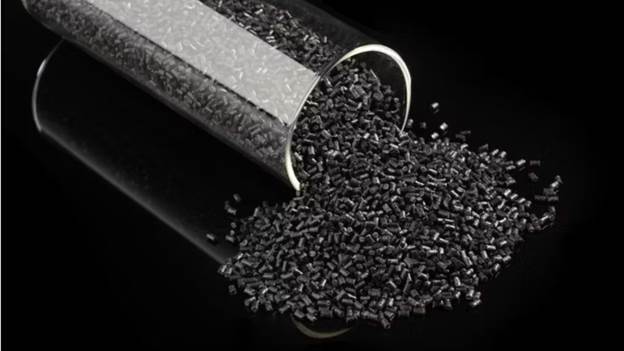
It starts with the choice of plastic materials which are high quality and according to the needs of the product. The materials are normally in the form of pellets and have to be highly pure. Pellets are stored in capped containers before use, to avoid dust or contamination. All these are done in a controlled environment to ensure that it remains clean at all times.

Step 2: Work to Cleanroom

The materials after preparation are moved into the cleanroom. This is through sealed systems and airlocks so as not to be exposed to the outside air. This step is followed by workers employing stringent hygienic practices. They also put on protective attires including gloves, masks and cleanroom suits in order to have a sterile environment.

Step 3: Plastic Material is Melting

The plastic pellets are used inside the cleanroom to inject them in the injection molding machine. The material is heated and melts down to be in the form of liquid. This melting is cautiously monitored so as to be consistent. The environment is clean and stable to avoid contamination of the environment in case of production.

Step 4: Injection into Mold

After melting the plastic, it is then pressurized into an accurately designed mold. This is already in the mold within the cleanroom. The controlled conditions also guarantee an absence of dust or particles to the process. This is an essential step towards a high-quality production in injection molding cleanroom.

Step 5: Cooling and Solidification

Once the injection of molten plastic is completed, the plastic begins to cool in the mold. The cooling system is well controlled to ensure the accuracy of shape and strength of products. As the material is cooled it becomes hard and assumes the precise shape of the cavity of the mold. This measure makes certain accuracy and longevity in the end product.

Step 6: Mold Opening and Removal of products

After the product is completely solidified, the mold will automatically or manually (depending on the system) open it. The completed portion is scraped away. This step is done with special consideration so as not to be contaminated. The cleanroom environment will make sure that products are sterile upon their removal.

Step 7: Check and Quality Control

All the products are subjected to careful inspection after removal. The quality control departments examine the defects, contamination or any error in manufacturing. Products which are not up to standard are not allowed to be further used. This guarantees cleanroom production of injection molding.

Step 8: Clean Packing and storage

Packaging of the products will be the last procedure in a sterile environment. Cleanliness and safety is ensured by using special packaging materials. Products are then stored or shipped and under controlled conditions. This makes them not contaminated even up to the time they are used by the end user.

Cleanroom Classification Levels

Various classes of cleanrooms are classified according to the air quality. The number of particles to be in the air is decided by each level. Less level of particles implies an increased cleanliness. High-class cleanrooms are often needed when it comes to medical devices. This guarantees accuracy and safety of cleanroom injection molding.

Industries which employ cleanroom Injection Molding

Clean manufacturing processes are important to many industries. All industries have stringent standards on product hygiene and safety. It is used in medical industry as a syringe, implants and surgical instruments. It is used in sensitive parts in electronics industry. Cleanroom injection molding services are of great importance in these industries.

Medical Industry Applications

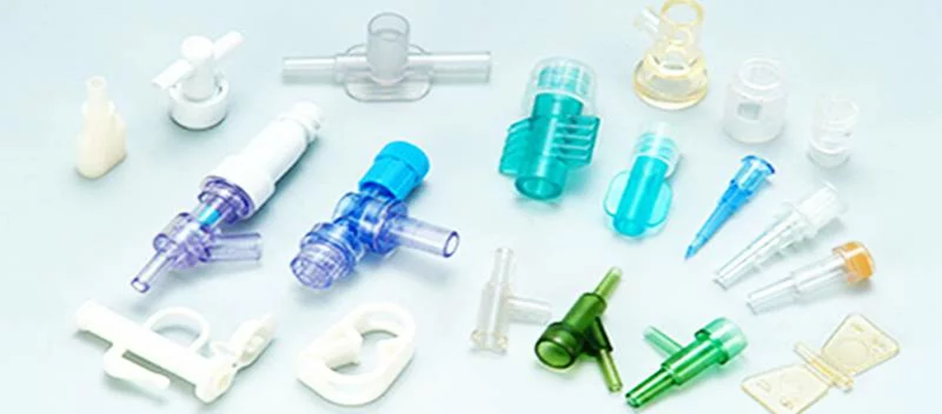
Medical is another sector that has the highest usage of cleanroom molding. The products should be sterile and fit to be used by humans. The controlled environment is used to manufacture items such as IV components, surgical instruments and diagnostic tools. This guarantees the high level of safety in injecting molding of the clean rooms.

Electronics Industry Applications

Dust and contaminations are very sensitive to electronic components. Damaging performance can be done by even small particles. The reliability and durability are guaranteed by cleanroom production. It assists in creating micro-elements and accuracy devices with the help of injection molding cleanroom.

Advantages of Cleanroom Injection Molding

Manufacturers and industries have numerous benefits with this process. It is safe, accurate and of high-quality production.

Key benefits include:

  • Good level of cleanliness.
  • Reduced contamination risk
  • Better product safety
  • High precision manufacturing
  • Meeting the industry standards.

All these advantages render cleanroom injection molding essential to the critical industries.

Materials Used in Cleanroom Molding

Depending on the needs of the products special materials are utilized. These are materials which have to be of high quality. Typical materials are plastics, of medical grade, and high-purity polymers. They guarantee cleanroom injection molding services which are safe.

Comparison of normal and cleanroom Molding

Normal molding in a normal factory atmosphere where there is no total control of air is done. The dust, particles and small impurities may be involved throughout the production. This is tolerable in the case of general plastic products, in which there is no need of high sterility. Cleanroom molding, however is done in a fully filtered and controlled setting. Air is constantly purified and any risk of contamination is kept to minimum. This renders it very appropriate to medical, pharmaceutical as well as electronic products.

The other major distinction is with regard to handling and hygiene control. Normal moulding gives an opportunity to have more people in the production. To ensure purity of products, cleanroom molding minimizes contact, and observes high safety standards.

Key Points

  • The open-air conditions at the factory are normal.
  • Cleanroom molding involves use of filtered and controlled air.
  • Increased risk of contamination of normal molding.
  • Stringent cleanroom hygienic regulations.
  • Sensitive and medical products are cleaned in cleanroom.

In Cleanroom Injection Molding, Equipment is Utilized

Cleanroom injection molding involves special equipment which is used to provide sterile environment. Machines are enclosed and are designed in such a way that they minimize the chances of contamination during manufacturing. To ensure that the air is kept clean at all times air filtration systems such as HEPA filters are employed. Temperature, and humidity are also regulated to ensure that everything is at constant. To prevent the entry of particles to the cleanroom, operators have protective clothing.

Key Equipment Points

  • Sealed high-precision molding machines with high precision.
  • Clean air HEPA air filters.
  • The units of temperature and humidity control.
  • Clean room protective clothes and gloves.
  • Controlled access airlocks.

All these tools and systems are combined to assist injection molding cleanroom requirements and production quality to remain high and contamination free.

Cleanroom Production of Quality Control

There is high level of quality control in clean rooms. All products are checked at the correctness and safety. The inspection procedures make sure that none of the defective or contaminated products are discharged. This is one of the important components of cleanroom injection molding services.

Cleanroom Injection Molding price

More costly than regular molding, this procedure is involved. This is due to sophisticated machines and test conditions. Nevertheless, the price is compensated by quality and safety of the products. Precision-based industries opt to use cleanroom injection molding although it is expensive.

Injection Molding Cleanroom Problems

Despite being very successful, there are challenges of this process. Strict rules and monitoring of the environment are needed to maintain a controlled environment. Challenges are high costs of operation and technical needs. Nonetheless cleanroom injecting molding is still used in the critical applications of industries.

Standards and Compliance Requirements of Cleanrooms

Cleanroom injection molding is based on the strict international standards in order to guarantee the safety of products and their consistency. These criteria indicate the level of cleanliness that the environment should be and the level of control in production. The facilities should have common checks on the quality of air, temperature and humidity. Even the minimal contamination risks have to be controlled. This is necessary to industries which have critical products that are injected in a cleanroom.

Air Filtration and Control of the environment

The most significant aspect in cleanroom manufacturing is air quality. Dust, particles and bacteria are removed by the use of special HEPA and ULPA filters to clean the air. Humidity and temperature are also kept at a low level. The stable conditions also aid in ensuring that there is no contamination of a product during the cleanroom production of injection molding. This will avoid flaws and pollution.

Safety and Hygiene measures of the operators

Cleanroom workers have to abide by stringent hygiene regulations. To avoid contamination, they put on special suits, gloves, masks as well as shoe covers. Air showers and cleaning processes are implemented on operators prior to getting into the production area. These measures guarantee safe injecting molding activities in the cleanroom, without the introduction of external particles.

Automation Cleanroom injection molding

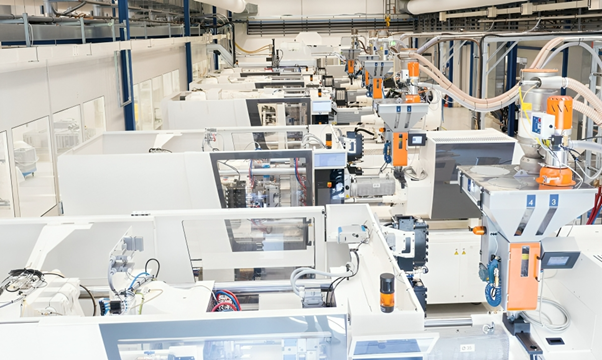
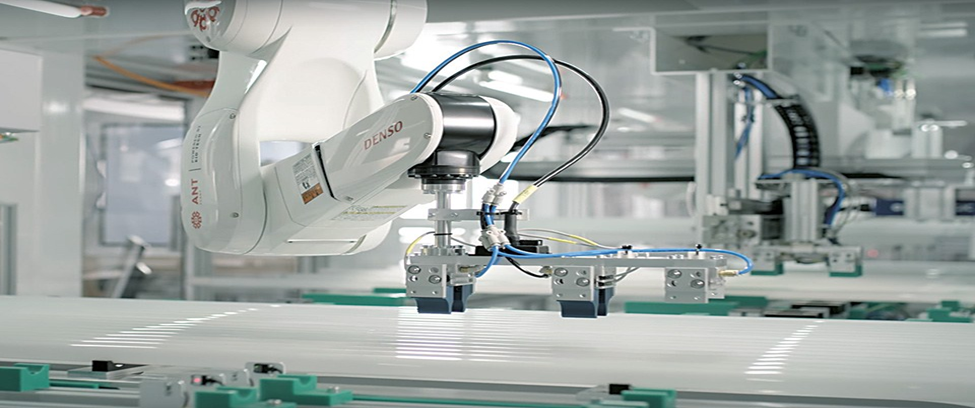
In cleanroom production, automation has a significant role to play in the contemporary world. Most of the production process is done by machines and there is minimum human contact. This minimizes risk of contamination and boosts efficiency. The cleanroom injection molding services are also enhanced by automated systems particularly in high volume production.

Precision and Accuracy in making

The cleanroom is a facility that is developed to produce very precise manufacturing. The slightest mistakes can have an impact on the safety and performance of products. The use of advanced machinery makes every part to be specific to the specifications. Such accuracy is among the primary reasons why industries would choose cleanroom injection molding to sensitive applications.

Cleanroom Facility cleaning

To maintain cleanroom environments, regular maintenance is needed. Air systems, filters and machines should be periodically checked. The smallest failure can have an impact on the product quality. Clean injection molding cleanrooms are properly maintained to guarantee a smooth operation and reliability.

Cleanroom Systems – Energy Efficiency

Advanced systems that use energy are necessitated in cleanroom facilities. But with the new technology we have in use energy consumption is being minimized. The effectiveness of machines and intelligent systems is enhancing sustainability. This assists in minimizing the cost of operation in the clean room injection molding service whilst still producing high quality.

Cleanroom Injection Molding Demand all over the world

Cleanroom manufacturing is on the upswing throughout the world. Industries are prioritizing on safety, hygiene and precision. The high medical and electronics industries of these countries are also investing on cleanroom injecting molding technologies in order to support the increased demands.

Cleanroom Technology Innovation

The technology of cleanrooms is advancing fast with the new automation and electronic systems. One of the areas that manufacturers are currently preoccupying is the ability to produce more precise, safe and highly controlled production environment. The above enhancements are useful in minimizing chances of contamination and enhancing the quality of products in sensitive sectors.

Cleanroom production has become largely a part of automation. Machines have replaced a lot of the work which was done manually. This minimizes human interaction, minimizes the possibility of contamination and enhances uniformity of the production process.

Modern cleanrooms also have a high usage of smart sensors and monitoring systems. These systems monitor the air quality, temperature, humidity and pressure at all times. In case any change has been identified, automatic changes are done in order to keep the conditions within the environment stable.

The technologies based on AI are also enhancing output and identifying possible problems in the early stages and facilitating the efficient manufacturing process. All these innovations are collectively transforming injection molding cleanroom systems to be efficient, reliable and advanced.

The future of Cleanroom Injection Molding

Cleanroom injection molding has great potential to continue to grow in the future as the need in a variety of industries rises. Such industries as medicine, electronics, and pharmaceutical are becoming more and more in need of clean, and precise production facilities. This is propelling an expedited progress in cleanroom technologies.

Even more automated and intelligent production systems are likely to be implemented in the next few years. Most processes will be done with little human intervention as machines will help in speeding up processes, providing accuracy and efficiency and minimizing errors.

Another significant part of the enhancement of the cleanroom operations will be digital technologies. The systems based on data will assist with monitoring the production in real time and aid the improved decision making. This will streamline manufacturing and make it cost effective.

Meanwhile, the world industries are facing a trend towards even more stringent cleanliness requirements. This trend is on the rise and is creating a need of injection molding cleanroom solutions across the globe. With the ever-growing technological advancements, cleanroom systems are bound to be more efficient, reliable and a necessity in current manufacturing.

Making a decision in Favor of Cleanroom Injection Molding Services

It is quite crucial to choose the appropriate manufacturer. Care should be taken in terms of experience, technology and certifications. A good supplier will guarantee quality production and adherence. It is ensured that professional cleanroom injection molding services are offered and this ensures enhanced performance as well as safety.

Final Thoughts

The clean room technology of injection molding is vital to the present day precision manufacturing. It guarantees safe, clean and high-quality production. It is very important to industries such as medical and electronics. As demand increases, cleanroom injection molding will proceed to grow all over the world. It is still considered one of the surest techniques of manufacturing sensitive and high precision plastic products.

Frequently Asked questions

What is the use of injection molding cleanroom?

Plastic parts are manufactured in a most controlled and sterile environment in injection molding cleanroom. It is primarily utilized in medical equipment, pharmaceutical products and highly sensitive electronic parts in which cleanliness is highly valued.

What is the significance of cleanroom in injection molding?

The significance of a cleanroom is that the space where production is done is free of dust, particles and contamination. This will guarantee high quality, safe and products that are appropriate in sensitive applications such as healthcare and electronics.

What are some of the industries where cleanroom injection molding is applicable?

Medical, pharmaceutical, electronics and food packaging industries are the common applications of this process. These industries need high hygienic conditions and accuracy in the production process in order to guarantee safety and performance of the product.

Is it costly to do cleanroom injection molding?

Yes, it is typically costly as compared to normal injection molding. This is because of sophisticated equipment, stringent environmental procedures and special safety needs which make it more expensive. Nonetheless, it is of better quality and reliability.

What is a normal and cleanroom injection molding?

Normal injection molding occurs under normal factory conditions that may have dust, and particles. The injection molding is carried out under a cleanroom environment that is filtered with minimal contamination and results in high purity of products.

Family Mold Injection Molding

One of the intelligent manufacturing solutions that are adopted today by most industries is family mold injection molding. It enables various components to be cast in one mold. This renders the process of production cheaper and quicker to businesses.

This is the choice of many manufacturers, as it is a time- and cost-saving method that lowers the tooling costs. Using family tool injection molding, the companies are able to make various parts during a single cycle. This enhances efficiency and productivity.

What is Family Mold Injection Molding?

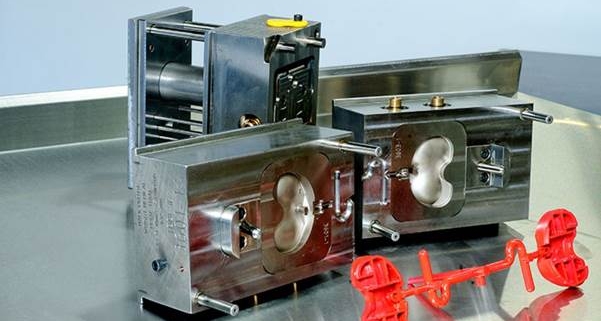
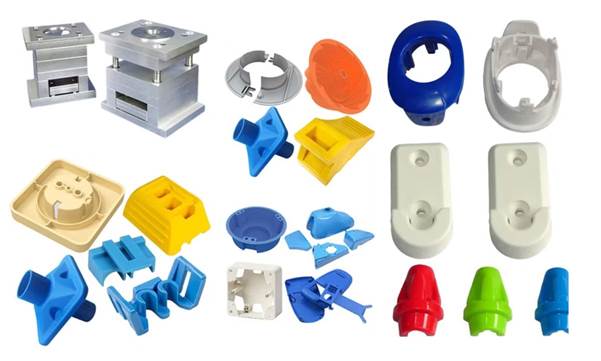
Family mold injection molding is a process in which various parts are made out of a single mold. These components tend to be associated and are consumed together in a product. This renders the process more effective than individual molds. This technique has several cavities of the parts in a single mold. The cavities are created with great care so as to guarantee an adequate filling and cooling of the cavities. That is why, family mold injection molding is very popular in the contemporary production.

How Family Mold Injection Molding Works?

The family mold injection molding is a process that is structured. It is made to make several related parts at a time. Every step is valuable to guarantee a smooth production and quality assurance.

1. Product Design and Planning

This begins with the design of all the parts to be manufactured as one. Each component is designed in 3D detail by the engineers. These components tend to be interrelated and are employed together in the same product. With good planning, it is possible to have all the components molded together. This is a crucial step to a successful family mold injection molding and prevent production problems in the future.

Step 2: Mold Design Multiple Cavities

Once the design of the product is completed, a mold is made which has several cavities. Each hole is in the shape of a different part. Engineers ensure that there is balance in all cavities. The design needs to enable the same amount of flow of material into each cavity. This can be compared to family tool injection molding where a number of parts is made together cost-effectively.

Step 3: Mold Manufacturing

After the design is prepared, the mold is made of powerful materials such as steel or aluminum. It is done by high-precision machines to guarantee accuracy. This is tested on the mold prior to production. This guarantees that family parts are all manufacturable with the right injection molding through family molding.

Step 4: Material Preparation

The choice of plastic material depends on the requirements of the product. It is normally in the shape of small pellets. The injection molding machine is fed with these pellets. The same material is used for all parts in the mold. This is done to provide smooth processing of the tool and uniform results of the family tool injection molding.

Step 5: Melting and injection

The plastic is melted into liquid by heating the plastic pellets. High pressure is then applied to inject this molten plastic in the mold. The flow of the material is simultaneous in all cavities. This enables two or more components to be fabricated in family mold injection molding.

Step 6: Cooling and Solidification

Once injected the plastic starts cooling in the mold. When it is cooled, it solidifies and assumes precisely the shape of every cavity. It should be properly cooled in order to prevent defects. This measure will guarantee good and robust parts in family tool injection molding.

Step 7: Discard of Parts

As soon as the material is completely cooled, the mold is opened. Ejector pins are used to remove the finished parts. Each of the parts is ejected within a single cycle. This renders family mold injection molding quick and effective.

Step 8: Finalisation and Checking

The parts might require trimming or finishing after being ejected. Any additional material is done away with to make it look better. The quality checks are done to make sure that all parts are up to standard. This process provides uniformity of family tool injection molding.

Step 9: A Cycle Repetition

This is repeated to produce the mass production. The identical mould is reused to make the same sets of parts. This process goes on until the desired amount is obtained. This renders family mold injection molding very effective when it comes to high volume production.

The major advantages of Family Mold Injection Molding

There are numerous benefits that family mold injection molding is beneficial to manufacturers. It assists in lowering the cost of production as well as enhancing efficiency. This renders it a favorite in various sectors. A significant advantage is time savings in the production. Fewer cycles are required since a variety of components are manufactured simultaneously. This renders family mold injection molding an economic choice to conduct mass production.

Economy in the Production

Cost savings is one of the greatest benefits of this technique. A single mold is utilized in producing more than one part as opposed to producing individual molds. This saves tooling and maintenance expenses. China family mold injection molding services find a wide range of companies as they have competitive prices. It is also a favorable choice to businesses across the world due to the low labor costs and high level of manufacturing.

Design to Family Molds

Design is very significant in this process. The material and processing of all parts used in the mold should be similar. This guarantees quality uniformity. The flow of substance on the inside of every cavity should be well balanced by engineers. Successful family tool injection molding and easy production relies on proper design.

Difficulties with Family Mold Injection Molding

Despite numerous advantages of this way, there are certain difficulties. Balancing of the flow of plastic is one of the primary issues. Otherwise, not all parts might fill in. The other problem is to sustain uniform quality of all parts. It needs finely expertise engineering and machine settings. Nevertheless, family mold injection molding is very successful despite these difficulties.

Applications of Family Mold Injection Molding

Due to its efficiency and cost-saving nature, family mold injection molding is being extensively applied in various industries. It enables manufacturers to create various related components in a single cycle. This renders it a viable option when it comes to products which need a number of components.

1.     Automotive Industry

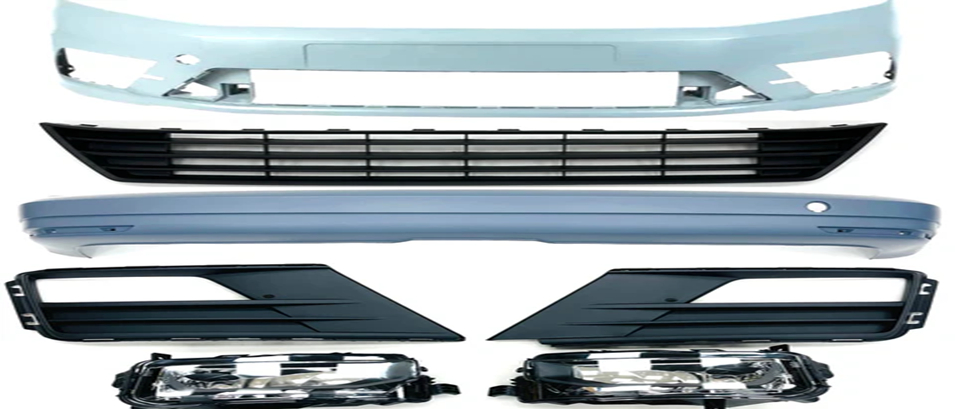
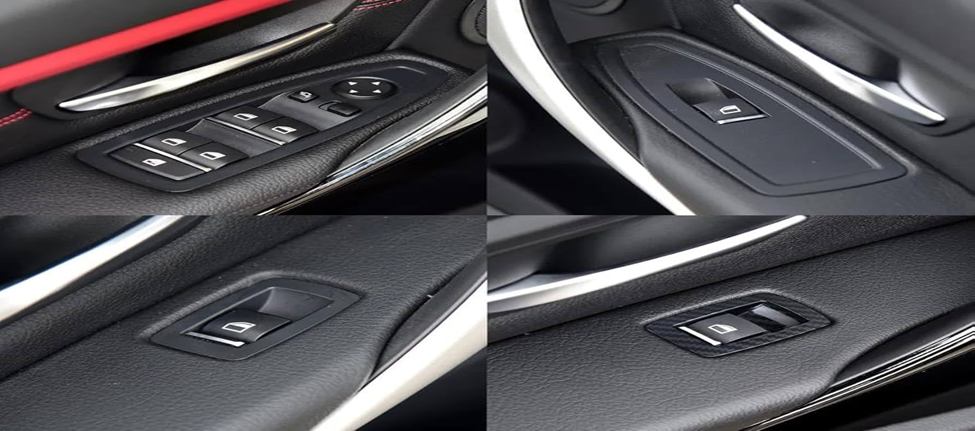
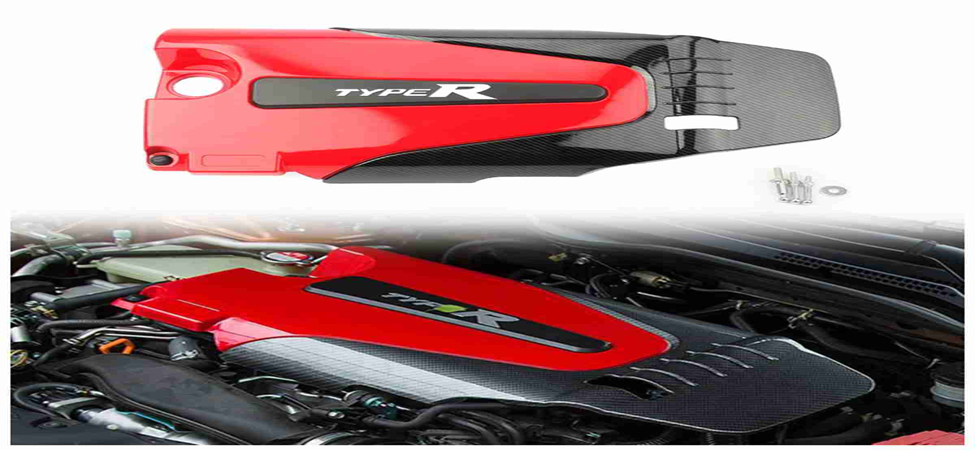
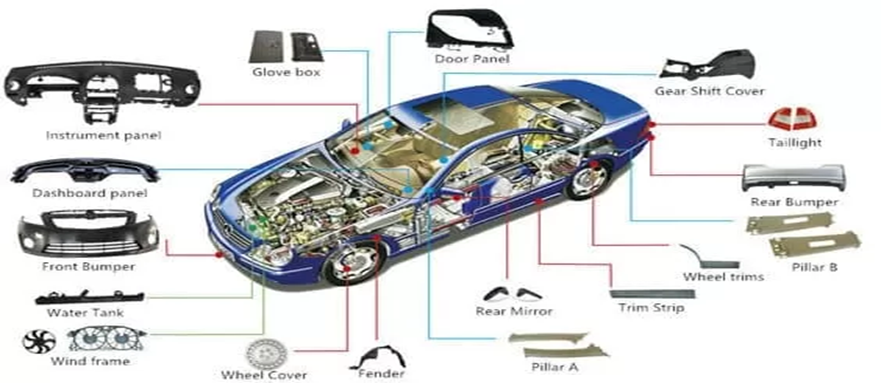
This process can be used in the automotive industry to manufacture interior and small functional parts. Products such as clips, covers, connectors and fasteners are usually produced as a combination. These parts are required in the same system hence it is more efficient to manufacture them in a single mold. This renders family mold injection molding quite convenient in vehicles production.

2.     Electronics Industry

This approach is also beneficial to the electronics industry. Smaller components such as casings, buttons, switches and connectors are usually made in large quantities. This guarantees quality uniformity and less production time. Family tool injection molding assists manufacturers in being consistent throughout all the parts.

3.     Consumer Products

This process is used to manufacture many of the things that people use on their daily activities. Packaged products such as bottle caps, lids, containers and packaging parts are usually manufactured in a single cycle. The approach assists businesses to minimize the cost and enhance the rate of production. It is particularly applicable to consumer goods that are in high demand.

4.     Packaging and Managing Industry

There are various related components that may be required in the packaging industry. Family molds enable the manufacturers to manufacture these parts in two ways: with maximum efficiency. China family mold injection molding services are used by many businesses to make packaging components quickly, and at a lower cost without compromising on quality.

Family Mold vs Single Cavity Mold

Single cavity molds do not resemble family molds. Only one part is formed with a single cavity mold. Family molds on the other hand develop more than one part at a time. This renders family tool injection molding more effective when it comes to products that have many parts. Nevertheless, it will have to be designed and planned so that it can deliver good results.

China Injection Molding role in Family Mold Injection Molding

China has a significant contribution in injection molding industry of the world. Chinese manufacturers are the preferred vendors in many companies due to their low-cost solution. They provide high-tech solutions and professional workforce. This is the reason why China family Mold injection molding is so popular. Companies are able to save money as well as uphold high quality standards.

Choice of Materials in Family Molds

It is quite important to select the correct material in this process. The same material should be used in all parts of a family mold. This guarantees uniform melting and solidifying. Some of the common materials are ABS, polypropylene and polyethylene. Family mold injection molding can be enhanced by proper selection of materials.

Speed and Efficiency of Production

The main benefits of this approach are the speed of production. Several components are made per cycle, which saves on time of production. This effectiveness makes family tool injection molding the ideal one in high volume production. It assists companies to address the demand in the market in a timely manner.

Family Mold Injection Molding Quality Control

It is important to maintain quality in manufacturing. All the components should fit the necessary standards and requirements. Testing and inspection is one of the techniques used by manufacturers to guarantee quality. Mold injection of family moulds should be properly controlled so as to provide reliable and consistent products.

Success tips in Family Mold Projects

This process requires a lot of planning to achieve success. Evident design specifications and effective communication with the manufacturers is critical. Experienced professionals aid in avoiding mistake. An experienced team makes family tool injection molding the most effective.

In-depth Dynamics of Mold Injection into Family

It is not just family mold injection molding that is concerned with cost saving. It also enhances planning of production and minimizes the use of machines. This technique is employed by many companies to deal with numerous elements within a process. This will provide a better inventory control. It also minimizes the time and handling of production. This is why complex products are more likely to be molded using family mold injection molding as preferred by many manufacturers.

The main Favourable Family Mold Injection Molding

The approach has a number of key advantages to business. It assists in enhancing efficiency and lower manufacturing cost.

Key points:

  • Several components are being manufactured in a cycle.
  • Less expensive tooling than single molds.
  • Reduced production time
  • Improved conformity of related components.
  • Less machine usage and energy consumption

These benefits make family tool injection molding an excellent option to the contemporary manufacturing.

When Family Mold Injection Molding is to be used?

This method is not suitable to all projects. It is most effective in cases where components are interrelated and are used in a single product. In cases where component parts are of nearly equal size, content and manufacturing needs, this technique is quite efficient. China family mold injection molding is favored by lots of companies that have products with various parts.

Restrictions You ought to be aware

Although it has numerous advantages, there are certain limitations. To prevent production problems, there must be proper planning.

Key points:

  • The entire sections should be made of the same material.
  • The imbalance can be due to the use of different part sizes.
  • Mold cost can be raised by the complexity of the design.
  • Maintaining it may be a little bit challenging.

Knowing these, it can be better used in family mold injection molding.

Design Principles to achieve the best

A well-designed design guarantees a smooth production and quality production. Planning of every cavity in the mold should be done with care by the engineers.

Key points:

  • Maintain similar size parts.
  • Make sure that there is an equal flow of the material in every cavity.
  • Employ adequate system design of cooling.
  • Avoid over-complicated shapes

These hints enhance success in family tool injection molding undertakings.

Comparison Family Mold and Multi-Cavity Mold

Family molds are mists that many people mix with multi-cavity molds. They both differ in design and functionality. Family Molds make various components in a single mold. Multi-cavity molds are used to make the same part in more than one mold. China family mold injection molding companies usually select according to the need of the product.

Comparison of costs and efficiency

Molds in the family lower the cost of tooling but need to be carefully designed. The first design can be complicated, yet in the long-term the savings are high. Family mold injection molding is one of the preferred businesses that aim at cutting down costs. It offers a trade off between the cost and production efficiency.

Industrial Use Cases

This technique is common in sectors in which a combination of several parts is required. It enhances the speed of assembly and shortens the production time.

Key points:

  • Automotive parts production
  • Electronic components manufacturing
  • Packaging products
  • Household plastic items

Family tool injection molding is very beneficial in these industries.

The Future Challenges of Family Mold injection Molding

The prospects of this process are quite positive. The new technologies are enhancing precision of designs and efficiency in production. Automation is making a significant contribution too. Organizations are embracing new innovative ways of enhancing performance. This will further enhance the benefits of China family Mold injection molding in the coming years.

Summary

Family mold injection molding is a high-tech manufacturing solution that is more efficient and cost-effective. It enables the companies to manufacture numerous parts related to each other within a cycle. Properly designed and planned, this method produces great results. China family mold injection molding is important to many companies in order to remain competitive in the global market.

With knowledge of its advantages, disadvantages, and uses, businesses will be able to apply family mold injection molding successfully and be successful in the long-term.

Frequently asked questions

1. What does family mold injection molding mean?

Family mold injection molding is a process in which various different parts are made in one mold. These components tend to be interrelated and are employed together in the same product. This process is useful in saving time and lessening the cost of production.

2. What problems do I need to use family mold injection molding?

This is the most appropriate when you require a number of related parts that are composed of the same material. It is effective when the components of the products are of similar dimensions and manufacturing specifications.

3. What is the difference of family mold and multi-cavity mold?

A family mold is used to manufacture various components in a single mold, whereas a multi-cavity mold manufactures the same component many times. They are both effective however they are applied to various production requirements.

4. Is it cost effective to use family mold injection molding?

Yes, it is economical in producing more than one part. It minimizes tooling expenses, and saves time in production. Nevertheless, it is necessary to design it properly to obtain the maximum outcomes.

5. What is the industries of family mold injection molding?

The application of this process is prevalent in the automotive, electronic, packaging and consumer goods sectors. It is perfect in products which have several plastic parts.

Custom Plastic Molding: Complete Guide for Modern Manufacturing

One of the most significant processes of manufacturing that is applied nowadays is custom plastic molding. It assists companies in developing plastic products which are unique according to their needs. It is applied extensively in such industries as automotive, medical, electronics and packaging.

Most businesses are willing to use custom solutions as it is flexible and has higher quality products. Using the assistance of a custom plastic molding company, companies are able to make your ideas come to life. This streamlines the production process and makes it more dependable.

What does Custom Plastic Molding mean?

Custom plastic molding involves the use of plastic material, which is molded into a particular design by the use of a mold. The mold is particularly designed depending on the product needs. This will enable manufacturers to come up with distinct and quality products.

Custom molding in comparison to standard molding is geared towards particular designs and functions. A custom plastic mold would be designed in a way that would guarantee accuracy and consistency. This is the reason why it is popular in the current production systems.

How Custom Plastic Molding Works?

Custom plastic molding consists of a series of steps to be followed. All steps are significant in order to achieve high-quality production and the correct results. Being informed about such steps would assist business in planning to prevent some expensive mistakes.

Step 1 Product Design and Planning

The initial one is to design the product in line with certain requirements. The engineers are able to produce a 3D model of the product by use of sophisticated software. This design will contain size, shape and all technicalities. It is important that it is well planned at this stage. An illustrative design will minimize mistakes and create a smooth production. It assists in making a powerful and precise mould as well.

Step 2: Mold Design and Development

Once the product design has been complete, then the mold design is to be developed. The mold is precisely designed so as to fit perfectly into the shape of the product. The mold is made out of materials such as steel or aluminum. The material selected will be based on the quantity of production and its longevity. A properly designed mold will guarantee uniformity.

Step 3: Mold Manufacturing

After the design is prepared, the mold is made out of the precision machines. It is very precise as any little error can have an impact on the end product. Post-manufacturing testing of the mold is done to ensure that it is within all specifications. This measure will make sure that the mold is ready to be used in the production.

Step 4: Selecting and preparing the materials

The selection of the appropriate plastic material is extremely crucial. Strength, flexibility and heat resistance are some of the properties of different materials. The plastic chosen is normally in a form of tiny pellets. These pellets are ready and put through the injection molding machine to be processed.

Step 5: Melted and Injection

The plastic pellets are heated in the machine until they melt to the form of a liquid. High pressure is then applied to high pressure injection into the mold with this molten plastic. The pressure is high enough to make sure that the material occupies all the components of the mold. This is essential in order to obtain the correct shape and fineness.

Step 6: Cool and Solidify

Following the injection of the molten plastic, it starts cooling in the mold. It solidifies as it cools, and assumes the shape of the cavity of the mold. The time to cool is dependent on the size of the product and the material. They should be cooled properly in order to prevent defects and provide strength of products.

Step 7: Squeezing out the Product

After the material is completely cooled and solidified the mold opens. The end product is then taken away with the help of ejector pins. This should be done with caution so as not to destroy it. The product will not lose its shape or quality, as a result of having a smooth ejection process.

Step 8: Finishing Check and Quality Check

The product can undergo finishing processes after it has been ejected. These also involve the trimming, polishing or surface treatment where necessary. Quality tests are also conducted so as to maintain all the standards of the product. This will ensure that all the pieces are uniform and can be used.

Step 9: Repeat of Production Cycle

After the process has been completed, the process is repeated to move to mass production. The identical products are manufactured with the help of the same mold. This is repeated, making the process quick and economical. It enables manufacturers to come up with large production volumes that are of the same quality.

Types of Custom Plastic Molding Processes

Custom plastic molding has various processes that are applied depending on the nature of the product, material and the production needs. The processes are each with their advantages and are selected depending on complexity of design, cost and volume of production. The knowledge of such techniques assists companies in choosing the most appropriate one.

1.Injection Molding

The most popular technique in the production of plastics is injection molding. It is a process of applying high pressure to molten plastic in a mold, to produce finely detailed and precise parts. It is the most suitable way to manufacture more complicated designs and a large production volume. It possesses very high accuracy, reproducibility and surface finish. It is used in high accuracy industries such as automotive, medical and electronics hence its popular use.

2. Blow Molding

Hollow plastic products are the major products made via blow molding. In this, molten plastic is blown into air to create the shape such as bottles and containers. It is very effective in production of light, and homogenous products. This is an affordable technique when producing on a large scale. It is widely applied in the packaging sector in the provision of products like water bottles, storage containers and fuel tanks.

3. Thermoforming

Thermoforming is a low cost and easy to use molding process. It is a technique that uses the heating of plastic sheets and pressing the sheets over a mold to form products. This technique is appropriate in designs that are not very expensive and intricate. It finds extensive application in creation of packaging trays, disposable containers and basic plastic products. Its cost of tooling is low thus it can be used in small production runs.

Benefits of Custom Plastic Molding

Custom plastic molding has numerous benefits to companies. It enables businesses to develop products that suit their very needs. This enhances performance of the products and customer satisfaction. The other significant advantage is the cost efficiency with high production. After designing the mold, then the manufacturing process is quick and inexpensive. An efficient custom plastic molding firm can aid in minimizing waste and enhance efficiency.

Importance of Custom Plastic Mold Design

One of the most important steps of the process is the design of the mold. An effective mold design will guarantee easy production and quality products. The lack of design might translate to flaws and high expenses. Designs are developed by engineers using sophisticated software to come up with perfect designs. The firm and accurate custom plastic mold may be used thousands of times. This renders it a worthy investment to use in the long run.

Raw Materials in Custom Molding of Plastic

The plastic materials are of different types, which are used based on the product needs. Each of the materials possesses some special characteristics including strength, flexibility or heat resistance. The typical materials are ABS, polypropylene, polyethylene and polycarbonate. Such materials are very popular in manufacturing custom molded plastics to the various industries. The correct material should be selected to have a durable product.

Custom plastic Molding Uses

The flexibility and efficiency of custom plastic molding make it applicable in most industries. It assists in developing a variety of products of various shapes and sizes. It is applied in the automotive industry, in dash boards and interior components. It is applied in the medical industry in terms of devices and equipment. A large number of companies are dependent on a custom plastic molding company in order to have a high quality of components.

Custom Plastic Molding with the Small Businesses

Custom plastic molding can also be used among the small businesses. It enables them to produce distinct products and be able to compete in the market. Even small-scale production is cost-effective, with proper planning. With custom molding plastic, businesses are able to come up with new innovative products that address customer needs.

Before selecting a manufacturer, there are factors to be taken into consideration. It is crucial to select an appropriate manufacturer to be successful in production. A good manufacturer is one that is quality, timely and cost conscious. Find experience, technology and customer reviews and then make a choice of a custom plastic molding company. Having a trustworthy partner can mean a lot in the success of the product.

Price of Custom Molding Plastic

Custom plastic molding is a cost that is determined by a number of factors. These are the design of the molds, choice of materials and volume of production. The production cost per unit will be less in large production although the initial cost of developing a custom plastic mold may be high. This will make it a long-term cost-effective solution.

Custom Plastic Molding-Quality Control

It is necessary to have quality control in the production process. It makes sure that all the products are at the standards and specifications required. Testing and inspection are some of the measures that manufacturers employ to uphold quality. Good quality molded plastics are customized which enhances customer trust and minimizes failure of products.

Environmental Effectiveness and Sustainability

In manufacturing, sustainability is an emerging significant aspect. A large number of corporations are currently recycling and making the use of environmentally friendly procedures. Less wastage and use of energy help to sustain the environment. A conscientious custom plastic molding company is oriented on the sustainable production practices.

Typical Problems of Making custom plastic moulds

Although it has its advantages, there exist a few difficulties in making custom plastic moulds. The process can be subject to design errors, problems with the choice of materials and delays in production. These issues may be prevented by collaborating with the professionals. With good planning the production of custom molded plastics will go on smoothly.

Best practices in successful molding projects of custom plastics

The most important thing about a project in molding is planning. It is very important that there are clear design requirements and that there be the appropriate choice of materials. Your manufacturer also makes a great contribution to communication. An expert custom plastic molding firm can help in taking you through the process, and guarantee maximum outcomes.

The way to select the appropriate custom plastic molding company

It is very important to select the appropriate partner in order to be successful in production. A professional manufacturer knows what you need, and provides quality work. In this, experience and technical skills hold a significant role.

Before deciding on something, it is always a good idea to review previous projects and review with the clients. An established custom plastic making firm will help you in designing, through to the final production. This guarantees a well flowing work process and quality products.

Prototyping plays a role in Custom Plastic Molding

Before full production is carried out, prototyping is very crucial. It enables the companies to experiment on the design of their products and correct in case they are required. This is to prevent expensive mistakes in the future. A prototype provides a good understanding of the final product and how it will appear and operate. Through testing at an early stage, companies are in a position to enhance their custom plastic mold design and attain better outcome in production.

Importance of Precision and Accuracy

One of the most crucial issues of plastic molding is precision. Any little mistake in designing can make a difference to the product. This is the reason why they need sophisticated machines and competent workers. Proper production guarantees all the products to be the same. Medical, electronics and other industries that require high precision of the plastics molded need to be of high precision.

Speed and Efficiency of production

The major benefit of this is its rapid production rate. After having prepared the mold, it is possible to make a lot of them within a short period of time. This is what makes it suitable to mass production.

Efficiency assists in lowering the general expenses as well. When done well, molding plastic can provide high volume production but at the same time, produce quality.

Plastic Molding of products- Custom

Custom molding assists companies to develop innovated products. It enables a firm to make distinct shapes and features, which cannot be made using the conventional methods. This is flexible and puts a business at an advantage. The new ideas of products can be developed swiftly and efficiently with the assistance of an experienced custom plastic molding company.

Major Success Factors Necessary over Time

Businesses require being quality-driven, consistent and well planned in order to achieve long-term success. The material and design used is a significant factor in attaining good results. The moulds should also be taken care of regularly, which means an extended life and high performance. A custom plastic mold of high quality which is well maintained can yield thousands of products of high quality without any problems.

Plastic Molding of Custom Products in the various industries

There are various applications of custom plastic molding in various industries. There is a standard of requirement and standards per industry. This renders the process to be very versatile. Custom molded plastics are found everywhere, in the automotive parts, as well as medical devices. This extensive application demonstrates the significance of this process in today manufacturing.

Creating less waste during Plastic Molding

Less wastage is a current day objective of manufacturers. The effective production processes will reduce the amount of loss of materials and enhance sustainability. Recycling of used materials is also a norm. A lot of companies that have been employing the custom molding plastic are now targeting at environmentally friendly solutions to conserve the environment.

Improvement in Product Quality by improving design

The high-quality products are orchestrated by good design. Having a proper design will facilitate a smooth production and minimize defects. The advanced tools and software can be used to enhance accuracy. An aptly made custom plastic mold will also lead to a superior finish, strength and durability.

The future of Custom Plastic Molding

The prospects of custom plastic molding are bright. The procedure is being expedited by new technologies and made more efficient. The automation and smart production are enhancing the quality of production. High-tech custom molding plastic methods are being embraced by many companies, in a bid to remain competitive in the market.

Final Extended Conclusion

Plastic molding is a crucial process in the contemporary manufacturing industry. It allows flexibility, efficiency and creates high quality production to various industries. It is used by businesses to develop individual and trusted products. Companies can get the best results by concentrating on the right design, selection of materials and selecting the appropriate custom plastic molding company. This will not only enhance the quality of the products but also minimize the costs in the long-run.

Even more efficient and sustainable, in the future, will be custom molding plastic with the help of advanced technologies. Companies that embrace such practices will remain competitive and be successful in satisfying the rising market expectations.

FAQs

1. What do you use custom plastic molding?

Unique plastic products are produced through custom plastic molding, which is employed to produce products according to certain designs and needs. It is widely applied in such industries as automotive, medical, packaging and electronics to achieve high quality and precision of components.

2. What kind of molding process is suitable to complex products?

Complex and detail products are the best that should be injection molded. It has a high level of precision, consistency and smooth finishing; thus, it is suitable in an advanced and high-volume production requirement.

3. What does it mean by blow molding and injection molding?

H hollow products such as bottles, containers, etc are made through blow molding. Solid and detailed parts that have complex shapes are molded over injection molding. The two processes have various applications depending on the design of products.

4. Is it costly to custom plastic mold?

The price is determined by the factors such as the shape of mould, material and quantity of production. Although the initial cost may be expensive, it would prove to be cost effective in large production as the cost per unit will reduce.

5. What is the correct molding process that I pick?

The selection of the process is dependent on your product design, type of material and quantity of productions. Being aware of your needs and talking to an expert manufacturer can make them make the most optimal choice.

Everything You Need to Know About Glass-Filled Nylon Injection Molding

Glass-filled nylon Injection molding is a very important process in present-day manufacturing. The process is an integration of the plastics that are flexible and strong like glass fibres, giving rise to lightweight, strong, and accurate parts. High-stress and high-temperature components. A considerable number of industries can utilize glass-filled nylon injection molding to produce high-stress and high-temperature components with a consistent quality.

Manufacturers use this material since it enables them to produce in large volumes without compromising on performance. In the modern day, automotive, electronics, and industrial processes require this process to give them strong, reliable, and cost-effective components.

What is Glass Filled Nylon?

Polyamide reinforced material is glass-filled nylon. Nylon is mixed with small glass fibres to transform it into one with improved mechanical properties. The injection moulding of glass-filled nylon is used, which creates a part that would be harder, stronger and heat resistant as compared to plain nylon.

The inclusion of the glass fibres reduces the warping and shrinkage of the cooling process. It ensures the final product is of the right size, and this is vital in the fields of industry and automobiles.

What is Glass Filled Nylon?

The principal properties of the glass-filled nylon are:

  • High tensile strength
  • High levels of dimensional stability.
  • Hemolytic and chemolithic resistance.
  • Light in weight compared to metals.

The production of glass-filled nylon injection moulding guarantees not only the durability of the parts but also makes them cost-effective when it comes to mass production.

Physical, Chemical, and Mechanical Properties

The article titled Injection moulding glass-filled nylon is a mixture of nylon that has a high degree of flexibility and glass fibres, which have high strength and endow unique characteristics. Knowledge of these assists in creating credible components.

Physical Properties

  • Density: 1.2 -1.35 g/cm 3, which is slightly heavier than unfilled nylon.
  • Water Absorption: 1-1.5% (30% glass-filled) falls as the content of fibres is raised.
  • Thermal Expansion: Low dimensional stability coefficient (1535 µm/m -C)

Chemical Properties

  • Resistance: High towards fuels, oils and most of the chemicals.
  • Flammability: A V-2 to V-0, depending on grade.
  • Corrosion: Not corrodible like metals, perfect in unfavorable environments.

Mechanical Properties

  • Tensile Strength: 120-180 Mpa and it depends on the fibre content.
  • Flexural Strength: 180–250 MPa.
  • Impact Resistance: Medium, and reducing with an increase in fibre content.
  • Stiffness: Stiffness is high (5 8Gpa), which offers stiff load-bearing components.
  • Wear Resistance: It is superior in gears, bearings and moving elements.

The Injection Molding Process

Glass-filled nylon injection moulding is done by melting the composite material and then injecting it under high pressure into a mould. The procedure is divisible into several steps:

  • Preparation of the material: The composition of the proper quantity of glass fibre and Nylon pellets is mixed.
  • Melting and injection: The material is heated until melted, then it is forced through a mold.
  • Cooling: This is a solidification process whereby the fibres are fixed.
  • Ejection and finishing: The rudiment of the solid is taken out of the mould and is likely to be trimmed or polished.

The glass fibres in the injection molding glass filled nylon assist the part not to lose its shape and strength once it is cooled down. This is particularly needed in tightly toleranced and very complex designs.

The Injection Molding Process

Advantages of Utilizing Glass-Filled Nylon

The material glass-filled nylon injection molding offers several benefits in comparison to a conventional material:

  • Strength and durability: Tensile and flexural strength are achieved with the use of glass fibre.
  • Heat resistance: This implies that the components can resist the high temperatures without deforming.
  • Dimensional accuracy: The lesser shrinkage is an assurance of the resemblance of different batches.
  • Lightweight: The material is strong, but upon being made lightweight, it becomes more efficient in automotive and aerospace uses.
  • Cost efficiency: Shorter production time and reduced waste would lower the costs.

On the whole, the term injection moulding glass-filled nylon enables makers of high-performance parts to create their parts efficiently and address the needs of the modern industry.

Glass Filled Nylon Processing Tips

When injecting glass-filled nylon, it is important to pay attention to the behavior of the material and the settings of the machine. Flow, cooling and thermal properties are altered by the presence of glass fibers. When the correct instructions are followed, the glass-filled nylon injection molding could result in robust, accurat,e and flawless components.

Glass Filled Nylon Processing Tips

Material Preparation

Glass-filled nylon is easily used as a moisture-absorbing material. Wet material may lead to bubbles, voids and bad surface finish. Dry the material at 80–100 °C in 46 hours. Make sure that the glass fibres are not clumped together in the nylon in order to achieve uniform strength.

Melt Temperature

Keep recommended nylon grade melt temperature:

  • PA6: 250–270°C
  • PA66: 280–300°C

Excessive temperature may ruin the nylon and spoil fibers whereas excessively low temperature causes poor flow and inadequate filling in injection moulding glass-filled nylon.

Injection Pressure and Speed

Moderate injection rate and pressure: 70 -120 Mpa is normal. Quick injection can deform fibres and cause stress within fibres. Appropriate speed not only allows smooth flow but also produces consistent fibre orientation, leading to stronger parts.

Mold Temperature

Surface finish and dimensional accuracy depend on the temperature of the mould. Maintain 80–100°C. The low temperatures of the mould can produce warping and sink marks, whereas high temperatures enhance the flow and reduce the cycle time.

Cooling Time

Wall thickness should be equal to the cooling time. Makes it too short and it warps, too long and it makes it less efficient. Proper cooling channels assist in ensuring that there is uniform cooling and accurate dimensions in the  glass-filled nylon injection moulding.

This is what happens to it upon being ejected and post-processing

Use 1 -2 degrees draft angles to achieve smooth ejection. It is important to avoid too much force of ejection capable of pulling fibres or snapping part. After processing, there could be trimming, polishing or annealing to resolve internal stress.

Fiber Content Consideration

The content of glass fiber is usually 30 50% in weight. An increase in fiber content enhances strength, stiffness and heat tolerance, but decreases impact toughness. Control parameters of processing to avoid defects by adjusting to fiber content.

Potential Glass-Filled Nylon Substitutes

Though, the glass-filled nylon with an injection moulding is strong and durable, sometimes there are better materials to use in certain requirements.

  • Unfilled Nylon (PA6/PA66): Nylon is lightweight, cheaper and simpler to work with, and it is recommended in low-stress work, but is not as stiff as glass-filled nylon.
  • Polycarbonate (PC): Impact strength and heat resistance are high, and stiffness is less than that of glass-filled nylon injection molding.
  • Polyphenylene Sulfide (PPS): This is very strong in both chemical and heat resistance and can be used in high temperature applications at the expense of.
  • Acetal (POM): Dimensional stability, low friction and weak in heat resistance and stiffness.
  • Fiber-Reinforced Composites: Carbon or aramid reinforcing fibres are stronger, stiffer, more complicated and costly to process.
Potential Glass-Filled Nylon Substitutes

Glass Filled Nylon Properties

The glass-filled nylon in the form of injection molding is preferred due to the good mechanical and thermal properties it has, which qualify it to withstand the demanding nature of the applications. The addition of nylon with glass fibres increases the strength, rigidity, and dimensional stability of the material. Here are the main properties:

High Tensile Strength

Nylon-containing glasses are resistant to high pulling and stretching forces. This renders glass-filled nylon injection moulding suitable for structural components in automotive and industrial applications.

Excellent Heat Resistance

Glass fibers enhance thermal stability so that parts can be strong at high temperatures. This is crucial to the elements that are exposed to engine heat or electronic equipment.

Dimensional Stability

The glass fibers minimize the contraction and deformation during cooling. The process of Injection molding glass-filled nylon creates the parts that do not lose their shape and accurate measurements even in complex designs.

Improved Stiffness

Glass-filled nylon is stiffer than normal nylon and is not likely to bend when under pressure. This suits it with gears, brackets and mechanical housings.

Fashion and Friction Resistance

Glass fibers also increase the abrasion resistance, thus decreasing wear on the moving parts. The service life of components is prolonged by using the glass-filled nylon injection molding which is especially applicable in high-friction environments.

Lightweight

Though it is powerful, glass-filled nylon is significantly lighter than metal products, hence it is used in automotive components, aerospace, and electronic products where weight reduction is important.

Chemical Resistance

Nylon is glass-filled and can withstand oils, fuels and most chemicals and is thus appropriate in harsh environments. This will guarantee durability in industry or automotive parts.

Types of Glass-Filled Nylon

Glass filled nylon has several types each intended to be used in a particular manner in injection molding glass filled nylon and glass filled nylon injection molding.

Types of Glass-Filled Nylon

PA6 with Glass Fill

Nylon 6 (PA6) that is reinforced with glass fibers is strong and stiff with wear resistance. It is mostly applied in industrial and car parts.

PA66 with Glass Fill

PA66 (Nylon 66) is more heat-resistant and has slightly better mechanical properties than PA6. It will be perfect in high-temperature applications such as engine components or electric housings.

PA6/PA66 Blends with Glass Fill

Blends combine the hardness of PA6 and the heat defiance of PA6,6, which gives a balance between strength, stiffness and dimensional stability.

Specialized Grades

Glass-filled nylons sometimes contain lubricants, flame-resistant materials or UV stabilizers to be used in electronics, outdoor parts, or safety gear.

Glass-Filled Nylon Injection Molding Uses

Glass-filled nylon injection molding is finding a lot of applications in a wide range of industries because of its strength, heat resistance and accuracy. Examples of its common uses are:

Glass-Filled Nylon Injection Molding Uses

Automotive

  • Gears and bushings
  • Brackets and housings
  • Clips and fasteners

Electronics

  • Electrical connectors
  • Switch housings
  • Insulating components

Industrial Machinery

  • Wear-resistant parts
  • Machinery functional parts.

Consumer Products

  • Appliance components
  • Sporting equipment
  • Durable casings

Applying nylon filled with glass in injection molding in these applications will guarantee good long and reliable work even in difficult conditions.

Glass Filled Nylon Injection Molding Design Guidelines

Components meant to be used in a glass filled nylon injection molding have to be designed with much care to ensure that the components are as strong as possible, precise and at the same time durable. 

Glass Filled Nylon Injection Molding Design Guidelines

Wall Thickness

  • Havea similar wall thickness to avoid sinking and warping.
  • Most glass-filled nylon parts should be recommended with a thickness of 2-5 m, depending on the load requirement.

Very fine sections should be avoided as they can lead to weakening of the fiber structure and thick sections should be avoided as they can lead to uneven cooling and internal stresses.

Corner Radii

  • Sharp corners should be replaced by rounded ones.
  • Stress concentration is minimized with a radius of between 0.5 and 1.5 times the wall thickness.
  • Injection molding glass filled nylon has sharp edges that may cause fiber breakages or cracks.

Rib Design

  • Ribs do not add material, and they make the product stiffer.
  • Maintenance of ribs 50 to 60% of the adjacent wall.
  • The height of the ribs must not be more than 3 times the thickness of the wall; otherwise, sink marks and warpage will occur.

Correct rib design enhances strength and dimensional stability in nylon injection molding that is filled with glass.

Boss Design

  • The screw attachments are done with bosses.
  • Have a ratio of thickness 1:1 of the wall and fillets on the bottom.

Long thin bosses are to be avoided because they can become warped during curing with glasses filled nylon injection moulding.

Draft Angles

  • Never leave out a draft angle so that they can easily be ejected from the mould.
  • Vertical walls should have a minimum draft of 1-2 degrees on each side.

Scratches, deformation, of fiber pull-out during demolding can be avoided in the process of proper drafting.

Orientation of Fiber Flexibility.

  • The glass fibers in injection molding glass filled nylon are so oriented that they move down the direction of the flow when injecting.
  • Get design details such that the paths of stress are parallel and normal to the fiber to achieve maximum strength.

Features leading to fibers bunching or misaligning should be avoided as they may result in a decrease in mechanical performance.

Shrinkage and Warping

Glass-filled nylon also shrinks less compared with unfilled nylon, yet unequal thickness of the wall may lead to warping.

Varying wall thickness, ribs, and inadequate cooling channels should be used to ensure minimum dimensional variation.

Surface Finish

  • This may cause the surface to be a little bit rougher because of the presence of glass fibers.
  • Apply polished molds or post-processing in case a smooth finish is very important.
  • Do not polish too much, so as not to disorient fibers in glass filled nylon injection molding.

Popular Complications and Remedies

Although the injection molded glass filled nylon is effective, it presents some challenges:

  • Fiber rupture: happens when shearing is excessive in mixing.
  • Remedy: Adjust mixing time and speed of the solution screws.
  • Distortion of parts: parts can be distorted due to uneven cooling.
  • Remedy: Fine-tune the temperature of the mould, and mould design.
  • Roughness of surfaces: fibres can provide uneven finishes.
  • Solution: Polish moulds and processes.
  • Water intake: nylon is a water absorber, and this influences the quality.
  • Solution: Before molding, the materials should be pre-dried.

The manufacturers would be capable of exploiting the maximum of glass-filled nylon by addressing these issues.

Considerations of the Environment and Cost

In certain instances, where metals are used, glass filled nylon injection moulding is more environmentally friendly:

  • Less energy use: lighter materials will minimize energy use in manufacturing.
  • Less material waste: scrap is minimized by accurate moulding.
  • Extended product life: durable parts require fewer replacements hence low environmental impact.

There is also the advantage of lowering costs through increased speed and decreased wastes, which means that injection molding glass filled nylon will be favorable choice in the large-scale production.

Best Practices by the Manufacturers

The best practices to make the use of glass filled nylon injection molding successful include:

  • Wipe off the pre-dry materials to avoid moisture-related defects of moisture.
  • Even fiber distribution Use appropriate screw design.
  • Maximize the temperature of moulds and injection rate.
  • Check the cooling of the monitor to ensure there is no warping.
  • Surfaces of high-quality moulds should be used.

It is by following these practices that high-quality and consistent parts with excellent performance will be achieved.

Future Trends

The application of glass filled nylon injection moulding is increasing because of:

  • More need for automotive lightweight parts.
  • Consumer electronics are of high-performance. Heat-resistant components that are used in industrial automation.

It is still being researched to be able to align the fiber better, lower the cycle time, and increase the time in which this material can be recycled, thus it can be even more beneficial in the future.

About Sincere Tech

Website: https://plas.co

Sincere Tech is a reputable firm that offers services of plastic injection moulding. We are specialized in glass filled nylon injection molding.

What We Do

Our strong and accurate parts are used in automotive, electronic, and industrial applications. Each element is inspected to comply with the standards of high quality.

Why Choose Us

  • We produce long-lasting and high-quality parts.
  • Our personnel are highly qualified and professional.
  • We offer cost-effective and quick solutions.
  • We have given attention to customer satisfaction.

At Sincere Tech, we will provide quality products that satisfy you.

Conclusion

Glass-filled nylon injection molding and injection molding glass filled nylon injection moulding are crucial processes in present-day manufacturing. These are strong, heat-resistant, dimensionally stable and cost-effective. Inan automobile, electronic or industrial machine, glass-filled nylon can be used to ensure high-performing, durable and reliable components. Manufacturers have been able to deliver high-quality and consistent results by using best practices, design, and process control. Glass-filled nylon injection molding has been one of the most viable and effective solutions to industry in terms of strength, lightweight and low cost.

Chinese Injection Molding Companies: Leaders in Precision Manufacturing

Nowadays, China has solidified its position as a global leader in injection molding companies and has become a valuable manufacturing solution for businesses of all sizes in the world, at competitive prices. Thanks to its large number of injection molding companies China has become a specializing area in producing plastic components for the whole spectrum of industries, from automotive, electronics, healthcare, and packaging to consumer goods. They do the heavy lifting of advanced technology, precision engineering, and automation are used for making molded parts with unbeatable accuracy and efficiency. Several key advantages build the Chinese injection molding industry which businesses tend to opt for. One of the biggest drawing forces regarding cost-effectiveness production is that labor and production costs are cheaper in China than in Western countries. Moreover, Chinese molding companies are increasingly equipped with high-efficiency, state-of-the-art machinery and robotics systems, enabling efficient and high-volume production at the same time as maintaining quality. The company has internationally recognized certifications such as ISO 9001, ISO 13485 (medical devices), and IATF 16949 (automotive components) to comply with the global industry standards of quality.

Chinese injection molding companies also have the strength of customization and innovation. Manufacturers in China have the technical capability as well as the expertise to provide customized molds for a client’s multi-cavity molds, overmolding, insert molding, and complicated designs. For businesses looking for speed and reliability, their capability to provide fast turnaround time and huge-scale production is a preferred choice.

What is Injection Molding?

This is a process of manufacturing plastic parts by injection of molten material into a mold. Such as automotive, medical, electronics, plastic packaging and household goods, it is widely used. This process takes complex part into mass production with high precision and consistency.

Why Use an Injection Molding Company of Chinese?

Firstly, China has become a major injection molding hub for a variety of reasons:

1. Cost-Effective Production

Pricing is one of the key reasons why businesses choose Chinese molding companies. Because labor and operation costs in China are lower than in Western countries, it is possible to produce high-quality molded components at a fraction of the cost.

2. Advanced Manufacturing Technology

In modern Chinese injection molding companies heavy investments are made toward automation and state of the art machinery. Precision and the highest productivity is ensured by many firms using robotic systems, computer aided design (CAD) and real time quality control systems.

3. High-Quality Standards

Most respectable Chinese molding companies abide by international quality standards such as ISO 9001, ISO 13485 (for medical devices), and IATF 16949 (automotive parts). These certifications guarantee that the product qualifies for high-quality requirements.

4. Customization and Innovation

Customized solutions appropriate to different business needs are provided by many Chinese molding companies. Chinese manufacturers have an answer for every client’s need from over-molding and insert molding, and want to a client’s need for complex multi-cavity models.

5. Fast Turnaround Times

Chinese molding companies can produce in large volumes more efficiently and quickly than most competitors because of efficient supply chains and streamlined production processes. Businesses that depend on speed to bring products to market will need the support of this speed.

6. Experience and Expertise

There are thousands of specialized companies in China’s injection molding industry that have deep experience in all these areas. They are considered the preferred choice for global businesses in their domain of mold design and material selection as well as precision engineering.

Industries Benefiting from Chinese Injection Molding Companies

The use of injection molding is quite wide and spreads out in different industries, each of them have their own standards and technologies.

1. Automotive Industry

Chinese molding companies produce parts such as dashboards, bumpers, interior panels, and lighting components in the automotive sector, which relies heavily on these companies. One key advantage is the capability to make lightweight but durable plastic parts.

2. Electronics and Consumer Goods

For the electronics and consumer goods industry and various other products, Chinese injection molding companies specialize in producing high-precision parts. More and more aesthetically pleasing, durable, and functional plastic components are needed.

3. Medical and Healthcare

Devices such as surgical instruments, syringes, and IV connectors all use high-quality injection-milled parts, and the medical industry can’t do without them. Depending on the medical manufacturer, many Chinese molding companies have clean room facilities for strict hygiene and safety standards as per the medical manufacturing.

4. Packaging and Food Industry

Injection molding is also used for another major application, that is, plastic packaging, which includes containers, caps, and bottles. On the one hand, Chinese manufacturers produce high-quality durable packaging solutions while on the other hand, they are environmentally friendly.

Key Players in the Chinese Injection Molding Industry

Injection molding has emerged as a China leader for industries ranging from automotive, healthcare, and electronics, to consumer goods with high quality and cost-effectiveness. Chinese injection molding companies keep on leading the global market by way of advanced manufacturing capabilities, state-of-the-art equipment, and conducting following international quality standards. There are a few of those well-known Chinese molding mold fabrication china molds plastic part manufacturing companies.

Sincere Tech: A Leading Provider of Plastic Injection Molding Solutions 

Sincere Tech, founded in 2005 and located in the city of Dongguan Province, China, is known for more than 10 years of providing business molded plastic injection mold supply service. The company has expanded its capabilities to include things like Eddie-casting molds, silicone rubber molding, CNC machining, and complete product assembly and participates in a wide variety of industries all around the world.

Diverse Range of Services

Sincere Tech provides total manufacturing solutions for those customers with the following kinds:

  • The company provides products such as custom plastic injection molds with the ability to design and manufacture high-precision molds for mass manufacturing of durable and accurate plastic components.
  • Precision Machining – The CNC machining, milling, drilling, turning and grinding done by Sincere Tech is with complete expertise, ensuring that every part manufactured is with precision and high quality.
  • To heighten the manufacturing process, the die-casting mold manufacturing company achieves success by manufacturing high-quality and high-performance die-casting molds and assembling them to produce durable metal components that meet the specifications of the strict industry requirements.
  • We provide Injection Molding Services by utilizing advanced plastic injection molding machines to produce components made of the following materials such as PP, ABS, PPS, PEEK, PA66+GF30.
  • Product Assembly Services – The company efficiently assembles sub-assemblies, simple assemblies and products fully assembled, following rigorous quality standards.
  • Sincere Tech provides silicone molding solutions for specific projects in various industries.

Commitment to Quality and Technological Advancement

However, sincerely tech maintains the highest standard of quality by complying with international standards such as ISO 9001:2015 and QS 9000:2015. To manufacture the best quality molds and parts, the company makes use of advanced machinery including CMM machines, 5-axis CNC machines, and FANUC machinery. Sincere Tech also matches clients with NDAs (Non-Disclosure Agreements) for the protection of clients’ intellectual property and proprietary designs for confidentiality purposes.

Serving Global Industries

An internationally strong company, Sincere Tech supplies plastic and metal components to various industries (automotive, medical, electronics, home appliances, gardening, cosmetics, food packages, and electric connectors). The company has very good sales in the export market whose product is shipped to different global markets including Finland as he can meet the different industry-specific standards and requirements.

Customer-Focused Approach

Sincere Tech values competitive pricing, high quality manufacturing and good quality service. On the other hand, as a reliable partner for international businesses, the company’s project management skills are strong, communication in technical English is clear, and customer satisfaction is high.

Seasky Medical

A Chinese injection molding company, Seasky Medical manufactures plastics for medical use. The company has been headquartered in Shenzhen, Guangdong, since 1999 and it provides the best injection molding solutions. They offer fine mold design, material selection and injection molding as well as take care of product development, so medical components are up to the highest quality and safety standards.
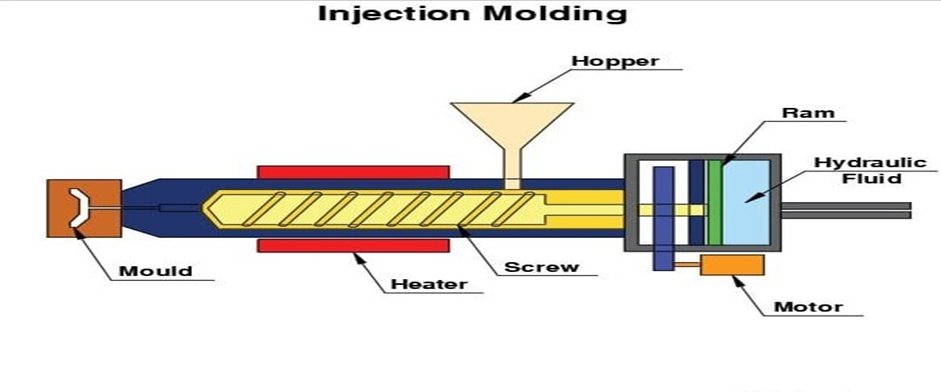
ISO 8 certified operation at Seasky Medical ensures production of medical devises such as syringes, IV components, surgical instruments in a contamination free environment. As a company with over a decade of experience, they are known for delivering reliable and accurate medical injection molding in which they serve global healthcare providers.

Shenzhen Silver Basis Technology Co., Ltd

Shenzhen Silver Basis Technology is a professional Chinese molding company, dedicated to automotive and industrial mold manufacturing. Formed in 1993, the company is one of the most reliable suppliers for the world’s famous brand like Peugeot and ZTE, supplying models for diverse uses.

Silver Basis offers a comprehensive range of services for metal stamping, die casting, mold fabrication, and product testing. Due to their automotive injection molding expertise, they can manufacture interior and exterior vehicle parts that are durable and precise. Since the company is focused on quality, the company has been awarded ISO 9001 and ISO 14001 certificates, and because of that, it is a company chosen by international automotive and electronics manufacturers.

JMT Automotive Mold Co., Ltd

JMT Automotive Mold Co., Ltd is a reputable Chinese injection molding company that deals in automotive mold design and manufacturing. Since its founding in 2005 and based in Taizhou, Zhejiang, the company has built up a solid manufacturing system to satisfy the increasing needs of the automotive industry.

JMT Automotive Mold has an operating experience in a production site of 23,000 square meters and is one of the manufacturers specializing in SMC mold, home appliance mold as well as industrial mold. They have high-speed CNC machinery, precision testing equipment, and state-of-the-art injection molding machinery that lead to a high standard of production. JMT Automotive maintains the operation of technological innovation and precision engineering, and we still offer reliable mold fabrication for domestic and abroad clients.

TK Mold Ltd

Founded in 1978, TK Mold Ltd is a well-known Chinese molding company with more than 40 years in plastic mold fabrication. The company was founded in 1983 and specializes in the development of high-precision molds for medical appliances, consumer electronics, smart house appliances, and automotive components.

TK Mold offers advanced injection molding solutions for its global group of customers from its base of 5 production plants, including one in Germany. Being a pioneer in the adoption of cutting-edge technology, automation, and precision manufacturing, the company is highly appreciated by industries demanding high-performing plastic components. All the produces of TK Mold are certified under ISO 9001, ISO 13485, and ISO 14001 to assure that it falls within the international Quality and safety standards.

Guangdong Yizumi Precision Machinery Co., Ltd

Guangdong Yizumi is a leading Chinese injection molding company producing high performance injection molding machine as well as plastic components. Yizumi was founded in 2002 and its headquarter is located in Foshan, Guangdong. With over 600,000 square meter production base and nearly 3,000 staff, Yizumi has developed into a world brand.

Yizumi has won numerous industry awards for its innovations in injection molding technology and is known for its innovative, molding solutions. In 2015, the company became the first Chinese molding company to be listed on the Shenzhen Stock Exchange. Yizumi is focusing on automotive, consumer electronics, and industrial applications and becoming a leader in the industry with its state-of-the-art machinery and molding with high precision.

Challenges and Considerations When Choosing a Chinese Molding Company 

Chinese mining companies do present many advantages, however, before committing to a manufacturer, businesses should be aware of a few aspects.

1. Quality Control and Compliance

All of the manufacturers do not follow the same quality standards. Before choosing a supplier, you should verify certifications and test a sample first.

2. Intellectual Property Protection

Manufacturing in China may be an issue for outsourcing intellectual property (IP) protection. To avoid losing their designs and keep them safe, businesses should work with trusted partners and legal agreements.

3. Communication and Language Barriers

While several Chinese manufacturers will have English-speaking sales teams, communication isn’t always straightforward. Documentation and agreement are prepared to prevent misunderstanding.

4. Logistics and Shipping

However, dealing with large orders internationally can be complex and costly. Chinese molding companies should be understood within the businesses’ custom regulations, lead times, and freight costs.

Future Trends in Chinese Injection Molding

With new technologies, there comes the development of the Chinese molding industry to meet the new market demands. Key trends include:

1. Sustainable and Eco-Friendly Materials

As plastic waste concerns have grown in China, many molding companies have become more concerned about environmental regulations and are now developing biodegradable, as well as recycled, plastic materials.

2. Smart Manufacturing and Industry 4.0

The automation and AI-driven quality control, the complete changeover from a human-centric process to an IoT-enabled smart factory has completely transformed the Injection Molding process and it makes the production more efficient and less wastage.

3. Increased Customization and On-Demand Production

The focus of companies is moving to on-demand, small-batch production for niche markets and fast product development.

Conclusion

Chinese injection molding companies are an integral part of the global manufacturing industry as these companies provide cost-effective, high quality and innovative solutions for customers. Some of these manufacturers machine plastic parts for automotive components, medical devices, and other related industries. When choosing a Chinese molding company, business entities should rigorously examine quality standards, the convenience of communication, and logistics to secure a successful partnership. Due to the continual trend of technological advancements and sustainable practices, Chinese molding companies will continue to lead the way through injection molding for many more years. If given the many advantages, businesses should however weigh in quality control, intellectual property protection, communication challenges, and logistics before choosing a Chinese molding partner. However, if research has been conducted thoroughly and collaboration with manufacturers who produce with quality and are certified for the work, the businesses can reap the benefits of China’s expertise in injection molding. In the future, injection molding in China will be characterized by sustainable materials, smart manufacturing, high-speed production, and production-driven automation coupled with biodegradable plastics and Industry 4.0 technologies, China will still have the greatest strides in global injection molding. As the Chinese molding companies continuously advance and do their best to alter the face of Chinese manufacturing, they will continue to propel modern manufacturing.

Frequently Asked Questions (FAQs)

1. Why is injection molding manufacturing from China popular?

Choosing China for injection molding offers the advantage of cost effective production, modern technology, well trained workforce, and well organized supply chain. There are many manufacturers that follow international quality standards and they offer customized solutions with very quicker turnaround time.

2. How do Chinese injection molding companies benefit the industries?

All of these industries have been dependent on Chinese injection molding including automotive, electronics, medical devices, packaging, and consumer goods. Chinese manufacturers can effectively and cheaper produce the high precision plastic component needed for these industries.

3. How do Chinese injection molding companies guarantee product quality?

China molding reliable companies strictly control the quality from raw materials to finished products and obtain the following certificates: ISO 9001, ISO 13485 (medical), and IATF 16949 (automotive parts). Their level of testing processes and automated inspection systems hold them up to high standards.

4. A Chinese molding manufacturer selection is what?

Quality certifications, experience, production capabilities, intellectual property protection and the ability to communicate and provide logistics support should be taken into consideration by businesses. Sample testing and ensuring the capability of the company to deliver should be conducted to pave the way for a good partnership.

5. What is the prospect of the Chinese injection molding industry?

The times we are living in require industry to find new trends to resolve it, including sustainable and biodegradable plastics, AI powered automation, smart factories and on demand production. These advances will make manufacturing more efficient, waste less, and supply for the continually growing demand for eco friendly manufacturing answers.

A Comprehensive Guide to Clear Plastic Injection Molding

Clear plastic injection molding is a specialized manufacturing process also used in the production of high-quality, clear plastic components for multiple industries. This technique is different from standard plastic molding in that materials, mold design and all variables must be precisely controlled for this technique to provide exceptional optical clarity and durability. Clear plastic parts appear in medical instruments and automotive lenses, consumer electronics, and architectural lighting everywhere, and everywhere else too. The clear plastic injection molding succeeds depending upon the selection of such right material like acrylic, polycarbonate, and optical silicone rubber with their specific properties like impact resistance, UV stability, and light transmission. 

The process itself takes delicate preparation of mold, drying of the material, injecting in a controlled manner and then cooling slowly to avoid defects such as bubbles, streaks, and haze. Also, post-processing techniques and advanced coatings further enhance the optical performance of the optically clear plastic components. With all these things having advantages, clear plastic molding is facing challenges such as perfect transparency, surface defect avoidance, and material sensitivity. Nevertheless, the rate of progress in molding is increasing and those in the industry are taking advantage of innovations like AI-driven molding optimization, 3D print customizable molds and self-healing plastics to improve efficiency and the products produced.

The process of clear plastic injection molding is covered, the key materials used, challenges, applications, as well as their future advances in this article. If you are in the medical, automotive, electronics or lighting industry, if you need to know the mystery of how to make clear plastic tools, this knowledge can help you to choose a high performance and visually pleasing plastic component.

What is Clear Plastic Injection Molding? 

Clear plastic injection molding is a type of manufacturing where plastic transparent or semi transparent material is melted and injected into a mold to create certain shapes lastly. Unlike regular injection molding this process is very sensitive to material selection (including selection of types of flows), to the mold design, and to cooling techniques to avoid such defects as cloudiness, bubbles and distortions.

It is widely used for manufacturing products that should possess excellent optical properties, such as medical instruments, automotive lighting and electronic displays.

Clear Plastic Injection Molding Process 

It’s a very precise process to achieve clear plastic components. Here is a breakdown of some of the essential steps in this online course.

1. Mold Design and Preparation

Clear plastic injection molding requires a mold that is well-designed. The mold must have:

  • Polished to very high levels to prevent marks or distortions of the sound.
  • It can vent to remove air bubbles and avoid trapped gases.
  • Mechanisms to control the temperature to regulate cooling rates

2. Material Drying

Plastic resins with too much moisture content are known to cause cloudiness, bubbles, or weak spots. Polycarbonate and acrylic materials need to be dried at controlled temperatures prior to injection to remove moisture.

3. Melting and Injection

The mold cavity is filled under high pressure with the dried resin heated to its melting point. Key considerations include:

  • Prevents flow marks and stress fractures by injection speed and pressure
  • Higher temperature helps in maintaining optical clarity
  • Even cooling and prevents shrinkage: Uniform filling

4. Cooling and Solidification

The cooling must be slow and uniform to avoid warping or distortion of the material. Transparent plastics often require:

  • Gradual cooling to maintain clarity
  • Advanced cooling channels within the mold can be used.
  • In some cases, post-mold annealing reduces internal stress.

5. Ejection and Post-Processing

The part is ejected carefully once solidified to avoid scratches or marks. Post-processing techniques such as:

Polishing

  • UV coating for protection
  • Laser cutting for precision
  • This can also improve the appearance and durability of the product. 

Clear Injection Molding Uses key materials.

Clear injection molded plastics require the choice of material, which is important to provide high strength and high clarity. The most commonly used materials are given below:

Acrylic (PMMA)

Polymethyl Methacrylate (PMMA), or as it is known scientifically as Acrylic, is one of the most widely used materials for clear plastic injection molding because of its excellent optical clarity. With a light transmission rate of approximately 92%, it is designed for applications that require high transparency like lighting fixtures, display cases and automotive components.

In addition to superior UV resistance resulting in no yellowing over time and high scratch resistance, acrylic is also nontoxic in a range of applications. Acrylic, however, is very brittle and is prone to cracks or cracks upon impact. Moreover, it is very sensitive to moisture and requires pre drying to be used in molding without defects.

High-Density Polyethylene (HDPE)

High-density polyethylene or HDPE is a relatively inexpensive and versatile material with translucent clarity making it suitable for those products that do not require full transparency. Because of its UV resistance, it is a good choice for use outdoors, since it can tolerate long exposure to the sun without degrading.

HDPE has more impact resistance compared to acrylic so is less likely to break. Mostly used in the production of bottles, pipes, and packaging containers as the low cost of manufacturing with amazing durability. On the other hand, HDPE is not rigid enough like other transparent plastics, which makes it unsuitable for applications involving high structural strength.

Polycarbonate (PC) 

Polycarbonate (PC) is a high performing, transparent, plastic with good optics and very high mechanical strength. In applications that require transparency and durability, it is widely used, e.g. safety glasses, automotive headlights, bulletproof windows.

Contrary to acrylic, polycarbonate is extremely impact-resistant and will not shatter under severe forces. Moreover, this is a good UV resistant, the condition will not yellow for a long period of time. One downside though is that the surface of polycarbonate is prone to surface scratches and will usually need another coat of something to actually make it durable. PC also requires pre doping before injection molding to prevent moisture related defects (like acrylic).

Polyetherimide (PEI)

High-performance engineering plastic Polyetherimide (PEI) is an outstanding plastic that resists UV, heat, and chemicals. The application of the alloy is primarily in industries that demand high mechanical strength as well as high thermal stability, such as the aerospace, automotive, and medical equipment manufacturing industries.

As a result, PEI has excellent heat resistance for anything that will be exposed to extreme temperatures. Though more expensive and hard to mold onto the surface of a product, it is used occasionally in consumer products. In many cases, PEI injection molding requires the use of steel molds, in order to be precise and maintain durability.

Polypropylene (PP)

Polypropylene (PP) is a broadly used thermoplastic having flexibility, chemical resistance as well as electrical conductivity. It is used widely in packaging materials, textiles and automotive components on account of its durability and versatility.

PP’s most significant benefit lies in its ability to be closed and re-opened several times without breaking. It is thus especially suited for such applications as flip-top bottle caps and living hinges. Nevertheless, polypropylene is not as transparent as acrylic or polycarbonate — it is more well suited being translucent than clear. Additionally, it is not rigid enough to be used as a structural or load bearing component.

Liquid Silicone Rubber (LSR)

Liquid Silicone Rubber (LSR) is a high-performance elastomer and one that is known for being extremely well biocompatible, having excellent thermal stability and chemical resistance. Mechanically, it is quite strong and flexible and is widely used in medical, automotive, and electronic applications.

The outstanding advantage of LSR is its ability to maintain shape and properties under conditions of extreme thermal cycling, or of exposure to chemicals or solvents and heat. LSR have elasticity and durability which makes it suitable for seals, gaskets, medical tubing. This also further extends its uses in demanding environments thanks to its resistance to heat and chemicals.

Optical Silicone Rubber (OSLR)

This Optical Silicone Rubber (OSLR) is specifically developed for high light transmission, high optical clarity. In optical lens, LED lighting, medical imaging devices and other fields where higher light transmittance and extremely low distortion is necessary, such as in a CCTV.

OSLR has outstanding resistance to adverse weather conditions and does not yellow through the expected life. It is an appropriate choice for outdoor lighting fixtures and high precision optical components because of its ability to keep optical stability over time.

Polyethylene (PE) 

Polyethylene (PE) is a thermoplastic that is created from petroleum-based materials through heat and pressure treatment. Used because of its cost-effectiveness and moldability, it is commonly used in bottles, pipes, packaging, and consumer goods.

It is well UV resistant, thus great for outdoor use. While it cannot come close to the optical clarity of acrylic or polycarbonate itself, it is better for translucent applications than fully transparent ones.

Elastomeric Resins (TPR) 

Thermoplastic Rubber (TPR) is a flexible material that contains the characteristics of plastic and rubber. In medical, industrial and expendable consumer applications that require chemical resistance and elasticity, it is frequently used.

TPR is used in common applications such as fluid dispensers, medical catheters, and flex hoses. It is an ideal material for products that require resistance to acids and harsh chemicals due to the fact that it can withstand tough conditions.

Thermoplastic Polyurethane (TPU) 

Thermoplastic Polyurethane (TPU) is a high-strength elastomer used frequently in sporting goods, automotive parts, and ergonomic handles. As a material it is notorious for its soft texture, superior elasticity, as well as its excellent tear resistance.

TPU gives a rubber feeling to its composition therefore it is widely used in grips and flexible parts. While this version of plastic is more expensive than standard plastics, its durability and ability to withstand impact make it a good choice of plastic for high performance applications.

Light transmissivity and its features and best use

There is this table that helps compare how different transparent and translucent materials perform in terms of light transmissivity and its features and best use case.

MaterialLight Transmission (%)Key FeaturesCommon Applications
Acrylic (PMMA)~92%It is a clear, UV resistant, and scratch-resistant brittleLighting fixtures, display screens, optical lenses
Polycarbonate (PC)88-90%High impact resistance, UV resistance, slightly lower clarity than PMMASafety glasses, automotive headlights, bulletproof windows
Optical Silicone Rubber (OSLR)~90-94%Glass-like clarity, flexible, high-temperature resistanceLED lighting, optical lenses, medical imaging devices
Liquid Silicone Rubber (LSR)~85-90%Flexible, biocompatible, heat & chemical resistantMedical devices, electronics, specialized lighting
Polypropylene (PP)~80-85%Translucent, chemical-resistant, flexible, low costFrosted covers, containers, packaging solutions
High-Density Polyethylene (HDPE)~75-85%Translucent, durable, cost-effective, impact-resistantBottles, pipes, packaging, consumer goods

Challenges in Clear Injection Molding

Although clear plastics offer several benefits, they still come with disadvantages:

1. Achieving High Optical Clarity

Transparency may be reduced by any imperfection in the mold or the cooling. The mold has to be smooth and highly polished and processing has to be done at precise temperatures.

2. Avoiding Bubbles and Flow Lines

Bubbles or flow lines of air trapped during the injection process can be seen in the final product. To prevent this:

Proper venting in the mold is needed. It helps to maintain smooth flow by slow, controlled injection speeds.

3. Material Sensitivity

Polycarbonate and acrylic are clear plastics that are very sensitive to moisture, heat, and UV exposure. If drying and storage are done appropriately, the output is quality.

4. Scratches and Surface Defects

That’s because because imperfections show clearly in clear plastics, so manufacturers must use:

  • Anti-scratch coatings
  • Protective packaging during transportation 

Common Defects in Clear Plastic Parts and Their Solutions

For the manufacture of clear plastic parts, perfect transparency and smoothness is required. There are, however, many defects that can affect the final product’s clarity and overall quality. Here are some common problems in clear plastic injection molding and how to resolve them.

1. Bubbles

Cause

Trapped air or gas that cannot escape during the molding process is usually the cause of bubbles. This can happen due to:

  • Incomplete filling of the mold.
  • Rapid cooling at the condensation surface.
  • Resin with moisture causing vapor formation.

Solution

  • Make sure that the mold is vented properly so that gases escape.
  • Increase the injection pressure to improve the material flow.
  • Excess moisture should be removed from the plastic resin before molding.

2. Silver Streaks

Cause

Internal stress variations during material flow cause silver streaks. By applying pressure to the resin, the resin is pushed into different directions, creating an array of uneven refractive index and resulting in a streaky or silk-like effect. If this stress is allowed to build up, it will eventually lead to cracking.

Solution

  • To promote even cooling, mold temperature should be optimized.
  • Increase injection speed and pressure to minimize stress buildup.
  • Prevent directional material alignment during molding with low-stress molding techniques.

3. Seismic Patterns

Cause

This defect is characterized by grooved or wavy patterns on the surface resulting from high melt viscosity. If the resin does not flow smoothly and condenses too early in the cavity, it ruins the homogeneity of the material.

Solution

  • Increase the melt temperature to increase material flow.
  • Viscosity is reduced by adjusting plasticizing conditions.
  • Change the sprue and runner design to have better material distribution.

4. Poor Surface Gloss

Cause

The cause of a dull or uneven surface finish is typically rough mold surfaces, or the resin fully solidifying too soon before it totally conforms to the mold.

Solution

  • To achieve a smoother finish, polish the mold cavity.
  • Increase the mold temperature to improve the material flow.
  • High-quality resins with better flow characteristics should be used.

5. White Smoke / Black Spots

Cause

The resin degradation inside the injection molding barrel due to excessive heat is the reason for causing these defects. Black spots can occur when overheated material can burn and white smoke can occur when gas is emitted from degraded resin.

Solution

  • Prevent the overheating of the barrel by lowering the temperature.
  • Finningers are to regularly clean and maintain the injection machine to avoid resin buildup.
  • Guarantee consistent cycle times so that the material is not getting degraded.

6. Whitening / Haze

Cause

When moisture or dust particles contaminate the plastic material, there is haze or cloudiness. Light diffraction due to improper drying or airborne impurities will reduce transparency.

Solution

  • Process raw materials after thoroughly drying them.
  • Contamination can be avoided by keeping stored materials in a clean, controlled environment.
  • Keep dust off the air with the use of filters and air purifiers in the production area.

Advantages of Clear Plastic Injection Molding

However, there are many benefits to clear plastic injection molding despite its downsides.

1. Excellent Optical Transparency

High light transmission lends itself well to clear injection molded plastics used in items such as lenses, medical equipment and display screens.

2. Precision and Consistency

Injection molding is highly accurate and repeatable resulting in identical parts having very few defects in each.

3. Cost-Effective Mass Production

Once the mold is created, production costs plummet significantly compared to the subsequent ones, thus being an effective way when it comes to manufacturing in bulk.

4. Lightweight and Durable

Because clear plastic parts are lighter than most glass, shatter resistant and more impact resistant, they are excellent for use in safety applications.

Applications of Clear Injection Molded Plastics

Plastics with clear injection molds are commonly used in industries because they have optical clarity, durability, chemical resistance, and less weight. Plastics that can create transparent, high-precision components increasing functionality and aesthetics are these. Some of the main industries that clear plastic injection molding applies are stated below.

1. Medical Industry 

The medical market requires clear plastic components where sterility and precision are crucial, as well as the need for visibility. Common uses include:

  • Comprise transparent syringes and IV tubes, or surgical instruments that allow staff to monitor or check fluid flow and prevent overdosing.
  • Rigidness of clear protective shield over the face mask or medical goggles to protect without compromising one’s view.
  • Diagnostic equipment housings for X-ray, MRI, and ultrasound scanner devices where clarity is so important.

2. Automotive Industry

Injection molded plastics can make vehicles more functional and design-friendly. They are used in:

  • High optical transparency and durability lenses for headlight and taillight that withstand harsh weather conditions.
  • Transparent top dash covers and speedometer panels to make controls and displays visible.
  • Mention is made of impact-resistant clear plastics in some lightweight automotive designs which require sunroofs and side windows.

3. Consumer Electronics 

Clear molded plastics, for manufacture of lightweight, durable and aesthetically pleasing parts, are used in the electronics industry.

  • For protective and cost-sensitive touch applications on smartphone screens and display covers.
  • Also including transparent TV and laptop screens with scratch resistance and high clarity.
  • Screen components of wearable tech such as smartwatches and fitness tracker screens are also flexible and have impact resistance.

4. Packaging Industry 

In packaging, clear plastics are commonly used as they are washable, lightweight, and aesthetically pleasing. Some key applications include:

  • A selection of food-grade clear containers and bottles to keep foods fresh and to see contents.
  • The type of transparent cosmetic and pharmaceutical packaging, so that customers can see the product safely while storing.
  • Tamper-proof and airtight clear packaging, as used for medications, supplements, or more premium food products.

5. Lighting Industry 

Plastics which are most often used as electrically insulating materials, called clear plastics or plastics, are essential to modern lighting applications, providing increased efficiency and functionality. They are used in:

  • LED covers and lamp diffusers for uniform light distribution, besides protecting LED components.
  • Transparent panels for architectural lighting such as transparent panels can be used as customized lighting solutions for interior and exterior design.
  • High-performance optical lenses are used in streetlights, stadium lightning, and automotive headlights for the flexibility of light direction and focus.

6. Aerospace and Defense

Moreover, lightweight, impact-resistant clear materials are required for many aerospace and defense industry applications such as:

  • High optical clarity with resistance against pressure changes that are required for aircraft windows and cockpit panels.
  • Transparency visors for helmets, which protect as much as the eyes can see.
  • Optical lenses for defense equipment, such as night vision goggles and rangefinders.

7. Optical and Scientific Equipment

Clear plastics are needed for high-precision optical applications for accurate light transmission without distortion. Examples include:

  • Congruently, their lenses have been used in microscopes and telescopes, giving rise to high clairvoyance magnification.
  • Optical sensors and laser components are used in scientific research in industrial automation.
  • Laboratory instrument preventive shields to safeguard the handling of dangerous materials.

Clear injection molded plastics are irreplaceable, due to their versatility and advanced properties, for many industries such as the medical, automotive, electronics, packaging, lighting, aerospace, and scientific fields where innovation is aided by the availability of these plastics.

Future Trends in Clear Plastic Injection Molding

The clear plastic injection molding industry will see major advancement as technology advances. Over the coming years it will be necessary to improve the durability of the materials, their sustainability and manufacture as well as the performance of the product. The industry will be defined by a few key trends which are enumerated below.

1. Enhanced Material Innovations

The field of clear plastics is advancing at a fast pace to develop more durable, sustainable, and functional plastic. Key innovations include:

  • Automatic repairs of minor scratches made in self-healing clear plastics enhancing the life of products like automotive lenses and smartphone screens.
  • High-strength, lightweight composites that are highly transparent and have a combination of good impact resistance and allow for resistance shock when thermoplastic materials are impossible or difficult to use.

2. Advanced Molding Technologies

Clear plastic injection molding undergoes various new manufacturing techniques that enable greater efficiency and precision:

  • Integration to 3D printing for customizing the mold for rapid prototyping and low cost and mass production of complex parts such as the transparent one.
  •  Real-time molding optimization with AI, capable of dynamically adapting to cause fewer defects, producing more consistent products and shorter cycle time.
  • Utilized for Nanotechnology enhanced injection molding in creating plastics that were better able to impact optical clarity, scratch resistance, and heat tolerance.

3. UV-Resistant and Anti-Fog Coatings

To produce future clear plastics with better functionality in various applications, plastics will be equipped with specialized coatings.

  • Improved UV protection, so it will not cause yellowing or degradation of materials exposed to sunlight like car headlights or panels for outdoor lighting.
  • Provides Anti-fog properties improving visibility on automotive windshields, medical appliances, and optical devices.
  • Scratch-resistant coatings to increase the durability of smartphone screens, eyeglasses, industrial protective gear, etc.

4. Smart and Functional Clear Plastics

As clear plastic becomes more demanded as multi-functional material, smart technologies such as mesh will be integrated into it.

  • Also embedded sensors in clear plastics for industrial and medical applications for real-time temperature, pressure, and chemical exposure monitoring.
  • Cuts that allow for conductive clear plastics to be formed for transparent electronic displays and touch-sensitive surfaces in next-generation devices.
  • And self-cleaning coatings that need less maintenance in medical, optical, and automotive product uses.

If these advancements are met, we will be guaranteed clearer plastic injection molding that will surely meet the growing demands of today’s industries in an even smarter and more sustainable way among other features.

Conclusion

Clear plastic injection molding is an important function that has transformed manufacturing industries that demand high transparency and accuracy. Advanced materials such as polycarbonate, acrylic, and optical silicone rubber, enable the manufacturer to design components that are lightweight, durable, and optically clear while replacing the older glass solutions. This has all led to a growing demand for clear plastics because of their use in medical devices, automotive lighting, electronics, and packaging. However, despite issues like moisture sensitivity, defects on the surface of the object, and strict processing requirements, molding technology has progressed greatly in increasing efficiency and improving product quality. AI, 3D printing, and nanotechnology continue to advance the technology, integrating the process at a cheaper and more precise level and carrying UV-resistant coatings and self-healing plastics have further increased the durability of the clear molded products.
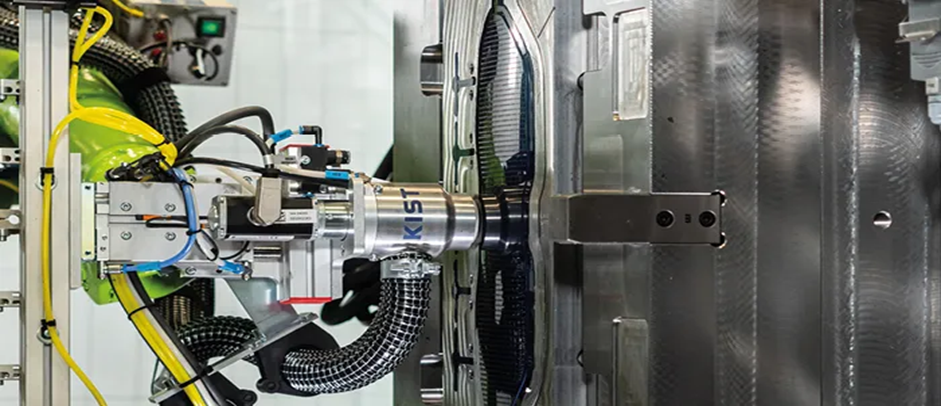
Ahead, the clear plastic injection molding future is aimed at sustainability, smart materials and greater functional ability. Biodegradable and recyclable transparent plastics will be increasingly demanded by the industries looking for eco friendly alternatives to their regular products. Moreover, applications in the medical and the electronic fields may be realized with smart plastics which have embedded sensors and conductive properties. All in all, clear plastic injection moulding remains a very important technology that still develops and gives creative solutions to such industries as those that require transparency, strength and aesthetic appeal.

FAQs

1. What are the most commonly used materials in clear plastic injection molding?

PMMA is a high optical clarity material, used most often, PC for high impact resistance, OSLR for highest light transmission available, and PP for translucent, least costly applications. The choice of each material is made with respect to its corresponding properties and industrial need.

2. What are the main difficulties in clear plastic injection molding?

The main issues are in making sure the material is high optical clarity, no defects of bubbles or streaks, dealing with moisture sensitivity and scratch resistant surfaces. To overcome these challenges, precise molding conditions, good drying and very good molds are required.

3. Which industries use clear plastic injection molding most?

Clear plastic injection molding is one of the essential parts in manufacturing industries such as medical applications (syringes, IV tubes, diagnostic equipment) and automotive (headlight lenses, dashboard covers), consumer electronics (smartphone screens, display panels), packaging (food grade containers, cosmetic bottles), and lighting (LED covers, lamp diffusers).

4. What role is technology playing in clear plastic injection molding?

AI boosting of process, 3D Printing for customizing of mold, self healing plastics, improved UV resistant coatings are improving efficiency of production and the durability of the product. These reductions are enabling more reliable processes, better material performance and more sustainable processes.

5. Are clear plastic materials nature-friendly?

Traditional transparent plastics from petroleum appear to have improved in terms of sustainability, although biodegradable and recycled transparent plastics have developed in recent years. Bio–based alternatives and eco–friendly production techniques are also explored by manufacturers to cut down the environmental impact.

The Role of Brass Inserts in Plastic Injection Molding

Plastic injection molding makes use of Brass inserts to offer strong, reliable, and reusable threaded connections. The precision-engineered components are embedded into plastic parts for improved structural reliability to enable them to withstand higher stress and load conditions. Brass when compared to other metals is machinable, corrosion resistant, and has good thermal conductivity thus making it a preferred material to manufacture injection molding inserts in different industries such as the automotive industry, electronics, medical devices, and aerospace. Different kinds of brass inserts are appropriate for different applications. Electronic enclosure and automotive parts applications require secure fastening with threaded inserts; press-in inserts are used where cost is more important and for low-load applications. Heat-staked and Ultrasonic inserts provide strong retention by thermal bonding, Molded inserts provide maximum strength by being encapsulated during plastic molding. This includes a format of knurled inserts, patterned with ridges that give an enhanced grip and a better pullout resistance for high-strength fastening.

Special techniques are required to install brass inserts to be durable and strong. Press fitting, heat staking, ultrasonic insertion, and molded-in techniques enable inserts to be integrated into plastic parts needed by the application. Depending on material properties, load-bearing requirements, and production volume there is a chosen method. A range of brass inserts is available in different types of thread such as BSW, UNC, UNF, BSP, NPT, and ISO metrics for various industrial applications. For these reasons, they are important components in modern manufacturing, and are corrosion-resistant, offering superior conductivity and cost-effectiveness. Brass inserts are widely used by the makers of electronic connectors, medical devices, and automotive components to significantly extend the life and reliability of plastic parts and our best solution for fastening and repetitive assemblies.

This article talks about brass inserts for plastic injection molding, types of brass inserts, features, how to install brass inserts, advantages, and their industrial applications.

What Are Brass Inserts for Plastic Injection Molding?

Brass inserts for plastic injection molding have a small, precision engineered metal that is placed into plastic parts for secure threaded connections. These inserts deliver better pull out resistance than other inserts by allowing plastic components to sustain higher stress and load conditions.

The inserts can be made of brass, an excellent material insofar as it is easily machined, resistant to corrosion, and of high thermal conductivity. Brass is a very good option that can offer a perfect balance of strength and price comparison with other metals. Therefore, brass is the best option for brass insert injection molding purpose.

Types of Brass Inserts for Injection Molding

There are several different designs and configurations of brass inserts that are suitable for a particular application. However, the most commonly used types are:

1. Threaded Brass Inserts

The internal threads on these inserts permit screws and bolts to be threaded and fitted within plastic components with a secure fastening. Typically, they are used in electronic enclosures, automotive parts, and consumer products where disassembly and reassembly are often done.

2. Press-In Brass Insert

The press-in insert is applied with mechanical forces to press the press-in insert into pre-molded or pre-drilled holes in plastic components. They have good retention and are a low-cost solution for applications where a high pull-out resistance is not required.

3. Heat-Staked Brass Inserts

Thermal Energy is used to install the heat-staked inserts with the install softening the plastic around the insert, which can then be securely embedded. As the plastic cools, the insert is harder and fights the plastic forming a very strong and permanent bond.

4. Ultrasonic Brass Inserts

Ultrasonic insertion uses high-frequency vibration to generate heat melting the plastic and allowing the brass insert to be embedded. This way of forming the bond enables very accurate positioning and very good hold, suitable especially for high-precision work. 

5. Molded-In Brass Inserts 

Molded-in inserts are located in place inside the injection mold where the plastic is injected into place. The insert is encapsulated completely with the plastic which makes it for maximum retention. This method is commonly used in applications for brass insert injection molding with the utmost strength and durability. 

6. Knurled Inserts

Brass Inserts with a pattern of ridges or knurls on the outside to improve grip and retention inside of plastic parts are called Knurled Inserts. These are threads that can be widely used in plastic injection molding, which provides secure, wear-resisting inserts. They are designed to provide better pull-out resistance and are thus well-suitable for high-strength fastening in many industries. 

Step-by-Step Process for Installing Brass Inserts in Plastic Injection Molding

In plastic injection molding, brass inserts are important, as they offer strong, reusable threads for fastening. Also, it is important to choose the right method of installation in order that installation will last long, the structure will be strong, and the functionality will be appropriate. Below is a step by step detailed guide of how to install brass inserts using various techniques. 

Method 1: Press-Fitting Installation

This is the simplest method in which mechanical force is used to push the brass insert into a predrilled or molded hole.

Steps

1. Drill or mold the Hole:  Drill or mold the hole slightly smaller than the brass insert for a tight fit.

2. Position the brass insert above the hole, and align the Insert.

3. Use a press machine, hammer, or arbor press to force the insert into place. This works best when applying a good deal of force.

4.  Secure Fit: The insert should sit flush against the surface and not move.

Uses: For quick, low-cost applications where high pull-out resistance is not required.

Additional Tips

  • Make sure holes are of proper size to prevent loose fitting.
  • Do not apply excessive force as it might damage the plastic.
  • This method is suitable for use in low-load applications in consumer electronics and lightweight plastic parts.

Method 2: Heat Staking Installation

The heat softens the plastic and the brass insert is embedded securely.

Steps

1. Drill or Mold a Hole: The hole size should match the insert size.

2. Warm the brass insert:  A heat staking machine, soldering iron, or heated press can be used to warm the brass insert.

3. Press the Insert into Place:  Gently press the heated insert into the softened plastic.

4. Cooling:  Allow the plastic to cool around the insert to bond the plastic and insert together to create a strong, permanent bond.

It is best suited for applications that need strong retention and high pull-out resistance.

Additional Tips

  • Do not overheat the insert, as too much heat will ruin the plastic structure.
  • For automotive components, plastic casings, and appliance manufacturing, this is a good method.
  • Heat staking offers better strength than press fitting, but it requires additional equipment.

Method 3: Ultrasonic Insertion

Ultrasonic vibrations are used to heat the plastic to a melting temperature, melting the plastic to embed securely.

Steps

1.  Prepare the Hole: Drill or mold a hole slightly smaller than the brass insert.

2. Insert over the hole: Put the brass insert on the hole.

3. Ultrasonic vibrations are applied:  An ultrasonic welder is used to heat material through high-frequency vibration.

4. The softened plastic embeds the Insert: The plastic flows around the insert.

5. Solidify and Cool:  Once vibrations stop, harden the plastic to secure the insert.

Best for: High-precision applications like electronics, aerospace, and medical devices.

Additional Tips

  • The ultrasonic insertion process is fast and efficient for high-volume production.
  • It offers an equivalent, and dependable bonding to small and delicate parts.
  • There must be proper settings of frequency to avoid damage to the plastic and to achieve uniform heat distribution.

Method 4: Molded-In Installation

It is the most secure method as brass inserts are put into the mold before plastic injection.

Steps

1. Put the Brass Insert in the Mold: Put the brass insert in the mold cavity so that the insert is positioned correctly.

2. Plastic:  The insert is injected into the Plastic, which flows around it and envelopes it completely.

3. Maximum Retention: The plastic solidifies around the insert, allowing Cooling.

4. Finished Part Eject: The final plastic part is ejected with the insert permanently embedded.

For: Heaviest duty applications that necessitate the highest levels of retention.

Additional Tips

  • Alignment of the insert in the mold is critical and must be done properly.
  • The highest strength and pull-out resistance is provided by molded-in inserts, but they increase mold complexity.
  • This method is frequently used in industrial machinery, aerospace, and automotive applications.

Features of Brass Injection Molding Inserts

The brass inserts come in several thread types, sizes, and knurling patterns for various industrial uses. Some key features include:

  • Made of High-Quality Brass: Manufactured using high brass grade, top quality brass material to make them durable, even resistant to corrosion, and highly conductive for long-lasting use.
  • Precision Threading: Provided in metric, UNC, UNF, BSW, BA, BSP, ISO metric, and DIN standards for perfectly fitting well in a number of fastening specifications.
  • Versatile for Injection Molding, Roto Molding, PVC Injection Molding, and Rubber Molding.
  • Design Customization:  Can be adapted to the needs of the customer with regards to designs, samples, and dimensional requirements in the different industries.
  • Fine Knurls, Diamond Patterns, Diagonal, Reverse Cross, etc. – To provide strong retention and grip, the products feature fine knurls, diamond patterns, diagonal and reverse cross, etc.
  • Engineered with high load bearing capability – insert can withstand high load, great for harsh environments as automotive and industrial applications require.

Brass inserts are the perfect choice for such applications because of these features.

Brass Inserts Thread Sizes

This table contains the Brass Inserts Thread Sizes information.

Thread Type        Imperial Sizes (Inches)               Metric Sizes(Millimeters) 
BSW (British Standard Whitworth)1/8″, 5/32″, 3/16″, 1/4″, 5/16″, 3/8″, 1/2″, 3/4″3mm, 4mm, 5mm, 6mm, 8mm, 10mm, 12mm
UNC (Unified National Coarse)1/8″, 5/32″, 3/16″, 1/4″, 5/16″, 3/8″, 1/2″, 3/4″3mm, 4mm, 5mm, 6mm, 8mm, 10mm, 12mm
UNF (Unified National Fine)1/8″, 5/32″, 3/16″, 1/4″, 5/16″, 3/8″, 1/2″, 3/4″3mm, 4mm, 5mm, 6mm, 8mm, 10mm, 12mm
BSP (British Standard Pipe)1/8″, 5/32″, 3/16″, 1/4″, 5/16″, 3/8″, 1/2″, 3/4″3mm, 4mm, 5mm, 6mm, 8mm, 10mm, 12mm
NPT (National Pipe Thread)1/8″, 5/32″, 3/16″, 1/4″, 5/16″, 3/8″, 1/2″, 3/4″3mm, 4mm, 5mm, 6mm, 8mm, 10mm, 12mm
NPS (National Pipe Straight)1/8″, 5/32″, 3/16″, 1/4″, 5/16″, 3/8″, 1/2″, 3/4″3mm, 4mm, 5mm, 6mm, 8mm, 10mm, 12mm
ISO Metric (International Standard Threads)1/8″, 5/32″, 3/16″, 1/4″, 5/16″, 3/8″, 1/2″, 3/4″3mm, 4mm, 5mm, 6mm, 8mm, 10mm, 12mm

The table presents the brass insert thread sizes which include imperial and metric measurement standards in a clear structured format.

Advantages of Using Brass Inserts for Injection Molding

1. Enhanced Strength and Durability

The lifespan of plastic threads decreases through time until it causes operational failure. The strong durable threading solution from plastic injection molding inserts can function repeatedly while maintaining its original quality.

2. Superior Corrosion Resistance

Brass demonstrates natural corrosion resistance which makes it appropriate for devices which need to operate under moisture and chemical exposure and harsh environmental conditions. The material remains reliable while performing at high quality levels because of its durability properties.

3. Improved Thermal and Electrical Conductivity

The need for electrical and thermal conduction in production directs manufacturers toward using brass inserts as their material of choice during injection molding. The electrical and thermal conductance properties of brass make it an optimal material choice for producing digital elements and automotive sensors as well as industrial systems.

4. Reduced Stress on Plastic Components

Brass inserts distribute plastic part stress evenly therefore they protect against localized damage that could cause cracking. The component maintains a longer service life while maintaining consistent performance through brass inserts.

5. Ease of Assembly and Disassembly

The combination of brass inserts creates a secure attachment system which protects the plastic material from damage. The applications benefit from this method because they need constant component assembling and maintenance tasks or component replacement procedures.

6. Cost-Effectiveness

The cost of using brass inserts for injection molding remains affordable even though their performance exceeds expectations. The combination provides affordable product strength enhancement while retaining most manufacturing expense levels.

Installation Methods for Brass Insert Injection Molding

The procedure for brass insert installation depends on multiple factors that include required applications together with material characteristics and production quantities. You can find three fundamental installation approaches utilized for brass insert injection molding.

1. Heat Staking

A preheated brass insert gets press fit into a pre-drilled opening of the plastic component. Brass inserts ultimately achieve a strong bond with plastic through cooling down and the process creates high retention strength.

2. Ultrasonic Insertion

Ultrasonic insertion adopts high-frequency sonics to create restricted thermal effects which soften plastic material before the brass insert conquers placement in the plastic component. The insertion technique enables exact positioning and it serves many applications throughout brass insert injection molding of electronics and medical devices.

3. Press-Fitting

When performing press-fitting operators must use manual force to drive brass inserts into desired holes which have been prepared in advance. This straightforward procedure remains both budget-friendly and suitable since it lacks demand for powerful pull-out resistance.

4. Molded-In Insertion

Molded-in insertion stands as the most secure method since the brass insert receives placement inside the mold before plastic injection begins. When the insertion method is used the plastic material covers and completely surrounds the insert to achieve its strongest holding ability.

Brass Inserts Selection for Plastic Injection Molding

The selection of the correct brass insert for your application is a fairly complex choice, and you have to keep several things in mind when choosing.

1. Thread Design

Choose an insert with the correct thread type and pitch for your application requirements. Since fine threads provide better grip, coarse threads make for better installation.

2. Insert Size and Shape

The insert should be the size and shape to suit the plastic component and to fit the installation method. Suppose you have to take into consideration factors like wall thickness, hole diameter, and part geometry.

3. Material Compatibility

The brass insert should be suitable for use with the type of plastic used in molding. Low melting point plastics can also have inserts made in order to protect these plastics from being damaged during installation.

4. Load-Bearing Capacity

The mechanical properties of the brass insert from the pull-out strength, torque resistance to shear strength will be evaluated. Pick an insert that satisfies application’s structural requirements.

5. Environmental Conditions

Assess the surroundings of the plastic component. For instance, if the component is prone to moisture chemicals or high temperatures, then choose corrosion-resistant brass inserts with suitable coating.

Applications of Brass Inserts in Injection Molding

Plastic injection molding brass inserts are essential elements as it provides improved strength, corrosion resistance, and durability to the final product. The inserts find wide ranging usage in those industries where secure longitudinally lasting threaded connections are required. They are indispensable because of their ability to strengthen plastic components by bringing strong fastening solutions to them. Further down, I discuss some applications in several industries.

1. Automotive Industry

In the automotive sector, brass inserts find a lot of applications and are present in structural as well as functional plastic components. High strength, vibration resistance and reliability make these inserts into high performance automotive parts.

Common Applications

  • Dashboard Panels: To provide a firm mounting of digital displays and instrument clusters.
  • Sensor Housings: Provide stable, vibration-resistant mounting points for automotive sensors in engine and safety systems.
  • Engine Covers: Enhance the durability and thermal resistance of plastic engine components.
  • Interior trim components: used for threading together interior panel, control units and buttons for long lasting thread connection.
  • Make sure that fittings on fuel pumps, filter housings, and components of the injector are secure.

2. Electronics and Electrical Components

Because brass inserts offer excellent conductivity with high resistance to wear, they are utilized extensively in electronics and electrical applications. These, then, provide strong mechanical support and also provide a means of reliable electrical connections in plastic casings.

Common Applications

  • Circuit Board Mounts which fix circuit boards to plastic housings so they cannot move or get damaged.
  • Connectors: Some electrical connectors provide stable and conductive connections.
  • Electrical Switch Housings: Supply strong support for electrical switches withstanding for tough usage.
  • Battery Compartments: These are created for making a strong battery box in remote controls as well as power tools.
  • Secure fastening of plastic enclosures of electrical distribution systems like power distribution units.

3. Medical Devices

Brass inserts made of plastic components will be utilized for strength, precision, and durability in the medical industry. These inserts enable the designs to meet stringent safety and hygiene standards like in medical applications.

Common Applications

  • Surgical Tools: Achieve secure threaded connections utilized in plastic surgical instruments that are to be sterilized and re-used.
  • Diagnostic Equipment: Used in ultrasound machines, CT scanners, and laboratory devices for secure mounting.
  • Prosthetic Devices: Ensure strong connections in plastic prosthetic limbs and medical implants.
  • Medically sensitive electronics that need to get placed in various enclosures that call for a durable fastening, such as ECG monitors and infusion pumps.
  • Securing Plastic Components to Help Hold in Centrifuges, Microscopes & Sample Testing Equipment.

4. Consumer Products

Consumer goods rely greatly on the use of Brass inserts which provide long-lasting reliable fastening solutions to prevent plastic components from being affected with time. In addition, they have good corrosion resistance and resistance to durability, for everyday products.

Common Applications

  • Plastic Enclosures: Used in electronic gadgets, protective cases, and plastic tool housings.
  • Home Appliances: Washing machine, refrigerator, vacuum cleaner to secure control panels and part movements.
  • They can be used in assembling battery compartments and movable parts in children’s toys.
  • Furniture Fittings: Provide strong connections in plastic parts of modular furniture and cabinets.
  • Sports Equipment: Enhance the strength of plastic components in gym equipment and protective gear.

5. Aerospace Industry

In aerospace applications, the lightweight, strong and vibration resistant fastening solutions, brass inserts are used. These help in improving the toughness of plastic components utilised in high performance aircraft systems.

Common Applications

  • Aircraft Interior Components: Fastenings locked through plastic interior panels, seats, and cabin fixtures.
  • Control Panels: These supply threaded / press rate connections for buttons, switches, and panels for instrumentation.
  • Communication Devices: Used in radio and satellite communication systems for strong electrical and mechanical connections.
  • GPS and Flight Control: Stable mounting of plastic components in GPS and flight control devices.
  • Satellite Components: Used in lightweight yet durable plastic components in space exploration systems.

Conclusion 

Among the significant elements in plastic injection molding are the brass inserts which improve strength, give more toughness against corrosion, and show longevity. By offering secure and reusable threading, they prevent plastic parts from wearing out, enabling extended product life and reliable products. There are different styles of brass inserts available; such as threaded, knurled, press-in, heat staked, and molded-in, allowing the manufacturer to choose the most appropriate to their application.

Retention and pull-out resistance against mechanical failure are achieved by installing brass inserts through press fitting, heat staking, ultrasonic insertion, or molded-in methods. These inserts relieve stress on plastic parts by spreading them better and lessening the chance of cracking or deformation. Moreover, they have excellent thermal and electrical conductivity, which renders them suitable for utilization in electronics, in use for medical devices and aerospace industries.

When industries are rapidly transforming, the need for higher performance level and affordable solutions does not subside. Perfect combination of cost ownership and strength make brass the favored inserts for worldwide manufacturers. Brass inserts are still been used in high precision or heavy duty applications making them important part of modern manufacturing.

FAQs

1. Brass inserts are used for plastic injection molding.

Using Brass inserts provide strong reusable threads in plastic components improving their life and secure fastening in automotive, electronic, medical devices industries.

2. What is the nomenclature used for brass inserts?

There are several types of brass inserts such as threaded, press in, heat staked, ultrasonic, molded in and knurled inserts used for specialized applications and installation methods.

3. What are the reasons to use brass inserts instead of plastic threads?

Superior strength, corrosion resistance, and wear resistance is offered by Brass inserts as opposed to Plastic threads making it durable to last for long without calling for repeated assembly and disassembly.

4. How are brass inserts inserted in plastic parts?

Different techniques to install brass inserts are press fitting, heat staking, ultrasonic insertion and molding them into plastic parts during injection molding process.

5. When are brass inserts used in the industry?

Strong and reliable threaded connections are demanded in many industries including automotive, electronics, aerospace, medical devices, and consumer products where brass inserts are widely used.

The Role of Automotive Plastic Injection Molding in Modern Vehicle Manufacturing

Automotive plastic injection molding is one of the most important processes that revolutionized modern vehicle manufacturing, which has supplemented automotive product development and manufacturing by manufacturing and assembling. In decades, the automotive industry has grown into a major source of science and technology and its industry has highly evolved using advanced materials and manufacturing methods to increase vehicle performance, safety, and fuel efficiency. Plastic injection molding provides an efficient means to develop lightweight, durable inexpensive, highly precise, and very consistent parts. In traditional vehicles, heavy metal components were used to build auto cars, and hence fuel efficiency and design flexibility were compromised. But, with the introduction of high-performance plastics, lightweight parts created that are strong, improve aerodynamics, reduce emissions, and improve fuel economy, are now possible for manufacturers to produce.

Due to its capability to manufacture complex, high precision, and waste minimal parts, plastic injection molding automotive parts has been used extensively. Injection molding is a key component in manufacturing vehicles in the modern era as a matter from interior components like dashboards, door panels, and center panels to exterior parts like bumpers, grills, and fenders. This technology is also widely used in the engine cover, electrical housings, and safety components that guarantee the safety of vehicles to the maximum industry standard. As the need for EVs and sustainable solutions increases, automotive plastic molding is also becoming more essential. EVs need lightweight materials to prolong battery life and for better overall efficiency. Additionally, plastic injection molding will become more sustainable and more efficient in the future due to the adoption of smart materials, automation, and additive manufacturing.

In this article, we explore the role that automotive plastic injection molding plays, involves, how they are used in the manufacturing vehicle, and how it is shaping the future of the automotive industry.

Understanding Automotive Plastic Injection Mold

The automotive plastic injection mold is at the center of the automotive plastic injection molding processes, as it is a very specialized tool for shaping molten plastic into specific automotive components. Each part is designed by the design of these molds, with precision that the part will meet specifications of precision to be repeatable and reliable. So the first step is to create the automotive plastic injection mold usually made from high-quality steel or aluminum. Precision cavities define the final part shape in the mold. If molten plastic is injected into the mold under high pressure, it fills every detail of the cavity and thus produces high-quality parts with excellent surface finishes. At present, the automotive plastic injection mold manufacturing process is highly dependent on manufacturers to produce various kinds of dashboards, door panels, engine covers, etc components. These make these molds essential for meeting the high standards of the automotive industry because of their durability and versatility. 

Early Use of Plastic in Automobiles 

While plastic first showed up in automobiles in the 1940s, it was only widely incorporated into automobiles in the 1950s and 1960s.

  • Henry Ford tried using soybean PVC(plastic) to create a prototype car body in 1941. They never went into mass production, though, as the plastic car was lighter and more difficult to dent than steel, but the war intervened.
  • In the 1950s and 60s, automakers started using fiberglass reinforced plastic (FRP) for car body panels, the first mass-produced car with a full fiberglass body was the 1953 Chevrolet Corvette.
  • From the 1970s the oil crisis forced automakers to research using less weighty materials to increase fuel efficiency, thus using more plastics for interior and exterior parts.

Modern Plastic Use in Cars

While plastics account for only about 10% of the weight of a car, today plastics account for 50% of car volume, all of which work to enhance fuel efficiency, safety, and design flexibility. Some common automotive plastics are polypropylene, ABS, polycarbonate, and nylon, and they are used in such things as dashboards, bumpers, door panels, and engine components.

The Injection Molding Process

Such manufacturing as injection molding is very exact and effective for the manufacture of high quality parts made of plastic. The steps are specific and allow an accurate, durable and consistent part to be manufactured in every part that is made.

Step 1: Melting and preparation of plastic.

The first step is to insert plastic granules into a heated chamber. As the granules move along the course of the barrel, they are exposed to high temperatures sufficient to melt them. At the same time, the material is blended by rotating screws so that it reaches the correct consistency for molding at the end of the process.

Step 2: Injection into the Mold

The plastic is heated until it reaches the ideal molten state in which it is forced at high pressure into a pre-designed mold. This force enables a substance to flow into each small detail and space in an old version in the mould, to leave a reproduction of it.

Step 3: Cooling and Hardening

The cooling process begins as soon as the molten plastic fills the mold. The material solidifies gradually into the desired shape and cooling time is dependent upon many factors including plastic type and wall thickness.

Step 4: Part Ejection and Quality Check

The mold opens after the plastic cures completely and ejector pins or plates force the new part out. The accuracy, meant for defects, and quality of the finished component are then inspected before continuing to any other finish or assembly steps.

Here are common automotive parts that are manufactured using injection molding.

Injection molding is a mass production technique that enjoys wide use in manufacturing the automotive industry. As a result, it facilitates the production of complex and durable, as well as precise components, and the mass production. Injection molding is a major role for modern vehicle manufacturing from interior trim to exterior structural parts. Some of the many common automotive components created from their assembly are listed below.

1. Car Lights (Headlights and Tail Lights)

Headlights and tail lights for cars are manufactured using the injection molding of clear plastic lenses. These parts need to have great precision to provide the best light transmission as well as durability. As they are always subject to rough weather like rain, snow, or harsh sun, they must be also damage-resistant and long-lasting. These components must keep their structural integrity and clarity over time and this is ensured by Injection molding.

2. Door Handles

Injection molding is usually used to produce both interior and exterior door handles. Ergonomic shaping is enabled and different materials are combined to increase functionality of this process. For maximum strength the manufacturers often use a rigid plastic base and they add soft material for better grip and comfort. Overall, Tactile Latch is a good looking and strong door handle that is robust enough for frequent use.

3. Bumpers

Bumpers of vehicles act as impact absorbers in case of bumping. Since they require strength and light, they are made via injection molding. It keeps production cost affordable while providing precise molding of structural reinforcements. Material choice is very important, both from performance and cost perspectives.

4. Dashboards

Dashboards are complex bits of machinery that contain several controls, displays, and safety features including airbags. In the case of injection molding, it becomes possible to manufacture dashboards that can be designed seamlessly with various elements incorporated into a single structure. In addition, this method supports utter smooth and polished finishes that ultimately add to the aesthetics of the vehicle interior.

5. Interior Trim Pieces 

Injection molding is used to do interior trims such as door panels, center consoles and dashboard accents. These parts exhibit significant contribution in the production and slender quality of the vehicle’s interior design. This process enables manufacturers to generate a range of textures, colours and finishes that ensure the interior maintains aesthetic appeal and functionality.

6. Grilles

In a vehicle’s design, grilles are used for both function and aesthetics. They help with airflow to the engine and give a vehicle style. Grilles ensure to be strong, lightweight and able to bear external impact through the injection molding process. This process is so precise that manufacturers can make very intricate grille patterns that become an integral part of the vehicle’s overall design.

8. Engine Covers

Protective shields to help shield and protect critical engine components from heat, dirt, and debris are engine covers. Kindly these covers should be lightweight, heat resistant and highly durable. As a result, there is the use of special materials that meet these functional requirements and they look sleek and professional at the same time.

9. Fuse Boxes and Electrical Housings 

The purpose of protective enclosures is to provide electrical components in a vehicle from moisture/moisture, dust and physical damage. Specifically, switched fuse boxes and electrical housings are manufactured by injection molding, since it is the most suitable method to obtain precision in the design and manufacture of a part, as well as the ability to create complex interlocking designs for durability and ease of assembly.

10. Wheel Arch Liners

Now, the wheel arch liners serve as the protective barriers that prevent the dirt, mud, and road debris from the vehicle’s undercarriage. As these liners need to be strong to withstand the harsh driving conditions, they also have to be flexible. The impact resistance of liners and the ability to meet the many challenges of the environment is possible via injection molding.

Plastic injection molding is used in automotive manufacturing.

Automotive industry uses plastic injection molding as an important manufacturing process which helps in making lightweight, durable and inexpensive components. This has been widely used in the production of interior and exterior parts of automobiles to improve their performance, aesthetics and safety.

1. Products Inject Molded and Interior Parts Manufactured 

The automotive interiors need to be precise, durable, and comfortable. The components are high quality and they enhance the aesthetics and functionality of the vehicle, which are possible through injection molding.

A. Dashboard Components

  • As such, the dashboard is where you find most of the car’s critical features like instrument panels, air vents, and infotainment systems.
  • It has a smooth, durable, and visually appealing finish with built-in features.

B. Door Panels

  • Soft touch surfaces, armrests, and electronic controls are found in modern door panels.
  • Plastic molding is an important thing and it enables the formation of ergonomic designs without compromising the structural integrity.

C. Center Console & Cup Holders

  • Injection molded center consoles include storage compartments, cup holders and control buttons which fit precisely and with more durability.
  • It is a process that ensures the integration between electronic and mechanical components is seamless.

D. Seat Components & Armrests

  • High-strength plastic is used in the manufacture of a lot of seat frames and adjusters.
  • Injection molding is to make the armrests and seat trims comfortable and durable.

It is separated into E. HVAC Components (air vents & ducts).

  • Jet injection moldings, precision air vents, heating ducts, and climate control panels.
  • Proper airflow and better temperature control efficiency are ensured by the process. 

F: Pillar Garnishes

  • Structural trims, garnishing pillars, which embellish the interior of the vehicle improve aesthetics by hiding safety components such as airbags. 
  • These parts sit perfectly and fit right into the rest of the car’s interior because injection molding guarantees a perfect fit and smooth finish.
  •  These trims are very important in refining the vehicle design and functionality.

2. Injection Molding Of Exterior Parts

The materials needed to cover the exterior of a vehicle are impact resistant and weatherproof. Strong and lightweight components are produced using plastic injection molding.

A. Bumpers & Grilles

  • They have to be strong enough to absorb impact forces, yet have to be sufficiently sleek.
  • Large, durable, and aerodynamically efficient bumper designs are possible using injection molding.
  • This process is also used for making grilles, which allow for airflow in the engine.

B. Headlight & Tail Light Housings

  • From intricate headlight and tail light housings molded out of clear and durable plastic.
  • Light distribution and visibility have also been improved through the use of injection molding to ensure that precise shapes are used.

C. Door Handles & Side Mirrors

  • There is a requirement for side mirror housing to be light in weight yet durable to withstand vibrations and weather exposure.
  • Due to injection molding, sleek, aerodynamic, and shatter-resistant designs are possible.
  • Ergonomic grip and integrated locking mechanisms are used on molded door handles.

D. Wheel Arch Covers and Fender Liners

  • These components also protect the vehicle from road debris, mud, or water.
  • With injection molding, the parts are light and adequately strong.

E. Roof Racks & Spoilers

  • Though they sap aerodynamics, spoilers, and, to an even greater extent roof racks, can be lifesavers when it comes to increased storage capacity.
  • These components can be easily included in vehicle designs due to plastic injection molding.

Advantages of Automotive Plastic Injection Molding

1. Cost-Effectiveness

The automotive plastic injection molding has one of the biggest advantages when it comes to cost. This is an economical option for manufacturers because the product can generate large volumes of parts with little waste. It significantly cuts labor costs and brings high efficiency to the molding process which uses materials to maximal effectiveness.

2. Lightweight and Fuel Efficiency

As the fuel efficiency and vehicles’ carbon emissions’ demand goes on the rise, automotive plastic molding is significant in producing lightweight components. They significantly reduce weight and also help in making fuel efficient vehicles that perform better and have reduced emissions.

3. High Precision and Consistency

The automotive plastic injection mold ensures that every feature that is produced is within the specifications of the industry. This precision process does not vary in parts and hence causes the parts to be very consistent in quality and performance. The automotive application is such that this accuracy is particularly important as even the slightest defect in the manufactured part can lead to vehicle safety and functionality problems.

4. Design Flexibility

Automotive plastic molding also offers design flexibility. They can create shapes that are complicated yet intricate and would not be able to be created with traditional manufacturing technologies. It also results in improved aesthetics, superior functionality, and multiple part components that are able to be integrated into a single part.

5. Durability and Strength

Plastic injection molding automotive parts may be lightweight but they are very durable nonetheless. As a result of these materials, polymer technology has become capable of creating a plastic strong enough to withstand extremely high temperatures, impact, and chemical exposure. This type of durability ensures that the plastic components will function reliably under harsh automotive conditions.

6. Sustainability and Reduced Waste

Nowadays, automotive plastic injection molding is going towards sustainability with recyclable and bio-based plastic. This shift prevents industrial waste and other environmental impact. Also, the injection molding is very precise and can minimize wasted materials for maximizing sustainability.

7. Faster Production Cycles

Automotive parts made out of plastic by means of Injection molding are produced at high speed compared to the conventional methods of manufacturing. The process is semi automated which allows manufacturers, due to its efficiency, to fulfill high production demand quicker and save costs.

Versatility in Applications

Automotive plastic injection molding is versatile enough that it can be used in different automotive applications.

  • Dash panels and dash instruments, dash consoles, center consoles, door panels, and trim pieces.
  • Exterior Components: Bumpers, fenders, and grilles.
  • Under the Hood Parts:  Engine cover, fluid reservoirs, as well as air intake.
  • Electrical and components such as switch housings, wiring connectors, and sensor casings.

Materials and Technologies in Modern Automotive Plastic Injection Molding

Most of the automotive parts are produced with the help of automotive plastic injection molding, as they provide durability, as well as low weight of the final product. A similar and even slightly broader set of materials can be used in this process and each has particular advantages that make automobiles the way they are for durability and use. First, automotive applications include selecting the most suitable material for use in production depending on the nature of the material needed to withstand the test of time, ensure safety,y or even reduce the expenses that may be incurred in the process of production thus playing a very crucial role in satisfying the user.

Materials Used in Automotive Plastic Injection Molding

Different kinds of plastic are selected for plastic injection molding automobile parts as each plays a specific purpose in automobiles. Below are some of the common categories of materials that are applied in various capacities:

ABS (Acrylonitrile Butadiene Styrene)

This material is quite hard and resistant to shock, thus finding applications in car dashboard panels, trim,s, and protective shields. For this reason, it is suitable for making both external and internal parts of vehicles owing to its endurance to unfavorable environmental conditions.

Polypropylene (PP)

This material is relatively light in weight, easily fatigued, and chemical resistant, and is suitable for bumpers, Battery covers, and under hood parts. High durability and insulation are the possibilities that polypropylene makes available because of its flexibility.

Polycarbonate (PC)

As an advancer of both clarity and toughness, this engineering plastic is well applied to lighting fixtures including headlamp clusters and more decorative parts including door handles and instrument panel.

Polyamide (Nylon)

It has good heat stability and mechanical properties; It is mostly applied to engine covers, gears, and strength structure components. This characteristic makes it ideal for use particularly in under the hood applications due to its high temperature tolerance.

Thermoplastic Polyurethane (TPU)

Due to high flexibility and elastic properties, it occupies applications in seals, tubing, and vibration-dampening parts for longevity even in difficult conditions.

Advanced Technologies in Automotive Plastic Molding

At the present, enhancement of the automotive plastic molding has seen improved manufacturing techniques in their production and design. Advanced technology advanced manufacturing technology, today has brought a series of changes in manufacturing processes, quality assurance and the production rate of finished products.

1. Computer-Aided Design (CAD) and Computer-Aided Manufacturing (CAM)

These technologies help the manufacturers develop very accurate models of their parts before going through the process of production. This is because using CAD and CAM in the part design, engineers are able to virtually evaluate and fine tune their designs before beginning the actual process of manufacturing the automotive shafts through plastic injection molding.

2. Automation and Robotics

Today, more and more automotive computerized plastic injection molding has been made to improve efficiency. Robotic systems open a way of manipulating molds, putting of parts, as well as inspection to meet the needed quality standards while reducing the human factors affecting the production process.

3. Smart Sensors and IoT Technology

The automotive parts that are produced through the modern means of using plastic injection molding also make use of advanced sensor technology that allows for monitoring the temperatures, pressures, and cycle time of the process. Many machines are connected with centralized systems through the Internet of Things to monitor their operation and to anticipate breakdowns; thereby extending the machinery’s up-time while increasing production quality and reliability.

The Future of Automotive Plastic Injection Molding

The future of automotive plastic injection molding is bright, as spectacular trends in materials, technology, and environmental sustainability are expected in the future. The advancement of electric vehicles is also boosting more innovations of automotive plastic molding since lightweight materials for vehicles would ensure that battery life span is increased and energy efficiency is enhanced.

Furthermore, the application of smart materials in automotive plastic injection molding and the use of an additive manufacturing technique will act as the key growth drivers within the industry in due future. The applications of these advances will allow new elements of design to be created that are capable of providing the manufacturer with components possessing improved performance, strength, and stiffness as well as being lightweight.

However in the current world of manufacturing, global change is forcing manufacturers to use biodegradable and recyclable plastics leading to improvement on environmental effects. Other changes include increased accuracy in use of automated technologies and AI in dealings to cut on wastage and increase on production.

Thus, the future of plastic injection molding in the automotive industry will bring light weight, higher strength and sustainability and formability of advanced self-healing polymers, nanocomposites and hybrid molding.

Conclusion 

Automotive plastic injection molding has become a widely used manufacturing technique and is appreciated for its efficiency, economic feasibility, and versatility. The scenario that allowed for the creation of lightweight but strong components has made it possible to increase fuel efficiency, decrease emissions, and advance car performance. It has applied state-of-the-art technology in molding interior trims, dashboards, exterior bumpers, and other grilles which has enhanced sustainability in the industry. Due to the increasing concerns with the transition to electric vehicles and the overall environmental consciousness, today’s automotive industry is turning to biodegradable and recyclable plastics. Moreover, the technological enhancements namely smart material, automation, and the use of artificial intelligence in manufacturing are enabling manufacturers to produce stronger and quality products with minimal scrap.

As far as the future consideration of plastic injection molding automotive parts is concerned, there is a prospect of using nanocomposites, self-healing materials, and hybrid molding. It is apparent that all these innovations will increase the safety, durability, and fuel efficiency of vehicles so as to suit the consumers more so the environmental standards. Since the application of automobile plastic molding is expanding year by year, without any doubt, this technology will stay as the market leading factor for the prominence of automobile innovations in the future with more effective, safer, and environmentally friendly vehicles for future generations.

Frequently Asked Questions (FAQs)

1. What is the meaning of automotive plastic injection molding?

Automotive plastic injection molding is the process that is used in the manufacture of different automotive parts through the use of an injection mold. This makes this method accurate, durable, and cost-efficient when it comes to the production of a large quantity of the product.

2. Which car parts are typical examples of being produced with a plastic injection molding process?

Such parts include instrument panels and gauges, doors, door sills, consoles, bumpers and grilles, fenders, headlamps, hood and manifold, and electrical boxes.

3. In what ways is plastic injection molding helpful for EVs?

The use of light weight plastics in EVs means that the actual weight of the vehicles is less; this improves the battery’s ability to deliver energy and the range that is achievable. It also helps produce lightweight and strong, heat resistant components for high end electrical and electronic systems of EVs.

4. What are the common materials used in automotive injection molding?

Common materials used in fenders are ABS, Polypropylene, Polycarbonate, Nylon, and Thermoplastic Polyurethane; which has distinct advantages which include impact strength, heat strength, and flexibility.

5. What measures are being taken toward sustainability i.e. automotive plastic molding?

The current trend is towards producing plastics through recycle, biodegradable and bio based plastics besides using energy efficient technologies during production to minimize wastes.

6. What are the benefits of using plastic injection molding in the automobile industry?

There are a number of advantages that have been accorded:mmEnumerated as follows: cost is low, the fabricated components are light to enhance fuel economy, flexibility in design, high accuracy, durability, and short production time.

7. Which parts of an automobile are produced by the use of plastic injection molding?

Some of the automobile components that can be produced through this process includes the dashboard, the bumper, the doors, the grille, headlights, and the engine hood.

Acrylic Injection Molding: A Key Process in Modern Manufacturing

Today, time is of the essence in the fast-paced manufacturing world, acrylic injection molding provides precision, durability, and efficiency at the highest level possible. As the common name suggests, acrylic (or polymethyl methacrylate (PMMA)) is highly valued for its outstanding transparency, strength, and toughness, and it has become a staple material in use by the automotive, aerospace, medical, and consumer electronics industries. With acrylic injection molding, superior optical properties, weather resistance, and mechanical strength of high precision components can be molded consistently. From automotive light covers and medical enclosures right down to high-end optical lenses and even custom signage, molded acrylic products are changing modern innovation. Yet, the process can be mastered only with experience dealing with material behaviour, mold design, and process optimization, since the process has challenges that must be worked out such as brittleness, shrinkage, and cooling time.

In this article, we will discuss the intricacies of the acrylic injection molding process, with its process, application, design principles, advantages and also the future trends. The application of AI driven molding as well as the use of sustainable materials and 3D printing molds is rapidly shaping the future of acrylic manufacturing to new areas of application when it comes to high performance plastic solutions.
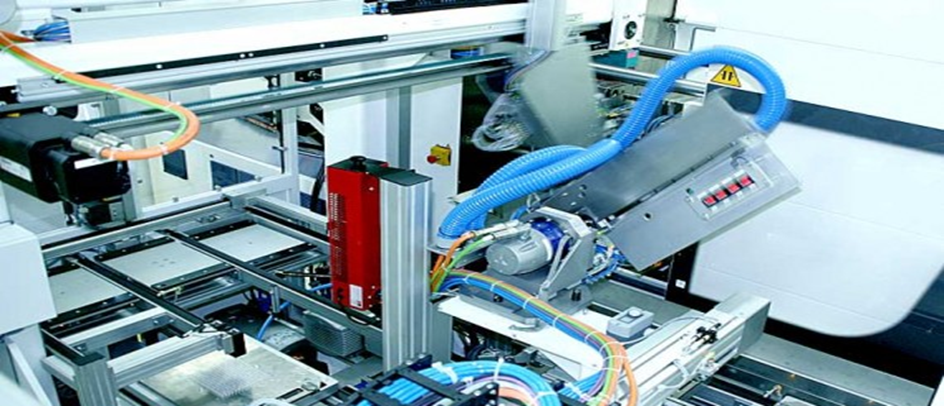
Understanding Acrylic Injection Molding

Acrylic injection molding is the process of heating acrylic resin to a molten state using heat, and then under high pressure injecting it into a mold making the parts. For high volume production, the process is widely used for achieved consistency of design, accuracy and quality.

Key Stages of Acrylic Molding 

Material Preparation: The moisture in acrylic pellets is removed so that the pellets dry out and can have defect-free molding.

Melting and Injection: In the second case, the pellets are introduced into a mold cavity where they are heated to 200–250°C.

Cooling and Solidification: Once the acrylic has taken shape, the mold is cooled.

Ejection of the Product: The mold is opened and the finished part is released.

Post-Processing: It is not the shape of the product but rather surface finishing, polishing, or coating that improves the appearance and functionality of the product. 

Various Properties of Acrylic 

We mentioned some important characteristics of acrylic include abrasion resistance and impact strength previously. In this part, we’ll delve into its properties so that their nature is not a puzzler for a person who is interested in getting to know why acrylic is so useful in manufacturing.

General Properties of Acrylic

Density: 1.19 g/cm³
Rockwell Hardness: M 102
Water Absorption:  0.2%
Flammability Rating: UL94 HB, Class 3 (BS 476 Part 7)

This acrylic is lightweight but it is a very strong plastic. Good impact resistance over traditional glass allows it to be less likely to shatter. Furthermore, acrylic is a poor thermal conductor material, thus it can be used as an excellent thermal insulator material. Acrylic is not only heat resistant but has protection against UV rays, which means that it would be an appropriate choice for application outdoors where one is subject to exposure to sunlight.

Optical Properties of Acrylic

Light Transmission: Over 92%
Refractive Index:  1.49

Acrylic’s clarity is one of the primary reasons why it is used so widely in optical applications. In terms of transparency to light, it transmits over 92 percent of visible light, which matches that of excellent glass. Used in mechanical or vapor polishing techniques, it becomes polished like crystals and becomes a good pick for the lens, light guide, display panel. High clarity acrylics are the popular acrylic brands like Perspex, Rohm Plexiglas, etc.

Mechanical Properties of Acrylic

Tensile Strength: Approximately 8,000 psi
Tensile Modulus: 350,000 – 500,000 psi
Flexural Modulus: Similar to the tensile modulus

Acrylic is also a strong and rigid thermoplastic that can hold a great amount of mechanical stress. Its tensile strength is about 8,000 psi, so it would take 8,000 pounds per square inch to crack the material. Further value of its high modulus values also indicates that acrylic can still be structurally stable under bending and stretching forces. It is also water resistant and UV resistant and this makes it a better choice for outdoor signs, protective shields, and automotive components.

Thermal Properties of Acrylic

Minimum Service Temperature: -40°C
Maximum Service Temperature: 80°C
Softening Point: Above 110°C
Linear Expansion Rate:  7.7 × 10⁻⁵

Acrylic has a melting point from 130° C to 140° C is its maximum operating temperature from 65° C to 93° C. Thus, it can endure moderately high temperatures but deformation or softening will occur when subjected to excessive heat. Due to its low heat conductivity, acrylic functions as an efficient thermal insulator. It is also easily moldable when hot and used as a thermoformed material, as well as an injection molding, and fabrication process material. 

Applications of Acrylic Injection Molding

Acrylic injection molding is a familiar manufacturing method of producing fine, durable, and high quality components in various industries. Manufacturers inject molten acrylic into a mold to create parts that are both highly clear and strong, as well as resistant to the weather. Some key applications of acrylic molding are given below.

1. Optical Components

Since acrylic has high light transmission and optical clarity, it is useful in manufacturing of lenses, optical filters and light covers. This represents a low cost alternative to glass and is durable as well as impacting resistant in a variety of optical applications.

2. Signage & Displays 

Acrylic molding is the type of plastic used in a lot of advertising and display manufacturing. Due to its capability to form out complex shapes and transfer light, they are commonly used in illuminated signs, display panels and bits of adornment signage.

3. Consumer Products 

Acrylic injection molding is applied a lot for everyday things such as household accessories, decorative objects and toys. From a durability, aesthetic appeal and wear resistance point of view, it is a preferred material in the consumer goods industry.

4. Automotive Components 

In the automotive industry, the internal fit and trim part for the interior trim, dashboard panels, light covers, and exterior accents is done by acrylic injection molding. It is a wonderful material to work with due to its ability to resist heat, UV exposure, and impact and is an ideal functional and design material.

5. Medical Equipment 

Medical enclosures, diagnostic equipment, and protective covers can all be provided by acrylic because of its clarity, biocompatibility, and resistance to chemical attack. In medical applications, where strength and transparency coexist, it is used. 

Acrylic injection molding still remains an important process because of the versatility, the cost and the precision that it offers.

Temperature Management in Acrylic Injection Molding

  • Coating variation in acrylic injection molding is dependent on proper temperature management. Acrylic has a melting range of 130-140°C and can work in short stays of temperature from 65-93°C. As an insulator, it is known for easy heat-based molding and low thermal conductivity. 
  • Another important point is about drying of the material before processing. The water absorption rate for acrylic is 0.3-0.4% and excess moisture can create bubbles, gas lines and reduced clarity in a final product. Then, acrylic is dried to keep the humidity level way under 0.1 or better yet under 0.04%.
  • Product quality and cycle time are highly dependent on the melt temperature. Acrylic, like other thermoplastics, melts in the 130–140°C range and the exact temperature should be closely controlled to stay on the proper side of molding efficiency versus matrix part durability.

Furthermore, the dimensional stability and surface quality of the finished product depends on the mold temperature as well. The following three best practices for optimum mold temperature are the case.

Use a Temperature Control System: The mold receives a precise control system that assures constant heat distribution to the whole mold.

Monitor Temperature Regularly: It helps with warping, shrinkage, or surface imperfections, by checking and adjusting the mold temperature.

Optimize Cooling Channels: With properly designed cooling channels, high heat capacities are available for removing heat, reducing cycle times, and also providing uniform cooling.

Additional Considerations in Acrylic Molding 

In addition to temperature control, heat deflection temperature, ultrasonic welding, and mold cost should be taken into account to further enhance the product quality and production efficiency.

Heat Deflection Temperature (HDT)

The HDT of acrylic is in the range of 80 to 100°C, indicating the deform begins at this temperature point but under load. However, the laws of heat transfer limit the maximum allowable processing temperatures below HDT to obtain dimensional accuracy and optical clarity.

Ultrasonic Welding

Ultrasonic welding is a reliable process with multiple acrylic parts. To create heat, this process employs high-frequency sound waves to fuse components, with little or no visible marks on them, making it ideal to use on LFT parts.

Mold Cost

Acrylic injection molds are expensive due to complexity, material selection and design requirements. Harmonizing this general objective is reducing costs that manufacturers can achieve by designing or selecting part designs that are simplified, using mold components more than once, and utilizing appropriate mold materials.

Environmental & Health Considerations

Modern injection molding machines with 20 to 50 percent less electric use than older machines are energy efficient but electricity consumption is still a concern for the environment. Acrylic molding can produce dangerous fumes if not managed properly, and it does not finish in a cabinet, when not flushed out and the back cut thus the dust particles could potentially be pushed into your lungs. Ventilation systems, fume control measures and adequate safety were also supposed to be in place to ensure worker safety in manufacturing facilities.

Alternative Materials in Injection Molding

Acrylic is one of the materials that are commonly used for optical clarity and durability, but it is not the only material.

Polycarbonate (PC) 

More impact-resistant than acrylic, making it ideal for safety equipment and automotive parts. It is however not transparent as acrylic.

ABS (Acrylonitrile Butadiene Styrene

A plastic with good strength and moldability but which has poor high optical clarity that is both cheap and easy to process. Common in automotive parts, toys, and appliances.

Polypropylene (PP)

Chemical resistant and flexible, it is a popular option for packaging and consumer goods applications. Secondly, however, it is not transparent like acrylic.

ASA (Acrylonitrile Styrene Acrylate)

UV resistance and weather ability provide it with outdoor application ability.

COC (Cyclic Olefin Copolymer)

Low water absorption; chemical resistant; known for medical and optical applications.

PCT (Polycyclohexylenedimethylene Terephthalate

It offers high heat resistance and optical clarity; which is commonly used in automotive lighting.

Each of these materials has unique strength, transparency and environmental factors of interest and the right selection depends on which is to be used for the intended application.

Acrylic Injection Molding Design Guidelines

Nonetheless, when designing with acrylic, it is important to observe standard design principles to avoid defects in your acrylic parts and to achieve maximum manufacturing efficiency. High quality durable components rely on proper wall thickness, radii, draft angles and tolerances. A number of key design considerations of acrylic molding is given below.

Wall Thickness

Acrylic part wall thickness should be between 0.025 inches (0.635 mm) and 0.150 inches (3.81 mm), according to recommendations. There is no tolerance for inconsistency in wall thickness since change (whether sudden or gradual) can produce defects such as warping, sink marks or internal stress.

Radii and Corners

A quick look at acrylic will show you that the acrylic is prone to stress concentrations at sharp corners. Corners with a minimum radius 25% of the wall thickness should be used to improve moldability and structural integrity. The best radius for increased strength is 60% of the wall thickness.

Draft Angles

The draft between 0.5° and 1° is necessary to create a smooth ejection out of the mold. If the part has polished or optically clear surfaces, then you may need a greater draft angle to maintain the quality.

Part Tolerances

Acrylic injection molding tolerances for part size and precision requirements are as follows:

  • For parts up to 160 mm, Commercial Tolerances are 0.1 mm to 0.325 mm.
  • Fine Tolerances: 0.045 mm to 0.145 mm for parts 100 mm or smaller.

By following these design principles, precision, durability, and optimal performance for its mold are assured in acrylic plastic molding.

Types of Acrylic Molds and Their Significance

Single-Cavity vs. Multi-Cavity Molds

Single-Cavity Molds: A low-volume production is suitable for good precision and customizability.
Multi-Cavity Molds: To meet the requirement of mass production with less time and less cost for each unit produced.

Hot Runner vs. Cold Runner Molds

Hot Runner Molds: Minimize waste and improve efficiency by keeping the acrylic molten inside the system.
Cold Runner Molds: More cost-effective but excessive material production, thereby requiring trimming and recycling.

Custom Acrylic Molds for Specialized Manufacturing

However, manufacturers can use custom molds to produce complex designs with tight tolerances, guaranteeing that acrylic components are manufactured to the certain specifications demanded in the aerospace and medical technology sectors.

Advantages and Challenges of Acrylic Plastic Molding

Advantages of Acrylic Molding

Exceptional Clarity:  An outstanding substitute for glass is acrylic featuring up to 92 percent transparency.
Lightweight & Strong:  Glass is twice heavier than acrylic but it is still very durable.
Weather & UV Resistance: Although some plastics grow yellow or degrade, acrylic does not.
Customizable Properties: Besides, acrylic can be dyed, coated,d, or modified for various applications.

Challenges in Molding Acrylic

Brittle Compared to Polycarbonate: While PC is less impact-resistant as acrylic, it will withstand much more pressure before cracking.
Shrinkage Control: Warpages and defects may occur if temperature management is not very precise.
Longer Cooling Time: Acrylic’s relatively low thermal conductivity leads to longer cycle times and hence reduces efficiency and production output. 

Acrylic Molding vs. Other Plastic Molding Processes

PropertyAcrylic (PMMA)Polycarbonate (PC)ABS Plastic
Transparency92% clarity (glass-like)85% clarity Poor
Impact Resistance      ModerateHighHigh
Heat ResistanceModerate (80-100°C)  Excellent (120-140°C)Good
Scratch ResistanceHighModerateLow
CostAffordableExpensiveCheap

Polycarbonate is best with regard to impact resistance while acrylic is chosen for their optical properties. In low cost applications if this flexibility and toughness is the priority then you can use ABS.

Future Trends in Molding Acrylic for Industrial Applications

  • Acrylic molding is becoming the next big thing and driving the future in the following aspects:
  • 3D printed acrylic molds can, on one hand, improve the prototyping speed and save the money for fabricating the mold.
  • Manufacturers are tapping into recyclable & Eco-Friendly Acrylic to reduce waste.
  • Integration of AI and IoT is making manufacturing process control and quality assurance smarter, thus optimizing the Smart Injection Molding Machines.
  • Nano-Coated Acrylic – Enhancing scratch resistance and UV protection for long-term durability.

Sincere Tech – Trusted Acrylic Injection Molding Services

Sincere Tech is proficient in Plastic injection molding and  acrylic injection molding with high quality that’s suitable for automotive, medical and electronics industries. With technology advanced and skilled engineers around, they create very clarity and durable precision acrylic parts.

With its custom mold design and manufacturing expertise, it provides cost-effective solutions both for prototyping and mass production. Sincere Tech uses high-grade material to make our high UV-resistant, high impact-resistant, high optical clear acrylic components.

Sincere Tech is the cheap acrylic molding provider for its reputation for quality, efficiency and innovation. For the tailored plastic molding services at the highest precision today, contact them!

Conclusion

Acrylic injection molding allows strong, lightweight and optically clear components to be produced. With brittleness and shrinkage control yet to be solved, it has nonetheless proved itself to be an inexpensive replacement for glass when precision and durability are required. In line with the change in manufacturing, smart molding technologies, automation, and sustainable acrylic solutions will also lead the way. Nevertheless, this material will definitely continue to find its place in the modern applications of industry since the growing demand for customized, high performance acrylic products guarantees that this material will continue to serve as a solution both for mass production and specialized manufacturing purposes.

FAQs

1. Why does one make use of acrylic in injection molding?

Acrylic provides high clarity (92%), UV resistance, longevity, and affordable price, while being a suitable choice for transparent and weather-resistant items.

2. Where can acrylic molding be utilized?

Acrylic is common in automotive, medical, consumer goods and signage because of its strength, clarity and versatility.

3.  Why is molding acrylic challenging?

It can be brittle, can warp, and requires very tight temperature control in order for defects to not form.

What are the differences in acrylic as compared to polycarbonate and ABS?

Acrylic is less clear, but more scratch-resistant compared to PC, while cheaper ABS does not transparent.

ABS Injection Molding: A Comprehensive Guide

ABS injection molding has good impact resistance and a smooth surface finish and is a favored method for manufacturing plastic parts of high quality in numerous industries. Acrylonitrile Butadiene Styrene (ABS) is a thermoplastic that is very commonly used in injection molding because of its strength, durability, and easy processing. ABS plastic injection molding is cost-effective and reliable to produce large quantities of the product for mass production including automotive components, consumer electronics, and medical devices. Basic plastics such as ABS are composed of acrylonitrile for chemical resistance, butadiene for toughness, and styrene for rigidity and a glossy appearance that makes it great for molding. This is further enhanced by the outstanding melting temperature (between 200 and 250°C), its excellent machinability, and moderate heat resistance. However ABS molding has its pros and cons just like any material; including UV sensitivity and moderate heat resistance, etc.

To produce defect-free products with the ABS plastic molding process, each of the factors involved in the cooling of the dried material, temperature control, wall thickness, injection pressure, as well as mold design must be carefully considered. Other plastics, besides ABS, used by the manufacturers include Polypropylene (PP), Polycarbonate (PC), Polyethylene (PE), Polyamide (Nylon), and PET, each having their advantages. The selection of an ABS or its alternative material depends on understanding the properties of the given material.

This article goes into great length about the main features of ABS injection molding, how its chemical composition is processed, its advantages, and disadvantages, and comparison to other plastics. The reader will finish the page with detailed knowledge as to why ABS still stands out to be the highly preferred material in present manufacturing.  

The process called ABS injection molding helps in producing durable, lightweight, and shockproof plastic parts from Acrylonitrile Butadiene Styrene (ABS.) ABS plastic is heated until it melts, then injecting it into a mold, and cooling and solidifying it into a desired shape is involved in the process. It is well known for being strong, heat resistant, and easy to mold, and is used in automotive components, electronics, toys, and household appliances. It is a method, which is possible of mass production on a consistent quality, providing an affordable and versatile solution to many sectors. Also, polished, textured, or colored ABS parts can be used for better aesthetics and functionality.

The ABS consists of:

  • Acrylonitrile (C₃H₃N) – Provides chemical resistance and heat stability.
  • Butadiene (C₄H₆) – Enhances toughness and impact resistance.
  • Styrene (C₈H₈) – Contributes to rigidity and glossy finish.

Molecular Structure

ABS is a molecular arrangement with the backbone of a long polymer chain filled with butadiene rubber particles in the acrylonitrile styrene matrix. The combination of these two traits makes it great for ABS plastic molding. 

Chemical Properties of ABS Plastic 

Some of the most important chemical properties of ABS make it a popular material for ABS injection molding.

  • Easy processing with a melting point of around 200-250 C.
  • It is lightweight yet strong at a density of 1.04–1.07 g/cm³.
  • Acids, alkalis, and oils are resistant, but organic solvents such as acetone affect it.
  • Temperatures: Heat resistant until 80–100°C, however prolonged exposure to high heat will degrade the material. 

Nature and Physical Characteristics of ABS Molding 

ABS is not a sharp melting point thermoplastic as most other plastics are (that is, it is amorphous), but it can be melted. Instead, it gets softened over a range of temperatures and suits for molding applications quite well. The key physical characteristics include: 

  • High Impact Strength – Withstands sudden shocks and stress.
  • It is Good Dimensional Stability – It maintains shape under different conditions.
  • Glossy and Smooth Finish – Provides an aesthetic appeal for consumer products.
  • Can be machined and molded with precision, and also easy to cut and drill.

The following are the steps of the ABS plastic injection molding process. 

  • Material Drying – ABS pellets are dried to remove moisture.
  • Heating it to 200–250°C and forcing it under high pressure into a mold (melting & injection).
  • Cooling & Solidification – The plastic cools the mold where the plastic has taken the shape of the mold.
  • Ejection & Finishing – The solidified product is ejected, trimmed, painted, or plated. 

Applications of ABS Molding  

Due to the versatility of ABS, it is widely used in all kinds of industries.

  • Dashboards, bumpers, and interior trims constitute the automotive industry.
  • Laptop casings, keyboards, phone covers etc.
  • Household Products: Kitchen appliances, vacuum cleaners, and toys (e.g., LEGO bricks).
  • Medical Equipment: Surgical instruments and housings for diagnostic devices. 

Advantages and Disadvantages of ABS Injection Molding 

Advantages 

  • ABS Plastic (stands for acrylonitrile butadiene styrene) has high impact resistance, meaning that it is tough and durable towards shocks and hence is used for making durable products.
  •  It is easily molded, cut, drilled, and processed – Excellent Machinability.
  • Good Chemical and Heat Resistance – Acids, alkalis and moderate heats don’t take their toll on them, like they do on lesser iron castings.
  • Smooth Surface Finish – Produces glossy, aesthetic parts suitable for consumer products.
  • Because it is less expensive than most engineering plastics, ABS is cost-effective.
  • Strong But Lightweight – An excellent material for applications that need strength without bulking.
  •  Biodegradable – ABS is a recyclable plastic material that can be reprocessed as it’s eco friendly in nature.

Disadvantages 

  • Prolonged exposure to sunlight will cause yellowing and brittleness.
  •  Flammable – Unless modified with flame retardant additives, it will burn easily.
  • ABS parts are prone to warping – when the parts cool at an improper rate, they may either shrink or deform.
  • Low Weather Resistance – Susceptible to degradation in extreme outdoor conditions.
  • ABS is prone to chemical sensitivity, so solvents like acetone will dissolve it.
  • Moderate Heat Resistance – Melts at high temperatures (100°C) thus not suitable for use in extremely hot surroundings.

ABS Injection Molding manufacturing has many key factors. 

To produce ABS injection molded ABS plastic parts, it is essential to take many variables into account and work through things in the right way to achieve high quality, strong, and affordable production. Below are factors to focus on:

Material Selection

  • To get the required strength, heat resistance, and surface finish, use high-quality ABS resin. 
  • However, based on the application requirements such as UV resistance, flame retardancy or impact strength, specific ABS grades could be chosen.

Pre-treatment of Dry ABS Resins

Absorb moisture, and therefore are hygroscopic and must be properly dried, or defects like bubbles and surface imperfections can occur.

Drying Process

  • It is desirable to dry ABS pellets at 80–90°C for 2–4 hours in preparation for molding.
  • Hydrolysis weakens mechanical properties and leads to inconsistent molding results and is prevented by proper drying.

 Temperature Control

  • Optimal flow and mold filling take place at 200–250°C melting temperature.
  • 50 – 80°C Mold Temperature to prevent warping, uneven shrinkage, and defects.

The cooling rate should be slow at a uniform rate to improve the dimensional accuracy and mechanical strength.

 Uniform Wall Thickness in ABS Plastic Parts Design

Why is it Important? 

  • When the wall thickness is not consistent, it causes warping, sink marks, stress in the material, and accumulating material.
  • Dimensional instability in the final parts can be caused by uneven cooling.

Design Recommendations

  • The best results are when there is a strictly consistent thickness between 1.2 and 3.5 mm.
  • Gradual transitions from section to section will prevent any stress points or weak areas.
  • Use rounding instead of sharp corners, as it will equalize the stress.

Injection Pressure & Speed

However the optimal Pressure should be set between 50–150 MPa to ensure complete and defect free mold filling.

Controlled Speed

  • Then next is the burn marks, increased internal stress, and material degradation, due to → too fast.
  • Errors → short shots (incomplete filling), weld lines, and lack of adhesion.

Pressure and speed are properly set to improve the surface finish, strength, and accuracy of molded parts.

Mold Design & Ventilation

This ensures there are neither air traps nor burn marks, and defects caused by trapped gases.

  • Gate Placement should be optimized for smooth and stress-free material flow.
  • Reduced risk of flow marks and surface defects are due to smooth, uniform mold surfaces.
  • If the tool is a multi-cavity mold the fill and cool must be balanced to fill and cool the cavities evenly.

 Shrinkage and Warping

  • Perhaps the most important consideration when designing molds for ABS is its high shrinkage rate of 0.4–0.7%, so size variations after cooling must be taken into account.
  • Essential is gradual cooling to avoid dimensional distortion or deformation of the part.
  • Reinforcement structures such as ribs and gussets are proper when they help maintain shape and stability.

 Post-Processing & Finishing

  • ABS parts may be painted, plated, polished, or laser-engraved for enhanced appearance.
  • This step is about ensuring that edges are smooth and removal of excess material by trimming, sanding, and deburring.
  • Chrome plating or UV coating on the surface makes the solution durable and difficult for environmental factors.

ABS Material Properties 

General Characteristics of ABS Plastic

Acrylonitrile Butadiene Styrene (ABS) is a non-toxic, odorless thermoplastic that normally looks like ivory-colored, translucent, or transparent granules or powder. The density which ranges from 1.05 to 1.18 g/cm³ allows it to be lightweight, yet strong. Like ABS, the shrinkage rate is 0.4% to 0.9% and ensures good dimensional stability in the molded parts. Its modulus of elasticity is 2 GPa, and its Poisson’s ratio is 0.394, meaning it is neither too weak nor too rigid. It absorbs less than 1% of moisture, its melting temperature is between 217°C and 237°C, and thermal decomposition starts above 250°C.

Mechanical Strength of ABS Plastic 

ABS is known widely for very high impact strength and excellent durability at low temperatures. Resistance to wear is good, so it is suited to parts requiring constant movement or friction. This plastic provides the dimensional stability of a molded part so that it will keep its shape. Also, ABS has moderate oil resistance, and therefore is an acceptable alternative for low speed, medium load bearing applications.

Heat Resistance and Thermal Stability

ABS has a heat deflection temperature (HDT) between 93°C and 118°C indicating that it sustains its structure at only moderate heat. However, its heat resistance can roughly improve by about 10°C if it is being annealed, which would raise its applicability for more thermal performance-demanding applications.

Electrical Insulation Capabilities

ABS plastic is a great electrical insulator, and thus the choice of material for electronics housings and electrical components. The insulation properties are stable in various temperature, humidity and frequency conditions, so that it has consistent performance in different situations.

Chemical and Environmental Resistance

ABS is resistant to water, inorganic salts, alkalis, and a wide variety of acids and is suitable for use in industrial and consumer applications. It does not however degrade when in contact with ketones, aldehydes or chlorinated hydrocarbons but can develop stress cracking when in contact with acetic acid, vegetable oil, etc.

With all its advantages, ABS as a polymer has poor weather resistance. The material becomes weaker when exposed to ultraviolet (UV) radiation. Its studies indicate that after six months of outdoor exposure, its impact strength can fall almost 50%, depending on the application the initial content of the resin this points to the need for the use of UV stabilizers or protection coating in the outdoor applications. 

Cost of ABS Plastic and Injection Molding 

The factors that determine the cost of ABS plastic are the cost of raw materials, the cost of processing, and the cost of any post-processing that may be necessary. These are the costs that are likely to be incurred in the ABS injection molding process:

Raw Material Cost

The price of ABS resin depends on the market price, supply from the manufacturer, quality, and any additional characteristics that may be required such as flame retardant ABS, UV stability, or higher strength grades of ABS. In general, the cost of the standard ABS resin is as follows:

  • $1.50 – $3.50 per kg for standard ABS granules.
  • $3.00 – $5.00 per kg for specialty ABS which includes flame retardant, UV stabilized or high impact ABS grades.
  • Of all these types, ABS is more costly than Polypropylene (PP) but cheaper than Polycarbonate (PC) as well as Nylon (PA).

Injection Molding Costs

Following are some of the factors that influence the cost of ABS plastic injection molding:

 Mold Cost

  • Simple molds: $3,000 – $10,000
  • Complex multi-cavity molds: $10,000 – $50,000+
  • Prototyping molds (low-volume production): $500 – $5,000

 Production Cost Per Part

  • Small, simple parts: $0.50 – $2.00 per piece
  • Larger or complex parts: $2.00 – $10.00+ per piece
  • High production volume: The costs decrease due to factors such as bulk purchases of the inputs.

Processing Costs

  • Machine hourly rates: $20 – $100 per hour (depending on the size and type of machine).
  • Labor cost: Vary by region but costs between 5 and 50 USD per hour.
  • Energy costs: As ABS needs to be heated to the range of 200-250°C, it entails significant electrical power usage.

Additional Costs 

  • Painting, plating, and polishing: $0.50 – $5.00 per part.
  • Material wastage & reprocessing: Depending on the specific case, it may add up to 5- 10% cost.
  • Cross-functional: Depending on the magnitudes of the part and location of production.

Is ABS Cost-Effective?

Pros: The cost of raw materials is moderate and the material is easy to machine while most scrap can be recycled hence making it suitable for mid to high volume invention.

Cons: More expensive than PP and PE, but cheaper than PC and Nylon. One might also consider high costs of molds as a disadvantage particularly when it comes to small-scale production.

In general, ABS injection molding is economical, durable, and easy to process and that’s why many industries prefer this material for processing.

Other Plastics Used in Injection Molding

In addition to ABS plastic, lots of other thermoplastics are commonly used in injection molding. However, each material has its properties different from the other making them suitable for different applications. Here is a comparison of the most common injection molding plastics to ABS.

Polypropylene (PP) vs. ABS 

Advantages of PP

  • Excellent chemical resistance and moisture resistance.
  • A budget-friendly lightweight and low-cost option.
  • Good impact strength but is lower than ABS.

Limitations of PP

  • Heat resistance and stiffness are lower than ABS.
  • Not as strong as ABS in high-stress applications.
  • Common Uses: Packaging, automotive parts, medical containers, and household goods.

Polycarbonate (PC) vs. ABS 

Advantages of PC

  • Sometimes used for superior impact resistance—bulletproof glass and other sorts of protective gear.
  • High heat resistance and durability.
  • This material can be transparent and easily tinted or colored.

Limitations of PC

  • More expensive than ABS.
  • Prone to scratching and will need coatings to strengthen it.
  • Common Uses: Automotive components, safety helmets, eyewear lenses, and electrical enclosures.

Polyethylene (PE) vs. ABS 

Advantages of PE

  • Highly resistant to chemicals, water, and corrosion.
  • It has low friction properties suitable for moving parts.
  • Extremely flexible and lightweight.

 Limitations of PE

  • Lower stiffness and mechanical strength than ABS.
  • Poor heat resistance—melts at lower temperatures.
  • Plastic bags, bottles, pipes, and food containers use plastic.

Polyethylene Terephthalate (PET) vs. ABS 

Advantages of PET

  • Very lightweight yet has excellent barrier properties against moisture and gases.
  • High dimensional stability—retains shape well.
  • Good chemical resistance and recyclability.

Limitations of PET

  • Has lower impact resistance than ABS.
  • Not as heat-resistant as other engineering plastics.
  • Application: Water bottles, food packages, clothing fiber, and cosmetic containers.

Polyamide (PA/Nylon) vs. ABS 

Advantages of Nylon

  • High mechanical strength and excellent toughness.
  • Good heat resistance such that it is suitable for high-temperature environments.
  • Wear and friction-resistant, used for moving parts.

 Limitations of Nylon

  • It absorbs moisture which affects dimensional stability.
  • More expensive than ABS.
  • Automotive parts, gears, bearings, industrial components, electrical connectors.

Selection of the Right Type of Material for the Injection Molding

Facts such as mechanical strength, chemical resistance, temperature and cost tolerance, will affect which plastic you have to choose from for injection molding. ABS strikes a balance of strength, durability and affordability, but other plastics such as PP, PC, PE, PET, Nylon to name a few, have the advantage to some applications for themselves. This insight enables manufacturers to make best decisions for their products in terms of performance. 

Conclusion

ABS injection molding is a highly versatile, efficient, and low-cost way to manufacture high-quality plastic components. It is an ideal material for automotive, electronics, consumer goods, and medical equipment industries due to its good impact resistance, smooth surface finish, and good process ability. For the best results in ABS molding, manufacturers must pay particular attention to temperature control, uniform wall thickness, optimal injection pressure, and sufficiently designed molds. Moisture absorption in ABS resins also requires pre-treatment, as it can generate bubbles and other defects, and poor mechanical properties. Post-processing techniques, such as painting plating and surface finishing can lead to much higher durability and finished appearance of ABS molded parts.

ABS is still an industry leader in plastic injection molding, but PP, PC, PE, PET, and Nylon burn through as other superior choices based on application needs. Polycarbonate has a superior impact than Nylon and Polypropylene is more chemically resistant. Mechanical properties, cost, environmental issues, and the intended use determine the right material choice. Overall, ABS plastic molding remains a major force in modern manufacturing as its perfect combination of performance, price, and production makes it ideal. ABS is a reliable and commonly used thermoplastic in injection molding regardless of its application for automotive, household, or industrial markets.

FAQs About ABS Injection Molding

1. Can ABS plastic be used for outdoor use?

This particular form of minimum voltage synchronous brushless DC motor has poor UV resistance and is susceptible to becoming brittle and discolored from exposure to sunlight. Despite this, UV stabilizers or coatings can also enhance its durability for outdoor use.

2. How does ABS injection molding have its advantages? 

ABS is heat resistant, extremely strong but lightweight, has high impact strength, offers good machinability, and is easy to finish as a smooth surface. Moreover, it is still lightweight, but sturdy.

3. Does ABS plastic resist chemicals?

Water, acids, alkalis, and sometimes organic solvents such as acetone affect the ABS. It can improve the grade of the ABS’s ability to resist chemicals.