Gas Assisted Injection Molding: A Complete Guide

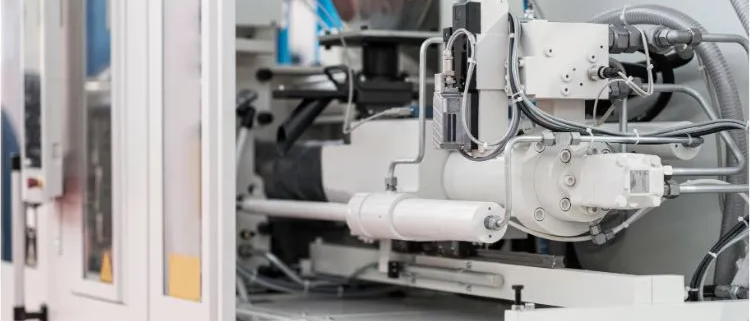
The modern production is concerned with efficiency and precision. Some of the techniques that are in use include gas-assisted injection molding. Gas-assisted injection molding is a technological production method that helps to produce light, durable, and complex plastic parts. The hollow sections are created by injecting the mold with inert gas, which reduces the amount of material used and also shortens the cycle time. 

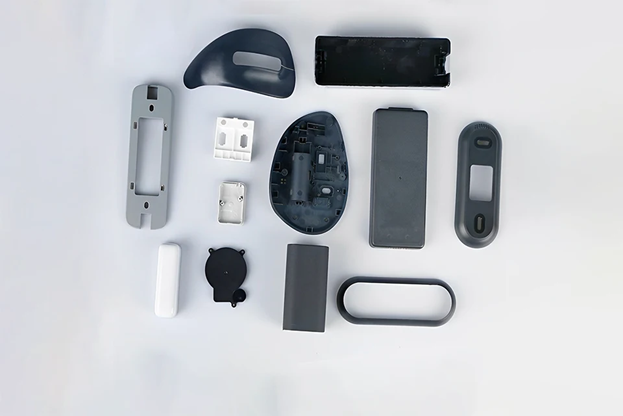
The outcome of this is growth in dimensional precision, lessening of distortions, and the ability to perform innovative designs. Injection gas assist molding is useful in the automotive industry, furniture industry, electronic industry, and consumer product industries, where cost-effective production with high quality is needed. Reliable sentinel gas assist injection molding suppliers are ensured to provide a regular result. With the prevailing production, most manufacturers make use of injection molded products that are aided by the use of gas, which allows manufacturers to achieve efficiency, strength, and aestheticism.

What is Gas Assisted Injection Moulding?

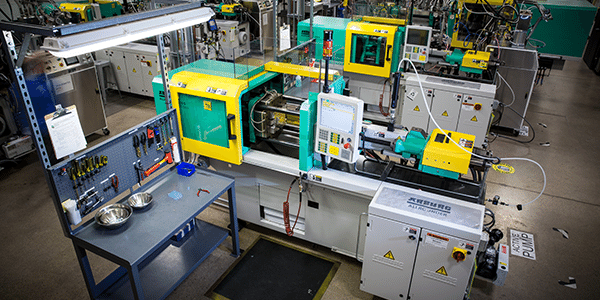
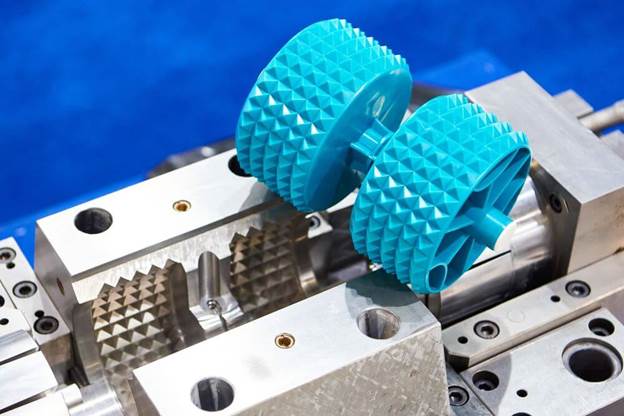
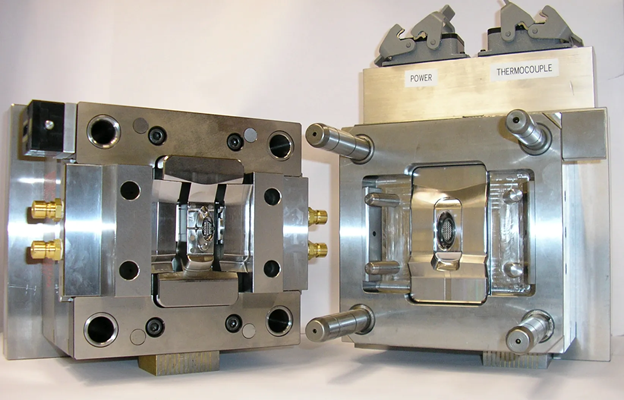
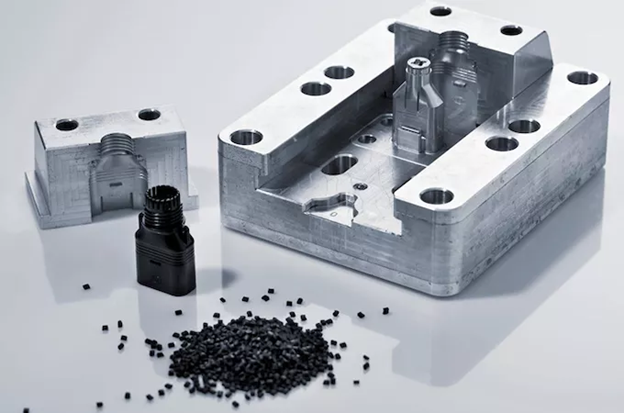
Gas assist formowanie wtryskowe is the process in which inert gas (usually nitrogen) is injected into the mold during the process of injecting the plastic. The gas forces the warm plastic against the thin walls or hollow of the component, creating a hollow within it. The technique saves on material, increases the accuracy in dimension, and warping is minimized.

What is Gas Assisted Injection Moulding?

The process is most appropriate in the sections that are thick or whose sections have long flow paths. It is widely used in the manufacturing of automobiles, furniture, and consumer products. The quality and reliability would be ensured by the choice of suitable suppliers of gas-assisted injection molding.

Operation of Gas Assisted Injection Molding

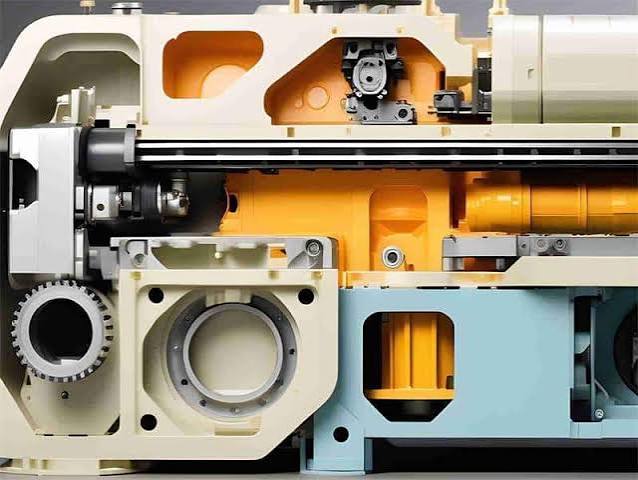
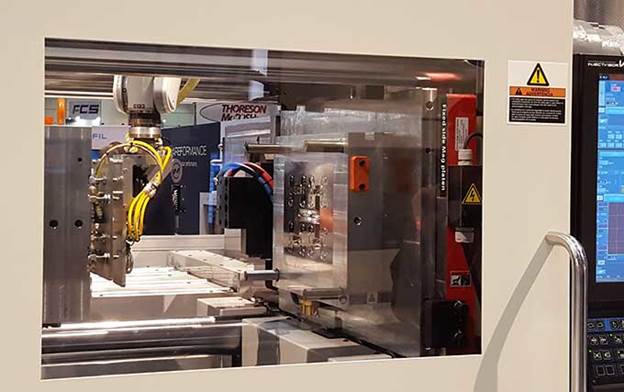
It starts just like the conventional injection molding, ng whereby plastic is injected into a mold. Once the mold cavity is partially filled, pressured gas is injected into some of the areas. This gas makes the liquid plastic forced outwards to form hollow channels, ls but makes the surface hard.

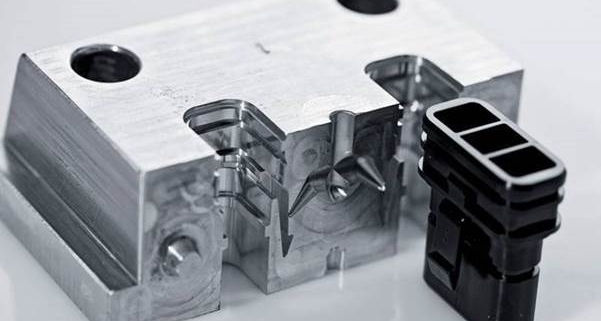
The method results in reduced stress in thicker parts, zero sinks and uniform wall thickness. The result is a high-quality part that is more dimensionally stable, light and strong. These are features that are functional and aesthetic to the manufacturers of products, such as gas-assisted injection molding.

Operation of Gas Assisted Injection Molding

Applications of Gas Assisted Injection Mold: Gas-assisted injection molding is a pliable manufacturing technique that is embraced in the major of industries. Hollow or intricate forms can be created with less effort, making it appropriate in both useful and decorative purposes.

Automotive Industrial gas-assisted injection molding of interior panels, door handles, and structural parts is done by automakers. The procedure renders it light without losing the strength that is linked to fuel efficiency and performance.

Furniture and Consumer Products

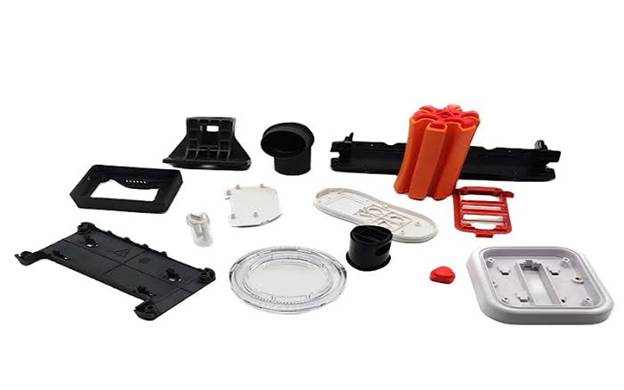
The gas-assisted injection molding is used to create hollow sections that are created in plastic parts of furniture, appliances, and tools. The components that are light as chair backs, handles, and housings form an efficient way of production.

Urządzenia przemysłowe

Strong plastic parts of a certain size are usually required by the robots and the machines. Manufactured products based on gas-assisted injection molding have durability, standard wall thickness, and warping resistance.

Electronics Gas-assisted injection molding is used in the manufacture of consumer electronics, tool casings, and other devices that require a strong and attractive looks therefore, with a low amount of material consumption.

Other Applications

It is also used in sporting gear, toys, and wrappings. The manufacturers resort to the services of the gas-assisted gas assist injection molding vendors who have the opportunity to produce parts of the given size and quality.

Having known such applications, companies can experience the complete benefit gas assist injection molding to produce lightweight and affordable products.

Material Used

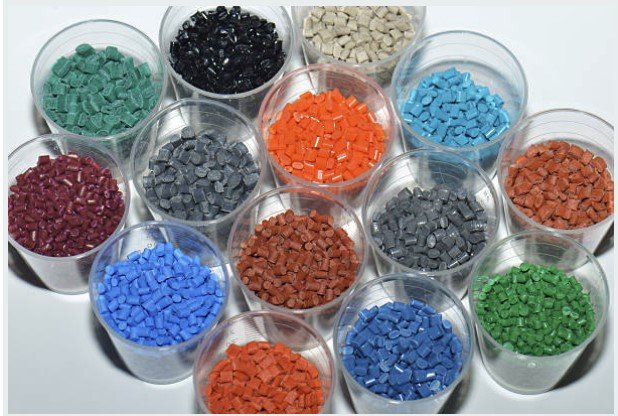
Thermoplastics: Thermoplastics are the most commonly used materials in gas-assisted injection molding. Some materials can be easily worked and bonded in the gas-assisted process, such as Polypropylene (PP), polyethylene (PE), ABS, and polycarbonate (PC). These plastics are convenient in the manufacture of lightweight and strong injection-molded products.

Reinforced Plastic: Glass-reinforced plastics of nylon or polypropylene are additionally tough and stiff. They are used in areas that expose the component to a high degree of stress or load and thus, will do well with the automotive or industrial parts produced during gas-assisted injection molding.

Specialty Polymers: In some cases, specialty polymers that are characterized by either high heat resistance or chemical resistance are used. These materials are determining the requirements of the product in specific terms that ensure its performance and longevity. The inclusion of gas-assisted injection molding, which has worked in the industry before, will help in the choice of the right material to be used in any application.

Wybór materiału: The medium employed must have excellent flow characteristics, thermal stability, and gas injection compatibility. The proper selection of material is quite critical in reducing the defects, strength, and efficiency of the parts utilized in the process of gas-assisted injection molding.

Techniques

Reciprocal Injection using Gas Channels

In it, hollow parts are made by pumping into in the mold in some areas. It conserves on the consumption of materials and provide uniformity in the thickness of the walls. It is also widely used in the production of lightweight and tough composites-assisted injection molding.

Operation of Gas Assisted Injection Molding

Adaptable Gas Pressure Regulator

The pressure of the gas can also be adjusted in the process of molding to manipulate the flow of the material in an improved manner. This prevents sink marks and improves surface finish and makes the art stronger. And most importantly cases of high-quality gas-assisted injection molded products.

Sequential Gas Injection

Sequential gas injection involves the s injection of gas at different stages of the molding process. The procedure will guarantee the optimization of the flow of materials assuming the form of a complete X shape, and the reduction of the number of defects. The suppliers should also be approached since they are familiar gas assist injection molding, such that it can be done accurately.

State-of-the-art Cooling Methods

Gas aided molding with advanced cooling systems is handy in the solidification of components fast the reduction of cycle time. This promotes productivity, and it does not hinder the design of the part.

Advantages of Gas Assisted Injection Moulding

Comparing the traditional molding and the so-called gas-assisted injection molding, several advantages can be noted:

Advantages of Gas Assisted Injection Moulding

Material Savings

The hollow sections also consume less plastic and reduce both the expenses and environmental impact.

Less Warping and Sink Marks

Gas-assisted molding minimizes most of the common defects, like sink marks or surface deformations through the even distribution of material.

Lighter Parts

Hollow structures are available to enable light components to be created without a reduction in strength.

Faster Production

Associated with less consumption of material and a better flow is a reduction in the cycle times; something that is more acceptable to the manufacturers.

Improved Design Wiggle Room

It is possible to create complex shapes, as well as to add thicker parts without reducing the quality or making it expensive.

Design Considerations

Assisted injection molding developed with gas also needs to be planned well so as to maximize the process.

Material Selection at all plastics can be gas-assisted molded. The designers ought to use materials that are easy to flow and bond under gas injection.

Grubość ścianki

Walls should have equal thickness. The open spaces should be placed at strategic positions to create strength and functionality.

Gas Channel Placement: The location on of the as channel is most important. When they are laid in the wrong position they can leave half-filled fillings, weak points, or aesthetic defects.

Projektowanie form

Plastic and gaseous passage should be possible to the molds. The gates would be well ventilated and designed to ensure production is made effective and defects are minimized.

These design specifications are the certain means of high quality of results and reliability on the gas assist injection molding.

Cost and Production Efficiency

Cost and Production Efficiency gas-assisted assist injection molding is very economical compared to the traditional processes in terms mold terms, offence to the expenses and the speed of producing the products. It saves on the material cost because parts are hollow spaces that are good and economical.

Advantages of Gas Assisted Injection Moulding

The process allows molten plastic to be capable of flowing freely, and this saves time on cooling. This will enable the manufacturers to produce parts at a faster rate without compromising quality. Companies that manufacture the items through the production of gas-assisted injection-molded products have the advantage of being faster, and the results are consistent.

The cooperation with the experts providing the gas-assisted injection molding process reduces the number of manual handling and gathering, which also reduces the labor costs. This is very efficient in terms of saving material, lessening the cycles, as well as defects, even though the molds are more complicated at the onset.

Common Mistakes to Avoid

Mistakes that can interfere with the quality and efficiency of the product are several in gas-assisted injection molding. The issue of wrong gas pressure is the common problem in common problem. The over- or under-pressure might lead to deformation of components or defects.

Another mistake is poor channeling of gases. Any misalignment could result in partial filling, or smooth walls that will render products filled using gas-assisted injection moulding feeble.

The problem of the mismatch of materials used is also quite common. Some plastics have not been well responsive to gas-assisted processes, thus leading to defects or poor bonding.

Ignoring design guidelines i.e., wall thickness and geometry of part, may also be problematic. Components may bend, sink, or stress out.

The following errors could be eliminated through collaboration with experienced gas-assist injection molding suppliers, consideration of the appropriate design and process guidelines, and ensuring high-quality production in a constant way.

The identification of the Right Gas Assist Injection Molding Suppliers

A successful gas-assisting injection molding is dependent on the right partner to choose. Efforts with well-established suppliers are the assurance of quality parts and uninterrupted manufacturing processes.

The identification of the Right Gas Assist Injection Molding Suppliers

Select the gas assist formowanie wtryskowe suppliers that have a successful story in manufacturing the gas assist injection molded products of the same nature, similar to your project. They can avoid defects and improve their efficiency with the help of their experience in the design of the molds and the selection of the material used.

The supplier should also provide a process optimization guide to the process, such as gas pressure, positioning channels, and cycle times. This can be applied to reducing wastes and inaccuracies in production.

Suppliers of quality invest in quality control systems and new equipment. They provide assurance results, a faster rate, and cost-effectiveness in gas-assisted injection molding programs.

Future Trends

It is the future of gas-assisted injection molding, which depends on innovations and efficiency. Manufacturers are looking into newer, stronger, lighter, and more durable materials. These are technologies that result in quality gas-assisted injection molded products.

The other important trend is the trend of automation. The robots and AI systems are increasingly in charge of the gas injection and mold handling, and they eradicate the errors and make the production process quicker. The gas suppliers with experience in injection moulding are also embracing the technologies to keep up with the competition.

The identification of the Right Gas Assist Injection Molding Suppliers

Sustainability is also receiving consideration. The consumption of fewer materials plastic recycling, and energy-saving production are environmentally friendly manufacturing elements in the manufacturing of eco-friendly injection molding termed as gas assist injection molding.

This is being enhanced by the addition of 3D printing, which is expanding the possibilities of quick-prototyping and batch production. This helps designers to experiment with complex shapes at low cost and within the shortest possible time; in this way, gas-assisted injection molding is more productive in modern production.

Wnioski

Gas-assisted formowanie wtryskowe can offer manufacturers a viable approach to producing lightweight, complicated, and robust components. The companies are in a position to make the right decision, knowing how it works, its benefits, and in which way it should be designed. The choice of reliable gas-assisted injection molding suppliers would imply that the standard of gas-assisted injection-molded products would be the same across the industries. The decrease in the amount of material used results in an increase in production speed and the ability to make changes to designs, which increases the popularity of the technique that becomes a rather necessary form of modern production.

Differences and similarities between overmolding vs insert molding: comparison and Applications

The choice of the right molding process plays a very crucial role in the manufacturing world. Two of the common techniques are overmolding and insert molding. Each of them possesses its strong sides, applications, and challenges. The differences may be time-saving and cost-saving, which in case when choosing between them. In the case of manufacturing products, the manufacture of the product depends on the use of the right molding process in order to determine the quality and efficiency of the product. These two are over-molding and insert molding. In spite of the fact that they both utilize several materials, they are applied to different purposes. 

Overmolding is focused on comfort, appearance, and soft touch surface, whilst insert molding is grounded on strength, durability, and mechanical bonds. The experience regarding the distinction, advantages, and application of these methods allows the manufacturers to make good decisions. The following paper addresses its most significant points, like design, cost, time of production, and future tendency, which can allow professionals to choose between insert mold vs overmold and how they can produce their goods in the most appropriate way.

What is Overmolding?

In overmolding, one component is created by using two or more different materials. A substrate base is generally shaped. It is then rosined with secondary material molded over or around it. This allows the manufacturers to blend materials with different properties, e.g., rigidity and flexibility.

What is Overmolding?

The soft-touch products are typically overmolded, including grips on tools, toothbrushes, or other electronic items. It increases the beauty, comfort, and functionality.

Overmolding possesses a few principal disadvantages that include:

  • More ergonomic, comfortable to the user.
  • Higher life span of the products.
  • More flexibility in design.

What is Insert Molding?

Insert molding: This is a process whereby a pre-shaped component is inserted into a mold, and plastic is injected into the part. The insert can be of metal, plastic, or some other material. The finished product has the custom insert mold.

What is Insert Molding?

Insert molding is the molding that is largely used in industries where high mechanical bonds are required. Electrical connectors, automotive parts, and hardware components are some of the things that tend to rely on this technique.

The benefits of insert molding are:

  • Strong mechanical bonding
  • Reduced assembly time
  • The ability to conjoin different materials.

Some examples of Overmolding and Insert Molding

These are the overmolding as well as the insert molding, which find wide application in the manufacturing process, though they are used in different applications with regard to the peculiarities of the products. Their understanding of their applications would help the manufacturers to choose the right process.

Applications Overmolding has been applied as follows

The overmolding is appropriate for products that need to be comfortable, pretty, or grippy. This is a combination of both soft and hard materials that is utilized in a single functional part. Common uses are:

  • Tool grips: Handles are more ergonomic and are made of over-hardened plastic.
  • Consumer electronics: Soft push buttons on items like the remote control and the headphones.
  • Medical devices, Medical equipment: Safety and comfort. Syringes or surgical devices have rubberized surfaces.
  • Car parts: Rubber gasketings or seals to the plastic parts to minimize noise and improve durability.

The following applications have been done under Insert Molding

The rationale behind the use of an insert molding is due to the fact that the product requires high mechanical strength, or it is a combination of different materials into one unit. It is applied in the common applications like:

  • Electrical connectors: PT consists of shapes containing metal inserts to be inserted in plastic bodies.
  • Automotive parts: Engine parts or brackets, for which metal inserts are to be made to strengthen plastic.
  • Hardware solutions: Screws or metal items included in plastic pieces in order to make them easy to set together.
  • Industrial equipment: Machine parts that include both metal inserts and molded plastics to be utilized in high-stress parts.

The choice of the individual between the two processes depends on the goal of the product. It must be over-molded in case of over-comfort, grip, or soft touch surface. In case the strength, durability, and mechanical stability problems are of major concern, then apply the insert molding.

The concept of these applications will assist in achieving the advantages of the so-called overmolding and insert molding within modern production.

Significant differences between Overmolding and insert Molding

Although the two methods imply the use of materials, there are dstinct differences. Here’s a detailed comparison:

CechaOvermoldingFormowanie wkładek
ProcessMolds a secondary material over a base substrateInjects plastic around a pre-formed insert
MaterialsOften combines soft and hard plasticsCan combine plastic with metal, plastic, or other components
ZastosowaniaGrips, handles, consumer electronicsElectrical connectors, automotive, hardware
ComplexitySlightly less complexRequires precise placement of inserts
StrengthFocus on comfort and aestheticsFocus on mechanical strength and durability

This is a comparison that one must make in choosing an option between the insert mold and the overmold. The overmolding is optimized towards the user experience, and the insert molding is also optimized towards the structural integrity.

Advantages of Overmolding Compared to Insert Molding

When a comparison is made between overmold vs insert mold, the benefits each process will bring should be known. The two are good in many ways; however, both processes allow the combination of materials.

Advantages of Overmolding Compared to Insert Molding

Advantages of Overmolding

  • Increased ergonomics: Comfy grips and handles of hard surfaces are soft.
  • Better aesthetics: Overmolding means that the colors and the textures may be blended so that they appear of high quality.
  • Faster assembly: A number of parts can be assembled simultaneously, which saves time.
  • Design flexibility: The functionality and visual effects could be achieved using a variety of materials.
  • Increased usability: Works best when the product requires a soft-touch, e.g., toothbrushes, tools, and electronics.

Achievements of the benefits of Insert Molding

  • Vigorous mechanical bonding: Inserts like metals and hard plastic are permanently integrated into the product of molding.
  • Trwałość: Parts can be stressed and subjected to immense mechanical loads to the breaking point.
  • Less assembly: Inserts are molded, thereby eliminating the need for post-production assembly.
  • Permits complex patterns: Designs Ideal: When there are several materials required to be structurally sound in the product.
  • Precision and reliability: Its best applications are in industrial use, electronics, and vehicular components.

The awareness of these advantages will guide the manufacturers when making decisions, such as the best among the two alternatives: insert molding and overmolding. Overmolding is the best in case comfort, design, and aesthetics are the issues in question. Insert molding is better in case the strength, durability, and mechanical performance are of greater essence.

Concluding that the process can be either overmolded or inserted, the companies can select the appropriate one to reduce the cost, save time, and increase the quality of the goods.

Design Considerations

It is highly dependent on design when making a decision on either insert molding or overmolding. Quality planning also ensures quality production, reduced faults, and the use of maximum benefits of any process.

Advantages of Overmolding Compared to Insert Molding

Kompatybilność materiałowa

When using overmolding, there is a need to select materials that bond with one another. Incorrect matching of the materials can result in delamination or vulnerability. Similarly, during the insert molding process, it is important to ensure that the pressure and temperature are within the range of the insert material in molding. It is a very significant procedure in the comparison of overmolding and insert molding.

Thickness and Layer coverage

In overmolding, the base should be of a proper thickness, and the overmolding material should be used to ensure that it does not warp, as well as to ensure that it is durable. With insert molding, the entire insert is supposed to be encircled by the mold so as to provide it with mechanical strength as well as a good bond. The thickness of the correct layers is useful in the successful projects of the insert mold vs overmold.

Projektowanie form

A mold has been created in such a way that it is easy to extract the parts and prevent stress on materials. When there is a possibility of overmolding, the mold should be of a type to be able to accommodate more than one material that has different flow properties. In insert molding, the molds must be filled in a way that the inserts will not slide out of place, as they will retain a strong hold; otherwise, the molding process will not be successful in terms of success in overmold vs insert mold.

Aesthetics and Surface Finish

Overmolding is typically focused on the appearance and the touch. Designers should consider texture, color, and the quality of the surface. In the instance of insert molding, the factor of aesthetics follows strength, although proper finishing is provided to make sure that the final product will be able to meet quality standards.

Thermal Expansion Requirements

The expansion rate of different materials is different. Throughout both overmolding and insert molding, failure to consider thermal expansion can lead to cracks, misalignment, or low bond. These are key points that must be put into consideration when addressing the insert molding vs overmolding.

Cost and Production Time

The moral of the story that can be learnt so as to produce in the best possible way is the understanding of the costs and production time of the processes of overmolding and insert molding. Both methods have their problems that affect the overall prices and speed.

Advantages of Overmolding Compared to Insert Molding

Initial Mold Costs

The overmolding may require more complex molds to accommodate the numerous materials. This can increase the start-up tooling costs. This investment can, however, be paid for with a reduction in requirements in the future during the assembly.

The insert molding cost is also greater than the cost of the mold because it needs a clamping system for the inserts. The design of the mold is significant to avoid faults during production. Coming to the comparison between the two possibilities of insert mold and overmold, the first investment in the mold is often equivalent, but based on the part complexity.

Material and Labor Costs

The Overmolding can also save labor costs because it can be done when parts are combined into a single process. It also lets the smaller volume of soft materials be utilized as grips and coatings, and saves resources.

Insert molding. Inserts can be worked out before being molded. However, when it is automated, it lowers the costs of assembling post-production, which can cut the labor costs in the long term. This is among the key factors of the decision to do/overmolding and insert the molding.

Prędkość produkcji

In case of overmolding, the material may be injected more than once, resulting in a longer cycle, but it may be applied to removing post-processing and assembling.

Quickness of the insert molding can be achieved when the insert location process is simplified, especially with automated lines. This provides it with the edge of high-volume usage, where efficiency is paramount.

Efektywność kosztowa

The relevant process can save in the long run. Overmolding reduces the assembly that has been done, and this saves the cost of labor. The use of insert molding makes the parts stronger, and the occurrence of failure is minimal. To measure these factors, the manufacturers will be able to decide on what one to use: overmold vs insert mold or insert molding vs overmolding.

Common Mistakes to Avoid

With overmolding and insert molding, certain errors might compromise the quality of a product and increase the production cost. Awareness of these traps is one of the ways of ensuring that production is a success.

Choosing the Incompatible Materials

The use of materials that do not bond well with each other would be among the most common mistakes made in overmolding. In the case of insert molding, the cracks or parts break when the inserts used are not resistant to molding pressure. When making up his mind as to whether to use either an insert mold or an overmold, a material compatibility is always checked.

Misalignment of Inserts

When dealing with an insert molding process, the incorrect position of inserts can lead to the relocation of inserts during injection, and this causes defects or weak areas. Misalignment reduces the mechanical strength and increases the rates of rejection. Positioning is a highly significant parameter when it comes to comparing the process of the over months and insert mold processes.

Ignoring Thermal Expansion

The percentage of growth of various materials based on heat varies. Ignoring this could lead to warping, cracks, or separation in the overmolded and also in the insert-molded parts. Note: Thermal expansion: When undertaking any design, it must always be considered, especially when it comes to an insert molding vs overmolding project.

Poor Mold Design

The flow of the material could be uneven, and the parts not covered or removed based on a poorly drawn mold. It can aesthetically affect the case of overmolding; it can reduce mechanical strength in the case of insert molding. There should be the right design of mold so as to achieve maximum overmolding compared to insert molding.

Skipping Quality Checks

The manufacturing process can be hurried and not properly checked, and the flaws would be overlooked. Quality checks are performed on a regular basis in order to ensure that all the parts are robust, durable, and crafted to fit the standards. It is among the key activities towards effective overmolding and insert molding.

Future Trends

The manufacturing industry is dynamic. Both overmolding and insert molding are adapting to new technology and materials. The anticipation of future trends helps the company to be competitive and innovative.

Advantages of Overmolding Compared to Insert Molding

Advanced Materials

Better polymers and composites are being developed that are stronger, more flexible, and tougher. It is the materials that make overmolding and insert molding stronger, which is why the products become lighter, stronger, and more versatile. New material science can be used to enhance the opportunities of the insert mold vs overmold.

Automation and Robotics

Due to automation, overmolded and insert-molded parts production is evolving. With maximum precision, robots can insert the inserts and reduce the number of errors, and shorten the production process. The tendency makes the production in the sphere of overmold vs insert mold more effective and less labor-intensive.

Integration with 3D Printing

3D printing is being combined with overmolding and insert molding in order to engage in rapid prototyping and small-scale production. This allows designers to work with complex shapes, reduction of lead-times, and customized parts, and it increases flexibility on the entire system in case of insert molding vs overmolding.

Sustainable Manufacturing

The sustainability of materials and process are now widespread in both overmolding and insert molding. In the current production trends of overmolding vs insert molding, biodegradable plastic and recyclable inserts are used by companies to reduce the environmental impact.

Smart Manufacturing

The Internet of Things (IoT) and sensors used in the design of molds give an opportunity to monitor the temperature, pressure, and flow of materials in real-time. It allows avoiding the defects, optimization of production, and quality control in overmolding and insert molding.

Wnioski

The choice of overmolding and insert molding depends on the intent of the product. Overmolding is the option to use in case you need softness, comfort, or beauty. Insert molding would be the best choice when mechanical strength and durability are of concern at that time. The information about the distinction between insert mold and overmold, overmolding and insert mold, the distinction between overmold and insert mold, and the design necessities of insert molding and overmolding may help a manufacturer make a sound decision.

Finally, there is the problem of overmolding vs insert molding that can be simply stated as the process of a perfect match of the process with the requirements of the product. With the right approach, time will be saved, the cost will be reduced, and high-quality and functional products will be made, which will meet the industry standards.

Poznanie współczesnych narzędzi do formowania wtryskowego tworzyw sztucznych

The production process in the field of manufacturing has been changing at a high rate in the last several decades, and among the most significant contributors to the development of the field are the developments of plastic injection molding tools. The tools are important in the development of the plastic components that are utilized in various industries like automotive, healthcare, consumer electronics, and packaging industries. Advanced tooling leads to precision, repeatability, and efficiency, which is the cornerstone of present-day plastic manufacturing.

When the companies invest in the plastic injection mold tools, they are investing on the basis of their product quality. These aids in setting the shape of the final, finish, and dimensional accuracy of molded parts. Even the finest molding machines cannot produce the same results in the absence of well-designed plastikowa forma wtryskowa tooling.

What are Plastic Injection Molding Tools?

Simply injecting molten plastic into a mold, cooling, and ejecting, the idea of injection molding is at its simplest. The efficiency of the performance of the tooling of plastic injection molding directly influences the efficiency of this process. Tooling comprises molds, inserts, cores, cavities, and cooling systems that constitute the structure that shapes plastic material.

What are Plastic Injection Molding Tools?

Manufacturers utilize the so-called plastic injection mold tools so that they may create thousands, or in some cases millions, of the same parts. The cycle time, volume production, and long-term maintenance are determined by the durability and design of these tools. This is the reason why a proper choice of the partner in terms of plastic injection mold tooling is essential to any production operation.

Forms of Injection Mold Tooling

Injection mold tooling is available in various types to meet production requirements, part complexity, and affordable cost. The right mold will guarantee efficiency, quality parts, and cost-efficiency.

  • Formy jednogniazdowe: mold one part each cycle, which is suitable when there is low volume production or prototyping. They are easy and less expensive, yet less fast in mass production.
  • Formy wielokomorowe: produce several identical parts at a single cycle, which is best when large volumes are to be manufactured. They save on part cost, although they demand an exact design to fill evenly.
  • Family Molds: The parts are produced in a single cycle by family molds, which minimizes assembly discrepancies. It is harder to design such a cavity since each cavity can fill in varying ways.
  • The Hot Runner Molds: retain the plastic in molten form inside heated channels, thus minimizing waste and cycle time. They suit the mass production of high quality.
  • Formy do pracy na zimno: enable the runners to cast along with the part, which is easier and cheaper, but creates waste of more waste.
  • Two-Plate and Three-Plate Molds: Common mold designs are Two-Plate and Three-Plate Molds. Two-plate molds are easy and affordable to manufacture, whereas three-plate molds enable automatic separation of runners to obtain cleaner parts.
  • Insert Molds: embed the systems of metals or other parts into the component, which removes the need for assembly. The overmold takes a material and gives it another, which insulates or gives it a grip.
  • Prototyping (Soft) Tooling: It is employed with tests or low volume production, whereas Hard Tooling, made of steel, is robust with high volume production. Stack Molds enhance production by molding several layers of parts at the same time.

The choice of appropriate tooling varies with the volume of production, complexity of the part, and the material, which will help in efficiency and quality of the outcome.

Table 1: Types of Injection Mold Tooling

Tooling TypeCavitiesCycle Time (sec)Wielkość produkcjiNotes
Single-Cavity Mold130–90<50,000 partsLow-volume, prototype
Multi-Cavity Mold2–3215–6050,000–5,000,000High-volume, consistent
Family Mold2–1620–7050,000–1,000,000Different parts per cycle
Hot Runner Mold1–3212–50100,000–10,000,000Minimal waste, faster cycles
Cold Runner Mold1–3215–7050,000–2,000,000Simple, more material waste
Two-Plate Mold1–1620–6050,000–1,000,000Standard, cost-effective
Three-Plate Mold2–3225–70100,000–5,000,000Automated runner separation
Insert Mold1–1630–8050,000–1,000,000Metal inserts included
Overmolding Mold1–1640–9050,000–500,000Multi-material parts

The Advantages of Mold Tooling of High Quality

It has several long term advantages in investing in high-quality plastic injection mold tooling. First, it provides a stable quality of parts in large production lots. Second, it decreases the downtime due to the failure of tools or unnecessary maintenance. Lastly, it enhances the efficiency of production through cooling optimization and optimization of the flow of materials.

The Advantages of Mold Tooling of High Quality

Companies that focus on the production of durable plastic injection molding tools tend to gain lower scrap and increased revenue. Also, properly constructed plastic injection molding tooling has the capability of sustaining elaborate shapes and stringent tolerances, allowing organizations to be innovative without performances.

Design Factors in Mold Tooling

One of the most important requirements in the process of creating plastic injection mold tools is design. The engineers should take into account the choice of materials, the thickness of the wall, the draft angle, and the cooling performance. A good design reduces the stress points and prolongs the life of the tools.

Part complexity is another determinant of the cost of plastic injection molding tooling. Complex forms or undercuts can involve the use of side acts, lifters, or multi-cavity moulds. These characteristics raise the design time and manufacturing costs, but are typically needed with high-performance components.

Since it is required that plastic injection molding tooling should be able to resist high pressure and high temperature, the choice of materials is crucial. Depending on the volume of production and use needs, tool steels, aluminum, and specialty alloys are used.

Parts and Components of Injection Molding Tooling

The tooling used in injection molding is a complicated mechanism that consists of numerous parts that are engineered to the utmost degree. Both components have a certain effect in the process of molding molten plastic into a completed item and ensuring accuracy, efficiency, and repeatability. These characteristics are useful in understanding the manner in which plastic parts of high quality are able to be produced with consistency in large volumes.

Parts and Components of Injection Molding Tooling

Mold Cavity

The hollow which forms the outer shape of the plastic part is called the mold cavity. Molten plastic is injected into the mold and subsequently fills this cavity and hardens to the final product. The size of parts, surface finish, and the look of the parts are dependent on the cavity design. The rate of shrinkage and draft angles should be calculated by engineers to ensure that the part comes out without defects.

Mold Core

The inner geometry of the part is made of the Mold core. It develops features such as holes, recessions, and inside channels, which are critical to functionality and a decrease in weight. In simple molds, cores are fixed, whereas the more complicated parts need to have sliding or collapsible cores to allow undercuts to be freed during the ejection process. The core and cavity are perfectly aligned that provides dimensional accuracy.

System Runner

The runner system is a system of channels that directs the nozzle of the molten plastic of the injection machine to the mold. An effective runner is designed to make the flow balanced in order to fill out all cavities evenly. Defects in the poor design of runners include sink marks, short shot, or warping.

Flow Channels

Flow channels are defined as the individual pathways of the system of the runners where the plastic moves in the mold. These channels should reduce the resistance and not allow the premature cooling of the material. The proper channel design is suitable to keep the material strong and ensure that the wall thickness of the part remains consistent.

Gate

The gate is the little hole through which molten plastic is injected into the cavity. Though it is small, it makes a significant contribution to the quality of parts. Location, size, and style of gate influence the manner in which the mold fills, pressure distribution, and the amount of the gate mark that will be visible on the finished part. Selecting a proper gate design is one way of avoiding stress marks and aesthetic defects.

System wyrzutnika

The ejector system sends the part out using the ejector system after the plastic has cooled. The part is forced out by ejector pins, sleeves, or plates evenly without breaking or deformation. Ejectors should be placed and ordered properly, particularly for delicate or complicated components.

Układ chłodzenia

The cooling system controls the temperature of the mold by pumping water or oil through the system. The cooling is among the most important processes during injection molding since it directly influences cycle time and stability of parts. The irregular cooling may lead to shrinkage, warping, or internal stress. High-technology molds can apply conformal cooling channels that trace the shape of the part to be more efficient.

Alignments and Mounting Characteristics

Elements of alignment, like guide pins and bushings, make sure that every cycle, the halves of the mould are closed perfectly. The mounting features, such as clamps and bolts, are used to hold the mold in the machine. Adequate alignment will eliminate flashing, uneven wear, and mold damage and produce consistent quality parts.

Parts and Components of Injection Molding Tooling

Venting

Venting enables the ambient air and gases to be released from the mold cavity as the plastic fills up the mold. Defects such as burn marks or half-filled can take place without proper venting. Vents are little but necessary in making clean and correct parts.

Slides and Lifters

Slides and lifters are the processes that help the molds to form parts with undercuts or side effects. The angles of the slides move, and the lifters, during ejection, jump to expel the complicated geometries. These elements increase the possibilities of design and remove the necessity of secondary machining.

Mold Materials

The tooling materials have effects on the durability, performance, and cost. High-volume production is carried out with hardened tool steel since it can withstand wear and be precisely accurate. Aluminum molds are cheaper and more common for prototypes or low-volume production. High-performance finishes can enhance the wear and release of parts.

Inserts

Inserts are detachable parts of a mold that are utilized in producing a particular feature, like a thread, a logo, or a texture. They enable molds to be altered or fixed without having to change the tool. The substitutability of inserts allows it to be used to create a variety of products of the same mold base.

Core Pins

Core pins are thinner components that are used to create holes or internal conduits in molded components. They should be well-machined and should be sturdy enough to withstand the pressure of injections without bending or breaking.

Table 2: Injection Mold Tooling Components

ComponentMateriałTolerance (mm)Max Pressure (bar)Notes
Mold CavitySteel/Aluminum±0.01–0.051,500–2,500Forms part shape
Mold CoreSteel±0.01–0.051,500–2,500Internal features
System RunnerSteel/Aluminum±0.021,200–2,000Guides plastic flow
GateSteel±0.011,500–2,500Entry to cavity
Ejector PinsHardened Steel±0.01N/APart ejection
Kanały chłodząceSteel±0.05N/ATemperature control
Slides/LiftersSteel±0.021,200–2,000Complex geometries
InsertsSteel/Aluminum±0.021,500Customizable features

Cooling Aids Baffles, Diffusers, and Water Manifolds

The coolant flow in the mold is guided by baffles and diffusers to provide a uniform temperature pattern. Water manifolds serve as an element of distribution through which the coolant can be directed to the various parts of the mold. A combination of these elements enhances cooling as well as minimizing cycle times.

Mold Texture

Mold texture is the surface finish on the cavity that has been applied to the part to produce certain patterns or finishes on the part. The texture may enhance grip, minimize glare, or promote the appearance of a product. Methods are chemical etching, laser texturing, and mechanical blasting.

Sprue Bush

Sprue bush is used to connect the nozzle of the injection machine to the runner system. It is the primary path through which the molten plastic is introduced to the mold. The sprue bush should be properly designed to provide a continuous flow of materials and avoid leakage or loss of pressure.

Cavity Retaining Plate

The plate with the cavity inserts is firmly fixed in the cavity retaining plate. It holds position, assists injection pressure, and helps to create overall strength in the mould. Correct plate design guarantees the durability of molds in the long term and part uniformity.

The knowledge of Tooling Costs

A query regarding the cost of the plastic injection molding tooling is one of the most frequently asked questions by manufacturers. Tooling cost depends on the size, complexity, material, and anticipated volume of production. The initial expenses may appear expensive, but quality plastic injection mold tools may pay back with durability in the long-run and steady production.

Issues influencing plastic injection molding tooling cost are:

•          Number of cavities

•          Surface finish specifications.

•          Cooling system complexity

•          Tolerance levels

•          Tool material

Though enterprises can be tempted to save money and use cheaper solutions such as plastic injection mold tooling, it will result in increased maintenance and poor quality of products in the long-term.

The Modern Tooling Technology

This is due to advanced software and machining technologies, which have transformed the development of formowanie wtryskowe tworzyw sztucznych tools. Simulation and computer-aided design (CAD) can help engineers to test the mold flow, cooling efficiency, and structural integrity before the commencement of manufacturing.

The Modern Tooling Technology

CNC machining, EDM (electrical discharge machining), and high-speed milling are used to ensure that plastic injection molding tooling is done with tight tolerances. Such technologies decrease lead-time and enhance repeatability, and so it is the most reliable modern plastic injection mold tool than ever before.

The use of automation is also associated with the optimization of the cost of plastic injection molding tooling. The manufacturers will be able to realize more value without compromising on quality by cutting manual labor and enhancing the efficiency of the processes.

Maintenance and Longevity

Maintenance of plastic injection molding tools is necessary to prolong their life. Wear and corrosion are prevented by regular cleaning, inspection, and lubrication. Observation of cooling channels and ejector systems promotes the stable operation.

Failure to maintain the tools can significantly add to the cost of plastic injection molding tooling through repairs or early replacement. The companies that adopt preventive maintenance programs not only cover their investment in the area of plastic injection mold tooling but also ensure that the production timetable is kept constant.

Durable plastic injection molding tooling is also applicable in high-volume operations with a long production cycle.

Selection of a Proper Tooling Partner

The choice of a reliable supplier of the plastic injection mold tools is as crucial as the design. Advanced tooling producers are aware of material behavior, production requirements, and cost optimization measures.

An effective collaborator assists in creating a balance between quality and the cost of plastic injection molding tooling, and the tools should be up to the performance expectations. Teamwork at the design levels lowers mistakes as well as minimizing the time of development of the plastic injection molding tools .

The indicators of a good provider of plastic injection mold tooling include communication, technical skills, and high manufacturing skills.

Trends in Future Injection Molding Tooling

Innovation is the future of plastic injection molding tooling. Additive manufacturing, conformal cooling channels, and intelligent sensors are altering the process of constructing and monitoring molds. These innovations decrease the time taken in the cycle and enhance the quality of parts.

Trends in Future Injection Molding Tooling

With the growing significance of sustainability, effective plastikowa forma wtryskowa tools contribute to the decrease of material waste and energy usage. Better designs also reduce the cost of plastic injection molding tooling cost in the lifetime of a tool by increasing the life of the tool and reducing the cost of repairs.

A competitive edge is enjoyed by companies that use next-generation plastic injection molding tools, which have improved performance, increased speed of production, and also the ability to design.

Wnioski

The quality of formowanie wtryskowe tworzyw sztucznych tools is vital to the success of any injection molding operation. Design and choice of materials, maintenance, and innovation are some of the considerations in tooling that affect the efficiency of production and quality of the products. Although the price of plastic injection molding tooling is also a factor of considerable consideration, long-run value will be derived through durability, accuracy, and reliability. Manufacturers can guarantee the consistency of the results, lower downtime, and high ROI by attaching importance to investing in modernization, plastic injection mold tooling, and collaborating with skilled partners.

Części formowane wtryskowo: Uniwersalny przewodnik

Injection molded parts production is a significant component of the contemporary industry. Injection molding is used to make many of the products surrounding us. This is a process that aids in the production of strong and accurate components. These are components that find their applications in numerous fields. The quality of molded products demanded goes up annually.

The reason behind the wide use of plastic injection molding parts is that they are durable and economical. They enable companies to manufacture large numbers of products that are of the same shape. Complex designs also work well in this process. Meanwhile, the injection molding mold parts are important in the shaping and forming of these products. The process cannot go on well without the right mold components.

The popularity of injection molding is due to the fact that it is time-saving. It also reduces waste. The method allows short-cycle production. It is something that a number of industries cannot afford to do away with.

Plastic Injection Molding: What is Plastic Injection Molding?

Plastic formowanie wtryskowe refers to a production process. In large quantities, plastic products are produced with its assistance. It is also a fast and reliable procedure. It can be used to manufacture parts of the same shape and size in all cases.

In this process, plastic material is first heated. The plastic becomes soft and melts. The liquid plastic is then inserted into a mold. The mold has a specific shape. When the plastic cools down, it becomes solid. This entire part is removed from the mold.

Plastic Injection Molding: What is Plastic Injection Molding?

Plastic injection molding is used to bring about simple and complex products. It allows high accuracy. It also reduces material wastefulness, too. The reason has to do with the fact that it is popular because less time and money are wasted.

Table 1: Injection Molding Mold Components

Mold ComponentTypical MaterialToleranceWykończenie powierzchniTypical Life CycleFunction
Core & CavityHardened Steel / Aluminum±0.01–0.03 mmRa 0.2–0.8 μm>1 million shotsShapes internal and external features
RunnerSteel / Aluminum±0.02 mmRa 0.4–0.6 μm>500,000 shotsChannels molten plastic to the cavity
GateSteel / Aluminum±0.01 mmRa 0.2–0.5 μm>500,000 shotsControls plastic entry into the cavity
Kanały chłodząceCopper / Steel±0.05 mmRa 0.4–0.6 μmContinuousRemoves heat efficiently
Ejector PinsHardened Steel±0.005 mmRa 0.3–0.5 μm>1 million shotsEjects finished part without damage
Venting SlotsSteel / Aluminum±0.01 mmRa 0.2–0.4 μmContinuousReleases trapped air during injection

Knowing the Injection Molding Process

A controlled and precise method of production is the injection molding technology. They are applied in the production of plastic components of high accuracy. It is a functional procedure that occurs in stages. Each step has some parameters and numerical values.

Selection and Preparation of Materials

It begins with plastic raw material. This is usually packed in the form of pellets or in the form of granules. Such material is normally ABS, polypropylene, polyethylene, and nylon.

  • Pellet size: 2–5 mm
  • Wet content before drying: 0.02% -0.05%
  • Drying temperature: 80°C–120°C
  • Drying time: 2–4 hours

Proper drying is critical. Bubbles and surface defects of molded parts may be brought about by moisture.

Melting and Plasticizing

The plastic pellets are dried and forced into the formowanie wtryskowe machine. They go through a screw that rotates and through a hot barrel.

  • Barrel temperature zones: 180°C–300°C
  • Screw speed: 50–300 RPM
  • Screw compression ratio: 2.5:1 -3.5:1.

The plastic is melted by the turning of the screw. The substance turns into a homogenous mass of liquid. Even the melting offers consistency of the component.

Injection Phase

On completion of melting down the plastic, it is pushed into the molding cavity. The mold is filled with great pressure in a quick and regularized way.

  • Injection pressure: 800–2000 bar
  • Injection speed: 50–300 mm/s
  • Injection time: 0.5–5 seconds

There is no use of short shots and flash due to appropriate pressure control. It is intended to fill the entire mold prior to the beginning of plastic cooling.

Packing and Holding Stage

The mold is filled, and pressure is applied to the mold. This is to overcome the process of material shrinkage at room temperature.

  • Loading pressure: 30-70 percent flow of injection.
  • Holding time: 5–30 seconds
  • Typical shrinkage rate: 0.5%–2.0%

This process increases the part concentration and dimension. It also reduces internal stents.

Cooling Process

Injection molding is the process that takes the longest in cooling time. The plastic substance would then solidify and melt.

  • Mold temperature: 20°C–80°C
  • Cooling time: 10–60 seconds
  • Heat transfer efficiency: 60%–80%

Elimination of heat is done by cooling channels in the mold. Proper cooling eliminates warping and defects of the surface.

Mold Opening and Ejection

After cooling, the mold opens. A section that has been completed is removed using ejector pins or plates.

  • Mold opening speed: 50–200 mm/s
  • Ejector force: 5–50 kN
  • Ejection time: 1–5 seconds

Ejection: Careful ejection will not damage parts. The closing of the mold then commences the next cycle.

The Cycle Time and Production Output

The total cycle time will be different depending on the size of the parts and the material.

  • Average cycle time: 20–90 seconds
  • Output rate: 40 -180 parts/hour.
  • Machine clamping force: 50–4000 tons

Reduced cycle times will boost productivity. However, quality must be maintained constantly.

Monitoring and Control of Process

In contemporary machines, sensors and automation are employed. Pressure flow rate and temperature are checked by these systems.

  • Temperature tolerance: ±1°C
  • Pressure tolerance: ±5 bar
  • Dimensional accuracy: ±0.02 mm

Consistency of quality is ensured by monitoring the process. It also reduces scrap and downtimes.

Importance of Components of Mold

Injection molding is dependent on the parts of the mold. Each of the elements of the mold has some role to play. These are the shaping, cooling, and ejecting.

The formowanie wtryskowe tworzyw sztucznych parts are considered to be successful depending on the correct design of the mold. A poor mold can cause defects. These defects include cracks and unbalanced surfaces. Mold parts made by injection molding, on the other hand, help in ensuring accuracy. They also ensure that they go in good cycles.

High-quality protract parts are molded. They reduce the maintenance costs as well. This makes it more effective and dependable.

Mold Components Technical Information

Mold components are the most important elements of the injection molding system. They control the shape, accuracy, strength, and quality of the surface. Without mold components that are well-designed, there is no way that stable production can be achieved.

Plastic Injection Molding: What is Plastic Injection Molding?

Core and Cavity

The core and the cavity are what determine the final shape of the product. The external surface consists of the cavity. The core makes up internal features.

  • Dimensional tolerance: ±0.01–0.03 mm
  • Surface finish: Ra 0.2–0.8 µm
  • Typical steel hardness: 48–62 HRC

Precision in core and cavity is high, hence minimizing defects. It enhances the uniformity of the parts also.

System Runner

The system of the runner directs the molten plastic at the injection nozzle to the cavity. It has an influence on flow balance and filling speed.

  • Runner diameter: 2–8 mm
  • Flow velocity: 0.2–1.0 m/s
  • Pressure loss limit: ≤10%

Reduction in material waste is done by proper runner design. It also has an even filling.

Konstrukcja bramy

The gate regulates the flow of plastic in the cavity. Part quality depends on the size and type of gate.

  • Gate thickness: 50 -80 of part thickness.
  • Gate width: 1–6 mm
  • Shear rate limit: <100,000 s⁻¹

Right gate design eliminates weld lines and burn marks.

Układ chłodzenia

Cooling tracks are used to cool down the mold. This system has a direct influence on cycle time and the stability of parts.

  • Cooling channel diameter: 6–12 mm
  • Distance of the channel to the cavity: 10-15mm.
  • Maximum temperature difference permitted: < 5 °C.

Ease of cooling enhances dimensional accuracy. It also reduces the time of production.

System wyrzucania

When cooled, the part is ejected within the ejection system. It has to exert force in equal quantity to prevent harm.

  • Ejector pin diameter: 2–10 mm
  • Ejector force per pin: 200–1500 N
  • Ejection stroke length: 5–50 mm

Even ejection eliminates cracks and deformation.

Venting System

The air can be trapped and escape through vents when injecting. Burns and incomplete filling are caused by poor venting.

  • Vent depth: 0.02–0.05 mm
  • Vent width: 3–6 mm
  • Maximum air pressure: <0.1 MPa

Adequate venting enhances the quality of surfaces and the life of molds.

Base and Alignment Components Mold Base

The base of the mould bears all the parts. Bushings and guide pins are used to provide proper alignment.

  • Guide pin tolerance: ±0.005 mm
  • Mold base flatness: ≤0.02 mm
  • Lifecycle alignment: more than 1M shots.

High alignment decreases the wear and flash.

Table 2: Key Process Parameters

ParametrRecommended RangeUnitOpisTypical ValueNotes
Barrel Temperature180–300°CHeatis  applied to melt the plastic220–260Depends on the material type
Ciśnienie wtrysku800–2000barPressure to push molten plastic into the mold1000Adjust for part size & complexity
Temperatura formy20–120°CTemperature is maintained for proper cooling60–90Higher for engineering plastics
Czas chłodzenia10–60secondsTime for the plastic to solidify25–35Depends on wall thickness
Czas cyklu20–90secondsTotal time per molding cycle30–50Includes injection, packing, and cooling
Ejector Force5–50kNForce to remove part from the mold15–30Must prevent part damage

Raw Materials Injection Molding

Material selection is very important. It influences the quality, stability, outlook, and price of the end product. Selecting the appropriate plastic is necessary to guarantee that the parts will work and will be printed properly.

Raw Materials Injection Molding

Thermoplastic Materials

The most widespread materials are thermoplastics due to the fact that they can be melted and reused several times. There is a wide use of ABS, polypropylene, polyethylene, and polystyrene. ABS is impact-resistant and strong, and melts at 200 to 240 °C. Polypropylene melts at temperatures of 160 °C or 170 °C; it is light in weight and resistant to chemicals. Polyethylene has a melting point of 120 °C to 180 °C and is suitable in moisture resistant products.

Engineering Plastics

High-strength parts or heat-resistant parts are made with engineering plastics such as Nylon, Polycarbonate (PC), and POM. Nylon melts at 220 °C -265 °C and is applied in gears and mechanical parts. Polycarbonate is a strong and transparent polymer that melts at 260 °C to 300 °C. POM has a melting temperature of 165 °C to 175 °C and is accurate in components.

Thermosetting Plastics

Plastics that are thermosetting are difficult to remelt after being molded because they harden permanently. They melt at 150 °C- 200 °C and are utilized in high-temperature applications such as electrical components.

Additives and Fillers

Materials are enhanced by additives. Glass fibers (10% -40 percentage) add strength, mineral fillers (5%-30 percentage) lower shrinkage, and UV stabilizer (0.1-1 percentage) shield against the sun. These assistive components are longer-lasting and work better.

Material Selection Requirements

The material selection is factor-driven in terms of temperature, strength, chemical confrontation, moisture, and cost. Adequate selection will result in long-lasting, precise, and quality products and lessen the mistakes and waste.

Table 3: Material Properties

MateriałMelt Temp (°C)Mold Temp (°C)Injection Pressure (bar)Tensile Strength (MPa)Shrinkage (%)
ABS220–24060–80900–150040–500.5–0.7
Polipropylen (PP)160–17040–70800–120030–351.0–1.5
Polietylen (PE)120–18020–50700–120020–301.5–2.0
Polistyren (PS)180–24050–70800–120030–450.5–1.0
Nylon (PA)220–26580–1001200–200060–801.5–2.0
Poliwęglan (PC)260–30090–1201300–200060–700.5–1.0
POM (Acetal)165–17560–80900–150060–701.0–1.5

Components that are manufactured under the Plastic Injection Molding Process

Plastic injection molding is a process that creates a large number of components applicable in various sectors. The process is precise, durable, and of large volume production. Examples of typical components produced in this manner are shown below.

Components that are manufactured under the Plastic Injection Molding Process

Automotive Parts

  • Dashboards
  • Bumpers
  • Air vents
  • Door panels
  • Gearshift knobs
  • Fuel system components
  • Interior trims

Medical Parts

  • Syringes
  • Tubing connectors
  • Surgical instruments
  • IV components
  • Medical device housings
  • Disposable medical tools

Electronics Parts

  • Housings for devices
  • Switches and buttons
  • Cable clips and wire holders
  • Connectors and plugs
  • Keyboard keys
  • Circuit board enclosures

Packaging Products

  • Bottles and jars
  • Bottle caps and closures
  • Food containers
  • Cosmetic containers
  • Lids and seals
  • Storage boxes

Consumer and Industrial Goods

  • Toys and figurines
  • Household tools
  • Appliance components
  • Construction fittings
  • Accurate clips and fasteners.
  • Industrial machine parts

Design and Precision

Design is a significant contributor to success. An effective mold enhances the quality of a product. It minimizes errors during production as well.

The parts of the process of formowanie wtryskowe tworzyw sztucznych require strict dimensions. Performance can be influenced by small mistakes. This is the reason why the creation of the injection molding mould parts is designed with close tolerances. State-of-the-art software is often employed in design.

Components that are manufactured under the Plastic Injection Molding Process

Strength is also enhanced through good design. It enhances appearance. It guarantees superior fitting in end assemblies.

Zastosowania przemysłowe

Many industries also use injection molding, which is fast, exact, and it is economical. It enables mass production of identical parts with very high precision.

Przemysł motoryzacyjny

In the auto sector, dashboards, bumpers, air vents, and interior panels are made using plastic injection molding parts. These components should be powerful, light, and heat-resistant. Particularly, it is done by molding, whereby the shapes are exact and uniform to prevent any safety and quality issues.

Medical Industry

In medicine Syringes, tubing connectors, and surgical instruments are made by injection molding. Much precision and hygiene areas needed. Particularly, plastic injection molding parts can be made of medical-grade plastics, and injection molding mold parts can be used to ensure accuracy and smoothness.

Electronics Industry

Housings, connectors, switches, and cable clips are all produced in the electronics industry through injection molding. Plastic injection molding parts secure the fragile circuits, and the injection molding mold parts are necessary to make the parts fit perfectly.

Packaging Industry

Injection molding is also applied in the packaging of bottles, containers, caps, and closures. The parts of the plastic injection molding are used to give the required shapes and sizes, whereas the parts of injection molding are used to produce in large quantities within the shortest amount of time by creating minimum wastage.

Other Industries

Consumer goods, toys, construction, and aerospace are also injected. Its flexibility and accuracy give it the ability to fit nearly any plastic product, be it the simple householder the complicated technical parts.

Kontrola jakości i testowanie

In manufacturing, quality control is required. All the parts should be desiccated to meet design requirements. Testing is a measure of safety and performance.

The plastic injection molding parts are subjected to visual and mechanical inspections. Defects are spotted at an early stage through these checks. Simultaneously, the inspection of the wear and damage of the injection mold parts is conducted. Frequent inspections eliminate the failure of production failures.

Good quality management enhances customer confidence. It also minimizes wastage and expenditure.

Pros of the Injection Molding

There are numerous advantages of injection molding. It permits a rapid production rate. It also guarantees repetition.

Formowanie wtryskowe tworzyw sztucznych parts are dynamic and light. They are capable of mass production. In the meantime, automation is supported by the use of injection molding of the mold parts. This lowers the cost of labour and mistakes.

Pros of the Injection Molding

Also, the process is environmentally friendly. The scrap material may be reutilized. This will contribute to environmental mitigation.

Challenges and Solutions

Injection molding, just like any process, is challenging. These are material problems as well as wear of moulds. Unfavorable environments lead to flaws.

Part flaws may be assessed in the absence of proper handling of “plastic injection molding parts. These risks can be minimized by appropriate training. Simultaneously, mold parts that are used in injection molding must be maintained on a regular basis. This assures long life.

Modern technology will be useful in addressing a lot of issues. The efficiency is enhanced through automation and monitoring.

Future of Injection Molding

The injection molding future is solid. There is a development of new materials. Smart manufacturing is becoming a reality.

Injection molding parts that are produced out of plastic will be improved. They will be more significant and lighter. At the same time, better materials and coatings will be applied to the injection mold part. This will enhance longevity.

The industry will still be characterized by innovation. Competitive firms will be those that change.

China’s Role

China contributes significantly to the injection molding market in the world. It is among the biggest manufacturers of plastic injection molding parts and the distributor of injection molding mold parts. The manufacturing sector is very diversified in the country; small-scale production is available as well as large-volume industrial production.

China’s Role

The factories of China have high-precision machines and skilled labor that are used to manufacture parts. The reliance of many international companies on Chinese manufacturers is because they offer cost-effective solutions without reducing on quality.

Besides, China is an Innovation leader. It creates new materials, molds, and automation methods to enhance efficiency. It has a good supply chain and high production capacity that contribute to its status as a major player in satisfying global demand for injection molded products.

Why Choose Sincere Tech

We are Sincere Tech, and we deal with supplying high-quality plastic injection molding parts and injection molding mold parts to our clients in different industries. We have years of experience and a passion to do things in the best way, hence all our products are of the best quality in terms of precision, durability, and performance.

We have a group of experienced and qualified engineers and technicians who offer quality and affordable solutions through the application of modern machinery and new methods. We have ensured close attention to all the details, such as the choice of material, the design of molds, etc., so that we have the same quality in each batch.

Clients prefer Sincere Tech due to the fact that we appreciate trust, professionalism, and customer satisfaction. We collaborate with individual clients to get to know their special needs and offer solutions to their needs. We are also committed to the concept of on-time delivery, technical assistance, and constant improvement, which make us stand out inthe injection molding industry.

Sincere Tech is the company with which you can find excellence in plastic injection molding when you require either minor, detailed parts or large-volume production. You do not just get parts with us, you also get a team dedicated to your success and growth.

To learn more about our services and products, go to plas.co and see why we are the right choice for the clients of the world.

Wnioski

Injection molding is a solid process of production. It is the backbone of numerous industries in the world. Its main strengths are precision, speed, and quality.

Plastic injection molding parts are still very vital in everyday life. They are useful in serving various needs, from the simplest to the complex components. Meanwhile, injection molding mold parts guarantee the efficient flow of manufacturing and the same outcome.

Injection molding will only continue to increase with the right design and maintenance. It will also continue to form a vital aspect of modern production. 

Co to jest overmolding

Overmolding is the making of a product by joining two or more materials into one product. It is also applied in most industries, such as electronics, medical equipment, automotive, and consumer products. It is done by molding over a base material known as an overmold, over a base material known as a substrate.

Overmolding is done to enhance the aesthetic, longevity, and functionality of products. It enables manufacturers to incorporate the power of one material with the flexibility or softness of the other. This makes products more comfortable, easier to deal with, and durable.

Overmolding appears in items that we use on a daily basis. This has been applied to toothbrush handles and phone cases as well as power tools and surgical instruments, among other items in contemporary manufacturing. Knowing about overmolding will make it easy to see how convenient and safe objects in everyday life are.

Spis treści

What is Overmolding?

Overmolding is a procedure through which one product is formed out of two materials. The initial material is known as the substrate and typically is a hard plastic such as ABS, PC, or PP. It has a tensile strength of 30-50 Mpa tensile strength and a melting temperature of 200- 250 °C. The other material, which is the overmold, is soft, e.g., TPE or silicone, with a Shore A hardness of 40-80.

What is Overmolding?

The substrate is allowed to cool down to 50-70 °C. The pressure injected into the overmold is 50-120Mpa. This forms a strong bond. Overmolding enhances the holding power, strength, and durability of products.

One such typical object is a toothbrush. The handle is of hard plastic to ensure strength. The grip itself is of soft rubber and, therefore, is comfortable to hold. This basic application demonstrates the real-life uses of overmolding.

Overmolding does not apply only to soft grips. It is also applied in covering electronic products, giving an object a colorful decoration, and extending the life of a product. This flexibility enables it to be one of the most applicable manufacturing methods in contemporary days.

Full Process

Wybór materiału

The procedure of overmolding starts with the choice of the materials. The substrate normally is a hard plastic like ABS, PC, or PP. They contain tensile strength of 30-50 Mpa and a melting point of 200- 250 °C. The molded material is usually a soft one, such as TPE or silicone, and has a Shore A hardness of 40-80. It is necessary to select the materials that are compatible. Failure of the final product to withstand stress can be caused by failure of the bonding of the materials.

Substrate Molding

The substrate was poured into the mold at a pressure of 40-80 Mpa after heating to 220-250 °C. Once injected, it is allowed to solidify to 50-70 °C to render it dimensionally stable. The time taken in this process is usually 30-60 seconds in relation to the size and the thickness of the part. There are extremely high tolerances, and deviation is typically not more than +-0.05 mm. Deviation will result in the product being affected in regard to overmold fit and product quality.

Preparation of the mold to be overmolded

Following the cooling, the substrate is then carefully transferred to a second mold, during which the overmold injection is done. The mold is preheated to 60-80 °C. Preheating eliminates the effect of thermal shock and also allows the overmold material to flow smoothly over the substrate. Mold preparation is needed to prevent any voids, warping, or poor bonding in the final product.

Overmold Injection

The pressure is injected into the substrate using 50-120 Mpa of the overmold material. The temperature of the injection is conditional upon the material: TPE 200-230 °C, silicone 180-210 °C. This step must be precise. Improper temperature or pressure may result in defects of bubbles, separation, or insufficient coverage.

Chłodzenie i krzepnięcie

Following injection, the part is cooled to enable solidification of the overmold and its strong bond to the substrate to take place. The cooling time ranges from 30 to 90 seconds based on the thickness of the parts. The thin regions cool more quickly, whereas the thicker ones are slower to cool. Adequate cooling is needed to guarantee even bonding as well as minimize internal stress that may cause cracks or deformation.

Ejection and Finishing

The part is forced out of the mold after being cooled down. Any surplus, referred to as flash, is excised. The component is checked in terms of surface finish and dimensional accuracy. This will make sure that the product is of the required quality and is compatible with the other parts in case of need.

Testing and Inspection

The final step is testing. Test types: Tensile or peel tests determine the strength of the bond, which is usually 1-5 MPa. Shore A tests would be used to check overmold hardness. The defects, such as bubbles, cracks, or misalignment, can be visually detected. Only components that are tested are shipped or put together into finished products.

Types of Overmolding

Types of Overmolding

Two-Shot Molding

Two-shot molding involves one machine molding two materials. The molding is done at a temperature of 220-250 °C and pressure of 40-80 MPa, followed by the second material injection, which is at 50-120 MPa. The technique is quick and accurate and is suitable when a large number of products, such as rubber grips and soft-touch buttons, are involved.

Formowanie wkładek

During insert molding, the substrate is already prepared and inserted into the mold. It is covered with an overmold, either TPE or silicone, which is injected at 50-120 MPa. Bond strength is usually 1-5 MPa. This approach is typical of the tools, toothbrushes, and healthcare devices.

Multi-Material Overmolding

Multi-material overmolding is an overmolding where there is more than 2 materials in a single part. The injection duration of every material is in sequence 200-250 °C, 50-120 MPa. It permits complicated structures with hard, delicate, and covering sections.

Overmolding has been used in applications

The applications of overmolding are very diverse. The following are the typical examples:

Overmolding has been used in applications

Elektronika

Telephone cases usually have hard plastic with soft rubber edges. The buttons of remote controls are constructed of rubber as they provide better touch. Electronic components are safeguarded with overmolding, and enhanced usability is provided.

Urządzenia medyczne

Protective seals, surgical instruments, and syringes are usually overmolded. Soft products facilitate easier handling of the devices and also make them safer. This is essential in the medical applications where comfort and precision are important.

Przemysł motoryzacyjny

 Overmolding is used to make soft-touch buttons, grips, and seals used in car interiors. Seals of rubber are used to block water or dust from entering parts. This enhances comfort as well as durability.

Produkty konsumenckie

Overmolding is commonly used in toothbrush handles, kitchen utensils, power tools, and sports equipment. The process is used to add grips, protect surfaces, and add design.

Industrial Tools

Overmolding is used in tools such as screwdrivers, hammers, and pliers, which are used to make soft handles. This limits the fatigue of the hands and enhances the safety of use.

Opakowanie

Overmolding of some part of the packaging (e.g., bottle tops or safeguarding seals) is used to enhance handling and functionality.

Overmolding enables the manufacturer to produce products that are functional, safe, and also appealing.

Benefits of Overmolding

There are numerous benefits of over-molding.

Benefits of Overmolding

Improved Grip and Comfort

Products are made easier to handle by the use of soft materials. This applies to tools, household products, and medical devices.

Increased Durability

Attachment of several materials enhances the strength of products. The hard and soft materials guarantee the safety of the product.

Better Protection

Cover or seals of electronics, machinery, or delicate instruments can be added through overmolding.

Attractive Design

The products are designed in various colors and textures. This enhances image and branding.

Ergonomics

Soft grips minimize fatigue in the hand and make objects or devices more comfortable to work with for longer.

Versatility

Overmolding uses a wide variety of materials and can be used to form intricate forms. This enables manufacturers to come up with products that are innovative.

Challenges of Overmolding

There are also some challenges of overmolding, which should be taken into consideration by the manufacturers:

Kompatybilność materiałowa

Not all materials bond well. Certain combinations might need to be adhesive-bonded or surfaced.

Higher Cost

Because it involves additional materials, molds, and steps of production, overmolding may raise production costs.

Complex Process

Mold design, pressure, and temperature have to be strictly regulated. Defects can be brought about by the slightest of errors.

Production Time

Molding Two-stage molding may require more time than single-material molding. New technologies, such as two-shot molding, can, however, cut this time.

Design Limitations

Complex shapes can need custom molds, and this can be costly to make.

Nonetheless, these discouraging issues have not stopped overmolding since it enhances the quality of products and performance.

Overmolding Design Principles

Overmolding is a design where the base is made of a material, and the mold is made out of a different material.

Overmolding Design Principles

Kompatybilność materiałowa

Select the materials that are bonded. Overmold and substrate should be compatible with each other in terms of their chemical and thermal characteristics. Similar materials that have close melting points minimize the chances of weak bonding or delamination.

Grubość ścianki

Keep the thickness of the wall constant so that there is consistency in the flow of the material. Lack of uniformity of the walls may lead to faults such as sink marks, voids, or warping. Walls are usually between 1.2 and 3.0 mm of various materials.

Kąty zanurzenia

Emboss angles on vertical surfaces to facilitate ejection. An angle of 1- 3 degrees assists in avoiding damage to the substrate or overmold during demolding.

Rounded Corners

Avoid sharp corners. Rounded edges enhance the flow of materials during injection, and stress concentration is decreased. The recommended corner radii are 0.5-2mm.

Bonding Features

Pits or grooves are made, or interlocked structures are made to grow mechanical bonding between the substrate and the overmold. The features add peel and shear strength.

Venting and Gate Placement

Install vents that will enable the escape of air and gases. Position injection gates in locations other than the sensitive areas in order to achieve a homogeneous flow that avoids cosmetic faults.

Shrinkage Consideration

Consider variation in the shrinkage of materials. The shrinkage of thermoplastics can be as little as 0.4-1.2 or elastomers can be 1-3%. The correct design will avoid distortion and dimensional errors.

Technical Decision Table: Is Overmolding Right for Your Project?

ParametrTypical ValuesWhy It Matters
Substrate MaterialABS, PC, PP, NylonProvides structural strength
Substrate Strength30–70 MPaDetermines rigidity
Overmold MaterialTPE, TPU, SiliconeAdds grip and sealing
Overmold HardnessShore A 30–80Controls flexibility
Injection Temperature180–260 °CEnsures proper melting
Ciśnienie wtrysku50–120 MPaAffects bonding and fill
Bond Strength1–6 MPaMeasures layer adhesion
Grubość ścianki1.2–3.0 mmPrevents defects
Czas chłodzenia30–90 secImpacts cycle time
Dimensional Tolerance±0.05–0.10 mmEnsures accuracy
Współczynnik skurczu0.4–3.0 %Prevents warping
Tooling Cost$15k–80kHigher initial investment
Ideal Volume>50,000 unitsImproves cost efficiency

Parts Made by Overmolding

Parts Made by Overmolding

Tool Handles

Overmolding is used to create a hard core and soft rubber grip in many hand tools. This enhances comfort and minimizes fatigue of hand usage and offers greater control of usage.

Produkty konsumenckie

Most common products, such as toothbrushes, kitchenware, and tools that require electricity, usually utilize overmolding. Soft grips or cushions help to improve ergonomics and lifespan.

Elektronika

In the phone case, remote control, and protective housings, common applications of overmolding include these. It also provides shock absorption, insulation, and a soft touch surface.

Komponenty motoryzacyjne

Overmolded buttons, seals, gaskets, and grips are a common feature in the interior of cars. Soft-touch systems enhance the comfort, noise, and vibrations.

Urządzenia medyczne

Overmolding is used in medical devices such as syringes, surgical instruments, handheld objects, and the like. The process will guarantee thorough-going safety, accuracy, and firm hold.

Raw Materials in Overmolding

Material selection is of importance. Common substrates include:

Hard plastics such as polypropylene (PP), polycarbonate (PC), and ABS.

Metals in fields of application

The overmold materials usually are:

  • Soft plastics
  • Rubber
  • Nylon thermoplastic elastomers (TPE)
  • Silicone

The choice of the material is based on the use of the product. As an illustration, biocompatible materials are needed in medical gadgets. Electronic requires materials that are insulative and protective.

Best Practices in the Design of Overmolding Parts

The design of parts to be overmolded must be well considered in order to attain high levels of bonding, attractive outlook, and quality performance. Adhering to established design guidelines contributes to minimizing the error rate, and the quality of the products becomes consistent.

Select Materials which are compatible

The overmolding depends on the choice of material. The overmold and the underlying material have to have a good connection. Commodities that melt at similar rates and have the same chemical properties have more powerful and dependable bonds.

Design for Strong Bonding

Good mechanical bonding between the part design and the design itself should be supported. Undercuts, grooves, and interlocking shapes are some of the features that enable the overmolded material to hold the base part firmly. This minimizes the chances of separation when in use.

Keep the wall thickness in the right way

A uniform thickness in the walls enables the flow of materials in the molding process. Lack of uniformity in the thickness may lead to sink marks, voids, or weak sections in the component. A symmetric design enhances strength as well as its looks.

Use Adequate Draft Angles

Draft angles simplify the process of extracting the part from the mold. Friction and damage can be minimized in ejection through proper draft, and this is particularly useful in complex overmolded parts.

Avoid Sharp Corners

Acute edges have the potential to cause stress points and limit the flow of material. Rounded edges and flowing results enhance strength and make the overmolded compound flow evenly around the component.

Include Venting Features

During injection, good venting enables the trapped air and gases to escape. Good vents allow avoiding air pockets and surface flaws, as well as filling the mold halfway.

Plan Overmold Material Positioning

The injection points are not to be placed near important features and edges. This eliminates the accumulation of materials, rupture of flow, and aesthetic defects in the exposed parts.

Optimize Tool Design

The successful overmolding requires well-designed molds. Proper placement of the gate, balanced runners, and effective cooling channels contribute to ensuring that there is even flow and stable production.

Take into consideration Material Shrinkage

Various substances have different rate in cooling down. These differences should be taken into account by designers so that no warping, misalignment, or dimensional problems can be observed in the final part.

What are some of the materials used to overmold?

Overmolding gives the manufacturers the chance to mix dissimilar materials to accomplish certain mechanical, operational, and aesthetic traits. The choice of the material is determined by its strength, flexibility, comfort, and environmental resistance.

Thermoplastic, not Thermoplastic.

It is one of the most widespread overmolding combinations. The base material is a thermoplastic polymer, which is a polycarbonate (PC). It is then covered with a softer thermoplastic such as TPU. This composite enhances grip, comfort, and surface feel, and structural strength is not sacrificed.

Thermoplastic over Metal

This technique uses a thermoplastic material that is molded on top of a metal part. Metals like steel or aluminum are usually coated with plastics like polypropylene (PP). This assists in guarding against corrosion of the metal, reducing vibration, and decreasing noise during usage.

TPE over Elastomer.

This system employs a hard plastic recycled substrate like ABS with the addition of a flexible elastomer on the top. It is normally applied in products that require durability and flexibility, such as tool handles and medical equipment.

Silicone over Plastic

Silicone is also overmolded over plastic materials such as polycarbonate. This offers a high level of water resistance, sealing capability, and low tactile feel. It is commonly applied in medical and electronic devices.

TPE over TPE

Overmolding of different grades of thermoplastic elastomers can also be performed. This enables the manufacturers to produce products that have different textures, colors, or functional areas, within one part.

Is Overmolding the Right Choice?

When your product requires strength, comfort, and durability at the same time, obtrysk is the appropriate decision to make. It is particularly suitable when used with components that need a soft handle, impact resistance, or additional protection without adding more assembly processes. Overmolding can be used on products that are frequently touched, like tools, medical equipment, or even electronic cases.

Is Overmolding the Right Choice?

Nevertheless, overmolding does not apply to all projects. It is normally associated with increased tooling expenses and intricate mold pattern design as opposed to single-material molding. When production quantities are small or product design is basic, then the traditional molding processes could work out to be less expensive.

Assessing the material compatibility, volume of production, requirement of functionality, and budget with consideration at the initial design stage will help in deciding whether an overmolding solution is the most effective in addressing your project.

Examples of overmolding in the real-life

Toothbrushes

The handle is hard plastic. The grip is soft rubber. This eases the task of cleaning the teeth.

Phone Cases

The device is covered with hard plastic. Drop shock is absorbed on soft rubber edges.

Power Tools

The rubber is overmolded on handles to minimize vibration and enhance safety.

Car Interiors

Control knobs and buttons are usually soft in their feel, which makes the user experience better.

The following examples demonstrate the enhancement of usability, safety, and design of overmolding.

Sincere Tech – Your Hi-Fi partner in any kind of Molding

Sincere Tech is a trustworthy manufacturing partner that deals with all forms of molding, such as plastic injection molding and overmolding. We assist the customers with design up to mass production of products with precision and efficiency. With high technology and competent engineering, we provide high-quality parts in automotive, medical, electronics, and consumer markets. Visit Plas.co to get to know what we are capable of and offering.

Wnioski

Overmolding is a flexible and useful technique of manufacturing. It is a process that involves a combination of two or more materials to make products stronger, safer, and more comfortable. It is broadly applied in electronics, medical devices, automotive components, domestic appliances, and industrial tools.

This is done by a careful choice of the material, accurate shape of the molds, and by ensuring that the temperature and the pressure are kept in check. Overmolding has considerable benefits, even though it is faced with some challenges, such as increased cost and increased production time.

Overmolded products are more durable, ergonomic, appealing to the eye, and functional. One of the areas where overmolding has become an inseparable component of modern manufacturing is the case of everyday products, such as toothbrushes and phone cases, to more serious items such as medical equipment and automobile interiors.

Knowing about overmolding, we may feel grateful to the fact that it is due to simple decisions in the design that help to make the products more convenient to use and longer-lasting. Such a little yet significant process goes on to enhance the quality and functionality of the goods that we use in our daily lives.

Czym jest formowanie wtryskowe? Proces, zastosowania i korzyści

The insert molding is a pertinent technology in present-day production. It is used in attaching metal or other elements to plastic. The process offers a unified, tough, and strong component. As an alternative to the step-by-step technique of having to assemble pieces after molding them, the insert molding technique fuses them. This will save on labour, time, and enhance the quality of the product.

China is a mammoth in the insert molding. It provides cost-efficient production. High-level factories and skilled labor have been established in the country. China is a producer of all-purpose materials. It leads global production.

This paper will discuss insert molding, its process, insert types, materials, design, available guidelines, its usage, advantages, and comparison with moulding processes in contemporary production.

Spis treści

What is Insert Molding?

Insert molding is a process of plastic moulding. A part that has been assembled, usually a metal part, is placed into a mold. The next step is molten plastic injected around it. When plastic becomes hard, the plastic insert becomes a component of the end product. The technique is used in electronics and automotive industries, and also in the medical equipment industry.

What is Insert Molding?

The large advantage of the insert molding is strength and stability. Metal-inserted plastic parts are stronger in terms of mechanical strength. They can also be threaded and worn less as time progresses. This is especially essential in those parts that should be screwed or bolted many times.

Types of Inserts

The inserts used in insert molding have different varieties, which are used according to the purpose.

Metal Inserts

Metal inserts are the most widespread ones. These are either steel, brass, or aluminum. They are used on threaded holes for structural or mechanical strength.

Electronic Inserts

Electronic components that can be molded to appear in the form of plastic are sensors, connectors, or small circuits. This guarantees their safety and the reduction of assembly processes.

Other Materials

Some of the inserts are made in ceramics or composites to be utilized for special purposes. They are used in instances where heat resistance or insulation is required.

Choosing the Right Insert

It would depend on the part role and the type of plastic to make the decision. The major ones are compatibility, strength, and durability.

The Insert Molding Process

Single-step molding entails the incorporation of a metal or other element with a plastic tool. The insert is inserted into the ultimate product. This is a stronger and faster process compared to the assembly of parts that follows.

The Insert Molding Process

Preparing the Insert

The insert is rinsed in order to extract all the dirt, grease, or rust. It is also occasionally overcoated or rugged so that it becomes glued to plastic. It will not be destroyed by hot plastic when it is preheated to 65-100 °C.

Placing the Insert

The insert is placed with much care in the mold. Robots can insert it into large factories. Pins or clamps hold it firmly. The positioning of the right will prevent movement when the molding is taking place.

Injecting Plastic

This is accomplished by injecting the molten plastic to surround the insert. Their temperature range is between 180 and 343°C. Pressure is 50-150 MPa. To be strong, the holding pressure should be 5-60 seconds.

Chłodzenie

It is a solidification of the plastic. Smaller components take 10-15 seconds, and larger components take 60 seconds or above. Cooling channels prevent the warming up.

Ejecting the Part

The mold and ejector pins force the part out. Small finishing or trimming could then follow.

Important Points

The expansion of metal and plastic is not the same. Preheating and constant controlled mold temperature decreases the stress. This is done by the use of sensors in modern machines to achieve uniformity in the results in terms of pressure and temperature.

Key Parameters:

ParametrTypical Industrial RangeEffect
Injection Temperature180–343 °CDepends on plastic grade (higher for PC, PEEK)
Ciśnienie wtrysku50–150 MPa (≈7,250–21,750 psi)Must be high enough to fill around insert surfaces without displacing them
Injection Time2–10 sShorter for small parts; longer for larger components
Holding Pressure~80% of injection pressureApplied after fill to densify material and reduce shrinkage voids
Holding Time~5–60 sDepends on material and part thickness

Types of common injections to be shaped 

Various types of inserts applied in injection molding exist, and they rely on the use. Each of the types contributes to the strength and performance of the final part.

The Insert Molding Process

Threaded Metal Inserts

Threaded inserts can be steel, brass, or aluminum. They allow the potential of screwing and bolting a number of times without the plastic being broken. The latter is common in automobiles, home appliances, and electronics.

Press-Fit Inserts

The press-fit inserts are those that are installed in a molded component without any additional attachment. As the plastic cools, it holds the insert and stabilizes it very well and powerfully.

Heat-Set Inserts

This is followed by the process of heat-setting inserts. When allowed to cool, the hot insert will fuse with the surrounding plastic to some extent, creating a very strong bond. They are generally used in thermoplastics, e.g., nylon.

Ultrasonic Inserts

In a vibration, ultrasonic inserts are installed. The plastic melts in the region surrounding the insert and becomes hard to create a tight fit. It is a precise and fast method.

Choosing the Right Insert

The choice of the right and left is according to the type of plastic, part design, and the load that is anticipated. The choice of metal inserts has been made based on strength, and the special inserts, like the heat-set inserts and ultrasonic inserts, have been evaluated on the basis of precision and durability.

Design Rules in the Industry of Insert Injection Molding

The design of parts to be inserted by use of molding should be properly planned. The accurate design ensures that there is high bonding, precision, and permanence.

Design Rules in the Industry of Insert Injection Molding

Insert Placement

The inserts will be inserted where they will be in a good position to be supported by plastic. They must not be very close to walls or thin edges because this can result in cracks or warping.

Plastic Thickness

Always make sure that the walls that surround the insert are of the same thickness. Due to an abrupt thickness change, uneven cooling and shrinkage can be experienced. The insert will typically have a 2-5 mm thickness, which is sufficient as far as strength and stability are concerned.

Kompatybilność materiałowa

Take plastic and stuff it with adhesive materials. An example is a nylon that can be used with brass or stainless-steel inserts. Mixes that become excessive in heat must be avoided.

Projektowanie form

Add a good gate position and cooling arrangements to the mold. The plastic must be capable of moving freely about the insert and must not entrap air. The temperatures are stabilized by channels and prevented from warping.

Tolerancje

Correct tolerances of the insert components of the design. It only takes a small space of clearance of 0.1-0.3 mm in order to perfectly fit the insert without being loose or hard.

Reinforcement Features

The insert should be underpinned using ribs, bosses, or gussets. When used, these properties become widely distributed, thereby preventing cracking or movement of inserts.

Unsuitable Overmold Materials to use in an insert-molding process

The ideal process is the insert molding; however, the plastic is readily melted and easily flows throughout the process of molding. The plastic should also be attached to the insert to create a robust part. Preference is given to thermoplastics because they possess the correct melting characteristics and flow characteristics.

Unsuitable Overmold Materials to use in an insert-molding process

Styrene Acrylonitrile Butadiene Styrene

ABS is not only dimensional, but it is also easy to work with. It is best applicable to consumer electronics among other products that demand a high level of accuracy and stability.

Nylon (Polyamide, PA)

Nylon is strong and flexible. It is usually welded to metal inserts to a structural commodity, e.g, automotive bracketry or building component.

Poliwęglan (PC)

Polycarbonate is not only crack-free but also tough. It is applicable mostly in the provision of electronics enclosures and medical equipment, and other equipment that requires durability.

Polyetheretherketone (PEEK)

PEEK has a competitive advantage over the heat and chemical. It would apply to the high-performance engineering, aerospace, and medical fields.

Polipropylen (PP)

Polypropylene is not viscous, and neither does it respond to a high number of chemicals. It is used on domestic and consumer goods, and on automobile parts.

Polietylen (PE)

Polyethylene is cheap and also elastic. The primary use of this is in lighting, e.g., packaging or protective cases.

Thermal plastic Polyurethane (TPU) and Thermoplastic Elastomer (TPE)

TPU and TPE are rubber-like, soft, and elastic. They are perfect in over molding grips, seals, or parts that require impact absorption.

Choosing the Right Material

The choice of the overmold material is dictated by the part functionality, the task of the insert, and its functioning. It should also be a good flow plastic bonding the insert, besides providing the required strength and flexibility.

Part Geometry and Insert Placement:

 This feature applies to all parts.

Part Geometry and Insert Placement

 Part Geometry and Insert Placement:

 It is a feature that could be applied to any part.

The insert retention is dependent on the shape of the part. The insert positioning should be such that of adequate plastic around it. One should not have insurance too close to edges or narrow walls, as this can crack or bend.

The plastic surrounding the insert should be smooth in thickness. A sudden change in thickness can result in either nonuniform cooling or contraction. In the case of the insert, a normal 2-5 mm of plastic is sufficient in regard to strength and stability.

The design features that can be used to support the insert are ribs, bosses, and gussets. As it is used, they help in the dispersion of stress and the inhibition of movement. Once the insert is correctly installed, one is assured that the part is in place and that the part works effectively.

Technical Comparison of Thermoplastics for Insert Molding

MateriałMelt Temp (°C)Mold Temp (°C)Injection Pressure (MPa)Tensile Strength (MPa)Impact Strength (kJ/m²)Shrinkage (%)Typical Applications
ABS220–26050–7050–9040–5015–250.4–0.7Consumer electronics, housings
Nylon (PA6/PA66)250–29090–11070–12070–8030–600.7–1.0Automotive brackets, load-bearing parts
Poliwęglan (PC)270–32090–12080–13060–7060–800.4–0.6Electronics enclosures, medical devices
PEEK340–343150–18090–15090–10015–250.2–0.5Aerospace, medical, chemical applications
Polipropylen (PP)180–23040–7050–9025–3520–301.5–2.0Automotive parts, packaging
Polietylen (PE)160–22040–6050–8015–2510–201.0–2.5Packaging, low-load housings
TPU/TPE200–24040–7050–9030–5040–800.5–1.0Grips, seals, flexible components

The Advantages of the Insert Moulding

The Advantages of the Insert Moulding

Strong and Durable Parts

An insert molding process involves the combination of plastic and metal into a single entity. This makes the components tough, robust, and can be used over and over again.

Reduced Assembly and Labour

The insert will be inserted into the plastic, and no additional assembly will be required. This conserves time and labor and reduces the possibility of mistakes during assembly.

Precision and Reliability

The insert is firmly attached to the moulding. This guarantees that the dimensions are the same and that the mechanical strength is increased to increase the reliability of parts.

Design Flexibility

The fabrication of complex designs through the assistance of insert moulding would be difficult to produce through conventional assembly. It is possible to have metal and plastic being used in a novel combination to fulfil functional requirements.

Cost-Effectiveness

Insert molding will also reduce waste of materials, as well as assembly costs in large volumes of production. It improves effectiveness and overall quality of products, therefore long-term cost-effective.

The applications of the Insert Moulding

Przemysł motoryzacyjny

The automobile industry is a typical application of formowanie wkładek. Plastic components have metal inserts, which provide the component, like brackets, engine parts, and connectors, with strength. This will render assembly less and durability more.

Elektronika

Electronics. The benefit of insert molding here is that it is possible to add connectors, sensors, and circuits to a plastic casing. This will guarantee the safety of the fragile components and make the assembly process relatively easy.

Urządzenia medyczne

The technology of insert molding is highly used in medical apparatuses that demand a high degree of accuracy and longevity. This is applied in the production of surgical equipment, diagnostic equipment, and durable plastic-metal combinations.

Produkty konsumenckie

Consumer goods like power tools, appliances, and sports equipment are mostly molded with insert molding. It reinforces and simplifies the assembly of the process, and it makes ergonomic or complex designs possible.

Industrial Applications, Aerospace.

The formowanie wkładek is also used in heavy industries and aerospace. High-performance plastics that are filled with metal have light and strong components that are heat-resistant and wear-resistant.

Materials Used

The action of the insert mode of molding requires the appropriate materials for the plastic and the insert. The choice will lead to power, stability, and output.

The Advantages of the Insert Moulding

Metal Inserts

The use of metal inserts is normally done because they are rough and durable. It comprises mainly steel, brass, and aluminium. In parts with a load, steel can be used, brass cannot be corroded, and aluminum is light.

Plastic Inserts

Plastic inserts are corrosion-resistant and light. They are used in low-load applications or applications in parts that are non-conductive. Plastic inserts can also be shaped into complex shapes.

The Ceramic and Composite Inserts.

Ceramic and composite inserts are used to obtain heat, wear, or chemical resistance. They are normally employed in aerospace, medical, and industrial fields. Ceramics are resistant to high temperatures, and composites are also stiff yet have low thermal expansion.

Thermoplastic Overmolds

The surroundings of the insert are a thermoplastic that is generally a plastic. Available options include ABS, Nylon, Polycarbonate, PEEK, Polypropylene, Polyethylene, TPU, and TPE. ABS is moldable, stable, Nylon is flexible and strong, and Polycarbonate is an impact-resistant material. TPU and TPE are soft and rubbery materials that are used as seals or grips.

Kompatybilność materiałowa

Plastic and metal are supposed to grow in ratio to one another in order to eliminate strain or deformation. The plastics must be glued to the insert in case they should not separate. In plastic inserts, the overmold material should acquire adhesive to ensure that it becomes strong.

Material Selection Tips

Consider the load, temperature, chemical, and part design exposure. The metal inserts are durable, the plastic inserts are lightweight, and the ceramics can withstand extreme conditions. The overmold material must have the capability of meeting all the functional requirements. 

Cost Analysis

The inserted plastic will enable the saving of the money that would have been utilized in the attachment of the single parts. The decrease in the assembly levels will mean a decrease in the number of labourers and a faster production speed.

Initial costs of moulding and tooling are higher. Multiplex molds having a set of inserts in a certain position are more expensive. However, the unit cost is lower when the level of production is large.

Choice of material is also a factor of cost. Plastic inserts are less expensive than metal inserts. PEEK is a high-performance plastic that is costly in comparison to the widely used plastics, including ABS or polypropylene.

Overall, the price of insert moulding will be minimal in the medium to high volume of production. It will save assembly time, improve the quality of the parts, and reduce long term cost of production.

The problems with the Molding of Inserts

Despite the high efficacy of the insert molding, it has its problems, too:

Thermal Expansion: We will have rate differences and therefore warp in metal and plastic.

Insert Movement: Inserts can move, already in the injection process, unless firmly fixed.

Material Compatibility: Not all plastics can be compatible with all metals.

Small Run Mould tooling and set-up Cost: Mould tooling and set-up can be expensive at very small quantities.

These problems are reduced to a minimum by designing well, mould preparation, and process control.

Przyszłość formowania wkładek

The insert moulding is in the development stage. New materials, improved machines, and automation are being used to increase efficiency, and 3D printing and hybrid manufacturing processes are also becoming opportunities. Its ability to produce lightweight, strong, and precise parts due to the necessity of the parts is that the insert moulding will be a significant production process.

The Advantages of the Insert Moulding

When it comes to Assistance with Sincere Tech

In the case of insert moulding and overmoulding, we offer high-quality, correct, and reliable moulding solutions of moulding at Sincere Tech. Our technology and hand-craft workers will ensure that every part will be as per your specification. We are strong in the long-lasting, complicated, and economical automobile, electronic, medical, and consumer goods moulds. Your manufacturing process is easy and efficient, and this is due to our turnaround times and great customer service. You are moving to Sincere Tech, and with the company will work in line with precision, quality, and your success. Trust us and have your designs come true for us correctly, dependably, and to industry standards.

Wnioski

Insert moulding is a production process that is flexible and effective. It allows designers to employ a single powerful component that is a combination of metal and plastic. The use of insert moulding in industries over the years is due to its advantages that include power, precision, and low cost. But it is getting more confident along with the advancements in materials and automation. The solution to manufacturing by insert molding is time saving, cost reduction, and high-quality products in the context of modern manufacturing.

Acrylic Injection Molding: The Complete Guide

Acrylic injection molding can be defined as a new technology of manufacturing plastic products with high quality. The technique has a wide application in the automotive industry, healthcare sector, consumer goods, and electronics. It is particularly renowned for making transparent, tough, and attractive products.

China is a major part of the acrylic molding business. China has large quantities of factories that manufacture high-quality acrylic molds and parts. They offer cost-effective, dependable, and scalable production to the international markets.

This paper covers the process of injection molding, types of molds, applications, and best practices in acrylic injection molding.

Spis treści

What is Acrylic Injection Molding?

Acrylic injection molding is an aircraft production technique in which acrylic plastic is warmed up until it melts and then injected into a mold. The plastic is cured and solidifies into a given shape. The process is very useful in the large-scale production of complex and consistent parts.

The acrylic pellets are small and used as the starting food materials. These are poured into a heated barrel until it melts. Then the molten acrylic is injected into high pressure mold with acrylic molds. The molds are cooled and opened, and the finished product is ejected.

The process is fast, accurate, and economical, unlike other methods of molding. It suits industries where the quantity of production is needed without necessarily touching on the quality.

What is Acrylic Injection Molding?

Benefits of Acrylic Molding

There are numerous benefits of acrylic molding.

  • Large Transparency: Acrylic products are very transparent. They are frequently applied in situations when it is necessary to be visual.
  • Trwałość: Acrylic is durable and scratch-resistant.
  • Complex Shapes: It is able to do complex designs, which are hard to do with other plastics.
  • Cost-Effective: After creating molds, thousands of pieces can be created in a short time, which makes the process less expensive.
  • Spójność: Each batch is the same as the preceding one, and quality is ensured in high quantities.

The acrylic molding is quick and accurate, and hence a good option where quality and speed are expected in industries.

Acrylic Injection Molding was discovered

In the mid-20th century, the manufacturers of the process started to develop the process of acrylic injection molding because the manufacturers wanted to find a quicker and more accurate method of shaping PMMA. Previously, casting was used as the primary process of acrylic molding, which was a slow and work-consuming process.

Machines that could melt acrylic pellets at temperatures of 230-280 °C and inject them into small acrylic molds were invented by engineers in Germany and the United States in the 1940s and 1950s. This invention made it possible to manufacture intricate and high-quality parts that had uniform dimensions.

Injection techniques of acrylic to produce what is today known as the molding of acrylic transformed industries such as automotive, medical devices, and consumer products. Acrylic plastic molding not only reduced the time but also increased efficiency, but it also made parts that had tight tolerances (+-0.1 mm) and those that were optically clear (>90% light transmission).

Acrylic Injection Molding was discovered

Types of Acrylic Molds

There are several types of acrylic molds; each model is produced according to the required production nature and complexity of the product. The selection of a suitable type guarantees results of high quality and efficiency in acrylic molding.

Formy jednogniazdowe

 Single-cavity molds are made to make a single part after each injection cycle. They can be used when the production run is small or in prototypical projects. With single-cavity molds, the process of injection molding acrylic material is done using the term under consideration in order not to have to deal with the problem of incorrect shaping and vague surfaces.

Formy wielokomorowe

 Multi-cavity molds are able to manufacture many copies within one cycle. This gives them ideal suitability for massive production. Multi-cavity molds are frequently molded with acrylic to accomplish consistency and minimize the time of production.

Formy rodzinne

In a single cycle, family molds generate some of the various parts. This is a type that is practical in formulating components that constitute a product assembly. Family molds can use acrylic plastic molding that enables multiple pieces to be manufactured at the same time, which saves both time and cost.

Formy do gorących kanałów

The Hot runner molds allow the plastic to be kept in channels to minimize wastage and enhance efficiency. Hot runner systems use acrylic molds that fit high-precision products with smooth surfaces and fewer defects.

Formy do pracy na zimno

Cold runner molds employ channels that cool together with the part being molded. They are less costly and easier to produce. A lot of small to medium-sized manufacturers would rather use acrylic molding by using cold runner molds to do their production cheaply.

The choice of the appropriate type of the so-called acrylic molds is determined by the volume of production, the design of the product, and the budget. Correct selection of molds leads to better performance of acrylic injection molding and finished products of high quality.

The techniques of Acrylic Plastic Molding

Acrylic plastic molding is the process of using several methods to convert acrylic substances into useful and attractive items. Both approaches have strengths, which are determined by design, volume of production, and the needs of the product.

The techniques of Acrylic Plastic Molding

Formowanie wtryskowe

The most popular one, which is called acrylic injection molding, consists of heating acrylic subunits, called acrylic pellets, until molten, and its injection into acrylic molds. Upon cooling, the plastic will solidify in the intended shape. This is the best method to make a high-precision product in massive quantities.

Formowanie tłoczne

 Acrylic sheets are put in a hot mold and pressed to form in compression molding. This technique can be applied to thicker sections and plain designs. Compression molding of acrylic is used to make it uniform in thickness and strength.

Wytłaczanie

Long continuous profiles are made by extrusion, where molten acrylic is forced into a shaped die. By extrusion, acrylic molding is used on such items as tubes, rods, and sheets. It is even in cross-sections and surfaces.

Termoformowanie

The thermoforming technique heats acrylic sheets until pliable and shapes them over a mold with the vacuum or pressure. The approach works well with huge or non-huge products. Thermoforming is a technique of manufacturer of low to medium volumes of acrylic plastic molds at a reasonably low cost.

Rotational Molding

Rotational molding is also used with acrylic, but the mold is rotated during heating to evenly coat the inside of the mold. Shapes with hollows can be made effectively using this technique. In rotational molds, there is the flexibility of molding acrylic to fit some designs.

Process of Molding Acrylic

Molding acrylic is an important and technical process through which the raw acrylic material is changed into finished parts of high quality. The procedure comes with several processes, and each process entails precise control of temperature, pressure, and time to provide the optimal outcome in the process of acrylic molding.

Process of Molding Acrylic

Material Preparation

The reaction begins with acrylic high-quality pellets, which can be of different sizes (usually 2-5 mm in diameter). The moisture content of the pellets should be less than 0.2, and any further moisture may lead to bubbles in the process of molding. The pellets are normally dried in a hopper dryer at 80-90 deg C in not less than 2-4hours before usage.

Melting and Injection

The dried pellets are introduced into the barrel of the injection molding machine. The temperature of the barrel is maintained at 230-280 °C, with acrylic grade depending on the grade used. The pellets are melted by the screw mechanism to form a homogeneous acrylic mixture in molten form.

The acrylic is then injected at high pressure – normally 70-120 MPa – into acrylic molds once molten. The time of injection depends on the size of the part, with the small to medium parts taking about 5 to 20 seconds.

Chłodzenie

A pressurized mold is placed after injection as the acrylic cools and solidification takes place. The time of cooling varies with the thickness of parts:

  • 1-2 mm thickness: 15-20 seconds
  • 3-5 mm thickness: 25-40 seconds
  • Above 5 mm thickness: 45-60 seconds

The cooling is necessary to eliminate warping, shrinkage, or surface defects. Established molds may also make use of water pipes or oil cooling to maintain the temperatures in the required specifications.

Mold Opening and Ejection

The mold is opened once it has cooled, and the part is ejected with mechanical or hydraulic ejector pins. It should be noted that the force of ejection should be limited to ensure that it does not damage the surface or deform it.

Post-Processing

The part may also go through finishing procedures like clipping off or polishing the part after ejection, or annealing. Aging at temperatures of 80-100 deg C 1-2 hours of aging assists in removing internal stresses and enhancing clarity and strength.

Quality Inspection

Individual components are checked against defects such as air bubbles, warping, and dimensionality. Calipers are utilized, or a laser scan is undertaken, and tolerance is allowed to be within + 0.1 mm when dealing with high precision components. The application of acrylic plastic molding, which is of good quality, has ensured that all its products are industry standard.

Summary of Process Parameters:

StepParametrValue
DryingTemperature80–90°C
DryingDuration2–4 hours
Barrel TemperatureMelt Acrylic230–280°C
Ciśnienie wtrysku70–120 MPa
Czas chłodzenia1–2 mm thick15–20 sec
Czas chłodzenia3–5 mm thick25–40 sec
Czas chłodzenia>5 mm thick45–60 sec
AnnealingTemperature80–100°C
AnnealingDuration1–2 hours
Dimensional Tolerance±0.1 mm

The acrylic molding with the following technological characteristics guarantees the quality, accuracy, and efficiency of each product. The process of acrylic injection molding can be used to manufacture clear, durable, and dimensionally accurate components by using optimized conditions, which ensure consistent production of the components.

Uses of Acrylic Injection Molding

The acrylic injection molding is heavily applied in sectors where accuracy, clarity, and longevity are required.

Uses of Acrylic Injection Molding

Przemysł motoryzacyjny

Tail lights, dashboards, and trims are made as a result of acrylic molds. Parts are typically 1.5-5 mm thick, and with a temperature range of -40 °C to 80 °C. Clarity and longevity are guaranteed by Molding acrylic.

Health care and medical equipment.

Lab equipment, instrument covers, and protective shields are manufactured by the process of Acrylic plastic molding. There is a requirement for parts with tolerances of +-0.1 mm and the ability to be sterilized. Acrylic injection molding ensures smooth and correct surfaces.

Elektronika użytkowa

Smartphone covers, LED housings, and protective screens are molded with acrylic. Part must have a gloss on the surface exceeding 90% and accurate dimensions.

Amphetamine, Methamphetamine, and amphetamines in household and decoral products.

Such products as cosmetic containers, display cases, and panels are manufactured with the help of using the so-called acrylic plastic molding. The average thickness varies between 2 and 8 mm, which provides even finishes with smooth, clear, and colorful finishes.

Electrical Components, Lighting, and Optics.

The acrylic injection molding is used in the clarity of LED lenses, light diffusers, and signage. The parts attain transmission of light to the tune of over 90% at specific angles and thickness.

Urządzenia przemysłowe

There is the use of machine guards, instrument panels, and transparent containers, which are based on acrylic molding. Components require an impact strength of 15-20 kJ/m2 and be clear.

Typical Applications
This Framework is applied in situations when the government controls all the main features of healthcare services, such as quality, cost, and accessibility, and the amount of provided services.

Przemysł

  • Product Examples
  • Key Specifications
  • Motoryzacja
  • Tail lights, dashboards
  • thickness 1.5-5 mm, Temp 40 °C to 80 °C

Healthcare

  • Test tube racks, shields
  • Tolerance -0.1 mm, sterilization-resistant.

Elektronika

  • Covers, housings
  • Surface gloss 90, dimensional stability.

Towary konsumpcyjne

  • Containers containing cosmetics, exhibition boxes.
  • Thickness 2-8 mm, smooth finish
  • Lighting
  • LED lenses, diffusers
  • Transmission of light greater than 90, accurate geometry.
  • Industrial
  • Guards, containers
  • Impact strength 15-20 kJ/m 2, clear.

Quality Control of Acrylic Molding

In acrylic molding, quality is essential in order to have parts that are up to standard. Some minor flaws can have an impact on performance and appearance.

Inspection of Parts

All the components are inspected against air bubbles, bending, and scratches on the surface. Calipers or laser scanners are used to measure so that tolerance is not exceeded by +-0.1 mm. The process of acrylic injection molding depends on regular checks as a way to ensure high quality of the output.

Konserwacja pleśni

Defects are prevented, and the life of the mold is lengthened by ensuring that it is regularly cleaned and inspected. The old molds may lead to inaccuracy in the dimensions or uneven surfaces.

Process Monitoring

Temperature, pressure, and cooling times are continuously checked during the process of molding acrylic. Barrel temperatures average 230-280°C and injection pressure ranges from 70 to 120 Mpa, to avoid mistakes.

Final Testing

Complete components are tested through functional and visual tests. As an illustration, optical components have to be inspected regarding the transfer of light (greater than 90 per cent) and structural parts regarding impact strength (15-20 kJ/m2).

This can be achieved by keeping a tight rein on the quality of the final product to generate dependable, accurate, and aesthetically flawless individual parts of acrylic plastic molding.

Selecting the appropriate Acrylic Injection Molding Alliance

When it comes to high-quality production, the correct choice of the manufacturer of the acrylic injection molding is crucial.

Selecting the appropriate Acrylic Injection Molding Alliance

Doświadczenie i wiedza

Find partners who have experience in acrylic molding and acrylic molding. Experienced engineers would be able to maximize the mold design, injection, and finishing to specifications.

Equipment and Technology

Innovative machines that regulate temperature (230-280 °C), injection pressure (70-120 Mpa) are very specific in enhancing product consistency. The errors and waste are minimized with the help of high-quality acrylic molds and automated systems.

Zapewnienie jakości

When it comes to a trusted supplier, they include rigorous checks of their parts, such as dimension checks (within -0.1 mm tolerance) and surface checks. With correct QA, it is ensured that the components of the acrylic plastic will be clear, durable, and defect-free.

Communication and Support

Good manufacturers interact during the designing and manufacturing process. They assist in the optimization of molds, propose materials, and material cycle time optimization.

Suggestions on Successful Acrylic Molding

It is advisable to follow best practices in acrylic molding to have high-quality, accurate, and durable parts.

Suggestions on Successful Acrylic Molding

Use High-Quality Material

Begin with acrylic 2-5 mm size pellets of less than 0.2 moisture content. Drying at 80-90°C 2-4 hours help in eliminating the bubbles and surface defects when molding acrylic.

Optimize Mold Design

Create an appropriate vented design and design acrylic molds with appropriate cooling channels and injection points. It minimizes warping, contraction, and cycle time in the process of injection molding of acrylic.

Control Process Parameters

Keep barrel temperature at 230-280 °C and injection pressure at 70-120 Mpa. Cooling time should be equivalent to part thickness:

  • 1-2 mm – 15-20 sec
  • 3-5 mm – 25-40 sec
  • 5 mm – 45-60 sec

Inspect Regularly

Check parts’ dimensions (maximum error in dimensions 0.1 mm), light spots, and optical clearness (transmission greater than 90%). The advantage of acrylic plastic molding lies in the ability to perform consistent inspection.

Maintain Molds

Wash and clean molds so as to avoid wear and ensure smooth and consistent production. Molded acrylic finds increased efficiencies and quality of parts.

All these tips will give the process of acrylic injection molding a sure, no less attractive, and perfectly correct components every time.

Widespread Defects and Prevention

Defects can be experienced even in the case of accurate acrylic injection molding. Knowledge of causes and solutions guarantees the quality of acrylic molding.

Widespread Defects and Prevention

Air Bubbles

Any air present in acrylic molds may produce bubbles on the surface.

Recommendation: Drying of acrylic NP with less than 0.2 percent moisture, correct ventilation of molds, and injection pressure of 70-120 Mackey’s.

Wypaczenie

Warping occurs, whereby the parts do not cool equally, hence they are distorted.

Resolution: homogeneous cooling channels, temperature of part, and part cooling time depending on part thickness (e.g., 1-2 mm – 15-20 sec, 3-5 mm – 25-40 sec).

Znaki zlewu

The sink marks are formed when the thick parts contract during cooling.

Solution: maximize the wall thickness, packing pressure, and adequate cooling rates in molding acrylic.

Krótkie ujęcia

Short shots occur when the molten acrylic fails to fill the mold.

Resolution: Turn on more pressure in the injection press, clear blockages in acrylic molds, and verify correct barrel temperature (230-280 °C).

Surface Defects

Rough or scratches decrease transparency in acrylic plastic molding.

Remedy: Polish molds, do not use too much ejection power, and keep processing areas clean.

Outlook of Acrylic Injection Molding

Technology, efficiency, and sustainability are the future of acrylic injection molding.

Outlook of Acrylic Injection Molding

Advanced Automation

The acrylic molding is becoming more and more automated and robotic. Temperatures (230-280°C) and injection pressures (70-120 Mpa) can be controlled with accuracy by machines. Automation in the production of acrylic by molding lowers human error and enhances the cycle times.

3D Printing and Prototyping

The molds in the acrylic prototype are accomplished by 3D printing within a limited time. This allows the engineers to carry out experimentation with designs and optimization of molds before the production is done in full. Acrylic plastic molding is faster and cheaper due to the quick prototyping.

Sustainable Materials

It is becoming a norm to recycle the acrylic waste and develop materials that are friendly to the environment. Pellets recycled in the production of acrylic products under the injection molding process will result in a reduced environmental impact, though it will not impact the quality of the product.

Improved Product Quality

In the future, there will be increased optical clarity (>90 percent light transmission), surface finish, and dimensional controls (+-0.1 mm) in what is termed acrylic molding. This strengthens products, making them clearer and more precise.

Industry Growth

With the growing need for durable, lightweight, and clear products, the market will be broadening on the activities of molding acrylic in the automotive, medical, electronic, and consumer goods sectors.

Through technology and sustainability adoption, acrylic injection molding will continue to be one of the manufacturing processes used in high-quality and efficient production.

Sincere Tech: Your Reliable Provider of Acrylic Injection Molding.

Sincere Tech (Plas.co) offers services of precision plastic molding and acrylic formowanie wtryskowe, which can be trusted. We have strong, accurate, and appealing parts, which are guaranteed by our high-technology and skilled workforce. We deal with custom-made acrylic molds and solutions that we make according to your design specifications.

Wholesome and Trustworthy Solutions.

We perform one-stop shopping prototype and product design up to large-scale production. You will be handling high-quality, durable, and reliable parts in our hands with our experience in acrylic molding and molding acrylic.

Reason to select Sincere Tech (Plas.co)?

The examples of our work can be viewed at https://plas.co. If you are seeking the best in terms of quality, precision, and good service, then Sincere Tech (Plas.co) is your partner when you are in search of the best in molding solutions.

Wnioski

Acrylic molding and acrylic injection molding are essential processes in the current production. They provide quality, long-lasting, and fashionable products that can be used in most industries. It is efficient and reliable, starting with the design of acrylic molds, to the creation of the consistent parts.

When manufacturers adhere to the best practices and select the appropriate partner, high-quality products can be produced with the help of the use of molding acrylic. The further maturation of technology means that acrylic injection molding will be one of the most important in the development of innovative, accurate, and aesthetic products.

Wszystko, co musisz wiedzieć o formowaniu wtryskowym nylonu wypełnionego szkłem

Glass-filled nylon Injection molding is a very important process in present-day manufacturing. The process is an integration of the plastics that are flexible and strong like glass fibres, giving rise to lightweight, strong, and accurate parts. High-stress and high-temperature components. A considerable number of industries can utilize glass-filled nylon injection molding to produce high-stress and high-temperature components with a consistent quality.

Manufacturers use this material since it enables them to produce in large volumes without compromising on performance. In the modern day, automotive, electronics, and industrial processes require this process to give them strong, reliable, and cost-effective components.

What is Glass Filled Nylon?

Polyamide reinforced material is glass-filled nylon. Nylon is mixed with small glass fibres to transform it into one with improved mechanical properties. The injection moulding of glass-filled nylon is used, which creates a part that would be harder, stronger and heat resistant as compared to plain nylon.

The inclusion of the glass fibres reduces the warping and shrinkage of the cooling process. It ensures the final product is of the right size, and this is vital in the fields of industry and automobiles.

What is Glass Filled Nylon?

The principal properties of the glass-filled nylon are:

  • High tensile strength
  • High levels of dimensional stability.
  • Hemolytic and chemolithic resistance.
  • Light in weight compared to metals.

The production of glass-filled nylon injection moulding guarantees not only the durability of the parts but also makes them cost-effective when it comes to mass production.

Physical, Chemical, and Mechanical Properties

The article titled Injection moulding glass-filled nylon is a mixture of nylon that has a high degree of flexibility and glass fibres, which have high strength and endow unique characteristics. Knowledge of these assists in creating credible components.

Physical Properties

  • Gęstość: 1.2 -1.35 g/cm 3, which is slightly heavier than unfilled nylon.
  • Absorpcja wody: 1-1.5% (30% glass-filled) falls as the content of fibres is raised.
  • Thermal Expansion: Low dimensional stability coefficient (1535 µm/m -C)

Chemical Properties

  • Resistance: High towards fuels, oils and most of the chemicals.
  • Palność: A V-2 to V-0, depending on grade.
  • Corrosion: Not corrodible like metals, perfect in unfavorable environments.

Mechanical Properties

  • Wytrzymałość na rozciąganie: 120-180 Mpa and it depends on the fibre content.
  • Flexural Strength: 180–250 MPa.
  • Impact Resistance: Medium, and reducing with an increase in fibre content.
  • Stiffness: Stiffness is high (5 8Gpa), which offers stiff load-bearing components.
  • Wear Resistance: It is superior in gears, bearings and moving elements.

Proces formowania wtryskowego

Glass-filled nylon injection moulding is done by melting the composite material and then injecting it under high pressure into a mould. The procedure is divisible into several steps:

  • Preparation of the material: The composition of the proper quantity of glass fibre and Nylon pellets is mixed.
  • Melting and injection: The material is heated until melted, then it is forced through a mold.
  • Cooling: This is a solidification process whereby the fibres are fixed.
  • Ejection and finishing: The rudiment of the solid is taken out of the mould and is likely to be trimmed or polished.

The glass fibres in the injection molding glass filled nylon assist the part not to lose its shape and strength once it is cooled down. This is particularly needed in tightly toleranced and very complex designs.

Proces formowania wtryskowego

Advantages of Utilizing Glass-Filled Nylon

The material glass-filled nylon injection molding offers several benefits in comparison to a conventional material:

  • Strength and durability: Tensile and flexural strength are achieved with the use of glass fibre.
  • Heat resistance: This implies that the components can resist the high temperatures without deforming.
  • Dimensional accuracy: The lesser shrinkage is an assurance of the resemblance of different batches.
  • Lekka waga: The material is strong, but upon being made lightweight, it becomes more efficient in automotive and aerospace uses.
  • Cost efficiency: Shorter production time and reduced waste would lower the costs.

On the whole, the term injection moulding glass-filled nylon enables makers of high-performance parts to create their parts efficiently and address the needs of the modern industry.

Glass Filled Nylon Processing Tips

When injecting glass-filled nylon, it is important to pay attention to the behavior of the material and the settings of the machine. Flow, cooling and thermal properties are altered by the presence of glass fibers. When the correct instructions are followed, the glass-filled nylon injection molding could result in robust, accurat,e and flawless components.

Glass Filled Nylon Processing Tips

Material Preparation

Glass-filled nylon is easily used as a moisture-absorbing material. Wet material may lead to bubbles, voids and bad surface finish. Dry the material at 80–100 °C in 46 hours. Make sure that the glass fibres are not clumped together in the nylon in order to achieve uniform strength.

Temperatura topnienia

Keep recommended nylon grade melt temperature:

  • PA6: 250–270°C
  • PA66: 280–300°C

Excessive temperature may ruin the nylon and spoil fibers whereas excessively low temperature causes poor flow and inadequate filling in injection moulding glass-filled nylon.

Injection Pressure and Speed

Moderate injection rate and pressure: 70 -120 Mpa is normal. Quick injection can deform fibres and cause stress within fibres. Appropriate speed not only allows smooth flow but also produces consistent fibre orientation, leading to stronger parts.

Temperatura formy

Surface finish and dimensional accuracy depend on the temperature of the mould. Maintain 80–100°C. The low temperatures of the mould can produce warping and sink marks, whereas high temperatures enhance the flow and reduce the cycle time.

Czas chłodzenia

Wall thickness should be equal to the cooling time. Makes it too short and it warps, too long and it makes it less efficient. Proper cooling channels assist in ensuring that there is uniform cooling and accurate dimensions in the  glass-filled nylon injection moulding.

This is what happens to it upon being ejected and post-processing

Use 1 -2 degrees draft angles to achieve smooth ejection. It is important to avoid too much force of ejection capable of pulling fibres or snapping part. After processing, there could be trimming, polishing or annealing to resolve internal stress.

Fiber Content Consideration

The content of glass fiber is usually 30 50% in weight. An increase in fiber content enhances strength, stiffness and heat tolerance, but decreases impact toughness. Control parameters of processing to avoid defects by adjusting to fiber content.

Potential Glass-Filled Nylon Substitutes

Though, the glass-filled nylon with an injection moulding is strong and durable, sometimes there are better materials to use in certain requirements.

  • Unfilled Nylon (PA6/PA66): Nylon is lightweight, cheaper and simpler to work with, and it is recommended in low-stress work, but is not as stiff as glass-filled nylon.
  • Poliwęglan (PC): Impact strength and heat resistance are high, and stiffness is less than that of glass-filled nylon injection molding.
  • Polyphenylene Sulfide (PPS): This is very strong in both chemical and heat resistance and can be used in high temperature applications at the expense of.
  • Acetal (POM): Dimensional stability, low friction and weak in heat resistance and stiffness.
  • Fiber-Reinforced Composites: Carbon or aramid reinforcing fibres are stronger, stiffer, more complicated and costly to process.
Potential Glass-Filled Nylon Substitutes

Glass Filled Nylon Properties

The glass-filled nylon in the form of injection molding is preferred due to the good mechanical and thermal properties it has, which qualify it to withstand the demanding nature of the applications. The addition of nylon with glass fibres increases the strength, rigidity, and dimensional stability of the material. Here are the main properties:

High Tensile Strength

Nylon-containing glasses are resistant to high pulling and stretching forces. This renders glass-filled nylon injection moulding suitable for structural components in automotive and industrial applications.

Excellent Heat Resistance

Glass fibers enhance thermal stability so that parts can be strong at high temperatures. This is crucial to the elements that are exposed to engine heat or electronic equipment.

Dimensional Stability

The glass fibers minimize the contraction and deformation during cooling. The process of Injection molding glass-filled nylon creates the parts that do not lose their shape and accurate measurements even in complex designs.

Improved Stiffness

Glass-filled nylon is stiffer than normal nylon and is not likely to bend when under pressure. This suits it with gears, brackets and mechanical housings.

Fashion and Friction Resistance

Glass fibers also increase the abrasion resistance, thus decreasing wear on the moving parts. The service life of components is prolonged by using the glass-filled nylon injection molding which is especially applicable in high-friction environments.

Lightweight

Though it is powerful, glass-filled nylon is significantly lighter than metal products, hence it is used in automotive components, aerospace, and electronic products where weight reduction is important.

Odporność chemiczna

Nylon is glass-filled and can withstand oils, fuels and most chemicals and is thus appropriate in harsh environments. This will guarantee durability in industry or automotive parts.

Types of Glass-Filled Nylon

Glass filled nylon has several types each intended to be used in a particular manner in injection molding glass filled nylon and glass filled nylon injection molding.

Types of Glass-Filled Nylon

PA6 with Glass Fill

Nylon 6 (PA6) that is reinforced with glass fibers is strong and stiff with wear resistance. It is mostly applied in industrial and car parts.

PA66 with Glass Fill

PA66 (Nylon 66) is more heat-resistant and has slightly better mechanical properties than PA6. It will be perfect in high-temperature applications such as engine components or electric housings.

PA6/PA66 Blends with Glass Fill

Blends combine the hardness of PA6 and the heat defiance of PA6,6, which gives a balance between strength, stiffness and dimensional stability.

Specialized Grades

Glass-filled nylons sometimes contain lubricants, flame-resistant materials or UV stabilizers to be used in electronics, outdoor parts, or safety gear.

Glass-Filled Nylon Injection Molding Uses

Glass-filled nylon injection molding is finding a lot of applications in a wide range of industries because of its strength, heat resistance and accuracy. Examples of its common uses are:

Glass-Filled Nylon Injection Molding Uses

Motoryzacja

  • Gears and bushings
  • Brackets and housings
  • Clips and fasteners

Elektronika

  • Electrical connectors
  • Switch housings
  • Insulating components

Industrial Machinery

  • Wear-resistant parts
  • Machinery functional parts.

Produkty konsumenckie

  • Appliance components
  • Sporting equipment
  • Durable casings

Applying nylon filled with glass in injection molding in these applications will guarantee good long and reliable work even in difficult conditions.

Glass Filled Nylon Injection Molding Design Guidelines

Components meant to be used in a glass filled nylon injection molding have to be designed with much care to ensure that the components are as strong as possible, precise and at the same time durable. 

Glass Filled Nylon Injection Molding Design Guidelines

Grubość ścianki

  • Havea similar wall thickness to avoid sinking and warping.
  • Most glass-filled nylon parts should be recommended with a thickness of 2-5 m, depending on the load requirement.

Very fine sections should be avoided as they can lead to weakening of the fiber structure and thick sections should be avoided as they can lead to uneven cooling and internal stresses.

Corner Radii

  • Sharp corners should be replaced by rounded ones.
  • Stress concentration is minimized with a radius of between 0.5 and 1.5 times the wall thickness.
  • Injection molding glass filled nylon has sharp edges that may cause fiber breakages or cracks.

Rib Design

  • Ribs do not add material, and they make the product stiffer.
  • Maintenance of ribs 50 to 60% of the adjacent wall.
  • The height of the ribs must not be more than 3 times the thickness of the wall; otherwise, sink marks and warpage will occur.

Correct rib design enhances strength and dimensional stability in nylon injection molding that is filled with glass.

Boss Design

  • The screw attachments are done with bosses.
  • Have a ratio of thickness 1:1 of the wall and fillets on the bottom.

Long thin bosses are to be avoided because they can become warped during curing with glasses filled nylon injection moulding.

Kąty zanurzenia

  • Never leave out a draft angle so that they can easily be ejected from the mould.
  • Vertical walls should have a minimum draft of 1-2 degrees on each side.

Scratches, deformation, of fiber pull-out during demolding can be avoided in the process of proper drafting.

Orientation of Fiber Flexibility.

  • The glass fibers in injection molding glass filled nylon are so oriented that they move down the direction of the flow when injecting.
  • Get design details such that the paths of stress are parallel and normal to the fiber to achieve maximum strength.

Features leading to fibers bunching or misaligning should be avoided as they may result in a decrease in mechanical performance.

Kurczenie się i wypaczanie

Glass-filled nylon also shrinks less compared with unfilled nylon, yet unequal thickness of the wall may lead to warping.

Varying wall thickness, ribs, and inadequate cooling channels should be used to ensure minimum dimensional variation.

Wykończenie powierzchni

  • This may cause the surface to be a little bit rougher because of the presence of glass fibers.
  • Apply polished molds or post-processing in case a smooth finish is very important.
  • Do not polish too much, so as not to disorient fibers in glass filled nylon injection molding.

Popular Complications and Remedies

Although the injection molded glass filled nylon is effective, it presents some challenges:

  • Fiber rupture: happens when shearing is excessive in mixing.
  • Remedy: Adjust mixing time and speed of the solution screws.
  • Distortion of parts: parts can be distorted due to uneven cooling.
  • Remedy: Fine-tune the temperature of the mould, and mould design.
  • Roughness of surfaces: fibres can provide uneven finishes.
  • Solution: Polish moulds and processes.
  • Water intake: nylon is a water absorber, and this influences the quality.
  • Solution: Before molding, the materials should be pre-dried.

The manufacturers would be capable of exploiting the maximum of glass-filled nylon by addressing these issues.

Considerations of the Environment and Cost

In certain instances, where metals are used, glass filled nylon injection moulding is more environmentally friendly:

  • Less energy use: lighter materials will minimize energy use in manufacturing.
  • Less material waste: scrap is minimized by accurate moulding.
  • Extended product life: durable parts require fewer replacements hence low environmental impact.

There is also the advantage of lowering costs through increased speed and decreased wastes, which means that injection molding glass filled nylon will be favorable choice in the large-scale production.

Best Practices by the Manufacturers

The best practices to make the use of glass filled nylon injection molding successful include:

  • Wipe off the pre-dry materials to avoid moisture-related defects of moisture.
  • Even fiber distribution Use appropriate screw design.
  • Maximize the temperature of moulds and injection rate.
  • Check the cooling of the monitor to ensure there is no warping.
  • Surfaces of high-quality moulds should be used.

It is by following these practices that high-quality and consistent parts with excellent performance will be achieved.

Future Trends

The application of glass filled nylon injection moulding is increasing because of:

  • More need for automotive lightweight parts.
  • Consumer electronics are of high-performance. Heat-resistant components that are used in industrial automation.

It is still being researched to be able to align the fiber better, lower the cycle time, and increase the time in which this material can be recycled, thus it can be even more beneficial in the future.

About Sincere Tech

Strona internetowa: https://plas.co

Sincere Tech is a reputable firm that offers services of plastic injection moulding. We are specialized in glass filled nylon injection molding.

What We Do

Our strong and accurate parts are used in automotive, electronic, and industrial applications. Each element is inspected to comply with the standards of high quality.

Why Choose Us

  • We produce long-lasting and high-quality parts.
  • Our personnel are highly qualified and professional.
  • We offer cost-effective and quick solutions.
  • We have given attention to customer satisfaction.

At Sincere Tech, we will provide quality products that satisfy you.

Wnioski

Glass-filled nylon injection molding and injection molding glass filled nylon injection moulding are crucial processes in present-day manufacturing. These are strong, heat-resistant, dimensionally stable and cost-effective. Inan automobile, electronic or industrial machine, glass-filled nylon can be used to ensure high-performing, durable and reliable components. Manufacturers have been able to deliver high-quality and consistent results by using best practices, design, and process control. Glass-filled nylon injection molding has been one of the most viable and effective solutions to industry in terms of strength, lightweight and low cost.

Formowanie wtryskowe metali: przewodnik po nowej rewolucji w produkcji

Increased manufacturing has seen metal injection molding being one of the most influential technologies. The modernization processes in industries, like the MIM injection molding process, currently rely on the process, whereas the global efficiency is growing by using Chinese metal injection molding solutions. These tools, such as metal injection mold systems, are very effective in producing an accurate design, and new production methods like metal injection molding are enabling one to produce powerful, complicated, and dependable metal components. Most importantly, the invention of the technique of Metal injection molding has changed the industrial potential to the extent that today, companies have acquired new efficiency and quality benchmarks.

Spis treści

What is Metal Injection Molding?

Metal injection molding

Metal Injection Molding (MIM), also known as metal injection molding, is an innovative process of manufacturing that blends the accuracy of the injection molding of plastic materials with the strength and stability of metals. It enables the fabrication of complex, small, and very precise metal components that would otherwise be challenging or uneconomical to make by conventional machining processes.

The technology has emerged as the foundation of modern manufacturing, particularly in such industries as aerospace, automotive, medical devices, electronics, and defence. The MIM injection molding allows manufacturers to form complex shapes, minimize the waste of materials, and ensure high-quality final results.

Major Characteristics of Metal Injection Molding

  • Complex Geometry: Able to make parts of shapes that would not be made through conventional machining.
  • High Precision: Keeps strict standards of key constituents.
  • Material Efficiency: Scrap and waste are minimized compared to traditional metalworking.
  • Scalability: It can support small-batch prototyping and high-volume production.
  • Cost-Effective: Reduces the labour required and secondary processes, and manufactures parts that last.

China Metal Injection Moulding on the Rise

China’s metal injection molding has been one of the world leaders in the production of precision metal parts in recent years. Chinese manufacturers are now a favourable destination to businesses all over the world that require an affordable yet quality metal component due to their advanced technology, skilled engineers, and competitive production capacity.

The emergence of China’s metal injection molding is an indicator of a technological breakthrough and the long-term investment in the current production facilities. China has invested in its capabilities in the injection molding of MIM, and coupled with scalable manufacturing, has been able to strengthen its dominance in the automotive, aerospace, electronics, medical equipment, and defence industries.

Important Drivers to the Development of China’s Metal Injection Molding 

Zaawansowana technologia

The Chinese manufacturers are using the best equipment and automated production lines, whereby there is accuracy and consistency in all the parts manufactured.

Skilled Workforce

The involvement of groups of engineers and technicians possessing long-term experience in the field of the development of metal injection molding contributes to the optimization of production and high-quality levels.

Cost Competitiveness

Production cost in China is relatively cheap, and hence, China’s metal injection moulding could be addressed as a viable alternative to firms that need to cut costs without affecting quality.

Rapid Scalability

The Chinese facilities are capable of managing small-scale prototyping as well as large-scale production and are, therefore, a good partner to global industries.

Global Quality Standards

The contemporary china metal injection moulding companies can comply with international standards like ISO and RoHS, and that is why the production is reliable and certified.

Process of Metal Injection Molding?

Metal injection molding

Metal injection moulding is a complex production process that provides the flexibility of plastic injection moulding with the power and longevity of metal. It enables the manufacturers to make tiny, complicated, and extremely accurate metal parts that are hard or costly to make in conventional machining.

In its most basic form, the process is based on working with fine metal powders, binders and special-purpose moulds. MIM injection molding allows engineers to manufacture high-volume, highly complex parts with ease and still have good, tight tolerances and mechanical performance.

Step 1: Feedstock Preparation

The initial stage is the preparation of the feedstock, which is a blend of fine metal powders and polymer binder. It is a binder that aids in the flow of the metal powder in the injection process and the part shape until it is sintered.

Key points:

  • Metal powder size and distribution are very important in the final part quality.
  • The selection of binders has an effect on flow properties and debinding.
  • Homogeneous mixing is used to have uniform density and strength in every part.

To achieve the success of metal injection molding, it is necessary to prepare the feedstock properly to ensure that all parts are made to meet the strict requirements in terms of their dimensions and characteristics.

Step 2: Injection Moulding

The ready feedstock is injected into a so-called metal injection mould, and the shape and the features of the part are determined. Mould design is very important in ensuring high precision and the prevention of defects.

The benefits of injection moulding under MIM:

  • Imparts some of the most complicated geometries with minimal secondary machining.
  • Assures high accuracy with large quantities of production.
  • Minimizes wastage in comparison to conventional methods of machining.

It is at this point that the moulded part is known as a green part, which has the binder, but is not dense enough. Manufacturers are able to produce parts with complex designs and very narrow tolerances that would otherwise be hard with other production techniques by using the MIM injection moulding.

Step 3: Debinding

The removal of the binder has to be done after moulding, and this is known as debinding. This can be achieved through:

  • Thermal Debinding: The heating of the component vaporises the binder.
  • Solvent Debinding: Binder that is dissolved in a chemical solution.
  • Catalytic Debinding: A catalyst is used to debind at low temperatures.

Effective debinding leads to the component not cracking or deforming, which is essential in preserving precision in the metal injection moulding process.

Step 4: Sintering

The debound component is sintered at elevated temperatures that are lower than the melting temperature of the metal. During sintering:

  • Particles of metals melt together to form masses that become stronger.
  • There is minor shrinkage, and this is taken into consideration during the design of the mould.
  • Final mechanical properties are obtained, which include hardness and tensile strength.

Sintering is the change in the part, which the part was a weak green part before, but now it is a full-fledged high-strength part. The given step is essential to provide the reliability and durability of the products made with the help of metal injection moulding.

Step 5: Post-Processing and Quality Control.

Following sintering, parts can adhere to other processes, like:

  • Surface finishing (polishing, coating, or plating).
  • Ensuring improved qualities by heating.
  • Checking to verify that it meets the design requirements.

Quality control ensures that metal injection moulding components are of an industrial standard and are reliable in their selected use.

Features of an Excellent metal injection mould 

Metal injection molding

Dokładność wymiarowa

A quality metal injection moulding will guarantee accuracy in dimensions and uniform tolerances of all components produced by metal injection moulding. Precision minimizes secondary machining and is important to such industries as aerospace, automotive, and medical devices.

Trwałość

The durable molds are manufactured by wearing resistant materials that act as wear resistant and able to endure all the cycles of high pressure and temperature. Durable moulds are used in China’s metal injection moulding to ensure efficiency in production and the same quality of parts.

Thermal Management

The appropriate thermal control prevents warping and even cooling in the process of injection molding of MIM. This will ensure a uniform density, strength and finish on every component.

Ease of Maintenance

The modern molds are easy to maintain with replaceable parts that minimize downtime and increase their life cycles. The production of metal injection molding is smooth and reliable due to efficient maintenance.

Complex Geometry

Excellent molds can create complex shapes in thin walls and fine features. This has enabled the ability of metal injection molding to produce the parts that could not be produced otherwise using ordinary means of production.

Metal Injection Molding Power and Innovation

Metal injection molding

Technological Strength

Metal injection molding is a high-precision and sophisticated manufacturing and engineering process that allows industries to manufacture small, complicated, and high-strength parts in a cost-effective way. The strength of the given technology lies in the fact that it combines the flexibility of the design of plastic injection molding with the mechanical strength of metal, which was previously impossible to achieve through traditional approaches. The companies that apply the concept of MIM injection molding enjoy the advantages of production cycles that are quicker, the quality of products is always maintained, and the companies can be innovative when designing products.

Industry Applications

It can be used in very diverse industries because of the innovative use of the metal injection moulding, and this can be found in the automotive, aerospace, medical devices, consumer electronics, as well as in defence industries. By utilizing the advantages of the Chinese metal injection moulding, the companies are in a position to utilize the affordability of the solutions without it affecting the performance, producing the components that are of high standards in the industry.

Material in Metal Injection Molding

Metal Powders

Fine metal powders are the main components in a metal injection molding process that dictate the strength, durability and compositional properties of the end products. Stainless steel, titanium, nickel alloys and copper are the commonly used powders. The powder used determines hardness, corrosion and stress performance. Powders of high quality are required to guarantee that MIM injection molding makes parts that are homogeneous, have high mechanical qualities, and can perform well when they are subjected to demanding tasks.

Binder Materials

Another important ingredient of metal injection molding feedstock is the binders. They are propofol and swell up as temporary adhesives when injected and shaped to bind the metal powders. Binders are then removed with a lot of care in the debinding processes after molding. The choice of binder to use will be decisive in the smooth flow during the molding process, accuracy in dimensions and a flawless end product. The removal of binder is one of the most important processes in effective production in the process of metal injection molding.

Composite and Specialty Materials

Composite materials or metal-ceramic blends may be utilized in more advanced applications. These are the special materials, which allow the manufacturers, including the ones engaged in the practice of china metal injection molding, to make the components with a specific characteristic like high heat resistance, light-weight design or an increase in mechanical strength. With close selection and combination of such materials, it is possible to achieve the demanding demands of such industries as aerospace, medical devices, electronics and defence with the help of metal injection molding.

Selection of material to be used

The materials used in the metal injection molding process have a direct effect on the end result of the mechanical power of the part, finish, and thermal stability of the part. The engineers need to take into consideration elements like particle size, particle distribution, compatibility with the binder and sintering properties to maximise production. The correct choice of materials means that the parts that are being produced by means of the MIM injection molding are not only functional but also reliable and durable in the sphere in which they will be used.

Future Potential

The sustained development of materials, mould development, and sintering processes guarantees that metal injection molding is one of the most popular technologies of acceptable precision manufacturing. The engineers can now make components with improved mechanical properties, lesser weight and longer durability. The continued development of the concept of Metal injection molding offers even greater prospects of technological advancement in the industrial design, efficiency in production and performance of products.

Metal Injection Moulding: When is it required?

Metal injection molding

In the case of Complex and Precise Parts

The use of metal injection moulding is necessitated by the fact that industries need very complex, detailed, and miniature metal components that are inefficiently made using conventional machining and casting techniques. Using the assistance of the so-called MIM injection molding, manufacturers will be allowed to reach fine details, thin walls, and detailed shapes, preserving the strength and accuracy.

Where Strength and Durability are of High Importance

This is necessary in cases where components are required to be resistant to high pressure, heat and mechanical stress. Products manufactured by the use of metal injection moulding are very strong, wearable and reliable, and therefore find their application in the industrial sectors like automotive, aircraft, and defence.

When a large production volume is required

Metal injection molding is recommended in case companies need mass production of their products with constant quality. The china metal injection molding is applicable in many industries to realize efficient production, high volume, and cost-effective production without a reduction in dimensional accuracy.

Whenever Cost-Effectiveness Counts

In cases where it is preferred to minimize the waste materials, labour time, and secondary processing, then Metallic injection molding will be the choice. It has high production efficiency, and at the same time, it is of high quality, hence one of the most economical manufacturing solutions.

Which materials are acceptable when Metal Injection Molding?

Metal injection molding

Metal Injection Moulding is in favour of high-performance materials. The most common ones are stainless steel, tool steel, titanium, nickel alloys, copper, and magnetic alloys. All the materials are chosen depending on the necessary property, which may be strength, hardness, resistance to corrosion, resistance to heat and durability. This has created flexibility in MIM to satisfy intensive demands in automotive, medical, aerospace, electronics, and industrial engineering sectors.

Stainless Steel

The most common material used in Metal Injection Moulding is stainless steel. It is highly resistant to corrosion, strong, and durable, thus can be used in medical equipment, food processing equipment, automobile parts and consumer products. Such grades as 316L and 17-4PH are popular because of their excellent mechanical qualities and dependability.

Tool Steel

Tool steel is chosen whenever components require extreme hardness, wear resistance and toughness. It finds application in cutting tools, industrial machine components, gears and high-stress/abrasion structural elements. Tool steel guarantees a long life cycle and high dimensional stability in stressful situations.

Titanium

Titanium is a very prized metal Injection Molding with lightweight and high strength. It also offers very good corrosion resistance and biocompatibility, and again makes a perfect material to use in aerospace components, high-performance engineering parts and medical implants like orthopaedic and dental devices.

Nickel Alloys

Nickel alloys are applied in cases when the component has to be resistant to high temperatures, corrosion and severe working conditions. They provide superior thermal stability, oxidation resistance, which makes them ideal for aerospace components, chemical processing equipment and high-temperature mechanical assemblies.

Copper

In Metal Injection Molding, the Metal Injection Molding involves the use of copper demands high levels of electrical and thermal conductivity. It is normally found in the electronic parts, heat dissipation parts, connectors, and electrical hardware. Copper is also a good corrosion-resistant material, and it is optimal when precision electrical engineering is required.

Magnetic Alloys

Components that need high magnetic properties are made using magnetic alloys like the soft magnetic stainless steels and alloys that comprise iron. They find extensive application in sensors, motors, electronic devices, automotive systems and in precision electrical applications. They give a high level of magnetic performance and mechanical strength.

Uses of Metal Injection Molding

Przemysł motoryzacyjny

Metal injection moulding is also an important process in the automotive industry, in that it manufactures highly strong and precise parts like gears, brackets, engine parts and provisions of the safety system. Manufacturers can create intricate shapes, which would not be economically feasible through conventional machining, with the assistance of MIM injection moulding. The capabilities of China’s metal injection moulding are also essential to many companies in order to produce in large quantities and not to sacrificing the quality.
Medycyna i opieka zdrowotna

The medical industry has benefited a lot in terms of the use of Metal injection moulding as it is able to manufacture small, precise and biocompatible parts. Metal injection moulding is used to manufacture surgical instruments, orthodontic brackets, orthopaedic implants and housing of devices. Some of the materials supported by the process include stainless steel and titanium, making it very durable and effective in medical use, where it is highly needed.

Aerospace and Defence

Reliability and performance are critical in the aerospace or defence world. Lightweight but high-strength components like turbine parts, structural fittings, weapon components, and precision connectors are commonly produced by means of metal injection molding. By using MIM injection molding, industries can have high dimensional accuracy, strength, and consistency, which are essential in a high-risk environment.

Elektronika użytkowa

Metal injection moulding is applied in the electronics industry to produce very small and detailed parts like connectors, hinges, phone components and hardware components. The accuracy of MIM injection moulding and the effectiveness of China’s metal injection moulding are a favourable boost to mass production of highly durable, smooth, and lightweight electronic parts.

Construction of Industrial Machinery and Tools.

The Industrial machinery and engineering tools also rely on the use of Metal injection moulding in manufacturing tough and wear-resistant components. Part of cutting tools, locks, fasteners, and mechanical assemblies are usually manufactured by the use of metal injection moulding. This enables the industries to be able to perform, endure, and remain efficient in use even in harsh conditions.

Metal injection molding industrial advantages

Metal injection molding

Efektywność kosztowa

Metal injection moulding is very inexpensive. Manufacturers can use complex parts using a minimum of waste materials (using MIM injection molding) and low labour expenses. The companies that depend on China’s metal injection molding are able to get quality components at a low cost.

Precision and Complexity

The process enables one to make complex, high-precision parts otherwise hard or impossible to make using traditional techniques. Completed features, small tolerances, and new designs are backed up with the support of metal injection molding, which is suitable in aerospace, medical, and automotive applications.

Consistency and Reliability.

In the controlled production processes, there is the so-called metal injection molding, which makes each part comply with strict requirements. The use of MIM injection molding and China metal injection molding facilities offers regular and dependable production, which minimizes errors and rework.

Versatility

The components of various industries, such as medical equipment, electronics, and defence, can be produced through the process of metal injection molding. It is flexible, and therefore, manufacturers can respond effectively to the dynamic needs of the market.

Zrównoważony rozwój

It minimizes the amount of waste of materials and energy consumed in the process, and hence, metal injection molding is an environmentally friendly manufacturing process. MIM injection moulding encourages sustainable manufacturing with no reduction in quality.

About Dong Guan Sincere Tech

Dong Guan Sincere Tech is a Chinese manufacturer of precision manufacturing that deals with metal injection moulding (MIM) and sophisticated engineering solutions. Having spent years in the business, as well as having the latest technology and a very professional team of technicians, we can boast of being ranked among the best and most trustworthy manufacturers of metal moulding in China.

We offer complete services such as MIM injection moulding, china metal injection moulding solutions, metal injection mould design, custom part development, and high-precision component manufacturing to the automotive, medical, aerospace, electronics, and industrial sectors. Our current manufacturing plants, quality management, and adherence to innovation assure that whatever we produce will exceed the standards of quality, durability, and precision as required and demanded by the international standards.

In Dong Guan Sincere Tech, our motto is to provide the best quality at reasonable costs and provide excellent services to our customers, and this makes us a reliable choice for clients around the world. In case you need the best metal injection moulding services in China, then you have found the best company that you can rely on to deliver the best.

Przemyślenia końcowe

Injection moulding of metals is not a technique, but a revolution in precision engineering. The world is now more innovative, efficient, and reliable through the developments of the MIM injection moulding, the accuracy of each metal injection mould, the power of performance of metal injection moulding, as well as the technological breakthrough of the METAL injection molding. The road of this technology is continuing to develop, and there is more in store that can bring more opportunities to the future of industrial production.

What is Metal Injection Moulding (MIM)?

Metal Injection Moulding is a sophisticated process of manufacturing that involves the use of metal powder and binder material to form complex and high-strength metal components. It enables the creation of detailed, precise as well and hardy parts that can not be easily created using traditional machining.

Which industries can be offered the Metal Injection Molding?

Metal Injection Moulding has found extensive application in automotive, aerospace, medical equipment, electronic, and defence applications as well as industrial equipment. It would be perfect for manufacturing small, complex, and highly precise components that must have a high level of strength and performance.

What are the reasons why Dong Guan Sincere Tech should be selected to provide MIM services?

Dong Guan Sincere Tech is a leading and most reputable manufacturer of metal injection moulding in China. We design and manufacture high-quality production, technology, quality check, competitive prices, and professional support of engineers to achieve high-quality output in any project.

Are you able to meet large volume production?

Yes, we also produce both in small batches and on large scales. We have modern facilities and highly skilled staff that enable us to provide high levels of consistency and efficiency in mass-producing projects and, at the same time, maintain accuracy and reliability.

What are the materials of the Metal Injection Molding?

A very diverse variety of materials, such as stainless steel, titanium, nickel alloys, and special performance metals, are used. To guarantee good performance of a product, each material is chosen in terms of strength, durability, corrosion resistance, and use.