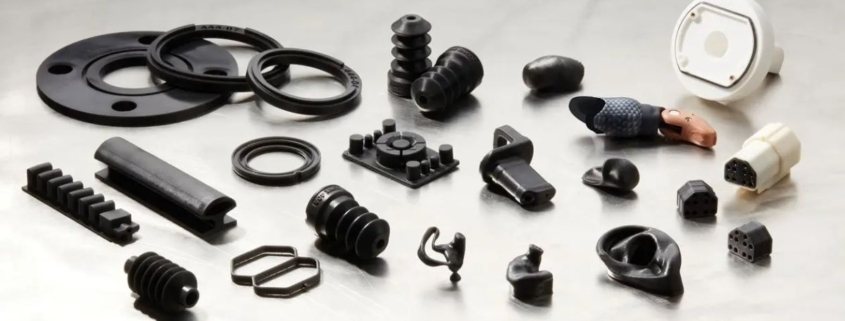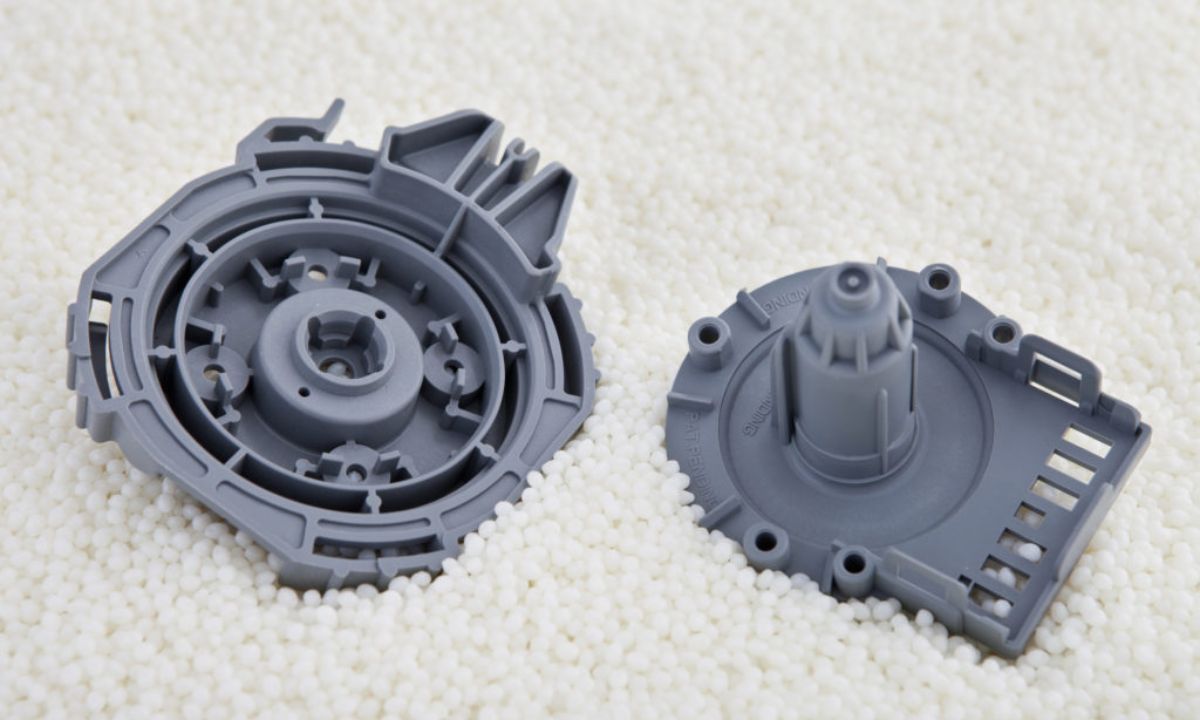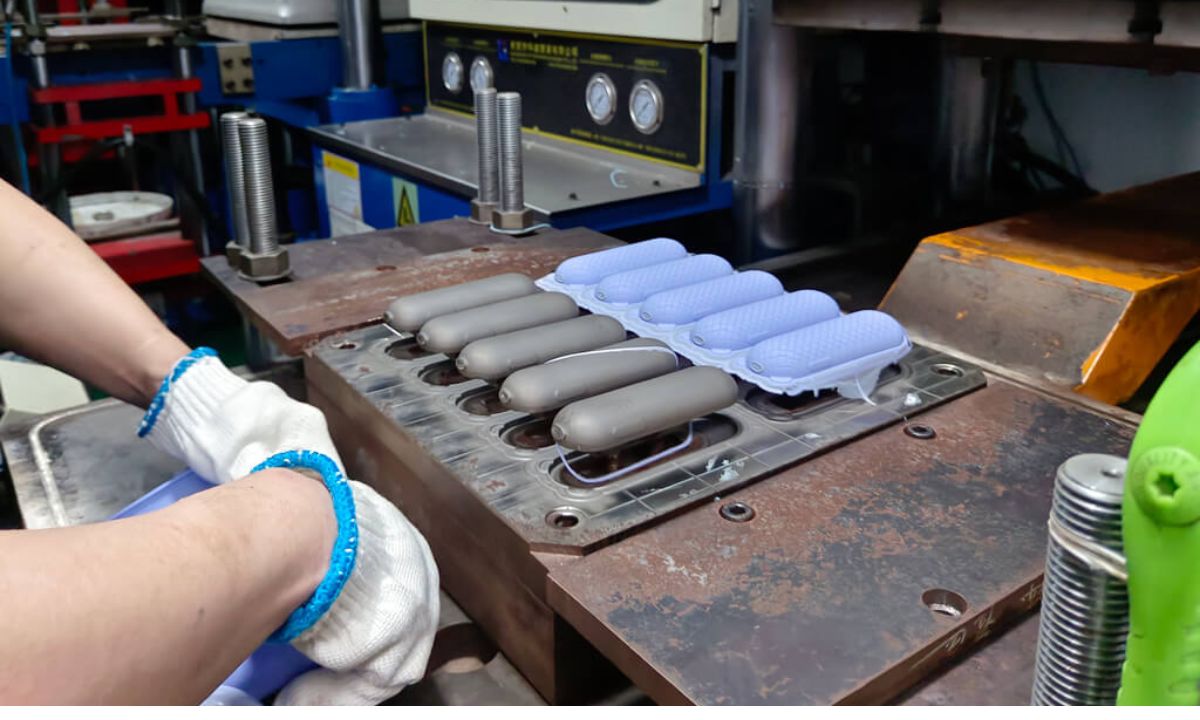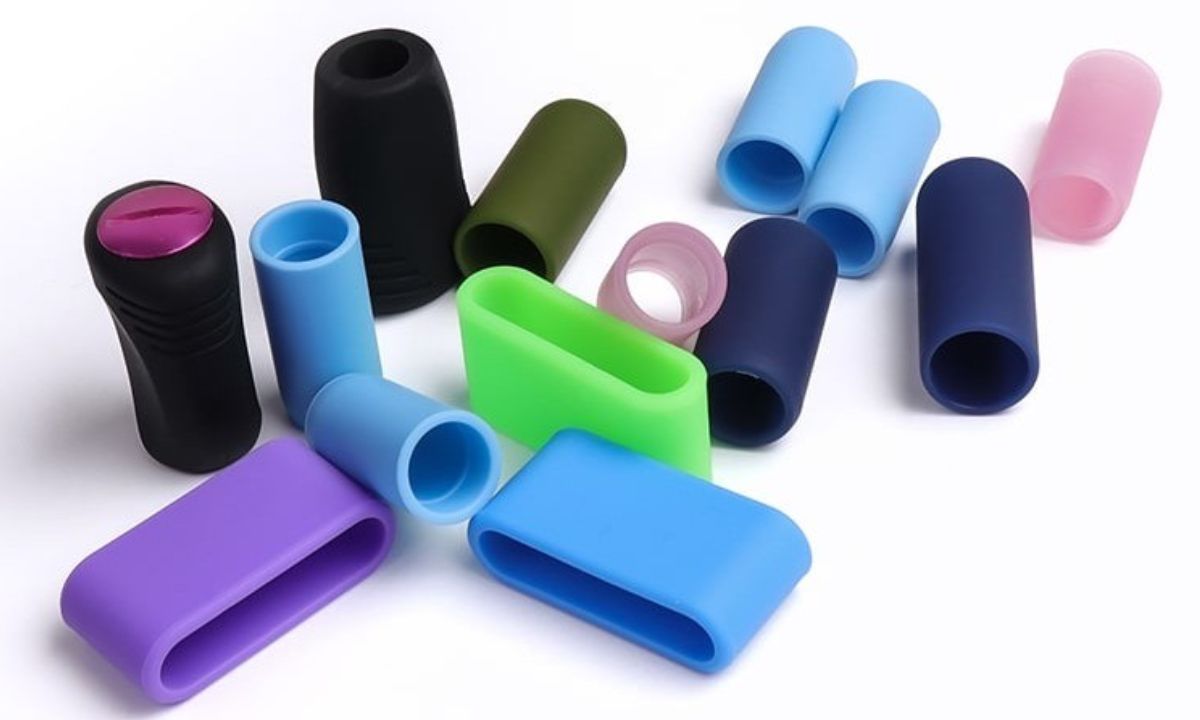
Learning the Contemporary Plastic Injection Molding Tools

The production process in the field of manufacturing has been changing at a high rate in the last several decades, and among the most significant contributors to the development of the field are the developments of plastic injection molding tools. The tools are important in the development of the plastic components that are utilized in various industries like automotive, healthcare, consumer electronics, and packaging industries. Advanced tooling leads to precision, repeatability, and efficiency, which is the cornerstone of present-day plastic manufacturing.

When the companies invest in the plastic injection mold tools, they are investing on the basis of their product quality. These aids in setting the shape of the final, finish, and dimensional accuracy of molded parts. Even the finest molding machines cannot produce the same results in the absence of well-designed molde de injeção plástica tooling.

What are Plastic Injection Molding Tools?

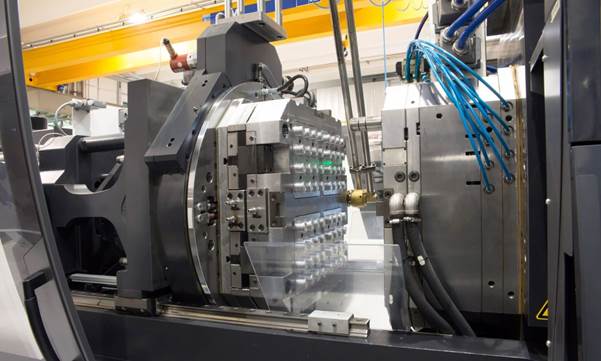
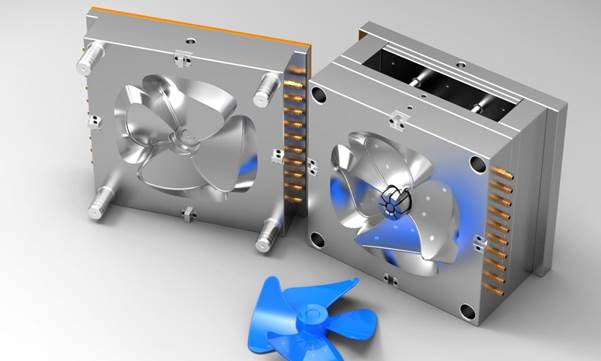
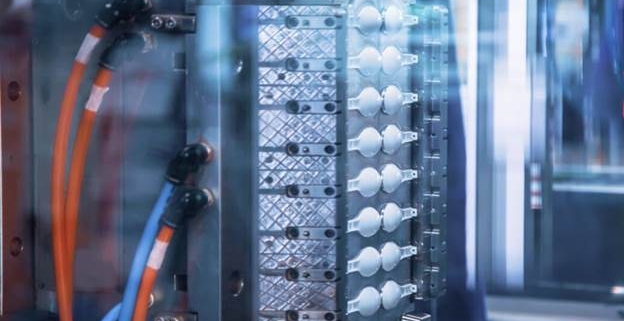
Simply injecting molten plastic into a mold, cooling, and ejecting, the idea of injection molding is at its simplest. The efficiency of the performance of the tooling of plastic injection molding directly influences the efficiency of this process. Tooling comprises molds, inserts, cores, cavities, and cooling systems that constitute the structure that shapes plastic material.

What are Plastic Injection Molding Tools?

Manufacturers utilize the so-called plastic injection mold tools so that they may create thousands, or in some cases millions, of the same parts. The cycle time, volume production, and long-term maintenance are determined by the durability and design of these tools. This is the reason why a proper choice of the partner in terms of plastic injection mold tooling is essential to any production operation.

Forms of Injection Mold Tooling

Injection mold tooling is available in various types to meet production requirements, part complexity, and affordable cost. The right mold will guarantee efficiency, quality parts, and cost-efficiency.

  • Moldes de cavidade única: mold one part each cycle, which is suitable when there is low volume production or prototyping. They are easy and less expensive, yet less fast in mass production.
  • Moldes de múltiplas cavidades: produce several identical parts at a single cycle, which is best when large volumes are to be manufactured. They save on part cost, although they demand an exact design to fill evenly.
  • Family Molds: The parts are produced in a single cycle by family molds, which minimizes assembly discrepancies. It is harder to design such a cavity since each cavity can fill in varying ways.
  • The Hot Runner Molds: retain the plastic in molten form inside heated channels, thus minimizing waste and cycle time. They suit the mass production of high quality.
  • Moldes de câmara fria: enable the runners to cast along with the part, which is easier and cheaper, but creates waste of more waste.
  • Two-Plate and Three-Plate Molds: Common mold designs are Two-Plate and Three-Plate Molds. Two-plate molds are easy and affordable to manufacture, whereas three-plate molds enable automatic separation of runners to obtain cleaner parts.
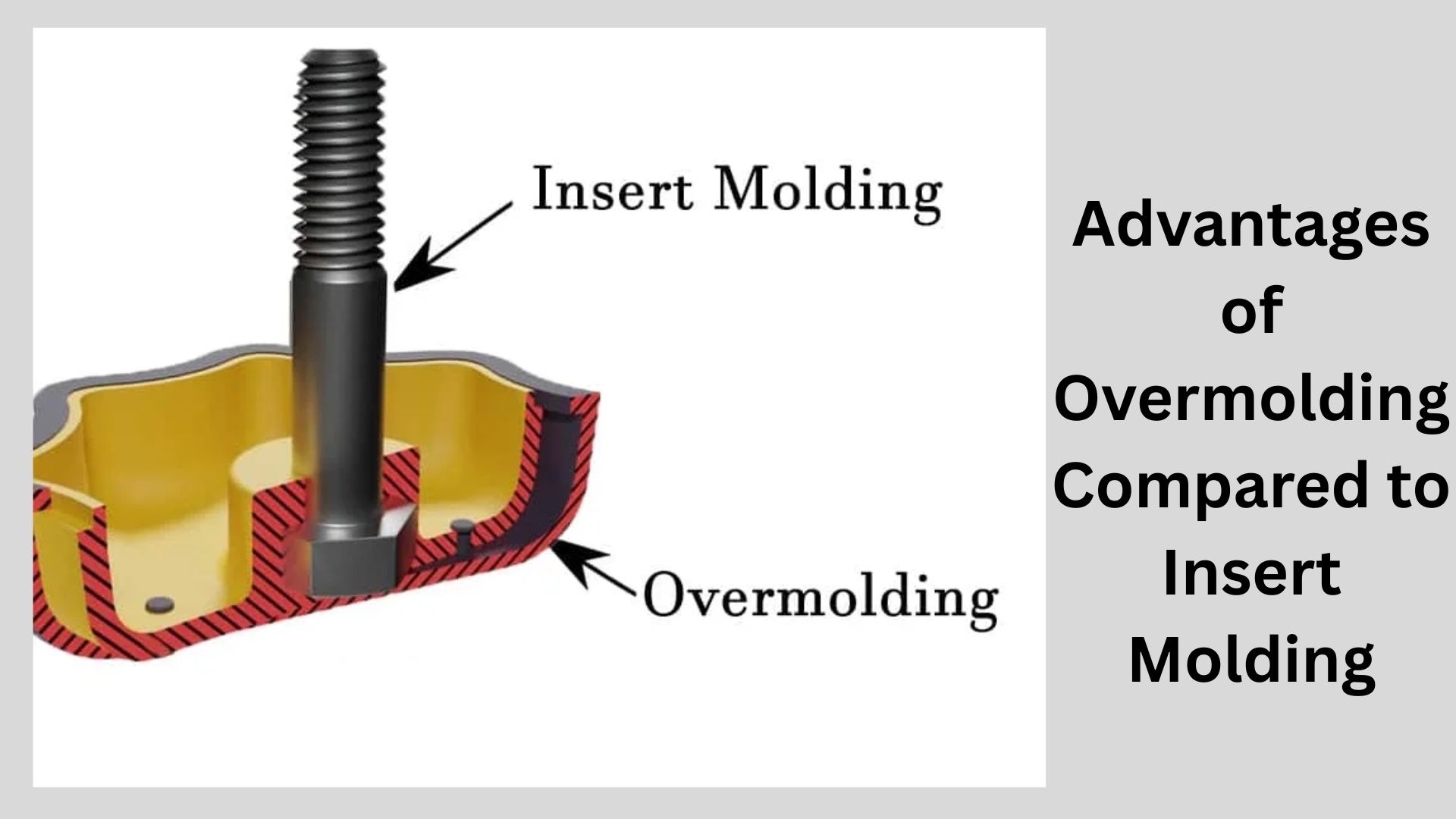
  • Insert Molds: embed the systems of metals or other parts into the component, which removes the need for assembly. The overmold takes a material and gives it another, which insulates or gives it a grip.
  • Prototyping (Soft) Tooling: It is employed with tests or low volume production, whereas Hard Tooling, made of steel, is robust with high volume production. Stack Molds enhance production by molding several layers of parts at the same time.

The choice of appropriate tooling varies with the volume of production, complexity of the part, and the material, which will help in efficiency and quality of the outcome.

Table 1: Types of Injection Mold Tooling

Tooling TypeCavitiesCycle Time (sec)Volume de produçãoNotes
Single-Cavity Mold130–90<50,000 partsLow-volume, prototype
Multi-Cavity Mold2–3215–6050,000–5,000,000High-volume, consistent
Family Mold2–1620–7050,000–1,000,000Different parts per cycle
Hot Runner Mold1–3212–50100,000–10,000,000Minimal waste, faster cycles
Cold Runner Mold1–3215–7050,000–2,000,000Simple, more material waste
Two-Plate Mold1–1620–6050,000–1,000,000Standard, cost-effective
Three-Plate Mold2–3225–70100,000–5,000,000Automated runner separation
Insert Mold1–1630–8050,000–1,000,000Metal inserts included
Overmolding Mold1–1640–9050,000–500,000Multi-material parts

The Advantages of Mold Tooling of High Quality

It has several long term advantages in investing in high-quality plastic injection mold tooling. First, it provides a stable quality of parts in large production lots. Second, it decreases the downtime due to the failure of tools or unnecessary maintenance. Lastly, it enhances the efficiency of production through cooling optimization and optimization of the flow of materials.

The Advantages of Mold Tooling of High Quality

Companies that focus on the production of durable plastic injection molding tools tend to gain lower scrap and increased revenue. Also, properly constructed plastic injection molding tooling has the capability of sustaining elaborate shapes and stringent tolerances, allowing organizations to be innovative without performances.

Design Factors in Mold Tooling

One of the most important requirements in the process of creating plastic injection mold tools is design. The engineers should take into account the choice of materials, the thickness of the wall, the draft angle, and the cooling performance. A good design reduces the stress points and prolongs the life of the tools.

Part complexity is another determinant of the cost of plastic injection molding tooling. Complex forms or undercuts can involve the use of side acts, lifters, or multi-cavity moulds. These characteristics raise the design time and manufacturing costs, but are typically needed with high-performance components.

Since it is required that plastic injection molding tooling should be able to resist high pressure and high temperature, the choice of materials is crucial. Depending on the volume of production and use needs, tool steels, aluminum, and specialty alloys are used.

Parts and Components of Injection Molding Tooling

The tooling used in injection molding is a complicated mechanism that consists of numerous parts that are engineered to the utmost degree. Both components have a certain effect in the process of molding molten plastic into a completed item and ensuring accuracy, efficiency, and repeatability. These characteristics are useful in understanding the manner in which plastic parts of high quality are able to be produced with consistency in large volumes.

Parts and Components of Injection Molding Tooling

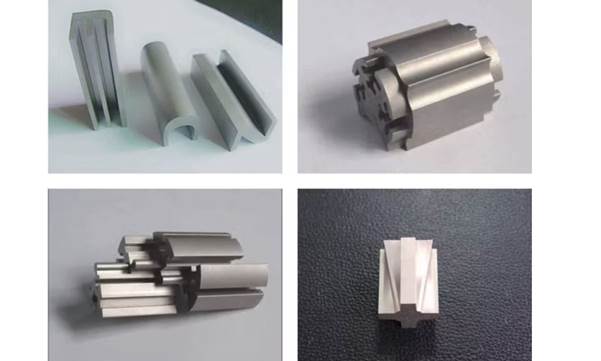
Mold Cavity

The hollow which forms the outer shape of the plastic part is called the mold cavity. Molten plastic is injected into the mold and subsequently fills this cavity and hardens to the final product. The size of parts, surface finish, and the look of the parts are dependent on the cavity design. The rate of shrinkage and draft angles should be calculated by engineers to ensure that the part comes out without defects.

Mold Core

The inner geometry of the part is made of the Mold core. It develops features such as holes, recessions, and inside channels, which are critical to functionality and a decrease in weight. In simple molds, cores are fixed, whereas the more complicated parts need to have sliding or collapsible cores to allow undercuts to be freed during the ejection process. The core and cavity are perfectly aligned that provides dimensional accuracy.

Sistema de corredores

The runner system is a system of channels that directs the nozzle of the molten plastic of the injection machine to the mold. An effective runner is designed to make the flow balanced in order to fill out all cavities evenly. Defects in the poor design of runners include sink marks, short shot, or warping.

Flow Channels

Flow channels are defined as the individual pathways of the system of the runners where the plastic moves in the mold. These channels should reduce the resistance and not allow the premature cooling of the material. The proper channel design is suitable to keep the material strong and ensure that the wall thickness of the part remains consistent.

Gate

The gate is the little hole through which molten plastic is injected into the cavity. Though it is small, it makes a significant contribution to the quality of parts. Location, size, and style of gate influence the manner in which the mold fills, pressure distribution, and the amount of the gate mark that will be visible on the finished part. Selecting a proper gate design is one way of avoiding stress marks and aesthetic defects.

Sistema de ejetor

The ejector system sends the part out using the ejector system after the plastic has cooled. The part is forced out by ejector pins, sleeves, or plates evenly without breaking or deformation. Ejectors should be placed and ordered properly, particularly for delicate or complicated components.

Sistema de resfriamento

The cooling system controls the temperature of the mold by pumping water or oil through the system. The cooling is among the most important processes during injection molding since it directly influences cycle time and stability of parts. The irregular cooling may lead to shrinkage, warping, or internal stress. High-technology molds can apply conformal cooling channels that trace the shape of the part to be more efficient.

Alignments and Mounting Characteristics

Elements of alignment, like guide pins and bushings, make sure that every cycle, the halves of the mould are closed perfectly. The mounting features, such as clamps and bolts, are used to hold the mold in the machine. Adequate alignment will eliminate flashing, uneven wear, and mold damage and produce consistent quality parts.

Parts and Components of Injection Molding Tooling

Venting

Venting enables the ambient air and gases to be released from the mold cavity as the plastic fills up the mold. Defects such as burn marks or half-filled can take place without proper venting. Vents are little but necessary in making clean and correct parts.

Slides and Lifters

Slides and lifters are the processes that help the molds to form parts with undercuts or side effects. The angles of the slides move, and the lifters, during ejection, jump to expel the complicated geometries. These elements increase the possibilities of design and remove the necessity of secondary machining.

Mold Materials

The tooling materials have effects on the durability, performance, and cost. High-volume production is carried out with hardened tool steel since it can withstand wear and be precisely accurate. Aluminum molds are cheaper and more common for prototypes or low-volume production. High-performance finishes can enhance the wear and release of parts.

Inserts

Inserts are detachable parts of a mold that are utilized in producing a particular feature, like a thread, a logo, or a texture. They enable molds to be altered or fixed without having to change the tool. The substitutability of inserts allows it to be used to create a variety of products of the same mold base.

Core Pins

Core pins are thinner components that are used to create holes or internal conduits in molded components. They should be well-machined and should be sturdy enough to withstand the pressure of injections without bending or breaking.

Table 2: Injection Mold Tooling Components

ComponentMaterialTolerance (mm)Max Pressure (bar)Notes
Mold CavitySteel/Aluminum±0.01–0.051,500–2,500Forms part shape
Mold CoreSteel±0.01–0.051,500–2,500Internal features
Sistema de corredoresSteel/Aluminum±0.021,200–2,000Guides plastic flow
GateSteel±0.011,500–2,500Entry to cavity
Ejector PinsHardened Steel±0.01N/APart ejection
Canais de resfriamentoSteel±0.05N/ATemperature control
Slides/LiftersSteel±0.021,200–2,000Complex geometries
InsertsSteel/Aluminum±0.021,500Customizable features

Cooling Aids Baffles, Diffusers, and Water Manifolds

The coolant flow in the mold is guided by baffles and diffusers to provide a uniform temperature pattern. Water manifolds serve as an element of distribution through which the coolant can be directed to the various parts of the mold. A combination of these elements enhances cooling as well as minimizing cycle times.

Mold Texture

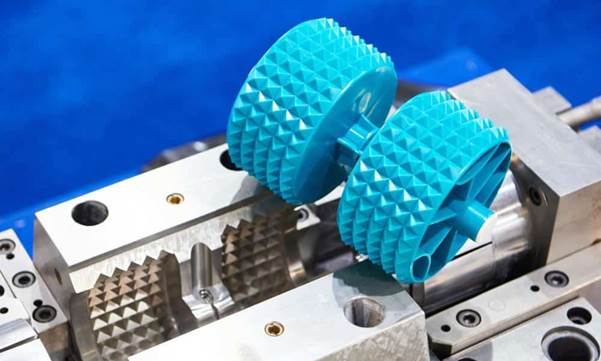
Mold texture is the surface finish on the cavity that has been applied to the part to produce certain patterns or finishes on the part. The texture may enhance grip, minimize glare, or promote the appearance of a product. Methods are chemical etching, laser texturing, and mechanical blasting.

Sprue Bush

Sprue bush is used to connect the nozzle of the injection machine to the runner system. It is the primary path through which the molten plastic is introduced to the mold. The sprue bush should be properly designed to provide a continuous flow of materials and avoid leakage or loss of pressure.

Cavity Retaining Plate

The plate with the cavity inserts is firmly fixed in the cavity retaining plate. It holds position, assists injection pressure, and helps to create overall strength in the mould. Correct plate design guarantees the durability of molds in the long term and part uniformity.

The knowledge of Tooling Costs

A query regarding the cost of the plastic injection molding tooling is one of the most frequently asked questions by manufacturers. Tooling cost depends on the size, complexity, material, and anticipated volume of production. The initial expenses may appear expensive, but quality plastic injection mold tools may pay back with durability in the long-run and steady production.

Issues influencing plastic injection molding tooling cost are:

•          Number of cavities

•          Surface finish specifications.

•          Cooling system complexity

•          Tolerance levels

•          Tool material

Though enterprises can be tempted to save money and use cheaper solutions such as plastic injection mold tooling, it will result in increased maintenance and poor quality of products in the long-term.

The Modern Tooling Technology

This is due to advanced software and machining technologies, which have transformed the development of moldagem por injeção de plástico tools. Simulation and computer-aided design (CAD) can help engineers to test the mold flow, cooling efficiency, and structural integrity before the commencement of manufacturing.

The Modern Tooling Technology

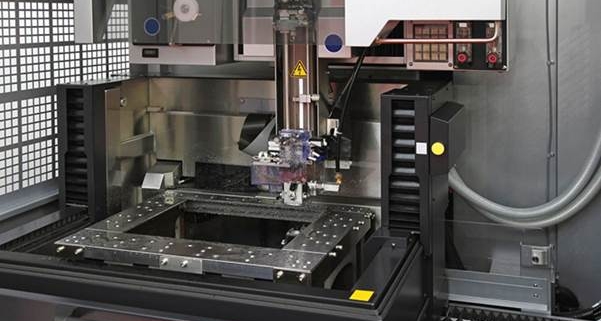
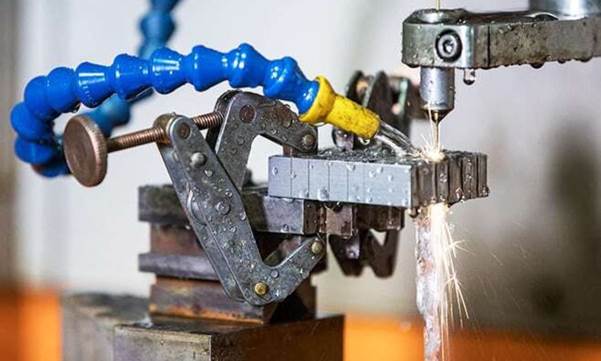
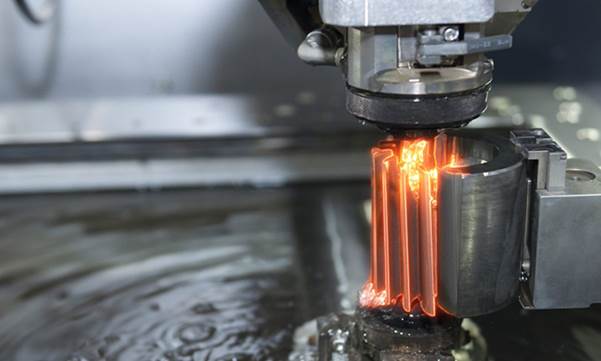
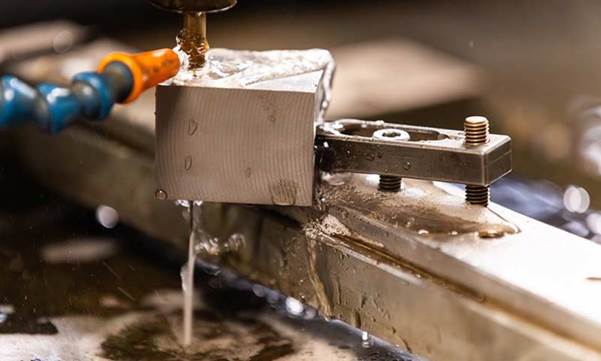
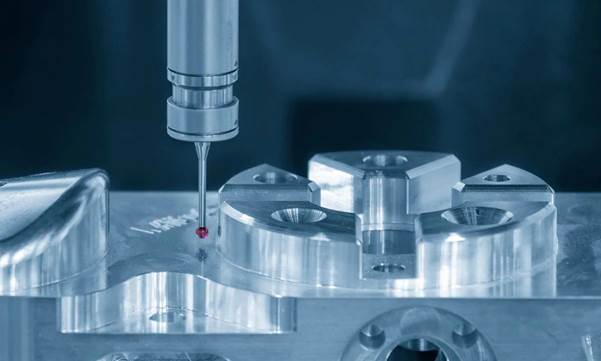
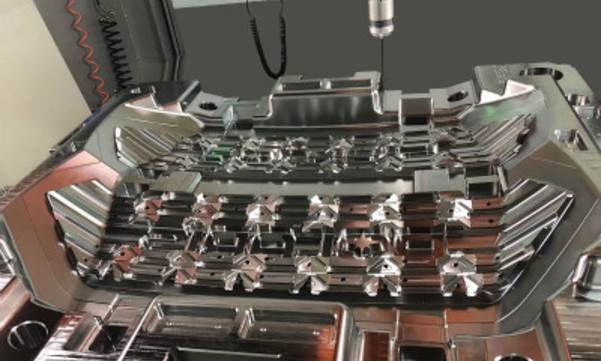
CNC machining, EDM (electrical discharge machining), and high-speed milling are used to ensure that plastic injection molding tooling is done with tight tolerances. Such technologies decrease lead-time and enhance repeatability, and so it is the most reliable modern plastic injection mold tool than ever before.

The use of automation is also associated with the optimization of the cost of plastic injection molding tooling. The manufacturers will be able to realize more value without compromising on quality by cutting manual labor and enhancing the efficiency of the processes.

Maintenance and Longevity

Maintenance of plastic injection molding tools is necessary to prolong their life. Wear and corrosion are prevented by regular cleaning, inspection, and lubrication. Observation of cooling channels and ejector systems promotes the stable operation.

Failure to maintain the tools can significantly add to the cost of plastic injection molding tooling through repairs or early replacement. The companies that adopt preventive maintenance programs not only cover their investment in the area of plastic injection mold tooling but also ensure that the production timetable is kept constant.

Durable plastic injection molding tooling is also applicable in high-volume operations with a long production cycle.

Selection of a Proper Tooling Partner

The choice of a reliable supplier of the plastic injection mold tools is as crucial as the design. Advanced tooling producers are aware of material behavior, production requirements, and cost optimization measures.

An effective collaborator assists in creating a balance between quality and the cost of plastic injection molding tooling, and the tools should be up to the performance expectations. Teamwork at the design levels lowers mistakes as well as minimizing the time of development of the plastic injection molding tools .

The indicators of a good provider of plastic injection mold tooling include communication, technical skills, and high manufacturing skills.

Trends in Future Injection Molding Tooling

Innovation is the future of plastic injection molding tooling. Additive manufacturing, conformal cooling channels, and intelligent sensors are altering the process of constructing and monitoring molds. These innovations decrease the time taken in the cycle and enhance the quality of parts.

Trends in Future Injection Molding Tooling

With the growing significance of sustainability, effective molde de injeção plástica tools contribute to the decrease of material waste and energy usage. Better designs also reduce the cost of plastic injection molding tooling cost in the lifetime of a tool by increasing the life of the tool and reducing the cost of repairs.

A competitive edge is enjoyed by companies that use next-generation plastic injection molding tools, which have improved performance, increased speed of production, and also the ability to design.

Conclusão

The quality of moldagem por injeção de plástico tools is vital to the success of any injection molding operation. Design and choice of materials, maintenance, and innovation are some of the considerations in tooling that affect the efficiency of production and quality of the products. Although the price of plastic injection molding tooling is also a factor of considerable consideration, long-run value will be derived through durability, accuracy, and reliability. Manufacturers can guarantee the consistency of the results, lower downtime, and high ROI by attaching importance to investing in modernization, plastic injection mold tooling, and collaborating with skilled partners.

Injection Molded Parts: An all-purpose Guide

Injection molded parts production is a significant component of the contemporary industry. Injection molding is used to make many of the products surrounding us. This is a process that aids in the production of strong and accurate components. These are components that find their applications in numerous fields. The quality of molded products demanded goes up annually.

The reason behind the wide use of plastic injection molding parts is that they are durable and economical. They enable companies to manufacture large numbers of products that are of the same shape. Complex designs also work well in this process. Meanwhile, the injection molding mold parts are important in the shaping and forming of these products. The process cannot go on well without the right mold components.

The popularity of injection molding is due to the fact that it is time-saving. It also reduces waste. The method allows short-cycle production. It is something that a number of industries cannot afford to do away with.

Plastic Injection Molding: What is Plastic Injection Molding?

Plastic moldagem por injeção refers to a production process. In large quantities, plastic products are produced with its assistance. It is also a fast and reliable procedure. It can be used to manufacture parts of the same shape and size in all cases.

In this process, plastic material is first heated. The plastic becomes soft and melts. The liquid plastic is then inserted into a mold. The mold has a specific shape. When the plastic cools down, it becomes solid. This entire part is removed from the mold.

Plastic Injection Molding: What is Plastic Injection Molding?

Plastic injection molding is used to bring about simple and complex products. It allows high accuracy. It also reduces material wastefulness, too. The reason has to do with the fact that it is popular because less time and money are wasted.

Table 1: Injection Molding Mold Components

Mold ComponentTypical MaterialToleranceAcabamento da superfícieTypical Life CycleFunction
Core & CavityHardened Steel / Aluminum±0.01–0.03 mmRa 0.2–0.8 μm>1 million shotsShapes internal and external features
RunnerSteel / Aluminum±0.02 mmRa 0.4–0.6 μm>500,000 shotsChannels molten plastic to the cavity
GateSteel / Aluminum±0.01 mmRa 0.2–0.5 μm>500,000 shotsControls plastic entry into the cavity
Canais de resfriamentoCopper / Steel±0.05 mmRa 0.4–0.6 μmContinuousRemoves heat efficiently
Ejector PinsHardened Steel±0.005 mmRa 0.3–0.5 μm>1 million shotsEjects finished part without damage
Venting SlotsSteel / Aluminum±0.01 mmRa 0.2–0.4 μmContinuousReleases trapped air during injection

Knowing the Injection Molding Process

A controlled and precise method of production is the injection molding technology. They are applied in the production of plastic components of high accuracy. It is a functional procedure that occurs in stages. Each step has some parameters and numerical values.

Selection and Preparation of Materials

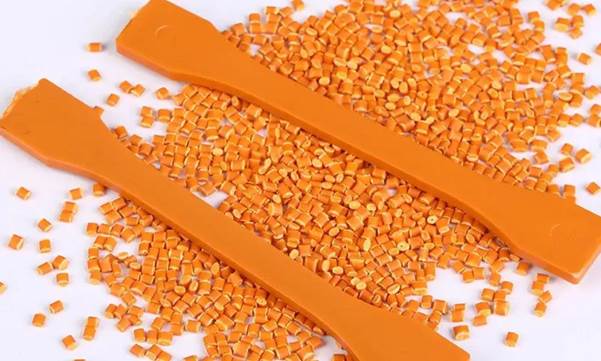
It begins with plastic raw material. This is usually packed in the form of pellets or in the form of granules. Such material is normally ABS, polypropylene, polyethylene, and nylon.

  • Pellet size: 2–5 mm
  • Wet content before drying: 0.02% -0.05%
  • Drying temperature: 80°C–120°C
  • Drying time: 2–4 hours

Proper drying is critical. Bubbles and surface defects of molded parts may be brought about by moisture.

Melting and Plasticizing

The plastic pellets are dried and forced into the moldagem por injeção machine. They go through a screw that rotates and through a hot barrel.

  • Barrel temperature zones: 180°C–300°C
  • Screw speed: 50–300 RPM
  • Screw compression ratio: 2.5:1 -3.5:1.

The plastic is melted by the turning of the screw. The substance turns into a homogenous mass of liquid. Even the melting offers consistency of the component.

Injection Phase

On completion of melting down the plastic, it is pushed into the molding cavity. The mold is filled with great pressure in a quick and regularized way.

  • Injection pressure: 800–2000 bar
  • Injection speed: 50–300 mm/s
  • Injection time: 0.5–5 seconds

There is no use of short shots and flash due to appropriate pressure control. It is intended to fill the entire mold prior to the beginning of plastic cooling.

Packing and Holding Stage

The mold is filled, and pressure is applied to the mold. This is to overcome the process of material shrinkage at room temperature.

  • Loading pressure: 30-70 percent flow of injection.
  • Holding time: 5–30 seconds
  • Typical shrinkage rate: 0.5%–2.0%

This process increases the part concentration and dimension. It also reduces internal stents.

Cooling Process

Injection molding is the process that takes the longest in cooling time. The plastic substance would then solidify and melt.

  • Mold temperature: 20°C–80°C
  • Cooling time: 10–60 seconds
  • Heat transfer efficiency: 60%–80%

Elimination of heat is done by cooling channels in the mold. Proper cooling eliminates warping and defects of the surface.

Mold Opening and Ejection

After cooling, the mold opens. A section that has been completed is removed using ejector pins or plates.

  • Mold opening speed: 50–200 mm/s
  • Ejector force: 5–50 kN
  • Ejection time: 1–5 seconds

Ejection: Careful ejection will not damage parts. The closing of the mold then commences the next cycle.

The Cycle Time and Production Output

The total cycle time will be different depending on the size of the parts and the material.

  • Average cycle time: 20–90 seconds
  • Output rate: 40 -180 parts/hour.
  • Machine clamping force: 50–4000 tons

Reduced cycle times will boost productivity. However, quality must be maintained constantly.

Monitoring and Control of Process

In contemporary machines, sensors and automation are employed. Pressure flow rate and temperature are checked by these systems.

  • Temperature tolerance: ±1°C
  • Pressure tolerance: ±5 bar
  • Dimensional accuracy: ±0.02 mm

Consistency of quality is ensured by monitoring the process. It also reduces scrap and downtimes.

Importance of Components of Mold

Injection molding is dependent on the parts of the mold. Each of the elements of the mold has some role to play. These are the shaping, cooling, and ejecting.

O moldagem por injeção de plástico parts are considered to be successful depending on the correct design of the mold. A poor mold can cause defects. These defects include cracks and unbalanced surfaces. Mold parts made by injection molding, on the other hand, help in ensuring accuracy. They also ensure that they go in good cycles.

High-quality protract parts are molded. They reduce the maintenance costs as well. This makes it more effective and dependable.

Mold Components Technical Information

Mold components are the most important elements of the injection molding system. They control the shape, accuracy, strength, and quality of the surface. Without mold components that are well-designed, there is no way that stable production can be achieved.

Plastic Injection Molding: What is Plastic Injection Molding?

Core and Cavity

The core and the cavity are what determine the final shape of the product. The external surface consists of the cavity. The core makes up internal features.

  • Dimensional tolerance: ±0.01–0.03 mm
  • Surface finish: Ra 0.2–0.8 µm
  • Typical steel hardness: 48–62 HRC

Precision in core and cavity is high, hence minimizing defects. It enhances the uniformity of the parts also.

Sistema de corredores

The system of the runner directs the molten plastic at the injection nozzle to the cavity. It has an influence on flow balance and filling speed.

  • Runner diameter: 2–8 mm
  • Flow velocity: 0.2–1.0 m/s
  • Pressure loss limit: ≤10%

Reduction in material waste is done by proper runner design. It also has an even filling.

Design de portões

The gate regulates the flow of plastic in the cavity. Part quality depends on the size and type of gate.

  • Gate thickness: 50 -80 of part thickness.
  • Gate width: 1–6 mm
  • Shear rate limit: <100,000 s⁻¹

Right gate design eliminates weld lines and burn marks.

Sistema de resfriamento

Cooling tracks are used to cool down the mold. This system has a direct influence on cycle time and the stability of parts.

  • Cooling channel diameter: 6–12 mm
  • Distance of the channel to the cavity: 10-15mm.
  • Maximum temperature difference permitted: < 5 °C.

Ease of cooling enhances dimensional accuracy. It also reduces the time of production.

Sistema de ejeção

When cooled, the part is ejected within the ejection system. It has to exert force in equal quantity to prevent harm.

  • Ejector pin diameter: 2–10 mm
  • Ejector force per pin: 200–1500 N
  • Ejection stroke length: 5–50 mm

Even ejection eliminates cracks and deformation.

Venting System

The air can be trapped and escape through vents when injecting. Burns and incomplete filling are caused by poor venting.

  • Vent depth: 0.02–0.05 mm
  • Vent width: 3–6 mm
  • Maximum air pressure: <0.1 MPa

Adequate venting enhances the quality of surfaces and the life of molds.

Base and Alignment Components Mold Base

The base of the mould bears all the parts. Bushings and guide pins are used to provide proper alignment.

  • Guide pin tolerance: ±0.005 mm
  • Mold base flatness: ≤0.02 mm
  • Lifecycle alignment: more than 1M shots.

High alignment decreases the wear and flash.

Table 2: Key Process Parameters

ParâmetroRecommended RangeUnitDescriçãoTypical ValueNotes
Barrel Temperature180–300°CHeatis  applied to melt the plastic220–260Depends on the material type
Pressão de injeção800–2000barPressure to push molten plastic into the mold1000Adjust for part size & complexity
Temperatura do molde20–120°CTemperature is maintained for proper cooling60–90Higher for engineering plastics
Tempo de resfriamento10–60secondsTime for the plastic to solidify25–35Depends on wall thickness
Tempo de ciclo20–90secondsTotal time per molding cycle30–50Includes injection, packing, and cooling
Ejector Force5–50kNForce to remove part from the mold15–30Must prevent part damage

Raw Materials Injection Molding

Material selection is very important. It influences the quality, stability, outlook, and price of the end product. Selecting the appropriate plastic is necessary to guarantee that the parts will work and will be printed properly.

Raw Materials Injection Molding

Thermoplastic Materials

The most widespread materials are thermoplastics due to the fact that they can be melted and reused several times. There is a wide use of ABS, polypropylene, polyethylene, and polystyrene. ABS is impact-resistant and strong, and melts at 200 to 240 °C. Polypropylene melts at temperatures of 160 °C or 170 °C; it is light in weight and resistant to chemicals. Polyethylene has a melting point of 120 °C to 180 °C and is suitable in moisture resistant products.

Engineering Plastics

High-strength parts or heat-resistant parts are made with engineering plastics such as Nylon, Polycarbonate (PC), and POM. Nylon melts at 220 °C -265 °C and is applied in gears and mechanical parts. Polycarbonate is a strong and transparent polymer that melts at 260 °C to 300 °C. POM has a melting temperature of 165 °C to 175 °C and is accurate in components.

Thermosetting Plastics

Plastics that are thermosetting are difficult to remelt after being molded because they harden permanently. They melt at 150 °C- 200 °C and are utilized in high-temperature applications such as electrical components.

Additives and Fillers

Materials are enhanced by additives. Glass fibers (10% -40 percentage) add strength, mineral fillers (5%-30 percentage) lower shrinkage, and UV stabilizer (0.1-1 percentage) shield against the sun. These assistive components are longer-lasting and work better.

Material Selection Requirements

The material selection is factor-driven in terms of temperature, strength, chemical confrontation, moisture, and cost. Adequate selection will result in long-lasting, precise, and quality products and lessen the mistakes and waste.

Table 3: Material Properties

MaterialMelt Temp (°C)Mold Temp (°C)Injection Pressure (bar)Tensile Strength (MPa)Shrinkage (%)
ABS220–24060–80900–150040–500.5–0.7
Polipropileno (PP)160–17040–70800–120030–351.0–1.5
Polietileno (PE)120–18020–50700–120020–301.5–2.0
Poliestireno (PS)180–24050–70800–120030–450.5–1.0
Nylon (PA)220–26580–1001200–200060–801.5–2.0
Policarbonato (PC)260–30090–1201300–200060–700.5–1.0
POM (Acetal)165–17560–80900–150060–701.0–1.5

Components that are manufactured under the Plastic Injection Molding Process

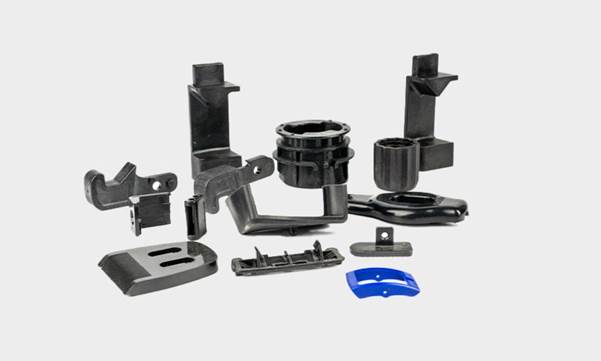
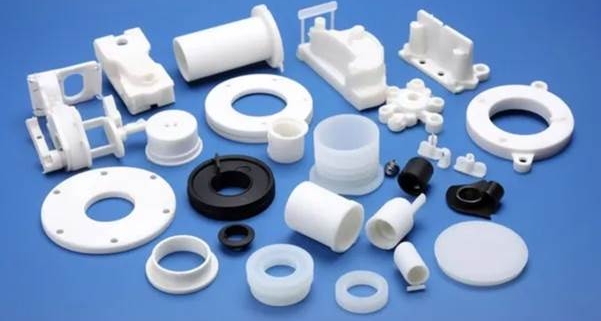
Plastic injection molding is a process that creates a large number of components applicable in various sectors. The process is precise, durable, and of large volume production. Examples of typical components produced in this manner are shown below.

Components that are manufactured under the Plastic Injection Molding Process

Automotive Parts

  • Dashboards
  • Bumpers
  • Air vents
  • Door panels
  • Gearshift knobs
  • Fuel system components
  • Interior trims

Medical Parts

  • Syringes
  • Tubing connectors
  • Surgical instruments
  • IV components
  • Medical device housings
  • Disposable medical tools

Electronics Parts

  • Housings for devices
  • Switches and buttons
  • Cable clips and wire holders
  • Connectors and plugs
  • Keyboard keys
  • Circuit board enclosures

Packaging Products

  • Bottles and jars
  • Bottle caps and closures
  • Food containers
  • Cosmetic containers
  • Lids and seals
  • Storage boxes

Consumer and Industrial Goods

  • Toys and figurines
  • Household tools
  • Appliance components
  • Construction fittings
  • Accurate clips and fasteners.
  • Industrial machine parts

Design and Precision

Design is a significant contributor to success. An effective mold enhances the quality of a product. It minimizes errors during production as well.

The parts of the process of moldagem por injeção de plástico require strict dimensions. Performance can be influenced by small mistakes. This is the reason why the creation of the injection molding mould parts is designed with close tolerances. State-of-the-art software is often employed in design.

Components that are manufactured under the Plastic Injection Molding Process

Strength is also enhanced through good design. It enhances appearance. It guarantees superior fitting in end assemblies.

Aplicações industriais

Many industries also use injection molding, which is fast, exact, and it is economical. It enables mass production of identical parts with very high precision.

Setor automotivo

In the auto sector, dashboards, bumpers, air vents, and interior panels are made using plastic injection molding parts. These components should be powerful, light, and heat-resistant. Particularly, it is done by molding, whereby the shapes are exact and uniform to prevent any safety and quality issues.

Medical Industry

In medicine Syringes, tubing connectors, and surgical instruments are made by injection molding. Much precision and hygiene areas needed. Particularly, plastic injection molding parts can be made of medical-grade plastics, and injection molding mold parts can be used to ensure accuracy and smoothness.

Electronics Industry

Housings, connectors, switches, and cable clips are all produced in the electronics industry through injection molding. Plastic injection molding parts secure the fragile circuits, and the injection molding mold parts are necessary to make the parts fit perfectly.

Packaging Industry

Injection molding is also applied in the packaging of bottles, containers, caps, and closures. The parts of the plastic injection molding are used to give the required shapes and sizes, whereas the parts of injection molding are used to produce in large quantities within the shortest amount of time by creating minimum wastage.

Other Industries

Consumer goods, toys, construction, and aerospace are also injected. Its flexibility and accuracy give it the ability to fit nearly any plastic product, be it the simple householder the complicated technical parts.

Controle de qualidade e testes

In manufacturing, quality control is required. All the parts should be desiccated to meet design requirements. Testing is a measure of safety and performance.

The plastic injection molding parts are subjected to visual and mechanical inspections. Defects are spotted at an early stage through these checks. Simultaneously, the inspection of the wear and damage of the injection mold parts is conducted. Frequent inspections eliminate the failure of production failures.

Good quality management enhances customer confidence. It also minimizes wastage and expenditure.

Pros of the Injection Molding

There are numerous advantages of injection molding. It permits a rapid production rate. It also guarantees repetition.

Moldagem por injeção de plástico parts are dynamic and light. They are capable of mass production. In the meantime, automation is supported by the use of injection molding of the mold parts. This lowers the cost of labour and mistakes.

Pros of the Injection Molding

Also, the process is environmentally friendly. The scrap material may be reutilized. This will contribute to environmental mitigation.

Challenges and Solutions

Injection molding, just like any process, is challenging. These are material problems as well as wear of moulds. Unfavorable environments lead to flaws.

Part flaws may be assessed in the absence of proper handling of “plastic injection molding parts. These risks can be minimized by appropriate training. Simultaneously, mold parts that are used in injection molding must be maintained on a regular basis. This assures long life.

Modern technology will be useful in addressing a lot of issues. The efficiency is enhanced through automation and monitoring.

Future of Injection Molding

The injection molding future is solid. There is a development of new materials. Smart manufacturing is becoming a reality.

Injection molding parts that are produced out of plastic will be improved. They will be more significant and lighter. At the same time, better materials and coatings will be applied to the injection mold part. This will enhance longevity.

The industry will still be characterized by innovation. Competitive firms will be those that change.

China’s Role

China contributes significantly to the injection molding market in the world. It is among the biggest manufacturers of plastic injection molding parts and the distributor of injection molding mold parts. The manufacturing sector is very diversified in the country; small-scale production is available as well as large-volume industrial production.

China’s Role

The factories of China have high-precision machines and skilled labor that are used to manufacture parts. The reliance of many international companies on Chinese manufacturers is because they offer cost-effective solutions without reducing on quality.

Besides, China is an Innovation leader. It creates new materials, molds, and automation methods to enhance efficiency. It has a good supply chain and high production capacity that contribute to its status as a major player in satisfying global demand for injection molded products.

Why Choose Sincere Tech

We are Sincere Tech, and we deal with supplying high-quality plastic injection molding parts and injection molding mold parts to our clients in different industries. We have years of experience and a passion to do things in the best way, hence all our products are of the best quality in terms of precision, durability, and performance.

We have a group of experienced and qualified engineers and technicians who offer quality and affordable solutions through the application of modern machinery and new methods. We have ensured close attention to all the details, such as the choice of material, the design of molds, etc., so that we have the same quality in each batch.

Clients prefer Sincere Tech due to the fact that we appreciate trust, professionalism, and customer satisfaction. We collaborate with individual clients to get to know their special needs and offer solutions to their needs. We are also committed to the concept of on-time delivery, technical assistance, and constant improvement, which make us stand out inthe injection molding industry.

Sincere Tech is the company with which you can find excellence in plastic injection molding when you require either minor, detailed parts or large-volume production. You do not just get parts with us, you also get a team dedicated to your success and growth.

To learn more about our services and products, go to plas.co and see why we are the right choice for the clients of the world.

Conclusão

Injection molding is a solid process of production. It is the backbone of numerous industries in the world. Its main strengths are precision, speed, and quality.

Plastic injection molding parts are still very vital in everyday life. They are useful in serving various needs, from the simplest to the complex components. Meanwhile, injection molding mold parts guarantee the efficient flow of manufacturing and the same outcome.

Injection molding will only continue to increase with the right design and maintenance. It will also continue to form a vital aspect of modern production. 

What is overmolding

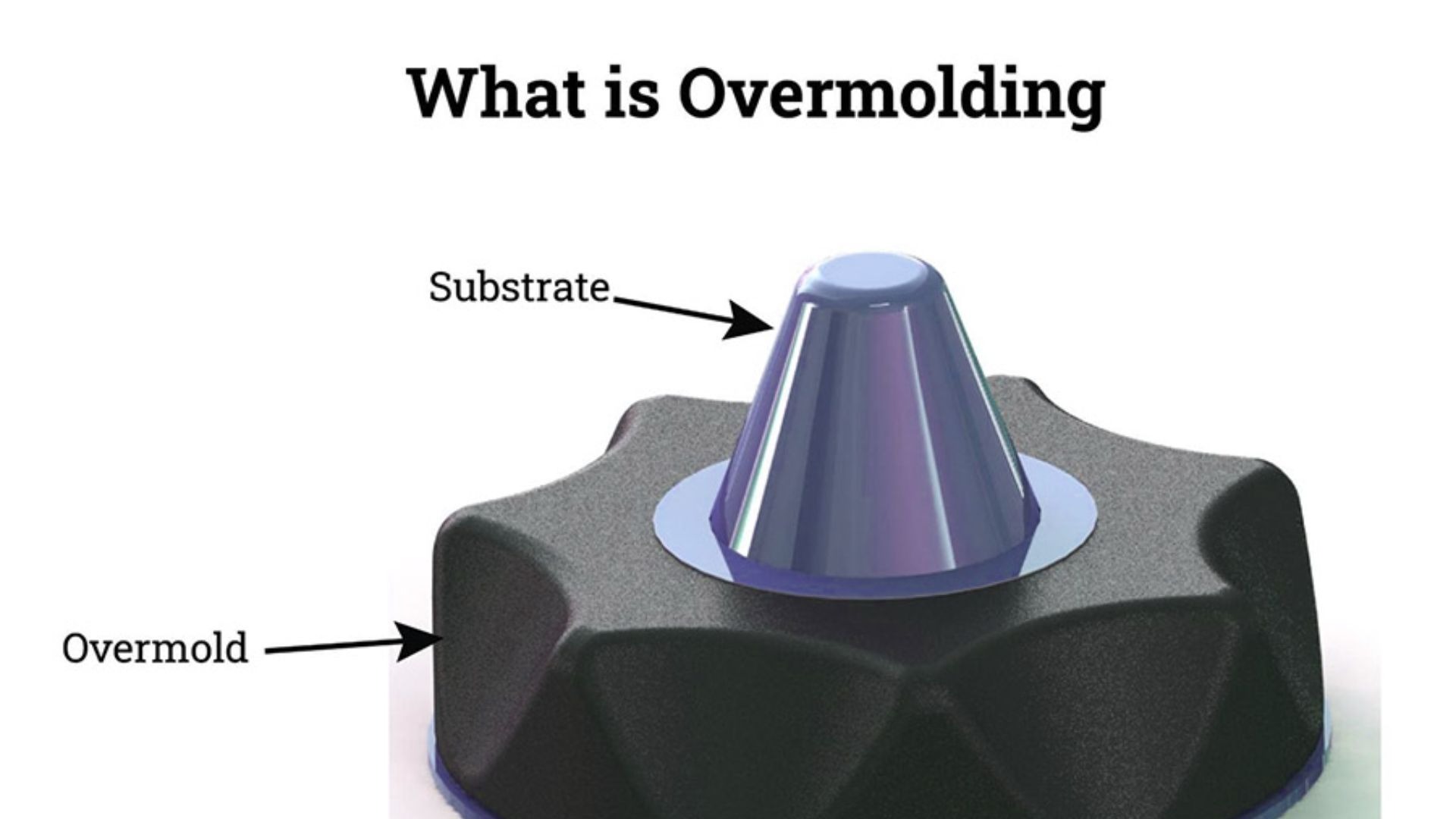
Overmolding is the making of a product by joining two or more materials into one product. It is also applied in most industries, such as electronics, medical equipment, automotive, and consumer products. It is done by molding over a base material known as an overmold, over a base material known as a substrate.

Overmolding is done to enhance the aesthetic, longevity, and functionality of products. It enables manufacturers to incorporate the power of one material with the flexibility or softness of the other. This makes products more comfortable, easier to deal with, and durable.

Overmolding appears in items that we use on a daily basis. This has been applied to toothbrush handles and phone cases as well as power tools and surgical instruments, among other items in contemporary manufacturing. Knowing about overmolding will make it easy to see how convenient and safe objects in everyday life are.

Índice

What is Overmolding?

Sobremoldagem is a procedure through which one product is formed out of two materials. The initial material is known as the substrate and typically is a hard plastic such as ABS, PC, or PP. It has a tensile strength of 30-50 Mpa tensile strength and a melting temperature of 200- 250 °C. The other material, which is the overmold, is soft, e.g., TPE or silicone, with a Shore A hardness of 40-80.

What is Overmolding?

The substrate is allowed to cool down to 50-70 °C. The pressure injected into the overmold is 50-120Mpa. This forms a strong bond. Overmolding enhances the holding power, strength, and durability of products.

One such typical object is a toothbrush. The handle is of hard plastic to ensure strength. The grip itself is of soft rubber and, therefore, is comfortable to hold. This basic application demonstrates the real-life uses of overmolding.

Overmolding does not apply only to soft grips. It is also applied in covering electronic products, giving an object a colorful decoration, and extending the life of a product. This flexibility enables it to be one of the most applicable manufacturing methods in contemporary days.

Full Process

Seleção de materiais

The procedure of overmolding starts with the choice of the materials. The substrate normally is a hard plastic like ABS, PC, or PP. They contain tensile strength of 30-50 Mpa and a melting point of 200- 250 °C. The molded material is usually a soft one, such as TPE or silicone, and has a Shore A hardness of 40-80. It is necessary to select the materials that are compatible. Failure of the final product to withstand stress can be caused by failure of the bonding of the materials.

Substrate Molding

The substrate was poured into the mold at a pressure of 40-80 Mpa after heating to 220-250 °C. Once injected, it is allowed to solidify to 50-70 °C to render it dimensionally stable. The time taken in this process is usually 30-60 seconds in relation to the size and the thickness of the part. There are extremely high tolerances, and deviation is typically not more than +-0.05 mm. Deviation will result in the product being affected in regard to overmold fit and product quality.

Preparation of the mold to be overmolded

Following the cooling, the substrate is then carefully transferred to a second mold, during which the overmold injection is done. The mold is preheated to 60-80 °C. Preheating eliminates the effect of thermal shock and also allows the overmold material to flow smoothly over the substrate. Mold preparation is needed to prevent any voids, warping, or poor bonding in the final product.

Overmold Injection

The pressure is injected into the substrate using 50-120 Mpa of the overmold material. The temperature of the injection is conditional upon the material: TPE 200-230 °C, silicone 180-210 °C. This step must be precise. Improper temperature or pressure may result in defects of bubbles, separation, or insufficient coverage.

Resfriamento e solidificação

Following injection, the part is cooled to enable solidification of the overmold and its strong bond to the substrate to take place. The cooling time ranges from 30 to 90 seconds based on the thickness of the parts. The thin regions cool more quickly, whereas the thicker ones are slower to cool. Adequate cooling is needed to guarantee even bonding as well as minimize internal stress that may cause cracks or deformation.

Ejection and Finishing

The part is forced out of the mold after being cooled down. Any surplus, referred to as flash, is excised. The component is checked in terms of surface finish and dimensional accuracy. This will make sure that the product is of the required quality and is compatible with the other parts in case of need.

Testing and Inspection

The final step is testing. Test types: Tensile or peel tests determine the strength of the bond, which is usually 1-5 MPa. Shore A tests would be used to check overmold hardness. The defects, such as bubbles, cracks, or misalignment, can be visually detected. Only components that are tested are shipped or put together into finished products.

Types of Overmolding

Types of Overmolding

Two-Shot Molding

Two-shot molding involves one machine molding two materials. The molding is done at a temperature of 220-250 °C and pressure of 40-80 MPa, followed by the second material injection, which is at 50-120 MPa. The technique is quick and accurate and is suitable when a large number of products, such as rubber grips and soft-touch buttons, are involved.

Moldagem por inserção

During insert molding, the substrate is already prepared and inserted into the mold. It is covered with an overmold, either TPE or silicone, which is injected at 50-120 MPa. Bond strength is usually 1-5 MPa. This approach is typical of the tools, toothbrushes, and healthcare devices.

Multi-Material Overmolding

Multi-material overmolding is an overmolding where there is more than 2 materials in a single part. The injection duration of every material is in sequence 200-250 °C, 50-120 MPa. It permits complicated structures with hard, delicate, and covering sections.

Overmolding has been used in applications

The applications of overmolding are very diverse. The following are the typical examples:

Overmolding has been used in applications

Eletrônicos

Telephone cases usually have hard plastic with soft rubber edges. The buttons of remote controls are constructed of rubber as they provide better touch. Electronic components are safeguarded with overmolding, and enhanced usability is provided.

Dispositivos médicos

Protective seals, surgical instruments, and syringes are usually overmolded. Soft products facilitate easier handling of the devices and also make them safer. This is essential in the medical applications where comfort and precision are important.

Setor automotivo

 Overmolding is used to make soft-touch buttons, grips, and seals used in car interiors. Seals of rubber are used to block water or dust from entering parts. This enhances comfort as well as durability.

Produtos de consumo

Overmolding is commonly used in toothbrush handles, kitchen utensils, power tools, and sports equipment. The process is used to add grips, protect surfaces, and add design.

Industrial Tools

Overmolding is used in tools such as screwdrivers, hammers, and pliers, which are used to make soft handles. This limits the fatigue of the hands and enhances the safety of use.

Embalagem

Overmolding of some part of the packaging (e.g., bottle tops or safeguarding seals) is used to enhance handling and functionality.

Overmolding enables the manufacturer to produce products that are functional, safe, and also appealing.

Benefits of Overmolding

There are numerous benefits of over-molding.

Benefits of Overmolding

Improved Grip and Comfort

Products are made easier to handle by the use of soft materials. This applies to tools, household products, and medical devices.

Increased Durability

Attachment of several materials enhances the strength of products. The hard and soft materials guarantee the safety of the product.

Better Protection

Cover or seals of electronics, machinery, or delicate instruments can be added through overmolding.

Attractive Design

The products are designed in various colors and textures. This enhances image and branding.

Ergonomics

Soft grips minimize fatigue in the hand and make objects or devices more comfortable to work with for longer.

Versatilidade

Overmolding uses a wide variety of materials and can be used to form intricate forms. This enables manufacturers to come up with products that are innovative.

Challenges of Overmolding

There are also some challenges of overmolding, which should be taken into consideration by the manufacturers:

Compatibilidade de materiais

Not all materials bond well. Certain combinations might need to be adhesive-bonded or surfaced.

Higher Cost

Because it involves additional materials, molds, and steps of production, overmolding may raise production costs.

Complex Process

Mold design, pressure, and temperature have to be strictly regulated. Defects can be brought about by the slightest of errors.

Production Time

Molding Two-stage molding may require more time than single-material molding. New technologies, such as two-shot molding, can, however, cut this time.

Design Limitations

Complex shapes can need custom molds, and this can be costly to make.

Nonetheless, these discouraging issues have not stopped overmolding since it enhances the quality of products and performance.

Overmolding Design Principles

Overmolding is a design where the base is made of a material, and the mold is made out of a different material.

Overmolding Design Principles

Compatibilidade de materiais

Select the materials that are bonded. Overmold and substrate should be compatible with each other in terms of their chemical and thermal characteristics. Similar materials that have close melting points minimize the chances of weak bonding or delamination.

Espessura da parede

Keep the thickness of the wall constant so that there is consistency in the flow of the material. Lack of uniformity of the walls may lead to faults such as sink marks, voids, or warping. Walls are usually between 1.2 and 3.0 mm of various materials.

Ângulos de inclinação

Emboss angles on vertical surfaces to facilitate ejection. An angle of 1- 3 degrees assists in avoiding damage to the substrate or overmold during demolding.

Rounded Corners

Avoid sharp corners. Rounded edges enhance the flow of materials during injection, and stress concentration is decreased. The recommended corner radii are 0.5-2mm.

Bonding Features

Pits or grooves are made, or interlocked structures are made to grow mechanical bonding between the substrate and the overmold. The features add peel and shear strength.

Venting and Gate Placement

Install vents that will enable the escape of air and gases. Position injection gates in locations other than the sensitive areas in order to achieve a homogeneous flow that avoids cosmetic faults.

Shrinkage Consideration

Consider variation in the shrinkage of materials. The shrinkage of thermoplastics can be as little as 0.4-1.2 or elastomers can be 1-3%. The correct design will avoid distortion and dimensional errors.

Technical Decision Table: Is Overmolding Right for Your Project?

ParâmetroTypical ValuesWhy It Matters
Substrate MaterialABS, PC, PP, NylonProvides structural strength
Substrate Strength30–70 MPaDetermines rigidity
Overmold MaterialTPE, TPU, SiliconeAdds grip and sealing
Overmold HardnessShore A 30–80Controls flexibility
Injection Temperature180–260 °CEnsures proper melting
Pressão de injeção50–120 MPaAffects bonding and fill
Bond Strength1–6 MPaMeasures layer adhesion
Espessura da parede1.2–3.0 mmPrevents defects
Tempo de resfriamento30–90 secImpacts cycle time
Dimensional Tolerance±0.05–0.10 mmEnsures accuracy
Taxa de encolhimento0.4–3.0 %Prevents warping
Tooling Cost$15k–80kHigher initial investment
Ideal Volume>50,000 unitsImproves cost efficiency

Parts Made by Overmolding

Parts Made by Overmolding

Tool Handles

Overmolding is used to create a hard core and soft rubber grip in many hand tools. This enhances comfort and minimizes fatigue of hand usage and offers greater control of usage.

Produtos de consumo

Most common products, such as toothbrushes, kitchenware, and tools that require electricity, usually utilize overmolding. Soft grips or cushions help to improve ergonomics and lifespan.

Eletrônicos

In the phone case, remote control, and protective housings, common applications of overmolding include these. It also provides shock absorption, insulation, and a soft touch surface.

Componentes automotivos

Overmolded buttons, seals, gaskets, and grips are a common feature in the interior of cars. Soft-touch systems enhance the comfort, noise, and vibrations.

Dispositivos médicos

Overmolding is used in medical devices such as syringes, surgical instruments, handheld objects, and the like. The process will guarantee thorough-going safety, accuracy, and firm hold.

Raw Materials in Overmolding

Material selection is of importance. Common substrates include:

Hard plastics such as polypropylene (PP), polycarbonate (PC), and ABS.

Metals in fields of application

The overmold materials usually are:

  • Soft plastics
  • Rubber
  • Nylon thermoplastic elastomers (TPE)
  • Silicone

The choice of the material is based on the use of the product. As an illustration, biocompatible materials are needed in medical gadgets. Electronic requires materials that are insulative and protective.

Best Practices in the Design of Overmolding Parts

The design of parts to be overmolded must be well considered in order to attain high levels of bonding, attractive outlook, and quality performance. Adhering to established design guidelines contributes to minimizing the error rate, and the quality of the products becomes consistent.

Select Materials which are compatible

The overmolding depends on the choice of material. The overmold and the underlying material have to have a good connection. Commodities that melt at similar rates and have the same chemical properties have more powerful and dependable bonds.

Design for Strong Bonding

Good mechanical bonding between the part design and the design itself should be supported. Undercuts, grooves, and interlocking shapes are some of the features that enable the overmolded material to hold the base part firmly. This minimizes the chances of separation when in use.

Keep the wall thickness in the right way

A uniform thickness in the walls enables the flow of materials in the molding process. Lack of uniformity in the thickness may lead to sink marks, voids, or weak sections in the component. A symmetric design enhances strength as well as its looks.

Use Adequate Draft Angles

Draft angles simplify the process of extracting the part from the mold. Friction and damage can be minimized in ejection through proper draft, and this is particularly useful in complex overmolded parts.

Avoid Sharp Corners

Acute edges have the potential to cause stress points and limit the flow of material. Rounded edges and flowing results enhance strength and make the overmolded compound flow evenly around the component.

Include Venting Features

During injection, good venting enables the trapped air and gases to escape. Good vents allow avoiding air pockets and surface flaws, as well as filling the mold halfway.

Plan Overmold Material Positioning

The injection points are not to be placed near important features and edges. This eliminates the accumulation of materials, rupture of flow, and aesthetic defects in the exposed parts.

Optimize Tool Design

The successful overmolding requires well-designed molds. Proper placement of the gate, balanced runners, and effective cooling channels contribute to ensuring that there is even flow and stable production.

Take into consideration Material Shrinkage

Various substances have different rate in cooling down. These differences should be taken into account by designers so that no warping, misalignment, or dimensional problems can be observed in the final part.

What are some of the materials used to overmold?

Overmolding gives the manufacturers the chance to mix dissimilar materials to accomplish certain mechanical, operational, and aesthetic traits. The choice of the material is determined by its strength, flexibility, comfort, and environmental resistance.
Thermoplastic, not Thermoplastic.

It is one of the most widespread overmolding combinations. The base material is a thermoplastic polymer, which is a polycarbonate (PC). It is then covered with a softer thermoplastic such as TPU. This composite enhances grip, comfort, and surface feel, and structural strength is not sacrificed.

Thermoplastic over Metal

This technique uses a thermoplastic material that is molded on top of a metal part. Metals like steel or aluminum are usually coated with plastics like polypropylene (PP). This assists in guarding against corrosion of the metal, reducing vibration, and decreasing noise during usage.

TPE over Elastomer.

This system employs a hard plastic recycled substrate like ABS with the addition of a flexible elastomer on the top. It is normally applied in products that require durability and flexibility, such as tool handles and medical equipment.

Silicone over Plastic

Silicone is also overmolded over plastic materials such as polycarbonate. This offers a high level of water resistance, sealing capability, and low tactile feel. It is commonly applied in medical and electronic devices.

TPE over TPE

Overmolding of different grades of thermoplastic elastomers can also be performed. This enables the manufacturers to produce products that have different textures, colors, or functional areas, within one part.

Is Overmolding the Right Choice?

When your product requires strength, comfort, and durability at the same time, sobremoldagem is the appropriate decision to make. It is particularly suitable when used with components that need a soft handle, impact resistance, or additional protection without adding more assembly processes. Overmolding can be used on products that are frequently touched, like tools, medical equipment, or even electronic cases.

Is Overmolding the Right Choice?

Nevertheless, overmolding does not apply to all projects. It is normally associated with increased tooling expenses and intricate mold pattern design as opposed to single-material molding. When production quantities are small or product design is basic, then the traditional molding processes could work out to be less expensive.
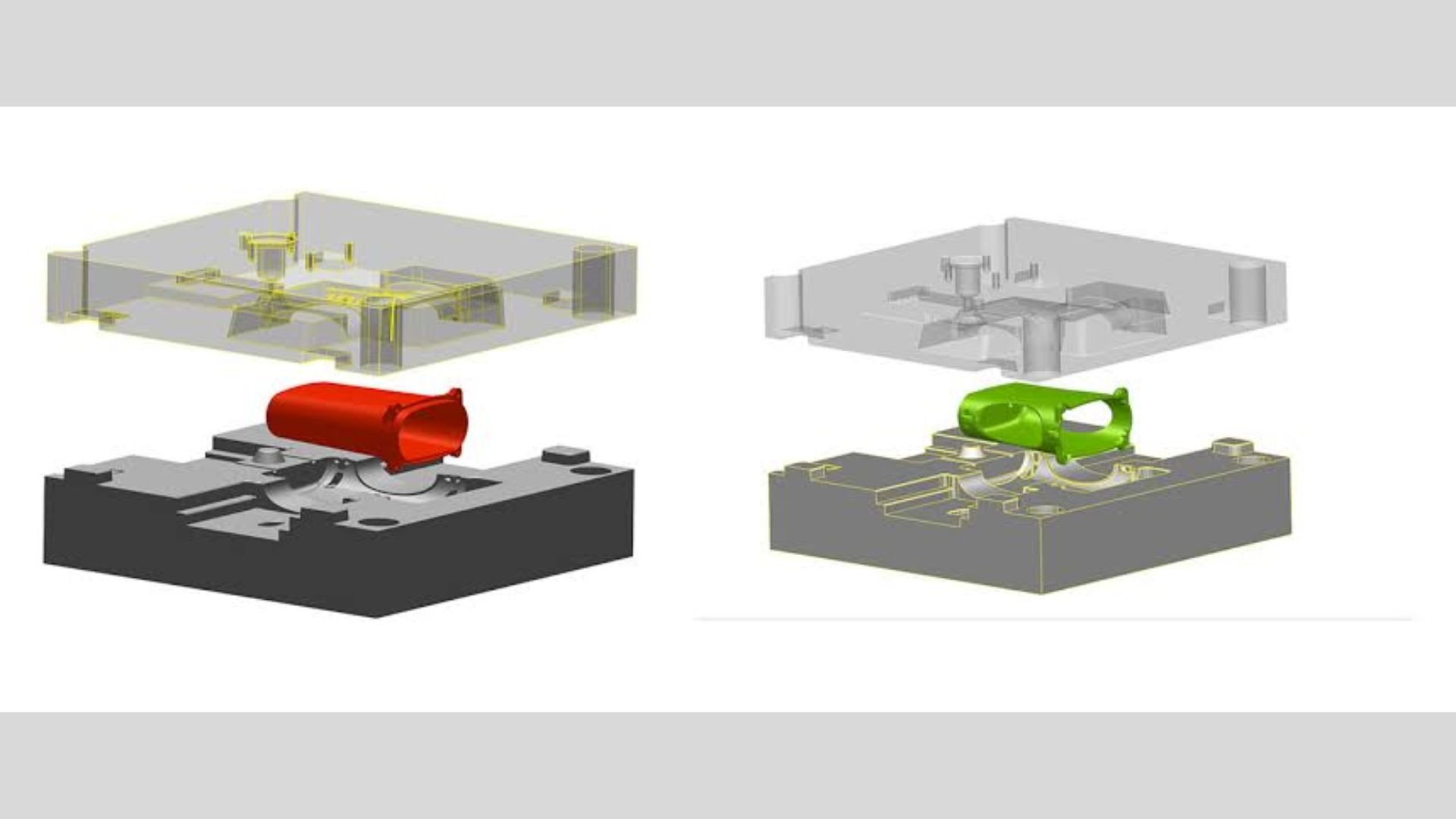
Assessing the material compatibility, volume of production, requirement of functionality, and budget with consideration at the initial design stage will help in deciding whether an overmolding solution is the most effective in addressing your project.

Examples of overmolding in the real-life

Toothbrushes

The handle is hard plastic. The grip is soft rubber. This eases the task of cleaning the teeth.

Phone Cases

The device is covered with hard plastic. Drop shock is absorbed on soft rubber edges.
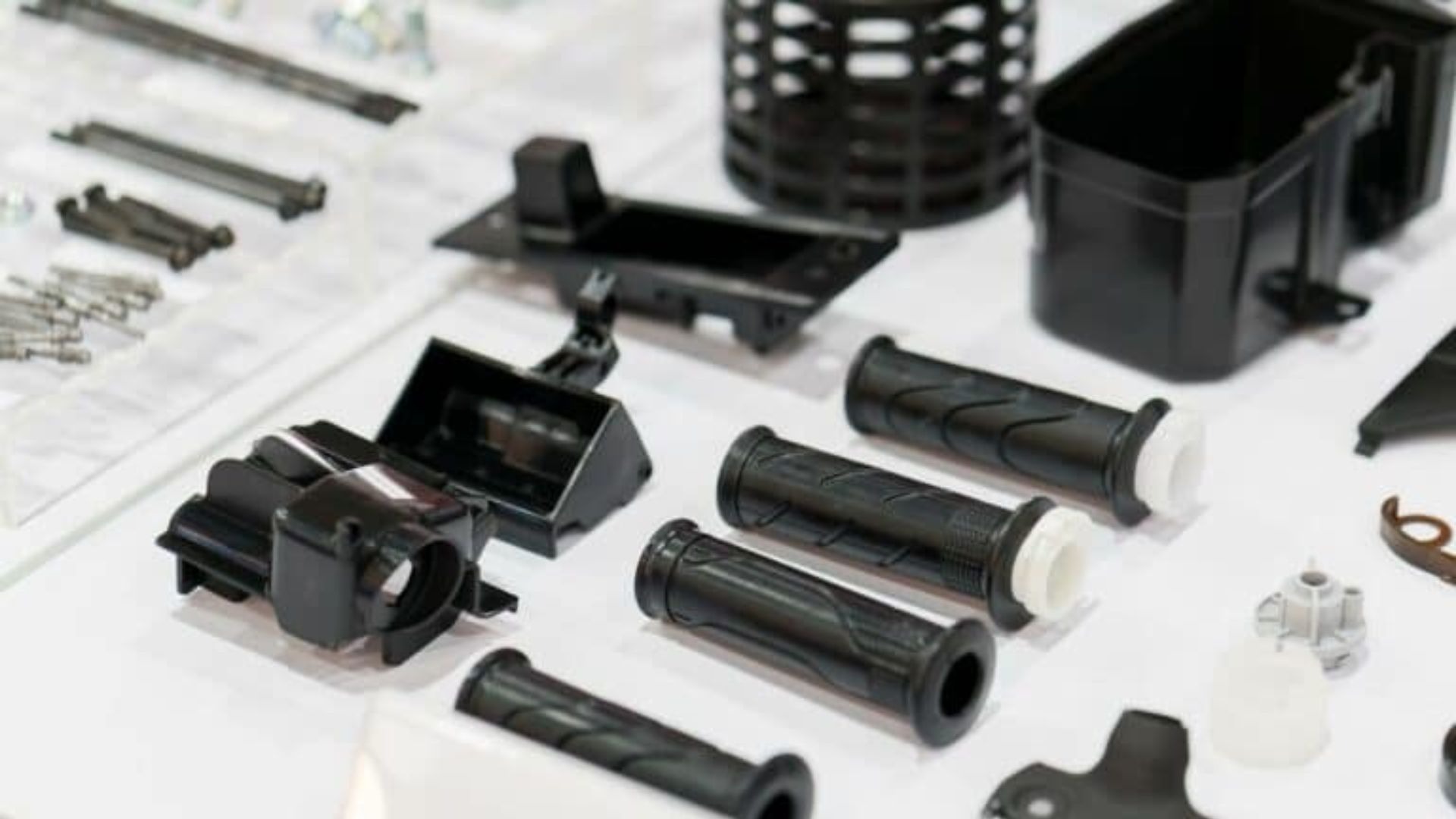
Power Tools

The rubber is overmolded on handles to minimize vibration and enhance safety.
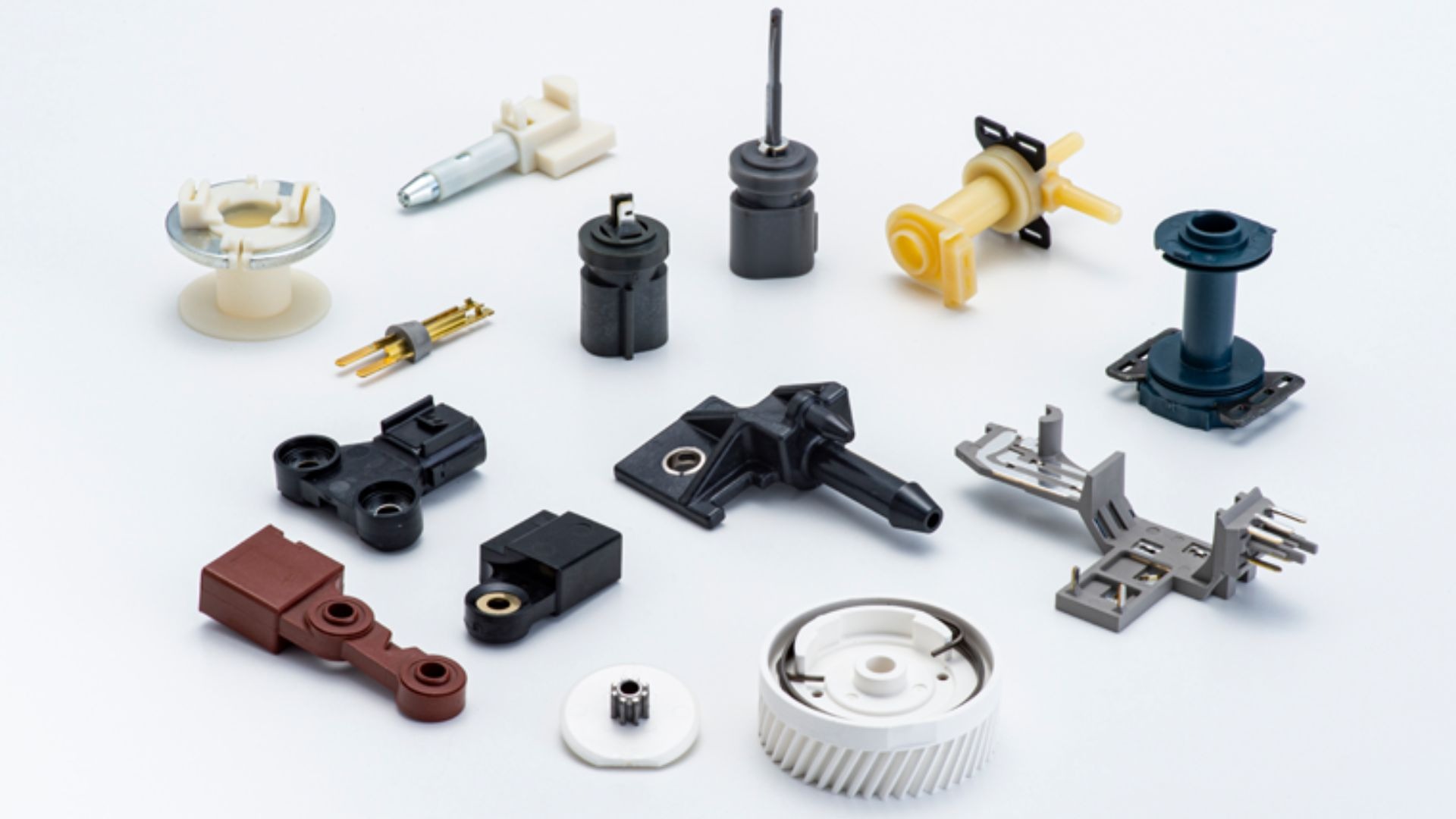
Car Interiors

Control knobs and buttons are usually soft in their feel, which makes the user experience better.

The following examples demonstrate the enhancement of usability, safety, and design of overmolding.

Sincere Tech – Your Hi-Fi partner in any kind of Molding

Sincere Tech is a trustworthy manufacturing partner that deals with all forms of molding, such as plastic injection molding and overmolding. We assist the customers with design up to mass production of products with precision and efficiency. With high technology and competent engineering, we provide high-quality parts in automotive, medical, electronics, and consumer markets. Visit Plas.co to get to know what we are capable of and offering.

Conclusão

Overmolding is a flexible and useful technique of manufacturing. It is a process that involves a combination of two or more materials to make products stronger, safer, and more comfortable. It is broadly applied in electronics, medical devices, automotive components, domestic appliances, and industrial tools.

This is done by a careful choice of the material, accurate shape of the molds, and by ensuring that the temperature and the pressure are kept in check. Overmolding has considerable benefits, even though it is faced with some challenges, such as increased cost and increased production time.

Overmolded products are more durable, ergonomic, appealing to the eye, and functional. One of the areas where overmolding has become an inseparable component of modern manufacturing is the case of everyday products, such as toothbrushes and phone cases, to more serious items such as medical equipment and automobile interiors.

Knowing about overmolding, we may feel grateful to the fact that it is due to simple decisions in the design that help to make the products more convenient to use and longer-lasting. Such a little yet significant process goes on to enhance the quality and functionality of the goods that we use in our daily lives.

O que é moldagem por inserção? Processo, usos e benefícios

The insert molding is a pertinent technology in present-day production. It is used in attaching metal or other elements to plastic. The process offers a unified, tough, and strong component. As an alternative to the step-by-step technique of having to assemble pieces after molding them, the insert molding technique fuses them. This will save on labour, time, and enhance the quality of the product.

China is a mammoth in the insert molding. It provides cost-efficient production. High-level factories and skilled labor have been established in the country. China is a producer of all-purpose materials. It leads global production.

This paper will discuss insert molding, its process, insert types, materials, design, available guidelines, its usage, advantages, and comparison with moulding processes in contemporary production.

Índice

What is Insert Molding?

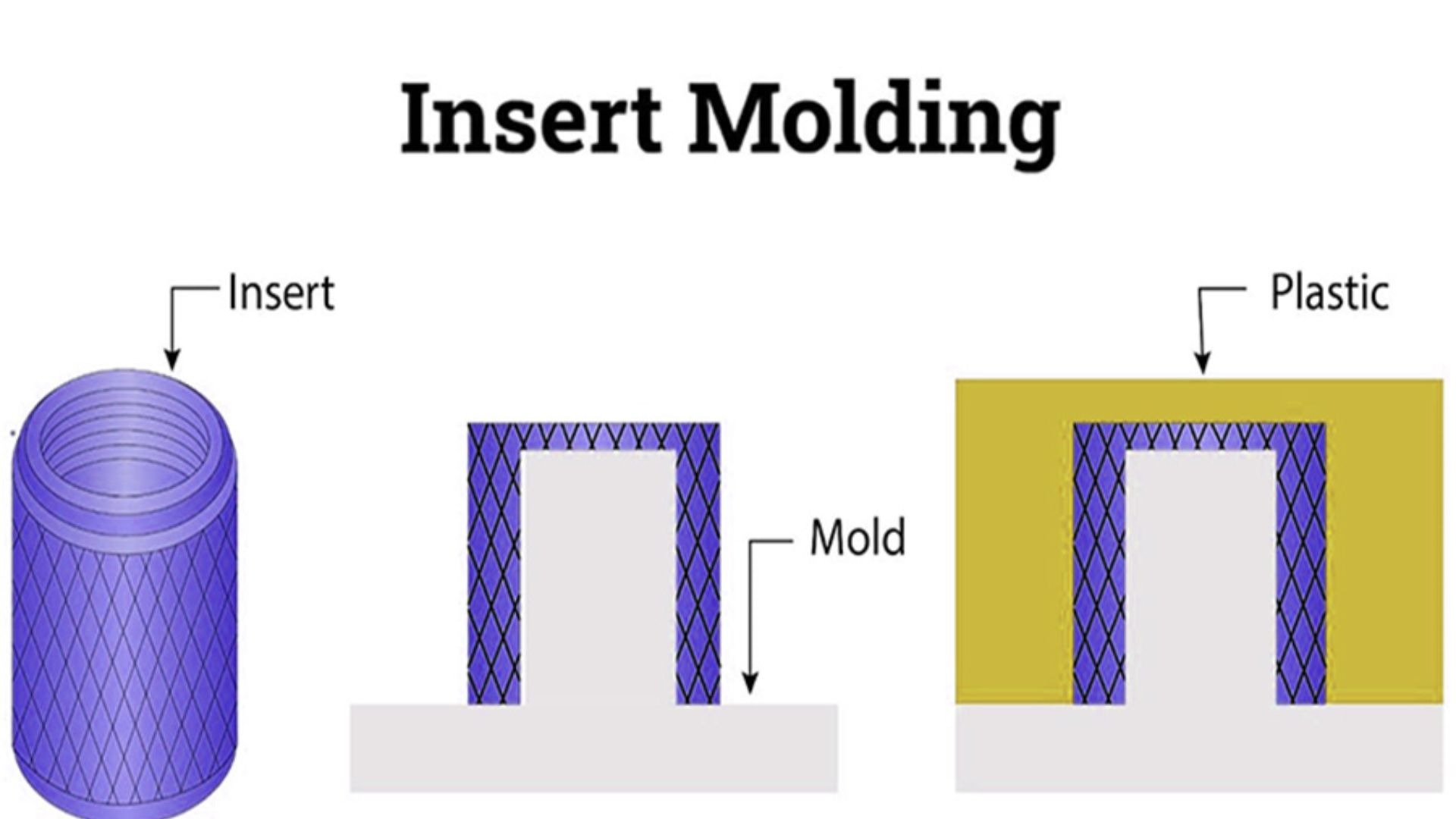
Insert molding is a process of plastic moulding. A part that has been assembled, usually a metal part, is placed into a mold. The next step is molten plastic injected around it. When plastic becomes hard, the plastic insert becomes a component of the end product. The technique is used in electronics and automotive industries, and also in the medical equipment industry.

What is Insert Molding?

The large advantage of the insert molding is strength and stability. Metal-inserted plastic parts are stronger in terms of mechanical strength. They can also be threaded and worn less as time progresses. This is especially essential in those parts that should be screwed or bolted many times.

Types of Inserts

The inserts used in insert molding have different varieties, which are used according to the purpose.

Metal Inserts

Metal inserts are the most widespread ones. These are either steel, brass, or aluminum. They are used on threaded holes for structural or mechanical strength.

Electronic Inserts

Electronic components that can be molded to appear in the form of plastic are sensors, connectors, or small circuits. This guarantees their safety and the reduction of assembly processes.

Other Materials

Some of the inserts are made in ceramics or composites to be utilized for special purposes. They are used in instances where heat resistance or insulation is required.

Choosing the Right Insert

It would depend on the part role and the type of plastic to make the decision. The major ones are compatibility, strength, and durability.

The Insert Molding Process

Single-step molding entails the incorporation of a metal or other element with a plastic tool. The insert is inserted into the ultimate product. This is a stronger and faster process compared to the assembly of parts that follows.

The Insert Molding Process

Preparing the Insert

The insert is rinsed in order to extract all the dirt, grease, or rust. It is also occasionally overcoated or rugged so that it becomes glued to plastic. It will not be destroyed by hot plastic when it is preheated to 65-100 °C.

Placing the Insert

The insert is placed with much care in the mold. Robots can insert it into large factories. Pins or clamps hold it firmly. The positioning of the right will prevent movement when the molding is taking place.

Injecting Plastic

This is accomplished by injecting the molten plastic to surround the insert. Their temperature range is between 180 and 343°C. Pressure is 50-150 MPa. To be strong, the holding pressure should be 5-60 seconds.

Resfriamento

It is a solidification of the plastic. Smaller components take 10-15 seconds, and larger components take 60 seconds or above. Cooling channels prevent the warming up.

Ejecting the Part

The mold and ejector pins force the part out. Small finishing or trimming could then follow.

Important Points

The expansion of metal and plastic is not the same. Preheating and constant controlled mold temperature decreases the stress. This is done by the use of sensors in modern machines to achieve uniformity in the results in terms of pressure and temperature.

Key Parameters:

ParâmetroTypical Industrial RangeEffect
Injection Temperature180–343 °CDepends on plastic grade (higher for PC, PEEK)
Pressão de injeção50–150 MPa (≈7,250–21,750 psi)Must be high enough to fill around insert surfaces without displacing them
Injection Time2–10 sShorter for small parts; longer for larger components
Holding Pressure~80% of injection pressureApplied after fill to densify material and reduce shrinkage voids
Holding Time~5–60 sDepends on material and part thickness

Types of common injections to be shaped 

Various types of inserts applied in injection molding exist, and they rely on the use. Each of the types contributes to the strength and performance of the final part.

The Insert Molding Process

Threaded Metal Inserts

Threaded inserts can be steel, brass, or aluminum. They allow the potential of screwing and bolting a number of times without the plastic being broken. The latter is common in automobiles, home appliances, and electronics.

Press-Fit Inserts

The press-fit inserts are those that are installed in a molded component without any additional attachment. As the plastic cools, it holds the insert and stabilizes it very well and powerfully.

Heat-Set Inserts

This is followed by the process of heat-setting inserts. When allowed to cool, the hot insert will fuse with the surrounding plastic to some extent, creating a very strong bond. They are generally used in thermoplastics, e.g., nylon.

Ultrasonic Inserts

In a vibration, ultrasonic inserts are installed. The plastic melts in the region surrounding the insert and becomes hard to create a tight fit. It is a precise and fast method.

Choosing the Right Insert

The choice of the right and left is according to the type of plastic, part design, and the load that is anticipated. The choice of metal inserts has been made based on strength, and the special inserts, like the heat-set inserts and ultrasonic inserts, have been evaluated on the basis of precision and durability.

Design Rules in the Industry of Insert Injection Molding

The design of parts to be inserted by use of molding should be properly planned. The accurate design ensures that there is high bonding, precision, and permanence.

Design Rules in the Industry of Insert Injection Molding

Insert Placement

The inserts will be inserted where they will be in a good position to be supported by plastic. They must not be very close to walls or thin edges because this can result in cracks or warping.

Plastic Thickness

Always make sure that the walls that surround the insert are of the same thickness. Due to an abrupt thickness change, uneven cooling and shrinkage can be experienced. The insert will typically have a 2-5 mm thickness, which is sufficient as far as strength and stability are concerned.

Compatibilidade de materiais

Take plastic and stuff it with adhesive materials. An example is a nylon that can be used with brass or stainless-steel inserts. Mixes that become excessive in heat must be avoided.

Projeto do molde

Add a good gate position and cooling arrangements to the mold. The plastic must be capable of moving freely about the insert and must not entrap air. The temperatures are stabilized by channels and prevented from warping.

Tolerâncias

Correct tolerances of the insert components of the design. It only takes a small space of clearance of 0.1-0.3 mm in order to perfectly fit the insert without being loose or hard.

Reinforcement Features

The insert should be underpinned using ribs, bosses, or gussets. When used, these properties become widely distributed, thereby preventing cracking or movement of inserts.

Unsuitable Overmold Materials to use in an insert-molding process

The ideal process is the insert molding; however, the plastic is readily melted and easily flows throughout the process of molding. The plastic should also be attached to the insert to create a robust part. Preference is given to thermoplastics because they possess the correct melting characteristics and flow characteristics.

Unsuitable Overmold Materials to use in an insert-molding process

Styrene Acrylonitrile Butadiene Styrene

ABS is not only dimensional, but it is also easy to work with. It is best applicable to consumer electronics among other products that demand a high level of accuracy and stability.

Nylon (Polyamide, PA)

Nylon is strong and flexible. It is usually welded to metal inserts to a structural commodity, e.g, automotive bracketry or building component.

Policarbonato (PC)

Polycarbonate is not only crack-free but also tough. It is applicable mostly in the provision of electronics enclosures and medical equipment, and other equipment that requires durability.

Polyetheretherketone (PEEK)

PEEK has a competitive advantage over the heat and chemical. It would apply to the high-performance engineering, aerospace, and medical fields.

Polipropileno (PP)

Polypropylene is not viscous, and neither does it respond to a high number of chemicals. It is used on domestic and consumer goods, and on automobile parts.

Polietileno (PE)

Polyethylene is cheap and also elastic. The primary use of this is in lighting, e.g., packaging or protective cases.

Thermal plastic Polyurethane (TPU) and Thermoplastic Elastomer (TPE)

TPU and TPE are rubber-like, soft, and elastic. They are perfect in over molding grips, seals, or parts that require impact absorption.

Choosing the Right Material

The choice of the overmold material is dictated by the part functionality, the task of the insert, and its functioning. It should also be a good flow plastic bonding the insert, besides providing the required strength and flexibility.

Part Geometry and Insert Placement:

 This feature applies to all parts.

Part Geometry and Insert Placement

 Part Geometry and Insert Placement:

 It is a feature that could be applied to any part.

The insert retention is dependent on the shape of the part. The insert positioning should be such that of adequate plastic around it. One should not have insurance too close to edges or narrow walls, as this can crack or bend.

The plastic surrounding the insert should be smooth in thickness. A sudden change in thickness can result in either nonuniform cooling or contraction. In the case of the insert, a normal 2-5 mm of plastic is sufficient in regard to strength and stability.

The design features that can be used to support the insert are ribs, bosses, and gussets. As it is used, they help in the dispersion of stress and the inhibition of movement. Once the insert is correctly installed, one is assured that the part is in place and that the part works effectively.

Technical Comparison of Thermoplastics for Insert Molding

MaterialMelt Temp (°C)Mold Temp (°C)Injection Pressure (MPa)Tensile Strength (MPa)Impact Strength (kJ/m²)Shrinkage (%)Typical Applications
ABS220–26050–7050–9040–5015–250.4–0.7Consumer electronics, housings
Nylon (PA6/PA66)250–29090–11070–12070–8030–600.7–1.0Automotive brackets, load-bearing parts
Policarbonato (PC)270–32090–12080–13060–7060–800.4–0.6Electronics enclosures, medical devices
PEEK340–343150–18090–15090–10015–250.2–0.5Aerospace, medical, chemical applications
Polipropileno (PP)180–23040–7050–9025–3520–301.5–2.0Automotive parts, packaging
Polietileno (PE)160–22040–6050–8015–2510–201.0–2.5Packaging, low-load housings
TPU/TPE200–24040–7050–9030–5040–800.5–1.0Grips, seals, flexible components

The Advantages of the Insert Moulding

The Advantages of the Insert Moulding

Strong and Durable Parts

An insert molding process involves the combination of plastic and metal into a single entity. This makes the components tough, robust, and can be used over and over again.

Reduced Assembly and Labour

The insert will be inserted into the plastic, and no additional assembly will be required. This conserves time and labor and reduces the possibility of mistakes during assembly.

Precision and Reliability

The insert is firmly attached to the moulding. This guarantees that the dimensions are the same and that the mechanical strength is increased to increase the reliability of parts.

Design Flexibility

The fabrication of complex designs through the assistance of insert moulding would be difficult to produce through conventional assembly. It is possible to have metal and plastic being used in a novel combination to fulfil functional requirements.

Cost-Effectiveness

Insert molding will also reduce waste of materials, as well as assembly costs in large volumes of production. It improves effectiveness and overall quality of products, therefore long-term cost-effective.

The applications of the Insert Moulding

Setor automotivo

The automobile industry is a typical application of moldagem por inserção. Plastic components have metal inserts, which provide the component, like brackets, engine parts, and connectors, with strength. This will render assembly less and durability more.

Eletrônicos

Electronics. The benefit of insert molding here is that it is possible to add connectors, sensors, and circuits to a plastic casing. This will guarantee the safety of the fragile components and make the assembly process relatively easy.

Dispositivos médicos

The technology of insert molding is highly used in medical apparatuses that demand a high degree of accuracy and longevity. This is applied in the production of surgical equipment, diagnostic equipment, and durable plastic-metal combinations.

Produtos de consumo

Consumer goods like power tools, appliances, and sports equipment are mostly molded with insert molding. It reinforces and simplifies the assembly of the process, and it makes ergonomic or complex designs possible.

Industrial Applications, Aerospace.

O moldagem por inserção is also used in heavy industries and aerospace. High-performance plastics that are filled with metal have light and strong components that are heat-resistant and wear-resistant.

Materials Used

The action of the insert mode of molding requires the appropriate materials for the plastic and the insert. The choice will lead to power, stability, and output.

The Advantages of the Insert Moulding

Metal Inserts

The use of metal inserts is normally done because they are rough and durable. It comprises mainly steel, brass, and aluminium. In parts with a load, steel can be used, brass cannot be corroded, and aluminum is light.

Plastic Inserts

Plastic inserts are corrosion-resistant and light. They are used in low-load applications or applications in parts that are non-conductive. Plastic inserts can also be shaped into complex shapes.

The Ceramic and Composite Inserts.

Ceramic and composite inserts are used to obtain heat, wear, or chemical resistance. They are normally employed in aerospace, medical, and industrial fields. Ceramics are resistant to high temperatures, and composites are also stiff yet have low thermal expansion.

Thermoplastic Overmolds

The surroundings of the insert are a thermoplastic that is generally a plastic. Available options include ABS, Nylon, Polycarbonate, PEEK, Polypropylene, Polyethylene, TPU, and TPE. ABS is moldable, stable, Nylon is flexible and strong, and Polycarbonate is an impact-resistant material. TPU and TPE are soft and rubbery materials that are used as seals or grips.

Compatibilidade de materiais

Plastic and metal are supposed to grow in ratio to one another in order to eliminate strain or deformation. The plastics must be glued to the insert in case they should not separate. In plastic inserts, the overmold material should acquire adhesive to ensure that it becomes strong.

Material Selection Tips

Consider the load, temperature, chemical, and part design exposure. The metal inserts are durable, the plastic inserts are lightweight, and the ceramics can withstand extreme conditions. The overmold material must have the capability of meeting all the functional requirements. 

Cost Analysis

The inserted plastic will enable the saving of the money that would have been utilized in the attachment of the single parts. The decrease in the assembly levels will mean a decrease in the number of labourers and a faster production speed.

Initial costs of moulding and tooling are higher. Multiplex molds having a set of inserts in a certain position are more expensive. However, the unit cost is lower when the level of production is large.

Choice of material is also a factor of cost. Plastic inserts are less expensive than metal inserts. PEEK is a high-performance plastic that is costly in comparison to the widely used plastics, including ABS or polypropylene.

Overall, the price of insert moulding will be minimal in the medium to high volume of production. It will save assembly time, improve the quality of the parts, and reduce long term cost of production.

The problems with the Molding of Inserts

Despite the high efficacy of the insert molding, it has its problems, too:

Thermal Expansion: We will have rate differences and therefore warp in metal and plastic.

Insert Movement: Inserts can move, already in the injection process, unless firmly fixed.

Material Compatibility: Not all plastics can be compatible with all metals.

Small Run Mould tooling and set-up Cost: Mould tooling and set-up can be expensive at very small quantities.

These problems are reduced to a minimum by designing well, mould preparation, and process control.

Futuro da moldagem por inserção

The insert moulding is in the development stage. New materials, improved machines, and automation are being used to increase efficiency, and 3D printing and hybrid manufacturing processes are also becoming opportunities. Its ability to produce lightweight, strong, and precise parts due to the necessity of the parts is that the insert moulding will be a significant production process.

The Advantages of the Insert Moulding

When it comes to Assistance with Sincere Tech

In the case of insert moulding and overmoulding, we offer high-quality, correct, and reliable moulding solutions of moulding at Sincere Tech. Our technology and hand-craft workers will ensure that every part will be as per your specification. We are strong in the long-lasting, complicated, and economical automobile, electronic, medical, and consumer goods moulds. Your manufacturing process is easy and efficient, and this is due to our turnaround times and great customer service. You are moving to Sincere Tech, and with the company will work in line with precision, quality, and your success. Trust us and have your designs come true for us correctly, dependably, and to industry standards.

Conclusão

Insert moulding is a production process that is flexible and effective. It allows designers to employ a single powerful component that is a combination of metal and plastic. The use of insert moulding in industries over the years is due to its advantages that include power, precision, and low cost. But it is getting more confident along with the advancements in materials and automation. The solution to manufacturing by insert molding is time saving, cost reduction, and high-quality products in the context of modern manufacturing.

Moldagem por injeção de acrílico: O Guia Completo

Acrylic injection molding can be defined as a new technology of manufacturing plastic products with high quality. The technique has a wide application in the automotive industry, healthcare sector, consumer goods, and electronics. It is particularly renowned for making transparent, tough, and attractive products.

China is a major part of the acrylic molding business. China has large quantities of factories that manufacture high-quality acrylic molds and parts. They offer cost-effective, dependable, and scalable production to the international markets.

This paper covers the process of injection molding, types of molds, applications, and best practices in acrylic injection molding.

Índice

What is Acrylic Injection Molding?

Acrylic injection molding is an aircraft production technique in which acrylic plastic is warmed up until it melts and then injected into a mold. The plastic is cured and solidifies into a given shape. The process is very useful in the large-scale production of complex and consistent parts.

The acrylic pellets are small and used as the starting food materials. These are poured into a heated barrel until it melts. Then the molten acrylic is injected into high pressure mold with acrylic molds. The molds are cooled and opened, and the finished product is ejected.

The process is fast, accurate, and economical, unlike other methods of molding. It suits industries where the quantity of production is needed without necessarily touching on the quality.

What is Acrylic Injection Molding?

Benefits of Acrylic Molding

There are numerous benefits of acrylic molding.

  • Large Transparency: Acrylic products are very transparent. They are frequently applied in situations when it is necessary to be visual.
  • Durabilidade: Acrylic is durable and scratch-resistant.
  • Complex Shapes: It is able to do complex designs, which are hard to do with other plastics.
  • Custo-benefício: After creating molds, thousands of pieces can be created in a short time, which makes the process less expensive.
  • Consistência: Each batch is the same as the preceding one, and quality is ensured in high quantities.

The acrylic molding is quick and accurate, and hence a good option where quality and speed are expected in industries.

Acrylic Injection Molding was discovered

In the mid-20th century, the manufacturers of the process started to develop the process of acrylic injection molding because the manufacturers wanted to find a quicker and more accurate method of shaping PMMA. Previously, casting was used as the primary process of acrylic molding, which was a slow and work-consuming process.

Machines that could melt acrylic pellets at temperatures of 230-280 °C and inject them into small acrylic molds were invented by engineers in Germany and the United States in the 1940s and 1950s. This invention made it possible to manufacture intricate and high-quality parts that had uniform dimensions.

Injection techniques of acrylic to produce what is today known as the molding of acrylic transformed industries such as automotive, medical devices, and consumer products. Acrylic plastic molding not only reduced the time but also increased efficiency, but it also made parts that had tight tolerances (+-0.1 mm) and those that were optically clear (>90% light transmission).

Acrylic Injection Molding was discovered

Types of Acrylic Molds

There are several types of acrylic molds; each model is produced according to the required production nature and complexity of the product. The selection of a suitable type guarantees results of high quality and efficiency in acrylic molding.

Moldes de cavidade única

 Single-cavity molds are made to make a single part after each injection cycle. They can be used when the production run is small or in prototypical projects. With single-cavity molds, the process of injection molding acrylic material is done using the term under consideration in order not to have to deal with the problem of incorrect shaping and vague surfaces.

Moldes de múltiplas cavidades

 Multi-cavity molds are able to manufacture many copies within one cycle. This gives them ideal suitability for massive production. Multi-cavity molds are frequently molded with acrylic to accomplish consistency and minimize the time of production.

Moldes familiares

In a single cycle, family molds generate some of the various parts. This is a type that is practical in formulating components that constitute a product assembly. Family molds can use acrylic plastic molding that enables multiple pieces to be manufactured at the same time, which saves both time and cost.

Moldes de câmara quente

The Hot runner molds allow the plastic to be kept in channels to minimize wastage and enhance efficiency. Hot runner systems use acrylic molds that fit high-precision products with smooth surfaces and fewer defects.

Moldes de câmara fria

Cold runner molds employ channels that cool together with the part being molded. They are less costly and easier to produce. A lot of small to medium-sized manufacturers would rather use acrylic molding by using cold runner molds to do their production cheaply.

The choice of the appropriate type of the so-called acrylic molds is determined by the volume of production, the design of the product, and the budget. Correct selection of molds leads to better performance of acrylic injection molding and finished products of high quality.

The techniques of Acrylic Plastic Molding

Acrylic plastic molding is the process of using several methods to convert acrylic substances into useful and attractive items. Both approaches have strengths, which are determined by design, volume of production, and the needs of the product.

The techniques of Acrylic Plastic Molding

Moldagem por injeção

The most popular one, which is called acrylic injection molding, consists of heating acrylic subunits, called acrylic pellets, until molten, and its injection into acrylic molds. Upon cooling, the plastic will solidify in the intended shape. This is the best method to make a high-precision product in massive quantities.

Moldagem por compressão

 Acrylic sheets are put in a hot mold and pressed to form in compression molding. This technique can be applied to thicker sections and plain designs. Compression molding of acrylic is used to make it uniform in thickness and strength.

Extrusão

Long continuous profiles are made by extrusion, where molten acrylic is forced into a shaped die. By extrusion, acrylic molding is used on such items as tubes, rods, and sheets. It is even in cross-sections and surfaces.

Termoformagem

The thermoforming technique heats acrylic sheets until pliable and shapes them over a mold with the vacuum or pressure. The approach works well with huge or non-huge products. Thermoforming is a technique of manufacturer of low to medium volumes of acrylic plastic molds at a reasonably low cost.

Rotational Molding

Rotational molding is also used with acrylic, but the mold is rotated during heating to evenly coat the inside of the mold. Shapes with hollows can be made effectively using this technique. In rotational molds, there is the flexibility of molding acrylic to fit some designs.

Process of Molding Acrylic

Molding acrylic is an important and technical process through which the raw acrylic material is changed into finished parts of high quality. The procedure comes with several processes, and each process entails precise control of temperature, pressure, and time to provide the optimal outcome in the process of acrylic molding.

Process of Molding Acrylic

Material Preparation

The reaction begins with acrylic high-quality pellets, which can be of different sizes (usually 2-5 mm in diameter). The moisture content of the pellets should be less than 0.2, and any further moisture may lead to bubbles in the process of molding. The pellets are normally dried in a hopper dryer at 80-90 deg C in not less than 2-4hours before usage.

Melting and Injection

The dried pellets are introduced into the barrel of the injection molding machine. The temperature of the barrel is maintained at 230-280 °C, with acrylic grade depending on the grade used. The pellets are melted by the screw mechanism to form a homogeneous acrylic mixture in molten form.

The acrylic is then injected at high pressure – normally 70-120 MPa – into acrylic molds once molten. The time of injection depends on the size of the part, with the small to medium parts taking about 5 to 20 seconds.

Resfriamento

A pressurized mold is placed after injection as the acrylic cools and solidification takes place. The time of cooling varies with the thickness of parts:

  • 1-2 mm thickness: 15-20 seconds
  • 3-5 mm thickness: 25-40 seconds
  • Above 5 mm thickness: 45-60 seconds

The cooling is necessary to eliminate warping, shrinkage, or surface defects. Established molds may also make use of water pipes or oil cooling to maintain the temperatures in the required specifications.

Mold Opening and Ejection

The mold is opened once it has cooled, and the part is ejected with mechanical or hydraulic ejector pins. It should be noted that the force of ejection should be limited to ensure that it does not damage the surface or deform it.

Post-Processing

The part may also go through finishing procedures like clipping off or polishing the part after ejection, or annealing. Aging at temperatures of 80-100 deg C 1-2 hours of aging assists in removing internal stresses and enhancing clarity and strength.

Quality Inspection

Individual components are checked against defects such as air bubbles, warping, and dimensionality. Calipers are utilized, or a laser scan is undertaken, and tolerance is allowed to be within + 0.1 mm when dealing with high precision components. The application of acrylic plastic molding, which is of good quality, has ensured that all its products are industry standard.

Summary of Process Parameters:

StepParâmetroValue
DryingTemperature80–90°C
DryingDuration2–4 hours
Barrel TemperatureMelt Acrylic230–280°C
Pressão de injeção70–120 MPa
Tempo de resfriamento1–2 mm thick15–20 sec
Tempo de resfriamento3–5 mm thick25–40 sec
Tempo de resfriamento>5 mm thick45–60 sec
AnnealingTemperature80–100°C
AnnealingDuration1–2 hours
Dimensional Tolerance±0.1 mm

The acrylic molding with the following technological characteristics guarantees the quality, accuracy, and efficiency of each product. The process of acrylic injection molding can be used to manufacture clear, durable, and dimensionally accurate components by using optimized conditions, which ensure consistent production of the components.

Uses of Acrylic Injection Molding

The acrylic injection molding is heavily applied in sectors where accuracy, clarity, and longevity are required.

Uses of Acrylic Injection Molding

Setor automotivo

Tail lights, dashboards, and trims are made as a result of acrylic molds. Parts are typically 1.5-5 mm thick, and with a temperature range of -40 °C to 80 °C. Clarity and longevity are guaranteed by Molding acrylic.

Health care and medical equipment.

Lab equipment, instrument covers, and protective shields are manufactured by the process of Acrylic plastic molding. There is a requirement for parts with tolerances of +-0.1 mm and the ability to be sterilized. Acrylic injection molding ensures smooth and correct surfaces.

Eletrônicos de consumo

Smartphone covers, LED housings, and protective screens are molded with acrylic. Part must have a gloss on the surface exceeding 90% and accurate dimensions.

Amphetamine, Methamphetamine, and amphetamines in household and decoral products.

Such products as cosmetic containers, display cases, and panels are manufactured with the help of using the so-called acrylic plastic molding. The average thickness varies between 2 and 8 mm, which provides even finishes with smooth, clear, and colorful finishes.

Electrical Components, Lighting, and Optics.

The acrylic injection molding is used in the clarity of LED lenses, light diffusers, and signage. The parts attain transmission of light to the tune of over 90% at specific angles and thickness.

Equipamentos industriais

There is the use of machine guards, instrument panels, and transparent containers, which are based on acrylic molding. Components require an impact strength of 15-20 kJ/m2 and be clear.

Typical Applications
This Framework is applied in situations when the government controls all the main features of healthcare services, such as quality, cost, and accessibility, and the amount of provided services.

Setor

  • Product Examples
  • Key Specifications
  • Automotivo
  • Tail lights, dashboards
  • thickness 1.5-5 mm, Temp 40 °C to 80 °C

Healthcare

  • Test tube racks, shields
  • Tolerance -0.1 mm, sterilization-resistant.

Eletrônicos

  • Covers, housings
  • Surface gloss 90, dimensional stability.

Bens de consumo

  • Containers containing cosmetics, exhibition boxes.
  • Thickness 2-8 mm, smooth finish
  • Lighting
  • LED lenses, diffusers
  • Transmission of light greater than 90, accurate geometry.
  • Industrial
  • Guards, containers
  • Impact strength 15-20 kJ/m 2, clear.

Quality Control of Acrylic Molding

In acrylic molding, quality is essential in order to have parts that are up to standard. Some minor flaws can have an impact on performance and appearance.

Inspection of Parts

All the components are inspected against air bubbles, bending, and scratches on the surface. Calipers or laser scanners are used to measure so that tolerance is not exceeded by +-0.1 mm. The process of acrylic injection molding depends on regular checks as a way to ensure high quality of the output.

Manutenção do molde

Defects are prevented, and the life of the mold is lengthened by ensuring that it is regularly cleaned and inspected. The old molds may lead to inaccuracy in the dimensions or uneven surfaces.

Process Monitoring

Temperature, pressure, and cooling times are continuously checked during the process of molding acrylic. Barrel temperatures average 230-280°C and injection pressure ranges from 70 to 120 Mpa, to avoid mistakes.

Final Testing

Complete components are tested through functional and visual tests. As an illustration, optical components have to be inspected regarding the transfer of light (greater than 90 per cent) and structural parts regarding impact strength (15-20 kJ/m2).

This can be achieved by keeping a tight rein on the quality of the final product to generate dependable, accurate, and aesthetically flawless individual parts of acrylic plastic molding.

Selecting the appropriate Acrylic Injection Molding Alliance

When it comes to high-quality production, the correct choice of the manufacturer of the acrylic injection molding is crucial.

Selecting the appropriate Acrylic Injection Molding Alliance

Experiência e conhecimento

Find partners who have experience in acrylic molding and acrylic molding. Experienced engineers would be able to maximize the mold design, injection, and finishing to specifications.

Equipment and Technology

Innovative machines that regulate temperature (230-280 °C), injection pressure (70-120 Mpa) are very specific in enhancing product consistency. The errors and waste are minimized with the help of high-quality acrylic molds and automated systems.

Controle de qualidade

When it comes to a trusted supplier, they include rigorous checks of their parts, such as dimension checks (within -0.1 mm tolerance) and surface checks. With correct QA, it is ensured that the components of the acrylic plastic will be clear, durable, and defect-free.

Communication and Support

Good manufacturers interact during the designing and manufacturing process. They assist in the optimization of molds, propose materials, and material cycle time optimization.

Suggestions on Successful Acrylic Molding

It is advisable to follow best practices in acrylic molding to have high-quality, accurate, and durable parts.

Suggestions on Successful Acrylic Molding

Use High-Quality Material

Begin with acrylic 2-5 mm size pellets of less than 0.2 moisture content. Drying at 80-90°C 2-4 hours help in eliminating the bubbles and surface defects when molding acrylic.

Optimize Mold Design

Create an appropriate vented design and design acrylic molds with appropriate cooling channels and injection points. It minimizes warping, contraction, and cycle time in the process of injection molding of acrylic.

Control Process Parameters

Keep barrel temperature at 230-280 °C and injection pressure at 70-120 Mpa. Cooling time should be equivalent to part thickness:

  • 1-2 mm – 15-20 sec
  • 3-5 mm – 25-40 sec
  • 5 mm – 45-60 sec

Inspect Regularly

Check parts’ dimensions (maximum error in dimensions 0.1 mm), light spots, and optical clearness (transmission greater than 90%). The advantage of acrylic plastic molding lies in the ability to perform consistent inspection.

Maintain Molds

Wash and clean molds so as to avoid wear and ensure smooth and consistent production. Molded acrylic finds increased efficiencies and quality of parts.

All these tips will give the process of acrylic injection molding a sure, no less attractive, and perfectly correct components every time.

Widespread Defects and Prevention

Defects can be experienced even in the case of accurate acrylic injection molding. Knowledge of causes and solutions guarantees the quality of acrylic molding.

Widespread Defects and Prevention

Air Bubbles

Any air present in acrylic molds may produce bubbles on the surface.

Recommendation: Drying of acrylic NP with less than 0.2 percent moisture, correct ventilation of molds, and injection pressure of 70-120 Mackey’s.

Deformação

Warping occurs, whereby the parts do not cool equally, hence they are distorted.

Resolution: homogeneous cooling channels, temperature of part, and part cooling time depending on part thickness (e.g., 1-2 mm – 15-20 sec, 3-5 mm – 25-40 sec).

Marcas de pia

The sink marks are formed when the thick parts contract during cooling.

Solution: maximize the wall thickness, packing pressure, and adequate cooling rates in molding acrylic.

Fotos curtas

Short shots occur when the molten acrylic fails to fill the mold.

Resolution: Turn on more pressure in the injection press, clear blockages in acrylic molds, and verify correct barrel temperature (230-280 °C).

Surface Defects

Rough or scratches decrease transparency in acrylic plastic molding.

Remedy: Polish molds, do not use too much ejection power, and keep processing areas clean.

Outlook of Acrylic Injection Molding

Technology, efficiency, and sustainability are the future of acrylic injection molding.

Outlook of Acrylic Injection Molding

Advanced Automation

The acrylic molding is becoming more and more automated and robotic. Temperatures (230-280°C) and injection pressures (70-120 Mpa) can be controlled with accuracy by machines. Automation in the production of acrylic by molding lowers human error and enhances the cycle times.

3D Printing and Prototyping

The molds in the acrylic prototype are accomplished by 3D printing within a limited time. This allows the engineers to carry out experimentation with designs and optimization of molds before the production is done in full. Acrylic plastic molding is faster and cheaper due to the quick prototyping.

Sustainable Materials

It is becoming a norm to recycle the acrylic waste and develop materials that are friendly to the environment. Pellets recycled in the production of acrylic products under the injection molding process will result in a reduced environmental impact, though it will not impact the quality of the product.

Improved Product Quality

In the future, there will be increased optical clarity (>90 percent light transmission), surface finish, and dimensional controls (+-0.1 mm) in what is termed acrylic molding. This strengthens products, making them clearer and more precise.

Industry Growth

With the growing need for durable, lightweight, and clear products, the market will be broadening on the activities of molding acrylic in the automotive, medical, electronic, and consumer goods sectors.

Through technology and sustainability adoption, acrylic injection molding will continue to be one of the manufacturing processes used in high-quality and efficient production.

Sincere Tech: Your Reliable Provider of Acrylic Injection Molding.

Sincere Tech (Plas.co) offers services of precision plastic molding and acrylic moldagem por injeção, which can be trusted. We have strong, accurate, and appealing parts, which are guaranteed by our high-technology and skilled workforce. We deal with custom-made acrylic molds and solutions that we make according to your design specifications.

Wholesome and Trustworthy Solutions.

We perform one-stop shopping prototype and product design up to large-scale production. You will be handling high-quality, durable, and reliable parts in our hands with our experience in acrylic molding and molding acrylic.

Reason to select Sincere Tech (Plas.co)?

The examples of our work can be viewed at https://plas.co. If you are seeking the best in terms of quality, precision, and good service, then Sincere Tech (Plas.co) is your partner when you are in search of the best in molding solutions.

Conclusão

Acrylic molding and acrylic injection molding are essential processes in the current production. They provide quality, long-lasting, and fashionable products that can be used in most industries. It is efficient and reliable, starting with the design of acrylic molds, to the creation of the consistent parts.

When manufacturers adhere to the best practices and select the appropriate partner, high-quality products can be produced with the help of the use of molding acrylic. The further maturation of technology means that acrylic injection molding will be one of the most important in the development of innovative, accurate, and aesthetic products.

Tudo o que você precisa saber sobre moldagem por injeção de nylon com enchimento de vidro

Glass-filled nylon Injection molding is a very important process in present-day manufacturing. The process is an integration of the plastics that are flexible and strong like glass fibres, giving rise to lightweight, strong, and accurate parts. High-stress and high-temperature components. A considerable number of industries can utilize glass-filled nylon injection molding to produce high-stress and high-temperature components with a consistent quality.

Manufacturers use this material since it enables them to produce in large volumes without compromising on performance. In the modern day, automotive, electronics, and industrial processes require this process to give them strong, reliable, and cost-effective components.

What is Glass Filled Nylon?

Polyamide reinforced material is glass-filled nylon. Nylon is mixed with small glass fibres to transform it into one with improved mechanical properties. The injection moulding of glass-filled nylon is used, which creates a part that would be harder, stronger and heat resistant as compared to plain nylon.

The inclusion of the glass fibres reduces the warping and shrinkage of the cooling process. It ensures the final product is of the right size, and this is vital in the fields of industry and automobiles.

What is Glass Filled Nylon?

The principal properties of the glass-filled nylon are:

  • High tensile strength
  • High levels of dimensional stability.
  • Hemolytic and chemolithic resistance.
  • Light in weight compared to metals.

The production of glass-filled nylon injection moulding guarantees not only the durability of the parts but also makes them cost-effective when it comes to mass production.

Physical, Chemical, and Mechanical Properties

The article titled Injection moulding glass-filled nylon is a mixture of nylon that has a high degree of flexibility and glass fibres, which have high strength and endow unique characteristics. Knowledge of these assists in creating credible components.

Physical Properties

  • Densidade: 1.2 -1.35 g/cm 3, which is slightly heavier than unfilled nylon.
  • Absorção de água: 1-1.5% (30% glass-filled) falls as the content of fibres is raised.
  • Thermal Expansion: Low dimensional stability coefficient (1535 µm/m -C)

Chemical Properties

  • Resistance: High towards fuels, oils and most of the chemicals.
  • Inflamabilidade: A V-2 to V-0, depending on grade.
  • Corrosion: Not corrodible like metals, perfect in unfavorable environments.

Mechanical Properties

  • Resistência à tração: 120-180 Mpa and it depends on the fibre content.
  • Flexural Strength: 180–250 MPa.
  • Impact Resistance: Medium, and reducing with an increase in fibre content.
  • Stiffness: Stiffness is high (5 8Gpa), which offers stiff load-bearing components.
  • Wear Resistance: It is superior in gears, bearings and moving elements.

O processo de moldagem por injeção

Glass-filled nylon injection moulding is done by melting the composite material and then injecting it under high pressure into a mould. The procedure is divisible into several steps:

  • Preparation of the material: The composition of the proper quantity of glass fibre and Nylon pellets is mixed.
  • Melting and injection: The material is heated until melted, then it is forced through a mold.
  • Cooling: This is a solidification process whereby the fibres are fixed.
  • Ejection and finishing: The rudiment of the solid is taken out of the mould and is likely to be trimmed or polished.

The glass fibres in the injection molding glass filled nylon assist the part not to lose its shape and strength once it is cooled down. This is particularly needed in tightly toleranced and very complex designs.

O processo de moldagem por injeção

Advantages of Utilizing Glass-Filled Nylon

The material glass-filled nylon injection molding offers several benefits in comparison to a conventional material:

  • Strength and durability: Tensile and flexural strength are achieved with the use of glass fibre.
  • Heat resistance: This implies that the components can resist the high temperatures without deforming.
  • Dimensional accuracy: The lesser shrinkage is an assurance of the resemblance of different batches.
  • Leve: The material is strong, but upon being made lightweight, it becomes more efficient in automotive and aerospace uses.
  • Cost efficiency: Shorter production time and reduced waste would lower the costs.

On the whole, the term injection moulding glass-filled nylon enables makers of high-performance parts to create their parts efficiently and address the needs of the modern industry.

Glass Filled Nylon Processing Tips

When injecting glass-filled nylon, it is important to pay attention to the behavior of the material and the settings of the machine. Flow, cooling and thermal properties are altered by the presence of glass fibers. When the correct instructions are followed, the glass-filled nylon injection molding could result in robust, accurat,e and flawless components.

Glass Filled Nylon Processing Tips

Material Preparation

Glass-filled nylon is easily used as a moisture-absorbing material. Wet material may lead to bubbles, voids and bad surface finish. Dry the material at 80–100 °C in 46 hours. Make sure that the glass fibres are not clumped together in the nylon in order to achieve uniform strength.

Temperatura de fusão

Keep recommended nylon grade melt temperature:

  • PA6: 250–270°C
  • PA66: 280–300°C

Excessive temperature may ruin the nylon and spoil fibers whereas excessively low temperature causes poor flow and inadequate filling in injection moulding glass-filled nylon.

Injection Pressure and Speed

Moderate injection rate and pressure: 70 -120 Mpa is normal. Quick injection can deform fibres and cause stress within fibres. Appropriate speed not only allows smooth flow but also produces consistent fibre orientation, leading to stronger parts.

Temperatura do molde

Surface finish and dimensional accuracy depend on the temperature of the mould. Maintain 80–100°C. The low temperatures of the mould can produce warping and sink marks, whereas high temperatures enhance the flow and reduce the cycle time.

Tempo de resfriamento

Wall thickness should be equal to the cooling time. Makes it too short and it warps, too long and it makes it less efficient. Proper cooling channels assist in ensuring that there is uniform cooling and accurate dimensions in the  glass-filled nylon injection moulding.

This is what happens to it upon being ejected and post-processing

Use 1 -2 degrees draft angles to achieve smooth ejection. It is important to avoid too much force of ejection capable of pulling fibres or snapping part. After processing, there could be trimming, polishing or annealing to resolve internal stress.

Fiber Content Consideration

The content of glass fiber is usually 30 50% in weight. An increase in fiber content enhances strength, stiffness and heat tolerance, but decreases impact toughness. Control parameters of processing to avoid defects by adjusting to fiber content.

Potential Glass-Filled Nylon Substitutes

Though, the glass-filled nylon with an injection moulding is strong and durable, sometimes there are better materials to use in certain requirements.

  • Unfilled Nylon (PA6/PA66): Nylon is lightweight, cheaper and simpler to work with, and it is recommended in low-stress work, but is not as stiff as glass-filled nylon.
  • Policarbonato (PC): Impact strength and heat resistance are high, and stiffness is less than that of glass-filled nylon injection molding.
  • Polyphenylene Sulfide (PPS): This is very strong in both chemical and heat resistance and can be used in high temperature applications at the expense of.
  • Acetal (POM): Dimensional stability, low friction and weak in heat resistance and stiffness.
  • Fiber-Reinforced Composites: Carbon or aramid reinforcing fibres are stronger, stiffer, more complicated and costly to process.
Potential Glass-Filled Nylon Substitutes

Glass Filled Nylon Properties

The glass-filled nylon in the form of injection molding is preferred due to the good mechanical and thermal properties it has, which qualify it to withstand the demanding nature of the applications. The addition of nylon with glass fibres increases the strength, rigidity, and dimensional stability of the material. Here are the main properties:

High Tensile Strength

Nylon-containing glasses are resistant to high pulling and stretching forces. This renders glass-filled nylon injection moulding suitable for structural components in automotive and industrial applications.

Excellent Heat Resistance

Glass fibers enhance thermal stability so that parts can be strong at high temperatures. This is crucial to the elements that are exposed to engine heat or electronic equipment.

Dimensional Stability

The glass fibers minimize the contraction and deformation during cooling. The process of Injection molding glass-filled nylon creates the parts that do not lose their shape and accurate measurements even in complex designs.

Improved Stiffness

Glass-filled nylon is stiffer than normal nylon and is not likely to bend when under pressure. This suits it with gears, brackets and mechanical housings.

Fashion and Friction Resistance

Glass fibers also increase the abrasion resistance, thus decreasing wear on the moving parts. The service life of components is prolonged by using the glass-filled nylon injection molding which is especially applicable in high-friction environments.

Lightweight

Though it is powerful, glass-filled nylon is significantly lighter than metal products, hence it is used in automotive components, aerospace, and electronic products where weight reduction is important.

Resistência química

Nylon is glass-filled and can withstand oils, fuels and most chemicals and is thus appropriate in harsh environments. This will guarantee durability in industry or automotive parts.

Types of Glass-Filled Nylon

Glass filled nylon has several types each intended to be used in a particular manner in injection molding glass filled nylon and glass filled nylon injection molding.

Types of Glass-Filled Nylon

PA6 with Glass Fill

Nylon 6 (PA6) that is reinforced with glass fibers is strong and stiff with wear resistance. It is mostly applied in industrial and car parts.

PA66 with Glass Fill

PA66 (Nylon 66) is more heat-resistant and has slightly better mechanical properties than PA6. It will be perfect in high-temperature applications such as engine components or electric housings.

PA6/PA66 Blends with Glass Fill

Blends combine the hardness of PA6 and the heat defiance of PA6,6, which gives a balance between strength, stiffness and dimensional stability.

Specialized Grades

Glass-filled nylons sometimes contain lubricants, flame-resistant materials or UV stabilizers to be used in electronics, outdoor parts, or safety gear.

Glass-Filled Nylon Injection Molding Uses

Glass-filled nylon injection molding is finding a lot of applications in a wide range of industries because of its strength, heat resistance and accuracy. Examples of its common uses are:

Glass-Filled Nylon Injection Molding Uses

Automotivo

  • Gears and bushings
  • Brackets and housings
  • Clips and fasteners

Eletrônicos

  • Electrical connectors
  • Switch housings
  • Insulating components

Industrial Machinery

  • Wear-resistant parts
  • Machinery functional parts.

Produtos de consumo

  • Appliance components
  • Sporting equipment
  • Durable casings

Applying nylon filled with glass in injection molding in these applications will guarantee good long and reliable work even in difficult conditions.

Glass Filled Nylon Injection Molding Design Guidelines

Components meant to be used in a glass filled nylon injection molding have to be designed with much care to ensure that the components are as strong as possible, precise and at the same time durable. 

Glass Filled Nylon Injection Molding Design Guidelines

Espessura da parede

  • Havea similar wall thickness to avoid sinking and warping.
  • Most glass-filled nylon parts should be recommended with a thickness of 2-5 m, depending on the load requirement.

Very fine sections should be avoided as they can lead to weakening of the fiber structure and thick sections should be avoided as they can lead to uneven cooling and internal stresses.

Corner Radii

  • Sharp corners should be replaced by rounded ones.
  • Stress concentration is minimized with a radius of between 0.5 and 1.5 times the wall thickness.
  • Injection molding glass filled nylon has sharp edges that may cause fiber breakages or cracks.

Rib Design

  • Ribs do not add material, and they make the product stiffer.
  • Maintenance of ribs 50 to 60% of the adjacent wall.
  • The height of the ribs must not be more than 3 times the thickness of the wall; otherwise, sink marks and warpage will occur.

Correct rib design enhances strength and dimensional stability in nylon injection molding that is filled with glass.

Boss Design

  • The screw attachments are done with bosses.
  • Have a ratio of thickness 1:1 of the wall and fillets on the bottom.

Long thin bosses are to be avoided because they can become warped during curing with glasses filled nylon injection moulding.

Ângulos de inclinação

  • Never leave out a draft angle so that they can easily be ejected from the mould.
  • Vertical walls should have a minimum draft of 1-2 degrees on each side.

Scratches, deformation, of fiber pull-out during demolding can be avoided in the process of proper drafting.

Orientation of Fiber Flexibility.

  • The glass fibers in injection molding glass filled nylon are so oriented that they move down the direction of the flow when injecting.
  • Get design details such that the paths of stress are parallel and normal to the fiber to achieve maximum strength.

Features leading to fibers bunching or misaligning should be avoided as they may result in a decrease in mechanical performance.

Encolhimento e deformação

Glass-filled nylon also shrinks less compared with unfilled nylon, yet unequal thickness of the wall may lead to warping.

Varying wall thickness, ribs, and inadequate cooling channels should be used to ensure minimum dimensional variation.

Acabamento da superfície

  • This may cause the surface to be a little bit rougher because of the presence of glass fibers.
  • Apply polished molds or post-processing in case a smooth finish is very important.
  • Do not polish too much, so as not to disorient fibers in glass filled nylon injection molding.

Popular Complications and Remedies

Although the injection molded glass filled nylon is effective, it presents some challenges:

  • Fiber rupture: happens when shearing is excessive in mixing.
  • Remedy: Adjust mixing time and speed of the solution screws.
  • Distortion of parts: parts can be distorted due to uneven cooling.
  • Remedy: Fine-tune the temperature of the mould, and mould design.
  • Roughness of surfaces: fibres can provide uneven finishes.
  • Solution: Polish moulds and processes.
  • Water intake: nylon is a water absorber, and this influences the quality.
  • Solution: Before molding, the materials should be pre-dried.

The manufacturers would be capable of exploiting the maximum of glass-filled nylon by addressing these issues.

Considerations of the Environment and Cost

In certain instances, where metals are used, glass filled nylon injection moulding is more environmentally friendly:

  • Less energy use: lighter materials will minimize energy use in manufacturing.
  • Less material waste: scrap is minimized by accurate moulding.
  • Extended product life: durable parts require fewer replacements hence low environmental impact.

There is also the advantage of lowering costs through increased speed and decreased wastes, which means that injection molding glass filled nylon will be favorable choice in the large-scale production.

Best Practices by the Manufacturers

The best practices to make the use of glass filled nylon injection molding successful include:

  • Wipe off the pre-dry materials to avoid moisture-related defects of moisture.
  • Even fiber distribution Use appropriate screw design.
  • Maximize the temperature of moulds and injection rate.
  • Check the cooling of the monitor to ensure there is no warping.
  • Surfaces of high-quality moulds should be used.

It is by following these practices that high-quality and consistent parts with excellent performance will be achieved.

Future Trends

The application of glass filled nylon injection moulding is increasing because of:

  • More need for automotive lightweight parts.
  • Consumer electronics are of high-performance. Heat-resistant components that are used in industrial automation.

It is still being researched to be able to align the fiber better, lower the cycle time, and increase the time in which this material can be recycled, thus it can be even more beneficial in the future.

About Sincere Tech

Site: https://plas.co

Sincere Tech is a reputable firm that offers services of plastic injection moulding. We are specialized in glass filled nylon injection molding.

What We Do

Our strong and accurate parts are used in automotive, electronic, and industrial applications. Each element is inspected to comply with the standards of high quality.

Why Choose Us

  • We produce long-lasting and high-quality parts.
  • Our personnel are highly qualified and professional.
  • We offer cost-effective and quick solutions.
  • We have given attention to customer satisfaction.

At Sincere Tech, we will provide quality products that satisfy you.

Conclusão

Glass-filled nylon injection molding and injection molding glass filled nylon injection moulding are crucial processes in present-day manufacturing. These are strong, heat-resistant, dimensionally stable and cost-effective. Inan automobile, electronic or industrial machine, glass-filled nylon can be used to ensure high-performing, durable and reliable components. Manufacturers have been able to deliver high-quality and consistent results by using best practices, design, and process control. Glass-filled nylon injection molding has been one of the most viable and effective solutions to industry in terms of strength, lightweight and low cost.

Moldagem por injeção de metal: um guia para uma nova revolução na fabricação

O aumento da fabricação fez com que a moldagem por injeção de metal se tornasse uma das tecnologias mais influentes. Os processos de modernização nos setores, como o processo de moldagem por injeção MIM, atualmente dependem do processo, enquanto a eficiência global está crescendo com o uso das soluções chinesas de moldagem por injeção de metal. Essas ferramentas, como os sistemas de molde de injeção de metal, são muito eficazes na produção de um projeto preciso, e novos métodos de produção, como a moldagem por injeção de metal, permitem a produção de componentes metálicos potentes, complicados e confiáveis. O mais importante é que a invenção da técnica de moldagem por injeção de metal mudou o potencial industrial a ponto de, atualmente, as empresas terem adquirido novos padrões de eficiência e qualidade.

Índice

O que é moldagem por injeção de metal?

Moldagem por injeção de metal

Moldagem por injeção de metal A moldagem por injeção de metal (MIM), também conhecida como moldagem por injeção de metal, é um processo inovador de fabricação que combina a precisão da moldagem por injeção de materiais plásticos com a resistência e a estabilidade dos metais. Ele permite a fabricação de componentes metálicos complexos, pequenos e muito precisos que, de outra forma, seriam difíceis ou antieconômicos de serem produzidos por processos de usinagem convencionais.

A tecnologia surgiu como a base da fabricação moderna, especialmente em setores como aeroespacial, automotivo, dispositivos médicos, eletrônicos e defesa. A moldagem por injeção MIM permite que os fabricantes formem formas complexas, minimizem o desperdício de materiais e garantam resultados finais de alta qualidade.

Principais características da moldagem por injeção de metal

  • Geometria complexa: Capaz de produzir peças de formas que não seriam produzidas por meio de usinagem convencional.
  • Alta precisão: Mantém padrões rigorosos dos principais constituintes.
  • Eficiência do material: A sucata e os resíduos são minimizados em comparação com a metalurgia tradicional.
  • Escalabilidade: Ele pode suportar a prototipagem de pequenos lotes e a produção de grandes volumes.
  • Custo-benefício: Reduz a mão de obra necessária e os processos secundários, e fabrica peças que duram.

Moldagem por injeção de metal em ascensão na China

Moldagem por injeção de metal da China A China tem sido um dos líderes mundiais na produção de peças metálicas de precisão nos últimos anos. Os fabricantes chineses são agora um destino favorável para empresas de todo o mundo que precisam de um componente de metal acessível, mas de qualidade, devido à sua tecnologia avançada, engenheiros qualificados e capacidade de produção competitiva.

O surgimento da moldagem por injeção de metal na China é um indicador de um avanço tecnológico e do investimento de longo prazo nas atuais instalações de produção. A China investiu em suas capacidades de moldagem por injeção de MIM e, juntamente com a fabricação em escala, conseguiu fortalecer seu domínio nos setores automotivo, aeroespacial, eletrônico, de equipamentos médicos e de defesa.

Fatores importantes para o desenvolvimento da moldagem por injeção de metal na China 

Tecnologia avançada

O Fabricantes chineses estão usando os melhores equipamentos e linhas de produção automatizadas, o que garante a precisão e a consistência de todas as peças fabricadas.

Mão de obra qualificada

O envolvimento de grupos de engenheiros e técnicos com experiência de longo prazo no campo do desenvolvimento de moldagem por injeção de metal contribui para a otimização da produção e dos níveis de alta qualidade.

Competitividade de custos

O custo de produção na China é relativamente barato e, portanto, a moldagem por injeção de metal da China pode ser considerada uma alternativa viável para empresas que precisam cortar custos sem afetar a qualidade.

Escalabilidade rápida

As instalações chinesas são capazes de gerenciar a prototipagem em pequena escala, bem como a produção em grande escala e, portanto, são um bom parceiro para as indústrias globais.

Padrões globais de qualidade

As empresas contemporâneas de moldagem por injeção de metal na China estão em conformidade com os padrões internacionais, como ISO e RoHS, e é por isso que a produção é confiável e certificada.

Processo de moldagem por injeção de metal?

Moldagem por injeção de metal

A moldagem por injeção de metal é um processo de produção complexo que oferece a flexibilidade da moldagem por injeção de plástico com a potência e a longevidade do metal. Ela permite que os fabricantes produzam peças de metal minúsculas, complicadas e extremamente precisas que são difíceis ou caras de serem produzidas em usinagem convencional.

Em sua forma mais básica, o processo se baseia no trabalho com pós metálicos finos, aglutinantes e moldes para fins especiais. A moldagem por injeção MIM permite que os engenheiros fabriquem peças altamente complexas e de grande volume com facilidade e ainda tenham tolerâncias e desempenho mecânico bons e estreitos.

Etapa 1: Preparação da matéria-prima

O estágio inicial é a preparação da matéria-prima, que é uma mistura de pós metálicos finos e aglutinante de polímero. É um aglutinante que ajuda no fluxo do pó metálico no processo de injeção e no formato da peça até que ela seja sinterizada.

Pontos principais:

  • O tamanho e a distribuição do pó metálico são muito importantes para a qualidade da peça final.
  • A seleção de aglutinantes afeta as propriedades de fluxo e a desbobinagem.
  • A mistura homogênea é usada para obter densidade e resistência uniformes em cada peça.

Para obter sucesso na moldagem por injeção de metal, é necessário preparar adequadamente a matéria-prima para garantir que todas as peças sejam fabricadas para atender aos requisitos rigorosos em termos de dimensões e características.

Etapa 2: Moldagem por injeção

A matéria-prima pronta é injetada no chamado molde de injeção de metal, e o formato e as características da peça são determinados. O projeto do molde é muito importante para garantir a alta precisão e a prevenção de defeitos.

Os benefícios da moldagem por injeção no MIM:

  • Proporciona algumas das geometrias mais complicadas com o mínimo de usinagem secundária.
  • Garante alta precisão com grandes quantidades de produção.
  • Minimiza o desperdício em comparação com os métodos convencionais de usinagem.

É nesse ponto que a peça moldada é conhecida como peça verde, que tem o aglutinante, mas não é suficientemente densa. Os fabricantes podem produzir peças com designs complexos e tolerâncias muito estreitas que, de outra forma, seriam difíceis com outras técnicas de produção usando a moldagem por injeção MIM.

Etapa 3: Desbobinamento

A remoção do aglutinante deve ser feita após a moldagem, e isso é conhecido como desbobinamento. Isso pode ser feito por meio de:

  • Desbobinamento térmico: O aquecimento do componente vaporiza o aglutinante.
  • Desbobinamento com solvente: Aglutinante que é dissolvido em uma solução química.
  • Desbobinamento catalítico: Um catalisador é usado para desbastar em baixas temperaturas.

O desbaste eficaz faz com que o componente não rache ou se deforme, o que é essencial para preservar a precisão no processo de moldagem por injeção de metal.

Etapa 4: Sinterização

O componente desbastado é sinterizado em temperaturas elevadas que são inferiores à temperatura de fusão do metal. Durante a sinterização:

  • As partículas de metais se fundem para formar massas que se tornam mais fortes.
  • Há um pequeno encolhimento, e isso é levado em consideração durante o projeto do molde.
  • São obtidas as propriedades mecânicas finais, que incluem dureza e resistência à tração.

A sinterização é a mudança na peça, que antes era uma peça verde fraca, mas agora é uma peça completa de alta resistência. Essa etapa é essencial para garantir a confiabilidade e a durabilidade dos produtos fabricados com a ajuda da moldagem por injeção de metal.

Etapa 5: Pós-processamento e controle de qualidade.

Após a sinterização, as peças podem aderir a outros processos, como:

  • Acabamento de superfície (polimento, revestimento ou galvanização).
  • Garantia de melhores qualidades por meio de aquecimento.
  • Verificação para verificar se ele atende aos requisitos do projeto.

O controle de qualidade garante que os componentes de moldagem por injeção de metal tenham um padrão industrial e sejam confiáveis em seu uso selecionado.

Características de um excelente molde de injeção de metal 

Moldagem por injeção de metal

Precisão dimensional

Uma moldagem por injeção de metal de qualidade garantirá a precisão nas dimensões e tolerâncias uniformes de todos os componentes produzidos pela moldagem por injeção de metal. A precisão minimiza a usinagem secundária e é importante para setores como o aeroespacial, o automotivo e o de dispositivos médicos.

Durabilidade

Os moldes duráveis são fabricados com materiais resistentes ao desgaste e capazes de suportar todos os ciclos de alta pressão e temperatura. Os moldes duráveis são usados na moldagem por injeção de metal da China para garantir a eficiência da produção e a mesma qualidade das peças.

Gerenciamento térmico

O controle térmico adequado evita o empenamento e o resfriamento uniforme no processo de moldagem por injeção do MIM. Isso garantirá uma densidade, resistência e acabamento uniformes em cada componente.

Facilidade de manutenção

Os moldes modernos são fáceis de manter, com peças substituíveis que minimizam o tempo de inatividade e aumentam seus ciclos de vida. A produção de moldagem por injeção de metal é suave e confiável devido à manutenção eficiente.

Geometria complexa

Moldes excelentes podem criar formas complexas com paredes finas e recursos finos. Isso possibilitou a capacidade da moldagem por injeção de metal de produzir peças que não poderiam ser produzidas de outra forma usando meios de produção comuns.

Potência e inovação da moldagem por injeção de metal

Moldagem por injeção de metal

Força tecnológica

A moldagem por injeção de metal é um processo de engenharia e fabricação sofisticado e de alta precisão que permite aos setores fabricar peças pequenas, complicadas e de alta resistência de forma econômica. A força dessa tecnologia reside no fato de que ela combina a flexibilidade do design da moldagem por injeção de plástico com a resistência mecânica do metal, o que antes era impossível de ser obtido por meio de abordagens tradicionais. As empresas que aplicam o conceito de moldagem por injeção MIM desfrutam das vantagens de ciclos de produção mais rápidos, a qualidade dos produtos é sempre mantida e as empresas podem ser inovadoras ao projetar produtos.

Aplicativos do setor

Ela pode ser usada em diversos setores devido ao uso inovador da moldagem por injeção de metal, e isso pode ser encontrado nos setores automotivo, aeroespacial, de dispositivos médicos, de eletrônicos de consumo e de defesa. Ao utilizar as vantagens da moldagem por injeção de metal chinesa, as empresas estão em condições de utilizar a acessibilidade das soluções sem afetar o desempenho, produzindo componentes de alto padrão no setor.

Material na moldagem por injeção de metal

Pós metálicos

Os pós metálicos finos são os principais componentes em um processo de moldagem por injeção de metal que determinam a resistência, a durabilidade e as propriedades de composição dos produtos finais. O aço inoxidável, o titânio, as ligas de níquel e o cobre são os pós comumente usados. O pó usado determina a dureza, a corrosão e o desempenho de estresse. São necessários pós de alta qualidade para garantir que a moldagem por injeção MIM produza peças homogêneas, com altas qualidades mecânicas e com bom desempenho quando submetidas a tarefas exigentes.

Materiais de encadernação

Outro ingrediente importante da matéria-prima para moldagem por injeção de metal são os aglutinantes. Eles são propofol e incham como adesivos temporários quando injetados e moldados para unir os pós metálicos. Os aglutinantes são então removidos com muito cuidado nos processos de desbobinamento após a moldagem. A escolha do aglutinante a ser usado será decisiva para o fluxo suave durante o processo de moldagem, a precisão nas dimensões e um produto final impecável. A remoção do aglutinante é um dos processos mais importantes para uma produção eficaz no processo de moldagem por injeção de metal.

Materiais compostos e especiais

Materiais compostos ou misturas de metal-cerâmica podem ser utilizados em aplicações mais avançadas. Esses são os materiais especiais que permitem que os fabricantes, inclusive os envolvidos na prática de moldagem por injeção de metal em porcelana, façam os componentes com uma característica específica, como alta resistência ao calor, design leve ou aumento da resistência mecânica. Com a seleção e a combinação minuciosas desses materiais, é possível atender às demandas exigentes de setores como aeroespacial, dispositivos médicos, eletrônicos e defesa com a ajuda da moldagem por injeção de metal.

Seleção do material a ser usado

Os materiais usados no processo de moldagem por injeção de metal têm um efeito direto no resultado final da potência mecânica da peça, no acabamento e na estabilidade térmica da peça. Os engenheiros precisam levar em consideração elementos como tamanho e distribuição das partículas, compatibilidade com o aglutinante e propriedades de sinterização para maximizar a produção. A escolha correta dos materiais significa que as peças que estão sendo produzidas por meio da moldagem por injeção MIM não são apenas funcionais, mas também confiáveis e duráveis na esfera em que serão usadas.

Potencial futuro

O desenvolvimento contínuo de materiais, o desenvolvimento de moldes e os processos de sinterização garantem que a moldagem por injeção de metal seja uma das tecnologias mais populares de fabricação de precisão aceitável. Os engenheiros agora podem fabricar componentes com propriedades mecânicas aprimoradas, menor peso e maior durabilidade. O desenvolvimento contínuo do conceito de moldagem por injeção de metal oferece perspectivas ainda maiores de avanço tecnológico no design industrial, na eficiência da produção e no desempenho dos produtos.

Moldagem por injeção de metal: Quando é necessário?

Moldagem por injeção de metal

No caso de peças complexas e precisas

O uso da moldagem por injeção de metal é necessário pelo fato de que as indústrias precisam de componentes metálicos muito complexos, detalhados e em miniatura, que são feitos de forma ineficiente usando técnicas convencionais de usinagem e fundição. Com a ajuda da chamada moldagem por injeção MIM, os fabricantes poderão obter detalhes finos, paredes finas e formas detalhadas, preservando a resistência e a precisão.

Onde a resistência e a durabilidade são de grande importância

Isso é necessário nos casos em que os componentes precisam ser resistentes a alta pressão, calor e estresse mecânico. Os produtos fabricados com o uso de moldagem por injeção de metal são muito resistentes, usáveis e confiáveis e, portanto, têm aplicação em setores industriais como o automotivo, o aeronáutico e o de defesa.

Quando é necessário um grande volume de produção

A moldagem por injeção de metal é recomendada caso as empresas precisem de produção em massa de seus produtos com qualidade constante. A moldagem por injeção de metal na China é aplicável em muitos setores para realizar uma produção eficiente, de alto volume e econômica, sem redução da precisão dimensional.

Sempre que a relação custo-benefício for importante

Nos casos em que se prefere minimizar o desperdício de materiais, o tempo de mão de obra e o processamento secundário, a moldagem por injeção metálica será a escolha. Ela tem alta eficiência de produção e, ao mesmo tempo, é de alta qualidade, sendo, portanto, uma das soluções de fabricação mais econômicas.

Quais materiais são aceitáveis na moldagem por injeção de metal?

Moldagem por injeção de metal

A moldagem por injeção de metal favorece os materiais de alto desempenho. Os mais comuns são o aço inoxidável, o aço para ferramentas, o titânio, as ligas de níquel, o cobre e as ligas magnéticas. Todos os materiais são escolhidos de acordo com a propriedade necessária, que pode ser resistência, dureza, resistência à corrosão, resistência ao calor e durabilidade. Isso criou flexibilidade no MIM para atender a demandas intensivas nos setores automotivo, médico, aeroespacial, eletrônico e de engenharia industrial.

Aço inoxidável

O material mais comum usado na moldagem por injeção de metal é o aço inoxidável. Ele é altamente resistente à corrosão, forte e durável e, portanto, pode ser usado em equipamentos médicos, equipamentos de processamento de alimentos, peças automotivas e produtos de consumo. Classes como 316L e 17-4PH são populares por causa de suas excelentes qualidades mecânicas e confiabilidade.

Aço para ferramentas

O aço ferramenta é escolhido sempre que os componentes exigem extrema dureza, resistência ao desgaste e tenacidade. Ele pode ser aplicado em ferramentas de corte, componentes de máquinas industriais, engrenagens e elementos estruturais de alta tensão/abrasão. O aço ferramenta garante um longo ciclo de vida e alta estabilidade dimensional em situações de estresse.

Titânio

O titânio é um metal muito valorizado na moldagem por injeção, com peso leve e alta resistência. Ele também oferece excelente resistência à corrosão e biocompatibilidade e, mais uma vez, é um material perfeito para uso em componentes aeroespaciais, peças de engenharia de alto desempenho e implantes médicos, como dispositivos ortopédicos e odontológicos.

Ligas de níquel

As ligas de níquel são aplicadas nos casos em que o componente precisa ser resistente a altas temperaturas, corrosão e condições severas de trabalho. Elas oferecem estabilidade térmica superior e resistência à oxidação, o que as torna ideais para componentes aeroespaciais, equipamentos de processamento químico e montagens mecânicas de alta temperatura.

Cobre

Na moldagem por injeção de metal, a moldagem por injeção de metal envolve o uso de cobre, que exige altos níveis de condutividade elétrica e térmica. Normalmente, ele é encontrado em peças eletrônicas, peças de dissipação de calor, conectores e hardware elétrico. O cobre também é um bom material resistente à corrosão e é ideal quando é necessária uma engenharia elétrica de precisão.

Ligas magnéticas

Os componentes que precisam de altas propriedades magnéticas são feitos com ligas magnéticas, como os aços inoxidáveis magnéticos macios e as ligas que contêm ferro. Elas encontram ampla aplicação em sensores, motores, dispositivos eletrônicos, sistemas automotivos e em aplicações elétricas de precisão. Elas proporcionam um alto nível de desempenho magnético e resistência mecânica.

Usos da moldagem por injeção de metal

Setor automotivo

A moldagem por injeção de metal também é um processo importante no setor automotivo, na medida em que fabrica peças altamente resistentes e precisas, como engrenagens, suportes, peças de motor e dispositivos do sistema de segurança. Os fabricantes podem criar formas complexas, que não seriam economicamente viáveis por meio da usinagem convencional, com a ajuda da moldagem por injeção MIM. Os recursos da moldagem por injeção de metal da China também são essenciais para muitas empresas produzirem em grandes quantidades sem sacrificar a qualidade.

Medicina e saúde

O setor médico se beneficiou muito com o uso da moldagem por injeção de metal, pois ela é capaz de fabricar peças pequenas, precisas e biocompatíveis. A moldagem por injeção de metal é usada para fabricar instrumentos cirúrgicos, braquetes ortodônticos, implantes ortopédicos e carcaças de dispositivos. Alguns dos materiais suportados pelo processo incluem aço inoxidável e titânio, tornando-o muito durável e eficaz no uso médico, onde é altamente necessário.

Aeroespacial e Defesa

A confiabilidade e o desempenho são fundamentais no mundo aeroespacial e de defesa. Componentes leves, mas de alta resistência, como peças de turbina, acessórios estruturais, componentes de armas e conectores de precisão, são comumente produzidos por meio de moldagem por injeção de metal. Ao usar a moldagem por injeção MIM, os setores podem ter alta precisão dimensional, resistência e consistência, que são essenciais em um ambiente de alto risco.

Eletrônicos de consumo

A moldagem por injeção de metal é aplicada na indústria eletrônica para produzir peças muito pequenas e detalhadas, como conectores, dobradiças, componentes de telefone e componentes de hardware. A precisão da moldagem por injeção MIM e a eficácia da moldagem por injeção de metal da China são um impulso favorável à produção em massa de peças eletrônicas altamente duráveis, suaves e leves.

Construção de máquinas e ferramentas industriais.

O maquinário industrial e as ferramentas de engenharia também dependem do uso da moldagem por injeção de metal para a fabricação de componentes resistentes ao desgaste. Parte das ferramentas de corte, travas, fixadores e montagens mecânicas geralmente são fabricadas com o uso de moldagem por injeção de metal. Isso permite que os setores tenham desempenho, resistência e permaneçam eficientes em uso mesmo em condições adversas.

Vantagens industriais da moldagem por injeção de metal

Moldagem por injeção de metal

Eficiência de custo

A moldagem por injeção de metal é muito econômica. Os fabricantes podem usar peças complexas com um mínimo de materiais residuais (usando a moldagem por injeção MIM) e baixos custos de mão de obra. As empresas que dependem da moldagem por injeção de metal da China conseguem obter componentes de qualidade a um baixo custo.

Precisão e complexidade

O processo permite a fabricação de peças complexas e de alta precisão que, de outra forma, seriam difíceis ou impossíveis de serem fabricadas por meio de técnicas tradicionais. Recursos completos, pequenas tolerâncias e novos projetos contam com o apoio da moldagem por injeção de metal, que é adequada para aplicações aeroespaciais, médicas e automotivas.

Consistência e confiabilidade.

Nos processos de produção controlados, há a chamada moldagem por injeção de metal, que faz com que cada peça atenda a requisitos rigorosos. O uso da moldagem por injeção MIM e das instalações de moldagem por injeção de metal na China oferece uma produção regular e confiável, que minimiza erros e retrabalho.

Versatilidade

Os componentes de vários setores, como equipamentos médicos, eletrônicos e de defesa, podem ser produzidos por meio do processo de moldagem por injeção de metal. Ele é flexível e, portanto, os fabricantes podem responder com eficácia às necessidades dinâmicas do mercado.

Sustentabilidade

Ela minimiza a quantidade de resíduos de materiais e energia consumidos no processo e, portanto, a moldagem por injeção de metal é um processo de fabricação ecologicamente correto. A moldagem por injeção MIM incentiva a fabricação sustentável sem redução da qualidade.

Sobre o Dong Guan Sincere Tech

A Dong Guan Sincere Tech é um fabricante chinês de manufatura de precisão que lida com moldagem por injeção de metal (MIM) e soluções sofisticadas de engenharia. Com anos de experiência no ramo, além de contar com a mais recente tecnologia e uma equipe de técnicos muito profissional, podemos nos orgulhar de estarmos entre os melhores e mais confiáveis fabricantes de moldagem de metal da China.

Oferecemos serviços completos, como moldagem por injeção MIM, soluções de moldagem por injeção de metal na China, projeto de moldes de injeção de metal, desenvolvimento de peças personalizadas e fabricação de componentes de alta precisão para os setores automotivo, médico, aeroespacial, eletrônico e industrial. Nossas fábricas atuais, o gerenciamento da qualidade e a adesão à inovação garantem que tudo o que produzimos excederá os padrões de qualidade, durabilidade e precisão exigidos e requeridos pelas normas internacionais.

Em Dong Guan Sincere Tech, nosso lema é fornecer a melhor qualidade a custos razoáveis e prestar excelentes serviços aos nossos clientes, o que nos torna uma opção confiável para clientes de todo o mundo. Caso precise dos melhores serviços de moldagem por injeção de metal na China, então você encontrou a melhor empresa em que pode confiar para oferecer o melhor.

Considerações finais

A moldagem por injeção de metais não é uma técnica, mas uma revolução na engenharia de precisão. O mundo agora é mais inovador, eficiente e confiável por meio dos desenvolvimentos da moldagem por injeção MIM, da precisão de cada molde de injeção de metal, do poder de desempenho da moldagem por injeção de metal, bem como o avanço tecnológico da moldagem por injeção de METAL. O caminho dessa tecnologia continua a se desenvolver, e há muito mais reservado que pode trazer mais oportunidades para o futuro da produção industrial.

O que é moldagem por injeção de metal (MIM)?

A moldagem por injeção de metal é um processo sofisticado de fabricação que envolve o uso de pó metálico e material aglutinante para formar componentes metálicos complexos e de alta resistência. Ele permite a criação de peças detalhadas, precisas e resistentes que não podem ser facilmente criadas usando a usinagem tradicional.

Quais setores podem receber o Metal Injection Molding?

A moldagem por injeção de metal tem ampla aplicação em aplicações automotivas, aeroespaciais, de equipamentos médicos, eletrônicos e de defesa, bem como em equipamentos industriais. Ela seria perfeita para a fabricação de componentes pequenos, complexos e altamente precisos que precisam ter um alto nível de resistência e desempenho.

Quais são os motivos pelos quais a Dong Guan Sincere Tech deve ser selecionada para fornecer serviços MIM?

A Dong Guan Sincere Tech é um dos principais e mais conceituados fabricantes de moldagem por injeção de metal da China. Projetamos e fabricamos produção de alta qualidade, tecnologia, controle de qualidade, preços competitivos e suporte profissional de engenheiros para obter resultados de alta qualidade em qualquer projeto.

Você tem condições de atender a grandes volumes de produção?

Sim, também produzimos tanto em pequenos lotes quanto em grandes escalas. Temos instalações modernas e uma equipe altamente qualificada que nos permite oferecer altos níveis de consistência e eficiência em projetos de produção em massa e, ao mesmo tempo, manter a precisão e a confiabilidade.

Quais são os materiais da moldagem por injeção de metal?

É usada uma variedade muito grande de materiais, como aço inoxidável, titânio, ligas de níquel e metais de desempenho especial. Para garantir o bom desempenho de um produto, cada material é escolhido em termos de força, durabilidade, resistência à corrosão e uso.

Empresas chinesas de moldagem por injeção: Líderes em manufatura de precisão

No mundo acelerado do setor de saúde, a precisão, a limpeza e a conformidade vão além das palavras da moda e são requisitos inegociáveis. Uma das tecnologias subjacentes que possibilita a produção de dispositivos médicos seguros, eficazes e escalonáveis é a moldagem por injeção de plástico médico. Dando forma a seringas e cateteres, instrumentos cirúrgicos e invólucros de diagnóstico, a moldagem por injeção de plástico é importante para impulsionar a medicina moderna, criando as partes constituintes.

moldagem por injeção de plástico

Vale a pena mencionar o fator de selecionar um fabricante confiável de moldes de injeção médica. O fornecedor certo garante que o seu produto esteja em conformidade com os padrões rigorosos do setor, opere com a máxima precisão e permaneça econômico em execuções de produção em larga escala. Essa falha pode ter impactos negativos significativos, como recalls de produtos ou violações de conformidade, ou ameaças à segurança do paciente.

Este artigo fornece uma lista dos 10 principais empresas de moldagem por injeção de plástico médico de várias partes do mundo. Os critérios de consideração das empresas listadas são muito rigorosos, começando pelas certificações, inovação, presença global e desempenho anterior. Apesar do fato de a natureza global do setor envolver participantes de muitas regiões, restringimos a escolha a apenas duas empresas chinesas, sendo a Sincere Tech uma delas, e as demais estão distribuídas nos EUA, na Europa e em Israel.

Índice

O que é moldagem por injeção de plástico médico?

É um processo de fabricação de nicho usado para produzir componentes médicos e de saúde auxiliados por plástico altamente precisos e de qualidade. Ele envolve a injeção de plástico derretido em um molde especialmente usinado e seu resfriamento até que ele se solidifique e tome sua forma final.

Principais recursos:

  • Precisão e limpeza: A moldagem médica precisa estar em conformidade com tolerâncias rígidas e é levada a ambientes de sala limpa para evitar contaminação.
  • Materiais biocompatíveis: Use plásticos de grau médico, como policarbonato, polipropileno e PEEK, que são seguros para uso dentro ou com o corpo humano.
  • Conformidade regulatória: Os fabricantes precisam observar padrões como as normas ISO 13485, FDA e CE para garantir a segurança e a eficácia.
  • Alto volume e repetibilidade: Perfeito para a produção de grandes séries de peças uniformes e estéreis, como seringas, conjuntos intravenosos, caixas de diagnóstico, artroscópios, instrumentos cirúrgicos e dispositivos de distribuição de medicamentos.
molde de injeção plástica

Critérios de seleção

Os critérios a seguir ajudam a decidir qual empresa foi a melhor em moldagem por injeção médica,

1. Certificação ISO 13485 e conformidade regulatória

O padrão internacionalmente aceito para os sistemas de gerenciamento de qualidade do setor de dispositivos médicos é a ISO 13485. Além disso, as empresas precisam cumprir as normas da FDA e da CE quando pretendem vender seus produtos.

2. Tecnologia avançada e recursos de sala limpa

As empresas precisam ser capazes de operar em ambientes de sala limpa (ISO Classe 7 ou superior) e usar a mais recente tecnologia de moldagem por injeção (micro moldagem e moldagem por injeção multi-shot) para atender aos padrões de higiene, contaminação, etc.

3. Foco médico e histórico do setor

A confiabilidade e a experiência na área de fabricação de componentes médicos têm um histórico sólido. As empresas que estão no setor de saúde há muito tempo também entendem melhor as exigências de regulamentação e desempenho.

4. Grande base de clientes do setor de saúde e alcance global

As empresas globais terão infraestruturas robustas de controle de qualidade, logística e regulamentação para atender melhor aos OEMs médicos multinacionais.

5. Recursos de P&D e personalização

Eles não só oferecem fabricação, mas também suporte de engenharia, projeto para fabricação (DFM), bem como parceria de inovação para dar vida a novos produtos de forma rápida e eficiente.

As 10 principais empresas de moldagem por injeção de plásticos médicos.

Esses são alguns dos líderes mundiais no setor de moldagem por injeção de plástico médico. Escolhidos com base em critérios rigorosos, como certificações de qualidade, avanço tecnológico, presença global e compromisso com a inovação, esses fabricantes têm a confiança das principais marcas de dispositivos médicos em todo o mundo. Aqui estão os 10 principais:

1. Sincere Tech (China)

Sincere Tech A Sincere Tech é um dos principais fabricantes chineses envolvidos na moldagem por injeção de plástico médico para clientes globais. Abrangendo moldagem em sala limpa, prototipagem rápida e produção em massa, a Sincere Tech é uma fonte confiável de peças médicas de alta precisão. Eles se dedicam à qualidade seguindo as normas ISO 13485, ferramentas avançadas e processos de validação rigorosos. Além disso, os OEMs médicos podem terceirizar todo o processo, inclusive o projeto do molde, a fabricação e até mesmo a montagem, tornando-o um serviço completo com várias empresas.

Tecnologia sincera

Site: https://www.plasticmold.net/

Perfil da empresa:

Há mais de 15 anos, a Sincere Tech é especializada na fabricação de moldes e peças plásticas precisas na China. Graças à sua qualificação ISO 13485 e às salas limpas de alta qualidade, a empresa oferece peças importantes para OEMs médicos globais que buscam tolerâncias rígidas. Essa empresa cobre o projeto de moldes, lida com ferramentas e realiza o processamento secundário, tudo no mesmo local. Como eles podem gerenciar o desenvolvimento de produtos desde as primeiras etapas até a produção em massa, são valiosos para a fabricação de produtos da área de saúde.

Setores atendidos:

Dispositivos médicos, automotivos, eletrônicos e embalagens.

Por que escolher o Sincere Tech?

  1. Nossa fábrica de moldagem de precisão de grau médico atende à rigorosa norma ISO 13485.
  2. Fornece todos os serviços, começando pelo design, prototipagem e terminando com a produção.
  3. Capacidade de moldar peças em salas limpas para produtos sem contaminação.
  4. São necessárias uma boa garantia de qualidade e validação.
  5. Oferecendo preços competitivos para clientes globais de pequeno e grande porte.

2. Phillips-Medisize (EUA)

A Phillips Medisize é uma empresa da Molex e um titã do setor na área de fornecimento integrado de medicamentos, dispositivos de diagnóstico e eletrônicos médicos. Uma moldadora de injeção médica de serviço completo, com presença global e profunda experiência em montagens complexas. Eles têm instalações de sala limpa de última geração, que oferecem serviços de projeto e prototipagem, bem como serviços automatizados de fabricação de alto volume, caso você precise. A empresa é líder em inovação de soluções para conectar a saúde digital e o rastreamento avançado de produtos.

As 10 principais empresas de moldagem por injeção de plástico médico

Perfil da empresa:

Operando como uma divisão da Molex, a Phillips-Medisize se concentra na fabricação de dispositivos de administração de medicamentos, diagnóstico e saúde conectada em todo o mundo. Com presença internacional nos EUA, na Europa e na Ásia, a empresa tem salas limpas de Classe 7 a Classe 8 da ISO. Eles fornecem serviços em todas as etapas, cuidando do projeto, do desenvolvimento, dos testes e da produção completa. Entre seus clientes estão algumas das principais empresas farmacêuticas e de dispositivos médicos do mundo.

Setores atendidos:

Administração de medicamentos, diagnósticos e eletrônicos médicos.

Por que escolher a Phillips-Medisize?

  1. Operação internacional aprimorada pela automação e mantida em ambientes de sala limpa.
  2. Conhecimento sobre saúde conectada e uso de tecnologia digital.
  3. Um histórico de cooperação bem-sucedida com as principais empresas de tecnologia médica.
  4. Todas as nossas operações em todo o mundo estão em conformidade com as normas ISO 13485 e FDA.
  5. Experiência em lidar com as necessidades de grandes projetos de fabricação.

3. Tessy Plastics (EUA)

A Tessy Plastics vem fornecendo moldagem por injeção de plástico de alta precisão para o setor médico há décadas e é conhecida por sua certificação ISO 13485. Eles têm todos os produtos internamente, desde ferramentas até tudo, da automação à validação. Totalmente dependentes da área médica, eles produzem uma grande variedade de dispositivos médicos cirúrgicos, de diagnóstico e vestíveis que trabalham em estreita colaboração com clientes e parceiros para garantir maior confiabilidade, facilidade de escalabilidade e conformidade com as regulamentações globais. Eles também possuem recursos para micro moldar e inserir moldes para componentes delicados.

Empresas de moldagem por injeção de plásticos médicos

Perfil da empresa:

Desde 1976, a Tessy Plastics opera em Nova York, EUA, como uma empresa familiar na área de moldagem por injeção de precisão. O setor médico da Bosch enfatiza os dispositivos cirúrgicos, de diagnóstico e vestíveis, todos fabricados de acordo com rigorosos padrões de qualidade. A Tessy combina automação, ferramentas avançadas e processos de montagem em seu trabalho. A equipe de engenharia da empresa coopera com os clientes para resolver problemas de design, regulamentos e lançamento rápido.

Setores atendidos:

Produtos médicos, eletrônicos e bens de consumo.

Por que escolher a Tessy?

  1. Todas as etapas, desde o design até a venda, estão sob uma única autoridade.
  2. Oferece micro-moldagem e moldagem por inserção como seus principais pontos fortes.
  3. Mais de 40 anos de fabricação de dispositivos médicos.
  4. A empresa possui áreas de sala limpa ISO Classe 7.
  5. A empresa tem certificação ISO 13485 e visa atender a todos os requisitos para dispositivos médicos.

4. Gerresheimer (Alemanha)

A Gerresheimer é líder global em embalagens médicas e farmacêuticas, com uma importante divisão de moldagem por injeção de plástico, capaz de fabricar sistemas de administração de medicamentos, dispositivos de diagnóstico moldados por injeção e seringas pré-cheias. Ela mantém várias instalações de fabricação em salas limpas e opera de acordo com os mais altos padrões regulatórios. Devido à sua integração vertical do projeto do produto à fabricação do molde e, por fim, à montagem final, ela é a parceira preferida das empresas farmacêuticas em todo o mundo.

Moldagem por injeção de plástico médico

Perfil da empresa:

As empresas de embalagens médicas e farmacêuticas reconhecem amplamente a Gerresheimer e seu longo histórico de moldagem por injeção. As operações globais da empresa incluem mais de 30 unidades, oferecendo aos clientes produtos que variam de canetas de insulina a inaladores e kits de diagnóstico. A empresa é forte porque cobre toda a gama de serviços, desde o projeto até a criação da embalagem final. Graças à sua infraestrutura avançada, ela pode produzir dispositivos médicos de grande porte que atendem a várias regulamentações.

Setores atendidos:

Produtos farmacêuticos, saúde e diagnósticos.

Por que escolher a Gerresheimer?

  1. Soluções de fabricação que incluem um sistema completo.
  2. Existem instalações com certificação de sala limpa em diferentes locais do mundo.
  3. Novos desenvolvimentos em embalagens e dispositivos.
  4. Muitas das principais organizações farmacêuticas confiam em nós.
  5. Seguir todas as normas médicas da UE e dos EUA.

5. Nypro Healthcare (Jabil - EUA)

A Nypro Healthcare faz parte da Jabil e oferece soluções de moldagem por injeção de plástico médico de alto volume para mercados de alta complexidade e altamente regulamentados. Com seus recursos de automação e suporte de engenharia, a Nypro tem instalações de fabricação em todo o mundo. A empresa se concentra em aplicações médicas sofisticadas, como fornecimento de medicamentos injetáveis, sistemas de diagnóstico e ferramentas cirúrgicas minimamente invasivas. A Nypro trabalha com os clientes em um modelo de parceria, certificando-se de fornecer P&D, prototipagem e fabricação.

Empresas de moldagem por injeção de plásticos médicos

Perfil da empresa:

A Nypro, que pertence à Jabil Healthcare, fornece serviços completos de CDMO e moldagem por injeção para dispositivos médicos. Em cinco regiões do mundo, a Nypro fornece produção de alto volume para as áreas de cirurgia, diagnóstico e administração de medicamentos. Graças à sua habilidade em automação, cumprimento de normas e redução de tamanho, os clientes podem vencer a concorrência. Eles também trabalham na engenharia desde o início, escolhem materiais importantes e constroem protótipos.

Setores atendidos:

Fornecimento de medicamentos, diagnósticos e sistemas cirúrgicos.

Por que escolher Nypro?

  1. Instalações de fabricação operando em vários países com a capacidade de aumentar a produção.
  2. Ter conhecimento detalhado das regras dos mercados regulamentados.
  3. Melhor automação e montagem trazem vantagens para os fabricantes de automóveis.
  4. Trabalho em equipe inicial entre P&D e design inicial.
  5. Fornecedor líder na fabricação de dispositivos médicos de alto risco.

6. Röchling Medical (Alemanha)

A Röchling Medical, uma parte do Grupo Röchling, oferece soluções completas de moldagem por injeção para clientes que apoiam os setores farmacêutico, de diagnóstico e de dispositivos médicos. Elas estão disponíveis globalmente na Europa, nos EUA e na China. As competências da Röchling incluem engenharia e conformidade regulatória, moldagem em sala limpa. Seu portfólio abrange tudo, desde componentes lab-on-chip até carcaças de dispositivos cirúrgicos personalizados, muitas vezes produzidos em ambientes Classe 7 totalmente validados.

Empresas de moldagem por injeção de plásticos médicos

Perfil da empresa:

A Röchling Medical opera como parte do Grupo Röchling, ajudando os setores farmacêutico, de diagnóstico e de tecnologia médica em todo o mundo. Moldagem em sala limpa, lab-on-chip e alojamento de dispositivos são áreas em que se especializam, com fabricação na Alemanha, nos EUA e na China. A Röchling tem assistência técnica, funções regulatórias e suporte completo para o gerenciamento de produtos do início ao fim. Os sistemas de fabricação nessas instalações suportam tanto produções limitadas quanto grandes.

Setores atendidos:

Diagnósticos, produtos farmacêuticos e instrumentos cirúrgicos.

Por que escolher?

  1. As empresas estão operando em vários países da Europa, China e Estados Unidos.
  2. Estão disponíveis amplos serviços de fabricação em sala limpa.
  3. Ter trabalhado em ambientes de moldagem de Classe 7 e Classe 8.
  4. Fornecimento de ajuda de engenharia para os seguintes regulamentos.
  5. Temos as habilidades necessárias para desenvolver componentes personalizados para uso médico.

7. Seaway Plastics Engineering (EUA)

A Seaway Plastics, especializada em produção de baixo a médio volume, é uma parceira confiável para OEMs da área médica que precisam de um retorno rápido e suporte flexível. Seus serviços incluem moldagem por injeção em sala limpa, ferramental interno e serviços de montagem. A Seaway tem fama especial no segmento de dispositivos ortopédicos e cirúrgicos. A empresa também fornece protocolos de validação de IQ/OQ/PQ, deixando claro que seus produtos são altamente regulamentados.

As 10 principais empresas de moldagem por injeção de plástico médico

Perfil da empresa:

A Seaway Plastics oferece principalmente moldagem por injeção de baixo a médio volume para empresas de dispositivos médicos. As instalações em salas limpas ISO Classe 7 permitem a fabricação de moldes, bem como a validação e a montagem de produtos finais. A Seaway deixa sua marca principalmente com instrumentação ortopédica e cirúrgica. Devido a seus rápidos tempos de produção, as pessoas procuram essas empresas para projetos de amostra e de pequena escala.

Setores atendidos:

Ortopedia, ferramentas cirúrgicas e diagnósticos.

Por que escolher?

  1. Oferecemos prototipagem rápida e baixo número de amostras.
  2. Oferecemos o desenvolvimento e o suporte de nossas próprias ferramentas automatizadas e de teste.
  3. Você pode confiar que nossas instalações são certificadas pela ISO 13485 e regulamentadas pela FDA.
  4.  
  5. A moldagem especial para componentes sensíveis é possível em salas limpas.
  6. Oferece total flexibilidade ao cliente.

8. MedPlast (atualmente Viant - EUA)

Essa empresa agora é conhecida como Viant e é uma potência na fabricação de dispositivos médicos. Ela realiza atividades de fabricação por contrato, incluindo moldagem por injeção de plástico, extrusão, montagem, embalagem e esterilização. Suas habilidades em moldagem vão além de dispositivos implantáveis, kits de diagnóstico e sistemas de administração de medicamentos. A ênfase da Viant em design para manufaturabilidade (DFM) e intenso controle de qualidade a torna um fornecedor ideal para aplicações médicas de alto risco.

empresa de moldagem por injeção de plástico

Perfil da empresa:

A empresa opera sob a marca Viant, oferecendo uma variedade de processos de fabricação de dispositivos médicos, por exemplo, moldagem por injeção e esterilização. Seus negócios se estendem aos mercados de ortopedia, diagnóstico e dispositivos de uso único. Graças às habilidades de DFM da Viant e aos recursos regulatórios internos, as soluções são criadas para serem seguras e escalonáveis. Há mais de 25 instalações da Vifor Pharma espalhadas pelo mundo, onde eles aplicam seu know-how regulatório.

Setores atendidos:

 Dispositivos implantáveis, diagnósticos e sistemas cirúrgicos.

Por que escolher?

  1. Oferece serviços de design para fabricação, moldagem e esterilização.
  2. Experiência comprovada na prestação de cuidados para problemas médicos difíceis de tratar.
  3. Projetado para o mundo, produzido para o mundo.
  4. Você pode alterar seu pedido conforme necessário e todos os produtos são controlados quanto à qualidade.
  5. Todas as nossas instalações têm certificação ISO 13485 e FDA.

9. Technoplast (Israel)

A Technoplast é uma empresa emergente no setor de moldagem de plástico médico de precisão, com sede em Israel. Entre os produtos que oferece estão o design de produtos, a prototipagem rápida e a produção em massa, com grande foco em componentes médicos personalizados. Entre seus clientes estão fabricantes multinacionais de dispositivos médicos, e a empresa é conhecida por sua velocidade de lançamento no mercado, pois suas operações são muito ágeis e conta com um sólido departamento de P&D. A Technoplast é excepcionalmente forte (cardiologia, diagnósticos, dispositivos descartáveis).

Empresas de moldagem por injeção de plásticos médicos

Perfil da empresa:

A Technoplast é uma empresa israelense que fornece moldagem avançada de plástico para uso em dispositivos médicos. As empresas fornecem ajuda para projetar produtos, criar protótipos, fabricar moldes e produzir itens em grande escala. A Technoplast é reconhecida por ser flexível, fazer P&D eficaz e ter experiência na fabricação de produtos para cardiologia, diagnósticos e descartáveis de uso único. A entrega rápida e os baixos custos de fabricação são as principais prioridades da empresa.

Setores atendidos:

 Cardiologia, diagnósticos e dispositivos descartáveis.

Por que escolher a Technoplast?

  1. Melhoria do resultado por meio de ações ágeis e prototipagem rápida.
  2. Fabricação de moldes de alta precisão para peças médicas detalhadas.
  3. Realização de P&D inovador para uso médico.
  4. Altas taxas de colocação de produtos no mercado.
  5. A certificação ISO 13485 está associada a produtos em conformidade com a CE e a FDA.

10. TK Mold (China)

A TK Mold, a segunda e última empresa chinesa desta lista, é conhecida pelos serviços de moldagem por injeção e ferramental de alta precisão. Eles lidam com moldes e componentes de grau médico, exportando produtos para a América do Norte, Europa e outros mercados asiáticos. Seus pontos fortes são o projeto de engenharia e a capacidade de dar vida a essas ideias por meio da fabricação de moldes e da produção de pequenos e médios volumes. A TK Mold possui um documento ISO certificado e segue os padrões médicos internacionais. Portanto, é uma boa empresa para terceirizar o trabalho de produção.

Fabricante de moldes TK

Perfil da empresa

A TK Mold é bem conhecida na China por seus moldes de injeção de alta qualidade e peças para dispositivos médicos. Seus clientes na América do Norte, Europa e Ásia recebem moldes de sala limpa para aplicações de Classe 7. O molde recebe suporte desde seu projeto original até a fabricação de lotes médios e etapas de pós-produção. Por ter a certificação ISO 13485 e atender aos padrões internacionais, a empresa conquistou a confiança de um parceiro offshore.

Setores atendidos

Médico, eletrônico e automotivo.

Por que escolher?

  1. Apenas um pequeno número de moldes projetados profissionalmente é usado para a produção.
  2. Prestar atenção especial à inovação em engenharia.
  3. Com certificação ISO e de acordo com as diretrizes médicas.
  4. Fornecer conhecimento especializado para a UE, os EUA e a Ásia.
  5. Métodos econômicos para trabalhar com OEMs.

Perspectivas futuras para empresas de moldagem por injeção de plásticos médicos.

Com o desenvolvimento do setor de saúde, espera-se que as empresas de moldagem por injeção médica se desenvolvam em vários aspectos essenciais. Veja a seguir o que o futuro nos reserva:

1. Adoção de materiais inteligentes

  • As empresas estão investindo em materiais como polímeros antimicrobianos, biodegradáveis ou biorreabsorvíveis que oferecem funcionalidade aprimorada.
  • Esses suprimentos permitem o uso de dispositivos médicos de uso único mais seguros e sustentáveis.

2. Expansão para microfluídica e miniaturização

  • Cada vez mais, as empresas de processamento são forçadas a criar peças ultrapequenas e complexas para lab-on-a-chip, sensores vestíveis e dispositivos de diagnóstico.
  • A capacidade de micromoldagem será necessária para manter a competitividade.

3. Integração de automação e indústria 4.0

  • No entanto, a automação avançada e a análise de dados em tempo real permitirão que as empresas aprimorem a eficiência de seus processos, a rastreabilidade e o controle de qualidade.
  • As fábricas inteligentes com sistemas conectados minimizarão o erro humano e a produtividade aumentará.

4. Personalização e fabricação sob demanda

  • Há uma demanda crescente por dispositivos médicos personalizados, por isso as empresas estão adotando um modo de produção flexível e em lote.
  • A prototipagem rápida e a manufatura aditiva podem aprimorar os processos tradicionais de moldagem.

5. Sustentabilidade e conformidade ambiental

  • Os decretos mundiais estão forçando as empresas a reciclar, reduzir o desperdício e o consumo de energia e diminuir o uso de plásticos não recicláveis.
  • Os fabricantes estão adotando as iniciativas e práticas ecológicas da economia circular.

6. Aumento do escrutínio regulatório

  • Com o advento de materiais e tecnologias novos e inovadores, as empresas podem esperar protocolos mais rigorosos de validação, rastreabilidade e conformidade.
  • Será necessário investir na especialização em burocracia para manter o acesso ao mercado.

7. Parcerias estratégicas com empresas de tecnologia médica

  • As empresas estão estabelecendo colaborações mais estreitas com OEMs médicos para co-inovar as soluções inovadoras sensíveis à PI.
  • Envolver o projeto em estágio inicial se tornará uma vantagem competitiva.

Conclusão

É importante selecionar o melhor fabricante de moldagem por injeção de plástico médico para garantir que seu dispositivo médico seja bem-sucedido em termos de segurança, produção em escala e toda a conformidade. Esta lista é composta pelas empresas de elite do mundo, não apenas em termos de cumprimento dos requisitos técnicos e regulatórios do setor médico, mas também de soluções inovadoras e orientadas para o cliente.

Desde os gigantes do mundo, como a Phillips-Medisize e a Gerresheimer, até as empresas de nicho, como a Sincere Tech e a Technoplast, cada uma delas tem certa experiência e capacidade comprovadas no campo da saúde. Independentemente de você estar desenvolvendo uma nova ferramenta de diagnóstico ou expandindo a produção de uma peça de maquinário já estabelecida, a colaboração com qualquer um desses confiáveis fornecedores de moldagem por injeção médica o coloca na vanguarda das especificações de qualidade e da corrida competitiva.

Os fornecedores respeitáveis de moldagem por injeção médica garantem a permanência na vanguarda em termos de padrões de qualidade e competitividade no mercado.

Perguntas frequentes

1. O que é a moldagem por injeção de plástico médico?

É um processo de manufatura que fabrica peças plásticas de alta precisão para o ambiente de aplicações médicas com equipamentos e materiais especiais dentro de altos padrões regulatórios.

2. Por que a certificação ISO 13485 é importante para as empresas de moldagem médica?

Ele garante que a empresa esteja em conformidade com os padrões internacionalmente aceitos de sistemas de gerenciamento de qualidade do setor de dispositivos médicos, que é a chave para a conformidade regulatória e a segurança do produto.

3. Quais materiais são normalmente empregados na moldagem por injeção médica?

Os materiais comuns incluem policarbonato de grau médico, polipropileno, polietileno e elastômeros termoplásticos, que devem ser materiais biocompatíveis e esterilizáveis.

4. Qual é o efeito das salas limpas na moldagem por injeção médica?

As salas limpas são um ambiente livre de contaminação, vital para a produção de componentes médicos estéreis/sensíveis, pois minimizam as chances de contaminação por partículas.

5. É possível para as pequenas empresas igualar a produção que os grandes fabricantes produzem aqui?

Sim. Várias pequenas empresas oferecem serviços de especialização de nicho, desenvolvimento ágil e prototipagem rápida que são, de fato, bons parceiros para trabalhos especializados ou personalizados.

Empresas chinesas de moldagem por injeção: Líderes em manufatura de precisão

Atualmente, a China solidificou sua posição como líder global em empresas de moldagem por injeção e se tornou uma solução de fabricação valiosa para empresas de todos os tamanhos no mundo, a preços competitivos. Graças ao grande número de empresas de moldagem por injeção, a China se tornou uma área especializada na produção de componentes plásticos para todo o espectro de setores, desde automotivo, eletrônico, saúde e embalagens até bens de consumo. Elas fazem o trabalho pesado da tecnologia avançada, da engenharia de precisão e da automação usada para fabricar peças moldadas com precisão e eficiência imbatíveis. Várias vantagens importantes constroem o setor chinês de moldagem por injeção, pelo qual as empresas tendem a optar. Uma das maiores forças de atração em relação à produção econômica é que os custos de mão de obra e produção são mais baratos na China do que nos países ocidentais. Além disso, as empresas chinesas de moldagem estão cada vez mais equipadas com maquinário e sistemas robóticos de alta eficiência e de última geração, o que permite uma produção eficiente e de alto volume ao mesmo tempo em que mantém a qualidade. A empresa possui certificações reconhecidas internacionalmente, como a ISO 9001, a ISO 13485 (dispositivos médicos) e a IATF 16949 (componentes automotivos), para atender aos padrões globais de qualidade do setor.

As empresas chinesas de moldagem por injeção também têm a força da personalização e da inovação. Os fabricantes da China têm a capacidade técnica e a experiência para fornecer moldes personalizados para moldes de múltiplas cavidades, sobremoldagem, moldagem por inserção e projetos complicados de um cliente. Para as empresas que buscam velocidade e confiabilidade, sua capacidade de fornecer tempo de resposta rápido e produção em grande escala é a escolha preferida.

Índice

O que é moldagem por injeção?

Esse é um processo de fabricação de peças plásticas por injeção de material fundido em um molde. Ele é amplamente utilizado nos setores automotivo, médico, eletrônico, de embalagens plásticas e de produtos domésticos. Esse processo leva peças complexas à produção em massa com alta precisão e consistência.

Por que usar uma empresa chinesa de moldagem por injeção?

Em primeiro lugar, a China se tornou um importante centro de moldagem por injeção por vários motivos:

1. Produção econômica

O preço é um dos principais motivos pelos quais as empresas optam por empresas chinesas de moldagem. Como os custos de mão de obra e operação na China são mais baixos do que nos países ocidentais, é possível produzir componentes moldados de alta qualidade por uma fração do custo.

2. Tecnologia de fabricação avançada

Nas modernas empresas chinesas de moldagem por injeção, são feitos grandes investimentos em automação e em maquinário de última geração. A precisão e a mais alta produtividade são garantidas por muitas empresas que usam sistemas robóticos, design auxiliado por computador (CAD) e sistemas de controle de qualidade em tempo real.

3. Padrões de alta qualidade

A maioria das respeitáveis empresas chinesas de moldagem obedece a padrões internacionais de qualidade, como ISO 9001, ISO 13485 (para dispositivos médicos) e IATF 16949 (peças automotivas). Essas certificações garantem que o produto se qualifica para atender aos requisitos de alta qualidade.

4. Personalização e inovação

Muitas empresas chinesas de moldagem oferecem soluções personalizadas adequadas a diferentes necessidades comerciais. Os fabricantes chineses têm uma resposta para cada necessidade do cliente, desde a sobremoldagem e a moldagem por inserção até a necessidade do cliente de modelos complexos com várias cavidades.

5. Tempos de resposta rápidos

As empresas chinesas de moldagem podem produzir em grandes volumes com mais eficiência e rapidez do que a maioria dos concorrentes, devido às cadeias de suprimentos eficientes e aos processos de produção simplificados. As empresas que dependem da velocidade para colocar produtos no mercado precisarão do apoio dessa velocidade.

6. Experiência e conhecimento especializado

Há milhares de empresas especializadas no setor de moldagem por injeção da China que têm profunda experiência em todas essas áreas. Elas são consideradas a escolha preferida das empresas globais em seus domínios de projeto de moldes e seleção de materiais, bem como de engenharia de precisão.

Setores que se beneficiam das empresas chinesas de moldagem por injeção

O uso da moldagem por injeção é bastante amplo e se espalha por diferentes setores, cada um deles com seus próprios padrões e tecnologias.

1. Setor automotivo

As empresas chinesas de moldagem produzem peças como painéis de instrumentos, para-choques, painéis internos e componentes de iluminação para o setor automotivo, que depende muito dessas empresas. Uma das principais vantagens é a capacidade de fabricar peças plásticas leves, mas duráveis.

2. Eletrônicos e bens de consumo

Para o setor de eletrônicos e bens de consumo e vários outros produtos, as empresas chinesas de moldagem por injeção são especializadas na produção de peças de alta precisão. São necessários cada vez mais componentes plásticos esteticamente agradáveis, duráveis e funcionais.

3. Medicina e saúde

Dispositivos como instrumentos cirúrgicos, seringas e conectores intravenosos usam peças fresadas por injeção de alta qualidade, e o setor médico não pode ficar sem elas. Dependendo do fabricante de produtos médicos, muitas empresas chinesas de moldagem têm instalações de sala limpa para padrões rigorosos de higiene e segurança de acordo com a fabricação de produtos médicos.

4. Indústria de embalagens e alimentos

A moldagem por injeção também é usada para outra aplicação importante, ou seja, embalagens plásticas, que incluem recipientes, tampas e garrafas. Por um lado, os fabricantes chineses produzem soluções de embalagem duráveis e de alta qualidade e, por outro, são ecologicamente corretos.

Principais participantes do setor chinês de moldagem por injeção

A moldagem por injeção surgiu como líder na China para setores que vão desde o automotivo, saúde e eletrônicos até bens de consumo com alta qualidade e custo-benefício. A China empresas de moldagem por injeção continuam a liderar o mercado global por meio de recursos avançados de fabricação, equipamentos de última geração e condução de acordo com padrões internacionais de qualidade. Existem algumas dessas conhecidas empresas chinesas de fabricação de moldes de moldagem china moldes de fabricação de peças plásticas.

Sincere Tech: um dos principais fornecedores de soluções de moldagem por injeção de plástico 

A Sincere Tech, fundada em 2005 e localizada na cidade da província de Dongguan, na China, é conhecida por mais de 10 anos de fornecimento de serviços comerciais de moldes de injeção de plástico moldado. A empresa expandiu seus recursos para incluir itens como moldes de fundição Eddie, moldagem de borracha de silicone, usinagem CNC e montagem completa de produtos e participa de uma ampla variedade de setores em todo o mundo.

Gama diversificada de serviços

A Sincere Tech fornece soluções completas de fabricação para os clientes com os seguintes tipos de produtos:

  • A empresa fornece produtos como moldes de injeção plástica personalizados com a capacidade de projetar e fabricar moldes de alta precisão para a fabricação em massa de componentes plásticos duráveis e precisos.
  • Usinagem de precisão - A usinagem CNC, fresamento, perfuração, torneamento e retificação realizados pela Sincere Tech são feitos com total expertise, garantindo que cada peça fabricada seja de precisão e alta qualidade.
  • Para aprimorar o processo de fabricação, a empresa de fabricação de moldes de fundição sob pressão obtém sucesso fabricando moldes de fundição sob pressão de alta qualidade e alto desempenho e montando-os para produzir componentes metálicos duráveis que atendam às especificações dos rigorosos requisitos do setor.
  • Fornecemos serviços de moldagem por injeção utilizando máquinas avançadas de moldagem por injeção de plástico para produzir componentes feitos dos seguintes materiais, como PP, ABS, PPS, PEEK, PA66+GF30.
  • Serviços de montagem de produtos - A empresa monta com eficiência subconjuntos, montagens simples e produtos totalmente montados, seguindo rigorosos padrões de qualidade.
  • A Sincere Tech fornece soluções de moldagem de silicone para projetos específicos em vários setores.

Compromisso com a qualidade e o avanço tecnológico

No entanto, a sincerely tech mantém o mais alto padrão de qualidade ao cumprir normas internacionais como a ISO 9001:2015 e a QS 9000:2015. Para fabricar moldes e peças da melhor qualidade, a empresa utiliza maquinário avançado, incluindo máquinas CMM, máquinas CNC de 5 eixos e maquinário FANUC. A Sincere Tech também oferece aos clientes NDAs (Acordos de Não Divulgação) para a proteção da propriedade intelectual e dos projetos proprietários dos clientes para fins de confidencialidade.

Atendendo a setores globais

Uma empresa internacionalmente forte, a Sincere Tech fornece componentes de plástico e metal para vários setores (automotivo, médico, eletrônico, eletrodomésticos, jardinagem, cosméticos, embalagens de alimentos e conectores elétricos). A empresa tem vendas muito boas no mercado de exportação, cujos produtos são enviados para diferentes mercados globais, inclusive para a Finlândia, já que ela pode atender a diferentes padrões e requisitos específicos do setor.

Abordagem com foco no cliente

A Sincere Tech valoriza preços competitivos, fabricação de alta qualidade e serviços de boa qualidade. Por outro lado, como um parceiro confiável para empresas internacionais, as habilidades de gerenciamento de projetos da empresa são sólidas, a comunicação em inglês técnico é clara e a satisfação do cliente é alta.

Seasky Medical

Uma empresa chinesa de moldagem por injeção, a Seasky Medical fabrica plásticos para uso médico. A empresa está sediada em Shenzhen, Guangdong, desde 1999 e fornece as melhores soluções de moldagem por injeção. Eles oferecem projetos de moldes finos, seleção de materiais e moldagem por injeção, além de cuidar do desenvolvimento de produtos, para que os componentes médicos atendam aos mais altos padrões de qualidade e segurança.

A operação com certificação ISO 8 da Seasky Medical garante a produção de dispositivos médicos, como seringas, componentes intravenosos e instrumentos cirúrgicos, em um ambiente livre de contaminação. Como uma empresa com mais de uma década de experiência, ela é conhecida por fornecer moldagem por injeção médica confiável e precisa, na qual atende a provedores globais de serviços de saúde.

Shenzhen Silver Basis Technology Co., Ltd

A Shenzhen Silver Basis Technology é uma empresa chinesa profissional de moldagem, dedicada à fabricação de moldes automotivos e industriais. Formada em 1993, a empresa é um dos fornecedores mais confiáveis para marcas famosas do mundo, como Peugeot e ZTE, fornecendo modelos para diversos usos.

A Silver Basis oferece uma ampla gama de serviços de estampagem de metais, fundição sob pressão, fabricação de moldes e testes de produtos. Devido à sua experiência em moldagem por injeção automotiva, a empresa pode fabricar peças internas e externas de veículos que são duráveis e precisas. Como o foco da empresa é a qualidade, ela recebeu os certificados ISO 9001 e ISO 14001 e, por isso, é uma empresa escolhida por fabricantes internacionais de automóveis e eletrônicos.

JMT Automotive Mold Co., Ltd

A JMT Automotive Mold Co., Ltd é uma conceituada empresa chinesa de moldagem por injeção que atua no projeto e na fabricação de moldes automotivos. Desde sua fundação em 2005 e com sede em Taizhou, Zhejiang, a empresa construiu um sólido sistema de fabricação para atender às crescentes necessidades do setor automotivo.

A JMT Automotive Mold tem experiência operacional em um local de produção de 23.000 metros quadrados e é um dos fabricantes especializados em moldes SMC, moldes para eletrodomésticos e moldes industriais. A empresa tem maquinário CNC de alta velocidade, equipamentos de teste de precisão e maquinário de moldagem por injeção de última geração, o que leva a um alto padrão de produção. A JMT Automotive mantém a operação de inovação tecnológica e engenharia de precisão, e ainda oferece fabricação confiável de moldes para clientes nacionais e estrangeiros.

TK Mold Ltd

Fundada em 1978, a TK Mold Ltd é uma conhecida empresa chinesa de moldagem com mais de 40 anos de experiência na fabricação de moldes de plástico. A empresa foi fundada em 1983 e é especializada no desenvolvimento de moldes de alta precisão para aparelhos médicos, eletrônicos de consumo, aparelhos domésticos inteligentes e componentes automotivos.

A TK Mold oferece soluções avançadas de moldagem por injeção para seu grupo global de clientes a partir de sua base de 5 fábricas, incluindo uma na Alemanha. Como pioneira na adoção de tecnologia de ponta, automação e fabricação de precisão, a empresa é muito apreciada pelos setores que exigem componentes plásticos de alto desempenho. Todos os produtos da TK Mold são certificados de acordo com as normas ISO 9001, ISO 13485 e ISO 14001 para garantir que estejam dentro dos padrões internacionais de qualidade e segurança.

Guangdong Yizumi Precision Machinery Co., Ltd

A Guangdong Yizumi é uma empresa chinesa líder em moldagem por injeção que produz máquinas de moldagem por injeção de alto desempenho, bem como componentes plásticos. A Yizumi foi fundada em 2002 e sua sede está localizada em Foshan, Guangdong. Com uma base de produção de mais de 600.000 metros quadrados e quase 3.000 funcionários, a Yizumi se tornou uma marca mundial.

A Yizumi ganhou inúmeros prêmios do setor por suas inovações em tecnologia de moldagem por injeção e é conhecida por suas soluções inovadoras de moldagem. Em 2015, a empresa se tornou a primeira empresa chinesa de moldagem a ser listada na Bolsa de Valores de Shenzhen. A Yizumi está se concentrando em aplicações automotivas, de eletrônicos de consumo e industriais e se tornando líder no setor com seu maquinário de última geração e moldagem de alta precisão.

Desafios e considerações na escolha de uma empresa chinesa de moldagem 

As empresas de mineração chinesas apresentam muitas vantagens, mas, antes de se comprometer com um fabricante, as empresas devem estar cientes de alguns aspectos.

1. Controle de qualidade e conformidade

Nem todos os fabricantes seguem os mesmos padrões de qualidade. Antes de escolher um fornecedor, você deve verificar as certificações e testar uma amostra primeiro.

2. Proteção da propriedade intelectual

A fabricação na China pode ser um problema para a terceirização da proteção da propriedade intelectual (PI). Para evitar a perda de seus designs e mantê-los seguros, as empresas devem trabalhar com parceiros confiáveis e acordos legais.

3. Barreiras de comunicação e idioma

Embora vários fabricantes chineses tenham equipes de vendas que falam inglês, a comunicação nem sempre é direta. A documentação e o acordo são preparados para evitar mal-entendidos.

4. Logística e expedição

Entretanto, lidar com grandes pedidos internacionais pode ser complexo e caro. As empresas chinesas de moldagem devem ser compreendidas dentro das regulamentações alfandegárias, prazos de entrega e custos de frete das empresas.

Tendências futuras na moldagem por injeção chinesa

Com as novas tecnologias, surge o desenvolvimento do setor de moldagem chinês para atender às novas demandas do mercado. As principais tendências incluem:

1. Materiais sustentáveis e ecologicamente corretos

Com o aumento das preocupações com os resíduos plásticos na China, muitas empresas de moldagem passaram a se preocupar mais com as regulamentações ambientais e agora estão desenvolvendo materiais plásticos biodegradáveis e reciclados.

2. Manufatura inteligente e Indústria 4.0

A automação e o controle de qualidade orientado por IA, a mudança completa de um processo centrado no ser humano para uma fábrica inteligente habilitada para IoT transformaram completamente o processo de moldagem por injeção e tornam a produção mais eficiente e com menos desperdício.

3. Aumento da personalização e da produção sob demanda

O foco das empresas está mudando para a produção sob demanda e em pequenos lotes para nichos de mercado e desenvolvimento rápido de produtos.

Conclusão

As empresas chinesas de moldagem por injeção são parte integrante do setor de manufatura global, pois fornecem soluções econômicas, de alta qualidade e inovadoras para os clientes. Alguns desses fabricantes usinam peças plásticas para componentes automotivos, dispositivos médicos e outros setores relacionados. Ao escolher uma empresa chinesa de moldagem, as entidades comerciais devem examinar rigorosamente os padrões de qualidade, a conveniência da comunicação e a logística para garantir uma parceria bem-sucedida. Devido à tendência contínua de avanços tecnológicos e práticas sustentáveis, as empresas chinesas de moldagem continuarão a liderar o caminho da moldagem por injeção por muitos anos. No entanto, se forem consideradas as muitas vantagens, as empresas devem levar em conta o controle de qualidade, a proteção da propriedade intelectual, os desafios de comunicação e a logística antes de escolher um parceiro chinês de moldagem. No entanto, se a pesquisa tiver sido conduzida minuciosamente e a colaboração com fabricantes que produzem com qualidade e são certificados para o trabalho, as empresas poderão colher os benefícios da experiência da China em moldagem por injeção. No futuro, a moldagem por injeção na China será caracterizada por materiais sustentáveis, manufatura inteligente, produção em alta velocidade e automação orientada para a produção, juntamente com plásticos biodegradáveis e tecnologias da Indústria 4.0. A China ainda terá os maiores avanços na moldagem por injeção global. À medida que as empresas chinesas de moldagem avançarem continuamente e fizerem o possível para alterar a face da manufatura chinesa, elas continuarão a impulsionar a manufatura moderna.

Perguntas frequentes (FAQs)

1. Por que a fabricação de moldagem por injeção na China é popular?

A escolha da China para moldagem por injeção oferece a vantagem de uma produção econômica, tecnologia moderna, mão de obra bem treinada e cadeia de suprimentos bem organizada. Há muitos fabricantes que seguem os padrões internacionais de qualidade e oferecem soluções personalizadas com um tempo de resposta muito mais rápido.

2. Como as empresas chinesas de moldagem por injeção beneficiam os setores?

Todos esses setores dependem da moldagem por injeção chinesa, incluindo o automotivo, o eletrônico, o de dispositivos médicos, o de embalagens e o de bens de consumo. Os fabricantes chineses podem produzir de forma eficaz e mais barata os componentes plásticos de alta precisão necessários para esses setores.

3. Como as empresas chinesas de moldagem por injeção garantem a qualidade do produto?

As empresas confiáveis de moldagem da China controlam rigorosamente a qualidade desde as matérias-primas até os produtos acabados e obtêm os seguintes certificados: ISO 9001, ISO 13485 (médica) e IATF 16949 (peças automotivas). Seu nível de processos de teste e sistemas de inspeção automatizados os mantêm em altos padrões.

4. A seleção de um fabricante chinês de moldes é o quê?

As certificações de qualidade, a experiência, os recursos de produção, a proteção da propriedade intelectual e a capacidade de se comunicar e fornecer suporte logístico devem ser levados em consideração pelas empresas. Testes de amostras e a garantia da capacidade de entrega da empresa devem ser realizados para preparar o caminho para uma boa parceria.

5. Qual é a perspectiva do setor chinês de moldagem por injeção?

Os tempos em que vivemos exigem que o setor encontre novas tendências para resolvê-los, incluindo plásticos sustentáveis e biodegradáveis, automação alimentada por IA, fábricas inteligentes e produção sob demanda. Esses avanços tornarão a manufatura mais eficiente, com menos desperdício, e atenderão à crescente demanda por respostas de manufatura ecologicamente corretas.