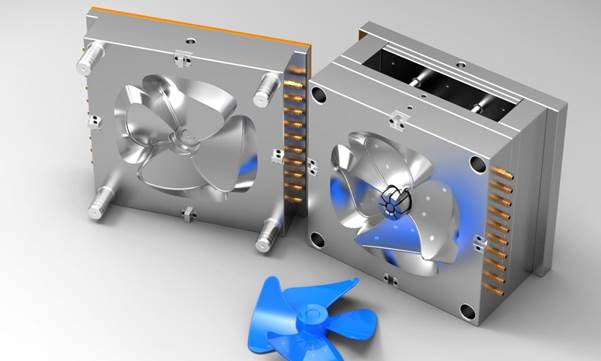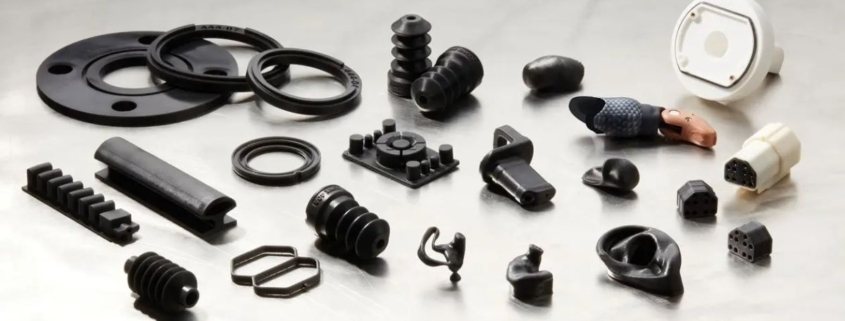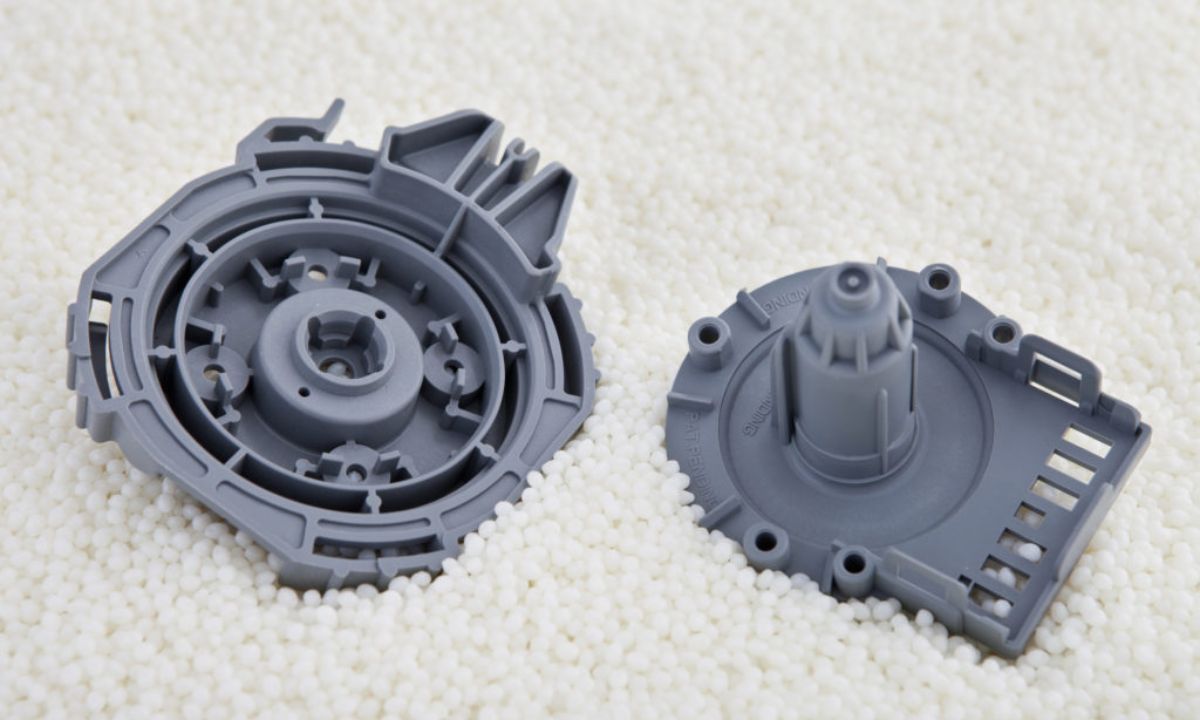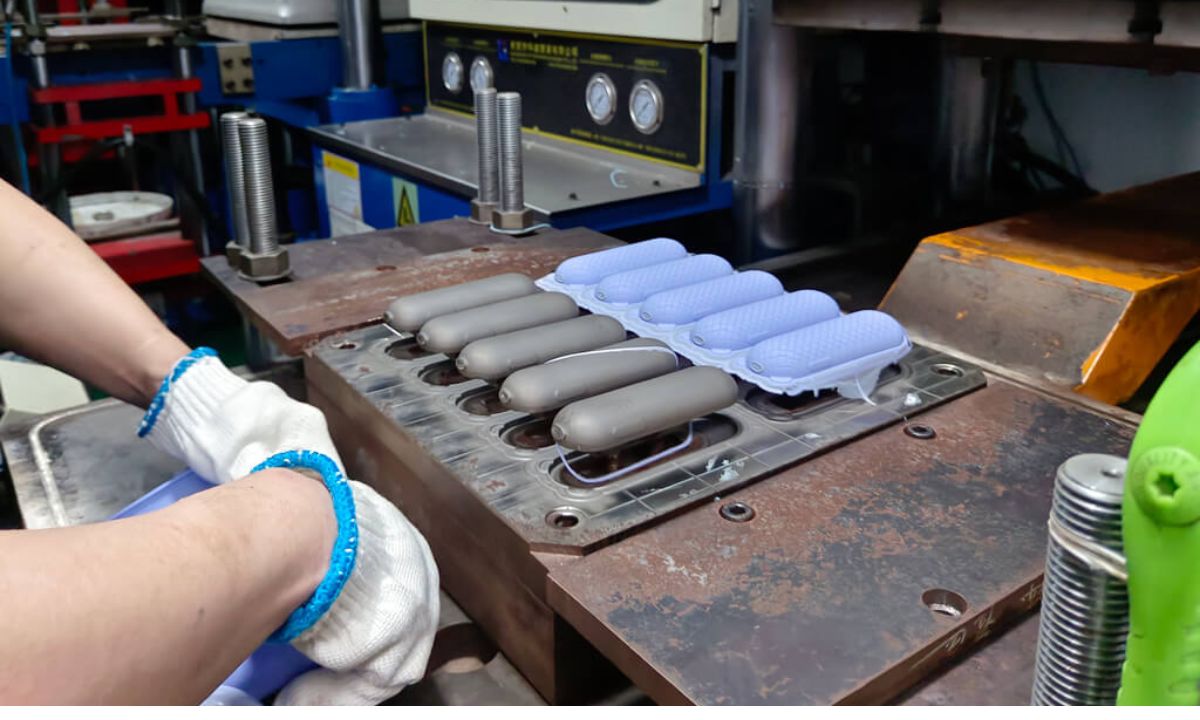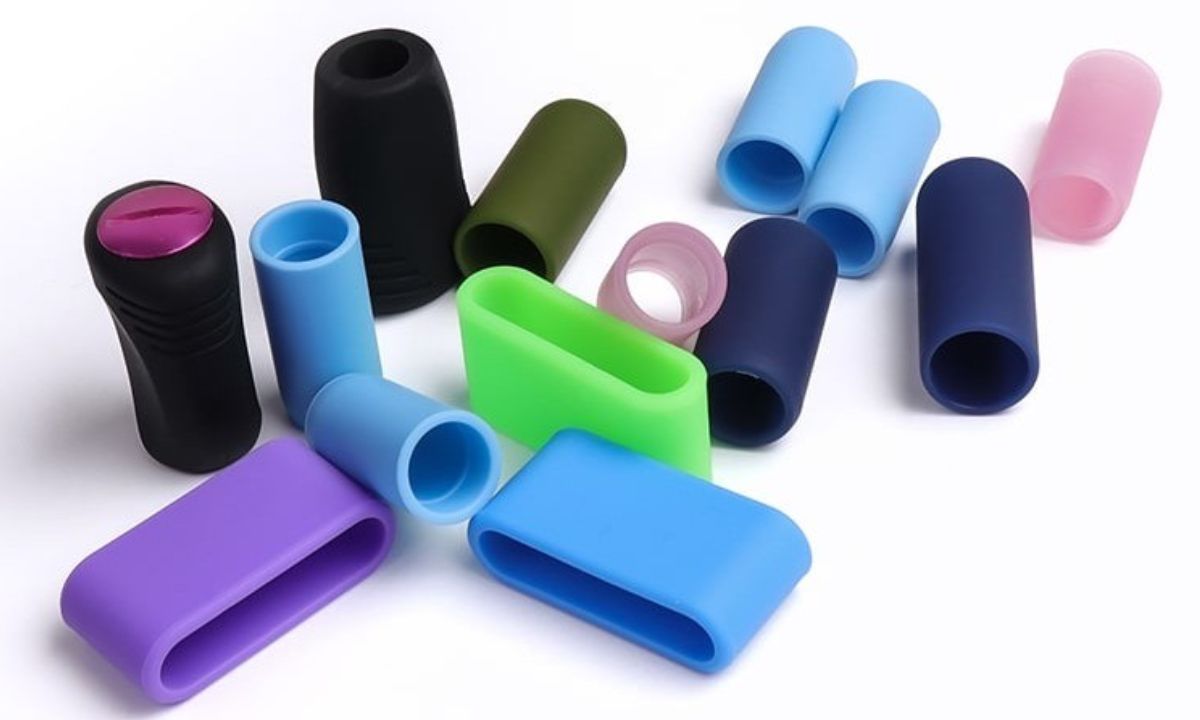
Çağdaş Plastik Enjeksiyon Kalıplama Araçlarını Öğrenme

The production process in the field of manufacturing has been changing at a high rate in the last several decades, and among the most significant contributors to the development of the field are the developments of plastic injection molding tools. The tools are important in the development of the plastic components that are utilized in various industries like automotive, healthcare, consumer electronics, and packaging industries. Advanced tooling leads to precision, repeatability, and efficiency, which is the cornerstone of present-day plastic manufacturing.

When the companies invest in the plastic injection mold tools, they are investing on the basis of their product quality. These aids in setting the shape of the final, finish, and dimensional accuracy of molded parts. Even the finest molding machines cannot produce the same results in the absence of well-designed plasti̇k enjeksi̇yon kalibi tooling.

What are Plastic Injection Molding Tools?

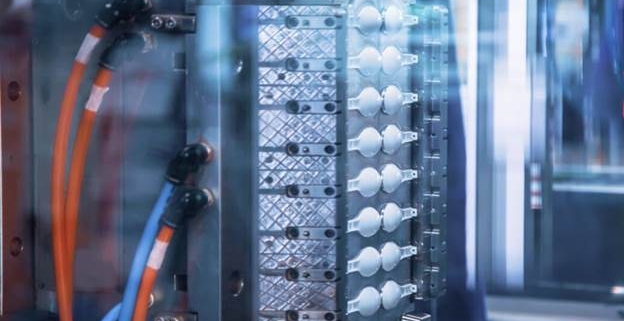
Simply injecting molten plastic into a mold, cooling, and ejecting, the idea of injection molding is at its simplest. The efficiency of the performance of the tooling of plastic injection molding directly influences the efficiency of this process. Tooling comprises molds, inserts, cores, cavities, and cooling systems that constitute the structure that shapes plastic material.

What are Plastic Injection Molding Tools?

Manufacturers utilize the so-called plastic injection mold tools so that they may create thousands, or in some cases millions, of the same parts. The cycle time, volume production, and long-term maintenance are determined by the durability and design of these tools. This is the reason why a proper choice of the partner in terms of plastic injection mold tooling is essential to any production operation.

Forms of Injection Mold Tooling

Injection mold tooling is available in various types to meet production requirements, part complexity, and affordable cost. The right mold will guarantee efficiency, quality parts, and cost-efficiency.

  • Tek Boşluklu Kalıplar: mold one part each cycle, which is suitable when there is low volume production or prototyping. They are easy and less expensive, yet less fast in mass production.
  • Çok Boşluklu Kalıplar: produce several identical parts at a single cycle, which is best when large volumes are to be manufactured. They save on part cost, although they demand an exact design to fill evenly.
  • Family Molds: The parts are produced in a single cycle by family molds, which minimizes assembly discrepancies. It is harder to design such a cavity since each cavity can fill in varying ways.
  • The Hot Runner Molds: retain the plastic in molten form inside heated channels, thus minimizing waste and cycle time. They suit the mass production of high quality.
  • Soğuk Yolluk Kalıpları: enable the runners to cast along with the part, which is easier and cheaper, but creates waste of more waste.
  • Two-Plate and Three-Plate Molds: Common mold designs are Two-Plate and Three-Plate Molds. Two-plate molds are easy and affordable to manufacture, whereas three-plate molds enable automatic separation of runners to obtain cleaner parts.
  • Insert Molds: embed the systems of metals or other parts into the component, which removes the need for assembly. The overmold takes a material and gives it another, which insulates or gives it a grip.
  • Prototyping (Soft) Tooling: It is employed with tests or low volume production, whereas Hard Tooling, made of steel, is robust with high volume production. Stack Molds enhance production by molding several layers of parts at the same time.

The choice of appropriate tooling varies with the volume of production, complexity of the part, and the material, which will help in efficiency and quality of the outcome.

Table 1: Types of Injection Mold Tooling

Tooling TypeCavitiesCycle Time (sec)Üretim HacmiNotes
Single-Cavity Mold130–90<50,000 partsLow-volume, prototype
Multi-Cavity Mold2–3215–6050,000–5,000,000High-volume, consistent
Family Mold2–1620–7050,000–1,000,000Different parts per cycle
Hot Runner Mold1–3212–50100,000–10,000,000Minimal waste, faster cycles
Cold Runner Mold1–3215–7050,000–2,000,000Simple, more material waste
Two-Plate Mold1–1620–6050,000–1,000,000Standard, cost-effective
Three-Plate Mold2–3225–70100,000–5,000,000Automated runner separation
Insert Mold1–1630–8050,000–1,000,000Metal inserts included
Overmolding Mold1–1640–9050,000–500,000Multi-material parts

The Advantages of Mold Tooling of High Quality

It has several long term advantages in investing in high-quality plastic injection mold tooling. First, it provides a stable quality of parts in large production lots. Second, it decreases the downtime due to the failure of tools or unnecessary maintenance. Lastly, it enhances the efficiency of production through cooling optimization and optimization of the flow of materials.

The Advantages of Mold Tooling of High Quality

Companies that focus on the production of durable plastic injection molding tools tend to gain lower scrap and increased revenue. Also, properly constructed plastic injection molding tooling has the capability of sustaining elaborate shapes and stringent tolerances, allowing organizations to be innovative without performances.

Design Factors in Mold Tooling

One of the most important requirements in the process of creating plastic injection mold tools is design. The engineers should take into account the choice of materials, the thickness of the wall, the draft angle, and the cooling performance. A good design reduces the stress points and prolongs the life of the tools.

Part complexity is another determinant of the cost of plastic injection molding tooling. Complex forms or undercuts can involve the use of side acts, lifters, or multi-cavity moulds. These characteristics raise the design time and manufacturing costs, but are typically needed with high-performance components.

Since it is required that plastic injection molding tooling should be able to resist high pressure and high temperature, the choice of materials is crucial. Depending on the volume of production and use needs, tool steels, aluminum, and specialty alloys are used.

Parts and Components of Injection Molding Tooling

The tooling used in injection molding is a complicated mechanism that consists of numerous parts that are engineered to the utmost degree. Both components have a certain effect in the process of molding molten plastic into a completed item and ensuring accuracy, efficiency, and repeatability. These characteristics are useful in understanding the manner in which plastic parts of high quality are able to be produced with consistency in large volumes.

Parts and Components of Injection Molding Tooling

Mold Cavity

The hollow which forms the outer shape of the plastic part is called the mold cavity. Molten plastic is injected into the mold and subsequently fills this cavity and hardens to the final product. The size of parts, surface finish, and the look of the parts are dependent on the cavity design. The rate of shrinkage and draft angles should be calculated by engineers to ensure that the part comes out without defects.

Mold Core

The inner geometry of the part is made of the Mold core. It develops features such as holes, recessions, and inside channels, which are critical to functionality and a decrease in weight. In simple molds, cores are fixed, whereas the more complicated parts need to have sliding or collapsible cores to allow undercuts to be freed during the ejection process. The core and cavity are perfectly aligned that provides dimensional accuracy.

Koşucu Sistemi

The runner system is a system of channels that directs the nozzle of the molten plastic of the injection machine to the mold. An effective runner is designed to make the flow balanced in order to fill out all cavities evenly. Defects in the poor design of runners include sink marks, short shot, or warping.

Flow Channels

Flow channels are defined as the individual pathways of the system of the runners where the plastic moves in the mold. These channels should reduce the resistance and not allow the premature cooling of the material. The proper channel design is suitable to keep the material strong and ensure that the wall thickness of the part remains consistent.

Gate

The gate is the little hole through which molten plastic is injected into the cavity. Though it is small, it makes a significant contribution to the quality of parts. Location, size, and style of gate influence the manner in which the mold fills, pressure distribution, and the amount of the gate mark that will be visible on the finished part. Selecting a proper gate design is one way of avoiding stress marks and aesthetic defects.

Ejektör Sistemi

The ejector system sends the part out using the ejector system after the plastic has cooled. The part is forced out by ejector pins, sleeves, or plates evenly without breaking or deformation. Ejectors should be placed and ordered properly, particularly for delicate or complicated components.

Soğutma Sistemi

The cooling system controls the temperature of the mold by pumping water or oil through the system. The cooling is among the most important processes during injection molding since it directly influences cycle time and stability of parts. The irregular cooling may lead to shrinkage, warping, or internal stress. High-technology molds can apply conformal cooling channels that trace the shape of the part to be more efficient.

Alignments and Mounting Characteristics

Elements of alignment, like guide pins and bushings, make sure that every cycle, the halves of the mould are closed perfectly. The mounting features, such as clamps and bolts, are used to hold the mold in the machine. Adequate alignment will eliminate flashing, uneven wear, and mold damage and produce consistent quality parts.

Parts and Components of Injection Molding Tooling

Venting

Venting enables the ambient air and gases to be released from the mold cavity as the plastic fills up the mold. Defects such as burn marks or half-filled can take place without proper venting. Vents are little but necessary in making clean and correct parts.

Slides and Lifters

Slides and lifters are the processes that help the molds to form parts with undercuts or side effects. The angles of the slides move, and the lifters, during ejection, jump to expel the complicated geometries. These elements increase the possibilities of design and remove the necessity of secondary machining.

Mold Materials

The tooling materials have effects on the durability, performance, and cost. High-volume production is carried out with hardened tool steel since it can withstand wear and be precisely accurate. Aluminum molds are cheaper and more common for prototypes or low-volume production. High-performance finishes can enhance the wear and release of parts.

Inserts

Inserts are detachable parts of a mold that are utilized in producing a particular feature, like a thread, a logo, or a texture. They enable molds to be altered or fixed without having to change the tool. The substitutability of inserts allows it to be used to create a variety of products of the same mold base.

Core Pins

Core pins are thinner components that are used to create holes or internal conduits in molded components. They should be well-machined and should be sturdy enough to withstand the pressure of injections without bending or breaking.

Table 2: Injection Mold Tooling Components

ComponentMalzemeTolerance (mm)Max Pressure (bar)Notes
Mold CavitySteel/Aluminum±0.01–0.051,500–2,500Forms part shape
Mold CoreSteel±0.01–0.051,500–2,500Internal features
Koşucu SistemiSteel/Aluminum±0.021,200–2,000Guides plastic flow
GateSteel±0.011,500–2,500Entry to cavity
Ejector PinsHardened Steel±0.01N/APart ejection
Soğutma KanallarıSteel±0.05N/ATemperature control
Slides/LiftersSteel±0.021,200–2,000Complex geometries
InsertsSteel/Aluminum±0.021,500Customizable features

Cooling Aids Baffles, Diffusers, and Water Manifolds

The coolant flow in the mold is guided by baffles and diffusers to provide a uniform temperature pattern. Water manifolds serve as an element of distribution through which the coolant can be directed to the various parts of the mold. A combination of these elements enhances cooling as well as minimizing cycle times.

Mold Texture

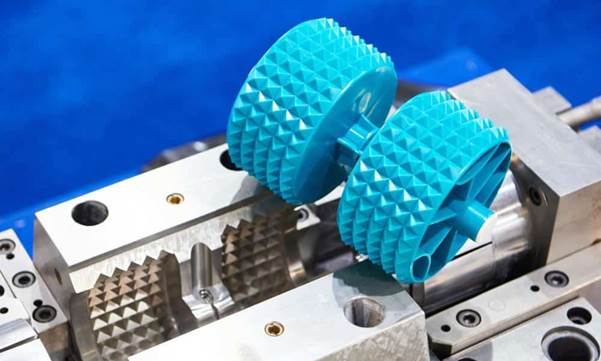
Mold texture is the surface finish on the cavity that has been applied to the part to produce certain patterns or finishes on the part. The texture may enhance grip, minimize glare, or promote the appearance of a product. Methods are chemical etching, laser texturing, and mechanical blasting.

Sprue Bush

Sprue bush is used to connect the nozzle of the injection machine to the runner system. It is the primary path through which the molten plastic is introduced to the mold. The sprue bush should be properly designed to provide a continuous flow of materials and avoid leakage or loss of pressure.

Cavity Retaining Plate

The plate with the cavity inserts is firmly fixed in the cavity retaining plate. It holds position, assists injection pressure, and helps to create overall strength in the mould. Correct plate design guarantees the durability of molds in the long term and part uniformity.

The knowledge of Tooling Costs

A query regarding the cost of the plastic injection molding tooling is one of the most frequently asked questions by manufacturers. Tooling cost depends on the size, complexity, material, and anticipated volume of production. The initial expenses may appear expensive, but quality plastic injection mold tools may pay back with durability in the long-run and steady production.

Issues influencing plastic injection molding tooling cost are:

•          Number of cavities

•          Surface finish specifications.

•          Cooling system complexity

•          Tolerance levels

•          Tool material

Though enterprises can be tempted to save money and use cheaper solutions such as plastic injection mold tooling, it will result in increased maintenance and poor quality of products in the long-term.

The Modern Tooling Technology

This is due to advanced software and machining technologies, which have transformed the development of plasti̇k enjeksi̇yon kaliplama tools. Simulation and computer-aided design (CAD) can help engineers to test the mold flow, cooling efficiency, and structural integrity before the commencement of manufacturing.

The Modern Tooling Technology

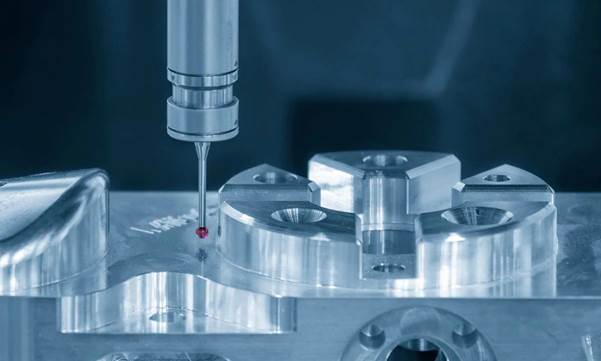
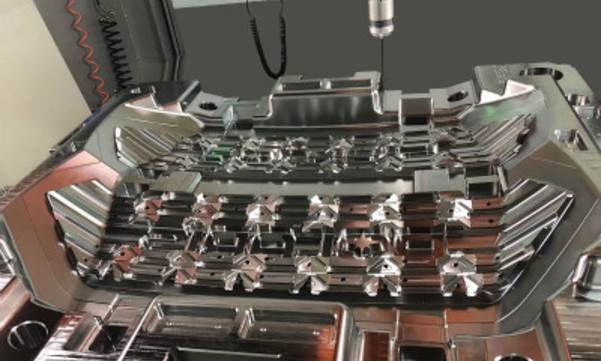
CNC machining, EDM (electrical discharge machining), and high-speed milling are used to ensure that plastic injection molding tooling is done with tight tolerances. Such technologies decrease lead-time and enhance repeatability, and so it is the most reliable modern plastic injection mold tool than ever before.

The use of automation is also associated with the optimization of the cost of plastic injection molding tooling. The manufacturers will be able to realize more value without compromising on quality by cutting manual labor and enhancing the efficiency of the processes.

Maintenance and Longevity

Maintenance of plastic injection molding tools is necessary to prolong their life. Wear and corrosion are prevented by regular cleaning, inspection, and lubrication. Observation of cooling channels and ejector systems promotes the stable operation.

Failure to maintain the tools can significantly add to the cost of plastic injection molding tooling through repairs or early replacement. The companies that adopt preventive maintenance programs not only cover their investment in the area of plastic injection mold tooling but also ensure that the production timetable is kept constant.

Durable plastic injection molding tooling is also applicable in high-volume operations with a long production cycle.

Selection of a Proper Tooling Partner

The choice of a reliable supplier of the plastic injection mold tools is as crucial as the design. Advanced tooling producers are aware of material behavior, production requirements, and cost optimization measures.

An effective collaborator assists in creating a balance between quality and the cost of plastic injection molding tooling, and the tools should be up to the performance expectations. Teamwork at the design levels lowers mistakes as well as minimizing the time of development of the plastic injection molding tools .

The indicators of a good provider of plastic injection mold tooling include communication, technical skills, and high manufacturing skills.

Trends in Future Injection Molding Tooling

Innovation is the future of plastic injection molding tooling. Additive manufacturing, conformal cooling channels, and intelligent sensors are altering the process of constructing and monitoring molds. These innovations decrease the time taken in the cycle and enhance the quality of parts.

Trends in Future Injection Molding Tooling

With the growing significance of sustainability, effective plasti̇k enjeksi̇yon kalibi tools contribute to the decrease of material waste and energy usage. Better designs also reduce the cost of plastic injection molding tooling cost in the lifetime of a tool by increasing the life of the tool and reducing the cost of repairs.

A competitive edge is enjoyed by companies that use next-generation plastic injection molding tools, which have improved performance, increased speed of production, and also the ability to design.

Sonuç

The quality of plasti̇k enjeksi̇yon kaliplama tools is vital to the success of any injection molding operation. Design and choice of materials, maintenance, and innovation are some of the considerations in tooling that affect the efficiency of production and quality of the products. Although the price of plastic injection molding tooling is also a factor of considerable consideration, long-run value will be derived through durability, accuracy, and reliability. Manufacturers can guarantee the consistency of the results, lower downtime, and high ROI by attaching importance to investing in modernization, plastic injection mold tooling, and collaborating with skilled partners.

Enjeksiyon Kalıplı Parçalar: Çok Amaçlı Bir Kılavuz

Injection molded parts production is a significant component of the contemporary industry. Injection molding is used to make many of the products surrounding us. This is a process that aids in the production of strong and accurate components. These are components that find their applications in numerous fields. The quality of molded products demanded goes up annually.

The reason behind the wide use of plastic injection molding parts is that they are durable and economical. They enable companies to manufacture large numbers of products that are of the same shape. Complex designs also work well in this process. Meanwhile, the injection molding mold parts are important in the shaping and forming of these products. The process cannot go on well without the right mold components.

The popularity of injection molding is due to the fact that it is time-saving. It also reduces waste. The method allows short-cycle production. It is something that a number of industries cannot afford to do away with.

Plastic Injection Molding: What is Plastic Injection Molding?

Plastic enjeksiyon kalıplama refers to a production process. In large quantities, plastic products are produced with its assistance. It is also a fast and reliable procedure. It can be used to manufacture parts of the same shape and size in all cases.

In this process, plastic material is first heated. The plastic becomes soft and melts. The liquid plastic is then inserted into a mold. The mold has a specific shape. When the plastic cools down, it becomes solid. This entire part is removed from the mold.

Plastic Injection Molding: What is Plastic Injection Molding?

Plastic injection molding is used to bring about simple and complex products. It allows high accuracy. It also reduces material wastefulness, too. The reason has to do with the fact that it is popular because less time and money are wasted.

Table 1: Injection Molding Mold Components

Mold ComponentTypical MaterialToleranceYüzey İşlemiTypical Life CycleFunction
Core & CavityHardened Steel / Aluminum±0.01–0.03 mmRa 0.2–0.8 μm>1 million shotsShapes internal and external features
RunnerSteel / Aluminum±0.02 mmRa 0.4–0.6 μm>500,000 shotsChannels molten plastic to the cavity
GateSteel / Aluminum±0.01 mmRa 0.2–0.5 μm>500,000 shotsControls plastic entry into the cavity
Soğutma KanallarıCopper / Steel±0.05 mmRa 0.4–0.6 μmContinuousRemoves heat efficiently
Ejector PinsHardened Steel±0.005 mmRa 0.3–0.5 μm>1 million shotsEjects finished part without damage
Venting SlotsSteel / Aluminum±0.01 mmRa 0.2–0.4 μmContinuousReleases trapped air during injection

Knowing the Injection Molding Process

A controlled and precise method of production is the injection molding technology. They are applied in the production of plastic components of high accuracy. It is a functional procedure that occurs in stages. Each step has some parameters and numerical values.

Selection and Preparation of Materials

It begins with plastic raw material. This is usually packed in the form of pellets or in the form of granules. Such material is normally ABS, polypropylene, polyethylene, and nylon.

  • Pellet size: 2–5 mm
  • Wet content before drying: 0.02% -0.05%
  • Drying temperature: 80°C–120°C
  • Drying time: 2-4 saat

Proper drying is critical. Bubbles and surface defects of molded parts may be brought about by moisture.

Melting and Plasticizing

The plastic pellets are dried and forced into the enjeksiyon kalıplama machine. They go through a screw that rotates and through a hot barrel.

  • Barrel temperature zones: 180°C–300°C
  • Screw speed: 50–300 RPM
  • Screw compression ratio: 2.5:1 -3.5:1.

The plastic is melted by the turning of the screw. The substance turns into a homogenous mass of liquid. Even the melting offers consistency of the component.

Injection Phase

On completion of melting down the plastic, it is pushed into the molding cavity. The mold is filled with great pressure in a quick and regularized way.

  • Injection pressure: 800–2000 bar
  • Injection speed: 50–300 mm/s
  • Injection time: 0.5–5 seconds

There is no use of short shots and flash due to appropriate pressure control. It is intended to fill the entire mold prior to the beginning of plastic cooling.

Packing and Holding Stage

The mold is filled, and pressure is applied to the mold. This is to overcome the process of material shrinkage at room temperature.

  • Loading pressure: 30-70 percent flow of injection.
  • Holding time: 5–30 seconds
  • Typical shrinkage rate: 0.5%–2.0%

This process increases the part concentration and dimension. It also reduces internal stents.

Cooling Process

Injection molding is the process that takes the longest in cooling time. The plastic substance would then solidify and melt.

  • Mold temperature: 20°C–80°C
  • Cooling time: 10–60 seconds
  • Heat transfer efficiency: 60%–80%

Elimination of heat is done by cooling channels in the mold. Proper cooling eliminates warping and defects of the surface.

Kalıp Açma ve Ejeksiyon

After cooling, the mold opens. A section that has been completed is removed using ejector pins or plates.

  • Mold opening speed: 50–200 mm/s
  • Ejector force: 5–50 kN
  • Ejection time: 1–5 seconds

Ejection: Careful ejection will not damage parts. The closing of the mold then commences the next cycle.

The Cycle Time and Production Output

The total cycle time will be different depending on the size of the parts and the material.

  • Average cycle time: 20–90 seconds
  • Output rate: 40 -180 parts/hour.
  • Machine clamping force: 50–4000 tons

Reduced cycle times will boost productivity. However, quality must be maintained constantly.

Monitoring and Control of Process

In contemporary machines, sensors and automation are employed. Pressure flow rate and temperature are checked by these systems.

  • Temperature tolerance: ±1°C
  • Pressure tolerance: ±5 bar
  • Dimensional accuracy: ±0.02 mm

Consistency of quality is ensured by monitoring the process. It also reduces scrap and downtimes.

Importance of Components of Mold

Injection molding is dependent on the parts of the mold. Each of the elements of the mold has some role to play. These are the shaping, cooling, and ejecting.

Bu plasti̇k enjeksi̇yon kaliplama parts are considered to be successful depending on the correct design of the mold. A poor mold can cause defects. These defects include cracks and unbalanced surfaces. Mold parts made by injection molding, on the other hand, help in ensuring accuracy. They also ensure that they go in good cycles.

High-quality protract parts are molded. They reduce the maintenance costs as well. This makes it more effective and dependable.

Mold Components Technical Information

Mold components are the most important elements of the injection molding system. They control the shape, accuracy, strength, and quality of the surface. Without mold components that are well-designed, there is no way that stable production can be achieved.

Plastic Injection Molding: What is Plastic Injection Molding?

Core and Cavity

The core and the cavity are what determine the final shape of the product. The external surface consists of the cavity. The core makes up internal features.

  • Dimensional tolerance: ±0.01–0.03 mm
  • Surface finish: Ra 0.2–0.8 µm
  • Typical steel hardness: 48–62 HRC

Precision in core and cavity is high, hence minimizing defects. It enhances the uniformity of the parts also.

Koşucu Sistemi

The system of the runner directs the molten plastic at the injection nozzle to the cavity. It has an influence on flow balance and filling speed.

  • Runner diameter: 2–8 mm
  • Flow velocity: 0.2–1.0 m/s
  • Pressure loss limit: ≤10%

Reduction in material waste is done by proper runner design. It also has an even filling.

Kapı Tasarımı

The gate regulates the flow of plastic in the cavity. Part quality depends on the size and type of gate.

  • Gate thickness: 50 -80 of part thickness.
  • Gate width: 1–6 mm
  • Shear rate limit: <100,000 s⁻¹

Right gate design eliminates weld lines and burn marks.

Soğutma Sistemi

Cooling tracks are used to cool down the mold. This system has a direct influence on cycle time and the stability of parts.

  • Cooling channel diameter: 6–12 mm
  • Distance of the channel to the cavity: 10-15mm.
  • Maximum temperature difference permitted: < 5 °C.

Ease of cooling enhances dimensional accuracy. It also reduces the time of production.

Fırlatma Sistemi

When cooled, the part is ejected within the ejection system. It has to exert force in equal quantity to prevent harm.

  • Ejector pin diameter: 2–10 mm
  • Ejector force per pin: 200–1500 N
  • Ejection stroke length: 5–50 mm

Even ejection eliminates cracks and deformation.

Venting System

The air can be trapped and escape through vents when injecting. Burns and incomplete filling are caused by poor venting.

  • Vent depth: 0.02–0.05 mm
  • Vent width: 3–6 mm
  • Maximum air pressure: <0.1 MPa

Adequate venting enhances the quality of surfaces and the life of molds.

Base and Alignment Components Mold Base

The base of the mould bears all the parts. Bushings and guide pins are used to provide proper alignment.

  • Guide pin tolerance: ±0.005 mm
  • Mold base flatness: ≤0.02 mm
  • Lifecycle alignment: more than 1M shots.

High alignment decreases the wear and flash.

Table 2: Key Process Parameters

ParametreRecommended RangeUnitAçıklamaTypical ValueNotes
Namlu Sıcaklığı180–300°CHeatis  applied to melt the plastic220–260Depends on the material type
Enjeksiyon Basıncı800–2000barPressure to push molten plastic into the mold1000Adjust for part size & complexity
Kalıp Sıcaklığı20–120°CTemperature is maintained for proper cooling60–90Higher for engineering plastics
Soğutma Süresi10–60secondsTime for the plastic to solidify25–35Depends on wall thickness
Çevrim Süresi20–90secondsTotal time per molding cycle30–50Includes injection, packing, and cooling
Ejector Force5–50kNForce to remove part from the mold15–30Must prevent part damage

Raw Materials Injection Molding

Material selection is very important. It influences the quality, stability, outlook, and price of the end product. Selecting the appropriate plastic is necessary to guarantee that the parts will work and will be printed properly.

Raw Materials Injection Molding

Thermoplastic Materials

The most widespread materials are thermoplastics due to the fact that they can be melted and reused several times. There is a wide use of ABS, polypropylene, polyethylene, and polystyrene. ABS is impact-resistant and strong, and melts at 200 to 240 °C. Polypropylene melts at temperatures of 160 °C or 170 °C; it is light in weight and resistant to chemicals. Polyethylene has a melting point of 120 °C to 180 °C and is suitable in moisture resistant products.

Engineering Plastics

High-strength parts or heat-resistant parts are made with engineering plastics such as Nylon, Polycarbonate (PC), and POM. Nylon melts at 220 °C -265 °C and is applied in gears and mechanical parts. Polycarbonate is a strong and transparent polymer that melts at 260 °C to 300 °C. POM has a melting temperature of 165 °C to 175 °C and is accurate in components.

Thermosetting Plastics

Plastics that are thermosetting are difficult to remelt after being molded because they harden permanently. They melt at 150 °C- 200 °C and are utilized in high-temperature applications such as electrical components.

Additives and Fillers

Materials are enhanced by additives. Glass fibers (10% -40 percentage) add strength, mineral fillers (5%-30 percentage) lower shrinkage, and UV stabilizer (0.1-1 percentage) shield against the sun. These assistive components are longer-lasting and work better.

Material Selection Requirements

The material selection is factor-driven in terms of temperature, strength, chemical confrontation, moisture, and cost. Adequate selection will result in long-lasting, precise, and quality products and lessen the mistakes and waste.

Table 3: Material Properties

MalzemeMelt Temp (°C)Mold Temp (°C)Injection Pressure (bar)Tensile Strength (MPa)Shrinkage (%)
ABS220–24060–80900–150040–500.5–0.7
Polipropilen (PP)160–17040–70800–120030–351.0–1.5
Polietilen (PE)120–18020–50700–120020–301.5–2.0
Polistiren (PS)180–24050–70800–120030–450.5–1.0
Nylon (PA)220–26580–1001200–200060–801.5–2.0
Polikarbonat (PC)260–30090–1201300–200060–700.5–1.0
POM (Acetal)165–17560–80900–150060–701.0–1.5

Components that are manufactured under the Plastic Injection Molding Process

Plastic injection molding is a process that creates a large number of components applicable in various sectors. The process is precise, durable, and of large volume production. Examples of typical components produced in this manner are shown below.

Components that are manufactured under the Plastic Injection Molding Process

Automotive Parts

  • Dashboards
  • Bumpers
  • Air vents
  • Door panels
  • Gearshift knobs
  • Fuel system components
  • Interior trims

Medical Parts

  • Syringes
  • Tubing connectors
  • Surgical instruments
  • IV components
  • Medical device housings
  • Disposable medical tools

Electronics Parts

  • Housings for devices
  • Switches and buttons
  • Cable clips and wire holders
  • Connectors and plugs
  • Keyboard keys
  • Circuit board enclosures

Packaging Products

  • Bottles and jars
  • Bottle caps and closures
  • Food containers
  • Cosmetic containers
  • Lids and seals
  • Storage boxes

Consumer and Industrial Goods

  • Toys and figurines
  • Household tools
  • Appliance components
  • Construction fittings
  • Accurate clips and fasteners.
  • Industrial machine parts

Design and Precision

Design is a significant contributor to success. An effective mold enhances the quality of a product. It minimizes errors during production as well.

The parts of the process of plasti̇k enjeksi̇yon kaliplama require strict dimensions. Performance can be influenced by small mistakes. This is the reason why the creation of the injection molding mould parts is designed with close tolerances. State-of-the-art software is often employed in design.

Components that are manufactured under the Plastic Injection Molding Process

Strength is also enhanced through good design. It enhances appearance. It guarantees superior fitting in end assemblies.

Endüstriyel Uygulamalar

Many industries also use injection molding, which is fast, exact, and it is economical. It enables mass production of identical parts with very high precision.

Otomotiv Endüstrisi

In the auto sector, dashboards, bumpers, air vents, and interior panels are made using plastic injection molding parts. These components should be powerful, light, and heat-resistant. Particularly, it is done by molding, whereby the shapes are exact and uniform to prevent any safety and quality issues.

Medical Industry

In medicine Syringes, tubing connectors, and surgical instruments are made by injection molding. Much precision and hygiene areas needed. Particularly, plastic injection molding parts can be made of medical-grade plastics, and injection molding mold parts can be used to ensure accuracy and smoothness.

Electronics Industry

Housings, connectors, switches, and cable clips are all produced in the electronics industry through injection molding. Plastic injection molding parts secure the fragile circuits, and the injection molding mold parts are necessary to make the parts fit perfectly.

Packaging Industry

Injection molding is also applied in the packaging of bottles, containers, caps, and closures. The parts of the plastic injection molding are used to give the required shapes and sizes, whereas the parts of injection molding are used to produce in large quantities within the shortest amount of time by creating minimum wastage.

Other Industries

Consumer goods, toys, construction, and aerospace are also injected. Its flexibility and accuracy give it the ability to fit nearly any plastic product, be it the simple householder the complicated technical parts.

Kalite Kontrol ve Test

In manufacturing, quality control is required. All the parts should be desiccated to meet design requirements. Testing is a measure of safety and performance.

The plastic injection molding parts are subjected to visual and mechanical inspections. Defects are spotted at an early stage through these checks. Simultaneously, the inspection of the wear and damage of the injection mold parts is conducted. Frequent inspections eliminate the failure of production failures.

Good quality management enhances customer confidence. It also minimizes wastage and expenditure.

Pros of the Injection Molding

There are numerous advantages of injection molding. It permits a rapid production rate. It also guarantees repetition.

Plastik enjeksiyon kalıplama parts are dynamic and light. They are capable of mass production. In the meantime, automation is supported by the use of injection molding of the mold parts. This lowers the cost of labour and mistakes.

Pros of the Injection Molding

Also, the process is environmentally friendly. The scrap material may be reutilized. This will contribute to environmental mitigation.

Challenges and Solutions

Injection molding, just like any process, is challenging. These are material problems as well as wear of moulds. Unfavorable environments lead to flaws.

Part flaws may be assessed in the absence of proper handling of “plastic injection molding parts. These risks can be minimized by appropriate training. Simultaneously, mold parts that are used in injection molding must be maintained on a regular basis. This assures long life.

Modern technology will be useful in addressing a lot of issues. The efficiency is enhanced through automation and monitoring.

Future of Injection Molding

The injection molding future is solid. There is a development of new materials. Smart manufacturing is becoming a reality.

Injection molding parts that are produced out of plastic will be improved. They will be more significant and lighter. At the same time, better materials and coatings will be applied to the injection mold part. This will enhance longevity.

The industry will still be characterized by innovation. Competitive firms will be those that change.

China’s Role

China contributes significantly to the injection molding market in the world. It is among the biggest manufacturers of plastic injection molding parts and the distributor of injection molding mold parts. The manufacturing sector is very diversified in the country; small-scale production is available as well as large-volume industrial production.

China’s Role

The factories of China have high-precision machines and skilled labor that are used to manufacture parts. The reliance of many international companies on Chinese manufacturers is because they offer cost-effective solutions without reducing on quality.

Besides, China is an Innovation leader. It creates new materials, molds, and automation methods to enhance efficiency. It has a good supply chain and high production capacity that contribute to its status as a major player in satisfying global demand for injection molded products.

Why Choose Sincere Tech

We are Sincere Tech, and we deal with supplying high-quality plastic injection molding parts and injection molding mold parts to our clients in different industries. We have years of experience and a passion to do things in the best way, hence all our products are of the best quality in terms of precision, durability, and performance.

We have a group of experienced and qualified engineers and technicians who offer quality and affordable solutions through the application of modern machinery and new methods. We have ensured close attention to all the details, such as the choice of material, the design of molds, etc., so that we have the same quality in each batch.

Clients prefer Sincere Tech due to the fact that we appreciate trust, professionalism, and customer satisfaction. We collaborate with individual clients to get to know their special needs and offer solutions to their needs. We are also committed to the concept of on-time delivery, technical assistance, and constant improvement, which make us stand out inthe injection molding industry.

Sincere Tech is the company with which you can find excellence in plastic injection molding when you require either minor, detailed parts or large-volume production. You do not just get parts with us, you also get a team dedicated to your success and growth.

To learn more about our services and products, go to plas.co and see why we are the right choice for the clients of the world.

Sonuç

Injection molding is a solid process of production. It is the backbone of numerous industries in the world. Its main strengths are precision, speed, and quality.

Plastic injection molding parts are still very vital in everyday life. They are useful in serving various needs, from the simplest to the complex components. Meanwhile, injection molding mold parts guarantee the efficient flow of manufacturing and the same outcome.

Injection molding will only continue to increase with the right design and maintenance. It will also continue to form a vital aspect of modern production. 

Üst kalıplama nedir

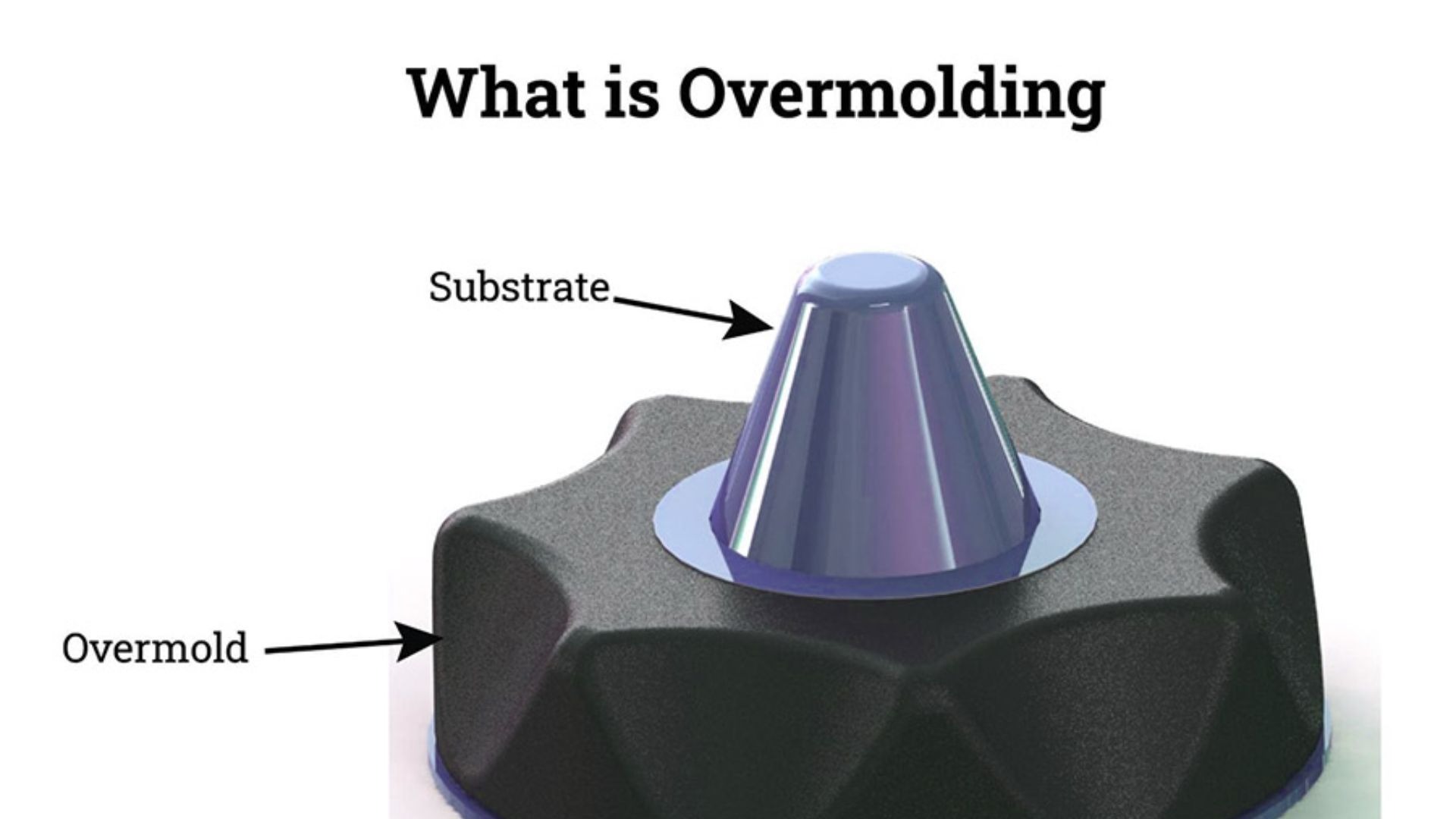
Overmolding is the making of a product by joining two or more materials into one product. It is also applied in most industries, such as electronics, medical equipment, automotive, and consumer products. It is done by molding over a base material known as an overmold, over a base material known as a substrate.

Overmolding is done to enhance the aesthetic, longevity, and functionality of products. It enables manufacturers to incorporate the power of one material with the flexibility or softness of the other. This makes products more comfortable, easier to deal with, and durable.

Overmolding appears in items that we use on a daily basis. This has been applied to toothbrush handles and phone cases as well as power tools and surgical instruments, among other items in contemporary manufacturing. Knowing about overmolding will make it easy to see how convenient and safe objects in everyday life are.

İçindekiler

What is Overmolding?

Üst kalıplama is a procedure through which one product is formed out of two materials. The initial material is known as the substrate and typically is a hard plastic such as ABS, PC, or PP. It has a tensile strength of 30-50 Mpa tensile strength and a melting temperature of 200- 250 °C. The other material, which is the overmold, is soft, e.g., TPE or silicone, with a Shore A hardness of 40-80.

What is Overmolding?

The substrate is allowed to cool down to 50-70 °C. The pressure injected into the overmold is 50-120Mpa. This forms a strong bond. Overmolding enhances the holding power, strength, and durability of products.

One such typical object is a toothbrush. The handle is of hard plastic to ensure strength. The grip itself is of soft rubber and, therefore, is comfortable to hold. This basic application demonstrates the real-life uses of overmolding.

Overmolding does not apply only to soft grips. It is also applied in covering electronic products, giving an object a colorful decoration, and extending the life of a product. This flexibility enables it to be one of the most applicable manufacturing methods in contemporary days.

Full Process

Malzeme Seçimi

The procedure of overmolding starts with the choice of the materials. The substrate normally is a hard plastic like ABS, PC, or PP. They contain tensile strength of 30-50 Mpa and a melting point of 200- 250 °C. The molded material is usually a soft one, such as TPE or silicone, and has a Shore A hardness of 40-80. It is necessary to select the materials that are compatible. Failure of the final product to withstand stress can be caused by failure of the bonding of the materials.

Substrate Molding

The substrate was poured into the mold at a pressure of 40-80 Mpa after heating to 220-250 °C. Once injected, it is allowed to solidify to 50-70 °C to render it dimensionally stable. The time taken in this process is usually 30-60 seconds in relation to the size and the thickness of the part. There are extremely high tolerances, and deviation is typically not more than +-0.05 mm. Deviation will result in the product being affected in regard to overmold fit and product quality.

Preparation of the mold to be overmolded

Following the cooling, the substrate is then carefully transferred to a second mold, during which the overmold injection is done. The mold is preheated to 60-80 °C. Preheating eliminates the effect of thermal shock and also allows the overmold material to flow smoothly over the substrate. Mold preparation is needed to prevent any voids, warping, or poor bonding in the final product.

Overmold Injection

The pressure is injected into the substrate using 50-120 Mpa of the overmold material. The temperature of the injection is conditional upon the material: TPE 200-230 °C, silicone 180-210 °C. This step must be precise. Improper temperature or pressure may result in defects of bubbles, separation, or insufficient coverage.

Soğutma ve Katılaşma

Following injection, the part is cooled to enable solidification of the overmold and its strong bond to the substrate to take place. The cooling time ranges from 30 to 90 seconds based on the thickness of the parts. The thin regions cool more quickly, whereas the thicker ones are slower to cool. Adequate cooling is needed to guarantee even bonding as well as minimize internal stress that may cause cracks or deformation.

Ejection and Finishing

The part is forced out of the mold after being cooled down. Any surplus, referred to as flash, is excised. The component is checked in terms of surface finish and dimensional accuracy. This will make sure that the product is of the required quality and is compatible with the other parts in case of need.

Testing and Inspection

The final step is testing. Test types: Tensile or peel tests determine the strength of the bond, which is usually 1-5 MPa. Shore A tests would be used to check overmold hardness. The defects, such as bubbles, cracks, or misalignment, can be visually detected. Only components that are tested are shipped or put together into finished products.

Types of Overmolding

Types of Overmolding

Two-Shot Molding

Two-shot molding involves one machine molding two materials. The molding is done at a temperature of 220-250 °C and pressure of 40-80 MPa, followed by the second material injection, which is at 50-120 MPa. The technique is quick and accurate and is suitable when a large number of products, such as rubber grips and soft-touch buttons, are involved.

Ekleme Kalıplama

During insert molding, the substrate is already prepared and inserted into the mold. It is covered with an overmold, either TPE or silicone, which is injected at 50-120 MPa. Bond strength is usually 1-5 MPa. This approach is typical of the tools, toothbrushes, and healthcare devices.

Multi-Material Overmolding

Multi-material overmolding is an overmolding where there is more than 2 materials in a single part. The injection duration of every material is in sequence 200-250 °C, 50-120 MPa. It permits complicated structures with hard, delicate, and covering sections.

Overmolding has been used in applications

The applications of overmolding are very diverse. The following are the typical examples:

Overmolding has been used in applications

Elektronik

Telephone cases usually have hard plastic with soft rubber edges. The buttons of remote controls are constructed of rubber as they provide better touch. Electronic components are safeguarded with overmolding, and enhanced usability is provided.

Tıbbi Cihazlar

Protective seals, surgical instruments, and syringes are usually overmolded. Soft products facilitate easier handling of the devices and also make them safer. This is essential in the medical applications where comfort and precision are important.

Otomotiv Endüstrisi

 Overmolding is used to make soft-touch buttons, grips, and seals used in car interiors. Seals of rubber are used to block water or dust from entering parts. This enhances comfort as well as durability.

Tüketici Ürünleri

Overmolding is commonly used in toothbrush handles, kitchen utensils, power tools, and sports equipment. The process is used to add grips, protect surfaces, and add design.

Industrial Tools

Overmolding is used in tools such as screwdrivers, hammers, and pliers, which are used to make soft handles. This limits the fatigue of the hands and enhances the safety of use.

Paketleme

Overmolding of some part of the packaging (e.g., bottle tops or safeguarding seals) is used to enhance handling and functionality.

Overmolding enables the manufacturer to produce products that are functional, safe, and also appealing.

Benefits of Overmolding

There are numerous benefits of over-molding.

Benefits of Overmolding

Improved Grip and Comfort

Products are made easier to handle by the use of soft materials. This applies to tools, household products, and medical devices.

Increased Durability

Attachment of several materials enhances the strength of products. The hard and soft materials guarantee the safety of the product.

Better Protection

Cover or seals of electronics, machinery, or delicate instruments can be added through overmolding.

Attractive Design

The products are designed in various colors and textures. This enhances image and branding.

Ergonomics

Soft grips minimize fatigue in the hand and make objects or devices more comfortable to work with for longer.

Versatility

Overmolding uses a wide variety of materials and can be used to form intricate forms. This enables manufacturers to come up with products that are innovative.

Challenges of Overmolding

There are also some challenges of overmolding, which should be taken into consideration by the manufacturers:

Malzeme Uyumluluğu

Not all materials bond well. Certain combinations might need to be adhesive-bonded or surfaced.

Higher Cost

Because it involves additional materials, molds, and steps of production, overmolding may raise production costs.

Complex Process

Mold design, pressure, and temperature have to be strictly regulated. Defects can be brought about by the slightest of errors.

Production Time

Molding Two-stage molding may require more time than single-material molding. New technologies, such as two-shot molding, can, however, cut this time.

Design Limitations

Complex shapes can need custom molds, and this can be costly to make.

Nonetheless, these discouraging issues have not stopped overmolding since it enhances the quality of products and performance.

Overmolding Design Principles

Overmolding is a design where the base is made of a material, and the mold is made out of a different material.

Overmolding Design Principles

Malzeme Uyumluluğu

Select the materials that are bonded. Overmold and substrate should be compatible with each other in terms of their chemical and thermal characteristics. Similar materials that have close melting points minimize the chances of weak bonding or delamination.

Duvar Kalınlığı

Keep the thickness of the wall constant so that there is consistency in the flow of the material. Lack of uniformity of the walls may lead to faults such as sink marks, voids, or warping. Walls are usually between 1.2 and 3.0 mm of various materials.

Taslak Açıları

Emboss angles on vertical surfaces to facilitate ejection. An angle of 1- 3 degrees assists in avoiding damage to the substrate or overmold during demolding.

Rounded Corners

Avoid sharp corners. Rounded edges enhance the flow of materials during injection, and stress concentration is decreased. The recommended corner radii are 0.5-2mm.

Bonding Features

Pits or grooves are made, or interlocked structures are made to grow mechanical bonding between the substrate and the overmold. The features add peel and shear strength.

Venting and Gate Placement

Install vents that will enable the escape of air and gases. Position injection gates in locations other than the sensitive areas in order to achieve a homogeneous flow that avoids cosmetic faults.

Shrinkage Consideration

Consider variation in the shrinkage of materials. The shrinkage of thermoplastics can be as little as 0.4-1.2 or elastomers can be 1-3%. The correct design will avoid distortion and dimensional errors.

Technical Decision Table: Is Overmolding Right for Your Project?

ParametreTypical ValuesWhy It Matters
Substrate MaterialABS, PC, PP, NylonProvides structural strength
Substrate Strength30–70 MPaDetermines rigidity
Overmold MaterialTPE, TPU, SiliconeAdds grip and sealing
Overmold HardnessShore A 30–80Controls flexibility
Injection Temperature180–260 °CEnsures proper melting
Enjeksiyon Basıncı50–120 MPaAffects bonding and fill
Bond Strength1–6 MPaMeasures layer adhesion
Duvar Kalınlığı1.2–3.0 mmPrevents defects
Soğutma Süresi30–90 secImpacts cycle time
Boyutsal Tolerans±0.05–0.10 mmEnsures accuracy
Küçülme Oranı0.4–3.0 %Prevents warping
Tooling Cost$15k–80kHigher initial investment
Ideal Volume>50,000 unitsImproves cost efficiency

Parts Made by Overmolding

Parts Made by Overmolding

Tool Handles

Overmolding is used to create a hard core and soft rubber grip in many hand tools. This enhances comfort and minimizes fatigue of hand usage and offers greater control of usage.

Tüketici Ürünleri

Most common products, such as toothbrushes, kitchenware, and tools that require electricity, usually utilize overmolding. Soft grips or cushions help to improve ergonomics and lifespan.

Elektronik

In the phone case, remote control, and protective housings, common applications of overmolding include these. It also provides shock absorption, insulation, and a soft touch surface.

Otomotiv Bileşenleri

Overmolded buttons, seals, gaskets, and grips are a common feature in the interior of cars. Soft-touch systems enhance the comfort, noise, and vibrations.

Tıbbi Cihazlar

Overmolding is used in medical devices such as syringes, surgical instruments, handheld objects, and the like. The process will guarantee thorough-going safety, accuracy, and firm hold.

Raw Materials in Overmolding

Material selection is of importance. Common substrates include:

Hard plastics such as polypropylene (PP), polycarbonate (PC), and ABS.

Metals in fields of application

The overmold materials usually are:

  • Soft plastics
  • Rubber
  • Nylon thermoplastic elastomers (TPE)
  • Silicone

The choice of the material is based on the use of the product. As an illustration, biocompatible materials are needed in medical gadgets. Electronic requires materials that are insulative and protective.

Best Practices in the Design of Overmolding Parts

The design of parts to be overmolded must be well considered in order to attain high levels of bonding, attractive outlook, and quality performance. Adhering to established design guidelines contributes to minimizing the error rate, and the quality of the products becomes consistent.

Select Materials which are compatible

The overmolding depends on the choice of material. The overmold and the underlying material have to have a good connection. Commodities that melt at similar rates and have the same chemical properties have more powerful and dependable bonds.

Design for Strong Bonding

Good mechanical bonding between the part design and the design itself should be supported. Undercuts, grooves, and interlocking shapes are some of the features that enable the overmolded material to hold the base part firmly. This minimizes the chances of separation when in use.

Keep the wall thickness in the right way

A uniform thickness in the walls enables the flow of materials in the molding process. Lack of uniformity in the thickness may lead to sink marks, voids, or weak sections in the component. A symmetric design enhances strength as well as its looks.

Use Adequate Draft Angles

Draft angles simplify the process of extracting the part from the mold. Friction and damage can be minimized in ejection through proper draft, and this is particularly useful in complex overmolded parts.

Avoid Sharp Corners

Acute edges have the potential to cause stress points and limit the flow of material. Rounded edges and flowing results enhance strength and make the overmolded compound flow evenly around the component.

Include Venting Features

During injection, good venting enables the trapped air and gases to escape. Good vents allow avoiding air pockets and surface flaws, as well as filling the mold halfway.

Plan Overmold Material Positioning

The injection points are not to be placed near important features and edges. This eliminates the accumulation of materials, rupture of flow, and aesthetic defects in the exposed parts.

Optimize Tool Design

The successful overmolding requires well-designed molds. Proper placement of the gate, balanced runners, and effective cooling channels contribute to ensuring that there is even flow and stable production.

Take into consideration Material Shrinkage

Various substances have different rate in cooling down. These differences should be taken into account by designers so that no warping, misalignment, or dimensional problems can be observed in the final part.

What are some of the materials used to overmold?

Overmolding gives the manufacturers the chance to mix dissimilar materials to accomplish certain mechanical, operational, and aesthetic traits. The choice of the material is determined by its strength, flexibility, comfort, and environmental resistance.
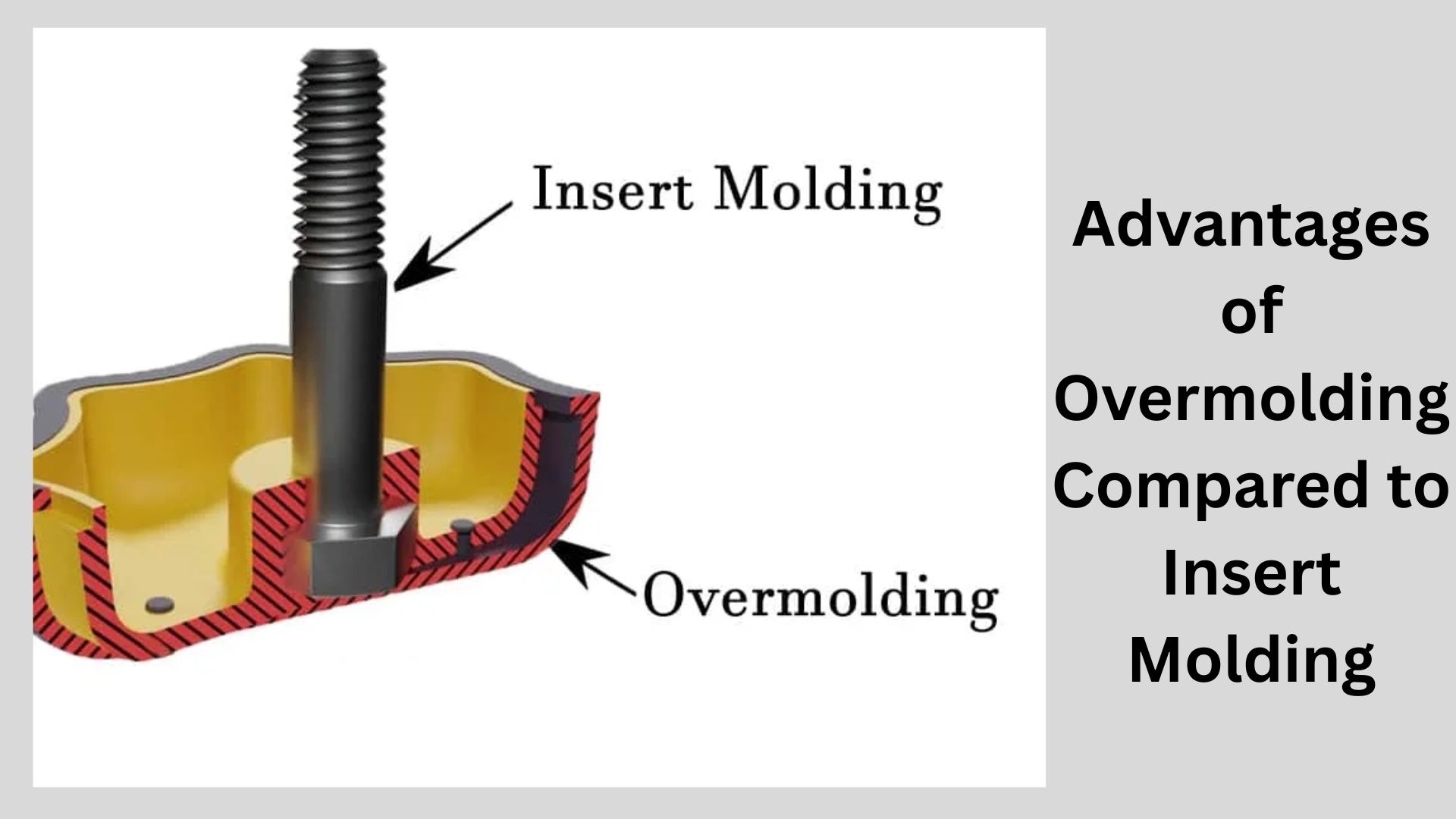
Thermoplastic, not Thermoplastic.

It is one of the most widespread overmolding combinations. The base material is a thermoplastic polymer, which is a polycarbonate (PC). It is then covered with a softer thermoplastic such as TPU. This composite enhances grip, comfort, and surface feel, and structural strength is not sacrificed.

Thermoplastic over Metal

This technique uses a thermoplastic material that is molded on top of a metal part. Metals like steel or aluminum are usually coated with plastics like polypropylene (PP). This assists in guarding against corrosion of the metal, reducing vibration, and decreasing noise during usage.

TPE over Elastomer.

This system employs a hard plastic recycled substrate like ABS with the addition of a flexible elastomer on the top. It is normally applied in products that require durability and flexibility, such as tool handles and medical equipment.

Silicone over Plastic

Silicone is also overmolded over plastic materials such as polycarbonate. This offers a high level of water resistance, sealing capability, and low tactile feel. It is commonly applied in medical and electronic devices.

TPE over TPE

Overmolding of different grades of thermoplastic elastomers can also be performed. This enables the manufacturers to produce products that have different textures, colors, or functional areas, within one part.

Is Overmolding the Right Choice?

When your product requires strength, comfort, and durability at the same time, üst kalıplama is the appropriate decision to make. It is particularly suitable when used with components that need a soft handle, impact resistance, or additional protection without adding more assembly processes. Overmolding can be used on products that are frequently touched, like tools, medical equipment, or even electronic cases.

Is Overmolding the Right Choice?

Nevertheless, overmolding does not apply to all projects. It is normally associated with increased tooling expenses and intricate mold pattern design as opposed to single-material molding. When production quantities are small or product design is basic, then the traditional molding processes could work out to be less expensive.
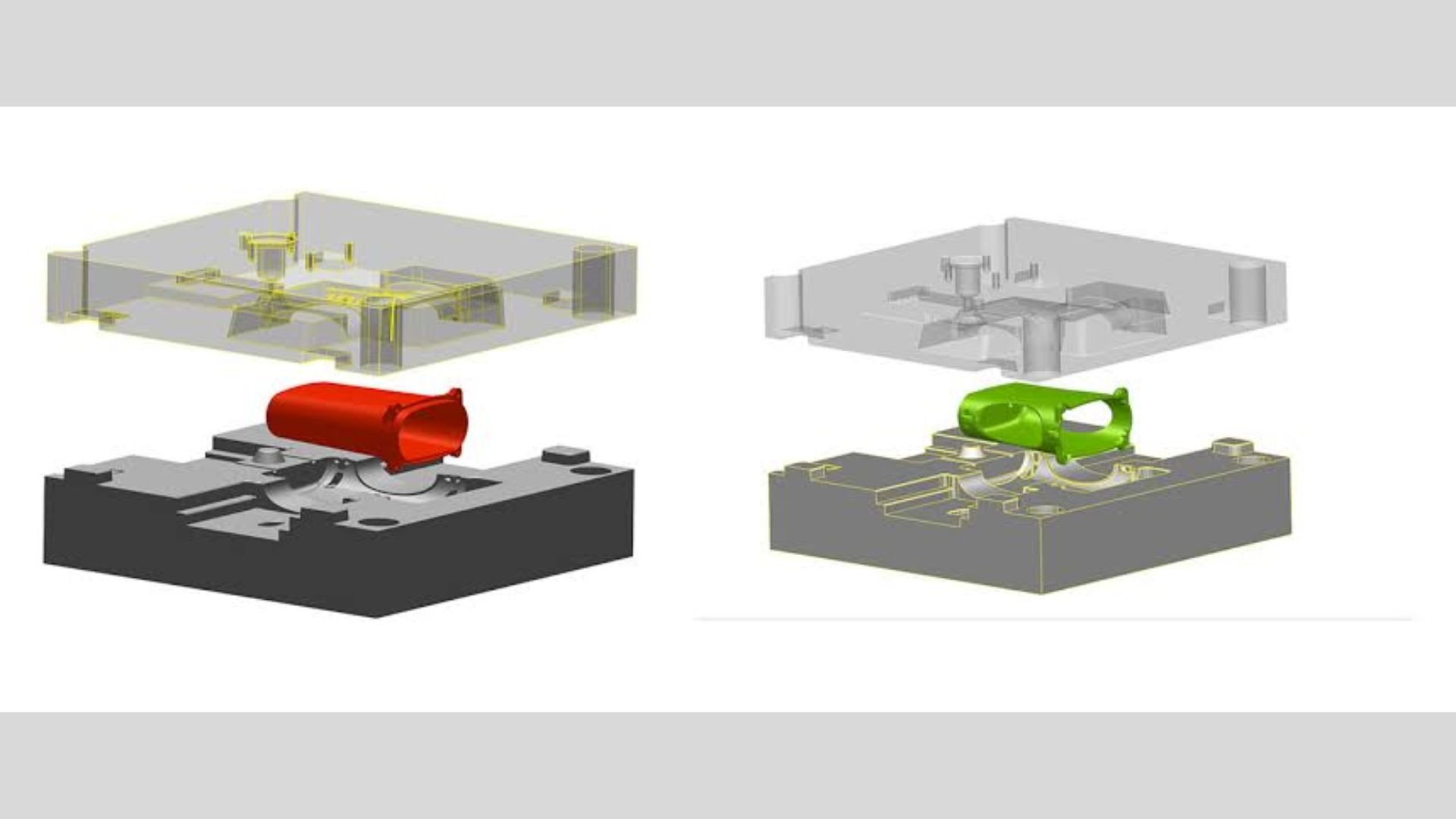
Assessing the material compatibility, volume of production, requirement of functionality, and budget with consideration at the initial design stage will help in deciding whether an overmolding solution is the most effective in addressing your project.

Examples of overmolding in the real-life

Toothbrushes

The handle is hard plastic. The grip is soft rubber. This eases the task of cleaning the teeth.

Phone Cases

The device is covered with hard plastic. Drop shock is absorbed on soft rubber edges.
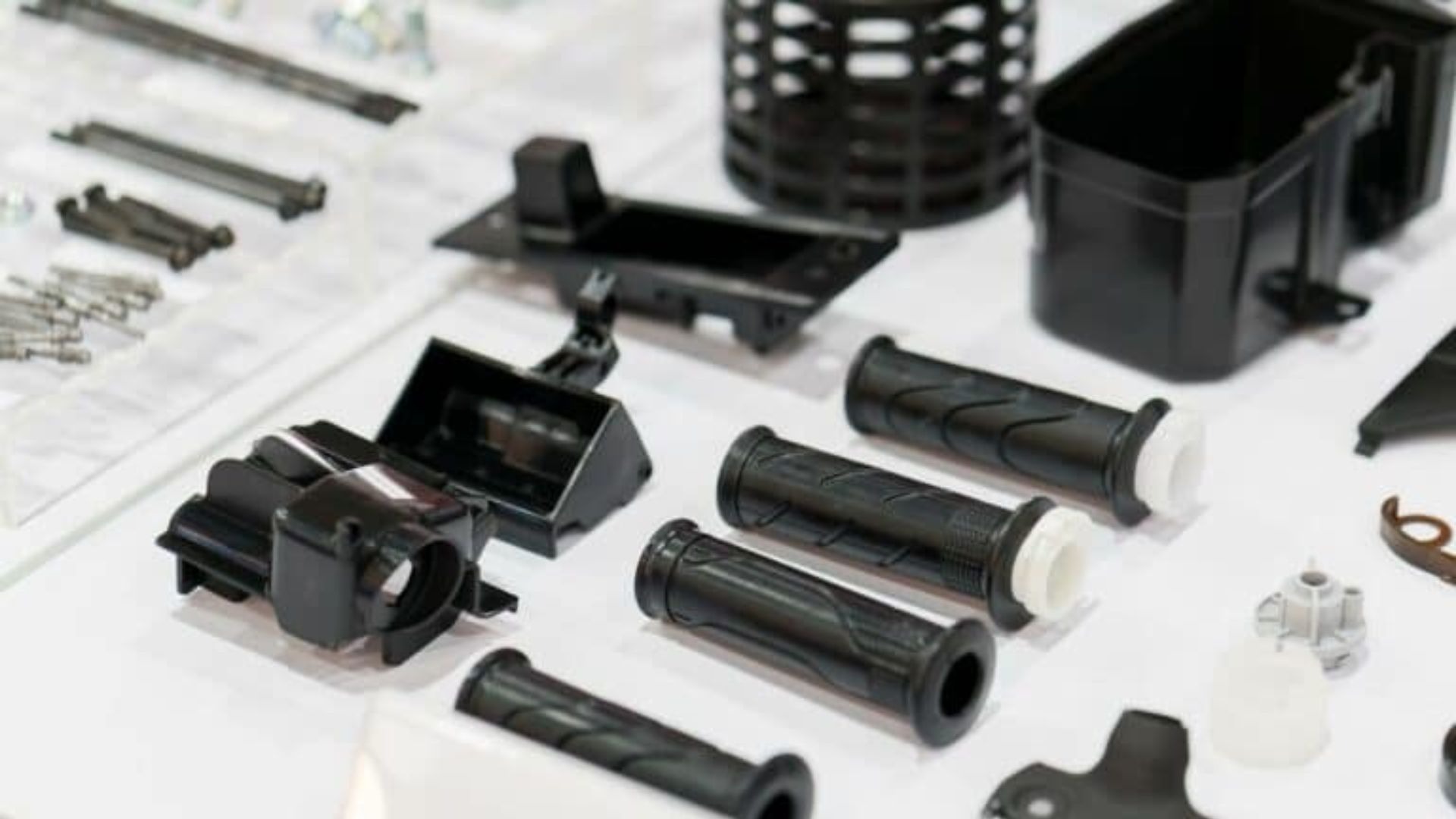
Power Tools

The rubber is overmolded on handles to minimize vibration and enhance safety.
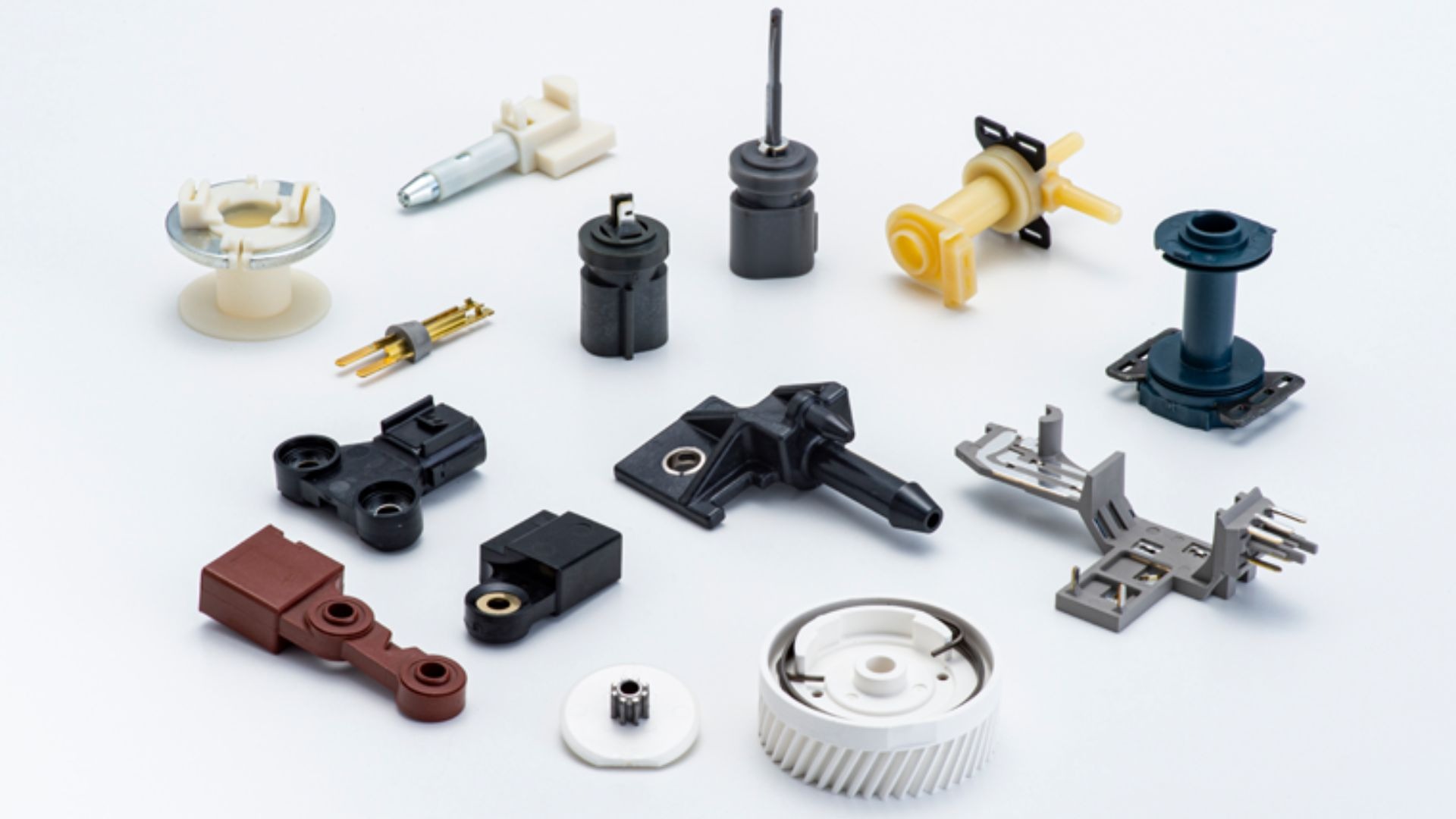
Car Interiors

Control knobs and buttons are usually soft in their feel, which makes the user experience better.

The following examples demonstrate the enhancement of usability, safety, and design of overmolding.

Sincere Tech – Your Hi-Fi partner in any kind of Molding

Sincere Tech is a trustworthy manufacturing partner that deals with all forms of molding, such as plastic injection molding and overmolding. We assist the customers with design up to mass production of products with precision and efficiency. With high technology and competent engineering, we provide high-quality parts in automotive, medical, electronics, and consumer markets. Visit Plas.co to get to know what we are capable of and offering.

Sonuç

Overmolding is a flexible and useful technique of manufacturing. It is a process that involves a combination of two or more materials to make products stronger, safer, and more comfortable. It is broadly applied in electronics, medical devices, automotive components, domestic appliances, and industrial tools.

This is done by a careful choice of the material, accurate shape of the molds, and by ensuring that the temperature and the pressure are kept in check. Overmolding has considerable benefits, even though it is faced with some challenges, such as increased cost and increased production time.

Overmolded products are more durable, ergonomic, appealing to the eye, and functional. One of the areas where overmolding has become an inseparable component of modern manufacturing is the case of everyday products, such as toothbrushes and phone cases, to more serious items such as medical equipment and automobile interiors.

Knowing about overmolding, we may feel grateful to the fact that it is due to simple decisions in the design that help to make the products more convenient to use and longer-lasting. Such a little yet significant process goes on to enhance the quality and functionality of the goods that we use in our daily lives.

Kesici uçlu kalıplama nedir? Süreç, kullanım alanları ve faydaları

The insert molding is a pertinent technology in present-day production. It is used in attaching metal or other elements to plastic. The process offers a unified, tough, and strong component. As an alternative to the step-by-step technique of having to assemble pieces after molding them, the insert molding technique fuses them. This will save on labour, time, and enhance the quality of the product.

China is a mammoth in the insert molding. It provides cost-efficient production. High-level factories and skilled labor have been established in the country. China is a producer of all-purpose materials. It leads global production.

This paper will discuss insert molding, its process, insert types, materials, design, available guidelines, its usage, advantages, and comparison with moulding processes in contemporary production.

İçindekiler

What is Insert Molding?

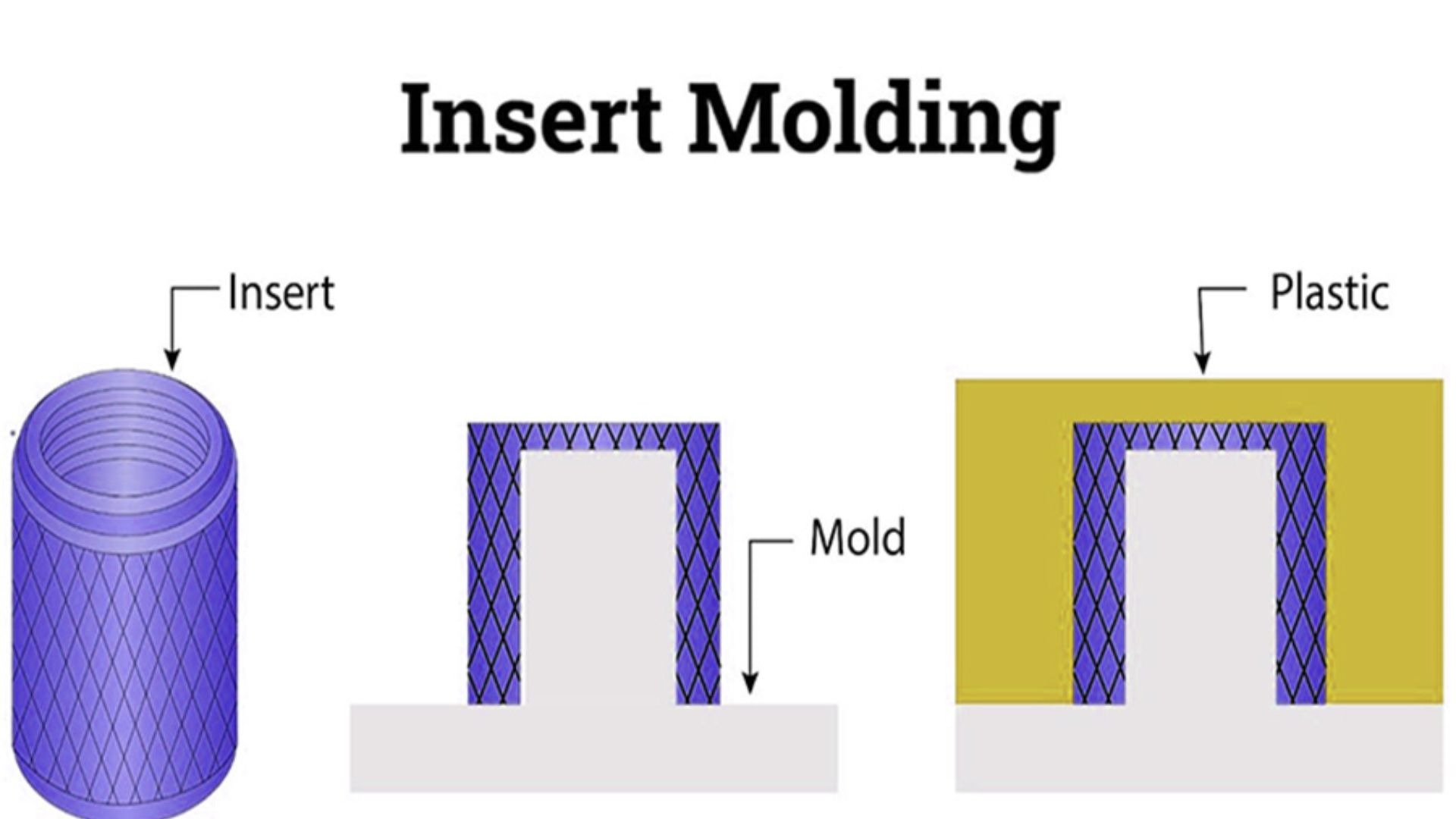
Insert molding is a process of plastic moulding. A part that has been assembled, usually a metal part, is placed into a mold. The next step is molten plastic injected around it. When plastic becomes hard, the plastic insert becomes a component of the end product. The technique is used in electronics and automotive industries, and also in the medical equipment industry.

What is Insert Molding?

The large advantage of the insert molding is strength and stability. Metal-inserted plastic parts are stronger in terms of mechanical strength. They can also be threaded and worn less as time progresses. This is especially essential in those parts that should be screwed or bolted many times.

Types of Inserts

The inserts used in insert molding have different varieties, which are used according to the purpose.

Metal Inserts

Metal inserts are the most widespread ones. These are either steel, brass, or aluminum. They are used on threaded holes for structural or mechanical strength.

Electronic Inserts

Electronic components that can be molded to appear in the form of plastic are sensors, connectors, or small circuits. This guarantees their safety and the reduction of assembly processes.

Other Materials

Some of the inserts are made in ceramics or composites to be utilized for special purposes. They are used in instances where heat resistance or insulation is required.

Choosing the Right Insert

It would depend on the part role and the type of plastic to make the decision. The major ones are compatibility, strength, and durability.

The Insert Molding Process

Single-step molding entails the incorporation of a metal or other element with a plastic tool. The insert is inserted into the ultimate product. This is a stronger and faster process compared to the assembly of parts that follows.

The Insert Molding Process

Preparing the Insert

The insert is rinsed in order to extract all the dirt, grease, or rust. It is also occasionally overcoated or rugged so that it becomes glued to plastic. It will not be destroyed by hot plastic when it is preheated to 65-100 °C.

Placing the Insert

The insert is placed with much care in the mold. Robots can insert it into large factories. Pins or clamps hold it firmly. The positioning of the right will prevent movement when the molding is taking place.

Injecting Plastic

This is accomplished by injecting the molten plastic to surround the insert. Their temperature range is between 180 and 343°C. Pressure is 50-150 MPa. To be strong, the holding pressure should be 5-60 seconds.

Soğutma

It is a solidification of the plastic. Smaller components take 10-15 seconds, and larger components take 60 seconds or above. Cooling channels prevent the warming up.

Ejecting the Part

The mold and ejector pins force the part out. Small finishing or trimming could then follow.

Important Points

The expansion of metal and plastic is not the same. Preheating and constant controlled mold temperature decreases the stress. This is done by the use of sensors in modern machines to achieve uniformity in the results in terms of pressure and temperature.

Key Parameters:

ParametreTypical Industrial RangeEffect
Injection Temperature180–343 °CDepends on plastic grade (higher for PC, PEEK)
Enjeksiyon Basıncı50–150 MPa (≈7,250–21,750 psi)Must be high enough to fill around insert surfaces without displacing them
Injection Time2–10 sShorter for small parts; longer for larger components
Holding Pressure~80% of injection pressureApplied after fill to densify material and reduce shrinkage voids
Holding Time~5–60 sDepends on material and part thickness

Types of common injections to be shaped 

Various types of inserts applied in injection molding exist, and they rely on the use. Each of the types contributes to the strength and performance of the final part.

The Insert Molding Process

Threaded Metal Inserts

Threaded inserts can be steel, brass, or aluminum. They allow the potential of screwing and bolting a number of times without the plastic being broken. The latter is common in automobiles, home appliances, and electronics.

Press-Fit Inserts

The press-fit inserts are those that are installed in a molded component without any additional attachment. As the plastic cools, it holds the insert and stabilizes it very well and powerfully.

Heat-Set Inserts

This is followed by the process of heat-setting inserts. When allowed to cool, the hot insert will fuse with the surrounding plastic to some extent, creating a very strong bond. They are generally used in thermoplastics, e.g., nylon.

Ultrasonic Inserts

In a vibration, ultrasonic inserts are installed. The plastic melts in the region surrounding the insert and becomes hard to create a tight fit. It is a precise and fast method.

Choosing the Right Insert

The choice of the right and left is according to the type of plastic, part design, and the load that is anticipated. The choice of metal inserts has been made based on strength, and the special inserts, like the heat-set inserts and ultrasonic inserts, have been evaluated on the basis of precision and durability.

Design Rules in the Industry of Insert Injection Molding

The design of parts to be inserted by use of molding should be properly planned. The accurate design ensures that there is high bonding, precision, and permanence.

Design Rules in the Industry of Insert Injection Molding

Insert Placement

The inserts will be inserted where they will be in a good position to be supported by plastic. They must not be very close to walls or thin edges because this can result in cracks or warping.

Plastic Thickness

Always make sure that the walls that surround the insert are of the same thickness. Due to an abrupt thickness change, uneven cooling and shrinkage can be experienced. The insert will typically have a 2-5 mm thickness, which is sufficient as far as strength and stability are concerned.

Malzeme Uyumluluğu

Take plastic and stuff it with adhesive materials. An example is a nylon that can be used with brass or stainless-steel inserts. Mixes that become excessive in heat must be avoided.

Kalıp Tasarımı

Add a good gate position and cooling arrangements to the mold. The plastic must be capable of moving freely about the insert and must not entrap air. The temperatures are stabilized by channels and prevented from warping.

Toleranslar

Correct tolerances of the insert components of the design. It only takes a small space of clearance of 0.1-0.3 mm in order to perfectly fit the insert without being loose or hard.

Reinforcement Features

The insert should be underpinned using ribs, bosses, or gussets. When used, these properties become widely distributed, thereby preventing cracking or movement of inserts.

Unsuitable Overmold Materials to use in an insert-molding process

The ideal process is the insert molding; however, the plastic is readily melted and easily flows throughout the process of molding. The plastic should also be attached to the insert to create a robust part. Preference is given to thermoplastics because they possess the correct melting characteristics and flow characteristics.

Unsuitable Overmold Materials to use in an insert-molding process

Styrene Acrylonitrile Butadiene Styrene

ABS is not only dimensional, but it is also easy to work with. It is best applicable to consumer electronics among other products that demand a high level of accuracy and stability.

Nylon (Polyamide, PA)

Nylon is strong and flexible. It is usually welded to metal inserts to a structural commodity, e.g, automotive bracketry or building component.

Polikarbonat (PC)

Polycarbonate is not only crack-free but also tough. It is applicable mostly in the provision of electronics enclosures and medical equipment, and other equipment that requires durability.

Polyetheretherketone (PEEK)

PEEK has a competitive advantage over the heat and chemical. It would apply to the high-performance engineering, aerospace, and medical fields.

Polipropilen (PP)

Polypropylene is not viscous, and neither does it respond to a high number of chemicals. It is used on domestic and consumer goods, and on automobile parts.

Polietilen (PE)

Polyethylene is cheap and also elastic. The primary use of this is in lighting, e.g., packaging or protective cases.

Thermal plastic Polyurethane (TPU) and Thermoplastic Elastomer (TPE)

TPU and TPE are rubber-like, soft, and elastic. They are perfect in over molding grips, seals, or parts that require impact absorption.

Choosing the Right Material

The choice of the overmold material is dictated by the part functionality, the task of the insert, and its functioning. It should also be a good flow plastic bonding the insert, besides providing the required strength and flexibility.

Part Geometry and Insert Placement:

 This feature applies to all parts.

Part Geometry and Insert Placement

 Part Geometry and Insert Placement:

 It is a feature that could be applied to any part.

The insert retention is dependent on the shape of the part. The insert positioning should be such that of adequate plastic around it. One should not have insurance too close to edges or narrow walls, as this can crack or bend.

The plastic surrounding the insert should be smooth in thickness. A sudden change in thickness can result in either nonuniform cooling or contraction. In the case of the insert, a normal 2-5 mm of plastic is sufficient in regard to strength and stability.

The design features that can be used to support the insert are ribs, bosses, and gussets. As it is used, they help in the dispersion of stress and the inhibition of movement. Once the insert is correctly installed, one is assured that the part is in place and that the part works effectively.

Technical Comparison of Thermoplastics for Insert Molding

MalzemeMelt Temp (°C)Mold Temp (°C)Injection Pressure (MPa)Tensile Strength (MPa)Impact Strength (kJ/m²)Shrinkage (%)Tipik Uygulamalar
ABS220–26050–7050–9040–5015–250.4–0.7Consumer electronics, housings
Nylon (PA6/PA66)250–29090–11070–12070–8030–600.7–1.0Automotive brackets, load-bearing parts
Polikarbonat (PC)270–32090–12080–13060–7060–800.4–0.6Electronics enclosures, medical devices
PEEK340–343150–18090–15090–10015–250.2–0.5Aerospace, medical, chemical applications
Polipropilen (PP)180–23040–7050–9025–3520–301.5–2.0Automotive parts, packaging
Polietilen (PE)160–22040–6050–8015–2510–201.0–2.5Packaging, low-load housings
TPU/TPE200–24040–7050–9030–5040–800.5–1.0Grips, seals, flexible components

The Advantages of the Insert Moulding

The Advantages of the Insert Moulding

Strong and Durable Parts

An insert molding process involves the combination of plastic and metal into a single entity. This makes the components tough, robust, and can be used over and over again.

Reduced Assembly and Labour

The insert will be inserted into the plastic, and no additional assembly will be required. This conserves time and labor and reduces the possibility of mistakes during assembly.

Precision and Reliability

The insert is firmly attached to the moulding. This guarantees that the dimensions are the same and that the mechanical strength is increased to increase the reliability of parts.

Design Flexibility

The fabrication of complex designs through the assistance of insert moulding would be difficult to produce through conventional assembly. It is possible to have metal and plastic being used in a novel combination to fulfil functional requirements.

Cost-Effectiveness

Insert molding will also reduce waste of materials, as well as assembly costs in large volumes of production. It improves effectiveness and overall quality of products, therefore long-term cost-effective.

The applications of the Insert Moulding

Otomotiv Endüstrisi

The automobile industry is a typical application of ekleme kalıplama. Plastic components have metal inserts, which provide the component, like brackets, engine parts, and connectors, with strength. This will render assembly less and durability more.

Elektronik

Electronics. The benefit of insert molding here is that it is possible to add connectors, sensors, and circuits to a plastic casing. This will guarantee the safety of the fragile components and make the assembly process relatively easy.

Tıbbi Cihazlar

The technology of insert molding is highly used in medical apparatuses that demand a high degree of accuracy and longevity. This is applied in the production of surgical equipment, diagnostic equipment, and durable plastic-metal combinations.

Tüketici Ürünleri

Consumer goods like power tools, appliances, and sports equipment are mostly molded with insert molding. It reinforces and simplifies the assembly of the process, and it makes ergonomic or complex designs possible.

Industrial Applications, Aerospace.

Bu ekleme kalıplama is also used in heavy industries and aerospace. High-performance plastics that are filled with metal have light and strong components that are heat-resistant and wear-resistant.

Materials Used

The action of the insert mode of molding requires the appropriate materials for the plastic and the insert. The choice will lead to power, stability, and output.

The Advantages of the Insert Moulding

Metal Inserts

The use of metal inserts is normally done because they are rough and durable. It comprises mainly steel, brass, and aluminium. In parts with a load, steel can be used, brass cannot be corroded, and aluminum is light.

Plastic Inserts

Plastic inserts are corrosion-resistant and light. They are used in low-load applications or applications in parts that are non-conductive. Plastic inserts can also be shaped into complex shapes.

The Ceramic and Composite Inserts.

Ceramic and composite inserts are used to obtain heat, wear, or chemical resistance. They are normally employed in aerospace, medical, and industrial fields. Ceramics are resistant to high temperatures, and composites are also stiff yet have low thermal expansion.

Thermoplastic Overmolds

The surroundings of the insert are a thermoplastic that is generally a plastic. Available options include ABS, Nylon, Polycarbonate, PEEK, Polypropylene, Polyethylene, TPU, and TPE. ABS is moldable, stable, Nylon is flexible and strong, and Polycarbonate is an impact-resistant material. TPU and TPE are soft and rubbery materials that are used as seals or grips.

Malzeme Uyumluluğu

Plastic and metal are supposed to grow in ratio to one another in order to eliminate strain or deformation. The plastics must be glued to the insert in case they should not separate. In plastic inserts, the overmold material should acquire adhesive to ensure that it becomes strong.

Material Selection Tips

Consider the load, temperature, chemical, and part design exposure. The metal inserts are durable, the plastic inserts are lightweight, and the ceramics can withstand extreme conditions. The overmold material must have the capability of meeting all the functional requirements. 

Cost Analysis

The inserted plastic will enable the saving of the money that would have been utilized in the attachment of the single parts. The decrease in the assembly levels will mean a decrease in the number of labourers and a faster production speed.

Initial costs of moulding and tooling are higher. Multiplex molds having a set of inserts in a certain position are more expensive. However, the unit cost is lower when the level of production is large.

Choice of material is also a factor of cost. Plastic inserts are less expensive than metal inserts. PEEK is a high-performance plastic that is costly in comparison to the widely used plastics, including ABS or polypropylene.

Overall, the price of insert moulding will be minimal in the medium to high volume of production. It will save assembly time, improve the quality of the parts, and reduce long term cost of production.

The problems with the Molding of Inserts

Despite the high efficacy of the insert molding, it has its problems, too:

Thermal Expansion: We will have rate differences and therefore warp in metal and plastic.

Insert Movement: Inserts can move, already in the injection process, unless firmly fixed.

Material Compatibility: Not all plastics can be compatible with all metals.

Small Run Mould tooling and set-up Cost: Mould tooling and set-up can be expensive at very small quantities.

These problems are reduced to a minimum by designing well, mould preparation, and process control.

Insert Kalıpçılığın Geleceği

The insert moulding is in the development stage. New materials, improved machines, and automation are being used to increase efficiency, and 3D printing and hybrid manufacturing processes are also becoming opportunities. Its ability to produce lightweight, strong, and precise parts due to the necessity of the parts is that the insert moulding will be a significant production process.

The Advantages of the Insert Moulding

When it comes to Assistance with Sincere Tech

In the case of insert moulding and overmoulding, we offer high-quality, correct, and reliable moulding solutions of moulding at Sincere Tech. Our technology and hand-craft workers will ensure that every part will be as per your specification. We are strong in the long-lasting, complicated, and economical automobile, electronic, medical, and consumer goods moulds. Your manufacturing process is easy and efficient, and this is due to our turnaround times and great customer service. You are moving to Sincere Tech, and with the company will work in line with precision, quality, and your success. Trust us and have your designs come true for us correctly, dependably, and to industry standards.

Sonuç

Insert moulding is a production process that is flexible and effective. It allows designers to employ a single powerful component that is a combination of metal and plastic. The use of insert moulding in industries over the years is due to its advantages that include power, precision, and low cost. But it is getting more confident along with the advancements in materials and automation. The solution to manufacturing by insert molding is time saving, cost reduction, and high-quality products in the context of modern manufacturing.

Akrilik Enjeksiyon Kalıplama: Eksiksiz Kılavuz

Akrilik enjeksiyon kalıplama, yüksek kalitede plastik ürünler üretmeye yönelik yeni bir teknoloji olarak tanımlanabilir. Bu teknik otomotiv endüstrisinde, sağlık sektöründe, tüketim mallarında ve elektronikte geniş bir uygulama alanına sahiptir. Özellikle şeffaf, sağlam ve çekici ürünler yapmasıyla ünlüdür.

Çin, akrilik kalıplama işinin önemli bir parçasıdır. Çin, yüksek kaliteli akrilik kalıplar ve parçalar üreten büyük miktarlarda fabrikaya sahiptir. Uluslararası pazarlara uygun maliyetli, güvenilir ve ölçeklenebilir üretim sunarlar.

Bu makale enjeksiyon kalıplama sürecini, kalıp türlerini, uygulamaları ve akrilik enjeksiyon kalıplamadaki en iyi uygulamaları kapsamaktadır.

İçindekiler

Akrilik Enjeksiyon Kalıplama Nedir?

Akrilik enjeksiyon kalıplama akrilik plastiğin eriyene kadar ısıtıldığı ve ardından bir kalıba enjekte edildiği bir uçak üretim tekniğidir. Plastik sertleşir ve belirli bir şekle katılaşır. Bu süreç, karmaşık ve tutarlı parçaların büyük ölçekli üretiminde çok kullanışlıdır.

Akrilik peletler küçüktür ve başlangıç gıda malzemesi olarak kullanılır. Bunlar eriyene kadar ısıtılmış bir varile dökülür. Daha sonra erimiş akrilik, akrilik kalıplar ile yüksek basınçlı kalıba enjekte edilir. Kalıplar soğutulur ve açılır ve bitmiş ürün dışarı atılır.

Süreç, diğer kalıplama yöntemlerinden farklı olarak hızlı, doğru ve ekonomiktir. Kaliteye dokunmadan üretim miktarına ihtiyaç duyulan endüstrilere uygundur.

Akrilik Enjeksiyon Kalıplama Nedir?

Akrilik Kalıplamanın Faydaları

Akrilik kalıplamanın sayısız faydası vardır.

  • Büyük Şeffaflık: Akrilik ürünler çok şeffaftır. Görsel olması gereken durumlarda sıklıkla uygulanırlar.
  • Dayanıklılık: Akrilik dayanıklıdır ve çizilmeye karşı dirençlidir.
  • Karmaşık Şekiller: Diğer plastiklerle yapılması zor olan karmaşık tasarımları yapabilmektedir.
  • Uygun Maliyetli: Kalıplar oluşturulduktan sonra kısa sürede binlerce parça oluşturulabilir, bu da süreci daha az pahalı hale getirir.
  • Tutarlılık: Her parti bir öncekiyle aynıdır ve yüksek miktarlarda kalite sağlanır.

Akrilik kalıplama hızlı ve doğrudur ve bu nedenle endüstrilerde kalite ve hızın beklendiği yerlerde iyi bir seçenektir.

Akrilik Enjeksiyon Kalıplama keşfedildi

20. yüzyılın ortalarında, üreticiler PMMA'yı şekillendirmek için daha hızlı ve daha doğru bir yöntem bulmak istediklerinden, sürecin üreticileri akrilik enjeksiyon kalıplama sürecini geliştirmeye başladılar. Daha önce, yavaş ve iş tüketen bir süreç olan akrilik kalıplamanın birincil süreci olarak döküm kullanılıyordu.

Akrilik peletleri 230-280 °C sıcaklıklarda eritebilen ve bunları küçük akrilik kalıplara enjekte edebilen makineler 1940'lı ve 1950'li yıllarda Almanya ve Amerika Birleşik Devletleri'ndeki mühendisler tarafından icat edildi. Bu buluş, tek tip boyutlara sahip karmaşık ve yüksek kaliteli parçaların üretilmesini mümkün kılmıştır.

Günümüzde akrilik kalıplama olarak bilinen akrilik enjeksiyon teknikleri otomotiv, tıbbi cihazlar ve tüketici ürünleri gibi sektörleri dönüştürdü. Akrilik plastik kalıplama sadece zamanı azaltmakla kalmayıp aynı zamanda verimliliği de arttırdı, aynı zamanda sıkı toleranslara (+-0.1 mm) sahip ve optik olarak şeffaf (>90% ışık geçirgenliği) parçalar üretti.

Akrilik Enjeksiyon Kalıplama keşfedildi

Akrilik Kalıp Çeşitleri

Akrilik kalıpların çeşitli türleri vardır; her model, gerekli üretim yapısına ve ürünün karmaşıklığına göre üretilir. Uygun bir tipin seçilmesi, akrilik kalıplamada yüksek kalite ve verimlilik sonuçlarını garanti eder.

Tek Boşluklu Kalıplar

 Tek gözlü kalıplar, her enjeksiyon döngüsünden sonra tek bir parça yapmak için yapılır. Üretimin küçük olduğu durumlarda veya prototip projelerde kullanılabilirler. Tek gözlü kalıplarda, yanlış şekillendirme ve belirsiz yüzeyler sorunuyla uğraşmak zorunda kalmamak için akrilik malzemenin enjeksiyonla kalıplanması işlemi söz konusu terim kullanılarak yapılır.

Çok Boşluklu Kalıplar

 Çok gözlü kalıplar tek bir döngü içinde çok sayıda kopya üretebilir. Bu da onlara büyük çaplı üretim için ideal uygunluk sağlar. Çok gözlü kalıplar, tutarlılığı sağlamak ve üretim süresini en aza indirmek için sıklıkla akrilik ile kalıplanır.

Aile Kalıpları

Tek bir döngüde, aile kalıpları çeşitli parçalardan bazılarını üretir. Bu, bir ürün montajını oluşturan bileşenlerin formüle edilmesinde pratik olan bir türdür. Aile kalıpları, birden fazla parçanın aynı anda üretilmesini sağlayan akrilik plastik kalıplama kullanabilir, bu da hem zamandan hem de maliyetten tasarruf sağlar.

Sıcak Yolluk Kalıpları

Sıcak yolluk kalıpları plastiğin kanallarda tutulmasını sağlayarak israfı en aza indirir ve verimliliği artırır. Sıcak yolluk sistemleri, pürüzsüz yüzeyli ve daha az kusurlu yüksek hassasiyetli ürünlere uyan akrilik kalıplar kullanır.

Soğuk Yolluk Kalıpları

Soğuk yolluk kalıpları, kalıplanan parça ile birlikte soğuyan kanallar kullanır. Daha az maliyetlidirler ve üretilmeleri daha kolaydır. Birçok küçük ve orta ölçekli üretici, üretimlerini ucuza yapmak için soğuk yolluk kalıplarını kullanarak akrilik kalıplamayı tercih eder.

Sözde akrilik kalıpların uygun tipinin seçimi, üretim hacmine, ürünün tasarımına ve bütçeye göre belirlenir. Doğru kalıp seçimi, akrilik enjeksiyon kalıplamanın daha iyi performans göstermesine ve yüksek kalitede bitmiş ürünlere yol açar.

Akrilik Plastik Kalıplama Teknikleri

Akrilik plastik kalıplama, akrilik maddeleri kullanışlı ve çekici ürünlere dönüştürmek için çeşitli yöntemler kullanma sürecidir. Her iki yaklaşımın da tasarım, üretim hacmi ve ürünün ihtiyaçlarına göre belirlenen güçlü yönleri vardır.

Akrilik Plastik Kalıplama Teknikleri

Enjeksiyon Kalıplama

Akrilik enjeksiyon kalıplama olarak adlandırılan en popüler olanı, akrilik peletler olarak adlandırılan akrilik alt birimlerin eriyene kadar ısıtılması ve akrilik kalıplara enjeksiyonundan oluşur. Soğutulduktan sonra plastik istenilen şekilde katılaşacaktır. Bu, büyük miktarlarda yüksek hassasiyetli bir ürün yapmak için en iyi yöntemdir.

Sıkıştırma Kalıplama

 Akrilik levhalar sıcak bir kalıba konur ve sıkıştırma kalıplamasında şekillendirmek için preslenir. Bu teknik daha kalın kesitlere ve düz tasarımlara uygulanabilir. Akriliğin sıkıştırma kalıplaması, kalınlık ve mukavemet açısından tek tip olmasını sağlamak için kullanılır.

Ekstrüzyon

Uzun sürekli profiller, erimiş akriliğin şekillendirilmiş bir kalıba zorlandığı ekstrüzyonla yapılır. Ekstrüzyon ile akrilik kalıplama tüpler, çubuklar ve levhalar gibi ürünlerde kullanılır. Enine kesitlerde ve yüzeylerde bile.

Termoform

Termoform tekniği, akrilik levhaları bükülebilir hale gelene kadar ısıtır ve vakum veya basınçla bir kalıp üzerinde şekillendirir. Bu yaklaşım büyük veya büyük olmayan ürünlerde işe yarar. Termoform, makul derecede düşük bir maliyetle düşük ila orta hacimli akrilik plastik kalıpları üreten bir tekniktir.

Rotasyonel Kalıplama

Rotasyonel kalıplama da akrilikle kullanılır, ancak kalıbın içini eşit şekilde kaplamak için ısıtma sırasında kalıp döndürülür. Bu teknik kullanılarak çukurlu şekiller etkili bir şekilde yapılabilir. Rotasyonel kalıplarda, bazı tasarımlara uyması için akrilik kalıplama esnekliği vardır.

Akrilik Kalıplama Süreci

Akrilik kalıplama, ham akrilik malzemenin yüksek kalitede bitmiş parçalara dönüştürüldüğü önemli ve teknik bir süreçtir. Prosedür çeşitli işlemlerle birlikte gelir ve her işlem, akrilik kalıplama sürecinde en iyi sonucu sağlamak için sıcaklık, basınç ve zamanın hassas bir şekilde kontrol edilmesini gerektirir.

Akrilik Kalıplama Süreci

Malzeme Hazırlama

Reaksiyon, farklı boyutlarda olabilen (genellikle 2-5 mm çapında) yüksek kaliteli akrilik peletlerle başlar. Peletlerin nem içeriği 0,2'den az olmalıdır ve daha fazla nem kalıplama sürecinde kabarcıklara yol açabilir. Peletler normalde kullanımdan önce en az 2-4 saat içinde 80-90 derece C'de bir hazne kurutucuda kurutulur.

Eritme ve Enjeksiyon

Kurutulmuş peletler enjeksiyon kalıplama makinesinin haznesine yerleştirilir. Varilin sıcaklığı, kullanılan akrilik derecesine bağlı olarak 230-280 °C'de tutulur. Peletler, erimiş formda homojen bir akrilik karışımı oluşturmak için vida mekanizması tarafından eritilir.

Akrilik daha sonra yüksek basınçta - normalde 70-120 MPa - eritildikten sonra akrilik kalıplara enjekte edilir. Enjeksiyon süresi parçanın boyutuna bağlıdır ve küçük ila orta boy parçalar yaklaşık 5 ila 20 saniye sürer.

Soğutma

Akrilik soğudukça ve katılaşma gerçekleştikçe enjeksiyondan sonra basınçlı bir kalıp yerleştirilir. Soğuma süresi parçaların kalınlığına göre değişir:

  • 1-2 mm kalınlığında: 15-20 saniye
  • 3-5 mm kalınlığında: 25-40 saniye
  • 5 mm'nin üzerinde kalınlık: 45-60 saniye

Soğutma, bükülme, büzülme veya yüzey kusurlarını ortadan kaldırmak için gereklidir. Yerleşik kalıplar, sıcaklıkları gerekli spesifikasyonlarda tutmak için su borularından veya yağ soğutmadan da yararlanabilir.

Kalıp Açma ve Ejeksiyon

Kalıp soğuduktan sonra açılır ve parça mekanik veya hidrolik itici pimlerle çıkarılır. Fırlatma kuvvetinin yüzeye zarar vermemesini veya deforme etmemesini sağlamak için sınırlandırılması gerektiğine dikkat edilmelidir.

İşlem Sonrası

Parça ayrıca fırlatıldıktan sonra parçanın kırpılması veya parlatılması veya tavlama gibi son işlem prosedürlerinden de geçebilir. 80-100 derece C sıcaklıklarda 1-2 saat yaşlandırma, iç gerilmelerin giderilmesine ve netlik ve mukavemetin artırılmasına yardımcı olur.

Kalite Denetimi

Münferit bileşenler hava kabarcıkları, eğrilik ve boyutluluk gibi kusurlara karşı kontrol edilir. Kumpaslar kullanılır veya lazer taraması yapılır ve yüksek hassasiyetli bileşenlerle uğraşırken toleransın + 0,1 mm içinde olmasına izin verilir. İyi kalitede akrilik plastik kalıplama uygulaması, tüm ürünlerinin endüstri standardı olmasını sağlamıştır.

Süreç Parametrelerinin Özeti:

AdımParametreDeğer
KurutmaSıcaklık80-90°C
KurutmaSüre2-4 saat
Namlu SıcaklığıEriyik Akrilik230-280°C
Enjeksiyon Basıncı70-120 MPa
Soğutma Süresi1-2 mm kalınlığında15-20 saniye
Soğutma Süresi3-5 mm kalınlığında25-40 saniye
Soğutma Süresi>5 mm kalınlığında45-60 sn
TavlamaSıcaklık80-100°C
TavlamaSüre1-2 saat
Boyutsal Tolerans±0,1 mm

Aşağıdaki teknolojik özelliklere sahip akrilik kalıplama, her bir ürünün kalitesini, doğruluğunu ve verimliliğini garanti eder. Akrilik enjeksiyon kalıplama işlemi, bileşenlerin tutarlı bir şekilde üretilmesini sağlayan optimize edilmiş koşullar kullanılarak net, dayanıklı ve boyutsal olarak doğru bileşenler üretmek için kullanılabilir.

Akrilik Enjeksiyon Kalıplama Kullanım Alanları

Akrilik enjeksiyon kalıplama, doğruluk, netlik ve uzun ömürlülüğün gerekli olduğu sektörlerde yoğun olarak uygulanmaktadır.

Akrilik Enjeksiyon Kalıplama Kullanım Alanları

Otomotiv Endüstrisi

Kuyruk lambaları, gösterge panelleri ve kaplamalar akrilik kalıplar sonucunda yapılır. Parçalar tipik olarak 1,5-5 mm kalınlığında ve -40 °C ila 80 °C sıcaklık aralığındadır. Berraklık ve uzun ömürlülük akrilik kalıplama ile garanti edilir.

Sağlık hizmetleri ve tıbbi ekipman.

Laboratuvar ekipmanları, alet kapakları ve koruyucu kalkanlar Akrilik plastik kalıplama işlemi ile üretilmektedir. 0,1 mm toleranslara ve sterilize edilebilme özelliğine sahip parçalara ihtiyaç vardır. Akrilik enjeksiyon kalıplama pürüzsüz ve doğru yüzeyler sağlar.

Tüketici Elektroniği

Akıllı telefon kapakları, LED muhafazaları ve koruyucu ekranlar akrilik ile kalıplanır. Parçanın yüzeyinde 90%'yi aşan bir parlaklık ve doğru boyutlar olmalıdır.

Ev ve dekorasyon ürünlerinde Amfetamin, Metamfetamin ve amfetaminler.

Kozmetik kapları, vitrinler ve paneller gibi ürünler akrilik plastik kalıplama kullanılarak üretilmektedir. Ortalama kalınlık 2 ila 8 mm arasında değişir ve bu da pürüzsüz, net ve renkli yüzeyler ile eşit yüzeyler sağlar.

Elektrikli Bileşenler, Aydınlatma ve Optik.

Akrilik enjeksiyon kalıplama, LED lenslerin, ışık difüzörlerinin ve tabelaların netliğinde kullanılır. Parçalar, belirli açılarda ve kalınlıklarda 90%'nin üzerinde ışık geçirgenliğine ulaşır.

Endüstriyel Ekipmanlar

Akrilik kalıplamaya dayanan makine korumaları, gösterge panelleri ve şeffaf kapların kullanımı söz konusudur. Bileşenlerin 15-20 kJ/m2'lik bir darbe dayanımına sahip olması ve şeffaf olması gerekmektedir.

Tipik Uygulamalar
Bu Çerçeve, hükümetin kalite, maliyet ve erişilebilirlik gibi sağlık hizmetlerinin tüm temel özelliklerini ve sağlanan hizmetlerin miktarını kontrol ettiği durumlarda uygulanır.

Endüstri

  • Ürün Örnekleri
  • Temel Özellikler
  • Otomotiv
  • Kuyruk lambaları, gösterge panelleri
  • kalınlık 1,5-5 mm, Sıcaklık 40 °C ila 80 °C

Sağlık Hizmetleri

  • Test tüpü rafları, kalkanlar
  • Tolerans -0,1 mm, sterilizasyona dayanıklı.

Elektronik

  • Kapaklar, muhafazalar
  • Yüzey parlaklığı 90, boyutsal kararlılık.

Tüketim Malları

  • Kozmetik içeren kaplar, sergi kutuları.
  • Kalınlık 2-8 mm, pürüzsüz yüzey
  • Aydınlatma
  • LED lensler, difüzörler
  • 90'dan fazla ışık geçirgenliği, doğru geometri.
  • Endüstriyel
  • Korumalar, konteynerler
  • Darbe dayanımı 15-20 kJ/m2, berrak.

Akrilik Kalıplama Kalite Kontrolü

Akrilik kalıplamada, standartlara uygun parçalara sahip olmak için kalite esastır. Bazı küçük kusurlar performans ve görünüm üzerinde etkili olabilir.

Parçaların Kontrolü

Tüm bileşenler hava kabarcıklarına, bükülmelere ve yüzeydeki çiziklere karşı incelenir. Toleransın +-0,1 mm aşılmaması için ölçüm yapmak üzere kumpaslar veya lazer tarayıcılar kullanılır. Akrilik enjeksiyon kalıplama süreci, çıktının yüksek kalitesini sağlamanın bir yolu olarak düzenli kontrollere bağlıdır.

Kalıp Bakımı

Düzenli olarak temizlenmesi ve denetlenmesi sağlanarak kusurlar önlenir ve kalıbın ömrü uzatılır. Eski kalıplar ölçülerde yanlışlığa veya pürüzlü yüzeylere yol açabilir.

Süreç İzleme

Akrilik kalıplama işlemi sırasında sıcaklık, basınç ve soğutma süreleri sürekli olarak kontrol edilir. Hataları önlemek için varil sıcaklıkları ortalama 230-280°C ve enjeksiyon basıncı 70 ila 120 Mpa arasında değişmektedir.

Son Test

Komple bileşenler işlevsel ve görsel testlerle test edilir. Örnek olarak, optik bileşenlerin ışık aktarımı (yüzde 90'dan fazla) ve yapısal parçaların darbe dayanımı (15-20 kJ/m2) açısından incelenmesi gerekir.

Bu, güvenilir, doğru ve estetik açıdan kusursuz akrilik plastik kalıplama parçaları üretmek için nihai ürünün kalitesi üzerinde sıkı bir dizgin tutarak elde edilebilir.

Uygun Akrilik Enjeksiyon Kalıplama İttifakının Seçilmesi

Yüksek kaliteli üretim söz konusu olduğunda, akrilik enjeksiyon kalıplama üreticisinin doğru seçimi çok önemlidir.

Uygun Akrilik Enjeksiyon Kalıplama İttifakının Seçilmesi

Deneyim ve Uzmanlık

Akrilik kalıplama ve akrilik kalıplama konusunda deneyimi olan ortaklar bulun. Deneyimli mühendisler kalıp tasarımını, enjeksiyonu ve sonlandırmayı spesifikasyonlara göre en üst düzeye çıkarabilir.

Ekipman ve Teknoloji

Sıcaklığı (230-280 °C), enjeksiyon basıncını (70-120 Mpa) düzenleyen yenilikçi makineler, ürün tutarlılığını artırmada çok özeldir. Yüksek kaliteli akrilik kalıplar ve otomatik sistemler sayesinde hata ve israf en aza indirilir.

Kalite Güvence

Güvenilir bir tedarikçi söz konusu olduğunda, boyut kontrolleri (-0,1 mm tolerans dahilinde) ve yüzey kontrolleri gibi parçalarının titiz kontrollerini içerirler. Doğru QA ile akrilik plastik bileşenlerinin net, dayanıklı ve hatasız olması sağlanır.

İletişim ve Destek

İyi üreticiler tasarım ve üretim sürecinde etkileşim halindedir. Kalıpların optimizasyonuna, malzeme önerilerine ve malzeme döngü süresi optimizasyonuna yardımcı olurlar.

Başarılı Akrilik Kalıplama İçin Öneriler

Yüksek kaliteli, doğru ve dayanıklı parçalara sahip olmak için akrilik kalıplamada en iyi uygulamaların takip edilmesi tavsiye edilir.

Başarılı Akrilik Kalıplama İçin Öneriler

Yüksek Kaliteli Malzeme Kullanın

0,2'den daha az nem içeriğine sahip 2-5 mm boyutunda akrilik peletlerle başlayın. 80-90°C'de 2-4 saat kurutma, akrilik kalıplanırken kabarcıkların ve yüzey kusurlarının giderilmesine yardımcı olur.

Kalıp Tasarımını Optimize Edin

Uygun bir havalandırmalı tasarım oluşturun ve akrilik kalıpları uygun soğutma kanalları ve enjeksiyon noktaları ile tasarlayın. Akrilik enjeksiyon kalıplama sürecinde çarpılma, büzülme ve döngü süresini en aza indirir.

Kontrol Süreci Parametreleri

Varil sıcaklığını 230-280 °C'de ve enjeksiyon basıncını 70-120 Mpa'da tutun. Soğutma süresi parça kalınlığına eşdeğer olmalıdır:

  • 1-2 mm - 15-20 sn
  • 3-5 mm - 25-40 sn
  • 5 mm - 45-60 sn

Düzenli Olarak İnceleyin

Parçaların boyutlarını (boyutlarda maksimum hata 0,1 mm), ışık noktalarını ve optik netliği (90%’den daha yüksek iletim) kontrol edin. Akrilik plastik kalıplamanın avantajı, tutarlı denetim gerçekleştirme yeteneğinde yatmaktadır.

Kalıpların Bakımını Yapın

Aşınmayı önlemek ve sorunsuz ve tutarlı üretim sağlamak için kalıpları yıkayın ve temizleyin. Kalıplanmış akrilik, verimliliği ve parça kalitesini artırır.

Tüm bu ipuçları, akrilik enjeksiyon kalıplama işlemine her seferinde kesin, daha az çekici olmayan ve mükemmel şekilde doğru bileşenler verecektir.

Yaygın Kusurlar ve Önlenmesi

Doğru akrilik enjeksiyon kalıplama durumunda bile kusurlar yaşanabilir. Sebepler ve çözümler hakkında bilgi sahibi olmak akrilik kalıplama kalitesini garanti eder.

Yaygın Kusurlar ve Önlenmesi

Air Bubbles

Any air present in acrylic molds may produce bubbles on the surface.

Recommendation: Drying of acrylic NP with less than 0.2 percent moisture, correct ventilation of molds, and injection pressure of 70-120 Mackey’s.

Çarpıtma

Warping occurs, whereby the parts do not cool equally, hence they are distorted.

Resolution: homogeneous cooling channels, temperature of part, and part cooling time depending on part thickness (e.g., 1-2 mm – 15-20 sec, 3-5 mm – 25-40 sec).

Lavabo İşaretleri

The sink marks are formed when the thick parts contract during cooling.

Solution: maximize the wall thickness, packing pressure, and adequate cooling rates in molding acrylic.

Kısa Atışlar

Short shots occur when the molten acrylic fails to fill the mold.

Resolution: Turn on more pressure in the injection press, clear blockages in acrylic molds, and verify correct barrel temperature (230-280 °C).

Surface Defects

Rough or scratches decrease transparency in acrylic plastic molding.

Remedy: Polish molds, do not use too much ejection power, and keep processing areas clean.

Outlook of Acrylic Injection Molding

Technology, efficiency, and sustainability are the future of acrylic injection molding.

Outlook of Acrylic Injection Molding

Advanced Automation

The acrylic molding is becoming more and more automated and robotic. Temperatures (230-280°C) and injection pressures (70-120 Mpa) can be controlled with accuracy by machines. Automation in the production of acrylic by molding lowers human error and enhances the cycle times.

3D Printing and Prototyping

The molds in the acrylic prototype are accomplished by 3D printing within a limited time. This allows the engineers to carry out experimentation with designs and optimization of molds before the production is done in full. Acrylic plastic molding is faster and cheaper due to the quick prototyping.

Sustainable Materials

It is becoming a norm to recycle the acrylic waste and develop materials that are friendly to the environment. Pellets recycled in the production of acrylic products under the injection molding process will result in a reduced environmental impact, though it will not impact the quality of the product.

Improved Product Quality

In the future, there will be increased optical clarity (>90 percent light transmission), surface finish, and dimensional controls (+-0.1 mm) in what is termed acrylic molding. This strengthens products, making them clearer and more precise.

Industry Growth

With the growing need for durable, lightweight, and clear products, the market will be broadening on the activities of molding acrylic in the automotive, medical, electronic, and consumer goods sectors.

Through technology and sustainability adoption, acrylic injection molding will continue to be one of the manufacturing processes used in high-quality and efficient production.

Sincere Tech: Your Reliable Provider of Acrylic Injection Molding.

Sincere Tech (Plas.co) offers services of precision plastic molding and acrylic enjeksiyon kalıplama, which can be trusted. We have strong, accurate, and appealing parts, which are guaranteed by our high-technology and skilled workforce. We deal with custom-made acrylic molds and solutions that we make according to your design specifications.

Wholesome and Trustworthy Solutions.

We perform one-stop shopping prototype and product design up to large-scale production. You will be handling high-quality, durable, and reliable parts in our hands with our experience in acrylic molding and molding acrylic.

Reason to select Sincere Tech (Plas.co)?

The examples of our work can be viewed at https://plas.co. If you are seeking the best in terms of quality, precision, and good service, then Sincere Tech (Plas.co) is your partner when you are in search of the best in molding solutions.

Sonuç

Acrylic molding and acrylic injection molding are essential processes in the current production. They provide quality, long-lasting, and fashionable products that can be used in most industries. It is efficient and reliable, starting with the design of acrylic molds, to the creation of the consistent parts.

When manufacturers adhere to the best practices and select the appropriate partner, high-quality products can be produced with the help of the use of molding acrylic. The further maturation of technology means that acrylic injection molding will be one of the most important in the development of innovative, accurate, and aesthetic products.

Cam Dolgulu Naylon Enjeksiyon Kalıplama Hakkında Bilmeniz Gereken Her Şey

Glass-filled nylon Injection molding is a very important process in present-day manufacturing. The process is an integration of the plastics that are flexible and strong like glass fibres, giving rise to lightweight, strong, and accurate parts. High-stress and high-temperature components. A considerable number of industries can utilize glass-filled nylon injection molding to produce high-stress and high-temperature components with a consistent quality.

Manufacturers use this material since it enables them to produce in large volumes without compromising on performance. In the modern day, automotive, electronics, and industrial processes require this process to give them strong, reliable, and cost-effective components.

What is Glass Filled Nylon?

Polyamide reinforced material is glass-filled nylon. Nylon is mixed with small glass fibres to transform it into one with improved mechanical properties. The injection moulding of glass-filled nylon is used, which creates a part that would be harder, stronger and heat resistant as compared to plain nylon.

The inclusion of the glass fibres reduces the warping and shrinkage of the cooling process. It ensures the final product is of the right size, and this is vital in the fields of industry and automobiles.

What is Glass Filled Nylon?

The principal properties of the glass-filled nylon are:

  • High tensile strength
  • High levels of dimensional stability.
  • Hemolytic and chemolithic resistance.
  • Light in weight compared to metals.

The production of glass-filled nylon injection moulding guarantees not only the durability of the parts but also makes them cost-effective when it comes to mass production.

Physical, Chemical, and Mechanical Properties

The article titled Injection moulding glass-filled nylon is a mixture of nylon that has a high degree of flexibility and glass fibres, which have high strength and endow unique characteristics. Knowledge of these assists in creating credible components.

Physical Properties

  • Yoğunluk: 1.2 -1.35 g/cm 3, which is slightly heavier than unfilled nylon.
  • Su Emme: 1-1.5% (30% glass-filled) falls as the content of fibres is raised.
  • Thermal Expansion: Low dimensional stability coefficient (1535 µm/m -C)

Chemical Properties

  • Resistance: High towards fuels, oils and most of the chemicals.
  • Yanıcılık: A V-2 to V-0, depending on grade.
  • Corrosion: Not corrodible like metals, perfect in unfavorable environments.

Mechanical Properties

  • Çekme Dayanımı: 120-180 Mpa and it depends on the fibre content.
  • Flexural Strength: 180–250 MPa.
  • Impact Resistance: Medium, and reducing with an increase in fibre content.
  • Stiffness: Stiffness is high (5 8Gpa), which offers stiff load-bearing components.
  • Wear Resistance: It is superior in gears, bearings and moving elements.

Enjeksiyon Kalıplama Süreci

Glass-filled nylon injection moulding is done by melting the composite material and then injecting it under high pressure into a mould. The procedure is divisible into several steps:

  • Preparation of the material: The composition of the proper quantity of glass fibre and Nylon pellets is mixed.
  • Melting and injection: The material is heated until melted, then it is forced through a mold.
  • Cooling: This is a solidification process whereby the fibres are fixed.
  • Ejection and finishing: The rudiment of the solid is taken out of the mould and is likely to be trimmed or polished.

The glass fibres in the injection molding glass filled nylon assist the part not to lose its shape and strength once it is cooled down. This is particularly needed in tightly toleranced and very complex designs.

Enjeksiyon Kalıplama Süreci

Advantages of Utilizing Glass-Filled Nylon

The material glass-filled nylon injection molding offers several benefits in comparison to a conventional material:

  • Strength and durability: Tensile and flexural strength are achieved with the use of glass fibre.
  • Heat resistance: This implies that the components can resist the high temperatures without deforming.
  • Dimensional accuracy: The lesser shrinkage is an assurance of the resemblance of different batches.
  • Hafif: The material is strong, but upon being made lightweight, it becomes more efficient in automotive and aerospace uses.
  • Cost efficiency: Shorter production time and reduced waste would lower the costs.

On the whole, the term injection moulding glass-filled nylon enables makers of high-performance parts to create their parts efficiently and address the needs of the modern industry.

Glass Filled Nylon Processing Tips

When injecting glass-filled nylon, it is important to pay attention to the behavior of the material and the settings of the machine. Flow, cooling and thermal properties are altered by the presence of glass fibers. When the correct instructions are followed, the glass-filled nylon injection molding could result in robust, accurat,e and flawless components.

Glass Filled Nylon Processing Tips

Malzeme Hazırlama

Glass-filled nylon is easily used as a moisture-absorbing material. Wet material may lead to bubbles, voids and bad surface finish. Dry the material at 80–100 °C in 46 hours. Make sure that the glass fibres are not clumped together in the nylon in order to achieve uniform strength.

Erime Sıcaklığı

Keep recommended nylon grade melt temperature:

  • PA6: 250–270°C
  • PA66: 280–300°C

Excessive temperature may ruin the nylon and spoil fibers whereas excessively low temperature causes poor flow and inadequate filling in injection moulding glass-filled nylon.

Injection Pressure and Speed

Moderate injection rate and pressure: 70 -120 Mpa is normal. Quick injection can deform fibres and cause stress within fibres. Appropriate speed not only allows smooth flow but also produces consistent fibre orientation, leading to stronger parts.

Kalıp Sıcaklığı

Surface finish and dimensional accuracy depend on the temperature of the mould. Maintain 80–100°C. The low temperatures of the mould can produce warping and sink marks, whereas high temperatures enhance the flow and reduce the cycle time.

Soğutma Süresi

Wall thickness should be equal to the cooling time. Makes it too short and it warps, too long and it makes it less efficient. Proper cooling channels assist in ensuring that there is uniform cooling and accurate dimensions in the  glass-filled nylon injection moulding.

This is what happens to it upon being ejected and post-processing

Use 1 -2 degrees draft angles to achieve smooth ejection. It is important to avoid too much force of ejection capable of pulling fibres or snapping part. After processing, there could be trimming, polishing or annealing to resolve internal stress.

Fiber Content Consideration

The content of glass fiber is usually 30 50% in weight. An increase in fiber content enhances strength, stiffness and heat tolerance, but decreases impact toughness. Control parameters of processing to avoid defects by adjusting to fiber content.

Potential Glass-Filled Nylon Substitutes

Though, the glass-filled nylon with an injection moulding is strong and durable, sometimes there are better materials to use in certain requirements.

  • Unfilled Nylon (PA6/PA66): Nylon is lightweight, cheaper and simpler to work with, and it is recommended in low-stress work, but is not as stiff as glass-filled nylon.
  • Polikarbonat (PC): Impact strength and heat resistance are high, and stiffness is less than that of glass-filled nylon injection molding.
  • Polyphenylene Sulfide (PPS): This is very strong in both chemical and heat resistance and can be used in high temperature applications at the expense of.
  • Acetal (POM): Dimensional stability, low friction and weak in heat resistance and stiffness.
  • Fiber-Reinforced Composites: Carbon or aramid reinforcing fibres are stronger, stiffer, more complicated and costly to process.
Potential Glass-Filled Nylon Substitutes

Glass Filled Nylon Properties

The glass-filled nylon in the form of injection molding is preferred due to the good mechanical and thermal properties it has, which qualify it to withstand the demanding nature of the applications. The addition of nylon with glass fibres increases the strength, rigidity, and dimensional stability of the material. Here are the main properties:

High Tensile Strength

Nylon-containing glasses are resistant to high pulling and stretching forces. This renders glass-filled nylon injection moulding suitable for structural components in automotive and industrial applications.

Excellent Heat Resistance

Glass fibers enhance thermal stability so that parts can be strong at high temperatures. This is crucial to the elements that are exposed to engine heat or electronic equipment.

Dimensional Stability

The glass fibers minimize the contraction and deformation during cooling. The process of Injection molding glass-filled nylon creates the parts that do not lose their shape and accurate measurements even in complex designs.

Improved Stiffness

Glass-filled nylon is stiffer than normal nylon and is not likely to bend when under pressure. This suits it with gears, brackets and mechanical housings.

Fashion and Friction Resistance

Glass fibers also increase the abrasion resistance, thus decreasing wear on the moving parts. The service life of components is prolonged by using the glass-filled nylon injection molding which is especially applicable in high-friction environments.

Lightweight

Though it is powerful, glass-filled nylon is significantly lighter than metal products, hence it is used in automotive components, aerospace, and electronic products where weight reduction is important.

Kimyasal Direnç

Nylon is glass-filled and can withstand oils, fuels and most chemicals and is thus appropriate in harsh environments. This will guarantee durability in industry or automotive parts.

Types of Glass-Filled Nylon

Glass filled nylon has several types each intended to be used in a particular manner in injection molding glass filled nylon and glass filled nylon injection molding.

Types of Glass-Filled Nylon

PA6 with Glass Fill

Nylon 6 (PA6) that is reinforced with glass fibers is strong and stiff with wear resistance. It is mostly applied in industrial and car parts.

PA66 with Glass Fill

PA66 (Nylon 66) is more heat-resistant and has slightly better mechanical properties than PA6. It will be perfect in high-temperature applications such as engine components or electric housings.

PA6/PA66 Blends with Glass Fill

Blends combine the hardness of PA6 and the heat defiance of PA6,6, which gives a balance between strength, stiffness and dimensional stability.

Specialized Grades

Glass-filled nylons sometimes contain lubricants, flame-resistant materials or UV stabilizers to be used in electronics, outdoor parts, or safety gear.

Glass-Filled Nylon Injection Molding Uses

Glass-filled nylon injection molding is finding a lot of applications in a wide range of industries because of its strength, heat resistance and accuracy. Examples of its common uses are:

Glass-Filled Nylon Injection Molding Uses

Otomotiv

  • Gears and bushings
  • Brackets and housings
  • Clips and fasteners

Elektronik

  • Electrical connectors
  • Switch housings
  • Insulating components

Industrial Machinery

  • Wear-resistant parts
  • Machinery functional parts.

Tüketici Ürünleri

  • Appliance components
  • Sporting equipment
  • Durable casings

Applying nylon filled with glass in injection molding in these applications will guarantee good long and reliable work even in difficult conditions.

Glass Filled Nylon Injection Molding Design Guidelines

Components meant to be used in a glass filled nylon injection molding have to be designed with much care to ensure that the components are as strong as possible, precise and at the same time durable. 

Glass Filled Nylon Injection Molding Design Guidelines

Duvar Kalınlığı

  • Havea similar wall thickness to avoid sinking and warping.
  • Most glass-filled nylon parts should be recommended with a thickness of 2-5 m, depending on the load requirement.

Very fine sections should be avoided as they can lead to weakening of the fiber structure and thick sections should be avoided as they can lead to uneven cooling and internal stresses.

Corner Radii

  • Sharp corners should be replaced by rounded ones.
  • Stress concentration is minimized with a radius of between 0.5 and 1.5 times the wall thickness.
  • Injection molding glass filled nylon has sharp edges that may cause fiber breakages or cracks.

Rib Design

  • Ribs do not add material, and they make the product stiffer.
  • Maintenance of ribs 50 to 60% of the adjacent wall.
  • The height of the ribs must not be more than 3 times the thickness of the wall; otherwise, sink marks and warpage will occur.

Correct rib design enhances strength and dimensional stability in nylon injection molding that is filled with glass.

Boss Design

  • The screw attachments are done with bosses.
  • Have a ratio of thickness 1:1 of the wall and fillets on the bottom.

Long thin bosses are to be avoided because they can become warped during curing with glasses filled nylon injection moulding.

Taslak Açıları

  • Never leave out a draft angle so that they can easily be ejected from the mould.
  • Vertical walls should have a minimum draft of 1-2 degrees on each side.

Scratches, deformation, of fiber pull-out during demolding can be avoided in the process of proper drafting.

Orientation of Fiber Flexibility.

  • The glass fibers in injection molding glass filled nylon are so oriented that they move down the direction of the flow when injecting.
  • Get design details such that the paths of stress are parallel and normal to the fiber to achieve maximum strength.

Features leading to fibers bunching or misaligning should be avoided as they may result in a decrease in mechanical performance.

Büzülme ve Çarpılma

Glass-filled nylon also shrinks less compared with unfilled nylon, yet unequal thickness of the wall may lead to warping.

Varying wall thickness, ribs, and inadequate cooling channels should be used to ensure minimum dimensional variation.

Yüzey İşlemi

  • This may cause the surface to be a little bit rougher because of the presence of glass fibers.
  • Apply polished molds or post-processing in case a smooth finish is very important.
  • Do not polish too much, so as not to disorient fibers in glass filled nylon injection molding.

Popular Complications and Remedies

Although the injection molded glass filled nylon is effective, it presents some challenges:

  • Fiber rupture: happens when shearing is excessive in mixing.
  • Remedy: Adjust mixing time and speed of the solution screws.
  • Distortion of parts: parts can be distorted due to uneven cooling.
  • Remedy: Fine-tune the temperature of the mould, and mould design.
  • Roughness of surfaces: fibres can provide uneven finishes.
  • Solution: Polish moulds and processes.
  • Water intake: nylon is a water absorber, and this influences the quality.
  • Solution: Before molding, the materials should be pre-dried.

The manufacturers would be capable of exploiting the maximum of glass-filled nylon by addressing these issues.

Considerations of the Environment and Cost

In certain instances, where metals are used, glass filled nylon injection moulding is more environmentally friendly:

  • Less energy use: lighter materials will minimize energy use in manufacturing.
  • Less material waste: scrap is minimized by accurate moulding.
  • Extended product life: durable parts require fewer replacements hence low environmental impact.

There is also the advantage of lowering costs through increased speed and decreased wastes, which means that injection molding glass filled nylon will be favorable choice in the large-scale production.

Best Practices by the Manufacturers

The best practices to make the use of glass filled nylon injection molding successful include:

  • Wipe off the pre-dry materials to avoid moisture-related defects of moisture.
  • Even fiber distribution Use appropriate screw design.
  • Maximize the temperature of moulds and injection rate.
  • Check the cooling of the monitor to ensure there is no warping.
  • Surfaces of high-quality moulds should be used.

It is by following these practices that high-quality and consistent parts with excellent performance will be achieved.

Future Trends

The application of glass filled nylon injection moulding is increasing because of:

  • More need for automotive lightweight parts.
  • Consumer electronics are of high-performance. Heat-resistant components that are used in industrial automation.

It is still being researched to be able to align the fiber better, lower the cycle time, and increase the time in which this material can be recycled, thus it can be even more beneficial in the future.

About Sincere Tech

Web sitesi: https://plas.co

Sincere Tech is a reputable firm that offers services of plastic injection moulding. We are specialized in glass filled nylon injection molding.

What We Do

Our strong and accurate parts are used in automotive, electronic, and industrial applications. Each element is inspected to comply with the standards of high quality.

Why Choose Us

  • We produce long-lasting and high-quality parts.
  • Our personnel are highly qualified and professional.
  • We offer cost-effective and quick solutions.
  • We have given attention to customer satisfaction.

At Sincere Tech, we will provide quality products that satisfy you.

Sonuç

Glass-filled nylon injection molding and injection molding glass filled nylon injection moulding are crucial processes in present-day manufacturing. These are strong, heat-resistant, dimensionally stable and cost-effective. Inan automobile, electronic or industrial machine, glass-filled nylon can be used to ensure high-performing, durable and reliable components. Manufacturers have been able to deliver high-quality and consistent results by using best practices, design, and process control. Glass-filled nylon injection molding has been one of the most viable and effective solutions to industry in terms of strength, lightweight and low cost.

Metal enjeksiyon kalıplama: üretimde yeni bir devrim için rehber

Increased manufacturing has seen metal injection molding being one of the most influential technologies. The modernization processes in industries, like the MIM injection molding process, currently rely on the process, whereas the global efficiency is growing by using Chinese metal injection molding solutions. These tools, such as metal injection mold systems, are very effective in producing an accurate design, and new production methods like metal injection molding are enabling one to produce powerful, complicated, and dependable metal components. Most importantly, the invention of the technique of Metal injection molding has changed the industrial potential to the extent that today, companies have acquired new efficiency and quality benchmarks.

İçindekiler

What is Metal Injection Molding?

Metal injection molding

Metal Injection Molding (MIM), also known as metal injection molding, is an innovative process of manufacturing that blends the accuracy of the injection molding of plastic materials with the strength and stability of metals. It enables the fabrication of complex, small, and very precise metal components that would otherwise be challenging or uneconomical to make by conventional machining processes.

The technology has emerged as the foundation of modern manufacturing, particularly in such industries as aerospace, automotive, medical devices, electronics, and defence. The MIM injection molding allows manufacturers to form complex shapes, minimize the waste of materials, and ensure high-quality final results.

Major Characteristics of Metal Injection Molding

  • Complex Geometry: Able to make parts of shapes that would not be made through conventional machining.
  • High Precision: Keeps strict standards of key constituents.
  • Material Efficiency: Scrap and waste are minimized compared to traditional metalworking.
  • Scalability: It can support small-batch prototyping and high-volume production.
  • Uygun Maliyetli: Reduces the labour required and secondary processes, and manufactures parts that last.

China Metal Injection Moulding on the Rise

China’s metal injection molding has been one of the world leaders in the production of precision metal parts in recent years. Chinese manufacturers are now a favourable destination to businesses all over the world that require an affordable yet quality metal component due to their advanced technology, skilled engineers, and competitive production capacity.

The emergence of China’s metal injection molding is an indicator of a technological breakthrough and the long-term investment in the current production facilities. China has invested in its capabilities in the injection molding of MIM, and coupled with scalable manufacturing, has been able to strengthen its dominance in the automotive, aerospace, electronics, medical equipment, and defence industries.

Important Drivers to the Development of China’s Metal Injection Molding 

İleri Teknoloji

Bu Chinese manufacturers are using the best equipment and automated production lines, whereby there is accuracy and consistency in all the parts manufactured.

Skilled Workforce

The involvement of groups of engineers and technicians possessing long-term experience in the field of the development of metal injection molding contributes to the optimization of production and high-quality levels.

Cost Competitiveness

Production cost in China is relatively cheap, and hence, China’s metal injection moulding could be addressed as a viable alternative to firms that need to cut costs without affecting quality.

Rapid Scalability

The Chinese facilities are capable of managing small-scale prototyping as well as large-scale production and are, therefore, a good partner to global industries.

Global Quality Standards

The contemporary china metal injection moulding companies can comply with international standards like ISO and RoHS, and that is why the production is reliable and certified.

Process of Metal Injection Molding?

Metal injection molding

Metal injection moulding is a complex production process that provides the flexibility of plastic injection moulding with the power and longevity of metal. It enables the manufacturers to make tiny, complicated, and extremely accurate metal parts that are hard or costly to make in conventional machining.

In its most basic form, the process is based on working with fine metal powders, binders and special-purpose moulds. MIM injection molding allows engineers to manufacture high-volume, highly complex parts with ease and still have good, tight tolerances and mechanical performance.

Step 1: Feedstock Preparation

The initial stage is the preparation of the feedstock, which is a blend of fine metal powders and polymer binder. It is a binder that aids in the flow of the metal powder in the injection process and the part shape until it is sintered.

Key points:

  • Metal powder size and distribution are very important in the final part quality.
  • The selection of binders has an effect on flow properties and debinding.
  • Homogeneous mixing is used to have uniform density and strength in every part.

To achieve the success of metal injection molding, it is necessary to prepare the feedstock properly to ensure that all parts are made to meet the strict requirements in terms of their dimensions and characteristics.

Step 2: Injection Moulding

The ready feedstock is injected into a so-called metal injection mould, and the shape and the features of the part are determined. Mould design is very important in ensuring high precision and the prevention of defects.

The benefits of injection moulding under MIM:

  • Imparts some of the most complicated geometries with minimal secondary machining.
  • Assures high accuracy with large quantities of production.
  • Minimizes wastage in comparison to conventional methods of machining.

It is at this point that the moulded part is known as a green part, which has the binder, but is not dense enough. Manufacturers are able to produce parts with complex designs and very narrow tolerances that would otherwise be hard with other production techniques by using the MIM injection moulding.

Step 3: Debinding

The removal of the binder has to be done after moulding, and this is known as debinding. This can be achieved through:

  • Thermal Debinding: The heating of the component vaporises the binder.
  • Solvent Debinding: Binder that is dissolved in a chemical solution.
  • Catalytic Debinding: A catalyst is used to debind at low temperatures.

Effective debinding leads to the component not cracking or deforming, which is essential in preserving precision in the metal injection moulding process.

Step 4: Sintering

The debound component is sintered at elevated temperatures that are lower than the melting temperature of the metal. During sintering:

  • Particles of metals melt together to form masses that become stronger.
  • There is minor shrinkage, and this is taken into consideration during the design of the mould.
  • Final mechanical properties are obtained, which include hardness and tensile strength.

Sintering is the change in the part, which the part was a weak green part before, but now it is a full-fledged high-strength part. The given step is essential to provide the reliability and durability of the products made with the help of metal injection moulding.

Step 5: Post-Processing and Quality Control.

Following sintering, parts can adhere to other processes, like:

  • Surface finishing (polishing, coating, or plating).
  • Ensuring improved qualities by heating.
  • Checking to verify that it meets the design requirements.

Quality control ensures that metal injection moulding components are of an industrial standard and are reliable in their selected use.

Features of an Excellent metal injection mould 

Metal injection molding

Boyutsal Doğruluk

A quality metal injection moulding will guarantee accuracy in dimensions and uniform tolerances of all components produced by metal injection moulding. Precision minimizes secondary machining and is important to such industries as aerospace, automotive, and medical devices.

Dayanıklılık

The durable molds are manufactured by wearing resistant materials that act as wear resistant and able to endure all the cycles of high pressure and temperature. Durable moulds are used in China’s metal injection moulding to ensure efficiency in production and the same quality of parts.

Thermal Management

The appropriate thermal control prevents warping and even cooling in the process of injection molding of MIM. This will ensure a uniform density, strength and finish on every component.

Ease of Maintenance

The modern molds are easy to maintain with replaceable parts that minimize downtime and increase their life cycles. The production of metal injection molding is smooth and reliable due to efficient maintenance.

Complex Geometry

Excellent molds can create complex shapes in thin walls and fine features. This has enabled the ability of metal injection molding to produce the parts that could not be produced otherwise using ordinary means of production.

Metal Injection Molding Power and Innovation

Metal injection molding

Technological Strength

Metal injection molding is a high-precision and sophisticated manufacturing and engineering process that allows industries to manufacture small, complicated, and high-strength parts in a cost-effective way. The strength of the given technology lies in the fact that it combines the flexibility of the design of plastic injection molding with the mechanical strength of metal, which was previously impossible to achieve through traditional approaches. The companies that apply the concept of MIM injection molding enjoy the advantages of production cycles that are quicker, the quality of products is always maintained, and the companies can be innovative when designing products.

Industry Applications

It can be used in very diverse industries because of the innovative use of the metal injection moulding, and this can be found in the automotive, aerospace, medical devices, consumer electronics, as well as in defence industries. By utilizing the advantages of the Chinese metal injection moulding, the companies are in a position to utilize the affordability of the solutions without it affecting the performance, producing the components that are of high standards in the industry.

Material in Metal Injection Molding

Metal Powders

Fine metal powders are the main components in a metal injection molding process that dictate the strength, durability and compositional properties of the end products. Stainless steel, titanium, nickel alloys and copper are the commonly used powders. The powder used determines hardness, corrosion and stress performance. Powders of high quality are required to guarantee that MIM injection molding makes parts that are homogeneous, have high mechanical qualities, and can perform well when they are subjected to demanding tasks.

Binder Materials

Another important ingredient of metal injection molding feedstock is the binders. They are propofol and swell up as temporary adhesives when injected and shaped to bind the metal powders. Binders are then removed with a lot of care in the debinding processes after molding. The choice of binder to use will be decisive in the smooth flow during the molding process, accuracy in dimensions and a flawless end product. The removal of binder is one of the most important processes in effective production in the process of metal injection molding.

Composite and Specialty Materials

Composite materials or metal-ceramic blends may be utilized in more advanced applications. These are the special materials, which allow the manufacturers, including the ones engaged in the practice of china metal injection molding, to make the components with a specific characteristic like high heat resistance, light-weight design or an increase in mechanical strength. With close selection and combination of such materials, it is possible to achieve the demanding demands of such industries as aerospace, medical devices, electronics and defence with the help of metal injection molding.

Selection of material to be used

The materials used in the metal injection molding process have a direct effect on the end result of the mechanical power of the part, finish, and thermal stability of the part. The engineers need to take into consideration elements like particle size, particle distribution, compatibility with the binder and sintering properties to maximise production. The correct choice of materials means that the parts that are being produced by means of the MIM injection molding are not only functional but also reliable and durable in the sphere in which they will be used.

Future Potential

The sustained development of materials, mould development, and sintering processes guarantees that metal injection molding is one of the most popular technologies of acceptable precision manufacturing. The engineers can now make components with improved mechanical properties, lesser weight and longer durability. The continued development of the concept of Metal injection molding offers even greater prospects of technological advancement in the industrial design, efficiency in production and performance of products.

Metal Injection Moulding: When is it required?

Metal injection molding

In the case of Complex and Precise Parts

The use of metal injection moulding is necessitated by the fact that industries need very complex, detailed, and miniature metal components that are inefficiently made using conventional machining and casting techniques. Using the assistance of the so-called MIM injection molding, manufacturers will be allowed to reach fine details, thin walls, and detailed shapes, preserving the strength and accuracy.

Where Strength and Durability are of High Importance

This is necessary in cases where components are required to be resistant to high pressure, heat and mechanical stress. Products manufactured by the use of metal injection moulding are very strong, wearable and reliable, and therefore find their application in the industrial sectors like automotive, aircraft, and defence.

When a large production volume is required

Metal injection molding is recommended in case companies need mass production of their products with constant quality. The china metal injection molding is applicable in many industries to realize efficient production, high volume, and cost-effective production without a reduction in dimensional accuracy.

Whenever Cost-Effectiveness Counts

In cases where it is preferred to minimize the waste materials, labour time, and secondary processing, then Metallic injection molding will be the choice. It has high production efficiency, and at the same time, it is of high quality, hence one of the most economical manufacturing solutions.

Which materials are acceptable when Metal Injection Molding?

Metal injection molding

Metal Injection Moulding is in favour of high-performance materials. The most common ones are stainless steel, tool steel, titanium, nickel alloys, copper, and magnetic alloys. All the materials are chosen depending on the necessary property, which may be strength, hardness, resistance to corrosion, resistance to heat and durability. This has created flexibility in MIM to satisfy intensive demands in automotive, medical, aerospace, electronics, and industrial engineering sectors.

Stainless Steel

The most common material used in Metal Injection Moulding is stainless steel. It is highly resistant to corrosion, strong, and durable, thus can be used in medical equipment, food processing equipment, automobile parts and consumer products. Such grades as 316L and 17-4PH are popular because of their excellent mechanical qualities and dependability.

Tool Steel

Tool steel is chosen whenever components require extreme hardness, wear resistance and toughness. It finds application in cutting tools, industrial machine components, gears and high-stress/abrasion structural elements. Tool steel guarantees a long life cycle and high dimensional stability in stressful situations.

Titanium

Titanium is a very prized metal Injection Molding with lightweight and high strength. It also offers very good corrosion resistance and biocompatibility, and again makes a perfect material to use in aerospace components, high-performance engineering parts and medical implants like orthopaedic and dental devices.

Nickel Alloys

Nickel alloys are applied in cases when the component has to be resistant to high temperatures, corrosion and severe working conditions. They provide superior thermal stability, oxidation resistance, which makes them ideal for aerospace components, chemical processing equipment and high-temperature mechanical assemblies.

Copper

In Metal Injection Molding, the Metal Injection Molding involves the use of copper demands high levels of electrical and thermal conductivity. It is normally found in the electronic parts, heat dissipation parts, connectors, and electrical hardware. Copper is also a good corrosion-resistant material, and it is optimal when precision electrical engineering is required.

Magnetic Alloys

Components that need high magnetic properties are made using magnetic alloys like the soft magnetic stainless steels and alloys that comprise iron. They find extensive application in sensors, motors, electronic devices, automotive systems and in precision electrical applications. They give a high level of magnetic performance and mechanical strength.

Uses of Metal Injection Molding

Otomotiv Endüstrisi

Metal injection moulding is also an important process in the automotive industry, in that it manufactures highly strong and precise parts like gears, brackets, engine parts and provisions of the safety system. Manufacturers can create intricate shapes, which would not be economically feasible through conventional machining, with the assistance of MIM injection moulding. The capabilities of China’s metal injection moulding are also essential to many companies in order to produce in large quantities and not to sacrificing the quality.

Medikal ve Sağlık Hizmetleri

The medical industry has benefited a lot in terms of the use of Metal injection moulding as it is able to manufacture small, precise and biocompatible parts. Metal injection moulding is used to manufacture surgical instruments, orthodontic brackets, orthopaedic implants and housing of devices. Some of the materials supported by the process include stainless steel and titanium, making it very durable and effective in medical use, where it is highly needed.

Aerospace and Defence

Reliability and performance are critical in the aerospace or defence world. Lightweight but high-strength components like turbine parts, structural fittings, weapon components, and precision connectors are commonly produced by means of metal injection molding. By using MIM injection molding, industries can have high dimensional accuracy, strength, and consistency, which are essential in a high-risk environment.

Tüketici Elektroniği

Metal injection moulding is applied in the electronics industry to produce very small and detailed parts like connectors, hinges, phone components and hardware components. The accuracy of MIM injection moulding and the effectiveness of China’s metal injection moulding are a favourable boost to mass production of highly durable, smooth, and lightweight electronic parts.

Construction of Industrial Machinery and Tools.

The Industrial machinery and engineering tools also rely on the use of Metal injection moulding in manufacturing tough and wear-resistant components. Part of cutting tools, locks, fasteners, and mechanical assemblies are usually manufactured by the use of metal injection moulding. This enables the industries to be able to perform, endure, and remain efficient in use even in harsh conditions.

Metal injection molding industrial advantages

Metal injection molding

Maliyet Verimliliği

Metal injection moulding is very inexpensive. Manufacturers can use complex parts using a minimum of waste materials (using MIM injection molding) and low labour expenses. The companies that depend on China’s metal injection molding are able to get quality components at a low cost.

Precision and Complexity

The process enables one to make complex, high-precision parts otherwise hard or impossible to make using traditional techniques. Completed features, small tolerances, and new designs are backed up with the support of metal injection molding, which is suitable in aerospace, medical, and automotive applications.

Consistency and Reliability.

In the controlled production processes, there is the so-called metal injection molding, which makes each part comply with strict requirements. The use of MIM injection molding and China metal injection molding facilities offers regular and dependable production, which minimizes errors and rework.

Versatility

The components of various industries, such as medical equipment, electronics, and defence, can be produced through the process of metal injection molding. It is flexible, and therefore, manufacturers can respond effectively to the dynamic needs of the market.

Sürdürülebilirlik

It minimizes the amount of waste of materials and energy consumed in the process, and hence, metal injection molding is an environmentally friendly manufacturing process. MIM injection moulding encourages sustainable manufacturing with no reduction in quality.

About Dong Guan Sincere Tech

Dong Guan Sincere Tech is a Chinese manufacturer of precision manufacturing that deals with metal injection moulding (MIM) and sophisticated engineering solutions. Having spent years in the business, as well as having the latest technology and a very professional team of technicians, we can boast of being ranked among the best and most trustworthy manufacturers of metal moulding in China.

We offer complete services such as MIM injection moulding, china metal injection moulding solutions, metal injection mould design, custom part development, and high-precision component manufacturing to the automotive, medical, aerospace, electronics, and industrial sectors. Our current manufacturing plants, quality management, and adherence to innovation assure that whatever we produce will exceed the standards of quality, durability, and precision as required and demanded by the international standards.

In Dong Guan Sincere Tech, our motto is to provide the best quality at reasonable costs and provide excellent services to our customers, and this makes us a reliable choice for clients around the world. In case you need the best metal injection moulding services in China, then you have found the best company that you can rely on to deliver the best.

Son Düşünceler

Injection moulding of metals is not a technique, but a revolution in precision engineering. The world is now more innovative, efficient, and reliable through the developments of the MIM injection moulding, the accuracy of each metal injection mould, the power of performance of metal injection moulding, as well as the technological breakthrough of the METAL injection molding. The road of this technology is continuing to develop, and there is more in store that can bring more opportunities to the future of industrial production.

What is Metal Injection Moulding (MIM)?

Metal Injection Moulding is a sophisticated process of manufacturing that involves the use of metal powder and binder material to form complex and high-strength metal components. It enables the creation of detailed, precise as well and hardy parts that can not be easily created using traditional machining.

Which industries can be offered the Metal Injection Molding?

Metal Injection Moulding has found extensive application in automotive, aerospace, medical equipment, electronic, and defence applications as well as industrial equipment. It would be perfect for manufacturing small, complex, and highly precise components that must have a high level of strength and performance.

What are the reasons why Dong Guan Sincere Tech should be selected to provide MIM services?

Dong Guan Sincere Tech is a leading and most reputable manufacturer of metal injection moulding in China. We design and manufacture high-quality production, technology, quality check, competitive prices, and professional support of engineers to achieve high-quality output in any project.

Are you able to meet large volume production?

Yes, we also produce both in small batches and on large scales. We have modern facilities and highly skilled staff that enable us to provide high levels of consistency and efficiency in mass-producing projects and, at the same time, maintain accuracy and reliability.

What are the materials of the Metal Injection Molding?

A very diverse variety of materials, such as stainless steel, titanium, nickel alloys, and special performance metals, are used. To guarantee good performance of a product, each material is chosen in terms of strength, durability, corrosion resistance, and use.

Çinli Enjeksiyon Kalıplama Şirketleri: Hassas Üretimde Liderler

Sağlık hizmetlerinin hızlı dünyasında, hassasiyet, temizlik ve uyumluluk moda sözcüklerin ötesine geçmekte ve tartışılmaz bir gereklilik haline gelmektedir. Güvenli, etkili ve ölçeklenebilir tıbbi cihazların üretilmesini mümkün kılan temel teknolojilerden biri de tıbbi plastik enjeksiyon kalıplamadır. Şırıngalara ve kateterlere, cerrahi aletlere ve teşhis muhafazalarına şekil veren plastik enjeksiyon kalıplama, kurucu parçaları oluşturarak modern tıbba güç vermede önemlidir.

plasti̇k enjeksi̇yon kaliplama

Güvenilir bir tıbbi enjeksiyon kalıbı üreticisi seçme faktöründen bahsetmeye değer. Doğru tedarikçi, ürününüzün katı endüstri standartlarına uymasını, en yüksek hassasiyetle çalışmasını ve büyük ölçekli üretim çalışmalarında ekonomik kalmasını garanti eder. Bu başarısızlığın, ürün geri çağırmaları veya uyumluluk ihlalleri veya hastanın güvenliğine yönelik tehditler gibi önemli olumsuz etkileri olabilir.

Bu makale en iyi 10 listesini sunmaktadır tıbbi plastik enjeksiyon kalıplama şirketleri dünyanın çeşitli yerlerinden. Listelenen şirketlerin değerlendirme kriterleri sertifikalar, yenilikçilik, küresel varlıkları ve önceki performanslarından başlayarak çok katıdır. Sektörün küresel yapısının birçok bölgenin oyuncularını içermesine rağmen, seçimi sadece iki Çinli şirketle sınırlandırdık, Sincere Tech bunlardan biri ve geri kalanlar ABD, Avrupa ve İsrail'de dağıtılıyor.

İçindekiler

Tıbbi plastik enjeksiyon kalıplama nedir?

Son derece hassas ve kaliteli tıbbi ve sağlık hizmetleri plastik destekli bileşenler üretmek için kullanılan niş bir üretim sürecidir. Erimiş plastiğin özel olarak işlenmiş bir kalıba enjekte edilmesini ve katılaşıp son şeklini alana kadar soğutulmasını gerektirir.

Temel Özellikler:

  • Hassasiyet ve Temizlik: Tıbbi kalıplamanın sıkı toleranslara uyması gerekir ve kontaminasyonu önlemek için temiz oda ortamlarına alınır.
  • Biyouyumlu Malzemeler: Polikarbonat, polipropilen ve PEEK gibi insan vücudunda veya insan vücuduyla birlikte kullanım için güvenli olan tıbbi sınıf plastikler kullanın.
  • Mevzuata Uygunluk: Üreticilerin güvenlik ve etkinliği garanti altına almak için ISO 13485, FDA ve CE düzenlemeleri gibi standartlara uyması gerekir.
  • Yüksek Hacim ve Tekrarlanabilirlik: Şırıngalar, IV setleri, teşhis muhafazaları, Artroskoplar, cerrahi aletler ve ilaç dağıtım cihazları gibi tek tip, steril parçaların büyük miktarlarda üretilmesi için mükemmeldir.
plasti̇k enjeksi̇yon kalibi

Seçim Kriterleri

Aşağıdaki kriterler, hangi şirketin tıbbi enjeksiyon kalıplamada en iyi olduğuna karar vermeye yardımcı olur,

1. ISO 13485 Sertifikasyonu ve Mevzuat Uyumluluğu

Tıbbi cihaz sektöründe kalite yönetim sistemleri için uluslararası kabul görmüş standart ISO 13485'tir. Ayrıca, şirketler ürünlerini satmak istediklerinde FDA ve CE düzenlemelerini yerine getirmek zorundadır.

2. İleri Teknoloji ve Temiz Oda Yetenekleri

Şirketlerin temiz oda ortamlarında (ISO Sınıf 7 veya daha iyi) çalışabilmeleri ve hijyen, kontaminasyon vb. standartları karşılamak için en son enjeksiyon kalıplama teknolojisini (mikro kalıplama ve çok vuruşlu enjeksiyon kalıplama) kullanabilmeleri gerekir.

3. Tıbbi Odaklanma ve Sektörel Başarı Kaydı

Tıbbi bileşen üretimi alanında güvenilirlik ve uzmanlık güçlü bir geçmişe sahiptir. Sağlık alanında uzun süredir faaliyet gösteren şirketler, yönetmelikleri ve performans taleplerini de daha iyi anlar.

4. Geniş Sağlık Hizmetleri Müşteri Tabanı ve Küresel Erişim

Küresel şirketler, çok uluslu tıbbi OEM'lere daha iyi hizmet verebilmek için güçlü kalite kontrol, lojistik ve düzenleyici altyapılara sahip olacaktır.

5. Ar-Ge ve Özelleştirme Yetenekleri

Sadece üretim değil, aynı zamanda mühendislik desteği, üretim için tasarım (DFM) ve yeni ürünlerin hızlı ve verimli bir şekilde hayata geçirilmesinde inovasyon ortaklığı da sunuyorlar.

En İyi 10 Tıbbi Plastik Enjeksiyon Kalıplama Şirketi.

Bunlar, tıbbi plastik enjeksiyon kalıplama endüstrisindeki dünya liderlerinden bazılarıdır. Kalite Sertifikaları, Teknolojik ilerleme, Küresel mevcudiyet ve Yeniliğe Bağlılık gibi katı kriterlere göre seçilen bu üreticiler, dünyanın dört bir yanındaki en iyi tıbbi cihaz markaları tarafından güvenilmektedir. İşte ilk 10:

1. Sincere Tech (Çin)

Sincere Tech küresel müşteriler için tıbbi plastik enjeksiyon kalıplama alanında faaliyet gösteren önde gelen Çinli üreticilerden biridir. Temiz oda kalıplama, hızlı prototipleme ve seri üretimi kapsayan Sincere Tech, yüksek hassasiyetli tıbbi parçaların güvenilir bir kaynağıdır. ISO 13485 standartlarını, gelişmiş takımları ve titiz doğrulama süreçlerini takip ederek kendilerini kaliteye adamışlardır. Dahası, tıbbi OEM'ler kalıp tasarımı, imalat ve hatta montaj dahil olmak üzere tüm süreci dış kaynak olarak kullanabilir ve bu da onu çeşitli şirketlerle eksiksiz bir hizmet haline getirir.

Samimi teknoloji

Web sitesi: https://www.plasticmold.net/

Şirket Profili:

Sincere Tech, 15 yılı aşkın bir süredir Çin'de hem kalıp imalatı hem de hassas plastik parçalar üretme konusunda uzmanlaşmıştır. ISO 13485 yeterliliği ve yüksek kaliteli temiz odaları sayesinde şirket, sıkı toleranslar arayan küresel medikal OEM'ler için önemli parçalar sunmaktadır. Bu şirket kalıp tasarımını kapsıyor, takımları idare ediyor ve ikincil işlemleri aynı yerden gerçekleştiriyor. Ürün geliştirmeyi ilk adımlardan seri üretime kadar yönetebildikleri için sağlık hizmetleri üretimi için değerlidirler.

Hizmet Verilen Sektörler:

Tıbbi cihazlar, otomotiv, elektronik ve ambalaj.

Neden Sincere Tech'yi Seçmelisiniz?

  1. Tıbbi sınıf hassas kalıplama fabrikamız katı ISO 13485 standardını karşılamaktadır.
  2. Tasarım, prototipleme ve üretim ile başlayan tüm hizmetleri sağlar.
  3. Kontaminasyon içermeyen ürünler için parçaları temiz odalarda kalıplama becerisi.
  4. İyi bir kalite güvencesi ve doğrulama gereklidir.
  5. Hem küçük hem de büyük küresel müşterilere rekabetçi fiyatlar sunar.

2. Phillips-Medisize (ABD)

Phillips Medisize bir Molex şirketidir ve entegre ilaç dağıtımı, teşhis cihazları ve Tıbbi Elektronik alanında bir endüstri devidir. Tam hizmet veren bir tıbbi enjeksiyon kalıpçısı olan şirket, küresel bir ayak izine ve karmaşık montajlarda derin bir uzmanlığa sahiptir. Tasarım ve prototipleme hizmetlerinin yanı sıra ihtiyaç duymanız halinde otomatik yüksek hacimli üretim hizmetleri sağlayan son teknoloji temiz oda tesislerine sahiptirler. Şirket, dijital sağlık ve gelişmiş ürün takibini birbirine bağlayan çözümlerin önde gelen yenilikçisidir.

En İyi 10 Medikal Plastik Enjeksiyon Kalıplama Şirketi

Şirket Profili:

Molex'in bir bölümü olarak faaliyet gösteren Phillips-Medisize, dünya çapında ilaç dağıtımı, teşhis ve bağlantılı sağlık cihazları üretmeye odaklanmaktadır. ABD, Avrupa ve Asya'da uluslararası alanda faaliyet gösteren şirket, ISO Sınıf 7'den Sınıf 8'e kadar temiz odalara sahiptir. Tasarım, geliştirme, test ve tam üretimle ilgilenerek her adımda hizmet veriyorlar. Müşterileri arasında dünyanın önde gelen ilaç ve tıbbi cihaz şirketlerinden bazıları bulunmaktadır.

Hizmet Verilen Sektörler:

İlaç dağıtımı, teşhis ve tıbbi elektronik.

Neden Phillips-Medisize'ı Seçmelisiniz?

  1. Otomasyonla geliştirilmiş ve temiz oda ortamlarında sürdürülen uluslararası operasyon.
  2. Bağlantılı sağlık ve dijital teknoloji kullanımı hakkında bilgi.
  3. Önde gelen MedTech şirketleri ile başarılı bir işbirliği geçmişi.
  4. Dünya çapındaki tüm operasyonlarımız ISO 13485 ve FDA standartlarına uygundur.
  5. Büyük üretim projelerinin ihtiyaçlarını karşılama konusunda deneyimli.

3. Tessy Plastics (ABD)

Tessy Plastics onlarca yıldır medikal sektöründe yüksek hassasiyetli plastik enjeksiyon kalıplama hizmeti vermektedir ve ISO 13485 sertifikasıyla ünlüdür. Kalıptan otomasyona ve doğrulamaya kadar tüm ürünleri kendi bünyelerinde bulundurmaktadırlar. Tamamen medikal alana bağlı olarak, daha yüksek güvenilirlik, ölçeklenebilirlik kolaylığı ve küresel düzenlemelere uygunluğu garanti etmek için müşteriler ve ortaklarla yakın bir şekilde çalışan çok çeşitli cerrahi, teşhis ve giyilebilir tıbbi cihazlar üretmektedirler. Ayrıca hassas bileşenler için mikro kalıplama ve kalıp yerleştirme yeteneklerine de sahiptirler.

Medikal Plastik Enjeksiyon Firmaları

Şirket Profili:

Tessy Plastics, 1976 yılından bu yana hassas enjeksiyon kalıplama alanında bir aile şirketi olarak New York, ABD'de faaliyet göstermektedir. Bosch'un medikal tarafı, tümü güçlü kalite standartlarına göre üretilen cerrahi, teşhis ve giyilebilir cihazları vurgulamaktadır. Tessy, çalışmalarında otomasyon, gelişmiş takım ve montaj süreçlerini birleştirmektedir. Şirketin mühendislik kadrosu, tasarım, yönetmelikler ve hızlı lansman konularındaki sorunları çözmek için müşterilerle işbirliği yapmaktadır.

Hizmet Verilen Sektörler:

Medikal, elektronik ve tüketim malları.

Neden Tessy'yi Seçmelisiniz?

  1. Tasarımdan satışa kadar tüm adımlar tek bir otorite altında.
  2. Mikro kalıplama ve insert kalıplama en güçlü yönleri olarak sunulmaktadır.
  3. 40 yılı aşkın süredir tıbbi cihazlar üretiyoruz.
  4. Şirket, temiz oda ISO Sınıf 7 alanlarına sahiptir.
  5. Şirket ISO 13485 sertifikalıdır ve tıbbi cihazlarla ilgili tüm gereklilikleri karşılamayı amaçlamaktadır.

4. Gerresheimer (Almanya)

Gerresheimer, ilaç dağıtım sistemleri, enjeksiyon kalıplı teşhis cihazları ve önceden doldurulmuş şırıngalar üretebilen önemli bir plastik enjeksiyon kalıplama bölümü ile tıbbi ve farmasötik ambalajlamada küresel bir liderdir. Birden fazla temiz oda üretim tesisine sahiptir ve en yüksek düzenleyici standartlara göre faaliyet göstermektedir. Ürün tasarımından kalıp imalatına ve son olarak nihai montaja kadar dikey entegrasyonları nedeniyle, dünya çapındaki ilaç şirketlerinin tercih edilen ortağıdır.

Medikal Plastik Enjeksiyon Kalıplama

Şirket Profili:

Medikal ve farmasötik ambalaj şirketleri Gerresheimer'ı ve enjeksiyon kalıplama alanındaki uzun geçmişini geniş çapta tanımaktadır. Şirketin küresel operasyonları 30'dan fazla tesisi içermekte ve müşterilerine insülin kalemlerinden inhalerlere ve teşhis kitlerine kadar çeşitli ürünler sunmaktadır. Şirket güçlüdür çünkü tasarımdan nihai ambalajın oluşturulmasına kadar tüm hizmet yelpazesini kapsamaktadır. Gelişmiş altyapıları sayesinde birçok yönetmeliğe uygun büyük tıbbi cihazlar üretebiliyorlar.

Hizmet Verilen Sektörler:

İlaçlar, sağlık hizmetleri ve teşhis.

Neden Gerresheimer'ı Seçmelisiniz?

  1. Bütün bir sistemi içeren üretim çözümleri.
  2. Dünya çapında farklı yerlerde temiz oda sertifikalı tesisler bulunmaktadır.
  3. Hem paketleme hem de cihazlarda yeni gelişmeler.
  4. Birçok önde gelen ilaç kuruluşu bize güveniyor.
  5. Tüm AB ve ABD tıbbi düzenlemelerine uymak.

5. Nypro Healthcare (Jabil - ABD)

Nypro Healthcare, Jabil'in bir parçasıdır ve yüksek karmaşıklık ve yüksek düzeyde düzenlenmiş pazarlar için yüksek hacimli tıbbi plastik enjeksiyon kalıplama çözümleri sunar. Otomasyon yetenekleri ve mühendislik desteği ile Nypro'nun dünya çapında üretim tesisleri bulunmaktadır. Enjekte edilebilir ilaç dağıtımı, teşhis sistemleri ve minimal invaziv cerrahi aletler gibi sofistike tıbbi uygulamalara odaklanırlar. Nypro, Ar-Ge, prototipleme ve üretim sağladığından emin olarak müşterilerle bir ortaklık modeli üzerinde çalışır.

Medikal Plastik Enjeksiyon Firmaları

Şirket Profili:

Jabil Healthcare'e ait olan Nypro, tıbbi cihazlar için eksiksiz CDMO hizmetleri ve enjeksiyon kalıplama sağlamaktadır. Nypro, beş dünya bölgesinde cerrahi, tanı ve ilaç dağıtım alanları için yüksek hacimli üretim sağlamaktadır. Otomasyon, yönetmelikleri karşılama ve işleri daha küçük hale getirme becerileri sayesinde müşteriler rekabette öne geçebiliyor. Ayrıca başlangıçta mühendislik üzerinde çalışır, önemli malzemeleri seçer ve prototipler oluştururlar.

Hizmet Verilen Sektörler:

İlaç dağıtımı, teşhis ve cerrahi sistemler.

Neden Nypro'yu Seçmelisiniz?

  1. Çeşitli ülkelerde faaliyet gösteren ve üretimi artırma kabiliyetine sahip üretim tesisleri.
  2. Düzenlenmiş piyasalardaki kurallar hakkında detaylı bilgi sahibi olmak.
  3. Daha iyi otomasyon ve montaj, otomobil üreticilerine avantaj sağlıyor.
  4. Ar-Ge ve erken tasarım arasında erken ekip çalışması.
  5. Yüksek riskli tıbbi cihazların üretiminde lider sağlayıcı.

6. Röchling Medical (Almanya)

Röchling Group'un bir parçası olan Röchling Medical, ilaç, teşhis ve tıbbi cihaz endüstrilerini destekleyen müşteriler için uçtan uca enjeksiyon kalıplama çözümleri sunmaktadır. Bu çözümler küresel olarak Avrupa, ABD ve Çin'de mevcuttur. Röchling'in yetkinlikleri arasında mühendislik ve mevzuata uygunluk, temiz oda kalıplama yer almaktadır. Portföyleri, çip üzerinde laboratuvar bileşenlerinden, genellikle tamamen doğrulanmış Sınıf 7 ortamlarında üretilen özel cerrahi cihaz muhafazalarına kadar her şeyi kapsar.

Medikal Plastik Enjeksiyon Firmaları

Şirket Profili:

Röchling Medical, Röchling Group'un bir parçası olarak faaliyet göstermekte ve dünya çapında ilaç, tanı ve MedTech endüstrilerine yardımcı olmaktadır. Temiz oda kalıplama, çip üzerinde laboratuvar ve cihaz muhafazası, Almanya, ABD ve Çin'de üretim yaparak uzmanlaştıkları alanlardır. Röchling, teknik destek, düzenleyici işlevler ve ürün yönetimi için baştan sona tam desteğe sahiptir. Bu tesislerdeki üretim sistemleri hem sınırlı hem de büyük üretim çalışmalarını desteklemektedir.

Hizmet Verilen Sektörler:

Teşhis, ilaç ve cerrahi aletler.

Neden Seçmelisiniz?

  1. Firmalar Avrupa, Çin ve Amerika Birleşik Devletleri'ndeki çeşitli ülkelerde faaliyet gösteriyor.
  2. Geniş temiz oda üretim hizmetleri mevcuttur.
  3. Sınıf 7 ve Sınıf 8 kalıplama ortamlarında çalışmış olmak.
  4. Aşağıdaki yönetmelikler için mühendislik yardımı sağlamak.
  5. Tıbbi kullanım için özel bileşenler geliştirme becerisine sahibiz.

7. Seaway Plastics Engineering (ABD)

Düşük ve orta hacimli üretimde uzmanlaşan Seaway Plastics, hızlı geri dönüş ve esnek destek gerektiren tıbbi OEM'ler için güvenilir bir ortaktır. Hizmetleri arasında temiz oda enjeksiyon kalıplama, şirket içi kalıplama ve montaj hizmetleri bulunmaktadır. Seaway, ortopedik ve cerrahi cihazlar segmentinde özel bir üne sahiptir. Şirket ayrıca IQ/OQ/PQ doğrulama protokolleri sunarak ürünlerinin yüksek düzeyde düzenlendiğini açıkça ortaya koymaktadır.

En İyi 10 Medikal Plastik Enjeksiyon Kalıplama Şirketi

Şirket Profili:

Seaway Plastics, tıbbi cihaz şirketlerine ağırlıklı olarak düşük ila orta hacimli enjeksiyon kalıplama hizmeti sunmaktadır. ISO Sınıf 7 temiz odalardaki tesisler, kalıp yapımının yanı sıra nihai ürünlerin doğrulanması ve montajına da olanak sağlamaktadır. Seaway, ağırlıklı olarak ortopedik ve cerrahi aletlerle öne çıkmaktadır. Hızlı üretim süreleri nedeniyle, insanlar hem numune hem de küçük ölçekli projeler için bu şirketlere gidiyor.

Hizmet Verilen Sektörler:

Ortopedi, cerrahi aletler ve teşhis.

Neden Seçmelisiniz?

  1. Hızlı prototipleme ve düşük sayıda numune sunulmaktadır.
  2. Kendi test ve otomatik araçlarımızın geliştirilmesini ve desteklenmesini sunuyoruz.
  3. Tesislerimizin hem ISO 13485 sertifikasına sahip olduğuna hem de FDA tarafından düzenlendiğine güvenebilirsiniz.
  4.  
  5. Temiz odalarda hassas bileşenler için özel kalıplama mümkündür.
  6. Müşteriye tam esneklik sunar.

8. MedPlast (şimdi Viant - ABD)

Bu şirket artık Viant olarak biliniyor ve tıbbi cihaz üretiminde bir güç merkezi. Plastik enjeksiyon kalıplama, ekstrüzyon, montaj, paketleme ve sterilizasyon dahil olmak üzere fason üretim faaliyetleri yürütüyorlar. Kalıplama konusundaki becerileri implante edilebilir cihazların, teşhis kitlerinin ve ilaç dağıtım sistemlerinin ötesine geçmektedir. Viant'ın üretilebilirlik için tasarıma (DFM) ve yoğun kalite kontrolüne verdiği önem, onları yüksek riskli tıbbi uygulamalar için ideal bir sağlayıcı haline getirmektedir.

plasti̇k enjeksi̇yon kaliplama şi̇rketi̇

Şirket Profili:

Viant markası altında faaliyet gösteren şirket, enjeksiyon kalıplama ve sterilizasyon gibi çeşitli tıbbi cihaz üretim süreçleri sunmaktadır. İşletmeleri ortopedi, teşhis ve tek kullanımlık cihaz pazarlarına kadar uzanıyor. Viant'ın DFM becerileri ve içerideki düzenleyici kaynakları sayesinde, çözümler hem güvenli hem de ölçeklenebilir olacak şekilde oluşturulmaktadır. Vifor Pharma'nın dünya geneline yayılmış 25'ten fazla tesisi bulunmaktadır ve bu tesislerde düzenleyici bilgi birikimlerini uygulamaktadırlar.

Hizmet Verilen Sektörler:

 İmplante edilebilir cihazlar, teşhis ve cerrahi sistemler.

Neden Seçmelisiniz?

  1. Üretim, kalıplama ve sterilizasyon için tasarım hizmetleri sunuyor.
  2. Tedavisi zor tıbbi sorunlar için bakım sağlama konusunda kanıtlanmış deneyim.
  3. Dünya için tasarlandı, dünya için üretildi.
  4. Siparişinizi istediğiniz gibi değiştirebilirsiniz ve tüm ürünler kalite açısından kontrol edilir.
  5. Tüm tesislerimiz ISO 13485 ve FDA sertifikalıdır.

9. Technoplast (İsrail)

Technoplast, İsrail merkezli hassas tıbbi plastik kalıplama işinde gelişmekte olan bir oyuncudur. Sunduğu ürünler arasında ürün tasarımı, hızlı prototipleme ve özelleştirilmiş tıbbi bileşenlere yoğun bir şekilde odaklanan seri üretim bulunmaktadır. Müşterileri arasında çok uluslu tıbbi cihaz üreticileri bulunmaktadır ve operasyonları çok çevik olduğu ve güçlü bir Ar-Ge departmanına sahip oldukları için pazara giriş hızlarıyla tanınmaktadırlar. Technoplast son derece güçlüdür (kardiyoloji, teşhis, tek kullanımlık cihazlar).

Medikal Plastik Enjeksiyon Firmaları

Şirket Profili:

Technoplast, tıbbi cihazlarda kullanılmak üzere gelişmiş plastik kalıplama sağlayan bir İsrail işletmesidir. Şirketler ürün tasarlama, prototip oluşturma, kalıp üretme ve büyük ölçekte ürün üretme konularında yardım sağlamaktadır. Technoplast esnekliği, etkili Ar-Ge çalışmaları ve kardiyoloji, teşhis ve tek kullanımlık tek kullanımlık ürünler üretme konusundaki deneyimiyle tanınmaktadır. Hızlı teslimat ve düşük üretim maliyetleri şirket için en önemli önceliklerdir.

Hizmet Verilen Sektörler:

 Kardiyoloji, teşhis ve tek kullanımlık cihazlar.

Neden Technoplast'ı Seçmelisiniz?

  1. Çevik eylemler ve hızlı prototip oluşturma yoluyla iyileştirilmiş çıktı.
  2. Detaylı tıbbi parçalar için yüksek hassasiyetli kalıp yapımı.
  3. Tıbbi kullanım için yenilikçi Ar-Ge yapmak.
  4. Ürünlerin pazara ulaşma oranlarının yüksek olması.
  5. ISO 13485 sertifikası CE ve FDA uyumlu ürünlerle birleştirilmiştir.

10. TK Kalıp (Çin)

Bu listedeki iki ve son Çinli şirket olan TK Mold, yüksek hassasiyetli takımlama ve enjeksiyon kalıplama hizmetleriyle tanınmaktadır. Kuzey Amerika, Avrupa ve diğer Asya pazarlarına ürün ihraç eden tıbbi sınıf kalıplar ve bileşenlerle ilgileniyorlar. Güçlü yönleri mühendislik tasarımı ve bu fikirleri hem kalıp yapımı hem de küçük ila orta hacimli üretim yoluyla hayata geçirme becerileridir. TK Kalıp, uluslararası tıbbi standartlara uygun, onaylı bir ISO belgesine sahiptir. Bu nedenle, üretim işlerini dışarıya yaptırmak için iyi bir şirkettir.

TK kalıp üreticisi

Şirket Profili

TK Mold, Çin'de yüksek kaliteli enjeksiyon kalıpları ve tıbbi cihaz parçaları ile tanınmaktadır. Kuzey Amerika, Avrupa ve Asya'daki müşterileri Sınıf 7 uygulamaları için temiz oda kalıplama hizmeti almaktadır. Kalıp, orijinal tasarımından orta parti imalatına ve üretim sonrası adımlara kadar tüm yol boyunca desteklenir. ISO 13485 sertifikalı oldukları ve uluslararası standartları karşıladıkları için, bir offshore ortağı olarak güven kazanmışlardır.

Hizmet Verilen Sektörler

Medikal, elektronik ve otomotiv.

Neden Seçmelisiniz?

  1. Üretim için sadece az sayıda profesyonelce tasarlanmış kalıp kullanılmaktadır.
  2. Mühendislik alanında inovasyona özel önem verilmesi.
  3. ISO sertifikalı ve tıbbi kılavuzlara göre.
  4. AB, ABD ve Asya'ya uzmanlık sağlayın.
  5. OEM'lerle çalışmak için uygun maliyetli yöntemler.

Medikal Plastik Enjeksiyon Kalıplama Şirketleri İçin Gelecek Beklentileri.

Sağlık sektörünün gelişmesiyle birlikte, tıbbi enjeksiyon kalıplama şirketlerinin birkaç temel açıdan gelişmesi beklenmektedir. İşte geleceğin getirecekleri:

1. Akıllı Malzemelerin Benimsenmesi

  • Şirketler, gelişmiş işlevsellik sağlayan antimikrobiyal, biyolojik olarak parçalanabilen veya biyolojik olarak emilebilen polimerler gibi malzemelere yatırım yapmaktadır.
  • Bu malzemeler, daha güvenli ve sürdürülebilir tek kullanımlık tıbbi cihazların kullanılmasına olanak tanır.

2. Mikroakışkanlar ve Minyatürleştirme Alanında Genişleme

  • Giderek daha fazla sayıda işleme firması, çip üzerinde laboratuvar, giyilebilir sensörler ve teşhis cihazları için ultra küçük ve karmaşık parçalar oluşturmak zorunda kalıyor.
  • Rekabetçi kalabilmek için mikro kalıplama becerisine ihtiyaç duyulacaktır.

3. Otomasyon ve Endüstri 4.0 Entegrasyonu

  • Bununla birlikte, Gelişmiş otomasyon ve gerçek zamanlı veri analizi, şirketlerin süreç verimliliklerini, izlenebilirliklerini ve kalite kontrollerini yükseltmelerini sağlayacaktır.
  • Bağlantılı sistemlere sahip akıllı fabrikalar insan hatasını en aza indirecek ve verimlilik artacaktır.

4. Özelleştirme ve İsteğe Bağlı Üretim

  • Kişiselleştirilmiş tıbbi cihazlara yönelik talep artıyor, bu nedenle şirketler esnek, seri üretim modunu benimsiyor.
  • Hızlı prototipleme ve eklemeli üretim, geleneksel kalıplama süreçlerini geliştirebilir.

5. Sürdürülebilirlik ve Çevresel Uyumluluk

  • Dünya kararnameleri şirketleri geri dönüşüm yapmaya, atık ve enerji tüketimini azaltmaya ve geri dönüştürülemeyen plastiklerin kullanımını azaltmaya zorluyor.
  • Üreticiler döngüsel ekonomideki yeşil girişimleri ve uygulamaları benimsiyor.

6. Artan Düzenleyici Denetim

  • Yeni ve yenilikçi malzeme ve teknolojilerin ortaya çıkmasıyla birlikte şirketler daha titiz doğrulama, izlenebilirlik ve uyum protokolleri bekleyebilir.
  • Pazara erişimin devam etmesi için bürokrasi uzmanlığına yatırım yapılması gerekecektir.

7. MedTech Firmaları ile Stratejik Ortaklıklar

  • Şirketler, IP'ye duyarlı yenilikçi çözümleri birlikte geliştirmek için medikal OEM'lerle daha sıkı işbirlikleri kuruyor.
  • Erken aşamadaki tasarıma dahil olmak bir rekabet avantajı haline gelecektir.

Sonuç

Tıbbi cihazınızın güvenlik, ölçekli üretim ve tüm uyumluluk açısından başarılı olmasını sağlamak için en iyi tıbbi plastik enjeksiyon kalıplama üreticisini seçmek önemlidir. Bu liste, sadece medikal endüstrinin teknik ve düzenleyici gerekliliklerini takip etmek açısından değil, aynı zamanda yenilikçi ve müşteri odaklı çözümler getiren dünyanın seçkin şirketleridir.

Phillips-Medisize ve Gerresheimer gibi dünya devlerinden başlayarak Sincere Tech ve Technoplast gibi niş şirketlere kadar, her birinin sağlık alanında kanıtlanmış belirli uzmanlıkları ve yetenekleri vardır. İster yeni bir teşhis aracı geliştiriyor olun, ister yerleşik bir makine parçasının çıktısını genişletiyor olun, bu güvenilir tıbbi enjeksiyon kalıplama tedarikçilerinden herhangi biriyle işbirliği yapmak sizi kalite spesifikasyonlarının ve rekabet yarışının ön saflarına yerleştirir.

Saygın tıbbi enjeksiyon kalıplama sağlayıcıları, kalite kriterleri ve piyasadaki rekabetçi oyun açısından önde kalmayı garanti eder.

SSS

1. Tıbbi plastik enjeksiyon kalıplama nedir?

Tıbbi uygulamalar ortamı için yüksek hassasiyetli plastik parçaların yüksek düzenleyici standartlar dahilinde özel ekipman ve malzemelerle üretildiği bir imalat sürecidir.

2. ISO 13485 sertifikası medikal kalıplama şirketleri için neden önemlidir?

Şirketin, mevzuata uygunluk ve ürün güvenliğinin anahtarı olan tıbbi cihaz endüstrisinin uluslararası kabul görmüş kalite yönetim sistemleri standartlarına uymasını sağlar.

3. Tıbbi enjeksiyon kalıplamada genellikle hangi malzemeler kullanılır?

Yaygın malzemeler arasında tıbbi sınıf polikarbonat, polipropilen, polietilen ve termoplastik elastomerler biyouyumlu ve sterilize edilebilir malzemeler olmalıdır.

4. Tıbbi enjeksiyon kalıplamada temiz odaların etkisi nedir?

Temiz odalar, partikül kontaminasyonu olasılığını en aza indirerek steril/hassas tıbbi bileşenlerin üretiminde hayati önem taşıyan, kontaminasyondan arındırılmış bir ortamdır.

5. Küçük firmaların burada büyük üreticilerin ürettiği çıktıya ulaşması mümkün mü?

Evet. Çok sayıda küçük firma niş uzmanlık, çevik geliştirme ve hızlı prototipleme hizmetleri sunarak uzmanlaşma veya özel işler için gerçekten iyi ortaklardır.

Çinli Enjeksiyon Kalıplama Şirketleri: Hassas Üretimde Liderler

Günümüzde Çin, enjeksiyon kalıplama şirketlerinde küresel bir lider olarak konumunu sağlamlaştırmış ve rekabetçi fiyatlarla dünyadaki her büyüklükteki işletme için değerli bir üretim çözümü haline gelmiştir. Çok sayıda enjeksiyon kalıplama şirketi sayesinde Çin, otomotiv, elektronik, sağlık ve ambalajdan tüketim mallarına kadar tüm sektörler için plastik bileşen üretiminde uzmanlaşmış bir alan haline gelmiştir. İleri teknoloji, hassas mühendislik ve otomasyonun ağırlığını rakipsiz doğruluk ve verimlilikle kalıplanmış parçalar yapmak için kullanılırlar. İşletmelerin tercih etme eğiliminde olduğu Çin enjeksiyon kalıplama endüstrisini birkaç önemli avantaj oluşturmaktadır. Maliyet etkin üretimle ilgili en büyük çekim güçlerinden biri, Çin'de işçilik ve üretim maliyetlerinin Batı ülkelerine göre daha ucuz olmasıdır. Dahası, Çinli kalıplama şirketleri giderek artan bir şekilde yüksek verimli, son teknoloji ürünü makineler ve robotik sistemlerle donatılmakta, bu da kaliteyi korurken aynı zamanda verimli ve yüksek hacimli üretime olanak sağlamaktadır. Şirket, küresel endüstri kalite standartlarına uymak için ISO 9001, ISO 13485 (tıbbi cihazlar) ve IATF 16949 (otomotiv bileşenleri) gibi uluslararası kabul görmüş sertifikalara sahiptir.

Çinli enjeksiyon kalıplama şirketleri de özelleştirme ve inovasyon gücüne sahiptir. Çin'deki üreticiler, bir müşterinin çok boşluklu kalıpları, üst kalıplama, ek kalıplama ve karmaşık tasarımlar için özelleştirilmiş kalıplar sağlama uzmanlığının yanı sıra teknik kapasiteye de sahiptir. Hız ve güvenilirlik arayan işletmeler için, hızlı geri dönüş süresi ve büyük ölçekli üretim sağlama kabiliyetleri tercih edilen bir seçimdir.

İçindekiler

Enjeksiyon Kalıplama Nedir?

Bu, erimiş malzemenin bir kalıba enjeksiyonu yoluyla plastik parçaların üretilmesi işlemidir. Otomotiv, tıp, elektronik, plastik ambalaj ve ev eşyaları gibi yaygın olarak kullanılmaktadır. Bu süreç, karmaşık parçaları yüksek hassasiyet ve tutarlılıkla seri üretime alır.

Neden Çinli Bir Enjeksiyon Kalıplama Şirketi Kullanmalısınız?

İlk olarak, Çin çeşitli nedenlerden dolayı önemli bir enjeksiyon kalıplama merkezi haline gelmiştir:

1. Uygun Maliyetli Üretim

Fiyatlandırma, işletmelerin Çinli kalıp şirketlerini seçmelerinin temel nedenlerinden biridir. Çin'deki işçilik ve işletme maliyetleri Batı ülkelerine göre daha düşük olduğundan, yüksek kaliteli kalıplanmış bileşenleri maliyetin bir kısmıyla üretmek mümkündür.

2. İleri Üretim Teknolojisi

Modern Çin enjeksiyon kalıplama şirketlerinde otomasyona ve son teknoloji ürünü makinelere büyük yatırımlar yapılmaktadır. Hassasiyet ve en yüksek verimlilik, robotik sistemler, bilgisayar destekli tasarım (CAD) ve gerçek zamanlı kalite kontrol sistemleri kullanan birçok firma tarafından sağlanmaktadır.

3. Yüksek Kalite Standartları

En saygın Çinli kalıp şirketleri ISO 9001, ISO 13485 (tıbbi cihazlar için) ve IATF 16949 (otomotiv parçaları) gibi uluslararası kalite standartlarına uymaktadır. Bu sertifikalar, ürünün yüksek kalite gerekliliklerine uygun olduğunu garanti eder.

4. Özelleştirme ve İnovasyon

Farklı iş ihtiyaçlarına uygun özelleştirilmiş çözümler birçok Çinli kalıplama şirketi tarafından sağlanmaktadır. Çinli üreticiler, üst kalıplama ve insert kalıplamadan müşterinin karmaşık çok boşluklu modellere olan ihtiyacına kadar her müşterinin ihtiyacı için bir cevaba sahiptir.

5. Hızlı Geri Dönüş Süreleri

Çinli kalıpçılık şirketleri, verimli tedarik zincirleri ve kolaylaştırılmış üretim süreçleri sayesinde çoğu rakibinden daha verimli ve hızlı bir şekilde büyük hacimlerde üretim yapabilmektedir. Ürünleri pazara sunmak için hıza ihtiyaç duyan işletmeler bu hızın desteğine ihtiyaç duyacaktır.

6. Deneyim ve Uzmanlık

Çin'in enjeksiyon kalıplama endüstrisinde tüm bu alanlarda derin deneyime sahip binlerce uzman şirket bulunmaktadır. Kalıp tasarımı ve malzeme seçiminin yanı sıra hassas mühendislik alanlarında küresel işletmeler için tercih edilen seçenek olarak kabul edilirler.

Çinli Enjeksiyon Kalıplama Şirketlerinden Yararlanan Sektörler

Enjeksiyon kalıplamanın kullanımı oldukça geniştir ve farklı endüstrilere yayılır, her birinin kendi standartları ve teknolojileri vardır.

1. Otomotiv Endüstrisi

Çinli kalıpçılık şirketleri, büyük ölçüde bu şirketlere bağımlı olan otomotiv sektöründe gösterge panelleri, tamponlar, iç paneller ve aydınlatma bileşenleri gibi parçalar üretiyor. En önemli avantajlarından biri hafif ama dayanıklı plastik parçalar üretebilmeleridir.

2. Elektronik ve Tüketim Malları

Elektronik ve tüketim malları endüstrisi ve diğer çeşitli ürünler için, Çinli enjeksiyon kalıplama şirketleri yüksek hassasiyetli parçalar üretme konusunda uzmanlaşmıştır. Giderek daha fazla estetik açıdan hoş, dayanıklı ve işlevsel plastik bileşenlere ihtiyaç duyulmaktadır.

3. Medikal ve Sağlık Hizmetleri

Cerrahi aletler, şırıngalar ve IV konektörler gibi cihazların tümü yüksek kaliteli enjeksiyonla işlenmiş parçalar kullanır ve tıp endüstrisi bunlar olmadan yapamaz. Medikal üreticisine bağlı olarak, birçok Çinli kalıplama şirketi, medikal üretime göre sıkı hijyen ve güvenlik standartları için temiz oda tesislerine sahiptir.

4. Ambalaj ve Gıda Endüstrisi

Enjeksiyon kalıplama aynı zamanda bir diğer önemli uygulama olan kaplar, kapaklar ve şişeleri içeren plastik ambalajlar için de kullanılır. Çinli üreticiler bir yandan yüksek kaliteli ve dayanıklı ambalaj çözümleri üretirken, diğer yandan da çevre dostudur.

Çin Enjeksiyon Kalıplama Sektöründeki Kilit Oyuncular

Enjeksiyon kalıplama, otomotiv, sağlık ve elektronikten yüksek kalite ve maliyet etkinliğine sahip tüketim mallarına kadar çeşitli endüstriler için bir Çin lideri olarak ortaya çıkmıştır. Çin enjeksiyon kalıplama şirketleri gelişmiş üretim yetenekleri, son teknoloji ekipmanları ve uluslararası kalite standartlarını takip ederek küresel pazara liderlik etmeye devam ediyor. Bu tanınmış Çin kalıplama kalıp imalatı çin kalıpları plastik parça imalat şirketlerinden birkaçı var.

Sincere Tech: Plastik Enjeksiyon Kalıplama Çözümlerinin Önde Gelen Sağlayıcısı 

2005 yılında kurulan ve Çin'in Dongguan Eyaleti şehrinde bulunan Sincere Tech, 10 yılı aşkın süredir iş kalıplı plastik enjeksiyon kalıp tedarik hizmeti vermesiyle tanınmaktadır. Şirket, Eddie döküm kalıpları, silikon kauçuk kalıplama, CNC işleme ve komple ürün montajı gibi şeyleri içerecek şekilde yeteneklerini genişletti ve tüm dünyada çok çeşitli endüstrilere katıldı.

Çeşitli Hizmet Yelpazesi

Sincere Tech, aşağıdaki türlere sahip müşteriler için toplam üretim çözümleri sunar:

  • Şirket, dayanıklı ve doğru plastik bileşenlerin seri üretimi için yüksek hassasiyetli kalıplar tasarlama ve üretme kabiliyetine sahip özel plastik enjeksiyon kalıpları gibi ürünler sunmaktadır.
  • Hassas İşleme - Sincere Tech tarafından yapılan CNC işleme, frezeleme, delme, tornalama ve taşlama, üretilen her parçanın hassas ve yüksek kalitede olmasını sağlayan tam bir uzmanlıkla yapılır.
  • Kalıp döküm kalıp üretim şirketi, üretim sürecini geliştirmek için yüksek kaliteli ve yüksek performanslı kalıp döküm kalıpları üreterek ve bunları sıkı endüstri gereksinimlerinin özelliklerini karşılayan dayanıklı metal bileşenler üretmek için bir araya getirerek başarıya ulaşır.
  • PP, ABS, PPS, PEEK, PA66 + GF30 gibi aşağıdaki malzemelerden yapılmış bileşenler üretmek için gelişmiş plastik enjeksiyon kalıplama makineleri kullanarak Enjeksiyon Kalıplama Hizmetleri sunuyoruz.
  • Ürün Montaj Hizmetleri - Şirket, titiz kalite standartlarına uyarak alt montajları, basit montajları ve tamamen monte edilmiş ürünleri verimli bir şekilde monte eder.
  • Sincere Tech, çeşitli sektörlerdeki özel projeler için silikon kalıplama çözümleri sunar.

Kalite ve Teknolojik Gelişime Bağlılık

Bununla birlikte, içtenlikle teknoloji ISO 9001: 2015 ve QS 9000: 2015 gibi uluslararası standartlara uyarak en yüksek kalite standardını korur. En kaliteli kalıpları ve parçaları üretmek için şirket, CMM makineleri, 5 eksenli CNC makineleri ve FANUC makineleri dahil olmak üzere gelişmiş makinelerden yararlanmaktadır. Sincere Tech ayrıca müşterilerinin fikri mülkiyetlerinin ve özel tasarımlarının gizlilik amacıyla korunması için NDA'lar (Gizlilik Anlaşmaları) ile eşleşir.

Küresel Sektörlere Hizmet

Uluslararası alanda güçlü bir şirket olan Sincere Tech, çeşitli sektörlere (otomotiv, tıp, elektronik, ev aletleri, bahçe işleri, kozmetik, gıda ambalajları ve elektrik konektörleri) plastik ve metal bileşenler tedarik etmektedir. Şirket, farklı endüstrilere özgü standartları ve gereksinimleri karşılayabildiği için ürünleri Finlandiya dahil olmak üzere farklı küresel pazarlara gönderilen ihracat pazarında çok iyi satışlara sahiptir.

Müşteri Odaklı Yaklaşım

Sincere Tech rekabetçi fiyatlandırma, yüksek kaliteli üretim ve kaliteli hizmete değer vermektedir. Öte yandan, uluslararası işletmeler için güvenilir bir ortak olarak şirketin proje yönetimi becerileri güçlü, teknik İngilizce iletişimi açık ve müşteri memnuniyeti yüksektir.

Seasky Medikal

Çinli bir enjeksiyon kalıplama şirketi olan Seasky Medical, tıbbi kullanım için plastik üretmektedir. Şirketin merkezi 1999'dan beri Shenzhen, Guangdong'da bulunmaktadır ve en iyi enjeksiyon kalıplama çözümlerini sunmaktadır. İnce kalıp tasarımı, malzeme seçimi ve enjeksiyon kalıplamanın yanı sıra ürün geliştirmeyle de ilgilenirler, böylece tıbbi bileşenler en yüksek kalite ve güvenlik standartlarına uygundur.

Seasky Medical'daki ISO 8 sertifikalı operasyon, şırıngalar, IV bileşenleri, cerrahi aletler gibi tıbbi cihazların kontaminasyonsuz bir ortamda üretilmesini sağlar. On yılı aşkın deneyime sahip bir şirket olarak, küresel sağlık hizmeti sağlayıcılarına hizmet verdikleri güvenilir ve doğru tıbbi enjeksiyon kalıplama sağladıkları bilinmektedir.

Shenzhen Silver Basis Technology Co, Ltd

Shenzhen Silver Basis Technology, otomotiv ve endüstriyel kalıp üretimine adanmış profesyonel bir Çinli kalıp şirketidir. 1993 yılında kurulan şirket, Peugeot ve ZTE gibi dünyanın ünlü markaları için en güvenilir tedarikçilerden biridir ve çeşitli kullanımlar için modeller tedarik etmektedir.

Silver Basis, metal damgalama, basınçlı döküm, kalıp imalatı ve ürün testi için kapsamlı bir hizmet yelpazesi sunmaktadır. Otomotiv enjeksiyon kalıplama uzmanlığı sayesinde dayanıklı ve hassas iç ve dış araç parçaları üretebilmektedir. Şirket kaliteye odaklandığı için ISO 9001 ve ISO 14001 sertifikalarına sahiptir ve bu nedenle uluslararası otomotiv ve elektronik üreticileri tarafından tercih edilen bir şirkettir.

JMT Otomotiv Kalıp Co, Ltd

JMT Automotive Mold Co, Ltd, otomotiv kalıp tasarımı ve üretimi ile ilgilenen saygın bir Çinli enjeksiyon kalıplama şirketidir. Şirket, 2005 yılında Taizhou, Zhejiang'da kurulduğundan bu yana, otomotiv endüstrisinin artan ihtiyaçlarını karşılamak için sağlam bir üretim sistemi kurmuştur.

JMT Otomotiv Kalıp, 23.000 metrekarelik bir üretim sahasında işletme deneyimine sahiptir ve SMC kalıp, ev aletleri kalıbı ve endüstriyel kalıp konusunda uzmanlaşmış üreticilerden biridir. Yüksek hızlı CNC makinelerine, hassas test ekipmanlarına ve yüksek standartta üretim sağlayan son teknoloji enjeksiyon kalıplama makinelerine sahiptir. JMT Otomotiv, teknolojik yenilik ve hassas mühendislik çalışmalarını sürdürmekte ve halen yurtiçi ve yurtdışındaki müşteriler için güvenilir kalıp imalatı sunmaktadır.

TK Kalıp Ltd

1978 yılında kurulan TK Mold Ltd, plastik kalıp imalatında 40 yılı aşkın süredir faaliyet gösteren tanınmış bir Çinli kalıp şirketidir. Şirket 1983 yılında kurulmuştur ve tıbbi cihazlar, tüketici elektroniği, akıllı ev aletleri ve otomotiv bileşenleri için yüksek hassasiyetli kalıpların geliştirilmesinde uzmanlaşmıştır.

TK Mold, biri Almanya'da olmak üzere 5 üretim tesisinden oluşan küresel müşteri grubu için gelişmiş enjeksiyon kalıplama çözümleri sunmaktadır. En son teknoloji, otomasyon ve hassas üretimin benimsenmesinde öncü olan şirket, yüksek performanslı plastik bileşenler talep eden endüstriler tarafından büyük beğeni toplamaktadır. TK Mold'un tüm üretimleri, uluslararası Kalite ve güvenlik standartlarına uygunluğunu sağlamak için ISO 9001, ISO 13485 ve ISO 14001 sertifikalarına sahiptir.

Guangdong Yizumi Hassas Makine Co, Ltd

Guangdong Yizumi, yüksek performanslı enjeksiyon kalıplama makinesinin yanı sıra plastik bileşenler üreten lider bir Çin enjeksiyon kalıplama şirketidir. Yizumi 2002 yılında kurulmuştur ve merkezi Foshan, Guangdong'da bulunmaktadır. 600.000 metrekarenin üzerinde üretim üssü ve yaklaşık 3.000 personeli ile Yizumi bir dünya markası haline gelmiştir.

Yizumi, enjeksiyon kalıplama teknolojisindeki yenilikleriyle çok sayıda endüstri ödülü kazanmıştır ve yenilikçi, kalıplama çözümleriyle tanınmaktadır. Şirket, 2015 yılında Shenzhen Borsası'na kote olan ilk Çinli kalıp şirketi olmuştur. Yizumi otomotiv, tüketici elektroniği ve endüstriyel uygulamalara odaklanmakta ve son teknoloji ürünü makineleri ve yüksek hassasiyetli kalıplama ile sektörde lider konuma gelmektedir.

Çinli Bir Kalıp Şirketi Seçerken Karşılaşılan Zorluklar ve Dikkat Edilmesi Gerekenler 

Çinli madencilik şirketleri pek çok avantaja sahiptir, ancak bir üreticiye bağlanmadan önce işletmelerin birkaç hususun farkında olması gerekir.

1. Kalite Kontrol ve Uyumluluk

Tüm üreticiler aynı kalite standartlarını takip etmez. Bir tedarikçi seçmeden önce, sertifikaları doğrulamalı ve önce bir numuneyi test etmelisiniz.

2. Fikri Mülkiyet Koruması

Çin'de üretim, fikri mülkiyet (IP) korumasının dış kaynak kullanımı için bir sorun olabilir. Tasarımlarını kaybetmemek ve güvende tutmak için işletmeler güvenilir ortaklarla ve yasal anlaşmalarla çalışmalıdır.

3. İletişim ve Dil Engelleri

Birçok Çinli üreticinin İngilizce konuşan satış ekipleri olsa da, iletişim her zaman kolay değildir. Yanlış anlaşılmaları önlemek için dokümantasyon ve anlaşma hazırlanır.

4. Lojistik ve Nakliye

Bununla birlikte, uluslararası alanda büyük siparişlerle uğraşmak karmaşık ve maliyetli olabilir. Çinli kalıp şirketleri, işletmelerin gümrük düzenlemeleri, teslim süreleri ve navlun maliyetleri konusunda anlayışlı olmalıdır.

Çin Enjeksiyon Kalıplamada Gelecek Trendleri

Yeni teknolojilerle birlikte Çin kalıpçılık endüstrisi de yeni pazar taleplerini karşılayacak şekilde gelişiyor. Temel eğilimler şunlardır:

1. Sürdürülebilir ve Çevre Dostu Malzemeler

Çin'de plastik atıklarla ilgili endişeler arttıkça, birçok kalıplama şirketi çevresel düzenlemelerle daha fazla ilgilenmeye başladı ve artık biyolojik olarak parçalanabilen ve geri dönüştürülmüş plastik malzemeler geliştiriyor.

2. Akıllı Üretim ve Endüstri 4.0

Otomasyon ve yapay zeka odaklı kalite kontrolü, insan merkezli bir süreçten IoT özellikli akıllı bir fabrikaya tam geçiş, Enjeksiyon Kalıplama sürecini tamamen dönüştürdü ve üretimi daha verimli ve daha az israflı hale getirdi.

3. Artan Özelleştirme ve İsteğe Bağlı Üretim

Şirketlerin odak noktası, niş pazarlar ve hızlı ürün geliştirme için talep üzerine, küçük parti üretimine kayıyor.

Sonuç

Çinli enjeksiyon kalıplama şirketleri, bu şirketler müşteriler için uygun maliyetli, yüksek kaliteli ve yenilikçi çözümler sağladığından, küresel imalat endüstrisinin ayrılmaz bir parçasıdır. Bu üreticilerden bazıları otomotiv bileşenleri, tıbbi cihazlar ve diğer ilgili endüstriler için plastik parçalar üretmektedir. Çinli bir kalıplama şirketi seçerken, ticari kuruluşlar başarılı bir ortaklık sağlamak için kalite standartlarını, iletişim kolaylığını ve lojistiği titizlikle incelemelidir. Teknolojik gelişmelerin ve sürdürülebilir uygulamaların sürekli eğilimi nedeniyle, Çinli kalıplama şirketleri daha uzun yıllar boyunca enjeksiyon kalıplama konusunda öncülük etmeye devam edecektir. Bununla birlikte, birçok avantaj göz önüne alındığında, işletmeler Çinli bir kalıplama ortağı seçmeden önce kalite kontrol, fikri mülkiyet koruması, iletişim zorlukları ve lojistik konularına ağırlık vermelidir. Bununla birlikte, araştırma kapsamlı bir şekilde yürütülürse ve kaliteli üretim yapan ve iş için sertifikalı üreticilerle işbirliği yapılırsa, işletmeler Çin'in enjeksiyon kalıplama konusundaki uzmanlığından yararlanabilir. Gelecekte, Çin'deki enjeksiyon kalıplama, sürdürülebilir malzemeler, akıllı üretim, yüksek hızlı üretim ve biyolojik olarak parçalanabilen plastikler ve Endüstri 4.0 teknolojileri ile birlikte üretim odaklı otomasyon ile karakterize edilecek ve Çin, küresel enjeksiyon kalıplamada en büyük adımlara sahip olmaya devam edecektir. Çinli kalıp şirketleri sürekli olarak ilerledikçe ve Çin imalatının çehresini değiştirmek için ellerinden geleni yaptıkça, modern imalatı ilerletmeye devam edeceklerdir.

Sıkça Sorulan Sorular (SSS)

1. Çin'den enjeksiyon kalıplama üretimi neden popüler?

Enjeksiyon kalıplama için Çin'i seçmek, uygun maliyetli üretim, modern teknoloji, iyi eğitimli işgücü ve iyi organize edilmiş tedarik zinciri avantajı sunar. Uluslararası kalite standartlarını takip eden birçok üretici vardır ve çok daha hızlı geri dönüş süresi ile özelleştirilmiş çözümler sunarlar.

2. Çinli enjeksiyon kalıplama şirketleri endüstrilere nasıl fayda sağlıyor?

Tüm bu sektörler otomotiv, elektronik, tıbbi cihazlar, ambalaj ve tüketim malları dahil olmak üzere Çin enjeksiyon kalıplamasına bağımlı hale gelmiştir. Çinli üreticiler bu endüstriler için gereken yüksek hassasiyetli plastik bileşenleri etkili ve daha ucuza üretebilmektedir.

3. Çinli enjeksiyon kalıplama şirketleri ürün kalitesini nasıl garanti ediyor?

Çin kalıplama güvenilir şirketleri, hammaddeden bitmiş ürünlere kadar kaliteyi sıkı bir şekilde kontrol eder ve aşağıdaki sertifikaları alır: ISO 9001, ISO 13485 (tıbbi) ve IATF 16949 (otomotiv parçaları). Test süreçleri ve otomatik denetim sistemleri onları yüksek standartlarda tutmaktadır.

4. Çinli bir kalıp üreticisi seçimi nedir?

Kalite sertifikaları, deneyim, üretim kabiliyetleri, fikri mülkiyet koruması ve iletişim kurma ve lojistik destek sağlama becerisi işletmeler tarafından dikkate alınmalıdır. İyi bir ortaklığın önünü açmak için numune testleri yapılmalı ve şirketin teslimat kabiliyetinden emin olunmalıdır.

5. Çin enjeksiyon kalıplama endüstrisinin beklentisi nedir?

İçinde yaşadığımız zaman, endüstrinin sürdürülebilir ve biyolojik olarak parçalanabilir plastikler, yapay zeka destekli otomasyon, akıllı fabrikalar ve talep üzerine üretim gibi yeni trendler bulmasını gerektiriyor. Bu ilerlemeler üretimi daha verimli hale getirecek, daha az atık üretecek ve çevre dostu üretim cevaplarına yönelik sürekli artan talebi karşılayacaktır.