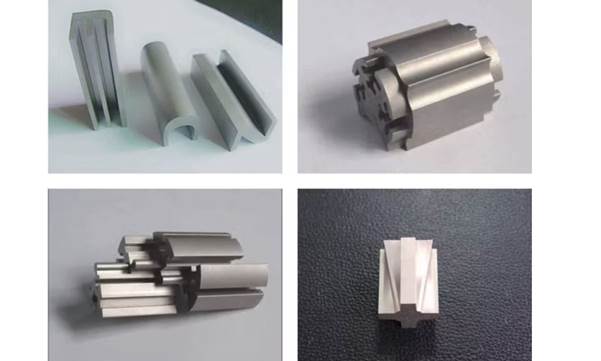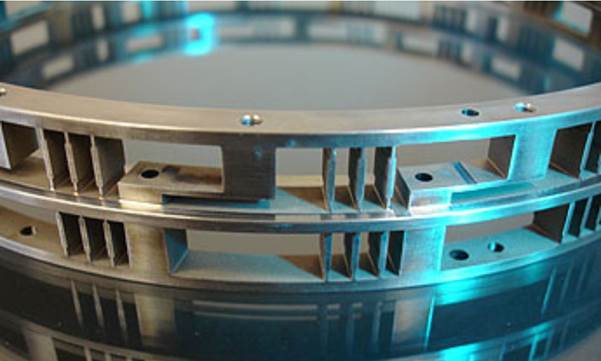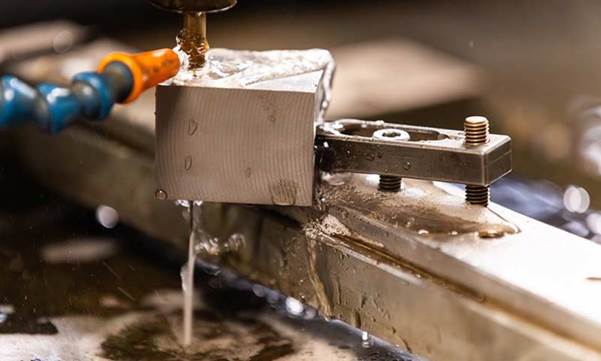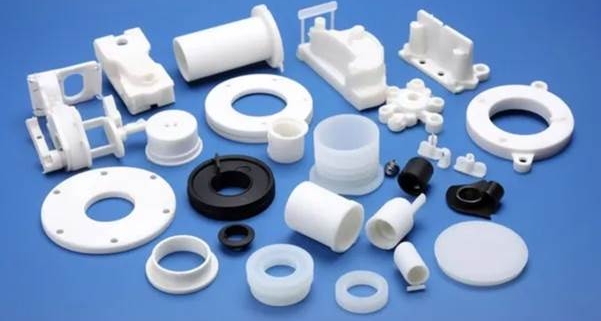
Learning the Contemporary Plastic Injection Molding Tools

The production process in the field of manufacturing has been changing at a high rate in the last several decades, and among the most significant contributors to the development of the field are the developments of plastic injection molding tools. The tools are important in the development of the plastic components that are utilized in various industries like automotive, healthcare, consumer electronics, and packaging industries. Advanced tooling leads to precision, repeatability, and efficiency, which is the cornerstone of present-day plastic manufacturing.

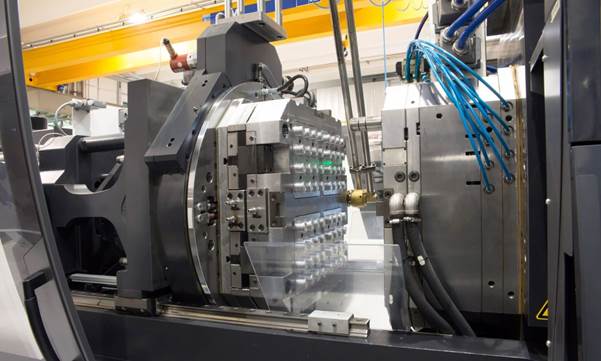
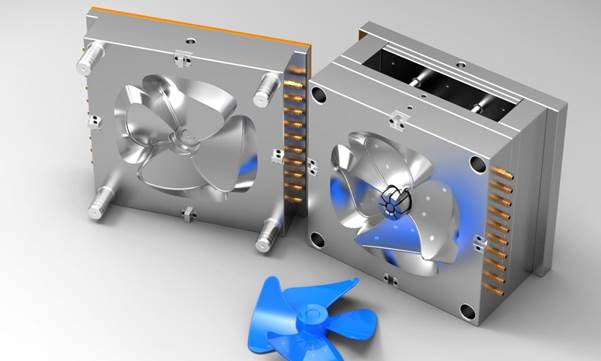
When the companies invest in the plastic injection mold tools, they are investing on the basis of their product quality. These aids in setting the shape of the final, finish, and dimensional accuracy of molded parts. Even the finest molding machines cannot produce the same results in the absence of well-designed プラスチック射出成形金型 tooling.

What are Plastic Injection Molding Tools?

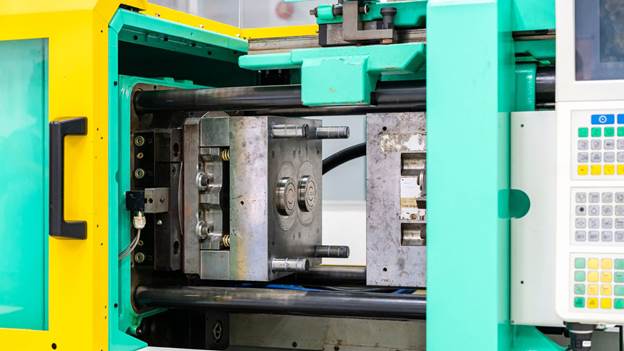
Simply injecting molten plastic into a mold, cooling, and ejecting, the idea of injection molding is at its simplest. The efficiency of the performance of the tooling of plastic injection molding directly influences the efficiency of this process. Tooling comprises molds, inserts, cores, cavities, and cooling systems that constitute the structure that shapes plastic material.

What are Plastic Injection Molding Tools?

Manufacturers utilize the so-called plastic injection mold tools so that they may create thousands, or in some cases millions, of the same parts. The cycle time, volume production, and long-term maintenance are determined by the durability and design of these tools. This is the reason why a proper choice of the partner in terms of plastic injection mold tooling is essential to any production operation.

Forms of Injection Mold Tooling

Injection mold tooling is available in various types to meet production requirements, part complexity, and affordable cost. The right mold will guarantee efficiency, quality parts, and cost-efficiency.

  • 単一キャビティ金型: mold one part each cycle, which is suitable when there is low volume production or prototyping. They are easy and less expensive, yet less fast in mass production.
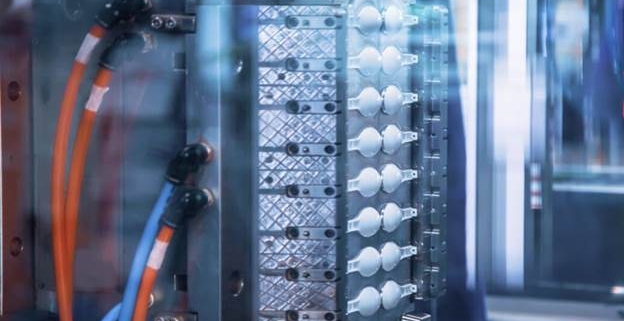
  • マルチキャビティ金型: produce several identical parts at a single cycle, which is best when large volumes are to be manufactured. They save on part cost, although they demand an exact design to fill evenly.
  • Family Molds: The parts are produced in a single cycle by family molds, which minimizes assembly discrepancies. It is harder to design such a cavity since each cavity can fill in varying ways.
  • The Hot Runner Molds: retain the plastic in molten form inside heated channels, thus minimizing waste and cycle time. They suit the mass production of high quality.
  • コールドランナー金型: enable the runners to cast along with the part, which is easier and cheaper, but creates waste of more waste.
  • Two-Plate and Three-Plate Molds: Common mold designs are Two-Plate and Three-Plate Molds. Two-plate molds are easy and affordable to manufacture, whereas three-plate molds enable automatic separation of runners to obtain cleaner parts.
  • Insert Molds: embed the systems of metals or other parts into the component, which removes the need for assembly. The overmold takes a material and gives it another, which insulates or gives it a grip.
  • Prototyping (Soft) Tooling: It is employed with tests or low volume production, whereas Hard Tooling, made of steel, is robust with high volume production. Stack Molds enhance production by molding several layers of parts at the same time.

The choice of appropriate tooling varies with the volume of production, complexity of the part, and the material, which will help in efficiency and quality of the outcome.

Table 1: Types of Injection Mold Tooling

Tooling TypeCavitiesCycle Time (sec)生産量備考
Single-Cavity Mold130–90<50,000 partsLow-volume, prototype
Multi-Cavity Mold2–3215–6050,000–5,000,000High-volume, consistent
Family Mold2–1620–7050,000–1,000,000Different parts per cycle
Hot Runner Mold1–3212–50100,000–10,000,000Minimal waste, faster cycles
Cold Runner Mold1–3215–7050,000–2,000,000Simple, more material waste
Two-Plate Mold1–1620–6050,000–1,000,000Standard, cost-effective
Three-Plate Mold2–3225–70100,000–5,000,000Automated runner separation
Insert Mold1–1630–8050,000–1,000,000Metal inserts included
Overmolding Mold1–1640–9050,000–500,000Multi-material parts

The Advantages of Mold Tooling of High Quality

It has several long term advantages in investing in high-quality plastic injection mold tooling. First, it provides a stable quality of parts in large production lots. Second, it decreases the downtime due to the failure of tools or unnecessary maintenance. Lastly, it enhances the efficiency of production through cooling optimization and optimization of the flow of materials.

The Advantages of Mold Tooling of High Quality

Companies that focus on the production of durable plastic injection molding tools tend to gain lower scrap and increased revenue. Also, properly constructed plastic injection molding tooling has the capability of sustaining elaborate shapes and stringent tolerances, allowing organizations to be innovative without performances.

Design Factors in Mold Tooling

One of the most important requirements in the process of creating plastic injection mold tools is design. The engineers should take into account the choice of materials, the thickness of the wall, the draft angle, and the cooling performance. A good design reduces the stress points and prolongs the life of the tools.

Part complexity is another determinant of the cost of plastic injection molding tooling. Complex forms or undercuts can involve the use of side acts, lifters, or multi-cavity moulds. These characteristics raise the design time and manufacturing costs, but are typically needed with high-performance components.

Since it is required that plastic injection molding tooling should be able to resist high pressure and high temperature, the choice of materials is crucial. Depending on the volume of production and use needs, tool steels, aluminum, and specialty alloys are used.

Parts and Components of Injection Molding Tooling

The tooling used in injection molding is a complicated mechanism that consists of numerous parts that are engineered to the utmost degree. Both components have a certain effect in the process of molding molten plastic into a completed item and ensuring accuracy, efficiency, and repeatability. These characteristics are useful in understanding the manner in which plastic parts of high quality are able to be produced with consistency in large volumes.

Parts and Components of Injection Molding Tooling

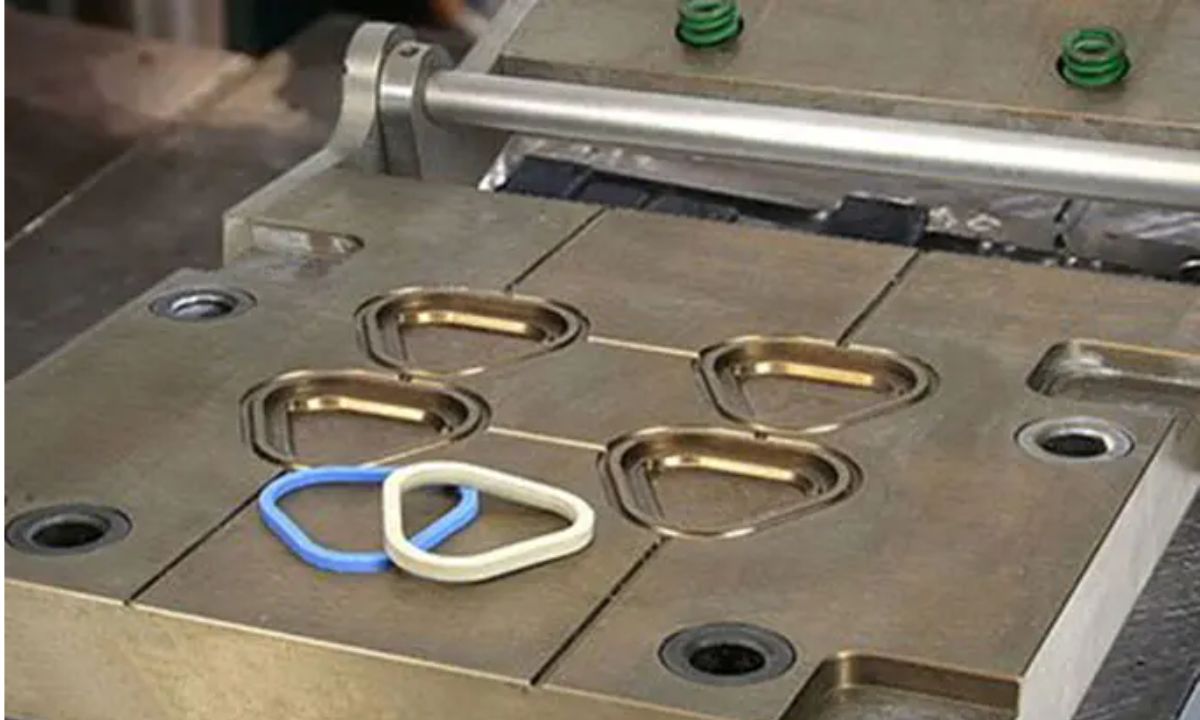
Mold Cavity

The hollow which forms the outer shape of the plastic part is called the mold cavity. Molten plastic is injected into the mold and subsequently fills this cavity and hardens to the final product. The size of parts, surface finish, and the look of the parts are dependent on the cavity design. The rate of shrinkage and draft angles should be calculated by engineers to ensure that the part comes out without defects.

Mold Core

The inner geometry of the part is made of the Mold core. It develops features such as holes, recessions, and inside channels, which are critical to functionality and a decrease in weight. In simple molds, cores are fixed, whereas the more complicated parts need to have sliding or collapsible cores to allow undercuts to be freed during the ejection process. The core and cavity are perfectly aligned that provides dimensional accuracy.

ランナーシステム

The runner system is a system of channels that directs the nozzle of the molten plastic of the injection machine to the mold. An effective runner is designed to make the flow balanced in order to fill out all cavities evenly. Defects in the poor design of runners include sink marks, short shot, or warping.

Flow Channels

Flow channels are defined as the individual pathways of the system of the runners where the plastic moves in the mold. These channels should reduce the resistance and not allow the premature cooling of the material. The proper channel design is suitable to keep the material strong and ensure that the wall thickness of the part remains consistent.

ゲート

The gate is the little hole through which molten plastic is injected into the cavity. Though it is small, it makes a significant contribution to the quality of parts. Location, size, and style of gate influence the manner in which the mold fills, pressure distribution, and the amount of the gate mark that will be visible on the finished part. Selecting a proper gate design is one way of avoiding stress marks and aesthetic defects.

エジェクターシステム

The ejector system sends the part out using the ejector system after the plastic has cooled. The part is forced out by ejector pins, sleeves, or plates evenly without breaking or deformation. Ejectors should be placed and ordered properly, particularly for delicate or complicated components.

冷却システム

The cooling system controls the temperature of the mold by pumping water or oil through the system. The cooling is among the most important processes during injection molding since it directly influences cycle time and stability of parts. The irregular cooling may lead to shrinkage, warping, or internal stress. High-technology molds can apply conformal cooling channels that trace the shape of the part to be more efficient.

Alignments and Mounting Characteristics

Elements of alignment, like guide pins and bushings, make sure that every cycle, the halves of the mould are closed perfectly. The mounting features, such as clamps and bolts, are used to hold the mold in the machine. Adequate alignment will eliminate flashing, uneven wear, and mold damage and produce consistent quality parts.

Parts and Components of Injection Molding Tooling

Venting

Venting enables the ambient air and gases to be released from the mold cavity as the plastic fills up the mold. Defects such as burn marks or half-filled can take place without proper venting. Vents are little but necessary in making clean and correct parts.

Slides and Lifters

Slides and lifters are the processes that help the molds to form parts with undercuts or side effects. The angles of the slides move, and the lifters, during ejection, jump to expel the complicated geometries. These elements increase the possibilities of design and remove the necessity of secondary machining.

Mold Materials

The tooling materials have effects on the durability, performance, and cost. High-volume production is carried out with hardened tool steel since it can withstand wear and be precisely accurate. Aluminum molds are cheaper and more common for prototypes or low-volume production. High-performance finishes can enhance the wear and release of parts.

Inserts

Inserts are detachable parts of a mold that are utilized in producing a particular feature, like a thread, a logo, or a texture. They enable molds to be altered or fixed without having to change the tool. The substitutability of inserts allows it to be used to create a variety of products of the same mold base.

Core Pins

Core pins are thinner components that are used to create holes or internal conduits in molded components. They should be well-machined and should be sturdy enough to withstand the pressure of injections without bending or breaking.

Table 2: Injection Mold Tooling Components

Component素材Tolerance (mm)Max Pressure (bar)備考
Mold CavitySteel/Aluminum±0.01–0.051,500–2,500Forms part shape
Mold CoreSteel±0.01–0.051,500–2,500Internal features
ランナーシステムSteel/Aluminum±0.021,200–2,000Guides plastic flow
ゲートSteel±0.011,500–2,500Entry to cavity
イジェクターピン硬化鋼±0.01N/APart ejection
冷却チャンネルSteel±0.05N/ATemperature control
Slides/LiftersSteel±0.021,200–2,000Complex geometries
InsertsSteel/Aluminum±0.021,500Customizable features

Cooling Aids Baffles, Diffusers, and Water Manifolds

The coolant flow in the mold is guided by baffles and diffusers to provide a uniform temperature pattern. Water manifolds serve as an element of distribution through which the coolant can be directed to the various parts of the mold. A combination of these elements enhances cooling as well as minimizing cycle times.

Mold Texture

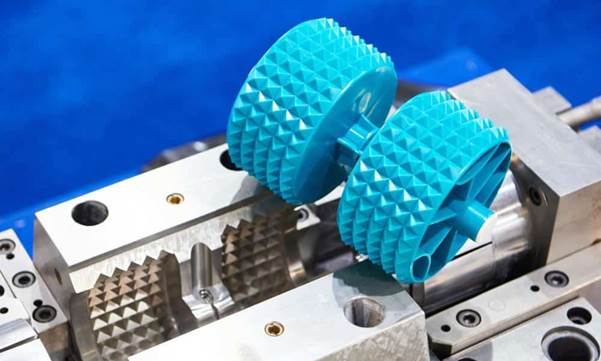
Mold texture is the surface finish on the cavity that has been applied to the part to produce certain patterns or finishes on the part. The texture may enhance grip, minimize glare, or promote the appearance of a product. Methods are chemical etching, laser texturing, and mechanical blasting.

Sprue Bush

Sprue bush is used to connect the nozzle of the injection machine to the runner system. It is the primary path through which the molten plastic is introduced to the mold. The sprue bush should be properly designed to provide a continuous flow of materials and avoid leakage or loss of pressure.

Cavity Retaining Plate

The plate with the cavity inserts is firmly fixed in the cavity retaining plate. It holds position, assists injection pressure, and helps to create overall strength in the mould. Correct plate design guarantees the durability of molds in the long term and part uniformity.

The knowledge of Tooling Costs

A query regarding the cost of the plastic injection molding tooling is one of the most frequently asked questions by manufacturers. Tooling cost depends on the size, complexity, material, and anticipated volume of production. The initial expenses may appear expensive, but quality plastic injection mold tools may pay back with durability in the long-run and steady production.

Issues influencing plastic injection molding tooling cost are:

•          Number of cavities

•          Surface finish specifications.

•          Cooling system complexity

•          Tolerance levels

•          Tool material

Though enterprises can be tempted to save money and use cheaper solutions such as plastic injection mold tooling, it will result in increased maintenance and poor quality of products in the long-term.

The Modern Tooling Technology

This is due to advanced software and machining technologies, which have transformed the development of プラスチック射出成形 tools. Simulation and computer-aided design (CAD) can help engineers to test the mold flow, cooling efficiency, and structural integrity before the commencement of manufacturing.

The Modern Tooling Technology

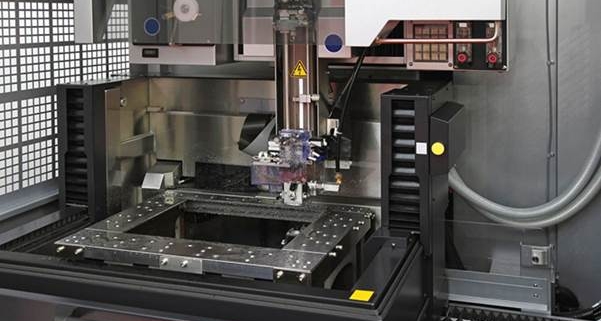
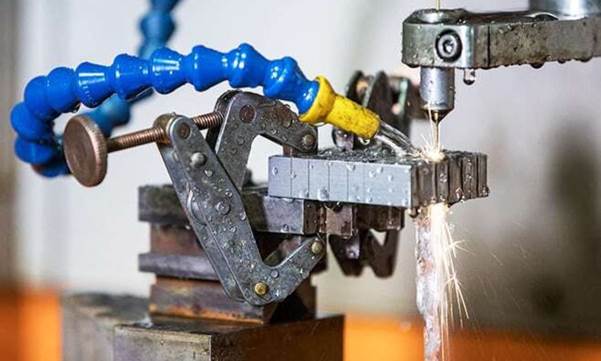
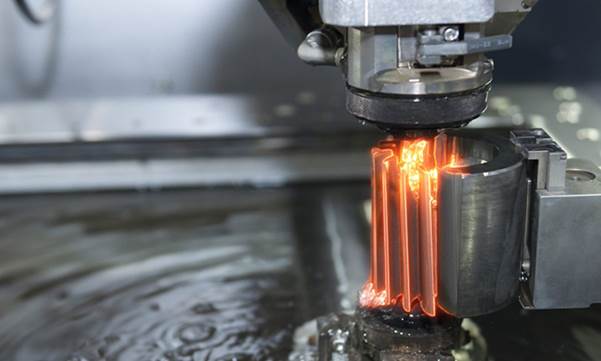
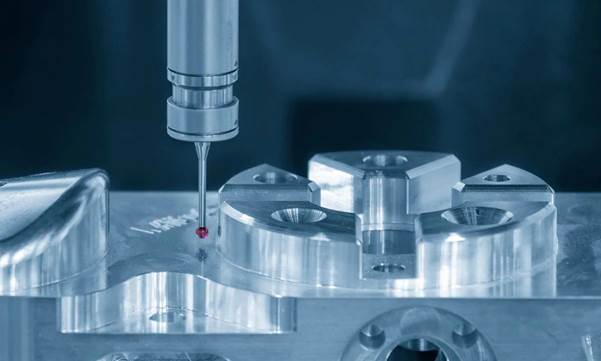
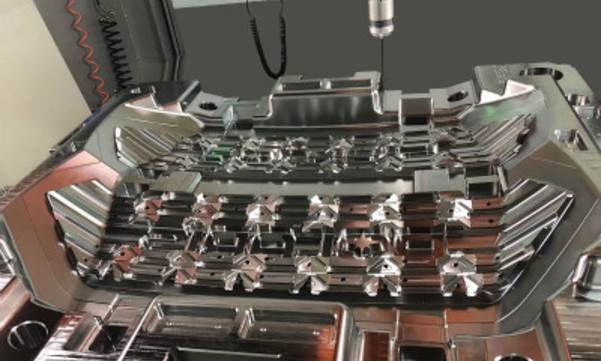
CNC machining, EDM (electrical discharge machining), and high-speed milling are used to ensure that plastic injection molding tooling is done with tight tolerances. Such technologies decrease lead-time and enhance repeatability, and so it is the most reliable modern plastic injection mold tool than ever before.

The use of automation is also associated with the optimization of the cost of plastic injection molding tooling. The manufacturers will be able to realize more value without compromising on quality by cutting manual labor and enhancing the efficiency of the processes.

Maintenance and Longevity

Maintenance of plastic injection molding tools is necessary to prolong their life. Wear and corrosion are prevented by regular cleaning, inspection, and lubrication. Observation of cooling channels and ejector systems promotes the stable operation.

Failure to maintain the tools can significantly add to the cost of plastic injection molding tooling through repairs or early replacement. The companies that adopt preventive maintenance programs not only cover their investment in the area of plastic injection mold tooling but also ensure that the production timetable is kept constant.

Durable plastic injection molding tooling is also applicable in high-volume operations with a long production cycle.

Selection of a Proper Tooling Partner

The choice of a reliable supplier of the plastic injection mold tools is as crucial as the design. Advanced tooling producers are aware of material behavior, production requirements, and cost optimization measures.

An effective collaborator assists in creating a balance between quality and the cost of plastic injection molding tooling, and the tools should be up to the performance expectations. Teamwork at the design levels lowers mistakes as well as minimizing the time of development of the plastic injection molding tools .

The indicators of a good provider of plastic injection mold tooling include communication, technical skills, and high manufacturing skills.

Trends in Future Injection Molding Tooling

Innovation is the future of plastic injection molding tooling. Additive manufacturing, conformal cooling channels, and intelligent sensors are altering the process of constructing and monitoring molds. These innovations decrease the time taken in the cycle and enhance the quality of parts.

Trends in Future Injection Molding Tooling

With the growing significance of sustainability, effective プラスチック射出成形金型 tools contribute to the decrease of material waste and energy usage. Better designs also reduce the cost of plastic injection molding tooling cost in the lifetime of a tool by increasing the life of the tool and reducing the cost of repairs.

A competitive edge is enjoyed by companies that use next-generation plastic injection molding tools, which have improved performance, increased speed of production, and also the ability to design.

結論

The quality of プラスチック射出成形 tools is vital to the success of any injection molding operation. Design and choice of materials, maintenance, and innovation are some of the considerations in tooling that affect the efficiency of production and quality of the products. Although the price of plastic injection molding tooling is also a factor of considerable consideration, long-run value will be derived through durability, accuracy, and reliability. Manufacturers can guarantee the consistency of the results, lower downtime, and high ROI by attaching importance to investing in modernization, plastic injection mold tooling, and collaborating with skilled partners.

射出成形部品:万能ガイド

射出成形による部品製造は、現代産業の重要な構成要素である。射出成形は、私たちを取り巻く多くの製品の製造に使用されています。これは、強くて正確な部品の生産を助けるプロセスです。これらの部品は多くの分野で応用されている。求められる成形品の品質は年々上がっている。.

プラスチック射出成形部品が広く使われている背景には、耐久性と経済性がある。同じ形状の製品を大量に製造することができる。複雑なデザインもこの工程でうまく機能する。一方、射出成形金型部品は、これらの製品の成形と形成において重要である。適切な金型部品がなければ、プロセスはうまく進まない。.

射出成形の人気は、時間を節約できることにある。無駄も省ける。この方法は短サイクル生産を可能にする。これは、多くの産業が手放すことのできないものである。.

プラスチック射出成形プラスチック射出成形とは?

プラスチック 射出成形 とは生産工程のことである。大量にプラスチック製品が生産される。また、迅速で信頼性の高い手順でもある。どのような場合でも、同じ形と大きさの部品を製造することができます。.

このプロセスでは、まずプラスチック材料が加熱される。プラスチックは柔らかくなり、溶ける。次に、液状のプラスチックを金型に挿入する。金型は特定の形状をしている。プラスチックが冷えると固形になる。この部品全体が金型から取り出される。.

プラスチック射出成形プラスチック射出成形とは?

プラスチック射出成形は、単純なものから複雑なものまで、様々な製品に利用されている。高い精度が得られます。また、材料の無駄も省ける。その理由は、時間とお金の無駄が減るので人気があることと関係がある。.

表1:射出成形金型の構成部品

金型部品代表的な素材寛容表面仕上げ典型的なライフサイクル機能
コア&キャビティ硬化鋼 / アルミニウム±0.01-0.03 mmRa 0.2-0.8 μm>100万ショット以上内部および外部の形状
ランナースチール/アルミニウム±0.02 mmRa 0.4-0.6 μm>50万ショット以上溶融プラスチックをキャビティに流す
ゲートスチール/アルミニウム±0.01 mmRa 0.2-0.5 μm>50万ショット以上キャビティ内へのプラスチックの侵入をコントロール
冷却チャンネル銅 / スチール±0.05 mmRa 0.4-0.6 μm連続効率的に熱を取り除く
イジェクターピン硬化鋼±0.005 mmRa 0.3-0.5 μm>100万ショット以上完成品を損傷することなく排出
ベントスロットスチール/アルミニウム±0.01 mmRa 0.2-0.4 μm連続注入時に閉じ込められた空気を逃がす

射出成形プロセスを知る

制御された精密な生産方法が射出成形技術である。高精度のプラスチック部品の生産に適用される。これは、段階的に行われる機能的な手順である。各段階には、いくつかのパラメータと数値があります。.

材料の選択と準備

プラスチック原料から始まる。これは通常、ペレットの形か顆粒の形で梱包される。このような材料は通常、ABS、ポリプロピレン、ポリエチレン、ナイロンである。.

  • ペレットのサイズ 2-5 mm
  • 乾燥前の含水率: 0.02% -0.05%
  • 乾燥温度: 80°C-120°C
  • 乾燥時間: 2~4時間

適切な乾燥が重要です。成形品の気泡や表面の欠陥は、湿気によってもたらされることがあります。.

溶解と可塑化

プラスチックのペレットは乾燥され、強制的に投入される。 射出成形 マシーン。回転するスクリューを通り、高温の樽を通過する。.

  • 樽の温度ゾーン: 180°C-300°C
  • スクリュー速度: 50-300 RPM
  • スクリュー圧縮比: 2.5:1 -3.5:1.

スクリューを回すとプラスチックが溶ける。物質は均質な液体の塊となる。溶融でさえ、成分の一貫性を提供します。.

注入フェーズ

プラスチックの溶融が完了すると、成形キャビティに押し込まれる。金型は大きな圧力で素早く規則正しく充填される。.

  • 射出圧力: 800~2000バール
  • 射出速度: 50-300 mm/s
  • 注射時間: 0.5~5秒

適切な圧力制御により、ショートショットやフラッシュは使用しない。プラスチックの冷却が始まる前に金型全体を充填することを目的としています。.

梱包・保管段階

金型に充填し、圧力をかける。これは、室温で材料が収縮する過程を克服するためである。.

  • 負荷圧力: インジェクションの流量は30~70%。.
  • 持ち時間: 5~30秒
  • 典型的な収縮率: 0.5%-2.0%

この工程は、部品の集中度と寸法を高める。また、内部ステントも減少する。.

冷却プロセス

射出成形は、冷却時間が最も長いプロセスである。その後、プラスチック物質は固化し、溶融する。.

  • 金型温度: 20°C-80°C
  • 冷却時間: 10~60秒
  • 熱伝達効率: 60%-80%

熱の除去は、金型内の冷却溝によって行われます。適切な冷却は、表面の反りや欠陥をなくします。.

型開きと射出

冷却後、金型が開く。完成した部分はエジェクターピンやプレートを使って取り外す。.

  • 型開き速度: 50~200mm/秒
  • イジェクト力: 5-50 kN
  • 排出時間: 1~5秒

排出:慎重に排出することで、部品にダメージを与えません。金型が閉じると、次のサイクルが始まります。.

サイクルタイムと生産量

トータルのサイクルタイムは、部品のサイズや素材によって異なる。.

  • 平均サイクルタイム: 20~90秒
  • 出力レート: 40 -180部品/時間。.
  • 機械のクランプ力: 50~4000トン

サイクルタイムの短縮は生産性を高める。しかし、品質は常に維持されなければならない。.

プロセスの監視と制御

現代の機械では、センサーとオートメーションが採用されている。圧力流量と温度はこれらのシステムによってチェックされる。.

  • 温度耐性: ±1°C
  • 圧力耐性: ±5バール
  • 寸法精度: ±0.02 mm

工程を監視することで、品質の一貫性が確保される。また、スクラップやダウンタイムも削減できます。.

カビの成分の重要性

射出成形は金型の部品に左右される。金型の各要素には何らかの役割があります。成形、冷却、射出である。.

について プラスチック射出成形 部品は金型の正しい設計次第で成功すると考えられている。粗悪な金型は欠陥の原因となる。このような欠陥には、亀裂や不均衡な表面などが含まれます。一方、射出成形で作られた金型部品は、精度を確保するのに役立ちます。射出成形で作られた金型部品は、精度を確保するのに役立ちます。.

高品質のプロトラクトパーツを成形。メンテナンスコストも削減できる。そのため、より効果的で信頼できるものとなっている。.

金型部品技術情報

金型部品は射出成形システムの最も重要な要素である。形状、精度、強度、表面品質をコントロールする。設計された金型部品がなければ、安定した生産はできません。.

プラスチック射出成形プラスチック射出成形とは?

コアとキャビティ

製品の最終的な形状を決定するのは、コアとキャビティである。外面はキャビティで構成される。コアは内部の特徴を構成する。.

  • 寸法公差: ±0.01-0.03 mm
  • 表面仕上げ: Ra 0.2-0.8 µm
  • 典型的な鋼の硬度: 48-62 HRC

コアとキャビティの精度が高いため、欠陥を最小限に抑えることができる。また、部品の均一性も向上します。.

ランナーシステム

ランナーのシステムは、射出ノズルで溶融したプラスチックをキャビティに導く。フローバランスと充填速度に影響を与えます。.

  • ランナーの直径: 2-8 mm
  • 流速: 0.2-1.0 m/s
  • 圧力損失の限界: ≤10%

適切なランナー設計により、材料の無駄を削減。また、均一な充填が可能です。.

ゲートデザイン

ゲートはキャビティ内のプラスチックの流れを調整します。部品の品質は、ゲートのサイズと種類に左右されます。.

  • ゲートの厚さ: 部品厚みの50~80.
  • ゲート幅: 1-6 mm
  • せん断速度の限界: <100,000 s-¹

右ゲート設計により、ウェルドラインやバーンマークを排除。.

冷却システム

冷却トラックは金型を冷却するために使用される。このシステムは、サイクルタイムと部品の安定性に直接影響します。.

  • 冷却水路の直径: 6~12ミリ
  • チャンネルからキャビティまでの距離: 10-15mm。.
  • 許容される最大温度差: < 5 °C.

冷却が容易なため、寸法精度が向上します。また、生産時間の短縮にもつながります。.

排出システム

冷却されると、部品は排出システム内に排出される。危害を加えないようにするためには、等量の力を発揮しなければならない。.

  • エジェクターピンの直径: 2-10 mm
  • ピン1本あたりのイジェクター力: 200-1500 N
  • 排出ストロークの長さ: 5-50 mm

均一な排出により、亀裂や変形を排除。.

排気システム

注入時に空気がこもり、通気孔から抜けてしまうことがある。火傷や不完全充填は通気不良が原因。.

  • ベントの深さ: 0.02-0.05 mm
  • ベントの幅: 3-6 mm
  • 最大空気圧: <0.1 MPa

十分な換気は、表面の品質と金型の寿命を向上させる。.

ベースとアライメント・コンポーネント 金型ベース

金型の底面がすべての部品を支える。ブッシングとガイドピンは、適切なアライメントを提供するために使用されます。.

  • ガイドピンの公差: ±0.005 mm
  • 金型底面の平坦度: ≤0.02 mm
  • ライフサイクルの調整: 100万ショット以上.

アライメントを高くすることで、摩耗やバリが減少する。.

表2:主要プロセス・パラメーター

パラメータ推奨範囲単位説明代表値備考
バレル温度180-300°C熱を加えてプラスチックを溶かす220-260素材の種類による
射出圧力800-2000バー溶融プラスチックを金型に押し込む圧力1000部品のサイズと複雑さを調整
金型温度20-120°C適切な冷却のための温度維持60-90エンジニアリング・プラスチックの方が高い
冷却時間10-60おかわりプラスチックが固まるまでの時間25-35肉厚による
サイクルタイム20-90おかわり成形サイクルあたりの合計時間30-50射出、パッキング、冷却を含む
イジェクト力5-50kN金型から部品を取り外す力15-30部品の損傷を防ぐこと

原材料 射出成形

素材選びは非常に重要だ。最終製品の品質、安定性、見通し、価格に影響します。適切なプラスチックを選択することは、部品が機能し、適切に印刷されることを保証するために必要です。.

原材料 射出成形

熱可塑性材料

最も普及している素材は、溶かして何度も再利用できることから熱可塑性プラスチックである。ABS、ポリプロピレン、ポリエチレン、ポリスチレンなどが広く使われている。ABSは衝撃に強く丈夫で、200~240℃で溶ける。ポリプロピレンは160 °Cまたは170 °Cで溶ける。ポリエチレンの融点は120 °Cから180 °Cで、耐湿性製品に適している。.

エンジニアリングプラスチック

高強度部品や耐熱部品には、ナイロン、ポリカーボネート(PC)、POMなどのエンジニアリング・プラスチックが使用される。ナイロンは220℃~265℃で溶融し、歯車や機械部品に使用される。ポリカーボネートは260 °Cから300 °Cで溶ける強く透明なポリマーである。POMの溶融温度は165 °C~175 °Cで、部品に使用される。.

熱硬化性プラスチック

熱硬化性プラスチックは永久的に硬化するため、成形後の再溶解が難しい。150℃〜200℃で溶融し、電気部品などの高温用途に利用される。.

添加剤と充填剤

素材は添加物によって強化される。ガラス繊維(10% -40%)は強度を高め、ミネラルフィラー(5% -30%)は収縮率を下げ、UV安定剤(0.1-1%)は日光を遮蔽する。これらの補助成分は長持ちし、より良く機能する。.

材料選択の要件

材料の選択は、温度、強度、化学的な対立、湿気、コストなどの点で要因に左右される。適切な選択は、長持ちし、正確で高品質な製品をもたらし、ミスや無駄を減らす。.

表3:材料特性

素材溶融温度 (°C)金型温度 (°C)射出圧力(bar)引張強さ (MPa)収縮率(%)
ABS220-24060-80900-150040-500.5-0.7
ポリプロピレン(PP)160-17040-70800-120030-351.0-1.5
ポリエチレン(PE)120-18020-50700-120020-301.5-2.0
ポリスチレン(PS)180-24050-70800-120030-450.5-1.0
ナイロン(PA)220-26580-1001200-200060-801.5-2.0
ポリカーボネート(PC)260-30090-1201300-200060-700.5-1.0
POM(アセタール)165-17560-80900-150060-701.0-1.5

プラスチック射出成形プロセスで製造される部品

プラスチック射出成形は、様々な分野で使用される数多くの部品を作り出すプロセスである。この工程は精密で耐久性があり、大量生産が可能である。この方法で製造される代表的な部品の例を以下に示す。.

プラスチック射出成形プロセスで製造される部品

自動車部品

  • ダッシュボード
  • バンパー
  • 通気口
  • ドアパネル
  • シフトノブ
  • 燃料系統部品
  • インテリアトリム

医療部品

  • 注射器
  • チューブコネクター
  • 手術器具
  • IV成分
  • 医療機器ハウジング
  • 使い捨て医療器具

電子部品

  • 機器用ハウジング
  • スイッチとボタン
  • ケーブルクリップとワイヤーホルダー
  • コネクターとプラグ
  • キーボードのキー
  • 回路基板用エンクロージャー

パッケージ製品

  • ボトルと瓶
  • ボトルのキャップと栓
  • 食品容器
  • 化粧品容器
  • 蓋とシール
  • 収納ボックス

消費財・工業製品

  • おもちゃとフィギュア
  • 家庭用具
  • 家電部品
  • 建築用金具
  • 正確なクリップとファスナー。.
  • 産業機械部品

デザインと精度

デザインは成功に大きく貢献する。効果的な金型は製品の品質を高めます。生産時のエラーも最小限に抑えることができます。.

のプロセスの各部分。 プラスチック射出成形 厳密な寸法が要求される。性能は小さなミスによって左右されます。射出成形金型部品の作成が公差を厳しく設計されるのはこのためです。設計には最先端のソフトウェアが採用されることが多い。.

プラスチック射出成形プロセスで製造される部品

強さは優れたデザインによっても強化される。外観も向上する。エンドアセンブリの優れたフィッティングを保証します。.

産業用途

射出成形は、高速で正確、しかも経済的である。非常に高い精度で同一の部品を大量生産することができる。.

自動車産業

自動車分野では、ダッシュボード、バンパー、吹き出し口、内装パネルなどがプラスチック射出成形部品で作られている。これらの部品は、強力で軽く、耐熱性でなければならない。特に、安全性と品質の問題を防ぐために、形状が正確で均一な成形によって行われる。.

医療業界

医療分野 注射器、チューブのコネクター、手術器具は射出成形で作られる。多くの精密さと衛生面が必要とされる。特に、プラスチック射出成形部品は、医療グレードのプラスチックを使用することができ、射出成形金型部品を使用して、精度と滑らかさを確保することができます。.

エレクトロニクス産業

ハウジング、コネクター、スイッチ、ケーブルクリップはすべて、射出成形によってエレクトロニクス産業で生産されている。プラスチック射出成形部品は壊れやすい回路を固定し、射出成形金型部品は部品を完全に適合させるために必要である。.

包装業界

射出成形はまた、ボトル、容器、キャップ、および閉鎖の包装に適用されます。プラスチック射出成形の部品は、必要な形状やサイズを与えるために使用され、射出成形の部品は、最小限の無駄を作成することにより、最短時間で大量に生産するために使用されます。.

その他の産業

消費財、玩具、建築、航空宇宙も射出成形される。その柔軟性と精度は、シンプルな家庭用品から複雑な技術部品まで、ほぼすべてのプラスチック製品に適合する能力を与えている。.

品質管理とテスト

製造には品質管理が必要である。すべての部品は設計要件を満たすように乾燥されるべきである。テストは安全性と性能の尺度である。.

プラスチック射出成形部品は、目視検査と機械的検査を受けます。これらの検査により、欠陥が早期に発見される。同時に、射出成形部品の摩耗や損傷の検査も行われる。頻繁な検査により、生産不良の失敗をなくします。.

優れた品質管理は顧客の信頼を高める。また、無駄や出費を最小限に抑えることができる。.

射出成形の長所

射出成形には数多くの利点がある。迅速な生産が可能である。また、繰り返し生産も可能です。.

プラスチック射出成形 部品はダイナミックで軽い。大量生産が可能である。一方、自動化は金型部品の射出成形によって支えられている。これにより、人件費とミスのコストが削減される。.

射出成形の長所

また、このプロセスは環境に優しい。スクラップは再利用できる。これは環境保護にも貢献する。.

課題と解決策

射出成形は、他の工程と同様、難しいものである。金型の摩耗だけでなく、材料の問題もある。好ましくない環境は欠陥につながる。.

プラスチック射出成形部品」の適切な取り扱いがない場合、部品の欠陥が評価される可能性がある。このようなリスクは、適切な訓練によって最小限に抑えることができる。同時に、射出成形に使用される金型部品は、定期的にメンテナンスされなければならない。これにより長寿命が保証される。.

現代のテクノロジーは、多くの問題に対処するのに役立つだろう。自動化とモニタリングによって効率は向上する。.

射出成形の未来

射出成形の未来は明るい。新素材の開発もある。スマート・マニュファクチャリングが現実のものになりつつある。.

プラスチック射出成形部品は改良される。より大きく、より軽くなる。同時に、射出成形部品にはより良い素材とコーティングが施される。これによって寿命が延びる。.

この業界は依然として革新的である。競争力のある企業は、変化する企業である。.

中国の役割

中国は世界の射出成形市場に大きく貢献している。プラスチック射出成形部品の最大メーカーのひとつであり、射出成形金型部品の販売業者でもある。製造業は非常に多様化しており、大量生産だけでなく小規模生産も行われている。.

中国の役割

中国の工場では、部品の製造に高精度の機械と熟練した労働力が使われている。多くの国際企業が中国メーカーに依存しているのは、彼らが品質を落とすことなく費用対効果の高いソリューションを提供してくれるからである。.

その上、中国はイノベーションのリーダーでもある。効率を高めるために新しい材料、金型、自動化手法を生み出している。優れたサプライチェーンと高い生産能力が、射出成形品の世界需要を満たす主要プレーヤーとしての地位に貢献している。.

Sincere Techを選ぶ理由

私たちは、最高級のオンタイムデリバリーをお約束 プラスチック射出成形部品プロンプトが表示さに裏打ちされ、慎重アフターサービス。私たちは、最高級のオンタイムデリバリーをお約束 プラスチック射出成形部品プロンプトが表示さに裏打ちされ、慎重アフターサービス。.

弊社は経験豊富で資格のあるエンジニアと技術者のグループを持っており、近代的な機械と新しい方法の適用により、高品質で手頃な価格のソリューションを提供しています。私たちは、材料の選択、金型の設計などのすべての細部に細心の注意を確保し、我々は各バッチで同じ品質を持っているようにしています。.

Sincere Techは、信頼、プロフェッショナリズム、顧客満足度を高く評価しているため、クライアントから好評を得ています。私たちは個々のお客様と協力し、お客様の特別なニーズを把握し、そのニーズに対するソリューションを提供します。また、納期厳守、技術支援、絶え間ない改善というコンセプトのもと、射出成形業界で際立った存在となっています。.

Sincere Techはプラスチック射出成形において、細かな部品から大量生産まで、卓越した技術を提供する会社です。Sincere Techでは、単に部品を提供するだけでなく、お客様の成功と成長のために尽力するチームを提供します。.

plas.coのサービスや製品についてもっと知りたい方は、plas.coにアクセスして、なぜ私たちが世界中のお客様に選ばれているのかをご覧ください。.

結論

射出成形は堅実な生産プロセスである。射出成形は世界の数多くの産業を支えています。その主な強みは、精度、スピード、品質です。.

プラスチック射出成形部品は、今でも日常生活に欠かせないものだ。最も単純な部品から複雑な部品まで、様々なニーズに応えるのに役立っている。一方、射出成形金型部品は、製造の効率的な流れと同じ結果を保証します。.

射出成形は、適切な設計とメンテナンスがあれば、今後も増え続けるだろう。また、射出成形は現代の生産に欠かせない要素であり続けるだろう。. 

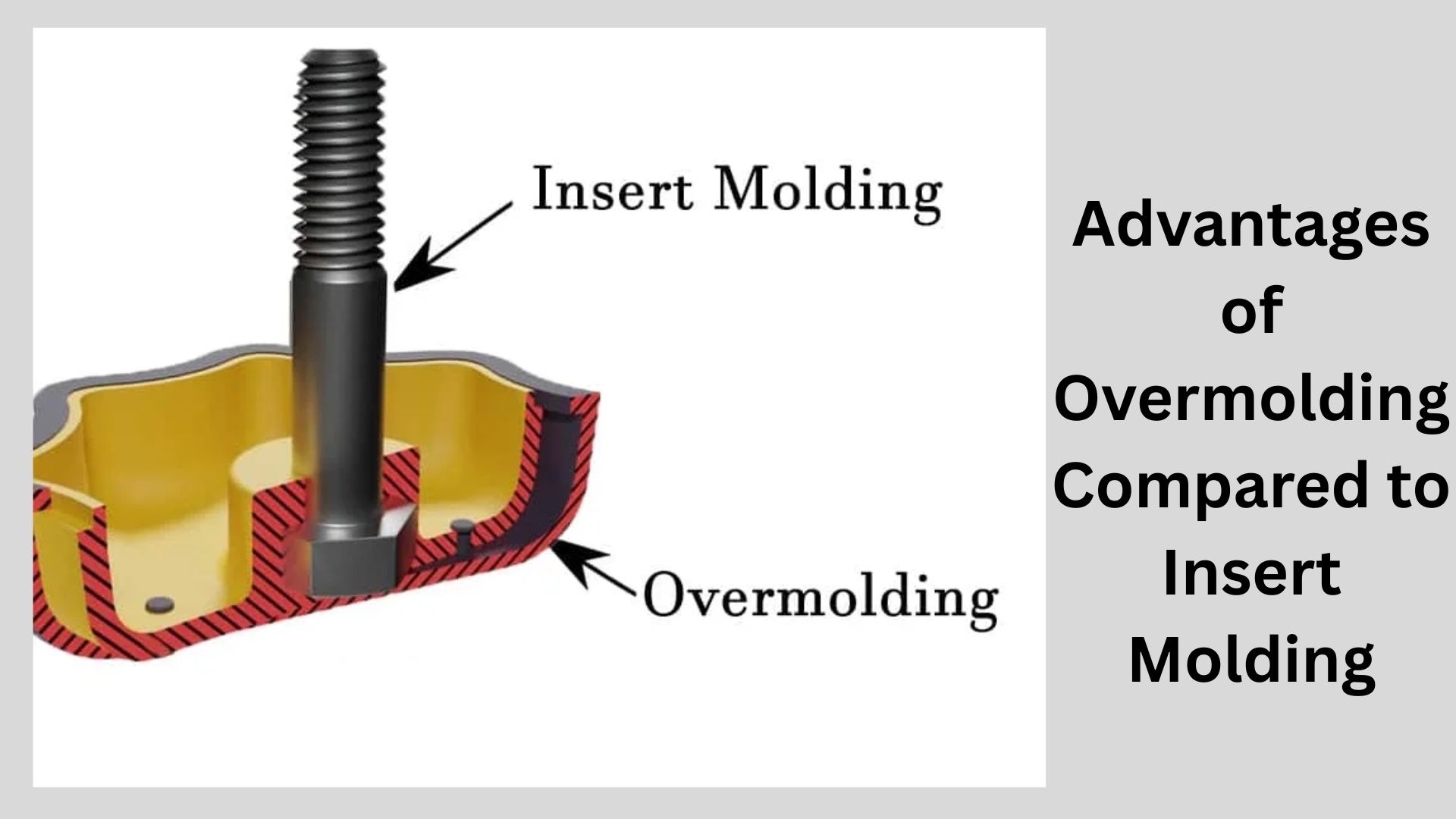
オーバーモールディングとは

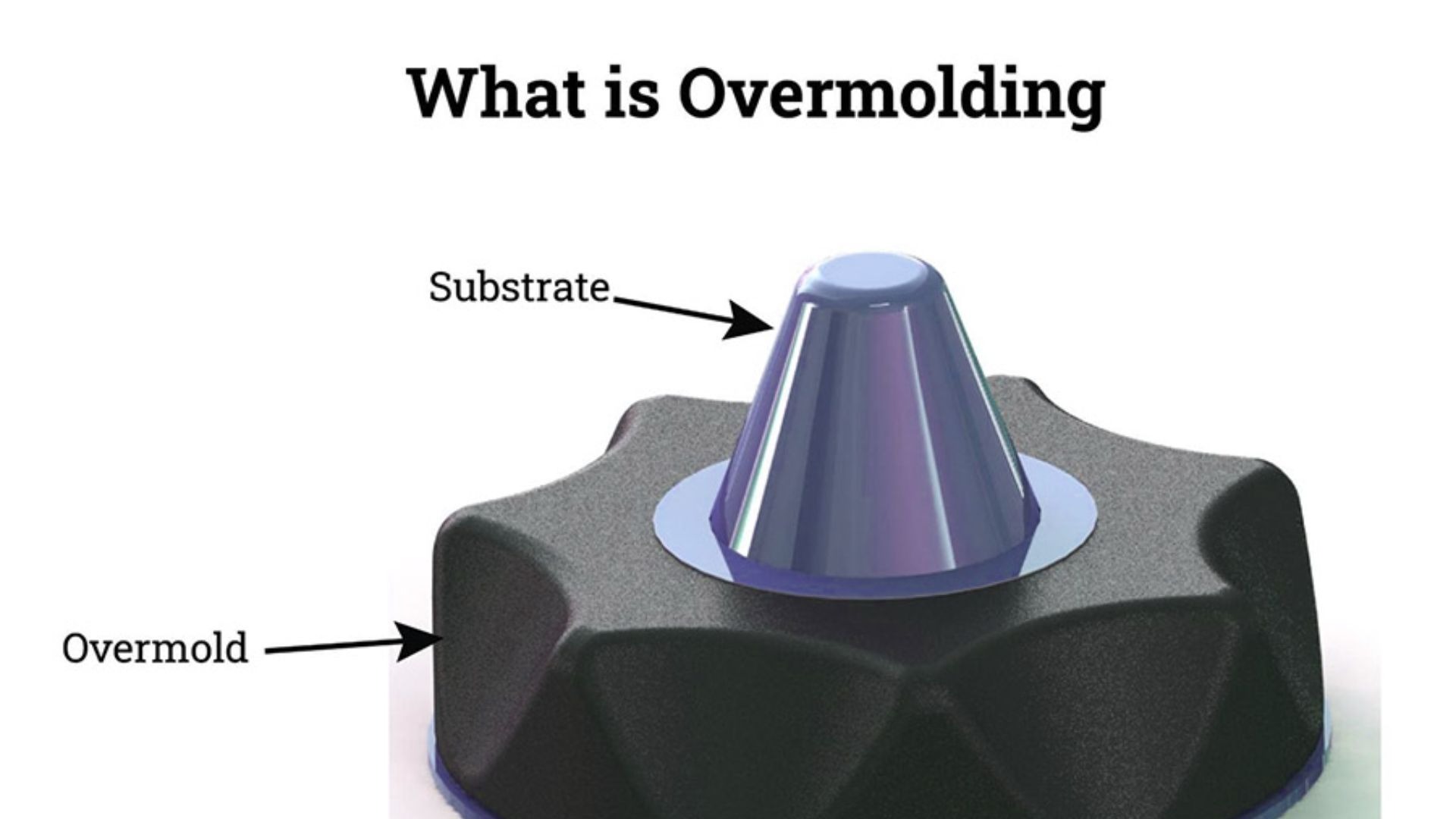
Overmolding is the making of a product by joining two or more materials into one product. It is also applied in most industries, such as electronics, medical equipment, automotive, and consumer products. It is done by molding over a base material known as an overmold, over a base material known as a substrate.

Overmolding is done to enhance the aesthetic, longevity, and functionality of products. It enables manufacturers to incorporate the power of one material with the flexibility or softness of the other. This makes products more comfortable, easier to deal with, and durable.

Overmolding appears in items that we use on a daily basis. This has been applied to toothbrush handles and phone cases as well as power tools and surgical instruments, among other items in contemporary manufacturing. Knowing about overmolding will make it easy to see how convenient and safe objects in everyday life are.

目次

What is Overmolding?

オーバーモールディング is a procedure through which one product is formed out of two materials. The initial material is known as the substrate and typically is a hard plastic such as ABS, PC, or PP. It has a tensile strength of 30-50 Mpa tensile strength and a melting temperature of 200- 250 °C. The other material, which is the overmold, is soft, e.g., TPE or silicone, with a Shore A hardness of 40-80.

What is Overmolding?

The substrate is allowed to cool down to 50-70 °C. The pressure injected into the overmold is 50-120Mpa. This forms a strong bond. Overmolding enhances the holding power, strength, and durability of products.

One such typical object is a toothbrush. The handle is of hard plastic to ensure strength. The grip itself is of soft rubber and, therefore, is comfortable to hold. This basic application demonstrates the real-life uses of overmolding.

Overmolding does not apply only to soft grips. It is also applied in covering electronic products, giving an object a colorful decoration, and extending the life of a product. This flexibility enables it to be one of the most applicable manufacturing methods in contemporary days.

Full Process

素材の選択

The procedure of overmolding starts with the choice of the materials. The substrate normally is a hard plastic like ABS, PC, or PP. They contain tensile strength of 30-50 Mpa and a melting point of 200- 250 °C. The molded material is usually a soft one, such as TPE or silicone, and has a Shore A hardness of 40-80. It is necessary to select the materials that are compatible. Failure of the final product to withstand stress can be caused by failure of the bonding of the materials.

Substrate Molding

The substrate was poured into the mold at a pressure of 40-80 Mpa after heating to 220-250 °C. Once injected, it is allowed to solidify to 50-70 °C to render it dimensionally stable. The time taken in this process is usually 30-60 seconds in relation to the size and the thickness of the part. There are extremely high tolerances, and deviation is typically not more than +-0.05 mm. Deviation will result in the product being affected in regard to overmold fit and product quality.

Preparation of the mold to be overmolded

Following the cooling, the substrate is then carefully transferred to a second mold, during which the overmold injection is done. The mold is preheated to 60-80 °C. Preheating eliminates the effect of thermal shock and also allows the overmold material to flow smoothly over the substrate. Mold preparation is needed to prevent any voids, warping, or poor bonding in the final product.

Overmold Injection

The pressure is injected into the substrate using 50-120 Mpa of the overmold material. The temperature of the injection is conditional upon the material: TPE 200-230 °C, silicone 180-210 °C. This step must be precise. Improper temperature or pressure may result in defects of bubbles, separation, or insufficient coverage.

冷却と凝固

Following injection, the part is cooled to enable solidification of the overmold and its strong bond to the substrate to take place. The cooling time ranges from 30 to 90 seconds based on the thickness of the parts. The thin regions cool more quickly, whereas the thicker ones are slower to cool. Adequate cooling is needed to guarantee even bonding as well as minimize internal stress that may cause cracks or deformation.

Ejection and Finishing

The part is forced out of the mold after being cooled down. Any surplus, referred to as flash, is excised. The component is checked in terms of surface finish and dimensional accuracy. This will make sure that the product is of the required quality and is compatible with the other parts in case of need.

Testing and Inspection

The final step is testing. Test types: Tensile or peel tests determine the strength of the bond, which is usually 1-5 MPa. Shore A tests would be used to check overmold hardness. The defects, such as bubbles, cracks, or misalignment, can be visually detected. Only components that are tested are shipped or put together into finished products.

Types of Overmolding

Types of Overmolding

Two-Shot Molding

Two-shot molding involves one machine molding two materials. The molding is done at a temperature of 220-250 °C and pressure of 40-80 MPa, followed by the second material injection, which is at 50-120 MPa. The technique is quick and accurate and is suitable when a large number of products, such as rubber grips and soft-touch buttons, are involved.

インサート成形

During insert molding, the substrate is already prepared and inserted into the mold. It is covered with an overmold, either TPE or silicone, which is injected at 50-120 MPa. Bond strength is usually 1-5 MPa. This approach is typical of the tools, toothbrushes, and healthcare devices.

Multi-Material Overmolding

Multi-material overmolding is an overmolding where there is more than 2 materials in a single part. The injection duration of every material is in sequence 200-250 °C, 50-120 MPa. It permits complicated structures with hard, delicate, and covering sections.

Overmolding has been used in applications

The applications of overmolding are very diverse. The following are the typical examples:

Overmolding has been used in applications

エレクトロニクス

Telephone cases usually have hard plastic with soft rubber edges. The buttons of remote controls are constructed of rubber as they provide better touch. Electronic components are safeguarded with overmolding, and enhanced usability is provided.

医療機器

Protective seals, surgical instruments, and syringes are usually overmolded. Soft products facilitate easier handling of the devices and also make them safer. This is essential in the medical applications where comfort and precision are important.

自動車産業

 Overmolding is used to make soft-touch buttons, grips, and seals used in car interiors. Seals of rubber are used to block water or dust from entering parts. This enhances comfort as well as durability.

消費者製品

Overmolding is commonly used in toothbrush handles, kitchen utensils, power tools, and sports equipment. The process is used to add grips, protect surfaces, and add design.

Industrial Tools

Overmolding is used in tools such as screwdrivers, hammers, and pliers, which are used to make soft handles. This limits the fatigue of the hands and enhances the safety of use.

パッケージング

Overmolding of some part of the packaging (e.g., bottle tops or safeguarding seals) is used to enhance handling and functionality.

Overmolding enables the manufacturer to produce products that are functional, safe, and also appealing.

Benefits of Overmolding

There are numerous benefits of over-molding.

Benefits of Overmolding

Improved Grip and Comfort

Products are made easier to handle by the use of soft materials. This applies to tools, household products, and medical devices.

Increased Durability

Attachment of several materials enhances the strength of products. The hard and soft materials guarantee the safety of the product.

Better Protection

Cover or seals of electronics, machinery, or delicate instruments can be added through overmolding.

Attractive Design

The products are designed in various colors and textures. This enhances image and branding.

Ergonomics

Soft grips minimize fatigue in the hand and make objects or devices more comfortable to work with for longer.

汎用性

Overmolding uses a wide variety of materials and can be used to form intricate forms. This enables manufacturers to come up with products that are innovative.

Challenges of Overmolding

There are also some challenges of overmolding, which should be taken into consideration by the manufacturers:

素材適合性

Not all materials bond well. Certain combinations might need to be adhesive-bonded or surfaced.

Higher Cost

Because it involves additional materials, molds, and steps of production, overmolding may raise production costs.

Complex Process

Mold design, pressure, and temperature have to be strictly regulated. Defects can be brought about by the slightest of errors.

Production Time

Molding Two-stage molding may require more time than single-material molding. New technologies, such as two-shot molding, can, however, cut this time.

Design Limitations

Complex shapes can need custom molds, and this can be costly to make.

Nonetheless, these discouraging issues have not stopped overmolding since it enhances the quality of products and performance.

Overmolding Design Principles

Overmolding is a design where the base is made of a material, and the mold is made out of a different material.

Overmolding Design Principles

素材適合性

Select the materials that are bonded. Overmold and substrate should be compatible with each other in terms of their chemical and thermal characteristics. Similar materials that have close melting points minimize the chances of weak bonding or delamination.

壁厚

Keep the thickness of the wall constant so that there is consistency in the flow of the material. Lack of uniformity of the walls may lead to faults such as sink marks, voids, or warping. Walls are usually between 1.2 and 3.0 mm of various materials.

ドラフト角度

Emboss angles on vertical surfaces to facilitate ejection. An angle of 1- 3 degrees assists in avoiding damage to the substrate or overmold during demolding.

Rounded Corners

Avoid sharp corners. Rounded edges enhance the flow of materials during injection, and stress concentration is decreased. The recommended corner radii are 0.5-2mm.

Bonding Features

Pits or grooves are made, or interlocked structures are made to grow mechanical bonding between the substrate and the overmold. The features add peel and shear strength.

Venting and Gate Placement

Install vents that will enable the escape of air and gases. Position injection gates in locations other than the sensitive areas in order to achieve a homogeneous flow that avoids cosmetic faults.

Shrinkage Consideration

Consider variation in the shrinkage of materials. The shrinkage of thermoplastics can be as little as 0.4-1.2 or elastomers can be 1-3%. The correct design will avoid distortion and dimensional errors.

Technical Decision Table: Is Overmolding Right for Your Project?

パラメータTypical ValuesWhy It Matters
Substrate MaterialABS, PC, PP, NylonProvides structural strength
Substrate Strength30–70 MPaDetermines rigidity
Overmold MaterialTPE, TPU, SiliconeAdds grip and sealing
Overmold HardnessShore A 30–80Controls flexibility
Injection Temperature180–260 °CEnsures proper melting
射出圧力50–120 MPaAffects bonding and fill
Bond Strength1–6 MPaMeasures layer adhesion
壁厚1.2–3.0 mmPrevents defects
冷却時間30–90 secImpacts cycle time
Dimensional Tolerance±0.05–0.10 mmEnsures accuracy
収縮率0.4–3.0 %Prevents warping
Tooling Cost$15k–80kHigher initial investment
Ideal Volume>50,000 unitsImproves cost efficiency

Parts Made by Overmolding

Parts Made by Overmolding

Tool Handles

Overmolding is used to create a hard core and soft rubber grip in many hand tools. This enhances comfort and minimizes fatigue of hand usage and offers greater control of usage.

消費者製品

Most common products, such as toothbrushes, kitchenware, and tools that require electricity, usually utilize overmolding. Soft grips or cushions help to improve ergonomics and lifespan.

エレクトロニクス

In the phone case, remote control, and protective housings, common applications of overmolding include these. It also provides shock absorption, insulation, and a soft touch surface.

自動車部品

Overmolded buttons, seals, gaskets, and grips are a common feature in the interior of cars. Soft-touch systems enhance the comfort, noise, and vibrations.

医療機器

Overmolding is used in medical devices such as syringes, surgical instruments, handheld objects, and the like. The process will guarantee thorough-going safety, accuracy, and firm hold.

Raw Materials in Overmolding

Material selection is of importance. Common substrates include:

Hard plastics such as polypropylene (PP), polycarbonate (PC), and ABS.

Metals in fields of application

The overmold materials usually are:

  • Soft plastics
  • Rubber
  • Nylon thermoplastic elastomers (TPE)
  • Silicone

The choice of the material is based on the use of the product. As an illustration, biocompatible materials are needed in medical gadgets. Electronic requires materials that are insulative and protective.

Best Practices in the Design of Overmolding Parts

The design of parts to be overmolded must be well considered in order to attain high levels of bonding, attractive outlook, and quality performance. Adhering to established design guidelines contributes to minimizing the error rate, and the quality of the products becomes consistent.

Select Materials which are compatible

The overmolding depends on the choice of material. The overmold and the underlying material have to have a good connection. Commodities that melt at similar rates and have the same chemical properties have more powerful and dependable bonds.

Design for Strong Bonding

Good mechanical bonding between the part design and the design itself should be supported. Undercuts, grooves, and interlocking shapes are some of the features that enable the overmolded material to hold the base part firmly. This minimizes the chances of separation when in use.

Keep the wall thickness in the right way

A uniform thickness in the walls enables the flow of materials in the molding process. Lack of uniformity in the thickness may lead to sink marks, voids, or weak sections in the component. A symmetric design enhances strength as well as its looks.

Use Adequate Draft Angles

Draft angles simplify the process of extracting the part from the mold. Friction and damage can be minimized in ejection through proper draft, and this is particularly useful in complex overmolded parts.

Avoid Sharp Corners

Acute edges have the potential to cause stress points and limit the flow of material. Rounded edges and flowing results enhance strength and make the overmolded compound flow evenly around the component.

Include Venting Features

During injection, good venting enables the trapped air and gases to escape. Good vents allow avoiding air pockets and surface flaws, as well as filling the mold halfway.

Plan Overmold Material Positioning

The injection points are not to be placed near important features and edges. This eliminates the accumulation of materials, rupture of flow, and aesthetic defects in the exposed parts.

Optimize Tool Design

The successful overmolding requires well-designed molds. Proper placement of the gate, balanced runners, and effective cooling channels contribute to ensuring that there is even flow and stable production.

Take into consideration Material Shrinkage

Various substances have different rate in cooling down. These differences should be taken into account by designers so that no warping, misalignment, or dimensional problems can be observed in the final part.

What are some of the materials used to overmold?

Overmolding gives the manufacturers the chance to mix dissimilar materials to accomplish certain mechanical, operational, and aesthetic traits. The choice of the material is determined by its strength, flexibility, comfort, and environmental resistance.
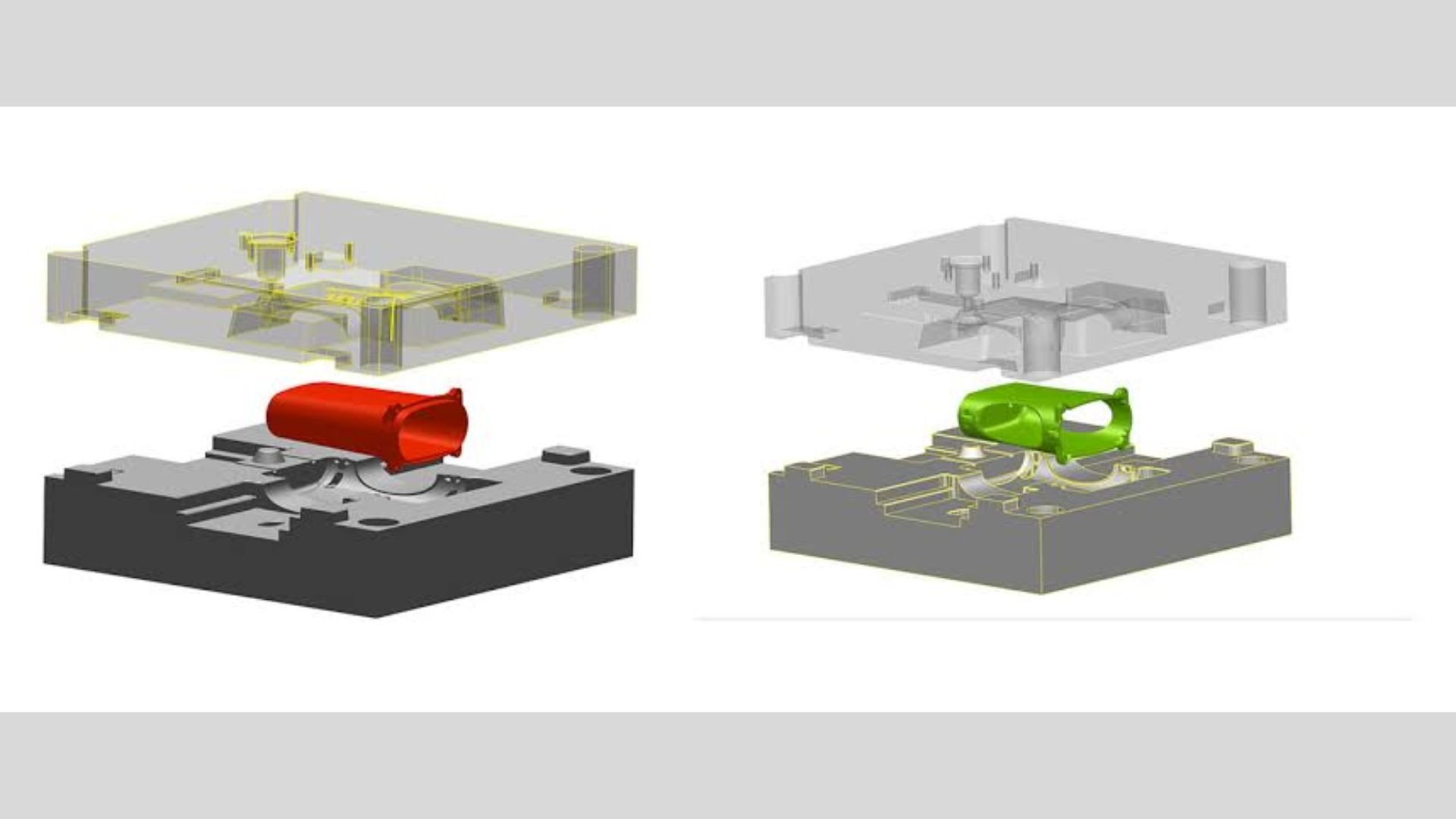
Thermoplastic, not Thermoplastic.

It is one of the most widespread overmolding combinations. The base material is a thermoplastic polymer, which is a polycarbonate (PC). It is then covered with a softer thermoplastic such as TPU. This composite enhances grip, comfort, and surface feel, and structural strength is not sacrificed.

Thermoplastic over Metal

This technique uses a thermoplastic material that is molded on top of a metal part. Metals like steel or aluminum are usually coated with plastics like polypropylene (PP). This assists in guarding against corrosion of the metal, reducing vibration, and decreasing noise during usage.

TPE over Elastomer.

This system employs a hard plastic recycled substrate like ABS with the addition of a flexible elastomer on the top. It is normally applied in products that require durability and flexibility, such as tool handles and medical equipment.

Silicone over Plastic

Silicone is also overmolded over plastic materials such as polycarbonate. This offers a high level of water resistance, sealing capability, and low tactile feel. It is commonly applied in medical and electronic devices.

TPE over TPE

Overmolding of different grades of thermoplastic elastomers can also be performed. This enables the manufacturers to produce products that have different textures, colors, or functional areas, within one part.

Is Overmolding the Right Choice?

When your product requires strength, comfort, and durability at the same time, オーバーモールディング is the appropriate decision to make. It is particularly suitable when used with components that need a soft handle, impact resistance, or additional protection without adding more assembly processes. Overmolding can be used on products that are frequently touched, like tools, medical equipment, or even electronic cases.

Is Overmolding the Right Choice?

Nevertheless, overmolding does not apply to all projects. It is normally associated with increased tooling expenses and intricate mold pattern design as opposed to single-material molding. When production quantities are small or product design is basic, then the traditional molding processes could work out to be less expensive.
Assessing the material compatibility, volume of production, requirement of functionality, and budget with consideration at the initial design stage will help in deciding whether an overmolding solution is the most effective in addressing your project.

Examples of overmolding in the real-life

Toothbrushes

The handle is hard plastic. The grip is soft rubber. This eases the task of cleaning the teeth.

Phone Cases

The device is covered with hard plastic. Drop shock is absorbed on soft rubber edges.
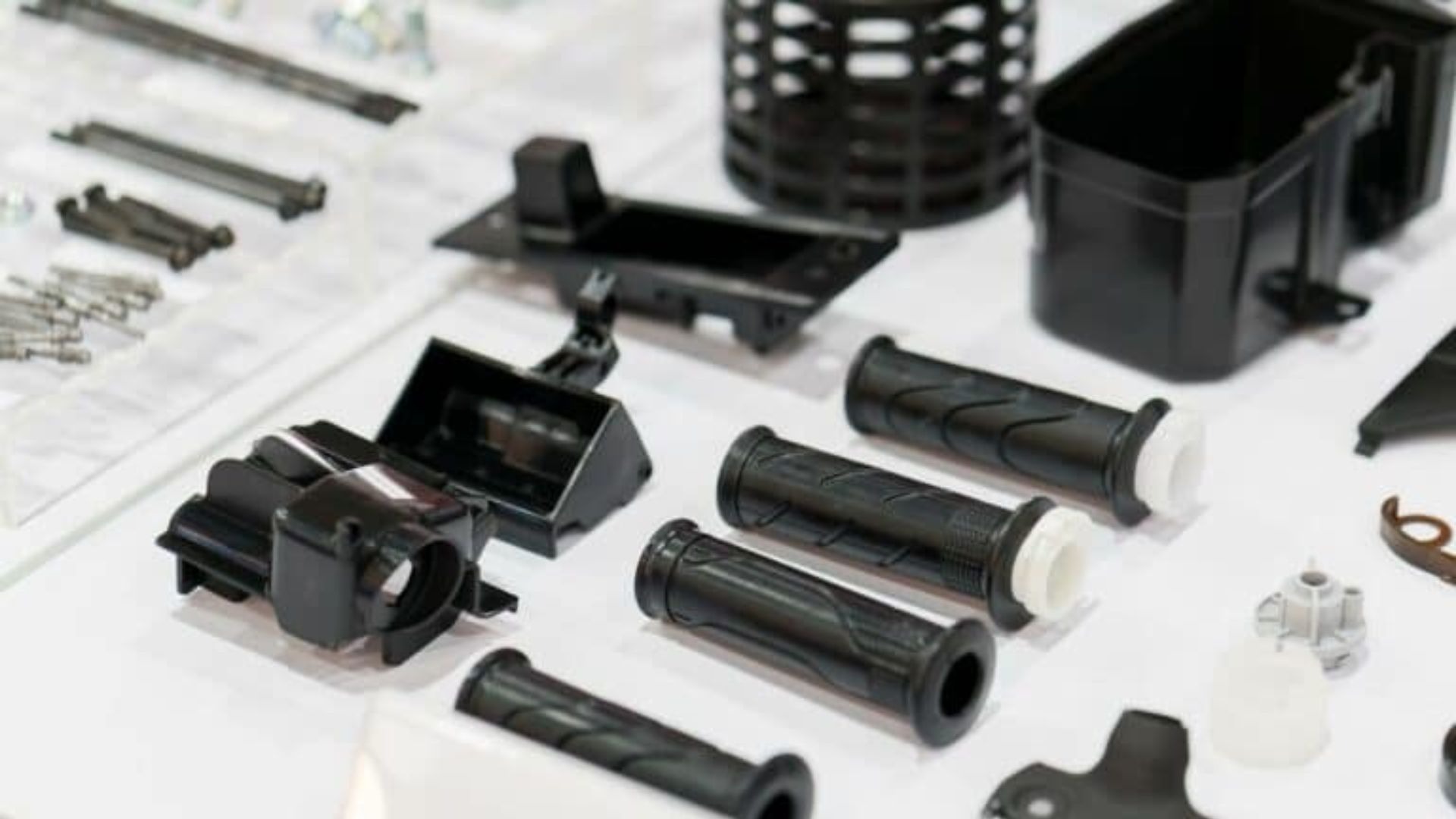
Power Tools

The rubber is overmolded on handles to minimize vibration and enhance safety.
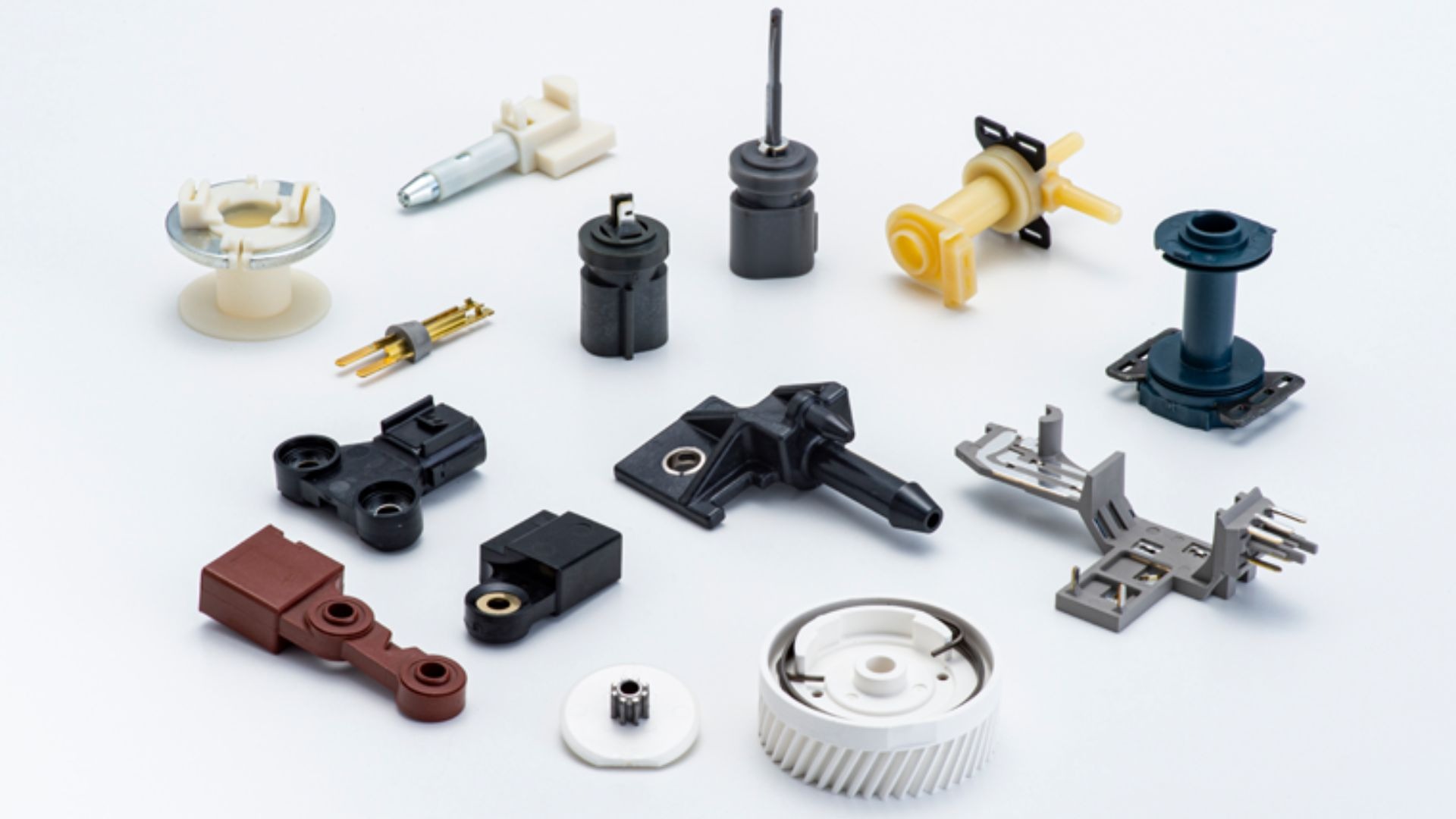
Car Interiors

Control knobs and buttons are usually soft in their feel, which makes the user experience better.

The following examples demonstrate the enhancement of usability, safety, and design of overmolding.

Sincere Tech – Your Hi-Fi partner in any kind of Molding

Sincere Tech is a trustworthy manufacturing partner that deals with all forms of molding, such as plastic injection molding and overmolding. We assist the customers with design up to mass production of products with precision and efficiency. With high technology and competent engineering, we provide high-quality parts in automotive, medical, electronics, and consumer markets. Visit Plas.co to get to know what we are capable of and offering.

結論

Overmolding is a flexible and useful technique of manufacturing. It is a process that involves a combination of two or more materials to make products stronger, safer, and more comfortable. It is broadly applied in electronics, medical devices, automotive components, domestic appliances, and industrial tools.

This is done by a careful choice of the material, accurate shape of the molds, and by ensuring that the temperature and the pressure are kept in check. Overmolding has considerable benefits, even though it is faced with some challenges, such as increased cost and increased production time.

Overmolded products are more durable, ergonomic, appealing to the eye, and functional. One of the areas where overmolding has become an inseparable component of modern manufacturing is the case of everyday products, such as toothbrushes and phone cases, to more serious items such as medical equipment and automobile interiors.

Knowing about overmolding, we may feel grateful to the fact that it is due to simple decisions in the design that help to make the products more convenient to use and longer-lasting. Such a little yet significant process goes on to enhance the quality and functionality of the goods that we use in our daily lives.

インサート成形とは?プロセス、用途、メリット

The insert molding is a pertinent technology in present-day production. It is used in attaching metal or other elements to plastic. The process offers a unified, tough, and strong component. As an alternative to the step-by-step technique of having to assemble pieces after molding them, the insert molding technique fuses them. This will save on labour, time, and enhance the quality of the product.

China is a mammoth in the insert molding. It provides cost-efficient production. High-level factories and skilled labor have been established in the country. China is a producer of all-purpose materials. It leads global production.

This paper will discuss insert molding, its process, insert types, materials, design, available guidelines, its usage, advantages, and comparison with moulding processes in contemporary production.

目次

What is Insert Molding?

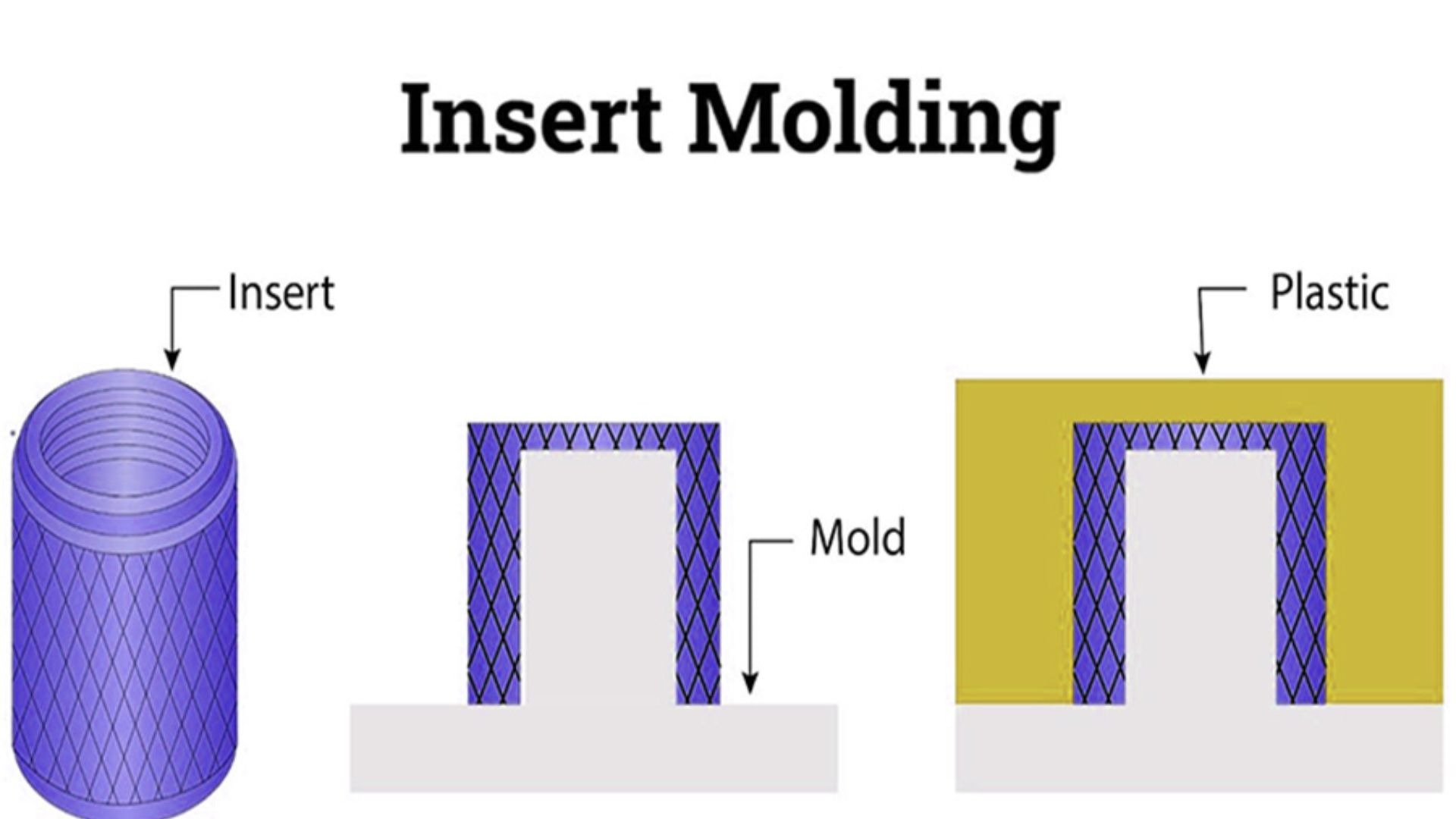
Insert molding is a process of plastic moulding. A part that has been assembled, usually a metal part, is placed into a mold. The next step is molten plastic injected around it. When plastic becomes hard, the plastic insert becomes a component of the end product. The technique is used in electronics and automotive industries, and also in the medical equipment industry.

What is Insert Molding?

The large advantage of the insert molding is strength and stability. Metal-inserted plastic parts are stronger in terms of mechanical strength. They can also be threaded and worn less as time progresses. This is especially essential in those parts that should be screwed or bolted many times.

Types of Inserts

The inserts used in insert molding have different varieties, which are used according to the purpose.

Metal Inserts

Metal inserts are the most widespread ones. These are either steel, brass, or aluminum. They are used on threaded holes for structural or mechanical strength.

Electronic Inserts

Electronic components that can be molded to appear in the form of plastic are sensors, connectors, or small circuits. This guarantees their safety and the reduction of assembly processes.

Other Materials

Some of the inserts are made in ceramics or composites to be utilized for special purposes. They are used in instances where heat resistance or insulation is required.

Choosing the Right Insert

It would depend on the part role and the type of plastic to make the decision. The major ones are compatibility, strength, and durability.

The Insert Molding Process

Single-step molding entails the incorporation of a metal or other element with a plastic tool. The insert is inserted into the ultimate product. This is a stronger and faster process compared to the assembly of parts that follows.

The Insert Molding Process

Preparing the Insert

The insert is rinsed in order to extract all the dirt, grease, or rust. It is also occasionally overcoated or rugged so that it becomes glued to plastic. It will not be destroyed by hot plastic when it is preheated to 65-100 °C.

Placing the Insert

The insert is placed with much care in the mold. Robots can insert it into large factories. Pins or clamps hold it firmly. The positioning of the right will prevent movement when the molding is taking place.

Injecting Plastic

This is accomplished by injecting the molten plastic to surround the insert. Their temperature range is between 180 and 343°C. Pressure is 50-150 MPa. To be strong, the holding pressure should be 5-60 seconds.

冷却

It is a solidification of the plastic. Smaller components take 10-15 seconds, and larger components take 60 seconds or above. Cooling channels prevent the warming up.

Ejecting the Part

The mold and ejector pins force the part out. Small finishing or trimming could then follow.

Important Points

The expansion of metal and plastic is not the same. Preheating and constant controlled mold temperature decreases the stress. This is done by the use of sensors in modern machines to achieve uniformity in the results in terms of pressure and temperature.

Key Parameters:

パラメータTypical Industrial RangeEffect
Injection Temperature180–343 °CDepends on plastic grade (higher for PC, PEEK)
射出圧力50–150 MPa (≈7,250–21,750 psi)Must be high enough to fill around insert surfaces without displacing them
Injection Time2–10 sShorter for small parts; longer for larger components
Holding Pressure~80% of injection pressureApplied after fill to densify material and reduce shrinkage voids
Holding Time~5–60 sDepends on material and part thickness

Types of common injections to be shaped 

Various types of inserts applied in injection molding exist, and they rely on the use. Each of the types contributes to the strength and performance of the final part.

The Insert Molding Process

Threaded Metal Inserts

Threaded inserts can be steel, brass, or aluminum. They allow the potential of screwing and bolting a number of times without the plastic being broken. The latter is common in automobiles, home appliances, and electronics.

Press-Fit Inserts

The press-fit inserts are those that are installed in a molded component without any additional attachment. As the plastic cools, it holds the insert and stabilizes it very well and powerfully.

Heat-Set Inserts

This is followed by the process of heat-setting inserts. When allowed to cool, the hot insert will fuse with the surrounding plastic to some extent, creating a very strong bond. They are generally used in thermoplastics, e.g., nylon.

Ultrasonic Inserts

In a vibration, ultrasonic inserts are installed. The plastic melts in the region surrounding the insert and becomes hard to create a tight fit. It is a precise and fast method.

Choosing the Right Insert

The choice of the right and left is according to the type of plastic, part design, and the load that is anticipated. The choice of metal inserts has been made based on strength, and the special inserts, like the heat-set inserts and ultrasonic inserts, have been evaluated on the basis of precision and durability.

Design Rules in the Industry of Insert Injection Molding

The design of parts to be inserted by use of molding should be properly planned. The accurate design ensures that there is high bonding, precision, and permanence.

Design Rules in the Industry of Insert Injection Molding

Insert Placement

The inserts will be inserted where they will be in a good position to be supported by plastic. They must not be very close to walls or thin edges because this can result in cracks or warping.

Plastic Thickness

Always make sure that the walls that surround the insert are of the same thickness. Due to an abrupt thickness change, uneven cooling and shrinkage can be experienced. The insert will typically have a 2-5 mm thickness, which is sufficient as far as strength and stability are concerned.

素材適合性

Take plastic and stuff it with adhesive materials. An example is a nylon that can be used with brass or stainless-steel inserts. Mixes that become excessive in heat must be avoided.

金型設計

Add a good gate position and cooling arrangements to the mold. The plastic must be capable of moving freely about the insert and must not entrap air. The temperatures are stabilized by channels and prevented from warping.

公差

Correct tolerances of the insert components of the design. It only takes a small space of clearance of 0.1-0.3 mm in order to perfectly fit the insert without being loose or hard.

Reinforcement Features

The insert should be underpinned using ribs, bosses, or gussets. When used, these properties become widely distributed, thereby preventing cracking or movement of inserts.

Unsuitable Overmold Materials to use in an insert-molding process

The ideal process is the insert molding; however, the plastic is readily melted and easily flows throughout the process of molding. The plastic should also be attached to the insert to create a robust part. Preference is given to thermoplastics because they possess the correct melting characteristics and flow characteristics.

Unsuitable Overmold Materials to use in an insert-molding process

Styrene Acrylonitrile Butadiene Styrene

ABS is not only dimensional, but it is also easy to work with. It is best applicable to consumer electronics among other products that demand a high level of accuracy and stability.

Nylon (Polyamide, PA)

Nylon is strong and flexible. It is usually welded to metal inserts to a structural commodity, e.g, automotive bracketry or building component.

ポリカーボネート(PC)

Polycarbonate is not only crack-free but also tough. It is applicable mostly in the provision of electronics enclosures and medical equipment, and other equipment that requires durability.

Polyetheretherketone (PEEK)

PEEK has a competitive advantage over the heat and chemical. It would apply to the high-performance engineering, aerospace, and medical fields.

ポリプロピレン(PP)

Polypropylene is not viscous, and neither does it respond to a high number of chemicals. It is used on domestic and consumer goods, and on automobile parts.

ポリエチレン(PE)

Polyethylene is cheap and also elastic. The primary use of this is in lighting, e.g., packaging or protective cases.

Thermal plastic Polyurethane (TPU) and Thermoplastic Elastomer (TPE)

TPU and TPE are rubber-like, soft, and elastic. They are perfect in over molding grips, seals, or parts that require impact absorption.

Choosing the Right Material

The choice of the overmold material is dictated by the part functionality, the task of the insert, and its functioning. It should also be a good flow plastic bonding the insert, besides providing the required strength and flexibility.

Part Geometry and Insert Placement:

 This feature applies to all parts.

Part Geometry and Insert Placement

 Part Geometry and Insert Placement:

 It is a feature that could be applied to any part.

The insert retention is dependent on the shape of the part. The insert positioning should be such that of adequate plastic around it. One should not have insurance too close to edges or narrow walls, as this can crack or bend.

The plastic surrounding the insert should be smooth in thickness. A sudden change in thickness can result in either nonuniform cooling or contraction. In the case of the insert, a normal 2-5 mm of plastic is sufficient in regard to strength and stability.

The design features that can be used to support the insert are ribs, bosses, and gussets. As it is used, they help in the dispersion of stress and the inhibition of movement. Once the insert is correctly installed, one is assured that the part is in place and that the part works effectively.

Technical Comparison of Thermoplastics for Insert Molding

素材溶融温度 (°C)金型温度 (°C)Injection Pressure (MPa)引張強さ (MPa)Impact Strength (kJ/m²)収縮率(%)Typical Applications
ABS220-26050-7050–9040-5015–250.4–0.7Consumer electronics, housings
Nylon (PA6/PA66)250–29090–11070–12070–8030–600.7–1.0Automotive brackets, load-bearing parts
ポリカーボネート(PC)270–32090-12080–13060-7060-800.4–0.6Electronics enclosures, medical devices
PEEK340–343150–18090–15090–10015–250.2–0.5Aerospace, medical, chemical applications
ポリプロピレン(PP)180–23040-7050–9025-3520-301.5-2.0Automotive parts, packaging
ポリエチレン(PE)160–22040–6050–8015–2510–201.0–2.5Packaging, low-load housings
TPU/TPE200–24040-7050–9030-5040–800.5-1.0Grips, seals, flexible components

The Advantages of the Insert Moulding

The Advantages of the Insert Moulding

Strong and Durable Parts

An insert molding process involves the combination of plastic and metal into a single entity. This makes the components tough, robust, and can be used over and over again.

Reduced Assembly and Labour

The insert will be inserted into the plastic, and no additional assembly will be required. This conserves time and labor and reduces the possibility of mistakes during assembly.

Precision and Reliability

The insert is firmly attached to the moulding. This guarantees that the dimensions are the same and that the mechanical strength is increased to increase the reliability of parts.

Design Flexibility

The fabrication of complex designs through the assistance of insert moulding would be difficult to produce through conventional assembly. It is possible to have metal and plastic being used in a novel combination to fulfil functional requirements.

Cost-Effectiveness

Insert molding will also reduce waste of materials, as well as assembly costs in large volumes of production. It improves effectiveness and overall quality of products, therefore long-term cost-effective.

The applications of the Insert Moulding

自動車産業

The automobile industry is a typical application of インサート成形. Plastic components have metal inserts, which provide the component, like brackets, engine parts, and connectors, with strength. This will render assembly less and durability more.

エレクトロニクス

Electronics. The benefit of insert molding here is that it is possible to add connectors, sensors, and circuits to a plastic casing. This will guarantee the safety of the fragile components and make the assembly process relatively easy.

医療機器

The technology of insert molding is highly used in medical apparatuses that demand a high degree of accuracy and longevity. This is applied in the production of surgical equipment, diagnostic equipment, and durable plastic-metal combinations.

消費者製品

Consumer goods like power tools, appliances, and sports equipment are mostly molded with insert molding. It reinforces and simplifies the assembly of the process, and it makes ergonomic or complex designs possible.

Industrial Applications, Aerospace.

について インサート成形 is also used in heavy industries and aerospace. High-performance plastics that are filled with metal have light and strong components that are heat-resistant and wear-resistant.

Materials Used

The action of the insert mode of molding requires the appropriate materials for the plastic and the insert. The choice will lead to power, stability, and output.

The Advantages of the Insert Moulding

Metal Inserts

The use of metal inserts is normally done because they are rough and durable. It comprises mainly steel, brass, and aluminium. In parts with a load, steel can be used, brass cannot be corroded, and aluminum is light.

Plastic Inserts

Plastic inserts are corrosion-resistant and light. They are used in low-load applications or applications in parts that are non-conductive. Plastic inserts can also be shaped into complex shapes.

The Ceramic and Composite Inserts.

Ceramic and composite inserts are used to obtain heat, wear, or chemical resistance. They are normally employed in aerospace, medical, and industrial fields. Ceramics are resistant to high temperatures, and composites are also stiff yet have low thermal expansion.

Thermoplastic Overmolds

The surroundings of the insert are a thermoplastic that is generally a plastic. Available options include ABS, Nylon, Polycarbonate, PEEK, Polypropylene, Polyethylene, TPU, and TPE. ABS is moldable, stable, Nylon is flexible and strong, and Polycarbonate is an impact-resistant material. TPU and TPE are soft and rubbery materials that are used as seals or grips.

素材適合性

Plastic and metal are supposed to grow in ratio to one another in order to eliminate strain or deformation. The plastics must be glued to the insert in case they should not separate. In plastic inserts, the overmold material should acquire adhesive to ensure that it becomes strong.

Material Selection Tips

Consider the load, temperature, chemical, and part design exposure. The metal inserts are durable, the plastic inserts are lightweight, and the ceramics can withstand extreme conditions. The overmold material must have the capability of meeting all the functional requirements. 

Cost Analysis

The inserted plastic will enable the saving of the money that would have been utilized in the attachment of the single parts. The decrease in the assembly levels will mean a decrease in the number of labourers and a faster production speed.

Initial costs of moulding and tooling are higher. Multiplex molds having a set of inserts in a certain position are more expensive. However, the unit cost is lower when the level of production is large.

Choice of material is also a factor of cost. Plastic inserts are less expensive than metal inserts. PEEK is a high-performance plastic that is costly in comparison to the widely used plastics, including ABS or polypropylene.

Overall, the price of insert moulding will be minimal in the medium to high volume of production. It will save assembly time, improve the quality of the parts, and reduce long term cost of production.

The problems with the Molding of Inserts

Despite the high efficacy of the insert molding, it has its problems, too:

Thermal Expansion: We will have rate differences and therefore warp in metal and plastic.

Insert Movement: Inserts can move, already in the injection process, unless firmly fixed.

Material Compatibility: Not all plastics can be compatible with all metals.

Small Run Mould tooling and set-up Cost: Mould tooling and set-up can be expensive at very small quantities.

These problems are reduced to a minimum by designing well, mould preparation, and process control.

インサート成形の未来

The insert moulding is in the development stage. New materials, improved machines, and automation are being used to increase efficiency, and 3D printing and hybrid manufacturing processes are also becoming opportunities. Its ability to produce lightweight, strong, and precise parts due to the necessity of the parts is that the insert moulding will be a significant production process.

The Advantages of the Insert Moulding

When it comes to Assistance with Sincere Tech

In the case of insert moulding and overmoulding, we offer high-quality, correct, and reliable moulding solutions of moulding at Sincere Tech. Our technology and hand-craft workers will ensure that every part will be as per your specification. We are strong in the long-lasting, complicated, and economical automobile, electronic, medical, and consumer goods moulds. Your manufacturing process is easy and efficient, and this is due to our turnaround times and great customer service. You are moving to Sincere Tech, and with the company will work in line with precision, quality, and your success. Trust us and have your designs come true for us correctly, dependably, and to industry standards.

結論

Insert moulding is a production process that is flexible and effective. It allows designers to employ a single powerful component that is a combination of metal and plastic. The use of insert moulding in industries over the years is due to its advantages that include power, precision, and low cost. But it is getting more confident along with the advancements in materials and automation. The solution to manufacturing by insert molding is time saving, cost reduction, and high-quality products in the context of modern manufacturing.

アクリル射出成形:完全ガイド

Acrylic injection molding can be defined as a new technology of manufacturing plastic products with high quality. The technique has a wide application in the automotive industry, healthcare sector, consumer goods, and electronics. It is particularly renowned for making transparent, tough, and attractive products.

China is a major part of the acrylic molding business. China has large quantities of factories that manufacture high-quality acrylic molds and parts. They offer cost-effective, dependable, and scalable production to the international markets.

This paper covers the process of injection molding, types of molds, applications, and best practices in acrylic injection molding.

目次

What is Acrylic Injection Molding?

Acrylic injection molding is an aircraft production technique in which acrylic plastic is warmed up until it melts and then injected into a mold. The plastic is cured and solidifies into a given shape. The process is very useful in the large-scale production of complex and consistent parts.

The acrylic pellets are small and used as the starting food materials. These are poured into a heated barrel until it melts. Then the molten acrylic is injected into high pressure mold with acrylic molds. The molds are cooled and opened, and the finished product is ejected.

The process is fast, accurate, and economical, unlike other methods of molding. It suits industries where the quantity of production is needed without necessarily touching on the quality.

What is Acrylic Injection Molding?

Benefits of Acrylic Molding

There are numerous benefits of acrylic molding.

  • Large Transparency: Acrylic products are very transparent. They are frequently applied in situations when it is necessary to be visual.
  • 耐久性がある: Acrylic is durable and scratch-resistant.
  • Complex Shapes: It is able to do complex designs, which are hard to do with other plastics.
  • 費用対効果: After creating molds, thousands of pieces can be created in a short time, which makes the process less expensive.
  • 一貫性: Each batch is the same as the preceding one, and quality is ensured in high quantities.

The acrylic molding is quick and accurate, and hence a good option where quality and speed are expected in industries.

Acrylic Injection Molding was discovered

In the mid-20th century, the manufacturers of the process started to develop the process of acrylic injection molding because the manufacturers wanted to find a quicker and more accurate method of shaping PMMA. Previously, casting was used as the primary process of acrylic molding, which was a slow and work-consuming process.

Machines that could melt acrylic pellets at temperatures of 230-280 °C and inject them into small acrylic molds were invented by engineers in Germany and the United States in the 1940s and 1950s. This invention made it possible to manufacture intricate and high-quality parts that had uniform dimensions.

Injection techniques of acrylic to produce what is today known as the molding of acrylic transformed industries such as automotive, medical devices, and consumer products. Acrylic plastic molding not only reduced the time but also increased efficiency, but it also made parts that had tight tolerances (+-0.1 mm) and those that were optically clear (>90% light transmission).

Acrylic Injection Molding was discovered

Types of Acrylic Molds

There are several types of acrylic molds; each model is produced according to the required production nature and complexity of the product. The selection of a suitable type guarantees results of high quality and efficiency in acrylic molding.

単一キャビティ金型

 Single-cavity molds are made to make a single part after each injection cycle. They can be used when the production run is small or in prototypical projects. With single-cavity molds, the process of injection molding acrylic material is done using the term under consideration in order not to have to deal with the problem of incorrect shaping and vague surfaces.

マルチキャビティ金型

 Multi-cavity molds are able to manufacture many copies within one cycle. This gives them ideal suitability for massive production. Multi-cavity molds are frequently molded with acrylic to accomplish consistency and minimize the time of production.

ファミリー・モールド

In a single cycle, family molds generate some of the various parts. This is a type that is practical in formulating components that constitute a product assembly. Family molds can use acrylic plastic molding that enables multiple pieces to be manufactured at the same time, which saves both time and cost.

ホットランナー金型

The Hot runner molds allow the plastic to be kept in channels to minimize wastage and enhance efficiency. Hot runner systems use acrylic molds that fit high-precision products with smooth surfaces and fewer defects.

コールドランナー金型

Cold runner molds employ channels that cool together with the part being molded. They are less costly and easier to produce. A lot of small to medium-sized manufacturers would rather use acrylic molding by using cold runner molds to do their production cheaply.

The choice of the appropriate type of the so-called acrylic molds is determined by the volume of production, the design of the product, and the budget. Correct selection of molds leads to better performance of acrylic injection molding and finished products of high quality.

The techniques of Acrylic Plastic Molding

Acrylic plastic molding is the process of using several methods to convert acrylic substances into useful and attractive items. Both approaches have strengths, which are determined by design, volume of production, and the needs of the product.

The techniques of Acrylic Plastic Molding

射出成形

The most popular one, which is called acrylic injection molding, consists of heating acrylic subunits, called acrylic pellets, until molten, and its injection into acrylic molds. Upon cooling, the plastic will solidify in the intended shape. This is the best method to make a high-precision product in massive quantities.

圧縮成形

 Acrylic sheets are put in a hot mold and pressed to form in compression molding. This technique can be applied to thicker sections and plain designs. Compression molding of acrylic is used to make it uniform in thickness and strength.

押出

Long continuous profiles are made by extrusion, where molten acrylic is forced into a shaped die. By extrusion, acrylic molding is used on such items as tubes, rods, and sheets. It is even in cross-sections and surfaces.

熱成形

The thermoforming technique heats acrylic sheets until pliable and shapes them over a mold with the vacuum or pressure. The approach works well with huge or non-huge products. Thermoforming is a technique of manufacturer of low to medium volumes of acrylic plastic molds at a reasonably low cost.

Rotational Molding

Rotational molding is also used with acrylic, but the mold is rotated during heating to evenly coat the inside of the mold. Shapes with hollows can be made effectively using this technique. In rotational molds, there is the flexibility of molding acrylic to fit some designs.

Process of Molding Acrylic

Molding acrylic is an important and technical process through which the raw acrylic material is changed into finished parts of high quality. The procedure comes with several processes, and each process entails precise control of temperature, pressure, and time to provide the optimal outcome in the process of acrylic molding.

Process of Molding Acrylic

Material Preparation

The reaction begins with acrylic high-quality pellets, which can be of different sizes (usually 2-5 mm in diameter). The moisture content of the pellets should be less than 0.2, and any further moisture may lead to bubbles in the process of molding. The pellets are normally dried in a hopper dryer at 80-90 deg C in not less than 2-4hours before usage.

Melting and Injection

The dried pellets are introduced into the barrel of the injection molding machine. The temperature of the barrel is maintained at 230-280 °C, with acrylic grade depending on the grade used. The pellets are melted by the screw mechanism to form a homogeneous acrylic mixture in molten form.

The acrylic is then injected at high pressure – normally 70-120 MPa – into acrylic molds once molten. The time of injection depends on the size of the part, with the small to medium parts taking about 5 to 20 seconds.

冷却

A pressurized mold is placed after injection as the acrylic cools and solidification takes place. The time of cooling varies with the thickness of parts:

  • 1-2 mm thickness: 15-20 seconds
  • 3-5 mm thickness: 25-40 seconds
  • Above 5 mm thickness: 45-60 seconds

The cooling is necessary to eliminate warping, shrinkage, or surface defects. Established molds may also make use of water pipes or oil cooling to maintain the temperatures in the required specifications.

型開きと射出

The mold is opened once it has cooled, and the part is ejected with mechanical or hydraulic ejector pins. It should be noted that the force of ejection should be limited to ensure that it does not damage the surface or deform it.

Post-Processing

The part may also go through finishing procedures like clipping off or polishing the part after ejection, or annealing. Aging at temperatures of 80-100 deg C 1-2 hours of aging assists in removing internal stresses and enhancing clarity and strength.

Quality Inspection

Individual components are checked against defects such as air bubbles, warping, and dimensionality. Calipers are utilized, or a laser scan is undertaken, and tolerance is allowed to be within + 0.1 mm when dealing with high precision components. The application of acrylic plastic molding, which is of good quality, has ensured that all its products are industry standard.

Summary of Process Parameters:

StepパラメータValue
DryingTemperature80–90°C
DryingDuration2~4時間
バレル温度Melt Acrylic230–280°C
射出圧力70–120 MPa
冷却時間1–2 mm thick15–20 sec
冷却時間3–5 mm thick25–40 sec
冷却時間>5 mm thick45–60 sec
AnnealingTemperature80–100°C
AnnealingDuration1–2 hours
Dimensional Tolerance±0.1 mm

The acrylic molding with the following technological characteristics guarantees the quality, accuracy, and efficiency of each product. The process of acrylic injection molding can be used to manufacture clear, durable, and dimensionally accurate components by using optimized conditions, which ensure consistent production of the components.

Uses of Acrylic Injection Molding

The acrylic injection molding is heavily applied in sectors where accuracy, clarity, and longevity are required.

Uses of Acrylic Injection Molding

自動車産業

Tail lights, dashboards, and trims are made as a result of acrylic molds. Parts are typically 1.5-5 mm thick, and with a temperature range of -40 °C to 80 °C. Clarity and longevity are guaranteed by Molding acrylic.

Health care and medical equipment.

Lab equipment, instrument covers, and protective shields are manufactured by the process of Acrylic plastic molding. There is a requirement for parts with tolerances of +-0.1 mm and the ability to be sterilized. Acrylic injection molding ensures smooth and correct surfaces.

コンシューマー・エレクトロニクス

Smartphone covers, LED housings, and protective screens are molded with acrylic. Part must have a gloss on the surface exceeding 90% and accurate dimensions.

Amphetamine, Methamphetamine, and amphetamines in household and decoral products.

Such products as cosmetic containers, display cases, and panels are manufactured with the help of using the so-called acrylic plastic molding. The average thickness varies between 2 and 8 mm, which provides even finishes with smooth, clear, and colorful finishes.

Electrical Components, Lighting, and Optics.

The acrylic injection molding is used in the clarity of LED lenses, light diffusers, and signage. The parts attain transmission of light to the tune of over 90% at specific angles and thickness.

産業機器

There is the use of machine guards, instrument panels, and transparent containers, which are based on acrylic molding. Components require an impact strength of 15-20 kJ/m2 and be clear.

Typical Applications
This Framework is applied in situations when the government controls all the main features of healthcare services, such as quality, cost, and accessibility, and the amount of provided services.

産業

  • Product Examples
  • Key Specifications
  • 自動車
  • Tail lights, dashboards
  • thickness 1.5-5 mm, Temp 40 °C to 80 °C

Healthcare

  • Test tube racks, shields
  • Tolerance -0.1 mm, sterilization-resistant.

エレクトロニクス

  • Covers, housings
  • Surface gloss 90, dimensional stability.

消費財

  • Containers containing cosmetics, exhibition boxes.
  • Thickness 2-8 mm, smooth finish
  • Lighting
  • LED lenses, diffusers
  • Transmission of light greater than 90, accurate geometry.
  • Industrial
  • Guards, containers
  • Impact strength 15-20 kJ/m 2, clear.

Quality Control of Acrylic Molding

In acrylic molding, quality is essential in order to have parts that are up to standard. Some minor flaws can have an impact on performance and appearance.

Inspection of Parts

All the components are inspected against air bubbles, bending, and scratches on the surface. Calipers or laser scanners are used to measure so that tolerance is not exceeded by +-0.1 mm. The process of acrylic injection molding depends on regular checks as a way to ensure high quality of the output.

金型メンテナンス

Defects are prevented, and the life of the mold is lengthened by ensuring that it is regularly cleaned and inspected. The old molds may lead to inaccuracy in the dimensions or uneven surfaces.

Process Monitoring

Temperature, pressure, and cooling times are continuously checked during the process of molding acrylic. Barrel temperatures average 230-280°C and injection pressure ranges from 70 to 120 Mpa, to avoid mistakes.

Final Testing

Complete components are tested through functional and visual tests. As an illustration, optical components have to be inspected regarding the transfer of light (greater than 90 per cent) and structural parts regarding impact strength (15-20 kJ/m2).

This can be achieved by keeping a tight rein on the quality of the final product to generate dependable, accurate, and aesthetically flawless individual parts of acrylic plastic molding.

Selecting the appropriate Acrylic Injection Molding Alliance

When it comes to high-quality production, the correct choice of the manufacturer of the acrylic injection molding is crucial.

Selecting the appropriate Acrylic Injection Molding Alliance

経験と専門知識

Find partners who have experience in acrylic molding and acrylic molding. Experienced engineers would be able to maximize the mold design, injection, and finishing to specifications.

Equipment and Technology

Innovative machines that regulate temperature (230-280 °C), injection pressure (70-120 Mpa) are very specific in enhancing product consistency. The errors and waste are minimized with the help of high-quality acrylic molds and automated systems.

品質保証

When it comes to a trusted supplier, they include rigorous checks of their parts, such as dimension checks (within -0.1 mm tolerance) and surface checks. With correct QA, it is ensured that the components of the acrylic plastic will be clear, durable, and defect-free.

Communication and Support

Good manufacturers interact during the designing and manufacturing process. They assist in the optimization of molds, propose materials, and material cycle time optimization.

Suggestions on Successful Acrylic Molding

It is advisable to follow best practices in acrylic molding to have high-quality, accurate, and durable parts.

Suggestions on Successful Acrylic Molding

Use High-Quality Material

Begin with acrylic 2-5 mm size pellets of less than 0.2 moisture content. Drying at 80-90°C 2-4 hours help in eliminating the bubbles and surface defects when molding acrylic.

Optimize Mold Design

Create an appropriate vented design and design acrylic molds with appropriate cooling channels and injection points. It minimizes warping, contraction, and cycle time in the process of injection molding of acrylic.

Control Process Parameters

Keep barrel temperature at 230-280 °C and injection pressure at 70-120 Mpa. Cooling time should be equivalent to part thickness:

  • 1-2 mm – 15-20 sec
  • 3-5 mm – 25-40 sec
  • 5 mm – 45-60 sec

Inspect Regularly

Check parts’ dimensions (maximum error in dimensions 0.1 mm), light spots, and optical clearness (transmission greater than 90%). The advantage of acrylic plastic molding lies in the ability to perform consistent inspection.

Maintain Molds

Wash and clean molds so as to avoid wear and ensure smooth and consistent production. Molded acrylic finds increased efficiencies and quality of parts.

All these tips will give the process of acrylic injection molding a sure, no less attractive, and perfectly correct components every time.

Widespread Defects and Prevention

Defects can be experienced even in the case of accurate acrylic injection molding. Knowledge of causes and solutions guarantees the quality of acrylic molding.

Widespread Defects and Prevention

Air Bubbles

Any air present in acrylic molds may produce bubbles on the surface.

Recommendation: Drying of acrylic NP with less than 0.2 percent moisture, correct ventilation of molds, and injection pressure of 70-120 Mackey’s.

ワーピング

Warping occurs, whereby the parts do not cool equally, hence they are distorted.

Resolution: homogeneous cooling channels, temperature of part, and part cooling time depending on part thickness (e.g., 1-2 mm – 15-20 sec, 3-5 mm – 25-40 sec).

シンクマーク

The sink marks are formed when the thick parts contract during cooling.

Solution: maximize the wall thickness, packing pressure, and adequate cooling rates in molding acrylic.

ショートショット

Short shots occur when the molten acrylic fails to fill the mold.

Resolution: Turn on more pressure in the injection press, clear blockages in acrylic molds, and verify correct barrel temperature (230-280 °C).

Surface Defects

Rough or scratches decrease transparency in acrylic plastic molding.

Remedy: Polish molds, do not use too much ejection power, and keep processing areas clean.

Outlook of Acrylic Injection Molding

Technology, efficiency, and sustainability are the future of acrylic injection molding.

Outlook of Acrylic Injection Molding

Advanced Automation

The acrylic molding is becoming more and more automated and robotic. Temperatures (230-280°C) and injection pressures (70-120 Mpa) can be controlled with accuracy by machines. Automation in the production of acrylic by molding lowers human error and enhances the cycle times.

3D Printing and Prototyping

The molds in the acrylic prototype are accomplished by 3D printing within a limited time. This allows the engineers to carry out experimentation with designs and optimization of molds before the production is done in full. Acrylic plastic molding is faster and cheaper due to the quick prototyping.

Sustainable Materials

It is becoming a norm to recycle the acrylic waste and develop materials that are friendly to the environment. Pellets recycled in the production of acrylic products under the injection molding process will result in a reduced environmental impact, though it will not impact the quality of the product.

Improved Product Quality

In the future, there will be increased optical clarity (>90 percent light transmission), surface finish, and dimensional controls (+-0.1 mm) in what is termed acrylic molding. This strengthens products, making them clearer and more precise.

Industry Growth

With the growing need for durable, lightweight, and clear products, the market will be broadening on the activities of molding acrylic in the automotive, medical, electronic, and consumer goods sectors.

Through technology and sustainability adoption, acrylic injection molding will continue to be one of the manufacturing processes used in high-quality and efficient production.

Sincere Tech: Your Reliable Provider of Acrylic Injection Molding.

Sincere Tech (Plas.co) offers services of precision plastic molding and acrylic 射出成形, which can be trusted. We have strong, accurate, and appealing parts, which are guaranteed by our high-technology and skilled workforce. We deal with custom-made acrylic molds and solutions that we make according to your design specifications.

Wholesome and Trustworthy Solutions.

We perform one-stop shopping prototype and product design up to large-scale production. You will be handling high-quality, durable, and reliable parts in our hands with our experience in acrylic molding and molding acrylic.

Reason to select Sincere Tech (Plas.co)?

The examples of our work can be viewed at https://plas.co. If you are seeking the best in terms of quality, precision, and good service, then Sincere Tech (Plas.co) is your partner when you are in search of the best in molding solutions.

結論

Acrylic molding and acrylic injection molding are essential processes in the current production. They provide quality, long-lasting, and fashionable products that can be used in most industries. It is efficient and reliable, starting with the design of acrylic molds, to the creation of the consistent parts.

When manufacturers adhere to the best practices and select the appropriate partner, high-quality products can be produced with the help of the use of molding acrylic. The further maturation of technology means that acrylic injection molding will be one of the most important in the development of innovative, accurate, and aesthetic products.

ガラス繊維入りナイロン射出成形について知っておくべきすべて

Glass-filled nylon Injection molding is a very important process in present-day manufacturing. The process is an integration of the plastics that are flexible and strong like glass fibres, giving rise to lightweight, strong, and accurate parts. High-stress and high-temperature components. A considerable number of industries can utilize glass-filled nylon injection molding to produce high-stress and high-temperature components with a consistent quality.

Manufacturers use this material since it enables them to produce in large volumes without compromising on performance. In the modern day, automotive, electronics, and industrial processes require this process to give them strong, reliable, and cost-effective components.

What is Glass Filled Nylon?

Polyamide reinforced material is glass-filled nylon. Nylon is mixed with small glass fibres to transform it into one with improved mechanical properties. The injection moulding of glass-filled nylon is used, which creates a part that would be harder, stronger and heat resistant as compared to plain nylon.

The inclusion of the glass fibres reduces the warping and shrinkage of the cooling process. It ensures the final product is of the right size, and this is vital in the fields of industry and automobiles.

What is Glass Filled Nylon?

The principal properties of the glass-filled nylon are:

  • High tensile strength
  • High levels of dimensional stability.
  • Hemolytic and chemolithic resistance.
  • Light in weight compared to metals.

The production of glass-filled nylon injection moulding guarantees not only the durability of the parts but also makes them cost-effective when it comes to mass production.

Physical, Chemical, and Mechanical Properties

The article titled Injection moulding glass-filled nylon is a mixture of nylon that has a high degree of flexibility and glass fibres, which have high strength and endow unique characteristics. Knowledge of these assists in creating credible components.

Physical Properties

  • 密度だ: 1.2 -1.35 g/cm 3, which is slightly heavier than unfilled nylon.
  • 吸水性: 1-1.5% (30% glass-filled) falls as the content of fibres is raised.
  • Thermal Expansion: Low dimensional stability coefficient (1535 µm/m -C)

Chemical Properties

  • Resistance: High towards fuels, oils and most of the chemicals.
  • 引火性: A V-2 to V-0, depending on grade.
  • Corrosion: Not corrodible like metals, perfect in unfavorable environments.

Mechanical Properties

  • 引張強さ: 120-180 Mpa and it depends on the fibre content.
  • Flexural Strength: 180–250 MPa.
  • Impact Resistance: Medium, and reducing with an increase in fibre content.
  • Stiffness: Stiffness is high (5 8Gpa), which offers stiff load-bearing components.
  • Wear Resistance: It is superior in gears, bearings and moving elements.

射出成形プロセス

Glass-filled nylon injection moulding is done by melting the composite material and then injecting it under high pressure into a mould. The procedure is divisible into several steps:

  • Preparation of the material: The composition of the proper quantity of glass fibre and Nylon pellets is mixed.
  • Melting and injection: The material is heated until melted, then it is forced through a mold.
  • Cooling: This is a solidification process whereby the fibres are fixed.
  • Ejection and finishing: The rudiment of the solid is taken out of the mould and is likely to be trimmed or polished.

The glass fibres in the injection molding glass filled nylon assist the part not to lose its shape and strength once it is cooled down. This is particularly needed in tightly toleranced and very complex designs.

射出成形プロセス

Advantages of Utilizing Glass-Filled Nylon

The material glass-filled nylon injection molding offers several benefits in comparison to a conventional material:

  • Strength and durability: Tensile and flexural strength are achieved with the use of glass fibre.
  • Heat resistance: This implies that the components can resist the high temperatures without deforming.
  • 寸法精度: The lesser shrinkage is an assurance of the resemblance of different batches.
  • 軽量だ: The material is strong, but upon being made lightweight, it becomes more efficient in automotive and aerospace uses.
  • Cost efficiency: Shorter production time and reduced waste would lower the costs.

On the whole, the term injection moulding glass-filled nylon enables makers of high-performance parts to create their parts efficiently and address the needs of the modern industry.

Glass Filled Nylon Processing Tips

When injecting glass-filled nylon, it is important to pay attention to the behavior of the material and the settings of the machine. Flow, cooling and thermal properties are altered by the presence of glass fibers. When the correct instructions are followed, the glass-filled nylon injection molding could result in robust, accurat,e and flawless components.

Glass Filled Nylon Processing Tips

Material Preparation

Glass-filled nylon is easily used as a moisture-absorbing material. Wet material may lead to bubbles, voids and bad surface finish. Dry the material at 80–100 °C in 46 hours. Make sure that the glass fibres are not clumped together in the nylon in order to achieve uniform strength.

溶融温度

Keep recommended nylon grade melt temperature:

  • PA6: 250–270°C
  • PA66: 280–300°C

Excessive temperature may ruin the nylon and spoil fibers whereas excessively low temperature causes poor flow and inadequate filling in injection moulding glass-filled nylon.

Injection Pressure and Speed

Moderate injection rate and pressure: 70 -120 Mpa is normal. Quick injection can deform fibres and cause stress within fibres. Appropriate speed not only allows smooth flow but also produces consistent fibre orientation, leading to stronger parts.

金型温度

Surface finish and dimensional accuracy depend on the temperature of the mould. Maintain 80–100°C. The low temperatures of the mould can produce warping and sink marks, whereas high temperatures enhance the flow and reduce the cycle time.

冷却時間

Wall thickness should be equal to the cooling time. Makes it too short and it warps, too long and it makes it less efficient. Proper cooling channels assist in ensuring that there is uniform cooling and accurate dimensions in the  glass-filled nylon injection moulding.

This is what happens to it upon being ejected and post-processing

Use 1 -2 degrees draft angles to achieve smooth ejection. It is important to avoid too much force of ejection capable of pulling fibres or snapping part. After processing, there could be trimming, polishing or annealing to resolve internal stress.

Fiber Content Consideration

The content of glass fiber is usually 30 50% in weight. An increase in fiber content enhances strength, stiffness and heat tolerance, but decreases impact toughness. Control parameters of processing to avoid defects by adjusting to fiber content.

Potential Glass-Filled Nylon Substitutes

Though, the glass-filled nylon with an injection moulding is strong and durable, sometimes there are better materials to use in certain requirements.

  • Unfilled Nylon (PA6/PA66): Nylon is lightweight, cheaper and simpler to work with, and it is recommended in low-stress work, but is not as stiff as glass-filled nylon.
  • ポリカーボネート(PC): Impact strength and heat resistance are high, and stiffness is less than that of glass-filled nylon injection molding.
  • Polyphenylene Sulfide (PPS): This is very strong in both chemical and heat resistance and can be used in high temperature applications at the expense of.
  • Acetal (POM): Dimensional stability, low friction and weak in heat resistance and stiffness.
  • Fiber-Reinforced Composites: Carbon or aramid reinforcing fibres are stronger, stiffer, more complicated and costly to process.
Potential Glass-Filled Nylon Substitutes

Glass Filled Nylon Properties

The glass-filled nylon in the form of injection molding is preferred due to the good mechanical and thermal properties it has, which qualify it to withstand the demanding nature of the applications. The addition of nylon with glass fibres increases the strength, rigidity, and dimensional stability of the material. Here are the main properties:

High Tensile Strength

Nylon-containing glasses are resistant to high pulling and stretching forces. This renders glass-filled nylon injection moulding suitable for structural components in automotive and industrial applications.

Excellent Heat Resistance

Glass fibers enhance thermal stability so that parts can be strong at high temperatures. This is crucial to the elements that are exposed to engine heat or electronic equipment.

Dimensional Stability

The glass fibers minimize the contraction and deformation during cooling. The process of Injection molding glass-filled nylon creates the parts that do not lose their shape and accurate measurements even in complex designs.

Improved Stiffness

Glass-filled nylon is stiffer than normal nylon and is not likely to bend when under pressure. This suits it with gears, brackets and mechanical housings.

Fashion and Friction Resistance

Glass fibers also increase the abrasion resistance, thus decreasing wear on the moving parts. The service life of components is prolonged by using the glass-filled nylon injection molding which is especially applicable in high-friction environments.

Lightweight

Though it is powerful, glass-filled nylon is significantly lighter than metal products, hence it is used in automotive components, aerospace, and electronic products where weight reduction is important.

耐薬品性

Nylon is glass-filled and can withstand oils, fuels and most chemicals and is thus appropriate in harsh environments. This will guarantee durability in industry or automotive parts.

Types of Glass-Filled Nylon

Glass filled nylon has several types each intended to be used in a particular manner in injection molding glass filled nylon and glass filled nylon injection molding.

Types of Glass-Filled Nylon

PA6 with Glass Fill

Nylon 6 (PA6) that is reinforced with glass fibers is strong and stiff with wear resistance. It is mostly applied in industrial and car parts.

PA66 with Glass Fill

PA66 (Nylon 66) is more heat-resistant and has slightly better mechanical properties than PA6. It will be perfect in high-temperature applications such as engine components or electric housings.

PA6/PA66 Blends with Glass Fill

Blends combine the hardness of PA6 and the heat defiance of PA6,6, which gives a balance between strength, stiffness and dimensional stability.

Specialized Grades

Glass-filled nylons sometimes contain lubricants, flame-resistant materials or UV stabilizers to be used in electronics, outdoor parts, or safety gear.

Glass-Filled Nylon Injection Molding Uses

Glass-filled nylon injection molding is finding a lot of applications in a wide range of industries because of its strength, heat resistance and accuracy. Examples of its common uses are:

Glass-Filled Nylon Injection Molding Uses

自動車

  • Gears and bushings
  • Brackets and housings
  • Clips and fasteners

エレクトロニクス

  • Electrical connectors
  • Switch housings
  • Insulating components

Industrial Machinery

  • Wear-resistant parts
  • Machinery functional parts.

消費者製品

  • 家電部品
  • Sporting equipment
  • Durable casings

Applying nylon filled with glass in injection molding in these applications will guarantee good long and reliable work even in difficult conditions.

Glass Filled Nylon Injection Molding Design Guidelines

Components meant to be used in a glass filled nylon injection molding have to be designed with much care to ensure that the components are as strong as possible, precise and at the same time durable. 

Glass Filled Nylon Injection Molding Design Guidelines

壁厚

  • Havea similar wall thickness to avoid sinking and warping.
  • Most glass-filled nylon parts should be recommended with a thickness of 2-5 m, depending on the load requirement.

Very fine sections should be avoided as they can lead to weakening of the fiber structure and thick sections should be avoided as they can lead to uneven cooling and internal stresses.

Corner Radii

  • Sharp corners should be replaced by rounded ones.
  • Stress concentration is minimized with a radius of between 0.5 and 1.5 times the wall thickness.
  • Injection molding glass filled nylon has sharp edges that may cause fiber breakages or cracks.

Rib Design

  • Ribs do not add material, and they make the product stiffer.
  • Maintenance of ribs 50 to 60% of the adjacent wall.
  • The height of the ribs must not be more than 3 times the thickness of the wall; otherwise, sink marks and warpage will occur.

Correct rib design enhances strength and dimensional stability in nylon injection molding that is filled with glass.

Boss Design

  • The screw attachments are done with bosses.
  • Have a ratio of thickness 1:1 of the wall and fillets on the bottom.

Long thin bosses are to be avoided because they can become warped during curing with glasses filled nylon injection moulding.

ドラフト角度

  • Never leave out a draft angle so that they can easily be ejected from the mould.
  • Vertical walls should have a minimum draft of 1-2 degrees on each side.

Scratches, deformation, of fiber pull-out during demolding can be avoided in the process of proper drafting.

Orientation of Fiber Flexibility.

  • The glass fibers in injection molding glass filled nylon are so oriented that they move down the direction of the flow when injecting.
  • Get design details such that the paths of stress are parallel and normal to the fiber to achieve maximum strength.

Features leading to fibers bunching or misaligning should be avoided as they may result in a decrease in mechanical performance.

収縮と反り

Glass-filled nylon also shrinks less compared with unfilled nylon, yet unequal thickness of the wall may lead to warping.

Varying wall thickness, ribs, and inadequate cooling channels should be used to ensure minimum dimensional variation.

表面仕上げ

  • This may cause the surface to be a little bit rougher because of the presence of glass fibers.
  • Apply polished molds or post-processing in case a smooth finish is very important.
  • Do not polish too much, so as not to disorient fibers in glass filled nylon injection molding.

Popular Complications and Remedies

Although the injection molded glass filled nylon is effective, it presents some challenges:

  • Fiber rupture: happens when shearing is excessive in mixing.
  • Remedy: Adjust mixing time and speed of the solution screws.
  • Distortion of parts: parts can be distorted due to uneven cooling.
  • Remedy: Fine-tune the temperature of the mould, and mould design.
  • Roughness of surfaces: fibres can provide uneven finishes.
  • Solution: Polish moulds and processes.
  • Water intake: nylon is a water absorber, and this influences the quality.
  • Solution: Before molding, the materials should be pre-dried.

The manufacturers would be capable of exploiting the maximum of glass-filled nylon by addressing these issues.

Considerations of the Environment and Cost

In certain instances, where metals are used, glass filled nylon injection moulding is more environmentally friendly:

  • Less energy use: lighter materials will minimize energy use in manufacturing.
  • Less material waste: scrap is minimized by accurate moulding.
  • Extended product life: durable parts require fewer replacements hence low environmental impact.

There is also the advantage of lowering costs through increased speed and decreased wastes, which means that injection molding glass filled nylon will be favorable choice in the large-scale production.

Best Practices by the Manufacturers

The best practices to make the use of glass filled nylon injection molding successful include:

  • Wipe off the pre-dry materials to avoid moisture-related defects of moisture.
  • Even fiber distribution Use appropriate screw design.
  • Maximize the temperature of moulds and injection rate.
  • Check the cooling of the monitor to ensure there is no warping.
  • Surfaces of high-quality moulds should be used.

It is by following these practices that high-quality and consistent parts with excellent performance will be achieved.

Future Trends

The application of glass filled nylon injection moulding is increasing because of:

  • More need for automotive lightweight parts.
  • Consumer electronics are of high-performance. Heat-resistant components that are used in industrial automation.

It is still being researched to be able to align the fiber better, lower the cycle time, and increase the time in which this material can be recycled, thus it can be even more beneficial in the future.

About Sincere Tech

ウェブサイト https://plas.co

Sincere Tech is a reputable firm that offers services of plastic injection moulding. We are specialized in glass filled nylon injection molding.

What We Do

Our strong and accurate parts are used in automotive, electronic, and industrial applications. Each element is inspected to comply with the standards of high quality.

Why Choose Us

  • We produce long-lasting and high-quality parts.
  • Our personnel are highly qualified and professional.
  • We offer cost-effective and quick solutions.
  • We have given attention to customer satisfaction.

At Sincere Tech, we will provide quality products that satisfy you.

結論

Glass-filled nylon injection molding and injection molding glass filled nylon injection moulding are crucial processes in present-day manufacturing. These are strong, heat-resistant, dimensionally stable and cost-effective. Inan automobile, electronic or industrial machine, glass-filled nylon can be used to ensure high-performing, durable and reliable components. Manufacturers have been able to deliver high-quality and consistent results by using best practices, design, and process control. Glass-filled nylon injection molding has been one of the most viable and effective solutions to industry in terms of strength, lightweight and low cost.

金属射出成形:製造業の新たな革命への手引き

製造業の増加により、金属射出成形は最も影響力のある技術の一つとなっている。MIM射出成形プロセスのような産業の近代化プロセスは、現在、プロセスに依存している一方で、中国の金属射出成形ソリューションを使用することにより、世界的な効率が高まっている。金属射出成形システムのようなこれらのツールは、正確な設計を生産する上で非常に効果的であり、金属射出成形のような新しい生産方法は、強力で複雑で信頼性の高い金属部品を生産することを可能にしている。最も重要なことは、金属射出成形の技術の発明は、今日、企業が新たな効率と品質のベンチマークを獲得した程度に産業の可能性を変更しました。.

目次

金属射出成形とは?

Metal injection molding

金属射出成形 (MIM)は、金属射出成形としても知られ、プラスチック材料の射出成形の精度と金属の強度と安定性を融合させた革新的な製造プロセスである。従来の機械加工では困難であったり、不経済であったりする複雑で小型の非常に精密な金属部品の製造を可能にする。.

この技術は、特に航空宇宙、自動車、医療機器、電子機器、防衛などの産業において、現代の製造業の基盤として台頭してきた。MIM射出成形により、メーカーは複雑な形状を形成し、材料の無駄を最小限に抑え、高品質の最終結果を確保することができる。.

金属射出成形の主な特徴

  • 複素幾何学: 従来の機械加工では不可能な形状の部品を作ることができる。.
  • 高精度: 主要な構成員の厳格な基準を維持する。.
  • 材料効率: 従来の金属加工に比べ、スクラップや廃棄物が最小限に抑えられる。.
  • スケーラビリティ: 少量試作から大量生産まで対応できる。.
  • 費用対効果: 必要な労働力と二次工程を削減し、長持ちする部品を製造する。.

上昇する中国金属射出成形

中国の金属射出成形 は近年、精密金属部品の生産において世界をリードする企業のひとつとなっている。中国メーカーは、その高度な技術、熟練した技術者、競争力のある生産能力により、手頃な価格でありながら高品質の金属部品を必要とする世界中の企業にとって、今や好ましい供給先となっている。.

中国の金属射出成形の出現は、技術的躍進と現在の生産設備への長期投資の指標である。中国はMIMの射出成形における能力に投資し、拡張可能な製造と相まって、自動車、航空宇宙、電子機器、医療機器、防衛産業における優位性を強化することができた。.

中国金属射出成形発展の重要な原動力 

先端技術

について 中国メーカー は最高の設備と自動化された生産ラインを使用しているため、製造されるすべての部品に正確さと一貫性があります。.

熟練労働力

金属射出成形の開発分野で長期的な経験を持つエンジニアや技術者グループの関与は、生産と品質レベルの最適化に貢献しています。.

コスト競争力

中国の生産コストは比較的安いため、品質に影響を与えずにコストを削減する必要がある企業にとって、中国の金属射出成形は実行可能な代替案として取り組むことができる。.

迅速なスケーラビリティ

中国の施設は、小規模な試作品から大規模な生産まで管理できるため、グローバル産業にとって良いパートナーである。.

グローバル品質基準

現代の中国金属射出成形会社はISOやRoHSのような国際標準に準拠することができ、それは生産が信頼でき、認定されている理由です。.

金属射出成形のプロセス

Metal injection molding

金属射出成形は、プラスチック射出成形の柔軟性と金属のパワーと長寿命を提供する複雑な製造プロセスです。従来の機械加工では難しかったり、コストが高かったりする、極小で、複雑で、極めて正確な金属部品を作ることができます。.

その最も基本的な形態は、微細な金属粉末、結合剤、および特殊な目的の金型を使用した作業に基づいています。MIM射出成形により、エンジニアは大量生産で非常に複雑な部品を簡単に製造することができ、しかも良好で厳しい公差と機械的性能を維持することができる。.

ステップ1:原料の準備

最初の段階は、微細な金属粉末とポリマーバインダーのブレンドである原料の準備である。これは、射出工程での金属粉末の流れや、焼結するまでの部品形状を補助するバインダーである。.

重要なポイント

  • 金属粉末のサイズと分布は、最終的な部品の品質において非常に重要である。.
  • 結合剤の選択は、流動特性と脱バインダーに影響を与える。.
  • 均質混合は、各部の密度と強度を均一にするために用いられる。.

金属射出成形を成功させるためには、すべての部品が寸法や特性の面で厳しい要求を満たすように、原料を適切に準備する必要がある。.

ステップ2:射出成形

準備の整った原料は、いわゆる金属射出成形金型に注入され、部品の形状と特徴が決定される。金型の設計は、高い精度と欠陥の防止を保証する上で非常に重要です。.

MIMにおける射出成形の利点:

  • 最小限の二次加工で最も複雑な形状を実現。.
  • 大量生産で高い精度を保証。.
  • 従来の加工方法と比較して、無駄を最小限に抑えます。.

この時点で、成形された部品はグリーン部品と呼ばれ、バインダーはあるが密度が十分でない。製造業者は、MIM射出成形を使用することで、他の製造技術では困難な複雑な設計や非常に狭い公差の部品を製造することができます。.

ステップ 3: 脱バインダー

バインダーの除去は成形後に行う必要があり、これを脱バインダーと呼ぶ。脱バインダーは以下の方法で行うことができる:

  • 熱脱バインダー: 成分を加熱するとバインダーが気化する。.
  • 溶剤脱バインダー: 化学溶液に溶解するバインダー。.
  • 触媒脱バインダー: 低温での脱バインダーには触媒が使用される。.

効果的な脱バインダーは、部品に亀裂や変形を生じさせないことにつながり、金属射出成形工程の精度を維持するために不可欠です。.

ステップ4:焼結

脱バウンド成分は、金属の溶融温度より低い高温で焼結される。焼結中

  • 金属の粒子が溶け合って固まりとなり、より強くなる。.
  • わずかな収縮はあるが、これは金型の設計時に考慮される。.
  • 最終的な機械的特性が得られ、これには硬度と引張強さが含まれる。.

焼結は部品の変化であり、以前は弱い緑色の部品であったが、今では本格的な高強度部品である。金属射出成形の助けを借りて作られた製品の信頼性と耐久性を提供するために、所定のステップは不可欠です。.

ステップ5:後処理と品質管理。.

焼結後、部品は次のような他のプロセスに付着することができる:

  • 表面仕上げ(研磨、コーティング、メッキ)。.
  • 加熱による品質の向上。.
  • 設計要件を満たしているかどうかを確認する。.

品質管理は、金属射出成形部品が工業規格に適合し、選択された用途において信頼できることを保証します。.

優れた金属射出成形金型の特徴 

Metal injection molding

寸法精度

高品質の金属射出成形は、金属射出成形によって製造されるすべての部品の寸法精度と均一な公差を保証します。精度は二次加工を最小限に抑え、航空宇宙、自動車、医療機器などの産業にとって重要です。.

耐久性

耐久性のある金型は、耐摩耗性材料によって製造され、耐摩耗性があり、高圧と高温のすべてのサイクルに耐えることができる。耐久性のある金型は、中国の金属射出成形で使用され、生産効率と同じ品質の部品を確保します。.

熱管理

適切な熱制御は、MIMの射出成形の過程で反りや均一な冷却を防ぎます。これにより、すべての部品に均一な密度、強度、仕上がりが保証されます。.

メンテナンスの容易さ

最新の金型は、交換可能な部品によりメンテナンスが容易で、ダウンタイムを最小限に抑え、寿命を延ばすことができる。効率的なメンテナンスにより、金属射出成形の生産はスムーズで信頼性の高いものとなります。.

複雑な幾何学

優れた金型は、薄肉で微細な複雑形状を作り出すことができる。これにより、金属射出成形は、通常の生産手段では生産できなかった部品を生産できるようになった。.

金属射出成形のパワーと革新

Metal injection molding

技術力

金属射出成形は、高精度で洗練された製造・エンジニアリングプロセスであり、産業界は小型で複雑な高強度部品をコスト効率の高い方法で製造することができる。この技術の強みは、プラスチック射出成形の設計の柔軟性と金属の機械的強度を組み合わせた点にある。MIM射出成形のコンセプトを適用する企業は、生産サイクルが短縮され、製品の品質が常に維持され、製品設計において革新的であるという利点を享受することができる。.

産業用途

金属射出成形の革新的な使用により、非常に多様な産業で使用することができ、これは自動車、航空宇宙、医療機器、家電、防衛産業で見つけることができます。中国の金属射出成形の利点を利用することで、企業は性能に影響を与えることなく、ソリューションの手頃な価格を利用することができ、業界で高水準の部品を生産することができます。.

金属射出成形における材料

金属粉

微細な金属粉末は、金属射出成形プロセスの主要な構成要素であり、最終製品の強度、耐久性、組成特性を決定します。ステンレス、チタン、ニッケル合金、銅が一般的に使用される粉末です。使用される粉末によって、硬度、腐食性、応力性能が決まります。MIM射出成形で、均質で、高い機械的品質を持ち、過酷な作業にも耐えうる部品を作ることを保証するには、高品質の粉末が必要です。.

バインダー材料

金属射出成形用原料のもう一つの重要な成分はバインダーである。これらはプロポフォールであり、射出成形されると仮接着剤として膨潤し、金属粉末を結合させる。バインダーは、成形後の脱バインダー工程で細心の注意を払って取り除かれる。使用するバインダーの選択は、成形工程でのスムーズな流れ、寸法の正確さ、完璧な最終製品に決定的な影響を与える。バインダーの除去は、金属射出成形の効率的な生産において最も重要な工程のひとつです。.

複合材料と特殊材料

複合材料または金属とセラミックの混合物は、より高度な用途に利用されることがあります。これらは特殊な材料であり、陶磁器金属射出成形に従事する製造業者を含む製造業者が、高耐熱性、軽量設計、機械的強度の向上といった特定の特性を持つ部品を作ることを可能にする。金属射出成形の助けを借りて、このような材料の密接な選択と組み合わせで、航空宇宙、医療機器、電子機器、防衛などの業界の厳しい要求を達成することが可能です。.

使用材料の選択

金属射出成形プロセスで使用される材料は、最終的な部品の機械的強度、仕上げ、熱安定性に直接影響します。エンジニアは、生産性を最大化するために、粒子径、粒子分布、バインダーとの相溶性、焼結特性などの要素を考慮する必要があります。材料を正しく選択することは、MIM射出成形によって製造される部品が機能的であるだけでなく、使用される領域において信頼性と耐久性を持つことを意味する。.

将来の可能性

材料、金型開発、焼結プロセスの持続的な開発により、金属射出成形は、許容可能な精密製造の最も一般的な技術の一つであることが保証されている。技術者は現在、機械的特性が改善され、重量が軽く、耐久性が長い部品を作ることができる。金属射出成形のコンセプトの継続的な発展は、工業デザイン、生産効率、製品の性能における技術的進歩のさらなる見通しを提供する。.

金属射出成形:どのような場合に必要ですか?

Metal injection molding

複雑で精密な部品の場合

金属射出成形の使用は、産業界が従来の機械加工や鋳造技術では非効率的な、非常に複雑で詳細な小型金属部品を必要としているという事実によって必要とされている。いわゆるMIM射出成形の助けを借りて、メーカーは強度と精度を保ちながら、細かいディテール、薄い壁、詳細な形状に到達することができます。.

強度と耐久性が重視される場合

これは、部品に高圧、熱、機械的ストレスへの耐性が求められる場合に必要です。金属射出成形によって製造された製品は、非常に強く、摩耗しにくく、信頼性が高いため、自動車、航空機、防衛などの産業分野で応用されています。.

大量生産が必要な場合

金属射出成形は、企業が一定の品質で製品を大量生産する必要がある場合にお勧めします。中国金属射出成形は、多くの産業で適用され、寸法精度を低下させることなく、効率的な生産、大量生産、費用対効果の高い生産を実現します。.

費用対効果が重視される場合

廃材、労働時間、二次加工を最小限に抑えたい場合、メタリック射出成形が選択される。生産効率が高く、同時に高品質であるため、最も経済的な製造ソリューションの一つです。.

金属射出成形で使用できる材料は?

Metal injection molding

金属射出成形は高性能の材料が好まれます。最も一般的なものは、ステンレス鋼、工具鋼、チタン、ニッケル合金、銅、磁性合金です。すべての材料は、強度、硬度、耐腐食性、耐熱性、耐久性など、必要な特性に応じて選択されます。これによりMIMは、自動車、医療、航空宇宙、エレクトロニクス、工業技術分野での集中的な需要を満たす柔軟性を生み出している。.

ステンレス鋼

金属射出成形で最もよく使われる材料はステンレス鋼である。耐食性、強度、耐久性に優れているため、医療機器、食品加工機器、自動車部品、消費者向け製品などに使用されています。316Lや17-4PHのようなグレードは、その優れた機械的品質と信頼性のために人気があります。.

工具鋼

工具鋼は、部品に極めて高い硬度、耐摩耗性、靭性が要求される場合に選択される。工具鋼は、切削工具、産業機械部品、歯車、高応力/磨耗構造要素に使用されます。工具鋼は長いライフサイクルとストレスの多い状況での高い寸法安定性を保証します。.

チタン

チタンは軽量で高い強度を持つ射出成形用金属として非常に珍重されています。また、非常に優れた耐食性と生体適合性を備えており、航空宇宙部品、高性能エンジニアリング部品、整形外科や歯科のような医療用インプラントに使用するのに最適な材料です。.

ニッケル合金

ニッケル合金は、部品が高温、腐食、過酷な使用条件に耐える必要がある場合に適用されます。ニッケル合金は、優れた熱安定性、耐酸化性を備えており、航空宇宙部品、化学処理装置、高温機械組立部品に最適です。.

金属射出成形では、銅の使用により高いレベルの電気伝導性と熱伝導性が要求されます。銅は通常、電子部品、放熱部品、コネクター、電気ハードウェアに使われています。銅は耐食性にも優れており、精密な電気工学が必要な場合に最適です。.

磁性合金

高い磁気特性を必要とする部品は、軟磁性ステンレス鋼や鉄を含む合金のような磁性合金を用いて作られる。これらは、センサー、モーター、電子機器、自動車システム、精密電気機器などに幅広く応用されている。高い磁気性能と機械的強度を発揮します。.

金属射出成形の用途

自動車産業

金属射出成形は、ギア、ブラケット、エンジン部品、安全システムの部品など、高強度で精密な部品を製造するという点で、自動車産業においても重要な工程である。製造業者は、MIM射出成形の助けを借りて、従来の機械加工では経済的に実現不可能な複雑な形状を作ることができる。中国の金属射出成形の能力はまた、品質を犠牲にすることなく大量生産するために、多くの企業にとって不可欠である。.

医療・ヘルスケア

金属射出成形は、小型で精密な生体適合部品を製造することができるため、医療業界は金属射出成形の使用に関して多くの恩恵を受けています。金属射出成形は、手術器具、歯列矯正ブラケット、整形外科用インプラント、機器のハウジングの製造に使用されています。このプロセスでサポートされる材料には、ステンレス鋼やチタンなどがあり、非常に耐久性があり、医療用として非常に必要とされる効果的なものです。.

航空宇宙・防衛

航空宇宙や防衛の世界では、信頼性と性能が非常に重要です。タービン部品、構造用継手、武器部品、精密コネクターなどの軽量かつ高強度の部品は、金属射出成形によって製造されるのが一般的です。MIM射出成形を使用することで、産業界は高い寸法精度、強度、一貫性を持つことができ、これらはリスクの高い環境では不可欠です。.

コンシューマー・エレクトロニクス

金属射出成形はエレクトロニクス産業において、コネクター、ヒンジ、電話部品、ハードウェア部品のような非常に小さく詳細な部品を生産するために応用されている。MIM射出成形の精度と中国の金属射出成形の有効性は、耐久性が高く、滑らかで軽量な電子部品の大量生産に有利な後押しとなっている。.

産業機械と工具の建設。.

産業機械と工学工具もまた、強靭で耐摩耗性のある部品を製造する際に、金属射出成形の使用に依存しています。切削工具、ロック、ファスナー、メカニカルアセンブリの一部は、通常、金属射出成形を使用して製造されています。これにより、産業は過酷な条件下でも性能を発揮し、耐え、効率的に使用し続けることができる。.

金属射出成形の工業的利点

Metal injection molding

コスト効率

金属射出成形は非常に安価である。メーカーは、最小限の廃棄物(MIM射出成形を使用)と低い人件費を使用して複雑な部品を使用することができます。中国の金属射出成形に依存している企業は、低コストで高品質の部品を入手することができます。.

精密さと複雑さ

このプロセスにより、従来の技術では困難または不可能であった複雑で高精度の部品を作ることができる。完成された機能、小さな公差、新しいデザインは、航空宇宙、医療、自動車用途に適した金属射出成形のサポートによって支えられている。.

一貫性と信頼性。.

管理された生産工程では、いわゆる金属射出成形があり、各部品を厳格な要件に適合させる。MIM射出成形と中国金属射出成形設備の使用は、エラーやリワークを最小限に抑え、定期的で信頼性の高い生産を提供します。.

汎用性

医療機器、エレクトロニクス、防衛など、さまざまな産業の部品は、金属射出成形のプロセスを通じて生産することができる。柔軟性があるため、メーカーは市場のダイナミックなニーズに効果的に対応することができる。.

持続可能性

そのため、金属射出成形は環境に優しい製造プロセスです。MIM射出成形は、品質を落とすことなく持続可能な製造を促します。.

東莞Sincere Techについて

東莞Sincere Techは、金属射出成形(MIM)と高度なエンジニアリングソリューションを扱う中国の精密製造メーカーです。長年にわたりこの事業に携わってきただけでなく、最新の技術と非常に専門的な技術者チームを持っているため、中国で最も信頼できる最高の金属成形メーカーにランクされていることを誇ります。.

弊社はMIM射出成形、中国金属射出成形ソリューション、金属射出成形金型設計、カスタム部品開発、自動車、医療、航空宇宙、電子、工業分野への高精度部品製造などの完全なサービスを提供しています。私達の現在の製造工場、品質管理および革新への付着は私達が作り出すものは何でも国際規格によって要求され、要求される質、耐久性および精密の標準を超過することを保証します。.

東莞Sincere Tech有限公司では、リーズナブルなコストで最高の品質を提供し、お客様に優れたサービスを提供することをモットーとしており、これにより世界中のお客様に信頼される選択肢となっています。中国で最高の金属射出成形サービスを必要とする場合、あなたは最高のものを提供するために頼ることができる最高の会社を見つけました。.

最終的な感想

金属の射出成形は技術ではなく、精密工学の革命である。MIM射出成形の発展を通じて、世界はより革新的で、効率的で、信頼できるようになりました。 金属射出成形, メタル射出成形の技術的なブレークスルーと同様に。この技術の道は発展し続けており、工業生産の未来にさらなる機会をもたらす可能性がある。.

金属射出成形(MIM)とは?

金属射出成形は、金属粉末と結合材を使用して複雑で高強度な金属部品を形成する高度な製造プロセスです。それは、従来の機械加工を使用して簡単に作成することはできません詳細、正確なだけでなく、丈夫な部品の作成を可能にします。.

金属射出成形を提供できる業界は?

金属射出成形は、自動車、航空宇宙、医療機器、電子機器、防衛機器、産業機器など幅広い分野で応用されている。それは、高いレベルの強度と性能を持たなければならない、小型で複雑で高精度の部品を製造するのに最適でしょう。.

東莞Sincere TechがMIMサービスに選ばれる理由は?

東莞Sincere Techは中国の金属射出成形のリーディングカンパニーであり、最も評判の高いメーカーです。私たちは、高品質の生産、技術、品質チェック、競争力のある価格、エンジニアの専門的なサポートを設計し、製造し、どのようなプロジェクトでも高品質の出力を達成する。.

大量生産に対応できますか?

はい、小ロットから大規模なものまで生産しています。私たちは近代的な設備と熟練したスタッフを有しており、大量生産プロジェクトにおいて高いレベルの一貫性と効率性を提供し、同時に精度と信頼性を維持することができます。.

金属射出成形の材料は何ですか?

A very diverse variety of materials, such as stainless steel, titanium, nickel alloys, and special performance metals, are used. To guarantee good performance of a product, each material is chosen in terms of strength, durability, corrosion resistance, and use.

中国の射出成形企業精密製造のリーダー

めまぐるしく変化するヘルスケアの世界では、精密さ、清潔さ、そしてコンプライアンスは、流行語の域を超え、譲れない要件となっています。安全で、効果的で、拡張性のある医療機器の製造を可能にする基盤技術のひとつが、医療用プラスチック射出成形です。注射器やカテーテル、手術器具、診断用ハウジングなどを成形するプラスチック射出成形は、構成部品を作ることで現代医療を支える重要な役割を担っています。

プラスチック射出成形

信頼できる医療用射出成形金型メーカーを選ぶことは、特筆に値する。適切なサプライヤーは、貴社の製品が厳格な業界標準に適合し、最高の精度で動作し、大規模生産においても経済的であることを保証します。この失敗は、製品リコールやコンプライアンス違反、患者の安全への脅威など、重大な悪影響を及ぼす可能性があります。

この記事では、トップ10を紹介する。 医療用プラスチック射出成形会社 世界各地から集まっている。上場企業の検討基準は非常に厳しく、認証、革新性、世界的な存在感、過去の実績から始まっている。業界のグローバルな性質が多くの地域のプレーヤーを巻き込んでいるという事実にもかかわらず、我々は、Sincere Techがそのうちの1つであり、残りは米国、ヨーロッパ、イスラエルに分布している2つの中国企業のみに選択を制限しました。

目次

医療用プラスチック射出成形とは?

これは、高精度で高品質な医療・ヘルスケア用プラスチック補助部品の製造に使用されるニッチな製造プロセスである。特別に加工された金型に溶融プラスチックを注入し、固化して最終的な形状になるまで冷却します。

主な特徴

  • 精密さと清潔さ: 医療用成形品は厳しい公差に適合する必要があり、汚染を避けるためにクリーンルーム環境に持ち込まれる。
  • 生体適合材料: ポリカーボネート、ポリプロピレン、PEEKなど、人体への使用に安全な医療用プラスチックを使用する。
  • 規制遵守: メーカーは、安全性と有効性を保証するために、ISO13485、FDA、CE規制などの基準を遵守する必要がある。
  • 大量生産と再現性: 注射器、点滴セット、診断用ハウジング、関節鏡、手術器具、薬剤分注装置など、均一な無菌部品の大量生産に最適です。
プラスチック射出成形金型

選考基準

どの会社が医療用射出成形で最も優れているかは、以下の基準によって決定された、

1.ISO 13485 認証および規制コンプライアンス

医療機器業界の品質管理システムの国際規格はISO13485である。さらに、企業が製品を販売する際には、FDAやCE規制を満たす必要がある。

2.先進技術とクリーンルーム能力

企業は、クリーンルーム環境(ISOクラス7以上)で操業し、最新の射出成形技術(マイクロ成形やマルチショット射出成形)を駆使して、衛生や汚染などの基準を満たす必要がある。

3.医療分野と業界の実績

医療部品製造分野における信頼性と専門知識には、確固たる歴史がある。医療分野に長く携わってきた企業は、規制や性能に対する要求もよく理解している。

4.大規模なヘルスケア顧客基盤とグローバルなリーチ

グローバル企業は、多国籍医療OEMにより良いサービスを提供するために、強固な品質管理、物流、規制インフラを持つことになる。

5.研究開発およびカスタマイズ能力

製造だけでなく、エンジニアリング・サポート、製造のための設計(DFM)、新製品を迅速かつ効率的に世に送り出すためのイノベーション・パートナーシップも提供している。

医療用プラスチック射出成形企業トップ10。

これらのメーカーは、医療用プラスチック射出成形業界の世界的リーダーです。品質認証、技術的進歩、グローバルなプレゼンス、技術革新へのコミットメントなどの厳しい基準で選ばれたこれらのメーカーは、世界中のトップ医療機器ブランドから信頼されています。トップ10は以下の通り:

1.Sincere Tech(中国)

Sincere Tech Sincere Techは、医療用プラスチック射出成形をグローバルクライアントに提供する中国有数のメーカーです。クリーンルーム成形、ラピッドプロトタイピング、大量生産をカバーするSincere Techは、高精度医療部品の信頼できる供給元です。ISO13485規格、高度な金型、厳格な検証プロセスに従い、品質に専念している。さらに、医療用OEMは、金型設計、製造、組み立てまでを含む全工程を外注することができ、様々な企業との完全なサービスとなっている。

誠実な技術

ウェブサイト https://www.plasticmold.net/

会社概要

Sincere Techは15年以上にわたり、中国での金型製造と精密プラスチック部品の製造の両方に特化してきました。ISO13485の認証と高品質のクリーンルームにより、同社は厳しい公差を求める世界の医療OEMに重要な部品を提供している。同社は金型設計、金型製作、二次加工をすべて同じ場所で行っている。製品開発の第一歩から量産まで管理できるため、医療製造業にとって貴重な存在となっている。

対象業界

医療機器、自動車、エレクトロニクス、パッケージング。

Sincere Techを選ぶ理由

  1. 私たちの医療グレードの精密成形工場は、厳格なISO 13485規格を満たしています。
  2. デザインからプロトタイピング、生産まですべてのサービスを提供。
  3. 無汚染製品のためにクリーンルームで部品を成形する能力。
  4. 適切な品質保証とバリデーションが必要である。
  5. 小規模から大規模のグローバルクライアントに競争力のある価格を提供。

2.フィリップス・メディサイズ(米国)

Phillips Medisizeはモレックスの子会社であり、統合型薬物送達、診断装置、医療用電子機器の分野における業界の巨人です。フルサービスの医療用射出成形メーカーである同社は、グローバルな事業展開と複雑なアセンブリーに関する深い専門知識を持っている。同社は最先端のクリーンルーム施設を有し、設計や試作品の製造サービスだけでなく、自動化された大量生産サービスも提供している。同社は、デジタルヘルスと高度な製品追跡をつなぐソリューションのリーディング・イノベーターである。

医療用プラスチック射出成形企業トップ10

会社概要

モレックスの一部門として運営されているPhillips-Medisize社は、薬物送達、診断、コネクテッドヘルスデバイスの世界的な製造に注力している。米国、欧州、アジアに国際的に展開する同社は、ISOクラス7からクラス8までのクリーンルームを有している。同社は、設計、開発、試験、完全生産を担当し、あらゆる段階でサービスを提供している。顧客には、世界有数の製薬会社や医療機器メーカーが名を連ねている。

対象業界

薬物送達、診断、医療用電子機器。

Phillips-Medisizeを選ぶ理由

  1. 自動化によって強化された国際的な運用と、クリーンルーム環境での維持。
  2. コネクテッドヘルスとデジタル技術の活用に関する知識。
  3. 大手医療技術企業との協力の成功の歴史。
  4. 世界中のすべての事業所がISO 13485およびFDA規格に準拠しています。
  5. 大規模製造プロジェクトのニーズに対応した経験。

3.テッシープラスチックス(米国)

Tessy Plastics社は、何十年もの間、医療分野で高精度のプラスチック射出成形を提供しており、ISO 13485認証で有名である。金型からオートメーション、バリデーションに至るまで、すべての製品を自社で製造している。医療分野に完全に依存している同社は、外科用、診断用、装着型の医療機器を幅広く製造しており、顧客やパートナーと緊密に連携して、より高い信頼性、拡張性の容易さ、世界的な規制への準拠を保証している。また、デリケートな部品の微細成形やインサート成形にも対応している。

医療用プラスチック射出成形企業

会社概要

1976年以来、テッシープラスチックスは精密射出成形分野のファミリービジネスとして、米国ニューヨークで事業を展開しています。ボッシュのメディカル部門は、外科用、診断用、ウェアラブルデバイスに重点を置いており、その全てが高い品質基準で製造されている。Tessy社は、オートメーション、高度な金型、組立工程を組み合わせた仕事をしている。同社の技術スタッフは顧客と協力し、設計、規制、迅速な立ち上げにおける問題を解決する。

対象業界

医療、エレクトロニクス、消費財。

テッシーを選ぶ理由

  1. デザインから販売まで、すべてのステップを1つの権限で行う。
  2. マイクロ成形とインサート成形が強み。
  3. 40年以上にわたって医療機器を製造。
  4. 同社はISOクラス7のクリーンルームを有している。
  5. 同社はISO13485の認証を取得しており、医療機器に関するあらゆる要件を満たすことを目指している。

4.ゲレスハイマー(ドイツ)

ゲレスハイマーは、医療・医薬品パッケージの世界的リーダーであり、薬物送達システム、射出成形診断機器、プレフィルドシリンジの製造が可能な重要なプラスチック射出成形部門を有している。複数のクリーンルーム製造施設を保有し、最高水準の規制基準に従って事業を展開している。製品設計から金型製造、最終組立までを垂直統合しているため、世界中の製薬会社から選ばれるパートナーとなっている。

医療用プラスチック射出成形

会社概要

ゲレスハイマーとその射出成形における長年の実績は、医療・医薬品パッケージング企業に広く認められている。同社は30以上の拠点でグローバルに事業を展開し、インスリンペンから吸入器、診断キットまで幅広い製品を顧客に提供している。同社が強いのは、設計から最終パッケージの作成まで、すべてのサービス範囲をカバーしているからだ。先進的なインフラを備えているため、多くの規制に準拠した大型の医療機器を製造することができる。

対象業界

医薬品、ヘルスケア、診断薬。

ゲレスハイマー社を選ぶ理由

  1. システム全体を含む製造ソリューション。
  2. クリーンルーム認定施設は世界各地にある。
  3. パッケージングとデバイスの両方における新しい開発。
  4. 多くの大手製薬会社から信頼を寄せられています。
  5. EUおよび米国のすべての医療規制を遵守。

5.ナイプロヘルスケア(ジャビル - 米国)

ナイプロヘルスケアはジャビルの一部であり、複雑性が高く規制の厳しい市場向けに、医療用プラスチック射出成形の大量生産ソリューションを提供しています。自動化機能とエンジニアリング・サポートにより、ナイプロは世界中に製造施設を有している。同社は、注射薬送達、診断システム、低侵襲手術器具などの高度な医療アプリケーションに注力しています。Nypro は顧客とパートナーシップ・モデルで協力し、研究開発、プロトタイプ作成、製造を行います。

医療用プラスチック射出成形企業

会社概要

ジャビルヘルスケア傘下のナイプロは、医療機器向けの完全なCDMOサービスと射出成形を提供しています。Nyproは世界5地域で、外科、診断、薬物送達の各分野に大量生産を提供しています。自動化、法規制への対応、小型化などの技術により、顧客は競合に打ち勝つことができる。彼らはまた、初期段階からエンジニアリングに取り組み、重要な材料を選び出し、プロトタイプを製作します。

対象業界

薬物送達、診断、手術システム。

ナイプロを選ぶ理由

  1. 数カ国で操業している製造施設で、生産量を拡大する能力がある。
  2. 規制市場のルールに関する詳細な知識を有すること。
  3. より良い自動化と組み立ては、自動車メーカーに利点をもたらす。
  4. R&Dと初期設計の早期チームワーク。
  5. 高リスクの医療機器製造におけるリーディングプロバイダー。

6.レヒリング・メディカル(ドイツ)

レヒリンググループの一員であるレヒリングメディカルは、医薬品、診断薬、医療機器業界をサポートする顧客のために、エンドツーエンドの射出成形ソリューションを提供しています。ヨーロッパ、アメリカ、中国でグローバルに展開しています。レヒリングは、エンジニアリング、規制遵守、クリーンルーム成形を得意としている。そのポートフォリオは、ラボオンチップコンポーネントからカスタム手術機器ハウジングまで、すべてを網羅し、多くの場合、完全に検証されたクラス7環境で生産されています。

医療用プラスチック射出成形企業

会社概要

レヒリングメディカルはレヒリンググループの一員として、世界中の製薬、診断、MedTech業界を支援している。クリーンルーム成形、ラボオンチップ、デバイスハウジングは、ドイツ、米国、中国での製造に特化した分野である。レヒリングは、技術支援、規制機能、製品管理を最初から最後までフルサポートしています。これらの施設の製造システムは、限定生産と大量生産の両方に対応している。

対象業界

診断薬、製薬、手術器具。

なぜ選ぶのか?

  1. 企業はヨーロッパ、中国、アメリカの数カ国にまたがって活動している。
  2. 幅広いクリーンルーム製造サービスが利用可能。
  3. クラス7とクラス8の成形環境で働いた経験がある。
  4. 以下の規制に関するエンジニアリング・ヘルプを提供。
  5. 私たちは医療用のカスタム部品を開発する技術を持っています。

7.シーウェイ・プラスティック・エンジニアリング(米国)

シーウェイプラスチックスは少量生産から中量生産に特化し、迅速な納期と柔軟なサポートを必要とする医療用OEMの信頼できるパートナーです。同社のサービスは、クリーンルームでの射出成形、社内金型製作、組立サービスである。シーウェイは整形外科および外科機器分野で特に有名である。同社はまた、IQ/OQ/PQバリデーションに関するプロトコルも提供しており、同社の製品が高度に規制されていることを明確にしている。

医療用プラスチック射出成形企業トップ10

会社概要

シーウェイ・プラスチックスは、主に医療機器メーカーに少量から中量の射出成形を提供している。ISOクラス7のクリーンルームの設備により、金型製作だけでなく、最終製品のバリデーションやアセンブリーも可能です。シーウェイは主に整形外科や外科の器具で実績を上げている。その迅速な生産時間から、サンプル品や小規模なプロジェクトに利用されています。

対象業界

整形外科、手術器具、診断。

なぜ選ぶのか?

  1. ラピッドプロトタイピングと少量のサンプルを提供する。
  2. 独自のテストツールや自動化ツールの開発・サポートも行っています。
  3. 私たちの施設はISO 13485の認証を受け、FDAの規制を受けています。
  4.  
  5. デリケートな部品の特殊成形はクリーンルームで可能です。
  6. 顧客に完全な柔軟性を提供する。

8.メドプラスト(現ビアント - 米国)

この会社は現在ヴィアント社として知られ、医療機器製造の強豪である。プラスチック射出成形、押出成形、組立、包装、滅菌などの受託製造を行っている。彼らの成形技術は、インプラント機器、診断キット、薬物送達システムにとどまらない。製造可能な設計(DFM)と徹底した品質管理を重視するヴィアント社は、リスクの高い医療用途に理想的なプロバイダーである。

プラスチック射出成形会社

会社概要

同社はヴィアントというブランドで、射出成形や滅菌など、さまざまな医療機器製造工程を提供している。同社の事業は、整形外科、診断、シングルユース機器などの市場にも及んでいる。ヴィアントのDFM技術と規制当局の内部リソースにより、ソリューションは安全で拡張性のあるものとなっている。ビフォアファーマの施設は世界中に25ヶ所以上あり、そこでは規制に関するノウハウが生かされている。

対象業界

 インプラント機器、診断、手術システム。

なぜ選ぶのか?

  1. 製造設計・成形・滅菌などのサービスを提供。
  2. 治療が困難な医療問題に対するケアを提供した実績。
  3. 世界のためにデザインされ、世界のために生産される。
  4. 必要に応じて注文を変更することができ、すべての製品は品質管理されている。
  5. 当社の施設はすべてISO 13485およびFDAの認証を受けています。

9.テクノプラスト(イスラエル)

テクノプラストはイスラエルに本社を置く精密医療用プラスチック成形の新興企業である。同社が提供する製品は、製品設計、ラピッドプロトタイピングから、カスタマイズされた医療部品に重点を置いた大量生産までである。顧客には多国籍の医療機器メーカーが名を連ねており、同社の業務は非常に機敏で、強力な研究開発部門を有しているため、市場投入の速さで知られている。テクノプラストは、心臓病学、診断学、ディスポーザブル機器に特に強い。

医療用プラスチック射出成形企業

会社概要

テクノプラストは、医療機器に使用される高度なプラスチック成形品を供給するイスラエルの企業である。製品の設計、プロトタイプの作成、金型の製造、大規模なアイテムの生産などをサポートしている。テクノプラストは、柔軟性があり、効果的な研究開発を行い、心臓病学、診断学、シングルユースの使い捨て製品の製造経験があることで知られている。迅速な納品と低い製造コストは、同社にとって最優先事項である。

対象業界

 心臓病学、診断学、使い捨て機器。

テクノプラストを選ぶ理由

  1. アジャイルな行動と迅速なプロトタイピングによるアウトプットの向上。
  2. 医療用精密部品の金型製作
  3. 医療用の革新的な研究開発を行う。
  4. 製品を市場に出す率が高い。
  5. ISO 13485認証は、CEおよびFDA準拠の製品とともに提供される。

10.TKモールド(中国)

TKモールドは高精度金型と射出成形サービスで知られている。医療グレードの金型や部品を扱い、北米、ヨーロッパ、その他のアジア市場に製品を輸出している。TKモールドの強みは、エンジニアリング設計と、金型製作と小~中量生産の両方を通じて、そのアイデアを実現する能力である。TKモールドはISOの認証を取得しており、国際医療規格に準拠している。したがって、彼らは生産作業を委託するのに良い会社です。

TKモールドメーカー

会社概要

TKモールドは中国で高品質の射出成形金型と医療機器部品でよく知られている。北米、ヨーロッパ、アジアのクライアントは、クラス7のアプリケーションのためのクリーンルーム成形を受けています。金型はオリジナルデザインからミディアムバッチの製造とポストプロダクションのステップまでサポートされています。ISO13485認証を取得し、国際標準を満たしているため、オフショアパートナーとして信頼を得ている。

対象業界

医療、エレクトロニクス、自動車。

なぜ選ぶのか?

  1. 生産に使用されるのは、プロがデザインした少数の金型のみである。
  2. エンジニアリングの革新に特に注目。
  3. ISO認証を取得し、医療ガイドラインに準拠している。
  4. EU、米国、アジアに専門知識を提供する。
  5. OEMと協力するための手頃な方法。

医療用プラスチック射出成形機企業の将来展望。

医療産業の発展に伴い、医療用射出成形企業はいくつかの本質的な面で発展することが期待されている。ここでは、将来の展望を紹介しよう:

1.スマート素材の採用

  • 企業は、抗菌性、生分解性、生体吸収性ポリマーなど、機能性を向上させる素材への投資に力を入れている。
  • これらの供給品は、より安全で持続可能な使い捨て医療機器の使用を可能にする。

2.マイクロ流体工学と小型化への拡大

  • ますます多くの加工企業が、ラボオンチップ、ウェアラブルセンサー、診断機器用の超小型で複雑な部品を作る必要に迫られている。
  • 競争力を維持するためには、微細成形の能力が必要となる。

3.オートメーションとインダストリー4.0の統合

  • しかし、高度な自動化とリアルタイムのデータ分析によって、企業はプロセスの効率性、トレーサビリティ、品質管理を向上させることができる。
  • コネクテッド・システムを備えたスマート工場は、人的ミスを最小限に抑え、生産性を向上させるだろう。

4.カスタマイズとオンデマンド製造

  • パーソナライズされた医療機器に対する需要が高まっているため、企業は柔軟なバッチ生産方式を採用している。
  • ラピッドプロトタイピングと積層造形は、従来の成形プロセスを強化するかもしれない。

5.持続可能性と環境コンプライアンス

  • 世界の政令は、企業にリサイクル、廃棄物やエネルギー消費の削減、リサイクル不可能なプラスチックの使用削減を強いている。
  • メーカー各社は、循環型経済におけるグリーンな取り組みや実践を受け入れている。

6.規制の強化

  • 新しく革新的な素材や技術の出現により、企業はより厳格なバリデーション、トレーサビリティ、コンプライアンス・プロトコルを期待できる。
  • 継続的な市場参入のために、お役所仕事に関する専門知識に投資する必要があるだろう。

7.医療技術企業との戦略的パートナーシップ

  • 企業は、革新的な知的財産に敏感なソリューションを共同革新するために、医療OEMとの緊密な協力関係を確立している。
  • 初期段階のデザインに関与することは、競争上の優位性になるだろう。

結論

医療機器の安全性、生産規模、コンプライアンスなどの面で成功させるためには、最良の医療用プラスチック射出成形メーカーを選ぶことが重要です。このリストは世界のエリート企業であり、医療業界の技術的、規制的要件に従うだけでなく、革新的で顧客志向のソリューションをもたらします。

Phillips-MedisizeやGerresheimerのような大手企業から、Sincere TechやTechnoplastのようなニッチ企業まで、どの企業も医療分野において確かな専門知識と能力を有しています。新しい診断ツールを開発する場合でも、すでにある機械の生産量を拡大する場合でも、これらの信頼できる医療用射出成形サプライヤーのいずれかと協力することで、品質仕様と競争レースの最前線に立つことができます。

評判の良い医療用射出成形業者は、品質ベンチマークと市場での競争力の面で優位に立つことを保証します。

よくある質問

1.医療用プラスチック射出成形とは何ですか?

これは、高い規制基準の中で、特殊な設備と材料を用いて医療用高精度プラスチック部品を製造する製造工程である。

2.なぜISO 13485認証は医療成形企業にとって重要なのでしょうか?

これは、医療機器業界の品質管理システムに関する国際的に認められた基準に準拠していることを保証するものであり、規制遵守と製品安全の鍵となるものである。

3.医療用射出成形で通常使用される材料は?

一般的な材料としては、医療グレードのポリカーボネート、ポリプロピレン、ポリエチレン、熱可塑性エラストマーなどがあり、生体適合性があり滅菌可能な材料でなければならない。

4.医療用射出成形におけるクリーンルームの効果とは?

クリーンルームは汚染のない環境であり、微粒子汚染の可能性を最小限に抑えることで、無菌/高感度医療部品の製造に不可欠です。

5.中小企業が大手メーカーの生産量に匹敵することは可能か?

はい。ニッチな専門知識、アジャイル開発、ラピッドプロトタイピングサービスを提供する小規模な企業は数多くあり、専門的な仕事やカスタムメイドの仕事にとって実に良いパートナーだ。

中国の射出成形企業精密製造のリーダー

現在、中国は射出成形企業の世界的リーダーとしての地位を固め、世界中のあらゆる規模の企業にとって、競争力のある価格で価値ある製造ソリューションとなっている。多数の射出成形企業のおかげで、中国は自動車、エレクトロニクス、ヘルスケア、パッケージングから消費財に至るまで、あらゆる産業のプラスチック部品を生産する専門地域となっている。彼らは高度な技術、精密工学、オートメーションなどの力仕事をこなし、比類のない精度と効率で成形部品を製造している。いくつかの重要な利点は、企業が選ぶ傾向にある中国の射出成形業界を構築しています。費用対効果の高い生産に関する最大の引力のひとつは、中国の人件費と生産コストが欧米諸国よりも安いことだ。さらに、中国の成形企業は高効率の最新機械とロボットシステムをますます装備しており、品質を維持すると同時に効率的な大量生産を可能にしている。同社は、ISO9001、ISO13485(医療機器)、IATF16949(自動車部品)といった国際的に認知された認証を取得しており、世界的な業界標準の品質に準拠している。

中国の射出成形会社はまた、カスタマイズと革新の強みを持っています。中国の射出成形メーカーは、顧客の複数個取り金型、オーバーモールド、インサート成形、複雑な設計に対応するカスタマイズ金型を提供する技術力と専門知識を持っている。スピードと信頼性を求める企業にとって、高速ターンアラウンドタイムと大規模生産を提供する能力は好ましい選択です。

目次

射出成形とは?

溶かした材料を金型に注入してプラスチック部品を製造する工程。自動車、医療、電子機器、プラスチック包装、家庭用品など、幅広く利用されている。複雑な部品を高い精度と一貫性で大量生産する。

なぜ中国の射出成形会社を使うのか?

まず、中国が射出成形の主要拠点となったのにはさまざまな理由がある:

1.費用対効果の高い生産

価格設定は、企業が中国の成形会社を選ぶ重要な理由の一つである。中国の人件費と操業コストは欧米諸国よりも低いため、高品質の成形部品をわずかなコストで生産することが可能です。

2.先端製造技術

現代の中国の射出成形会社では、自動化と最新鋭の機械に対して多額の投資が行われている。ロボットシステム、コンピュータ支援設計(CAD)、リアルタイム品質管理システムを使用する多くの企業によって、精度と最高の生産性が確保されている。

3.高品質の基準

ほとんどの立派な中国の成型会社はISO 9001、ISO 13485(医療機器用)、IATF 16949(自動車部品)などの国際品質基準を遵守しています。これらの認証は、製品が高品質の要件を満たしていることを保証しています。

4.カスタマイズと革新

異なるビジネスニーズに適したカスタマイズされたソリューションは、多くの中国の成形企業が提供しています。中国メーカーは、オーバーモールディングやインサート成形から、複雑な多数個取りモデルに対するクライアントのニーズまで、あらゆるクライアントのニーズに対する答えを持っている。

5.迅速な納期

中国の成形企業は、効率的なサプライチェーンと合理化された生産工程のおかげで、ほとんどの競合他社よりも効率的かつ迅速に大量生産することができる。製品を市場に投入するスピードに依存する企業は、このスピードのサポートを必要としている。

6.経験と専門知識

中国の射出成形業界には、これらすべての分野で深い経験を持つ専門企業が数千社ある。彼らは、金型設計、材料選択、精密エンジニアリングの領域で、グローバル企業に選ばれています。

中国射出成形企業から恩恵を受ける産業

射出成形の用途は非常に広く、さまざまな業界に広がっており、それぞれが独自の基準や技術を持っている。

1.自動車産業

中国の成型企業は、ダッシュボード、バンパー、内装パネル、照明部品などの部品を生産しており、自動車部門はこれらの企業に大きく依存している。重要な利点のひとつは、軽量だが耐久性のあるプラスチック部品を製造できることだ。

2.エレクトロニクスと消費財

電子機器や消費財産業、その他さまざまな製品のために、中国の射出成形企業は高精度の部品を専門に生産している。美観に優れ、耐久性があり、機能的なプラスチック部品がますます必要とされている。

3.医療とヘルスケア

手術器具、注射器、点滴コネクターなどの機器には、すべて高品質の射出成型部品が使用されており、医療業界は射出成型部品なしでは成り立ちません。医療メーカーにもよりますが、多くの中国成形企業は医療製造に準じた厳格な衛生・安全基準のためのクリーンルーム設備を持っています。

4.包装・食品産業

射出成形は、もうひとつの主要な用途であるプラスチック包装(容器、キャップ、ボトルなど)にも使われている。一方では、中国メーカーは高品質で耐久性のあるパッケージング・ソリューションを製造し、他方では環境に優しい。

中国射出成形業界の主要企業

射出成形は、自動車、ヘルスケア、エレクトロニクスから消費財に至るまで、高品質かつ費用対効果の高い産業において、中国のリーダーとして台頭してきた。中国 射出成形会社 をリードし続ける高度な製造能力、最先端の設備、および国際的な品質基準に従って実施することにより、世界市場をリードしています。これらのよく知られている中国の成形金型製作中国金型プラスチック部品製造会社のいくつかがあります。

Sincere Tech: プラスチック射出成形ソリューションのリーディングプロバイダー 

Sincere Techは2005年に設立され、中国東莞市に位置し、10年以上のビジネス成形プラスチック射出成形金型供給サービスを提供することで知られています。同社は、エディキャスト金型、シリコーンゴム成形、CNC機械加工、および完全な製品アセンブリのようなものを含むように能力を拡大しており、世界中の多種多様な産業に参加しています。

多様なサービス

Sincere Techでは、以下のようなお客様にトータルな製造ソリューションを提供しています:

  • 同社は、耐久性と精度に優れたプラスチック部品を大量生産するための高精度金型を設計・製造する能力を持ち、カスタムプラスチック射出成形金型などの製品を提供している。
  • 精密機械加工 - Sincere Techが行うCNC機械加工、フライス加工、ドリル加工、旋盤加工、研削加工は完全な専門知識で行われ、製造されるすべての部品が精密で高品質であることを保証します。
  • 製造プロセスを向上させるために、ダイカスト金型製造会社は高品質で高性能なダイカスト金型を製造し、厳しい業界要件の仕様を満たす耐久性のある金属部品を製造するためにそれらを組み立てることによって成功を収めている。
  • 私たちは、PP、ABS、PPS、PEEK、PA66+GF30などの材料で作られたコンポーネントを製造するための高度なプラスチック射出成形機を利用して射出成形サービスを提供しています。
  • 製品組立サービス - 同社は、厳格な品質基準に従って、サブアセンブリ、シンプルアセンブリ、完全組立製品を効率的に組み立てます。
  • Sincere Techは、様々な業界の特定のプロジェクトにシリコーン成形ソリューションを提供しています。

品質と技術進歩へのコミットメント

しかし、ISO 9001:2015やQS 9000:2015などの国際規格に準拠することで、最高水準の品質を維持している。最高品質の金型と部品を製造するために、同社はCMM機械、5軸CNC機械、FANUC機械などの先進的な機械を活用しています。Sincere Techはまた、機密保持を目的として、クライアントの知的財産と独自の設計を保護するためのNDA(秘密保持契約)をクライアントにマッチングする。

グローバル産業への対応

Sincere Techは国際的な企業であり、様々な産業(自動車、医療、電子機器、家電、園芸、化粧品、食品パッケージ、電気コネクター)にプラスチックと金属部品を供給している。同社は輸出市場において非常に高い売上を誇っており、その製品はフィンランドを含む様々な世界市場に出荷されている。

顧客重視のアプローチ

Sincere Techは、競争力のある価格設定、高品質の製造、良質なサービスを大切にしている。一方、国際ビジネスの信頼できるパートナーとして、同社のプロジェクト管理能力は高く、技術英語でのコミュニケーションは明確で、顧客満足度は高い。

シースキー・メディカル

中国の射出成形会社であるSeasky Medicalは、医療用プラスチックを製造しています。同社は1999年から広東省深センに本社を置き、最高の射出成形ソリューションを提供している。優れた金型設計、材料選択、射出成形を提供し、製品開発も担当するため、医療用部品は最高の品質と安全基準を満たしている。

Seasky MedicalのISO 8認証取得事業は、コンタミネーションのない環境で注射器、点滴部品、手術器具などの医療機器の生産を保証します。10年以上の経験を持つ同社は、信頼性が高く正確な医療用射出成形を提供することで知られており、世界的なヘルスケアプロバイダーにサービスを提供しています。

深セン銀基科技有限公司

深圳市銀基科技は中国の専門的な金型製造会社で、自動車と工業用金型製造に専念している。1993年に設立された同社は、プジョーや中興通訊などの世界的に有名なブランドのための最も信頼性の高いサプライヤーの一つであり、多様な用途のモデルを供給しています。

Silver Basisは、金属プレス、ダイカスト、金型製作、製品テストなど、包括的なサービスを提供している。自動車用射出成形の専門知識を生かし、耐久性と精度に優れた内外装部品を製造することができる。同社は品質を重視しているため、ISO9001およびISO14001の認証を取得しており、そのため国際的な自動車メーカーや電子機器メーカーから選ばれている。

JMT自動車金型株式会社

JMT汽車金型有限公司は中国の射出成形会社で、自動車用金型の設計と製造に携わっている。2005年に設立され、浙江省台州市を拠点として、自動車業界の増加するニーズを満たすために、同社は堅実な生産システムを構築してきました。

JMT自動車金型は23,000平方メートルの生産サイトで動作経験を持ち、SMC金型、家電製品金型だけでなく、工業用金型に特化したメーカーの一つです。高速CNC機械、精密検査設備、最新鋭の射出成型機械があり、生産水準が高い。JMT汽車は技術革新と精密エンジニアリングの運営を維持し、現在も国内外の顧客に信頼できる金型製作を提供しています。

TKモールド

1978年に設立されたTK Mold Ltd.は、プラスチック金型製作において40年以上の歴史を持つ中国の有名な成形会社である。同社は1983年に設立され、医療機器、家電、スマート家電、自動車部品用の高精度金型の開発を専門としている。

TKモールドは、ドイツを含む5つの生産工場を拠点に、世界中の顧客に高度な射出成形ソリューションを提供している。最先端技術、自動化、精密製造の採用におけるパイオニアである同社は、高性能のプラスチック部品を必要とする産業界から高く評価されています。TKモールドの製品はすべてISO 9001、ISO 13485、ISO 14001の認証を取得し、国際的な品質と安全基準に適合していることを保証しています。

広東易泉精密機械有限公司

広東易泉は中国射出成形の大手企業で、高性能射出成形機とプラスチック部品を生産している。2002年に設立され、本社は広東省仏山市にあります。60万平方メートル以上の生産基地と3000人近くのスタッフを擁し、Yizumiは世界ブランドに発展してきました。

イズミは射出成形技術の革新で数々の業界賞を受賞し、革新的な成形ソリューションで知られている。2015年、同社は中国の成形企業として初めて深セン証券取引所に上場した。Yizumiは自動車、家電、産業用アプリケーションに注力し、最新鋭の機械と高精度の成形で業界のリーダーとなっている。

中国の成形会社を選ぶ際の課題と留意点 

中国の鉱山会社には多くの利点があるが、メーカーにコミットする前に、企業はいくつかの側面に注意する必要がある。

1.品質管理とコンプライアンス

すべてのメーカーが同じ品質基準に従っているわけではありません。サプライヤーを選択する前に、まず認定を確認し、サンプルをテストする必要があります。

2.知的財産の保護

中国での製造は、知的財産(IP)保護をアウトソーシングする上で問題となる可能性がある。デザインを失わず、安全に保護するために、企業は信頼できるパートナーと法的契約を結ぶべきです。

3.コミュニケーションと言葉の壁

いくつかの中国メーカーには英語を話す営業チームがあるが、コミュニケーションは必ずしも一筋縄ではいかない。誤解を防ぐために、文書と同意書を用意する。

4.物流と出荷

しかし、国際的な大口注文に対応するのは複雑でコストがかかる。中国の成形企業は、企業のカスタム規制、リードタイム、および運賃の範囲内で理解する必要があります。

中国射出成形の今後の動向

新しい技術とともに、中国の成形業界は新しい市場の需要に対応するために発展している。主なトレンドは以下の通り:

1.持続可能で環境に優しい素材

中国でプラスチック廃棄物に対する関心が高まるにつれて、多くの成形メーカーが環境規制を重視するようになり、現在では生分解性だけでなく、リサイクル可能なプラスチック材料の開発も進めている。

2.スマート・マニュファクチャリングとインダストリー4.0

自動化とAI主導の品質管理、人間中心のプロセスからIoT対応のスマート工場への完全な転換は、射出成形プロセスを完全に変革し、生産をより効率的で無駄の少ないものにした。

3.カスタマイズとオンデマンド生産の増加

企業の焦点は、ニッチ市場と迅速な製品開発のためのオンデマンド、少量生産に移っている。

結論

中国の射出成形企業は、コスト効率に優れ、高品質で革新的なソリューションを顧客に提供しているため、世界の製造業にとって不可欠な存在となっている。これらのメーカーの一部は、自動車部品、医療機器、およびその他の関連産業用のプラスチック部品を機械加工しています。中国の成形会社を選択する際、事業体は品質基準、コミュニケーションの利便性、物流を厳密に検討し、成功するパートナーシップを確保する必要があります。技術の進歩と持続可能な慣行の継続的な傾向により、中国の成形企業は射出成形を通じて、今後も何年もリードし続けるだろう。しかし、多くの利点があるのであれば、企業は品質管理、知的財産権保護、コミュニケーションの課題、物流を考慮した上で、中国の成形パートナーを選ぶべきである。しかし、調査が十分に行われ、品質が保証された射出成形メーカーと協力すれば、企業は中国の射出成形の専門知識から恩恵を受けることができる。将来、中国の射出成形は、持続可能な材料、スマート製造、高速生産、生産主導の自動化を特徴とし、生分解性プラスチックやインダストリー4.0技術と相まって、中国は依然として世界の射出成形で最大の進歩を遂げるだろう。中国の成形企業が絶えず進歩し、中国の製造業の様相を変えるために最善を尽くすにつれて、彼らは近代的な製造業を推進し続けるだろう。

よくある質問 (FAQ)

1.なぜ中国からの射出成形製造が人気なのか?

射出成形のために中国を選択すると、費用対効果の高い生産、近代的な技術、よく訓練された労働力、およびよく組織化されたサプライチェーンの利点を提供します。国際的な品質基準に従っている多くのメーカーがあり、彼らは非常に迅速な納期でカスタマイズされたソリューションを提供しています。

2.中国の射出成形企業はどのように産業に利益をもたらすのか?

自動車、電子機器、医療機器、包装、消費財など、これらの産業はすべて中国の射出成形に依存している。中国メーカーは、これらの産業で必要とされる高精度のプラスチック部品を効率よく、より安く生産することができる。

3.中国の射出成形会社はどのように製品の品質を保証していますか?

中国成形信頼できる会社は原材料から完成品までの品質を厳格に管理し、以下の認証を取得しています:ISO9001、ISO13485(医療)、IATF16949(自動車部品)。ISO9001、ISO13485(医療)、IATF16949(自動車部品)の認証を取得しています。

4.中国の成形メーカーの選択は何ですか?

企業は、品質認証、経験、生産能力、知的財産保護、コミュニケーション能力、ロジスティクス・サポートを考慮すべきである。良好なパートナーシップへの道を切り開くために、サンプルテストを実施し、企業の納品能力を確認すべきである。

5.中国射出成形業界の展望は?

私たちが生きている時代は、持続可能な生分解性プラスチック、AIを活用したオートメーション、スマート工場、オンデマンド生産など、産業界がそれを解決するための新しいトレンドを見つけることを必要としている。これらの進歩により、製造はより効率的になり、廃棄物は少なくなり、環境に優しい製造の答えに対する継続的に高まる需要に供給されるようになるだろう。