The Role of Brass Inserts in Plastic Injection Molding

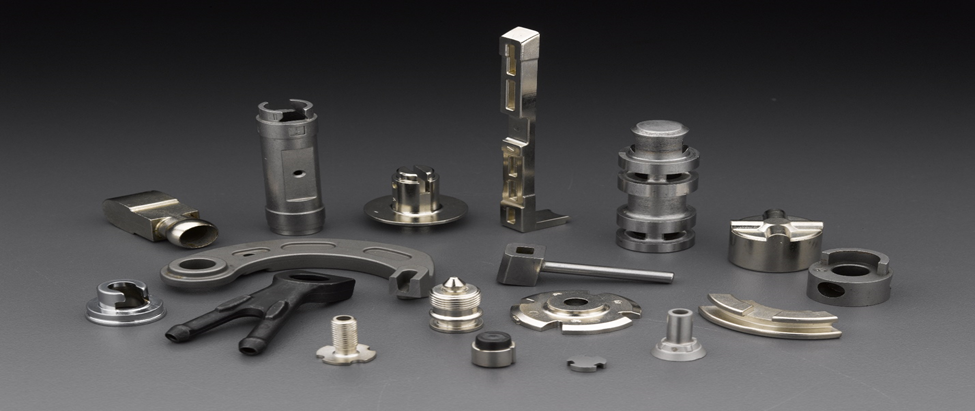
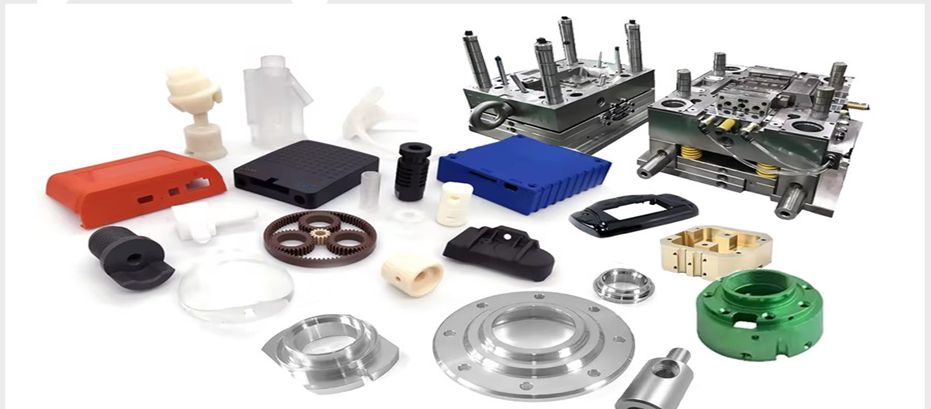
Plastic injection molding makes use of Brass inserts to offer strong, reliable, and reusable threaded connections. The precision-engineered components are embedded into plastic parts for improved structural reliability to enable them to withstand higher stress and load conditions. Brass when compared to other metals is machinable, corrosion resistant, and has good thermal conductivity thus making it a preferred material to manufacture injection molding inserts in different industries such as the automotive industry, electronics, medical devices, and aerospace. Different kinds of brass inserts are appropriate for different applications. Electronic enclosure and automotive parts applications require secure fastening with threaded inserts; press-in inserts are used where cost is more important and for low-load applications. Heat-staked and Ultrasonic inserts provide strong retention by thermal bonding, Molded inserts provide maximum strength by being encapsulated during plastic molding. This includes a format of knurled inserts, patterned with ridges that give an enhanced grip and a better pullout resistance for high-strength fastening.

Special techniques are required to install brass inserts to be durable and strong. Press fitting, heat staking, ultrasonic insertion, and molded-in techniques enable inserts to be integrated into plastic parts needed by the application. Depending on material properties, load-bearing requirements, and production volume there is a chosen method. A range of brass inserts is available in different types of thread such as BSW, UNC, UNF, BSP, NPT, and ISO metrics for various industrial applications. For these reasons, they are important components in modern manufacturing, and are corrosion-resistant, offering superior conductivity and cost-effectiveness. Brass inserts are widely used by the makers of electronic connectors, medical devices, and automotive components to significantly extend the life and reliability of plastic parts and our best solution for fastening and repetitive assemblies.

This article talks about brass inserts for plastic injection molding, types of brass inserts, features, how to install brass inserts, advantages, and their industrial applications.

Table of Contents

What Are Brass Inserts for Plastic Injection Molding?
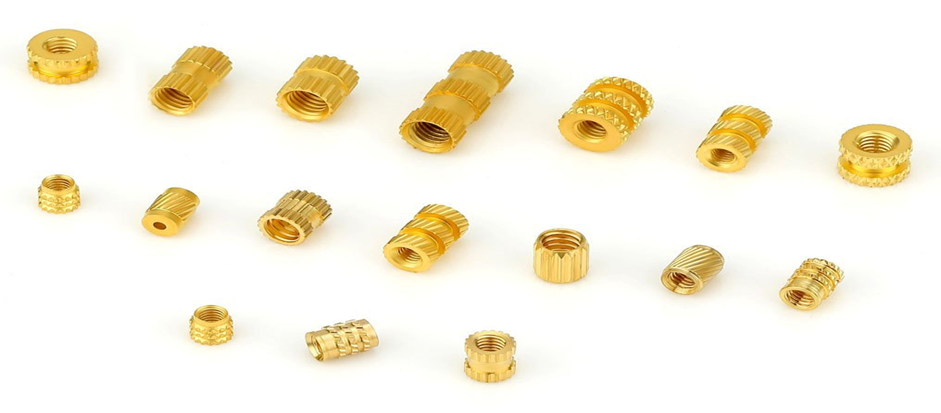
Brass inserts for plastic injection molding have a small, precision engineered metal that is placed into plastic parts for secure threaded connections. These inserts deliver better pull out resistance than other inserts by allowing plastic components to sustain higher stress and load conditions.

The inserts can be made of brass, an excellent material insofar as it is easily machined, resistant to corrosion, and of high thermal conductivity. Brass is a very good option that can offer a perfect balance of strength and price comparison with other metals. Therefore, brass is the best option for brass insert injection molding purpose.

Types of Brass Inserts for Injection Molding

There are several different designs and configurations of brass inserts that are suitable for a particular application. However, the most commonly used types are:

1. Threaded Brass Inserts
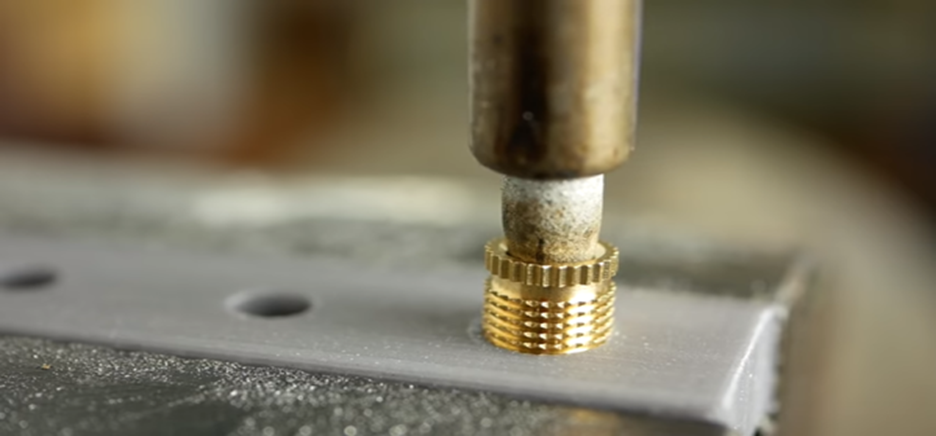
The internal threads on these inserts permit screws and bolts to be threaded and fitted within plastic components with a secure fastening. Typically, they are used in electronic enclosures, automotive parts, and consumer products where disassembly and reassembly are often done.

2. Press-In Brass Insert
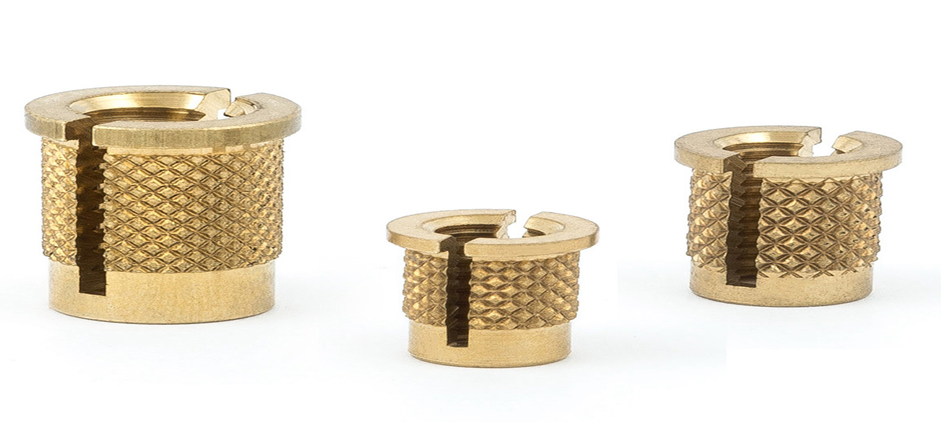
The press-in insert is applied with mechanical forces to press the press-in insert into pre-molded or pre-drilled holes in plastic components. They have good retention and are a low-cost solution for applications where a high pull-out resistance is not required.

3. Heat-Staked Brass Inserts

Thermal Energy is used to install the heat-staked inserts with the install softening the plastic around the insert, which can then be securely embedded. As the plastic cools, the insert is harder and fights the plastic forming a very strong and permanent bond.

4. Ultrasonic Brass Inserts
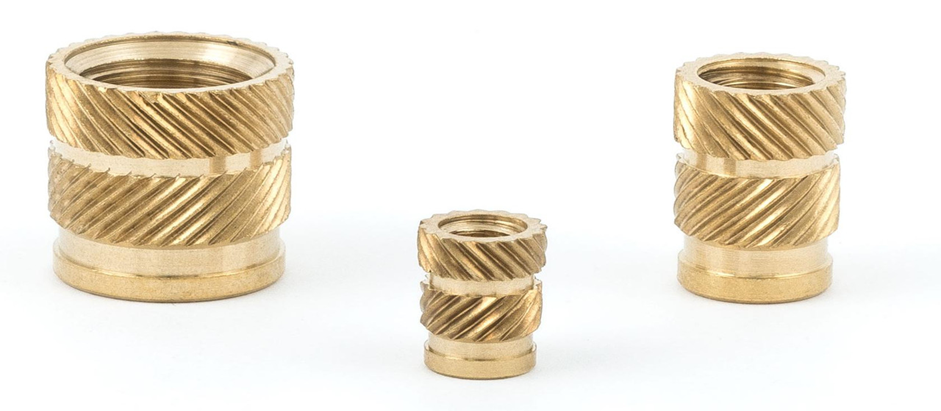
Ultrasonic insertion uses high-frequency vibration to generate heat melting the plastic and allowing the brass insert to be embedded. This way of forming the bond enables very accurate positioning and very good hold, suitable especially for high-precision work. 

5. Molded-In Brass Inserts 
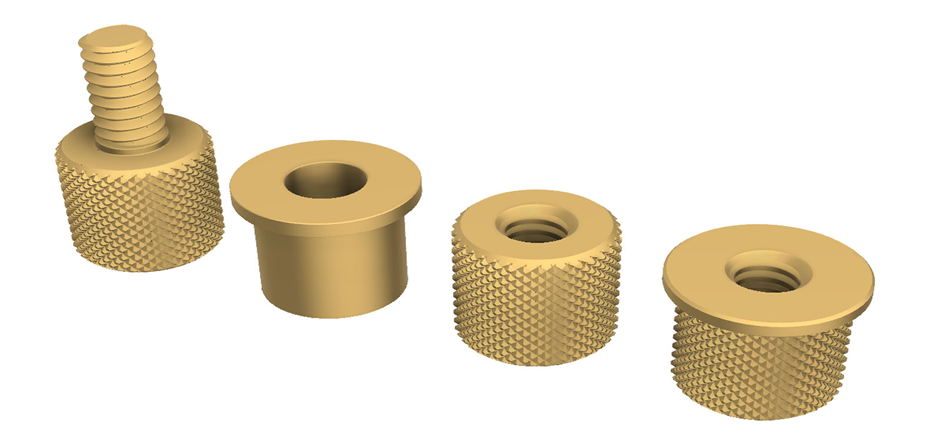
Molded-in inserts are located in place inside the injection mold where the plastic is injected into place. The insert is encapsulated completely with the plastic which makes it for maximum retention. This method is commonly used in applications for brass insert injection molding with the utmost strength and durability. 

6. Knurled Inserts
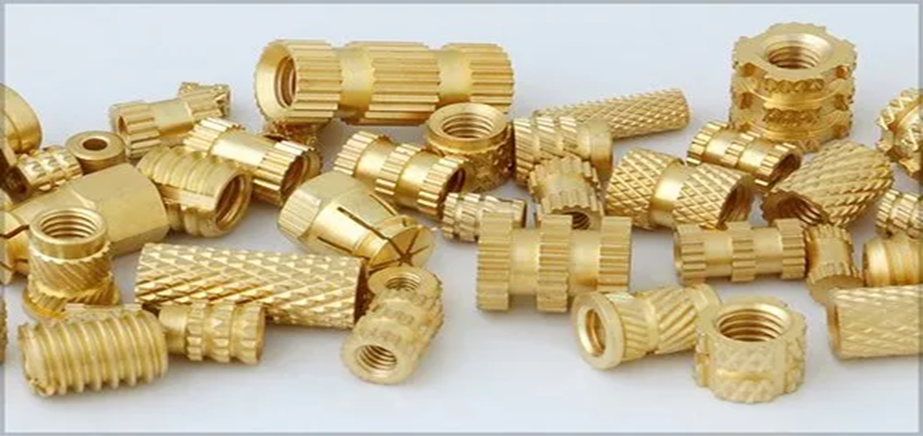
Brass Inserts with a pattern of ridges or knurls on the outside to improve grip and retention inside of plastic parts are called Knurled Inserts. These are threads that can be widely used in plastic injection molding, which provides secure, wear-resisting inserts. They are designed to provide better pull-out resistance and are thus well-suitable for high-strength fastening in many industries. 

Step-by-Step Process for Installing Brass Inserts in Plastic Injection Molding
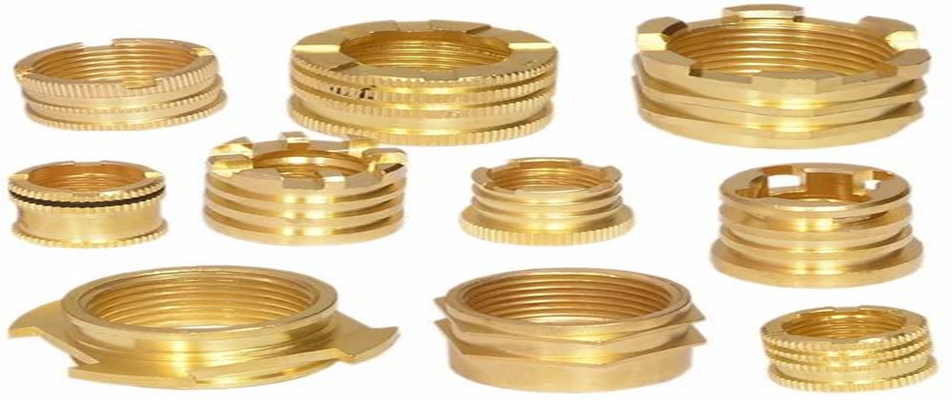
In plastic injection molding, brass inserts are important, as they offer strong, reusable threads for fastening. Also, it is important to choose the right method of installation in order that installation will last long, the structure will be strong, and the functionality will be appropriate. Below is a step by step detailed guide of how to install brass inserts using various techniques. 

Method 1: Press-Fitting Installation

This is the simplest method in which mechanical force is used to push the brass insert into a predrilled or molded hole.

Steps

1. Drill or mold the Hole:  Drill or mold the hole slightly smaller than the brass insert for a tight fit.

2. Position the brass insert above the hole, and align the Insert.

3. Use a press machine, hammer, or arbor press to force the insert into place. This works best when applying a good deal of force.

4.  Secure Fit: The insert should sit flush against the surface and not move.

Uses: For quick, low-cost applications where high pull-out resistance is not required.

Additional Tips

  • Make sure holes are of proper size to prevent loose fitting.
  • Do not apply excessive force as it might damage the plastic.
  • This method is suitable for use in low-load applications in consumer electronics and lightweight plastic parts.

Method 2: Heat Staking Installation

The heat softens the plastic and the brass insert is embedded securely.

Steps

1. Drill or Mold a Hole: The hole size should match the insert size.

2. Warm the brass insert:  A heat staking machine, soldering iron, or heated press can be used to warm the brass insert.

3. Press the Insert into Place:  Gently press the heated insert into the softened plastic.

4. Cooling:  Allow the plastic to cool around the insert to bond the plastic and insert together to create a strong, permanent bond.

It is best suited for applications that need strong retention and high pull-out resistance.

Additional Tips

  • Do not overheat the insert, as too much heat will ruin the plastic structure.
  • For automotive components, plastic casings, and appliance manufacturing, this is a good method.
  • Heat staking offers better strength than press fitting, but it requires additional equipment.

Method 3: Ultrasonic Insertion

Ultrasonic vibrations are used to heat the plastic to a melting temperature, melting the plastic to embed securely.

Steps

1.  Prepare the Hole: Drill or mold a hole slightly smaller than the brass insert.

2. Insert over the hole: Put the brass insert on the hole.

3. Ultrasonic vibrations are applied:  An ultrasonic welder is used to heat material through high-frequency vibration.

4. The softened plastic embeds the Insert: The plastic flows around the insert.

5. Solidify and Cool:  Once vibrations stop, harden the plastic to secure the insert.

Best for: High-precision applications like electronics, aerospace, and medical devices.

Additional Tips

  • The ultrasonic insertion process is fast and efficient for high-volume production.
  • It offers an equivalent, and dependable bonding to small and delicate parts.
  • There must be proper settings of frequency to avoid damage to the plastic and to achieve uniform heat distribution.

Method 4: Molded-In Installation

It is the most secure method as brass inserts are put into the mold before plastic injection.

Steps

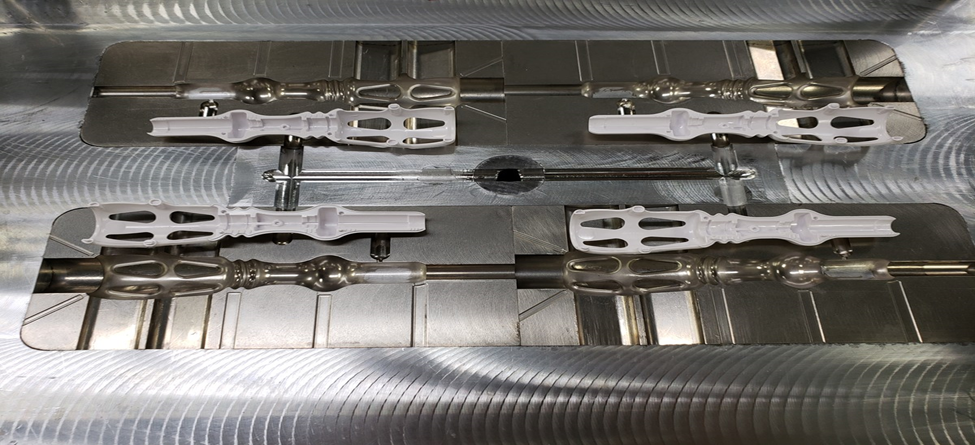
1. Put the Brass Insert in the Mold: Put the brass insert in the mold cavity so that the insert is positioned correctly.

2. Plastic:  The insert is injected into the Plastic, which flows around it and envelopes it completely.

3. Maximum Retention: The plastic solidifies around the insert, allowing Cooling.

4. Finished Part Eject: The final plastic part is ejected with the insert permanently embedded.

For: Heaviest duty applications that necessitate the highest levels of retention.

Additional Tips

  • Alignment of the insert in the mold is critical and must be done properly.
  • The highest strength and pull-out resistance is provided by molded-in inserts, but they increase mold complexity.
  • This method is frequently used in industrial machinery, aerospace, and automotive applications.

Features of Brass Injection Molding Inserts

The brass inserts come in several thread types, sizes, and knurling patterns for various industrial uses. Some key features include:

  • Made of High-Quality Brass: Manufactured using high brass grade, top quality brass material to make them durable, even resistant to corrosion, and highly conductive for long-lasting use.
  • Precision Threading: Provided in metric, UNC, UNF, BSW, BA, BSP, ISO metric, and DIN standards for perfectly fitting well in a number of fastening specifications.
  • Versatile for Injection Molding, Roto Molding, PVC Injection Molding, and Rubber Molding.
  • Design Customization:  Can be adapted to the needs of the customer with regards to designs, samples, and dimensional requirements in the different industries.
  • Fine Knurls, Diamond Patterns, Diagonal, Reverse Cross, etc. – To provide strong retention and grip, the products feature fine knurls, diamond patterns, diagonal and reverse cross, etc.
  • Engineered with high load bearing capability – insert can withstand high load, great for harsh environments as automotive and industrial applications require.

Brass inserts are the perfect choice for such applications because of these features.

Brass Inserts Thread Sizes

This table contains the Brass Inserts Thread Sizes information.

Thread Type        Imperial Sizes (Inches)               Metric Sizes(Millimeters) 
BSW (British Standard Whitworth)1/8″, 5/32″, 3/16″, 1/4″, 5/16″, 3/8″, 1/2″, 3/4″3mm, 4mm, 5mm, 6mm, 8mm, 10mm, 12mm
UNC (Unified National Coarse)1/8″, 5/32″, 3/16″, 1/4″, 5/16″, 3/8″, 1/2″, 3/4″3mm, 4mm, 5mm, 6mm, 8mm, 10mm, 12mm
UNF (Unified National Fine)1/8″, 5/32″, 3/16″, 1/4″, 5/16″, 3/8″, 1/2″, 3/4″3mm, 4mm, 5mm, 6mm, 8mm, 10mm, 12mm
BSP (British Standard Pipe)1/8″, 5/32″, 3/16″, 1/4″, 5/16″, 3/8″, 1/2″, 3/4″3mm, 4mm, 5mm, 6mm, 8mm, 10mm, 12mm
NPT (National Pipe Thread)1/8″, 5/32″, 3/16″, 1/4″, 5/16″, 3/8″, 1/2″, 3/4″3mm, 4mm, 5mm, 6mm, 8mm, 10mm, 12mm
NPS (National Pipe Straight)1/8″, 5/32″, 3/16″, 1/4″, 5/16″, 3/8″, 1/2″, 3/4″3mm, 4mm, 5mm, 6mm, 8mm, 10mm, 12mm
ISO Metric (International Standard Threads)1/8″, 5/32″, 3/16″, 1/4″, 5/16″, 3/8″, 1/2″, 3/4″3mm, 4mm, 5mm, 6mm, 8mm, 10mm, 12mm

The table presents the brass insert thread sizes which include imperial and metric measurement standards in a clear structured format.

Advantages of Using Brass Inserts for Injection Molding
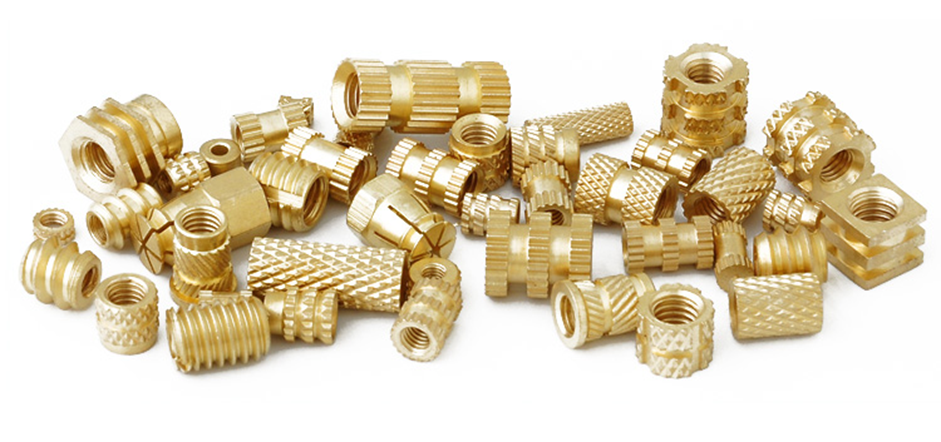
1. Enhanced Strength and Durability

The lifespan of plastic threads decreases through time until it causes operational failure. The strong durable threading solution from plastic injection molding inserts can function repeatedly while maintaining its original quality.

2. Superior Corrosion Resistance

Brass demonstrates natural corrosion resistance which makes it appropriate for devices which need to operate under moisture and chemical exposure and harsh environmental conditions. The material remains reliable while performing at high quality levels because of its durability properties.

3. Improved Thermal and Electrical Conductivity

The need for electrical and thermal conduction in production directs manufacturers toward using brass inserts as their material of choice during injection molding. The electrical and thermal conductance properties of brass make it an optimal material choice for producing digital elements and automotive sensors as well as industrial systems.

4. Reduced Stress on Plastic Components

Brass inserts distribute plastic part stress evenly therefore they protect against localized damage that could cause cracking. The component maintains a longer service life while maintaining consistent performance through brass inserts.

5. Ease of Assembly and Disassembly

The combination of brass inserts creates a secure attachment system which protects the plastic material from damage. The applications benefit from this method because they need constant component assembling and maintenance tasks or component replacement procedures.

6. Cost-Effectiveness

The cost of using brass inserts for injection molding remains affordable even though their performance exceeds expectations. The combination provides affordable product strength enhancement while retaining most manufacturing expense levels.

Installation Methods for Brass Insert Injection Molding

The procedure for brass insert installation depends on multiple factors that include required applications together with material characteristics and production quantities. You can find three fundamental installation approaches utilized for brass insert injection molding.

1. Heat Staking

A preheated brass insert gets press fit into a pre-drilled opening of the plastic component. Brass inserts ultimately achieve a strong bond with plastic through cooling down and the process creates high retention strength.

2. Ultrasonic Insertion

Ultrasonic insertion adopts high-frequency sonics to create restricted thermal effects which soften plastic material before the brass insert conquers placement in the plastic component. The insertion technique enables exact positioning and it serves many applications throughout brass insert injection molding of electronics and medical devices.

3. Press-Fitting

When performing press-fitting operators must use manual force to drive brass inserts into desired holes which have been prepared in advance. This straightforward procedure remains both budget-friendly and suitable since it lacks demand for powerful pull-out resistance.

4. Molded-In Insertion

Molded-in insertion stands as the most secure method since the brass insert receives placement inside the mold before plastic injection begins. When the insertion method is used the plastic material covers and completely surrounds the insert to achieve its strongest holding ability.

Brass Inserts Selection for Plastic Injection Molding

The selection of the correct brass insert for your application is a fairly complex choice, and you have to keep several things in mind when choosing.

1. Thread Design

Choose an insert with the correct thread type and pitch for your application requirements. Since fine threads provide better grip, coarse threads make for better installation.

2. Insert Size and Shape

The insert should be the size and shape to suit the plastic component and to fit the installation method. Suppose you have to take into consideration factors like wall thickness, hole diameter, and part geometry.

3. Material Compatibility

The brass insert should be suitable for use with the type of plastic used in molding. Low melting point plastics can also have inserts made in order to protect these plastics from being damaged during installation.

4. Load-Bearing Capacity

The mechanical properties of the brass insert from the pull-out strength, torque resistance to shear strength will be evaluated. Pick an insert that satisfies application’s structural requirements.

5. Environmental Conditions

Assess the surroundings of the plastic component. For instance, if the component is prone to moisture chemicals or high temperatures, then choose corrosion-resistant brass inserts with suitable coating.

Applications of Brass Inserts in Injection Molding

Plastic injection molding brass inserts are essential elements as it provides improved strength, corrosion resistance, and durability to the final product. The inserts find wide ranging usage in those industries where secure longitudinally lasting threaded connections are required. They are indispensable because of their ability to strengthen plastic components by bringing strong fastening solutions to them. Further down, I discuss some applications in several industries.

1. Automotive Industry

In the automotive sector, brass inserts find a lot of applications and are present in structural as well as functional plastic components. High strength, vibration resistance and reliability make these inserts into high performance automotive parts.

Common Applications

  • Dashboard Panels: To provide a firm mounting of digital displays and instrument clusters.
  • Sensor Housings: Provide stable, vibration-resistant mounting points for automotive sensors in engine and safety systems.
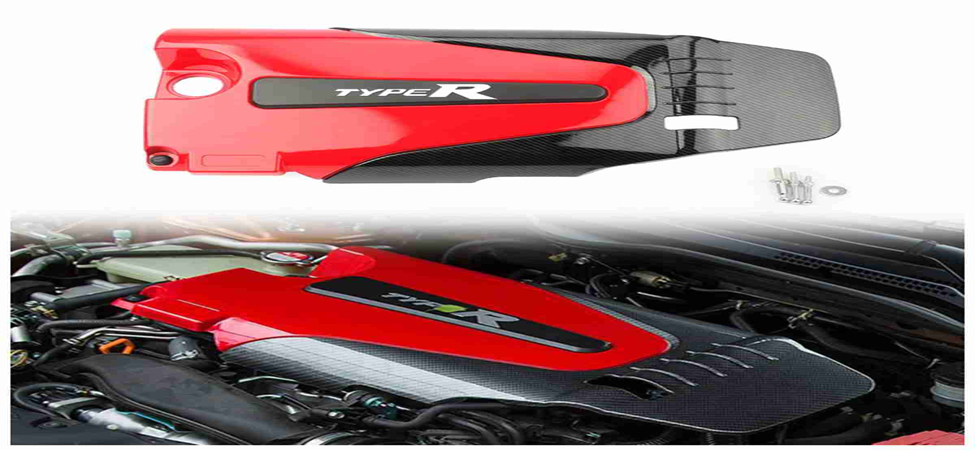
  • Engine Covers: Enhance the durability and thermal resistance of plastic engine components.
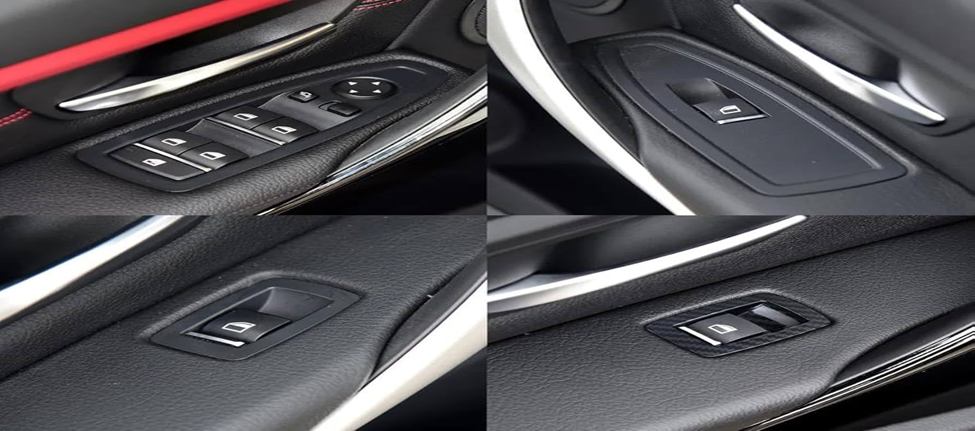
  • Interior trim components: used for threading together interior panel, control units and buttons for long lasting thread connection.
  • Make sure that fittings on fuel pumps, filter housings, and components of the injector are secure.

2. Electronics and Electrical Components

Because brass inserts offer excellent conductivity with high resistance to wear, they are utilized extensively in electronics and electrical applications. These, then, provide strong mechanical support and also provide a means of reliable electrical connections in plastic casings.

Common Applications

  • Circuit Board Mounts which fix circuit boards to plastic housings so they cannot move or get damaged.
  • Connectors: Some electrical connectors provide stable and conductive connections.
  • Electrical Switch Housings: Supply strong support for electrical switches withstanding for tough usage.
  • Battery Compartments: These are created for making a strong battery box in remote controls as well as power tools.
  • Secure fastening of plastic enclosures of electrical distribution systems like power distribution units.

3. Medical Devices

Brass inserts made of plastic components will be utilized for strength, precision, and durability in the medical industry. These inserts enable the designs to meet stringent safety and hygiene standards like in medical applications.

Common Applications

  • Surgical Tools: Achieve secure threaded connections utilized in plastic surgical instruments that are to be sterilized and re-used.
  • Diagnostic Equipment: Used in ultrasound machines, CT scanners, and laboratory devices for secure mounting.
  • Prosthetic Devices: Ensure strong connections in plastic prosthetic limbs and medical implants.
  • Medically sensitive electronics that need to get placed in various enclosures that call for a durable fastening, such as ECG monitors and infusion pumps.
  • Securing Plastic Components to Help Hold in Centrifuges, Microscopes & Sample Testing Equipment.

4. Consumer Products

Consumer goods rely greatly on the use of Brass inserts which provide long-lasting reliable fastening solutions to prevent plastic components from being affected with time. In addition, they have good corrosion resistance and resistance to durability, for everyday products.

Common Applications

  • Plastic Enclosures: Used in electronic gadgets, protective cases, and plastic tool housings.
  • Home Appliances: Washing machine, refrigerator, vacuum cleaner to secure control panels and part movements.
  • They can be used in assembling battery compartments and movable parts in children’s toys.
  • Furniture Fittings: Provide strong connections in plastic parts of modular furniture and cabinets.
  • Sports Equipment: Enhance the strength of plastic components in gym equipment and protective gear.

5. Aerospace Industry

In aerospace applications, the lightweight, strong and vibration resistant fastening solutions, brass inserts are used. These help in improving the toughness of plastic components utilised in high performance aircraft systems.

Common Applications

  • Aircraft Interior Components: Fastenings locked through plastic interior panels, seats, and cabin fixtures.
  • Control Panels: These supply threaded / press rate connections for buttons, switches, and panels for instrumentation.
  • Communication Devices: Used in radio and satellite communication systems for strong electrical and mechanical connections.
  • GPS and Flight Control: Stable mounting of plastic components in GPS and flight control devices.
  • Satellite Components: Used in lightweight yet durable plastic components in space exploration systems.

Conclusion 

Among the significant elements in plastic injection molding are the brass inserts which improve strength, give more toughness against corrosion, and show longevity. By offering secure and reusable threading, they prevent plastic parts from wearing out, enabling extended product life and reliable products. There are different styles of brass inserts available; such as threaded, knurled, press-in, heat staked, and molded-in, allowing the manufacturer to choose the most appropriate to their application.

Retention and pull-out resistance against mechanical failure are achieved by installing brass inserts through press fitting, heat staking, ultrasonic insertion, or molded-in methods. These inserts relieve stress on plastic parts by spreading them better and lessening the chance of cracking or deformation. Moreover, they have excellent thermal and electrical conductivity, which renders them suitable for utilization in electronics, in use for medical devices and aerospace industries.

When industries are rapidly transforming, the need for higher performance level and affordable solutions does not subside. Perfect combination of cost ownership and strength make brass the favored inserts for worldwide manufacturers. Brass inserts are still been used in high precision or heavy duty applications making them important part of modern manufacturing.

FAQs

1. Brass inserts are used for plastic injection molding.

Using Brass inserts provide strong reusable threads in plastic components improving their life and secure fastening in automotive, electronic, medical devices industries.

2. What is the nomenclature used for brass inserts?

There are several types of brass inserts such as threaded, press in, heat staked, ultrasonic, molded in and knurled inserts used for specialized applications and installation methods.

3. What are the reasons to use brass inserts instead of plastic threads?

Superior strength, corrosion resistance, and wear resistance is offered by Brass inserts as opposed to Plastic threads making it durable to last for long without calling for repeated assembly and disassembly.

4. How are brass inserts inserted in plastic parts?

Different techniques to install brass inserts are press fitting, heat staking, ultrasonic insertion and molding them into plastic parts during injection molding process.

5. When are brass inserts used in the industry?

Strong and reliable threaded connections are demanded in many industries including automotive, electronics, aerospace, medical devices, and consumer products where brass inserts are widely used.

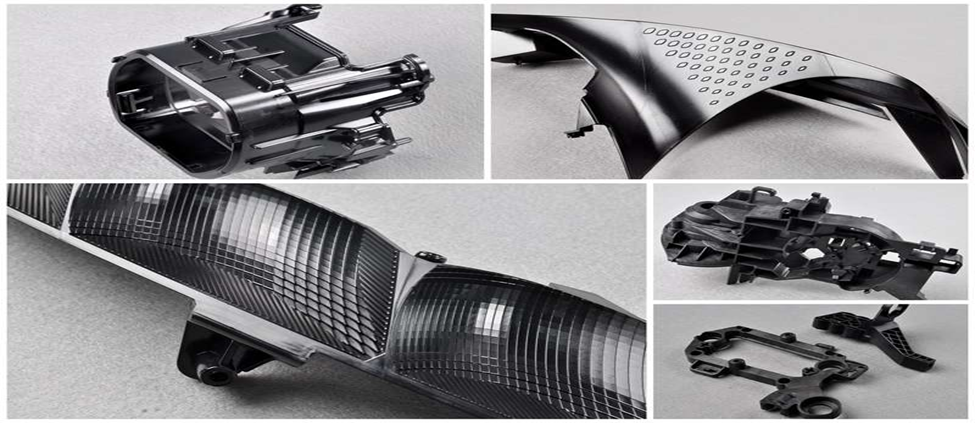
The Role of Automotive Plastic Injection Molding in Modern Vehicle Manufacturing

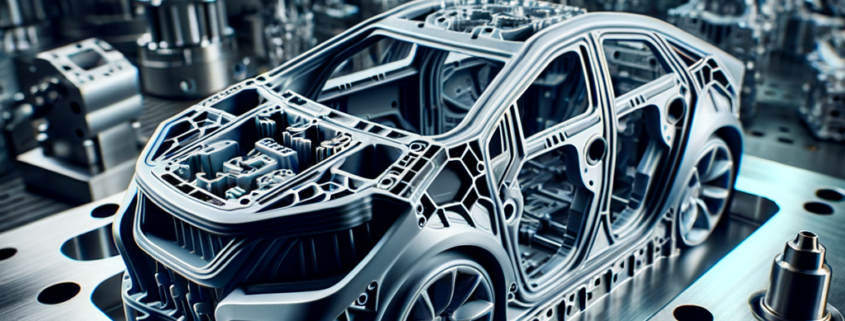
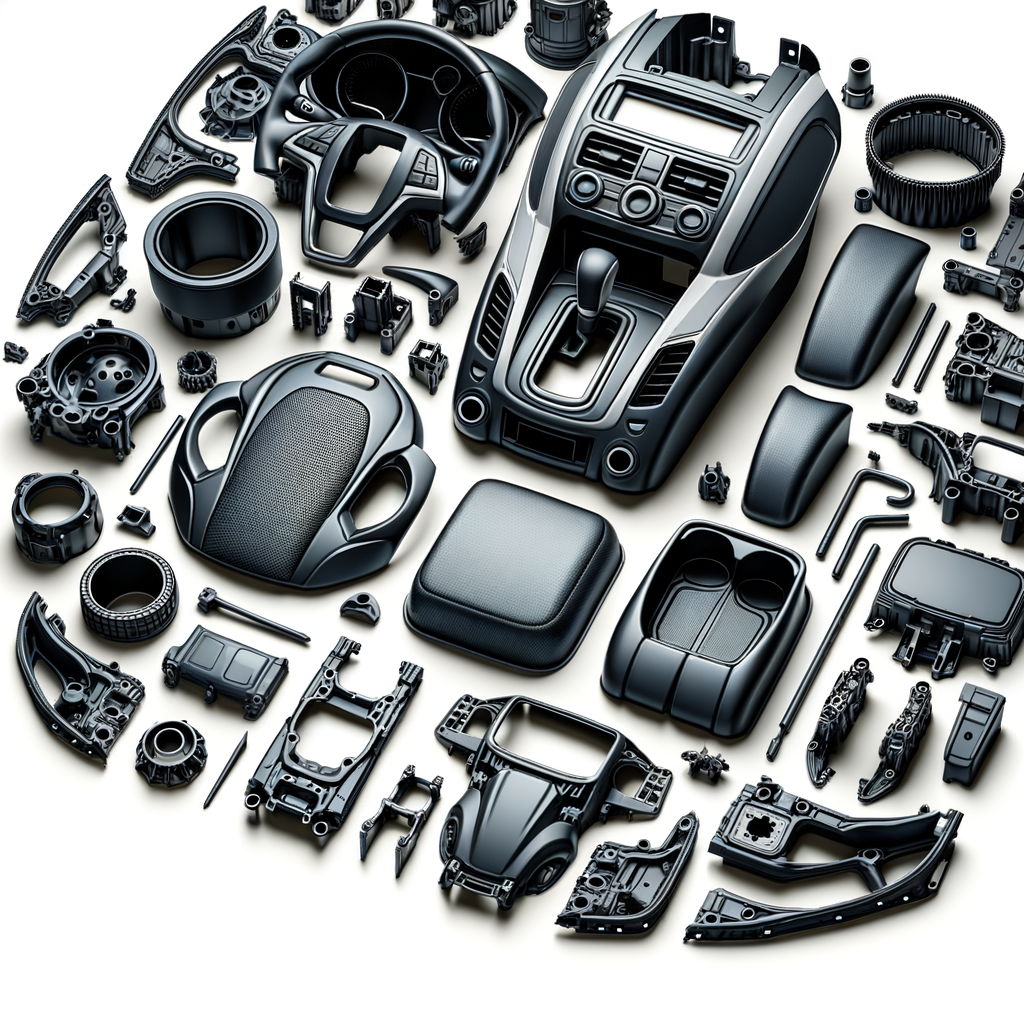
Automotive plastic injection molding is one of the most important processes that revolutionized modern vehicle manufacturing, which has supplemented automotive product development and manufacturing by manufacturing and assembling. In decades, the automotive industry has grown into a major source of science and technology and its industry has highly evolved using advanced materials and manufacturing methods to increase vehicle performance, safety, and fuel efficiency. Plastic injection molding provides an efficient means to develop lightweight, durable inexpensive, highly precise, and very consistent parts. In traditional vehicles, heavy metal components were used to build auto cars, and hence fuel efficiency and design flexibility were compromised. But, with the introduction of high-performance plastics, lightweight parts created that are strong, improve aerodynamics, reduce emissions, and improve fuel economy, are now possible for manufacturers to produce.

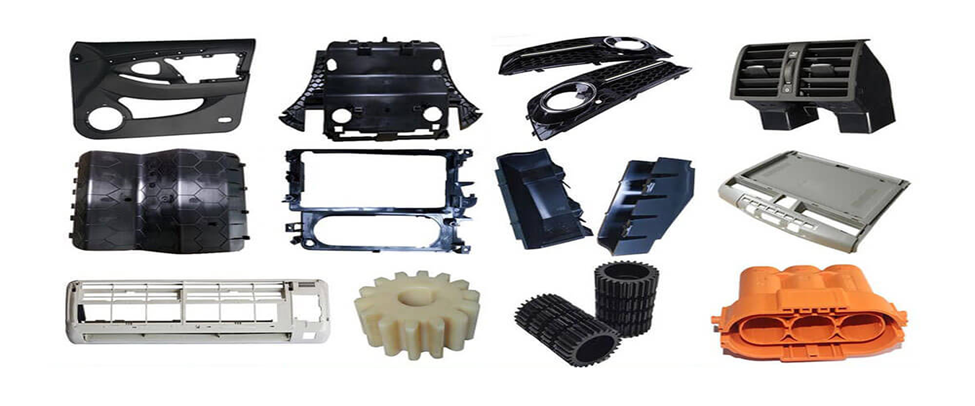
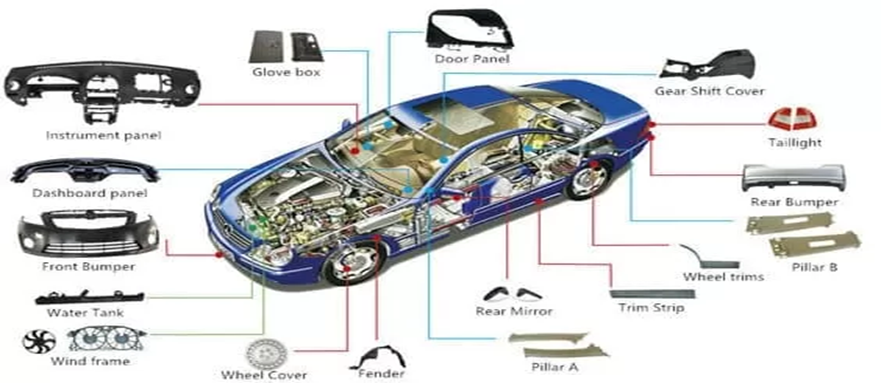
Due to its capability to manufacture complex, high precision, and waste minimal parts, plastic injection molding automotive parts has been used extensively. Injection molding is a key component in manufacturing vehicles in the modern era as a matter from interior components like dashboards, door panels, and center panels to exterior parts like bumpers, grills, and fenders. This technology is also widely used in the engine cover, electrical housings, and safety components that guarantee the safety of vehicles to the maximum industry standard. As the need for EVs and sustainable solutions increases, automotive plastic molding is also becoming more essential. EVs need lightweight materials to prolong battery life and for better overall efficiency. Additionally, plastic injection molding will become more sustainable and more efficient in the future due to the adoption of smart materials, automation, and additive manufacturing.

In this article, we explore the role that automotive plastic injection molding plays, involves, how they are used in the manufacturing vehicle, and how it is shaping the future of the automotive industry.

Table of Contents

Understanding Automotive Plastic Injection Mold

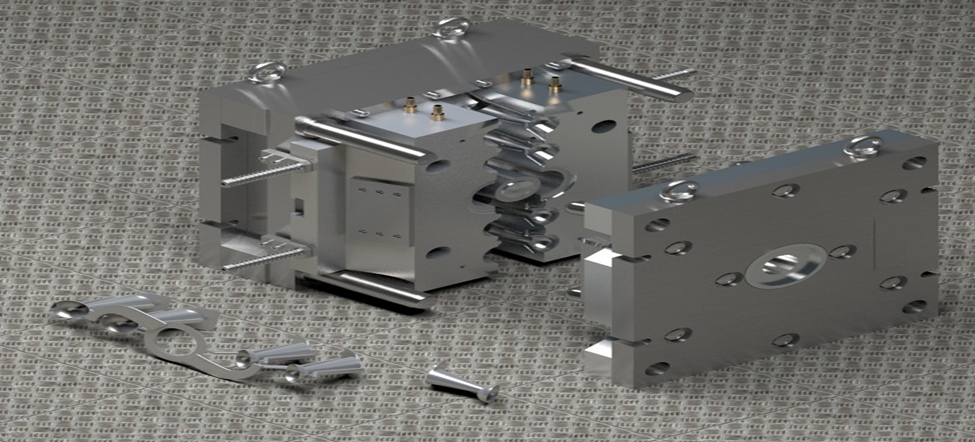
The automotive plastic injection mold is at the center of the automotive plastic injection molding processes, as it is a very specialized tool for shaping molten plastic into specific automotive components. Each part is designed by the design of these molds, with precision that the part will meet specifications of precision to be repeatable and reliable. So the first step is to create the automotive plastic injection mold usually made from high-quality steel or aluminum. Precision cavities define the final part shape in the mold. If molten plastic is injected into the mold under high pressure, it fills every detail of the cavity and thus produces high-quality parts with excellent surface finishes. At present, the automotive plastic injection mold manufacturing process is highly dependent on manufacturers to produce various kinds of dashboards, door panels, engine covers, etc components. These make these molds essential for meeting the high standards of the automotive industry because of their durability and versatility. 

Early Use of Plastic in Automobiles 

While plastic first showed up in automobiles in the 1940s, it was only widely incorporated into automobiles in the 1950s and 1960s.

  • Henry Ford tried using soybean PVC(plastic) to create a prototype car body in 1941. They never went into mass production, though, as the plastic car was lighter and more difficult to dent than steel, but the war intervened.
  • In the 1950s and 60s, automakers started using fiberglass reinforced plastic (FRP) for car body panels, the first mass-produced car with a full fiberglass body was the 1953 Chevrolet Corvette.
  • From the 1970s the oil crisis forced automakers to research using less weighty materials to increase fuel efficiency, thus using more plastics for interior and exterior parts.

Modern Plastic Use in Cars

While plastics account for only about 10% of the weight of a car, today plastics account for 50% of car volume, all of which work to enhance fuel efficiency, safety, and design flexibility. Some common automotive plastics are polypropylene, ABS, polycarbonate, and nylon, and they are used in such things as dashboards, bumpers, door panels, and engine components.

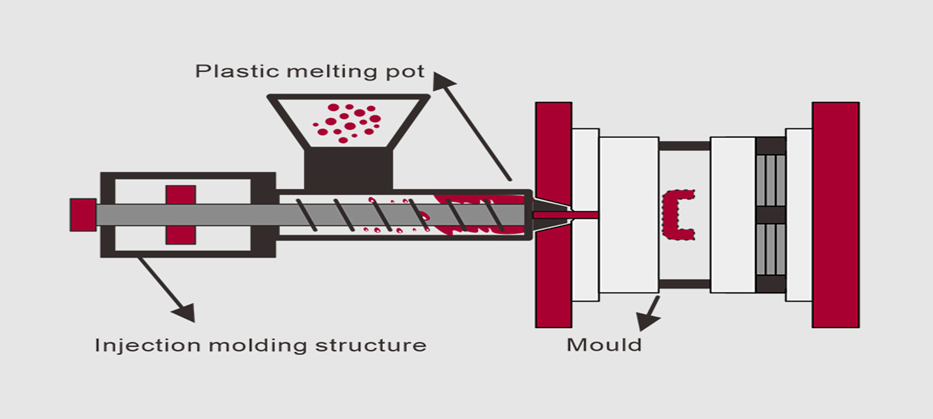
The Injection Molding Process

Such manufacturing as injection molding is very exact and effective for the manufacture of high quality parts made of plastic. The steps are specific and allow an accurate, durable and consistent part to be manufactured in every part that is made.

Step 1: Melting and preparation of plastic.

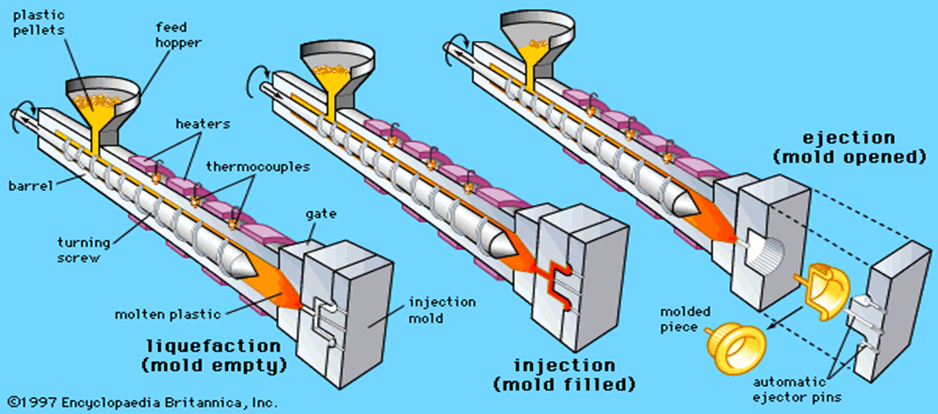
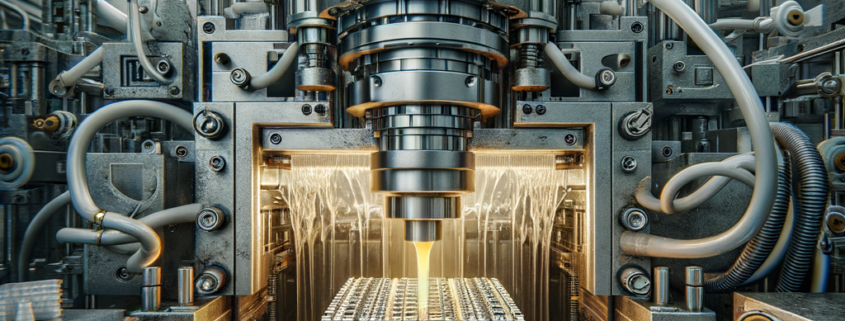
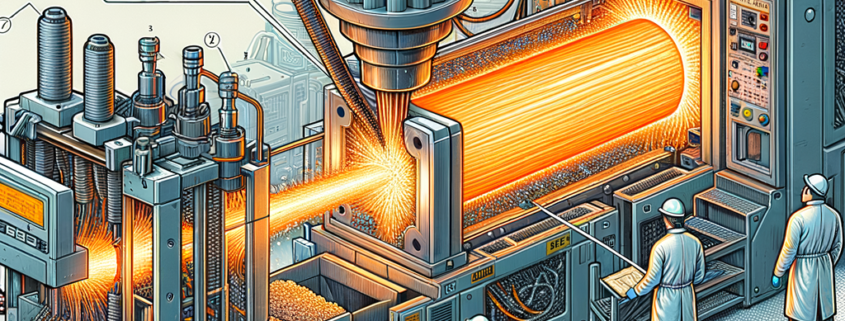
The first step is to insert plastic granules into a heated chamber. As the granules move along the course of the barrel, they are exposed to high temperatures sufficient to melt them. At the same time, the material is blended by rotating screws so that it reaches the correct consistency for molding at the end of the process.

Step 2: Injection into the Mold

The plastic is heated until it reaches the ideal molten state in which it is forced at high pressure into a pre-designed mold. This force enables a substance to flow into each small detail and space in an old version in the mould, to leave a reproduction of it.

Step 3: Cooling and Hardening

The cooling process begins as soon as the molten plastic fills the mold. The material solidifies gradually into the desired shape and cooling time is dependent upon many factors including plastic type and wall thickness.

Step 4: Part Ejection and Quality Check

The mold opens after the plastic cures completely and ejector pins or plates force the new part out. The accuracy, meant for defects, and quality of the finished component are then inspected before continuing to any other finish or assembly steps.

Here are common automotive parts that are manufactured using injection molding.

Injection molding is a mass production technique that enjoys wide use in manufacturing the automotive industry. As a result, it facilitates the production of complex and durable, as well as precise components, and the mass production. Injection molding is a major role for modern vehicle manufacturing from interior trim to exterior structural parts. Some of the many common automotive components created from their assembly are listed below.

1. Car Lights (Headlights and Tail Lights)

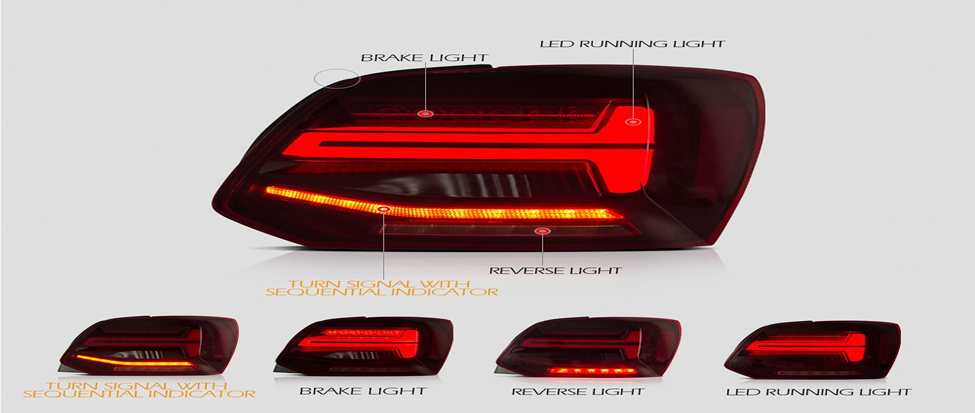
Headlights and tail lights for cars are manufactured using the injection molding of clear plastic lenses. These parts need to have great precision to provide the best light transmission as well as durability. As they are always subject to rough weather like rain, snow, or harsh sun, they must be also damage-resistant and long-lasting. These components must keep their structural integrity and clarity over time and this is ensured by Injection molding.

2. Door Handles

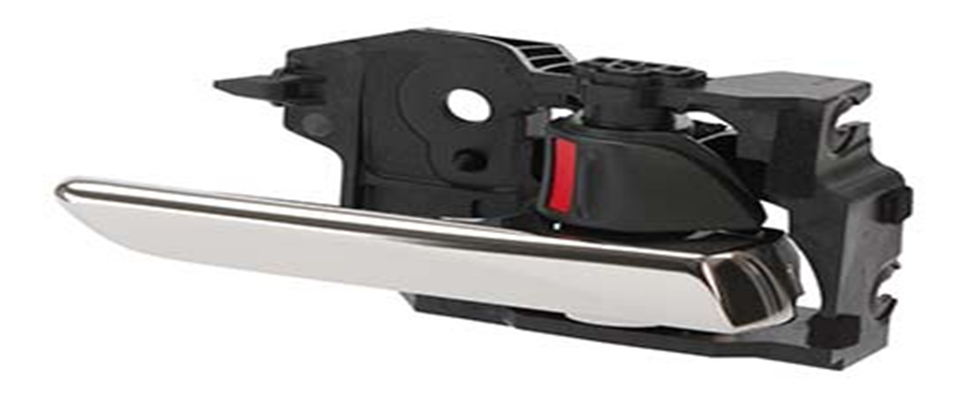
Injection molding is usually used to produce both interior and exterior door handles. Ergonomic shaping is enabled and different materials are combined to increase functionality of this process. For maximum strength the manufacturers often use a rigid plastic base and they add soft material for better grip and comfort. Overall, Tactile Latch is a good looking and strong door handle that is robust enough for frequent use.

3. Bumpers

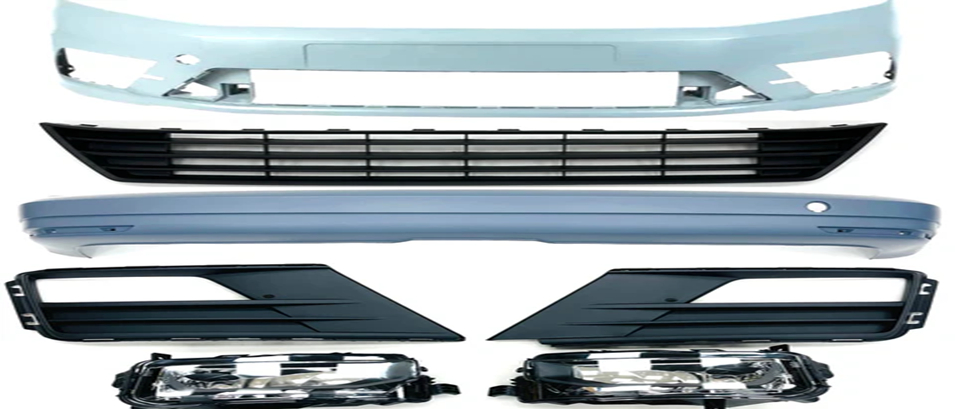
Bumpers of vehicles act as impact absorbers in case of bumping. Since they require strength and light, they are made via injection molding. It keeps production cost affordable while providing precise molding of structural reinforcements. Material choice is very important, both from performance and cost perspectives.

4. Dashboards

Dashboards are complex bits of machinery that contain several controls, displays, and safety features including airbags. In the case of injection molding, it becomes possible to manufacture dashboards that can be designed seamlessly with various elements incorporated into a single structure. In addition, this method supports utter smooth and polished finishes that ultimately add to the aesthetics of the vehicle interior.

5. Interior Trim Pieces 

Injection molding is used to do interior trims such as door panels, center consoles and dashboard accents. These parts exhibit significant contribution in the production and slender quality of the vehicle’s interior design. This process enables manufacturers to generate a range of textures, colours and finishes that ensure the interior maintains aesthetic appeal and functionality.

6. Grilles

In a vehicle’s design, grilles are used for both function and aesthetics. They help with airflow to the engine and give a vehicle style. Grilles ensure to be strong, lightweight and able to bear external impact through the injection molding process. This process is so precise that manufacturers can make very intricate grille patterns that become an integral part of the vehicle’s overall design.

8. Engine Covers

Protective shields to help shield and protect critical engine components from heat, dirt, and debris are engine covers. Kindly these covers should be lightweight, heat resistant and highly durable. As a result, there is the use of special materials that meet these functional requirements and they look sleek and professional at the same time.

9. Fuse Boxes and Electrical Housings 

The purpose of protective enclosures is to provide electrical components in a vehicle from moisture/moisture, dust and physical damage. Specifically, switched fuse boxes and electrical housings are manufactured by injection molding, since it is the most suitable method to obtain precision in the design and manufacture of a part, as well as the ability to create complex interlocking designs for durability and ease of assembly.

10. Wheel Arch Liners

Now, the wheel arch liners serve as the protective barriers that prevent the dirt, mud, and road debris from the vehicle’s undercarriage. As these liners need to be strong to withstand the harsh driving conditions, they also have to be flexible. The impact resistance of liners and the ability to meet the many challenges of the environment is possible via injection molding.

Plastic injection molding is used in automotive manufacturing.

Automotive industry uses plastic injection molding as an important manufacturing process which helps in making lightweight, durable and inexpensive components. This has been widely used in the production of interior and exterior parts of automobiles to improve their performance, aesthetics and safety.

1. Products Inject Molded and Interior Parts Manufactured 

The automotive interiors need to be precise, durable, and comfortable. The components are high quality and they enhance the aesthetics and functionality of the vehicle, which are possible through injection molding.

A. Dashboard Components

  • As such, the dashboard is where you find most of the car’s critical features like instrument panels, air vents, and infotainment systems.
  • It has a smooth, durable, and visually appealing finish with built-in features.

B. Door Panels

  • Soft touch surfaces, armrests, and electronic controls are found in modern door panels.
  • Plastic molding is an important thing and it enables the formation of ergonomic designs without compromising the structural integrity.

C. Center Console & Cup Holders

  • Injection molded center consoles include storage compartments, cup holders and control buttons which fit precisely and with more durability.
  • It is a process that ensures the integration between electronic and mechanical components is seamless.

D. Seat Components & Armrests

  • High-strength plastic is used in the manufacture of a lot of seat frames and adjusters.
  • Injection molding is to make the armrests and seat trims comfortable and durable.

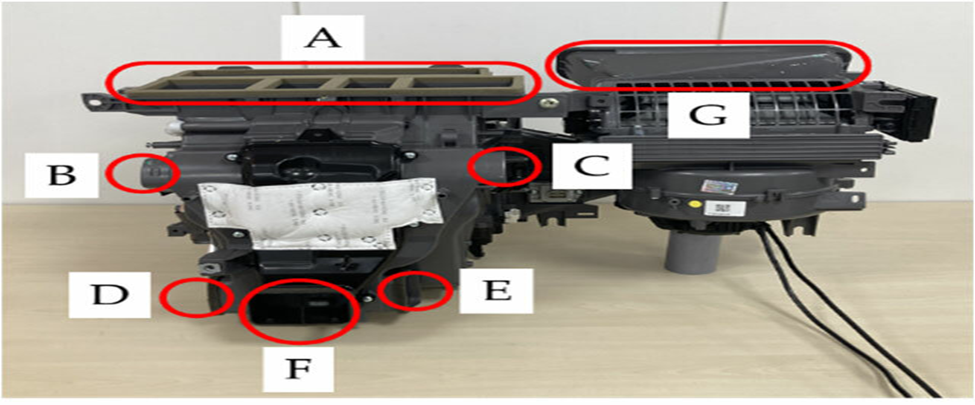
It is separated into E. HVAC Components (air vents & ducts).

  • Jet injection moldings, precision air vents, heating ducts, and climate control panels.
  • Proper airflow and better temperature control efficiency are ensured by the process. 

F: Pillar Garnishes

  • Structural trims, garnishing pillars, which embellish the interior of the vehicle improve aesthetics by hiding safety components such as airbags. 
  • These parts sit perfectly and fit right into the rest of the car’s interior because injection molding guarantees a perfect fit and smooth finish.
  •  These trims are very important in refining the vehicle design and functionality.

2. Injection Molding Of Exterior Parts

The materials needed to cover the exterior of a vehicle are impact resistant and weatherproof. Strong and lightweight components are produced using plastic injection molding.

A. Bumpers & Grilles

  • They have to be strong enough to absorb impact forces, yet have to be sufficiently sleek.
  • Large, durable, and aerodynamically efficient bumper designs are possible using injection molding.
  • This process is also used for making grilles, which allow for airflow in the engine.

B. Headlight & Tail Light Housings

  • From intricate headlight and tail light housings molded out of clear and durable plastic.
  • Light distribution and visibility have also been improved through the use of injection molding to ensure that precise shapes are used.
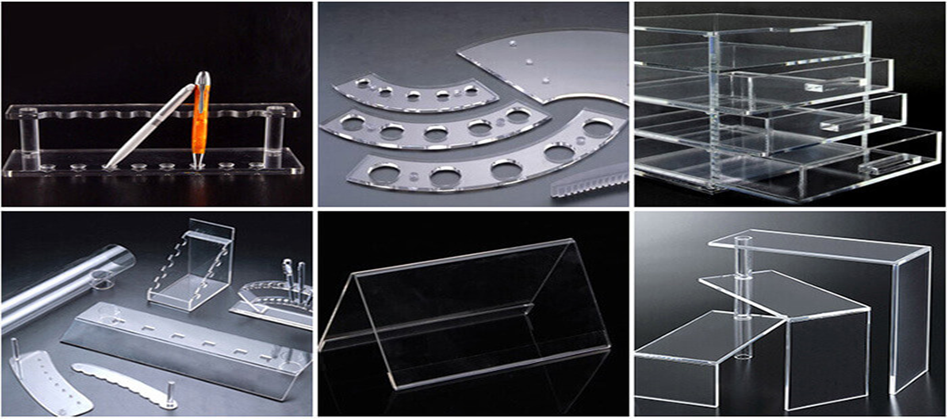
C. Door Handles & Side Mirrors

  • There is a requirement for side mirror housing to be light in weight yet durable to withstand vibrations and weather exposure.
  • Due to injection molding, sleek, aerodynamic, and shatter-resistant designs are possible.
  • Ergonomic grip and integrated locking mechanisms are used on molded door handles.

D. Wheel Arch Covers and Fender Liners

  • These components also protect the vehicle from road debris, mud, or water.
  • With injection molding, the parts are light and adequately strong.

E. Roof Racks & Spoilers

  • Though they sap aerodynamics, spoilers, and, to an even greater extent roof racks, can be lifesavers when it comes to increased storage capacity.
  • These components can be easily included in vehicle designs due to plastic injection molding.

Advantages of Automotive Plastic Injection Molding

1. Cost-Effectiveness

The automotive plastic injection molding has one of the biggest advantages when it comes to cost. This is an economical option for manufacturers because the product can generate large volumes of parts with little waste. It significantly cuts labor costs and brings high efficiency to the molding process which uses materials to maximal effectiveness.

2. Lightweight and Fuel Efficiency

As the fuel efficiency and vehicles’ carbon emissions’ demand goes on the rise, automotive plastic molding is significant in producing lightweight components. They significantly reduce weight and also help in making fuel efficient vehicles that perform better and have reduced emissions.

3. High Precision and Consistency

The automotive plastic injection mold ensures that every feature that is produced is within the specifications of the industry. This precision process does not vary in parts and hence causes the parts to be very consistent in quality and performance. The automotive application is such that this accuracy is particularly important as even the slightest defect in the manufactured part can lead to vehicle safety and functionality problems.

4. Design Flexibility

Automotive plastic molding also offers design flexibility. They can create shapes that are complicated yet intricate and would not be able to be created with traditional manufacturing technologies. It also results in improved aesthetics, superior functionality, and multiple part components that are able to be integrated into a single part.

5. Durability and Strength

Plastic injection molding automotive parts may be lightweight but they are very durable nonetheless. As a result of these materials, polymer technology has become capable of creating a plastic strong enough to withstand extremely high temperatures, impact, and chemical exposure. This type of durability ensures that the plastic components will function reliably under harsh automotive conditions.

6. Sustainability and Reduced Waste

Nowadays, automotive plastic injection molding is going towards sustainability with recyclable and bio-based plastic. This shift prevents industrial waste and other environmental impact. Also, the injection molding is very precise and can minimize wasted materials for maximizing sustainability.

7. Faster Production Cycles

Automotive parts made out of plastic by means of Injection molding are produced at high speed compared to the conventional methods of manufacturing. The process is semi automated which allows manufacturers, due to its efficiency, to fulfill high production demand quicker and save costs.

Versatility in Applications

Automotive plastic injection molding is versatile enough that it can be used in different automotive applications.

  • Dash panels and dash instruments, dash consoles, center consoles, door panels, and trim pieces.
  • Exterior Components: Bumpers, fenders, and grilles.
  • Under the Hood Parts:  Engine cover, fluid reservoirs, as well as air intake.
  • Electrical and components such as switch housings, wiring connectors, and sensor casings.

Materials and Technologies in Modern Automotive Plastic Injection Molding

Most of the automotive parts are produced with the help of automotive plastic injection molding, as they provide durability, as well as low weight of the final product. A similar and even slightly broader set of materials can be used in this process and each has particular advantages that make automobiles the way they are for durability and use. First, automotive applications include selecting the most suitable material for use in production depending on the nature of the material needed to withstand the test of time, ensure safety,y or even reduce the expenses that may be incurred in the process of production thus playing a very crucial role in satisfying the user.

Materials Used in Automotive Plastic Injection Molding

Different kinds of plastic are selected for plastic injection molding automobile parts as each plays a specific purpose in automobiles. Below are some of the common categories of materials that are applied in various capacities:

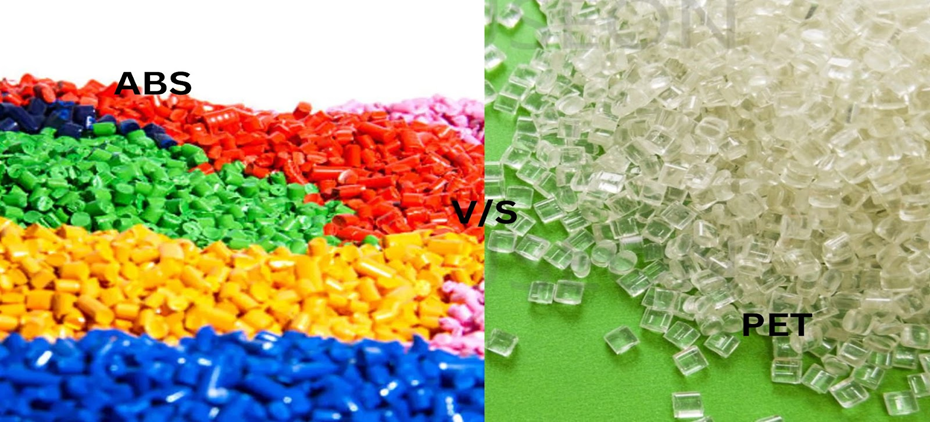
ABS (Acrylonitrile Butadiene Styrene)

This material is quite hard and resistant to shock, thus finding applications in car dashboard panels, trim,s, and protective shields. For this reason, it is suitable for making both external and internal parts of vehicles owing to its endurance to unfavorable environmental conditions.

Polypropylene (PP)

This material is relatively light in weight, easily fatigued, and chemical resistant, and is suitable for bumpers, Battery covers, and under hood parts. High durability and insulation are the possibilities that polypropylene makes available because of its flexibility.

Polycarbonate (PC)

As an advancer of both clarity and toughness, this engineering plastic is well applied to lighting fixtures including headlamp clusters and more decorative parts including door handles and instrument panel.

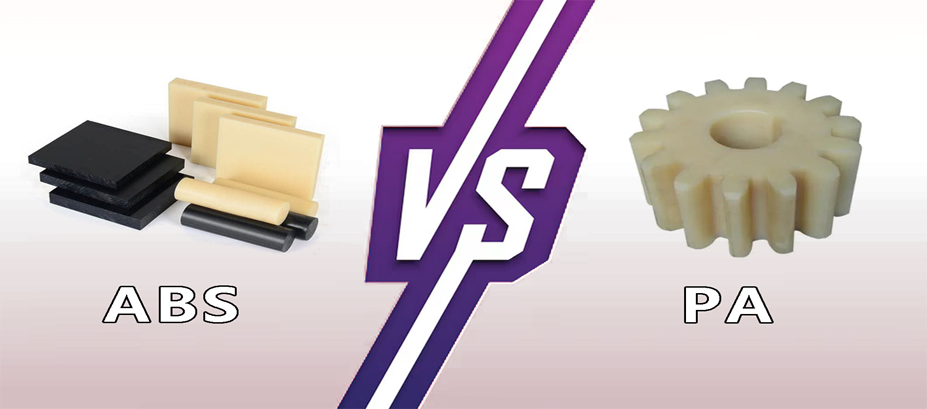
Polyamide (Nylon)

It has good heat stability and mechanical properties; It is mostly applied to engine covers, gears, and strength structure components. This characteristic makes it ideal for use particularly in under the hood applications due to its high temperature tolerance.

Thermoplastic Polyurethane (TPU)

Due to high flexibility and elastic properties, it occupies applications in seals, tubing, and vibration-dampening parts for longevity even in difficult conditions.

Advanced Technologies in Automotive Plastic Molding

At the present, enhancement of the automotive plastic molding has seen improved manufacturing techniques in their production and design. Advanced technology advanced manufacturing technology, today has brought a series of changes in manufacturing processes, quality assurance and the production rate of finished products.

1. Computer-Aided Design (CAD) and Computer-Aided Manufacturing (CAM)

These technologies help the manufacturers develop very accurate models of their parts before going through the process of production. This is because using CAD and CAM in the part design, engineers are able to virtually evaluate and fine tune their designs before beginning the actual process of manufacturing the automotive shafts through plastic injection molding.

2. Automation and Robotics

Today, more and more automotive computerized plastic injection molding has been made to improve efficiency. Robotic systems open a way of manipulating molds, putting of parts, as well as inspection to meet the needed quality standards while reducing the human factors affecting the production process.

3. Smart Sensors and IoT Technology

The automotive parts that are produced through the modern means of using plastic injection molding also make use of advanced sensor technology that allows for monitoring the temperatures, pressures, and cycle time of the process. Many machines are connected with centralized systems through the Internet of Things to monitor their operation and to anticipate breakdowns; thereby extending the machinery’s up-time while increasing production quality and reliability.

The Future of Automotive Plastic Injection Molding

The future of automotive plastic injection molding is bright, as spectacular trends in materials, technology, and environmental sustainability are expected in the future. The advancement of electric vehicles is also boosting more innovations of automotive plastic molding since lightweight materials for vehicles would ensure that battery life span is increased and energy efficiency is enhanced.

Furthermore, the application of smart materials in automotive plastic injection molding and the use of an additive manufacturing technique will act as the key growth drivers within the industry in due future. The applications of these advances will allow new elements of design to be created that are capable of providing the manufacturer with components possessing improved performance, strength, and stiffness as well as being lightweight.

However in the current world of manufacturing, global change is forcing manufacturers to use biodegradable and recyclable plastics leading to improvement on environmental effects. Other changes include increased accuracy in use of automated technologies and AI in dealings to cut on wastage and increase on production.

Thus, the future of plastic injection molding in the automotive industry will bring light weight, higher strength and sustainability and formability of advanced self-healing polymers, nanocomposites and hybrid molding.

Conclusion 

Automotive plastic injection molding has become a widely used manufacturing technique and is appreciated for its efficiency, economic feasibility, and versatility. The scenario that allowed for the creation of lightweight but strong components has made it possible to increase fuel efficiency, decrease emissions, and advance car performance. It has applied state-of-the-art technology in molding interior trims, dashboards, exterior bumpers, and other grilles which has enhanced sustainability in the industry. Due to the increasing concerns with the transition to electric vehicles and the overall environmental consciousness, today’s automotive industry is turning to biodegradable and recyclable plastics. Moreover, the technological enhancements namely smart material, automation, and the use of artificial intelligence in manufacturing are enabling manufacturers to produce stronger and quality products with minimal scrap.

As far as the future consideration of plastic injection molding automotive parts is concerned, there is a prospect of using nanocomposites, self-healing materials, and hybrid molding. It is apparent that all these innovations will increase the safety, durability, and fuel efficiency of vehicles so as to suit the consumers more so the environmental standards. Since the application of automobile plastic molding is expanding year by year, without any doubt, this technology will stay as the market leading factor for the prominence of automobile innovations in the future with more effective, safer, and environmentally friendly vehicles for future generations.

Frequently Asked Questions (FAQs)

1. What is the meaning of automotive plastic injection molding?

Automotive plastic injection molding is the process that is used in the manufacture of different automotive parts through the use of an injection mold. This makes this method accurate, durable, and cost-efficient when it comes to the production of a large quantity of the product.

2. Which car parts are typical examples of being produced with a plastic injection molding process?

Such parts include instrument panels and gauges, doors, door sills, consoles, bumpers and grilles, fenders, headlamps, hood and manifold, and electrical boxes.

3. In what ways is plastic injection molding helpful for EVs?

The use of light weight plastics in EVs means that the actual weight of the vehicles is less; this improves the battery’s ability to deliver energy and the range that is achievable. It also helps produce lightweight and strong, heat resistant components for high end electrical and electronic systems of EVs.

4. What are the common materials used in automotive injection molding?

Common materials used in fenders are ABS, Polypropylene, Polycarbonate, Nylon, and Thermoplastic Polyurethane; which has distinct advantages which include impact strength, heat strength, and flexibility.

5. What measures are being taken toward sustainability i.e. automotive plastic molding?

The current trend is towards producing plastics through recycle, biodegradable and bio based plastics besides using energy efficient technologies during production to minimize wastes.

6. What are the benefits of using plastic injection molding in the automobile industry?

There are a number of advantages that have been accorded:mmEnumerated as follows: cost is low, the fabricated components are light to enhance fuel economy, flexibility in design, high accuracy, durability, and short production time.

7. Which parts of an automobile are produced by the use of plastic injection molding?

Some of the automobile components that can be produced through this process includes the dashboard, the bumper, the doors, the grille, headlights, and the engine hood.

A Complete Guide to Aluminum Injection Molds and Their Cost Efficiency

Due to their cost effectiveness, fast production speed and high precision, aluminum injection molds have become common tools in the plastic injection molding field. The molds are made of high-quality aluminium alloys and are used widely for prototyping, low to medium-volume production, etc. with tight release times. Aluminum mold does not have a long cool cycle as steel mold does hence it has faster cooling rates shortens the cycle time and improves the production economy over steel mold. Similarly, in aluminum injection molding, the mold design and machining on advanced CNC (Computer Numerical Control) milling and EDM (Electric Discharge Machining) is done for the molding process. After that, the mould is ready to accept the molten plastic, which is injected under high pressure in the cavity. Aluminum has a high thermal conductivity so the plastic can cool and solidify quickly, thus enabling faster production cycles than used with steel molds. The molded parts are then trimmed and finished to ensure quality once they are ejected.

The lowest initial cost of aluminum molds over steel molds is one of the major advantages of aluminum molds for injection molding. This is ideal for manufacturers who want little to no production without sacrificing quality, as they are cheap but quality designs for short-run production. However, unlike steel moulds, aluminium moulds require frequent replacement parts and last only between 10,000 to 100,000 cycles depending on maintenance and material selection. Regular maintenance is needed to ensure aluminium injection molds last as long as possible. On the other hand, cleaning after each cycle, observing wear and damage, and coating for protection and storage conditions can help increase life.

This article will discuss the whole process of aluminum injection mold, the benefits, the lifespan, the maintenance, and the cost range.

Table of Contents

What Is an Aluminum Injection Mold?  

An aluminum injection mold is a mold fabricated mainly from aluminum or aluminum alloys for injection molding of plastic parts. These molds, compared to conventional steel molds, would have notable advantages in the production speed and initial investment.

Specifically, the aluminum molds are great for prototyping, low to medium production runs, and in industries that necessitate rapid iterations of parts.

How Aluminum Injection Molds Work

1. Mold Design & CNC Machining  

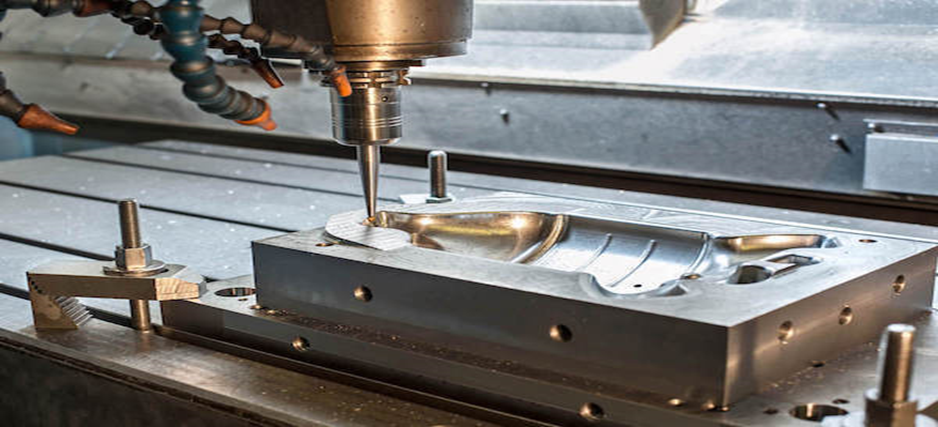
The first step in the aluminium injection mould design process is to design the aluminium injection mould based on the desired part plastic properties. Computer Aided Design modelling (CAD) is done by engineers to make 3D Models. Once the mold is decided, it is CNC machined out of an aluminium block so there is very high precision and accuracy.

2. Mold Preparation & Setup

Then finishing processes such as polishing, coating and ejector pin are applied to the mold after machining. They help to improve mold durability and smooth the plastic flow. After the mold is mounted onto an injection molding machine, it is ready for production.

3. Plastic Injection & Filling the Mold  

The injection molding equipment will melt plastic pellets (ABS, polypropylene, nylon) to create plastic in a molten state that will be injected into the aluminum mold cavity during high pressure. In addition, the mould design creates uniform filling to prevent problems like air pockets and nonuniform thickness.

4. Rapid Cooling & Solidification

Thermal conductivity is one of the best thermal properties that can be acquired by the aluminum molds for the injection molding. Because of its superior heat dissipating feature, aluminum will cool and solidify quicker than steel. It cuts down on cycle time thus reducing production.

5. Ejection of the Finished Part

When the plastic has reached enough chill to solidify, ejector pins push the part out of the mold. Refined final product is done if needed, with minor trimming or post-processing.

6. Repeat the Process

The mold closes once again and the cycle continues for mass production. Aluminium molds are effective for fast cycles and thus these types of molds make sense for rapid prototyping and low to medium-production runs.

Why Aluminum Molds Are Better

  • A better heat dissipation that will lead to faster cycle times.
  • It requires less heat (and therefore less energy consumption).
  • Modifications (design changes or improvements) are easier to make

Using aluminum injection molds allows manufacturers to create high-quality plastic parts at low cost and in a low time.

Lifespan and Maintenance of Aluminum Molds

Lifespan of Aluminum Injection Molds

The lifetime of the aluminum injection moulds is determined by several causes, such as material quality, amount of production, and also plastic type. For example, aluminum molds can sustain an average of 10,000 to 100,000 injection cycles, which is why aluminum molds are commonly used for low to medium-volume production runs.

While aluminum molds have a shorter lifespan compared to steel molds that can stand up to 500,000 to over a million cycles. Of course, their life can be extended greatly by means of protective coating, proper design, and maintenance.

Several factors affect the lifespan of aluminium moulds.

1. Material Selection: Lower grade aluminum alloys are not as strong and durable as high grade aluminum alloys like 7075 or QC 10.

2. The Production Environment: They are exposed to high injection pressures in manufacturing conditions and they are in contact with highly abrasive materials (such as glass-filled plastics) which contribute to faster wear.

3. This would include Cooling and Thermal Cycling:  the aluminum mold cools much faster than a steel mold resulting in less thermal stress. Extreme temperature fluctuations, however, can cause cracks with time.

4. Surface Coatings and Treatments: Nickel plating, anodizing, or hard coatings can be effective treatments to prevent wear and corrosion and therefore increase the life of a mould.

Although aluminum molds are not satisfactory for high production runs, with proper design and care, they can last long enough to fulfill prototype and low to medium production runs at a relatively cost efficient level.

Maintenance of Aluminum Injection Molds 

To achieve maximum aluminium mould for injection moulding lifespan and consistent part quality, regular maintenance is necessary. Aluminum molds unlike steel molds are softer and more prone to scratches or damage, so more preventive maintenance is necessary.

Daily Maintenance Procedures

Following every production cycle, for instance, you should clean the mold to get rid of any plastic residue, debris, and contamination. Non-abrasive cleaning agents are used to avoiding scratches on the mold surface. To help avoid sticking when you produce, a light mould release agent can be applied.

Periodic Inspection and Repairs

Routine inspections allow early identification of surface scratches, dents or minor cracks, and signs of early wear. Ensuring that there are enough ejector pins, enough cooling channels, and allowance for venting areas ensures that the mould continues to work and remains efficient. Minor repairs, i.e., polishing or re-coating, can be used to restore the performance of the moulded should wear be detected.

Storage and Protection

Aluminum molds should be stored when not in use in dry, temperature controlled environment so corrosion does not occur. To keep the mold in good condition, a protective coating or the application of a rust preservative spray is recommended before storage.

Common Maintenance Issues and Solutions

1. Surface Scratches: High spots can be reduced to smoothness by using fine polishing compounds or coatings.

2. Temperature Change (Cracking or Warping): Do not subject to drastic temperature changes, utilize gradual heating and cooling.

3. Molded Parts: Apply the mould release agents to your part design to improve the ejection from the mould.

4. Corrosion or Oxidation: They should be stored in a controlled environment where they are protected by coatings.

When should we choose to produce aluminum injection molds? 

1. When You Need Rapid Prototyping

When a company needs to develop a new product but needs the prototypes quickly and inexpensively, aluminum injection molds are an inexpensive and quick solution. Unlike steel moulds, which can take months, these must let manufacturers make test parts days or weeks later. Additionally, they allow for fast design changes and assist in decreasing development costs before going into production at a large scale.

2. If Your Production Volume is Low to Medium

For the manufacture of 10,000 to 100,000 plastic parts, the aluminum mould is an ideal alternative to the steel mould for the benefit of the manufacturer. They are inexpensive at the start, have shorter product cycles and have good long life which makes them perfect for a short run or seasonal products. Aluminum molds unlike steel molds which require high upfront investment allow the business to reduce costs without compromising quality.

3. When Speed and Efficiency Matter

Since aluminum is a high thermal conductivity material, the injected plastic cools much faster in aluminum molds compared to steel molds. Such an arrangement leads to shorter cycle times, higher production efficiency and lower energy consumption. Aluminium moulds are preferred for companies that require quick turnaround time and that need better workflow efficiency.

4. When You Need Cost-Effective Tooling

Due to the high cost of establishing steel molds for a startup, small business, or for putting a product out to test, it may not be a decorative investment. Moreover, aluminum injection molds are much cheaper than their counterparts, so it’s a good idea to select them if you have a low budget. For a company that is uncertain about if its product will require a lot of high-volume production, aluminium molds cut financial risks, but make sure that the parts are top quality.

5. When High Precision and Surface Finish Are Required

For high precision and smooth surface finish, aluminum molds are ideal for use. The use of aluminum molds is necessary in the production of tight tolerances and defect free surfaces in the industries of medical devices, consumer electronics, and aerospace manufacturing. Today’s machining and finishing methods make aluminum molds suppliers capable of delivering excellent part quality and sometimes making secondary processing unnecessary.

6. In What Way Aluminum Molds May Not Be Suitable

There are several benefits associated with aluminum injection molds but not every situation will benefit from their use. Steel molds, however, are more suitable for production volumes of more than 500,000 parts due to their durability and longevity. In the high pressure molding industry, aluminum molds may wear out faster and thus shouldn’t be used in extreme manufacturing conditions.

Benefits of Aluminum Injection Molds

1. Faster Production Time

Since aluminum injection molds offer far better heat dissipation than a steel mold, the injected plastic cools a lot faster. Consequently, the cycles of production with suchmouldss are considerably shorter than with steel moulds, which also increases efficiency.

2. Lower Initial Costs

Aluminium molds are much less expensive to produce than steel molds used in injection molding. This makes them an excellent choice for startups, small-batch manufacturers and companies that are working on prototype development.

3. Easier Machining & Modifications

Mold fabrication is quicker and less expensive due to the fact that aluminum is easier to cut and shape than steel. Furthermore, design flexibility can be achieved with lesser effort of making modifications and adjustments.

4. High-Quality Surface Finish

Lightweight and good part finish, without the need for post processing is provided by Aluminum molds. Aluminum injection molds are used by many industries in order to create parts with a smooth and detailed design that are made with high precision.

5. Environmentally Friendly

Aluminium injection moulds are a sustainable option as compared to steel alternatives since this is a recyclable material.

Aluminum Injection Molds vs. Steel Molds 

Two vital features in mold production are Aluminum Injection Molds alongside Steel Molds.

  • The initial cost for aluminum injection molds remains lower while maintaining higher expenses for steel molds.
  • The production speed between aluminum injection molds and steel molds varies since aluminum molds experience faster cooling while maintaining shorter cycles as opposed to steel molds that operate with longer production cycles.
  • Steel molds last longer than aluminum injection molds due to their operational range from 100,000 to more than 100,000 cycles while aluminum molds have a lifespan of 10,000 to 100,000 cycles.
  • Aluminium moulds provide better machinability than steel moulds yet steel moulds present higher modification challenges to the user.
  • Surface Finish demonstrates high quality along with requiring additional finishing through polishing.
  • Aluminum molds prove more economical than steel molds for manufacturing products in short to medium production environments because they extend fewer production cycles.

Applications of Aluminum Injection Molds

1. Prototyping and Product Development

Rapid prototyping companies pick aluminium injection moulds for both their affordability and ability to execute quick design modifications.

2. Low to Medium Volume Production

The combination of affordability and quality delivery makes aluminium injection moulds suitable for manufacturing 10,000 to 100,000 parts without negative effects.

3. Medical and Consumer Goods

Aluminum molds serve multiple industries devoted to medical devices as well as consumer product manufacturing because these applications need precise components made efficiently.

4. Aerospace & Automotive Components

Positive effects from aluminum molds include lightweight component manufacturing which creates vital high-performance structures for aerospace vehicles and auto transportation sectors.

Aluminum Injection Mold Cost

  • More expensive aluminum injection molds result from the combination of three main factors which are their size complexity and production volume.
  • Several variables determine the overall cost of aluminum injection mold manufacturing.
  • The costs rise due to incremental material needs coupled with rising labour expenses when producing complex or large aluminium moulds.
  • Manufacturers reinforce aluminum injection molds through additions of protective coatings when high-volume production is planned because these modifications lengthen the mould’s operating lifetime.
  • The cost rises when using multiple cavity moulds that simultaneously create numerous parts.
  • Changes implemented after production starts will induce additional costs.

2. The cost of mould production between aluminium and steel types merits examination

The following table provides a cost and speed analysis of different plastic injection mould types throughout production:

Mold TypeInitial CostMaintenance CostProduction SpeedBest For
Aluminum Injection Mold$5,000 – $25,000 Low      FastPrototyping Low-Medium Runs
Steel Injection Mold$15,000-$100,000+ Higher Slower  High-Volume Production

Businesses that need to lower their initial expenditure and want to keep production quality choose Aluminum moulds because of their affordable nature.

How to Choose the Right Aluminum Injection Mold Manufacturer

When choosing an aluminum molds manufacturer for injection moulded, take into account:

  • Reputation & Experience with Manufacturers: Work with manufacturers that have an excellent reputation and manufacturing experience delivering high-quality moulds.
  • Guarantee of some Setup Capability: It should not be difficult for the manufacturer to set up the parts.
  • Better Durability & Longevity: The quality of aluminum used is of High Grade, which makes the lifespan of the laptop longer.
  • Mold Delivery Time: Any good manufacturer will deliver moulds quickly without compromising quality.
  • Maintenance and Repair: Go for companies that offer post-sales support.

Conclusion 

Aluminum injection molds are an efficient, cost effective and fast way to make plastic parts. These are used to prototype rapidly , as low to medium production as well as industries that require high precision. This ensures that cooling times are reduced to fractions of conventional steel mold time and production cycles are faster. While aluminum molds have a lower initial cost and faster manufacturing, the wear of steel against the metal surface is greater and it will not last as long. Despite this, if the lubrication, protective coatings and regular cleaning are maintained, manufacturers can extend their usability by as much as 100,000 cycles. Depending on the production volumes, budget, and other requirements of a specific project, the decision can be made between aluminium and steel moulds. 

Aluminium injection molds are an ideal substitute for expensive steel molds for short-run projects, prototypes and applications that are cost-sensitive. Alternatively, steel moulds are more appropriate for extreme durability when a high degree of production volume is required. With knowledge about the process, benefits, and maintenance of aluminum injection molds, businesses can balance cost, quality, and production efficiency. Regardless of whether the plastic molds are used for small batch production or for testing new product designs, they are considered an important asset in modern plastic manufacturing.

Frequently Asked Questions (FAQs)

1. Why are aluminum injection molds used?

For plastic part production, a common application of aluminum injection molds are in rapid prototyping, low to medium volume production and industries with an urgent need for a fast turnaround. Medial, automotive, aerospace, and consumer product manufacturing sectors commonly use them.

2. For how long do aluminum injection molds last?

Delta D provides customers with a highly efficient, long life for metal working purposes, but the lifespan of aluminium moulds depends on material quality, maintenance and production conditions. They cycle on average between 10,000 and 100,000 cycles, which makes them good for short-run and prototype production.

3. Are aluminum injection molds less expensive than steel molds?

Aluminium injection molding does cost much less than steel molding. For faster production speeds and less machined time, lower initial cost, they are economical for short-run manufacturing.

4. What are the limits of aluminum molds when subjected to high-pressure injection molding?

While aluminum molds are able to handle moderately high pressure injection molding, they are not as durable as steel molds for very heavy working pressure, and high volume applications. Nevertheless, they can be strengthened by protective coatings and reinforcements.

5. Which industries do aluminum injection molds benefit the most?

For this reason, aluminium injection molds are very helpful to industries like medical devices, consumer electronics, automotive prototyping, and even aerospace.

Acrylic Injection Molding: A Key Process in Modern Manufacturing

Today, time is of the essence in the fast-paced manufacturing world, acrylic injection molding provides precision, durability, and efficiency at the highest level possible. As the common name suggests, acrylic (or polymethyl methacrylate (PMMA)) is highly valued for its outstanding transparency, strength, and toughness, and it has become a staple material in use by the automotive, aerospace, medical, and consumer electronics industries. With acrylic injection molding, superior optical properties, weather resistance, and mechanical strength of high precision components can be molded consistently. From automotive light covers and medical enclosures right down to high-end optical lenses and even custom signage, molded acrylic products are changing modern innovation. Yet, the process can be mastered only with experience dealing with material behaviour, mold design, and process optimization, since the process has challenges that must be worked out such as brittleness, shrinkage, and cooling time.

In this article, we will discuss the intricacies of the acrylic injection molding process, with its process, application, design principles, advantages and also the future trends. The application of AI driven molding as well as the use of sustainable materials and 3D printing molds is rapidly shaping the future of acrylic manufacturing to new areas of application when it comes to high performance plastic solutions.

Table of Contents

Understanding Acrylic Injection Molding

Acrylic injection molding is the process of heating acrylic resin to a molten state using heat, and then under high pressure injecting it into a mold making the parts. For high volume production, the process is widely used for achieved consistency of design, accuracy and quality.

Key Stages of Acrylic Molding 

Material Preparation: The moisture in acrylic pellets is removed so that the pellets dry out and can have defect-free molding.

Melting and Injection: In the second case, the pellets are introduced into a mold cavity where they are heated to 200–250°C.

Cooling and Solidification: Once the acrylic has taken shape, the mold is cooled.

Ejection of the Product: The mold is opened and the finished part is released.

Post-Processing: It is not the shape of the product but rather surface finishing, polishing, or coating that improves the appearance and functionality of the product. 

Various Properties of Acrylic 

We mentioned some important characteristics of acrylic include abrasion resistance and impact strength previously. In this part, we’ll delve into its properties so that their nature is not a puzzler for a person who is interested in getting to know why acrylic is so useful in manufacturing.

General Properties of Acrylic

Density: 1.19 g/cm³
Rockwell Hardness: M 102
Water Absorption:  0.2%
Flammability Rating: UL94 HB, Class 3 (BS 476 Part 7)

This acrylic is lightweight but it is a very strong plastic. Good impact resistance over traditional glass allows it to be less likely to shatter. Furthermore, acrylic is a poor thermal conductor material, thus it can be used as an excellent thermal insulator material. Acrylic is not only heat resistant but has protection against UV rays, which means that it would be an appropriate choice for application outdoors where one is subject to exposure to sunlight.

Optical Properties of Acrylic

Light Transmission: Over 92%
Refractive Index:  1.49

Acrylic’s clarity is one of the primary reasons why it is used so widely in optical applications. In terms of transparency to light, it transmits over 92 percent of visible light, which matches that of excellent glass. Used in mechanical or vapor polishing techniques, it becomes polished like crystals and becomes a good pick for the lens, light guide, display panel. High clarity acrylics are the popular acrylic brands like Perspex, Rohm Plexiglas, etc.

Mechanical Properties of Acrylic

Tensile Strength: Approximately 8,000 psi
Tensile Modulus: 350,000 – 500,000 psi
Flexural Modulus: Similar to the tensile modulus

Acrylic is also a strong and rigid thermoplastic that can hold a great amount of mechanical stress. Its tensile strength is about 8,000 psi, so it would take 8,000 pounds per square inch to crack the material. Further value of its high modulus values also indicates that acrylic can still be structurally stable under bending and stretching forces. It is also water resistant and UV resistant and this makes it a better choice for outdoor signs, protective shields, and automotive components.

Thermal Properties of Acrylic

Minimum Service Temperature: -40°C
Maximum Service Temperature: 80°C
Softening Point: Above 110°C
Linear Expansion Rate:  7.7 × 10⁻⁵

Acrylic has a melting point from 130° C to 140° C is its maximum operating temperature from 65° C to 93° C. Thus, it can endure moderately high temperatures but deformation or softening will occur when subjected to excessive heat. Due to its low heat conductivity, acrylic functions as an efficient thermal insulator. It is also easily moldable when hot and used as a thermoformed material, as well as an injection molding, and fabrication process material. 

Applications of Acrylic Injection Molding

Acrylic injection molding is a familiar manufacturing method of producing fine, durable, and high quality components in various industries. Manufacturers inject molten acrylic into a mold to create parts that are both highly clear and strong, as well as resistant to the weather. Some key applications of acrylic molding are given below.

1. Optical Components

Since acrylic has high light transmission and optical clarity, it is useful in manufacturing of lenses, optical filters and light covers. This represents a low cost alternative to glass and is durable as well as impacting resistant in a variety of optical applications.

2. Signage & Displays 

Acrylic molding is the type of plastic used in a lot of advertising and display manufacturing. Due to its capability to form out complex shapes and transfer light, they are commonly used in illuminated signs, display panels and bits of adornment signage.

3. Consumer Products 

Acrylic injection molding is applied a lot for everyday things such as household accessories, decorative objects and toys. From a durability, aesthetic appeal and wear resistance point of view, it is a preferred material in the consumer goods industry.

4. Automotive Components 

In the automotive industry, the internal fit and trim part for the interior trim, dashboard panels, light covers, and exterior accents is done by acrylic injection molding. It is a wonderful material to work with due to its ability to resist heat, UV exposure, and impact and is an ideal functional and design material.

5. Medical Equipment 

Medical enclosures, diagnostic equipment, and protective covers can all be provided by acrylic because of its clarity, biocompatibility, and resistance to chemical attack. In medical applications, where strength and transparency coexist, it is used. 
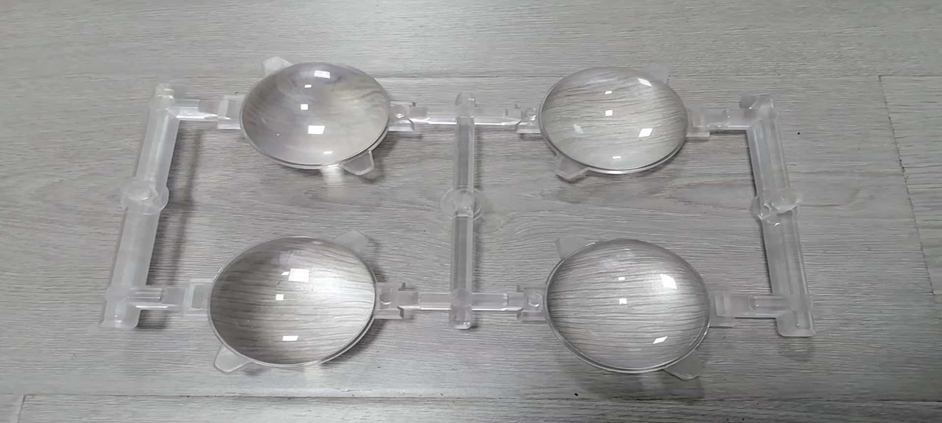
Acrylic injection molding still remains an important process because of the versatility, the cost and the precision that it offers.

Temperature Management in Acrylic Injection Molding

  • Coating variation in acrylic injection molding is dependent on proper temperature management. Acrylic has a melting range of 130-140°C and can work in short stays of temperature from 65-93°C. As an insulator, it is known for easy heat-based molding and low thermal conductivity. 
  • Another important point is about drying of the material before processing. The water absorption rate for acrylic is 0.3-0.4% and excess moisture can create bubbles, gas lines and reduced clarity in a final product. Then, acrylic is dried to keep the humidity level way under 0.1 or better yet under 0.04%.
  • Product quality and cycle time are highly dependent on the melt temperature. Acrylic, like other thermoplastics, melts in the 130–140°C range and the exact temperature should be closely controlled to stay on the proper side of molding efficiency versus matrix part durability.

Furthermore, the dimensional stability and surface quality of the finished product depends on the mold temperature as well. The following three best practices for optimum mold temperature are the case.

Use a Temperature Control System: The mold receives a precise control system that assures constant heat distribution to the whole mold.

Monitor Temperature Regularly: It helps with warping, shrinkage, or surface imperfections, by checking and adjusting the mold temperature.

Optimize Cooling Channels: With properly designed cooling channels, high heat capacities are available for removing heat, reducing cycle times, and also providing uniform cooling.

Additional Considerations in Acrylic Molding 

In addition to temperature control, heat deflection temperature, ultrasonic welding, and mold cost should be taken into account to further enhance the product quality and production efficiency.

Heat Deflection Temperature (HDT)

The HDT of acrylic is in the range of 80 to 100°C, indicating the deform begins at this temperature point but under load. However, the laws of heat transfer limit the maximum allowable processing temperatures below HDT to obtain dimensional accuracy and optical clarity.

Ultrasonic Welding

Ultrasonic welding is a reliable process with multiple acrylic parts. To create heat, this process employs high-frequency sound waves to fuse components, with little or no visible marks on them, making it ideal to use on LFT parts.

Mold Cost

Acrylic injection molds are expensive due to complexity, material selection and design requirements. Harmonizing this general objective is reducing costs that manufacturers can achieve by designing or selecting part designs that are simplified, using mold components more than once, and utilizing appropriate mold materials.

Environmental & Health Considerations

Modern injection molding machines with 20 to 50 percent less electric use than older machines are energy efficient but electricity consumption is still a concern for the environment. Acrylic molding can produce dangerous fumes if not managed properly, and it does not finish in a cabinet, when not flushed out and the back cut thus the dust particles could potentially be pushed into your lungs. Ventilation systems, fume control measures and adequate safety were also supposed to be in place to ensure worker safety in manufacturing facilities.

Alternative Materials in Injection Molding

Acrylic is one of the materials that are commonly used for optical clarity and durability, but it is not the only material.

Polycarbonate (PC) 

More impact-resistant than acrylic, making it ideal for safety equipment and automotive parts. It is however not transparent as acrylic.

ABS (Acrylonitrile Butadiene Styrene

A plastic with good strength and moldability but which has poor high optical clarity that is both cheap and easy to process. Common in automotive parts, toys, and appliances.

Polypropylene (PP)

Chemical resistant and flexible, it is a popular option for packaging and consumer goods applications. Secondly, however, it is not transparent like acrylic.

ASA (Acrylonitrile Styrene Acrylate)

UV resistance and weather ability provide it with outdoor application ability.

COC (Cyclic Olefin Copolymer)

Low water absorption; chemical resistant; known for medical and optical applications.

PCT (Polycyclohexylenedimethylene Terephthalate

It offers high heat resistance and optical clarity; which is commonly used in automotive lighting.

Each of these materials has unique strength, transparency and environmental factors of interest and the right selection depends on which is to be used for the intended application.

Acrylic Injection Molding Design Guidelines

Nonetheless, when designing with acrylic, it is important to observe standard design principles to avoid defects in your acrylic parts and to achieve maximum manufacturing efficiency. High quality durable components rely on proper wall thickness, radii, draft angles and tolerances. A number of key design considerations of acrylic molding is given below.

Wall Thickness

Acrylic part wall thickness should be between 0.025 inches (0.635 mm) and 0.150 inches (3.81 mm), according to recommendations. There is no tolerance for inconsistency in wall thickness since change (whether sudden or gradual) can produce defects such as warping, sink marks or internal stress.

Radii and Corners

A quick look at acrylic will show you that the acrylic is prone to stress concentrations at sharp corners. Corners with a minimum radius 25% of the wall thickness should be used to improve moldability and structural integrity. The best radius for increased strength is 60% of the wall thickness.

Draft Angles

The draft between 0.5° and 1° is necessary to create a smooth ejection out of the mold. If the part has polished or optically clear surfaces, then you may need a greater draft angle to maintain the quality.

Part Tolerances

Acrylic injection molding tolerances for part size and precision requirements are as follows:

  • For parts up to 160 mm, Commercial Tolerances are 0.1 mm to 0.325 mm.
  • Fine Tolerances: 0.045 mm to 0.145 mm for parts 100 mm or smaller.

By following these design principles, precision, durability, and optimal performance for its mold are assured in acrylic plastic molding.

Types of Acrylic Molds and Their Significance

Single-Cavity vs. Multi-Cavity Molds

Single-Cavity Molds: A low-volume production is suitable for good precision and customizability.
Multi-Cavity Molds: To meet the requirement of mass production with less time and less cost for each unit produced.

Hot Runner vs. Cold Runner Molds

Hot Runner Molds: Minimize waste and improve efficiency by keeping the acrylic molten inside the system.
Cold Runner Molds: More cost-effective but excessive material production, thereby requiring trimming and recycling.

Custom Acrylic Molds for Specialized Manufacturing

However, manufacturers can use custom molds to produce complex designs with tight tolerances, guaranteeing that acrylic components are manufactured to the certain specifications demanded in the aerospace and medical technology sectors.

Advantages and Challenges of Acrylic Plastic Molding

Advantages of Acrylic Molding

Exceptional Clarity:  An outstanding substitute for glass is acrylic featuring up to 92 percent transparency.
Lightweight & Strong:  Glass is twice heavier than acrylic but it is still very durable.
Weather & UV Resistance: Although some plastics grow yellow or degrade, acrylic does not.
Customizable Properties: Besides, acrylic can be dyed, coated,d, or modified for various applications.

Challenges in Molding Acrylic

Brittle Compared to Polycarbonate: While PC is less impact-resistant as acrylic, it will withstand much more pressure before cracking.
Shrinkage Control: Warpages and defects may occur if temperature management is not very precise.
Longer Cooling Time: Acrylic’s relatively low thermal conductivity leads to longer cycle times and hence reduces efficiency and production output. 

Acrylic Molding vs. Other Plastic Molding Processes

PropertyAcrylic (PMMA)Polycarbonate (PC)ABS Plastic
Transparency92% clarity (glass-like)85% clarity Poor
Impact Resistance      ModerateHighHigh
Heat ResistanceModerate (80-100°C)  Excellent (120-140°C)Good
Scratch ResistanceHighModerateLow
CostAffordableExpensiveCheap

Polycarbonate is best with regard to impact resistance while acrylic is chosen for their optical properties. In low cost applications if this flexibility and toughness is the priority then you can use ABS.

Future Trends in Molding Acrylic for Industrial Applications

  • Acrylic molding is becoming the next big thing and driving the future in the following aspects:
  • 3D printed acrylic molds can, on one hand, improve the prototyping speed and save the money for fabricating the mold.
  • Manufacturers are tapping into recyclable & Eco-Friendly Acrylic to reduce waste.
  • Integration of AI and IoT is making manufacturing process control and quality assurance smarter, thus optimizing the Smart Injection Molding Machines.
  • Nano-Coated Acrylic – Enhancing scratch resistance and UV protection for long-term durability.

Sincere Tech – Trusted Acrylic Injection Molding Services

Sincere Tech is proficient in Plastic injection molding and  acrylic injection molding with high quality that’s suitable for automotive, medical and electronics industries. With technology advanced and skilled engineers around, they create very clarity and durable precision acrylic parts.

With its custom mold design and manufacturing expertise, it provides cost-effective solutions both for prototyping and mass production. Sincere Tech uses high-grade material to make our high UV-resistant, high impact-resistant, high optical clear acrylic components.

Sincere Tech is the cheap acrylic molding provider for its reputation for quality, efficiency and innovation. For the tailored plastic molding services at the highest precision today, contact them!

Conclusion

Acrylic injection molding allows strong, lightweight and optically clear components to be produced. With brittleness and shrinkage control yet to be solved, it has nonetheless proved itself to be an inexpensive replacement for glass when precision and durability are required. In line with the change in manufacturing, smart molding technologies, automation, and sustainable acrylic solutions will also lead the way. Nevertheless, this material will definitely continue to find its place in the modern applications of industry since the growing demand for customized, high performance acrylic products guarantees that this material will continue to serve as a solution both for mass production and specialized manufacturing purposes.

FAQs

1. Why does one make use of acrylic in injection molding?

Acrylic provides high clarity (92%), UV resistance, longevity, and affordable price, while being a suitable choice for transparent and weather-resistant items.

2. Where can acrylic molding be utilized?

Acrylic is common in automotive, medical, consumer goods and signage because of its strength, clarity and versatility.

3.  Why is molding acrylic challenging?

It can be brittle, can warp, and requires very tight temperature control in order for defects to not form.

What are the differences in acrylic as compared to polycarbonate and ABS?

Acrylic is less clear, but more scratch-resistant compared to PC, while cheaper ABS does not transparent.

ABS Injection Molding: A Comprehensive Guide

ABS injection molding has good impact resistance and a smooth surface finish and is a favored method for manufacturing plastic parts of high quality in numerous industries. Acrylonitrile Butadiene Styrene (ABS) is a thermoplastic that is very commonly used in injection molding because of its strength, durability, and easy processing. ABS plastic injection molding is cost-effective and reliable to produce large quantities of the product for mass production including automotive components, consumer electronics, and medical devices. Basic plastics such as ABS are composed of acrylonitrile for chemical resistance, butadiene for toughness, and styrene for rigidity and a glossy appearance that makes it great for molding. This is further enhanced by the outstanding melting temperature (between 200 and 250°C), its excellent machinability, and moderate heat resistance. However ABS molding has its pros and cons just like any material; including UV sensitivity and moderate heat resistance, etc.

To produce defect-free products with the ABS plastic molding process, each of the factors involved in the cooling of the dried material, temperature control, wall thickness, injection pressure, as well as mold design must be carefully considered. Other plastics, besides ABS, used by the manufacturers include Polypropylene (PP), Polycarbonate (PC), Polyethylene (PE), Polyamide (Nylon), and PET, each having their advantages. The selection of an ABS or its alternative material depends on understanding the properties of the given material.

This article goes into great length about the main features of ABS injection molding, how its chemical composition is processed, its advantages, and disadvantages, and comparison to other plastics. The reader will finish the page with detailed knowledge as to why ABS still stands out to be the highly preferred material in present manufacturing.  

The process called ABS injection molding helps in producing durable, lightweight, and shockproof plastic parts from Acrylonitrile Butadiene Styrene (ABS.) ABS plastic is heated until it melts, then injecting it into a mold, and cooling and solidifying it into a desired shape is involved in the process. It is well known for being strong, heat resistant, and easy to mold, and is used in automotive components, electronics, toys, and household appliances. It is a method, which is possible of mass production on a consistent quality, providing an affordable and versatile solution to many sectors. Also, polished, textured, or colored ABS parts can be used for better aesthetics and functionality.

The ABS consists of:

  • Acrylonitrile (C₃H₃N) – Provides chemical resistance and heat stability.
  • Butadiene (C₄H₆) – Enhances toughness and impact resistance.
  • Styrene (C₈H₈) – Contributes to rigidity and glossy finish.

Molecular Structure

ABS is a molecular arrangement with the backbone of a long polymer chain filled with butadiene rubber particles in the acrylonitrile styrene matrix. The combination of these two traits makes it great for ABS plastic molding. 

Chemical Properties of ABS Plastic 

Some of the most important chemical properties of ABS make it a popular material for ABS injection molding.

  • Easy processing with a melting point of around 200-250 C.
  • It is lightweight yet strong at a density of 1.04–1.07 g/cm³.
  • Acids, alkalis, and oils are resistant, but organic solvents such as acetone affect it.
  • Temperatures: Heat resistant until 80–100°C, however prolonged exposure to high heat will degrade the material. 

Nature and Physical Characteristics of ABS Molding 

ABS is not a sharp melting point thermoplastic as most other plastics are (that is, it is amorphous), but it can be melted. Instead, it gets softened over a range of temperatures and suits for molding applications quite well. The key physical characteristics include: 

  • High Impact Strength – Withstands sudden shocks and stress.
  • It is Good Dimensional Stability – It maintains shape under different conditions.
  • Glossy and Smooth Finish – Provides an aesthetic appeal for consumer products.
  • Can be machined and molded with precision, and also easy to cut and drill.

The following are the steps of the ABS plastic injection molding process. 

  • Material Drying – ABS pellets are dried to remove moisture.
  • Heating it to 200–250°C and forcing it under high pressure into a mold (melting & injection).
  • Cooling & Solidification – The plastic cools the mold where the plastic has taken the shape of the mold.
  • Ejection & Finishing – The solidified product is ejected, trimmed, painted, or plated. 

Applications of ABS Molding  

Due to the versatility of ABS, it is widely used in all kinds of industries.

  • Dashboards, bumpers, and interior trims constitute the automotive industry.
  • Laptop casings, keyboards, phone covers etc.
  • Household Products: Kitchen appliances, vacuum cleaners, and toys (e.g., LEGO bricks).
  • Medical Equipment: Surgical instruments and housings for diagnostic devices. 

Advantages and Disadvantages of ABS Injection Molding 

Advantages 

  • ABS Plastic (stands for acrylonitrile butadiene styrene) has high impact resistance, meaning that it is tough and durable towards shocks and hence is used for making durable products.
  •  It is easily molded, cut, drilled, and processed – Excellent Machinability.
  • Good Chemical and Heat Resistance – Acids, alkalis and moderate heats don’t take their toll on them, like they do on lesser iron castings.
  • Smooth Surface Finish – Produces glossy, aesthetic parts suitable for consumer products.
  • Because it is less expensive than most engineering plastics, ABS is cost-effective.
  • Strong But Lightweight – An excellent material for applications that need strength without bulking.
  •  Biodegradable – ABS is a recyclable plastic material that can be reprocessed as it’s eco friendly in nature.

Disadvantages 

  • Prolonged exposure to sunlight will cause yellowing and brittleness.
  •  Flammable – Unless modified with flame retardant additives, it will burn easily.
  • ABS parts are prone to warping – when the parts cool at an improper rate, they may either shrink or deform.
  • Low Weather Resistance – Susceptible to degradation in extreme outdoor conditions.
  • ABS is prone to chemical sensitivity, so solvents like acetone will dissolve it.
  • Moderate Heat Resistance – Melts at high temperatures (100°C) thus not suitable for use in extremely hot surroundings.

ABS Injection Molding manufacturing has many key factors. 

To produce ABS injection molded ABS plastic parts, it is essential to take many variables into account and work through things in the right way to achieve high quality, strong, and affordable production. Below are factors to focus on:

Material Selection

  • To get the required strength, heat resistance, and surface finish, use high-quality ABS resin. 
  • However, based on the application requirements such as UV resistance, flame retardancy or impact strength, specific ABS grades could be chosen.

Pre-treatment of Dry ABS Resins

Absorb moisture, and therefore are hygroscopic and must be properly dried, or defects like bubbles and surface imperfections can occur.

Drying Process

  • It is desirable to dry ABS pellets at 80–90°C for 2–4 hours in preparation for molding.
  • Hydrolysis weakens mechanical properties and leads to inconsistent molding results and is prevented by proper drying.

 Temperature Control

  • Optimal flow and mold filling take place at 200–250°C melting temperature.
  • 50 – 80°C Mold Temperature to prevent warping, uneven shrinkage, and defects.

The cooling rate should be slow at a uniform rate to improve the dimensional accuracy and mechanical strength.

 Uniform Wall Thickness in ABS Plastic Parts Design

Why is it Important? 

  • When the wall thickness is not consistent, it causes warping, sink marks, stress in the material, and accumulating material.
  • Dimensional instability in the final parts can be caused by uneven cooling.

Design Recommendations

  • The best results are when there is a strictly consistent thickness between 1.2 and 3.5 mm.
  • Gradual transitions from section to section will prevent any stress points or weak areas.
  • Use rounding instead of sharp corners, as it will equalize the stress.

Injection Pressure & Speed

However the optimal Pressure should be set between 50–150 MPa to ensure complete and defect free mold filling.

Controlled Speed

  • Then next is the burn marks, increased internal stress, and material degradation, due to → too fast.
  • Errors → short shots (incomplete filling), weld lines, and lack of adhesion.

Pressure and speed are properly set to improve the surface finish, strength, and accuracy of molded parts.

Mold Design & Ventilation

This ensures there are neither air traps nor burn marks, and defects caused by trapped gases.

  • Gate Placement should be optimized for smooth and stress-free material flow.
  • Reduced risk of flow marks and surface defects are due to smooth, uniform mold surfaces.
  • If the tool is a multi-cavity mold the fill and cool must be balanced to fill and cool the cavities evenly.

 Shrinkage and Warping

  • Perhaps the most important consideration when designing molds for ABS is its high shrinkage rate of 0.4–0.7%, so size variations after cooling must be taken into account.
  • Essential is gradual cooling to avoid dimensional distortion or deformation of the part.
  • Reinforcement structures such as ribs and gussets are proper when they help maintain shape and stability.

 Post-Processing & Finishing

  • ABS parts may be painted, plated, polished, or laser-engraved for enhanced appearance.
  • This step is about ensuring that edges are smooth and removal of excess material by trimming, sanding, and deburring.
  • Chrome plating or UV coating on the surface makes the solution durable and difficult for environmental factors.

ABS Material Properties 

General Characteristics of ABS Plastic

Acrylonitrile Butadiene Styrene (ABS) is a non-toxic, odorless thermoplastic that normally looks like ivory-colored, translucent, or transparent granules or powder. The density which ranges from 1.05 to 1.18 g/cm³ allows it to be lightweight, yet strong. Like ABS, the shrinkage rate is 0.4% to 0.9% and ensures good dimensional stability in the molded parts. Its modulus of elasticity is 2 GPa, and its Poisson’s ratio is 0.394, meaning it is neither too weak nor too rigid. It absorbs less than 1% of moisture, its melting temperature is between 217°C and 237°C, and thermal decomposition starts above 250°C.

Mechanical Strength of ABS Plastic 

ABS is known widely for very high impact strength and excellent durability at low temperatures. Resistance to wear is good, so it is suited to parts requiring constant movement or friction. This plastic provides the dimensional stability of a molded part so that it will keep its shape. Also, ABS has moderate oil resistance, and therefore is an acceptable alternative for low speed, medium load bearing applications.

Heat Resistance and Thermal Stability

ABS has a heat deflection temperature (HDT) between 93°C and 118°C indicating that it sustains its structure at only moderate heat. However, its heat resistance can roughly improve by about 10°C if it is being annealed, which would raise its applicability for more thermal performance-demanding applications.

Electrical Insulation Capabilities

ABS plastic is a great electrical insulator, and thus the choice of material for electronics housings and electrical components. The insulation properties are stable in various temperature, humidity and frequency conditions, so that it has consistent performance in different situations.

Chemical and Environmental Resistance

ABS is resistant to water, inorganic salts, alkalis, and a wide variety of acids and is suitable for use in industrial and consumer applications. It does not however degrade when in contact with ketones, aldehydes or chlorinated hydrocarbons but can develop stress cracking when in contact with acetic acid, vegetable oil, etc.

With all its advantages, ABS as a polymer has poor weather resistance. The material becomes weaker when exposed to ultraviolet (UV) radiation. Its studies indicate that after six months of outdoor exposure, its impact strength can fall almost 50%, depending on the application the initial content of the resin this points to the need for the use of UV stabilizers or protection coating in the outdoor applications. 

Cost of ABS Plastic and Injection Molding 

The factors that determine the cost of ABS plastic are the cost of raw materials, the cost of processing, and the cost of any post-processing that may be necessary. These are the costs that are likely to be incurred in the ABS injection molding process:

Raw Material Cost

The price of ABS resin depends on the market price, supply from the manufacturer, quality, and any additional characteristics that may be required such as flame retardant ABS, UV stability, or higher strength grades of ABS. In general, the cost of the standard ABS resin is as follows:

  • $1.50 – $3.50 per kg for standard ABS granules.
  • $3.00 – $5.00 per kg for specialty ABS which includes flame retardant, UV stabilized or high impact ABS grades.
  • Of all these types, ABS is more costly than Polypropylene (PP) but cheaper than Polycarbonate (PC) as well as Nylon (PA).

Injection Molding Costs

Following are some of the factors that influence the cost of ABS plastic injection molding:

 Mold Cost

  • Simple molds: $3,000 – $10,000
  • Complex multi-cavity molds: $10,000 – $50,000+
  • Prototyping molds (low-volume production): $500 – $5,000

 Production Cost Per Part

  • Small, simple parts: $0.50 – $2.00 per piece
  • Larger or complex parts: $2.00 – $10.00+ per piece
  • High production volume: The costs decrease due to factors such as bulk purchases of the inputs.

Processing Costs

  • Machine hourly rates: $20 – $100 per hour (depending on the size and type of machine).
  • Labor cost: Vary by region but costs between 5 and 50 USD per hour.
  • Energy costs: As ABS needs to be heated to the range of 200-250°C, it entails significant electrical power usage.

Additional Costs 

  • Painting, plating, and polishing: $0.50 – $5.00 per part.
  • Material wastage & reprocessing: Depending on the specific case, it may add up to 5- 10% cost.
  • Cross-functional: Depending on the magnitudes of the part and location of production.

Is ABS Cost-Effective?

Pros: The cost of raw materials is moderate and the material is easy to machine while most scrap can be recycled hence making it suitable for mid to high volume invention.

Cons: More expensive than PP and PE, but cheaper than PC and Nylon. One might also consider high costs of molds as a disadvantage particularly when it comes to small-scale production.

In general, ABS injection molding is economical, durable, and easy to process and that’s why many industries prefer this material for processing.

Other Plastics Used in Injection Molding

In addition to ABS plastic, lots of other thermoplastics are commonly used in injection molding. However, each material has its properties different from the other making them suitable for different applications. Here is a comparison of the most common injection molding plastics to ABS.

Polypropylene (PP) vs. ABS 

Advantages of PP

  • Excellent chemical resistance and moisture resistance.
  • A budget-friendly lightweight and low-cost option.
  • Good impact strength but is lower than ABS.

Limitations of PP

  • Heat resistance and stiffness are lower than ABS.
  • Not as strong as ABS in high-stress applications.
  • Common Uses: Packaging, automotive parts, medical containers, and household goods.

Polycarbonate (PC) vs. ABS 

Advantages of PC

  • Sometimes used for superior impact resistance—bulletproof glass and other sorts of protective gear.
  • High heat resistance and durability.
  • This material can be transparent and easily tinted or colored.

Limitations of PC

  • More expensive than ABS.
  • Prone to scratching and will need coatings to strengthen it.
  • Common Uses: Automotive components, safety helmets, eyewear lenses, and electrical enclosures.

Polyethylene (PE) vs. ABS 

Advantages of PE

  • Highly resistant to chemicals, water, and corrosion.
  • It has low friction properties suitable for moving parts.
  • Extremely flexible and lightweight.

 Limitations of PE

  • Lower stiffness and mechanical strength than ABS.
  • Poor heat resistance—melts at lower temperatures.
  • Plastic bags, bottles, pipes, and food containers use plastic.

Polyethylene Terephthalate (PET) vs. ABS 

Advantages of PET

  • Very lightweight yet has excellent barrier properties against moisture and gases.
  • High dimensional stability—retains shape well.
  • Good chemical resistance and recyclability.

Limitations of PET

  • Has lower impact resistance than ABS.
  • Not as heat-resistant as other engineering plastics.
  • Application: Water bottles, food packages, clothing fiber, and cosmetic containers.

Polyamide (PA/Nylon) vs. ABS 

Advantages of Nylon

  • High mechanical strength and excellent toughness.
  • Good heat resistance such that it is suitable for high-temperature environments.
  • Wear and friction-resistant, used for moving parts.

 Limitations of Nylon

  • It absorbs moisture which affects dimensional stability.
  • More expensive than ABS.
  • Automotive parts, gears, bearings, industrial components, electrical connectors.

Selection of the Right Type of Material for the Injection Molding

Facts such as mechanical strength, chemical resistance, temperature and cost tolerance, will affect which plastic you have to choose from for injection molding. ABS strikes a balance of strength, durability and affordability, but other plastics such as PP, PC, PE, PET, Nylon to name a few, have the advantage to some applications for themselves. This insight enables manufacturers to make best decisions for their products in terms of performance. 

Conclusion

ABS injection molding is a highly versatile, efficient, and low-cost way to manufacture high-quality plastic components. It is an ideal material for automotive, electronics, consumer goods, and medical equipment industries due to its good impact resistance, smooth surface finish, and good process ability. For the best results in ABS molding, manufacturers must pay particular attention to temperature control, uniform wall thickness, optimal injection pressure, and sufficiently designed molds. Moisture absorption in ABS resins also requires pre-treatment, as it can generate bubbles and other defects, and poor mechanical properties. Post-processing techniques, such as painting plating and surface finishing can lead to much higher durability and finished appearance of ABS molded parts.

ABS is still an industry leader in plastic injection molding, but PP, PC, PE, PET, and Nylon burn through as other superior choices based on application needs. Polycarbonate has a superior impact than Nylon and Polypropylene is more chemically resistant. Mechanical properties, cost, environmental issues, and the intended use determine the right material choice. Overall, ABS plastic molding remains a major force in modern manufacturing as its perfect combination of performance, price, and production makes it ideal. ABS is a reliable and commonly used thermoplastic in injection molding regardless of its application for automotive, household, or industrial markets.

FAQs About ABS Injection Molding

1. Can ABS plastic be used for outdoor use?

This particular form of minimum voltage synchronous brushless DC motor has poor UV resistance and is susceptible to becoming brittle and discolored from exposure to sunlight. Despite this, UV stabilizers or coatings can also enhance its durability for outdoor use.

2. How does ABS injection molding have its advantages? 

ABS is heat resistant, extremely strong but lightweight, has high impact strength, offers good machinability, and is easy to finish as a smooth surface. Moreover, it is still lightweight, but sturdy.

3. Does ABS plastic resist chemicals?

Water, acids, alkalis, and sometimes organic solvents such as acetone affect the ABS. It can improve the grade of the ABS’s ability to resist chemicals.

Thickwall injection molding

Thickwall Injection Molding: Not Just for Pancakes

INTRO

Thickwall injection molding might sound like a culinary mishap, but it actually represents a significant advancement in the world of manufacturing that’s as far removed from the kitchen as you can get. Gone are the days when injection molding was only associated with producing flimsy plastic toys or cheap household items. Today, this technology has evolved into a sophisticated process that plays a crucial role in creating robust parts for industries ranging from automotive to aerospace. With a focus on producing durable components with precise specifications, thickwall injection molding is the unsung hero of modern manufacturing.

In this article, we’ll dive deep into the world of thickwall injection molding, exploring its intricate processes and revealing why it’s more relevant now than ever before. We’ll break down the nuts and bolts—or should we say, polymers and pistons—of this technology, examining what sets thickwall injection molding apart from its thinner counterparts. Along the way, we’ll uncover the history behind this manufacturing marvel, trace its development, and look at some real-world applications that showcase its versatility and importance.

Moreover, we’ll explore the materials involved, the process’s capabilities, and the techniques used to ensure optimal results. By the end of this comprehensive guide, you’ll appreciate how thickwall injection molding is transforming industries and why you should never underestimate the power of a well-molded chunk of plastic. Whether you’re a seasoned engineer, an industry insider, or just curious about manufacturing marvels, this article promises a fascinating journey through the thick and thin of injection molding.

Building Blocks of Plastic, One Chunk at a Time!

Understanding Thickwall Injection Molding

Thickwall injection molding is a specialized manufacturing process designed to create parts with substantial wall thickness, typically greater than 4 mm. Unlike traditional injection molding, which is often geared towards producing lightweight and thin-walled components, thickwall injection molding is all about strength and durability. This makes it ideal for industries where components are subjected to high stress, impact, or temperature variations, such as automotive, aerospace, and heavy machinery.

A crucial aspect of thickwall injection molding is the careful selection of materials. High-performance thermoplastics like polycarbonate, acrylonitrile butadiene styrene (ABS), and glass-filled nylon are often used due to their superior mechanical properties. These materials can withstand the rigors of the molding process and deliver the necessary strength and toughness in the final product. The selection process isn’t just about picking the strongest material; it’s about choosing the right balance of properties that will meet the specific demands of the application.

The process itself involves several stages, starting with the design of the mold. Unlike pancake recipes that might involve a bit of trial and error, mold design in thickwall injection molding is a precise science. Engineers use advanced computer-aided design (CAD) software to create molds that ensure the even distribution of material, minimize shrinkage, and avoid defects. Once the mold is ready, the next step is the injection process, where the plastic is heated to a molten state and injected into the mold under high pressure. The challenge here is to maintain uniformity in the thickness and ensure that the material fills every nook and cranny of the mold without leaving any air bubbles.

The Art and Science of Molding

While thickwall injection molding might sound straightforward, mastering this art requires a deep understanding of both science and engineering. One of the primary challenges faced by manufacturers is managing the cooling rate of the thick-walled parts. Due to their substantial thickness, these parts often cool unevenly, leading to warpage and internal stresses that can compromise the component’s integrity. To tackle this, engineers employ innovative cooling techniques and precisely control the cooling time to ensure that the part solidifies uniformly.

Another crucial aspect of thickwall injection molding is the use of simulations to predict and mitigate potential defects. Advanced simulation software allows engineers to model the entire injection process, from material flow to cooling patterns, helping them identify issues before they occur in real production. This predictive capability saves time and resources, allowing manufacturers to optimize the process and achieve higher yields without costly trial-and-error runs.

Quality control is also a vital component of thickwall injection molding. Every chunk of plastic that comes out of the mold undergoes rigorous inspection to ensure it meets the exact specifications and quality standards required for its intended use. This involves both manual inspections and automated techniques like computed tomography (CT) scanning, which can detect internal defects that are invisible to the naked eye. By maintaining strict quality control measures, manufacturers can ensure the reliability and performance of the parts produced, making thickwall injection molding a trusted choice for critical applications.

Real-World Applications and Impact

The versatility of thickwall injection molding is evident in its wide range of applications across various industries. In the automotive sector, for instance, it’s used to manufacture heavy-duty components such as engine covers, transmission housings, and structural parts that require high impact resistance and thermal stability. These components must withstand extreme conditions, and thickwall injection molding delivers the necessary durability and precision.

In the aerospace industry, thickwall injection molding is employed to produce robust parts that contribute to the overall safety and efficiency of aircraft. From interior paneling to structural supports, these components are designed to meet stringent regulations and perform reliably in challenging environments. The ability to produce lightweight yet strong parts is a key advantage, helping to reduce the overall weight of the aircraft and improve fuel efficiency.

Similarly, in the construction and heavy machinery sectors, thickwall injection molding is used to create components that can endure the harshest conditions. Whether it’s a durable housing for electrical equipment or a high-strength gasket for hydraulic systems, the process ensures that each part can handle the stresses of daily operation without failing. The impact of thickwall injection molding is significant, providing industries with the reliable components needed to build everything from skyscrapers to industrial machines.

Conclusion

Thickwall injection molding is a testament to the incredible advancements in manufacturing technology. By enabling the production of durable, high-performance components, it has become an indispensable tool for industries that demand strength and precision. This process, with its unique challenges and capabilities, showcases the intersection of engineering, creativity, and innovation.

As we’ve explored in this article, the relevance of thickwall injection molding extends far beyond its industrial applications. It represents a shift towards more sustainable and efficient production methods, where materials are used judiciously to create products that last longer and perform better. As industries continue to evolve and face new challenges, the importance of reliable manufacturing processes like thickwall injection molding will only grow.

In conclusion, whether you’re an engineer looking to optimize production, an industry professional seeking to understand the latest trends, or simply curious about the wonders of modern manufacturing, thickwall injection molding offers a fascinating glimpse into what’s possible when science and creativity come together. So next time you come across a seemingly ordinary plastic part, take a moment to appreciate the engineering marvels at work behind its creation. Who knew that something as simple as a chunk of plastic could play such a vital role in our everyday lives?

Automotive plastic injection molding Parts

Injection Molding for Automotive Parts

INTRO

In the bustling world of automotive manufacturing, where efficiency meets innovation, injection molding stands out as a revolutionized process that molds the very essence of our daily commute. This sophisticated technique has become a cornerstone in the production of automotive parts, from the minute clips that hold your dashboard together to the robust bumper that guards your vehicle. The sheer versatility and precision of injection molding have allowed for the creation of intricate designs and sturdy structures that are both cost-effective and time-efficient.

Picture this: a colossal machine with a singular purpose — to inject molten material into a mold, and voilà, a car part emerges! This method is not only cost-effective but also permits mass production without compromising on quality. As the automotive industry races towards sustainability and technological advancements, injection molding accelerates these goals by enabling the production of lightweight components that improve fuel efficiency. Not to mention, it significantly reduces waste, making it a darling in the eyes of environmentalists.

In this article, we will take a joyride through the fascinating landscape of injection molding for automotive parts. We’ll explore how this method has become the “steering wheel of fortune” for manufacturers and delve into the transformation of components “from bumper to bumper.” We’ll examine industry trends, technological advancements, and the environmental impacts of incorporating this manufacturing marvel. So, buckle up, and let’s embark on this journey to discover how injection molding shapes the road ahead for automotive parts.

Automotive plastic injection molding Parts

Injection Molding: Steering Wheel of Fortune

Injection molding can be considered the “steering wheel of fortune” for the automotive world, steering manufacturers toward success and innovation. This process involves melting plastic or other materials and injecting them into pre-designed molds to produce various components. The steering wheel itself, a fundamental part of any vehicle, perfectly exemplifies this method’s potential. By using injection molding, manufacturers can create ergonomic, durable, and aesthetically pleasing steering wheels. These attributes are achieved by incorporating different materials, such as thermoplastics and polymers, into the molding process, allowing for enhanced customization and integration of features like airbags and control buttons.

The success of injection molding in steering wheel production can be attributed to its precision and efficiency. With the ability to produce complex shapes with tight tolerances, this process ensures that each steering wheel meets the high standards required for safety and performance. Manufacturers can swiftly adjust designs and materials to adapt to automotive trends and consumer demands, turning the steering wheel into a canvas for innovation. For instance, the incorporation of smart technology and sensors into steering wheels is facilitated by injection molding, enabling features like adaptive cruise control and lane-keeping assistance to be seamlessly integrated.

Moreover, the economic benefits of injection molding extend beyond the manufacturing process itself. By reducing production time and minimizing material waste, companies can significantly cut costs. Additionally, the lightweight nature of injection-molded parts contributes to the overall reduction of vehicle weight, enhancing fuel efficiency and reducing emissions. This aligns with the automotive industry’s shift towards sustainability, as manufacturers seek to develop eco-friendly vehicles without compromising performance or safety. In essence, injection molding has become a pivotal tool in the automotive industry’s quest for a greener, smarter, and more efficient future.

From Bumper to Bumper: Mold Your Ride

From the front bumper to the rear, injection molding plays a pivotal role in shaping every segment of a vehicle. Bumpers, essential for absorbing impact and protecting the vehicle’s structure, are prime examples of the benefits of injection molding. This process allows for the production of bumpers that are not only lightweight and flexible but also capable of withstanding significant force. By utilizing high-strength materials such as polypropylene and polycarbonate, manufacturers can create bumpers that enhance both safety and aesthetics, providing cars with a sleek, modern appearance.

The versatility of injection molding extends to various other automotive parts, contributing to the comprehensive molding of a vehicle. Components such as dashboards, door panels, and even the intricate grilles that define a car’s personality are products of this manufacturing marvel. By enabling the seamless integration of features like air vents, cup holders, and electronic displays, injection molding transforms these components into multifunctional elements that enhance the driving experience. The precision and repeatability of the process ensure that each part meets the stringent quality standards necessary for automotive applications.

Technological advancements have further propelled the capabilities of injection molding in the automotive industry. The introduction of techniques such as gas-assisted and multi-material injection molding has expanded the design possibilities for automotive components. These innovations allow for the creation of parts with varying thicknesses, textures, and colors, providing manufacturers with the flexibility to cater to diverse consumer preferences. As a result, injection molding has become an indispensable tool in crafting vehicles that are not only functional but also visually appealing, embodying the perfect blend of form and function.

OUTRO

As we reach the end of our journey through the world of injection molding for automotive parts, it’s clear that this process is not just a manufacturing method but a driving force behind innovation and sustainability in the automotive industry. Injection molding, with its precision, efficiency, and adaptability, has revolutionized the production of automotive components, from the critical steering wheel to the protective bumper. By enabling the creation of lightweight, durable, and customizable parts, this process contributes to the development of vehicles that are not only safer and more efficient but also environmentally friendly.

The future of injection molding in the automotive industry looks promising, with continual advancements in technology and materials paving the way for even greater possibilities. As manufacturers strive to meet the demands of a rapidly evolving market, the role of injection molding in producing high-quality, innovative automotive parts will only continue to grow. From integrating smart technology into vehicle components to reducing the environmental footprint of automotive manufacturing, injection molding is set to drive the industry towards a more sustainable and technologically advanced future.

In conclusion, injection molding has proven to be an invaluable asset in the automotive world, offering manufacturers the tools to mold their vision of the perfect ride. As we look ahead, it’s essential for industry players to embrace this technology and explore its potential to create a more efficient, sustainable, and exciting automotive landscape. So, whether you’re a manufacturer, designer, or car enthusiast, the world of injection molding offers a wealth of opportunities to explore and innovate, shaping the future of what moves us from one place to another.

Collapsible Core injection molding

INTRO: The World of Collapsible Core Injection Molding

In the world of manufacturing, there exists a fascinating realm where creativity meets precision—the world of injection molding. Among the many techniques that have emerged to meet the diverse needs of modern manufacturing, collapsible core injection molding stands out as a particularly ingenious method. Imagine creating complex hollow parts with undercuts that would make even the most skilled magician raise an eyebrow. This is the kind of magic that collapsible core injection molding brings to the table.

This article dives into the depths of this remarkable technology, which plays a crucial role in producing products that require intricate detail and precision. From automotive components to household items, the applications are as varied as they are interesting. By the end of this article, you’ll not only understand how collapsible core injection molding works but also appreciate its cleverness and utility in manufacturing.

We’ll explore the mechanics behind this technique, the significant advantages it offers, and even sprinkle in some historical context to show how this method has evolved over time. Through examples and expert insights, we’ll illuminate why collapsible core injection molding is a go-to choice for complex mold designs. So, whether you’re a seasoned professional in the field, a budding engineer, or simply a curious mind, prepare to be entertained and informed as we unravel the magic of collapsible core wizardry.

Collapsible Core injection molding

When Molds Take a Bow: The Art of Collapsing

Understanding the Basics

Collapsible core injection molding is a technique that solves the conundrum of creating parts with intricate internal geometries. At its heart, this method involves using a core that can “collapse” or retract, allowing for the easy removal of the finished part from the mold. Imagine needing to remove a ship from a bottle—you can’t just take it out the way it came in without breaking the bottle. Similarly, with traditional injection molding, removing parts with undercuts without damaging them is nearly impossible. Enter the collapsible core, with its ability to fold in on itself, making the impossible quite possible.

This method is especially useful in industries where precision and complexity are non-negotiable. For instance, the automotive industry frequently needs parts with threads, side openings, or other complex features that are best achieved with collapsible cores. By using collapsible cores, manufacturers can achieve complex designs without having to resort to multiple parts or additional assembly processes, which saves both time and money.

Over the years, the development of collapsible core technology has seen significant advancements. Initially, the focus was on simple single-action collapsible cores, which were limited in their capabilities. However, with technological progress, we now have multi-stage collapsible cores that can handle even more complex geometries. This evolution has been driven by the need for more sophisticated products in the market, pushing engineers to innovate and improve collapsible core design continually.

The Mechanics of Collapsible Core Molding

To truly appreciate the magic of collapsible core injection molding, one must delve into its mechanics. The process begins with the design of the core itself, which is typically composed of segments or petals that can contract upon themselves. During the injection phase, the core is fully extended, and molten plastic is injected into the mold cavity that surrounds it. Once the plastic cools and solidifies, the magic happens—the core collapses, releasing the internal features of the molded part without causing any damage.

This collapsing action is achieved through a series of mechanical linkages, springs, or hydraulic systems, depending on the complexity and size of the part. The design of these systems requires a keen understanding of mechanical engineering principles and often involves intricate calculations and simulations. Engineers have to ensure that the core retracts smoothly and that the molded part retains its desired shape and features.

The complexity of collapsible core molding doesn’t end with the core’s design. Selecting the right materials is also crucial. The core must withstand high temperatures and pressures during the molding process, often necessitating the use of specialized alloys or coatings. The art of collapsible core molding lies in balancing these factors to achieve the desired outcome—a beautifully crafted part with intricate internal details.

From Concept to Creation: Crafting with Collapsible Cores

Bringing a design to life with collapsible core injection molding is not just about technical prowess; it’s also an art form. The journey from concept to creation involves several stages, each requiring careful planning and execution. It begins with understanding the product requirements, which inform the design of the collapsible core. Engineers must consider the part’s geometry, material, and the desired production volume to create an efficient and effective mold design.

Once the design is finalized, the focus shifts to tooling—the process of creating the actual collapsible core mold. This involves precision machining and manufacturing techniques to ensure that the core fits perfectly within the mold cavity. Any errors at this stage can lead to defects in the final product, so attention to detail is paramount.

Finally, the actual injection molding process takes place. Here, the magic of collapsible cores is truly on display as the core expands and collapses to release the molded part with ease. Quality control measures are essential at this stage to ensure that each part meets the required specifications. By the end of this process, a once complex and seemingly impossible design has been transformed into a tangible product, thanks to the art and science of collapsible core injection molding.

Applications and Advantages: The Rise of Collapsible Core Molding

Industry Applications: Where Collapsible Cores Shine

Collapsible core injection molding has found its niche in several industries that demand precision and complexity. One of the primary beneficiaries of this technology is the automotive industry. Here, collapsible cores are used to manufacture components such as air ducts, coolant connectors, and other parts that feature complex internal geometries. These components are integral to modern vehicles and require precise manufacturing to ensure optimal performance.

The medical industry also leverages collapsible core technology for producing parts with intricate shapes and features. Items such as syringe bodies, medical device housings, and other equipment benefit from the precision and reliability that collapsible core molding provides. The ability to create detailed internal threads and undercuts without sacrificing structural integrity is invaluable in medical applications.

Beyond these industries, consumer products also benefit from collapsible core technology. Household items like bottles, caps, and containers often require complex shapes that can be efficiently manufactured using collapsible cores. This method allows designers to push the boundaries of creativity, resulting in products that are both functional and aesthetically pleasing.

Advantages of Collapsible Core Molding: A Game Changer

The rise in popularity of collapsible core injection molding is largely due to the numerous advantages it offers. One of the most significant benefits is the ability to produce parts with complex internal geometries in a single molding process. This capability eliminates the need for secondary machining operations or additional assembly, reducing overall production time and costs.

Another advantage of collapsible core molding is its ability to maintain high precision and consistency across production runs. The collapsing mechanism ensures that each part is molded accurately, with minimal risk of defects. This consistency is crucial in industries such as automotive and medical, where even minor deviations can have serious consequences.

Collapsible core technology also offers flexibility in design. Engineers can create parts with features that would be challenging or impossible to achieve with traditional molding methods. This opens up new possibilities for innovation and allows manufacturers to meet the ever-evolving demands of the market. Ultimately, collapsible core injection molding is a game-changer that has redefined what is possible in the world of manufacturing.

The Art of Problem-Solving: Overcoming Challenges

While collapsible core injection molding offers numerous advantages, it is not without its challenges. Designing and manufacturing collapsible cores requires a deep understanding of mechanics and materials, and any misstep can lead to issues such as core misalignment or part deformation. Engineers must carefully consider factors such as core retraction mechanisms, material selection, and cooling rates to avoid potential pitfalls.

One common challenge in collapsible core molding is ensuring smooth and reliable core collapse. The core must retract seamlessly to avoid damaging the molded part, and achieving this requires precision engineering and high-quality materials. Regular maintenance and inspection of molds are essential to detect wear and tear that could compromise the core’s performance.

Despite these challenges, the potential rewards of collapsible core injection molding make it a worthwhile endeavor. By addressing these issues through careful planning and execution, manufacturers can unlock the full potential of this technology. The result is a manufacturing process that combines creativity, precision, and efficiency to produce complex and innovative products.

The Future of Collapsible Core Injection Molding

Trends and Innovations: What’s Next?

As technology continues to advance, so too does the field of collapsible core injection molding. One of the most exciting trends is the integration of automation and digitalization into the molding process. Automated systems can enhance precision and efficiency, reducing the potential for human error and allowing for greater consistency in production. Digital tools also enable engineers to simulate and optimize core designs, accelerating the development process and reducing costs.

Another area of innovation is the development of new materials and coatings for collapsible cores. Advances in material science are leading to the creation of more durable and heat-resistant materials, which can withstand the harsh conditions of the molding process. These materials not only improve the longevity of collapsible cores but also enable the production of parts with even more intricate features.

Sustainability is also a growing focus in the industry. Manufacturers are exploring ways to reduce waste and energy consumption in the molding process, including the use of recyclable and biodegradable materials. As environmental concerns continue to rise, collapsible core injection molding has the potential to become a key player in creating eco-friendly products.

The Road Ahead: Opportunities and Challenges

As we look to the future, the potential for collapsible core injection molding is vast. The increasing demand for customized and complex products presents opportunities for manufacturers to leverage this technology to meet market needs. By adopting collapsible core techniques, companies can differentiate themselves in a competitive landscape and offer unique solutions to their customers.

However, with these opportunities come challenges. The complexity of collapsible core molding requires skilled engineers and technicians, and there is a continual need for education and training in this specialized field. Additionally, as the technology becomes more widespread, manufacturers must navigate intellectual property considerations and ensure compliance with industry standards and regulations.

Despite these challenges, the future of collapsible core injection molding is bright. Continued investment in research and development will drive further innovation and unlock new possibilities for the technology. As it evolves, collapsible core molding will continue to be a cornerstone of modern manufacturing, enabling the creation of products that push the boundaries of design and functionality.

Embracing the Magic: A Call to Action

The magic of collapsible core injection molding lies in its ability to turn complex ideas into reality. As we embrace the future, it is essential for manufacturers, engineers, and innovators to recognize the potential of this technology and harness its power to drive progress. By investing in education, research, and collaboration, we can unlock new opportunities and overcome the challenges that lie ahead.

For those in the manufacturing industry, now is the time to explore the possibilities of collapsible core injection molding. Whether you are looking to optimize existing processes, innovate new products, or reduce environmental impact, collapsible core technology offers a path forward. By embracing this magic, we can create a more efficient, sustainable, and innovative future for the world of manufacturing.

OUTRO: The Magic Continues

In the world of manufacturing, collapsible core injection molding stands as a testament to human ingenuity and creativity. This remarkable technology has transformed the way we approach complex designs, offering a solution that combines precision, efficiency, and artistry. Through the magic of collapsible cores, manufacturers can bring even the most intricate ideas to life, paving the way for innovation and progress.

As we have explored in this article, the journey of collapsible core injection molding is one of continuous evolution. From its early beginnings to its current state, this technology has adapted and grown, driven by the demands of an ever-changing market. The possibilities it offers are vast, and its applications are as diverse as the industries it serves. Whether in automotive, medical, consumer products, or beyond, collapsible core molding has proven itself as an invaluable tool in the arsenal of modern manufacturing.

The future holds even more promise for collapsible core injection molding. As new materials, technologies, and methodologies emerge, the potential for this technology to revolutionize industries is immense. By embracing the challenges and opportunities ahead, we can unlock new levels of creativity and innovation, shaping a future where the magic of collapsible cores continues to inspire and amaze.

In conclusion, collapsible core injection molding is more than just a manufacturing technique; it is a journey of exploration and discovery. As we continue to unfold the magic of collapsible core wizardry, let us celebrate the artistry, precision, and ingenuity that define this remarkable process. Whether you are a seasoned professional or a curious enthusiast, the world of collapsible core injection molding invites you to join in the adventure and contribute to the magic that shapes our world.

nylon-reinforced plastic injection molding products

Injection Molding with Nylon-Reinforced Plastic: Benefits, Challenges, and Best Practices

1. Introduction

Injection molding is a cornerstone of modern manufacturing, particularly for creating complex shapes and components in high volumes. Among the myriad materials available for this process, nylon-reinforced plastics stand out due to their unique combination of performance attributes, versatility, and cost-effectiveness. As manufacturers strive for lightweight, durable, and high-performance materials, reinforced nylon has become increasingly significant in various industries ranging from automotive to aerospace and electronics.

Nylon, particularly in its reinforced forms, offers advantages over standard plastics that make it particularly appealing for demanding applications. Reinforced nylon combines the inherent benefits of nylon—such as toughness, elasticity, and resistance to various chemicals—with enhanced mechanical properties derived from the inclusion of reinforcement materials like glass or carbon fibers. This synergy results in a material that can withstand greater stress, abrasion, and thermal conditions without compromising structural integrity.

The growing need for high-performance components in sectors like automotive, where weight reduction can lead to better fuel efficiency, has propelled nylon-reinforced plastics into the limelight. Additionally, the aerospace industry benefits from the material’s excellent strength-to-weight ratio, which is critical in applications where every gram counts. In electronics, reinforced nylon’s insulating properties and thermal stability make it a preferred choice for housings and structural parts.

This article will delve deep into the world of nylon-reinforced plastic, exploring its properties, benefits, challenges, and best practices for injection molding. From understanding the various types of nylon and their reinforcements to discussing real-world applications, we will paint a comprehensive picture of why this material is a leading choice for modern manufacturing solutions.

2. What is Nylon-Reinforced Plastic?

Nylon, a synthetic polymer, is celebrated for its versatile properties, making it a staple in various applications. Primarily, two types of nylon are prevalent in manufacturing: Nylon 6 and Nylon 66. Nylon 6, derived from caprolactam, is known for its flexibility and processability, while Nylon 66, produced from hexamethylenediamine and adipic acid, boasts higher strength and heat resistance. The choice between these two often hinges on the specific requirements of the application, such as temperature tolerance or mechanical load.

Reinforced nylon comes into play to bolster these base polymers. The primary types of reinforcements include:

  • Glass Fiber-Reinforced Nylon: This variation incorporates glass fibers, enhancing tensile strength and resistance to deformation. It is particularly useful in applications requiring superior rigidity.
  • Carbon Fiber-Reinforced Nylon: Carbon fibers offer exceptional strength-to-weight ratios, making them ideal for applications where both lightweight design and strength are critical.
  • Mineral-Filled Nylon: Adding minerals like talc improves dimensional stability and thermal properties while reducing costs.

The key properties of nylon-reinforced plastics are what truly make them shine. They exhibit high mechanical strength and stiffness, making them suitable for demanding applications. Furthermore, these materials are resistant to wear and abrasion, making them ideal for components subject to friction, like gears and bearings. Chemical resistance is another standout property, allowing reinforced nylon to be employed in environments where exposure to harsh substances is inevitable.

Each type of reinforcement will affect the properties of the nylon differently, allowing manufacturers to tailor materials to suit specific needs. For instance, while glass fiber-reinforced nylon is excellent for structural applications, carbon fiber-reinforced nylon can be more suitable for aerospace components due to its lightweight and high tensile strength.

3. Advantages of Injection Molding with Nylon-Reinforced Plastic

The advantages of using nylon-reinforced plastic in injection molding are multifaceted and noteworthy. One of the primary benefits is its high mechanical strength and durability. Components made from reinforced nylon can withstand heavy loads and mechanical stress, making them ideal for critical applications in various industries. Studies have shown that nylon-reinforced plastics can have tensile strengths exceeding that of some metals, providing engineers with a robust alternative for structural components.

Another critical advantage is excellent heat and chemical resistance. Reinforced nylon materials can operate effectively in environments with fluctuating temperatures and exposure to aggressive chemicals without degrading. This resistance is especially valuable in the automotive and aerospace industries, where components often encounter extreme conditions. For example, engine covers made from glass-fiber-reinforced nylon can endure high temperatures without warping or losing structural integrity.

Improved dimensional stability is another benefit that sets reinforced nylon apart from its unreinforced counterparts. Components fabricated from reinforced nylon maintain their shape and dimensions more effectively, thus enhancing product quality and reducing waste in manufacturing processes. This property is particularly important for precision components in electronics and medical devices where tolerances can be critical.

Wear resistance is an essential characteristic of nylon-reinforced plastics, making them perfect for applications involving friction and moving parts, such as gears and bearings. This advantage can translate to longer lifespans for components, reduced maintenance costs, and improved overall efficiency in machinery and equipment.

Additionally, using reinforced nylon can lead to significant weight reduction compared to traditional metals. This reduction is beneficial in industries like automotive and aerospace, where lowering weight is directly correlated with improved fuel efficiency and performance. For instance, replacing metal components with nylon-reinforced plastic can reduce the overall weight of a vehicle, contributing to lower emissions and better handling.

nylon-reinforced plastic injection molding products

Summary of Advantages:

  1. High Mechanical Strength and Durability
  2. Excellent Heat and Chemical Resistance
  3. Improved Dimensional Stability
  4. Enhanced Wear and Friction Properties
  5. Weight Reduction Compared to Metals

These advantages make nylon-reinforced plastics a go-to choice for numerous applications, ensuring that manufacturers can produce high-quality products that meet the demands of their industries.

4. Challenges and Considerations in Molding Nylon-Reinforced Plastic

Although the advantages of nylon-reinforced plastic are compelling, several challenges must be considered during the injection molding process. One of the most significant challenges is the high molding temperatures required for processing these materials. Temperature control is crucial, as insufficient heat can lead to incomplete melting and inadequate flow characteristics, while excessive heat may degrade the polymer or cause excessive shrinkage and warping in the final product. Therefore, manufacturers must carefully calibrate their processes to achieve the optimal balance for each specific nylon-reinforced blend.

Increased mold wear is another concern. The incorporation of fibers—particularly glass and carbon—can cause abrasiveness that leads to faster wear on molds. This wear necessitates more frequent maintenance or replacement, which can significantly increase production costs. Manufacturers must choose appropriate mold materials and designs, potentially using coatings that enhance wear resistance to mitigate this issue.

Moisture absorption is a well-known issue with nylon materials, and reinforced nylon is no exception. The ability of nylon to absorb moisture can lead to changes in mechanical properties, affecting strength and dimensional stability. For instance, moisture can cause swelling and result in warping during the molding process. To mitigate this challenge, manufacturers need to implement strict drying protocols prior to processing to ensure the material’s moisture content remains low.

Furthermore, potential warping and shrinkage in molded parts can pose challenges in achieving tight tolerances. This can be exacerbated by the uneven cooling of molded parts, particularly with thick sections. Manufacturers must optimize cooling channels in molds to ensure uniform cooling, which can help reduce the incidence of warping and dimensional inconsistencies.

Processing difficulties, such as maintaining uniform fiber distribution, can also arise. If the fibers are unevenly distributed during the injection process, it can lead to variations in mechanical properties across the finished part. This is particularly critical in applications requiring high strength and reliability. Manufacturers must pay close attention to processing parameters and consider designs that allow for optimal fiber orientation.

Summary of Challenges:

  1. High Molding Temperatures Required
  2. Increased Mold Wear Due to Fiber Abrasiveness
  3. Moisture Absorption Issues
  4. Potential Warping and Shrinkage in Molded Parts
  5. Processing Difficulties in Fiber Distribution

These challenges necessitate that manufacturers take a holistic approach to the molding process, integrating best practices to mitigate risks and enhance the performance of nylon-reinforced plastics.

5. Best Practices for Injection Molding Nylon-Reinforced Plastic

To achieve successful results when molding nylon-reinforced plastics, manufacturers must adhere to several best practices that address the challenges mentioned above. First and foremost, material drying is crucial before molding. The moisture content of nylon can significantly impact the quality of molded parts, leading to defects such as bubbles or poor surface finish. Employing a desiccant dryer or hot air dryer can effectively reduce moisture levels. A good rule of thumb is to dry nylon at temperatures around 80°C to 90°C for several hours, depending on the material’s initial moisture content.

Optimizing mold design is another vital aspect of the injection molding process. Features such as proper venting and cooling channels can make a significant difference in the outcome of the molded parts. Venting is essential to allow trapped gases to escape during the injection process, which can help prevent defects. Cooling channels should be designed to ensure even cooling across the part, minimizing the risk of warping and shrinkage.

When it comes to injection molding parameters, careful control of temperature, pressure, and injection speed is essential. The melt temperature for nylon-reinforced plastics typically ranges between 230°C and 260°C, depending on the specific formulation. Proper control of injection speed can also help manage the flow of material and minimize the potential for fiber breakage. High injection speeds can lead to fiber shear, compromising the mechanical properties of the final product.

Minimizing fiber breakage during processing is also crucial. Fiber length and orientation are significant factors that influence the mechanical properties of the molded parts. To prevent fiber damage, manufacturers can optimize processing parameters, ensure proper material handling, and consider using additives designed to enhance fiber integrity.

Post-processing considerations also warrant attention. Techniques such as annealing can improve the dimensional stability of molded parts and relieve internal stresses that may have formed during the injection process. Machining may be necessary for parts that require tight tolerances or specific surface finishes. Manufacturers should consider the post-processing requirements during the design phase to streamline operations and ensure that the final product meets quality standards.

Summary of Best Practices:

  1. Material Drying Requirements Before Molding
  2. Optimizing Mold Design for Reinforced Nylon
  3. Proper Injection Molding Parameters
  4. Minimizing Fiber Breakage During Processing
  5. Post-Processing Considerations

Employing these best practices can enhance the performance and reliability of products manufactured with nylon-reinforced plastics.

6. Applications of Nylon-Reinforced Injection Molding

The applications of nylon-reinforced injection molding are as diverse as the industries that utilize them. In the automotive sector, nylon-reinforced plastic is used to manufacture components such as engine covers, brackets, and gears. These parts benefit from the material’s strength and lightweight properties, allowing for improved fuel efficiency and performance. A notable example is the use of glass-fiber-reinforced nylon in under-the-hood applications, where the material’s heat resistance is critical.

The consumer electronics industry also extensively utilizes nylon-reinforced plastics. Housings for smartphones, tablets, and other devices often require robust materials that can withstand everyday wear and tear. Nylon’s insulating properties, coupled with its mechanical strength, make it an ideal choice for structural parts that protect sensitive components while also providing aesthetic appeal.

In industrial machinery, components such as bearings, rollers, and conveyor systems leverage the wear resistance and strength of nylon-reinforced plastics. These applications often involve high-speed operations where traditional materials may falter under stress. By employing reinforced nylon, manufacturers can develop longer-lasting components that reduce maintenance downtime and improve operational efficiency.

The aerospace sector, known for its rigorous demands, also relies on nylon-reinforced plastics. Here, the weight-saving benefits of these materials are paramount, with applications ranging from interior components to structural elements. The use of carbon-fiber-reinforced nylon in aircraft can lead to significant weight reductions, enhancing fuel efficiency and performance.

Medical applications are another promising area for nylon-reinforced injection molding. With the need for biocompatibility and strength, reinforced nylon materials can be used in a variety of devices, including surgical instruments and implants. The ability to precisely mold complex geometries allows for innovative designs that can meet stringent regulatory requirements.

Summary of Applications:

  1. Automotive Components (Engine Covers, Brackets, Gears)
  2. Consumer Electronics (Housings, Structural Parts)
  3. Industrial Machinery (Bearings, Rollers)
  4. Aerospace and Medical Applications

These applications illustrate the versatility and effectiveness of nylon-reinforced plastics, emphasizing their vital role in enhancing product performance across multiple industries.

7. Conclusion

In summary, injection molding with nylon-reinforced plastic presents numerous benefits that cannot be overlooked. The unique properties of reinforced nylon, including high mechanical strength, excellent heat and chemical resistance, and improved dimensional stability, make it a material of choice for a wide range of industries. Despite the challenges associated with processing these materials, such as high molding temperatures and moisture absorption issues, implementing best practices can lead to successful outcomes.

As we look to the future, trends such as increasing emphasis on sustainability and the development of bio-based nylon-reinforced plastics are expected to gain traction. Manufacturers will likely continue to explore innovative ways to optimize the performance of nylon-reinforced materials, ensuring they remain competitive in an increasingly demanding market.

When selecting the right type of nylon-reinforced plastic for specific applications, it is essential to consider the operational environment, required mechanical properties, and any regulatory standards that may apply. By carefully evaluating these factors, manufacturers can harness the full potential of nylon-reinforced plastics, paving the way for the next generation of lightweight, durable, and high-performance components.

With the evolving landscape of materials science and manufacturing technology, there is no doubt that the future of nylon-reinforced injection molding is bright. As more industries recognize the advantages of this innovative material, the possibilities for new applications and improvements in existing products are limitless. Manufacturers are encouraged to engage in discussions, share best practices, and explore partnerships that will drive further advancements in the field.

injection molding with nylon-reinforced plastic

Molding Dreams, Not Just Plastics!

In a world where innovation drives progress, the art of injection molding has emerged as a powerful tool for transforming ideas into reality, especially when it comes to nylon—a material renowned for its versatility, strength, and durability. Nylon injection molding has revolutionized various industries, from automotive to consumer goods, enabling manufacturers to produce high-quality components at scale. This article will delve into the intricate world of nylon injection molding, exploring its significance, the technicalities of the process, and the challenges faced by manufacturers in their quest for perfection.

Throughout the article, we will uncover the science and artistry behind nylon injection molding, examining how heat and pressure work together to create intricate designs from simple pellets. We will provide insights into the temperatures required for molding nylon, the step-by-step process from raw materials to finished products, and the common issues that may arise during production. Additionally, we will explore the future of nylon injection molding, pondering whether it is a dream worth pursuing or a nightmare that manufacturers must navigate.

By the end of this journey, you will not only understand the technical aspects of nylon injection molding but also appreciate the creativity and ingenuity that go into every molded piece. Whether you’re an industry veteran or a curious newcomer, this exploration of nylon injection molding will provide you with valuable information and perhaps inspire you to mold a few dreams of your own—one plastic part at a time!

Molding Dreams: The Nylon Revolution Begins Today!

The Rise of Nylon

The story of nylon starts in the late 1930s, when the DuPont company introduced this synthetic polymer as the first completely synthetic fiber. Originally designed as a replacement for silk in women’s stockings, nylon quickly garnered attention due to its strength, elasticity, and resistance to abrasion. Over the decades, nylon evolved beyond textiles, becoming a staple in the manufacturing of various industrial components, packaging materials, and consumer goods.

Today, the nylon injection molding market is booming, with an estimated growth rate of 5.8% from 2021 to 2028, as reported by various industry analysts. This growth is driven by the increasing demand for lightweight and durable materials across sectors such as automotive, aerospace, and electronics. As sustainability becomes a pressing concern, nylon’s recyclability and potential for bio-based production have made it an attractive option for eco-conscious manufacturers.

Why Choose Nylon?

So, what makes nylon the go-to material for injection molding? The answer lies in its unique properties. Nylon possesses excellent mechanical strength, making it ideal for components that require durability. Its low friction coefficient allows for smooth operation in moving parts, which is particularly important in automotive and industrial applications. Additionally, nylon is resistant to chemicals, oils, and solvents, further expanding its usability.

Nylon’s versatility extends to its availability in various grades, each suited for specific applications. For instance, glass-filled nylon offers enhanced structural integrity, making it perfect for heavy-duty components. Meanwhile, nylon blends, such as nylon 6/66 or nylon 12, can be tailored for specific performance characteristics, from higher impact resistance to improved flexibility.

injection molding with nylon-reinforced plastic

A Shift in Manufacturing Paradigms

Traditionally, molding processes were linear and time-consuming, involving multiple steps that increased production time and costs. However, with the advent of advanced nylon injection molding techniques, manufacturers can realize significant efficiencies. Automated processes, coupled with sophisticated robotics, allow for quick changes between product runs, reducing downtime and waste.

Moreover, the integration of Industry 4.0 technologies has transformed how manufacturers approach nylon injection molding. Smart sensors and IoT (Internet of Things) devices monitor the molding process in real-time, providing valuable data that can be used to optimize production parameters. This shift towards predictive maintenance not only enhances product quality but also minimizes costs associated with equipment failure.

Real-World Applications

The versatility of nylon injection molding is evident in its wide-ranging applications. In the automotive sector, nylon is used for fuel tanks, electrical connectors, and various interior components, such as door handles and gear knobs. In consumer goods, nylon molds everything from kitchen utensils to sporting equipment, showcasing its adaptability to different designs and functions.

One notable case is the use of nylon in the production of lightweight automotive parts, which help improve fuel efficiency. By replacing heavier materials with nylon, manufacturers can reduce a vehicle’s weight, leading to lower emissions and better performance. This trend aligns with the automotive industry’s push towards sustainability, making nylon an essential player in the future of vehicle design.

Challenges on the Horizon

While the prospects for nylon injection molding are bright, challenges remain. Fluctuating prices of raw nylon materials and competition from alternative materials, such as metal and composites, can impact the market. Additionally, ensuring consistent quality in molded products can be tricky, especially with variations in raw material properties and environmental conditions. Manufacturers must invest in research and development to stay ahead of these challenges and continue innovating.

In summary, the nylon revolution is well underway, bringing with it exciting opportunities and challenges. Understanding the potential of nylon in injection molding is crucial for manufacturers aiming to stay competitive in an evolving market. As we move forward, the question remains: how can we harness the full potential of nylon and continue molding dreams rather than merely plastics?

Nylon Injection Molding: The Art of Plastic Wizardry

Understanding Injection Molding

Injection molding is a sophisticated manufacturing process that involves injecting molten material into a mold to create a specific shape. The process consists of several key steps: material preparation, injection, cooling, and ejection. Each stage requires precision and a deep understanding of material behavior, particularly when working with nylon.

To begin, nylon pellets must first be dried, as moisture can negatively impact the material’s performance. Once dried, the pellets are fed into a heated barrel, where they are melted and mixed. The molten nylon is then injected into a mold at high pressure, where it takes the shape of the desired component. After sufficient cooling, the mold is opened, and the finished part is ejected.

The Science Behind the Magic

What sets nylon injection molding apart from other plastics is its unique thermal and mechanical properties. Nylon’s ability to absorb and retain heat enables it to be molded into complex designs while maintaining structural integrity. This quality is crucial for industries that require precision-engineered components, such as aerospace or medical devices.

Furthermore, nylon’s crystallinity plays a significant role in its molding behavior. Different grades of nylon can exhibit varying degrees of crystallinity, impacting how they cool and solidify in the mold. Manufacturers must consider these factors when selecting the right nylon grade for their injection molding projects, as they can significantly affect part performance.

Mastering the Mold Design

Creating a mold for nylon injection molding is akin to crafting a fine sculpture. The design phase is critical, as it can determine not only the aesthetics of the final product but also its functionality. Engineers must consider factors such as wall thickness, draft angles for easy ejection, and cooling channels for efficient heat dissipation.

Additionally, mold materials must be carefully selected. Tool steels and aluminum are common choices, each with its advantages and disadvantages. While aluminum molds are generally less expensive and offer faster turnaround times, they may not withstand the wear and tear of high-volume production as effectively as their steel counterparts.

Injection Speed: The Need for Speed

Speed is of the essence in injection molding, and the rate at which material is injected into the mold can greatly impact the final product. High injection speeds can lead to defects such as warping or incomplete filling, while low speeds might prolong cycle times and reduce overall productivity. Striking the right balance requires experience and an understanding of how nylon behaves under different conditions.

Manufacturers often utilize simulation software to predict flow behavior and optimize injection speed. By modeling the injection process, engineers can identify potential issues before they occur, saving time and resources during actual production. Such technology has become indispensable in the quest for molding perfection.

Quality Control: The Final Frontier

Quality assurance is paramount in nylon injection molding, as defects can lead to costly recalls and damaged reputations. Manufacturers employ various testing methods, including visual inspections, dimensional measurements, and mechanical property evaluations, to ensure that each molded part meets stringent quality standards.

One widely used technique is the use of statistical process control (SPC), which involves monitoring and controlling the injection molding process through statistical methods. By analyzing data from production runs, manufacturers can identify trends and implement corrective actions before defects occur, further ensuring the reliability of their products.

Case Studies: Success Stories

Several companies have successfully leveraged nylon injection molding to enhance their product offerings. For instance, a leading automotive manufacturer implemented nylon injection molding for the production of lightweight fuel lines. By replacing heavier steel components with nylon, the company achieved significant weight savings, improving vehicle efficiency and reducing emissions.

Additionally, a consumer electronics company turned to nylon for its smartphone cases, which required a combination of durability and aesthetics. By utilizing glass-filled nylon, the company produced cases that not only protected devices but also appealed to consumers with their sleek design. Such success stories illustrate how nylon injection molding can reshape industries and drive innovation.

Heating Things Up: Temperatures That Make You Sweat

The Importance of Temperature Control

Temperature plays a critical role in the nylon injection molding process. Both the barrel and mold temperatures must be meticulously controlled to ensure optimal melting, flow, and cooling of nylon. If temperatures are too low, the nylon may not melt completely, leading to poor filling and defects. Conversely, if temperatures are too high, the material can degrade, resulting in discoloration and compromised mechanical properties.

The barrel temperature is typically set between 230°C and 280°C (446°F to 536°F), depending on the specific nylon grade being used. It is essential to monitor this temperature closely, as variations can significantly impact the viscosity of the molten material. Properly managing barrel temperatures not only ensures consistent quality but also enhances production efficiency by minimizing cycle times.

Cooling: The Unsung Hero

Cooling is just as vital as heating in the injection molding process. Once the nylon is injected into the mold, it must cool down to solidify into the desired shape. The cooling rate can influence the dimensional stability, surface finish, and mechanical properties of the molded part. Therefore, engineers must carefully design cooling channels within the mold to facilitate uniform cooling and avoid warping or deformation.

Cooling times can vary depending on the thickness and complexity of the part being molded. Thin-walled components may require only a few seconds of cooling, while thicker parts may need several minutes. Manufacturers often conduct cooling simulations to optimize mold designs, ensuring that heat is dissipated evenly and efficiently.

Maintaining Consistency: The Key to Success

Maintaining consistent temperatures throughout the injection molding process requires careful planning and monitoring. Manufacturers often employ advanced temperature control systems that utilize thermocouples and heaters to achieve precise temperature management. Such systems can be integrated with machine controls, enabling real-time adjustments based on feedback from the molding process.

Additionally, the use of data analytics can provide valuable insights into temperature trends and variations. By analyzing historical data, manufacturers can identify patterns and adjust their processes accordingly, ensuring consistent quality and performance in their molded parts.

Temperature-Related Defects: A Cautionary Tale

Temperature-related defects can be a manufacturer’s worst nightmare. Insufficient melting can lead to short shots or incomplete fills, while excessive temperatures may cause splay, a defect characterized by streaks or spots on the surface of the molded part. Manufacturers must remain vigilant, as these defects can compromise the integrity and aesthetics of the final product.

One example of a temperature-related issue is the phenomenon known as “thermal degradation.” If nylon is exposed to excessively high temperatures for extended periods, it can break down, resulting in a loss of mechanical strength and clarity. To mitigate this risk, manufacturers must adhere to recommended processing temperatures and utilize drying techniques to minimize moisture content in the nylon pellets.

The Future of Temperature Control

As technology continues to advance, so too do the methods for managing temperature in nylon injection molding. Emerging technologies, such as infrared heating and laser-based temperature monitoring, hold promise for enhancing temperature control. These innovations can improve efficiency and reduce waste by ensuring that each stage of the molding process is executed with precision.

Furthermore, the integration of artificial intelligence (AI) into temperature management systems is on the horizon. AI algorithms can analyze real-time data from the molding process to predict optimal temperature settings, resulting in improved consistency and quality. As these technologies mature, manufacturers will be better equipped to manage the complexities of temperature control in nylon injection molding.

From Pellets to Perfection: The Molding Magic Unfolds

Preparing the Pellets

The journey from pellets to molded products begins with material preparation. Nylon pellets must be carefully dried to remove moisture, which can negatively affect the material’s performance during molding. Drying typically occurs in heated ovens or desiccant dryers, where pellets are held at specific temperatures for predetermined durations.

The drying process is crucial, as even small amounts of moisture can lead to hydrolysis—a chemical reaction that breaks down the polymer chains in nylon. This degradation can compromise the mechanical properties of the molded parts, resulting in lower strength and durability. Manufacturers must diligently monitor moisture levels and adhere to drying recommendations based on the specific nylon grade being used.
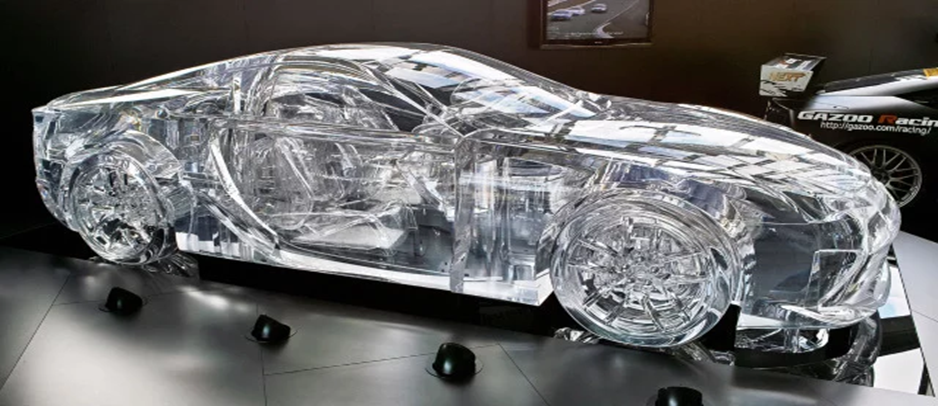
The Injection Process

Once the nylon pellets have been properly dried, they are fed into the injection molding machine. The machine’s barrel heats the pellets to their melting point, creating a viscous material ready for injection. This phase is characterized by high pressure, as the molten nylon is injected into the mold cavity at speeds that can exceed 300 mm/s.
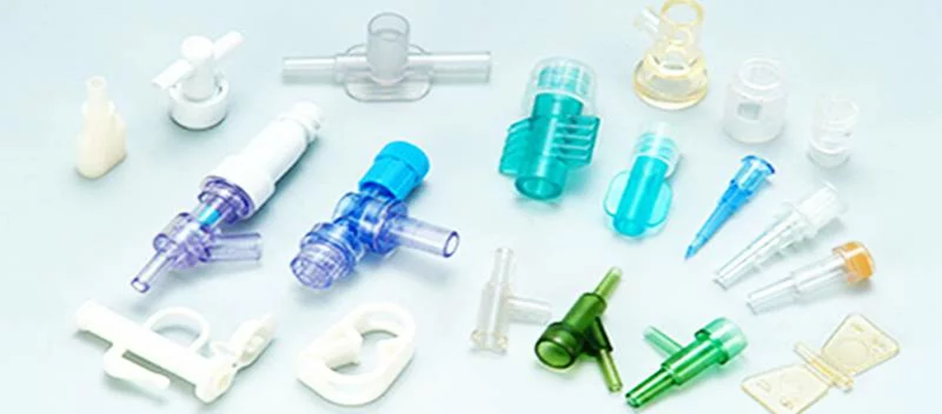
The injection process requires precise control to ensure that the mold is filled uniformly. Engineers must consider factors such as injection speed, pressure, and holding time to optimize the molding cycle. An improperly executed injection can lead to defects, such as air traps or incomplete fills, which can compromise the quality of the finished product.

Cooling and Solidification

After the molten nylon has filled the mold cavity, cooling begins. The cooling process is critical, as it transforms the viscous material into a solid state. Engineers must balance cooling time with production efficiency, as longer cooling times can extend cycle times and reduce overall output.

The design of the cooling system within the mold is paramount. Cooling channels must be strategically placed to promote uniform heat dissipation, ensuring that all areas of the mold cool at the same rate. Rapid cooling can lead to warping or cracking, while slow cooling may result in uneven shrinkage and dimensional inaccuracies.

Ejection: The Moment of Truth

Once the molded part has cooled sufficiently, the mold opens, and the finished product is ejected. This phase is often accompanied by a sigh of relief, as manufacturers hope that their careful planning and execution have paid off. The ejection mechanism must be designed to minimize stress on the part, ensuring that no defects occur during this critical stage.

Common ejection methods include mechanical ejectors, air ejection, and hydraulic systems. Each method has its benefits and drawbacks, depending on the complexity and delicacy of the molded part. For example, delicate parts may require gentler ejection methods to prevent damage, while larger components may benefit from more robust systems.

Quality Assurance: The Final Check

After ejection, the molded parts undergo rigorous quality checks to ensure they meet specifications. This stage may involve visual inspections, dimensional measurements, and mechanical property testing. Any defects identified during this process can lead to rework or scrapping, emphasizing the importance of thorough quality assurance.

Manufacturers often implement quality control protocols that include statistical sampling techniques. By testing a representative sample of parts, manufacturers can assess overall quality and make informed decisions about process adjustments. This proactive approach helps maintain high standards and ensures that only the best products reach the market.

Case Studies: Achieving Perfection

Several notable case studies demonstrate the successful journey from pellets to perfection in nylon injection molding. For instance, a medical device manufacturer developed a nylon component for a surgical instrument that required both precision and durability. By employing advanced simulation software, the team optimized mold design and processing parameters, resulting in a flawless final product.

Another success story involves a sporting goods company that utilized nylon injection molding for lightweight bicycle frames. By carefully selecting the appropriate nylon grade and optimizing the molding process, the company achieved a significant reduction in weight without compromising strength. Such case studies illustrate the transformative power of nylon injection molding in achieving high-quality, functional products.

Troubleshooting: When Your Dreams Don’t Quite Set Right

Common Issues in Nylon Injection Molding

Despite the best-laid plans, manufacturers often encounter challenges during the nylon injection molding process. Common issues include short shots, warping, flash, and surface defects such as splay or discoloration. Understanding these problems and their root causes is essential for resolving them effectively.

Short shots occur when the mold cavity is not completely filled, resulting in incomplete parts. This issue can arise from insufficient injection pressure, inadequate material flow, or improper temperature settings. Diagnosing the underlying cause is crucial to preventing future occurrences.

Warping: A Formidable Foe

Warping is another frequent challenge in nylon injection molding. When molded parts cool unevenly, they can deform, leading to dimensional inaccuracies. Warping can be influenced by factors such as cooling rates, mold design, and material properties.

To mitigate warping, manufacturers must ensure that the cooling system promotes uniform heat dissipation. Additionally, optimizing mold design with appropriate draft angles and features can help minimize stress concentrations that contribute to warping.

Flash: A Nuisance to Avoid

Flash, the unwanted excess material along mold parting lines, is a nuisance that can affect both aesthetics and functionality. This issue often arises from excessive injection pressure or misaligned molds. To address flash, manufacturers can reduce injection pressure, adjust mold alignment, and ensure proper venting for air escape.

Troubleshooting Techniques

To troubleshoot issues effectively, manufacturers can employ various techniques. Root cause analysis (RCA) is a systematic approach that involves identifying the underlying causes of problems and implementing corrective actions. Tools such as fishbone diagrams and Pareto charts can aid in this process, allowing teams to visualize and prioritize issues.

Additionally, conducting regular machine maintenance and calibrating equipment can help prevent issues from arising in the first place. Preventive maintenance schedules that include routine inspections and adjustments are essential for maintaining machinery performance and producing high-quality molded parts.

The Role of Data Analytics

The integration of data analytics into troubleshooting processes has revolutionized how manufacturers approach problem-solving. By analyzing production data in real-time, manufacturers can identify trends and anomalies that may indicate potential issues. This proactive approach enables them to make informed decisions and implement corrective actions before problems escalate.

For instance, if a sudden spike in defective parts is detected, manufacturers can quickly investigate the production parameters and identify potential causes. This level of responsiveness improves overall quality and enhances the efficiency of the injection molding process.

Learning from Failure

In the complex world of nylon injection molding, not every endeavor will yield success. However, each failure presents an opportunity for growth and learning. By conducting thorough post-mortems on production runs that encountered issues, manufacturers can extract valuable insights that inform future processes.

Sharing failure stories within organizations can foster a culture of continuous improvement, encouraging teams to innovate and experiment. In this way, even when dreams don’t quite set right, manufacturers can turn challenges into stepping stones toward perfection.

Future of Molding: Nylon Dreams or Plastic Nightmares?

The Impact of Sustainability

As the world becomes increasingly aware of environmental issues, the future of nylon injection molding is closely tied to sustainability. The plastic industry is under scrutiny for its role in pollution and waste, prompting manufacturers to seek eco-friendly alternatives and practices.

Nylon, particularly when derived from renewable sources, has the potential to align with sustainability goals. Biodegradable nylon options are emerging in the market, offering a greener alternative to traditional petroleum-based nylon. These innovations present opportunities for manufacturers to cater to eco-conscious consumers while contributing to a more sustainable future.

The Rise of 3D Printing

Innovations in technology are also shaping the future of nylon molding. The rise of additive manufacturing, or 3D printing, has opened new avenues for producing nylon components. While traditional injection molding remains a go-to method for high-volume production, 3D printing offers flexibility and customization for low-volume runs or complex designs.

Manufacturers are increasingly exploring hybrid approaches that combine injection molding and 3D printing, enabling them to leverage the strengths of both technologies. This trend allows for rapid prototyping and the production of intricate parts that may be challenging to achieve through traditional methods.

Automation and Industry 4.0

The integration of automation and Industry 4.0 principles in nylon injection molding is poised to revolutionize the manufacturing landscape. Smart factories, equipped with interconnected machines and real-time data analytics, can enhance productivity and quality while reducing costs.

Automated systems can monitor and adjust production parameters in real-time, ensuring optimal performance. This level of automation minimizes human error and allows manufacturers to scale production efficiently, meeting the ever-increasing demand for nylon components across various industries.

Navigating Regulatory Challenges

As manufacturers strive to innovate, they must also navigate regulatory challenges related to materials and processes. Stricter regulations surrounding environmental impact and product safety are reshaping the industry. Manufacturers must remain informed and adaptable, ensuring compliance while still pursuing their goals of innovation.

Collaboration between industry stakeholders, including manufacturers, regulatory bodies, and research institutions, can facilitate the development of sustainable practices and materials that meet regulatory standards while advancing the field of nylon injection molding.

The Road Ahead: A Blend of Dreams and Realities

The future of nylon injection molding holds great promise, but it also presents challenges that manufacturers must address. As they navigate the complexities of sustainability, technological advancements, and regulatory requirements, the industry must remain agile and forward-thinking.

By embracing innovative approaches and fostering a culture of continuous improvement, manufacturers can mold not just plastics but also a brighter, more sustainable future. The journey of nylon injection molding is one of transformation and resilience—an endeavor to mold dreams into reality while overcoming obstacles along the way.

Conclusion

Nylon injection molding is more than just a manufacturing process; it is a testament to human creativity, ingenuity, and resilience. From the days of silk stockings to the modern applications in automotive, aerospace, and consumer goods, nylon has carved a niche for itself as a versatile and durable material. As we explored the intricacies of this process, we uncovered the art and science behind transforming simple pellets into high-quality products that shape our everyday lives.

The journey from molding dreams to achieving perfection is paved with challenges, from temperature control to troubleshooting defects. Yet, it is these very challenges that drive innovation and continuous improvement in the industry. The integration of advanced technologies, such as data analytics and automation, is reshaping the landscape of nylon injection molding, allowing manufacturers to enhance efficiency and quality while reducing their environmental impact.

As we look to the future, it is clear that the nylon injection molding industry stands at a crossroads. With sustainability taking center stage, manufacturers must adapt and evolve, exploring eco-friendly alternatives and innovative practices that align with consumer expectations. The rise of additive manufacturing and Industry 4.0 technologies presents exciting opportunities for growth and transformation, allowing manufacturers to harness the full potential of nylon while molding a better tomorrow.

In closing, whether you’re an industry veteran, a curious newcomer, or simply someone who appreciates the beauty of well-crafted products, the world of nylon injection molding invites you to dream big. Embrace the challenges, celebrate the successes, and continue the conversation about how we can shape the future of manufacturing—one molded part at a time. So go ahead, let your imagination run wild, for in the realm of nylon injection molding, the possibilities are as limitless as your dreams!