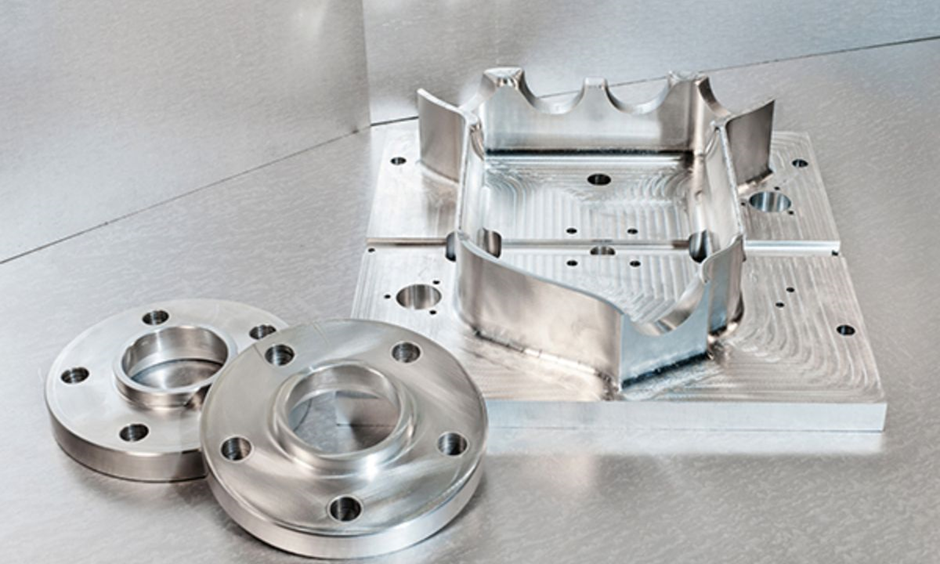
Learning the Contemporary Plastic Injection Molding Tools

The production process in the field of manufacturing has been changing at a high rate in the last several decades, and among the most significant contributors to the development of the field are the developments of plastic injection molding tools. The tools are important in the development of the plastic components that are utilized in various industries like automotive, healthcare, consumer electronics, and packaging industries. Advanced tooling leads to precision, repeatability, and efficiency, which is the cornerstone of present-day plastic manufacturing.

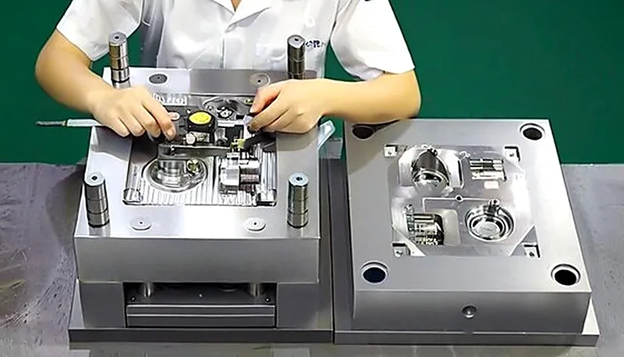
When the companies invest in the plastic injection mold tools, they are investing on the basis of their product quality. These aids in setting the shape of the final, finish, and dimensional accuracy of molded parts. Even the finest molding machines cannot produce the same results in the absence of well-designed sprøytestøpeform for plast tooling.

What are Plastic Injection Molding Tools?

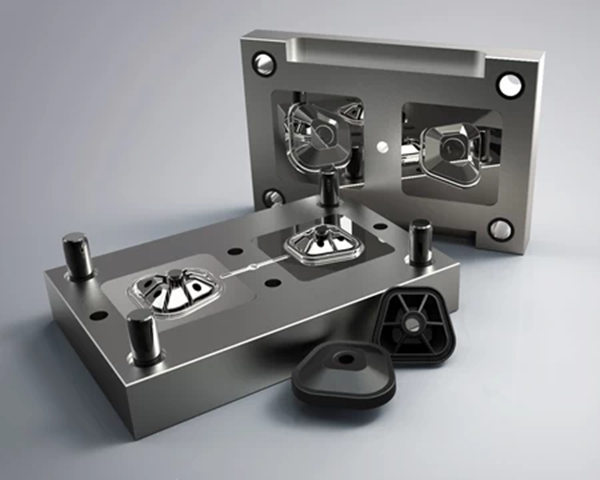
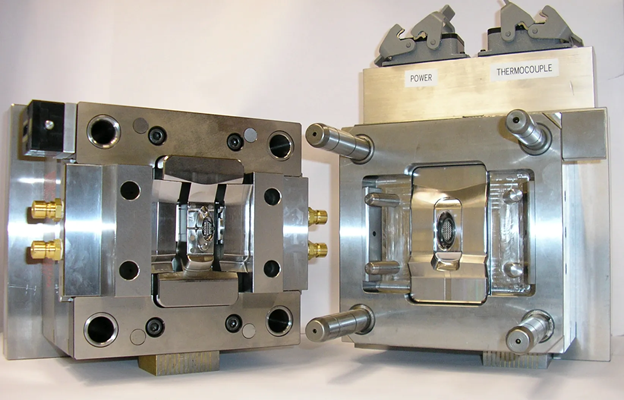
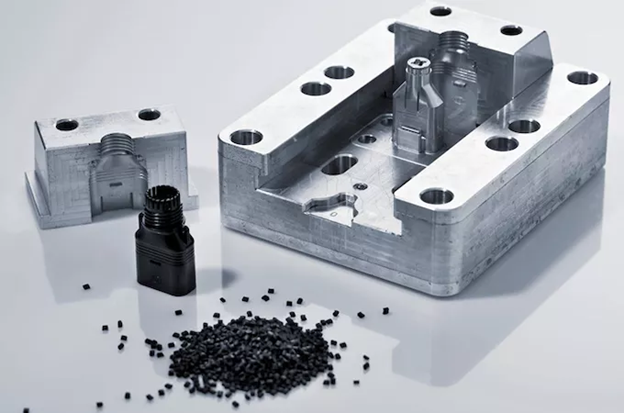
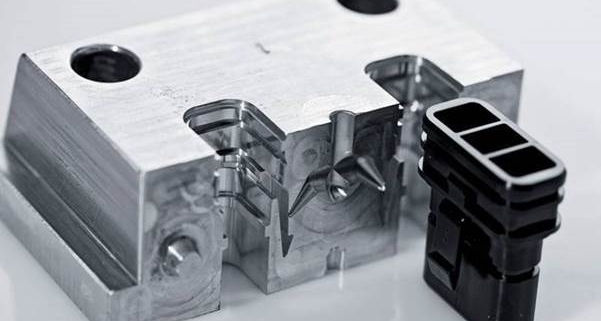
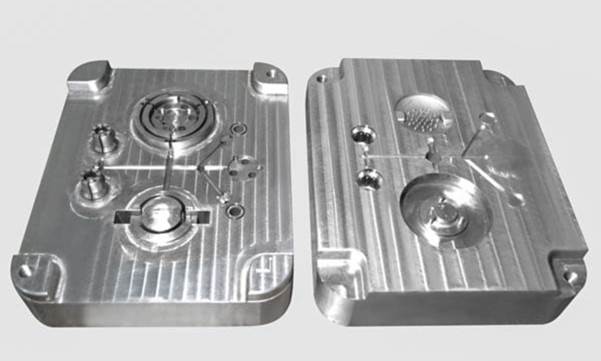
Simply injecting molten plastic into a mold, cooling, and ejecting, the idea of injection molding is at its simplest. The efficiency of the performance of the tooling of plastic injection molding directly influences the efficiency of this process. Tooling comprises molds, inserts, cores, cavities, and cooling systems that constitute the structure that shapes plastic material.

What are Plastic Injection Molding Tools?

Manufacturers utilize the so-called plastic injection mold tools so that they may create thousands, or in some cases millions, of the same parts. The cycle time, volume production, and long-term maintenance are determined by the durability and design of these tools. This is the reason why a proper choice of the partner in terms of plastic injection mold tooling is essential to any production operation.

Forms of Injection Mold Tooling

Injection mold tooling is available in various types to meet production requirements, part complexity, and affordable cost. The right mold will guarantee efficiency, quality parts, and cost-efficiency.

  • Støpeformer med én kavitet: mold one part each cycle, which is suitable when there is low volume production or prototyping. They are easy and less expensive, yet less fast in mass production.
  • Former med flere hulrom: produce several identical parts at a single cycle, which is best when large volumes are to be manufactured. They save on part cost, although they demand an exact design to fill evenly.
  • Family Molds: The parts are produced in a single cycle by family molds, which minimizes assembly discrepancies. It is harder to design such a cavity since each cavity can fill in varying ways.
  • The Hot Runner Molds: retain the plastic in molten form inside heated channels, thus minimizing waste and cycle time. They suit the mass production of high quality.
  • Cold Runner Molds: enable the runners to cast along with the part, which is easier and cheaper, but creates waste of more waste.
  • Two-Plate and Three-Plate Molds: Common mold designs are Two-Plate and Three-Plate Molds. Two-plate molds are easy and affordable to manufacture, whereas three-plate molds enable automatic separation of runners to obtain cleaner parts.
  • Insert Molds: embed the systems of metals or other parts into the component, which removes the need for assembly. The overmold takes a material and gives it another, which insulates or gives it a grip.
  • Prototyping (Soft) Tooling: It is employed with tests or low volume production, whereas Hard Tooling, made of steel, is robust with high volume production. Stack Molds enhance production by molding several layers of parts at the same time.

The choice of appropriate tooling varies with the volume of production, complexity of the part, and the material, which will help in efficiency and quality of the outcome.

Table 1: Types of Injection Mold Tooling

Tooling TypeCavitiesCycle Time (sec)ProduksjonsvolumNotes
Single-Cavity Mold130–90<50,000 partsLow-volume, prototype
Multi-Cavity Mold2–3215–6050,000–5,000,000High-volume, consistent
Family Mold2–1620–7050,000–1,000,000Different parts per cycle
Hot Runner Mold1–3212–50100,000–10,000,000Minimal waste, faster cycles
Cold Runner Mold1–3215–7050,000–2,000,000Simple, more material waste
Two-Plate Mold1–1620–6050,000–1,000,000Standard, cost-effective
Three-Plate Mold2–3225–70100,000–5,000,000Automated runner separation
Insert Mold1–1630–8050,000–1,000,000Metal inserts included
Overmolding Mold1–1640–9050,000–500,000Multi-material parts

The Advantages of Mold Tooling of High Quality

It has several long term advantages in investing in high-quality plastic injection mold tooling. First, it provides a stable quality of parts in large production lots. Second, it decreases the downtime due to the failure of tools or unnecessary maintenance. Lastly, it enhances the efficiency of production through cooling optimization and optimization of the flow of materials.

The Advantages of Mold Tooling of High Quality

Companies that focus on the production of durable plastic injection molding tools tend to gain lower scrap and increased revenue. Also, properly constructed plastic injection molding tooling has the capability of sustaining elaborate shapes and stringent tolerances, allowing organizations to be innovative without performances.

Design Factors in Mold Tooling

One of the most important requirements in the process of creating plastic injection mold tools is design. The engineers should take into account the choice of materials, the thickness of the wall, the draft angle, and the cooling performance. A good design reduces the stress points and prolongs the life of the tools.

Part complexity is another determinant of the cost of plastic injection molding tooling. Complex forms or undercuts can involve the use of side acts, lifters, or multi-cavity moulds. These characteristics raise the design time and manufacturing costs, but are typically needed with high-performance components.

Since it is required that plastic injection molding tooling should be able to resist high pressure and high temperature, the choice of materials is crucial. Depending on the volume of production and use needs, tool steels, aluminum, and specialty alloys are used.

Parts and Components of Injection Molding Tooling

The tooling used in injection molding is a complicated mechanism that consists of numerous parts that are engineered to the utmost degree. Both components have a certain effect in the process of molding molten plastic into a completed item and ensuring accuracy, efficiency, and repeatability. These characteristics are useful in understanding the manner in which plastic parts of high quality are able to be produced with consistency in large volumes.

Parts and Components of Injection Molding Tooling

Mold Cavity

The hollow which forms the outer shape of the plastic part is called the mold cavity. Molten plastic is injected into the mold and subsequently fills this cavity and hardens to the final product. The size of parts, surface finish, and the look of the parts are dependent on the cavity design. The rate of shrinkage and draft angles should be calculated by engineers to ensure that the part comes out without defects.

Mold Core

The inner geometry of the part is made of the Mold core. It develops features such as holes, recessions, and inside channels, which are critical to functionality and a decrease in weight. In simple molds, cores are fixed, whereas the more complicated parts need to have sliding or collapsible cores to allow undercuts to be freed during the ejection process. The core and cavity are perfectly aligned that provides dimensional accuracy.

Runner System

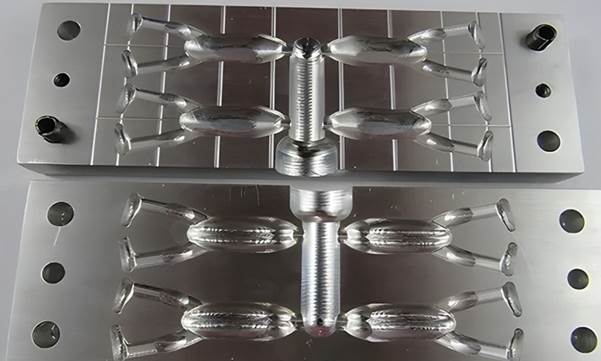
The runner system is a system of channels that directs the nozzle of the molten plastic of the injection machine to the mold. An effective runner is designed to make the flow balanced in order to fill out all cavities evenly. Defects in the poor design of runners include sink marks, short shot, or warping.

Flow Channels

Flow channels are defined as the individual pathways of the system of the runners where the plastic moves in the mold. These channels should reduce the resistance and not allow the premature cooling of the material. The proper channel design is suitable to keep the material strong and ensure that the wall thickness of the part remains consistent.

Gate

The gate is the little hole through which molten plastic is injected into the cavity. Though it is small, it makes a significant contribution to the quality of parts. Location, size, and style of gate influence the manner in which the mold fills, pressure distribution, and the amount of the gate mark that will be visible on the finished part. Selecting a proper gate design is one way of avoiding stress marks and aesthetic defects.

Ejektorsystem

The ejector system sends the part out using the ejector system after the plastic has cooled. The part is forced out by ejector pins, sleeves, or plates evenly without breaking or deformation. Ejectors should be placed and ordered properly, particularly for delicate or complicated components.

Kjølesystem

The cooling system controls the temperature of the mold by pumping water or oil through the system. The cooling is among the most important processes during injection molding since it directly influences cycle time and stability of parts. The irregular cooling may lead to shrinkage, warping, or internal stress. High-technology molds can apply conformal cooling channels that trace the shape of the part to be more efficient.
Alignments and Mounting Characteristics

Elements of alignment, like guide pins and bushings, make sure that every cycle, the halves of the mould are closed perfectly. The mounting features, such as clamps and bolts, are used to hold the mold in the machine. Adequate alignment will eliminate flashing, uneven wear, and mold damage and produce consistent quality parts.

Parts and Components of Injection Molding Tooling

Venting

Venting enables the ambient air and gases to be released from the mold cavity as the plastic fills up the mold. Defects such as burn marks or half-filled can take place without proper venting. Vents are little but necessary in making clean and correct parts.

Slides and Lifters

Slides and lifters are the processes that help the molds to form parts with undercuts or side effects. The angles of the slides move, and the lifters, during ejection, jump to expel the complicated geometries. These elements increase the possibilities of design and remove the necessity of secondary machining.

Mold Materials

The tooling materials have effects on the durability, performance, and cost. High-volume production is carried out with hardened tool steel since it can withstand wear and be precisely accurate. Aluminum molds are cheaper and more common for prototypes or low-volume production. High-performance finishes can enhance the wear and release of parts.

Inserts

Inserts are detachable parts of a mold that are utilized in producing a particular feature, like a thread, a logo, or a texture. They enable molds to be altered or fixed without having to change the tool. The substitutability of inserts allows it to be used to create a variety of products of the same mold base.

Core Pins

Core pins are thinner components that are used to create holes or internal conduits in molded components. They should be well-machined and should be sturdy enough to withstand the pressure of injections without bending or breaking.

Table 2: Injection Mold Tooling Components

ComponentMaterialeTolerance (mm)Max Pressure (bar)Notes
Mold CavitySteel/Aluminum±0.01–0.051,500–2,500Forms part shape
Mold CoreSteel±0.01–0.051,500–2,500Internal features
Runner SystemSteel/Aluminum±0.021,200–2,000Guides plastic flow
GateSteel±0.011,500–2,500Entry to cavity
Ejector PinsHardened Steel±0.01N/APart ejection
KjølekanalerSteel±0.05N/ATemperature control
Slides/LiftersSteel±0.021,200–2,000Complex geometries
InsertsSteel/Aluminum±0.021,500Customizable features

Cooling Aids Baffles, Diffusers, and Water Manifolds

The coolant flow in the mold is guided by baffles and diffusers to provide a uniform temperature pattern. Water manifolds serve as an element of distribution through which the coolant can be directed to the various parts of the mold. A combination of these elements enhances cooling as well as minimizing cycle times.

Mold Texture

Mold texture is the surface finish on the cavity that has been applied to the part to produce certain patterns or finishes on the part. The texture may enhance grip, minimize glare, or promote the appearance of a product. Methods are chemical etching, laser texturing, and mechanical blasting.

Sprue Bush

Sprue bush is used to connect the nozzle of the injection machine to the runner system. It is the primary path through which the molten plastic is introduced to the mold. The sprue bush should be properly designed to provide a continuous flow of materials and avoid leakage or loss of pressure.
Cavity Retaining Plate

The plate with the cavity inserts is firmly fixed in the cavity retaining plate. It holds position, assists injection pressure, and helps to create overall strength in the mould. Correct plate design guarantees the durability of molds in the long term and part uniformity.

The knowledge of Tooling Costs

A query regarding the cost of the plastic injection molding tooling is one of the most frequently asked questions by manufacturers. Tooling cost depends on the size, complexity, material, and anticipated volume of production. The initial expenses may appear expensive, but quality plastic injection mold tools may pay back with durability in the long-run and steady production.

Issues influencing plastic injection molding tooling cost are:

•          Number of cavities

•          Surface finish specifications.

•          Cooling system complexity

•          Tolerance levels

•          Tool material

Though enterprises can be tempted to save money and use cheaper solutions such as plastic injection mold tooling, it will result in increased maintenance and poor quality of products in the long-term.

The Modern Tooling Technology

This is due to advanced software and machining technologies, which have transformed the development of sprøytestøping av plast tools. Simulation and computer-aided design (CAD) can help engineers to test the mold flow, cooling efficiency, and structural integrity before the commencement of manufacturing.

The Modern Tooling Technology

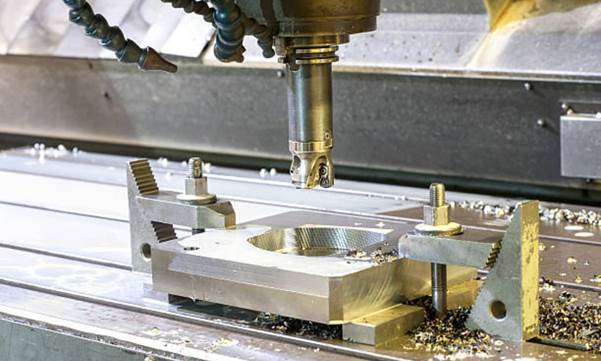
CNC machining, EDM (electrical discharge machining), and high-speed milling are used to ensure that plastic injection molding tooling is done with tight tolerances. Such technologies decrease lead-time and enhance repeatability, and so it is the most reliable modern plastic injection mold tool than ever before.

The use of automation is also associated with the optimization of the cost of plastic injection molding tooling. The manufacturers will be able to realize more value without compromising on quality by cutting manual labor and enhancing the efficiency of the processes.

Maintenance and Longevity

Maintenance of plastic injection molding tools is necessary to prolong their life. Wear and corrosion are prevented by regular cleaning, inspection, and lubrication. Observation of cooling channels and ejector systems promotes the stable operation.

Failure to maintain the tools can significantly add to the cost of plastic injection molding tooling through repairs or early replacement. The companies that adopt preventive maintenance programs not only cover their investment in the area of plastic injection mold tooling but also ensure that the production timetable is kept constant.

Durable plastic injection molding tooling is also applicable in high-volume operations with a long production cycle.

Selection of a Proper Tooling Partner

The choice of a reliable supplier of the plastic injection mold tools is as crucial as the design. Advanced tooling producers are aware of material behavior, production requirements, and cost optimization measures.

An effective collaborator assists in creating a balance between quality and the cost of plastic injection molding tooling, and the tools should be up to the performance expectations. Teamwork at the design levels lowers mistakes as well as minimizing the time of development of the plastic injection molding tools .

The indicators of a good provider of plastic injection mold tooling include communication, technical skills, and high manufacturing skills.

Trends in Future Injection Molding Tooling

Innovation is the future of plastic injection molding tooling. Additive manufacturing, conformal cooling channels, and intelligent sensors are altering the process of constructing and monitoring molds. These innovations decrease the time taken in the cycle and enhance the quality of parts.

Trends in Future Injection Molding Tooling

With the growing significance of sustainability, effective sprøytestøpeform for plast tools contribute to the decrease of material waste and energy usage. Better designs also reduce the cost of plastic injection molding tooling cost in the lifetime of a tool by increasing the life of the tool and reducing the cost of repairs.

A competitive edge is enjoyed by companies that use next-generation plastic injection molding tools, which have improved performance, increased speed of production, and also the ability to design.

Konklusjon

The quality of sprøytestøping av plast tools is vital to the success of any injection molding operation. Design and choice of materials, maintenance, and innovation are some of the considerations in tooling that affect the efficiency of production and quality of the products. Although the price of plastic injection molding tooling is also a factor of considerable consideration, long-run value will be derived through durability, accuracy, and reliability. Manufacturers can guarantee the consistency of the results, lower downtime, and high ROI by attaching importance to investing in modernization, plastic injection mold tooling, and collaborating with skilled partners.

Injection Molded Parts: An all-purpose Guide

Injection molded parts production is a significant component of the contemporary industry. Injection molding is used to make many of the products surrounding us. This is a process that aids in the production of strong and accurate components. These are components that find their applications in numerous fields. The quality of molded products demanded goes up annually.

The reason behind the wide use of plastic injection molding parts is that they are durable and economical. They enable companies to manufacture large numbers of products that are of the same shape. Complex designs also work well in this process. Meanwhile, the injection molding mold parts are important in the shaping and forming of these products. The process cannot go on well without the right mold components.

The popularity of injection molding is due to the fact that it is time-saving. It also reduces waste. The method allows short-cycle production. It is something that a number of industries cannot afford to do away with.

Plastic Injection Molding: What is Plastic Injection Molding?

Plastic sprøytestøping refers to a production process. In large quantities, plastic products are produced with its assistance. It is also a fast and reliable procedure. It can be used to manufacture parts of the same shape and size in all cases.

In this process, plastic material is first heated. The plastic becomes soft and melts. The liquid plastic is then inserted into a mold. The mold has a specific shape. When the plastic cools down, it becomes solid. This entire part is removed from the mold.

Plastic Injection Molding: What is Plastic Injection Molding?

Plastic injection molding is used to bring about simple and complex products. It allows high accuracy. It also reduces material wastefulness, too. The reason has to do with the fact that it is popular because less time and money are wasted.

Table 1: Injection Molding Mold Components

Mold ComponentTypical MaterialToleranceOverflatebehandlingTypical Life CycleFunction
Core & CavityHardened Steel / Aluminum±0.01–0.03 mmRa 0.2–0.8 μm>1 million shotsShapes internal and external features
RunnerSteel / Aluminum±0.02 mmRa 0.4–0.6 μm>500,000 shotsChannels molten plastic to the cavity
GateSteel / Aluminum±0.01 mmRa 0.2–0.5 μm>500,000 shotsControls plastic entry into the cavity
KjølekanalerCopper / Steel±0.05 mmRa 0.4–0.6 μmContinuousRemoves heat efficiently
Ejector PinsHardened Steel±0.005 mmRa 0.3–0.5 μm>1 million shotsEjects finished part without damage
Venting SlotsSteel / Aluminum±0.01 mmRa 0.2–0.4 μmContinuousReleases trapped air during injection

Knowing the Injection Molding Process

A controlled and precise method of production is the injection molding technology. They are applied in the production of plastic components of high accuracy. It is a functional procedure that occurs in stages. Each step has some parameters and numerical values.

Selection and Preparation of Materials

It begins with plastic raw material. This is usually packed in the form of pellets or in the form of granules. Such material is normally ABS, polypropylene, polyethylene, and nylon.

  • Pellet size: 2–5 mm
  • Wet content before drying: 0.02% -0.05%
  • Drying temperature: 80°C–120°C
  • Drying time: 2–4 hours

Proper drying is critical. Bubbles and surface defects of molded parts may be brought about by moisture.

Melting and Plasticizing

The plastic pellets are dried and forced into the sprøytestøping machine. They go through a screw that rotates and through a hot barrel.

  • Barrel temperature zones: 180°C–300°C
  • Screw speed: 50–300 RPM
  • Screw compression ratio: 2.5:1 -3.5:1.

The plastic is melted by the turning of the screw. The substance turns into a homogenous mass of liquid. Even the melting offers consistency of the component.

Injection Phase

On completion of melting down the plastic, it is pushed into the molding cavity. The mold is filled with great pressure in a quick and regularized way.

  • Injection pressure: 800–2000 bar
  • Injection speed: 50–300 mm/s
  • Injection time: 0.5–5 seconds

There is no use of short shots and flash due to appropriate pressure control. It is intended to fill the entire mold prior to the beginning of plastic cooling.

Packing and Holding Stage

The mold is filled, and pressure is applied to the mold. This is to overcome the process of material shrinkage at room temperature.

  • Loading pressure: 30-70 percent flow of injection.
  • Holding time: 5–30 seconds
  • Typical shrinkage rate: 0.5%–2.0%

This process increases the part concentration and dimension. It also reduces internal stents.

Cooling Process

Injection molding is the process that takes the longest in cooling time. The plastic substance would then solidify and melt.

  • Mold temperature: 20°C–80°C
  • Cooling time: 10–60 seconds
  • Heat transfer efficiency: 60%–80%

Elimination of heat is done by cooling channels in the mold. Proper cooling eliminates warping and defects of the surface.

Mold Opening and Ejection

After cooling, the mold opens. A section that has been completed is removed using ejector pins or plates.

  • Mold opening speed: 50–200 mm/s
  • Ejector force: 5–50 kN
  • Ejection time: 1–5 seconds

Ejection: Careful ejection will not damage parts. The closing of the mold then commences the next cycle.

The Cycle Time and Production Output

The total cycle time will be different depending on the size of the parts and the material.

  • Average cycle time: 20–90 seconds
  • Output rate: 40 -180 parts/hour.
  • Machine clamping force: 50–4000 tons

Reduced cycle times will boost productivity. However, quality must be maintained constantly.

Monitoring and Control of Process

In contemporary machines, sensors and automation are employed. Pressure flow rate and temperature are checked by these systems.

  • Temperature tolerance: ±1°C
  • Pressure tolerance: ±5 bar
  • Dimensional accuracy: ±0.02 mm

Consistency of quality is ensured by monitoring the process. It also reduces scrap and downtimes.

Importance of Components of Mold

Injection molding is dependent on the parts of the mold. Each of the elements of the mold has some role to play. These are the shaping, cooling, and ejecting.

Den sprøytestøping av plast parts are considered to be successful depending on the correct design of the mold. A poor mold can cause defects. These defects include cracks and unbalanced surfaces. Mold parts made by injection molding, on the other hand, help in ensuring accuracy. They also ensure that they go in good cycles.

High-quality protract parts are molded. They reduce the maintenance costs as well. This makes it more effective and dependable.

Mold Components Technical Information

Mold components are the most important elements of the injection molding system. They control the shape, accuracy, strength, and quality of the surface. Without mold components that are well-designed, there is no way that stable production can be achieved.
Plastic Injection Molding: What is Plastic Injection Molding?

Core and Cavity

The core and the cavity are what determine the final shape of the product. The external surface consists of the cavity. The core makes up internal features.

  • Dimensional tolerance: ±0.01–0.03 mm
  • Surface finish: Ra 0.2–0.8 µm
  • Typical steel hardness: 48–62 HRC

Precision in core and cavity is high, hence minimizing defects. It enhances the uniformity of the parts also.

Runner System

The system of the runner directs the molten plastic at the injection nozzle to the cavity. It has an influence on flow balance and filling speed.

  • Runner diameter: 2–8 mm
  • Flow velocity: 0.2–1.0 m/s
  • Pressure loss limit: ≤10%

Reduction in material waste is done by proper runner design. It also has an even filling.

Gate Design

The gate regulates the flow of plastic in the cavity. Part quality depends on the size and type of gate.

  • Gate thickness: 50 -80 of part thickness.
  • Gate width: 1–6 mm
  • Shear rate limit: <100,000 s⁻¹

Right gate design eliminates weld lines and burn marks.

Kjølesystem

Cooling tracks are used to cool down the mold. This system has a direct influence on cycle time and the stability of parts.

  • Cooling channel diameter: 6–12 mm
  • Distance of the channel to the cavity: 10-15mm.
  • Maximum temperature difference permitted: < 5 °C.

Ease of cooling enhances dimensional accuracy. It also reduces the time of production.

Utstøtingssystem

When cooled, the part is ejected within the ejection system. It has to exert force in equal quantity to prevent harm.
  • Ejector pin diameter: 2–10 mm
  • Ejector force per pin: 200–1500 N
  • Ejection stroke length: 5–50 mm

Even ejection eliminates cracks and deformation.

Venting System

The air can be trapped and escape through vents when injecting. Burns and incomplete filling are caused by poor venting.

  • Vent depth: 0.02–0.05 mm
  • Vent width: 3–6 mm
  • Maximum air pressure: <0.1 MPa

Adequate venting enhances the quality of surfaces and the life of molds.

Base and Alignment Components Mold Base

The base of the mould bears all the parts. Bushings and guide pins are used to provide proper alignment.

  • Guide pin tolerance: ±0.005 mm
  • Mold base flatness: ≤0.02 mm
  • Lifecycle alignment: more than 1M shots.

High alignment decreases the wear and flash.

Table 2: Key Process Parameters

ParameterRecommended RangeUnitBeskrivelseTypical ValueNotes
Barrel Temperature180–300°CHeatis  applied to melt the plastic220–260Depends on the material type
Injeksjonstrykk800–2000barPressure to push molten plastic into the mold1000Adjust for part size & complexity
Formtemperatur20–120°CTemperature is maintained for proper cooling60–90Higher for engineering plastics
Avkjølingstid10–60secondsTime for the plastic to solidify25–35Depends on wall thickness
Syklustid20–90secondsTotal time per molding cycle30–50Includes injection, packing, and cooling
Ejector Force5–50kNForce to remove part from the mold15–30Must prevent part damage

Raw Materials Injection Molding

Material selection is very important. It influences the quality, stability, outlook, and price of the end product. Selecting the appropriate plastic is necessary to guarantee that the parts will work and will be printed properly.

Raw Materials Injection Molding

Thermoplastic Materials

The most widespread materials are thermoplastics due to the fact that they can be melted and reused several times. There is a wide use of ABS, polypropylene, polyethylene, and polystyrene. ABS is impact-resistant and strong, and melts at 200 to 240 °C. Polypropylene melts at temperatures of 160 °C or 170 °C; it is light in weight and resistant to chemicals. Polyethylene has a melting point of 120 °C to 180 °C and is suitable in moisture resistant products.

Engineering Plastics

High-strength parts or heat-resistant parts are made with engineering plastics such as Nylon, Polycarbonate (PC), and POM. Nylon melts at 220 °C -265 °C and is applied in gears and mechanical parts. Polycarbonate is a strong and transparent polymer that melts at 260 °C to 300 °C. POM has a melting temperature of 165 °C to 175 °C and is accurate in components.

Thermosetting Plastics

Plastics that are thermosetting are difficult to remelt after being molded because they harden permanently. They melt at 150 °C- 200 °C and are utilized in high-temperature applications such as electrical components.

Additives and Fillers

Materials are enhanced by additives. Glass fibers (10% -40 percentage) add strength, mineral fillers (5%-30 percentage) lower shrinkage, and UV stabilizer (0.1-1 percentage) shield against the sun. These assistive components are longer-lasting and work better.

Material Selection Requirements

The material selection is factor-driven in terms of temperature, strength, chemical confrontation, moisture, and cost. Adequate selection will result in long-lasting, precise, and quality products and lessen the mistakes and waste.

Table 3: Material Properties

MaterialeMelt Temp (°C)Mold Temp (°C)Injection Pressure (bar)Tensile Strength (MPa)Shrinkage (%)
ABS220–24060–80900–150040–500.5–0.7
Polypropylen (PP)160–17040–70800–120030–351.0–1.5
Polyetylen (PE)120–18020–50700–120020–301.5–2.0
Polystyren (PS)180–24050–70800–120030–450.5–1.0
Nylon (PA)220–26580–1001200–200060–801.5–2.0
Polykarbonat (PC)260–30090–1201300–200060–700.5–1.0
POM (Acetal)165–17560–80900–150060–701.0–1.5

Components that are manufactured under the Plastic Injection Molding Process

Plastic injection molding is a process that creates a large number of components applicable in various sectors. The process is precise, durable, and of large volume production. Examples of typical components produced in this manner are shown below.

Components that are manufactured under the Plastic Injection Molding Process

Automotive Parts

  • Dashboards
  • Bumpers
  • Air vents
  • Door panels
  • Gearshift knobs
  • Fuel system components
  • Interior trims

Medical Parts

  • Syringes
  • Tubing connectors
  • Surgical instruments
  • IV components
  • Medical device housings
  • Disposable medical tools

Electronics Parts

  • Housings for devices
  • Switches and buttons
  • Cable clips and wire holders
  • Connectors and plugs
  • Keyboard keys
  • Circuit board enclosures

Packaging Products

  • Bottles and jars
  • Bottle caps and closures
  • Food containers
  • Cosmetic containers
  • Lids and seals
  • Storage boxes

Consumer and Industrial Goods

  • Toys and figurines
  • Household tools
  • Appliance components
  • Construction fittings
  • Accurate clips and fasteners.
  • Industrial machine parts

Design and Precision

Design is a significant contributor to success. An effective mold enhances the quality of a product. It minimizes errors during production as well.

The parts of the process of sprøytestøping av plast require strict dimensions. Performance can be influenced by small mistakes. This is the reason why the creation of the injection molding mould parts is designed with close tolerances. State-of-the-art software is often employed in design.

Components that are manufactured under the Plastic Injection Molding Process

Strength is also enhanced through good design. It enhances appearance. It guarantees superior fitting in end assemblies.

Industrielle bruksområder

Many industries also use injection molding, which is fast, exact, and it is economical. It enables mass production of identical parts with very high precision.

Bilindustrien

In the auto sector, dashboards, bumpers, air vents, and interior panels are made using plastic injection molding parts. These components should be powerful, light, and heat-resistant. Particularly, it is done by molding, whereby the shapes are exact and uniform to prevent any safety and quality issues.

Medical Industry

In medicine Syringes, tubing connectors, and surgical instruments are made by injection molding. Much precision and hygiene areas needed. Particularly, plastic injection molding parts can be made of medical-grade plastics, and injection molding mold parts can be used to ensure accuracy and smoothness.

Electronics Industry

Housings, connectors, switches, and cable clips are all produced in the electronics industry through injection molding. Plastic injection molding parts secure the fragile circuits, and the injection molding mold parts are necessary to make the parts fit perfectly.

Packaging Industry

Injection molding is also applied in the packaging of bottles, containers, caps, and closures. The parts of the plastic injection molding are used to give the required shapes and sizes, whereas the parts of injection molding are used to produce in large quantities within the shortest amount of time by creating minimum wastage.

Other Industries

Consumer goods, toys, construction, and aerospace are also injected. Its flexibility and accuracy give it the ability to fit nearly any plastic product, be it the simple householder the complicated technical parts.

Kvalitetskontroll og testing

In manufacturing, quality control is required. All the parts should be desiccated to meet design requirements. Testing is a measure of safety and performance.

The plastic injection molding parts are subjected to visual and mechanical inspections. Defects are spotted at an early stage through these checks. Simultaneously, the inspection of the wear and damage of the injection mold parts is conducted. Frequent inspections eliminate the failure of production failures.

Good quality management enhances customer confidence. It also minimizes wastage and expenditure.

Pros of the Injection Molding

There are numerous advantages of injection molding. It permits a rapid production rate. It also guarantees repetition.

Sprøytestøping av plast parts are dynamic and light. They are capable of mass production. In the meantime, automation is supported by the use of injection molding of the mold parts. This lowers the cost of labour and mistakes.

Pros of the Injection Molding

Also, the process is environmentally friendly. The scrap material may be reutilized. This will contribute to environmental mitigation.

Challenges and Solutions

Injection molding, just like any process, is challenging. These are material problems as well as wear of moulds. Unfavorable environments lead to flaws.

Part flaws may be assessed in the absence of proper handling of “plastic injection molding parts. These risks can be minimized by appropriate training. Simultaneously, mold parts that are used in injection molding must be maintained on a regular basis. This assures long life.

Modern technology will be useful in addressing a lot of issues. The efficiency is enhanced through automation and monitoring.

Future of Injection Molding

The injection molding future is solid. There is a development of new materials. Smart manufacturing is becoming a reality.

Injection molding parts that are produced out of plastic will be improved. They will be more significant and lighter. At the same time, better materials and coatings will be applied to the injection mold part. This will enhance longevity.

The industry will still be characterized by innovation. Competitive firms will be those that change.

China’s Role

China contributes significantly to the injection molding market in the world. It is among the biggest manufacturers of plastic injection molding parts and the distributor of injection molding mold parts. The manufacturing sector is very diversified in the country; small-scale production is available as well as large-volume industrial production.

China’s Role

The factories of China have high-precision machines and skilled labor that are used to manufacture parts. The reliance of many international companies on Chinese manufacturers is because they offer cost-effective solutions without reducing on quality.

Besides, China is an Innovation leader. It creates new materials, molds, and automation methods to enhance efficiency. It has a good supply chain and high production capacity that contribute to its status as a major player in satisfying global demand for injection molded products.

Why Choose Sincere Tech

We are Sincere Tech, and we deal with supplying high-quality plastic injection molding parts and injection molding mold parts to our clients in different industries. We have years of experience and a passion to do things in the best way, hence all our products are of the best quality in terms of precision, durability, and performance.

We have a group of experienced and qualified engineers and technicians who offer quality and affordable solutions through the application of modern machinery and new methods. We have ensured close attention to all the details, such as the choice of material, the design of molds, etc., so that we have the same quality in each batch.

Clients prefer Sincere Tech due to the fact that we appreciate trust, professionalism, and customer satisfaction. We collaborate with individual clients to get to know their special needs and offer solutions to their needs. We are also committed to the concept of on-time delivery, technical assistance, and constant improvement, which make us stand out inthe injection molding industry.

Sincere Tech is the company with which you can find excellence in plastic injection molding when you require either minor, detailed parts or large-volume production. You do not just get parts with us, you also get a team dedicated to your success and growth.

To learn more about our services and products, go to plas.co and see why we are the right choice for the clients of the world.

Konklusjon

Injection molding is a solid process of production. It is the backbone of numerous industries in the world. Its main strengths are precision, speed, and quality.

Plastic injection molding parts are still very vital in everyday life. They are useful in serving various needs, from the simplest to the complex components. Meanwhile, injection molding mold parts guarantee the efficient flow of manufacturing and the same outcome.

Injection molding will only continue to increase with the right design and maintenance. It will also continue to form a vital aspect of modern production. 

What is overmolding

Overmolding is the making of a product by joining two or more materials into one product. It is also applied in most industries, such as electronics, medical equipment, automotive, and consumer products. It is done by molding over a base material known as an overmold, over a base material known as a substrate.

Overmolding is done to enhance the aesthetic, longevity, and functionality of products. It enables manufacturers to incorporate the power of one material with the flexibility or softness of the other. This makes products more comfortable, easier to deal with, and durable.

Overmolding appears in items that we use on a daily basis. This has been applied to toothbrush handles and phone cases as well as power tools and surgical instruments, among other items in contemporary manufacturing. Knowing about overmolding will make it easy to see how convenient and safe objects in everyday life are.

Innholdsfortegnelse

What is Overmolding?

Overstøping is a procedure through which one product is formed out of two materials. The initial material is known as the substrate and typically is a hard plastic such as ABS, PC, or PP. It has a tensile strength of 30-50 Mpa tensile strength and a melting temperature of 200- 250 °C. The other material, which is the overmold, is soft, e.g., TPE or silicone, with a Shore A hardness of 40-80.

What is Overmolding?

The substrate is allowed to cool down to 50-70 °C. The pressure injected into the overmold is 50-120Mpa. This forms a strong bond. Overmolding enhances the holding power, strength, and durability of products.

One such typical object is a toothbrush. The handle is of hard plastic to ensure strength. The grip itself is of soft rubber and, therefore, is comfortable to hold. This basic application demonstrates the real-life uses of overmolding.

Overmolding does not apply only to soft grips. It is also applied in covering electronic products, giving an object a colorful decoration, and extending the life of a product. This flexibility enables it to be one of the most applicable manufacturing methods in contemporary days.

Full Process

Valg av materiale

The procedure of overmolding starts with the choice of the materials. The substrate normally is a hard plastic like ABS, PC, or PP. They contain tensile strength of 30-50 Mpa and a melting point of 200- 250 °C. The molded material is usually a soft one, such as TPE or silicone, and has a Shore A hardness of 40-80. It is necessary to select the materials that are compatible. Failure of the final product to withstand stress can be caused by failure of the bonding of the materials.

Substrate Molding

The substrate was poured into the mold at a pressure of 40-80 Mpa after heating to 220-250 °C. Once injected, it is allowed to solidify to 50-70 °C to render it dimensionally stable. The time taken in this process is usually 30-60 seconds in relation to the size and the thickness of the part. There are extremely high tolerances, and deviation is typically not more than +-0.05 mm. Deviation will result in the product being affected in regard to overmold fit and product quality.

Preparation of the mold to be overmolded

Following the cooling, the substrate is then carefully transferred to a second mold, during which the overmold injection is done. The mold is preheated to 60-80 °C. Preheating eliminates the effect of thermal shock and also allows the overmold material to flow smoothly over the substrate. Mold preparation is needed to prevent any voids, warping, or poor bonding in the final product.

Overmold Injection

The pressure is injected into the substrate using 50-120 Mpa of the overmold material. The temperature of the injection is conditional upon the material: TPE 200-230 °C, silicone 180-210 °C. This step must be precise. Improper temperature or pressure may result in defects of bubbles, separation, or insufficient coverage.

Avkjøling og størkning

Following injection, the part is cooled to enable solidification of the overmold and its strong bond to the substrate to take place. The cooling time ranges from 30 to 90 seconds based on the thickness of the parts. The thin regions cool more quickly, whereas the thicker ones are slower to cool. Adequate cooling is needed to guarantee even bonding as well as minimize internal stress that may cause cracks or deformation.

Ejection and Finishing

The part is forced out of the mold after being cooled down. Any surplus, referred to as flash, is excised. The component is checked in terms of surface finish and dimensional accuracy. This will make sure that the product is of the required quality and is compatible with the other parts in case of need.

Testing and Inspection

The final step is testing. Test types: Tensile or peel tests determine the strength of the bond, which is usually 1-5 MPa. Shore A tests would be used to check overmold hardness. The defects, such as bubbles, cracks, or misalignment, can be visually detected. Only components that are tested are shipped or put together into finished products.

Types of Overmolding

Types of Overmolding

Two-Shot Molding

Two-shot molding involves one machine molding two materials. The molding is done at a temperature of 220-250 °C and pressure of 40-80 MPa, followed by the second material injection, which is at 50-120 MPa. The technique is quick and accurate and is suitable when a large number of products, such as rubber grips and soft-touch buttons, are involved.

Innsatsstøping

During insert molding, the substrate is already prepared and inserted into the mold. It is covered with an overmold, either TPE or silicone, which is injected at 50-120 MPa. Bond strength is usually 1-5 MPa. This approach is typical of the tools, toothbrushes, and healthcare devices.

Multi-Material Overmolding

Multi-material overmolding is an overmolding where there is more than 2 materials in a single part. The injection duration of every material is in sequence 200-250 °C, 50-120 MPa. It permits complicated structures with hard, delicate, and covering sections.

Overmolding has been used in applications

The applications of overmolding are very diverse. The following are the typical examples:

Overmolding has been used in applications

Elektronikk

Telephone cases usually have hard plastic with soft rubber edges. The buttons of remote controls are constructed of rubber as they provide better touch. Electronic components are safeguarded with overmolding, and enhanced usability is provided.

Medisinsk utstyr

Protective seals, surgical instruments, and syringes are usually overmolded. Soft products facilitate easier handling of the devices and also make them safer. This is essential in the medical applications where comfort and precision are important.

Bilindustrien

 Overmolding is used to make soft-touch buttons, grips, and seals used in car interiors. Seals of rubber are used to block water or dust from entering parts. This enhances comfort as well as durability.

Forbrukerprodukter

Overmolding is commonly used in toothbrush handles, kitchen utensils, power tools, and sports equipment. The process is used to add grips, protect surfaces, and add design.

Industrial Tools

Overmolding is used in tools such as screwdrivers, hammers, and pliers, which are used to make soft handles. This limits the fatigue of the hands and enhances the safety of use.

Emballasje

Overmolding of some part of the packaging (e.g., bottle tops or safeguarding seals) is used to enhance handling and functionality.

Overmolding enables the manufacturer to produce products that are functional, safe, and also appealing.

Benefits of Overmolding

There are numerous benefits of over-molding.

Benefits of Overmolding

Improved Grip and Comfort

Products are made easier to handle by the use of soft materials. This applies to tools, household products, and medical devices.

Increased Durability

Attachment of several materials enhances the strength of products. The hard and soft materials guarantee the safety of the product.

Better Protection

Cover or seals of electronics, machinery, or delicate instruments can be added through overmolding.

Attractive Design

The products are designed in various colors and textures. This enhances image and branding.

Ergonomics

Soft grips minimize fatigue in the hand and make objects or devices more comfortable to work with for longer.

Allsidighet

Overmolding uses a wide variety of materials and can be used to form intricate forms. This enables manufacturers to come up with products that are innovative.

Challenges of Overmolding

There are also some challenges of overmolding, which should be taken into consideration by the manufacturers:

Materialkompatibilitet

Not all materials bond well. Certain combinations might need to be adhesive-bonded or surfaced.

Higher Cost

Because it involves additional materials, molds, and steps of production, overmolding may raise production costs.

Complex Process

Mold design, pressure, and temperature have to be strictly regulated. Defects can be brought about by the slightest of errors.

Production Time

Molding Two-stage molding may require more time than single-material molding. New technologies, such as two-shot molding, can, however, cut this time.

Design Limitations

Complex shapes can need custom molds, and this can be costly to make.

Nonetheless, these discouraging issues have not stopped overmolding since it enhances the quality of products and performance.

Overmolding Design Principles

Overmolding is a design where the base is made of a material, and the mold is made out of a different material.

Overmolding Design Principles

Materialkompatibilitet

Select the materials that are bonded. Overmold and substrate should be compatible with each other in terms of their chemical and thermal characteristics. Similar materials that have close melting points minimize the chances of weak bonding or delamination.

Veggtykkelse

Keep the thickness of the wall constant so that there is consistency in the flow of the material. Lack of uniformity of the walls may lead to faults such as sink marks, voids, or warping. Walls are usually between 1.2 and 3.0 mm of various materials.

Utkast til vinkler

Emboss angles on vertical surfaces to facilitate ejection. An angle of 1- 3 degrees assists in avoiding damage to the substrate or overmold during demolding.

Rounded Corners

Avoid sharp corners. Rounded edges enhance the flow of materials during injection, and stress concentration is decreased. The recommended corner radii are 0.5-2mm.

Bonding Features

Pits or grooves are made, or interlocked structures are made to grow mechanical bonding between the substrate and the overmold. The features add peel and shear strength.

Venting and Gate Placement

Install vents that will enable the escape of air and gases. Position injection gates in locations other than the sensitive areas in order to achieve a homogeneous flow that avoids cosmetic faults.

Shrinkage Consideration

Consider variation in the shrinkage of materials. The shrinkage of thermoplastics can be as little as 0.4-1.2 or elastomers can be 1-3%. The correct design will avoid distortion and dimensional errors.

Technical Decision Table: Is Overmolding Right for Your Project?

ParameterTypical ValuesWhy It Matters
Substrate MaterialABS, PC, PP, NylonProvides structural strength
Substrate Strength30–70 MPaDetermines rigidity
Overmold MaterialTPE, TPU, SiliconeAdds grip and sealing
Overmold HardnessShore A 30–80Controls flexibility
Injection Temperature180–260 °CEnsures proper melting
Injeksjonstrykk50–120 MPaAffects bonding and fill
Bond Strength1–6 MPaMeasures layer adhesion
Veggtykkelse1.2–3.0 mmPrevents defects
Avkjølingstid30–90 secImpacts cycle time
Dimensional Tolerance±0.05–0.10 mmEnsures accuracy
Krympefrekvens0.4–3.0 %Prevents warping
Tooling Cost$15k–80kHigher initial investment
Ideal Volume>50,000 unitsImproves cost efficiency

Parts Made by Overmolding

Parts Made by Overmolding

Tool Handles

Overmolding is used to create a hard core and soft rubber grip in many hand tools. This enhances comfort and minimizes fatigue of hand usage and offers greater control of usage.

Forbrukerprodukter

Most common products, such as toothbrushes, kitchenware, and tools that require electricity, usually utilize overmolding. Soft grips or cushions help to improve ergonomics and lifespan.

Elektronikk

In the phone case, remote control, and protective housings, common applications of overmolding include these. It also provides shock absorption, insulation, and a soft touch surface.

Bilkomponenter

Overmolded buttons, seals, gaskets, and grips are a common feature in the interior of cars. Soft-touch systems enhance the comfort, noise, and vibrations.

Medisinsk utstyr

Overmolding is used in medical devices such as syringes, surgical instruments, handheld objects, and the like. The process will guarantee thorough-going safety, accuracy, and firm hold.

Raw Materials in Overmolding

Material selection is of importance. Common substrates include:

Hard plastics such as polypropylene (PP), polycarbonate (PC), and ABS.

Metals in fields of application

The overmold materials usually are:

  • Soft plastics
  • Rubber
  • Nylon thermoplastic elastomers (TPE)
  • Silicone

The choice of the material is based on the use of the product. As an illustration, biocompatible materials are needed in medical gadgets. Electronic requires materials that are insulative and protective.

Best Practices in the Design of Overmolding Parts

The design of parts to be overmolded must be well considered in order to attain high levels of bonding, attractive outlook, and quality performance. Adhering to established design guidelines contributes to minimizing the error rate, and the quality of the products becomes consistent.

Select Materials which are compatible

The overmolding depends on the choice of material. The overmold and the underlying material have to have a good connection. Commodities that melt at similar rates and have the same chemical properties have more powerful and dependable bonds.

Design for Strong Bonding

Good mechanical bonding between the part design and the design itself should be supported. Undercuts, grooves, and interlocking shapes are some of the features that enable the overmolded material to hold the base part firmly. This minimizes the chances of separation when in use.

Keep the wall thickness in the right way

A uniform thickness in the walls enables the flow of materials in the molding process. Lack of uniformity in the thickness may lead to sink marks, voids, or weak sections in the component. A symmetric design enhances strength as well as its looks.

Use Adequate Draft Angles

Draft angles simplify the process of extracting the part from the mold. Friction and damage can be minimized in ejection through proper draft, and this is particularly useful in complex overmolded parts.

Avoid Sharp Corners

Acute edges have the potential to cause stress points and limit the flow of material. Rounded edges and flowing results enhance strength and make the overmolded compound flow evenly around the component.

Include Venting Features

During injection, good venting enables the trapped air and gases to escape. Good vents allow avoiding air pockets and surface flaws, as well as filling the mold halfway.

Plan Overmold Material Positioning

The injection points are not to be placed near important features and edges. This eliminates the accumulation of materials, rupture of flow, and aesthetic defects in the exposed parts.

Optimize Tool Design

The successful overmolding requires well-designed molds. Proper placement of the gate, balanced runners, and effective cooling channels contribute to ensuring that there is even flow and stable production.

Take into consideration Material Shrinkage

Various substances have different rate in cooling down. These differences should be taken into account by designers so that no warping, misalignment, or dimensional problems can be observed in the final part.

What are some of the materials used to overmold?

Overmolding gives the manufacturers the chance to mix dissimilar materials to accomplish certain mechanical, operational, and aesthetic traits. The choice of the material is determined by its strength, flexibility, comfort, and environmental resistance.

Thermoplastic, not Thermoplastic.

It is one of the most widespread overmolding combinations. The base material is a thermoplastic polymer, which is a polycarbonate (PC). It is then covered with a softer thermoplastic such as TPU. This composite enhances grip, comfort, and surface feel, and structural strength is not sacrificed.

Thermoplastic over Metal

This technique uses a thermoplastic material that is molded on top of a metal part. Metals like steel or aluminum are usually coated with plastics like polypropylene (PP). This assists in guarding against corrosion of the metal, reducing vibration, and decreasing noise during usage.

TPE over Elastomer.

This system employs a hard plastic recycled substrate like ABS with the addition of a flexible elastomer on the top. It is normally applied in products that require durability and flexibility, such as tool handles and medical equipment.

Silicone over Plastic

Silicone is also overmolded over plastic materials such as polycarbonate. This offers a high level of water resistance, sealing capability, and low tactile feel. It is commonly applied in medical and electronic devices.

TPE over TPE

Overmolding of different grades of thermoplastic elastomers can also be performed. This enables the manufacturers to produce products that have different textures, colors, or functional areas, within one part.

Is Overmolding the Right Choice?

When your product requires strength, comfort, and durability at the same time, overstøping is the appropriate decision to make. It is particularly suitable when used with components that need a soft handle, impact resistance, or additional protection without adding more assembly processes. Overmolding can be used on products that are frequently touched, like tools, medical equipment, or even electronic cases.

Is Overmolding the Right Choice?

Nevertheless, overmolding does not apply to all projects. It is normally associated with increased tooling expenses and intricate mold pattern design as opposed to single-material molding. When production quantities are small or product design is basic, then the traditional molding processes could work out to be less expensive.

Assessing the material compatibility, volume of production, requirement of functionality, and budget with consideration at the initial design stage will help in deciding whether an overmolding solution is the most effective in addressing your project.

Examples of overmolding in the real-life

Toothbrushes

The handle is hard plastic. The grip is soft rubber. This eases the task of cleaning the teeth.

Phone Cases

The device is covered with hard plastic. Drop shock is absorbed on soft rubber edges.

Power Tools

The rubber is overmolded on handles to minimize vibration and enhance safety.

Car Interiors

Control knobs and buttons are usually soft in their feel, which makes the user experience better.

The following examples demonstrate the enhancement of usability, safety, and design of overmolding.

Sincere Tech – Your Hi-Fi partner in any kind of Molding

Sincere Tech is a trustworthy manufacturing partner that deals with all forms of molding, such as plastic injection molding and overmolding. We assist the customers with design up to mass production of products with precision and efficiency. With high technology and competent engineering, we provide high-quality parts in automotive, medical, electronics, and consumer markets. Visit Plas.co to get to know what we are capable of and offering.

Konklusjon

Overmolding is a flexible and useful technique of manufacturing. It is a process that involves a combination of two or more materials to make products stronger, safer, and more comfortable. It is broadly applied in electronics, medical devices, automotive components, domestic appliances, and industrial tools.

This is done by a careful choice of the material, accurate shape of the molds, and by ensuring that the temperature and the pressure are kept in check. Overmolding has considerable benefits, even though it is faced with some challenges, such as increased cost and increased production time.

Overmolded products are more durable, ergonomic, appealing to the eye, and functional. One of the areas where overmolding has become an inseparable component of modern manufacturing is the case of everyday products, such as toothbrushes and phone cases, to more serious items such as medical equipment and automobile interiors.

Knowing about overmolding, we may feel grateful to the fact that it is due to simple decisions in the design that help to make the products more convenient to use and longer-lasting. Such a little yet significant process goes on to enhance the quality and functionality of the goods that we use in our daily lives.

What is insert molding? Process, uses, and benefits

The insert molding is a pertinent technology in present-day production. It is used in attaching metal or other elements to plastic. The process offers a unified, tough, and strong component. As an alternative to the step-by-step technique of having to assemble pieces after molding them, the insert molding technique fuses them. This will save on labour, time, and enhance the quality of the product.

China is a mammoth in the insert molding. It provides cost-efficient production. High-level factories and skilled labor have been established in the country. China is a producer of all-purpose materials. It leads global production.

This paper will discuss insert molding, its process, insert types, materials, design, available guidelines, its usage, advantages, and comparison with moulding processes in contemporary production.

Innholdsfortegnelse

What is Insert Molding?

Insert molding is a process of plastic moulding. A part that has been assembled, usually a metal part, is placed into a mold. The next step is molten plastic injected around it. When plastic becomes hard, the plastic insert becomes a component of the end product. The technique is used in electronics and automotive industries, and also in the medical equipment industry.

What is Insert Molding?

The large advantage of the insert molding is strength and stability. Metal-inserted plastic parts are stronger in terms of mechanical strength. They can also be threaded and worn less as time progresses. This is especially essential in those parts that should be screwed or bolted many times.

Types of Inserts

The inserts used in insert molding have different varieties, which are used according to the purpose.

Metal Inserts

Metal inserts are the most widespread ones. These are either steel, brass, or aluminum. They are used on threaded holes for structural or mechanical strength.

Electronic Inserts

Electronic components that can be molded to appear in the form of plastic are sensors, connectors, or small circuits. This guarantees their safety and the reduction of assembly processes.

Other Materials

Some of the inserts are made in ceramics or composites to be utilized for special purposes. They are used in instances where heat resistance or insulation is required.

Choosing the Right Insert

It would depend on the part role and the type of plastic to make the decision. The major ones are compatibility, strength, and durability.

The Insert Molding Process

Single-step molding entails the incorporation of a metal or other element with a plastic tool. The insert is inserted into the ultimate product. This is a stronger and faster process compared to the assembly of parts that follows.

The Insert Molding Process

Preparing the Insert

The insert is rinsed in order to extract all the dirt, grease, or rust. It is also occasionally overcoated or rugged so that it becomes glued to plastic. It will not be destroyed by hot plastic when it is preheated to 65-100 °C.

Placing the Insert

The insert is placed with much care in the mold. Robots can insert it into large factories. Pins or clamps hold it firmly. The positioning of the right will prevent movement when the molding is taking place.

Injecting Plastic

This is accomplished by injecting the molten plastic to surround the insert. Their temperature range is between 180 and 343°C. Pressure is 50-150 MPa. To be strong, the holding pressure should be 5-60 seconds.

Kjøling

It is a solidification of the plastic. Smaller components take 10-15 seconds, and larger components take 60 seconds or above. Cooling channels prevent the warming up.

Ejecting the Part

The mold and ejector pins force the part out. Small finishing or trimming could then follow.

Important Points

The expansion of metal and plastic is not the same. Preheating and constant controlled mold temperature decreases the stress. This is done by the use of sensors in modern machines to achieve uniformity in the results in terms of pressure and temperature.

Key Parameters:

ParameterTypical Industrial RangeEffect
Injection Temperature180–343 °CDepends on plastic grade (higher for PC, PEEK)
Injeksjonstrykk50–150 MPa (≈7,250–21,750 psi)Must be high enough to fill around insert surfaces without displacing them
Injection Time2–10 sShorter for small parts; longer for larger components
Holding Pressure~80% of injection pressureApplied after fill to densify material and reduce shrinkage voids
Holding Time~5–60 sDepends on material and part thickness

Types of common injections to be shaped 

Various types of inserts applied in injection molding exist, and they rely on the use. Each of the types contributes to the strength and performance of the final part.

The Insert Molding Process

Threaded Metal Inserts

Threaded inserts can be steel, brass, or aluminum. They allow the potential of screwing and bolting a number of times without the plastic being broken. The latter is common in automobiles, home appliances, and electronics.

Press-Fit Inserts

The press-fit inserts are those that are installed in a molded component without any additional attachment. As the plastic cools, it holds the insert and stabilizes it very well and powerfully.

Heat-Set Inserts

This is followed by the process of heat-setting inserts. When allowed to cool, the hot insert will fuse with the surrounding plastic to some extent, creating a very strong bond. They are generally used in thermoplastics, e.g., nylon.

Ultrasonic Inserts

In a vibration, ultrasonic inserts are installed. The plastic melts in the region surrounding the insert and becomes hard to create a tight fit. It is a precise and fast method.

Choosing the Right Insert

The choice of the right and left is according to the type of plastic, part design, and the load that is anticipated. The choice of metal inserts has been made based on strength, and the special inserts, like the heat-set inserts and ultrasonic inserts, have been evaluated on the basis of precision and durability.

Design Rules in the Industry of Insert Injection Molding

The design of parts to be inserted by use of molding should be properly planned. The accurate design ensures that there is high bonding, precision, and permanence.

Design Rules in the Industry of Insert Injection Molding

Insert Placement

The inserts will be inserted where they will be in a good position to be supported by plastic. They must not be very close to walls or thin edges because this can result in cracks or warping.

Plastic Thickness

Always make sure that the walls that surround the insert are of the same thickness. Due to an abrupt thickness change, uneven cooling and shrinkage can be experienced. The insert will typically have a 2-5 mm thickness, which is sufficient as far as strength and stability are concerned.

Materialkompatibilitet

Take plastic and stuff it with adhesive materials. An example is a nylon that can be used with brass or stainless-steel inserts. Mixes that become excessive in heat must be avoided.

Formdesign

Add a good gate position and cooling arrangements to the mold. The plastic must be capable of moving freely about the insert and must not entrap air. The temperatures are stabilized by channels and prevented from warping.

Toleranser

Correct tolerances of the insert components of the design. It only takes a small space of clearance of 0.1-0.3 mm in order to perfectly fit the insert without being loose or hard.

Reinforcement Features

The insert should be underpinned using ribs, bosses, or gussets. When used, these properties become widely distributed, thereby preventing cracking or movement of inserts.

Unsuitable Overmold Materials to use in an insert-molding process

The ideal process is the insert molding; however, the plastic is readily melted and easily flows throughout the process of molding. The plastic should also be attached to the insert to create a robust part. Preference is given to thermoplastics because they possess the correct melting characteristics and flow characteristics.

Unsuitable Overmold Materials to use in an insert-molding process

Styrene Acrylonitrile Butadiene Styrene

ABS is not only dimensional, but it is also easy to work with. It is best applicable to consumer electronics among other products that demand a high level of accuracy and stability.

Nylon (Polyamide, PA)

Nylon is strong and flexible. It is usually welded to metal inserts to a structural commodity, e.g, automotive bracketry or building component.

Polykarbonat (PC)

Polycarbonate is not only crack-free but also tough. It is applicable mostly in the provision of electronics enclosures and medical equipment, and other equipment that requires durability.

Polyetheretherketone (PEEK)

PEEK has a competitive advantage over the heat and chemical. It would apply to the high-performance engineering, aerospace, and medical fields.

Polypropylen (PP)

Polypropylene is not viscous, and neither does it respond to a high number of chemicals. It is used on domestic and consumer goods, and on automobile parts.

Polyetylen (PE)

Polyethylene is cheap and also elastic. The primary use of this is in lighting, e.g., packaging or protective cases.

Thermal plastic Polyurethane (TPU) and Thermoplastic Elastomer (TPE)

TPU and TPE are rubber-like, soft, and elastic. They are perfect in over molding grips, seals, or parts that require impact absorption.

Choosing the Right Material

The choice of the overmold material is dictated by the part functionality, the task of the insert, and its functioning. It should also be a good flow plastic bonding the insert, besides providing the required strength and flexibility.

Part Geometry and Insert Placement:

 This feature applies to all parts.

Part Geometry and Insert Placement

 Part Geometry and Insert Placement:

 It is a feature that could be applied to any part.

The insert retention is dependent on the shape of the part. The insert positioning should be such that of adequate plastic around it. One should not have insurance too close to edges or narrow walls, as this can crack or bend.

The plastic surrounding the insert should be smooth in thickness. A sudden change in thickness can result in either nonuniform cooling or contraction. In the case of the insert, a normal 2-5 mm of plastic is sufficient in regard to strength and stability.

The design features that can be used to support the insert are ribs, bosses, and gussets. As it is used, they help in the dispersion of stress and the inhibition of movement. Once the insert is correctly installed, one is assured that the part is in place and that the part works effectively.

Technical Comparison of Thermoplastics for Insert Molding

MaterialeMelt Temp (°C)Mold Temp (°C)Injection Pressure (MPa)Tensile Strength (MPa)Impact Strength (kJ/m²)Shrinkage (%)Typical Applications
ABS220–26050–7050–9040–5015–250.4–0.7Consumer electronics, housings
Nylon (PA6/PA66)250–29090–11070–12070–8030–600.7–1.0Automotive brackets, load-bearing parts
Polykarbonat (PC)270–32090–12080–13060–7060–800.4–0.6Electronics enclosures, medical devices
PEEK340–343150–18090–15090–10015–250.2–0.5Aerospace, medical, chemical applications
Polypropylen (PP)180–23040–7050–9025–3520–301.5–2.0Automotive parts, packaging
Polyetylen (PE)160–22040–6050–8015–2510–201.0–2.5Packaging, low-load housings
TPU/TPE200–24040–7050–9030–5040–800.5–1.0Grips, seals, flexible components

The Advantages of the Insert Moulding

The Advantages of the Insert Moulding

Strong and Durable Parts

An insert molding process involves the combination of plastic and metal into a single entity. This makes the components tough, robust, and can be used over and over again.

Reduced Assembly and Labour

The insert will be inserted into the plastic, and no additional assembly will be required. This conserves time and labor and reduces the possibility of mistakes during assembly.

Precision and Reliability

The insert is firmly attached to the moulding. This guarantees that the dimensions are the same and that the mechanical strength is increased to increase the reliability of parts.

Design Flexibility

The fabrication of complex designs through the assistance of insert moulding would be difficult to produce through conventional assembly. It is possible to have metal and plastic being used in a novel combination to fulfil functional requirements.

Cost-Effectiveness

Insert molding will also reduce waste of materials, as well as assembly costs in large volumes of production. It improves effectiveness and overall quality of products, therefore long-term cost-effective.

The applications of the Insert Moulding

Bilindustrien

The automobile industry is a typical application of innsatsstøping. Plastic components have metal inserts, which provide the component, like brackets, engine parts, and connectors, with strength. This will render assembly less and durability more.

Elektronikk

Electronics. The benefit of insert molding here is that it is possible to add connectors, sensors, and circuits to a plastic casing. This will guarantee the safety of the fragile components and make the assembly process relatively easy.

Medisinsk utstyr

The technology of insert molding is highly used in medical apparatuses that demand a high degree of accuracy and longevity. This is applied in the production of surgical equipment, diagnostic equipment, and durable plastic-metal combinations.

Forbrukerprodukter

Consumer goods like power tools, appliances, and sports equipment are mostly molded with insert molding. It reinforces and simplifies the assembly of the process, and it makes ergonomic or complex designs possible.

Industrial Applications, Aerospace.

Den innsatsstøping is also used in heavy industries and aerospace. High-performance plastics that are filled with metal have light and strong components that are heat-resistant and wear-resistant.

Materials Used

The action of the insert mode of molding requires the appropriate materials for the plastic and the insert. The choice will lead to power, stability, and output.

The Advantages of the Insert Moulding

Metal Inserts

The use of metal inserts is normally done because they are rough and durable. It comprises mainly steel, brass, and aluminium. In parts with a load, steel can be used, brass cannot be corroded, and aluminum is light.

Plastic Inserts

Plastic inserts are corrosion-resistant and light. They are used in low-load applications or applications in parts that are non-conductive. Plastic inserts can also be shaped into complex shapes.

The Ceramic and Composite Inserts.

Ceramic and composite inserts are used to obtain heat, wear, or chemical resistance. They are normally employed in aerospace, medical, and industrial fields. Ceramics are resistant to high temperatures, and composites are also stiff yet have low thermal expansion.

Thermoplastic Overmolds

The surroundings of the insert are a thermoplastic that is generally a plastic. Available options include ABS, Nylon, Polycarbonate, PEEK, Polypropylene, Polyethylene, TPU, and TPE. ABS is moldable, stable, Nylon is flexible and strong, and Polycarbonate is an impact-resistant material. TPU and TPE are soft and rubbery materials that are used as seals or grips.

Materialkompatibilitet

Plastic and metal are supposed to grow in ratio to one another in order to eliminate strain or deformation. The plastics must be glued to the insert in case they should not separate. In plastic inserts, the overmold material should acquire adhesive to ensure that it becomes strong.

Material Selection Tips

Consider the load, temperature, chemical, and part design exposure. The metal inserts are durable, the plastic inserts are lightweight, and the ceramics can withstand extreme conditions. The overmold material must have the capability of meeting all the functional requirements. 

Cost Analysis

The inserted plastic will enable the saving of the money that would have been utilized in the attachment of the single parts. The decrease in the assembly levels will mean a decrease in the number of labourers and a faster production speed.

Initial costs of moulding and tooling are higher. Multiplex molds having a set of inserts in a certain position are more expensive. However, the unit cost is lower when the level of production is large.

Choice of material is also a factor of cost. Plastic inserts are less expensive than metal inserts. PEEK is a high-performance plastic that is costly in comparison to the widely used plastics, including ABS or polypropylene.

Overall, the price of insert moulding will be minimal in the medium to high volume of production. It will save assembly time, improve the quality of the parts, and reduce long term cost of production.

The problems with the Molding of Inserts

Despite the high efficacy of the insert molding, it has its problems, too:

Thermal Expansion: We will have rate differences and therefore warp in metal and plastic.

Insert Movement: Inserts can move, already in the injection process, unless firmly fixed.

Material Compatibility: Not all plastics can be compatible with all metals.

Small Run Mould tooling and set-up Cost: Mould tooling and set-up can be expensive at very small quantities.

These problems are reduced to a minimum by designing well, mould preparation, and process control.

Fremtiden for innsatsstøping

The insert moulding is in the development stage. New materials, improved machines, and automation are being used to increase efficiency, and 3D printing and hybrid manufacturing processes are also becoming opportunities. Its ability to produce lightweight, strong, and precise parts due to the necessity of the parts is that the insert moulding will be a significant production process.

The Advantages of the Insert Moulding

When it comes to Assistance with Sincere Tech

In the case of insert moulding and overmoulding, we offer high-quality, correct, and reliable moulding solutions of moulding at Sincere Tech. Our technology and hand-craft workers will ensure that every part will be as per your specification. We are strong in the long-lasting, complicated, and economical automobile, electronic, medical, and consumer goods moulds. Your manufacturing process is easy and efficient, and this is due to our turnaround times and great customer service. You are moving to Sincere Tech, and with the company will work in line with precision, quality, and your success. Trust us and have your designs come true for us correctly, dependably, and to industry standards.

Konklusjon

Insert moulding is a production process that is flexible and effective. It allows designers to employ a single powerful component that is a combination of metal and plastic. The use of insert moulding in industries over the years is due to its advantages that include power, precision, and low cost. But it is getting more confident along with the advancements in materials and automation. The solution to manufacturing by insert molding is time saving, cost reduction, and high-quality products in the context of modern manufacturing.

Acrylic Injection Molding: The Complete Guide

Acrylic injection molding can be defined as a new technology of manufacturing plastic products with high quality. The technique has a wide application in the automotive industry, healthcare sector, consumer goods, and electronics. It is particularly renowned for making transparent, tough, and attractive products.

China is a major part of the acrylic molding business. China has large quantities of factories that manufacture high-quality acrylic molds and parts. They offer cost-effective, dependable, and scalable production to the international markets.

This paper covers the process of injection molding, types of molds, applications, and best practices in acrylic injection molding.

Innholdsfortegnelse

What is Acrylic Injection Molding?

Acrylic injection molding is an aircraft production technique in which acrylic plastic is warmed up until it melts and then injected into a mold. The plastic is cured and solidifies into a given shape. The process is very useful in the large-scale production of complex and consistent parts.

The acrylic pellets are small and used as the starting food materials. These are poured into a heated barrel until it melts. Then the molten acrylic is injected into high pressure mold with acrylic molds. The molds are cooled and opened, and the finished product is ejected.

The process is fast, accurate, and economical, unlike other methods of molding. It suits industries where the quantity of production is needed without necessarily touching on the quality.

What is Acrylic Injection Molding?

Benefits of Acrylic Molding

There are numerous benefits of acrylic molding.

  • Large Transparency: Acrylic products are very transparent. They are frequently applied in situations when it is necessary to be visual.
  • Holdbarhet: Acrylic is durable and scratch-resistant.
  • Complex Shapes: It is able to do complex designs, which are hard to do with other plastics.
  • Kostnadseffektivt: After creating molds, thousands of pieces can be created in a short time, which makes the process less expensive.
  • Konsistens: Each batch is the same as the preceding one, and quality is ensured in high quantities.

The acrylic molding is quick and accurate, and hence a good option where quality and speed are expected in industries.

Acrylic Injection Molding was discovered

In the mid-20th century, the manufacturers of the process started to develop the process of acrylic injection molding because the manufacturers wanted to find a quicker and more accurate method of shaping PMMA. Previously, casting was used as the primary process of acrylic molding, which was a slow and work-consuming process.

Machines that could melt acrylic pellets at temperatures of 230-280 °C and inject them into small acrylic molds were invented by engineers in Germany and the United States in the 1940s and 1950s. This invention made it possible to manufacture intricate and high-quality parts that had uniform dimensions.

Injection techniques of acrylic to produce what is today known as the molding of acrylic transformed industries such as automotive, medical devices, and consumer products. Acrylic plastic molding not only reduced the time but also increased efficiency, but it also made parts that had tight tolerances (+-0.1 mm) and those that were optically clear (>90% light transmission).

Acrylic Injection Molding was discovered

Types of Acrylic Molds

There are several types of acrylic molds; each model is produced according to the required production nature and complexity of the product. The selection of a suitable type guarantees results of high quality and efficiency in acrylic molding.

Støpeformer med én kavitet

 Single-cavity molds are made to make a single part after each injection cycle. They can be used when the production run is small or in prototypical projects. With single-cavity molds, the process of injection molding acrylic material is done using the term under consideration in order not to have to deal with the problem of incorrect shaping and vague surfaces.

Støpeformer med flere hulrom

 Multi-cavity molds are able to manufacture many copies within one cycle. This gives them ideal suitability for massive production. Multi-cavity molds are frequently molded with acrylic to accomplish consistency and minimize the time of production.

Familieformer

In a single cycle, family molds generate some of the various parts. This is a type that is practical in formulating components that constitute a product assembly. Family molds can use acrylic plastic molding that enables multiple pieces to be manufactured at the same time, which saves both time and cost.

Støpeformer for varme løpere

The Hot runner molds allow the plastic to be kept in channels to minimize wastage and enhance efficiency. Hot runner systems use acrylic molds that fit high-precision products with smooth surfaces and fewer defects.

Støpeformer for kalde løpere

Cold runner molds employ channels that cool together with the part being molded. They are less costly and easier to produce. A lot of small to medium-sized manufacturers would rather use acrylic molding by using cold runner molds to do their production cheaply.

The choice of the appropriate type of the so-called acrylic molds is determined by the volume of production, the design of the product, and the budget. Correct selection of molds leads to better performance of acrylic injection molding and finished products of high quality.

The techniques of Acrylic Plastic Molding

Acrylic plastic molding is the process of using several methods to convert acrylic substances into useful and attractive items. Both approaches have strengths, which are determined by design, volume of production, and the needs of the product.

The techniques of Acrylic Plastic Molding

Sprøytestøping

The most popular one, which is called acrylic injection molding, consists of heating acrylic subunits, called acrylic pellets, until molten, and its injection into acrylic molds. Upon cooling, the plastic will solidify in the intended shape. This is the best method to make a high-precision product in massive quantities.

Kompresjonsstøping

 Acrylic sheets are put in a hot mold and pressed to form in compression molding. This technique can be applied to thicker sections and plain designs. Compression molding of acrylic is used to make it uniform in thickness and strength.

Ekstrudering

Long continuous profiles are made by extrusion, where molten acrylic is forced into a shaped die. By extrusion, acrylic molding is used on such items as tubes, rods, and sheets. It is even in cross-sections and surfaces.

Termoforming

The thermoforming technique heats acrylic sheets until pliable and shapes them over a mold with the vacuum or pressure. The approach works well with huge or non-huge products. Thermoforming is a technique of manufacturer of low to medium volumes of acrylic plastic molds at a reasonably low cost.

Rotational Molding

Rotational molding is also used with acrylic, but the mold is rotated during heating to evenly coat the inside of the mold. Shapes with hollows can be made effectively using this technique. In rotational molds, there is the flexibility of molding acrylic to fit some designs.

Process of Molding Acrylic

Molding acrylic is an important and technical process through which the raw acrylic material is changed into finished parts of high quality. The procedure comes with several processes, and each process entails precise control of temperature, pressure, and time to provide the optimal outcome in the process of acrylic molding.

Process of Molding Acrylic

Material Preparation

The reaction begins with acrylic high-quality pellets, which can be of different sizes (usually 2-5 mm in diameter). The moisture content of the pellets should be less than 0.2, and any further moisture may lead to bubbles in the process of molding. The pellets are normally dried in a hopper dryer at 80-90 deg C in not less than 2-4hours before usage.

Melting and Injection

The dried pellets are introduced into the barrel of the injection molding machine. The temperature of the barrel is maintained at 230-280 °C, with acrylic grade depending on the grade used. The pellets are melted by the screw mechanism to form a homogeneous acrylic mixture in molten form.

The acrylic is then injected at high pressure – normally 70-120 MPa – into acrylic molds once molten. The time of injection depends on the size of the part, with the small to medium parts taking about 5 to 20 seconds.

Kjøling

A pressurized mold is placed after injection as the acrylic cools and solidification takes place. The time of cooling varies with the thickness of parts:

  • 1-2 mm thickness: 15-20 seconds
  • 3-5 mm thickness: 25-40 seconds
  • Above 5 mm thickness: 45-60 seconds

The cooling is necessary to eliminate warping, shrinkage, or surface defects. Established molds may also make use of water pipes or oil cooling to maintain the temperatures in the required specifications.

Mold Opening and Ejection

The mold is opened once it has cooled, and the part is ejected with mechanical or hydraulic ejector pins. It should be noted that the force of ejection should be limited to ensure that it does not damage the surface or deform it.

Post-Processing

The part may also go through finishing procedures like clipping off or polishing the part after ejection, or annealing. Aging at temperatures of 80-100 deg C 1-2 hours of aging assists in removing internal stresses and enhancing clarity and strength.

Quality Inspection

Individual components are checked against defects such as air bubbles, warping, and dimensionality. Calipers are utilized, or a laser scan is undertaken, and tolerance is allowed to be within + 0.1 mm when dealing with high precision components. The application of acrylic plastic molding, which is of good quality, has ensured that all its products are industry standard.

Summary of Process Parameters:

StepParameterValue
DryingTemperature80–90°C
DryingDuration2–4 hours
Barrel TemperatureMelt Acrylic230–280°C
Injeksjonstrykk70–120 MPa
Avkjølingstid1–2 mm thick15–20 sec
Avkjølingstid3–5 mm thick25–40 sec
Avkjølingstid>5 mm thick45–60 sec
AnnealingTemperature80–100°C
AnnealingDuration1–2 hours
Dimensional Tolerance±0.1 mm

The acrylic molding with the following technological characteristics guarantees the quality, accuracy, and efficiency of each product. The process of acrylic injection molding can be used to manufacture clear, durable, and dimensionally accurate components by using optimized conditions, which ensure consistent production of the components.

Uses of Acrylic Injection Molding

The acrylic injection molding is heavily applied in sectors where accuracy, clarity, and longevity are required.

Uses of Acrylic Injection Molding

Bilindustrien

Tail lights, dashboards, and trims are made as a result of acrylic molds. Parts are typically 1.5-5 mm thick, and with a temperature range of -40 °C to 80 °C. Clarity and longevity are guaranteed by Molding acrylic.

Health care and medical equipment.

Lab equipment, instrument covers, and protective shields are manufactured by the process of Acrylic plastic molding. There is a requirement for parts with tolerances of +-0.1 mm and the ability to be sterilized. Acrylic injection molding ensures smooth and correct surfaces.

Forbrukerelektronikk

Smartphone covers, LED housings, and protective screens are molded with acrylic. Part must have a gloss on the surface exceeding 90% and accurate dimensions.

Amphetamine, Methamphetamine, and amphetamines in household and decoral products.

Such products as cosmetic containers, display cases, and panels are manufactured with the help of using the so-called acrylic plastic molding. The average thickness varies between 2 and 8 mm, which provides even finishes with smooth, clear, and colorful finishes.

Electrical Components, Lighting, and Optics.

The acrylic injection molding is used in the clarity of LED lenses, light diffusers, and signage. The parts attain transmission of light to the tune of over 90% at specific angles and thickness.

Industrielt utstyr

There is the use of machine guards, instrument panels, and transparent containers, which are based on acrylic molding. Components require an impact strength of 15-20 kJ/m2 and be clear.

Typical Applications
This Framework is applied in situations when the government controls all the main features of healthcare services, such as quality, cost, and accessibility, and the amount of provided services.

Industri

  • Product Examples
  • Key Specifications
  • Bilindustrien
  • Tail lights, dashboards
  • thickness 1.5-5 mm, Temp 40 °C to 80 °C

Healthcare

  • Test tube racks, shields
  • Tolerance -0.1 mm, sterilization-resistant.

Elektronikk

  • Covers, housings
  • Surface gloss 90, dimensional stability.

Forbruksvarer

  • Containers containing cosmetics, exhibition boxes.
  • Thickness 2-8 mm, smooth finish
  • Lighting
  • LED lenses, diffusers
  • Transmission of light greater than 90, accurate geometry.
  • Industrial
  • Guards, containers
  • Impact strength 15-20 kJ/m 2, clear.

Quality Control of Acrylic Molding

In acrylic molding, quality is essential in order to have parts that are up to standard. Some minor flaws can have an impact on performance and appearance.

Inspection of Parts

All the components are inspected against air bubbles, bending, and scratches on the surface. Calipers or laser scanners are used to measure so that tolerance is not exceeded by +-0.1 mm. The process of acrylic injection molding depends on regular checks as a way to ensure high quality of the output.

Vedlikehold av mugg

Defects are prevented, and the life of the mold is lengthened by ensuring that it is regularly cleaned and inspected. The old molds may lead to inaccuracy in the dimensions or uneven surfaces.

Process Monitoring

Temperature, pressure, and cooling times are continuously checked during the process of molding acrylic. Barrel temperatures average 230-280°C and injection pressure ranges from 70 to 120 Mpa, to avoid mistakes.

Final Testing

Complete components are tested through functional and visual tests. As an illustration, optical components have to be inspected regarding the transfer of light (greater than 90 per cent) and structural parts regarding impact strength (15-20 kJ/m2).

This can be achieved by keeping a tight rein on the quality of the final product to generate dependable, accurate, and aesthetically flawless individual parts of acrylic plastic molding.

Selecting the appropriate Acrylic Injection Molding Alliance

When it comes to high-quality production, the correct choice of the manufacturer of the acrylic injection molding is crucial.

Selecting the appropriate Acrylic Injection Molding Alliance

Erfaring og ekspertise

Find partners who have experience in acrylic molding and acrylic molding. Experienced engineers would be able to maximize the mold design, injection, and finishing to specifications.

Equipment and Technology

Innovative machines that regulate temperature (230-280 °C), injection pressure (70-120 Mpa) are very specific in enhancing product consistency. The errors and waste are minimized with the help of high-quality acrylic molds and automated systems.

Kvalitetssikring

When it comes to a trusted supplier, they include rigorous checks of their parts, such as dimension checks (within -0.1 mm tolerance) and surface checks. With correct QA, it is ensured that the components of the acrylic plastic will be clear, durable, and defect-free.

Communication and Support

Good manufacturers interact during the designing and manufacturing process. They assist in the optimization of molds, propose materials, and material cycle time optimization.

Suggestions on Successful Acrylic Molding

It is advisable to follow best practices in acrylic molding to have high-quality, accurate, and durable parts.

Suggestions on Successful Acrylic Molding

Use High-Quality Material

Begin with acrylic 2-5 mm size pellets of less than 0.2 moisture content. Drying at 80-90°C 2-4 hours help in eliminating the bubbles and surface defects when molding acrylic.

Optimize Mold Design

Create an appropriate vented design and design acrylic molds with appropriate cooling channels and injection points. It minimizes warping, contraction, and cycle time in the process of injection molding of acrylic.

Control Process Parameters

Keep barrel temperature at 230-280 °C and injection pressure at 70-120 Mpa. Cooling time should be equivalent to part thickness:

  • 1-2 mm – 15-20 sec
  • 3-5 mm – 25-40 sec
  • 5 mm – 45-60 sec

Inspect Regularly

Check parts’ dimensions (maximum error in dimensions 0.1 mm), light spots, and optical clearness (transmission greater than 90%). The advantage of acrylic plastic molding lies in the ability to perform consistent inspection.

Maintain Molds

Wash and clean molds so as to avoid wear and ensure smooth and consistent production. Molded acrylic finds increased efficiencies and quality of parts.

All these tips will give the process of acrylic injection molding a sure, no less attractive, and perfectly correct components every time.

Widespread Defects and Prevention

Defects can be experienced even in the case of accurate acrylic injection molding. Knowledge of causes and solutions guarantees the quality of acrylic molding.

Widespread Defects and Prevention

Air Bubbles

Any air present in acrylic molds may produce bubbles on the surface.

Recommendation: Drying of acrylic NP with less than 0.2 percent moisture, correct ventilation of molds, and injection pressure of 70-120 Mackey’s.

Vridning

Warping occurs, whereby the parts do not cool equally, hence they are distorted.

Resolution: homogeneous cooling channels, temperature of part, and part cooling time depending on part thickness (e.g., 1-2 mm – 15-20 sec, 3-5 mm – 25-40 sec).

Vaskemerker

The sink marks are formed when the thick parts contract during cooling.

Solution: maximize the wall thickness, packing pressure, and adequate cooling rates in molding acrylic.

Korte skudd

Short shots occur when the molten acrylic fails to fill the mold.

Resolution: Turn on more pressure in the injection press, clear blockages in acrylic molds, and verify correct barrel temperature (230-280 °C).

Surface Defects

Rough or scratches decrease transparency in acrylic plastic molding.

Remedy: Polish molds, do not use too much ejection power, and keep processing areas clean.

Outlook of Acrylic Injection Molding

Technology, efficiency, and sustainability are the future of acrylic injection molding.

Outlook of Acrylic Injection Molding

Advanced Automation

The acrylic molding is becoming more and more automated and robotic. Temperatures (230-280°C) and injection pressures (70-120 Mpa) can be controlled with accuracy by machines. Automation in the production of acrylic by molding lowers human error and enhances the cycle times.

3D Printing and Prototyping

The molds in the acrylic prototype are accomplished by 3D printing within a limited time. This allows the engineers to carry out experimentation with designs and optimization of molds before the production is done in full. Acrylic plastic molding is faster and cheaper due to the quick prototyping.

Sustainable Materials

It is becoming a norm to recycle the acrylic waste and develop materials that are friendly to the environment. Pellets recycled in the production of acrylic products under the injection molding process will result in a reduced environmental impact, though it will not impact the quality of the product.

Improved Product Quality

In the future, there will be increased optical clarity (>90 percent light transmission), surface finish, and dimensional controls (+-0.1 mm) in what is termed acrylic molding. This strengthens products, making them clearer and more precise.

Industry Growth

With the growing need for durable, lightweight, and clear products, the market will be broadening on the activities of molding acrylic in the automotive, medical, electronic, and consumer goods sectors.

Through technology and sustainability adoption, acrylic injection molding will continue to be one of the manufacturing processes used in high-quality and efficient production.

Sincere Tech: Your Reliable Provider of Acrylic Injection Molding.

Sincere Tech (Plas.co) offers services of precision plastic molding and acrylic sprøytestøping, which can be trusted. We have strong, accurate, and appealing parts, which are guaranteed by our high-technology and skilled workforce. We deal with custom-made acrylic molds and solutions that we make according to your design specifications.

Wholesome and Trustworthy Solutions.

We perform one-stop shopping prototype and product design up to large-scale production. You will be handling high-quality, durable, and reliable parts in our hands with our experience in acrylic molding and molding acrylic.

Reason to select Sincere Tech (Plas.co)?

The examples of our work can be viewed at https://plas.co. If you are seeking the best in terms of quality, precision, and good service, then Sincere Tech (Plas.co) is your partner when you are in search of the best in molding solutions.

Konklusjon

Acrylic molding and acrylic injection molding are essential processes in the current production. They provide quality, long-lasting, and fashionable products that can be used in most industries. It is efficient and reliable, starting with the design of acrylic molds, to the creation of the consistent parts.

When manufacturers adhere to the best practices and select the appropriate partner, high-quality products can be produced with the help of the use of molding acrylic. The further maturation of technology means that acrylic injection molding will be one of the most important in the development of innovative, accurate, and aesthetic products.

Alt du trenger å vite om sprøytestøping av glassfylt nylon

Glass-filled nylon Injection molding is a very important process in present-day manufacturing. The process is an integration of the plastics that are flexible and strong like glass fibres, giving rise to lightweight, strong, and accurate parts. High-stress and high-temperature components. A considerable number of industries can utilize glass-filled nylon injection molding to produce high-stress and high-temperature components with a consistent quality.

Manufacturers use this material since it enables them to produce in large volumes without compromising on performance. In the modern day, automotive, electronics, and industrial processes require this process to give them strong, reliable, and cost-effective components.

What is Glass Filled Nylon?

Polyamide reinforced material is glass-filled nylon. Nylon is mixed with small glass fibres to transform it into one with improved mechanical properties. The injection moulding of glass-filled nylon is used, which creates a part that would be harder, stronger and heat resistant as compared to plain nylon.

The inclusion of the glass fibres reduces the warping and shrinkage of the cooling process. It ensures the final product is of the right size, and this is vital in the fields of industry and automobiles.

What is Glass Filled Nylon?

The principal properties of the glass-filled nylon are:

  • High tensile strength
  • High levels of dimensional stability.
  • Hemolytic and chemolithic resistance.
  • Light in weight compared to metals.

The production of glass-filled nylon injection moulding guarantees not only the durability of the parts but also makes them cost-effective when it comes to mass production.

Physical, Chemical, and Mechanical Properties

The article titled Injection moulding glass-filled nylon is a mixture of nylon that has a high degree of flexibility and glass fibres, which have high strength and endow unique characteristics. Knowledge of these assists in creating credible components.

Physical Properties

  • Tetthet: 1.2 -1.35 g/cm 3, which is slightly heavier than unfilled nylon.
  • Absorpsjon av vann: 1-1.5% (30% glass-filled) falls as the content of fibres is raised.
  • Thermal Expansion: Low dimensional stability coefficient (1535 µm/m -C)

Chemical Properties

  • Resistance: High towards fuels, oils and most of the chemicals.
  • Brennbarhet: A V-2 to V-0, depending on grade.
  • Corrosion: Not corrodible like metals, perfect in unfavorable environments.

Mechanical Properties

  • Strekkfasthet: 120-180 Mpa and it depends on the fibre content.
  • Flexural Strength: 180–250 MPa.
  • Impact Resistance: Medium, and reducing with an increase in fibre content.
  • Stiffness: Stiffness is high (5 8Gpa), which offers stiff load-bearing components.
  • Wear Resistance: It is superior in gears, bearings and moving elements.

Sprøytestøpingsprosessen

Glass-filled nylon injection moulding is done by melting the composite material and then injecting it under high pressure into a mould. The procedure is divisible into several steps:

  • Preparation of the material: The composition of the proper quantity of glass fibre and Nylon pellets is mixed.
  • Melting and injection: The material is heated until melted, then it is forced through a mold.
  • Cooling: This is a solidification process whereby the fibres are fixed.
  • Ejection and finishing: The rudiment of the solid is taken out of the mould and is likely to be trimmed or polished.

The glass fibres in the injection molding glass filled nylon assist the part not to lose its shape and strength once it is cooled down. This is particularly needed in tightly toleranced and very complex designs.

Sprøytestøpingsprosessen

Advantages of Utilizing Glass-Filled Nylon

The material glass-filled nylon injection molding offers several benefits in comparison to a conventional material:

  • Strength and durability: Tensile and flexural strength are achieved with the use of glass fibre.
  • Heat resistance: This implies that the components can resist the high temperatures without deforming.
  • Dimensional accuracy: The lesser shrinkage is an assurance of the resemblance of different batches.
  • Lettvekt: The material is strong, but upon being made lightweight, it becomes more efficient in automotive and aerospace uses.
  • Cost efficiency: Shorter production time and reduced waste would lower the costs.

On the whole, the term injection moulding glass-filled nylon enables makers of high-performance parts to create their parts efficiently and address the needs of the modern industry.

Glass Filled Nylon Processing Tips

When injecting glass-filled nylon, it is important to pay attention to the behavior of the material and the settings of the machine. Flow, cooling and thermal properties are altered by the presence of glass fibers. When the correct instructions are followed, the glass-filled nylon injection molding could result in robust, accurat,e and flawless components.

Glass Filled Nylon Processing Tips

Material Preparation

Glass-filled nylon is easily used as a moisture-absorbing material. Wet material may lead to bubbles, voids and bad surface finish. Dry the material at 80–100 °C in 46 hours. Make sure that the glass fibres are not clumped together in the nylon in order to achieve uniform strength.

Smeltetemperatur

Keep recommended nylon grade melt temperature:

  • PA6: 250–270°C
  • PA66: 280–300°C

Excessive temperature may ruin the nylon and spoil fibers whereas excessively low temperature causes poor flow and inadequate filling in injection moulding glass-filled nylon.

Injection Pressure and Speed

Moderate injection rate and pressure: 70 -120 Mpa is normal. Quick injection can deform fibres and cause stress within fibres. Appropriate speed not only allows smooth flow but also produces consistent fibre orientation, leading to stronger parts.

Formtemperatur

Surface finish and dimensional accuracy depend on the temperature of the mould. Maintain 80–100°C. The low temperatures of the mould can produce warping and sink marks, whereas high temperatures enhance the flow and reduce the cycle time.

Avkjølingstid

Wall thickness should be equal to the cooling time. Makes it too short and it warps, too long and it makes it less efficient. Proper cooling channels assist in ensuring that there is uniform cooling and accurate dimensions in the  glass-filled nylon injection moulding.

This is what happens to it upon being ejected and post-processing

Use 1 -2 degrees draft angles to achieve smooth ejection. It is important to avoid too much force of ejection capable of pulling fibres or snapping part. After processing, there could be trimming, polishing or annealing to resolve internal stress.

Fiber Content Consideration

The content of glass fiber is usually 30 50% in weight. An increase in fiber content enhances strength, stiffness and heat tolerance, but decreases impact toughness. Control parameters of processing to avoid defects by adjusting to fiber content.

Potential Glass-Filled Nylon Substitutes

Though, the glass-filled nylon with an injection moulding is strong and durable, sometimes there are better materials to use in certain requirements.

  • Unfilled Nylon (PA6/PA66): Nylon is lightweight, cheaper and simpler to work with, and it is recommended in low-stress work, but is not as stiff as glass-filled nylon.
  • Polykarbonat (PC): Impact strength and heat resistance are high, and stiffness is less than that of glass-filled nylon injection molding.
  • Polyphenylene Sulfide (PPS): This is very strong in both chemical and heat resistance and can be used in high temperature applications at the expense of.
  • Acetal (POM): Dimensional stability, low friction and weak in heat resistance and stiffness.
  • Fiber-Reinforced Composites: Carbon or aramid reinforcing fibres are stronger, stiffer, more complicated and costly to process.
Potential Glass-Filled Nylon Substitutes

Glass Filled Nylon Properties

The glass-filled nylon in the form of injection molding is preferred due to the good mechanical and thermal properties it has, which qualify it to withstand the demanding nature of the applications. The addition of nylon with glass fibres increases the strength, rigidity, and dimensional stability of the material. Here are the main properties:

High Tensile Strength

Nylon-containing glasses are resistant to high pulling and stretching forces. This renders glass-filled nylon injection moulding suitable for structural components in automotive and industrial applications.

Excellent Heat Resistance

Glass fibers enhance thermal stability so that parts can be strong at high temperatures. This is crucial to the elements that are exposed to engine heat or electronic equipment.

Dimensional Stability

The glass fibers minimize the contraction and deformation during cooling. The process of Injection molding glass-filled nylon creates the parts that do not lose their shape and accurate measurements even in complex designs.

Improved Stiffness

Glass-filled nylon is stiffer than normal nylon and is not likely to bend when under pressure. This suits it with gears, brackets and mechanical housings.

Fashion and Friction Resistance

Glass fibers also increase the abrasion resistance, thus decreasing wear on the moving parts. The service life of components is prolonged by using the glass-filled nylon injection molding which is especially applicable in high-friction environments.

Lightweight

Though it is powerful, glass-filled nylon is significantly lighter than metal products, hence it is used in automotive components, aerospace, and electronic products where weight reduction is important.

Kjemisk motstandsdyktighet

Nylon is glass-filled and can withstand oils, fuels and most chemicals and is thus appropriate in harsh environments. This will guarantee durability in industry or automotive parts.

Types of Glass-Filled Nylon

Glass filled nylon has several types each intended to be used in a particular manner in injection molding glass filled nylon and glass filled nylon injection molding.

Types of Glass-Filled Nylon

PA6 with Glass Fill

Nylon 6 (PA6) that is reinforced with glass fibers is strong and stiff with wear resistance. It is mostly applied in industrial and car parts.

PA66 with Glass Fill

PA66 (Nylon 66) is more heat-resistant and has slightly better mechanical properties than PA6. It will be perfect in high-temperature applications such as engine components or electric housings.

PA6/PA66 Blends with Glass Fill

Blends combine the hardness of PA6 and the heat defiance of PA6,6, which gives a balance between strength, stiffness and dimensional stability.

Specialized Grades

Glass-filled nylons sometimes contain lubricants, flame-resistant materials or UV stabilizers to be used in electronics, outdoor parts, or safety gear.

Glass-Filled Nylon Injection Molding Uses

Glass-filled nylon injection molding is finding a lot of applications in a wide range of industries because of its strength, heat resistance and accuracy. Examples of its common uses are:

Glass-Filled Nylon Injection Molding Uses

Bilindustrien

  • Gears and bushings
  • Brackets and housings
  • Clips and fasteners

Elektronikk

  • Electrical connectors
  • Switch housings
  • Insulating components

Industrial Machinery

  • Wear-resistant parts
  • Machinery functional parts.

Forbrukerprodukter

  • Appliance components
  • Sporting equipment
  • Durable casings

Applying nylon filled with glass in injection molding in these applications will guarantee good long and reliable work even in difficult conditions.

Glass Filled Nylon Injection Molding Design Guidelines

Components meant to be used in a glass filled nylon injection molding have to be designed with much care to ensure that the components are as strong as possible, precise and at the same time durable. 

Glass Filled Nylon Injection Molding Design Guidelines

Veggtykkelse

  • Havea similar wall thickness to avoid sinking and warping.
  • Most glass-filled nylon parts should be recommended with a thickness of 2-5 m, depending on the load requirement.

Very fine sections should be avoided as they can lead to weakening of the fiber structure and thick sections should be avoided as they can lead to uneven cooling and internal stresses.

Corner Radii

  • Sharp corners should be replaced by rounded ones.
  • Stress concentration is minimized with a radius of between 0.5 and 1.5 times the wall thickness.
  • Injection molding glass filled nylon has sharp edges that may cause fiber breakages or cracks.

Rib Design

  • Ribs do not add material, and they make the product stiffer.
  • Maintenance of ribs 50 to 60% of the adjacent wall.
  • The height of the ribs must not be more than 3 times the thickness of the wall; otherwise, sink marks and warpage will occur.

Correct rib design enhances strength and dimensional stability in nylon injection molding that is filled with glass.

Boss Design

  • The screw attachments are done with bosses.
  • Have a ratio of thickness 1:1 of the wall and fillets on the bottom.

Long thin bosses are to be avoided because they can become warped during curing with glasses filled nylon injection moulding.

Utkast til vinkler

  • Never leave out a draft angle so that they can easily be ejected from the mould.
  • Vertical walls should have a minimum draft of 1-2 degrees on each side.

Scratches, deformation, of fiber pull-out during demolding can be avoided in the process of proper drafting.

Orientation of Fiber Flexibility.

  • The glass fibers in injection molding glass filled nylon are so oriented that they move down the direction of the flow when injecting.
  • Get design details such that the paths of stress are parallel and normal to the fiber to achieve maximum strength.

Features leading to fibers bunching or misaligning should be avoided as they may result in a decrease in mechanical performance.

Krymping og vridning

Glass-filled nylon also shrinks less compared with unfilled nylon, yet unequal thickness of the wall may lead to warping.

Varying wall thickness, ribs, and inadequate cooling channels should be used to ensure minimum dimensional variation.

Overflatebehandling

  • This may cause the surface to be a little bit rougher because of the presence of glass fibers.
  • Apply polished molds or post-processing in case a smooth finish is very important.
  • Do not polish too much, so as not to disorient fibers in glass filled nylon injection molding.

Popular Complications and Remedies

Although the injection molded glass filled nylon is effective, it presents some challenges:

  • Fiber rupture: happens when shearing is excessive in mixing.
  • Remedy: Adjust mixing time and speed of the solution screws.
  • Distortion of parts: parts can be distorted due to uneven cooling.
  • Remedy: Fine-tune the temperature of the mould, and mould design.
  • Roughness of surfaces: fibres can provide uneven finishes.
  • Solution: Polish moulds and processes.
  • Water intake: nylon is a water absorber, and this influences the quality.
  • Solution: Before molding, the materials should be pre-dried.

The manufacturers would be capable of exploiting the maximum of glass-filled nylon by addressing these issues.

Considerations of the Environment and Cost

In certain instances, where metals are used, glass filled nylon injection moulding is more environmentally friendly:

  • Less energy use: lighter materials will minimize energy use in manufacturing.
  • Less material waste: scrap is minimized by accurate moulding.
  • Extended product life: durable parts require fewer replacements hence low environmental impact.

There is also the advantage of lowering costs through increased speed and decreased wastes, which means that injection molding glass filled nylon will be favorable choice in the large-scale production.

Best Practices by the Manufacturers

The best practices to make the use of glass filled nylon injection molding successful include:

  • Wipe off the pre-dry materials to avoid moisture-related defects of moisture.
  • Even fiber distribution Use appropriate screw design.
  • Maximize the temperature of moulds and injection rate.
  • Check the cooling of the monitor to ensure there is no warping.
  • Surfaces of high-quality moulds should be used.

It is by following these practices that high-quality and consistent parts with excellent performance will be achieved.

Future Trends

The application of glass filled nylon injection moulding is increasing because of:

  • More need for automotive lightweight parts.
  • Consumer electronics are of high-performance. Heat-resistant components that are used in industrial automation.

It is still being researched to be able to align the fiber better, lower the cycle time, and increase the time in which this material can be recycled, thus it can be even more beneficial in the future.

About Sincere Tech

Nettsted: https://plas.co

Sincere Tech is a reputable firm that offers services of plastic injection moulding. We are specialized in glass filled nylon injection molding.

What We Do

Our strong and accurate parts are used in automotive, electronic, and industrial applications. Each element is inspected to comply with the standards of high quality.

Why Choose Us

  • We produce long-lasting and high-quality parts.
  • Our personnel are highly qualified and professional.
  • We offer cost-effective and quick solutions.
  • We have given attention to customer satisfaction.

At Sincere Tech, we will provide quality products that satisfy you.

Konklusjon

Glass-filled nylon injection molding and injection molding glass filled nylon injection moulding are crucial processes in present-day manufacturing. These are strong, heat-resistant, dimensionally stable and cost-effective. Inan automobile, electronic or industrial machine, glass-filled nylon can be used to ensure high-performing, durable and reliable components. Manufacturers have been able to deliver high-quality and consistent results by using best practices, design, and process control. Glass-filled nylon injection molding has been one of the most viable and effective solutions to industry in terms of strength, lightweight and low cost.

Sprøytestøping av metall: en guide til en ny revolusjon innen produksjon

Økt produksjon har sett sprøytestøping av metall være en av de mest innflytelsesrike teknologiene. Moderniseringsprosessene i industrien, som MIM-sprøytestøpeprosessen, er for tiden avhengige av prosessen, mens den globale effektiviteten vokser ved å bruke kinesiske løsninger for sprøytestøping av metall. Disse verktøyene, for eksempel sprøytestøpesystemer av metall, er veldig effektive for å produsere en nøyaktig design, og nye produksjonsmetoder som sprøytestøping av metall gjør det mulig å produsere kraftige, kompliserte og pålitelige metallkomponenter. Viktigst av alt, oppfinnelsen av teknikken for sprøytestøping av metall har endret det industrielle potensialet i den grad at selskaper i dag har fått nye effektivitets- og kvalitetsmål.

Innholdsfortegnelse

Hva er sprøytestøping av metall?

Sprøytestøping av metall

Sprøytestøping av metall (MIM), også kjent som sprøytestøping av metall, er en innovativ produksjonsprosess som kombinerer nøyaktigheten ved sprøytestøping av plastmaterialer med styrken og stabiliteten til metaller. Den gjør det mulig å produsere komplekse, små og svært presise metallkomponenter som det ellers ville vært utfordrende eller uøkonomisk å lage ved hjelp av konvensjonelle maskineringsprosesser.

Teknologien har utviklet seg til å bli grunnlaget for moderne produksjon, særlig i bransjer som romfart, bilindustri, medisinsk utstyr, elektronikk og forsvar. MIM-sprøytestøping gjør det mulig for produsentene å forme komplekse former, minimere materialavfallet og sikre et sluttresultat av høy kvalitet.

De viktigste kjennetegnene ved sprøytestøping av metall

  • Kompleks geometri: Kan lage deler med former som ikke kan lages ved konvensjonell maskinering.
  • Høy presisjon: Holder strenge standarder for viktige bestanddeler.
  • Materialeffektivitet: Skrap og avfall minimeres sammenlignet med tradisjonell metallbearbeiding.
  • Skalerbarhet: Den kan brukes både til prototyping av små serier og produksjon av store volumer.
  • Kostnadseffektivt: Reduserer behovet for arbeidskraft og sekundære prosesser, og produserer deler som varer lenge.

Kina: sprøytestøping av metall på fremmarsj

Kinas sprøytestøping av metall har de siste årene vært en av verdens ledende produsenter av presisjonsdeler i metall. Kinesiske produsenter er nå et yndet reisemål for bedrifter over hele verden som trenger rimelige, men likevel høykvalitets metallkomponenter, takket være deres avanserte teknologi, dyktige ingeniører og konkurransedyktige produksjonskapasitet.

Fremveksten av Kinas sprøytestøping av metall er en indikator på et teknologisk gjennombrudd og langsiktige investeringer i dagens produksjonsanlegg. Kina har investert i sin kompetanse innen sprøytestøping av MIM, og kombinert med skalerbar produksjon har landet kunnet styrke sin dominans i bil-, romfarts-, elektronikk-, medisinsk utstyrs- og forsvarsindustrien.

Viktige drivkrefter for utviklingen av Kinas sprøytestøping av metall 

Avansert teknologi

Den Kinesiske produsenter bruker det beste utstyret og automatiserte produksjonslinjer, noe som gir nøyaktighet og konsistens i alle delene som produseres.

Kompetent arbeidsstyrke

Involvering av grupper av ingeniører og teknikere med lang erfaring innen utvikling av sprøytestøping av metall bidrar til optimalisering av produksjon og kvalitetsnivåer.

Kostnadsmessig konkurranseevne

Produksjonskostnadene i Kina er relativt lave, og derfor kan kinesisk sprøytestøping av metall være et godt alternativ for bedrifter som trenger å kutte kostnader uten at det går ut over kvaliteten.

Rask skalerbarhet

De kinesiske anleggene er i stand til å håndtere både småskala prototyper og storskala produksjon, og er derfor en god partner for globale industrier.

Globale kvalitetsstandarder

De moderne kinesiske metallsprøytestøpefirmaene kan overholde internasjonale standarder som ISO og RoHS, og det er derfor produksjonen er pålitelig og sertifisert.

Prosessen med sprøytestøping av metall?

Sprøytestøping av metall

Metallsprøytestøping er en kompleks produksjonsprosess som gir fleksibiliteten til plastsprøytestøping med kraften og levetiden til metall. Den gjør det mulig for produsentene å lage små, kompliserte og ekstremt nøyaktige metalldeler som det er vanskelig eller kostbart å lage ved konvensjonell maskinering.

I sin mest grunnleggende form er prosessen basert på arbeid med fine metallpulver, bindemidler og spesialformer. Med MIM-sprøytestøping kan ingeniører enkelt produsere store volumer av svært komplekse deler, samtidig som de har gode og tette toleranser og mekanisk ytelse.

Trinn 1: Forberedelse av råmateriale

Det første trinnet er fremstillingen av råmaterialet, som er en blanding av fint metallpulver og polymerbindemiddel. Bindemiddelet bidrar til at metallpulveret flyter lettere i injeksjonsprosessen, og til å holde formen på emnet frem til det sintres.

Nøkkelpunkter:

  • Størrelsen og fordelingen av metallpulveret er svært viktig for kvaliteten på den endelige delen.
  • Valg av bindemiddel har innvirkning på flytegenskaper og avbinding.
  • Homogen blanding brukes for å oppnå jevn tetthet og styrke i alle deler.

For å oppnå suksess med sprøytestøping av metall er det nødvendig å forberede råmaterialet på riktig måte for å sikre at alle delene oppfyller de strenge kravene til dimensjoner og egenskaper.

Trinn 2: Sprøytestøping

Det ferdige råmaterialet sprøytes inn i en såkalt metallsprøytestøpeform, og formen og egenskapene til detaljen bestemmes. Formutformingen er svært viktig for å sikre høy presisjon og forhindre defekter.

Fordelene med sprøytestøping under MIM:

  • Gir noen av de mest kompliserte geometriene med minimal sekundær maskinering.
  • Sikrer høy nøyaktighet ved store produksjonsmengder.
  • Minimerer sløsing sammenlignet med konvensjonelle maskineringsmetoder.

Det er på dette tidspunktet at den støpte delen kalles en grønn del, som har bindemiddelet, men ikke er tett nok. Ved hjelp av MIM-sprøytestøping kan produsenter produsere deler med komplekse design og svært små toleranser, noe som ellers ville vært vanskelig med andre produksjonsteknikker.

Trinn 3: Avbinding

Etter støping må bindemiddelet fjernes, og dette kalles avbinding. Dette kan oppnås gjennom:

  • Termisk avbinding: Ved oppvarming av komponenten fordamper bindemiddelet.
  • Avbinding med løsemidler: Bindemiddel som er oppløst i en kjemisk løsning.
  • Katalytisk avbinding: En katalysator brukes til å avbinde ved lave temperaturer.

Effektiv avbinding fører til at komponenten ikke sprekker eller deformeres, noe som er avgjørende for å bevare presisjonen i sprøytestøpeprosessen i metall.

Trinn 4: Sintring

Den avbunnede komponenten sintres ved høye temperaturer som er lavere enn metallets smeltetemperatur. Under sintring:

  • Partikler av metaller smelter sammen og danner en masse som blir sterkere.
  • Det er en mindre krymping, og dette tas det hensyn til under utformingen av støpeformen.
  • De endelige mekaniske egenskapene, som inkluderer hardhet og strekkfasthet, oppnås.

Sintring er endringen i delen, som delen var en svak grønn del før, men nå er den en fullverdig del med høy styrke. Det gitte trinnet er viktig for å gi påliteligheten og holdbarheten til produktene som er laget ved hjelp av sprøytestøping av metall.

Trinn 5: Etterbehandling og kvalitetskontroll.

Etter sintring kan delene inngå i andre prosesser, som f.eks:

  • Overflatebehandling (polering, belegg eller plettering).
  • Sikre forbedrede kvaliteter ved oppvarming.
  • Kontrollerer at den oppfyller designkravene.

Kvalitetskontrollen sikrer at sprøytestøpekomponentene i metall holder industristandard og er pålitelige i den valgte bruken.

Egenskaper ved en utmerket sprøytestøpeform for metall 

Sprøytestøping av metall

Dimensjonell nøyaktighet

En sprøytestøping i metall av høy kvalitet garanterer nøyaktighet i dimensjonene og ensartede toleranser for alle komponenter som produseres ved hjelp av sprøytestøping i metall. Presisjon minimerer sekundær bearbeiding og er viktig for bransjer som romfart, bilindustri og medisinsk utstyr.

Holdbarhet

De slitesterke formene er produsert av slitesterke materialer som fungerer som slitesterke og i stand til å tåle alle syklusene med høyt trykk og temperatur. Holdbare former brukes i Kinas sprøytestøping av metall for å sikre effektivitet i produksjonen og samme kvalitet på delene.

Termisk styring

Den riktige termiske kontrollen forhindrer vridning og jevn avkjøling i prosessen med sprøytestøping av MIM. Dette sikrer jevn tetthet, styrke og finish på hver komponent.

Enkelt vedlikehold

De moderne formene er enkle å vedlikeholde med utskiftbare deler som minimerer nedetid og øker levetiden. Produksjonen av sprøytestøping i metall er jevn og pålitelig takket være effektivt vedlikehold.

Kompleks geometri

Utmerkede støpeformer kan skape komplekse former med tynne vegger og fine detaljer. Dette har gjort det mulig for sprøytestøping av metall å produsere deler som ellers ikke kunne produseres ved hjelp av vanlige produksjonsmetoder.

Sprøytestøping av metall - kraft og innovasjon

Sprøytestøping av metall

Teknologisk styrke

Metallsprøytestøping er en sofistikert produksjons- og ingeniørprosess med høy presisjon som gjør det mulig for industrien å produsere små, kompliserte og høyfaste deler på en kostnadseffektiv måte. Styrken ved denne teknologien ligger i at den kombinerer fleksibiliteten i utformingen av plastsprøytestøping med den mekaniske styrken til metall, noe som tidligere var umulig å oppnå ved hjelp av tradisjonelle metoder. Bedrifter som benytter seg av MIM-sprøytestøping, har fordelen av raskere produksjonssykluser, at kvaliteten på produktene alltid opprettholdes, og at de kan være innovative når de designer produkter.

Bruksområder i industrien

Det kan brukes i svært forskjellige bransjer på grunn av den innovative bruken av metallsprøytestøping, og dette kan finnes i bilindustrien, romfart, medisinsk utstyr, forbrukerelektronikk, samt i forsvarsindustrien. Ved å utnytte fordelene med den kinesiske metallsprøytestøpingen, er selskapene i stand til å utnytte løsningene til en overkommelig pris uten at det påvirker ytelsen, og produsere komponenter som holder høy standard i bransjen.

Materiale i sprøytestøping av metall

Metallpulver

Fint metallpulver er hovedkomponentene i en sprøytestøpeprosess for metall, og er avgjørende for sluttproduktets styrke, holdbarhet og sammensetningsegenskaper. Rustfritt stål, titan, nikkellegeringer og kobber er de mest brukte pulverne. Pulveret som brukes, bestemmer hardhet, korrosjon og spenningsegenskaper. Pulver av høy kvalitet er nødvendig for å sikre at MIM-sprøytestøping gir deler som er homogene, har høye mekaniske egenskaper og kan prestere godt når de utsettes for krevende oppgaver.

Permmaterialer

En annen viktig ingrediens i råmaterialet til sprøytestøping av metall er bindemidlene. De er propofol og sveller opp som midlertidige lim når de injiseres og formes for å binde metallpulveret. Bindemidlene fjernes deretter med stor forsiktighet i avbindingsprosessene etter støping. Valget av bindemiddel er avgjørende for at støpeprosessen skal flyte jevnt, at dimensjonene blir nøyaktige og at sluttproduktet blir feilfritt. Fjerning av bindemiddel er en av de viktigste prosessene for effektiv produksjon i prosessen med sprøytestøping av metall.

Kompositt- og spesialmaterialer

Komposittmaterialer eller metall-keramiske blandinger kan brukes i mer avanserte applikasjoner. Dette er spesielle materialer som gjør det mulig for produsentene, inkludert de som driver med sprøytestøping av metall i porselen, å lage komponenter med spesifikke egenskaper som høy varmebestandighet, lav vekt eller økt mekanisk styrke. Med nøye utvelgelse og kombinasjon av slike materialer er det mulig å oppnå de krevende kravene fra bransjer som luftfart, medisinsk utstyr, elektronikk og forsvar ved hjelp av sprøytestøping av metall.

Valg av materiale som skal brukes

Materialene som brukes i sprøytestøpeprosessen for metall, har direkte innvirkning på sluttresultatet i form av detaljens mekaniske styrke, finish og termiske stabilitet. Ingeniørene må ta hensyn til elementer som partikkelstørrelse, partikkelfordeling, kompatibilitet med bindemiddelet og sintringsegenskaper for å maksimere produksjonen. Riktig materialvalg betyr at delene som produseres ved hjelp av MIM-sprøytestøping, ikke bare er funksjonelle, men også pålitelige og holdbare i det området de skal brukes i.

Fremtidig potensial

Den kontinuerlige utviklingen av materialer, formutvikling og sintringsprosesser har gjort sprøytestøping av metall til en av de mest populære teknologiene for akseptabel presisjonsproduksjon. Ingeniørene kan nå lage komponenter med forbedrede mekaniske egenskaper, lavere vekt og lengre holdbarhet. Den fortsatte utviklingen av konseptet med sprøytestøping av metall gir enda større muligheter for teknologiske fremskritt innen industriell design, effektivitet i produksjonen og produktenes ytelse.

Sprøytestøping av metall: Når er det nødvendig?

Sprøytestøping av metall

Når det gjelder komplekse og presise deler

Bruken av sprøytestøping av metall er nødvendig fordi industrien har behov for svært komplekse, detaljerte og miniatyriserte metallkomponenter som ikke kan lages effektivt ved hjelp av konvensjonelle maskinerings- og støpeteknikker. Ved hjelp av såkalt MIM-sprøytestøping kan produsentene oppnå fine detaljer, tynne vegger og detaljerte former, samtidig som styrke og nøyaktighet bevares.

Der styrke og holdbarhet er av stor betydning

Dette er nødvendig i tilfeller der komponentene må være motstandsdyktige mot høyt trykk, varme og mekanisk stress. Produkter som er produsert ved hjelp av sprøytestøping av metall, er svært sterke, slitesterke og pålitelige, og de brukes derfor i industrisektorer som bil-, fly- og forsvarsindustrien.

Når det kreves et stort produksjonsvolum

Metallsprøytestøping anbefales i tilfelle selskaper trenger masseproduksjon av produktene sine med konstant kvalitet. Metallsprøytestøping i Kina kan brukes i mange bransjer for å realisere effektiv produksjon, høyt volum og kostnadseffektiv produksjon uten reduksjon i dimensjonsnøyaktighet.

Når kostnadseffektivitet teller

I tilfeller der det er ønskelig å minimere avfallsstoffer, arbeidstid og sekundær bearbeiding, vil metallisk sprøytestøping være det beste valget. Den har høy produksjonseffektivitet, og samtidig er den av høy kvalitet, og dermed en av de mest økonomiske produksjonsløsningene.

Hvilke materialer er akseptable ved sprøytestøping av metall?

Sprøytestøping av metall

Sprøytestøping av metall er en fordel for materialer med høy ytelse. De vanligste er rustfritt stål, verktøystål, titan, nikkellegeringer, kobber og magnetiske legeringer. Alle materialene velges ut fra hvilke egenskaper som er nødvendige, for eksempel styrke, hardhet, korrosjonsbestandighet, varmebestandighet og holdbarhet. Dette har gitt MIM en fleksibilitet som gjør det mulig å tilfredsstille de store behovene innen bilindustrien, medisin, romfart, elektronikk og industriteknikk.

Rustfritt stål

Det vanligste materialet som brukes i sprøytestøping av metall er rustfritt stål. Det er svært motstandsdyktig mot korrosjon, sterkt og holdbart, og kan derfor brukes i medisinsk utstyr, utstyr til næringsmiddelindustrien, bildeler og forbrukerprodukter. Kvaliteter som 316L og 17-4PH er populære på grunn av sine utmerkede mekaniske egenskaper og pålitelighet.

Verktøystål

Verktøystål velges når komponenter krever ekstrem hardhet, slitestyrke og seighet. Det brukes i skjæreverktøy, industrielle maskinkomponenter, tannhjul og konstruksjonselementer som utsettes for høy belastning og slitasje. Verktøystål garanterer lang levetid og høy dimensjonsstabilitet i stressende situasjoner.

Titan

Titan er et svært ettertraktet sprøytestøpemetall med lav vekt og høy styrke. Det har også svært god korrosjonsbestandighet og biokompatibilitet, og er derfor et perfekt materiale til bruk i romfartskomponenter, høytytende tekniske deler og medisinske implantater som ortopedisk og dentalutstyr.

Nikkellegeringer

Nikkellegeringer brukes i tilfeller der komponenten må være motstandsdyktig mot høye temperaturer, korrosjon og krevende arbeidsforhold. De gir overlegen termisk stabilitet og oksidasjonsmotstand, noe som gjør dem ideelle for romfartskomponenter, kjemisk prosessutstyr og mekaniske sammenstillinger med høy temperatur.

Kobber

I Metal Injection Molding innebærer Metal Injection Molding bruk av kobber som krever høye nivåer av elektrisk og termisk ledningsevne. Det finnes normalt i elektroniske deler, varmespredningsdeler, kontakter og elektrisk maskinvare. Kobber er også et godt korrosjonsbestandig materiale, og det er optimalt når det kreves presisjonselektroteknikk.

Magnetiske legeringer

Komponenter som trenger høye magnetiske egenskaper, lages ved hjelp av magnetiske legeringer som mykmagnetisk rustfritt stål og legeringer som inneholder jern. Disse legeringene brukes i stor utstrekning i sensorer, motorer, elektroniske enheter, bilsystemer og i elektriske presisjonsapplikasjoner. De gir høy magnetisk ytelse og mekanisk styrke.

Bruksområder for sprøytestøping av metall

Bilindustrien

Metallsprøytestøping er også en viktig prosess i bilindustrien, ettersom den fremstiller svært sterke og presise deler som tannhjul, braketter, motordeler og deler til sikkerhetssystemet. Ved hjelp av MIM-sprøytestøping kan produsentene skape intrikate former som ikke ville vært økonomisk gjennomførbare med konvensjonell maskinering. Mange selskaper har også behov for å kunne produsere i store kvanta uten at det går på bekostning av kvaliteten.

Medisin og helsevesen

Den medisinske industrien har hatt stor nytte av sprøytestøping av metall, fordi det gjør det mulig å produsere små, presise og biokompatible deler. Metallsprøytestøping brukes til å produsere kirurgiske instrumenter, kjeveortopediske braketter, ortopediske implantater og innkapsling av utstyr. Noen av materialene som kan brukes i prosessen, er rustfritt stål og titan, noe som gjør den svært slitesterk og effektiv i medisinsk bruk, der det er et stort behov for den.

Luft- og romfart og forsvar

Pålitelighet og ytelse er avgjørende i romfarts- og forsvarsindustrien. Lette, men høyfaste komponenter som turbindeler, strukturelle beslag, våpenkomponenter og presisjonskoblinger produseres ofte ved hjelp av sprøytestøping av metall. Ved å bruke MIM-sprøytestøping kan industrien oppnå høy dimensjonsnøyaktighet, styrke og konsistens, noe som er avgjørende i et høyrisikomiljø.

Forbrukerelektronikk

Metallsprøytestøping brukes i elektronikkindustrien til å produsere svært små og detaljerte deler som kontakter, hengsler, telefonkomponenter og maskinvarekomponenter. Nøyaktigheten ved MIM-sprøytestøping og effektiviteten til Kinas metallsprøytestøping er et gunstig løft for masseproduksjon av svært holdbare, glatte og lette elektroniske deler.

Konstruksjon av industrimaskiner og verktøy.

Industrielle maskiner og tekniske verktøy er også avhengige av sprøytestøping av metall for å produsere tøffe og slitesterke komponenter. En del av skjæreverktøy, låser, festemidler og mekaniske enheter produseres vanligvis ved bruk av sprøytestøping av metall. Dette gjør det mulig for industrien å kunne prestere, holde ut og forbli effektiv i bruk selv under tøffe forhold.

Industrielle fordeler ved sprøytestøping av metall

Sprøytestøping av metall

Kostnadseffektivitet

Sprøytestøping av metall er svært billig. Produsenter kan bruke komplekse deler med et minimum av avfallsmaterialer (ved bruk av MIM-sprøytestøping) og lave arbeidskostnader. Bedriftene som er avhengige av Kinas metallsprøytestøping, kan få kvalitetskomponenter til en lav kostnad.

Presisjon og kompleksitet

Prosessen gjør det mulig å lage komplekse deler med høy presisjon som ellers er vanskelig eller umulig å lage med tradisjonelle teknikker. Fullførte funksjoner, små toleranser og ny design støttes av sprøytestøping av metall, som er velegnet til bruk i romfart, medisin og bilindustrien.

Konsistens og pålitelighet.

I de kontrollerte produksjonsprosessene er det den såkalte sprøytestøpingen av metall, som gjør at hver del oppfyller strenge krav. Bruken av MIM-sprøytestøping og Kina-anlegg for sprøytestøping av metall gir regelmessig og pålitelig produksjon, noe som minimerer feil og omarbeid.

Allsidighet

Komponenter til ulike bransjer, som medisinsk utstyr, elektronikk og forsvar, kan produseres ved hjelp av sprøytestøping av metall. Den er fleksibel, og derfor kan produsentene reagere effektivt på markedets dynamiske behov.

Bærekraft

Det minimerer mengden avfall av materialer og energi som forbrukes i prosessen, og dermed er sprøytestøping av metall en miljøvennlig produksjonsprosess. MIM-sprøytestøping bidrar til bærekraftig produksjon uten at kvaliteten forringes.

Om Dong Guan Sincere Tech

Dong Guan Sincere Tech er en kinesisk produsent av presisjonsproduksjon som arbeider med sprøytestøping av metall (MIM) og sofistikerte tekniske løsninger. Etter mange år i bransjen, den nyeste teknologien og et svært profesjonelt team av teknikere, kan vi skryte av å være blant de beste og mest pålitelige produsentene av metallstøping i Kina.

Vi tilbyr komplette tjenester som MIM-sprøytestøping, løsninger for sprøytestøping av metall i Kina, design av sprøytestøpeformer i metall, utvikling av spesialtilpassede deler og produksjon av komponenter med høy presisjon til bil-, medisin-, luftfarts-, elektronikk- og industrisektoren. Våre nåværende produksjonsanlegg, kvalitetsstyring og fokus på innovasjon sikrer at alt vi produserer, vil overgå standardene for kvalitet, holdbarhet og presisjon som kreves og kreves av internasjonale standarder.

I Dong Guan Sincere Tech er vårt motto å tilby den beste kvaliteten til rimelige kostnader og tilby utmerkede tjenester til våre kunder, og dette gjør oss til et pålitelig valg for kunder over hele verden. I tilfelle du trenger de beste metallsprøytestøpingstjenestene i Kina, har du funnet det beste selskapet du kan stole på for å levere det beste.

Avsluttende tanker

Sprøytestøping av metaller er ikke en teknikk, men en revolusjon innen presisjonsteknikk. Verden er nå mer innovativ, effektiv og pålitelig gjennom utviklingen av MIM-sprøytestøping, nøyaktigheten til hver metallsprøytestøpeform, ytelseskraften til sprøytestøping av metall, samt det teknologiske gjennombruddet for sprøytestøping av metall. Veien til denne teknologien fortsetter å utvikle seg, og det er mer i vente som kan gi flere muligheter for fremtiden for industriell produksjon.

Hva er sprøytestøping av metall (MIM)?

Metallsprøytestøping er en sofistikert produksjonsprosess som innebærer bruk av metallpulver og bindemiddelmateriale for å forme komplekse og høyfaste metallkomponenter. Det gjør det mulig å lage detaljerte, presise og slitesterke deler som ikke så lett kan lages ved hjelp av tradisjonell maskinering.

Hvilke bransjer kan få tilbud om sprøytestøping av metall?

Sprøytestøping av metall har funnet omfattende anvendelse innen bilindustrien, romfart, medisinsk utstyr, elektronikk og forsvarsapplikasjoner samt industrielt utstyr. Det er perfekt for produksjon av små, komplekse og svært presise komponenter som må ha høy styrke og ytelse.

Hva er grunnen til at Dong Guan Sincere Tech bør velges til å levere MIM-tjenester?

Dong Guan Sincere Tech er en ledende og mest anerkjente produsent av sprøytestøping av metall i Kina. Vi designer og produserer produksjon av høy kvalitet, teknologi, kvalitetskontroll, konkurransedyktige priser og profesjonell støtte fra ingeniører for å oppnå høykvalitets produksjon i ethvert prosjekt.

Er du i stand til å møte store produksjonsvolum?

Ja, vi produserer både i små serier og i stor skala. Vi har moderne fasiliteter og høyt kvalifiserte medarbeidere som gjør det mulig for oss å levere høy grad av konsistens og effektivitet i masseproduksjonsprosjekter, samtidig som vi opprettholder nøyaktighet og pålitelighet.

Hva er materialene i Metal Injection Molding?

Det brukes en rekke ulike materialer, for eksempel rustfritt stål, titan, nikkellegeringer og spesialmetaller. For å garantere god ytelse for et produkt velges hvert enkelt materiale med tanke på styrke, holdbarhet, korrosjonsbestandighet og bruk.

Kinesiske sprøytestøpeselskaper: Ledende innen presisjonsproduksjon

I den hektiske helseverdenen er presisjon, renhet og etterlevelse ikke bare moteord, men et ufravikelig krav. En av de underliggende teknologiene som gjør det mulig å produsere trygt, effektivt og skalerbart medisinsk utstyr, er sprøytestøping av medisinsk plast. Sprøyter og katetre, kirurgiske instrumenter og diagnostikkhus får sin form gjennom sprøytestøping av plast, og sprøytestøping er en viktig del av den moderne medisinen ved å skape de enkelte komponentene.

sprøytestøping av plast

Det er viktig å velge en pålitelig produsent av medisinske sprøytestøpeformer. Den rette leverandøren garanterer at produktet ditt er i samsvar med strenge bransjestandarder, at det fungerer med ytterste presisjon, og at det forblir økonomisk i store produksjonskjøringer. En feil kan ha betydelige negative konsekvenser, for eksempel tilbakekalling av produkter, brudd på regelverket eller trusler mot pasientsikkerheten.

Denne artikkelen inneholder en liste over de 10 viktigste bedrifter som driver med sprøytestøping av medisinsk plast fra ulike deler av verden. Kriteriene for de børsnoterte selskapene er svært strenge, med utgangspunkt i sertifiseringer, innovasjon, deres globale tilstedeværelse og tidligere resultater. Til tross for at bransjen er global og involverer aktører fra mange regioner, har vi begrenset utvalget til kun to kinesiske selskaper, der Sincere Tech er ett av dem, mens resten er distribuert i USA, Europa og Israel.

Innholdsfortegnelse

Hva er medisinsk sprøytestøping av plast?

Det er en nisjeproduksjonsprosess som brukes til å produsere svært nøyaktige og høykvalitets plastkomponenter til medisinske og helsefaglige formål. Det innebærer at smeltet plast sprøytes inn i en spesialbearbeidet form og avkjøles til den stivner og får sin endelige form.

Nøkkelfunksjoner:

  • Presisjon og renhet: Medisinsk støping må overholde strenge toleranser og utføres i renrom for å unngå kontaminering.
  • Biokompatible materialer: Bruk plast av medisinsk kvalitet, for eksempel polykarbonat, polypropylen og PEEK, som er trygge for bruk i eller med menneskekroppen.
  • Overholdelse av lover og regler: Produsentene må overholde standarder som ISO 13485, FDA og CE-forskriftene for å garantere sikkerhet og effektivitet.
  • Høyt volum og repeterbarhet: Perfekt for produksjon av store serier med ensartede, sterile deler, for eksempel sprøyter, IV-sett, diagnostikkhus, artroskoper, kirurgiske instrumenter og medisindispenseringsutstyr.
sprøytestøpeform for plast

Kriterier for utvelgelse

Følgende kriterier bidro til å avgjøre hvilket selskap som var best på medisinsk sprøytestøping,

1. ISO 13485-sertifisering og overholdelse av regelverk

Den internasjonalt anerkjente standarden for kvalitetsstyringssystemer for medisinsk utstyr er ISO 13485. I tillegg må selskapene oppfylle FDA- og CE-forskriftene når de skal selge produktene sine.

2. Avansert teknologi og renromskapasitet

Bedriftene må kunne operere i renromsmiljøer (ISO-klasse 7 eller bedre) og benytte seg av den nyeste sprøytestøpingsteknologien (mikrostøping og multi-shot sprøytestøping) for å oppfylle standarder for hygiene, forurensning osv.

3. Medisinsk fokus og erfaring fra bransjen

Pålitelighet og ekspertise innen produksjon av medisinske komponenter har en sterk historie. Selskaper som har vært lenge i helsevesenet, har også en bedre forståelse av reguleringer og krav til ytelse.

4. Stor kundebase innen helsevesenet og global rekkevidde

Globale selskaper vil ha robuste infrastrukturer for kvalitetskontroll, logistikk og regelverk for bedre å kunne betjene multinasjonale medisinske OEM-er.

5. FoU- og tilpasningskapasitet

De tilbyr ikke bare produksjon, men også teknisk støtte, design for produksjon (DFM) og innovasjonspartnerskap for å få nye produkter raskt og effektivt ut i livet.

Topp 10 medisinske plastinjeksjonsstøpeselskaper.

Dette er noen av verdens ledende produsenter innen medisinsk plastsprøytestøping. Disse produsentene er valgt ut på grunnlag av strenge kriterier, som kvalitetssertifiseringer, teknologiske fremskritt, global tilstedeværelse og forpliktelse til innovasjon, og de er betrodde av de største merkene innen medisinsk utstyr over hele verden. Her er de 10 beste:

1. Sincere Tech (Kina)

Sincere Tech er en av de ledende kinesiske produsentene som er involvert i medisinsk plastsprøytestøping for globale kunder. Sincere Tech dekker renromsstøping, rask prototyping og masseproduksjon, og er en pålitelig kilde til medisinske deler med høy presisjon. De er opptatt av kvalitet ved å følge ISO 13485-standarder, avansert verktøy og strenge valideringsprosesser. Dessuten kan medisinske OEM-er outsource hele prosessen, inkludert formdesign, fabrikasjon og til og med montering, noe som gjør det til en komplett tjeneste hos ulike selskaper.

Oppriktig teknologi

Nettsted: https://www.plasticmold.net/

Selskapets profil:

I over 15 år har Sincere Tech spesialisert seg på både produksjon av støpeformer og fremstilling av nøyaktige plastdeler i Kina. Takket være ISO 13485-kvalifiseringen og renrom av høy kvalitet kan selskapet tilby viktige deler til globale medisinske OEM-er som krever strenge toleranser. Selskapet tar seg av formdesign, håndterer verktøy og utfører sekundær bearbeiding, alt fra samme sted. Siden de kan håndtere produktutvikling fra de første trinnene til masseproduksjon, er de verdifulle for produksjon i helsevesenet.

Bransjer vi betjener:

Medisinsk utstyr, bilindustri, elektronikk og emballasje.

Hvorfor velge Sincere Tech?

  1. Vår presisjonsstøpefabrikk for medisinsk bruk oppfyller den strenge ISO 13485-standarden.
  2. Tilbyr alle tjenester, fra design og prototyping til produksjon.
  3. Mulighet til å støpe deler i renrom for produkter uten forurensning.
  4. Det er behov for god kvalitetssikring og validering.
  5. Vi tilbyr konkurransedyktige priser til både små og store globale kunder.

2. Phillips-Medisize (USA)

Phillips Medisize er et Molex-selskap og en industrigigant innen integrert legemiddeladministrasjon, diagnostisk utstyr og medisinsk elektronikk. Phillips Medisize er en fullservicebedrift innen medisinsk injeksjonsstøping, og de har et globalt fotavtrykk og dyp ekspertise innen komplekse sammenstillinger. De har toppmoderne renromsfasiliteter, som tilbyr design- og prototypetjenester samt automatiserte høyvolumsproduksjonstjenester hvis du trenger det. Selskapet er en ledende innovatør av løsninger for å koble sammen digital helse og avansert produktsporing.

Topp 10 selskaper innen medisinsk plastsprøytestøping

Selskapets profil:

Phillips-Medisize er en del av Molex, og fokuserer på å produsere utstyr for medisinering, diagnostikk og tilkoblet helseutstyr over hele verden. Selskapet er til stede internasjonalt i USA, Europa og Asia, og har renrom fra ISO klasse 7 til klasse 8. De tilbyr tjenester i alle ledd, og tar seg av design, utvikling, testing og full produksjon. Blant kundene deres er noen av verdens ledende farmasøytiske og medisinsktekniske selskaper.

Bransjer vi betjener:

Legemiddeladministrasjon, diagnostikk og medisinsk elektronikk.

Hvorfor velge Phillips-Medisize?

  1. Internasjonal drift forbedret ved hjelp av automatisering og vedlikehold i renromsmiljøer.
  2. Kunnskap om tilkoblet helse og bruk av digital teknologi.
  3. Vi har en lang historie med vellykket samarbeid med ledende MedTech-selskaper.
  4. Alle våre virksomheter over hele verden overholder ISO 13485- og FDA-standardene.
  5. Erfaring med å håndtere behovene til store produksjonsprosjekter.

3. Tessy Plastics (USA)

Tessy Plastics har levert sprøytestøping av plast med høy presisjon til den medisinske sektoren i flere tiår og er beryktet for sin ISO 13485-sertifisering. De har alle produktene in-house, fra verktøy til alt fra automatisering til validering. De er helt avhengige av det medisinske feltet, og produserer et bredt utvalg av kirurgisk, diagnostisk og bærbart medisinsk utstyr som samarbeider tett med kunder og partnere for å garantere høyere pålitelighet, enkel skalerbarhet og samsvar med globale forskrifter. De har også kapasitet til å mikrostøpe og sette inn støpeformer for delikate komponenter.

Sprøytestøping av medisinsk plast

Selskapets profil:

Siden 1976 har Tessy Plastics vært en familiebedrift innen presisjonssprøytestøping i New York, USA. Bosch' medisinske virksomhet omfatter kirurgiske, diagnostiske og bærbare produkter, som alle er laget i henhold til strenge kvalitetsstandarder. Tessy kombinerer automatisering, avanserte verktøy og monteringsprosesser i sitt arbeid. Selskapets ingeniører samarbeider med kundene for å løse problemer med design, regelverk og rask lansering.

Bransjer vi betjener:

Medisin, elektronikk og forbruksvarer.

Hvorfor velge Tessy?

  1. Alle trinn fra design til salg er under én og samme myndighet.
  2. Tilbyr mikrostøping og innsatsstøping som sine sterkeste sider.
  3. Over 40 år med produksjon av medisinsk utstyr.
  4. Selskapet har renrom i ISO-klasse 7.
  5. Selskapet er ISO 13485-sertifisert og har som mål å oppfylle alle krav til medisinsk utstyr.

4. Gerresheimer (Tyskland)

Gerresheimer er en global leder innen medisinsk og farmasøytisk emballasje med en viktig avdeling for sprøytestøping av plast som er i stand til å produsere systemer for legemiddeladministrering, sprøytestøpt diagnostisk utstyr og ferdigfylte sprøyter. Selskapet har flere renromsproduksjonsanlegg og følger de strengeste regulatoriske standardene. På grunn av den vertikale integrasjonen fra produktdesign til produksjon av støpeformer og til slutt sluttmontering, er de den foretrukne partneren til farmasøytiske selskaper over hele verden.

Sprøytestøping av medisinsk plast

Selskapets profil:

Gerresheimer er et anerkjent selskap innen medisinsk og farmasøytisk emballasje og har lang erfaring med sprøytestøping. Selskapet har mer enn 30 globale avdelinger og tilbyr kundene produkter som spenner fra insulinpenner til inhalatorer og diagnostikksett. Selskapets styrke ligger i at det dekker hele tjenestespekteret, fra design til produksjon av den endelige emballasjen. Takket være den avanserte infrastrukturen kan de produsere store medisinske produkter som er i samsvar med mange forskrifter.

Bransjer vi betjener:

Legemidler, helsetjenester og diagnostikk.

Hvorfor velge Gerresheimer?

  1. Produksjonsløsninger som omfatter et helt system.
  2. Det finnes renromssertifiserte anlegg på forskjellige steder i verden.
  3. Ny utvikling innen både emballasje og utstyr.
  4. Mange ledende farmasøytiske organisasjoner stoler på oss.
  5. Følger alle medisinske forskrifter i EU og USA.

5. Nypro Healthcare (Jabil - USA)

Nypro Healthcare er en del av Jabil, og leverer høyvolumløsninger for sprøytestøping av medisinsk plast til kompliserte og strengt regulerte markeder. Nypro har produksjonsanlegg over hele verden, med automatiseringsmuligheter og teknisk støtte. De konsentrerer seg om avanserte medisinske applikasjoner som injiserbare legemidler, diagnostiske systemer og minimalt invasive kirurgiske verktøy. Nypro samarbeider med kundene etter en partnerskapsmodell, og sørger for å tilby FoU, prototyping og produksjon.

Sprøytestøping av medisinsk plast

Selskapets profil:

Nypro, som tilhører Jabil Healthcare, tilbyr komplette CDMO-tjenester og sprøytestøping av medisinsk utstyr. Nypro tilbyr høyvolumproduksjon i fem regioner over hele verden for kirurgiske, diagnostiske og medikamentelle produkter. Takket være deres dyktighet innen automatisering, overholdelse av regelverk og mindre enheter kan kundene slå ut konkurrentene. De jobber også med prosjektering i begynnelsen, velger ut viktige materialer og bygger prototyper.

Bransjer vi betjener:

Legemiddeltilførsel, diagnostikk og kirurgiske systemer.

Hvorfor velge Nypro?

  1. Produksjonsanlegg i flere land med mulighet til å utvide produksjonen.
  2. Har inngående kjennskap til reglene i regulerte markeder.
  3. Bedre automatisering og montering gir bilprodusentene fordeler.
  4. Tidlig samarbeid mellom FoU og tidlig design.
  5. Ledende leverandør innen produksjon av medisinsk høyrisikoutstyr.

6. Röchling Medical (Tyskland)

Röchling Medical, som er en del av Röchling-gruppen, tilbyr komplette sprøytestøpeløsninger for kunder innen farmasøytisk, diagnostisk og medisinsk utstyr. De er globalt tilgjengelige i Europa, USA og Kina. Röchlings kompetanse omfatter prosjektering, overholdelse av regelverk og renromsstøping. Porteføljen omfatter alt fra lab-on-chip-komponenter til spesialtilpassede innkapslinger for kirurgisk utstyr, som ofte produseres i fullt validerte klasse 7-miljøer.

Sprøytestøping av medisinsk plast

Selskapets profil:

Röchling Medical er en del av Röchling-gruppen, som hjelper farmasøytisk, diagnostisk og medisinsk-teknisk industri over hele verden. De spesialiserer seg på renromsstøping, lab-on-chip og innkapsling av enheter, og har produksjon i Tyskland, USA og Kina. Röchling tilbyr teknisk assistanse, regulatoriske funksjoner og full støtte for produktadministrasjon fra start til slutt. Produksjonssystemene ved disse anleggene støtter både begrensede og store produksjonsserier.

Bransjer vi betjener:

Diagnostikk, farmasi og kirurgiske instrumenter.

Hvorfor velge?

  1. Selskapene har virksomhet i flere land i Europa, Kina og USA.
  2. Vi tilbyr et bredt spekter av tjenester for renromsproduksjon.
  3. Har jobbet i støpemiljøer i klasse 7 og 8.
  4. Vi leverer teknisk hjelp for følgende regelverk.
  5. Vi har kompetanse til å utvikle spesialtilpassede komponenter for medisinsk bruk.

7. Seaway Plastics Engineering (USA)

Seaway Plastics, som spesialiserer seg på produksjon av små og mellomstore volumer, er en troverdig partner for medisinske OEM-er som trenger rask levering og fleksibel støtte. De tilbyr tjenester som sprøytestøping i renrom, interne verktøy og monteringstjenester. Seaway er særlig kjent innen segmentet for ortopedisk og kirurgisk utstyr. Selskapet tilbyr også protokoller for IQ/OQ/PQ-validering, noe som gjør det klart at produktene deres er strengt regulerte.

Topp 10 selskaper innen medisinsk plastsprøytestøping

Selskapets profil:

Seaway Plastics tilbyr hovedsakelig sprøytestøping av små og mellomstore volumer til selskaper som produserer medisinsk utstyr. Fasilitetene i ISO-klasse 7-renrom gjør det mulig å lage støpeformer, samt validere og montere sluttprodukter. Seaway gjør seg først og fremst bemerket med ortopediske og kirurgiske instrumenter. På grunn av de raske produksjonstidene henvender folk seg til disse selskapene for både prøveprosjekter og småskalaprosjekter.

Bransjer vi betjener:

Ortopedi, kirurgiske verktøy og diagnostikk.

Hvorfor velge?

  1. Vi tilbyr rask prototyping og lave antall prøver.
  2. Vi tilbyr utvikling og support av våre egne test- og automatiseringsverktøy.
  3. Du kan stole på at anleggene våre er sertifisert i henhold til ISO 13485 og regulert av FDA.
  4.  
  5. Spesialstøping for sensitive komponenter er mulig i renrom.
  6. Gir kunden full fleksibilitet.

8. MedPlast (nå Viant - USA)

Dette selskapet er nå kjent som Viant og er et kraftsenter innen produksjon av medisinsk utstyr. De utfører kontraktsproduksjon, inkludert sprøytestøping av plast, ekstrudering, montering, pakking og sterilisering. Deres kompetanse innen støping omfatter mer enn implanterbart utstyr, diagnostiske sett og systemer for administrering av legemidler. Viants vektlegging av design for produserbarhet (DFM) og intens kvalitetskontroll gjør dem til en ideell leverandør for medisinske høyrisikoapplikasjoner.

bedrift for sprøytestøping av plast

Selskapets profil:

Selskapet drives under varemerket Viant, og tilbyr en rekke ulike produksjonsprosesser for medisinsk utstyr, for eksempel sprøytestøping og sterilisering. Virksomheten omfatter markeder for ortopedi, diagnostikk og engangsutstyr. Takket være Viants DFM-ferdigheter og interne regulatoriske ressurser er løsningene skapt for å være både sikre og skalerbare. Vifor Pharma har mer enn 25 anlegg spredt over hele verden der de bruker sin regulatoriske kunnskap.

Bransjer vi betjener:

 Implanterbare enheter, diagnostikk og kirurgiske systemer.

Hvorfor velge?

  1. Tilbyr tjenester for design for produksjon, støping og sterilisering.
  2. Dokumenterbar erfaring med å gi behandling for medisinske problemer som er vanskelige å behandle.
  3. Designet for verden, produsert for verden.
  4. Du kan endre bestillingen din etter behov, og alle produktene blir kvalitetskontrollert.
  5. Alle våre anlegg er ISO 13485- og FDA-sertifiserte.

9. Technoplast (Israel)

Technoplast er en voksende aktør innen presisjonsstøping av medisinsk plast, med base i Israel. De tilbyr blant annet produktdesign, hurtig prototyping og masseproduksjon, med hovedvekt på spesialtilpassede medisinske komponenter. Blant kundene er multinasjonale produsenter av medisinsk utstyr, og de er kjent for å være raske til markedet fordi de er svært smidige og har en sterk FoU-avdeling. Technoplast er eksepsjonelt sterke (kardiologi, diagnostikk, engangsutstyr).

Sprøytestøping av medisinsk plast

Selskapets profil:

Technoplast er en israelsk virksomhet som leverer avansert plaststøping til bruk i medisinsk utstyr. Bedriftene tilbyr hjelp med å designe produkter, lage prototyper, produsere støpeformer og produsere artikler i stor skala. Technoplast er anerkjent for å være fleksibel, drive effektiv FoU og ha erfaring med å lage produkter for kardiologi, diagnostikk og engangsartikler. Rask levering og lave produksjonskostnader er de viktigste prioriteringene for selskapet.

Bransjer vi betjener:

 Kardiologi, diagnostikk og engangsutstyr.

Hvorfor velge Technoplast?

  1. Forbedret produksjon gjennom smidige handlinger og rask prototyping.
  2. Støpeformer med høy presisjon for detaljerte medisinske deler.
  3. Gjør innovativ FoU for medisinsk bruk.
  4. Høye priser for å få produkter ut på markedet.
  5. ISO 13485-sertifisering er kombinert med CE- og FDA-kompatible produkter.

10. TK Mold (Kina)

TK Mold, som har to av de siste kinesiske selskapene på denne listen, er kjent for høypresisjonsverktøy og sprøytestøpingstjenester. De arbeider med støpeformer og komponenter av medisinsk kvalitet, og eksporterer produkter til Nord-Amerika, Europa og andre asiatiske markeder. Deres styrke er teknisk design og deres evne til å sette disse ideene ut i livet gjennom både produksjon av støpeformer og produksjon av små og mellomstore serier. TK Mold har et sertifisert ISO-dokument og overholder internasjonale medisinske standarder. Derfor er de et godt selskap å outsource produksjonsarbeid til.

TK mold maker

Selskapets profil

TK Mold er velkjent i Kina for sine høykvalitets sprøytestøpeformer og deler til medisinsk utstyr. Kundene deres i Nord-Amerika, Europa og Asia får renromsstøping for klasse 7-applikasjoner. Støpeformen får støtte hele veien fra den opprinnelige designen til produksjon av mellomstore serier og etterproduksjon. Fordi de er ISO 13485-sertifisert og oppfyller internasjonale standarder, har de gjort seg fortjent til tillit som offshore-partner.

Bransjer vi betjener

Medisin, elektronikk og bilindustri.

Hvorfor velge?

  1. Bare et lite antall profesjonelt utformede støpeformer brukes til produksjon.
  2. Spesiell oppmerksomhet rettes mot innovasjon innen ingeniørfag.
  3. ISO-sertifisert og i henhold til medisinske retningslinjer.
  4. Tilby ekspertise til EU, USA og Asia.
  5. Rimelige metoder for samarbeid med OEM-er.

Fremtidsutsikter for sprøytestøperfirmaer for medisinsk plast.

Med utviklingen av helsevesenet forventes det at medisinske sprøytestøpeselskaper vil utvikle seg på flere viktige områder. Her er hva fremtiden bringer:

1. Innføring av smarte materialer

  • Selskapene investerer i materialer som antimikrobielle, biologisk nedbrytbare eller bioresorberbare polymerer som gir forbedret funksjonalitet.
  • Disse forsyningene gjør det mulig å bruke tryggere og mer bærekraftig medisinsk engangsutstyr.

2. Ekspansjon innen mikrofluidikk og miniatyrisering

  • Stadig flere prosesseringsselskaper blir tvunget til å lage ultrasmå og intrikate deler til lab-on-a-chip, bærbare sensorer og diagnoseutstyr.
  • For å forbli konkurransedyktig vil det være behov for mikrostøping.

3. Automatisering og integrering av Industri 4.0

  • Avansert automatisering og dataanalyse i sanntid vil imidlertid gjøre det mulig for selskapene å oppgradere prosesseffektiviteten, sporbarheten og kvalitetskontrollen.
  • De smarte fabrikkene med tilkoblede systemer vil minimere menneskelige feil, og produktiviteten vil øke.

4. Tilpasning og produksjon på bestilling

  • Etterspørselen etter persontilpasset medisinsk utstyr øker, og derfor satser bedriftene på en fleksibel serieproduksjon.
  • Rapid prototyping og additiv produksjon kan forbedre de tradisjonelle støpeprosessene.

5. Bærekraft og overholdelse av miljøkrav

  • Verdensdekret tvinger selskaper til å resirkulere, redusere avfalls- og energiforbruket og redusere bruken av ikke-resirkulerbar plast.
  • Produsentene omfavner de grønne initiativene og praksisene i den sirkulære økonomien.

6. Økt regulatorisk kontroll

  • Med nye og innovative materialer og ny teknologi kan bedriftene forvente strengere protokoller for validering, sporbarhet og samsvar.
  • Det vil være behov for å investere i byråkratiekompetanse for å sikre fortsatt markedsadgang.

7. Strategiske partnerskap med MedTech-selskaper

  • Selskapene etablerer tettere samarbeid med medisinske OEM-er for å utvikle innovative IP-sensitive løsninger i fellesskap.
  • Det vil bli et konkurransefortrinn å involvere design på et tidlig stadium.

Konklusjon

Det er viktig å velge den beste produsenten av medisinsk plastsprøytestøping for å sikre at det medisinske utstyret ditt er vellykket når det gjelder sikkerhet, skalert produksjon og all overholdelse. Denne listen er verdens eliteselskaper, ikke bare når det gjelder å følge de tekniske og regulatoriske kravene i medisinsk industri, men de gir også innovative og kundeorienterte løsninger.

Fra verdens giganter, som Phillips-Medisize og Gerresheimer, til nisjeselskaper som Sincere Tech og Technoplast, har hver og en av dem en viss dokumentert ekspertise og kapasitet på helseområdet. Enten du skal utvikle et nytt diagnostisk verktøy eller utvide produksjonen til en etablert maskin, vil et samarbeid med en av disse pålitelige leverandørene av medisinsk sprøytestøping gi deg en ledende posisjon når det gjelder kvalitetsspesifikasjoner og konkurranse.

Anerkjente leverandører av medisinsk sprøytestøping garanterer at de holder seg i forkant når det gjelder kvalitetsstandarder og konkurransedyktighet på markedet.

Vanlige spørsmål

1. Hva er medisinsk plastinjeksjonsstøping?

Det er en produksjonsprosess som fremstiller plastdeler med høy presisjon for medisinske bruksområder med spesialutstyr og materialer i henhold til strenge regulatoriske standarder.

2. Hvorfor er ISO 13485-sertifisering viktig for bedrifter som driver med medisinsk støping?

Det sikrer at selskapet overholder internasjonalt aksepterte standarder for kvalitetsstyringssystemer i bransjen for medisinsk utstyr, noe som er nøkkelen til overholdelse av regelverk og produktsikkerhet.

3. Hvilke materialer brukes vanligvis i medisinsk sprøytestøping?

De vanligste materialene er polykarbonat, polypropylen, polyetylen og termoplastiske elastomerer av medisinsk kvalitet, som må være biokompatible og steriliserbare materialer.

4. Hva er effekten av renrom i medisinsk sprøytestøping?

Renrom er et miljø som kan være fritt for forurensning, noe som er avgjørende i produksjonen av sterile/sensitive medisinske komponenter ved å minimere risikoen for partikkelforurensning.

5. Er det mulig for små bedrifter å matche produksjonen til de store produsentene her?

Ja. Mange små firmaer tilbyr nisjeekspertise, smidig utvikling og raske prototypetjenester, og de er gode partnere for spesialisering eller spesialtilpasset arbeid.

Kinesiske sprøytestøpeselskaper: Ledende innen presisjonsproduksjon

I dag har Kina befestet sin posisjon som en global leder innen sprøytestøping og er blitt en verdifull produksjonsløsning for bedrifter av alle størrelser i hele verden, til konkurransedyktige priser. Takket være det store antallet sprøytestøpefirmaer har Kina spesialisert seg på produksjon av plastkomponenter til hele spekteret av bransjer, fra bilindustri, elektronikk, helsevesen og emballasje til forbruksvarer. De gjør det tunge løftet med avansert teknologi, presisjonsteknikk og automatisering som brukes til å lage støpte deler med uslåelig nøyaktighet og effektivitet. Flere viktige fordeler bygger den kinesiske sprøytestøpeindustrien som bedrifter har en tendens til å velge. En av de største drivkreftene når det gjelder kostnadseffektiv produksjon, er at arbeids- og produksjonskostnadene er billigere i Kina enn i vestlige land. Dessuten er kinesiske støpeselskaper i økende grad utstyrt med høyeffektive, toppmoderne maskiner og robotsystemer, noe som muliggjør effektiv produksjon av store volumer samtidig som kvaliteten opprettholdes. Selskapet har internasjonalt anerkjente sertifiseringer som ISO 9001, ISO 13485 (medisinsk utstyr) og IATF 16949 (bilkomponenter) for å overholde de globale bransjestandardene for kvalitet.

Kinesiske sprøytestøpeselskaper har også styrken til tilpasning og innovasjon. Produsenter i Kina har den tekniske evnen så vel som ekspertisen til å tilby tilpassede former for en kundes multikavitetsformer, overmolding, innsatsstøping og kompliserte design. For bedrifter som er ute etter hastighet og pålitelighet, er deres evne til å gi rask behandlingstid og produksjon i stor skala et foretrukket valg.

Innholdsfortegnelse

Hva er sprøytestøping?

Dette er en prosess for produksjon av plastdeler ved injeksjon av smeltet materiale i en form. Det er mye brukt i for eksempel bilindustrien, medisin, elektronikk, plastemballasje og husholdningsvarer. Denne prosessen tar komplekse deler inn i masseproduksjon med høy presisjon og konsistens.

Hvorfor bruke et kinesisk sprøytestøpeselskap?

For det første har Kina blitt et viktig knutepunkt for sprøytestøping av en rekke årsaker:

1. Kostnadseffektiv produksjon

Prisene er en av de viktigste grunnene til at bedrifter velger kinesiske støpeselskaper. Fordi arbeids- og driftskostnadene i Kina er lavere enn i vestlige land, er det mulig å produsere støpte komponenter av høy kvalitet til en brøkdel av kostnaden.

2. Avansert produksjonsteknologi

I moderne kinesiske sprøytestøpefirmaer investeres det tungt i automatisering og toppmoderne maskiner. Mange bedrifter bruker robotsystemer, datastøttet design (CAD) og systemer for kvalitetskontroll i sanntid for å sikre presisjon og høyest mulig produktivitet.

3. Standarder av høy kvalitet

De fleste anerkjente kinesiske støpefirmaer følger internasjonale kvalitetsstandarder som ISO 9001, ISO 13485 (for medisinsk utstyr) og IATF 16949 (bildeler). Disse sertifiseringene garanterer at produktet oppfyller kravene til høy kvalitet.

4. Tilpasning og innovasjon

Tilpassede løsninger som passer til forskjellige forretningsbehov, tilbys av mange kinesiske støpeselskaper. Kinesiske produsenter har et svar på alle kundens behov, fra overstøping og innsatsstøping til kundens behov for komplekse modeller med flere hulrom.

5. Rask behandlingstid

Kinesiske støpeselskaper kan produsere i store volumer mer effektivt og raskere enn de fleste konkurrenter på grunn av effektive forsyningskjeder og strømlinjeformede produksjonsprosesser. Virksomheter som er avhengige av å få produktene raskt ut på markedet, vil trenge støtte fra denne hurtigheten.

6. Erfaring og ekspertise

Det finnes tusenvis av spesialiserte selskaper i Kinas sprøytestøpeindustri som har lang erfaring på alle disse områdene. De regnes som det foretrukne valget for globale virksomheter innen formdesign og materialvalg samt presisjonsteknikk.

Bransjer som drar nytte av kinesiske sprøytestøpeselskaper

Bruken av sprøytestøping er ganske bred og sprer seg i forskjellige bransjer, hver av dem har sine egne standarder og teknologier.

1. Bilindustrien

Kinesiske støpeselskaper produserer deler som dashbord, støtfangere, interiørpaneler og belysningskomponenter til bilindustrien, som er svært avhengig av disse selskapene. En viktig fordel er evnen til å lage lette, men holdbare plastdeler.

2. Elektronikk og forbruksvarer

Kinesiske sprøytestøpefirmaer har spesialisert seg på å produsere deler med høy presisjon til elektronikk- og forbruksvareindustrien og en rekke andre produkter. Det er behov for stadig flere estetisk tiltalende, holdbare og funksjonelle plastkomponenter.

3. Medisin og helsevesen

Enheter som kirurgiske instrumenter, sprøyter og IV-kontakter bruker alle sprøytestøpte deler av høy kvalitet, og den medisinske industrien kan ikke klare seg uten dem. Avhengig av den medisinske produsenten har mange kinesiske støpefirmaer renromsfasiliteter for strenge hygiene- og sikkerhetsstandarder i henhold til medisinsk produksjon.
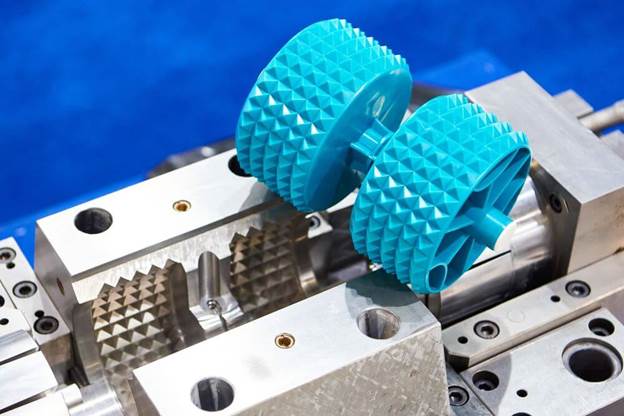
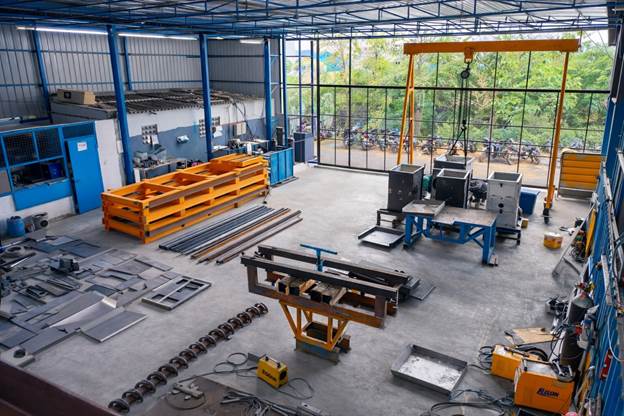
4. Emballasje- og næringsmiddelindustrien

Sprøytestøping brukes også til et annet viktig bruksområde, nemlig plastemballasje, som omfatter beholdere, lokk og flasker. På den ene siden produserer kinesiske produsenter holdbare emballasjeløsninger av høy kvalitet, mens de på den andre siden er miljøvennlige.

Nøkkelaktører i den kinesiske sprøytestøpeindustrien

Sprøytestøping har utviklet seg til å bli ledende i Kina i bransjer som bilindustrien, helsevesenet, elektronikk og forbruksvarer med høy kvalitet og kostnadseffektivitet. Kinesisk sprøytestøpefirmaer fortsette å lede det globale markedet ved hjelp av avanserte produksjonskapasiteter, toppmoderne utstyr og gjennomføring av internasjonale kvalitetsstandarder. Det er noen få av de kjente kinesiske produksjonsbedriftene for støpeformfremstilling av plastdeler i Kina.

Sincere Tech: En ledende leverandør av løsninger for sprøytestøping av plast 

Sincere Tech, grunnlagt i 2005 og ligger i byen Dongguan-provinsen, Kina, er kjent for mer enn 10 år med å tilby forretningsstøpte plastsprøytestøpeformforsyningstjenester. Selskapet har utvidet sine evner til å inkludere ting som Eddie-støpeformer, silikon gummistøping, CNC-maskinering og komplett produktmontering og deltar i et bredt utvalg av bransjer over hele verden.

Mangfoldig utvalg av tjenester

Sincere Tech tilbyr totale produksjonsløsninger for kunder med følgende typer produkter:

  • Selskapet tilbyr produkter som spesialtilpassede plastsprøytestøpeformer med mulighet til å designe og produsere høypresisjonsformer for masseproduksjon av holdbare og nøyaktige plastkomponenter.
  • Presisjonsbearbeiding - CNC-maskinering, fresing, boring, dreining og sliping utført av Sincere Tech er med fullstendig ekspertise, noe som sikrer at hver del som produseres er med presisjon og høy kvalitet.
  • For å øke produksjonsprosessen oppnår støpeformproduksjonsfirmaet suksess ved å produsere støpeformer av høy kvalitet og høy ytelse og sette dem sammen for å produsere holdbare metallkomponenter som oppfyller spesifikasjonene til de strenge bransjekravene.
  • Vi tilbyr sprøytestøpingstjenester ved hjelp av avanserte plastsprøytestøpemaskiner for å produsere komponenter laget av følgende materialer som PP, ABS, PPS, PEEK, PA66+GF30.
  • Produktmonteringstjenester - Selskapet monterer effektivt underenheter, enkle sammenstillinger og ferdig monterte produkter i henhold til strenge kvalitetsstandarder.
  • Sincere Tech tilbyr silikonstøpeløsninger for spesifikke prosjekter i ulike bransjer.

Engasjement for kvalitet og teknologisk utvikling

Men oppriktig tech opprettholder den høyeste kvalitetsstandarden ved å overholde internasjonale standarder som ISO 9001:2015 og QS 9000:2015. For å produsere støpeformer og deler av beste kvalitet bruker selskapet avanserte maskiner, inkludert CMM-maskiner, 5-aksede CNC-maskiner og FANUC-maskiner. Sincere Tech matcher også kunder med NDA-er (Non-Disclosure Agreements) for å beskytte kundenes immaterielle rettigheter og proprietære design for konfidensialitetsformål.

Betjener globale bransjer

Sincere Tech er et internasjonalt sterkt selskap som leverer plast- og metallkomponenter til ulike bransjer (bilindustri, medisin, elektronikk, hvitevarer, hagearbeid, kosmetikk, matvareemballasje og elektriske kontakter). Selskapet har svært godt salg på eksportmarkedet, og produktene sendes til ulike globale markeder, inkludert Finland, ettersom de kan oppfylle de ulike bransjespesifikke standardene og kravene.

Kundefokusert tilnærming

Sincere Tech setter pris på konkurransedyktige priser, høy kvalitet i produksjonen og god service. På den annen side er selskapet en pålitelig partner for internasjonale virksomheter, med gode ferdigheter i prosjektledelse, tydelig kommunikasjon på teknisk engelsk og høy kundetilfredshet.

Seasky Medical

Seasky Medical er et kinesisk sprøytestøpeselskap som produserer plast til medisinsk bruk. Selskapet har hatt hovedkontor i Shenzhen, Guangdong, siden 1999, og tilbyr de beste sprøytestøpeløsningene. De tilbyr formdesign, materialvalg og sprøytestøping, i tillegg til å ta seg av produktutvikling, slik at medisinske komponenter oppfyller de høyeste kvalitets- og sikkerhetsstandarder.

ISO 8-sertifisert drift hos Seasky Medical sikrer produksjon av medisinsk utstyr som sprøyter, IV-komponenter og kirurgiske instrumenter i et forurensningsfritt miljø. Som et selskap med over ti års erfaring er de kjent for å levere pålitelig og nøyaktig medisinsk sprøytestøping der de betjener globale leverandører av helsetjenester.

Shenzhen Silver Basis Technology Co, Ltd

Shenzhen Silver Basis Technology er et profesjonelt kinesisk støpeselskap, dedikert til bil- og industriell moldproduksjon. Selskapet ble dannet i 1993 og er en av de mest pålitelige leverandørene for verdens berømte merkevarer som Peugeot og ZTE, og leverer modeller for forskjellige bruksområder.

Silver Basis tilbyr et omfattende utvalg av tjenester for metallstempling, pressstøping, støpeformproduksjon og produkttesting. Takket være deres ekspertise innen sprøytestøping for bilindustrien kan de produsere innvendige og utvendige bildeler som er holdbare og presise. Siden selskapet fokuserer på kvalitet, har det blitt tildelt ISO 9001- og ISO 14001-sertifikater, og på grunn av dette er det et selskap som er valgt av internasjonale bil- og elektronikkprodusenter.

JMT Automotive Mold Co, Ltd

JMT Automotive Mold Co, Ltd er et velrenommert kinesisk sprøytestøpeselskap som driver med design og produksjon av støpeformer til bilindustrien. Siden grunnleggelsen i 2005 og med base i Taizhou, Zhejiang, har selskapet bygget opp et solid produksjonssystem for å tilfredsstille de økende behovene i bilindustrien.

JMT Automotive Mold har en driftserfaring i et produksjonsanlegg på 23 000 kvadratmeter og er en av produsentene som spesialiserer seg på SMC mold, husholdningsapparater mold samt industriell mold. De har høyhastighets CNC-maskiner, presisjonstestutstyr og toppmoderne sprøytestøpemaskiner som fører til en høy produksjonsstandard. JMT Automotive opprettholder driften av teknologisk innovasjon og presisjonsteknikk, og vi tilbyr fortsatt pålitelig moldfabrikasjon for innenlandske og utenlandske kunder.

TK Mold Ltd

TK Mold Ltd ble grunnlagt i 1978 og er et velkjent kinesisk støpeselskap med mer enn 40 års erfaring innen produksjon av plastformer. Selskapet ble grunnlagt i 1983 og spesialiserer seg på utvikling av høypresisjonsformer for medisinske apparater, forbrukerelektronikk, smarthusapparater og bilkomponenter.

TK Mold tilbyr avanserte sprøytestøpeløsninger til sin globale kundegruppe fra sine fem produksjonsanlegg, inkludert ett i Tyskland. Selskapet er en pioner innen bruk av banebrytende teknologi, automatisering og presisjonsproduksjon, og er høyt verdsatt av bransjer som krever høytytende plastkomponenter. Alle produktene fra TK Mold er sertifisert i henhold til ISO 9001, ISO 13485 og ISO 14001 for å sikre at de faller innenfor de internasjonale kvalitets- og sikkerhetsstandardene.

Guangdong Yizumi Precision Machinery Co, Ltd

Guangdong Yizumi er et ledende kinesisk sprøytestøpeselskap som produserer høyytelses sprøytestøpemaskiner samt plastkomponenter. Yizumi ble grunnlagt i 2002, og hovedkontoret ligger i Foshan, Guangdong. Med over 600 000 kvadratmeter produksjonsbase og nesten 3000 ansatte har Yizumi utviklet seg til et verdensmerke.

Yizumi har vunnet en rekke bransjepriser for sine innovasjoner innen sprøytestøpingsteknologi og er kjent for sine innovative, formstøpte løsninger. I 2015 ble selskapet det første kinesiske sprøytestøpeselskapet som ble notert på Shenzhen-børsen. Yizumi fokuserer på bilindustrien, forbrukerelektronikk og industrielle bruksområder, og er i ferd med å bli ledende i bransjen med sine toppmoderne maskiner og støping med høy presisjon.

Utfordringer og hensyn ved valg av kinesisk støperi 

Kinesiske gruveselskaper har mange fordeler, men før man velger en produsent, bør man være klar over noen få aspekter.

1. Kvalitetskontroll og samsvar

Ikke alle produsentene følger de samme kvalitetsstandardene. Før du velger en leverandør, bør du verifisere sertifiseringer og teste en prøve først.

2. Beskyttelse av immaterielle rettigheter

Produksjon i Kina kan være et problem når det gjelder beskyttelse av immaterielle rettigheter (IP). For å unngå å miste design og beskytte dem, bør bedrifter samarbeide med pålitelige partnere og inngå juridiske avtaler.

3. Kommunikasjon og språkbarrierer

Selv om flere kinesiske produsenter har engelsktalende salgsteam, er kommunikasjonen ikke alltid like enkel. Dokumentasjon og avtale er utarbeidet for å forhindre misforståelser.

4. Logistikk og frakt

Det kan imidlertid være komplisert og kostbart å håndtere store ordrer internasjonalt. Kinesiske støpeselskaper bør være innforstått med virksomhetens tilpassede regler, ledetider og fraktkostnader.

Fremtidige trender innen kinesisk sprøytestøping

Med ny teknologi følger utviklingen av den kinesiske støpeindustrien for å møte de nye markedskravene. Viktige trender inkluderer:

1. Bærekraftige og miljøvennlige materialer

Etter hvert som bekymringene for plastavfall har økt i Kina, har mange støperier blitt mer opptatt av miljøbestemmelser og utvikler nå både biologisk nedbrytbare og resirkulerte plastmaterialer.

2. Smart produksjon og Industri 4.0

Automatiseringen og den AI-drevne kvalitetskontrollen, den fullstendige overgangen fra en menneskesentrert prosess til en IoT-aktivert smart fabrikk, har forvandlet sprøytestøpeprosessen fullstendig, og det gjør produksjonen mer effektiv og gir mindre svinn.

3. Økt tilpasning og produksjon på bestilling

Bedriftene fokuserer i økende grad på on-demand-produksjon i små serier for nisjemarkeder og rask produktutvikling.

Konklusjon

Kinesiske sprøytestøpeselskaper er en integrert del av den globale produksjonsindustrien, ettersom disse selskapene leverer kostnadseffektive og innovative løsninger av høy kvalitet til kundene. Noen av disse produsentene bearbeider plastdeler til bilkomponenter, medisinsk utstyr og andre relaterte bransjer. Når du velger et kinesisk støpeselskap, bør forretningsenheter nøye undersøke kvalitetsstandarder, kommunikasjonsmuligheter og logistikk for å sikre et vellykket partnerskap. På grunn av den kontinuerlige trenden med teknologiske fremskritt og bærekraftig praksis, vil kinesiske støpeselskaper fortsette å lede an innen sprøytestøping i mange år fremover. Med tanke på de mange fordelene bør bedrifter imidlertid ta hensyn til kvalitetskontroll, beskyttelse av immaterielle rettigheter, kommunikasjonsutfordringer og logistikk før de velger en kinesisk støpepartner. Men hvis man har gjort grundige undersøkelser og samarbeider med produsenter som produserer med kvalitet og er sertifisert for arbeidet, kan bedriftene høste fordelene av Kinas ekspertise innen sprøytestøping. I fremtiden vil sprøytestøping i Kina være preget av bærekraftige materialer, smart produksjon, høyhastighetsproduksjon og produksjonsdrevet automatisering kombinert med biologisk nedbrytbar plast og Industri 4.0-teknologi, og Kina vil fortsatt ha de største fremskrittene innen global sprøytestøping. Etter hvert som de kinesiske sprøytestøpeselskapene kontinuerlig utvikler seg og gjør sitt beste for å endre den kinesiske produksjonens ansikt utad, vil de fortsette å drive moderne produksjon fremover.

Ofte stilte spørsmål (FAQ)

1. Hvorfor er sprøytestøpingsproduksjon fra Kina populær?

Å velge Kina for sprøytestøping gir fordelen av kostnadseffektiv produksjon, moderne teknologi, godt utdannet arbeidsstyrke og godt organisert forsyningskjede. Det er mange produsenter som følger internasjonale kvalitetsstandarder, og de tilbyr tilpassede løsninger med svært rask behandlingstid.

2. Hvordan kommer kinesiske sprøytestøpeselskaper industrien til gode?

Alle disse bransjene har vært avhengige av kinesisk sprøytestøping, inkludert bilindustrien, elektronikk, medisinsk utstyr, emballasje og forbruksvarer. Kinesiske produsenter kan effektivt og billigere produsere plastkomponenter med høy presisjon som trengs for disse industriene.

3. Hvordan garanterer kinesiske sprøytestøpeselskaper produktkvalitet?

Kina støping pålitelige selskaper kontrollerer strengt kvaliteten fra råvarer til ferdige produkter og oppnår følgende sertifikater: ISO 9001, ISO 13485 (medisinsk) og IATF 16949 (bildeler). Testprosessene og de automatiserte inspeksjonssystemene deres holder høy standard.

4. Et utvalg av kinesiske støpeprodusenter er hva?

Kvalitetssertifiseringer, erfaring, produksjonskapasitet, beskyttelse av immaterielle rettigheter og evnen til å kommunisere og tilby logistikkstøtte bør tas i betraktning av bedriftene. Prøvetesting og sikring av selskapets leveringsdyktighet bør gjennomføres for å bane vei for et godt partnerskap.

5. Hva er utsiktene for den kinesiske sprøytestøpeindustrien?

Tiden vi lever i, krever at industrien finner nye trender for å løse problemet, blant annet bærekraftig og biologisk nedbrytbar plast, AI-drevet automatisering, smarte fabrikker og produksjon på forespørsel. Disse fremskrittene vil gjøre produksjonen mer effektiv, redusere avfallsmengden og dekke den stadig økende etterspørselen etter miljøvennlige produksjonsløsninger.