
Stampi a iniezione di alluminio: Guida completa a costi, vantaggi e applicazioni
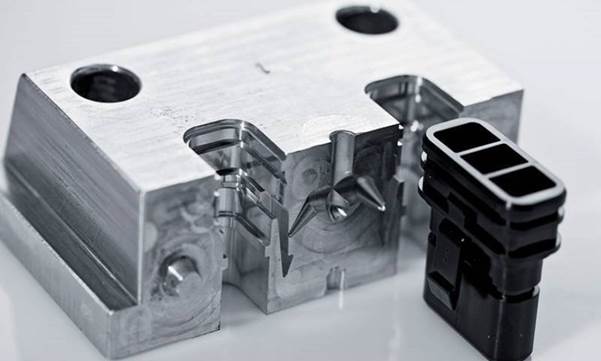
Lo stampo a iniezione in alluminio è oggi un elemento fondamentale dell’industria manifatturiera grazie alla sua rapidità, efficienza e convenienza. Data la necessità di cicli di produzione più rapidi e di flessibilità nella progettazione, le industrie hanno trovato negli stampi in alluminio uno strumento utile. I pezzi in plastica vengono realizzati iniettando il materiale plastico fuso in una cavità realizzata con precisione, e il materiale plastico assume la forma della cavità durante il raffreddamento. Gli stampi in alluminio hanno tempi di consegna molto più brevi, sono più facili da lavorare e sono significativamente più leggeri rispetto agli stampi in acciaio. Si tratta di un'ottima opzione per i prototipi e per le serie di produzione di piccole e medie dimensioni. Si tratta di un metodo preferito dalle aziende, poiché consente loro di risparmiare tempo nella realizzazione dei propri prodotti e garantisce che il processo sia sviluppato con elevati standard qualitativi. Grazie al progresso tecnologico, l’impiego degli stampi a iniezione in alluminio sta aumentando rapidamente in vari settori, tra cui quello automobilistico, medico, elettronico e dei beni di consumo.
Che cos’è uno stampo a iniezione per alluminio?
Uno stampo a iniezione in alluminio è uno stampo utilizzato per la produzione di componenti in plastica. È realizzato in alluminio e non in acciaio. In questo processo, la plastica viene fusa e poi iniettata nella cavità dello stampo. Il materiale si raffredda, assumendo la forma dello stampo. Una volta raffreddato, il prodotto finale viene estratto. Questo processo si ripete numerose volte durante la produzione. Il vantaggio principale è che l’alluminio si raffredda più rapidamente e consente una produzione più veloce rispetto ad altri materiali, come la plastica. Il vantaggio più importante è che si raffredda rapidamente e permette una produzione più veloce rispetto ai materiali plastici. Ecco perché oggi si utilizzano stampi a iniezione in alluminio.
Come funzionano gli stampi in alluminio nello stampaggio a iniezione?
Alluminio stampi per stampaggio a iniezione È necessario seguire una procedura specifica e tali procedure sono piuttosto efficienti. Ogni fase dipende dalle altre ed è fondamentale per produrre componenti in plastica di alta qualità in modo rapido e affidabile.
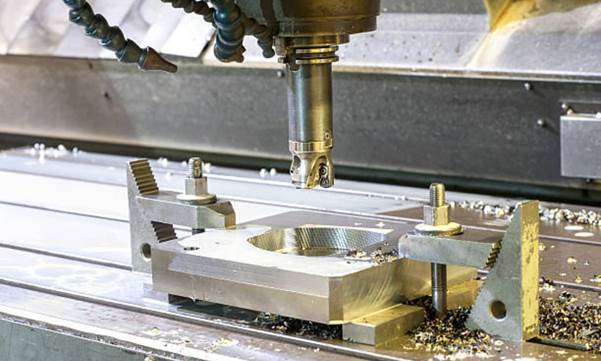
Fase 1: Selezione e preparazione dei materiali
La prima cosa da fare è scegliere una plastica adatta. L’ABS, il polipropilene e il polietilene sono i materiali tipicamente utilizzati. Esistono numerosi materiali con caratteristiche diverse, quali resistenza meccanica, flessibilità e resistenza al calore. Il materiale viene solitamente fornito sotto forma di granuli in una tramoggia situata sopra la macchina. Prima dell’uso, il materiale deve essere pulito e asciutto; in caso contrario, l’umidità potrebbe causare difetti nel prodotto.
Fase 2: Inserimento della plastica nella macchina
Successivamente, lo stampo viene preparato e i granuli di plastica vengono inseriti nella macchina per lo stampaggio a iniezione. Questi vengono convogliati nella tramoggia, dove vengono riscaldati all’interno di un cilindro. Una vite che ruota all’interno del cilindro spinge la plastica in avanti. Durante il movimento, il materiale inizia a riscaldarsi e a sciogliersi.
Fase 3: Fusione della plastica
Il calore e la pressione generati dalla vite fondono la plastica nel cilindro. Con il passare del tempo, i granuli solidi si trasformano gradualmente in una sostanza densa nota come “plastica fusa”. In questa fase è fondamentale tenere sotto controllo la temperatura. Una temperatura troppo elevata potrebbe danneggiare il materiale, mentre una temperatura troppo bassa potrebbe compromettere la fusione.
Fase 4: Iniezione nello stampo in alluminio
Una volta completamente sciolta, la plastica verrà iniettata. La vite esercita un’elevata pressione durante la spinta. La plastica fusa viene convogliata nello stampo di iniezione in alluminio tramite un ugello. La forma della cavità dello stampo è determinata dalla forma del prodotto da realizzare, al fine di ottenere risultati precisi.
Fase 5: Riempimento della cavità dello stampo
La plastica viene fusa e versata nello stampo in modo da riempire completamente tutti gli spazi. Riempie tutti gli spazi vuoti e modella perfettamente tutte le forme. Per evitare la formazione di bolle d’aria e vuoti, viene applicata la pressione adeguata. Questa fase è molto importante, poiché in caso contrario il prodotto risulterebbe difettoso.
Fase 5: Riempimento della cavità dello stampo
Una volta effettuato il riempimento, ha inizio il processo di raffreddamento. L’alluminio presenta un’elevatissima conducibilità termica, pertanto la plastica si raffredda rapidamente. La temperatura viene mantenuta costante grazie all’utilizzo di canali di raffreddamento. La plastica si indurisce e, man mano che si raffredda, assume la forma dello stampo. Più il metallo è freddo, più veloce sarà il ciclo e più rapida sarà la produzione.
Fase 7: Apertura dello stampo
Quando il materiale plastico si è completamente solidificato, lo stampo viene rimosso con cura e lentamente dalla plastica. Questo per garantire che lo stampo non subisca alcun danno. In questa fase lo stampo è costituito da due parti che si separano. Una volta che il pezzo è stato stampato, viene facilmente espulso dallo stampo. Questo processo è molto sensibile al fattore tempo. È importante che lo stampo non venga aperto troppo presto, poiché il prodotto potrebbe deformarsi o perdere la sua forma. È per questo motivo che i produttori attendono sempre che la plastica sia solidificata prima di aprire lo stampo.
Fase 8: Espulsione del pezzo finito
Una volta stampato il pezzo, i perni di espulsione intervengono per espellere il pezzo stampato dallo stampo. Rimozione accurata del componente – nessun danno. Il pezzo viene quindi prelevato per la fase successiva. Se il sistema di espulsione è ben progettato, sulla superficie non rimarranno segni né difetti.
Fase 9: Controllo e rifinitura
Una volta prelevati dallo stampo, vengono sottoposti a un controllo di qualità. I produttori verificano la presenza di eventuali difetti di forma, bolle o crepe. Se necessario, vengono eseguite alcune operazioni di rifinitura (taglio e/o levigatura) di entità minore. Gli stampi in alluminio garantiscono una buona qualità della superficie e, in genere, richiedono una rifinitura minima.
Passaggio 10: Ripetere il ciclo
Lo stampo verrà espulso e il ciclo si ripeterà una volta chiuso lo stampo. Ciò consente di produrre pezzi sia in serie singola che in produzione di massa. Il raffreddamento più rapido dell’alluminio comporta una riduzione del tempo di ciclo, rendendo il processo più efficiente e contribuendo a ridurre i costi di produzione.
Perché scegliere gli stampi in alluminio invece di quelli in acciaio?
Sono in molti ad aver messo a confronto gli stampi in alluminio con quelli in acciaio. Gli stampi in acciaio sono costosi, richiedono molto tempo e sono difficili da realizzare. Rispetto agli stampi in alluminio, sono più veloci, economici e facilmente modificabili. Sono perfetti sia per i test che per le piccole serie di produzione. Per l’industria moderna, quindi, si raccomanda l’uso di stampi a iniezione in alluminio.
Principali vantaggi degli stampi a iniezione in alluminio
Uno dei principali vantaggi degli stampi a iniezione in alluminio è la velocità. I tempi di produzione risultano ridotti rispetto a quelli degli stampi in acciaio grazie alla rapida velocità di raffreddamento dell’alluminio. Un altro vantaggio fondamentale: il COSTO! Il costo degli stampi a iniezione in alluminio è molto inferiore rispetto a quello degli stampi in acciaio, il che può aiutare le aziende nel processo di riduzione dei costi. Inoltre, in caso di modifiche al progetto, gli stampi in alluminio possono essere facilmente sostituiti. Offrono anche un’eccellente finitura superficiale, migliorando così la qualità dei prodotti.
Comprendere il costo degli stampi a iniezione per l'alluminio
I prezzi degli stampi a iniezione in alluminio possono essere determinati da diversi fattori. Le dimensioni dello stampo sono importanti, poiché gli stampi più grandi richiedono una maggiore quantità di materiale. Il costo è influenzato anche dal design dello stampo: uno stampo semplice è meno costoso di uno complesso. Inoltre, è importante il numero di cavità. Gli stampi multicavità hanno un costo maggiore, ma consentono di produrre un numero maggiore di pezzi. Nonostante queste spese, gli stampi in alluminio rimangono comunque più convenienti rispetto a quelli in acciaio.
Quando utilizzare gli stampi a iniezione in alluminio
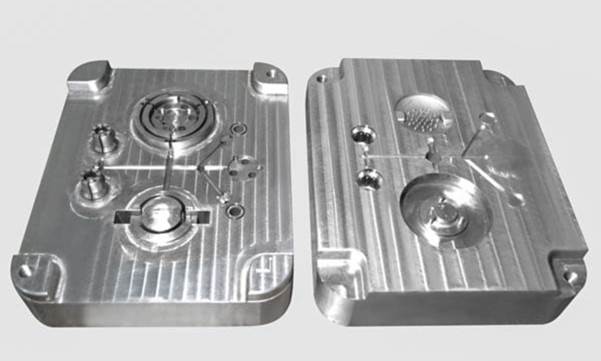
Gli stampi in alluminio sono i più consigliati per cicli di produzione da bassi a medi. Sono eccellenti per la prototipazione e il collaudo dei prodotti. Vengono generalmente utilizzati dalle aziende che desiderano commercializzare rapidamente il prodotto o da quelle che prevedono di dover apportare modifiche al suo design. Se si preferisce uno stampo in acciaio per la produzione, questo potrebbe risultare più appropriato rispetto agli stampi in alluminio, poiché gli stampi in acciaio sono più resistenti. Per la maggior parte dei progetti, tuttavia, uno stampo in alluminio per lo stampaggio a iniezione può essere utilizzato con ottimi risultati.
Settori che utilizzano stampi a iniezione in alluminio
Gli stampi a iniezione in alluminio vengono utilizzati in numerosi settori industriali. Sono stati impiegati per il collaudo di componenti nell’industria automobilistica. Trovano inoltre applicazione in campo medico per lo sviluppo di apparecchiature. Vengono impiegati dalle aziende del settore elettronico per una produzione rapida dei prodotti. Vengono utilizzati dalle aziende nel settore dell’imballaggio di beni di consumo e articoli per la casa. Sono piuttosto versatili e possono essere utilizzati in una moltitudine di modi.
Materiali utilizzati nello stampaggio a iniezione dell'alluminio
A seconda del tipo di prodotto e dei requisiti prestazionali dello stesso, è possibile utilizzare altri materiali plastici con lo stampo a iniezione in alluminio. I materiali possono presentare proprietà diverse, quali resistenza, flessibilità, durata e resistenza al calore. La qualità del prodotto dipenderà in larga misura dalla scelta del materiale.
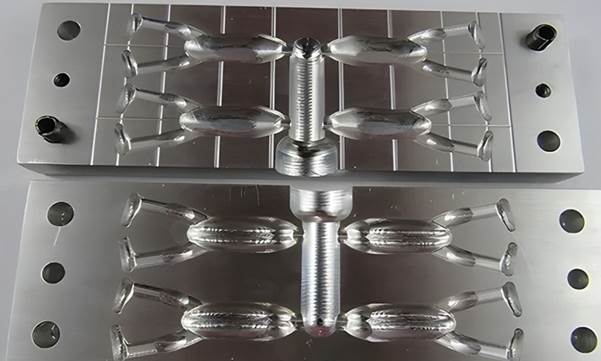
Materiali comunemente utilizzati
ABS (acrilonitrile butadiene stirene): L'ABS è una plastica resistente agli urti e robusta, utilizzata in numerosi settori industriali. È molto diffusa grazie alla sua durata e resistenza. Si trova in involucri elettronici, giocattoli e componenti per veicoli. Presenta una discreta resistenza e rigidità, il che la rende particolarmente adatta all'uso quotidiano.
- Polipropilene (PP): Si tratta di una plastica morbida, economica e flessibile. È resistente agli agenti chimici, quindi particolarmente adatta a una vasta gamma di applicazioni. È ampiamente utilizzata nel settore dell’imballaggio, nei contenitori per la conservazione e nei prodotti di consumo. È inoltre molto leggera e facile da modellare, il che la rende adatta alla produzione su larga scala.
- Polietilene (PE): Il polietilene è una plastica resistente, robusta e durevole. Può essere utilizzato per la produzione di pellicole da imballaggio, bottiglie di plastica e tubi. Uno dei suoi principali vantaggi è che mantiene le sue proprietà anche a basse temperature. Ciò lo rende ideale sia per uso industriale che domestico.
- Nylon (poliammide): Plastica tecnica; robusta. Resistente al calore e di lunga durata. Utilizzata nella realizzazione di componenti meccanici e parti industriali.
Una plastica trasparente molto resistente, come il policarbonato (PC). Grazie alla sua elevata resistenza agli urti, viene utilizzata per la produzione di lenti, coperture protettive e dispositivi di sicurezza.
Limiti degli stampi a iniezione in alluminio
Sebbene gli stampi a iniezione in alluminio presentino numerosi vantaggi, esistono anche alcuni svantaggi. Non sono durevoli quanto gli stampi in acciaio e possono usurarsi più rapidamente. Non sono consigliati per produzioni molto complesse o per pressioni molto elevate (HP). Tuttavia, nella maggior parte dei casi questi svantaggi non si presentano e i vantaggi sono maggiori. L’alluminio dovrebbe essere utilizzato con una buona qualità superficiale, che può risentire dell’usura nel tempo in caso di produzioni di lunga durata. Può inoltre essere più soggetto a graffi rispetto all’acciaio. Pertanto, il suo impiego è limitato principalmente a livelli di produzione bassi o medi. Tuttavia, si presta ottimamente alla realizzazione di prototipi e alla fase di collaudo.
Consigli per ridurre i costi degli stampi a iniezione in alluminio
È possibile risparmiare sui costi degli stampi a iniezione in alluminio. Con progetti semplici si riduce il tempo di lavorazione. Ciò comporta anche una riduzione dei costi dei componenti standard. Eliminare eventuali elementi superflui aiuta a risparmiare tempo e denaro. Inoltre, se ci si affida a produttori esperti, è possibile ottimizzare il processo rendendolo più efficiente. Quando si progetta in vista della produzione, un consiglio importante è quello di completare il processo di progettazione prima dell’inizio della produzione. Le spese potrebbero aumentare se le modifiche al progetto venissero apportate in un secondo momento. Un altro fattore significativo è l’utilizzo del materiale appropriato in base ai requisiti del prodotto. Se ci si prepara adeguatamente, il budget complessivo risulta sempre ridotto.
Stampo a iniezione in alluminio vs stampo in acciaio
A seconda delle esigenze produttive, verranno scelti gli stampi in alluminio o quelli in acciaio. Gli stampi in alluminio sono i più veloci e i meno costosi tra i vari tipi di stampi. Gli stampi in acciaio sono più resistenti, consentono tirature di produzione più elevate e hanno una durata maggiore. Gli stampi in alluminio sono meno costosi e più resistenti di quelli in acciaio, ma sono anche più facili da lavorare e più leggeri, e richiedono tempi di produzione più lunghi.
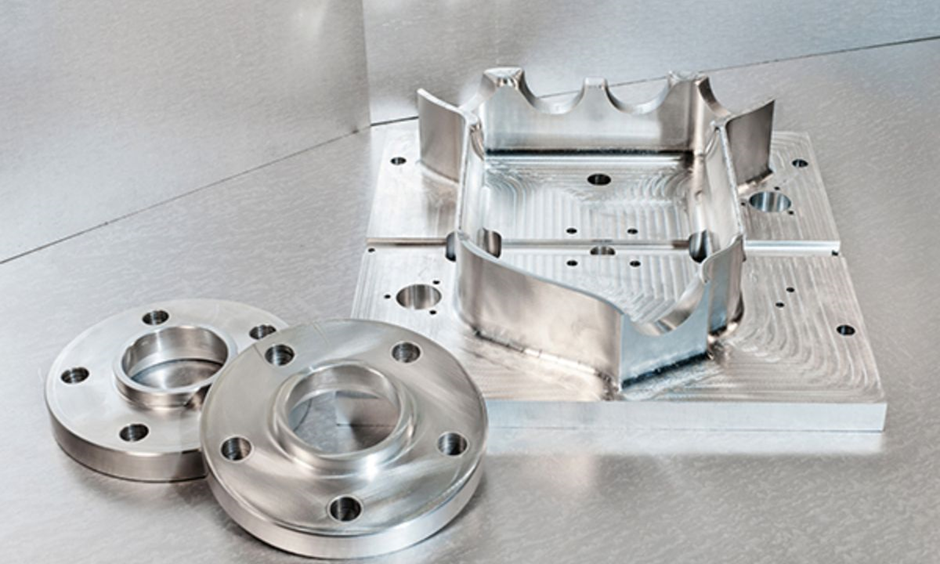
Gli stampi in alluminio sono ideali per i test di mercato, poiché sono facili da realizzare e di ottima qualità. Gli stampi in acciaio sono più adatti alla produzione di massa, ovvero alla produzione di milioni di pezzi. Se la flessibilità e la rapidità sono fattori chiave, è preferibile utilizzare l’alluminio. Quando invece si richiede una lunga durata, l’acciaio è il materiale da preferire.
Considerazioni sulla progettazione
La progettazione dello stampo a iniezione in alluminio riveste un ruolo fondamentale. I progetti semplici sono i migliori. A parità di spessore delle pareti, la loro resistenza dipenderà dal raffreddamento. Gli angoli devono essere studiati per facilitare l’estrazione dei pezzi. La progettazione dei canali di raffreddamento ne migliora l’efficienza. Uno stampo ben progettato riduce al minimo gli errori e migliora la qualità del prodotto. Contribuisce inoltre a ridurre al minimo le sollecitazioni nello stampo durante la produzione del pezzo. Previene la formazione di curve a forcella, sacche d’aria o crepe nei percorsi di flusso regolari. Gli ingegneri devono sempre valutare il rapporto tra costo, velocità e resistenza. La durata e le prestazioni dello stampo sono migliorate da una progettazione adeguata.
Velocità ed efficienza produttiva
Gli stampi in alluminio vengono realizzati a velocità elevata. Ciò è dovuto al fatto che l’alluminio raffredda la plastica più rapidamente dell’acciaio, riducendo così il tempo di ciclo. Ciò contribuisce ad aumentare la produttività e l’efficienza. Una produzione più rapida aiuta inoltre le aziende a rispettare le scadenze e ad aumentare i profitti. In molti casi è possibile ridurre notevolmente il tempo di ciclo. Ciò si traduce in un maggior numero di pezzi prodotti in tempi più brevi. Inoltre, consente di ridurre il consumo energetico di ciascun componente. Il motivo per cui gli stampi in alluminio per iniezione sono ampiamente utilizzati in questo settore in rapida crescita è che rappresentano una scelta eccellente.
Manutenzione e durata
Gli stampi a iniezione in alluminio richiedono una manutenzione regolare. È necessario utilizzare regolarmente lubrificanti e detergenti per prolungare la durata dei componenti. Questi stampi consentono di produrre migliaia di pezzi, ma non sono resistenti quanto quelli in acciaio. Rappresentano un’ottima scelta per produzioni di entità da bassa a media. Quando non sono in uso, gli stampi devono essere conservati in modo adeguato e secondo le modalità d’uso corrette. L’umidità e la polvere contribuiscono a preservarne la superficie. Un’ispezione periodica aiuta a prevenire l’usura precoce. Se utilizzati correttamente, dureranno a lungo.
Benefici ambientali
Gli stampi in alluminio causano meno danni all’ambiente. Richiedono meno energia per la produzione e il funzionamento. Inoltre, l’alluminio è sostenibile in quanto riciclabile! Inoltre, l’aumento della produzione comporta anche un minor consumo energetico. Sono ideali per le aziende che adottano una produzione ecocompatibile. Ridurre il consumo energetico si traduce in una riduzione dell’impronta di carbonio. Un altro vantaggio è che durante il riciclaggio dell’alluminio si producono meno rifiuti industriali. Questo rappresenta un valore aggiunto per i moderni sistemi di produzione sostenibili.
Applicazioni comuni
Gli stampi a iniezione in alluminio trovano impiego in diversi settori industriali. Vengono utilizzati nell’industria automobilistica per la realizzazione di prototipi. Nel settore medico vengono impiegati per la produzione di dispositivi. Sono apprezzati e adottati dalle aziende elettroniche per una produzione rapida. Vengono utilizzati dai produttori di beni di consumo per la realizzazione di tali prodotti. Trovano inoltre impiego nel settore dell’imballaggio, in ambito domestico e in applicazioni industriali. Grazie alla loro versatilità, possono essere impiegati in progetti di piccole e medie dimensioni. Per molte start-up rappresentano l’opzione preferita per testare il lancio dei propri prodotti. Ciò conferisce loro un valore aggiunto nei mercati odierni.
Sfide
Alcuni problemi relativi agli stampi in alluminio. Non sono durevoli quanto quelli in acciaio e possono essere soggetti a usura. Non sono consigliati per quantità molto elevate. Tuttavia, con una progettazione e un utilizzo adeguati, questi problemi possono essere ridotti al minimo. Altri aspetti negativi sono la scarsa resistenza alle alte pressioni e la mancanza di impermeabilità. I progetti molto complessi possono comportare una perdita di prestazioni nel tempo. Nel complesso, tuttavia, sono in grado di garantire buone prestazioni nei casi d’uso tipici. Possono essere sottoposti a una corretta manutenzione e, se utilizzati in modo appropriato, funzionano in modo molto efficace.
Pensieri finali
Si tratta di metodi di produzione intelligenti ed efficienti per lo stampaggio a iniezione dell'alluminio. Garantiscono rapidità, versatilità e risparmio. Ideali per lo sviluppo rapido di prodotti, la produzione in piccole serie e la realizzazione di prototipi. Prezzo più contenuto dell'alluminio stampo a iniezione lo rende accessibile sia alle startup che alle aziende in fase di espansione. Allo stesso tempo, garantisce prestazioni eccellenti e può essere impiegato anche in settori industriali di grandi dimensioni. Conoscendo tutti questi vantaggi e svantaggi relativi alla propria attività, le aziende possono trarne il massimo beneficio. Con l’evoluzione tecnologica, l’influenza degli stampi in alluminio sulla produzione futura sarà ancora maggiore.
Domande frequenti
Che cos’è uno stampo a iniezione per alluminio e perché è importante?
Lo stampaggio a iniezione di alluminio è un processo che consente di iniettare plastica fusa nella cavità dello stampo per realizzare prodotti in plastica. La sua importanza deriva dal fatto che consente di produrre in tempi brevi, ridurre i costi di produzione e realizzare prodotti di buona qualità. È un materiale molto apprezzato per la prototipazione e per le esigenze di rapidità e flessibilità nelle piccole serie di produzione, ed è utilizzato in una vasta gamma di settori industriali.
Quali sono i fattori che influenzano il prezzo degli stampi a iniezione per l'alluminio?
Tra i vari fattori che possono influire sul costo degli stampi a iniezione in alluminio figurano le dimensioni dello stampo, la complessità del suo progetto, il numero di stampi e il tipo di materiale utilizzato. Il prezzo varia in base alla complessità dello stampo: gli stampi semplici saranno meno costosi rispetto a quelli più complessi. Il prezzo varia inoltre a seconda del volume di produzione e delle specifiche del prodotto finito.
Perché gli stampi in alluminio sono più veloci da utilizzare nello stampaggio a iniezione rispetto a quelli in acciaio?
Poiché l'alluminio presenta un'elevata conduttività, gli stampi in alluminio utilizzati per lo stampaggio a iniezione sono veloci. Grazie alla loro elevata conduttività termica, la plastica si raffredda rapidamente nella cavità dello stampo. Ciò non solo riduce il tempo di ciclo, ma accelera anche la velocità di produzione, garantendo una maggiore efficienza.
Quando si deve scegliere tra uno stampo per iniezione in alluminio e uno in acciaio, quale è meglio utilizzare?
Gli stampi a iniezione in alluminio rappresentano una valida opzione da prendere in considerazione quando si tratta di velocità di produzione, costi contenuti e flessibilità progettuale. Possono essere utilizzati per la realizzazione di prototipi, per i test e per volumi di produzione da bassi a medi. Tuttavia, se si devono produrre grandi quantità di articoli, gli stampi in acciaio potrebbero rivelarsi più efficaci, poiché garantiscono anche una maggiore durata.
Qual è il punto di forza dello stampo a iniezione in alluminio?
I principali vantaggi degli stampi a iniezione in alluminio sono: consentono tempi di produzione più rapidi, sono più economici, sono molto versatili e garantiscono una buona finitura superficiale. Tutti questi vantaggi li rendono una scelta interessante per le aziende alla ricerca di soluzioni produttive efficienti e flessibili.





Lascia un Commento
Vuoi partecipare alla discussione?Sentitevi liberi di contribuire!